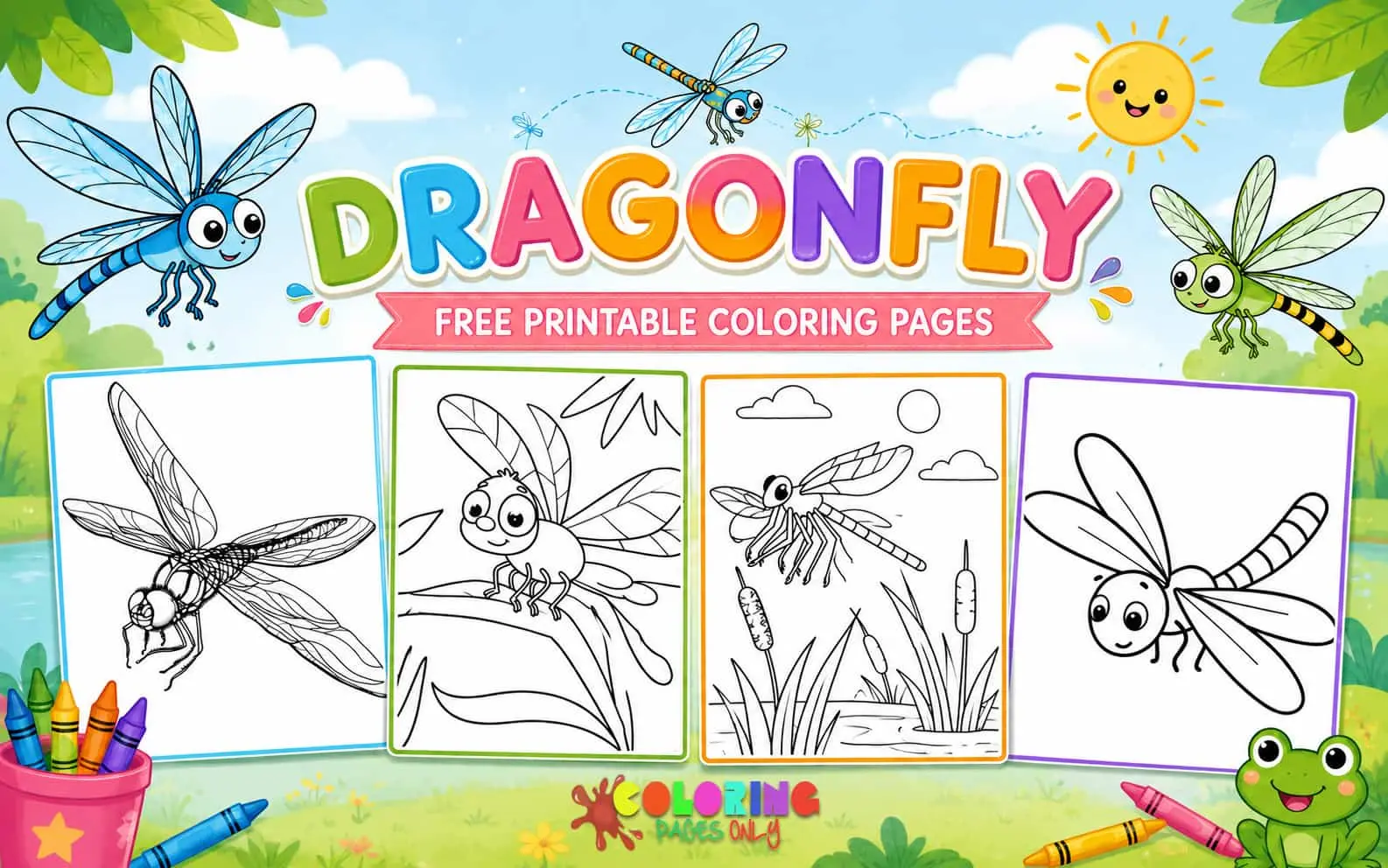
Free Dragonfly Coloring Pages: 40+ printable pages featuring simple dragonflies, cute dragonflies, pretty dragonflies, realistic dragonfly line art, flying dragonflies, two dragonflies, dragonflies on leaves, dragonflies on grass, dragonflies sitting on stems, dragonflies with flowers, cattails and dragonfly pond scenes, Green Darner dragonflies, Yellow Winged Darter dragonflies, Blue Damselfly, Australian Damselfly, dragonfly nymph pages, adorable dragonfly designs, and easy dragonfly coloring sheets for kids. These pages are great for children, parents, teachers, insect lessons, pond habitat activities, spring and summer crafts, nature study, fine motor practice, and calm screen-free coloring. All free, PDF or PNG, print or color online.
Dragonflies are some of the most beautiful insects to color because they combine simple body shapes with delicate wing details. A dragonfly has a long body, large eyes, thin legs, and four wide wings that can look transparent, shiny, or patterned. Children can color them in bright blue, green, red, yellow, orange, purple, or soft natural tones, then add leaves, flowers, cattails, water ripples, reeds, grass, and sky around them.
That gives dragonfly coloring pages a special nature-learning value. These pages are not just insect pictures; they can become small outdoor scenes. A child can study wing symmetry, follow wing veins, compare dragonflies and damselflies, imagine a nymph living underwater, or create a pond habitat with cattails and flowers. Younger children can start with simple dragonfly outlines and cute dragonfly pages. Older children can enjoy realistic line art, detailed wing patterns, Green Darner pages, damselfly pages, dragonfly nymph pages, and more detailed pond habitat designs.
What’s Inside
Simple and Easy Dragonfly Coloring Pages for Kids
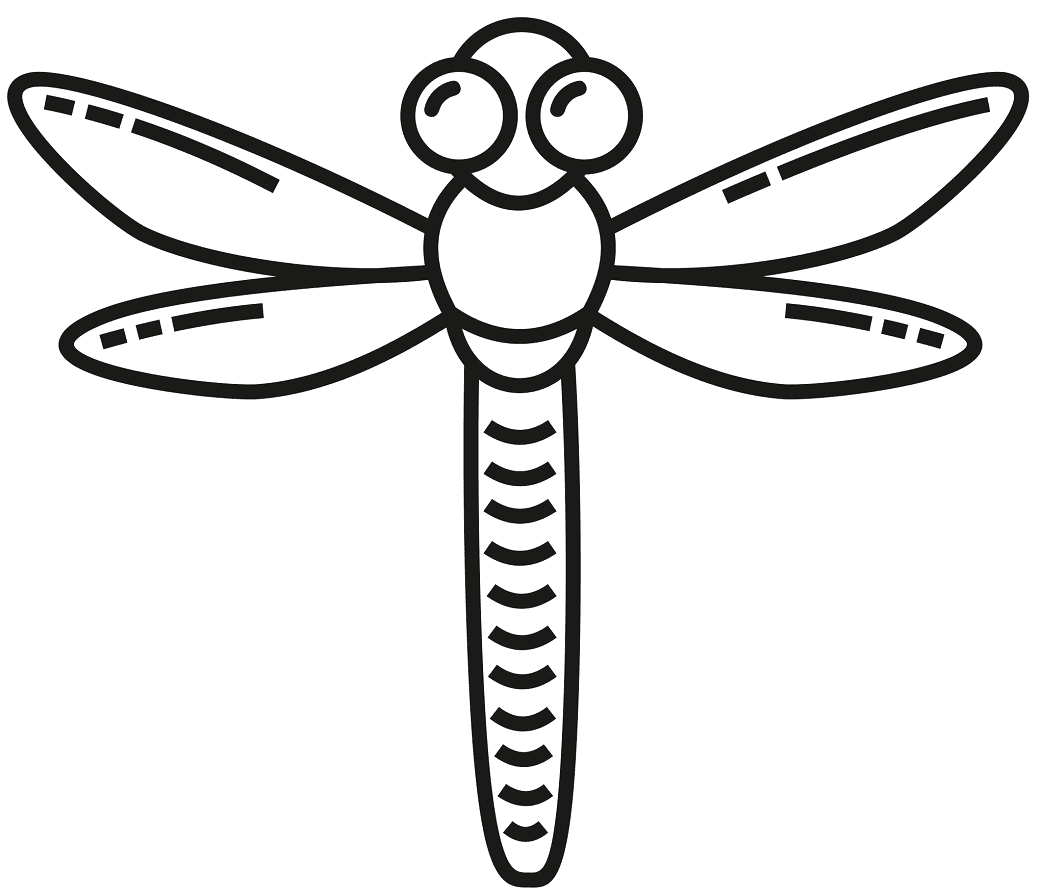
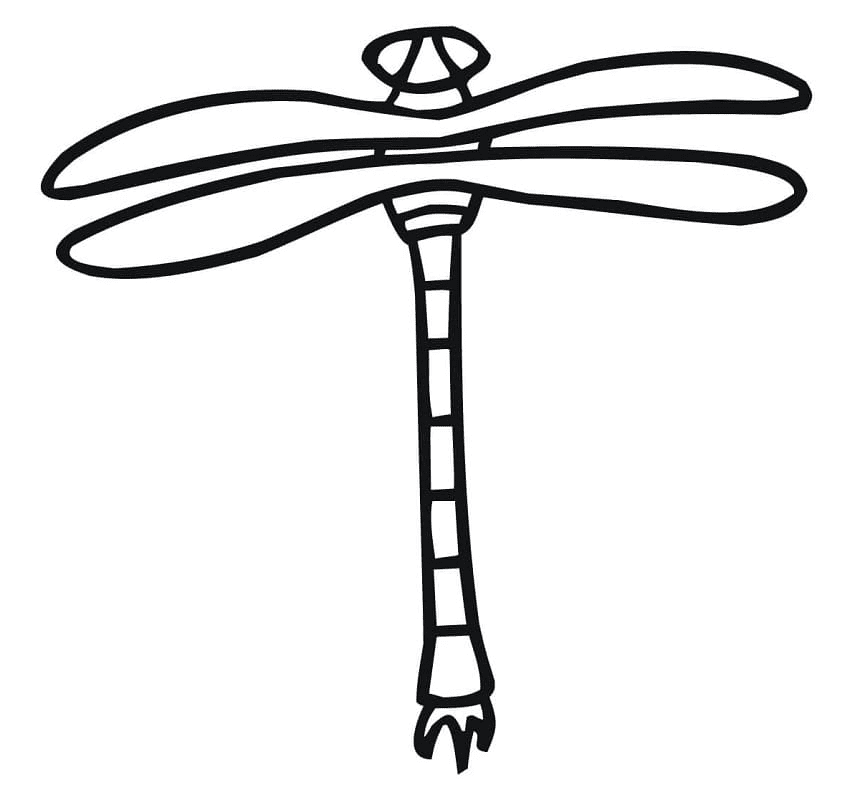
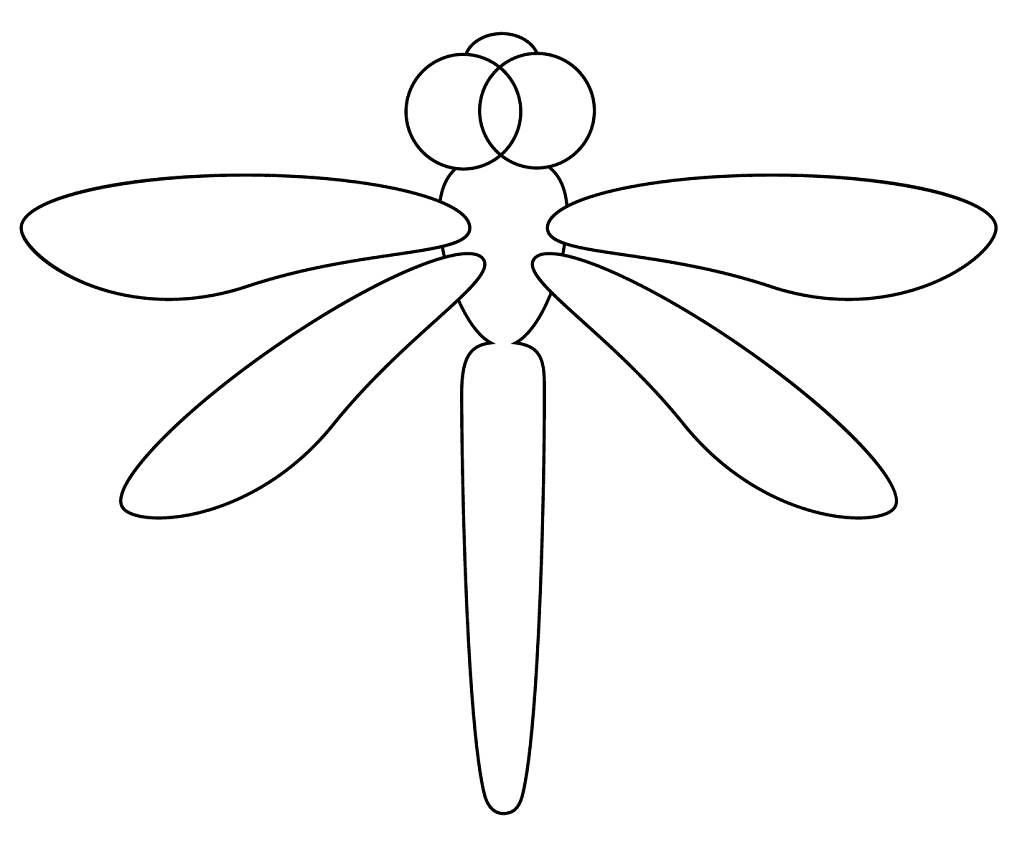
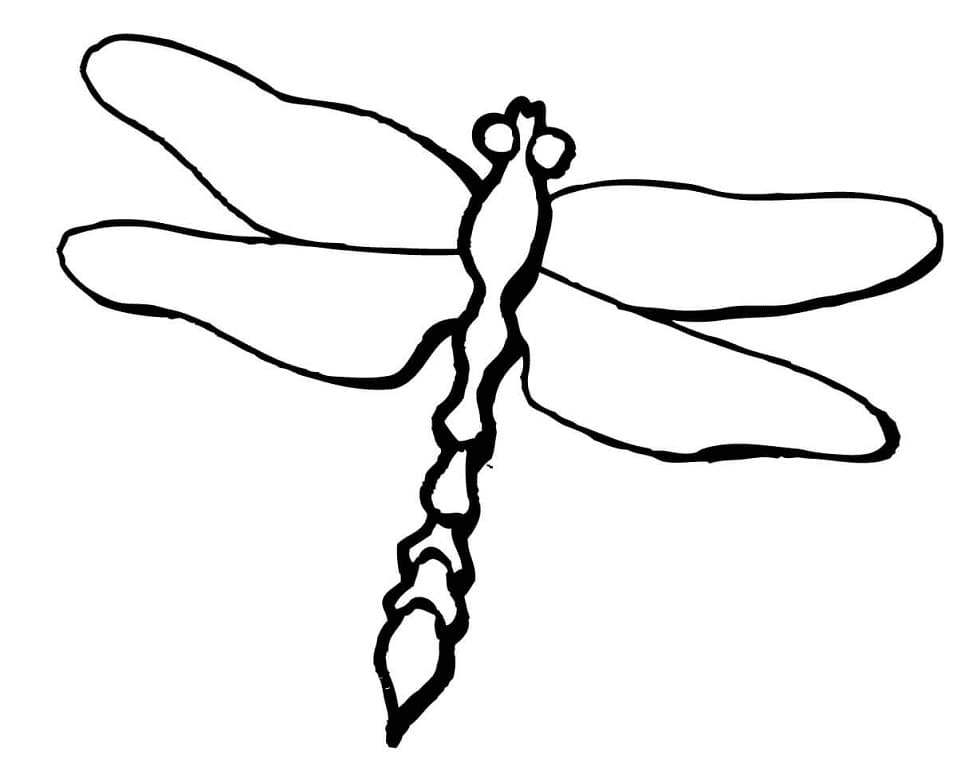
Simple and easy dragonfly pages are the best starting point for younger children. These designs usually show a clear dragonfly shape with a long body, four large wings, and bold outlines. They avoid too many tiny details, so preschoolers, kindergarten students, and early elementary children can finish the page with confidence.
These pages are practical for quick classroom activities, insect units, rainy-day coloring, first-time nature lessons, and quiet screen-free time at home. They also help children recognize the main parts of a dragonfly: head, eyes, long body, legs, and wings.
Coloring simple and easy dragonfly pages: Use crayons or markers for large spaces. Choose one bright color for the body, one soft color for the wings, and one simple background color. Try green body with pale blue wings, purple body with lavender wings, or yellow body with light gray wings.
Cute and Adorable Dragonfly Coloring Pages
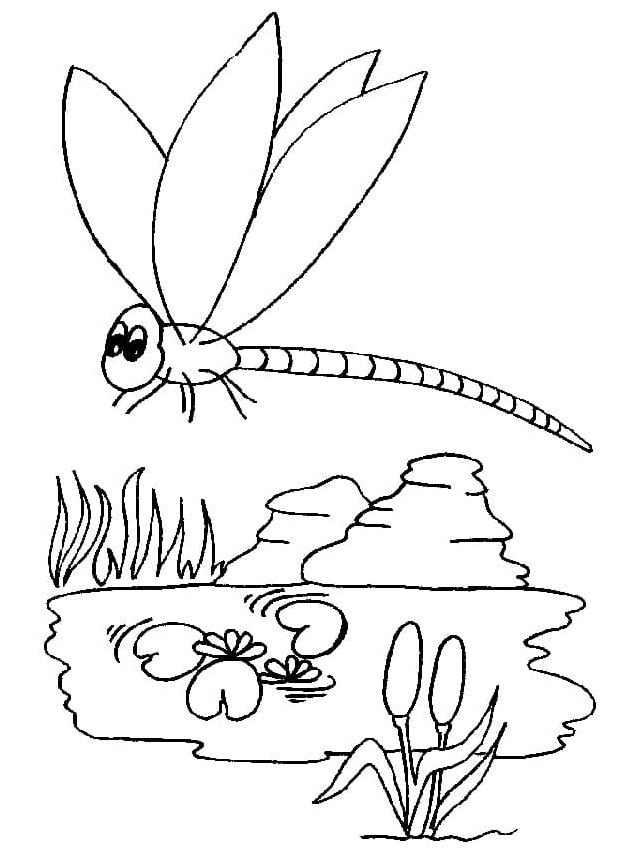
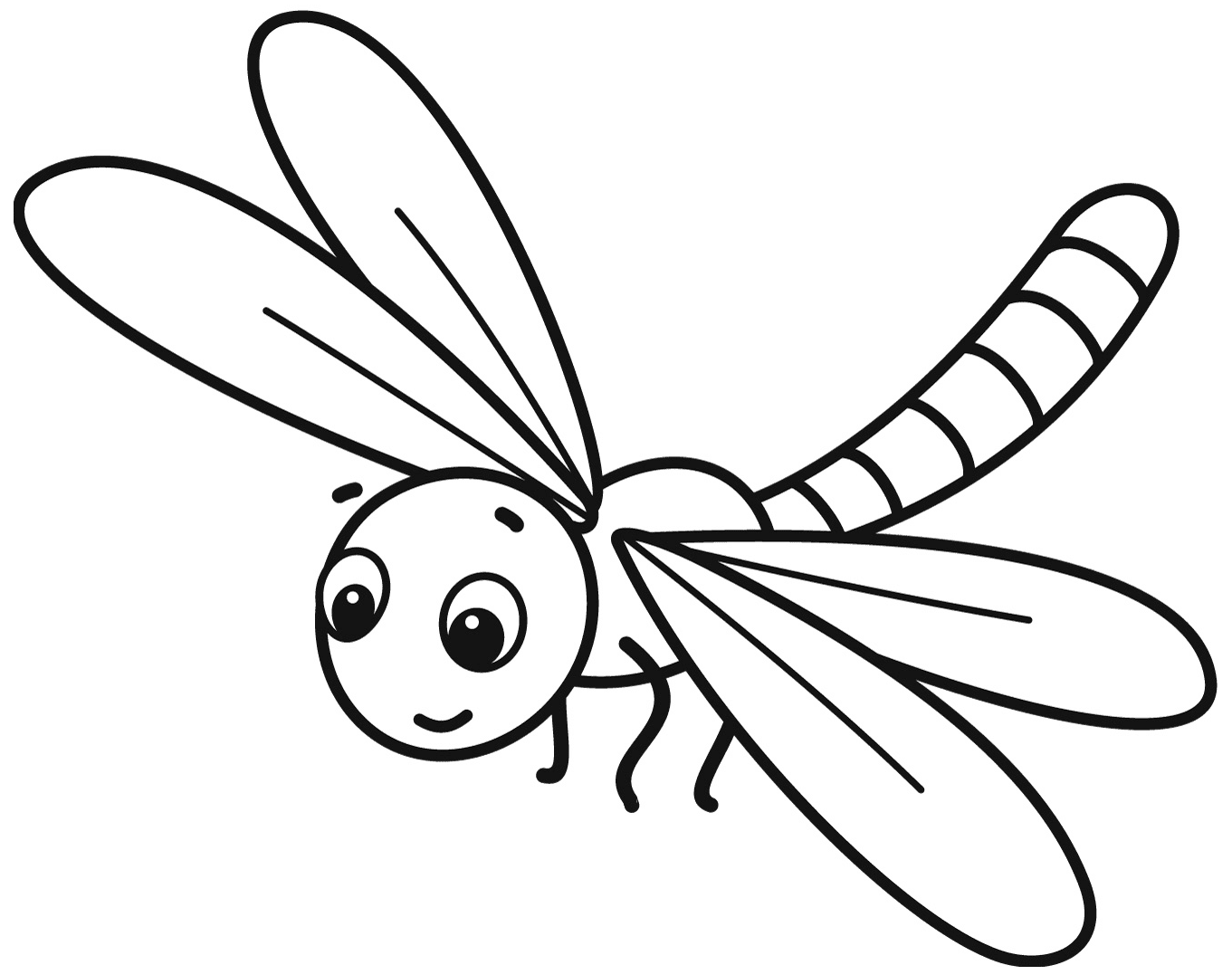
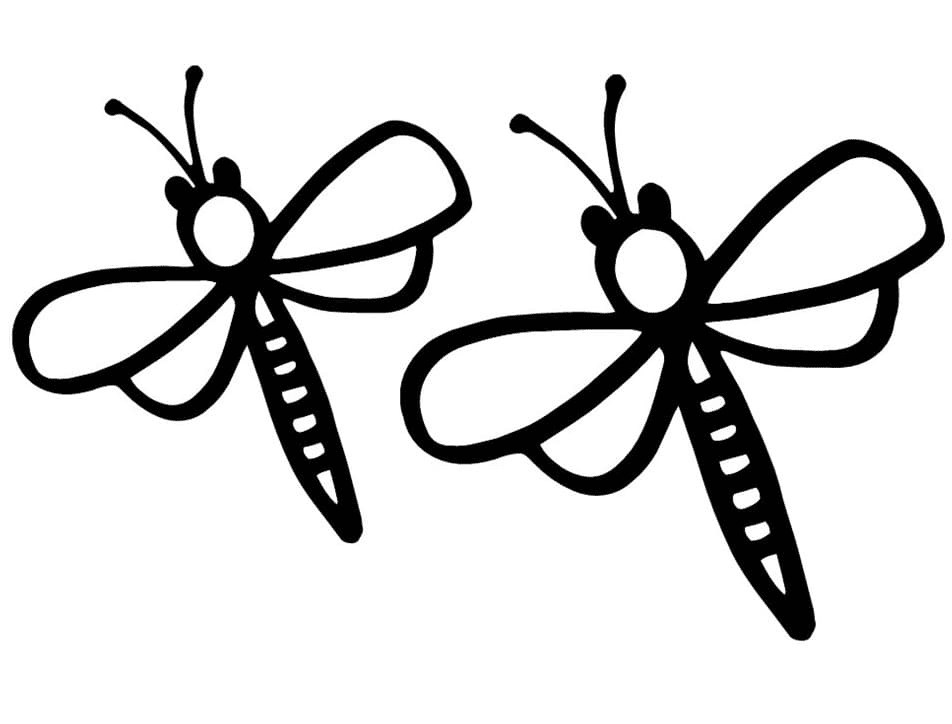
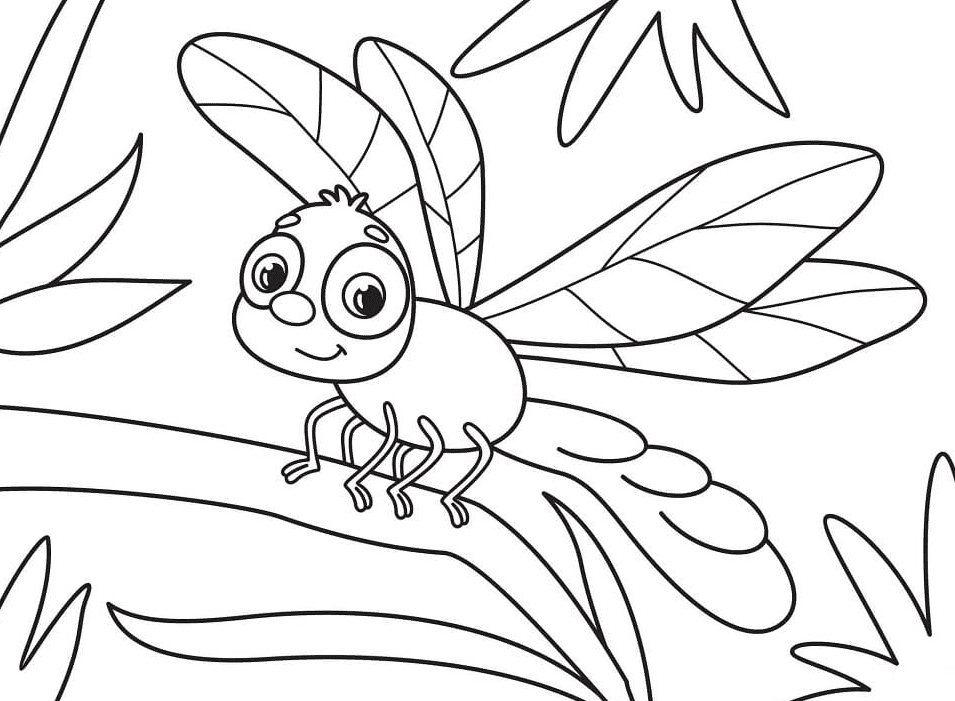
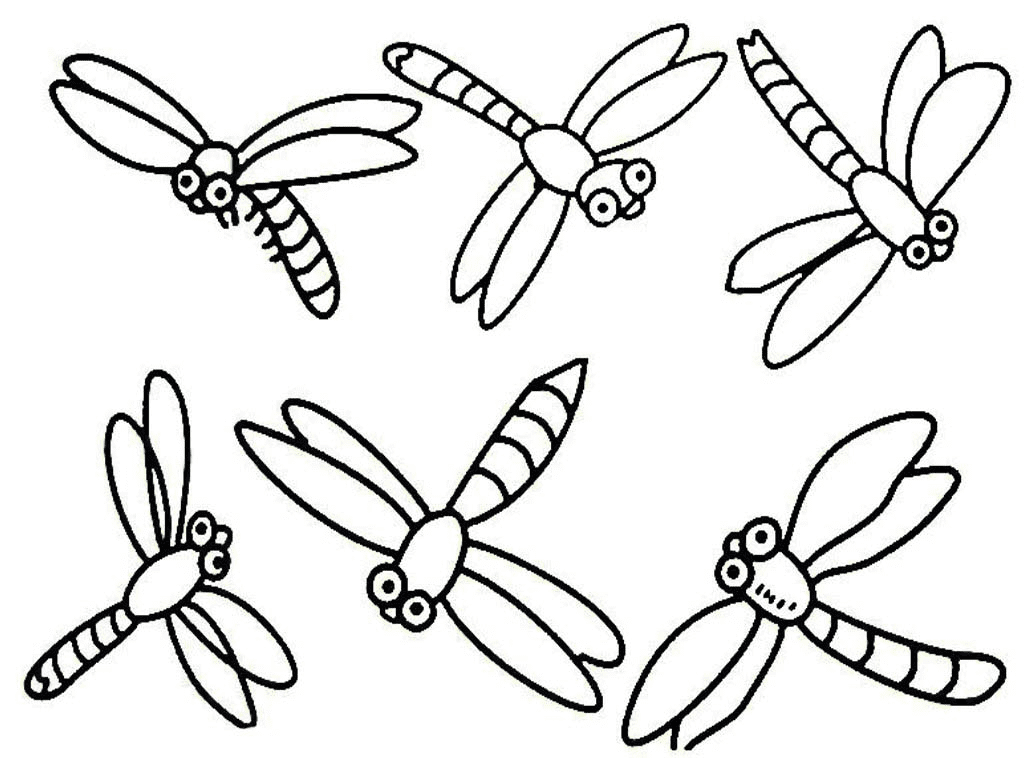
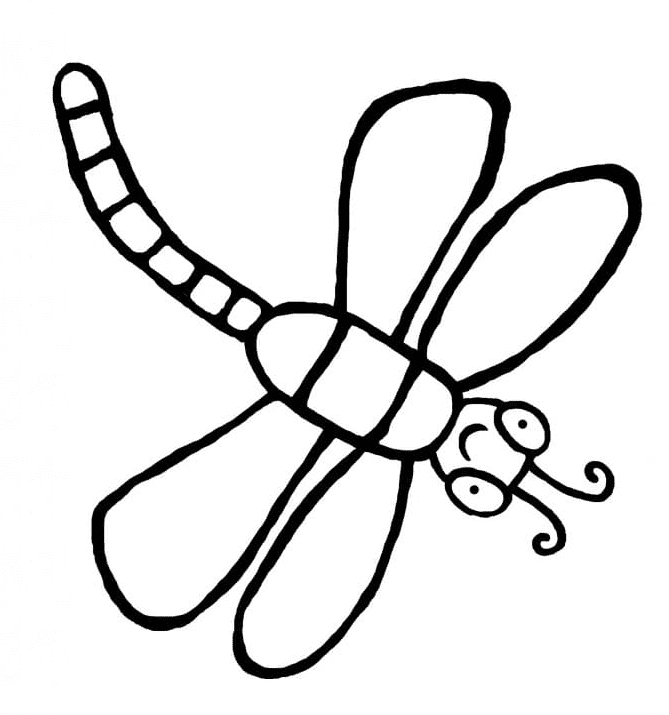
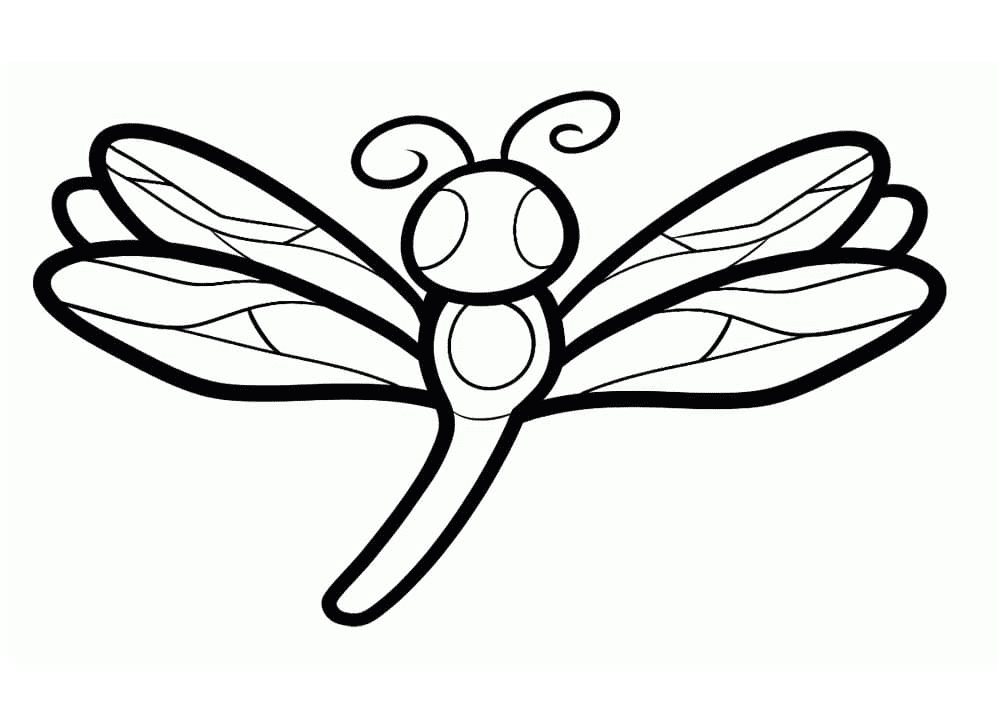
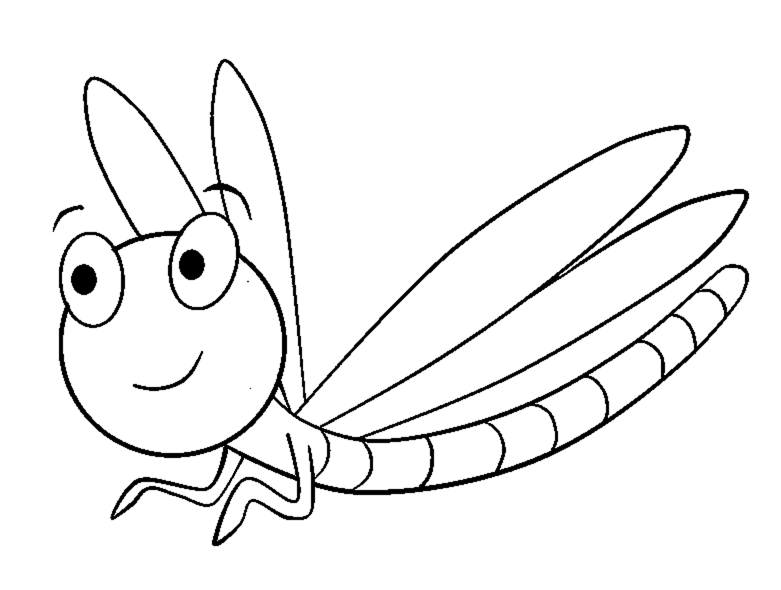
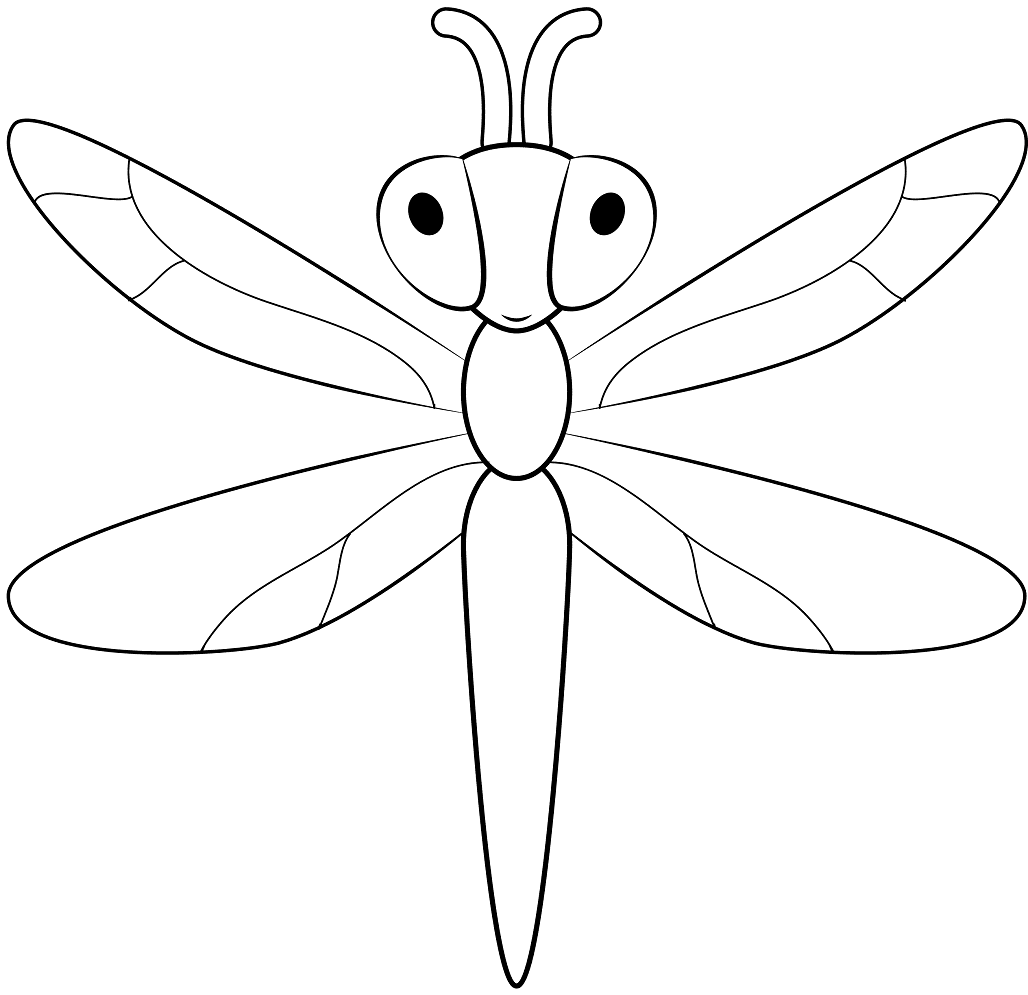
Cute and adorable dragonfly pages make the insect friendly and approachable for young children. These designs may include bigger eyes, rounded bodies, smiling faces, soft wings, playful poses, or simple decorative details. They are useful for children who may not usually like insects because the dragonfly feels gentle rather than scary.
Cute dragonfly pages work well for preschool art, spring activities, summer coloring packets, and simple craft projects. They keep the real insect shape but add a warm, child-friendly mood.
Coloring cute dragonfly pages: Use happy colors such as pink, sky blue, mint green, yellow, lavender, and peach. Keep the wings light and soft. Add small hearts, stars, dots, flowers, or clouds around the dragonfly after coloring.
Pretty and Decorative Dragonfly Coloring Pages
Pretty and decorative dragonfly pages focus on graceful wings, soft nature details, and beautiful coloring possibilities. These pages may include elegant wing shapes, floral accents, smooth body lines, decorative patterns, or peaceful outdoor backgrounds. They are suitable for children, teens, and adults who enjoy calm nature designs.
These pages can become handmade cards, wall art, scrapbook decorations, bookmarks, classroom displays, or nature journal covers. They are more artistic than basic dragonfly outlines but still easier than highly realistic line art.
Coloring pretty and decorative dragonfly pages: Use jewel tones such as teal, emerald, sapphire, violet, rose, and gold. Keep the wings pale with light blue, silver, lavender, or mint. Add soft flower colors and gentle shading to create a peaceful outdoor feeling.
Flying Dragonfly Coloring Pages
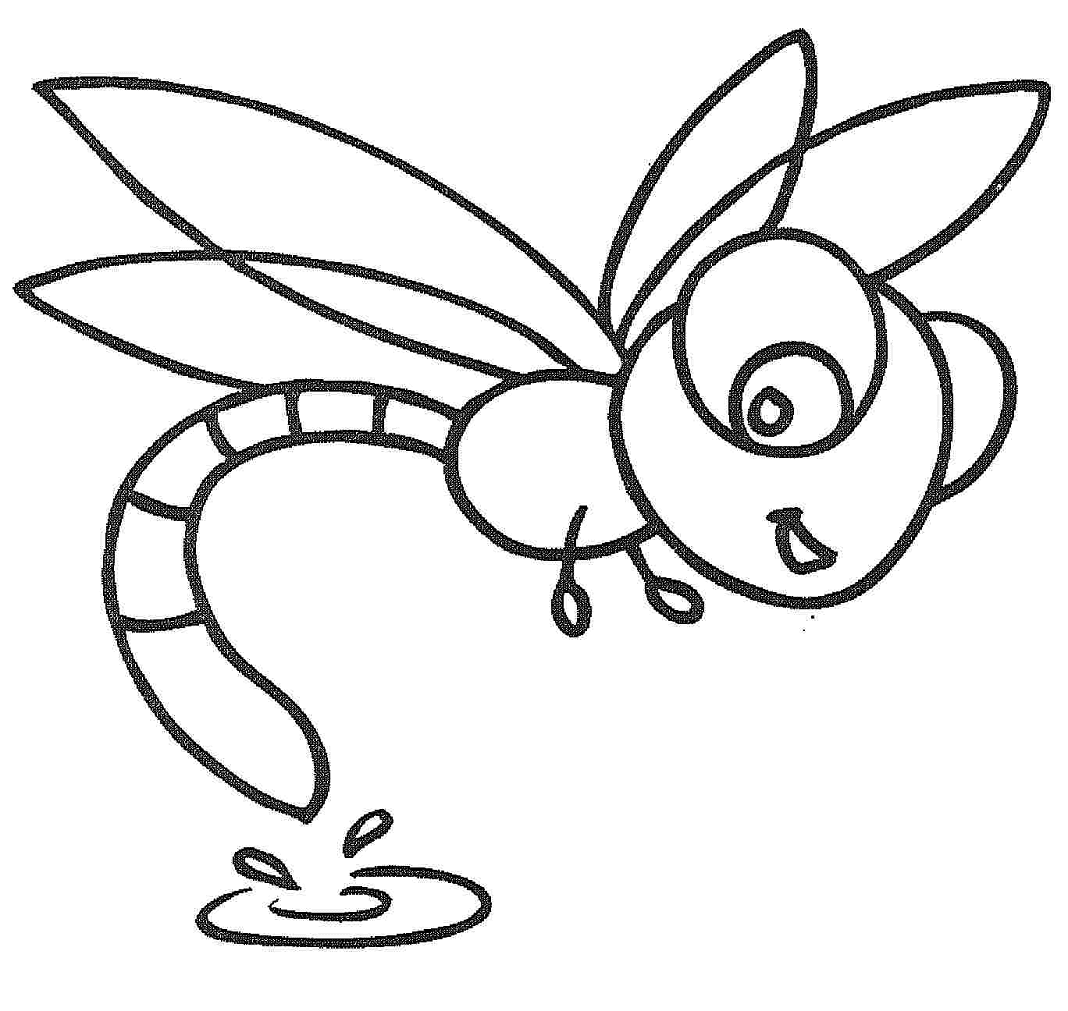
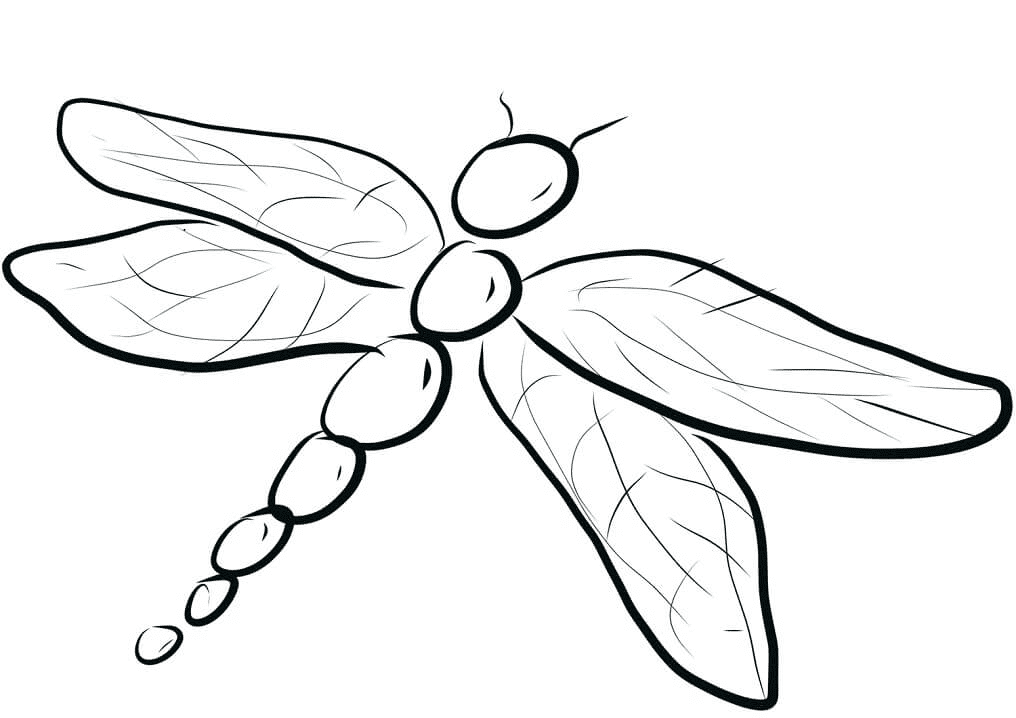
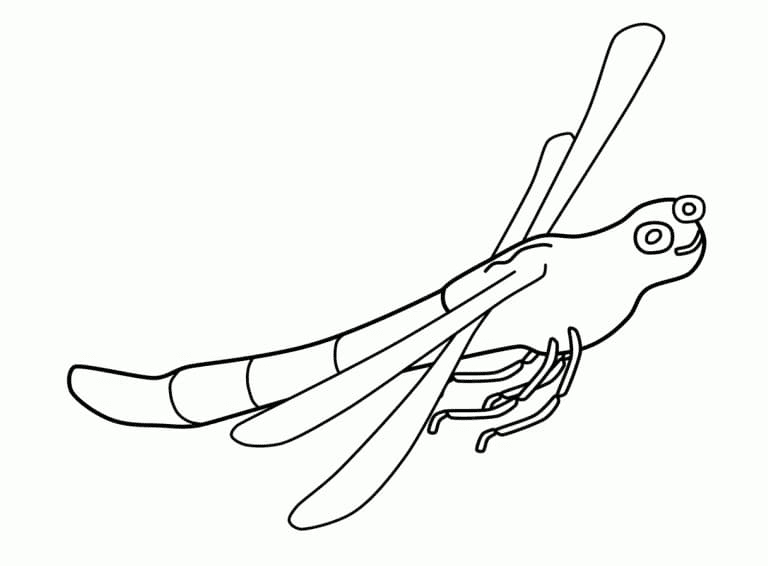
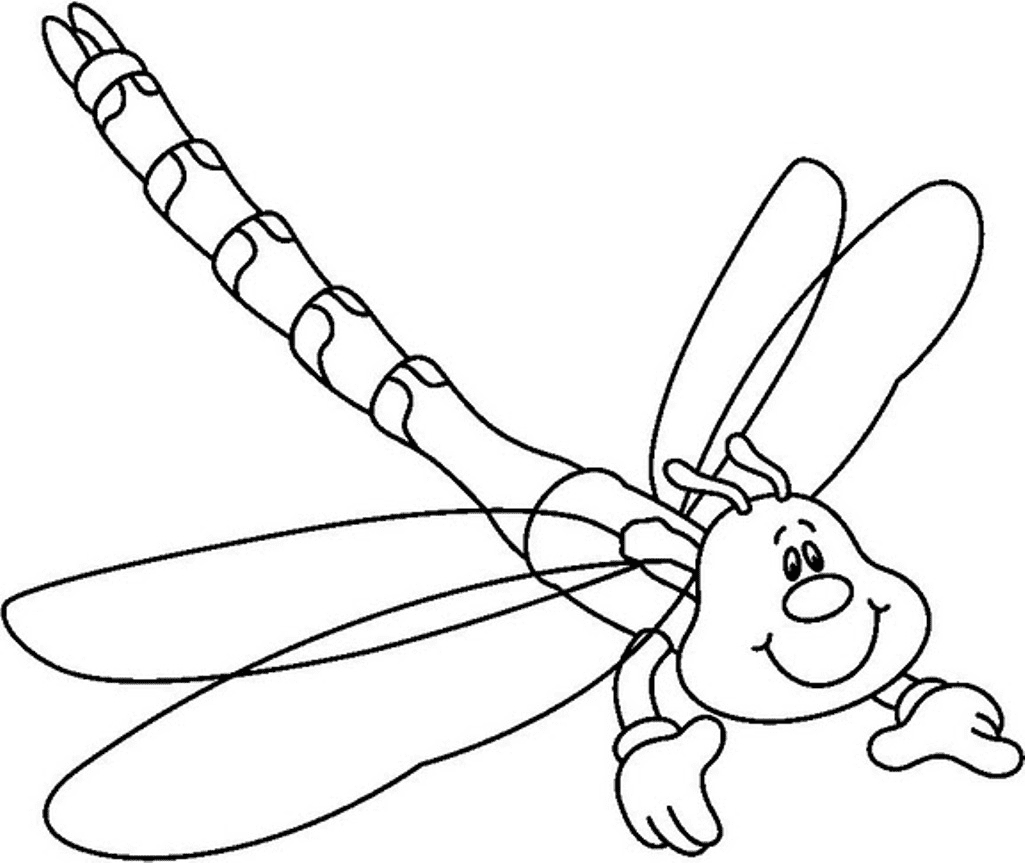
Flying dragonfly pages show movement, lightness, and speed. The dragonfly may have its wings spread wide, body stretched forward, or legs tucked close as it moves through the air. These pages are great for children who like action but still want a nature theme.
Flying designs also help children imagine how dragonflies hover, dart, and glide near ponds, gardens, streams, and grassy areas.
Coloring flying dragonfly pages: Use bright colors on the body so the dragonfly stands out. Keep the wings pale blue, silver, gray, or lavender. Add soft sky colors, motion lines, small clouds, sunlight, or water below the insect to show that it is flying.
Two Dragonflies and Multiple Dragonflies Coloring Pages
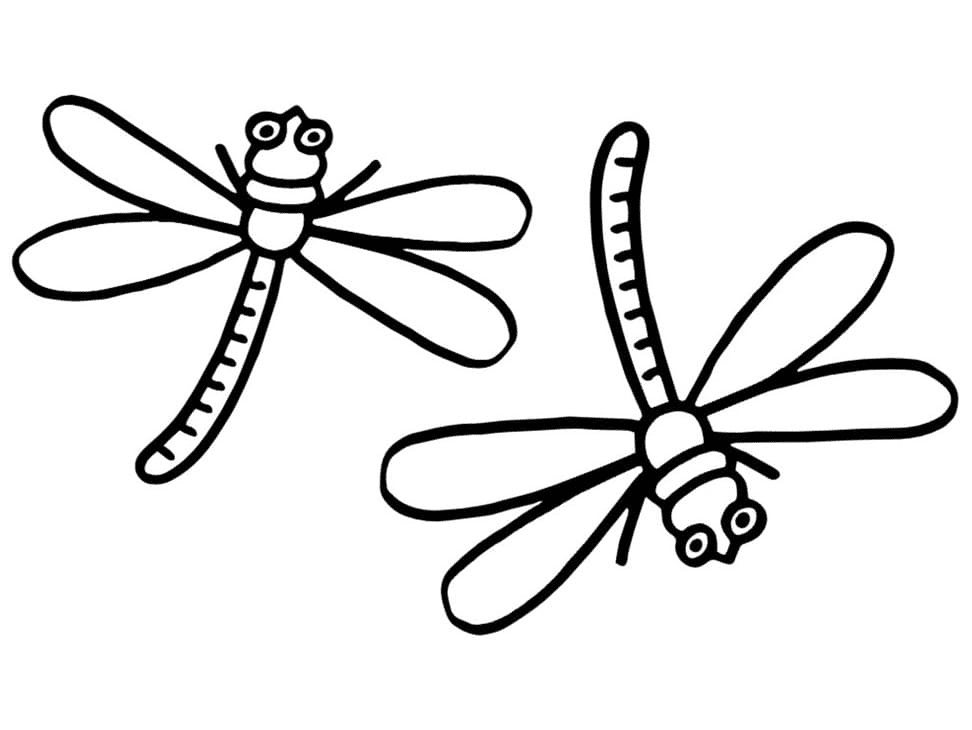
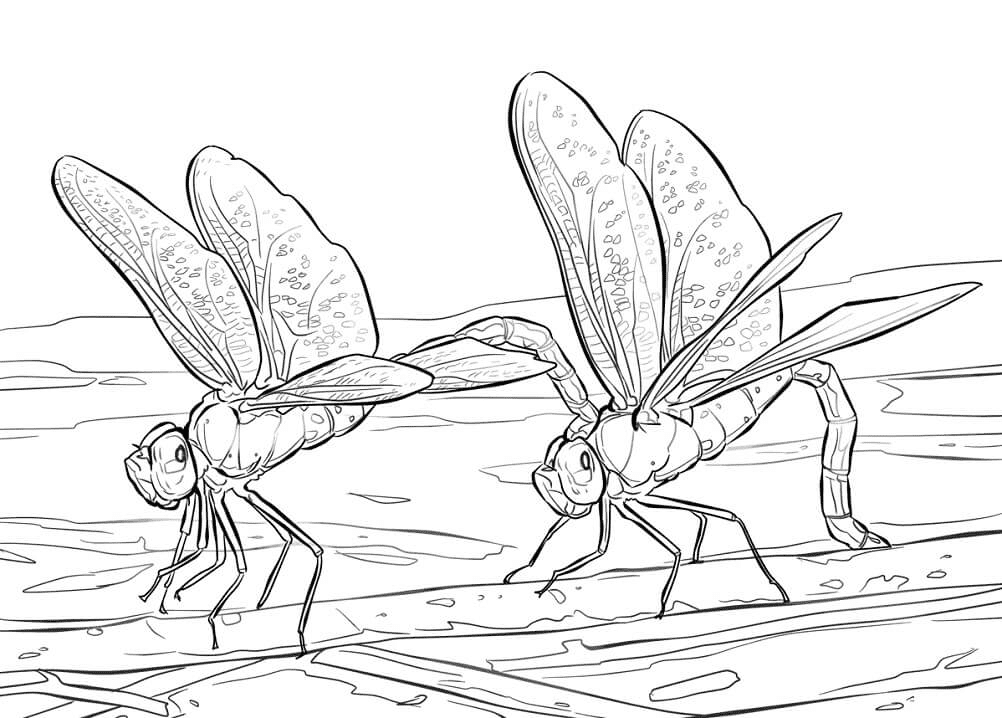
The two dragonflies and multiple dragonflies pages feel lively and natural. These designs may show a pair of dragonflies flying together, several dragonflies near flowers, or a small group moving around leaves, grass, or open space. They are useful for color comparison and pattern practice.
Children can make each dragonfly different or create a matching color family. These pages also work well for classroom conversations about same and different, symmetry, size, and repeated shapes.
Coloring two or multiple dragonfly pages: Give each dragonfly its own palette. Try one blue-green dragonfly, one orange-yellow dragonfly, and one purple-pink dragonfly. Keep the wings lighter than the bodies so the page stays airy and balanced.
Dragonfly Line Art Coloring Pages
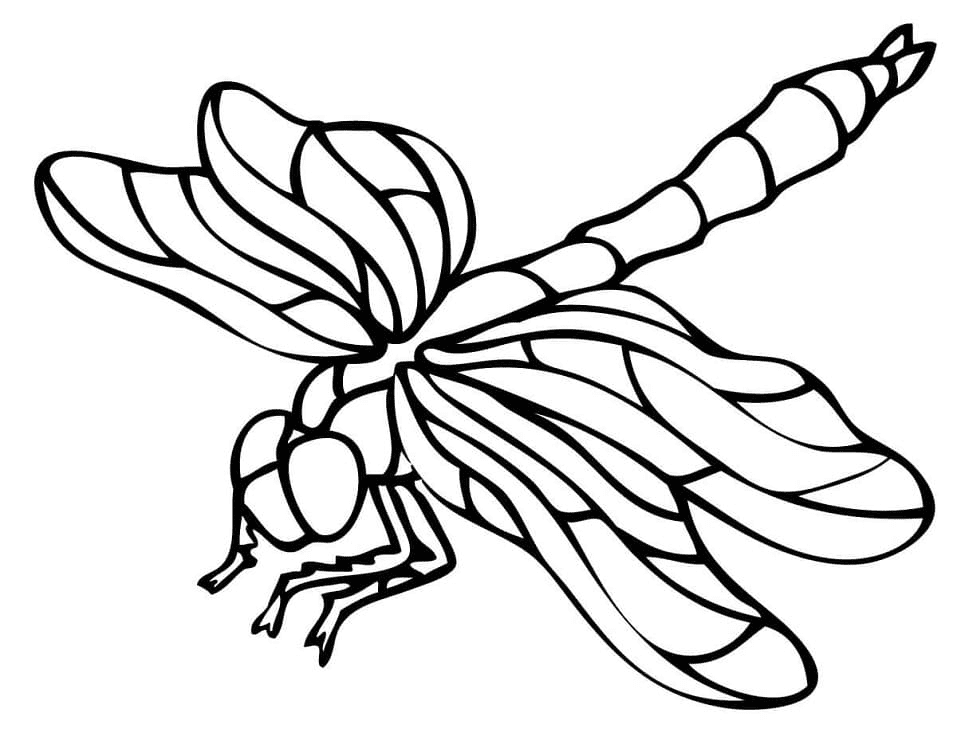
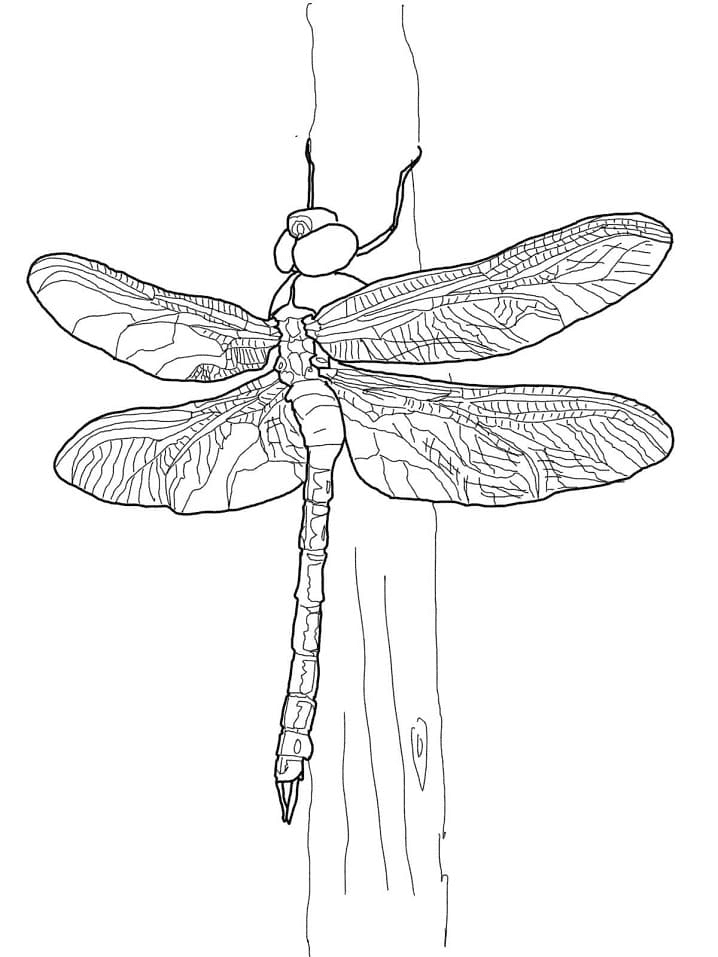
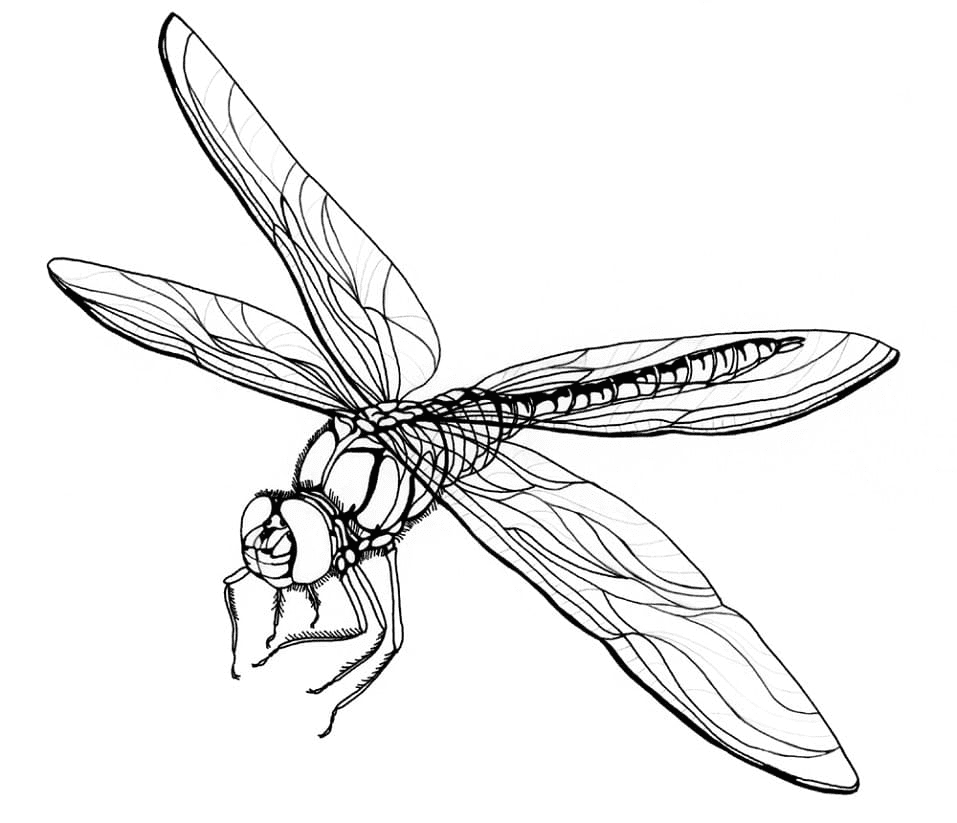
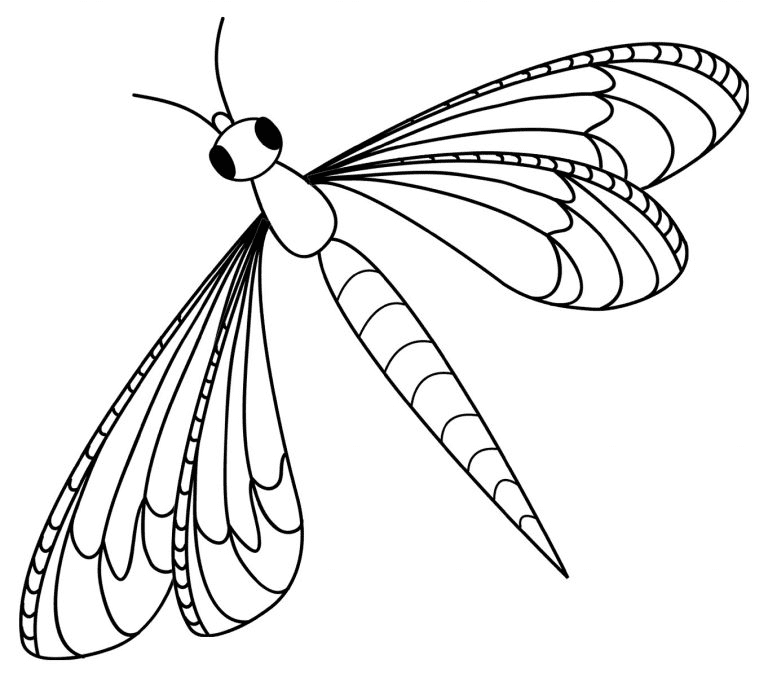
Dragonfly line art pages focus on clean outlines, wing veins, body segments, and careful shape details. These pages are better for older children, teens, adults, and anyone who enjoys patient coloring. They may look simple at first, but the wing lines and body sections give colorists many small areas to explore.
Line art pages are strong choices for mindful coloring, science notebooks, nature journals, and detailed art projects.
Coloring dragonfly line art pages: Use colored pencils or fine-tip markers. Start with the body, then move slowly through the wing sections. Use light pressure on the wings and leave some areas white to keep a transparent effect. Use a slightly darker pencil for wing veins.
Realistic Dragonfly Coloring Pages
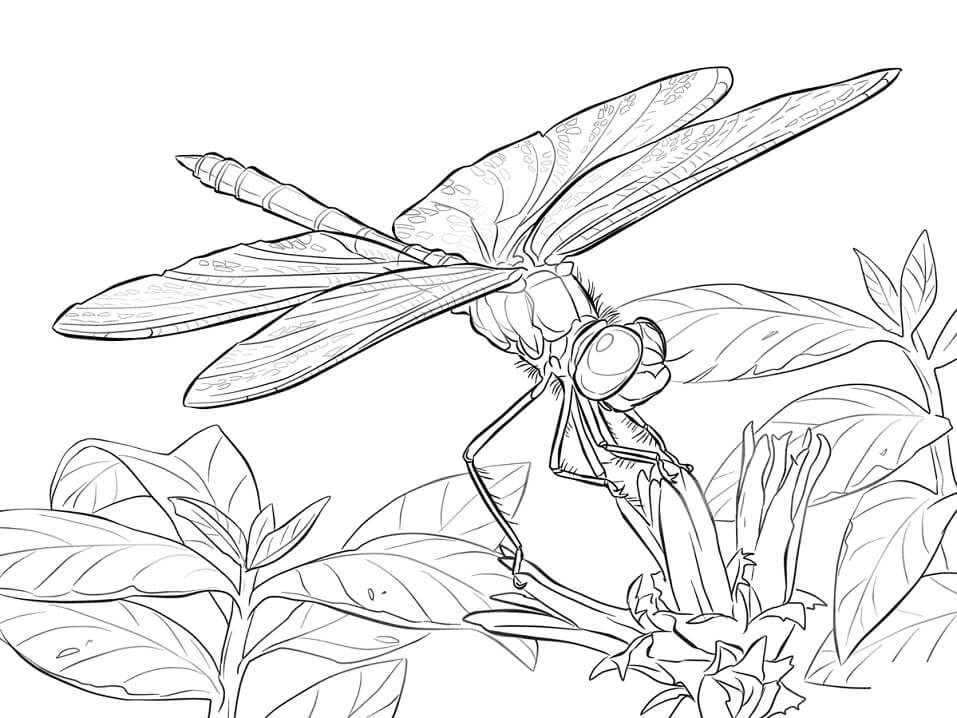
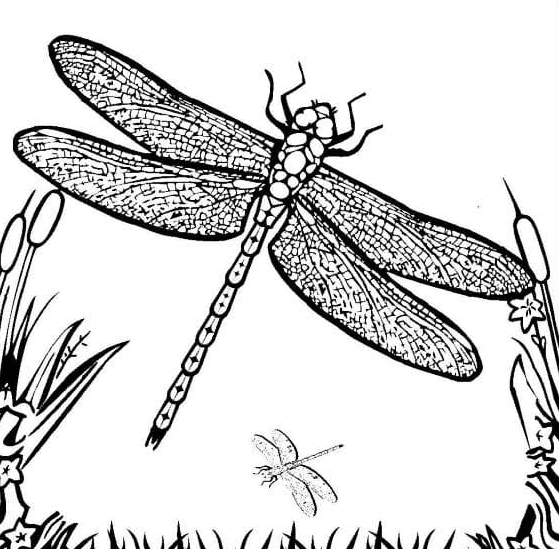
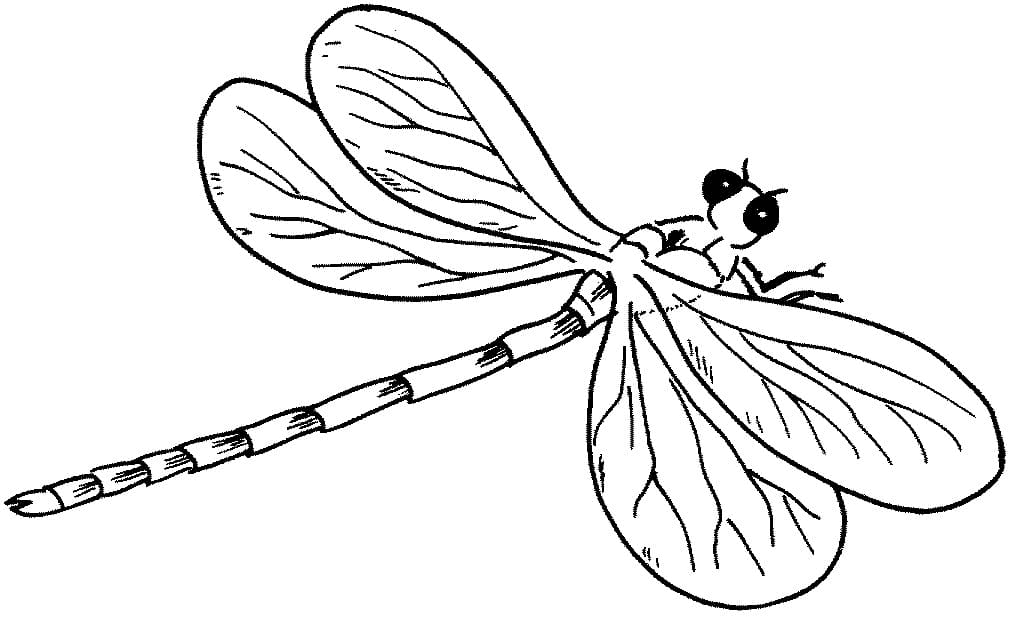
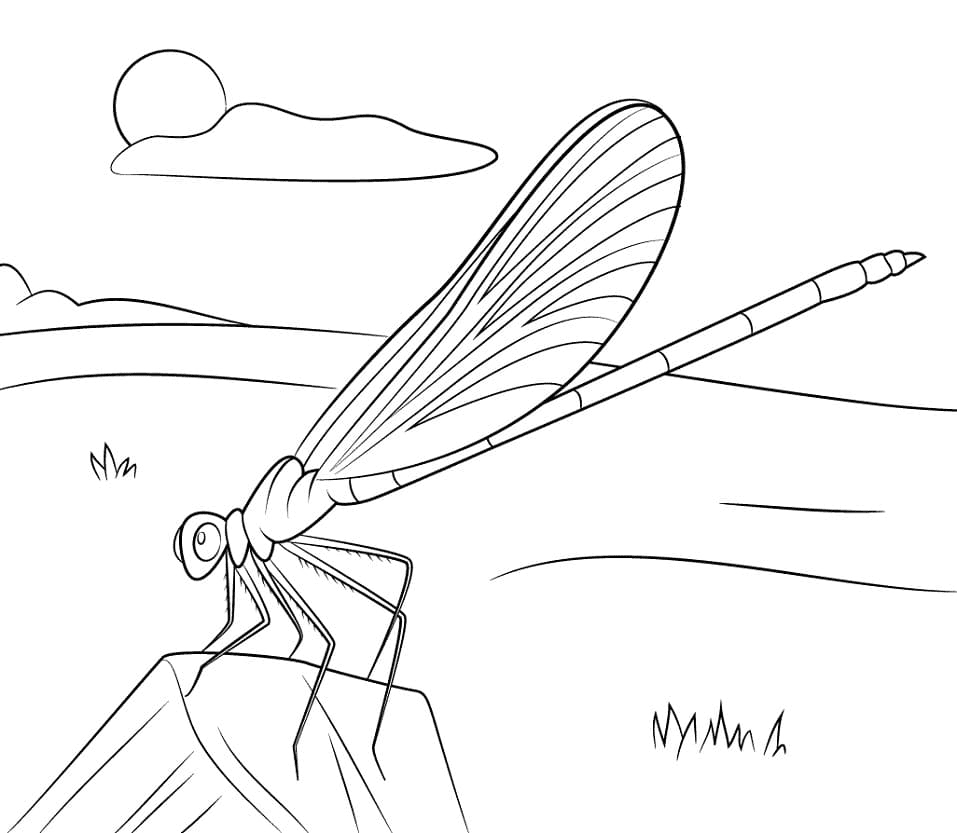
Realistic dragonfly pages are ideal for children and adults who enjoy nature study. These designs may show longer bodies, more accurate wing placement, fine wing veins, large eyes, thin legs, and a more lifelike insect shape. Some pages may be inspired by colorful dragonflies such as Green Darners or Yellow-winged Darters.
Realistic pages help children notice that dragonflies can have many colors, not only blue or green. They can be bright, earthy, metallic, striped, spotted, or softly shaded.
Coloring realistic dragonfly pages: Use green, blue, teal, red, orange, yellow, brown, black, or metallic-inspired colors for the body. For a Green Darner look, try green on the thorax and blue or teal on the abdomen. For a warm darter style, use yellow, orange, amber, and gold accents.
Damselfly Coloring Pages
Damselfly pages add variety to the collection because damselflies look similar to dragonflies but often appear slimmer and more delicate. Pages such as Blue Damselfly or Australian Damselfly designs are useful for children who enjoy comparing insect shapes.
Damselfly pages feel graceful and peaceful. They work well in pond habitat lessons, insect comparison activities, and nature notebooks.
Coloring damselfly pages: Use bright blue, turquoise, green, bronze, violet, or soft sapphire for the slender body. Keep the wings very pale with light blue, soft gray, or almost white. Add reeds, leaves, water, or small flowers to create a gentle pond setting.
Dragonfly Nymph and Life Cycle Coloring Pages
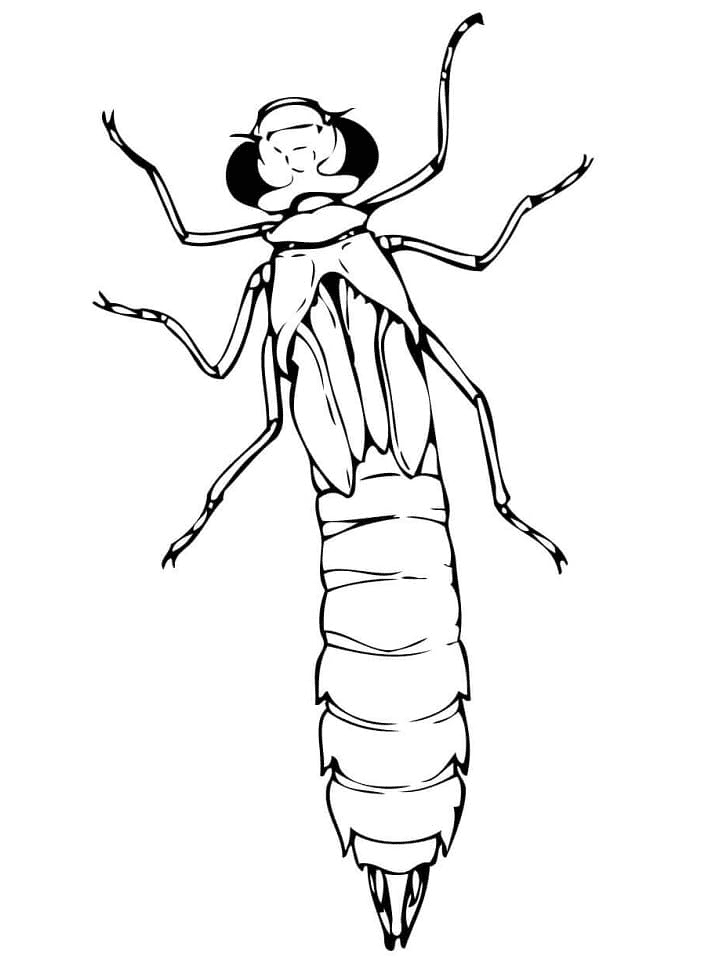
Dragonfly nymph pages are one of the most educational parts of this collection. A dragonfly nymph is the early aquatic stage before the adult dragonfly emerges. These pages help children understand that dragonflies are connected to water, not only to the air.
Nymph and life cycle pages are excellent for science lessons, pond habitat units, classroom displays, and nature journals. Children can compare the underwater nymph with the flying adult dragonfly and talk about how insects change as they grow.
Coloring dragonfly nymph and life cycle pages: Use brown, olive green, tan, gray, muddy green, or dark yellow-green for the nymph. Add blue water, stones, pond plants, shadows, and soft bubbles to show the underwater habitat. For adult dragonflies, use brighter body colors and lighter wings.
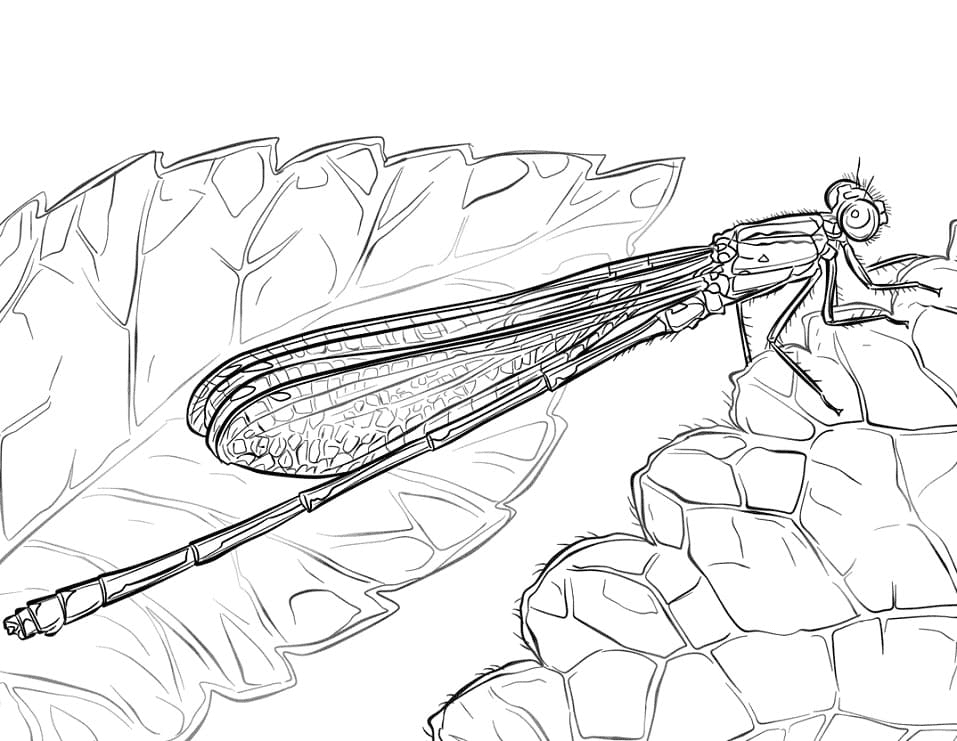
Dragonfly on Leaf, Leaves, Grass, and Stems Coloring Pages
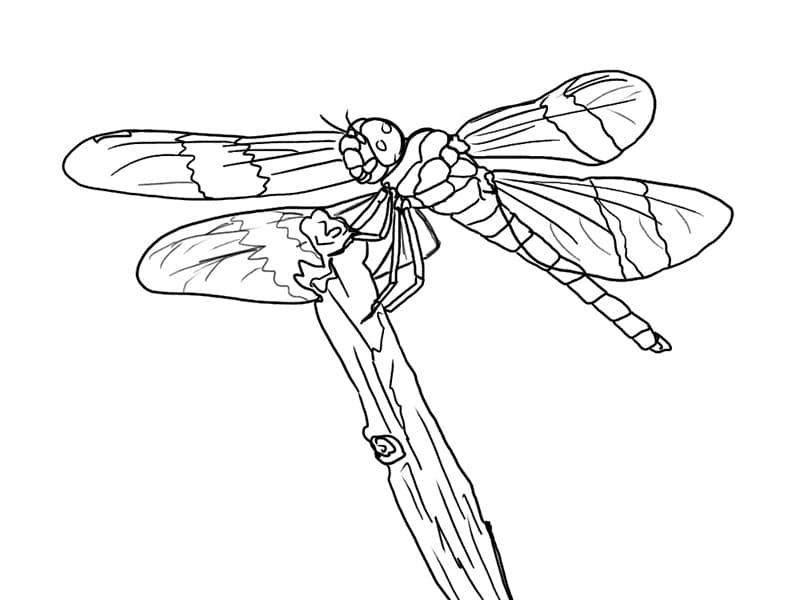
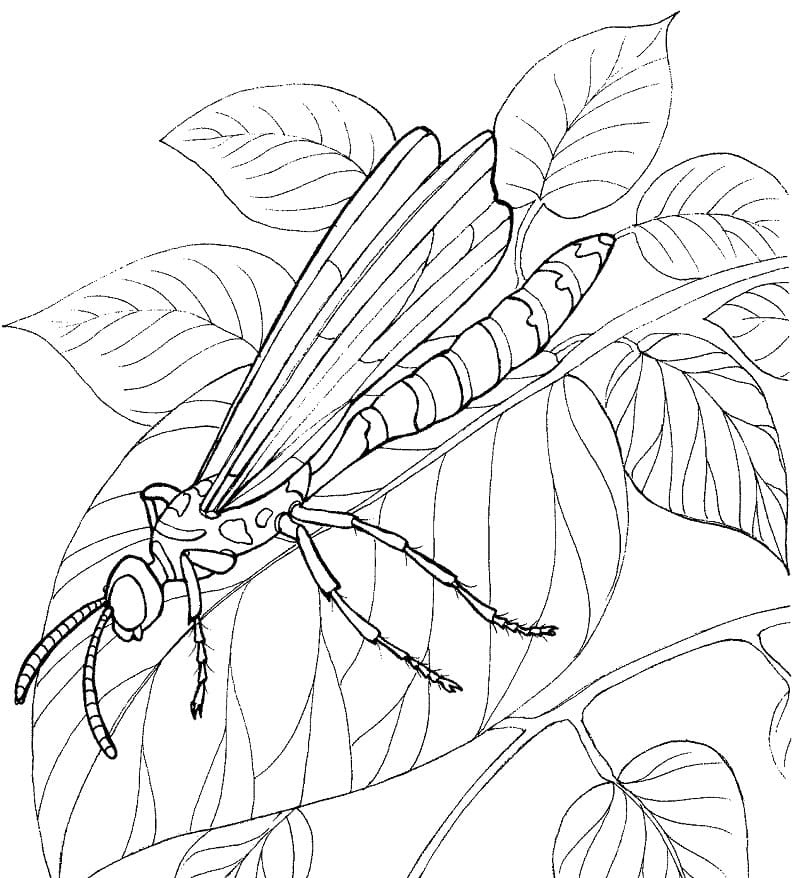
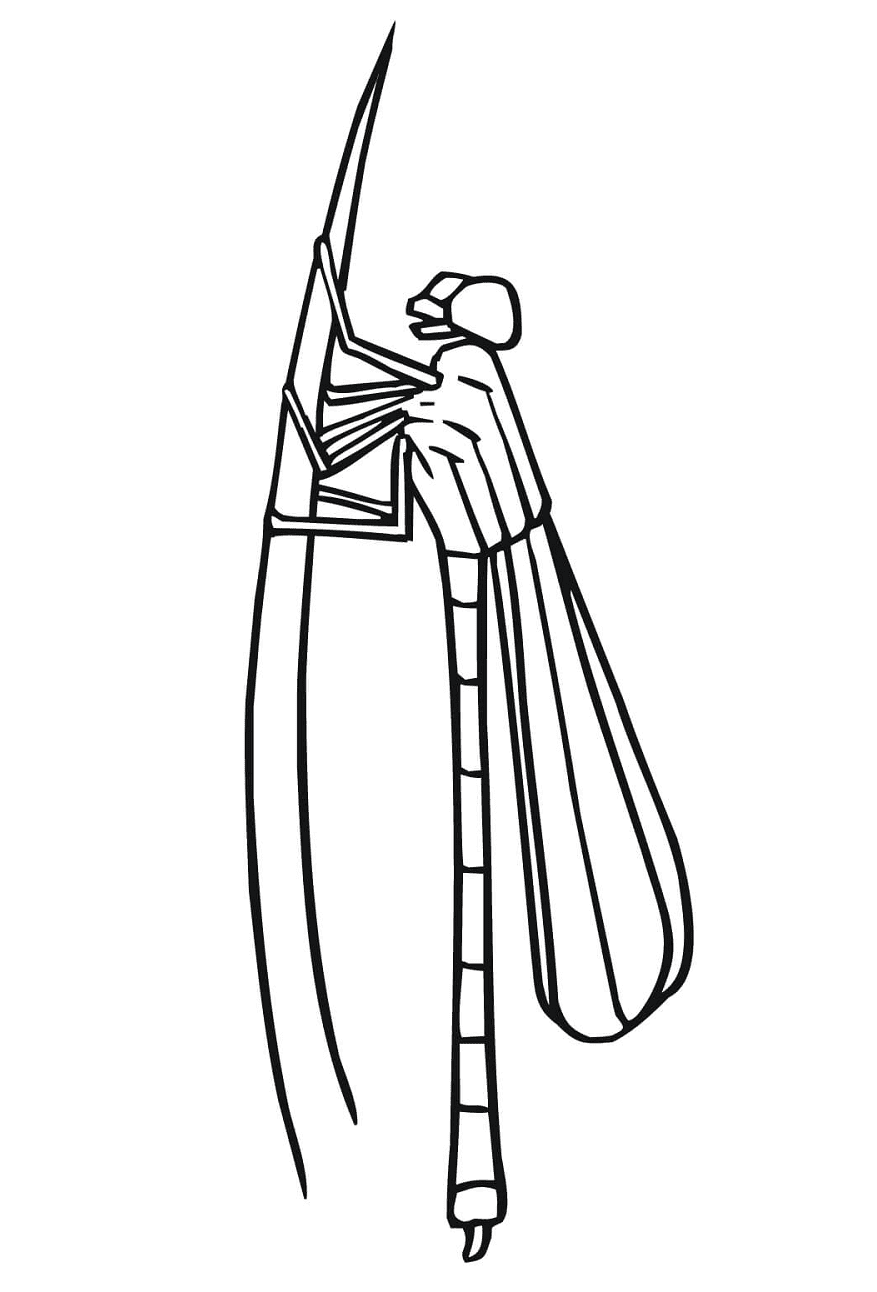
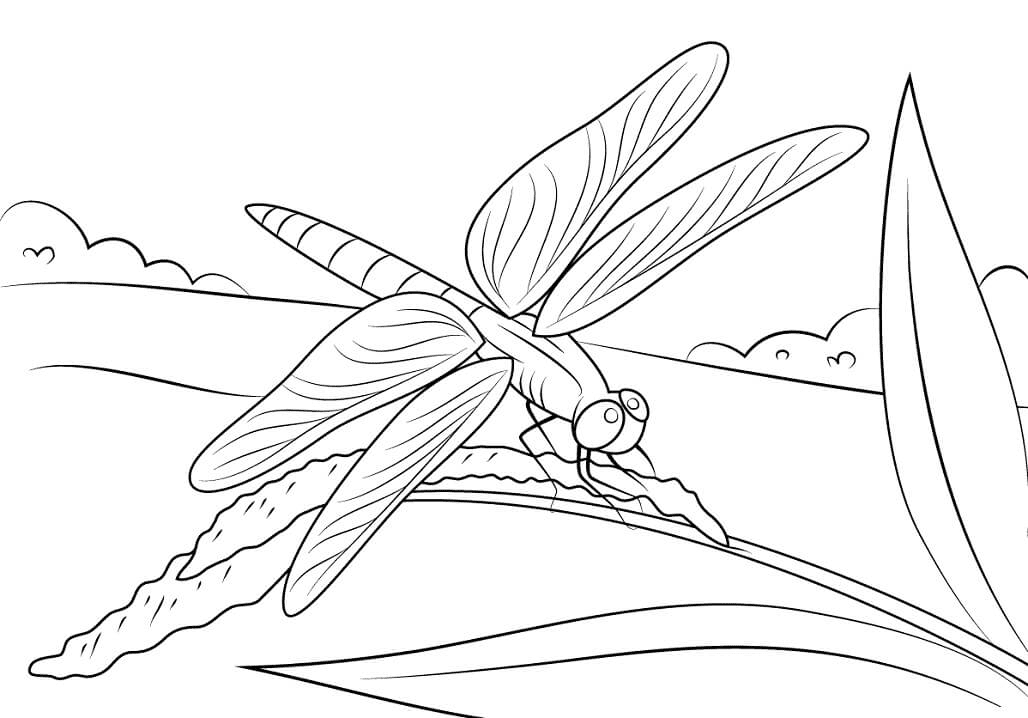
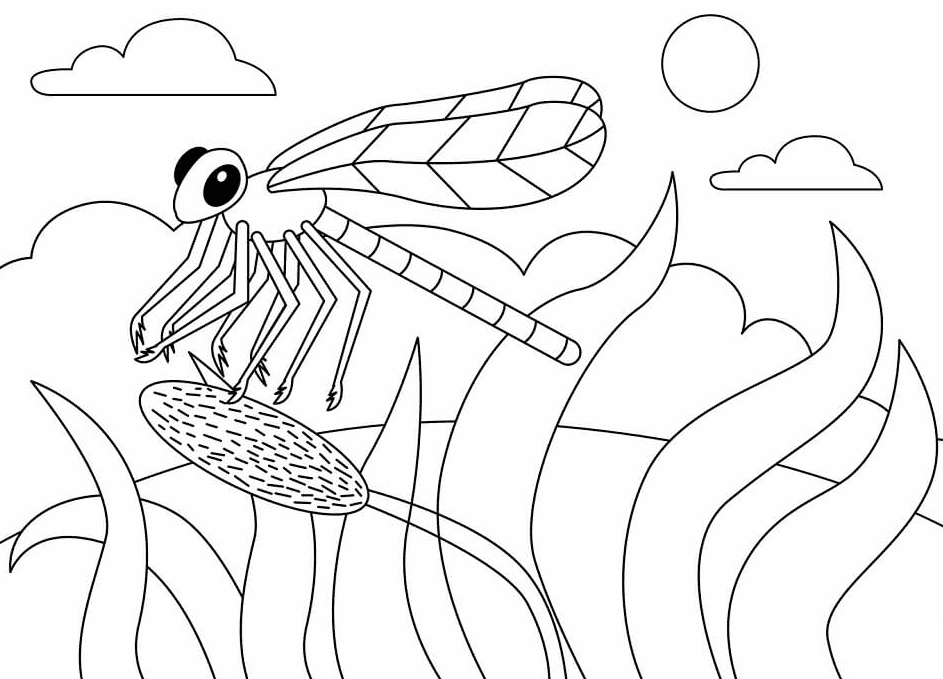
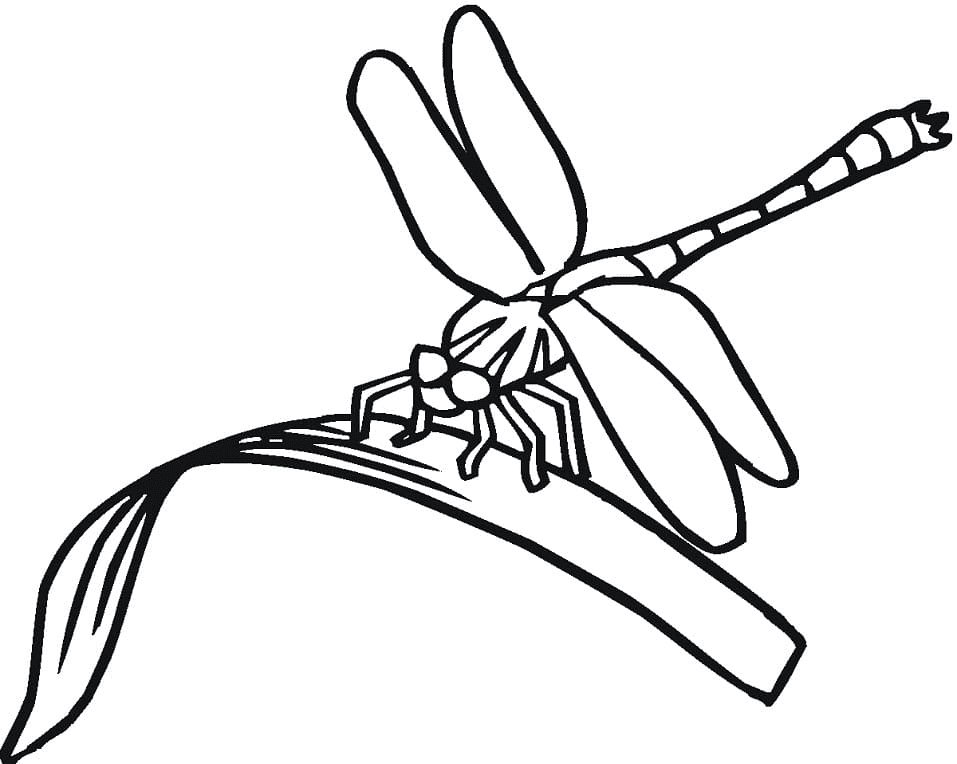
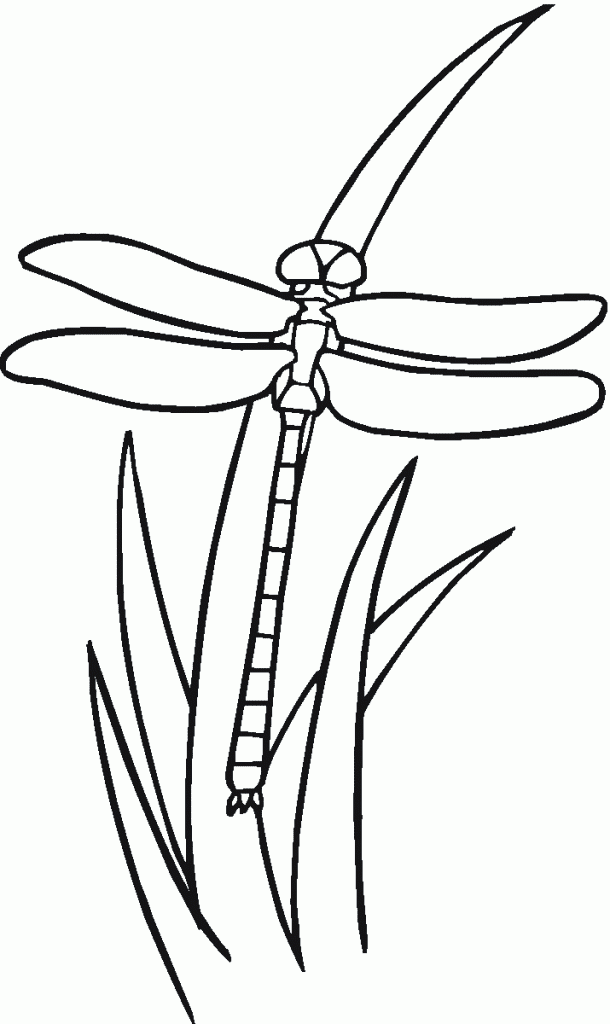
Dragonfly pages with leaves, grass, and stems show peaceful resting moments. A dragonfly may sit on a single leaf, rest among several leaves, perch on a grass blade, or balance on a thin stem. These pages are calm, focused, and very useful for nature observation.
This group is especially strong because the plant details help children build a complete outdoor scene without making the page too complicated. They can practice contrast between the insect and the plant background.
Coloring dragonfly on leaf, grass, and stem pages: Use different greens for leaves and grass: light green, dark green, olive, yellow-green, and blue-green. Color the dragonfly body with blue, purple, red, orange, or teal so it stands out. Keep the wings pale and delicate.
Cattails and Dragonfly Pond Coloring Pages
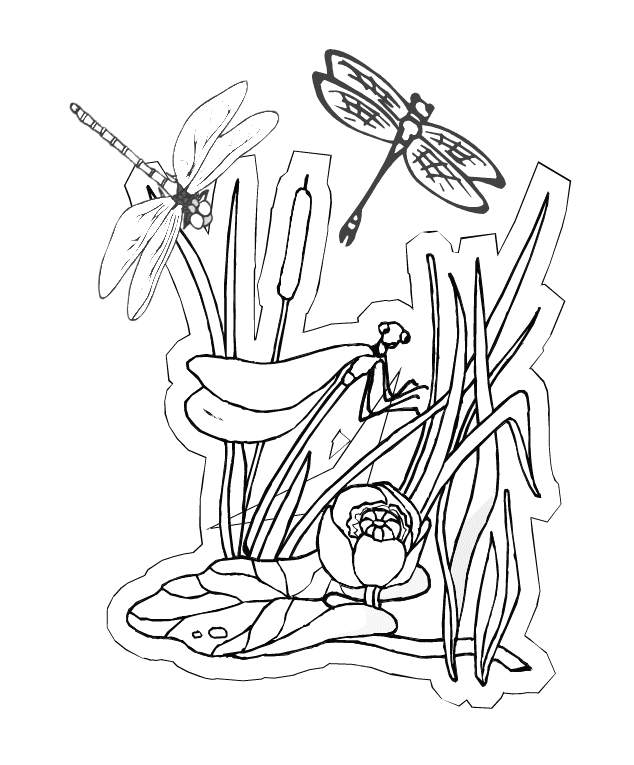
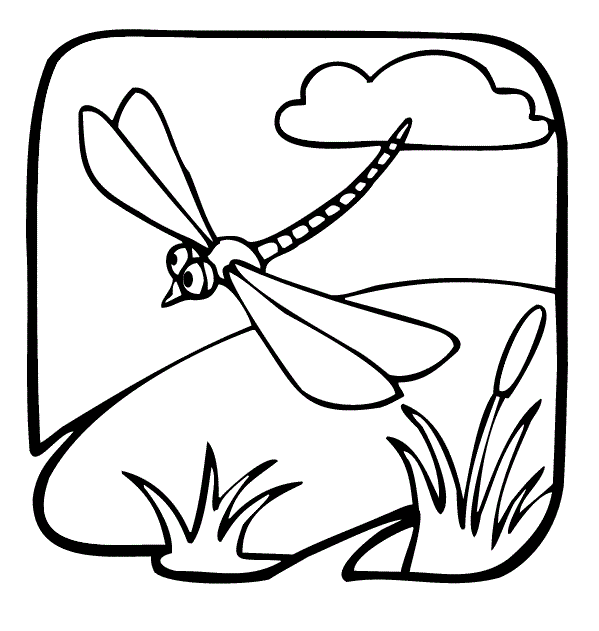
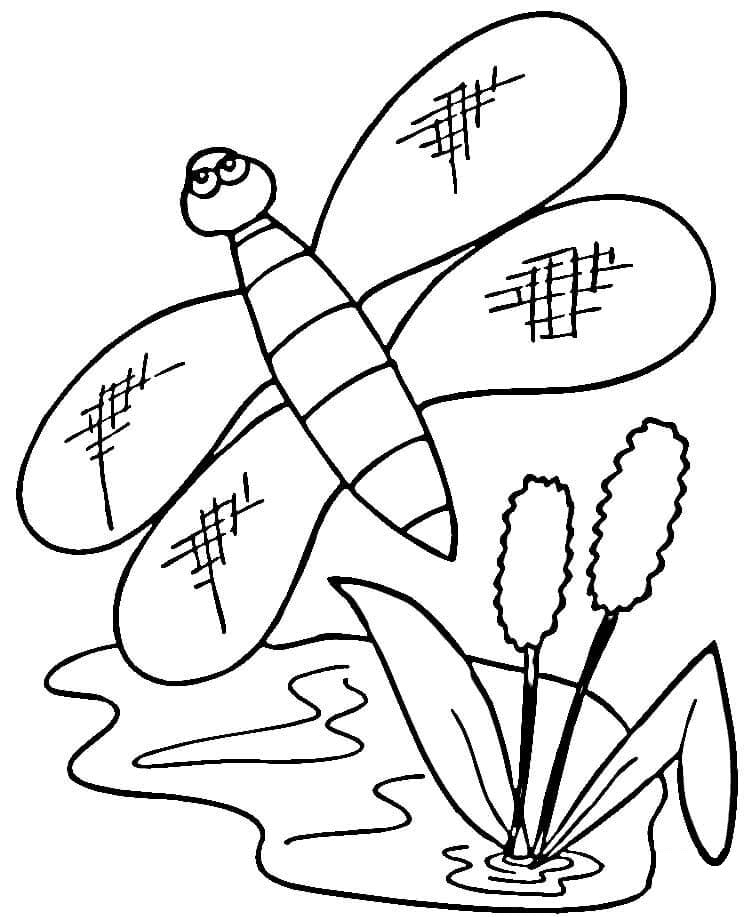
Cattails and dragonfly pages have a strong pond habitat feeling. Cattails grow near water, so these designs naturally connect dragonflies with wetlands, reeds, quiet water edges, and summer nature scenes. This is one of the most topic-specific groups in the collection.
These pages are excellent for pond lessons, wetland units, spring and summer coloring, nature crafts, and calm classroom art. They help children see dragonflies as part of a living habitat.
Coloring cattails and dragonfly pond pages: Use brown for the cattail heads, green for the long leaves, blue or gray-blue for the water, and bright colors for the dragonfly. Add water ripples, soft reflections, lily pads, or pale sunlight if the page has open space.
Dragonflies and Flowers Coloring Pages
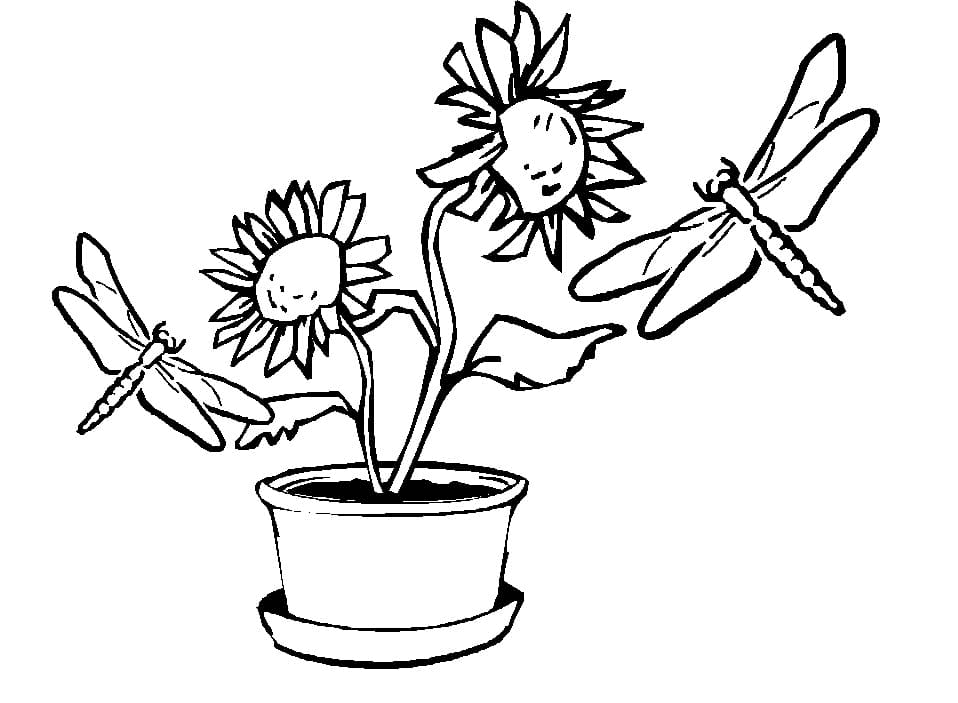
Dragonflies and flowers pages combine insect beauty with garden color. These designs may include blossoms, stems, leaves, and one or more dragonflies. They are among the most decorative pages in the collection and work especially well for spring crafts, summer activities, cards, and classroom displays.
Flower pages also allow children to use many bright colors while keeping the dragonfly as the main subject.
Coloring dragonflies and flowers pages: Use pink, yellow, orange, red, purple, and white for flowers. Keep the dragonfly body bold, and the wings light so it does not blend into the petals. Use green stems and leaves to connect the scene.
Detailed Dragonfly Coloring Pages
Detailed dragonfly pages include more wing veins, body segments, leaves, flowers, cattails, water, grass, or background details. These pages are better for older children, teens, adults, and anyone who enjoys careful coloring.
Finished detailed dragonfly pages can become nature posters, science displays, journal covers, relaxing art pieces, bookmarks, or handmade cards.
Coloring detailed dragonfly pages: Use colored pencils or fine-tip markers for small areas. Work from the body outward to the wings, then color the background last. Use light pressure on the wings and stronger color on the body to create contrast.
What These Pages Do
Dragonfly coloring pages help users quickly find printable or online coloring pages based on simple dragonflies, cute dragonflies, realistic dragonfly line art, flying dragonflies, dragonflies on leaves, dragonflies on grass, dragonflies with flowers, cattails and dragonfly pond scenes, dragonfly nymph pages, Green Darner pages, Blue Damselfly pages, and easy dragonfly sheets for kids. Parents can choose quick pages for quiet time. Teachers can use them for insect lessons. Children can pick a page based on beauty, color, habitat, or detail level.
The strongest value of this collection is nature observation coloring. A dragonfly page is not only an insect picture; it can become a small window into pond life. Children can look closely at wings, veins, body segments, eyes, legs, leaves, water plants, cattails, flowers, and grass. That makes the activity useful for art, science, and quiet nature study.
These pages also support early science vocabulary. Children can talk about wings, body, head, eyes, legs, nymph, pond, leaf, stem, grass, flower, cattail, water, and habitat. A simple page can become a short conversation about where dragonflies live, how they move, what colors they might have, and why they are often seen near water.
For children, dragonfly pages work especially well as “look closely and color” activities. The American Academy of Pediatrics highlights play as an important part of children’s social-emotional, cognitive, language, and self-regulation growth. In this collection, that play can happen through nature noticing: a child can compare two wings, follow the long body line, name pond plants, describe a dragonfly resting on a stem, or invent a story about a nymph becoming a flying adult.
Dragonfly coloring can also offer a calm, structured way to slow down. Research published in Art Therapy has discussed how coloring organized designs with clear boundaries or repeated forms may help reduce short-term anxiety more than fully open-ended drawing. Dragonfly coloring pages should not be treated as therapy, but their wing veins, leaf shapes, cattail lines, body segments, water ripples, and balanced left-right wing patterns give colorists a gentle path to follow. That makes them useful for a focused, screen-free break at home, in class, or during a quiet nature unit.
Coloring also supports fine motor practice. Children color small wing spaces, thin legs, long bodies, leaf edges, stems, grass blades, flower petals, cattails, and water details. These areas help children practice hand control, pencil pressure, patience, and attention to detail.
When choosing a page, match the design to the child’s age and patience level. For preschoolers, start with simple dragonflies, cute dragonflies, and easy dragonfly pages for kids. For early elementary children, choose dragonflies on leaves, dragonflies on grass, flying dragonflies, or dragonflies with flowers. For older children, use realistic dragonflies, damselfly pages, nymph pages, cattail scenes, and detailed dragonfly line art.
Dragonfly pages are especially useful because they combine beauty, symmetry, science, and calm observation. That makes the collection practical for home coloring, classroom insect lessons, spring and summer activities, nature journals, pond habitat units, garden crafts, and relaxing screen-free art.
How to Color Dragonfly Coloring Pages
Start with the body color. Dragonflies can be blue, green, red, orange, yellow, brown, black, purple, or metallic-looking. Choose the body color first so the rest of the page has a clear focal point.
Keep the wings light and delicate. Dragonfly wings often look transparent. Use pale blue, silver, light gray, lavender, mint, or very soft yellow. Leave some spaces white to create a glassy wing effect.
Use different colors for wing veins. If the page has detailed wing lines, use a slightly darker pencil than the wing color. This makes the veins visible without making the wings too heavy.
Add shine to realistic pages. Use small highlights on the body with white, pale yellow, or light blue. Dragonflies often look shiny or iridescent, so layered color works well.
Use pond colors for habitat scenes. For cattails, leaves, grass, and water, use greens, browns, blues, gray-blues, and soft yellows. This helps the dragonfly feel connected to a real outdoor place.
Make cute dragonflies bright and friendly. For cartoon or adorable pages, use pink, purple, yellow, turquoise, or rainbow colors. Add stars, hearts, smiles, or flowers if the page feels playful.
Use earthy colors for dragonfly nymph pages. Nymphs live underwater, so brown, olive, gray, tan, and muddy green work well. Add blue water, stones, and pond plants.
Use crayons for easy pages. Crayons are good for large wings, simple bodies, and younger children’s pages.
Use colored pencils for detailed wing pages. Colored pencils work best for wing veins, body segments, grass blades, flower petals, and cattail details.
Add nature details after coloring. Children can draw water ripples, lily pads, small flowers, reeds, clouds, sunlight, or extra leaves to turn the dragonfly page into a complete habitat scene.
5 Creative Craft Ideas with Dragonfly Coloring Pages
Transparent Wing Dragonfly Suncatcher
Print a simple dragonfly page and color the body with markers. For the wings, use very light colors or trace the wing shape onto thin tracing paper.
Cut out the dragonfly and tape it to a window. The light will make the wings look soft and airy, like a real dragonfly resting in the sun.
Dragonfly Pond Habitat Poster
Choose a dragonfly page with leaves, grass, cattails, or flowers. After coloring, glue it onto a larger sheet of paper.
Add a pond scene around it with water ripples, reeds, lily pads, rocks, clouds, and small insects. Label parts such as “wing,” “body,” “cattail,” “leaf,” and “pond.”
Dragonfly Life Cycle Wheel
Print an adult dragonfly page and a dragonfly nymph page. Color both, then cut out the main pictures.
Create a paper wheel with sections for egg, nymph, emerging adult, and flying adult. Glue or draw each stage in order. This craft connects coloring with science learning.
Dragonfly Wing Pattern Bookmark
Print a detailed dragonfly line art page or a page with large wings. Color the wing sections with repeating patterns.
Cut one wing or the whole dragonfly into a long bookmark shape and glue it onto cardstock. Add the words “Look Closely” or “Nature Reader.”
Cattails and Dragonfly Nature Card
Print a cattail and dragonfly coloring page. After coloring, cut the scene into a card front and glue it to folded cardstock.
Add a message such as “Have a peaceful day,” “Summer wishes,” or “You make life brighter.” This craft works well for spring cards, summer notes, and nature-themed gifts.
FAQ About Dragonfly Coloring Pages
Are these dragonfly coloring pages free to print?
Yes. These dragonfly coloring pages are free to download and print. You can choose one simple page for a quick activity or print several designs for home, classroom insect lessons, nature journals, spring crafts, summer activities, or quiet screen-free coloring.
Can I color dragonfly pages online?
Yes. You can color dragonfly pages online if you do not want to print them. Online coloring is useful for tablets, quick activities, and no-paper coloring. If you want to make crafts such as suncatchers, bookmarks, habitat posters, or life cycle wheels, printing the PDF or PNG version is better.
Which dragonfly designs are included?
The collection includes simple dragonflies, cute dragonflies, pretty dragonflies, flying dragonflies, two dragonflies, dragonflies on leaves, dragonflies on grass, dragonflies sitting on stems, dragonflies with flowers, cattails and dragonfly scenes, dragonfly nymph pages, Green Darner dragonflies, Yellow Winged Darter pages, Blue Damselfly, Australian Damselfly, and detailed line art designs.
Are dragonfly coloring pages good for young children?
Yes. Simple dragonfly pages, cute dragonflies, and easy dragonfly pages for kids are good for young children because they have clear shapes and friendly outlines. Detailed wing pages, nymph pages, damselfly pages, and habitat scenes are better for older children.
What colors should I use for a dragonfly?
Dragonflies can be colored in many bright or natural colors. Try blue, green, red, yellow, orange, purple, brown, black, teal, or metallic-inspired shades. Use pale blue, silver, light gray, or lavender for the wings to create a transparent look.
How do I make dragonfly wings look transparent?
Use very light colors and leave some parts white. Pale blue, soft gray, mint, lavender, and light silver work well. If the page has wing veins, color them slightly darker than the wing area so the wings stay delicate.
How can teachers use these pages in class?
Teachers can use dragonfly coloring pages for insect units, pond habitat lessons, life cycle activities, fine motor practice, nature journals, spring and summer art centers, and vocabulary lessons about wings, nymphs, leaves, cattails, water, and habitats.
What paper is best for printing dragonfly coloring pages?
Regular printer paper works well for crayons and colored pencils. If children use markers, thicker paper or cardstock is better because it reduces bleed-through. Cardstock is also best for bookmarks, cards, habitat posters, and life cycle wheels.
Can finished dragonfly coloring pages be used for crafts?
Yes. Finished pages can become transparent wing suncatchers, pond habitat posters, life cycle wheels, wing pattern bookmarks, nature cards, classroom displays, scrapbook pages, or spring and summer decorations.
Are dragonfly pages only for kids?
No. Dragonfly coloring pages are good for children, teens, adults, teachers, parents, and nature lovers. Simple pages are great for young kids, while detailed wing designs, line art pages, flowers, cattails, and realistic scenes can be relaxing for older colorists.
Browse the full collection at ColoringPagesOnly.com. All 40+ pages are free, available in PDF or PNG format, ready to print at home or color online.
These Dragonfly pages are created for personal, classroom, nature-study, and creative coloring use. They fit many moments: insect lessons, pond habitat units, spring art centers, summer activities, garden crafts, quiet time, travel folders, science notebooks, and relaxing screen-free breaks.
For the final pass, keep the wings light, the body colorful, and the habitat natural. Add leaves, cattails, pond ripples, flowers, reeds, sunlight, or grass to make each page feel like a small outdoor scene.
Share your work on Facebook and Pinterest and tag #ColoringPagesOnly. We especially want to see your Transparent Wing Dragonfly Suncatcher, Dragonfly Pond Habitat Poster, and Dragonfly Life Cycle Wheel.