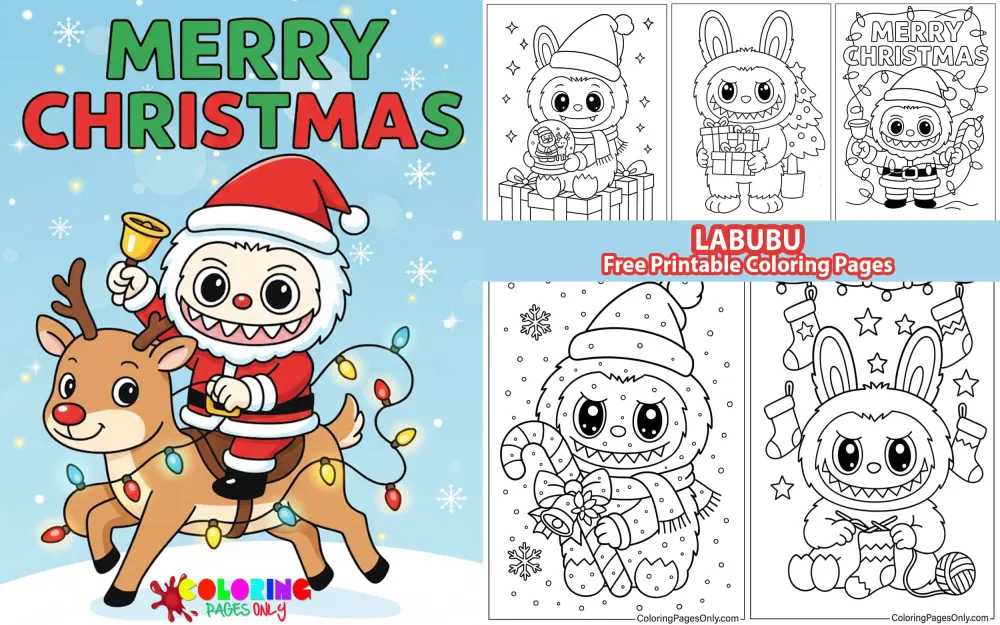
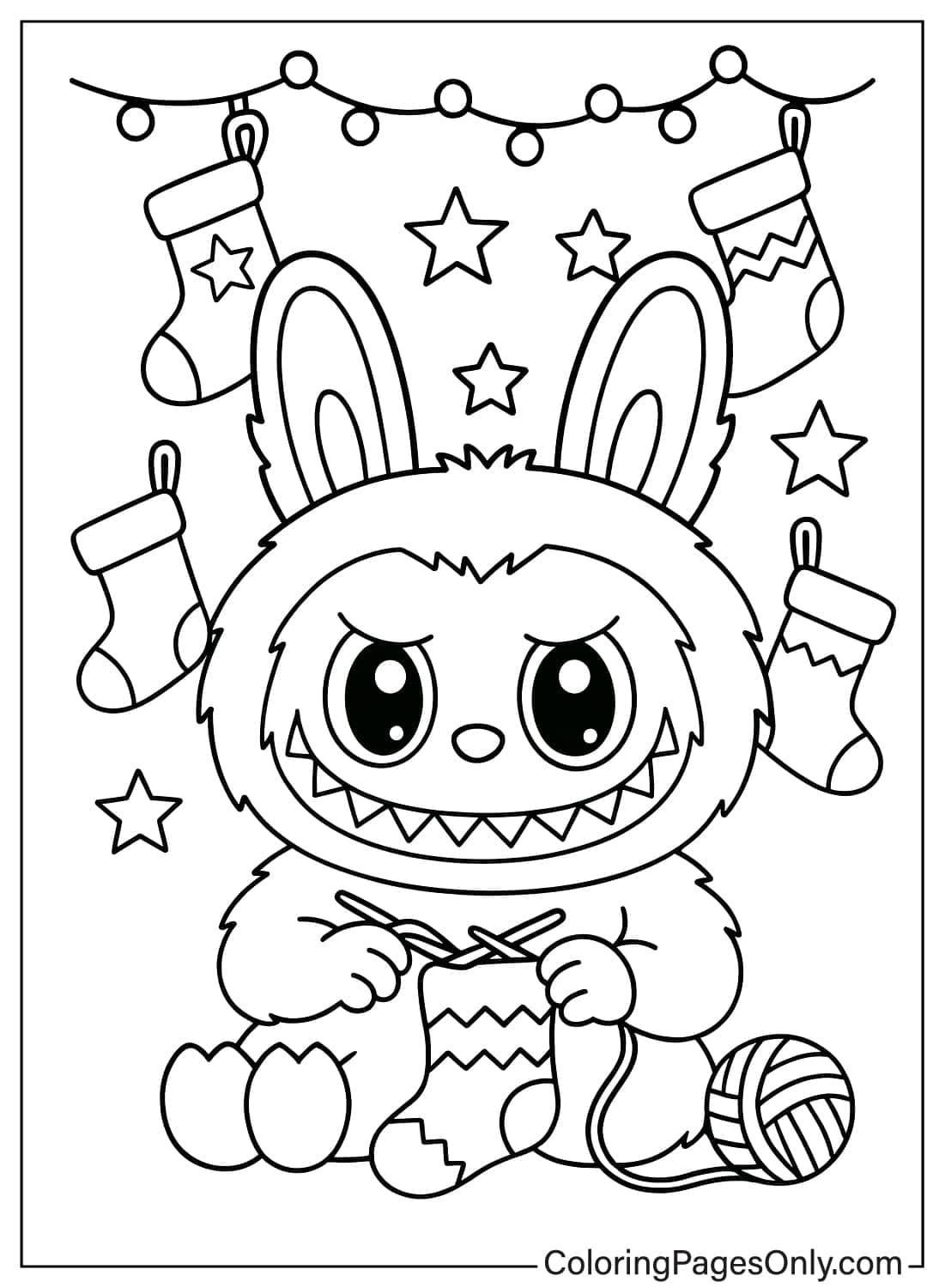
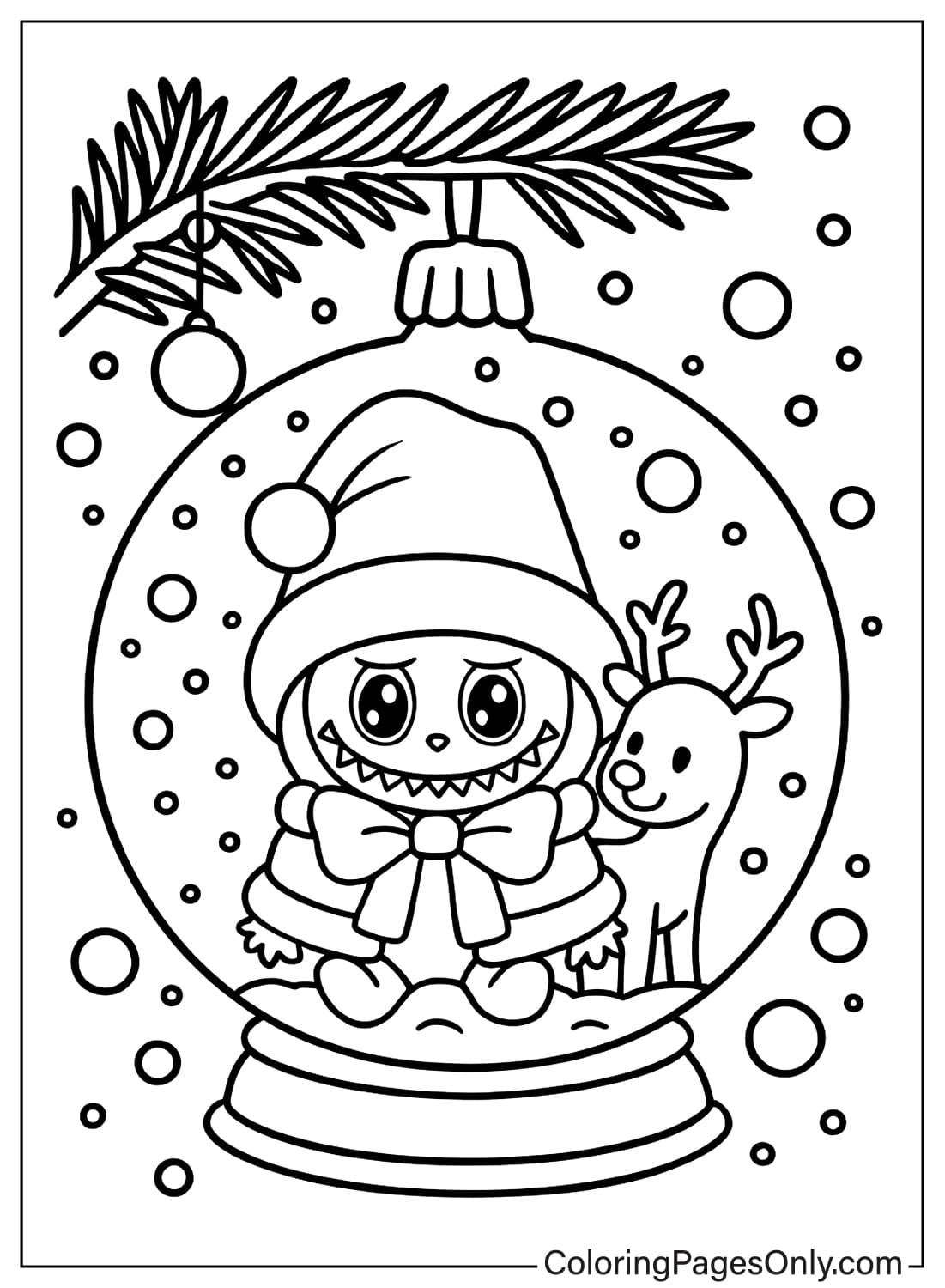
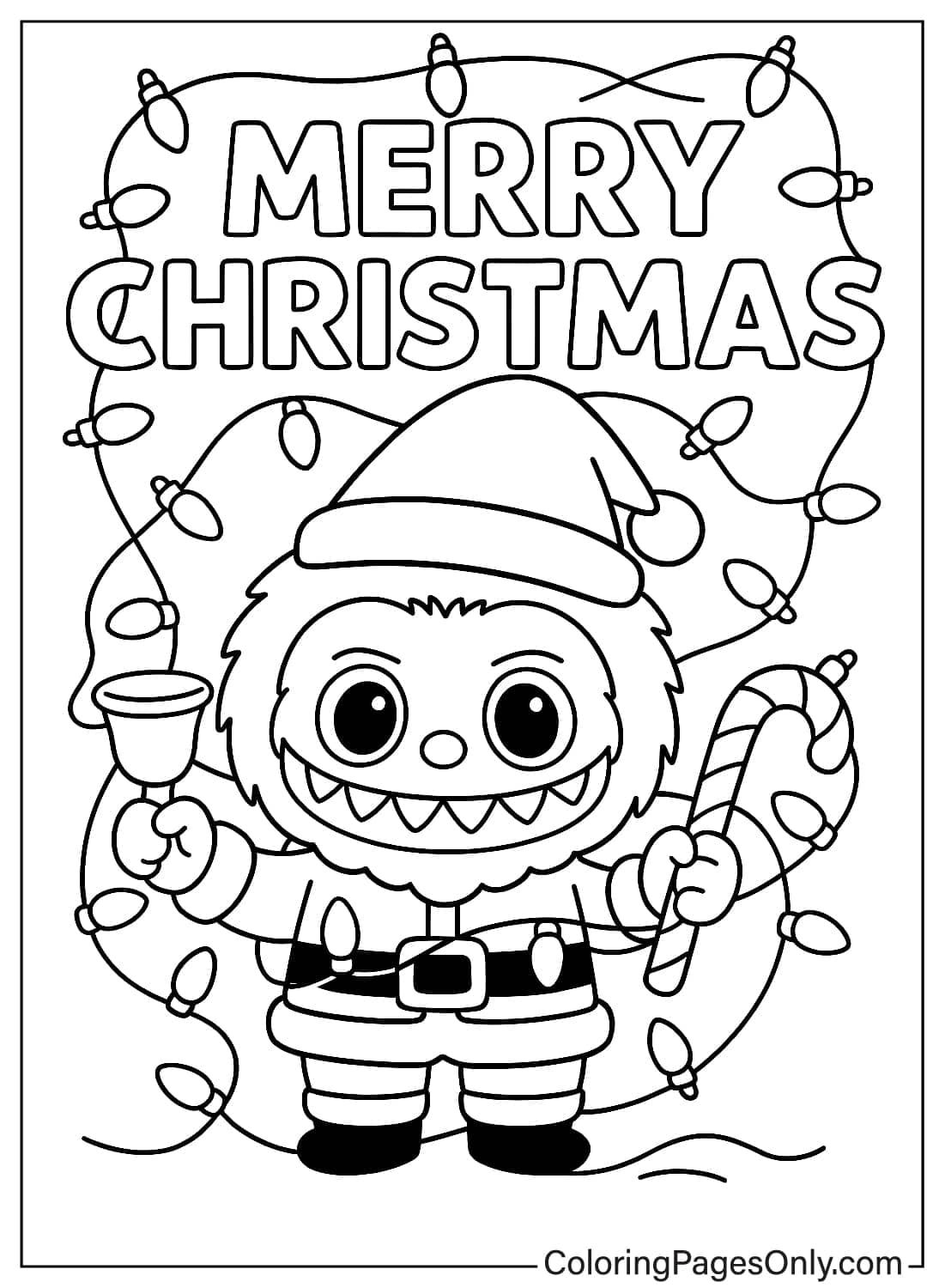
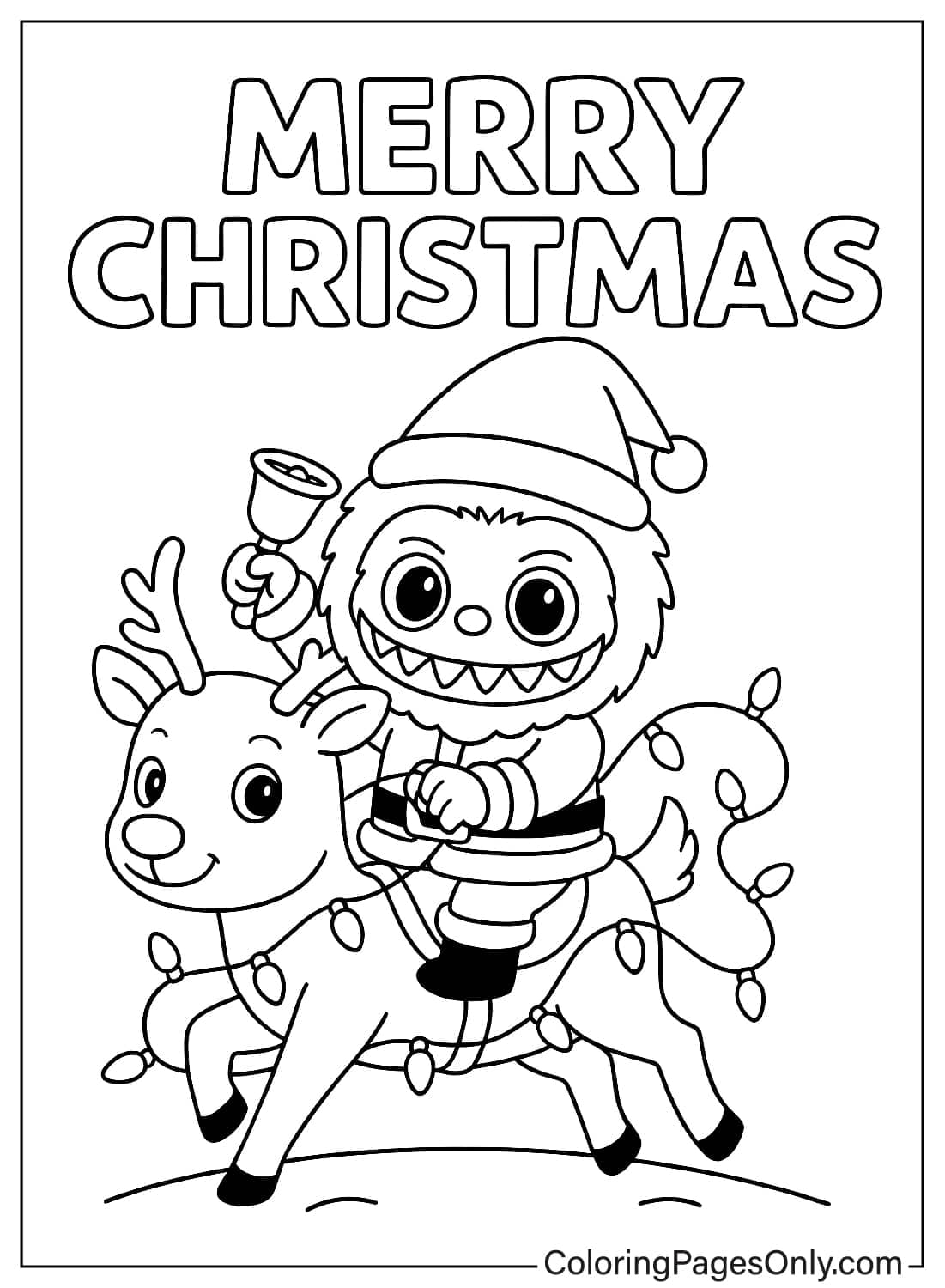
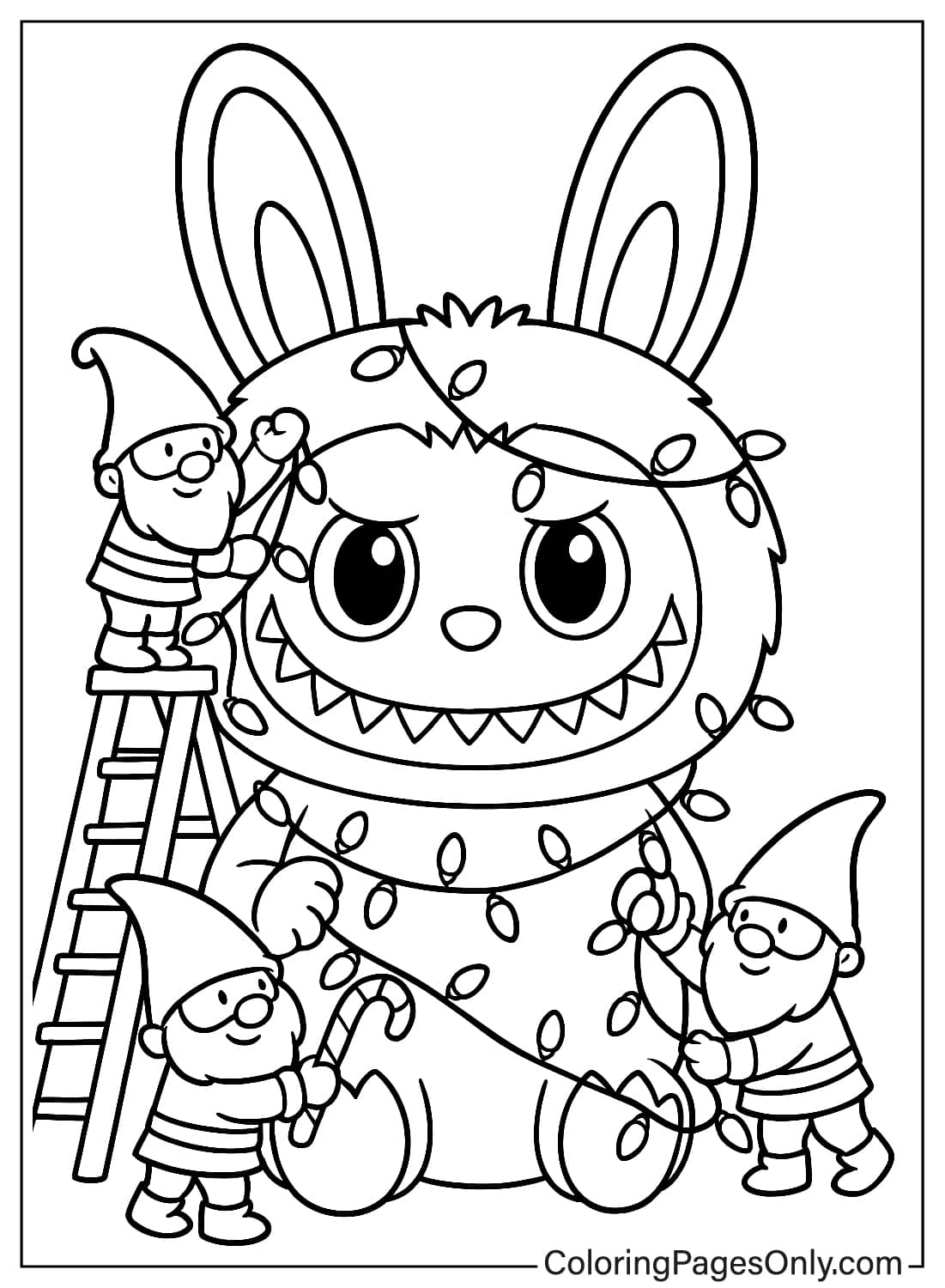
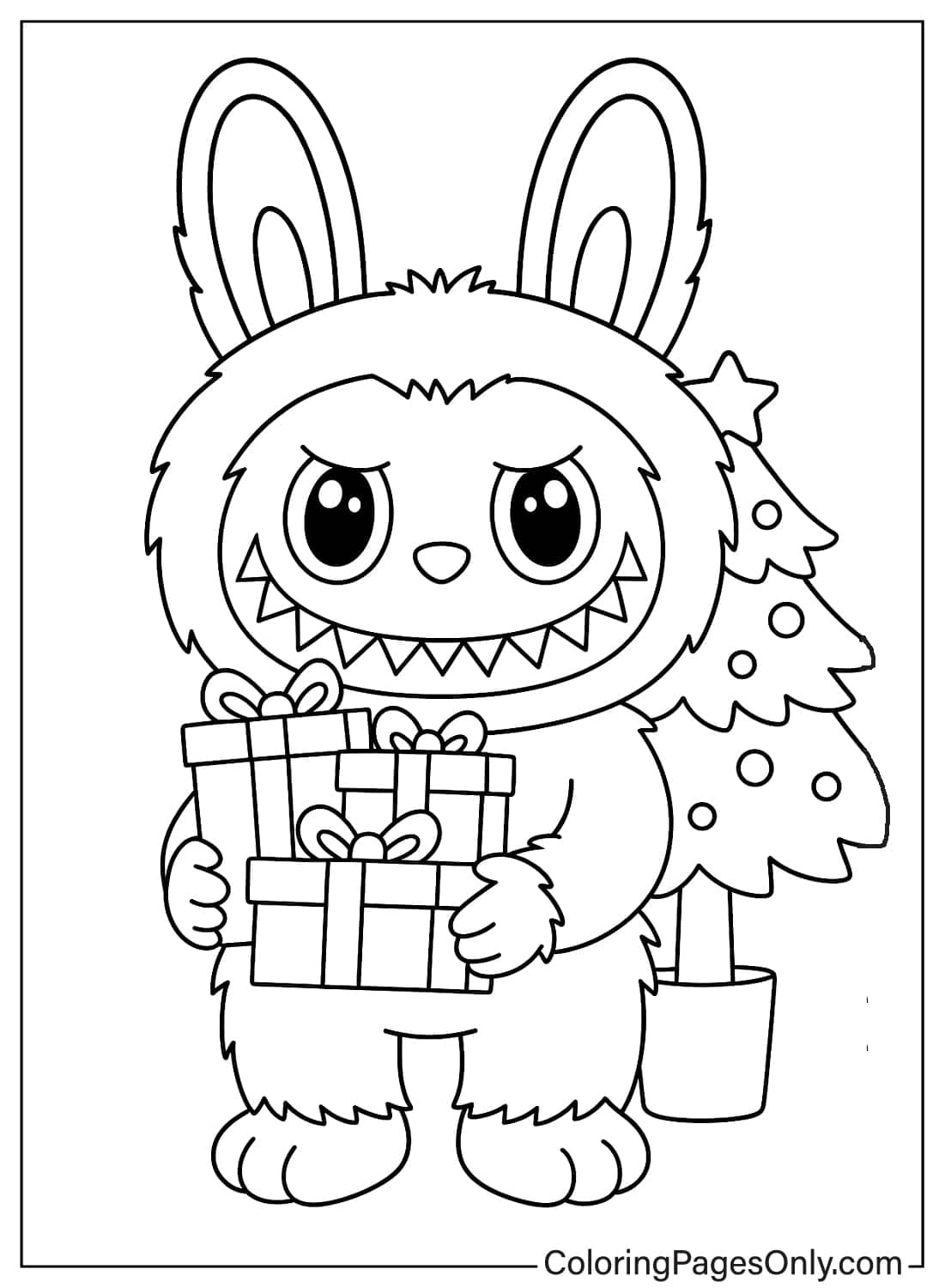
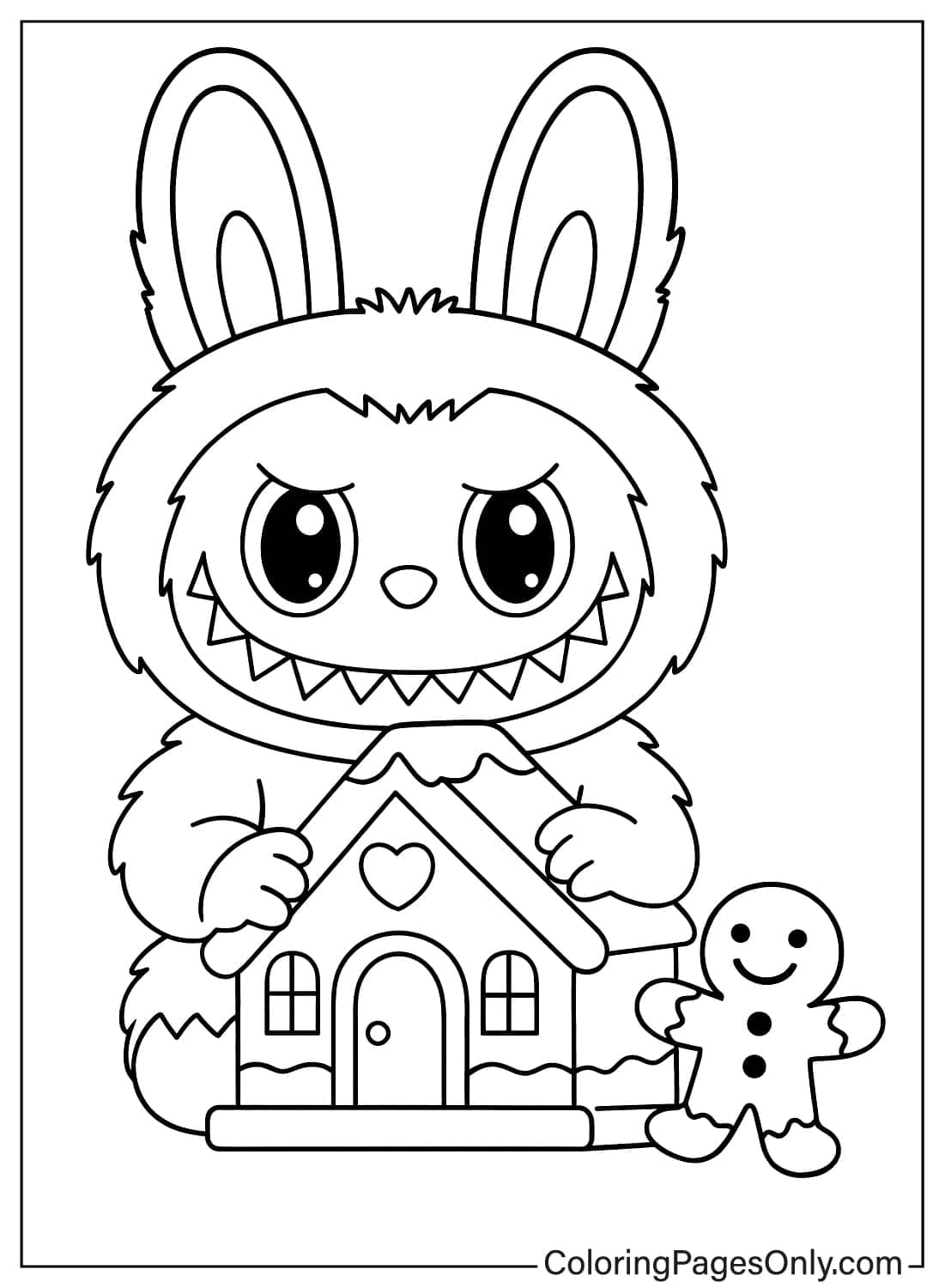
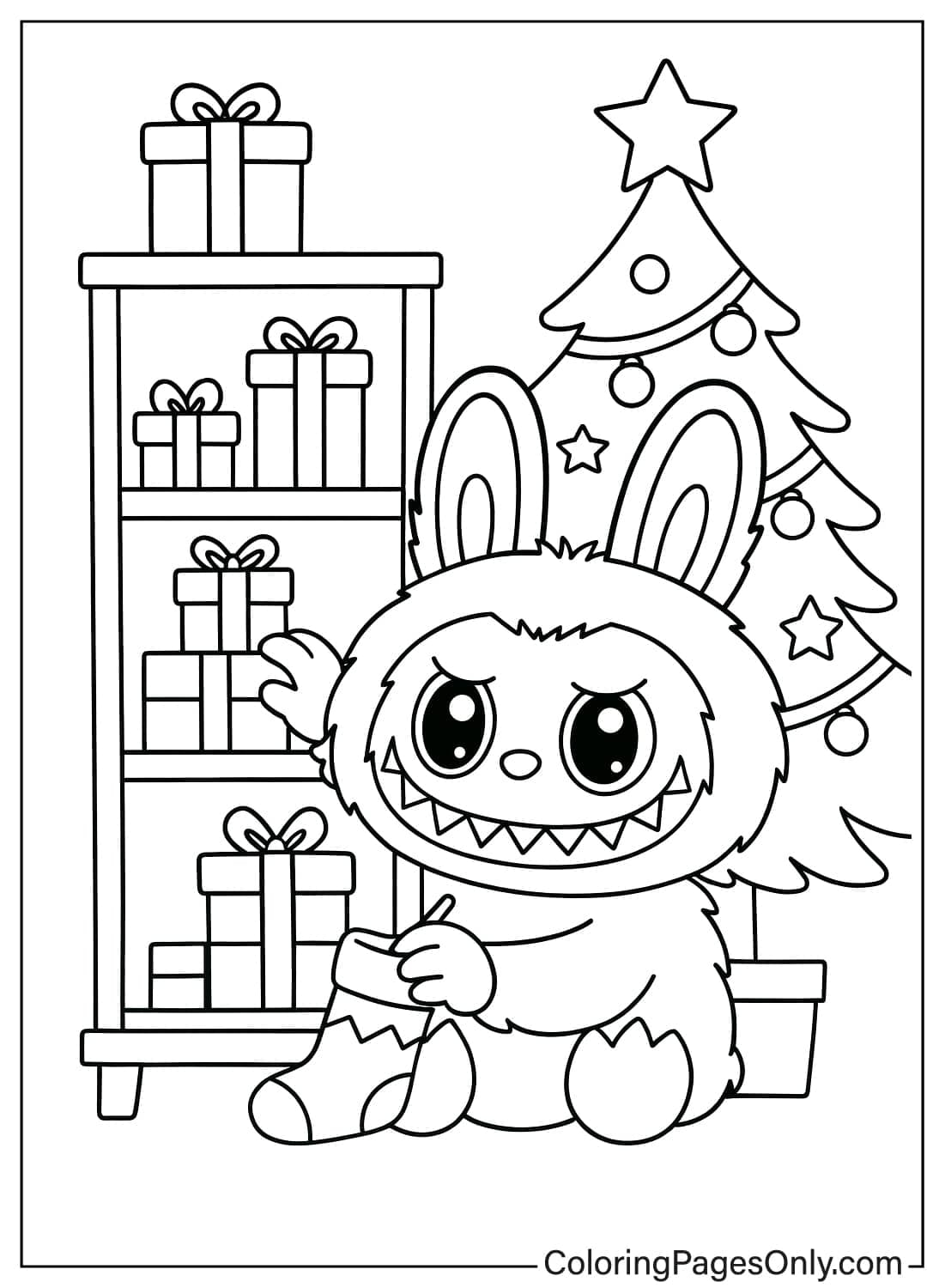
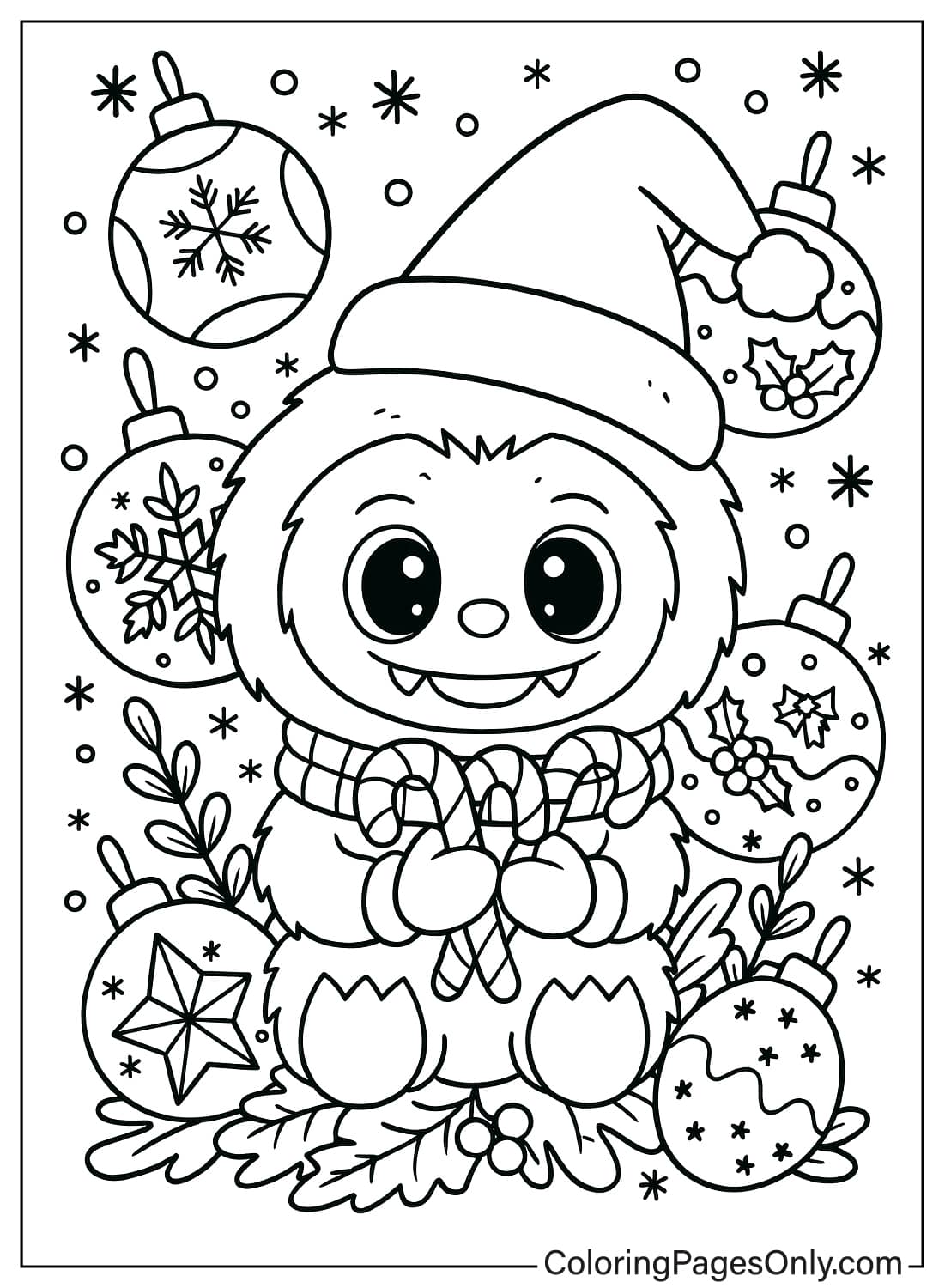
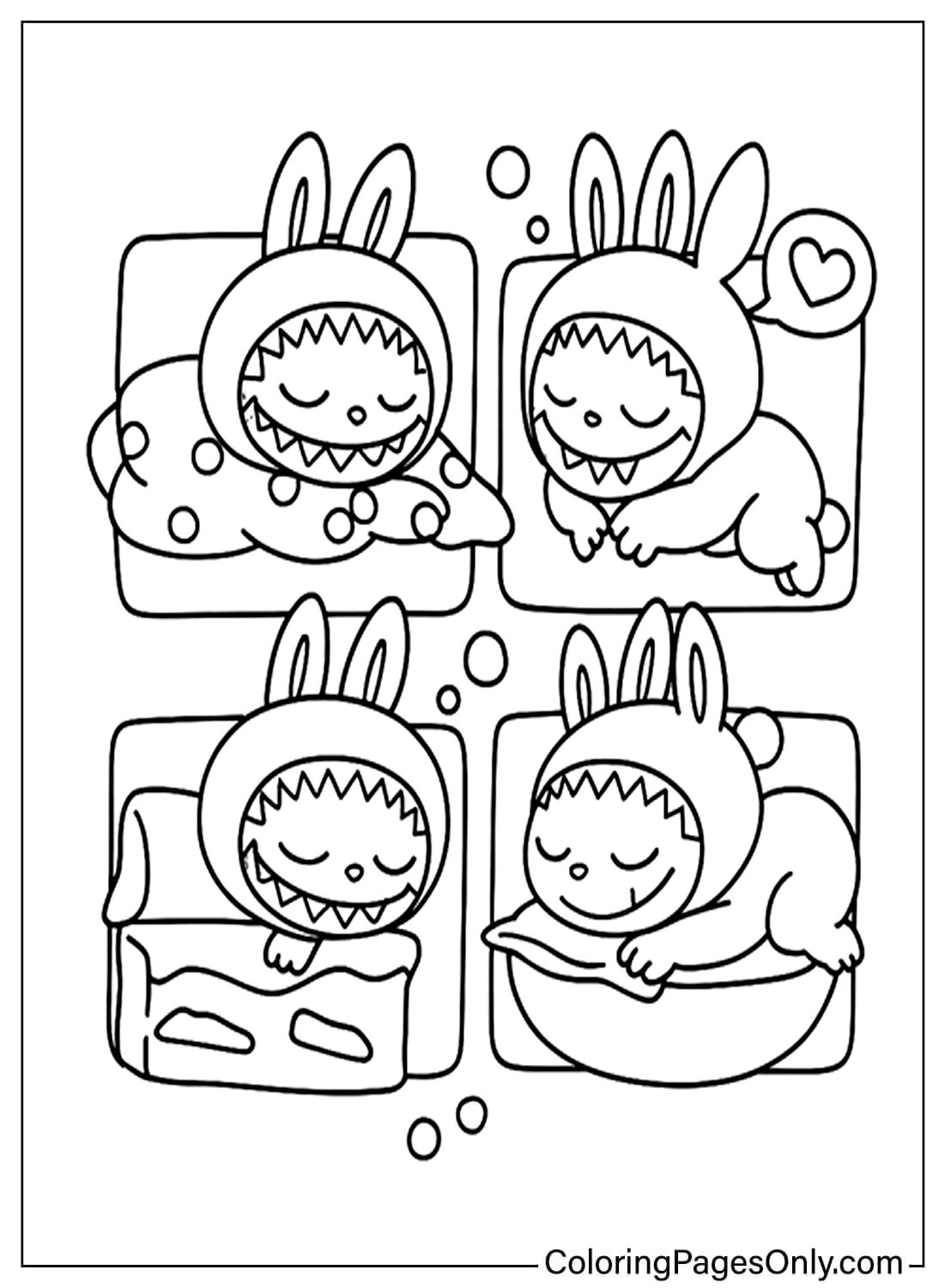
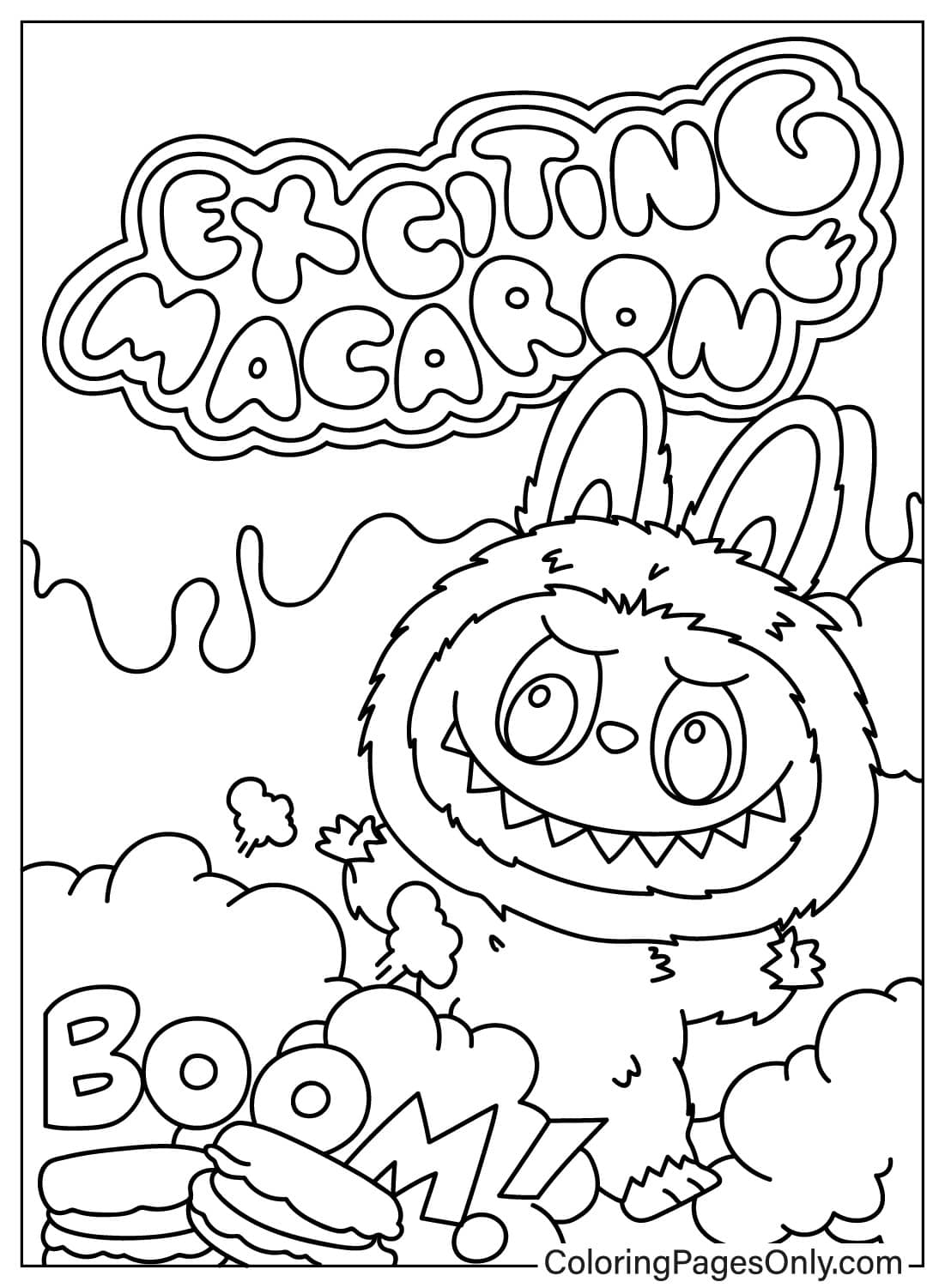
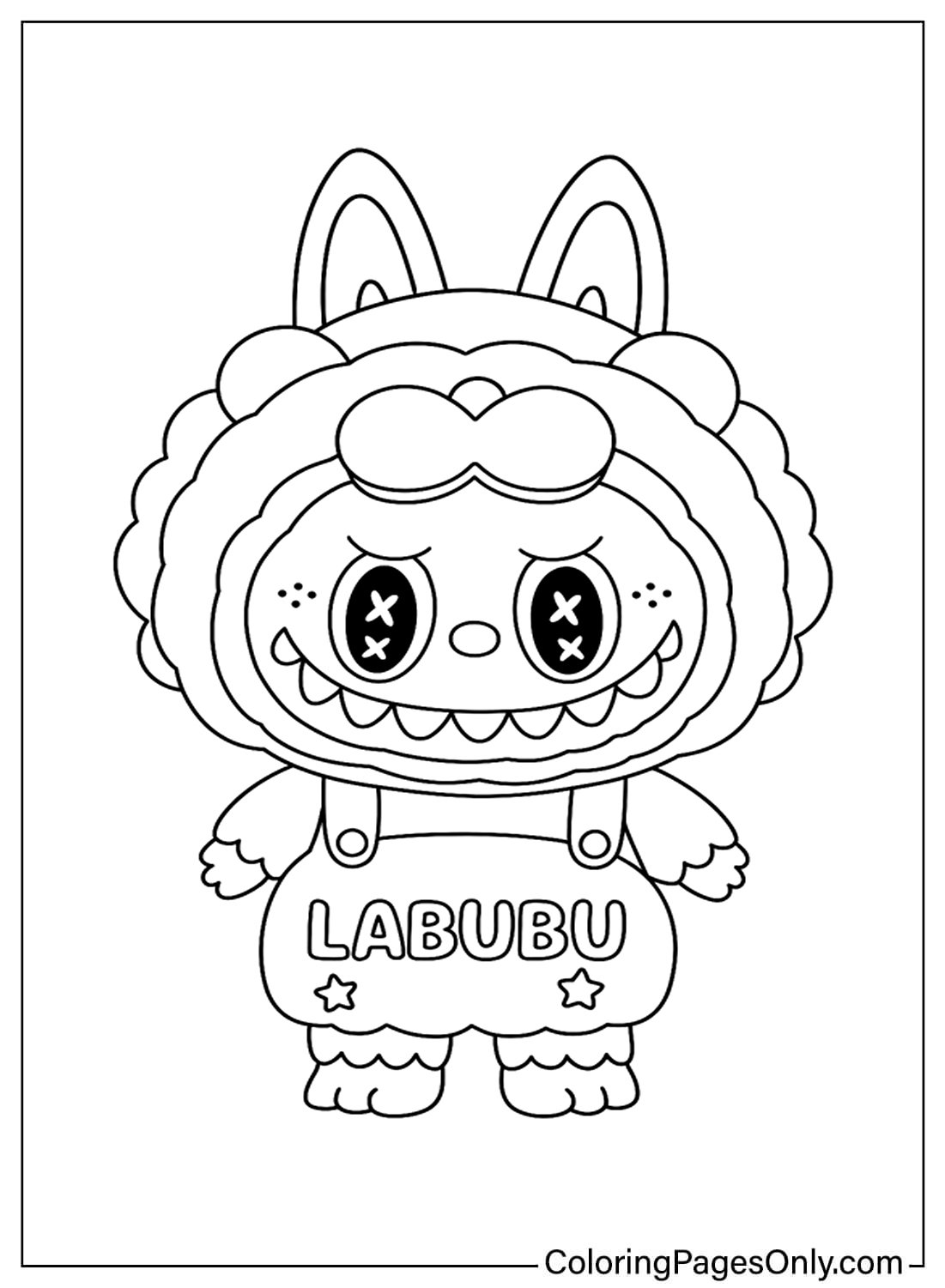
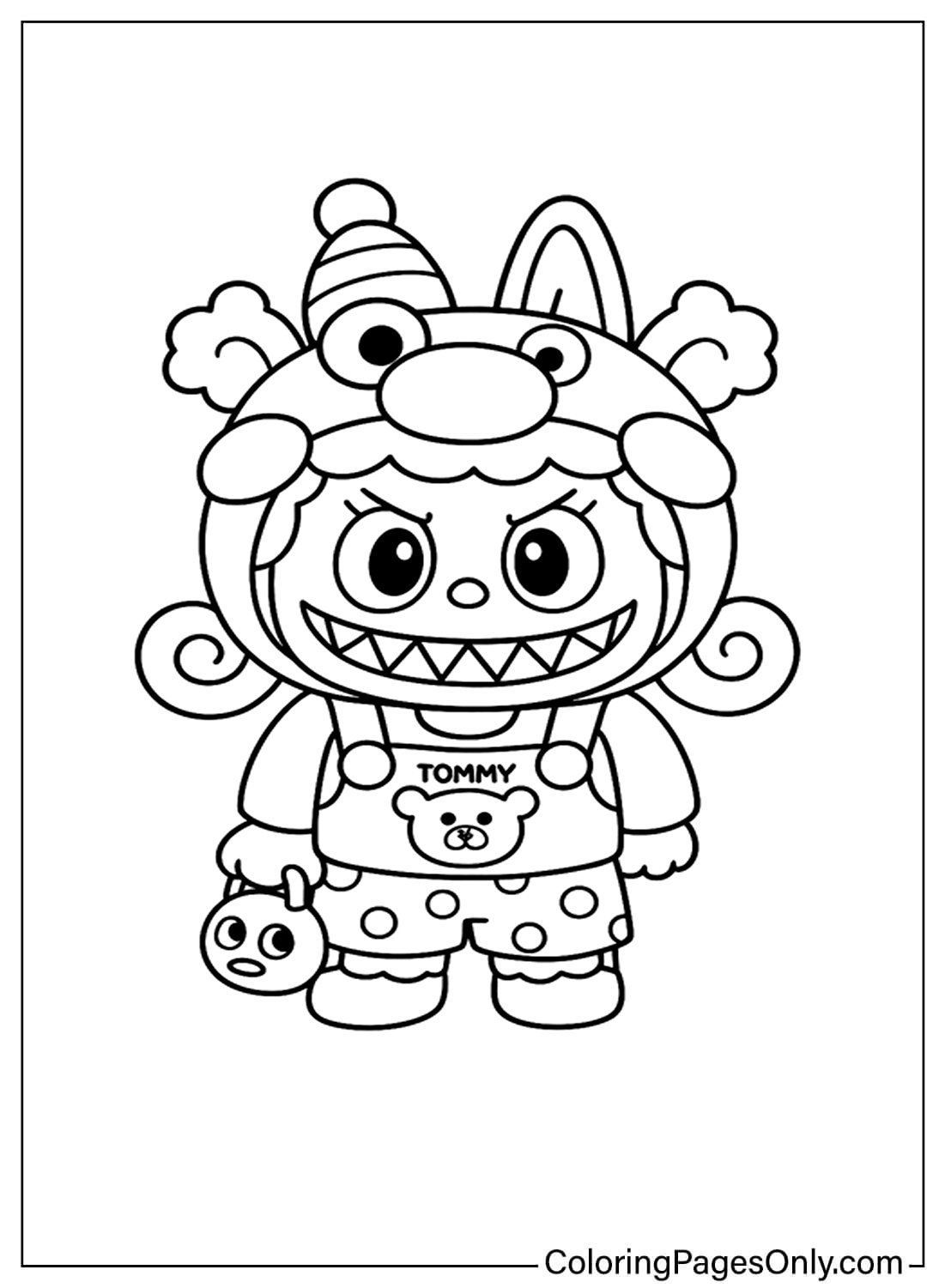
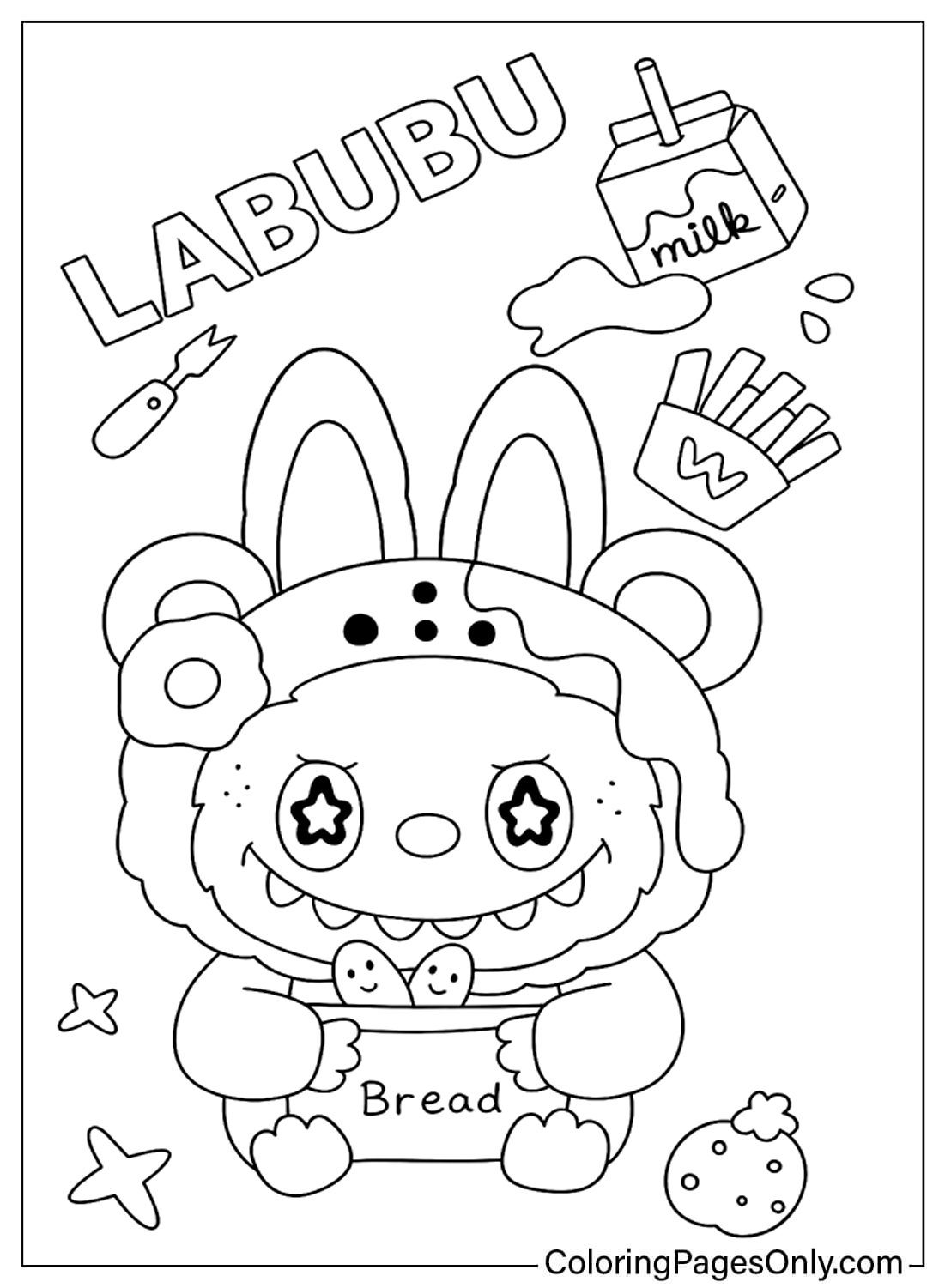
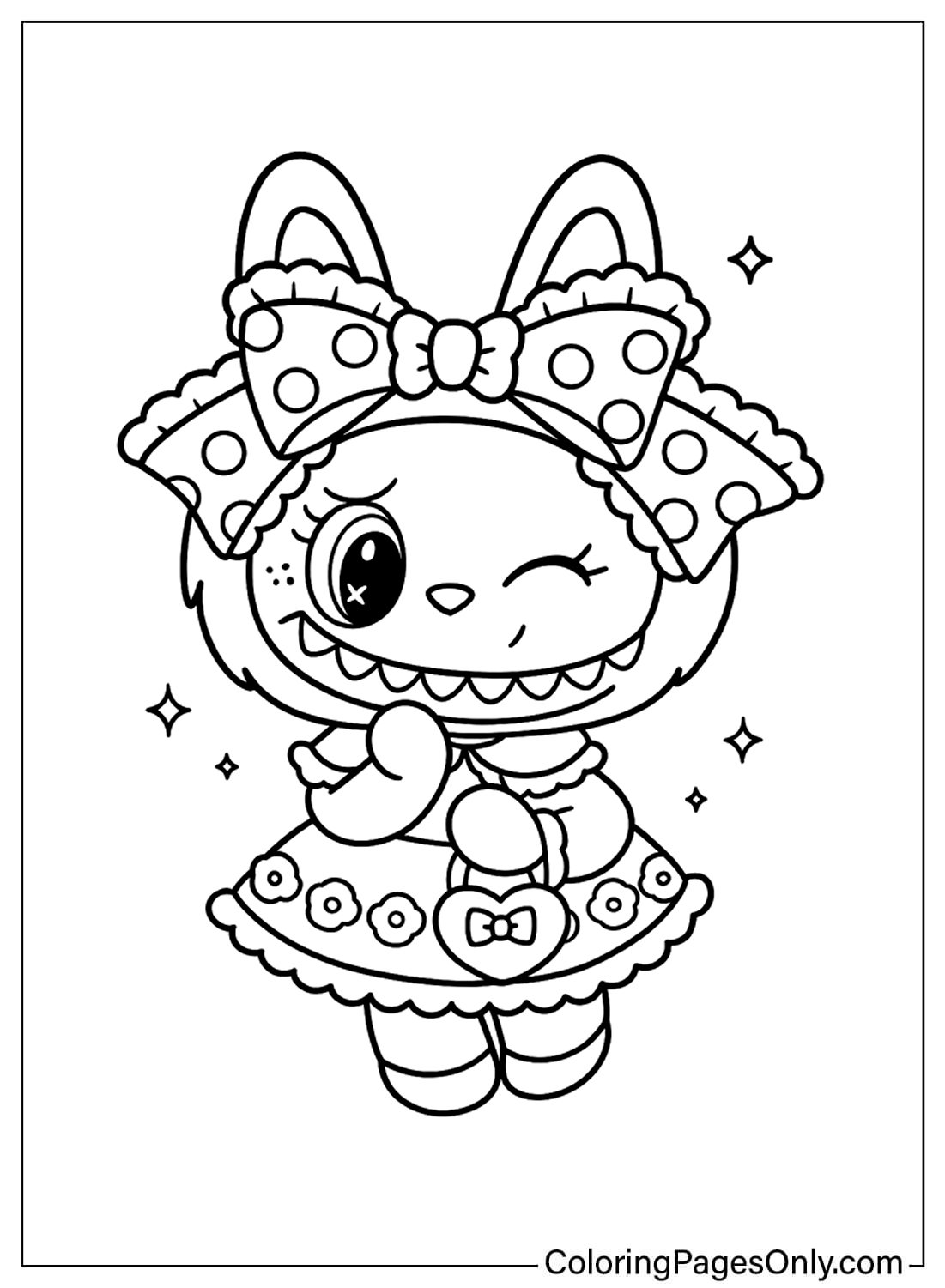
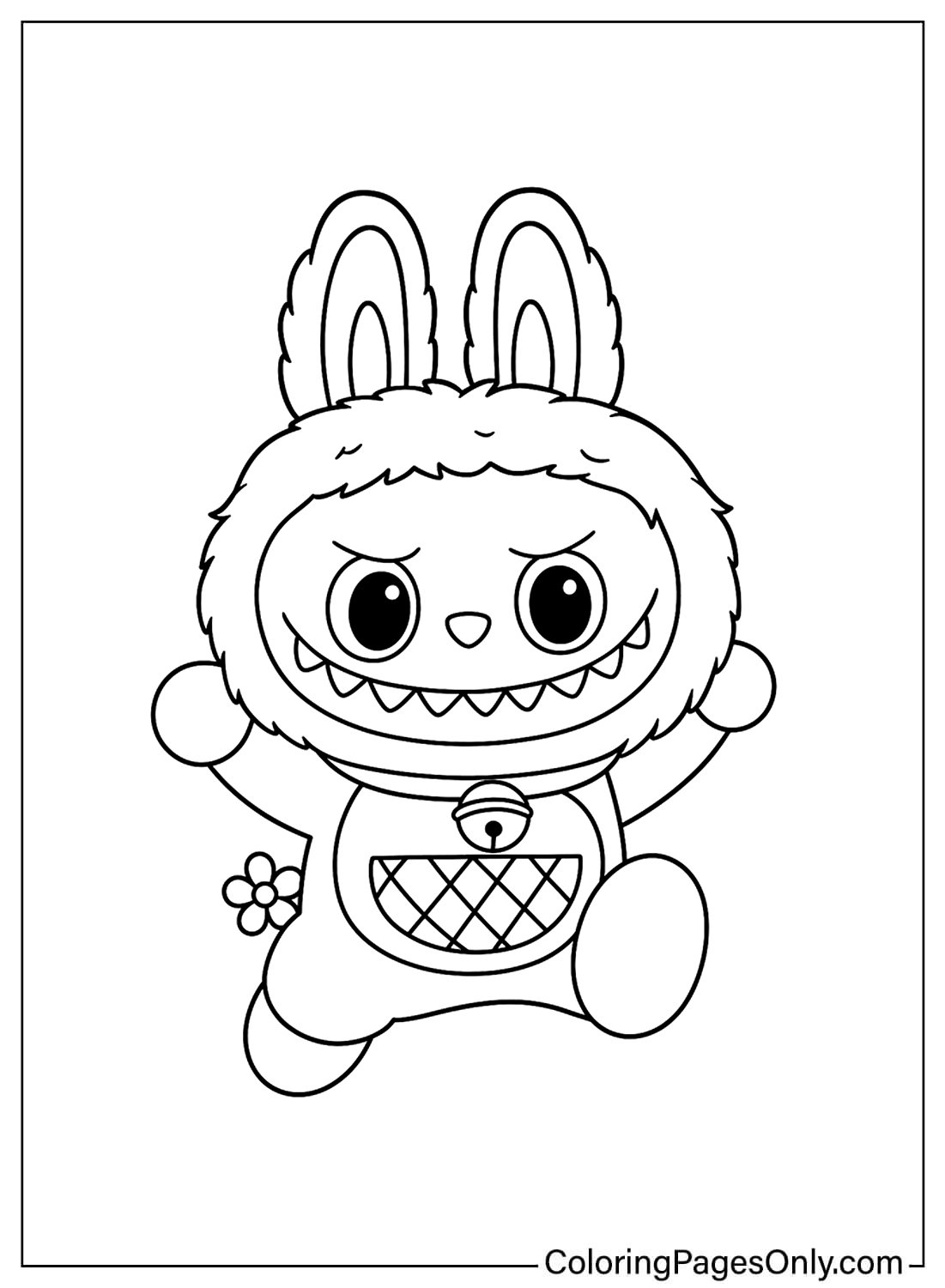
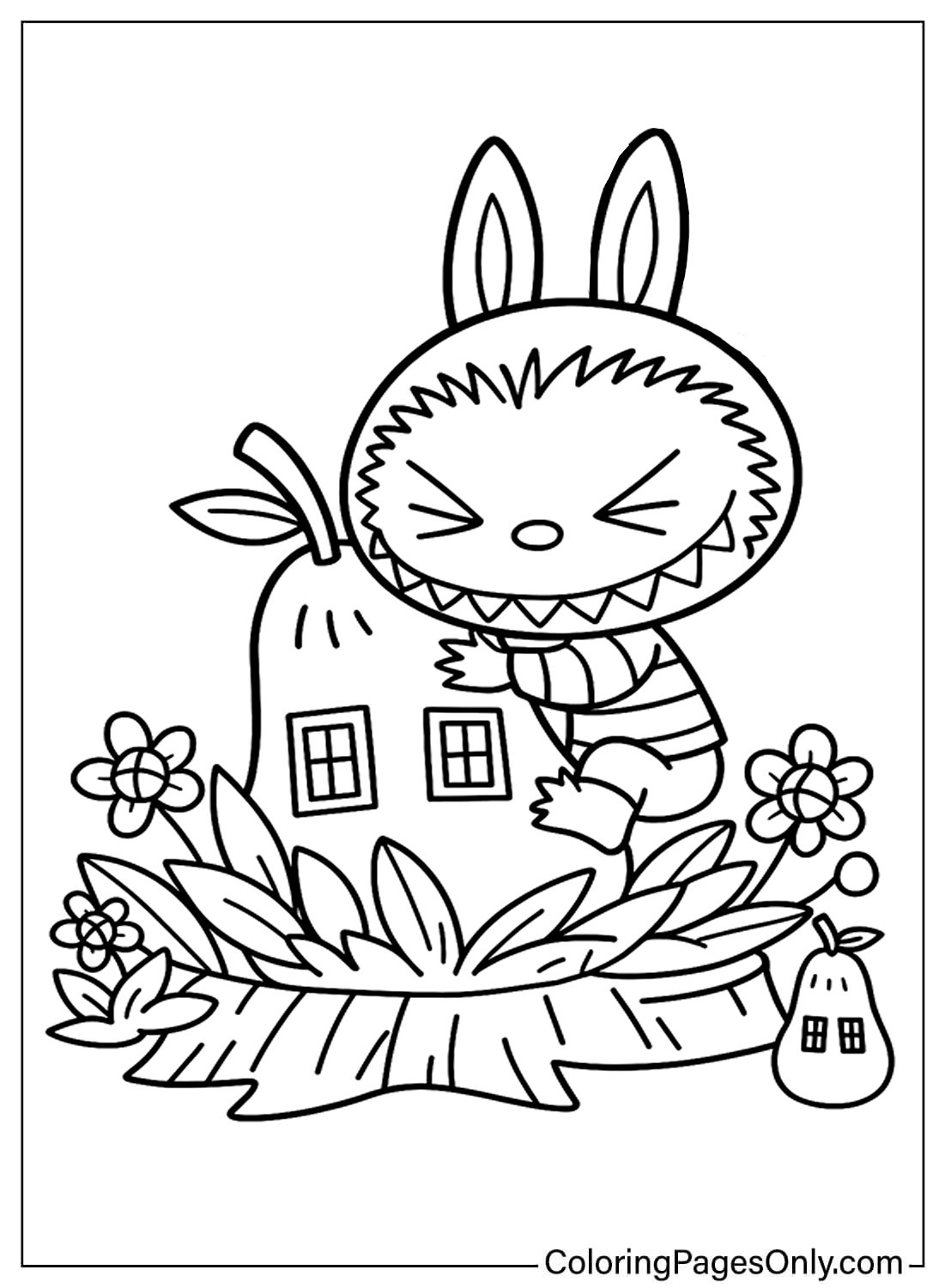
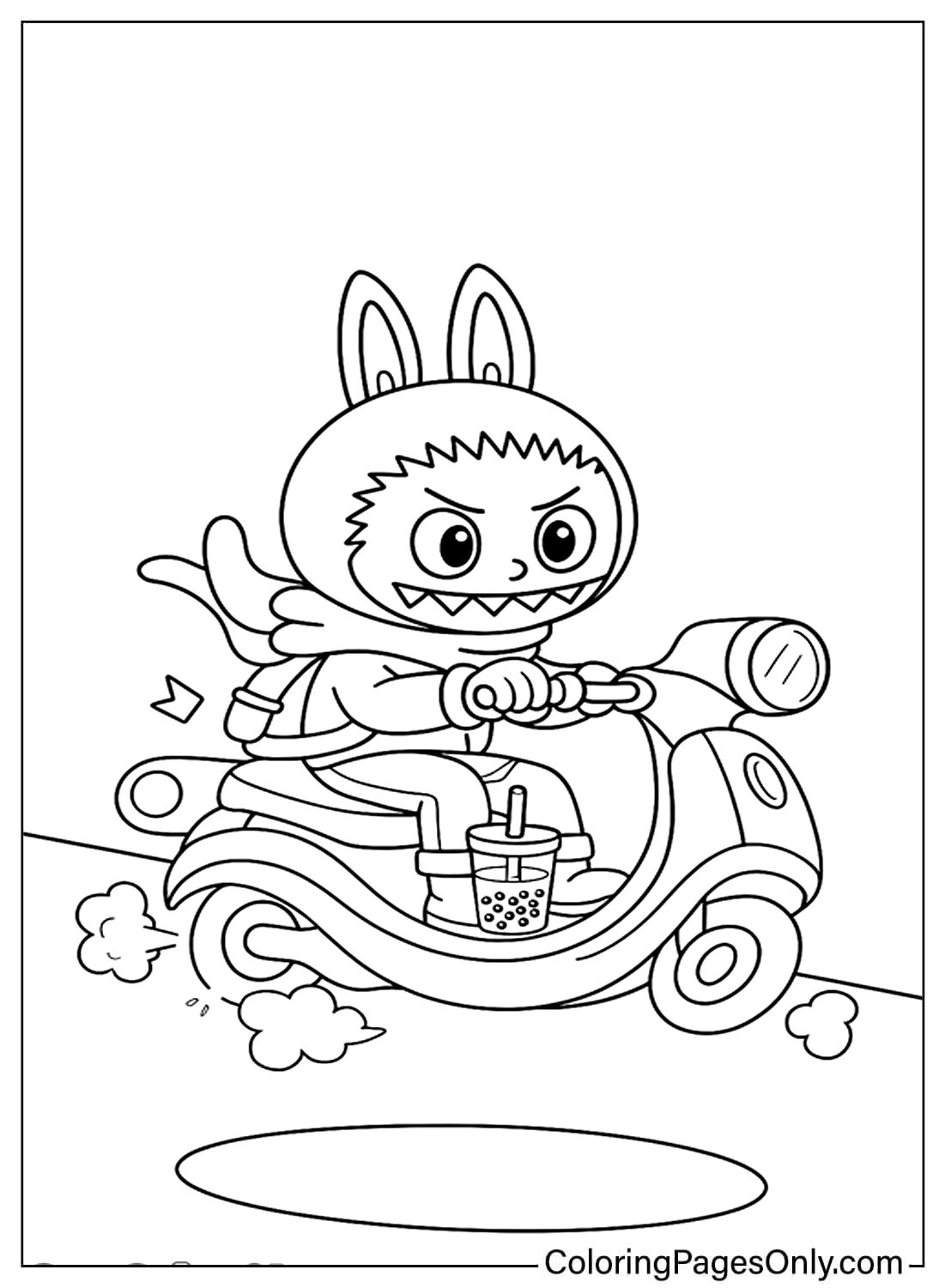
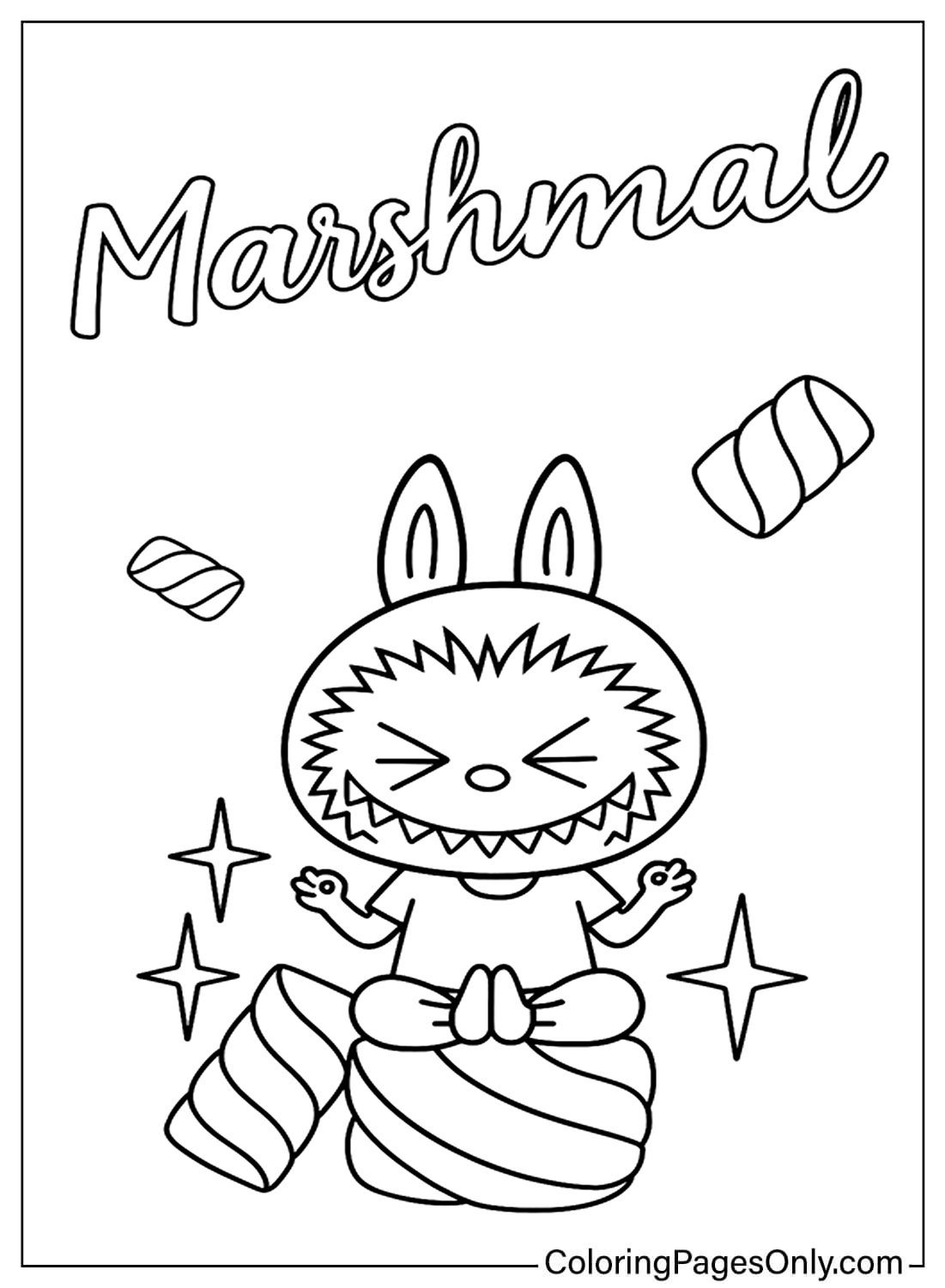
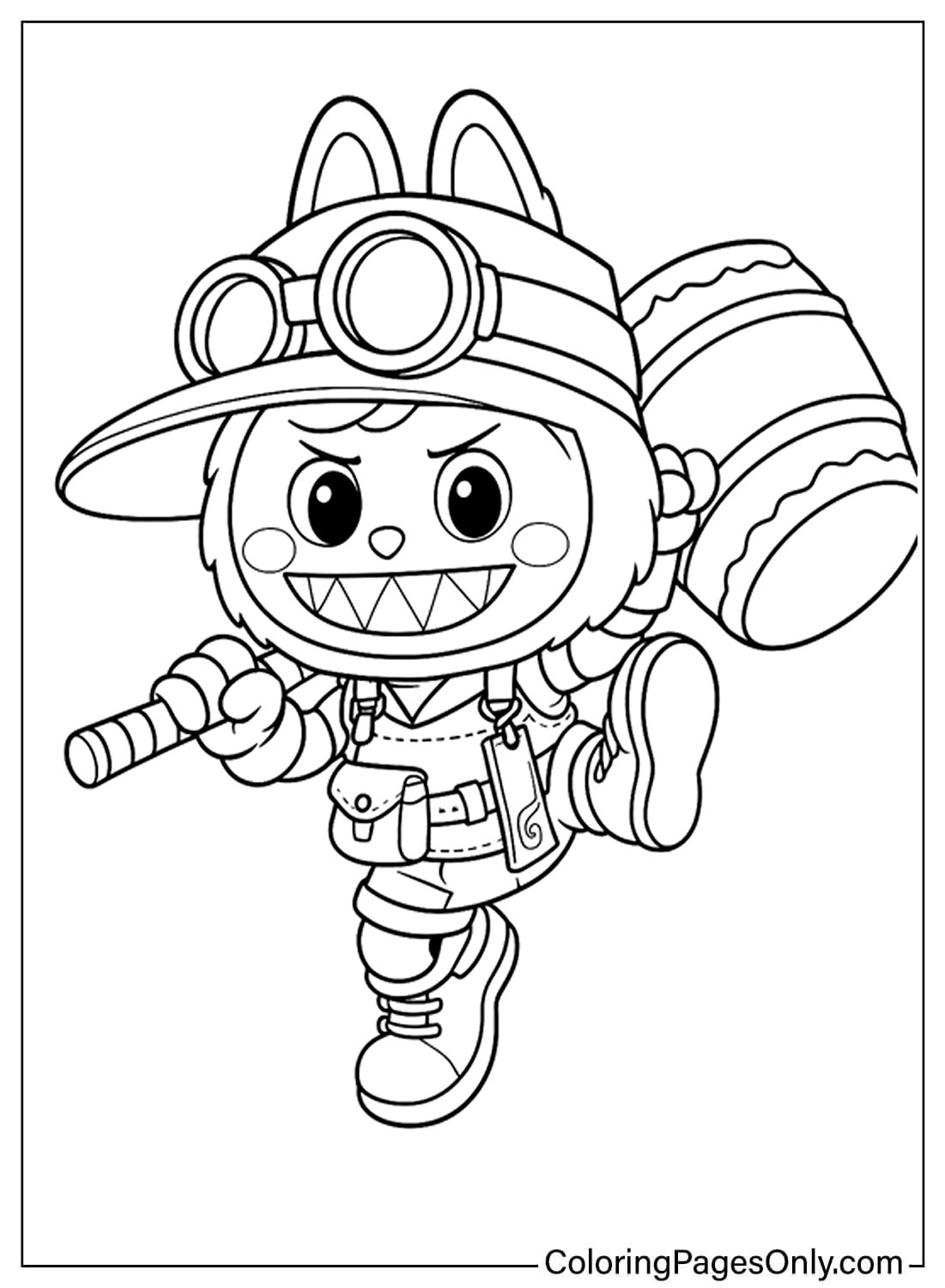
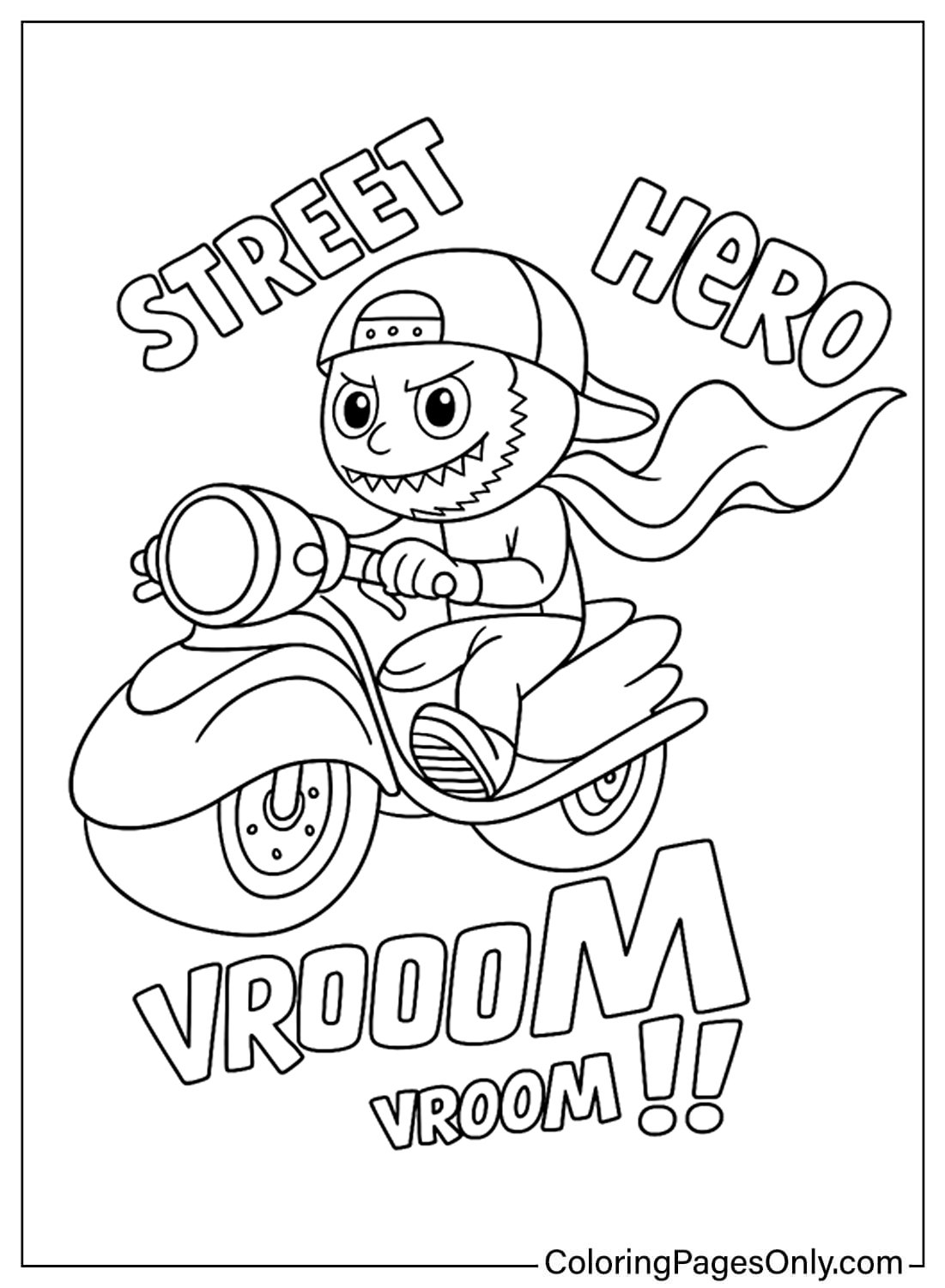
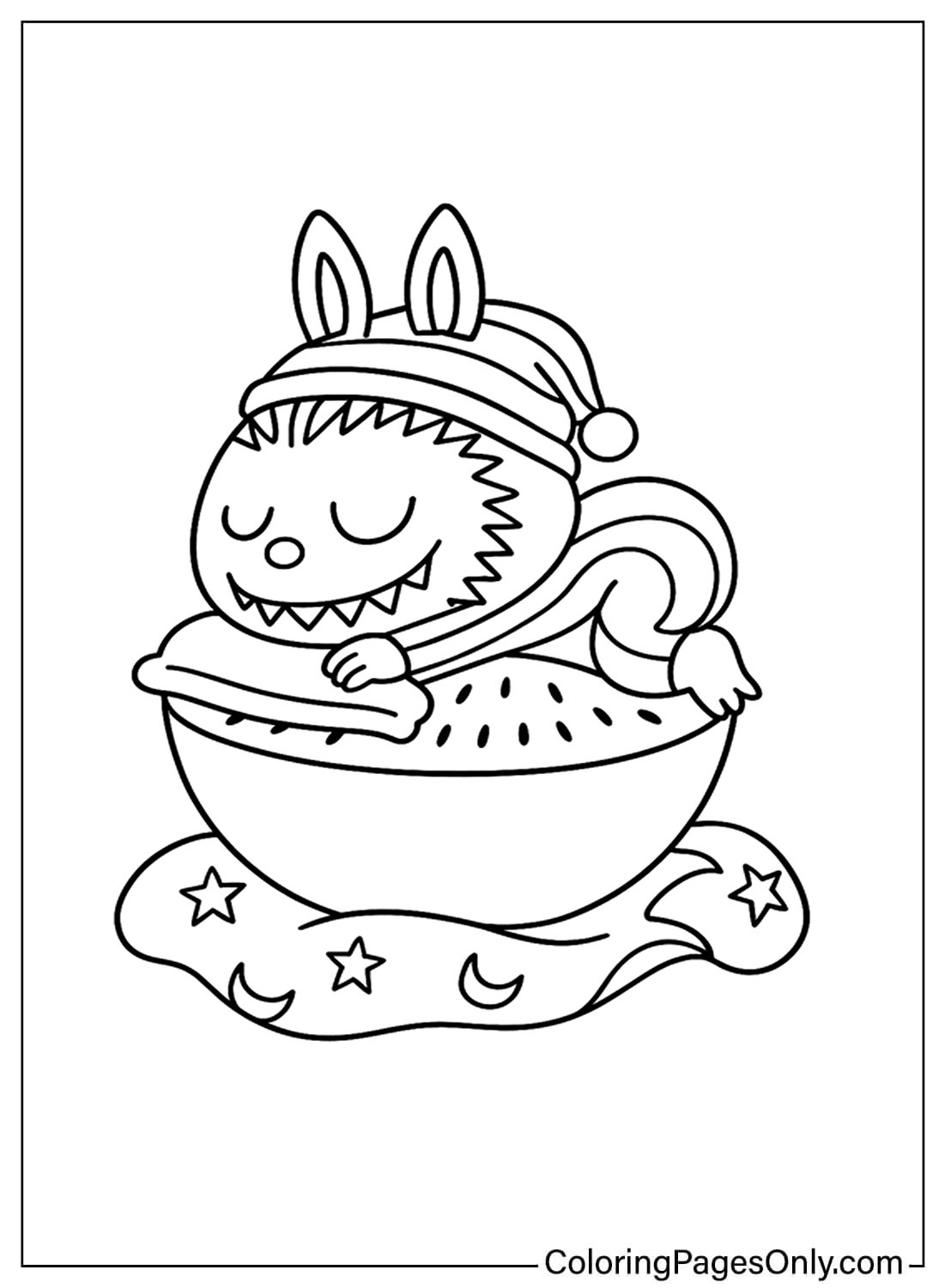
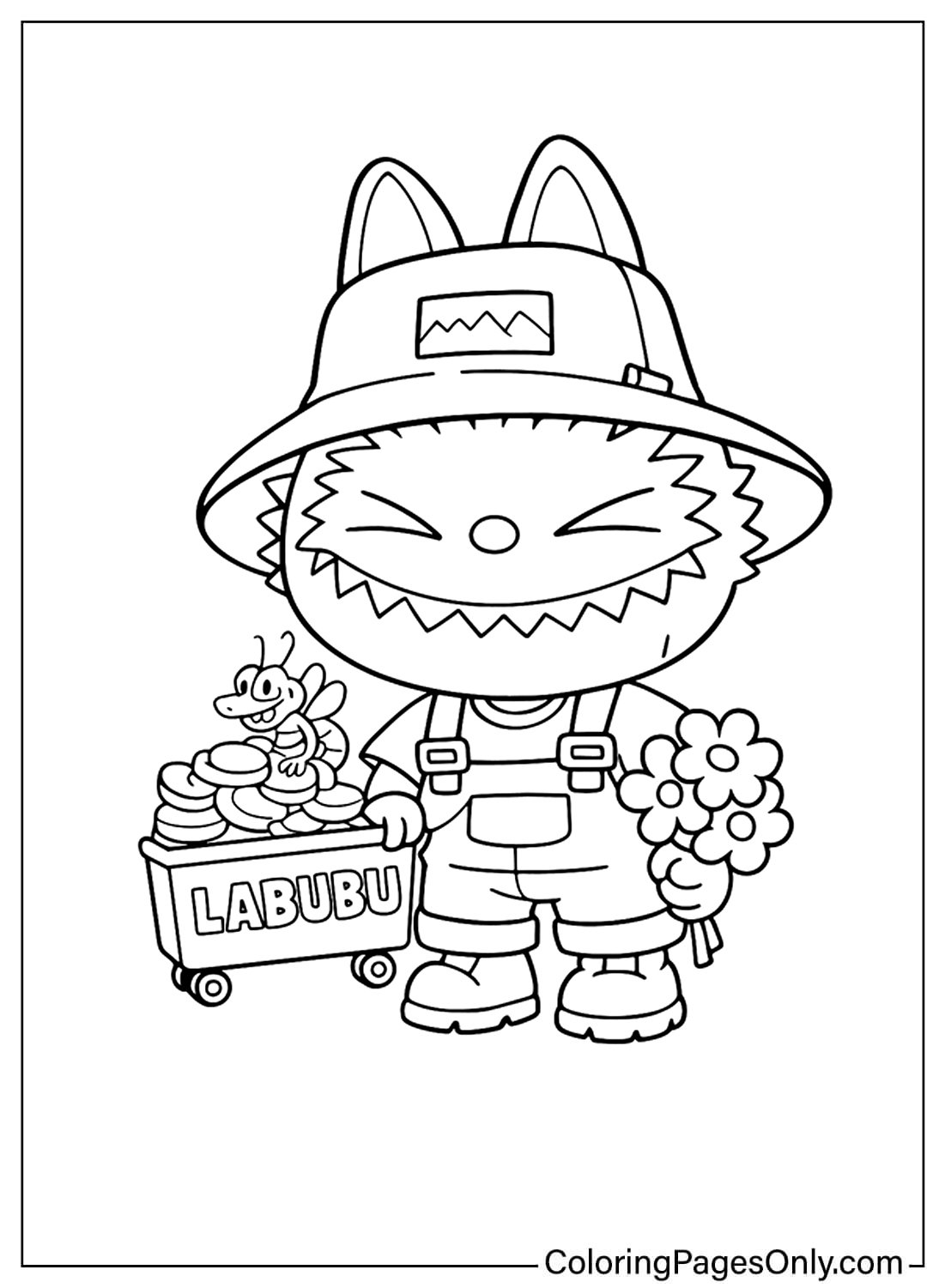
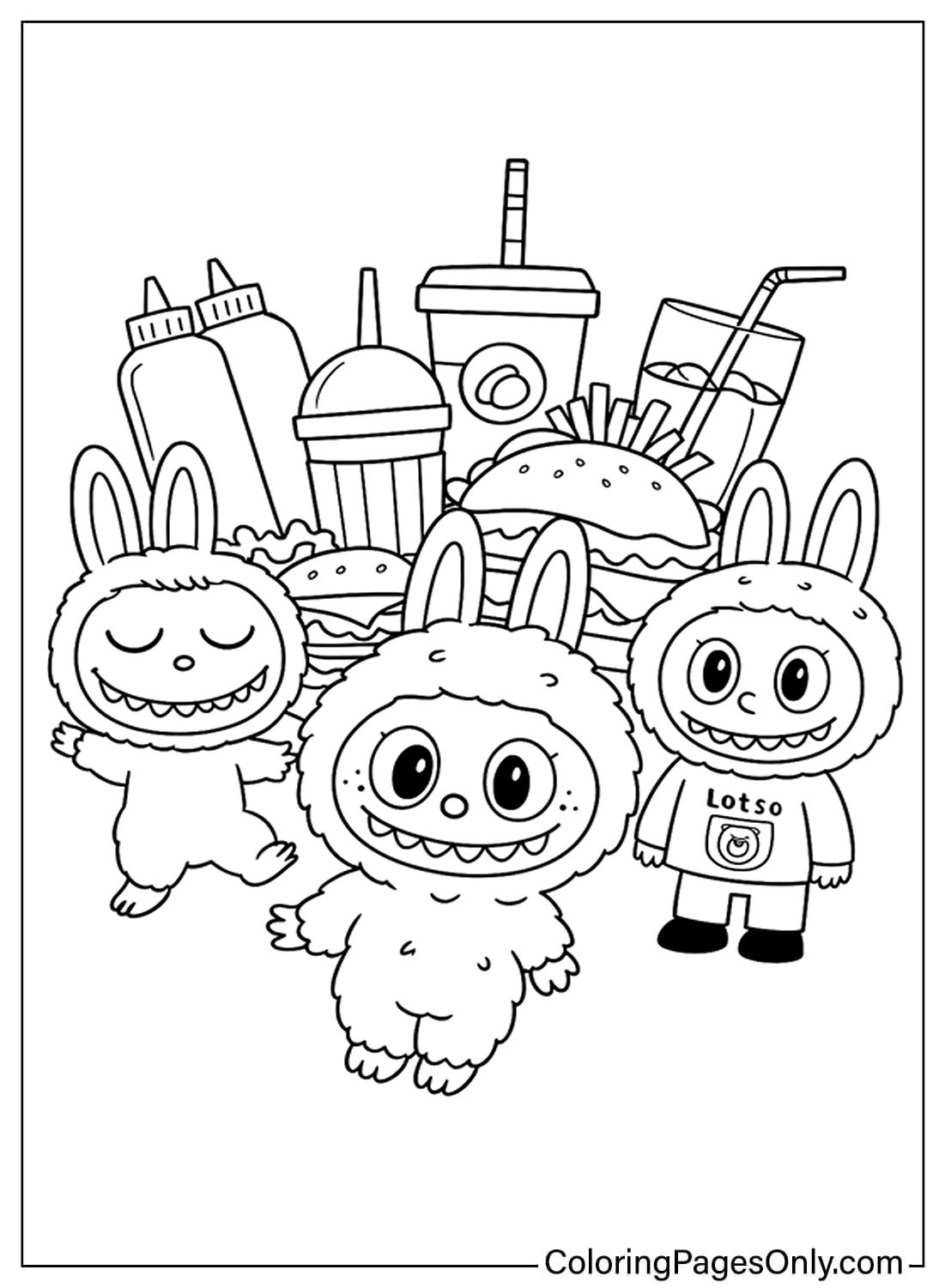
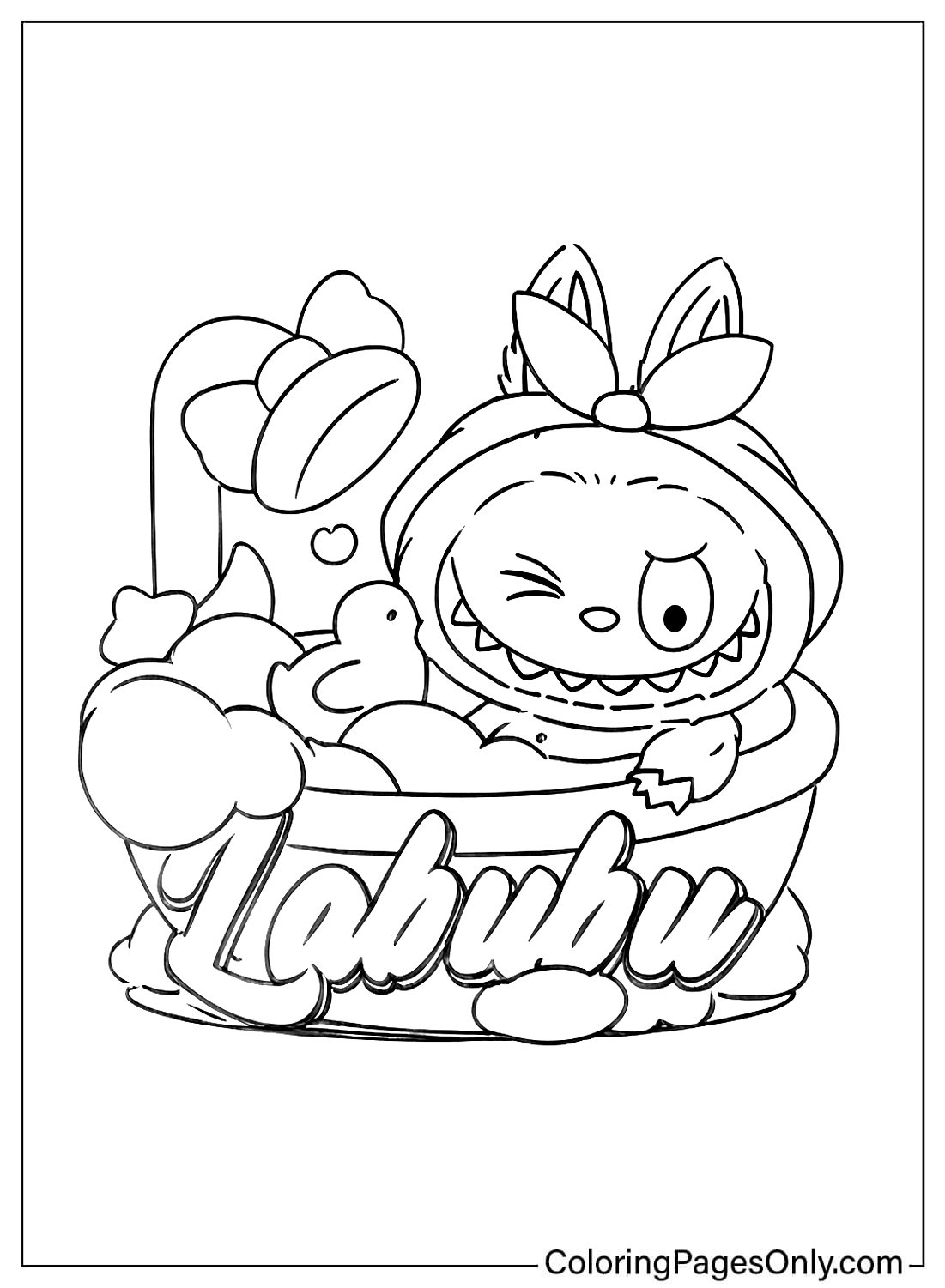
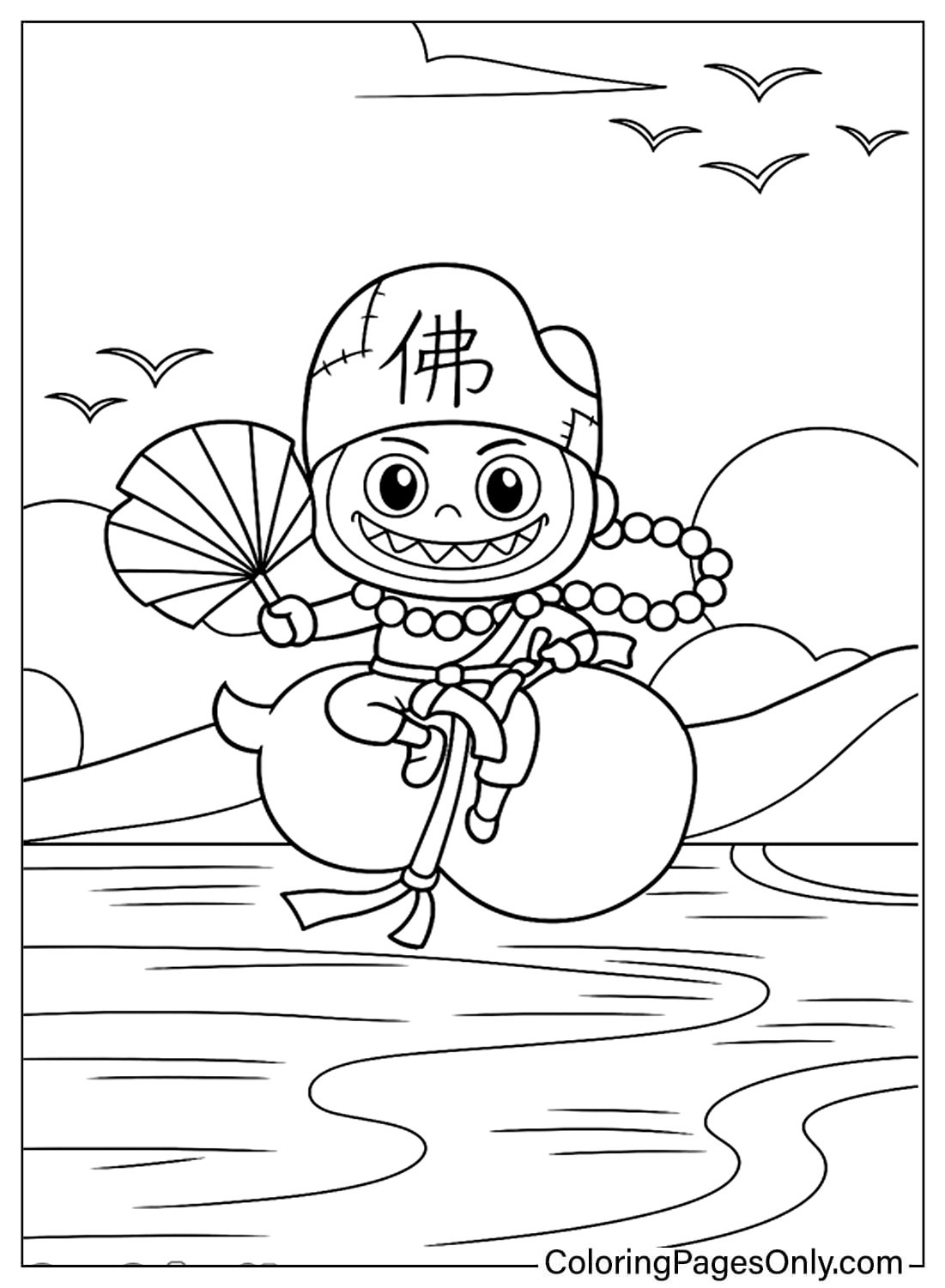
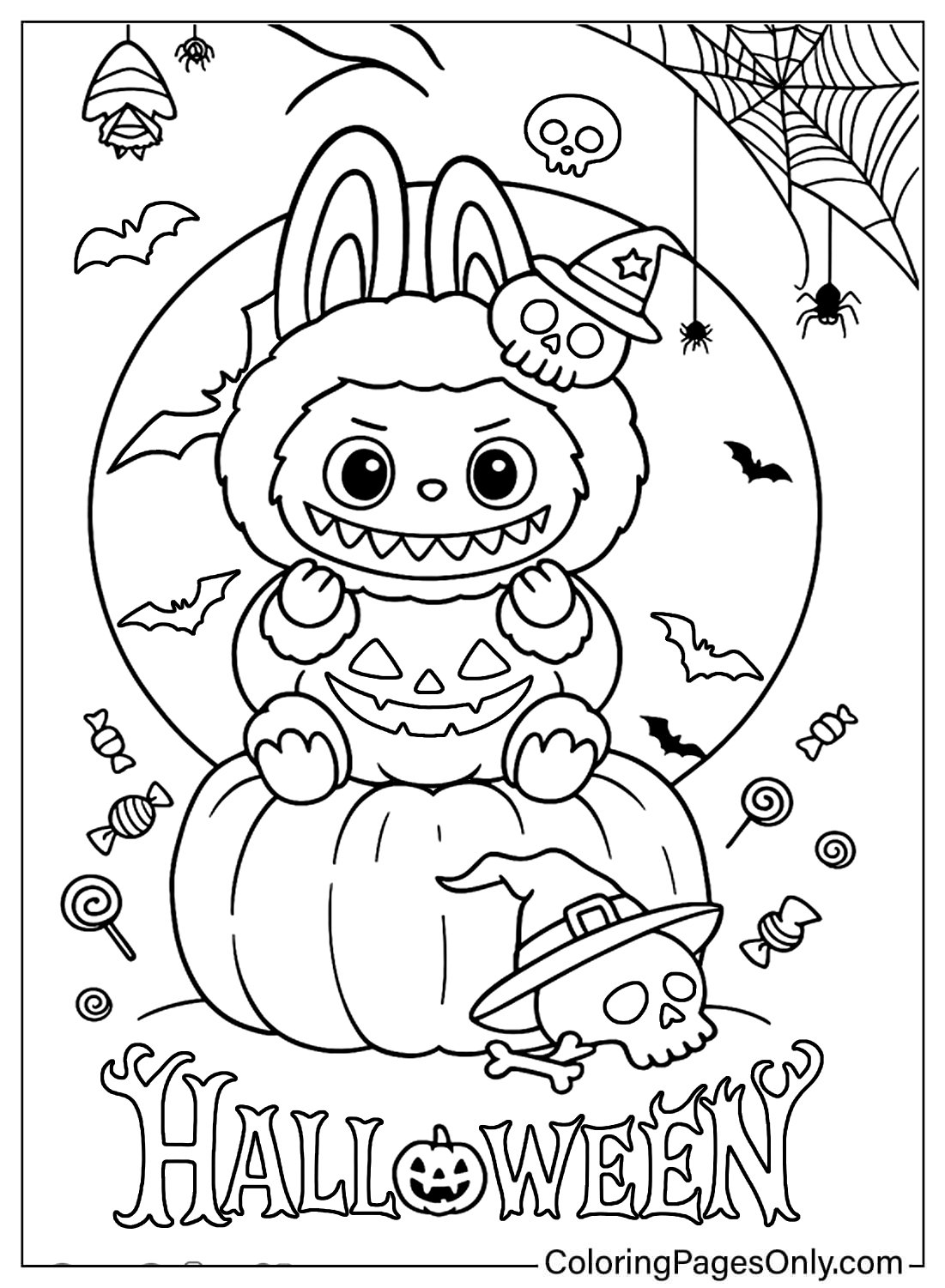
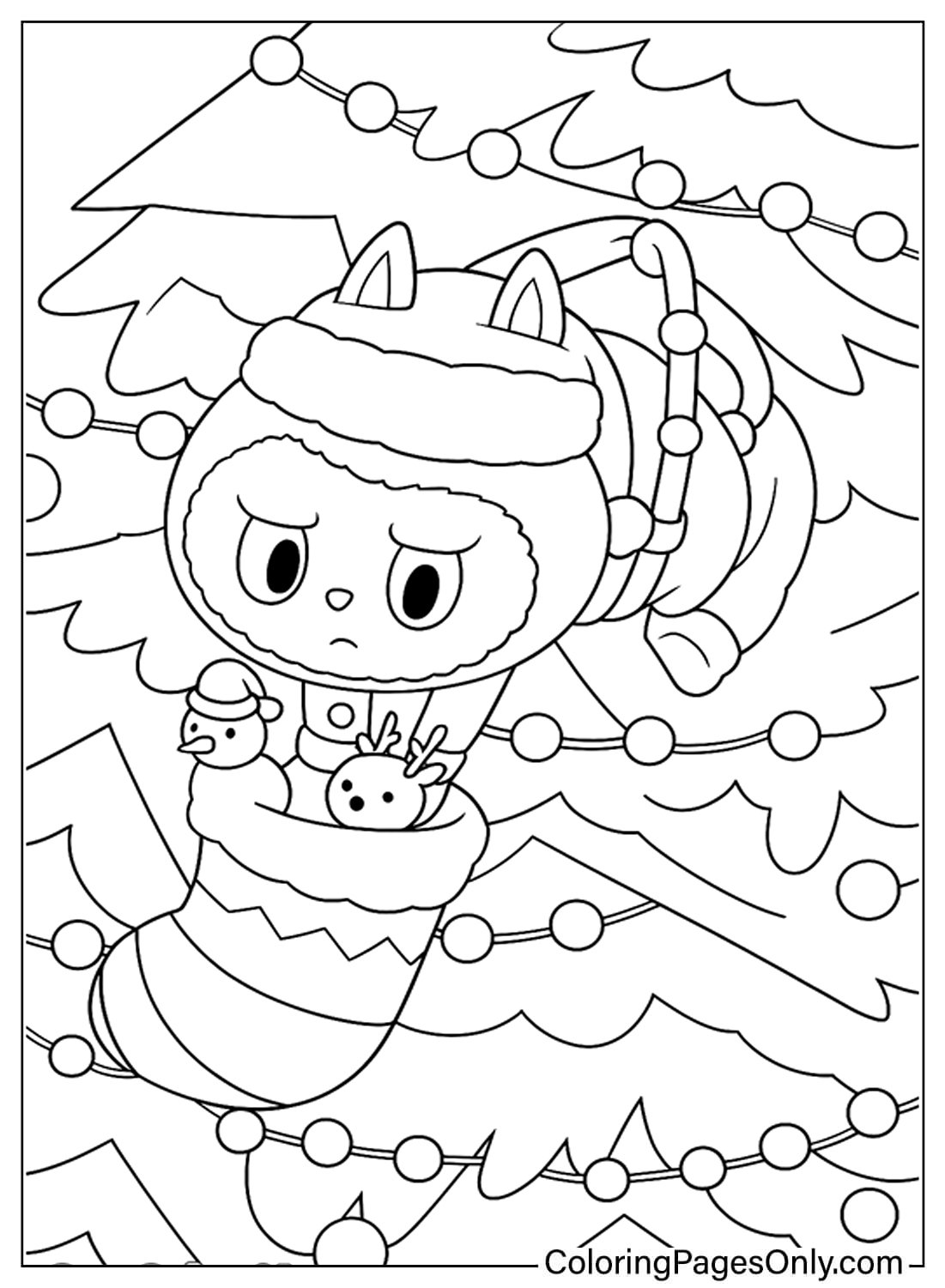
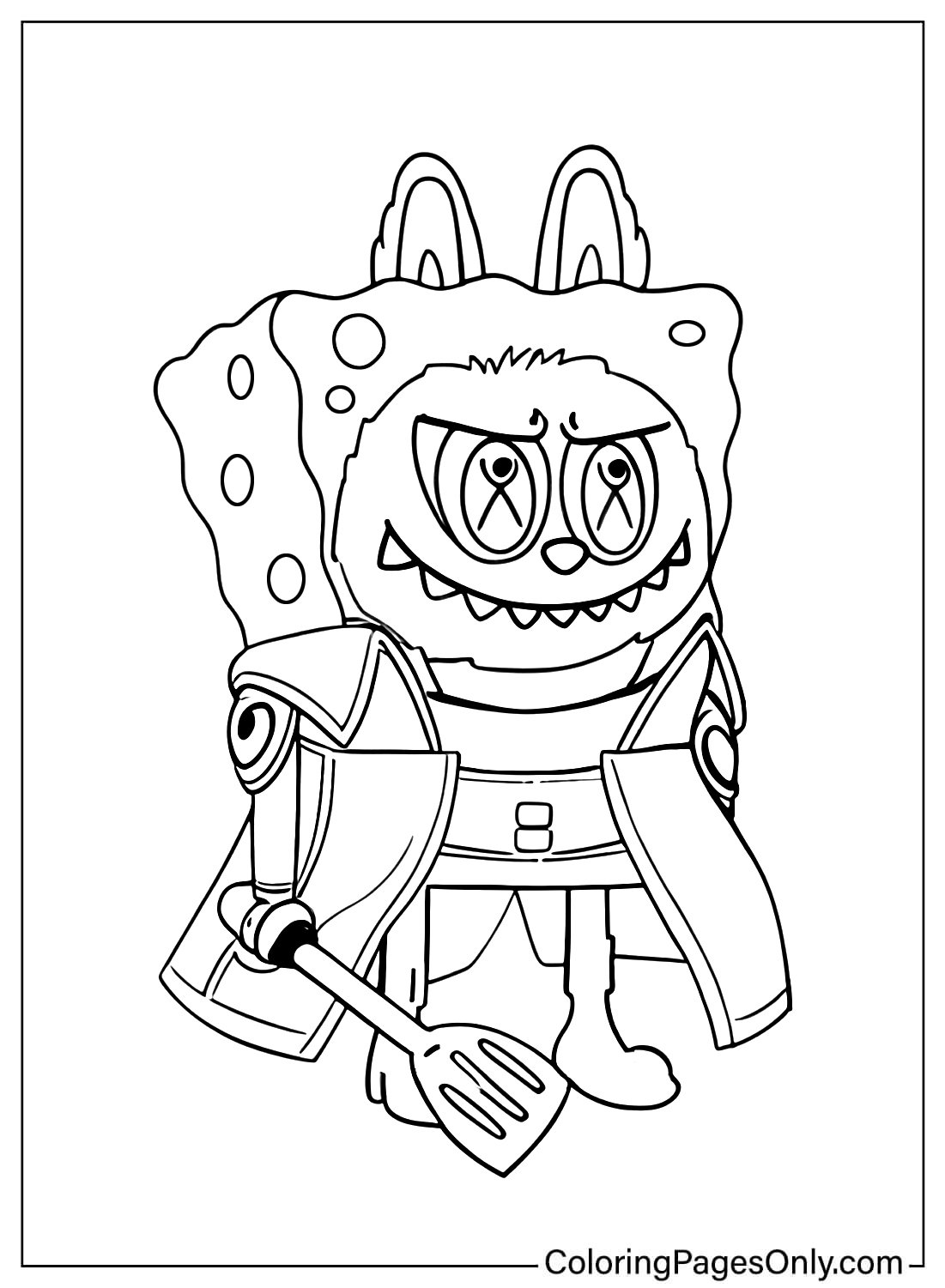
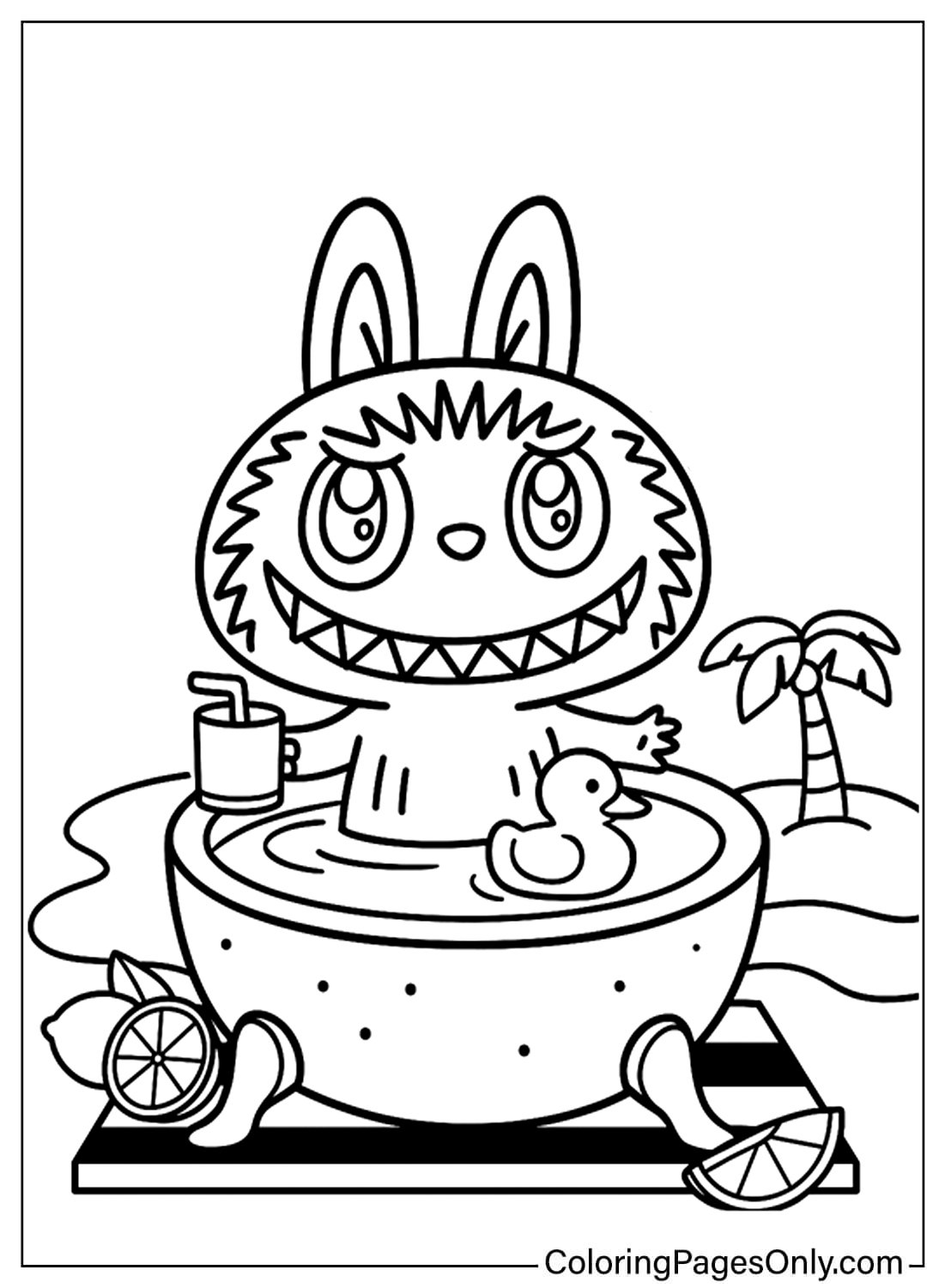
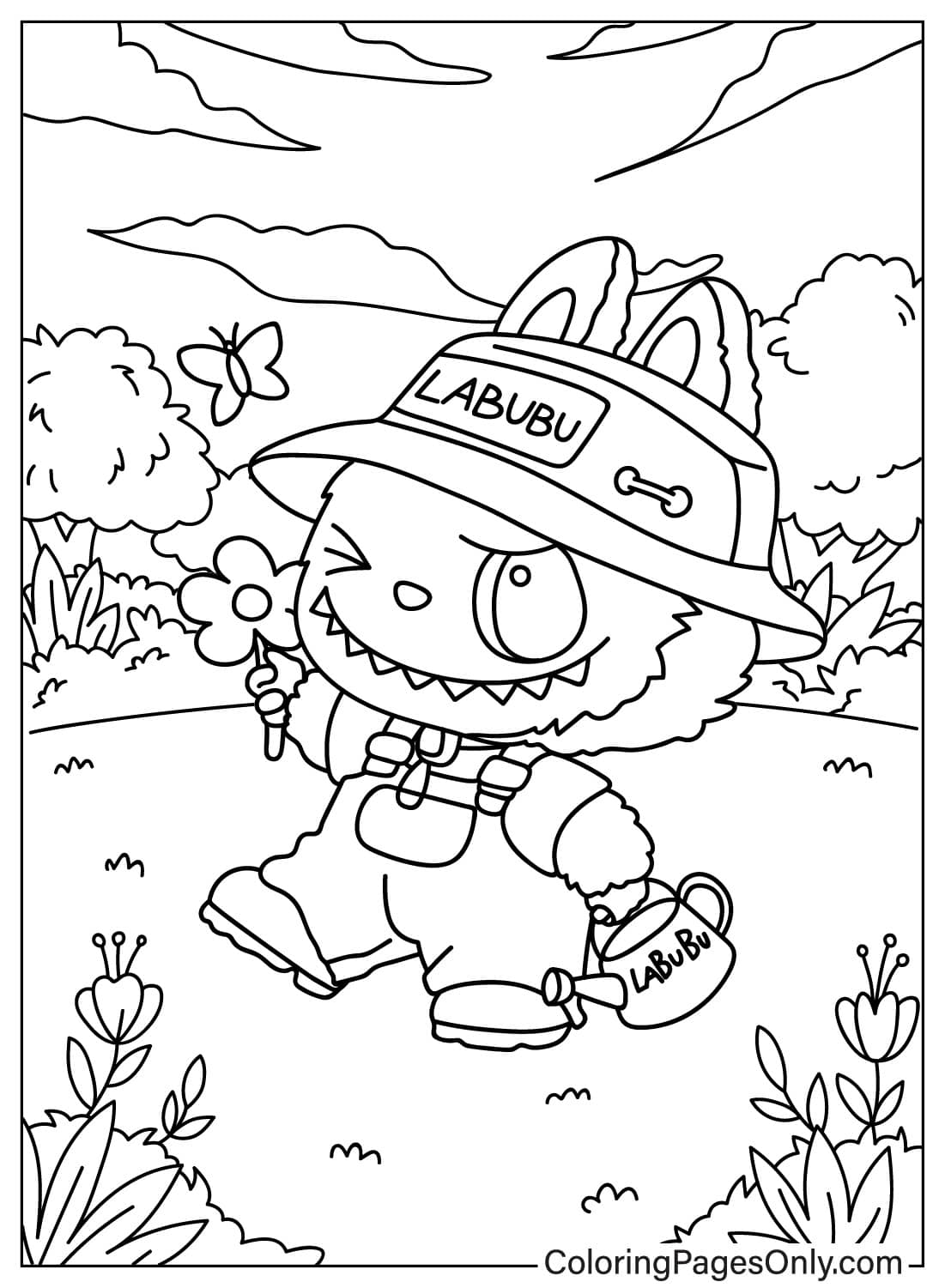
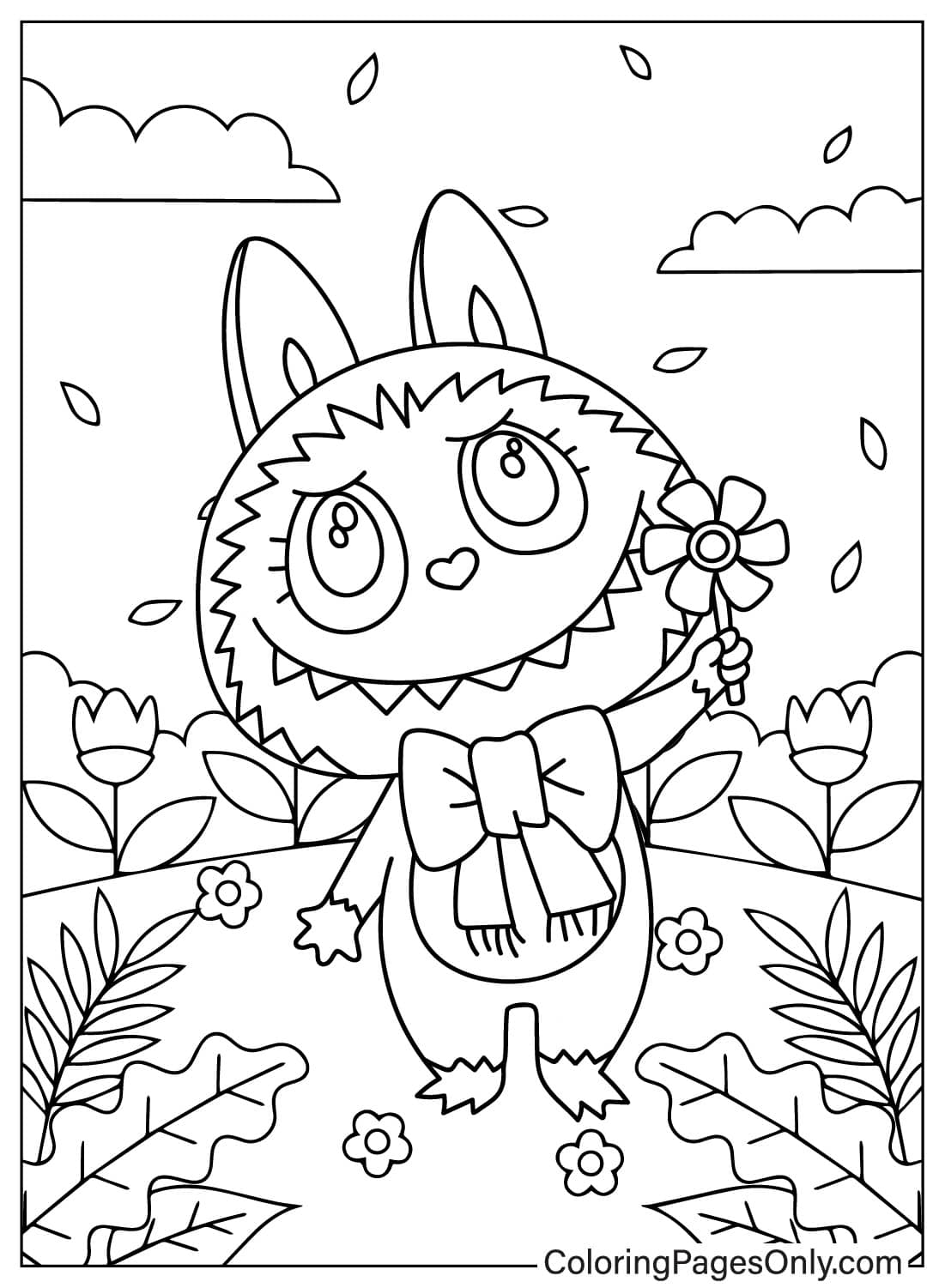
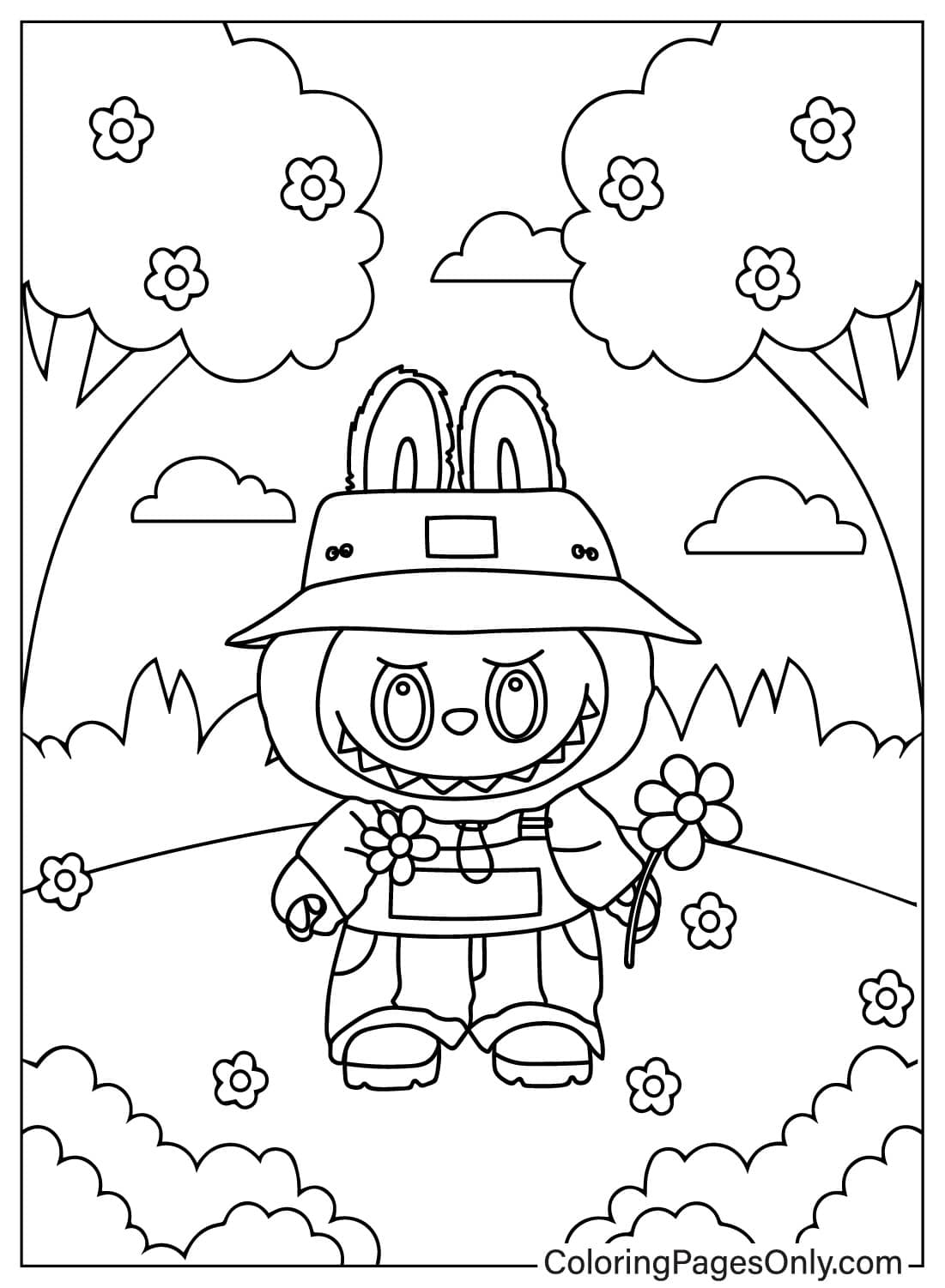
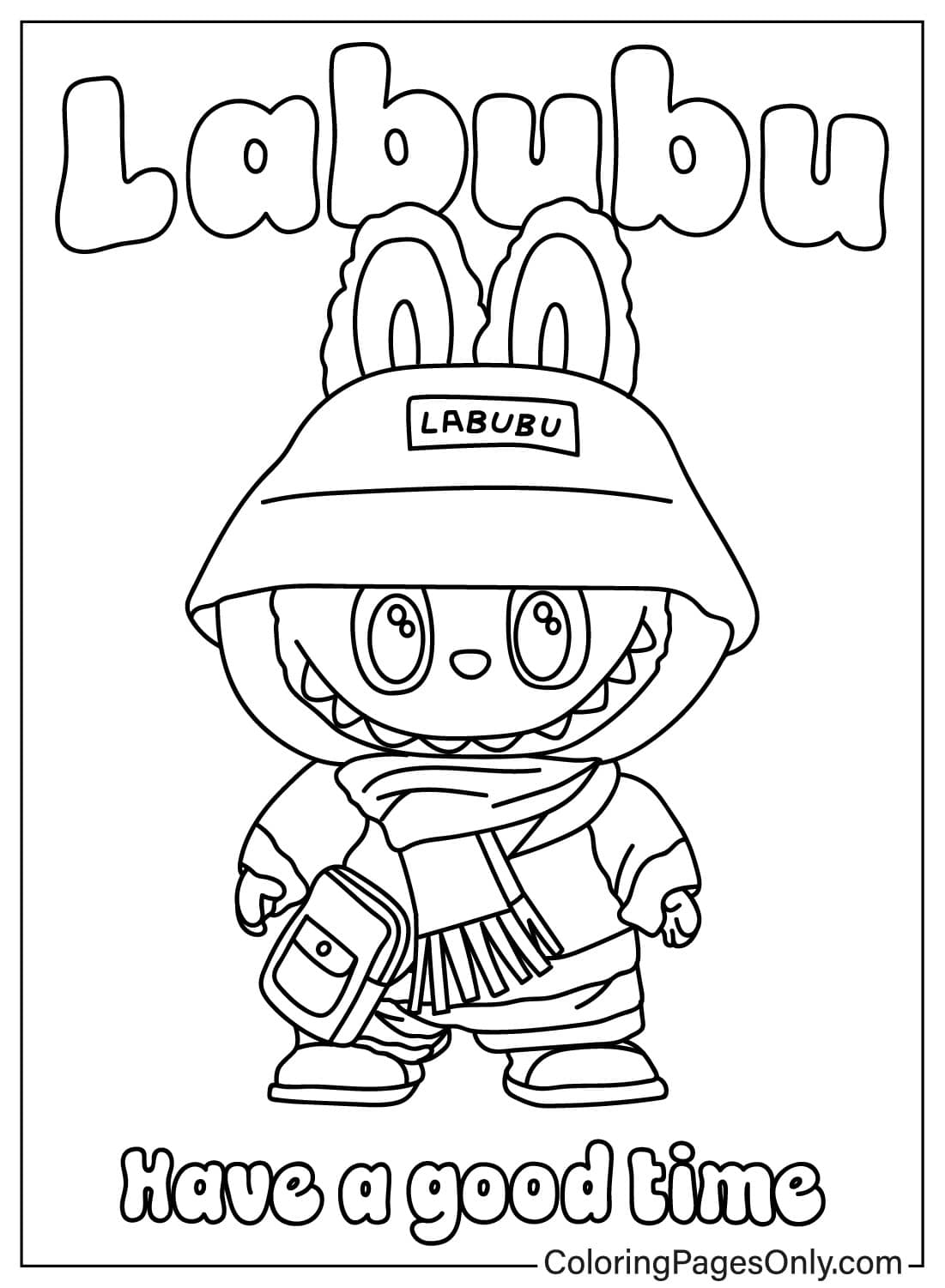
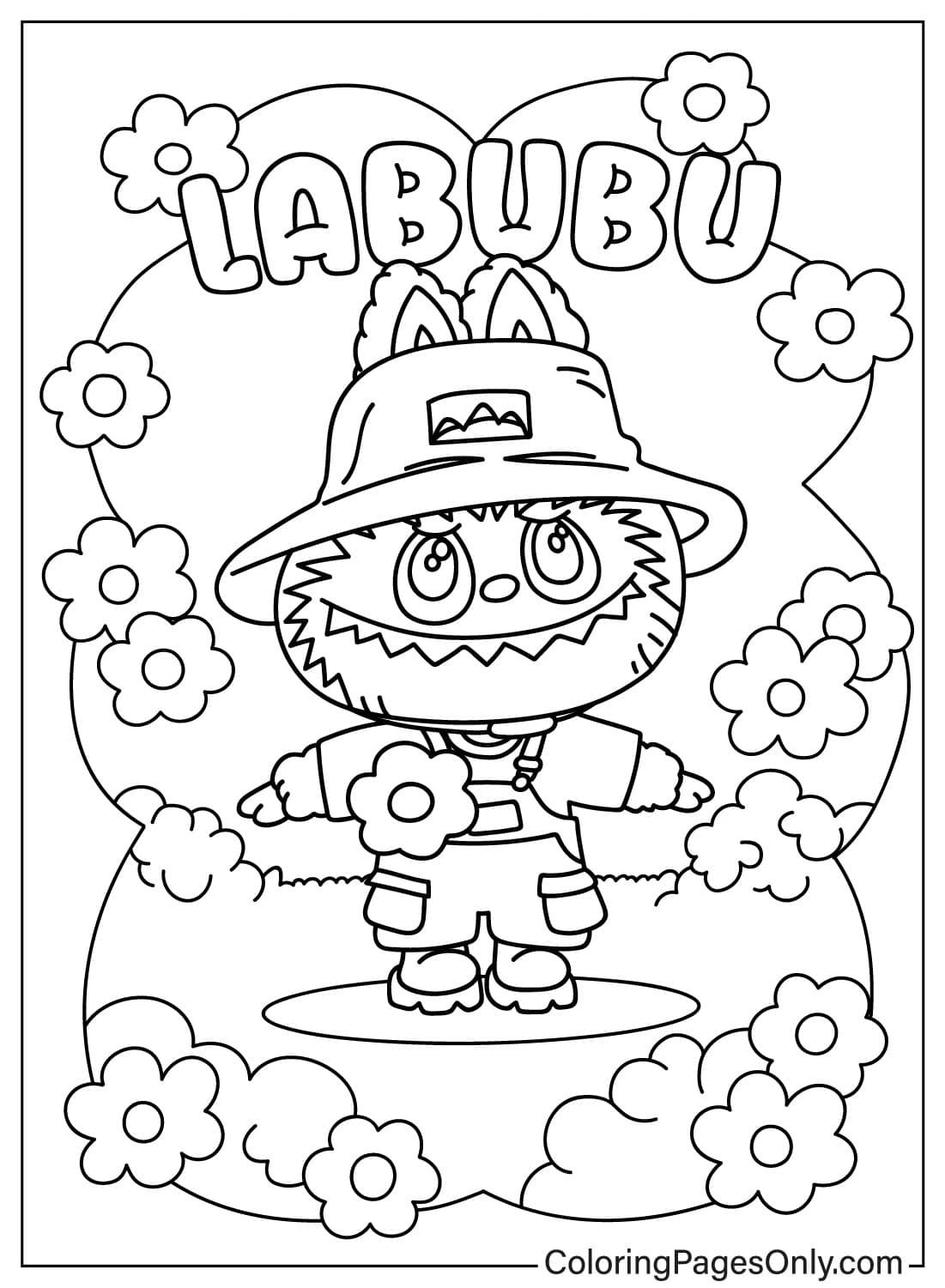
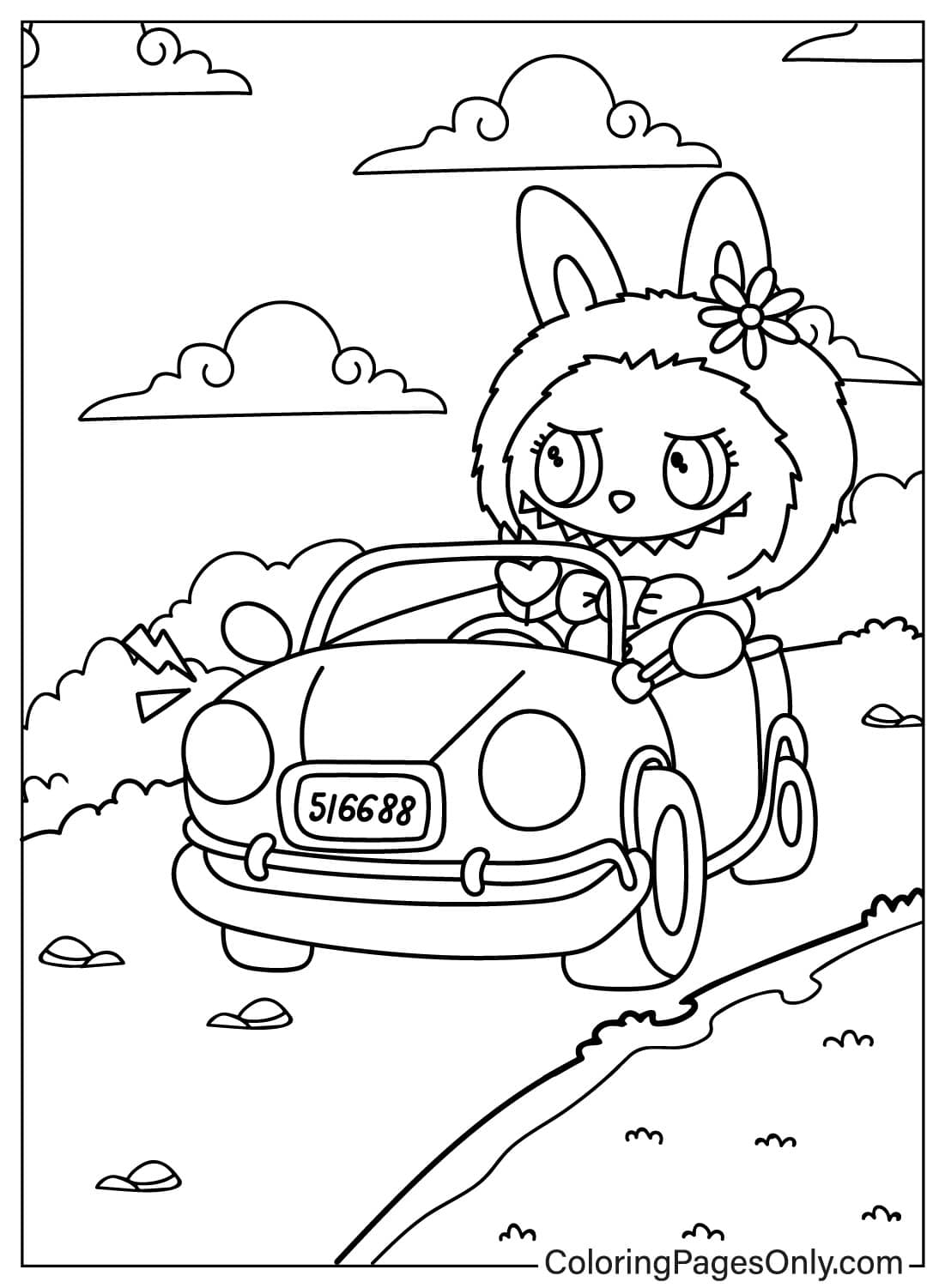
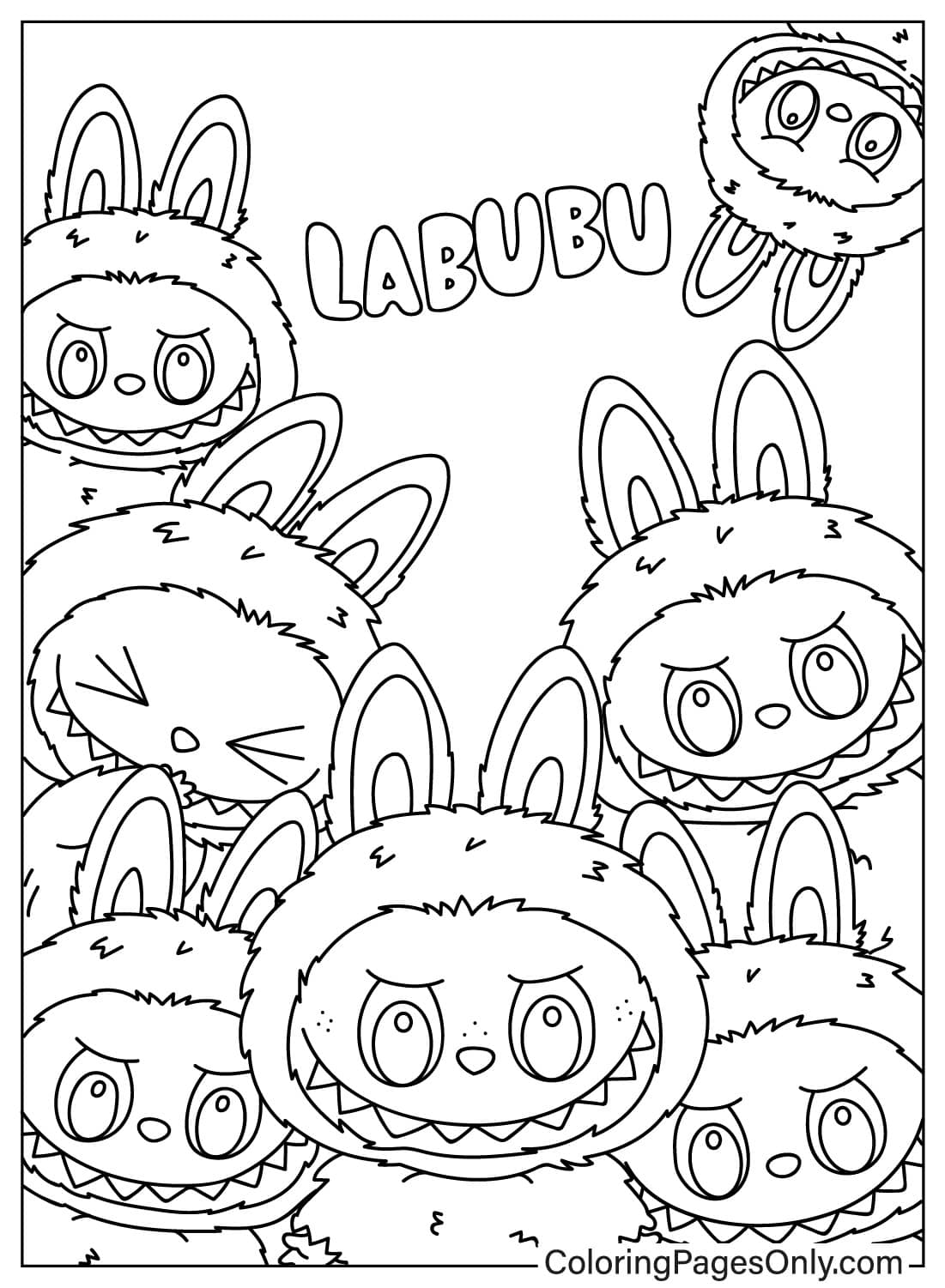
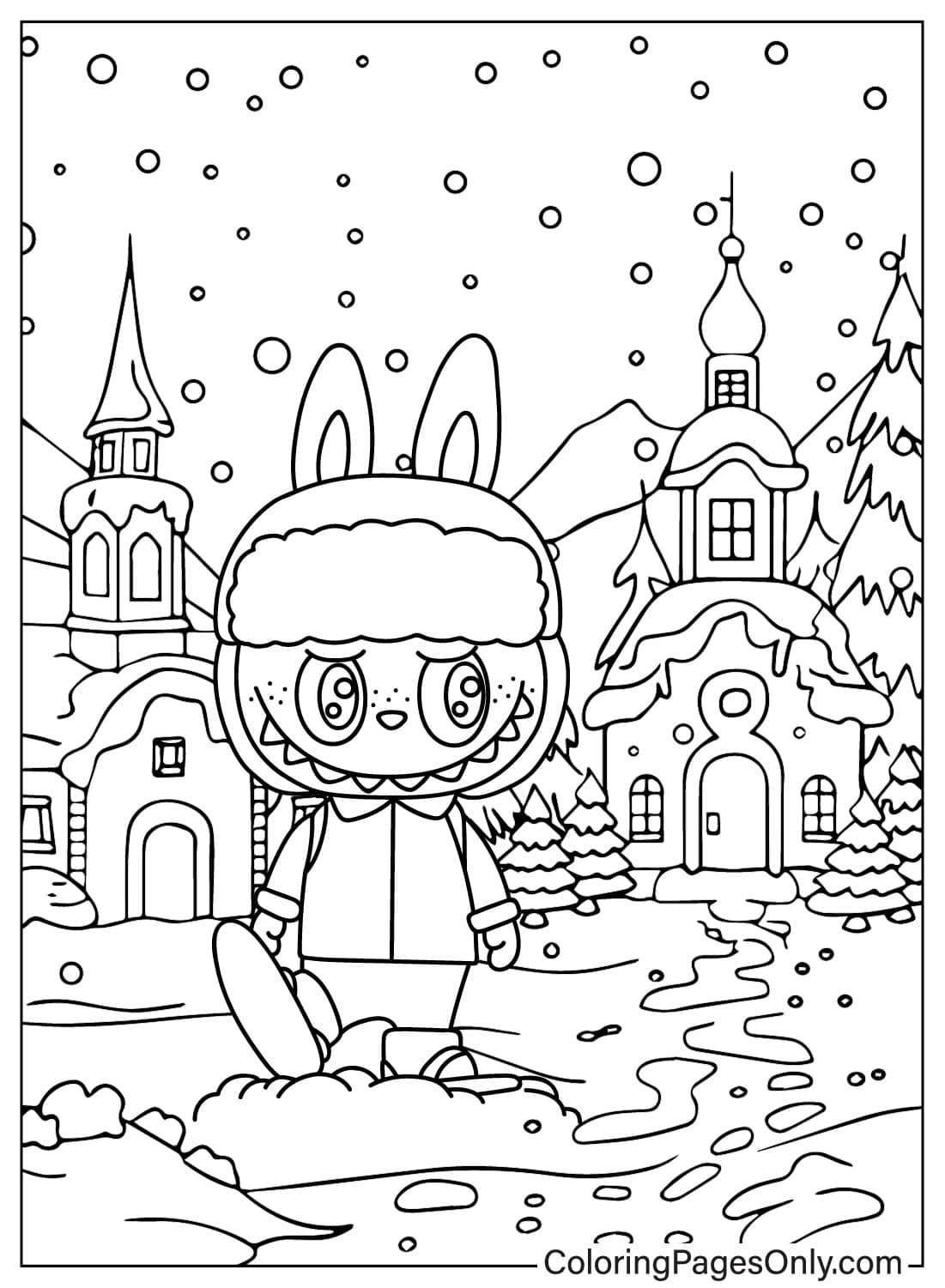
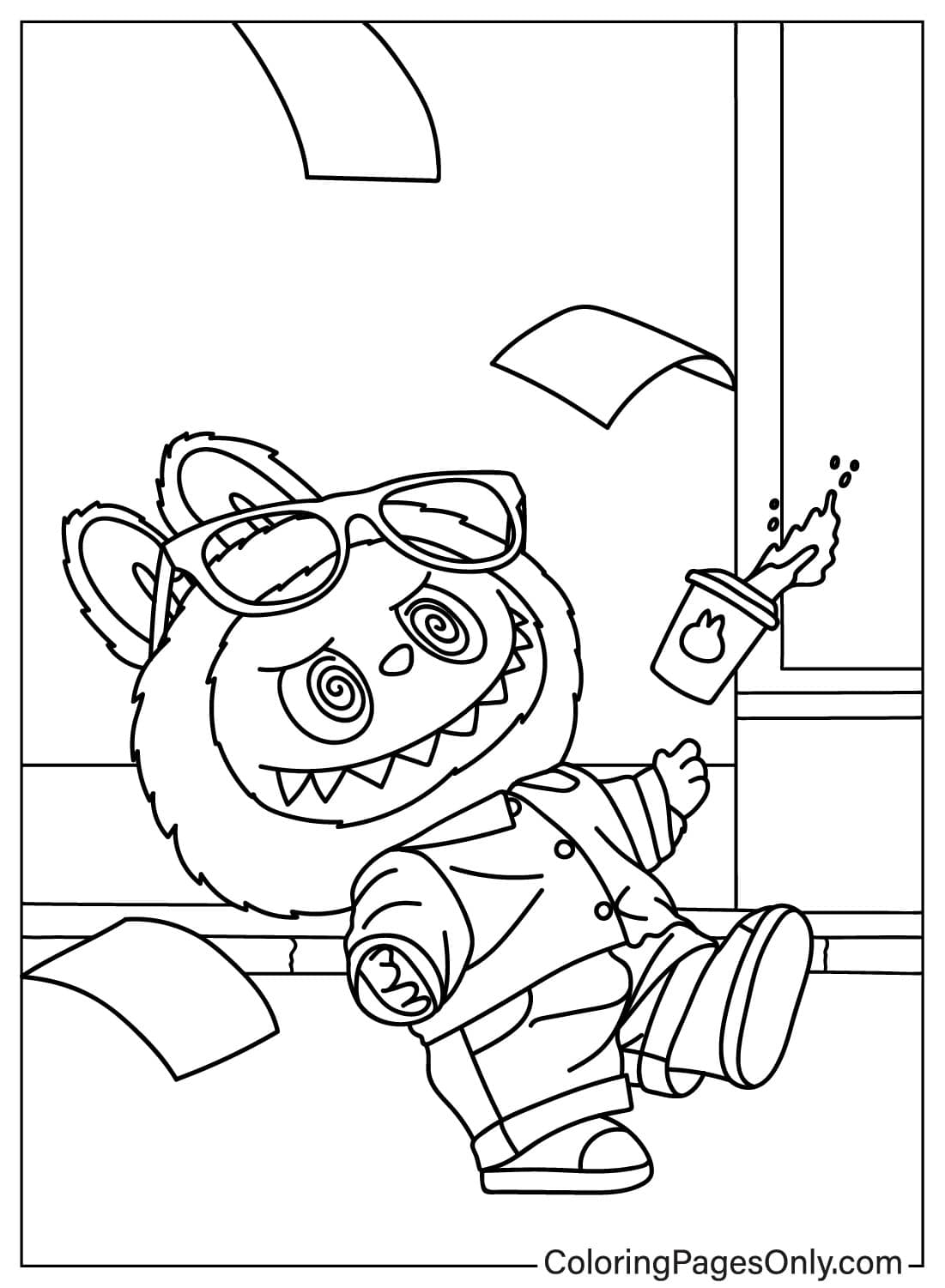
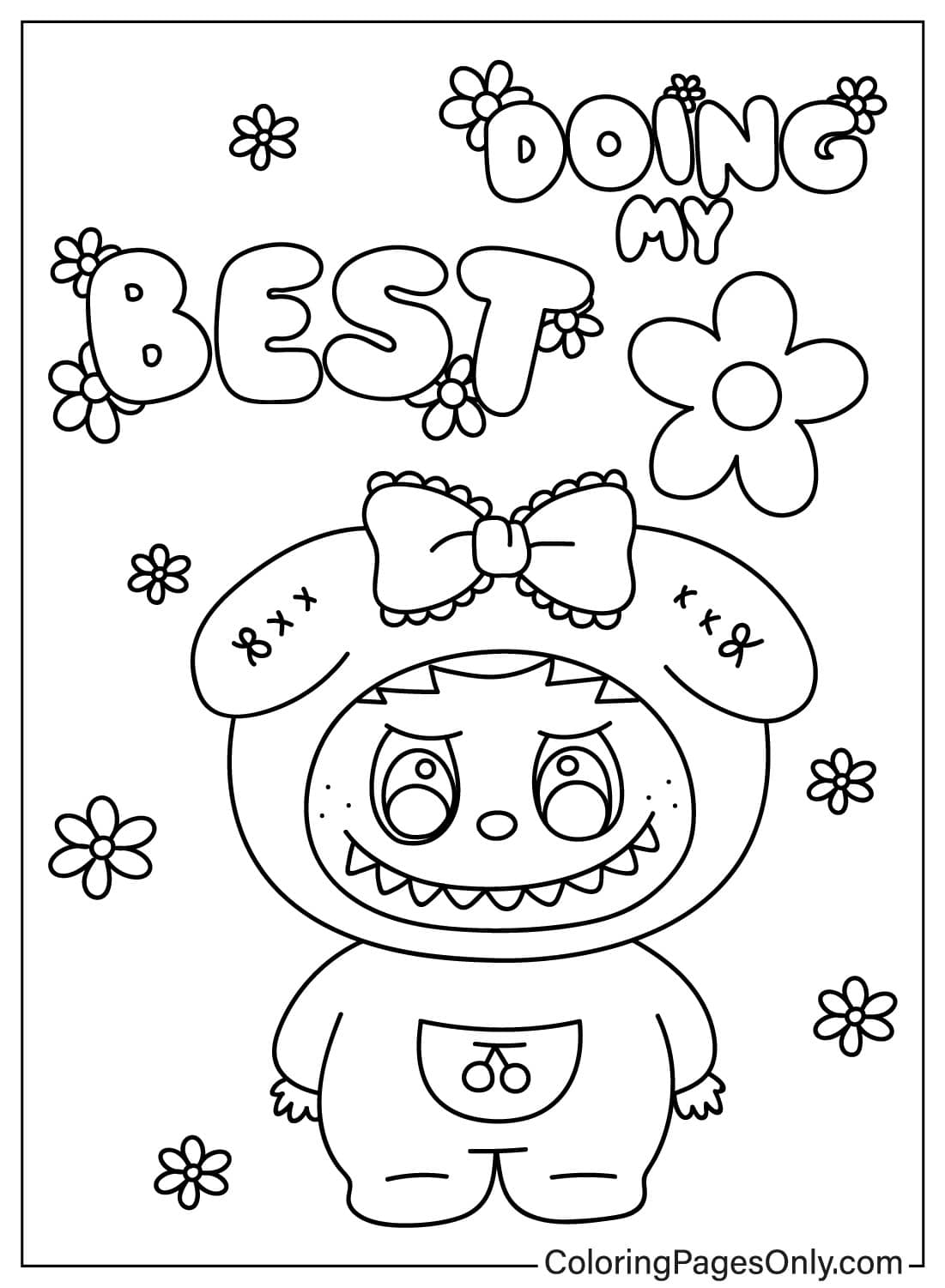
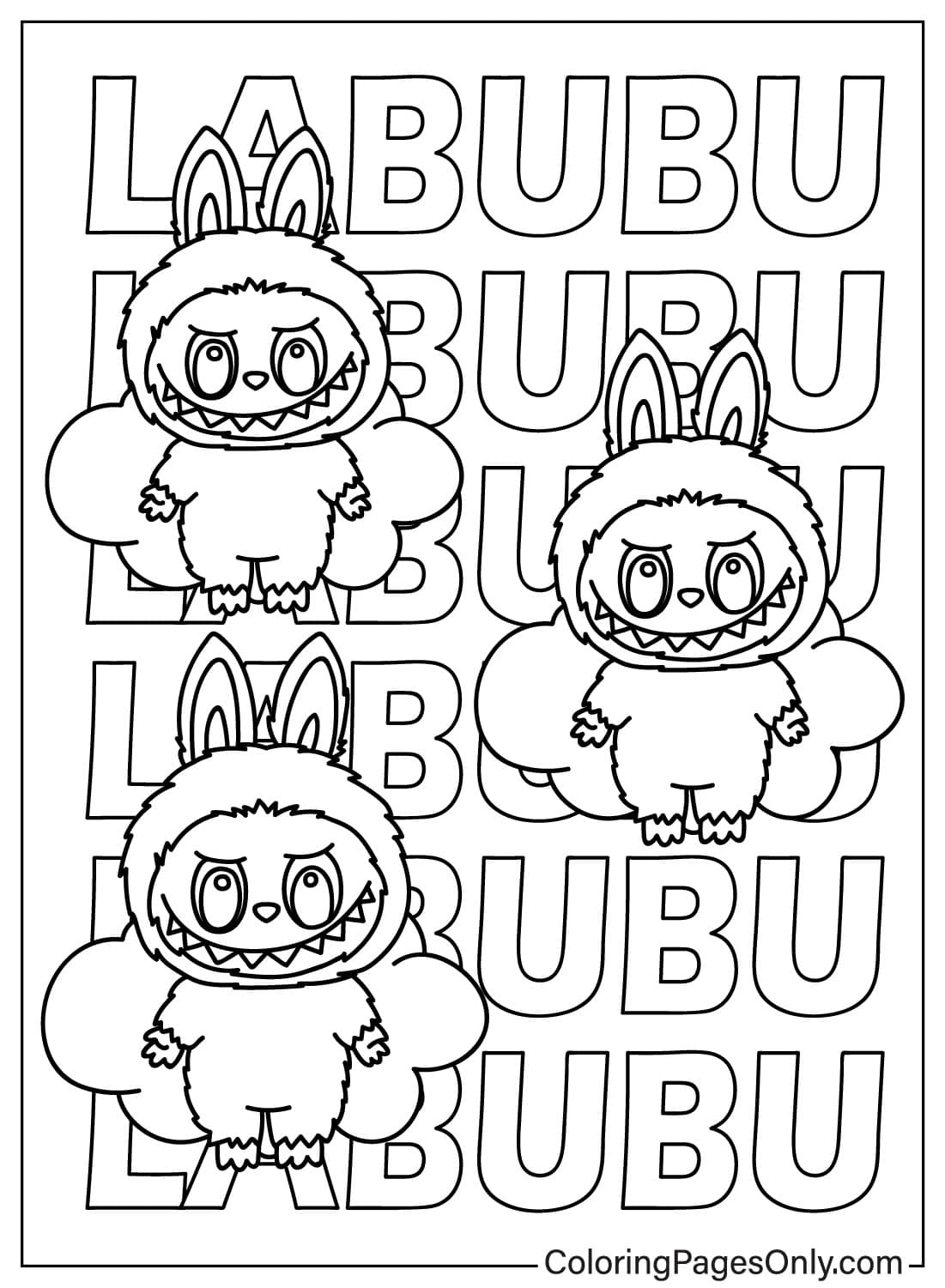
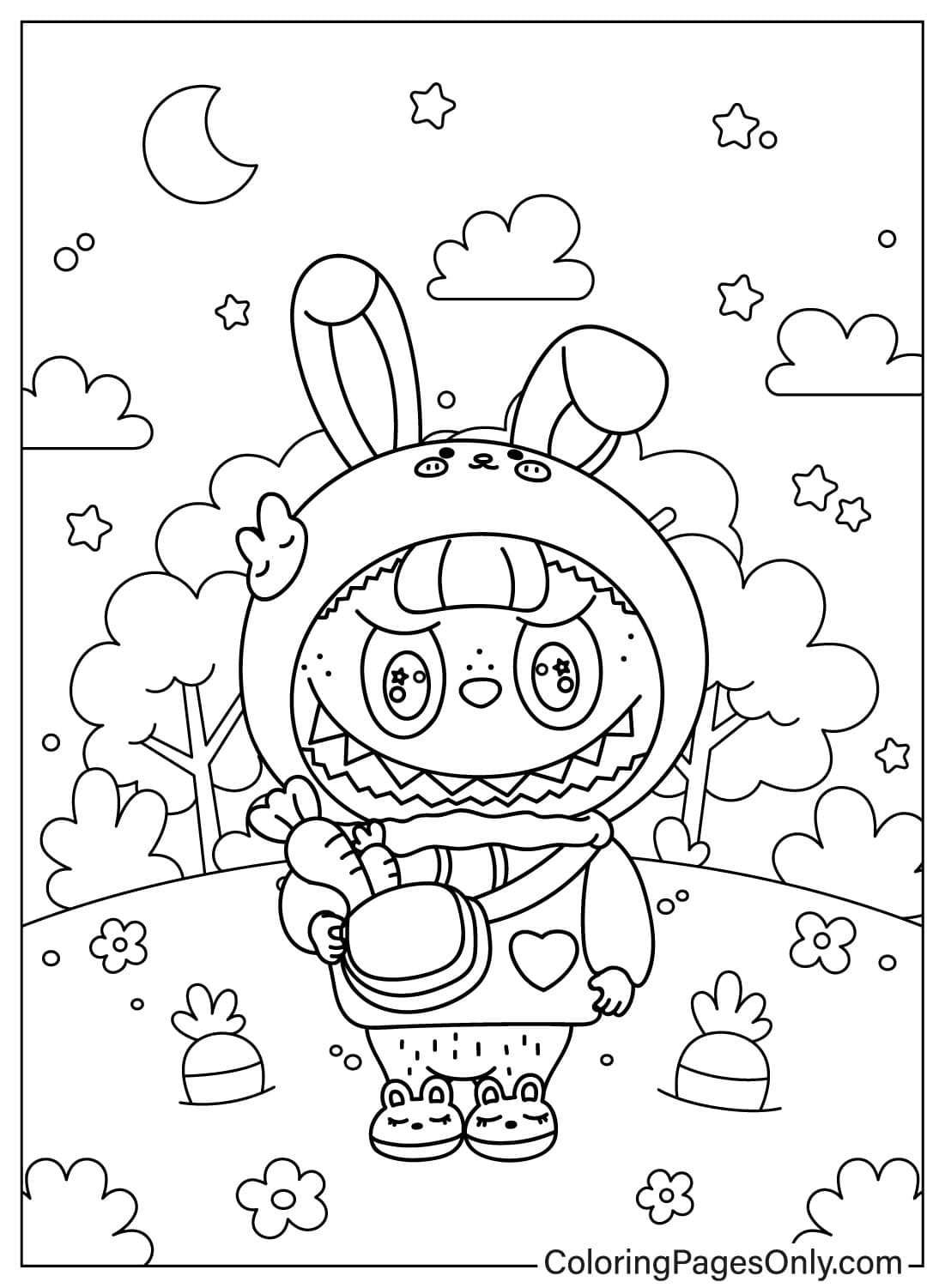
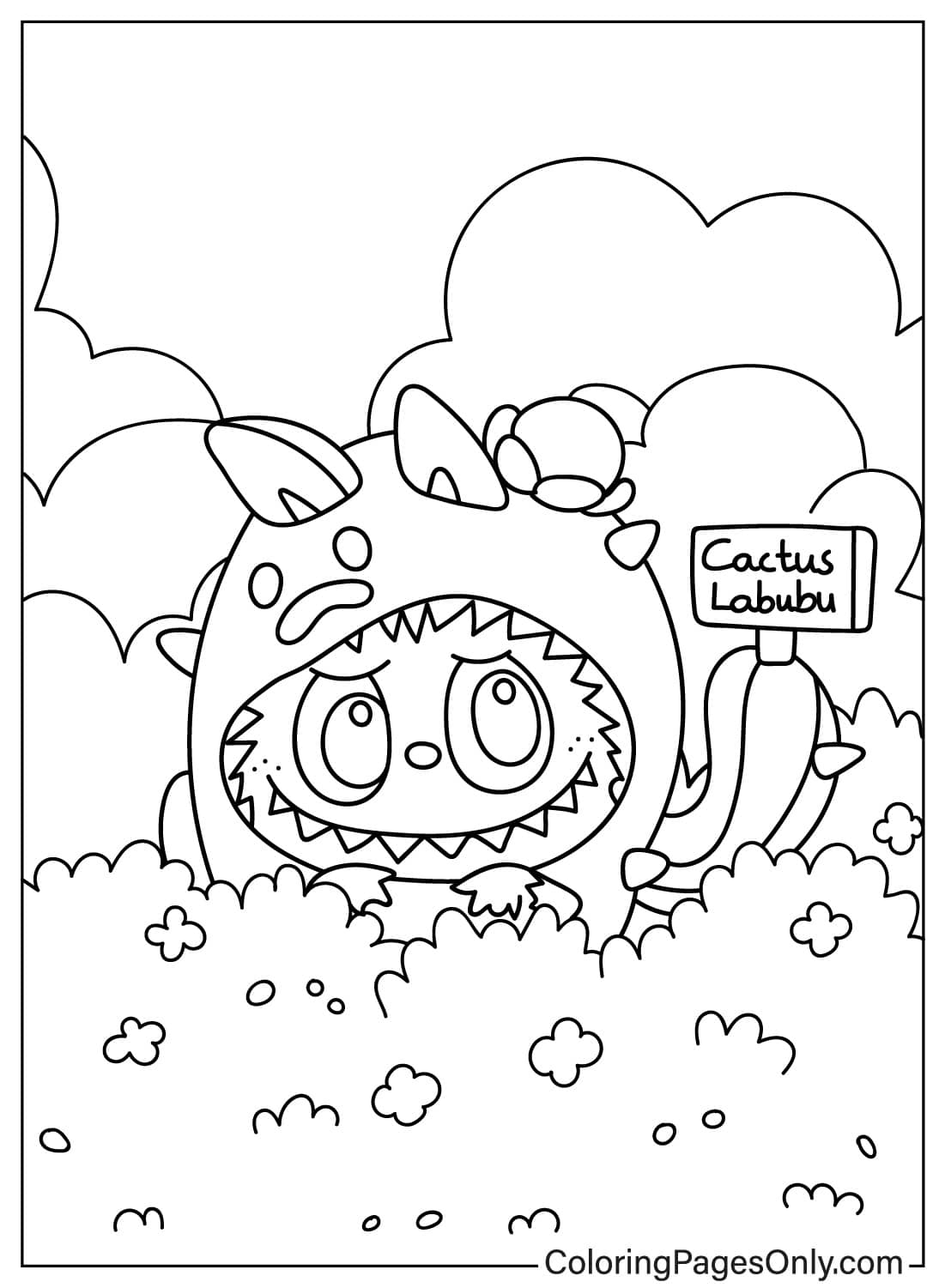
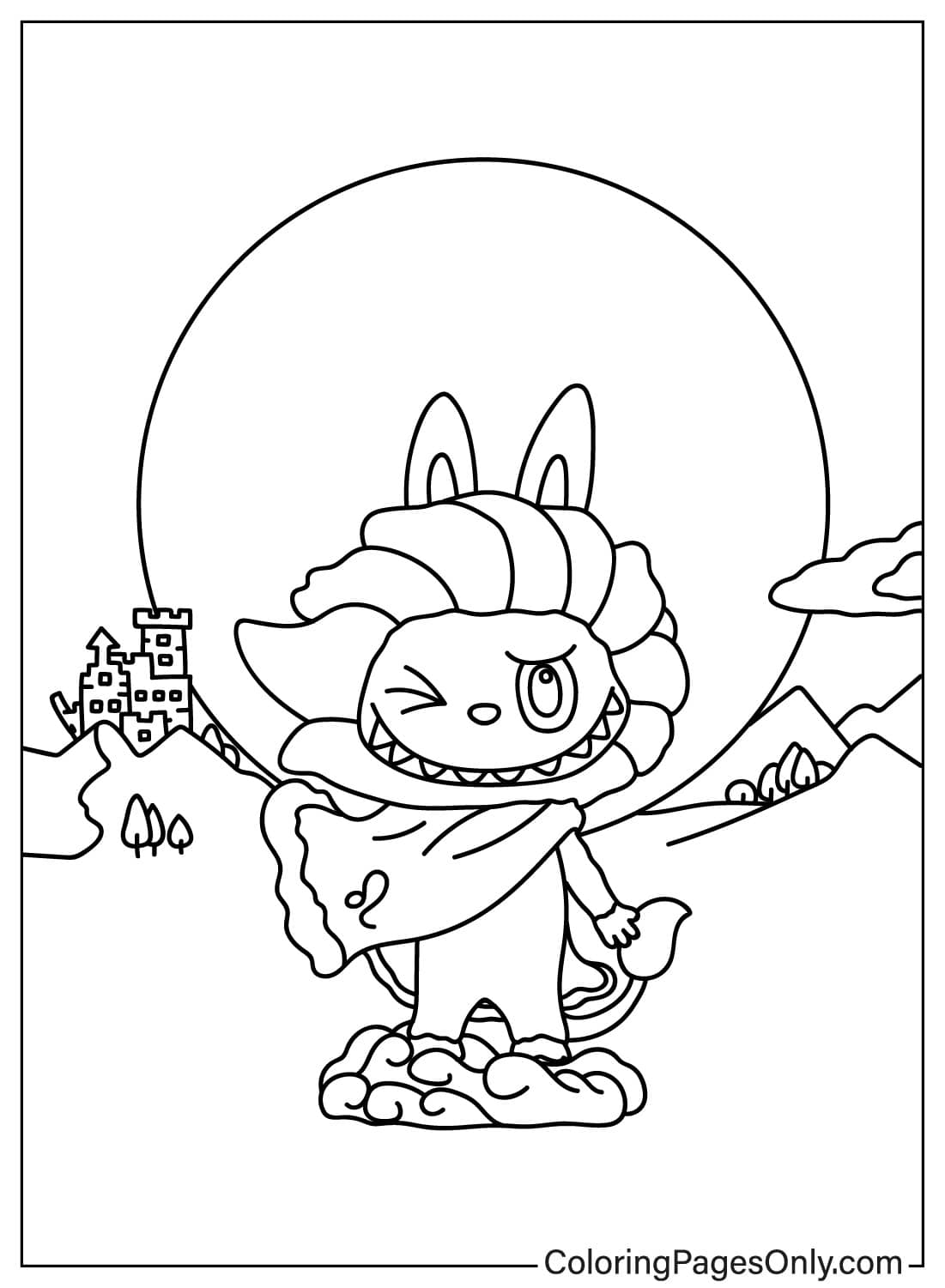
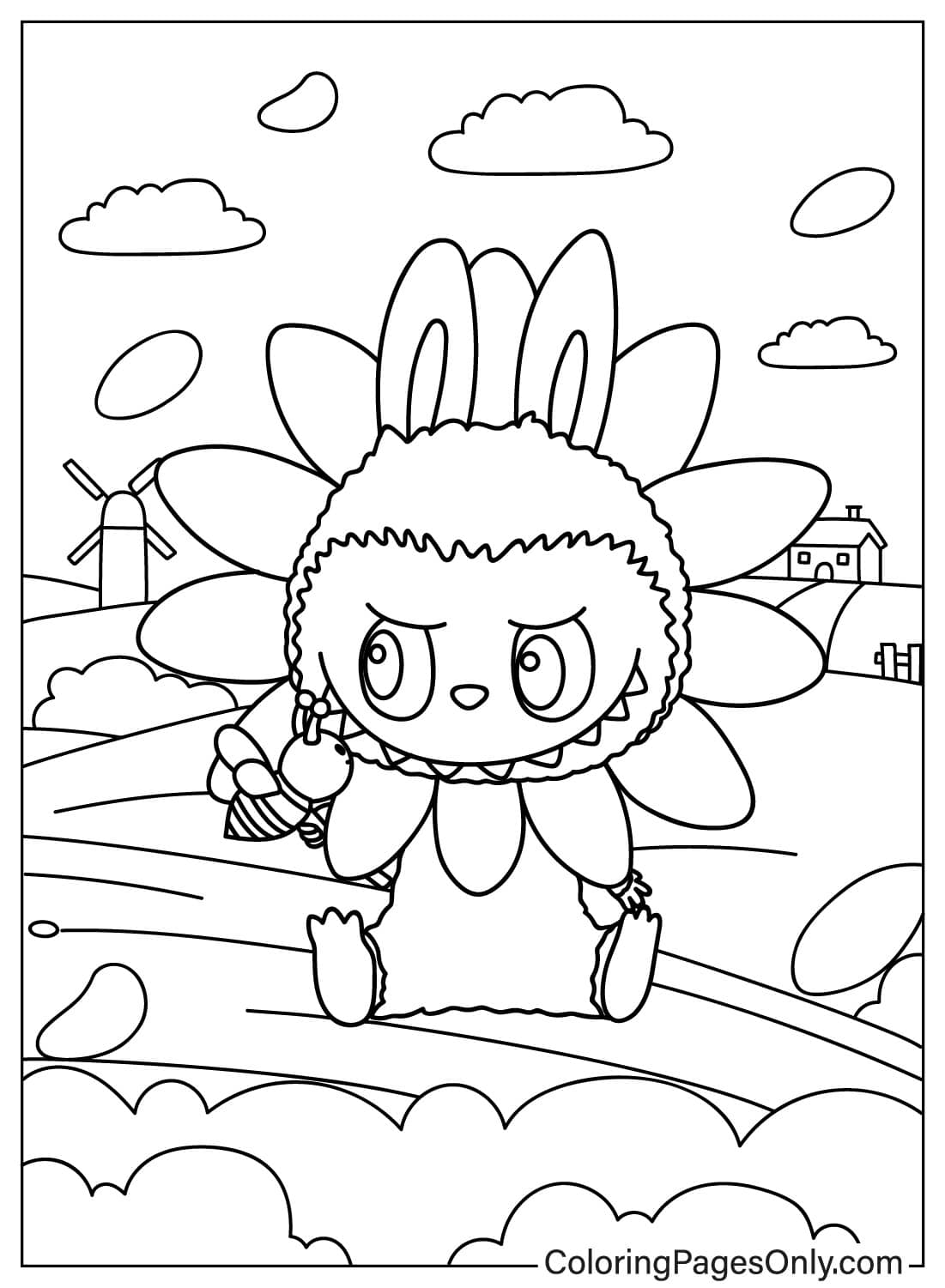
Labubu Coloring Pages at ColoringPagesOnly.com brings together 60+ free pages featuring Pop Mart’s most globally recognized designer toy character – classic Labubu portrait pages, action and adventure poses, Christmas and holiday seasonal scenes, themed costume pages, group compositions with Monsters companions like Zimomo and Tycoco, and a dedicated Christmas Labubu collection. Download any page as a free PDF to print, or color online directly in your browser.

Explore more designer toy and collectible-inspired pages at Toys and Dolls Coloring Pages, or browse our full Arts and Culture Coloring Pages for more creative character collections.
What Is Labubu?

Labubu is a fictional character from The Monsters, a Nordic fairy tale picture book series created by Kasing Lung, a Hong Kong-born artist who was raised in the Netherlands and is currently based in Antwerp, Belgium. Born on December 31, 1972, Lung grew up reading European folklore while his parents ran a restaurant in a small Dutch village, absorbing the tradition of Nordic elf and forest creature mythology that would eventually become the foundation for his most famous work.

The Monsters series launched in 2015, with the earliest Labubu figurines produced by Hong Kong toy company How2Work. The series describes the Monsters as “zestful, curious elves about the size of your average house cat, who love a bit of harmless mischief” – elf-like forest creatures rooted in the European folkloric tradition of small magical beings that are neither fully good nor fully evil, and that interact with the human world through playful mischief rather than malice. Labubu is the series’s protagonist and most iconic character.

In 2019, Lung entered into an exclusive licensing agreement with Pop Mart, the Beijing-based designer toy company, which transformed Labubu from a beloved niche art toy into a mass-market collectible. The pivotal commercial turning point came in 2023, when Pop Mart released the “Exciting Macaron” series – the first Labubu keychain-sized plush, designed to hang on a handbag. This format change, from a standalone figurine to a wearable fashion accessory, was what set up everything that followed.

On April 30, 2024, Lisa from BLACKPINK – one of the most-followed K-pop artists in the world and a publicly devoted Pop Mart collector – was photographed with a Labubu keychain on her designer bag. She had also posted Instagram stories hugging a large Labubu plush. The images went viral within hours. Pop Mart stores across Southeast Asia and East Asia sold out immediately. Queue lines formed across multiple countries. A store manager was later quoted as saying that Lisa had not given Pop Mart any advance notice to prepare stock. Within weeks, Rihanna, Dua Lipa, Kim Kardashian, Rosé from BLACKPINK, Brad Pitt, David Beckham, Simone Biles, and Hilary Duff were all photographed with or publicly posting about their Labubu figures.

The commercial scale that followed is documented. Pop Mart’s Monsters line – which includes Labubu and the companion characters – generated approximately US$430 million in revenue in 2024, representing 23.3% of Pop Mart’s total annual revenue that year. In the first half of 2025 alone, the line generated approximately US$670 million, growing to 34.7% of Pop Mart’s total revenue. Pop Mart’s CEO Wang Ning, who owns a 48.73% stake in the company, saw his net worth grow from US$1.8 billion in 2024 to US$21.1 billion as of July 2025 – making him the youngest member of China’s top ten billionaire list. A 1.3-meter-tall Labubu figure sold at Beijing’s Yongle International Auction House for approximately US$150,000.

In November 2025, Sony Pictures acquired the rights to develop a Labubu feature film. Director Paul King – best known for the Paddington film series – was announced to helm the project in December 2025, with playwright Steven Levenson (Dear Evan Hansen) confirmed as co-writer in March 2026.

Who Is Labubu In The Lore?

Labubu is canonically a girl, a fact established in Kasing Lung’s original picture book series that is sometimes misrepresented in merchandise descriptions. She is described as a “small, kind-hearted creature who always means well, but whose well-intentioned attempts to help often hilariously backfire” – a characterization that places her in the long tradition of folkloric tricksters who cause chaos through enthusiasm rather than cruelty.
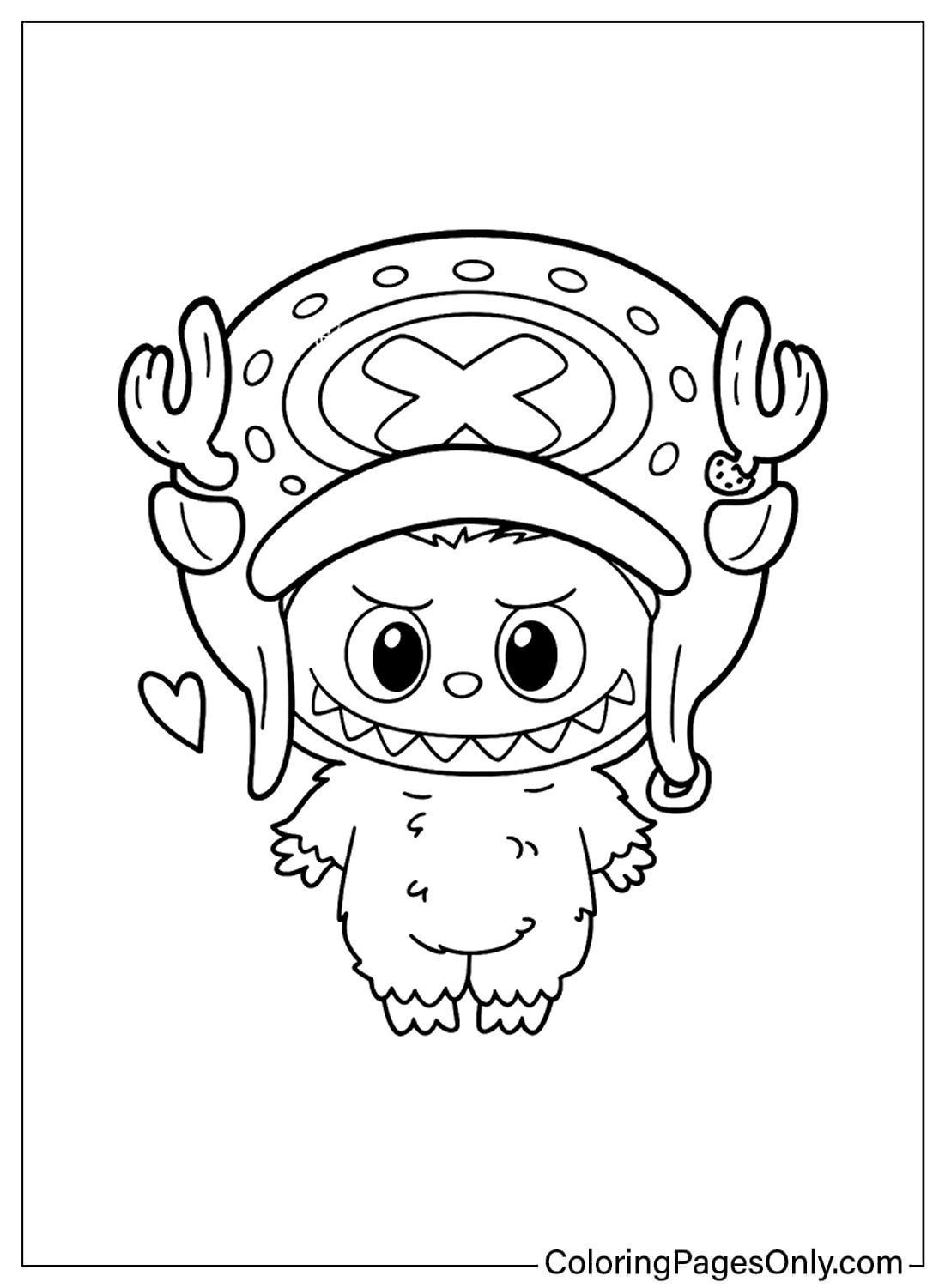
Her companion characters from The Monsters series include:

Zimomo – the tall leader of the Monsters tribe, described as the guide and protector of the group. He is the most imposing-looking of the Monsters and carries the most authority, though like all Monsters, he remains fundamentally playful.

Tycoco – Labubu’s boyfriend, described as “the petite, spooky-cute skeleton” of the group. He has a gentle soul, is a vegetarian, is the good-natured target of Labubu’s pranks, and is shier than Labubu. Despite his skeleton-like appearance, he is the group’s sweetest member.

Spooky – the most mysterious of the Monsters, appearing only at night or under moonlight. He has a ghostly form with a head resembling bundled cloth. He does not participate in the group’s pranks, preferring to observe quietly, and he appears as a friend to those in need.

Pato – described as “the dreamiest of the Monsters,” with pale pink fur that makes him recognizable. He is rarely seen and has a more withdrawn, contemplative character than the others.

Vos – the guider of the family, who provides guidance to Labubu and is Tycoco’s cousin. He is a figure of subtle authority, with a slight air of mystery.

Labubu’s Design – The No-Canonical-Color Challenge

Every other character covered in ColoringPagesOnly’s collection has a fixed canonical color: Naruto wears orange, Elmo is red, Grover is blue, and Jax is periwinkle purple. Labubu is fundamentally different. There is no single canonical Labubu color. Each Pop Mart series introduces an entirely new color palette, and there have been over 300 distinct Labubu variants produced. The form is consistent across all of them; the color is the variable.

The consistent design elements across all Labubu forms are:

The ears – tall, pointed ears that extend well above the top of the head. They are the character’s most immediately recognizable silhouette element, giving her an elvish quality that distinguishes her from conventional cartoon animal characters.

The eyes – large, wide, oval-shaped eyes with an expressive quality. The eyes are typically rendered as a single warm or cool tone with a lighter highlight, creating the depth and warmth that is central to Labubu’s visual appeal.

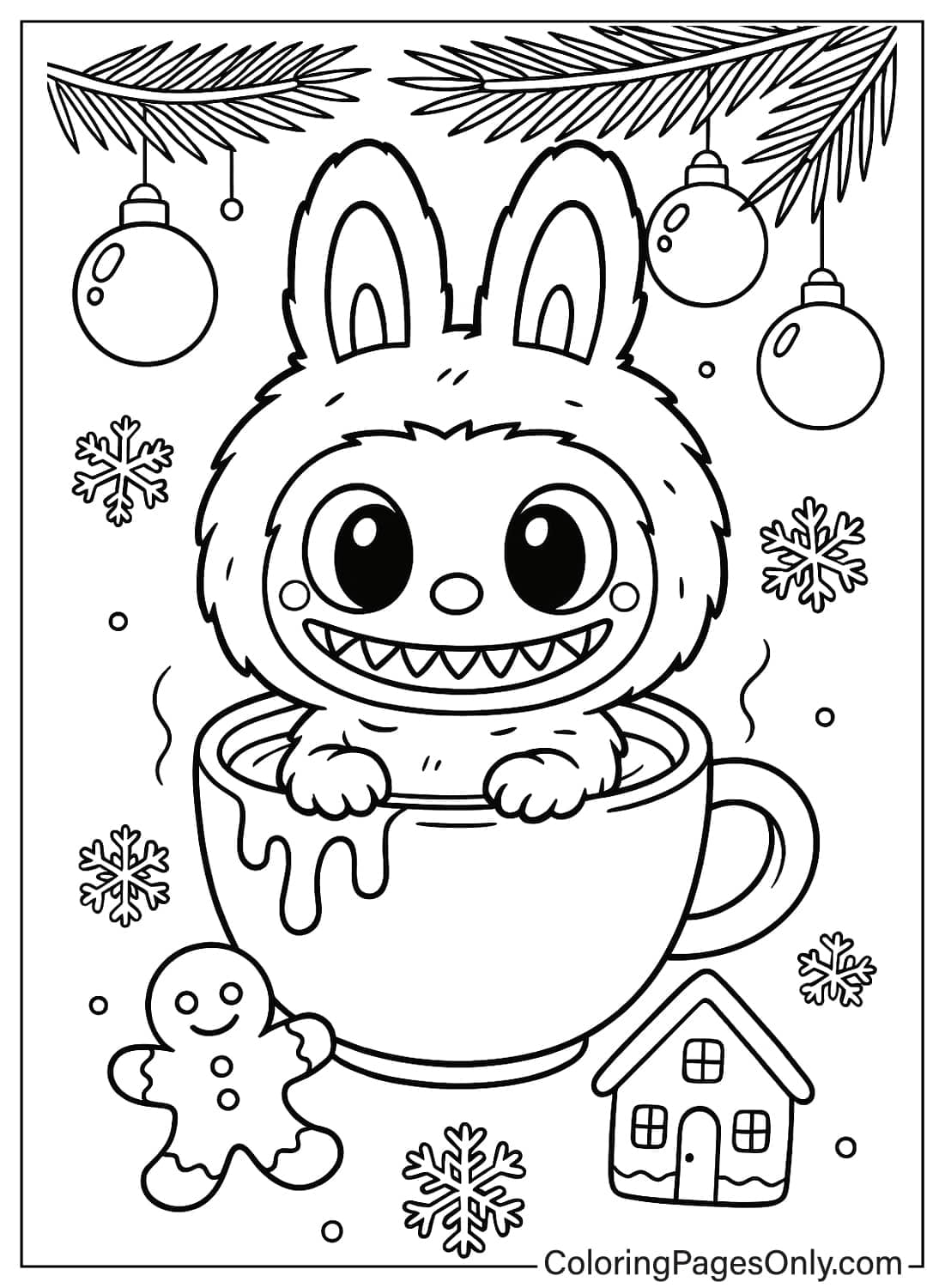
The nine-tooth grin – this is the single most important accuracy detail in any Labubu page. Labubu has exactly nine serrated, slightly sharp teeth visible in her signature wide smile. Fans use the nine-tooth count as one of the authentication markers to distinguish genuine Pop Mart figures from counterfeits. On a coloring page, the teeth are typically arranged in a wide arc across the face: six on the upper jaw and three on the lower, or similar variations depending on the specific pose and illustration style.

The round, fluffy body – compact, soft-looking, with the proportions of a small stuffed animal rather than a sharp-edged character design. The body shape evokes the plush toy aesthetic intentionally, because the character design and the physical toy were always meant to exist in dialogue with each other.

No fixed color – the fur, the inner ears, the eye color, and any clothing or accessory elements are all entirely open. This is not an oversight in the character design; it is the design philosophy. Each series of Labubu figures is distinguished primarily by its color palette, and collectors choose the Labubu they want in part based on which colorways resonate with them.

The Named Series – Coloring by Collection

Because Labubu has no fixed color, the most meaningful way to approach any Labubu coloring page is to choose a reference palette from one of the actual named Pop Mart series. This grounds your creative choices in the real designer toy tradition rather than arbitrary color decisions.
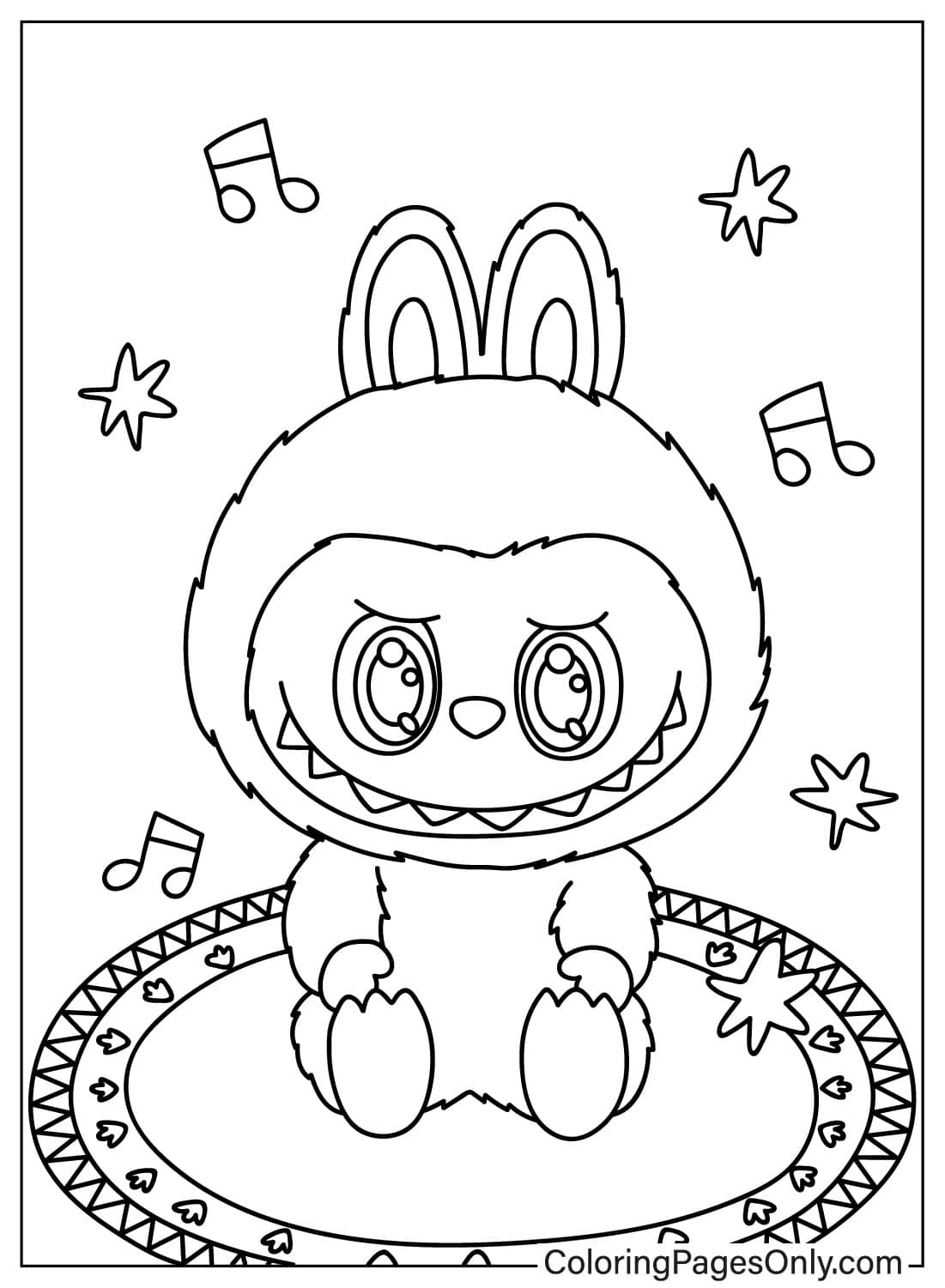
Exciting Macaron series (2023) – the series that launched the fashion accessory era. Soft pastel tones: pale lavender, dusty rose, mint green, peach, cream. The Macaron palette is the most kawaii-adjacent of all the main series, with colors that sit at the softer, more desaturated end of the spectrum. If your Labubu page features a standing pose or simple portrait, the Macaron palette gives it the energy of the series that made the character famous as a handbag charm.

Fall in Wind series – warm autumn tones: amber, sienna, cinnamon, terracotta, dried-leaf brown, muted gold. Perfect for any Labubu page showing outdoor or seasonal scenes. The palette captures the Nordic forest folklore origin of the character – these are the colors of the wooded environment Kasing Lung drew on when developing The Monsters’ world.
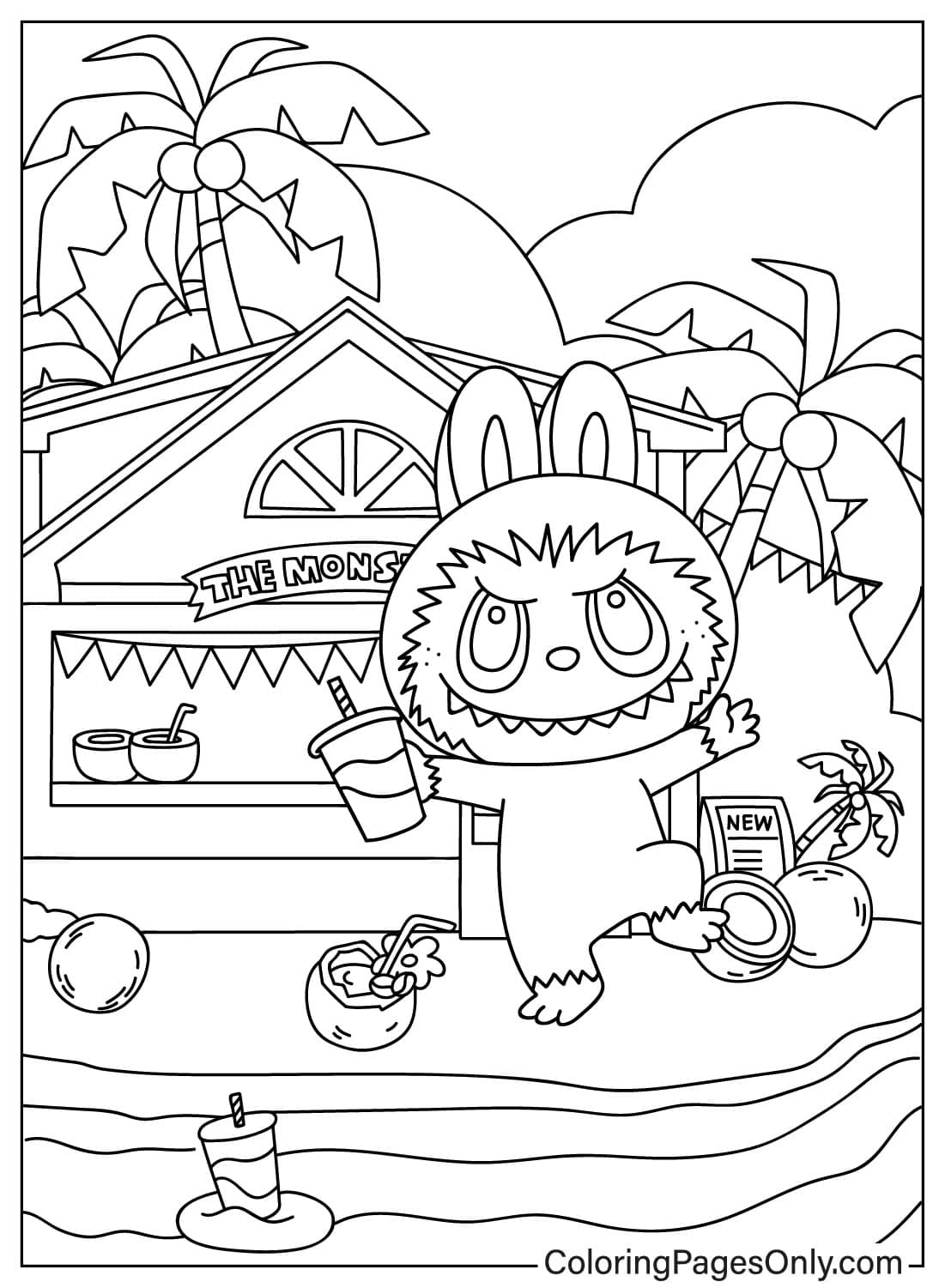
Happy Halloween Party series – high-contrast orange, black, and purple. Spider-web and pumpkin-associated tones. Perfect for any Halloween or spooky Labubu pages in the collection.

Classic cream/beige – if you are uncertain which series to reference, the cream-to-warm-beige palette of the earliest Labubu figures is the closest thing to a default. Pale warm ivory body, slightly pinkish inner ears, warm brown or tan eye tones. This is the coloring that reads most immediately as “original” Labubu to collectors who have been following the character since before the 2024 viral moment.

Collector’s custom palette – the coloring page tradition for Labubu has genuinely created a community of fans who invent entirely new color schemes for the character, treating the page as the blind box itself – a blank container waiting to become whatever variant they imagine. This is the most advanced approach and the one that most directly engages with what makes Labubu unique as a coloring subject.

Coloring Tips

The nine teeth are a commitment, not a detail. On any Labubu page where the teeth are visible, they need individual attention. The teeth are white or off-white – teeth-colored, not the same white as the eyes – and each tooth should be rendered as a distinct form within the wide grin. The serrated or slightly jagged quality of the teeth is what gives the grin its mischievous, toothy character. If the teeth all blur together into a single white stripe, the character loses its most distinctive facial feature. Work through each tooth separately.

The ears need value variation, not just color. The pointed ears are the tallest, narrowest elements in most Labubu compositions, and they can easily read as flat if colored with a single uniform tone. The inner ear surface typically receives a lighter, warmer tone than the outer ear – in physical Labubu toys, this inner ear color often contrasts with the body fur color. Even if you choose a single-color scheme for the whole body, giving the inner ear surface a one-value-step lighter tone of the same hue creates the three-dimensional quality that makes the ears read as a real sculptural form rather than a flat outline.

The eyes carry warmth – warm the highlights. Labubu’s eyes are typically rendered with a deep base color (brown, black, or a saturated jewel tone in special editions), a mid-tone rim, and a bright highlight reflection that creates the characteristic warmth of the character’s gaze. The highlight should be a clean, near-white placed in the upper portion of the eye. If the highlight is placed dead center, the eye reads as flat; placed toward the upper edge, it reads as depth, catching light from above, which is the standard illustrator technique for creating the warmth that makes characters feel alive.

Treat the body fur as texture, not just fill. Physical Labubu toys are plush – they have soft fur texture visible on the body surface. For coloring pages, you can suggest this texture by applying your base color in short, radiating strokes from the center outward at the body edges, rather than flat, even coverage. At the boundary of the silhouette, the strokes should soften and become uneven – suggesting the fluffy, irregular texture of plush fur. This technique takes more time but produces a result that reads as the toy rather than a flat cartoon character.

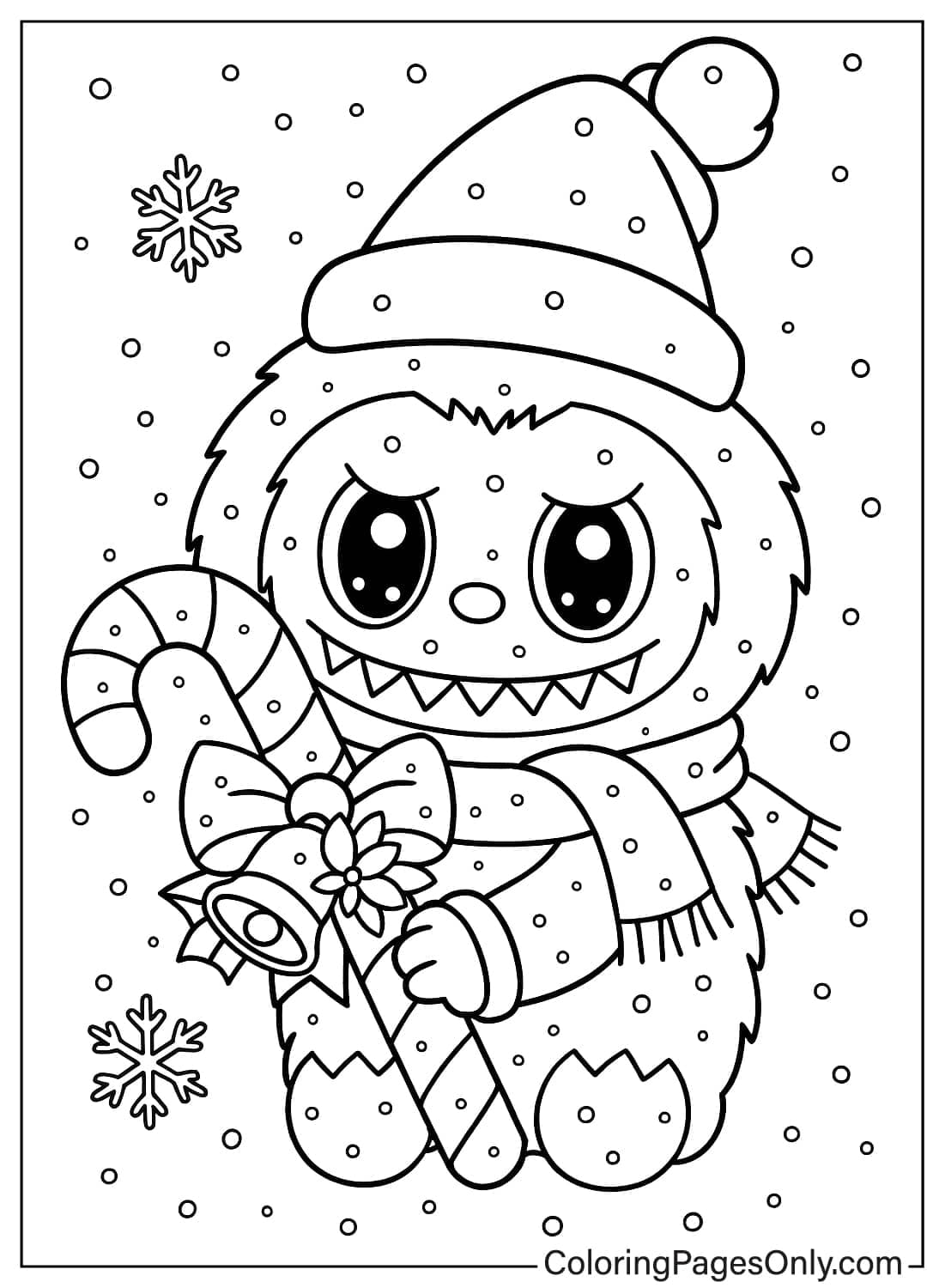
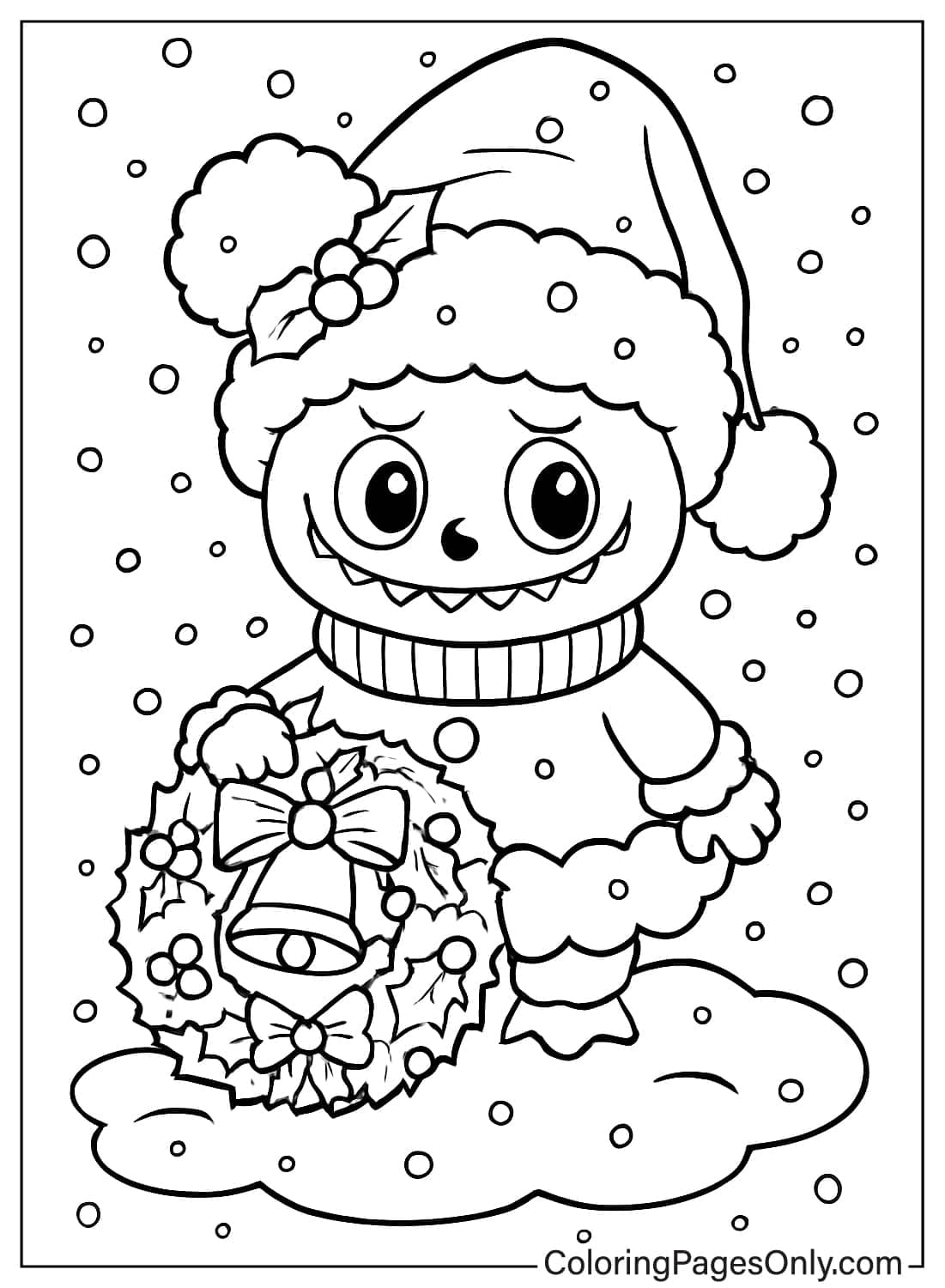
For Christmas Labubu pages – let the accessories do the seasonal work. The Christmas Labubu pages in this collection feature the character in Santa hats, with candy canes, beside Christmas trees, and in snowy settings. The most effective approach is to color Labubu herself in any palette you choose – the cream classic, a seasonal red-and-green scheme, or a completely invented colorway – and then render the Christmas accessories in the most vivid, saturated version of traditional holiday colors: deep holly red, rich spruce green, cold bright white snow, warm candle-flame yellow. The contrast between Labubu’s body palette and the high-saturation Christmas accessory palette is what creates the holiday energy.

The blind box coloring challenge. The defining experience of Labubu collecting is opening a blind box and discovering which variant you’ve received. Recreate this experience with any Labubu page: without planning in advance, choose three colors at random from whatever you have available – one for the body, one for the ears, one for any clothing or accessory element – and color the entire page using only those three choices plus black and white. The constraint forces creative decisions that feel genuinely like they could be a real Pop Mart series. After finishing, name your variant as if it were a real series release. This is both a coloring exercise and a direct engagement with the design philosophy behind the character.

5 Activities

Design your own Labubu series. The most powerful thing about Labubu as a coloring subject is that it invites the question every Pop Mart designer asks before each new series release: what palette expresses this character’s personality in a new way? Print three Labubu portrait pages. For each one, choose a theme – a season, an emotion, a food, a place – and develop a full three-to-four color palette that represents that theme. Color each Labubu in its palette. After finishing all three, arrange them as if they were a series display and give each variant a name in the style of actual Pop Mart series naming (“Exciting Macaron,” “Fall in Wind,” “Into Energy”). The activity engages directly with the creative process behind the product that has generated hundreds of millions of dollars in revenue.

The nine-tooth authentication exercise. Count the teeth in a Labubu coloring page before starting. Real Labubu designs have nine teeth. After coloring, look at the finished teeth carefully: do all nine read individually? Can you identify the upper and lower jaw distinction? Collectors and authentication experts use the tooth count as a primary marker to distinguish genuine Pop Mart Labubu figures from counterfeit “Lafufu” fakes. This exercise connects the coloring activity to the real-world collector culture that surrounds the character.

Nordic forest color palette study. Kasing Lung developed The Monsters while growing up in the Netherlands, reading Nordic folklore. Print any outdoor, forest, or adventure-pose Labubu page and research the color palettes associated with Northern European forest environments and Nordic mythology illustration – the deep forest greens, birch-bark whites, lichen greys, amber mushroom tones, misty blue-greens of twilight Nordic landscapes. Color the Labubu in one palette and the surrounding environment in the Nordic forest palette. The exercise grounds the character in the folkloric visual tradition that created her, producing a result that looks closer to Kasing Lung’s original inspiration than the candy-bright Pop Mart palette most people associate with Labubu.

The companions coloring project. If the collection includes pages featuring Labubu alongside Zimomo, Tycoco, or other Monster companions, print one page per character and develop a distinct palette for each while maintaining a color logic that reads as a unified group. Tycoco’s skeleton-like appearance suggests a cooler, lighter palette than Labubu. Zimomo’s leader status might suggest deeper, more saturated tones. Spooky’s nocturnal quality points toward ghostly whites, greys, and moonlight blues. The challenge is the same challenge faced by the original designer: making characters that each have a distinct identity while clearly belonging to the same fictional world. This is one of the fundamental problems of character design and illustration.

The coloring page unboxing. Gather five Labubu coloring pages you haven’t seen yet. Turn them face-down so you can’t see the image. Reach into the pile and pull one without looking – this is your “blind box.” Color it in whatever palette you choose on the spot, without planning. The constraint of not knowing in advance what composition or pose you’re working with replicates the essential experience of blind box collecting: commitment to an outcome before you know what it is. After completing all five, line them up as a “series.” The activity works especially well for groups – each person gets the same set of five pages in random order, colors independently, and then compares results.

These related coloring collections will help you explore the wonderful world of colors. Let’s choose, be creative, and show us your great pictures!


Jennifer Thoa – Writer and Content Creator

Hi there! I’m Jennifer Thoa, a writer and content creator at Coloringpagesonly.com. With a love for storytelling and a passion for creativity, I’m here to inspire and share exciting ideas that bring color and joy to your world. Let’s dive into a fun and imaginative adventure together!