Venom Coloring Pages

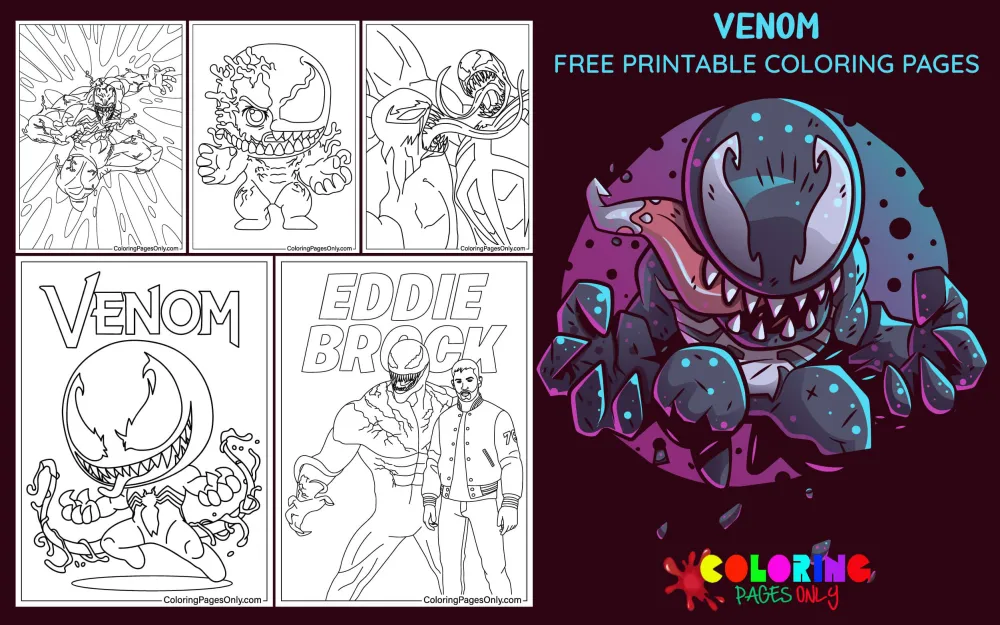
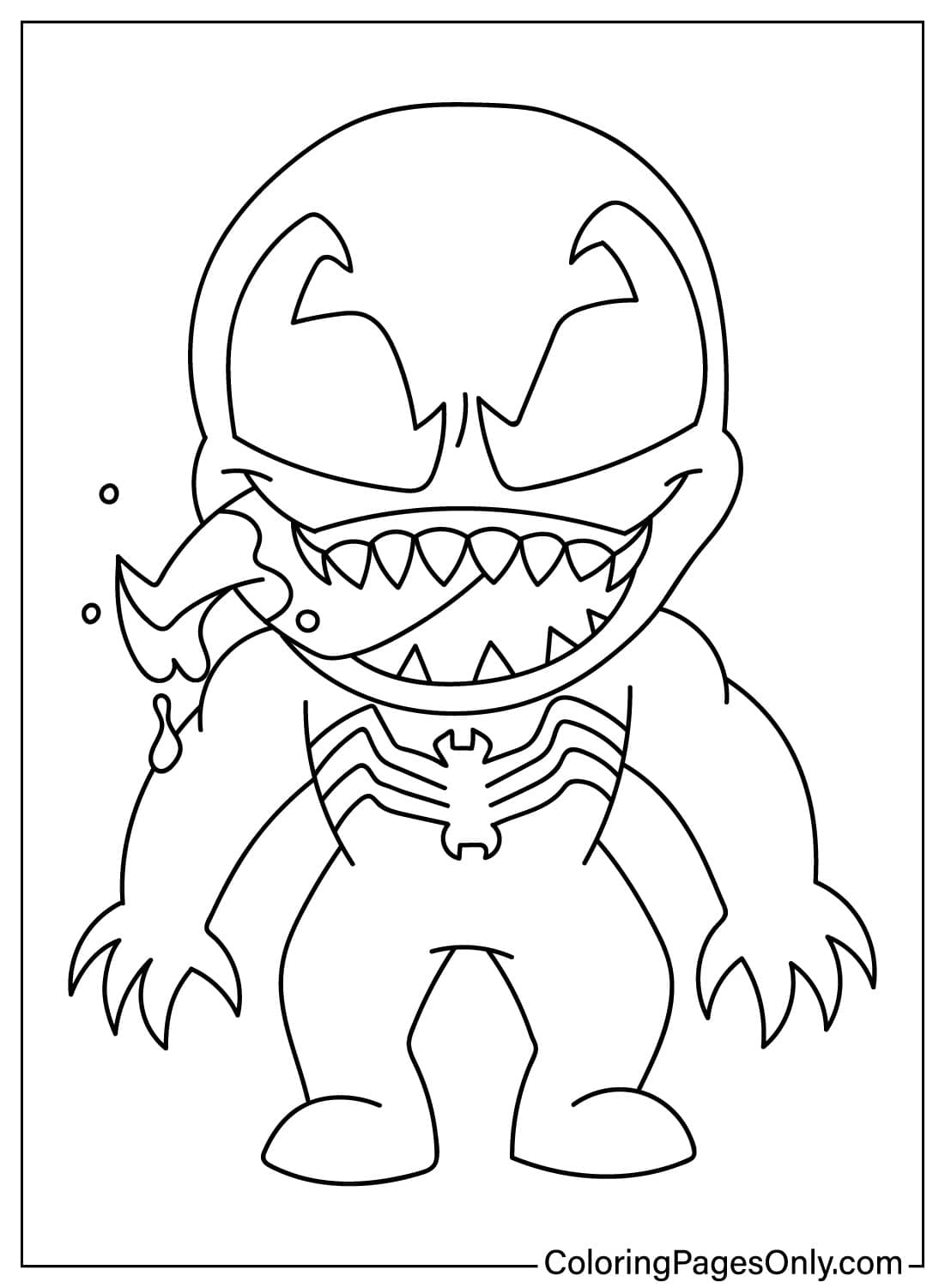
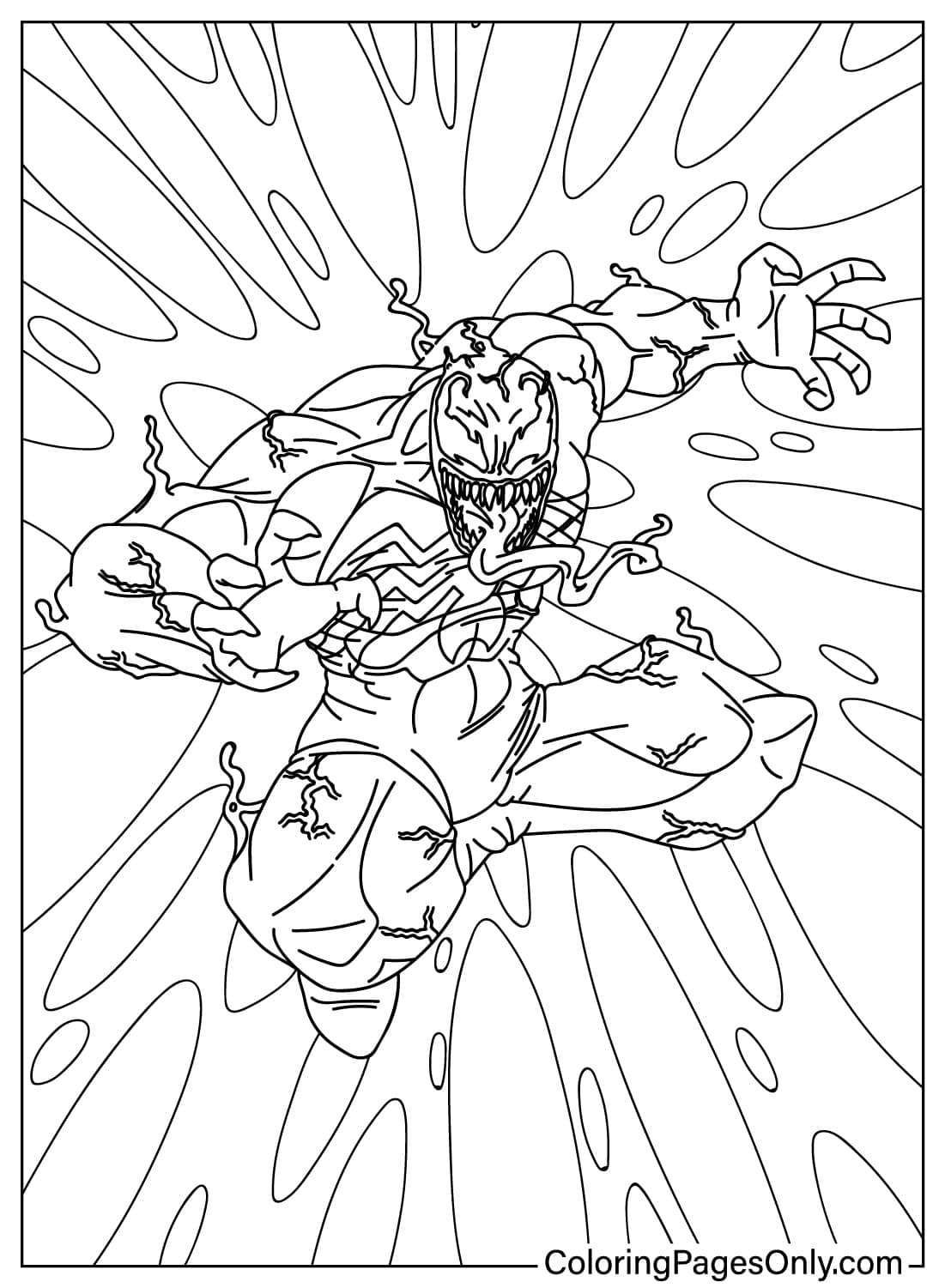
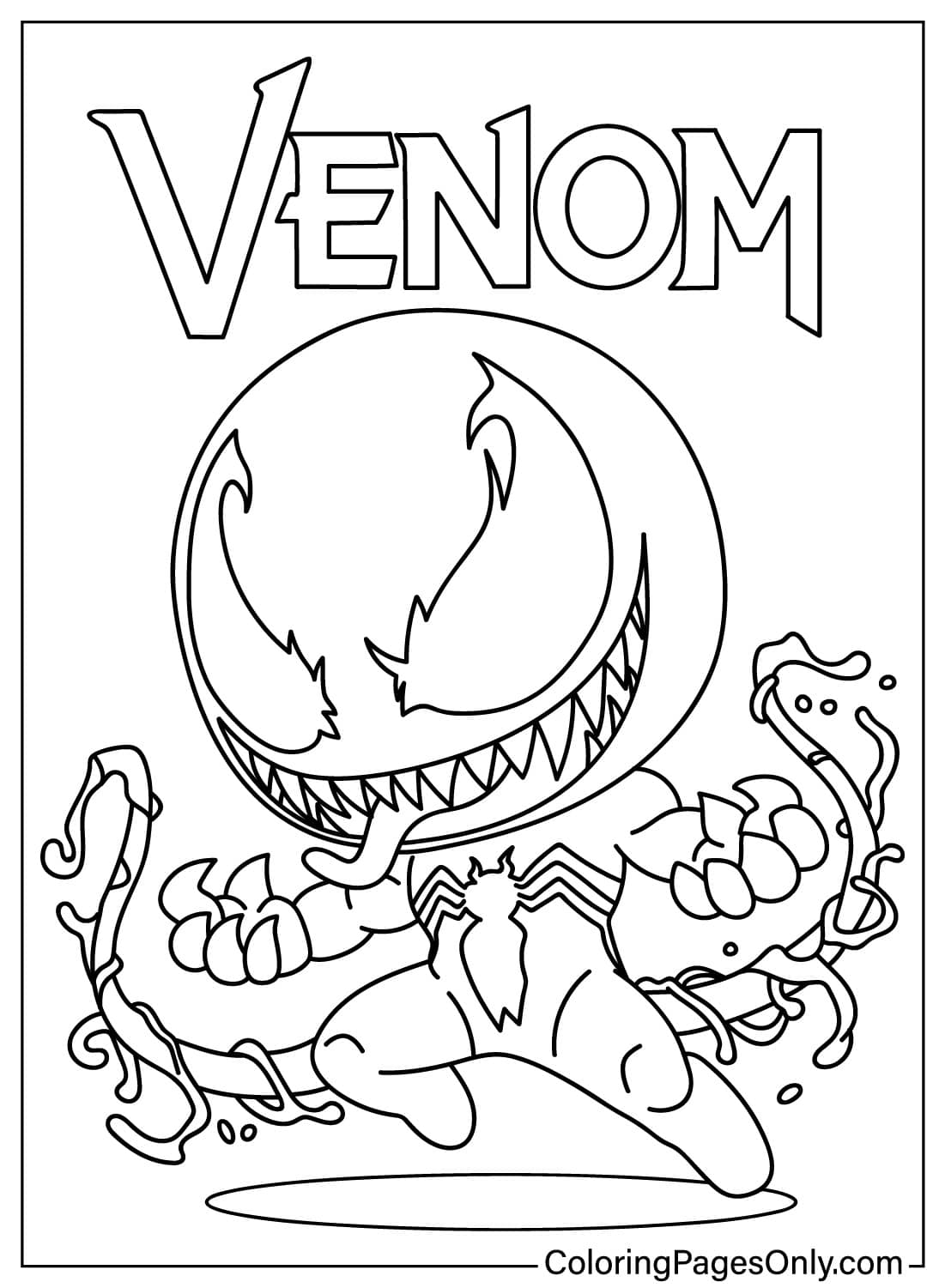
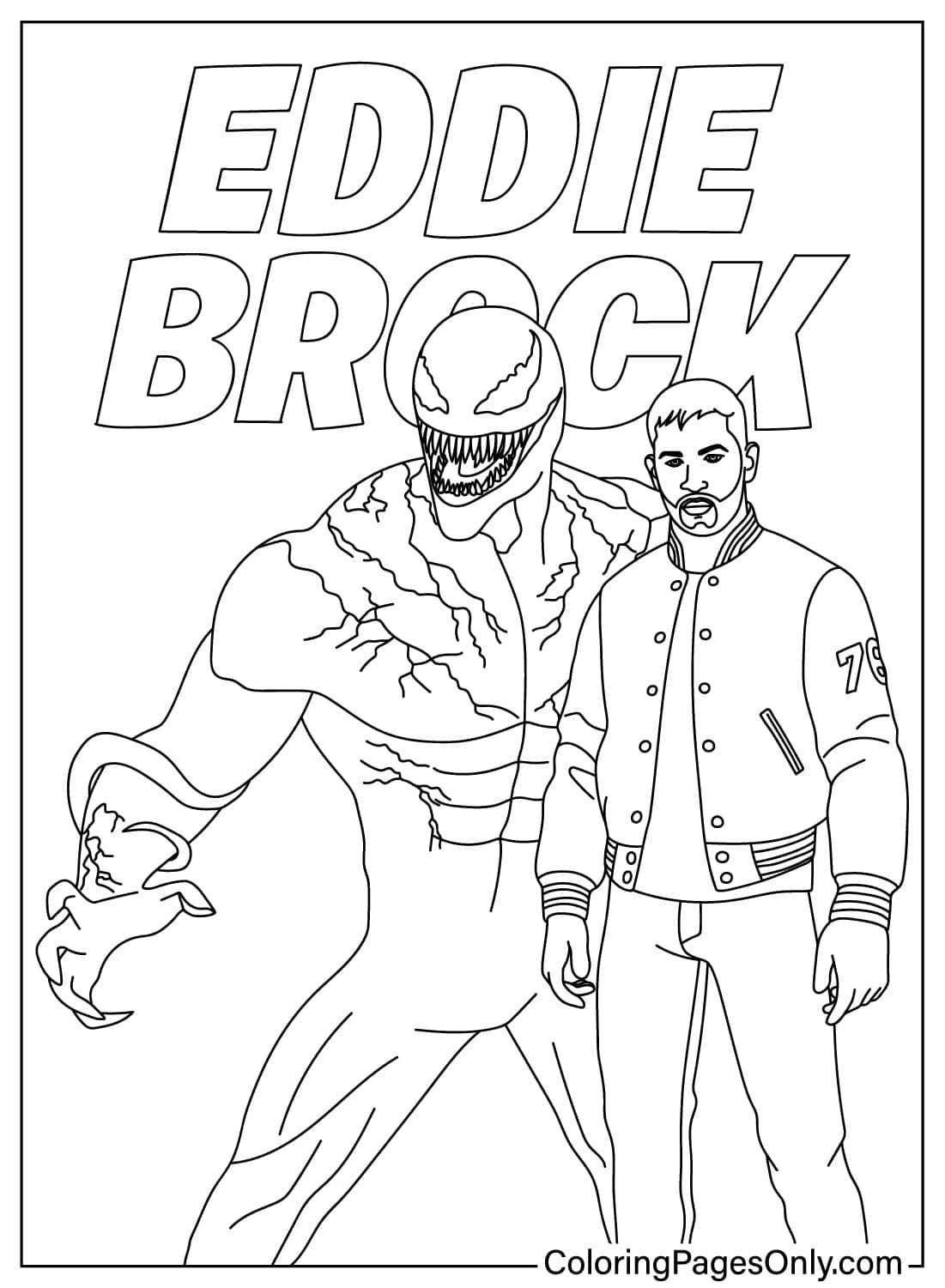
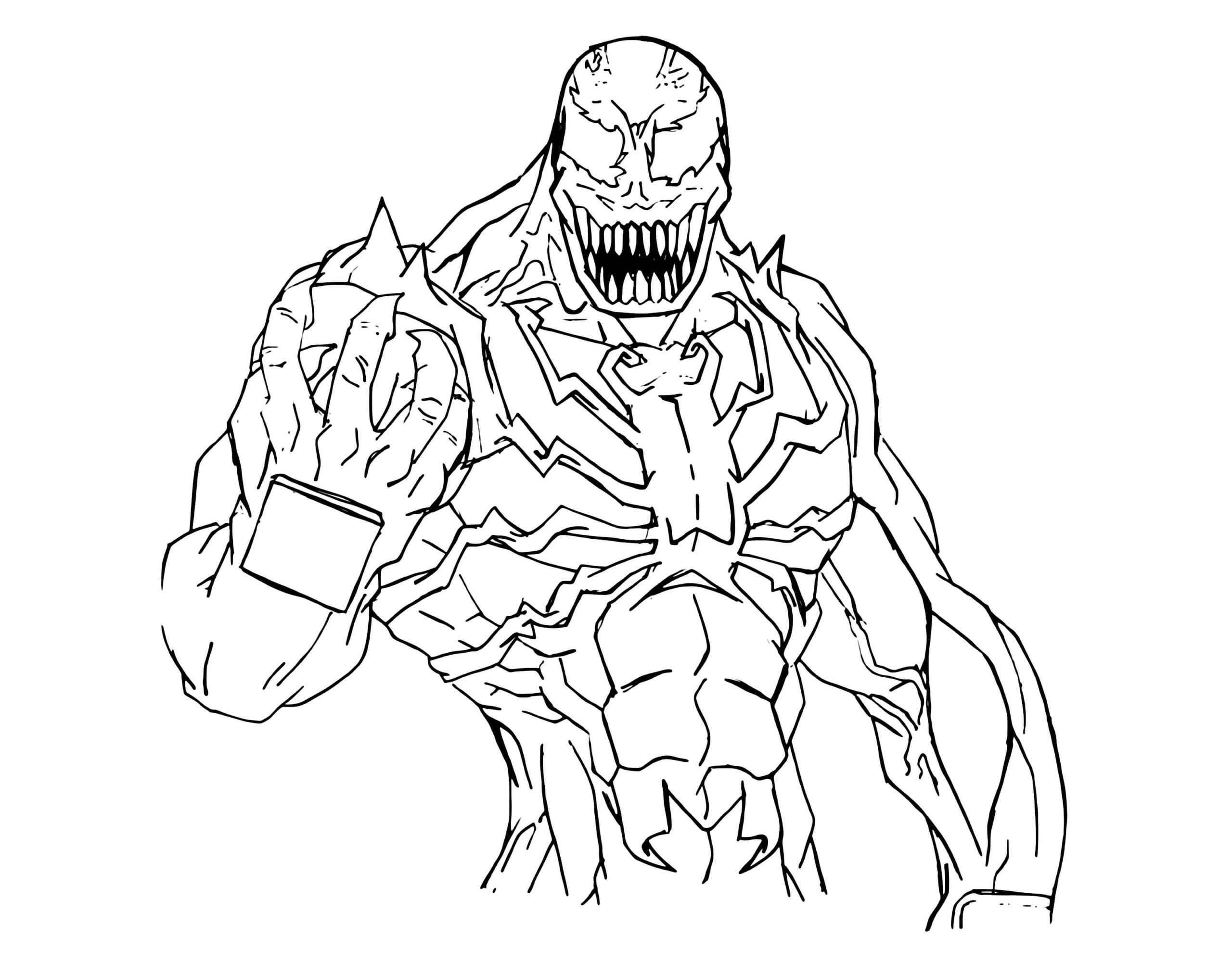
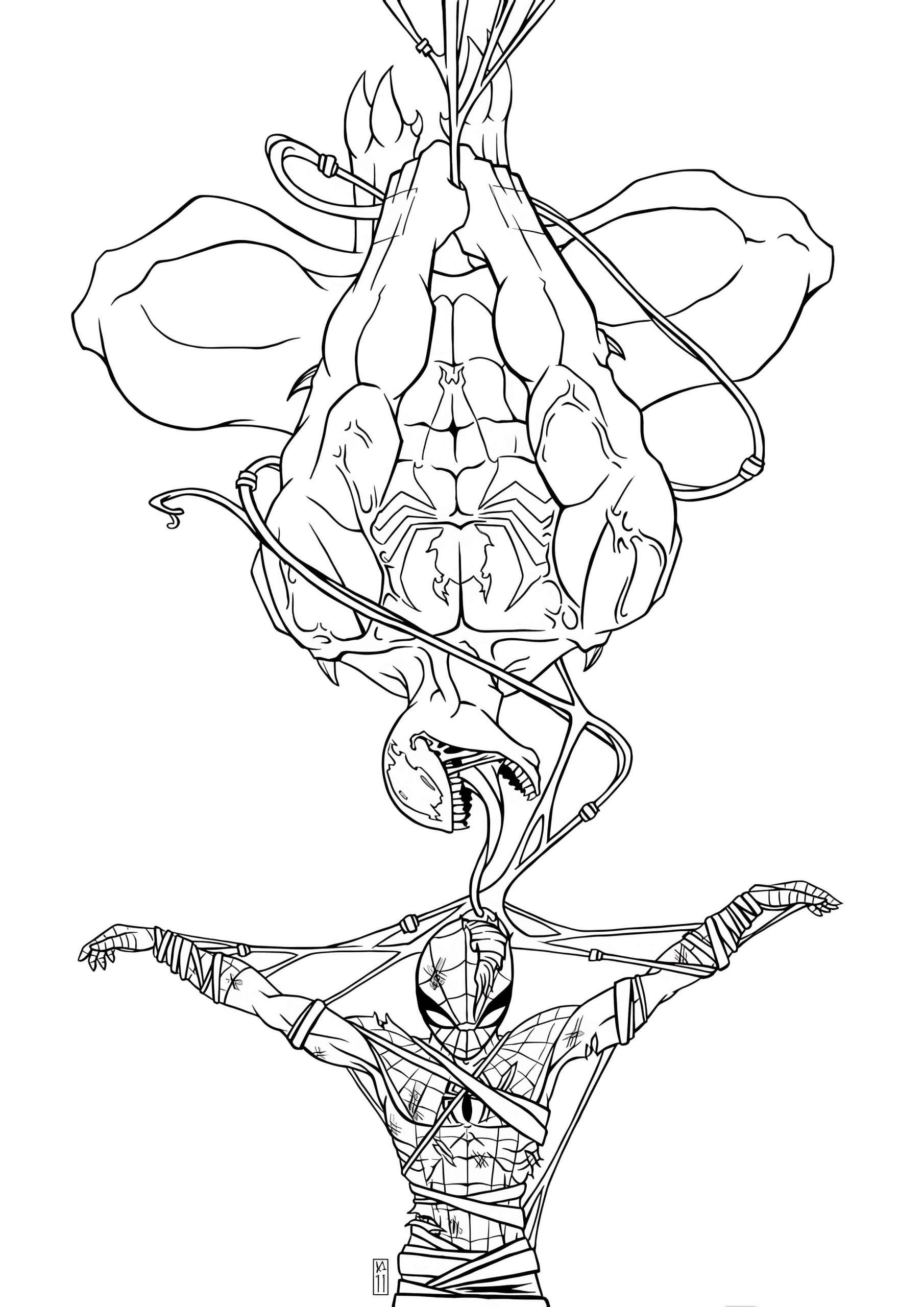
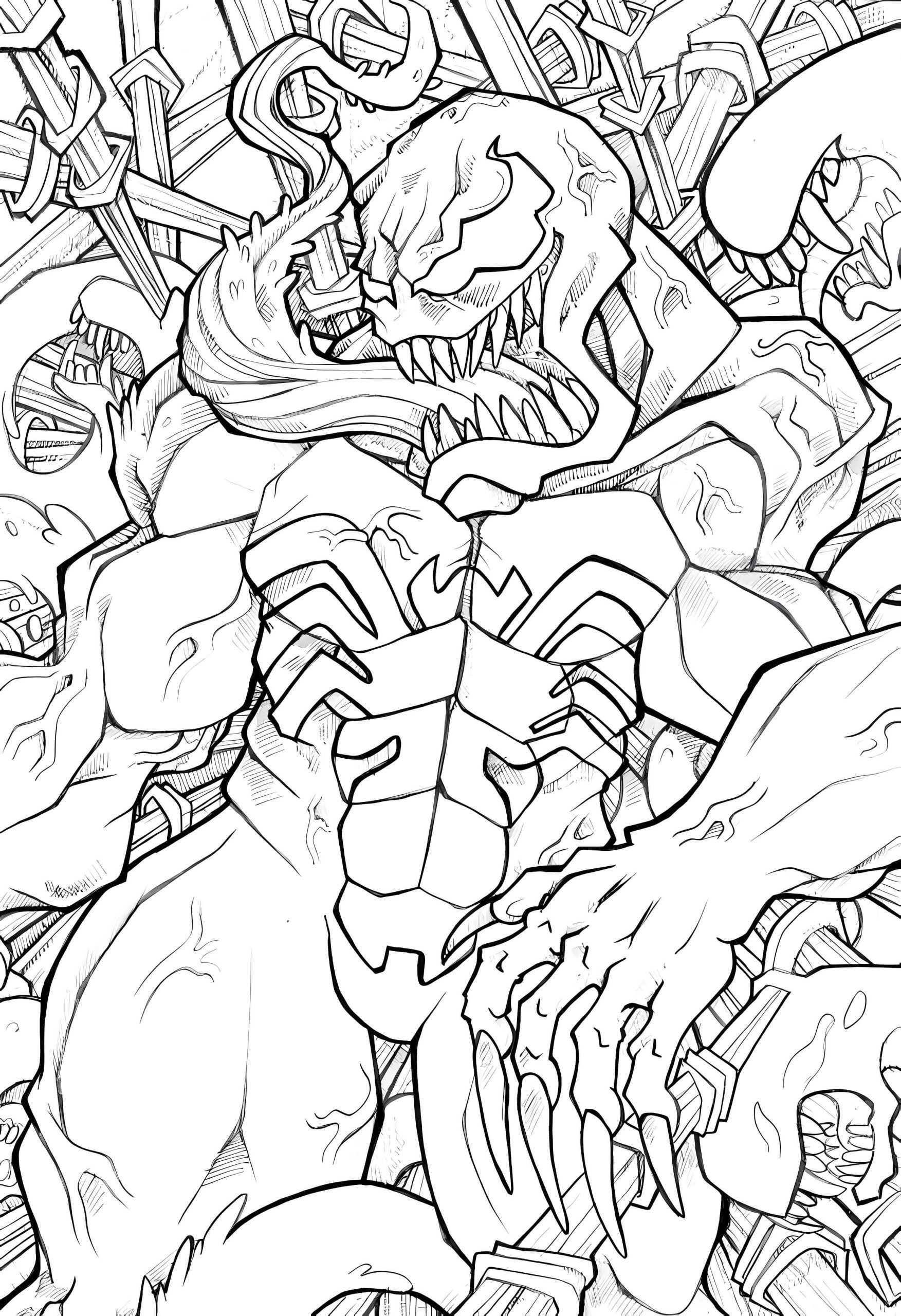
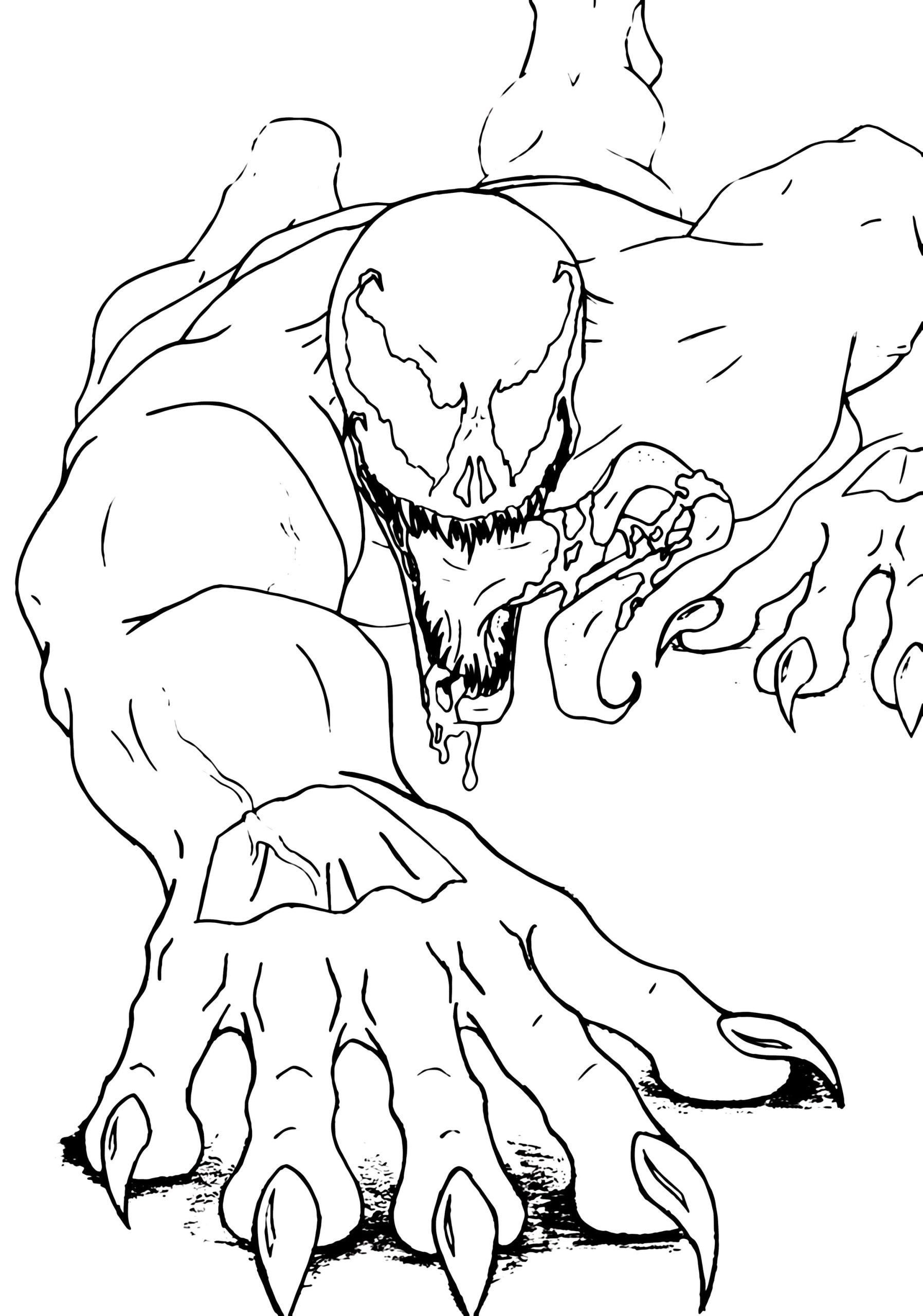
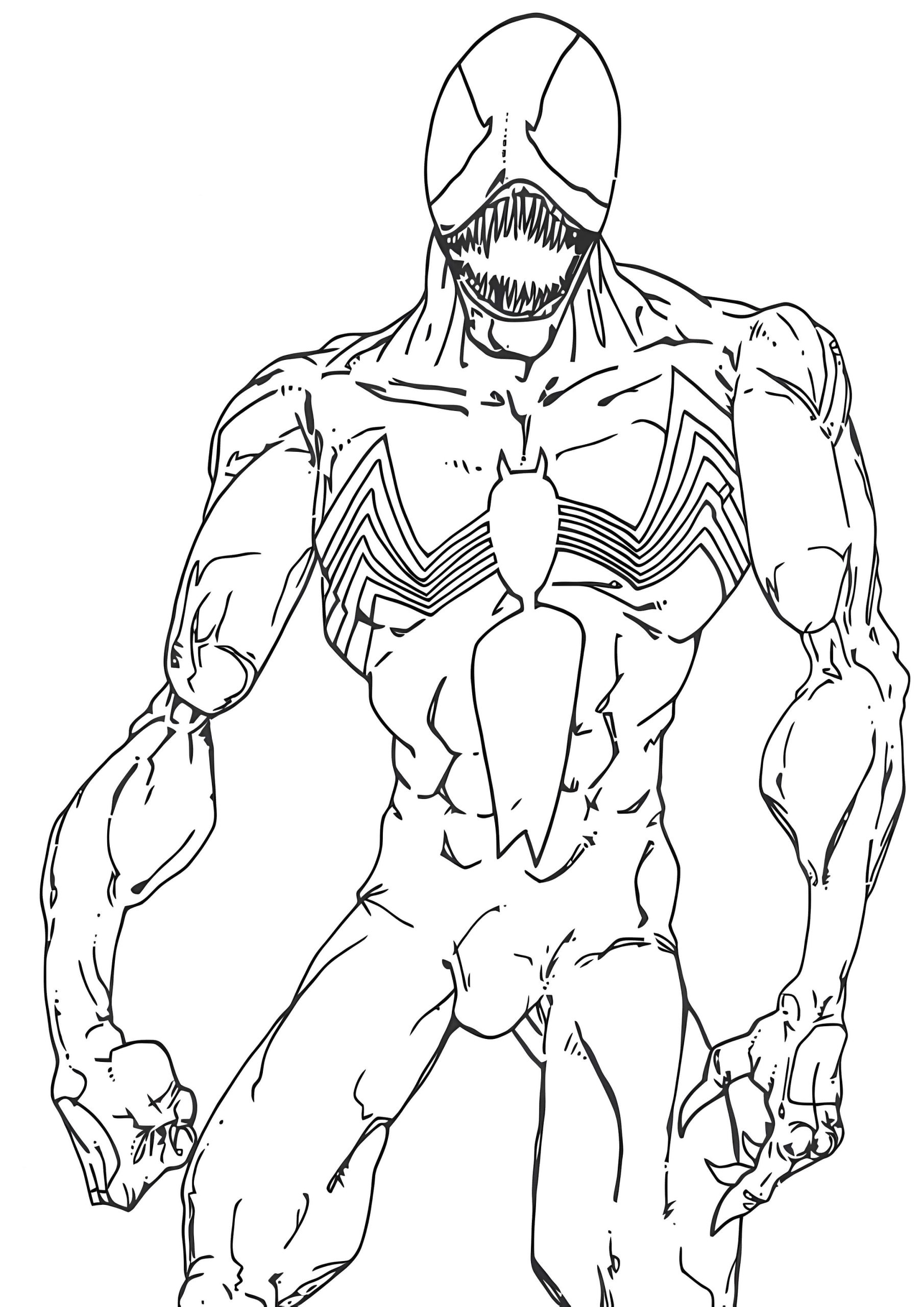
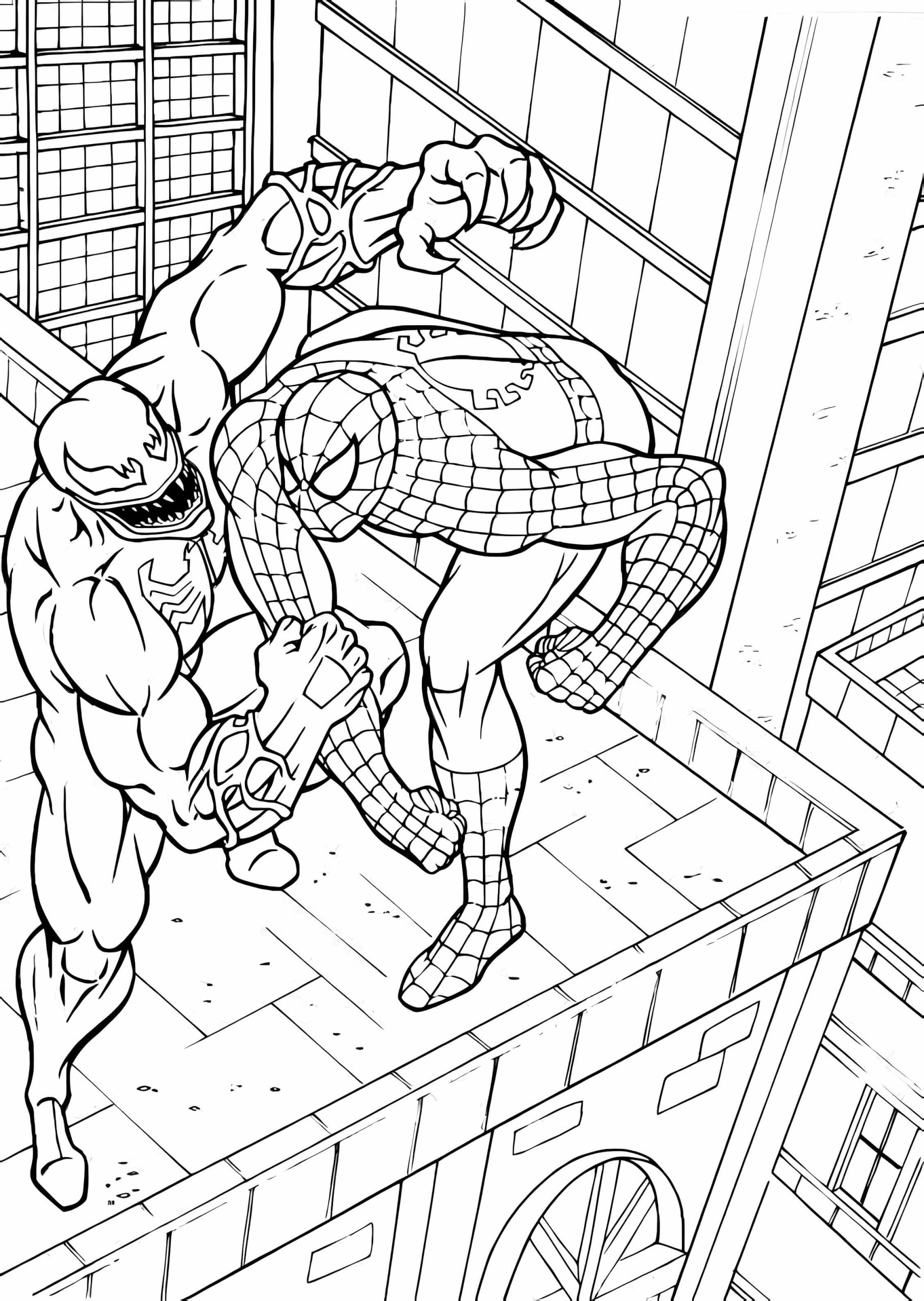
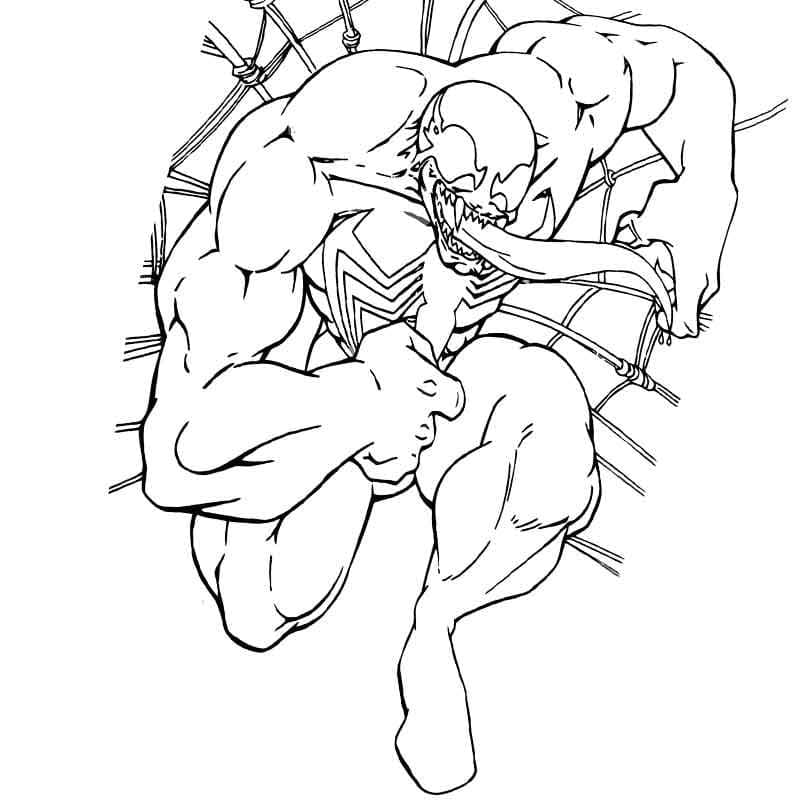
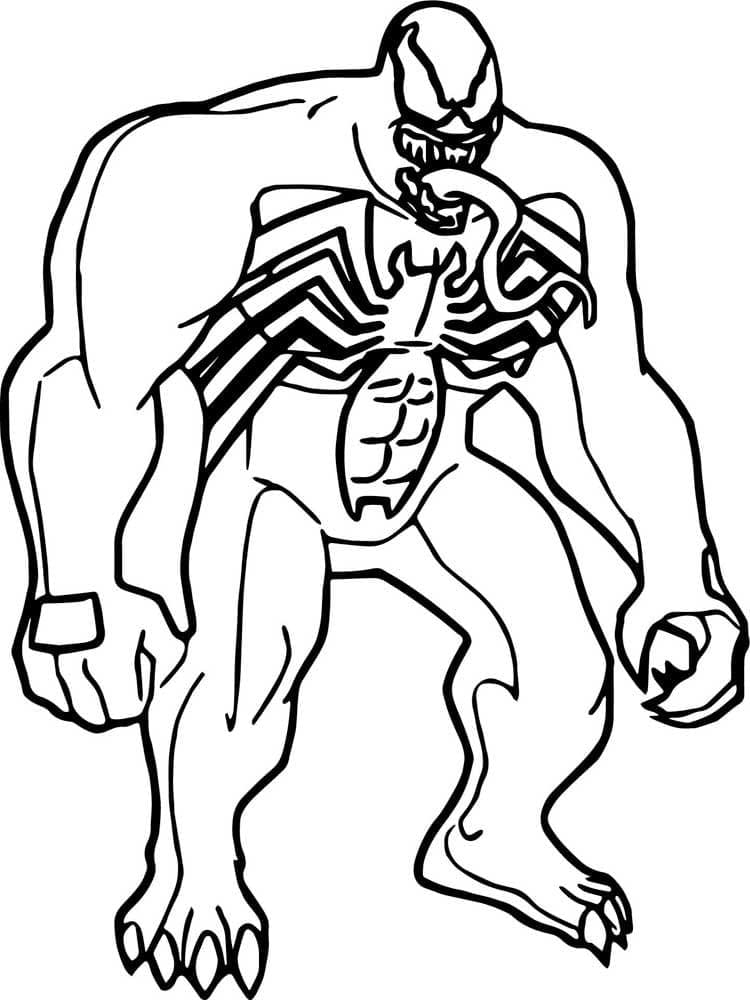
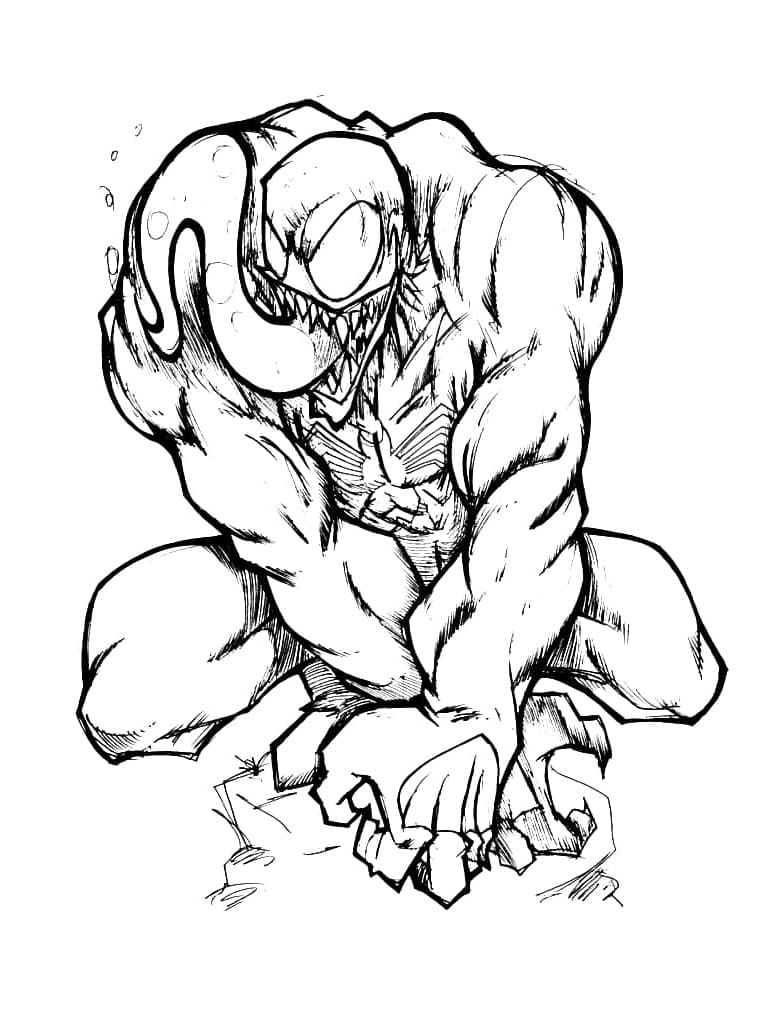
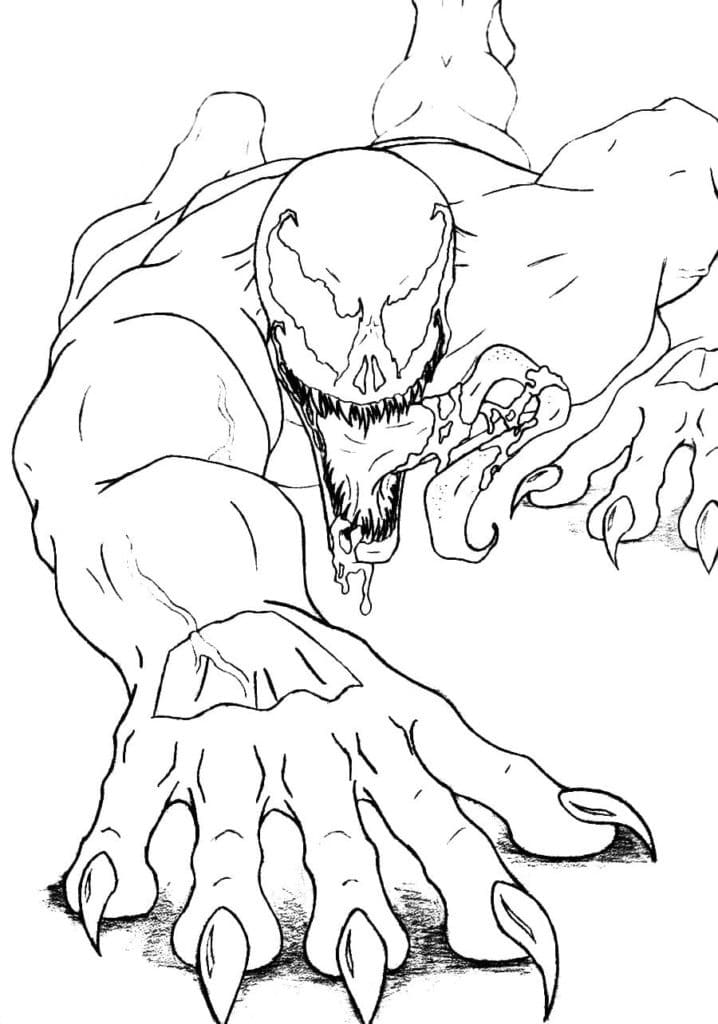
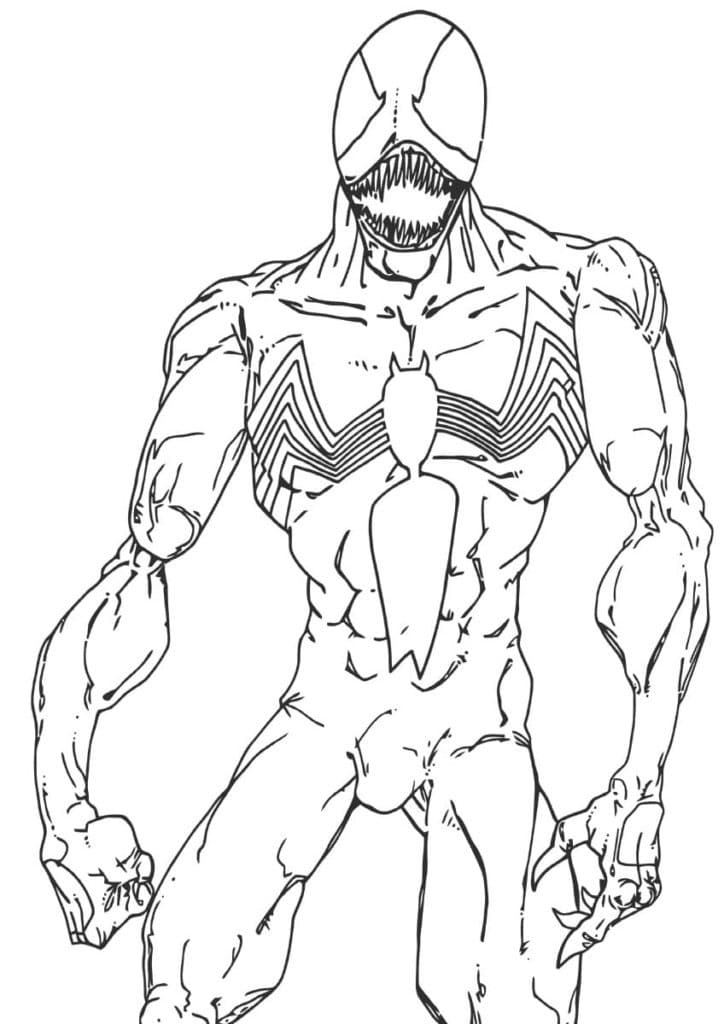
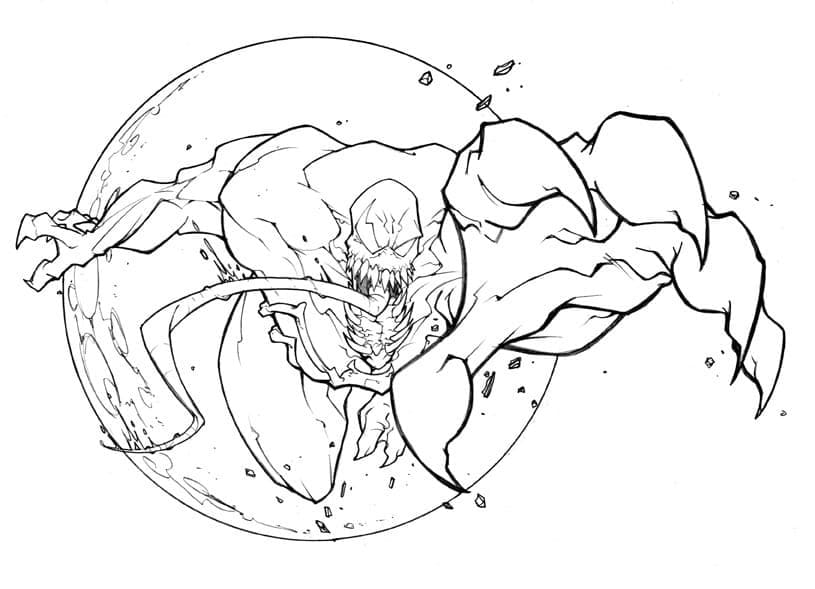
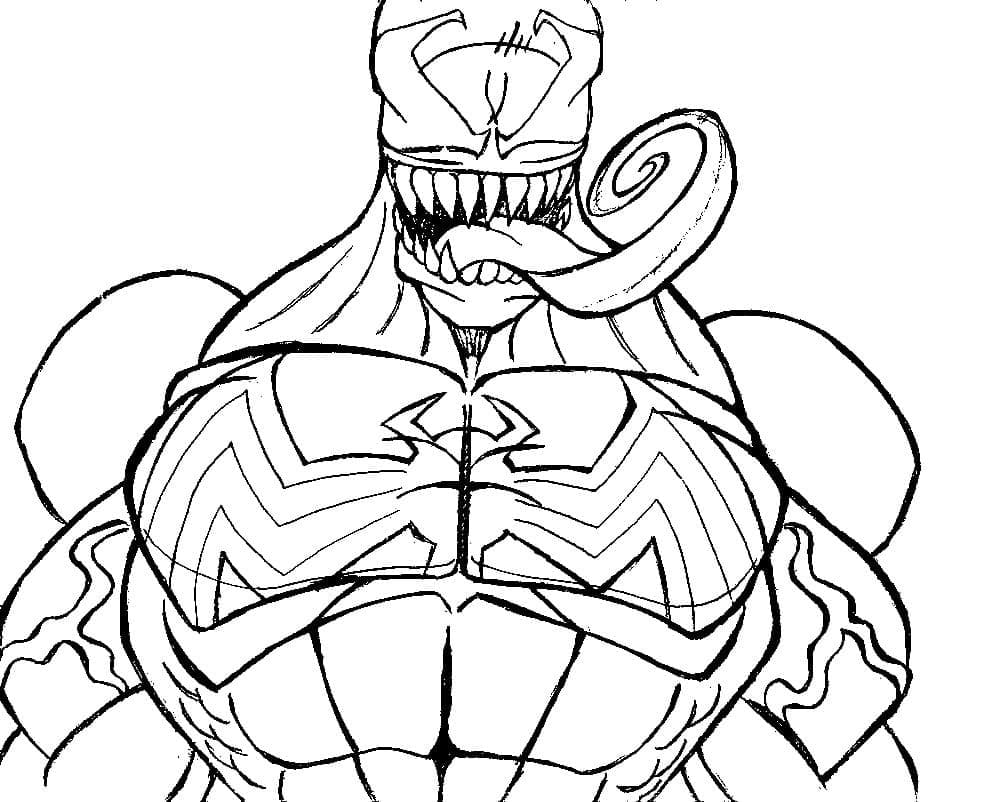
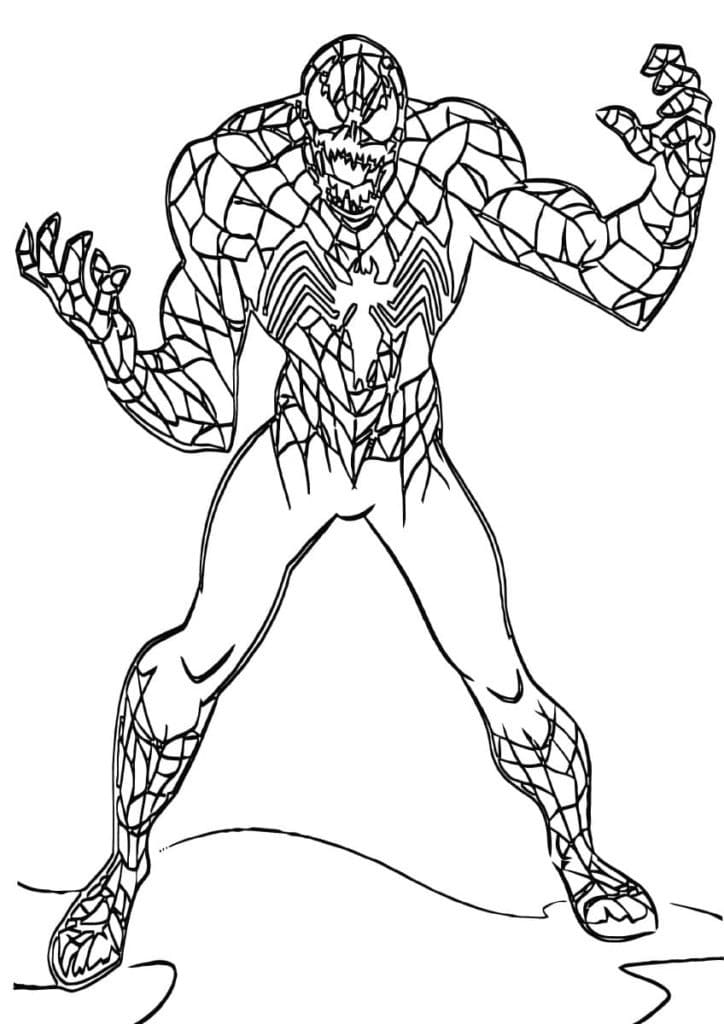
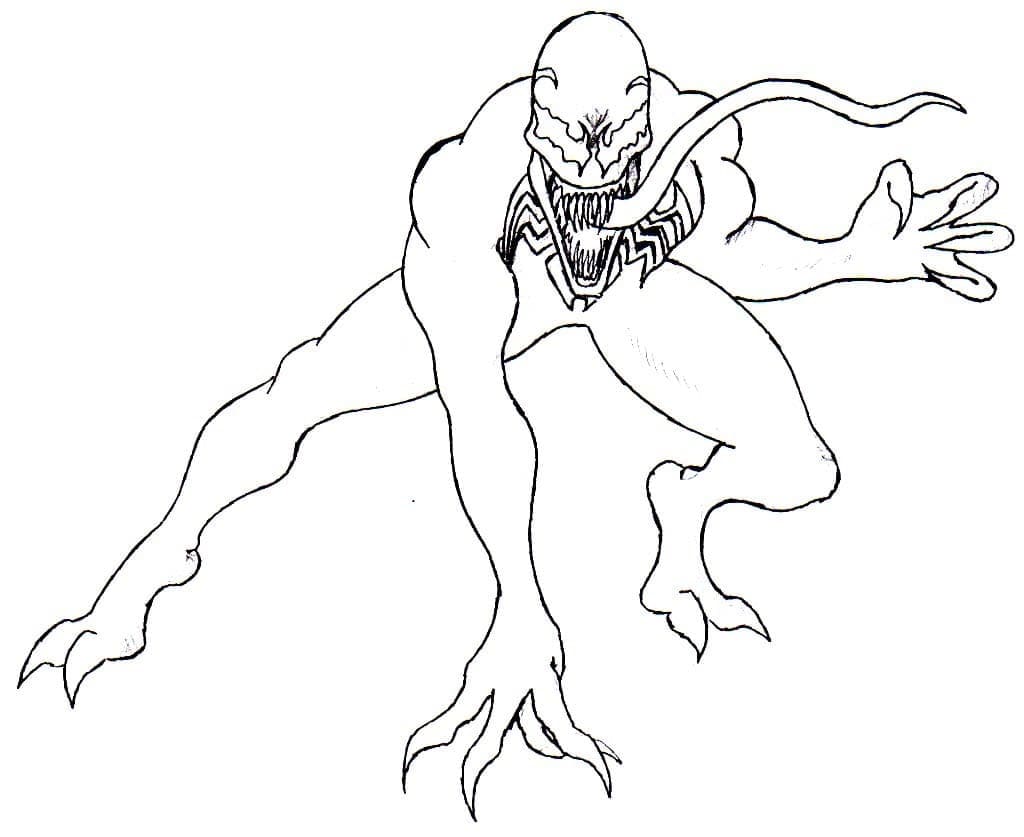
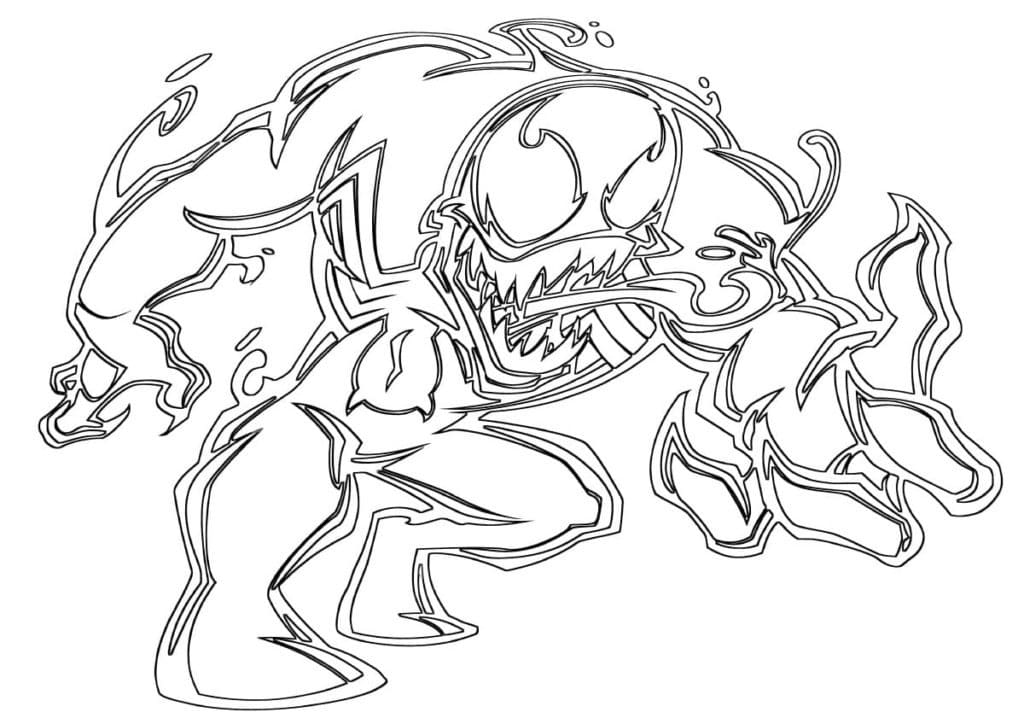
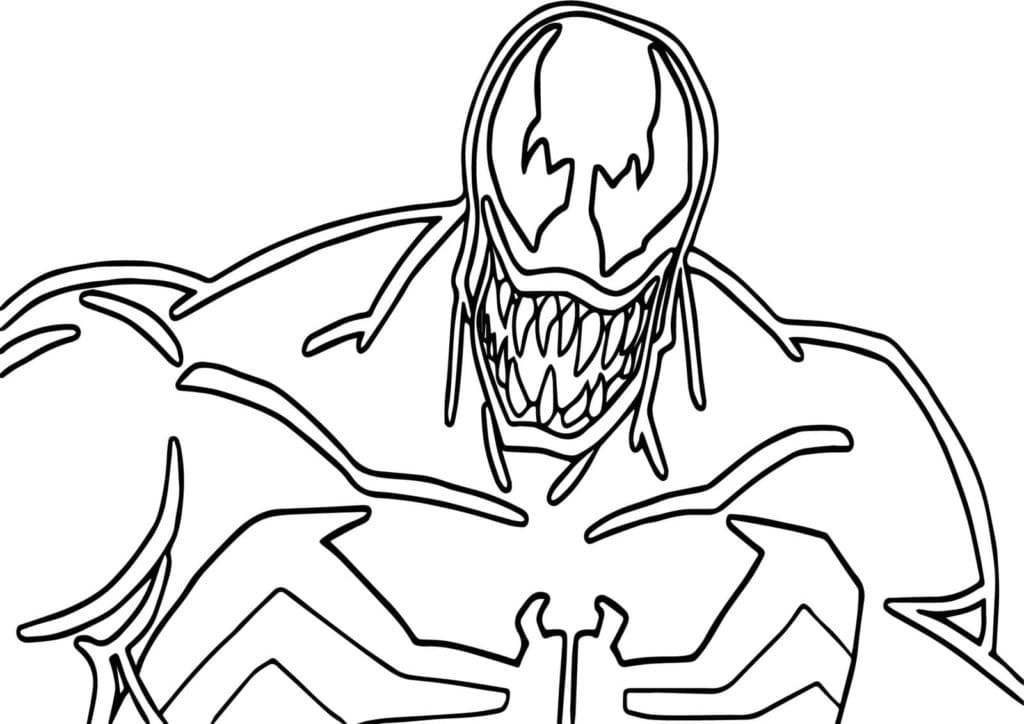
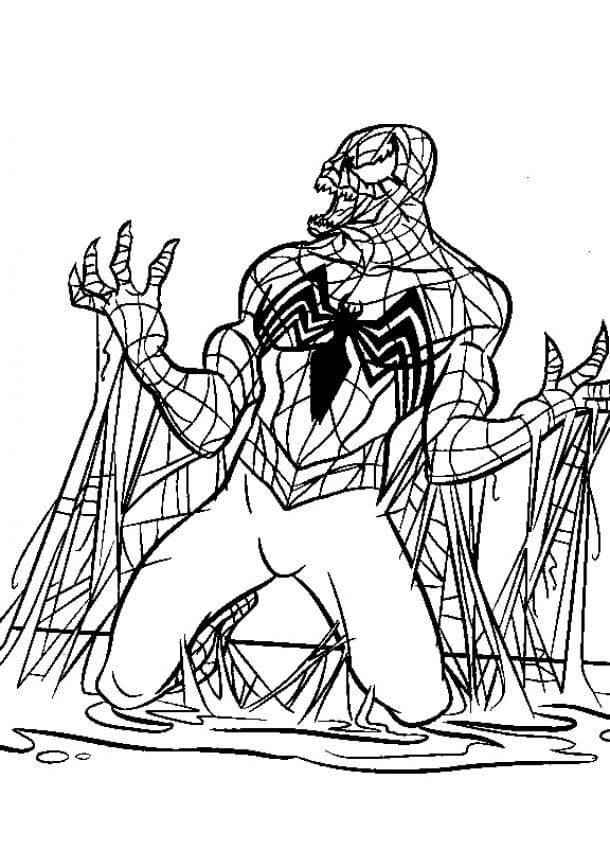
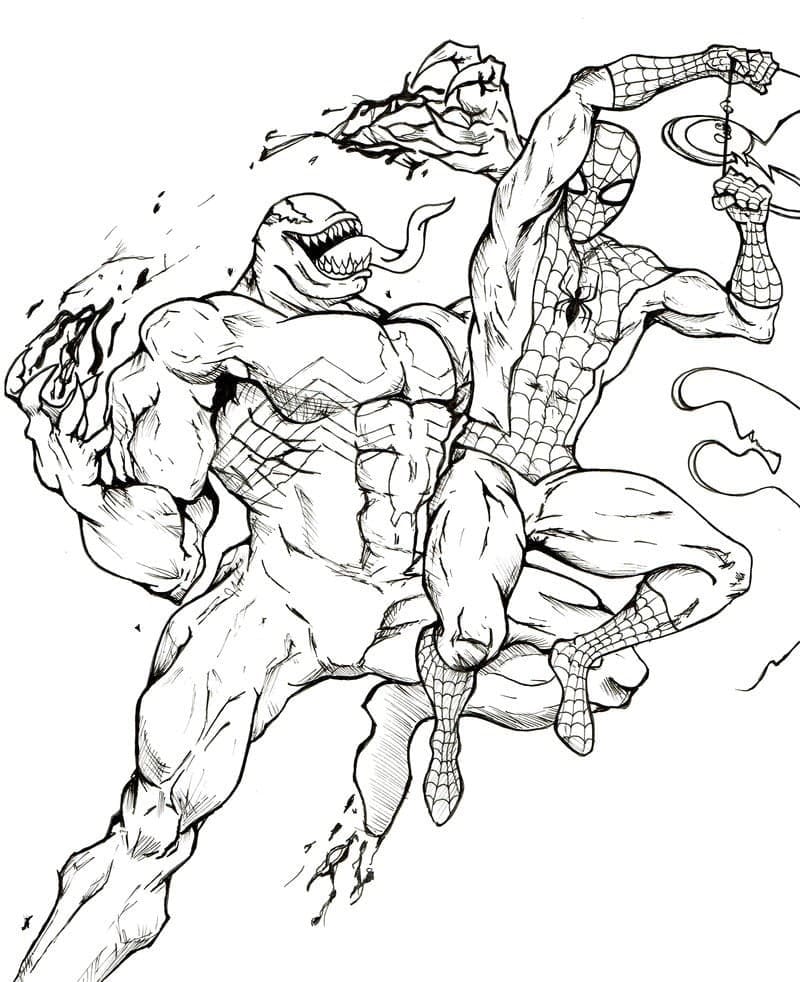
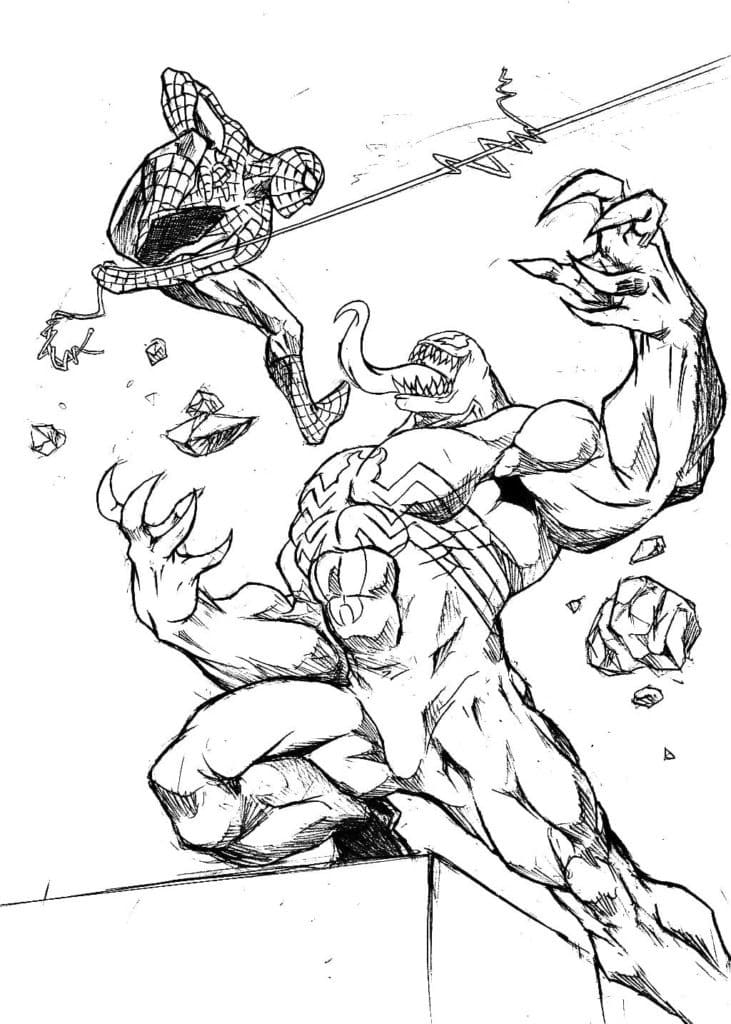
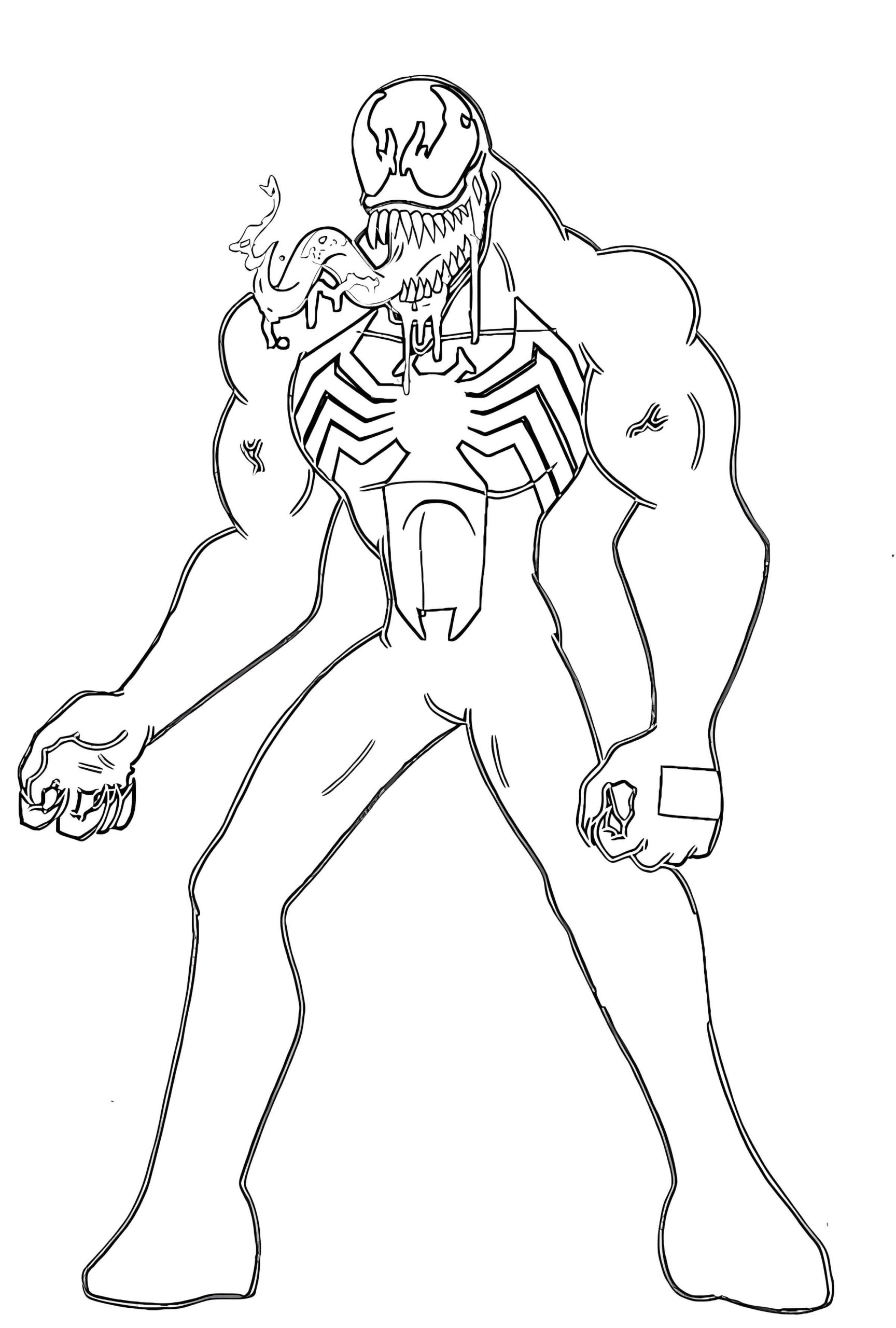
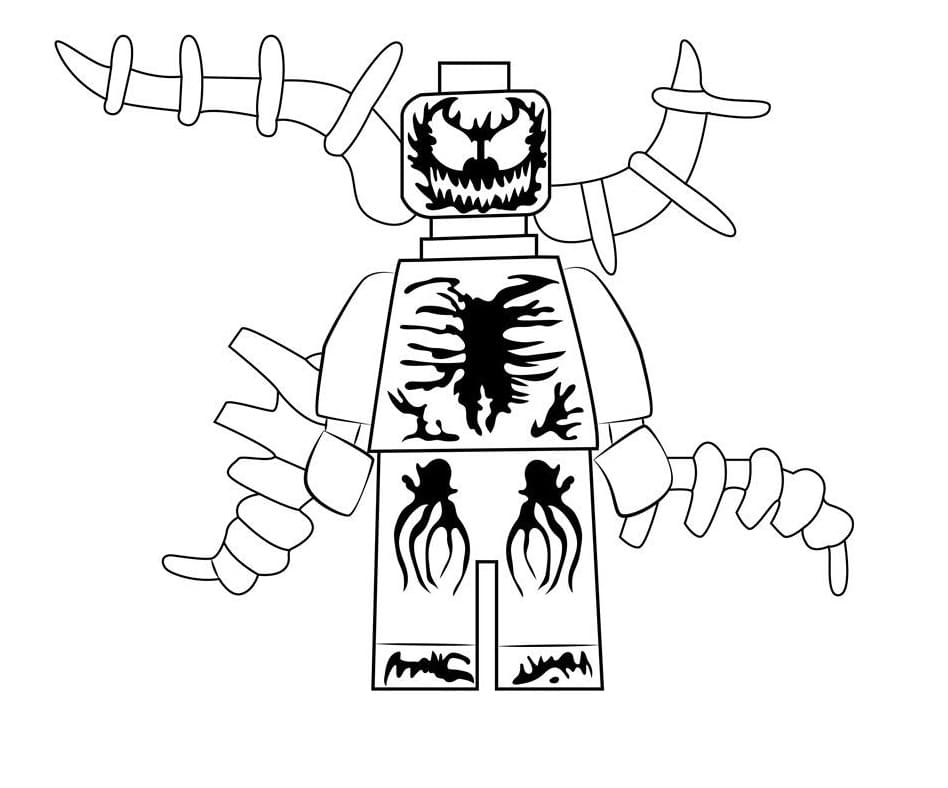
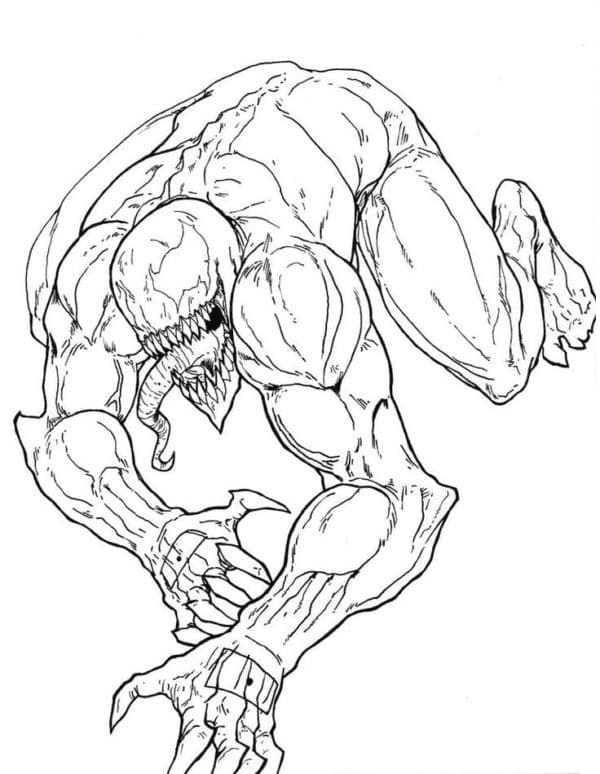
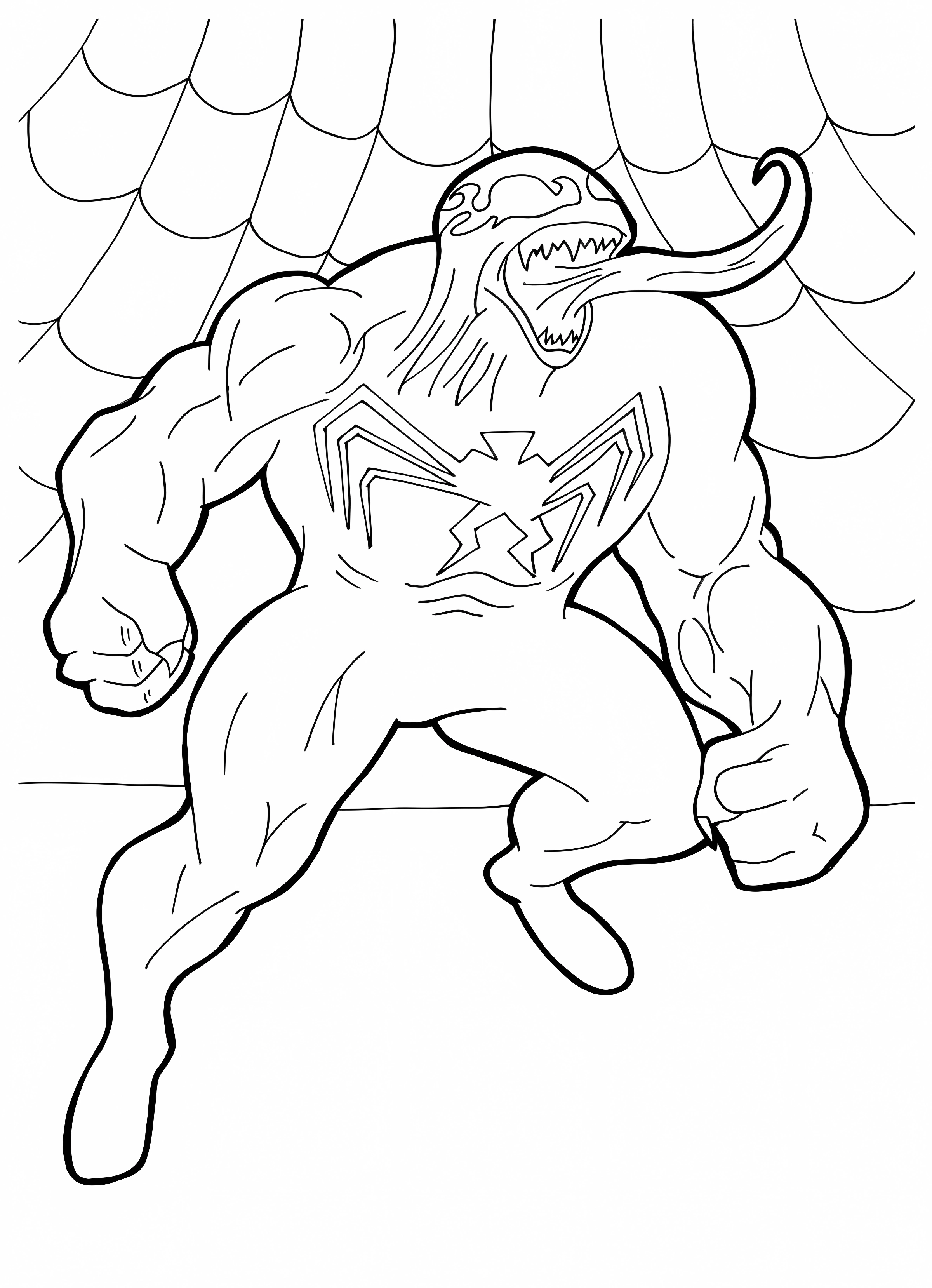
On this page, you’ll find 70+ free Venom coloring pages – all free to download as PDFs or color online! This collection covers the full range of Venom’s visual world: intense battle poses, the iconic tongue-out roar, chibi-style cute versions, Venom alongside Eddie Brock, the explosive clash against Carnage, the symbiote in its spider-form, quiet moments like Venom sitting in a chair, and more. Whether you want maximum menace or maximum adorable, there’s a page here for every Venom fan!
Perfect for Marvel superhero fans, birthday parties, weekend creative projects, or anyone who just wants to bring the most visually dramatic character in Marvel history to life in color. Once colored, these pages make incredible wall art, notebook covers, and fan art pieces!
While you’re here, grab these related pages! Superhero Coloring Pages · Supervillains Coloring Pages · Avengers Coloring Pages


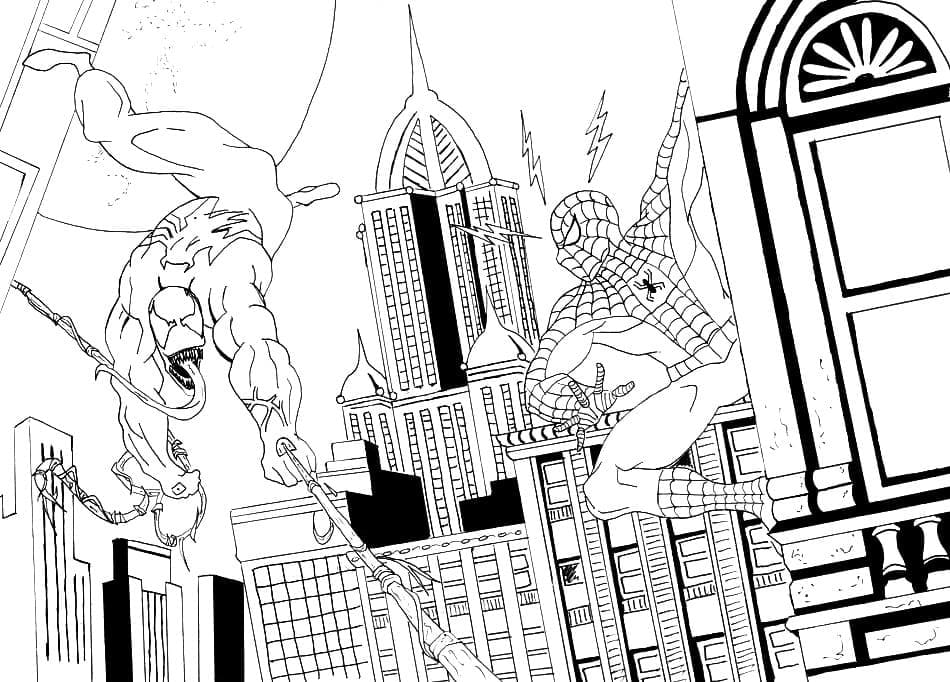
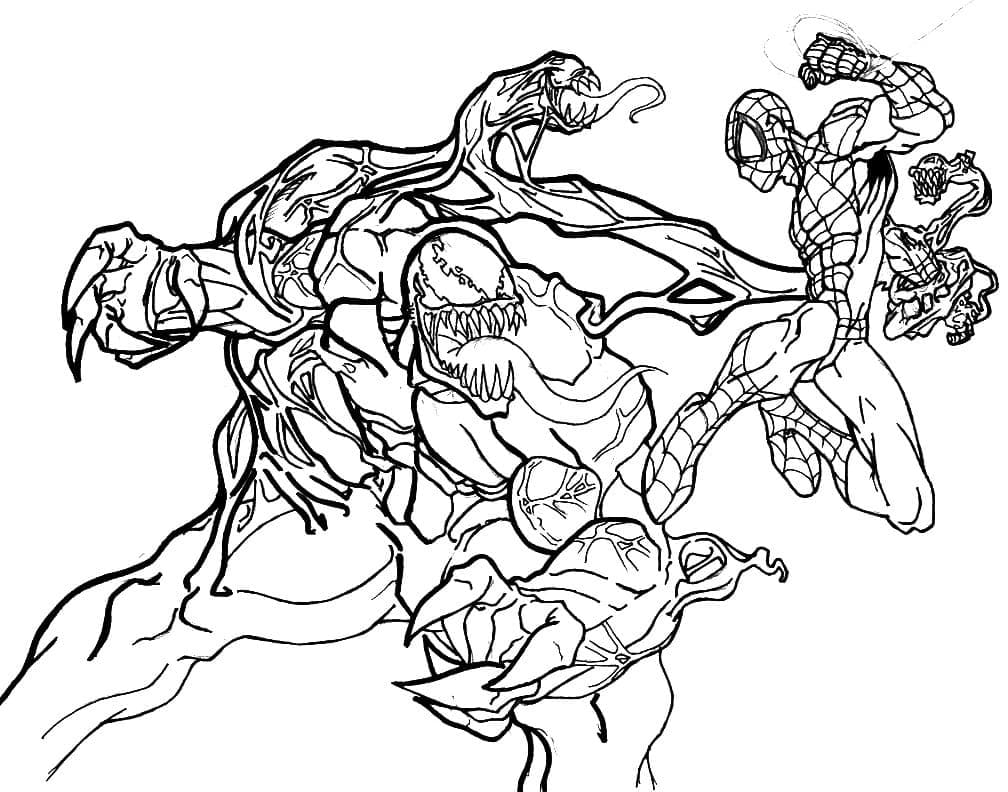
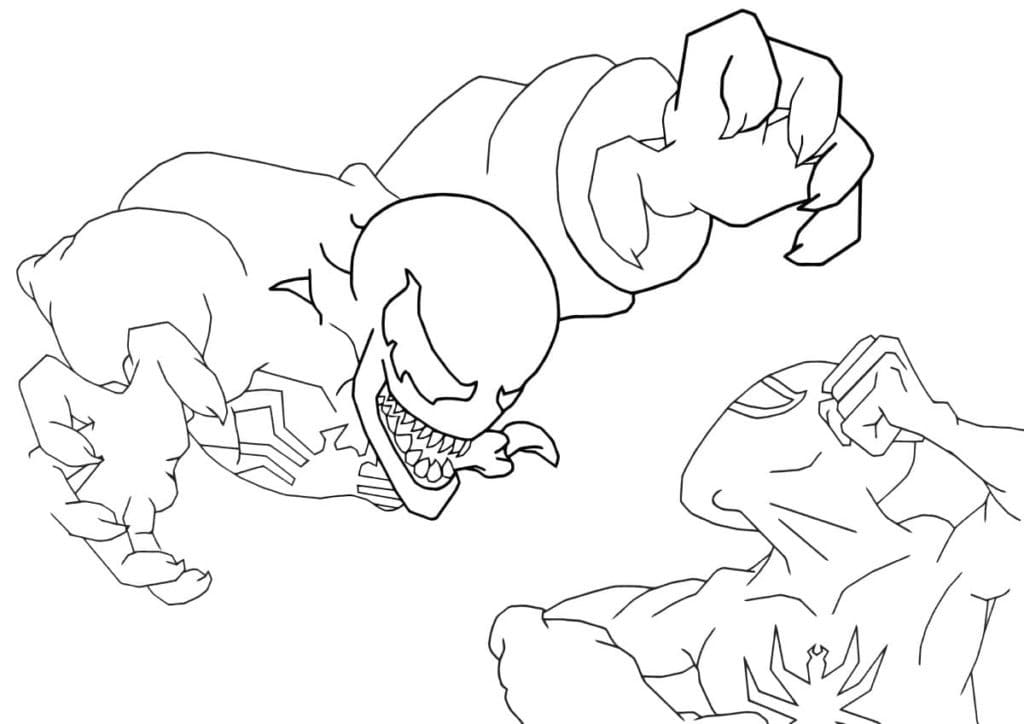
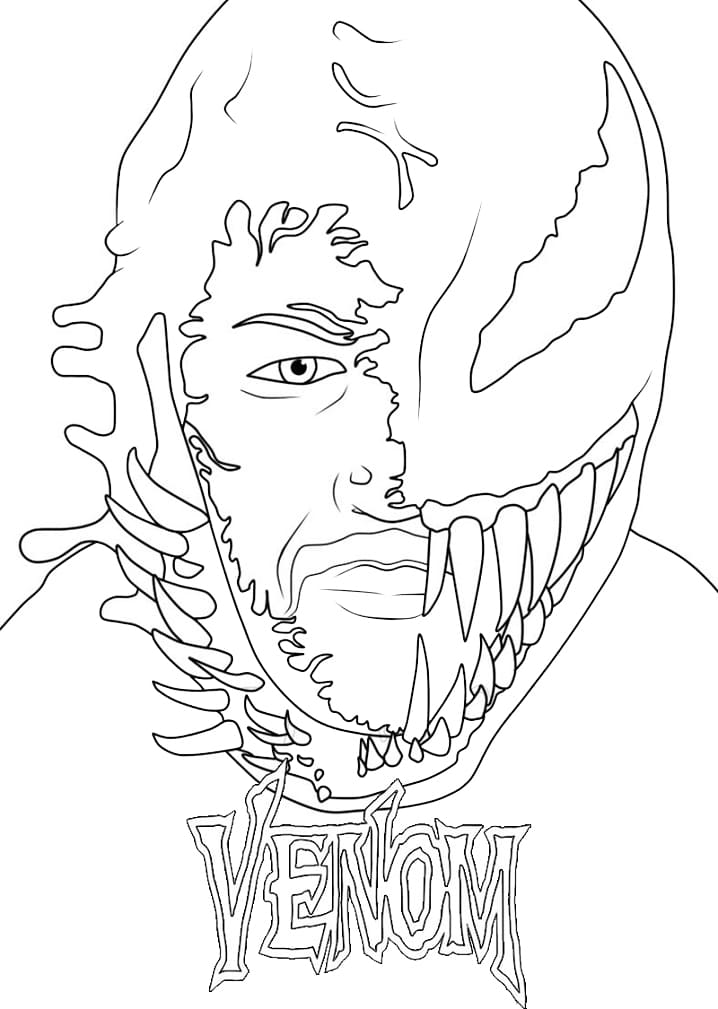



Venom’s Origin Story – A $220 Idea That Became a Billion-Dollar Character
Venom’s creation story is one of the most remarkable origin stories in comic book history – involving a fan letter, an alien costume, a church bell tower, and what the character’s own co-creator calls a complete accident.
The chain of events that created Venom began in 1982, when a Marvel Comics reader from Norridge, Illinois, named Randy Schueller sent a letter to Marvel suggesting a new black costume for Spider-Man. Editor-in-chief Jim Shooter bought the idea, paying Schueller $220 for it. Artist Mike Zeck refined and designed the black costume. Two years later, in Secret Wars #8 (1984), Spider-Man arrived on Battleworld – a patchwork alien world created by the god-like Beyonder – where his costume was destroyed in battle. Trying to use a device to repair it, Peter Parker accidentally activated a different mechanism, releasing a small black liquid alien that immediately bonded to him as a living costume.
The costume seemed perfect. It gave Spider-Man enhanced powers, generated its own webbing that never ran out, could shapeshift into any clothing he chose, and amplified his reflexes beyond their already extraordinary level. There was only one problem: it was alive, and it was slowly taking over. The symbiote was sending Parker on unconscious late-night web-swinging patrols while he slept, draining his body and his will. When he finally understood what was happening and tried to remove it, the symbiote fought back – until Peter Parker crashed himself into a church bell tower, where the sustained ringing of the bells weakened the symbiote’s grip enough for him to tear free. He believed the creature was dead.
It wasn’t. The symbiote survived and slithered away – hurt, rejected, and carrying within it the complete knowledge of Spider-Man’s secret identity, his powers, and every weakness Peter Parker possessed. It went looking for a new host who shared its rage against the man who had cast it aside.
It found Eddie Brock in the same church.
Brock was a disgraced investigative journalist for the Daily Globe who had published an exclusive story claiming he had identified the serial killer known as the Sin-Eater – only for Spider-Man to capture the real killer shortly after, exposing Brock’s identification as completely wrong. He lost his career, his reputation, and his marriage. Consumed by rage, shame, and suicidal despair, he went to Our Lady of Saints Church to pray – and found himself bonded, in the pews, to an alien creature who hated Peter Parker as deeply as he did.
The symbiote bonded with Brock because their shared hatred formed a powerful emotional connection. The combined entity that emerged called itself Venom, and it knew everything about Spider-Man that the symbiote had absorbed from years of contact.
Venom’s full debut came in The Amazing Spider-Man #300 (May 1988), written by David Michelinie and drawn by Todd McFarlane. The issue became one of the most significant single issues in Spider-Man history, and Venom one of the most popular villain creations in Marvel’s modern era. McFarlane himself later described the character’s creation: “Venom was a complete accident. Marvel wanted me to draw Spider-Man in a black costume, but I didn’t want to. So we decided to put the black costume on another character. I did some designs, created this big monster, and we went there. I wish I had more happy billion-dollar accidents like that.”
What Makes Venom Visually Unique – A Design History
Venom’s specific visual design – the element that makes him one of the most recognizable silhouettes in comic book history – evolved across multiple artistic hands in the late 1980s.
Todd McFarlane established the foundational Venom design in Amazing Spider-Man #300: the massive, muscular black form, the exaggerated spider-insignia on the chest (the white spider symbol inverted against the black symbiote body), the stringy, viscous transformation sequences showing the symbiote’s liquid nature, the razor-sharp claws, and the exaggerated musculature that made Venom visually distinct from any previous Spider-Man villain. McFarlane leaned heavily into body horror aesthetics – the idea that Venom is not simply a monster wearing a suit but a living alien that has reshaped itself around a human body, constantly at the threshold between coherent form and amorphous liquid.
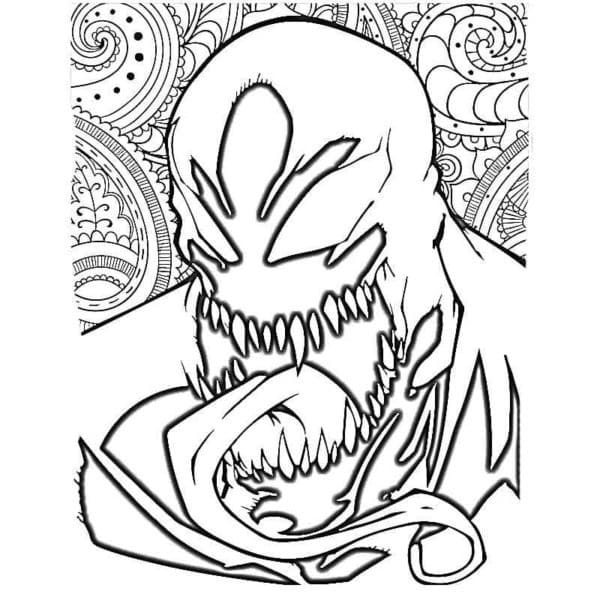
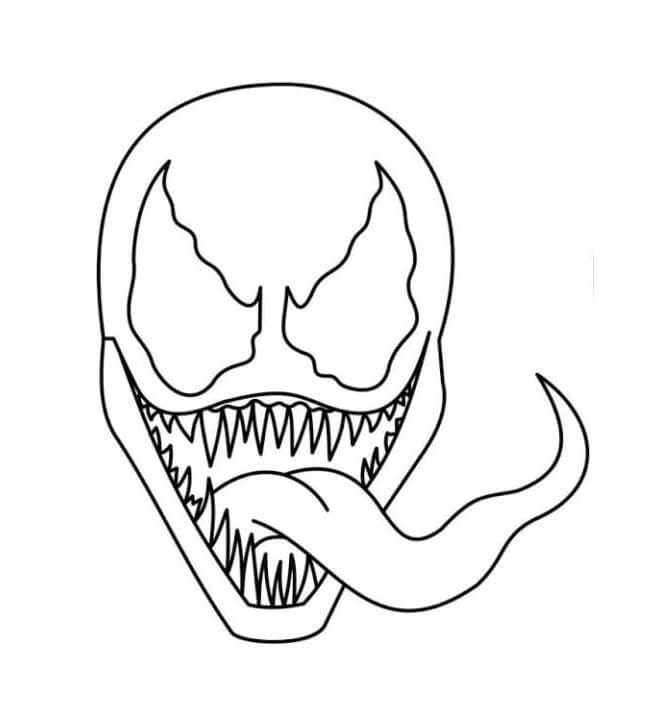
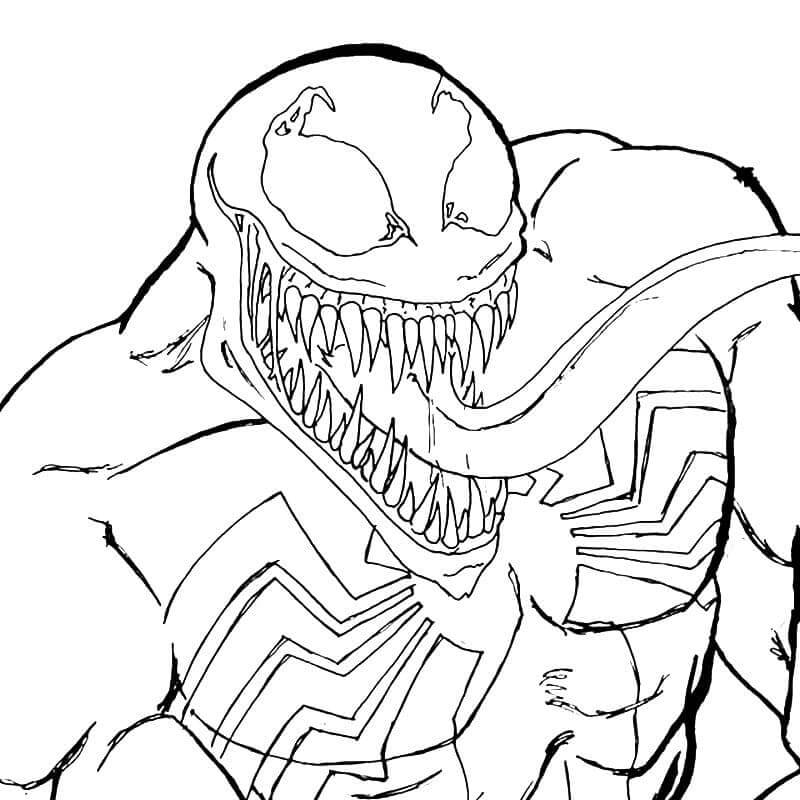
Erik Larsen, who succeeded McFarlane as the artist on Amazing Spider-Man, made the single addition most associated with Venom’s iconic appearance: the massive, slobbering tongue and the accompanying torrent of drool that trails from Venom’s mouth in action scenes. This detail – not present in McFarlane’s original design – transformed Venom from a visually menacing figure into something viscerally grotesque in a way that perfectly matched the symbiote’s alien, appetitive nature. The tongue is now so associated with Venom that it appears in nearly every representation of the character across comics, animation, games, and film.
The resulting design – the vast black mass, the white spider emblem, the huge jawline of jagged teeth, and the lashing tongue – creates a figure that is simultaneously a dark mirror of Spider-Man (sharing his wall-crawling silhouette and spider symbol) and something radically other (alien in scale, texture, and biological excess). This paradox is what makes Venom so compelling as a visual subject: he looks like Spider-Man gone wrong, Spider-Man’s own costume turned against him, Spider-Man’s power weaponized by someone who hates everything Peter Parker represents.
The Symbiote – Alien Biology and Why Venom Is Spider-Man’s Nightmare
The Venom symbiote originates from the planet Klyntar – a world populated by these alien creatures whose natural survival strategy is to bond with a host organism and merge their capabilities. In their ideal form, symbiotes are supposed to enhance their hosts while the hosts provide them with the emotional sustenance and physical locomotion they need to survive. The relationship is meant to be genuinely symbiotic – mutually beneficial, bidirectional.
What makes the Venom symbiote specifically dangerous is that its extended time bonded to Spider-Man absorbed and retained the complete template of Spider-Man’s biology, psychology, and abilities. When the symbiote later bonded with Brock, it carried all of this forward – meaning Venom inherited an enhanced version of every power Spider-Man possesses, plus the critical ability to bypass Spider-Man’s most important defensive sense.
Spider-Man’s spider-sense is his early-warning system – a precognitive tingling that alerts him to incoming danger fractions of a second before it arrives, giving him time to react. Against virtually every enemy, this sense provides an insurmountable tactical advantage. Against Venom, it is completely silent. Because the symbiote is biologically an extension of the costume that Peter Parker wore and that became intimately familiar to his body, Spider-Man’s spider-sense does not register the symbiote – or anyone wearing it – as a threat. Venom can approach Peter Parker from directly behind in perfect silence, and Parker will feel nothing until Venom’s hand closes around his neck. This complete negation of Spider-Man’s most reliable defense makes Venom uniquely terrifying among his enemies.
Venom’s specific powers:
Venom possesses enhanced strength capable of lifting up to 40 tons – significantly exceeding Spider-Man’s limit. He generates his own webbing organically from the symbiote’s body material, meaning it never runs out and cannot be separated from the creature the way mechanical web-shooters can be disabled. He can camouflage himself by shifting the symbiote’s surface to match any visual environment. He can shapeshift the symbiote into weapons, tools, clothing, and structural forms. He has rapid regenerative healing that repairs injuries at a rate far beyond human capacity. And he retains all of Spider-Man’s wall-crawling ability and acrobatic agility.
Venom’s weaknesses are equally specific: sonic vibrations (which disrupt the symbiote’s cohesion – just as church bells weakened it enough for Peter Parker to separate) and intense heat (which damages the symbiote’s biological material). These two vulnerabilities are fundamental to the character’s canonical design and directly traceable to the origin story – the church bell tower moment is the template for every sonic-based anti-Venom strategy that follows.
From Villain to Anti-Hero – Venom’s Moral Evolution
One of the most important things to understand about Venom is that the character is not simply a villain. The trajectory from Amazing Spider-Man #300 to the present represents one of Marvel’s most sustained and successful villain-to-anti-hero transformations.
In his earliest appearances (1988–1993), Venom was a straightforward antagonist – driven by revenge against Spider-Man and Peter Parker specifically, willing to harm anyone connected to his enemy. He was terrifying, relentless, and morally uncomplicated in his hostility.
The shift began with Venom: Lethal Protector (1993) – a six-issue miniseries written by David Michelinie in which Brock and the symbiote relocate from New York to San Francisco and establish themselves as protectors of the innocent – specifically, the homeless and marginalized communities of the city. The “Lethal Protector” identity – a figure who kills without hesitation but only targets those he considers guilty, and who protects innocent bystanders with genuine ferocity – defined Venom’s anti-heroic niche and introduced the character dynamic that would carry through to the 21st century: Venom as a monster who chooses to use his monstrousness in defense of the vulnerable.
The signature catchphrase “We are Venom” – consistently used in plural because the character is simultaneously Eddie Brock and the alien symbiote, two consciousnesses in one body – encapsulates this duality. Venom is always two entities, always negotiating their respective desires and ethics, always one tension away from either heroism or horror.
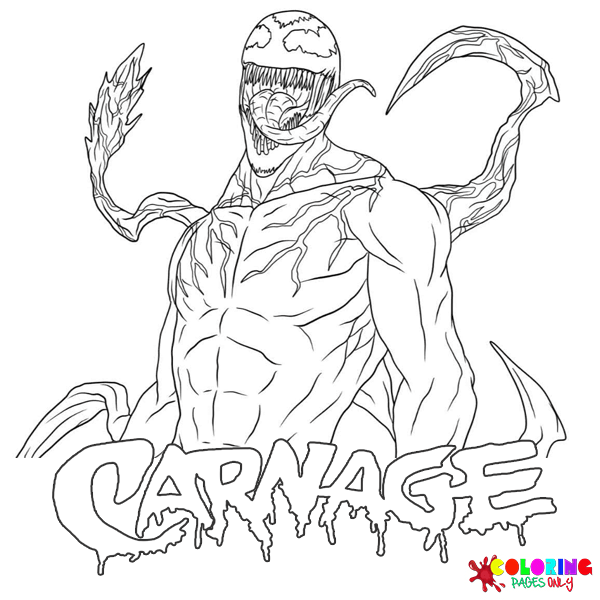
Carnage – The Offspring Who Makes Venom Look Restrained
If Venom represents a symbiote merged with a human who has a moral compass – however warped – then Carnage represents what happens when a symbiote finds a host with no moral compass at all.
Carnage is the offspring of the Venom symbiote, spawned during a period when Brock was imprisoned. The new symbiote bonded with Brock’s cellmate, Cletus Kasady – a serial killer who had committed multiple murders before his arrest and who experienced the symbiotic bond not as an amplification of resentment (as Brock did) but as pure liberation of his existing murderous impulses.
The result is a creature whose canonical palette is red – not the dark, glossy black of Venom but a vivid, visceral crimson that visually signals something beyond villainy into pure chaos. Where Venom’s black suit creates a dark mirror of Spider-Man’s heroic design, Carnage’s red suit creates a visual language of blood and violence that makes no pretense of heroism or even coherent antagonism. Carnage is simply destructive – a symbiote married to a human who enjoys destruction for its own sake.
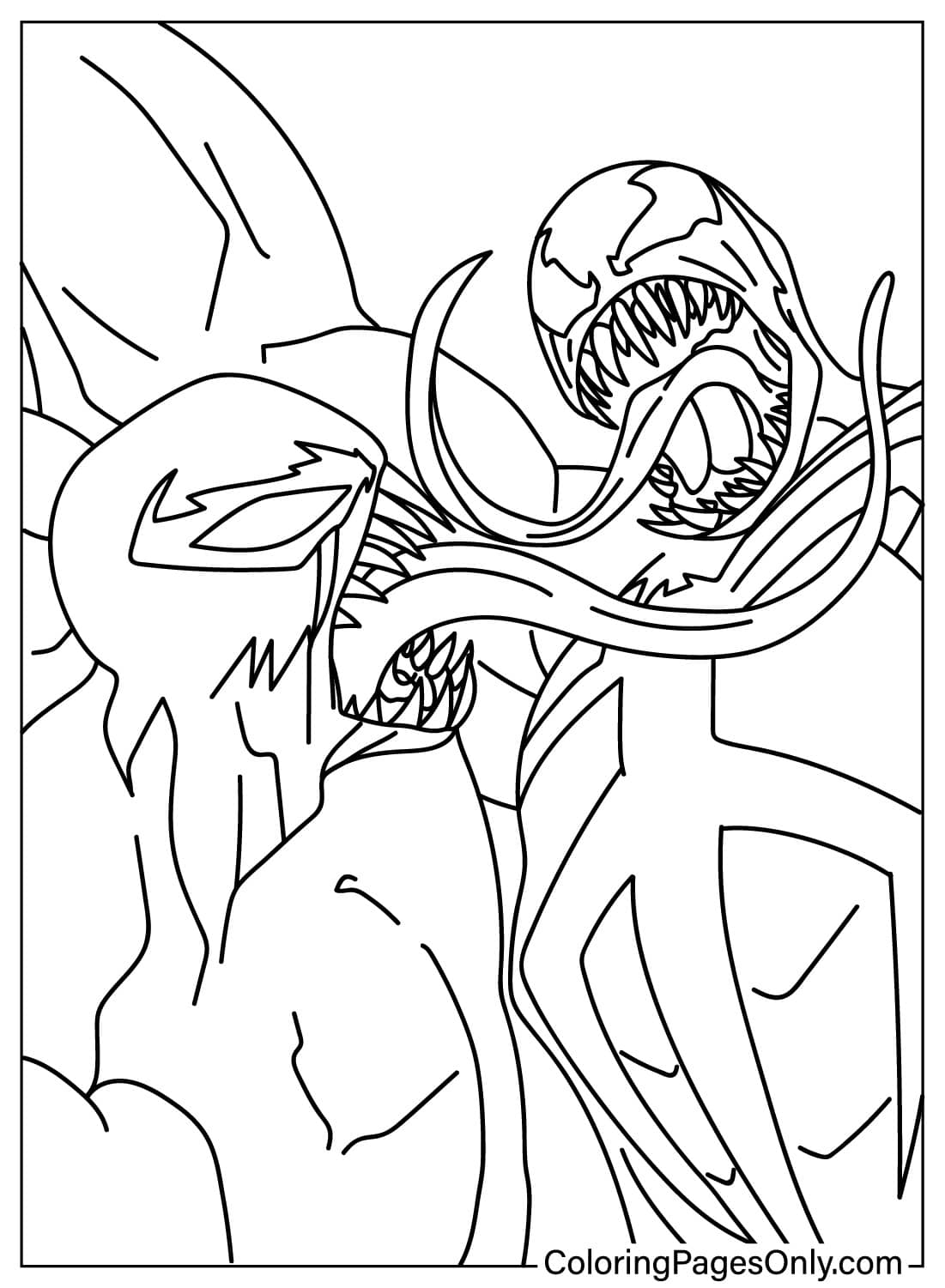
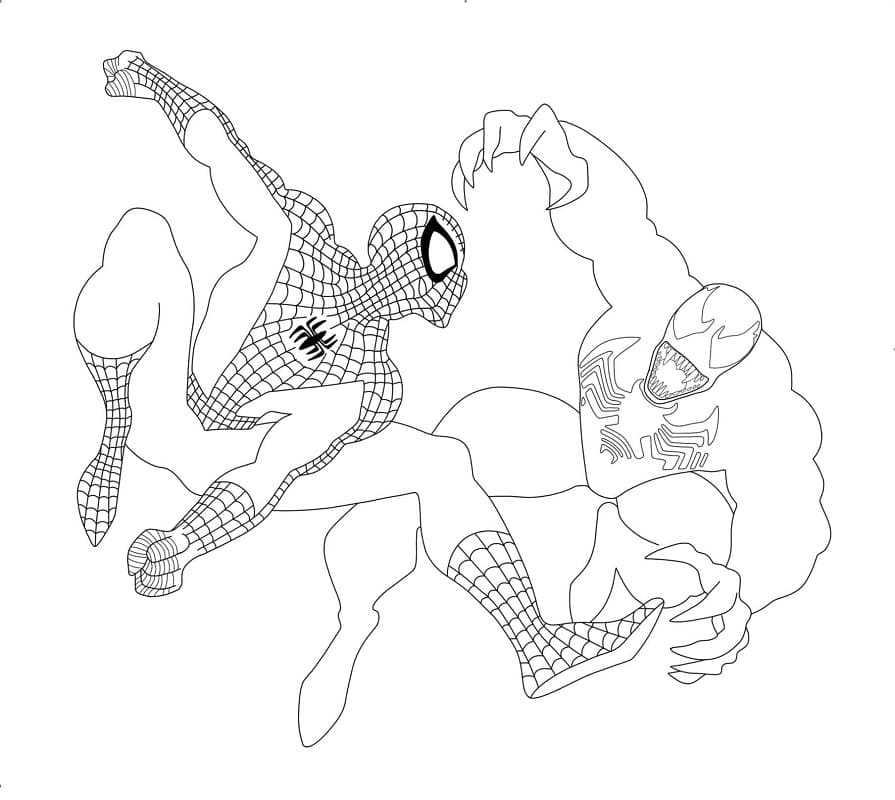
This is why the “Venom Battling Carnage” tile in this collection is one of its most visually dramatic pages. The confrontation between Venom’s deep black and Carnage’s vivid red is one of comic illustration’s most striking color contrasts – and it depicts one of the rare situations in which Venom functions as an unambiguous hero, because almost anything that stops Carnage is, by comparison, good.
The Collection’s Pages – Four Visual Modes
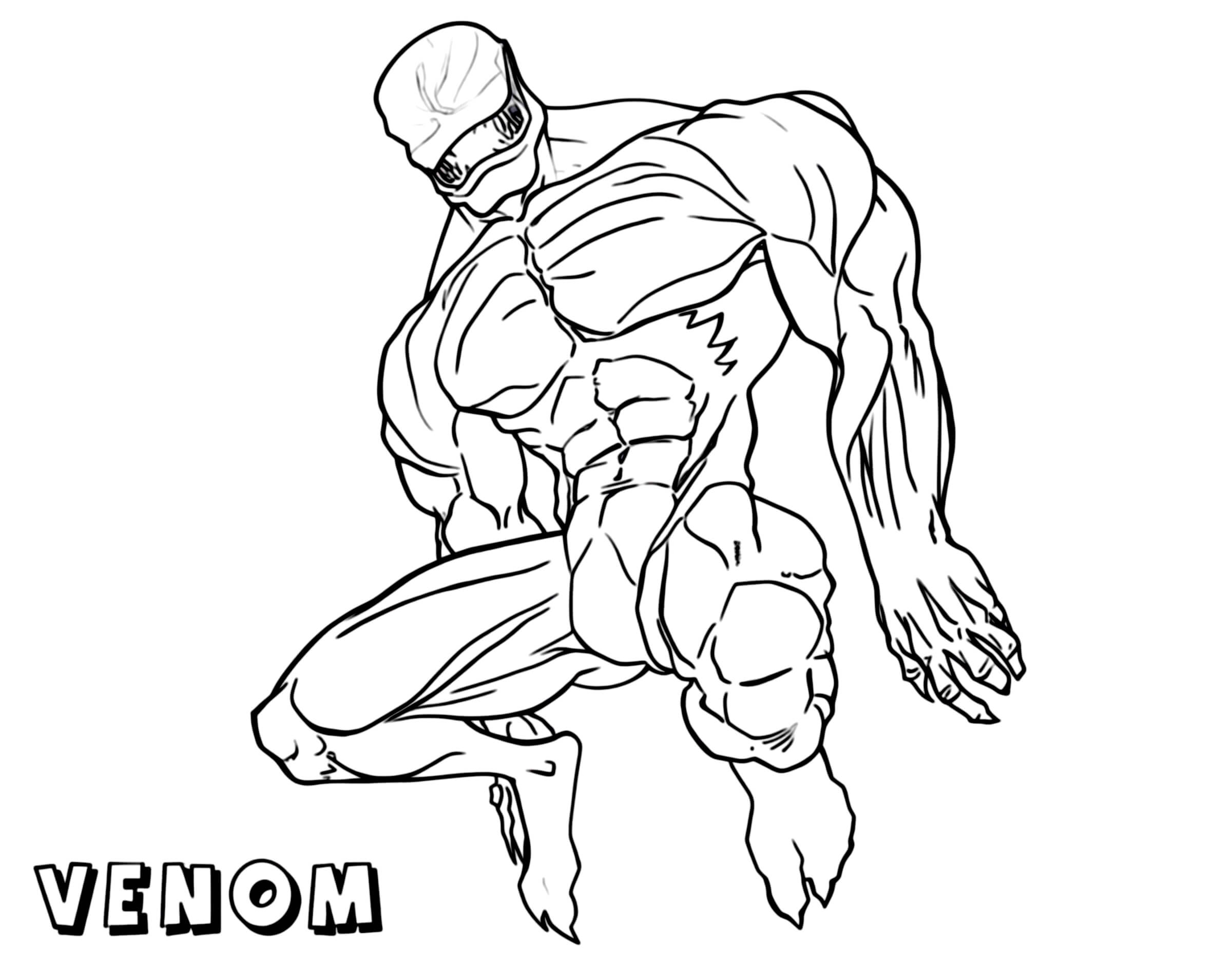
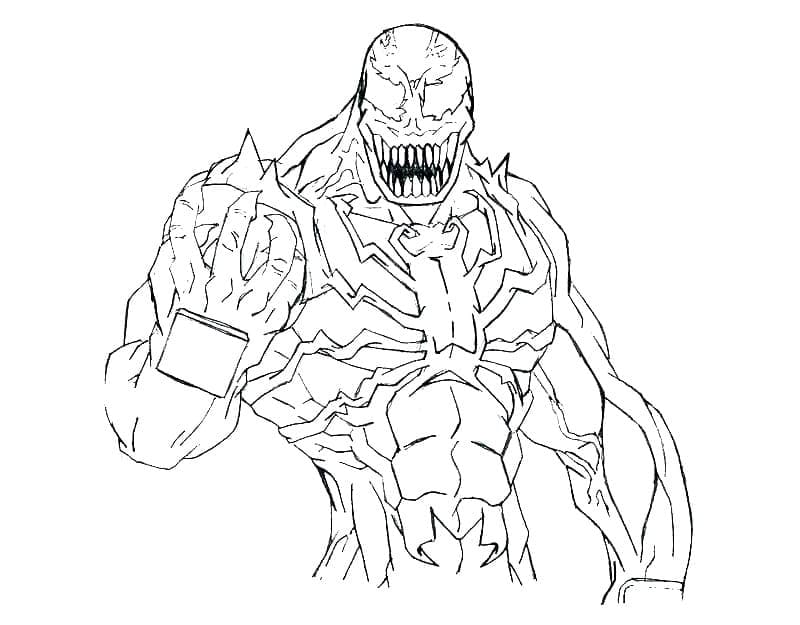
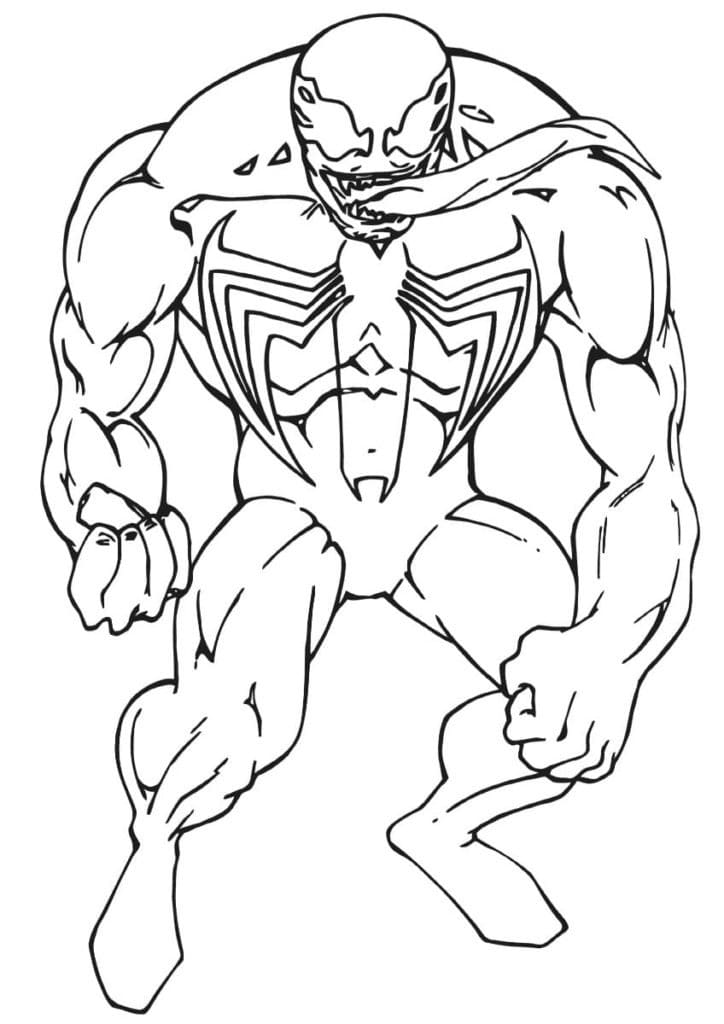
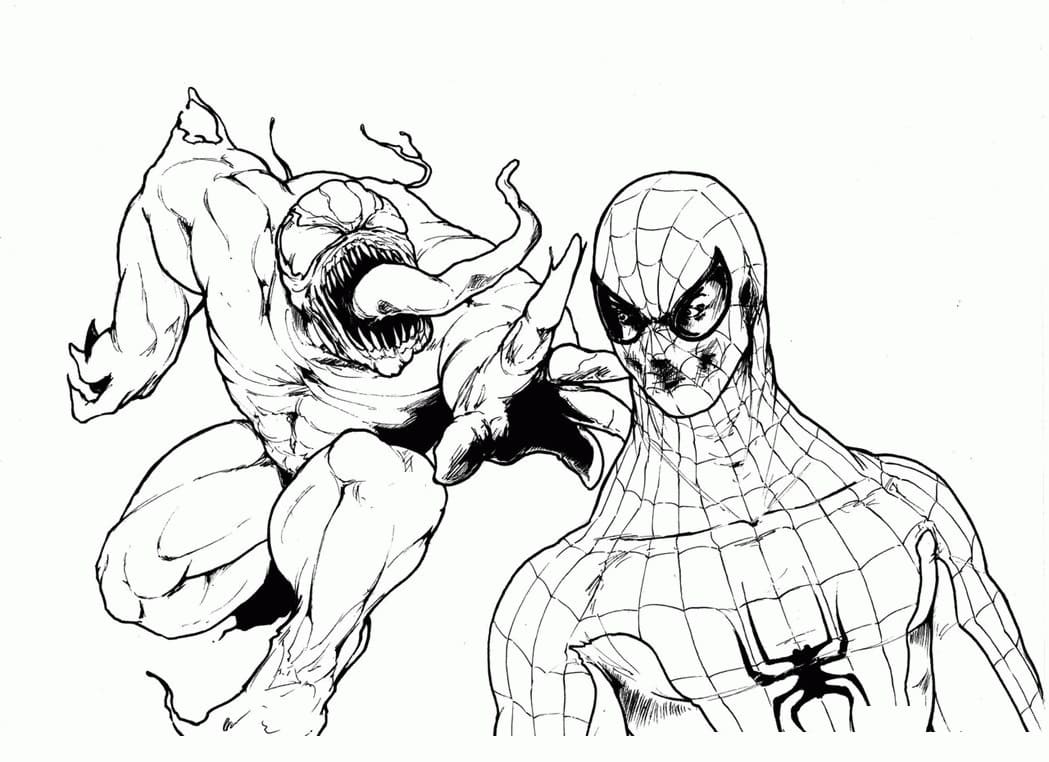
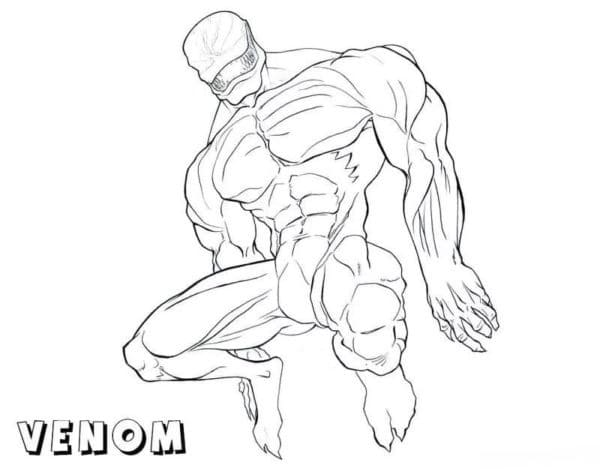
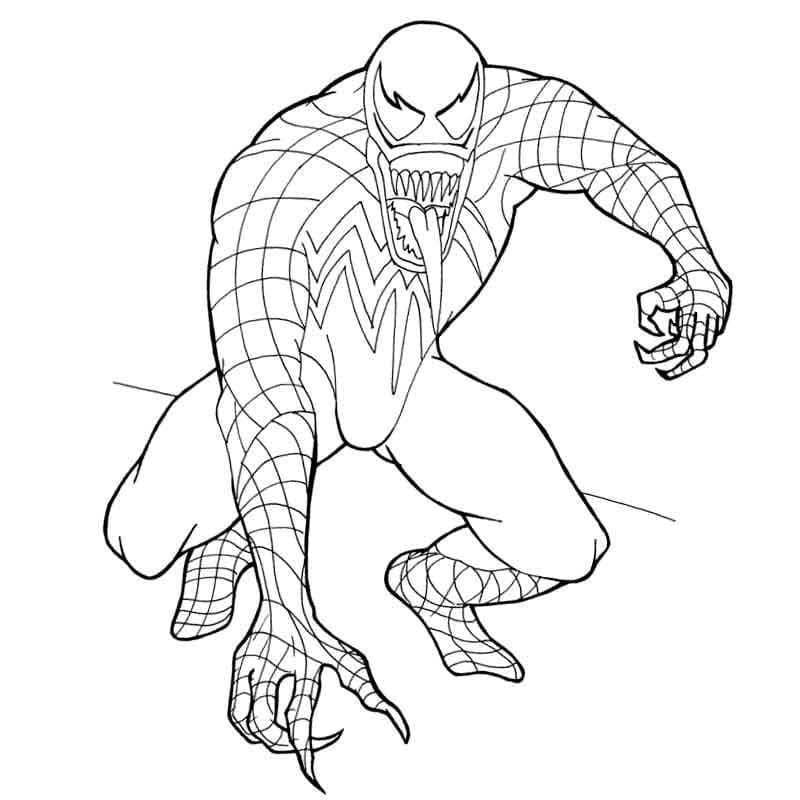
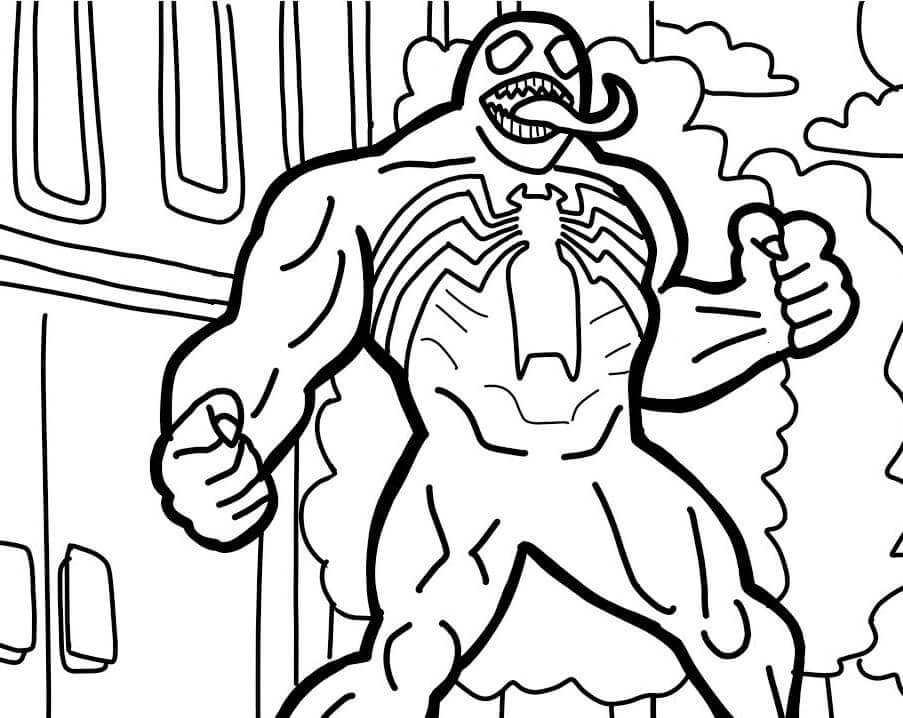
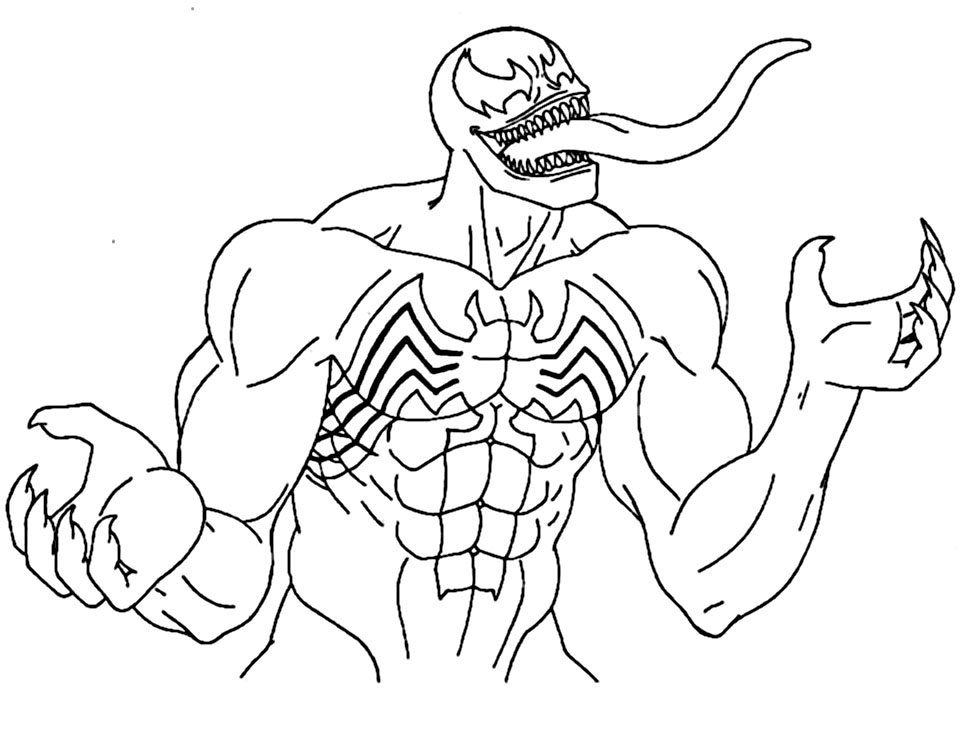
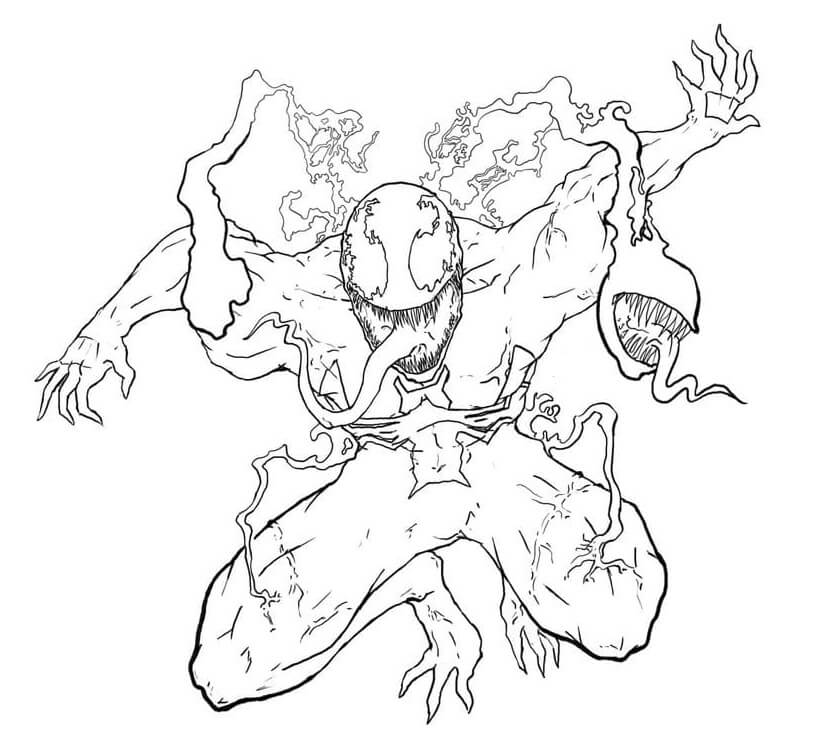
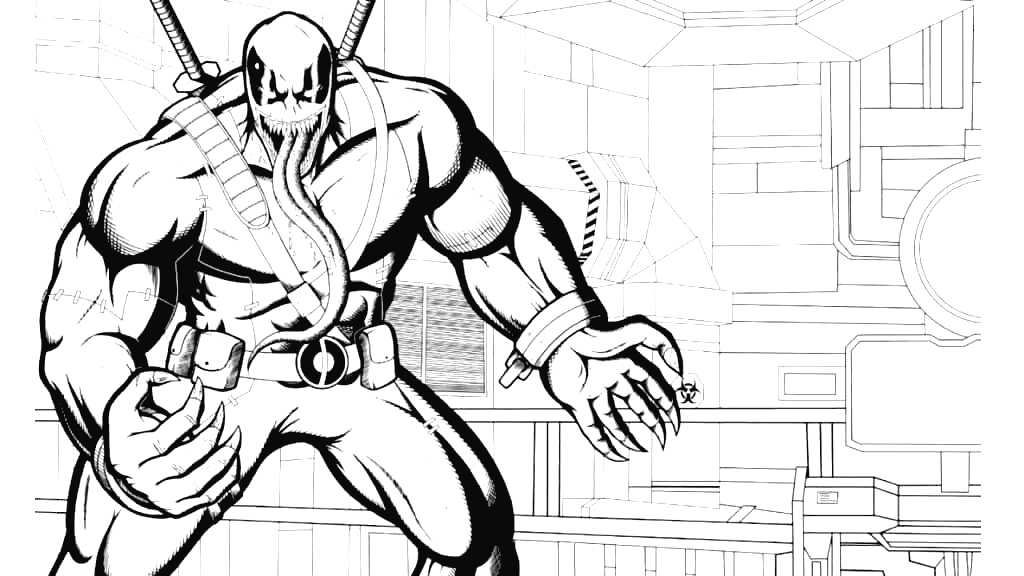
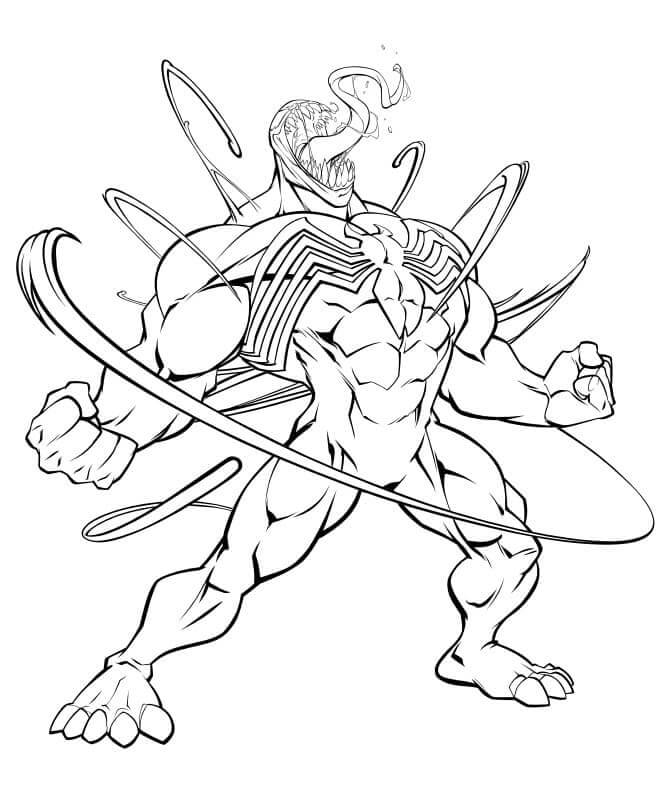
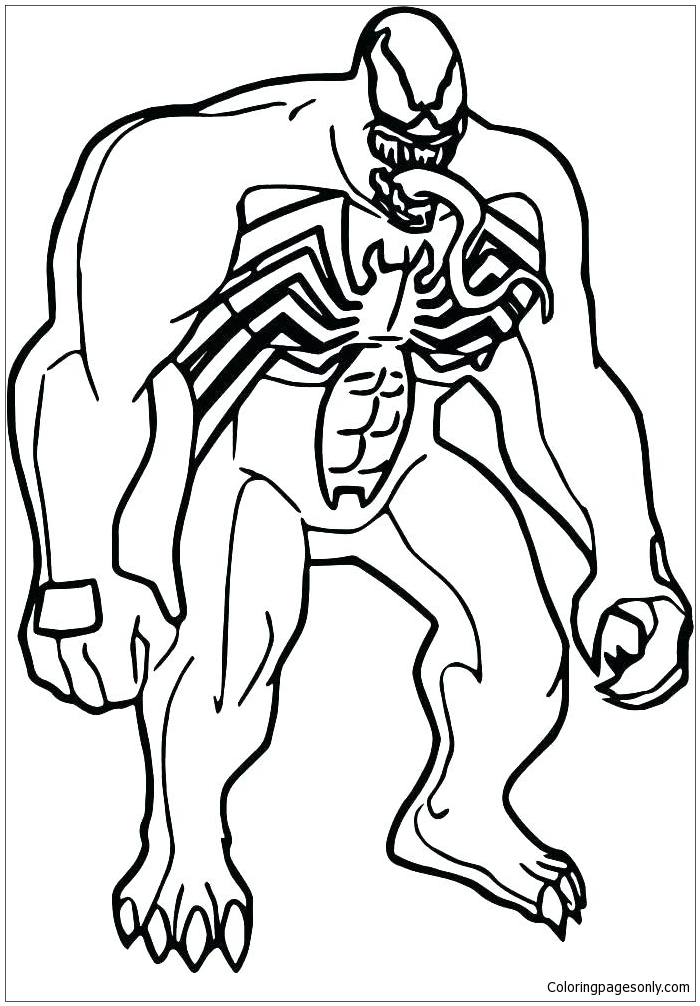
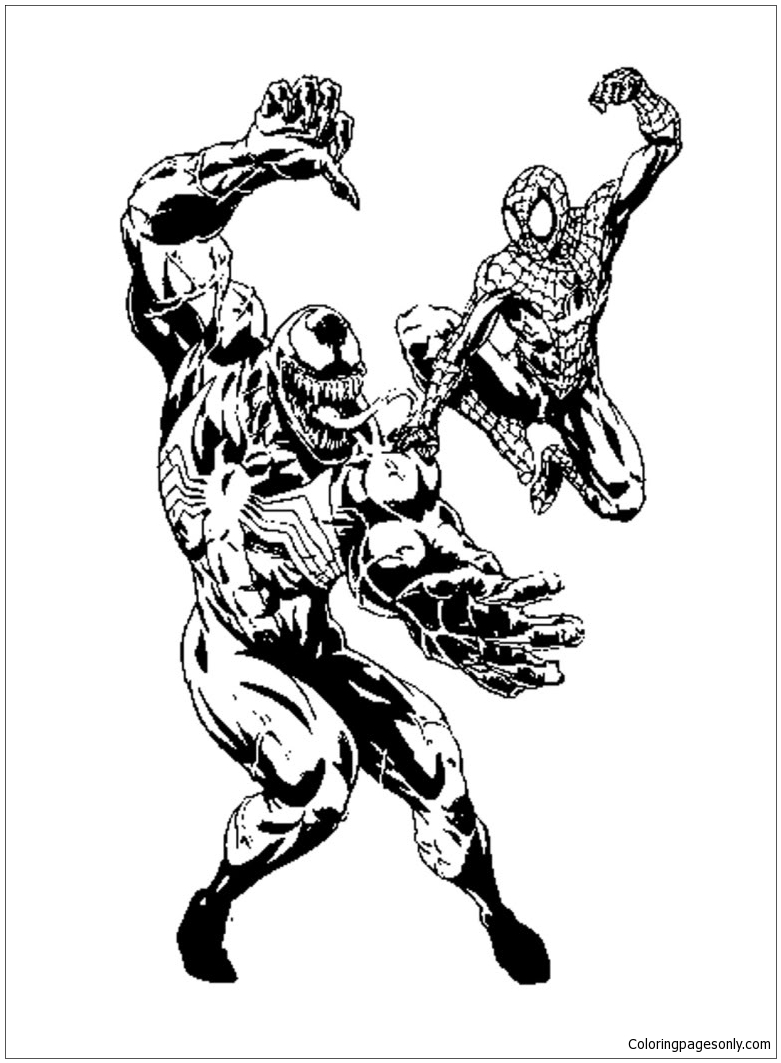
Battle and action pages – “Venom In Battle Pose,” “Venom In Attack Position,” “Venom’s Strength,” “Venom Battling Carnage” – depict Venom at maximum visual intensity: the full musculature extended, the tongue lashing, the symbiote tendrils flowing, claws deployed. These are the most technically complex pages in the collection and the most visually rewarding when colored with care. The challenge on these pages is managing the relationship between the deep black of the symbiote body, the white spider emblem, and any dynamic action effects (impact lines, energy bursts, surrounding environmental destruction).
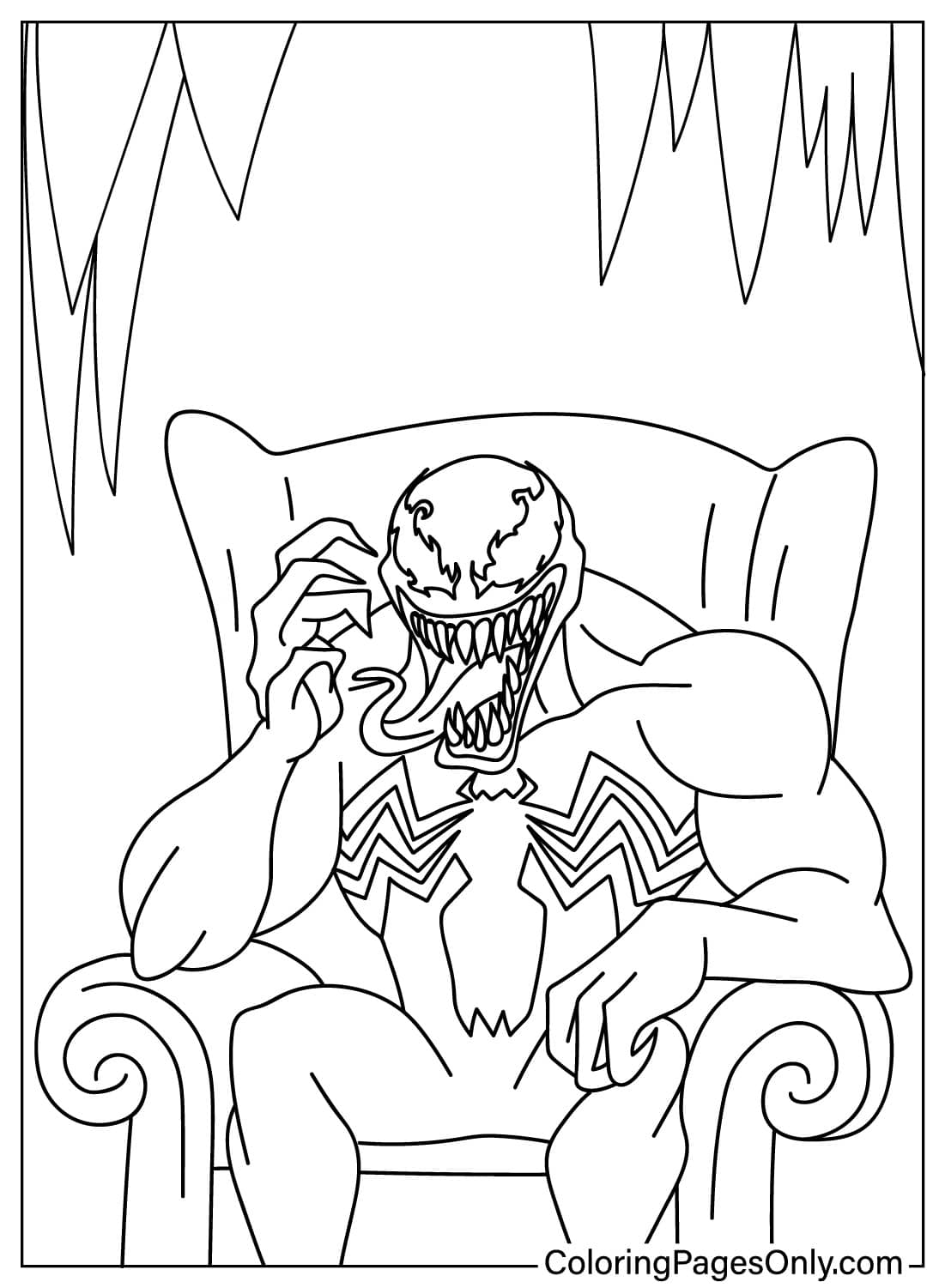
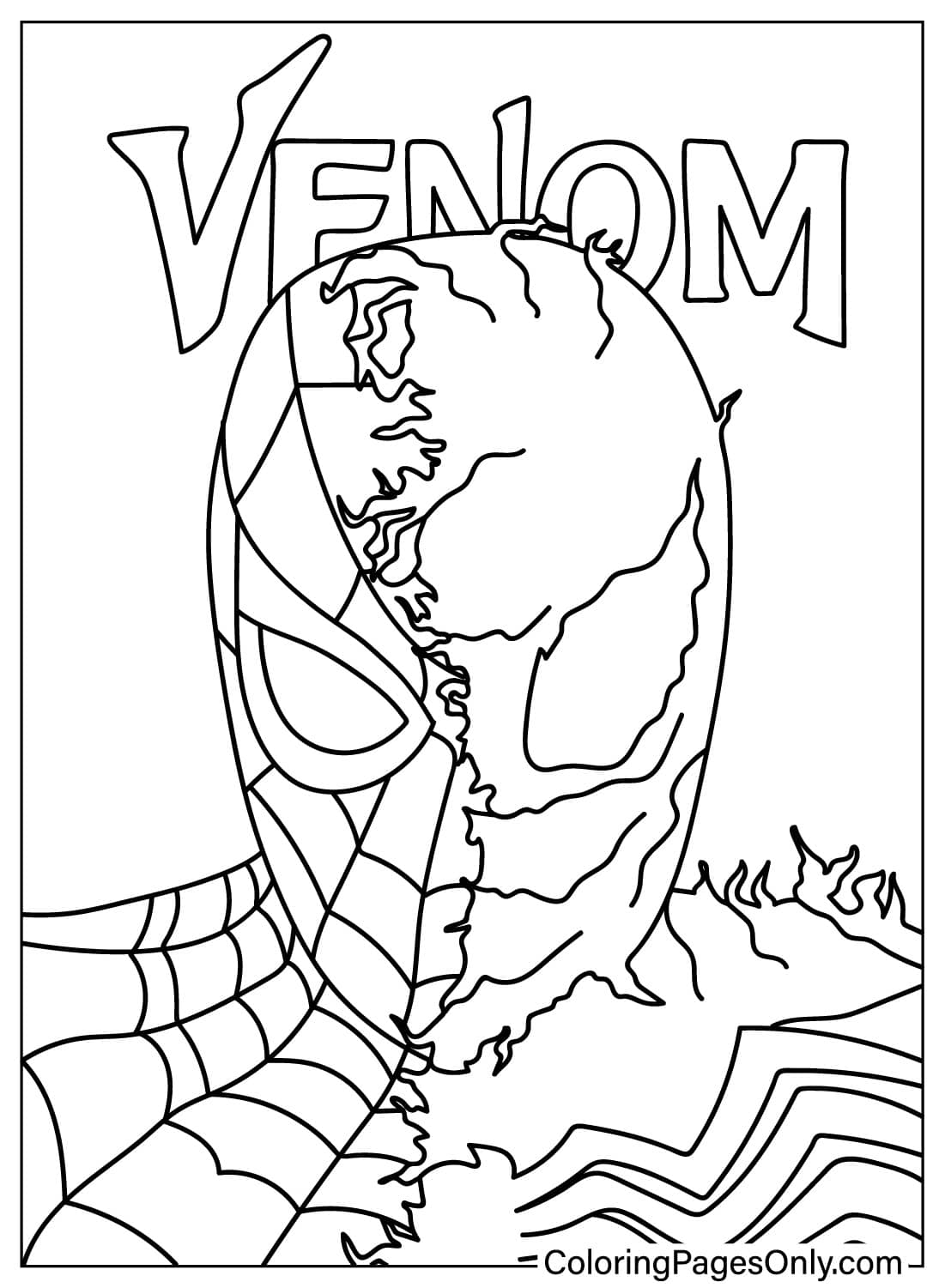
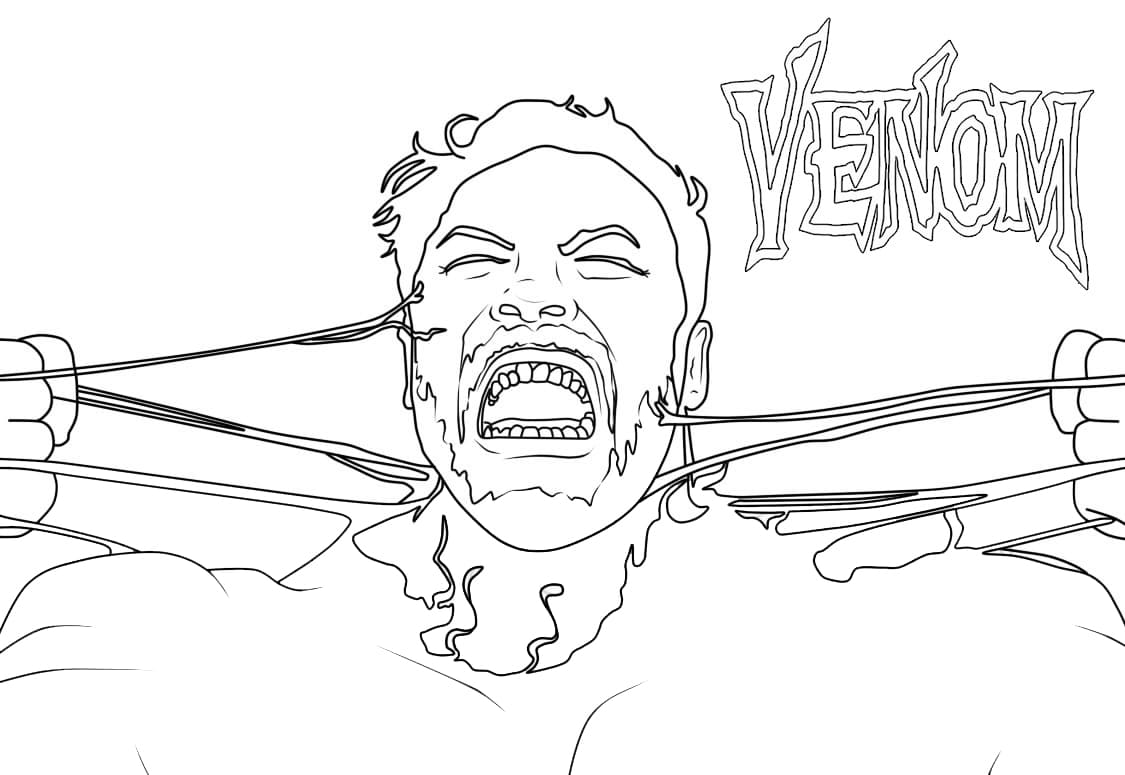
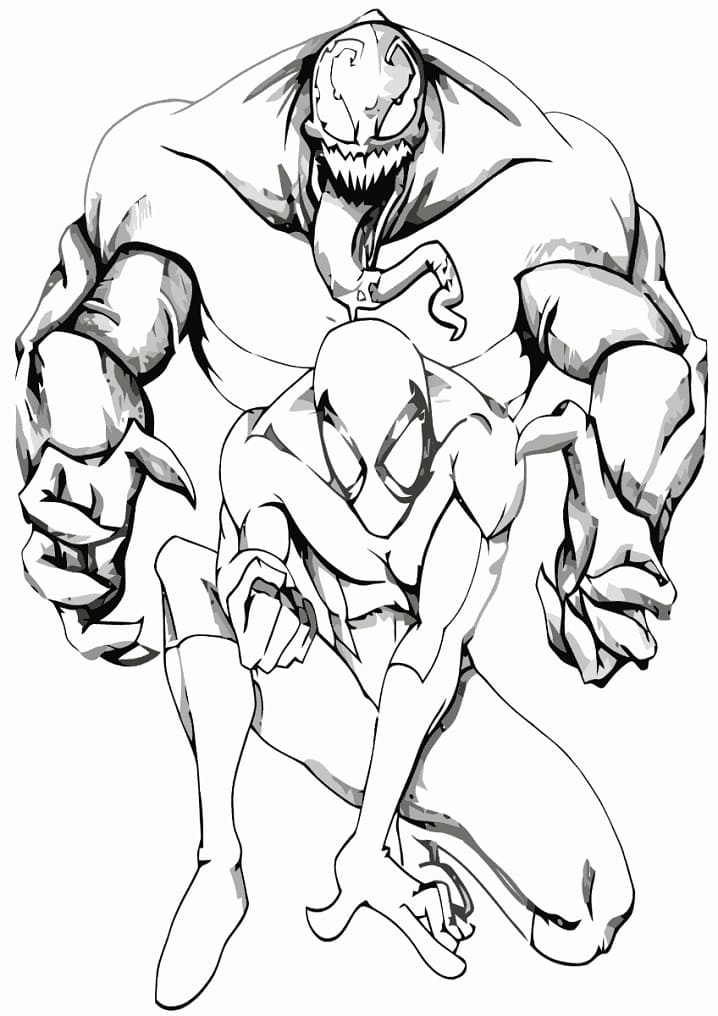
Character and narrative pages – “Venom And Eddie Brock,” “Venom Sitting On The Chair,” “Symbiote Spider” – approach Venom from a more psychological and character-focused angle. “Venom And Eddie Brock” is particularly rich: it depicts the two entities that together constitute Venom – the alien symbiote and the human journalist – as separate but connected presences, allowing the colorist to explore the tension between the monstrous symbiote form and the human being within it. “Venom Sitting On The Chair” captures a rare moment of repose – Venom at rest, which creates an almost comic contrast between the character’s intimidating visual language and the mundane domestic act of sitting.
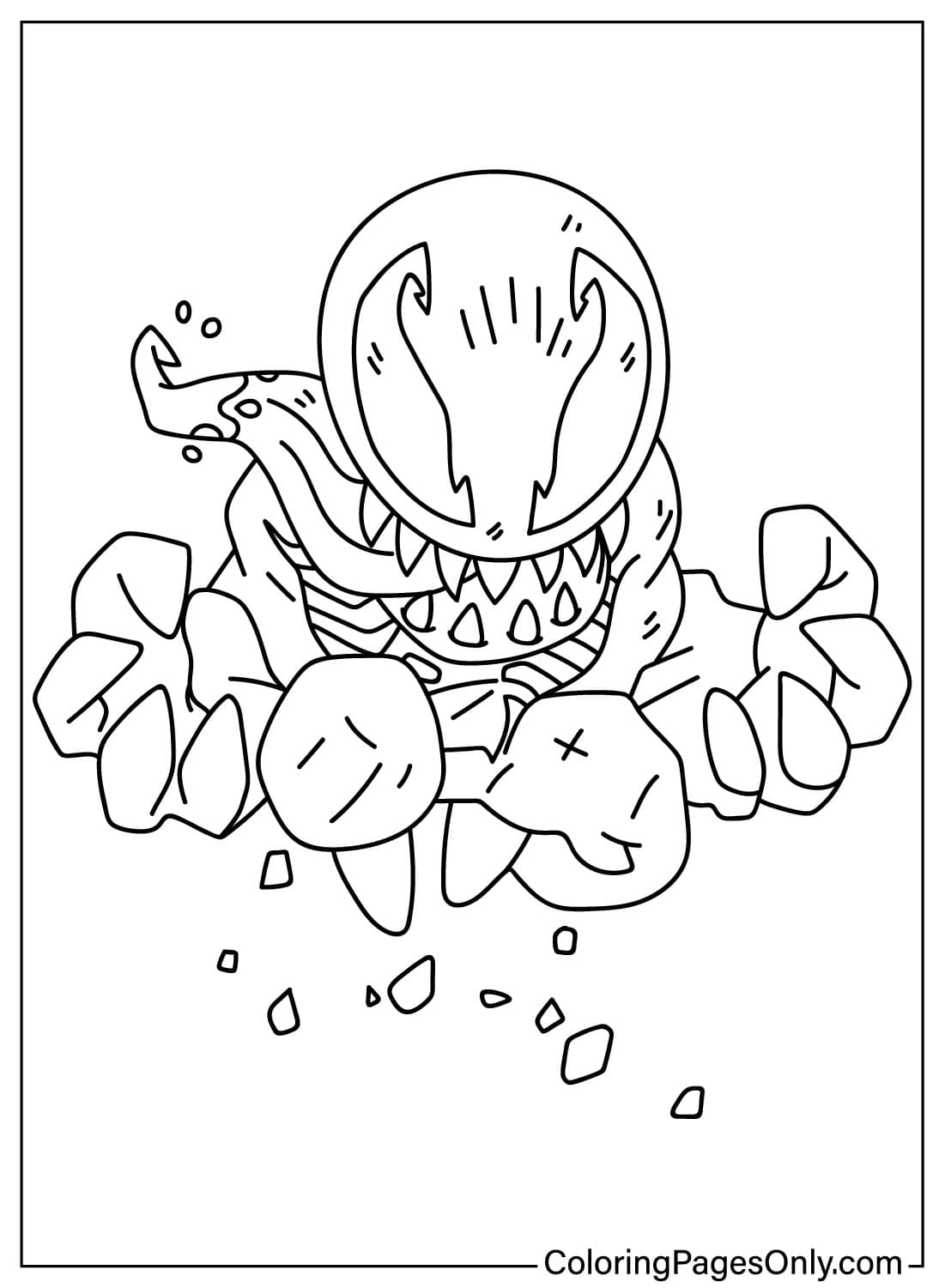
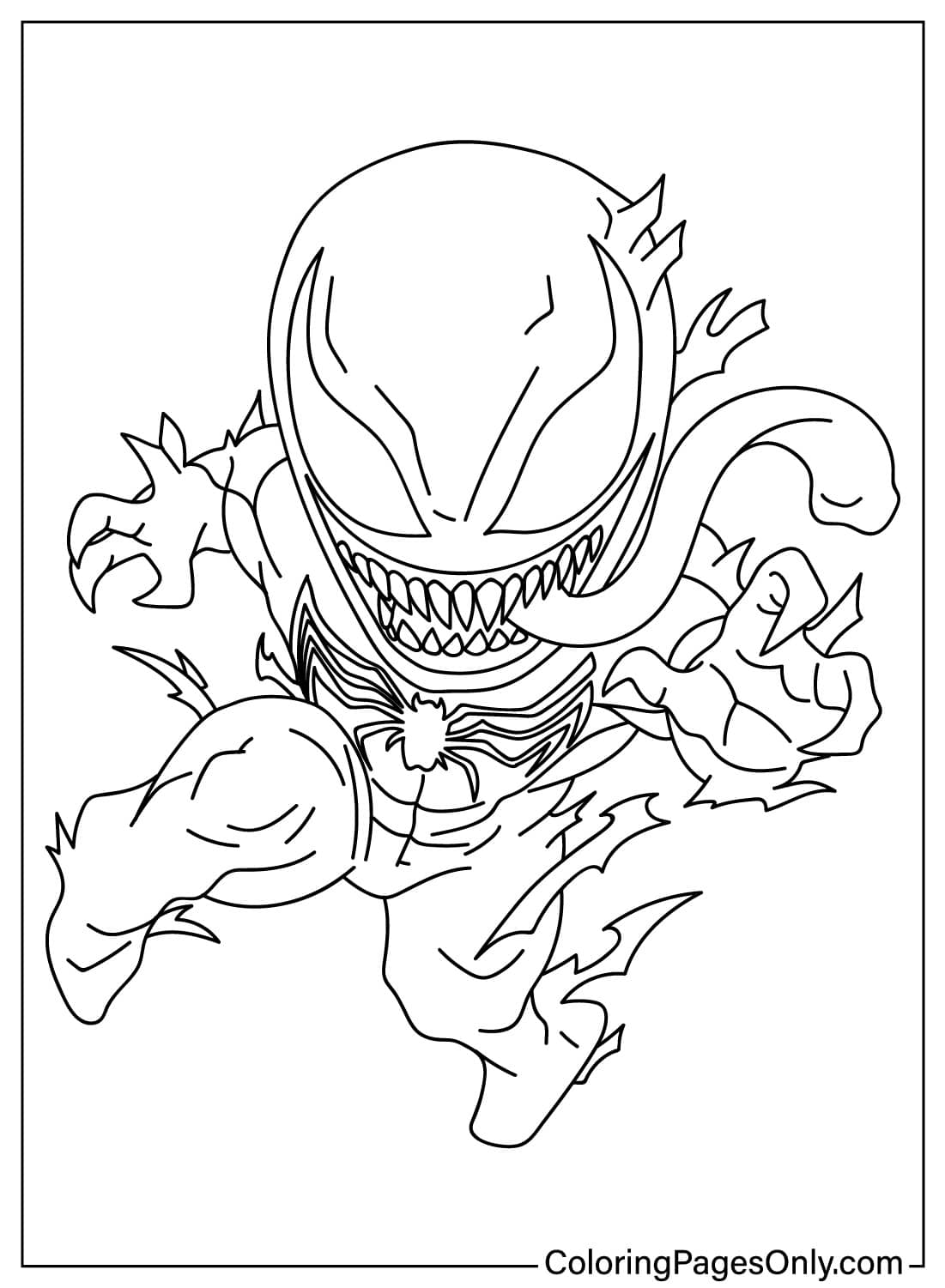
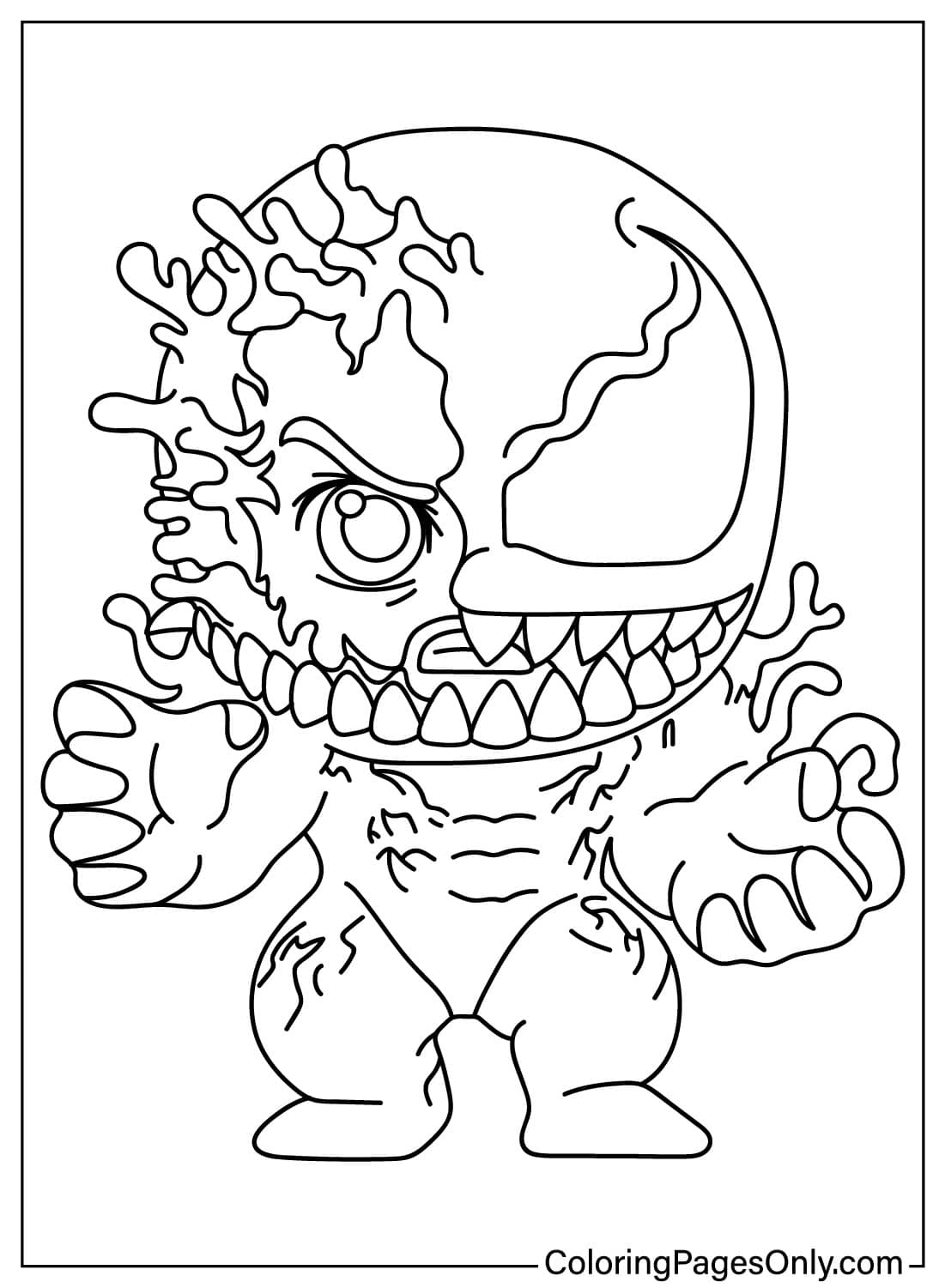
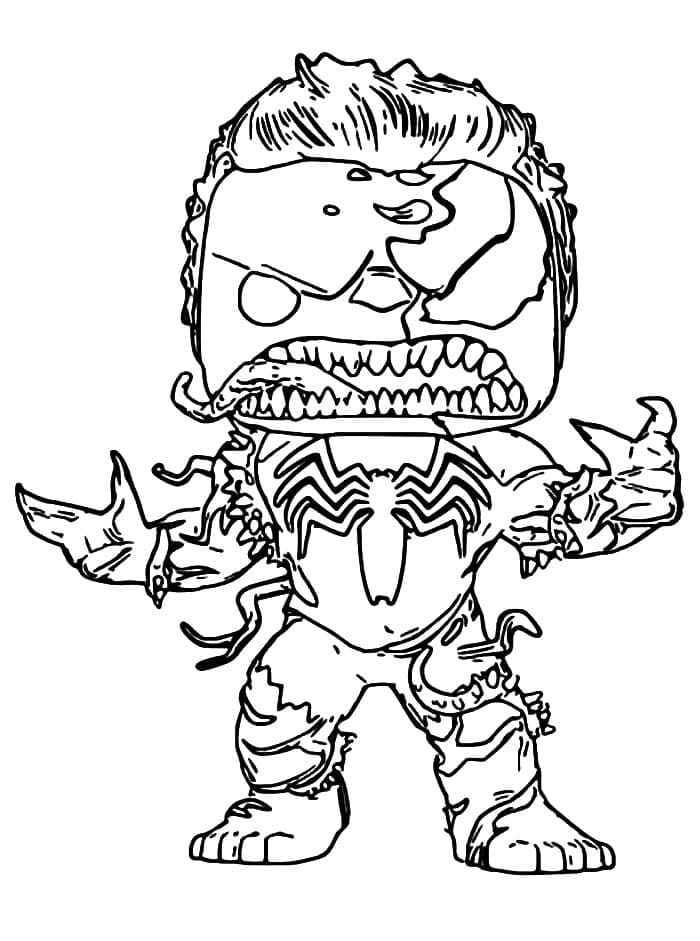
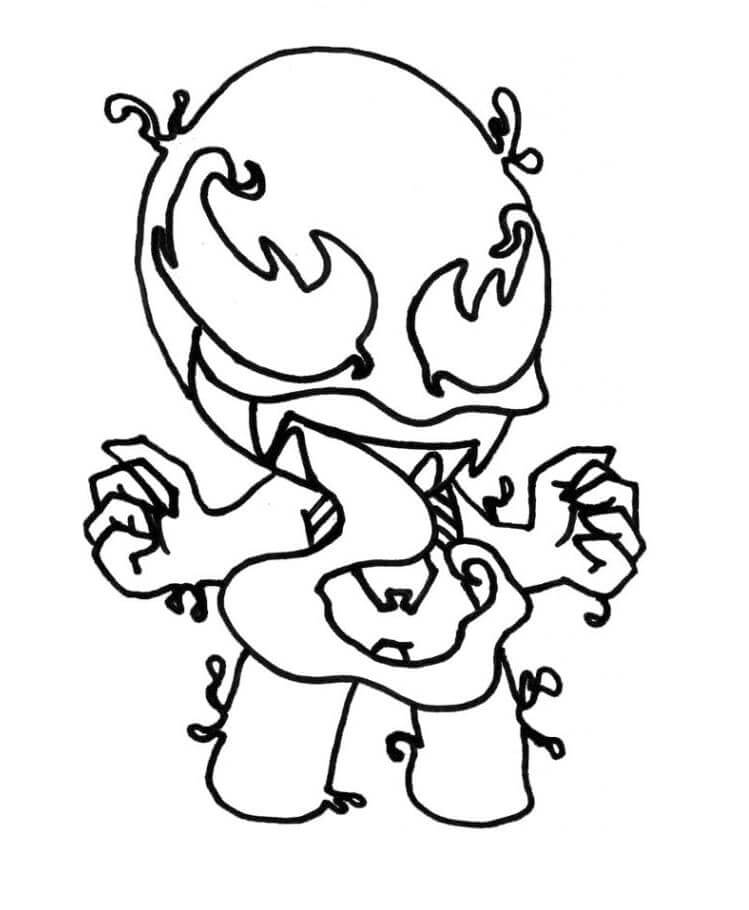
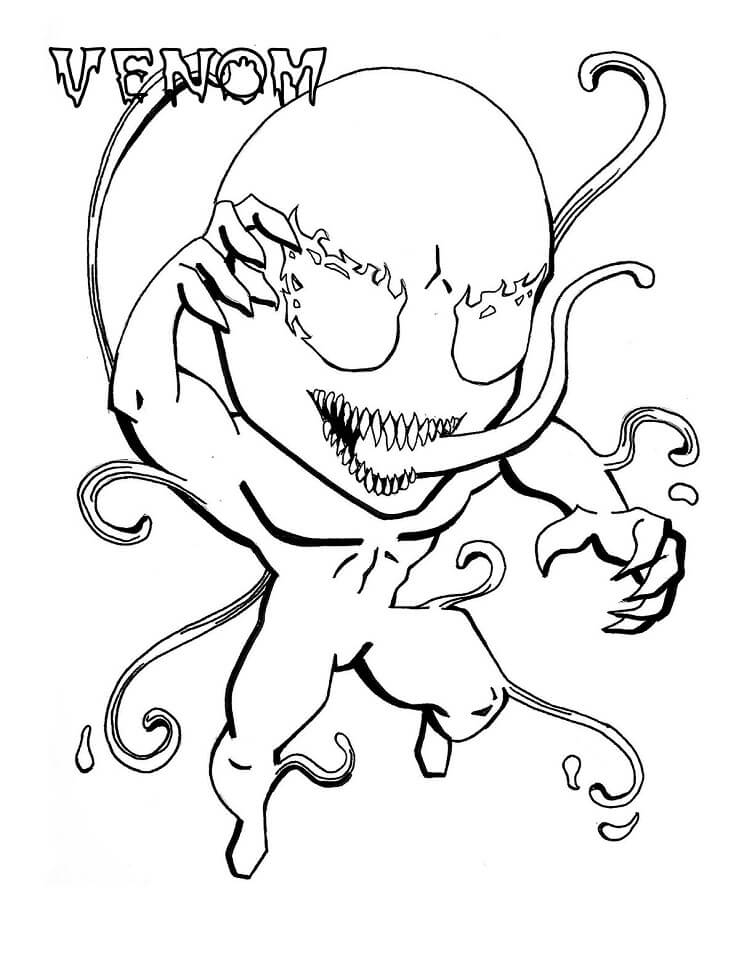
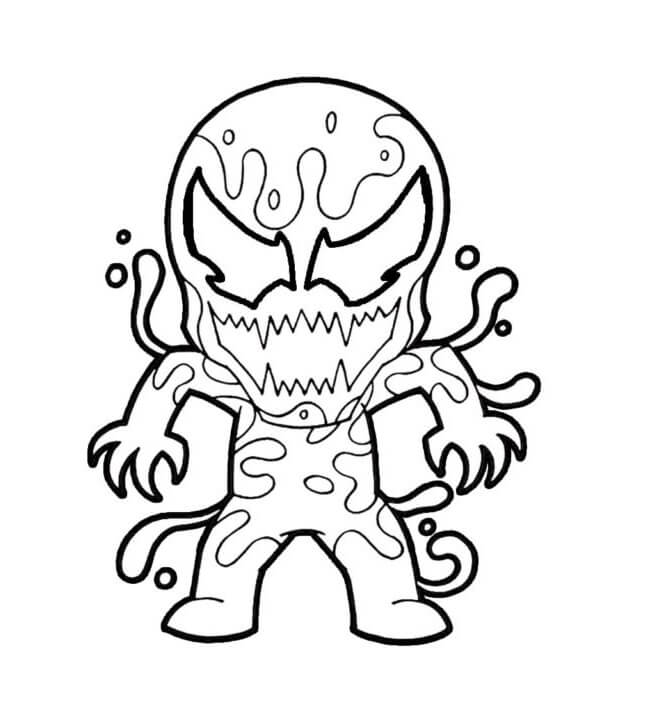
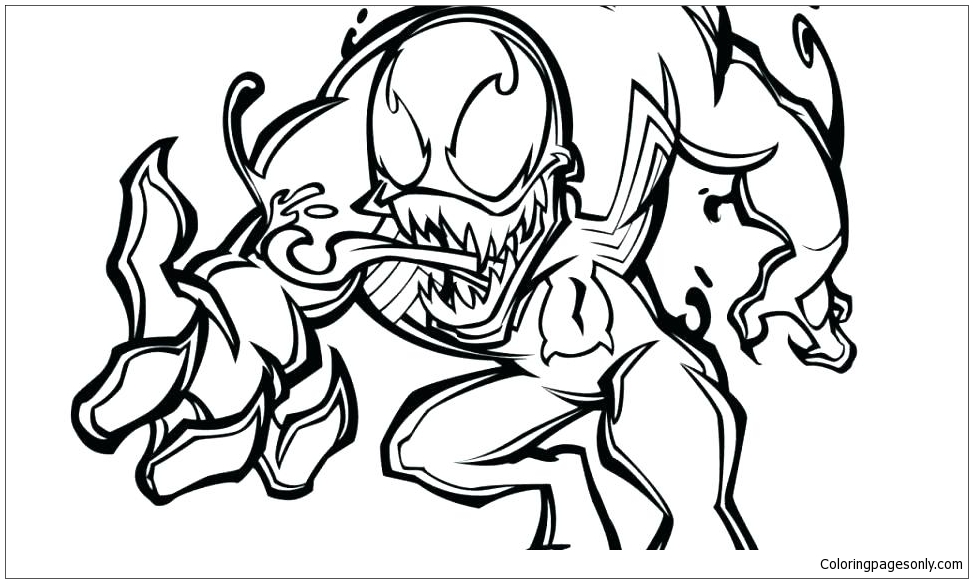
Chibi and character design pages – “Venom In Chibi Style,” “Venom Chibi Character Coloring Page” – use the Japanese chibi aesthetic (oversized head, simplified body, exaggerated expressive features) to render Venom in a completely different register. The chibi approach takes Venom’s most extreme visual elements – the massive jaw, the enormous tongue, the tiny eyes within the huge black face – and amplifies them through the chibi lens, producing something simultaneously adorable and still unmistakably menacing. These pages are the most beginner-friendly in the collection and the most suitable for younger colorists.
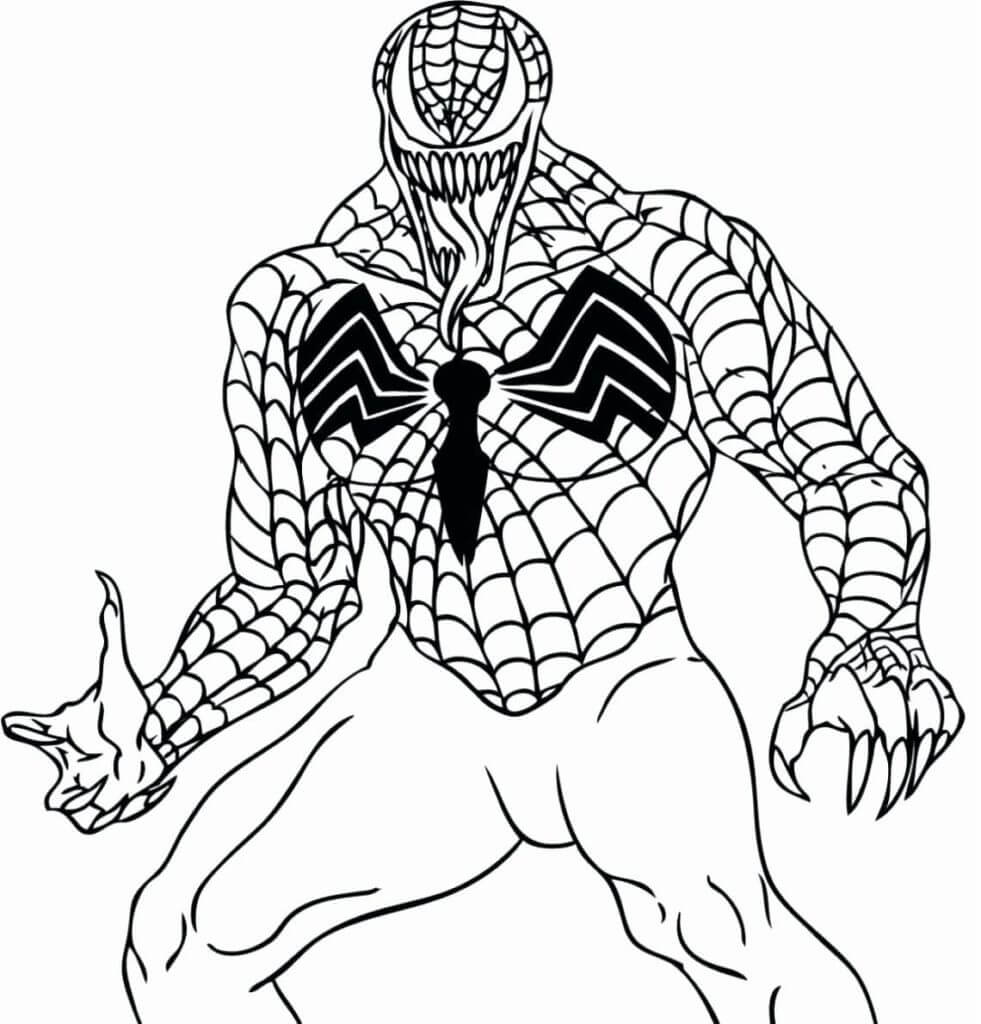
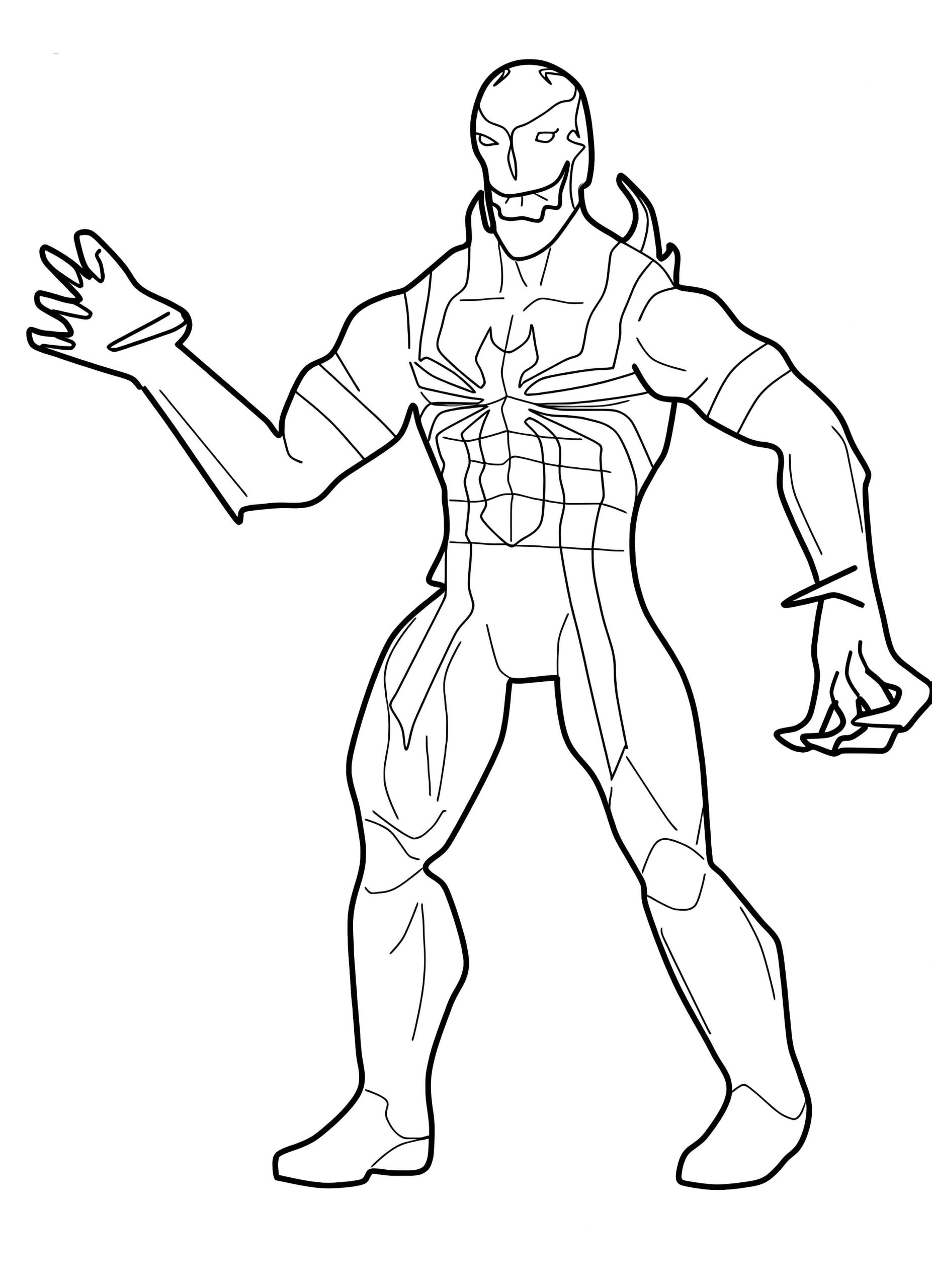
Symbiote and transformation pages – “Symbiote Spider” – depict the symbiote in its alternate or transitional forms, including the spider aesthetic it carries from its time bonded with Peter Parker. These pages allow exploration of the symbiote’s liquid, amorphous nature – the most visually experimental pages in the collection.
Coloring Tips for Venom Pages
The black body – darkness with three distinct tones. Flat, uniform black across Venom’s entire body produces a page that looks filled-in rather than rendered. The professional approach uses three distinct tones within the “black” range: a near-black (very dark grey, almost charcoal) for the main body surfaces, a true deep black concentrated in the deepest shadow areas (under the jaw, between muscle groups, the interior of the mouth), and a very subtle blue-black or green-black highlight at the absolute topmost surfaces of the musculature – suggesting that the symbiote’s surface has a faint iridescent sheen. This three-tone approach, when executed consistently, creates the impression that Venom’s body is genuinely three-dimensional and liquid-organic rather than simply dark.
The white spider emblem – the page’s visual anchor. The large white spider symbol on Venom’s chest is the only significant light-value element in an otherwise extremely dark design. Its visual weight is enormous: it immediately catches the eye and anchors the page’s composition. Render it in a clean, crisp white – slightly warm (cream-white rather than cold blue-white) to prevent it from reading as a hole in the page. The spider’s legs should extend cleanly across the chest, each leg at a consistent width. If the page shows the spider from an angle, the perspective foreshortening of the emblem is one of the most important details to maintain – a foreshortened spider that retains geometric accuracy dramatically improves the sense of depth on the whole page.
The tongue – graduated warm wet quality. Venom’s tongue is warm pink-red at its base, transitioning to a deeper, more saturated red-pink toward the tip, with the underside slightly darker and cooler. The characteristic drool should be rendered as transparent – a very light, slightly warm grey – with the drool catching slightly more light than the surrounding air (as actual saliva does). The key to a convincing tongue-and-drool rendering is the warmth of the tongue against the cool, deep black of the surrounding jaw, which creates natural visual contrast without requiring any special technique beyond consistent color temperature management.
The Carnage battle pages – maximum red vs maximum black. When coloring any page depicting Venom and Carnage together, the fundamental principle is that these two characters should be rendered in the most contrasting versions of their canonical colors possible. Venom should be rendered in the deepest, richest black, with maximum contrast to any surrounding color. Carnage should be rendered in the most saturated, vivid crimson-red – not orange-red, not brown-red, but pure blood-red at maximum intensity. The background and environment should be rendered in mid-tones that allow both extreme colors to read clearly without either washing out. When the two figures are at the same saturation level but in opposite hue positions (black vs red), the visual tension between them in the finished page is remarkable.
Chibi Venom – embrace the contrast. The chibi pages work by contrast: Venom’s most extreme and disturbing features (the massive jaw, the lashing tongue, the tiny white eyes) are condensed into a small, round, oversized-head design that should be rendered in the same canonical colors as the full-scale character but in a softer, lighter application. The symbiote body on a chibi page should be slightly less deep in tone than the full-scale version – allowing the simplified lines and enlarged features to read clearly without the color becoming too heavy for the smaller forms. The tongue, conversely, should be just as vividly pink-red as in any full-scale rendering – the tongue’s warmth against the black form is the chibi design’s primary color pop.
5 Activities
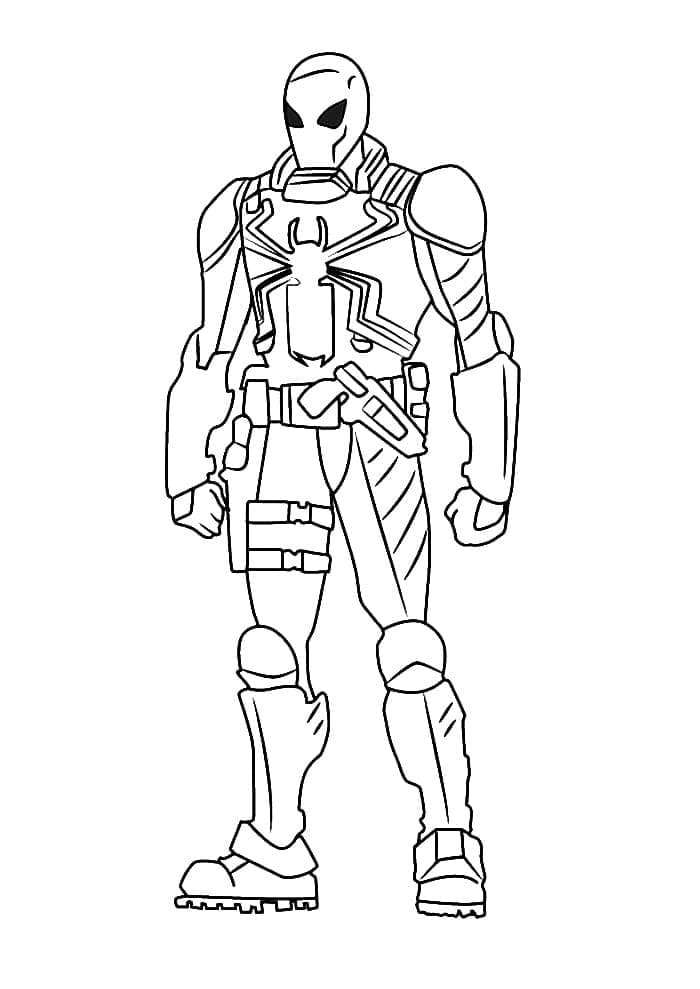
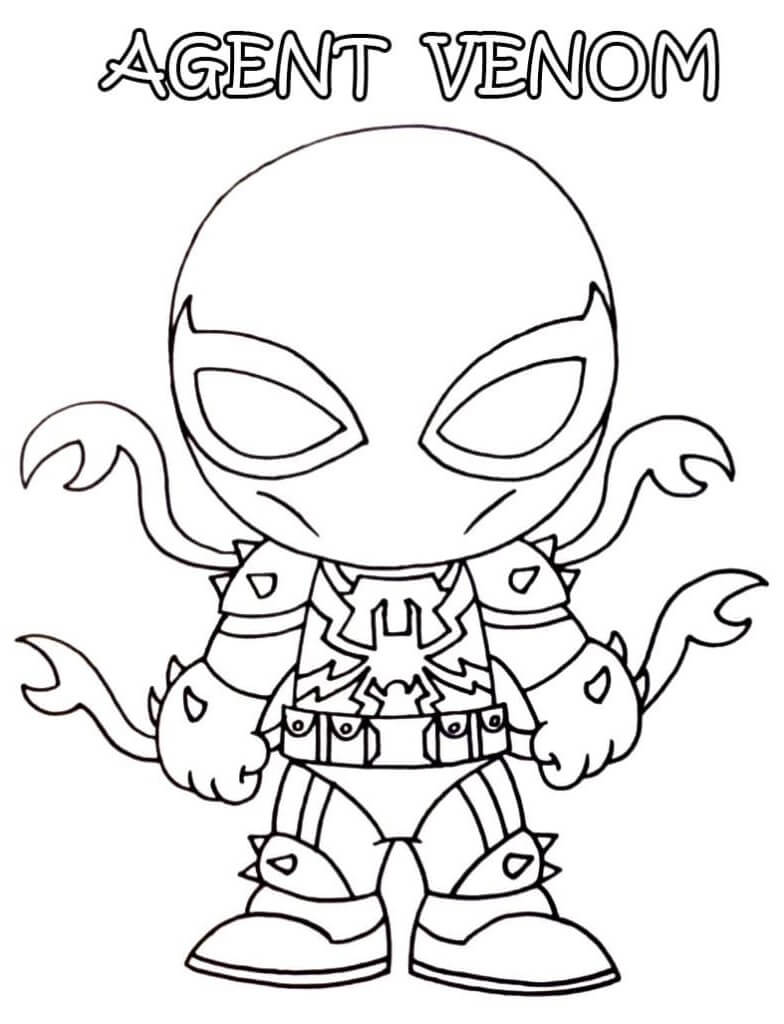
The symbiote host design challenge. The Venom symbiote has bonded with multiple hosts across its Marvel Comics history – Spider-Man, Eddie Brock, Mac Gargan (the Scorpion), Flash Thompson (who becomes Agent Venom), and others. Each host produces a visually and behaviorally different version of Venom because the symbiote takes on aspects of its host’s personality, physical form, and moral framework. After coloring any Venom page in the canonical Eddie Brock design, design a new host for the Venom symbiote: choose any type of person – a firefighter, an architect, a teacher, a long-distance runner – and consider how the symbiote would adapt its form and behavior to this host’s particular body, occupation, and psychology. What shape would the symbiote take? What color variant might emerge? What would this version of Venom’s moral code look like? Draw and color the new host design alongside the original Venom page as a pair of canonical and alternate designs.
The villain-to-anti-hero timeline. Venom’s transition from Spider-Man’s enemy to a complex anti-hero is one of Marvel’s most sustained character transformations, spanning more than 30 years of publication. After coloring the “Venom And Eddie Brock” page, create a simple four-panel comic strip depicting one moment from each major phase of Venom’s moral evolution: the first panel showing Venom in pure villain mode (attacking Spider-Man out of revenge); the second showing the transition moment (the decision to protect innocent people rather than merely destroy enemies); the third showing Venom as Lethal Protector (defending someone vulnerable from a larger threat); and the fourth showing the present-day complex anti-hero (working alongside Spider-Man against Carnage). Color each panel with a palette that reflects the emotional register of that phase – darker, cooler tones for the villain phase; slightly warmer, more complex tones as the character develops. This activity produces a hand-drawn narrative summary of one of Marvel’s most interesting character arcs.
The We Are Venom dialogue exercise. The defining creative conceit of the Venom character is that he is always two voices – Eddie Brock’s human consciousness and the alien symbiote – operating within a single body, sometimes in agreement, sometimes in tension. After coloring the “Venom Sitting On The Chair” page (the collection’s most relaxed, character-focused image), write a short dialogue between Eddie and the symbiote for this specific moment: what are they talking about? What does Eddie want to do? What does the symbiote want? Where do they agree and where do they conflict? Write the dialogue in two distinct voices – Eddie’s more measured, human, emotionally complex voice, and the symbiote’s more instinctual, alien, appetite-driven voice. Display the colored page alongside the written dialogue. This exercise develops both character voice writing and the skill of managing multiple perspectives within a single narrative.
The weakness exploration – sound and heat. Venom has two canonical physical weaknesses: sonic vibrations and intense heat. After coloring any battle pose page, design two additional coloring pages (drawn on blank paper) that depict Venom in contact with each of these weaknesses – one page showing the symbiote disrupting under sonic attack (with visual representation of the sound waves affecting the symbiote’s form – the liquid cohesion breaking apart, the body becoming less controlled, the outline fragmenting), and one showing the effect of heat (the symbiote recoiling, the edges smoldering). Research how comic artists typically depict sonic and heat effects in illustration. For the sonic page: jagged, radial lines emanating from a source point, with the symbiote’s outline becoming irregular where the sound reaches it. For the heat page: orange and yellow heat distortion effects around the symbiote’s edges, with red-orange highlights suggesting burning. This activity combines research, observational drawing, and creative coloring to produce original fan art with genuine technical sophistication.
The symbiote color theory experiment. Venom’s canonical coloring is black and white – the most extreme, high-contrast palette available. Carnage is red. Agent Venom (Flash Thompson) retains the black but adds military green accents. The symbiote’s color adapts to its host and context. After coloring one Venom page in the canonical black-and-white palette, color the same page a second time using a completely different palette: choose a color that represents a specific emotion or concept – deep ocean blue for grief, forest green for protection, gold for pride, purple for power – and render the symbiote’s body in this color while keeping the spider emblem in its contrasting complement. Research color theory to choose a complement: if you use deep blue for the body, use warm orange for the emblem. If you use forest green, use crimson. The finished pair of pages – canonical and alternative – demonstrates both color theory knowledge and creative visual thinking in applying it to a specific character design context.