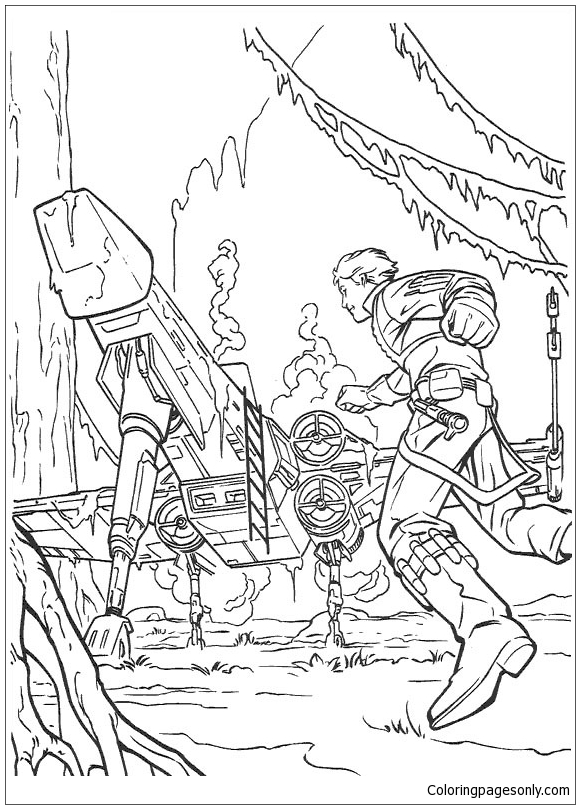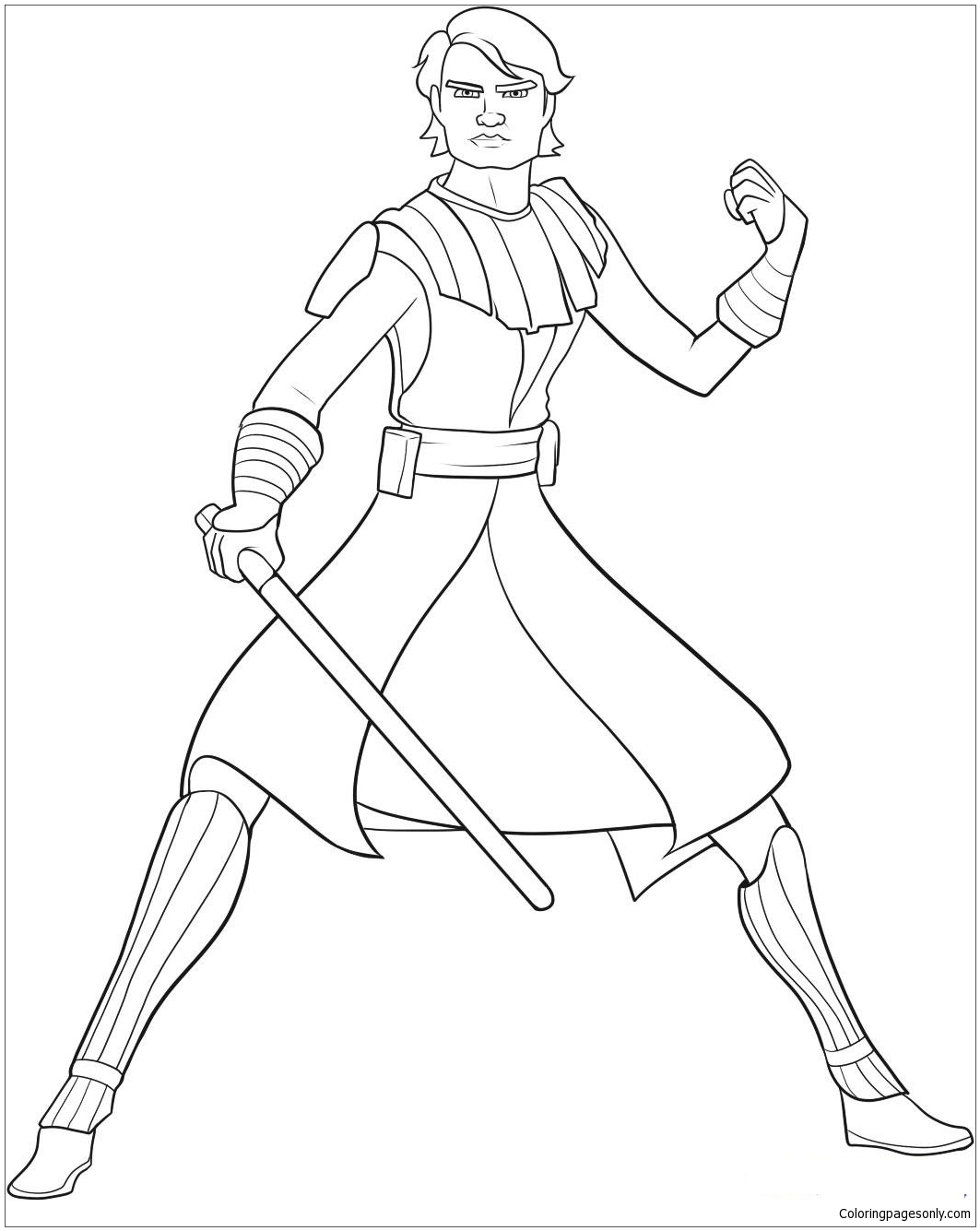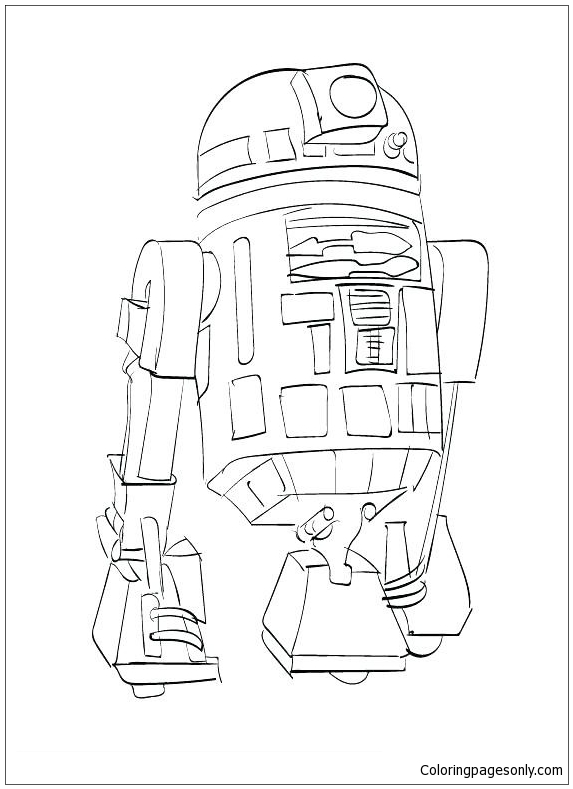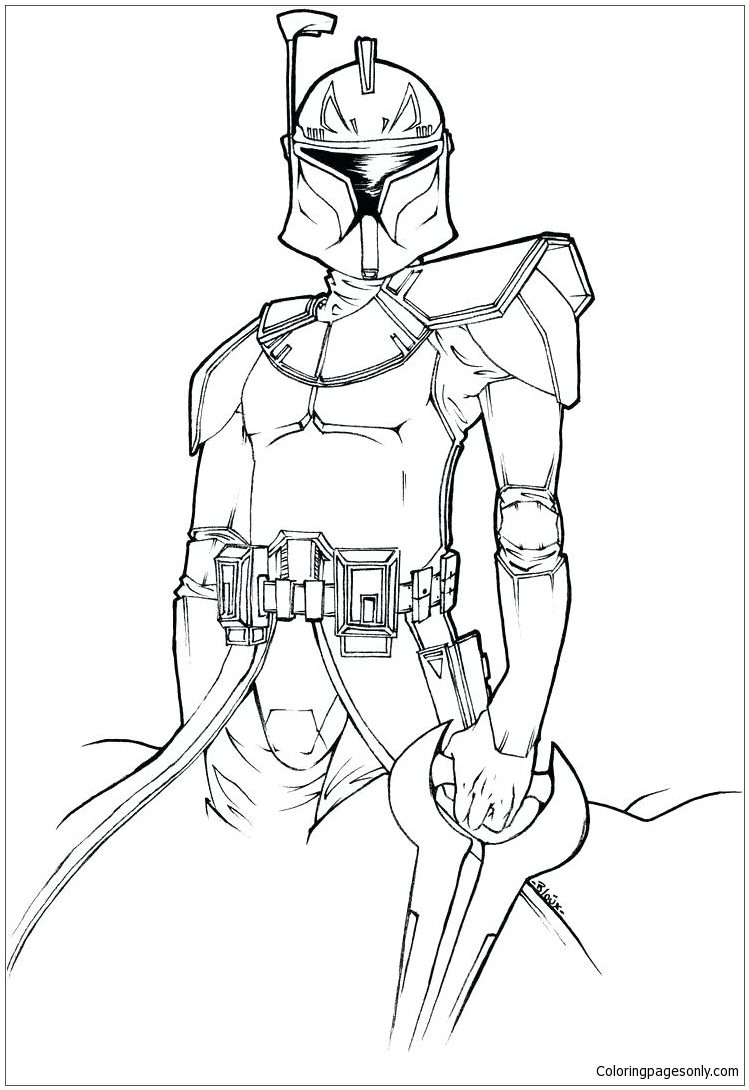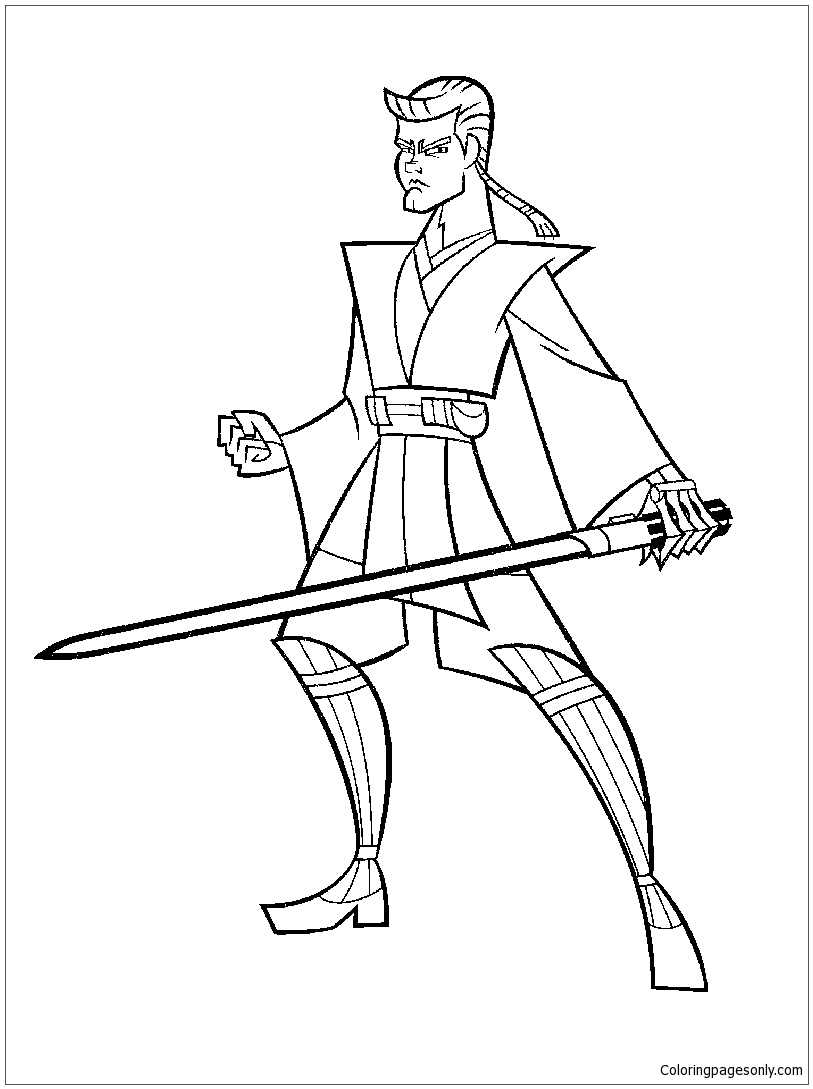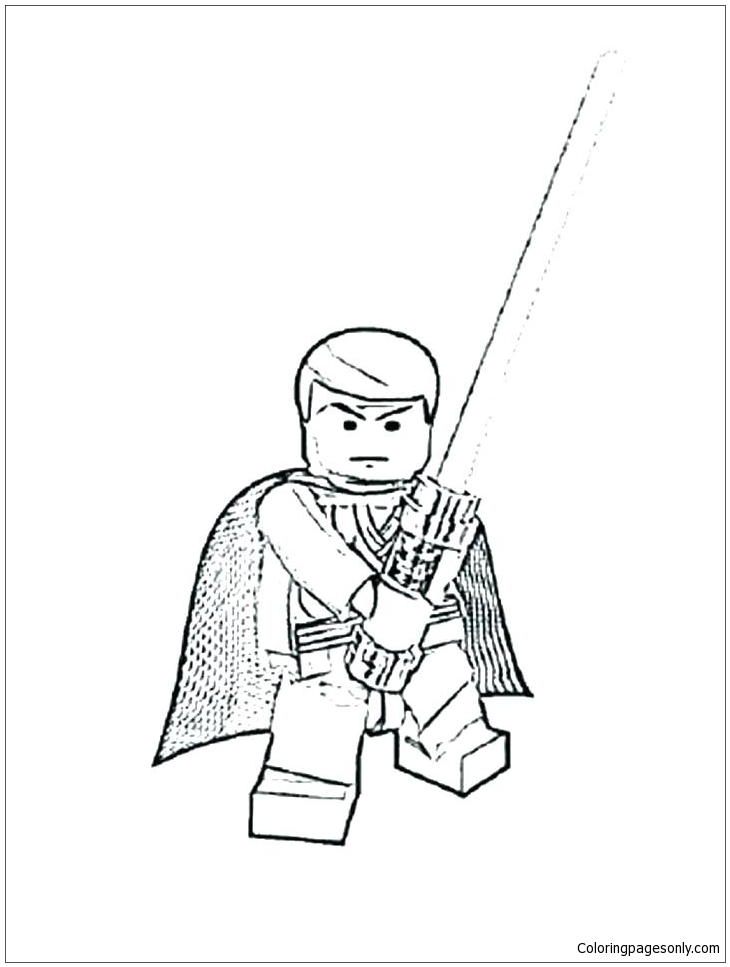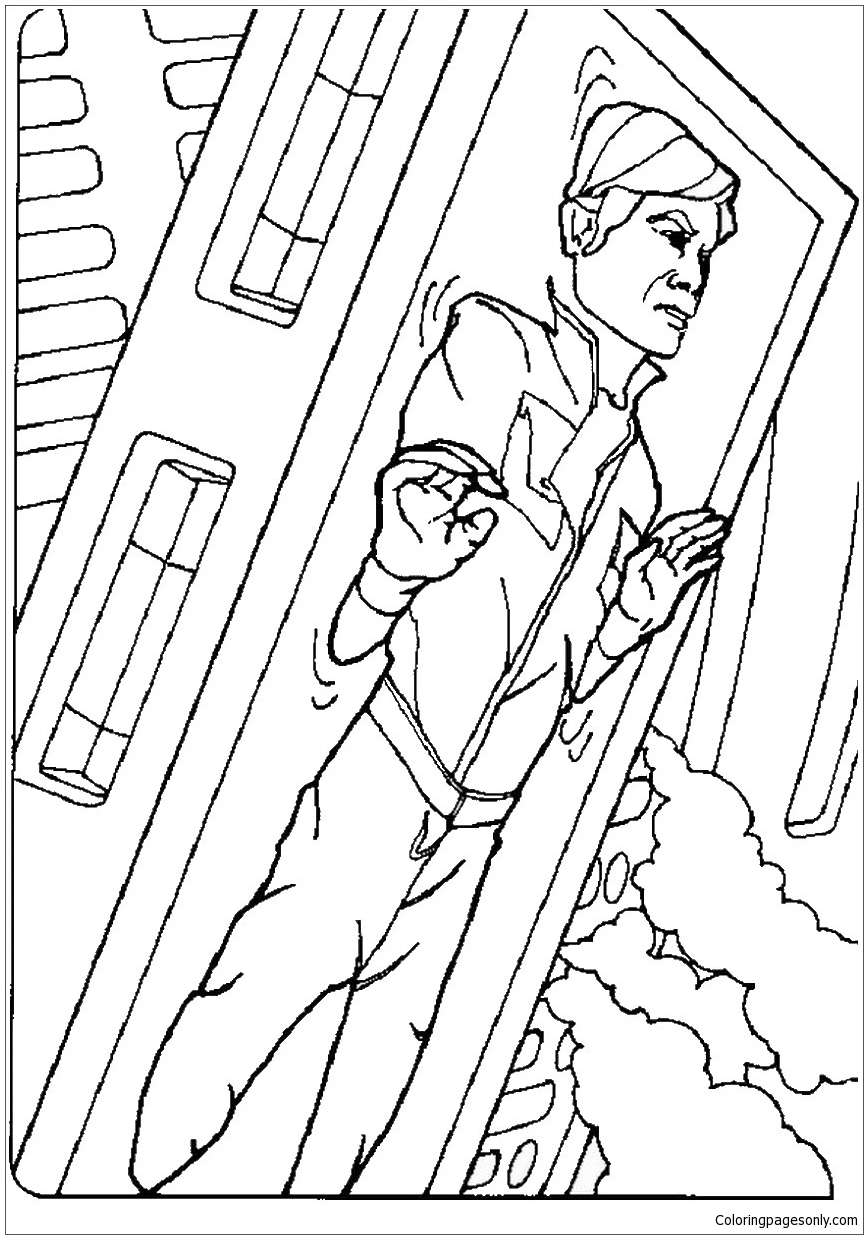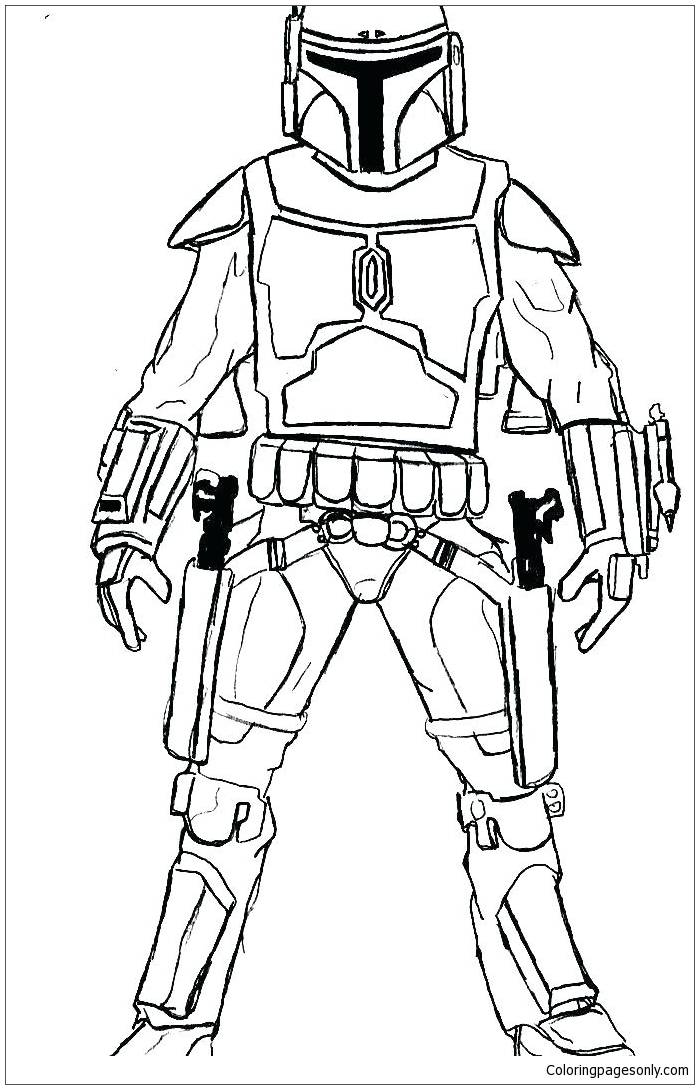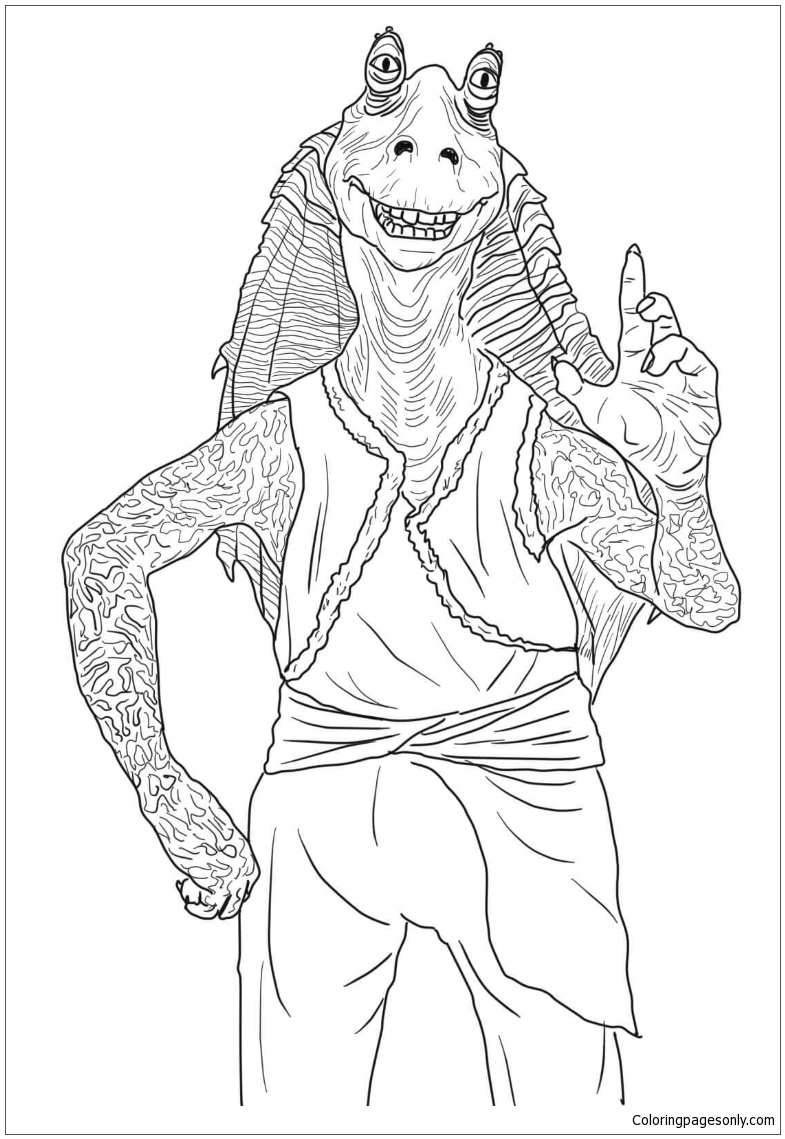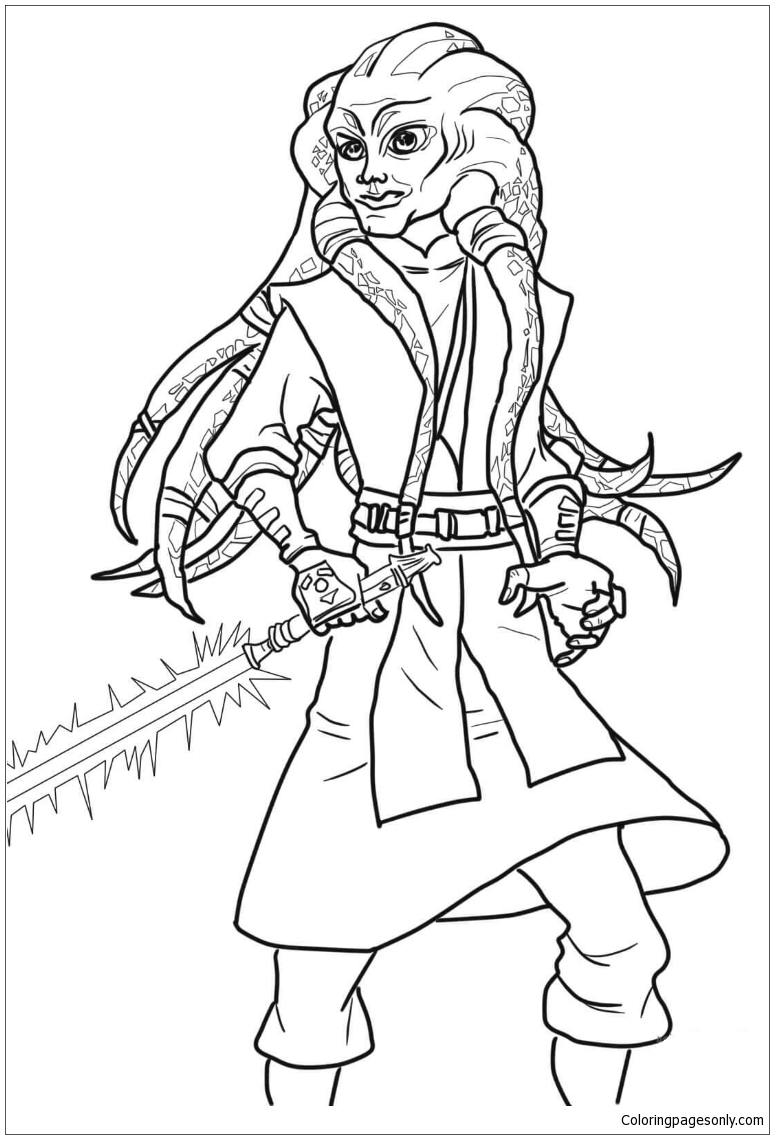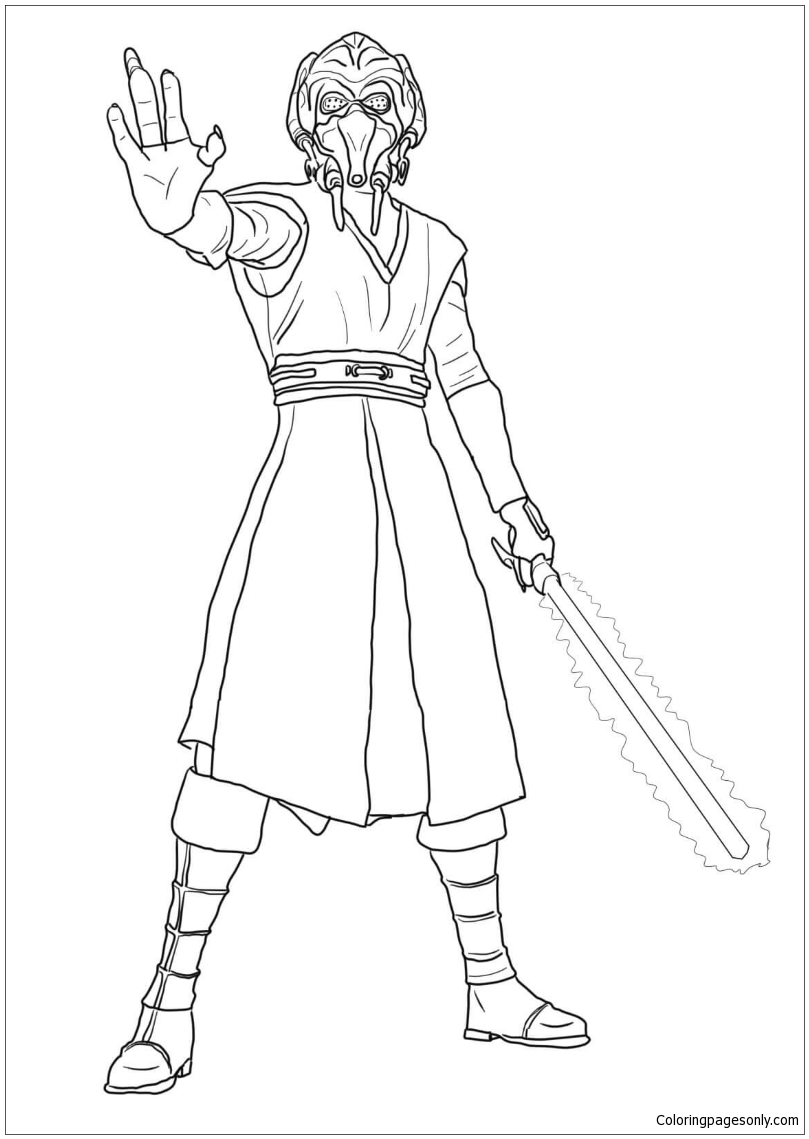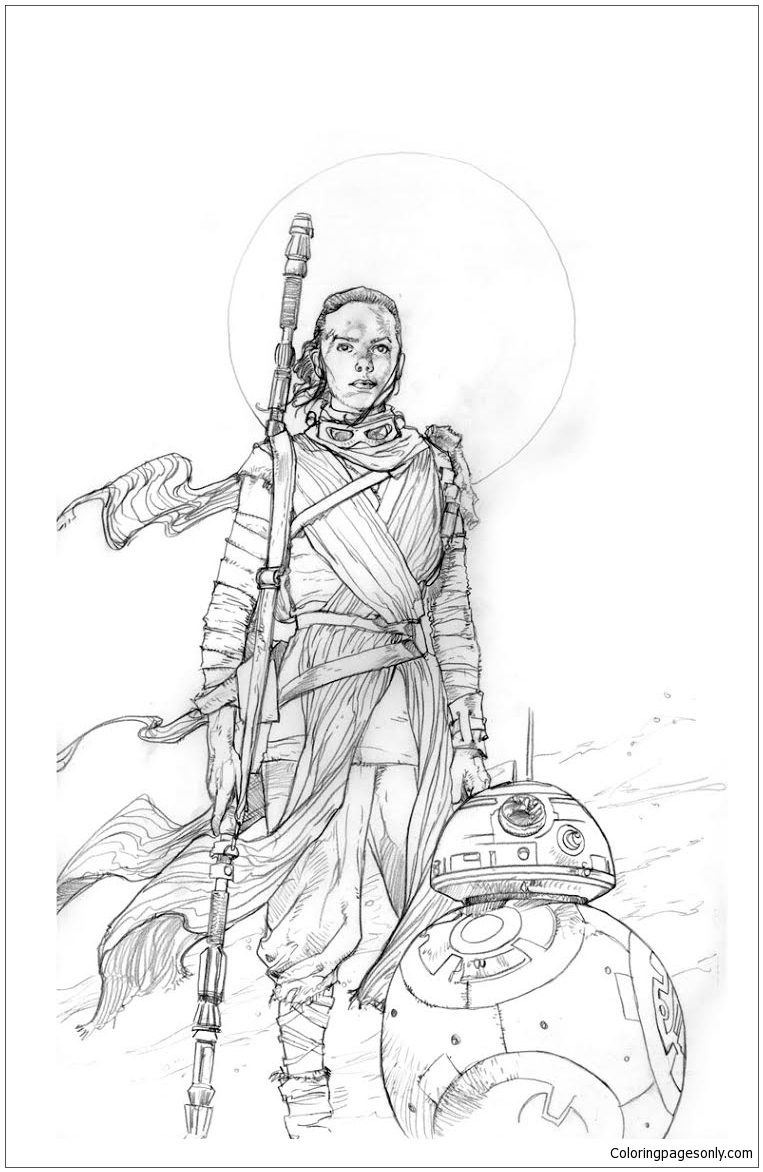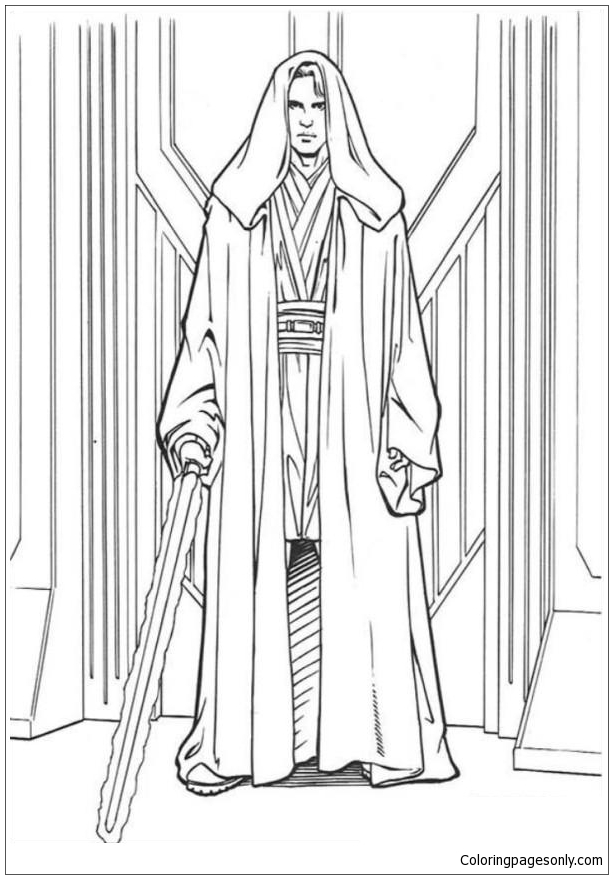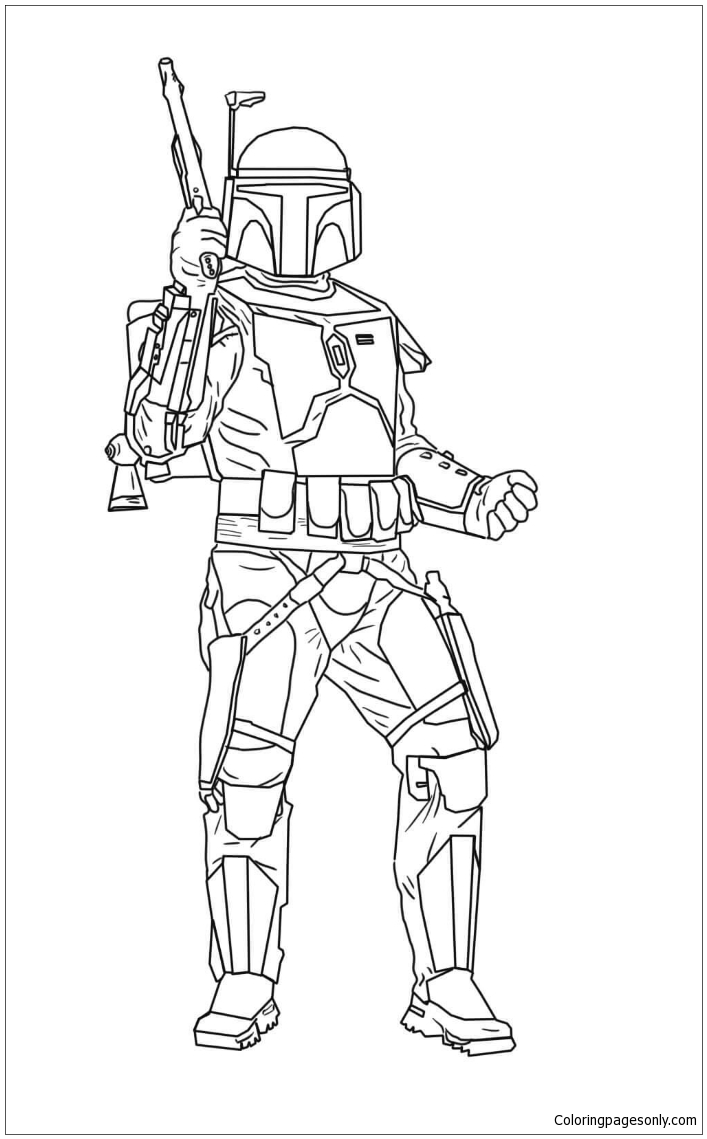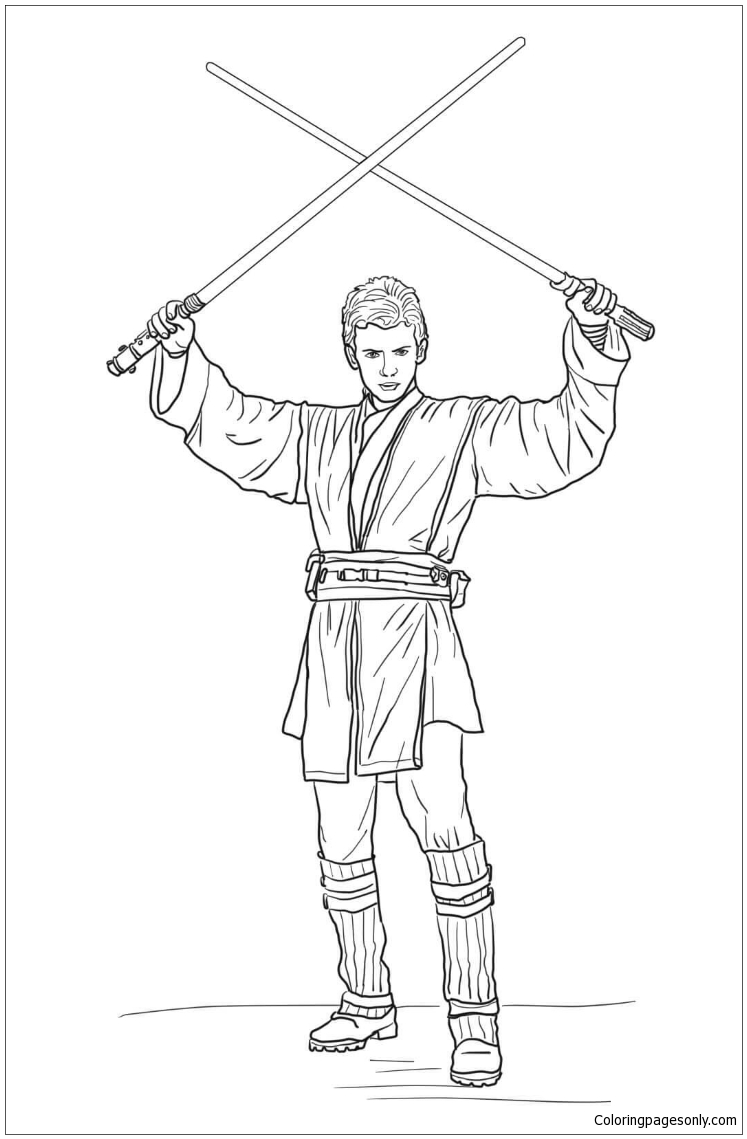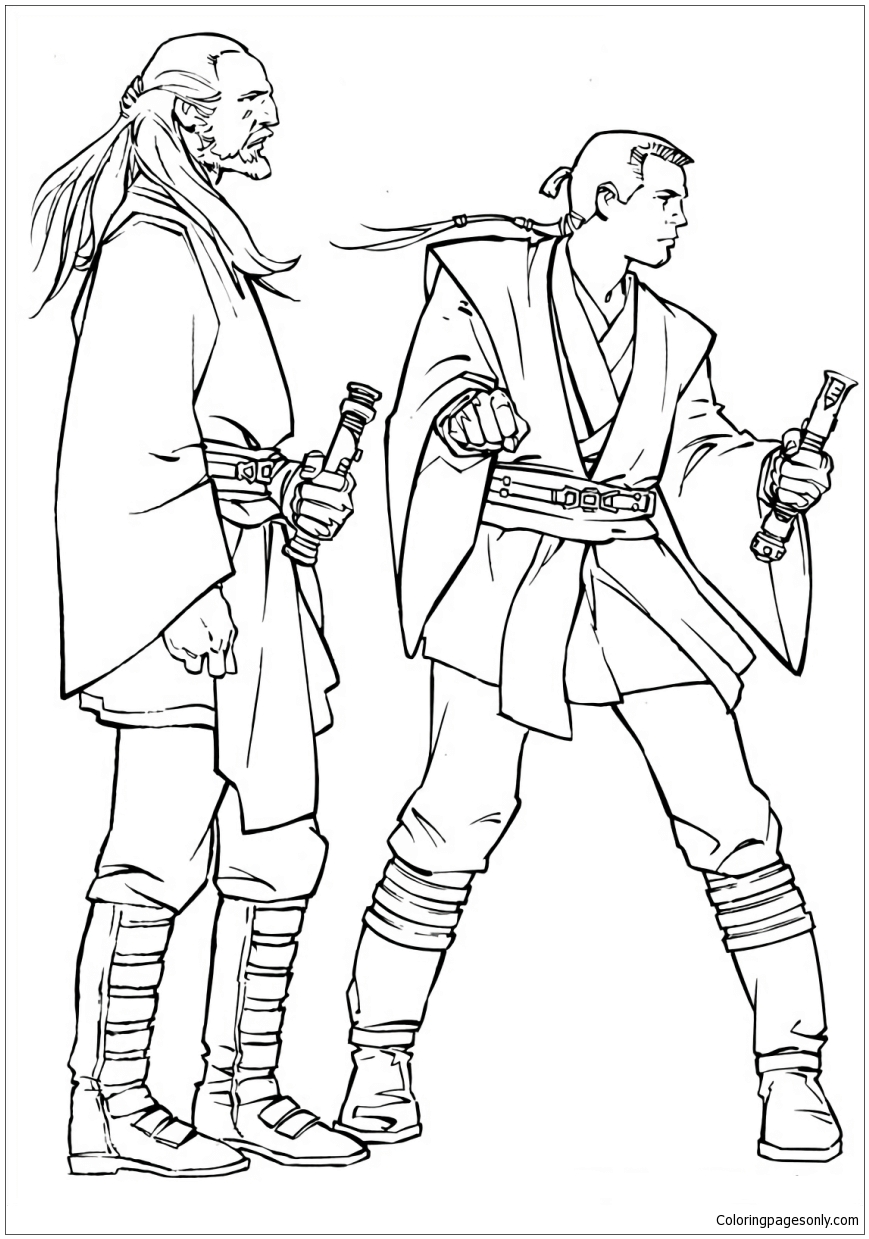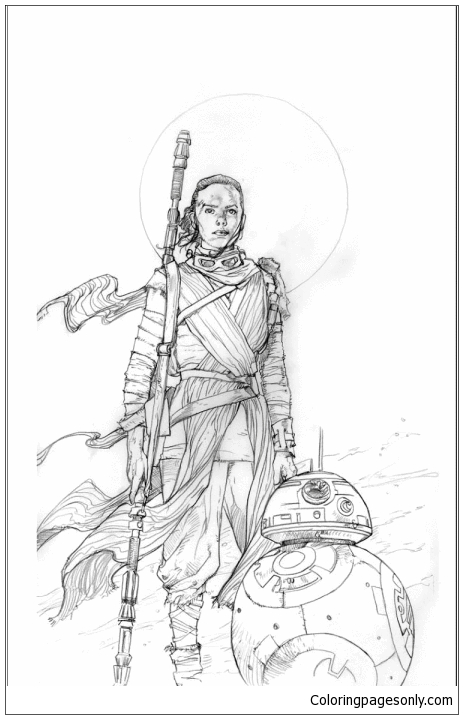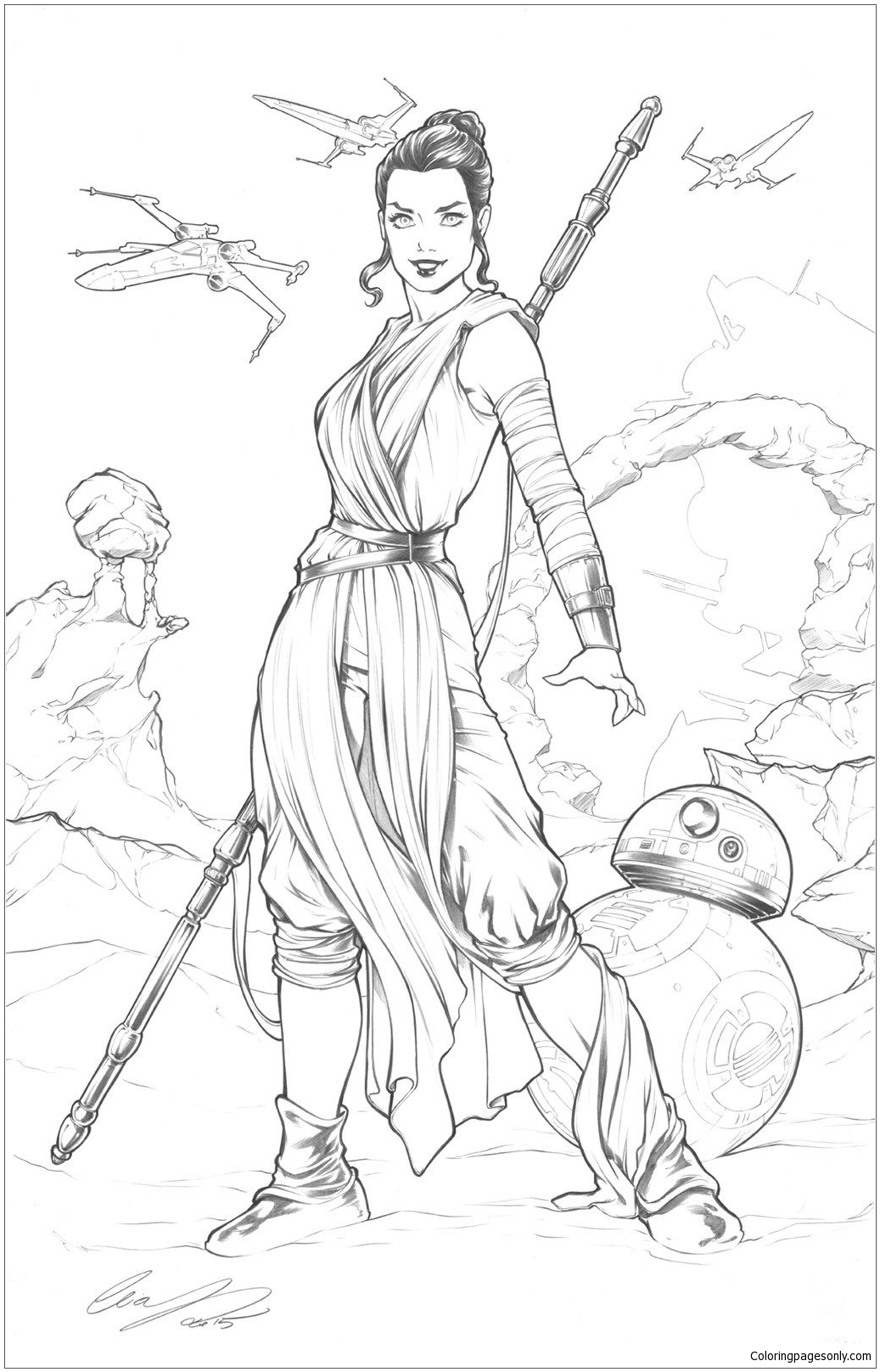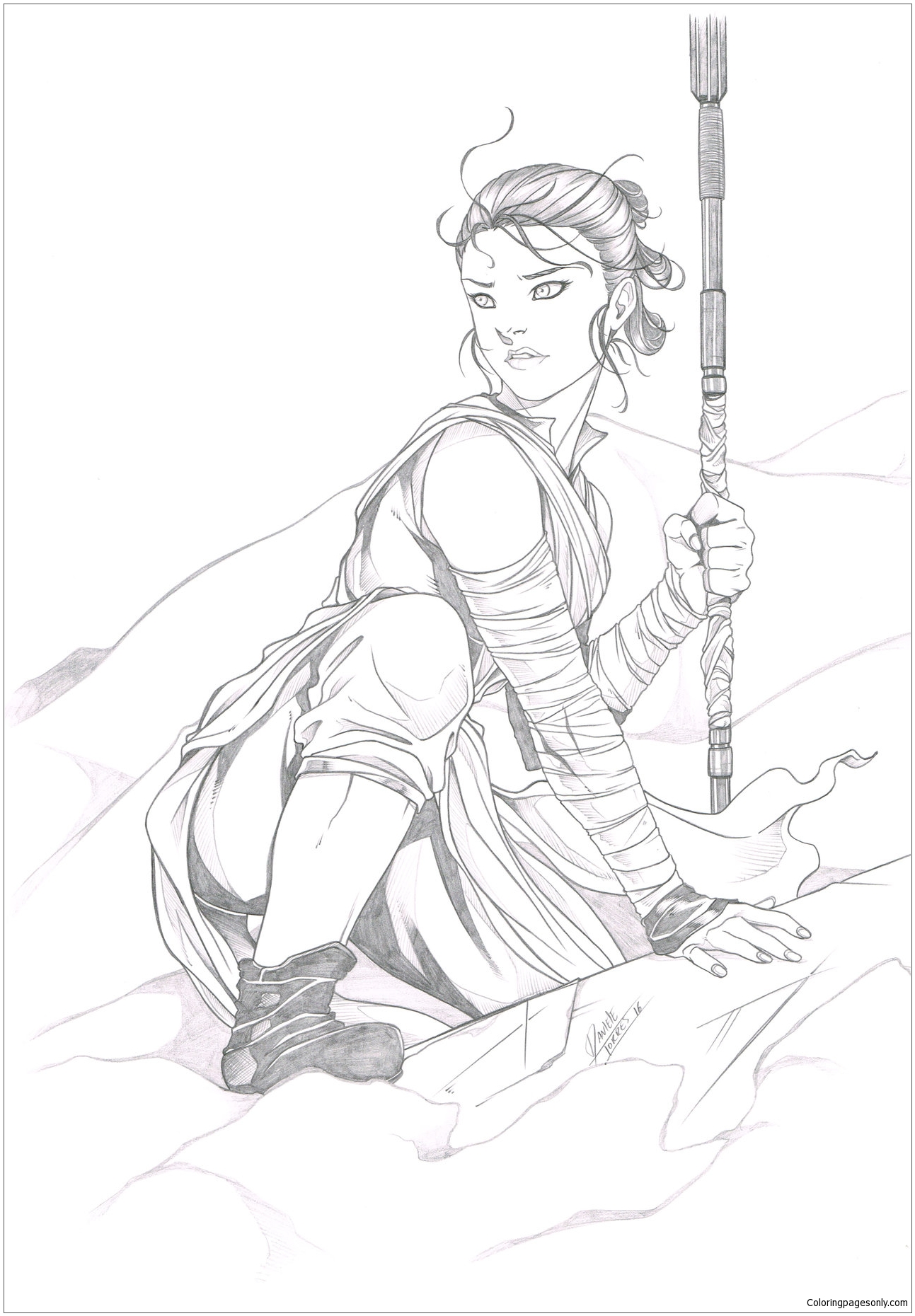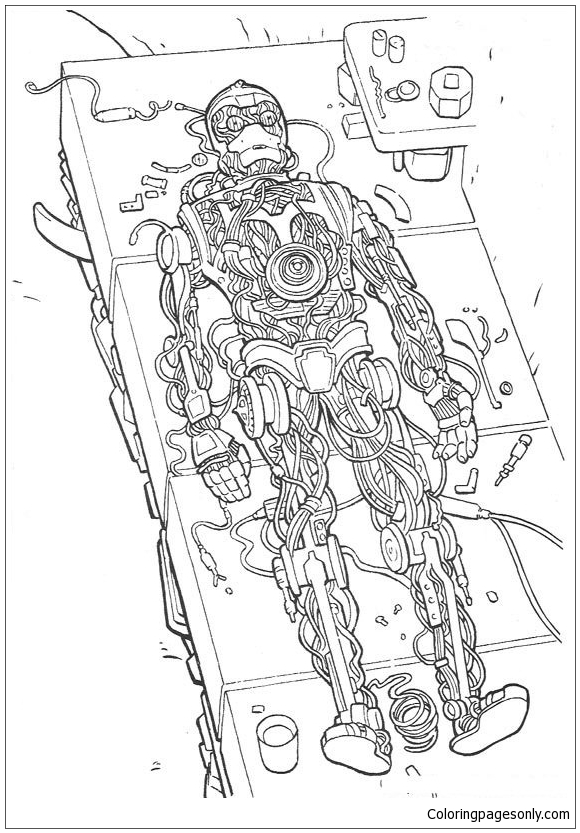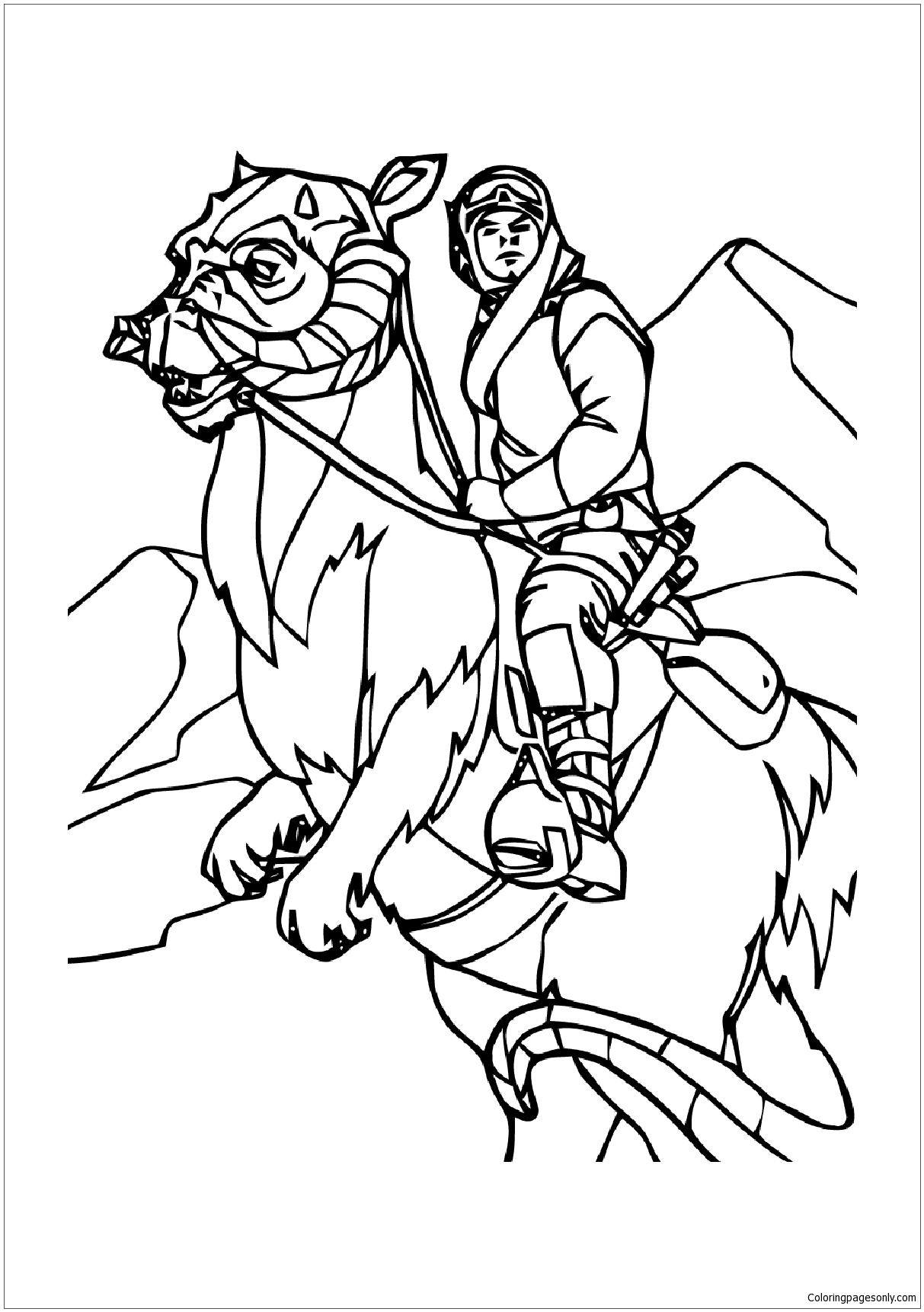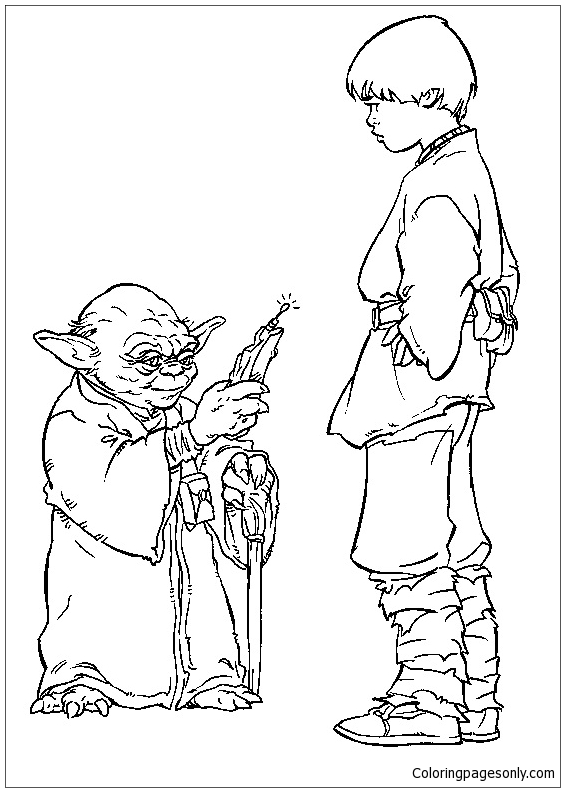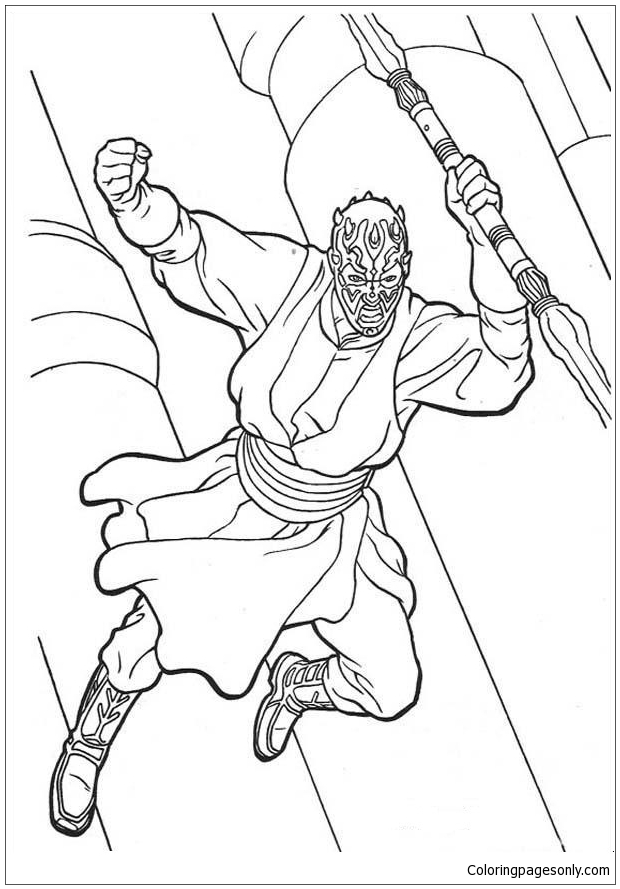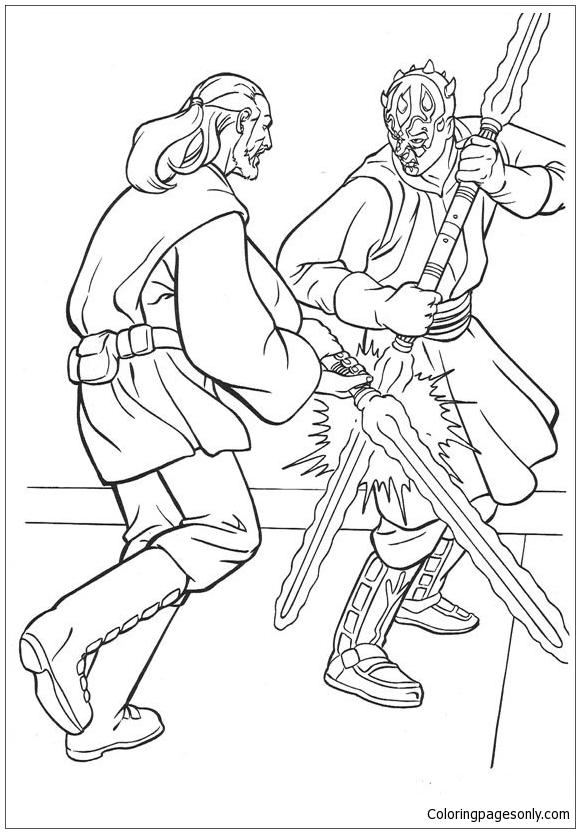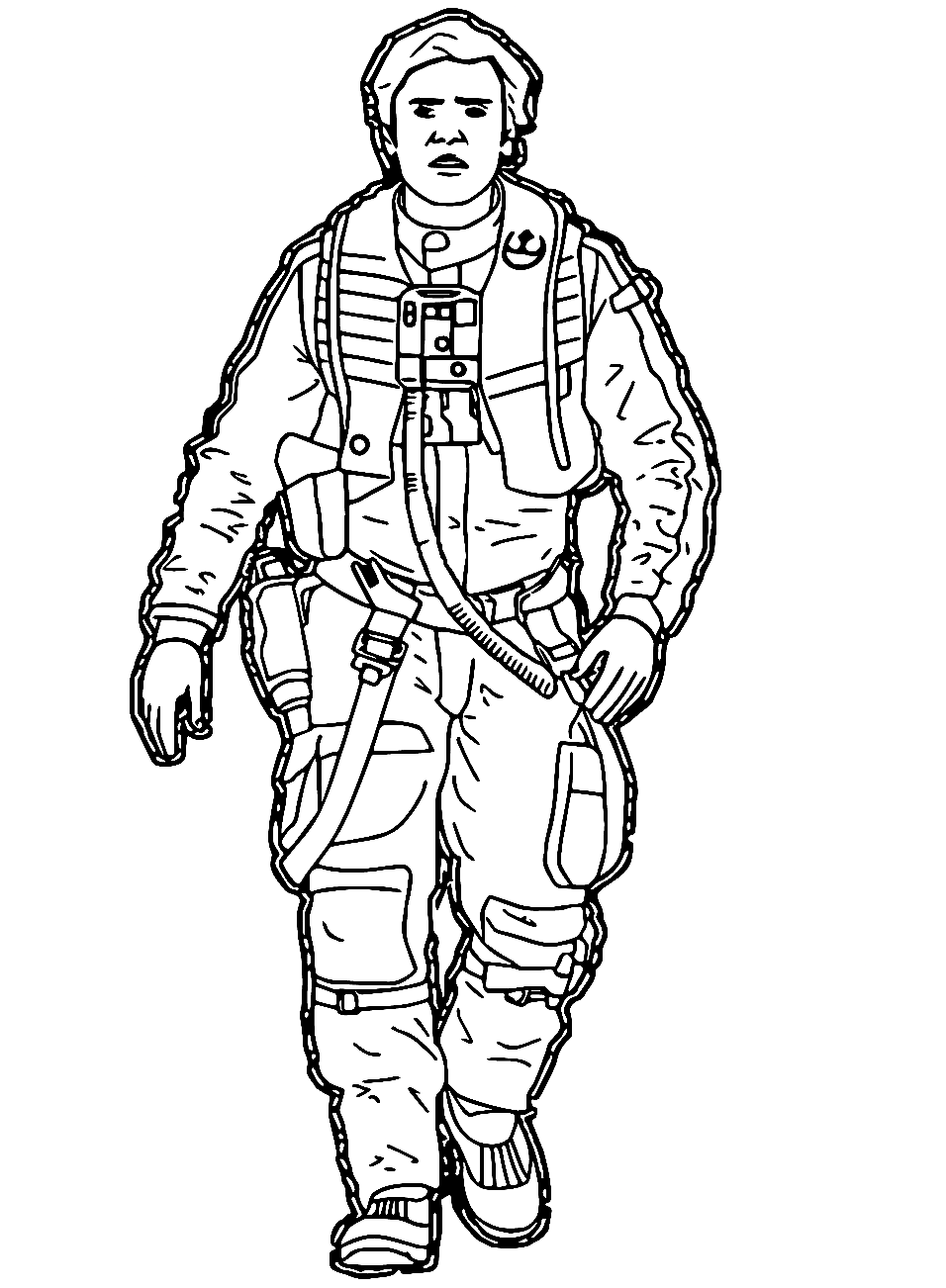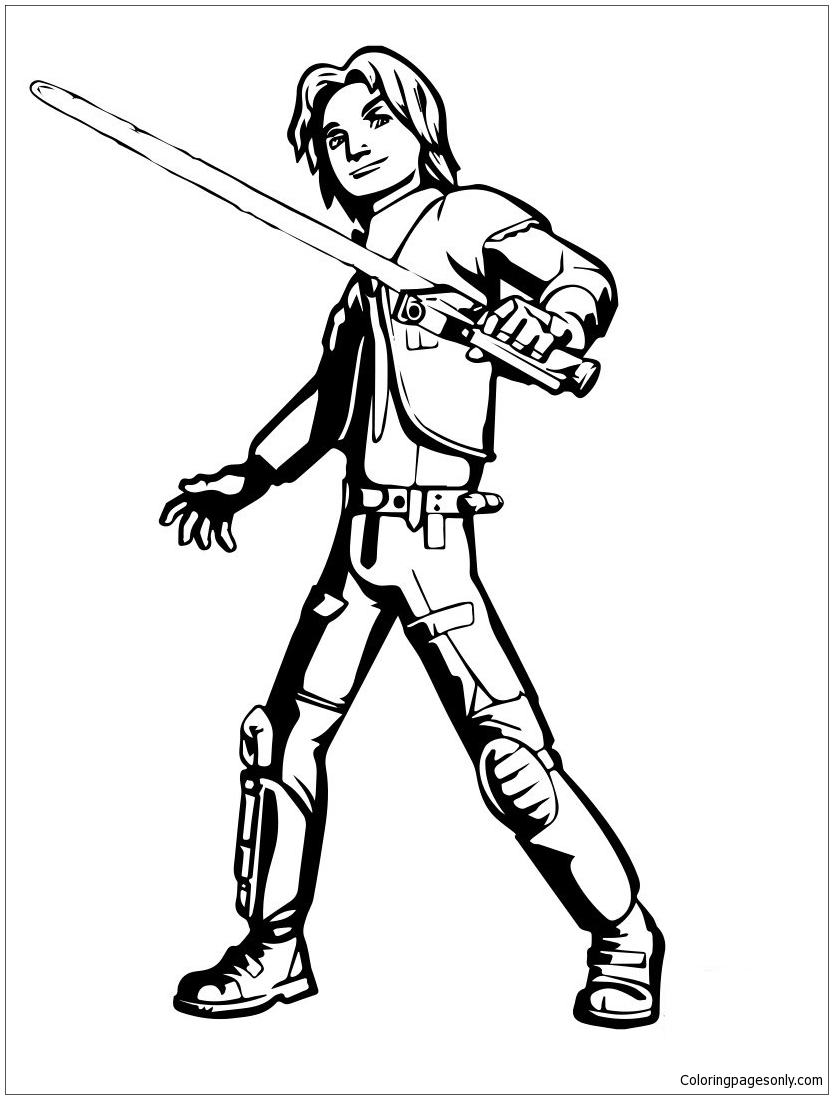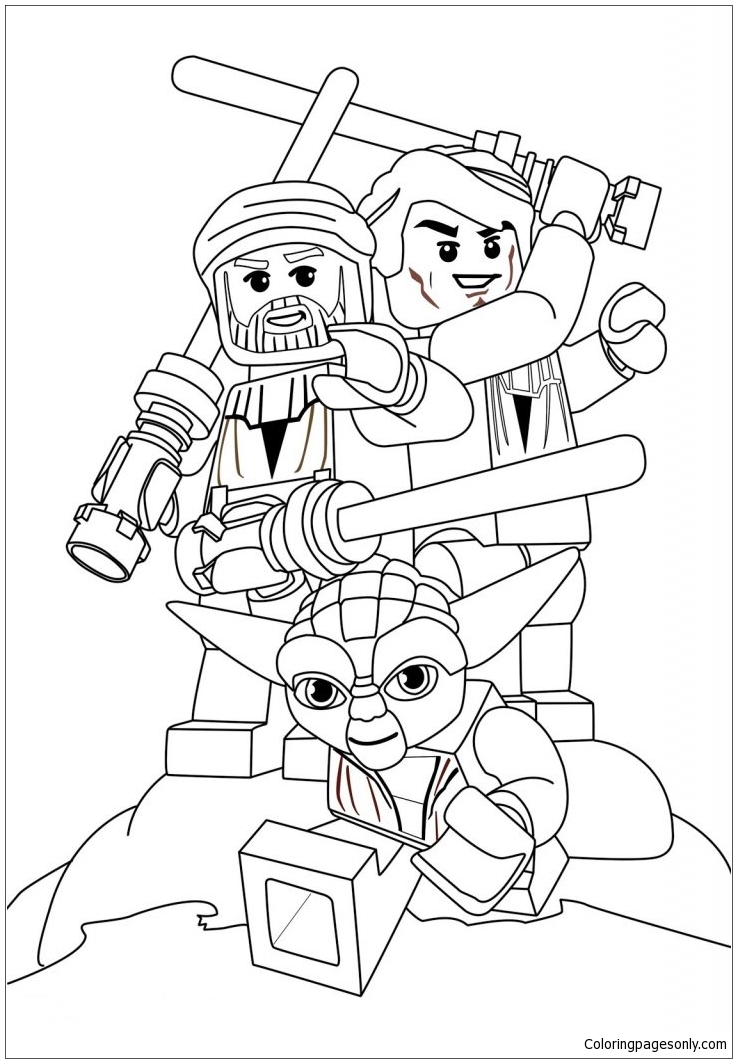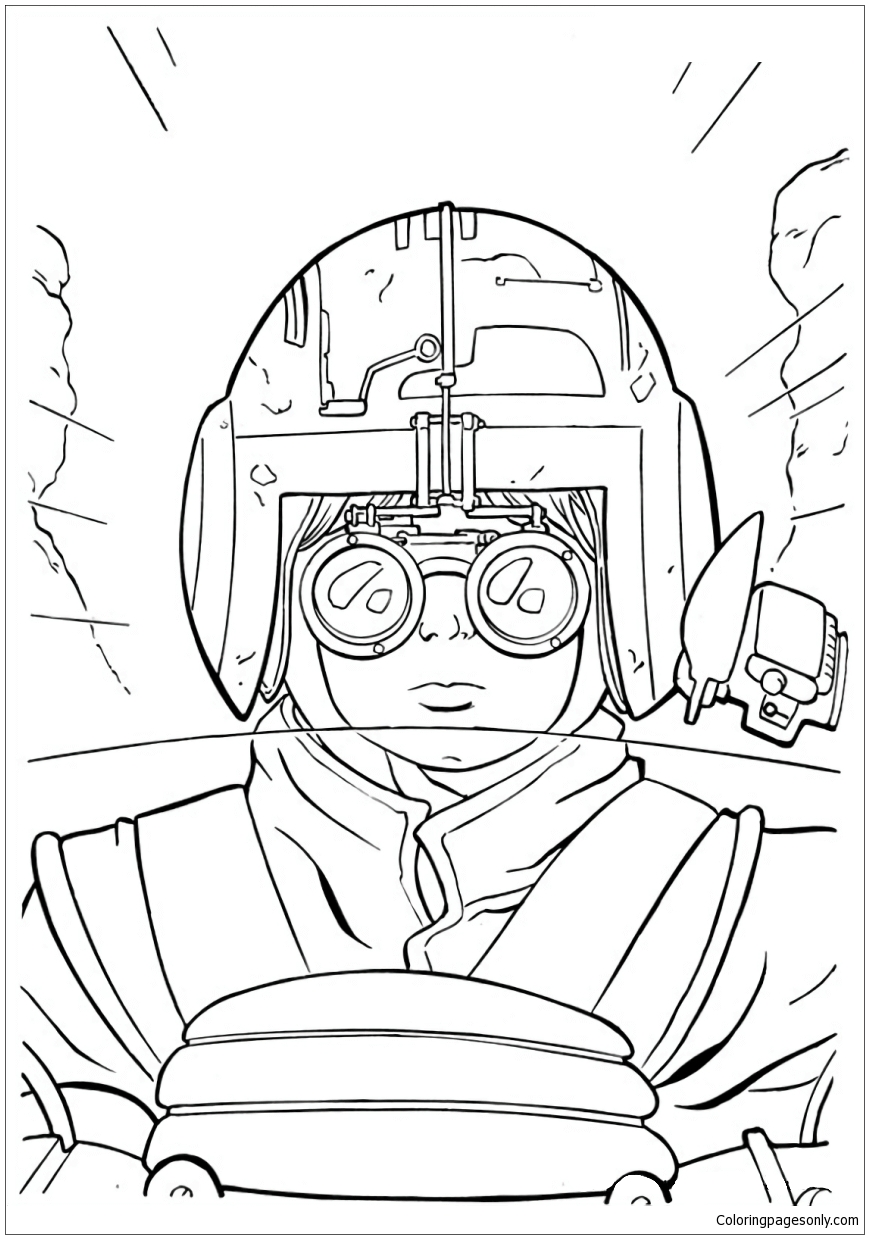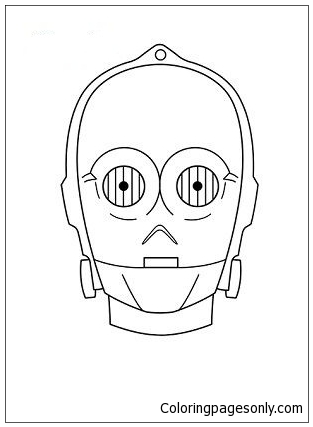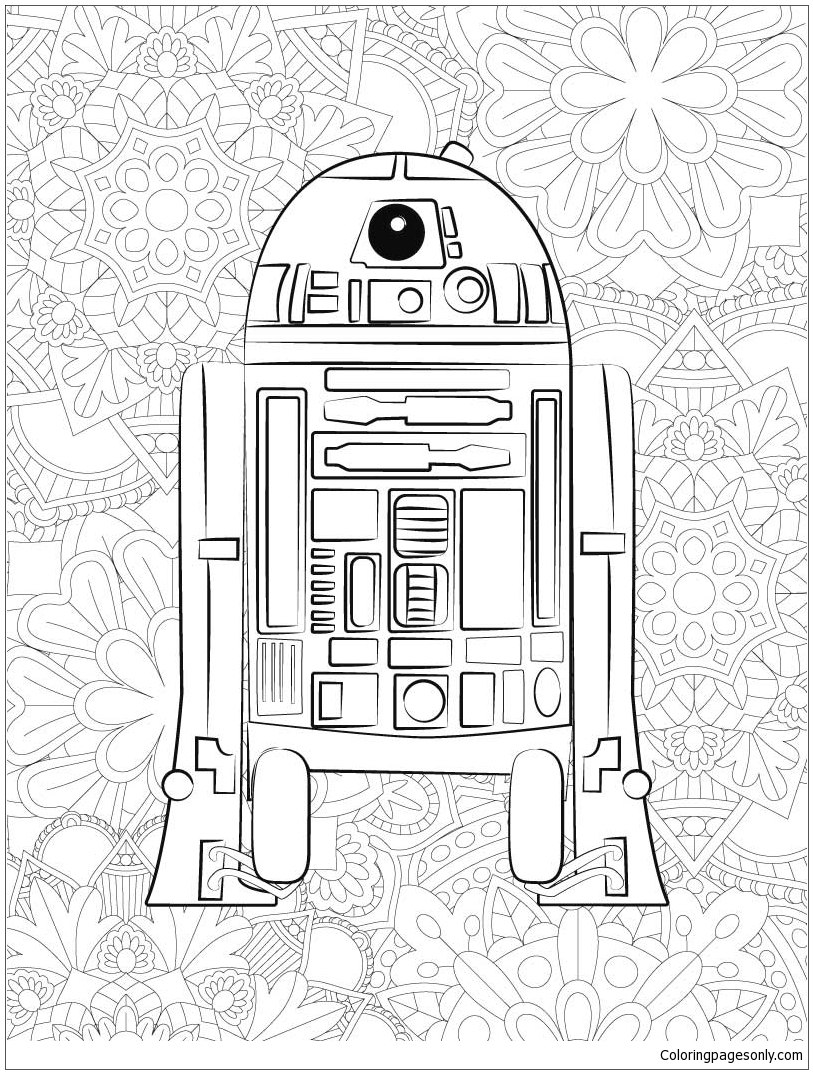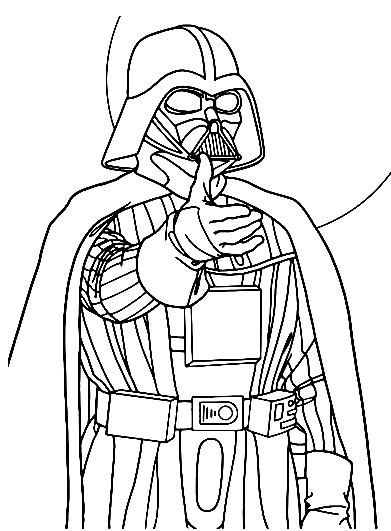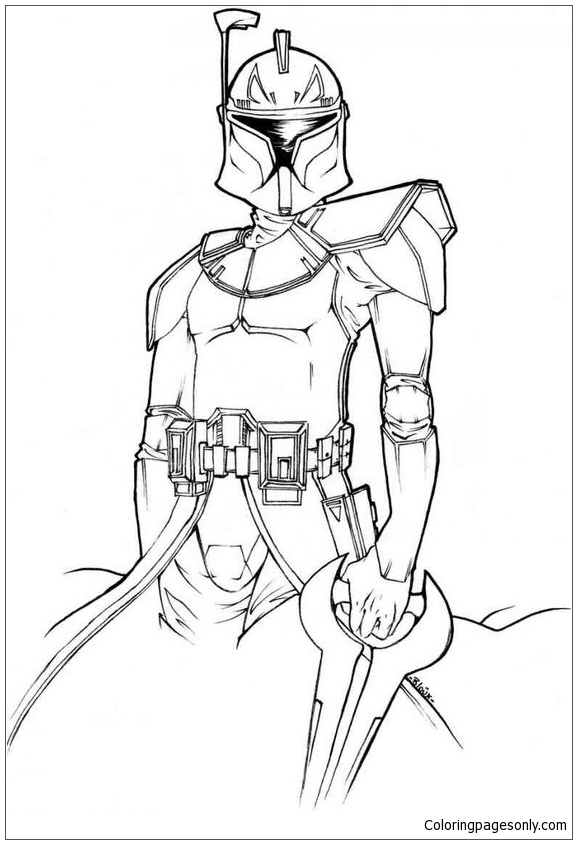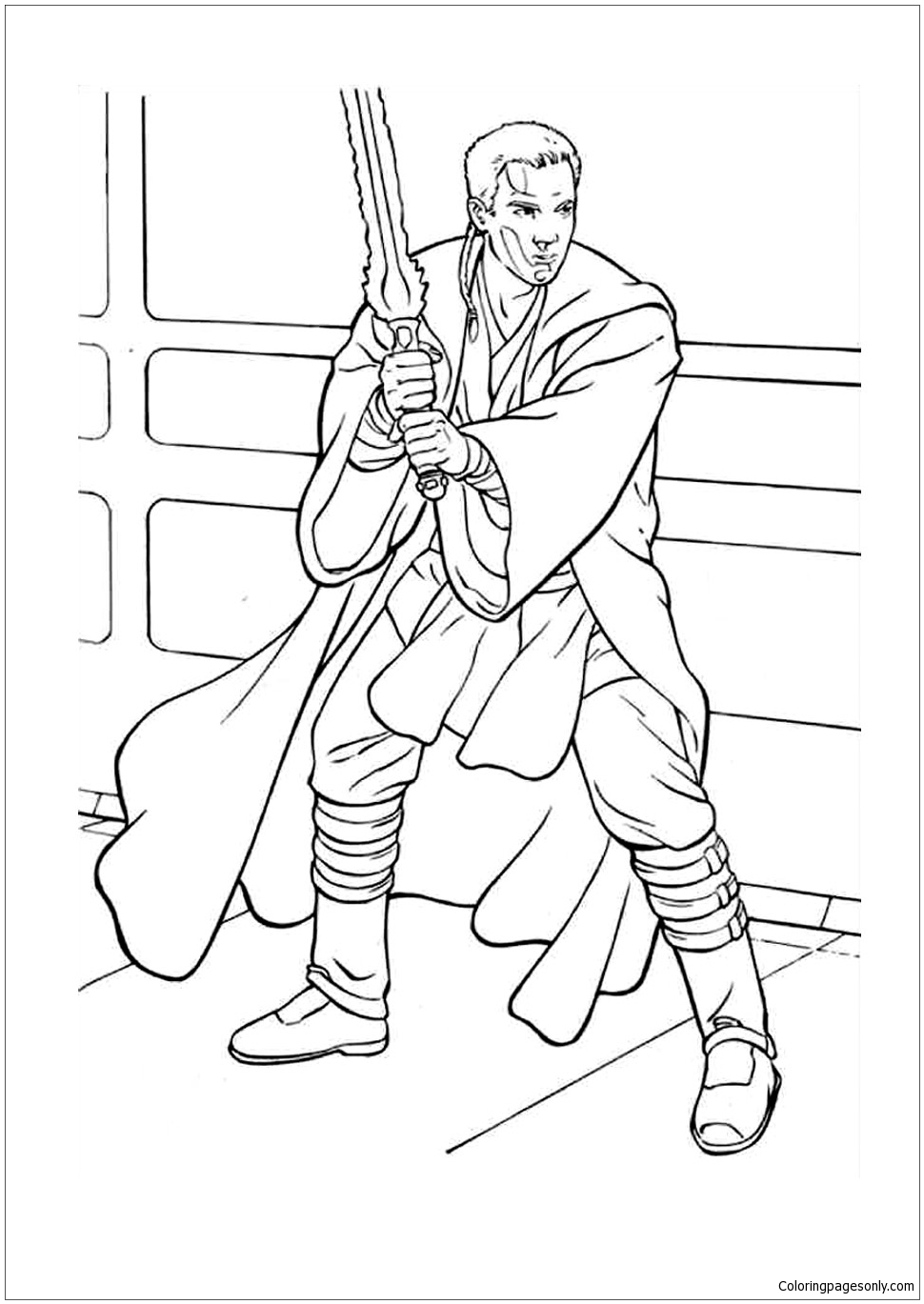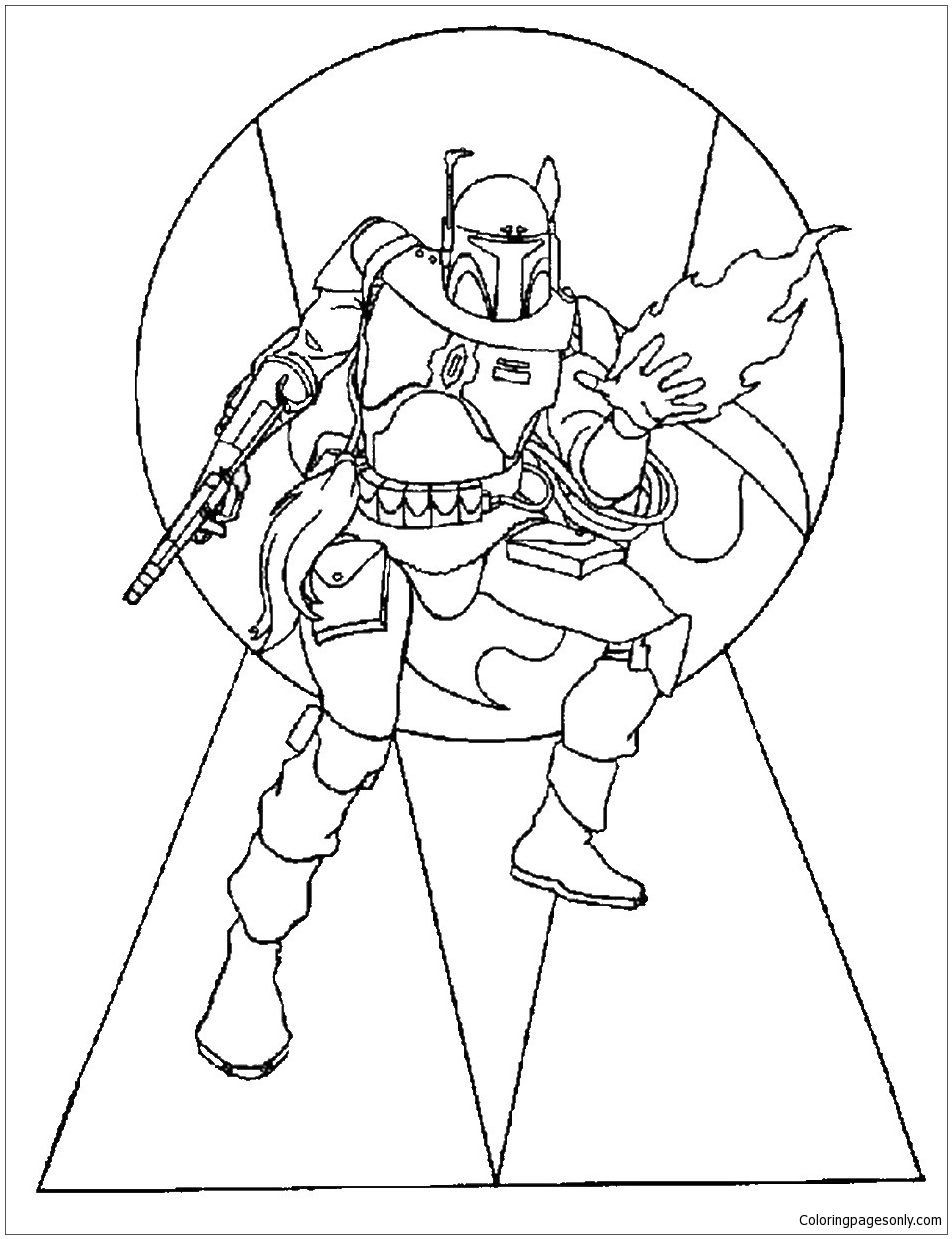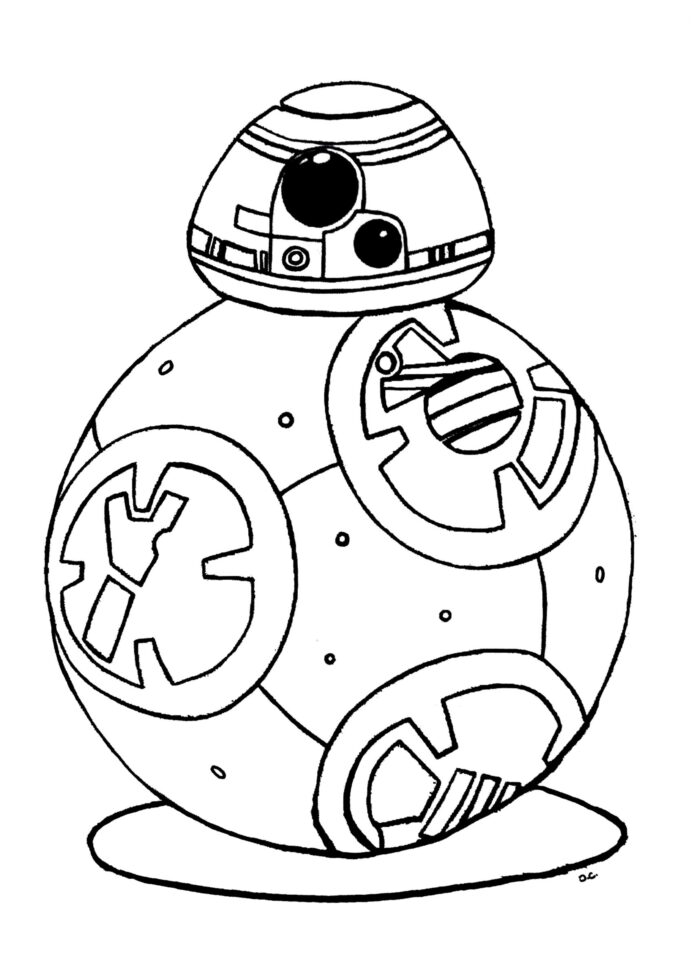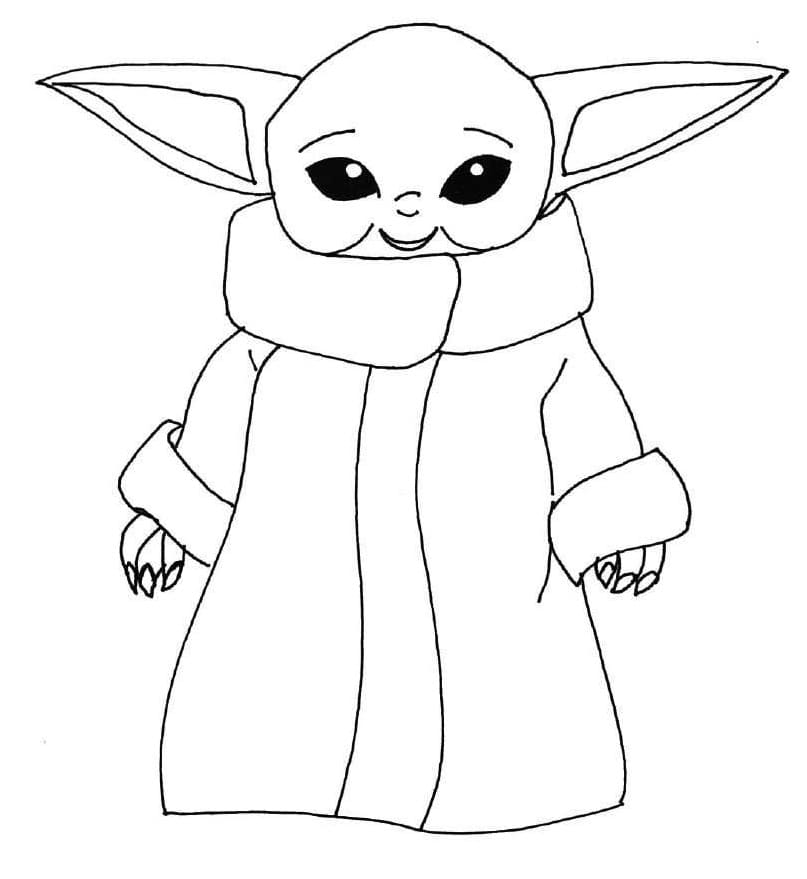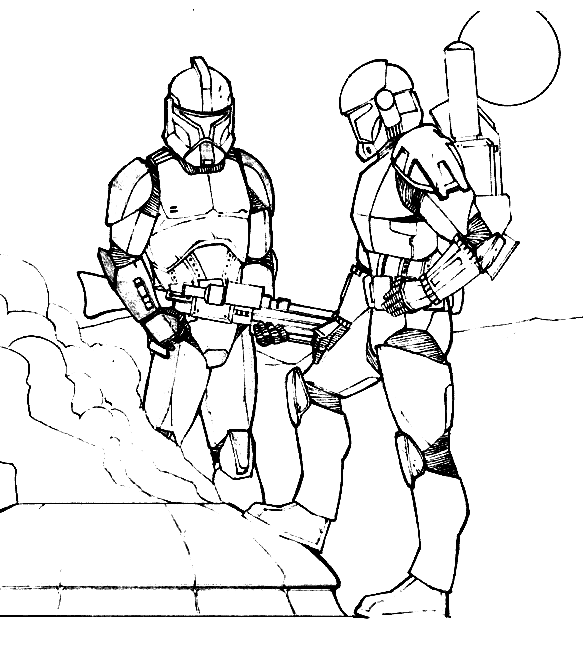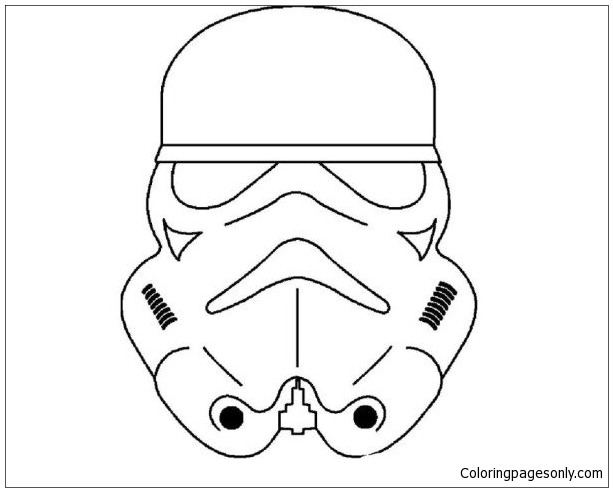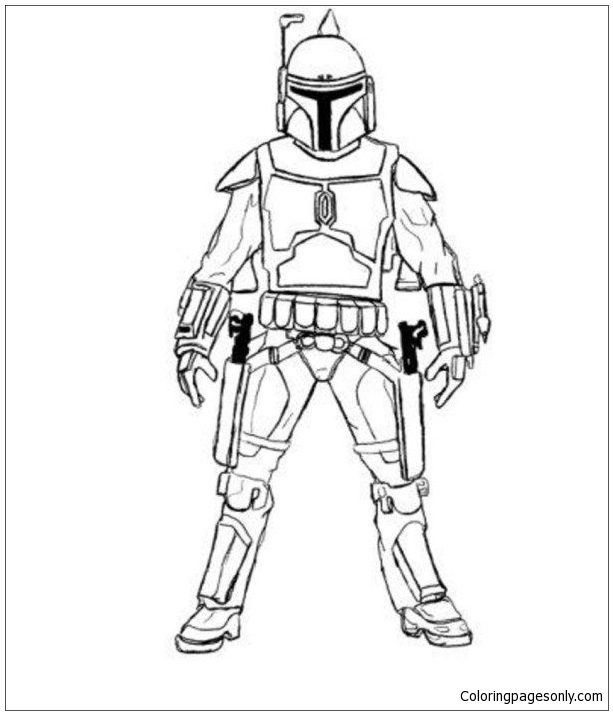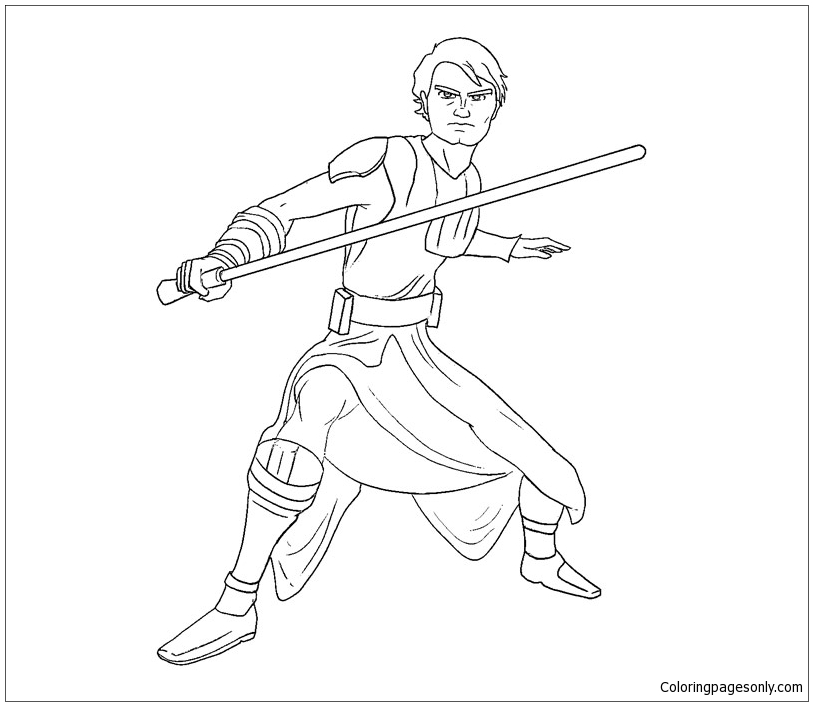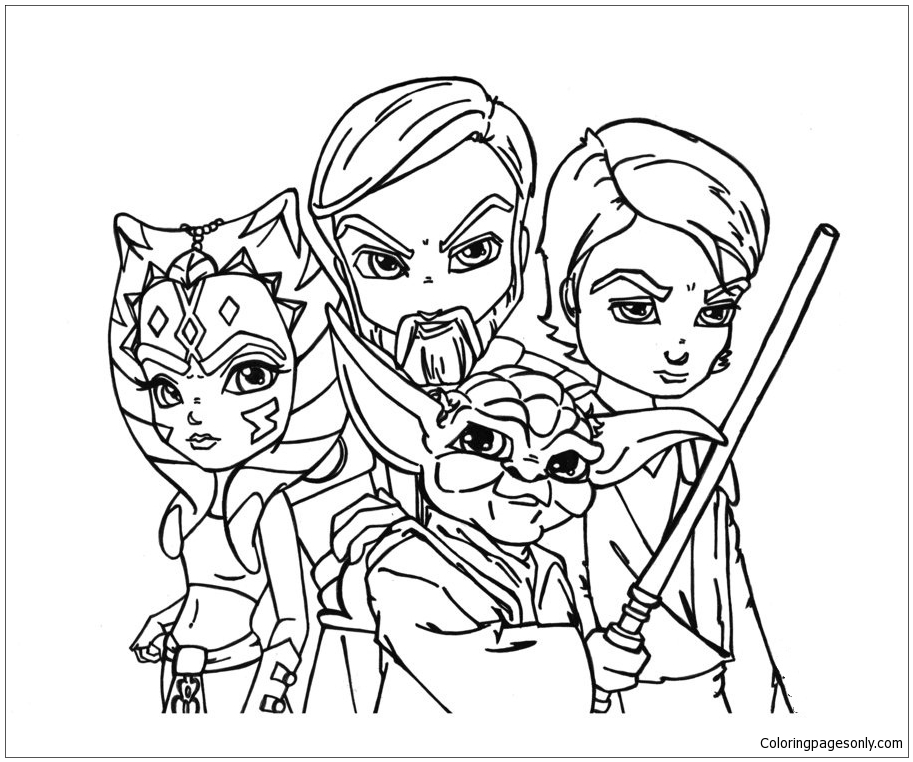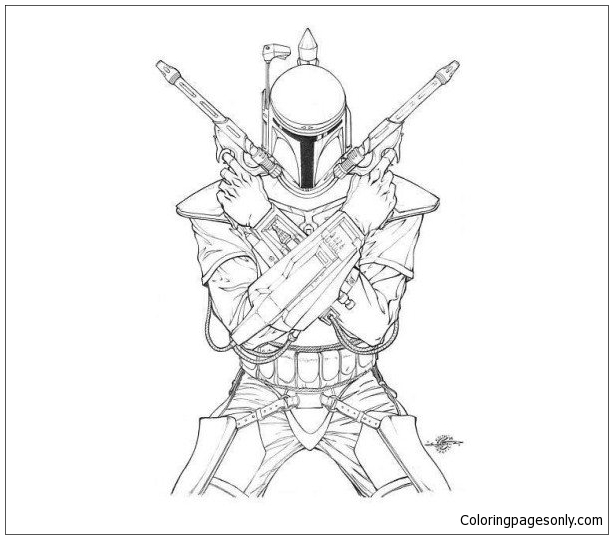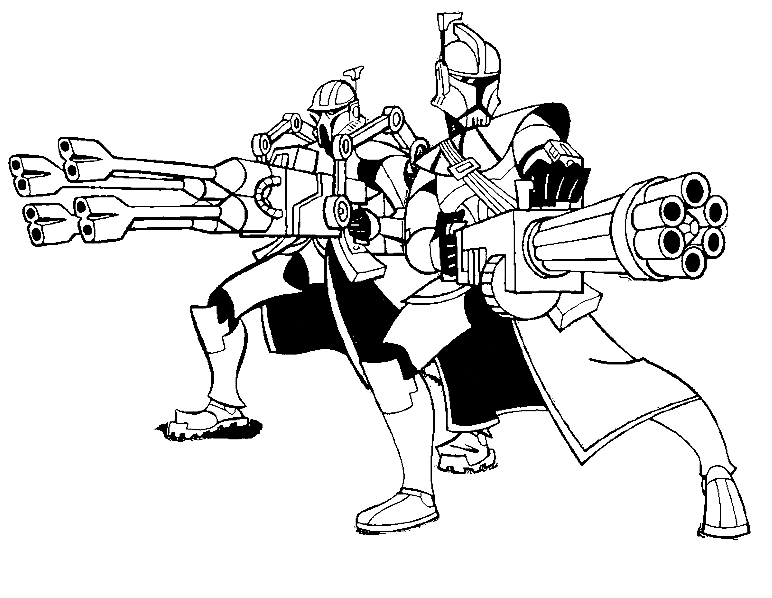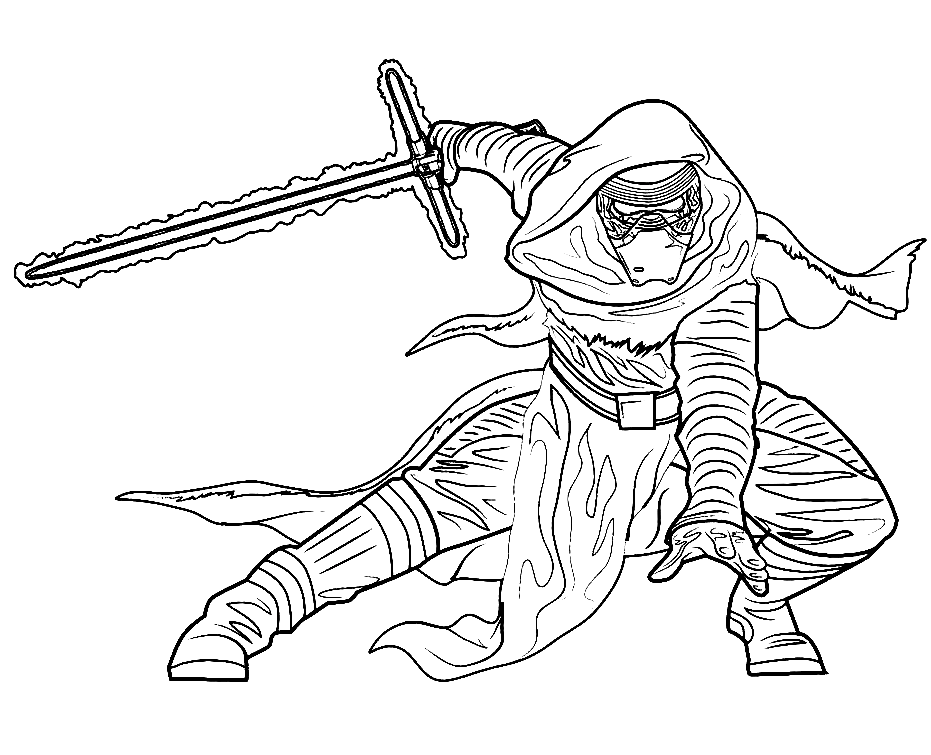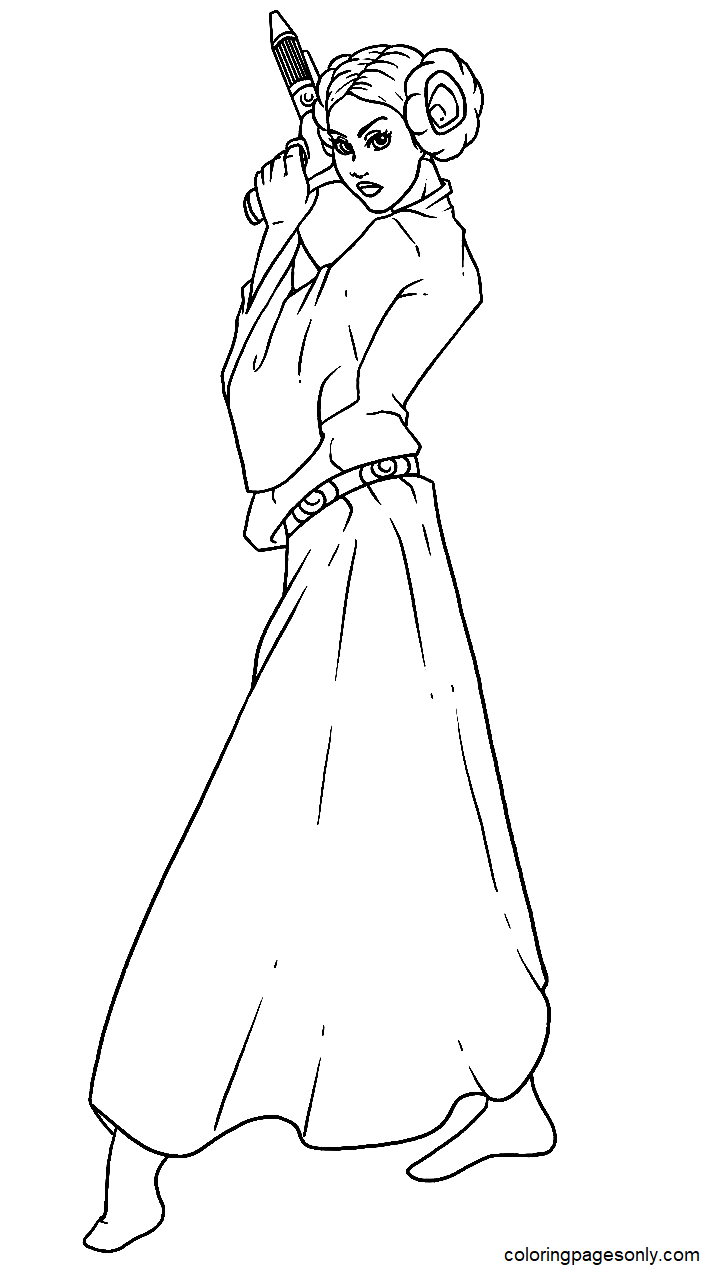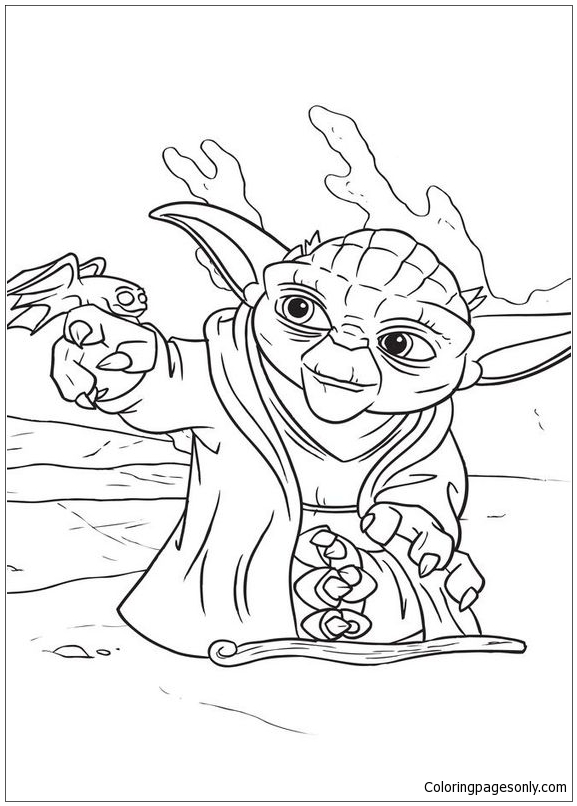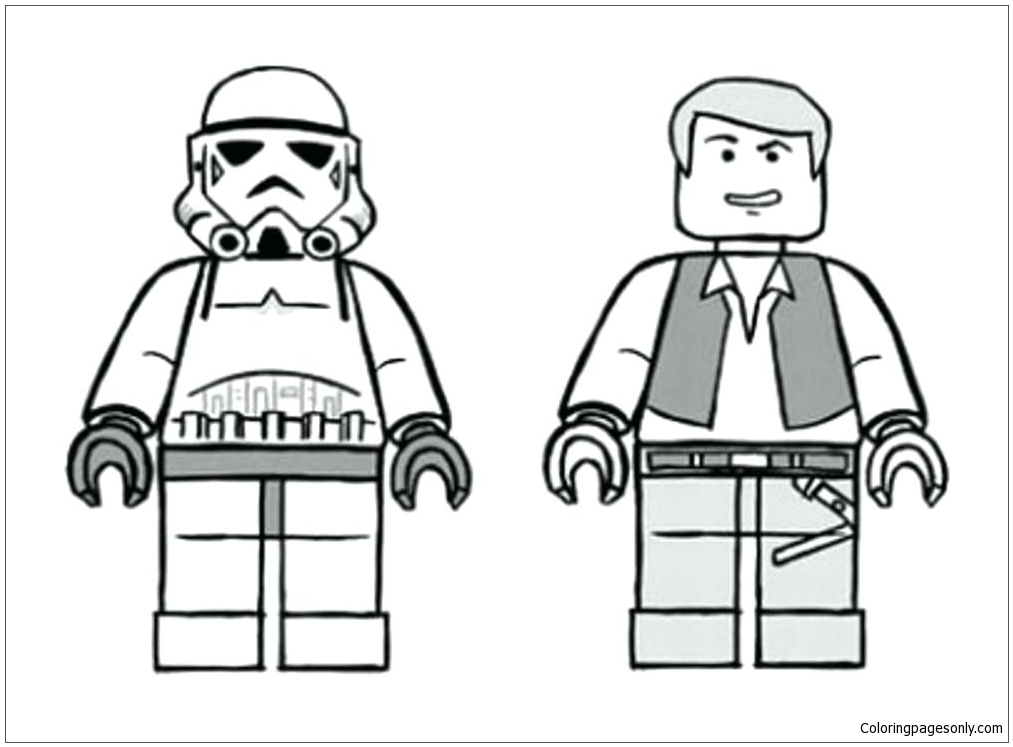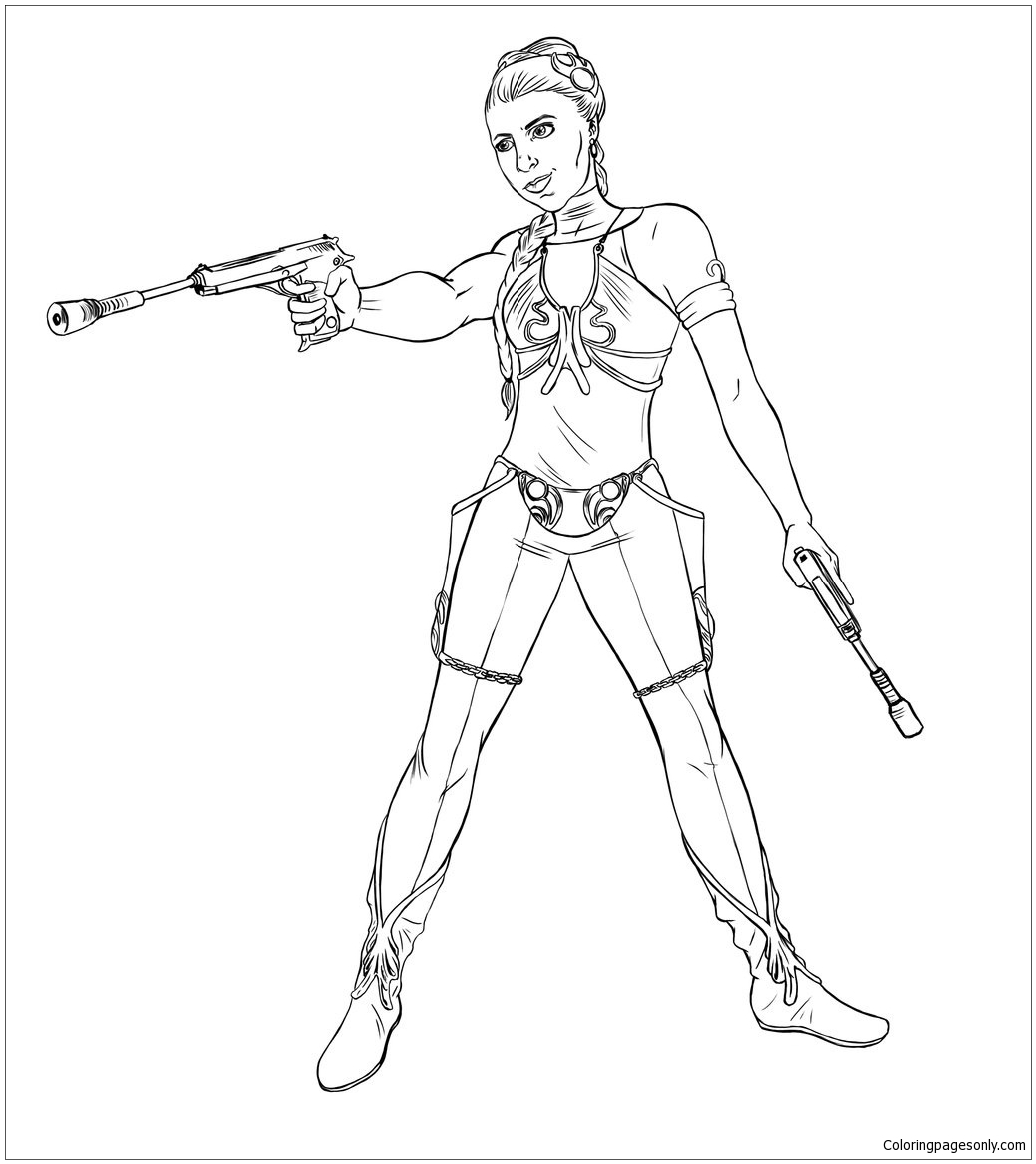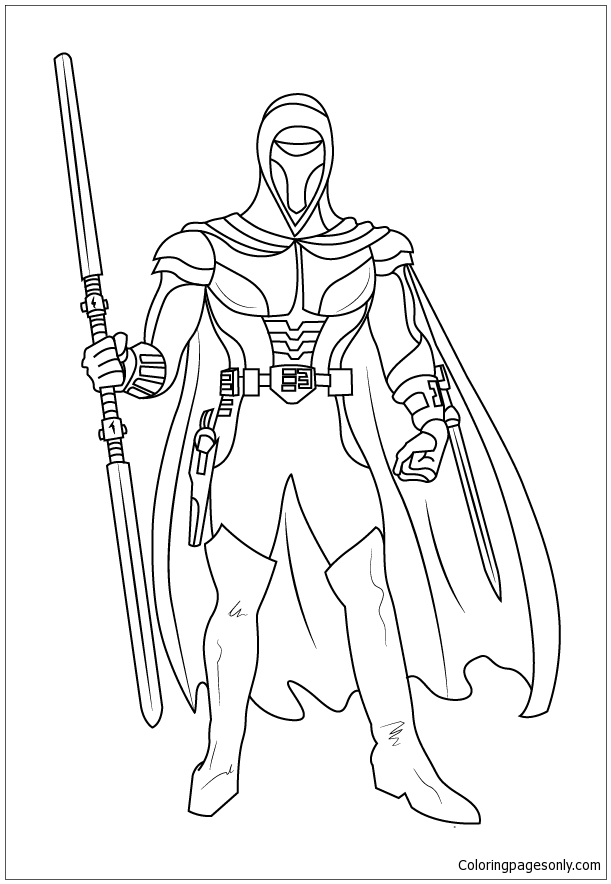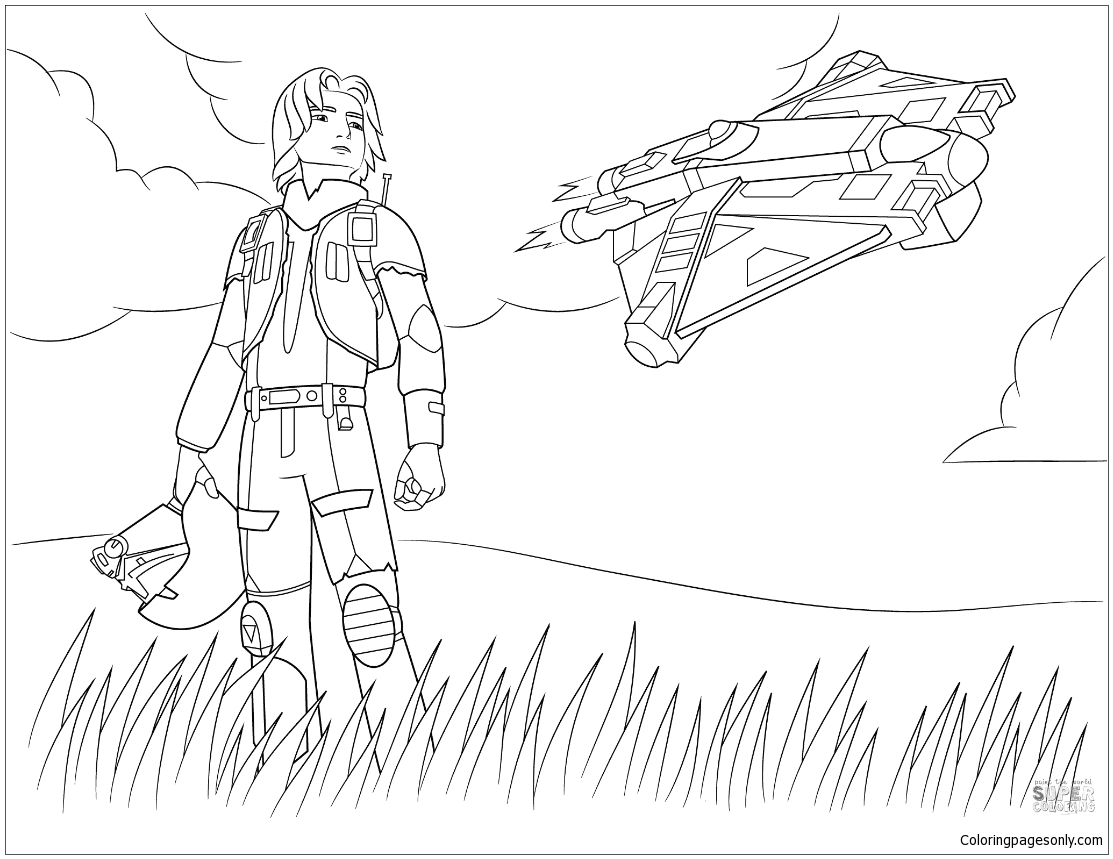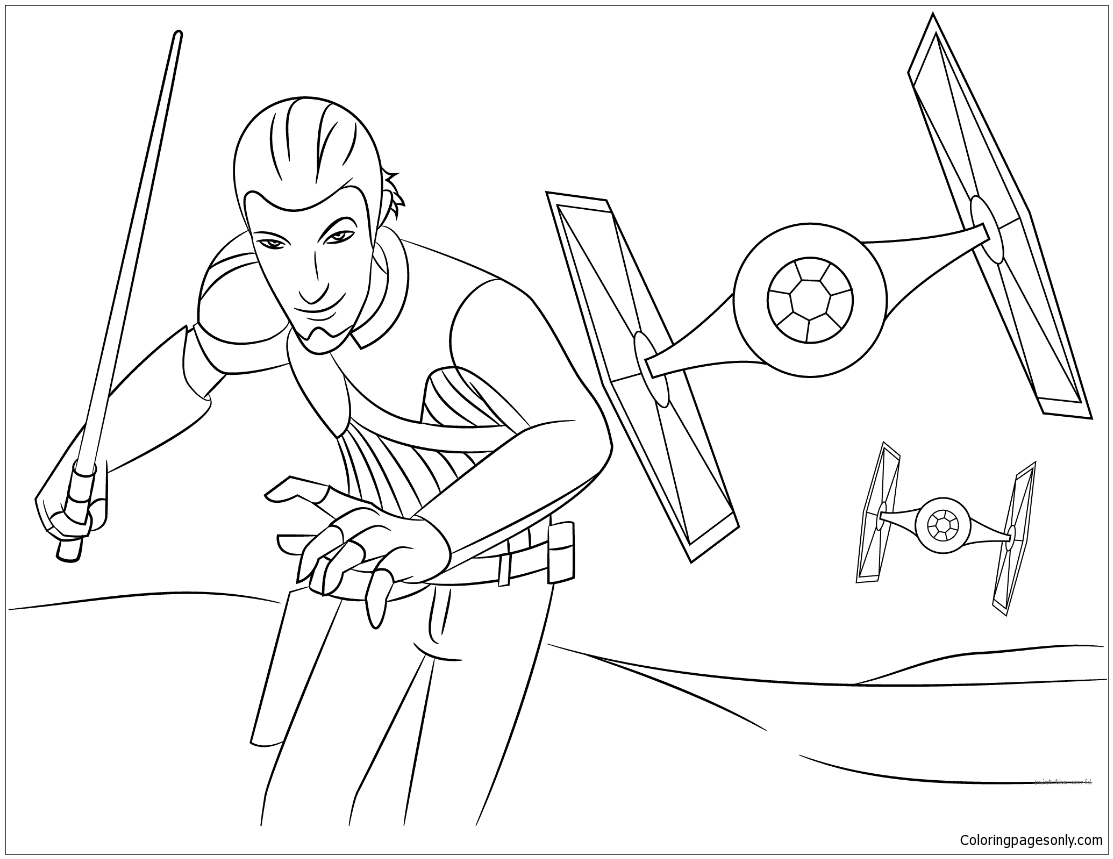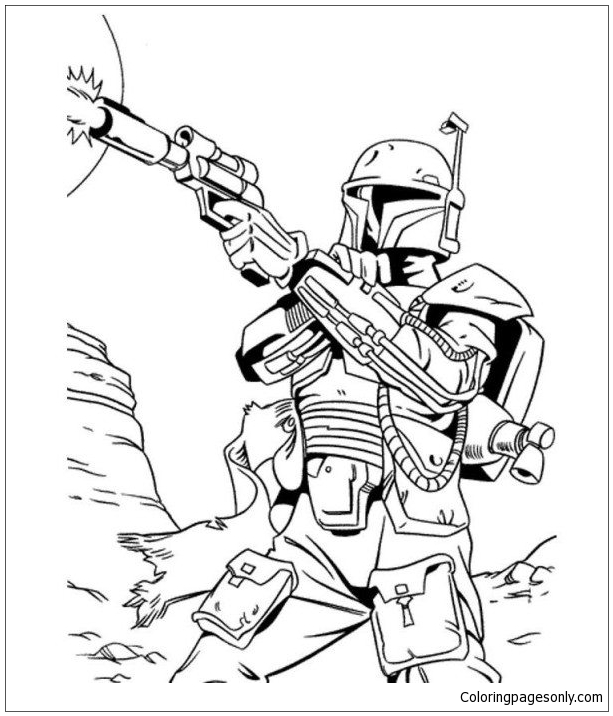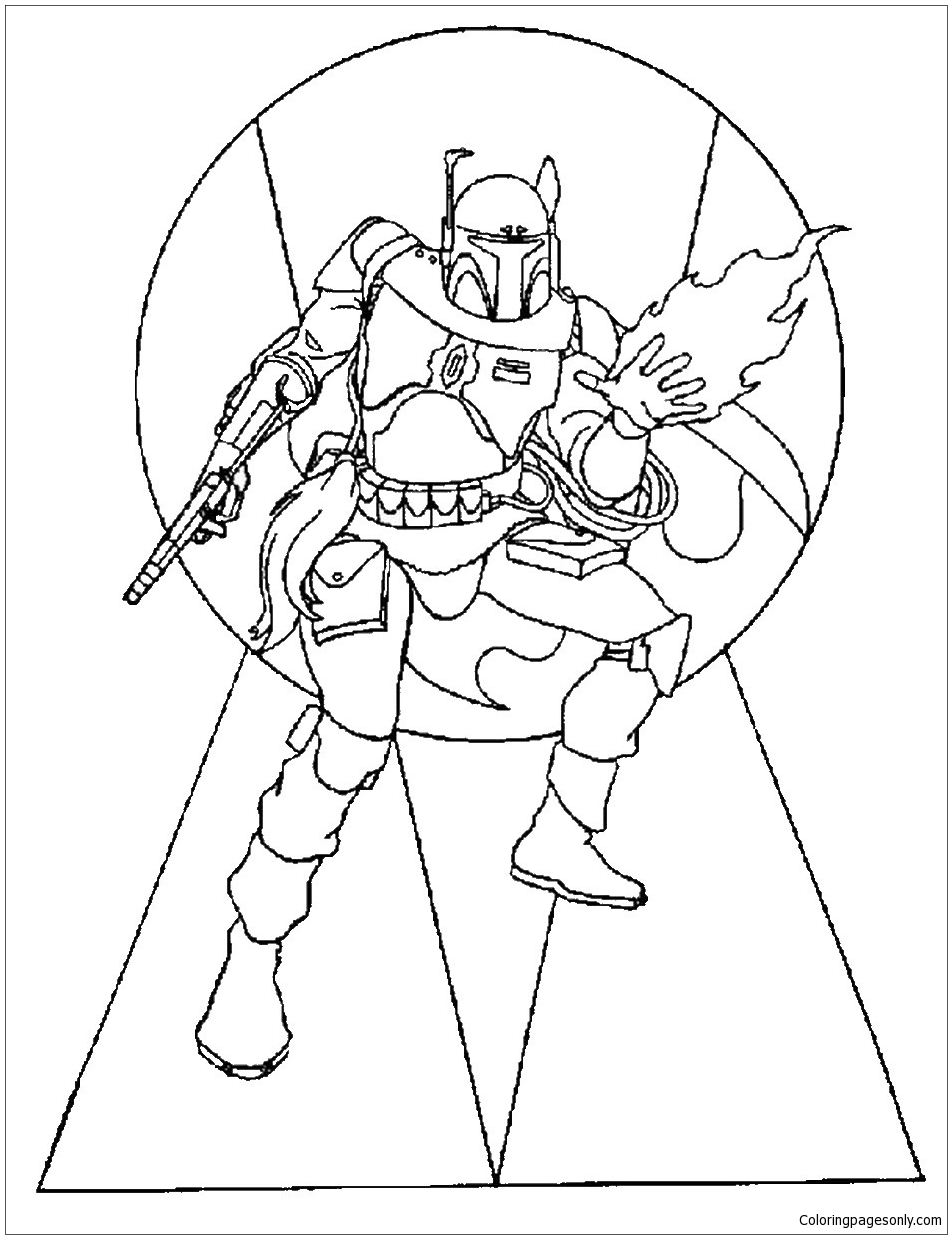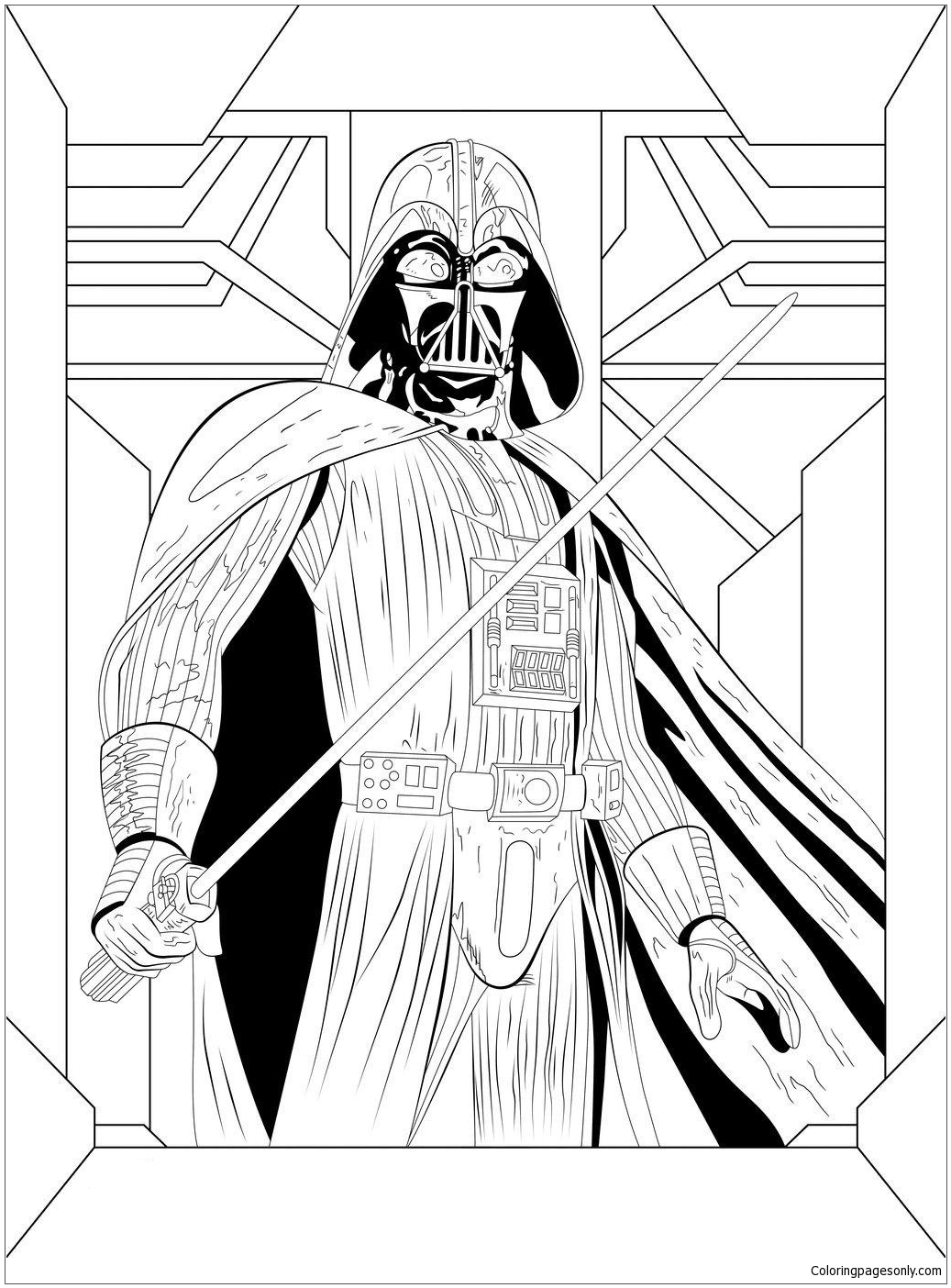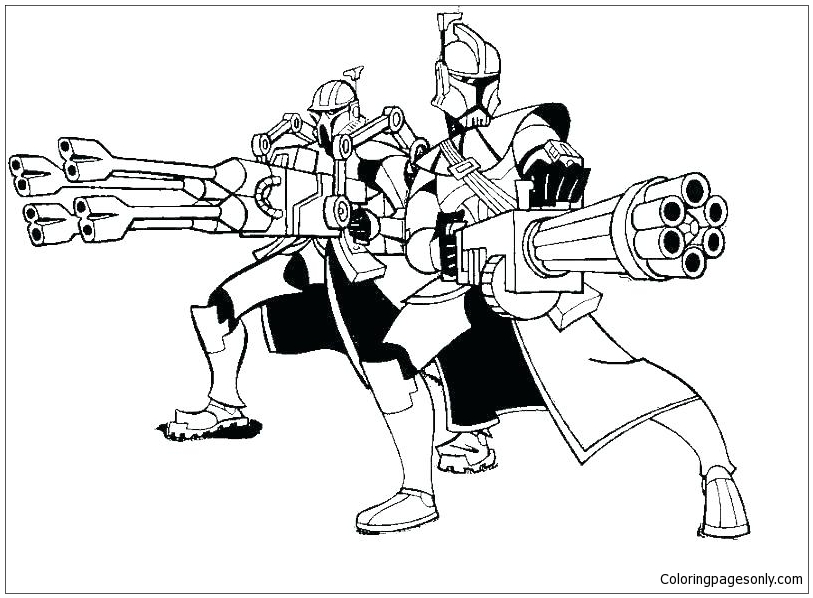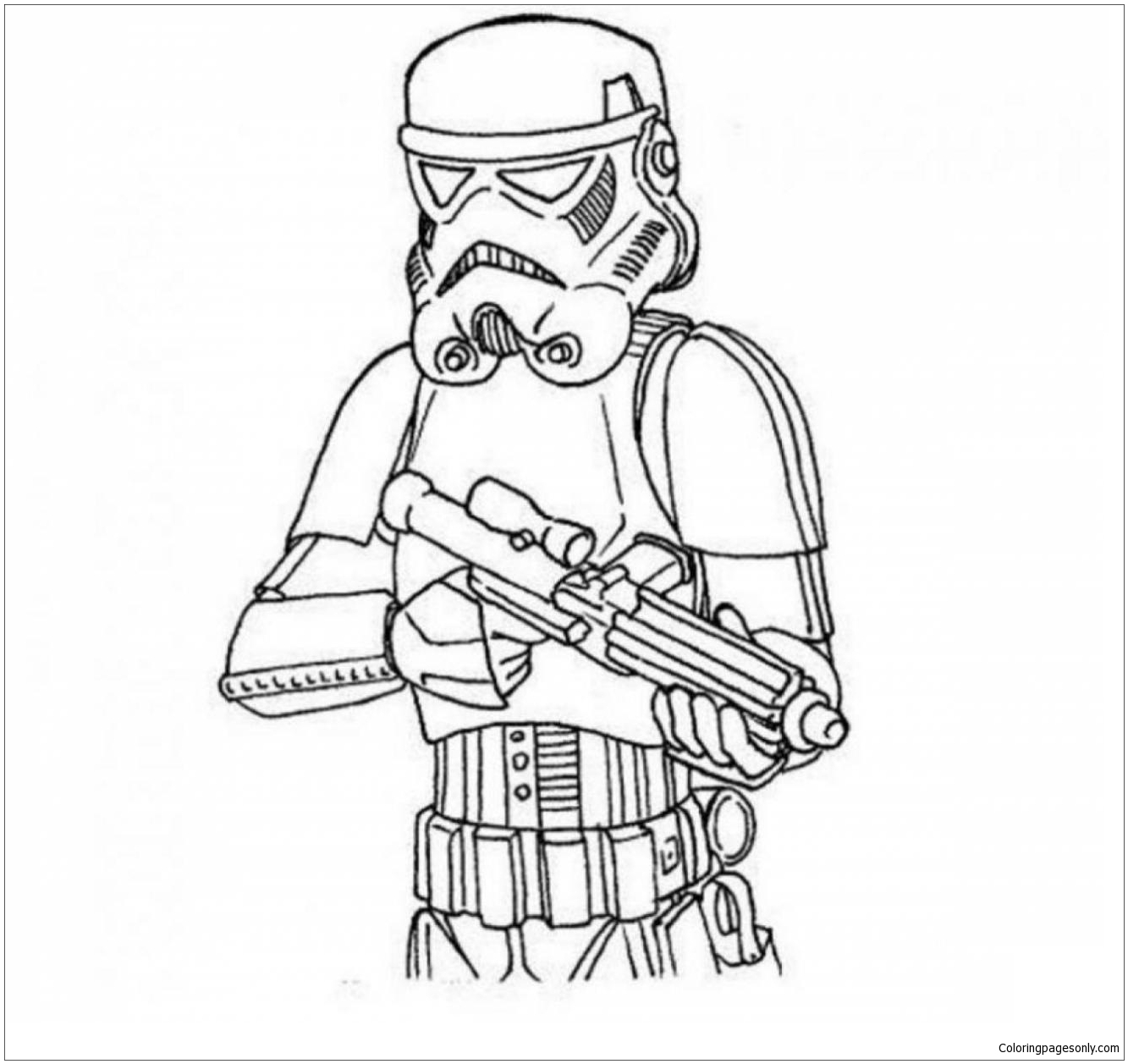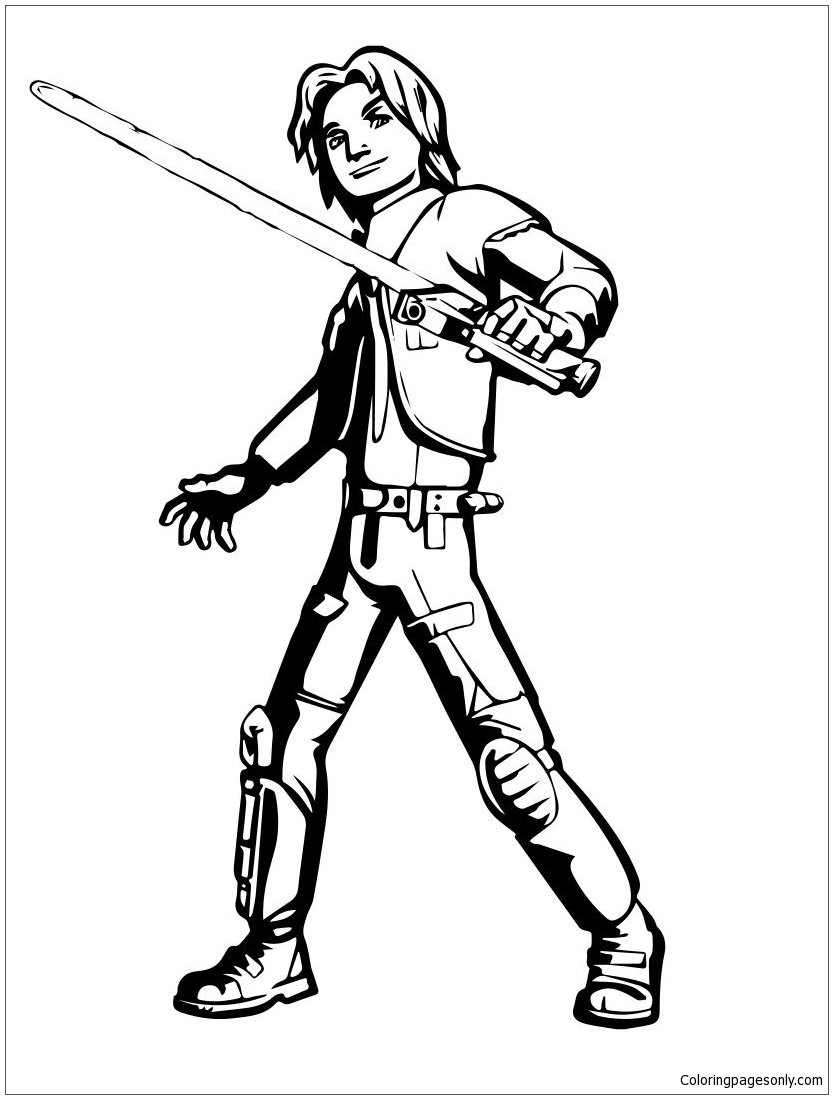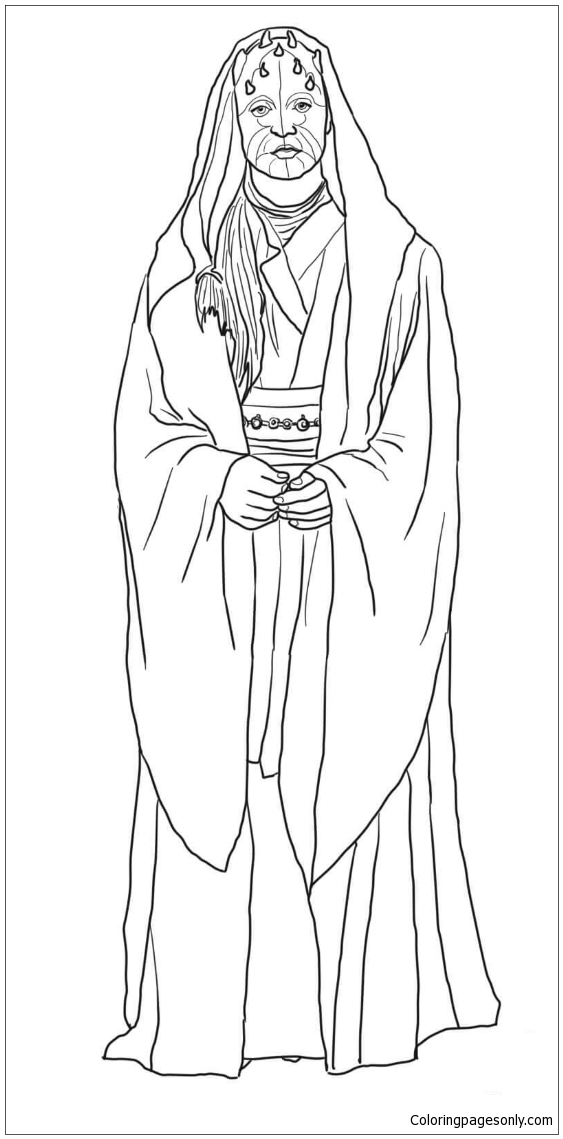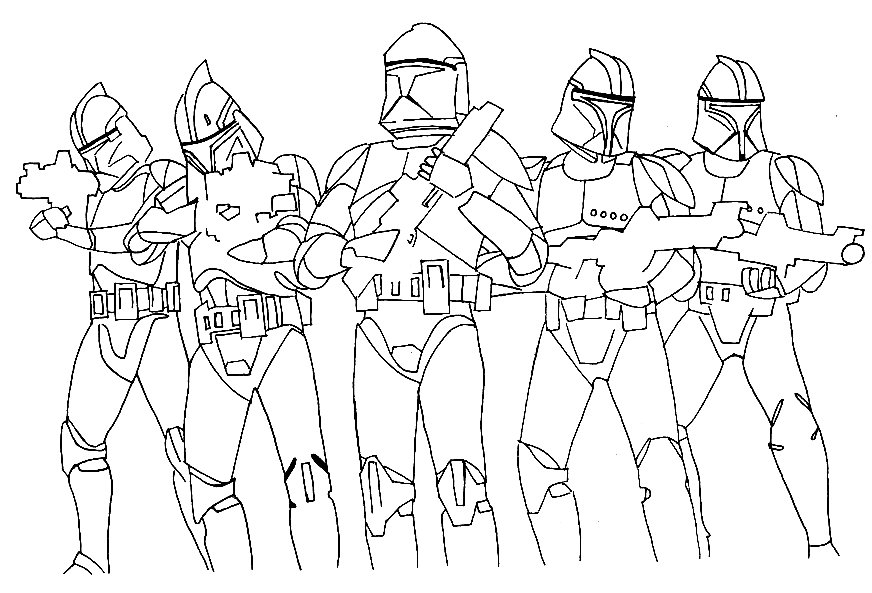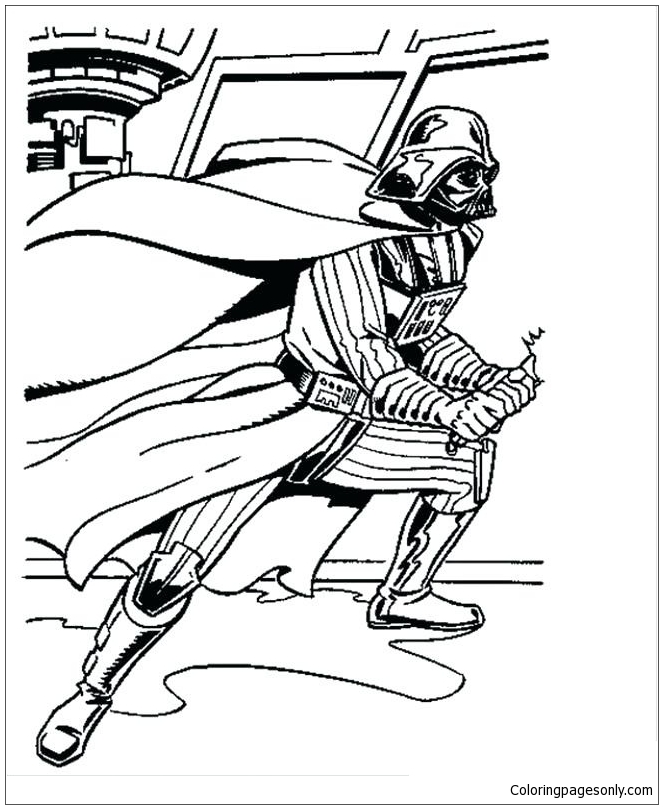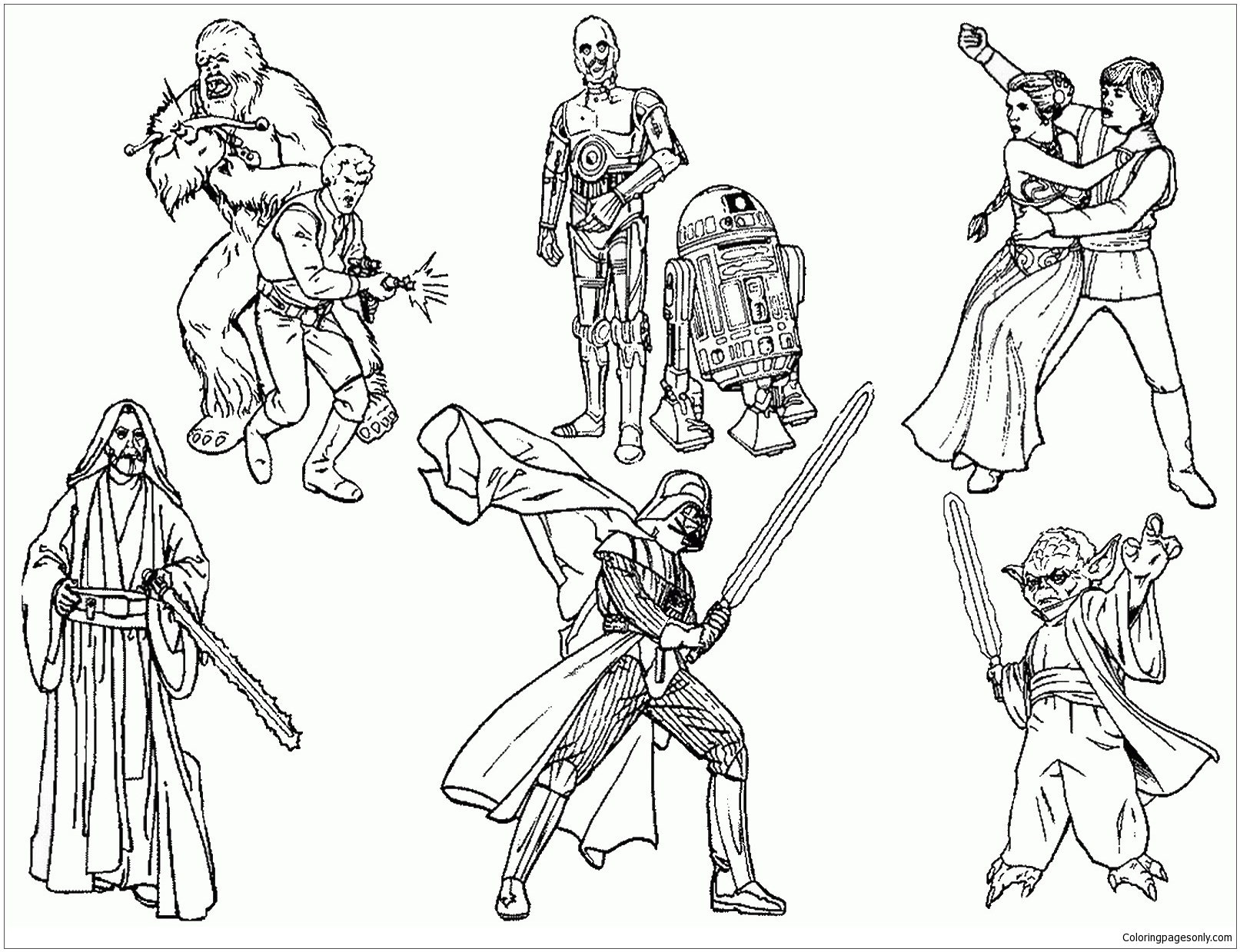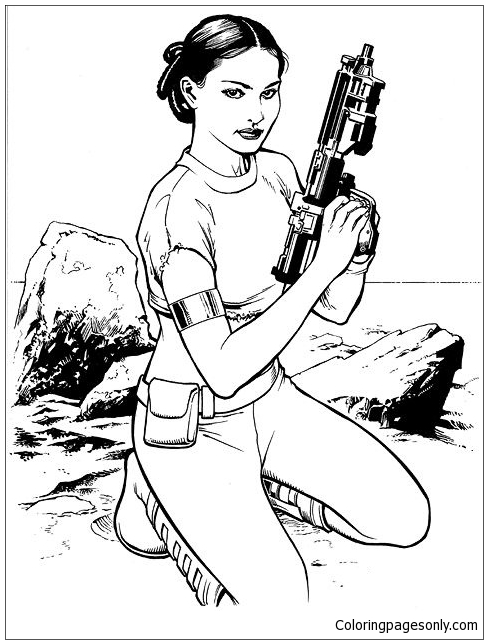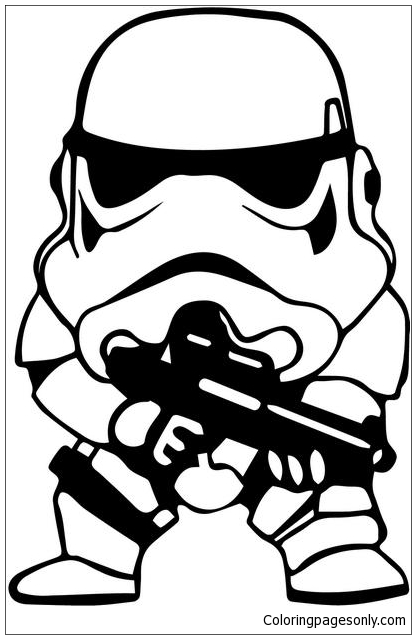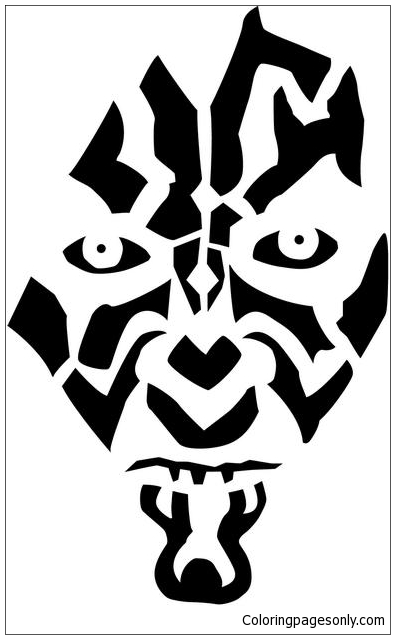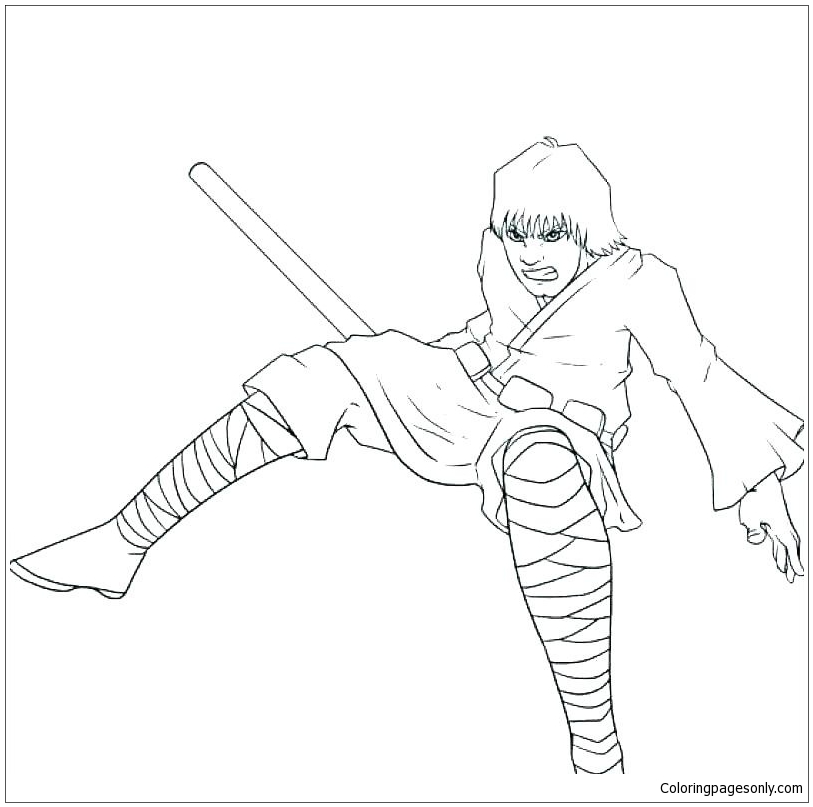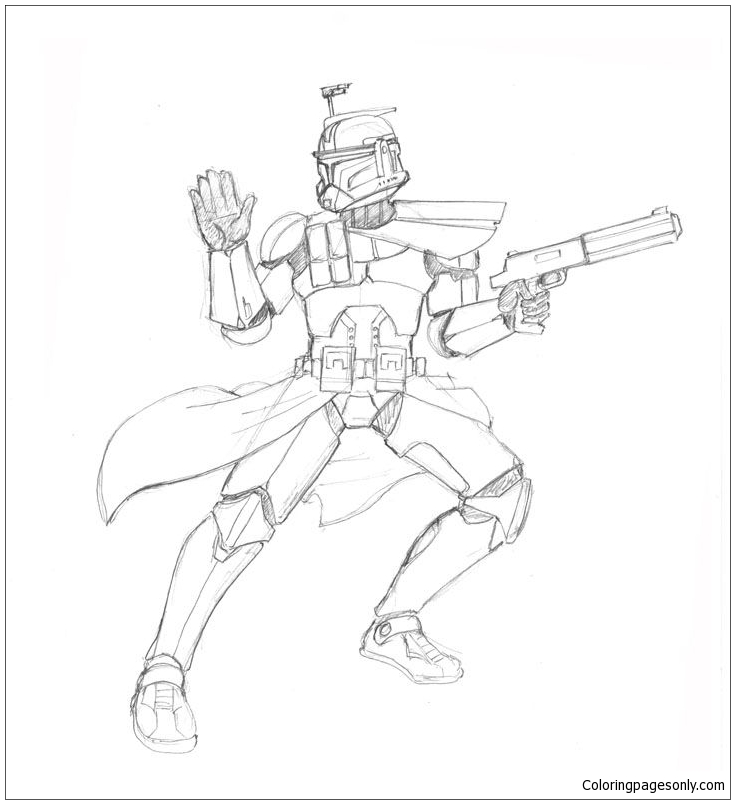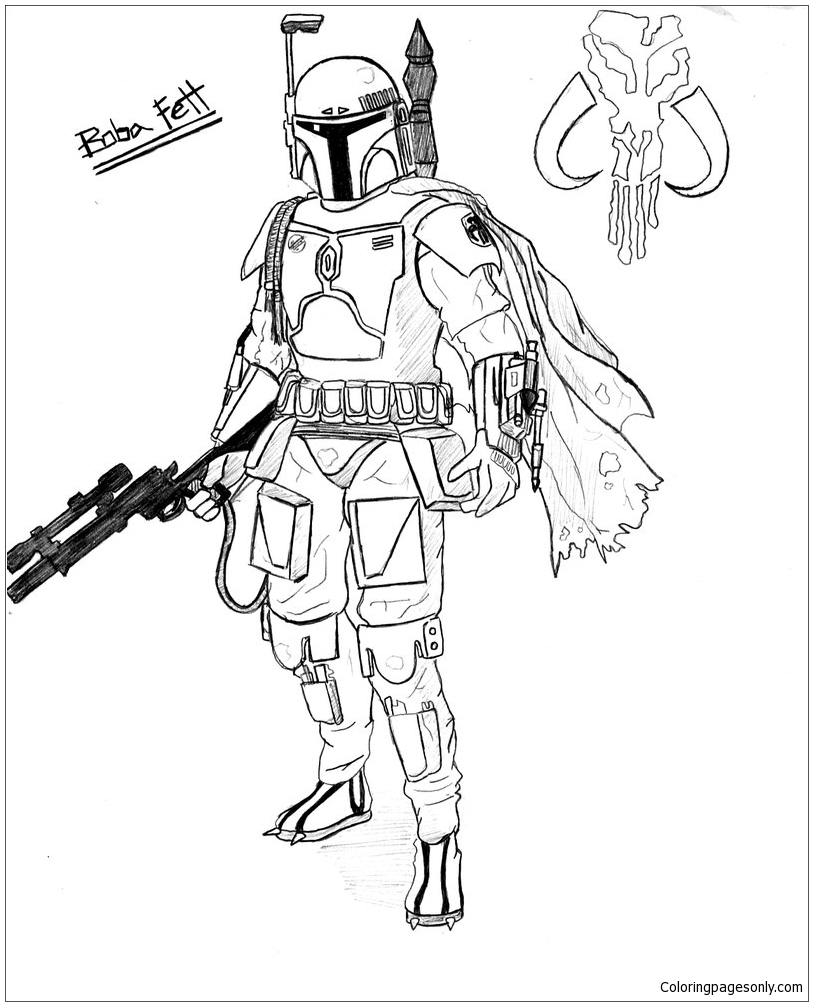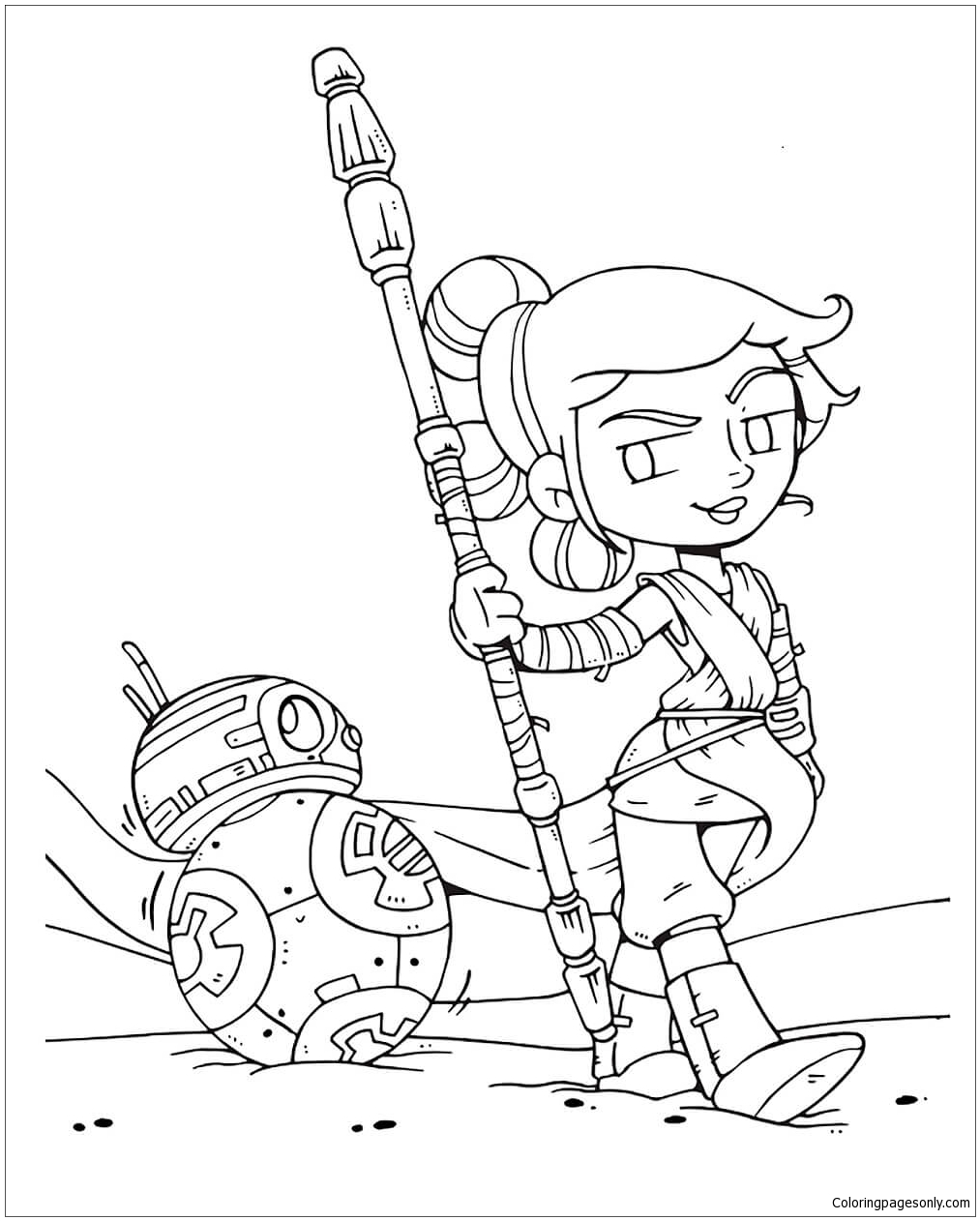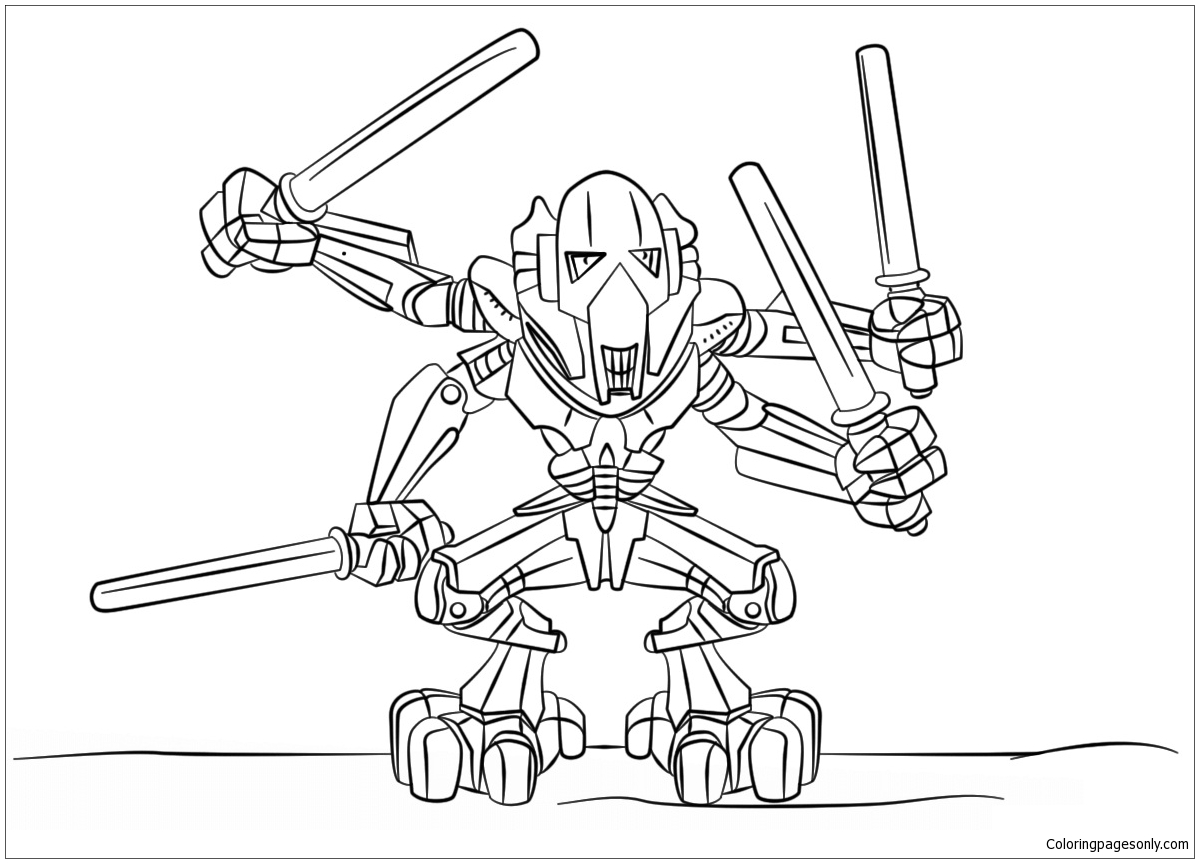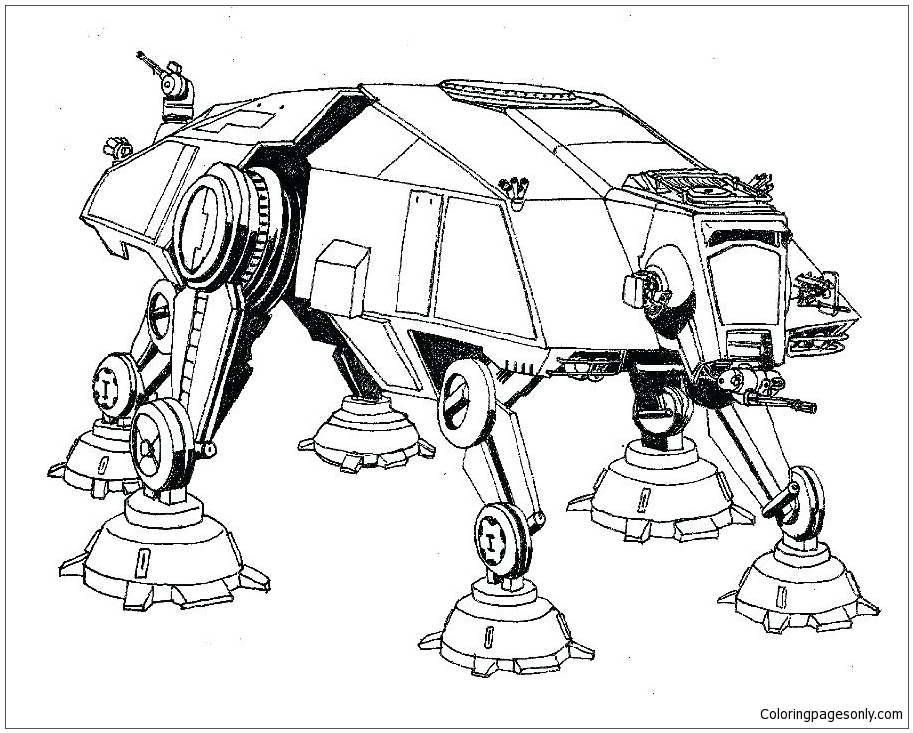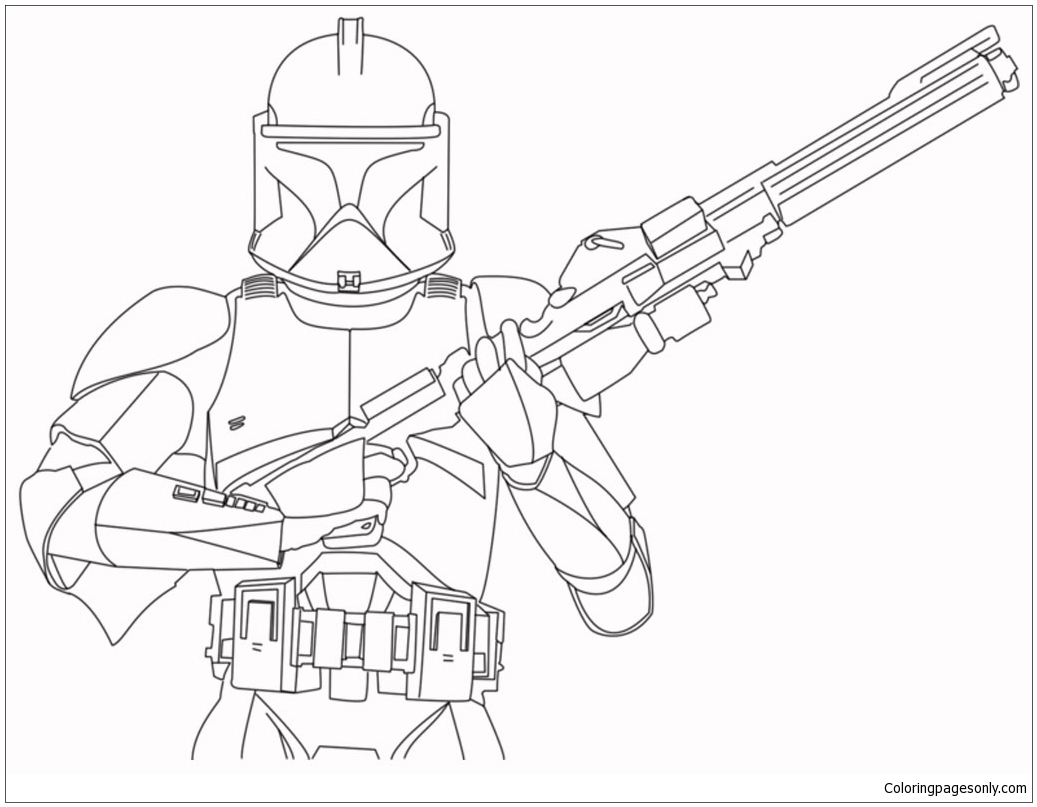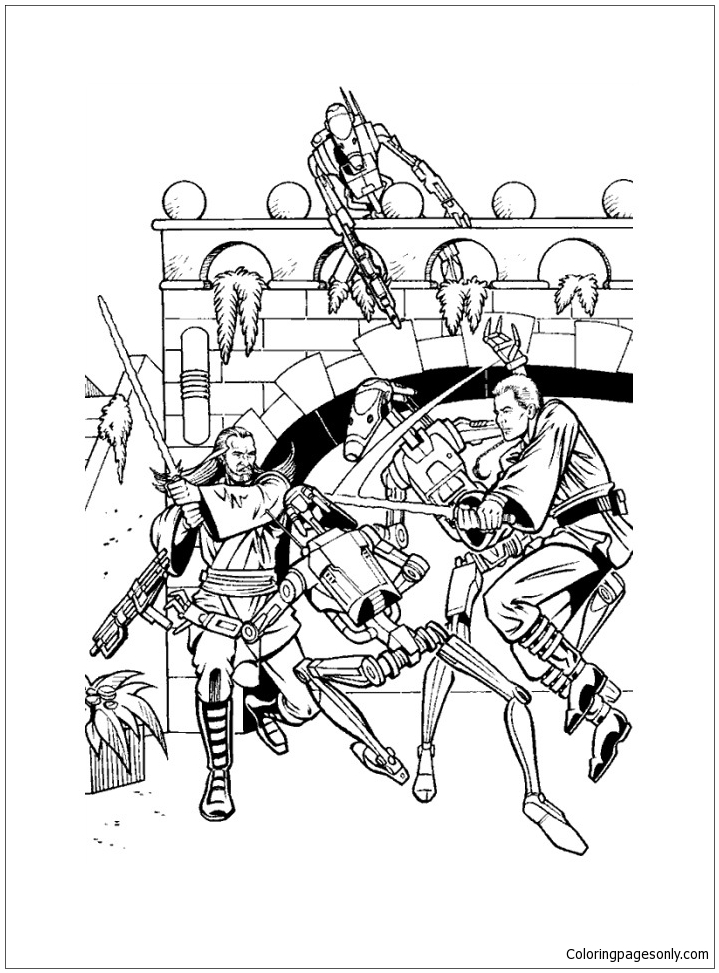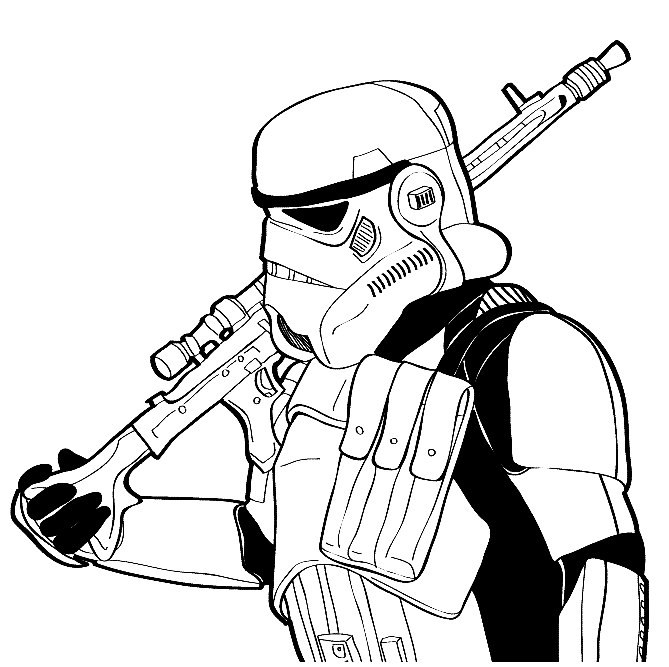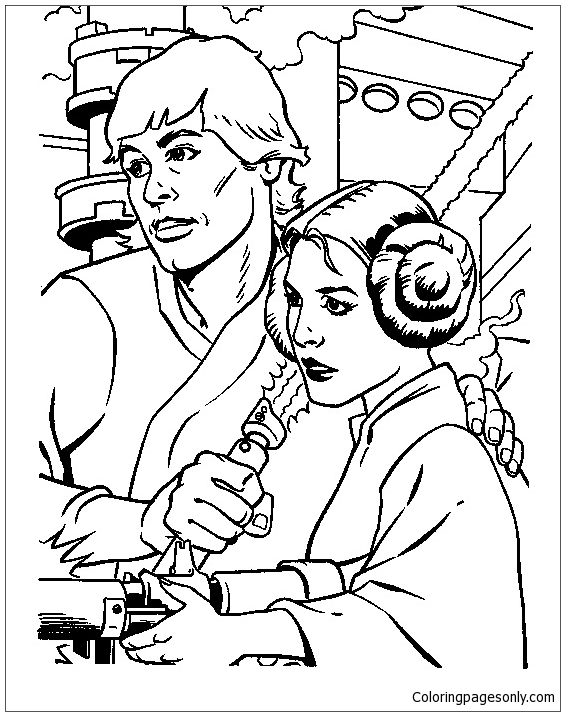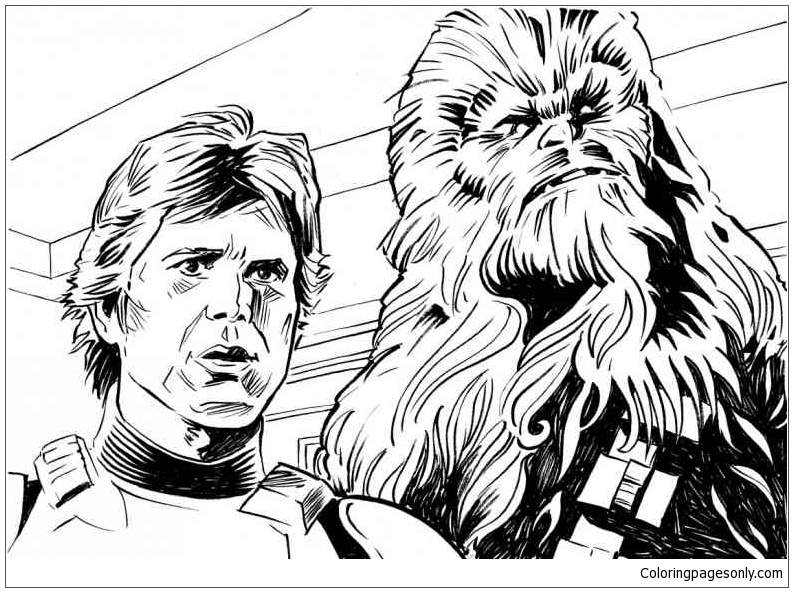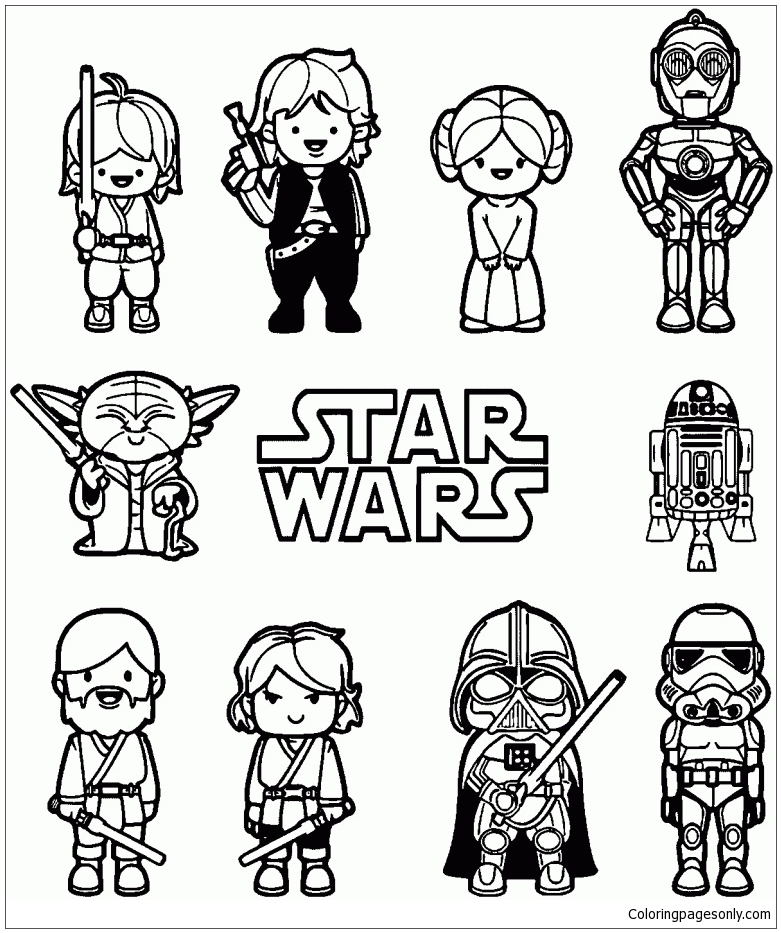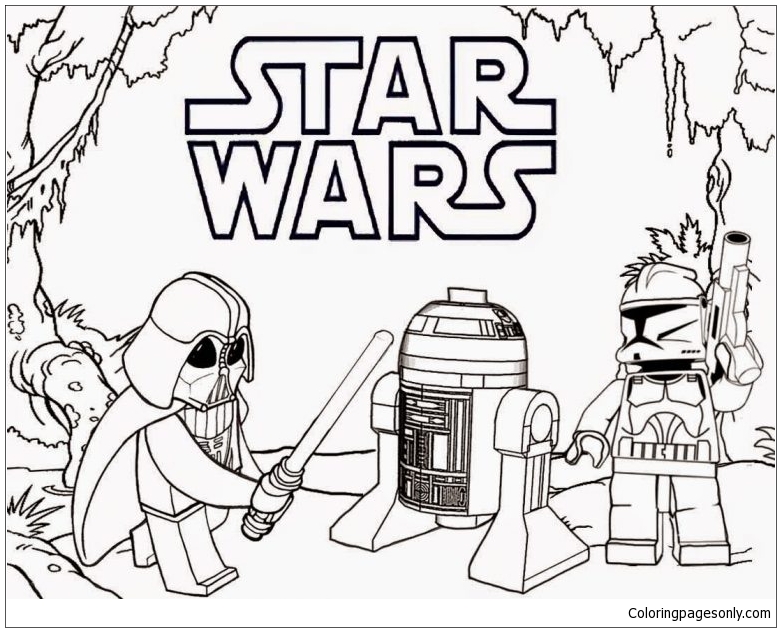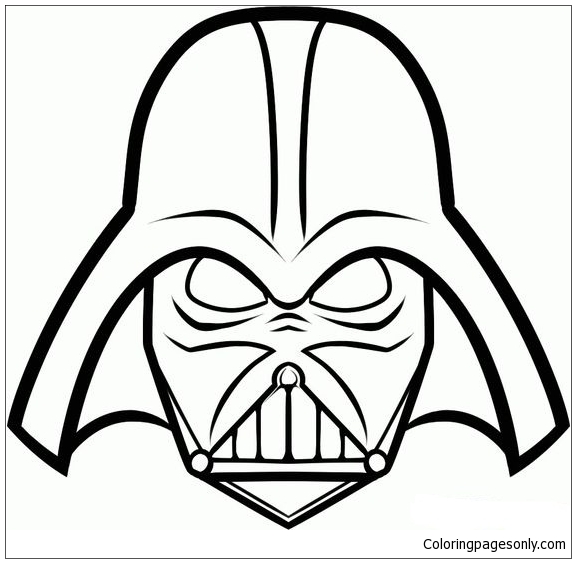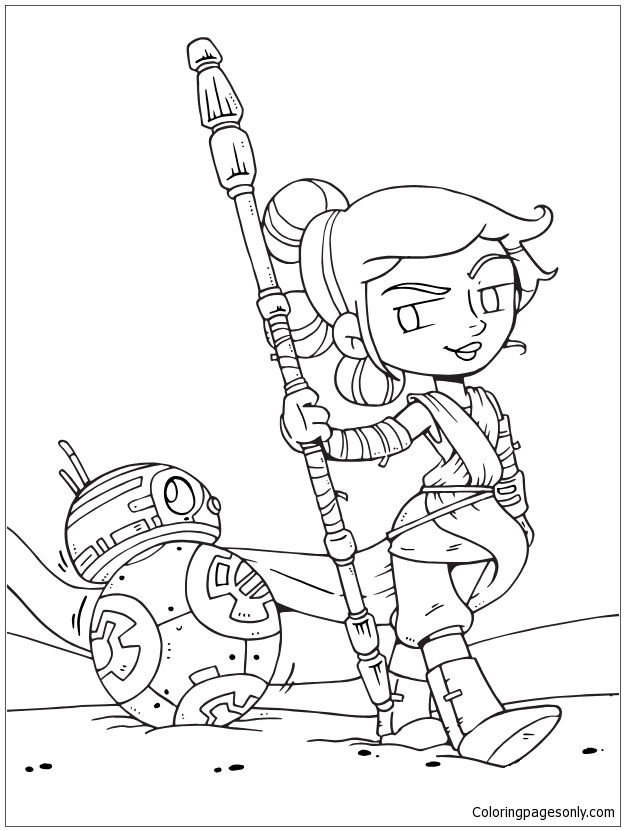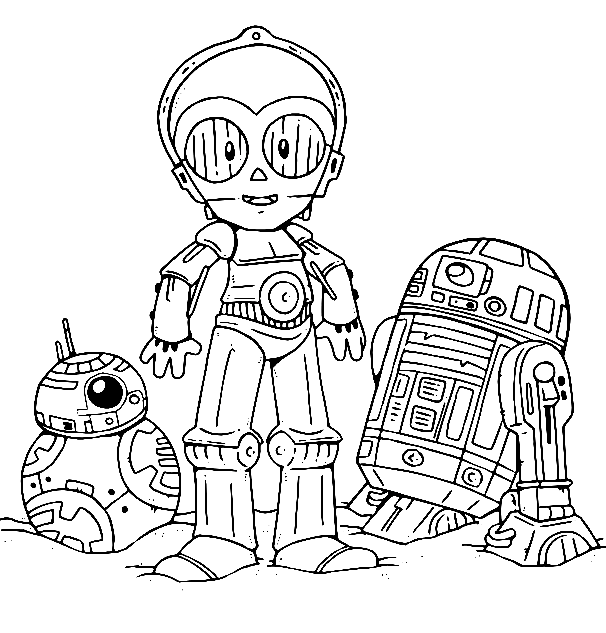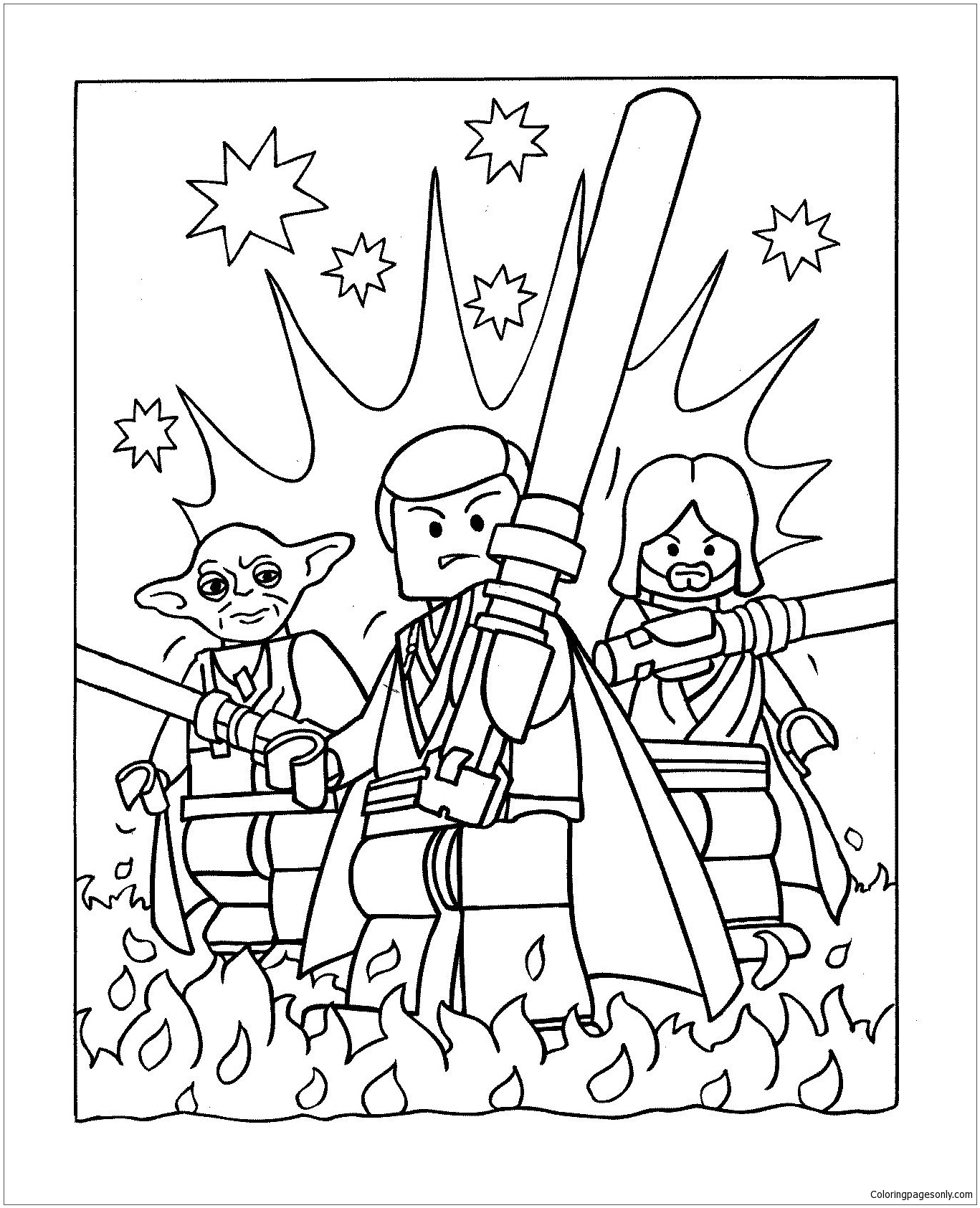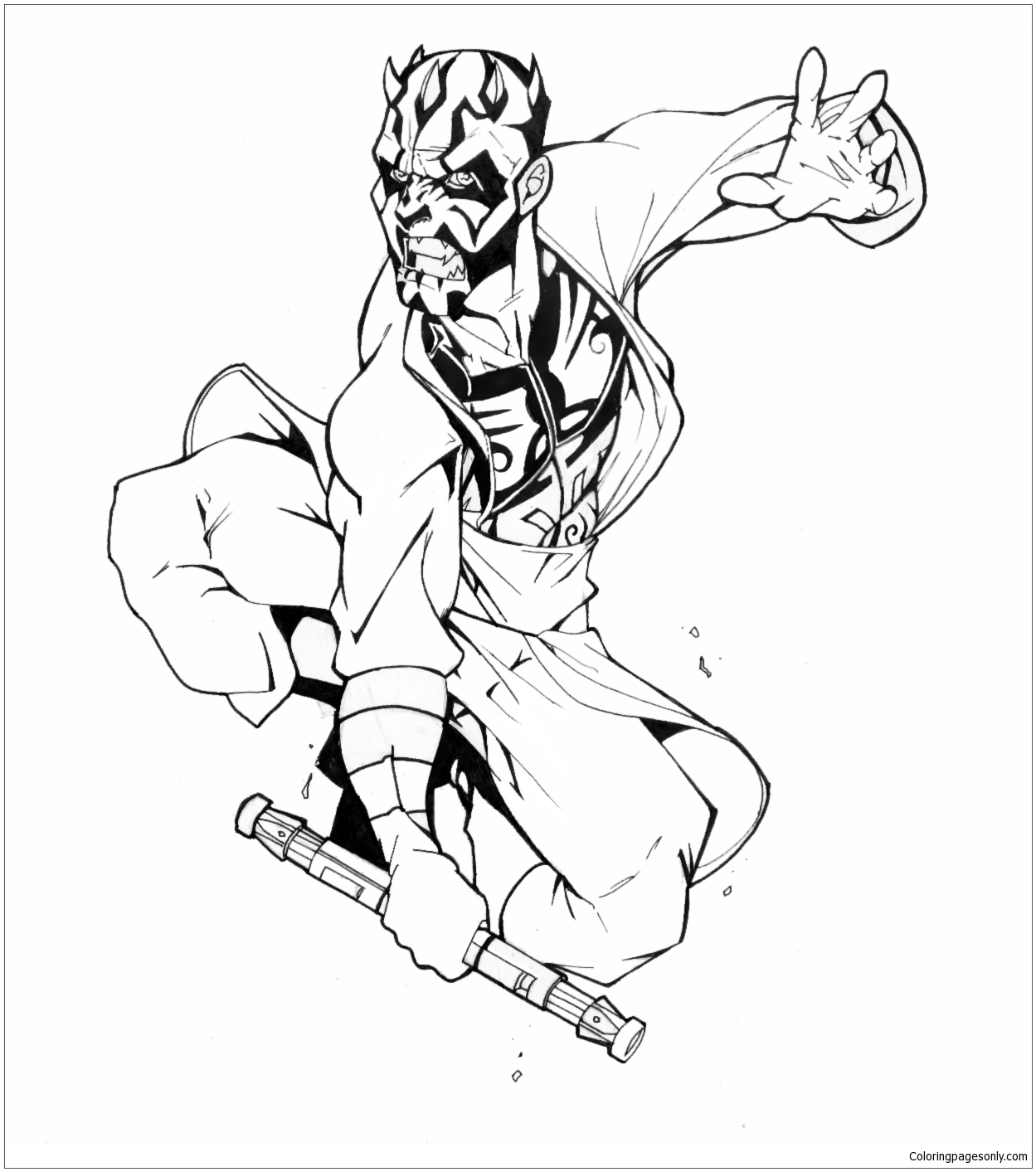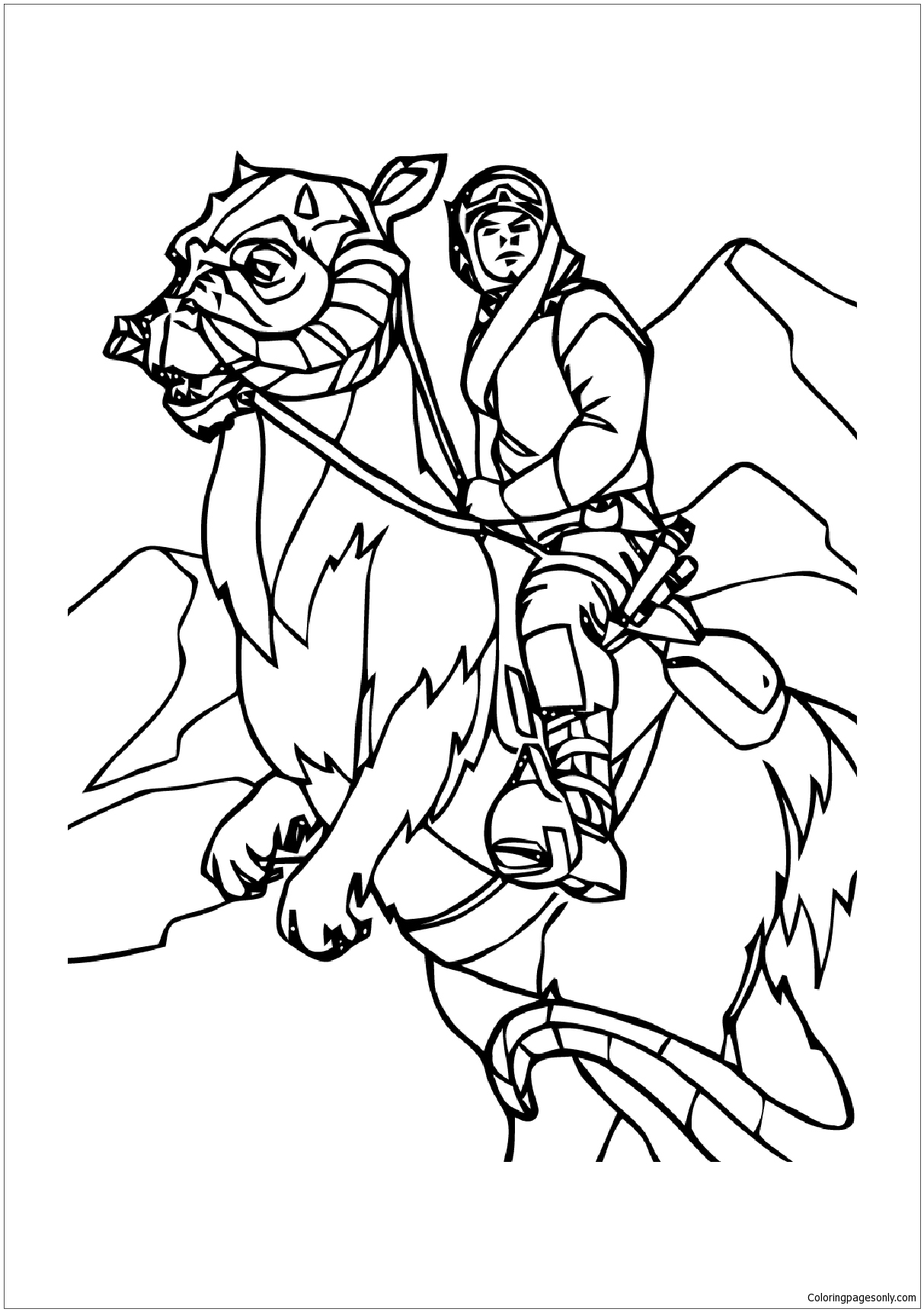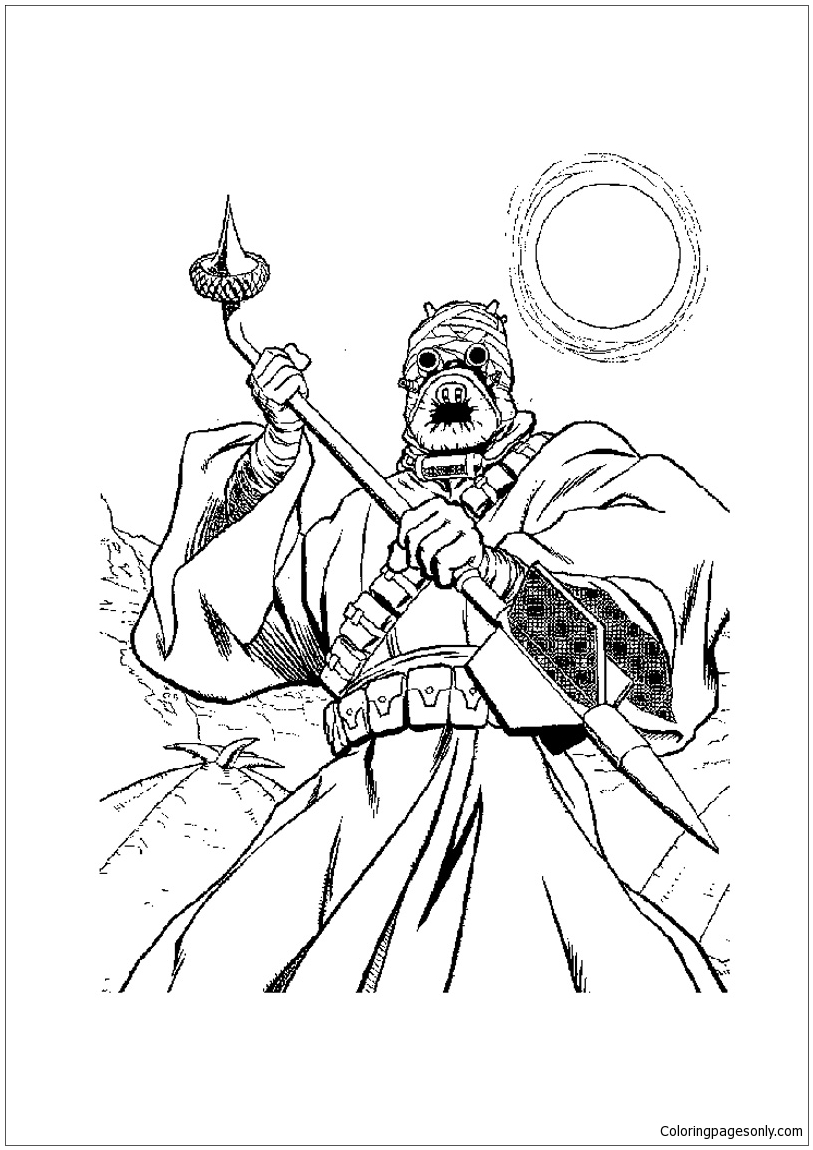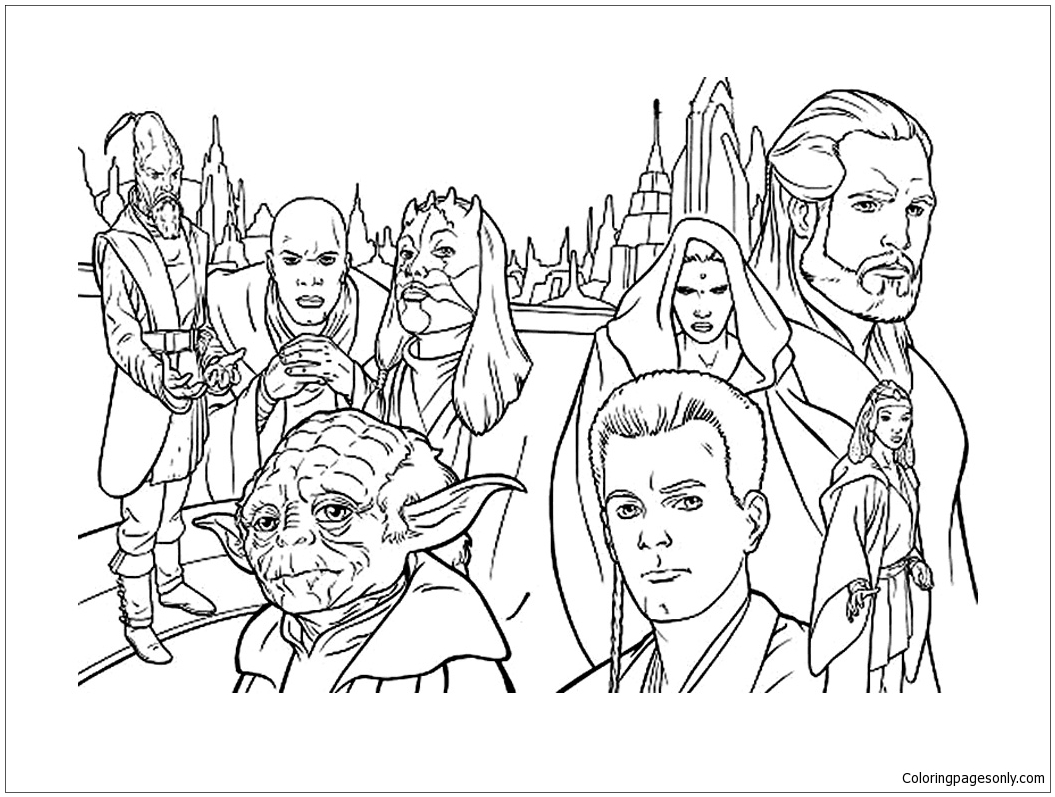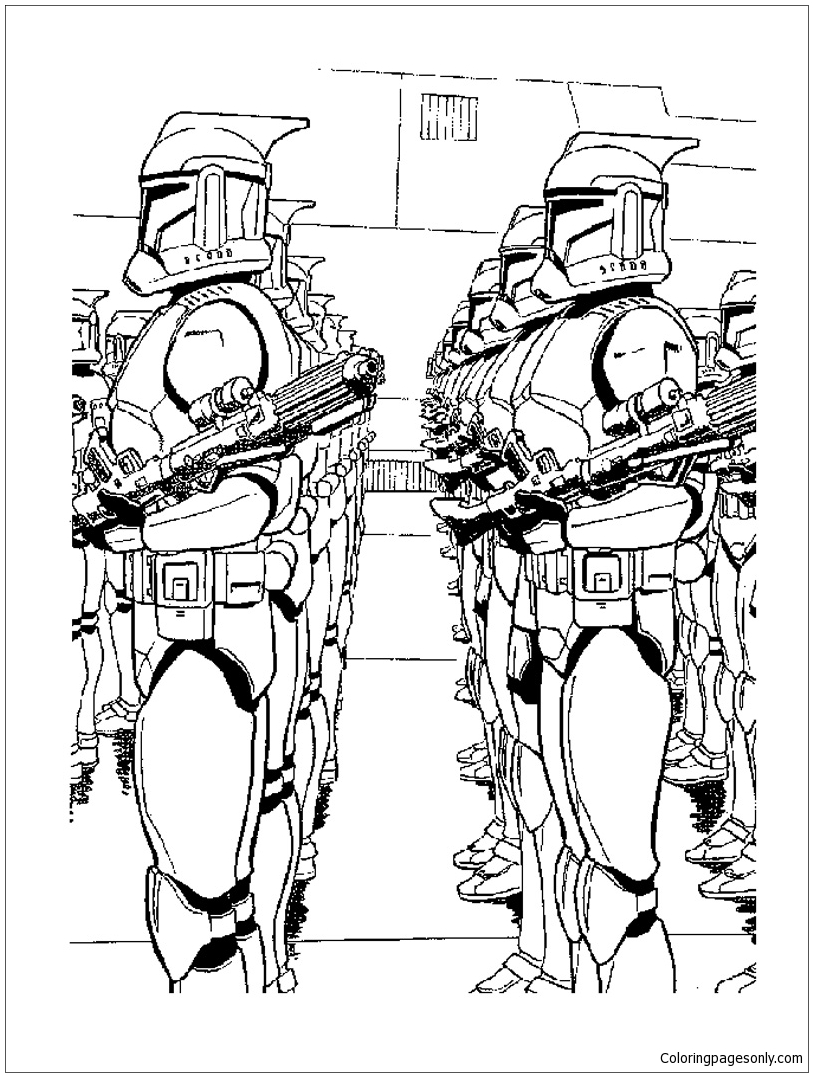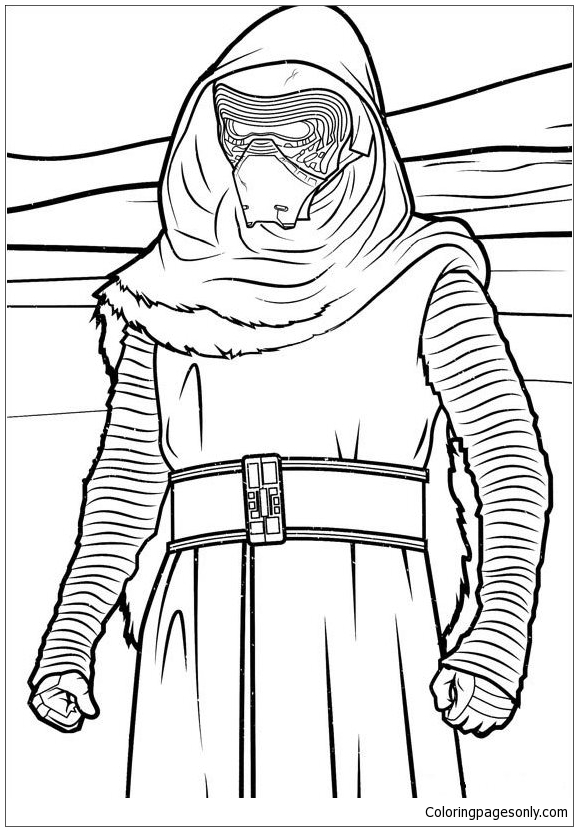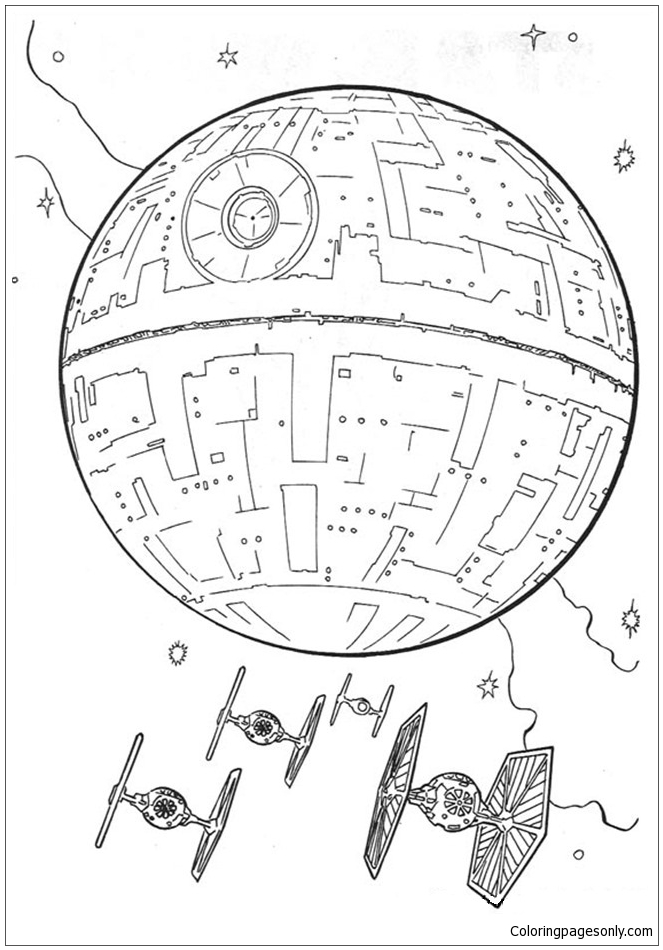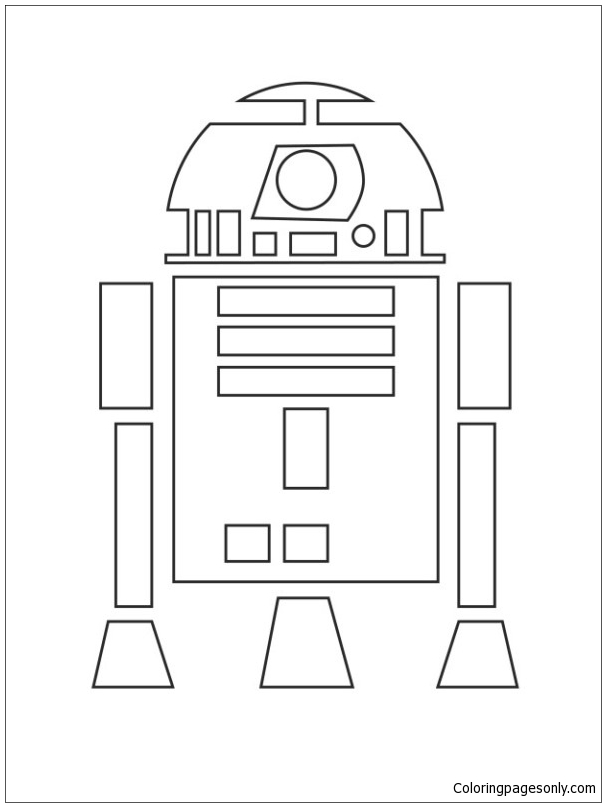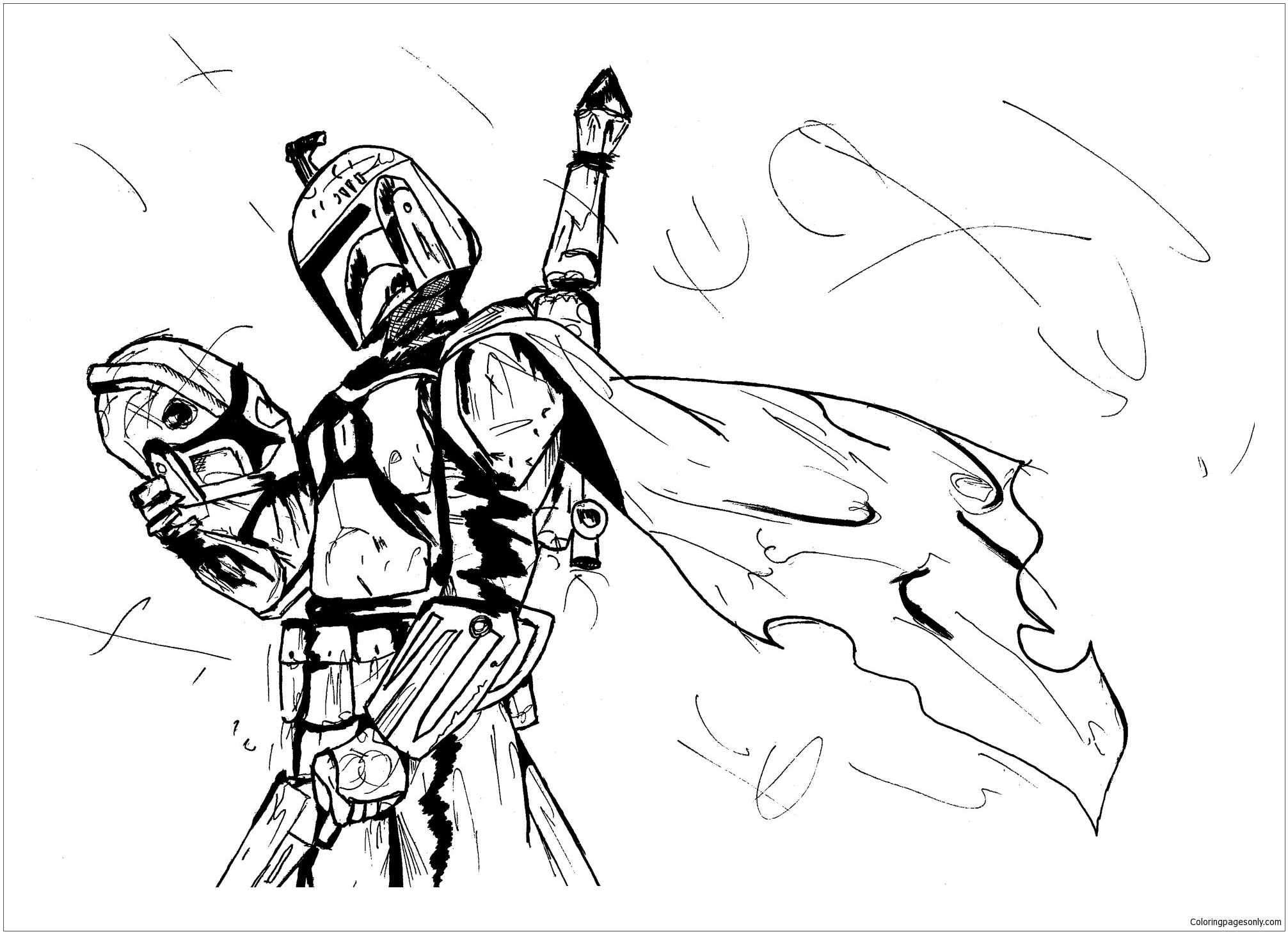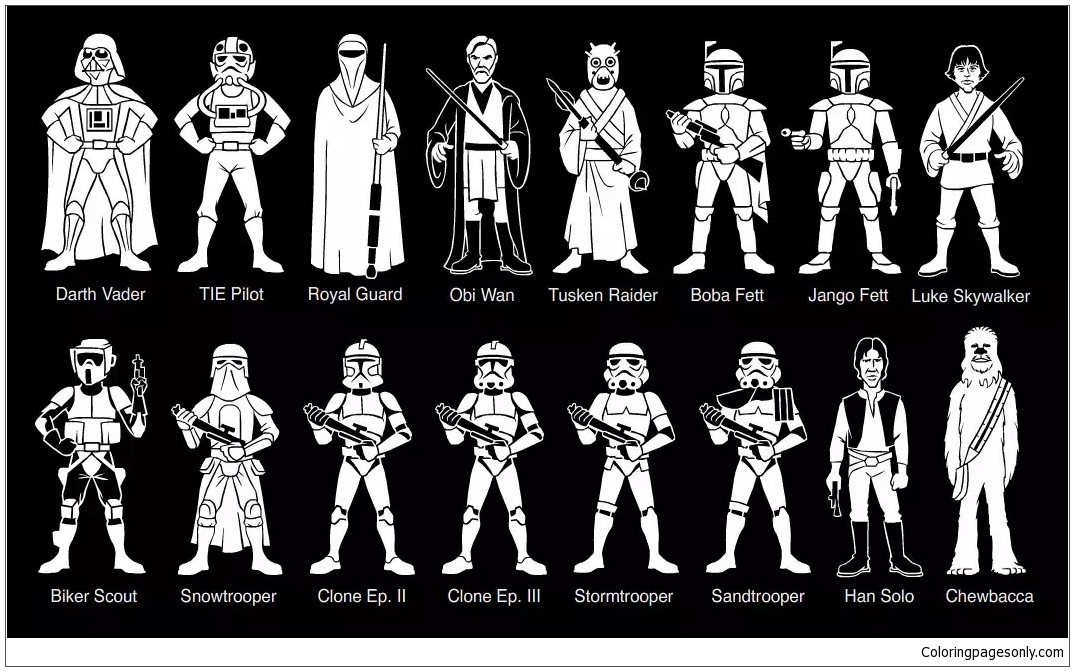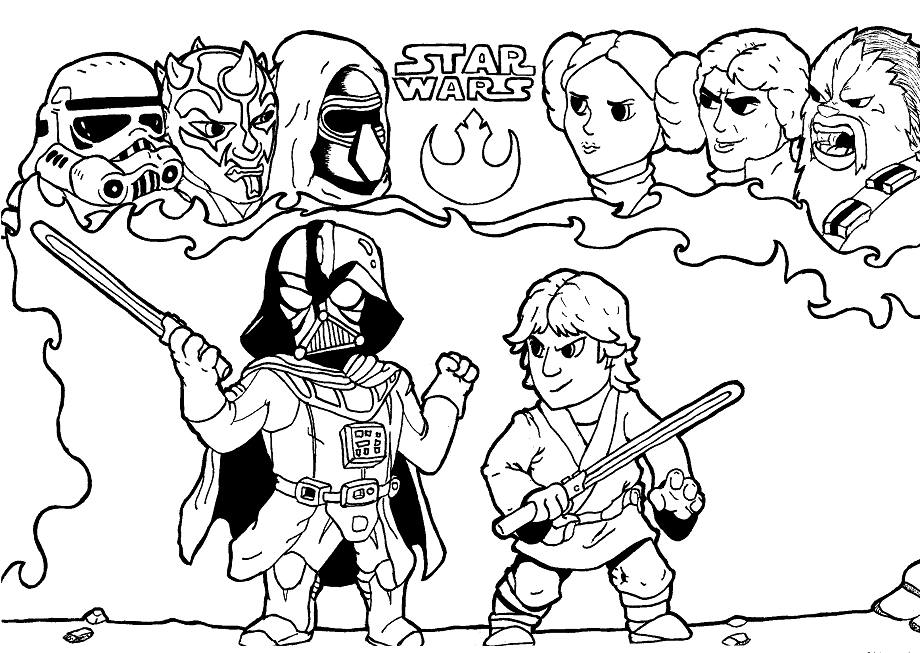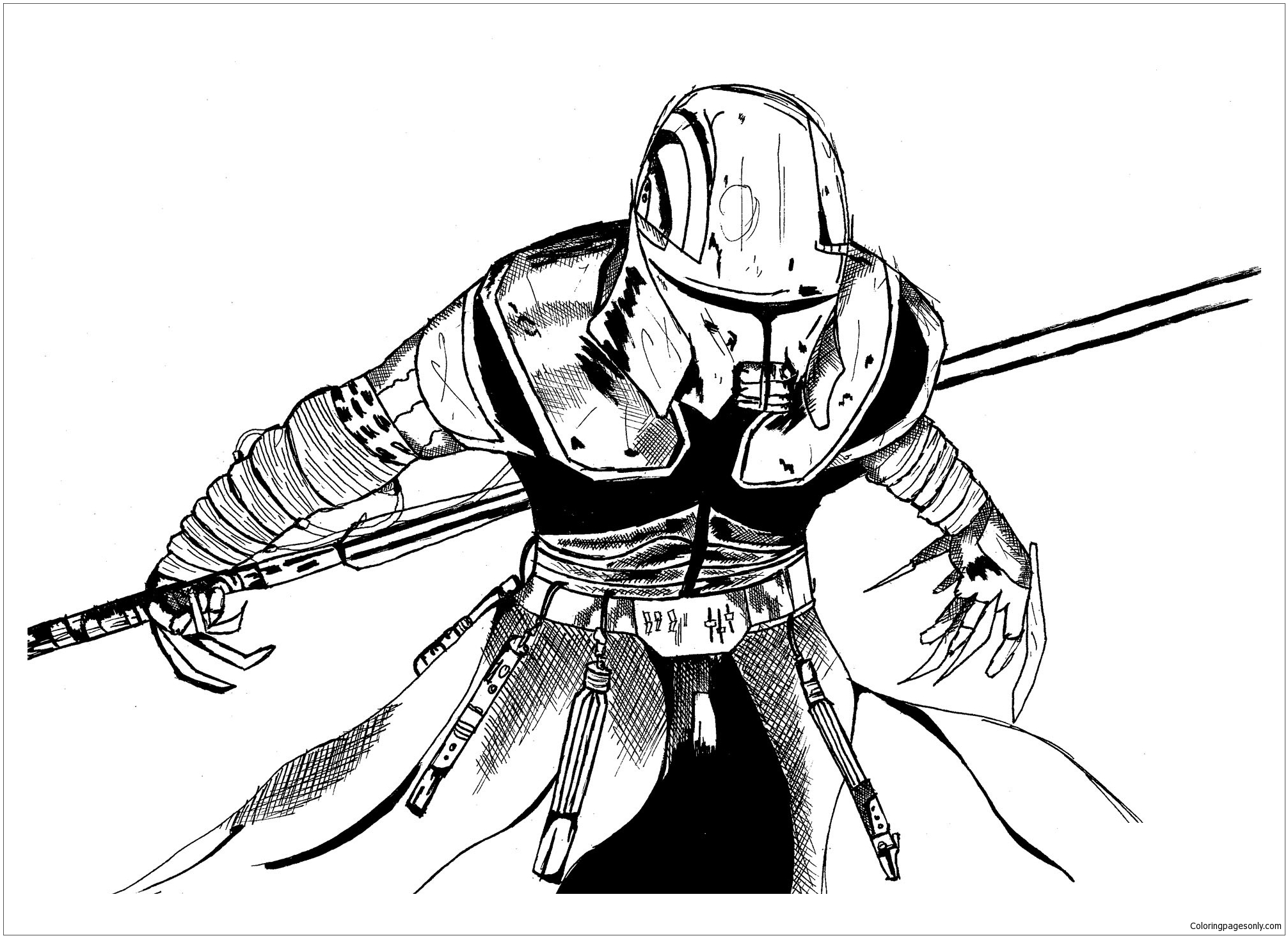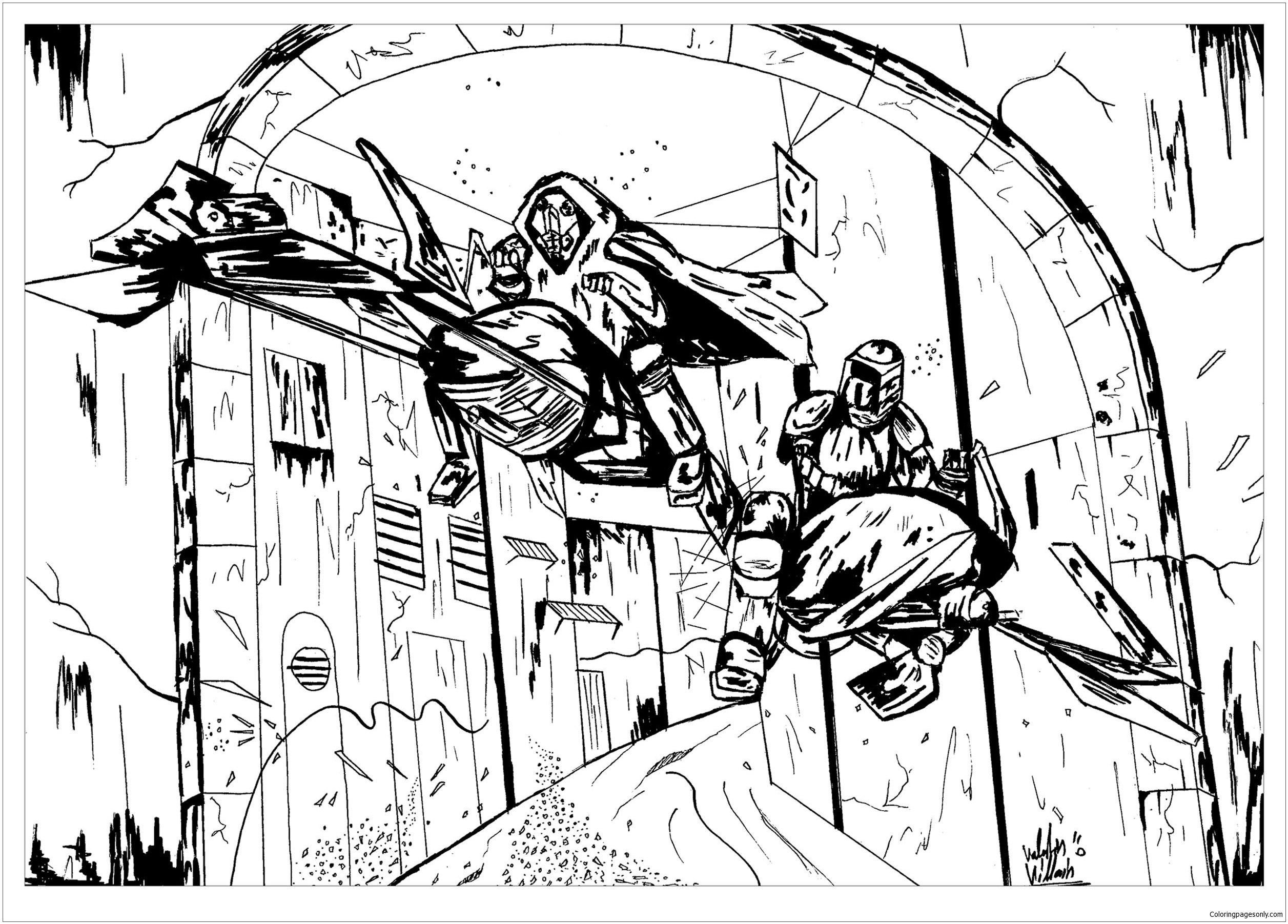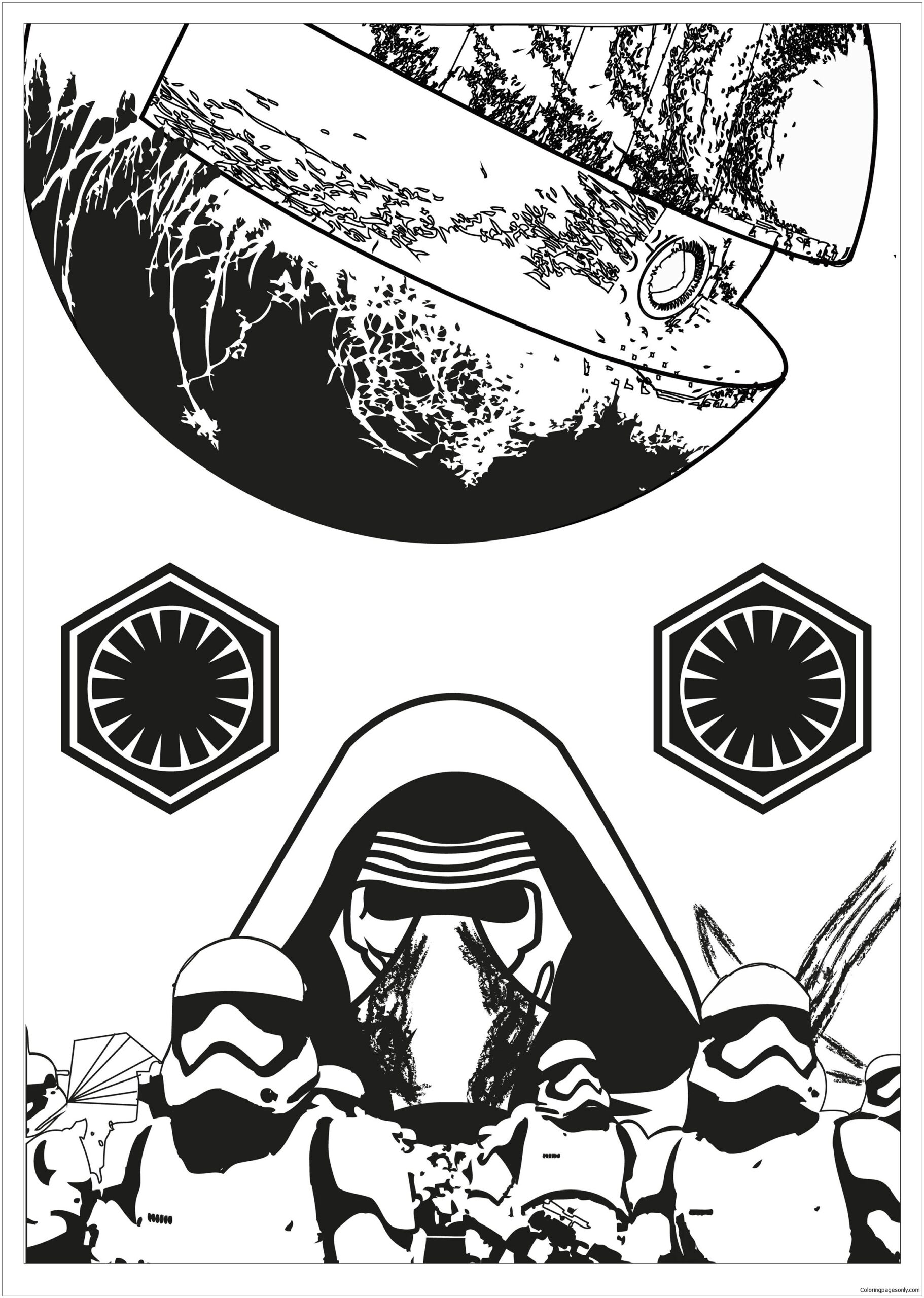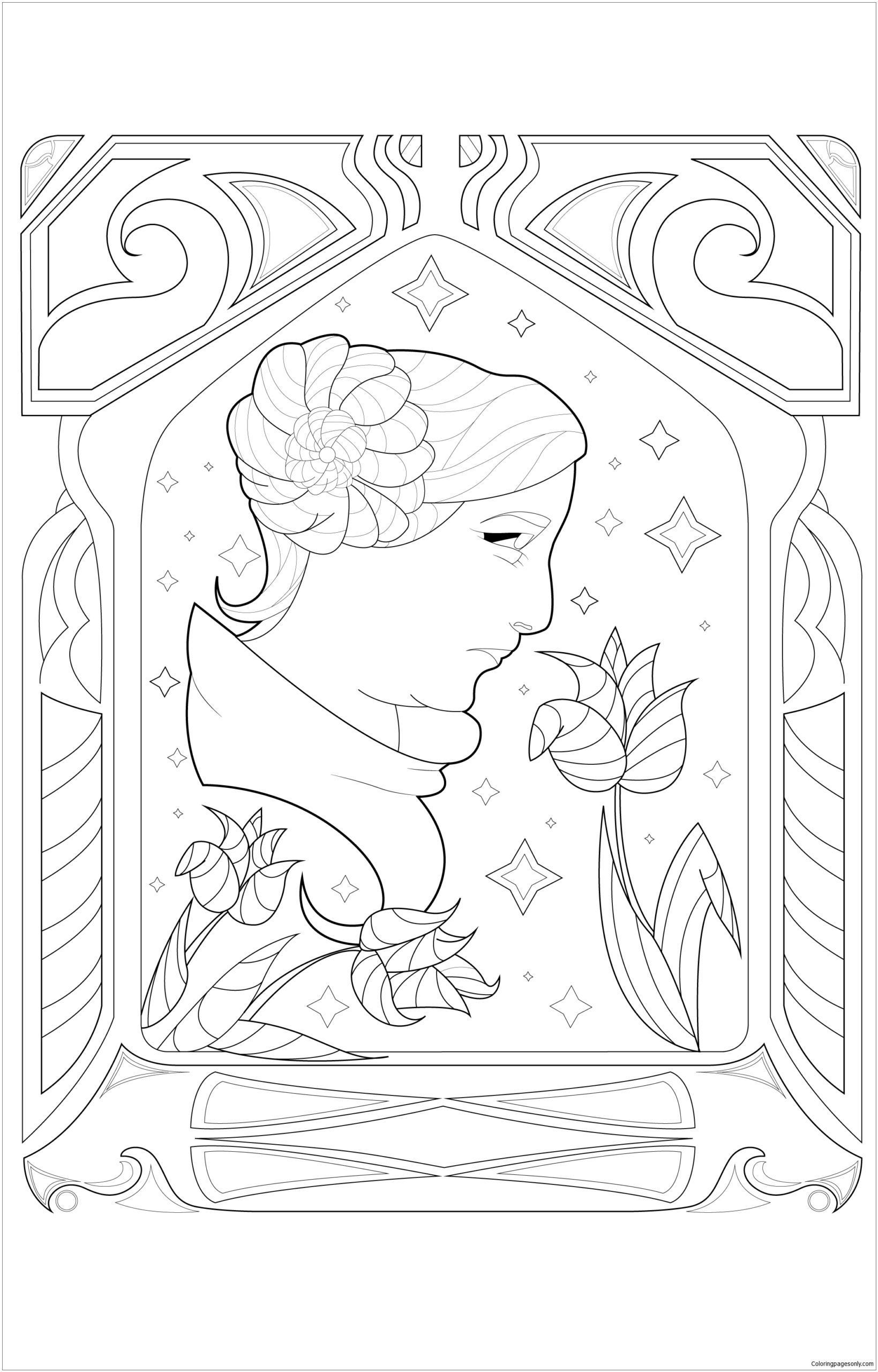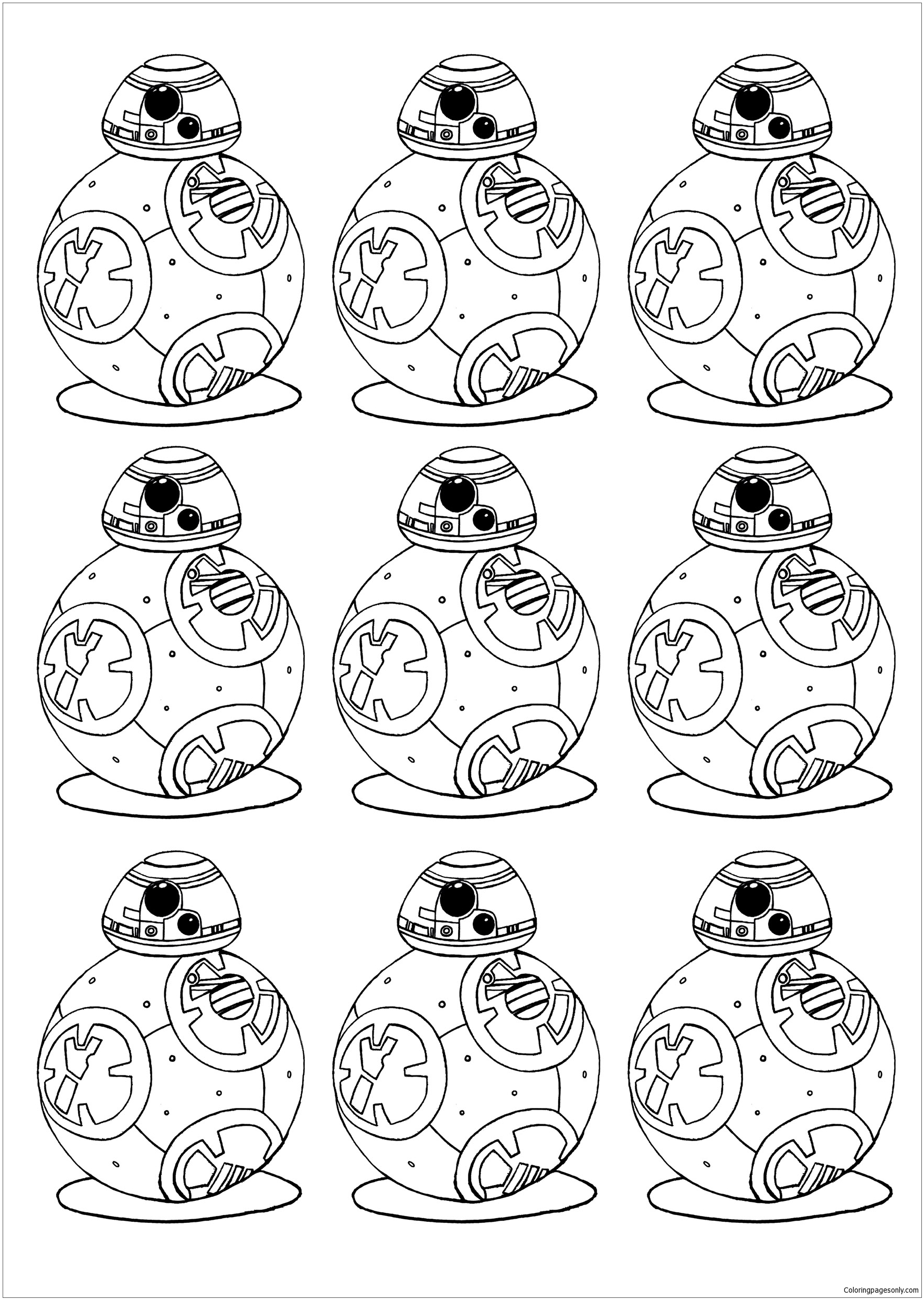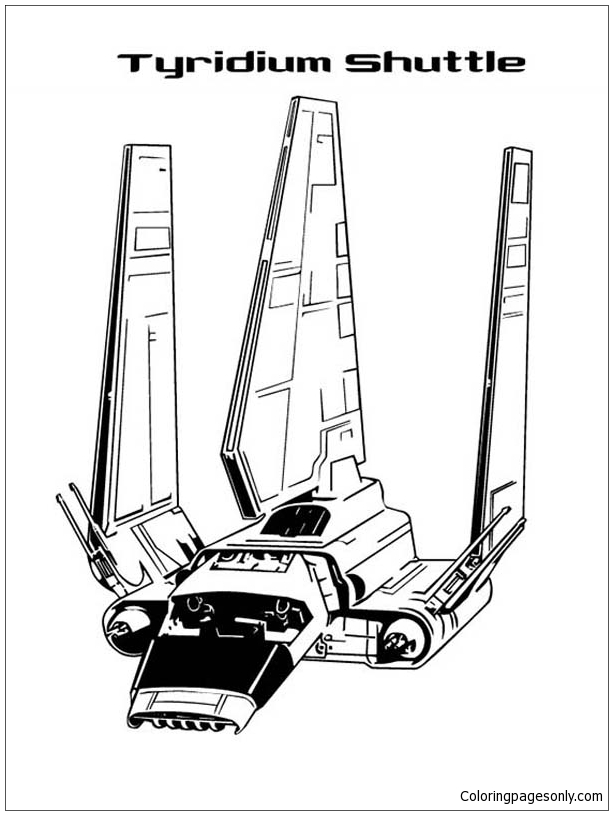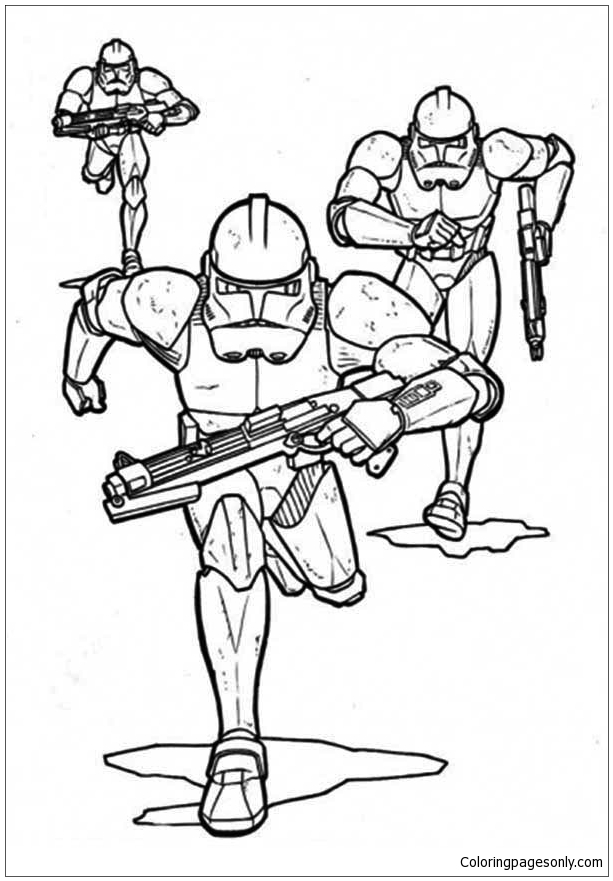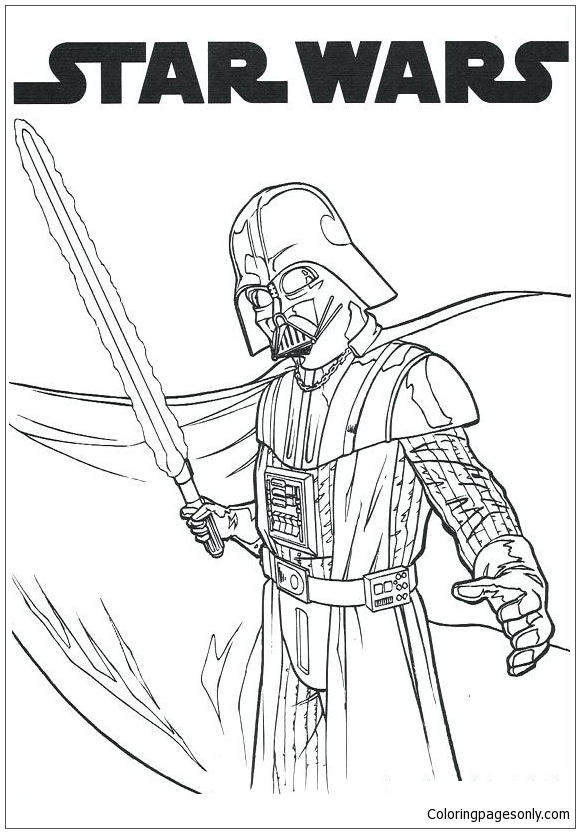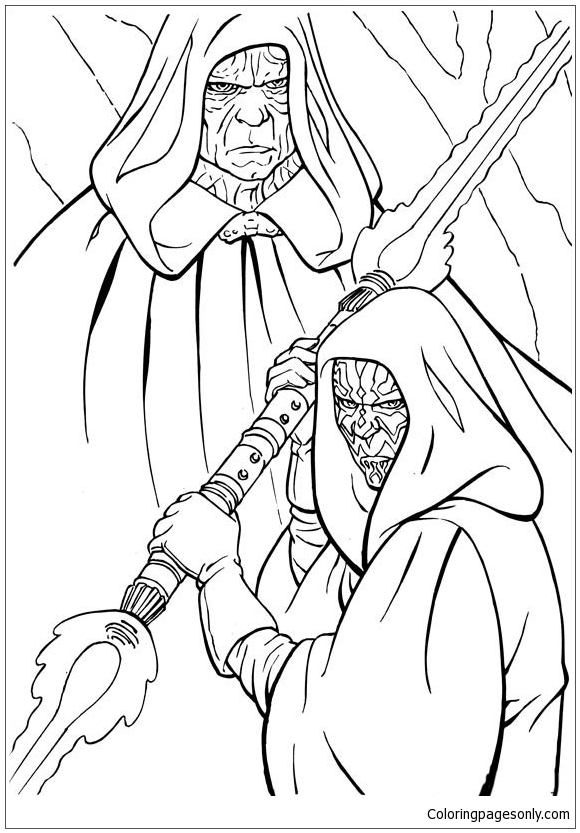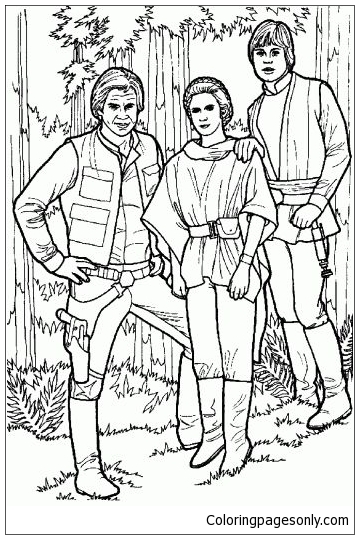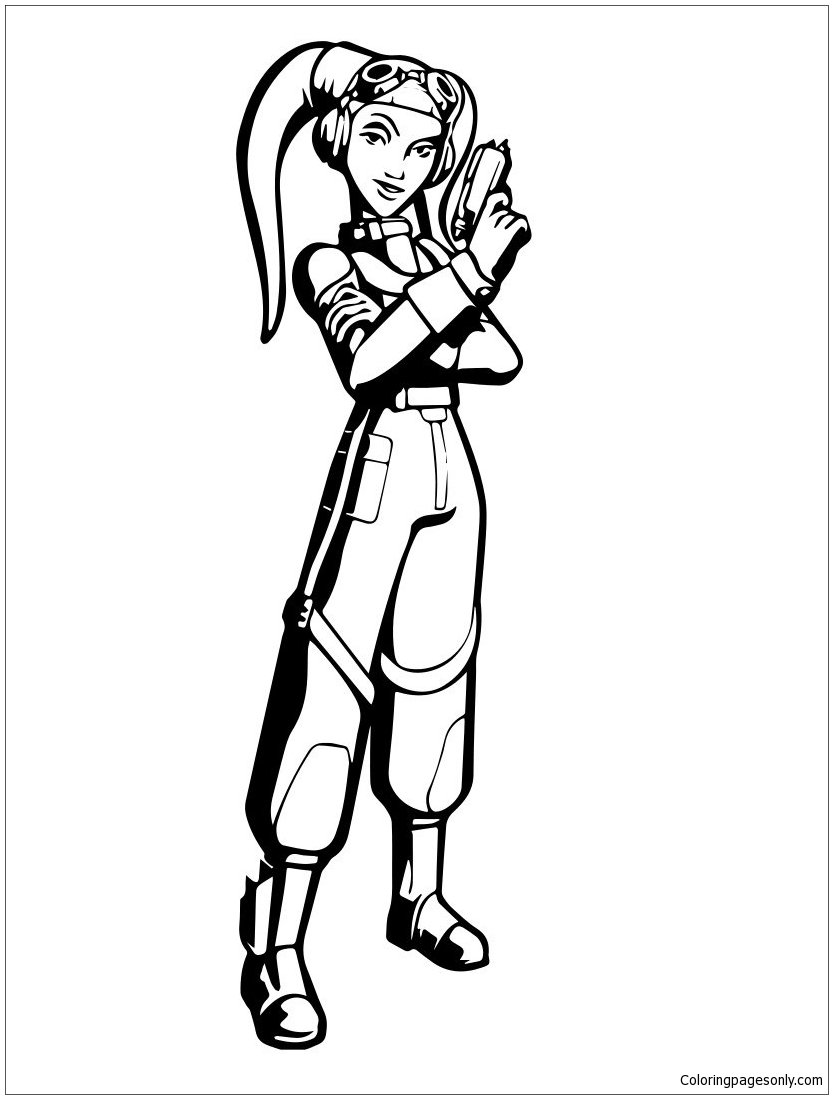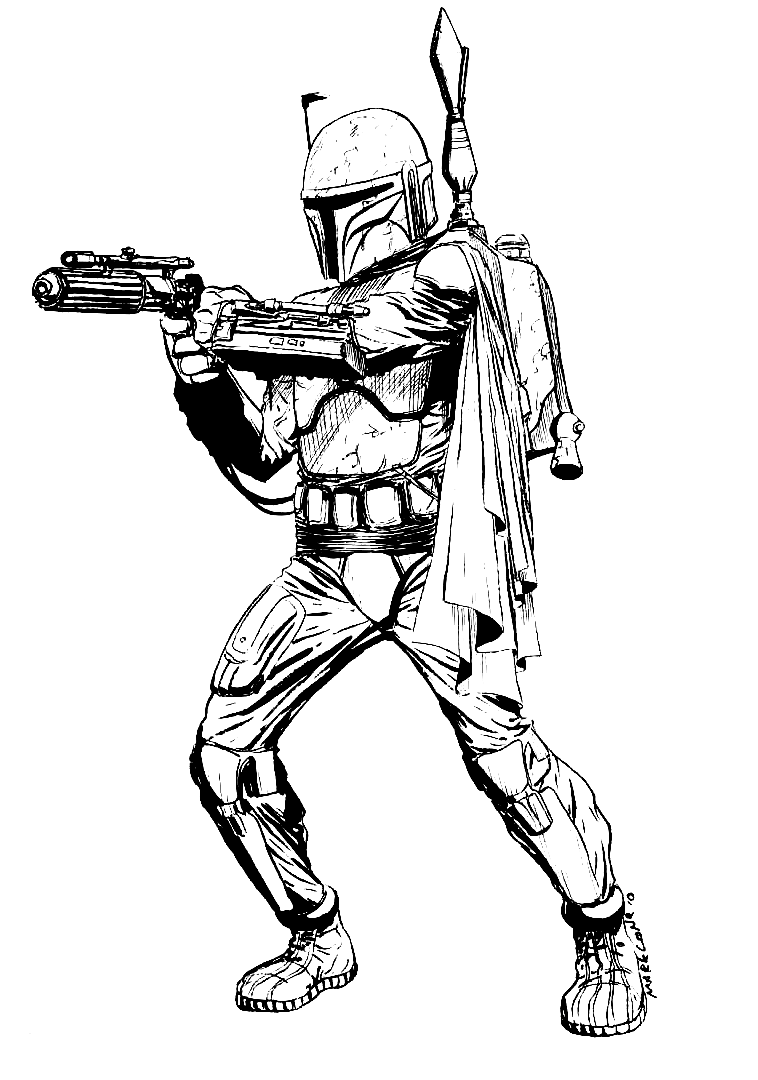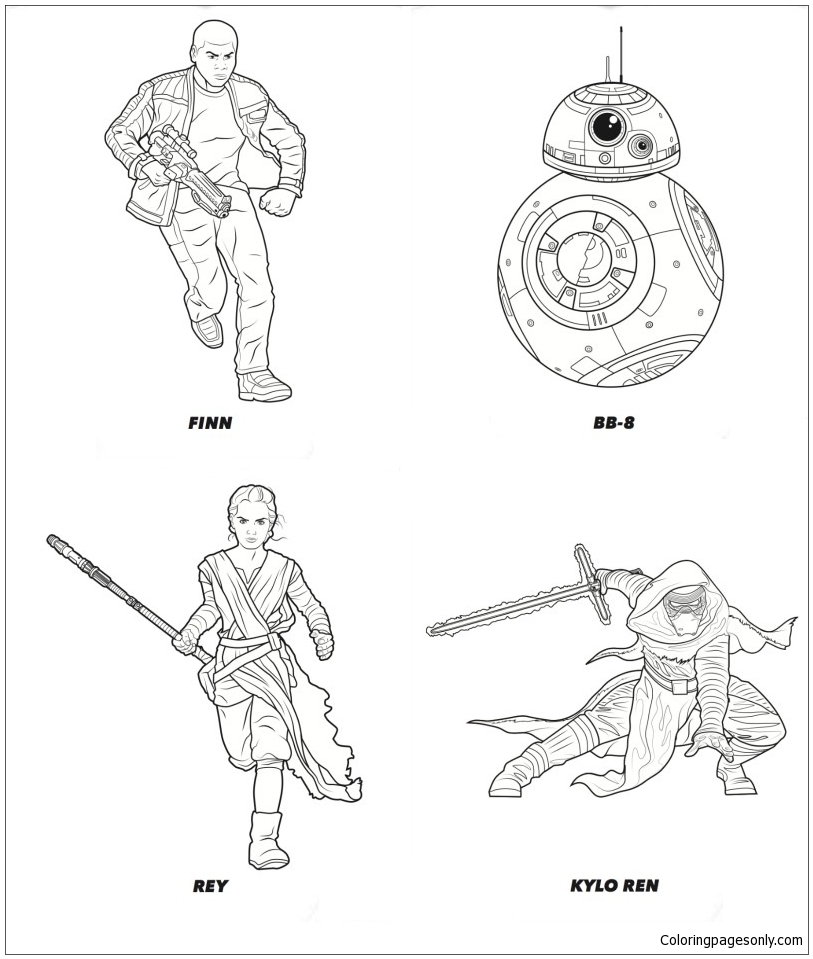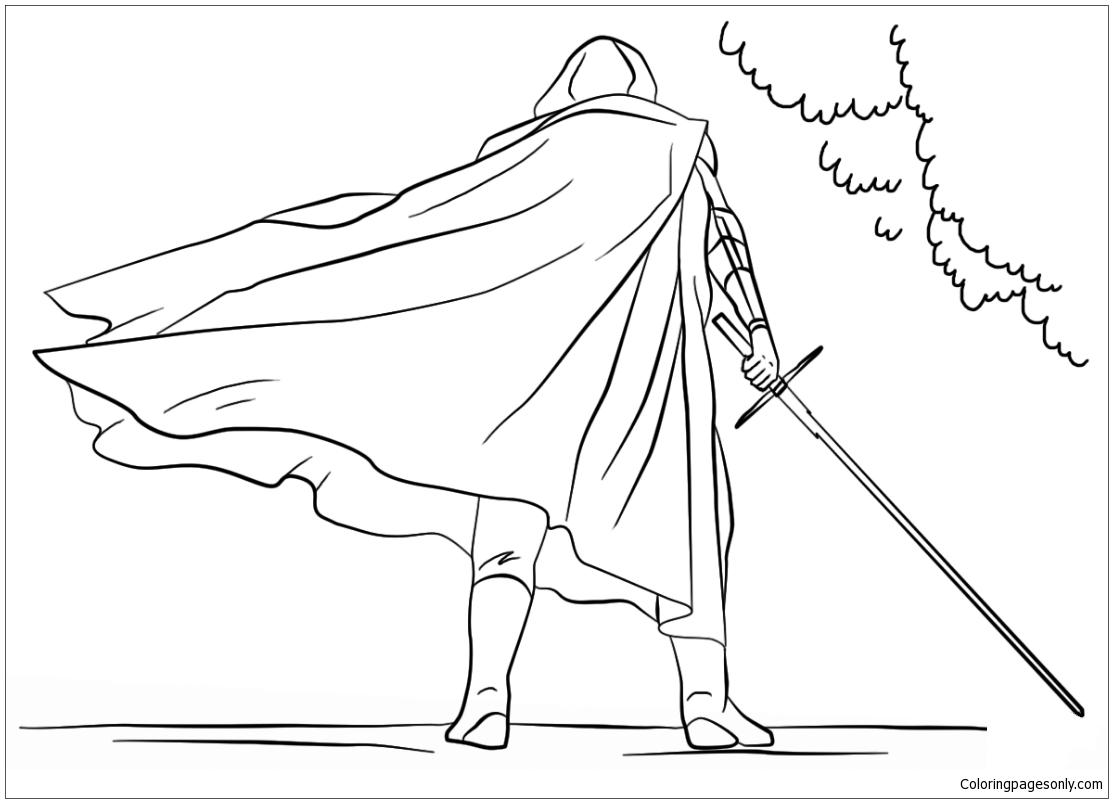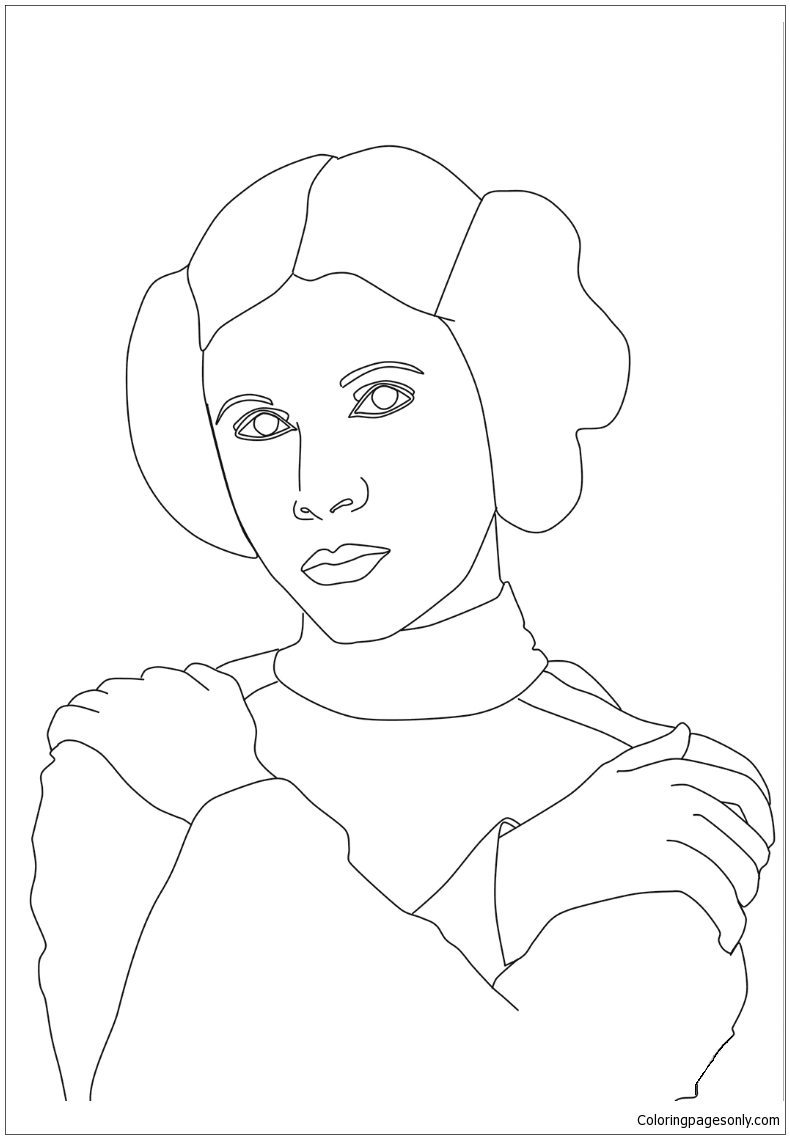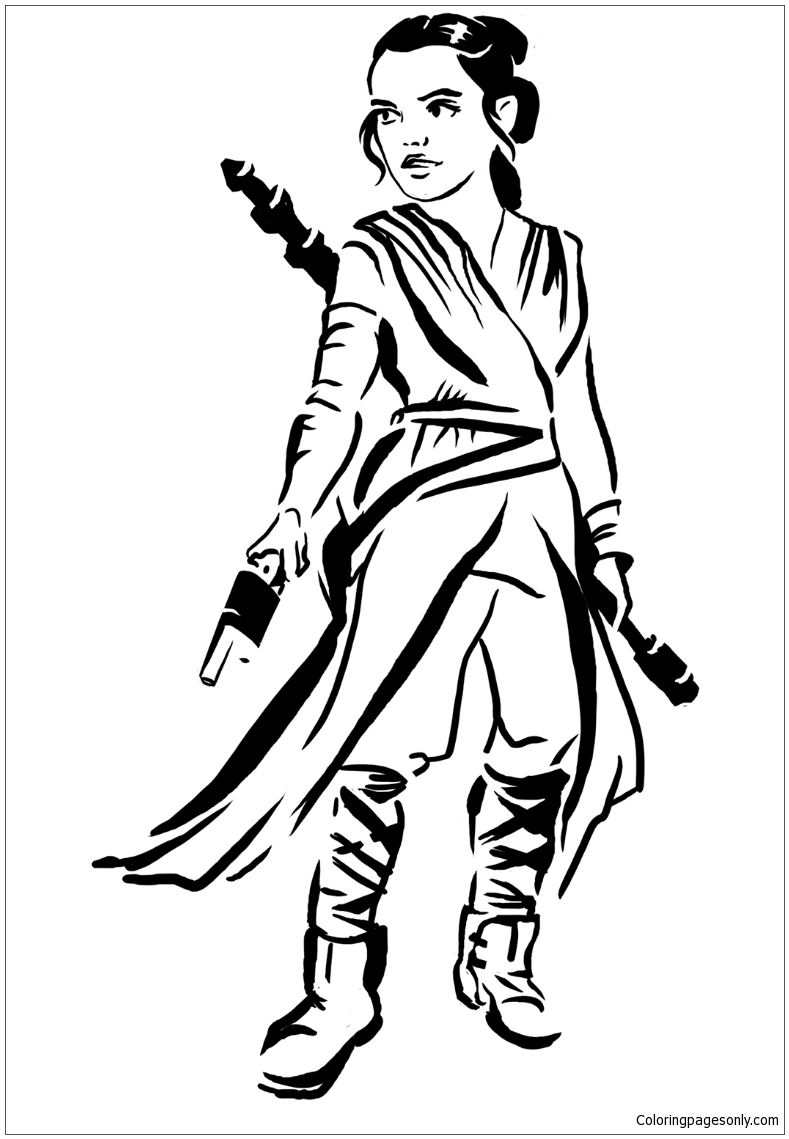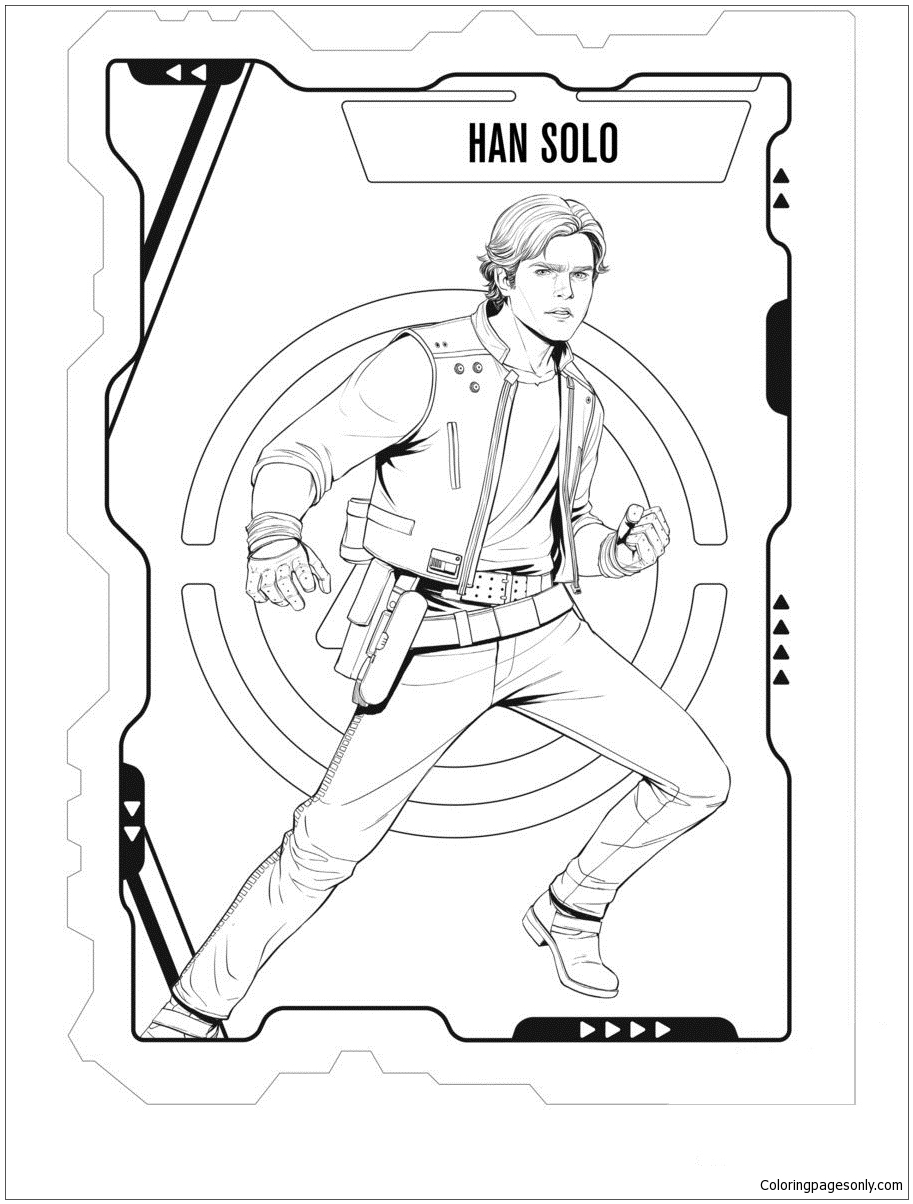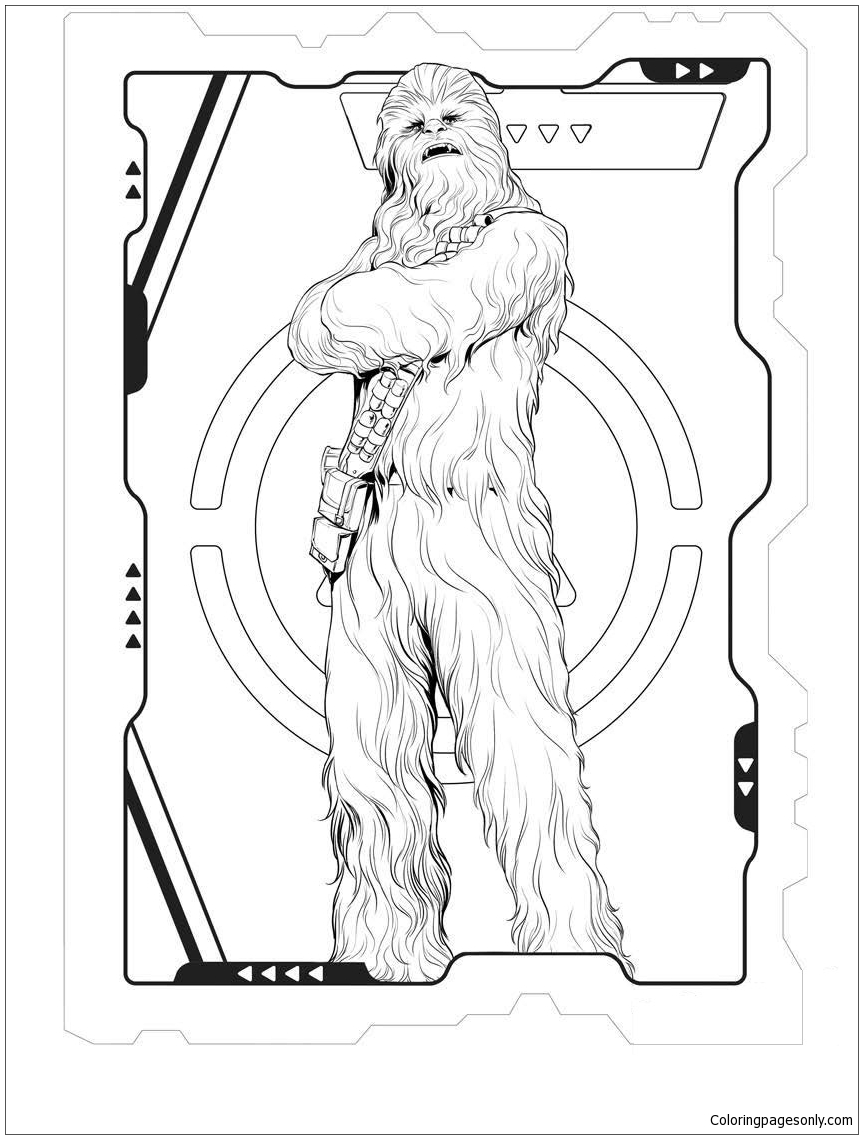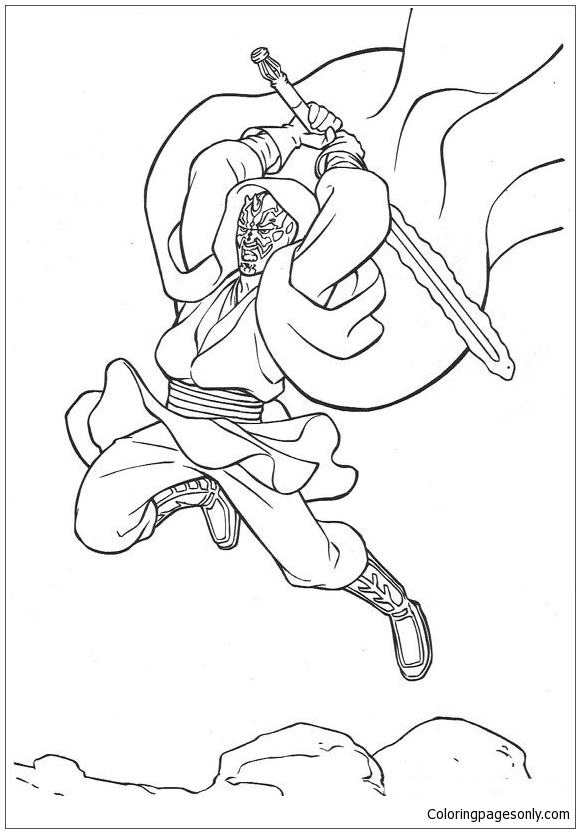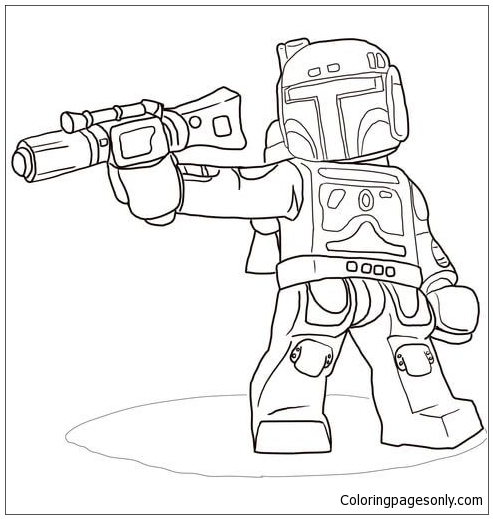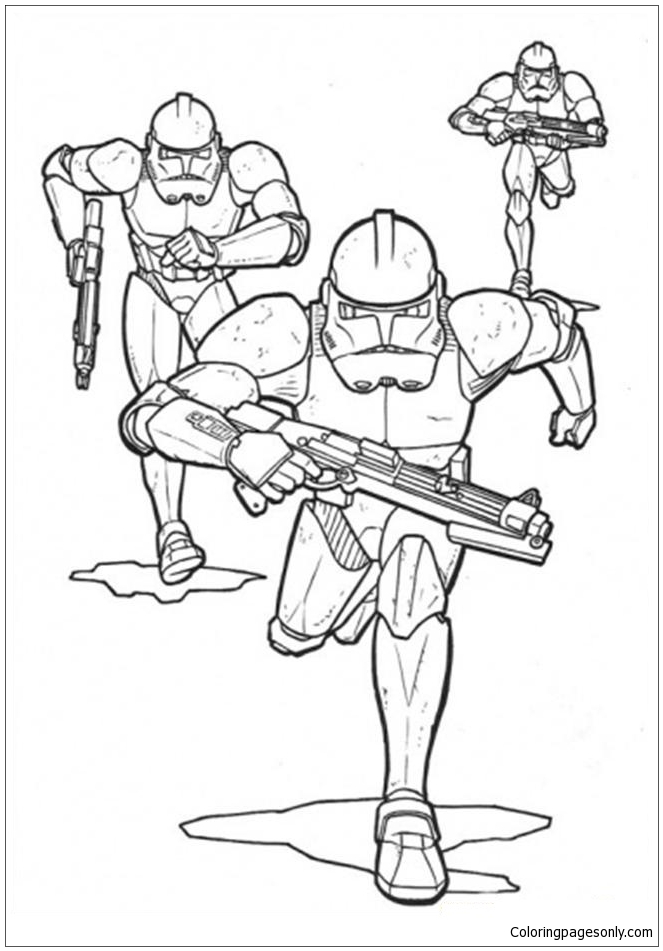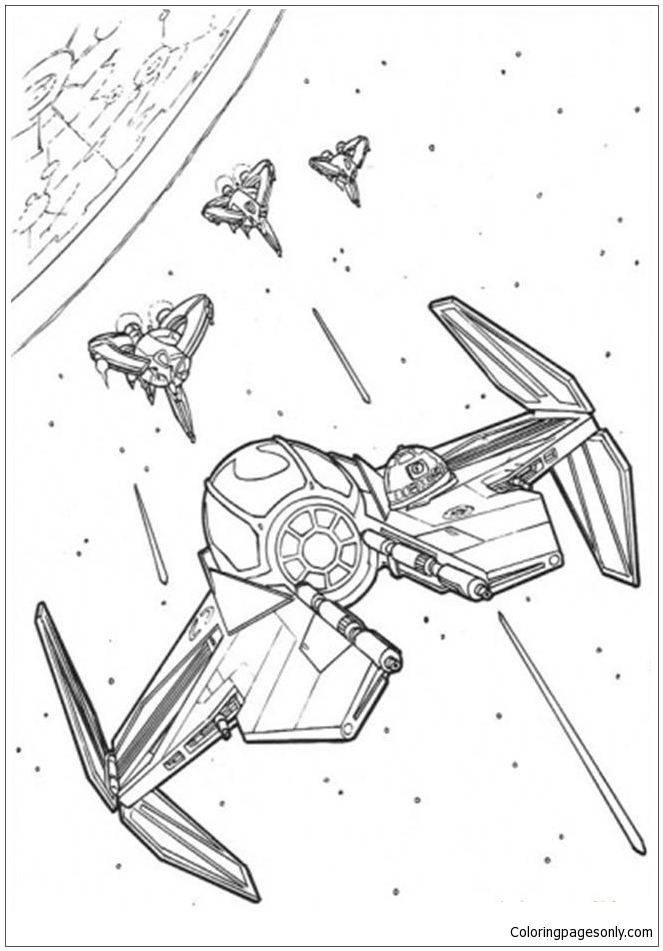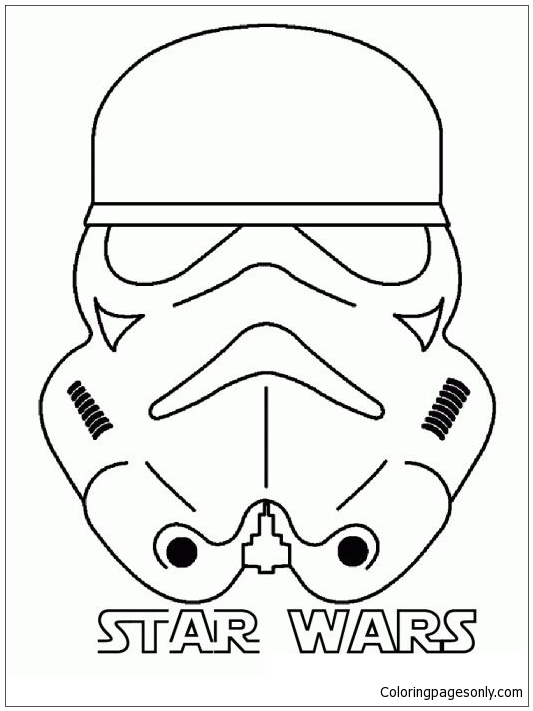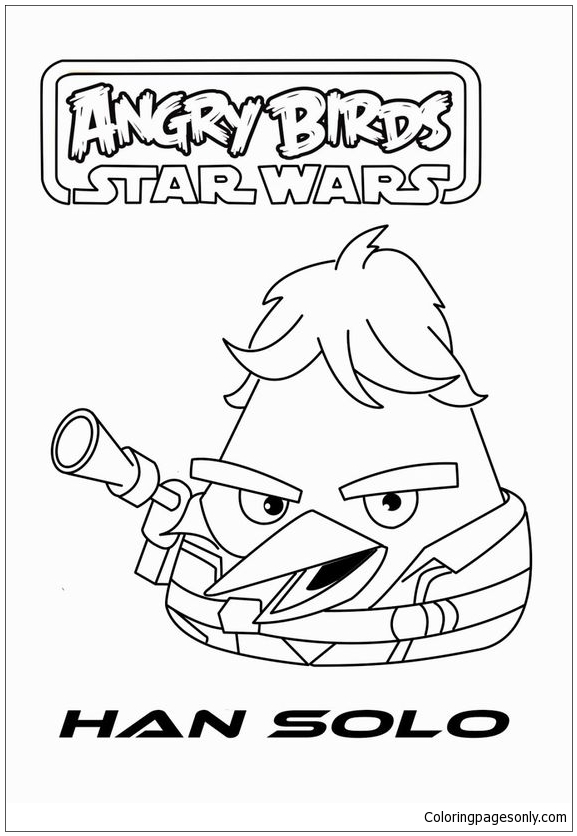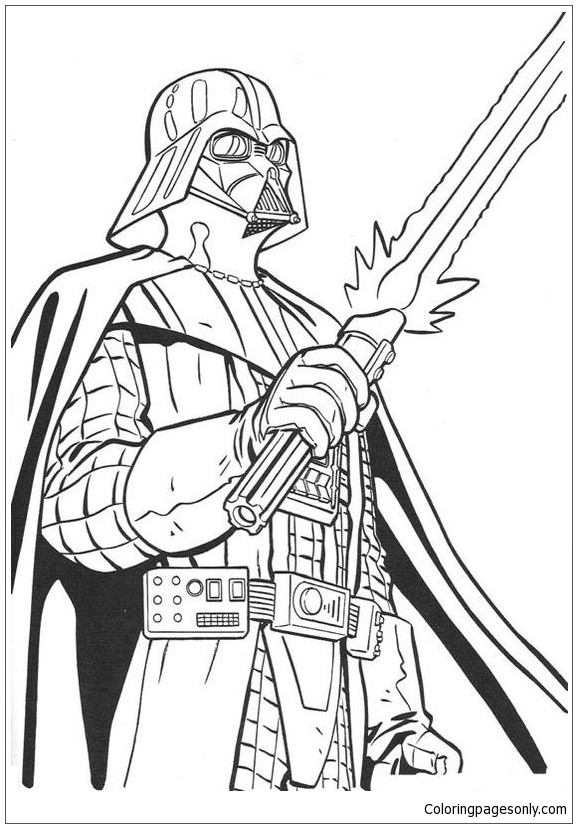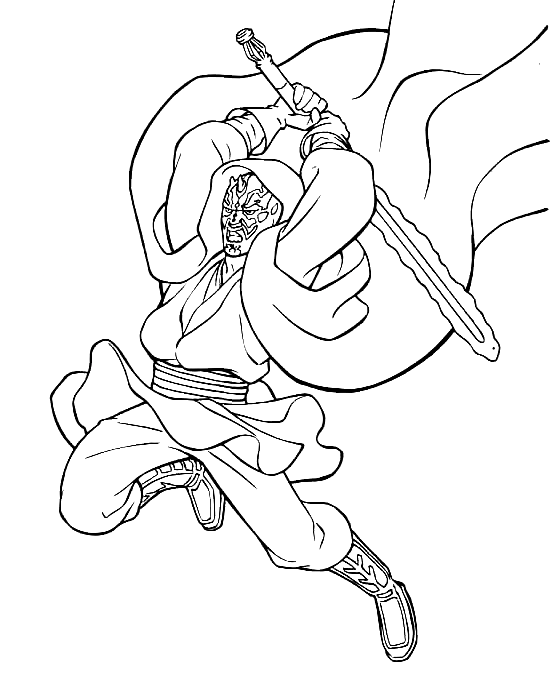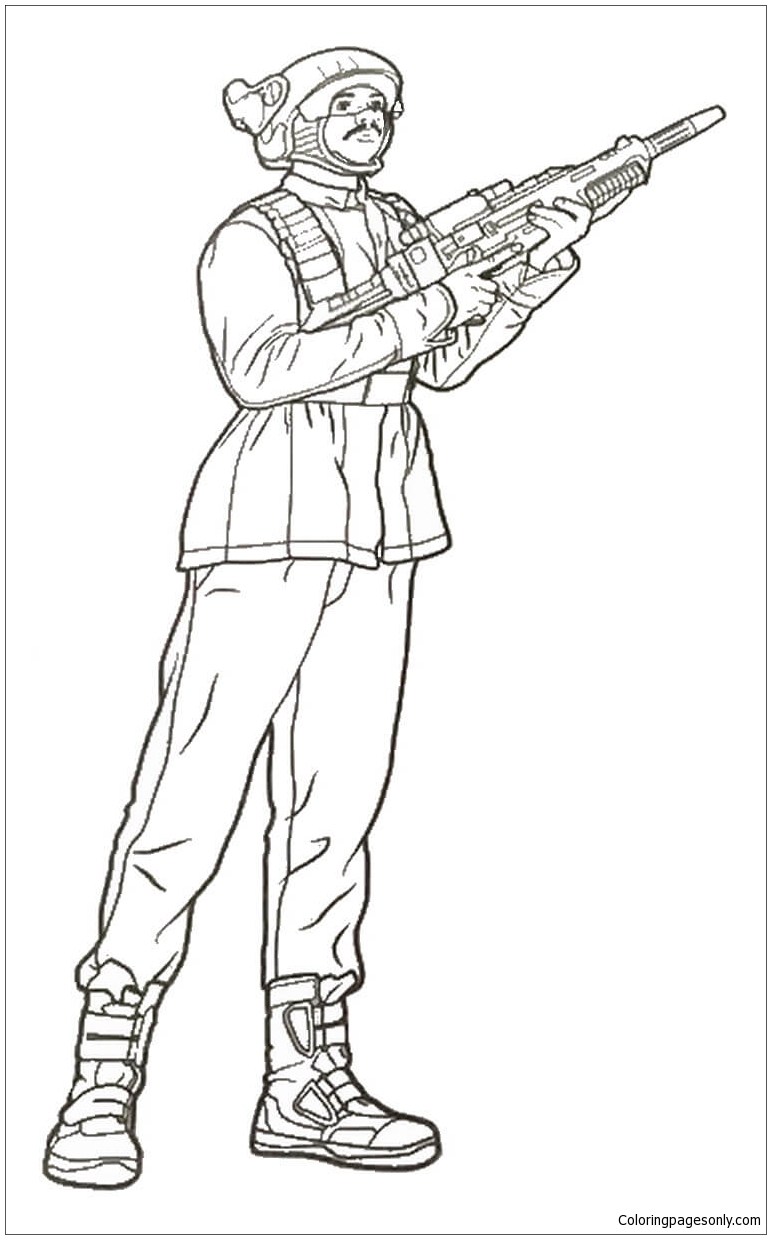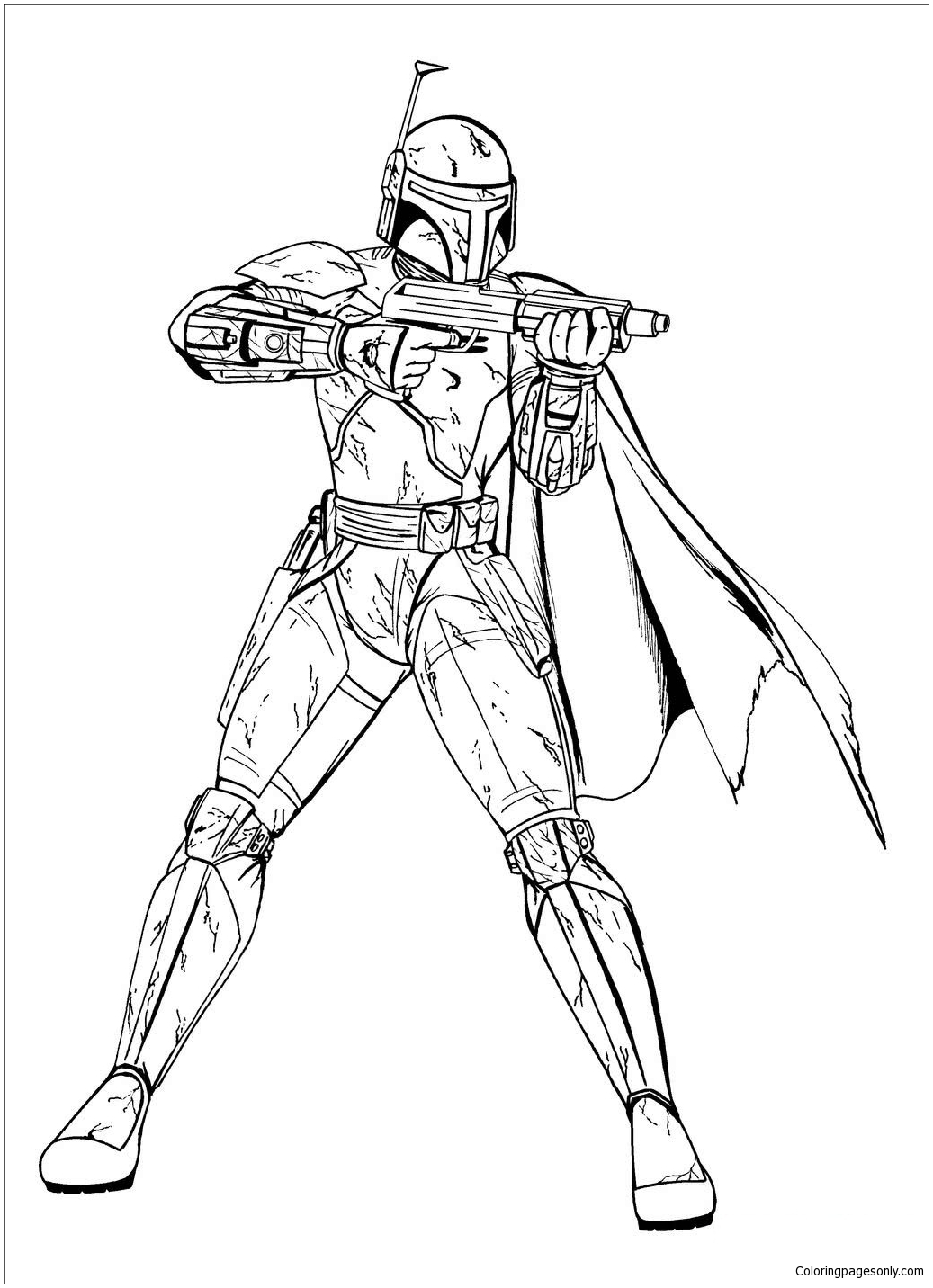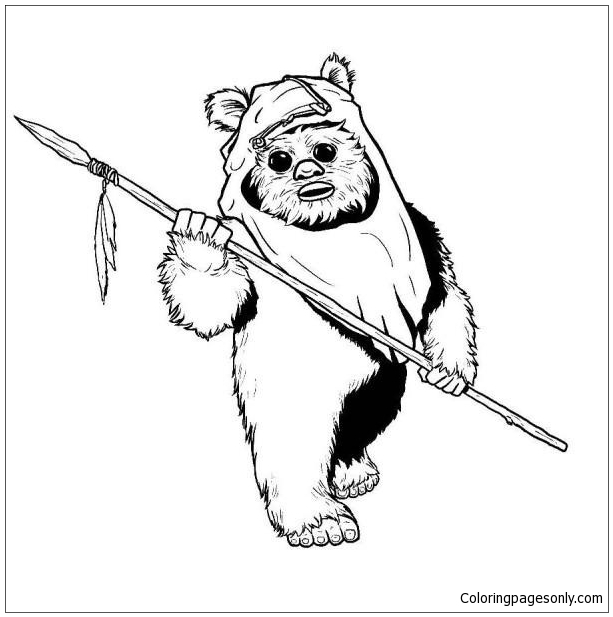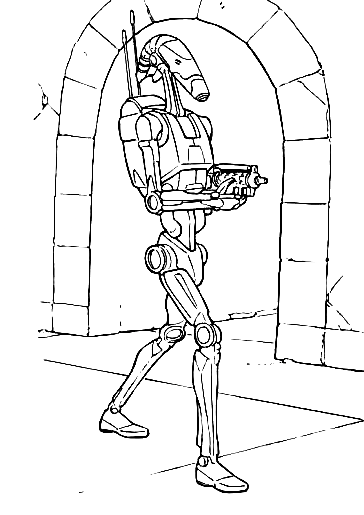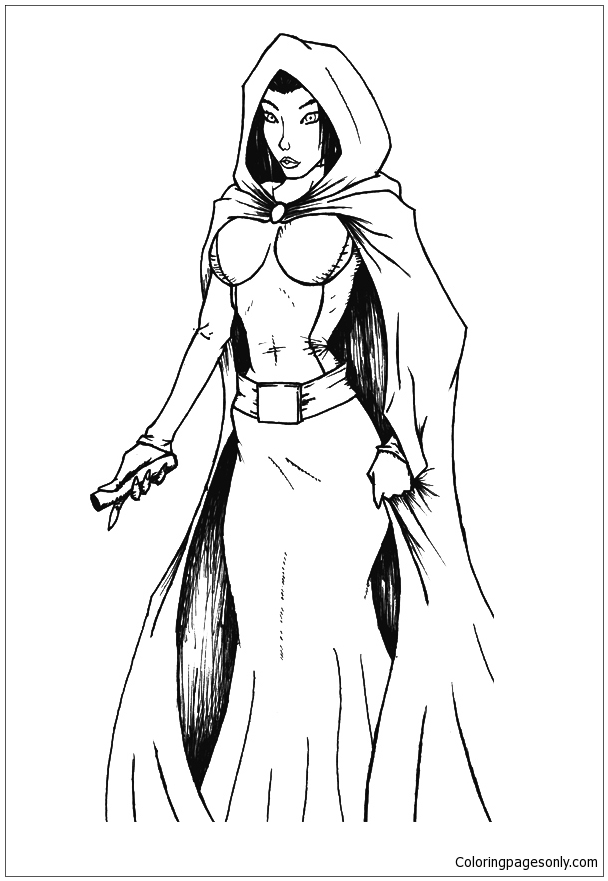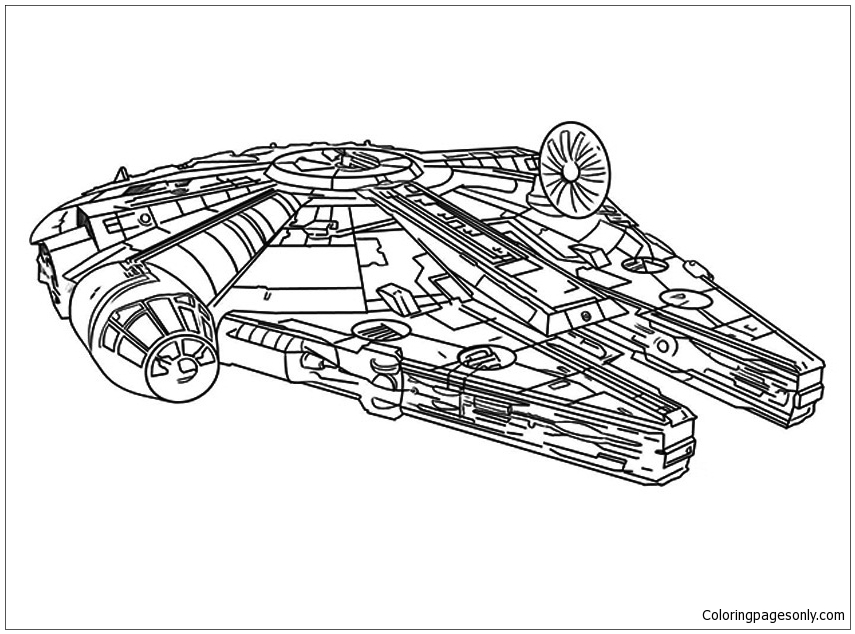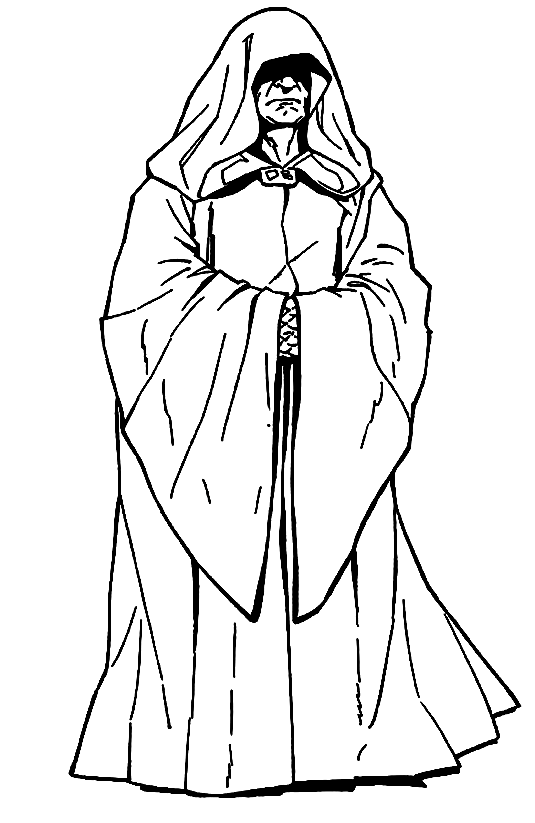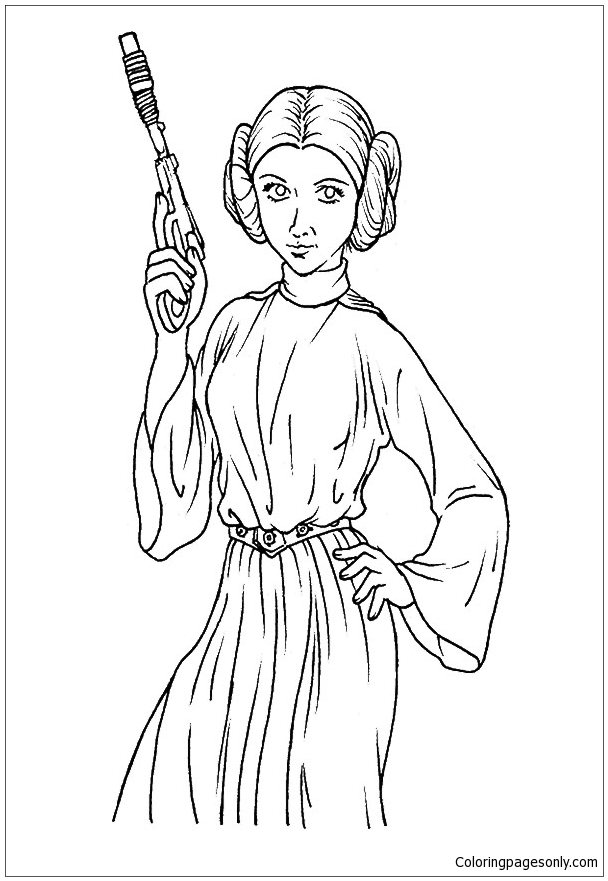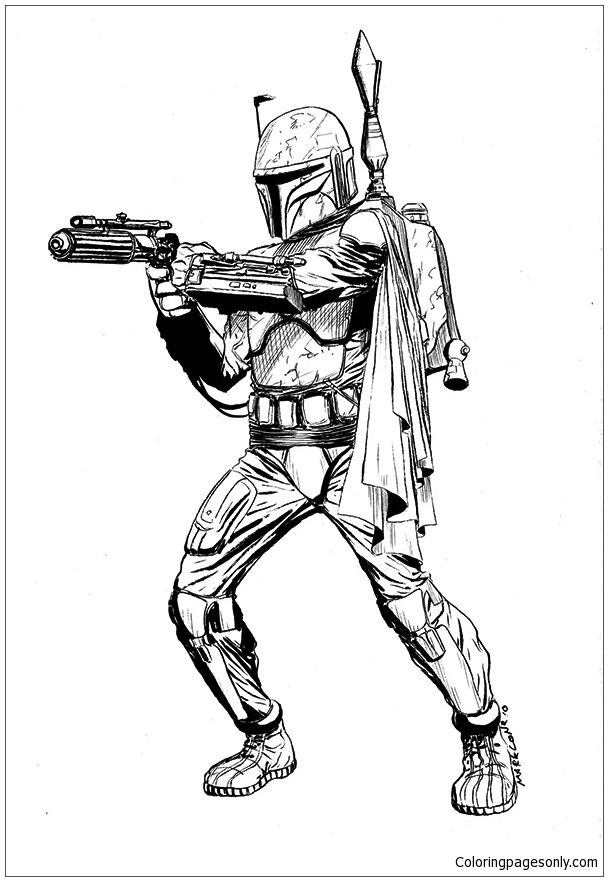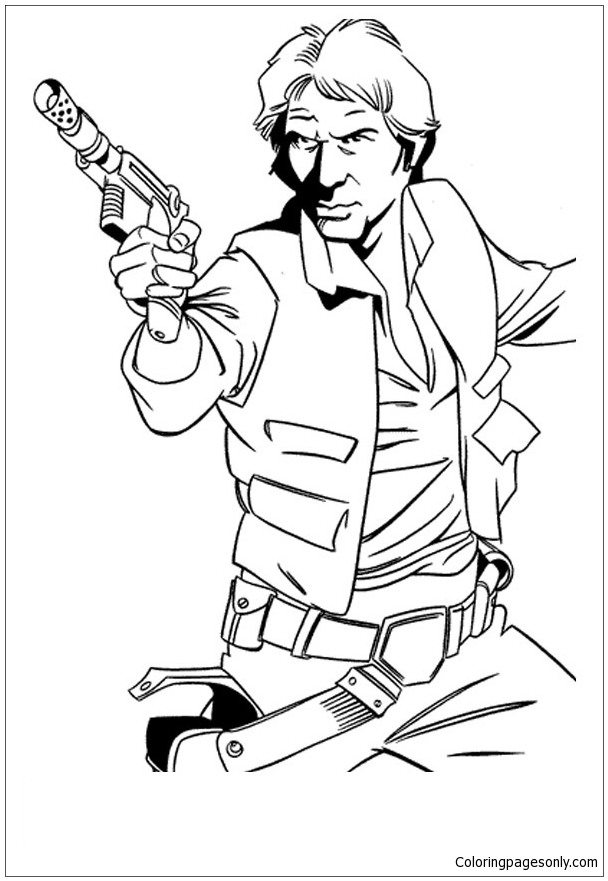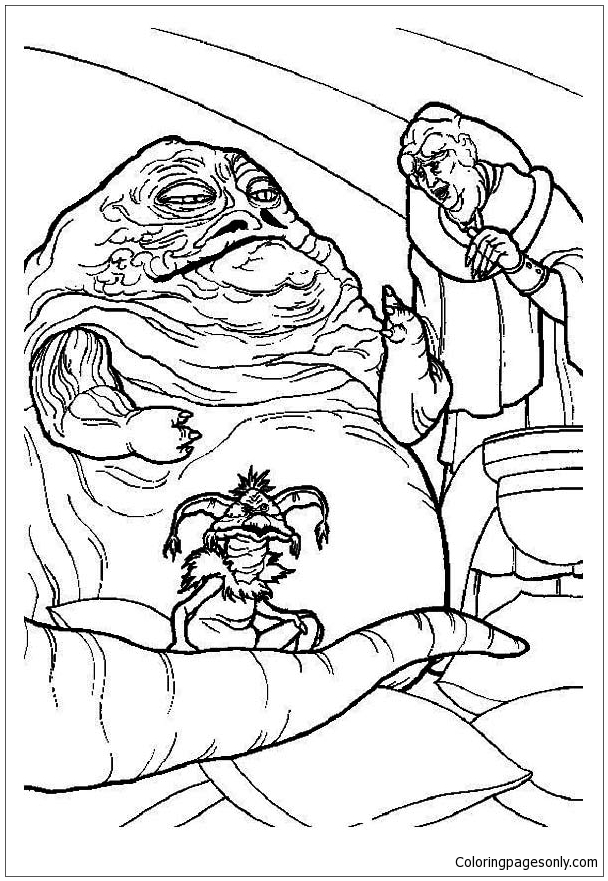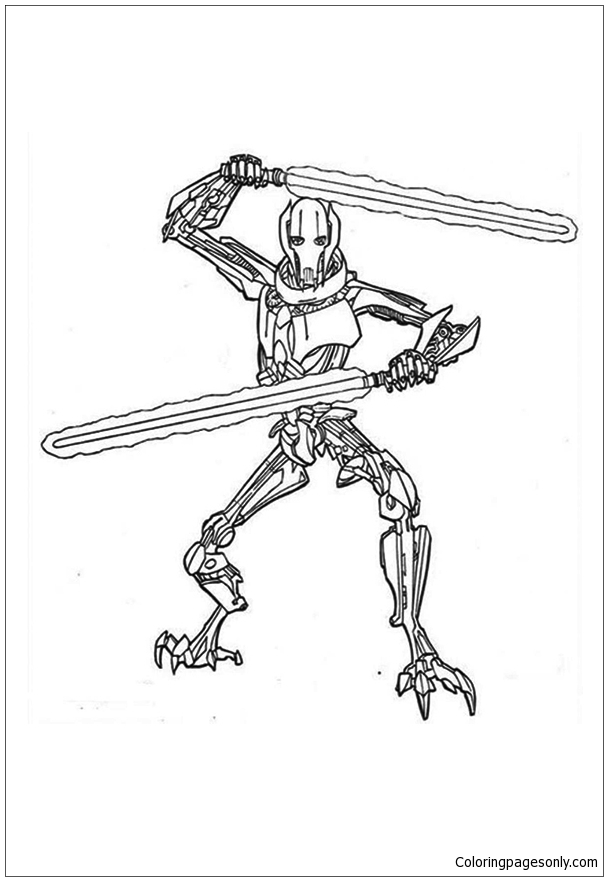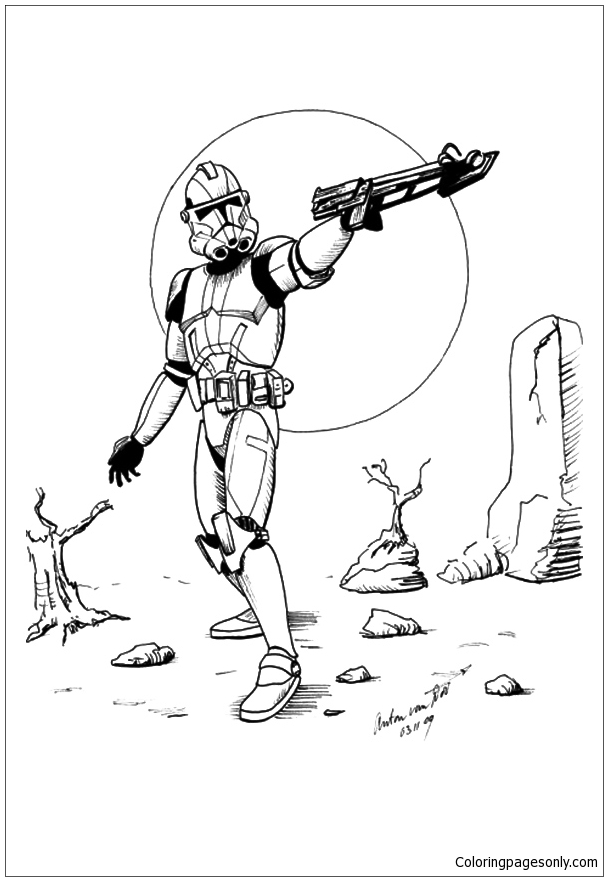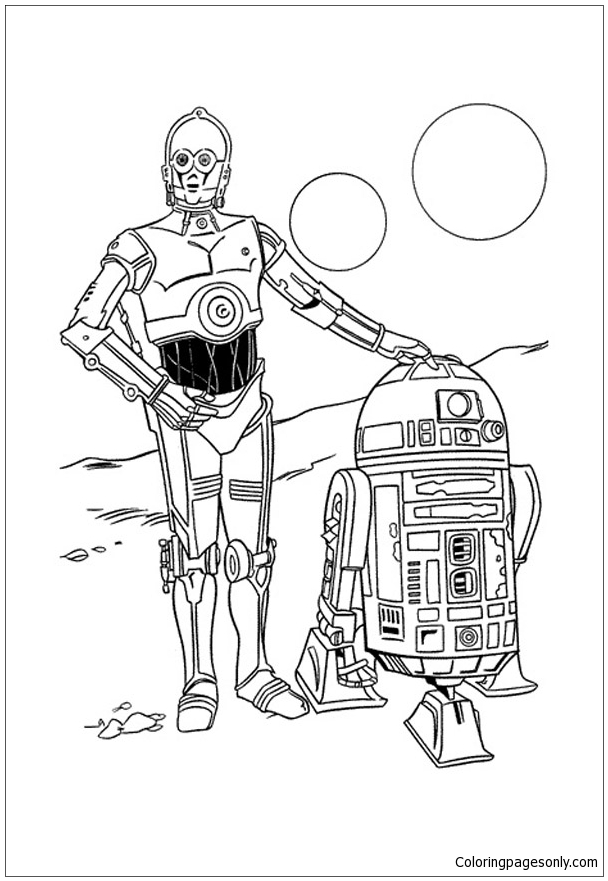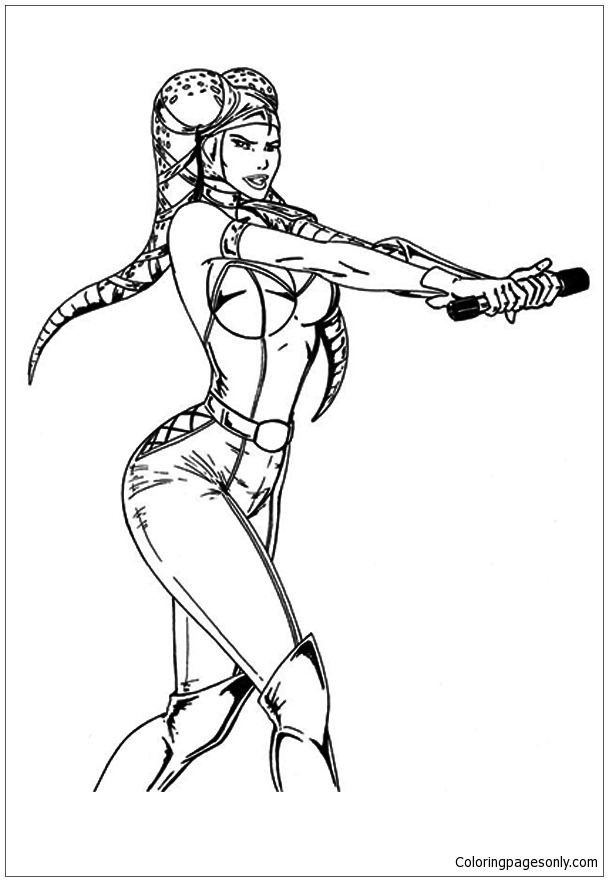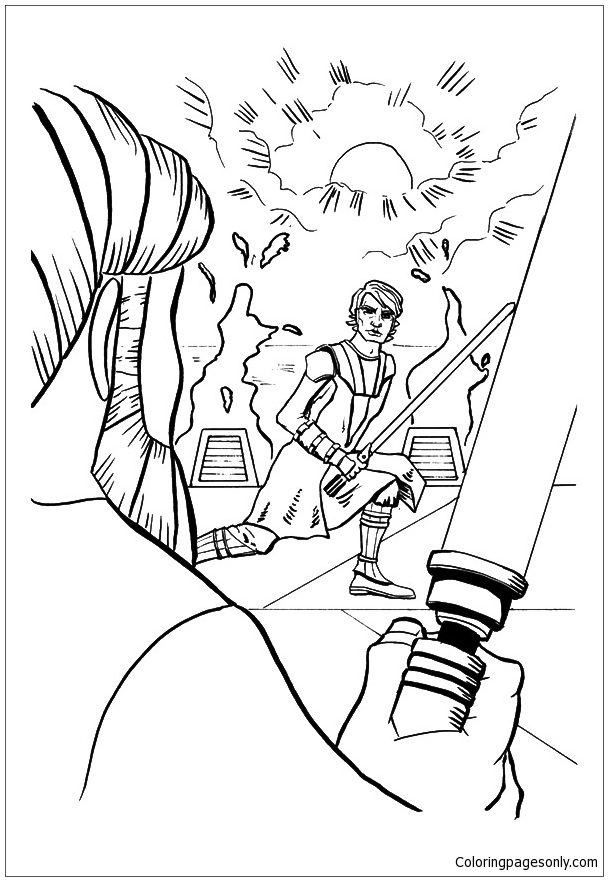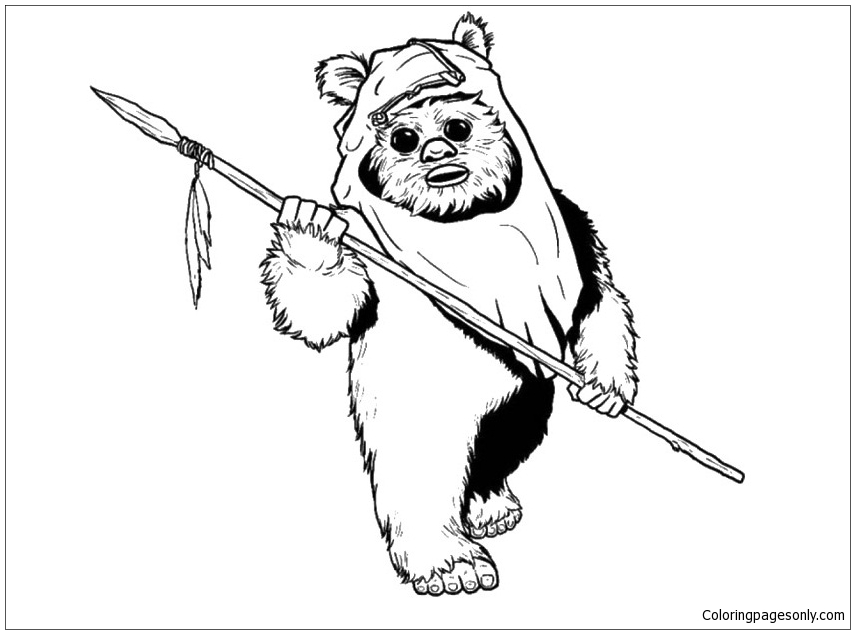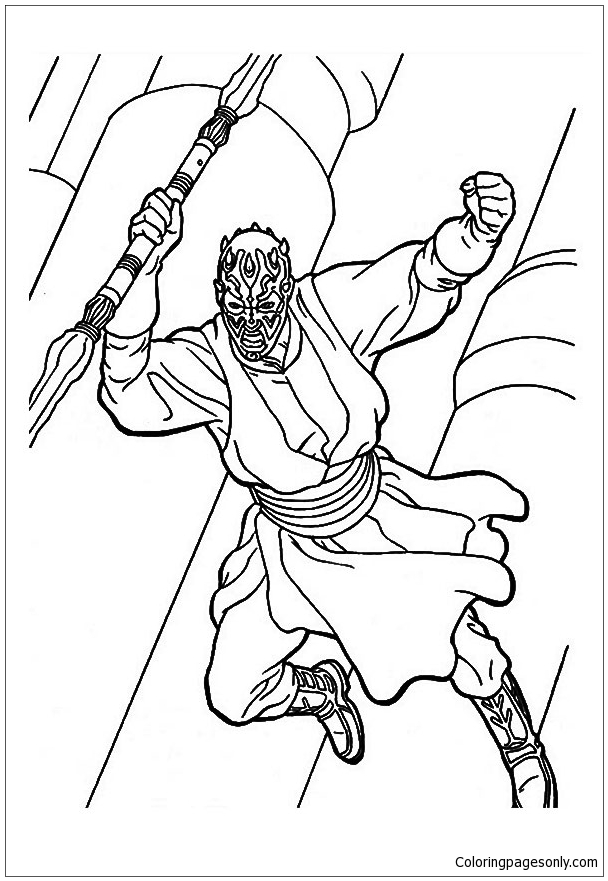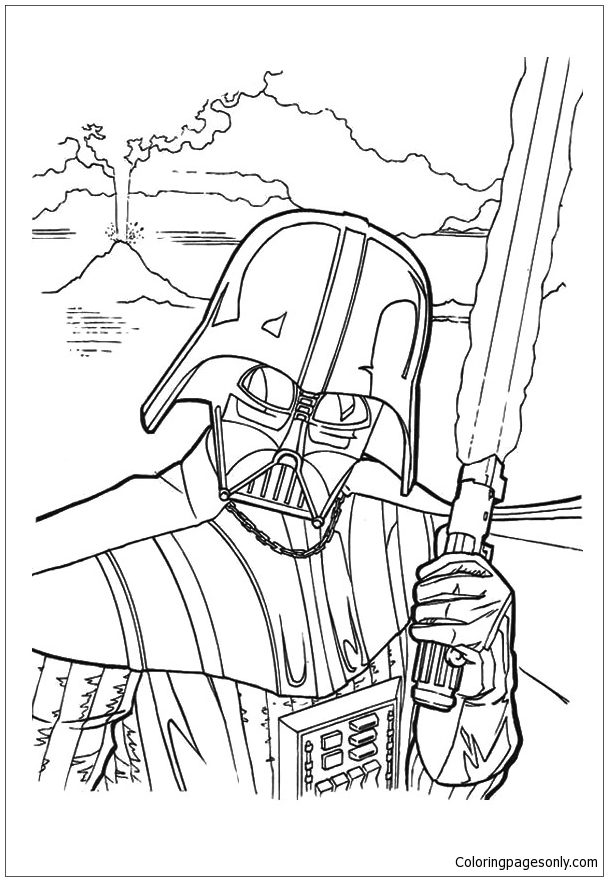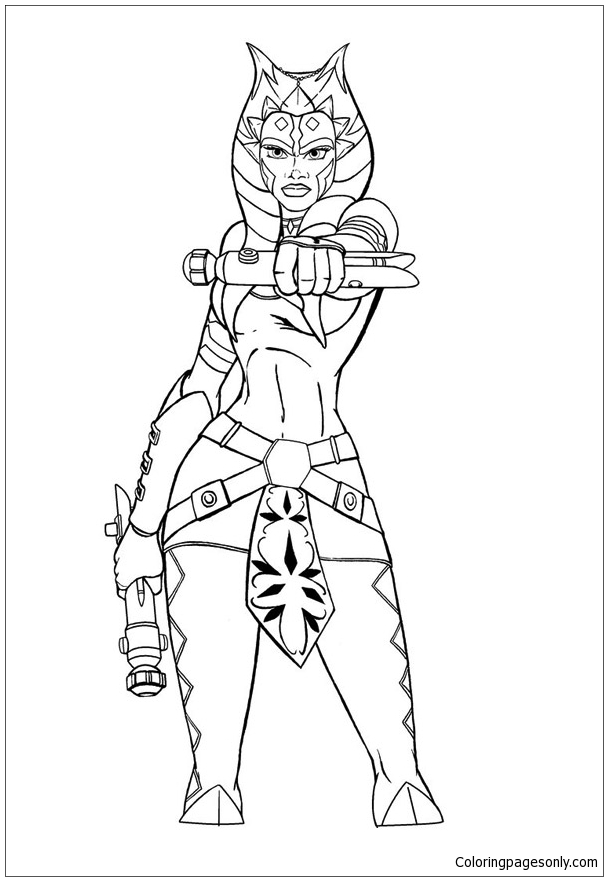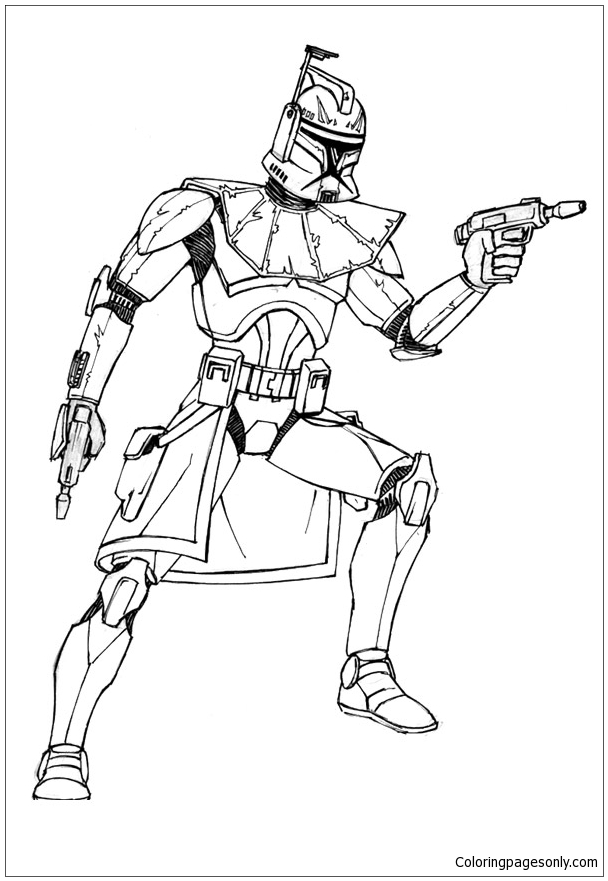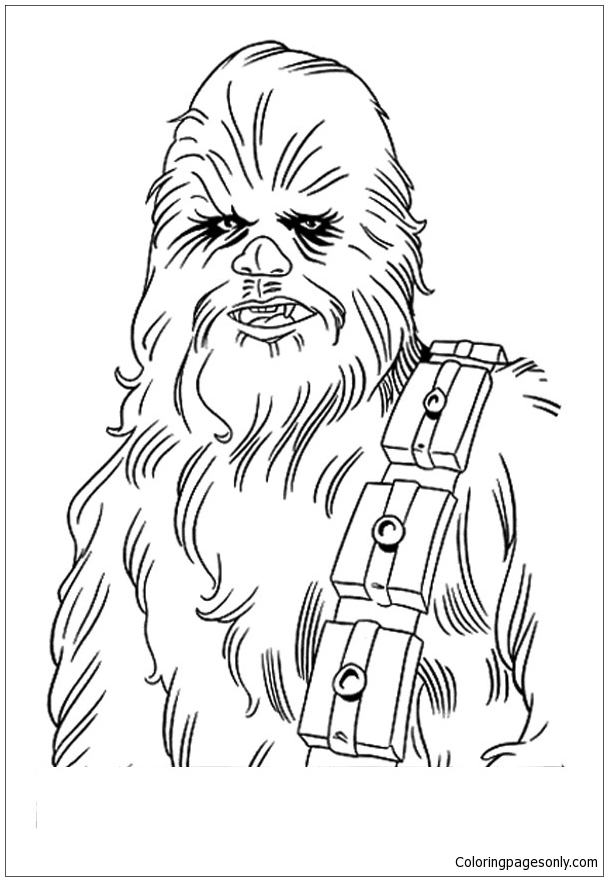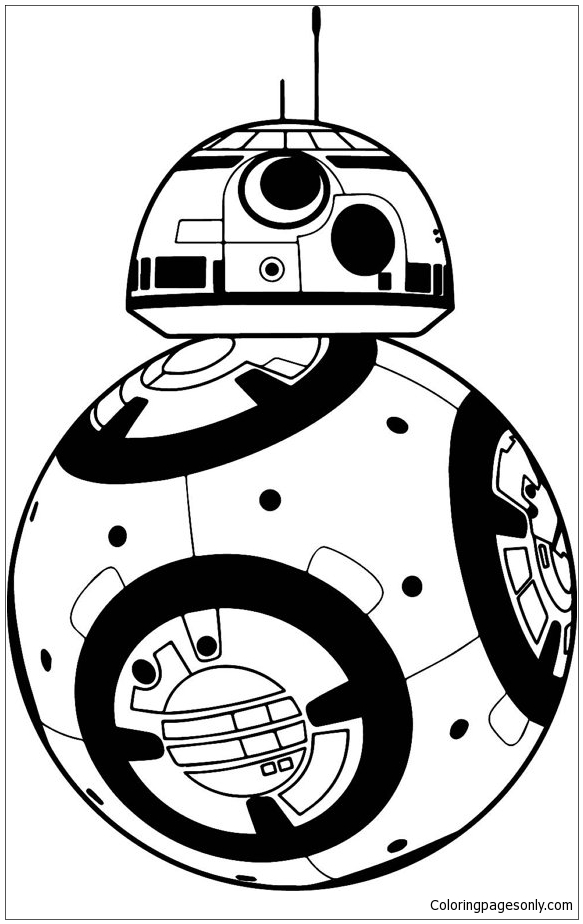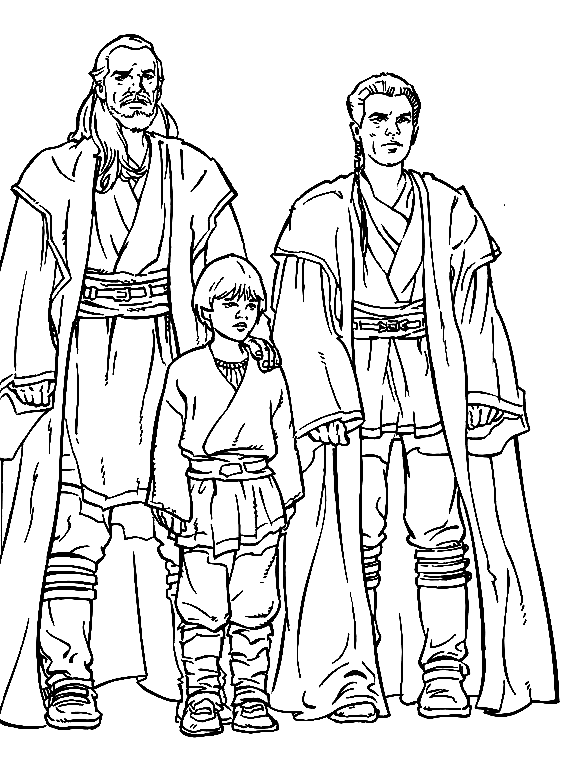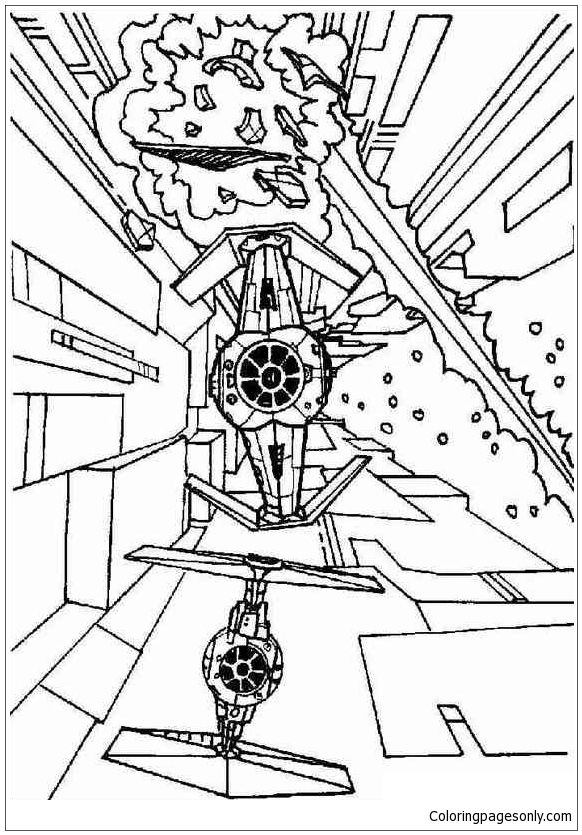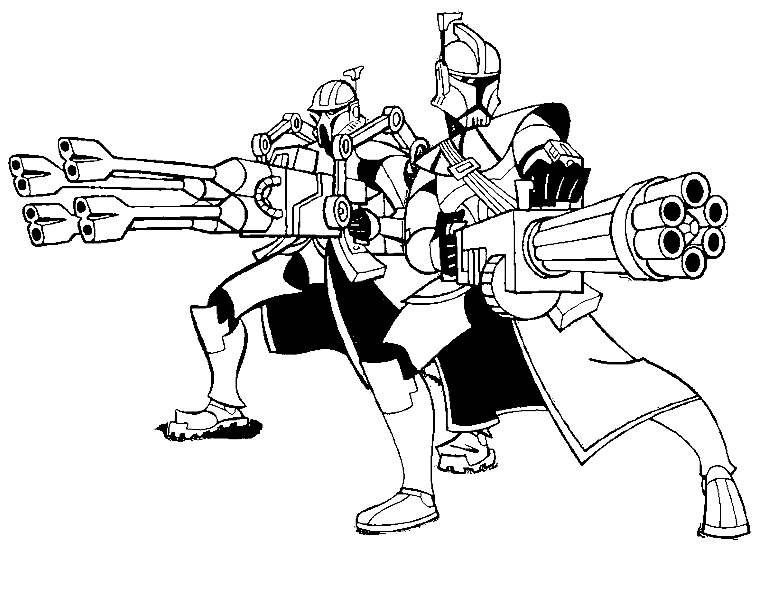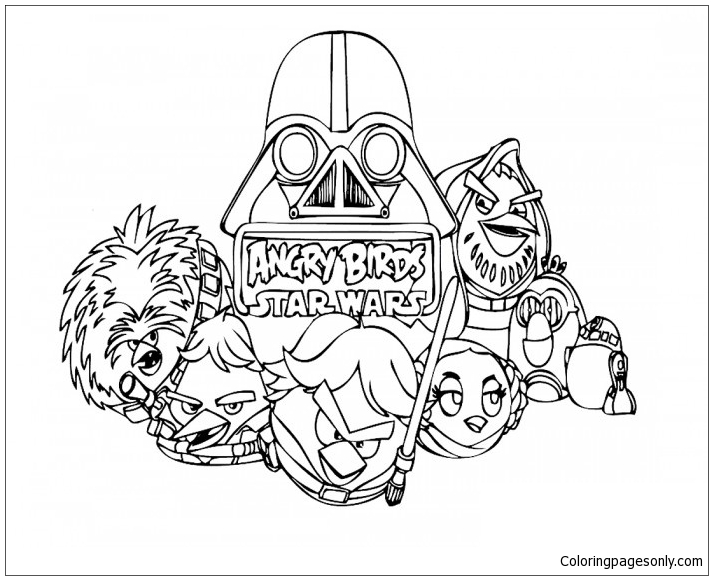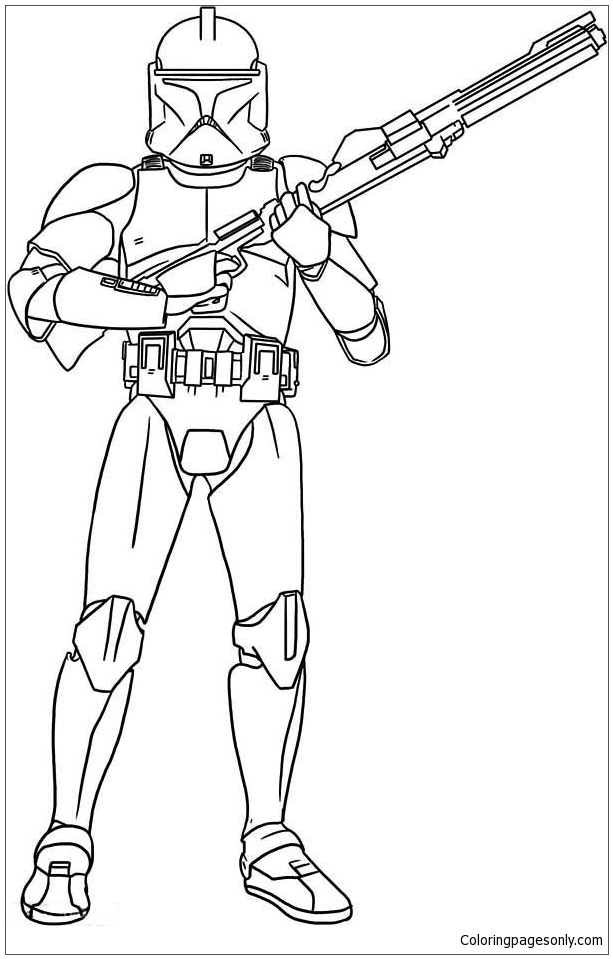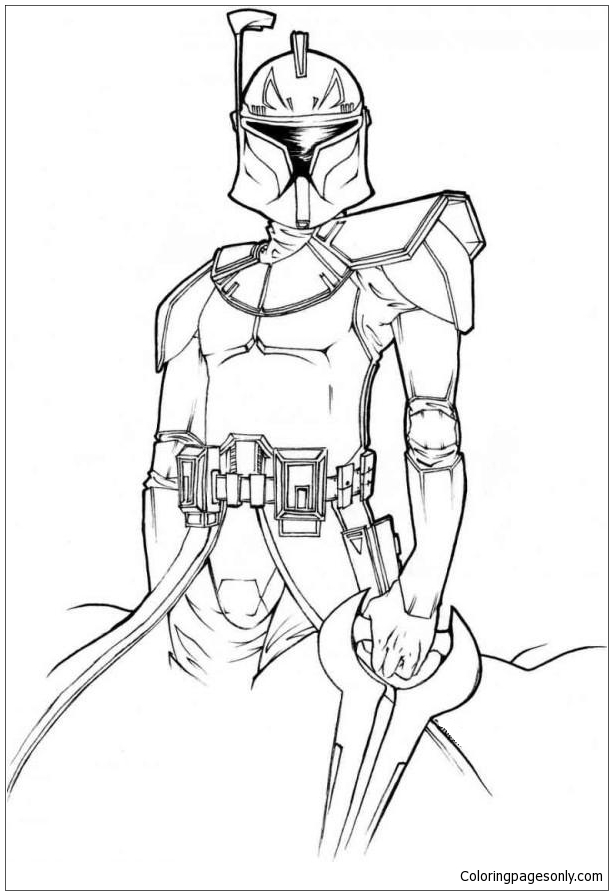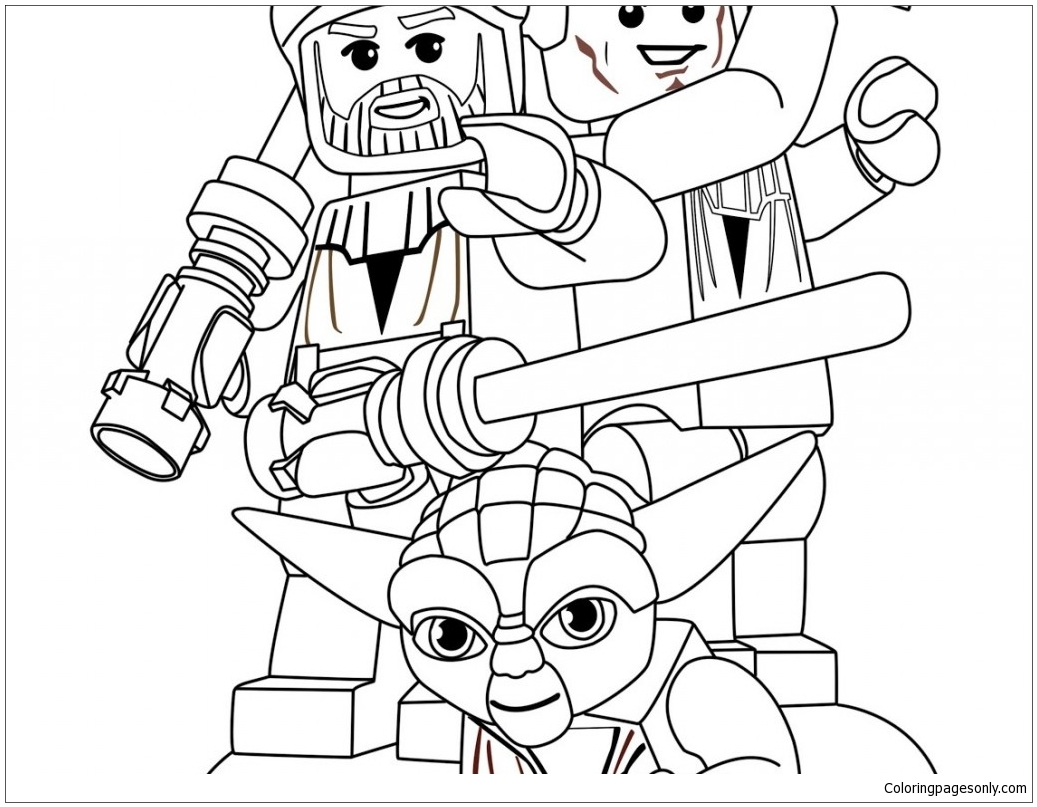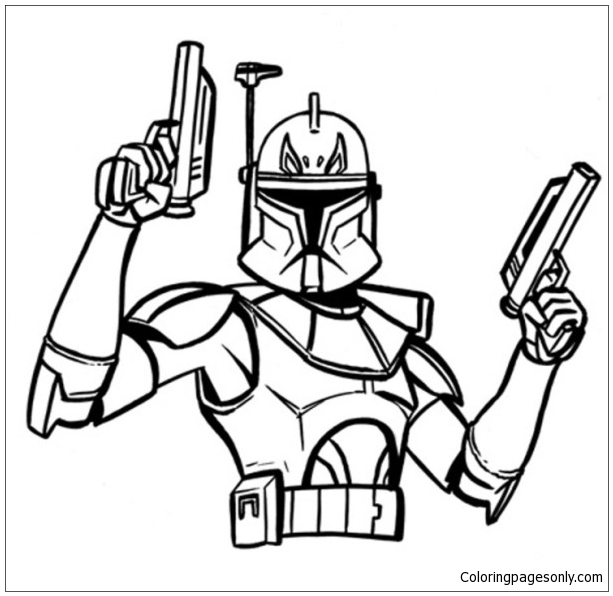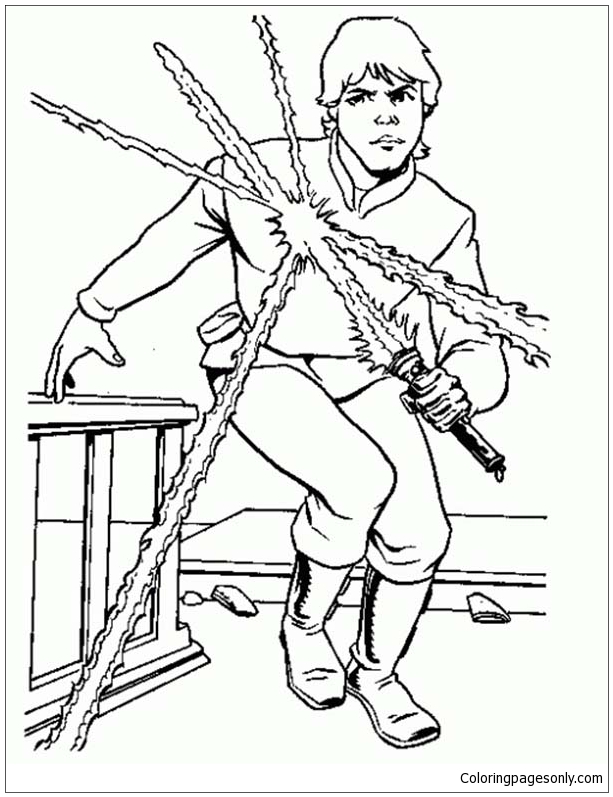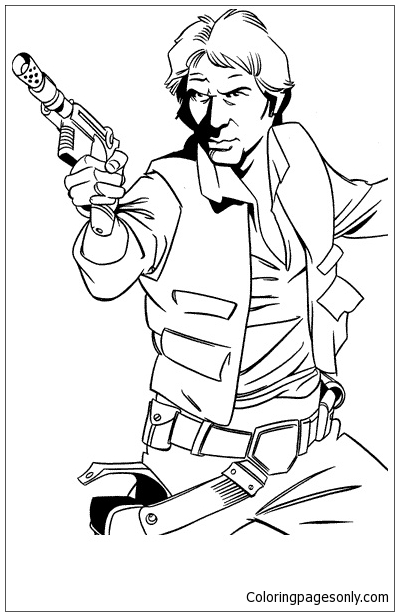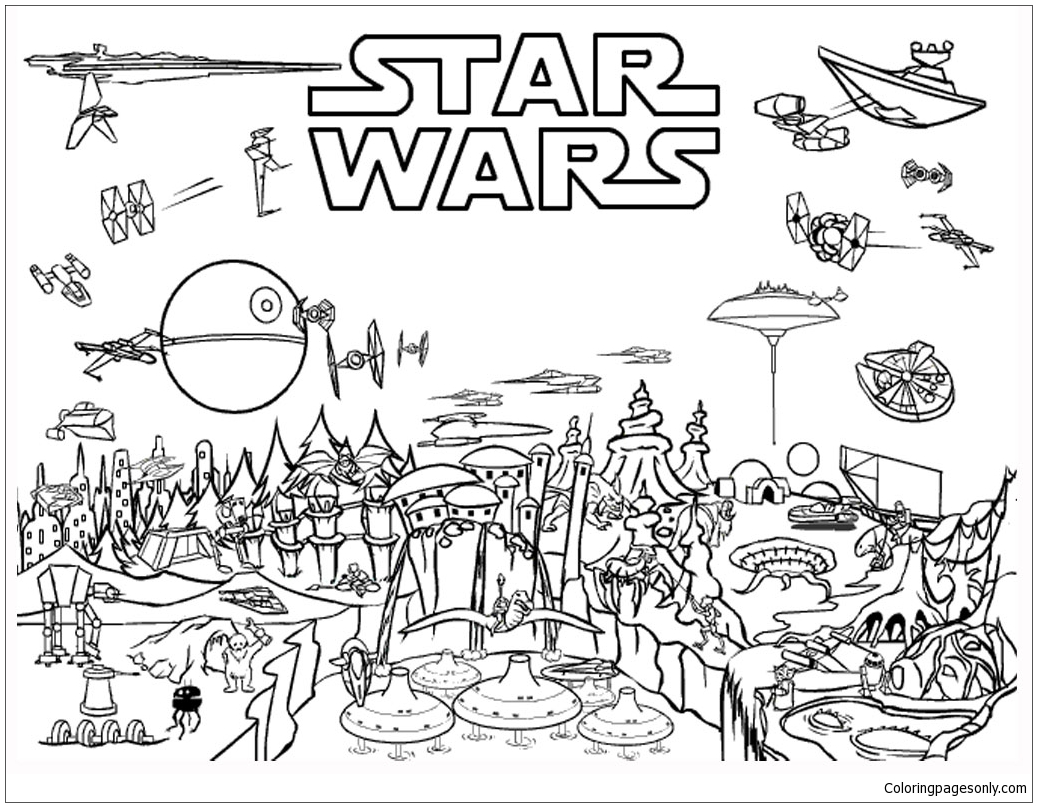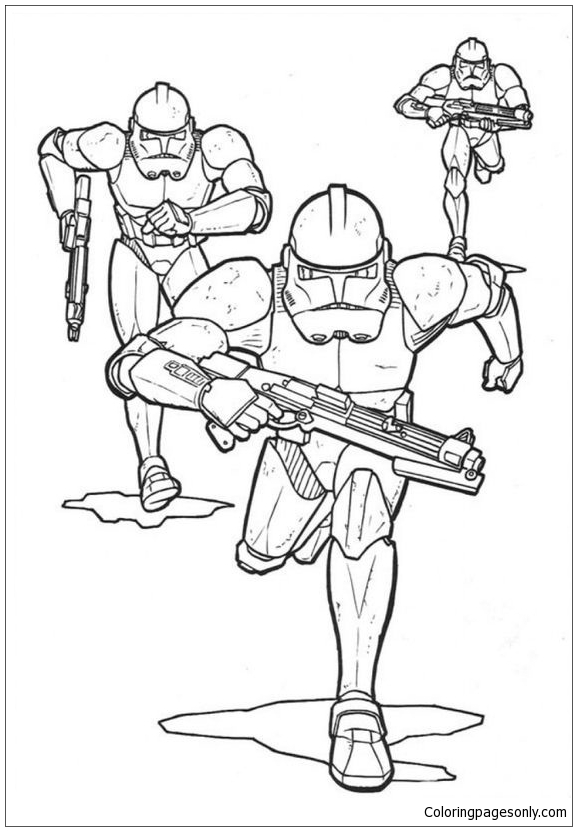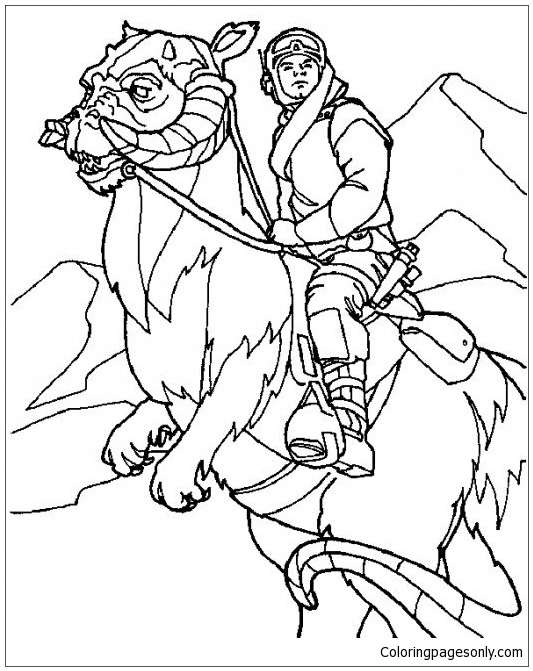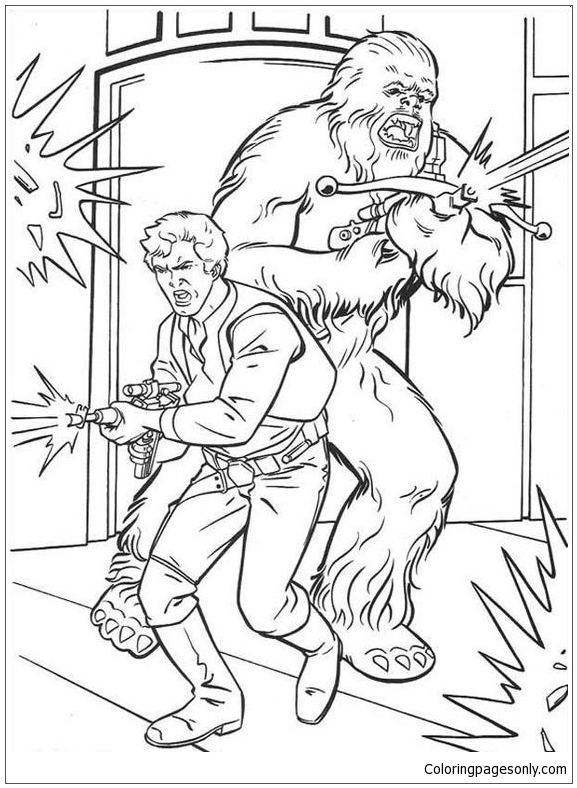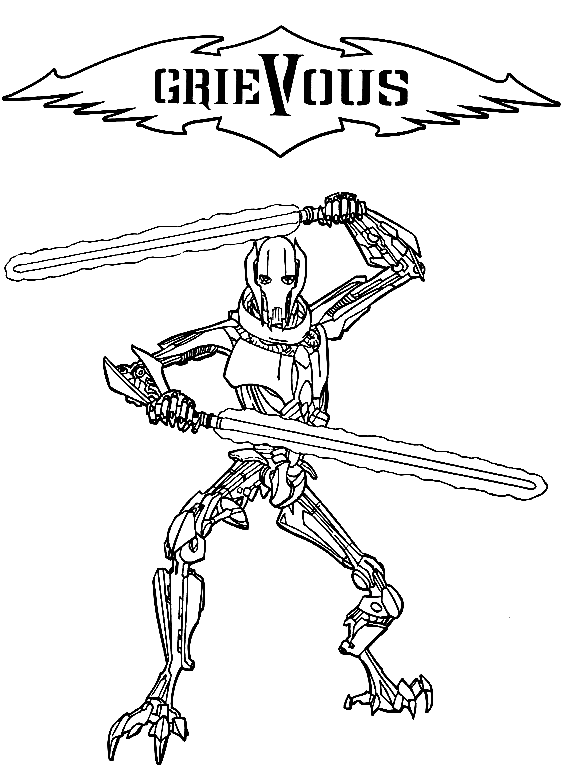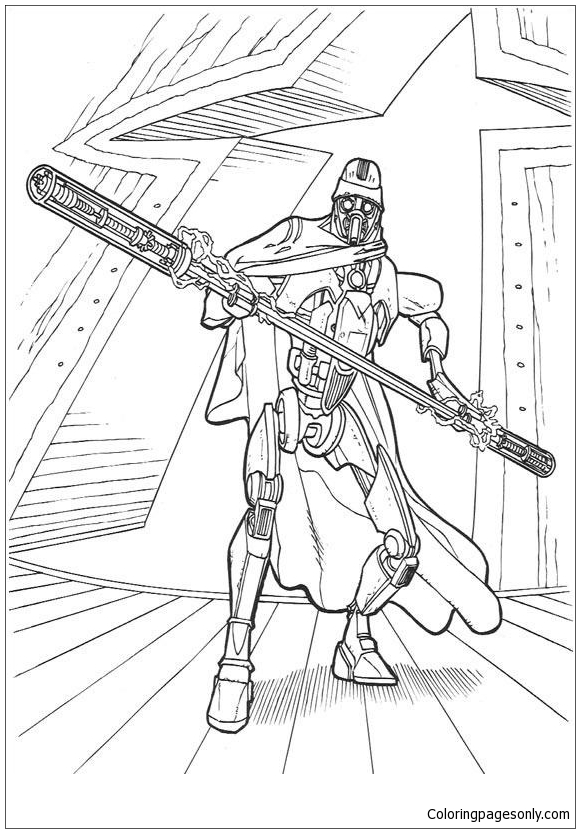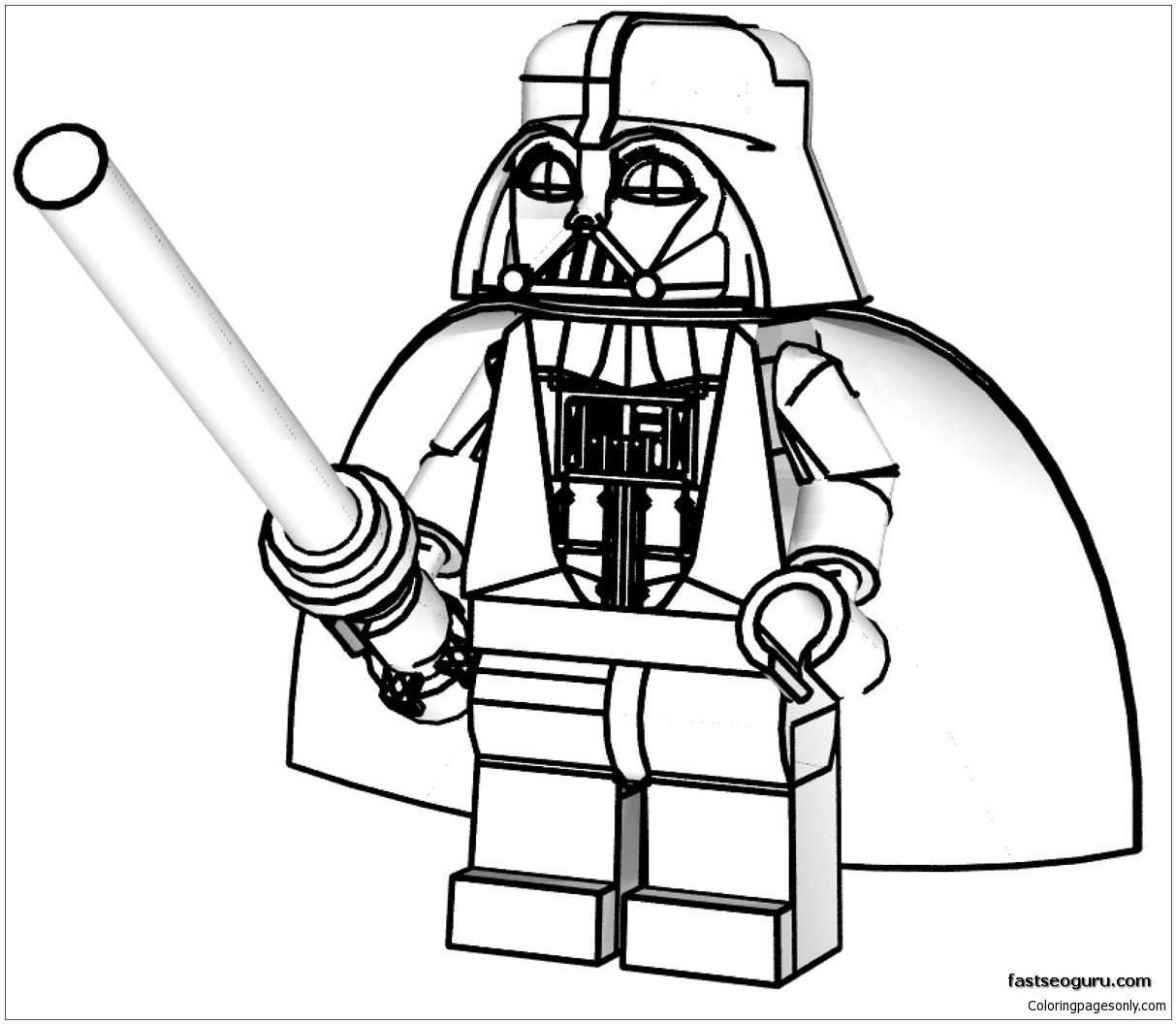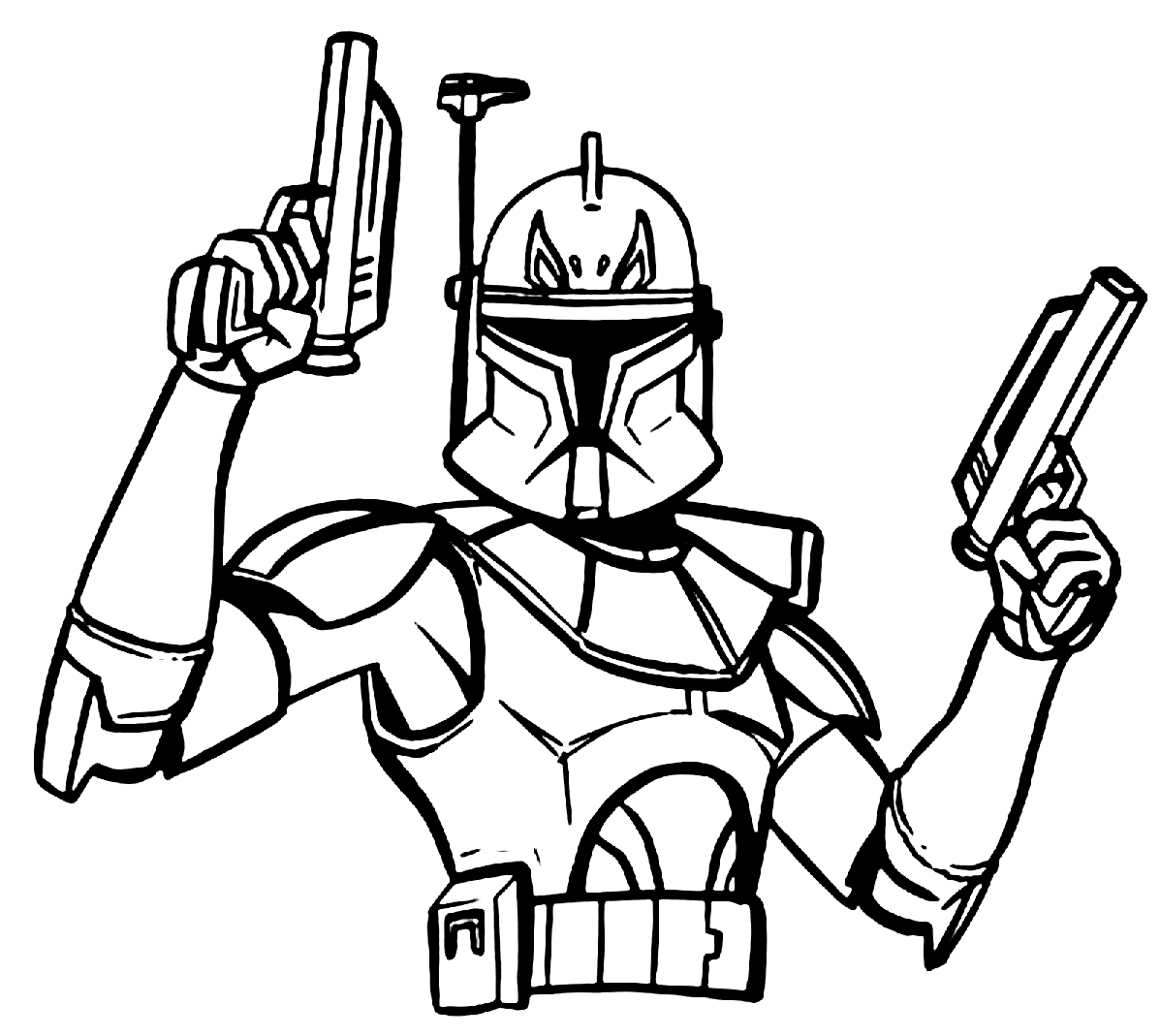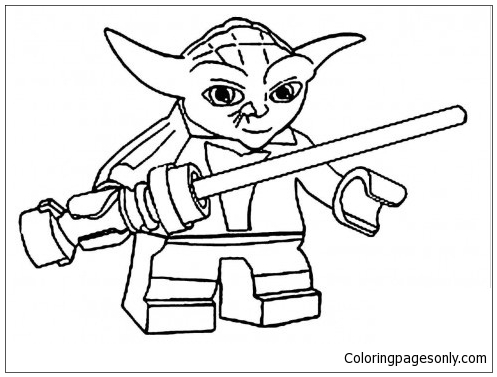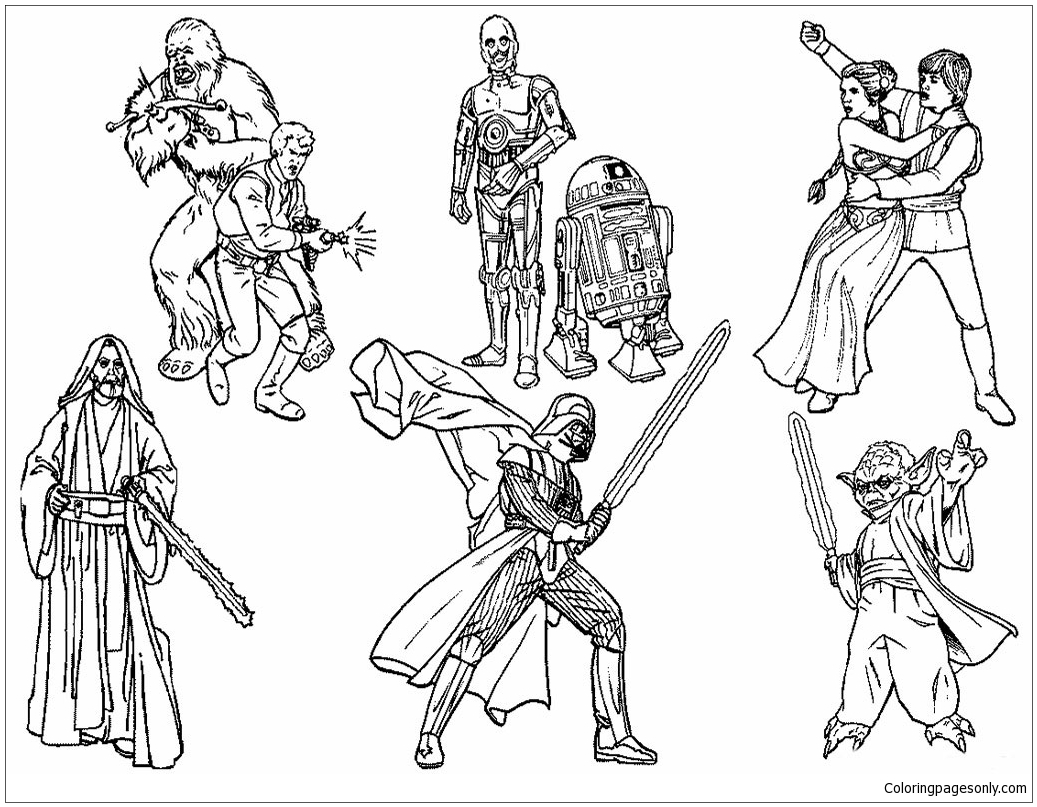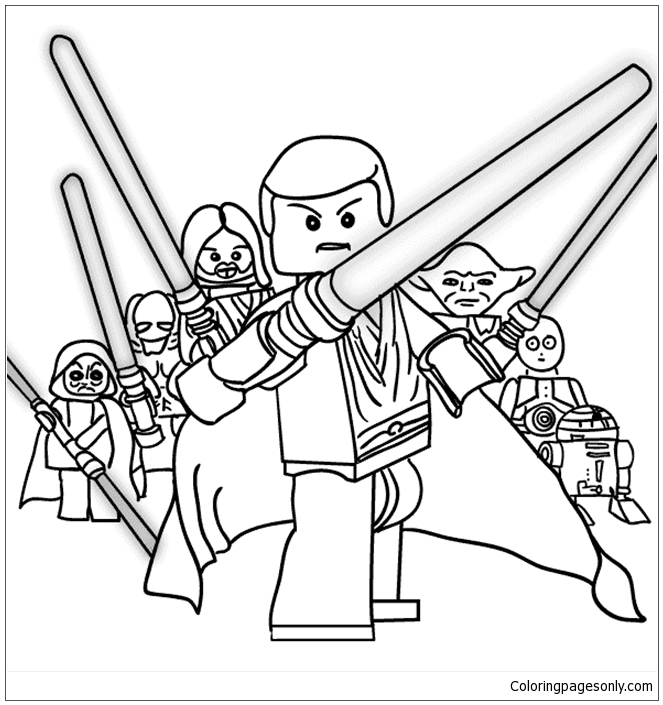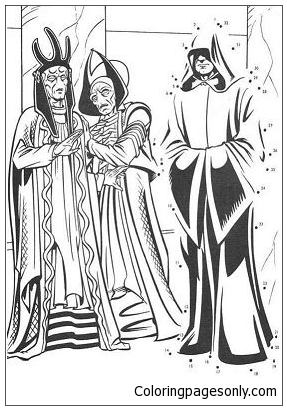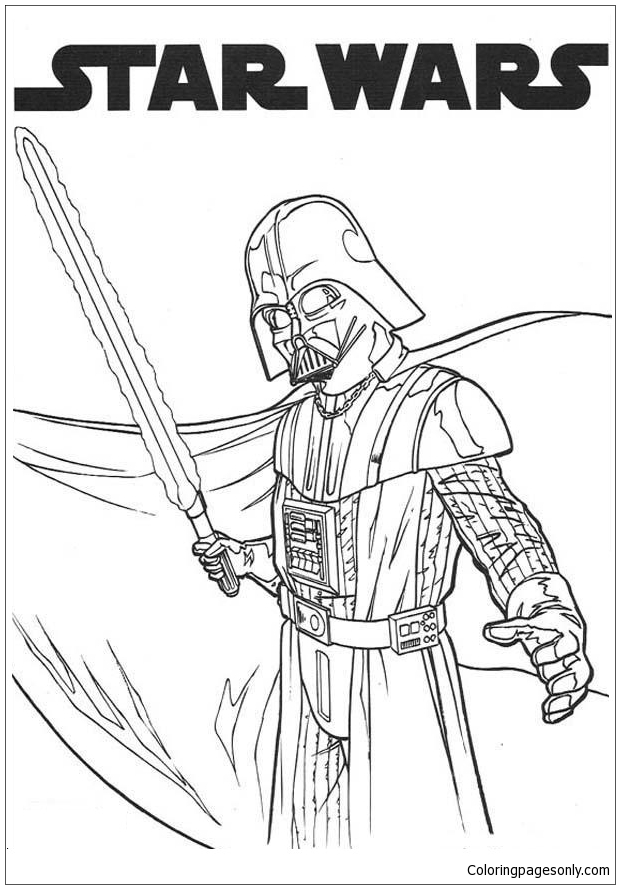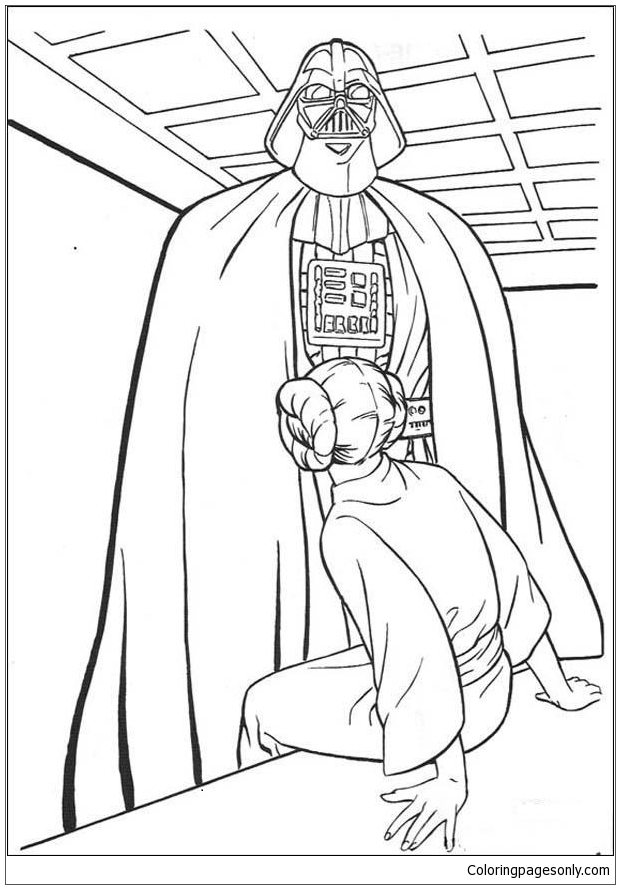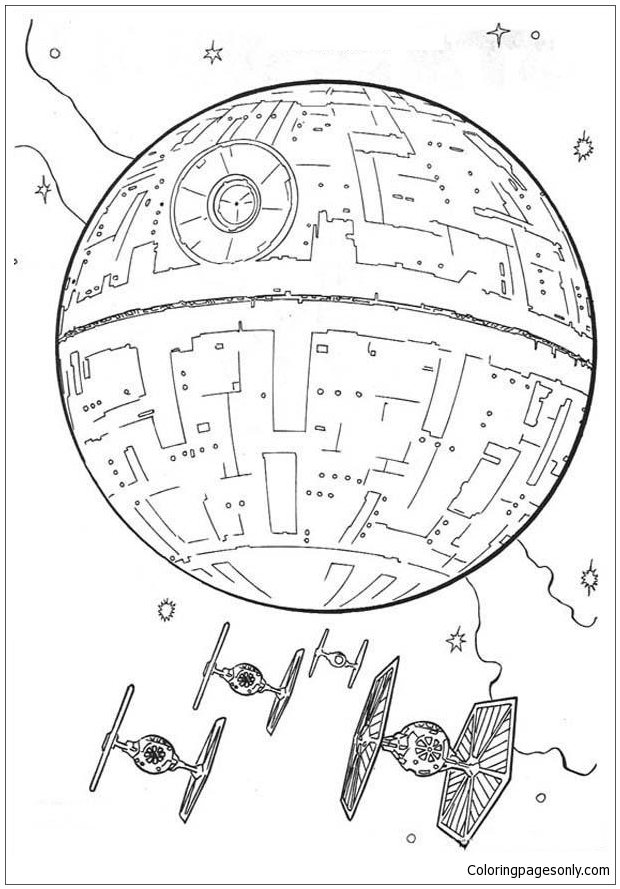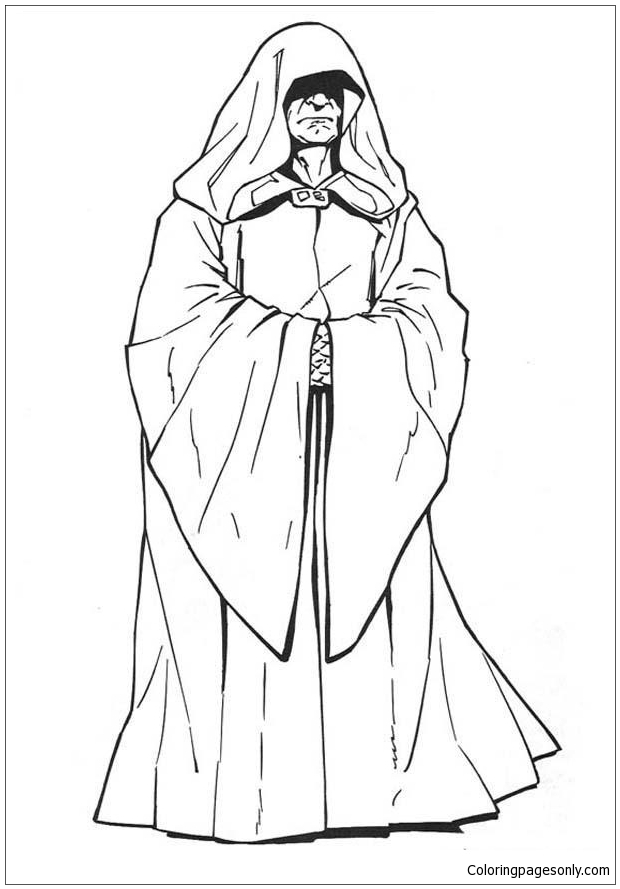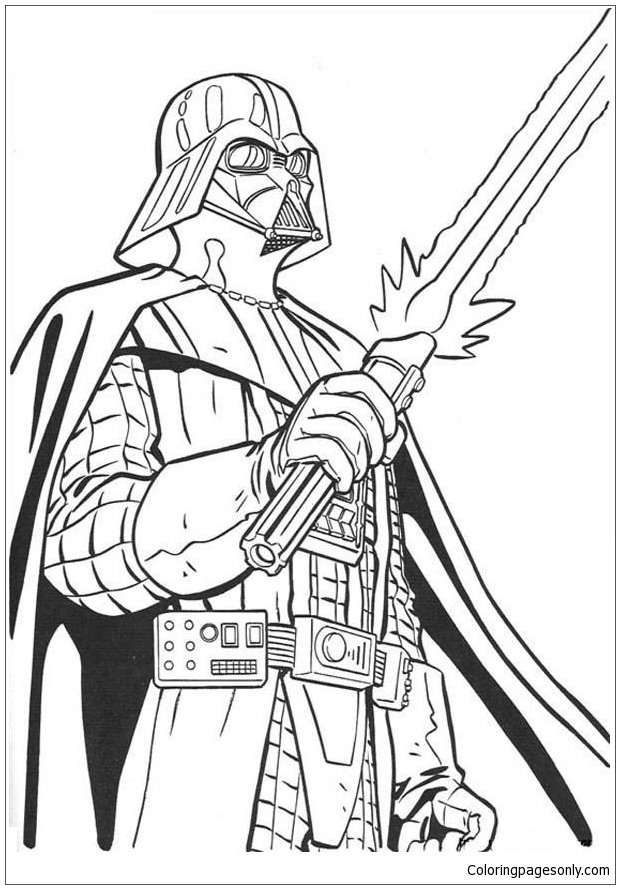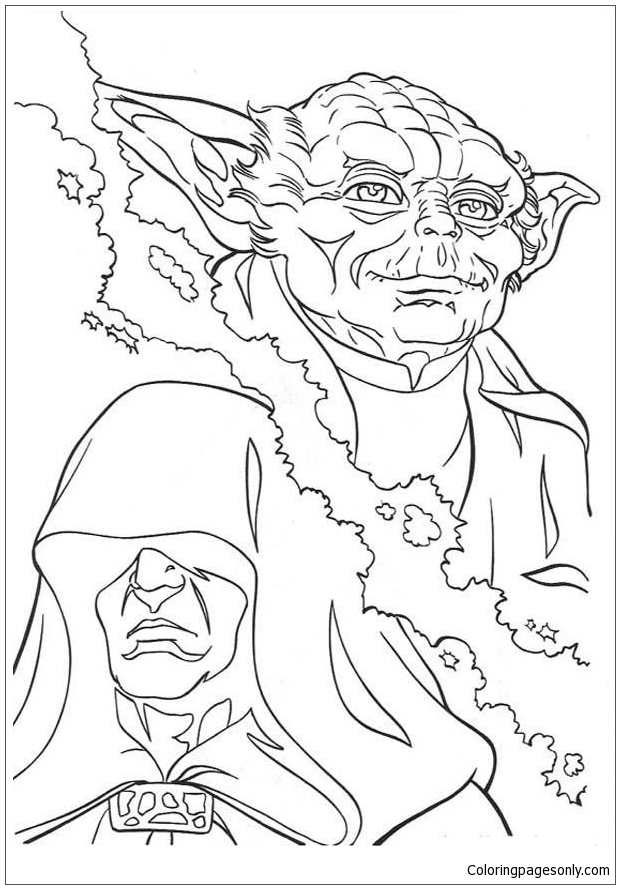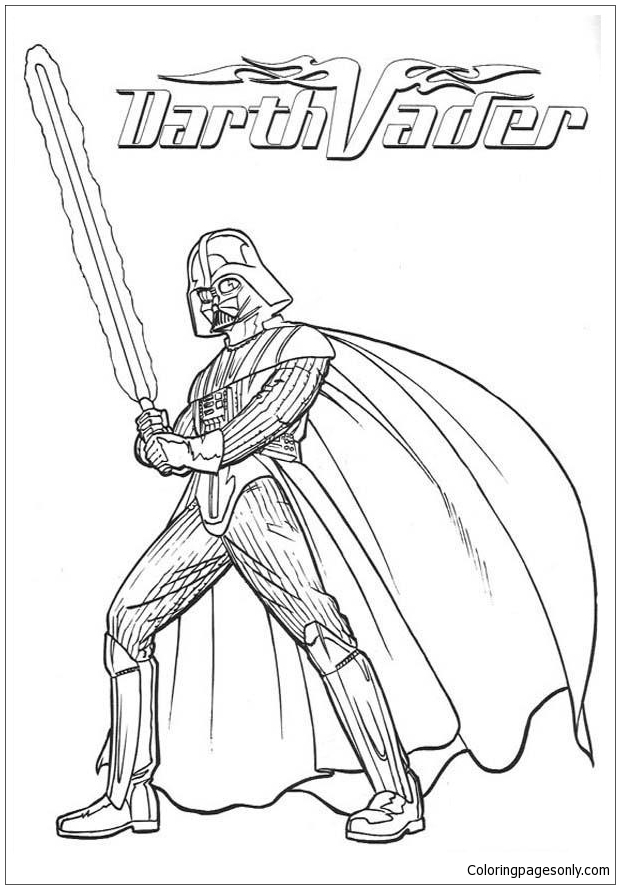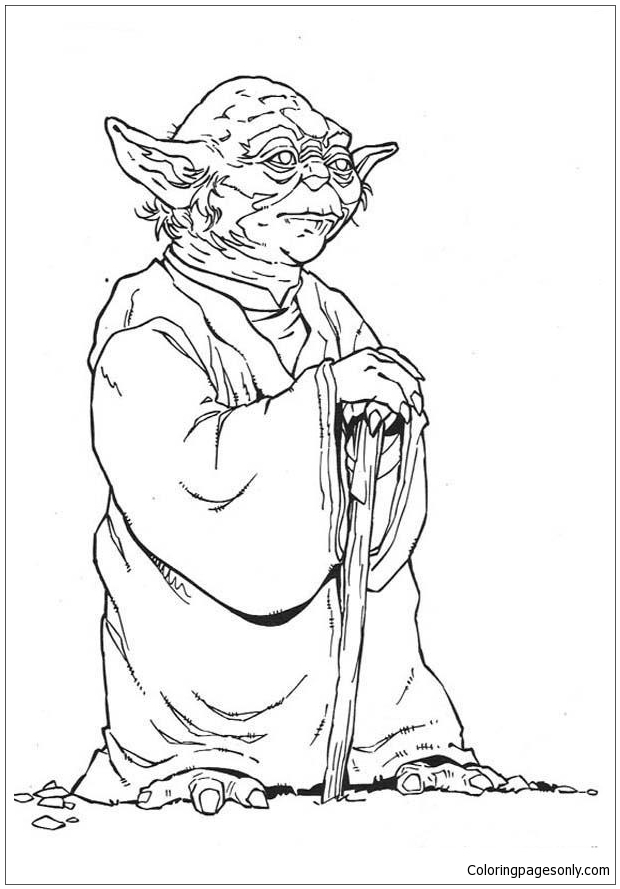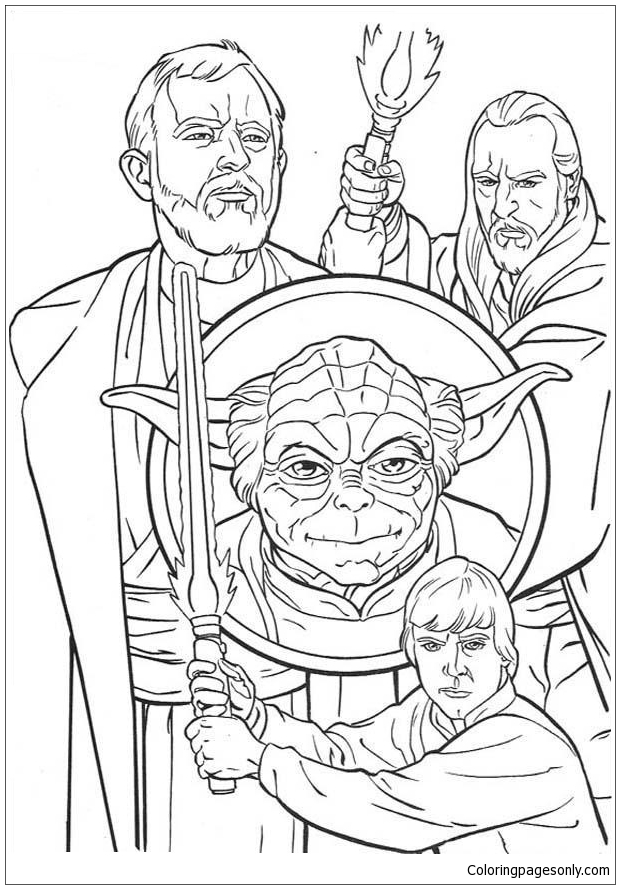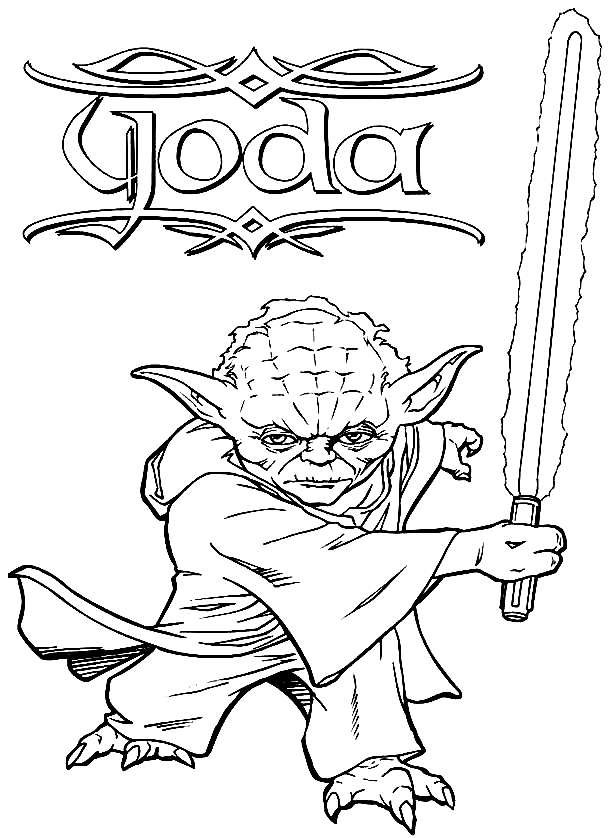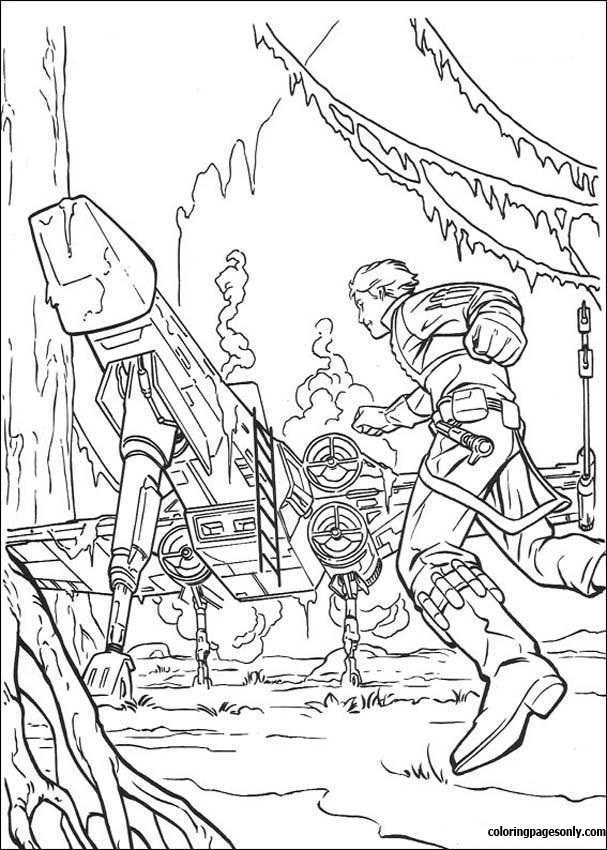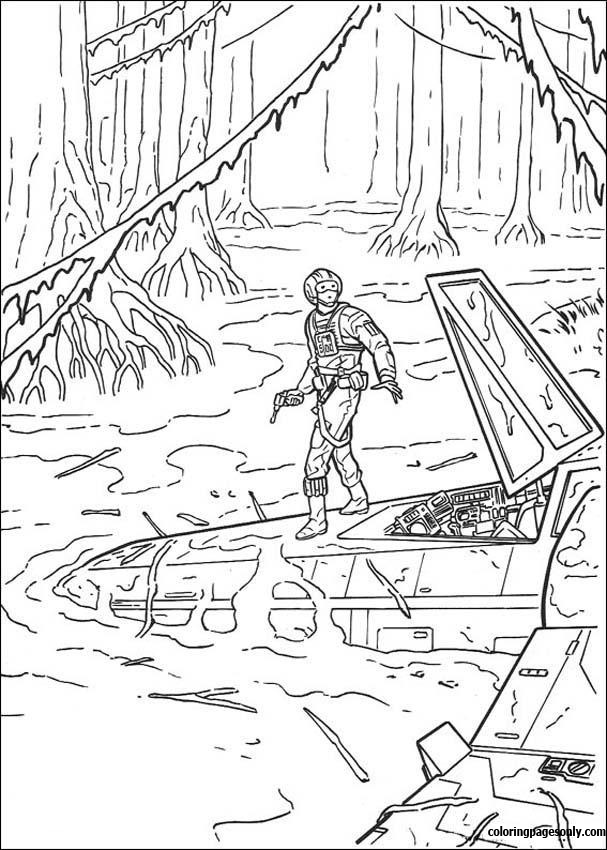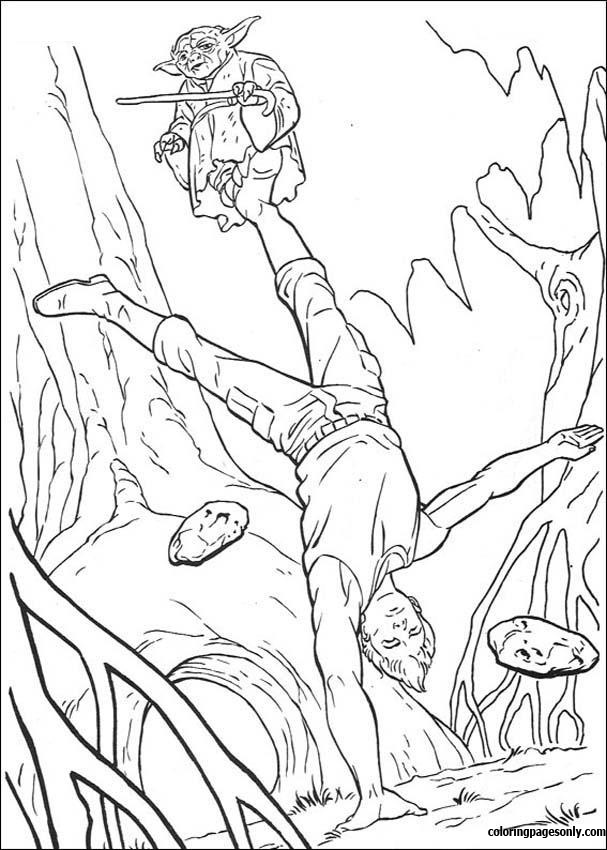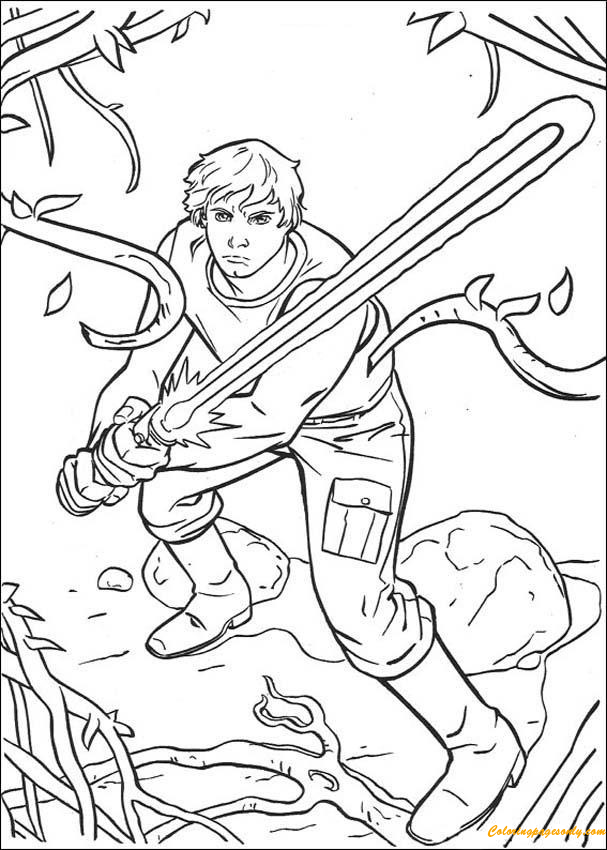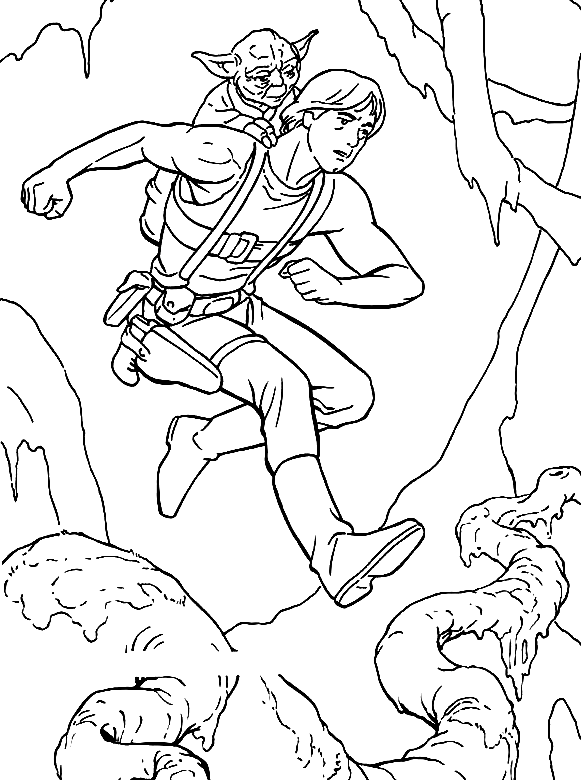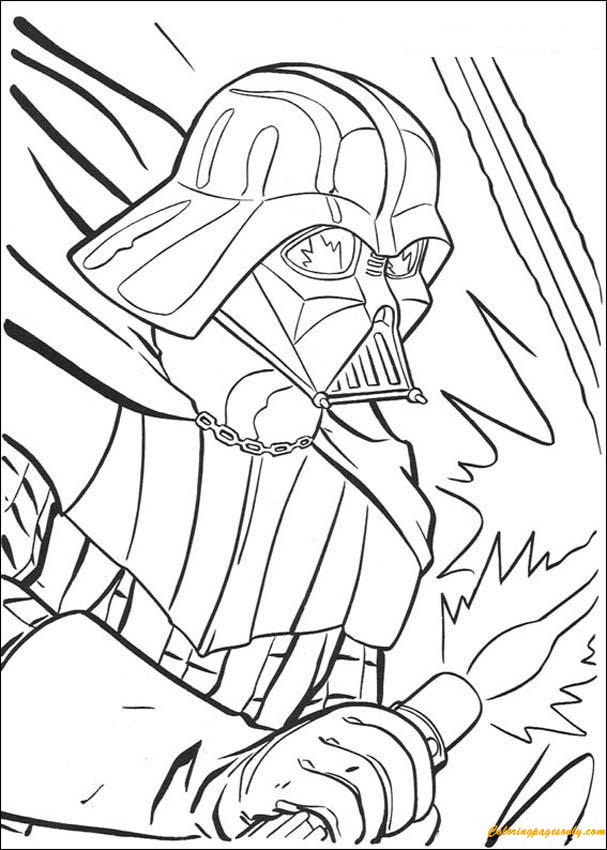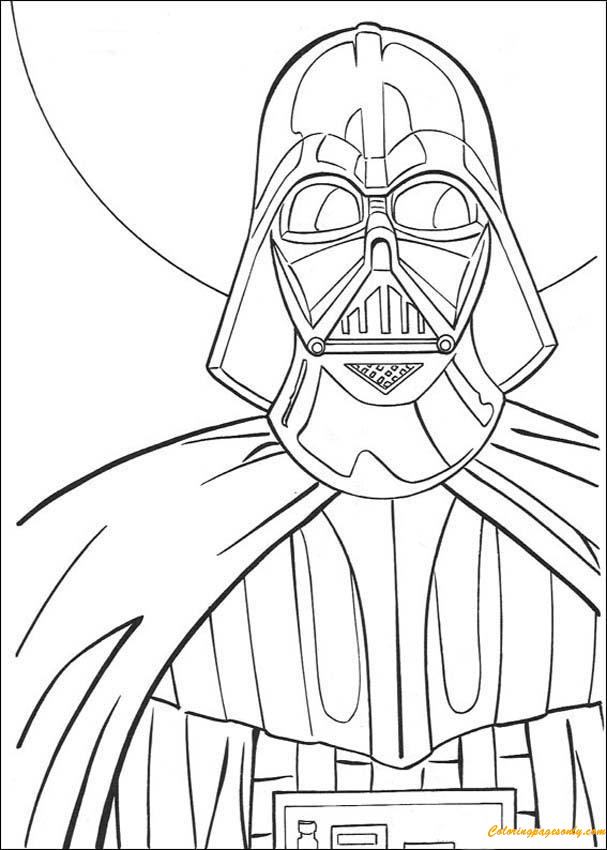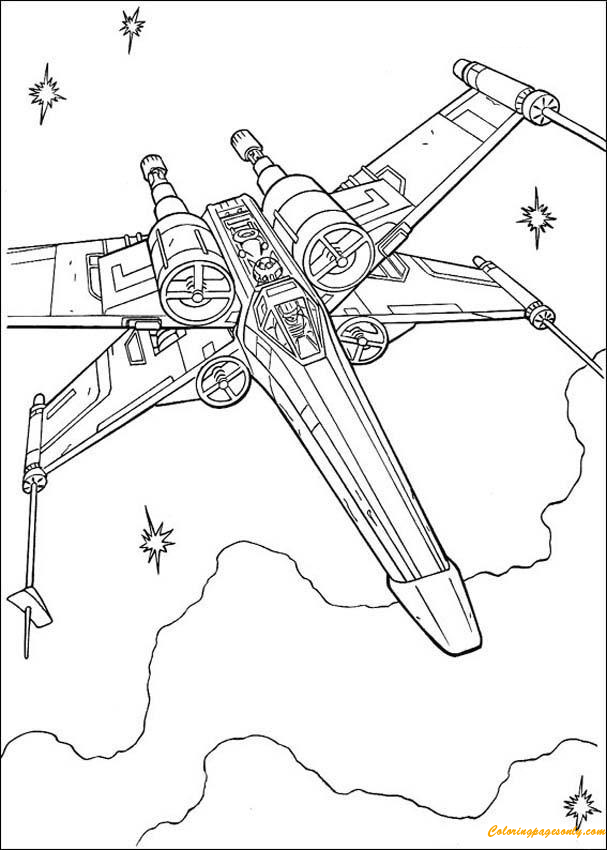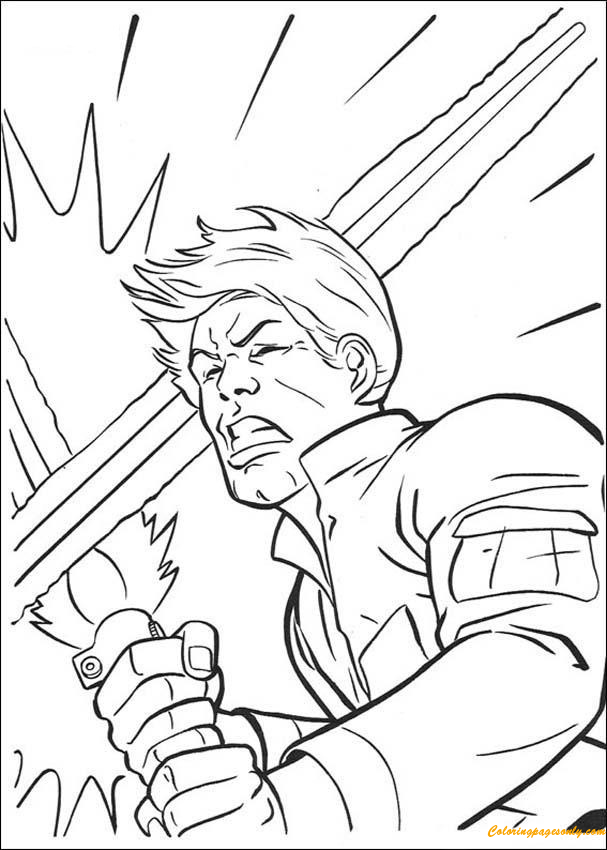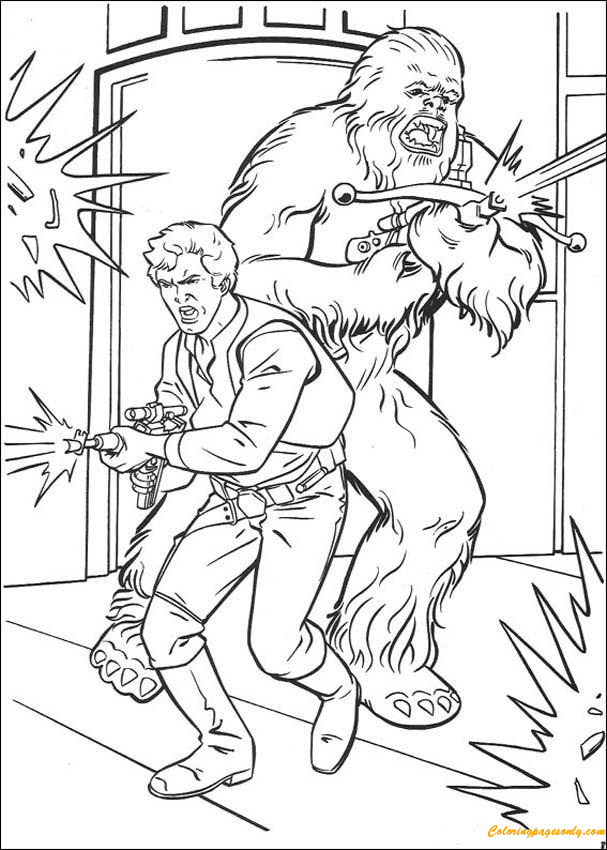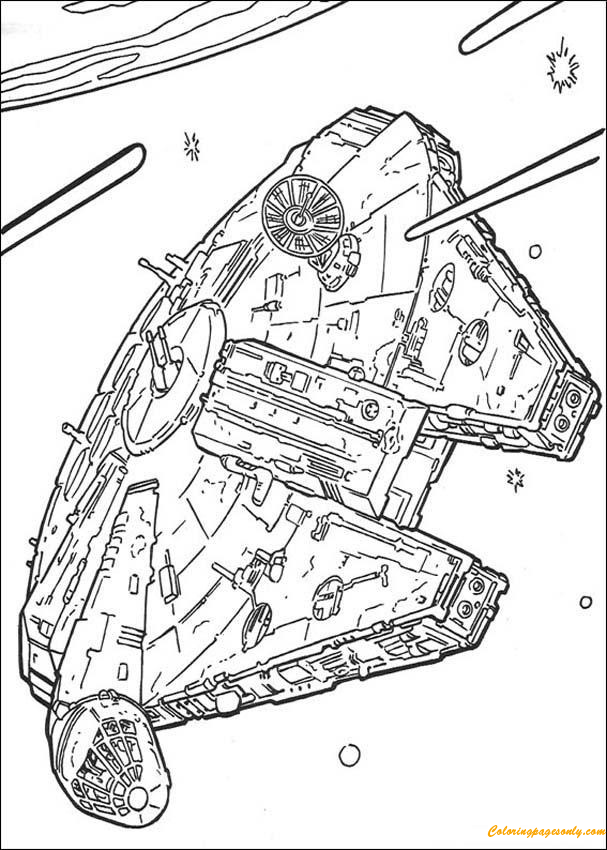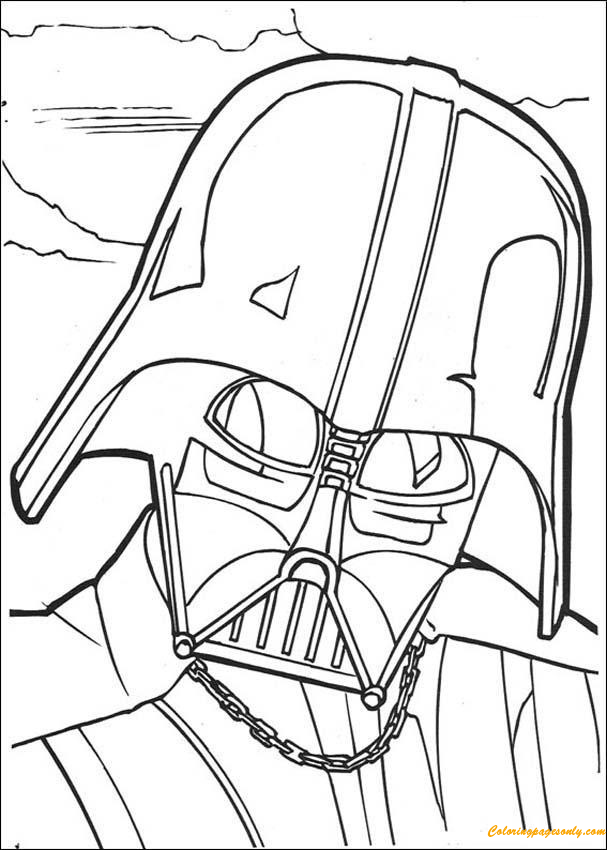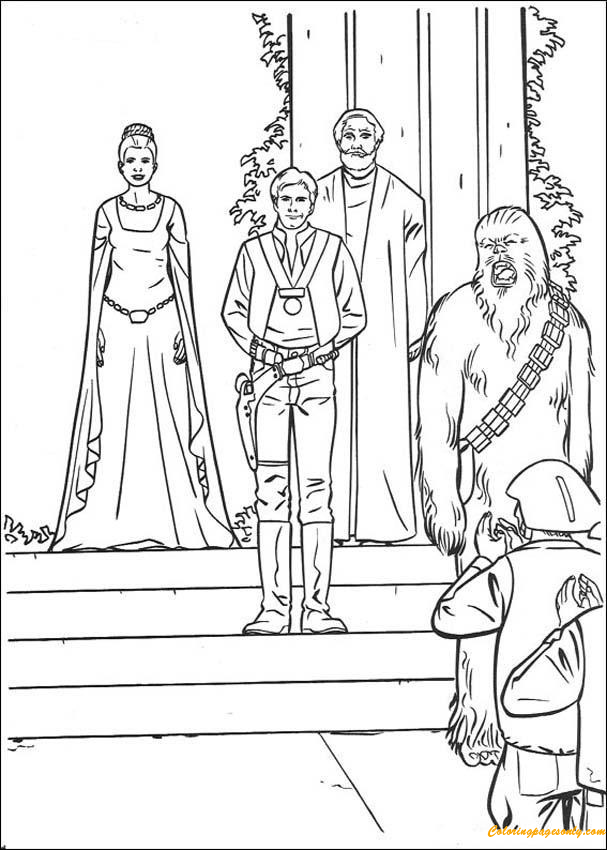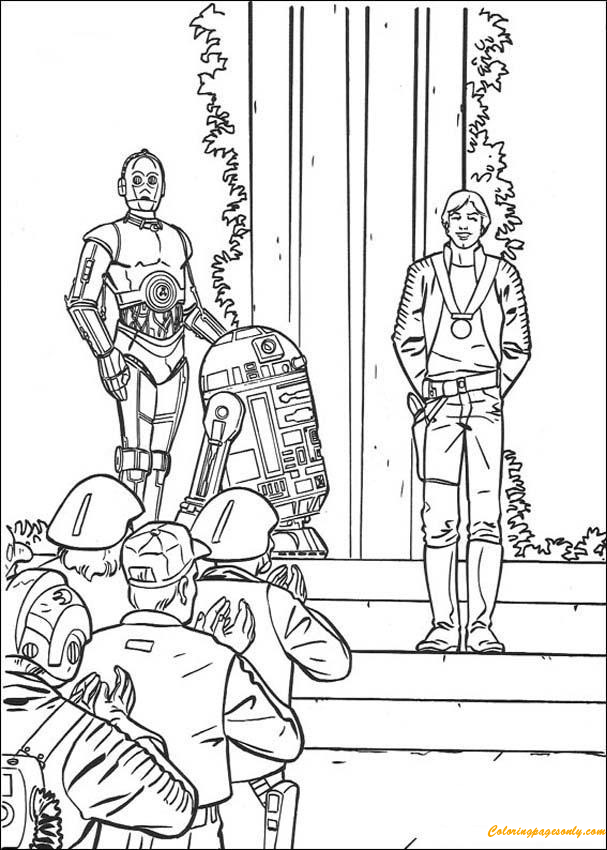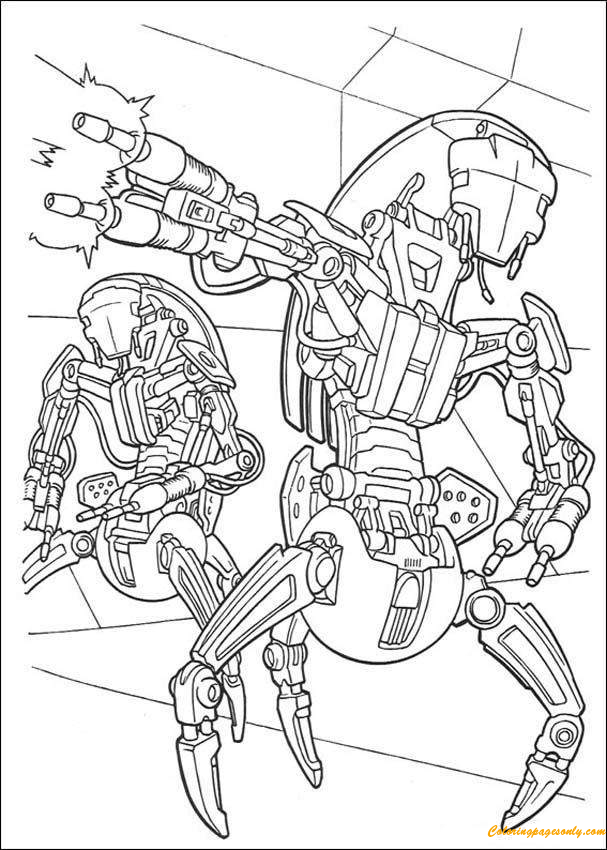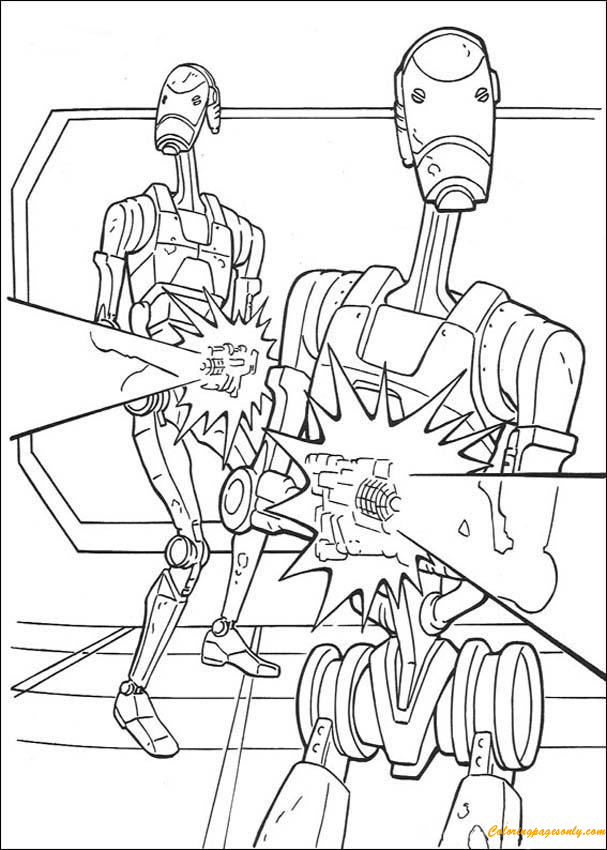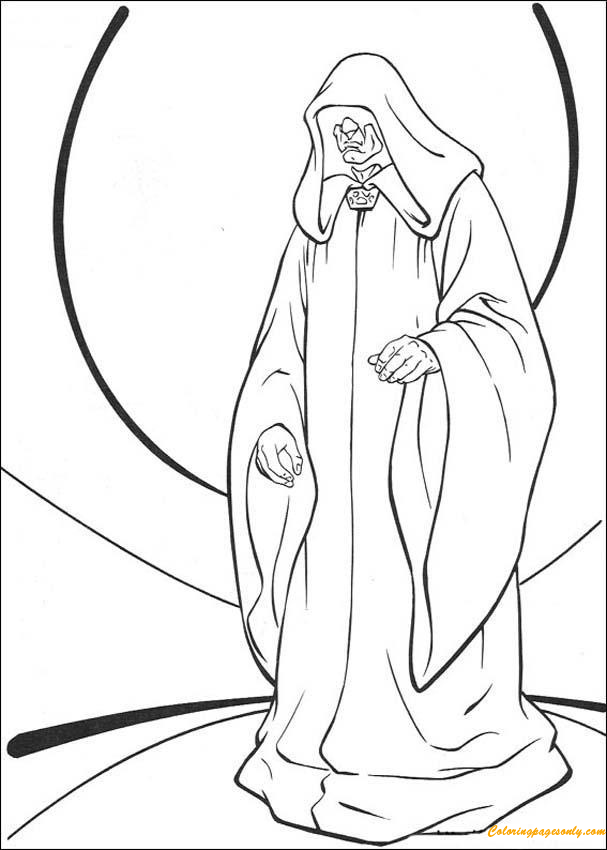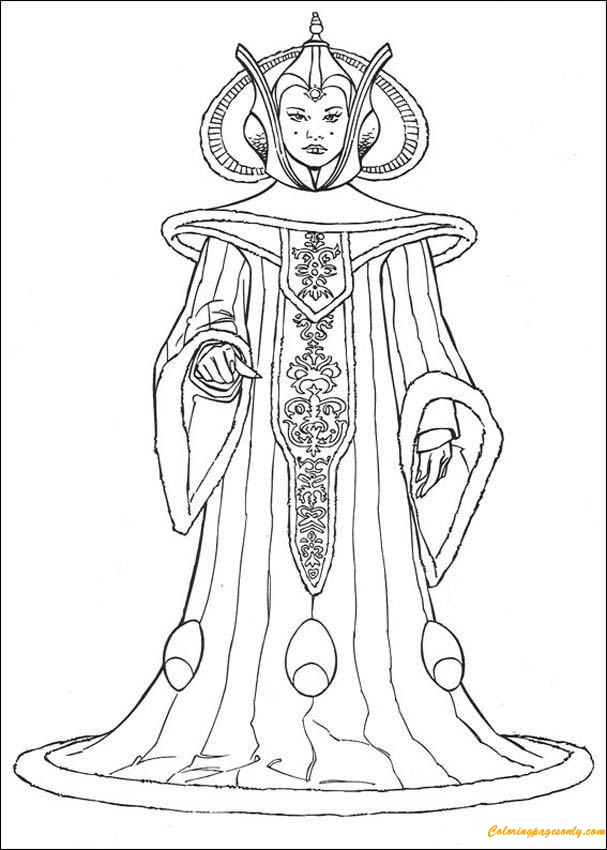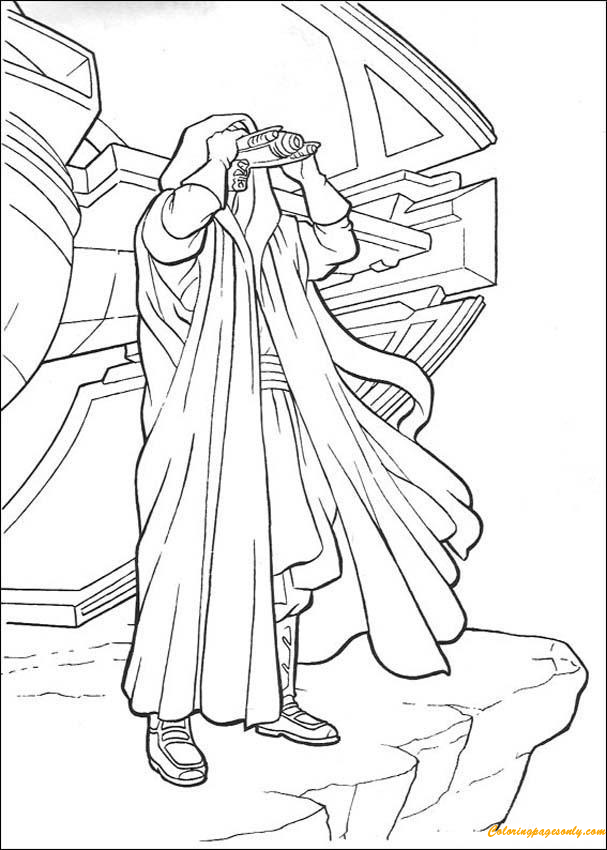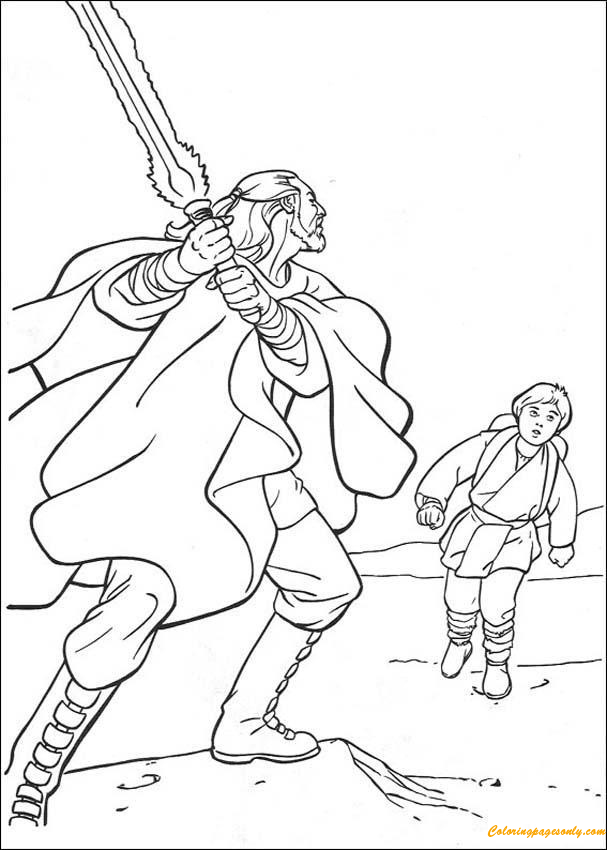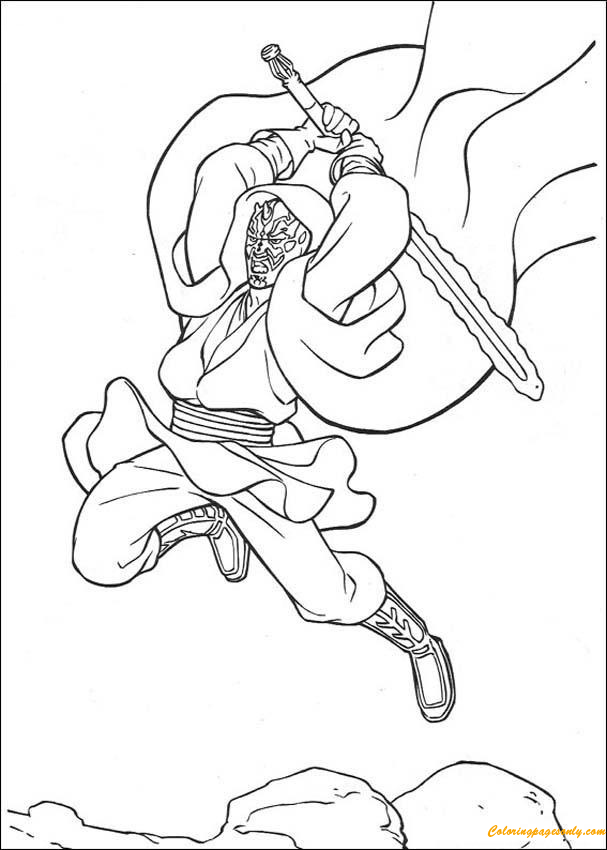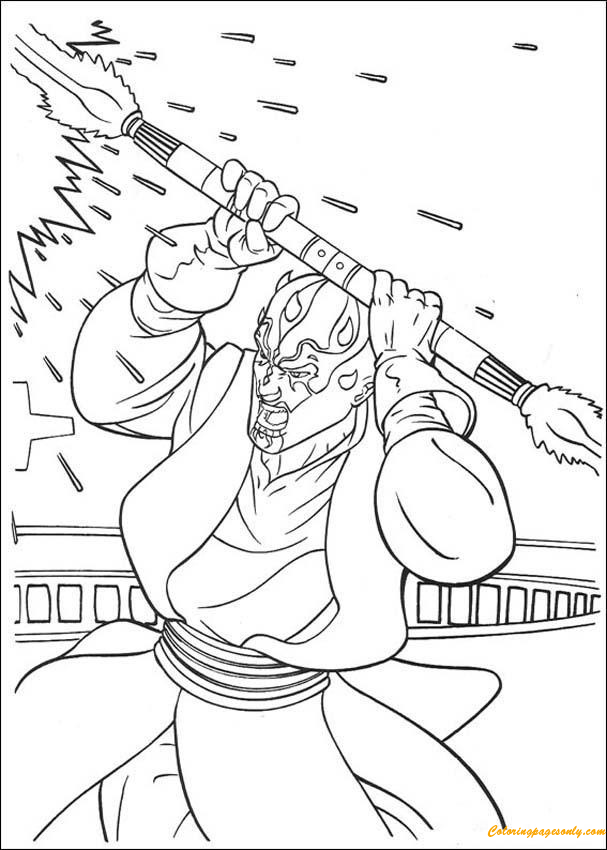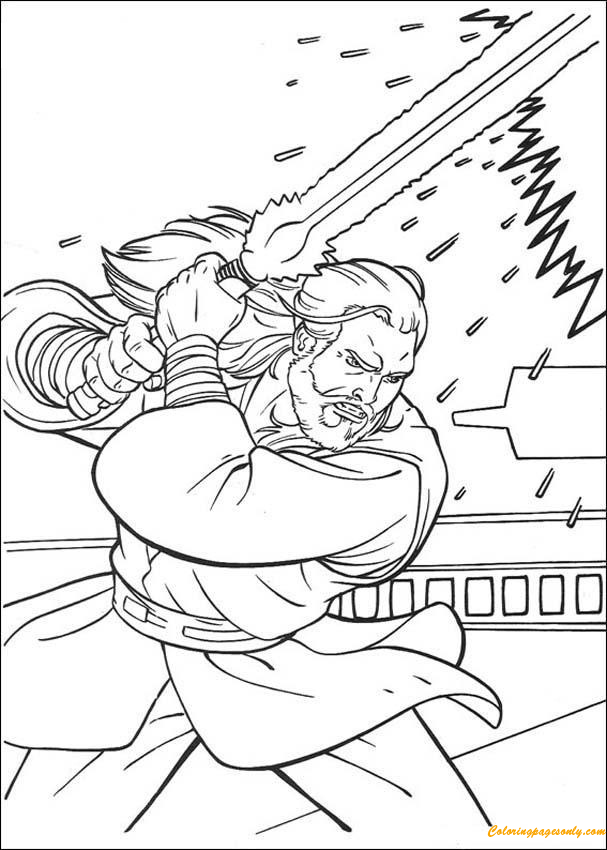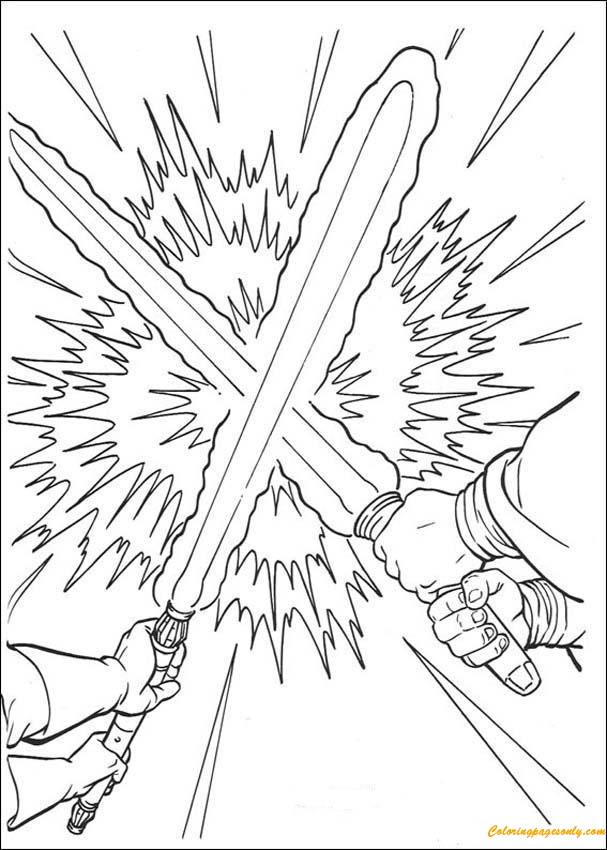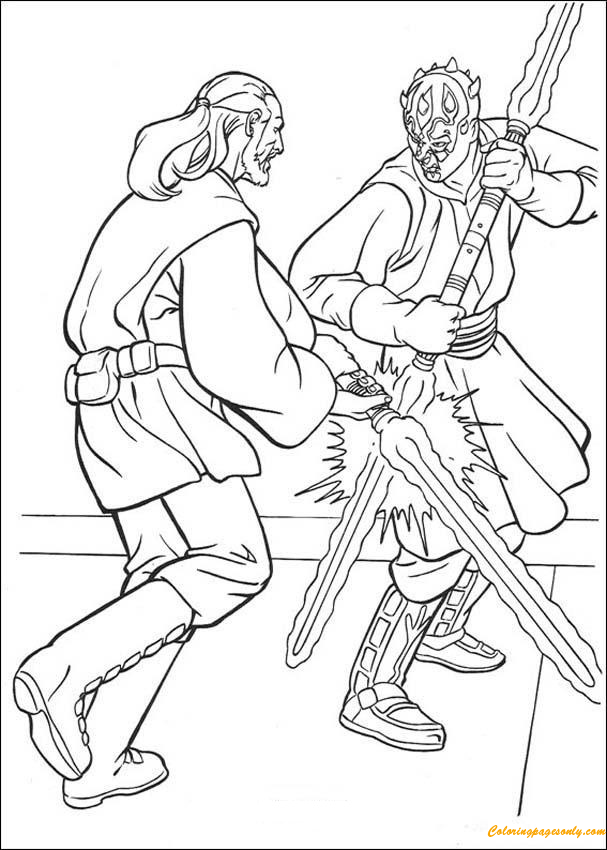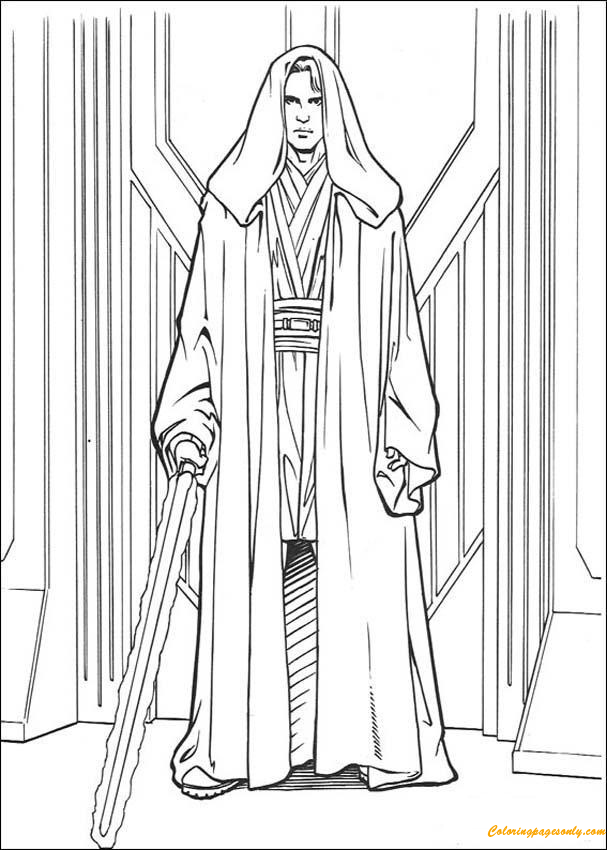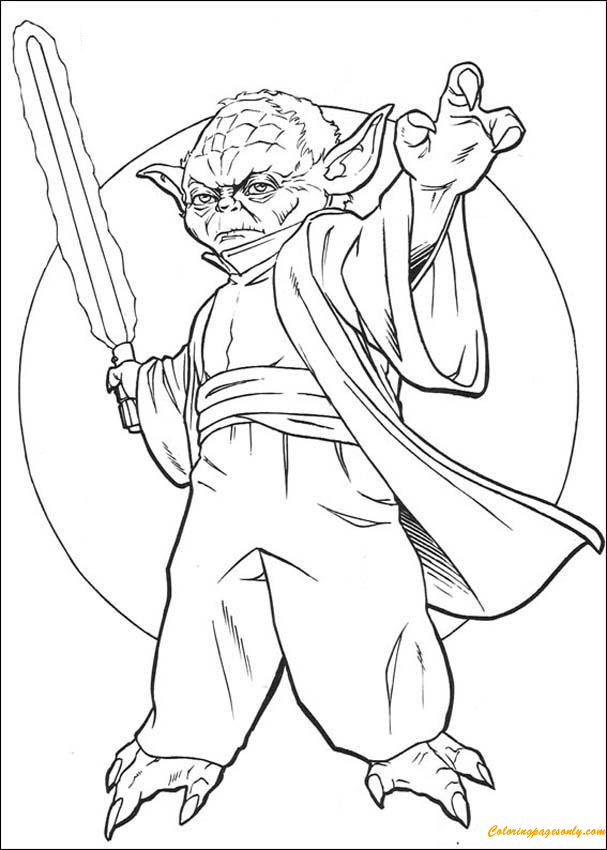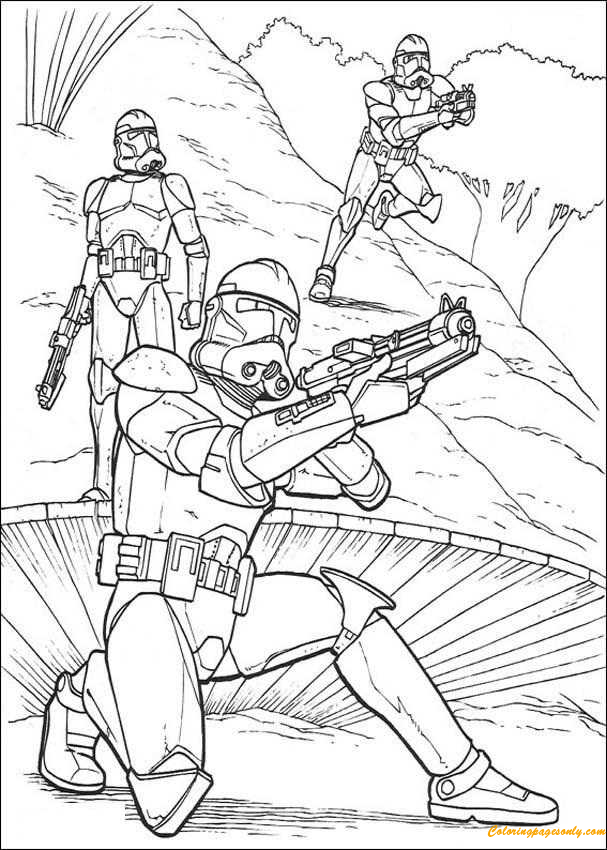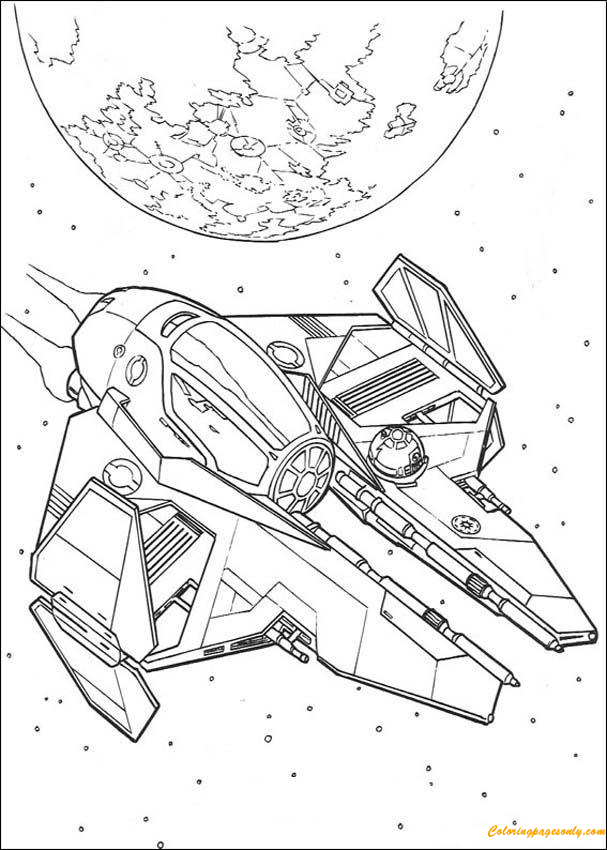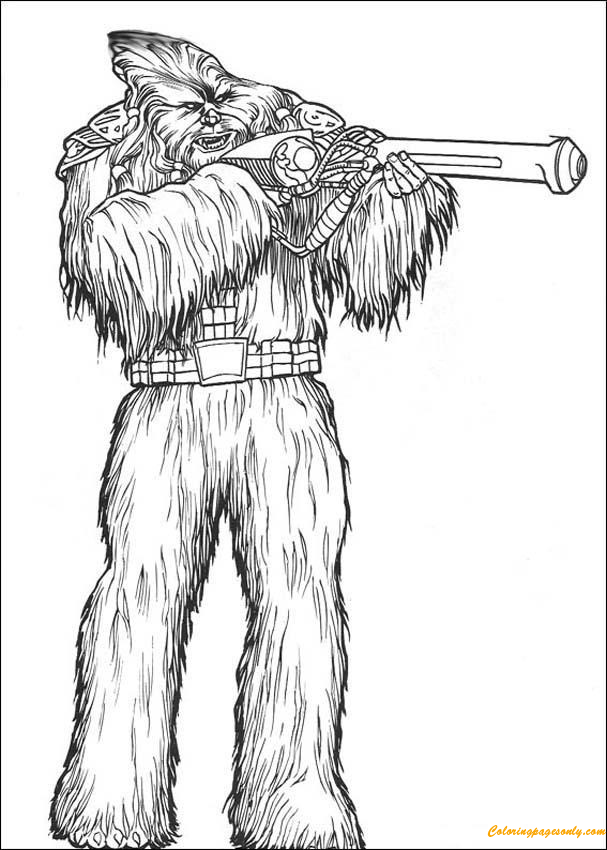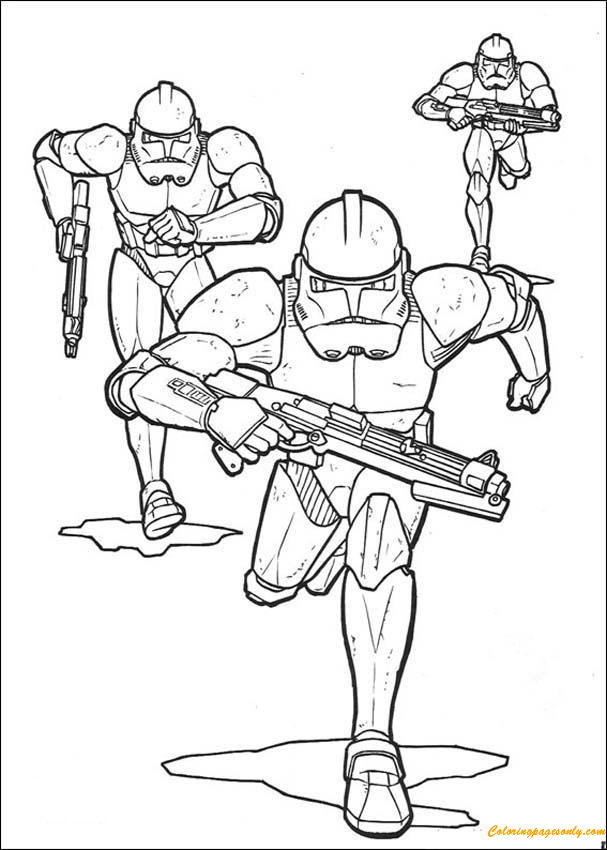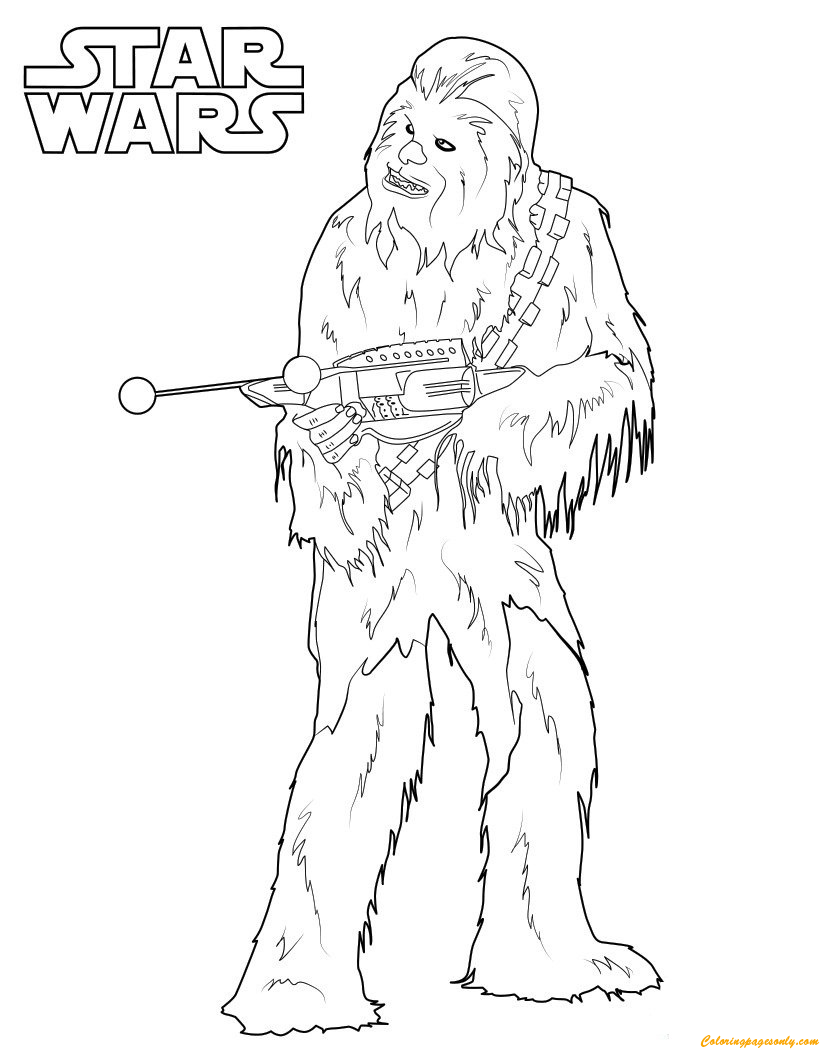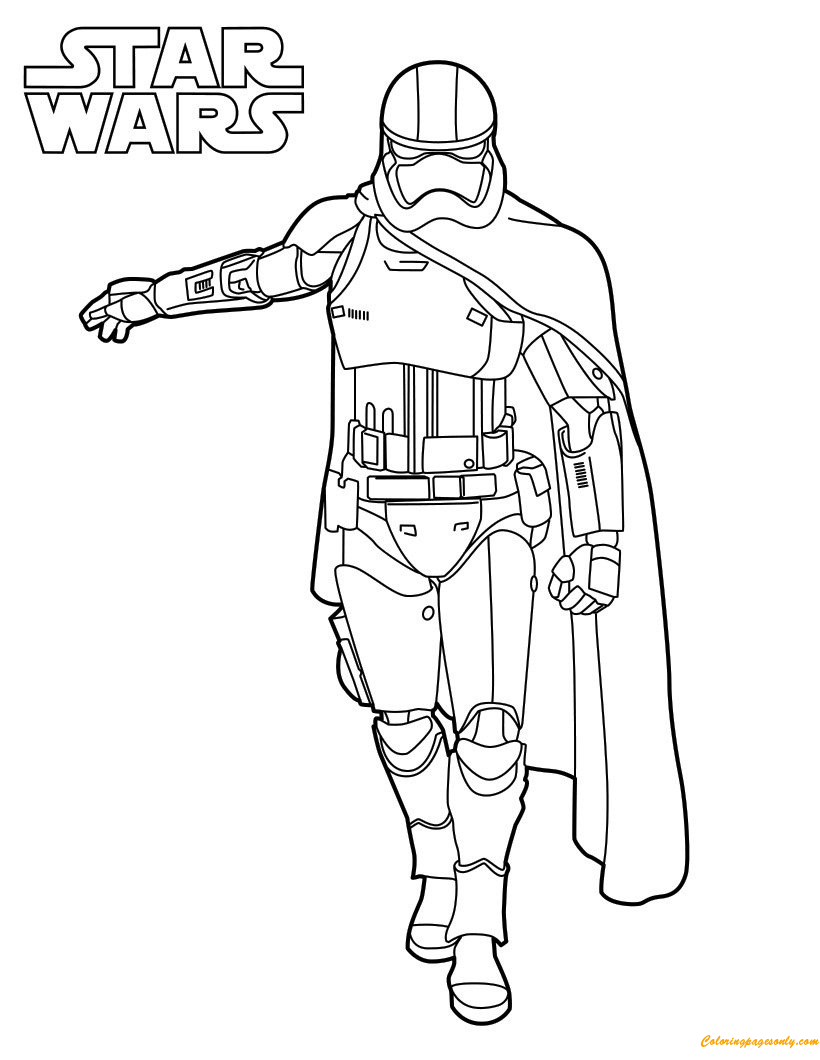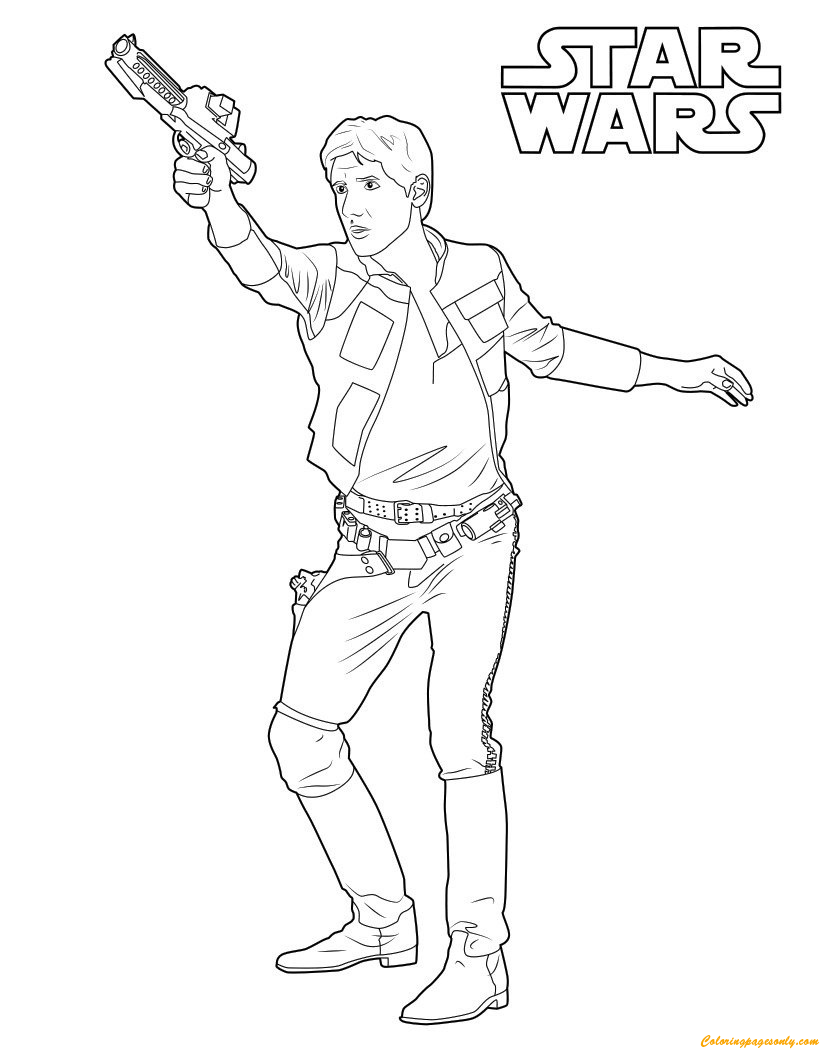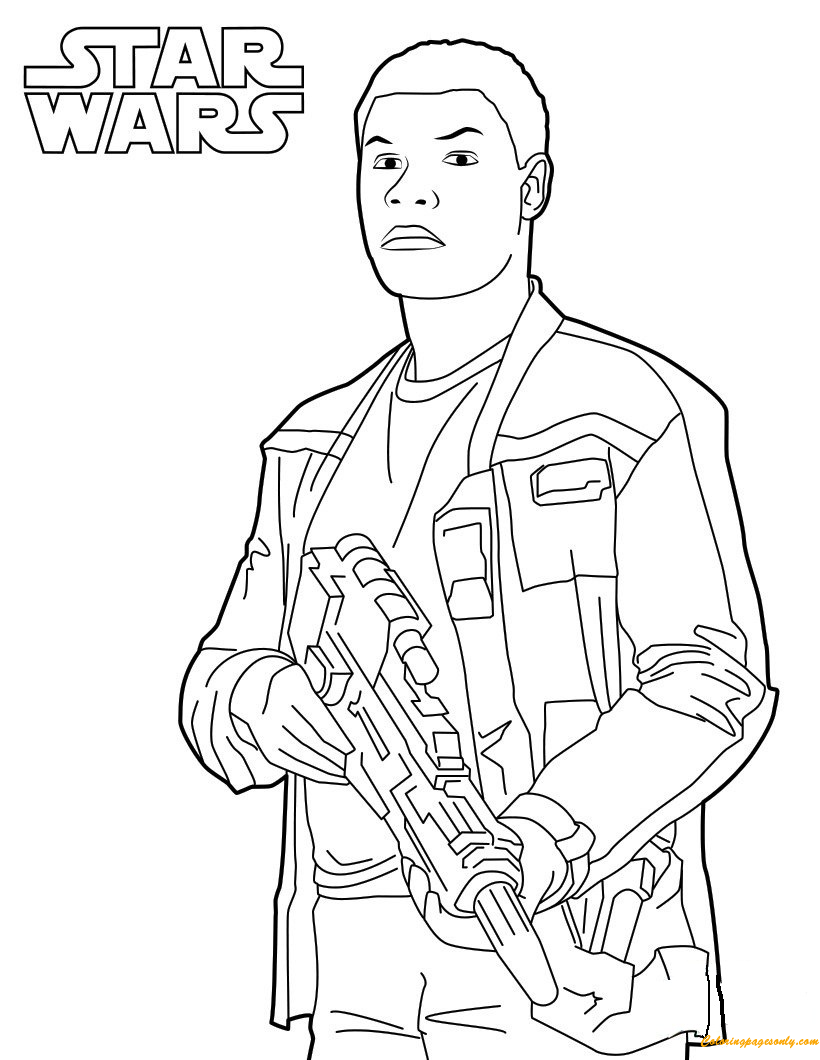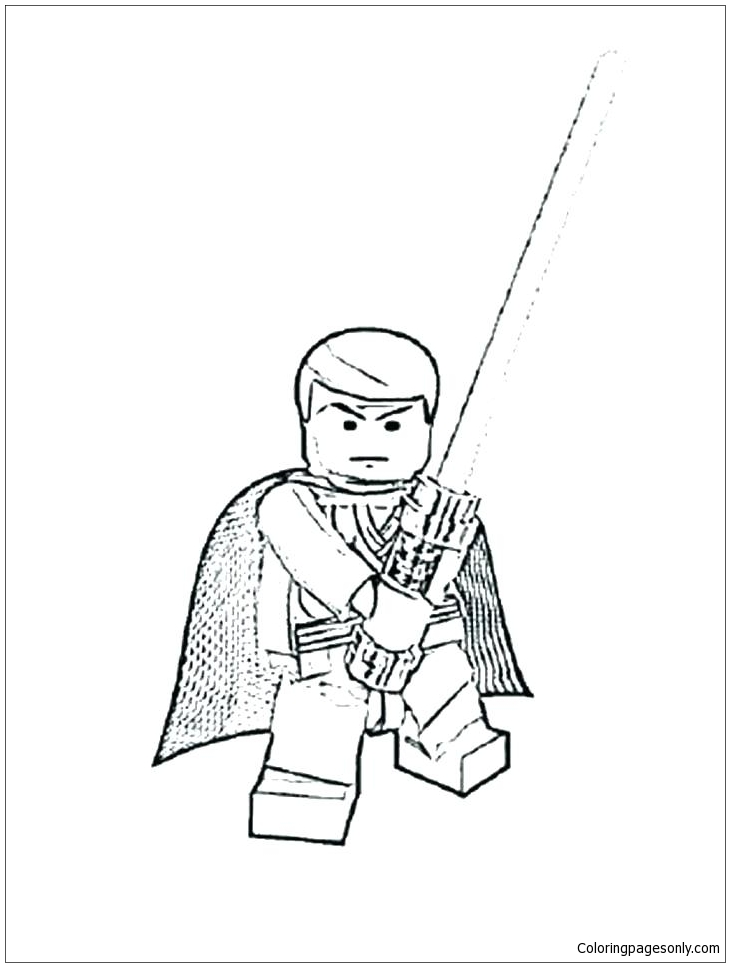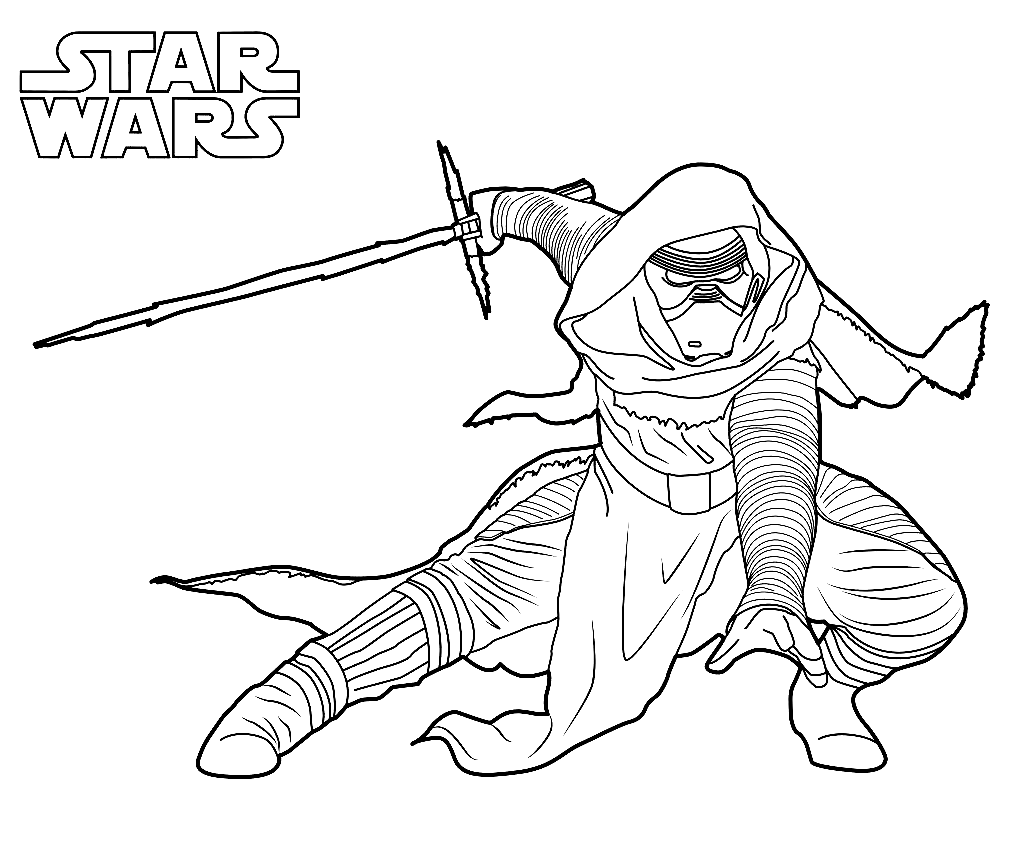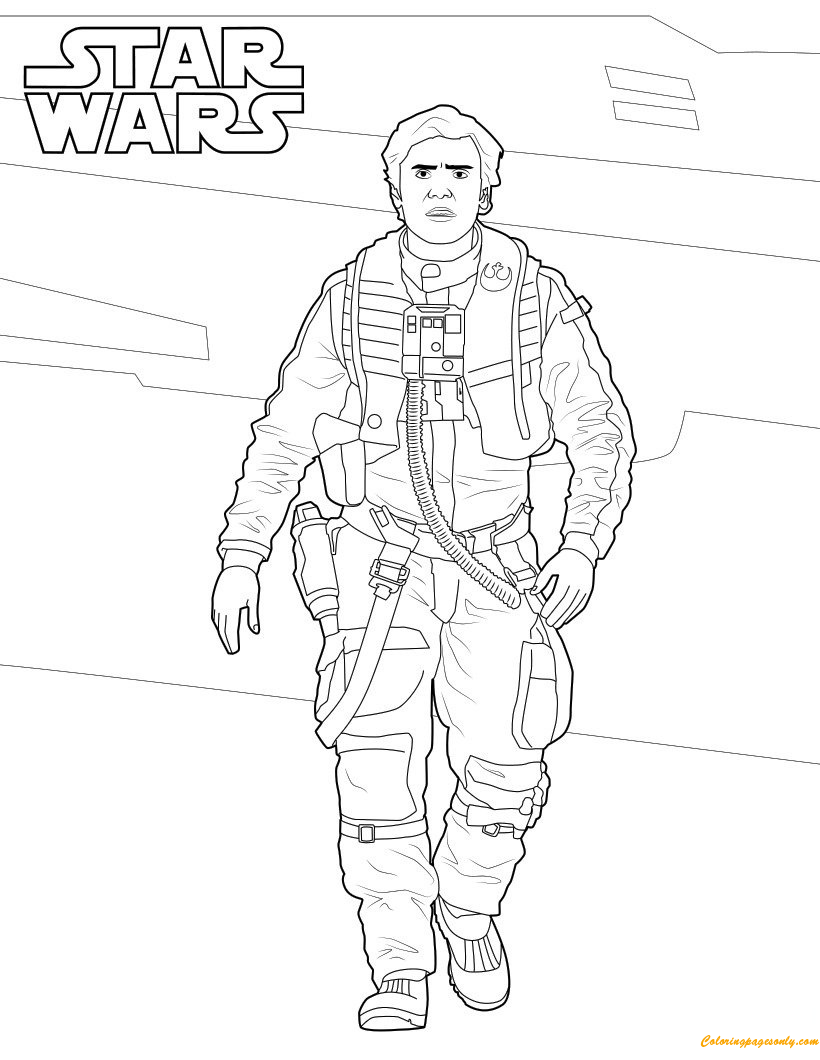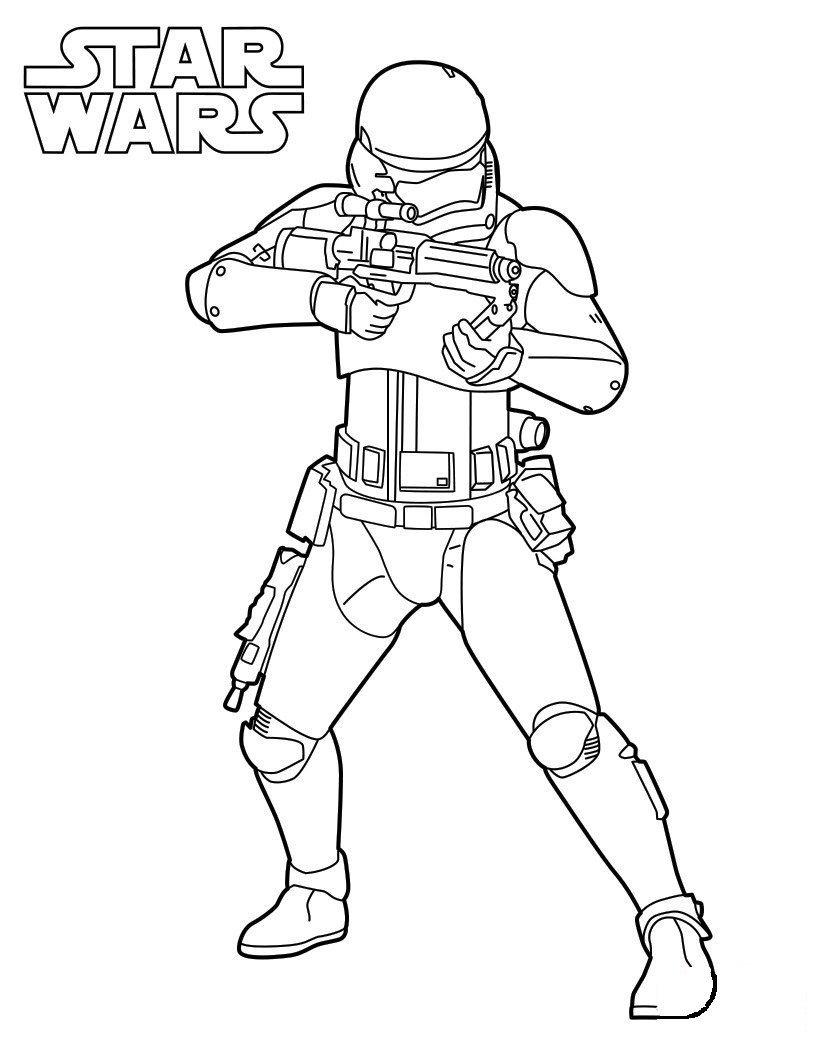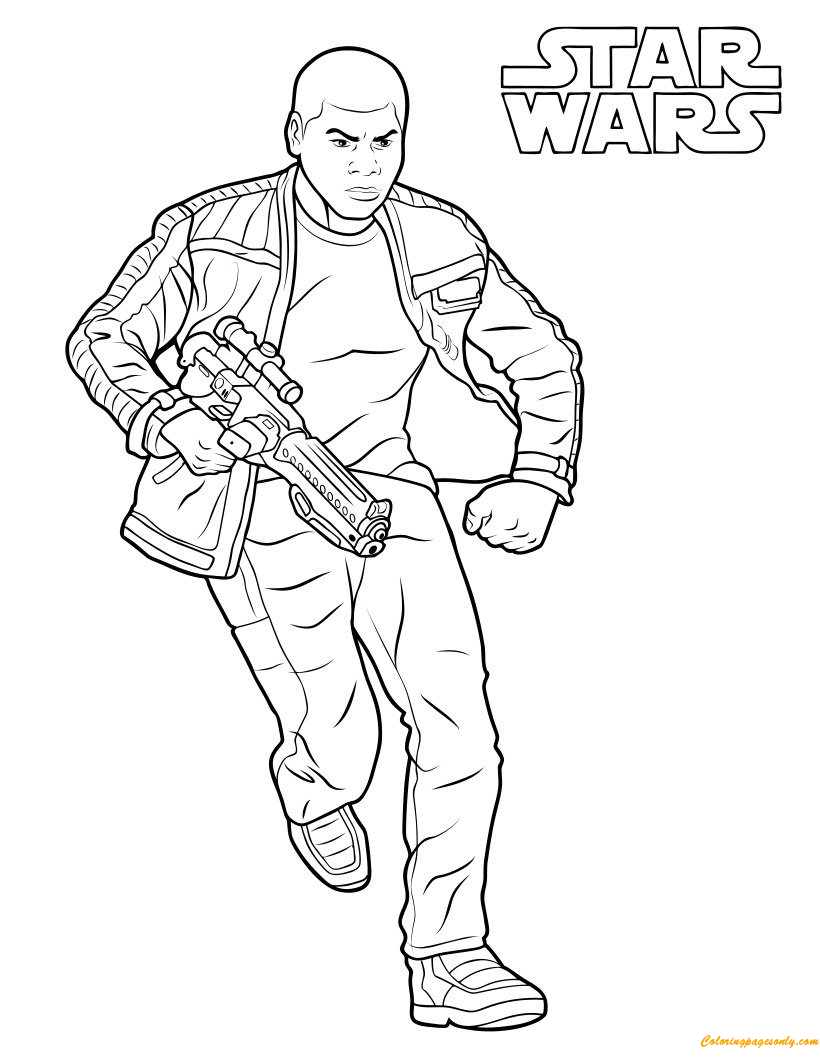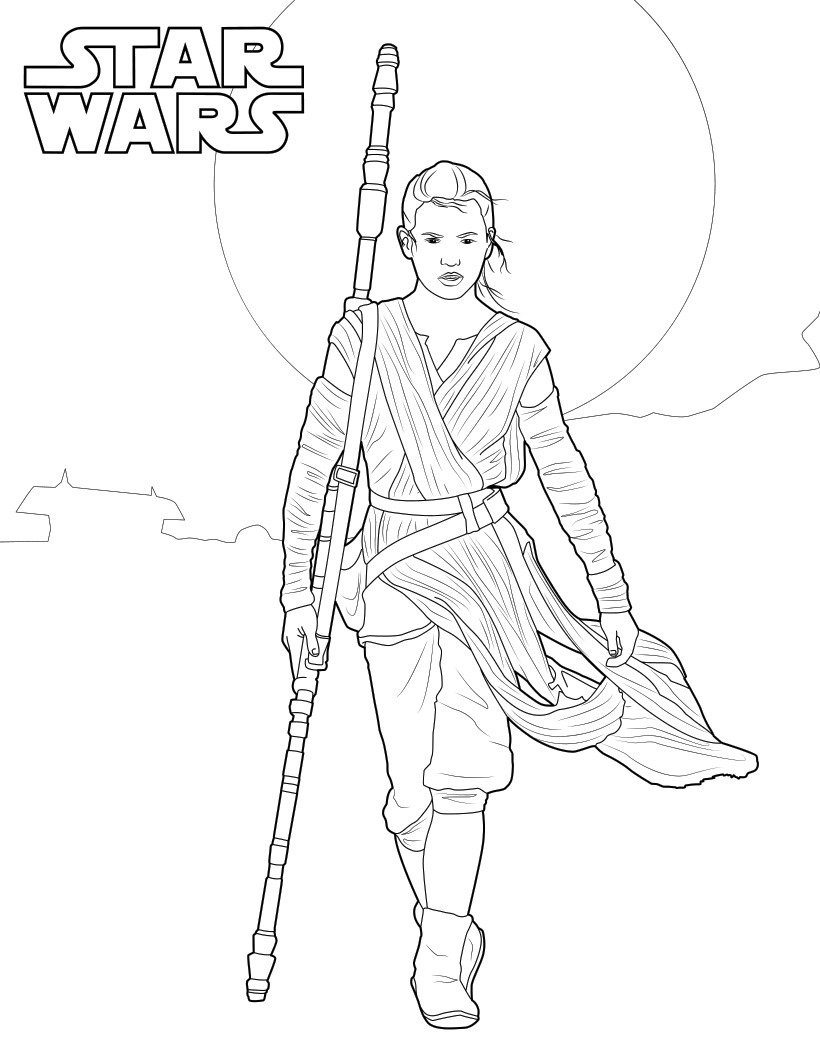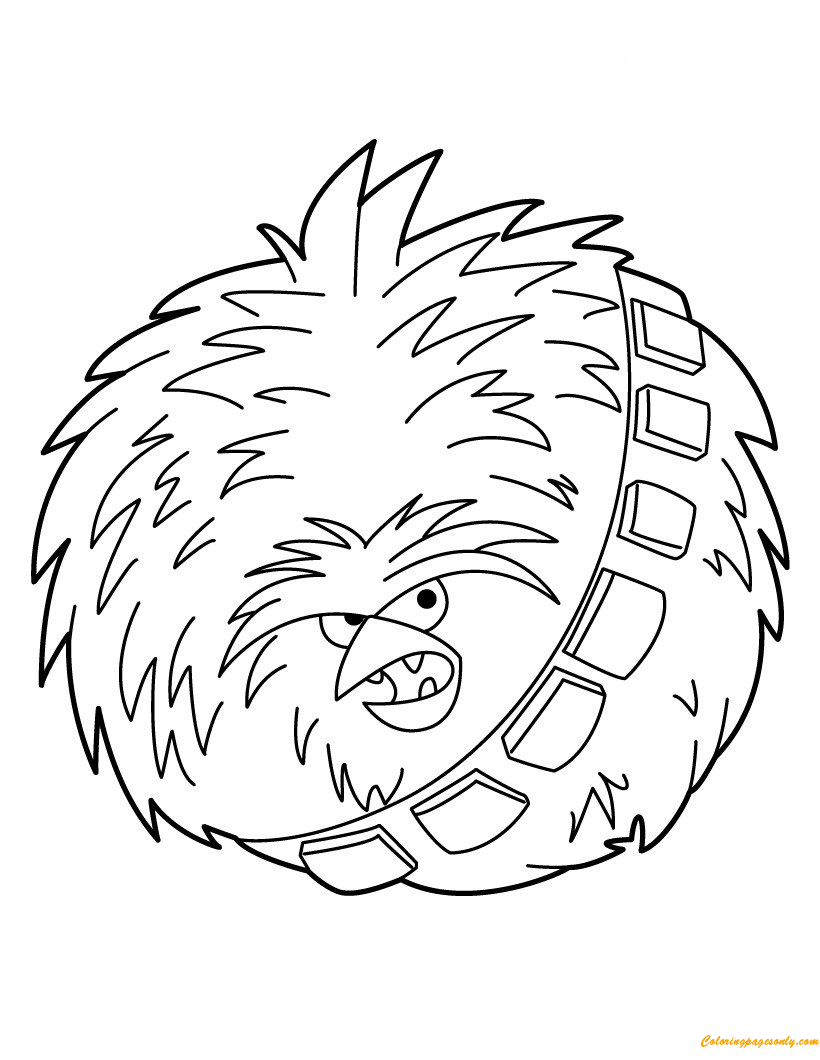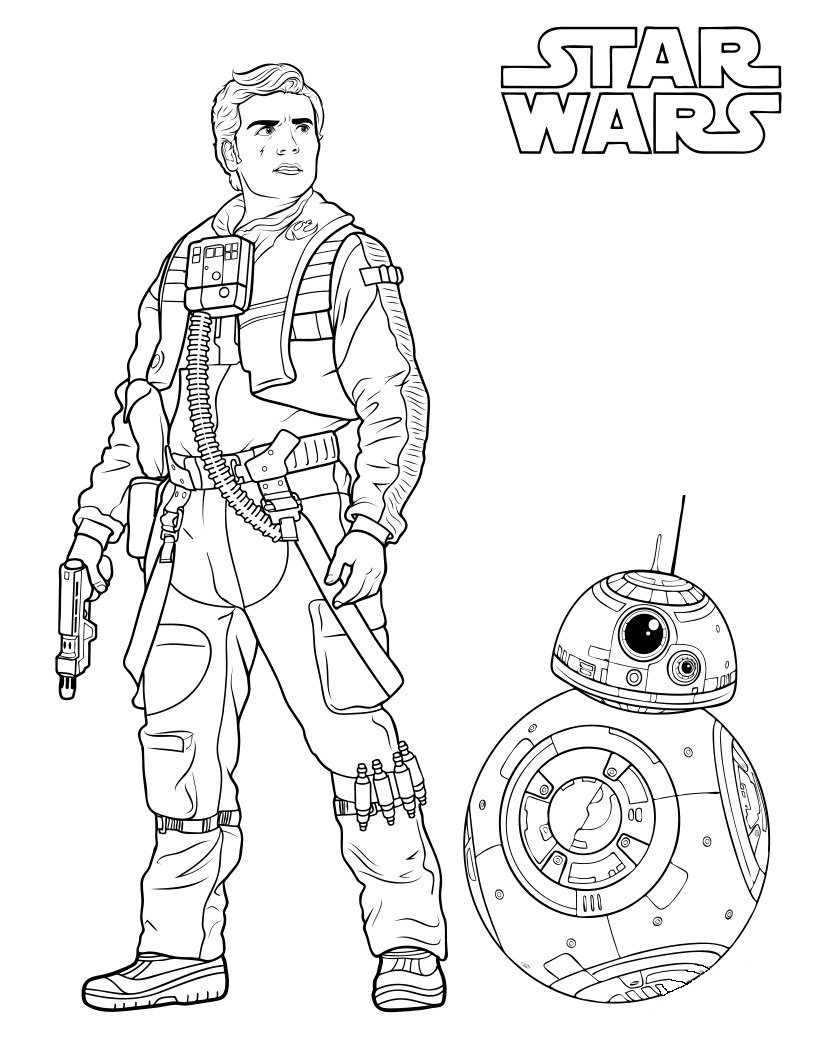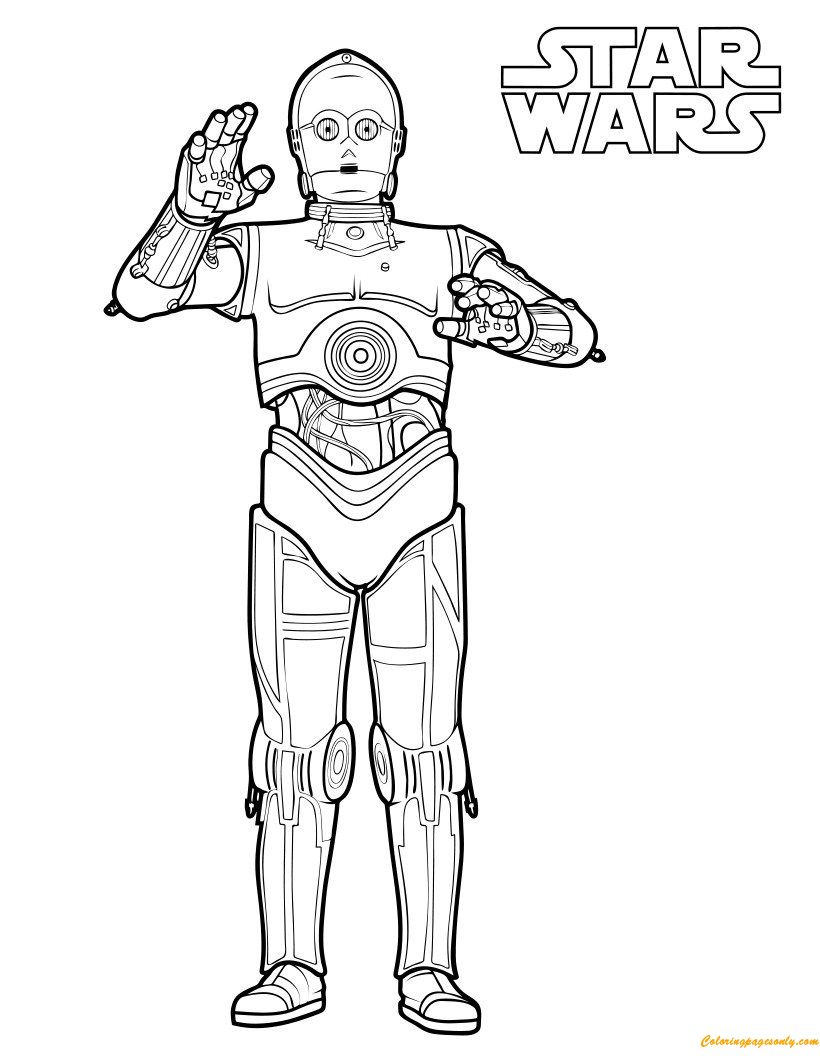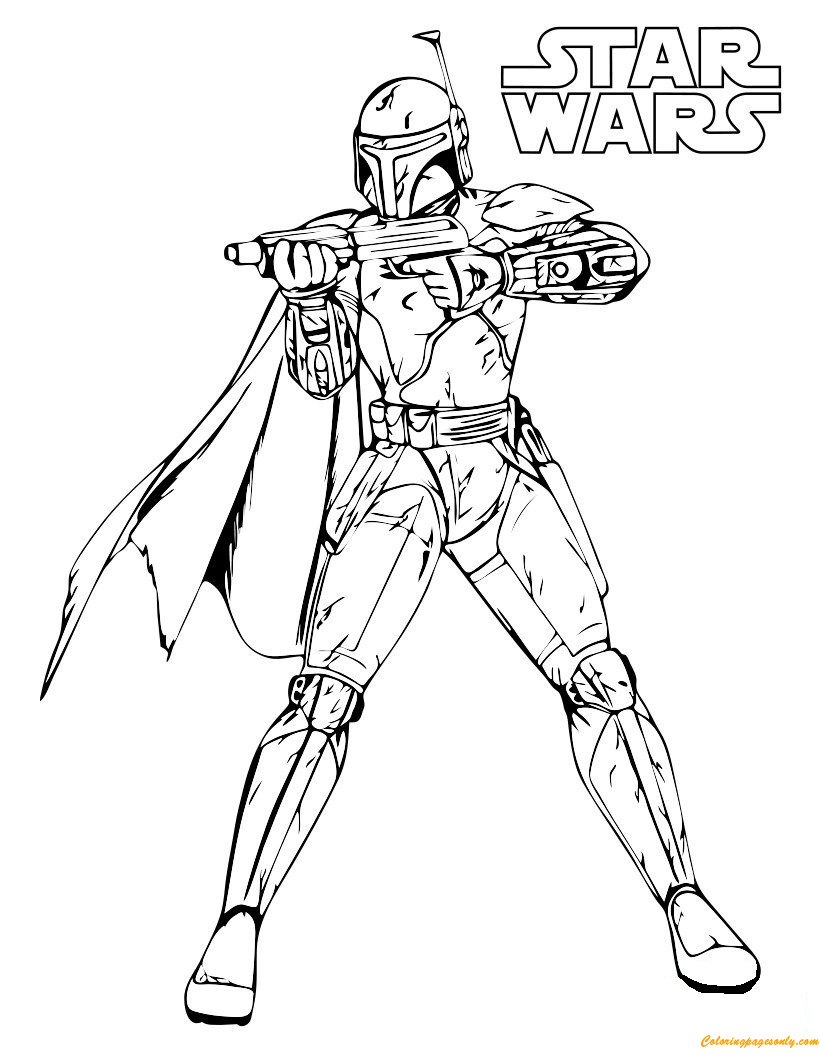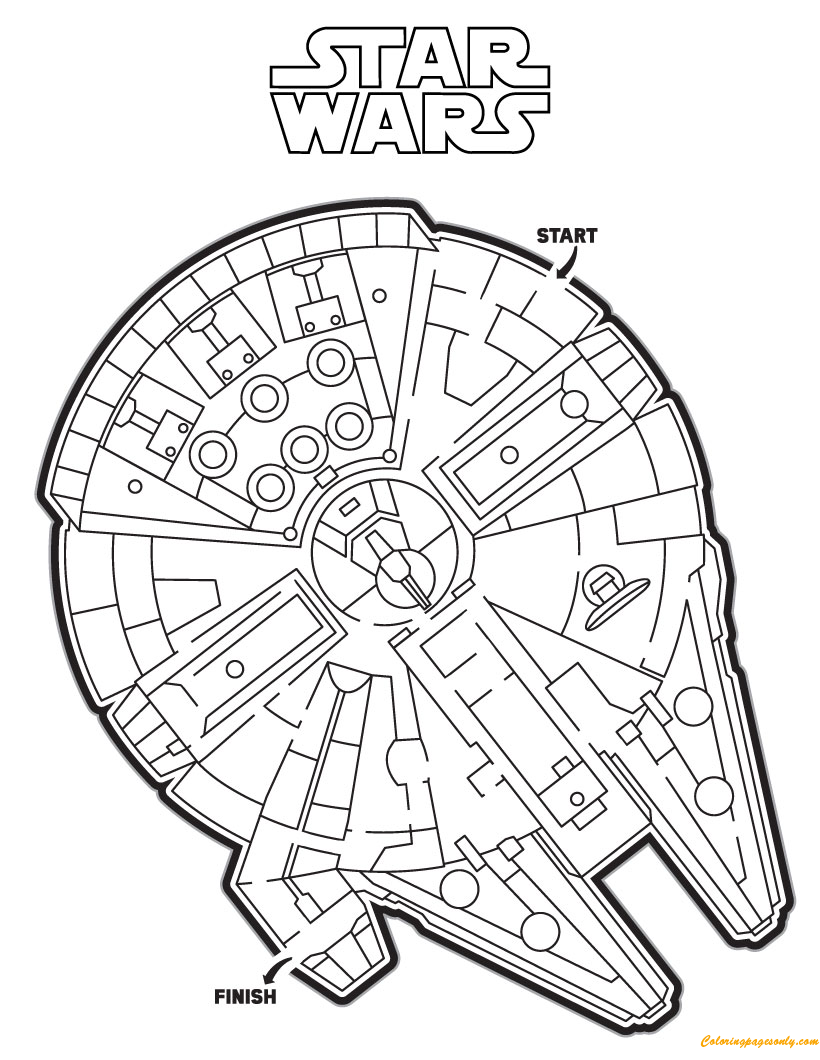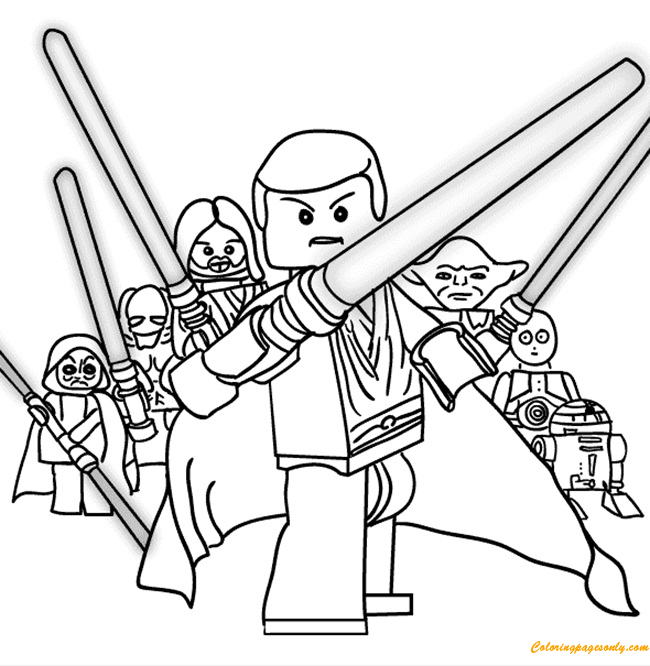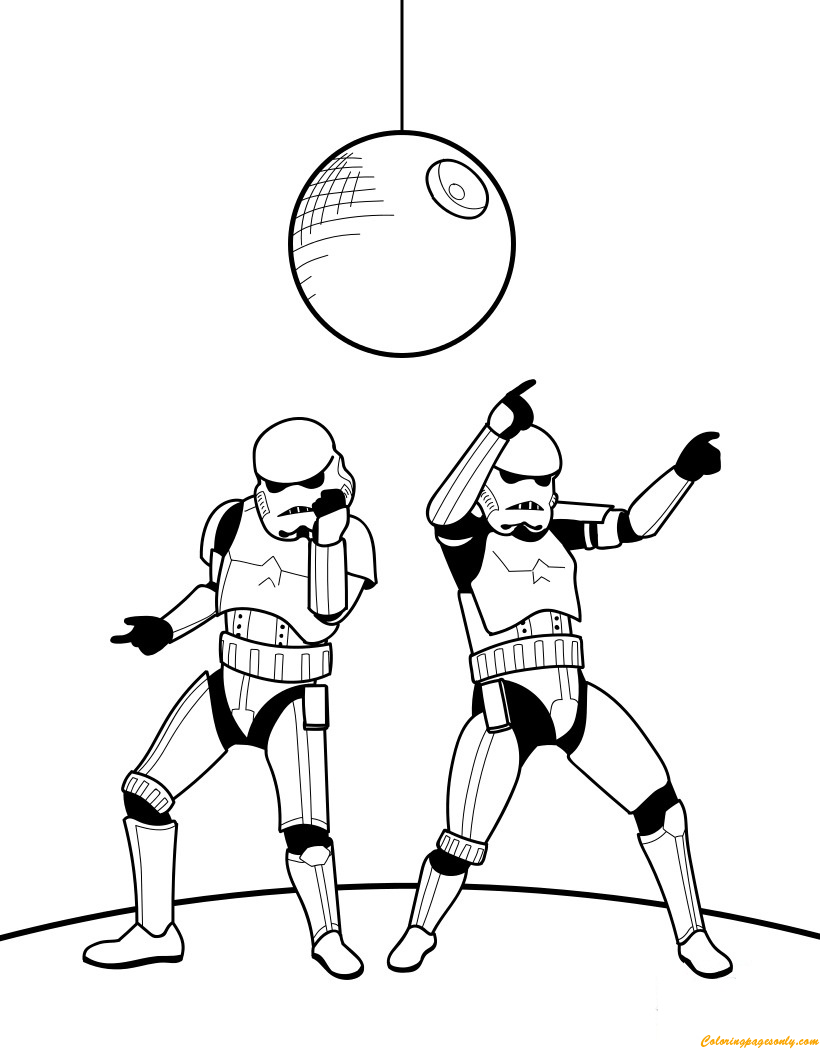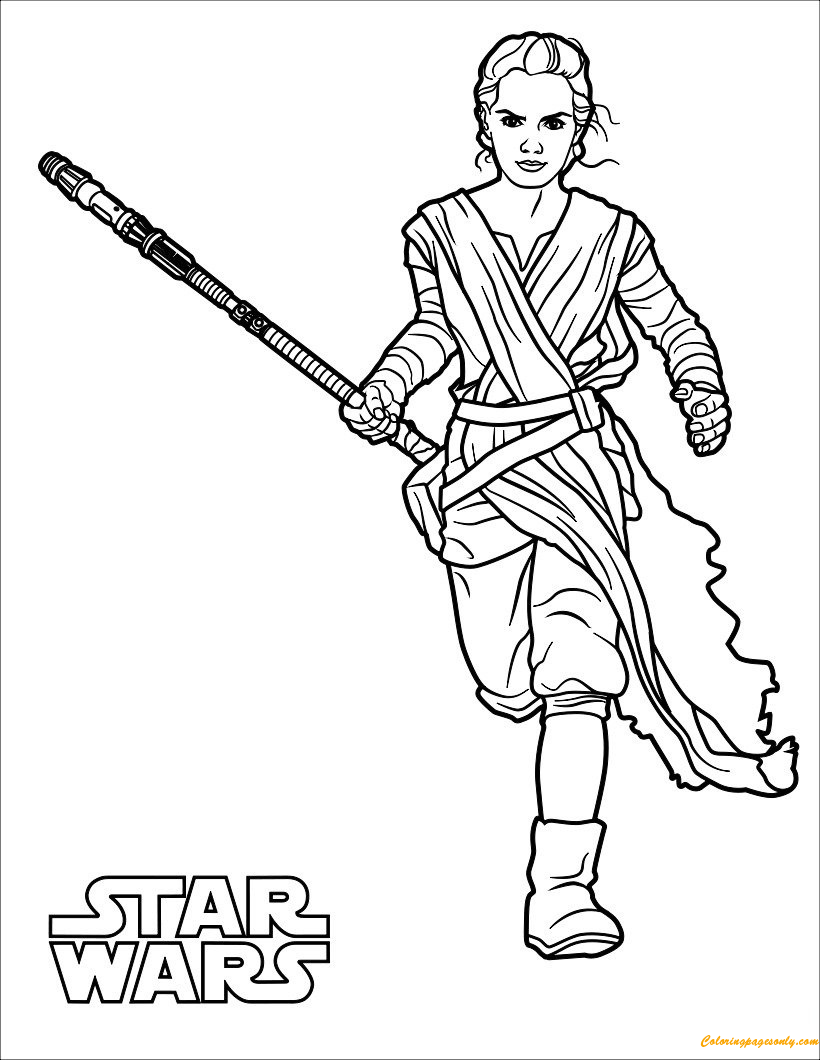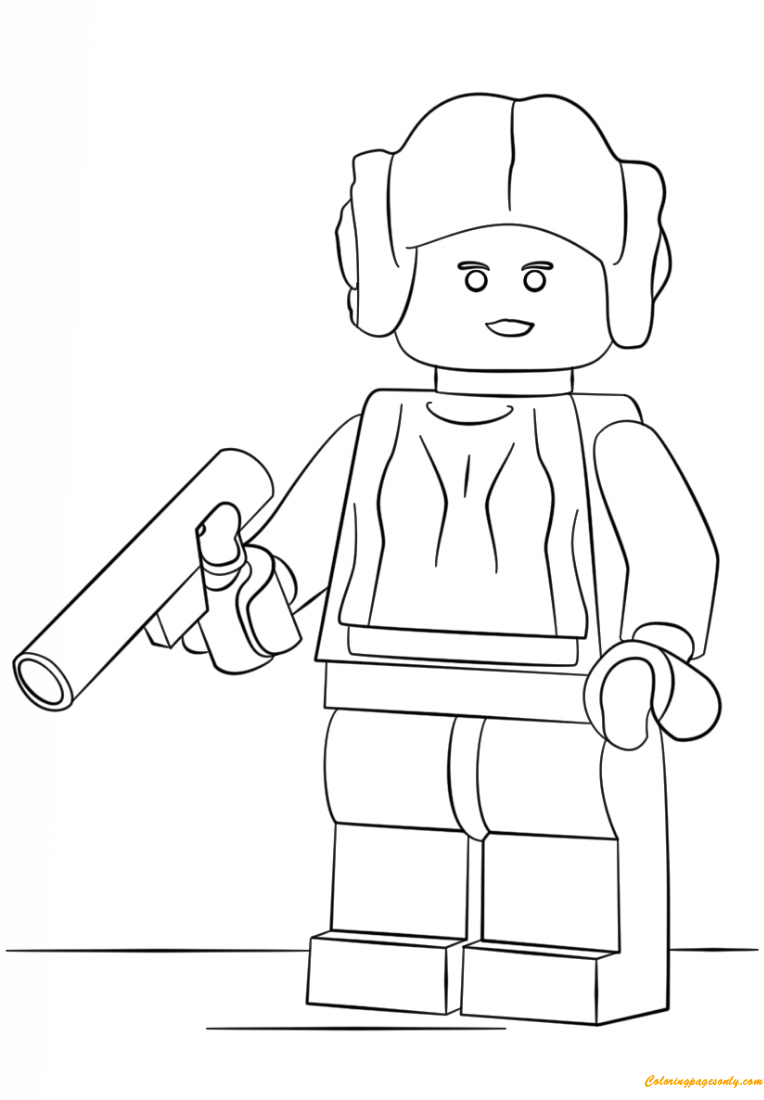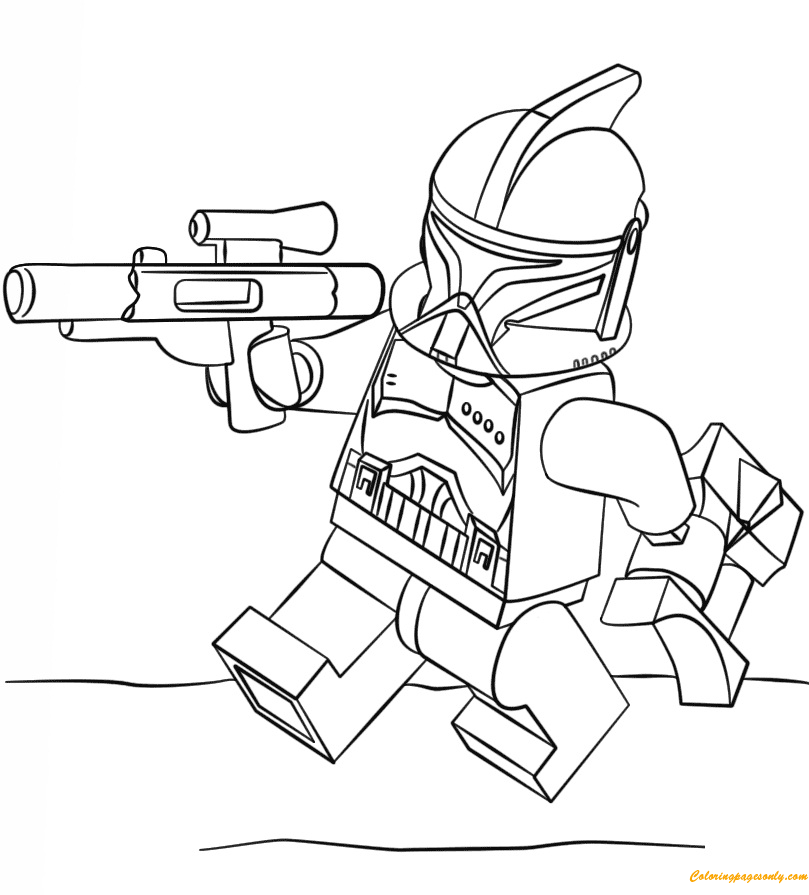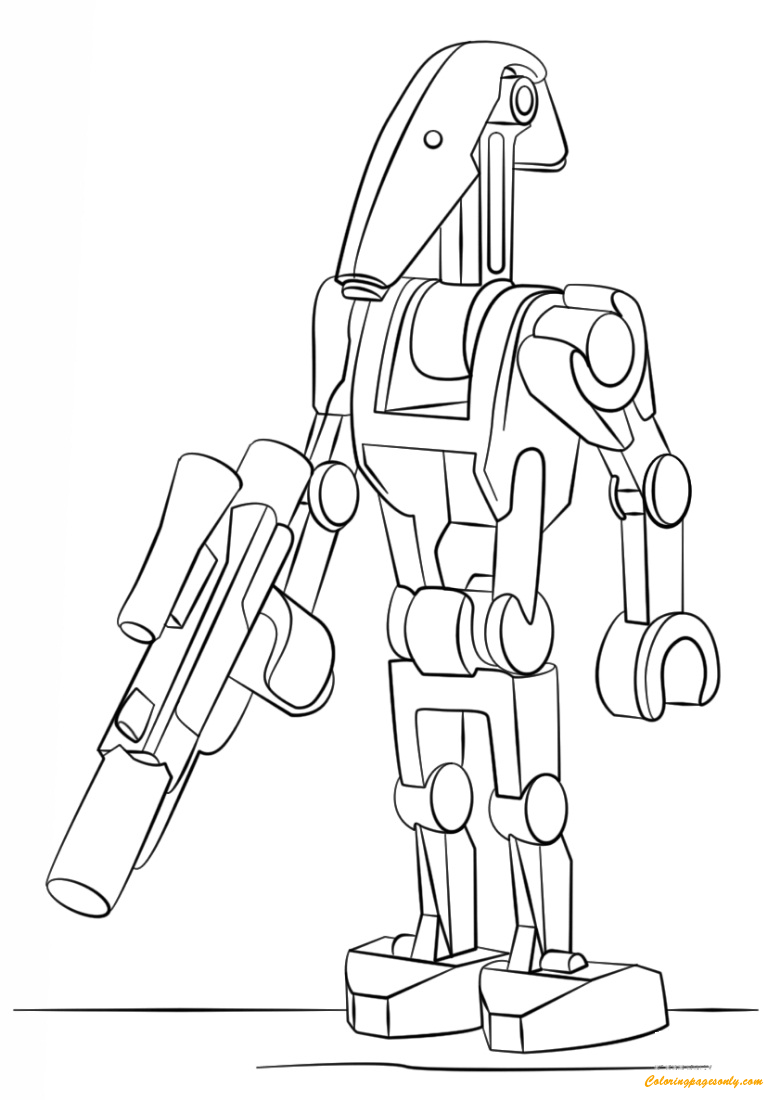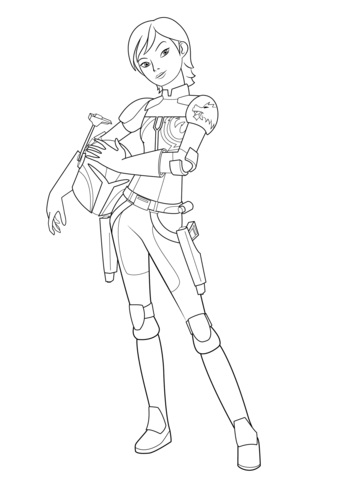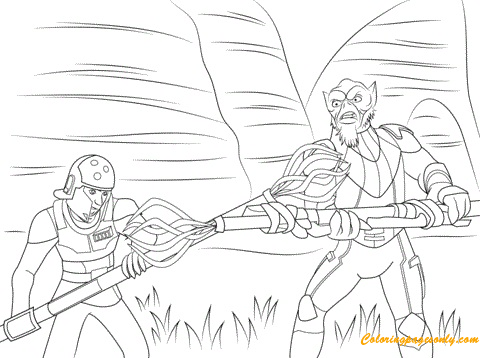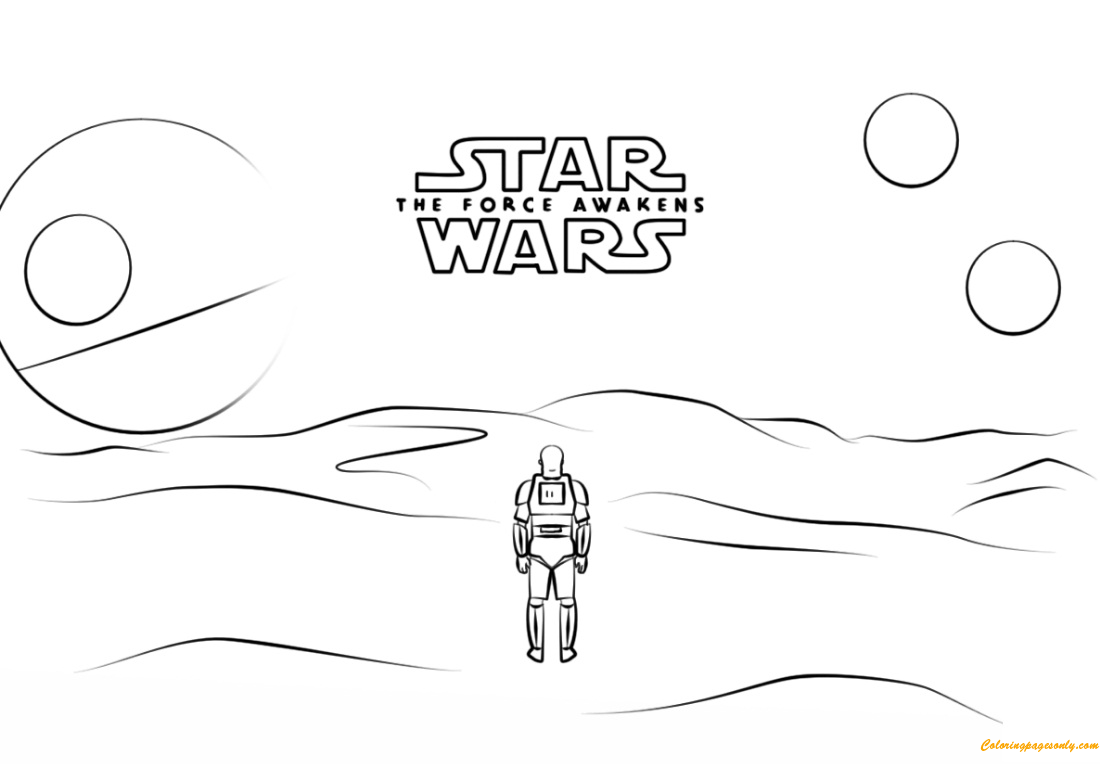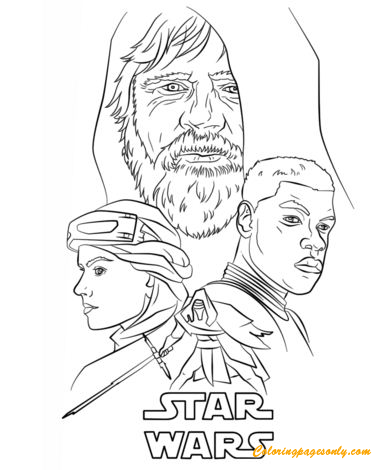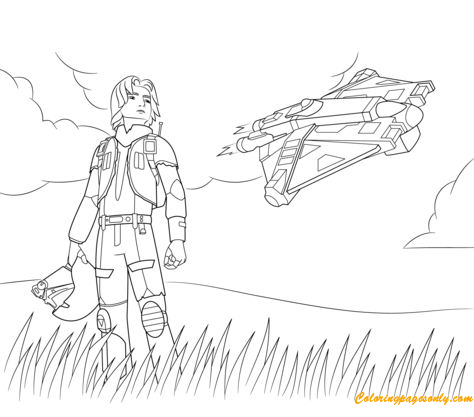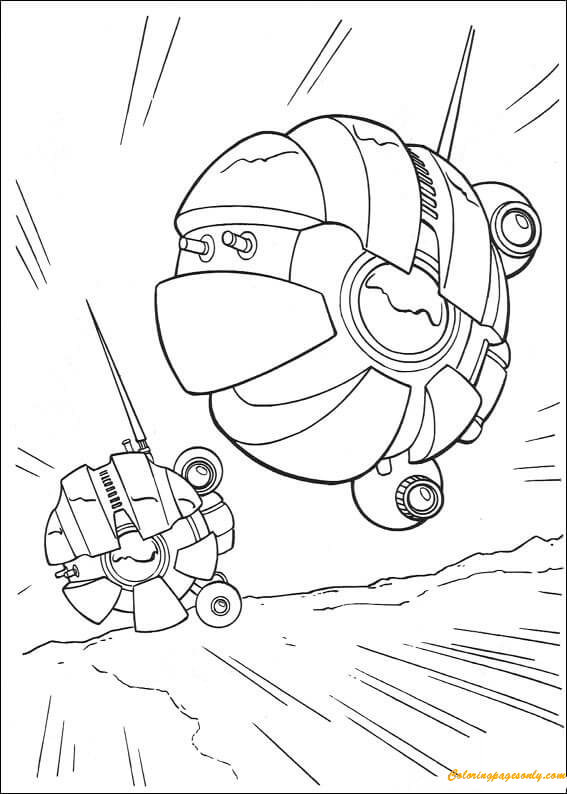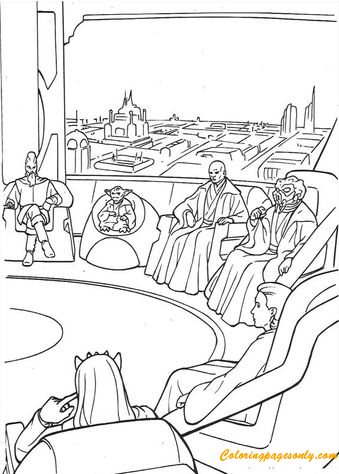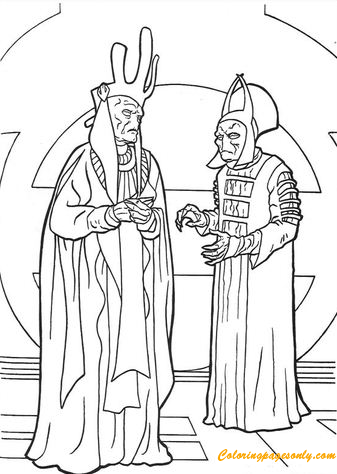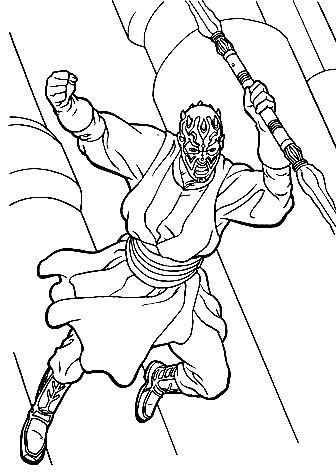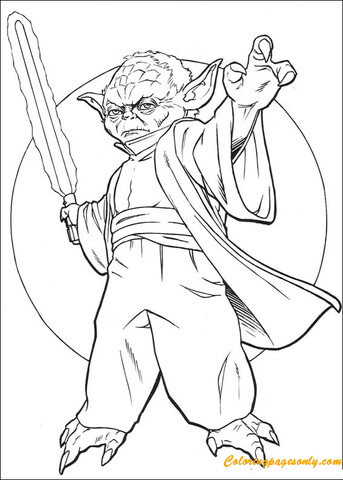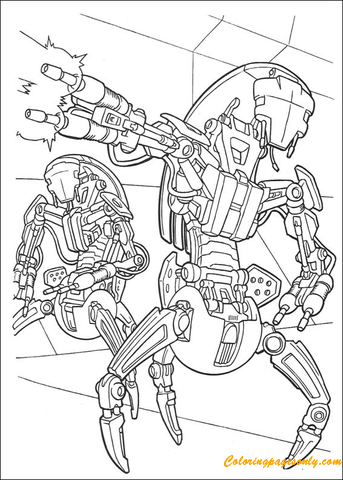
On this page, you’ll find 520+ Star Wars coloring pages – all free to download as PDFs or color online! This is the largest Star Wars collection on ColoringPagesOnly.com, covering the full galaxy: Jedi knights, Sith lords, Clone Troopers, droids, iconic ships, and beloved new characters from The Mandalorian era. Choose from dedicated sub-collections for Grogu (Baby Yoda), Ahsoka Tano, Obi-Wan Kenobi, Padmé Amidala, The Mandalorian, Shock Troopers, and a massive general characters collection – or browse all 520+ pages right here.
These pages are perfect for Star Wars Day (May the 4th!), birthday parties, classroom activities, or any time your child wants to bring their favorite characters to life with color. Once colored, use them as wall art, bookmarks, party decorations, or fan art displays!
While you’re here, grab these related pages! LEGO Coloring Pages · Cartoon Coloring Pages · Superhero Coloring Pages · Mandalorian Coloring Pages
A Galaxy Far, Far Away – The Story of Star Wars
On May 25, 1977, a space opera called Star Wars opened in 32 theaters across the United States. Within weeks, it had become the highest-grossing film in American history, displacing Jaws. Within months, it had transformed popular culture. Within a few years, it had created an entirely new category of franchise entertainment that Hollywood still measures itself against nearly five decades later.
The film was written and directed by George Lucas, a 33-year-old filmmaker from Modesto, California, who had originally wanted to adapt the Flash Gordon serial but couldn’t obtain the rights. What emerged from that creative detour was an original universe blending Japanese samurai cinema (particularly the films of Akira Kurosawa), vintage Hollywood adventure serials, mythological archetypes drawn from Joseph Campbell’s Hero with a Thousand Faces, and a visual aesthetic Lucas described as a “used universe” – a galaxy that looked lived-in, worn, and real rather than the sleek, pristine future of conventional science fiction.
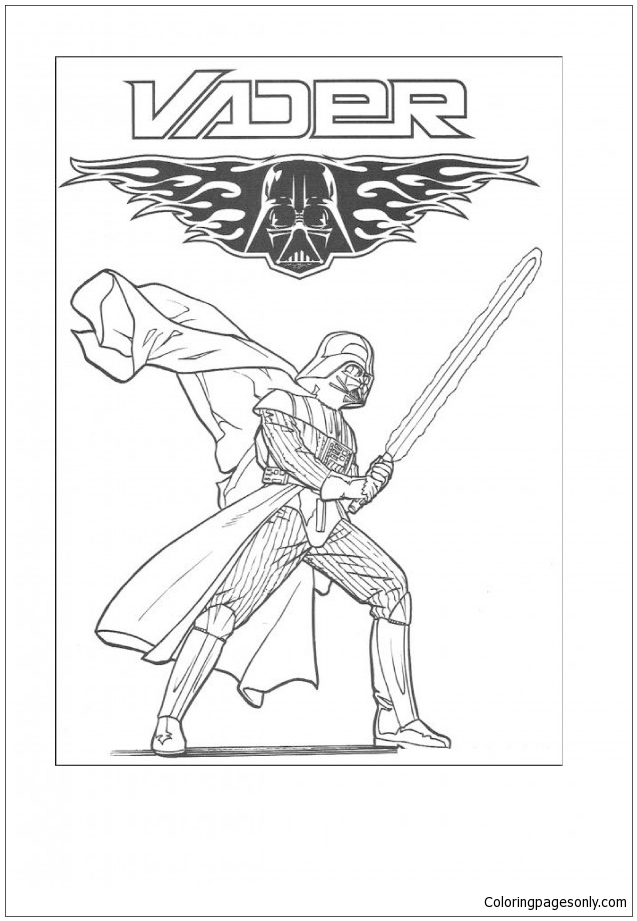
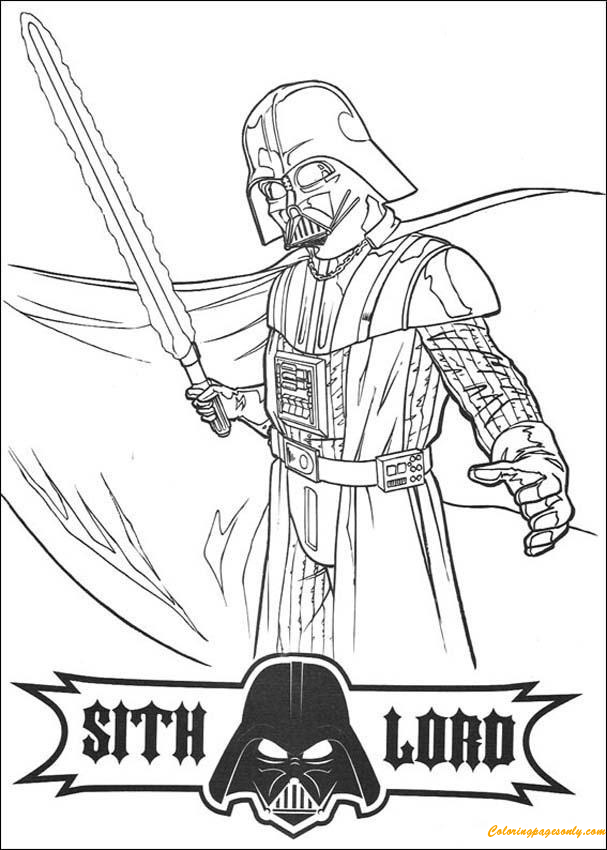
The visual design of the saga’s most iconic image – Darth Vader – was directly inspired by two real-world sources: Samurai armor (the helmet’s distinctive curved shape) and German military helmets of World War II (the overall silhouette of menace and authority). The character’s instantly recognizable, deep mechanical voice was provided by James Earl Jones, while the physical performance was given by British bodybuilder and actor David Prowse. The lightsaber fight choreography in The Empire Strikes Back and Return of the Jedi was performed by Bob Anderson, a former Olympic fencer who wore Vader’s costume for the combat sequences.
The saga’s most famous line is also its most frequently misquoted. The line is not “Luke, I am your father.” The actual line – as Darth Vader reveals his relationship to Luke Skywalker in The Empire Strikes Back – is “No, I am your father.” The twist was so closely guarded that only three people knew before the film’s release: George Lucas, director Irvin Kershner, and Mark Hamill himself, who was told moments before filming the scene in order to produce a genuine shocked reaction.
In 2012, Lucas sold Lucasfilm to The Walt Disney Company for $4.05 billion, ending his personal involvement with the franchise he had created. Disney has since produced a sequel trilogy (2015–2019), anthology films (Rogue One, Solo), and an expanding lineup of Disney+ streaming series, including The Mandalorian, Andor, Obi-Wan Kenobi, Ahsoka, and The Acolyte. Star Wars merchandise across the franchise’s lifetime has generated an estimated $40 billion in revenue – making it one of the highest-grossing media franchises in history.
The Three Trilogies + The Disney+ Era – A Complete Guide
Understanding the Star Wars timeline helps in choosing which sub-collection or character page best represents your favorite era of the saga.
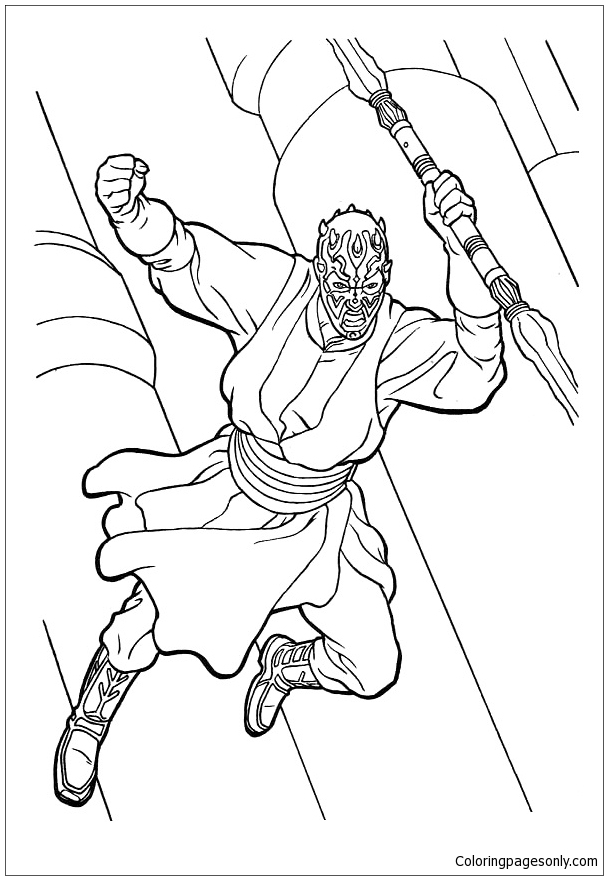
The Prequel Trilogy (Episodes I–III, 1999–2005) tells the story of the Jedi Knight Anakin Skywalker – a young man of extraordinary Force sensitivity who falls to the dark side of the Force through fear, grief, and manipulation by the Sith Lord Emperor Palpatine. His transformation into the black-armored Darth Vader culminates in Revenge of the Sith (2005), the darkest and most critically acclaimed of the three prequel films. The prequel era introduces Padmé Amidala (the subject of the Padmé sub-collection on this page), Obi-Wan Kenobi as a young Jedi apprentice and then master (the subject of the Obi-Wan Kenobi sub-collection), Mace Windu, Count Dooku, and the iconic dual-bladed red lightsaber villain Darth Maul.
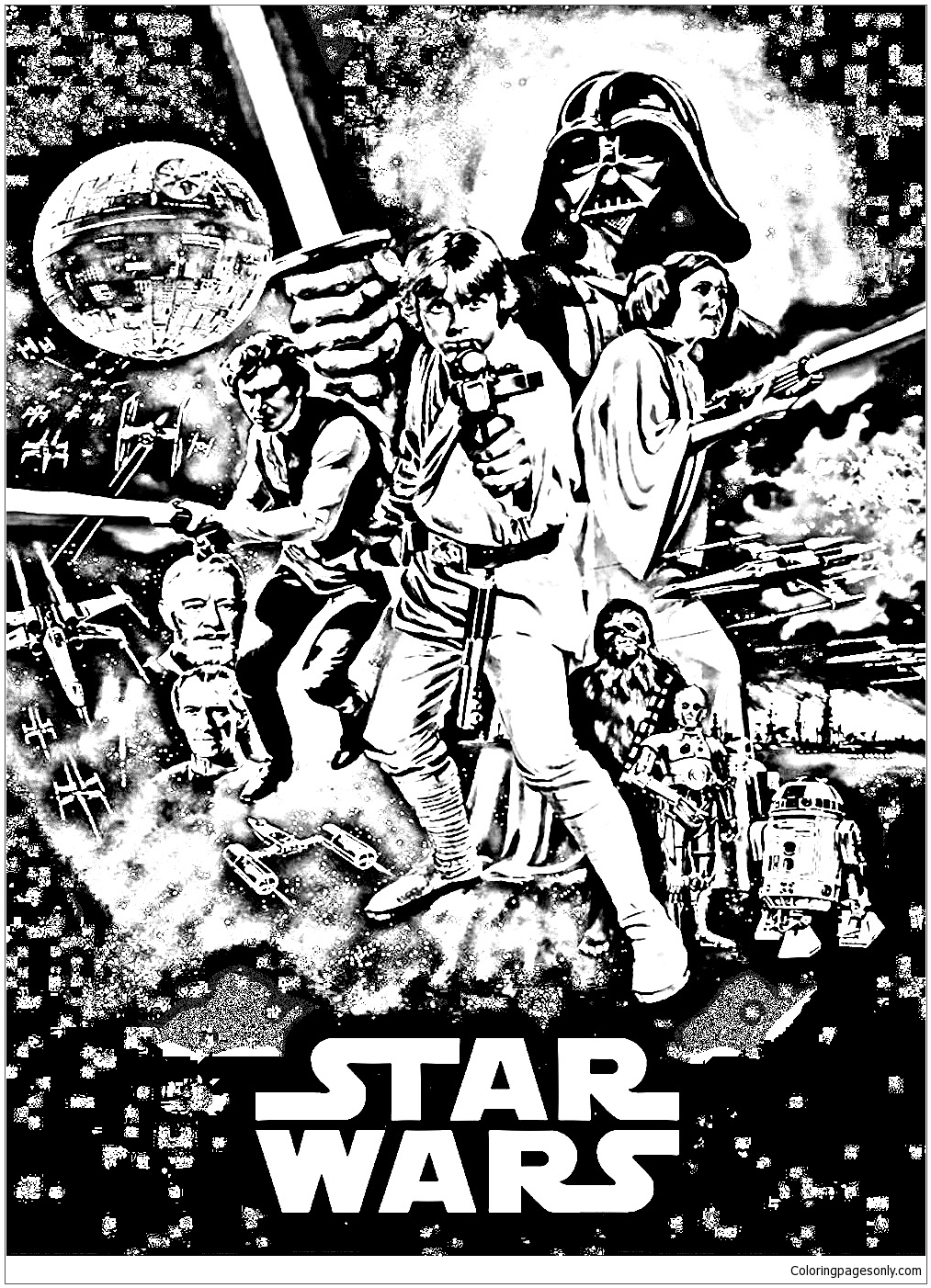
The Original Trilogy (Episodes IV–VI, 1977–1983) follows Luke Skywalker – a young farmer on the desert planet Tatooine who discovers his Force sensitivity, trains as a Jedi, and ultimately confronts his father, Darth Vader, and the Emperor. Alongside him are Princess Leia Organa, Han Solo, Chewbacca, R2-D2, C-3PO, and Yoda – the Jedi master who trains Luke on the swamp planet Dagobah. This is the era that launched the entire franchise, and the characters from it – Luke, Leia, Han, Vader, Yoda – represent Star Wars to most of the world.
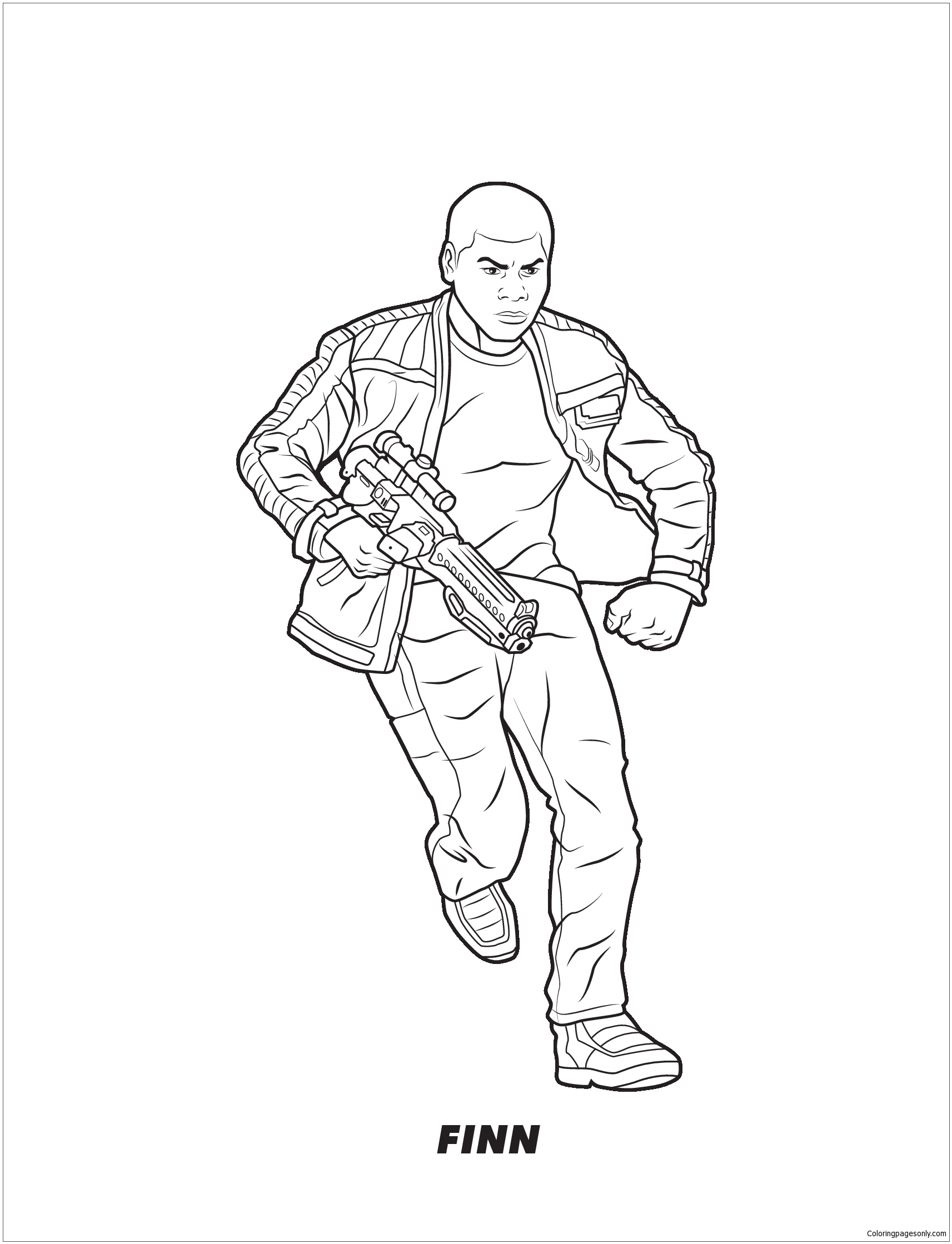
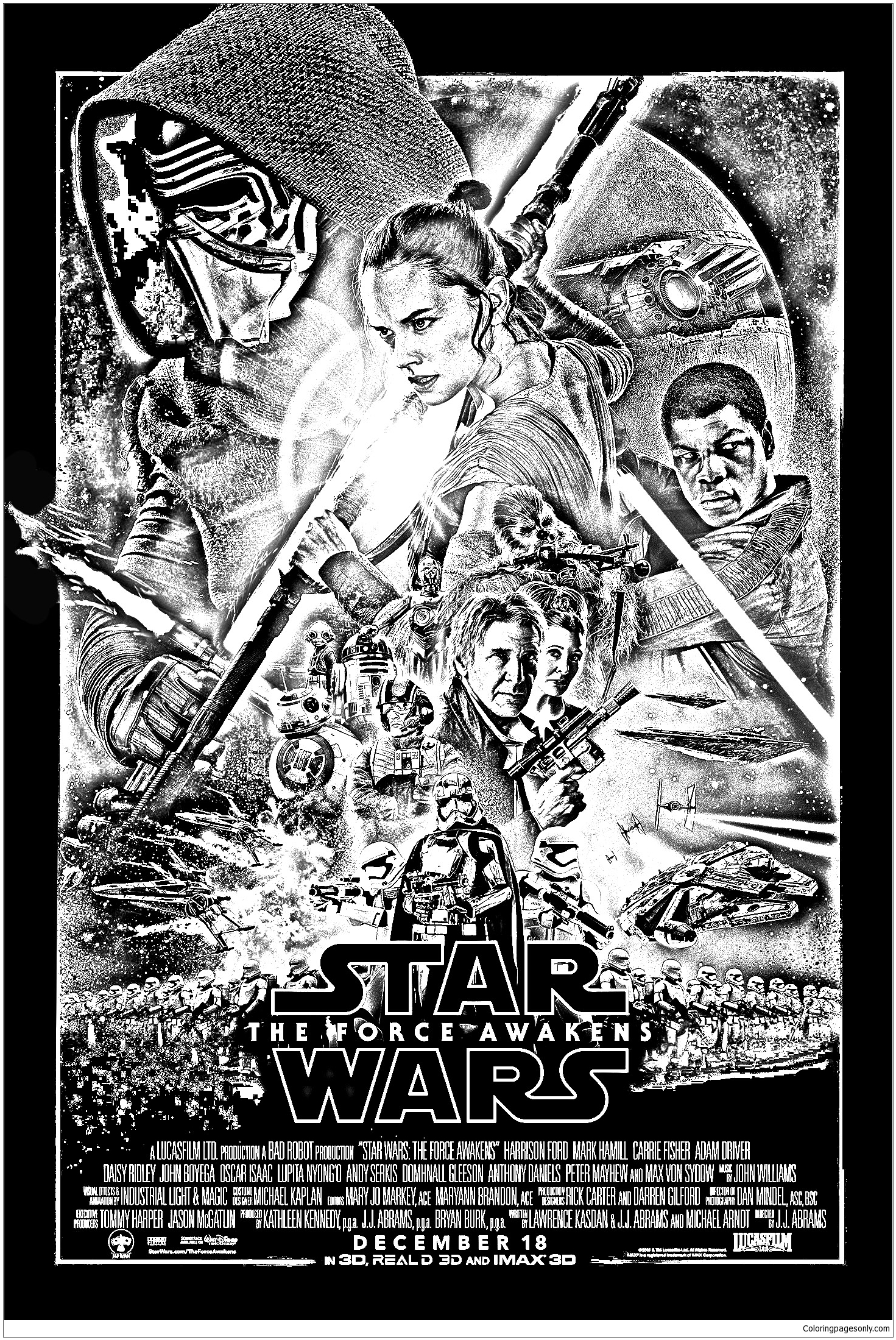
The Sequel Trilogy (Episodes VII–IX, 2015–2019) is set approximately 30 years after Return of the Jedi and introduces a new generation of characters: Rey (a Force-sensitive scavenger who becomes the saga’s new Jedi hero), Finn, Poe Dameron, and Kylo Ren (the conflicted villain born as Ben Solo, son of Leia and Han). The sequels bring back the original trilogy heroes in supporting roles while building toward a final confrontation with a returned Palpatine.
The Mandalorian Era (2019–present) represents a completely new mode of Star Wars storytelling: episodic streaming series set in the years following Return of the Jedi, following characters who are not Jedi or Sith but ordinary beings navigating the chaotic aftermath of the Empire’s fall. Din Djarin – the Mandalorian – is a bounty hunter who becomes the protector of Grogu (instantly beloved worldwide as “Baby Yoda”), a 50-year-old Force-sensitive child of Yoda’s species. Ahsoka Tano, originally introduced in The Clone Wars animated series as Anakin Skywalker’s Padawan, stars in her own live-action series. Shock Troopers – the Imperial elite soldiers in distinctive red armor featured in the Shock Trooper sub-collection – appear across both prequel-era and later storytelling.
The Force – Light Side, Dark Side, and Everything Between
At the heart of every Star Wars story is the Force – the mystical energy field that permeates all living things and grants its sensitive users extraordinary abilities: telekinesis, precognition, enhanced physical capability, and the ability to influence minds.
The Force exists in perpetual tension between two aspects: the light side, which the Jedi Order cultivates through discipline, compassion, and restraint, and the dark side, which the Sith exploit through passion, aggression, and personal ambition. The Jedi are described as a monastic order – their robes and lifestyle deliberately recalling Buddhist and samurai traditions – dedicated to peace and the defense of the Republic. The Sith are their ancient enemies, organized around the Rule of Two: always exactly two Sith at a time – one master, one apprentice – so that ambition always drives the apprentice to eventually challenge the master.
The central dramatic tension of the Skywalker Saga is whether Anakin/Vader – the “Chosen One” prophesied to bring balance to the Force – will ultimately choose the light or the dark. His final choice in Return of the Jedi, sacrificing himself to save his son from the Emperor, represents the saga’s moral resolution: the possibility of redemption even from the most complete darkness.
For the colorist, this thematic dimension has a direct practical application – because the Force’s two sides are encoded in color more explicitly in Star Wars than in almost any other franchise, with the lightsaber color system providing a complete visual language for a character’s allegiance and nature.
The Lightsaber Color Guide – The Most Important Coloring Reference in This Collection
No other franchise encodes character meaning into color as precisely as Star Wars does through lightsaber colors. Understanding what each color means transforms coloring pages from a decorative activity into a genuine engagement with the franchise’s visual language.
Blue – Jedi in training and combat-focused Jedi. The most common Jedi lightsaber color. Blue blades are carried by Anakin Skywalker, Obi-Wan Kenobi, and Luke Skywalker in the original trilogy. A blue lightsaber indicates a Jedi who emphasizes physical combat and direct action. Canonically, the blue of a lightsaber is a vivid, electric blue – bright and saturated, with a white-hot core and a slightly darker blue at the outer edge of the blade.
Green – Jedi Masters and Force-wisdom-focused Jedi. Carried by Yoda and Luke Skywalker (in Return of the Jedi) – characters who have advanced in understanding of the Force beyond the physical. Green indicates a deeper connection to the living Force and a more contemplative, wisdom-oriented approach. Luke’s transition from blue to green between films signals his maturation from student to master. Canonically a vivid emerald green – bright and saturated, distinct from yellow-green or lime.
Red – Sith and dark side users. Red lightsabers are not simply chosen by Sith – they are created through a process called “bleeding” a kyber crystal, forcing the crystal to submit to the dark side through a combination of rage, pain, and Force power. The crystal “bleeds” red as a result of this corruption. This is why every Sith’s blade is red: it is a physical mark of their rejection of natural Force harmony. Canonically rendered in deep crimson-red – not orange-red but a pure, dark blood-red that is immediately distinct from any warm-toned color.
Purple – Mace Windu only. The only canonical purple lightsaber in the saga belongs to Jedi Master Mace Windu (played by Samuel L. Jackson), who famously requested the unique color from George Lucas so he could spot himself in battle scenes. Within the fiction, purple represents a Jedi who walks the line between light and dark, drawing on controlled aggression in combat. Canonically: a vibrant royal purple – deeper and richer than lavender, distinctly purple rather than blue-violet.
White – Ahsoka Tano only. The most narratively significant lightsaber color in the Disney+ era. Ahsoka Tano carries white blades – a color she created by purifying red Sith crystals, removing their dark-side corruption and leaving them in a neutral, pure state. White blades represent Ahsoka’s independence from both the Jedi Order (she left) and the Sith (she rejected them) – a character who defines her own path. Canonically: a pure, neutral white with a very slight blue-silver warmth – not cold, stark white but the soft white of pure light.
Yellow – Jedi Sentinels and Jedi Temple Guards. A rarer color associated with the specialized Jedi who protect the Jedi Temple and serve as investigators and archivists rather than combat warriors. In the Disney+ era, Baylan Skoll carries an orange-amber blade that suggests a further variation on this warm end of the spectrum.
Your Sub-Collection Guide – What’s in Each Section
Mandalorian Coloring Pages – The flagship Disney+ Star Wars series, following Din Djarin (a Mandalorian bounty hunter in full beskar armor) and Grogu (the 50-year-old Force-sensitive child of Yoda’s species). The Mandalorian pages cover Din’s iconic silver-grey beskar steel armor with its distinctive T-shaped visor, Grogu’s large ears and green skin, and the bounty hunter aesthetic of the outer rim. This sub-collection is the most beginner-friendly for young children – Grogu’s design is immediately recognizable and emotionally appealing.
Baby Yoda Coloring Pages – Dedicated entirely to Grogu, who became a global phenomenon from the first episode of The Mandalorian in November 2019. His canonical palette: large, dark eyes set in pale greenish skin, oversized, rounded ears, brown robes, and tiny three-fingered hands. Grogu’s expressions – wide-eyed wonder, contented eating, concentrated Force use – are the collection’s most varied and emotionally rich single-character pages.
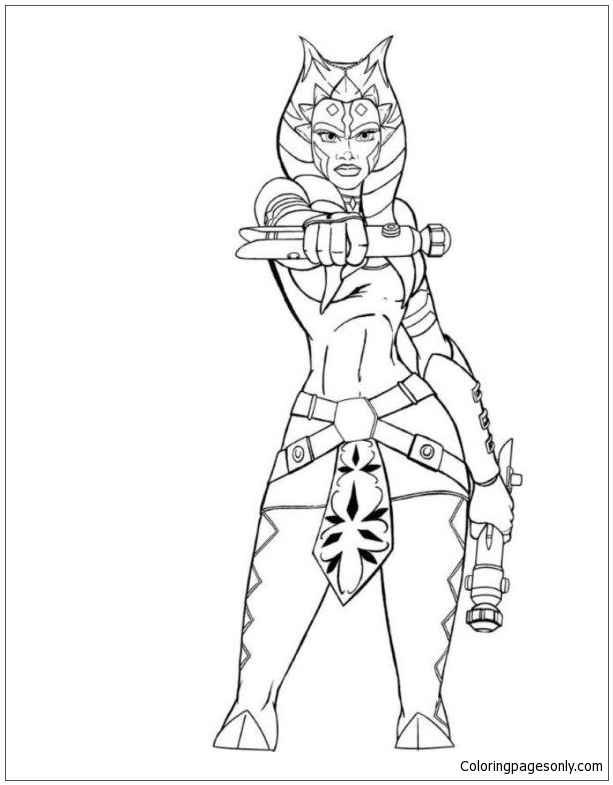
Ahsoka Coloring Pages – Ahsoka Tano is one of the most beloved characters in the entire Star Wars universe, introduced in The Clone Wars animated series and developed across Rebels, The Mandalorian, and her own live-action series. Her canonical palette: white and blue facial marking stripes on orange-red skin, with her iconic white lightsaber blades. In her live-action incarnation (played by Rosario Dawson), her white robes and twin white blades make her instantly recognizable. These pages are among the collection’s most visually striking for colorists who enjoy character-specific precision coloring.
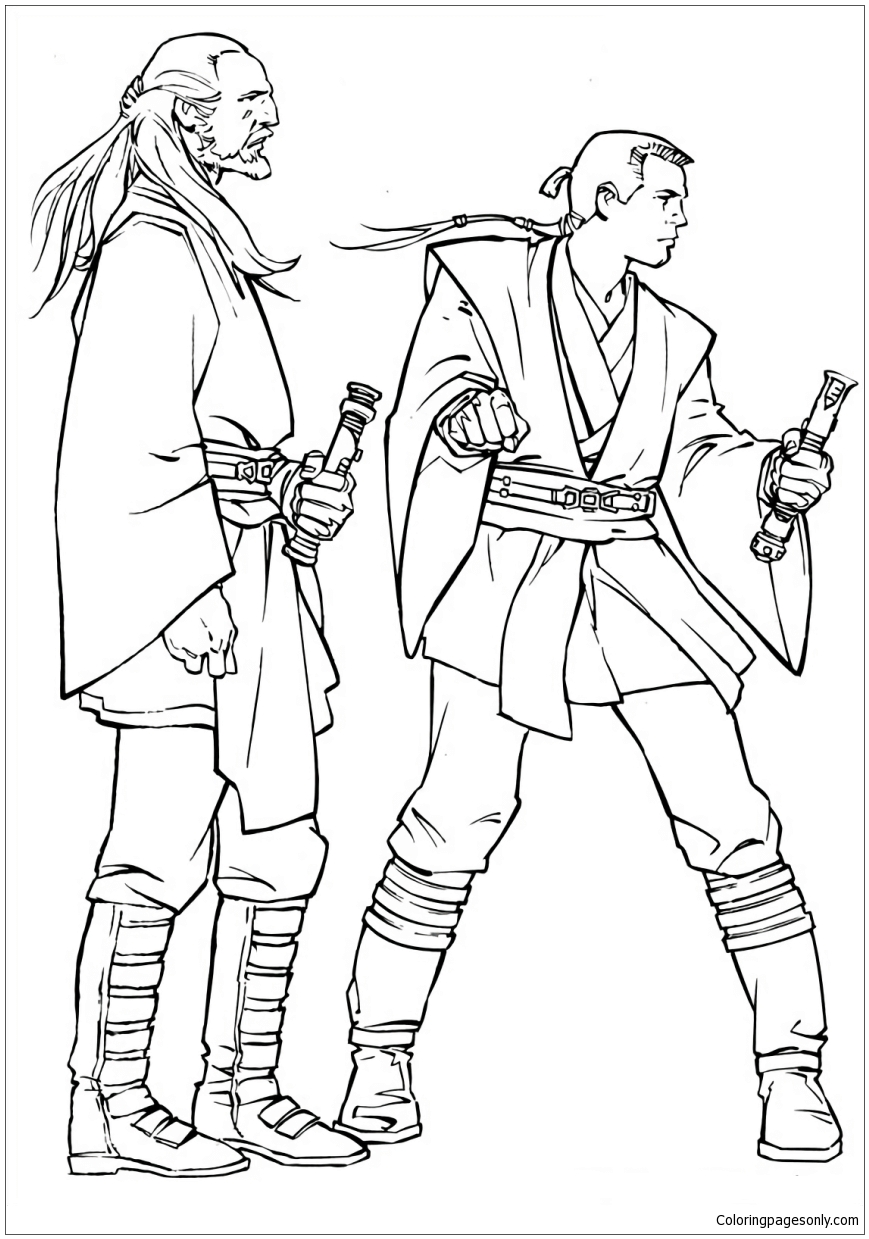
Obi-Wan Kenobi Coloring Pages – Obi-Wan appears across multiple eras: as a young Padawan and then Jedi Knight in the prequel trilogy, as the desert-hermit sage in A New Hope, and in his own Disney+ series (played by Ewan McGregor in the prequel era). His canonical palette varies by era: prequel Obi-Wan in warm brown Jedi robes with a blue lightsaber; original trilogy Obi-Wan (Alec Guinness) in the same robes but aged, weathered, quieter. The Jedi robe palette – warm cream and tan for the outer layers, slightly darker brown for the inner – is one of the most coloring-rich garments in the collection.
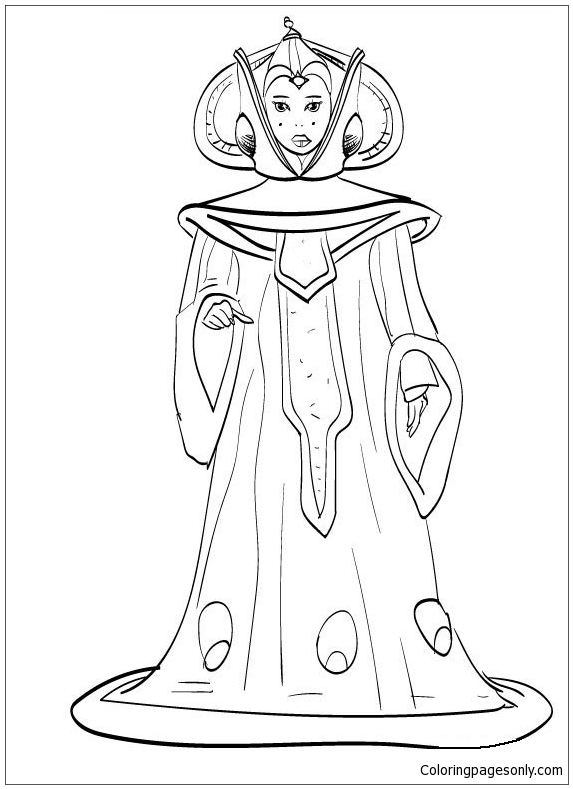
Padmé Coloring Pages – Padmé Amidala is the senator and former queen of Naboo who secretly marries Anakin Skywalker. She appears primarily in the prequel trilogy (played by Natalie Portman), and her elaborate costumes – particularly her royal Naboo regalia and the iconic white battle suit of Attack of the Clones – make her pages some of the most detailed and fashion-rich in the entire collection. Her Naboo queen headdress, in particular, with its intricate geometric patterns and bold red and white palette, is a challenging and visually spectacular coloring subject.
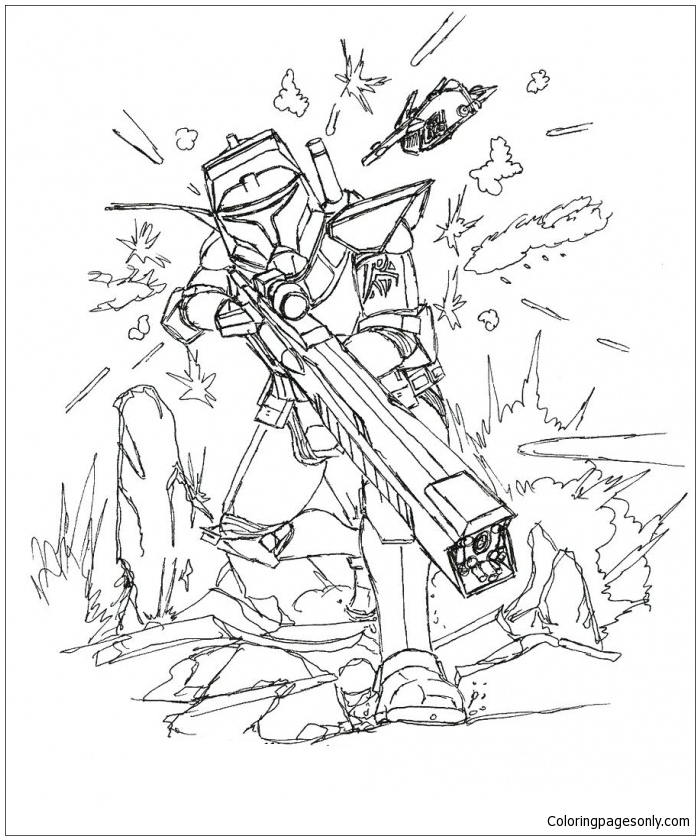
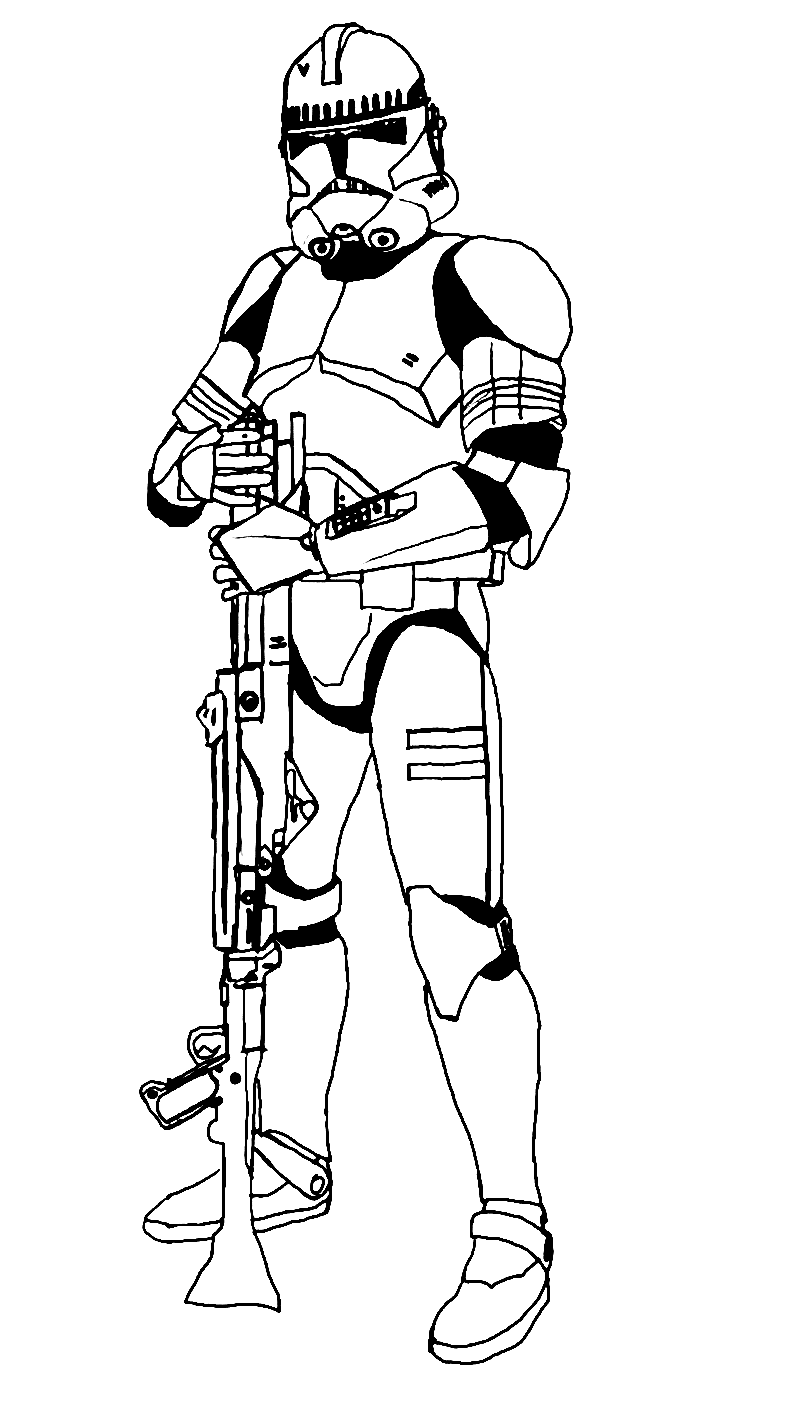
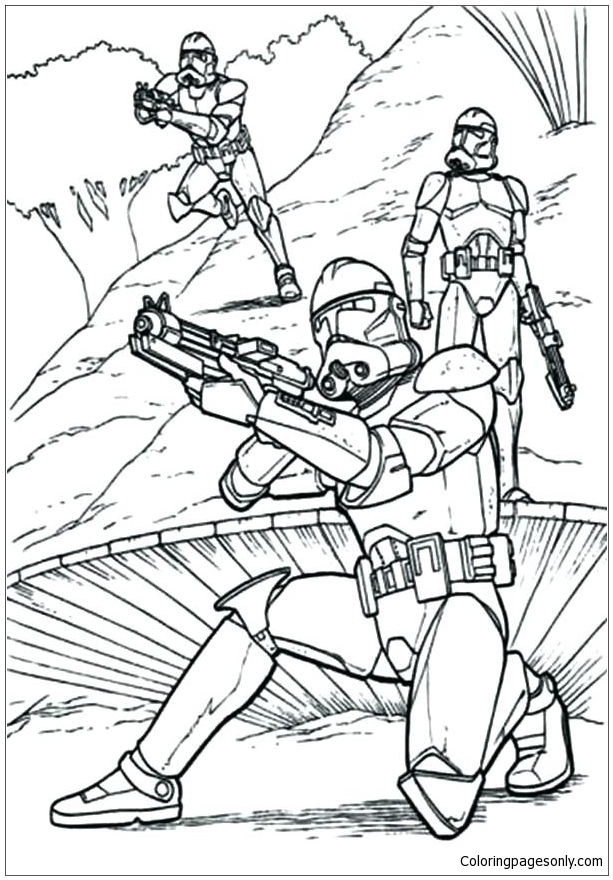
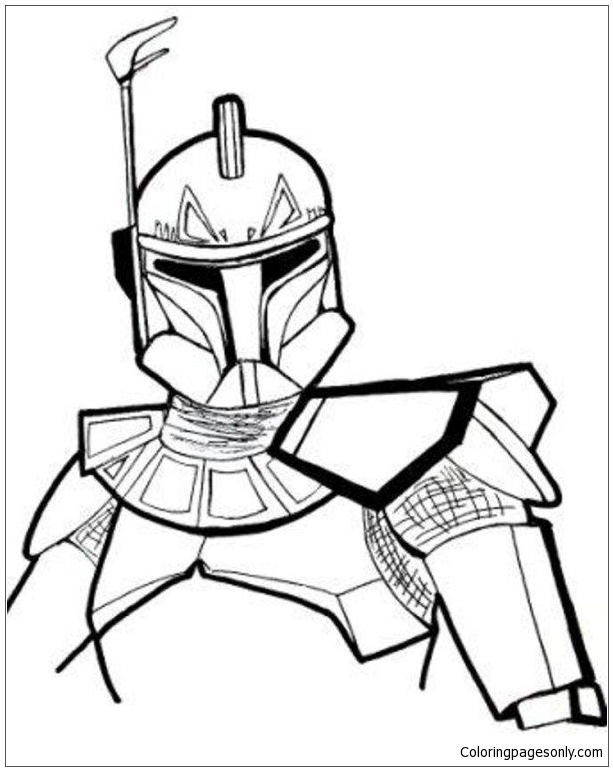
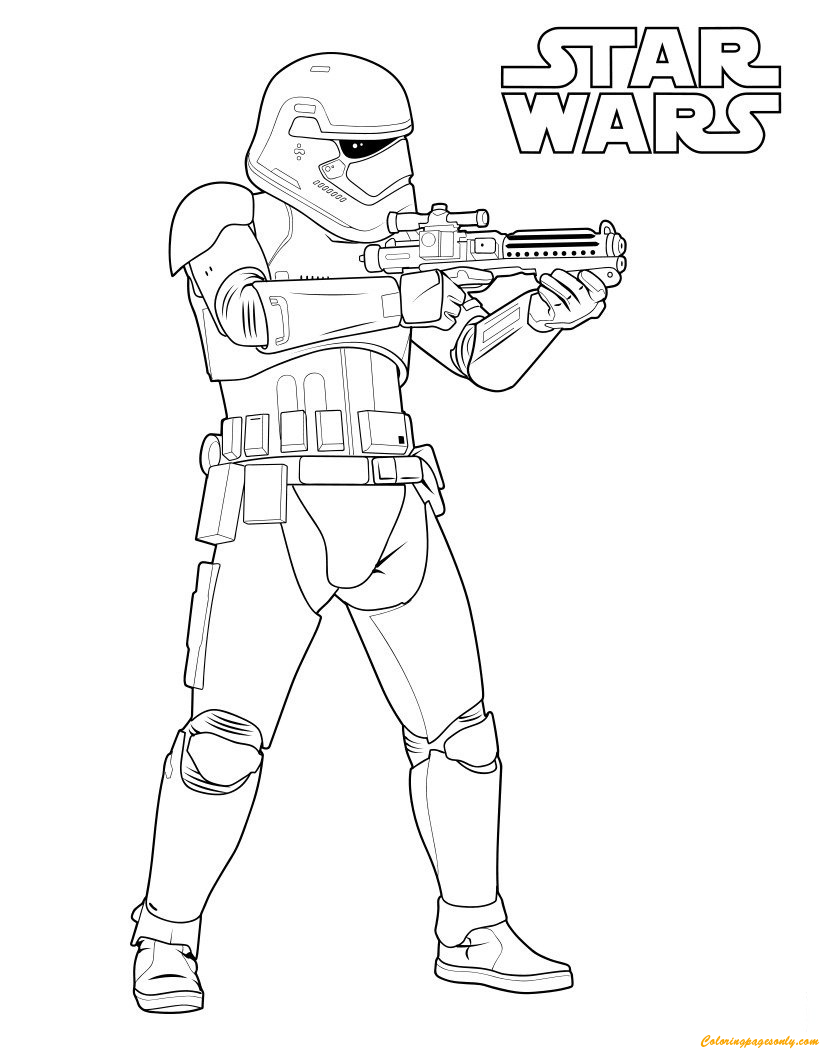
Shock Trooper Coloring Pages – Shock Troopers (also known as Coruscant Guard) are Imperial and Republic elite soldiers in distinctive red and white armor – the red marking them as the capital’s honor guard and elite enforcement unit. Unlike standard white-armored Stormtroopers, Shock Troopers’ red markings provide vivid coloring opportunities against the armor’s white base. The contrast of bright crimson markings on clean white armor makes these pages among the most visually dynamic trooper pages in the collection.
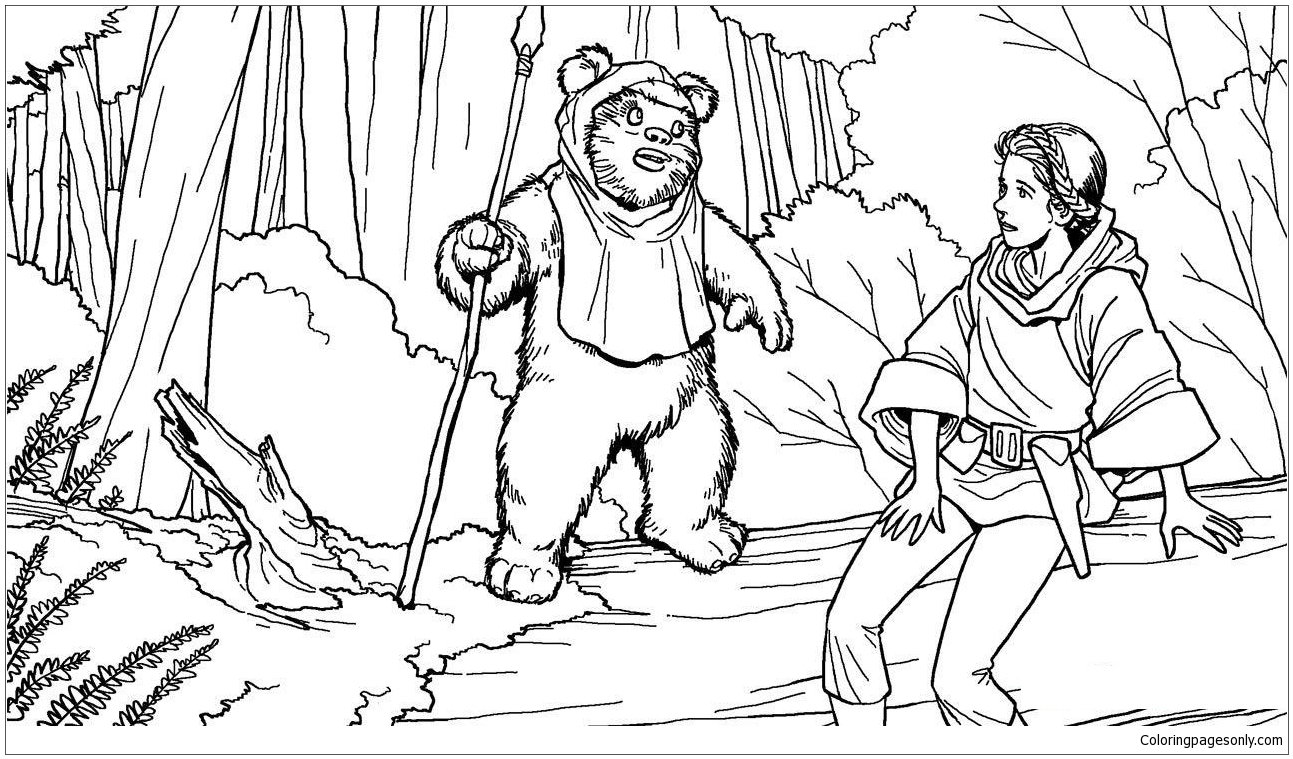
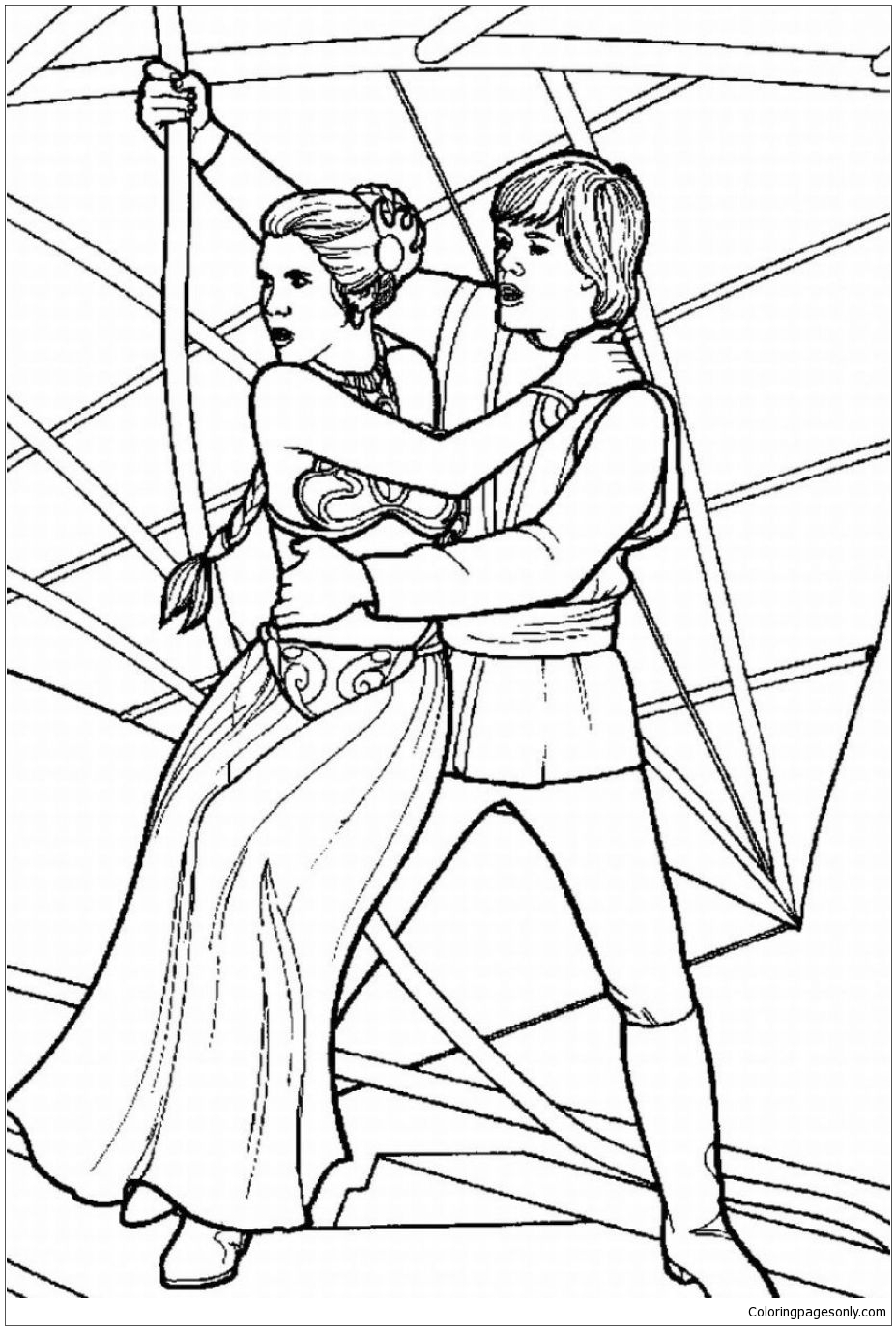
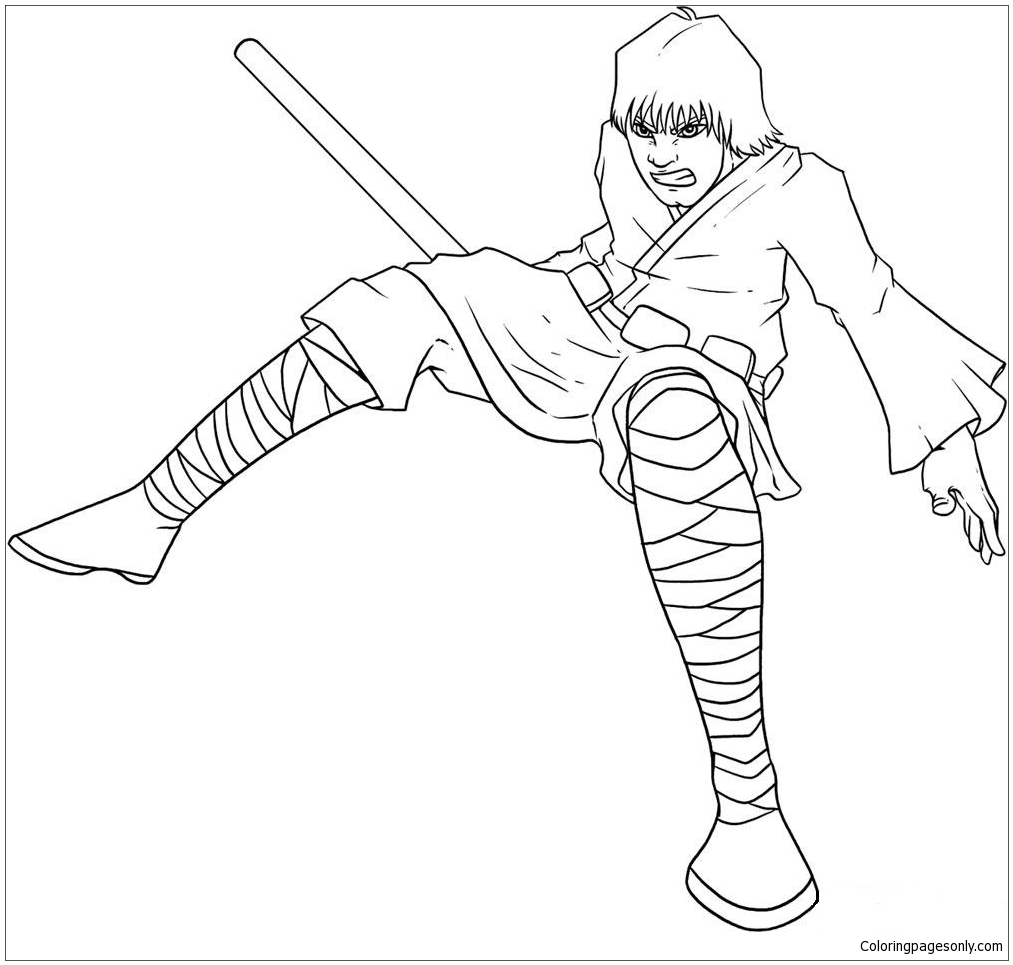
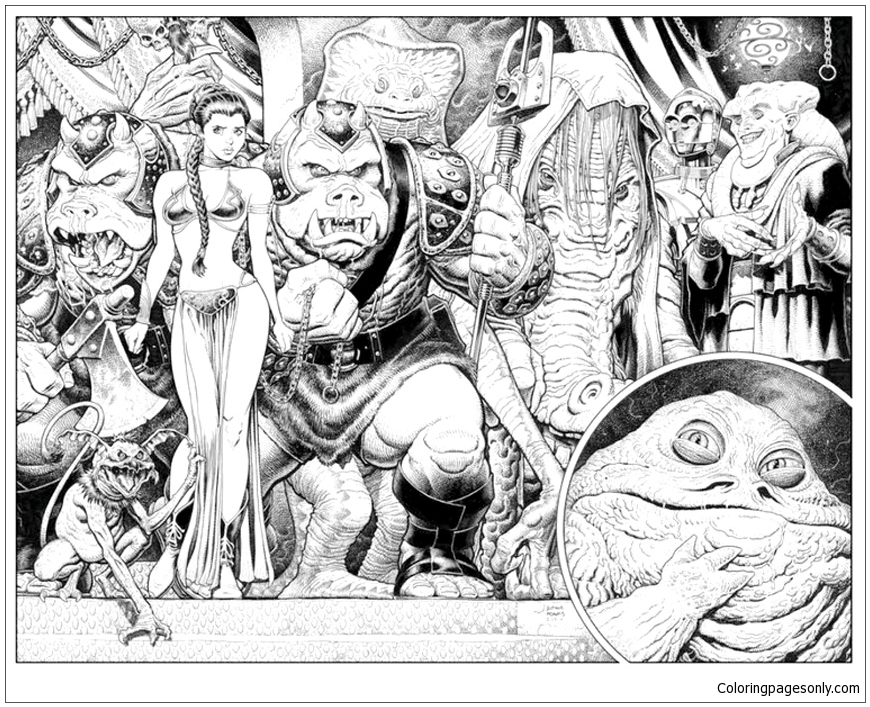
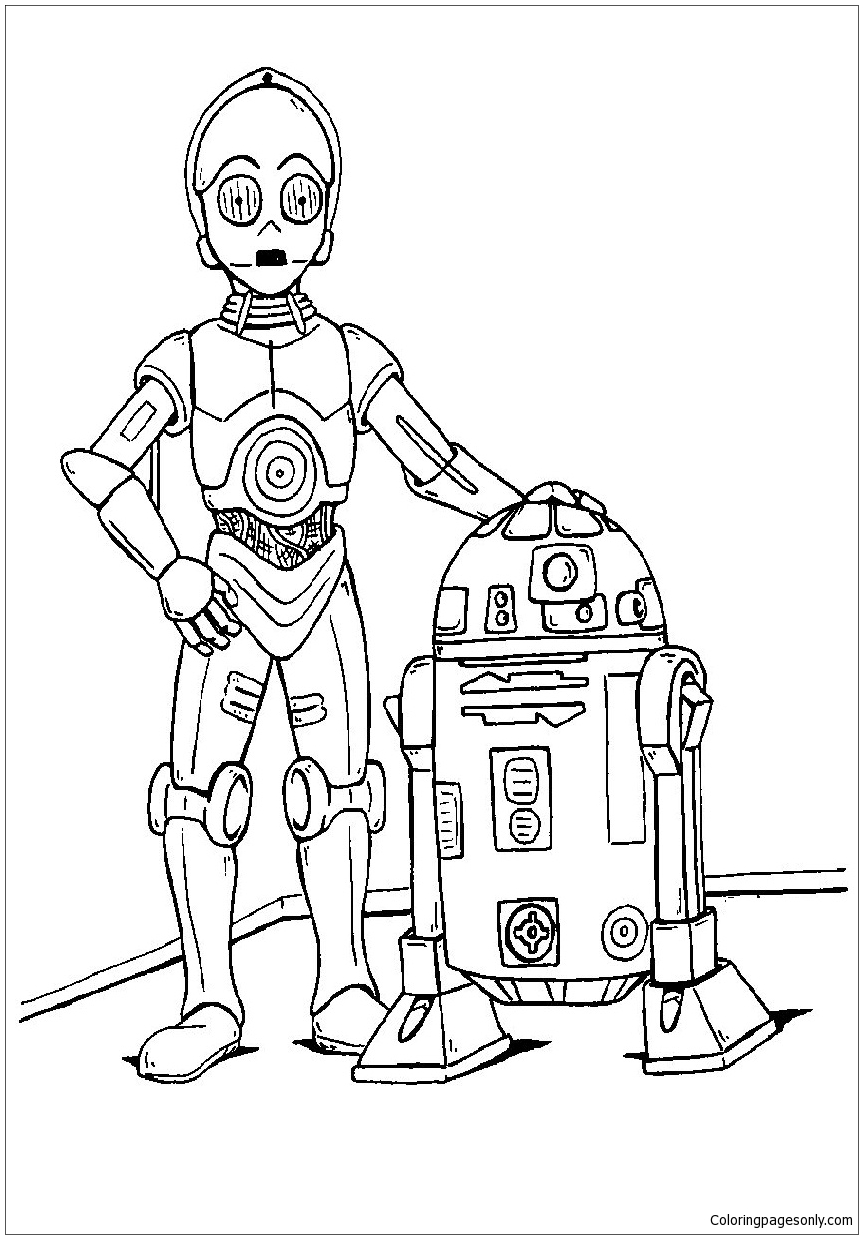
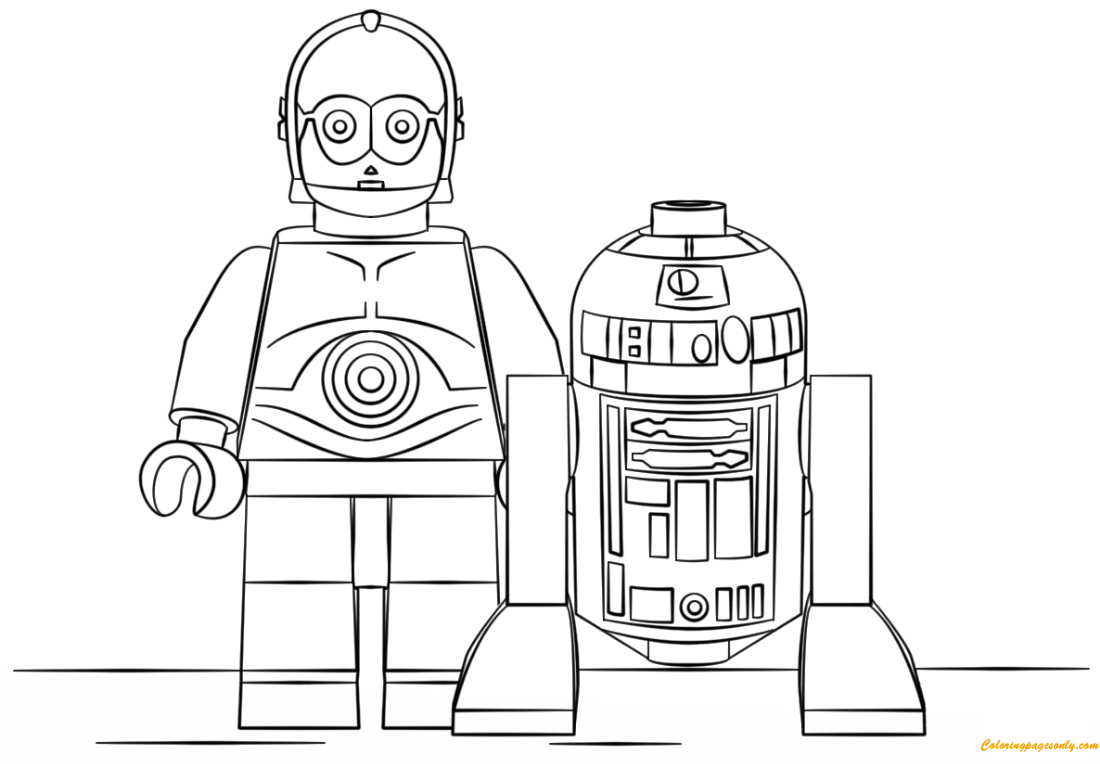
Star Wars Characters Coloring Pages – The broadest sub-collection, covering characters across all eras: Luke Skywalker, Darth Vader, Princess Leia, Han Solo, Yoda, R2-D2, C-3PO, Chewbacca, Rey, Kylo Ren, Darth Maul, and many more. This is the starting point for fans who want broad coverage rather than deep focus on one character.
Coloring Tips for Star Wars Pages
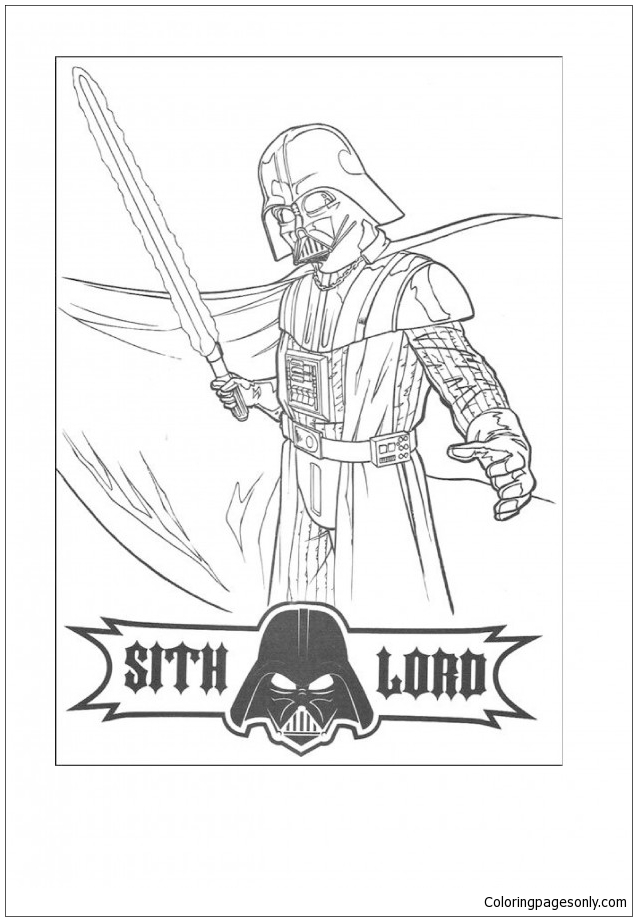
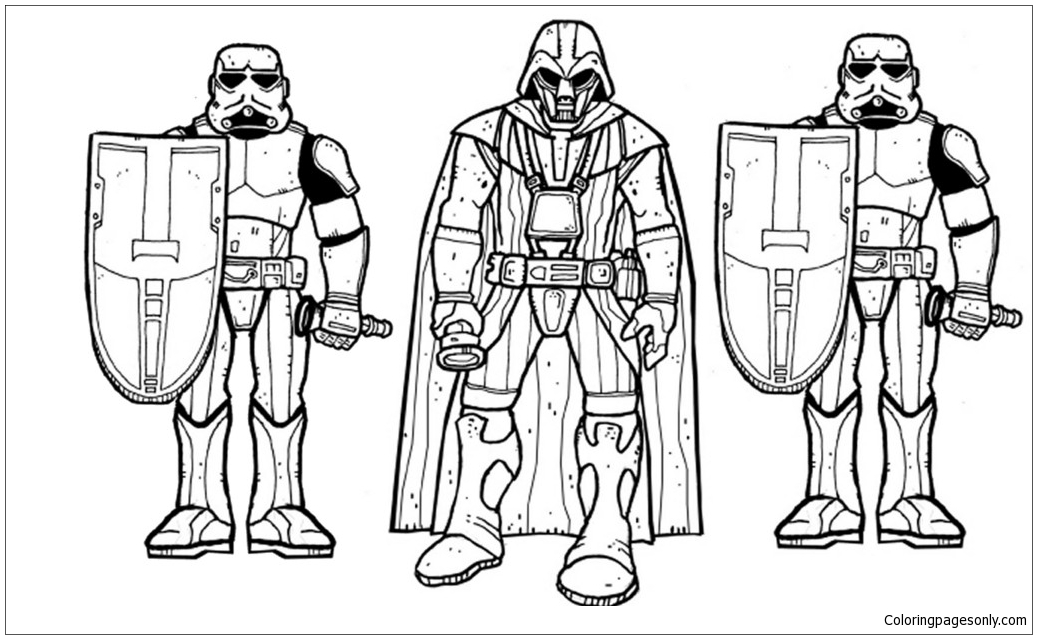
Darth Vader – the all-black challenge. Vader’s suit is black – but flat, uniform black across every surface produces a page that looks filled-in rather than rendered. The technique: use the darkest available black or very dark grey as the base, then apply an even darker, more concentrated tone in the deeply recessed areas (helmet interior, the gap between chest plate panels, the joint areas of the suit). Leave the highest surfaces – the dome of the helmet, the prominent ridges of the chest plate – at the base black, which will now read as lighter by contrast. The faint shine of Vader’s armor can be suggested by leaving very small, very precise areas of near-black at the topmost surfaces – just enough to suggest reflected light without competing with the overall darkness.
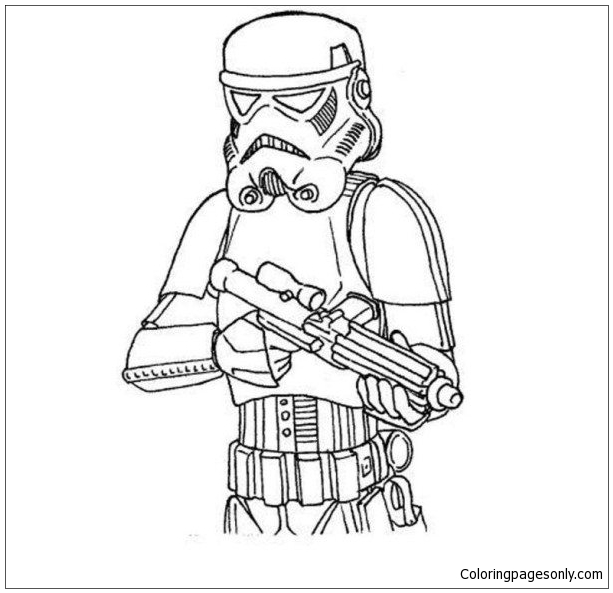
Stormtrooper armor – white is never one tone. The standard Stormtrooper is white, which means the coloring challenge is adding enough tonal variation to make the armor look three-dimensional rather than flat. Use a very light, warm grey (not cold grey, which looks dirty) for the shadow areas in recesses and panel gaps. Leave the outer panel faces in a slightly warmer off-white. The joints between armor plates should be the darkest tone on the page – a mid-grey that creates the visual separation between individual armor components. The result reads as white with depth.
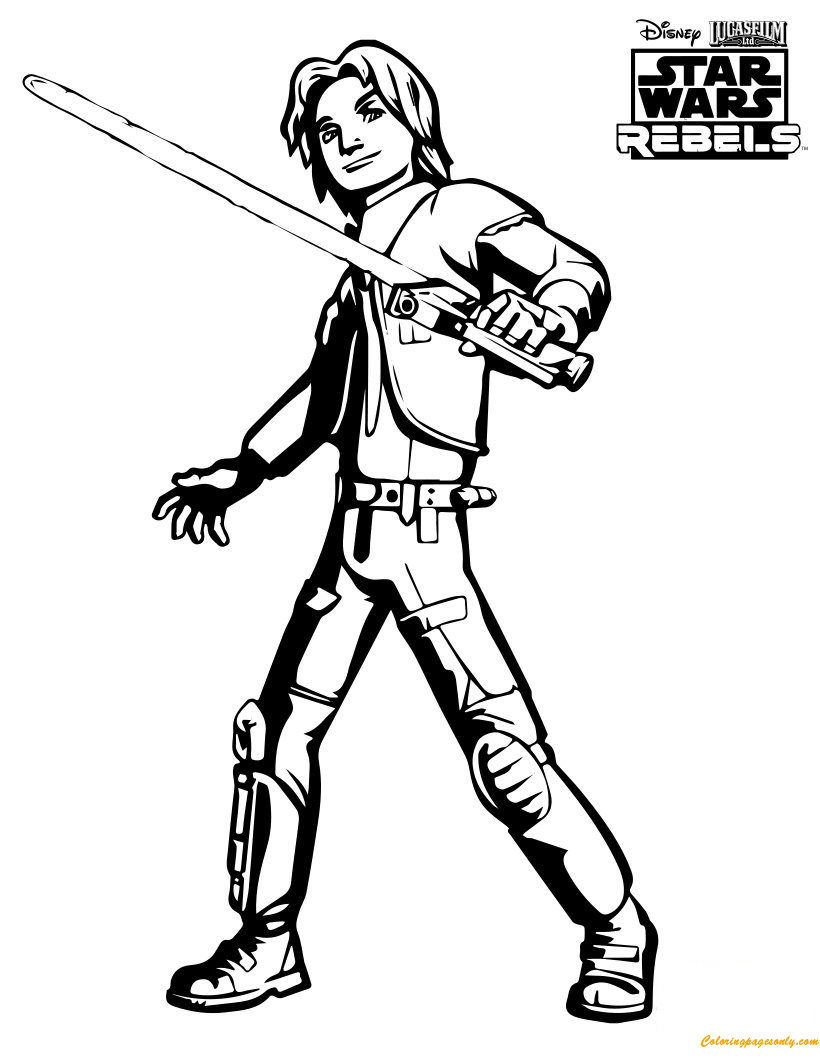
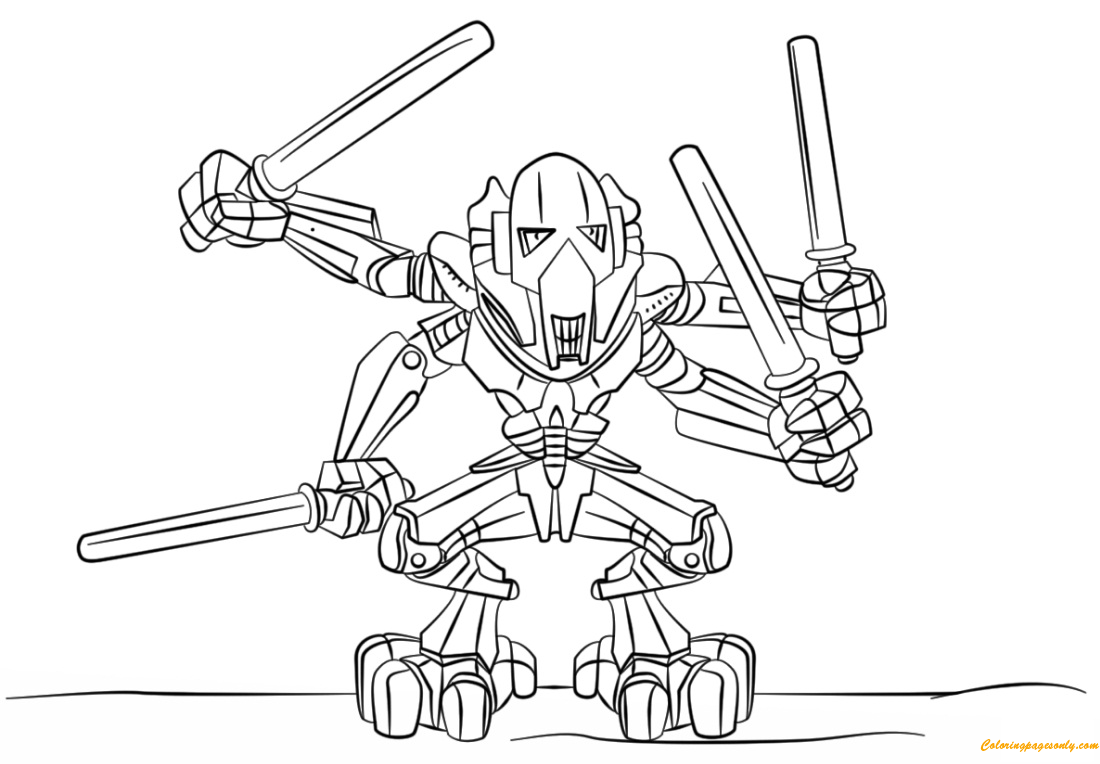
The lightsaber glow – the key technique. A lightsaber colored as a solid bar of its canonical color reads as a painted stick, not a glowing energy blade. The authentic lightsaber look requires a gradient: the blade’s center should be near-white (the hottest, most luminous zone), transitioning through the canonical color (blue, green, red) toward the outer edge, with a slightly darker, more saturated version of the color at the very edge. The glow effect extends slightly beyond the blade itself into the surrounding air – a very faint, very desaturated version of the blade color just outside the drawn line. This atmospheric glow is what makes lightsaber pages look genuinely luminous.
Grogu – the ears make the character. The single most important coloring decision on any Grogu page is the ears. They should be rendered in a slightly lighter, slightly warmer green-grey than the main head and face – this lighter tone at the ear skin is true to Grogu’s design and visually emphasizes the ears as the page’s most distinctive shape. His eyes should be very dark – almost black – with a small, very bright highlight at the upper quarter of each eye. The brown robes should be warm, slightly desaturated earth tones, giving visual warmth that frames the cooler green skin tones of the face.
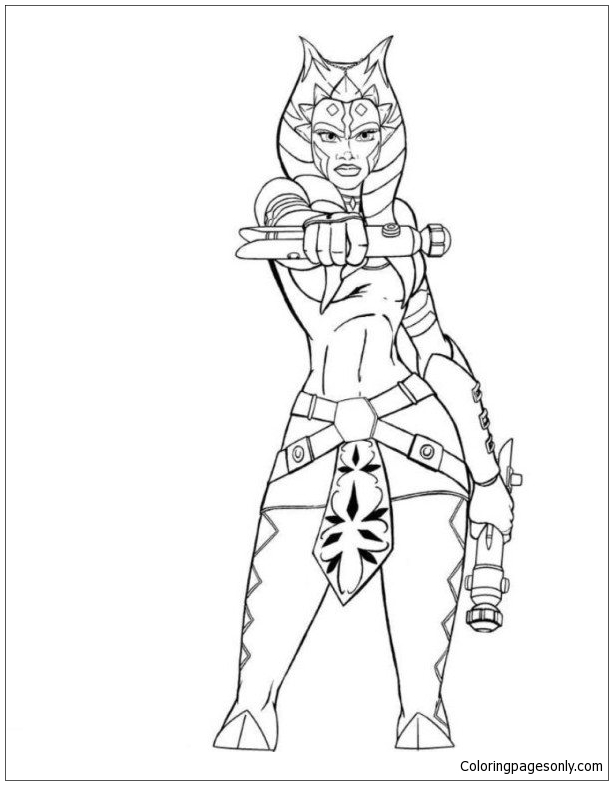
Ahsoka’s facial markings – precision matters. Ahsoka Tano’s blue and white facial markings are not arbitrary decoration – they are Togruta species markings with a specific pattern: white stripes radiating from the top of her head down through her lekku (head-tails), with blue accents at specific points on her forehead and cheeks. Getting these markings precisely right – with clean, confident lines rather than tentative, wavering ones – is the difference between a page that clearly depicts Ahsoka and one that depicts a generic orange character. Work with a fine-tipped marker or sharp pencil for the marking outlines before filling in the broader skin areas.
5 Activities
The lightsaber color allegiance game. Print any general Star Wars characters page showing multiple characters. Before coloring, classify each character by their allegiance – light side (blue or green lightsaber), dark side (red), or independent (white, purple, or other). Color each character’s lightsaber in the appropriate canonical color. Then discuss: why did each character end up on the side they’re on? What choice, fear, or love drove them there? Anakin’s fall to the dark side, Ahsoka’s departure from the Jedi Order, Vader’s redemption – each represents a specific moment of decision. This activity engages both coloring precision (getting the colors right) and moral reasoning (understanding why the colors mean what they mean).
The trilogy era comparison project. Choose three pages each depicting the same character across different eras – for example, Obi-Wan Kenobi as a young Padawan (prequel era), as a Jedi Knight fighting Vader, and as the aged desert hermit of A New Hope. Color all three using era-appropriate palettes: the prequel era’s warmer, more optimistic tones; the original trilogy’s slightly grittier, more weathered aesthetic. Write a brief character biography connecting all three pages – what happened between each depicted moment? What did this character lose? What did they preserve? The finished set becomes a hand-colored life timeline of one of cinema’s most enduring characters.
The faction uniform project. Star Wars has one of the most visually distinctive uniform systems in any franchise – each faction’s soldiers and leaders wear specific colors that immediately communicate allegiance. Research and color one page from each major faction: a Jedi (warm brown robes), a Sith (black robes), a Rebel Alliance soldier (orange flight suit or grey ground uniform), an Imperial Stormtrooper (white armor), a Shock Trooper (red-marked white armor), a Mandalorian (silver beskar or clan-colored armor). Display the six pages together as a faction color chart. This activity produces a genuinely useful visual reference for any Star Wars fan and teaches the visual design principle of using consistent color to communicate identity at a glance.
The Star Wars Day fan art showcase. Star Wars Day (May 4th – “May the Fourth Be With You”) is the official worldwide celebration of the franchise. In the weeks leading up to May 4th, color one page per day from this collection – a different character or sub-collection each day. On May 4th, display the completed pages together as a personal fan art showcase. This countdown structure – similar to an advent calendar – gives the coloring activity a festive purpose and deadline, and the finished collection becomes a record of which characters mattered most to the colorist that year.
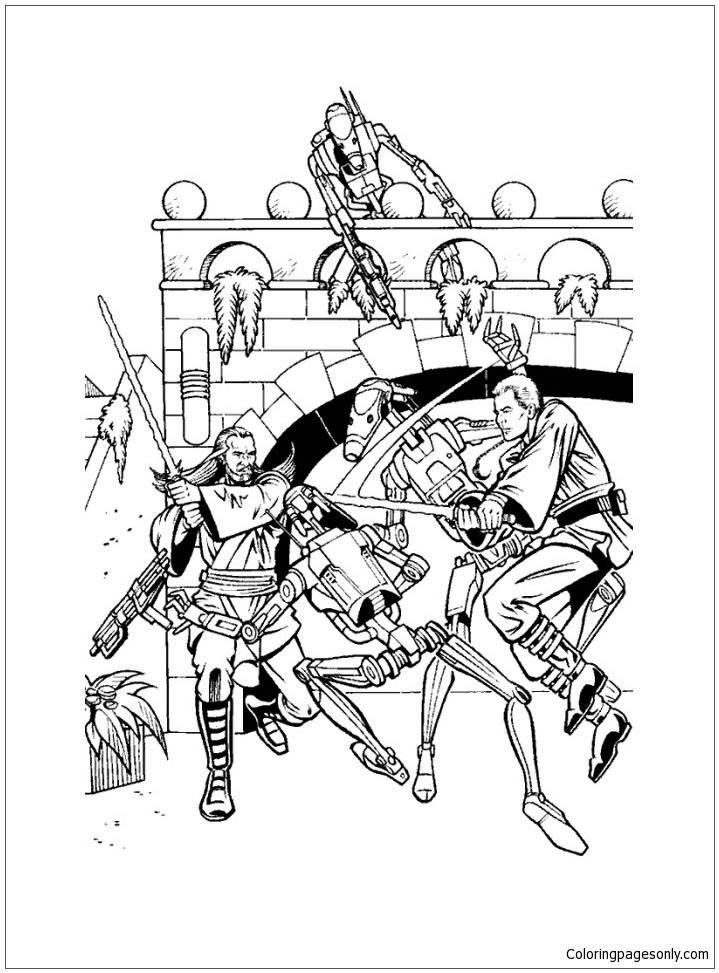
The “light side vs dark side” diorama. Using any battle or confrontation pages from the collection – lightsaber duel pages are ideal – color the Jedi characters in warm, golden-adjacent palettes (even beyond their canonical colors, these characters can be surrounded by warm amber light) and the Sith in cooler, darker palettes with red accent lighting from their blades. Cut out the colored figures and mount them facing each other on a backing piece of paper, with a dramatic background drawn between them: the stars of space, the lava fields of Mustafar, the forest moon of Endor. The visual contrast between the warm-lit Jedi and the cold-lit Sith, physically staged facing each other, creates a miniature dramatization of the saga’s central moral conflict that children can explain and discuss – understanding, through the act of coloring and staging, why the visual design of the franchise encodes its deepest themes in light and color.