Bull Coloring Pages
 By:
Jennifer Thoa - Content Editor & Designer
Updated:
By:
Jennifer Thoa - Content Editor & Designer
Updated:
Free Bull coloring pages: 25 printable PDF designs featuring these powerful, muscular cattle in portrait, cartoon, and scene-based styles. Each page can be downloaded as a PDF to print or colored online in the browser.
A bull is an adult male of domestic cattle, distinguished from a cow by its larger, more muscular build and, in many breeds, prominent horns. Bulls are commonly kept for breeding or occasionally for pulling heavy loads. One of the most widely repeated myths about bulls is that the color red makes them angry, an idea closely tied to the image of a matador waving a red cape. In reality, bulls are red-green colorblind, seeing the world mainly in shades of blue, yellow, and gray, so a red cape actually appears as a dull brownish or grayish tone to them. What actually provokes a bull’s charge is movement, not color, since cattle are highly attuned to detecting motion as a survival instinct, and a bull will charge at a cape of almost any color so long as it is waved and fluttered aggressively. The red color used in bullfighting is really a matter of human tradition, chosen partly because it helps disguise bloodstains rather than because it provokes the animal. Bulls also have a wide field of vision to help them watch for danger from nearly every direction, though they do have a blind spot directly behind them.
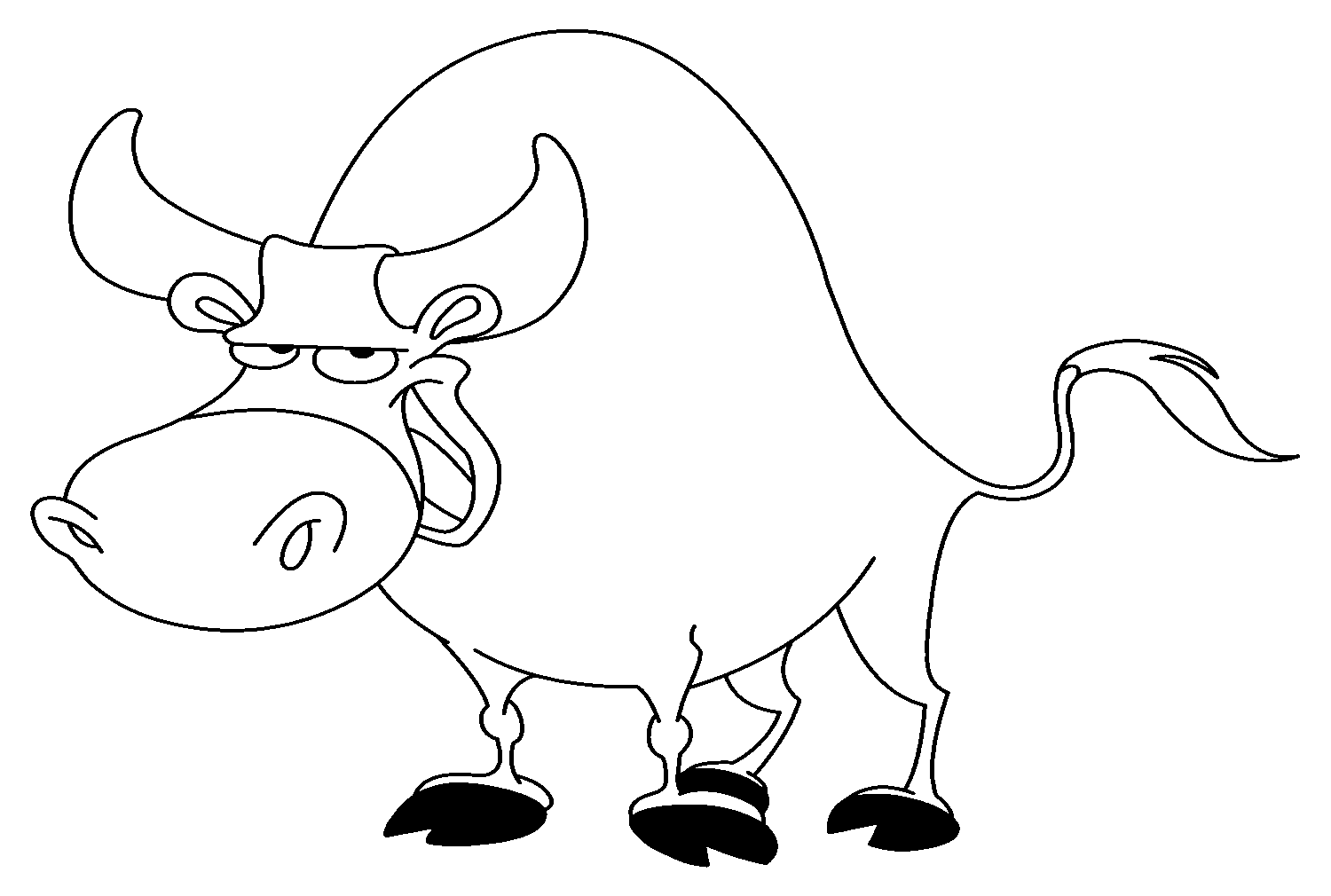
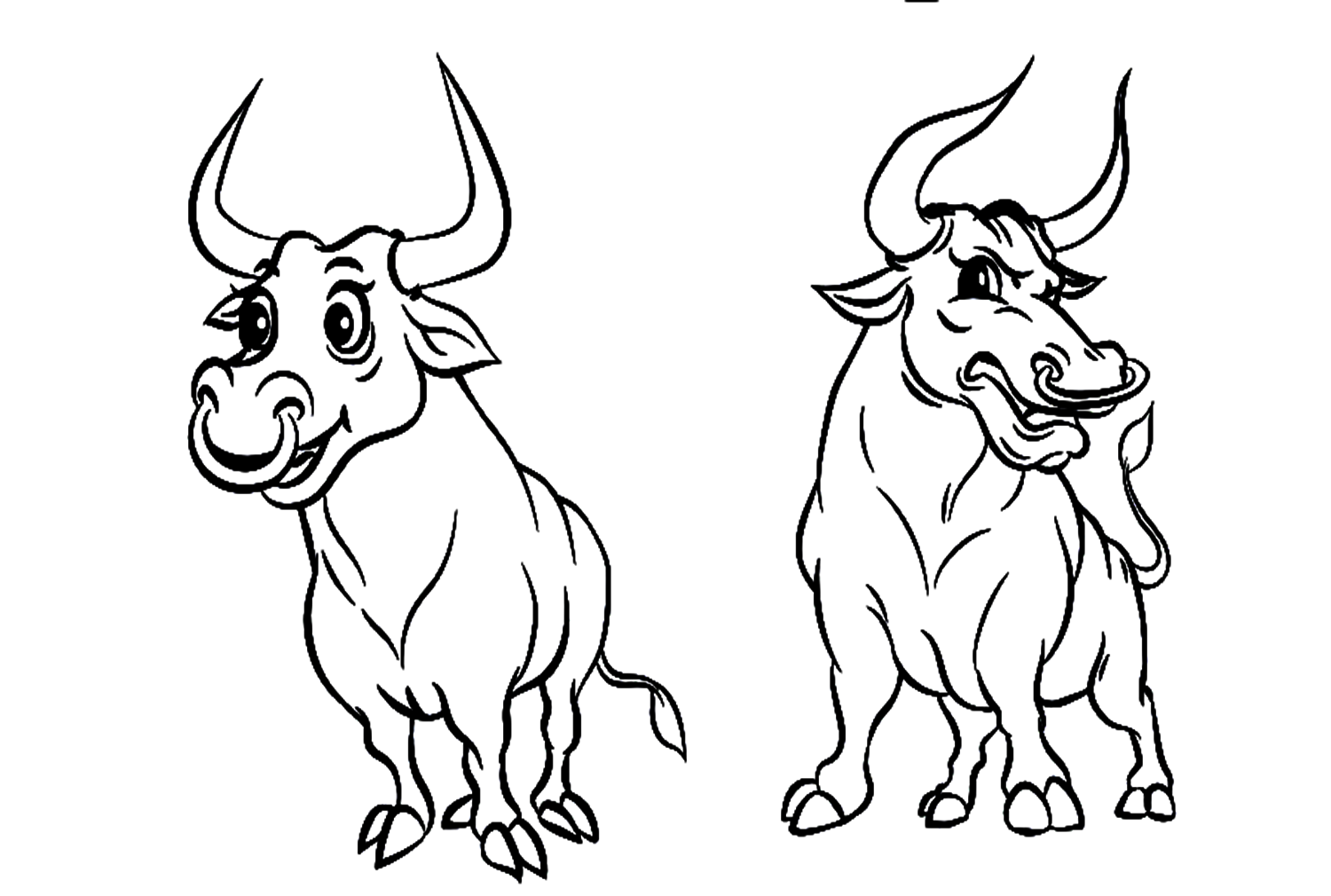
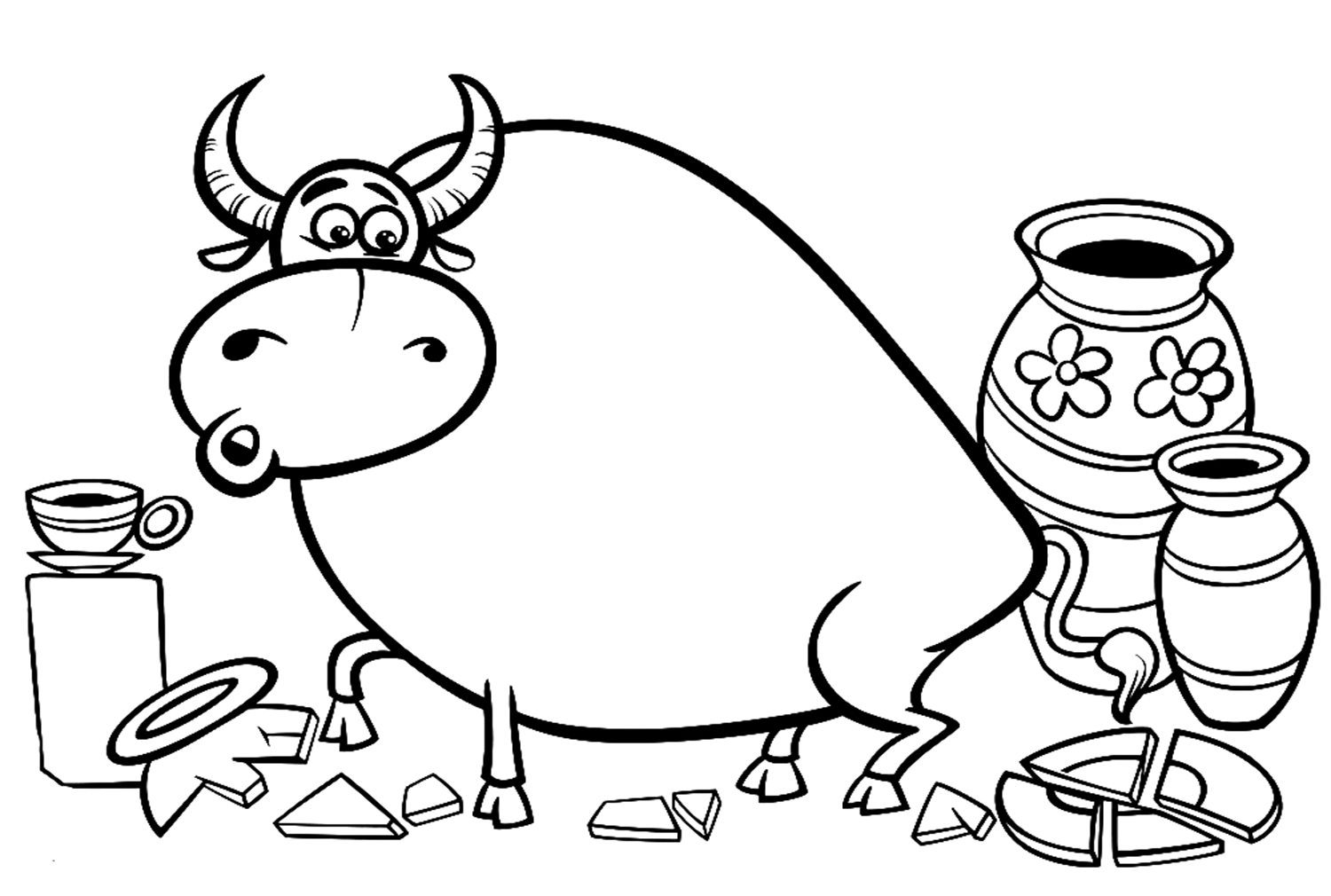
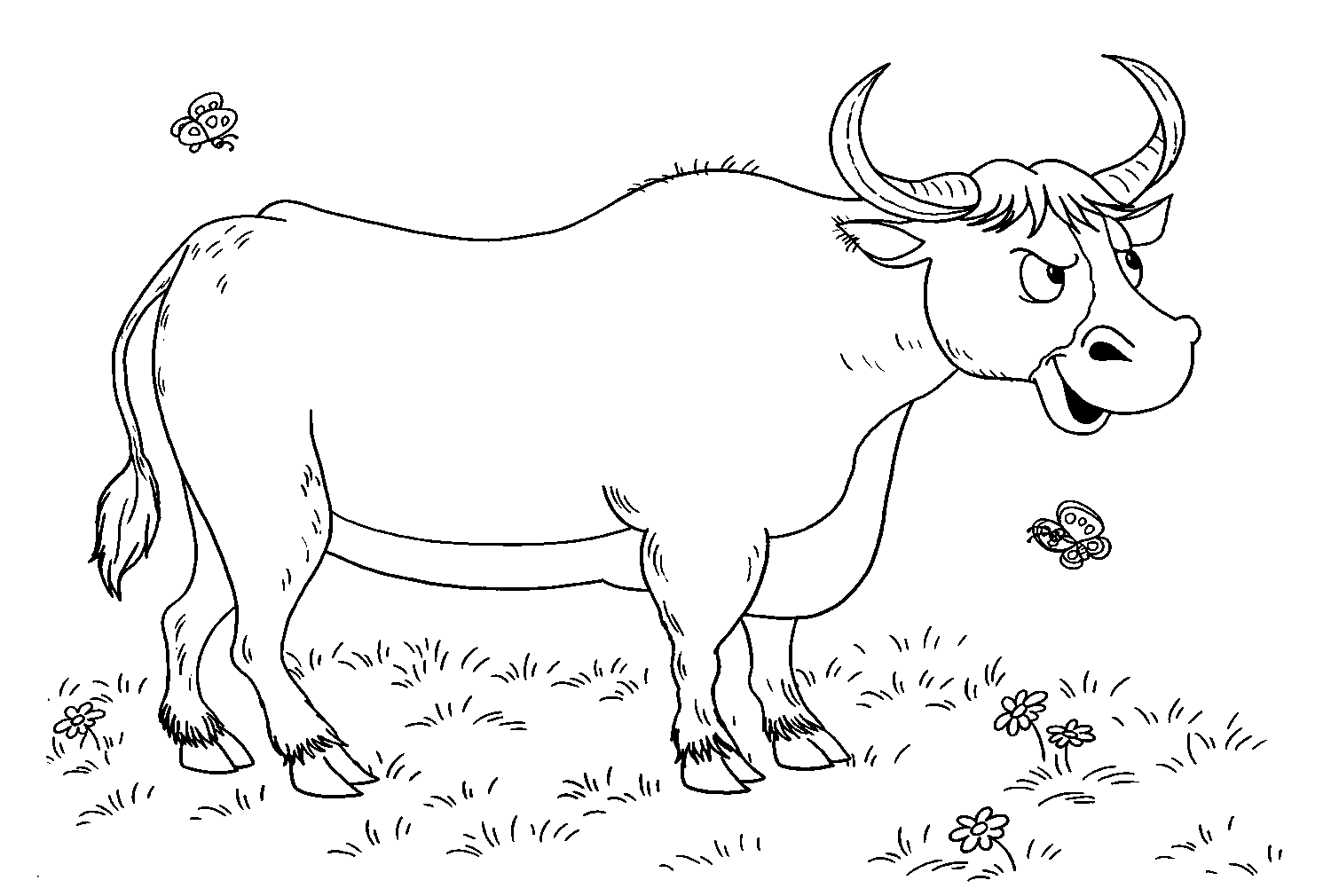
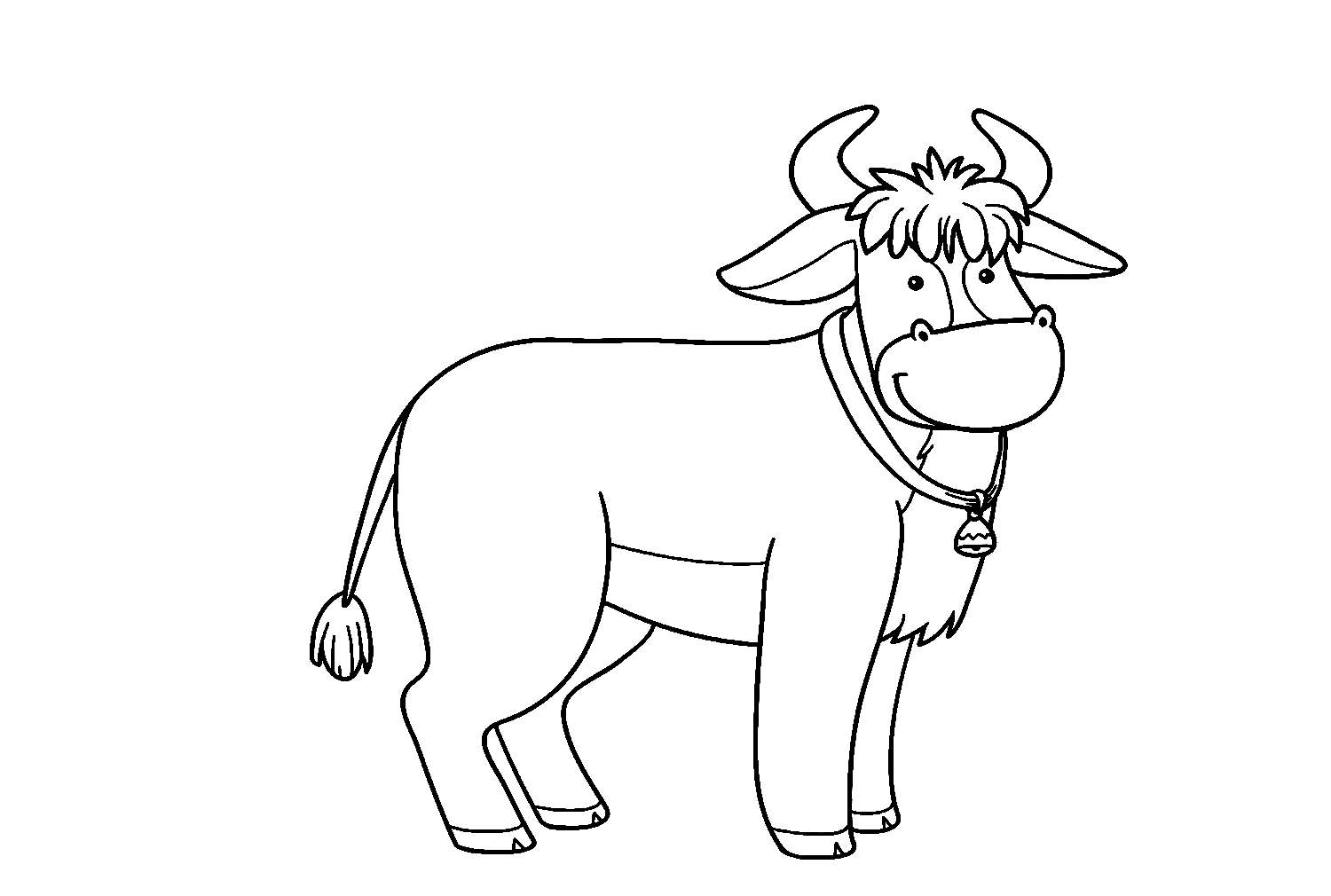
This collection groups its 25 designs into classic portraits and artistic styles, cute and cartoon takes, and bulls with other animals, characters, and scenes, giving colorists several ways to bring these powerful animals to life.
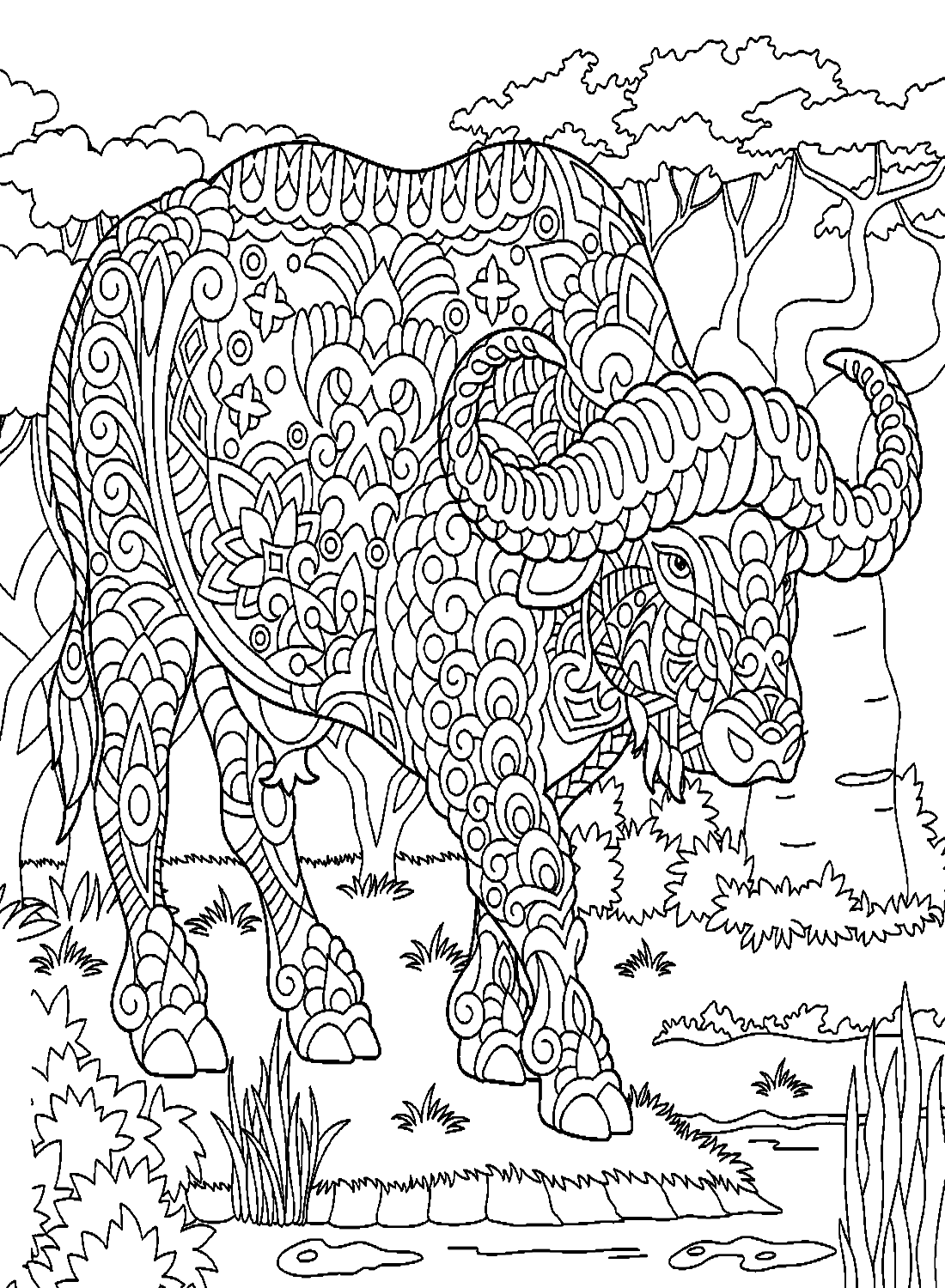
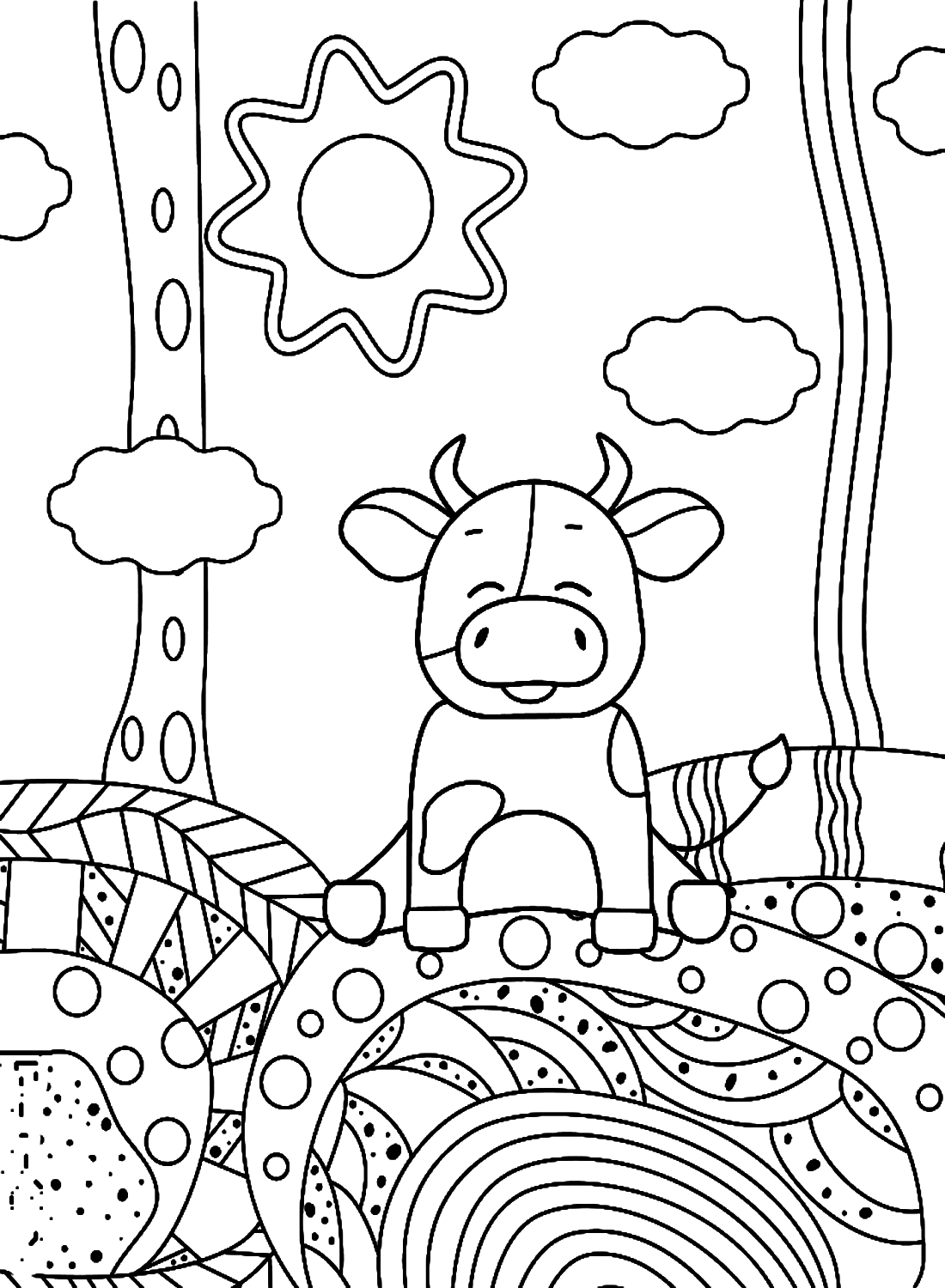
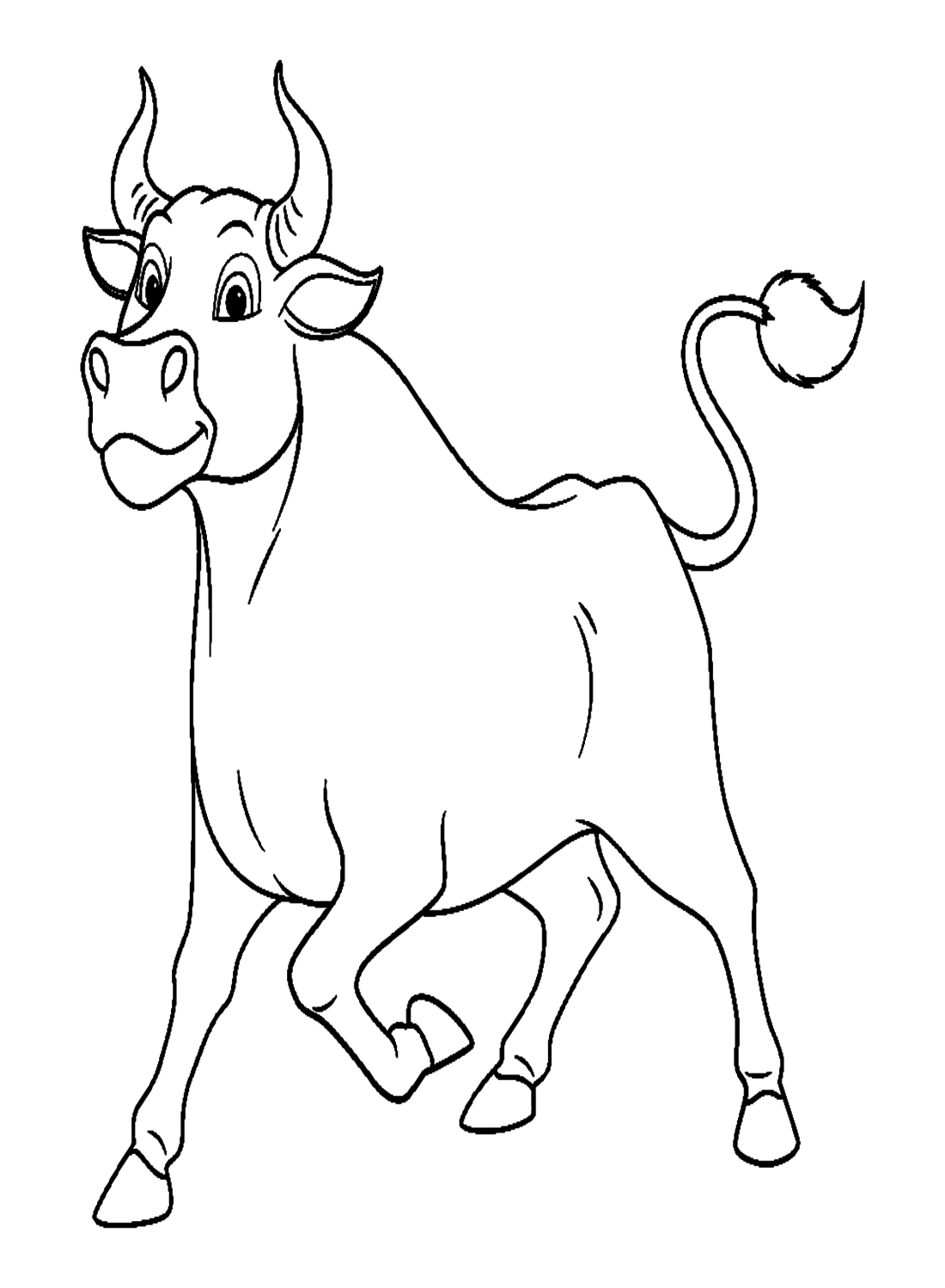
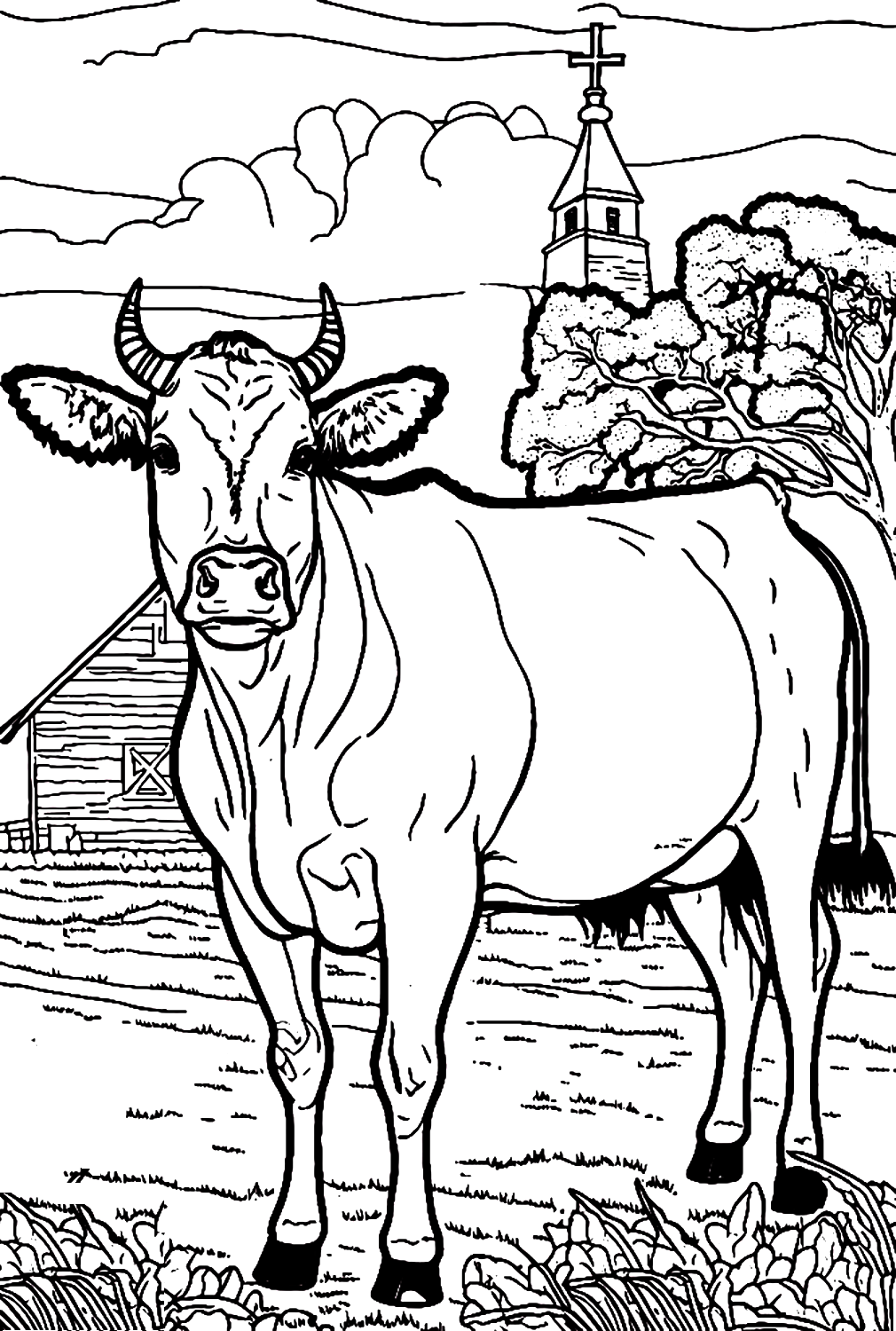
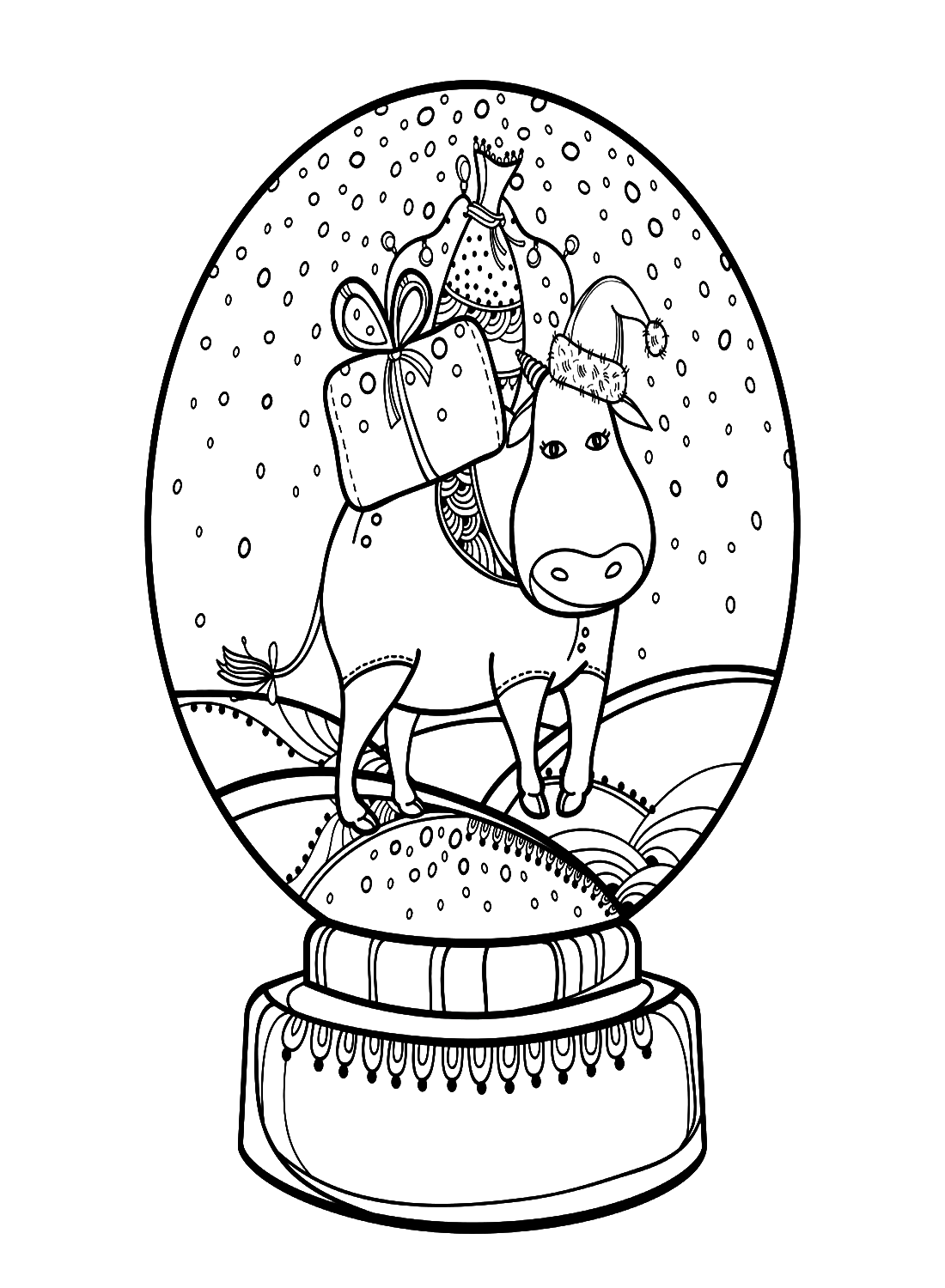
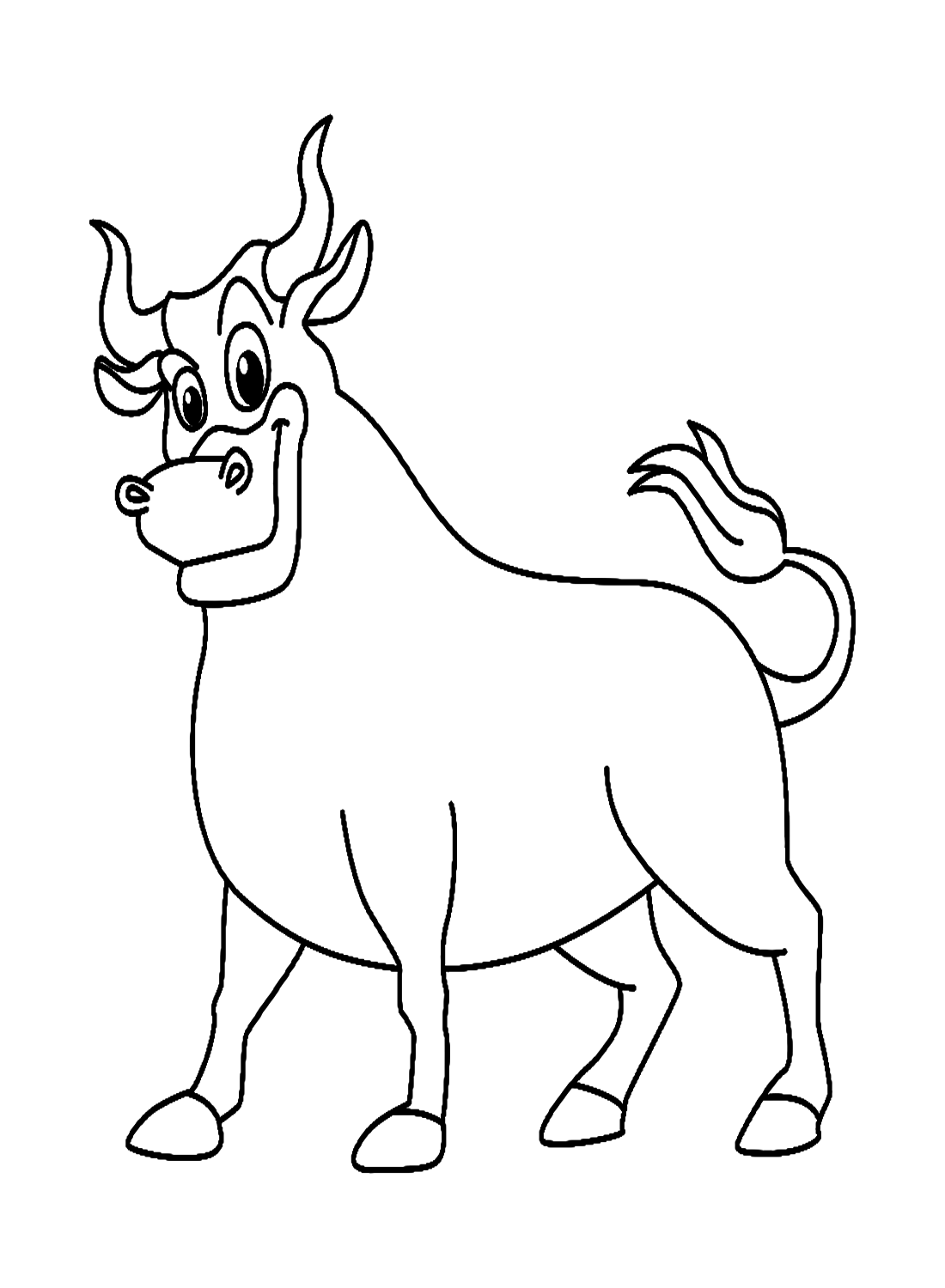
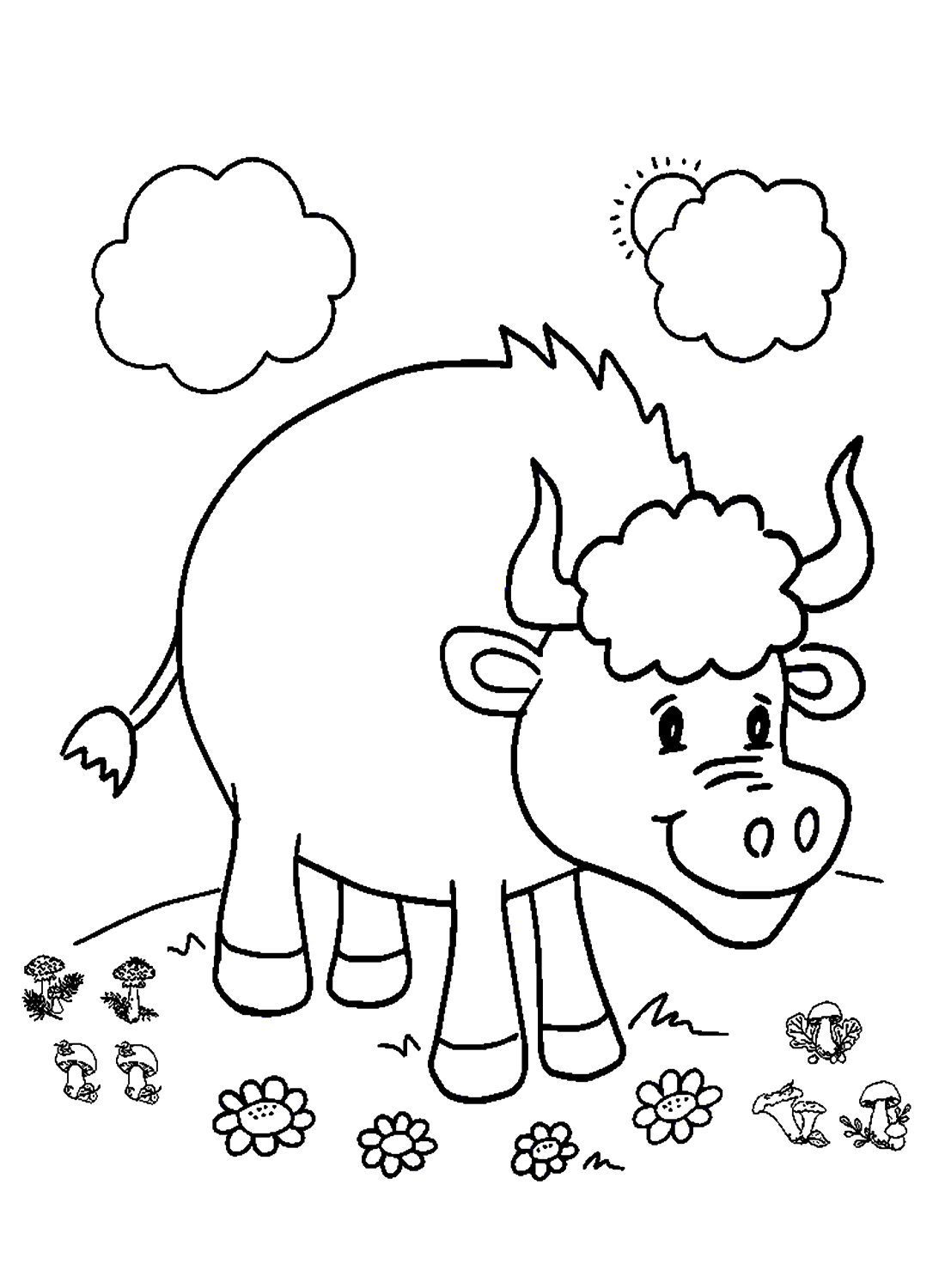
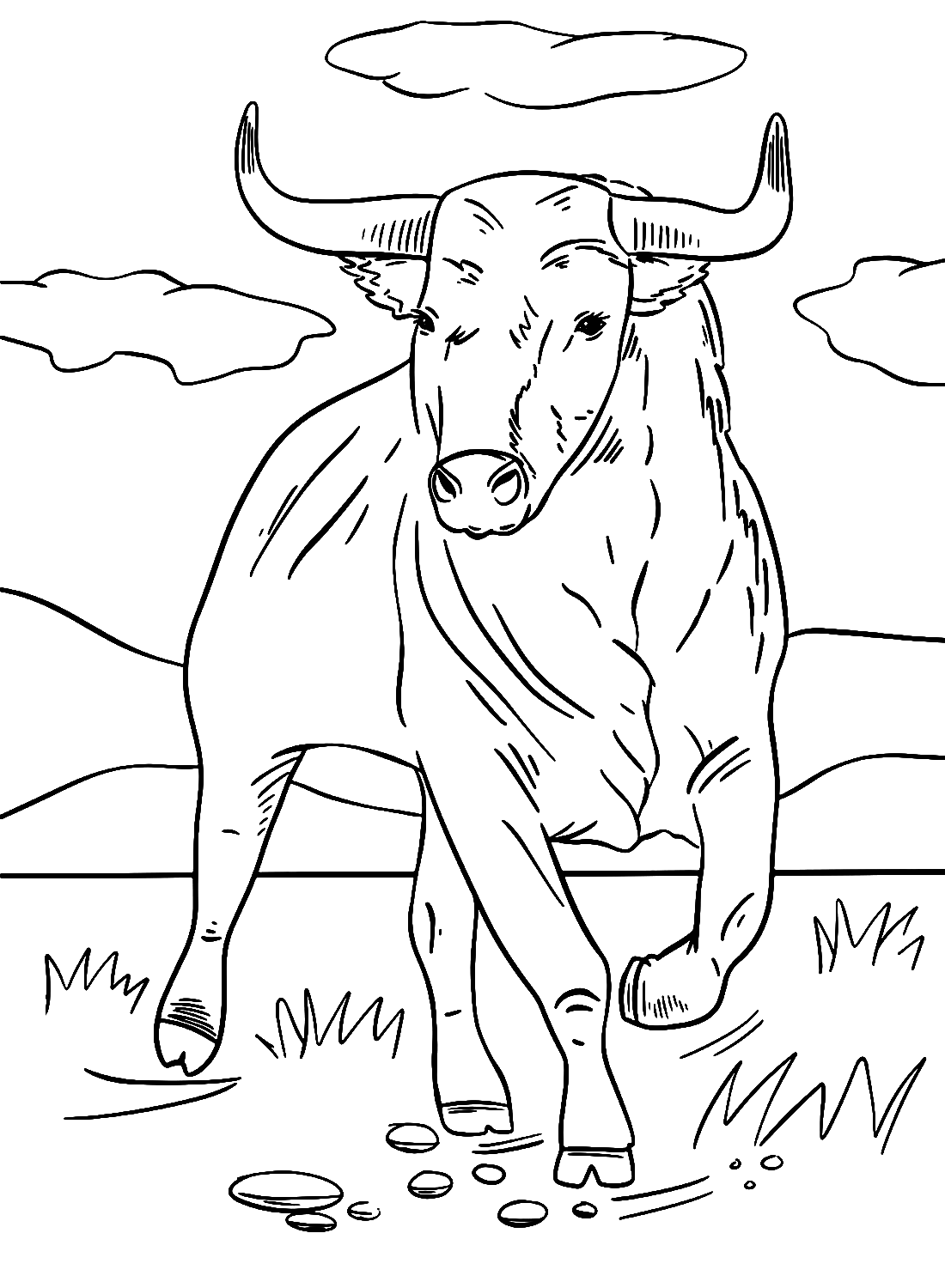
What Is Inside This Collection
The 25 Bull pages are split into three natural groups based on style and setting.
Classic Portraits and Artistic Styles
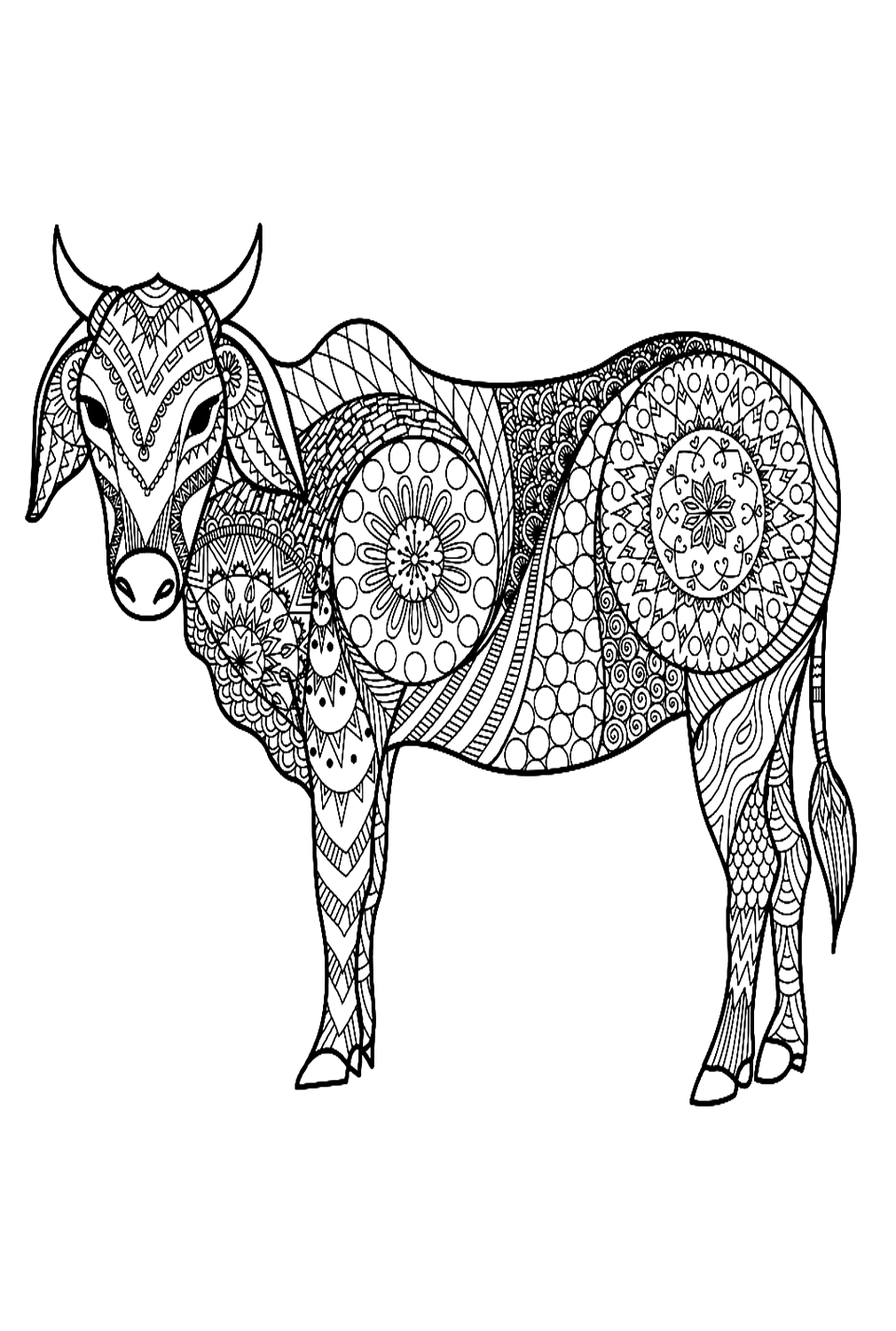
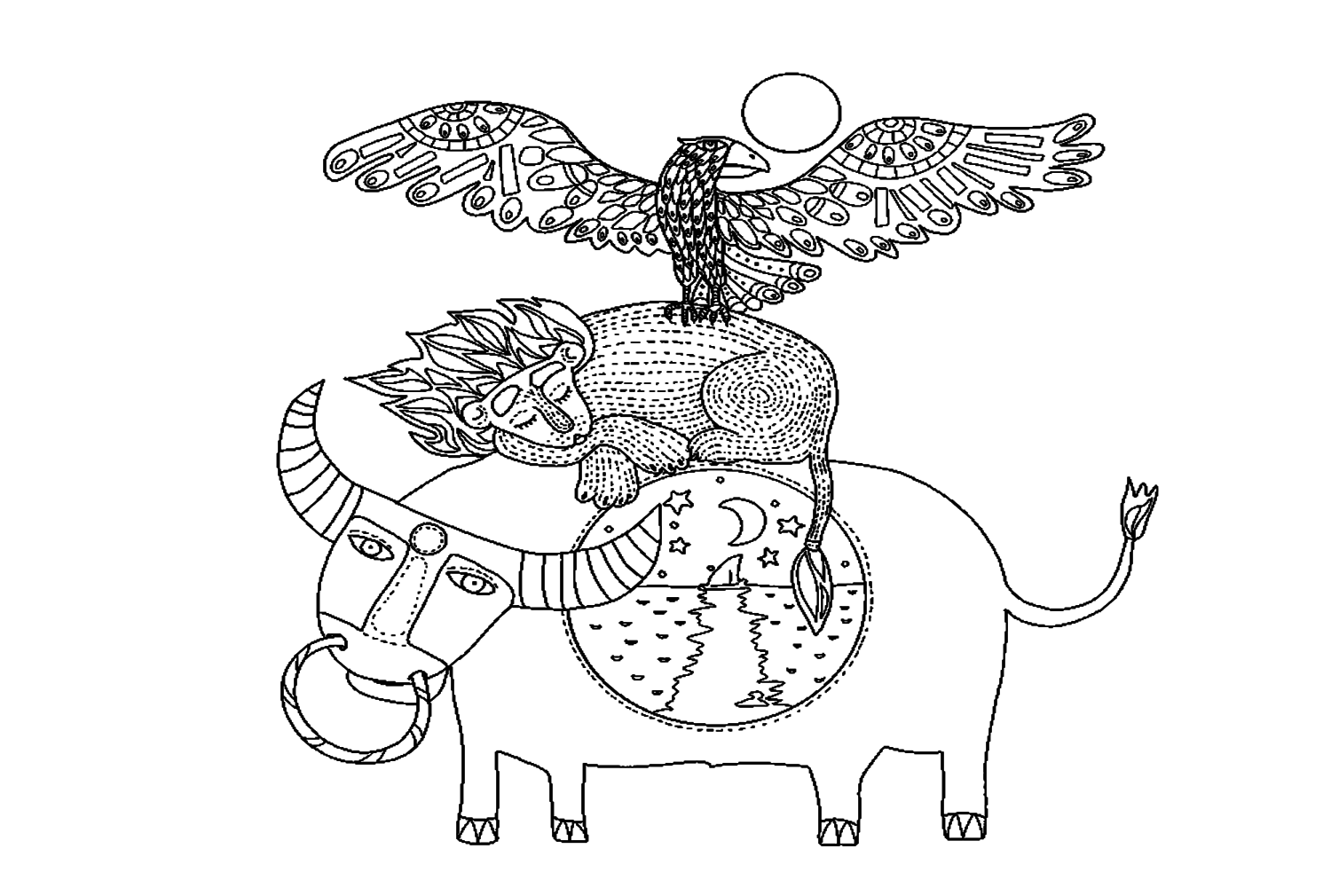
This group covers straightforward standing poses, a simple outlined design, and two more intricate pages using mandala and zentangle-style patterns built around the bull’s silhouette. A warm brown, black, or gray base for the coat pairs well with lighter shading to suggest the animal’s muscular build.
Cute and Cartoon Takes
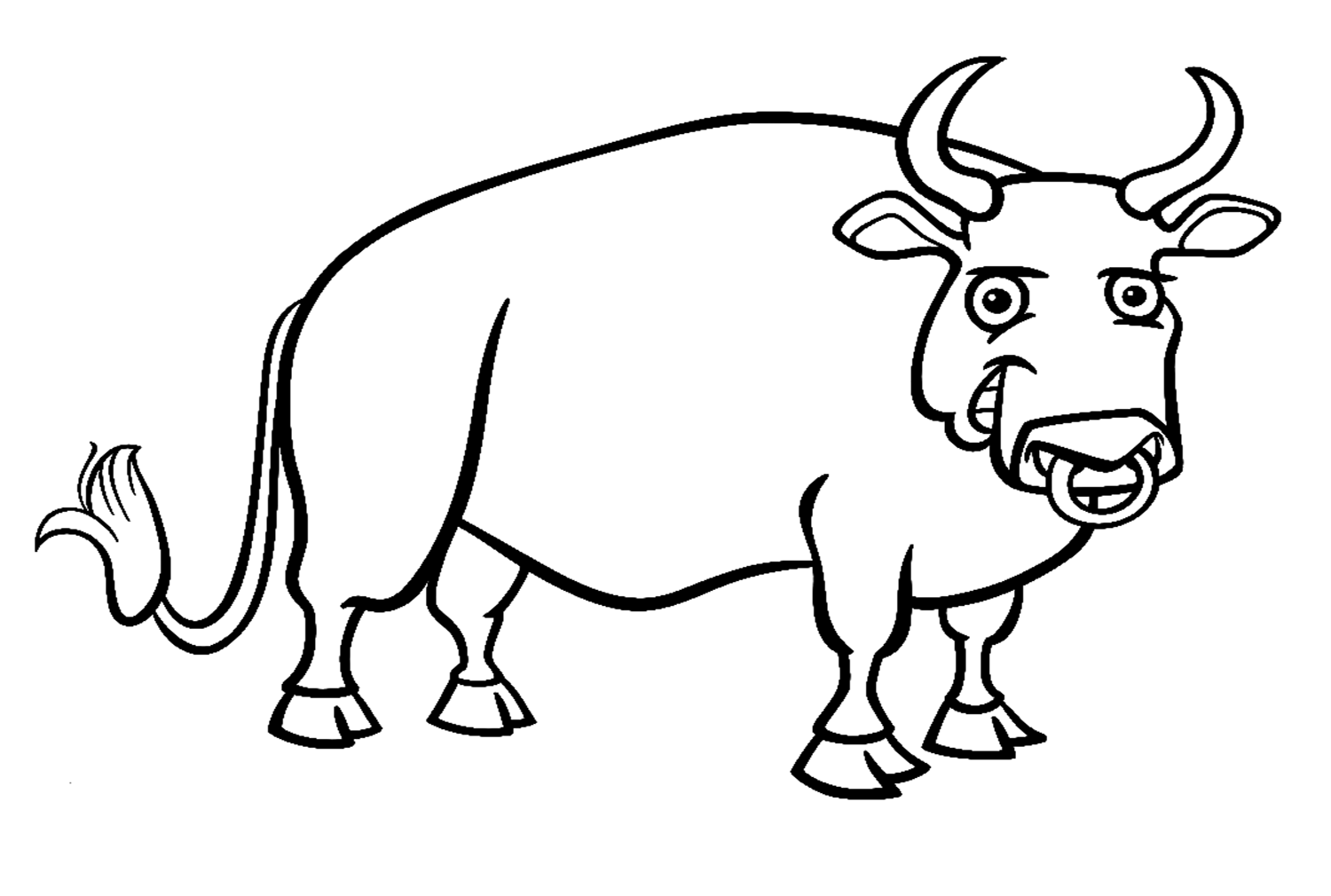
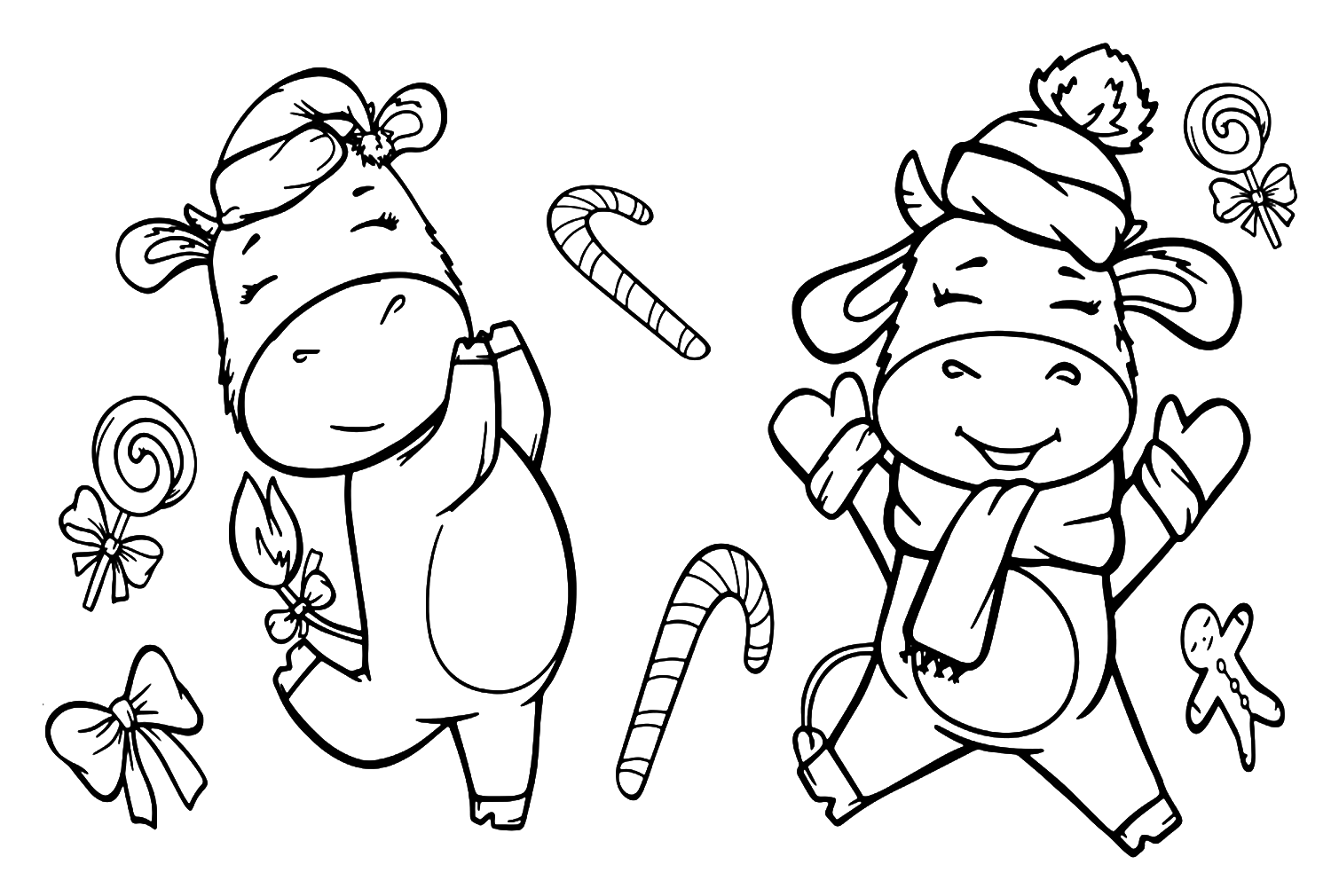
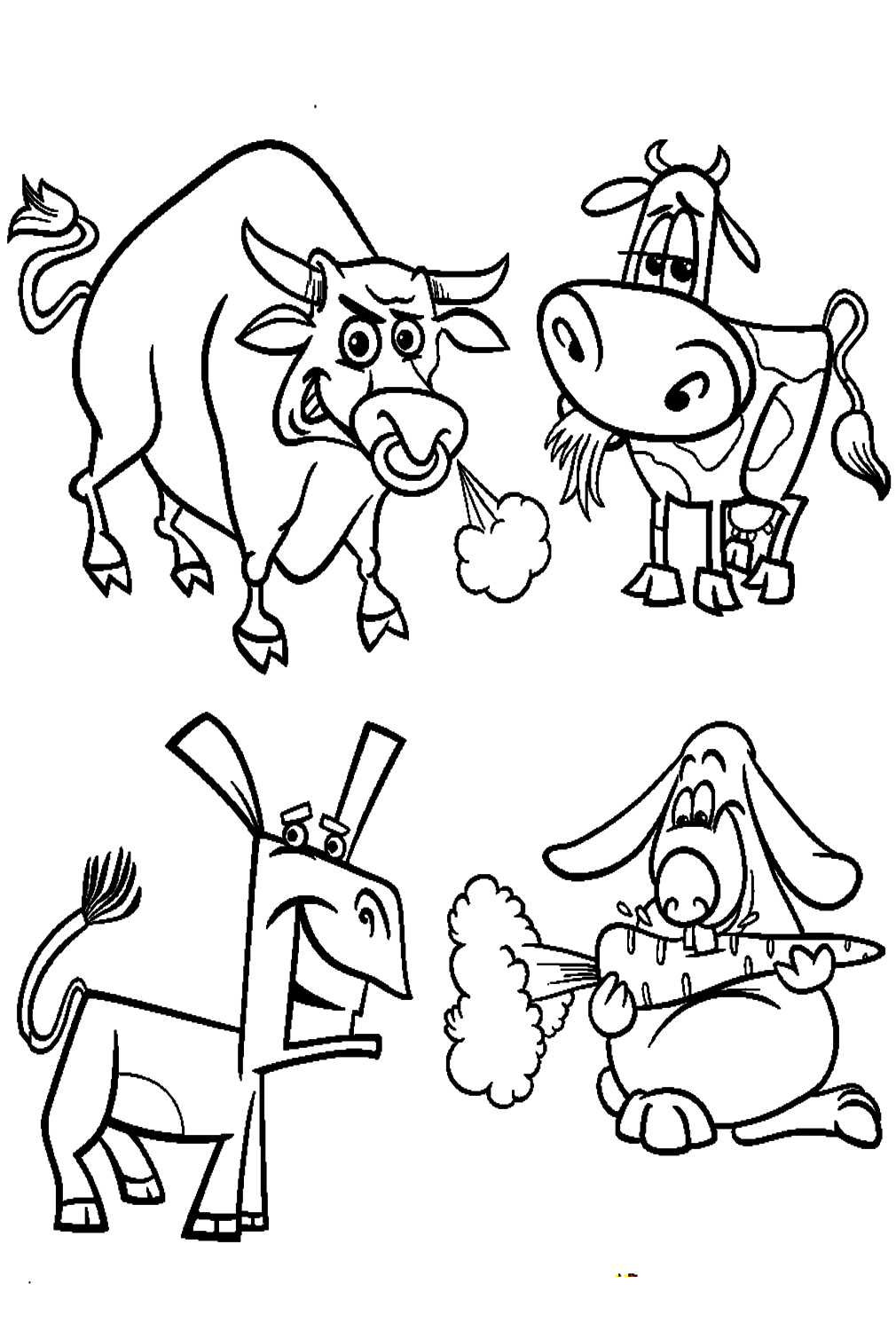
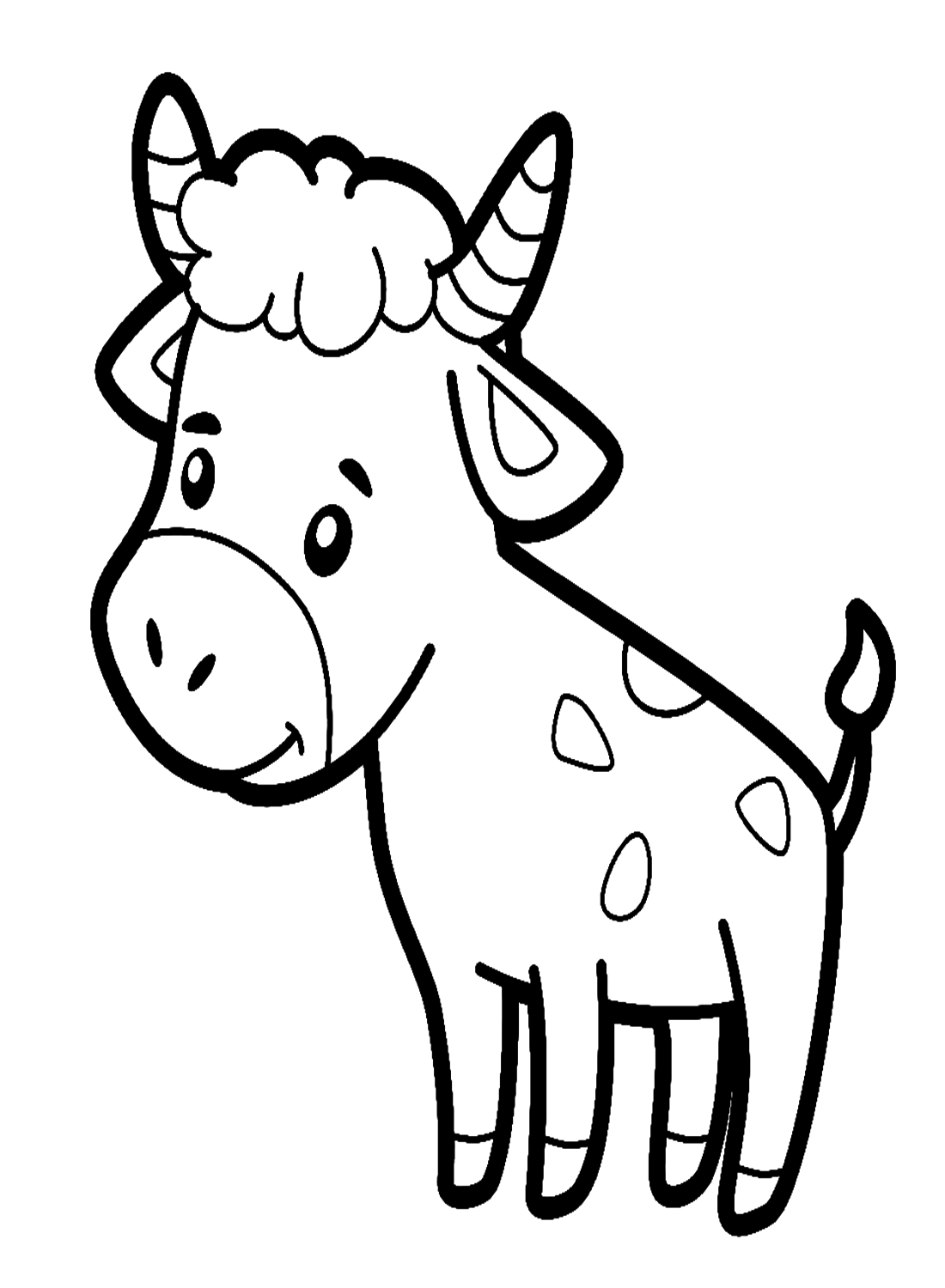
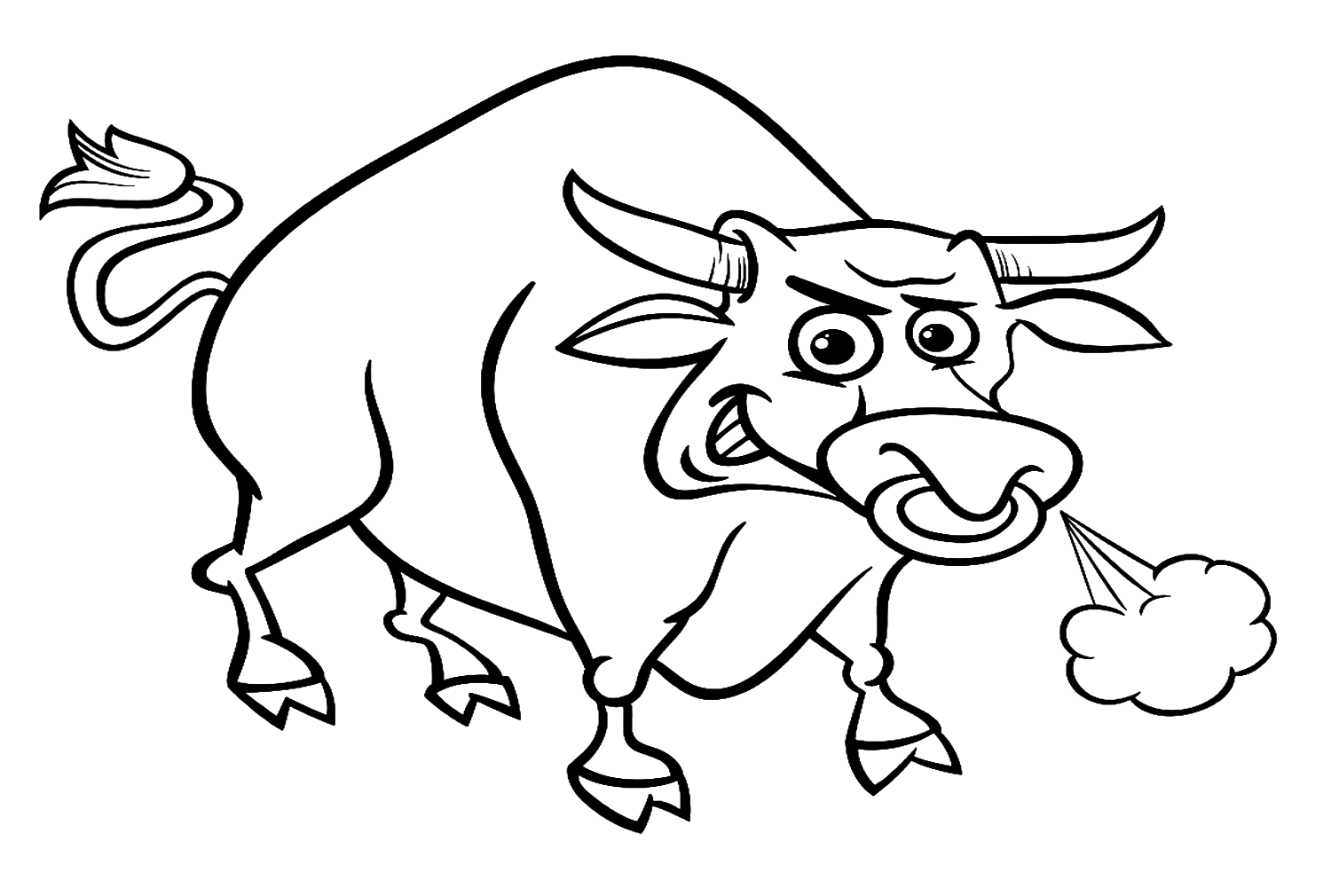
This set leans into softer, rounder proportions and a range of expressions, from happy and adorable to a more dramatic, angry pose. These pages trade some of the bull’s real-world power for a friendlier, more approachable look, while still giving colorists a chance to explore a bolder, more intense expression on one design.
Bulls with Other Animals, Characters, and Scenes
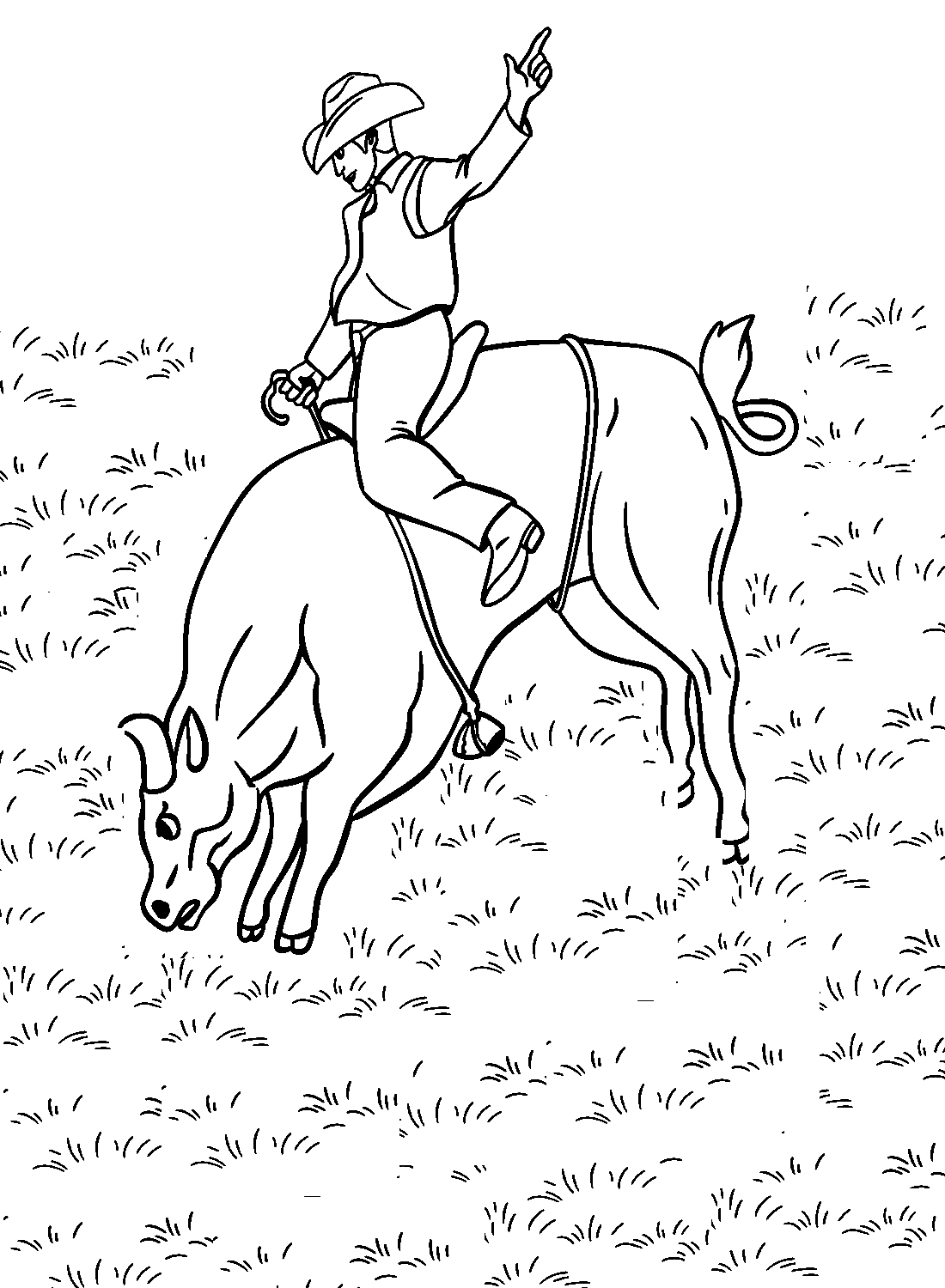
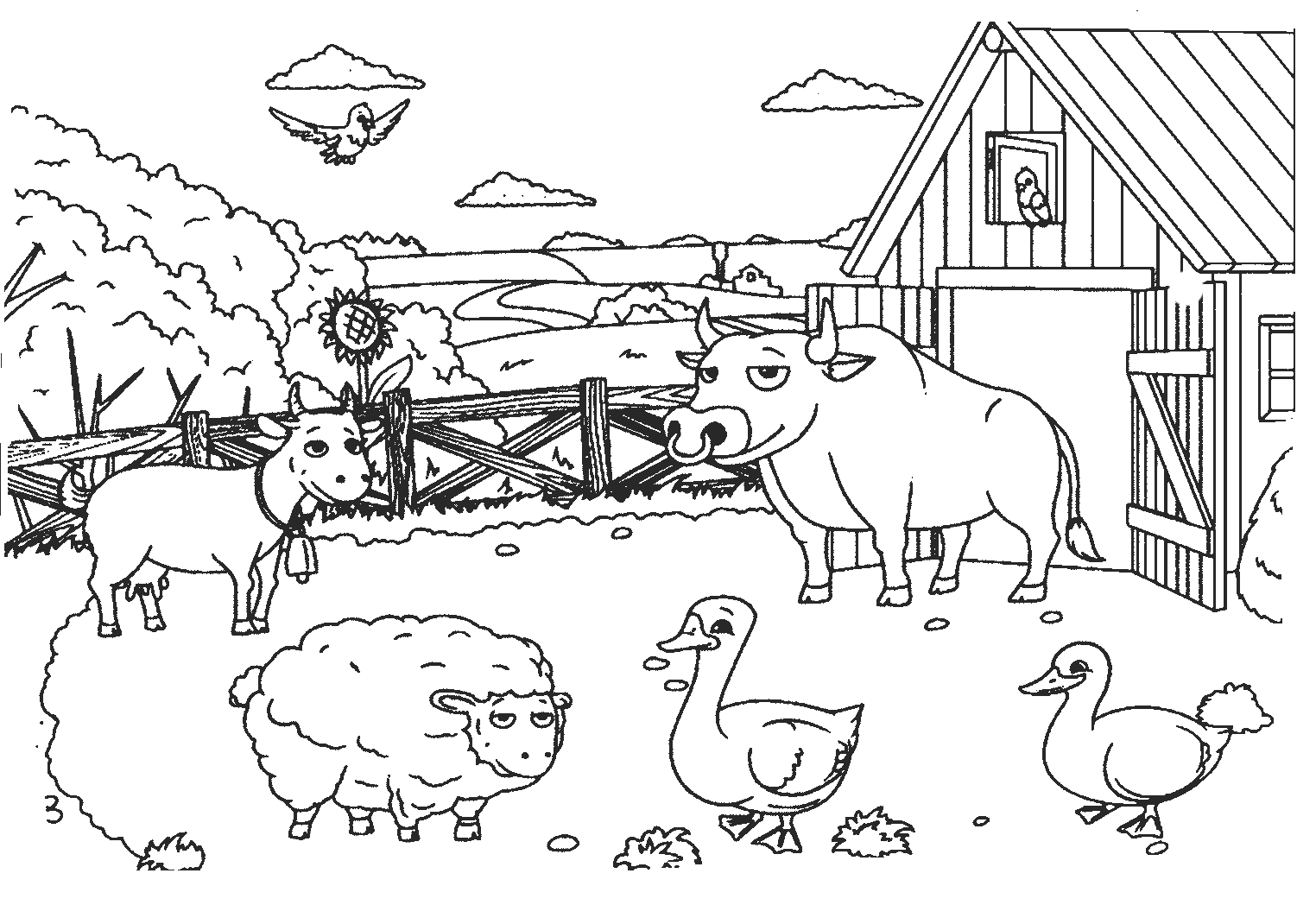
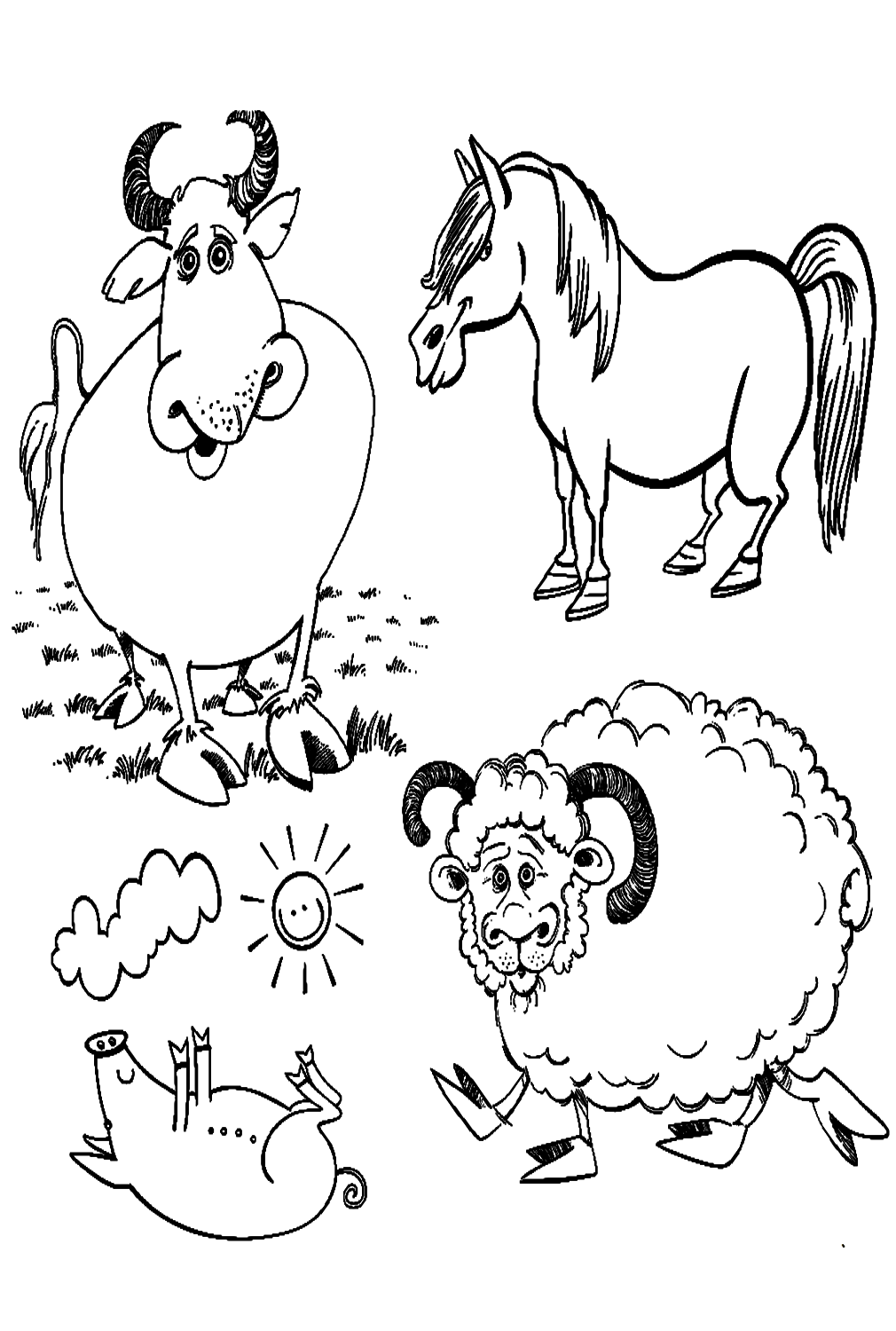
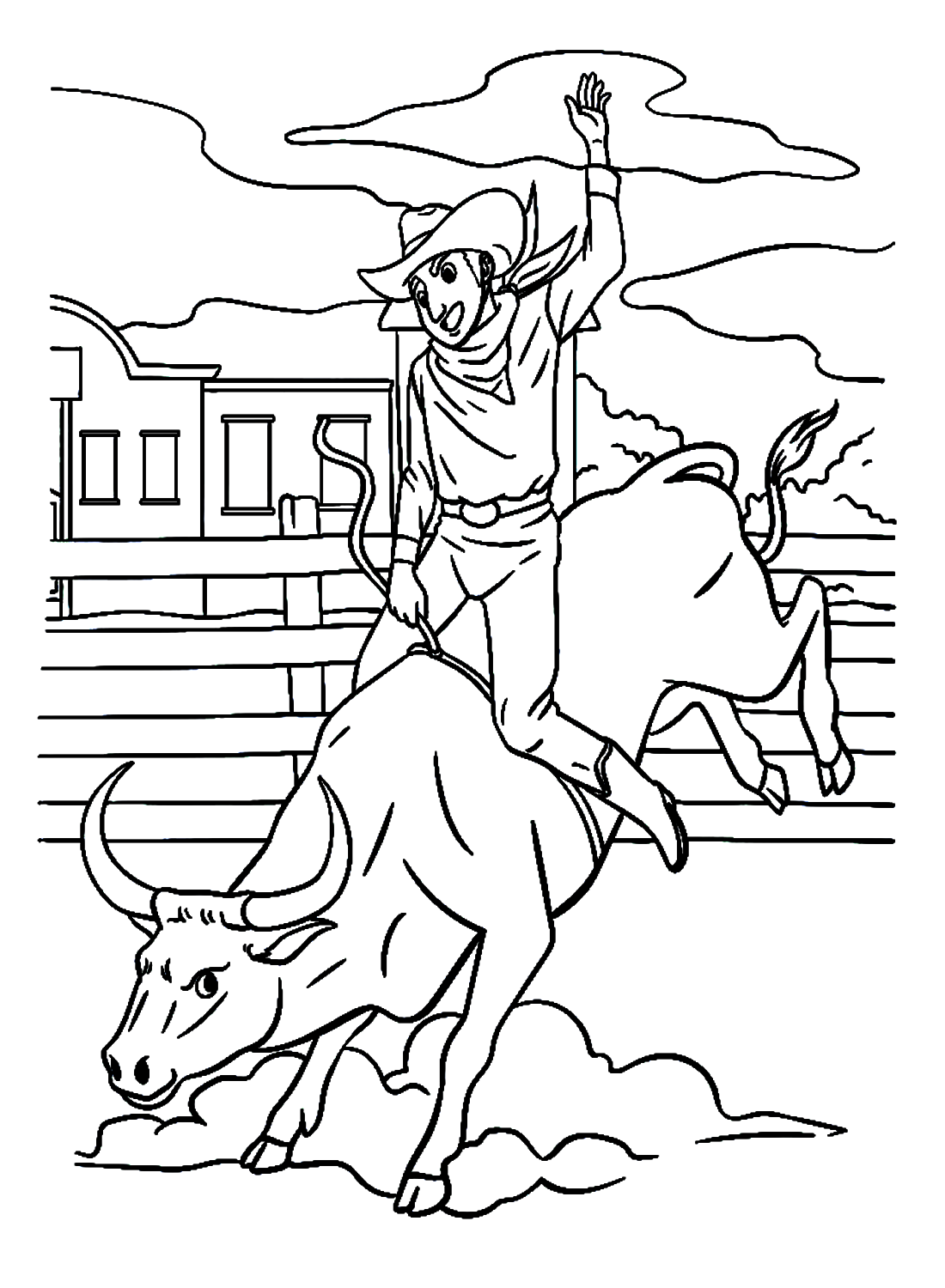
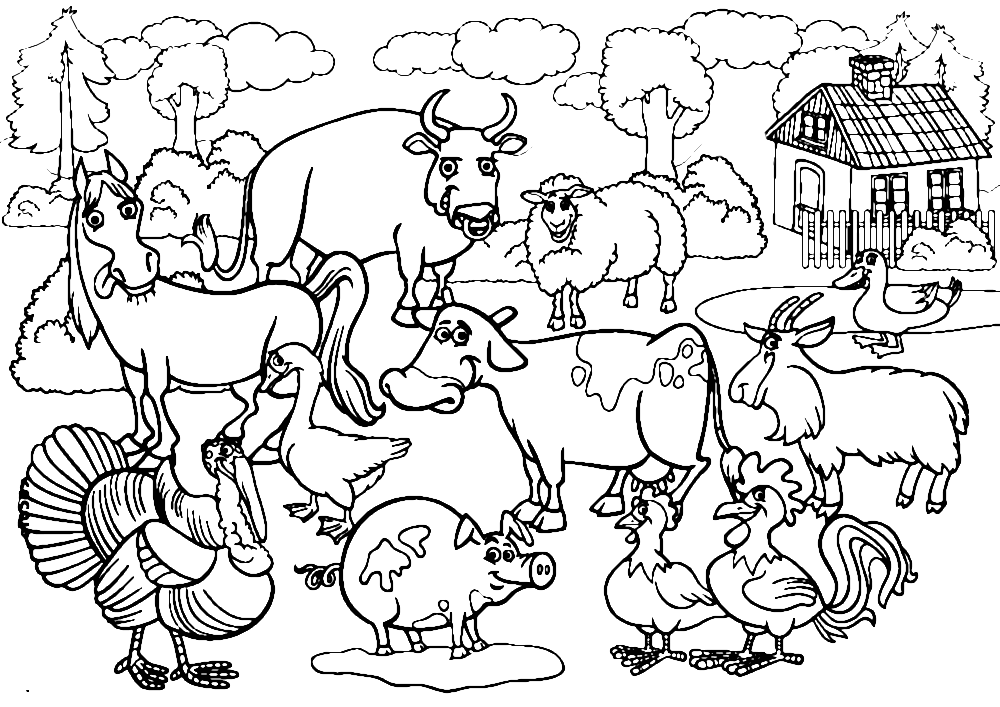
This is the largest group, placing bulls alongside other animals like a lion or a set of farmyard friends, in a rodeo scene with a cowboy, or within seasonal settings like a farm or a Christmas-themed page. These pages give colorists room to build out a fuller scene around the bull itself.
What Bull Coloring Pages Do
Correcting a genuinely widespread myth. Many people assume bulls charge specifically at the color red, but bulls cannot actually see red the way humans do, and it is movement, not color, that triggers a charge. Coloring a bull page gives a parent or teacher a natural, memorable way to correct this common misconception, especially on pages that reference bullfighting or rodeo imagery.
Practicing detail on a genuinely muscular build. The American Academy of Pediatrics highlights structured coloring as a meaningful way to build fine motor control, and a bull’s broad shoulders, thick neck, and defined muscle lines give children and older colorists alike practice with shading that suggests real physical strength rather than a flat, simple outline.
Understanding vision is built for survival. A bull’s wide field of view and blind spot directly behind it reflect real adaptations for detecting danger as a prey-turned-domesticated animal. That detail offers a concrete, interesting example of how an animal’s senses are shaped by its evolutionary history, even after generations of domestication.
A steady, grounded focus. A 2005 study in the Art Therapy Journal documented measurable reductions in anxiety following structured coloring sessions among participants. The bull’s solid, sturdy build and the many farmyard and pastoral scenes in this collection give these pages a naturally grounded, unhurried quality well suited to a calm coloring session.
How to Color Bull Pages Well
- Coat: Base the body in a rich Brown, Black, or Gray, since these are the most common natural coat colors across cattle breeds.
- Muscle definition: Add subtle, darker shading along the shoulders, neck, and legs to suggest the bull’s real, powerful build.
- Horns: Color the horns a pale cream or off-white, keeping the tips slightly darker for a natural, weathered look.
- Eyes: Use a deep brown or black for the eyes, positioned toward the sides of the head to reflect the bull’s genuinely wide field of vision.
- Nose: Shade the broad nose and nostrils a darker pink or gray, since this area is often noticeably different in tone from the rest of the face.
- Scene pages: On pages with a rodeo, farm, or seasonal setting, use warm earth tones for the background so the bull’s own coloring remains the clear focal point.
5 Creative Craft Ideas With Bull Coloring Pages
1. Color-blindness fact card
Pair a colored bull page with a simple fact about how bulls are red-green colorblind and react to movement, not color, correcting the popular bullfighting myth.
2. Vision field activity
Pair a colored bull page with a simple diagram showing the animal’s wide field of view and blind spot, explaining how this helps it watch for danger.
3. Muscle shading study
Use a colored classic portrait page to practice adding shadow and highlight along the bull’s shoulders and legs for a more three-dimensional look.
4. Farmyard scene collage
Cut out a colored Bull and Farm Animals page and glue it onto a larger drawn or collaged pasture background.
5. Nature journal bookmark
Cut out a colored classic portrait page, glue it to cardstock, and trim close to the outline for a durable bookmark.
Frequently Asked Questions
What are Bull coloring pages?
Bull coloring pages are free printable and online designs featuring this powerful cattle animal in different poses and settings, including classic portraits, cute and cartoon takes, and scenes with other animals, characters, and seasonal themes. This collection includes 25 designs that can be downloaded as PDFs or colored directly in the browser.
Do bulls really get angry at the color red?
No. Bulls are red-green colorblind and cannot perceive red the way humans do, so a red cape actually appears dull brownish or grayish to them. What triggers a bull to charge is the movement of an object, not its color.
Why do matadors use red capes if bulls can’t see red?
Matadors use red capes largely out of tradition, and the color also helps disguise bloodstains during a bullfight, making it a practical choice for human spectators rather than something that specifically provokes the bull.
What is the difference between a bull and a cow?
A bull is an adult male of domestic cattle, generally larger and more muscular than a cow, which is an adult female. Bulls are commonly kept for breeding purposes.
Do bulls have good eyesight?
Bulls have a wide field of vision that helps them detect movement and potential danger from nearly every direction, though they do have a blind spot directly behind them.
Are Bull coloring pages suitable for young children?
Yes. The simplified classic portraits and cute, cartoon-style designs work well for toddlers and young children. At the same time, the mandala, zentangle, and detailed scene pages give older kids and animal lovers more intricate options to color as well.
How many Bull coloring pages are available to download?
This collection includes 25 designs, covering classic portraits and artistic styles, cute and cartoon takes, and bulls with other animals, characters, and scenes. Every page can be downloaded as a free PDF or colored online.
What breeds of cattle are known for their bulls?
Many cattle breeds raise bulls for breeding and work purposes, including well-known breeds like Hereford and Angus, which are commonly found on ranches and farms.
Start Coloring
Download any page by clicking the design. No account, email, or payment is required. Pages print directly from the browser at full resolution or open in the online coloring tool for screen use. Share finished pages on Facebook or Pinterest with the share buttons at the top of each design page.