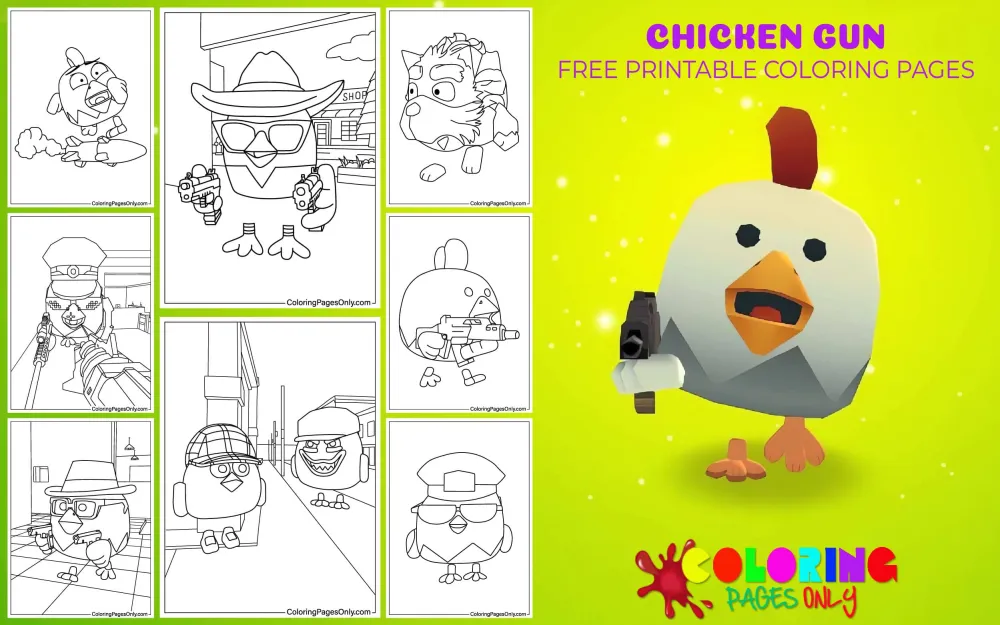
Free Chicken Gun coloring pages – 20+ pages featuring armed anthropomorphic chickens in combat poses, character designs with tactical outfits and weapon loadouts, action scenes from the mobile third-person shooter, and character portrait pages – free printable PDF and online coloring for fans of the mobile game.
Chicken Gun is a free-to-play mobile multiplayer third-person shooter game developed and published by ChaloApps, a Ukrainian mobile game development studio. The game places players in control of anthropomorphic chickens equipped with an arsenal of weapons – pistols, shotguns, assault rifles, grenades, and various other implements that the game’s cartoon visual style renders as simultaneously threatening and completely absurd – competing in team deathmatch and free-for-all modes across maps that embrace the visual comedy of armed poultry in tactical gear.
The core appeal is the one that all successful mobile shooters must offer – fast, accessible combat – with the specific added dimension of a premise that refuses to take itself seriously. A chicken in a helmet holding an assault rifle is funny before it does anything. The game knows this and builds its visual identity around it: bright colors, exaggerated character designs, outfits that range from military tactical to themed costumes, and the specific energy of a game that understands its own absurdity and commits to it completely.
ChaloApps released the game globally and has maintained it with regular content updates, adding new weapons, maps, and character customization options. The player community is particularly strong in Southeast Asia and among the eight-to-fourteen-year-old demographic that the game’s accessible controls and colorful aesthetic most directly serve.
These 20+ free pages at ColoringPagesOnly.com capture the full Chicken Gun roster. All free, PDF or PNG, print or color online.

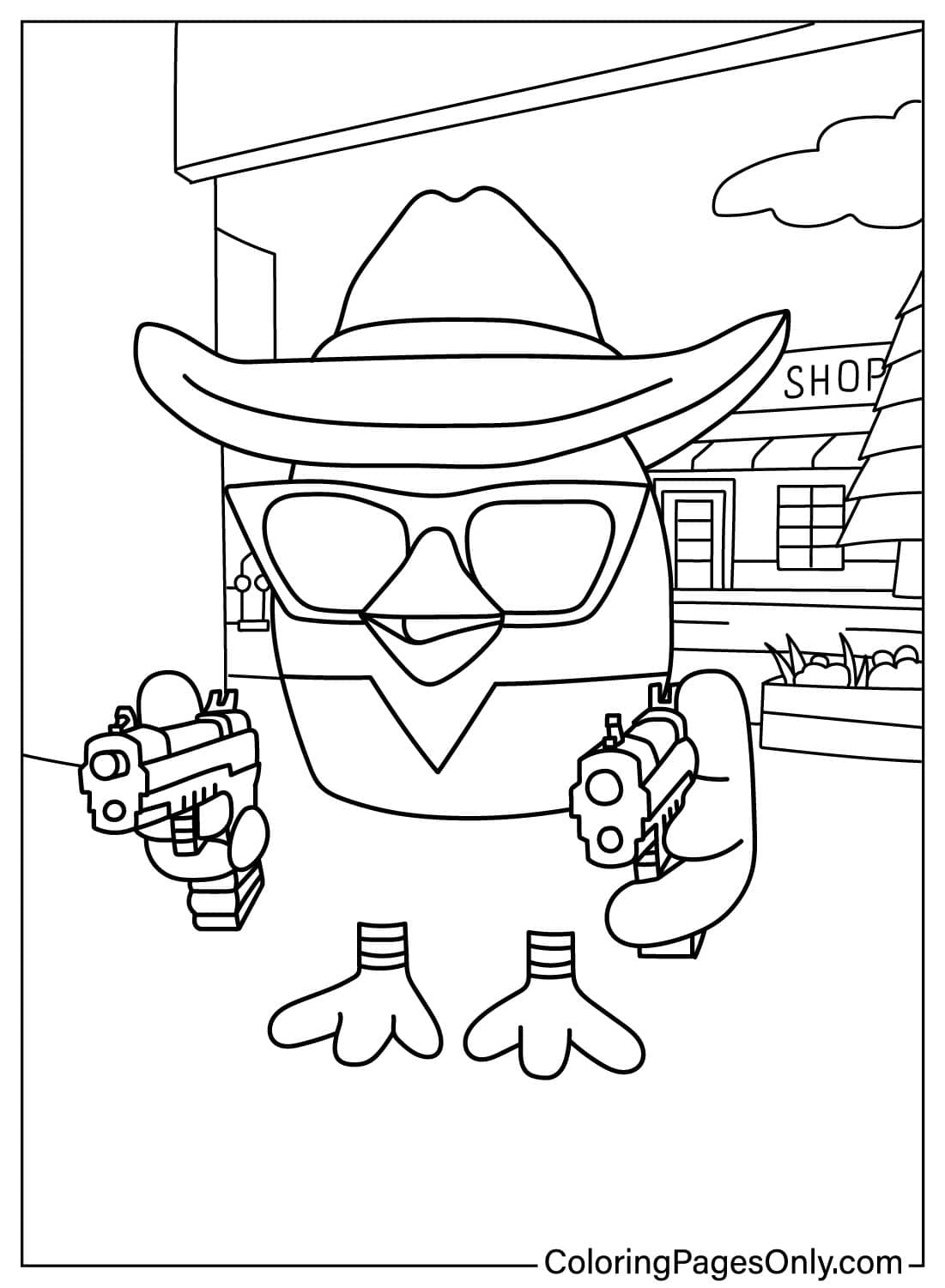
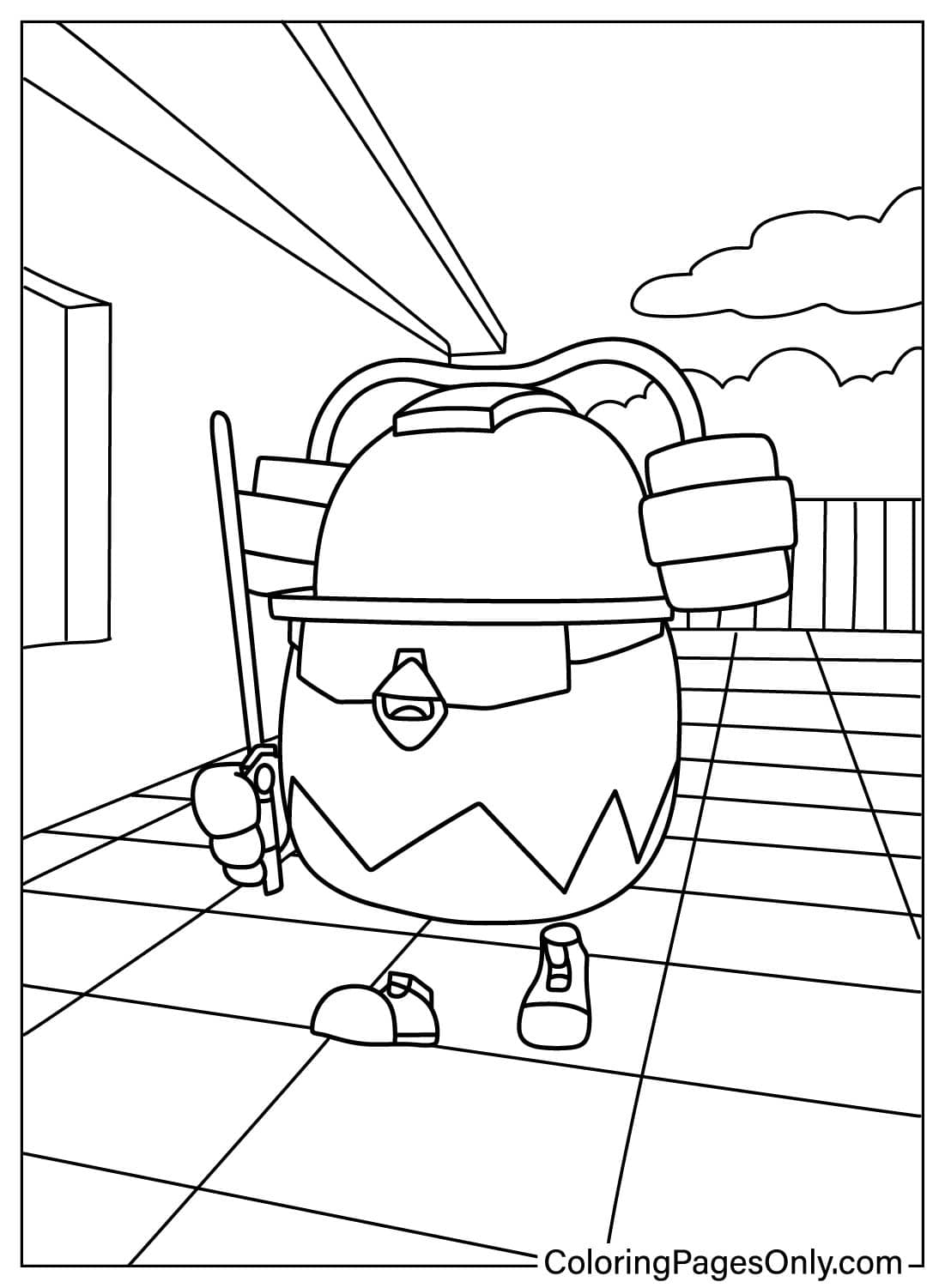
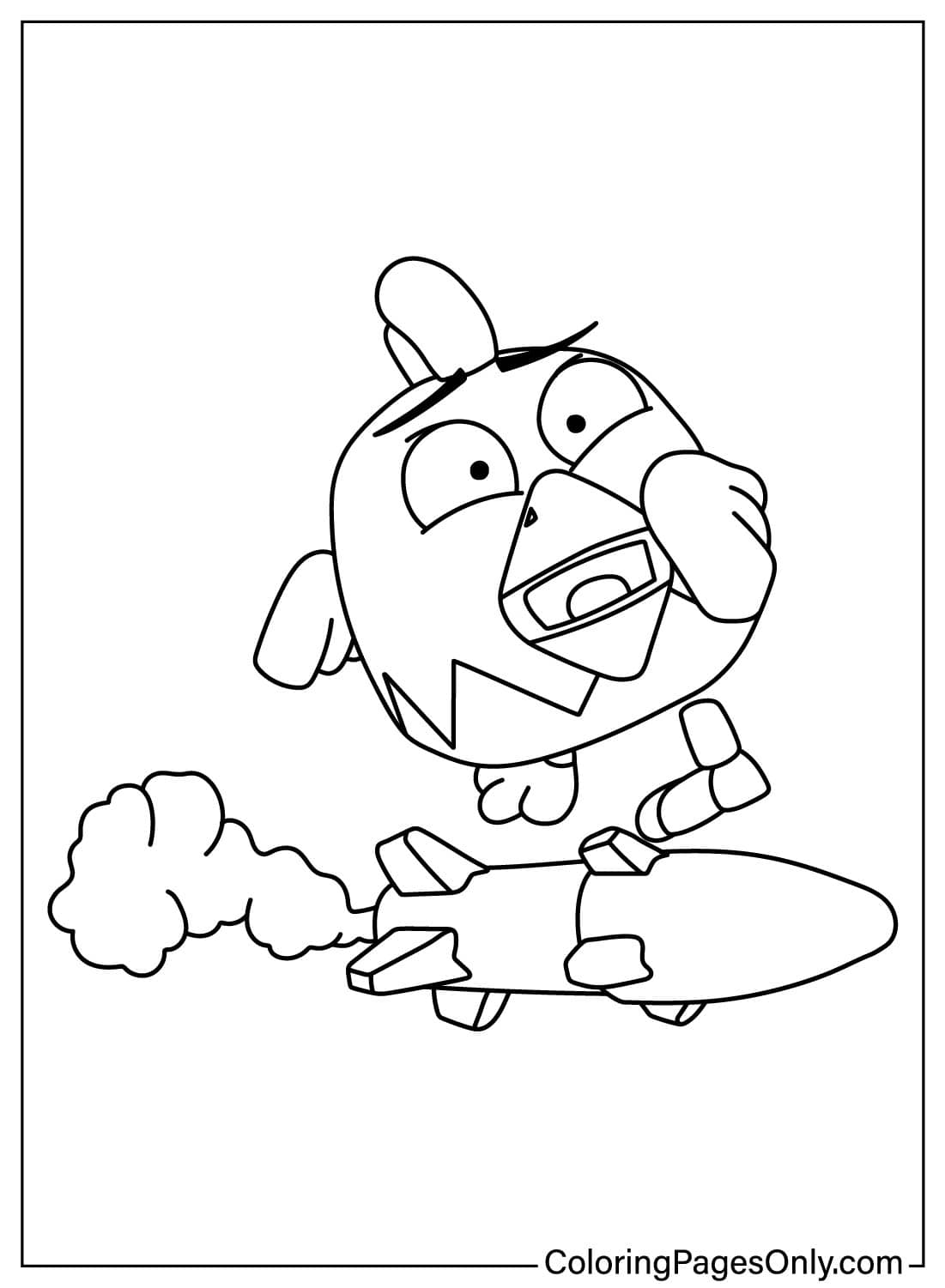
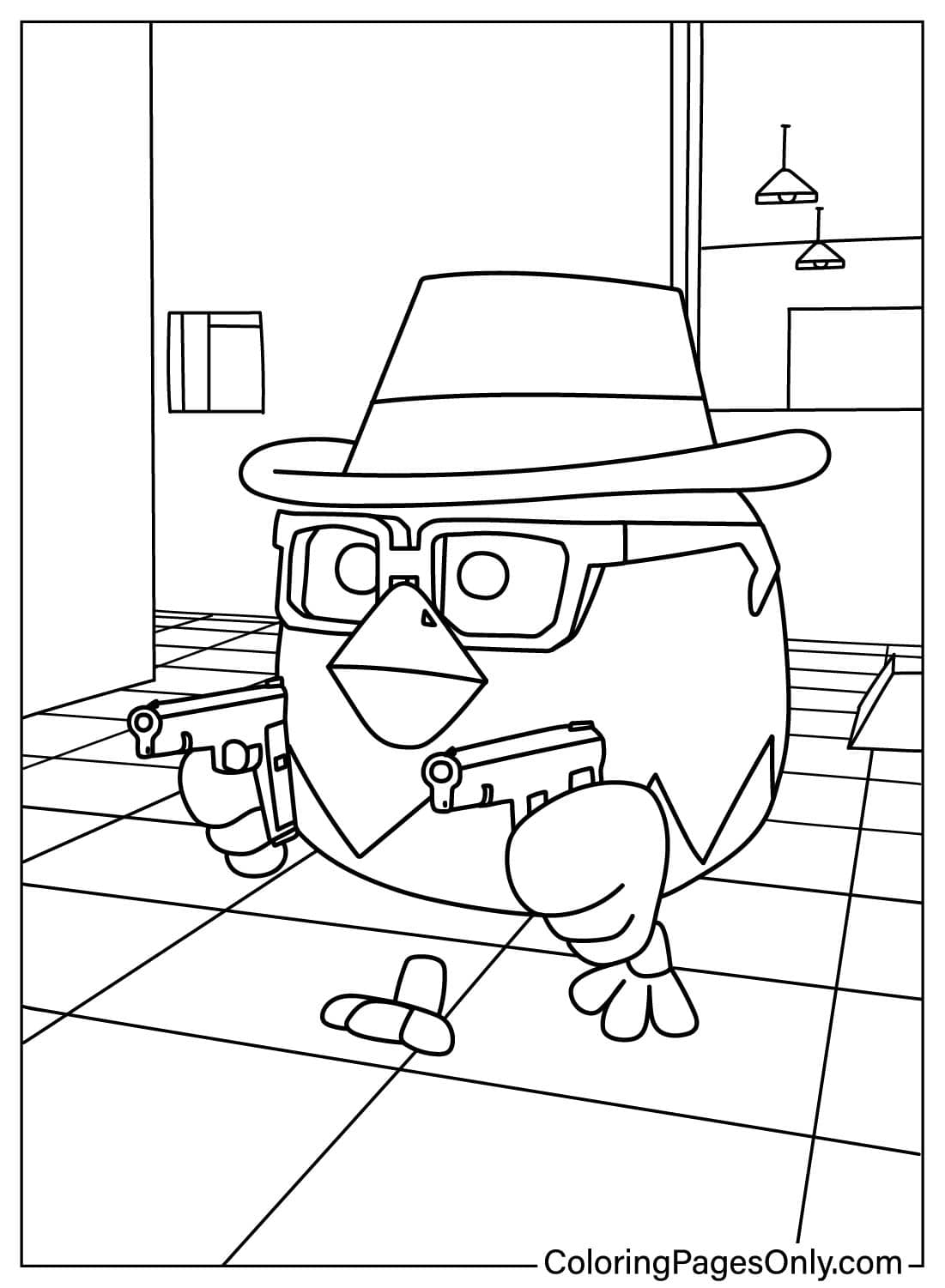
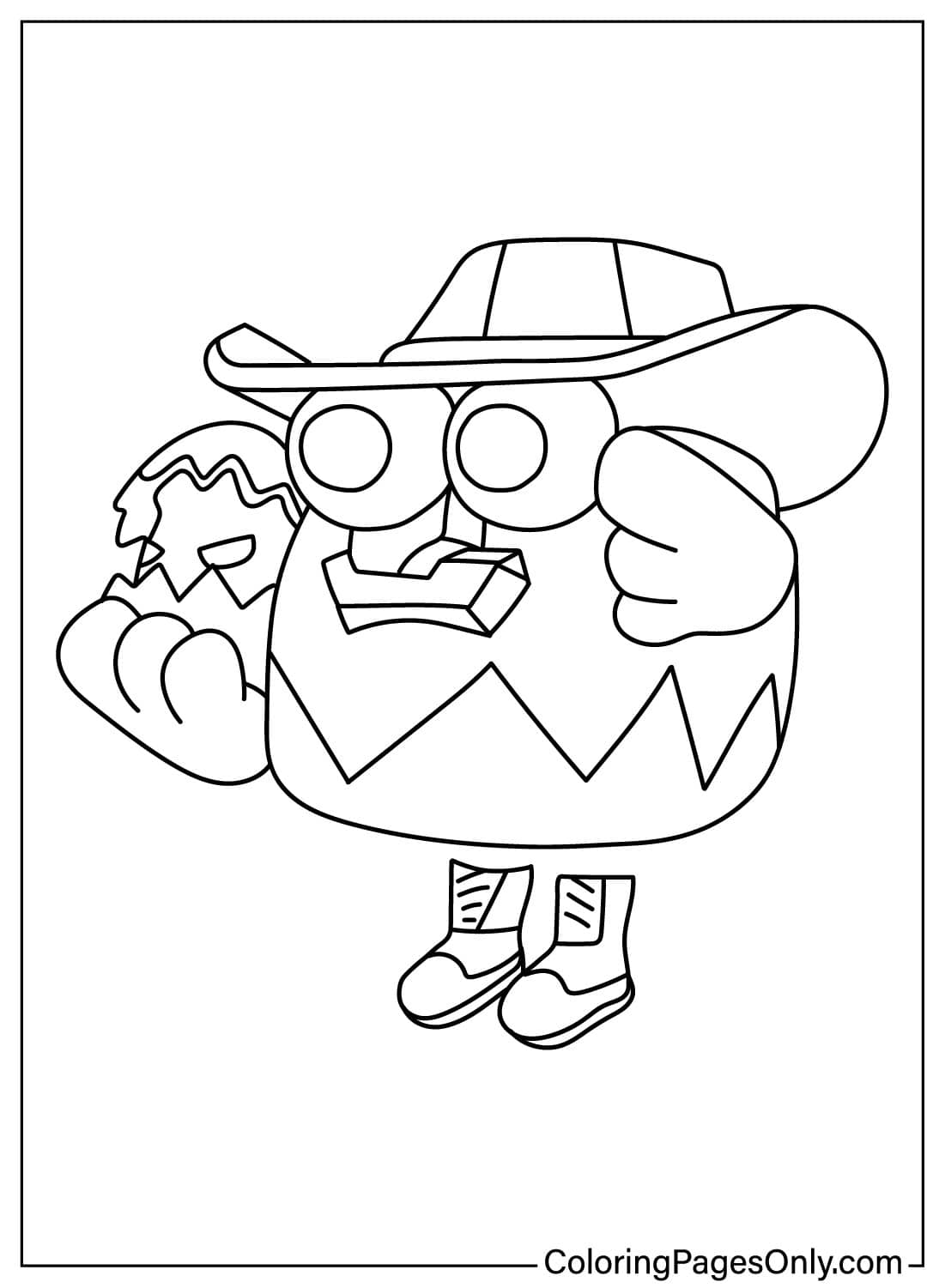
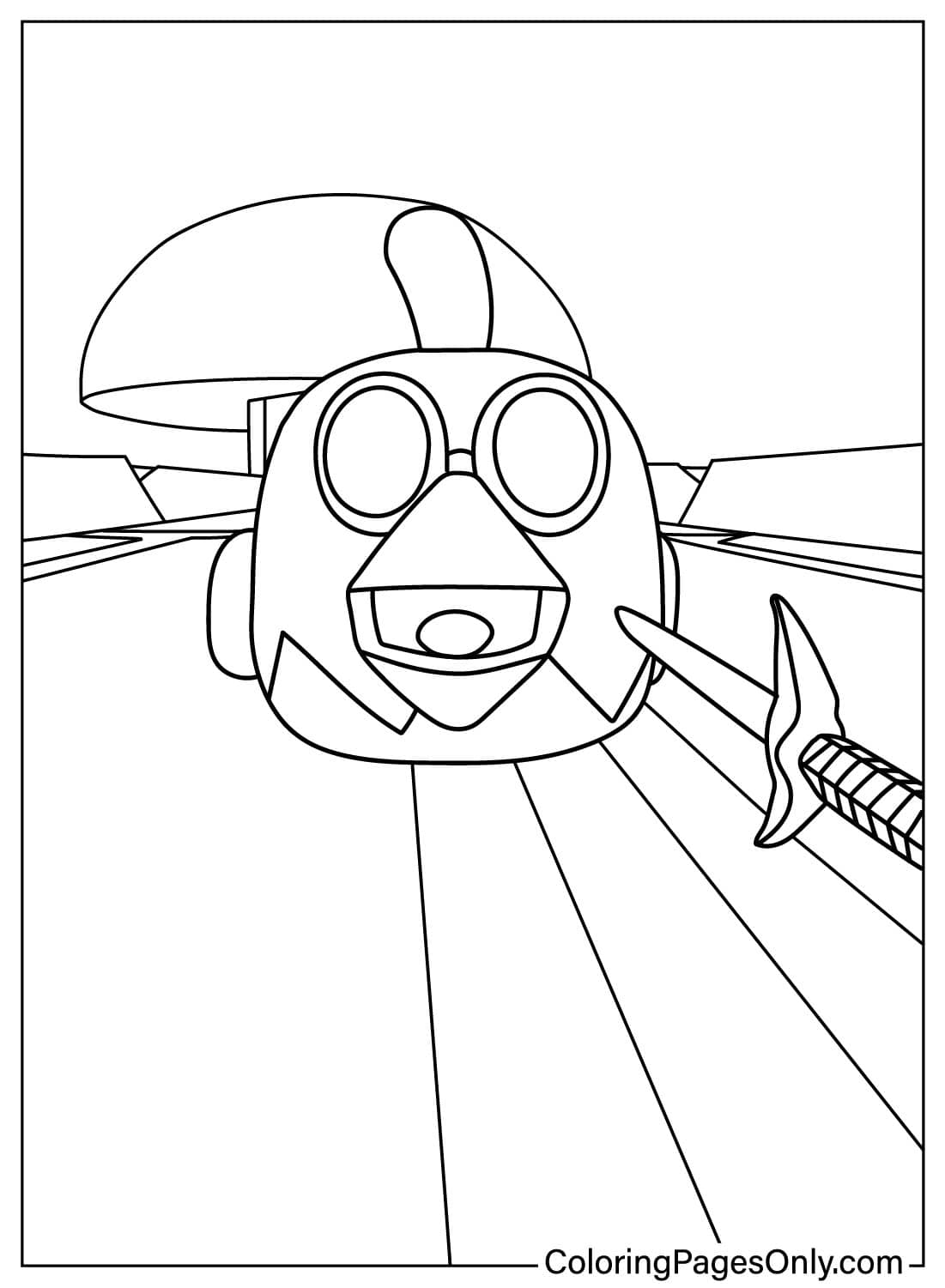
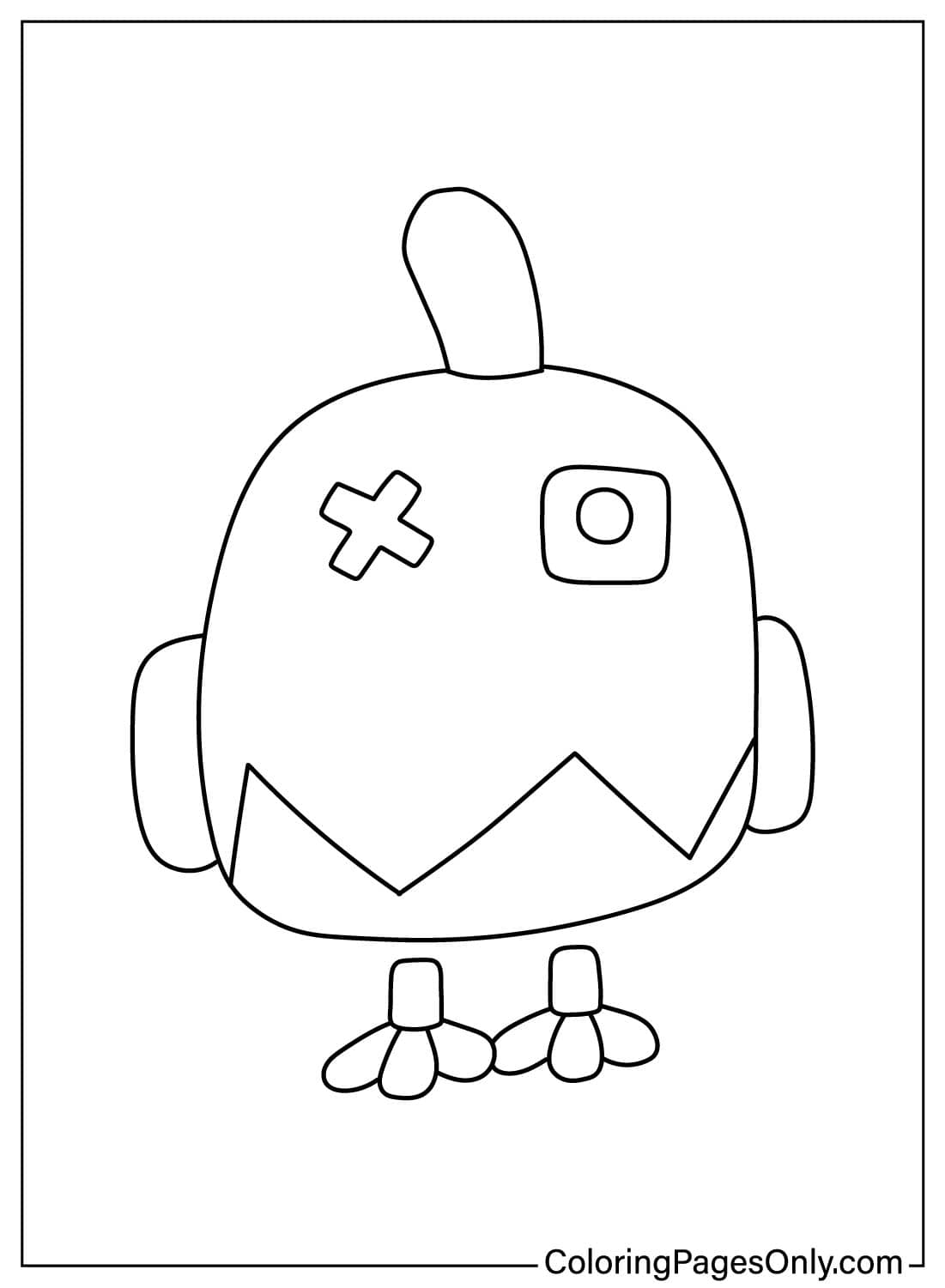
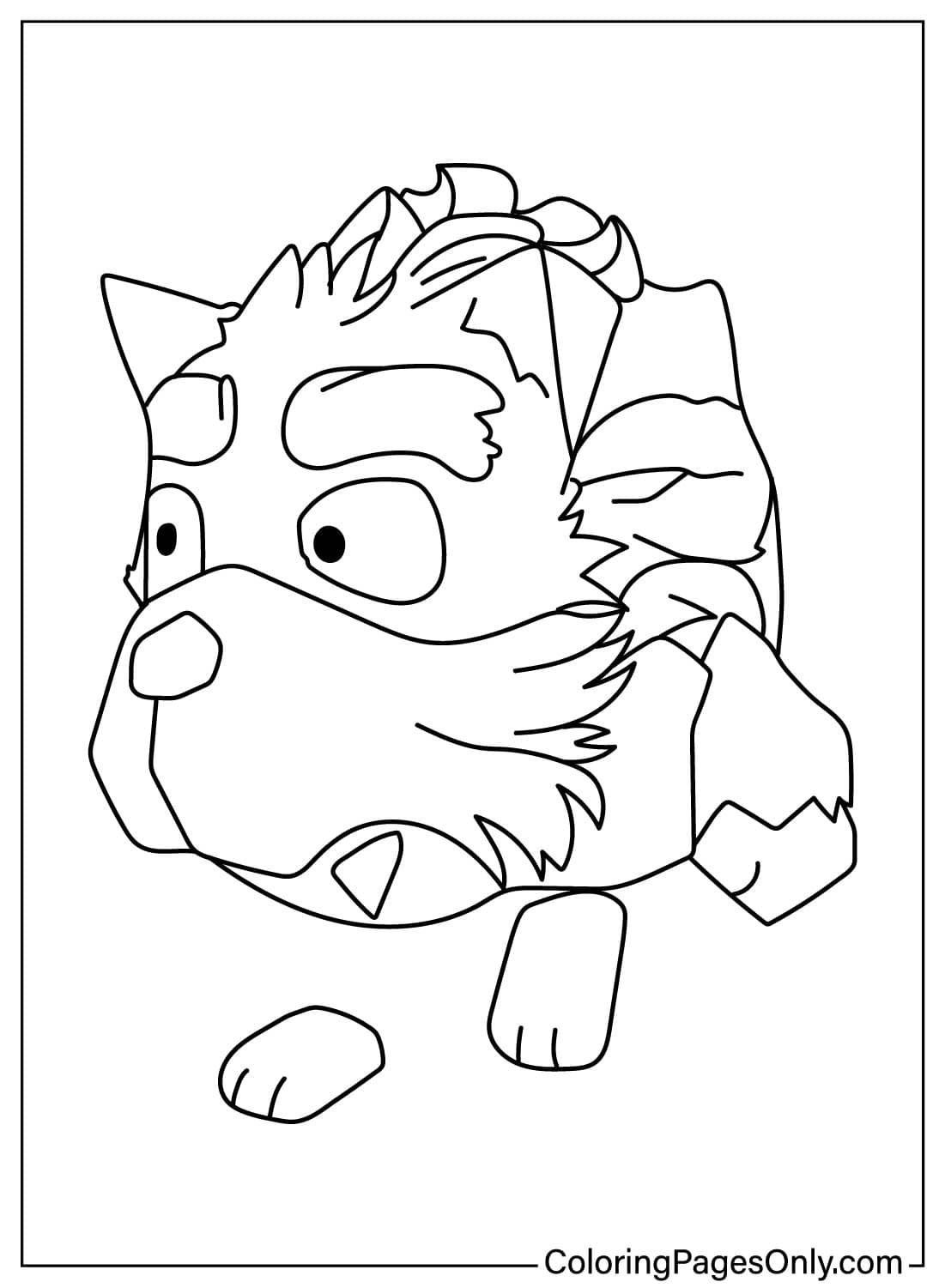
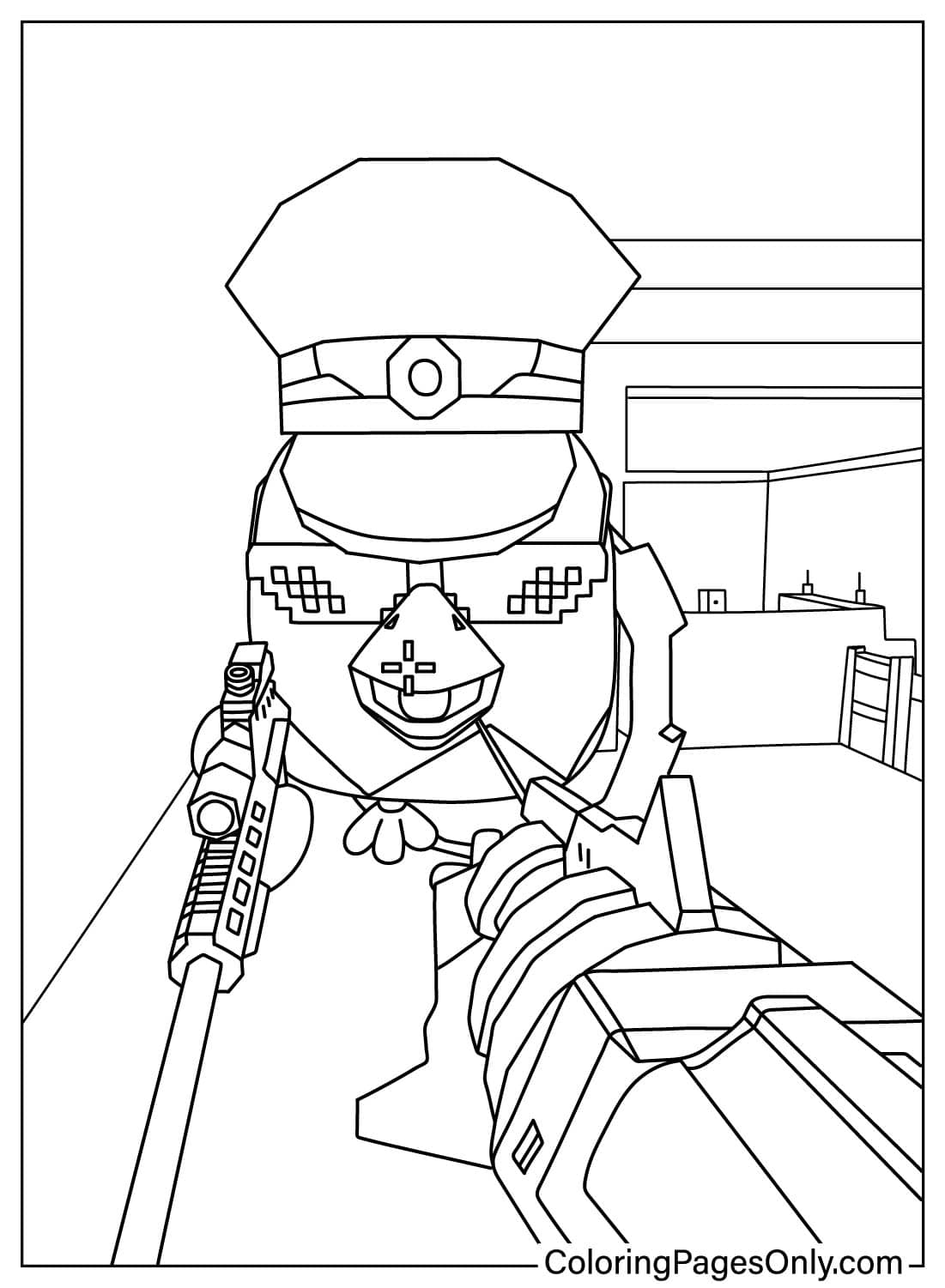
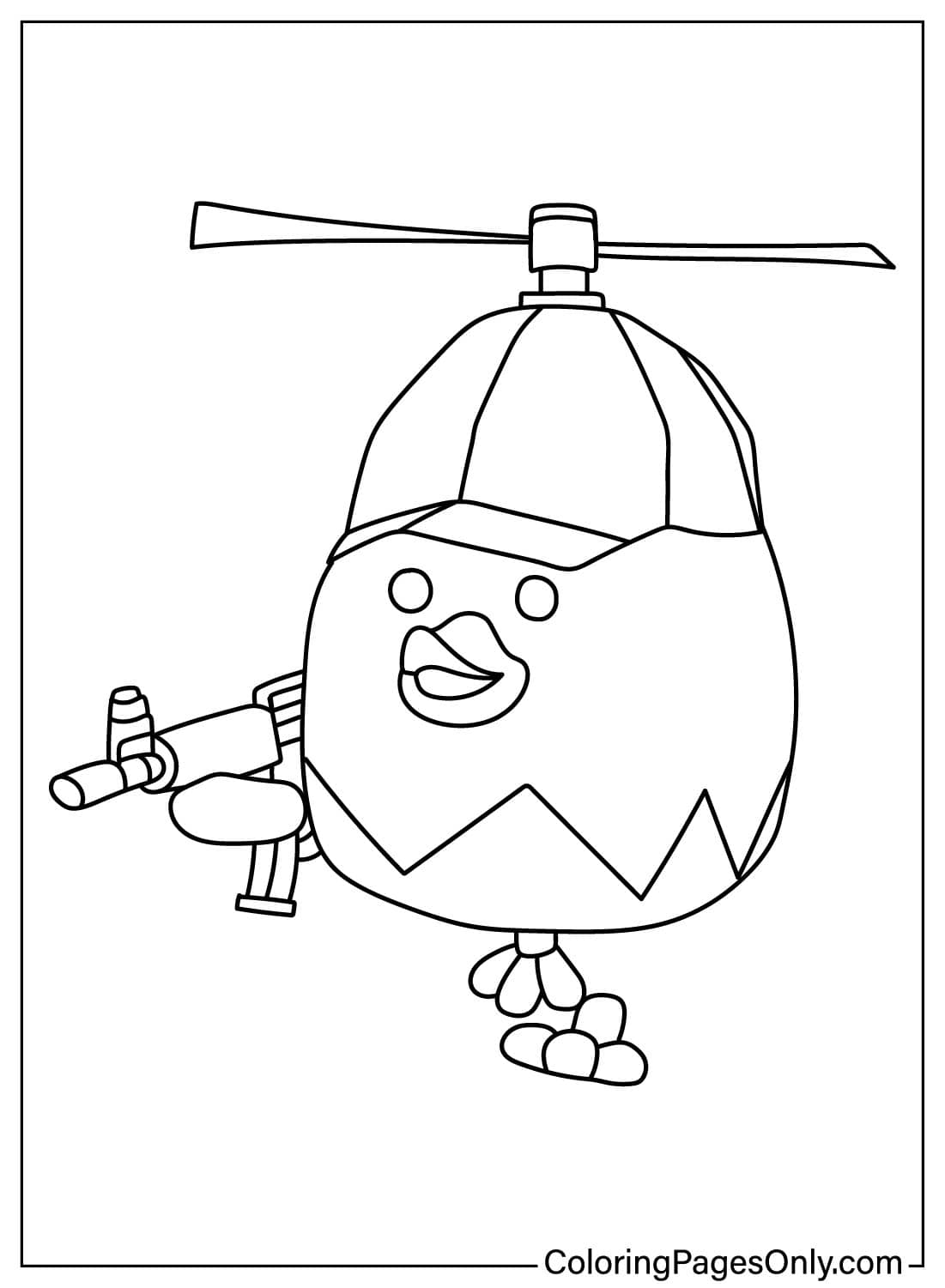
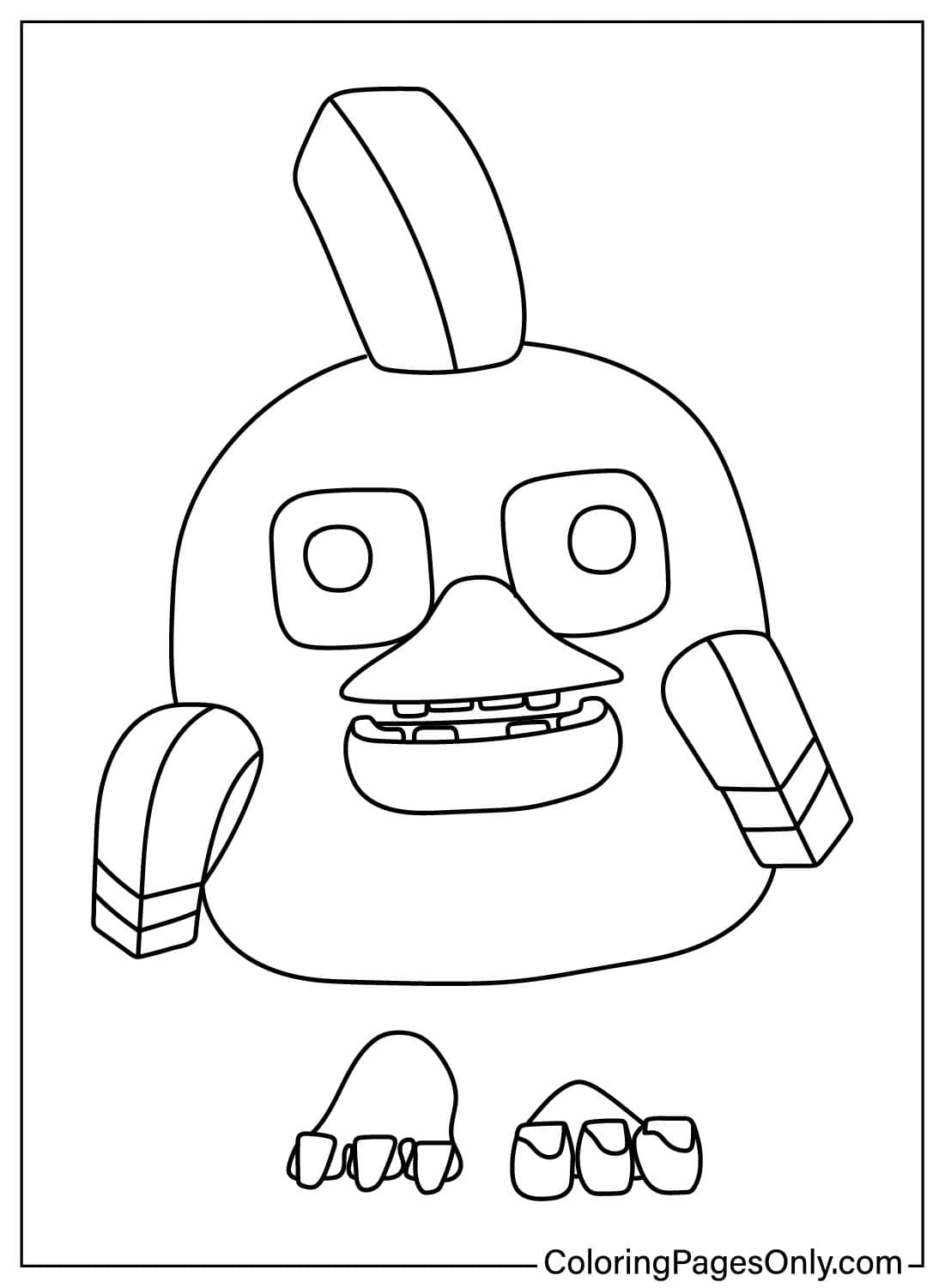
What’s Inside
Standard Chicken Character Pages
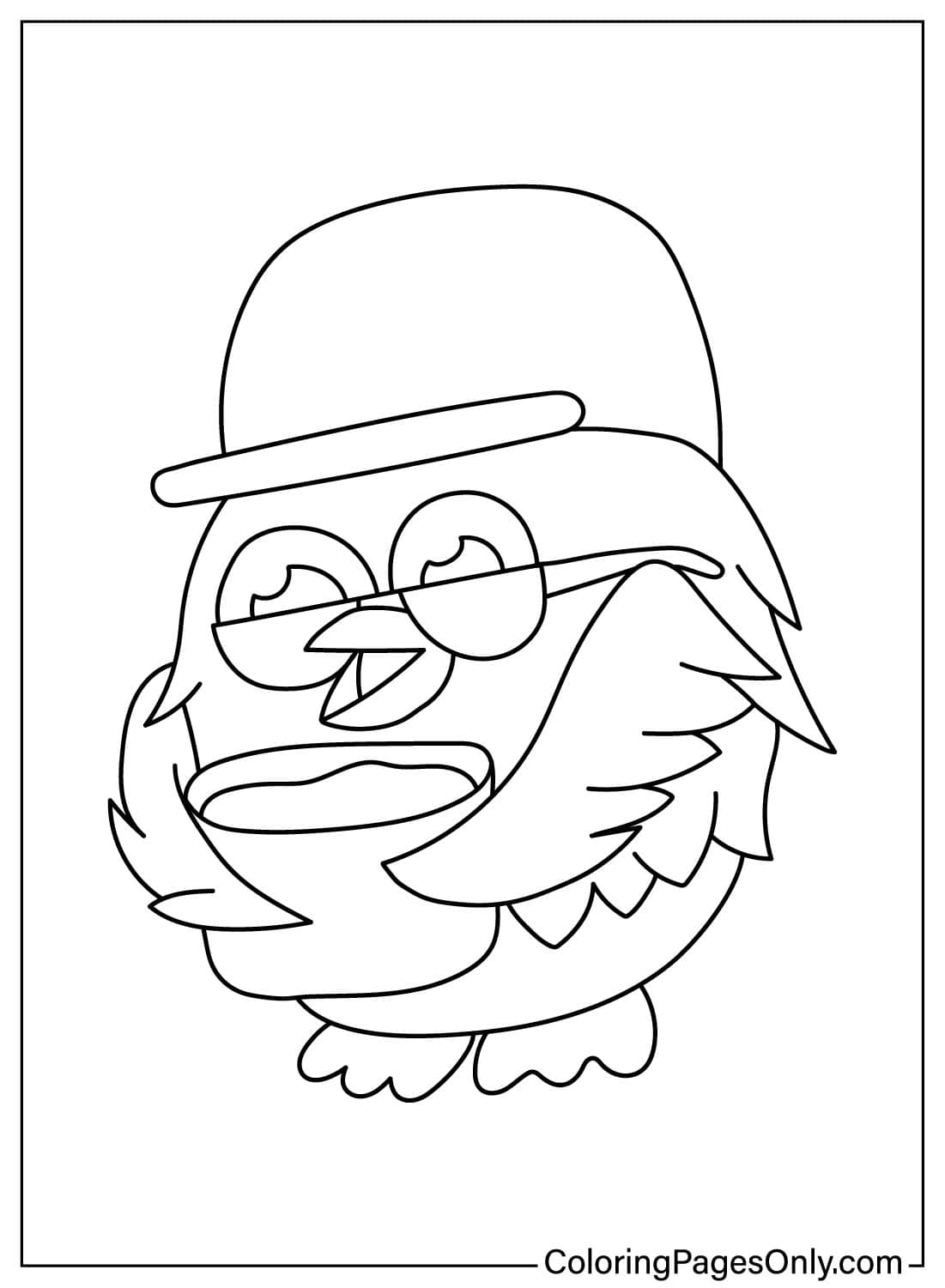
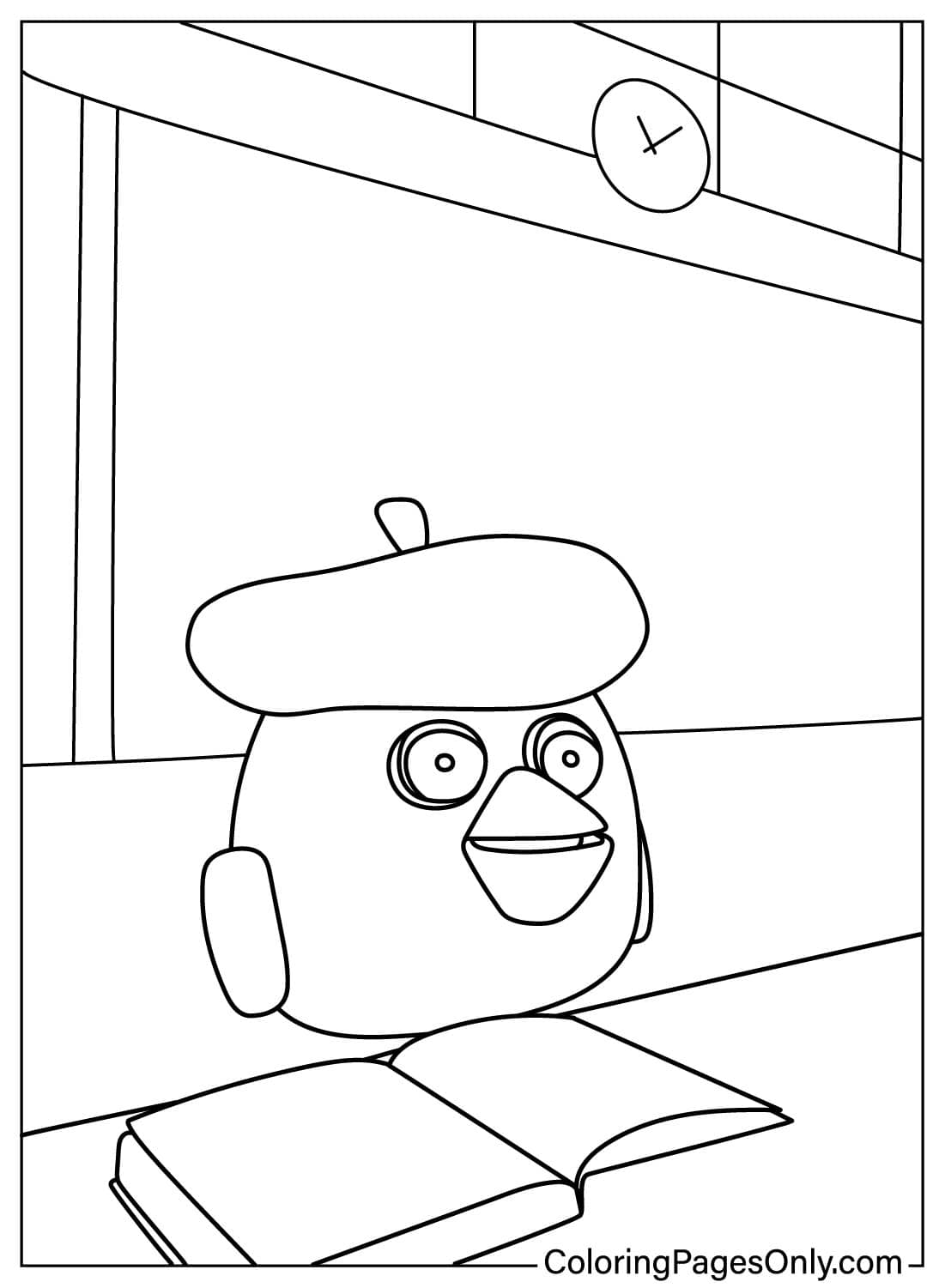
The collection’s foundational pages show the base Chicken Gun character – a white-feathered anthropomorphic chicken in a bipedal stance, with the red comb on the head, the red wattle beneath the beak, and the overall proportions of a cartoon chicken who has been given arms and, with them, immediate access to military hardware.
The standard chicken’s design combines the recognizable features of a domestic rooster – white feathers, red comb, yellow beak, scaled legs and feet – with the upright, somewhat humanoid posture required to hold weapons and run in a video game. The result is a character who looks immediately like a chicken and simultaneously like someone who has accepted a mission briefing.
These base character pages are the collection’s most accessible – simple in their core design, with the three primary color decisions (white feathers, red comb, yellow beak) made quickly, leaving time to focus on the expressive faces and the weaponry.
Coloring the standard chicken: White feathers across the body – apply at moderate pressure with a very subtle warm shadow in the areas where the body rounds away from direct light. The comb is vivid red – fully saturated, applied at full pressure to the irregular jagged shape on top of the head. The wattle below the beak is the same vivid red. The beak is yellow-orange, and the legs are a warm yellow-tan with slightly darker scaling indicated by the line work. Eyes are expressive and typically rendered with a vividly colored iris – check the specific page to identify the eye color intended.
Tactical Outfit Character Pages
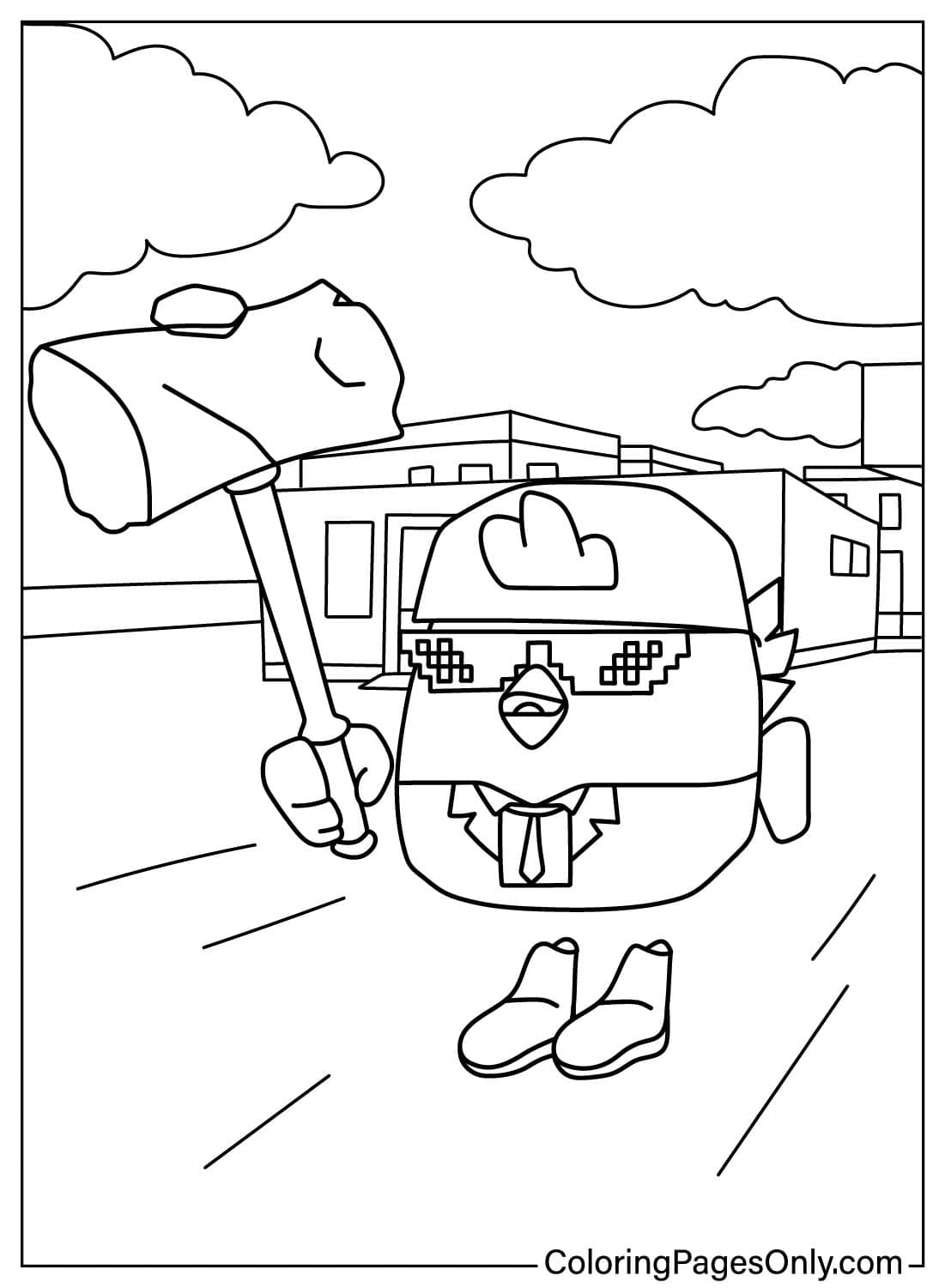
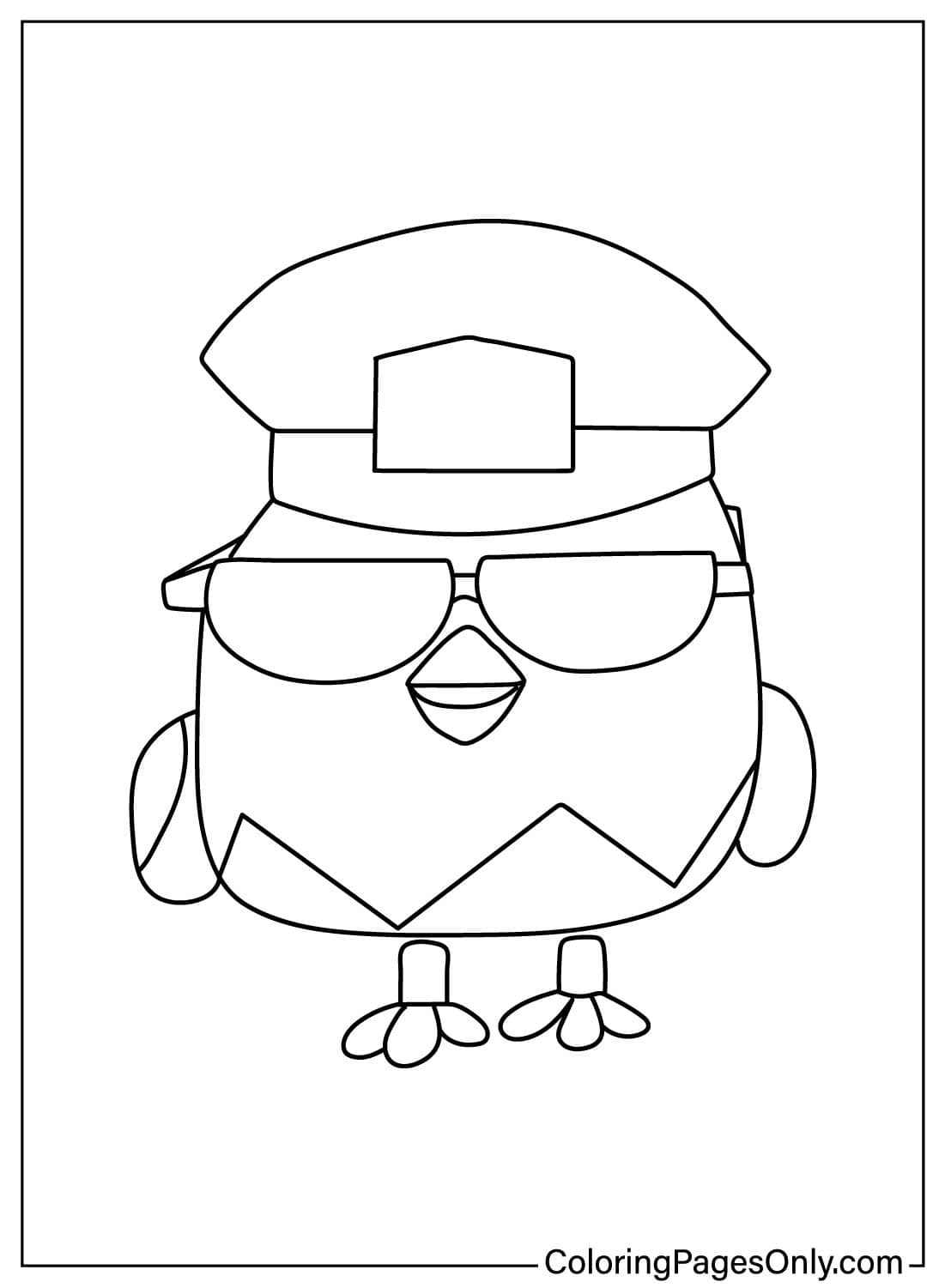
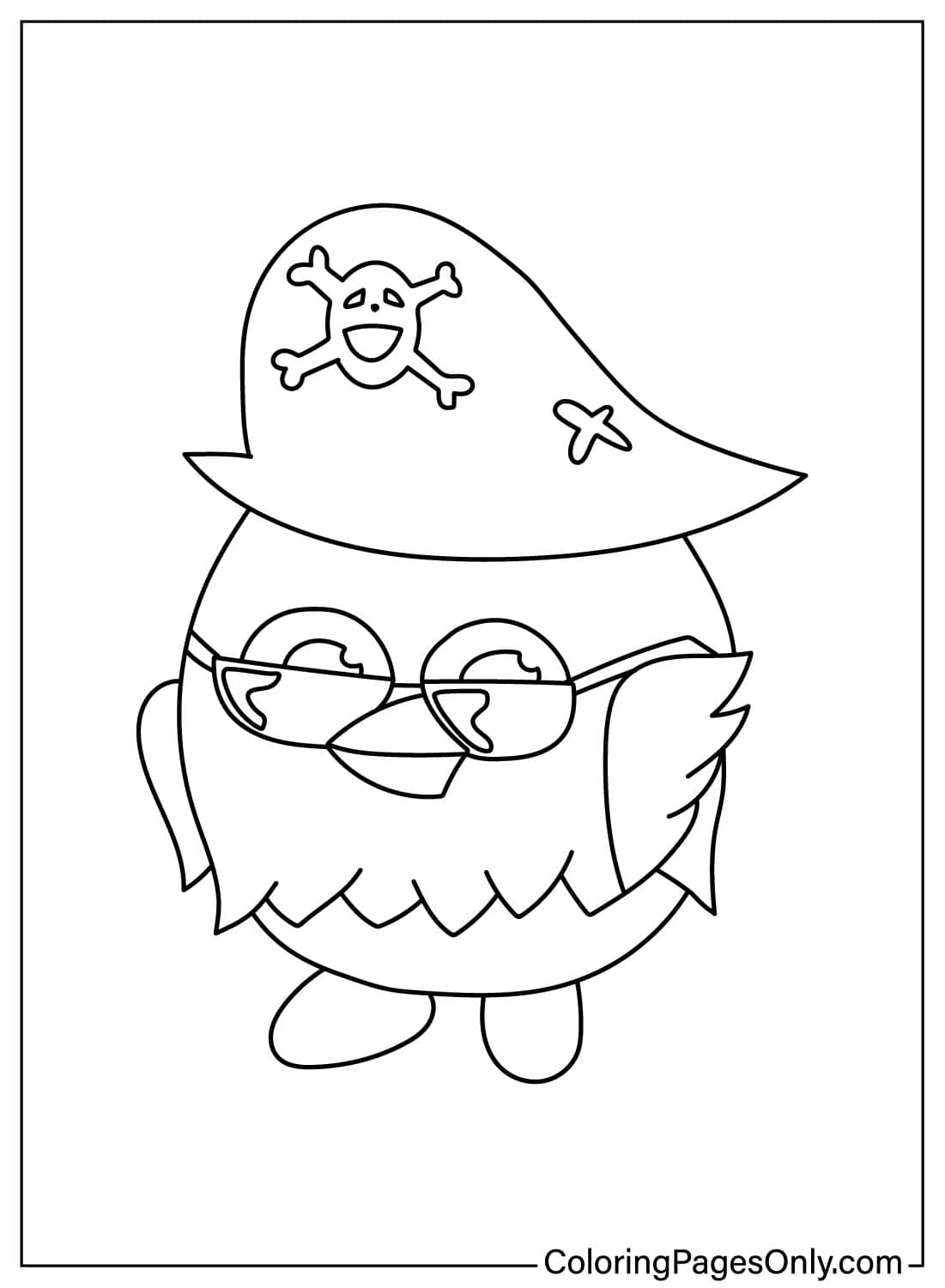
One of Chicken Gun’s most commercially significant features is its character customization system – the ability to dress the base chicken character in various outfits, from military tactical gear (camouflage patterns, body armor, helmets) to themed costumes (holiday outfits, themed event costumes, squad-specific looks). The outfit pages in the collection show the chicken character in these various configurations.
The tactical pages are the collection’s most technically detailed – camouflage patterns require careful rendering, body armor has specific surface textures, and the helmet designs give the character a more militarized quality than the standard bare-headed chicken. These pages reward the most patient application of the coloring techniques involved.
Coloring tactical outfits: Camouflage patterns require a base color application followed by overlapping patches of two or three additional colors – the standard approach for rendering camo. Apply the lightest camo color first across the entire garment. Then apply the mid-tone camo color in irregular, overlapping patches – not too regular, not too random. Then apply the darkest camo color in smaller, irregular patches. The three-color overlay produces a readable camouflage pattern without requiring precise reproduction of a specific military camo type. Body armor should receive the standard three-zone metallic treatment if it reads as hard plastic or metal.
Armed Action Pages
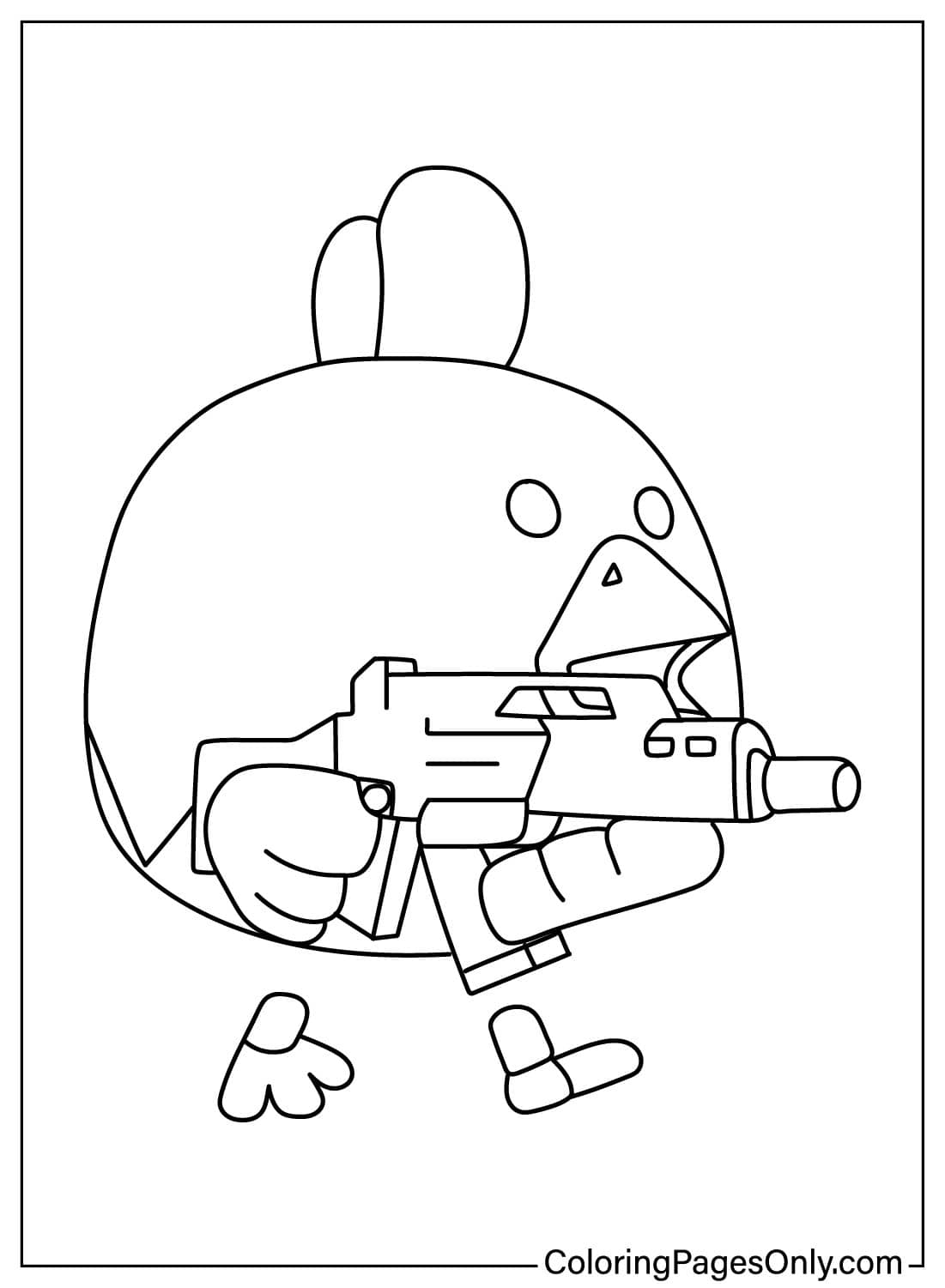
The action pages show Chicken Gun characters in combat poses – running, aiming, firing, taking cover – with their weapons visible and the specific body language of a game character in the middle of a tactical engagement. These pages capture the game’s kinetic energy: a chicken at full sprint with a shotgun, a chicken crouching behind cover with a sniper rifle scope raised, a chicken mid-jump with a pistol.
The comedy of the armed chicken is most visible in the action pages – the contrast between the weapon (realistic military hardware, or at least a cartoon version of it) and the character holding it (a chicken) is the game’s central visual joke, and it reads in every action pose.
Coloring action pages: The weapon carried by the character should be rendered in a slightly different color palette from the character’s feathers and outfit – typically the grey-black of cartoon military hardware. Apply a dark grey to the primary weapon body, lighter grey to any metallic highlights, and near-black to the deepest recesses. The contrast between the neutral grey of the weapon and the warmer, more vivid tones of the chicken character keeps the figure in the visual foreground.
Character Expression Pages
Chicken Gun’s character faces carry expressions beyond the neutral game-character face – the promotional art and game visuals use facial expression to communicate attitude, and some pages in the collection show characters with specific expressions: determined, smug, alarmed, or the specific expression of a chicken who has just thrown a grenade and is reconsidering the decision.
The expression pages are the collection’s most characterful – the game’s humor is concentrated in its characters’ faces, and the coloring activity that most directly engages with that humor is the careful rendering of those expressions.
Coloring expression pages: The beak’s position and the eyes’ width are the primary expression indicators. A wide-open beak with dilated eyes reads as alarmed; a narrowed beak with half-closed eyes reads as determined or smug; a closed beak with wide, bright eyes reads as alert. The comb’s position – upright when alert, relaxed when at ease – is a secondary expression element that adds to the overall reading.
Group and Team Pages
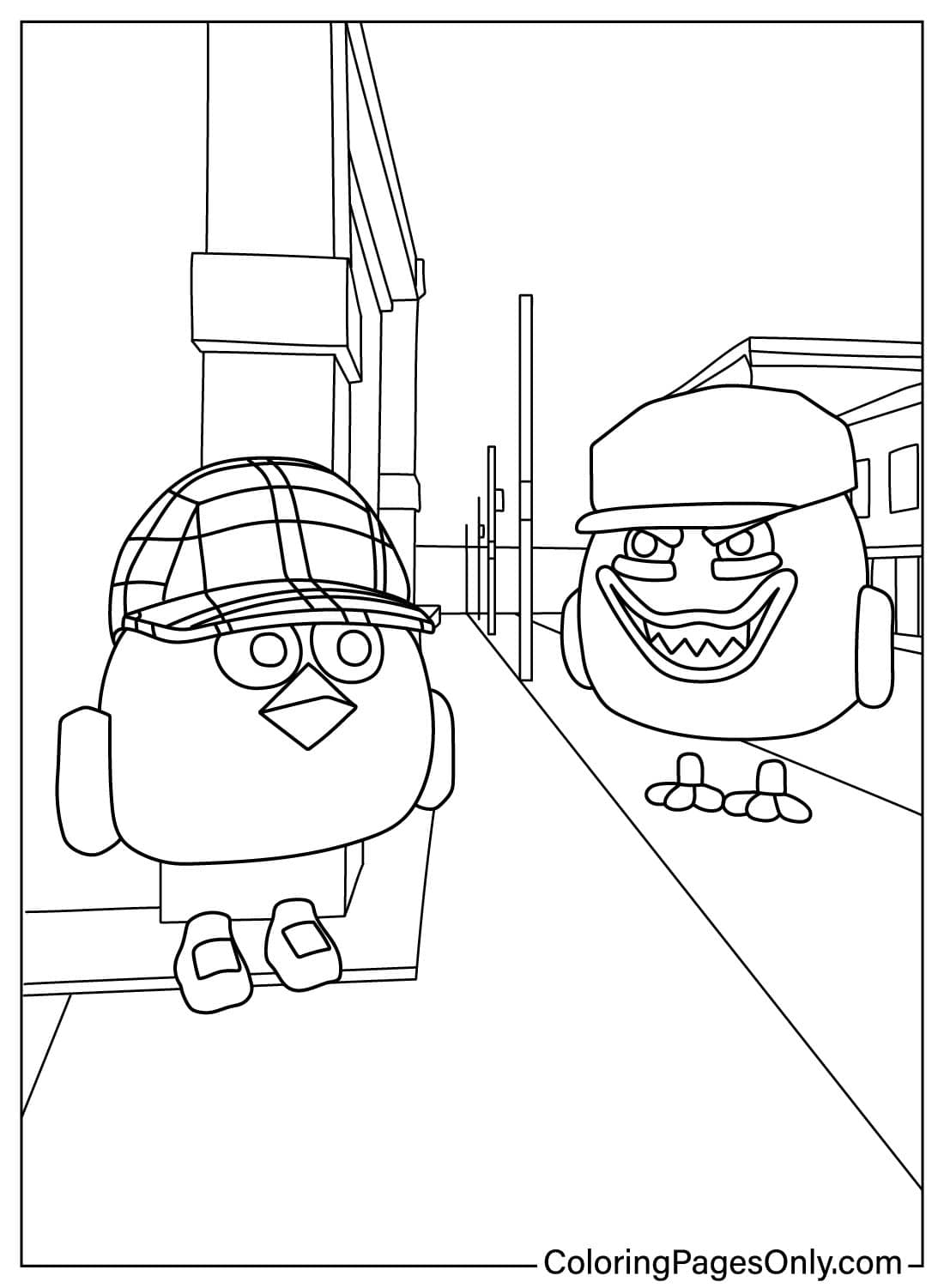
Several pages in the collection show multiple chicken characters together – a squad composition, opposing team members facing each other, or simply a group of variously armed chickens in a single composition. These pages require the most pre-planning before color application: different characters should be rendered in distinguishable outfits, their individual weapon loadouts should be clearly differentiated, and the overall composition should maintain visual clarity about which chicken is which.
What These Pages Do
Chicken Gun’s premise is an instruction in how absurdist humor works in game design. The joke of a chicken holding a gun is simple and immediately accessible. The game does not explain it. The game does not justify it. It simply commits to it fully and builds a complete, mechanically sound shooter around that commitment. Coloring pages based on the game carry the same energy – the humor is in the images, and the coloring activity is the engagement with it.
The customization system teaches character identity through costume. The game’s various outfit options demonstrate something specific about character design: the same base chicken reads as entirely different depending on what it is wearing. A chicken in tactical camouflage reads differently from a chicken in a holiday costume, which reads differently from a bare-feathered standard chicken. Coloring pages from different outfit variants develops the skill of reading character identity through costume rather than through physical appearance alone.
Fine motor development. The American Academy of Pediatrics identifies fine motor skill development as a key childhood milestone throughout early childhood. The camouflage pattern application, the weapon detail rendering, the feather texture work, and the facial expression precision all provide motivated, sustained fine motor practice. The 2005 Art Therapy Journal study on structured coloring and anxiety reduction applies throughout – focused, sustained attention on the absurd image of a chicken with tactical gear produces exactly the calm absorbed state the research identifies.
The game’s cartoon visual style rewards confident, direct color application. Chicken Gun uses the bold-outline, high-saturation aesthetic of mobile game character design. Each element reads clearly at small screen sizes, meaning the color decisions are clear and deliberate rather than subtle. Coloring these pages develops the confidence to apply color decisively rather than tentatively.
How to Color These Pages Well
White feathers need shadow to read as feathers, not paper. The most common error on any white-feathered character page is leaving the feathers as uncolored paper – the result reads as an unfinished coloring rather than as a white bird. Apply a very subtle warm cream or very light warm grey in the shadow areas of the feathers – where they bunch beneath the wings, where the body rounds away from overhead light, at the bases of any visible individual feathers. Keep it subtle: the reading should still be white chicken, with just enough shadow to give the feather surface a dimensional quality.
The red comb requires total saturation commitment. The comb and wattle are the face’s most important color anchors – the vivid red that makes a chicken look immediately like a chicken. Apply the red at maximum saturation and full pressure. Do not soften or mute it. The red comb against white feathers is the color relationship that makes the chicken instantly recognizable, and any reduction in the red’s vividness reduces the character’s immediate legibility.
Camouflage patterns need deliberate irregularity. The most common mistake in camouflage is making the patches too regular – equal-sized shapes evenly distributed across the fabric surface. Real camouflage and cartoon camouflage both work through irregularity: patches of varying sizes, irregular boundaries, and occasional large patches adjacent to small ones. Work across the garment surface in two passes: first pass establishes the mid-tone patches in rough coverage; second pass adds the darkest patches in smaller, more distributed clusters. The result should read as a pattern without reading as a pattern.
Weapons’ grey tones anchor the composition. In any page showing a chicken holding a weapon, the weapon’s grey-black should be the coolest, least saturated element in the composition. The chicken’s whites and yellows and reds are all warm; the weapon’s grey creates the visual contrast that makes the composition work as a composition rather than as a uniform field of warm tones. Apply the weapon grey separately from the figure coloring, maintaining clean boundaries between the weapon and the hands holding it.
Feather texture at the body’s edges adds detail without complication. In pages that show the chicken character at sufficient size to render feather detail, add small curved lines at the edges of the body – especially at the wing edges and the lower body – in a slightly darker warm tone than the main feather color. These indicate individual feathers at the character’s perimeter without requiring interior feather detail. The technique adds textural interest to what would otherwise be a uniform white area.
5 Creative Craft Ideas
My Chicken Soldier Design
The game’s customization system is the primary hook for its dedicated player base – the ability to create a specific chicken identity through outfit and weapon choices. Print the most neutral base chicken character page available – the standard white chicken with minimal decoration.
Design and apply your own custom outfit: choose a color scheme (jungle camo? desert tan? bright red squad colors?), add details in fine-tip marker (rank insignia, a name patch, a squad logo), choose a weapon from the game’s roster, and render it in the character’s hands. Give the character a name at the bottom of the page.
The finished design is a personal player identity – a specific chicken soldier defined by the choices made during the coloring activity.
Squad Display – Four-Chicken Team
Print four chicken character pages. Color each in a different outfit color scheme – one in green camouflage, one in desert tan, one in urban grey, one in the standard white base. These represent four members of a single squad, each with their own visual identity within a shared team structure.
Mount all four on a backing sheet in a row. Add a team name at the top and individual character names below each figure. Below the team name, add: “Mode: Team Deathmatch. Ready.” The finished display is a complete team roster – four chickens, four identities, one squad.
Before and After – Bare Chicken to Armed Soldier
Print two copies of the same chicken portrait page. Color the first as the most basic possible version – white feathers, red comb, yellow beak, no additional elements. This is the chicken before customization: just a chicken.
Color the second with the most elaborate outfit and weaponry available in the collection. Apply camouflage, tactical gear, helmet, and weapon in full detail.
Mount both side by side: “Default” on the left, “Fully Equipped” on the right. The display shows the game’s customization concept – the same base chicken, transformed by costume into a specific identity.
Weapon Loadout Card
Print an action pose page showing a chicken character holding a weapon. Color the character carefully – white feathers, vivid red comb, tactical outfit if present. Color the weapon in careful grey-black metallic treatment.
Mount on cardstock. On the back, design a weapon loadout card – the format that strategy games use for characters: “Primary: Assault Rifle. Secondary: Pistol. Grenade: Frag. Special: None. Playstyle: Aggressive.” Add the character’s name at the top.
The finished card is a game reference object made personal through the coloring activity – a loadout card for a specific chicken character.
The Absurdist Premise Poster
Chicken Gun’s entire appeal rests on a single absurdist premise that requires no explanation and no justification: chickens have guns. Print the most dramatic action page in the collection – the chicken in the most clearly military pose with the most clearly visible weaponry.
Color it carefully and seriously – the full tactical treatment, detailed camouflage, precise weapon rendering. The quality of the coloring should be as high as possible. Mount on a dark backing sheet. Add in small, serious lettering at the bottom: “Chicken. Gun. That’s all.”
The contrast between the serious quality of the finished coloring and the fundamental absurdity of the subject is the poster’s entire content, which is also, in essence, the game’s entire content.
Frequently Asked Questions
What is Chicken Gun? Chicken Gun is a free-to-play mobile multiplayer third-person shooter game developed and published by ChaloApps, a Ukrainian mobile game development studio. The game features anthropomorphic chicken characters equipped with various weapons competing in team deathmatch and free-for-all combat modes. It is available on iOS and Android and has attracted a significant player base, particularly among younger audiences in Southeast Asia and globally, driven by its accessible controls, cartoon visual style, and the specific absurdist humor of armed poultry in tactical gear.
How do you play Chicken Gun? Chicken Gun is a third-person shooter played from behind the character’s perspective. Players control a chicken character armed with a selected weapon loadout and compete against other players across various maps in modes including Team Deathmatch (two teams competing for the highest kill count) and Free-for-All (every player competing individually). Controls are designed for mobile touchscreen – a virtual joystick for movement, on-screen buttons for aiming, shooting, and using special abilities. Characters can be customized with different outfits, weapons, and accessories unlocked through gameplay or purchase.
Who made Chicken Gun? Chicken Gun was developed and published by ChaloApps, a mobile game development studio based in Ukraine. ChaloApps specializes in mobile multiplayer games and has maintained Chicken Gun through regular updates, adding new weapons, maps, and character customization options since the game’s launch.
What do the chicken characters look like? The base Chicken Gun character is an anthropomorphic rooster – white-feathered, bipedal, with a vivid red comb on the head, a red wattle beneath the beak, a yellow beak, and yellow-scaled legs and feet. The character stands upright and holds weapons in gloved or bare hands. The design combines recognizable domestic rooster features with the humanoid proportions necessary for a third-person shooter protagonist. Through the game’s customization system, characters can be dressed in various outfits – military camouflage, body armor, helmets, and themed costume elements – that alter the character’s visual identity while maintaining the underlying chicken anatomy.
What weapons appear in Chicken Gun? Chicken Gun features a range of cartoon military weapons across several categories: pistols and revolvers for close-range secondary weapons, shotguns for close-to-medium range, assault rifles as general-purpose primary weapons, sniper rifles for long-range engagement, and explosives, including grenades and rocket launchers. The game regularly adds new weapons through content updates. The weapons are rendered in a cartoon style consistent with the character design – clearly recognizable as military firearms but stylized to match the game’s overall aesthetic of absurdist humor applied to tactical gameplay.
What age group is Chicken Gun appropriate for? Chicken Gun is rated for ages twelve and up by Google Play and Apple App Store rating systems, reflecting its shooter gameplay that involves players eliminating opposing chicken characters. The cartoon visual style, absurdist premise, and absence of realistic violence aesthetics make it significantly less intense than comparable realistic military shooters. The actual player base is heavily concentrated in the eight-to-fourteen age range, where the game’s accessible controls and humorous visual identity are most appealing. The coloring pages in this collection present the game’s character designs without the game’s competitive shooting content, making them appropriate for all ages.
Browse the full collection at ColoringPagesOnly.com. All 20+ pages free, no sign-up, PDF or PNG, print or color online.
ChaloApps made a mobile shooter about chickens with guns and did not explain why the chickens had guns. The premise is the entire premise. The chickens have guns. They are wearing tactical gear. They are taking cover behind obstacles, executing team strategies, and using sniper rifles.
They are chickens.
The game has millions of players. The premise required no explanation. It still does not.
Pick up your white. Apply it to everything that is a feather. Make the comb as red as red can be.
The chicken is ready.
Share your work on Facebook and Pinterest and tag #Coloringpagesonly. We especially want to see the custom chicken soldier designs and the squad display projects.
Color the feathers. Load the weapon. Chickens don’t ask why.