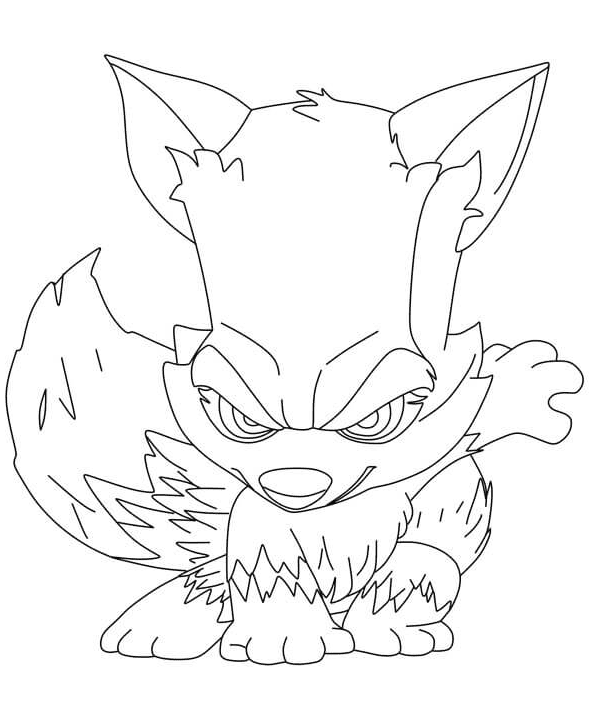
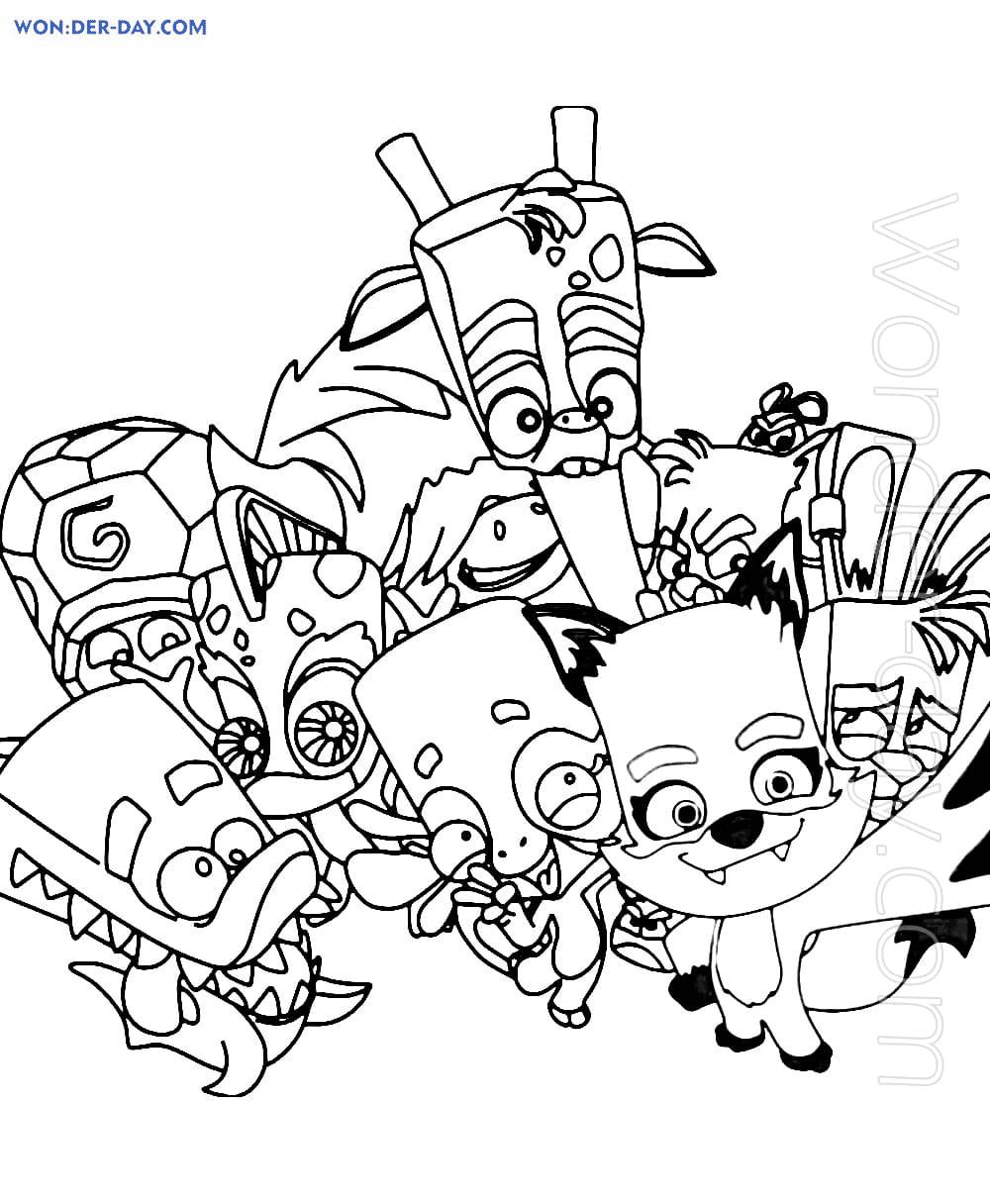
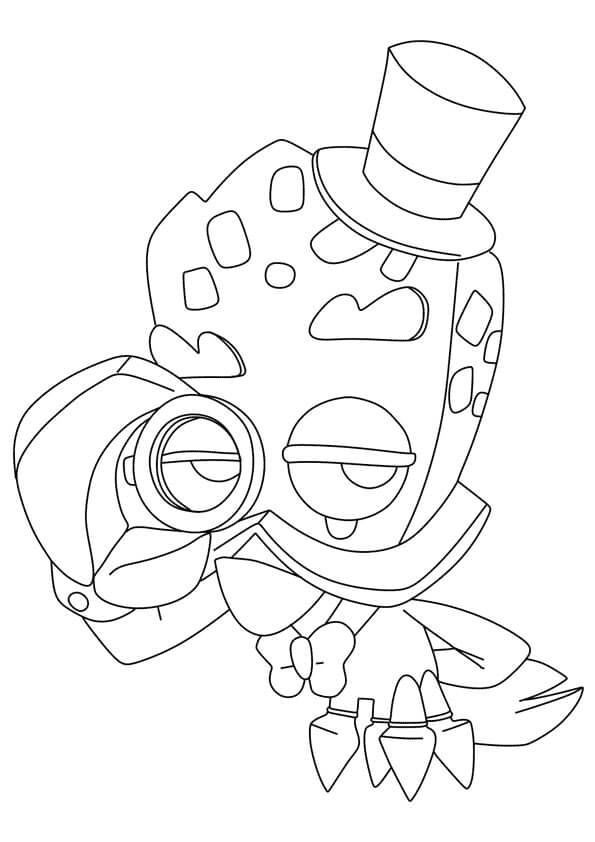
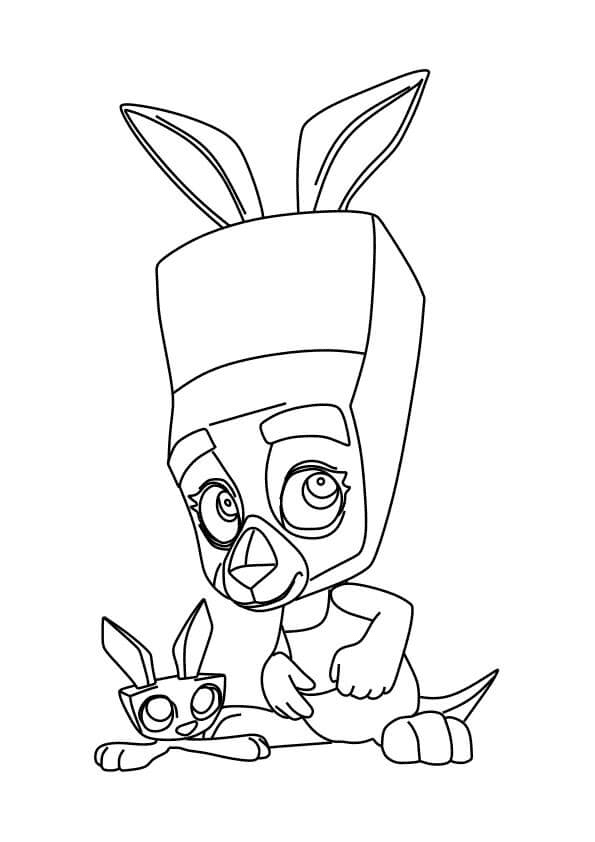
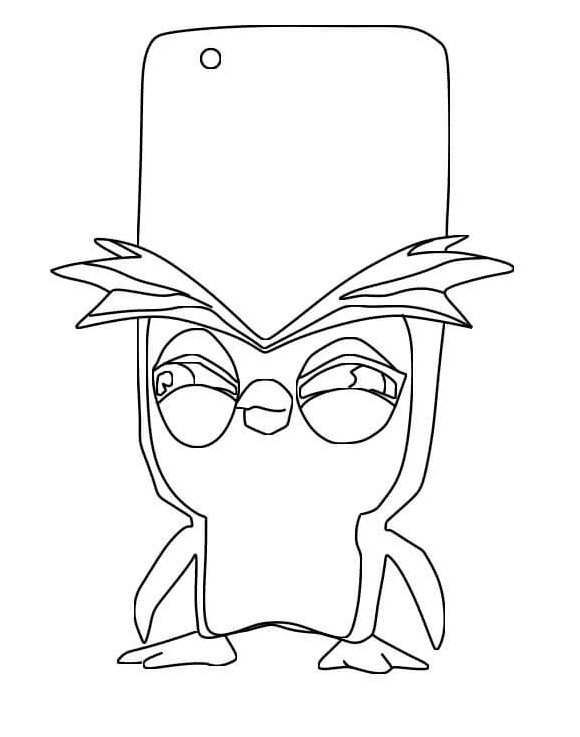
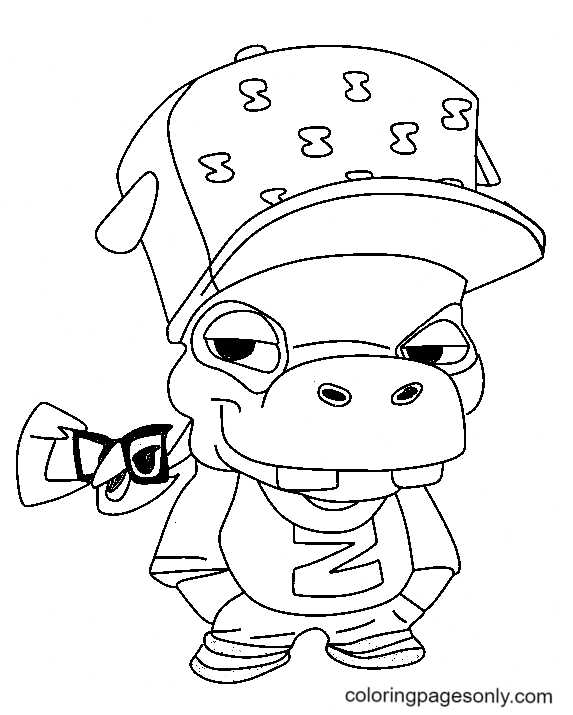
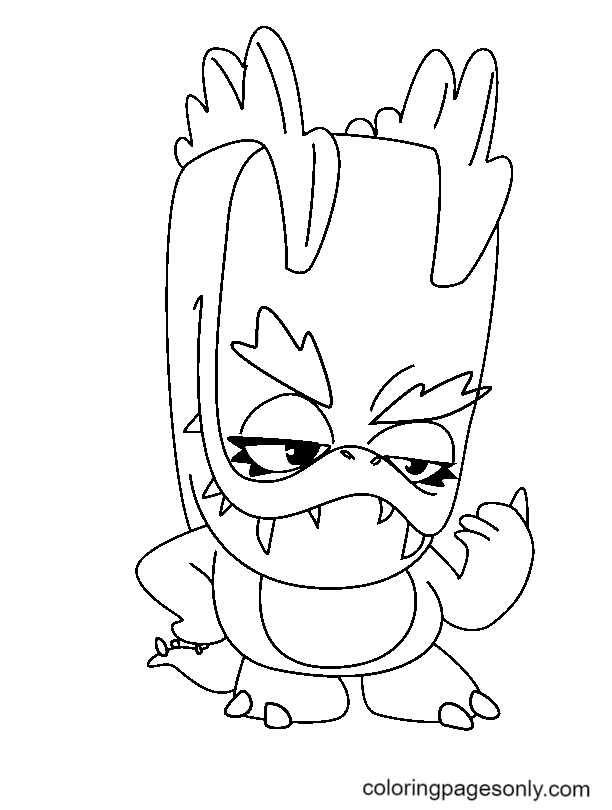
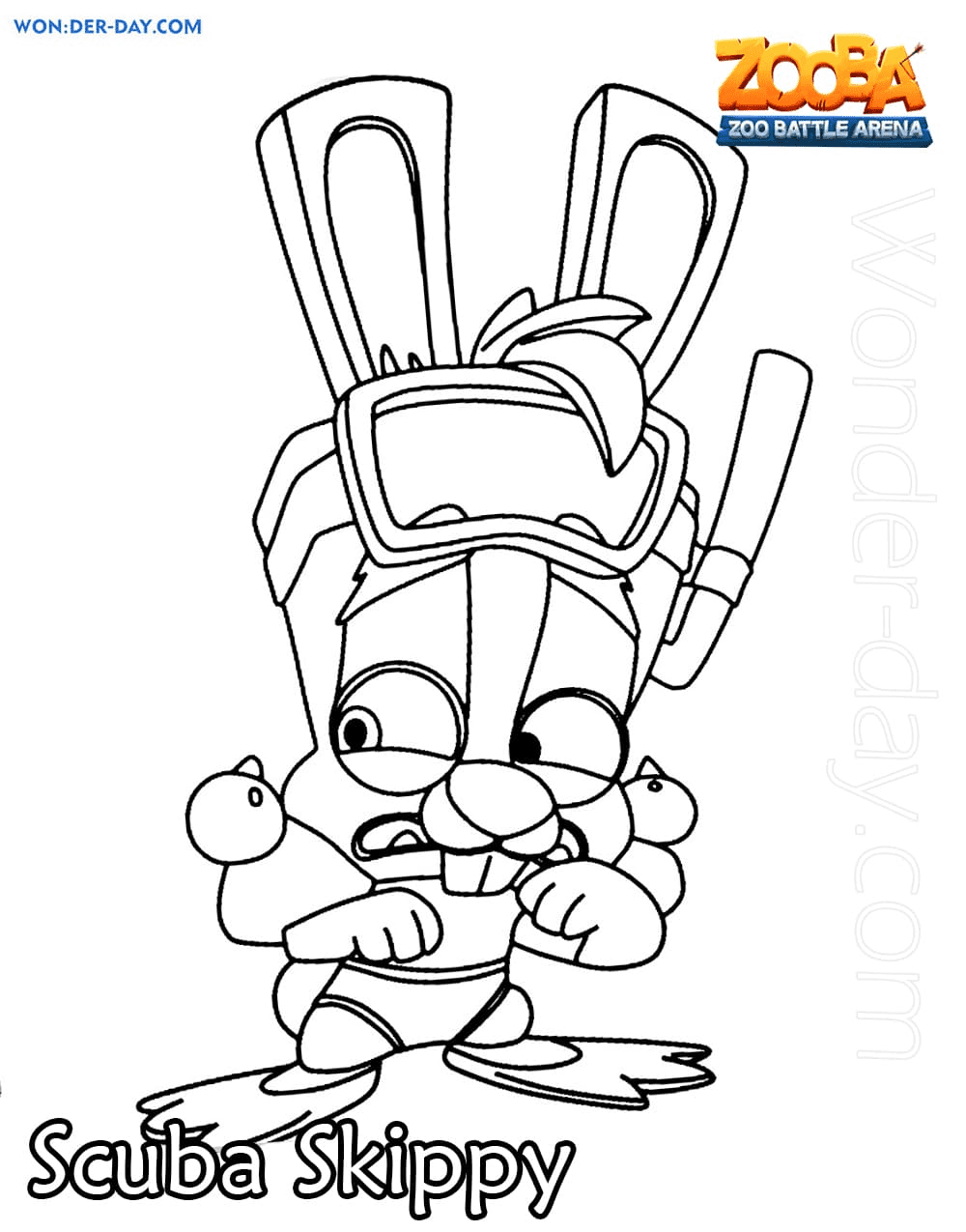
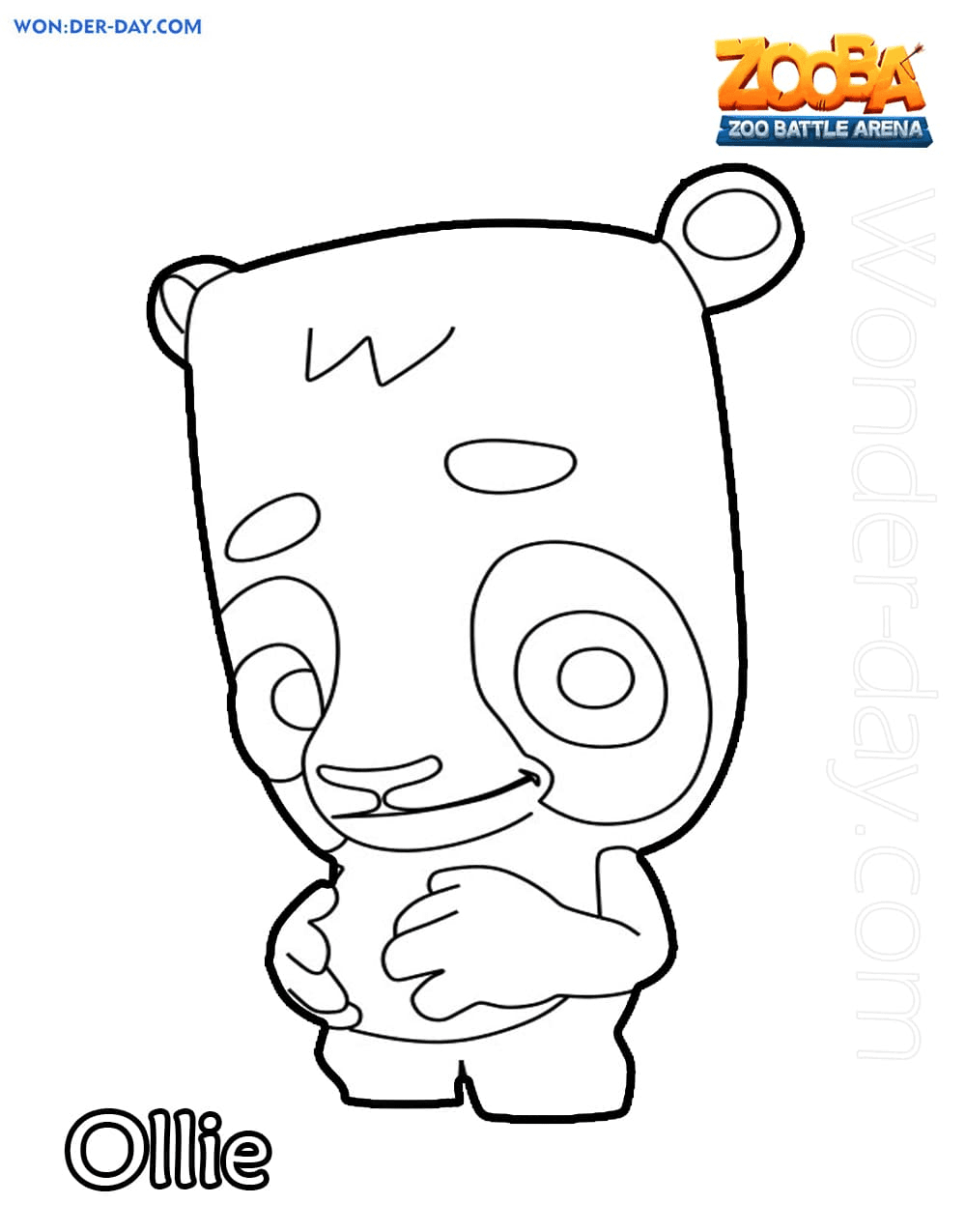
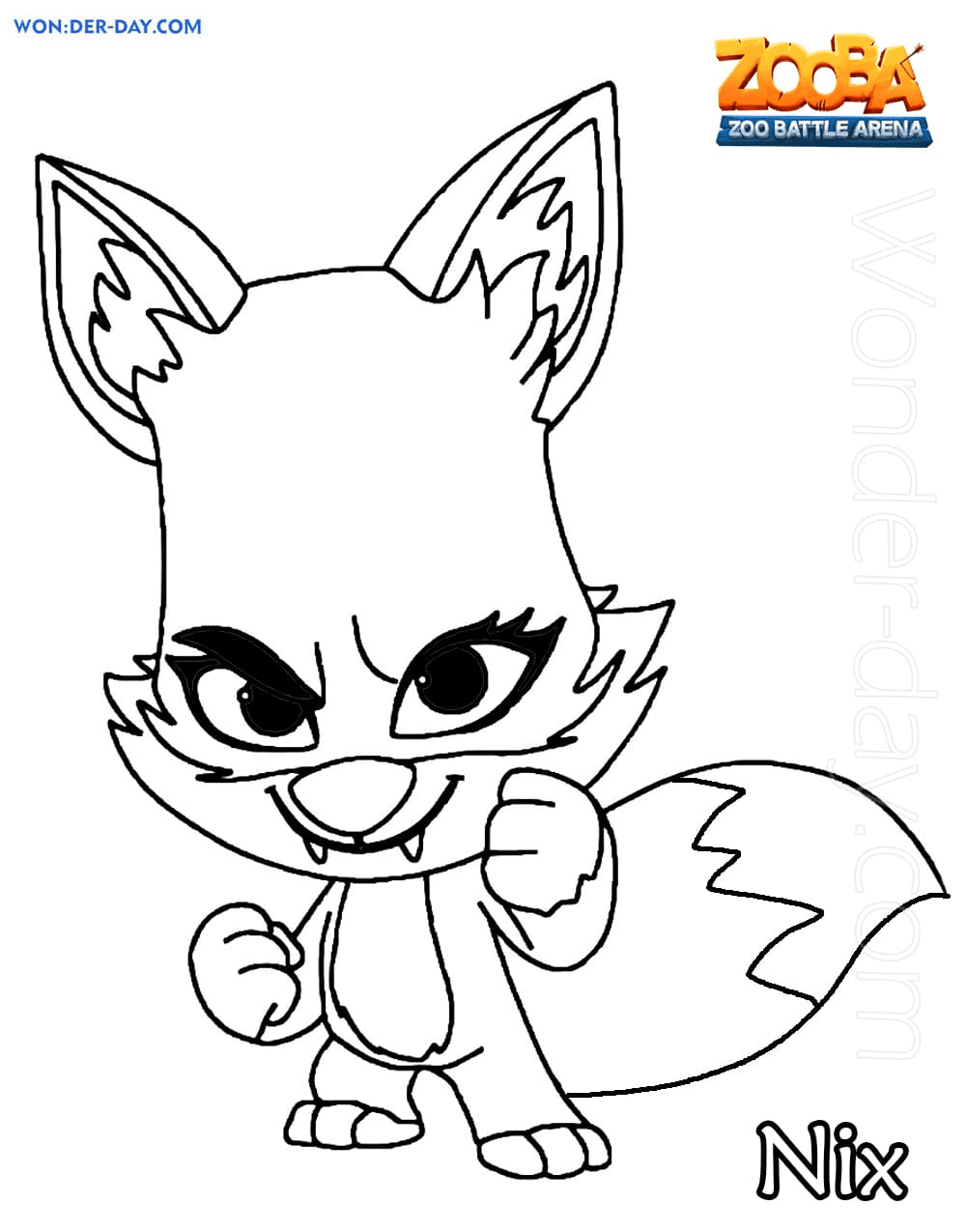
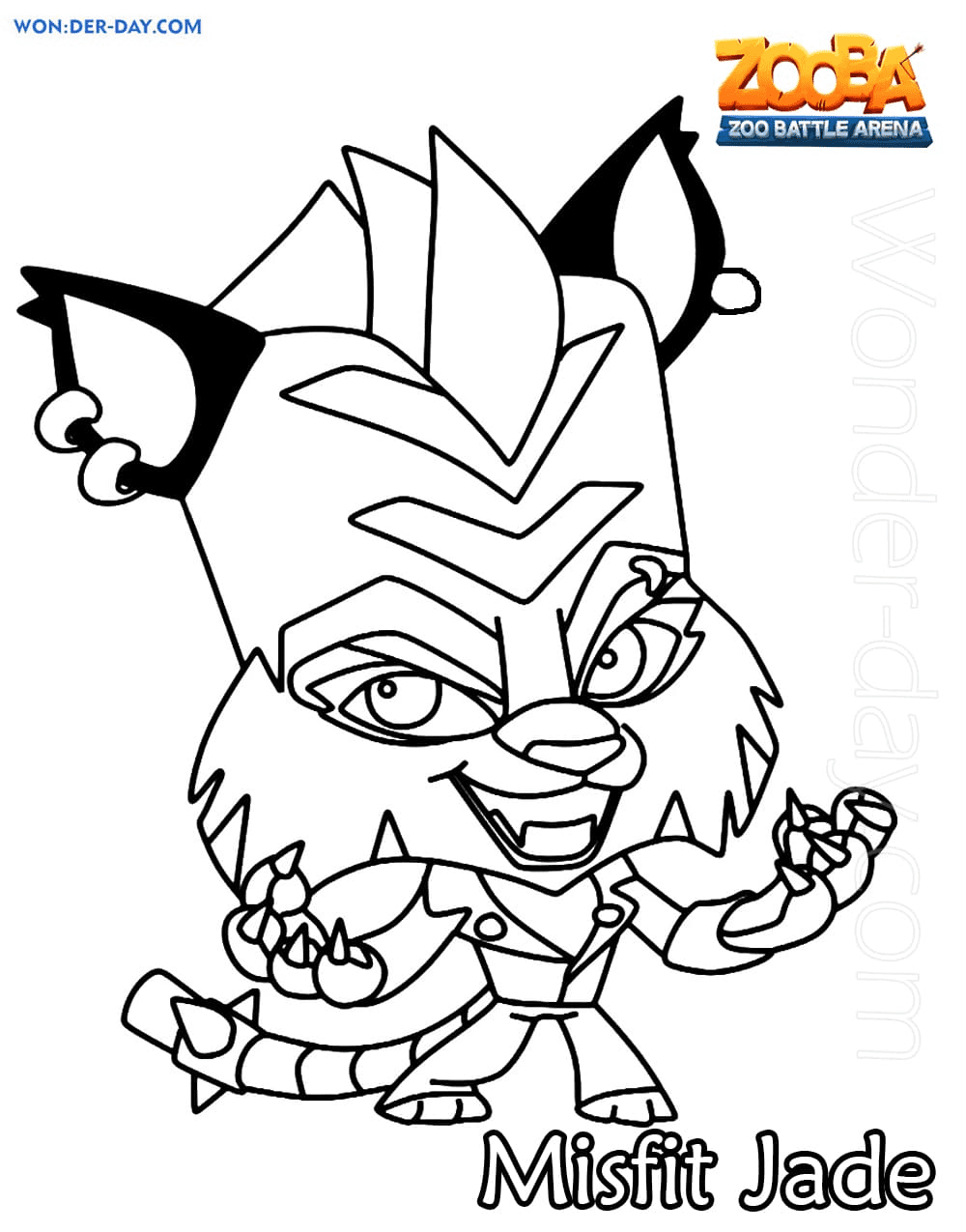
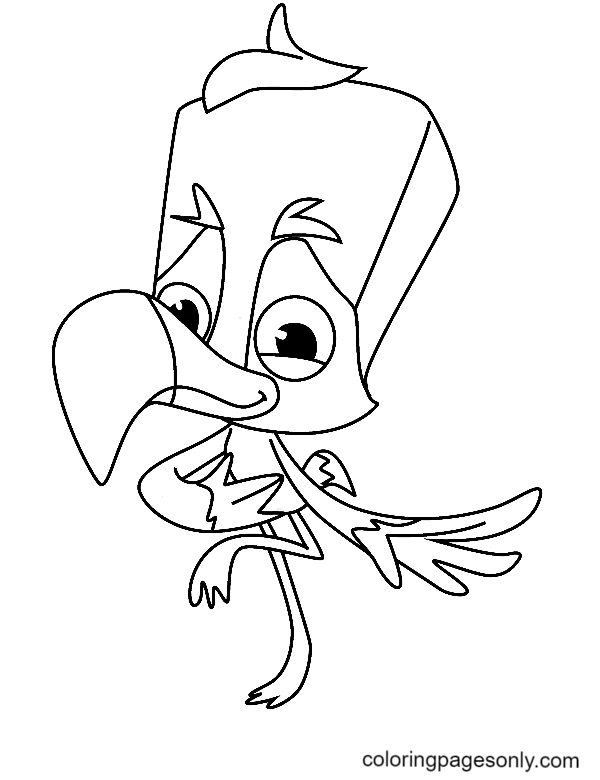
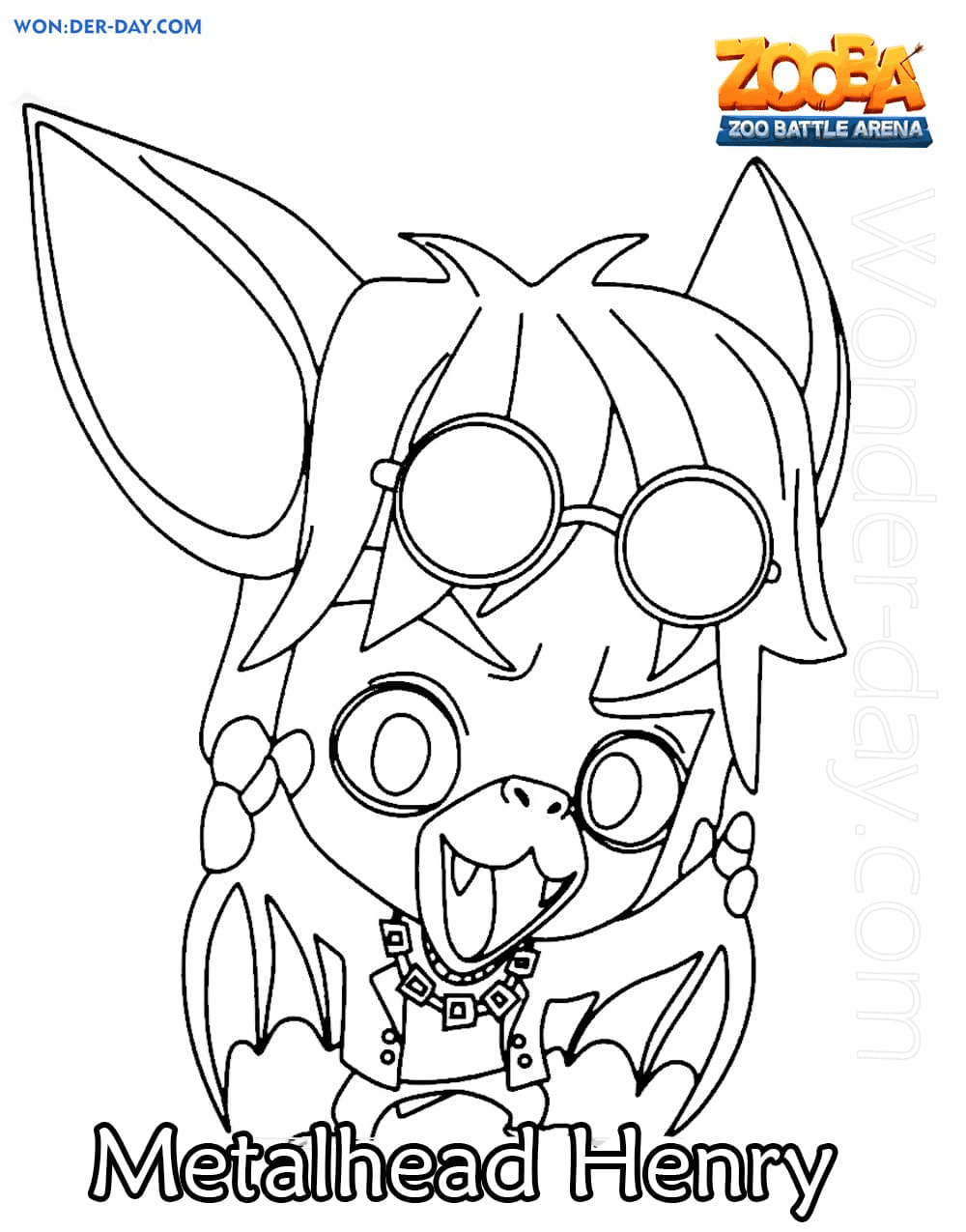
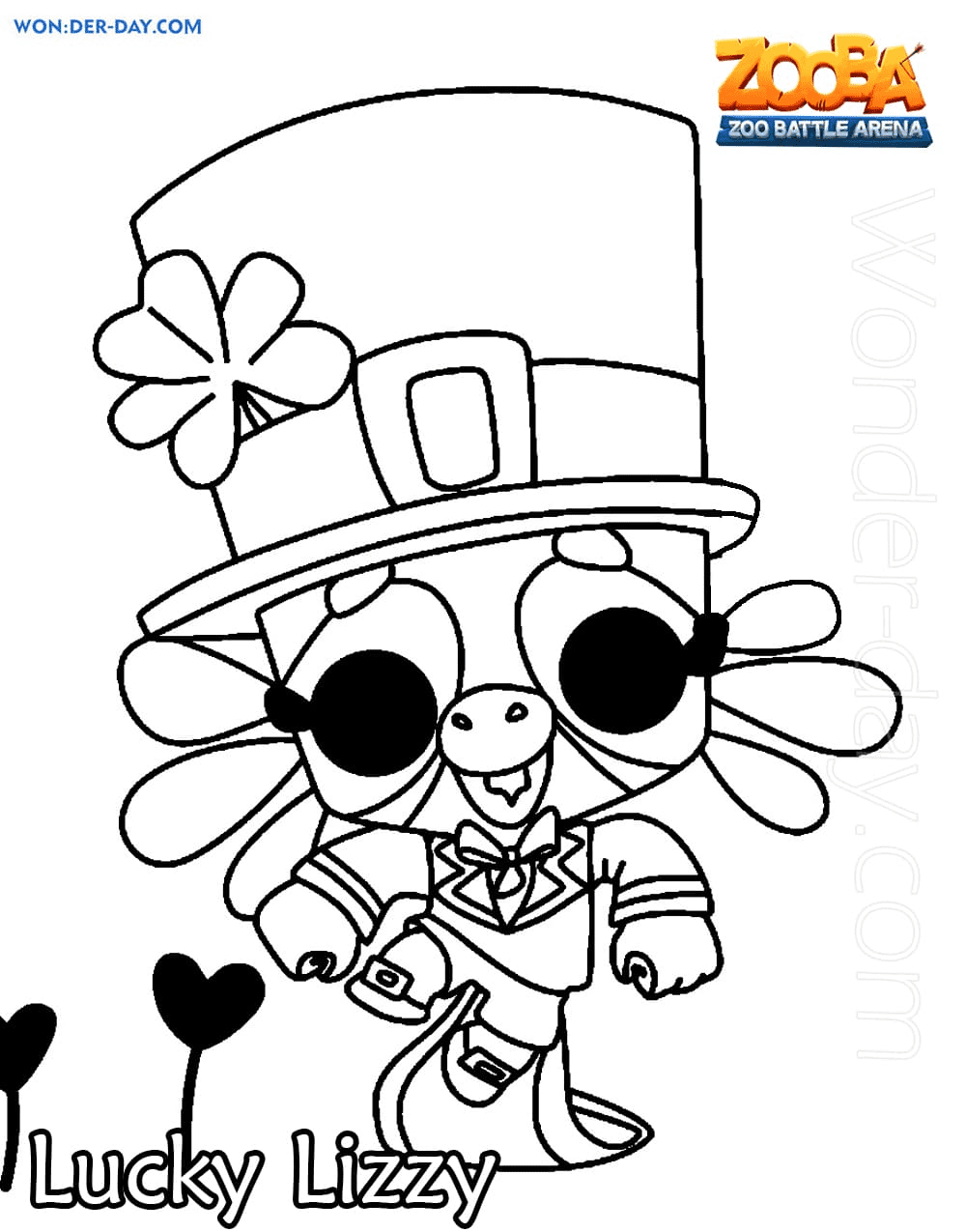
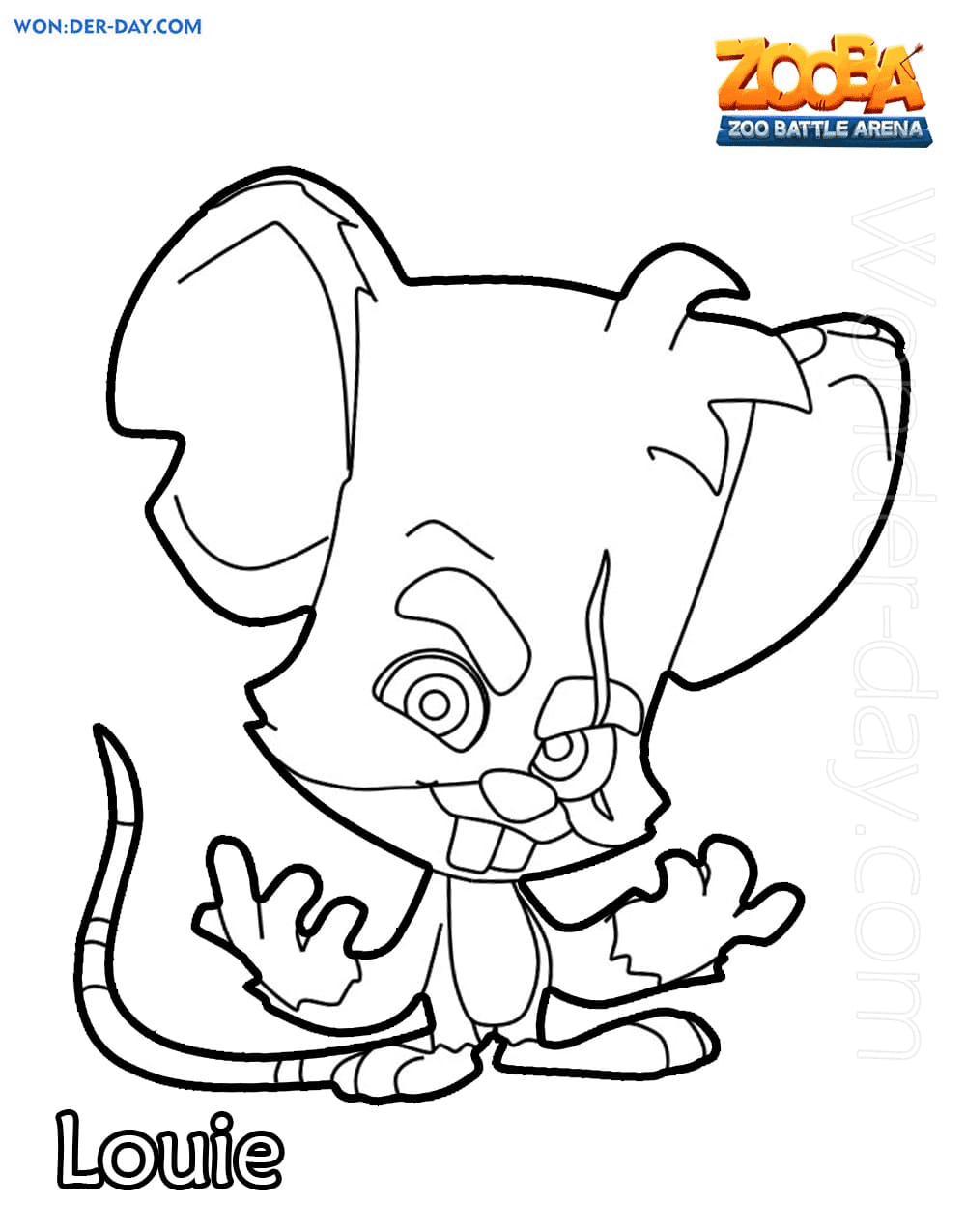
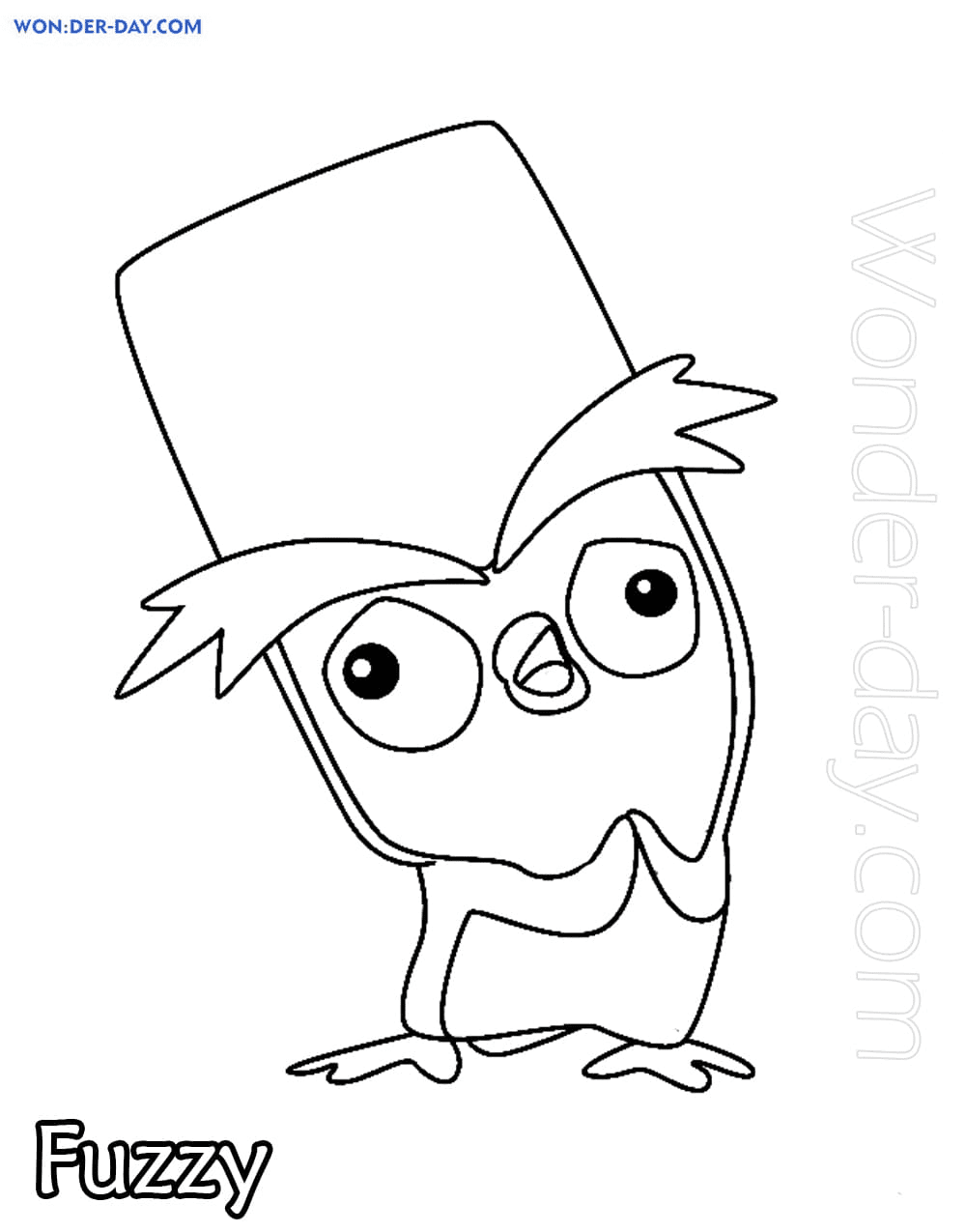
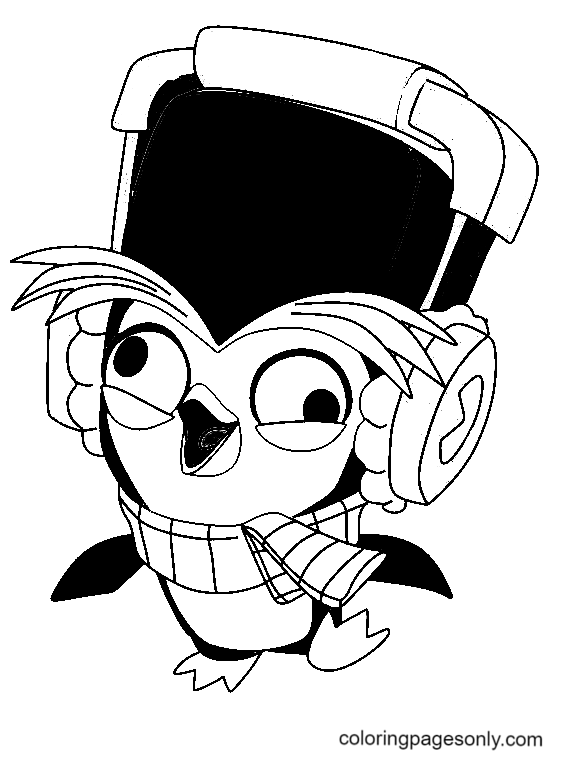
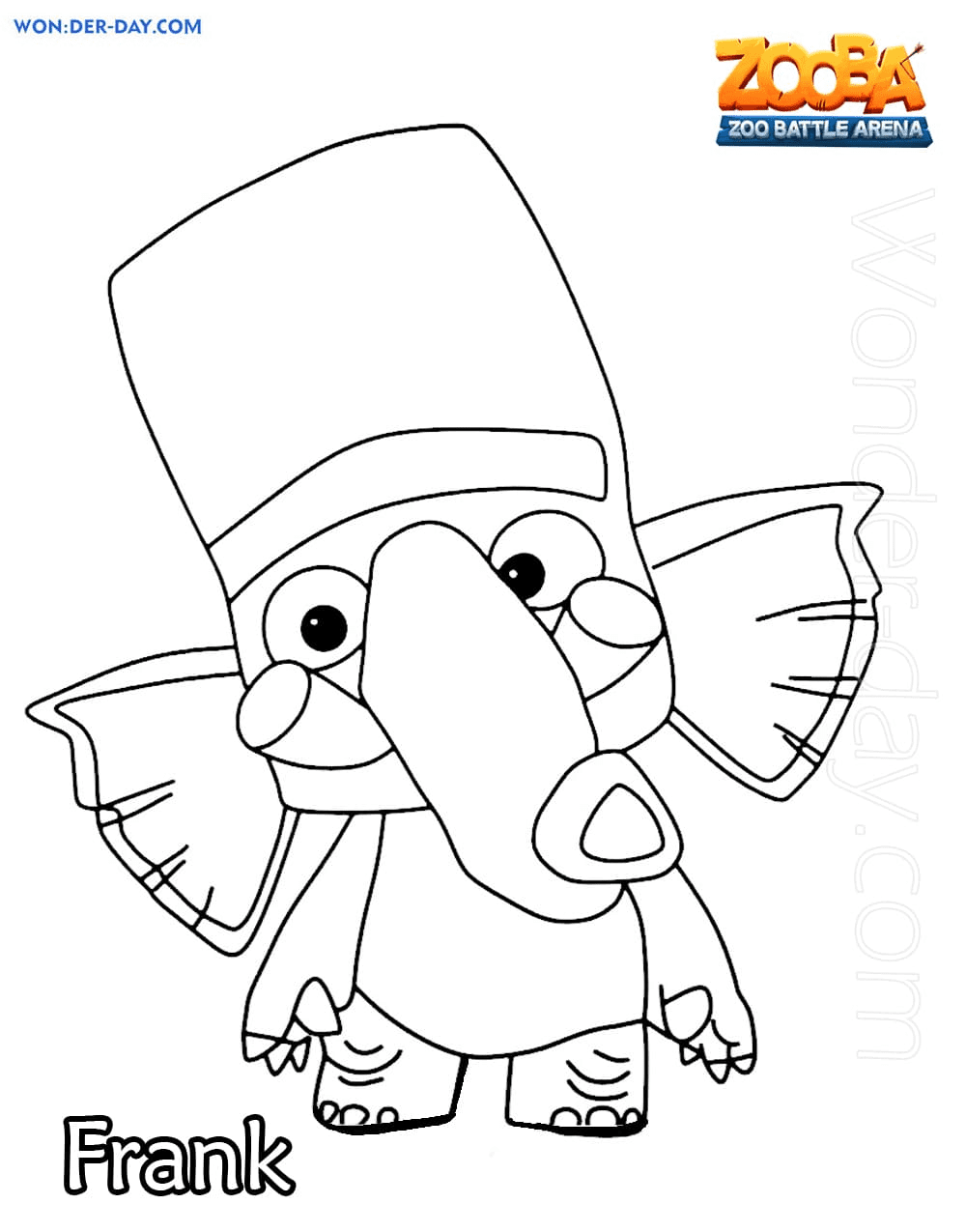
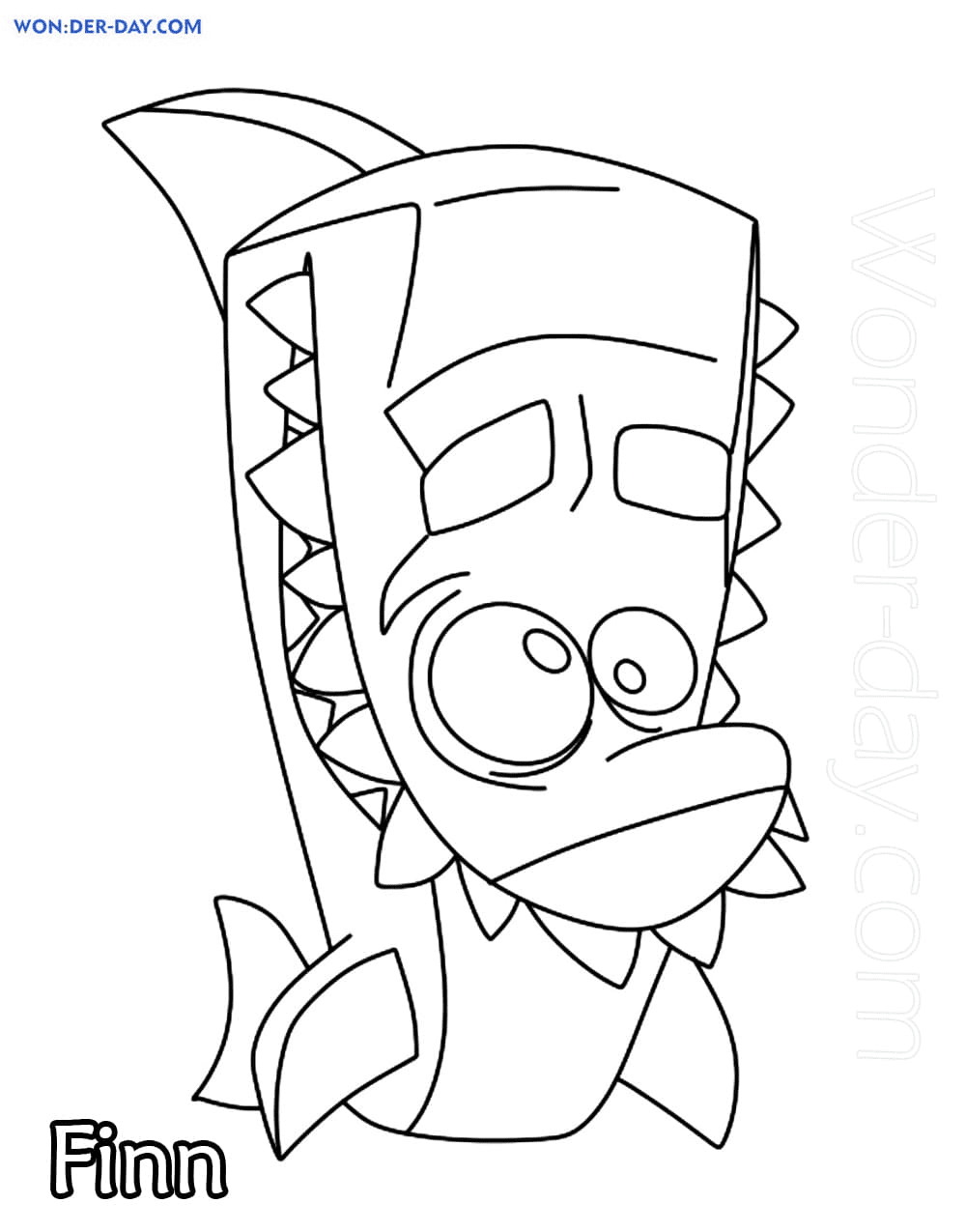
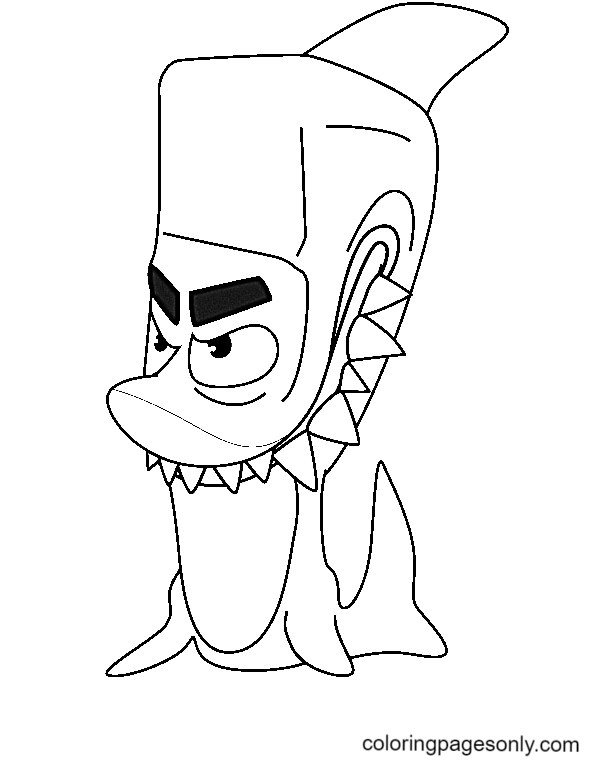
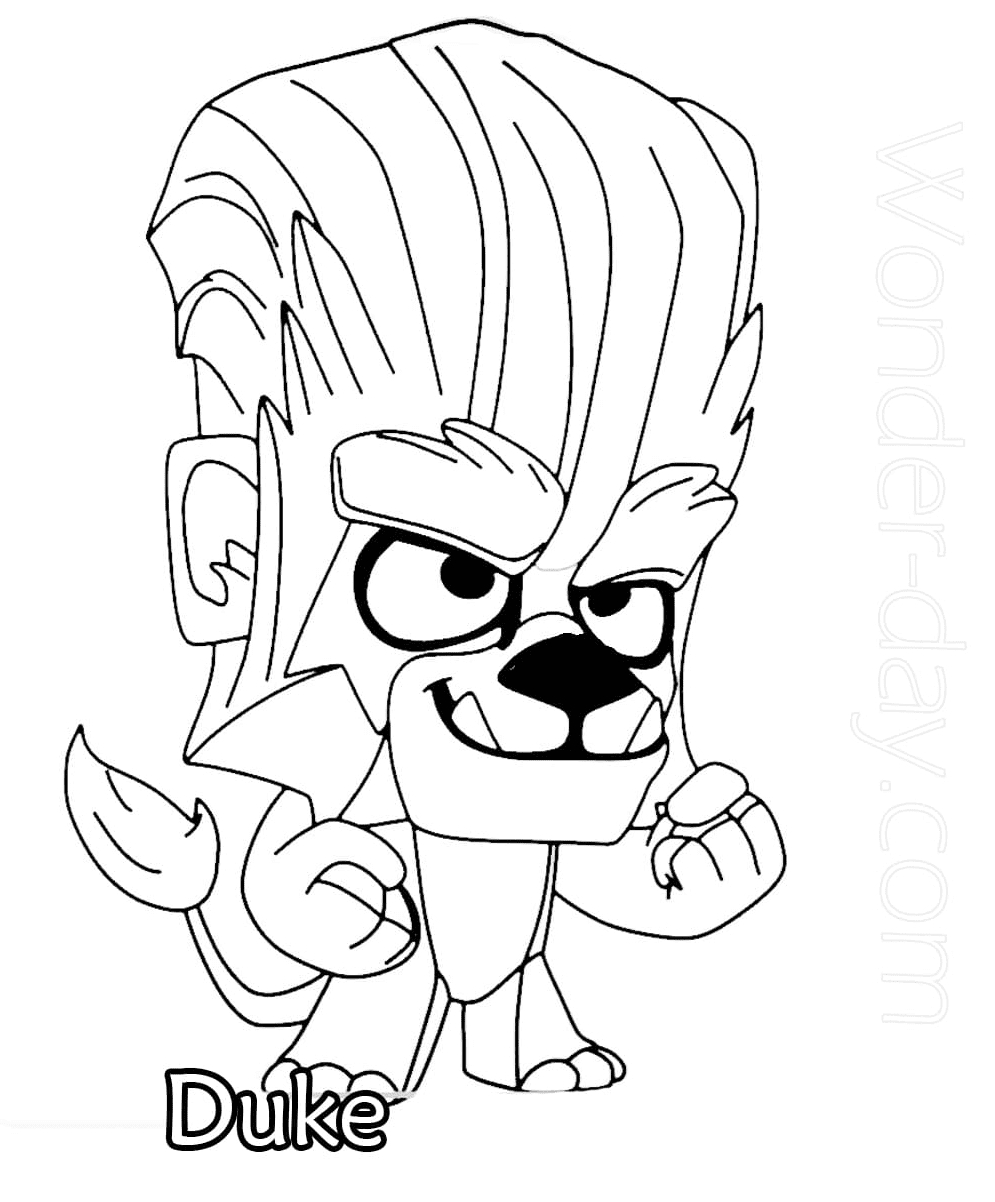
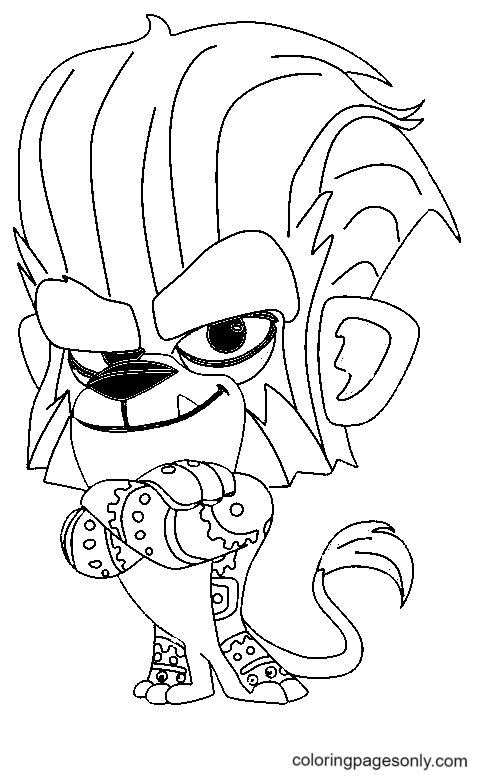
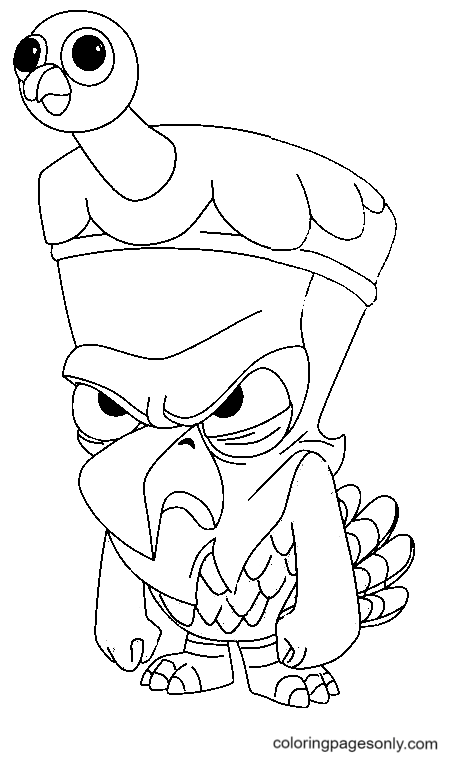
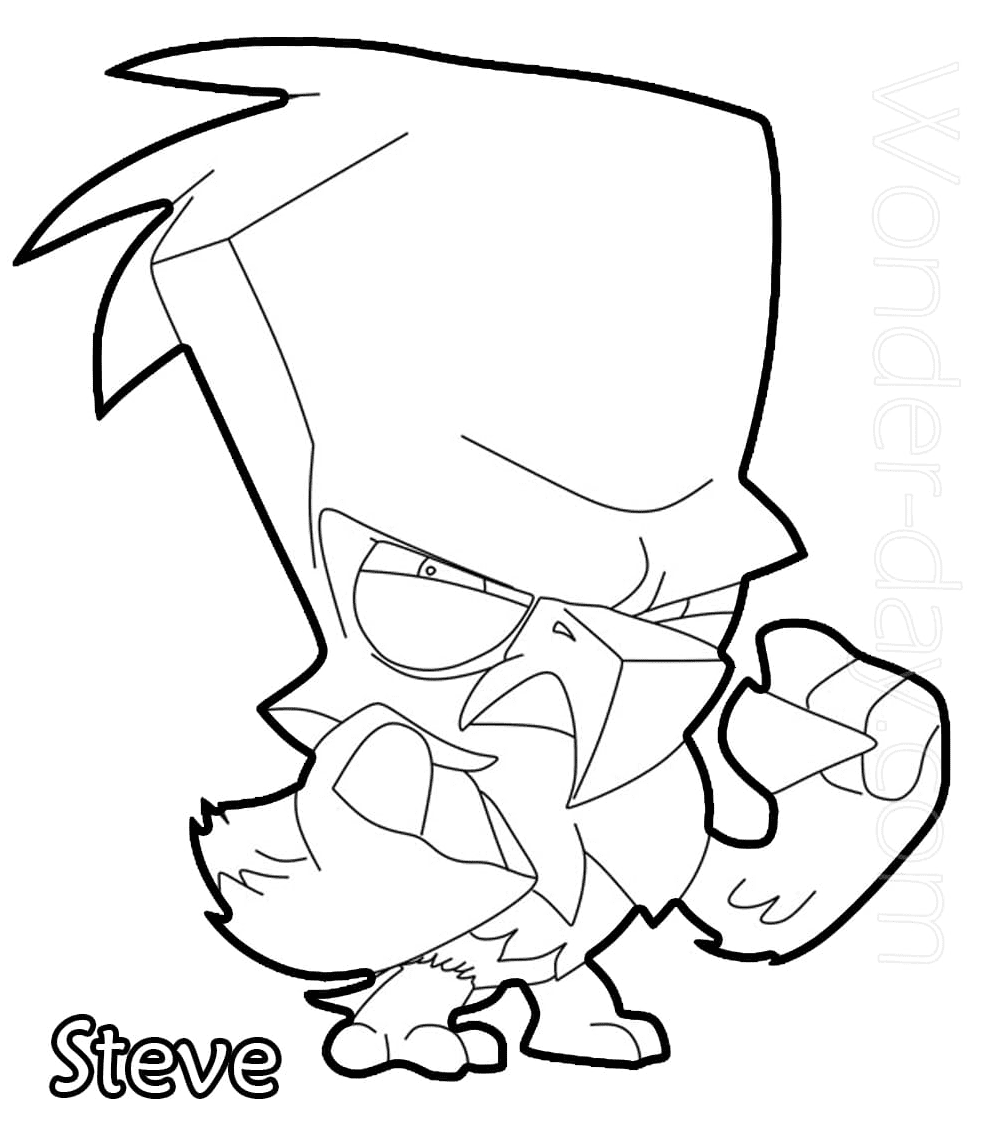
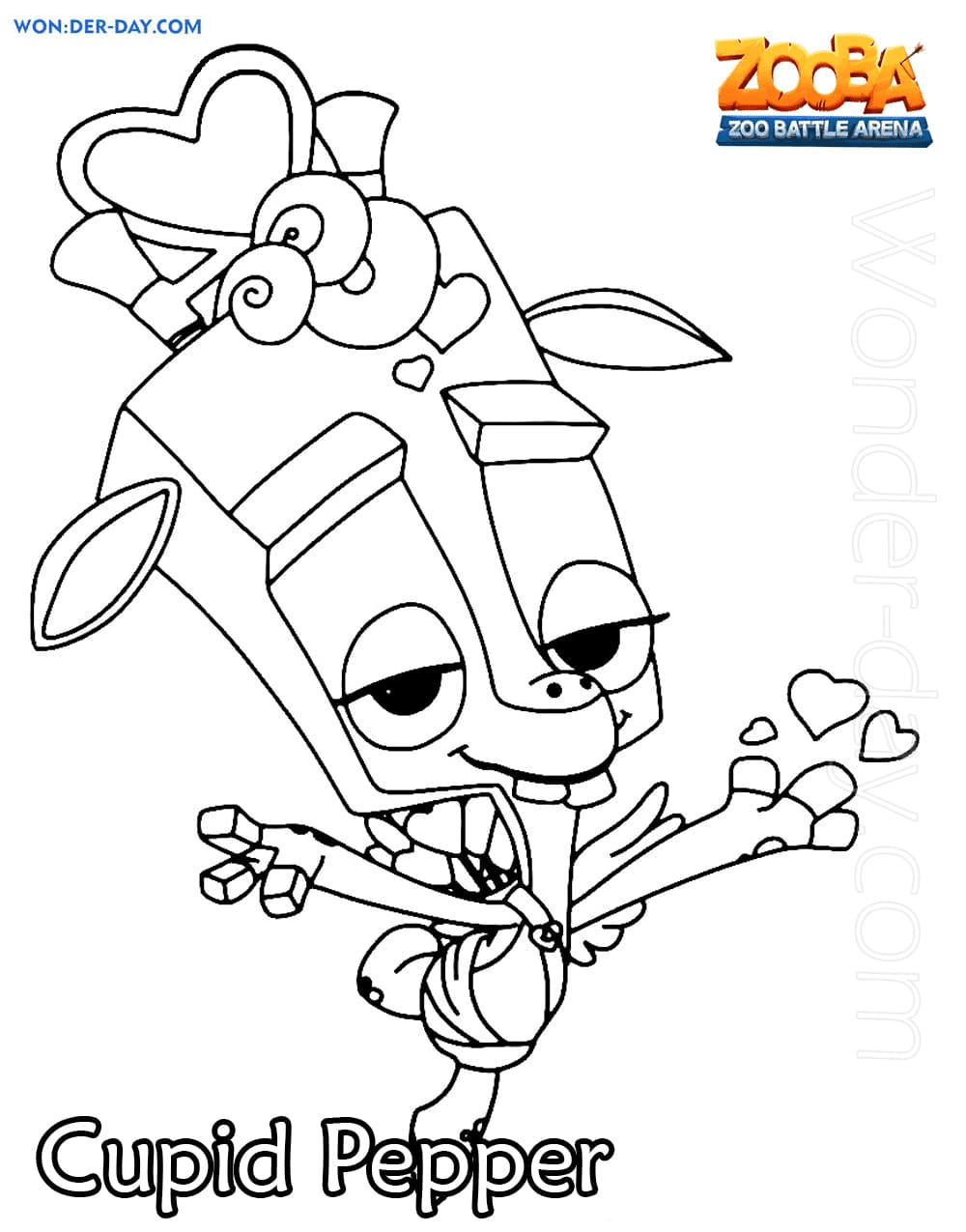
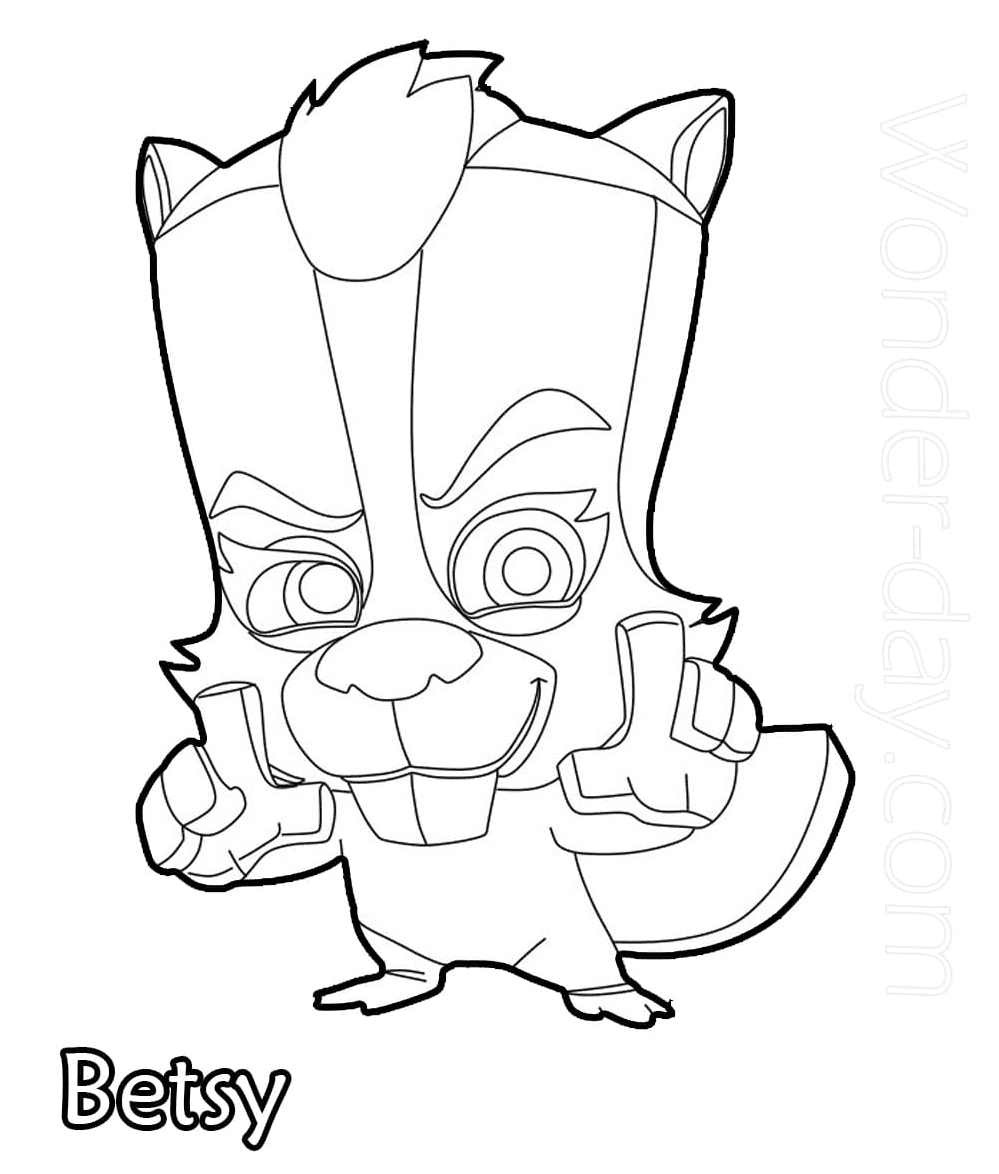
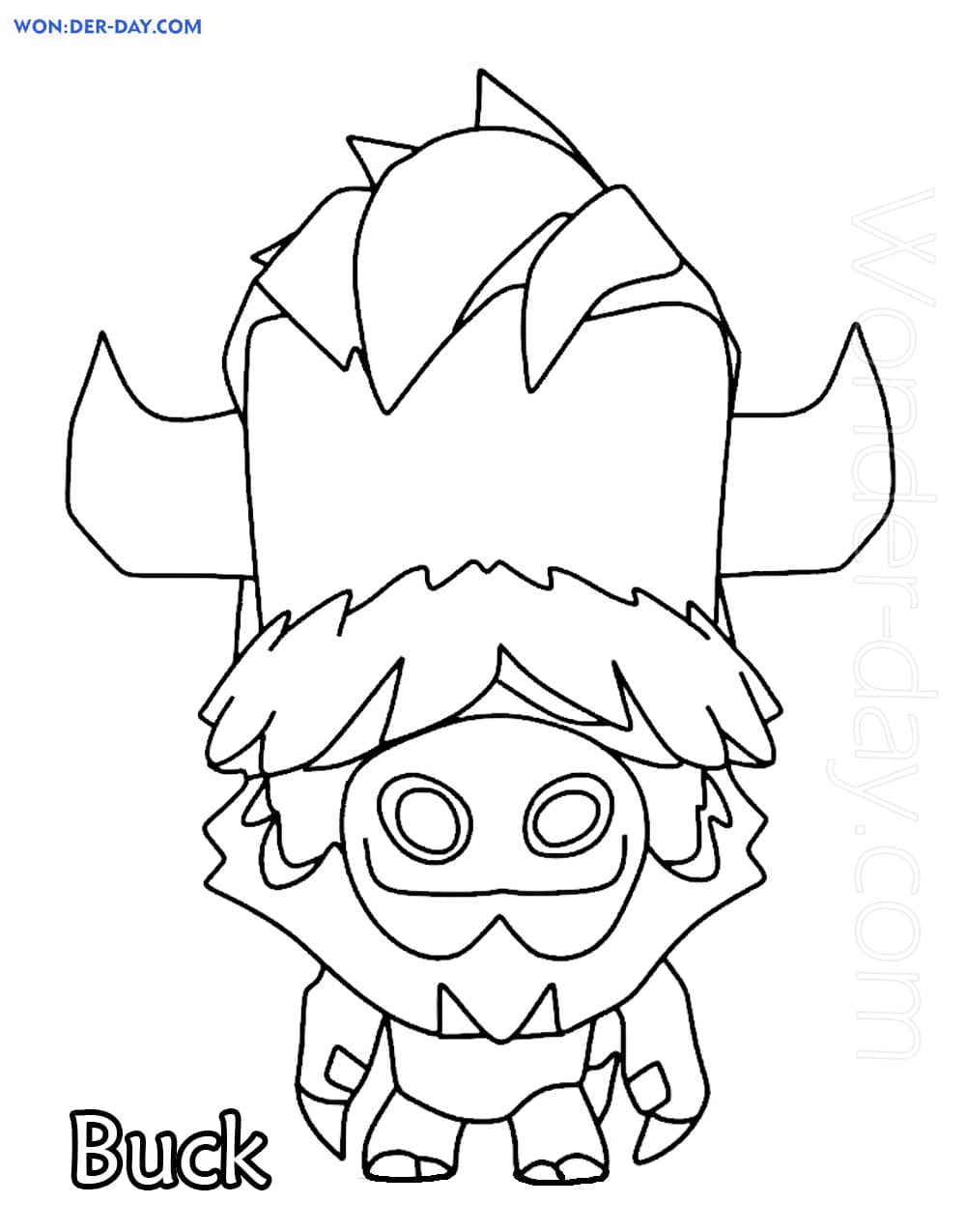
Free Zooba coloring pages – 40+ pages featuring the full cast of wildlife characters from Wildlife Studios’ mobile battle royale game – gorillas, turtles, crocodiles, lions, hyenas, and more zoo animals in action poses, combat stances, victory scenes, and character portraits – free printable PDF and online coloring for fans of the mobile game.
Zooba: Zoo Combat Battle Royale is a free-to-play mobile game developed and published by Wildlife Studios, a Brazilian game development company founded in 2011 by Victor Lazarte and Arthur Lazarte in São Paulo. Wildlife Studios has become one of the most successful mobile game studios in Latin America, with titles including Tennis Clash and Sniper 3D alongside Zooba. The game launched in soft release in 2019 and reached its global release in early 2020.
The premise is immediately legible: zoo animals have escaped their enclosures and are now competing in a battle royale inside the zoo grounds. Each animal character has a distinct personality, a unique set of abilities, and a specific combat role – the turtle is defensive, the gorilla is a melee brawler, the crocodile is an aggressive close-range predator. The game is viewed from a top-down perspective, the combat is fast and accessible, and the visual design is a vivid, cartoon-style aesthetic specifically calibrated for mobile screens and young audiences. Weapons are scattered across the zoo map. The last animal standing wins.
The result is a game that reached tens of millions of downloads globally, particularly strong with the eight-to-fourteen age demographic, and produced a roster of animal characters distinctive enough to support the 40+ coloring pages in this collection.
These 40+ free pages at ColoringPagesOnly.com cover the full Zooba roster. All free, PDF or PNG, print or color online.
What’s Inside
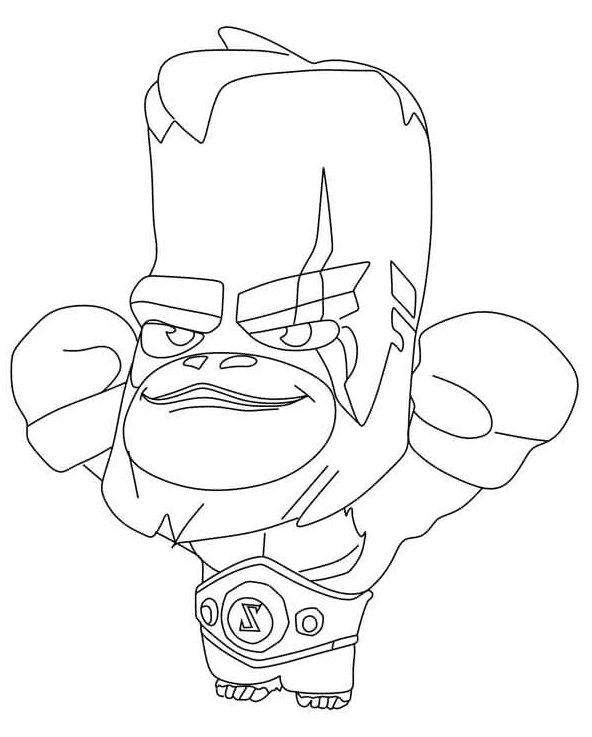
The Gorilla/Ape Characters – Melee Brawlers
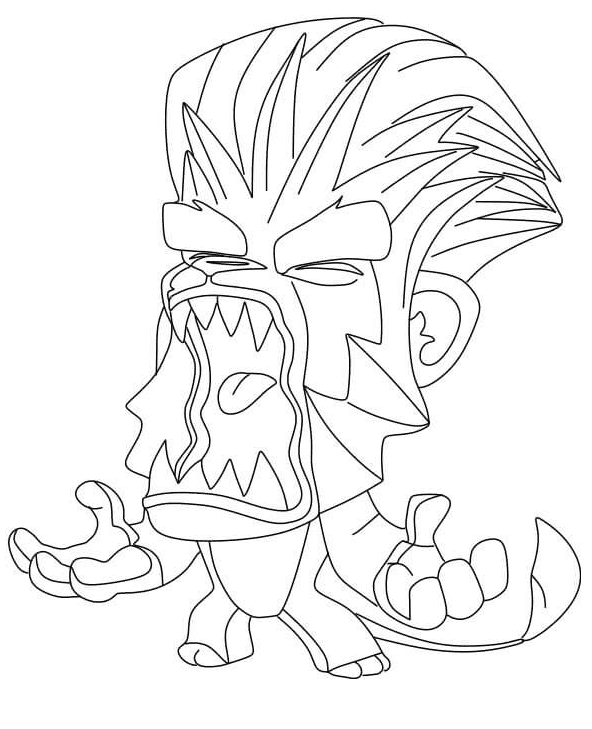
The ape characters in Zooba are the game’s primary melee fighters – built for close-range combat, with high health and powerful physical attacks that reward aggressive, direct playstyles. Their design communicates strength through proportion: wide shoulders, thick arms, compact legs, and the specific silhouette of an animal that has been given a personality and a cartoon visual register without losing the physical impression of genuine power.
The ape characters are among the most immediately recognizable in the game’s roster – their silhouettes are distinctive at a glance, their attack animations are the most physically expressive in the roster, and their personality as depicted in the game’s promotional materials tends toward the bold, confident end of the character spectrum.
Coloring ape characters: The base fur color is a warm, medium brown – darker than tan, lighter than chocolate, in the specific range of natural chimpanzee or gorilla fur coloration. The face, palms, and ear interiors are typically a darker, slightly cooler grey-brown that distinguishes the skin from the fur. Any costume elements – the game gives characters equipment and accessories – should be rendered with vivid, high-saturation colors that contrast clearly with the natural fur tones.
Shelly – The Turtle
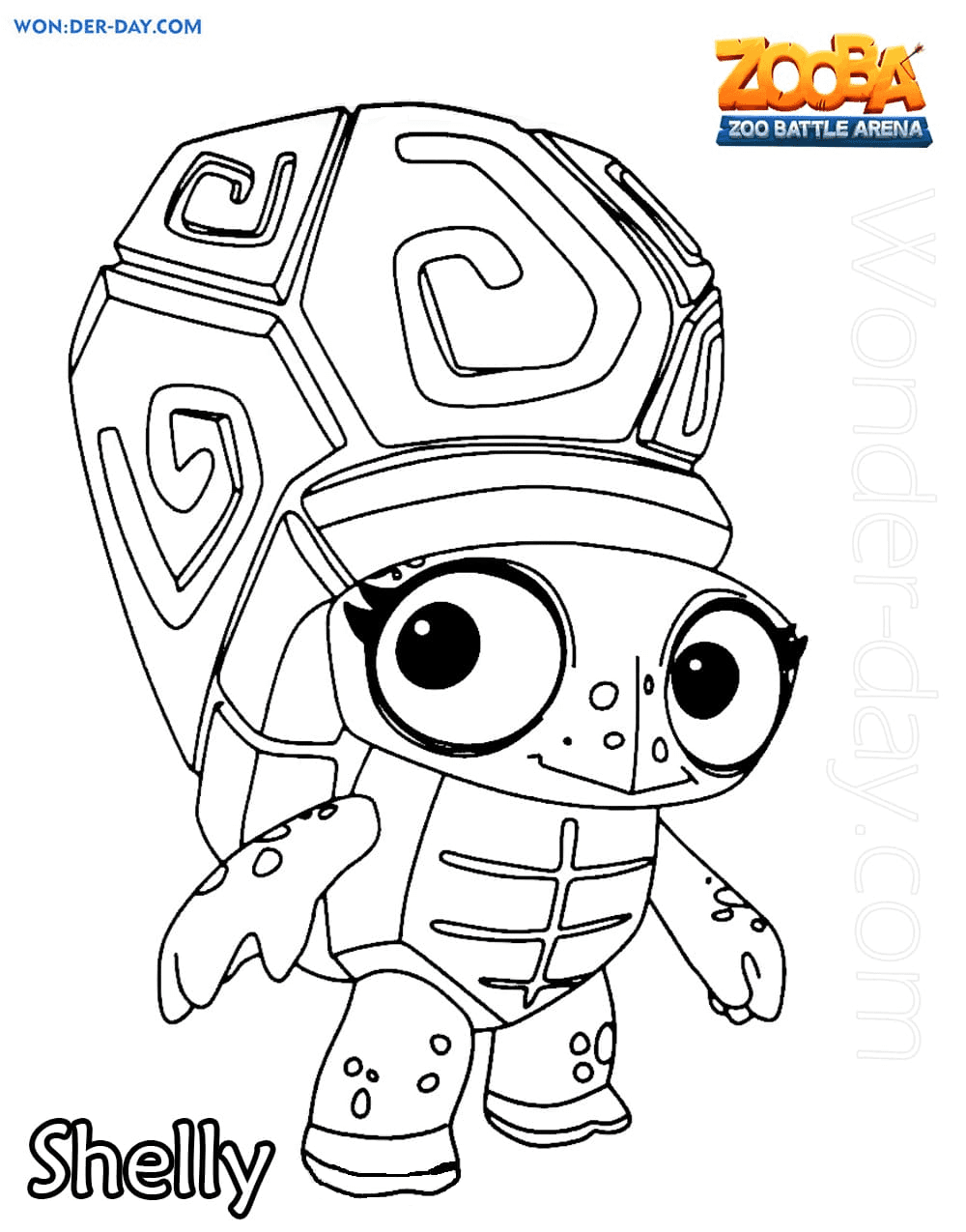
Shelly is one of Zooba’s most distinctive characters – a turtle whose defensive capabilities and shell-based attacks give her a combat role unlike any other in the roster. Her shell is not merely decorative but the core of her mechanics: she can use it as a projectile, as a defensive barrier, and as the basis for her most dramatic combat moments. The visual of a determined turtle throwing her own shell as a weapon while remaining protected is one of the game’s most immediately understood character concepts.
Her design is bright and approachable – a green turtle body with a distinctive patterned shell, large expressive eyes, and the specific quality of a character who looks harmless at first approach and becomes increasingly threatening once her mechanics are understood.
Coloring Shelly: Her body is a vivid, warm green – the green of a healthy cartoon turtle, slightly yellow-shifted rather than blue-shifted, applied across the skin and limbs. The shell is the page’s most complex coloring element – a pattern of hexagonal or roughly hexagonal segments in multiple tones: the main shell body in a deeper, slightly more olive green, with lighter cream or tan segments between the main plates, and dark brown or near-black lining the segments’ edges. Her eyes are large and expressive – apply the iris color first, then the dark pupil, then a white highlight dot.
Bruce – The Crocodile
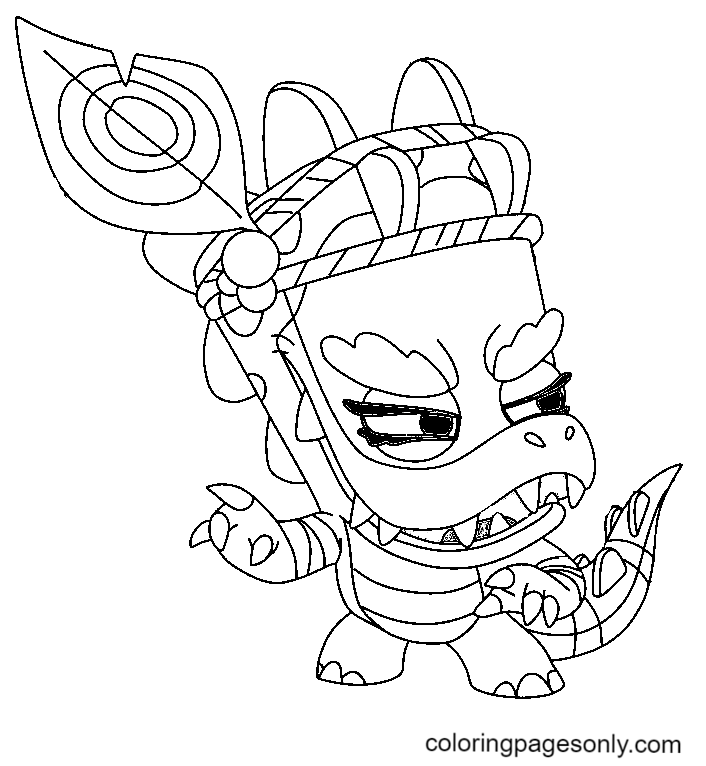
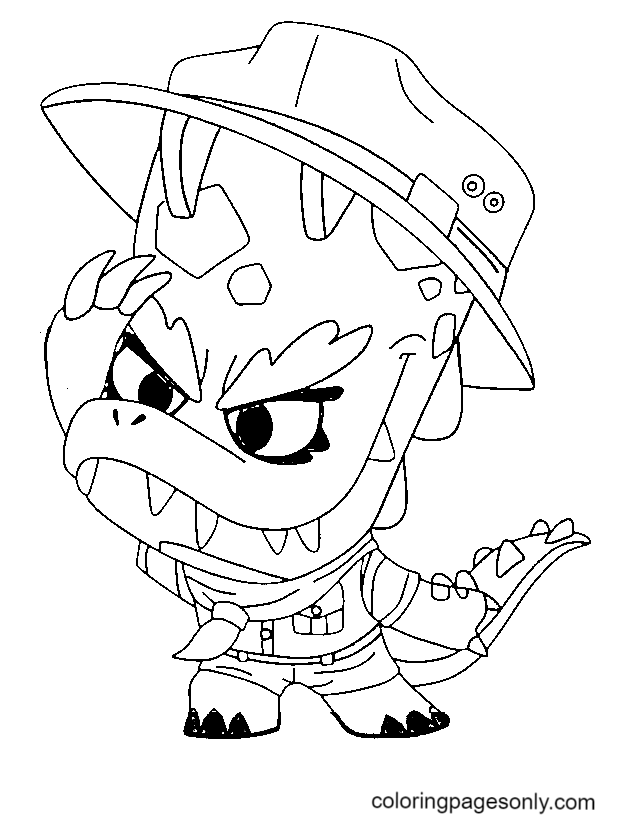
Bruce is the game’s primary crocodile character – an aggressive close-range fighter whose design emphasizes the intimidating qualities of the real animal in a cartoon register: the long jaw with visible teeth, the armored, scale-covered body, the low-to-ground posture of a predator that moves fast when it decides to. He is typically depicted with the confidence of a character who knows exactly how dangerous he is.
His design is one of the game’s most detailed in terms of surface texture – the crocodile’s scale pattern across the body provides significantly more coloring complexity than the smoother-furred mammal characters. The scales create a natural visual interest even before any color decisions are made.
Coloring Bruce: Dark green as the primary body color – a cooler, deeper green than Shelly’s warmer turtle-green, specifically in the military-green or forest-green range. The underbelly is typically a lighter, warm cream or pale yellow-green. The scale texture should be rendered by applying the base dark green first, then adding slightly darker green in the deepest scale recesses to create the surface’s three-dimensional quality. His teeth are white; his eyes are typically amber or yellow.
Lion and Big Cat Characters
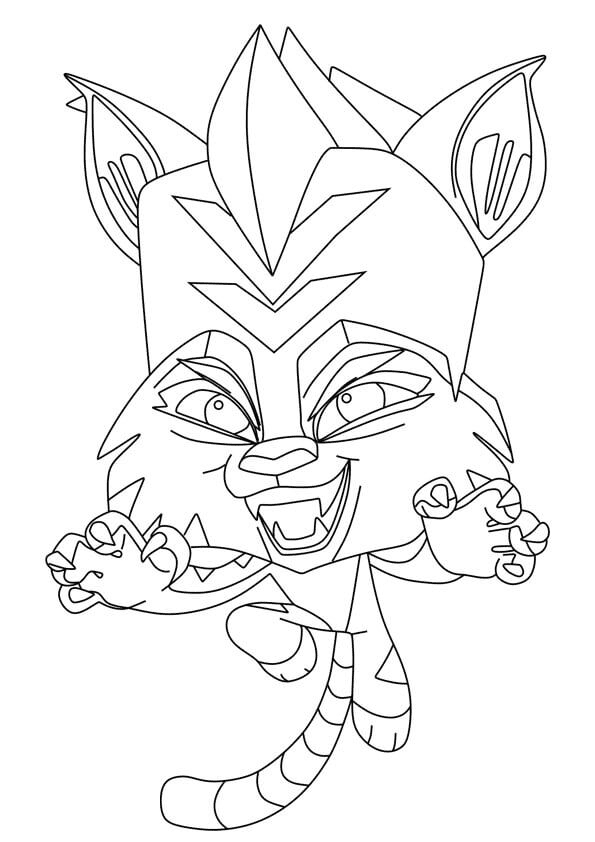
The lion and big cat characters in Zooba occupy the speed-and-ambush role in the game’s character ecology – fast attackers who can close distance quickly, with abilities that reward positioning and the use of cover. Their design captures the specific quality of a large predatory cat rendered in a friendly-but-still-formidable cartoon aesthetic: the mane on the lion, the spots or stripes on other big cat variants, and the lean, athletic body type that communicates speed rather than the raw mass of the ape characters.
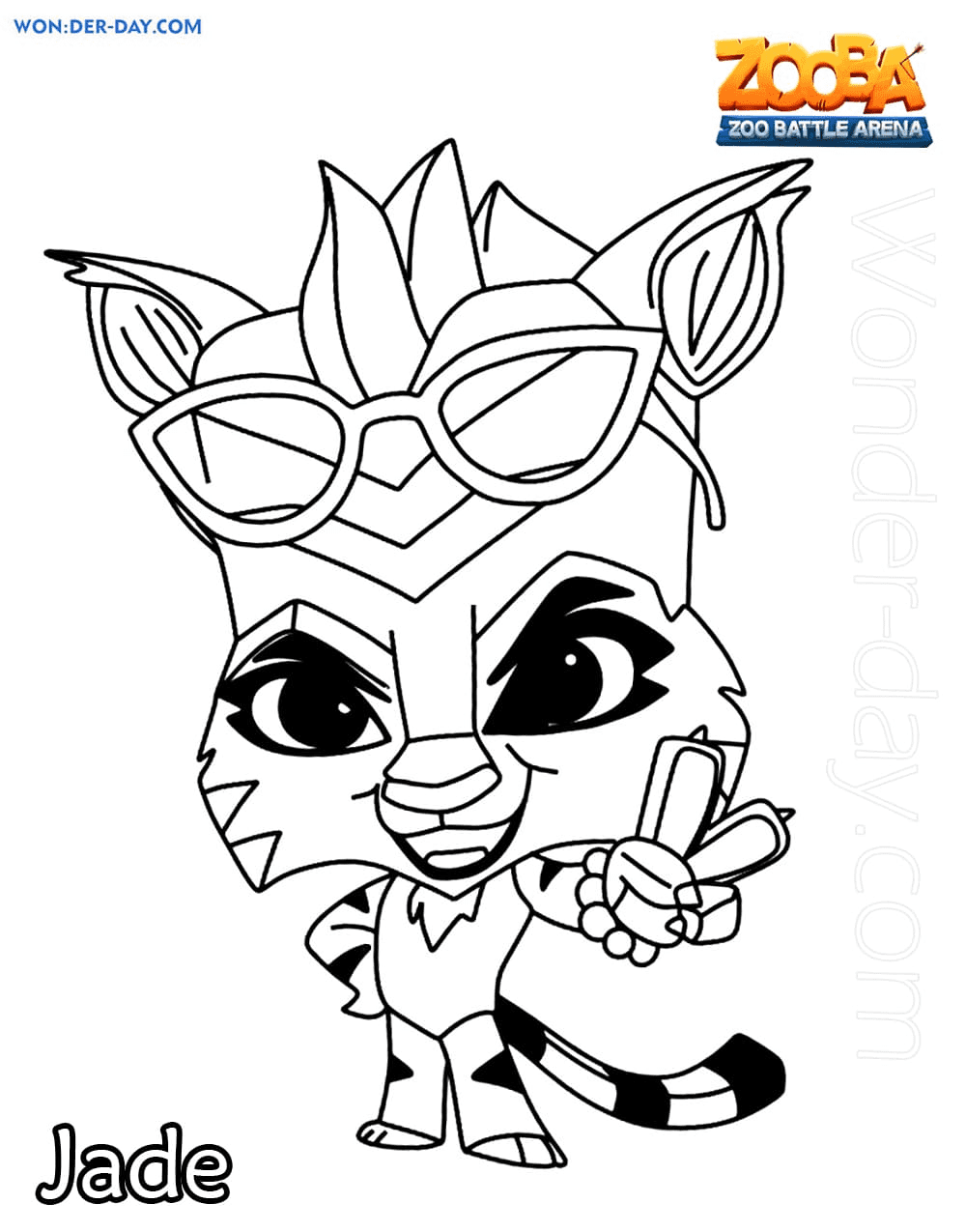
Coloring big cat characters: A warm, golden-tan as the base coat for the lion – the specific warm amber-tan of a savanna lion’s coat. The mane, where present, is a darker warm brown – rendered with slight layering to suggest the hair’s volume and direction. Any spots or stripes on other big cat characters should be applied over the base coat as a second layer, in a deeper, warmer brown or near-black.
The Full Roster – Character Variety Pages
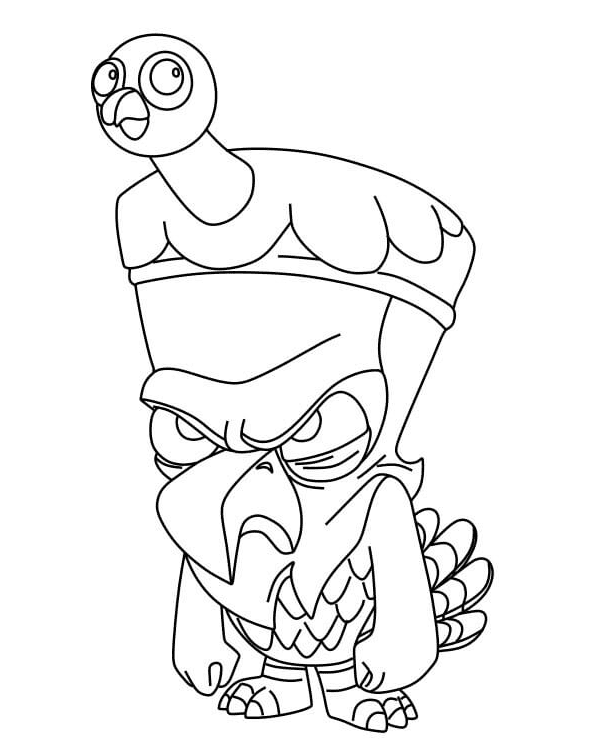
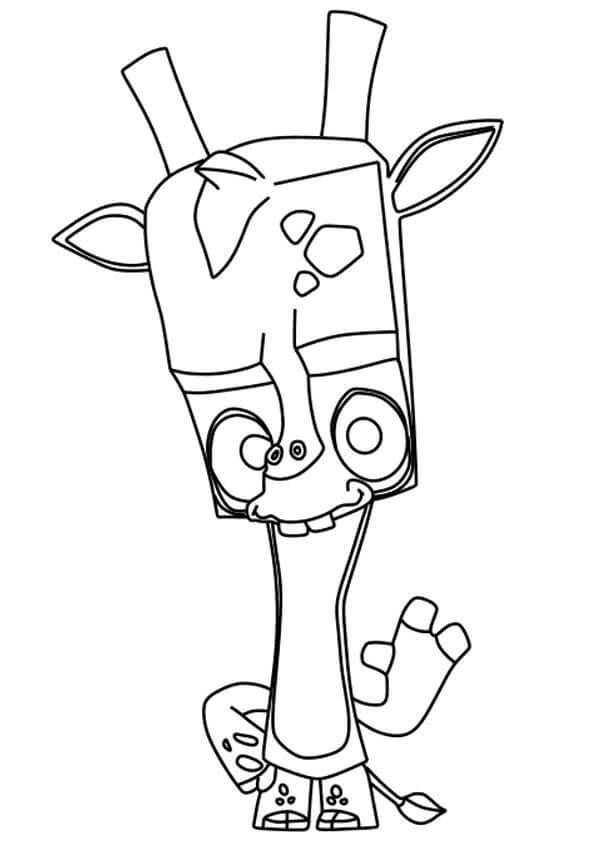
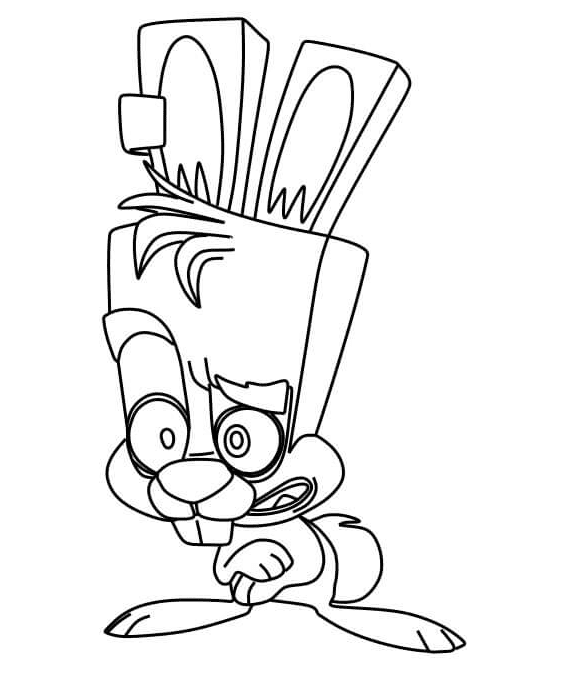
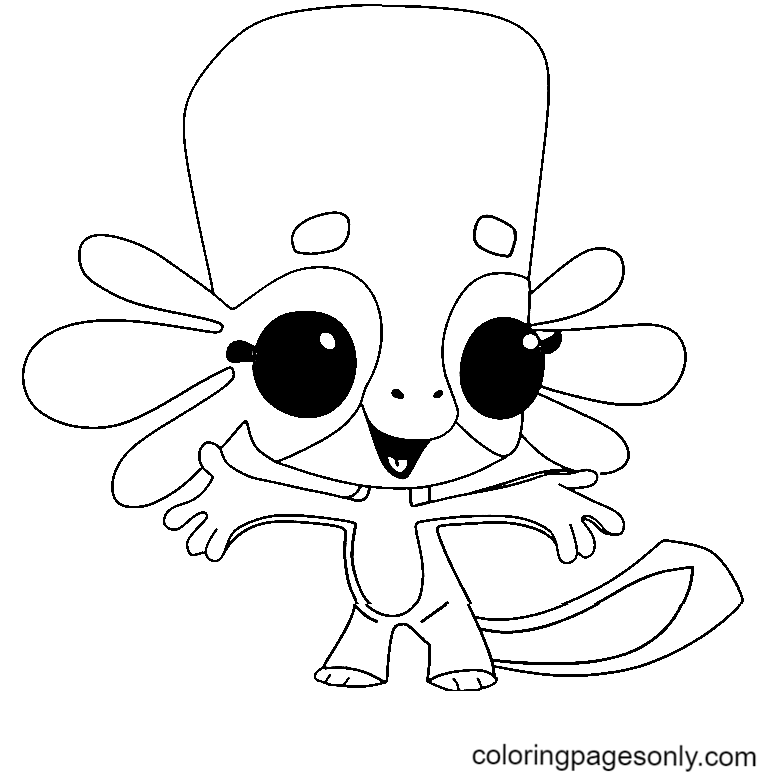
Zooba’s complete roster includes animals representing most of the major categories of zoo wildlife – primates, reptiles, big cats, herbivores, birds, and aquatic animals. The full-roster pages in the collection show multiple characters in the same composition, requiring the colorist to manage the full range of the game’s color palette simultaneously.
These group pages are the collection’s most ambitious and reward planning before any color is applied: identify every character in the composition, assign each their canonical color, and establish which characters share similar tones (the browns of primate fur, the greens of reptile skin) so that neighboring same-tone characters can be differentiated through value rather than hue.
Action and Combat Pages
The action pages show characters mid-ability – in the specific body position of an attack, a dodge, or a power activation. These pages capture the kinetic energy that makes the game’s visual design effective on a mobile screen: the characters are designed to read quickly and clearly at small sizes, which means their action silhouettes are distinct and exaggerated rather than anatomically precise.
Coloring action pages: The energy effects that accompany character abilities – the impact lines, the burst effects, the area-of-effect indicators – should be colored in high-saturation, contrasting tones that read as energy rather than as environmental elements. These effects typically use warm colors (orange, yellow, red) for fire or impact abilities and cool colors (blue, purple) for ice or special-move abilities.
What These Pages Do
Zooba’s character design uses real zoo animals as the foundation for a diverse cast. Each character starts from a real animal’s actual visual characteristics – the gorilla’s actual proportions, the crocodile’s actual scale pattern, the turtle’s actual shell structure – before applying cartoon exaggeration and personality. Coloring these pages while understanding the real animal behind each character develops both the artistic skill of rendering animal features and the natural history knowledge of what those features look like.
The battle royale format teaches comparative character analysis. Because every character in Zooba has a specific combat role – melee brawler, defensive fighter, speed attacker, ranged character – understanding who each animal is involves understanding how they differ from each other. Coloring through the full roster while paying attention to how each character’s visual design communicates their role (the gorilla’s bulk communicating melee power, the turtle’s shell communicating defense) is engaging with character design as a communicative act.
Fine motor development through scale and texture variety. The American Academy of Pediatrics identifies fine motor skill development as a key childhood milestone throughout early childhood. Zooba’s roster provides exceptional variety in surface texture challenge – smooth mammal fur, complex crocodile scale patterns, turtle shell geometry, bird feathers – all within a single collection. The 2005 Art Therapy Journal study on structured coloring and anxiety reduction applies throughout: the game’s young primary audience brings the motivated, focused attention to these pages that produces the most effective developmental practice.
The vivid, high-saturation palette develops confident color application. Zooba’s visual design uses maximum-saturation colors for both characters and environmental elements – the game needs to be readable at mobile screen sizes in outdoor lighting conditions. Coloring these pages in the game’s intended palette develops the confidence to apply color at full saturation rather than the tentative, under-committed application that beginning colorists often default to.
How to Color These Pages Well
Wildlife characters need fur/scale directionality. The most common mistake on animal character pages is applying color uniformly across the body surface without considering the direction of the fur or scale growth. Fur grows outward from the spine along the sides, forward on the forehead, downward on the belly, and on the legs. Scales on reptile characters have a specific overlap direction – each scale overlaps the one below it. When applying color or shading, follow these directional cues with your stroke direction for a result that reads as a natural animal surface rather than as a colored outline.
The game’s cartoon aesthetic uses outline-bounded flat color with minimal shading. Zooba’s visual style is not realistic – it uses the bold-outline, flat-color-primary approach of mobile game character design, where every element needs to read immediately at small screen sizes. Resist the instinct to add complex shading that would soften the character’s clear visual identity. Apply the base colors confidently at full saturation, then add shading only in the most clearly three-dimensional areas (under the jaw, under the arms, in the deep recesses of the scale pattern). Keep the overall reading bold and clean.
Green characters need value separation. Shelly and Bruce are both green, and both may appear in the same group pages. To differentiate two green characters adjacently, the most reliable technique is value separation – make one character’s green lighter in overall value while keeping the other darker. Shelly reads as a lighter, brighter green; Bruce reads as a darker, deeper green. The value difference, even within the same hue family, provides immediate visual separation.
Weapon and equipment elements get vivid, independent color. Characters in Zooba carry weapons and wear accessories – these game elements are typically rendered in colors completely independent of the character’s natural animal tones. A blue-and-gold gun on a brown gorilla creates the maximum contrast between character and equipment. Apply the weapon and equipment colors at maximum saturation as a deliberate contrast to the natural tones of the animal body.
Eyes carry personality – apply multiple layers. The large, expressive cartoon eyes of Zooba characters communicate the personality distinction between a cheerful turtle and an aggressive crocodile before any other design element is read. Apply the iris color first (the base color of the entire eye area, typically a vivid warm or cool color). Then apply the pupil (near-black, oval, or round) centered within the iris. Then add the highlight dot (white, at the upper portion of the iris). The three-layer eye produces the living quality that makes cartoon characters feel animated.
5 Creative Craft Ideas
Species vs. Fighter Role Comparison
Print one character page for each of the main combat role categories: one melee brawler (the gorilla or ape type), one defensive character (the turtle), one speed attacker (the big cat), and one ranged character. Color all in their canonical game palettes.
Mount in a two-by-two grid on a backing sheet. Below each character, add: the character name, their animal species, and their combat role label – “Melee Brawler,” “Defensive Fighter,” “Speed Attacker,” “Ranged Fighter.” The finished display maps the game’s character ecology – four different animals, four different roles, each communicated through the design before the text explains it.
Real Animal vs. Game Character
Select any Zooba character – the crocodile is ideal for this exercise because the scale pattern is detailed enough to compare. Print the Zooba character page. Color it in the game’s cartoon palette.
On a separate piece of paper, draw or find a simple outline of the actual real-world animal (a Nile crocodile, a gorilla, a green sea turtle). Color the real animal in naturalistic tones – the actual colors of the real species.
Mount both side by side: “Real [species name]” on the left, “Zooba’s [character name]” on the right. Add specific differences noted between the two: what the cartoon exaggerates, what it simplifies, what it invents. The exercise connects the game’s characters to their real-world origins.
My Zooba Character Design
Select any animal not currently in the Zooba roster – a platypus, a pangolin, a narwhal, a peacock. Print the most neutral animal-shaped outline page available in the collection. Use it as a reference for proportions.
On blank paper, draw your own character design: the animal’s basic shape adapted to Zooba’s cartoon proportion style (slightly larger head, slightly compressed body, large expressive eyes). Choose a combat role. Design a weapon or ability that matches the animal’s real characteristics – a narwhal’s horn as a jousting weapon, a peacock’s tail feathers as a spread-shot projectile.
Color the finished design in vivid, high-saturation game-appropriate colors. Add the character name, their combat role, and their signature ability description. The finished design is a piece of game concept art in the Zooba visual style.
Zooba Champion Trophy
Print the most dynamic action pose available in the collection – the character who best represents a “winner” moment. Color it carefully in canonical colors.
Mount on a backing sheet that simulates a winner’s podium: a gold-colored number 1 position drawn below the character figure, with silver number 2 and bronze number 3 positions on either side (empty, waiting for other characters). Add the character’s name above the podium. Add the text: “Last Animal Standing – Zooba Champion.”
The finished display recreates the victory moment of the battle royale format as a static display.
Zoo Escape Map
Draw a simplified top-down zoo map on a large sheet of paper – the bird’s-eye view perspective of the actual game. Mark different zoo sections: Primate House, Reptile House, Big Cat Enclosure, Bird Aviary, Aquatic Zone. Place small colored circles in each zone representing each character’s starting position.
Print and color small versions of each character page – sized to approximately 5cm tall. Cut each character out and mount them in their respective zone on the map. The finished display is a fan-made game map showing where each animal might have escaped from – connecting the battle royale’s setting (the zoo) to each character’s natural habitat within it.
Frequently Asked Questions
What is Zooba, and who made it? Zooba: Zoo Combat Battle Royale is a free-to-play mobile battle royale game developed and published by Wildlife Studios, a Brazilian mobile game company founded in 2011 by Victor Lazarte and Arthur Lazarte and headquartered in São Paulo, Brazil. The game launched in soft release in 2019 and reached global release in early 2020. It is available on iOS and Android and has reached tens of millions of downloads globally. Wildlife Studios is one of Latin America’s most successful mobile game studios, with additional titles including Tennis Clash and Sniper 3D.
What is the gameplay of Zooba? Zooba is a top-down battle royale game in which players control cartoon zoo animals competing in a last-animal-standing format inside a zoo environment. Players collect weapons scattered across the map, use their character’s unique abilities, and eliminate opponents until one player or team remains. Each animal character has a distinct combat role – melee brawler, defensive fighter, speed attacker – and unique special abilities that reflect the animal’s real characteristics in an exaggerated, cartoon-appropriate way. The game can be played solo or in teams and features ranked competitive modes alongside casual play.
What types of animal characters appear in Zooba? Zooba’s roster spans multiple categories of zoo wildlife: primates (including a gorilla/chimpanzee-type character), reptiles (including a crocodile and a turtle), big cats (including a lion), and various other animals that have been added to the roster through updates since the game’s launch. Each character’s design starts from the real animal’s visual characteristics – the gorilla’s actual proportions, the crocodile’s scale pattern, the turtle’s shell geometry – before applying cartoon exaggeration and personality to create the game’s distinctive visual style. New characters have been added periodically, expanding the roster beyond the original launch lineup.
What age group is Zooba designed for? Zooba is designed primarily for the eight-to-fourteen age range – old enough to navigate the basic combat mechanics of a battle royale game but with a visual style and character design that is specifically friendly and non-violent in its presentation. The cartoon zoo animal aesthetic, the bright color palette, and the accessible top-down gameplay format are all calibrated for this demographic. The game is rated for ages four and up by Apple’s App Store and Google Play’s rating systems, though the competitive gameplay is most engaging for the eight-and-older range. The coloring pages in this collection are appropriate for all ages.
How does Zooba differ from other battle royale games? Zooba distinguishes itself from most battle royale games through its choice of perspective (top-down rather than first or third person), its character roster (cartoon zoo animals with unique abilities rather than human soldiers), and its visual aesthetic (vivid, high-saturation cartoon design rather than realistic military or survival aesthetics). The combination makes it accessible to significantly younger players than games like Fortnite or PUBG while offering enough competitive depth to retain the older end of its target demographic. The character-based design – with each animal having distinct mechanics – also gives it more in common with hero shooters like Brawl Stars than with traditional battle royale formats.
Are the coloring pages based on specific game characters or general zoo animals? The coloring pages in this collection are based on the specific character designs from the Zooba game – the cartoon versions of each animal as they appear in the game’s artwork and promotional materials, rather than realistic zoological illustrations of the same species. This means the pages reflect the specific stylizations that define each Zooba character: the proportional exaggerations, the costume and equipment elements, the specific color palettes, and the personality conveyed through facial expression that distinguish “Zooba’s crocodile” from a general illustration of a crocodile. Fans of the game will recognize each character from their specific game designs.
Browse the full collection at ColoringPagesOnly.com. All 40+ pages free, no sign-up, PDF or PNG, print or color online.
Wildlife Studios built Zooba in São Paulo and made it about zoo animals who had escaped their enclosures and were competing in a battle royale. The game reached tens of millions of players. The gorilla punches, the turtle throws her shell, and the crocodile closes the distance fast from the tall grass by the reptile house.
The zoo was never meant to contain them. Now nothing can.
Pick up your warm brown for the gorilla. Your deep green for the crocodile. Your brighter green for the turtle. The last animal standing wins.
Share your work on Facebook and Pinterest and tag #Coloringpagesonly. We especially want to see the zoo escape map projects and the custom character designs.
Color the zoo animals. Let them out of the enclosures. The battle royale begins.
More from our gaming and cartoon collections: