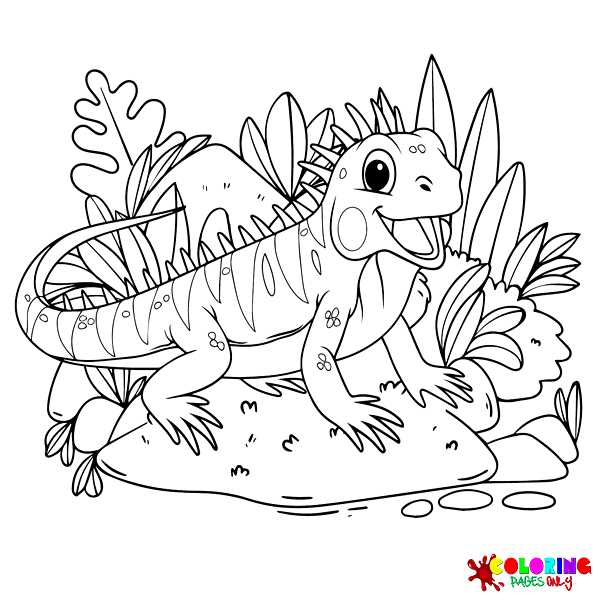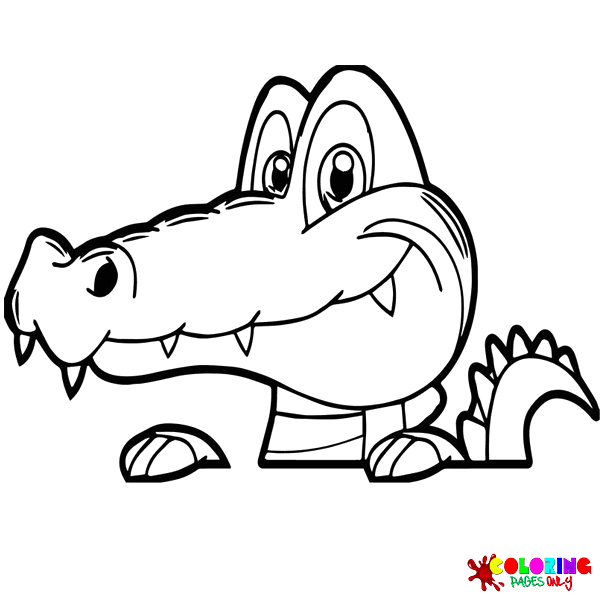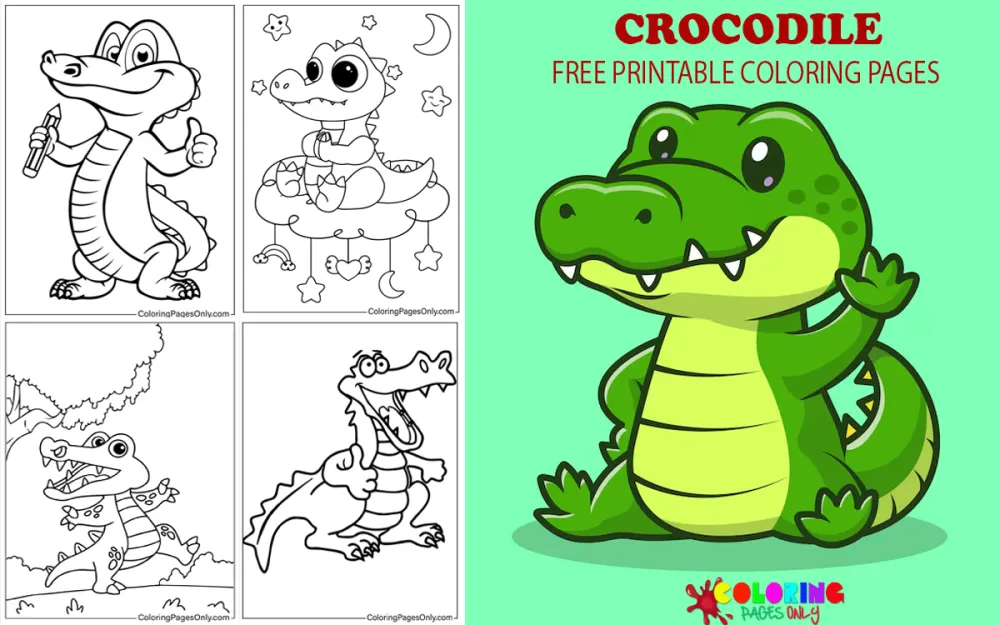
Free crocodile coloring pages: 50 printable PDF designs covering realistic species portraits, cartoon and kawaii versions, and crocodiles in their river and swamp habitats. Every page can be downloaded as a PDF to print or colored online in the browser.
Crocodiles belong to the order Crocodylia, a reptile group with fossil relatives dating back roughly 200 million years to the Late Triassic, making crocodiles among the closest living relatives of birds and dinosaurs. Living species include the Nile crocodile of sub-Saharan Africa, the American crocodile found from South Florida through Central America, and the saltwater crocodile, the largest living reptile, which ranges from India’s east coast through Southeast Asia to northern Australia. Crocodiles are often confused with alligators, but a crocodile has a narrower, V-shaped snout, an exposed fourth tooth visible when its mouth is closed, and lingual salt glands that let many species tolerate saltwater and brackish coastal habitats that alligators avoid. Alligators, by contrast, are limited to freshwater habitats in the southeastern United States and parts of China, one reason crocodiles have a wider global range than alligators.
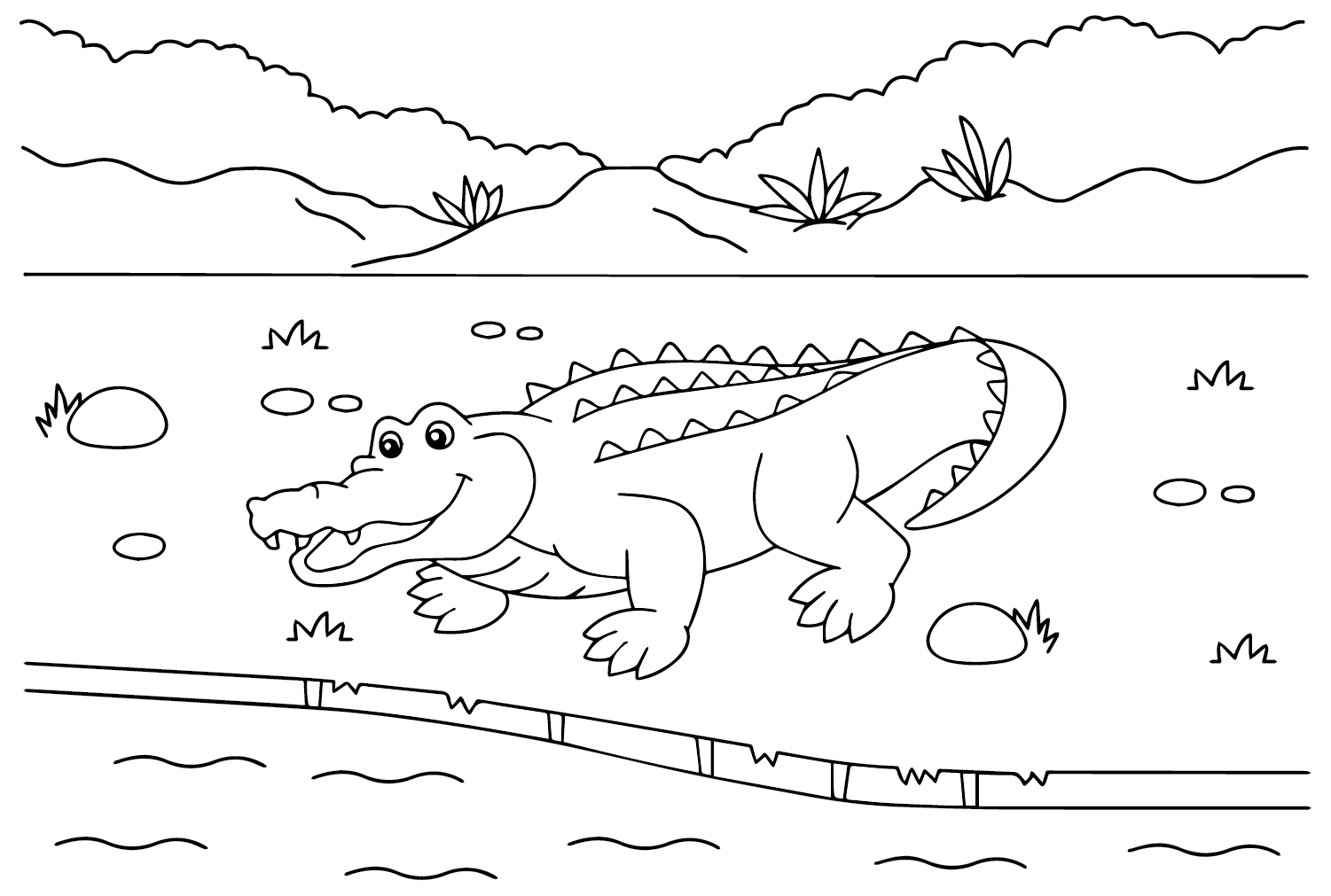
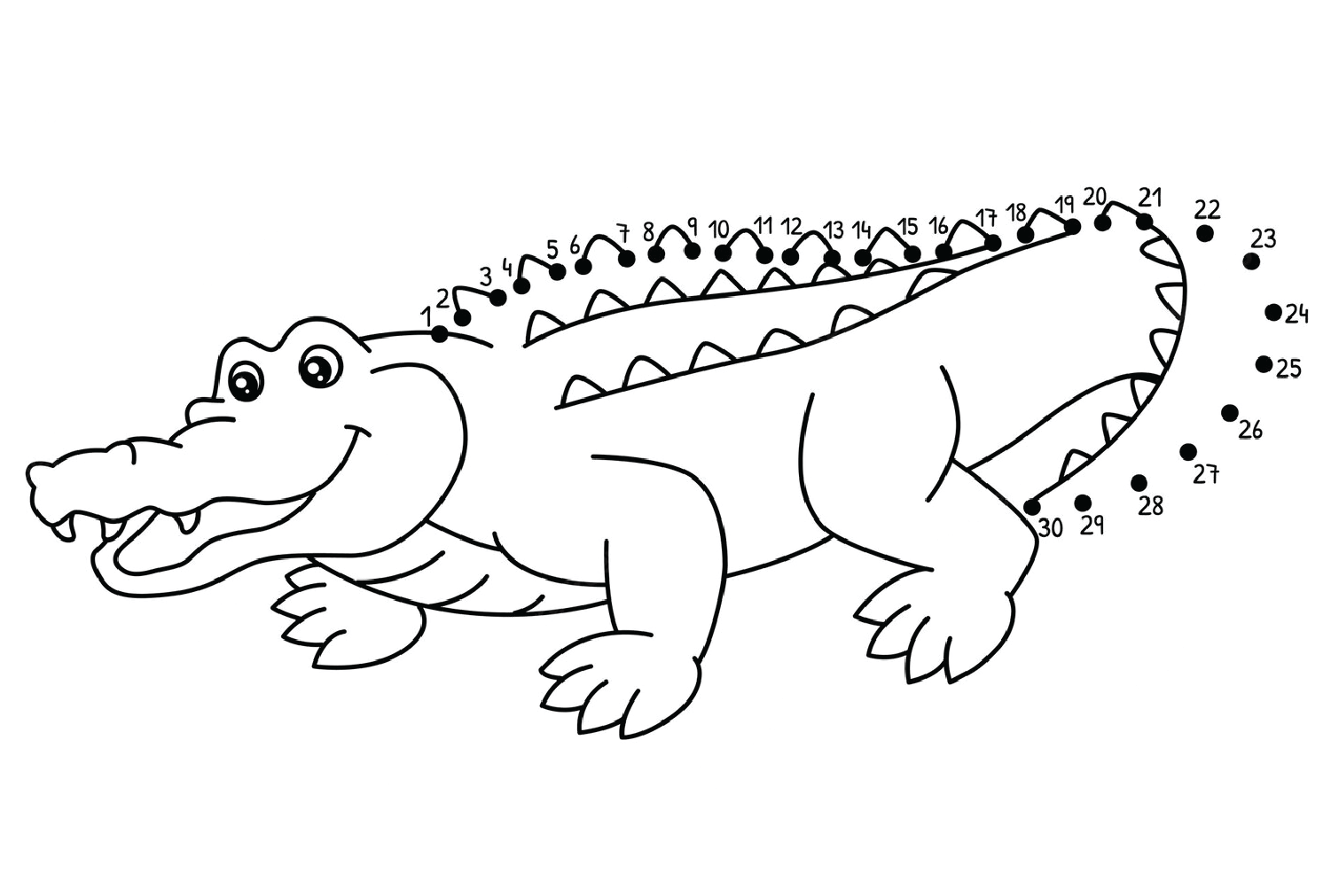
This collection reflects that range: species-accurate portraits, playful cartoon crocodiles doing everyday activities, habitat scenes set in rivers and swamps, and a few crocodile characters that cross over from other stories. The mix of realistic and cartoon styles means the same collection works for a classroom lesson on reptile identification and for a younger child who wants a fun animal to color.
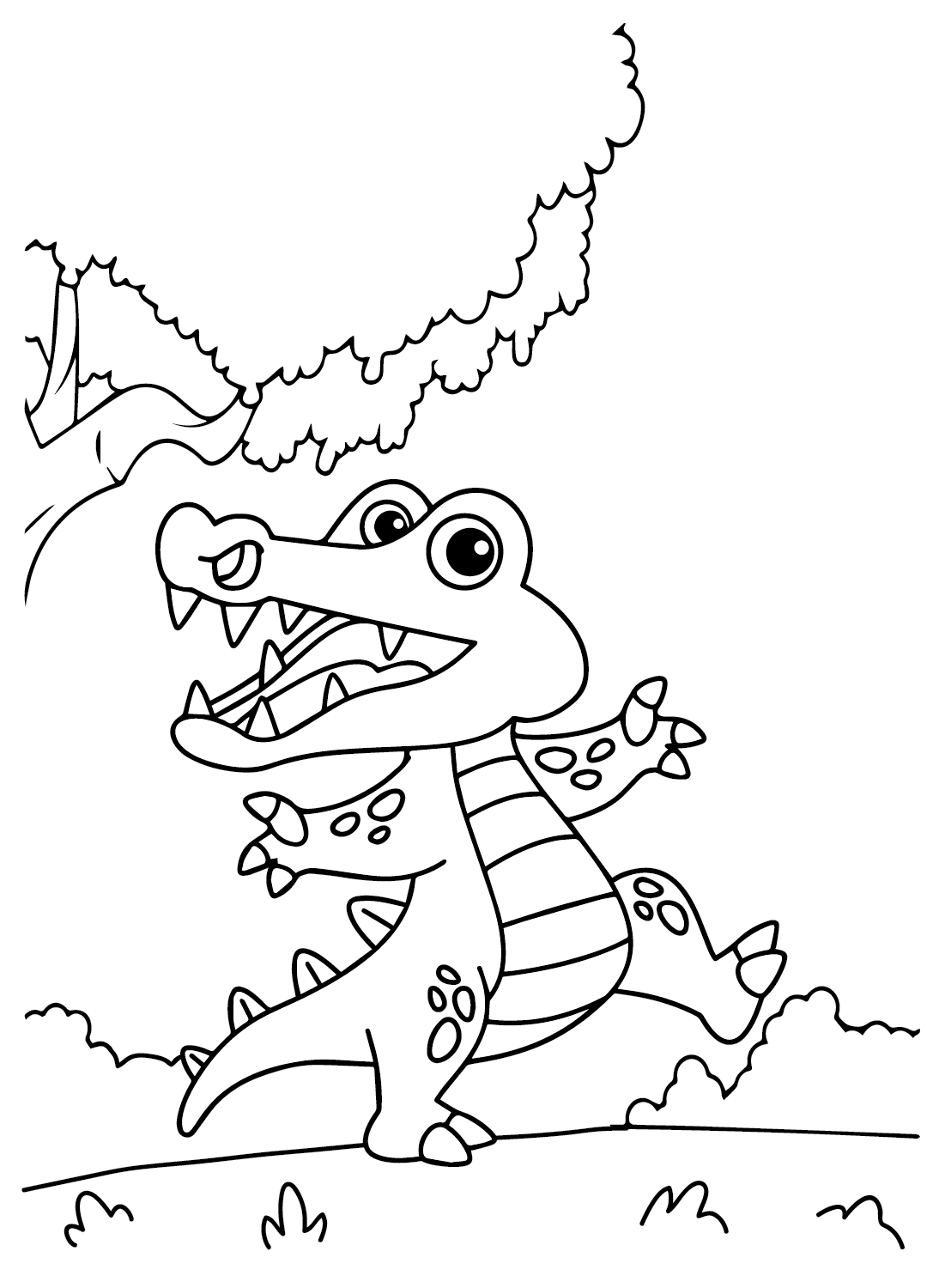
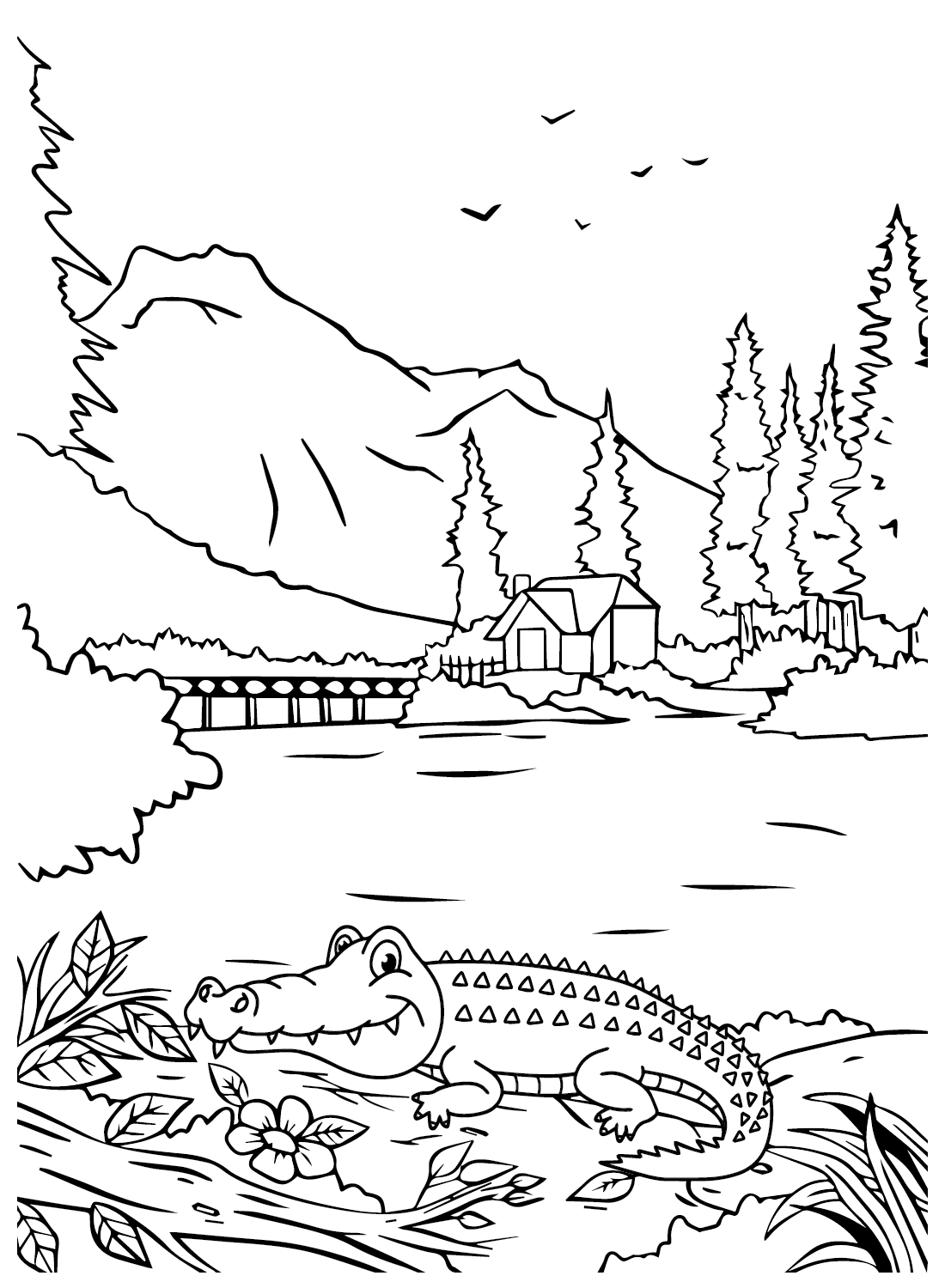
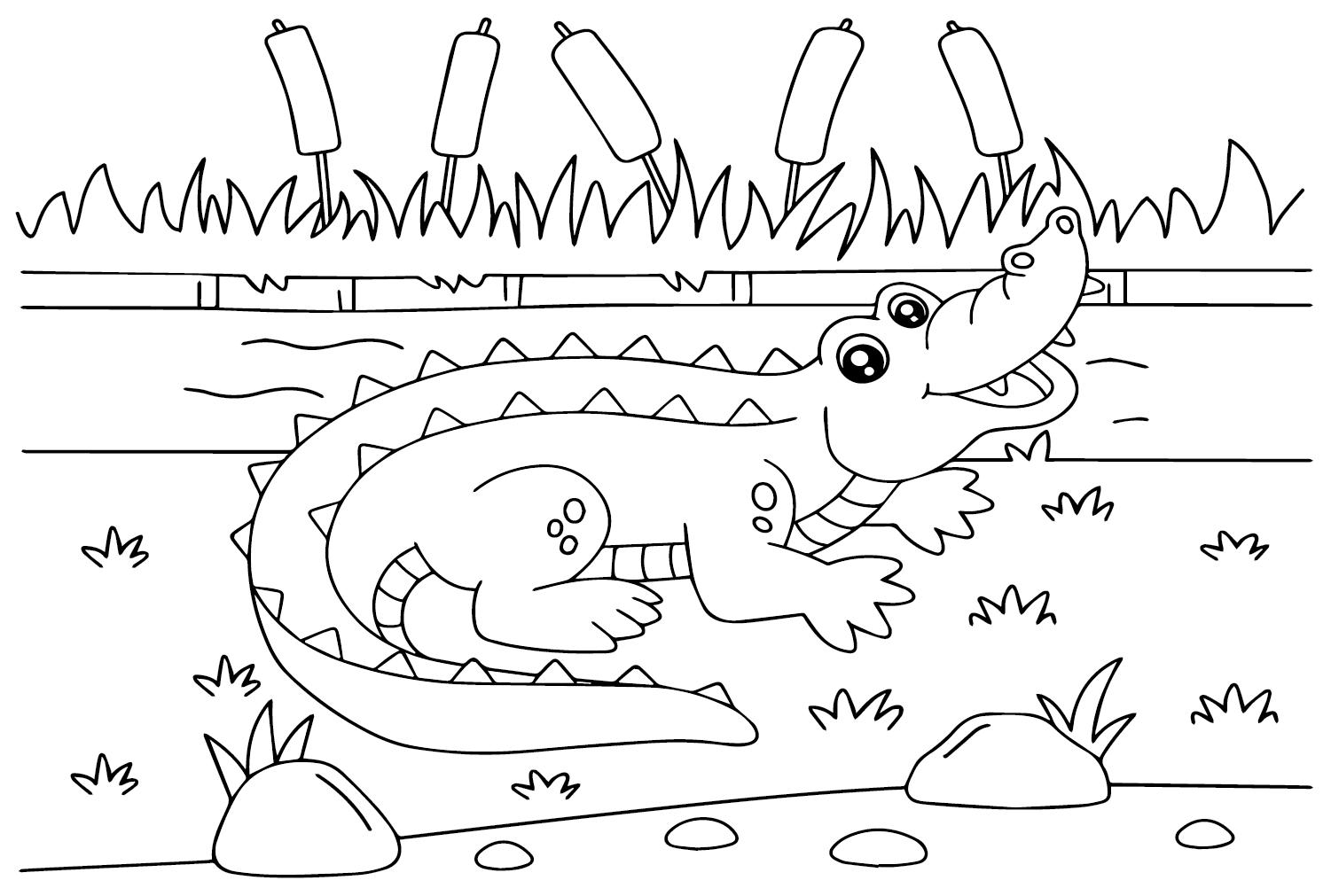
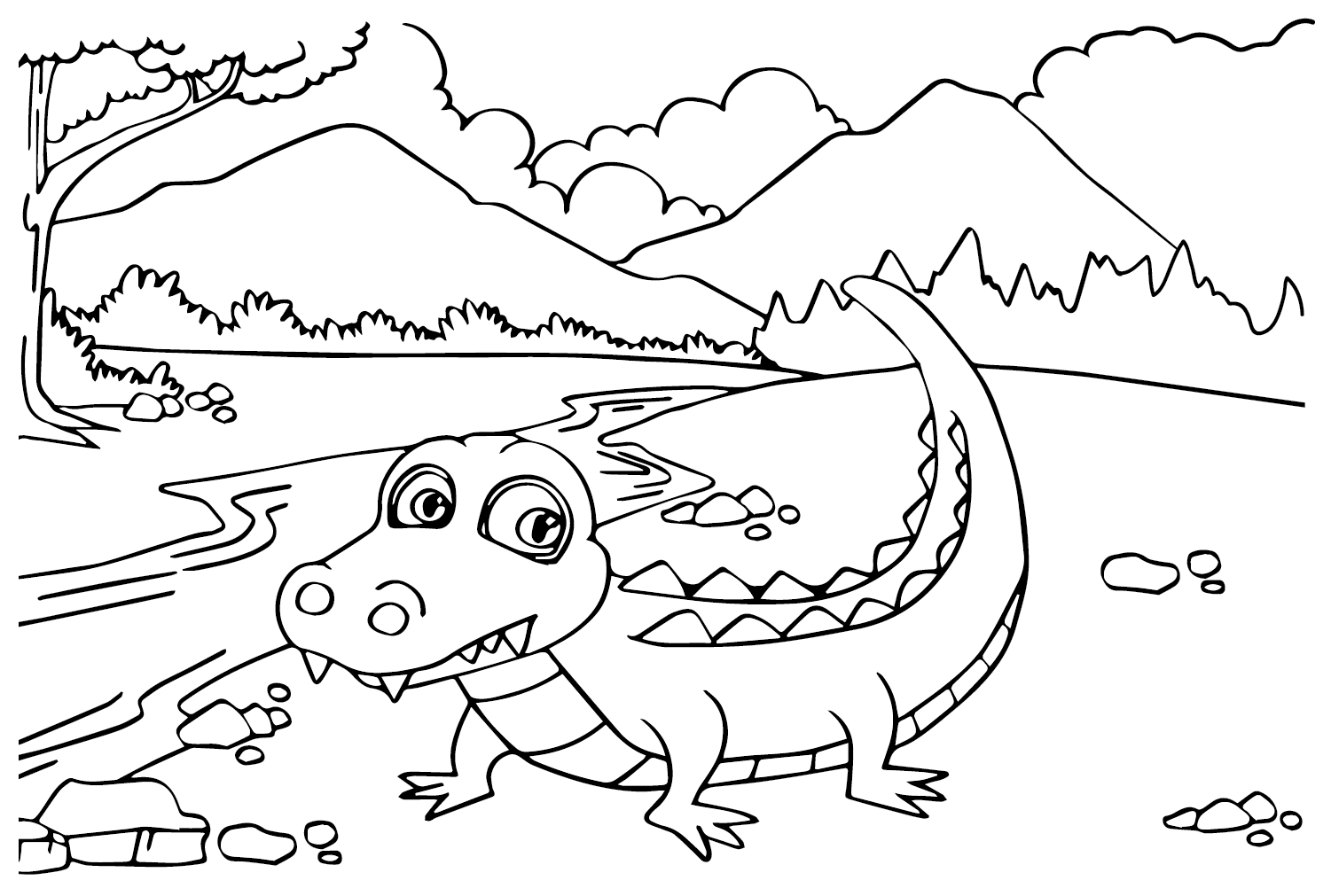

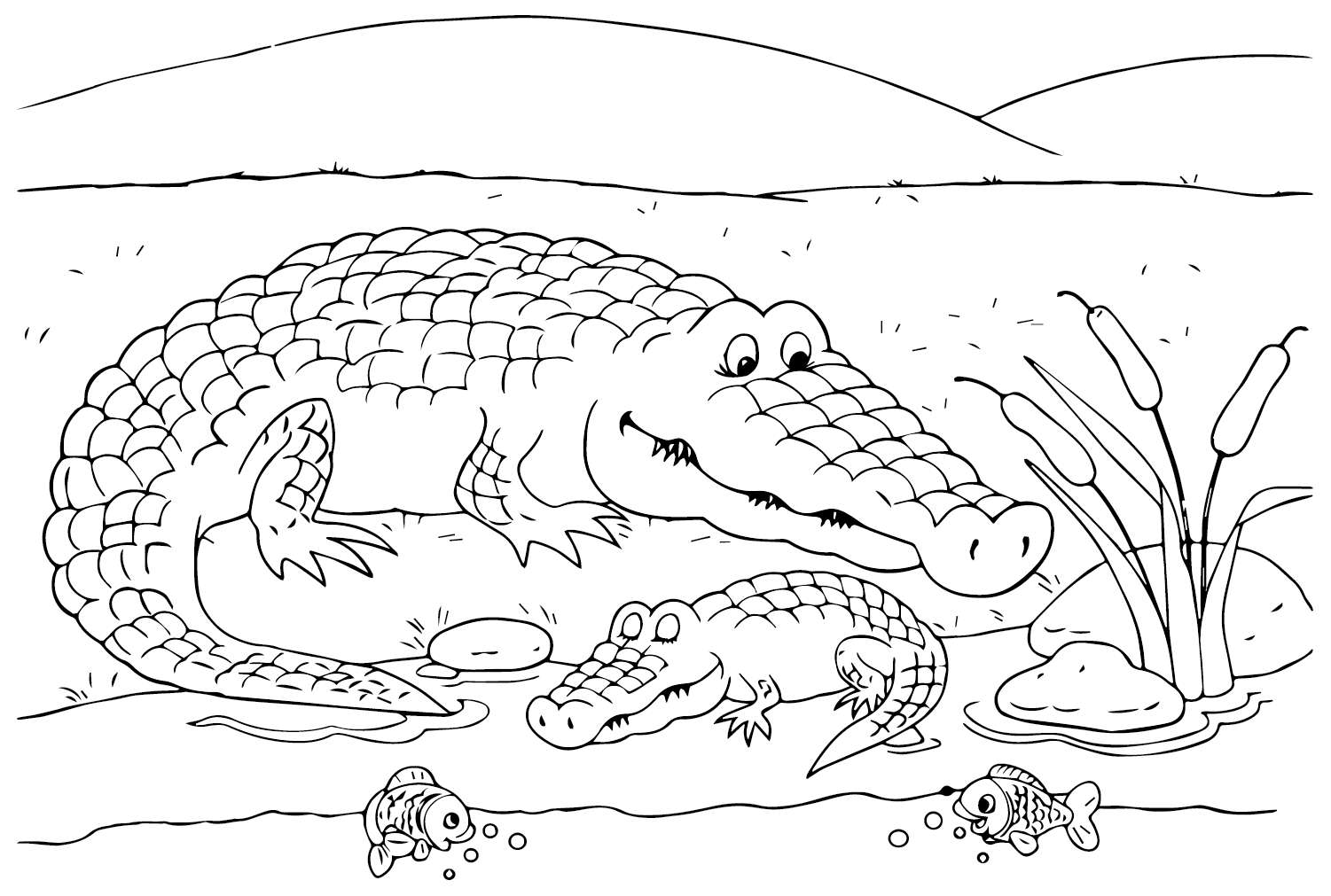
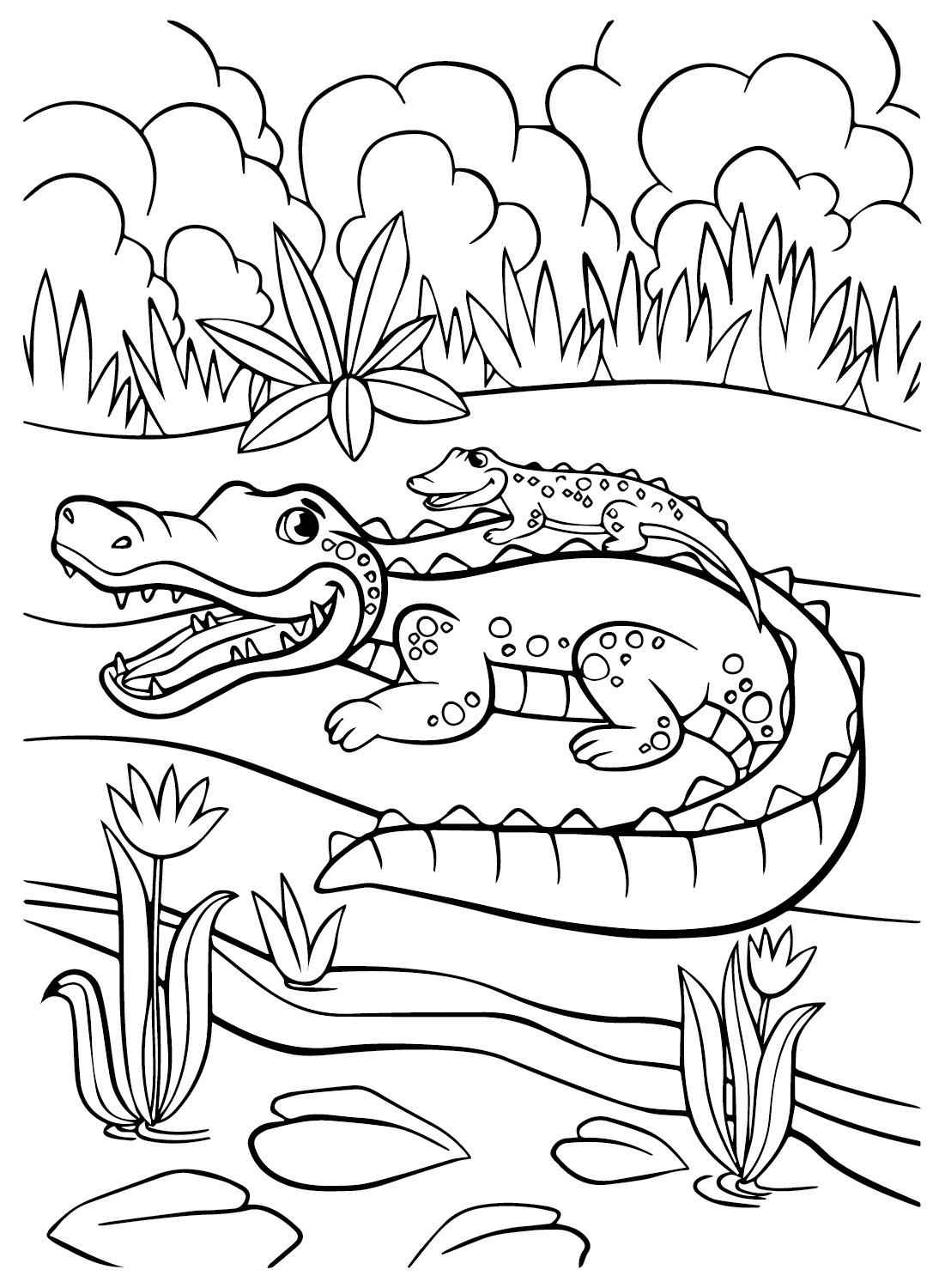
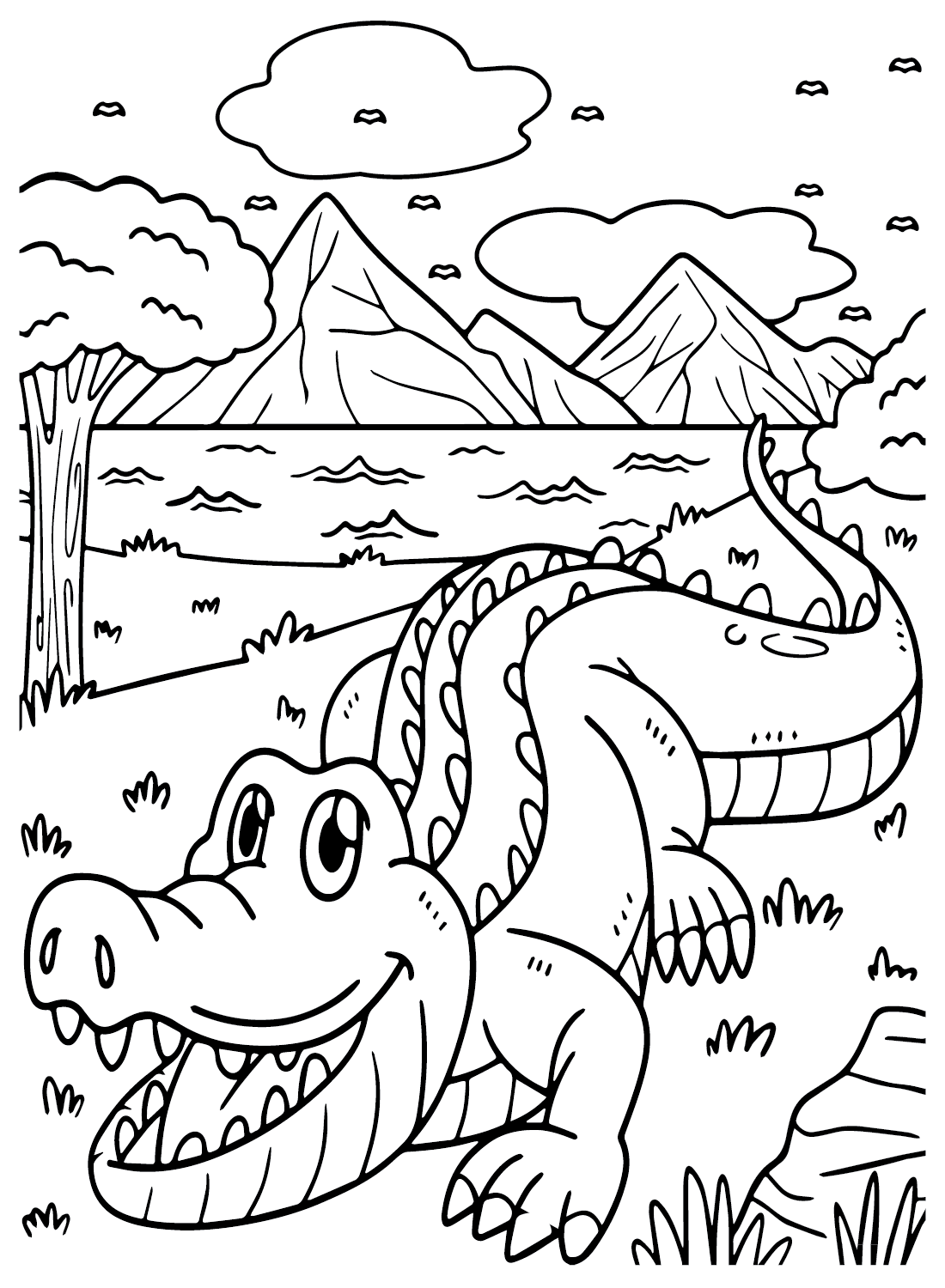
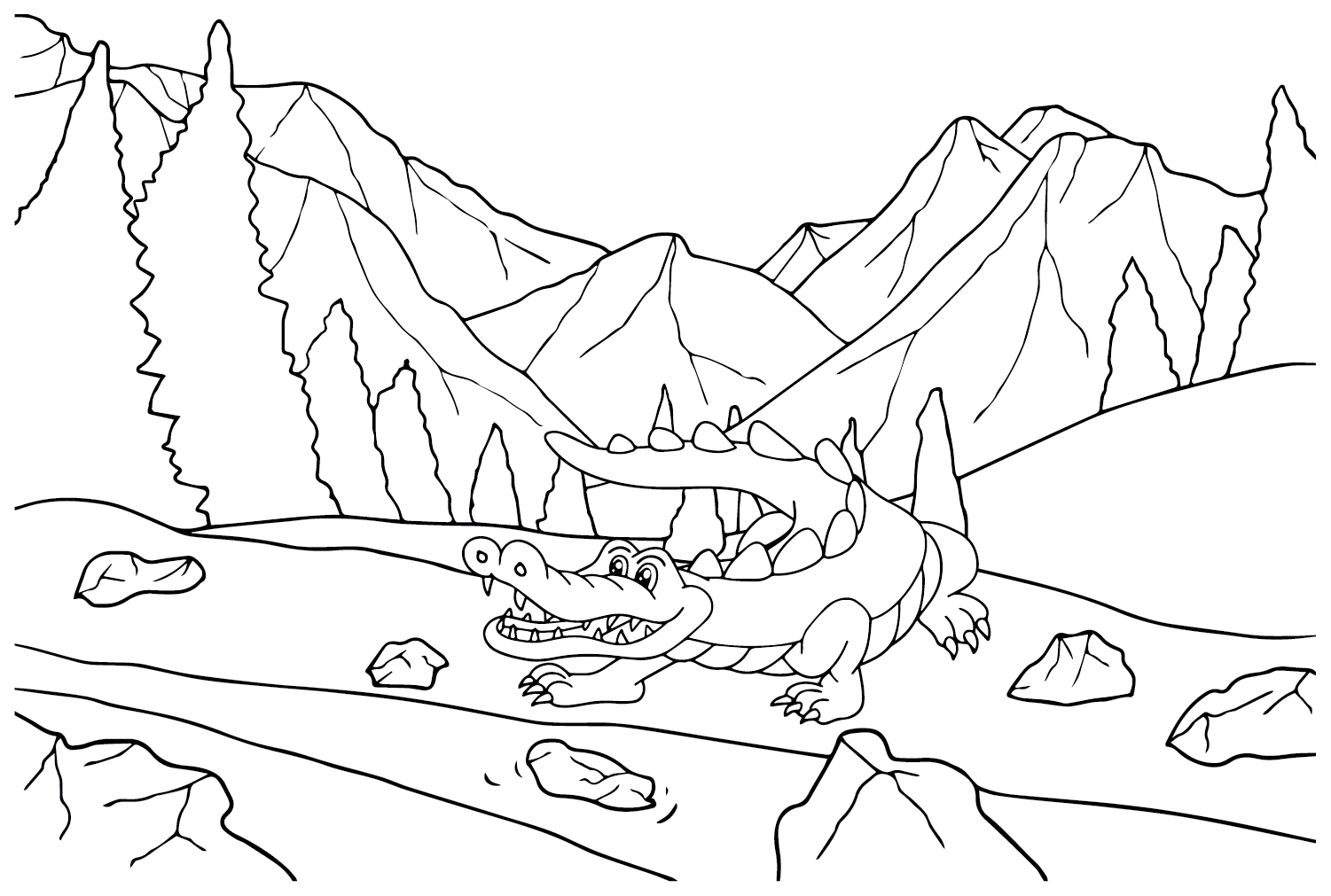
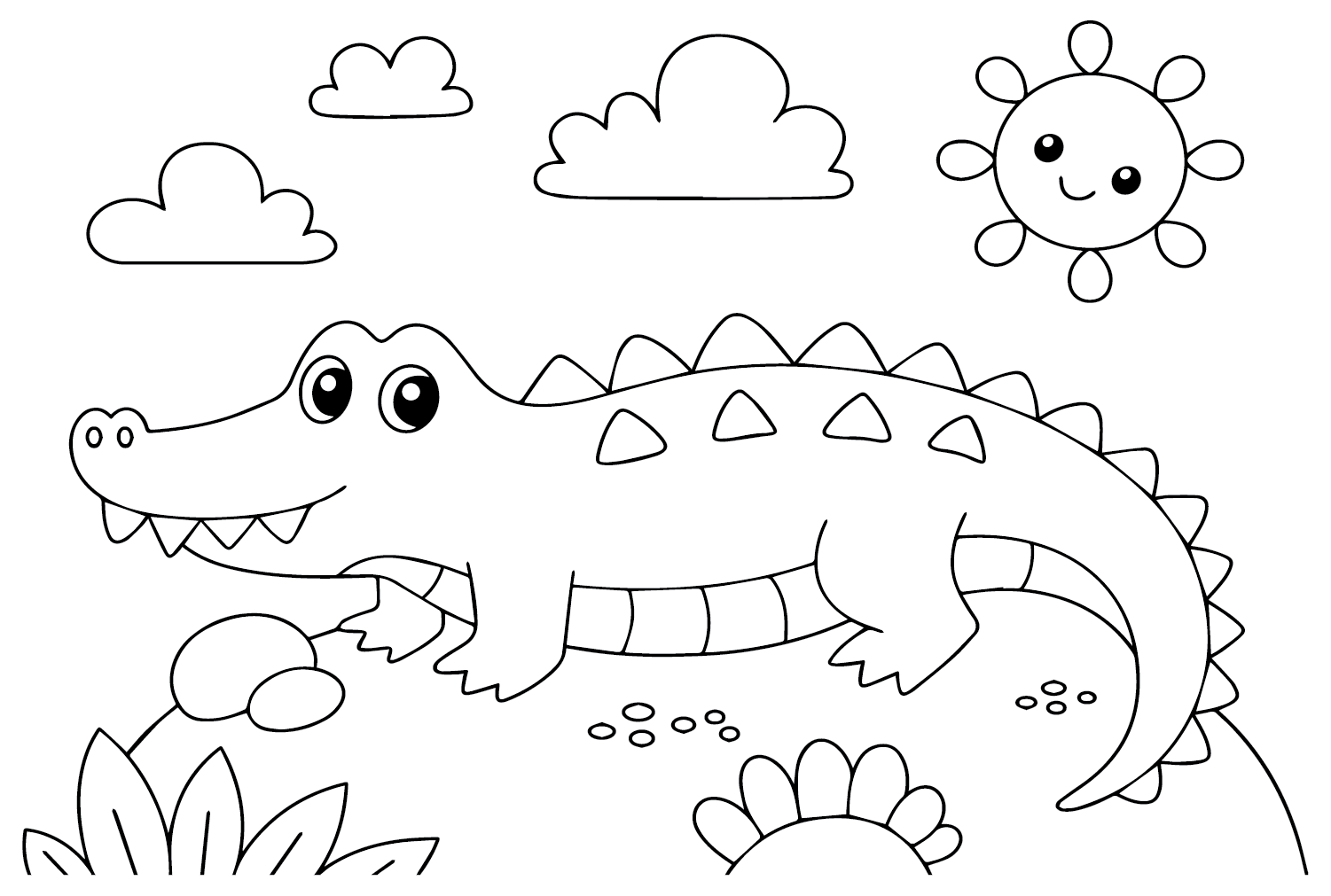
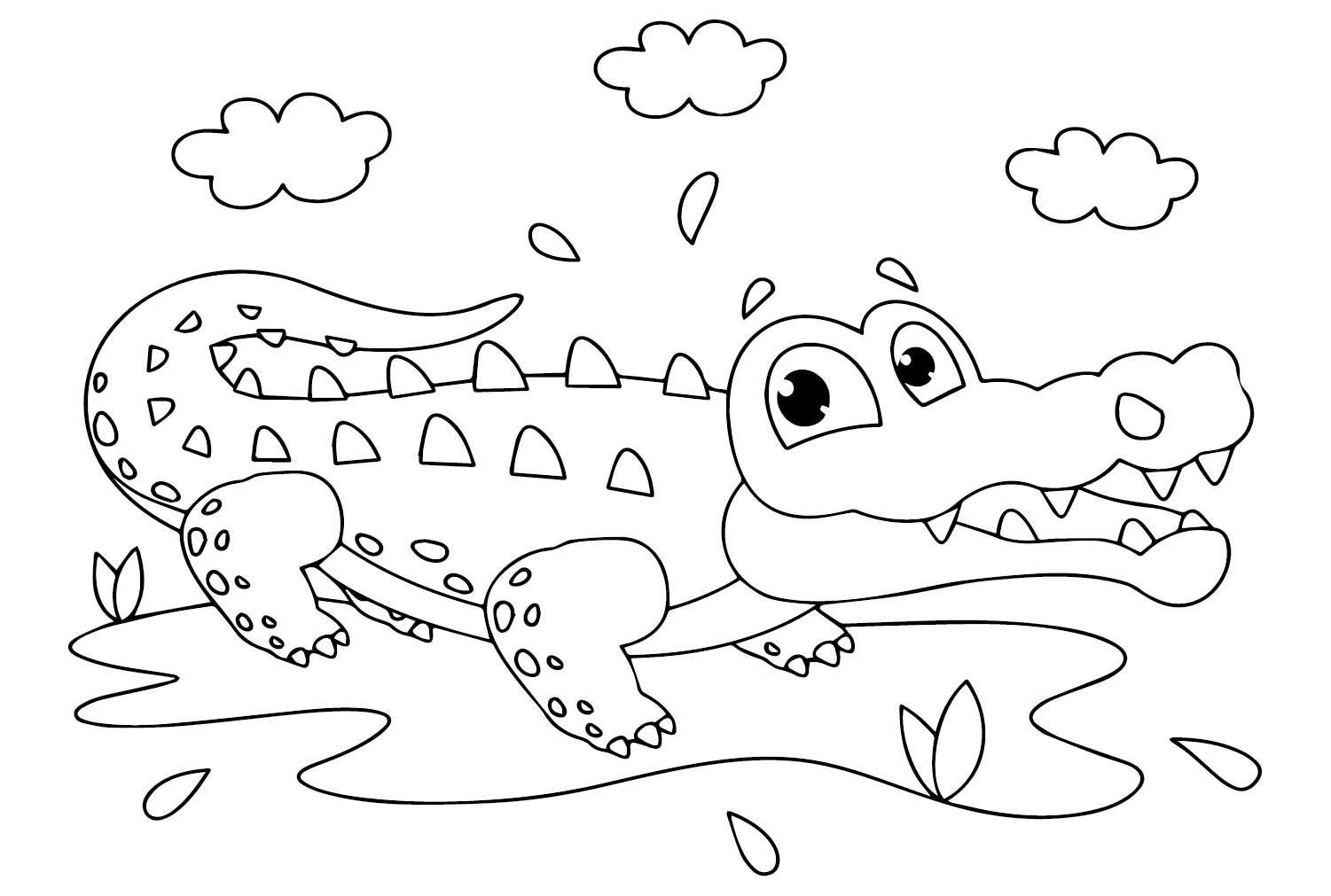

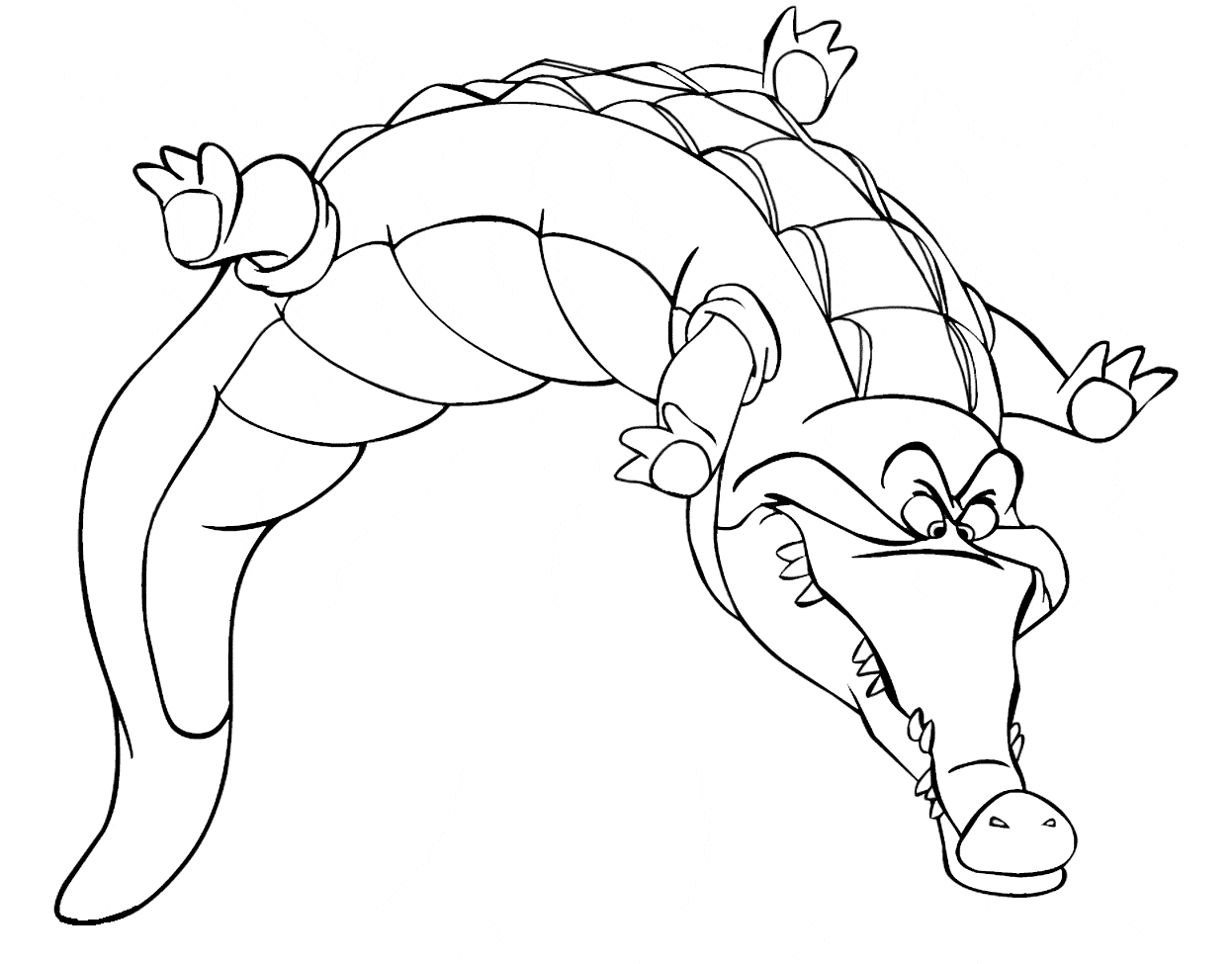
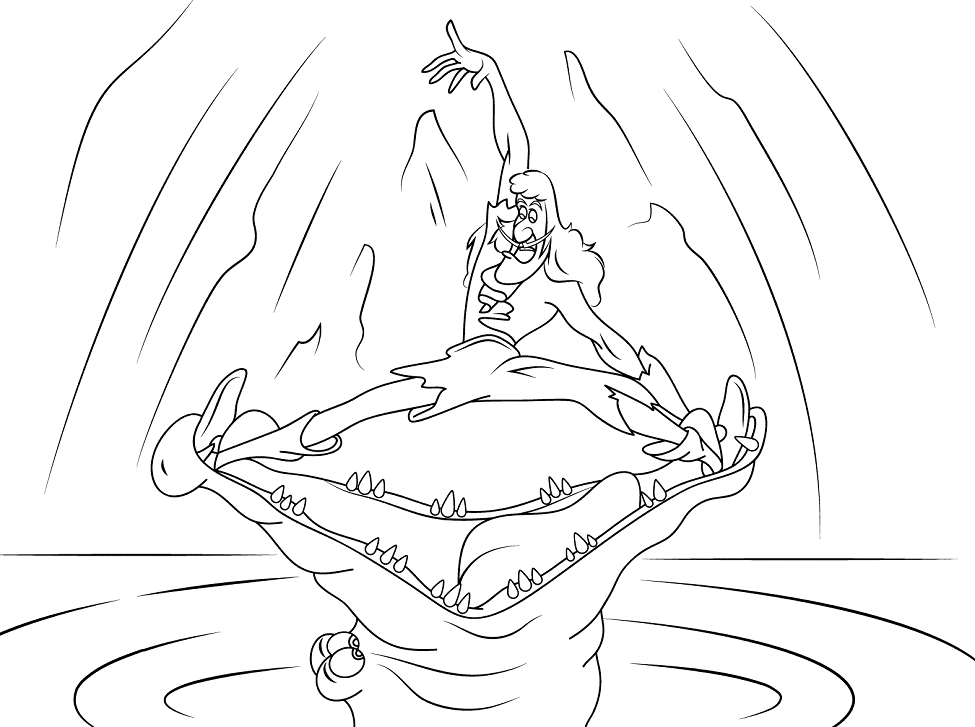
What Is Inside This Collection
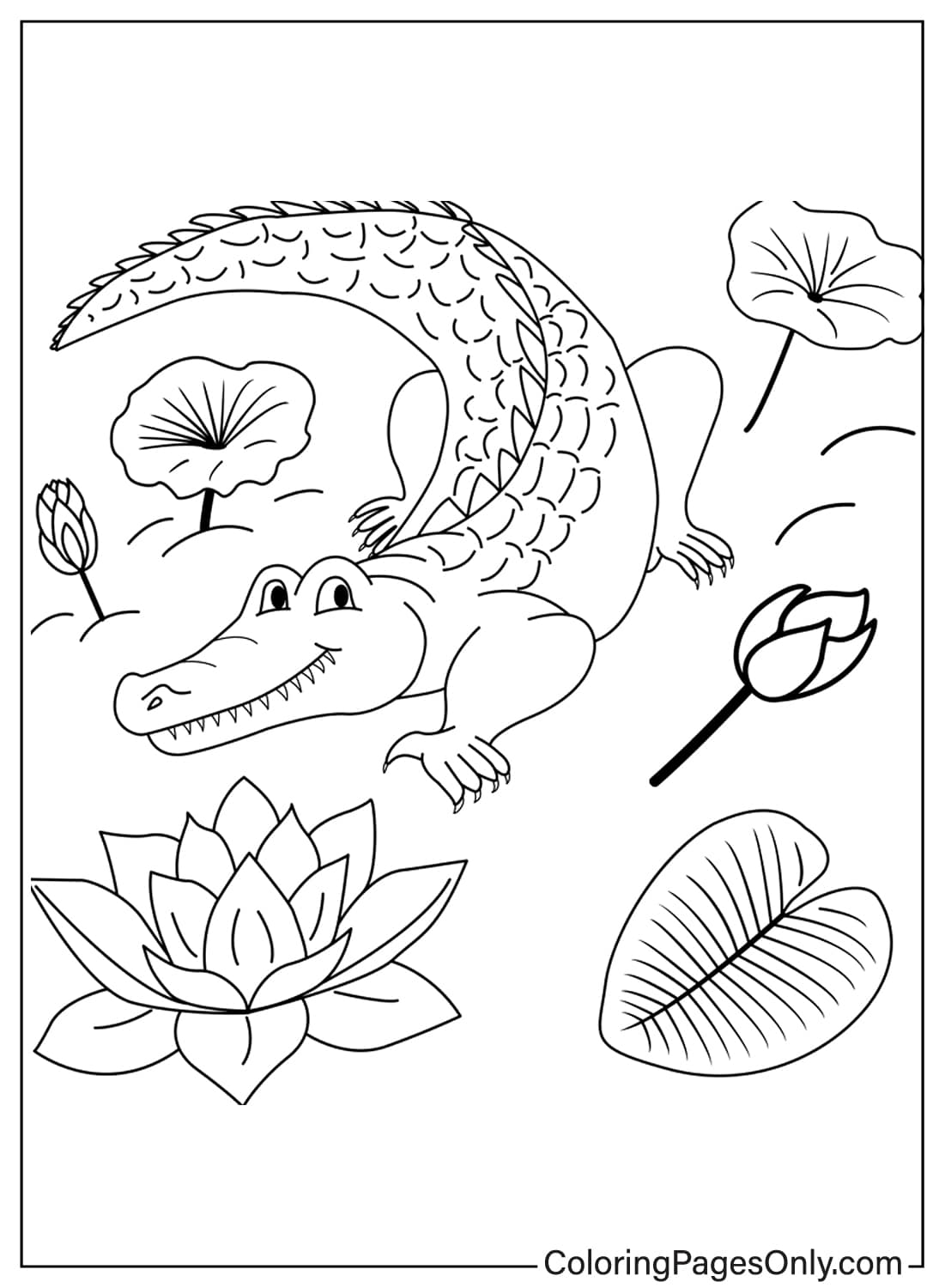
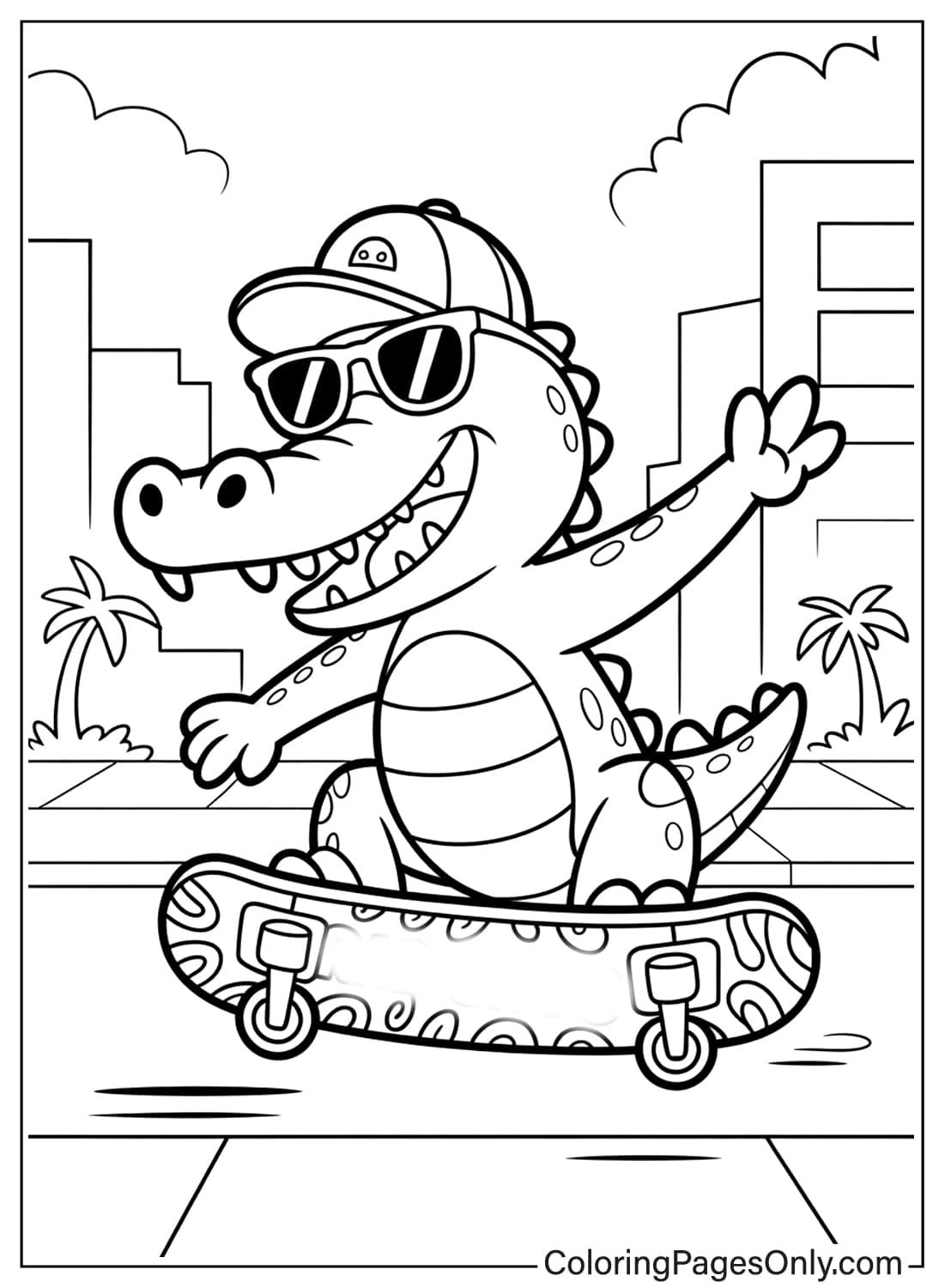
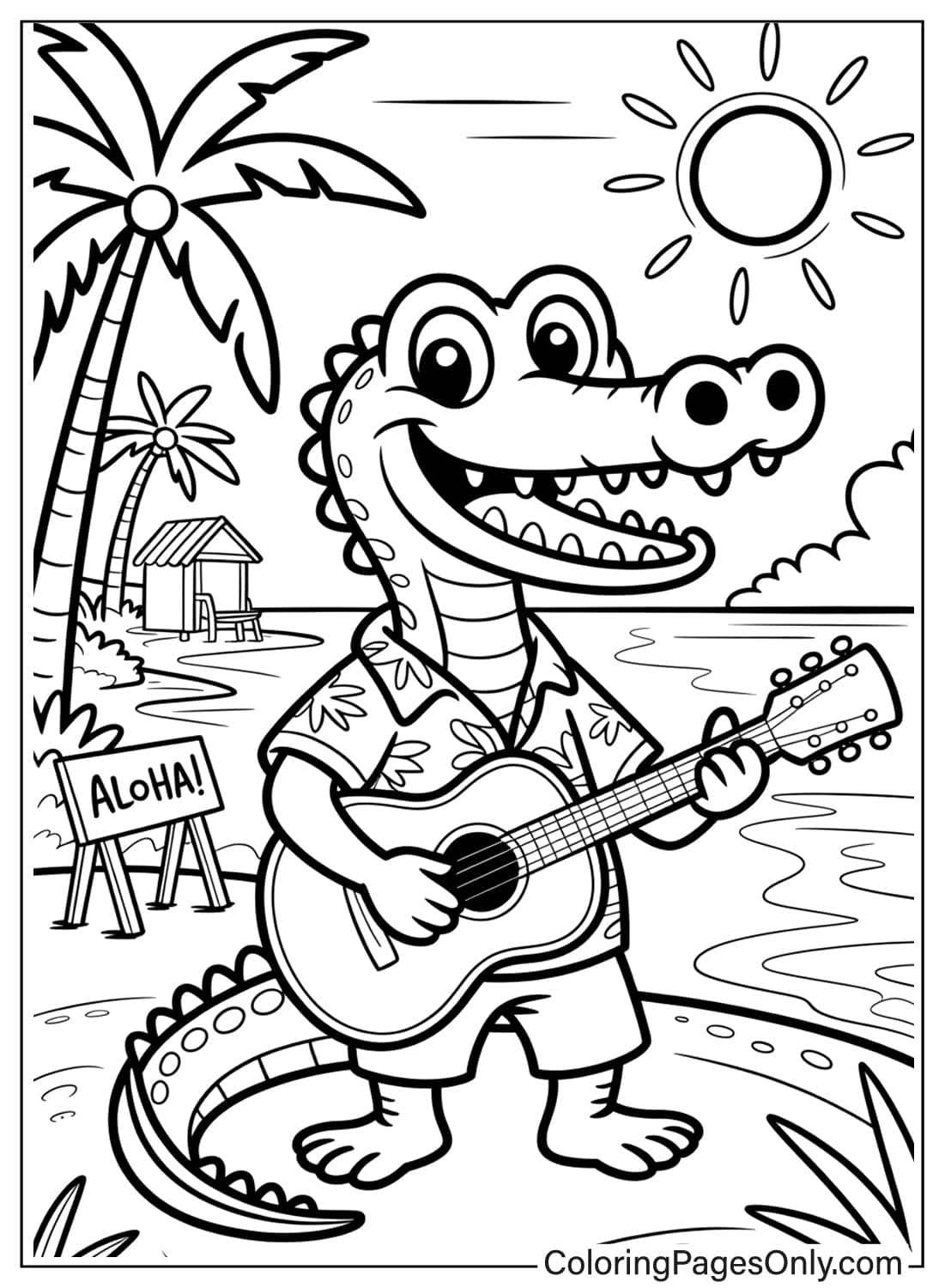
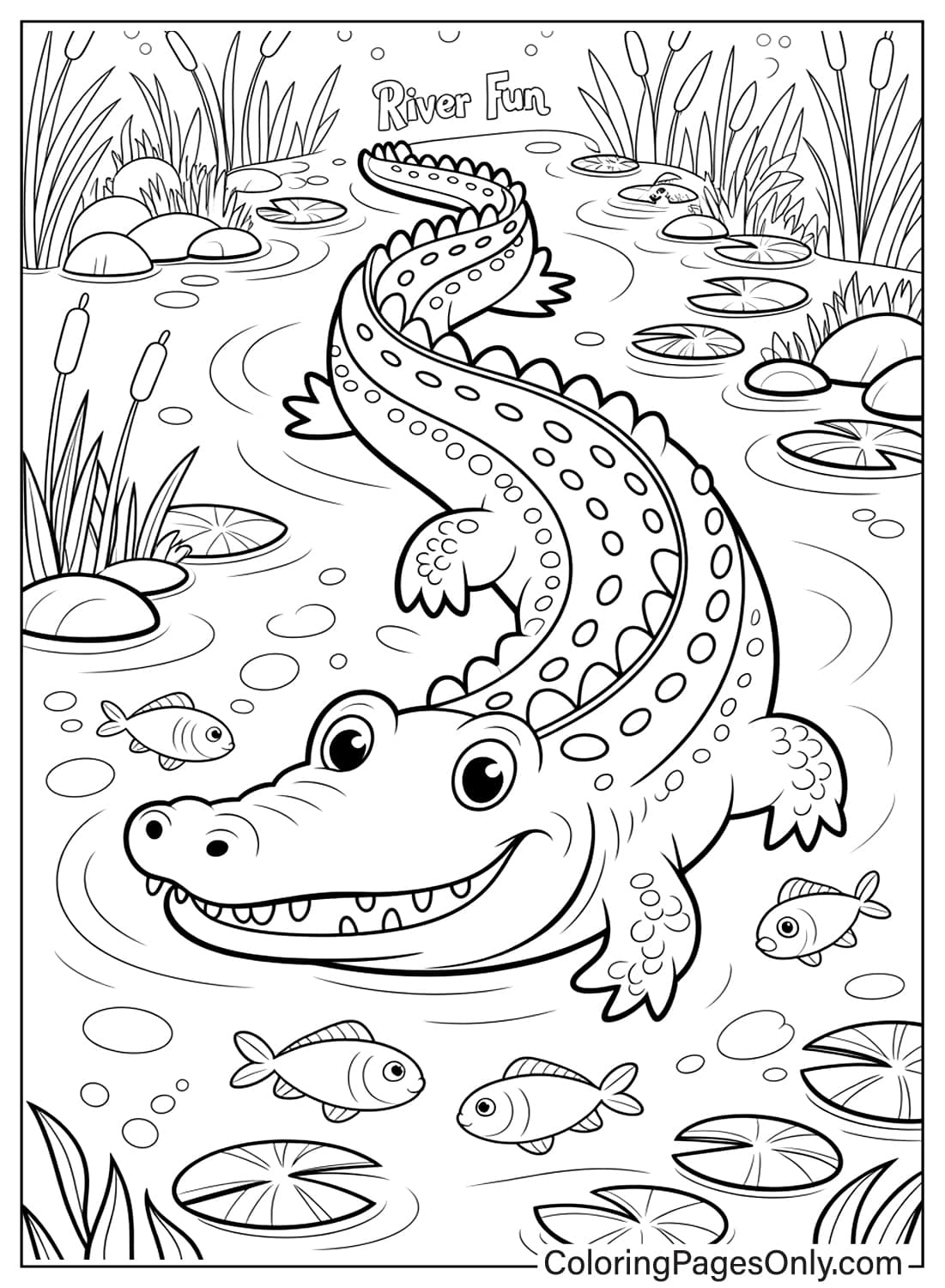
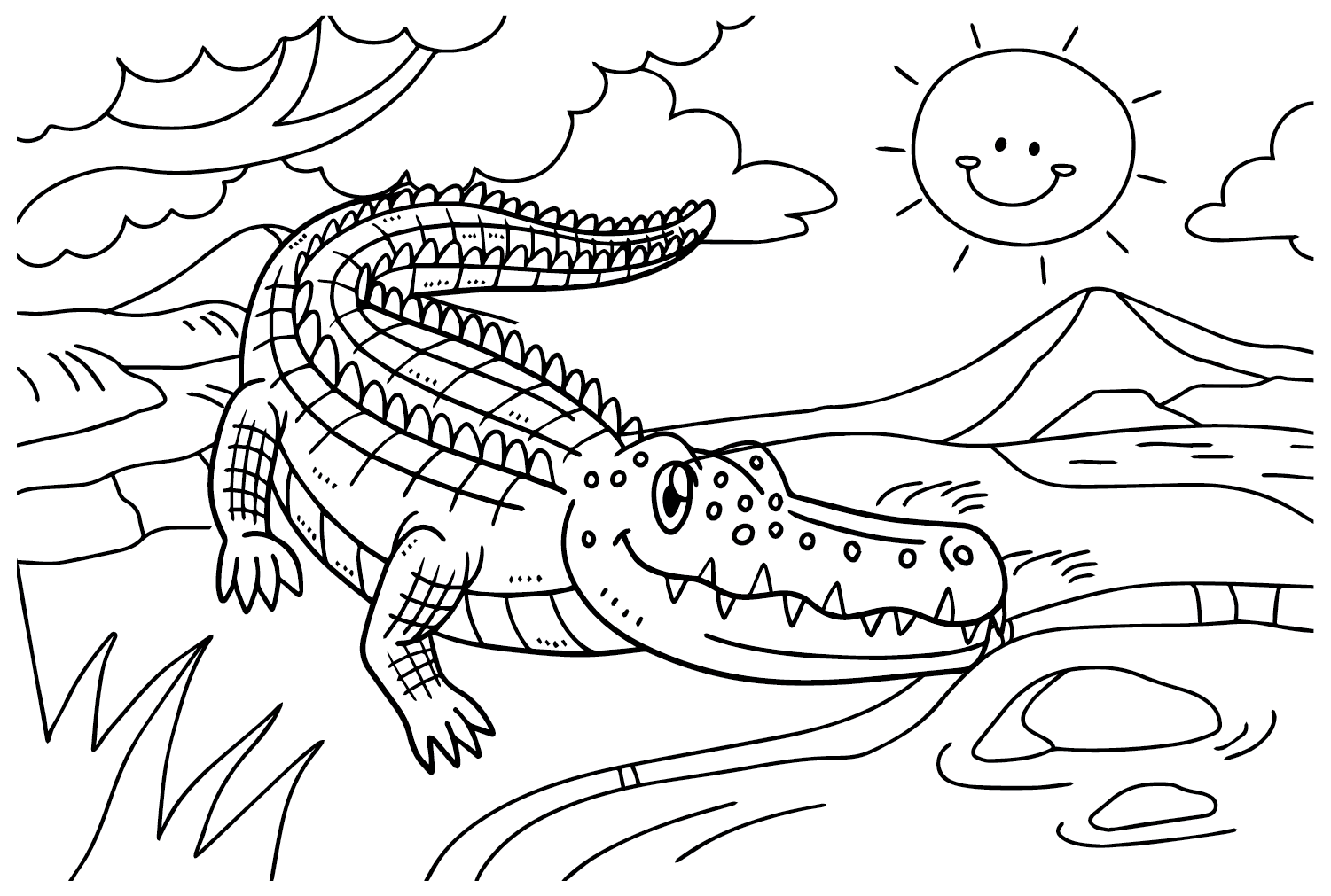
The 50 pages are divided into four groups: realistic species portraits, cartoon and playful crocodiles, habitat scenes, and general portrait pages that include a few crossover characters.
Realistic and Species-Specific Crocodiles
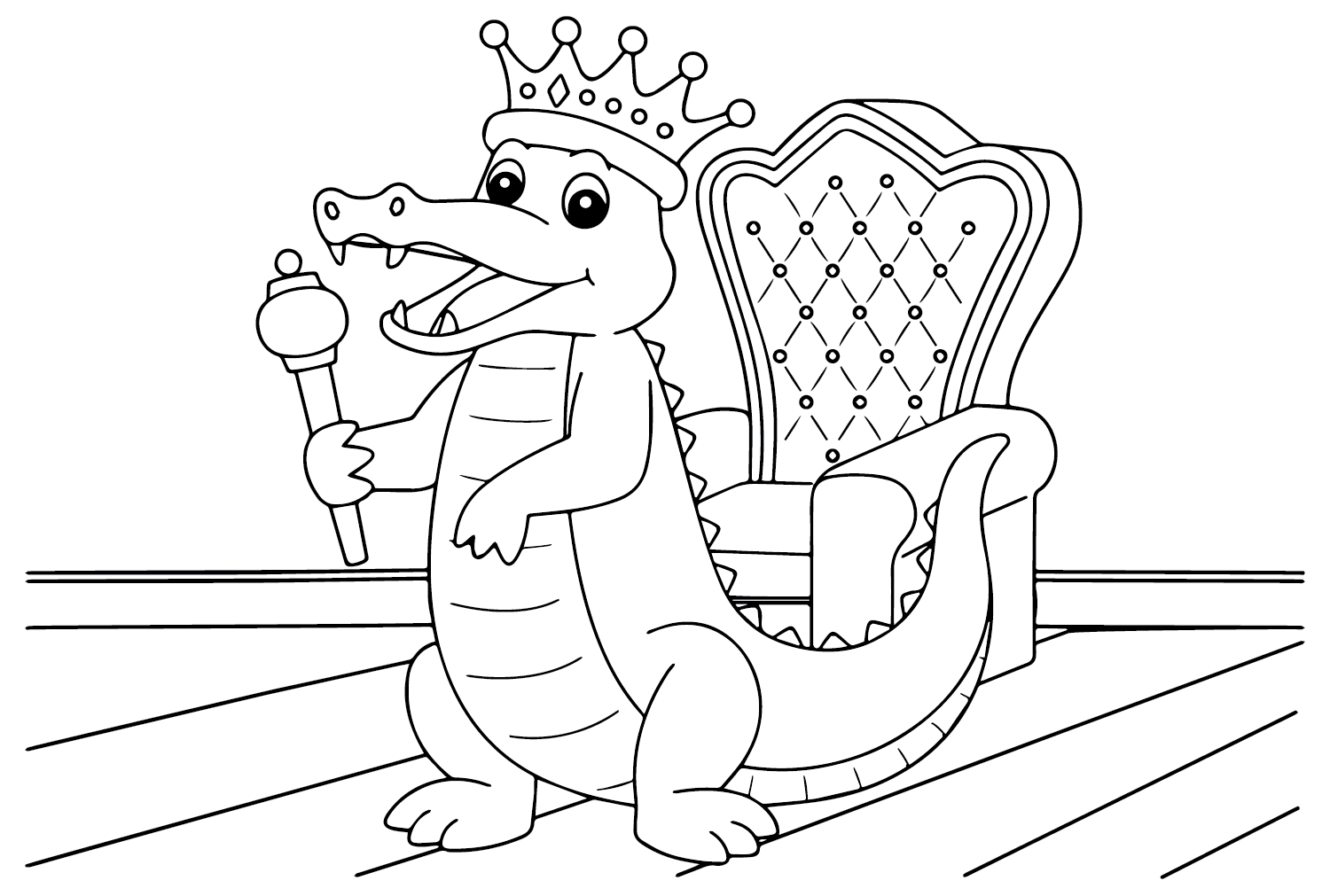
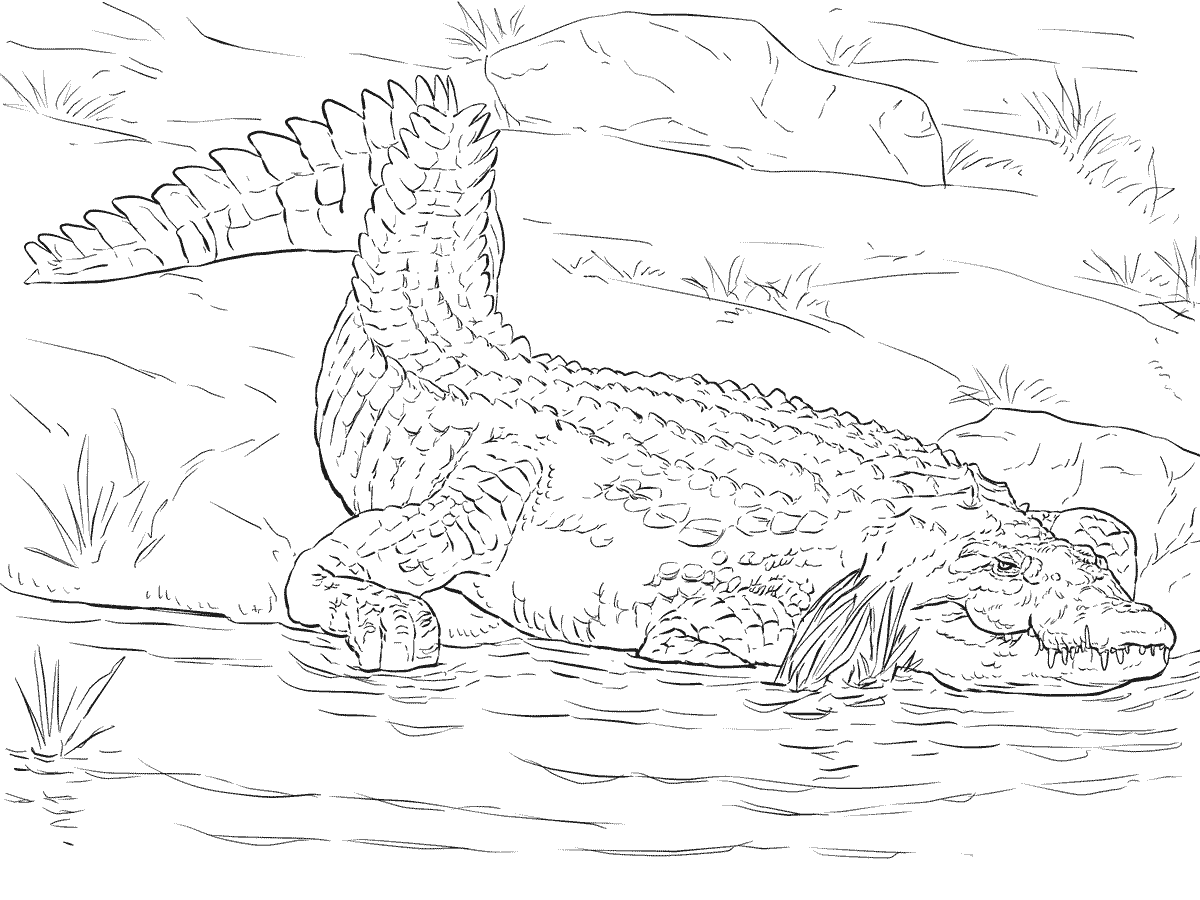
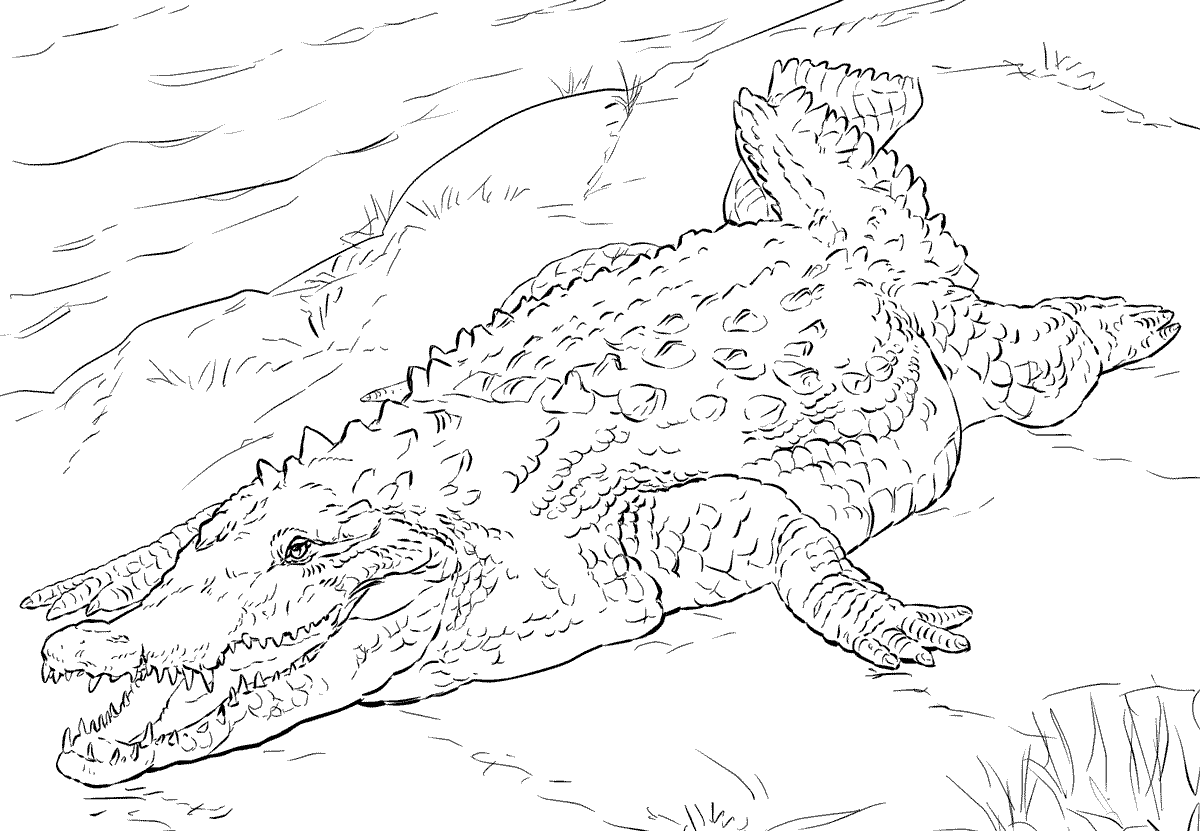
A dedicated group covers named species, including the Nile crocodile, the American crocodile, and the saltwater crocodile, alongside a more stylized “king crocodile” portrait. These pages carry the most scale and texture detail in the set and suit older kids who want to color a specific, identifiable species rather than a generic reptile. Because each species has a documented real-world color pattern, from the Nile crocodile’s bronze-to-yellow fade to the saltwater crocodile’s darker, patchier hide, this group doubles as a light introduction to how scientists tell one crocodilian species from another by sight.
Cartoon and Playful Crocodiles
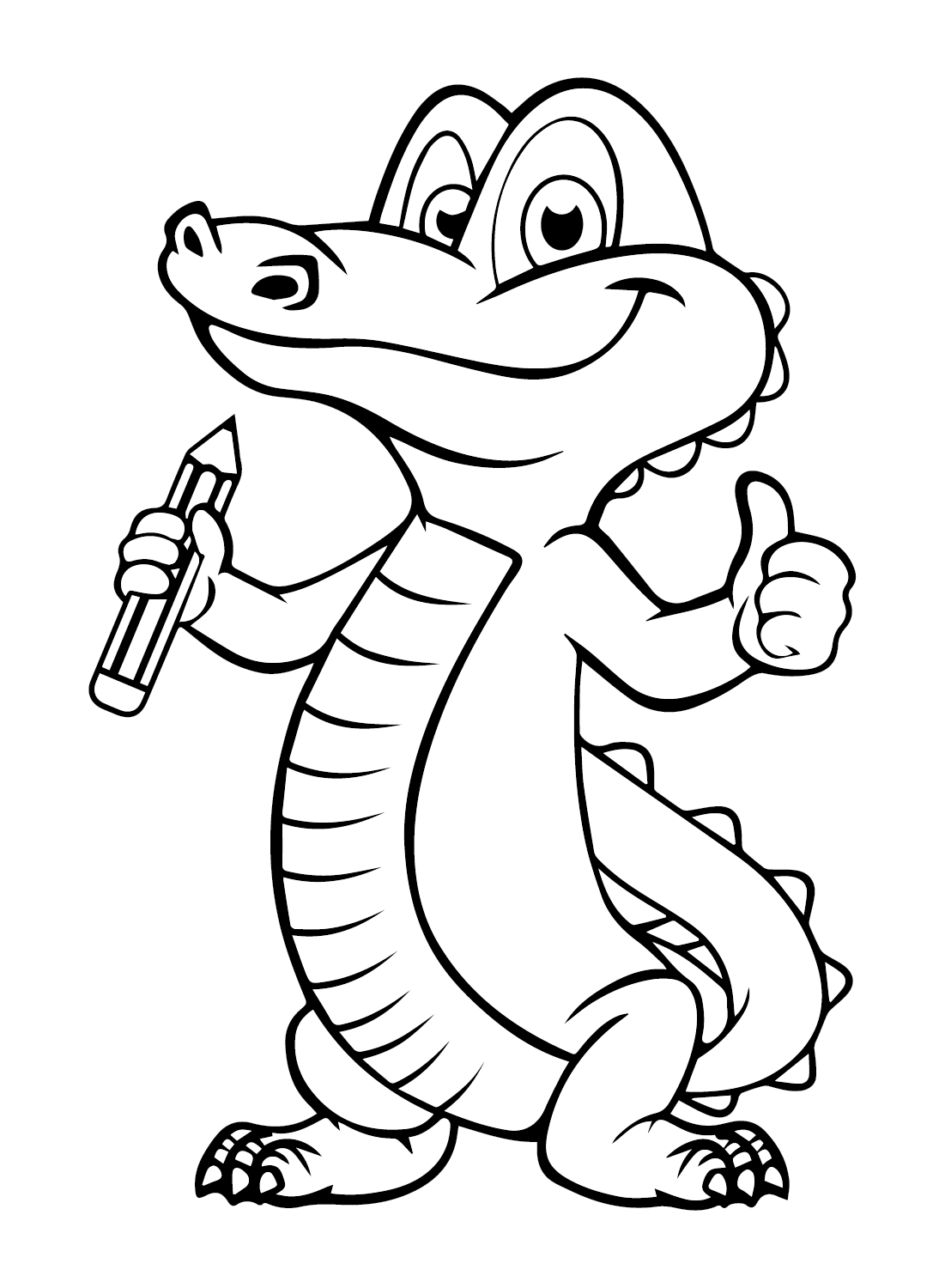
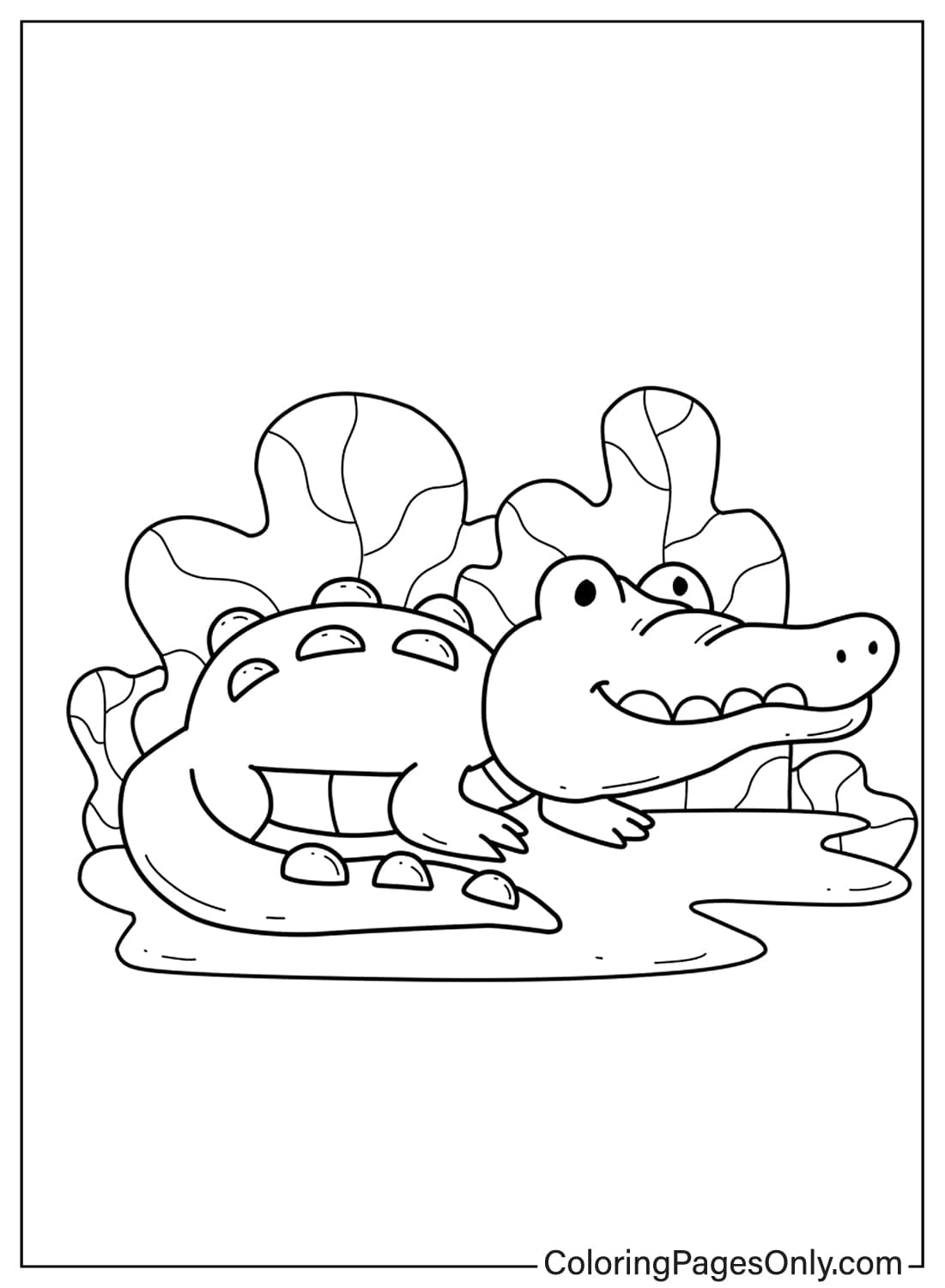
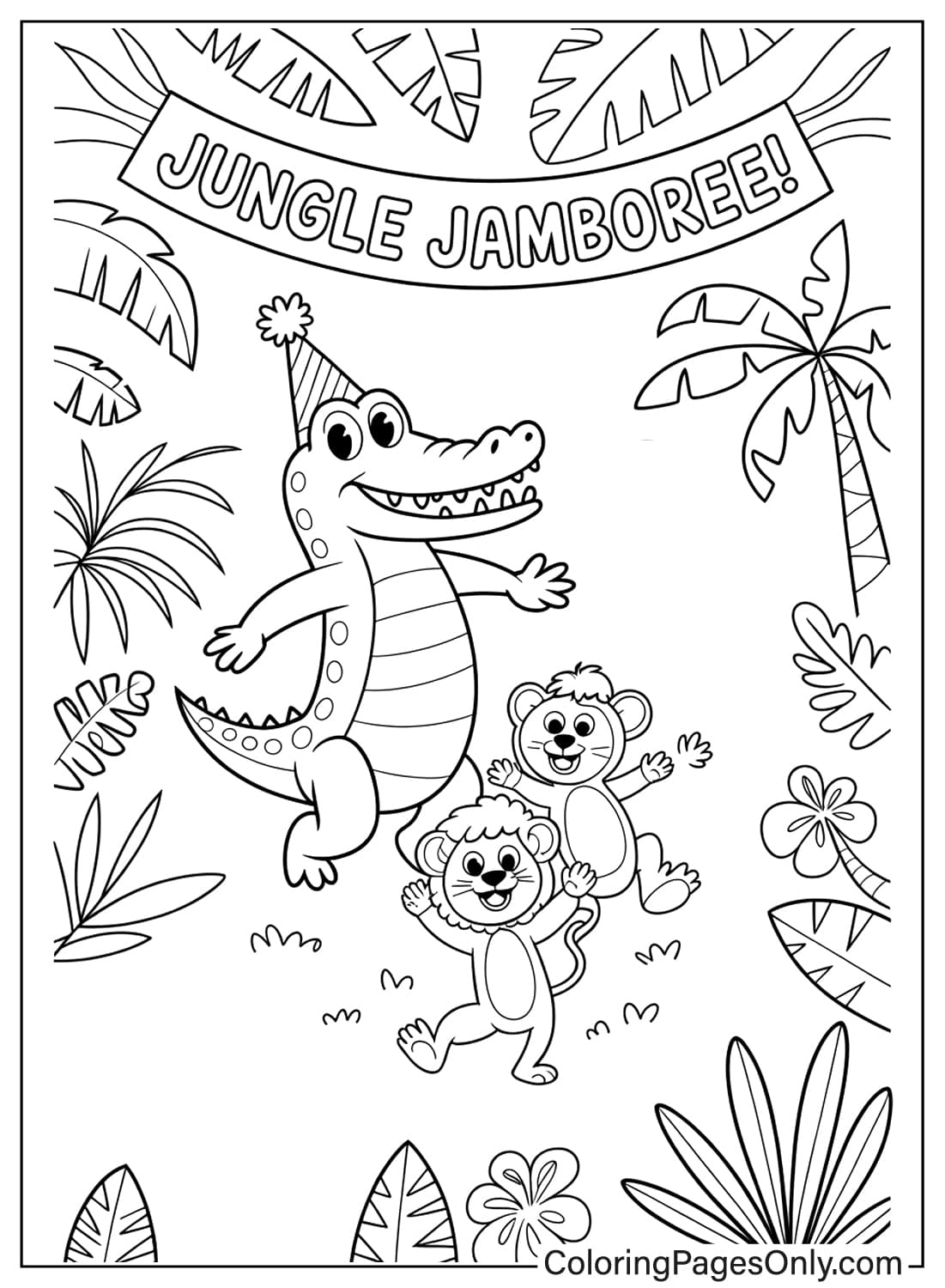
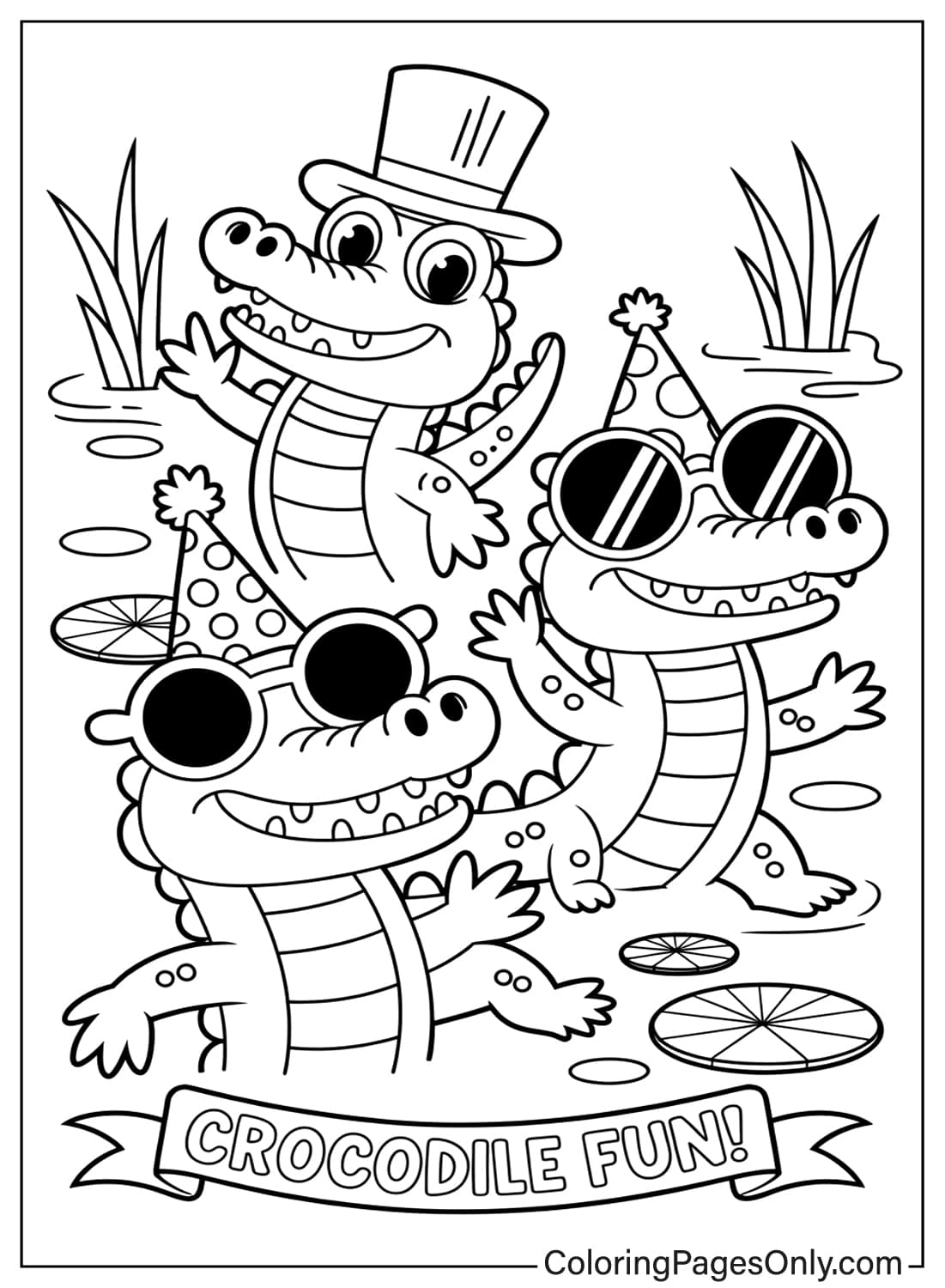
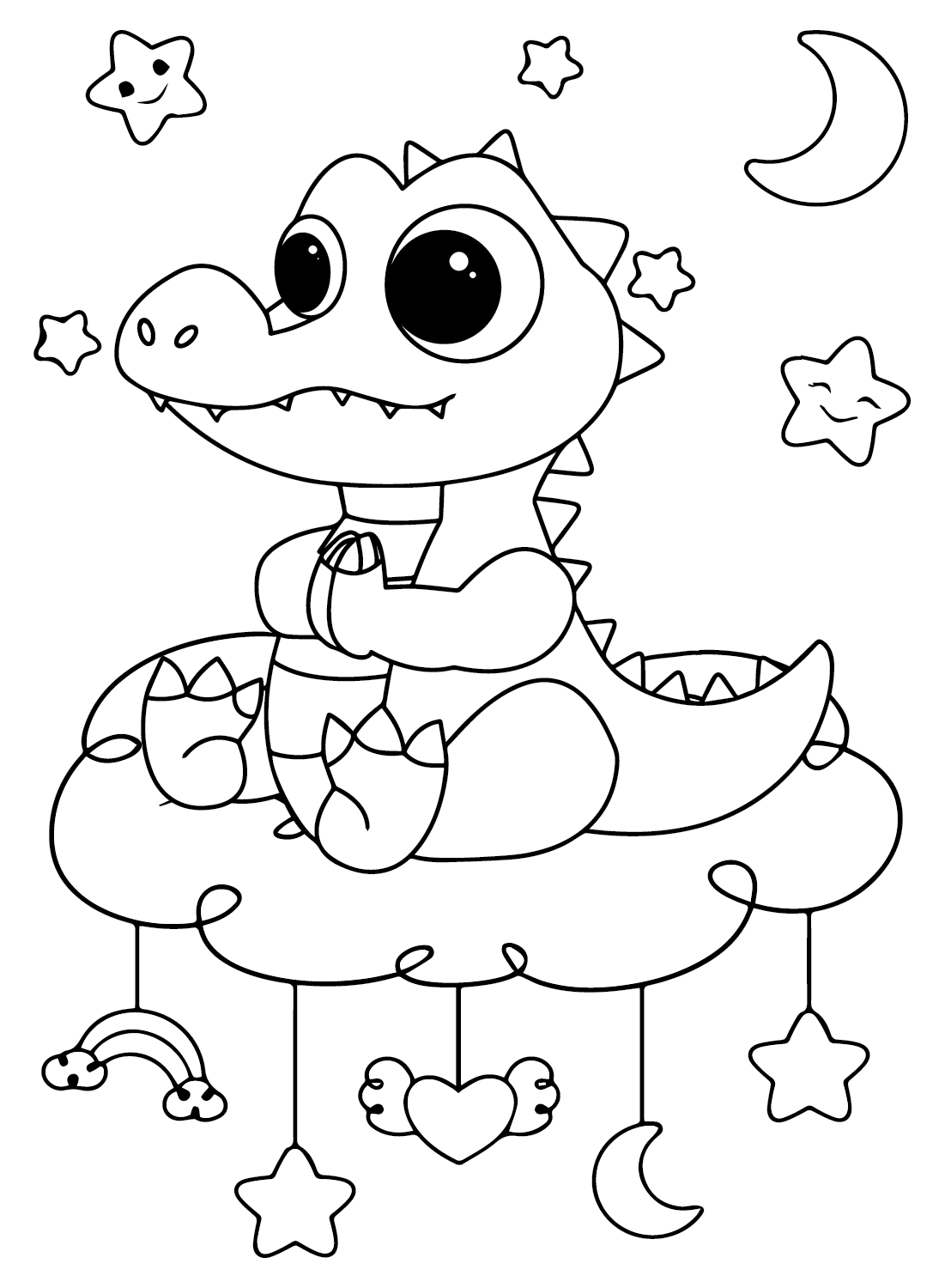
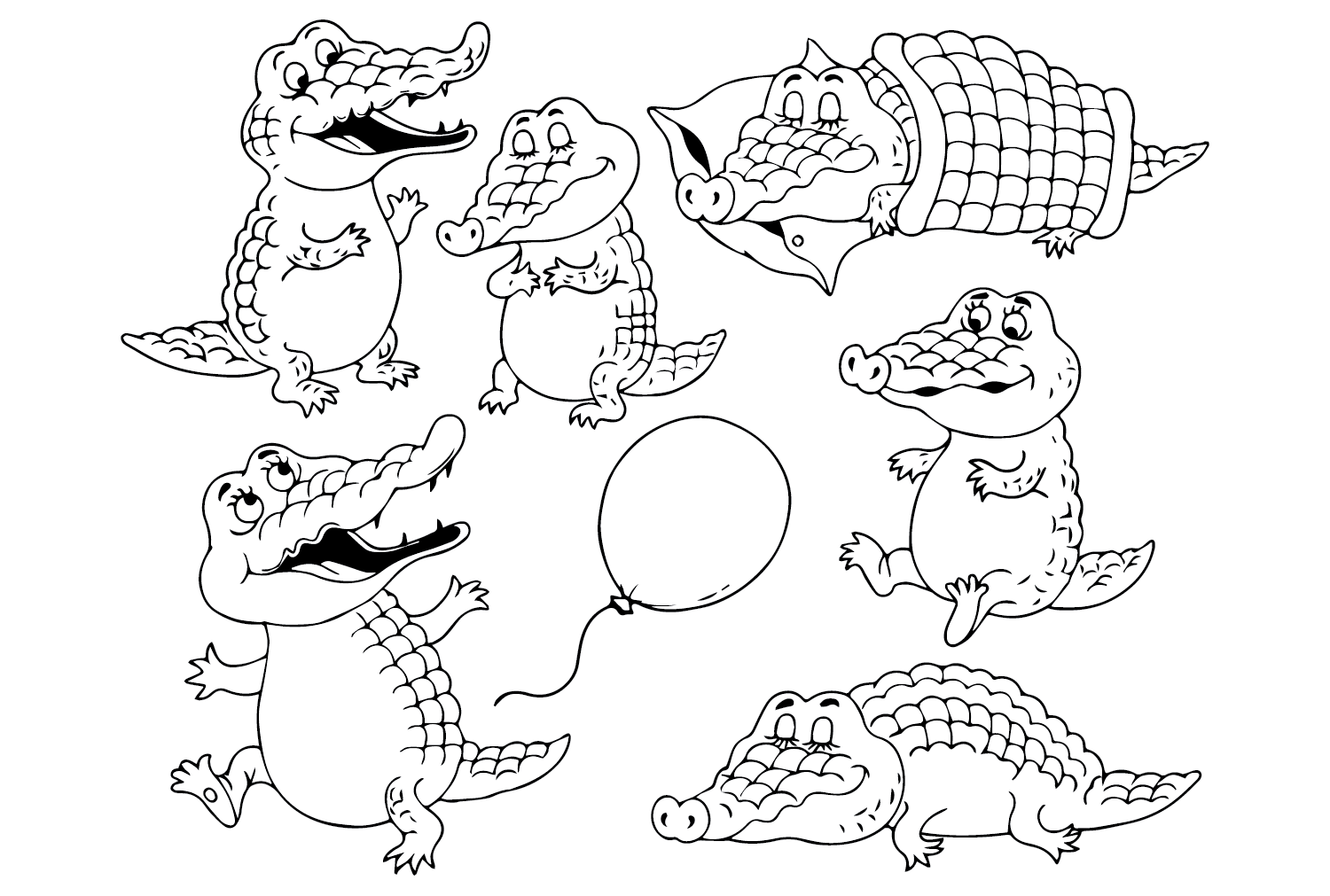
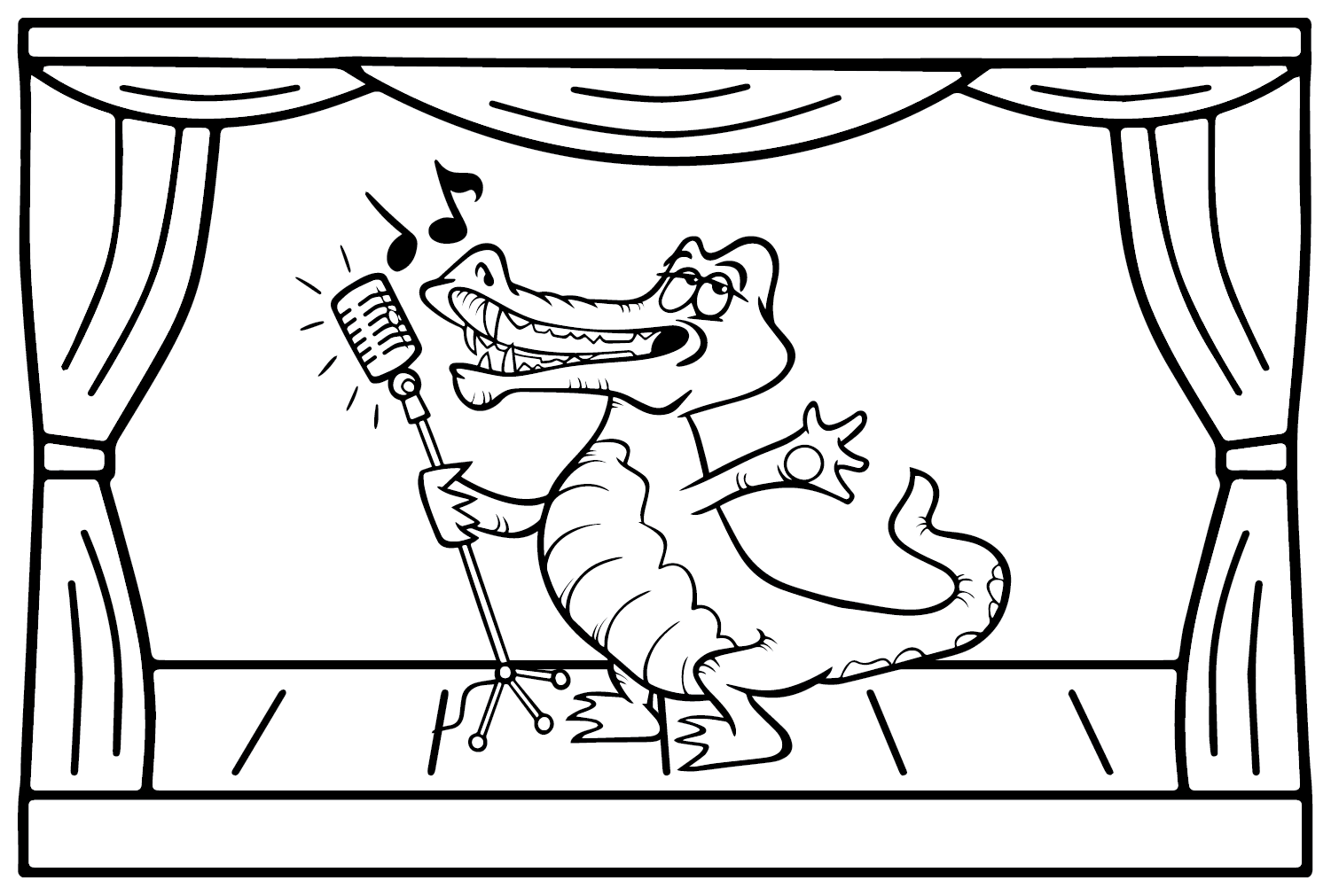
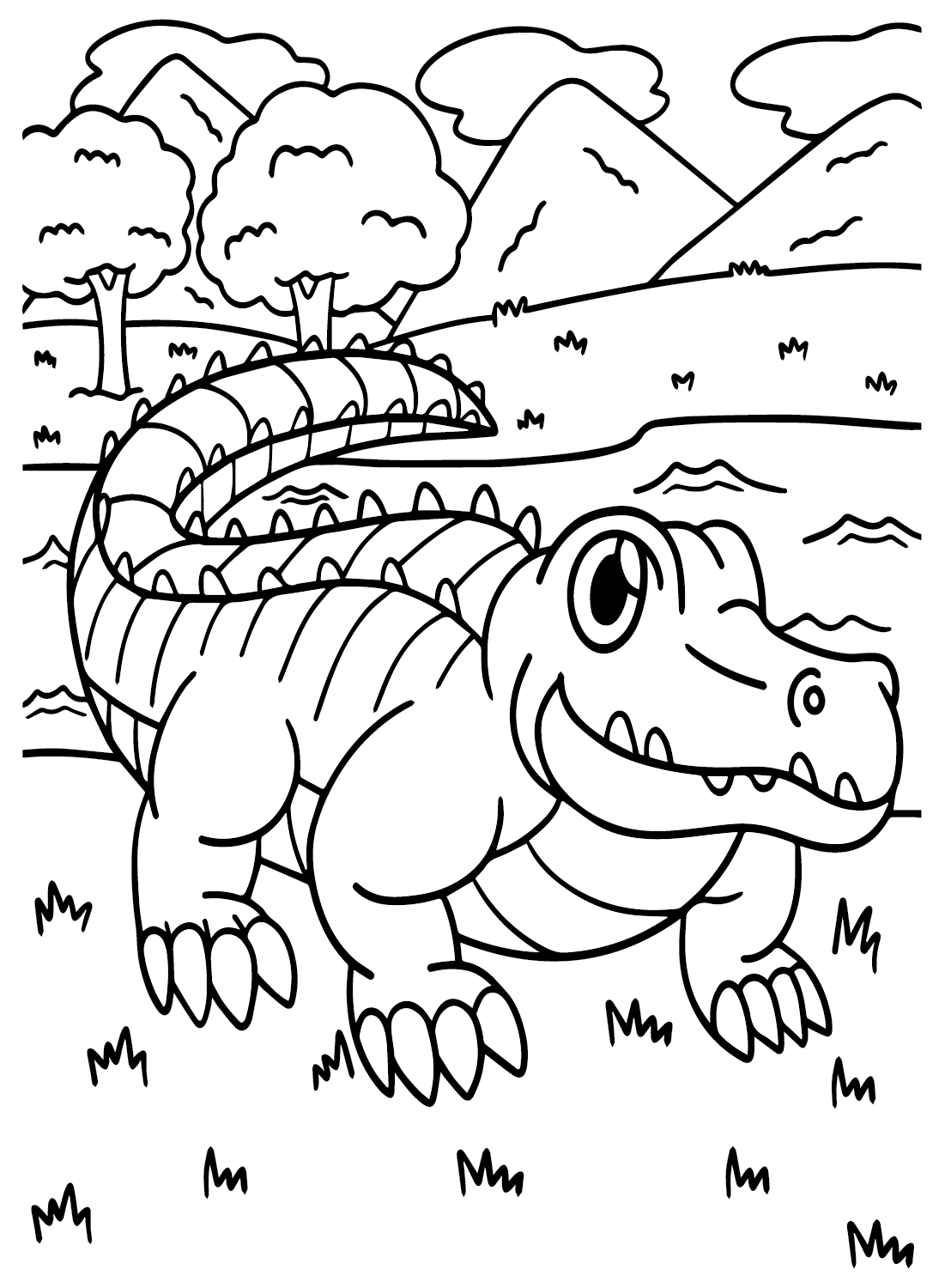
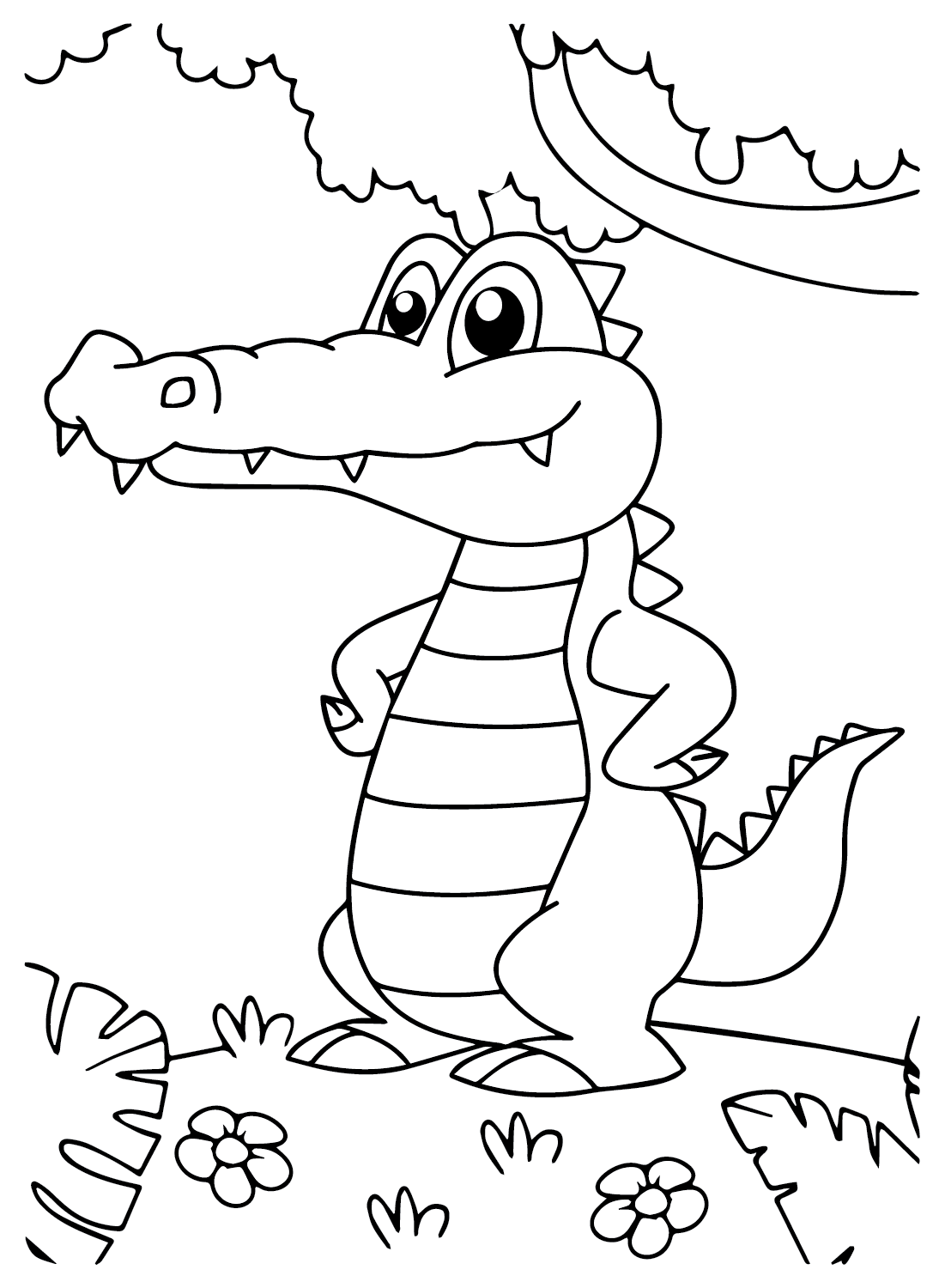
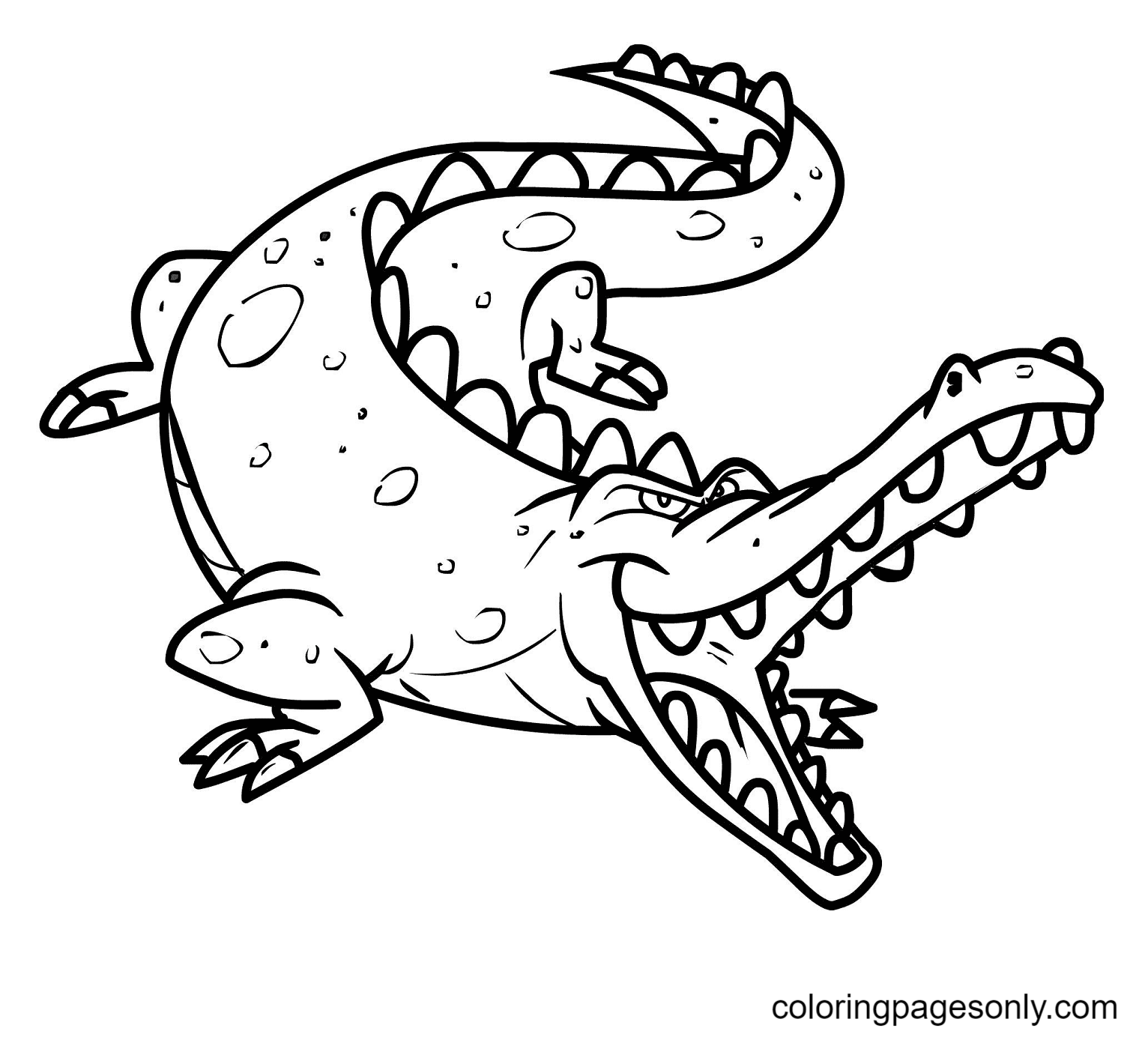
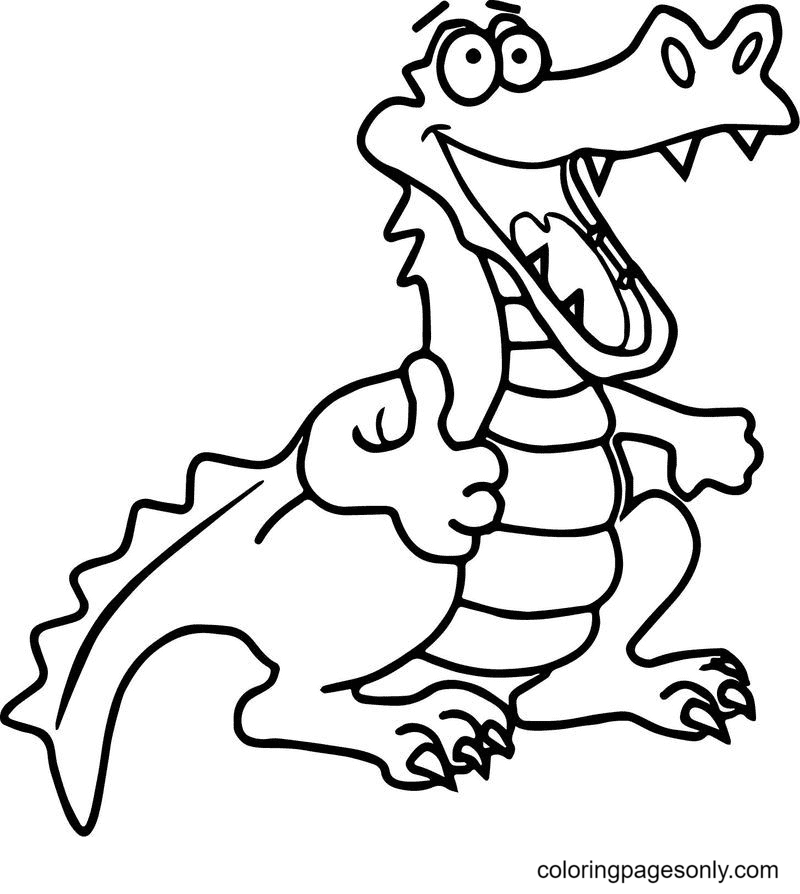
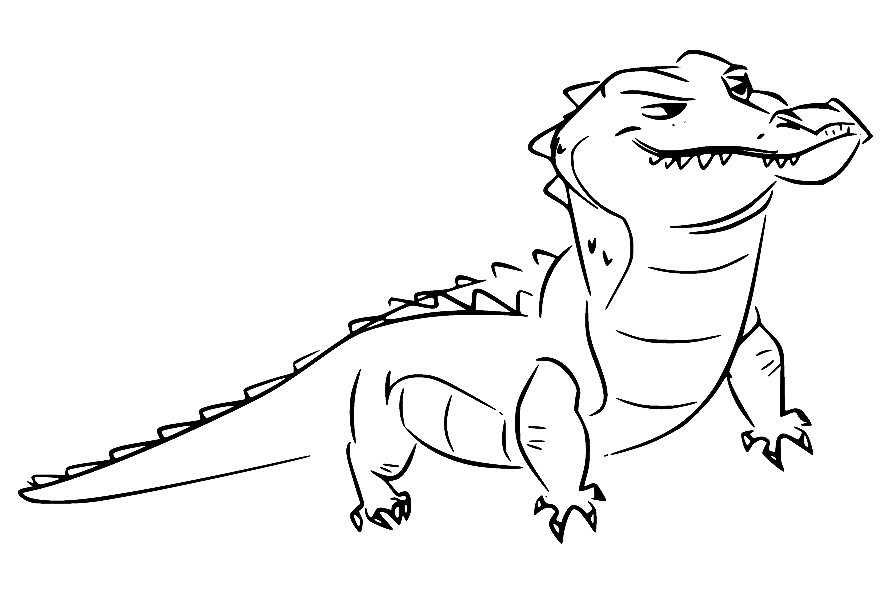
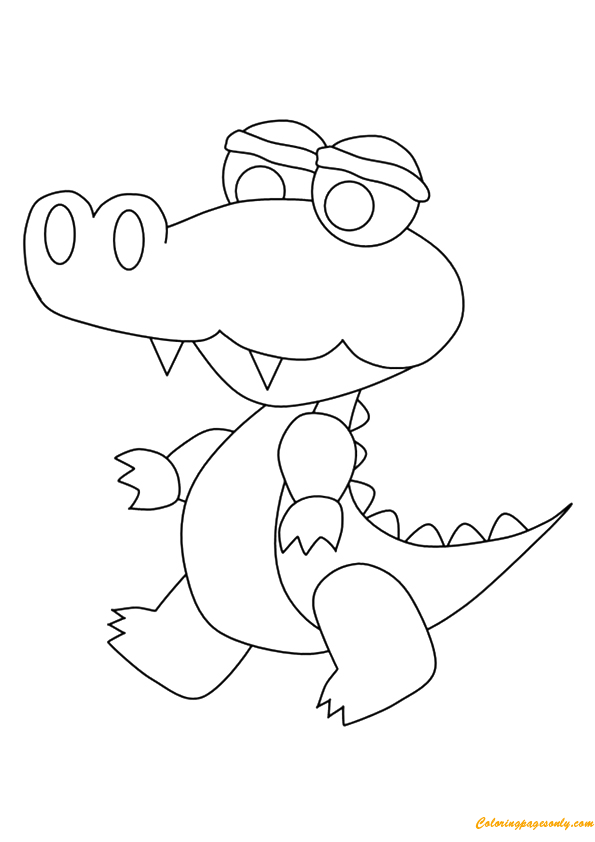
The largest group shows crocodiles in a rounder, friendlier cartoon style: riding a skateboard, playing guitar, dancing, playing cricket, and simple kawaii and baby versions. These pages are the best starting point for younger children, since the simplified shapes leave more room for bold, non-literal color choices. A hatchling-style baby crocodile page also sits in this group, giving the collection a gentler entry point alongside the more toothy adult designs.
Crocodiles in Their Habitat
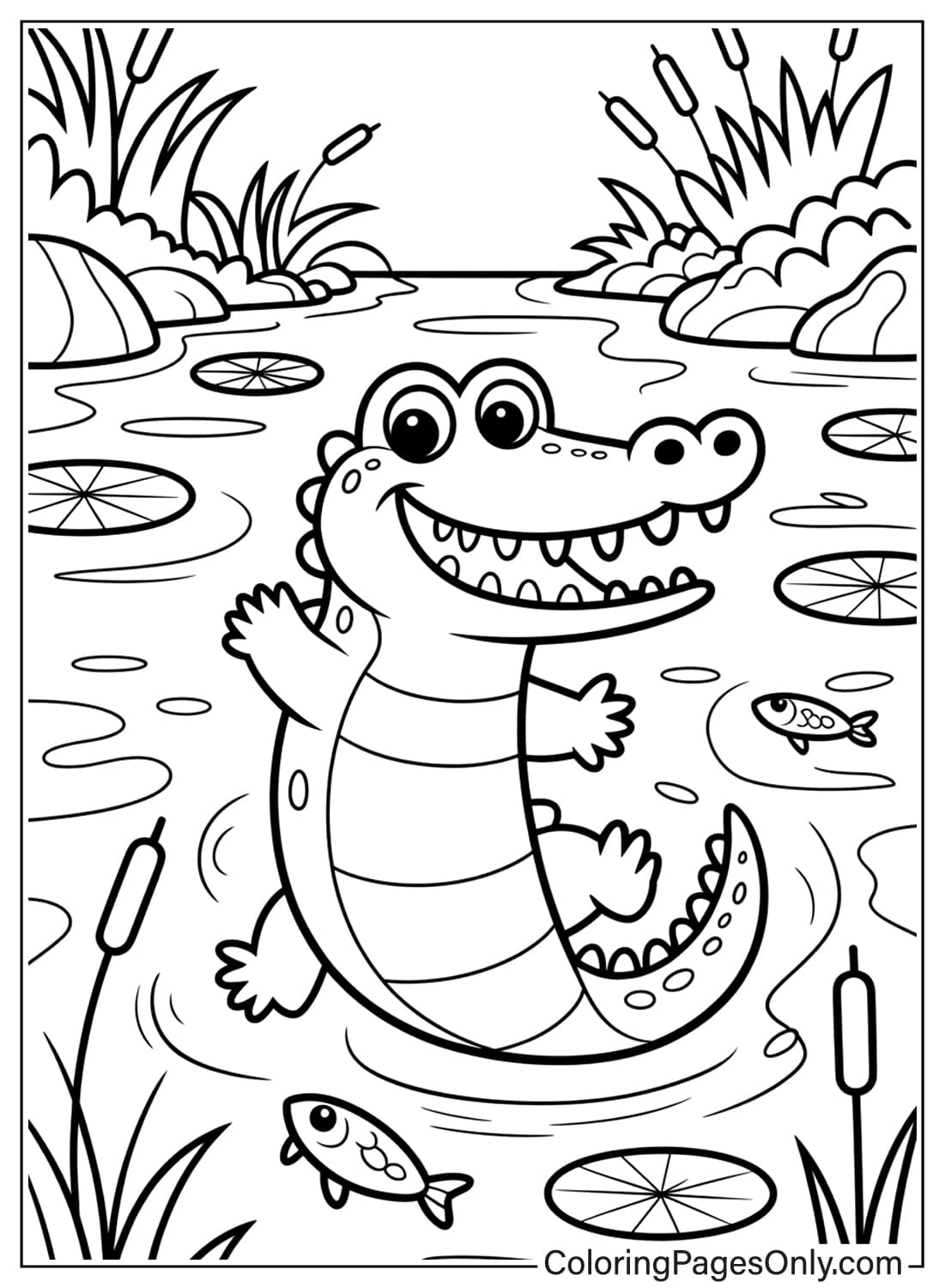
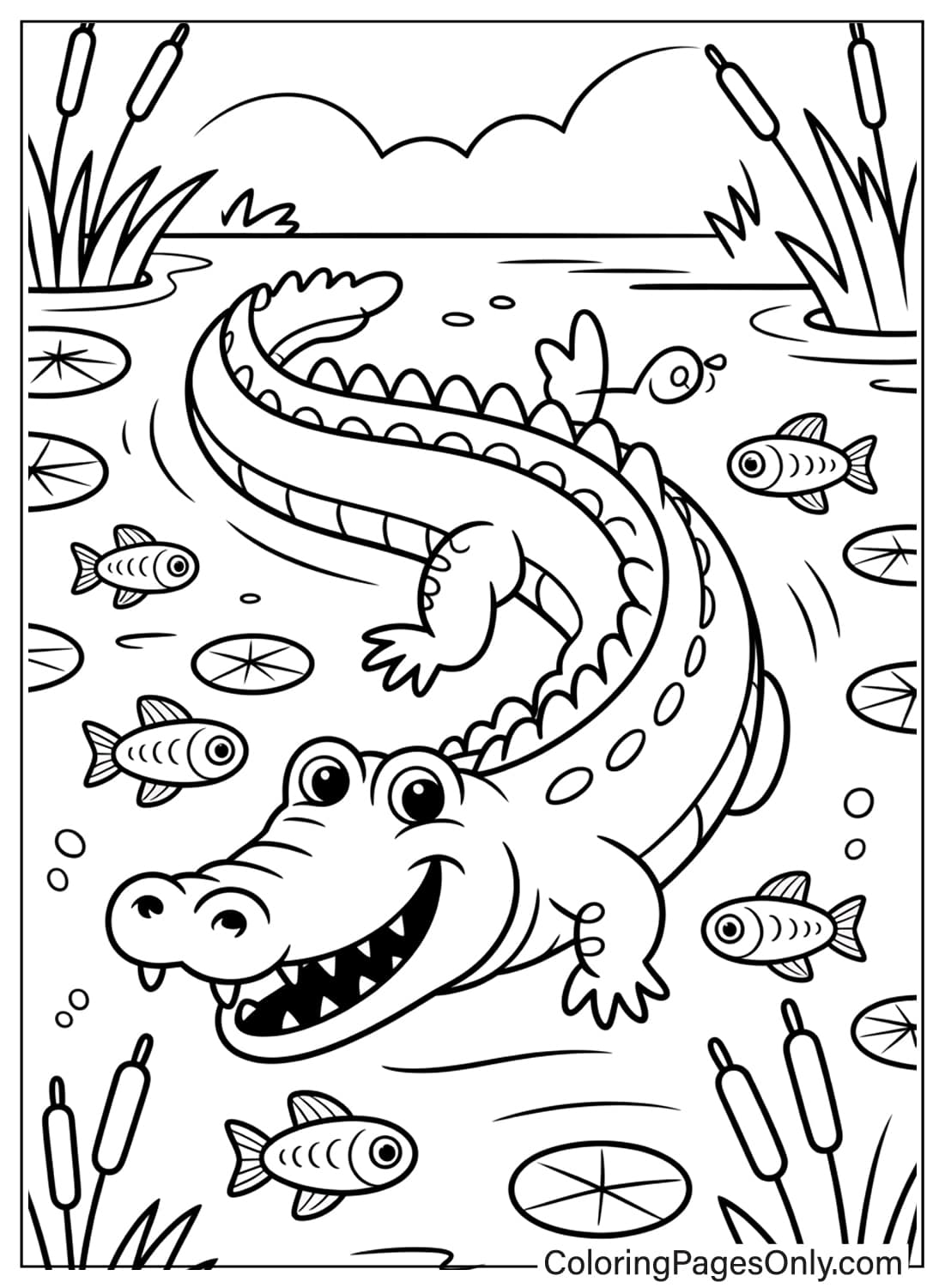
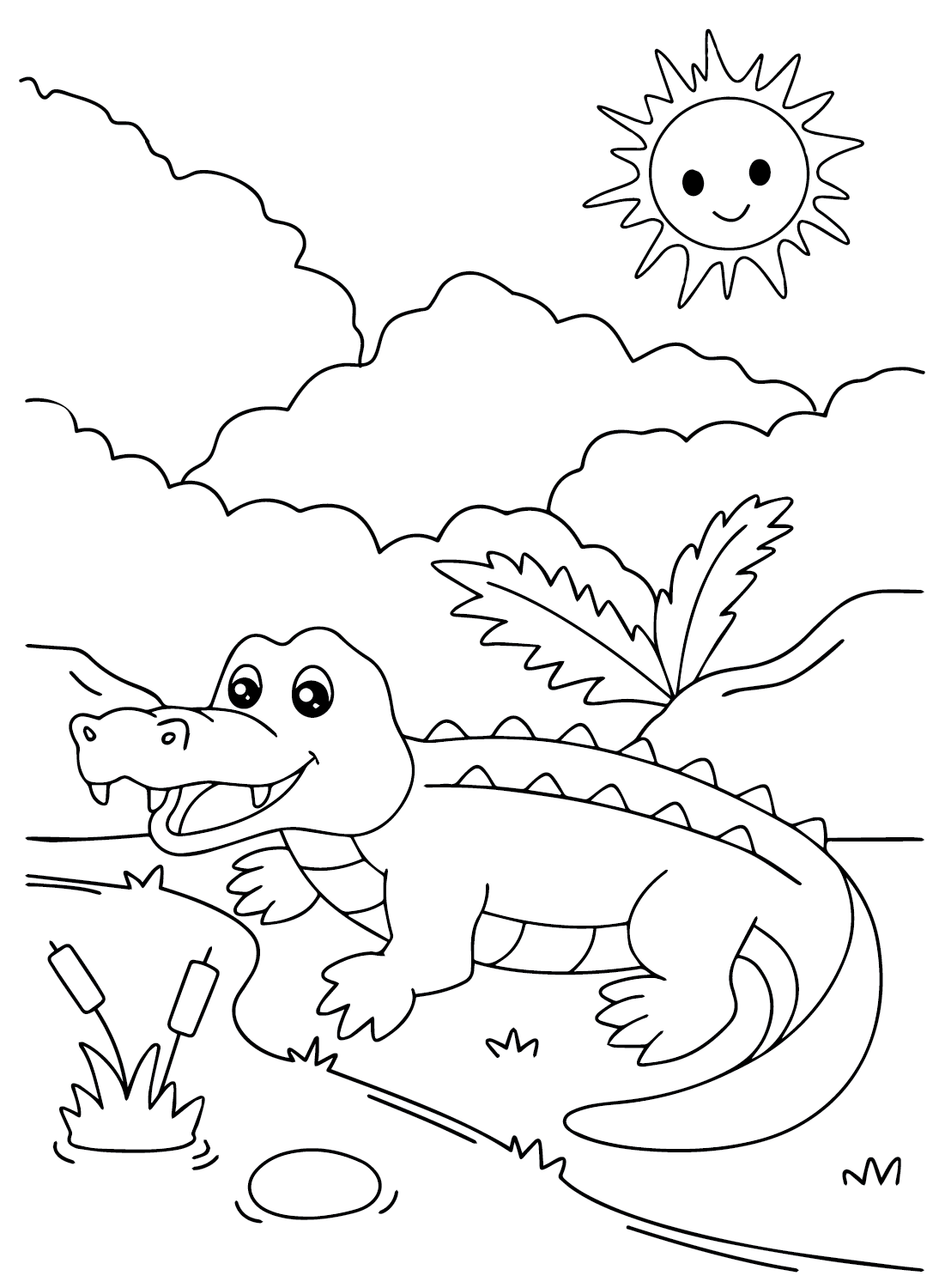
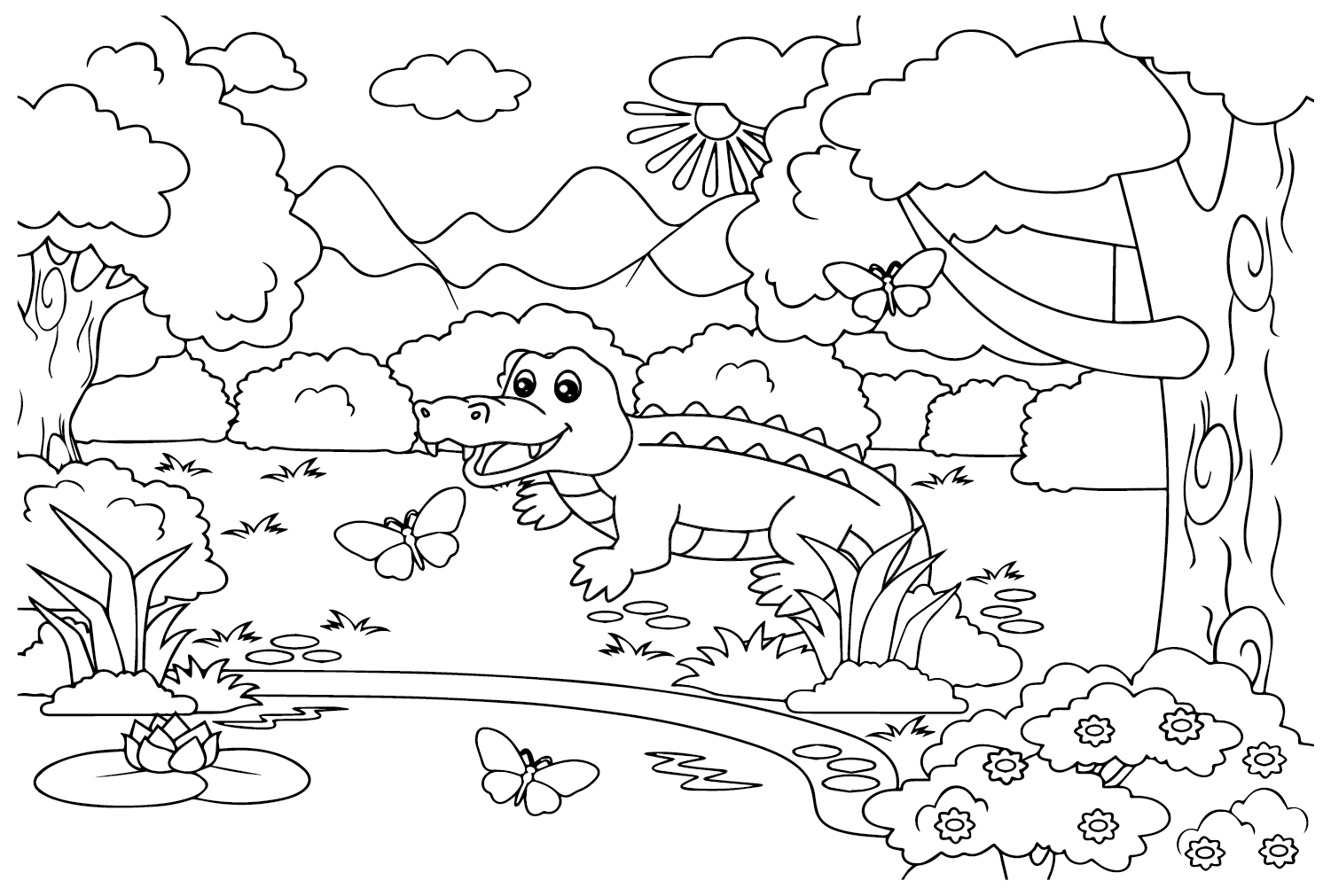
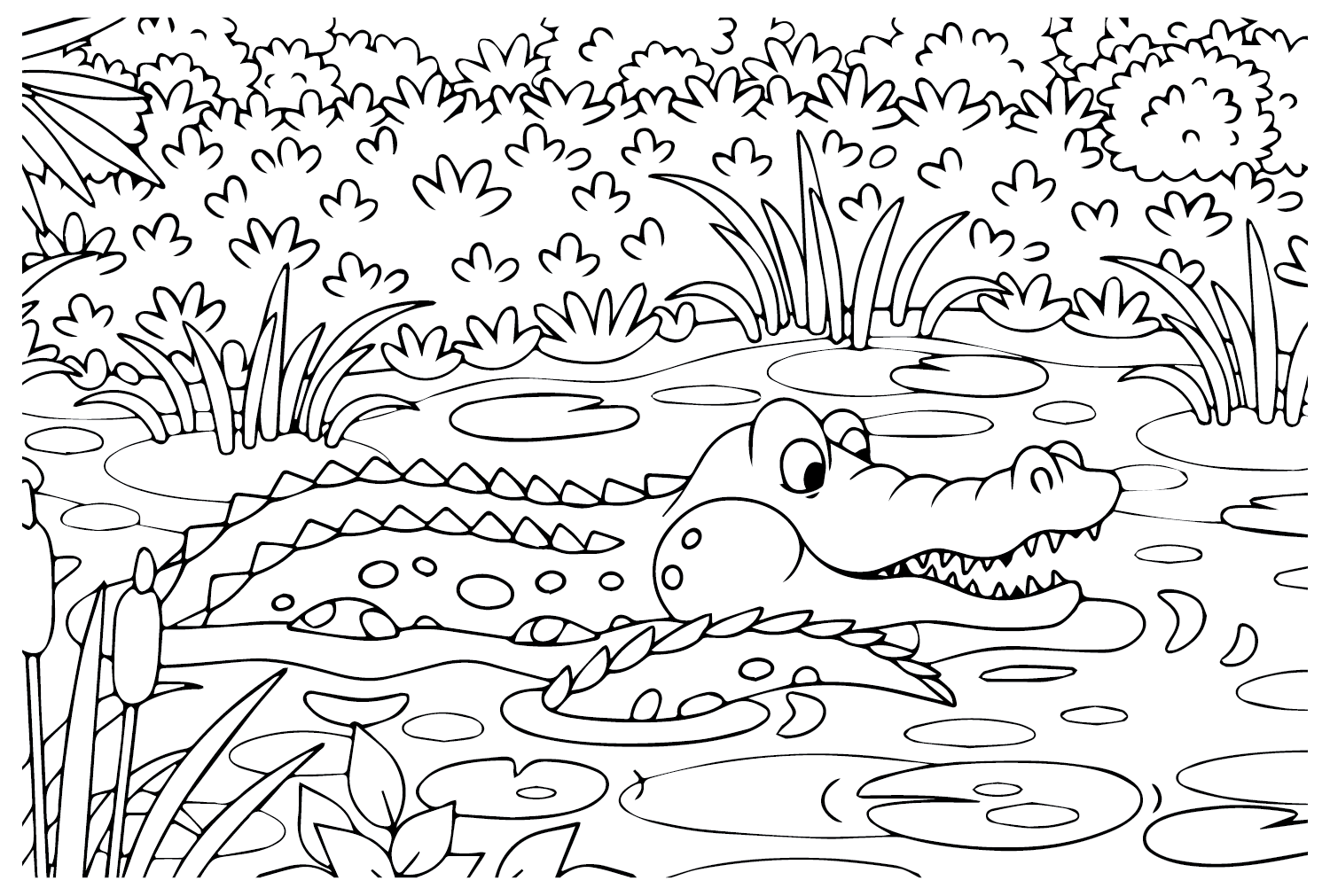
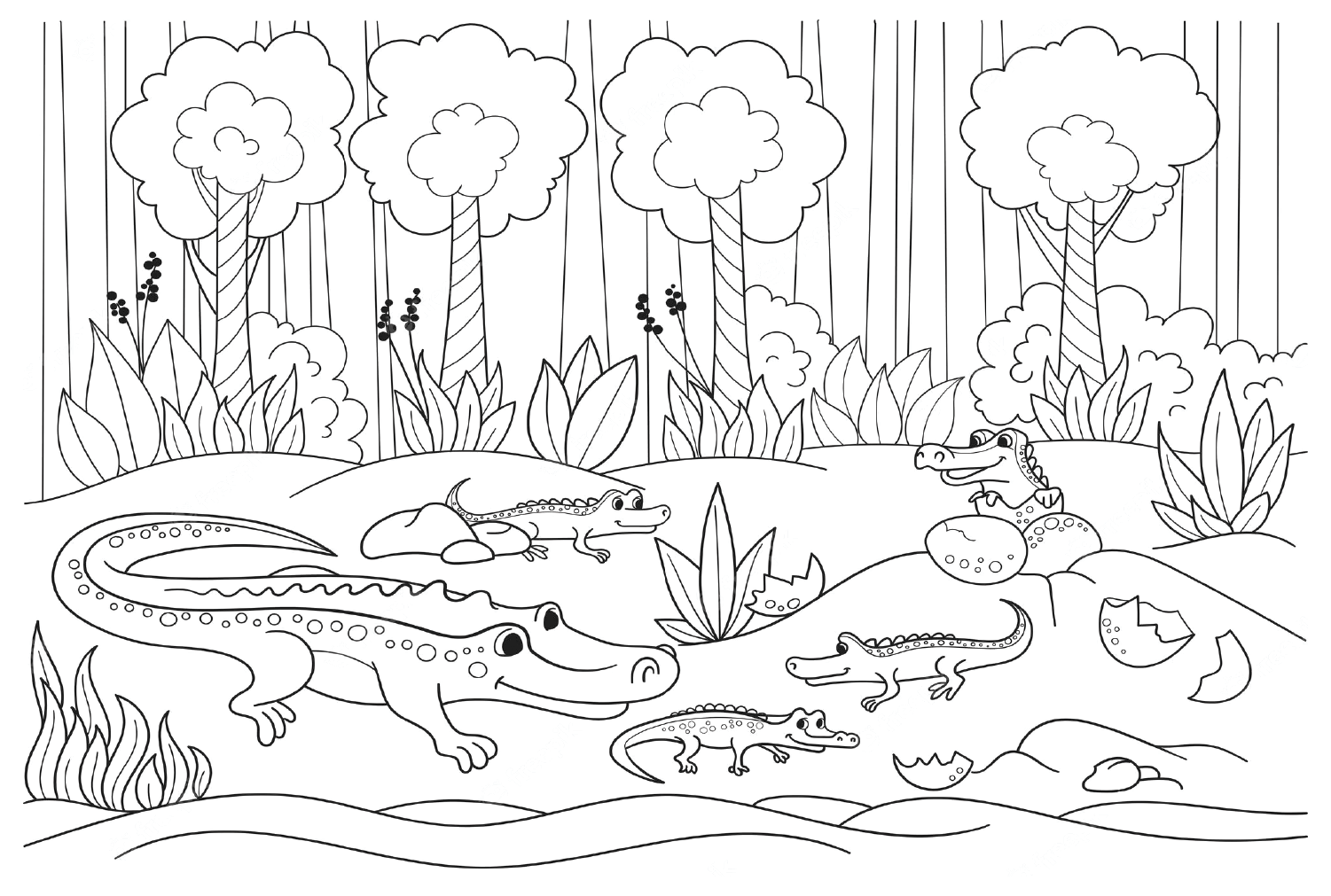
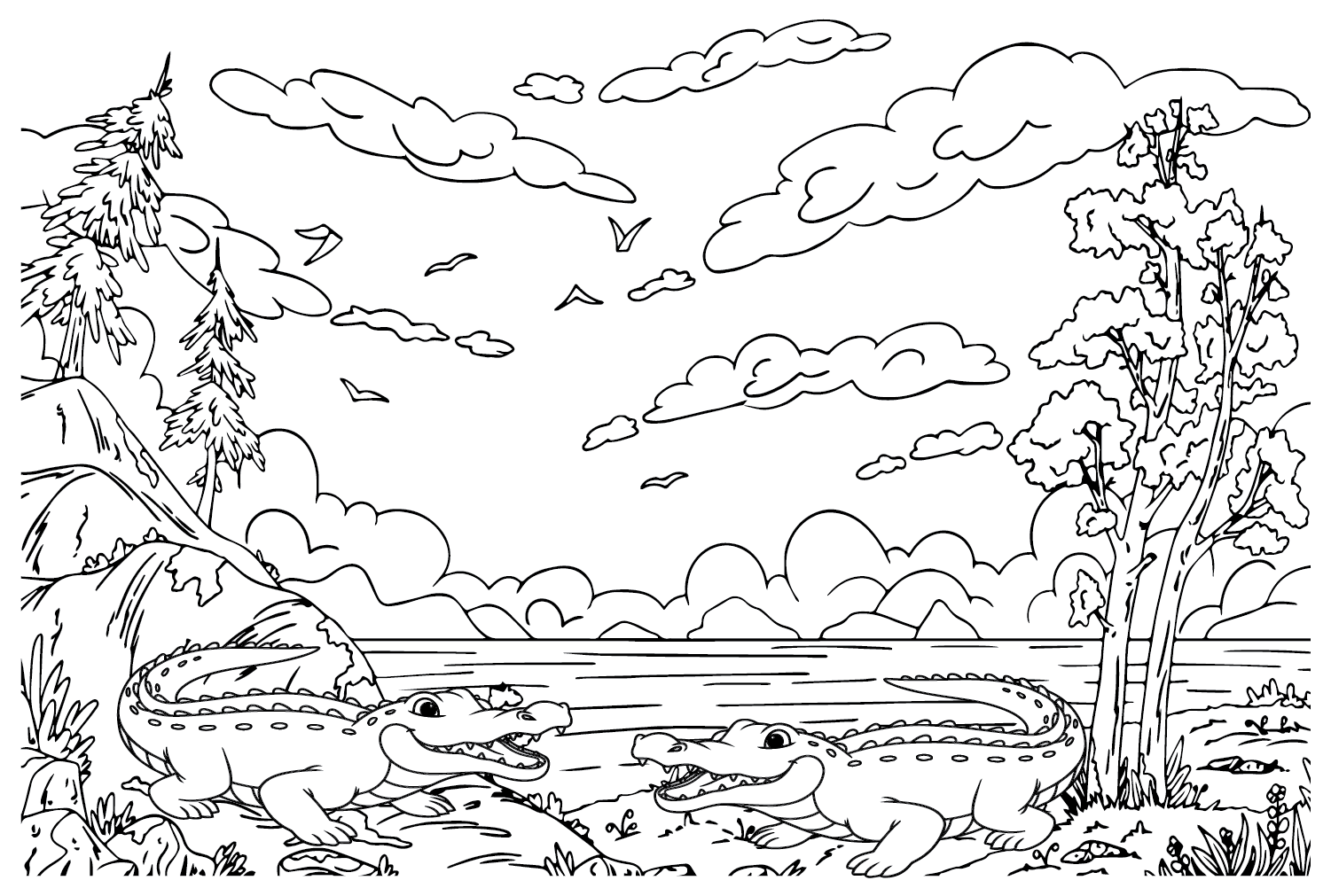
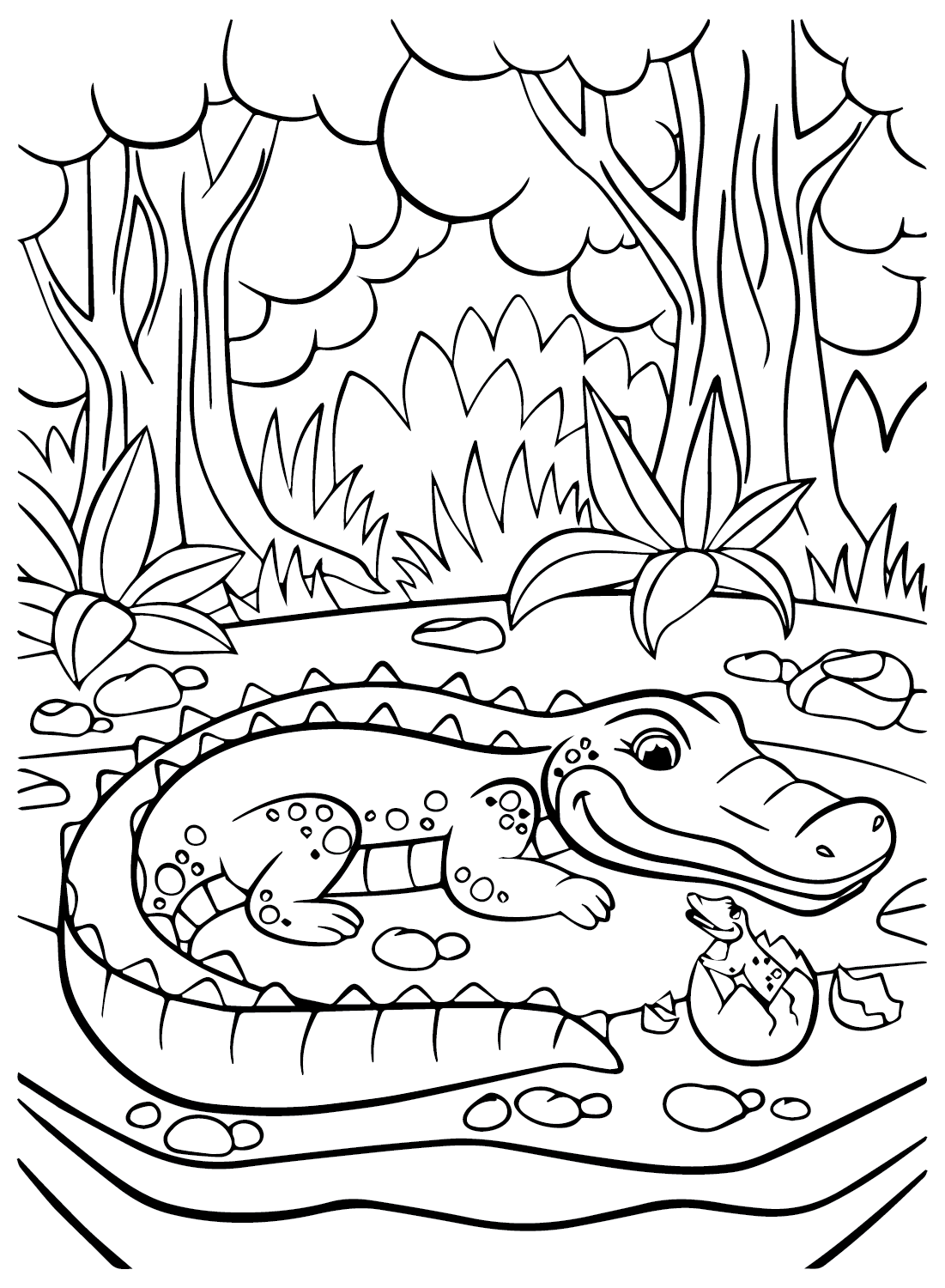
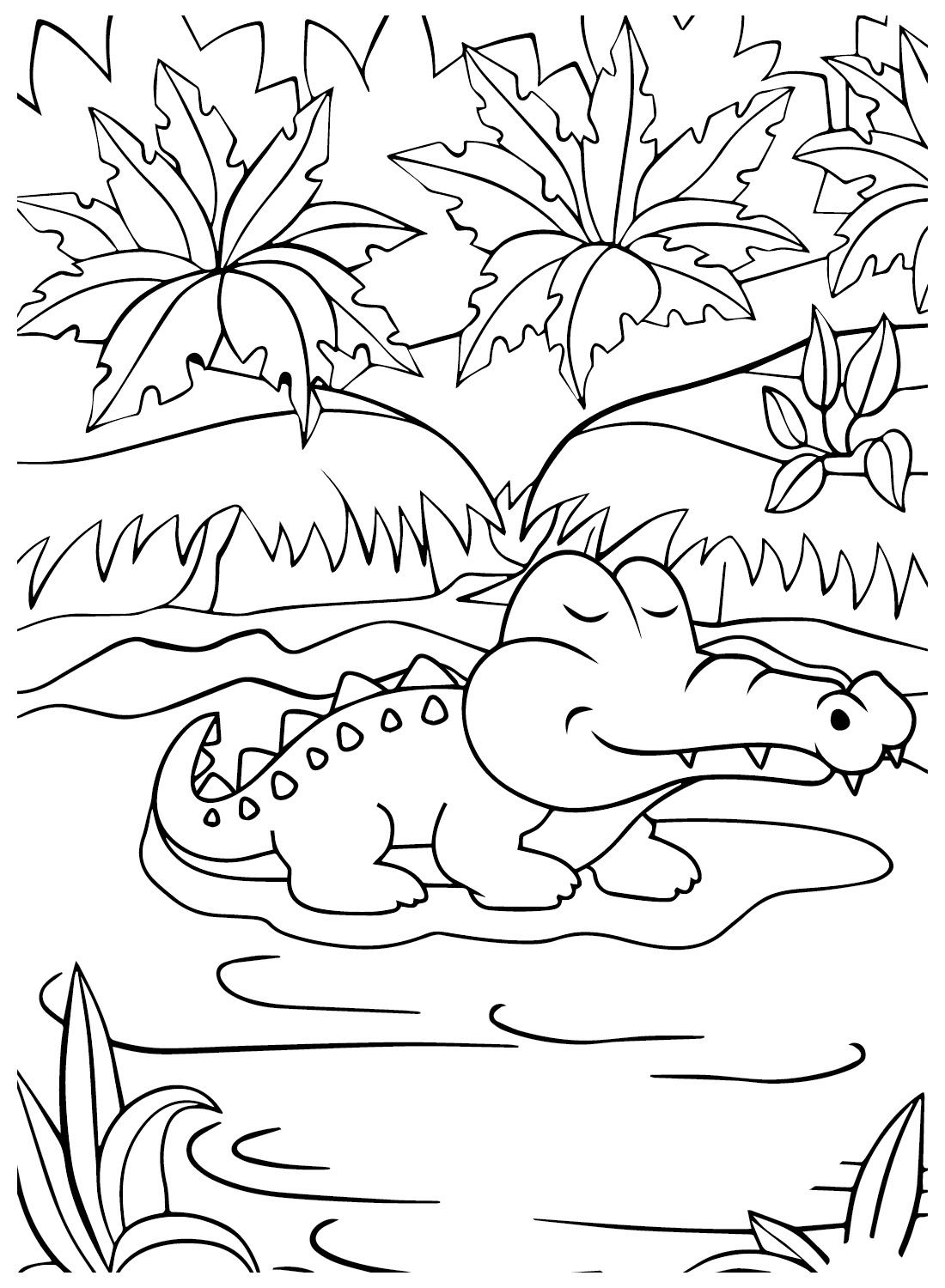
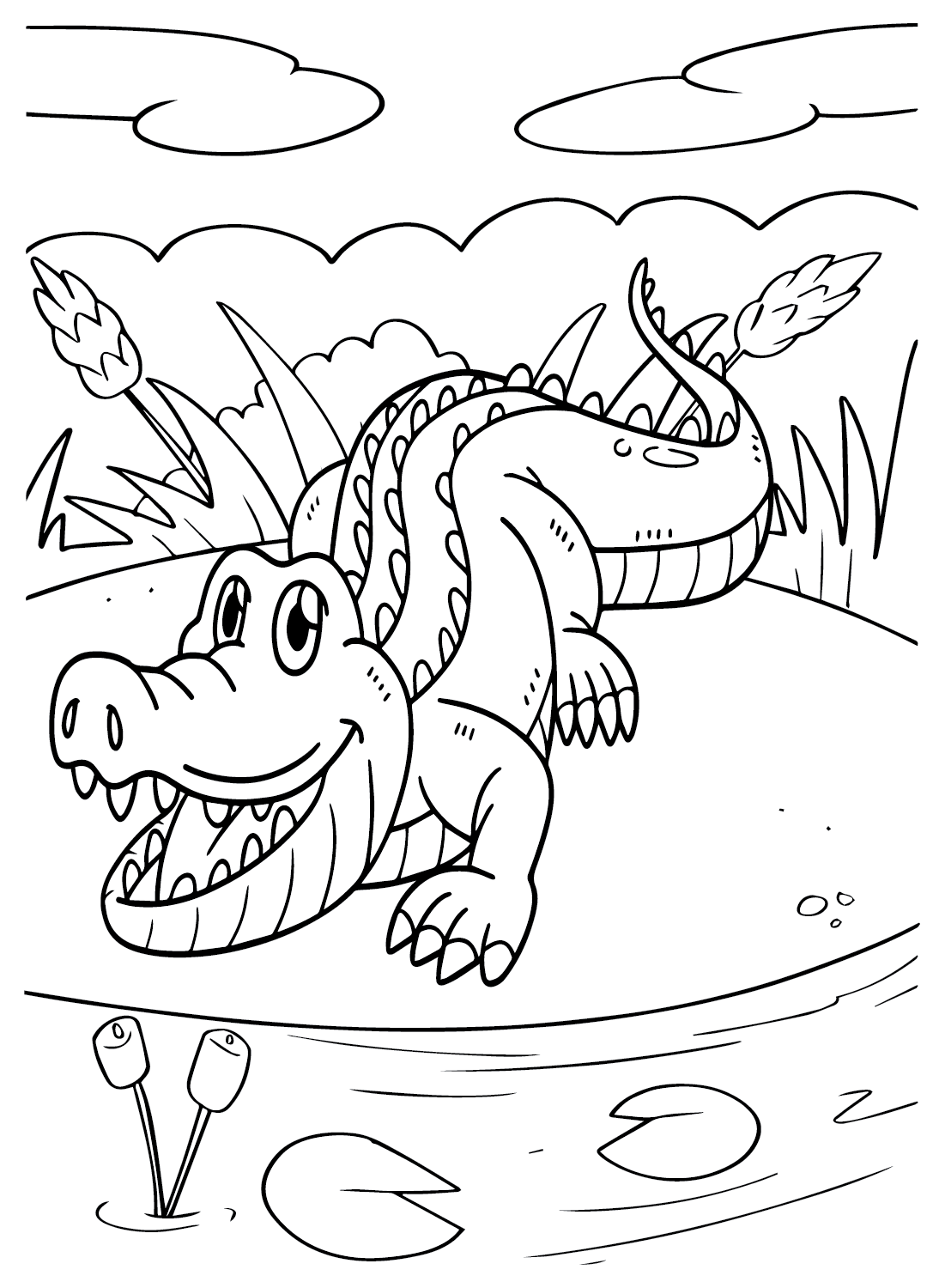
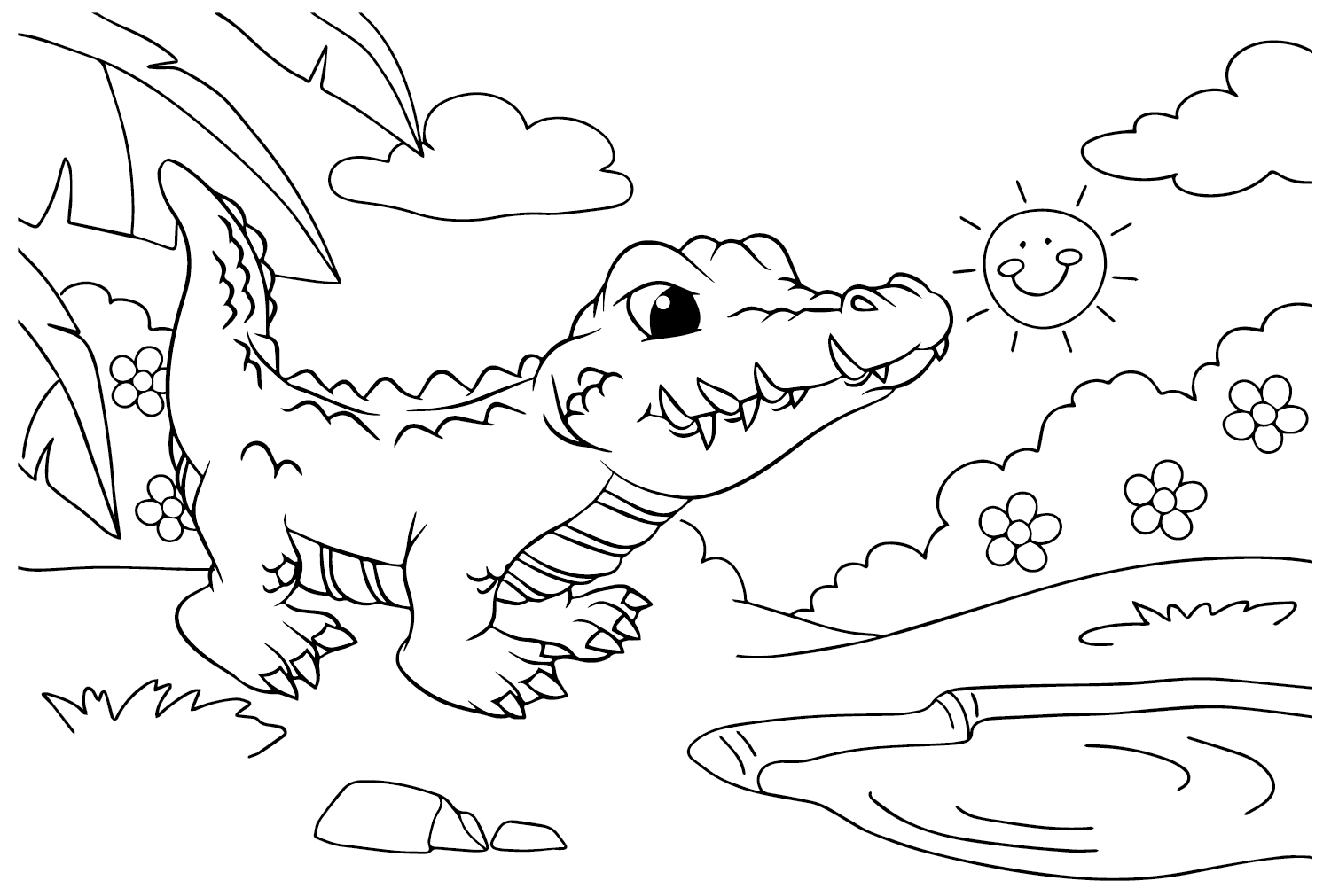
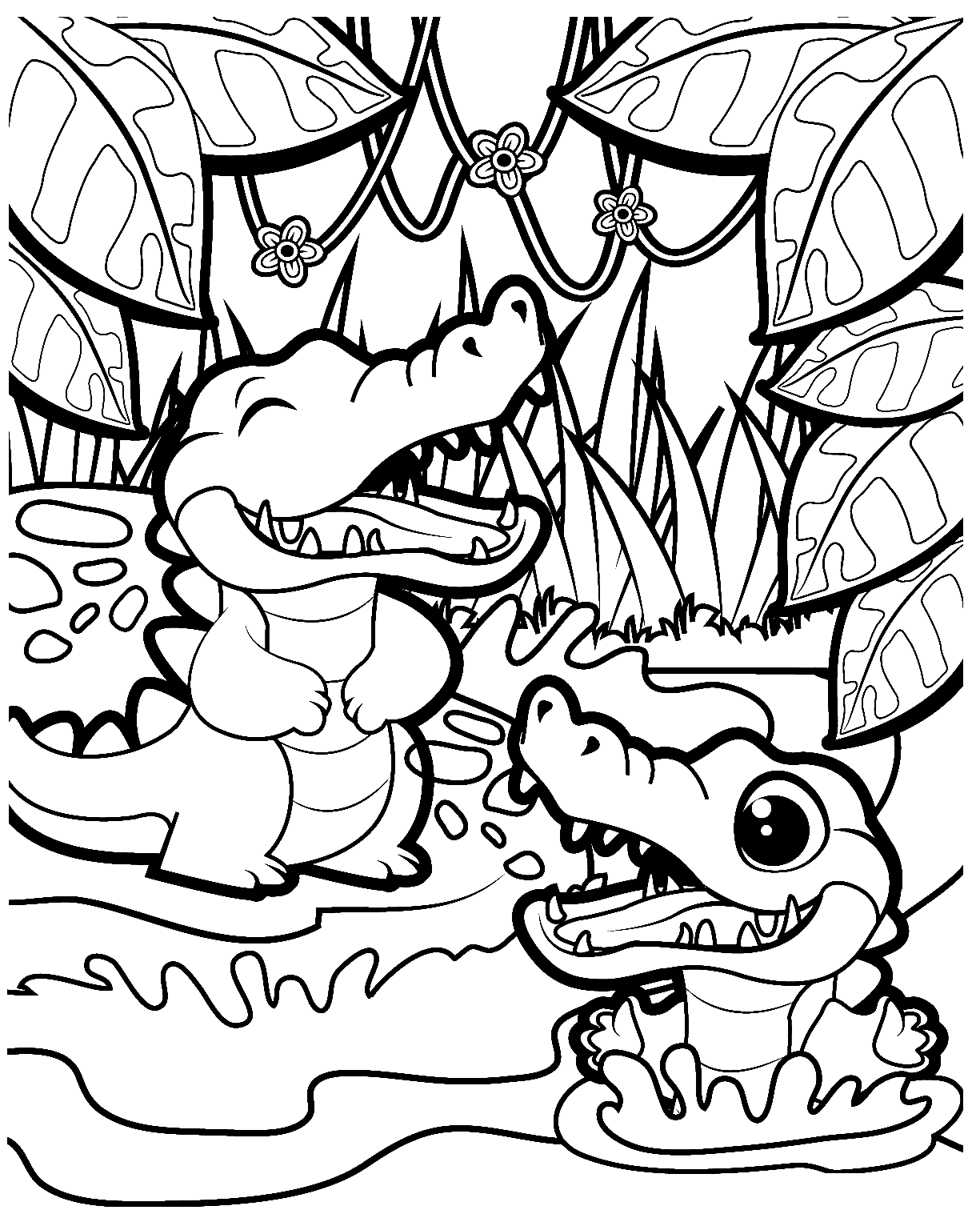
Several pages set a crocodile in a river, swamp, or jungle scene rather than isolating it on a blank background. These pages add water, plants, and sometimes other wildlife as secondary coloring elements alongside the crocodile itself, which makes them a useful pairing with the species pages for anyone building a short lesson around where crocodiles actually live.
Portrait Pages and Story Crossovers
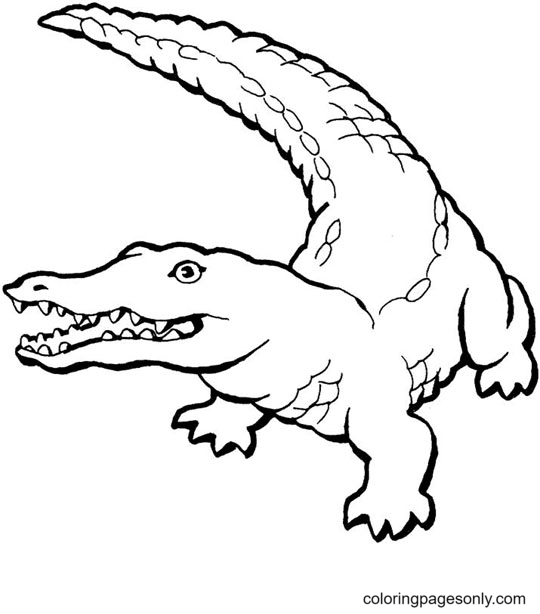
The remaining pages are single-crocodile portraits in a range of simple poses, plus a small number of crocodile characters that appear in other stories, including a crocodile from Peter Pan and one from The Lion Guard. These crossover pages stay in the collection as recognizable crocodile designs without retelling the stories they come from.
What Crocodile Coloring Pages Do
Fine motor development. The American Academy of Pediatrics counts structured coloring among the activities that build fine motor control in children ages 2 through 7, and the layered scales on a realistic crocodile page give a child a reason to practice small, repeated strokes rather than one broad fill.
Species and habitat literacy. Coloring a named species like the Nile or saltwater crocodile alongside a cartoon version gives children a concrete way to compare a real animal against its simplified cartoon counterpart. This distinction supports early science literacy about what is realistic versus stylized.
Anxiety reduction through focus. A 2005 study in the Art Therapy Journal linked structured coloring sessions to measurably lower anxiety than unstructured drawing, a finding that applies as much to a detailed scale pattern as to any other repetitive coloring task.
Texture and pattern practice. Crocodile skin is one of the more pattern-heavy animal textures in a coloring set, and working through rows of scales in alternating shades builds the same repeated-motion control used in early cross-hatching and shading techniques.
How to Color Crocodile Pages Well
- Nile crocodile: use Olive Green or Bronze for the body, fading to a muddy Yellow Green or Tan along the sides, matching the real animal’s coloring in the wild.
- American crocodile: color the back in Sea Green or Asparagus, add darker spots along the sides, and leave the underside a pale Cream or Yellow Green.
- Saltwater crocodile: since this is the largest living crocodilian and often the darkest, use Black or a deep Charcoal Gray for the body with lighter Tan patches breaking up the pattern.
- The fourth tooth: on realistic pages, leave the visible lower fourth tooth White even when the mouth is mostly closed, since an exposed fourth tooth is the detail that identifies a crocodile rather than an alligator.
- Cartoon and kawaii crocodiles: these pages do not need to match real coloring, so bright Green, Yellow, or Screamin’ Green with a pale Cream belly works well and keeps the friendlier style consistent.
- River and swamp backgrounds: use a muddy Brown Green for slow river water and a deeper Sea Green for swamp water, keeping the background a shade or two darker than the crocodile so it stays the visual focus.
5 Creative Craft Ideas With Crocodile Coloring Pages
1. Crocodile Standee. Color a solo crocodile page, glue it to cardboard or a cereal box, and cut around the outline to make a standing figure for a shelf or desk.
2. Reptile Habitat Diorama. Color a habitat page and a couple of portrait pages, cut them out, and arrange them inside a shoebox with paper, water, and plants to build a small swamp scene.
3. Crocodile Jaw Bookmark. Color a crocodile page, trim it into a long strip that follows the snout’s shape, and laminate it or cover it with clear tape to make a durable bookmark.
4. Species Fact Poster. Color the Nile, American, and saltwater crocodile pages, arrange them on a poster board, and label each with its name and home region.
5. Crocodile Greeting Card. Color one of the cartoon crocodile pages, fold a piece of cardstock in half, and glue the design to the front for a birthday or thank-you card.
Frequently Asked Questions
What are crocodile coloring pages?
A free set of 50 printable PDFs and online coloring sheets featuring realistic crocodile species, cartoon versions, and crocodiles in river and swamp scenes.
How can you tell a crocodile from an alligator?
Crocodiles have a narrower, V-shaped snout and an exposed fourth tooth when the mouth is closed, while alligators have a wider, U-shaped snout that hides most of their lower teeth.
What is the largest species of crocodile?
The saltwater crocodile, which can measure more than 20 feet, is the largest living reptile of any kind.
Where do crocodiles live?
Crocodiles live across Africa, Asia, Australia, and the Americas, in rivers, swamps, lakes, and, for many species, brackish or saltwater coastal areas.
What do crocodiles eat?
Crocodiles are carnivorous, opportunistic predators that feed on fish, birds, and mammals, and larger species will scavenge carrion or take prey from other animals.
How old is the crocodile family as a group?
Fossil relatives of modern crocodiles date back roughly 200 million years, making the group one of the closest living links to the dinosaur-era reptiles.
Are crocodile coloring pages suitable for young children?
Yes. The cartoon and baby crocodile pages use simple outlines for young children, while the realistic species pages suit older kids interested in accurate detail.
Are the Peter Pan and Lion Guard crocodile pages tied to those stories?
They are recognizable crocodile characters from those franchises, included here as crocodile designs rather than as a retelling of either story.
Start Coloring
Download any page by clicking the design. No account, email, or payment is required. Pages print directly from the browser at full resolution or open in the online coloring tool for screen use. Share finished pages on Facebook or Pinterest with the share buttons at the top of each design page.