Python Coloring Pages
 By:
Jennifer Thoa - Content Editor & Designer
Updated:
By:
Jennifer Thoa - Content Editor & Designer
Updated:
Free Python Coloring Pages: 21 printable PDF designs featuring this large constrictor snake in realistic portraits, simple cartoon styles, and family scenes. Each page can be downloaded as a PDF to print or colored online in the browser.
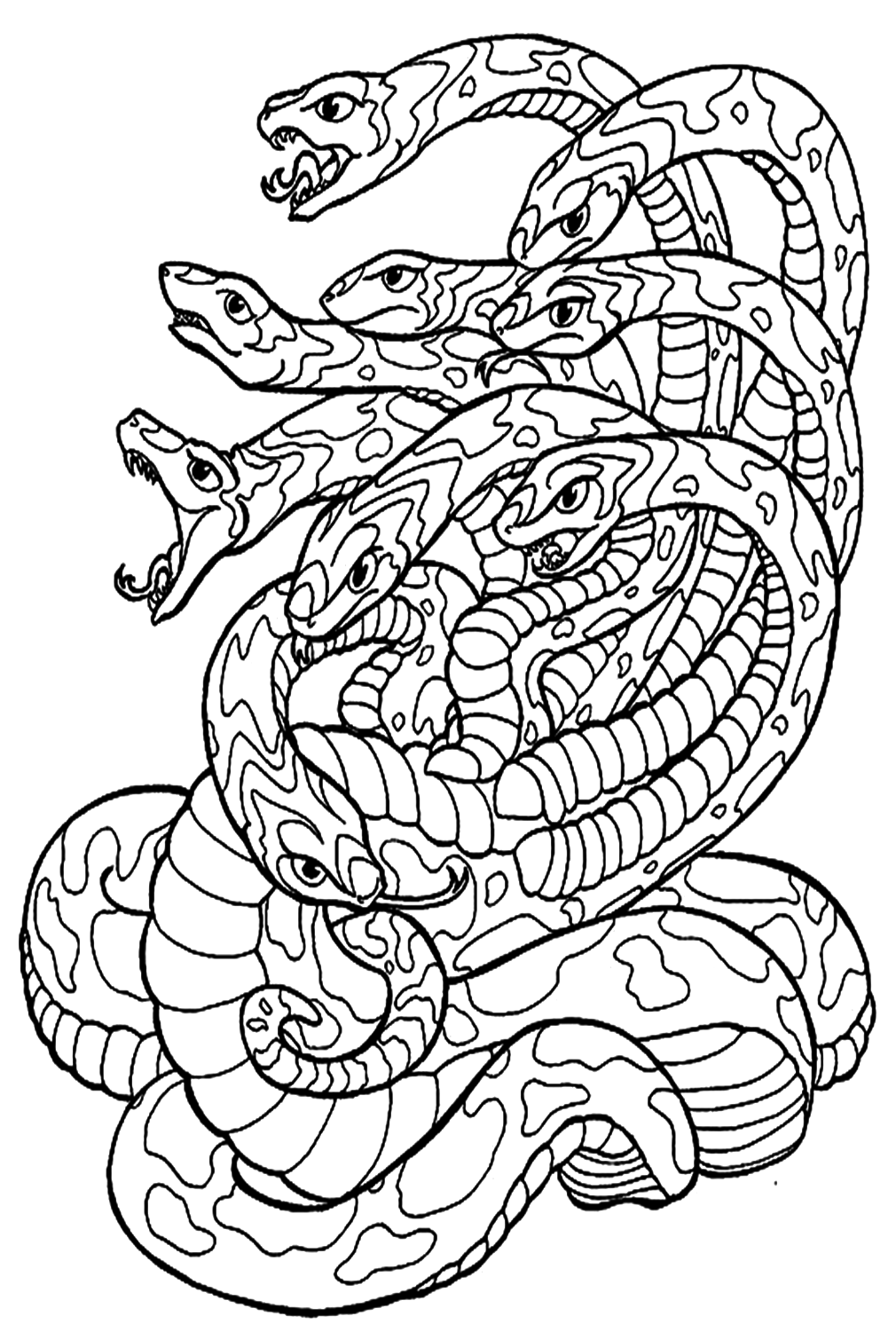
The name Python traces back to Greek mythology, where Python was a giant serpent said to have been slain by the god Apollo, and the name later became attached to this real group of large, non-venomous snakes. This collection holds 21 Python coloring pages, ranging from detailed, realistic portraits that show off intricate scale patterns to simple, easy-to-color cartoon designs and a couple of pages featuring a mother snake with her young.
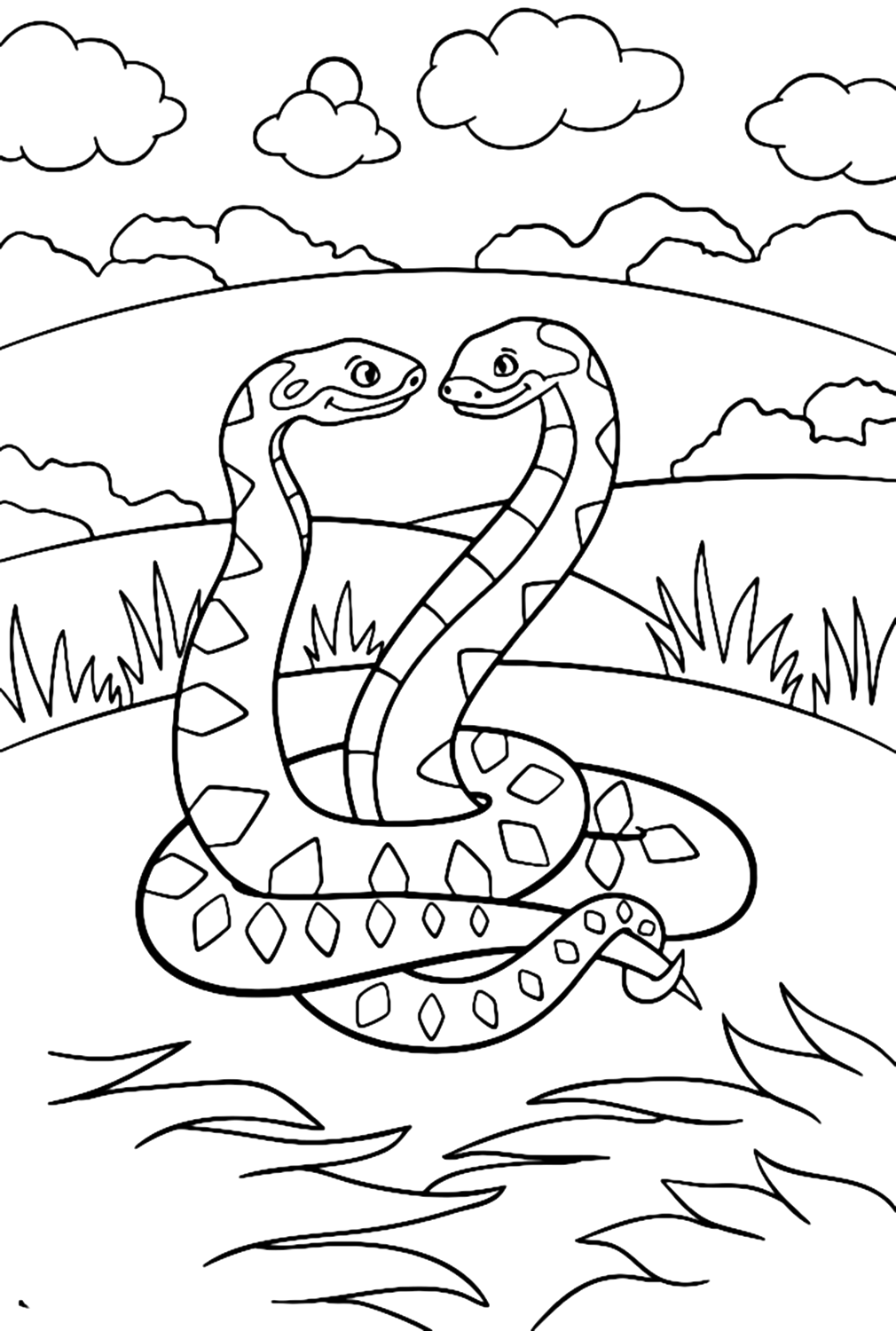
The set includes realistic portraits, simple and cartoon styles, family scenes, and a group of pattern and early-learning pages. Every page downloads as a free PDF or opens directly in the browser for online coloring, with no account required.
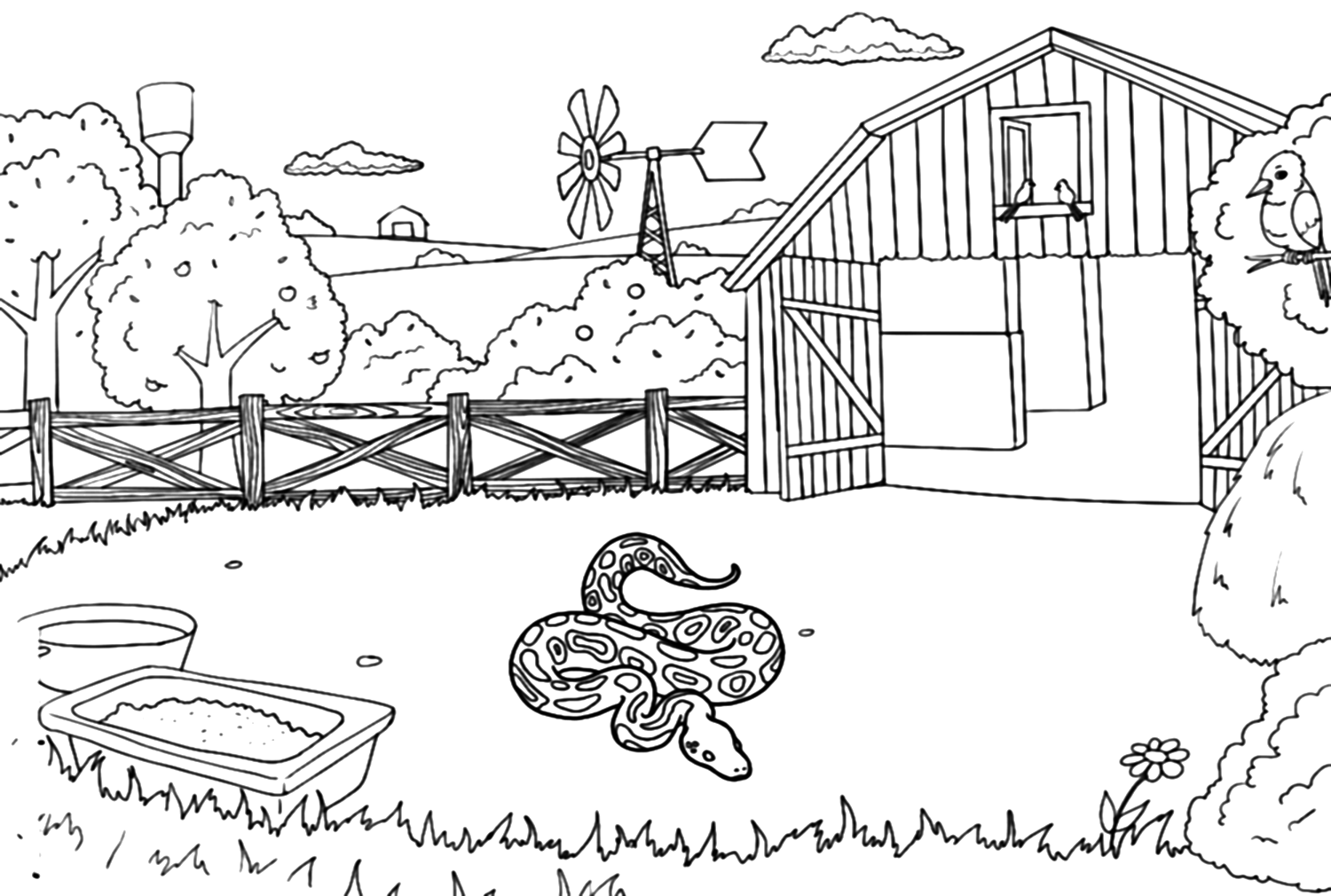
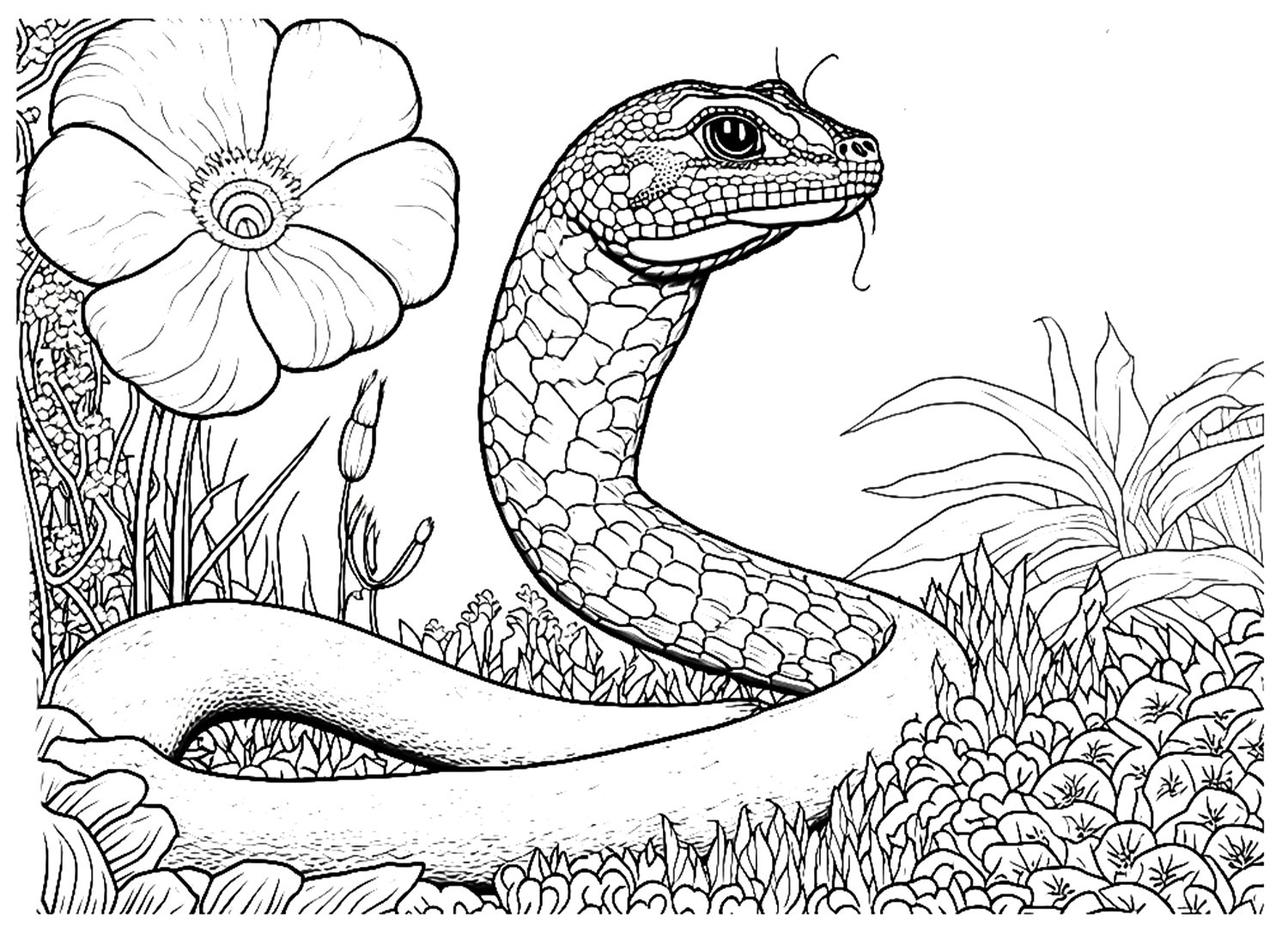
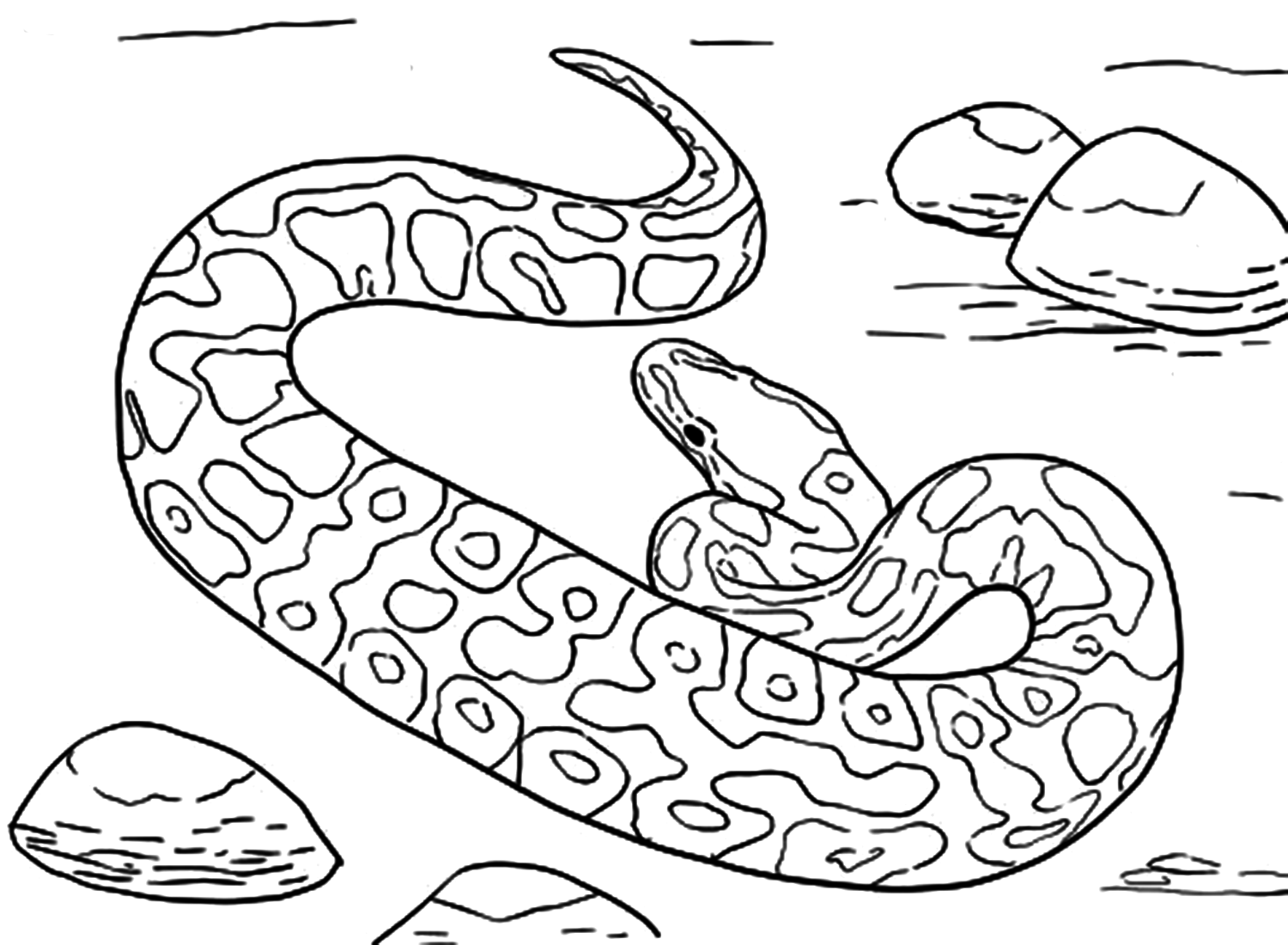
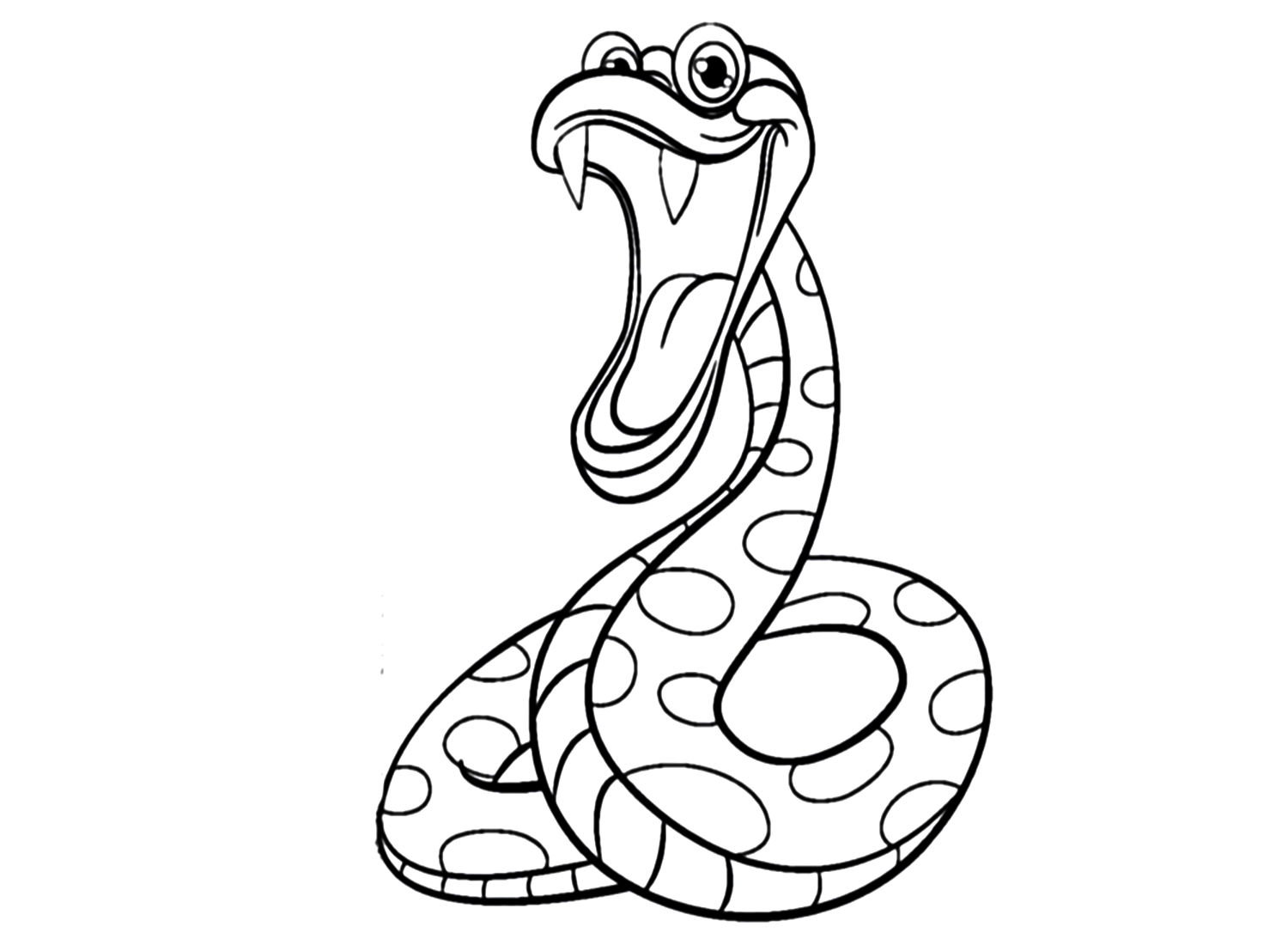
What Is Inside This Collection
Realistic Portraits
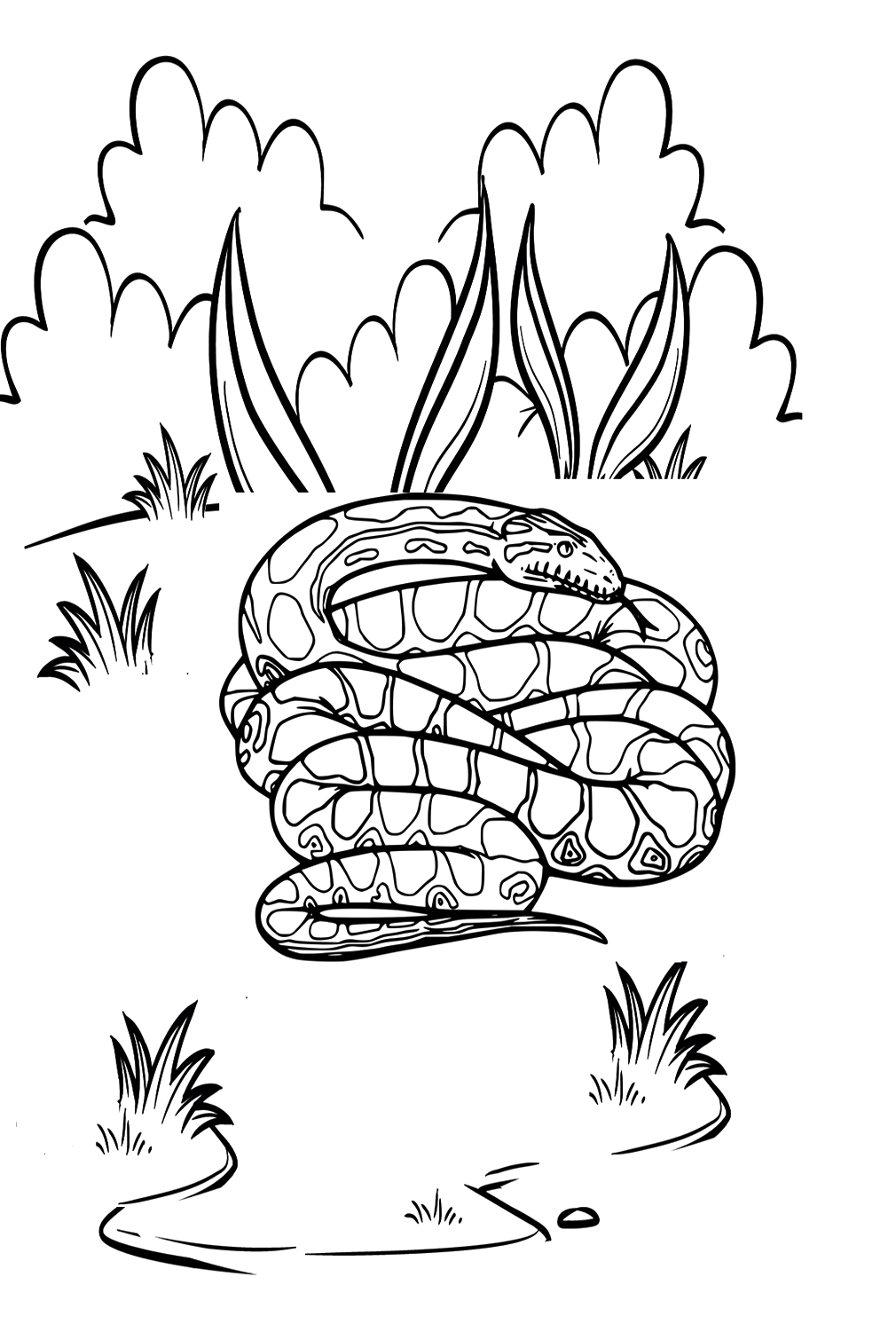
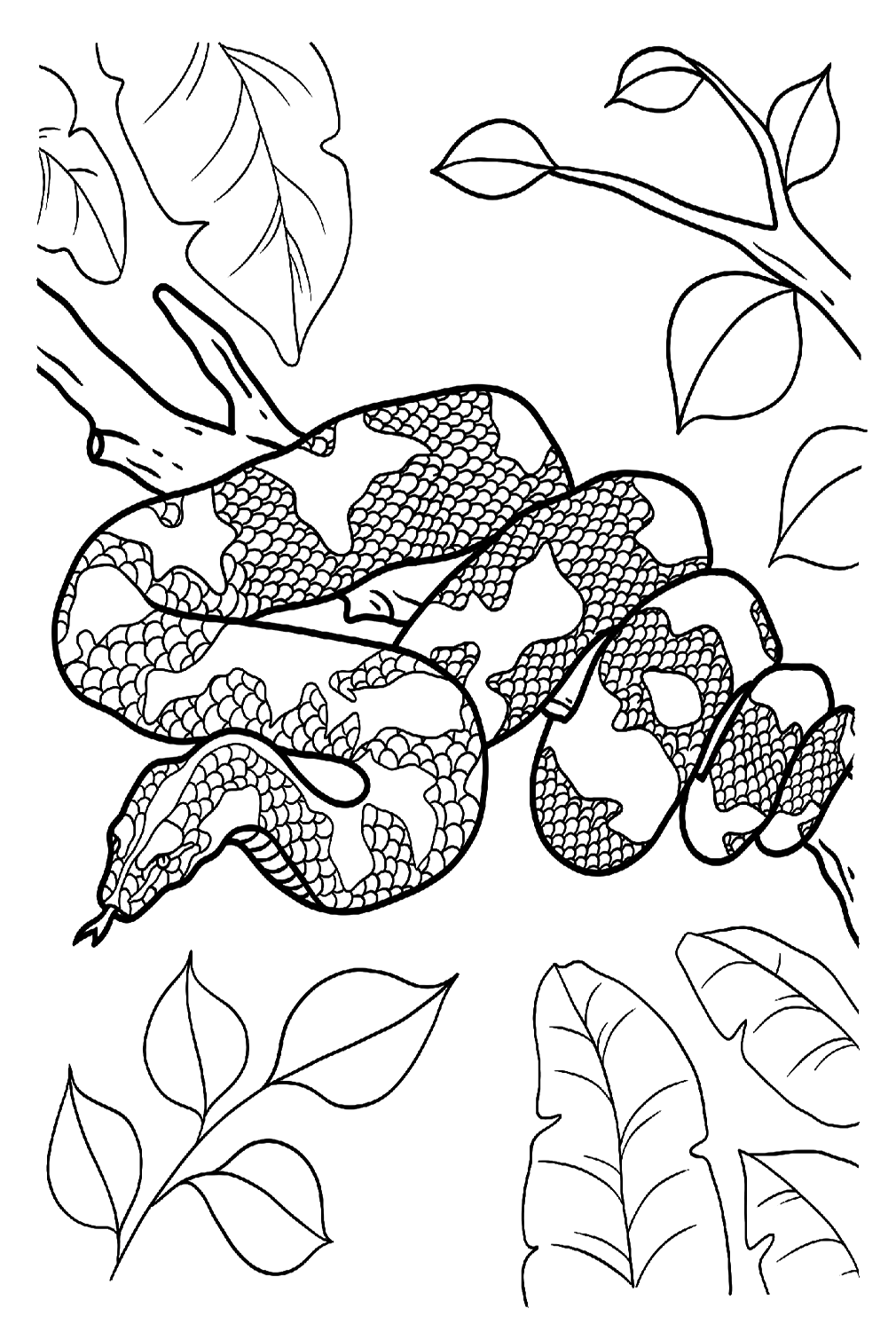
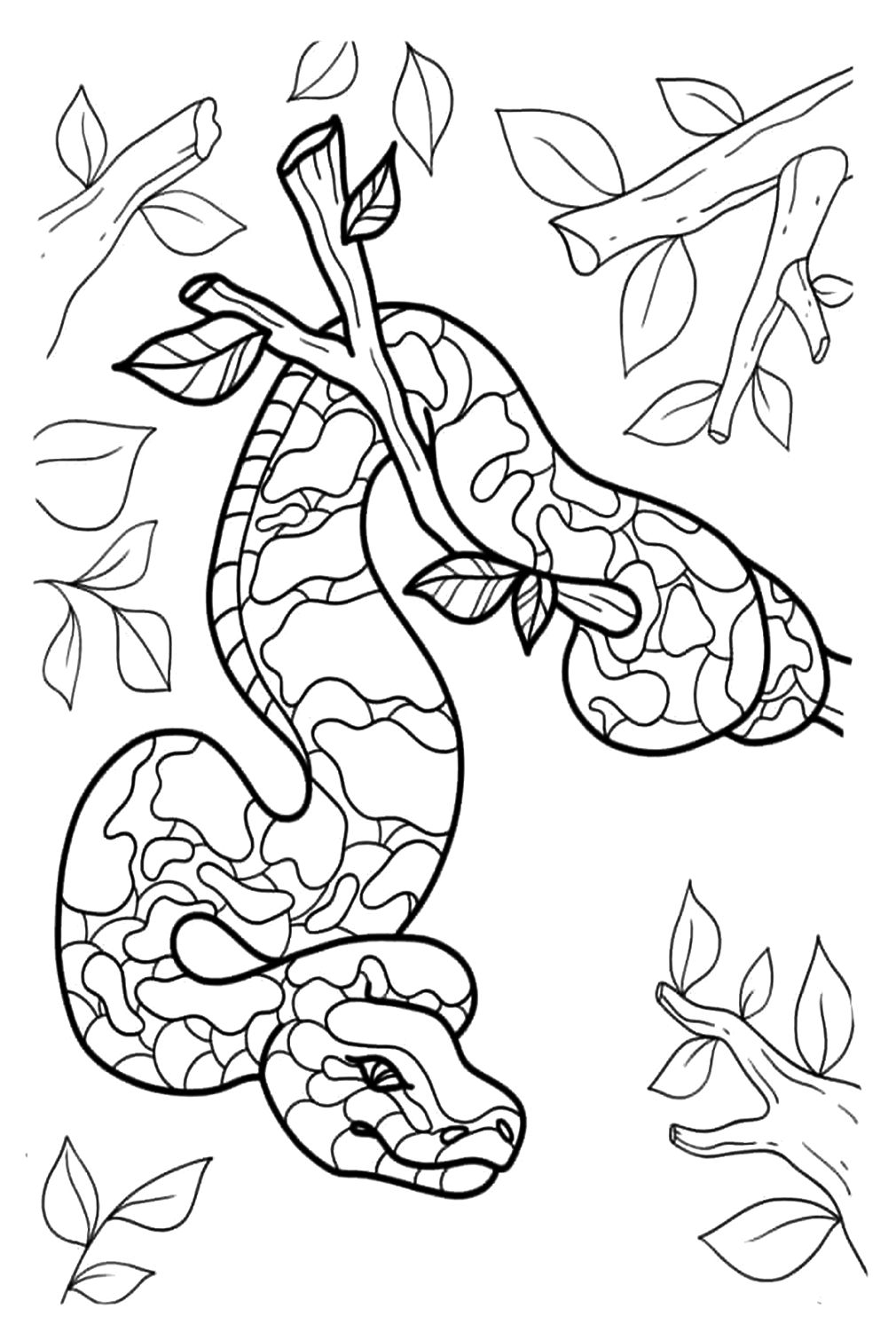
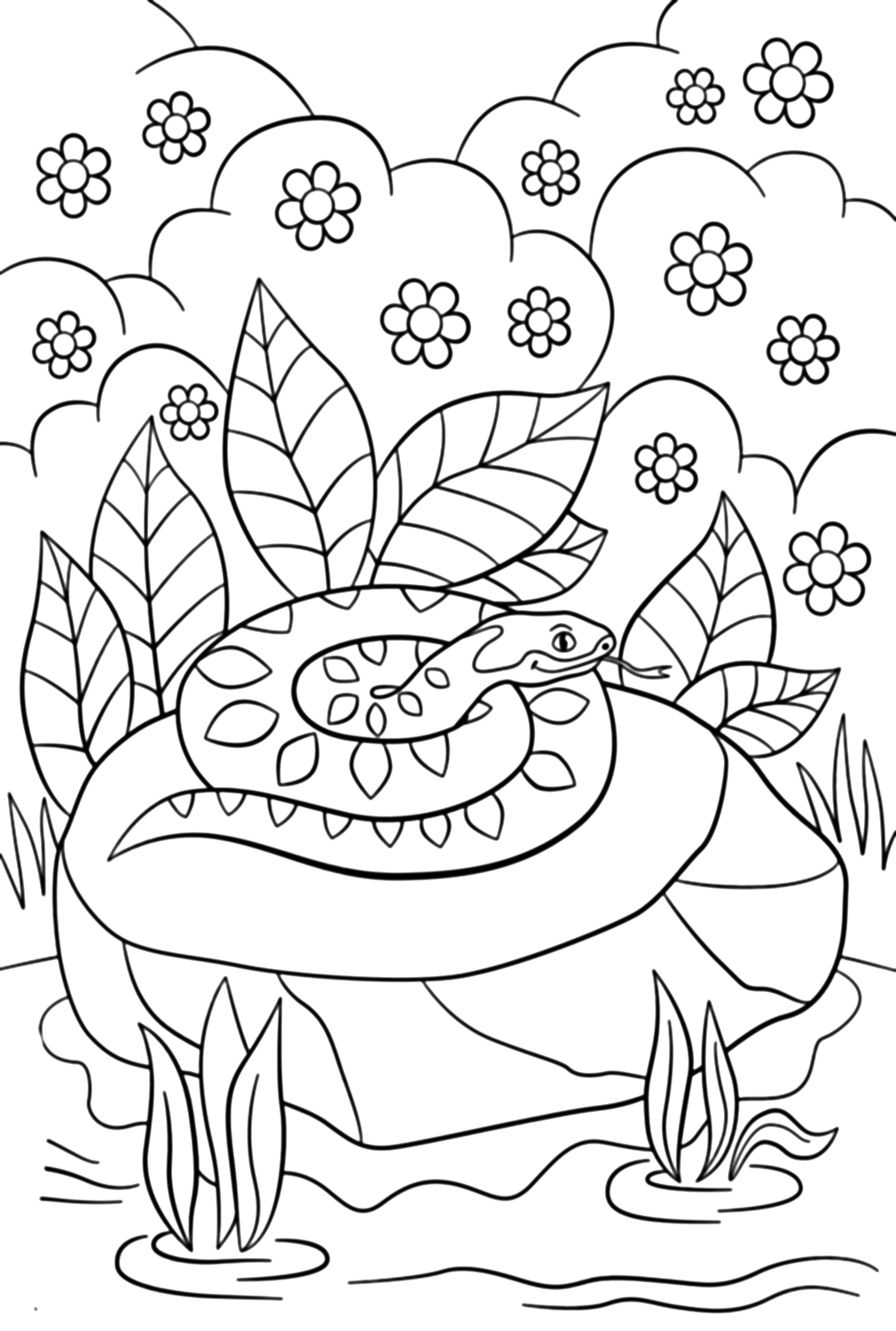
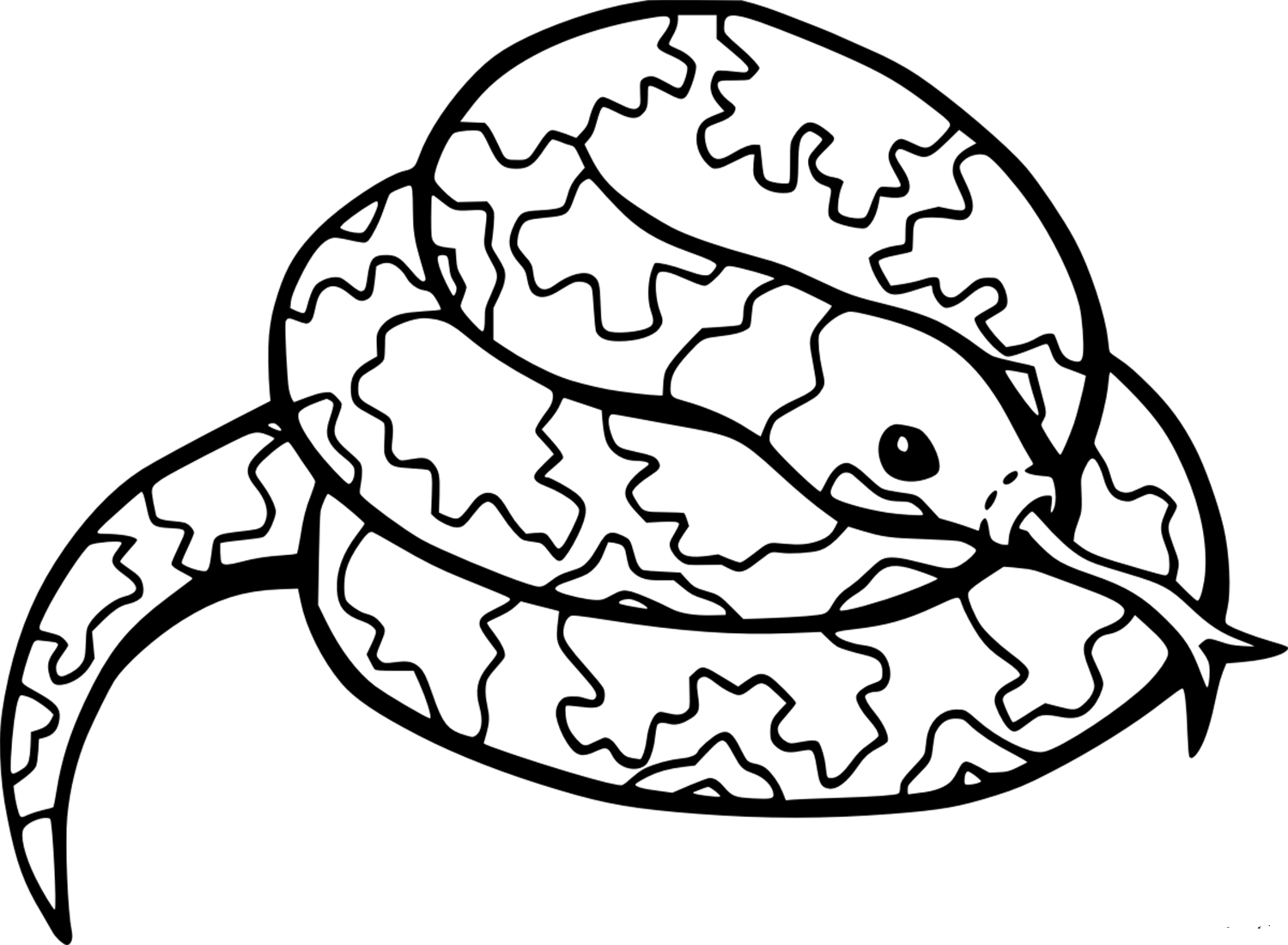
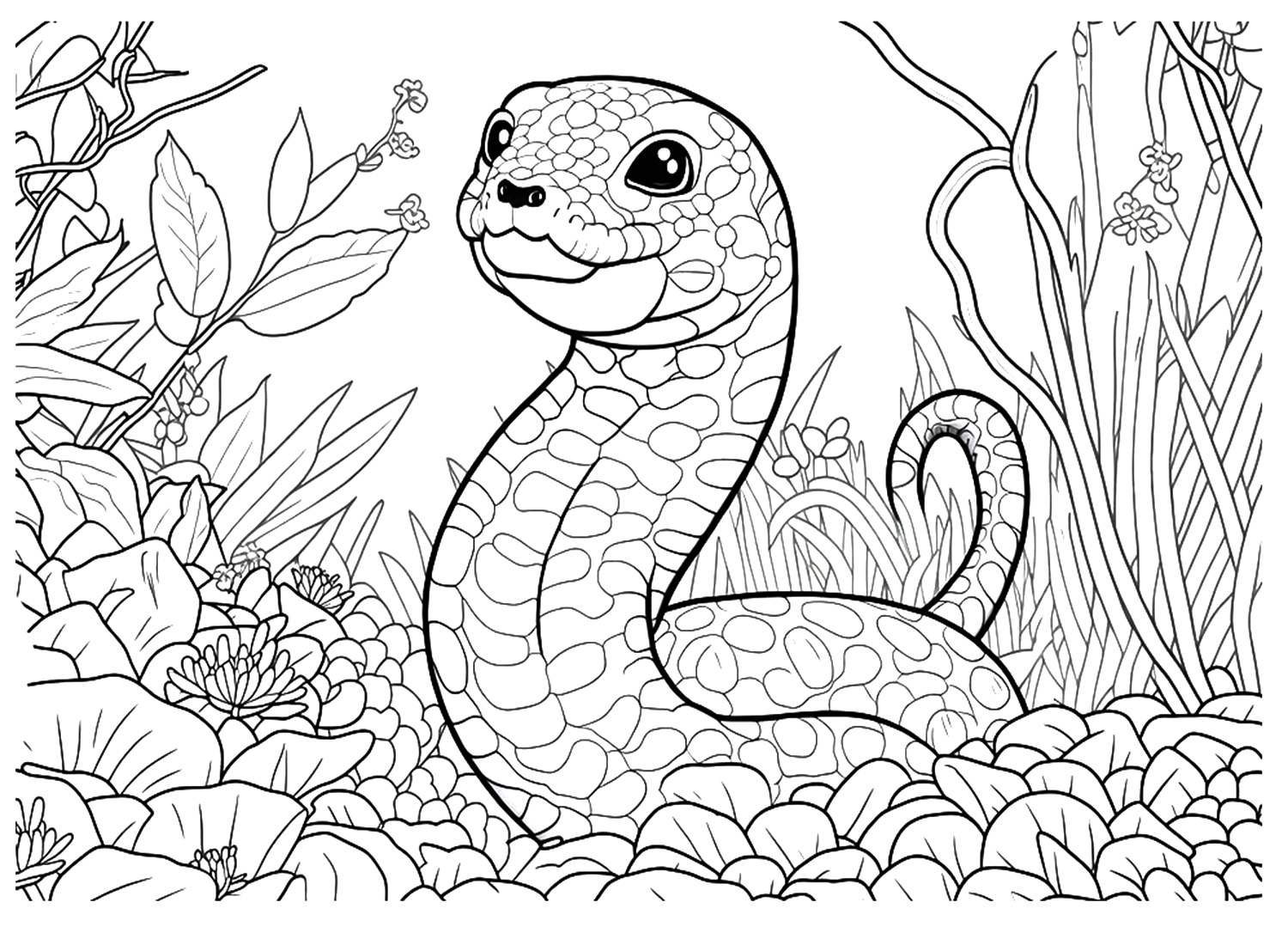
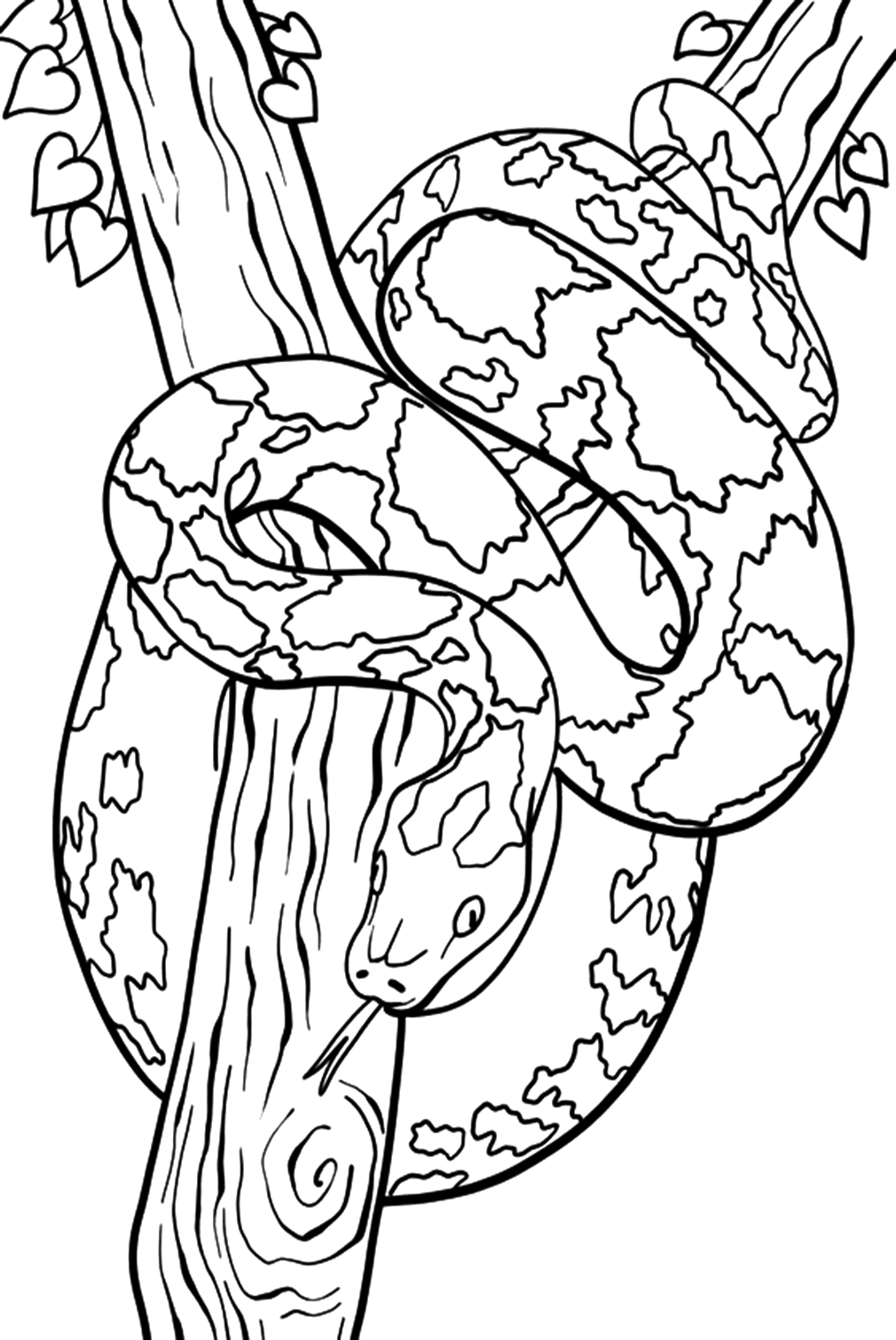
These pages focus on Python’s true features, including its intricate, maze-like scale patterns. Color Page Python and Large Python Coloring Page give colorists an accurate subject to study, right down to the detailed camouflage markings.
Simple and Cartoon Styles
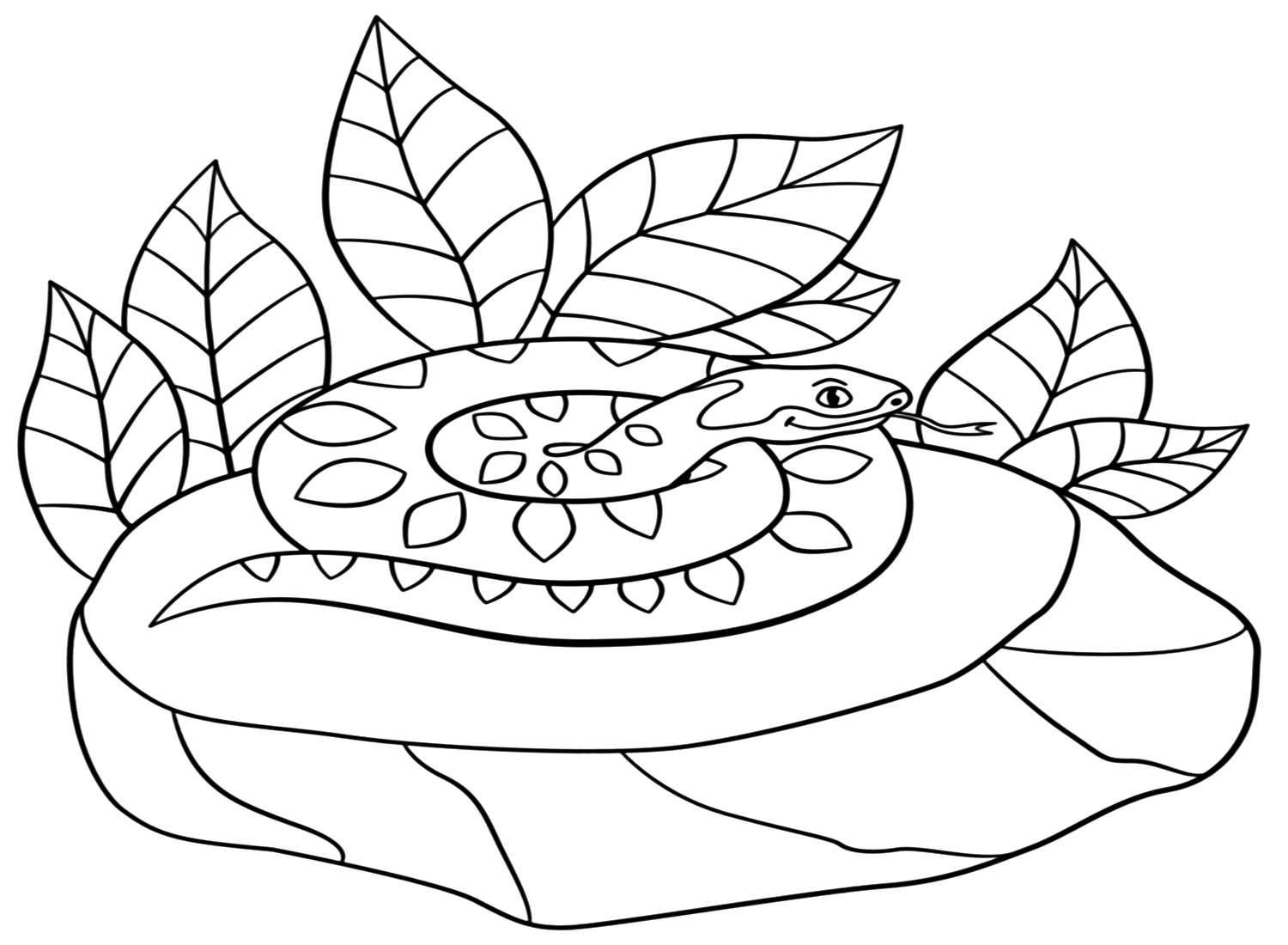
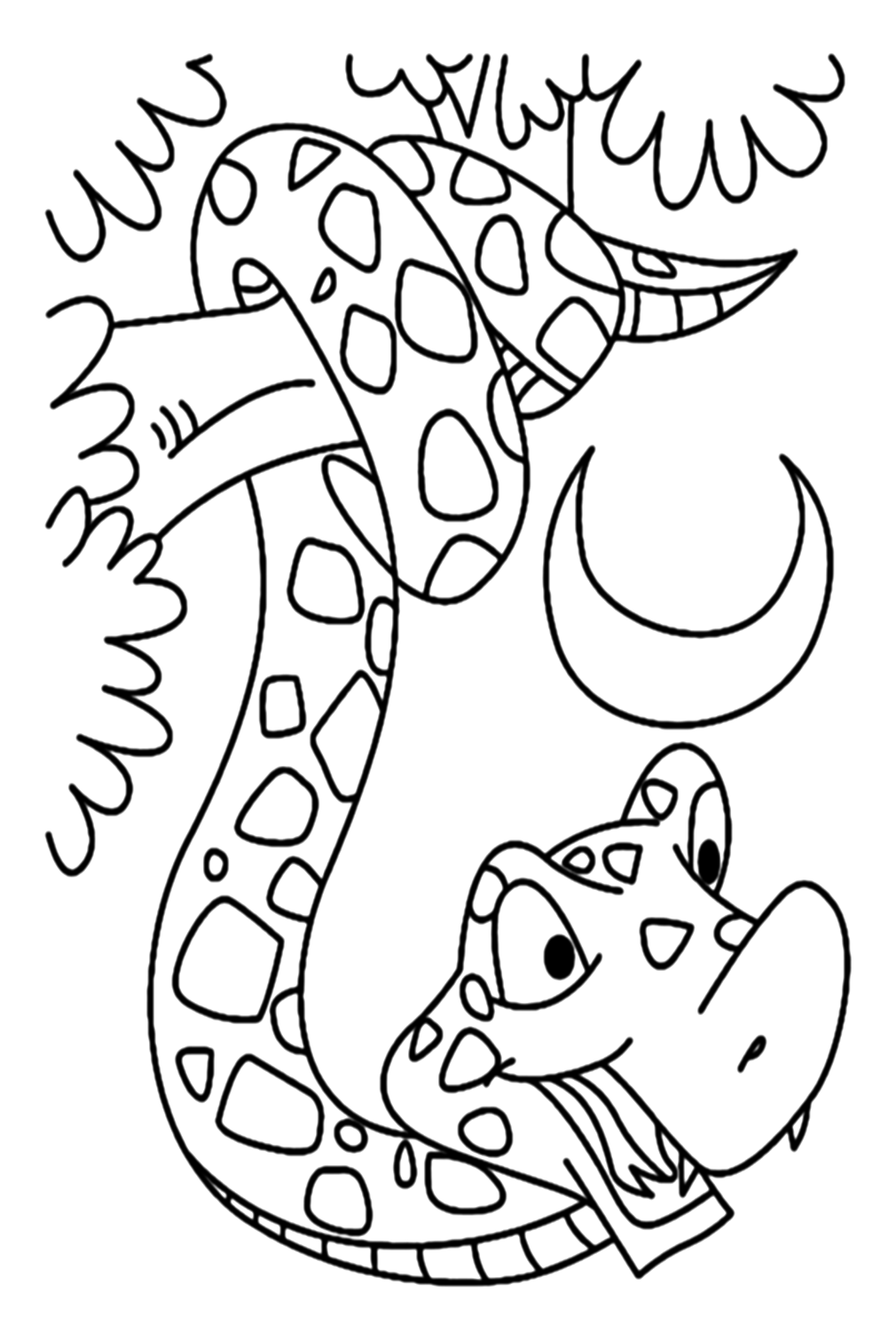
A group of pages simplifies Python into bold, easy-to-color shapes. Simple Python Coloring Page and Cartoon Python To Color keep the design straightforward for younger colorists.
Family Scenes
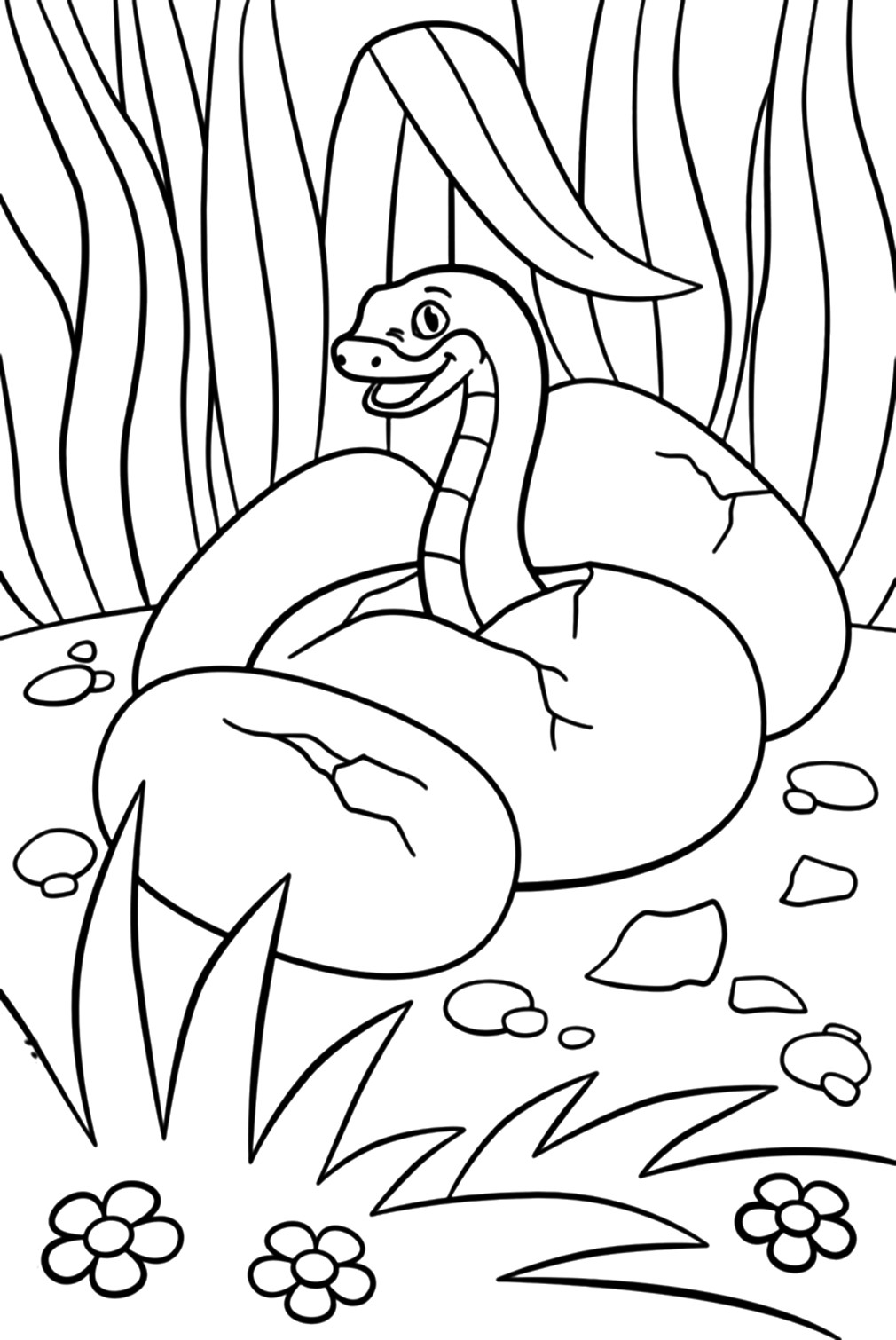
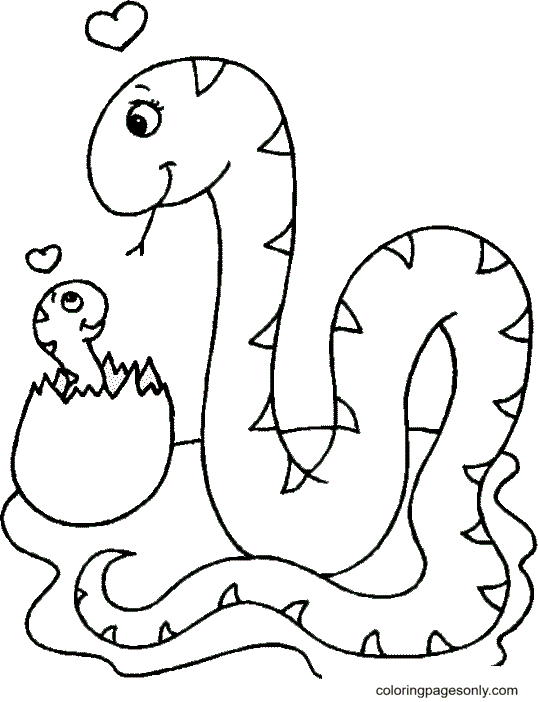
A couple of pages highlight Python’s family side, including a mother snake with her newborn. Mother Snake and Newborn Snake and Baby Python Coloring Sheet for Kids suits colorists who want a warmer, character-driven page.
Pattern and Early-Learning Pages
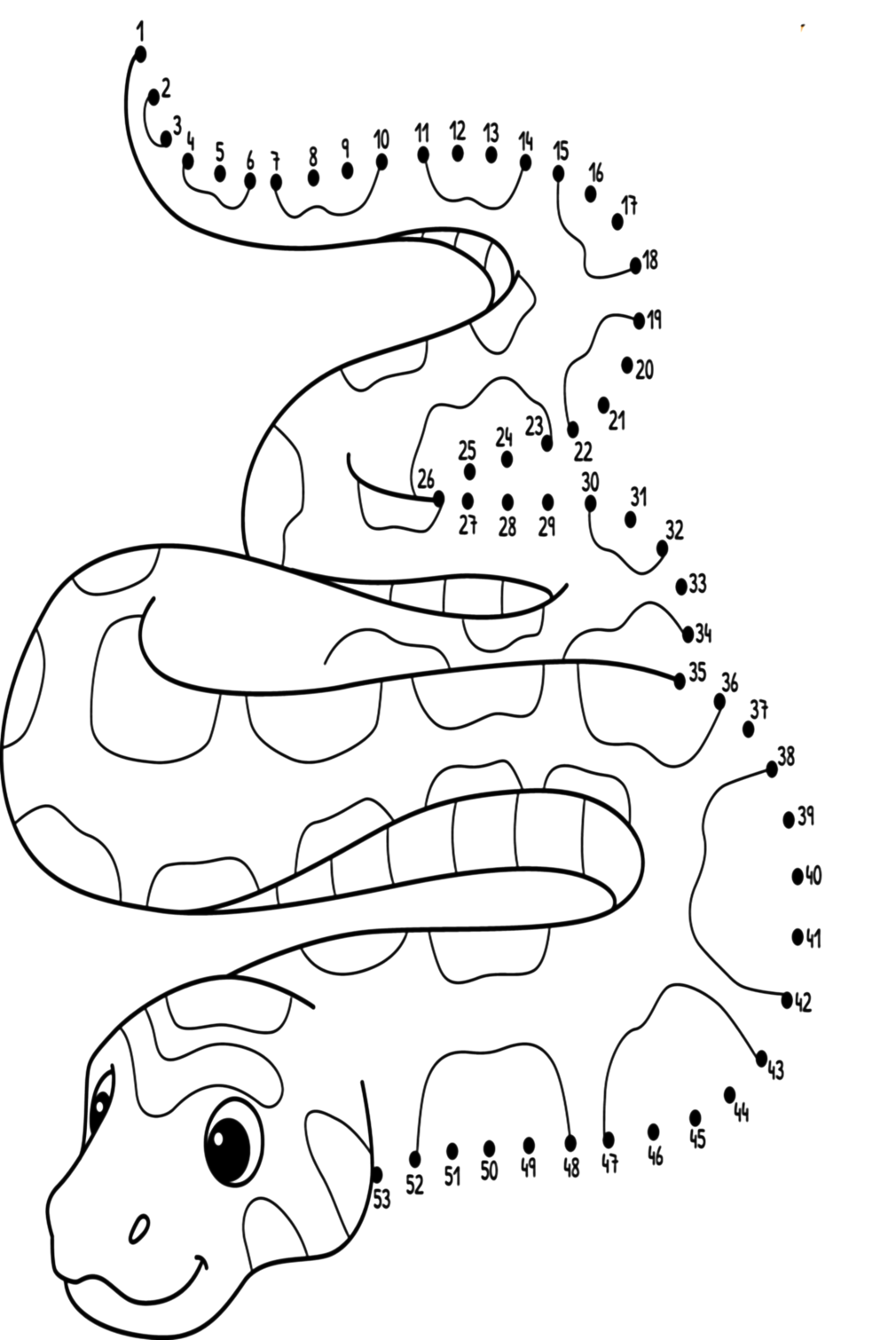
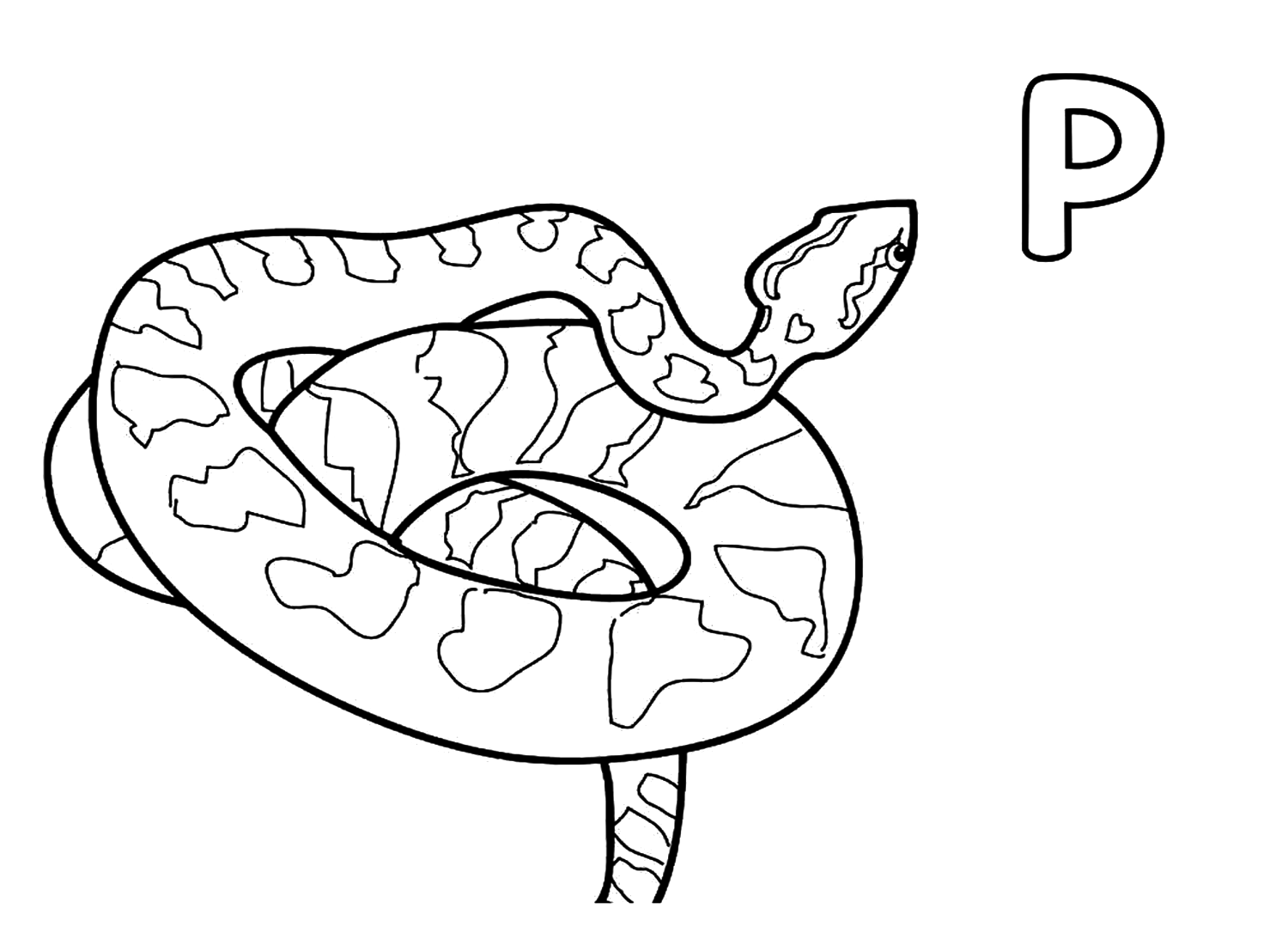
Letter P For Python Coloring Page and dot-to-dot-python-coloring-page are built as early-learning practice pages, giving younger colorists a simple entry point into the collection.
What Python Coloring Pages Do
A close study of intricate scale patterns. Many pythons, especially the reticulated Python, are covered in a maze-like pattern of dark markings, and coloring them accurately means keeping each connected shape distinct rather than blending them into a solid color. The American Academy of Pediatrics points to structured coloring as a reliable way to build fine motor control, and following that detailed, connected pattern is a direct way to practice it.
A name borrowed from mythology. The genus name Python comes from a giant serpent in Greek mythology, giving colorists a small piece of language history that connects an ancient story to a real, living animal.
Calm focus through detailed pattern work. A 2005 study in the Art Therapy Journal documented measurable reductions in anxiety following structured coloring sessions, and working carefully through a python’s connected scale pattern invites the same slow, meditative shading that supports that calming effect.
A jaw built for eating without chewing. A python’s lower jaw is held together by a stretchy ligament instead of being fused like most animals, letting it open wide enough to swallow prey far larger than its own head, a striking example of a specialized adaptation built entirely around one task.
How to Color These Pages Well
- Body base: Use Tan or Sepia for the base coat, since many pythons show earthy browns and creams as their background color.
- Pattern markings: Color the connected, maze-like markings in a darker Black or Sepia, keeping the edges clean so the pattern reads clearly against the lighter base.
- Belly: Use a pale Cream for the underside, since a python’s belly is usually much lighter than its patterned back.
- Eyes: Keep the eyes small and dark, since pythons lack eyelids and their eyes stay open at all times.
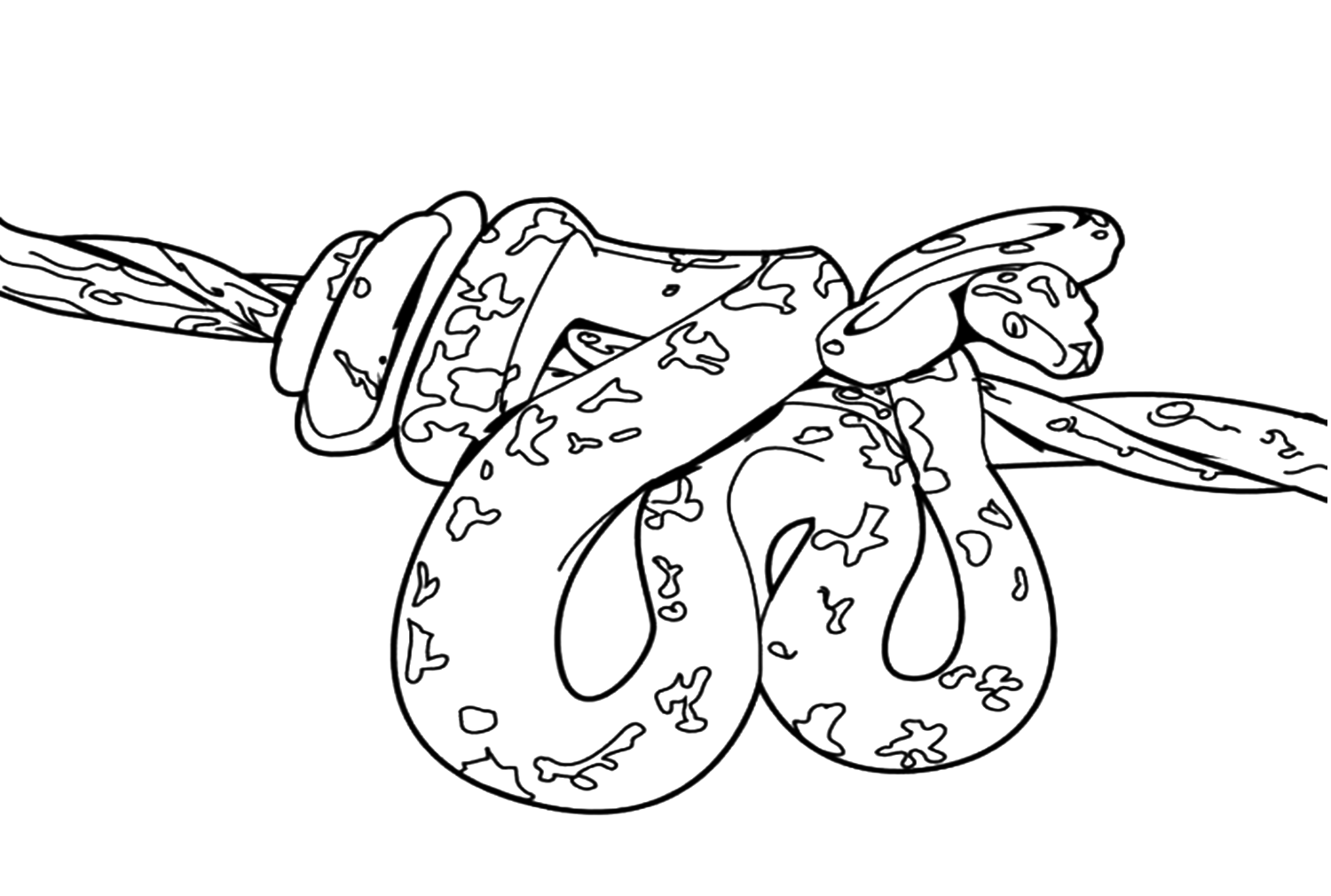
- Coiled poses: On pages showing the snake coiled around a branch, shade the overlapping sections slightly darker where one coil crosses over another for a sense of depth.
- Background: Blend Forest Green into Olive for jungle or forest settings, and use Raw Umber for tree branches where the Python is shown climbing.
5 Creative Craft Ideas
1. Maze pattern practice
Draw a few simple connected shapes on scrap paper and color them in alternating dark and light tones to practice Python’s maze-like markings. This warm-up makes the more detailed, realistic portraits easier to approach.
2. Coiled python display
Cut a long strip from a colored python page and coil it loosely around a small branch or dowel to create a three-dimensional display piece. This recreates one of the snake’s most recognizable resting poses.
3. Python bookmark
Trim a simple Python page into a tall strip and laminate it, or cover it in clear contact paper. A short ribbon through a punched hole finishes it off.
4. Greeting card
Glue a colored python onto a folded card for a birthday or nature-themed thank-you note. A short handwritten fact about the snake adds a small teaching moment.
5. Size comparison chart
Color a python page and place it next to a same-scale printed silhouette of a familiar object to visualize just how long some python species can grow. This turns the coloring activity into a quick, hands-on science exercise.
Frequently Asked Questions
What are Python coloring pages?
Printable line-art designs of pythons in realistic, simple, and family-themed styles. Free to download as a PDF or color online, no account needed.
Where does the name Python come from?
The name comes from Python, a giant serpent from Greek mythology said to have been slain by the god Apollo, which later became attached to this group of large, real-world snakes.
How big do pythons get?
Python size varies widely by species, with the reticulated Python among the longest snakes in the world, sometimes reaching lengths of 6 meters or more.
Can pythons really swallow prey bigger than their own head?
Yes. A python’s lower jaw is held together by a stretchy ligament rather than being fused, allowing its mouth to open extremely wide to swallow large prey whole.
Are pythons venomous?
No. Pythons are non-venomous constrictors that kill prey by coiling around it and cutting off its ability to breathe, rather than using venom.
Do pythons have heat-sensing pits like other snakes?
Yes. Many python species have heat-sensing pits along their jaws that help them detect warm-blooded prey, even in complete darkness.
Are Python coloring pages appropriate for all ages?
Yes. Simple cartoon pages suit toddlers and preschoolers, while the detailed, realistic portraits suit older kids, teens, and adults.
Can these Python coloring pages be used for a classroom lesson on reptiles?
Yes. The realistic portraits pair well with a lesson on non-venomous predator adaptations, and the mythology fact makes a good discussion starter on how animal names sometimes come from ancient stories.
Start Coloring
All 21 Python designs are free to download as a PDF or open for online coloring, no account required. Print a page for a classroom activity, or pull it up on a tablet for coloring on the go. Once finished, share it on Facebook or save it to Pinterest.