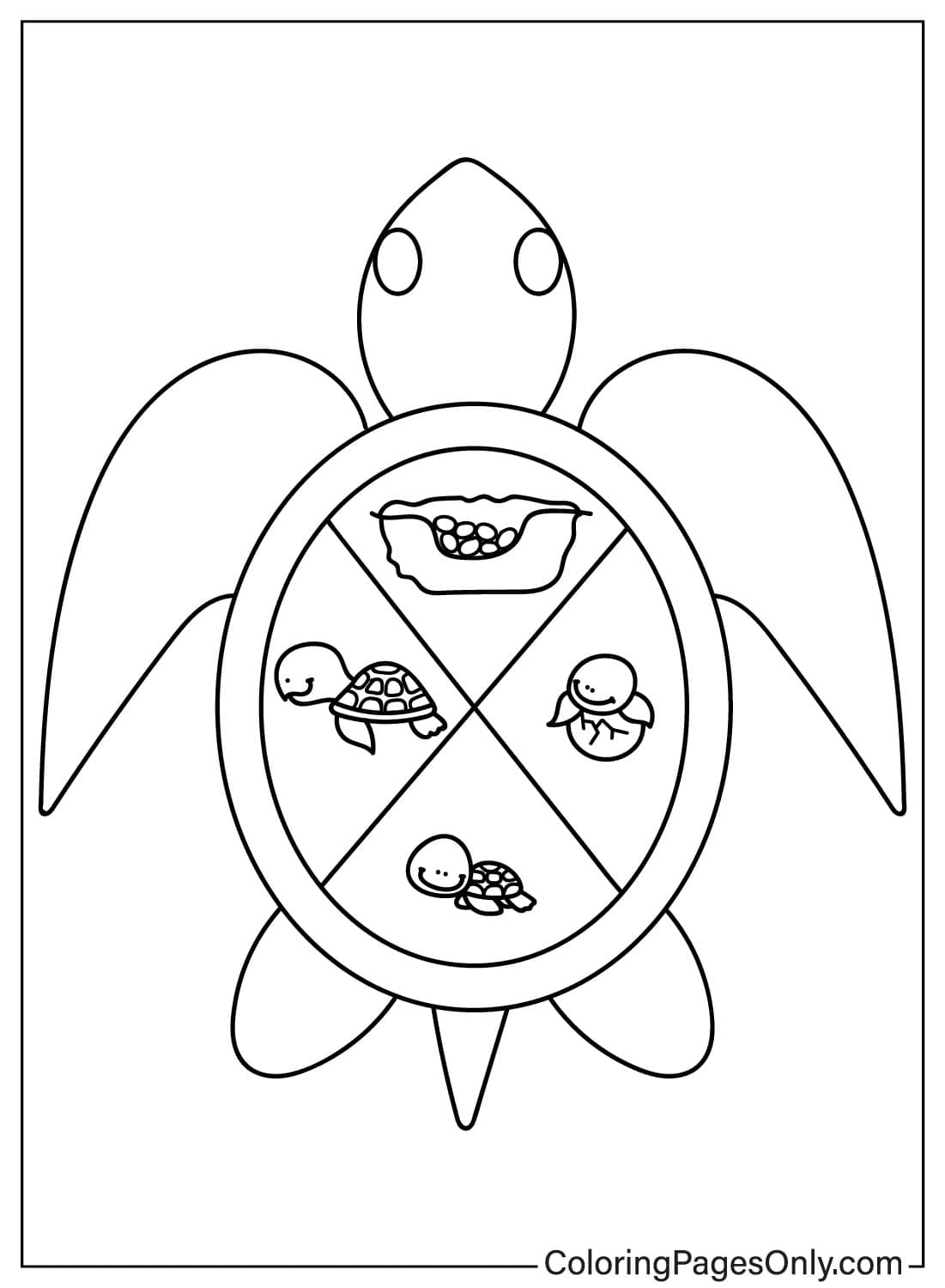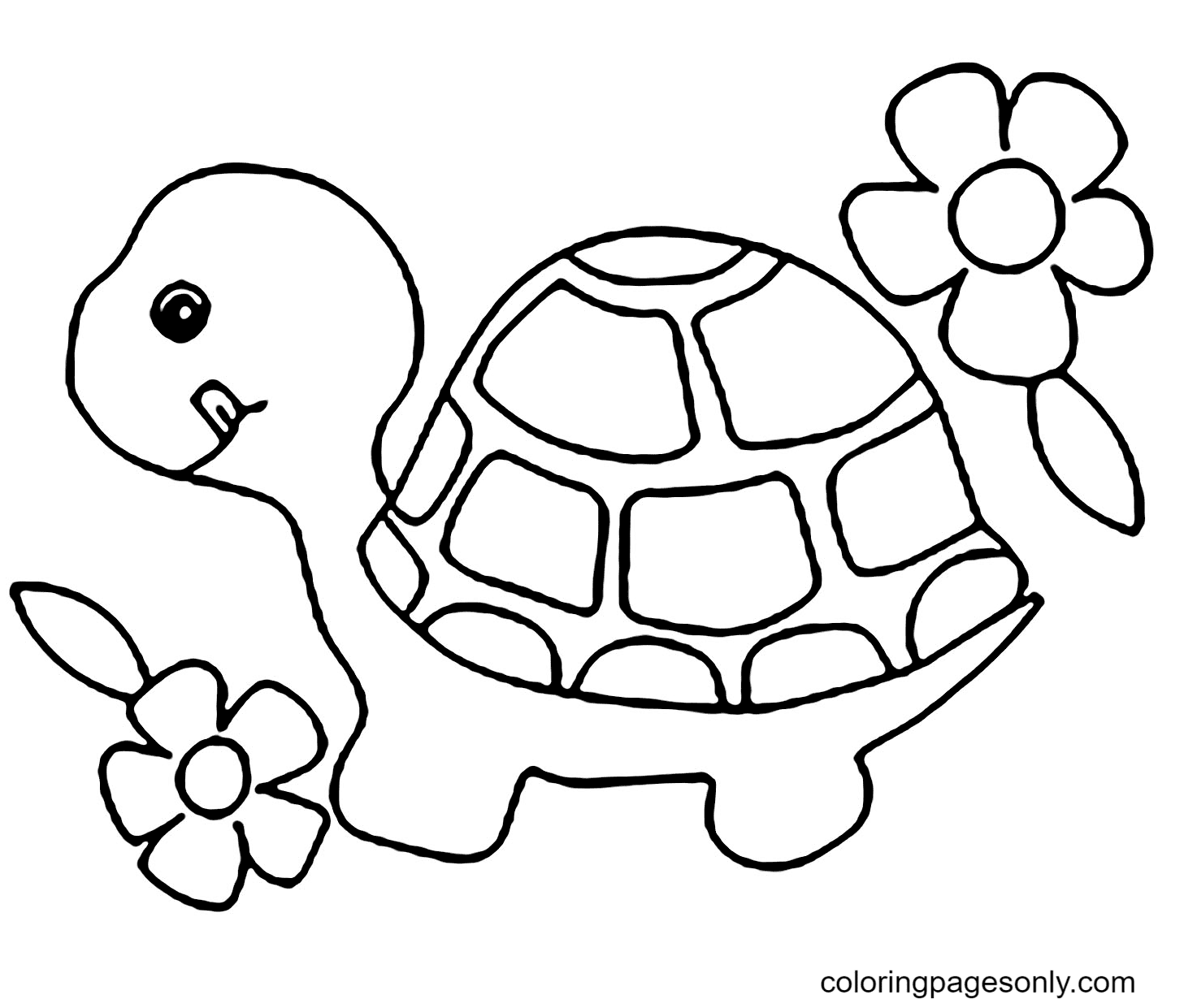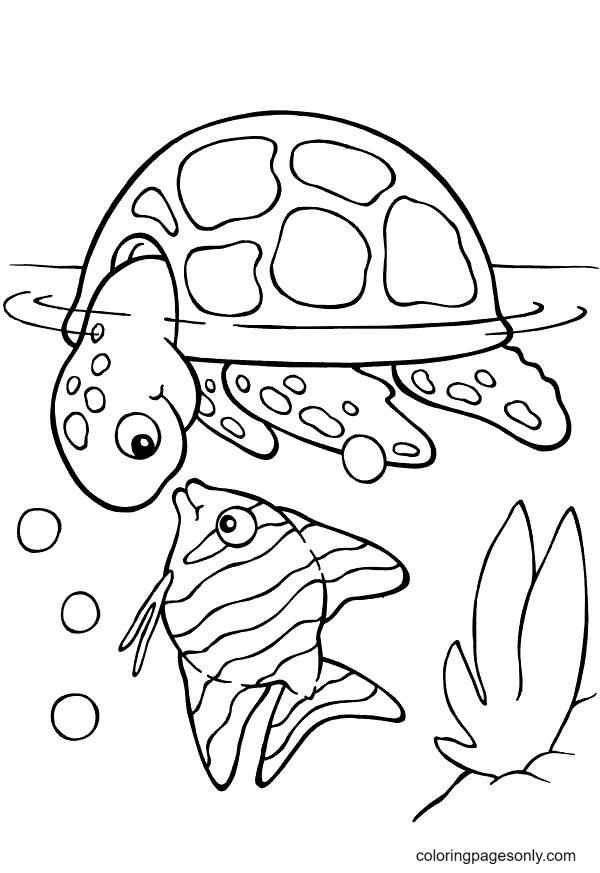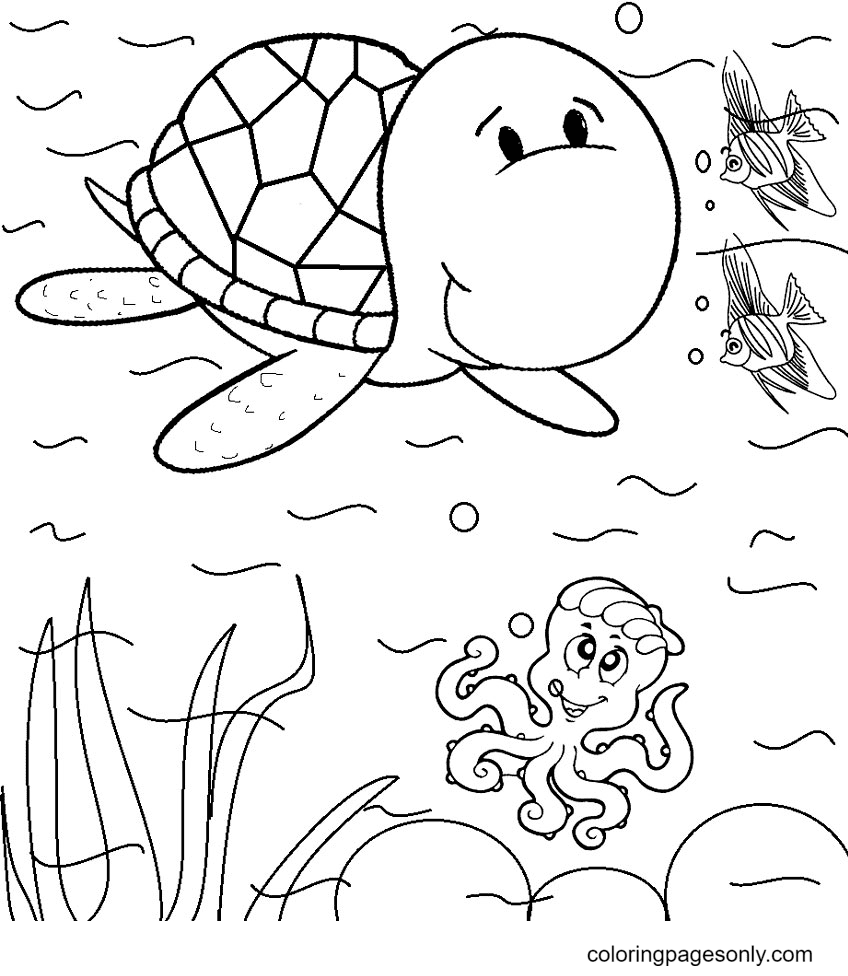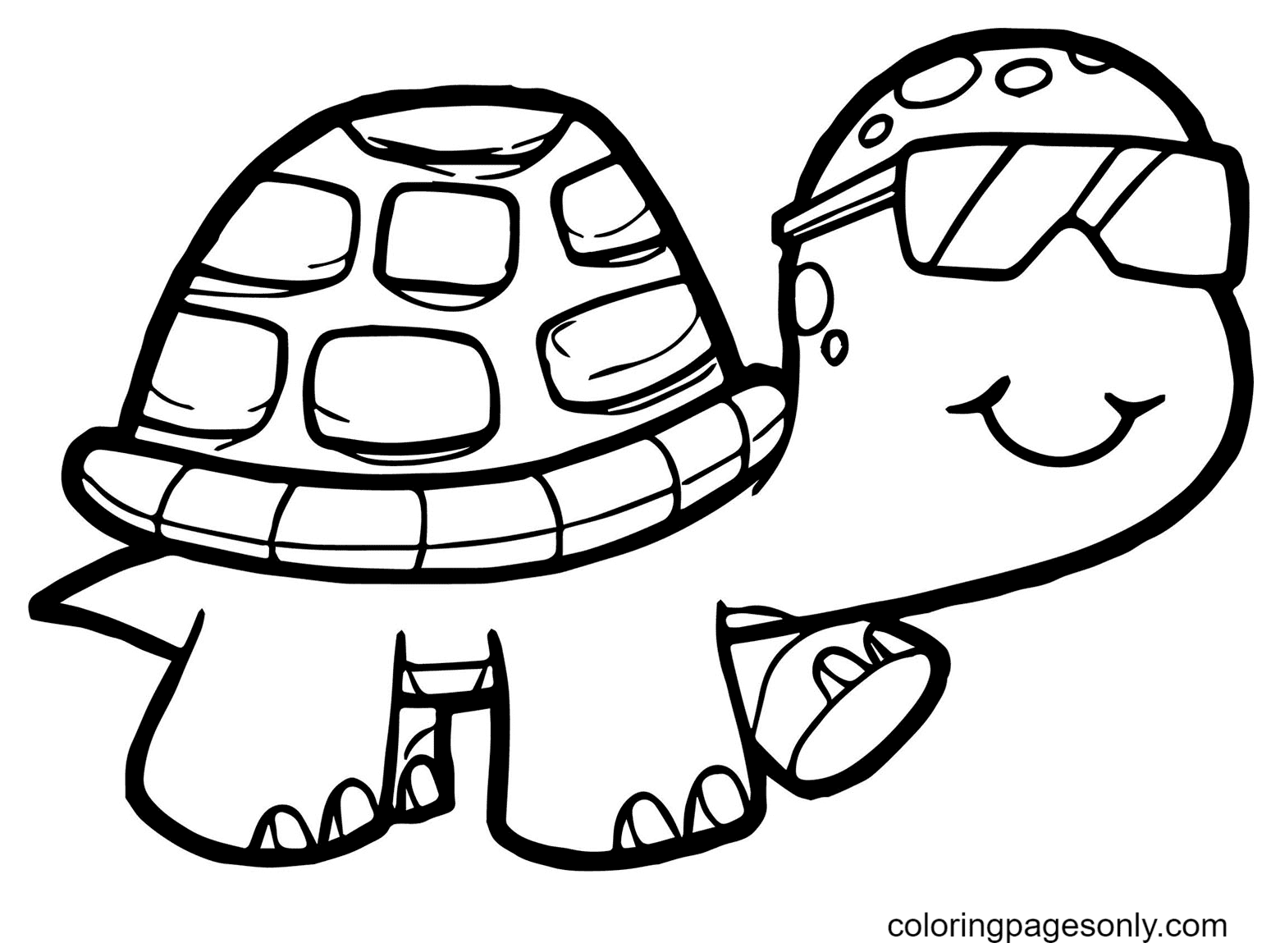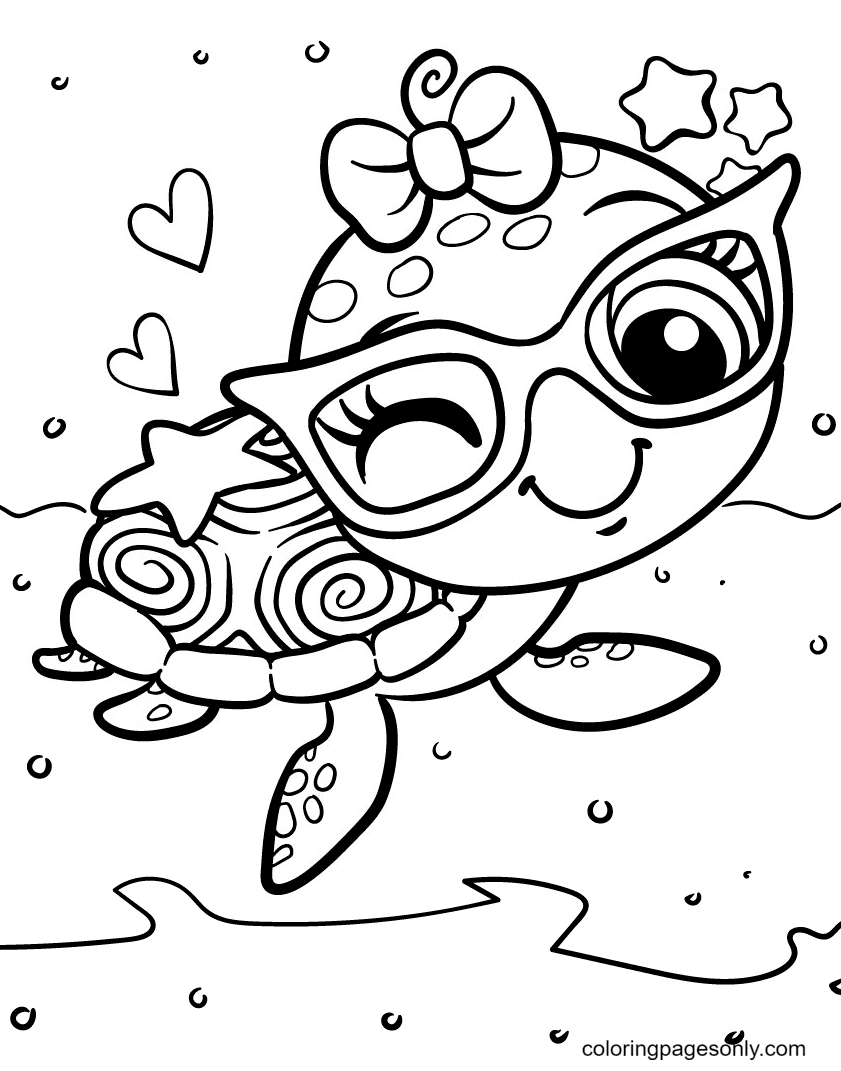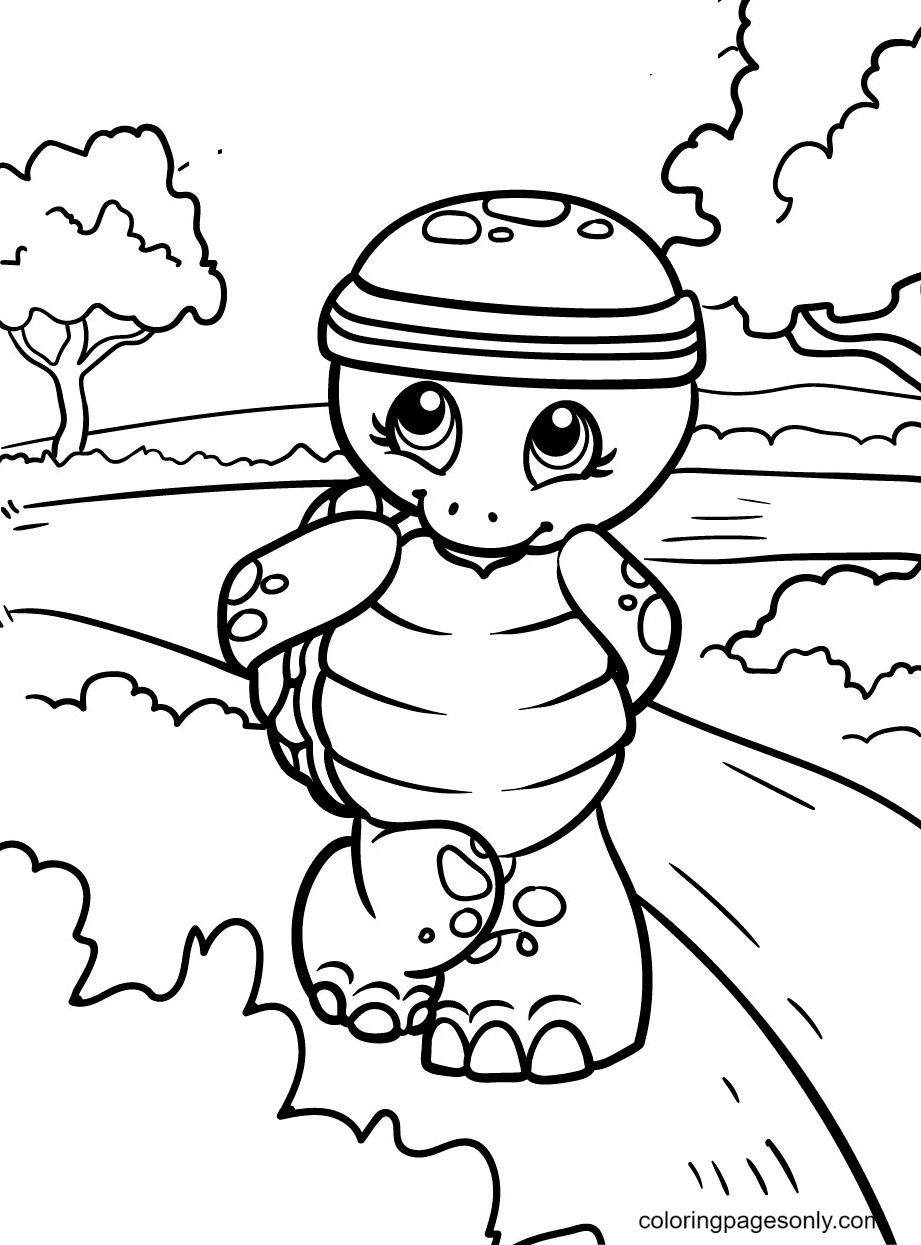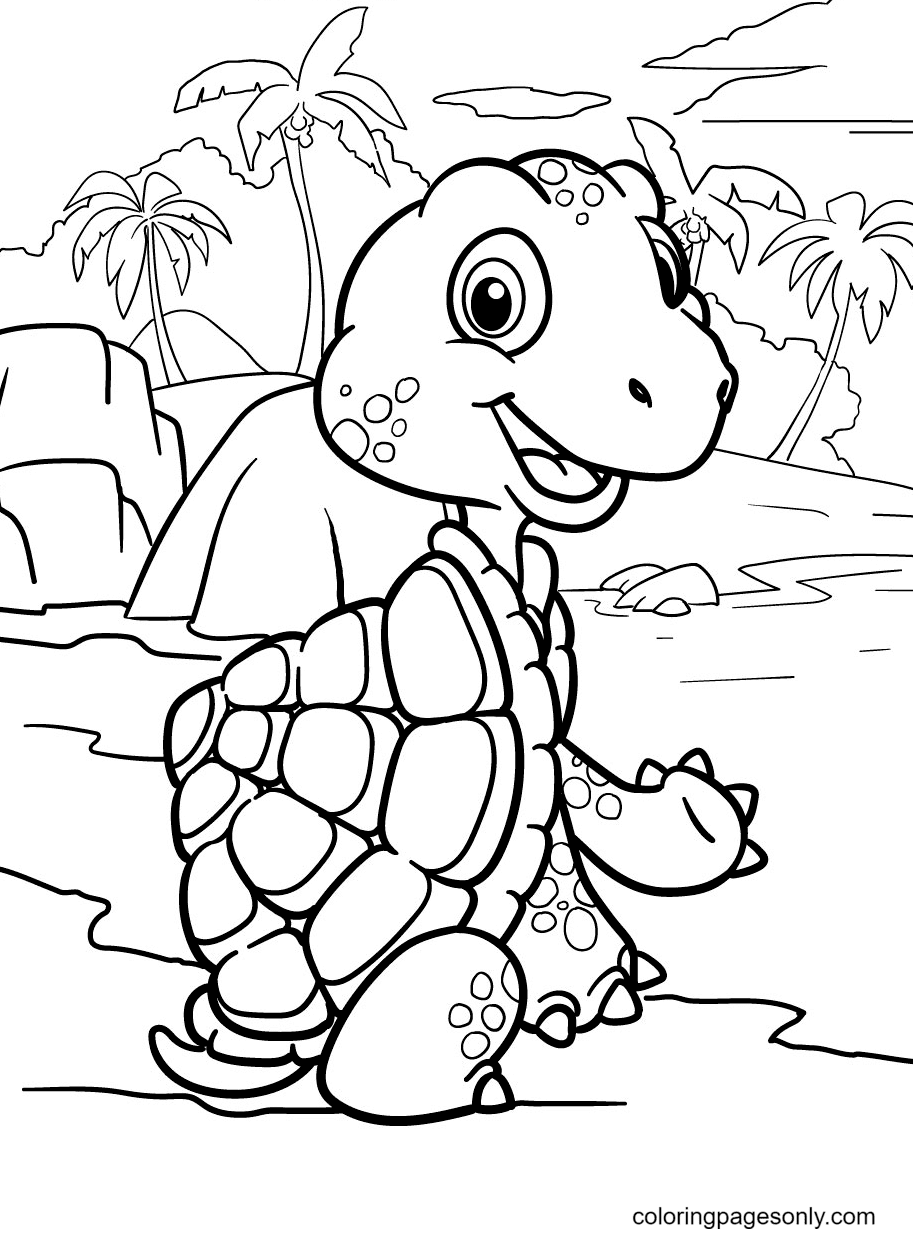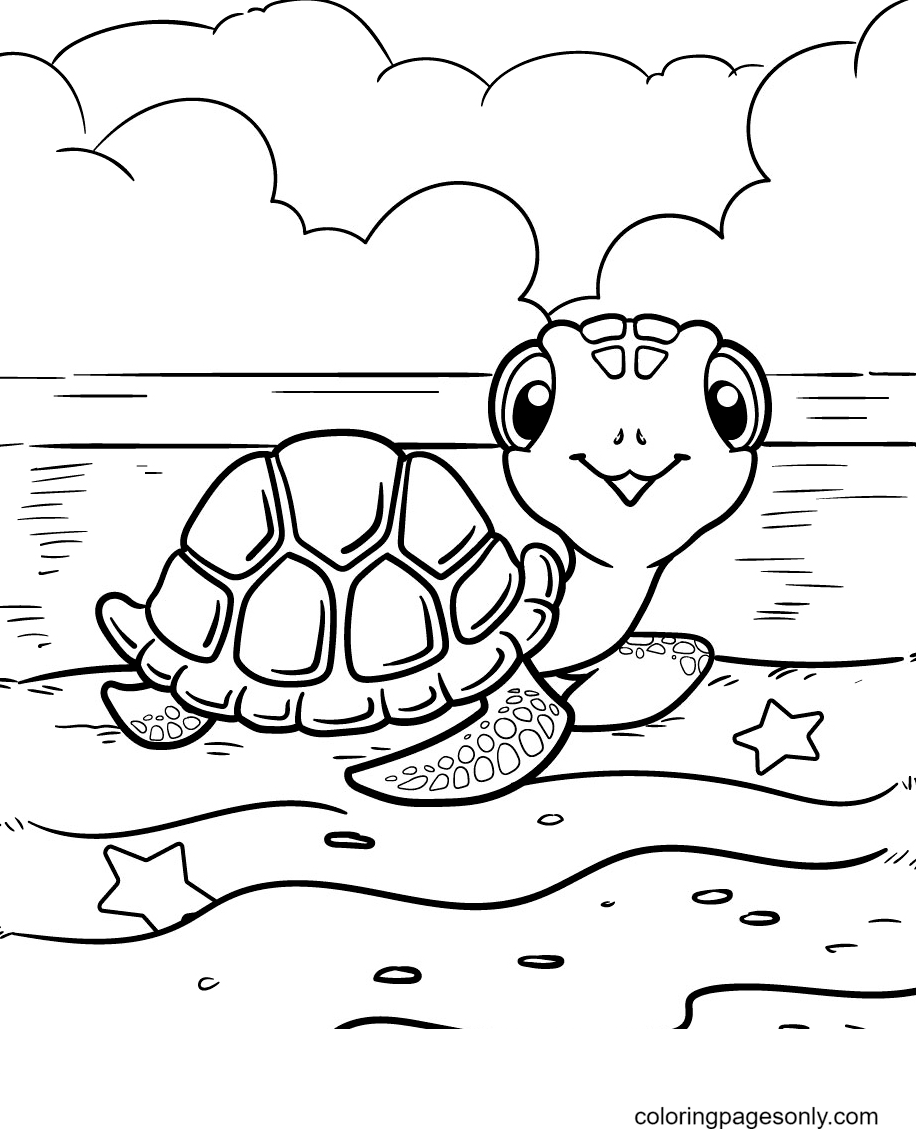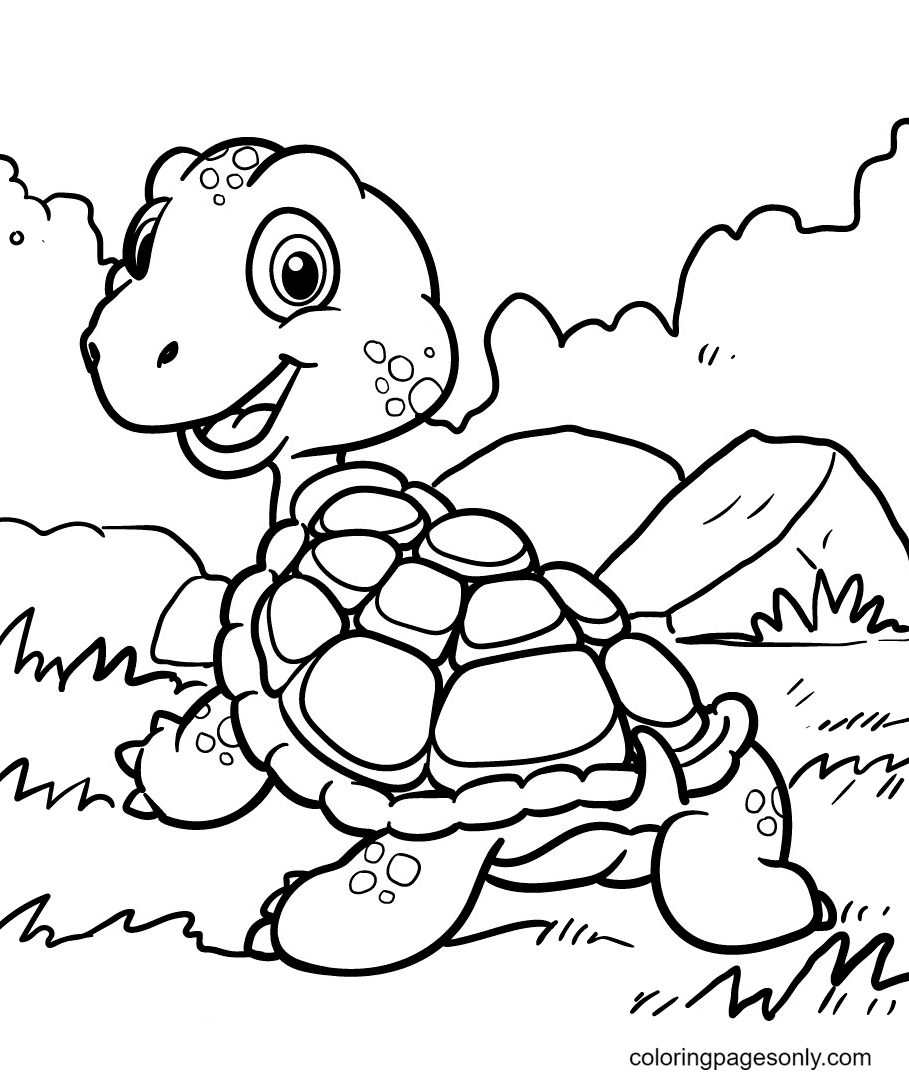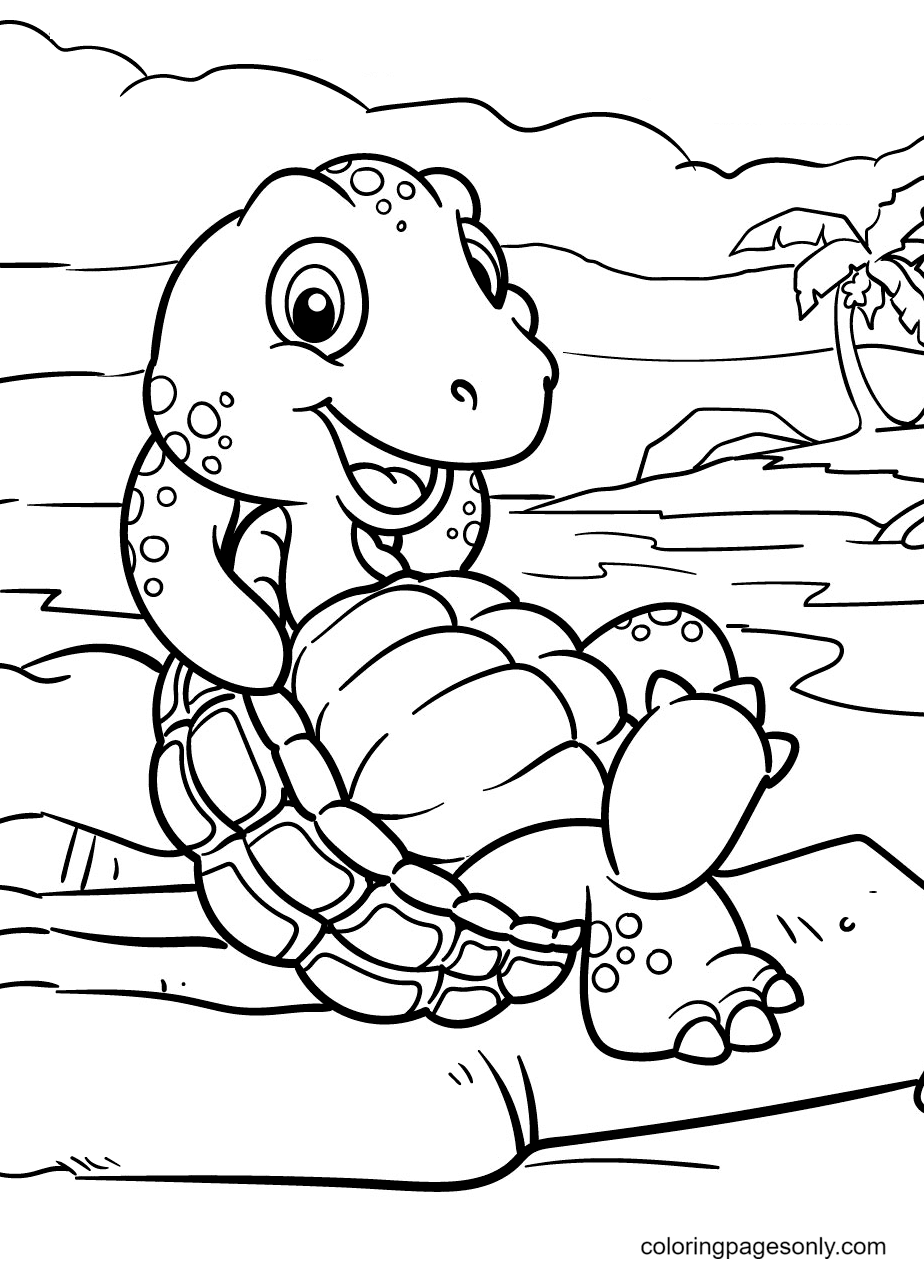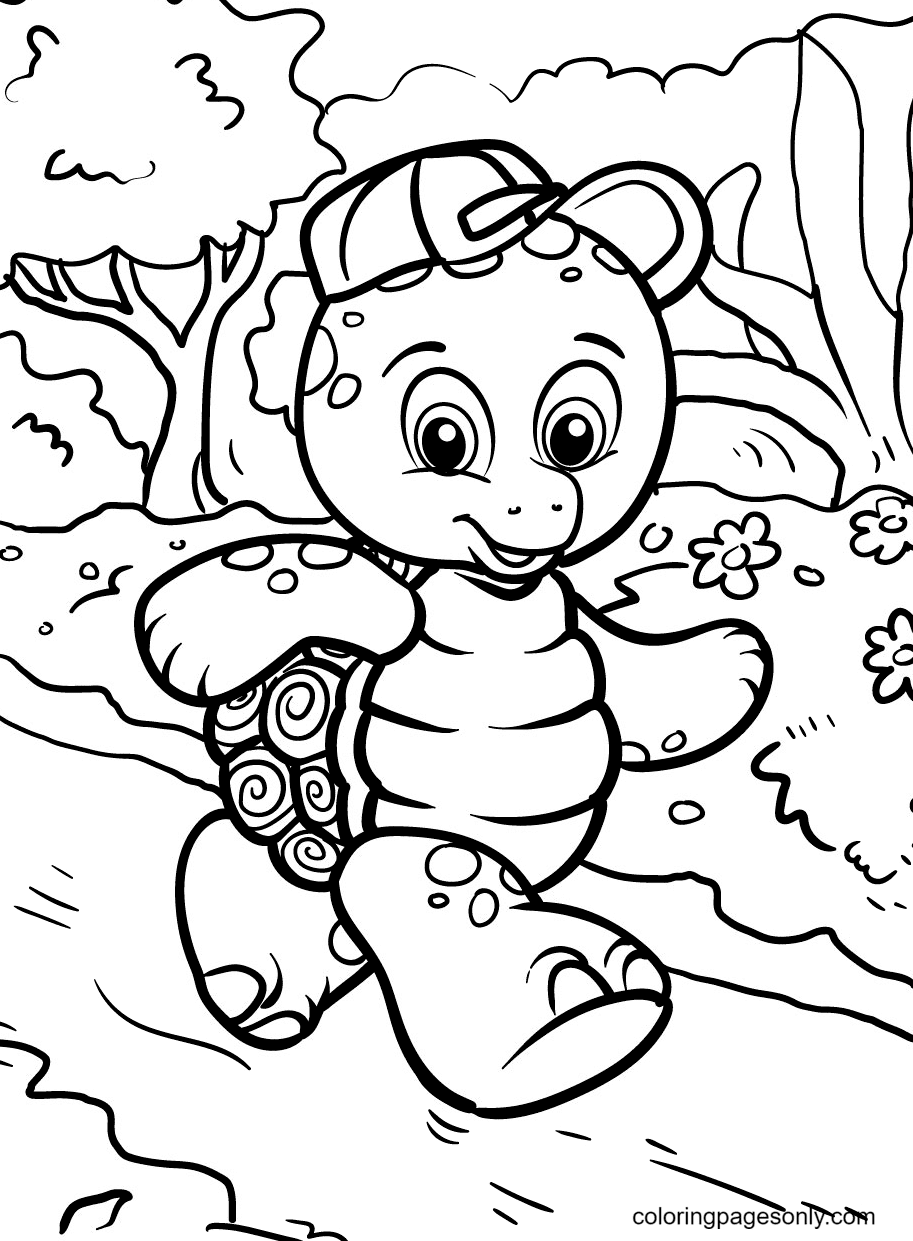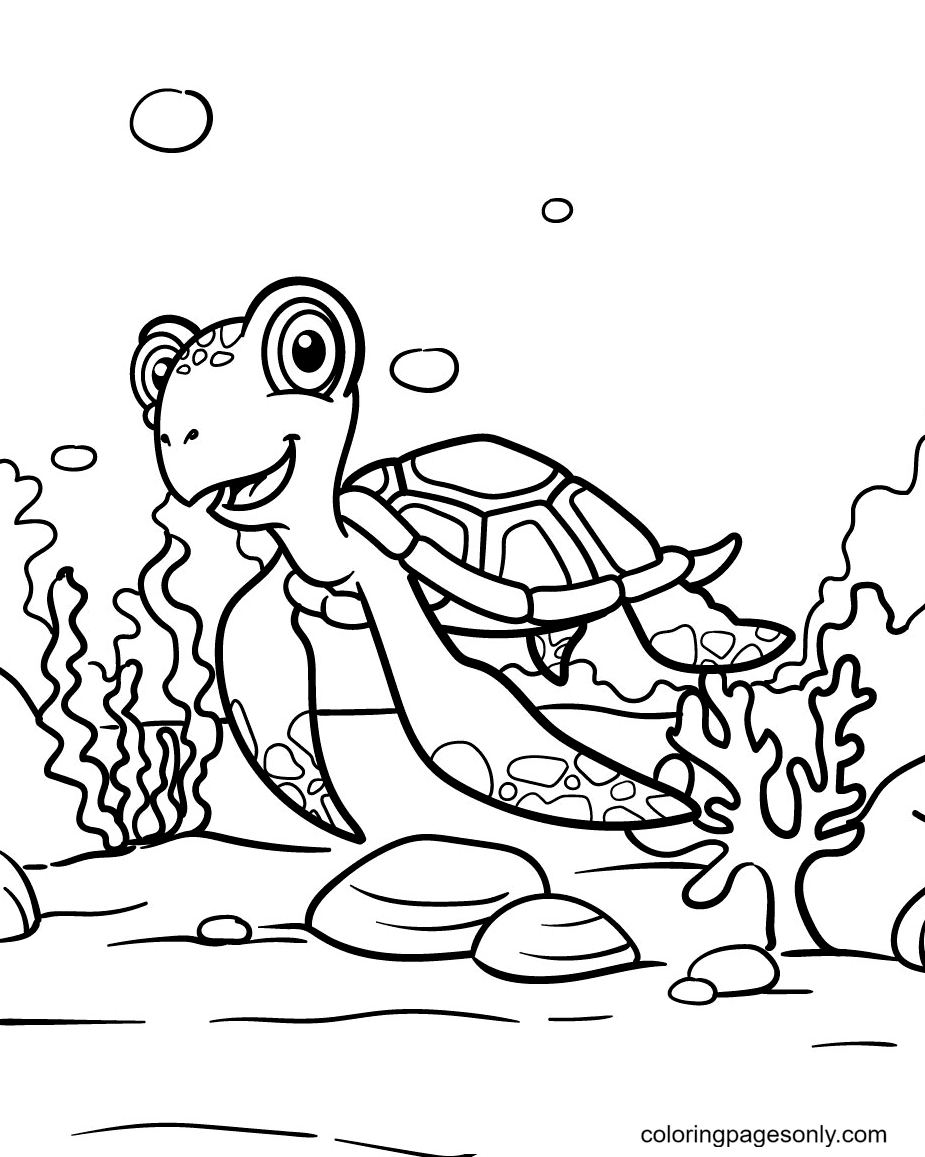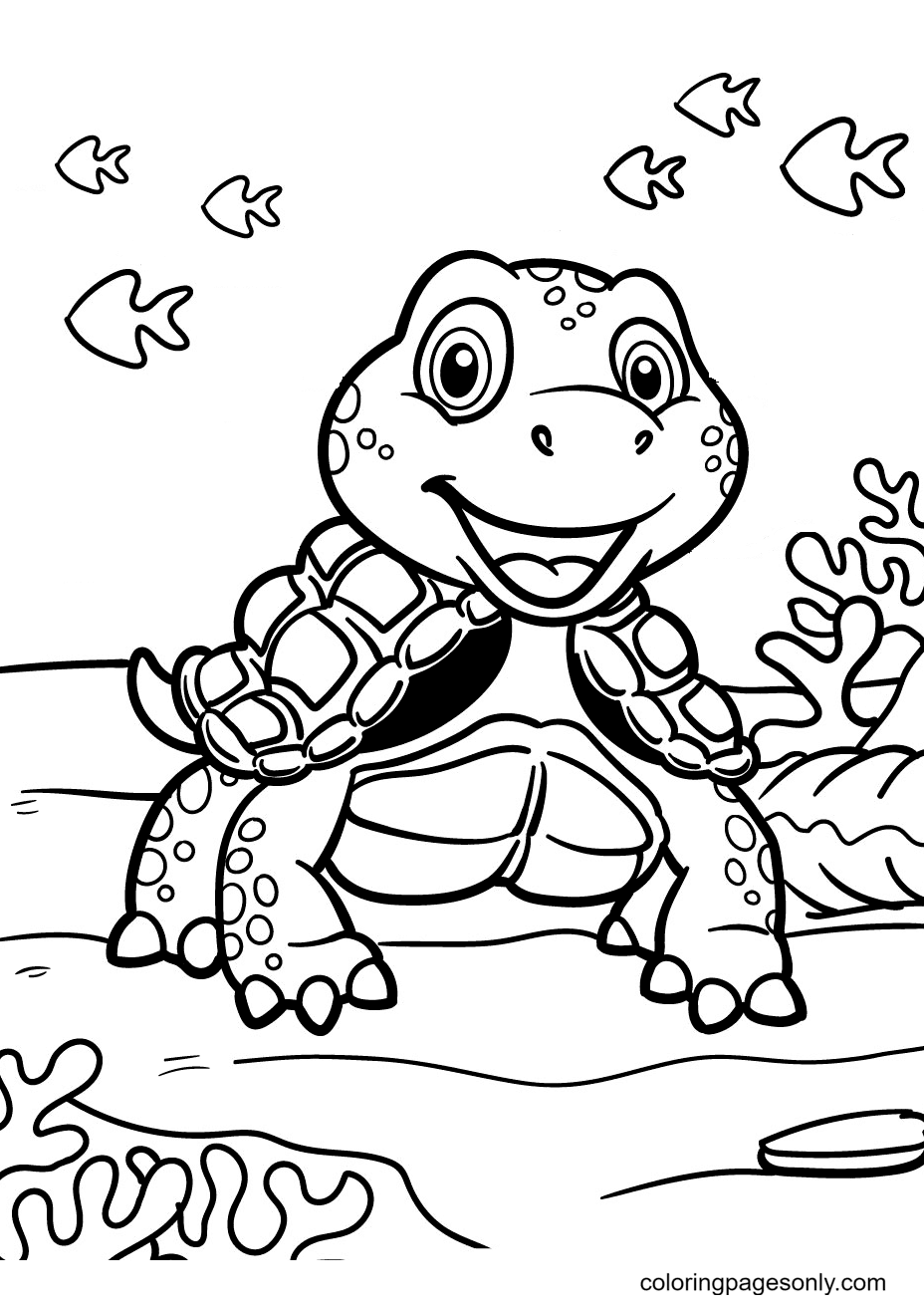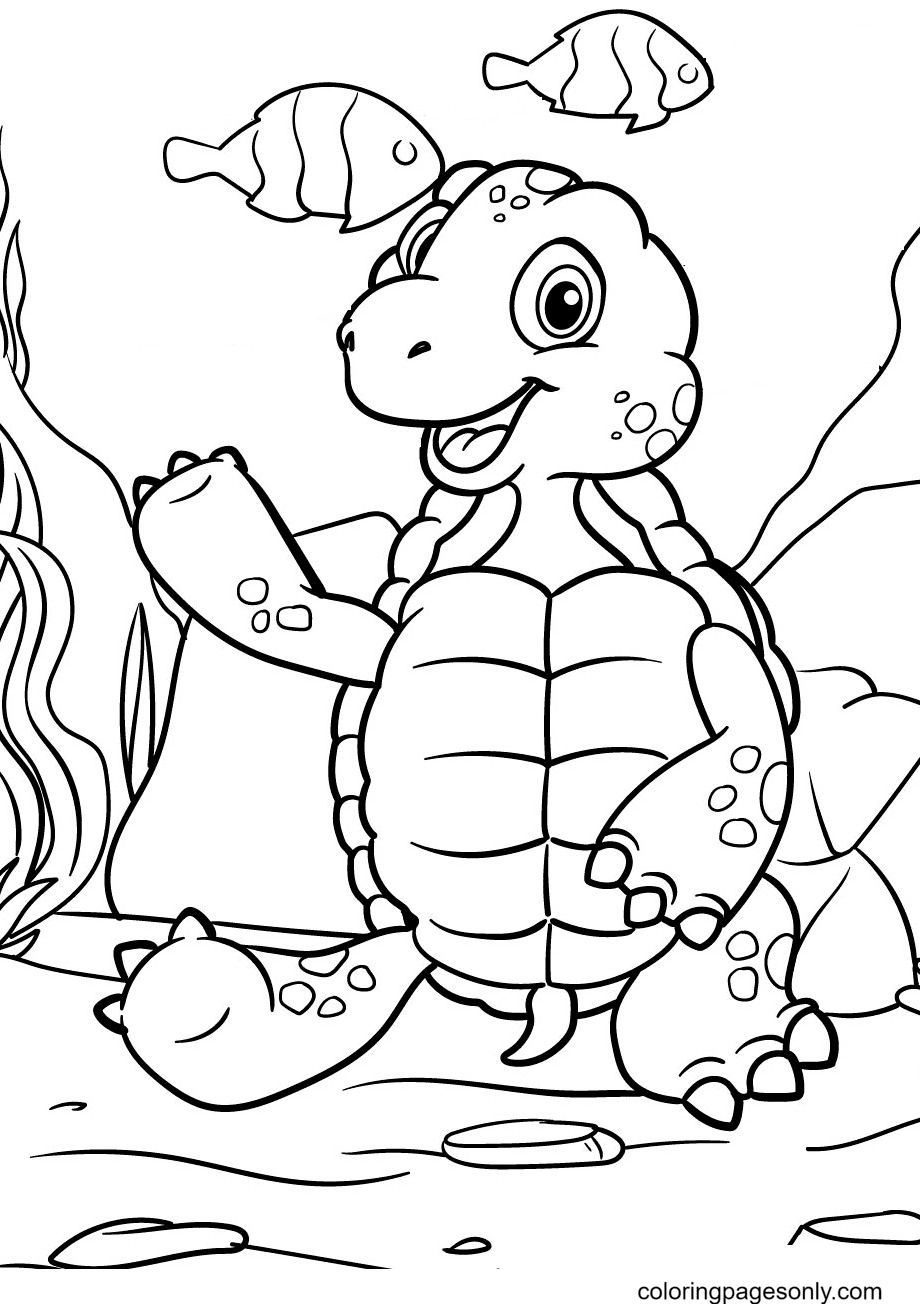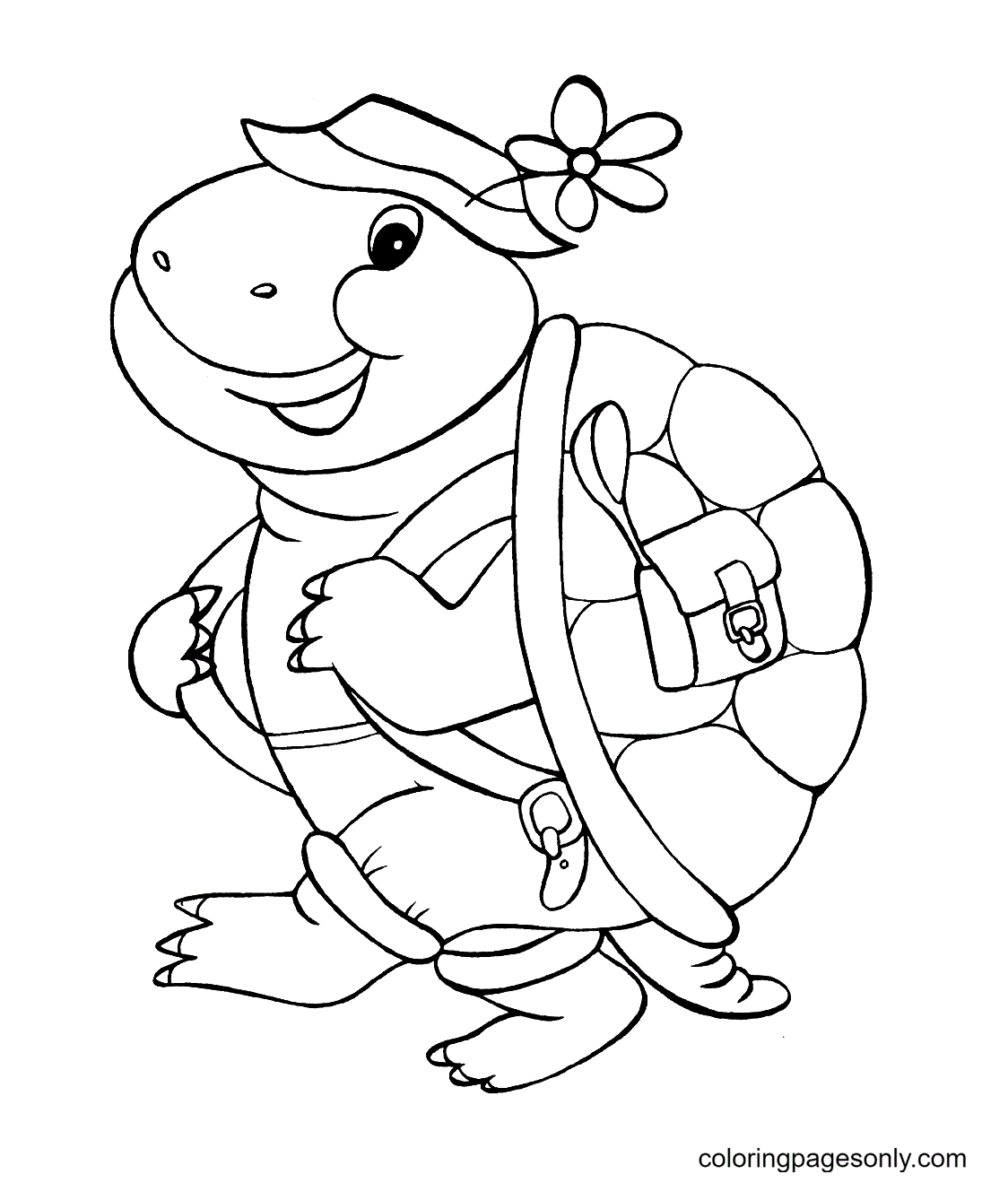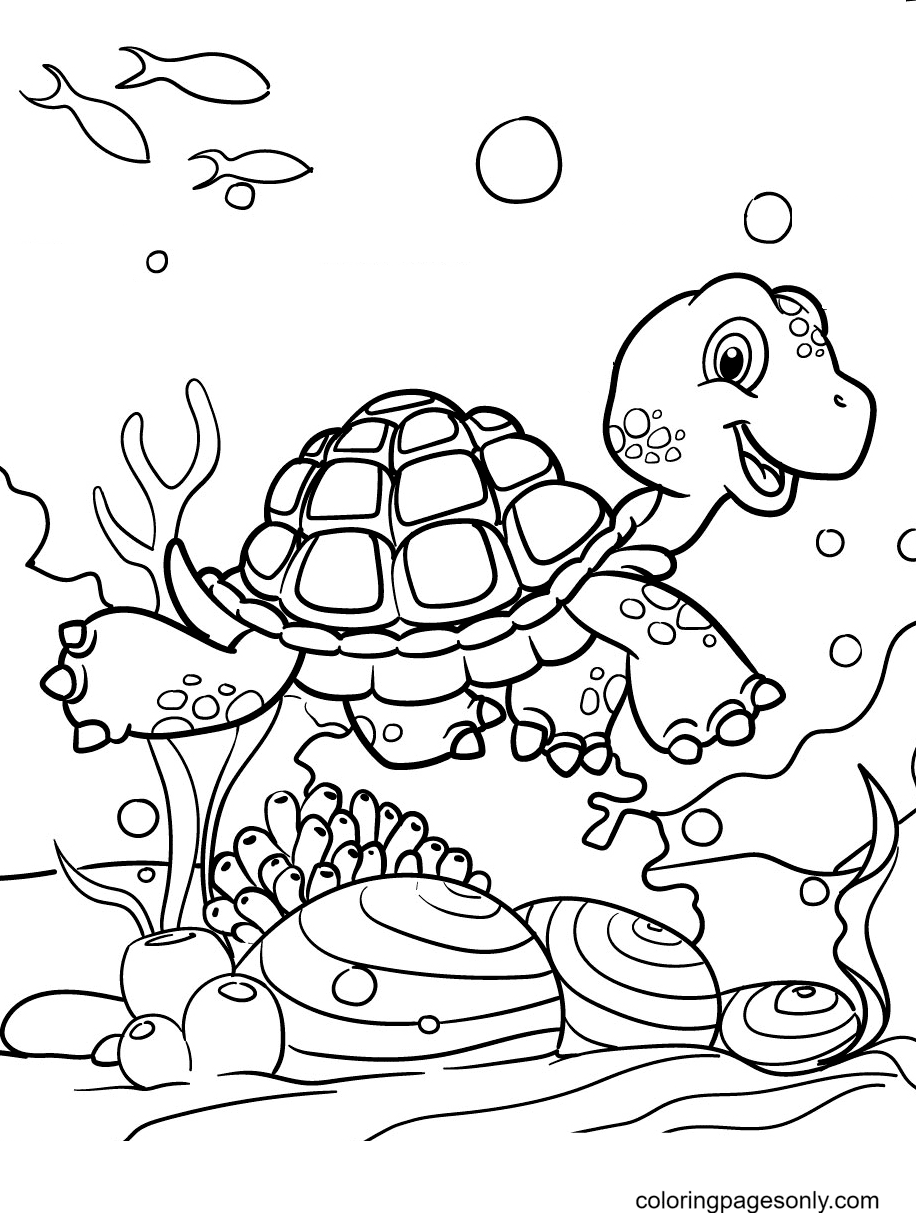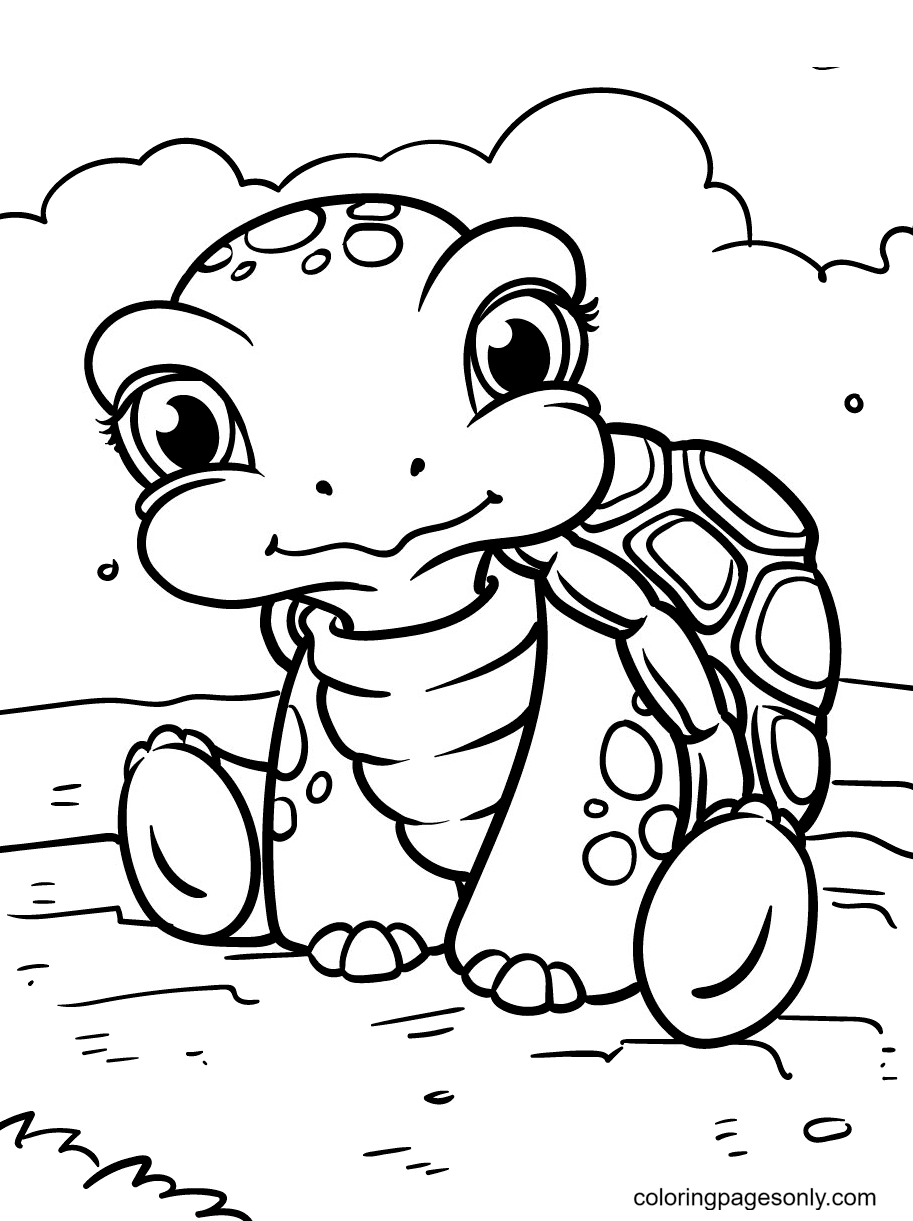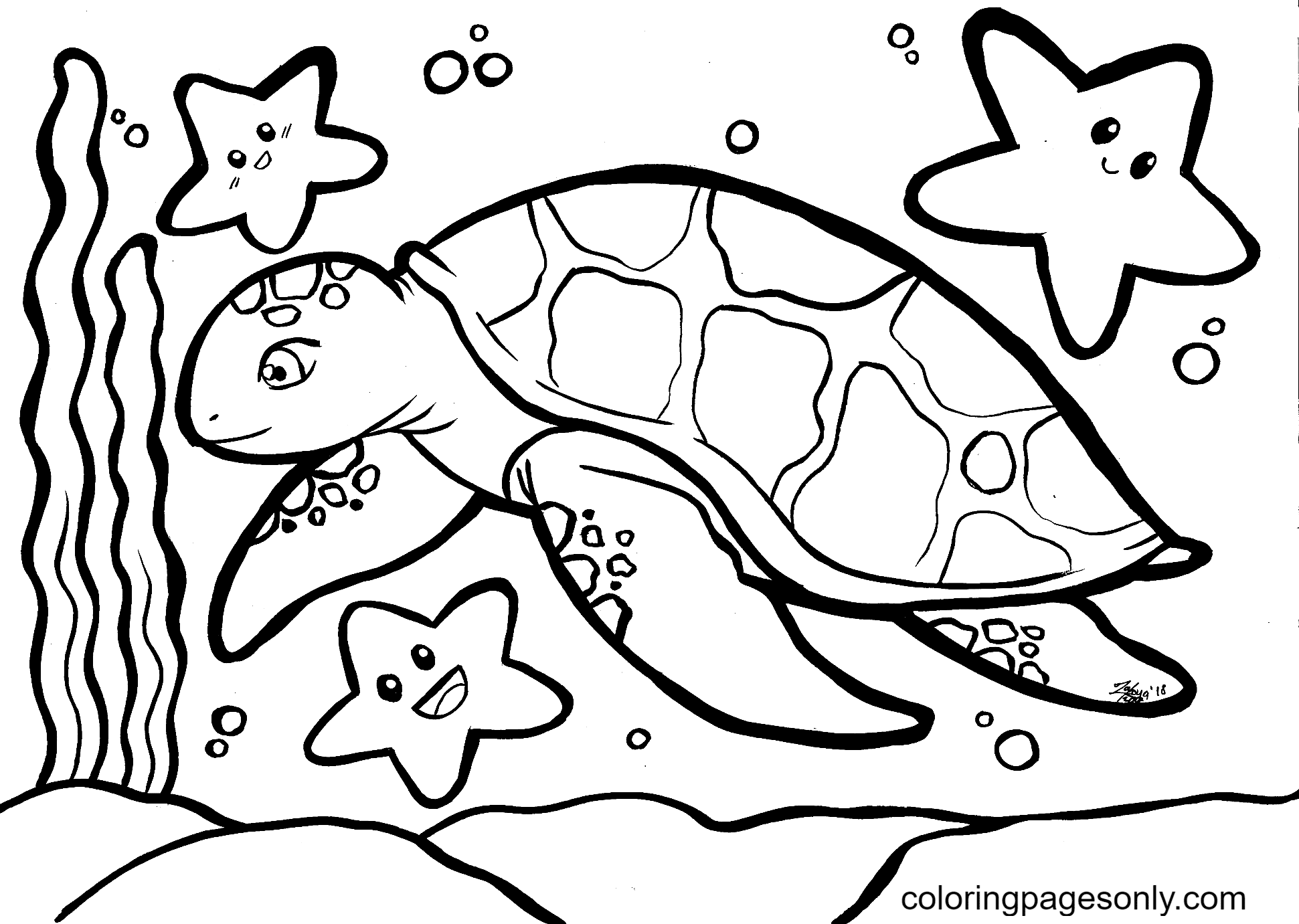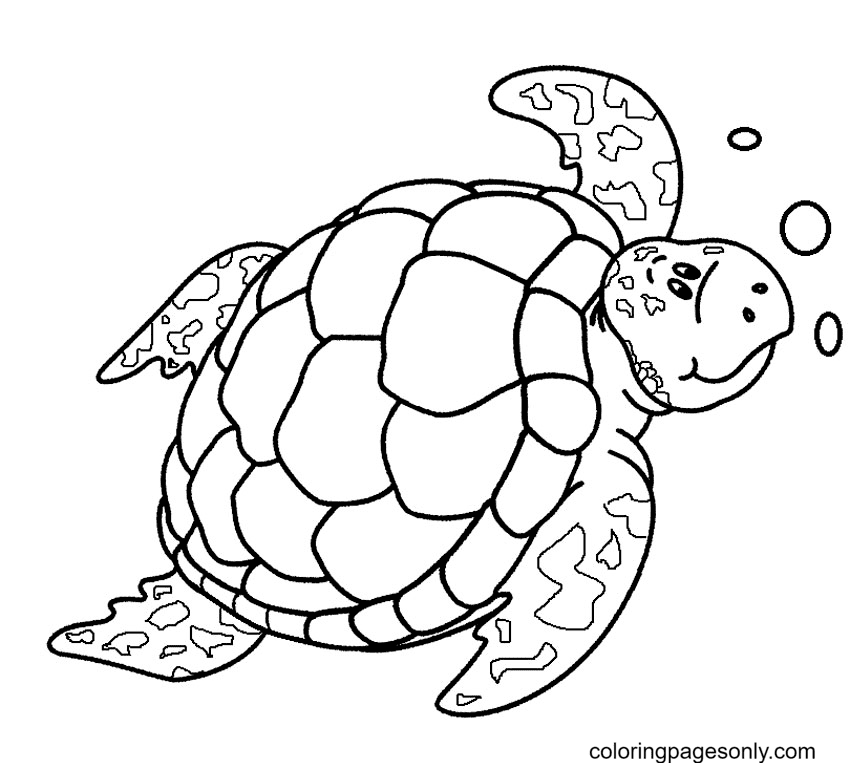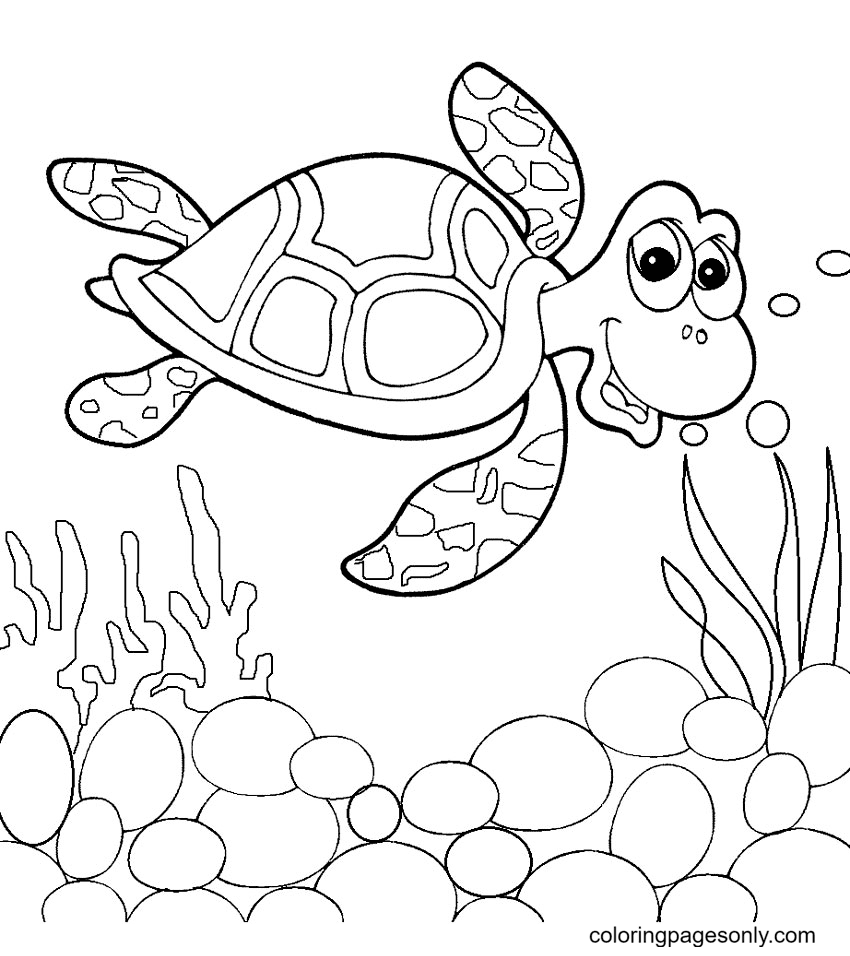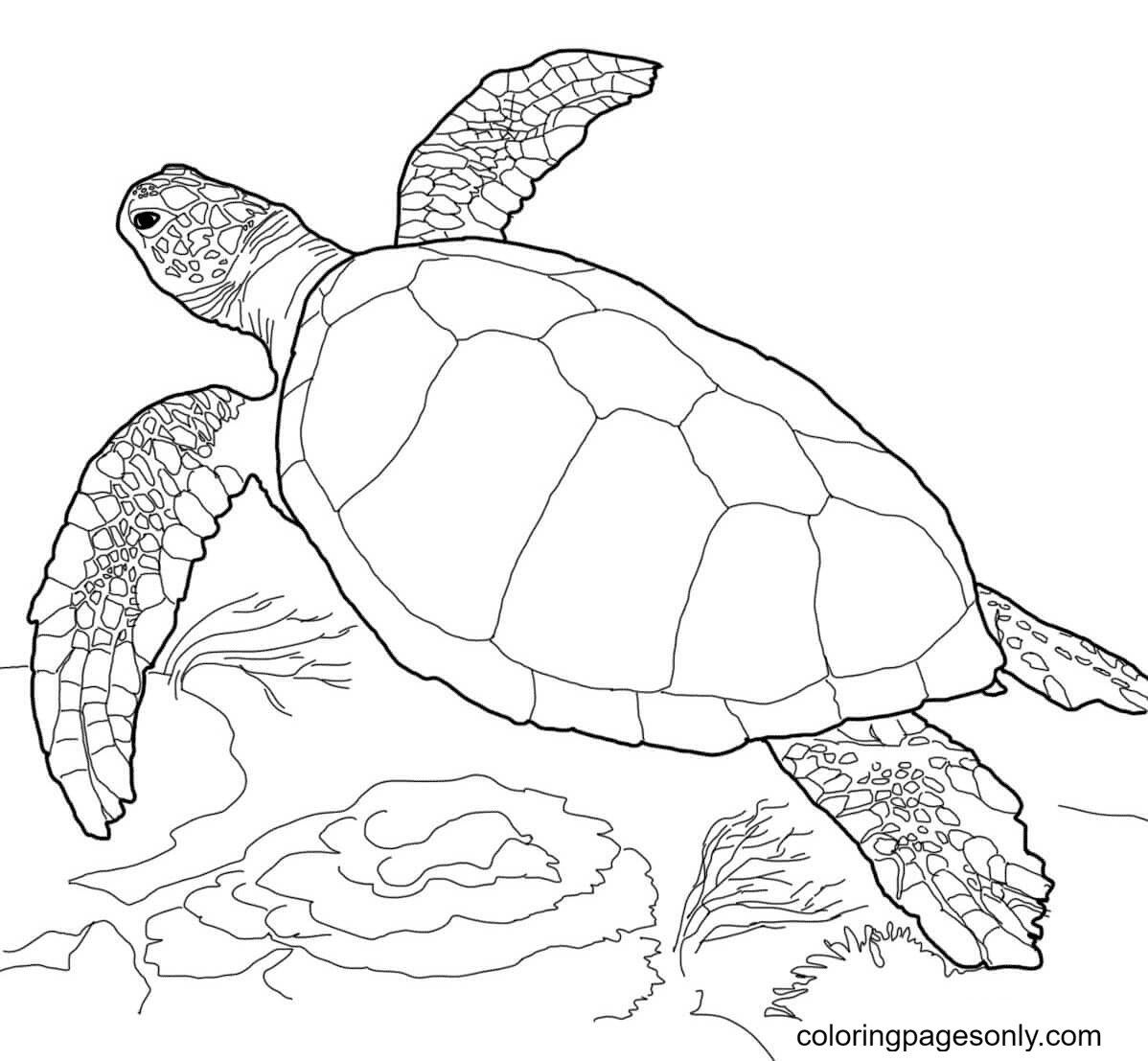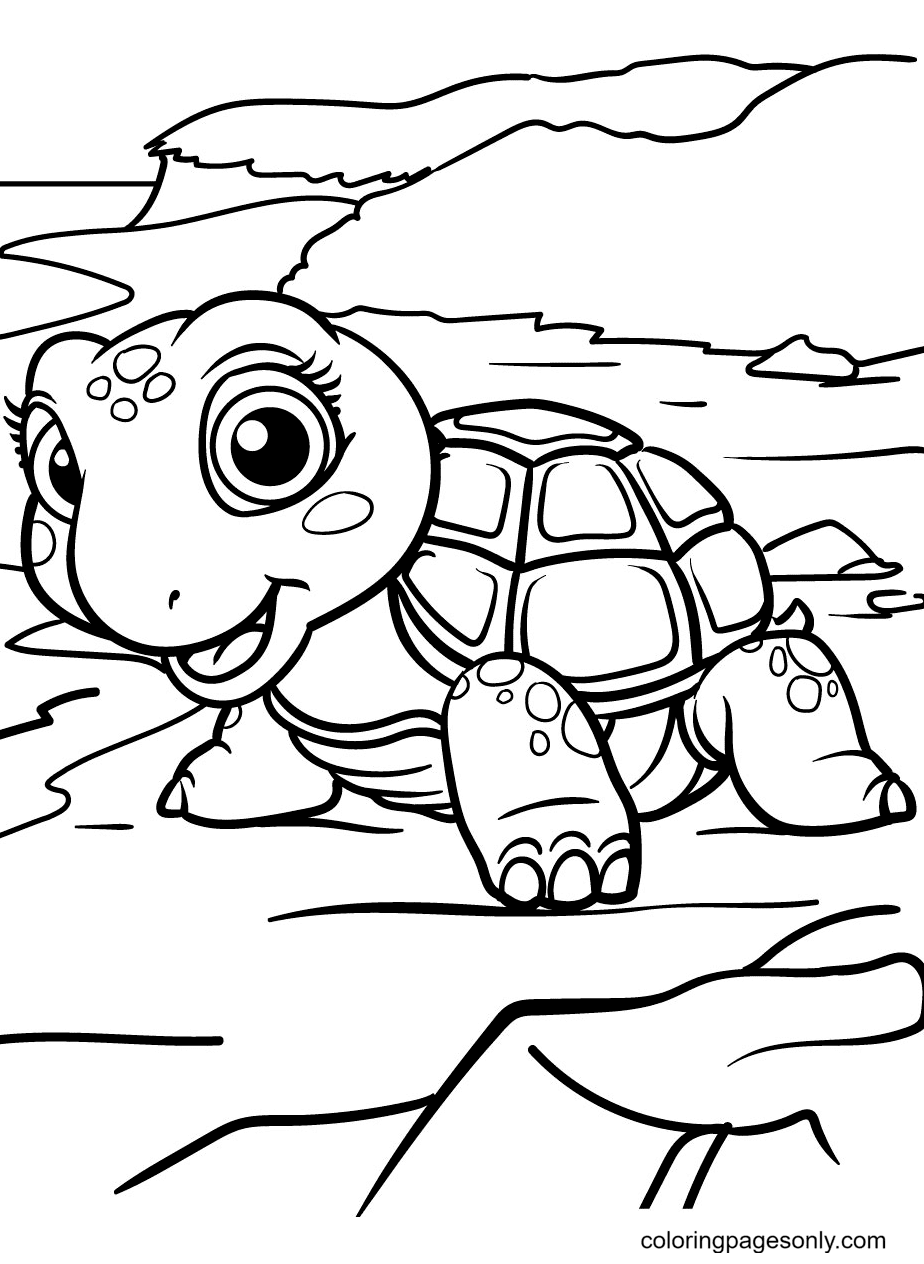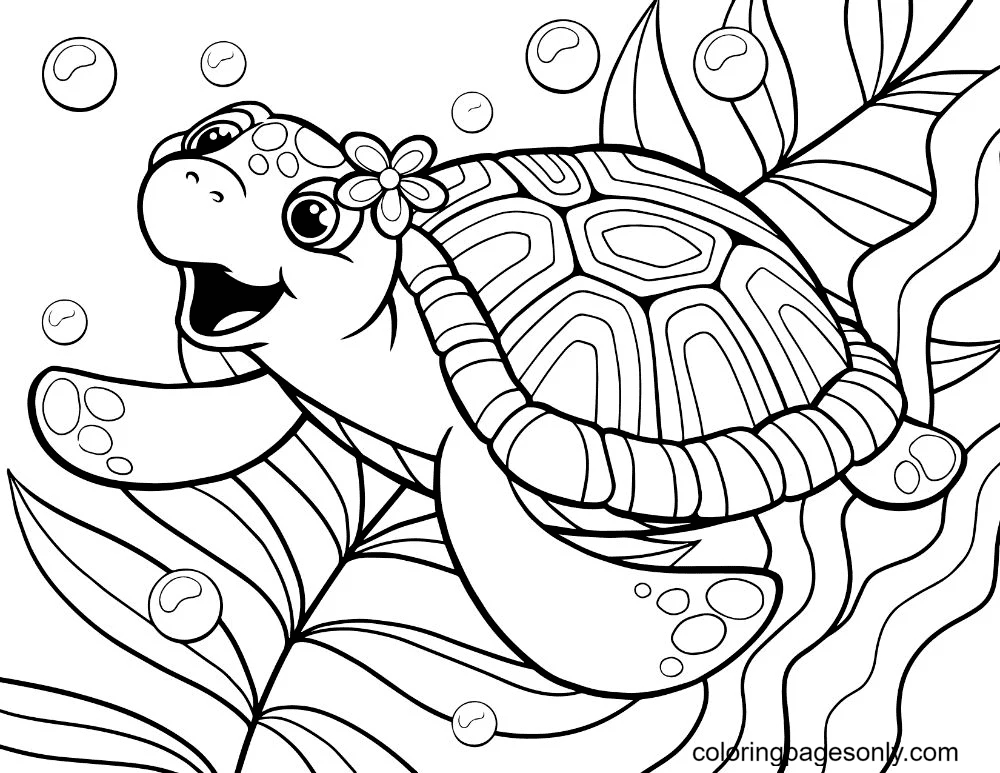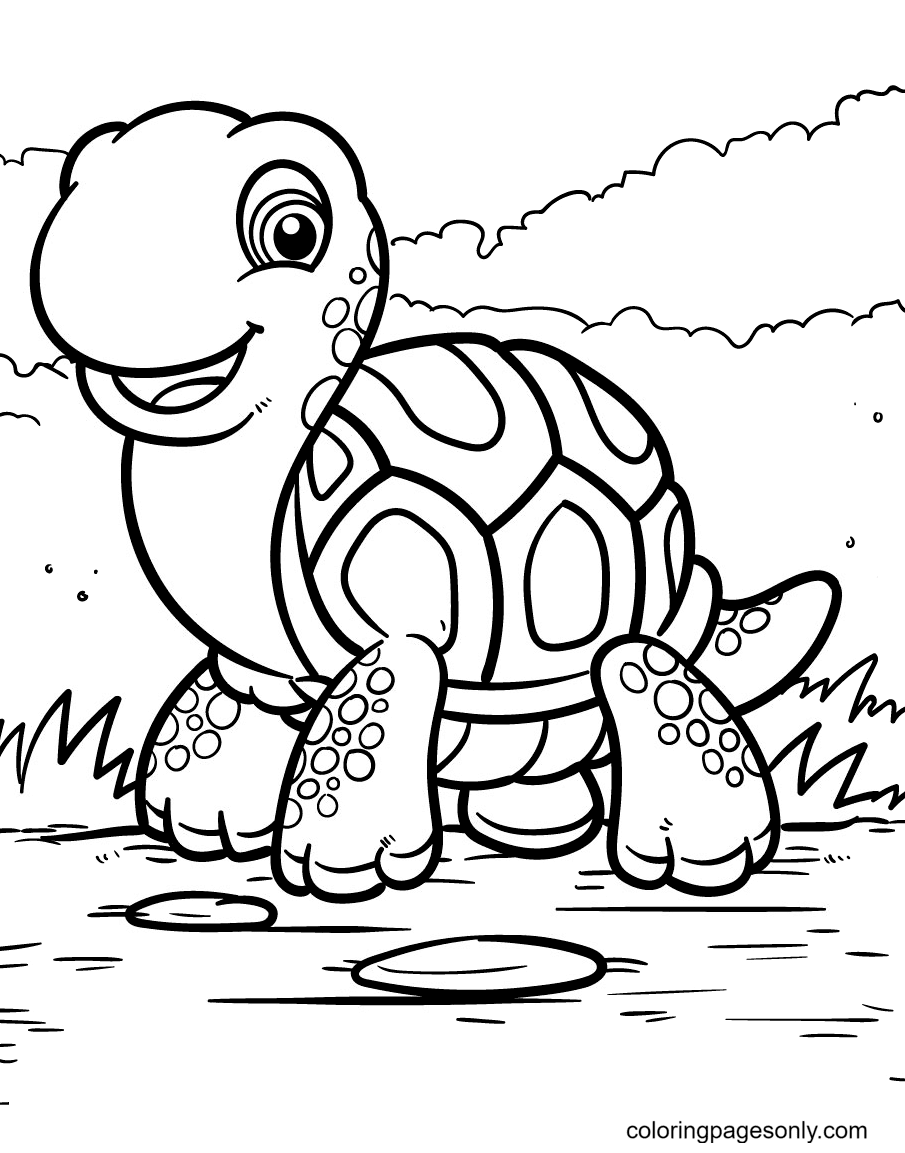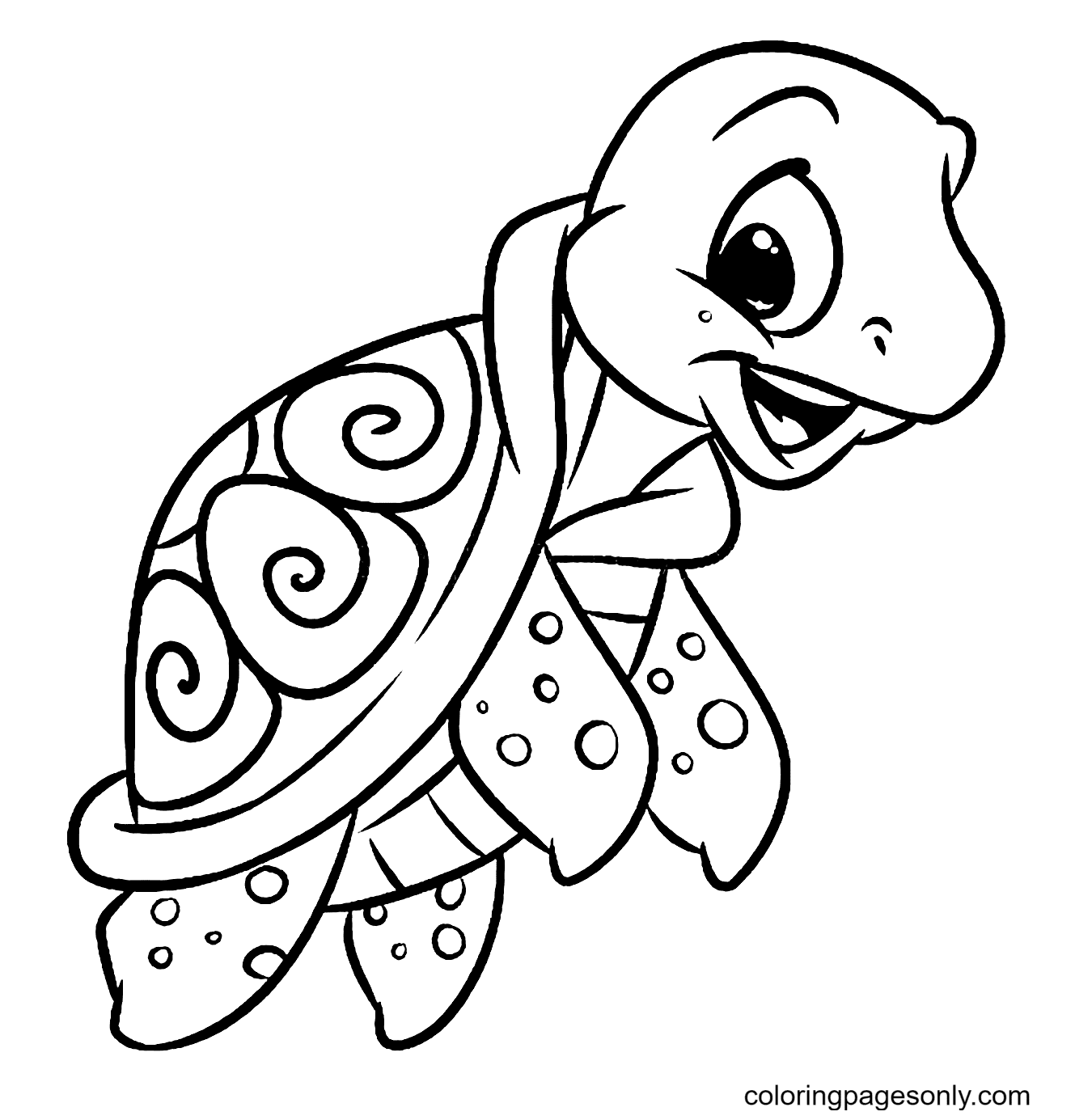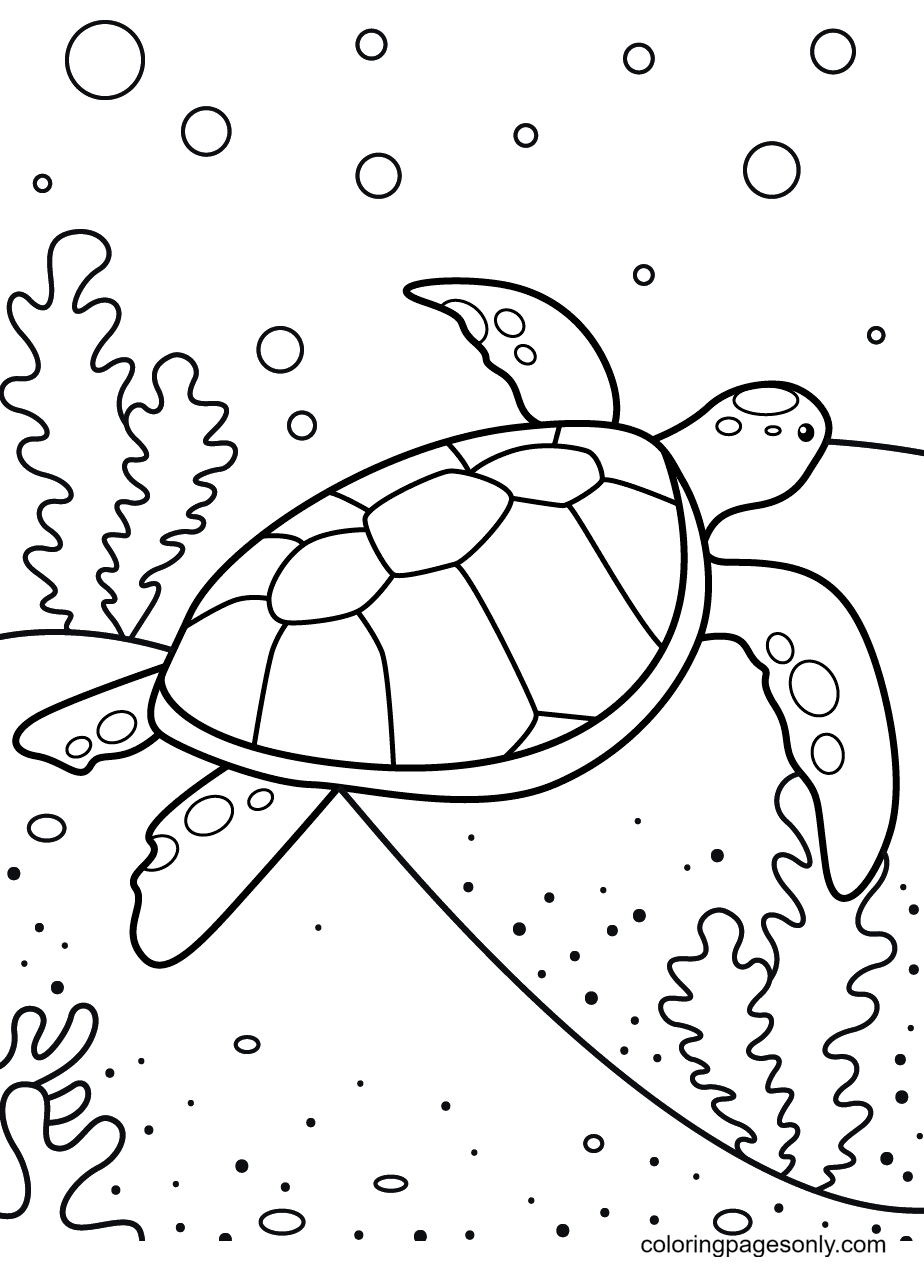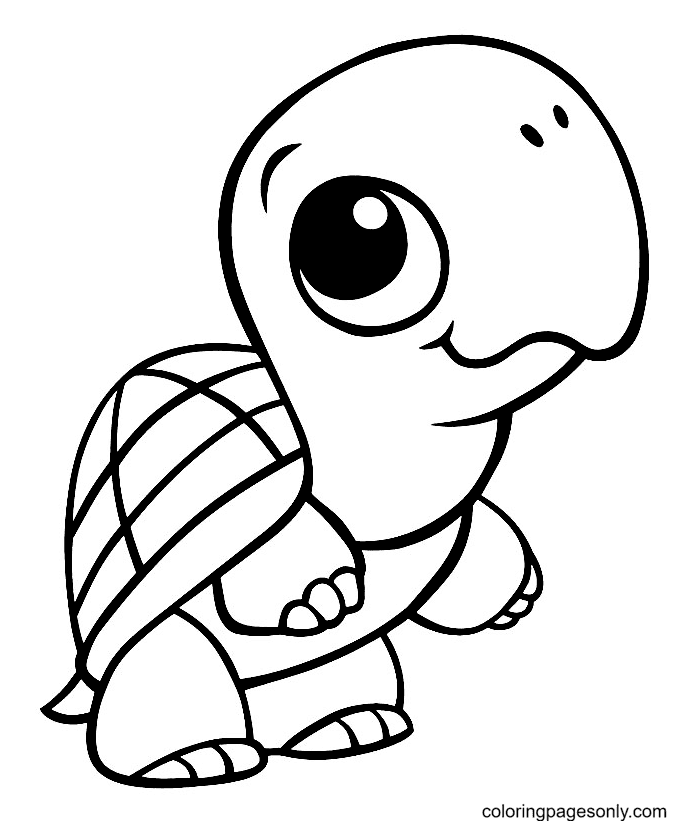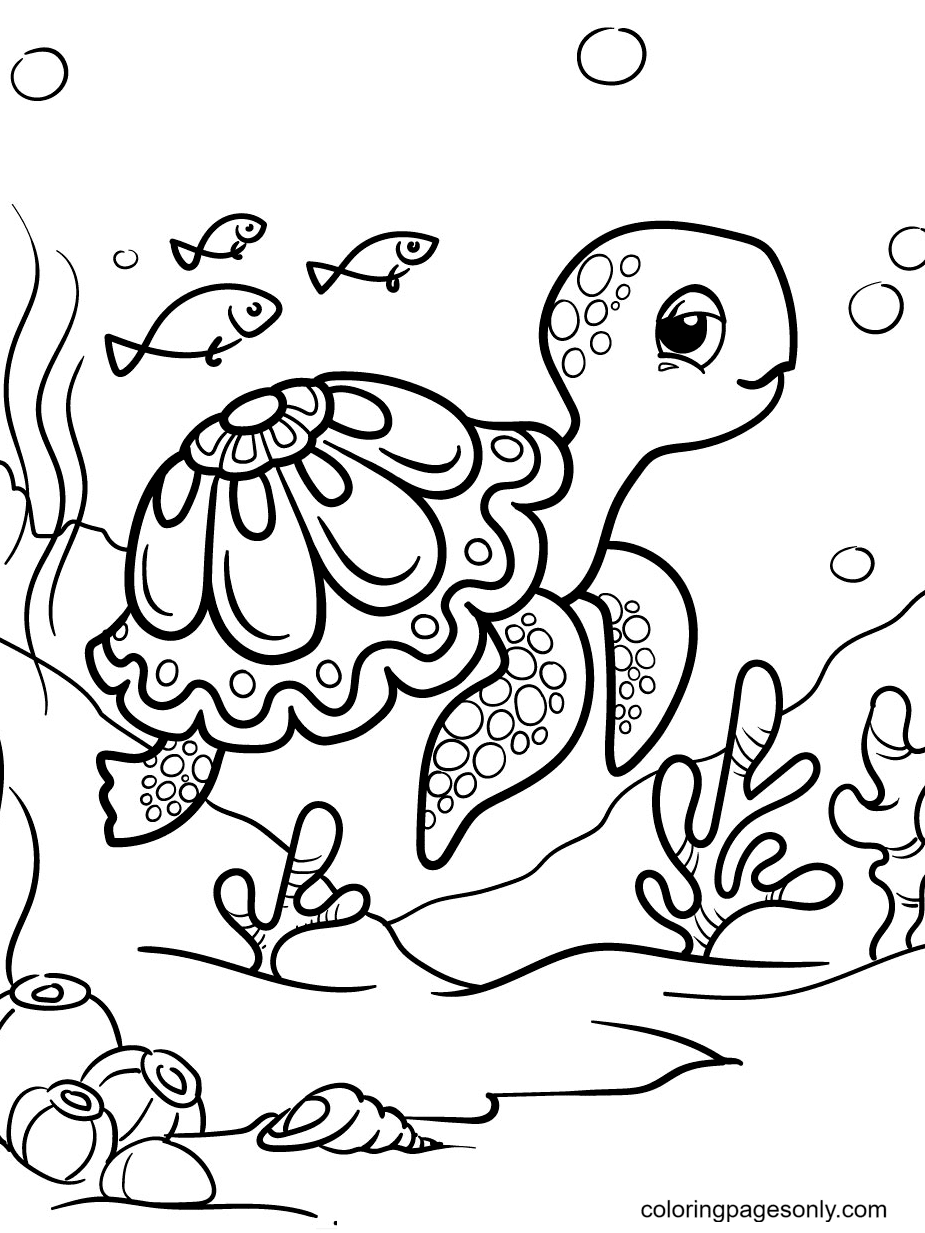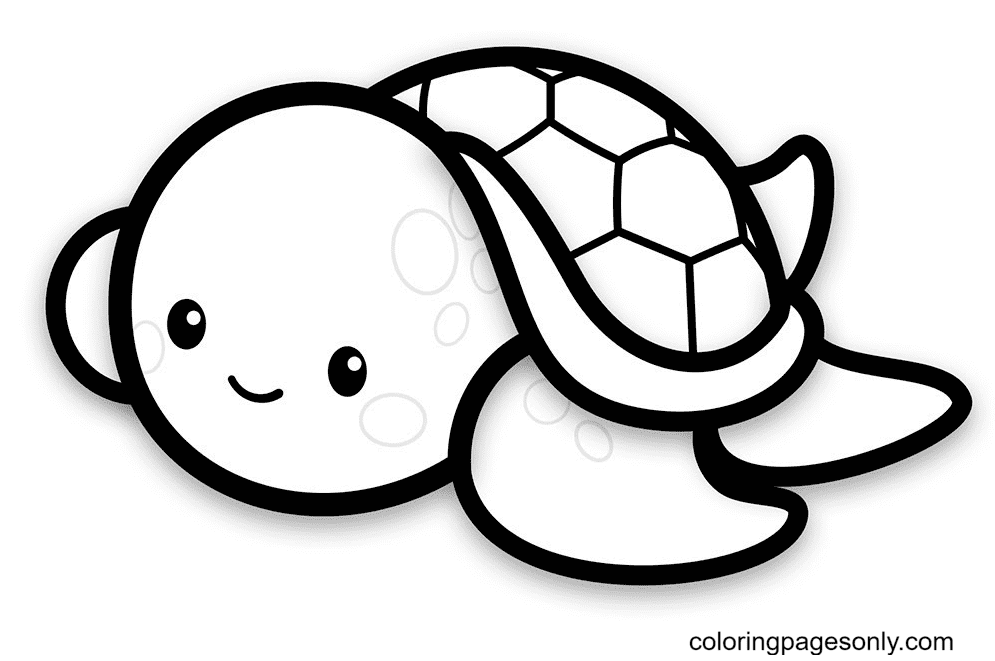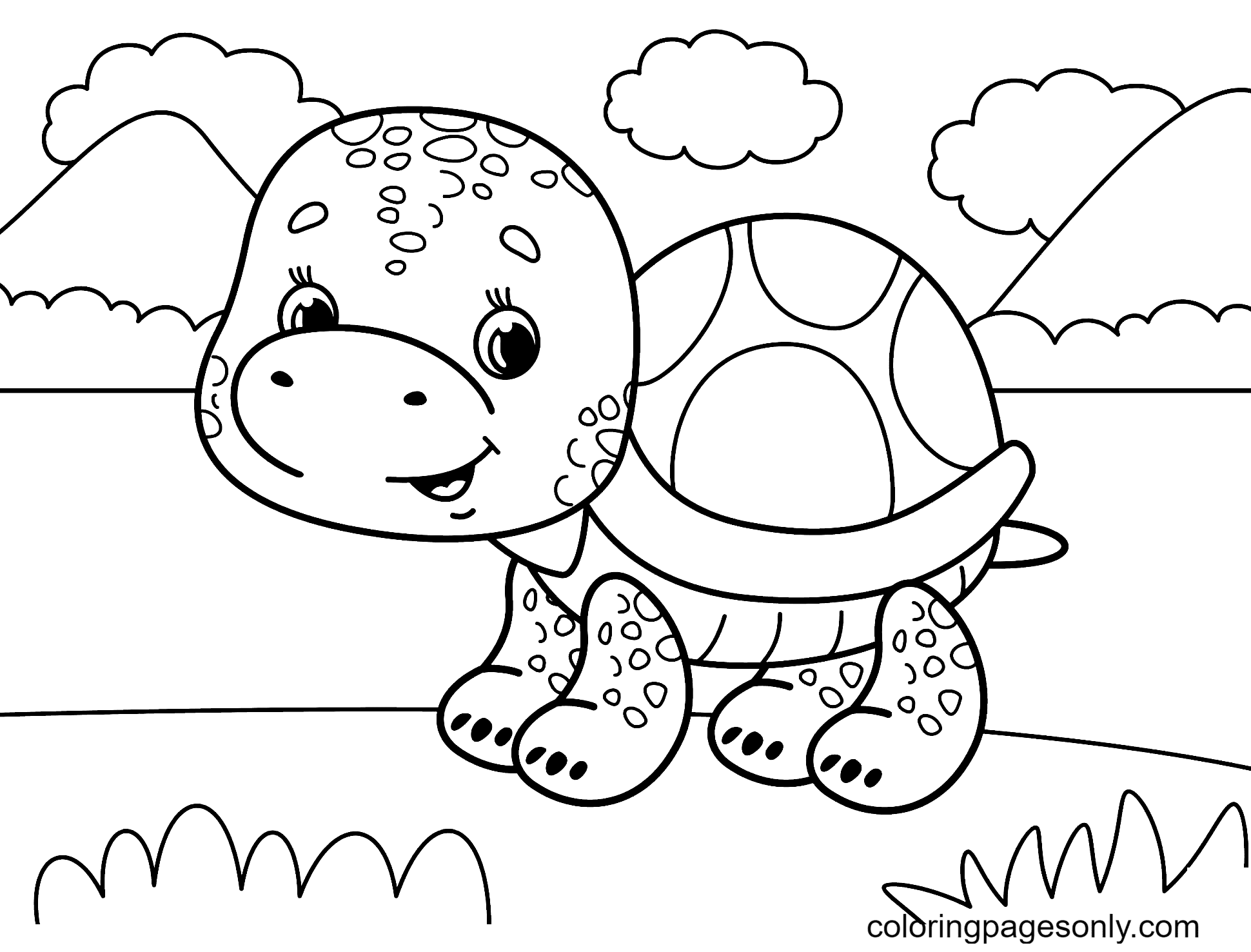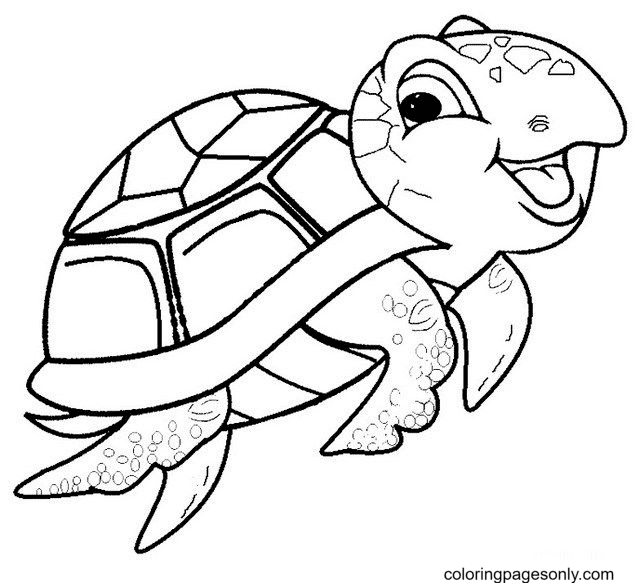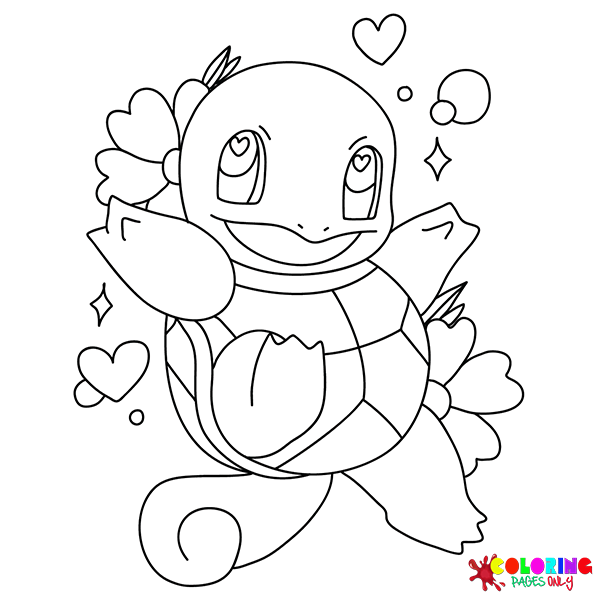
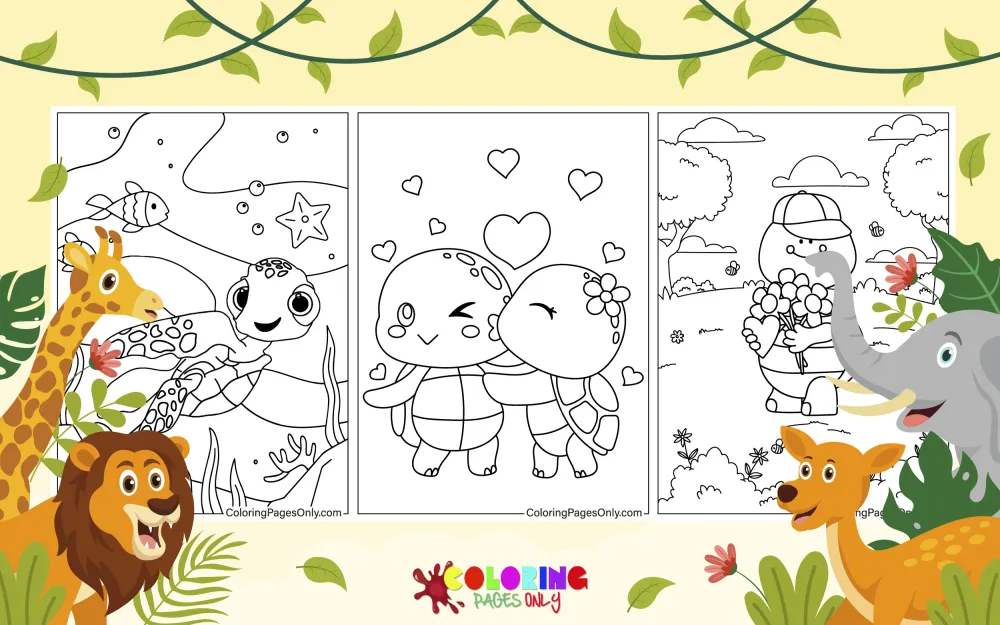
Free turtle coloring pages – 63 pages featuring sea turtles swimming through coral reefs, tortoises in natural habitats, baby turtle hatchlings, detailed shell pattern studies, green sea turtles, loggerhead turtles, cartoon turtle characters, realistic species portraits, ocean scene compositions, and terrestrial tortoise illustrations – free printable PDF and online coloring for animal lovers of all ages.

Turtles – members of the order Testudines – are among the oldest surviving vertebrate groups on Earth. The earliest turtle ancestors appear in the fossil record approximately 220 to 230 million years ago, during the Triassic period, predating the dinosaurs and surviving the mass extinction event that ended them approximately 66 million years ago. The roughly 360 living species of turtles and tortoises distributed across the planet’s oceans, freshwater systems, and land environments today are the direct descendants of that ancient lineage – one of evolutionary biology’s most successful long-term experiments.

The turtle’s shell – the structure that most immediately defines the animal – is not a house the turtle inhabits but part of the turtle itself. The carapace (upper shell) and plastron (lower shell) are fused to the turtle’s spine and ribcage: approximately 60 bones integrated into a single structural unit that cannot be separated from the animal. The outer surface of the shell in most species is covered with keratin scutes – the same material as human fingernails – arranged in a specific pattern of central, lateral, and marginal sections whose hexagonal visual quality is one of nature’s most instantly recognizable surface designs.
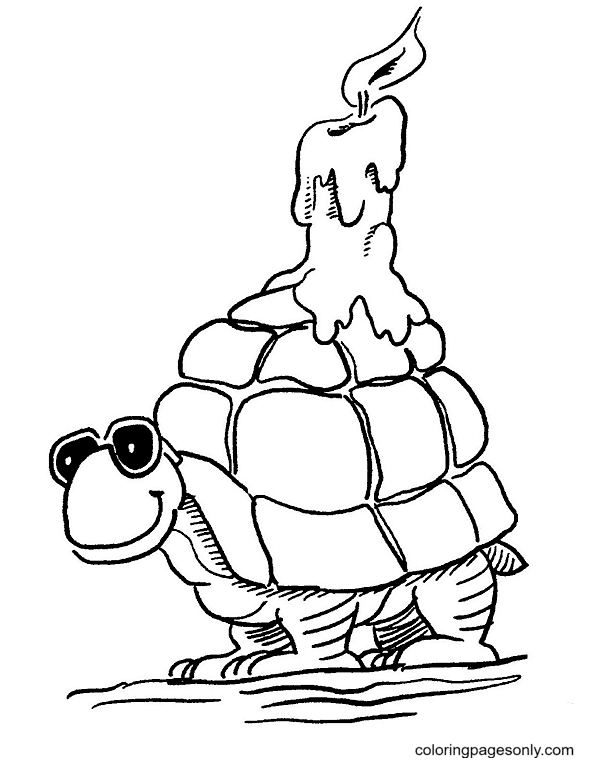
Jonathan, a Seychelles giant tortoise living on the island of St. Helena in the South Atlantic, was born approximately in 1832. As of 2024, he is the oldest known living land animal at approximately 192 years old. He was photographed around 1882-1886, providing photographic evidence of his minimum age.

These 63 free pages at ColoringPagesOnly.com cover the full range of turtle diversity. All free, PDF or PNG, print or color online.

What’s Inside

Sea Turtles – The Ocean Navigators

Seven species of sea turtle inhabit the world’s tropical and subtropical oceans, and the collection’s sea turtle pages span the most visually distinctive of them. Sea turtles are the largest members of the turtle order in most waters – the leatherback sea turtle (Dermochelys coriacea) is the largest living reptile, reaching lengths of up to two meters and weights of up to 900 kilograms – and their specifically adapted bodies, with front flippers rather than feet and a streamlined carapace rather than the domed shell of land tortoises, give them the elegant underwater silhouette that makes them among the most photographed marine animals.

The Green Sea Turtle (Chelonia mydas) is named not for its shell color but for the green fat beneath it, produced by its diet of seagrass and algae. Its carapace is an olive-brown or brown with lighter patterning, smooth in adults, and the face has a distinctive serrated beak suited to cropping seagrass. Green sea turtles are listed as Endangered on the IUCN Red List. Adult females return to the exact beach where they were born to lay their own eggs – navigating across entire ocean basins using Earth’s magnetic field.

The Hawksbill Sea Turtle (Eretmochelys imbricata) is the collection’s most visually striking species – its carapace is a vivid, complex pattern of amber, brown, black, and cream that made it historically the most sought-after turtle species for the trade in “tortoiseshell” decorative material. It is now Critically Endangered. Its narrow, pointed beak – resembling a hawk’s bill – allows it to extract sponges and other invertebrates from reef crevices.

The Loggerhead Sea Turtle (Caretta caretta) is named for its disproportionately large head, which houses powerful jaw muscles for crushing hard-shelled prey. Its carapace is a warm reddish-brown or amber.

Coloring sea turtles: Each species has a specific and identifiable carapace color. Green sea turtle: olive-brown across the carapace with a lighter brown center on each scute. Hawksbill: a complex pattern of warm amber, dark brown, and black – the most technically demanding sea turtle page in the collection. Loggerhead: warm reddish-amber, darker at the scute edges. The flippers should receive the same coloring as the carapace – the same olive-brown or amber, as the same skin covers them.

Tortoises – The Ancient Terrestrial

The tortoises – fully terrestrial chelonians with high-domed shells, elephantine columnar legs, and lifespans that regularly exceed human lifespans – are the collection’s largest and most structurally massive turtle subjects. The Galápagos tortoise (Chelonoidis niger), which Charles Darwin observed during his 1835 visit to the islands and whose island-specific subspecies contributed to his thinking on adaptive variation, can reach weights of 400 kilograms and heights of 1.2 meters. Some individual Galápagos tortoises have been confirmed to have lived longer than 175 years.

The Aldabra giant tortoise (Aldabrachelys gigantea) of the Aldabra Atoll in the Seychelles – the species that Jonathan represents – can live to extraordinary ages. Jonathan’s approximately 192 years of documented existence represent the longest confirmed lifespan of any land vertebrate in recorded history.

Tortoise shells are distinctively domed rather than the flatter profile of many aquatic turtles – the high-arched carapace gives them a profile immediately distinguishable from sea turtles even in silhouette.

Coloring tortoise pages: The Galápagos tortoise’s carapace is dark – near-black or very dark grey-brown, with the scute patterns visible as slightly raised ridges. The skin of the neck, legs, and head is a dark grey, wrinkled in the specific way of very old skin with very large scales. The Aldabra giant tortoise has a similar dark coloration. The Hermann’s tortoise (Testudo hermanni), a European species popular in illustration, has a more golden-brown carapace with dark markings at the scute edges – a warmer, more complex pattern.

Freshwater Turtles – The Pond and River Dwellers

The freshwater turtle pages show the species most likely to be encountered in daily life across North America, Europe, and Asia – the painted turtles on a log, the red-eared slider in a garden pond, the box turtle in a forest. These are the turtles of childhood memory – found at a creek’s edge, kept briefly as a pet, watched from a dock in summer.

The Red-Eared Slider (Trachemys scripta elegans) is the most common pet turtle globally and the most frequently seen freshwater turtle in many parts of the world. Its defining feature is the red stripe behind each eye – a vivid, unmistakable red mark that gives the species its name. Its carapace is dark olive-green with yellow markings.

The Painted Turtle (Chrysemys picta) earns its name from the vivid red and yellow markings along the edges of its carapace and the yellow stripes on its head and neck. The carapace itself is dark olive to black. Few North American freshwater turtles are as colorful.

The Eastern Box Turtle (Terrapene carolina) is technically a terrestrial turtle rather than an aquatic species – it lives in woodland and meadow environments, eating mushrooms, berries, and invertebrates. Its most remarkable feature is its hinged plastron, which allows it to close its shell completely, sealing the animal inside with no exposed skin. Its carapace shows vivid orange and yellow markings on a dark background.

Coloring freshwater turtle pages: The red-eared slider’s red stripe is the most critical coloring detail – a vivid, clear red, centered behind each eye, distinct from the surrounding dark head coloring. The painted turtle’s edge markings are similarly vivid – a clear red that runs along the marginal scutes at the carapace’s edge. For box turtles, the orange and yellow markings should be as vivid as possible against the dark brown-black carapace.

Baby Turtle Hatchling Pages

The hatchling pages – baby turtles emerging from eggs, making their way to the ocean, or swimming in their first water – are the collection’s most emotionally accessible and most immediately charming. Sea turtle hatchlings are tiny – a green sea turtle hatchling is approximately 5 centimeters (2 inches) long – and their size relative to the beach or ocean they must navigate gives these pages their specific quality of smallness against enormity.

The hatchling journey from nest to ocean is one of nature’s most documented and most difficult first experiences. Sea turtle hatchlings emerge at night, navigate toward the brightest horizon (which in a natural, unlit environment is the ocean’s reflection of moonlight), and face numerous predators across the beach and in the surf zone. Only a small fraction of hatchlings survive to adulthood.

Coloring hatchling pages: Baby sea turtles have the same carapace patterns as adults, but are smaller, rounder in proportion, and often darker in overall coloring than adults. Their eyes are large relative to their head size – a characteristic of juvenile animals that reads as endearing in illustration. The beach sand surrounding hatchlings is a warm tan-beige; the ocean they are heading toward is a cool, vivid blue-green.

Cartoon and Decorative Turtle Pages

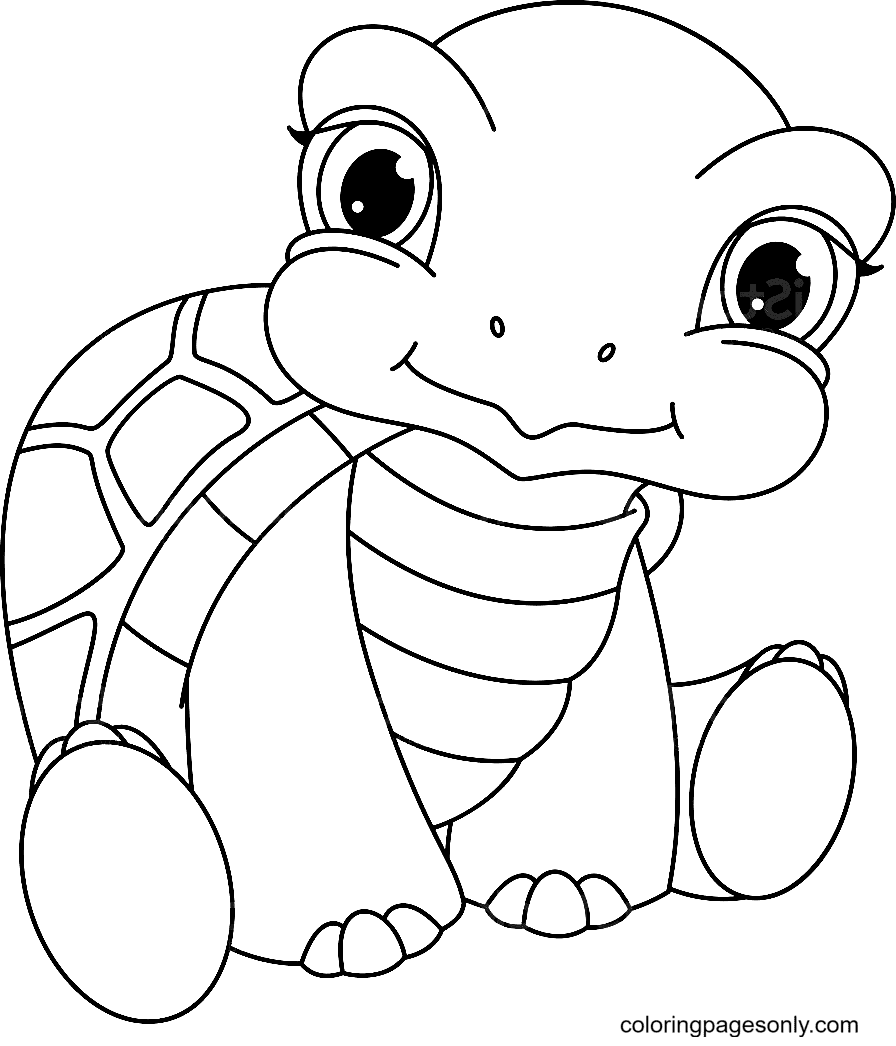
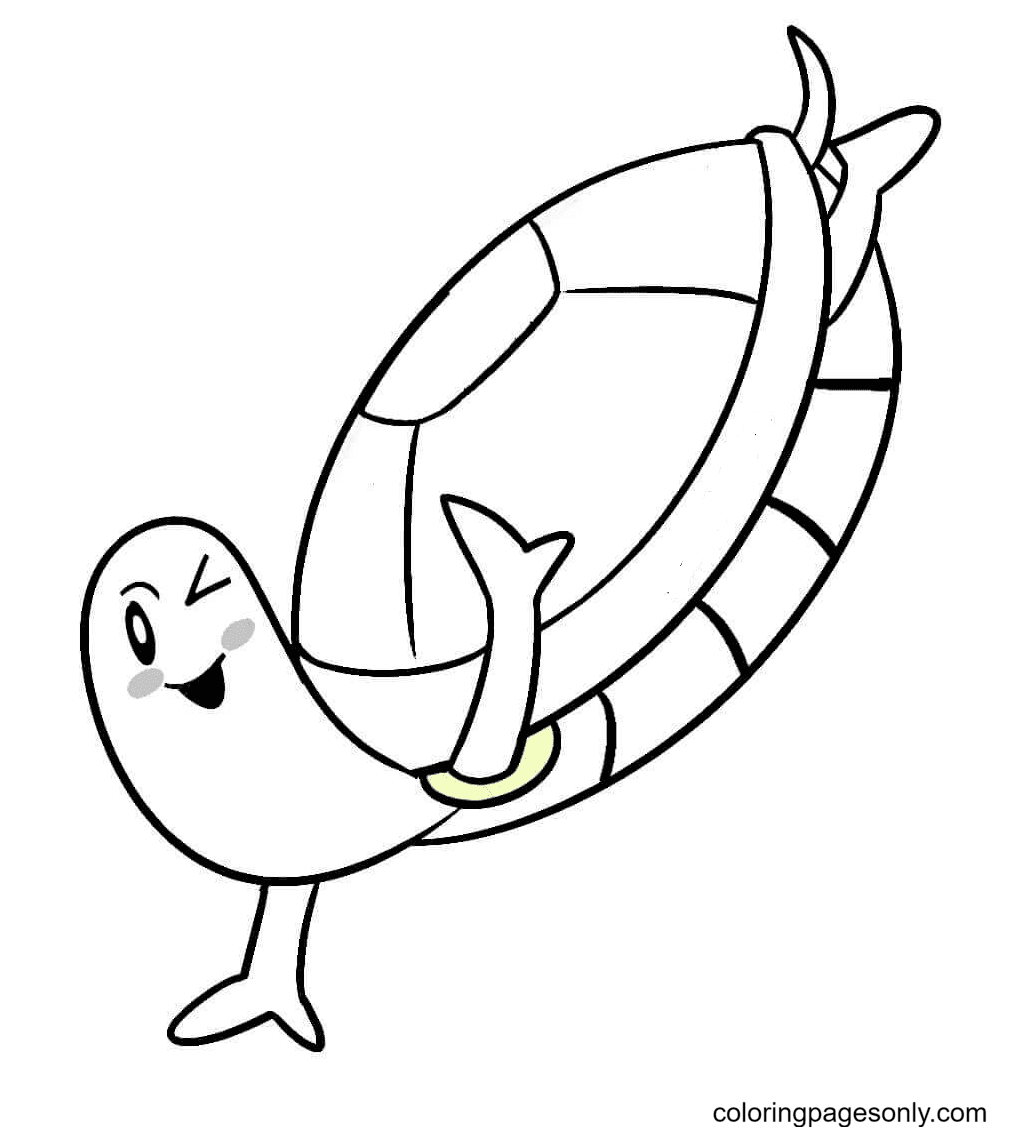
The collection’s cartoon turtle pages present the animal in the specific register of children’s illustration – rounded body, large expressive eyes, a shell pattern simplified to hexagonal shapes, and an expression of friendly calm. These pages are the most immediately accessible for the youngest colorists and provide the creative freedom of an animal that is both recognizable and simplified.

Decorative turtle pages – shells rendered as mandala-like patterns, turtles surrounded by floral or geometric designs – give the most experienced colorists a subject for sustained, complex coloring work that rewards patience and color planning.

What These Pages Do

Turtles are one of evolutionary biology’s most successful long-term experiments. A lineage that has existed for 220 million years – surviving multiple mass extinctions, continental drift, ice ages, and the asteroid impact that killed the dinosaurs – is a documented success by any measure. Coloring turtle pages while knowing this history is engaging with one of the planet’s most ancient surviving animal forms.

The sea turtle’s magnetic navigation is one of biology’s most precisely documented sensory capabilities. Green sea turtles that return to the exact beach where they were born – often after journeys of thousands of kilometers across open ocean – do so using Earth’s magnetic field as a navigation system. The specific location signature of each beach’s magnetic characteristics is imprinted on the hatchling and recalled by the adult. This capability is real, documented, and still not completely understood.

The conservation status of sea turtles is one of wildlife biology’s most urgent current concerns. Six of the seven sea turtle species are listed as Endangered or Critically Endangered on the IUCN Red List. The primary threats – fishing bycatch, plastic pollution, beach development, climate change’s effect on sex ratios, and boat strikes – are all human-caused and all actively addressed by conservation programs. Coloring pages that generate familiarity with these species are a specific tool in the conservation awareness toolkit for young audiences.

Fine motor development. The American Academy of Pediatrics identifies fine motor skill development as a key childhood milestone throughout early childhood. The shell scute pattern detail, the flipper texture, the eye rendering, and the ocean environment compositions in this collection all provide motivated, sustained fine motor practice. The 2005 Art Therapy Journal study on structured coloring and anxiety reduction applies with particular directness to animal coloring pages, where the organic forms and patterns produce the calm, focused absorption the research identifies.

How to Color These Pages Well

The scute pattern is the shell’s defining visual element and must be treated as individual tiles. The carapace’s hexagonal or polygonal scutes are not decoration applied to a surface – they are the surface, each one a distinct keratin plate with its own boundaries and its own center. Apply the base shell color across the entire carapace first. Then add a slightly darker version of the same color along the scute boundaries – the groove between adjacent scutes – creating the visual of individual plates meeting at their edges. The result reads as an actual shell rather than as a colored oval.

Underwater turtle pages need cool, blue-shifted lighting throughout. When a turtle is underwater, all surfaces are illuminated by water-filtered light, which shifts everything toward the cool, slightly blue-green spectrum. Apply a subtle cool blue-grey shift to the lightest highlights on the carapace and skin. The surrounding water should be rendered in layers: lighter, more turquoise blue near the surface where sunlight penetrates, darker, deeper blue at the lower portions of the composition.

Tortoise skin texture requires directional wrinkle application. The large-scale skin of tortoises – especially on the neck, legs, and head – is wrinkled and scaly in a specific way: large folds that run horizontally across the neck, overlapping scales on the legs, and a rough-textured appearance overall. Apply the base skin color (dark grey or warm grey-brown) across all skin surfaces. Then add darker grey in the shadow areas of each wrinkle fold, working from the deepest creases outward. The wrinkle shadows should follow the direction of the skin’s movement – horizontal on the neck, rougher and more random on the legs.

The red-eared slider’s red stripe requires precise placement and vivid application. The stripe is a clean, vivid red – not orange-red, not dark red, but the specific bright red of the actual marking. It sits behind the eye, running horizontally from the eye toward the back of the head. Apply it after the head’s dark olive-green base is complete – the red on top of the dark base creates the immediate contrast that makes the marking its most distinctive feature.

Baby turtle pages want warm sand and cool ocean in deliberate contrast. The beach sand in hatchling pages should be warm – a golden tan that reads as warm, sunlit beach. The ocean the hatchlings are moving toward should be a cool, vivid blue-green – the most dramatic temperature contrast in the composition. This warm sand-to-cool ocean transition is the visual equivalent of the hatchling’s journey from warm nest to cold water, which is the page’s emotional content.

5 Creative Craft Ideas

Sea Turtle Conservation Awareness Card

Print the most majestic sea turtle page in the collection – a large, serene adult swimming through open water. Color it carefully in the species’ canonical palette (olive-brown for a green sea turtle, amber-brown for a hawksbill, reddish-brown for a loggerhead).

On the back, hand-lettered: “Sea turtles have swum in Earth’s oceans for 220 million years. Six of the seven living species are Endangered or Critically Endangered today. Their threats: fishing bycatch, plastic pollution, beach development, climate change, boat strikes.” Add one action: “What can you do: avoid single-use plastic. It ends up in the ocean.”

The finished card is both a coloring product and a conservation communication tool.

turtle coloring pages craft 1

Jonathan the Tortoise Birthday Card

Jonathan, the Aldabra giant tortoise living on St. Helena island, was born approximately in 1832 and turned approximately 192 years old in 2024 – the oldest known living land animal. Print the most imposing tortoise page in the collection. Color it in the dark grey-brown of an Aldabra giant tortoise.

On the back: “Jonathan. Born approximately 1832, St. Helena Island, South Atlantic Ocean. As of 2024, the oldest known living land animal is approximately 192 years old. He was alive when Abraham Lincoln was born (1809). He was alive during the American Civil War (1861-1865). He is alive now.” Below: “Happy Birthday, Jonathan. We hope to keep celebrating.”

turtle coloring pages craft 1

Shell Pattern Study

Print the most detailed shell pattern page in the collection – specifically one that shows the individual scute arrangement clearly. Color it using the three-zone scute technique: base color across all scutes, darker tone in the boundary grooves, lightest tone at the center of each scute (where the scute’s surface is most raised and most directly lit).

After completing the coloring, label the scute regions on the page using a fine-tip pen: “Vertebral scutes (center)” for the 5 central plates, “Costal scutes” for the 4 plates on each side, “Marginal scutes” for the edge plates. The finished page is a scientific illustration of turtle shell anatomy made by hand.

turtle coloring pages craft amazon 3Image source: Amazon.

The Hatchling Journey

Print a baby turtle hatchling page. Color the hatchling in its canonical dark coloring – dark olive-grey, small and round. Apply warm golden sand for the beach and the most vivid blue-green possible for the ocean ahead.

On a backing sheet, mount the colored hatchling page on the right side. On the left side, draw a simple map: a beach, a nest in the sand, and a dotted path from the nest, across the beach, into the ocean, continuing across the entire ocean to a small island on the far left. Label: “Birth → Ocean → [Years later] → Same beach. Magnetic memory. Thousands of kilometers.”

turtle coloring pages craft wayfair 4
Image source: Wayfair.

Species Identification Chart

Print five pages showing different turtle species – a green sea turtle, a hawksbill, a red-eared slider, a box turtle, and a tortoise. Color each in its species-accurate palette.

Mount all five on a backing sheet in a chart format. Below each, add:

  • Common name
  • Scientific name (italicized)
  • Habitat (ocean/freshwater/land)
  • Shell color in one phrase
  • IUCN status (Endangered / Vulnerable / Least Concern)

The finished chart is a personal field guide page – a coloring-page-based taxonomy of the turtle order’s major groups.

turtle coloring pages craft 5

Frequently Asked Questions

What is the difference between a turtle, a tortoise, and a terrapin? In scientific usage, all three are chelonians – members of the order Testudines. In common English usage, the distinctions are primarily about habitat. “Turtle” in American English typically refers to all chelonians or specifically to aquatic species (sea turtles, freshwater turtles). “Tortoise” refers specifically to fully terrestrial chelonians with high-domed shells, columnar legs, and no webbing on their feet – species like the Galápagos tortoise and the Aldabra giant tortoise. “Terrapin” is used in American English for some small, semi-aquatic freshwater or brackish water turtles, particularly the diamondback terrapin. In British English, “turtle” specifically means sea turtles; what Americans call freshwater turtles, British speakers generally call “terrapins.”

How old is the oldest known turtle? Jonathan, a Seychelles giant tortoise (related to the Aldabra giant tortoise) living on the island of St. Helena in the South Atlantic Ocean, was born approximately in 1832 and was approximately 192 years old as of 2024, making him the oldest known living land animal by a significant margin. He is listed in the Guinness World Records. His age is confirmed by photographs taken in the 1880s that show him as a fully adult tortoise, which requires a minimum of several decades of age. Galapagos tortoises and some other tortoise species are also known to live well past 150 years in documented cases.

How do sea turtles navigate back to the beach where they were born? Sea turtles use Earth’s magnetic field to navigate, and research has demonstrated that they can detect both the intensity and inclination of the magnetic field – a combination that allows them to determine their specific geographic position within the ocean. Female sea turtles imprint on the unique magnetic signature of their birth beach as hatchlings and retain this magnetic memory for decades, using it to return to the same beach to lay their own eggs when they reach reproductive maturity. This navigation capability allows green sea turtles to travel thousands of kilometers across the open ocean and return to within meters of their birth site.

Why are sea turtles endangered? Six of the seven sea turtle species are listed as Endangered or Critically Endangered on the IUCN Red List, with the remaining species listed as Vulnerable. The primary threats are all human-caused: incidental capture in fishing gear (bycatch), particularly from longline fishing and shrimp trawling, which drowns turtles that cannot surface to breathe; plastic pollution, which turtles ingest when it resembles jellyfish; beach development that reduces nesting habitat and increases artificial light that disorients hatchlings; climate change, which warms nesting beaches and produces more female offspring (because sea turtle sex is temperature-determined), disrupting population sex ratios; and boat strikes in coastal waters. All seven sea turtle species are listed in Appendix I of CITES, prohibiting commercial trade.

What is the turtle’s shell made of? A turtle’s shell consists of two parts: the carapace (upper shell) and the plastron (lower shell). Together, these are made of approximately 60 bones – modified vertebrae and ribs fused into a solid structural unit integrated into the turtle’s skeleton. The shell cannot be separated from the turtle; it is part of its body, not a housing. The outer surface of the shell in most species is covered with keratin scutes – the same material as human fingernails – which form the visible patterned surface. In some species, including the leatherback sea turtle and all softshell turtles, the scutes are replaced by leathery skin over the bony shell.

How long have turtles existed? The earliest turtle ancestors appear in the fossil record approximately 220 to 230 million years ago, during the Triassic period – making turtles older than dinosaurs (which first appeared approximately 230 million years ago but were much more diverse and numerous by 200 million years ago). Turtles survived the Permian-Triassic mass extinction approximately 252 million years ago and the Cretaceous-Paleogene mass extinction approximately 66 million years ago that killed the non-avian dinosaurs. The approximately 360 living turtle species today are the survivors of a lineage that has persisted through conditions that eliminated the vast majority of vertebrate life that existed during the same periods.

Browse the full collection at ColoringPagesOnly.com. All 63 pages free, no sign-up, PDF or PNG, print or color online.

The first turtles appeared approximately 220 million years ago. They were there before the dinosaurs reached their peak. They were there when the asteroid hit 66 million years ago, which killed the dinosaurs, but did not kill them. They are here now.

Jonathan was born in 1832, on an island in the South Atlantic. He is still alive. He is approximately 192 years old. He was photographed in the 1880s. He watched the twentieth century happen from that island. He is watching the twenty-first century happen now.

A green sea turtle was born on a specific beach. It found its way to the ocean. It navigated thousands of kilometers across open water using the planet’s magnetic field. It came back to the exact beach where it was born.

Pick up your olive-brown for the carapace. The scute boundaries are darker. The center of each scute is the lightest point.

Share your work on Facebook and Pinterest and tag #Coloringpagesonly. We especially want to see the shell pattern studies and the hatchling journey displays.

Color the ancient one. Render the scutes carefully. Two hundred and twenty million years of survival – each shell tells the whole story.

These related coloring collections will help you explore the wonderful world of colors. Let’s choose, be creative, and show us your great pictures!

Sophia Williams – Content Specialist & Social Media Manager

Sophia Williams manages all social media at ColoringPagesOnly.com - Pinterest (29,200+), Facebook (38,000+), Instagram, TikTok, and X. BA in ommunication & Marketing, University of Illinois Chicago. Former collaborator with WGN News, Chicago.