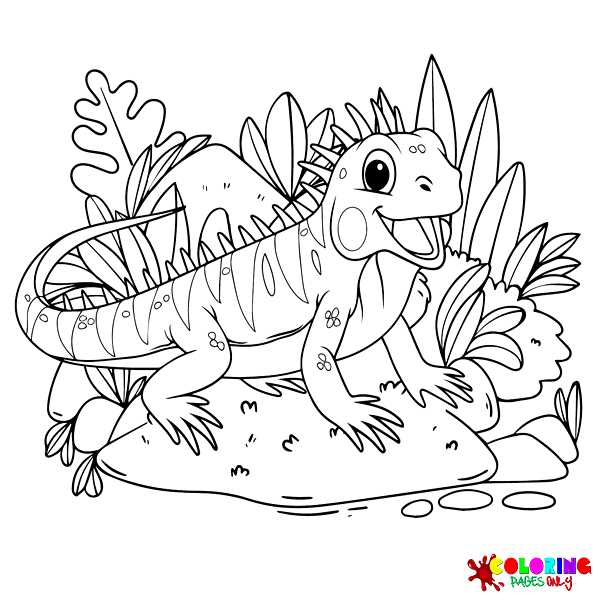

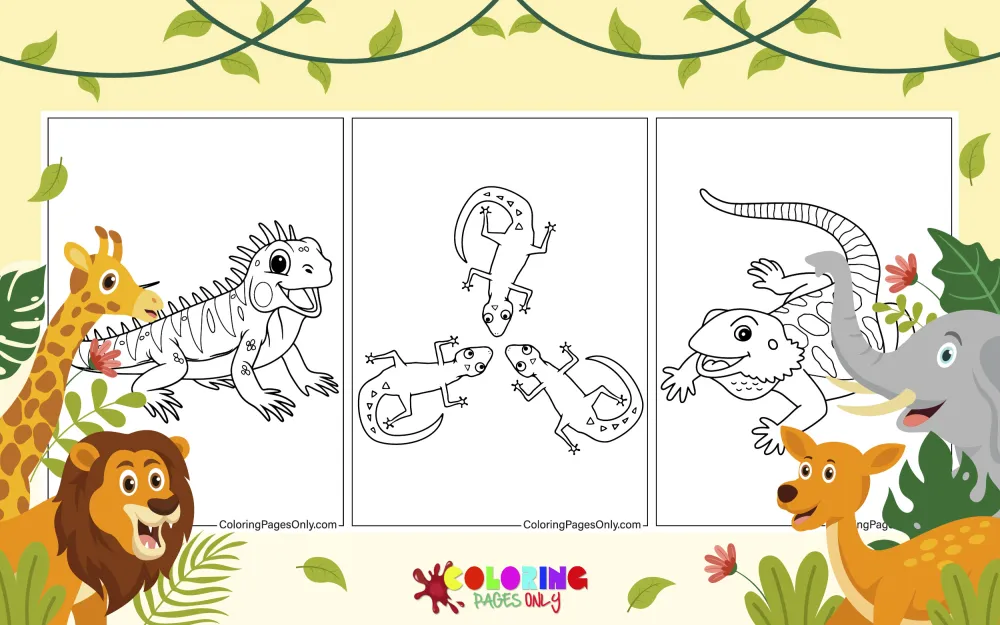
Free Lizard Coloring Pages: 71 printable PDF designs featuring real species portraits, playful and cute lizards, lizards in nature scenes, group scenes, artistic patterns, and general printable sheets. Each page can be downloaded as a PDF to print or colored online in the browser.
Lizards make up the largest group of reptiles alive today, with roughly 7,000 known species found on every continent except Antarctica. Many lizards can shed their tail when threatened, a defense called autotomy, and while the tail does grow back, the new one is built around a simple rod of cartilage rather than the original bone, and it lacks the fracture point needed to be shed again at that exact spot. Geckos famously stick to walls and even glass ceilings, not with any adhesive, but through millions of microscopic hair-like structures on their toes called setae, which grip surfaces using a molecular-level force rather than suction. Chameleons, meanwhile, mostly change color to communicate mood or temperature rather than to hide, contrary to popular belief, and the basilisk lizard has earned the nickname “Jesus Christ lizard” for its ability to run across the surface of water using long, webbed toes.
This collection spans 71 pages, split between real species portraits, playful and cute lizards, lizards in nature scenes, group scenes, artistic patterns, and general printable sheets. The coloring angle ranges from a single simple outline to detailed, species-accurate portraits.
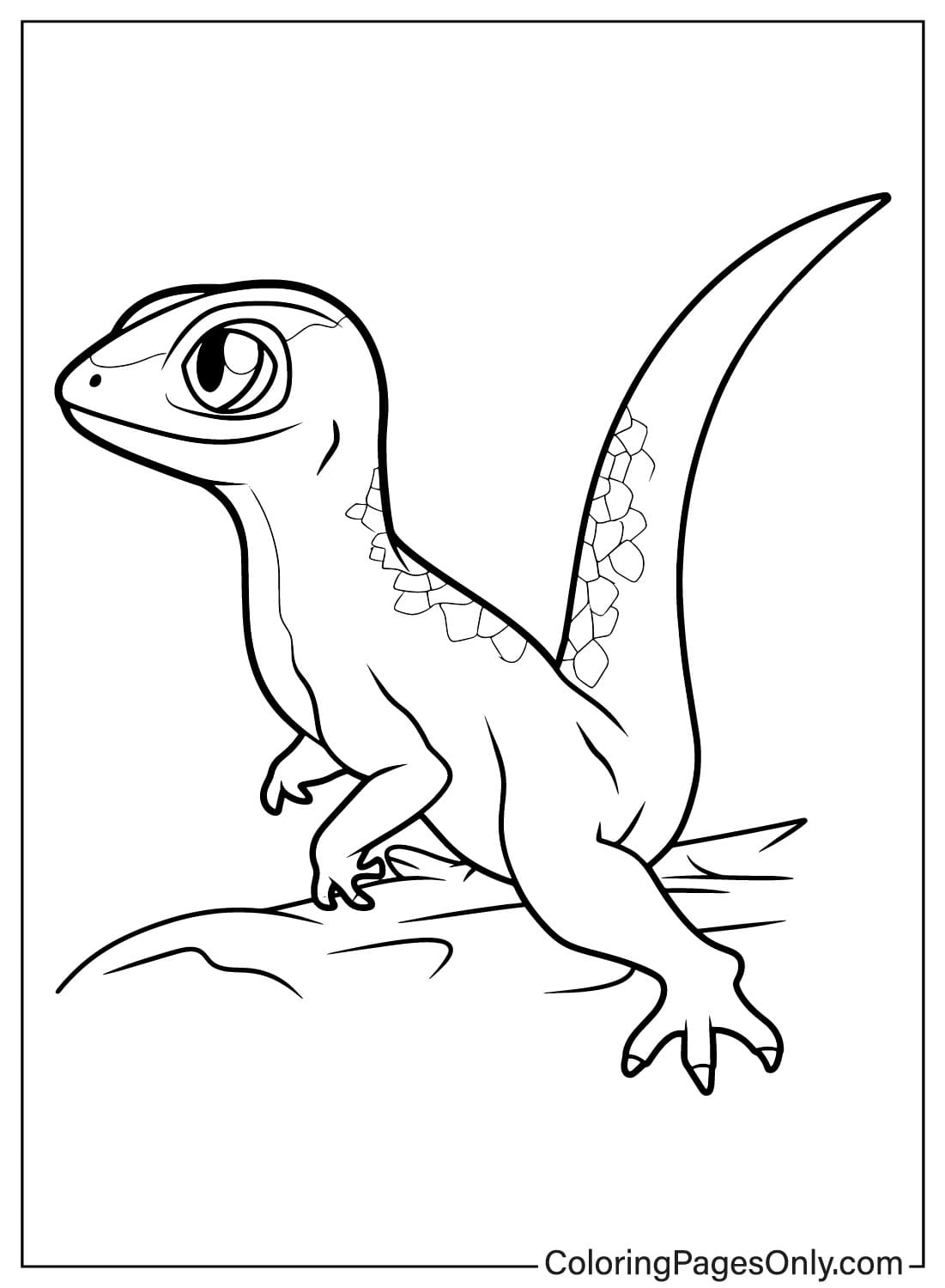
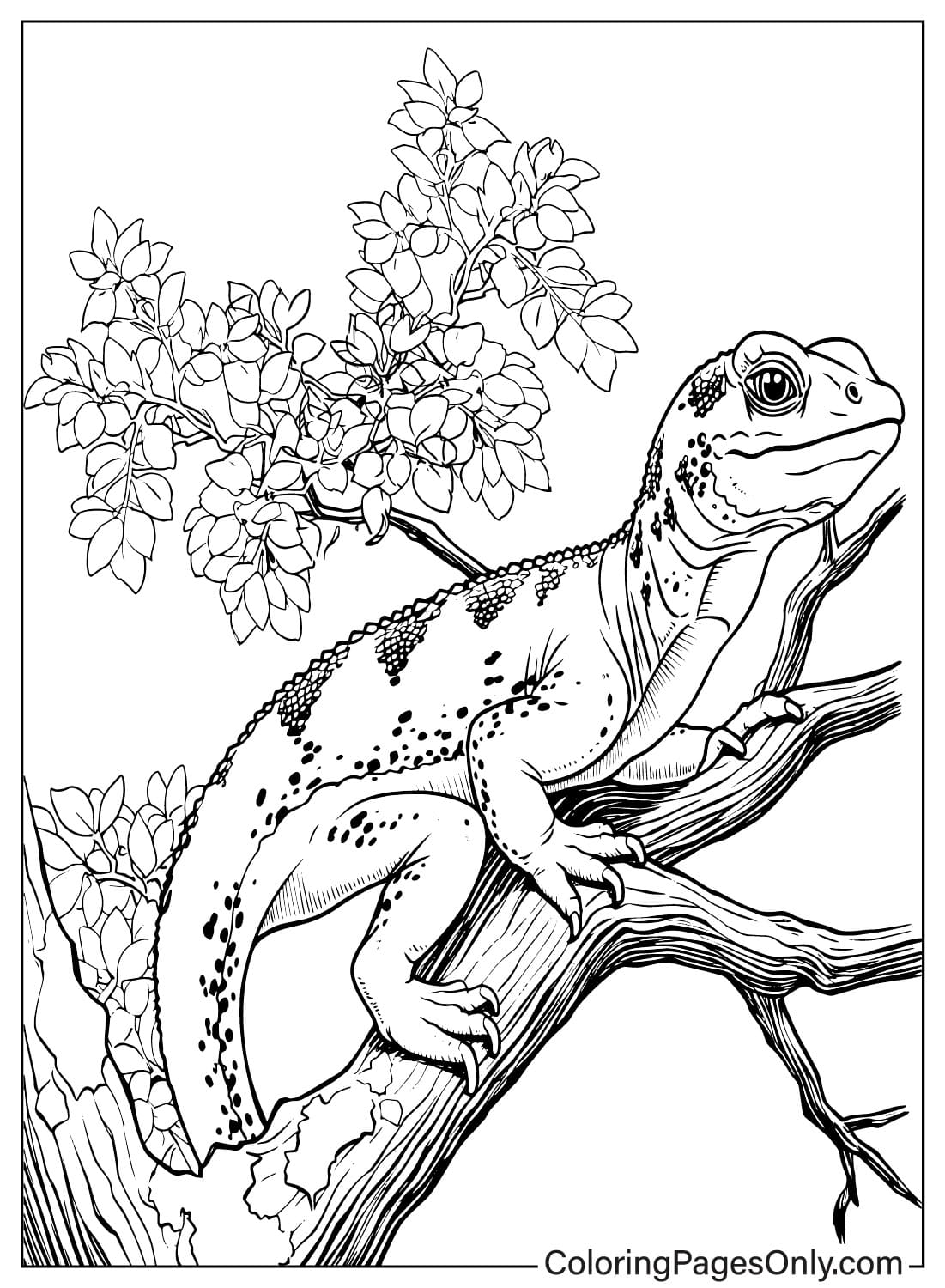
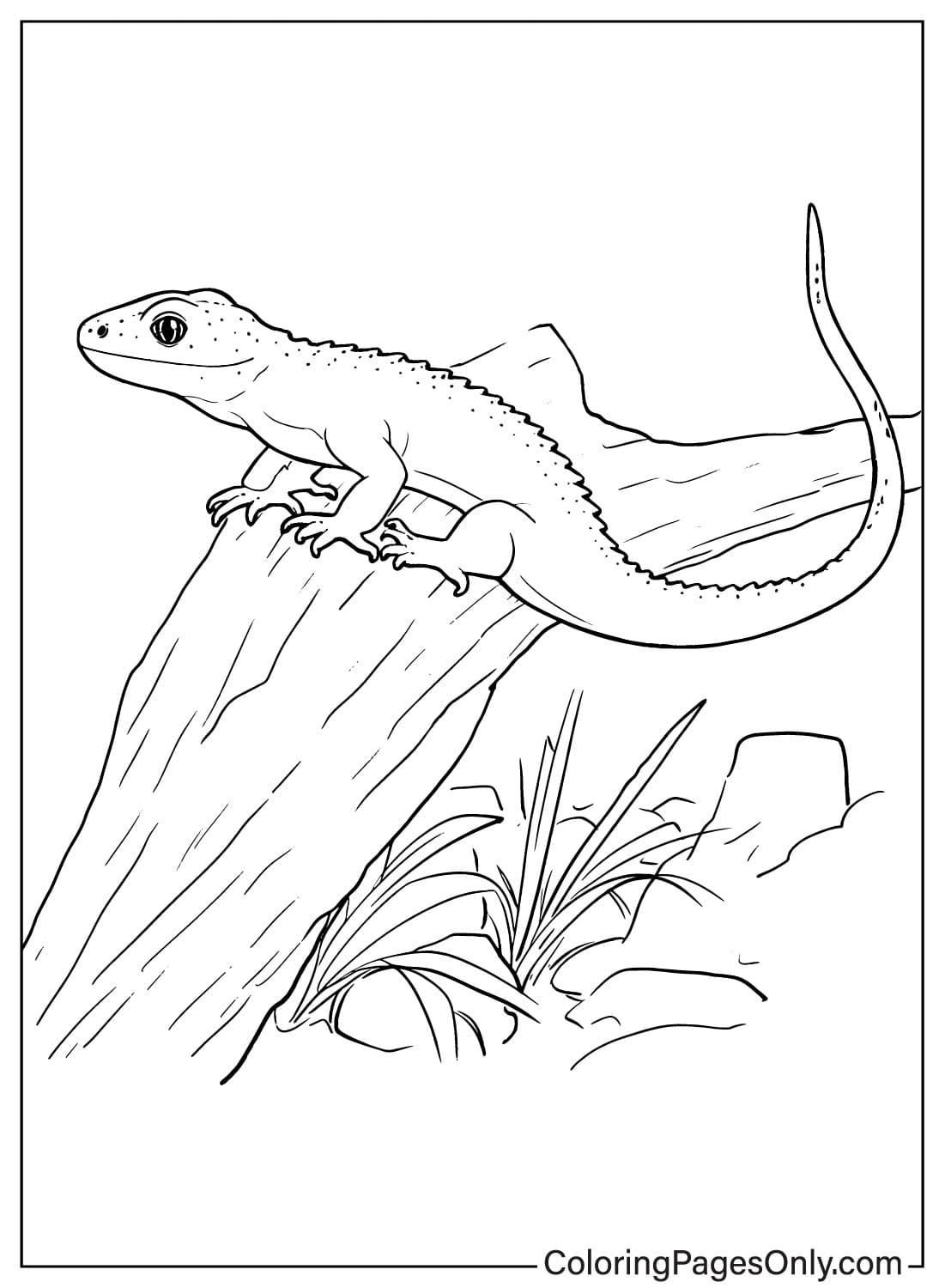
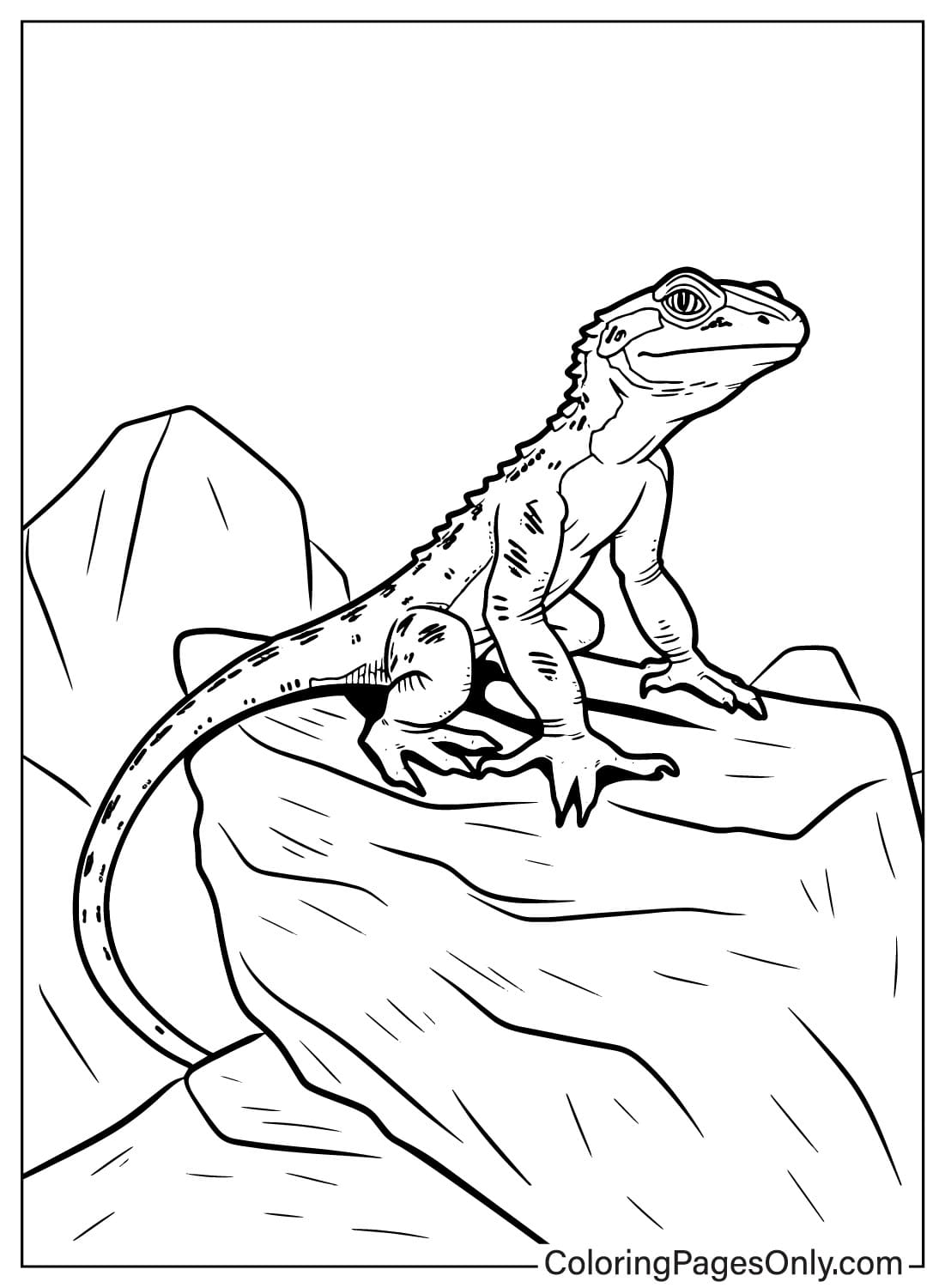
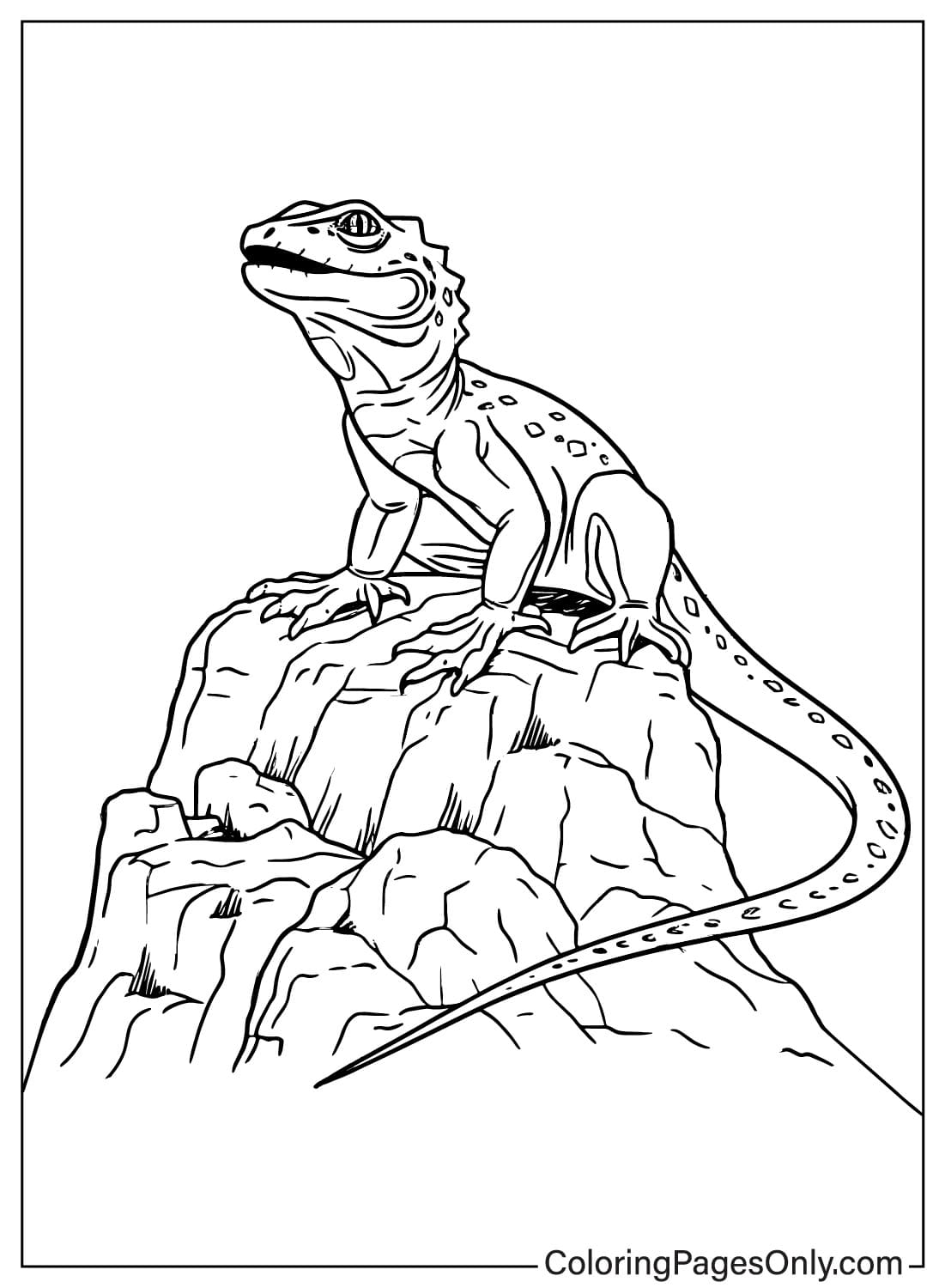
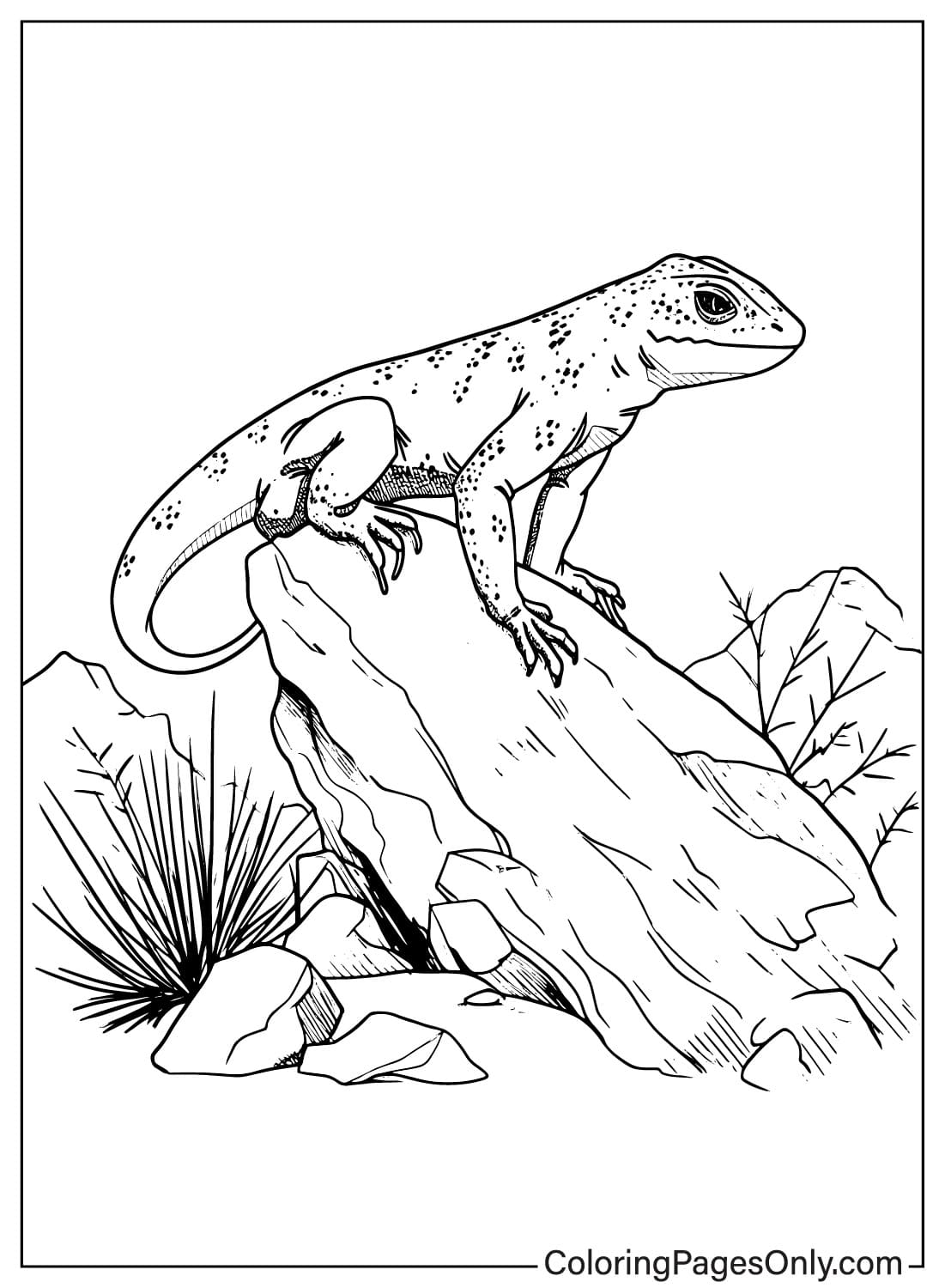
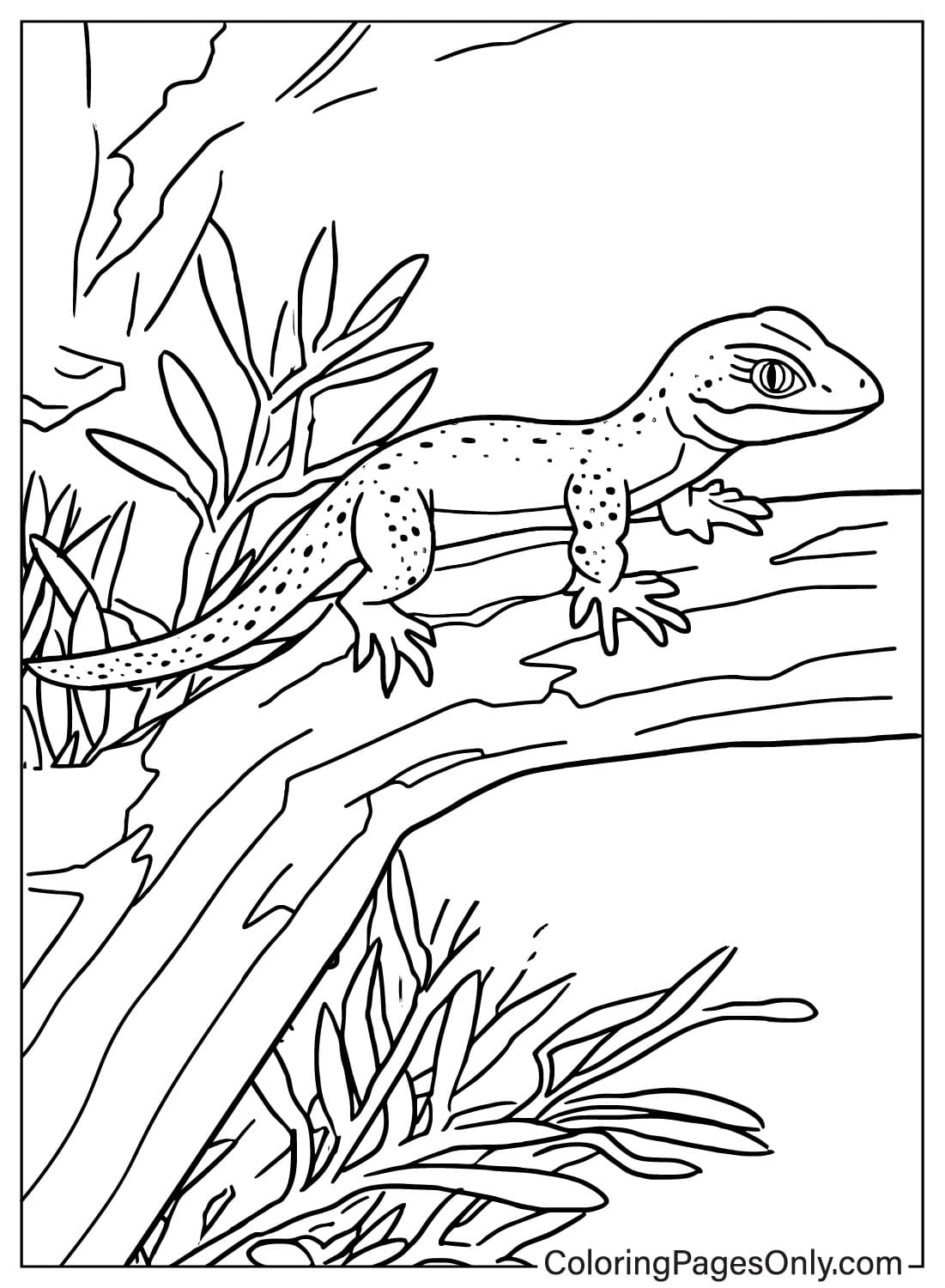
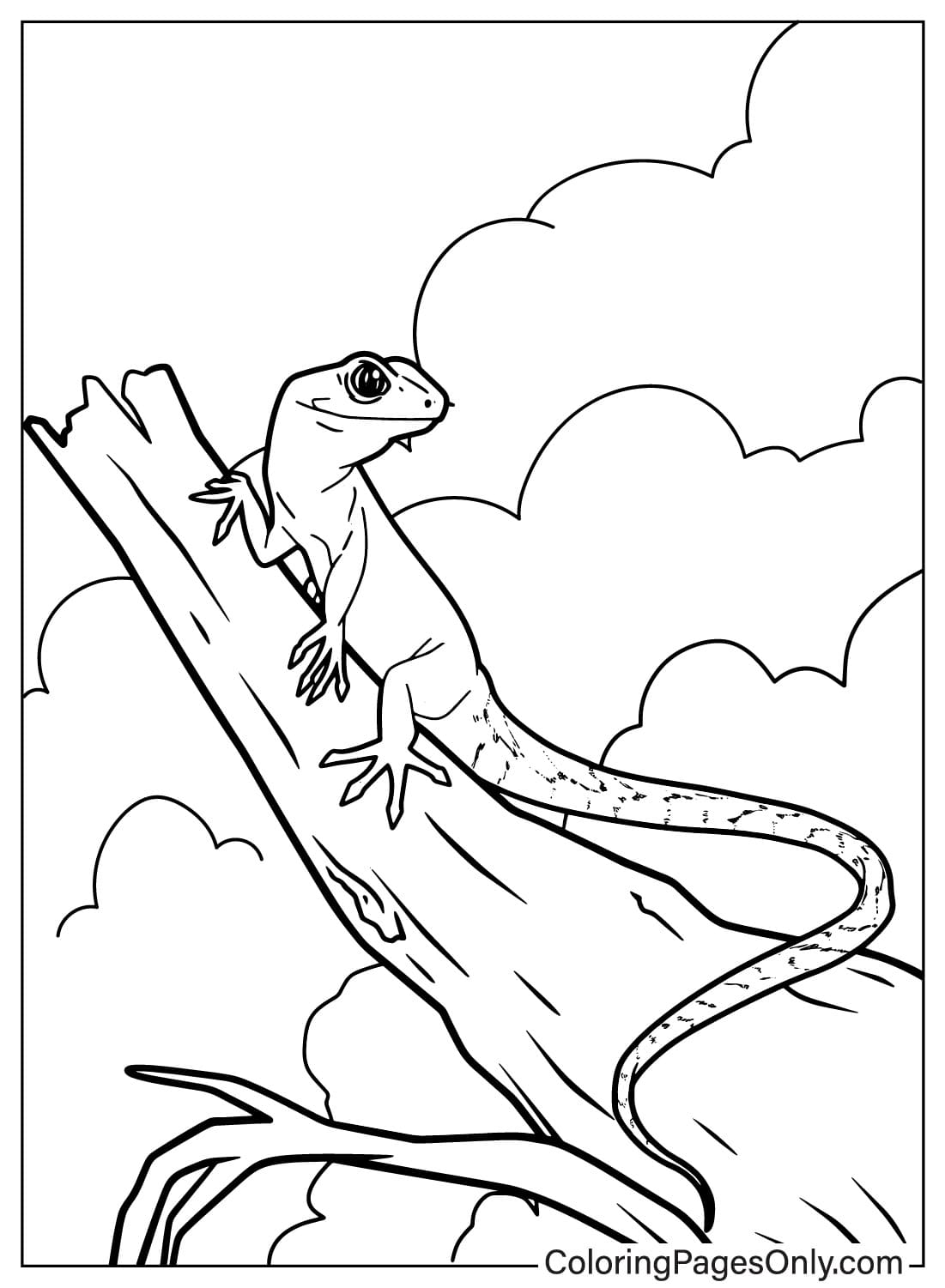
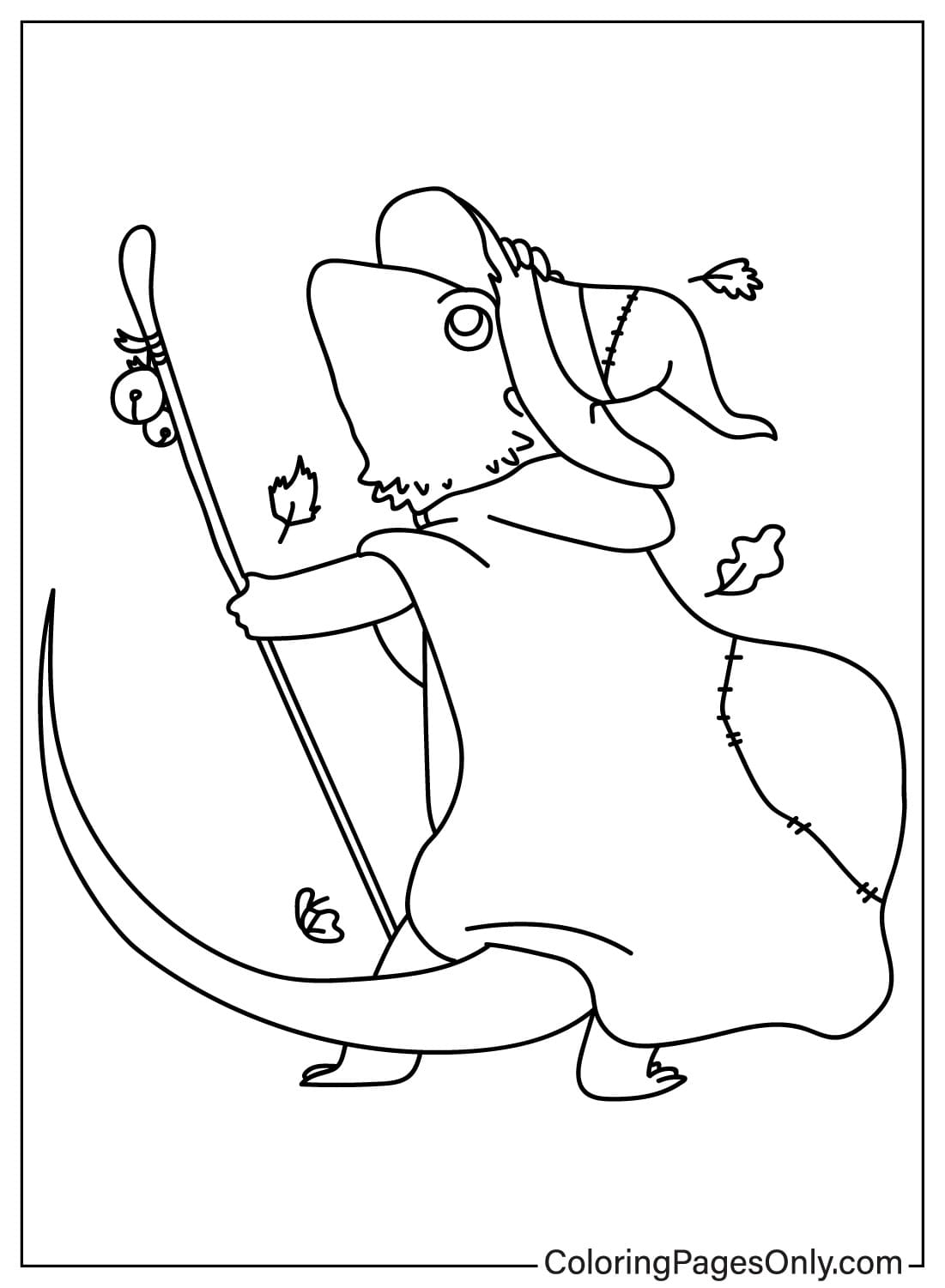
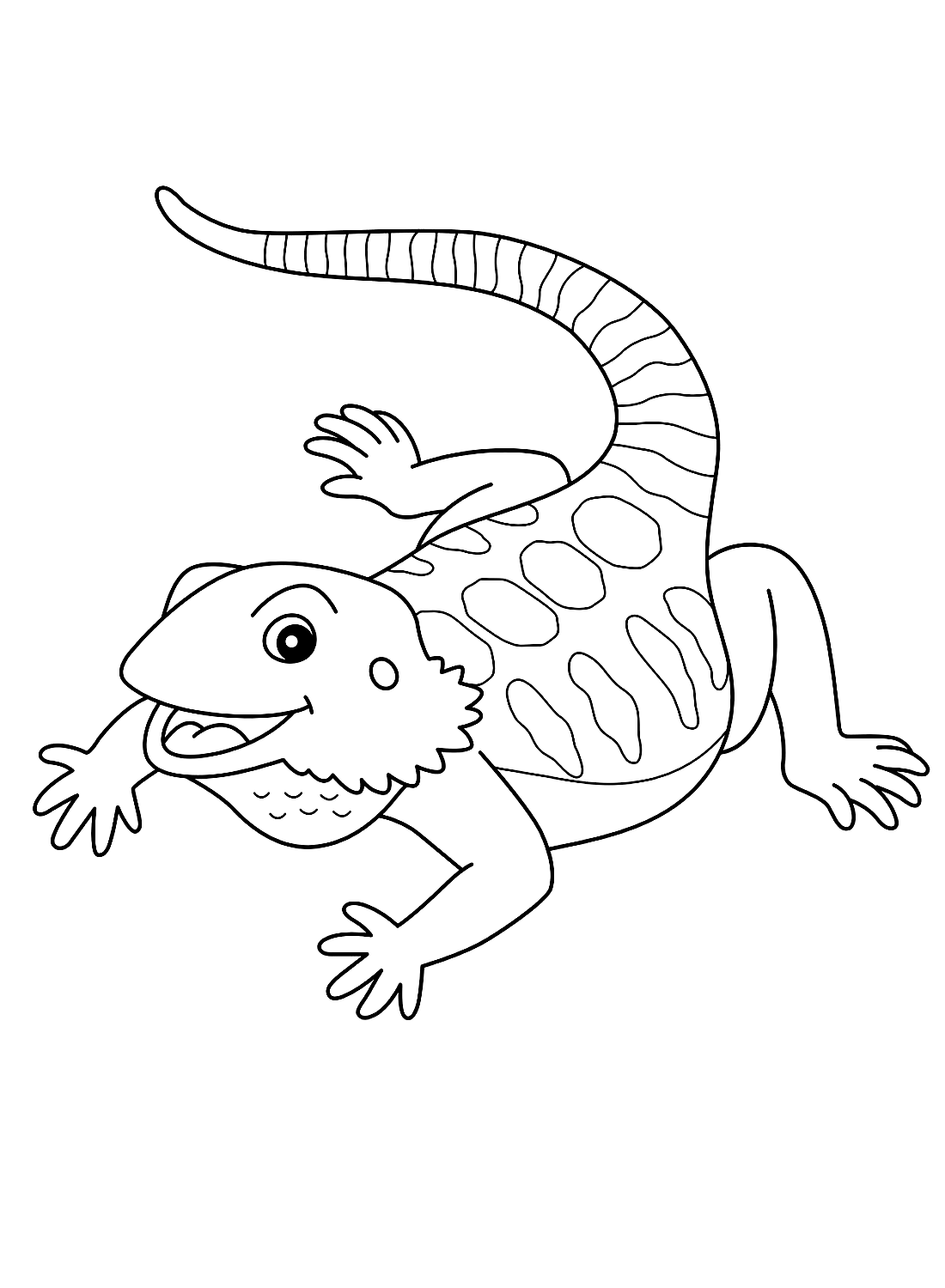
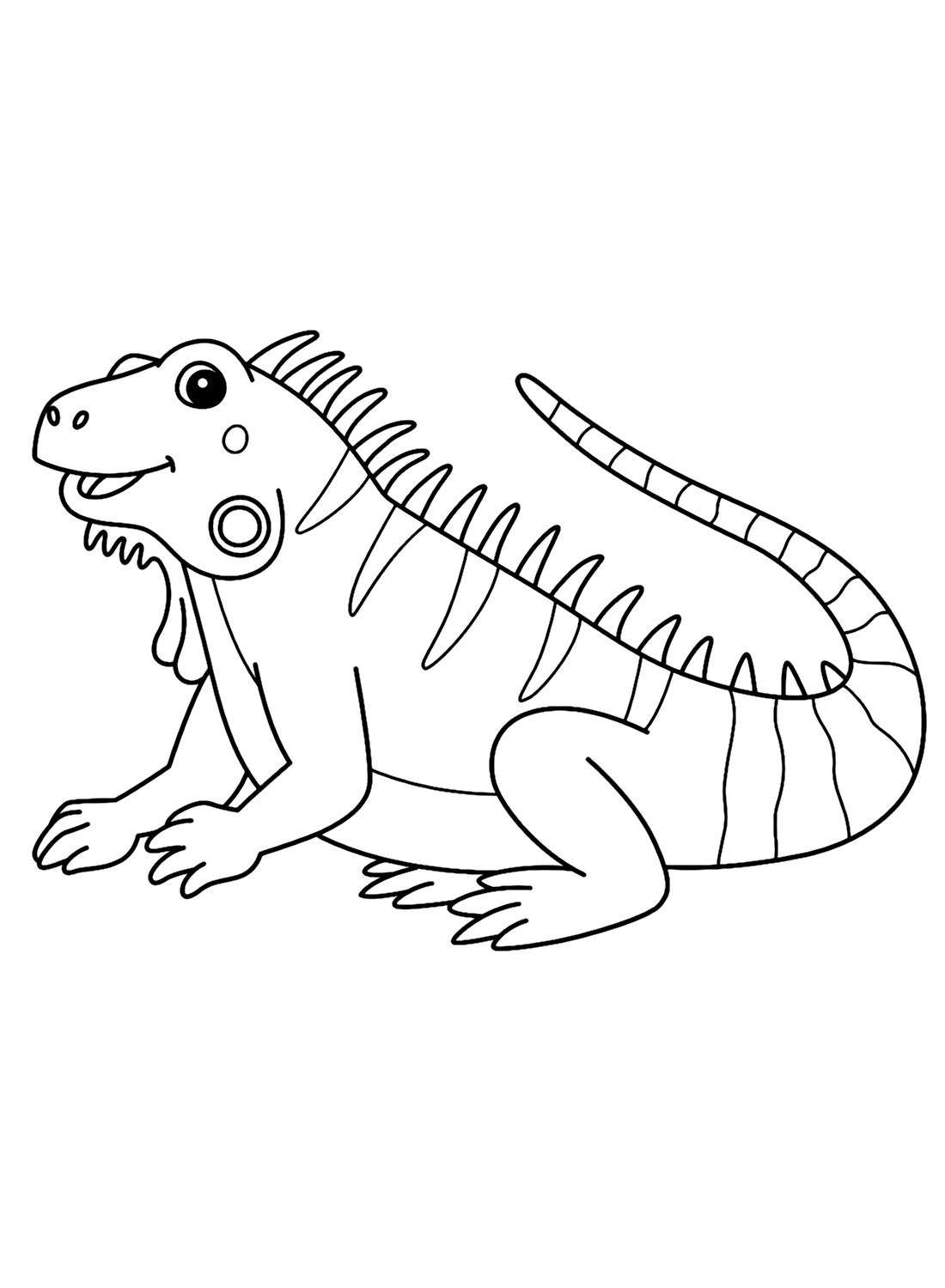
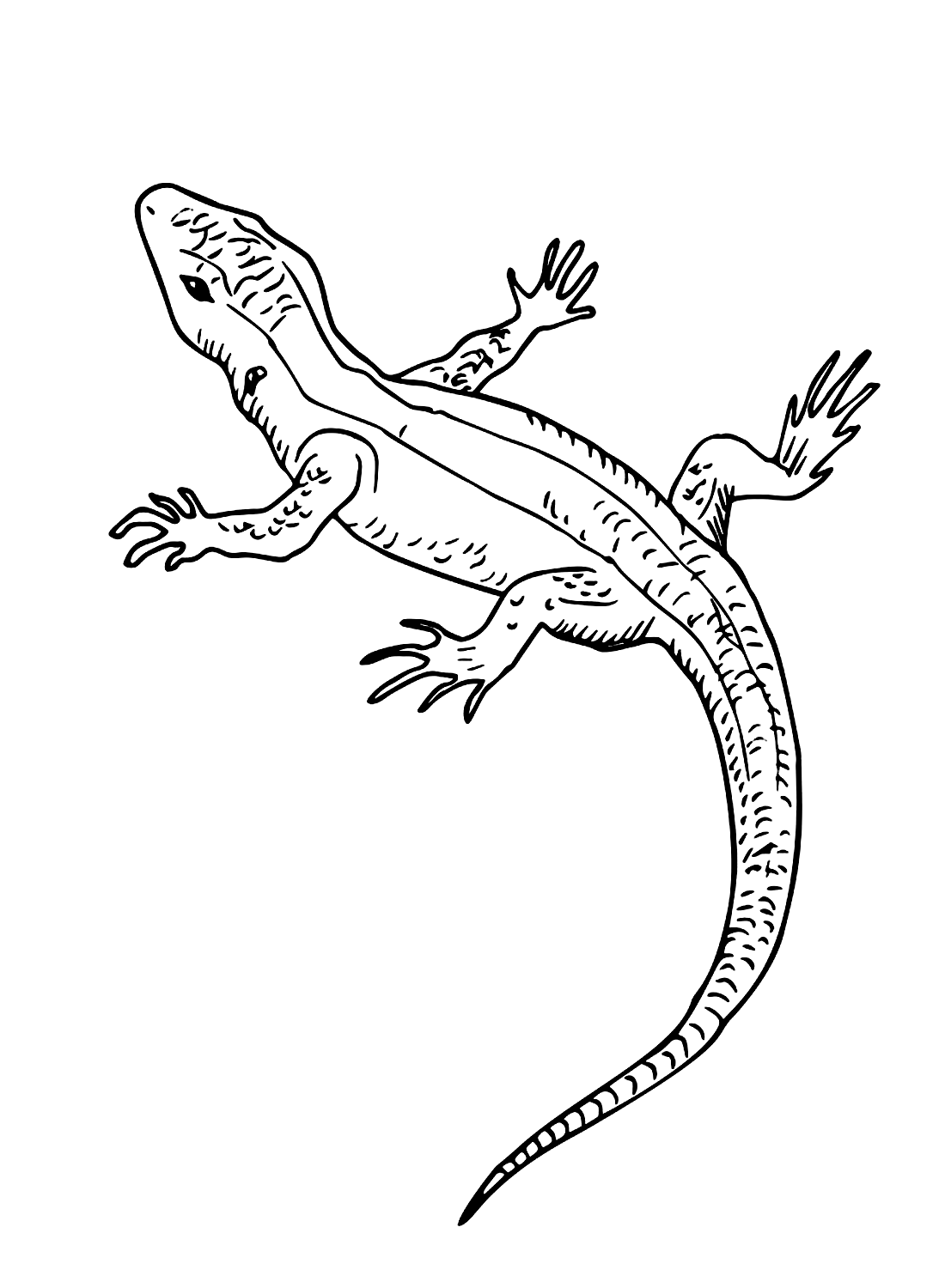
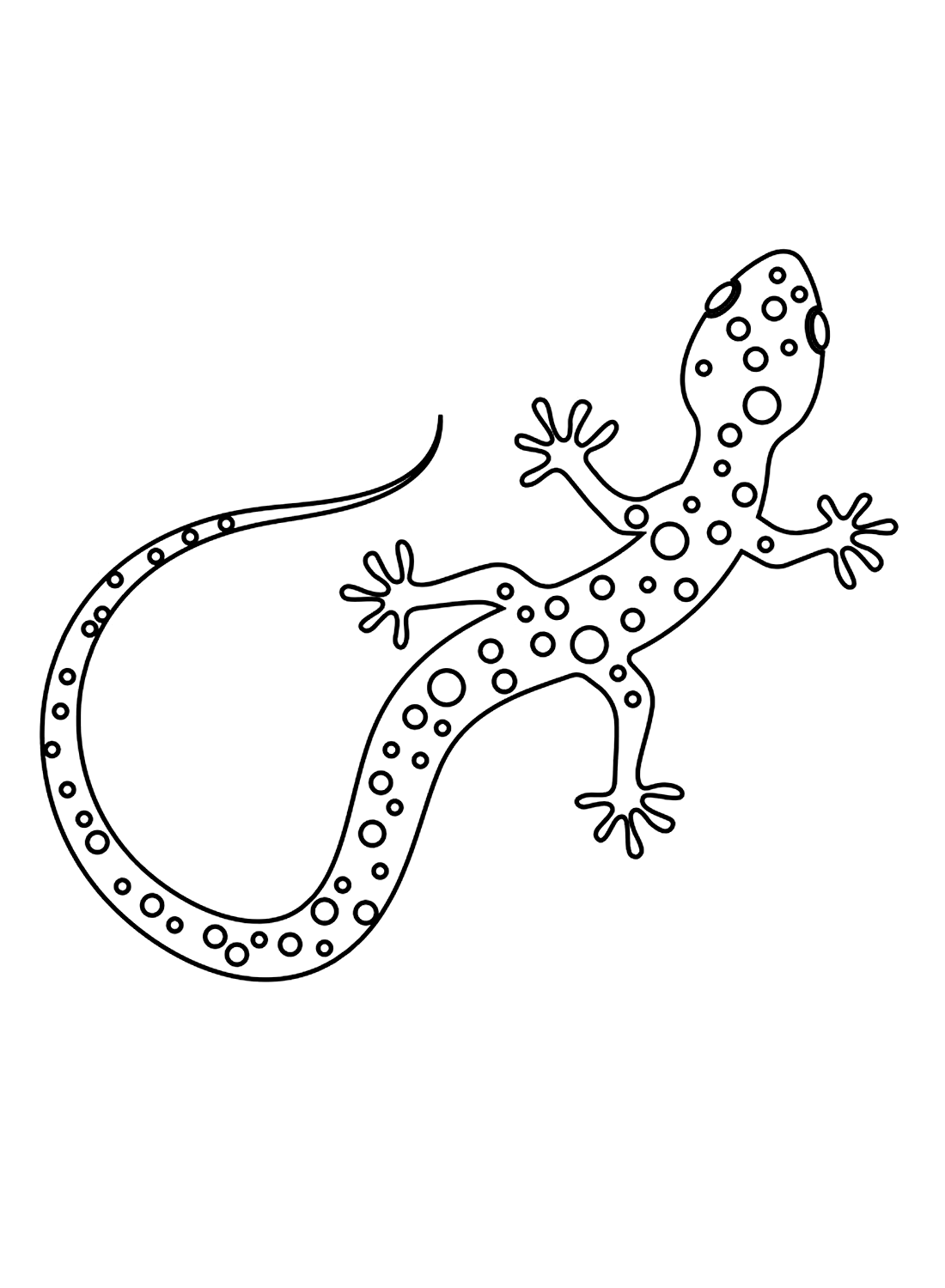
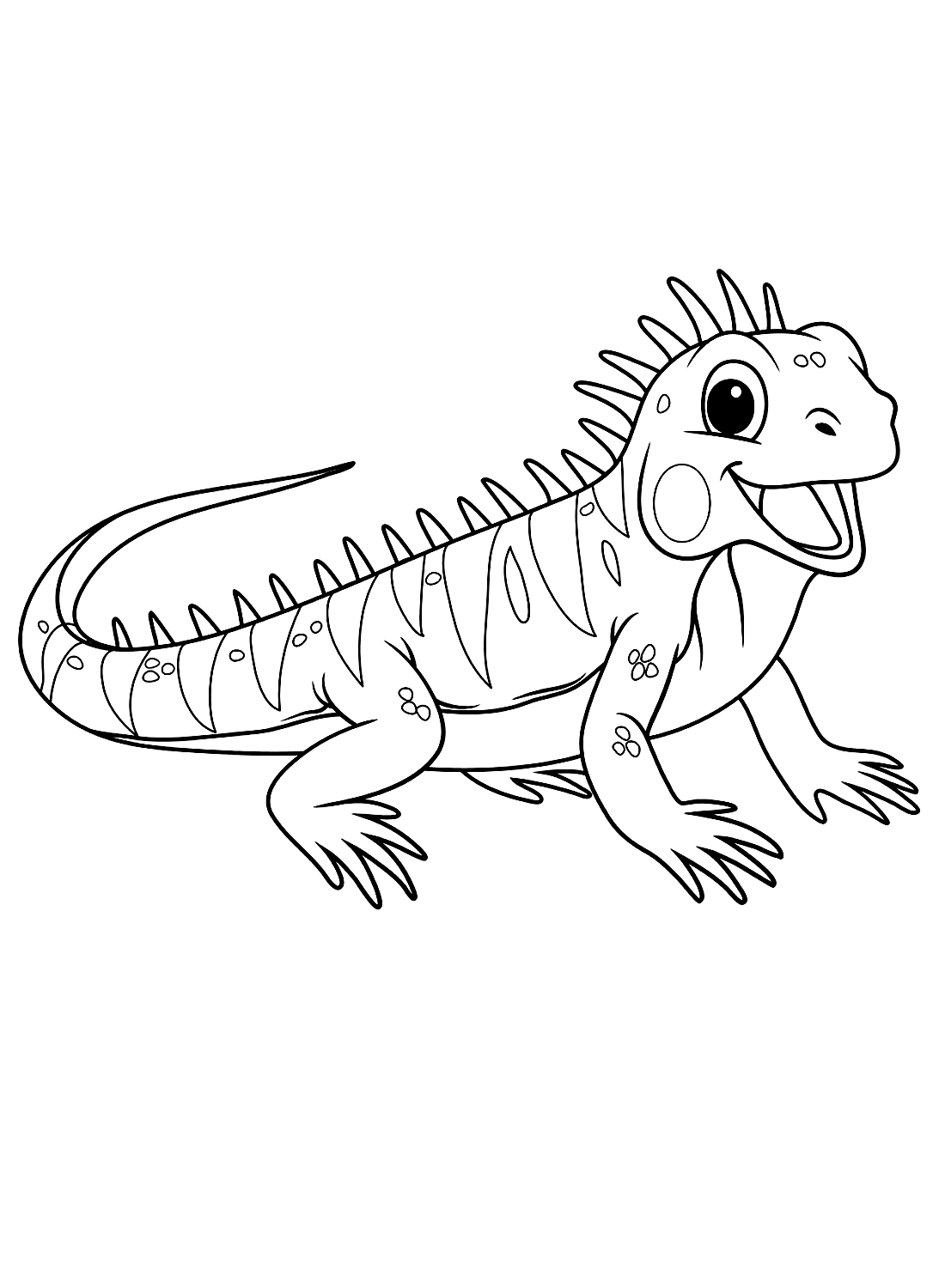
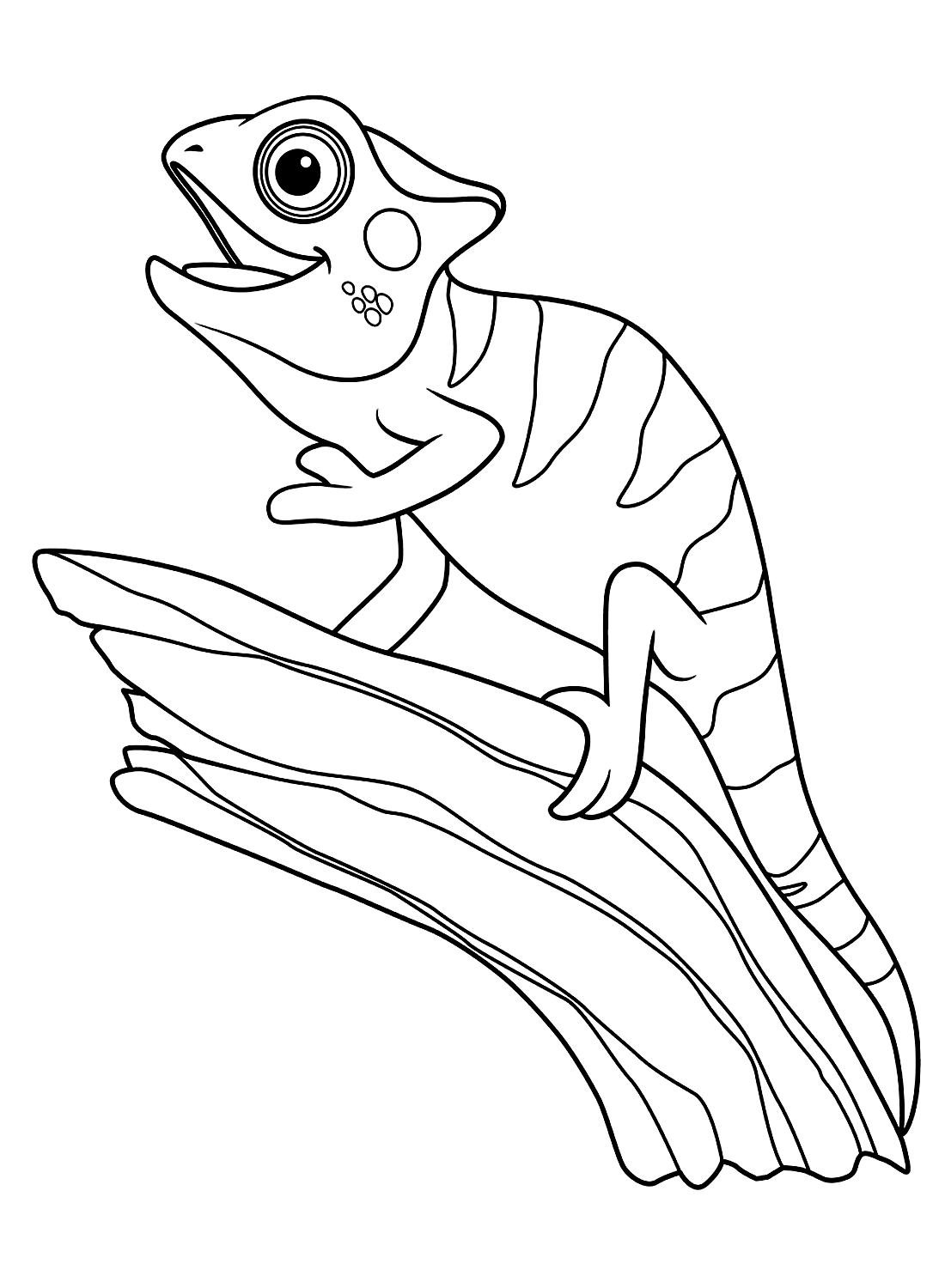
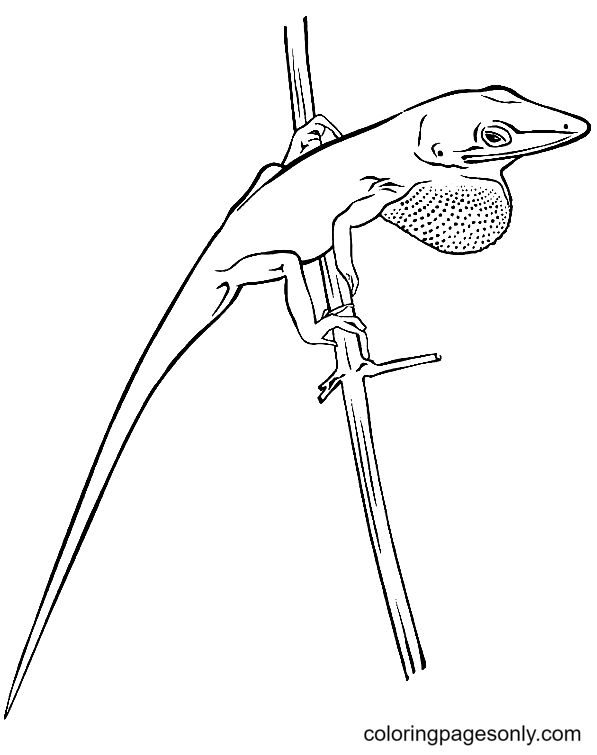
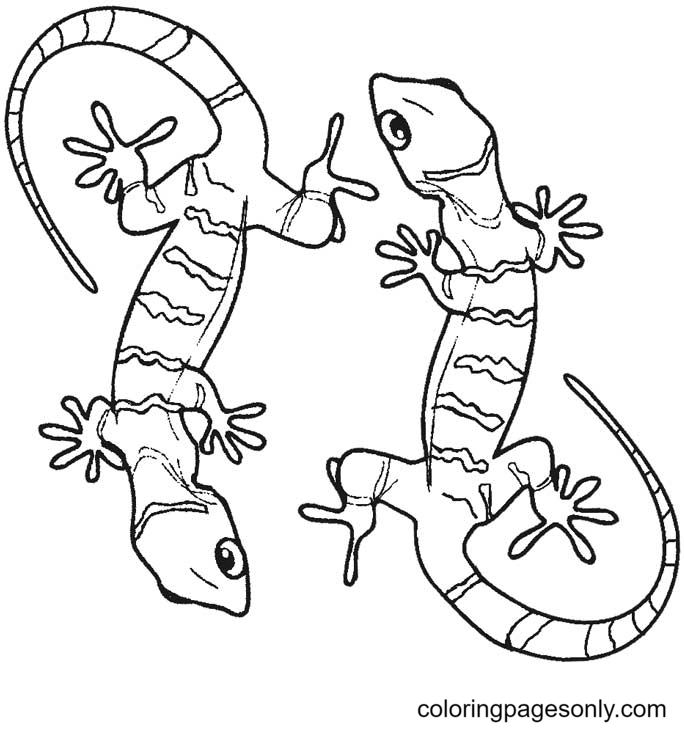
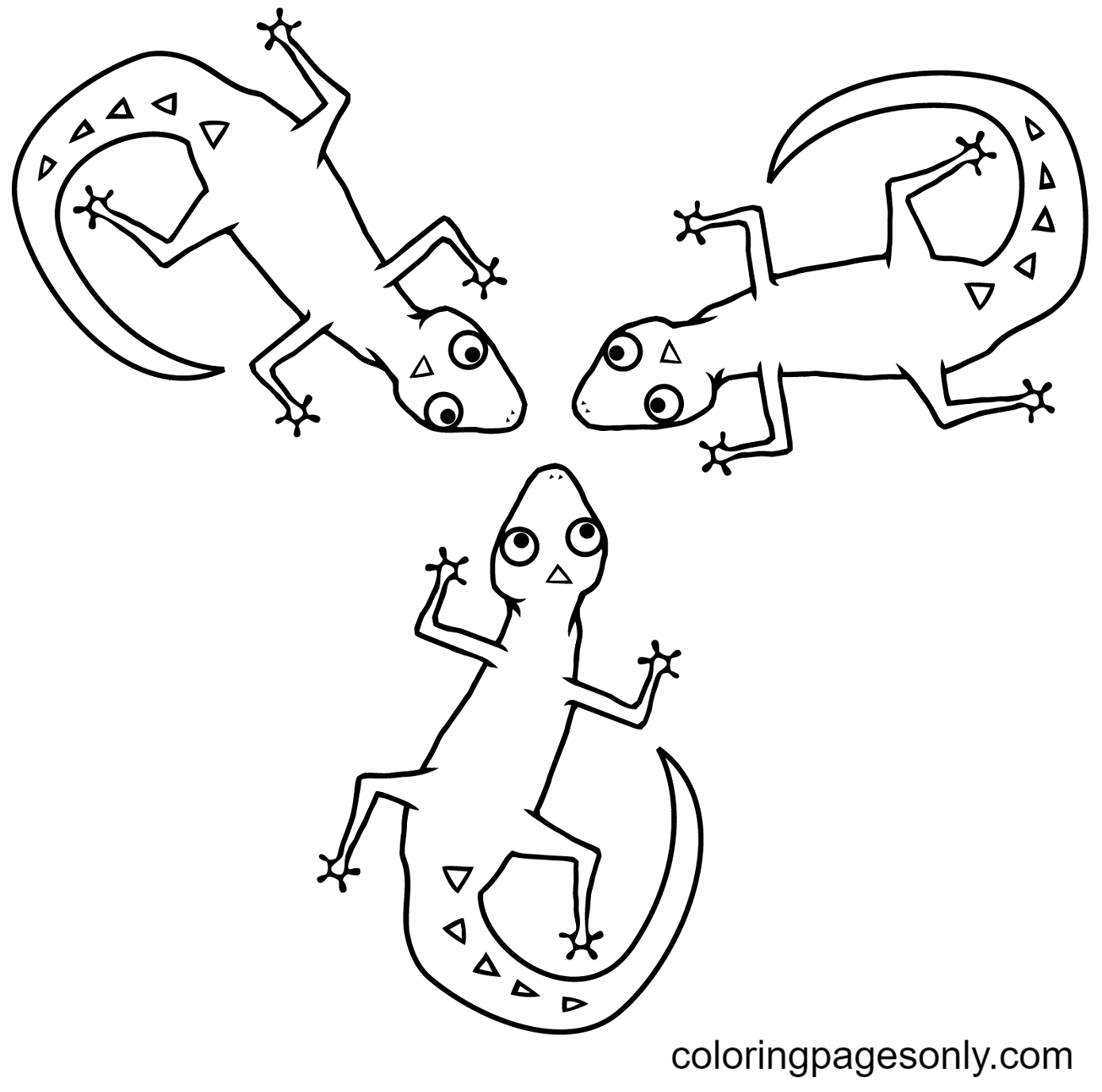

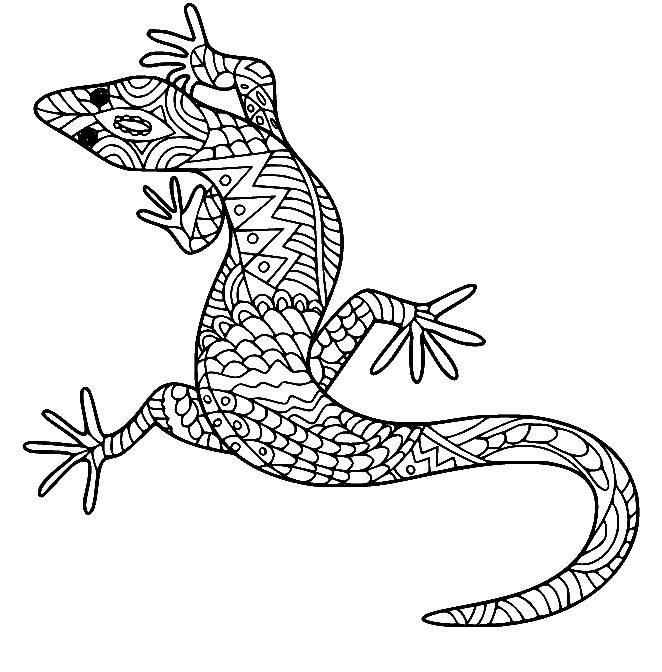
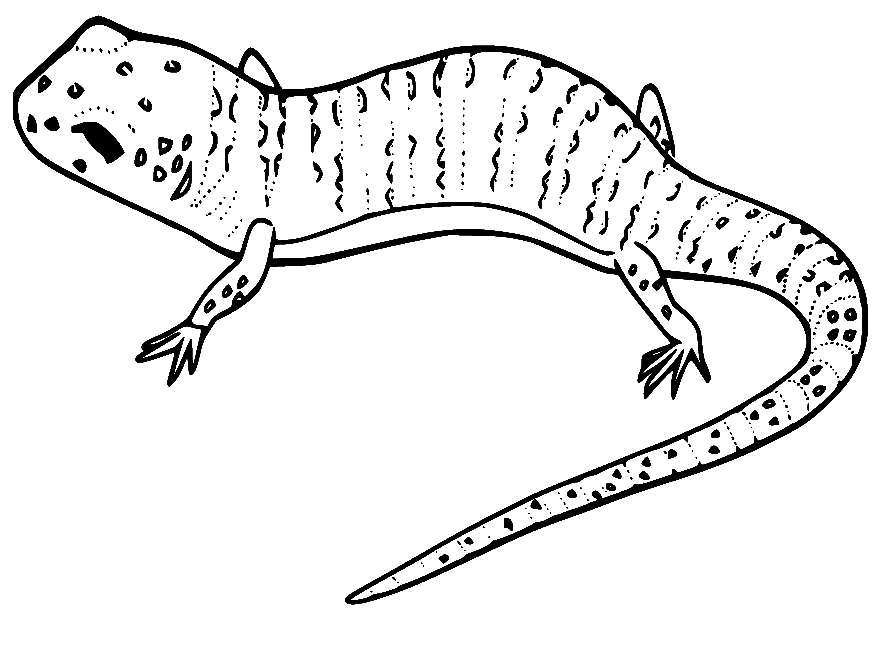
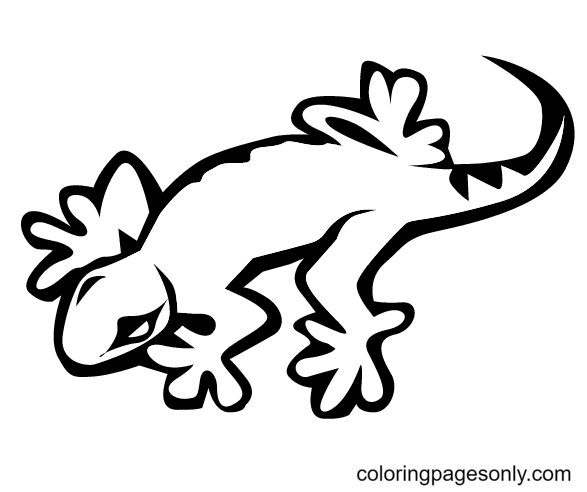
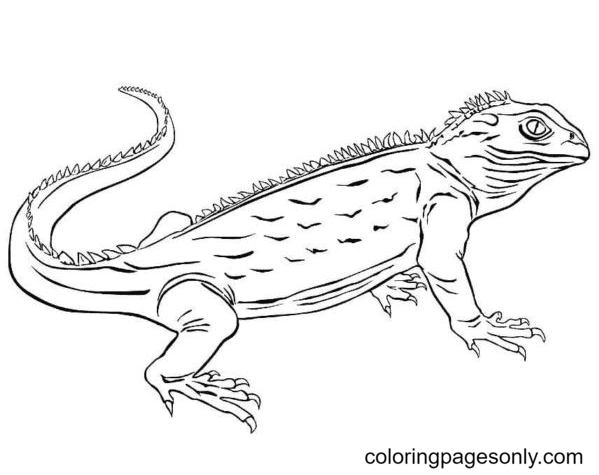


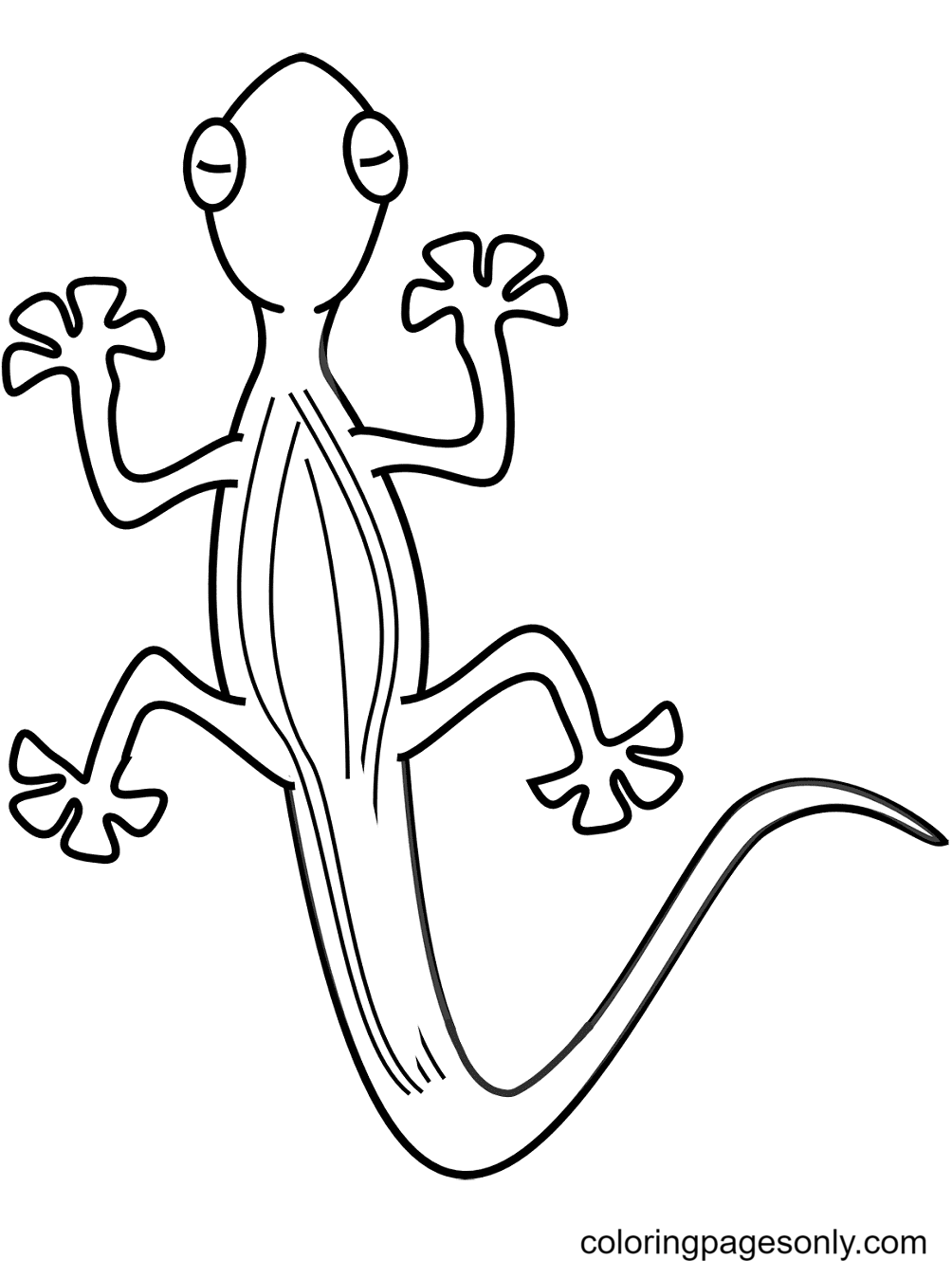
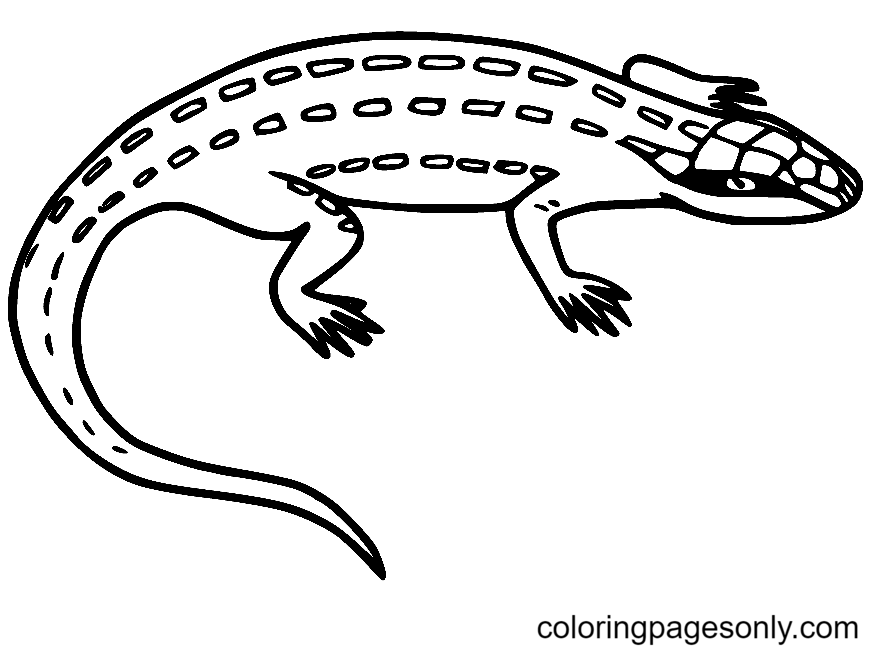
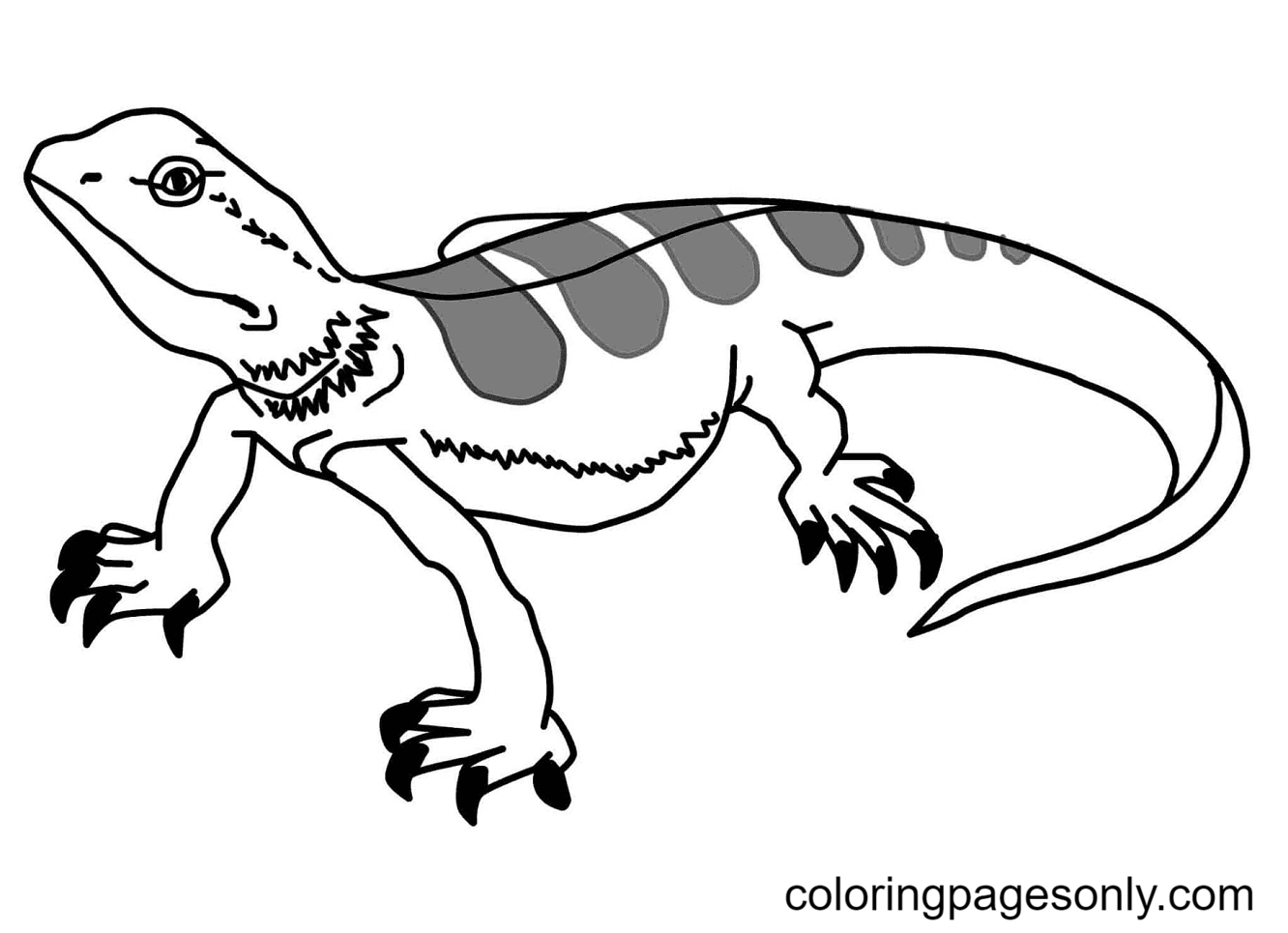
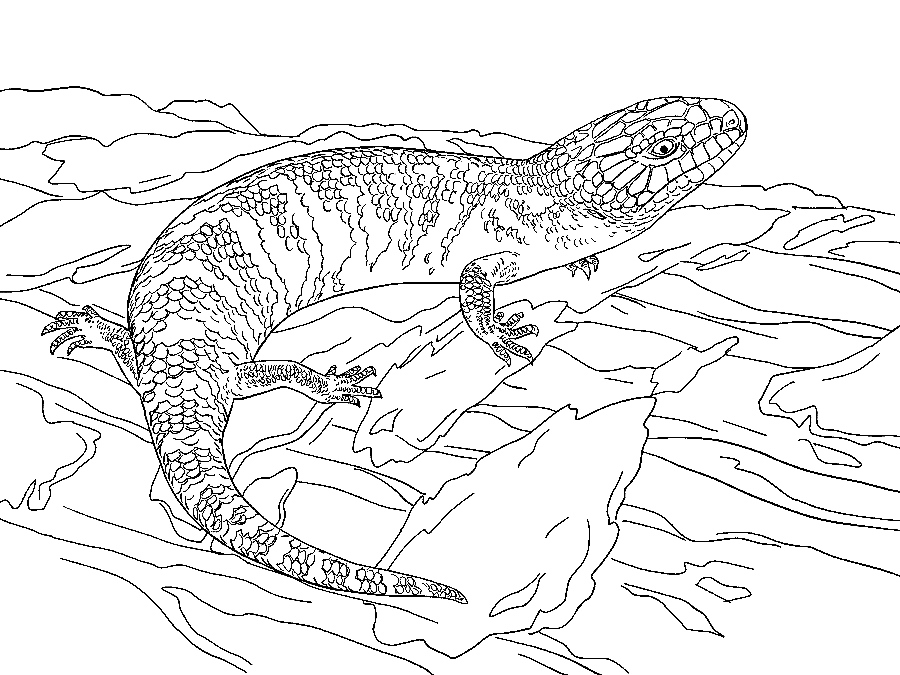
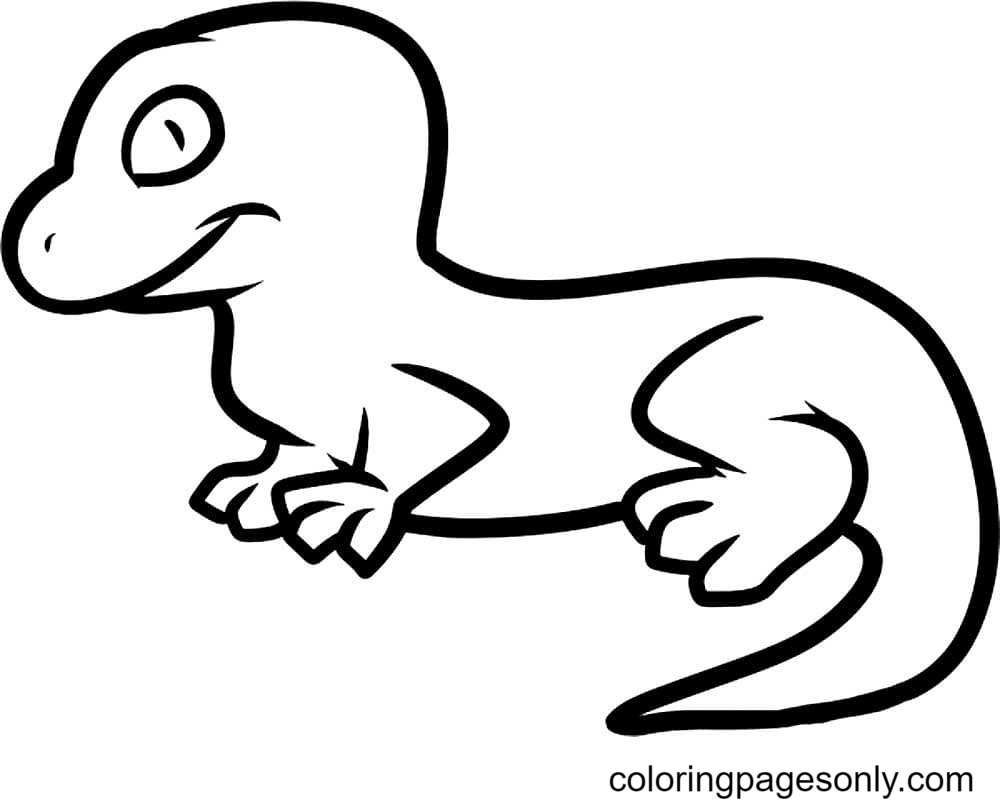

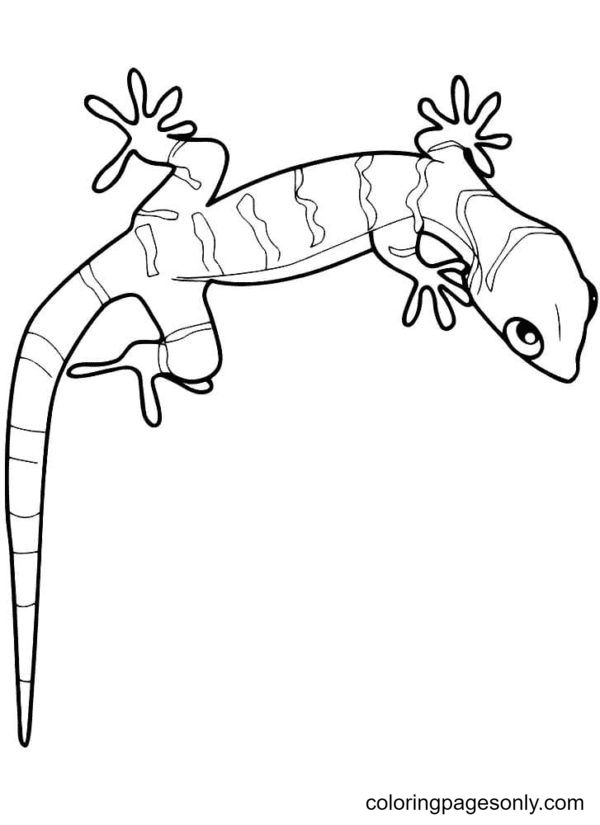
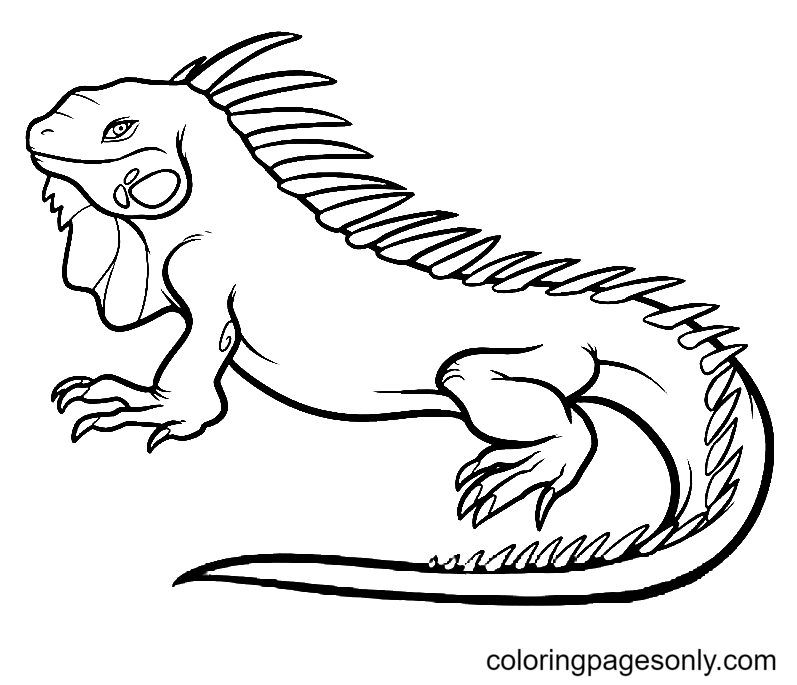
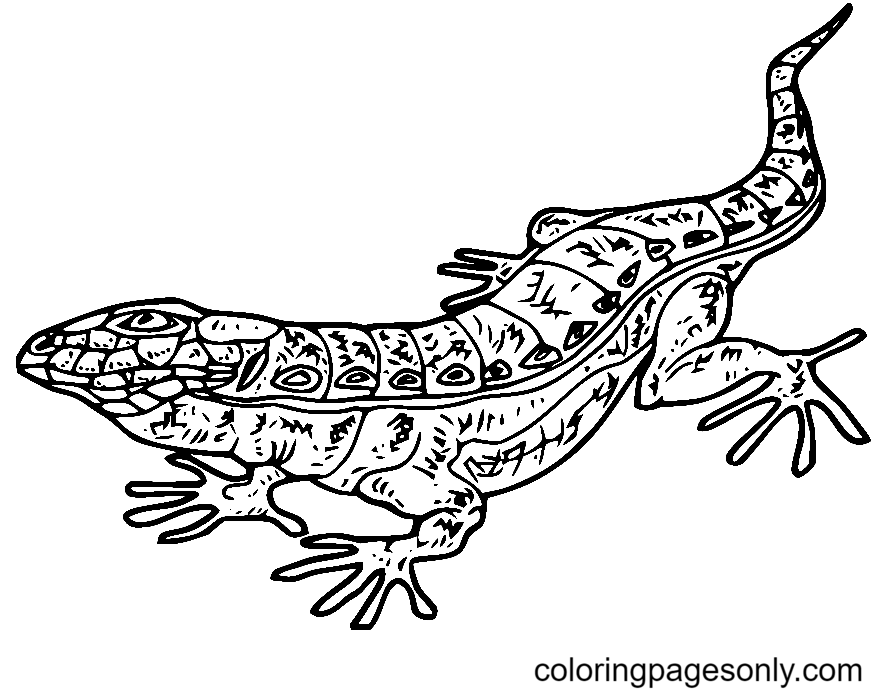
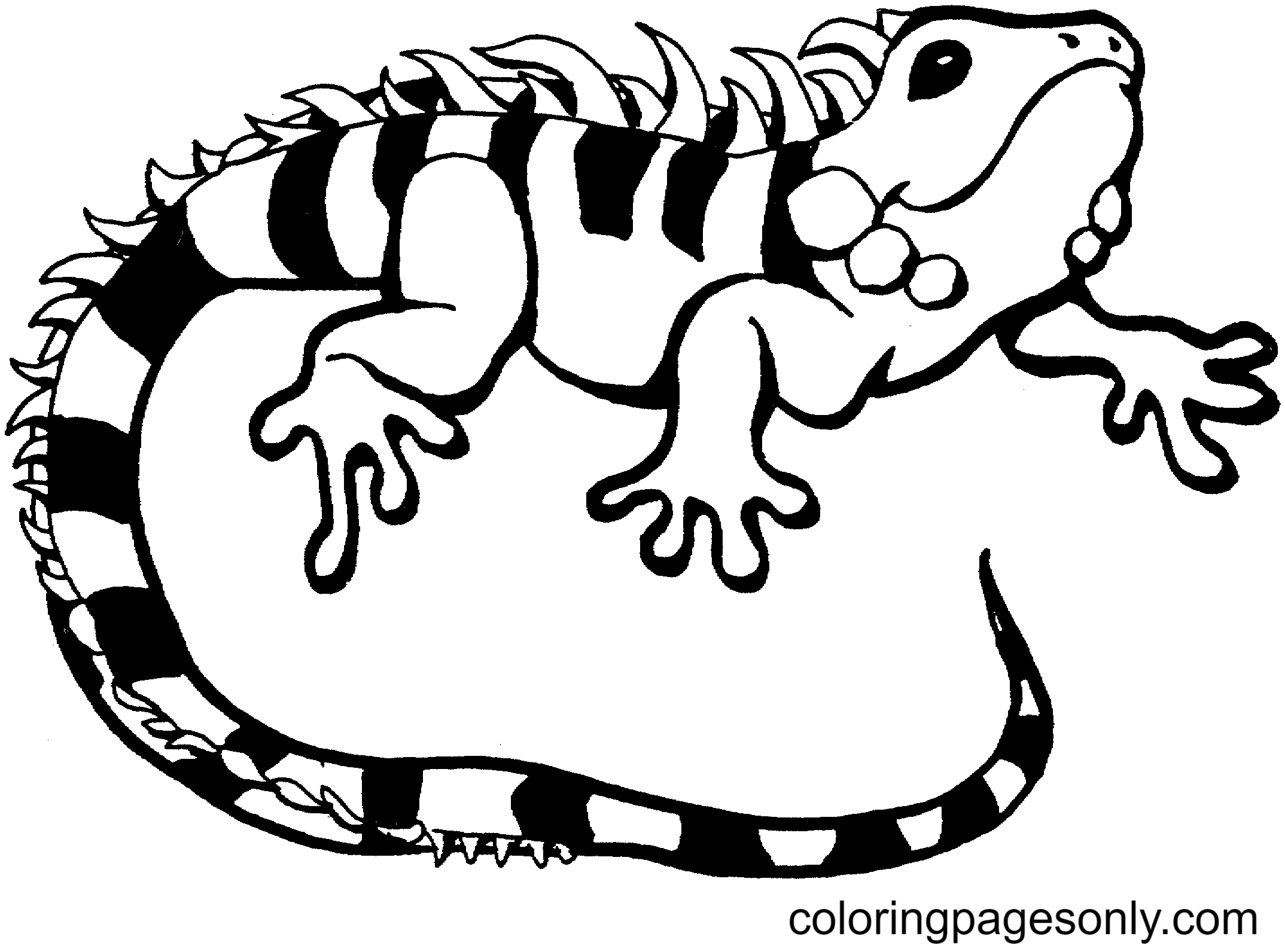
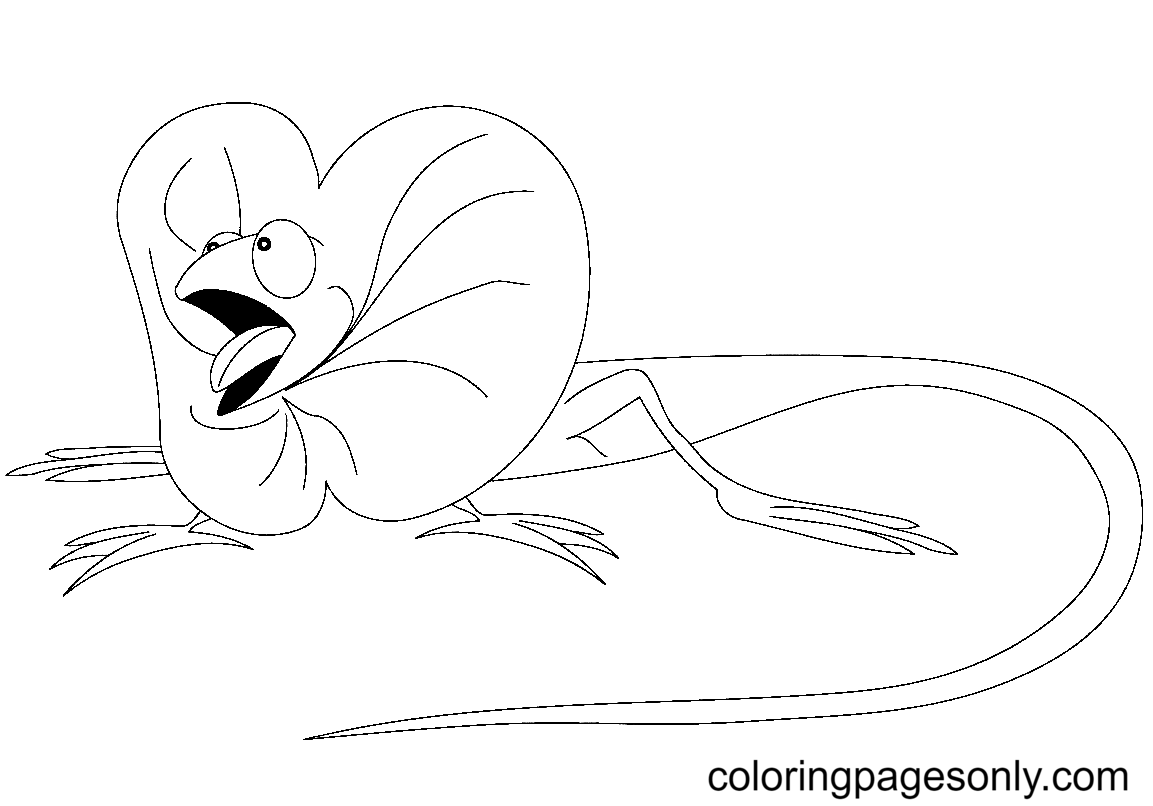
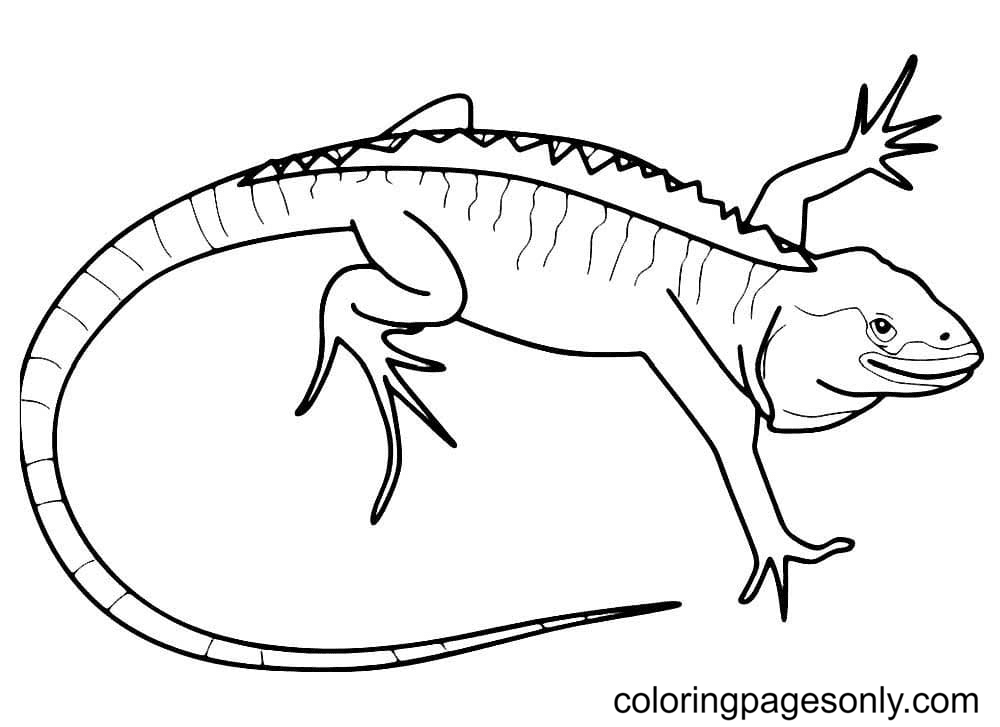
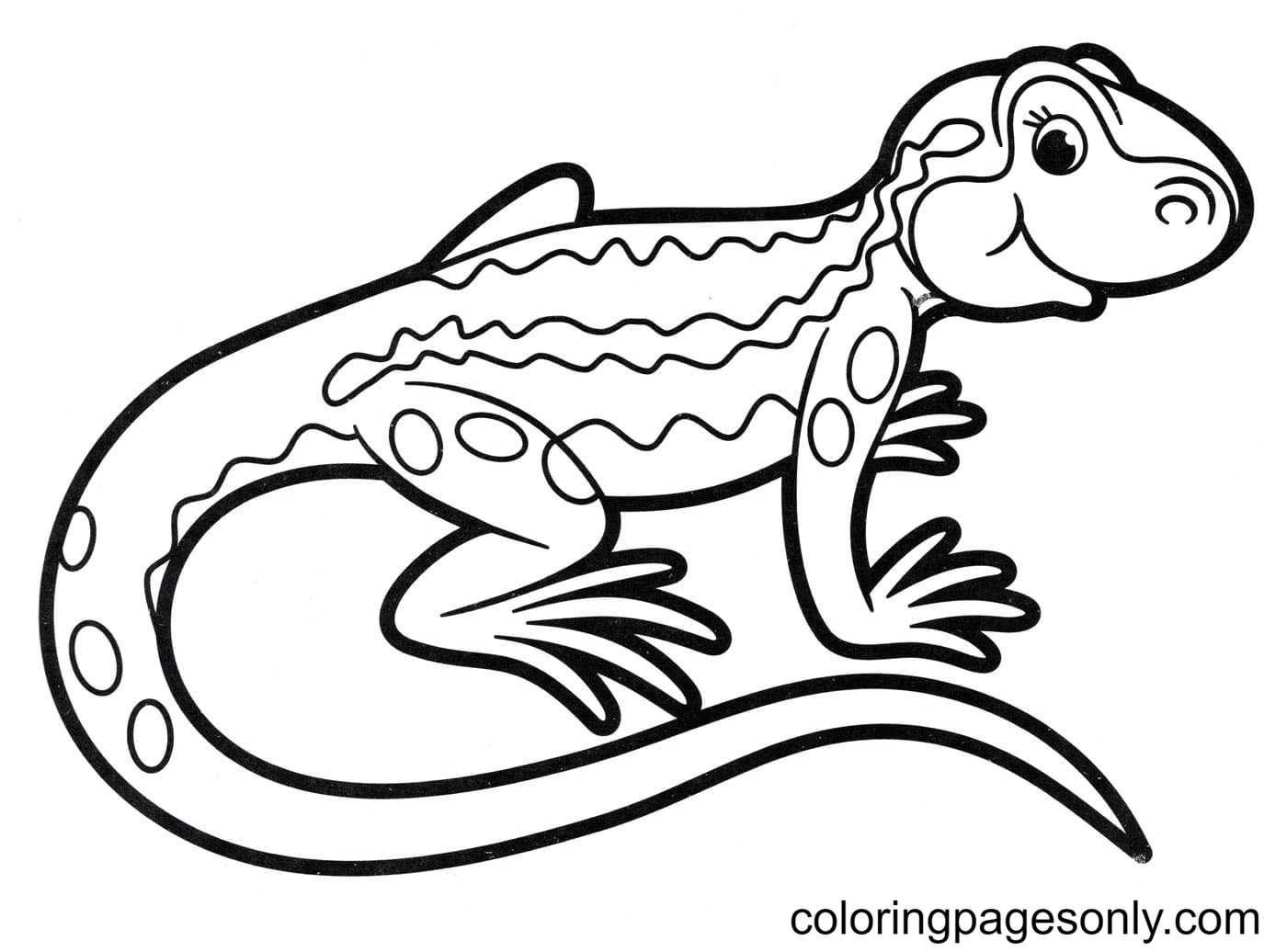
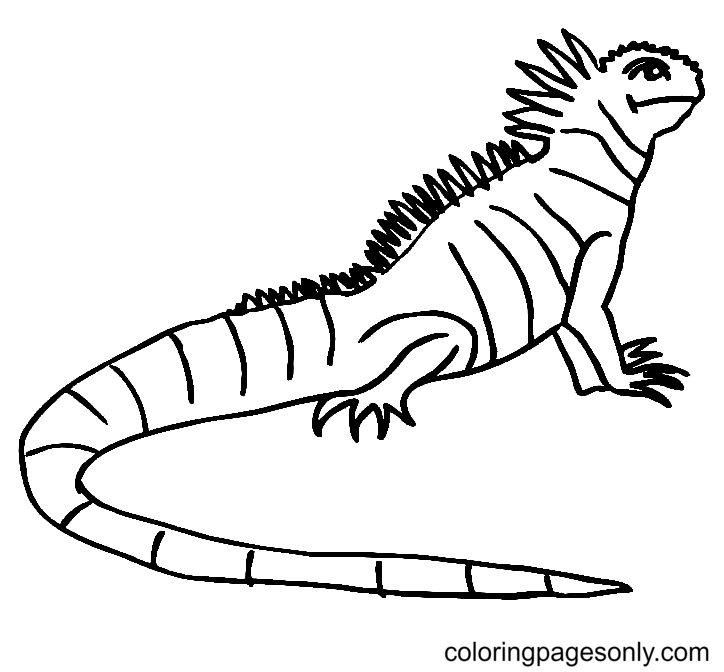
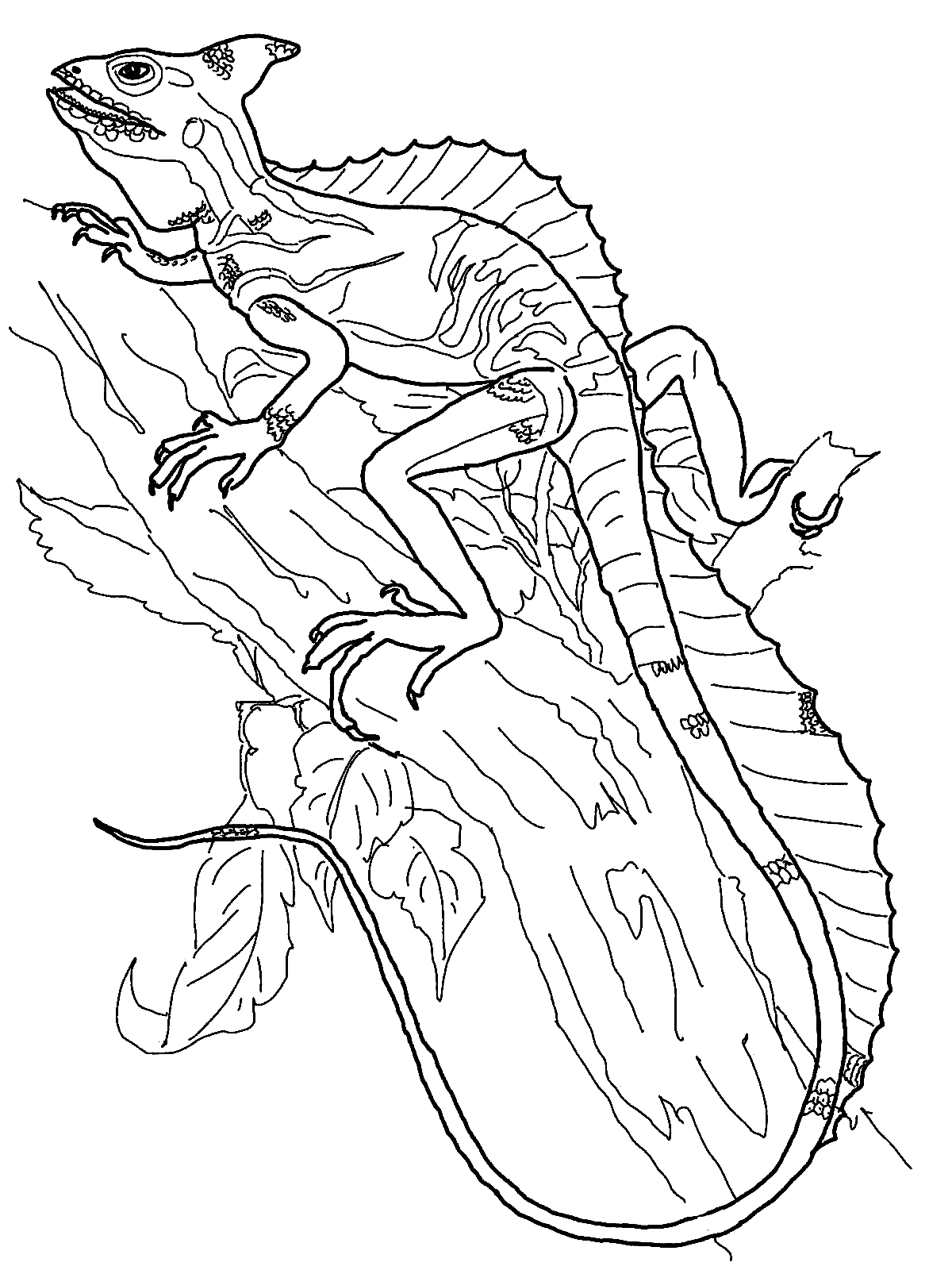
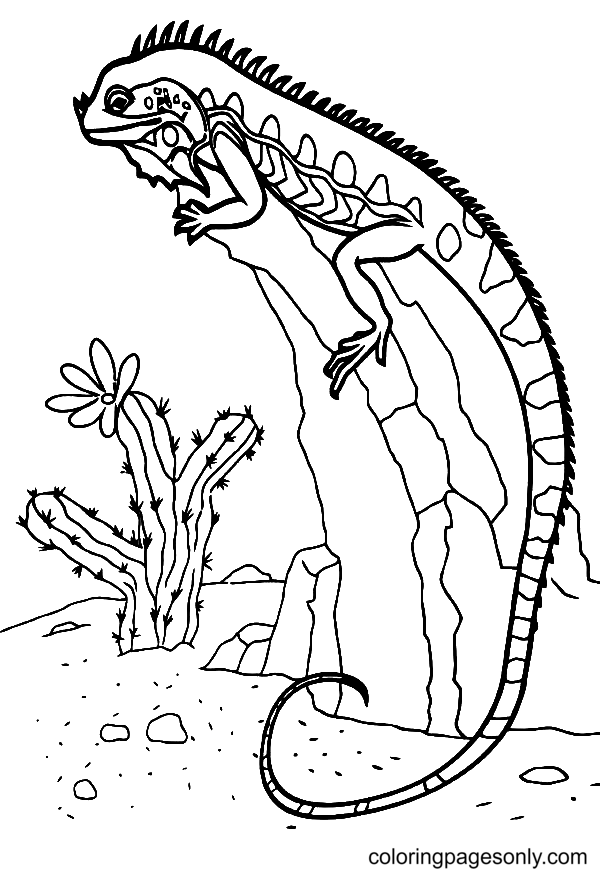
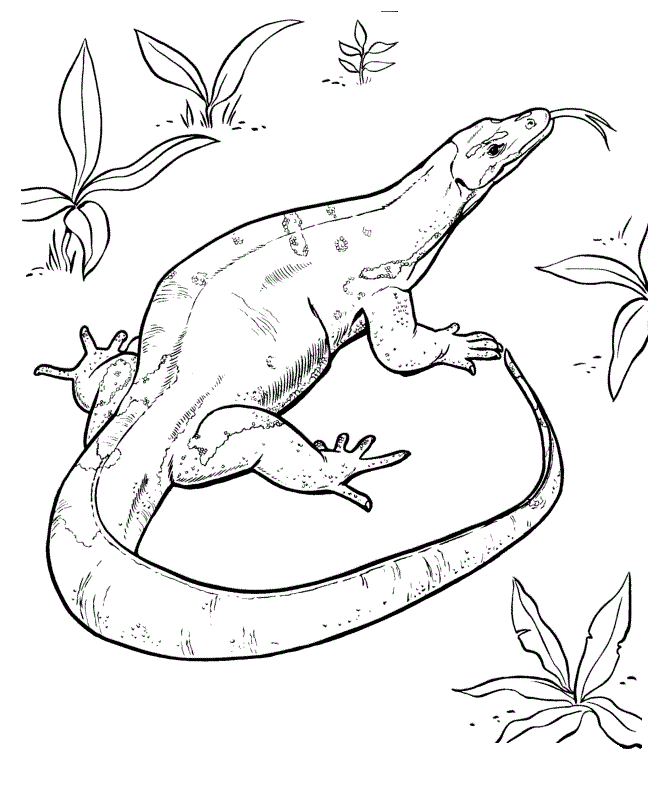
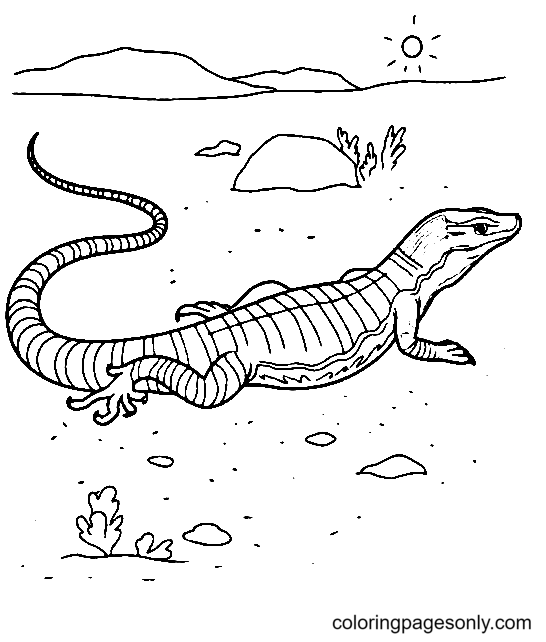
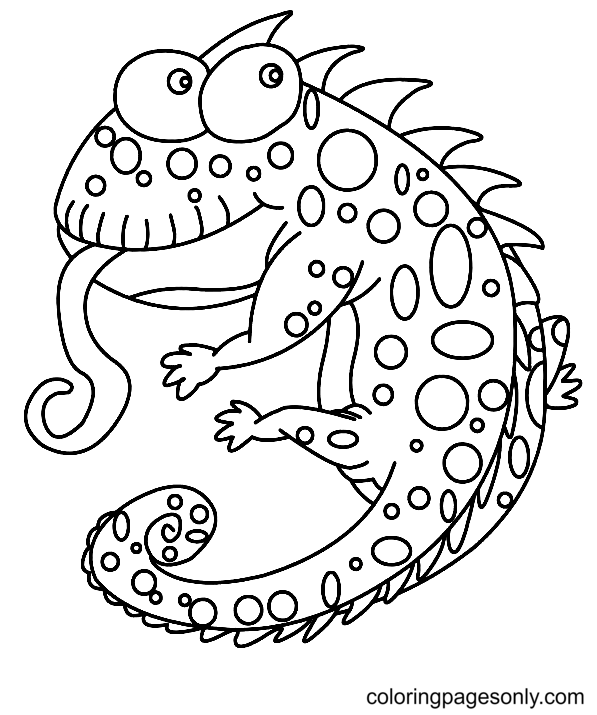
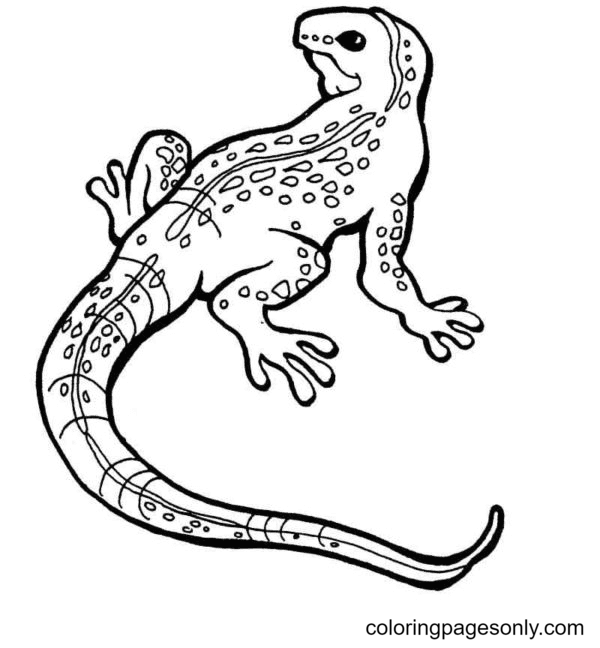
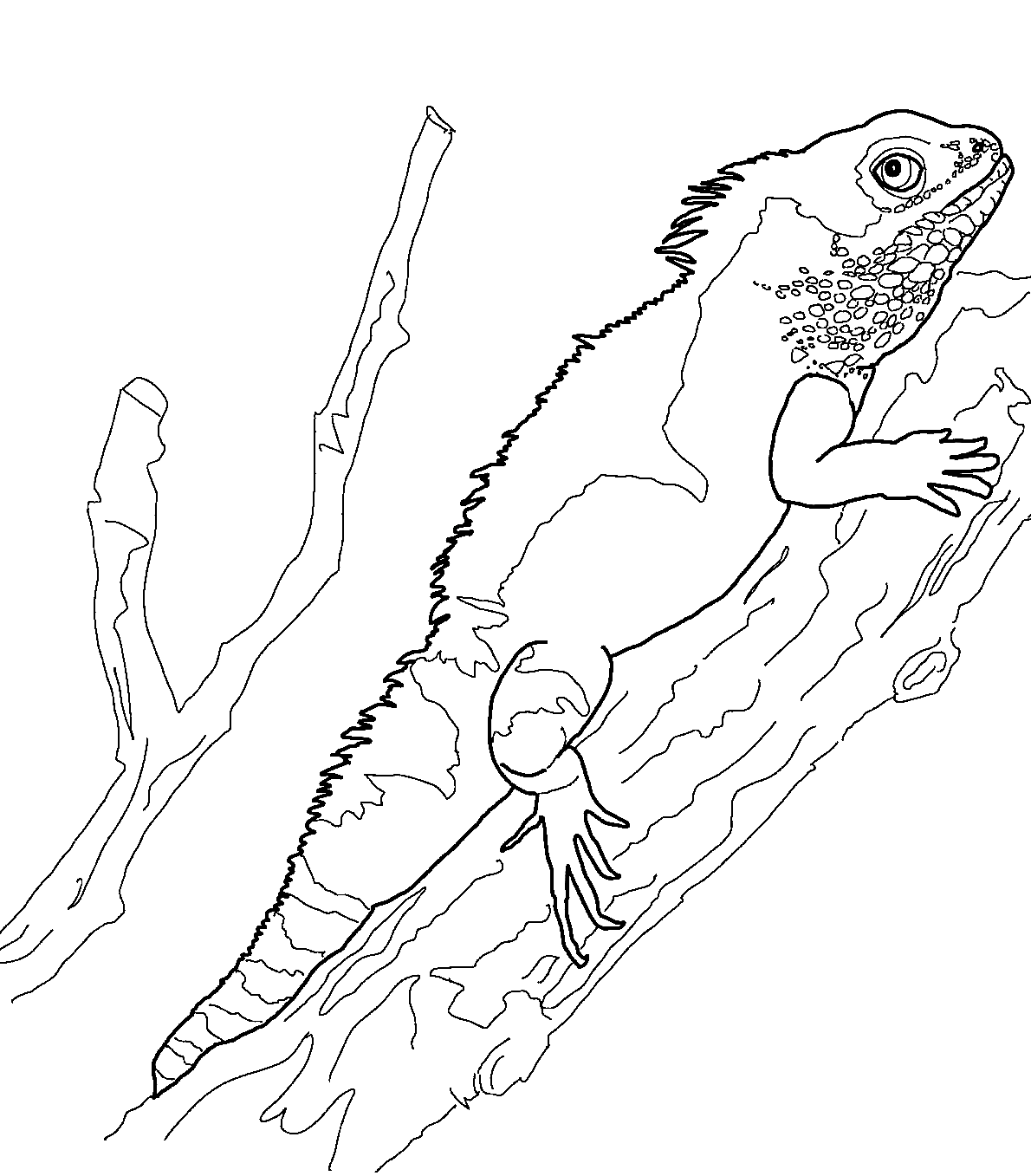
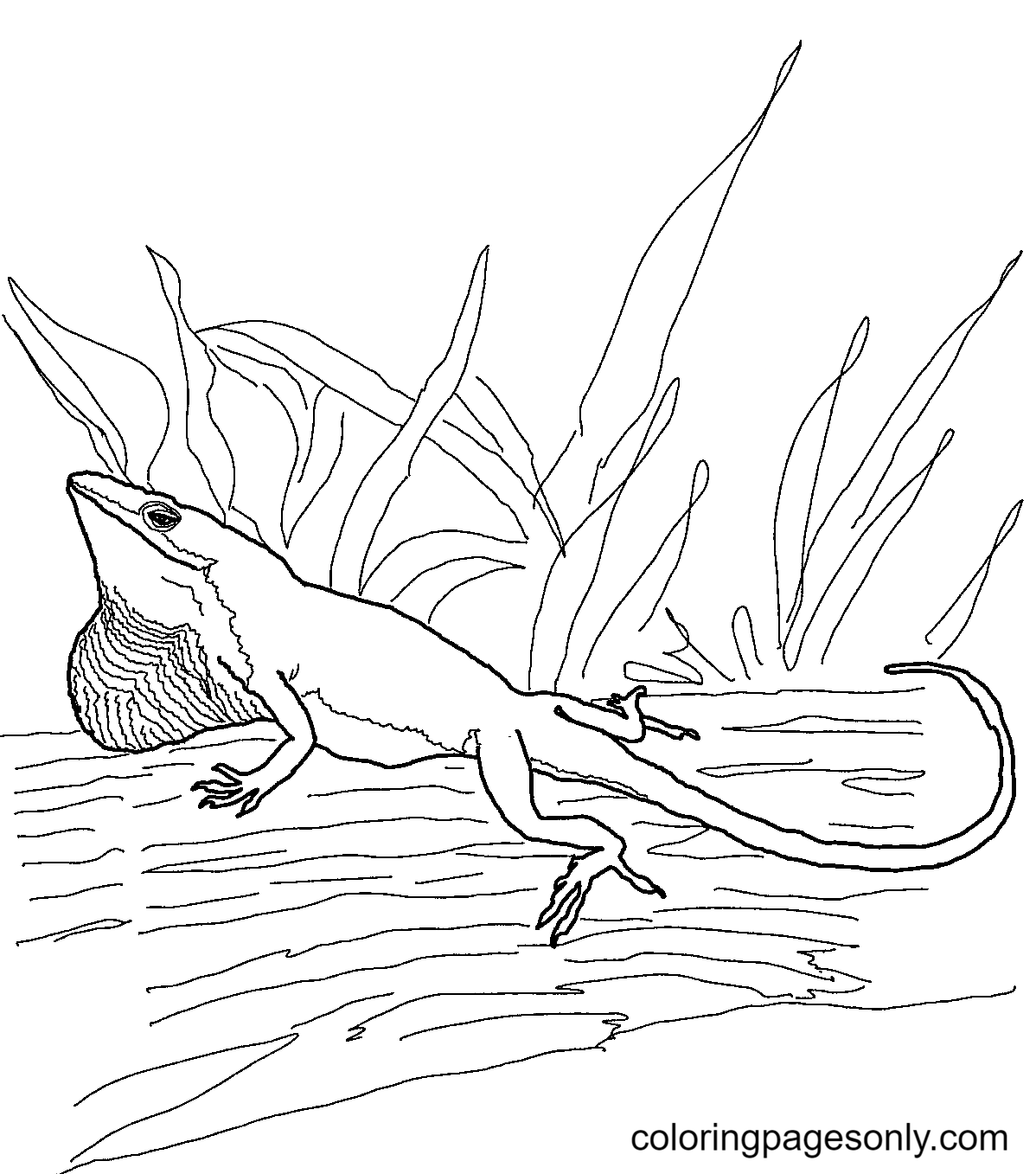
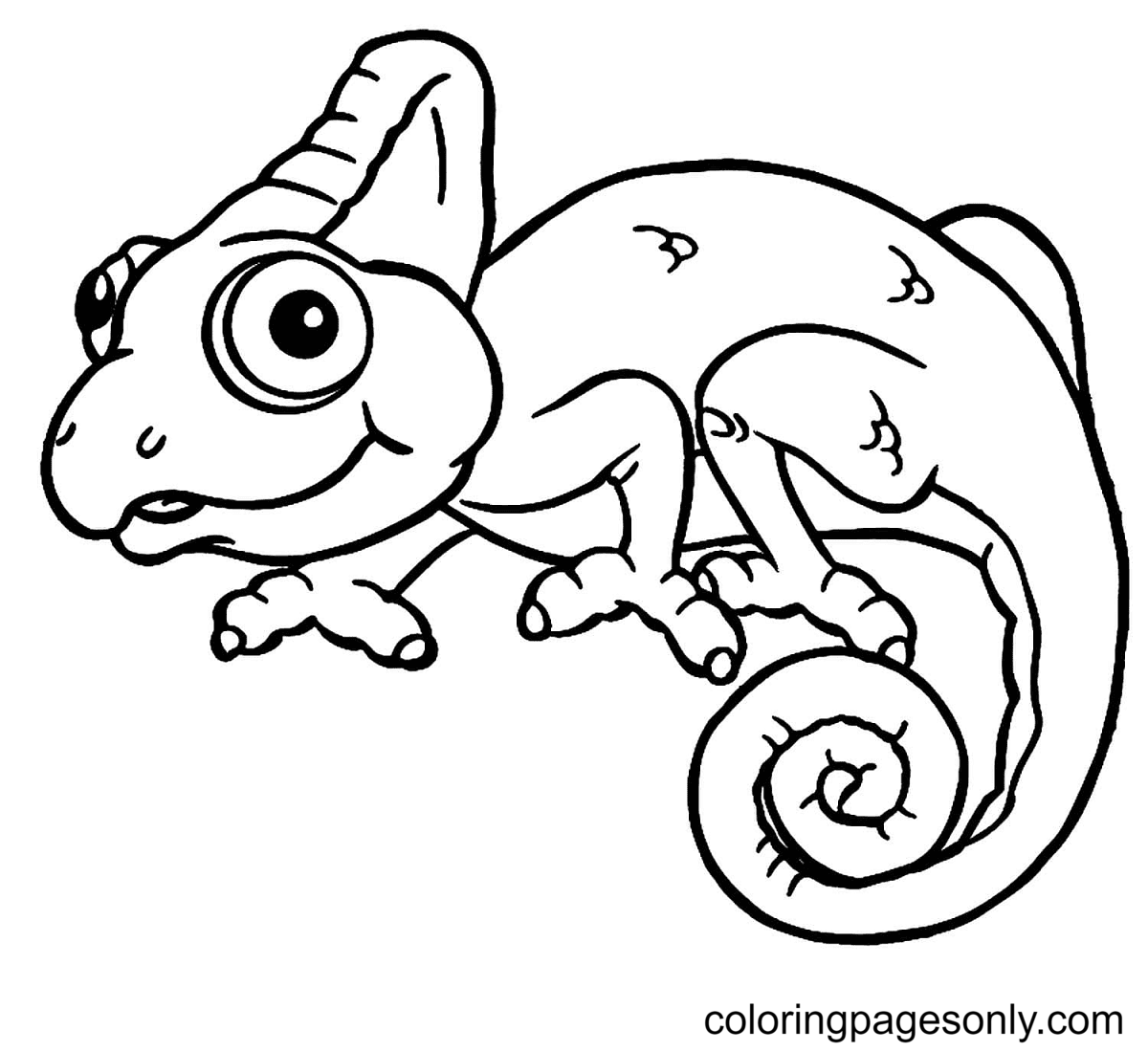
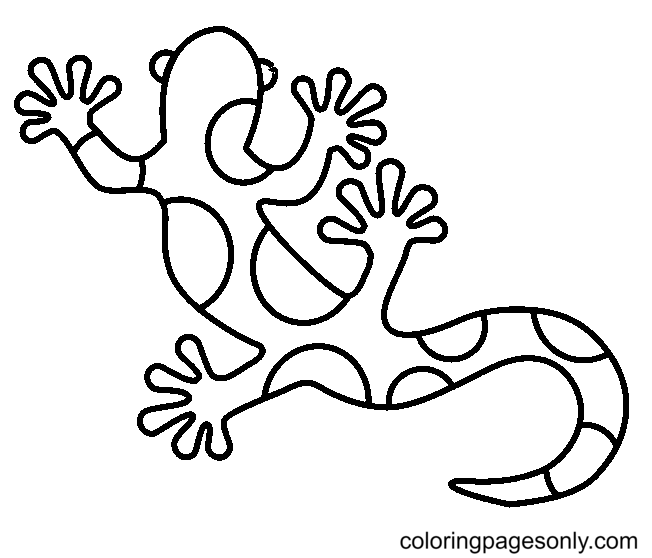
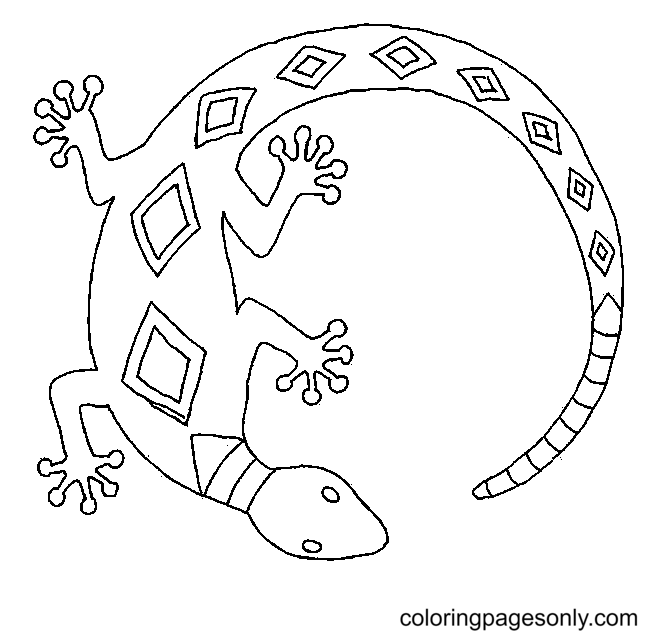
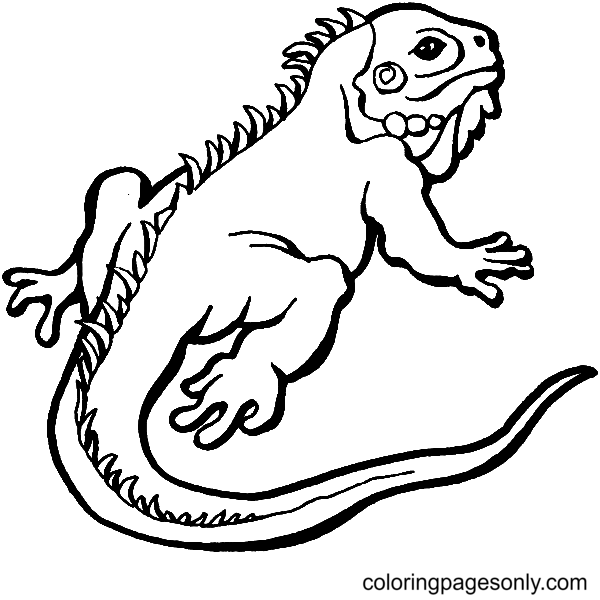
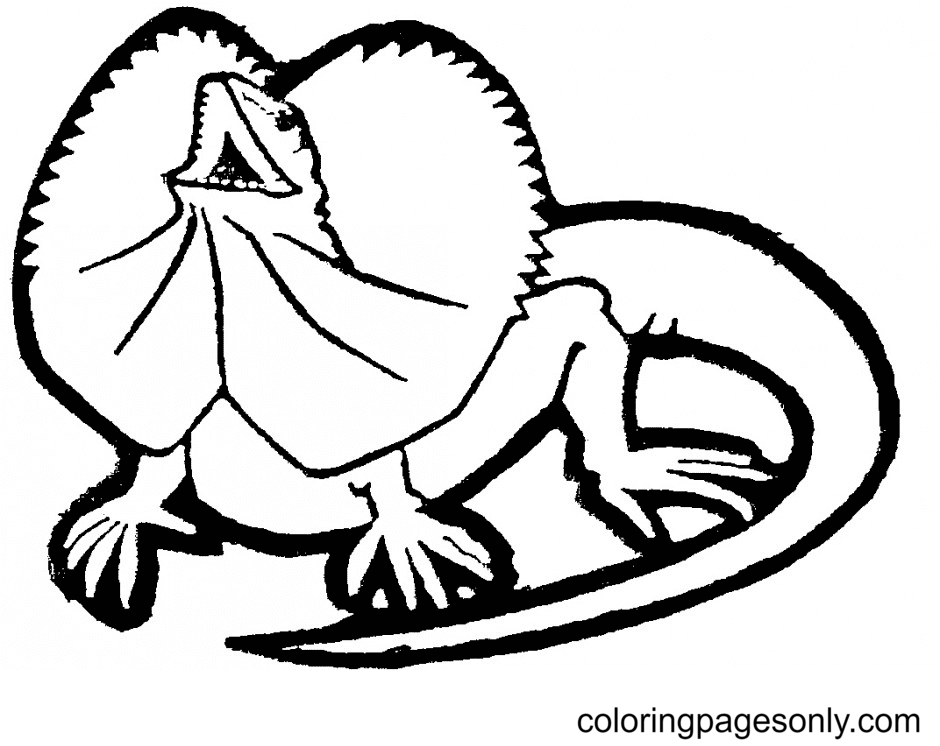
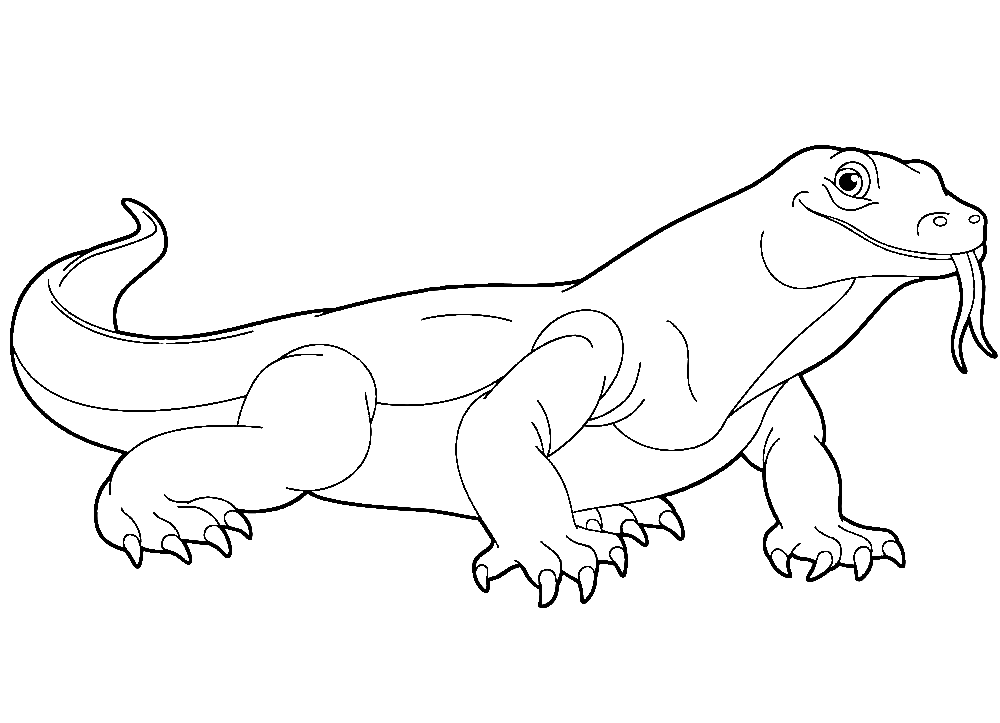
What’s Inside This Collection
The 71 designs group into five categories, from real species portraits to general printable sheets.
Real Species Portraits
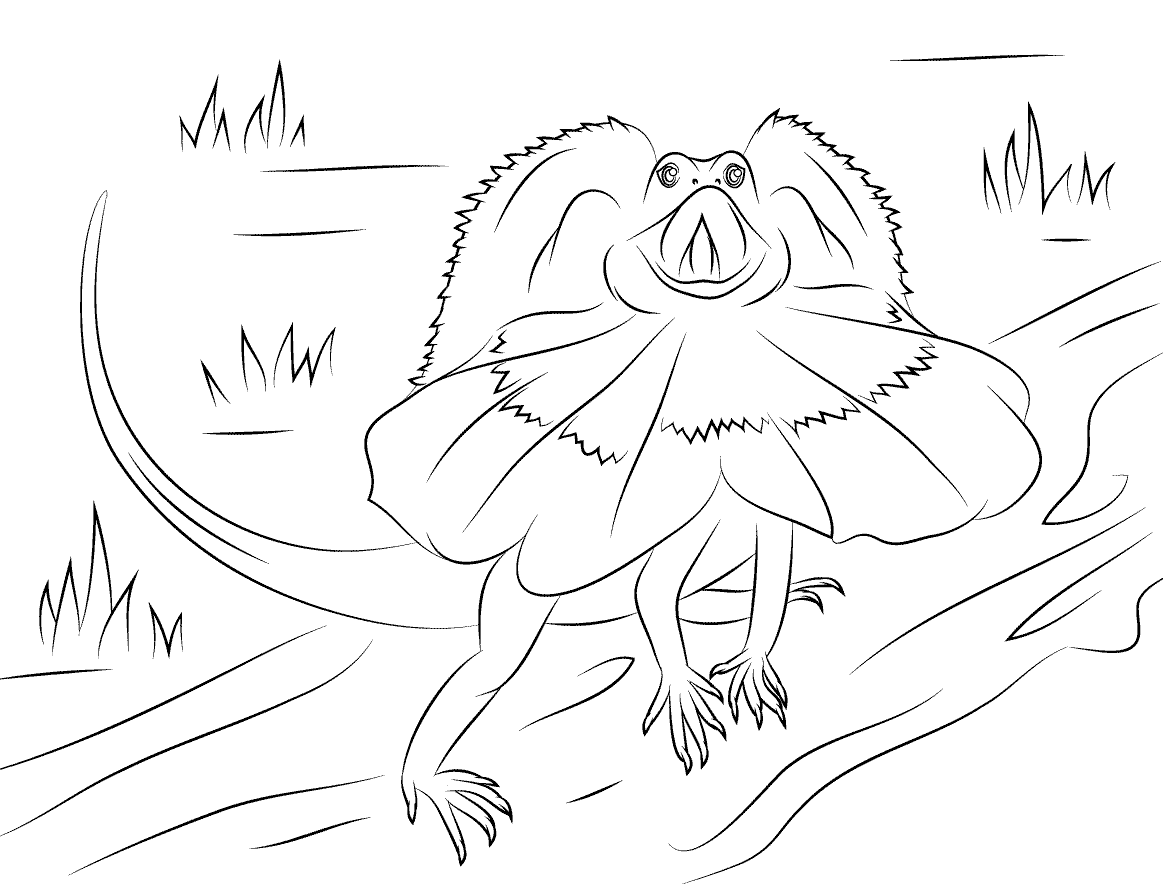
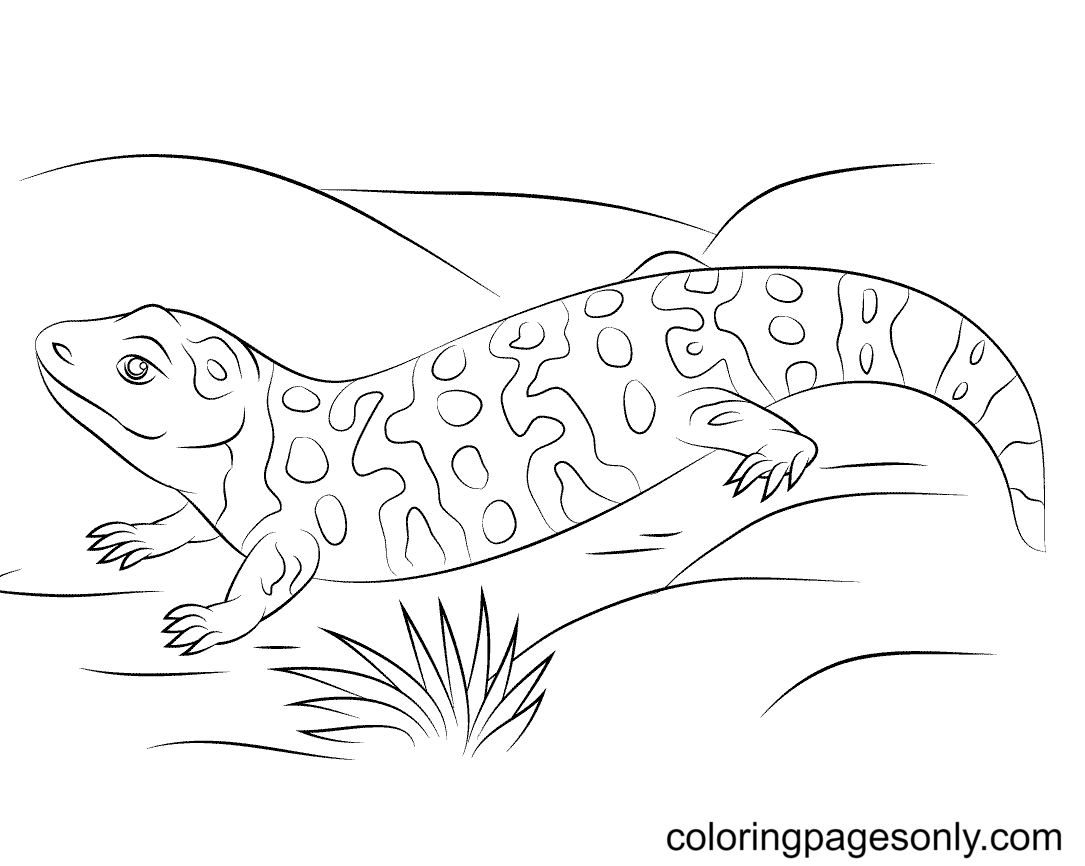
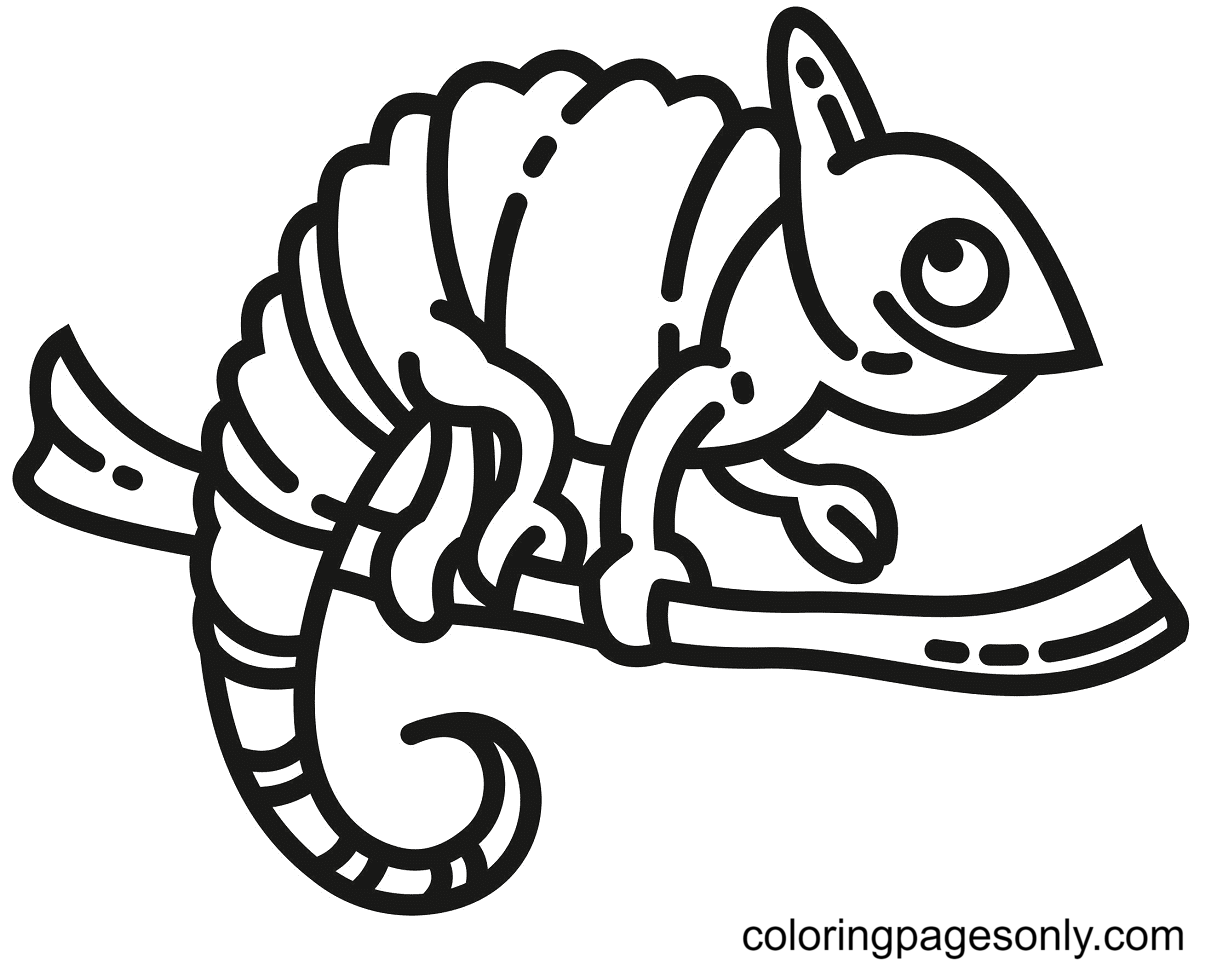
Nineteen pages feature specific, identifiable lizard species, including the gecko, chameleon, Gila monster, and Chinese water dragon. Research each species’ real coloring for the most accurate result, since this group spans a wide range of natural patterns and colors.
Playful and Cute Lizards
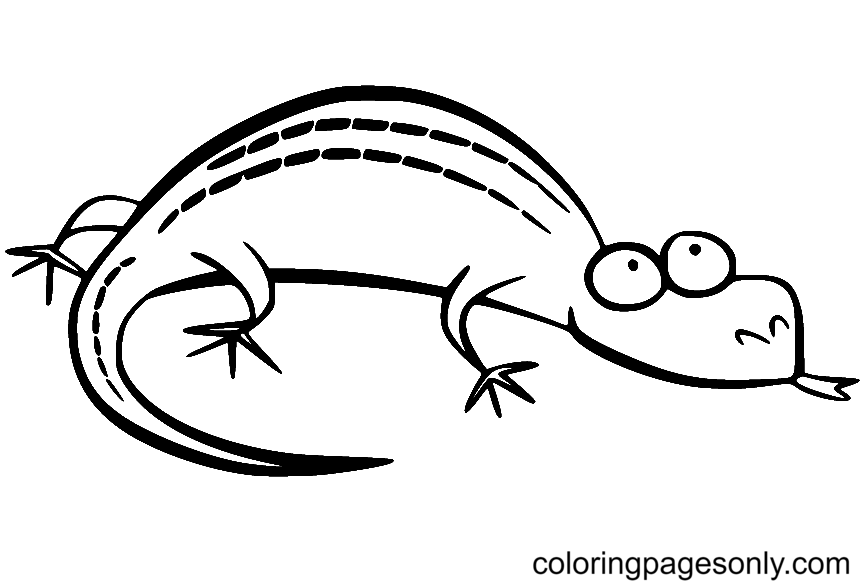
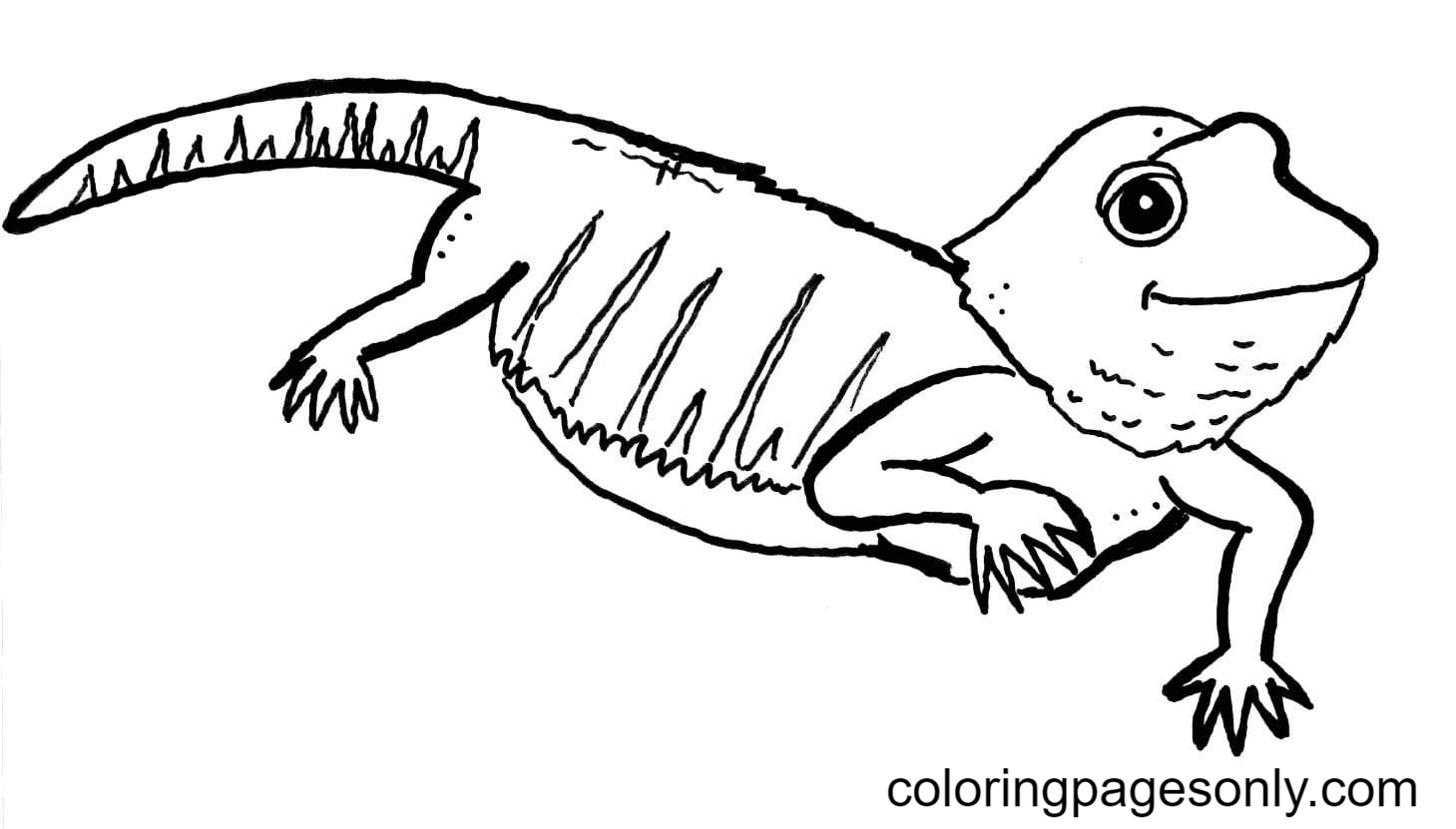
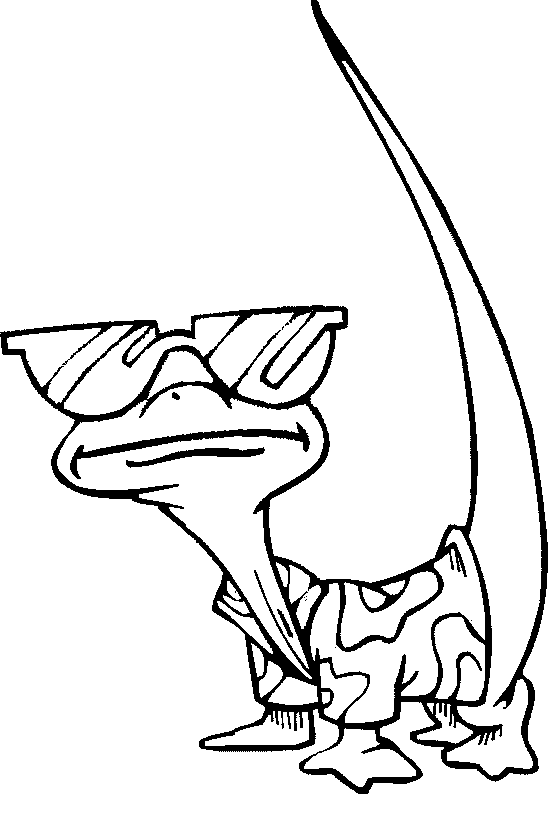
Fourteen pages give lizards a friendlier, more cartoonish personality, from a smiling face to a pair of glasses. Bright, varied colors work well for these playful designs, since they lean toward fun rather than realism.
Lizards in Nature Scenes
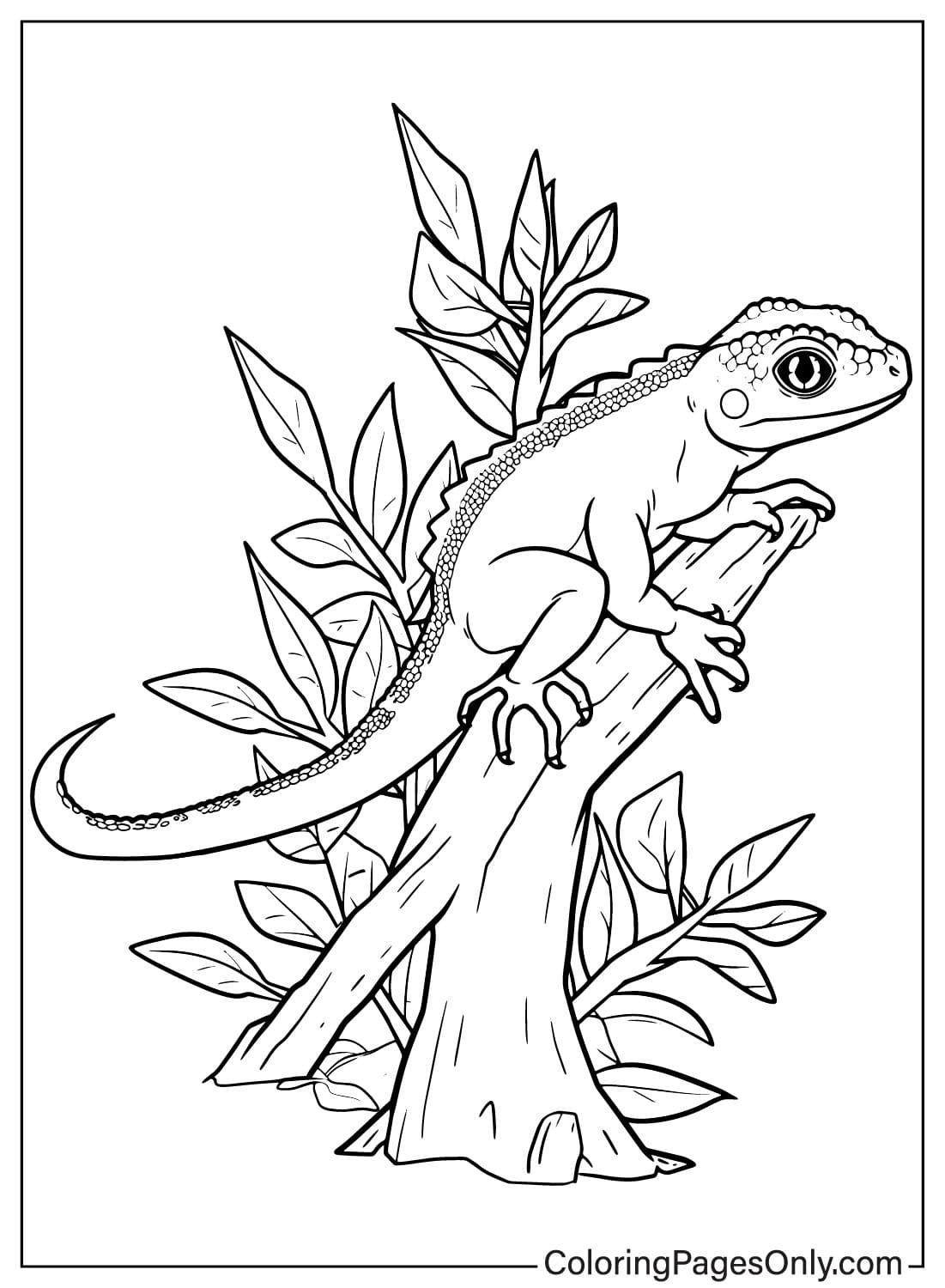
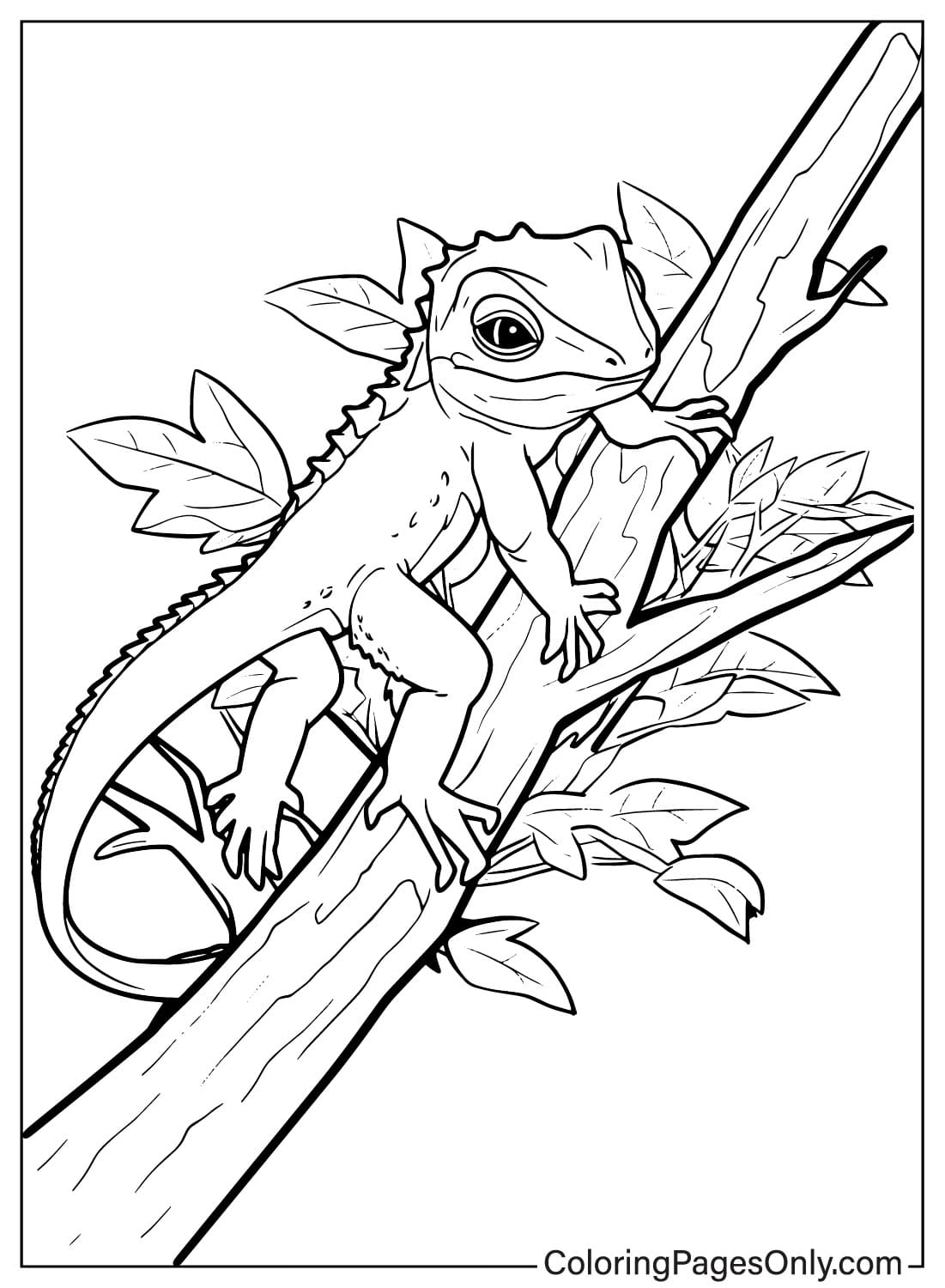
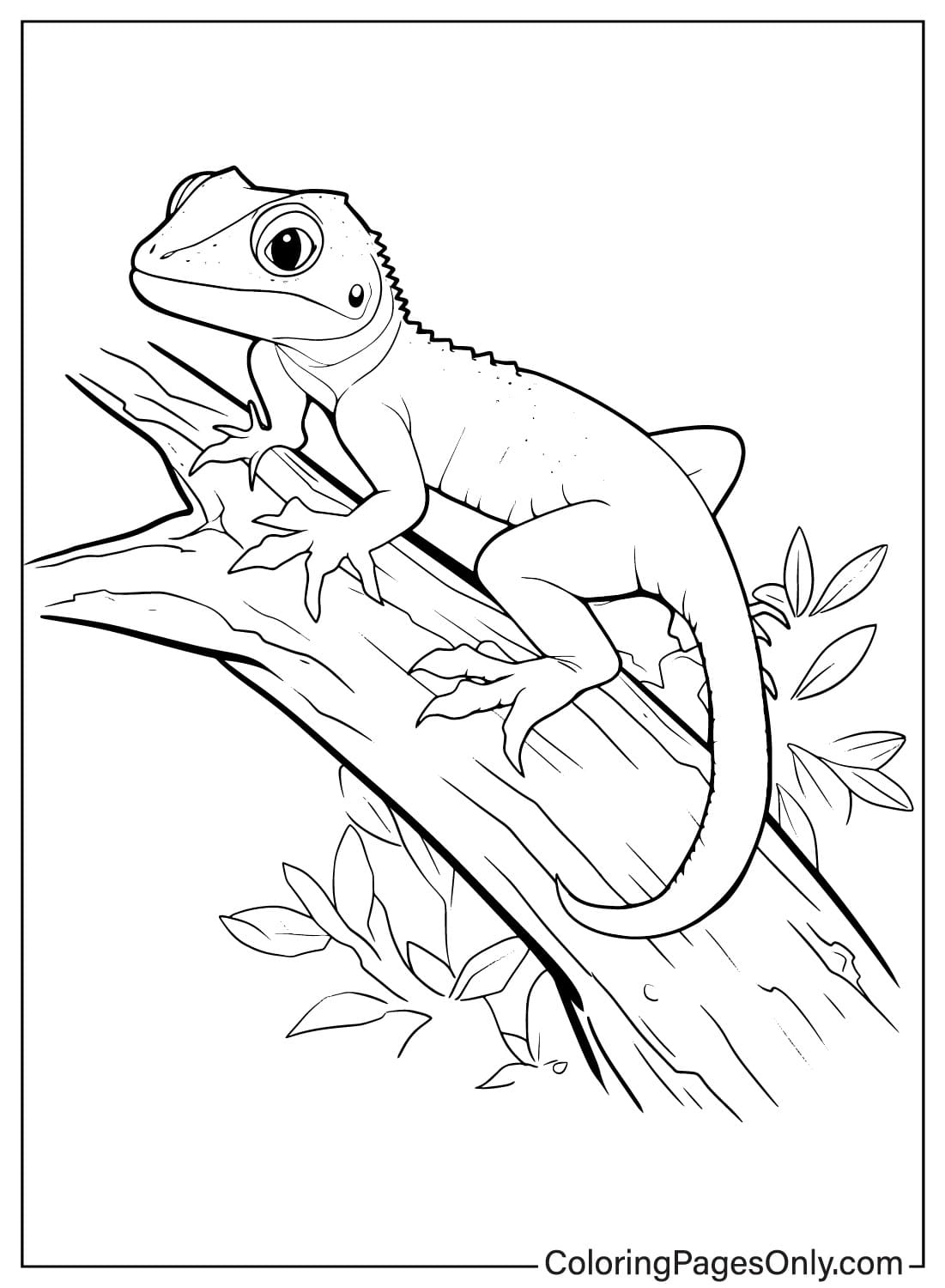
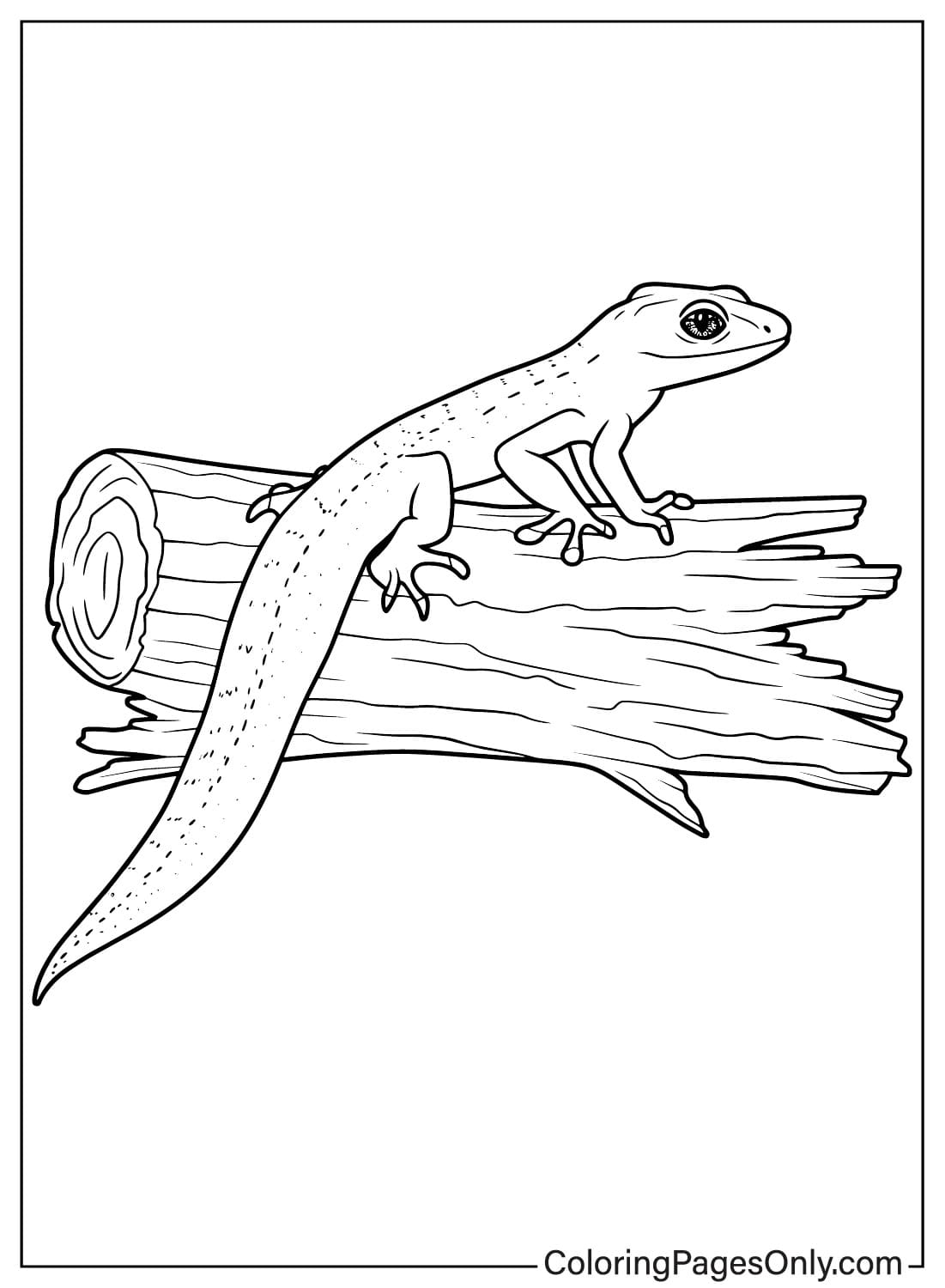
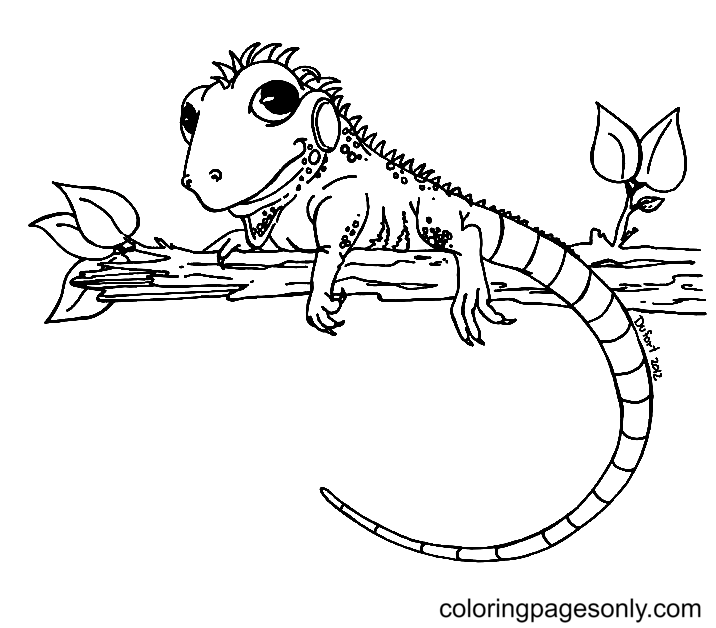
Seven pages show lizards resting, crawling, or perched on a branch in a natural setting. Warm, earthy tones for the lizard paired with greens and browns for the background suit these outdoor scenes.
Group Scenes and Artistic Patterns
Five pages bring multiple lizards together or incorporate a lizard into a decorative pattern, including a zentangle design and Aboriginal-style artwork. Rich, varied colors work well for filling in the many small sections these patterns create.
Printable and General Sheets
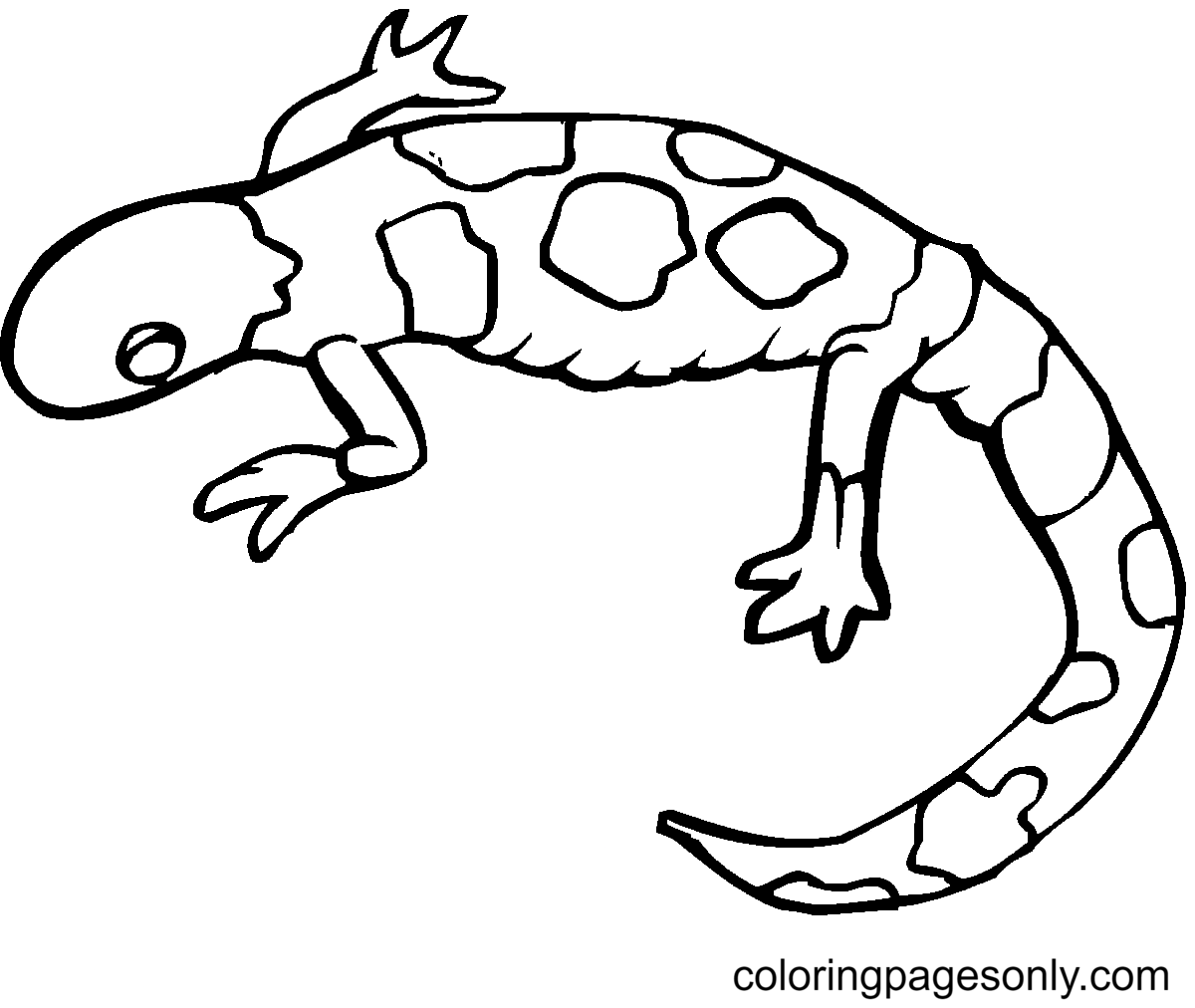
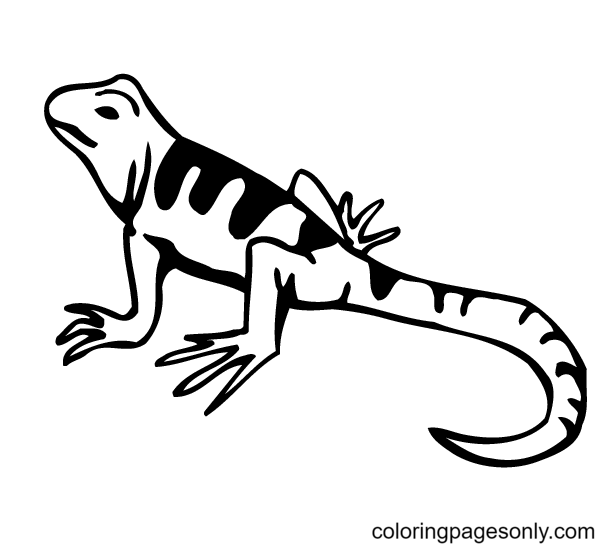
Twenty-six pages are sized for a quick, single-session print, most featuring a general lizard outline. Two or three solid colors are enough here since the outlines are simple.
What Lizard Coloring Pages Do
Careful strokes for small scales and slender limbs. Filling in a lizard’s fine scale texture or its thin, curling tail without crossing the lines calls for controlled, contained pencil movement, and the American Academy of Pediatrics points to this kind of precise coloring as a way to build fine motor skills in children between ages 2 and 7.
A chance to replace assumptions with real biology. Many kids assume geckos climb with sticky toe pads or that chameleons change color mainly to hide, when the real explanations, microscopic gripping hairs and mood-based color signals, are even more interesting. Coloring a lizard page next to these facts gives kids an easy, memorable way to swap common misconceptions for accurate ones.
A steady, repeatable rhythm. A 2005 study published in the Art Therapy Journal recorded measurable drops in anxiety among participants who completed structured coloring sessions, and the detailed pattern and portrait pages in this collection offer that same steady, low-pressure task.
Practice researching real, varied color patterns. Because this collection includes many identifiable species, from bright green anoles to strikingly patterned Gila monsters, coloring it naturally invites looking up reference photos, turning a coloring session into a small research project.
How to Color Lizard Coloring Pages Well
- Geckos: Many species are pale tan, gray, or mottled brown, though some, like the crested gecko, come in brighter oranges and reds; research the specific species shown for accuracy.
- Chameleons: Base colors often include greens, browns, and blues, with the ability to shift brighter or darker depending on mood, making a range of shades a realistic choice.
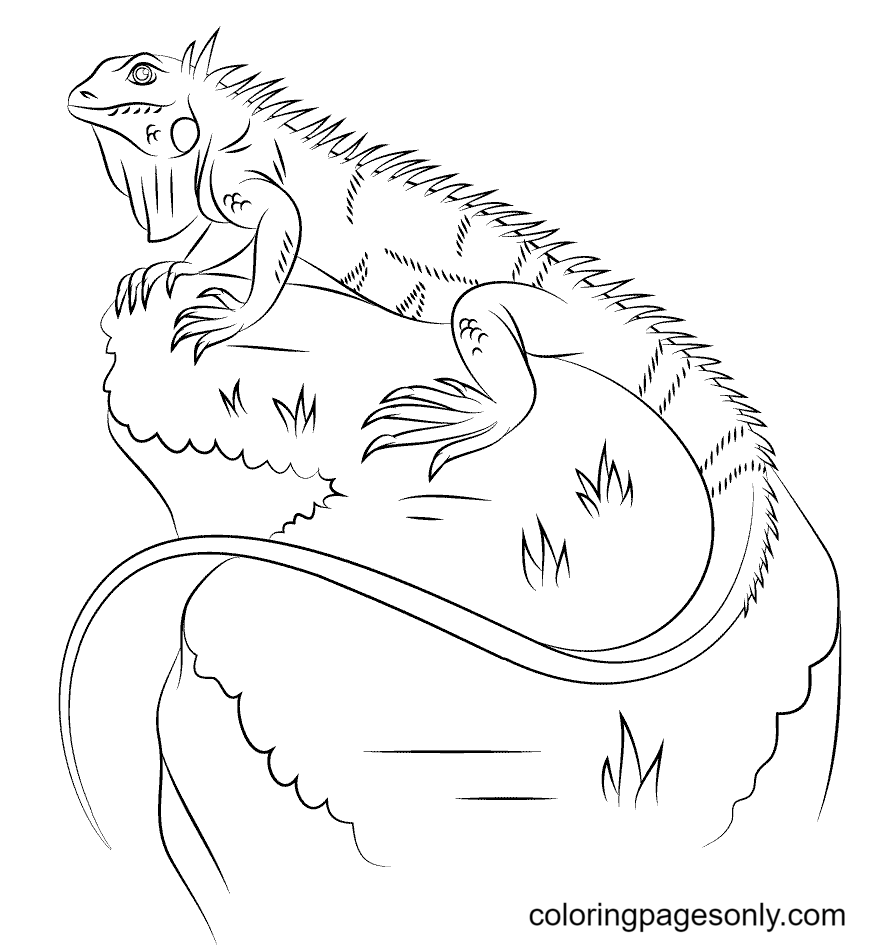
- Iguanas: Green iguanas are a classic bright to olive green, while other iguana species range into browns and grays; add small spikes along the back in a slightly darker shade.
- Gila monster: This species has a distinctive beaded, black-and-orange or black-and-pink pattern, one of the most recognizable in this collection.
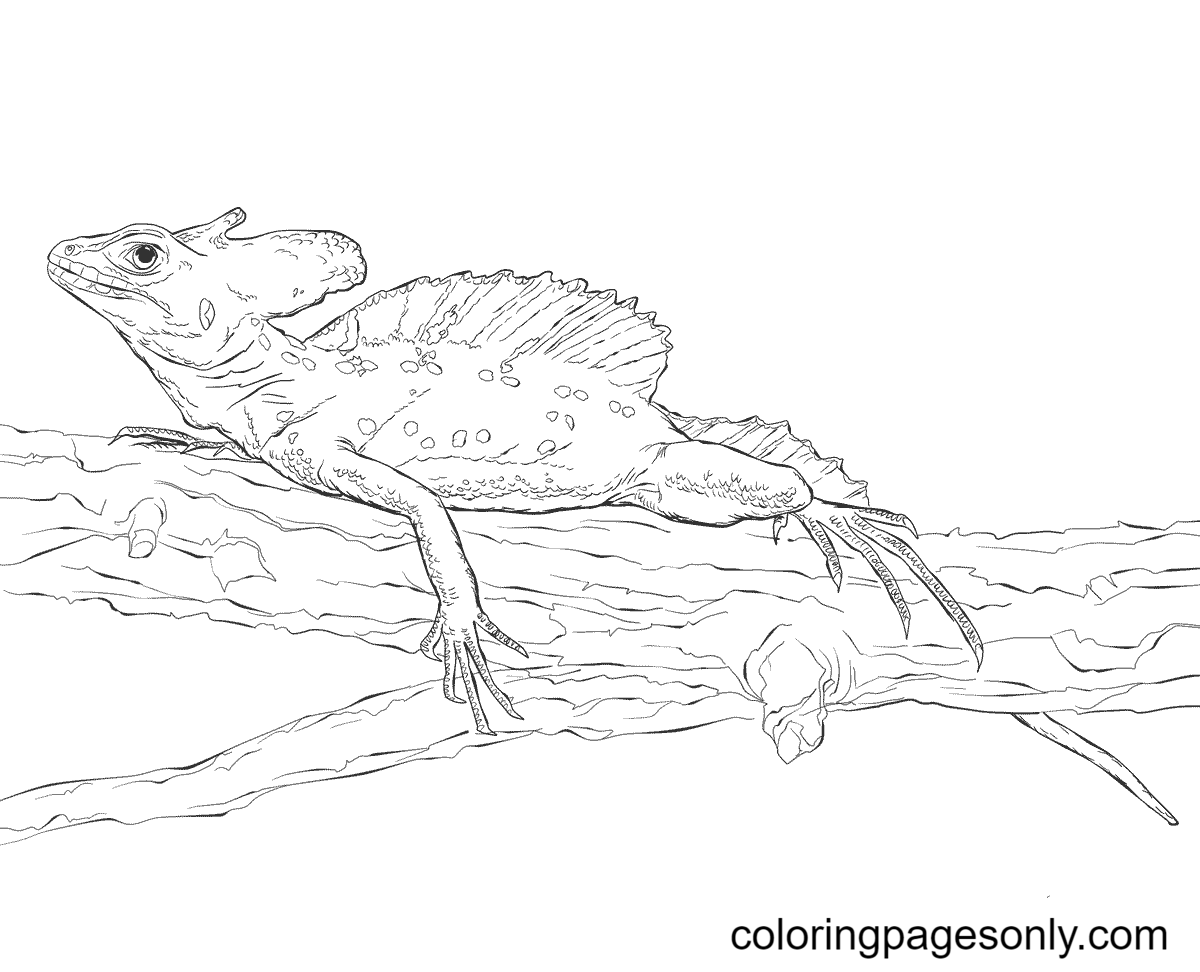
- Basilisk lizards: A bright green body with long toes works well, since this species is known for its ability to run across water.
- Backgrounds: Warm tans and greens suit desert and jungle settings, while a simple branch or rock keeps the focus on the lizard itself in portrait-style pages.
5 Creative Craft Ideas With Lizard Coloring Pages
1. Glow-in-the-Dark Lizard
Color a lizard design on black paper using neon or metallic gel pens, then place it under a black light or bright lamp to see the colors pop.
2. Lizard Keychain
Color a small lizard design on sturdy cardstock, laminate or cover it with clear tape, and attach a keyring through a hole punched at the top.
3. Species Fact Cards
Color several real-species portrait pages, write a fact about each lizard on the back, and use the set as simple flash cards for at-home or classroom learning.
4. Bookmark
Trim a small colored lizard design to size, laminate or cover with clear tape, and punch a hole for ribbon to make a durable reading bookmark.
5. Terrarium Scene Collage
Color several nature-scene lizard pages, cut them out, and arrange them together on a poster board to build a mock terrarium display.
Frequently Asked Questions
What are lizard coloring pages?
Lizard coloring pages are printable line-art designs featuring real species portraits, playful and cute lizards, nature scenes, group scenes, artistic patterns, and general printable sheets. This collection includes 71 free designs available as PDFs or online coloring.
How many species of lizard are there?
Lizards make up the largest group of reptiles alive today, with roughly 7,000 known species found on every continent except Antarctica.
Can lizards really regrow their tails?
Yes, many species can, through a defense mechanism called autotomy. The regenerated tail is built around a simple rod of cartilage rather than the original bone structure, and it cannot be shed again at that exact point.
Do geckos climb with sticky toe pads?
Not exactly. Geckos grip surfaces using millions of microscopic hair-like structures on their toes called setae, which create a strong hold through a molecular-level force rather than an adhesive or suction.
Do chameleons change color mainly to hide?
Not usually. Most chameleon species primarily change color to communicate mood or regulate temperature, though a few species do use color change for camouflage as well.
What is a basilisk lizard known for?
The basilisk lizard, nicknamed the “Jesus Christ lizard,” can run across the surface of water for short distances using its long, webbed toes.
Are lizard coloring pages suitable for young children?
Yes. The simple, printable designs in this collection use bold, uncluttered outlines suited to preschool and early elementary colorists. At the same time, the detailed species portraits and patterns work well for older children and adults.
What colors work best for a lizard?
Colors vary widely by species, but warm tans, greens, and browns cover most common lizards, while species like the Gila monster call for a distinctive beaded black-and-orange pattern.
Start Coloring
Download any page by clicking the design. No account, email, or payment is required. Pages print directly from the browser at full resolution or open in the online coloring tool for screen use. Share finished pages on Facebook or Pinterest with the share buttons at the top of each design page.