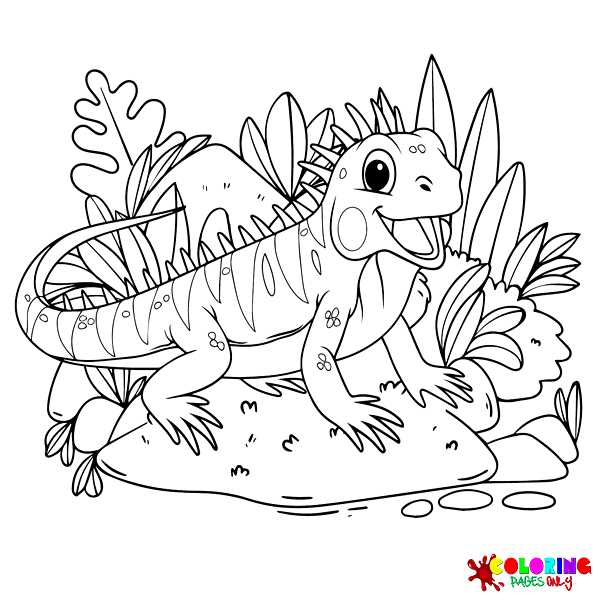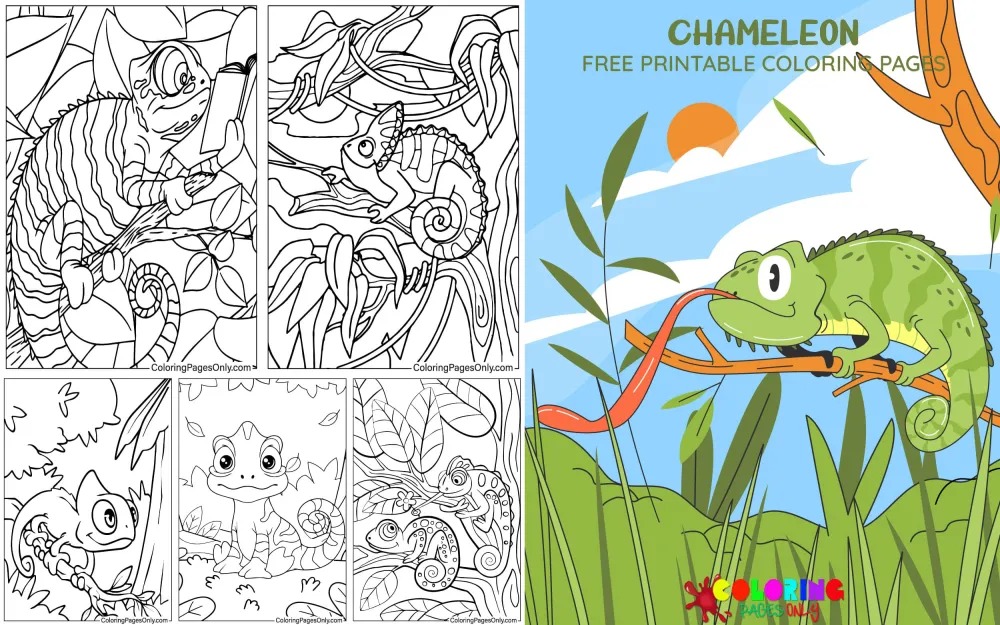
Free Chameleon Coloring Pages: 26 printable designs ranging from realistic chameleon portraits to cute cartoon-style characters and detailed patterned designs. Each page can be downloaded as a PDF to print or colored online in the browser.
Chameleons are best known for changing color, but the popular idea that they do this mainly to blend into their surroundings is largely a myth. Research, including a 2015 study published in Nature Communications, traced the mechanism to specialized skin cells called iridophores, which contain tiny crystals that reflect different wavelengths of light depending on how closely they’re spaced. Chameleons actively adjust this spacing mainly to communicate mood, signal dominance or readiness to mate, and regulate body temperature, darkening to absorb heat on a cool morning and lightening to reflect it during the heat of the day. True camouflage does play a role in a chameleon’s baseline coloring. Still, the dramatic color shifts people usually associate with the animal are closer to a visual language than a disappearing act.
This collection gathers 26 designs across that range, including realistic portraits, cute cartoon-style chameleons, and more detailed patterned designs for colorers who want to experiment with the animal’s real color-changing palette.
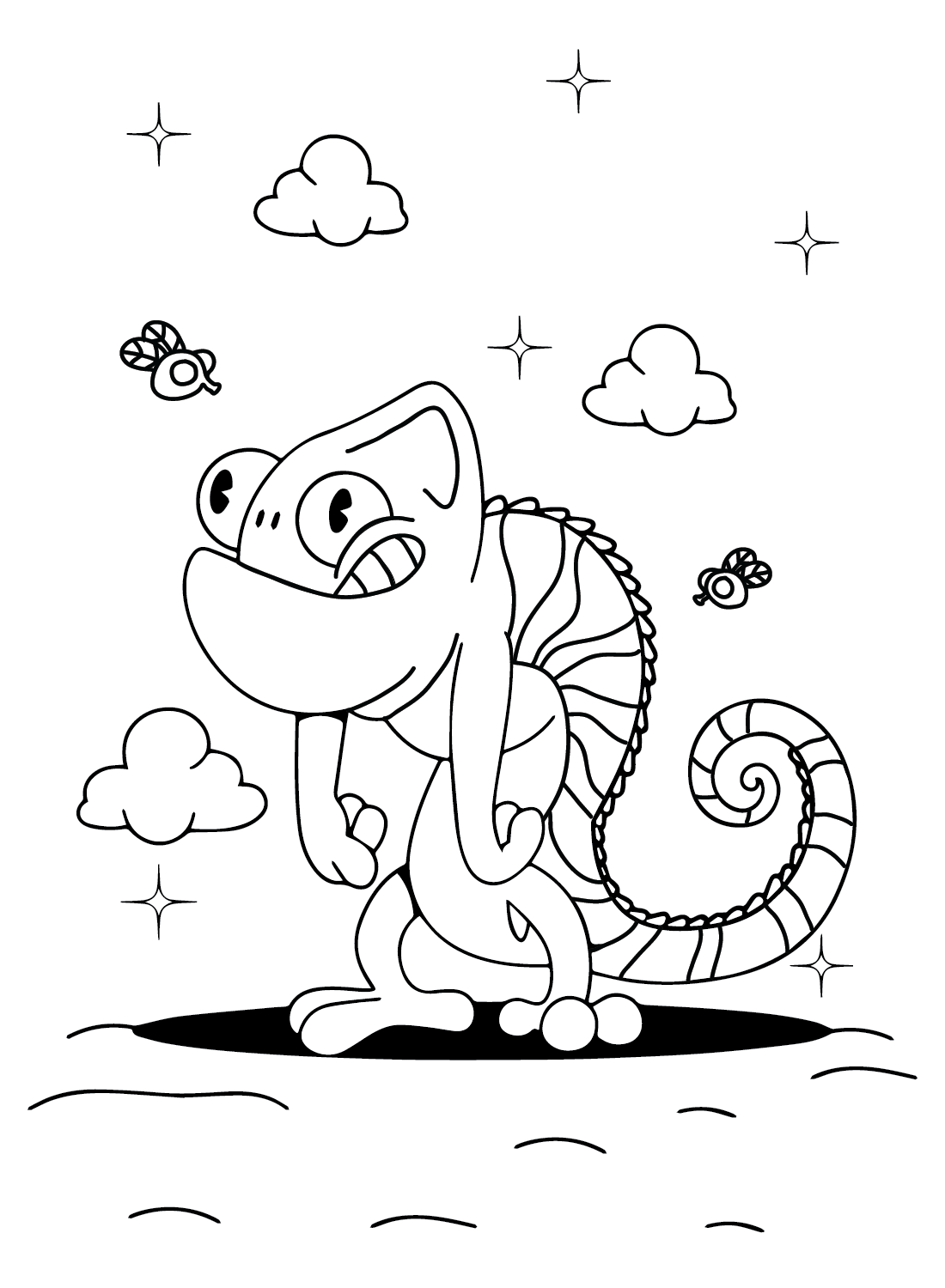
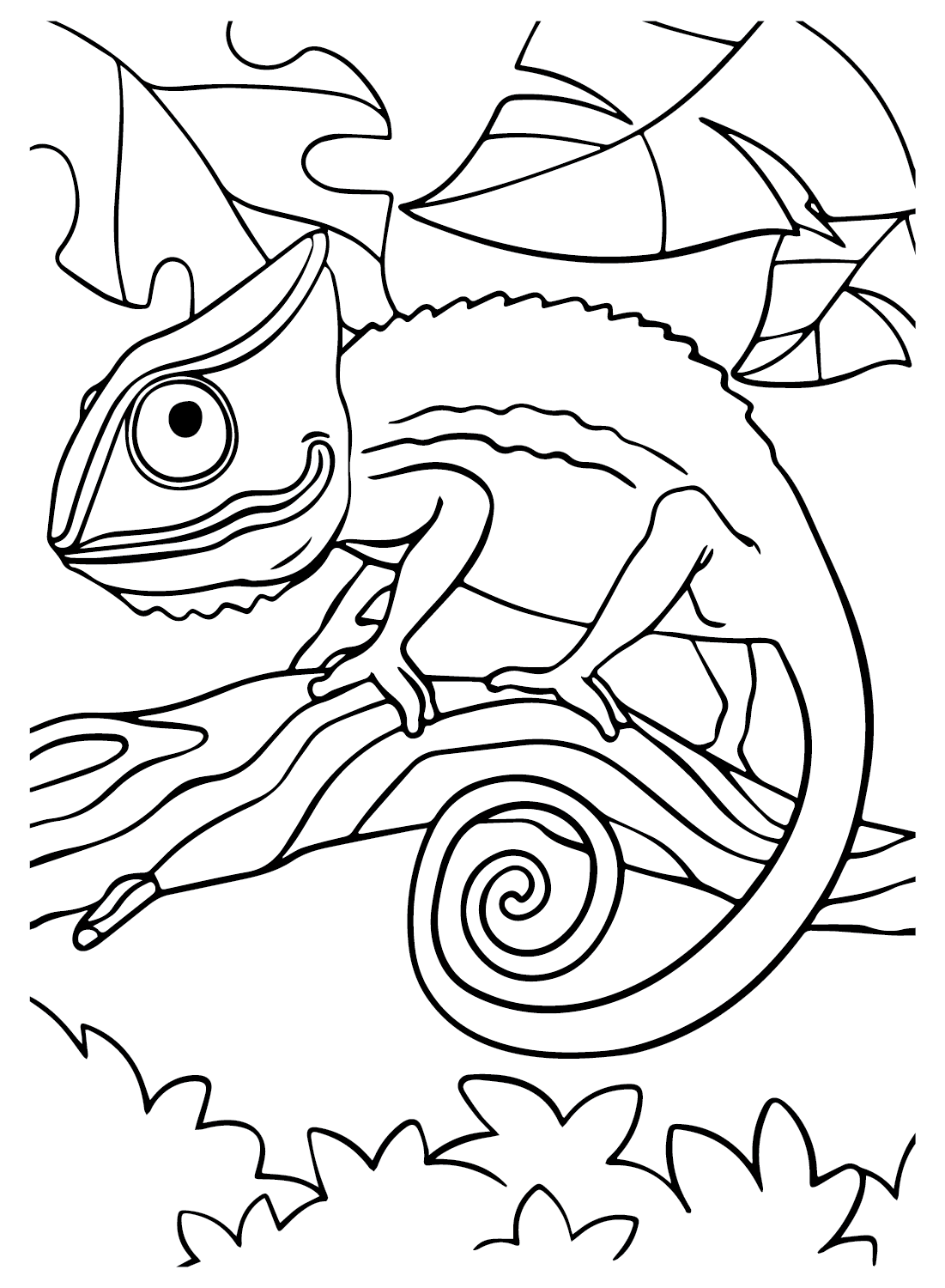
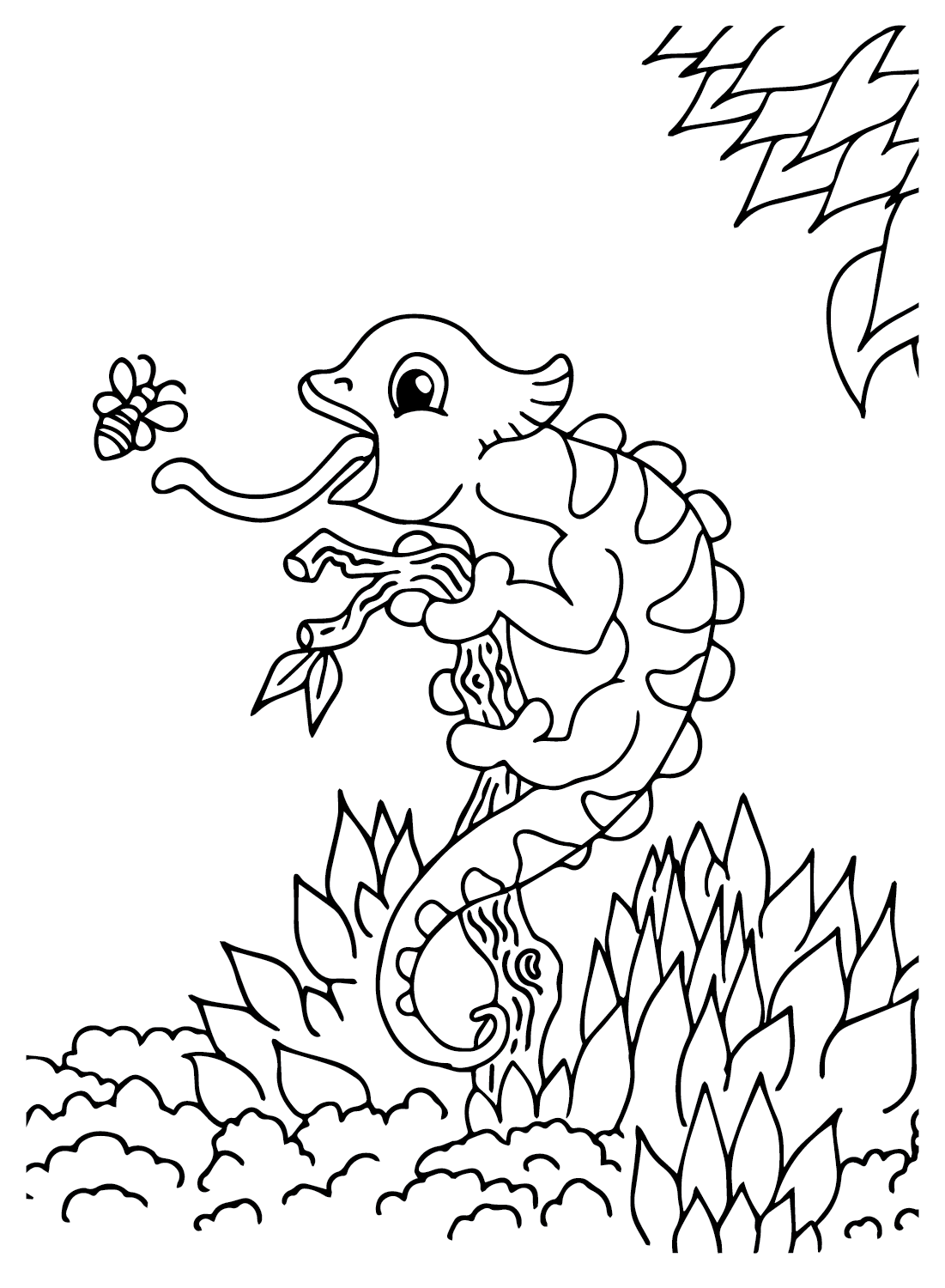
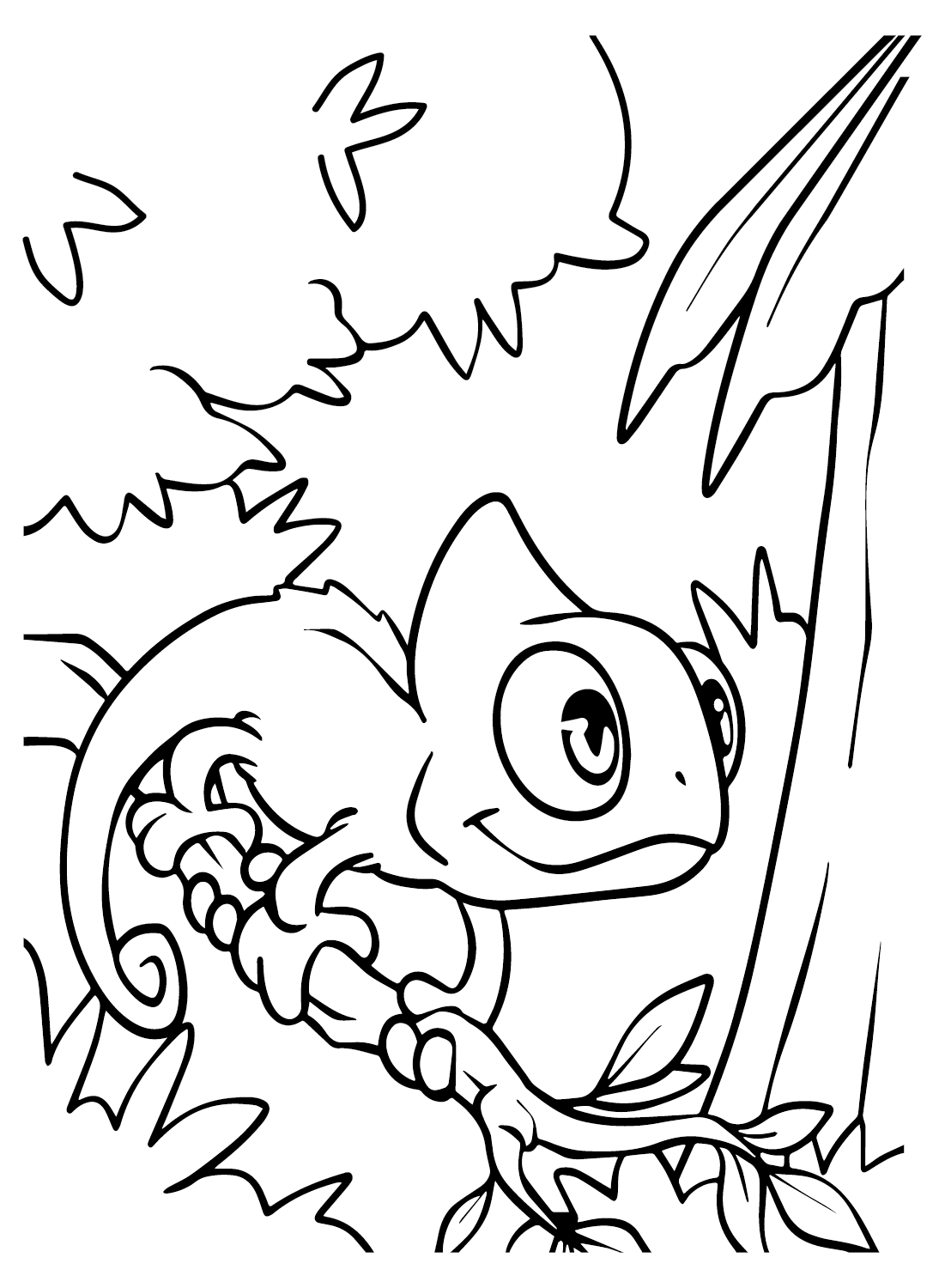
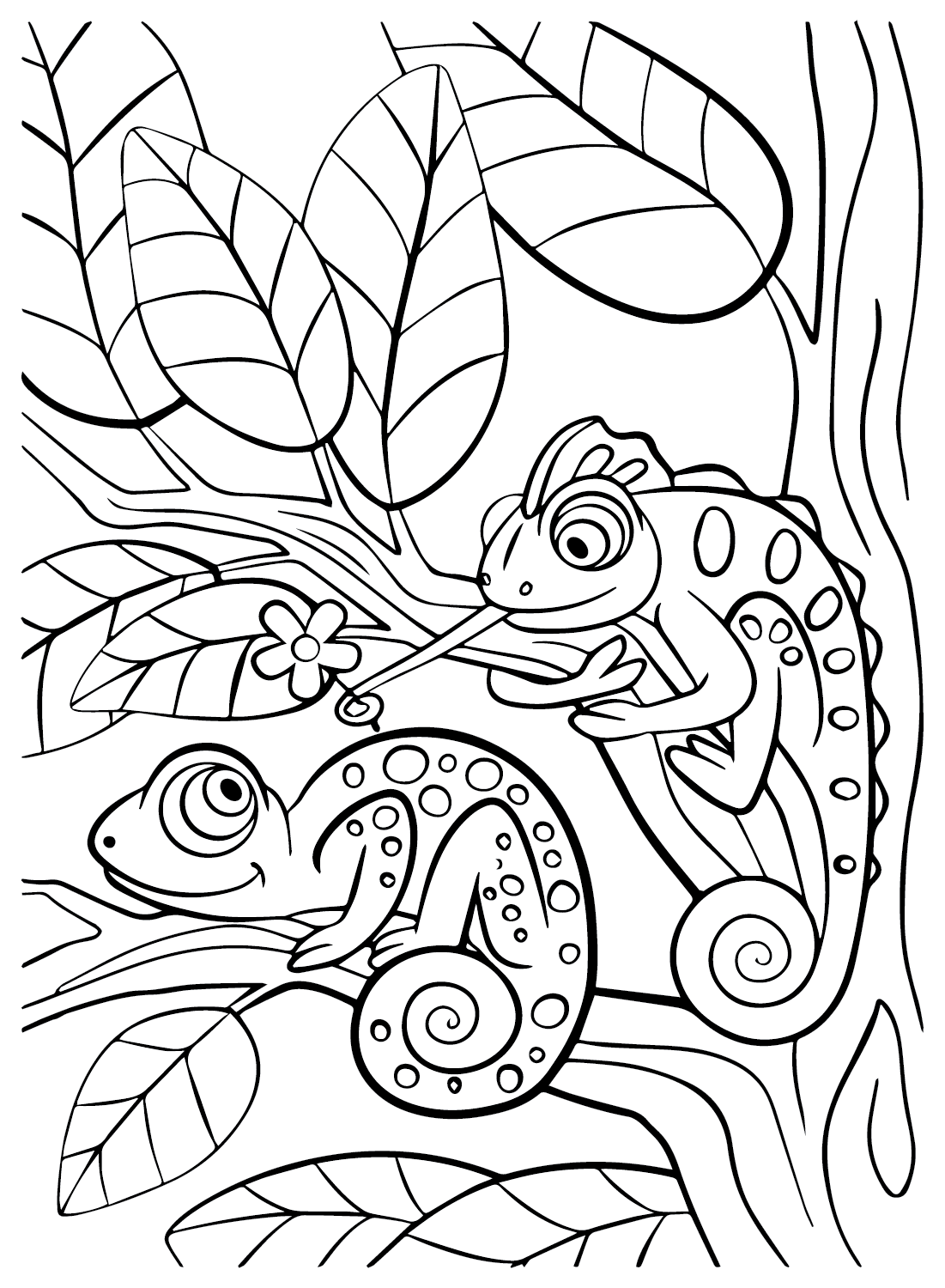
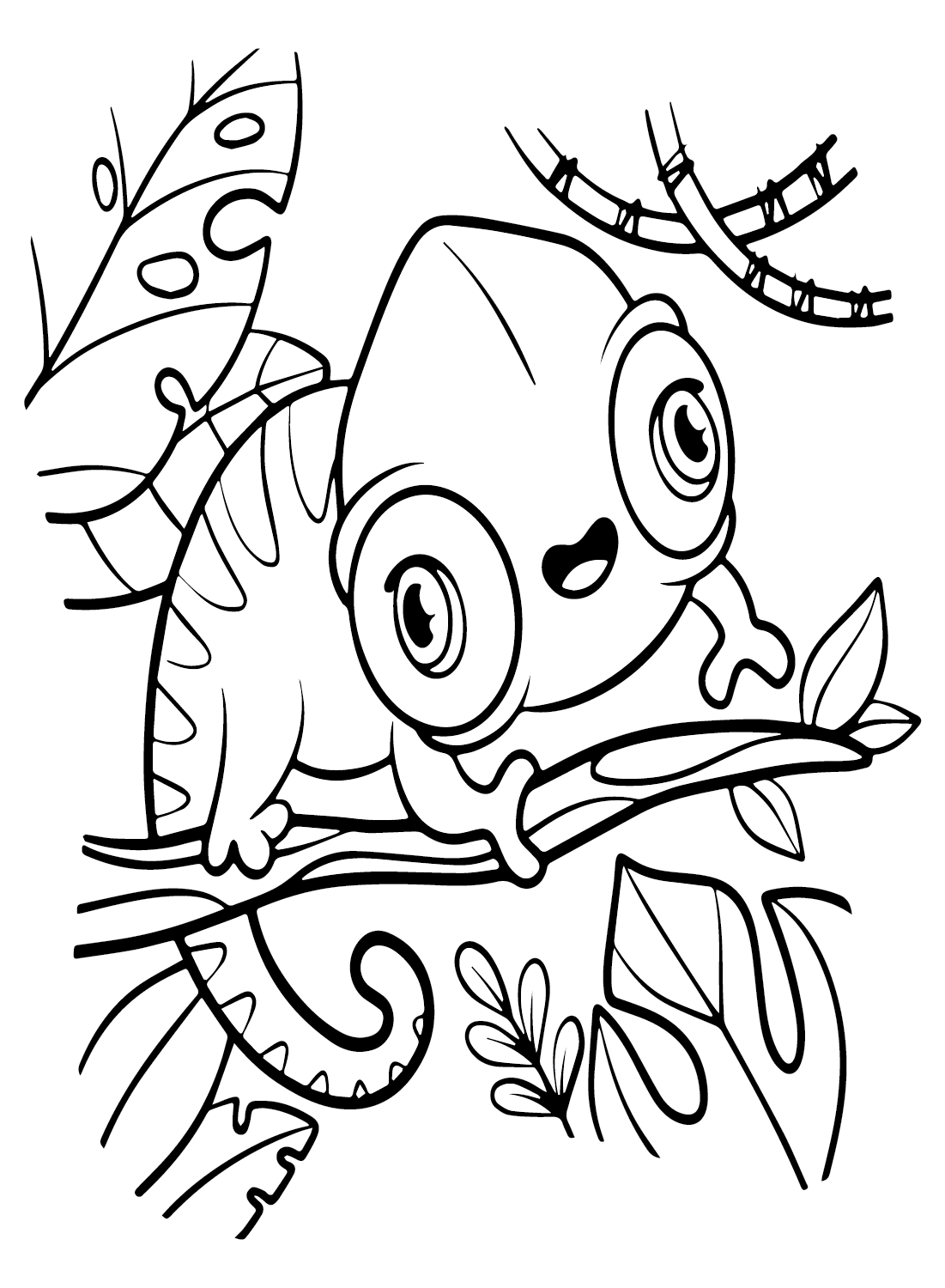
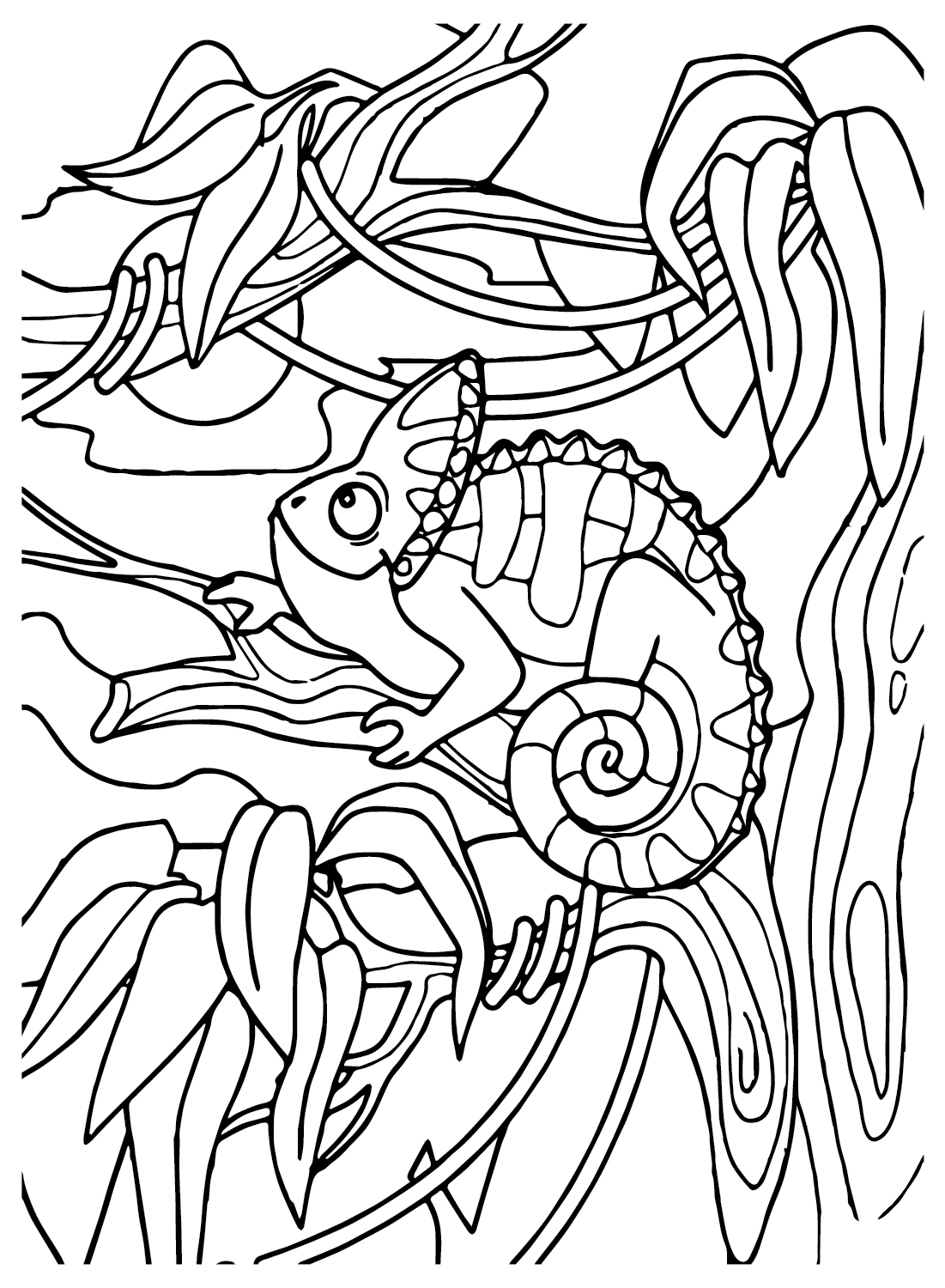
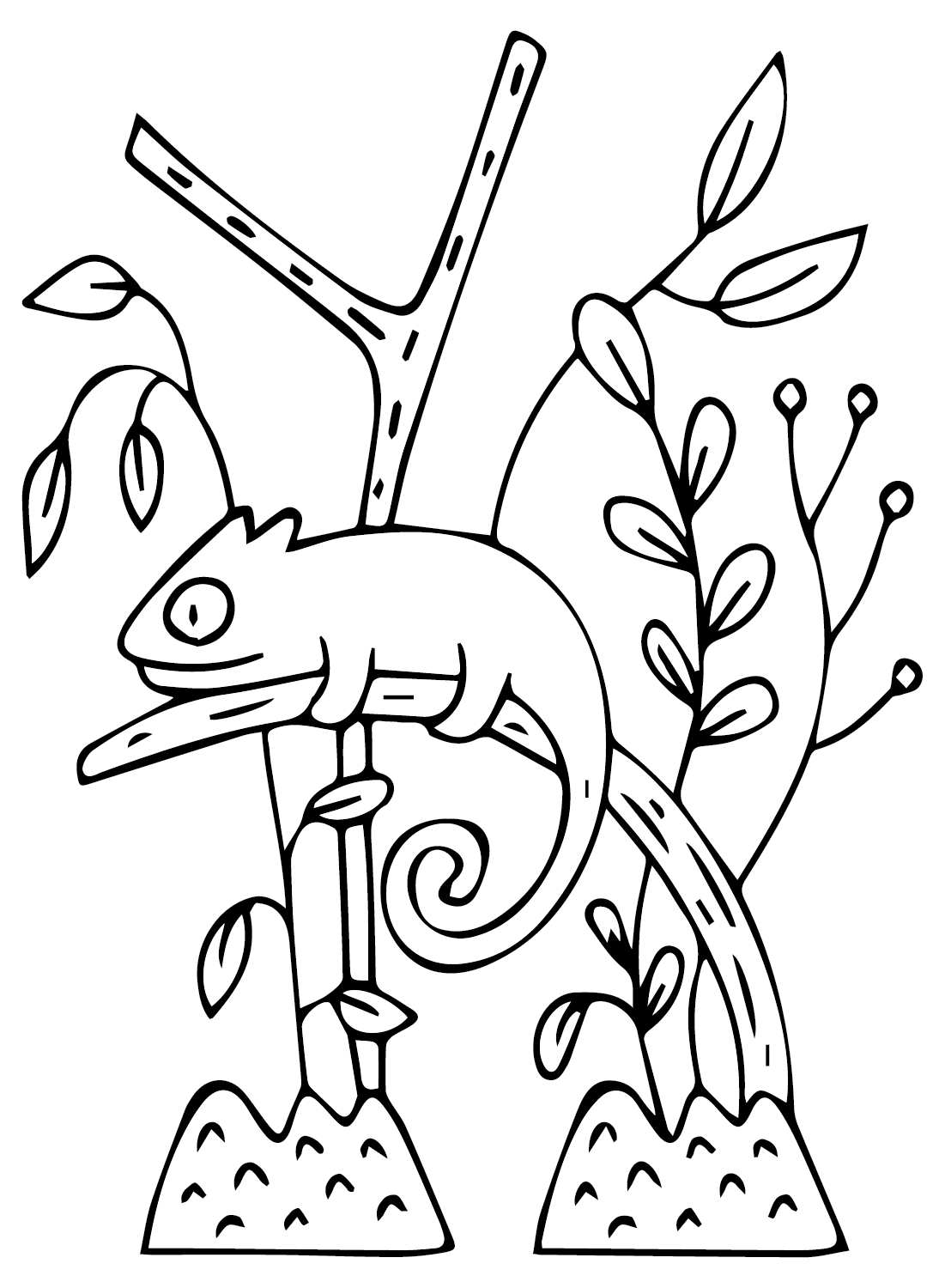
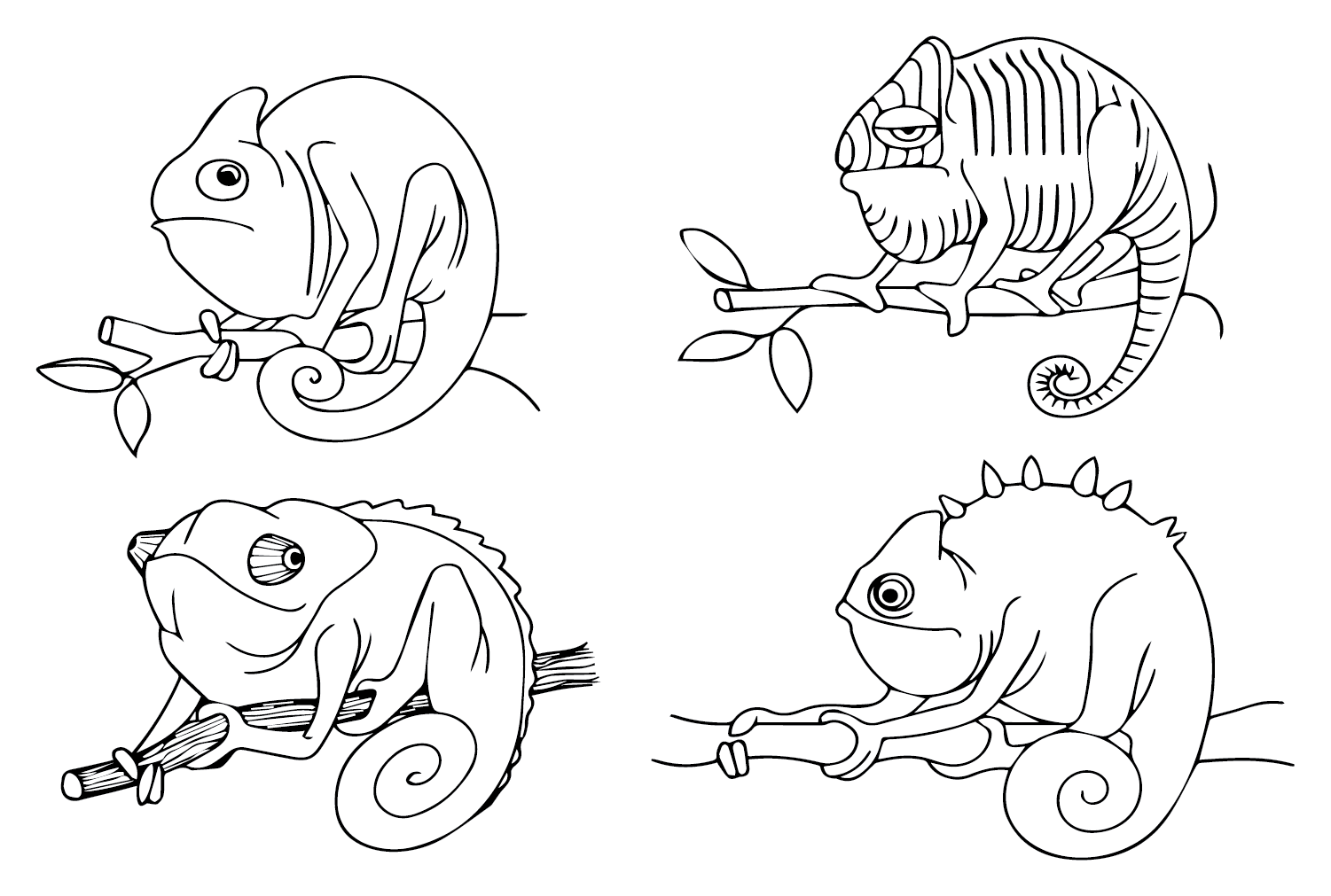
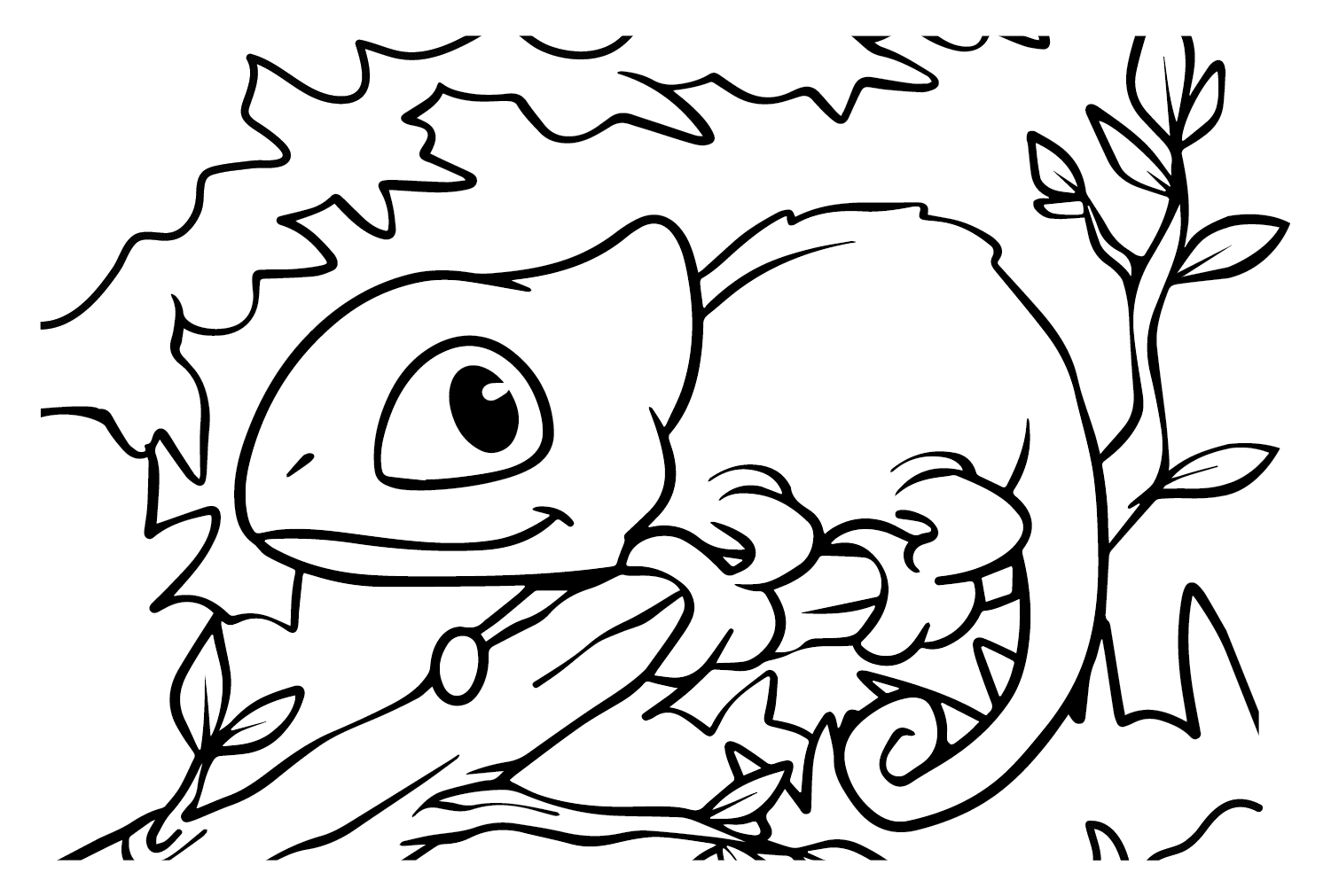
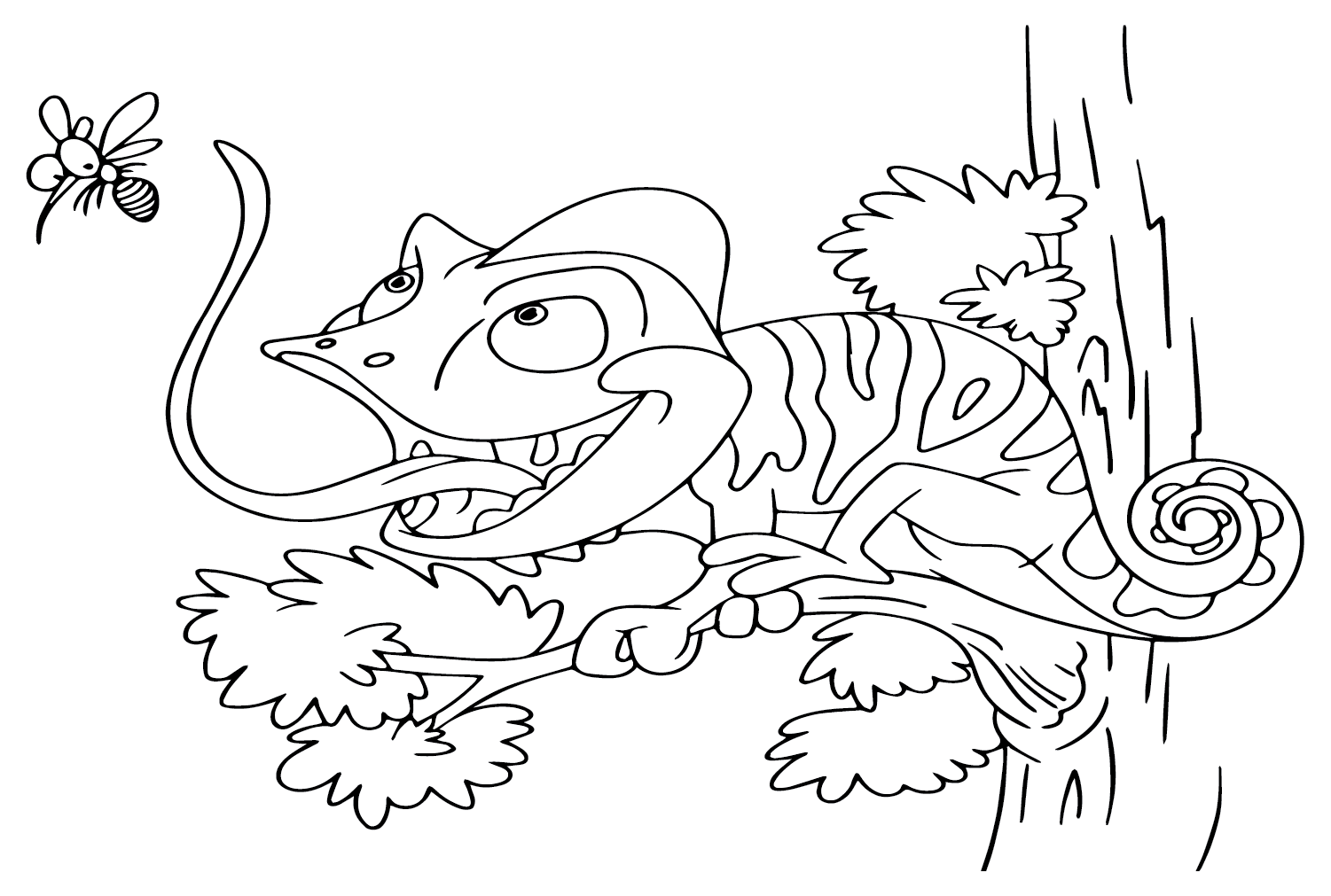
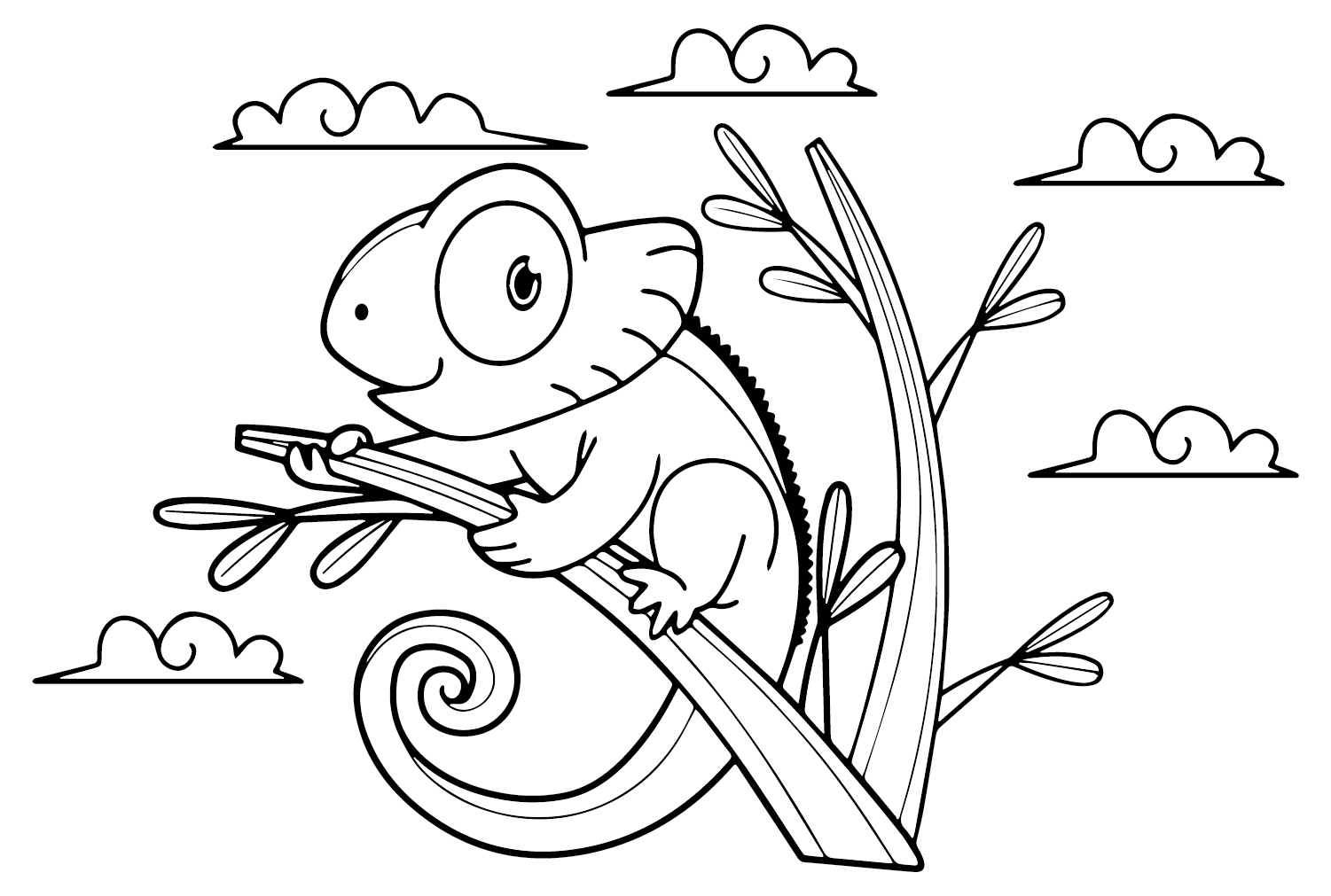
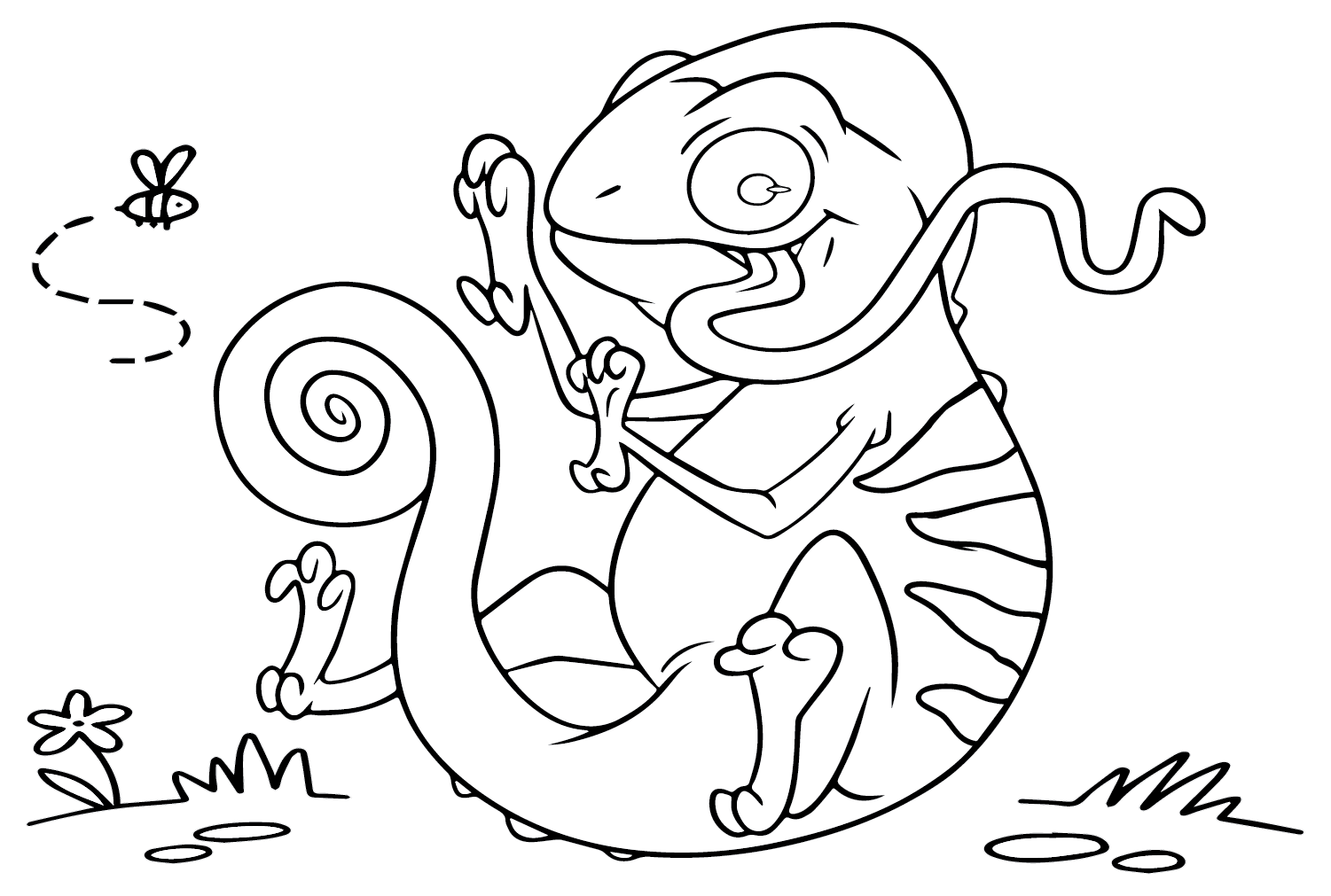
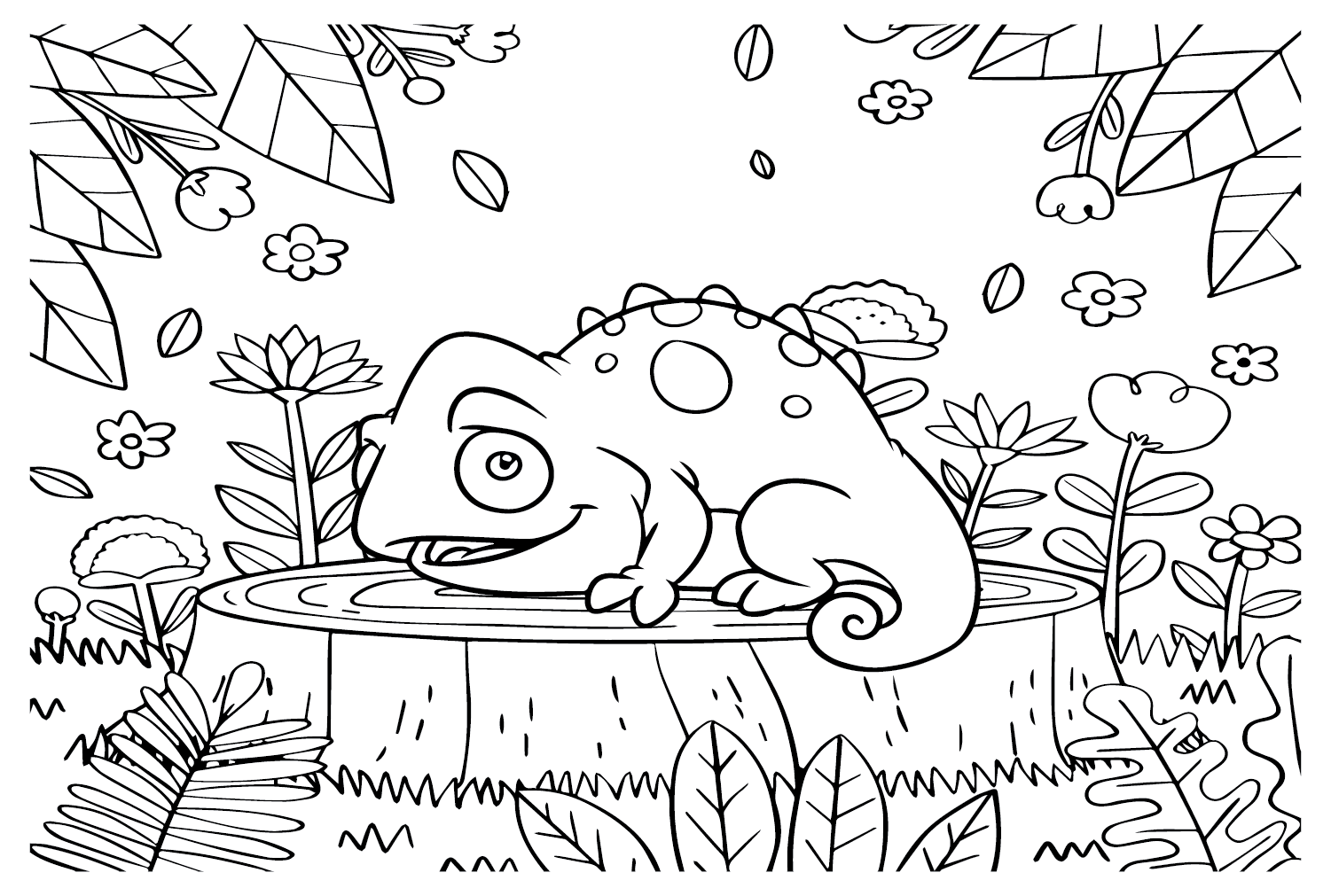
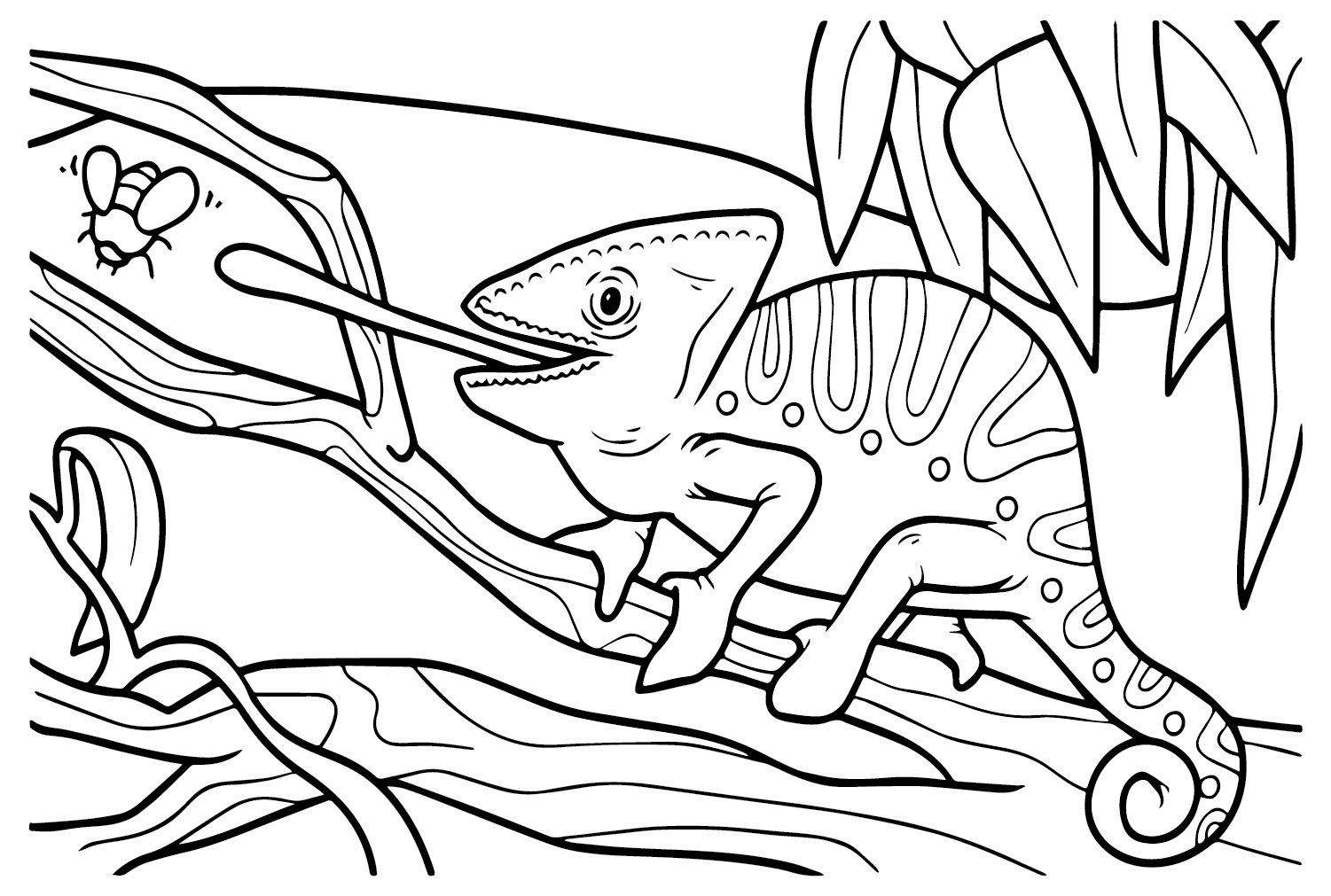
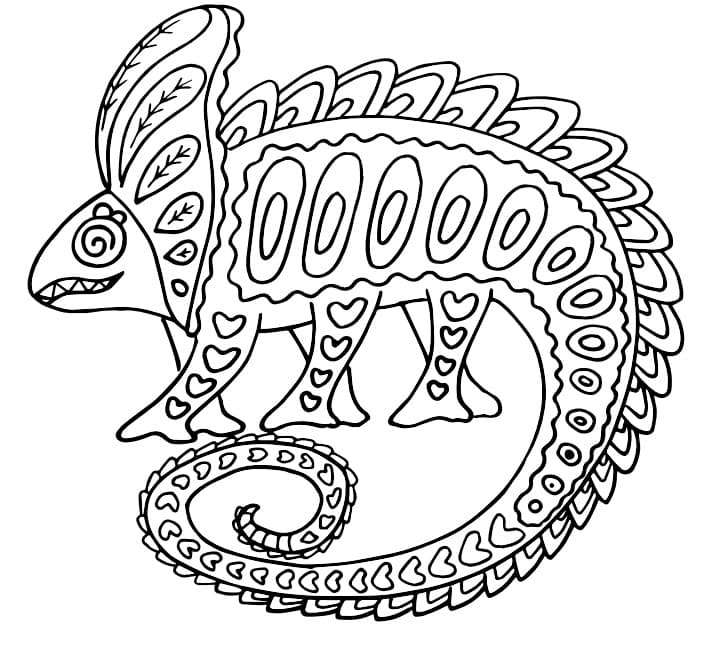
What Is Inside This Collection
Realistic Chameleon Portraits
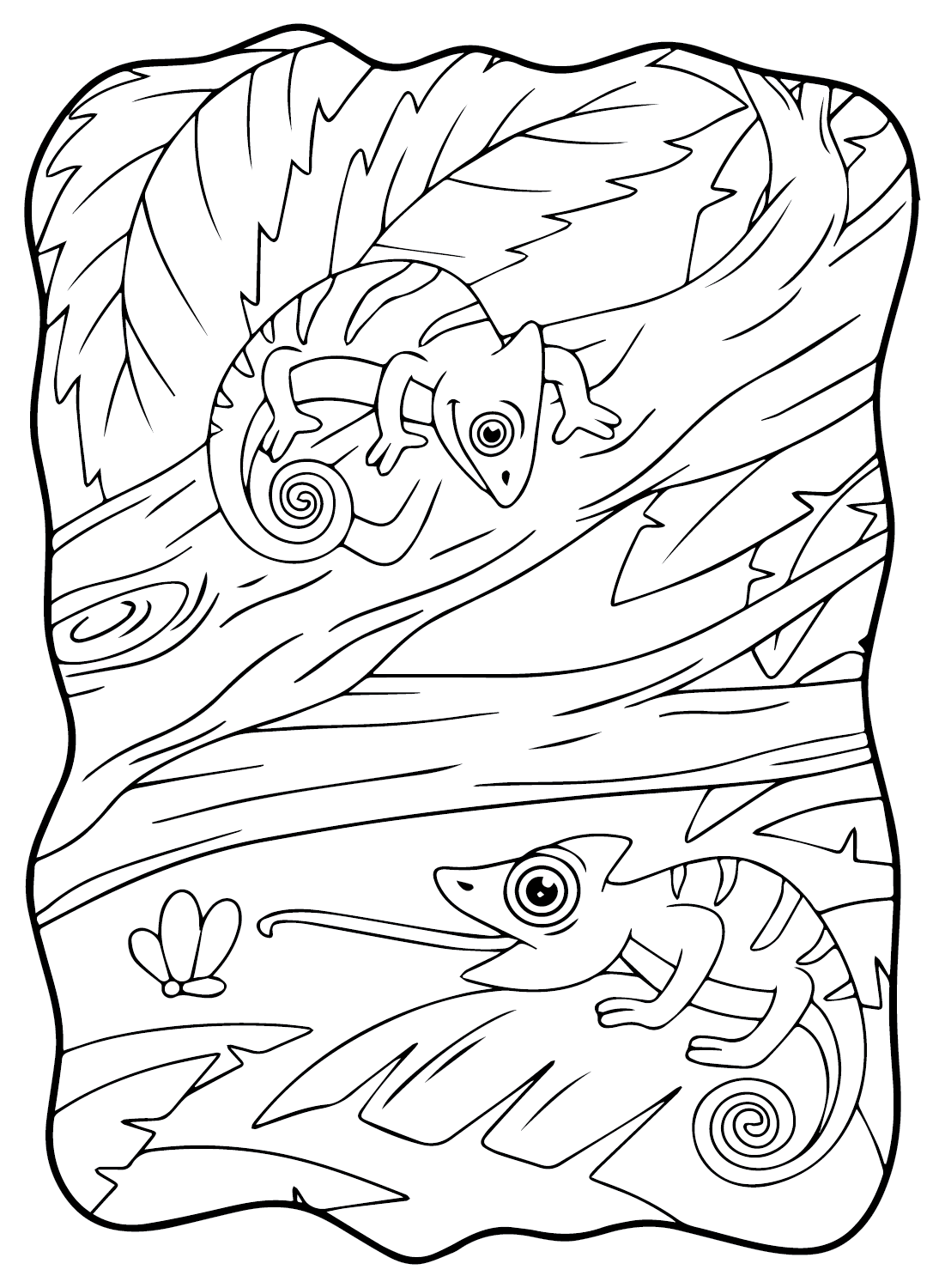
A group of pages shows chameleons in a more naturalistic style, with detailed scales, curled tails, and the ridged crests found on many real species, suited to colorers who want to work with a true-to-life reference.
Cute and Cartoon-Style Chameleons
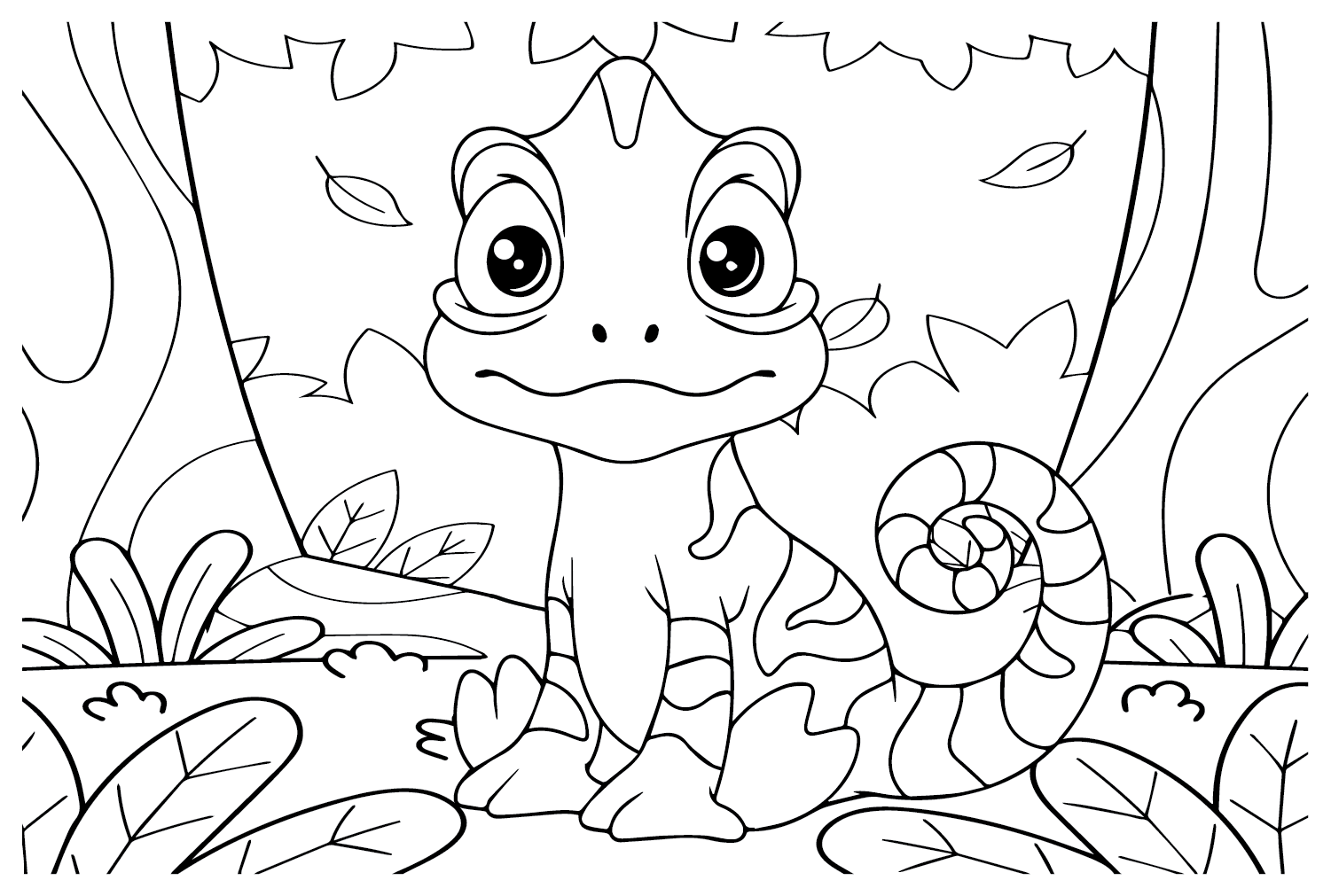
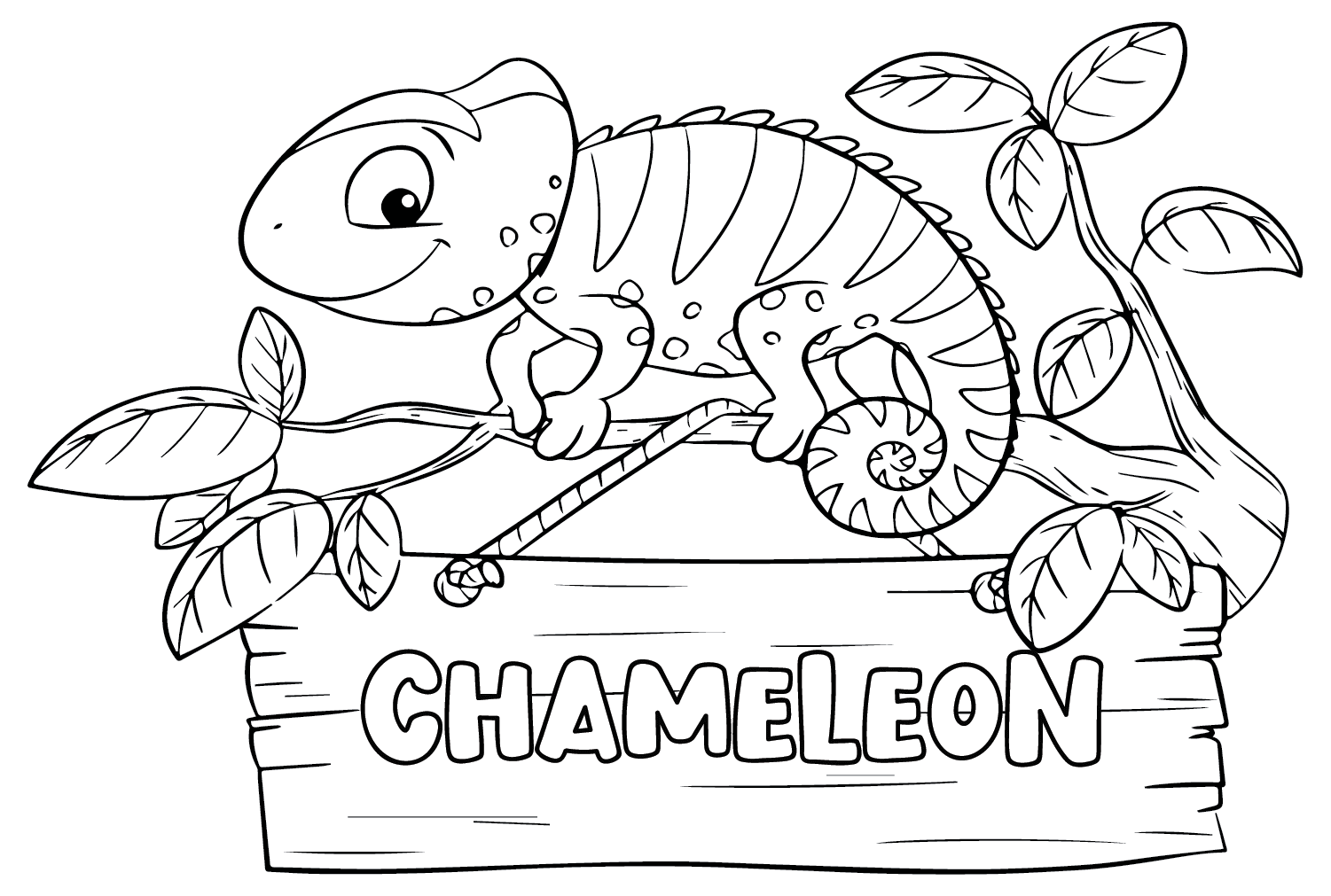
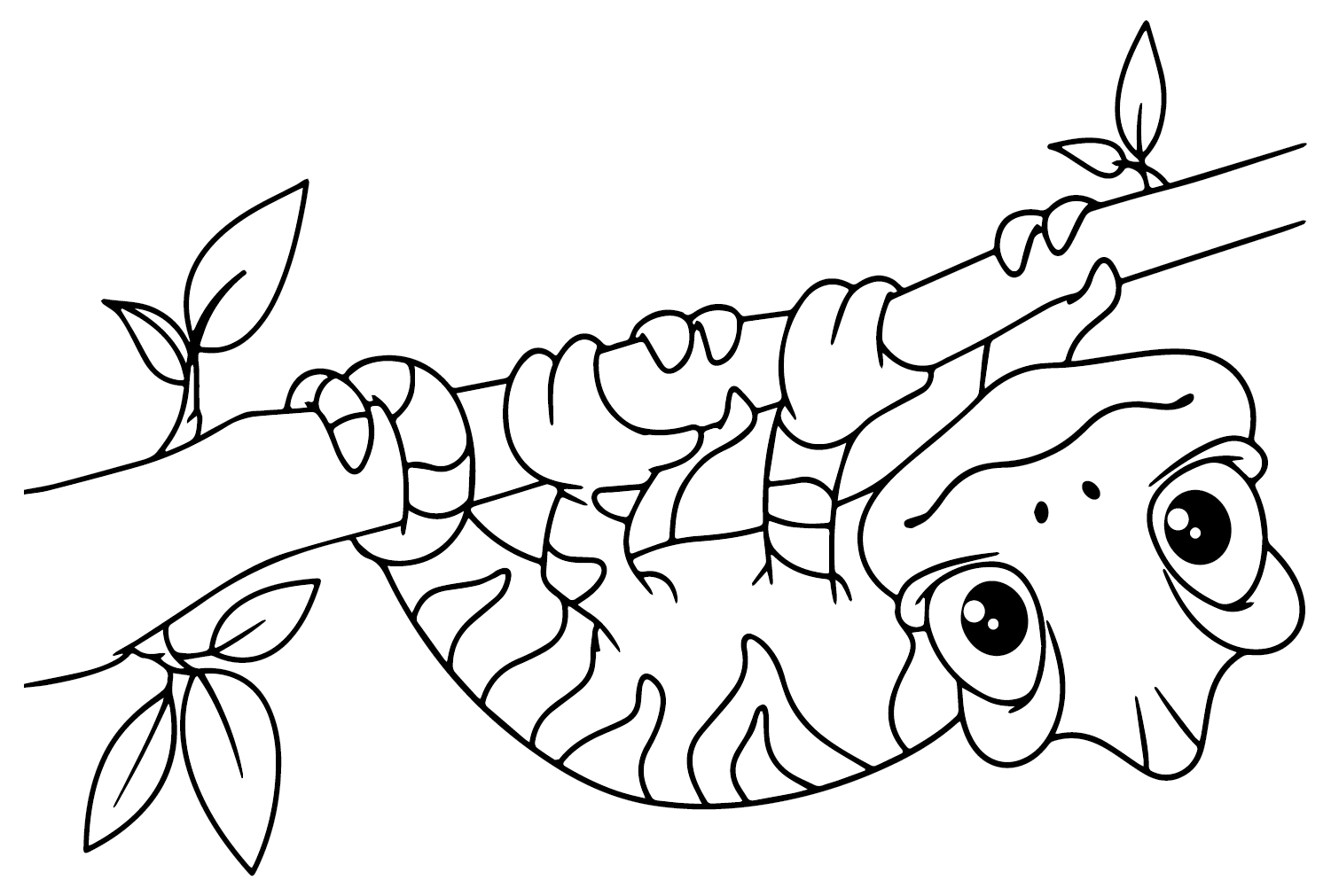
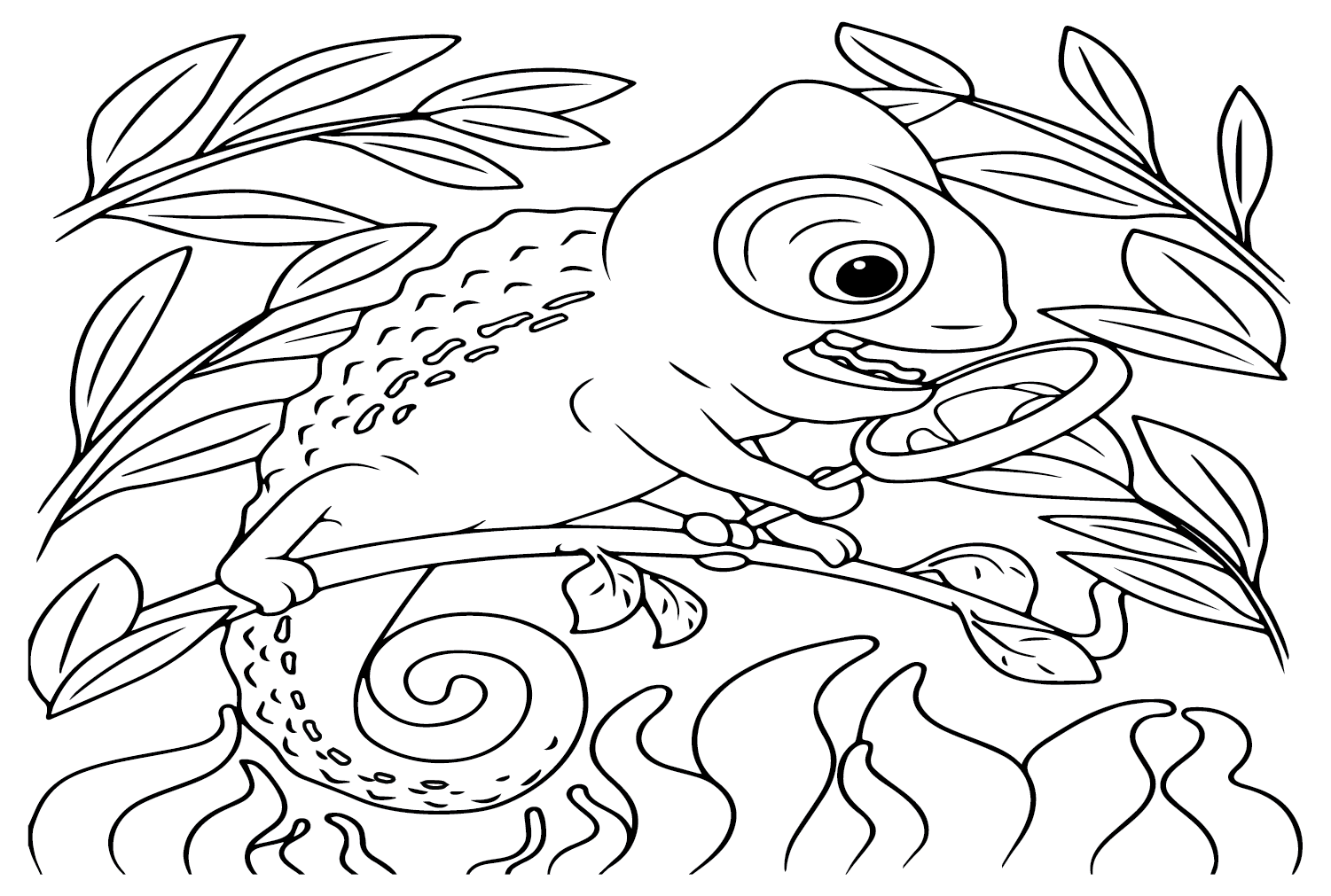
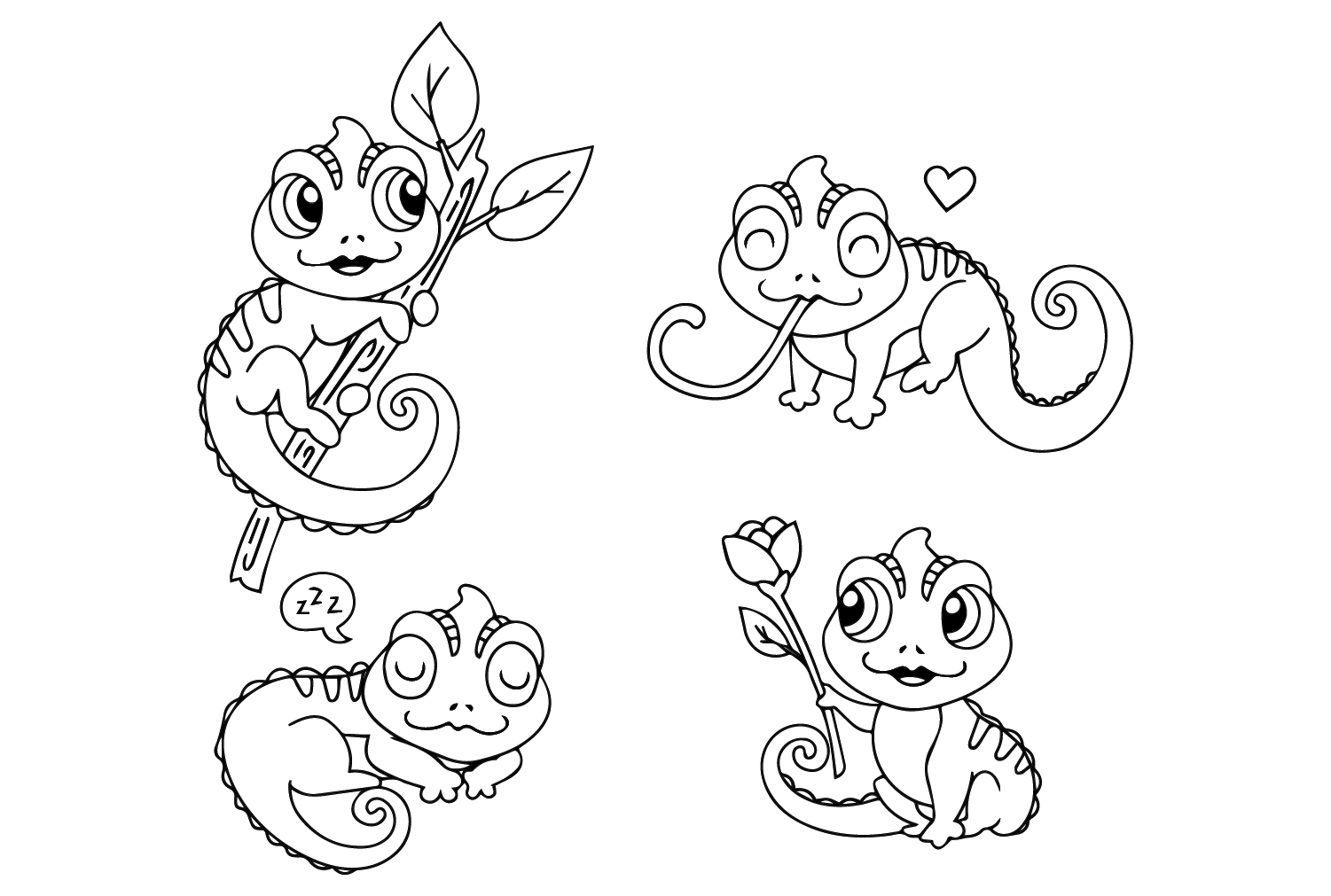
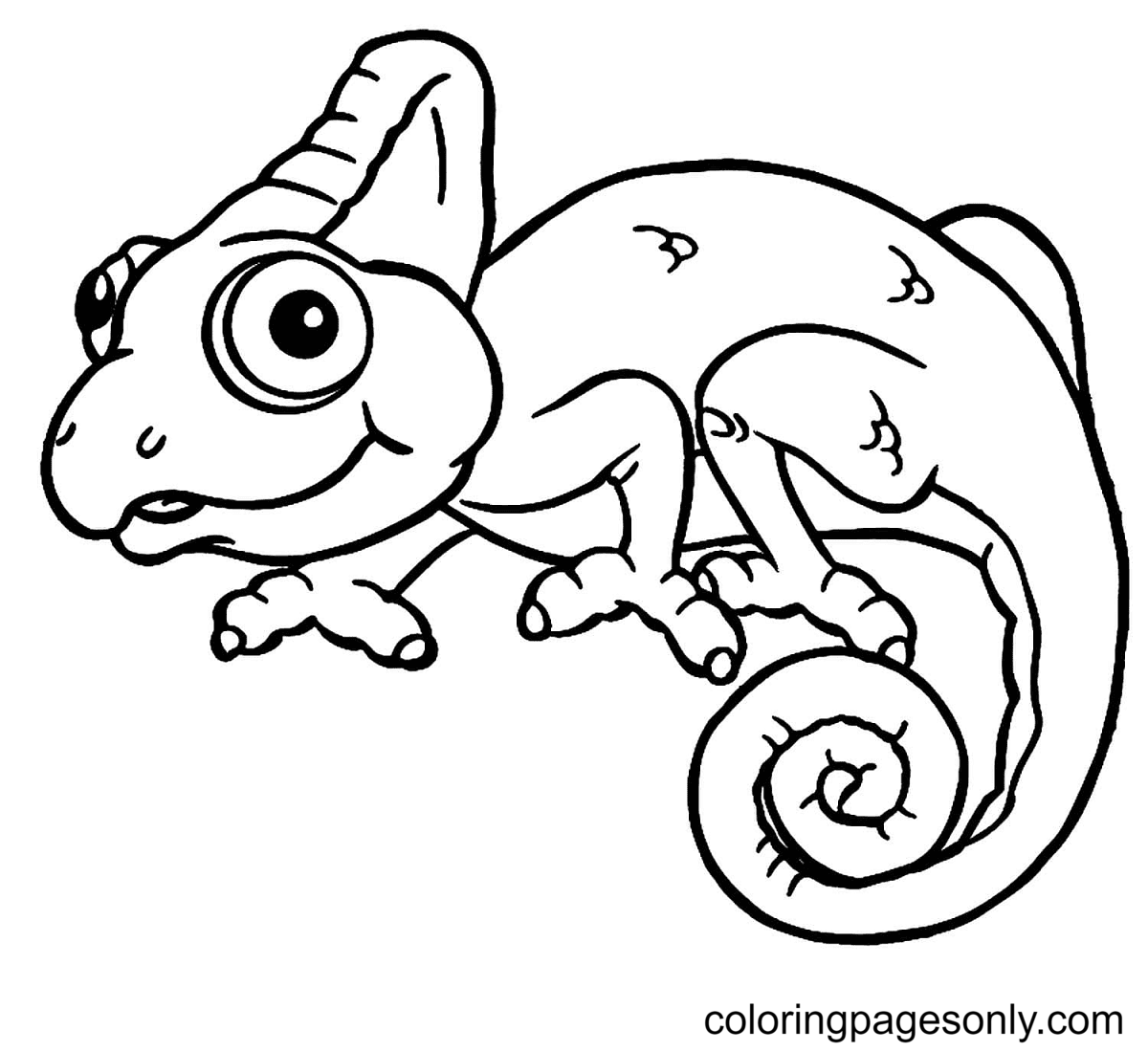
Several pages simplify the chameleon into a rounder, friendlier design, including kawaii-style faces and funny cartoon poses, aimed at younger colorers or anyone who wants a lighter take on the animal.
Detailed Designs for Older Colorers
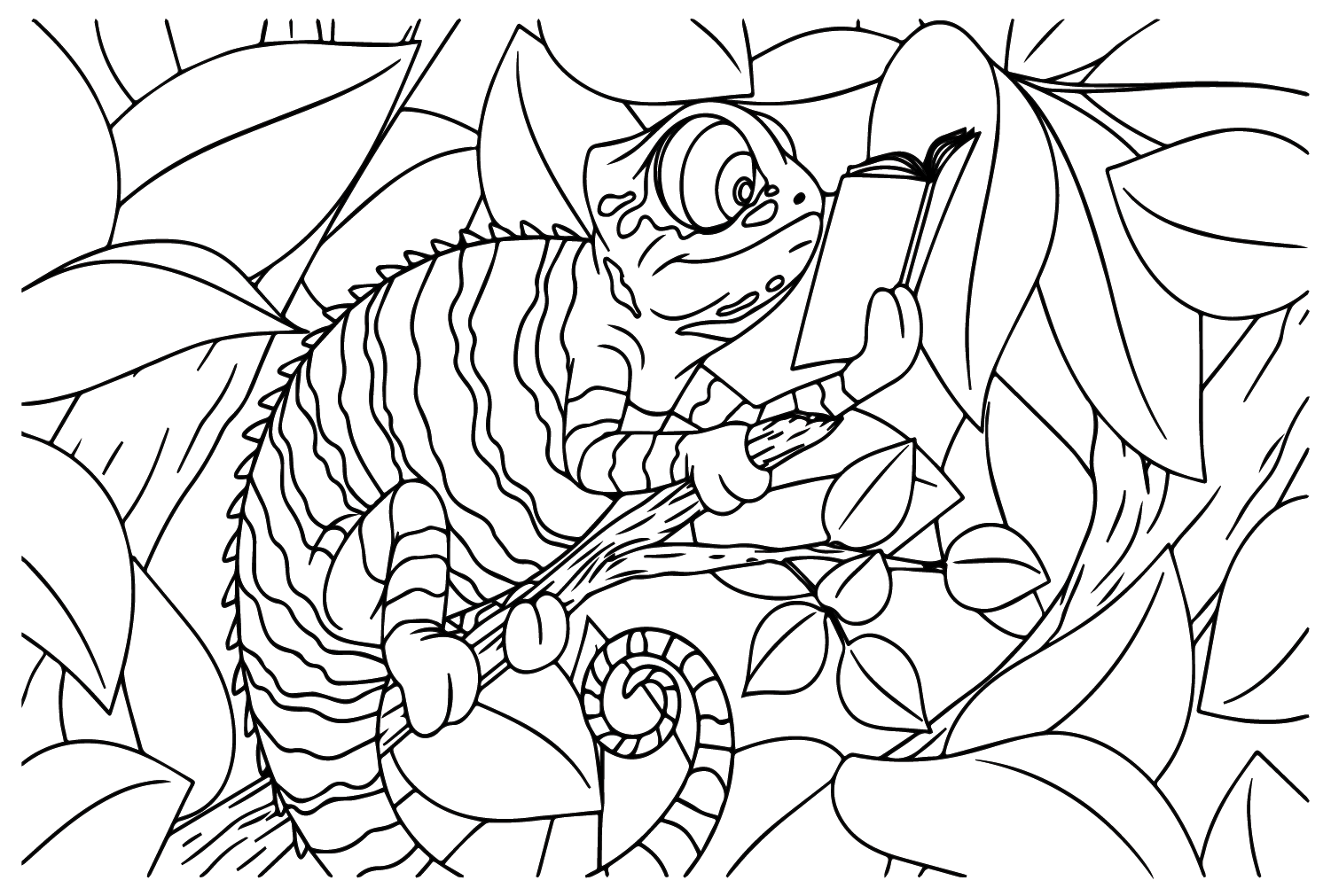
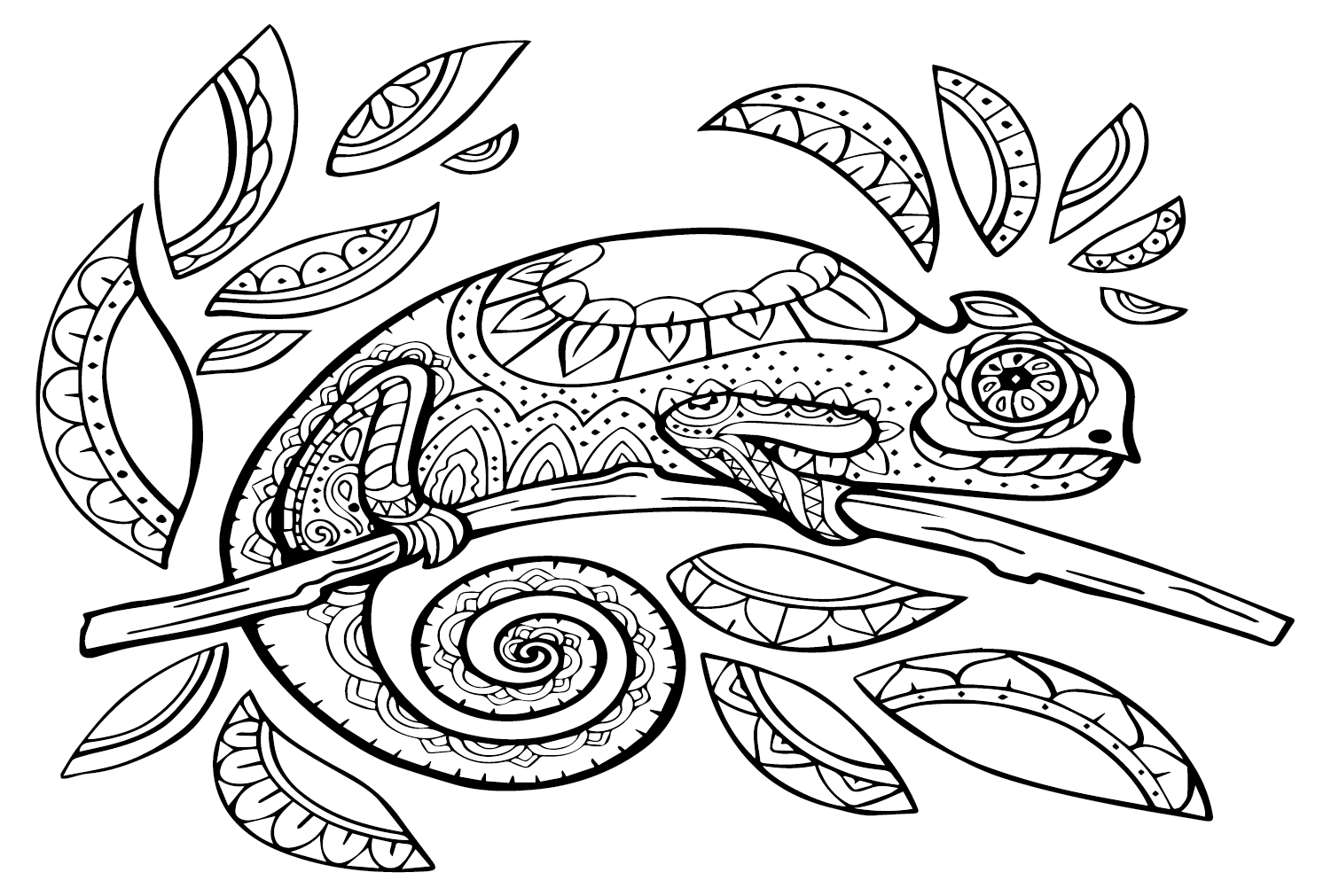
A smaller set of pages adds finer linework and pattern detail, including one design inspired by alebrijes, brightly colored, fantastical creature sculptures rooted in Mexican folk art, giving older kids, teens, and adults more intricate shapes to color.
Simple Outlines for Beginners
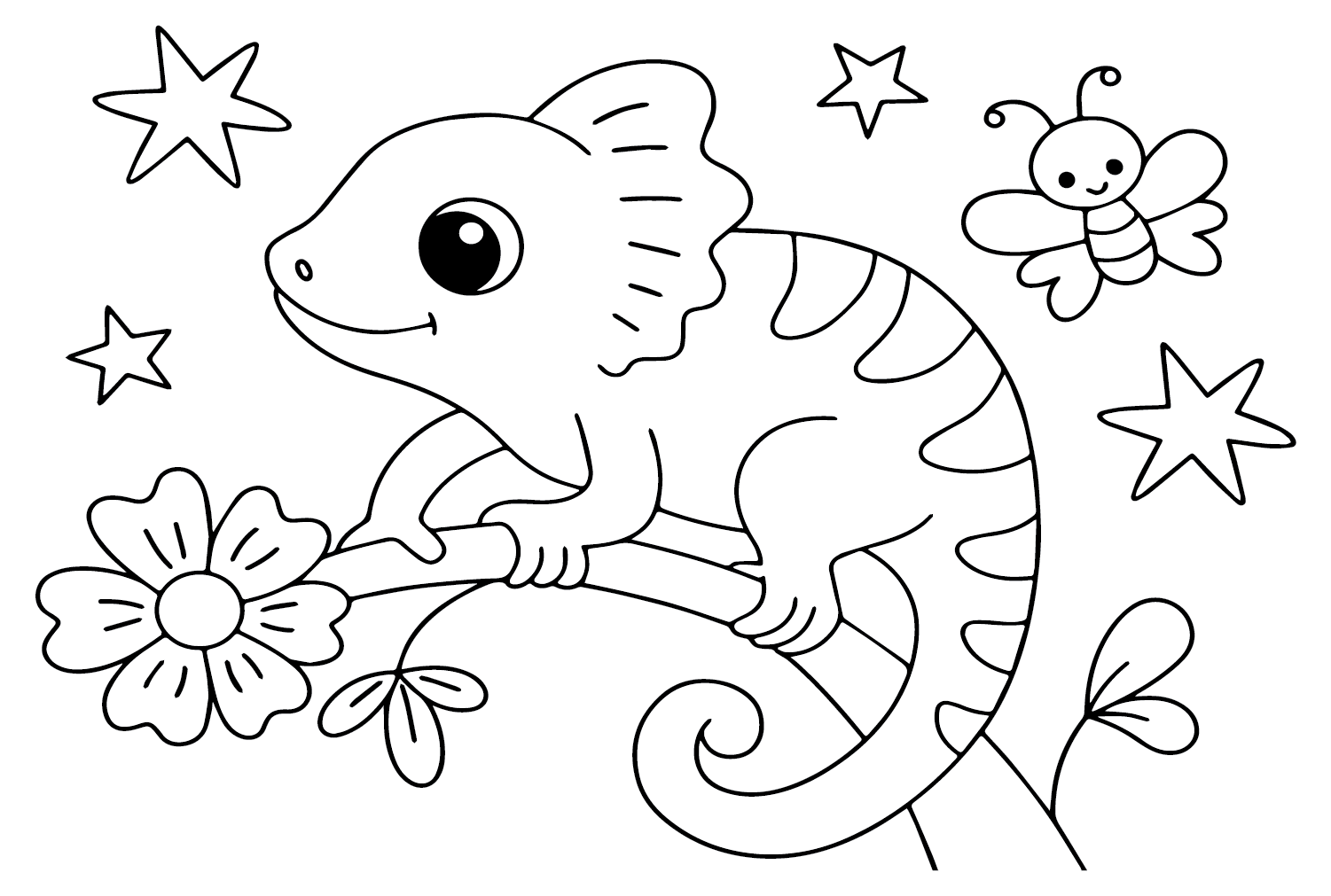
A group of plain, low-detail chameleon outlines keeps the shapes large and the linework minimal, making these a good starting point for preschool and early elementary colorers.
What Chameleon Coloring Pages Do
Fine motor skill development. Children roughly 2 to 7 years old build fine motor skills through structured coloring, a connection the American Academy of Pediatrics has highlighted, and the curled tail and ridged crest on many chameleon designs give that practice some extra detail to work through.
Correcting a common animal myth. Because chameleons are so often assumed to change color purely for camouflage, coloring through this collection alongside the real explanation, communication, and temperature regulation, gives kids a chance to update a common misconception with an accurate one.
Calming, repetitive focus. Anxiety reduction is another documented benefit: a 2005 study in the Art Therapy Journal tied structured coloring sessions to a measurable drop in participants’ anxiety levels, and the patchy, blended color sections on a chameleon page suit that kind of slow, steady coloring well.
Practice with color blending. A chameleon’s shifting patches of color make it a natural subject for practicing gradient blending, transitioning smoothly from green to gold or blue to Purple across a single body.
How to Color Chameleon Coloring Pages Well
- Base color and gradient: Blend two or three colors across the body, Green fading into Yellow or Blue fading into Purple, to reflect how a chameleon’s real color-changing ability works.
- Scales and texture: Add small dots or short curved lines across the skin to suggest individual scales, especially on the more realistic and detailed designs.
- Eyes: Chameleon eyes are large and round, so use a bold, contrasting color like Gold or Orange to make them stand out against the body.
- Tail curl: Shade the tightly curled tail a shade darker than the rest of the body to give it a sense of depth and dimension.
- Cute and cartoon designs: Use flatter, more saturated colors and keep shading minimal, since these simplified designs rely more on shape and expression than texture.
- Folk-art-inspired designs: For the alebrijes-style page, lean into bold, contrasting colors and decorative patterns rather than a realistic palette, in keeping with that art form’s bright, imaginative style.
5 Creative Craft Ideas With Chameleon Coloring Pages
1. Chameleon Standee. Color a solo chameleon page, mount it on cardstock, and cut around the outline to make a small standing display piece for a desk or shelf.
2. Chameleon Bookmark. Color a simpler chameleon outline, laminate or cover it with clear tape, and trim it into a narrow bookmark shape.
3. Camouflage-Pattern Greeting Card. Color a chameleon page and glue it onto the front of a folded cardstock card, adding a patterned background to play with the idea of blending in.
4. Chameleon Mobile. Color and cut out several chameleons in different color combinations, then hang them from a stick or hoop with string to make a mobile for a bedroom or classroom.
5. Craft-Stick Puppet. Color a chameleon page, cut it out, and attach it to a craft stick to make a simple puppet for imaginative play.
Frequently Asked Questions
What are chameleon coloring pages?
Printable line drawings of chameleons, ranging from realistic portraits to cute cartoon-style characters and detailed patterned designs. This collection includes 26 designs, available as free PDF downloads or as online coloring pages colored directly in the browser.
Why do chameleons change color?
Mainly for communication and temperature regulation rather than camouflage. Chameleons use color changes to signal mood, dominance, or readiness to mate, and to absorb or reflect heat depending on the temperature.
Do chameleons camouflage at all?
Yes, to a limited degree. A chameleon’s baseline coloring already helps it blend into its environment, but the dramatic color shifts most people notice are driven by communication and temperature needs, not active camouflage.
What styles of chameleon pages are included?
This set spans realistic portraits, cute cartoon-style designs, more detailed patterned pages, including one alebrijes-inspired design, and simple outlines for beginners.
Are these coloring pages suitable for young children?
Yes. The simple outlines and cute cartoon-style pages use large, minimal shapes suited to preschool and early elementary colorers, while the realistic and detailed pages suit older kids and adults.
Can these chameleon pages be colored without printing?
Yes. Every design can be colored directly in the browser using the online coloring tool, with no printer, PDF reader, or account required, and pages can also be downloaded as a PDF to print later.
What is the folk-art-style chameleon design in this collection?
One page draws on the style of alebrijes, brightly colored, fantastical creature sculptures that originated in Mexican folk art, offering a more decorative and imaginative take on the chameleon shape.
How fast can chameleons change color?
Some species can shift color in well under a minute, though the exact speed depends on the species and what’s triggering the change, whether that’s temperature, mood, or a social signal to another chameleon.
Start Coloring
Download any page by clicking the design. No account, email, or payment is required. Pages print directly from the browser at full resolution or open in the online coloring tool for screen use. Share finished pages on Facebook or Pinterest with the share buttons at the top of each design page.