Dilophosaurus Coloring Pages
 By:
Jennifer Thoa - Content Editor & Designer
Updated:
By:
Jennifer Thoa - Content Editor & Designer
Updated:
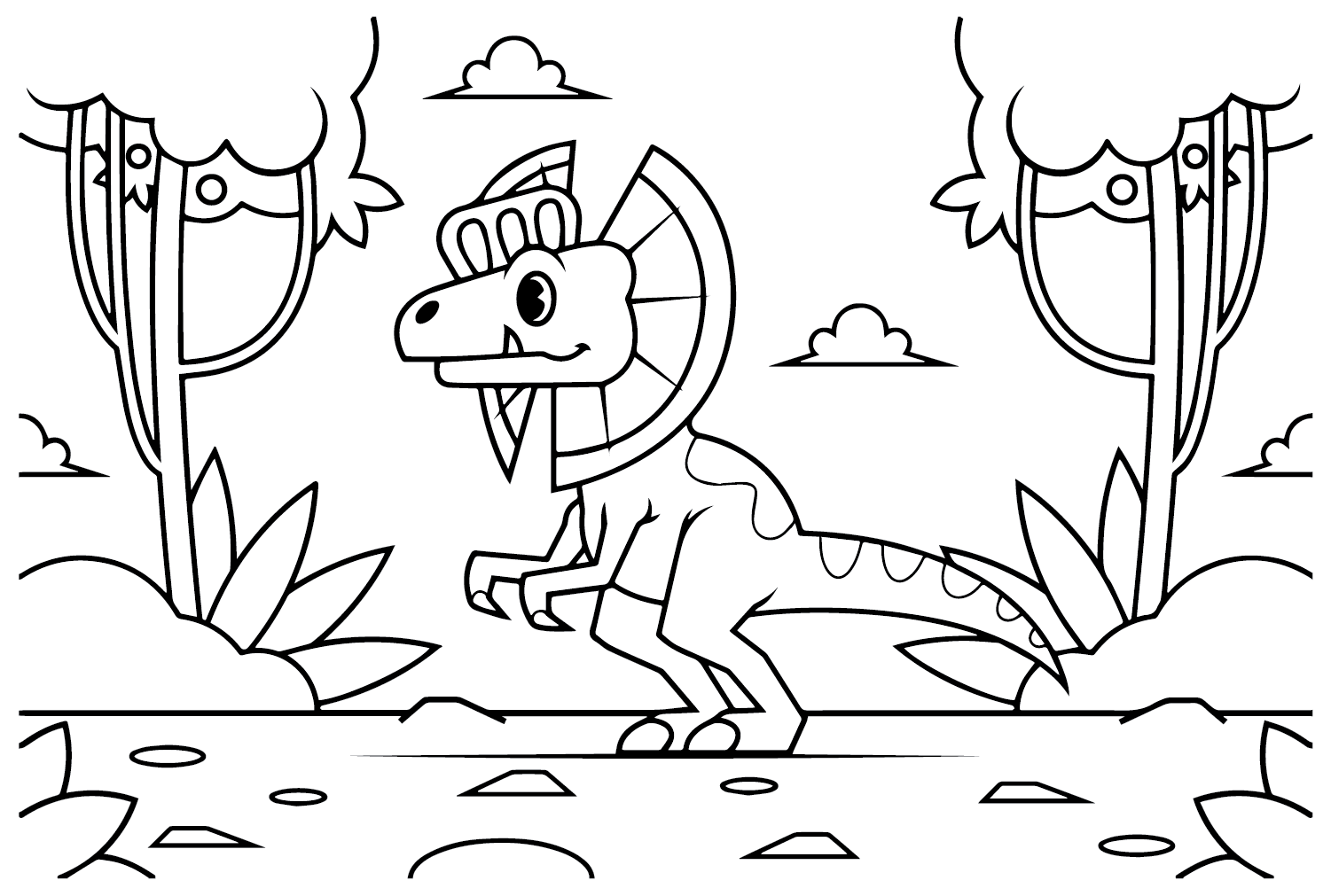
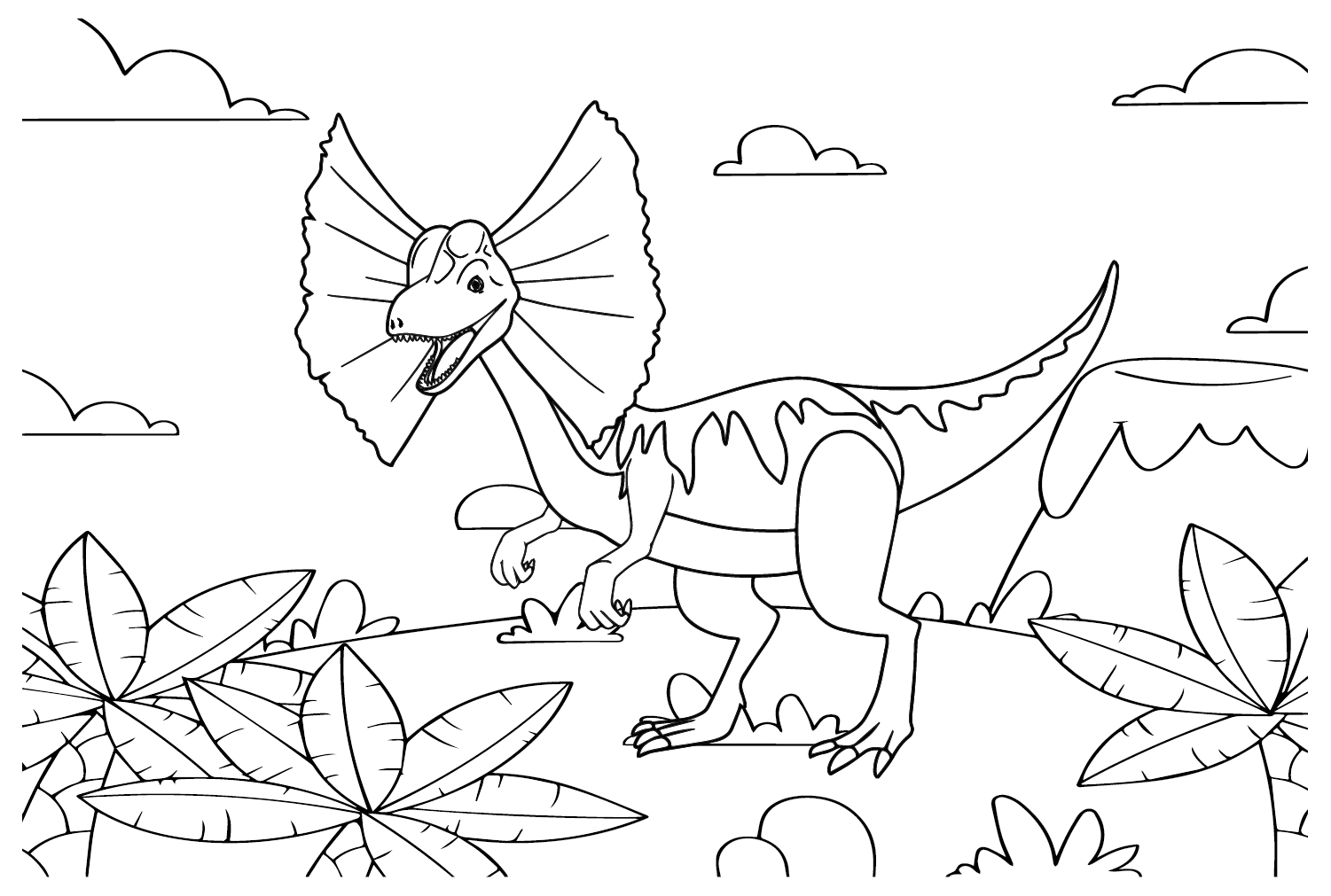
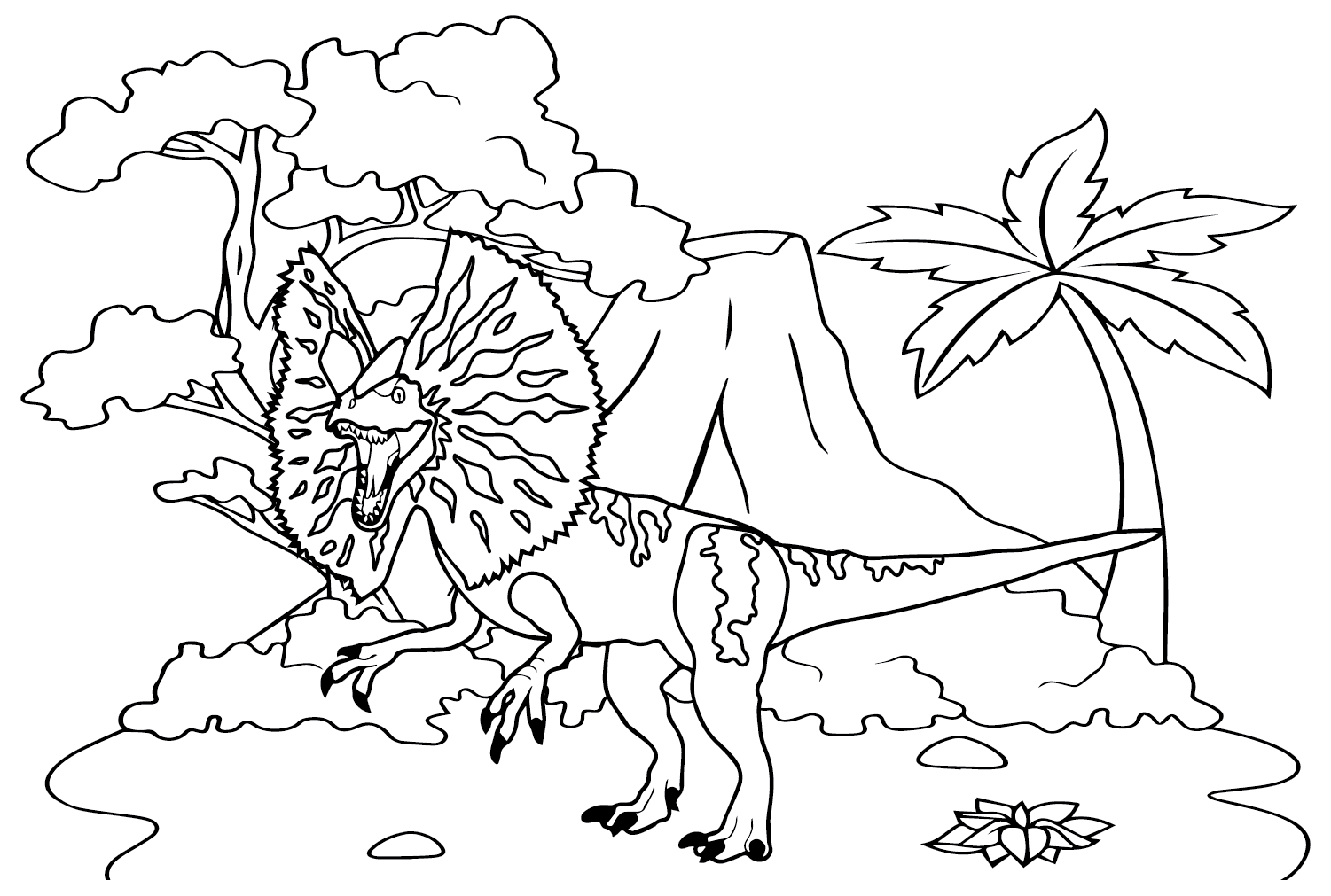
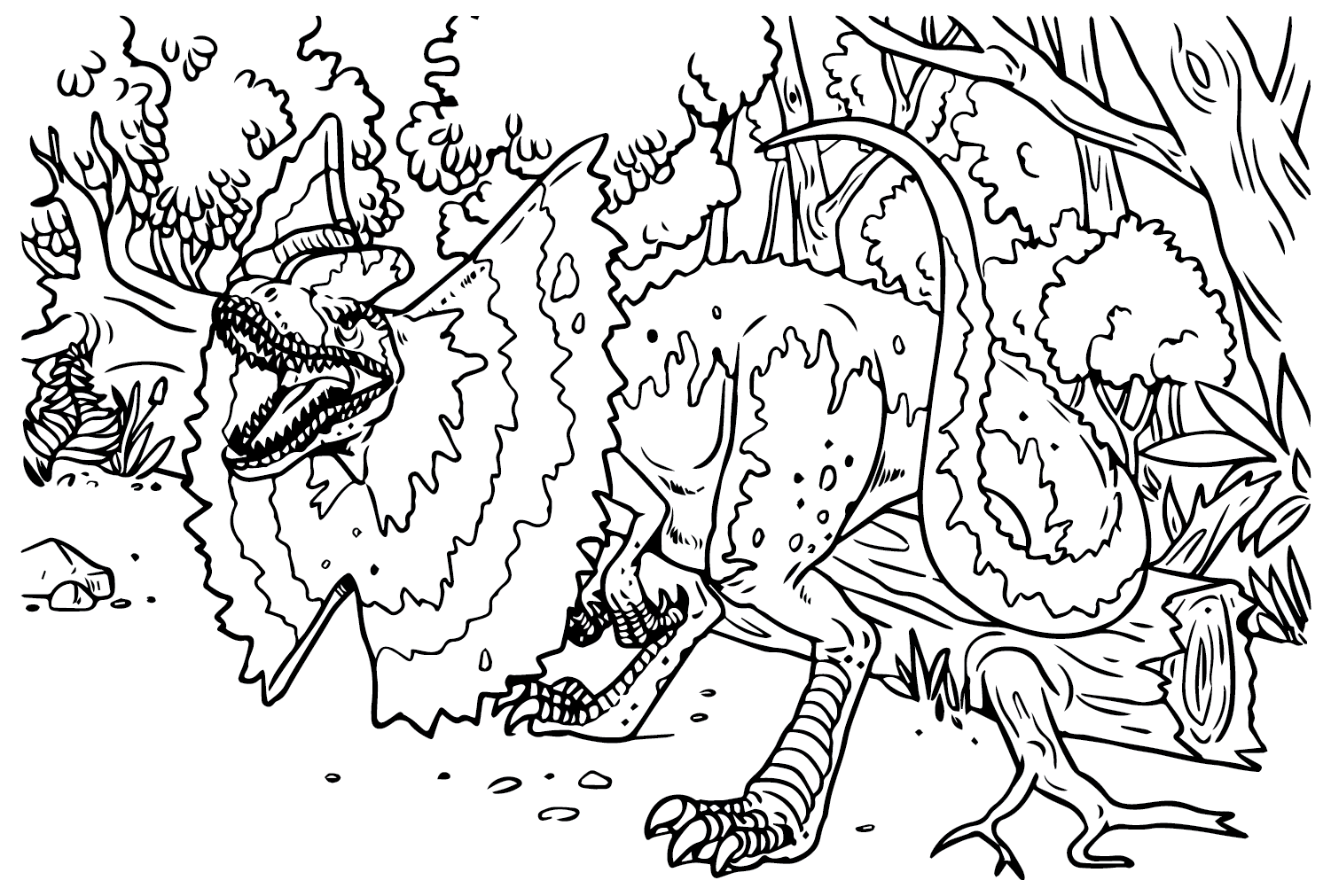
Dilophosaurus coloring pages: 20 printable PDF designs spanning simple portraits, cute and baby versions, and a couple of movie-inspired and puzzle-activity pages. Each page can be downloaded as a PDF to print or colored online in the browser.
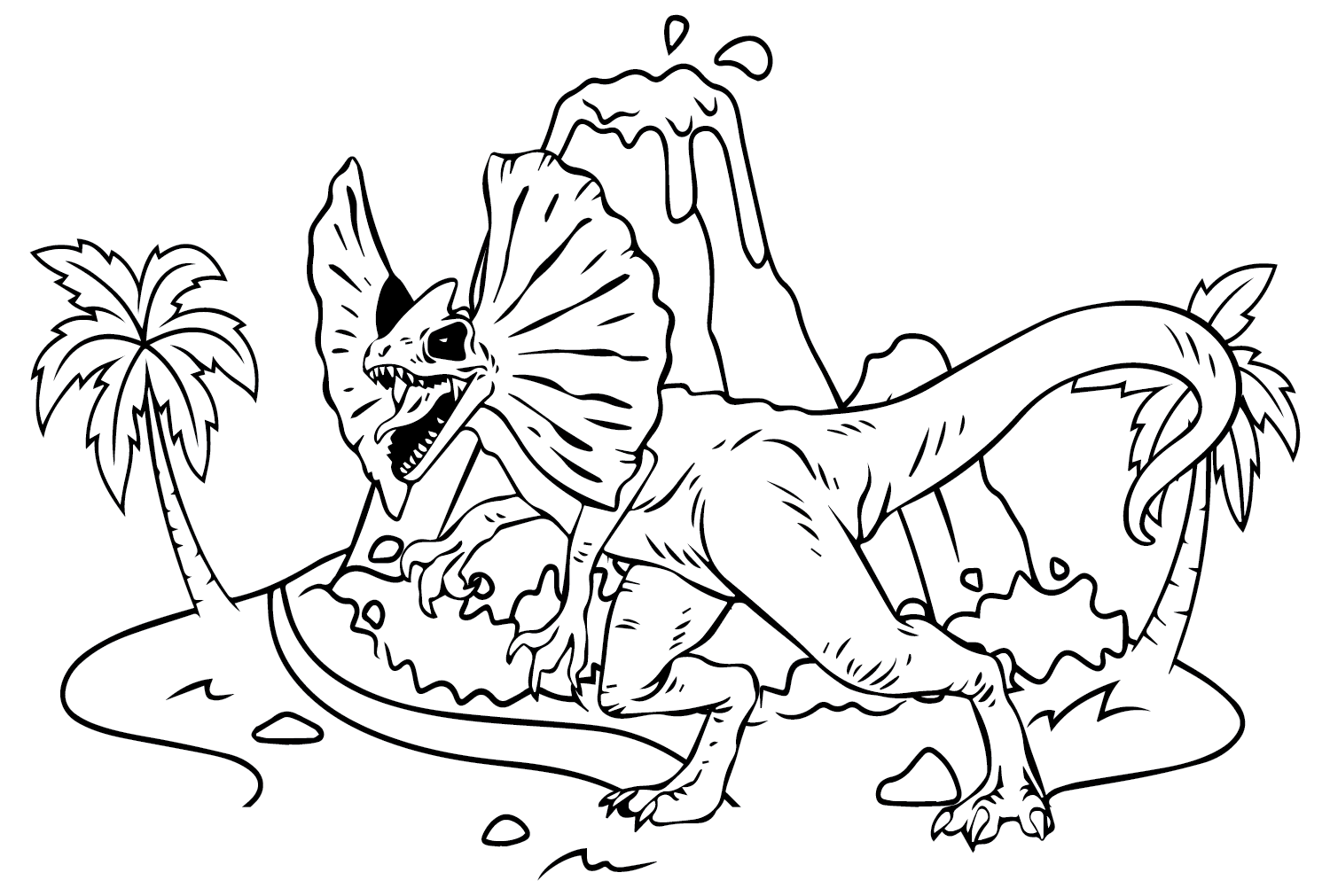
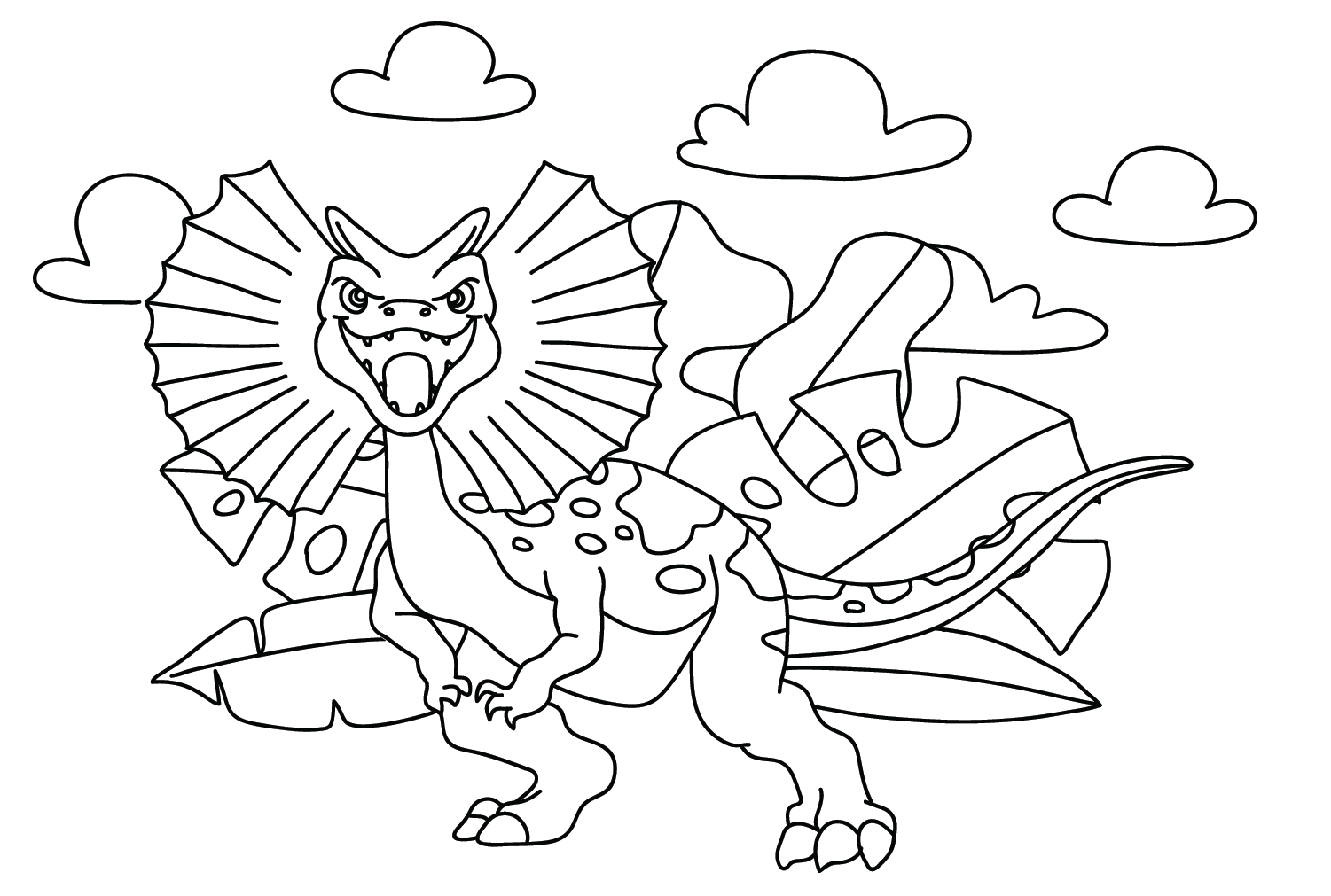
The Dilophosaurus most people picture is almost entirely fictional. In the 1993 film Jurassic Park, based on Michael Crichton’s 1990 novel, the dinosaur is shown as roughly human-height with a spreading neck frill and the ability to spit blinding venom, neither of which has any basis in the fossil record; Steven Spielberg has said both features were added for dramatic effect, partly to keep the smaller Dilophosaurus visually distinct from the film’s Velociraptors. The real animal was dramatically larger and more dangerous than its movie counterpart: fossils first discovered in 1940 by Jesse Williams, a Navajo teenager, near Tuba City, Arizona, show an adult Dilophosaurus reaching up to 20 feet long and around 1,000 pounds, making it one of the largest land predators of the Early Jurassic period, roughly 193 million years ago. Its actual crests, the feature its name literally refers to, “two-crested lizard,” were likely too fragile for fighting and were probably used for display, similar to a peacock’s tail, rather than combat or venom delivery. This collection includes both plain, scientifically neutral portraits and a page that leans into the movie’s frilled, more dramatic version.
With 20 pages split between simple portraits, cute and baby versions, and movie-inspired scenes, the set works as a quick single-page project and as a way to compare the real Dilophosaurus against its more famous fictional version.
What Is Inside This Collection
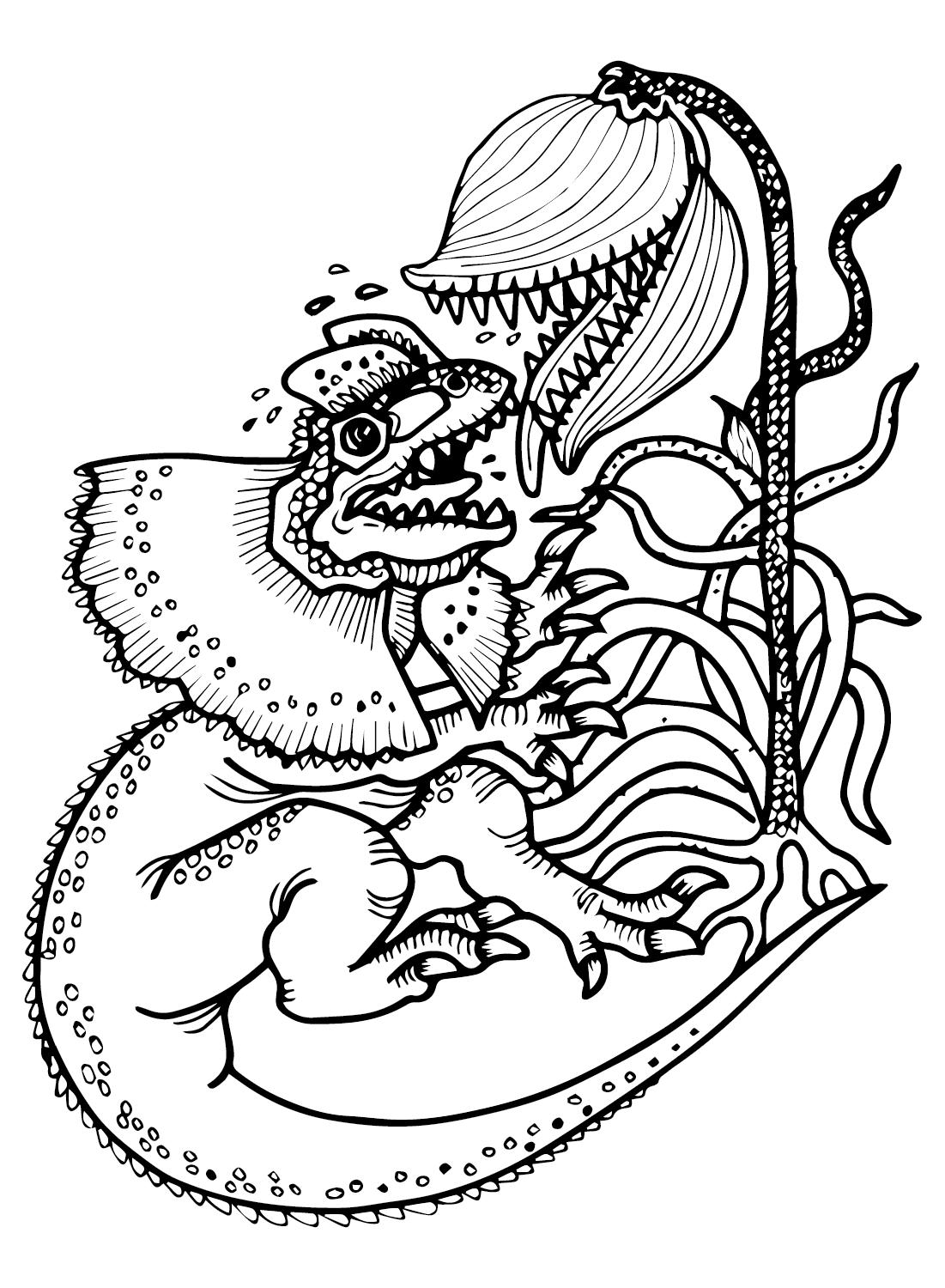
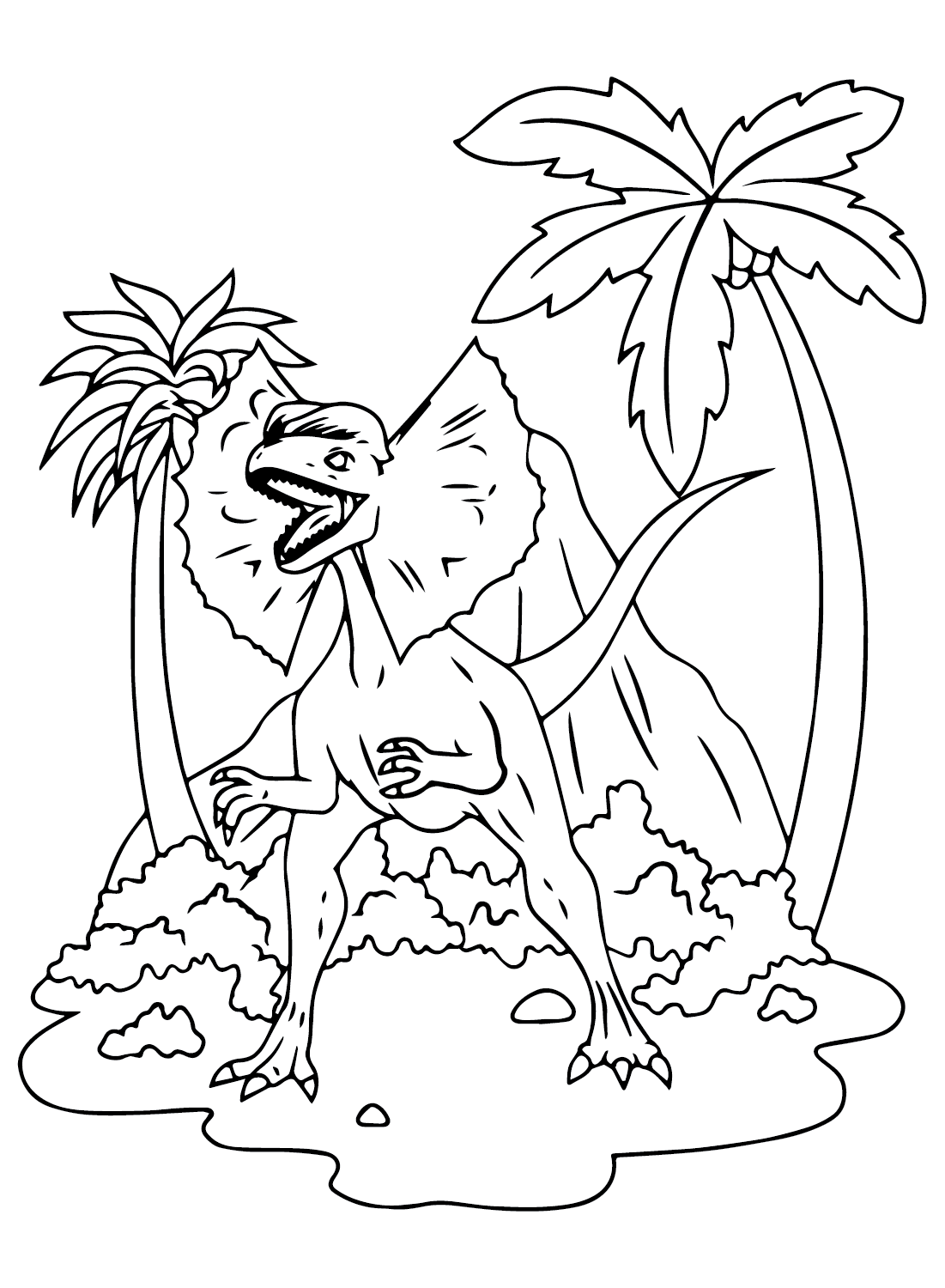
This collection groups its 20 pages by style, since a scientifically plain portrait and a movie-inspired scene call for genuinely different coloring approaches.
Cute, Baby, and Cartoon Dilophosaurus
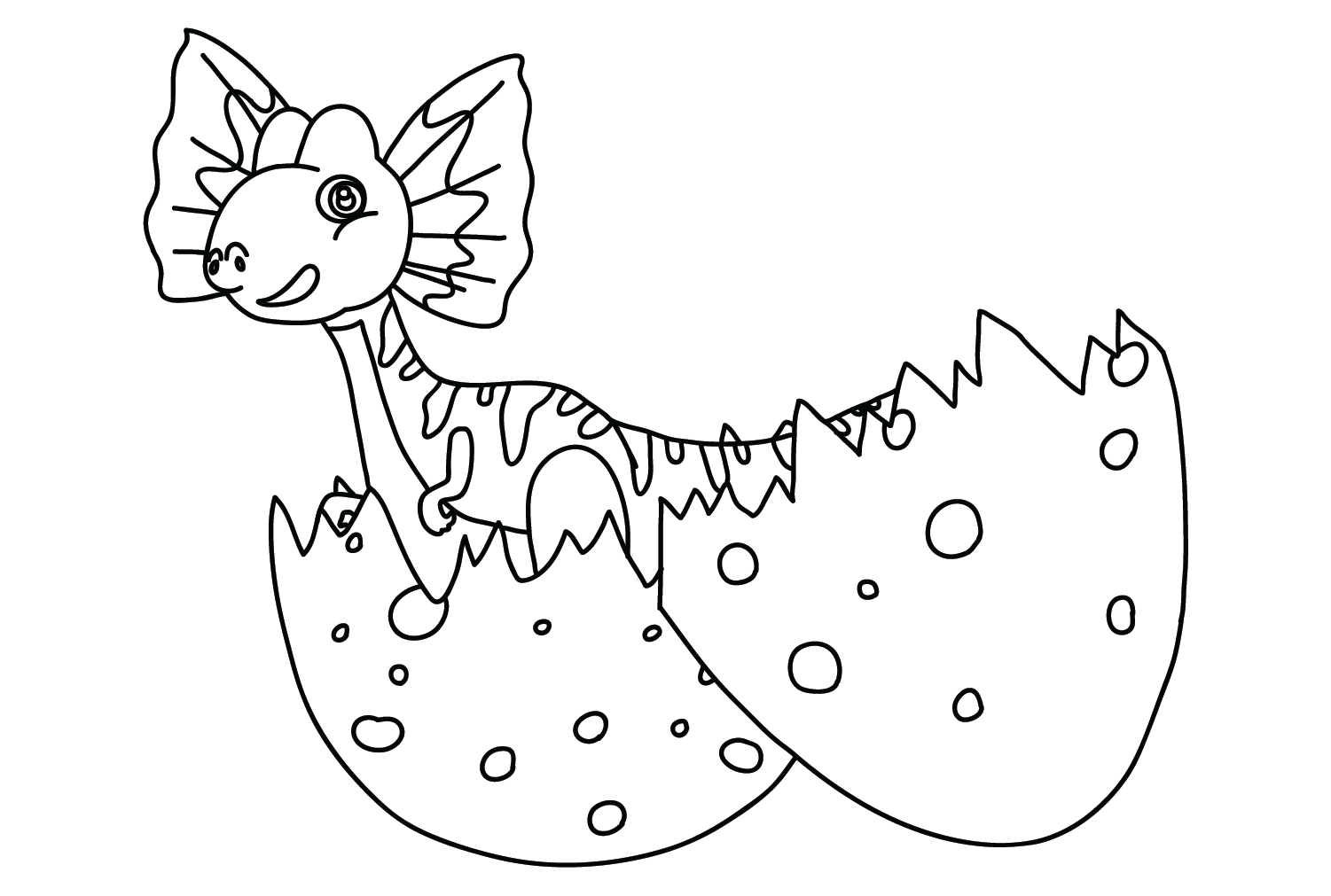
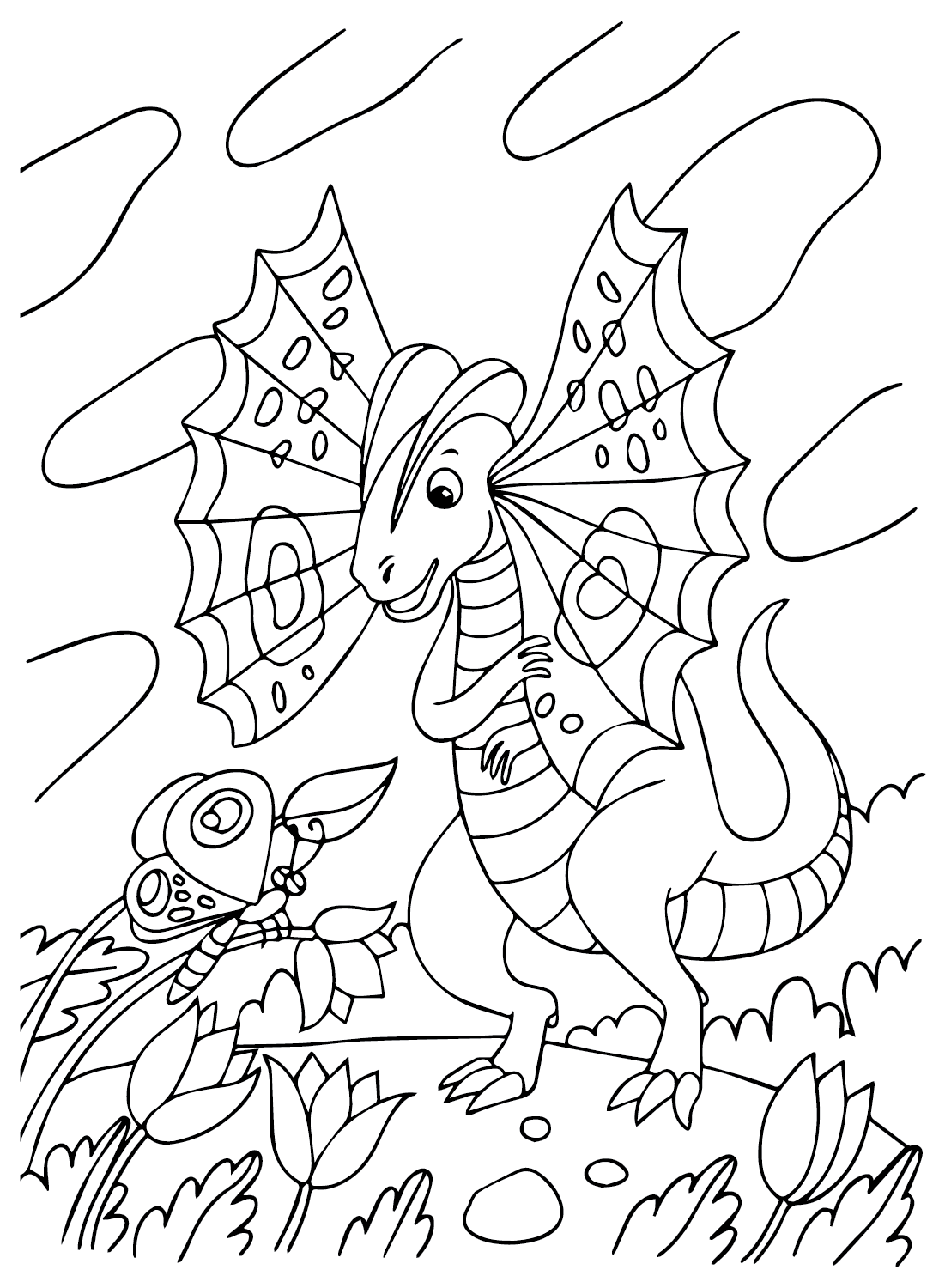
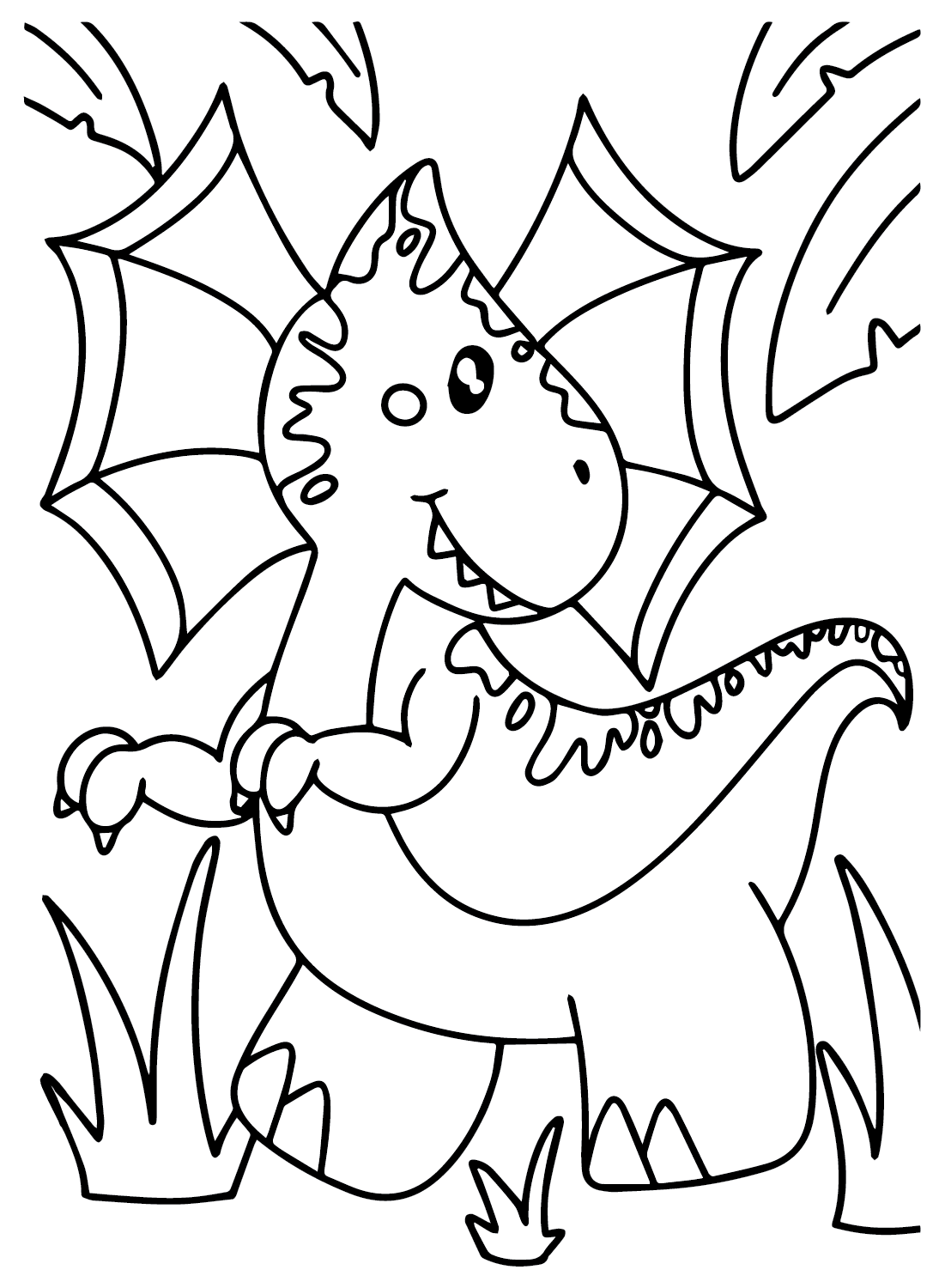
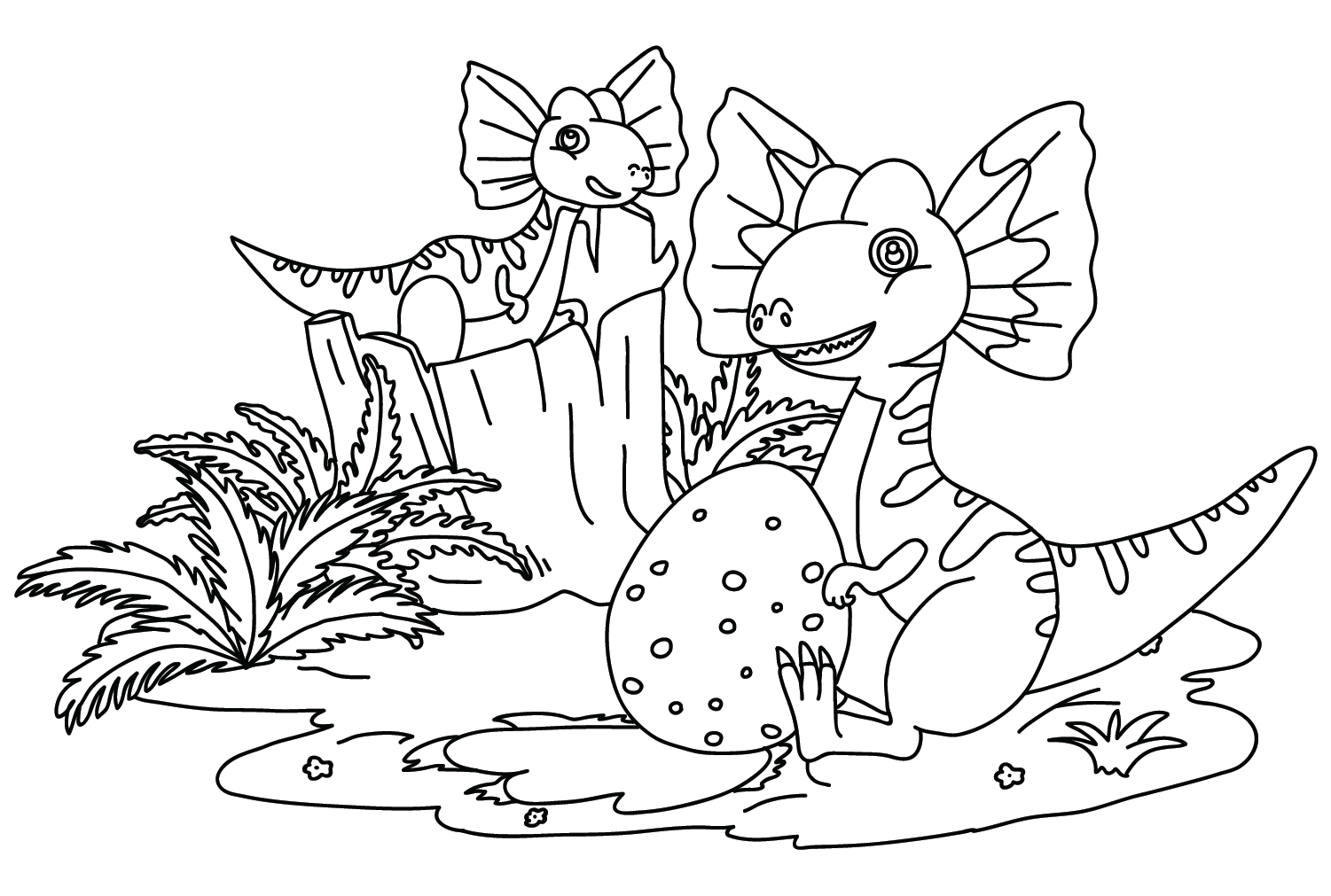
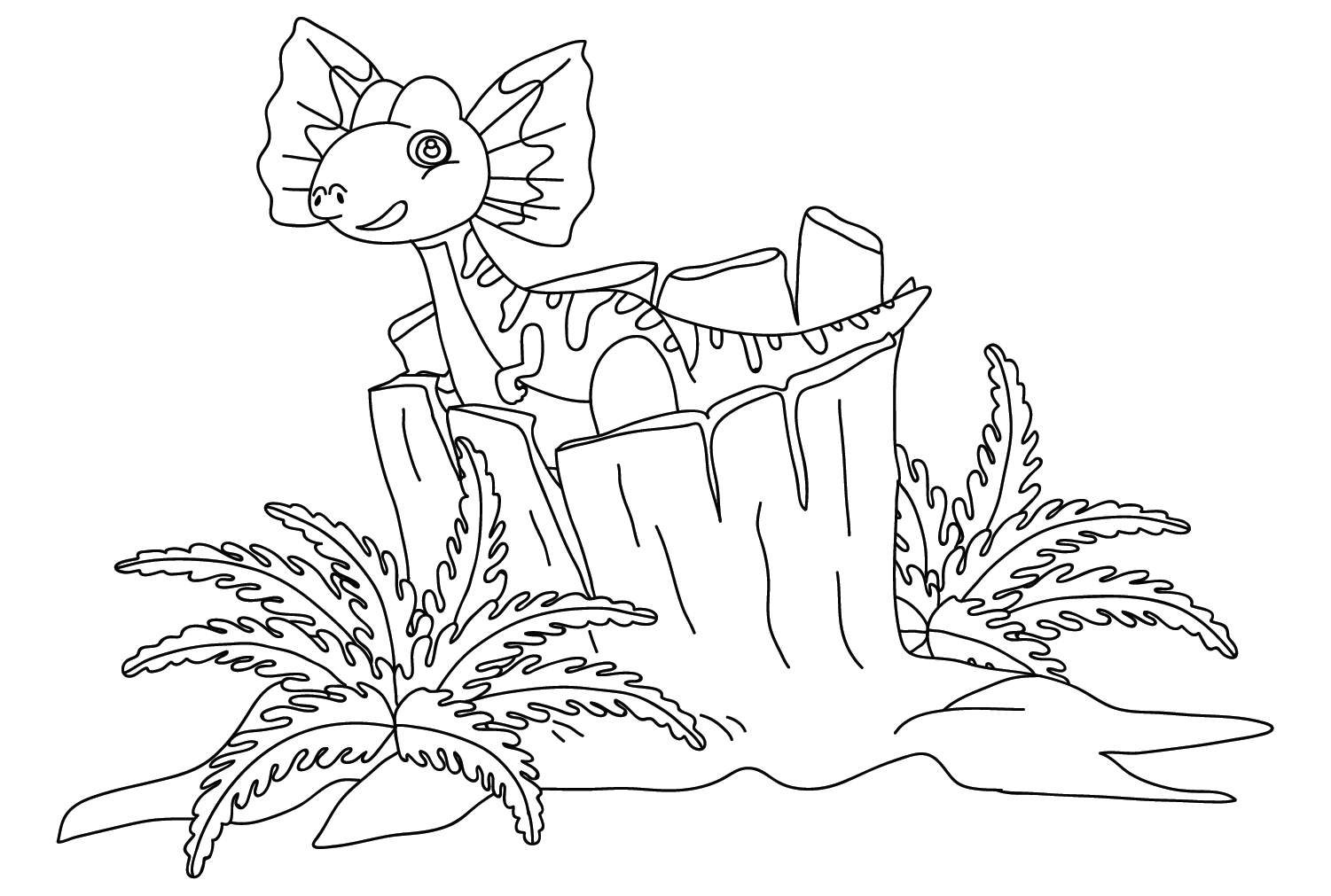
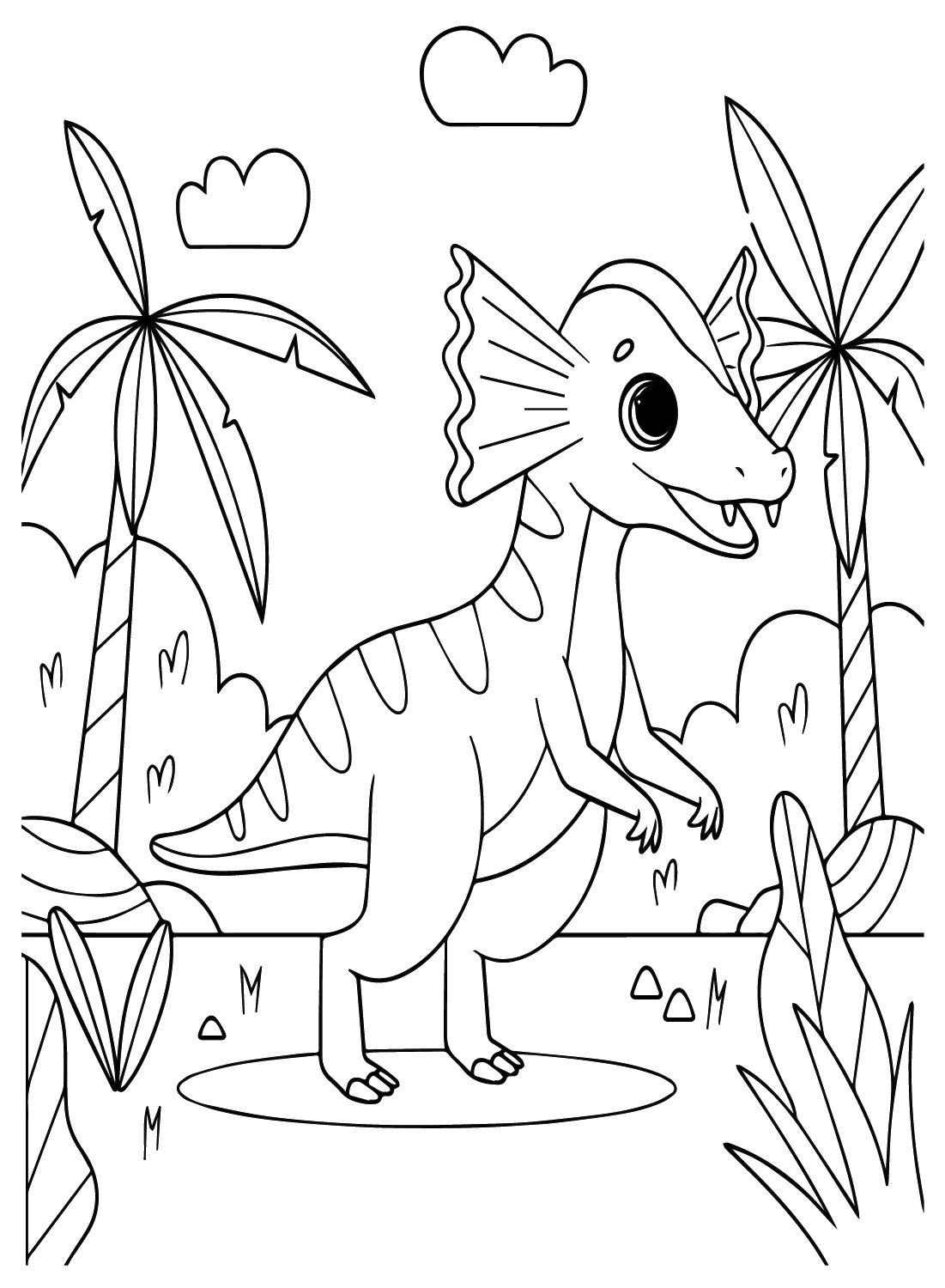
Five pages take a softer, friendlier approach: a kawaii-style face, a baby Dilophosaurus, and simple cartoon versions. Real, adult Dilophosaurus was a serious predator, so these cuter pages lean entirely into imagination rather than trying to depict the animal’s actual size or role in its ecosystem.
Jurassic Park Scene and Puzzle Activities
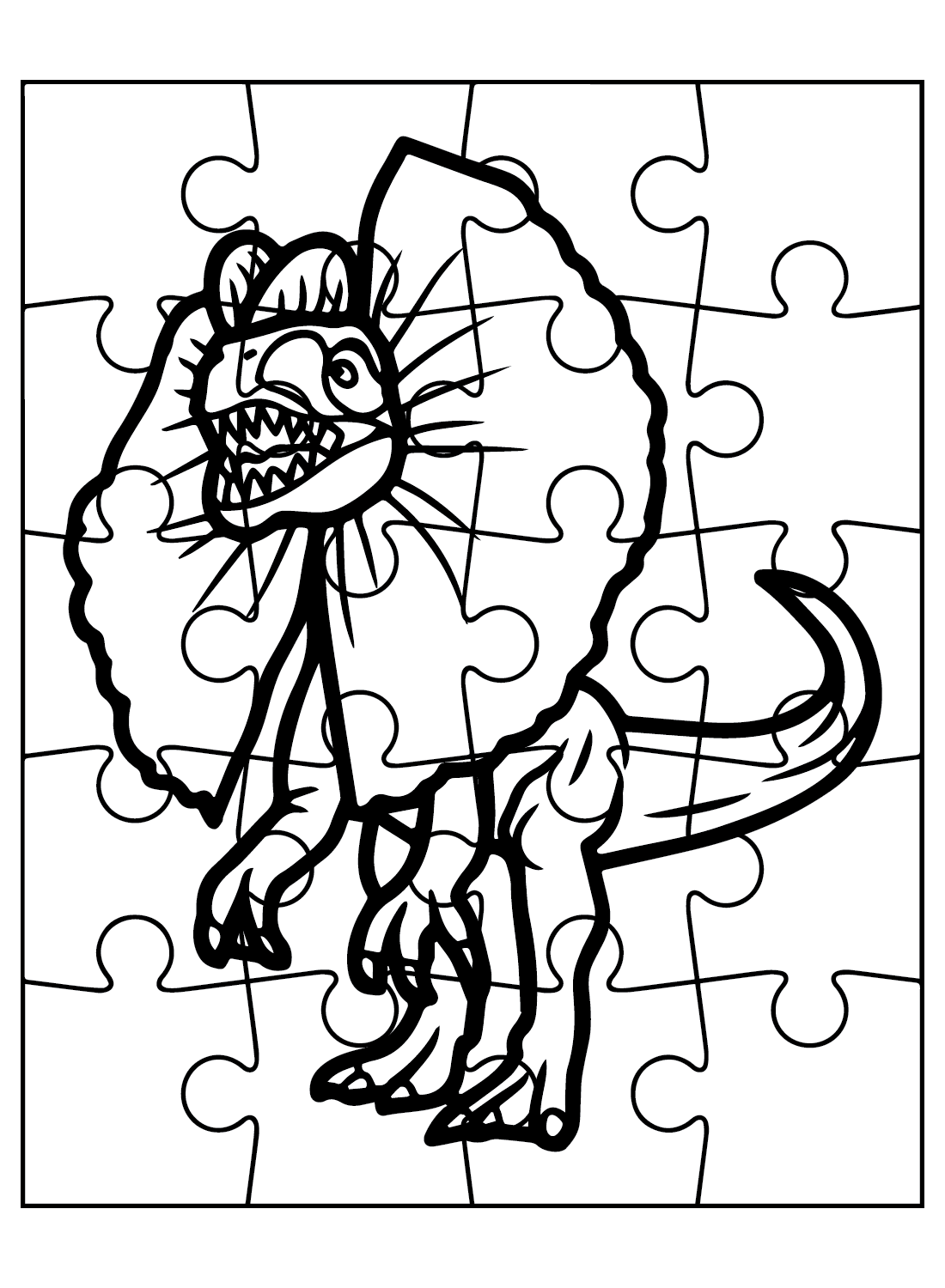
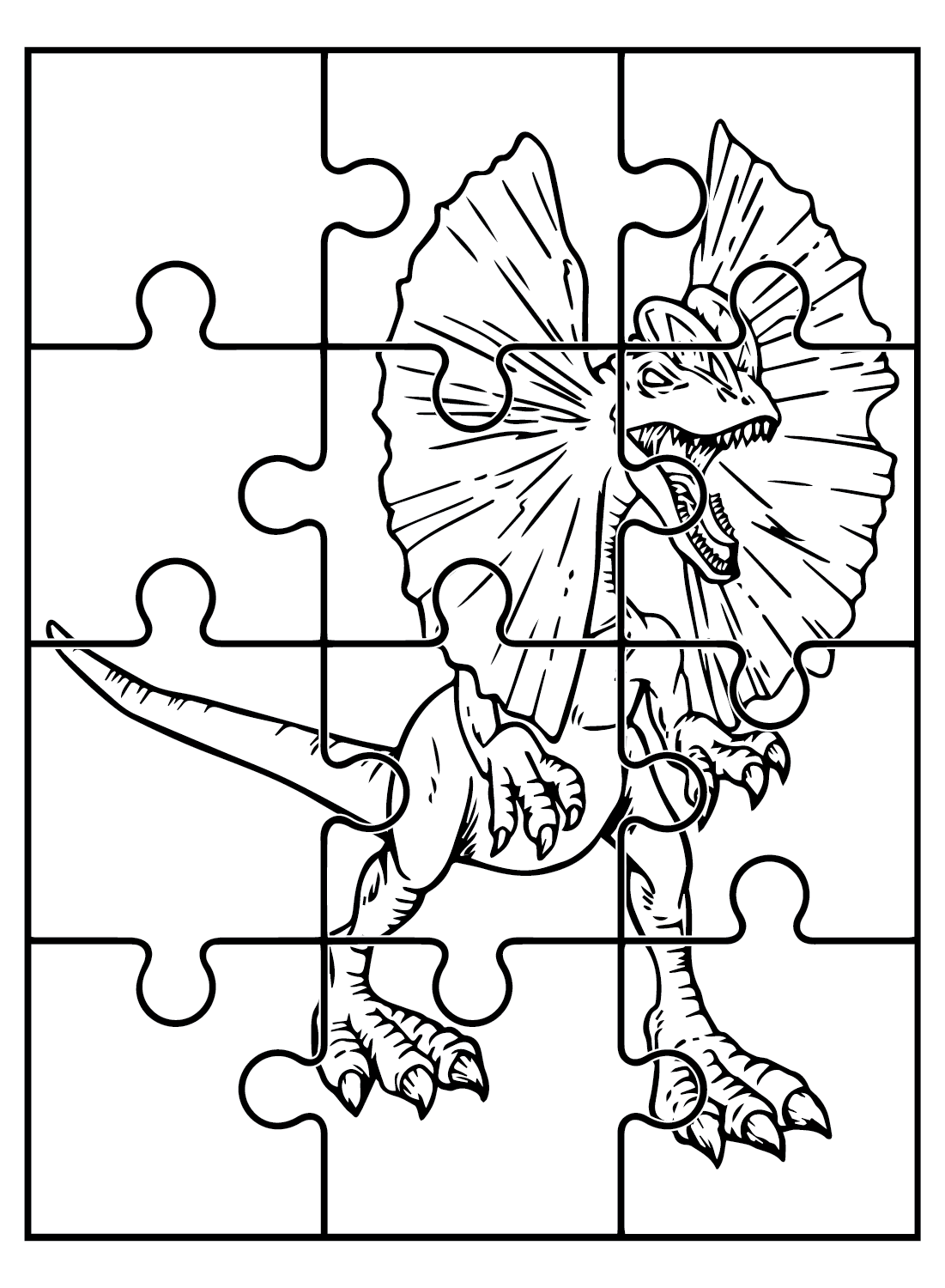
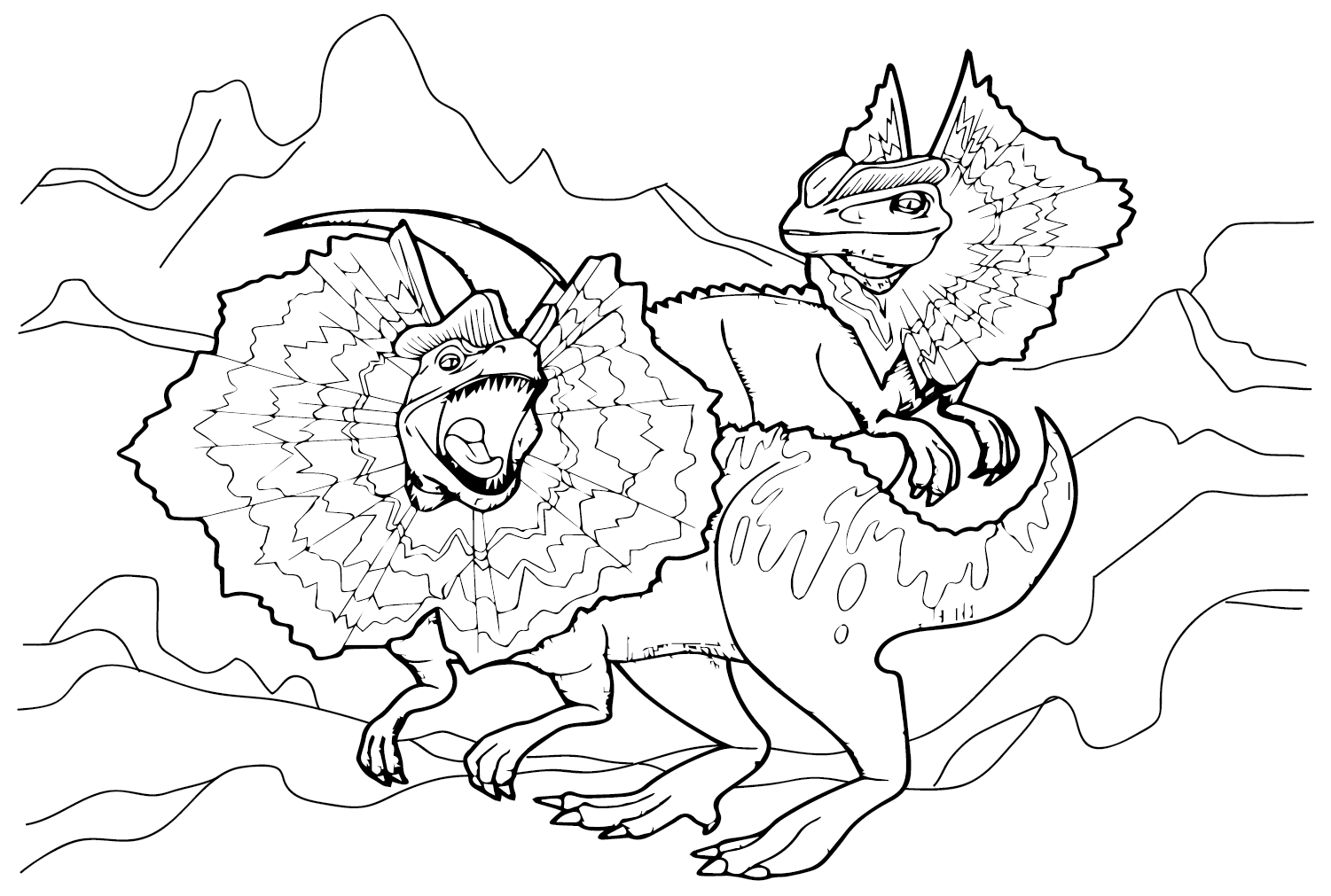
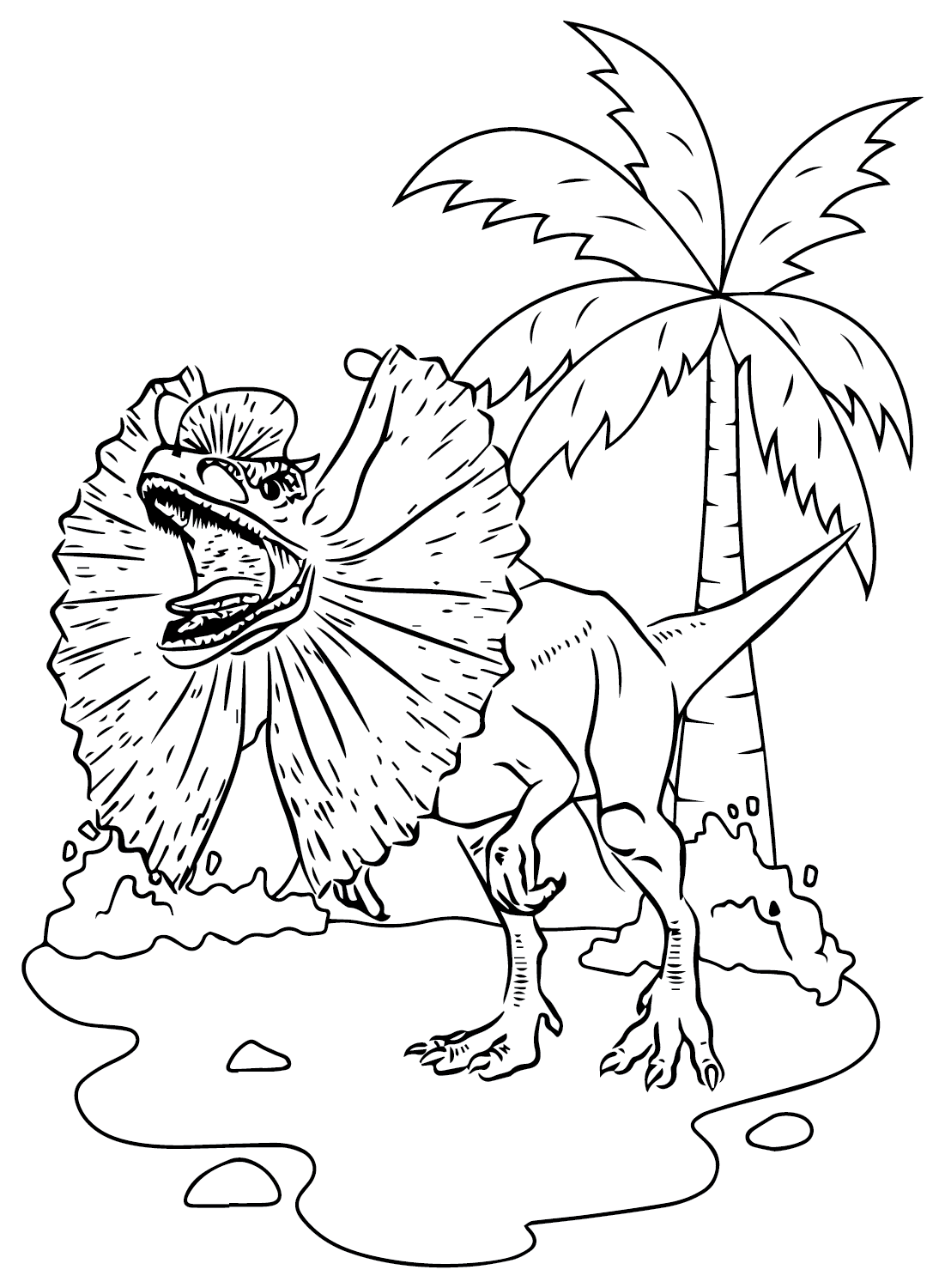
Three pages step outside a plain portrait: one page directly references the Jurassic Park film, and two present the design as a jigsaw-style puzzle activity. The Jurassic Park page is worth coloring with a clear understanding that its neck frill is a movie invention, not a feature the real animal had.
Simple and Solo Portraits
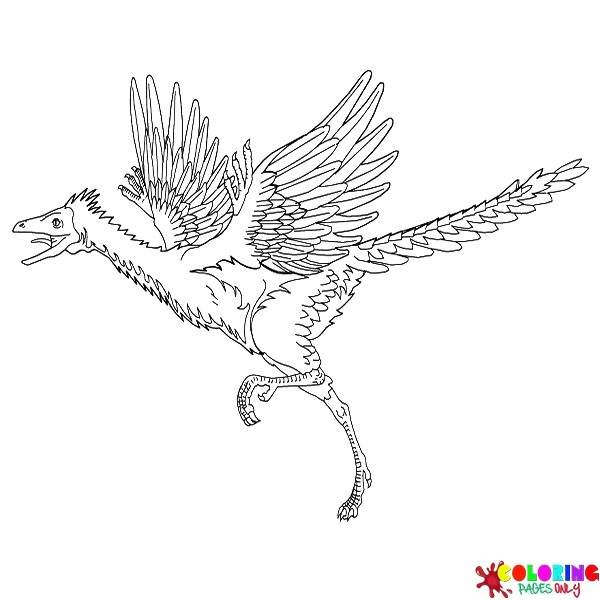
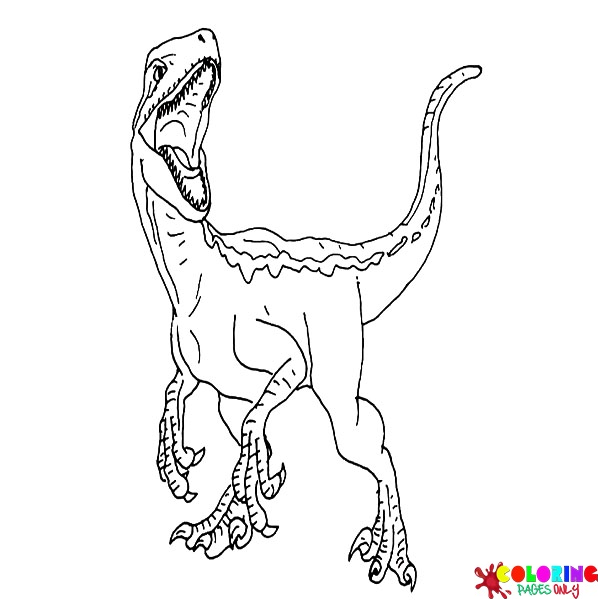
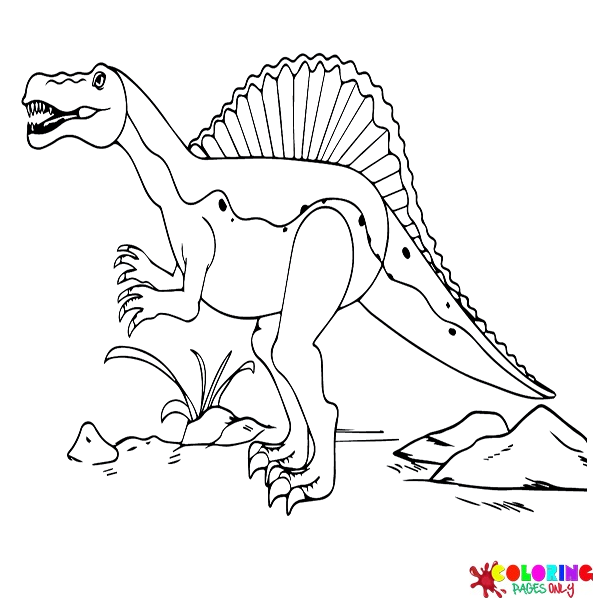
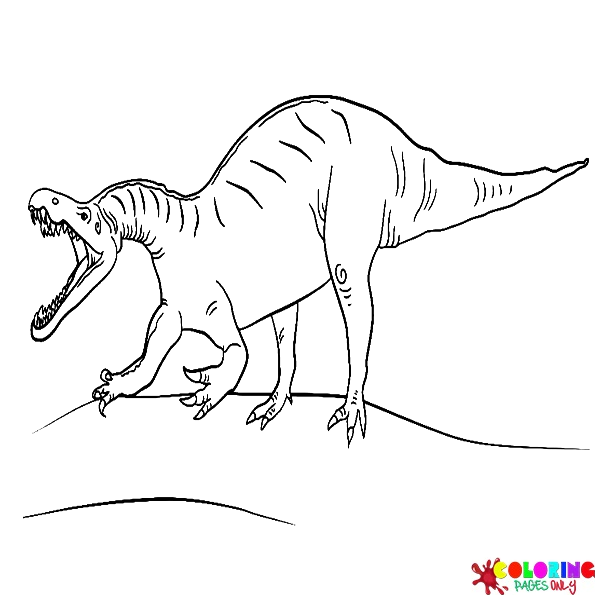
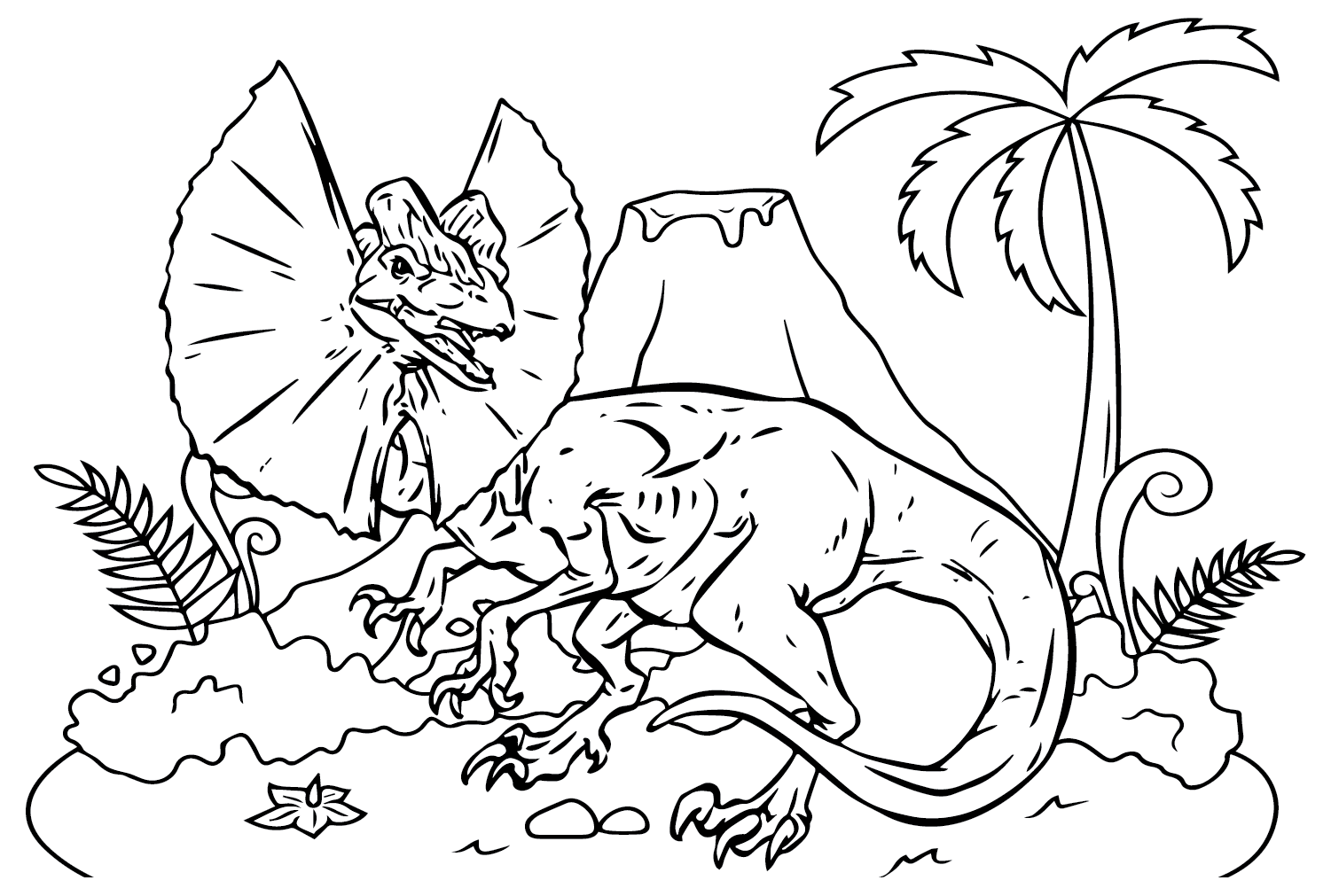
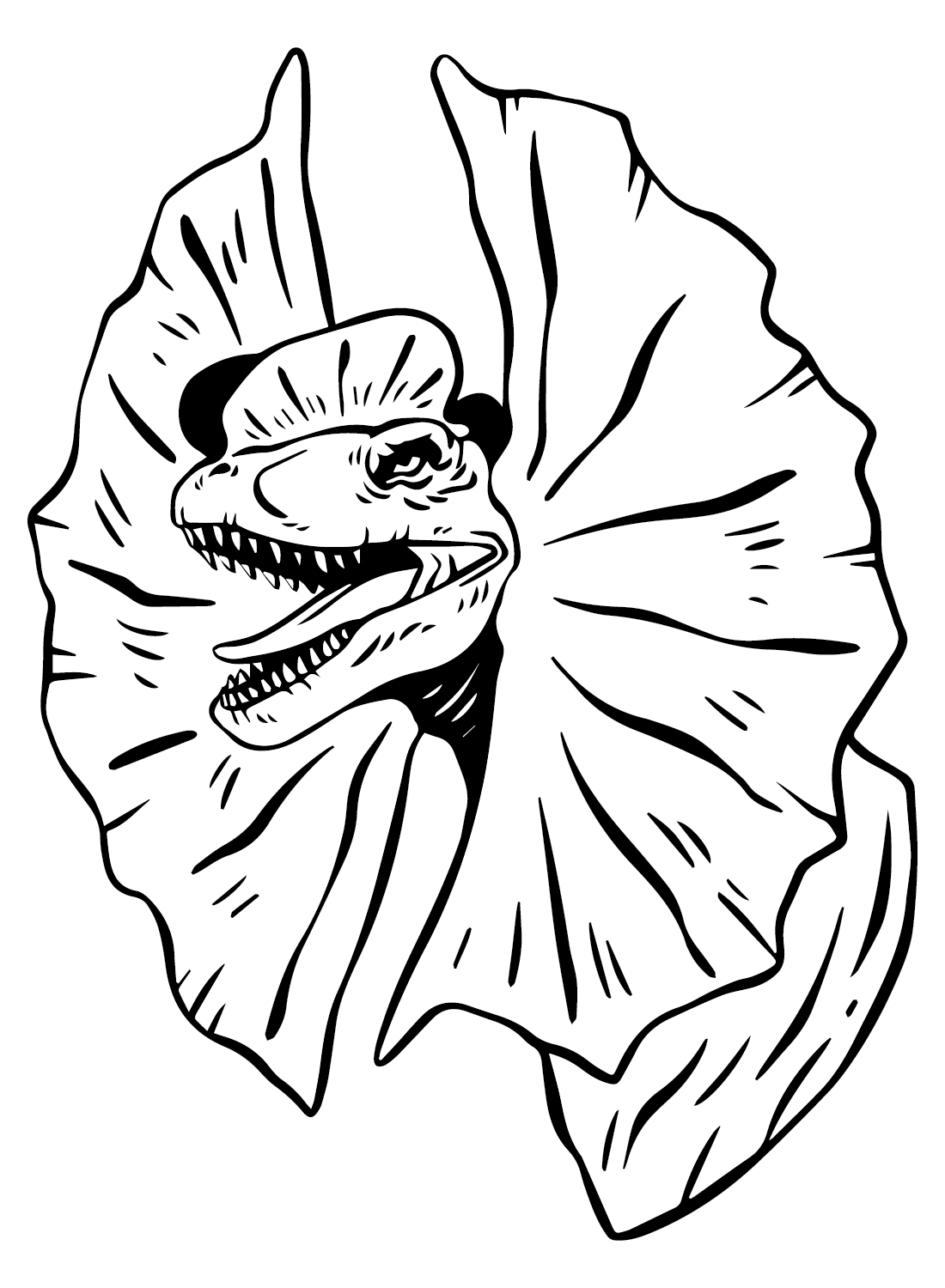
Twelve pages keep to a plain, solo Dilophosaurus outline without a scene or specific style attached. These are the best pages for focusing on the animal’s genuine defining feature, the pair of thin, semicircular crests running along the top of the skull, without the fictional neck frill mixed in.
What Dilophosaurus Coloring Pages Do
Crests and claws reward a careful hand. The thin, curved crests along a Dilophosaurus’s skull and its long, clawed hands both ask for steadier, more deliberate lines than a simpler animal shape would, and the American Academy of Pediatrics names exactly this kind of structured coloring, done between ages 2 and 7, as a clear path to fine motor skill development. The cute and baby pages offer an easier version of that same practice before a detailed solo portrait.
A movie monster built from real bones and pure invention. Since the real Dilophosaurus was a large, powerful predator with no frill or venom at all, coloring a plain portrait next to the Jurassic Park-style page is a concrete way to see exactly where a famous film swapped scientific accuracy for a more memorable villain.
Calm through repetition. A 2005 Art Therapy Journal study found a measurable drop in anxiety after coloring sessions built around a defined structure. The paired, symmetrical crests on a detailed Dilophosaurus page are about as structured as a coloring page gets.
A name that’s also a description. Since “Dilophosaurus” literally translates to “two-crested lizard,” coloring the crests carefully is a small way to notice that a dinosaur’s scientific name is often just an accurate, literal description of its most obvious feature.
How to Color Dilophosaurus Coloring Pages Well
- Real Dilophosaurus (no frill): Use Olive Green or Sea Green for the body with Tan or Sandy Tan underneath, since a large, ground-dwelling Early Jurassic predator likely used camouflage tones rather than bright colors.
- Crests: Use a contrasting color, Scarlet or Goldenrod, since display structures on real animals, like a rooster’s comb, are often more brightly colored than the rest of the body.
- Jurassic Park-style page (with frill): Keep the body Olive Green or Sea Green as with the accurate version, but the frill itself can take a bold contrasting color, since the frill is a film invention rather than a real feature to match the fossil evidence.
- Claws and teeth: Use Off-white or Timberwolf, kept sharp and clean rather than heavily shaded, to stay legible against the body color.
- Baby and cute-style pages: Brighter, less realistic colors work well here, Sky Blue or Carnation Pink, since these pages prioritize charm over biological accuracy.
- Background scenes (volcano, forest): Keep the background a few shades more muted than the Dilophosaurus itself, so the animal stays the clear focal point.
5 Creative Craft Ideas With Dilophosaurus Coloring Pages
1. Real vs. Movie Fact Card. Color a plain portrait and the Jurassic Park-style page, then write the real facts, size, no frills, no venom, on the back of each card. It’s a simple way to compare science and fiction side by side.
2. Size Comparison Chart. Color a Dilophosaurus page, then draw a stick figure of a person next to it at the correct relative height, since the real animal stood roughly as tall as an adult at the hip. It’s a hands-on way to show its true scale.
3. Crest Close-Up Study. Color one of the detailed portraits at a larger size, focusing extra attention on getting the crest shape accurate. It’s a good project for an older kid who wants a more involved challenge.
4. Puzzle Piece Craft. Color one of the jigsaw-style pages, cut it into pieces along the printed lines, and reassemble it as a simple puzzle. It adds a second activity to a single coloring page.
5. Dilophosaurus Bookmark Set. Color a few small portraits, cut them into narrow bookmark strips, and cover each with clear contact paper. A set makes a fun, low-cost gift for a dinosaur-loving reader.
Frequently Asked Questions
What are Dilophosaurus coloring pages?
Dilophosaurus coloring pages are free printable and browser-colorable dinosaur designs, from simple portraits to cute, baby, and movie-inspired versions. This collection has 20 pages, available as PDF downloads or through the online coloring tool.
Did the real Dilophosaurus have a neck frill?
No. The spreading neck frill shown in the Jurassic Park films has no basis in the fossil record and was invented for the movies. Real Dilophosaurus fossils show no evidence of any such structure.
Could Dilophosaurus actually spit venom?
No. There’s no fossil or anatomical evidence that Dilophosaurus produced or delivered venom. The venom-spitting ability was a fictional addition from Michael Crichton’s 1990 novel and the 1993 film.
How big was the real Dilophosaurus compared to the movie version?
The real Dilophosaurus was much larger than its movie counterpart, reaching up to 20 feet long and around 1,000 pounds, compared to the roughly human-sized, 8-to-10-foot version shown on screen.
What does the name Dilophosaurus mean?
Dilophosaurus means “two-crested lizard,” referring to the pair of thin, semicircular bony crests running along the top of its skull, its most distinctive real feature.
Who discovered the first Dilophosaurus fossils?
Jesse Williams, a Navajo teenager, discovered the first Dilophosaurus fossils in 1940 on Navajo Nation land near Tuba City, Arizona. The dinosaur was formally described by paleontologist Samuel Welles in 1954 and given its own genus name in 1970.
Are Dilophosaurus coloring pages suitable for young children?
Yes, with the right page. The simple and cute pages suit younger children, while the more detailed portraits suit older kids interested in the real science behind the animal.
What were the real crests actually used for?
The crests were likely too fragile for fighting and are thought to have been used mainly for visual display, such as attracting mates or signaling to other members of the same species, similar to a peacock’s tail.
Start Coloring
Download any design by clicking it. No account, email, or payment is required to color or print. Every page opens in the online coloring tool for on-screen use or downloads as a full-resolution PDF for printing. Share a finished Dilophosaurus page using the Facebook or Pinterest buttons at the top of the page.