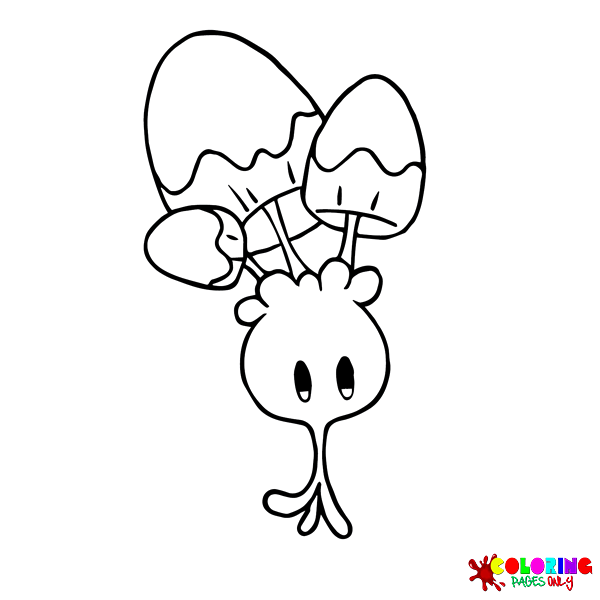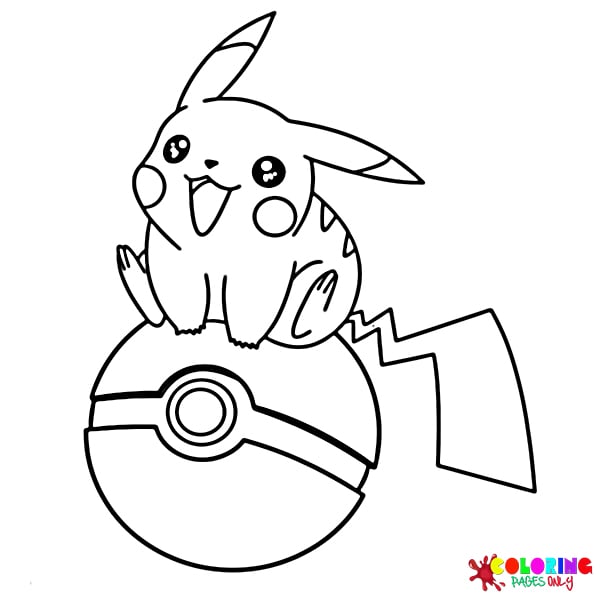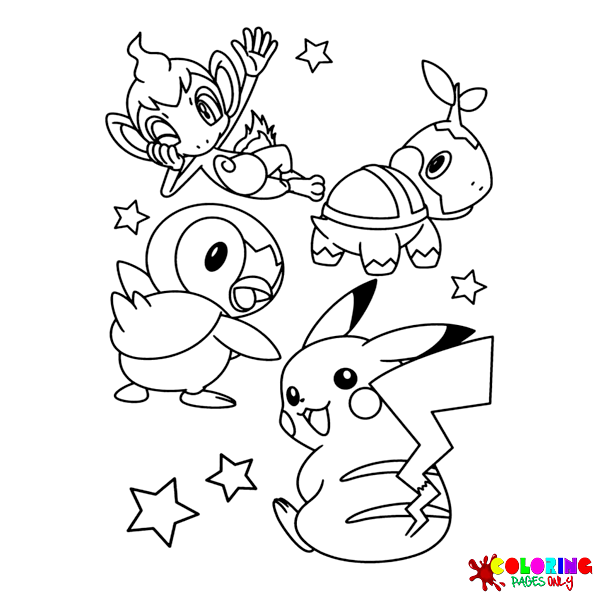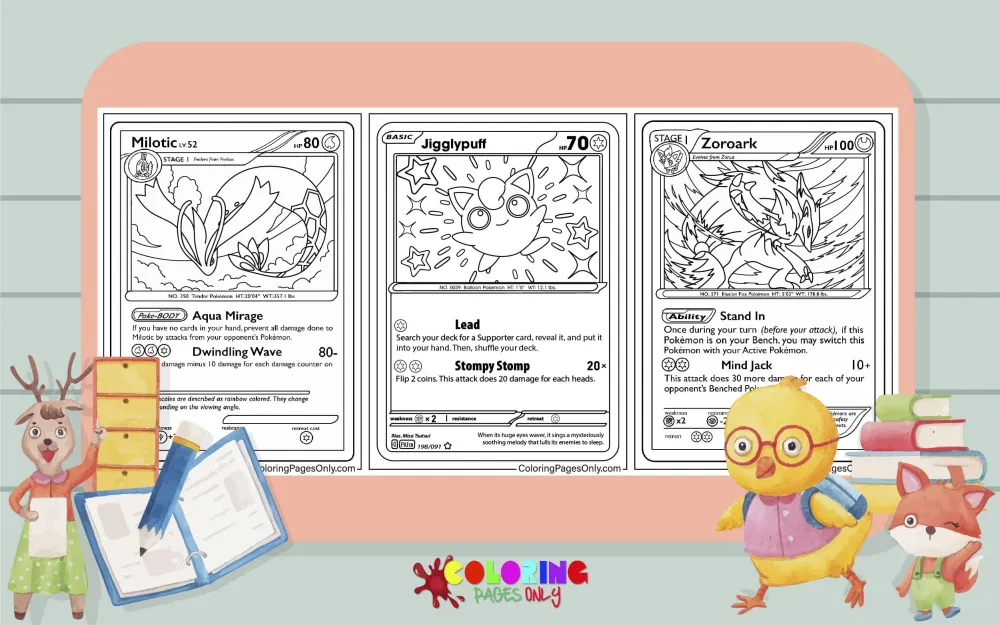
Free Pokémon card coloring pages: 22 printable PDF designs featuring real, named Pokémon species in a card-style layout, for kids and collectors. Each page can be downloaded as a PDF to print or colored online in the browser.
Pokémon has released new species in generational waves since the original Game Boy games launched in 1996, and this collection reflects that history directly: it includes species from seven different generations, spanning two decades of the franchise, from Kanto originals like Charizard and Pikachu through Sylveon, introduced in 2013, and Mimikyu, introduced in 2016. Rather than generic or invented characters, every page in this set is a real, named Pokémon species rather than a repeated or utility-labeled title.
With 22 pages split into four groups, Kanto starter evolution lines, Eeveelutions, legendary and powerful Pokémon, and multi-generation fan favorites, the set works for a fan tracking a specific evolution line as well as anyone who wants a broad sample of the franchise’s history.
What Is Inside This Collection
The 22 pages fall into four groups, based on the species and their role within the wider Pokémon franchise.
Kanto Starter Evolution Lines
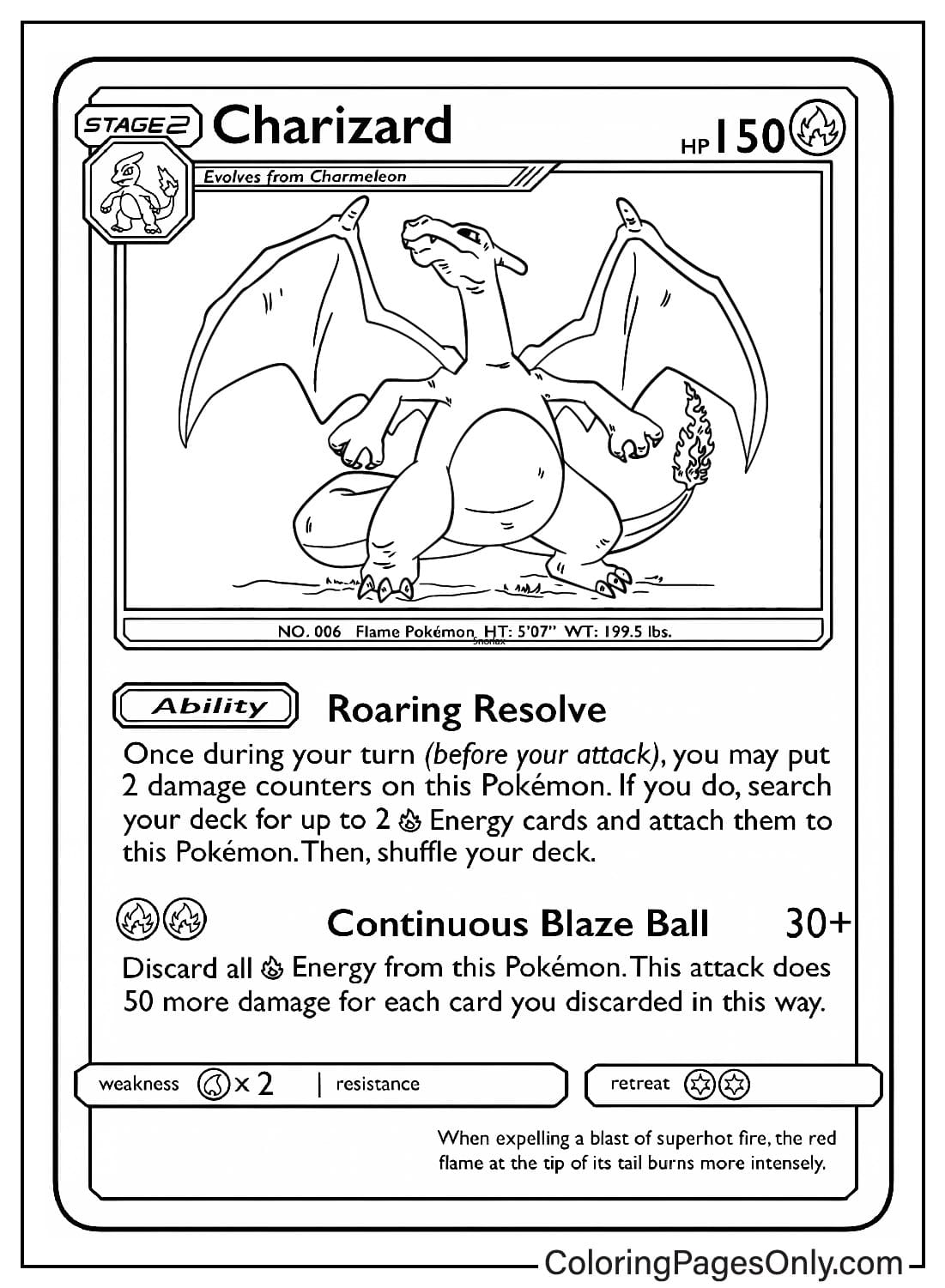
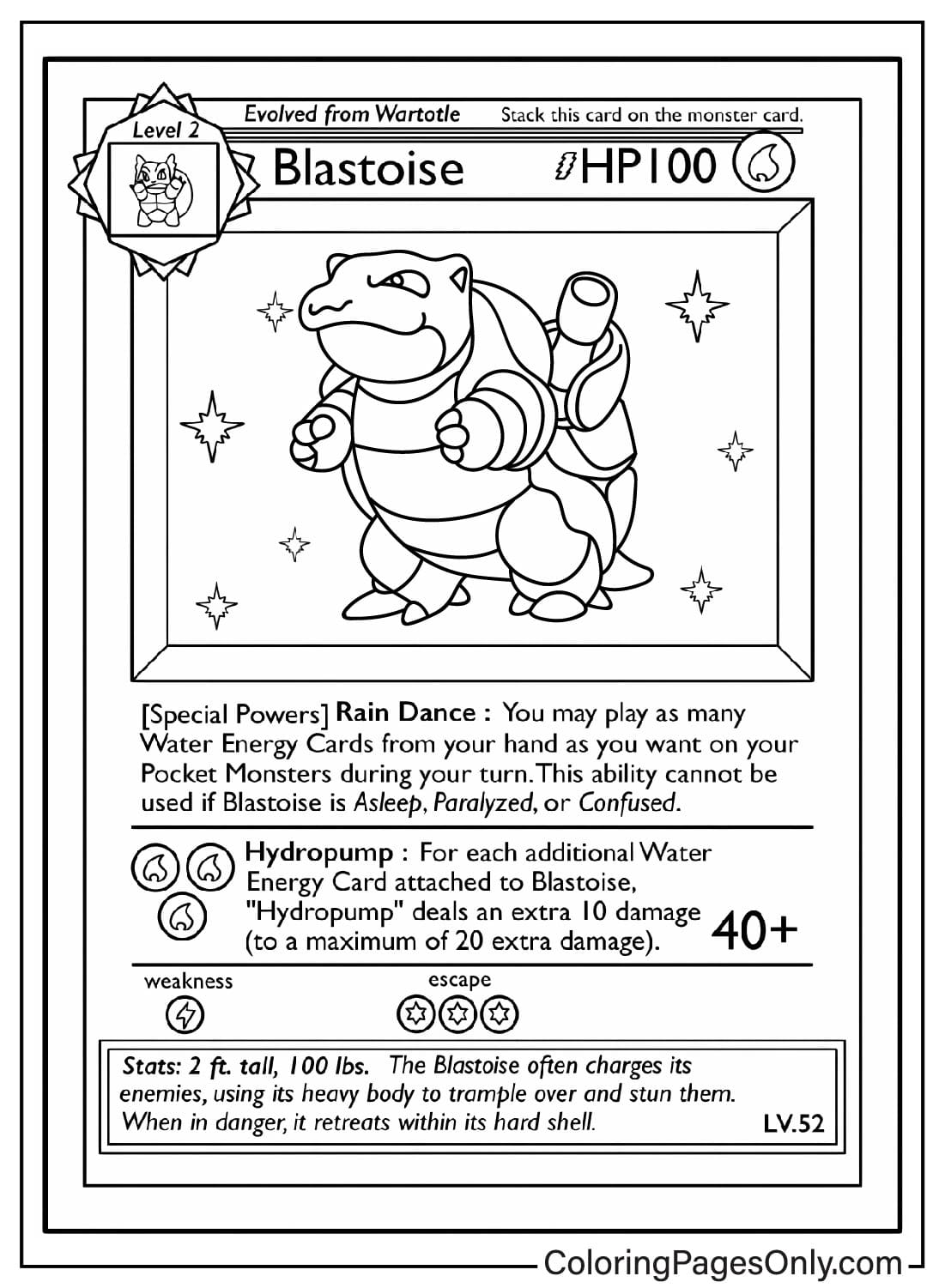
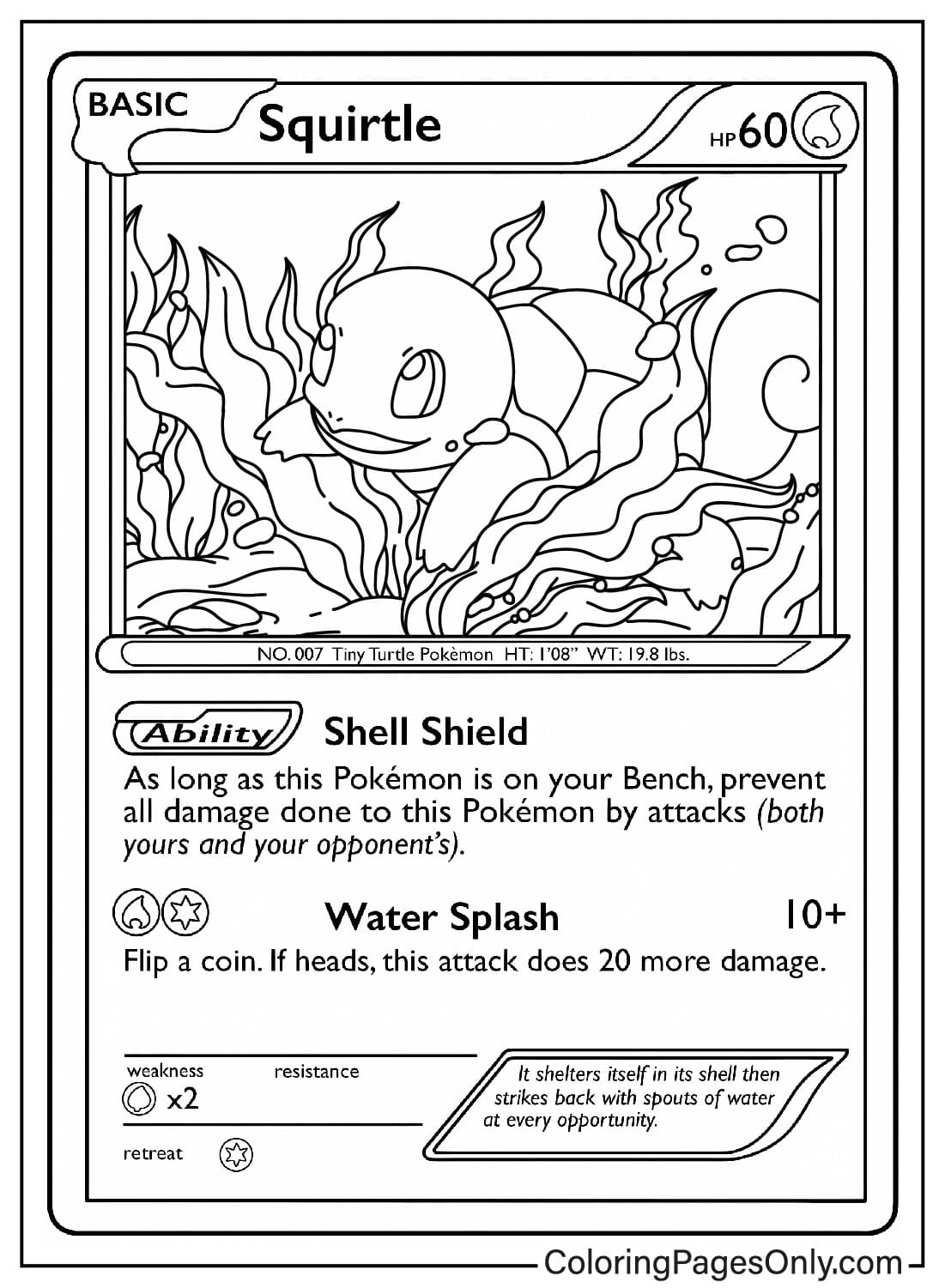
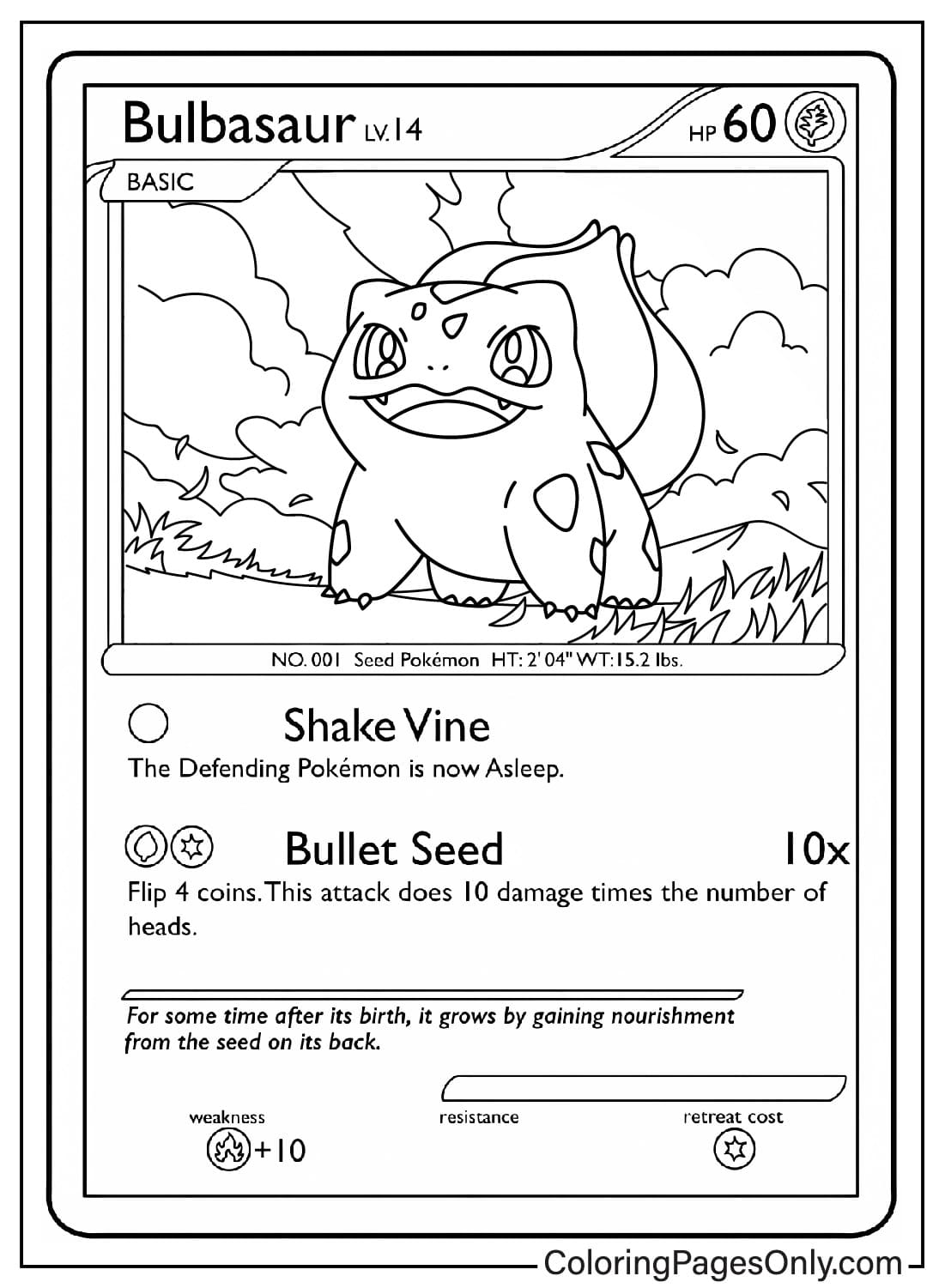
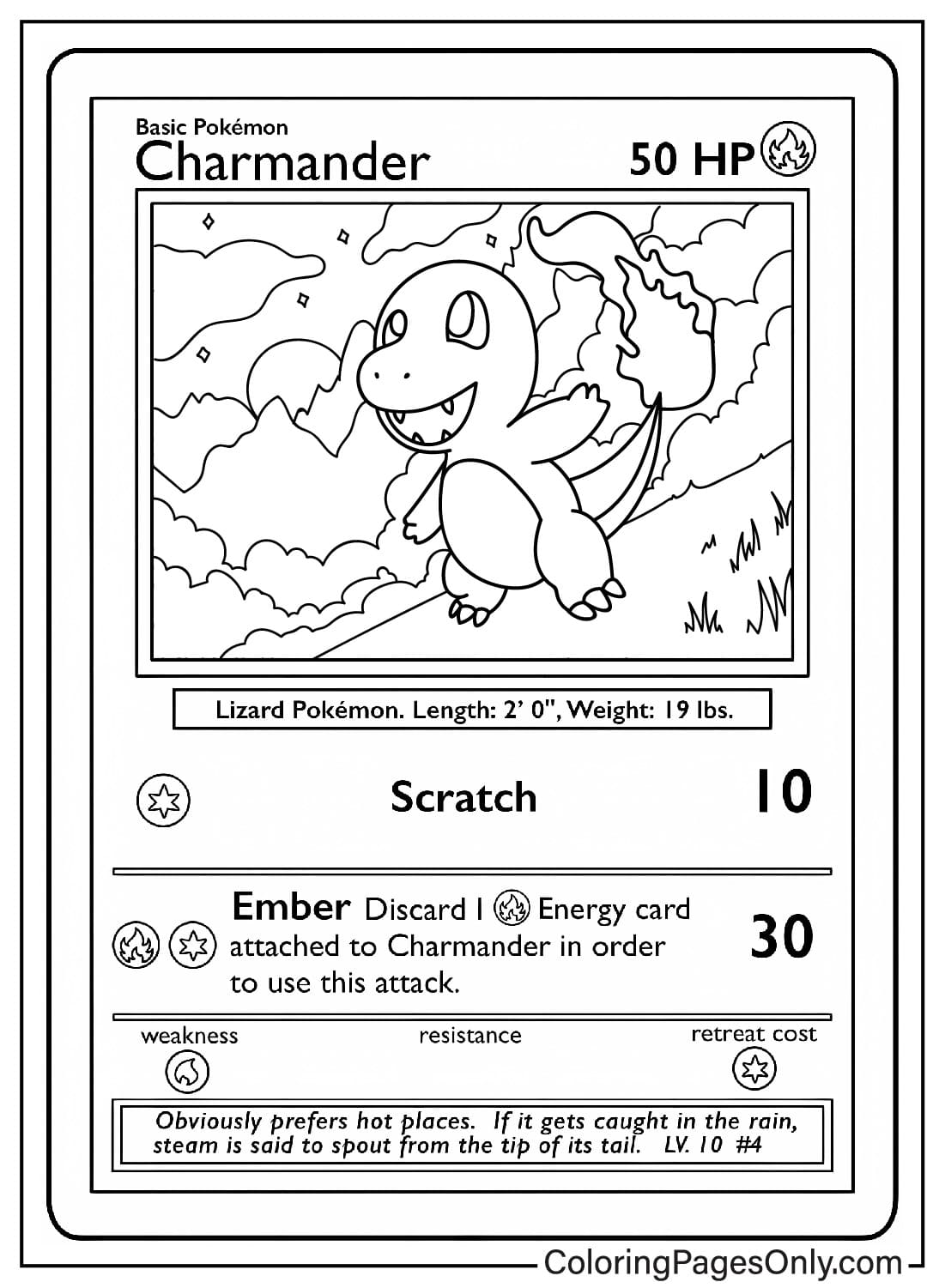
5 pages covering the original starter Pokémon and their evolutions: Bulbasaur, Squirtle, Charmander, Charizard, and Blastoise. Fern Green suits Bulbasaur, Turquoise Blue fits Squirtle, and Charmander’s Scarlet-orange body with a Goldenrod flame tail follows each starter’s official game color scheme.
Eeveelutions
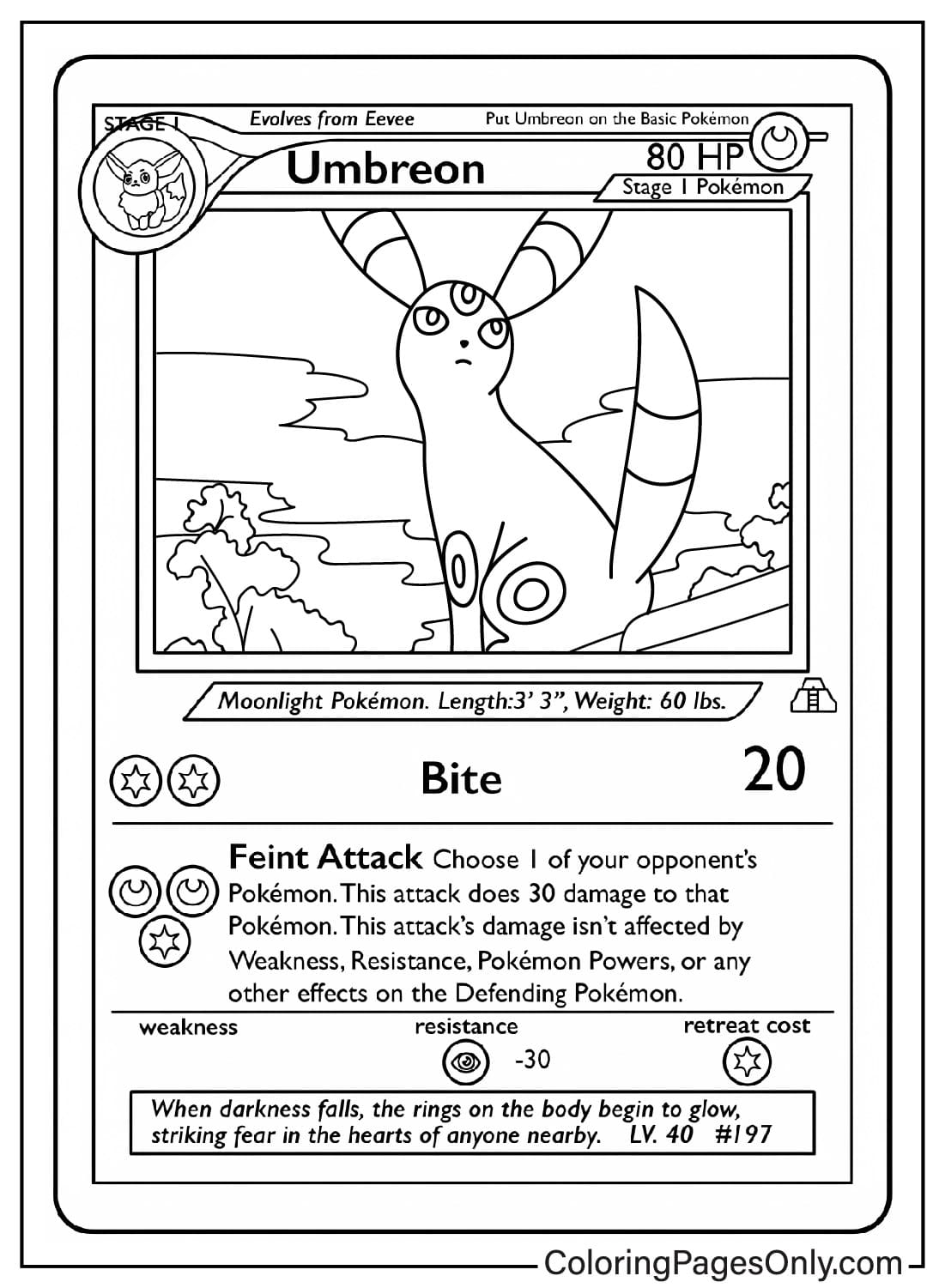
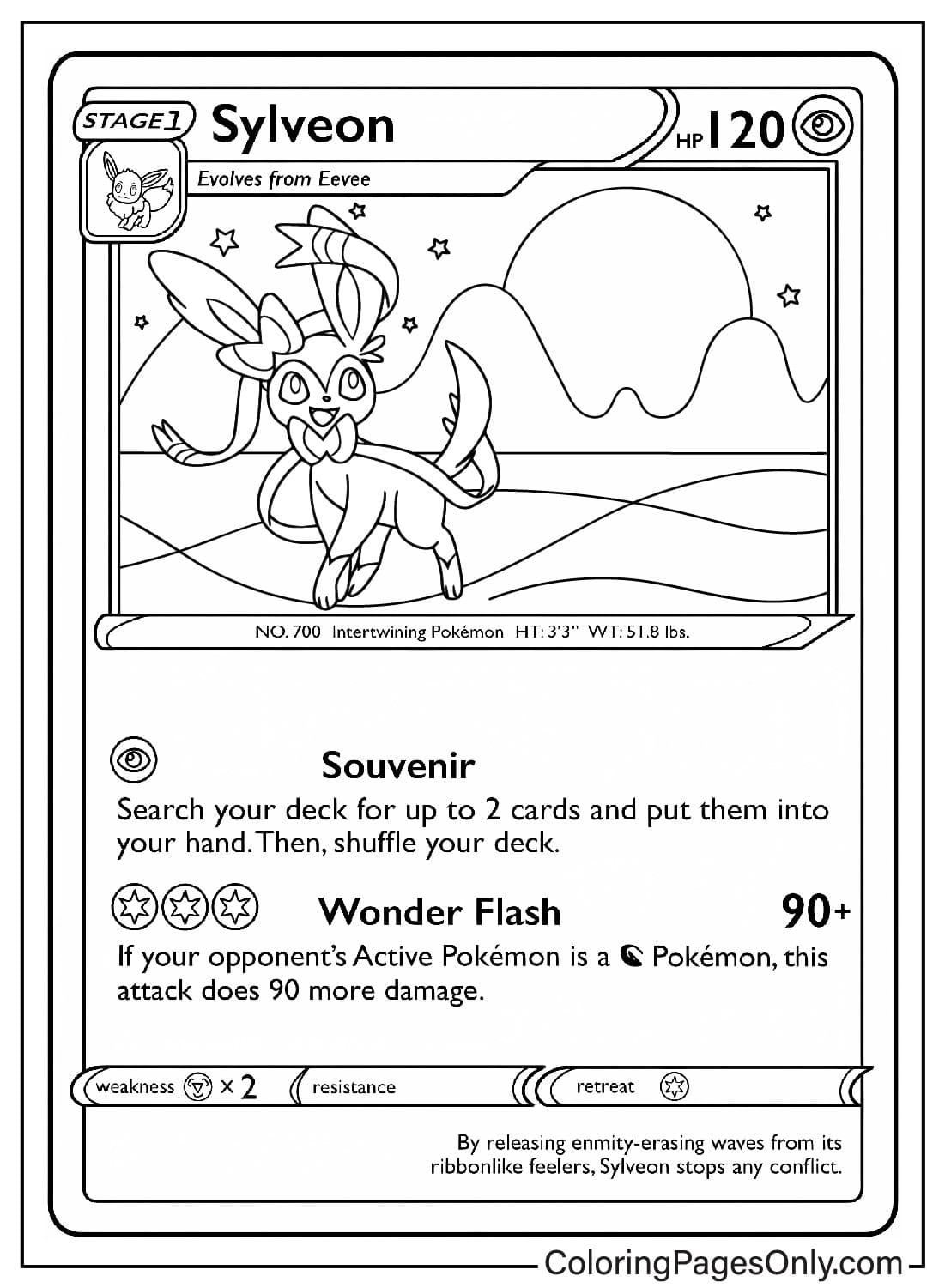
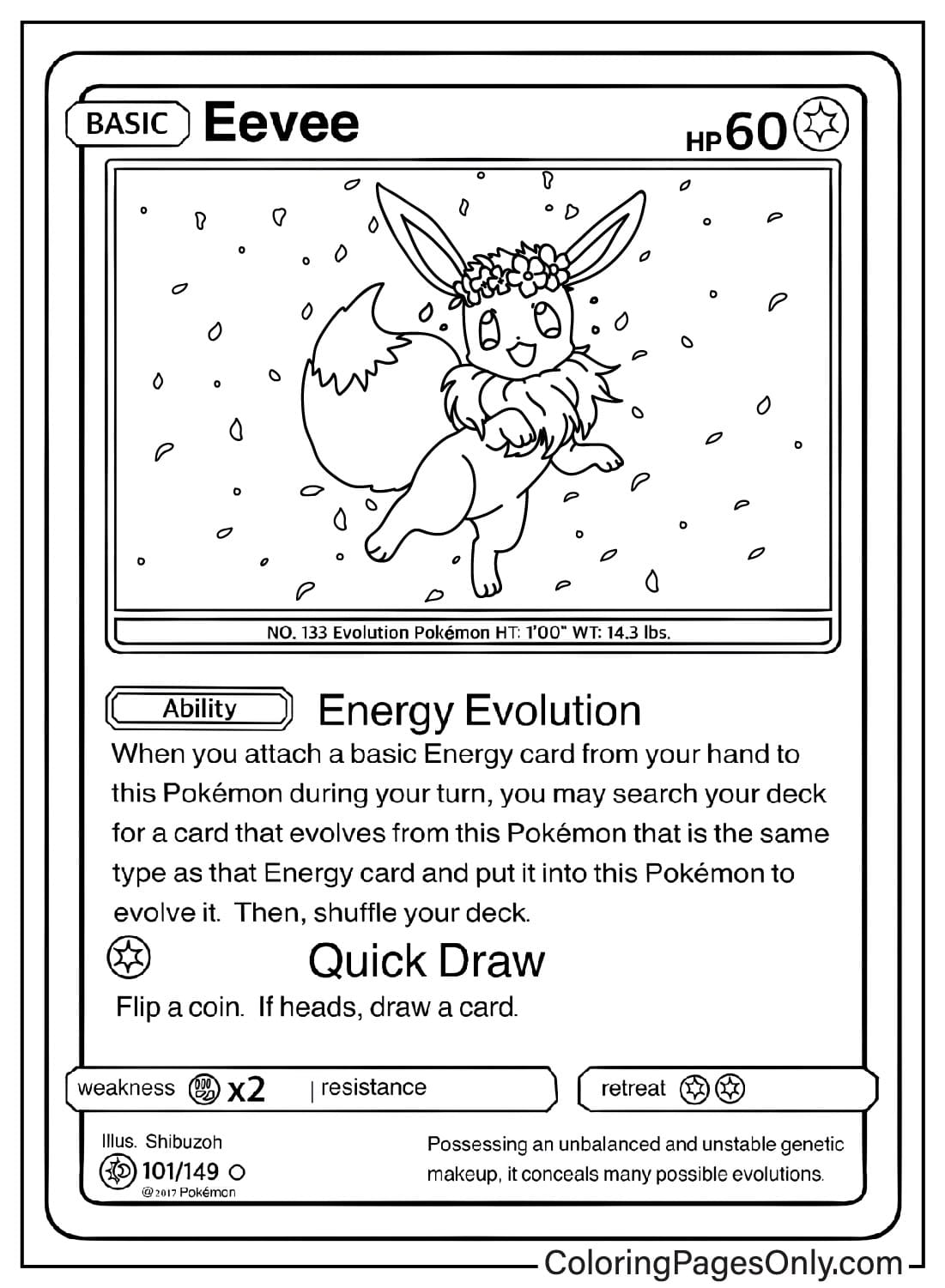
3 pages featuring Eevee and two of its evolved forms, Umbreon and Sylveon. Keep Eevee’s warm Tan and Brown fur as the baseline, then shift dramatically for its evolutions, Umbreon’s near-Black body with Sunglow ring markings, and Sylveon’s soft Pink with Sky Blue-tipped feelers.
Legendary and Powerful Pokémon
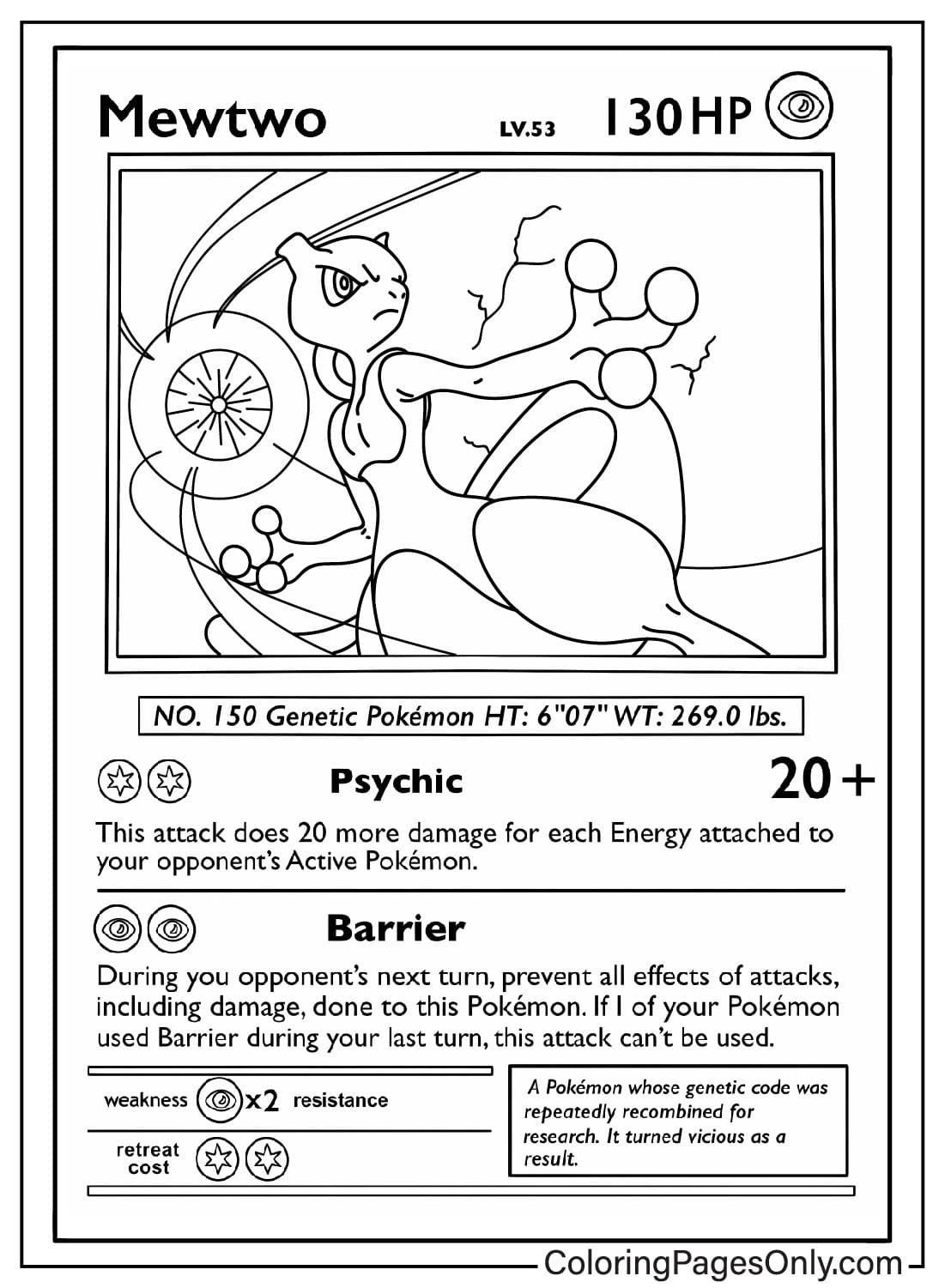
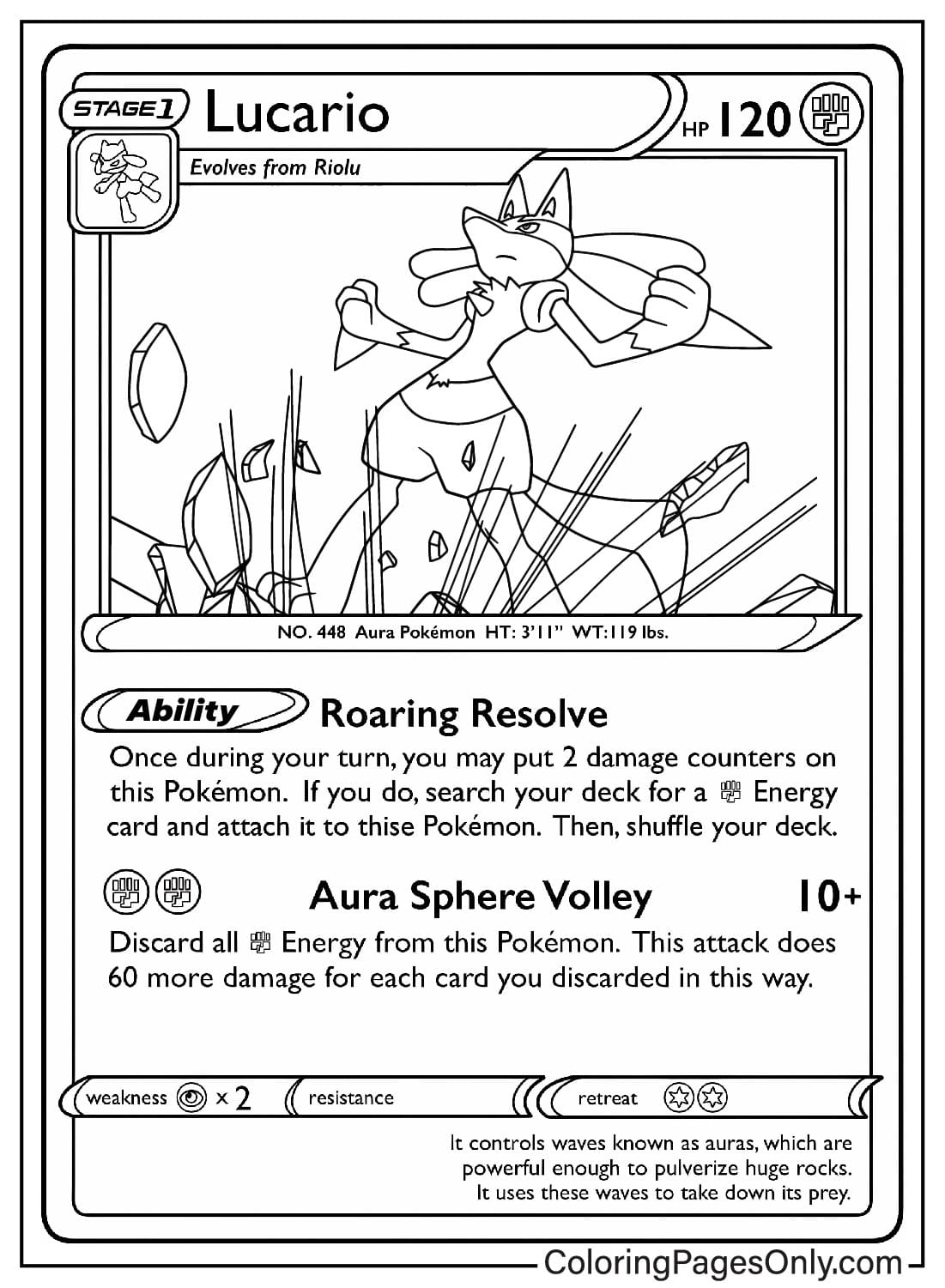
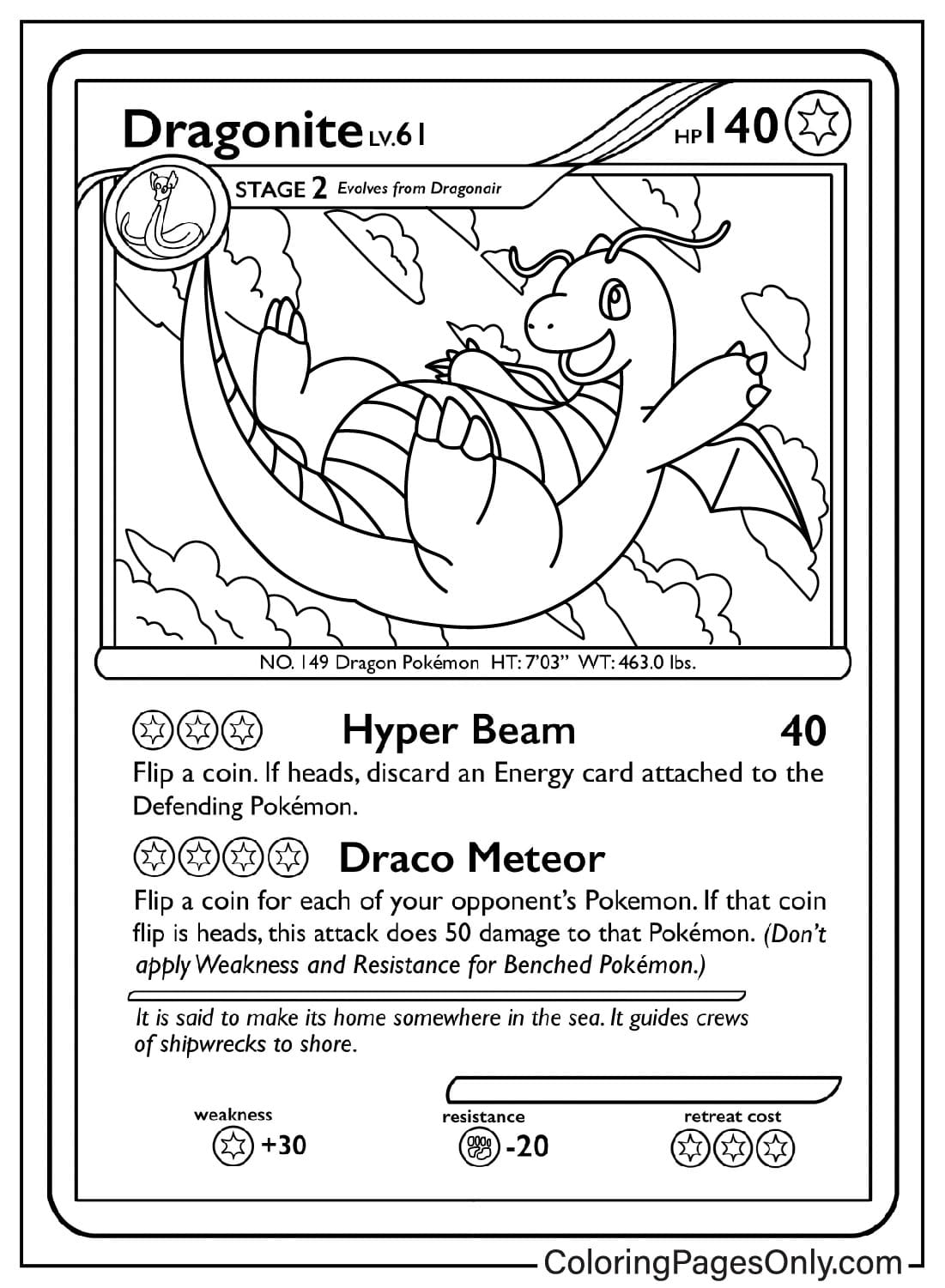
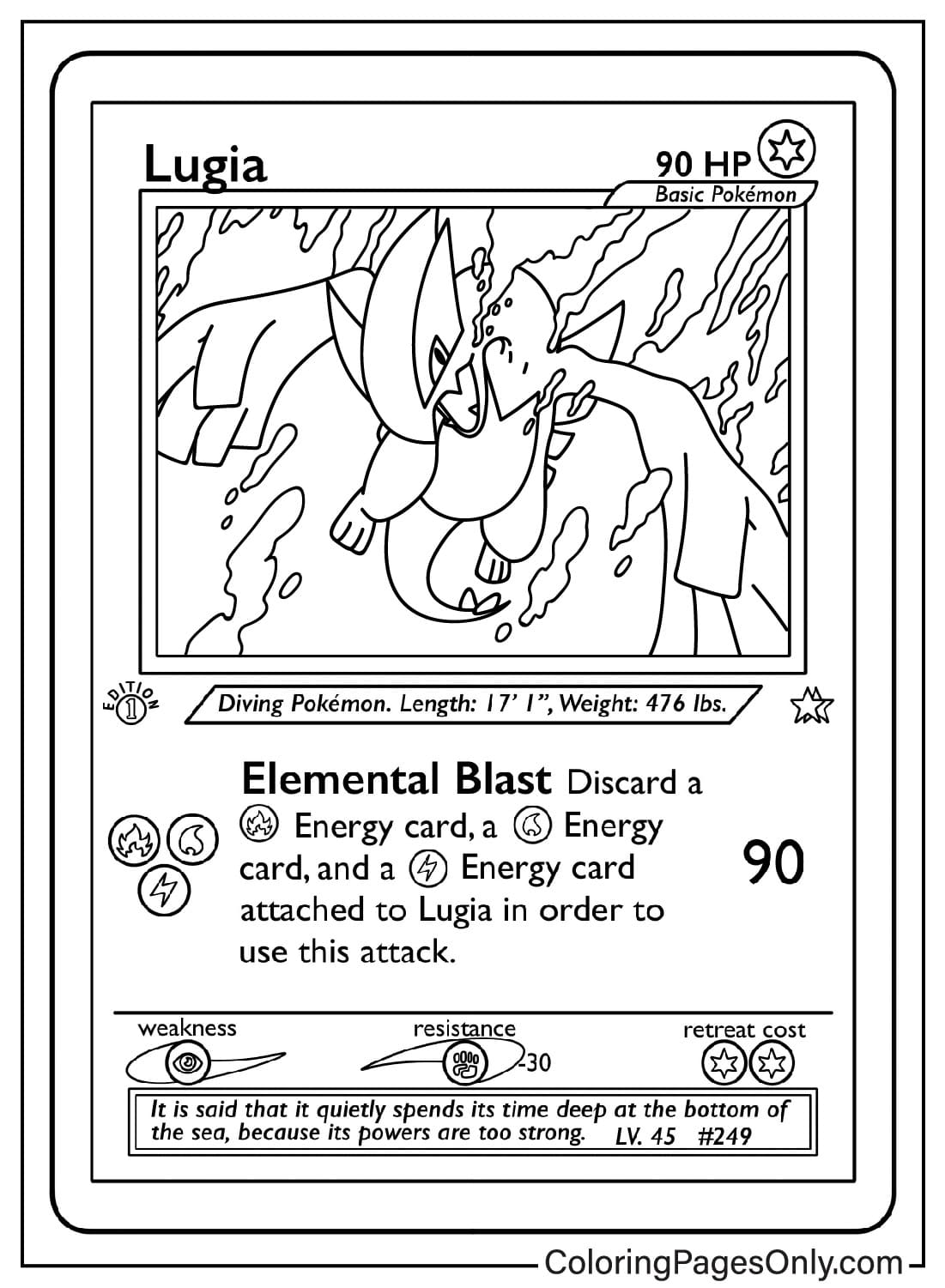
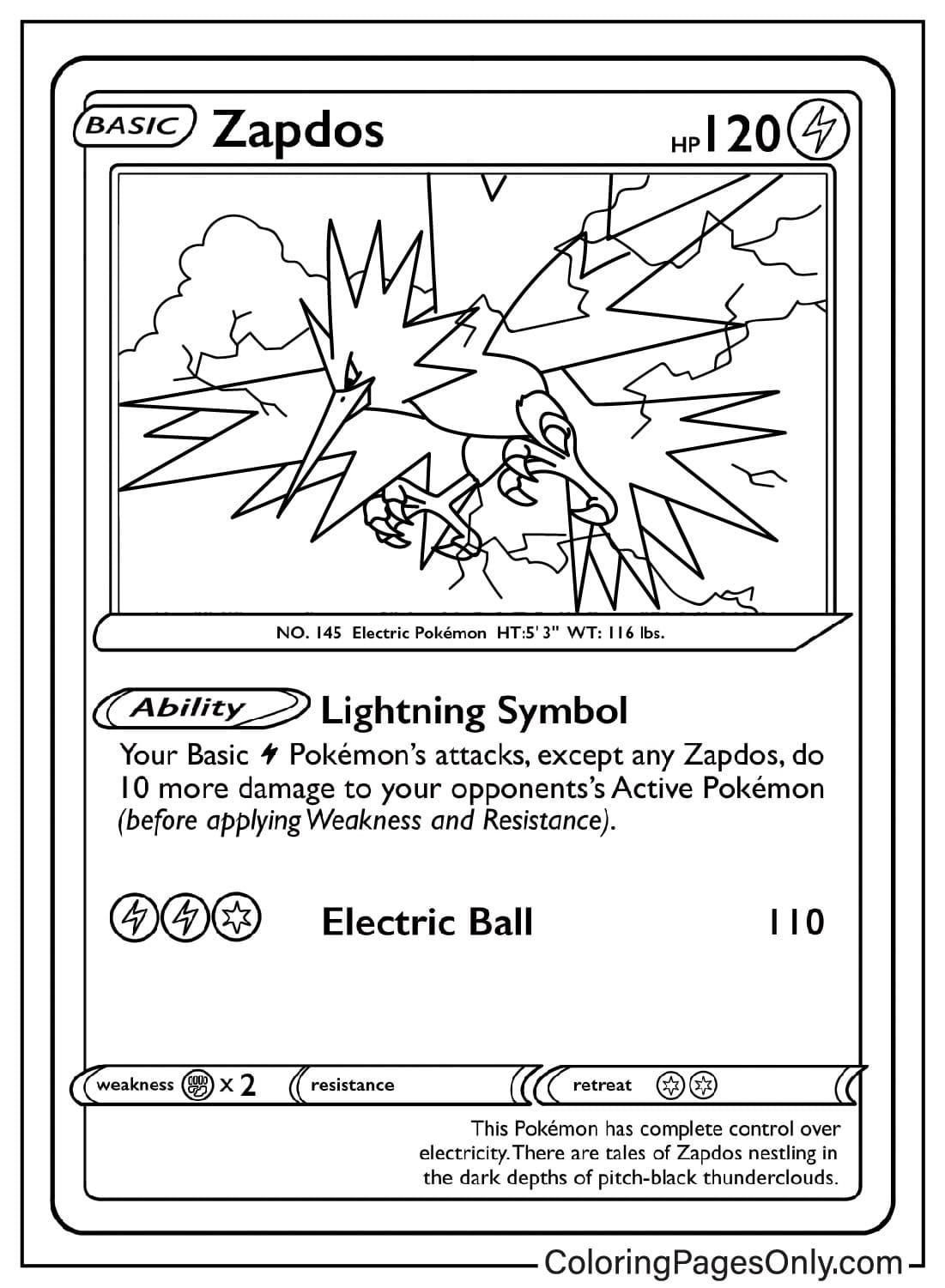
5 pages featuring Mewtwo, Lugia, Zapdos, Dragonite, and Lucario. Mewtwo’s pale Lavender, Lugia’s White and Silver, and Zapdos’s Sunglow yellow all follow official, consistent color schemes worth matching for accuracy.
Multi-Generation Fan Favorites
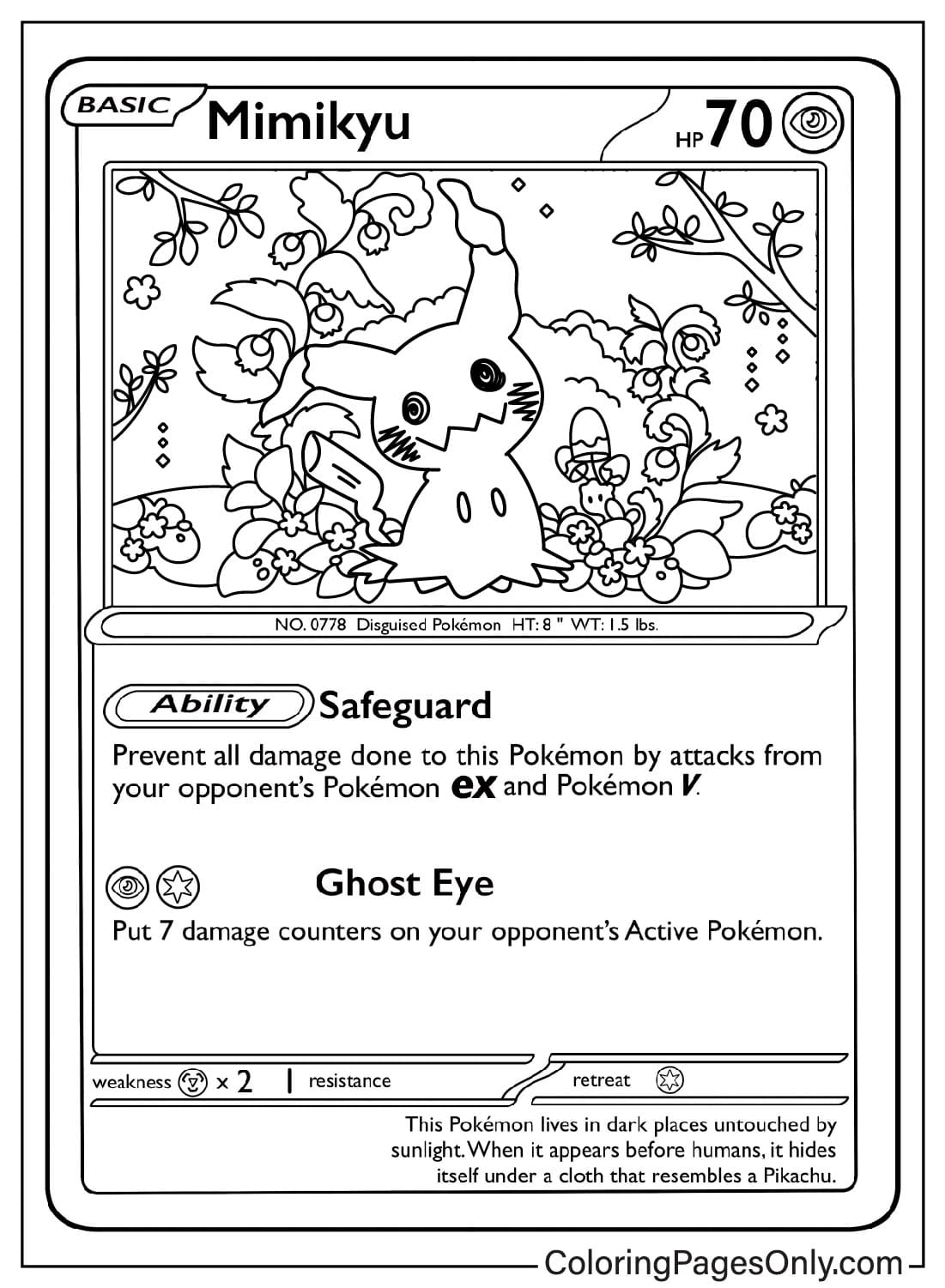
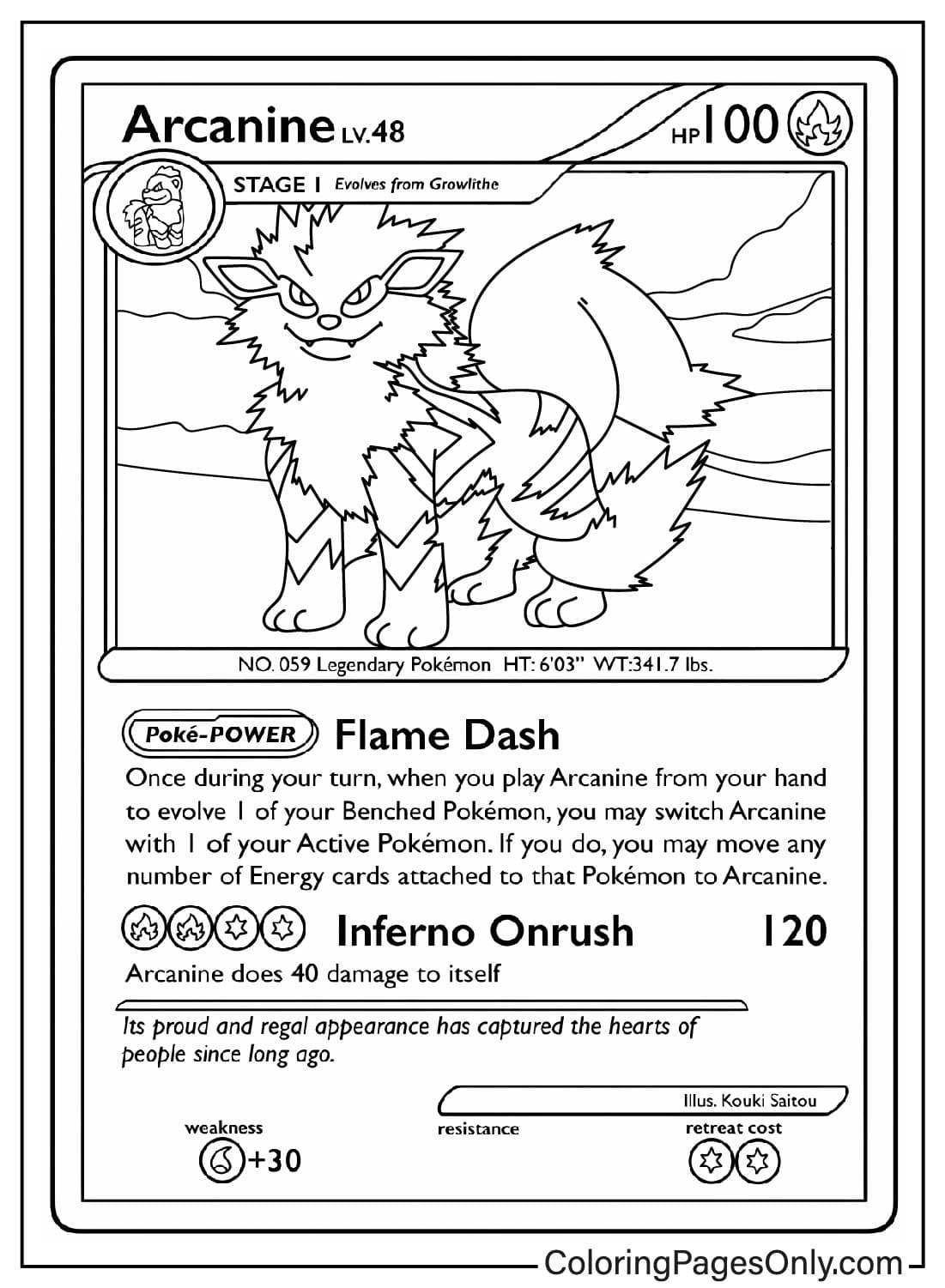
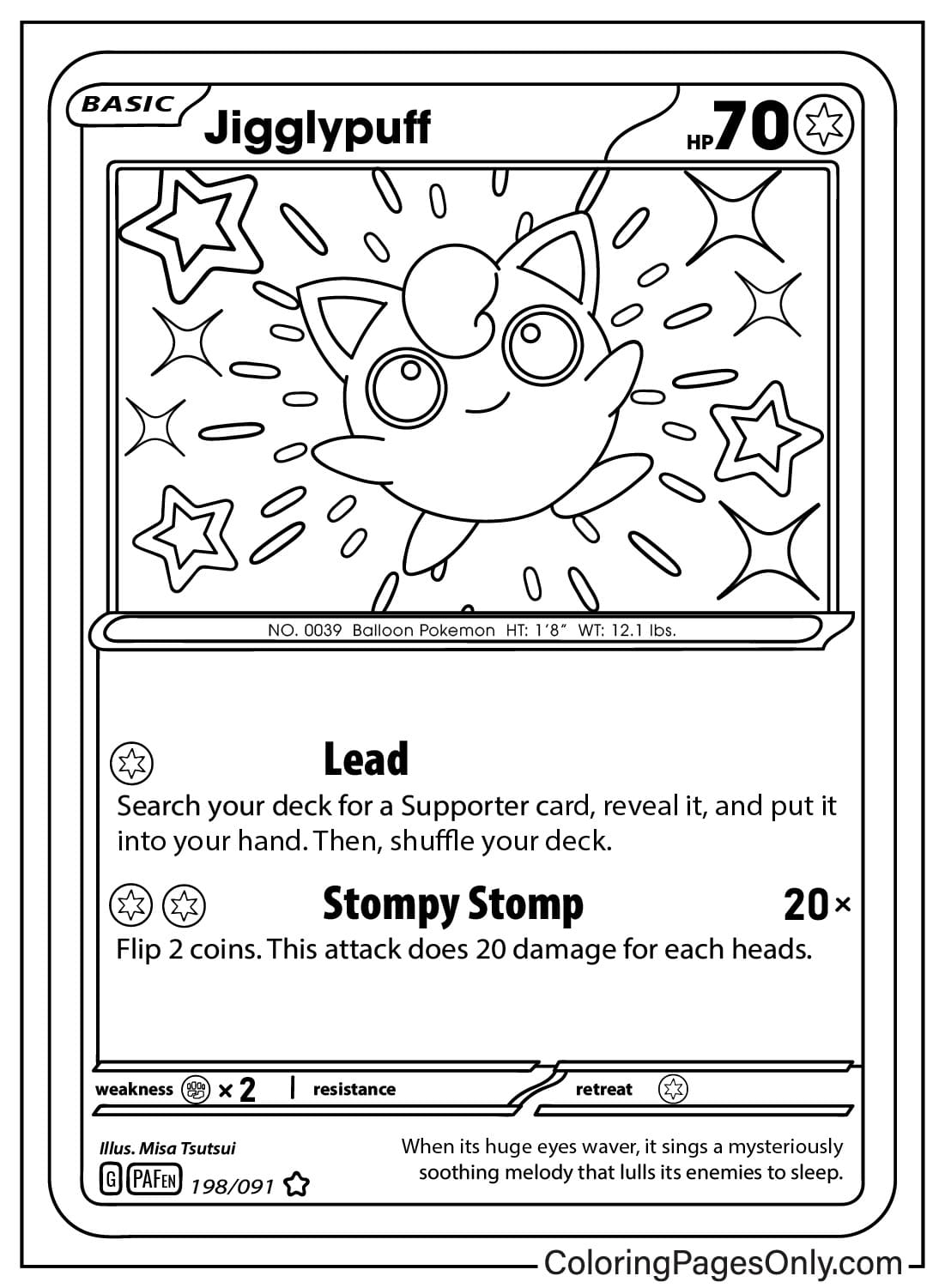
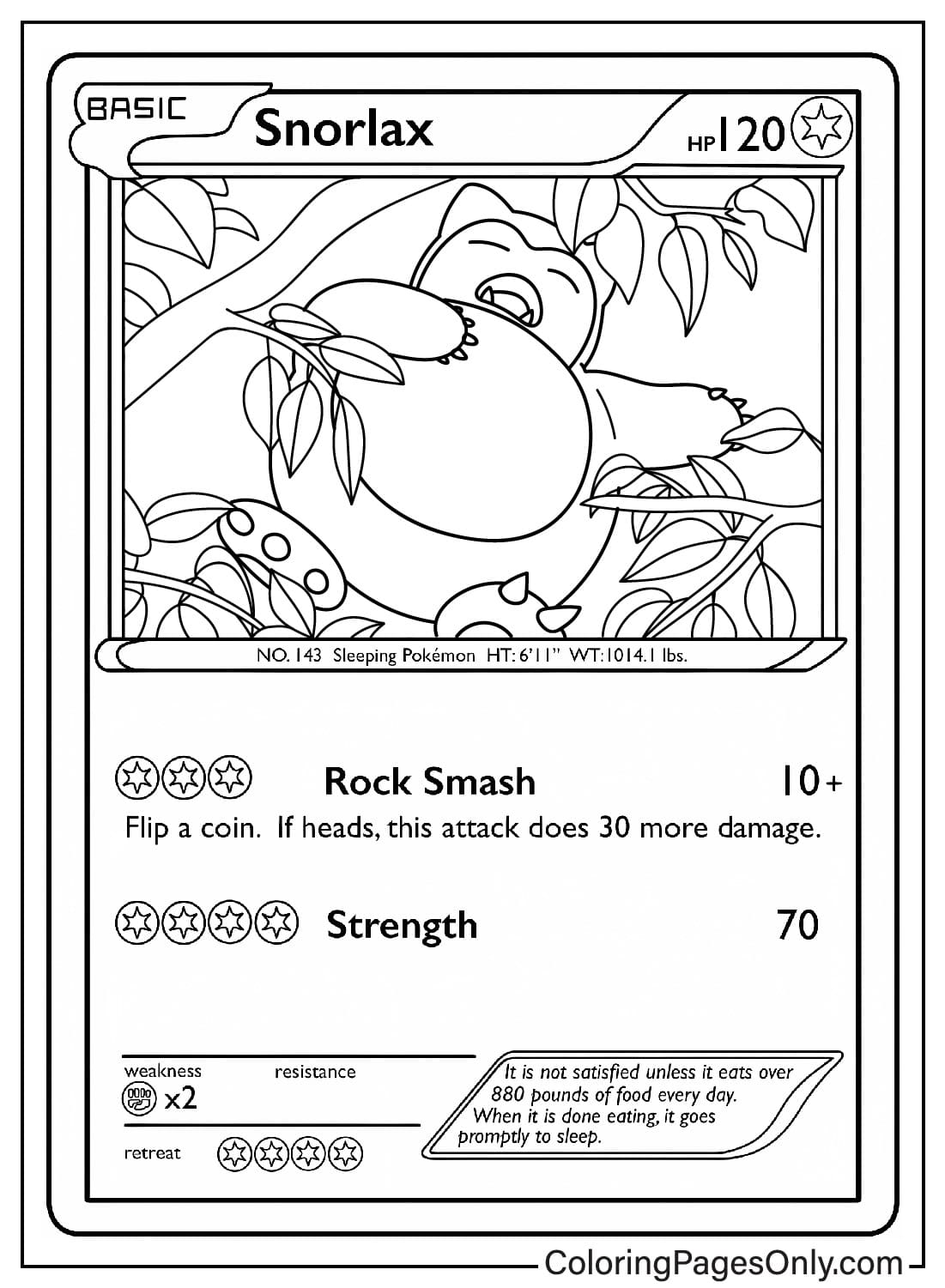
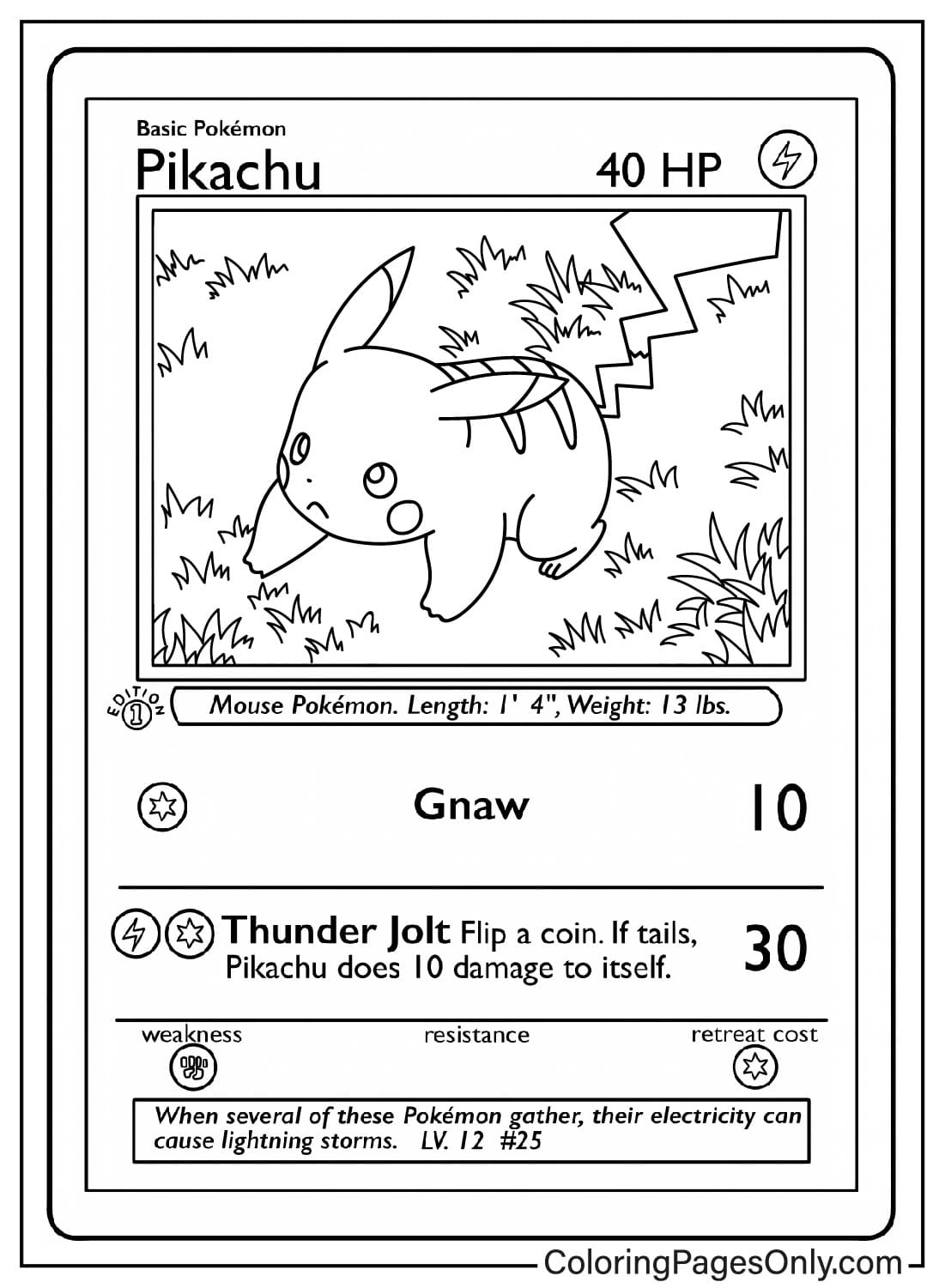
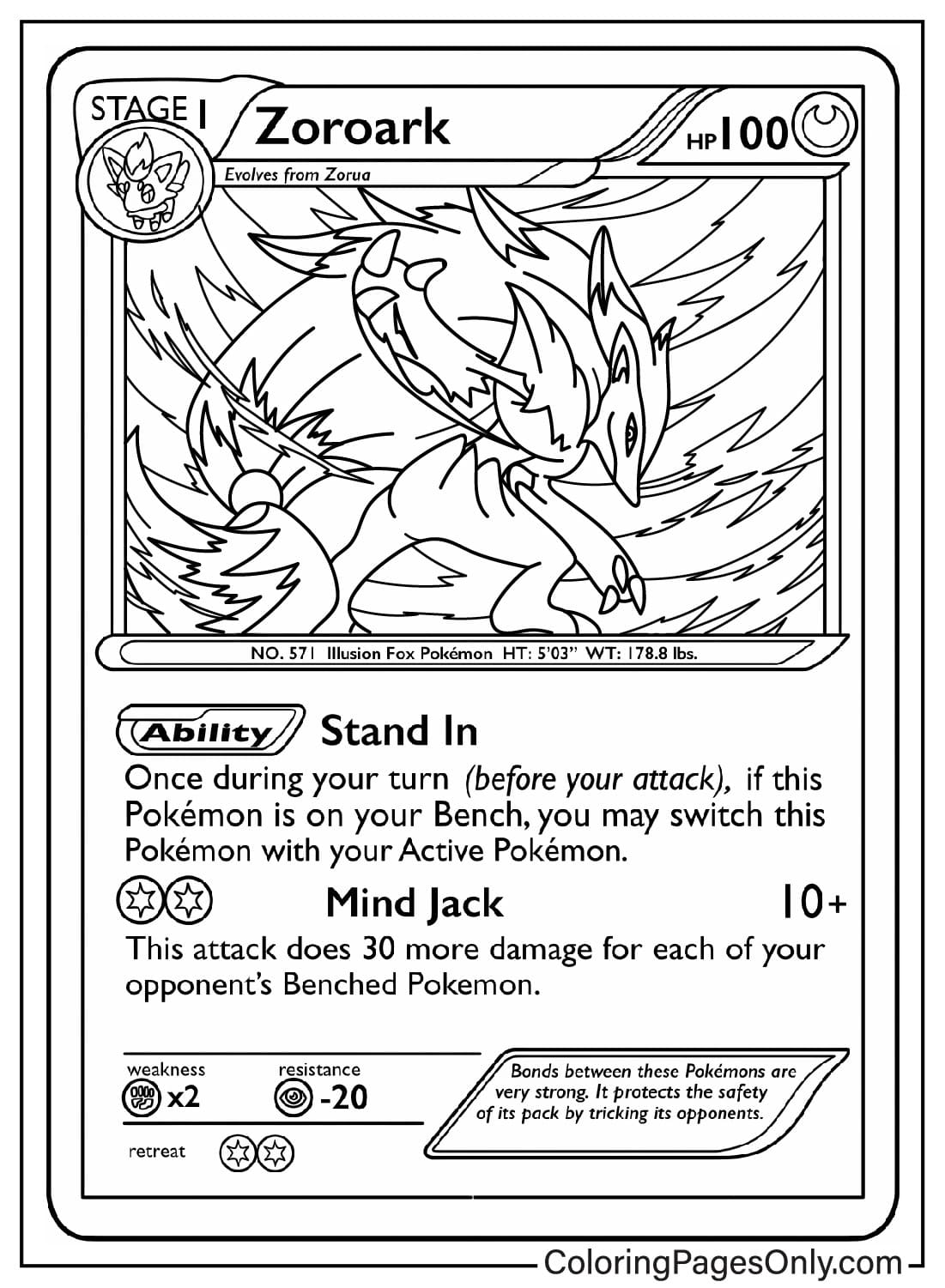
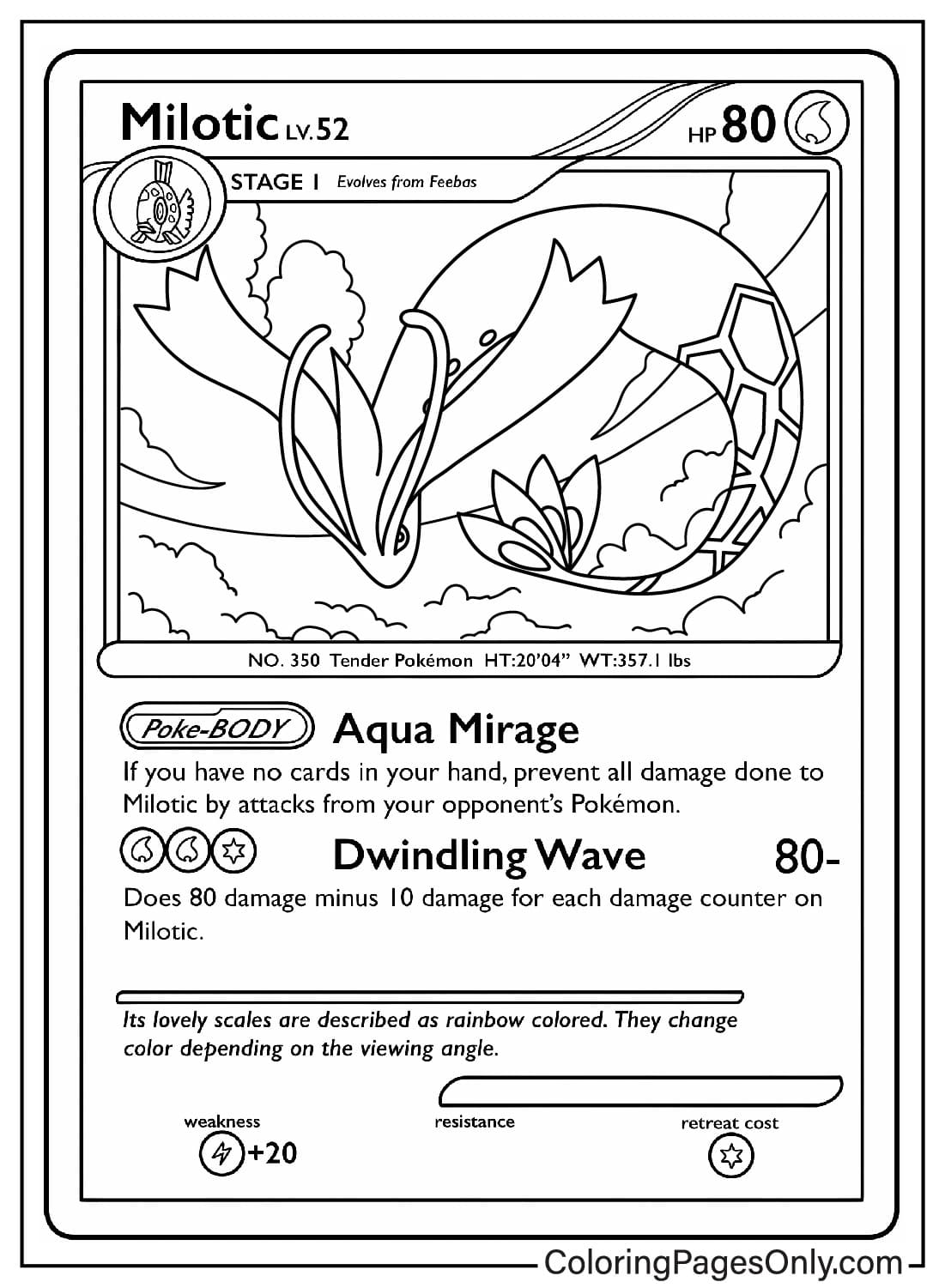
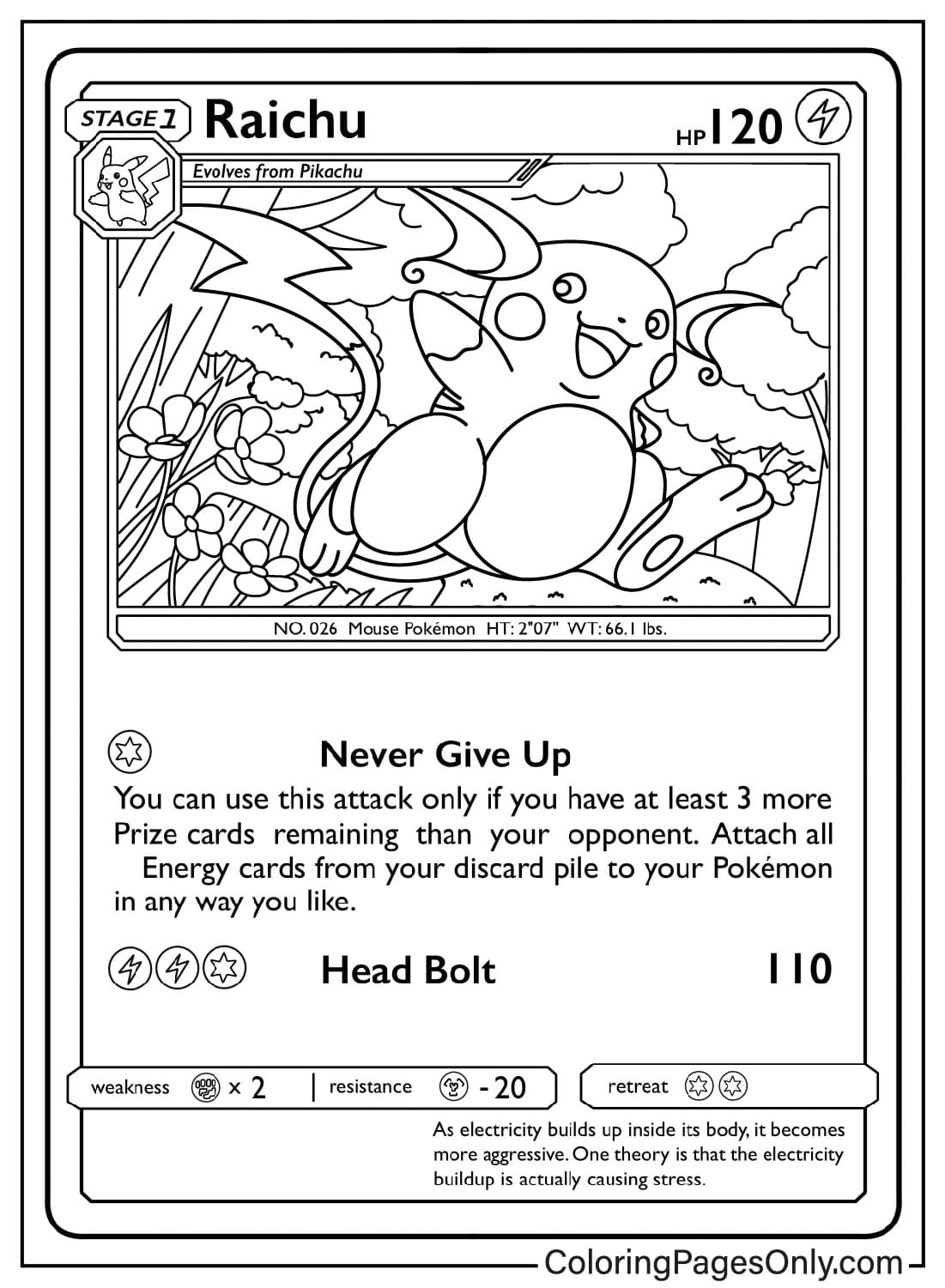
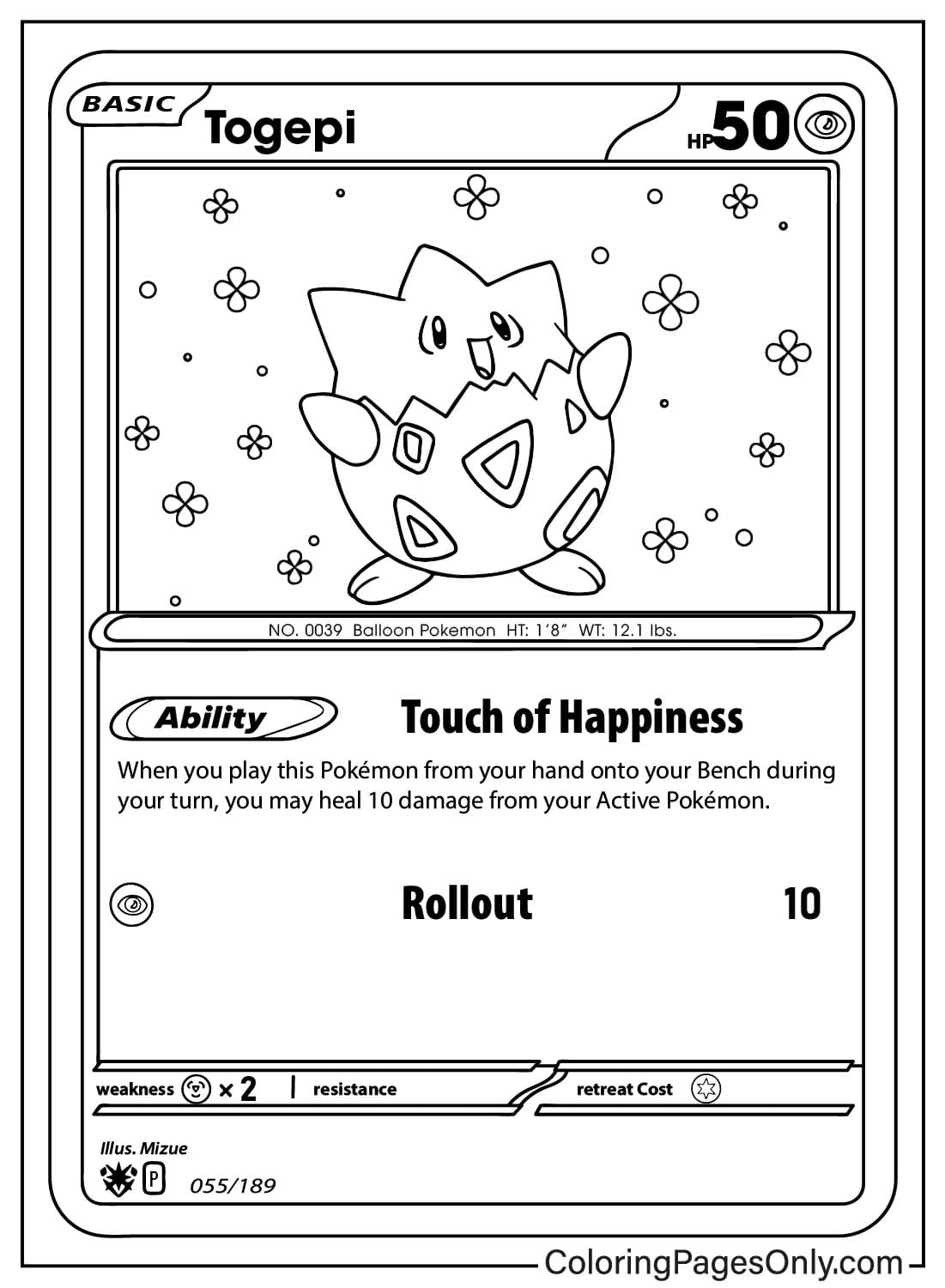
9 pages spanning several generations at once: Pikachu, Raichu, Jigglypuff, Snorlax, Mimikyu, Arcanine, Zoroark, Milotic, and Togepi. Keep Mimikyu’s disguise in a rough, uneven Black cloth with a crudely drawn-on face, distinct from the neat, polished look of an actual Pikachu page.
What These Pokémon Card Coloring Pages Do
Fine motor practice in a card-style frame. Coloring the small, detailed card-style border and stat boxes that frame each Pokémon asks for the same precise, contained linework the American Academy of Pediatrics credits to the fine motor benefits of structured coloring, on top of the character itself.
A loose timeline of the franchise’s own history. Because this set spans seven Pokémon generations released between 1996 and 2016, coloring through it in release order doubles as a loose timeline of the franchise’s own history, from the original 151 to species introduced two decades later.
A calm, structured task. A 2005 Art Therapy Journal study linked structured coloring to a measurable drop in anxiety, and a single, well-defined character bordered by a card frame, rather than an open scene, offers a short, contained version of that same calming structure.
A real detail behind a disguise. Mimikyu, one of the more recent species in this collection, disguises itself as a rough Pikachu costume specifically because its own real appearance is said to frighten anyone who sees it, a detail from the games themselves that adds real backstory to what could otherwise be colored as a generic costume.
How to Color Pokémon Card Pages Well
- Bulbasaur, Squirtle, and Charmander line: Fern Green for Bulbasaur, Turquoise Blue for Squirtle, and Scarlet-orange for Charmander, following each starter’s official color from the games.
- Charizard: Burnt Orange body with a cream underside and blue-green wing membranes, the classic color scheme most associated with this species.
- Eeveelutions: Keep Eevee’s warm Tan and Brown fur as the baseline, then shift dramatically for its evolutions, Umbreon’s near-Black body with Sunglow rings, Sylveon’s soft Pink with Sky Blue-tipped feelers.
- Legendary Pokémon: Mewtwo’s pale Lavender, Lugia’s White and Silver, and Zapdos’s Sunglow yellow all follow official, consistent color schemes worth matching for accuracy.
- Mimikyu: Keep the disguise itself in a rough, uneven Black cloth with a crudely drawn-on face, distinct from the neat, polished look of an actual Pikachu page.
- Card border and frame details: A simple Silver or Goldenrod outline around the character mimics the look of a real trading card without needing extra detail.
5 Creative Craft Ideas With Pokémon Card Coloring Pages
1. Custom Card Deck. Color several pages, trim them to card size, and glue them onto blank index cards to build a custom deck. Mixing species from different generations in the same deck makes for a fun way to see the full color range of the franchise side by side.
2. Trading Card Swap. Color a few pages, cut them out, and trade with a friend who colored a different set. It’s an easy way to end up with a wider variety of Pokémon than either of you started with, without needing to buy anything.
3. Shiny Pokémon Redesign. Pick a favorite page and color it using an unusual, non-standard palette to imagine what a “shiny” version of that Pokémon might look like. Comparing the shiny version side by side with a normally colored page makes the color choices stand out even more.
4. Evolution Line Poster. Color Bulbasaur, or another starter’s full line, and arrange the pages in order on a poster board to show the evolution stages. Lining them up by size and color also makes it easy to spot exactly what changes and what stays the same across an evolution.
5. Card Border Upgrade. Color a page, then add a hand-drawn border, stat box, or move the name around the edge to make it look more like an authentic trading card. Borrowing a real card as a reference while drawing the details in gives the finished page an even more convincing card-like look.
Frequently Asked Questions
What are Pokémon card coloring pages?
Printable designs featuring real, named Pokémon species framed in a card-style layout, split between Kanto starter evolution lines, Eeveelutions, legendary and powerful Pokémon, and multi-generation fan favorites. This collection has 22 pages, free to download as a PDF or color directly online.
How many Pokémon generations are represented in this collection?
Seven generations are represented, spanning from the original 1996 Kanto games through Sylveon, introduced in 2013, and Mimikyu, introduced in 2016, covering two decades of the franchise’s history.
What makes Mimikyu disguise itself as Pikachu?
In the games, Mimikyu is said to have an appearance so frightening that it covers itself with a rough, homemade Pikachu costume in an attempt to be liked, rather than disguising itself for any strategic reason.
Are these official Pokémon Trading Card Game coloring pages?
No. These are fan-made designs styled after Pokémon trading cards and are not affiliated with, licensed by, or endorsed by The Pokémon Company, Nintendo, or Game Freak, despite the card-style border and layout.
Which Pokémon in this collection are Eeveelutions?
Three pages feature Eeveelutions: Eevee itself, along with Umbreon and Sylveon, two of its several possible evolved forms, each introduced in a different generation of the games.
Are Pokémon card coloring pages suitable for young children?
Yes. Most pages use simple, bold outlines that suit children as young as 5 or 6, while the card-frame details work well for older kids who want more to color.
Can this collection be used to teach evolution lines?
Yes. The Kanto starter group, in particular, Bulbasaur, Charmander, and Squirtle, along with their evolutions, work well for a lesson on how Pokémon evolution lines progress in both appearance and type.
Which Pokémon in this collection are considered Legendary?
Mewtwo, Lugia, and Zapdos are officially classified as Legendary Pokémon in the games; Dragonite, while extremely powerful, is a pseudo-legendary species rather than an official Legendary.
Start Coloring
Download any page by clicking the design. No account, email, or payment is required. Pages print directly from the browser at full resolution or open in the online coloring tool for screen use. Share finished pages on Facebook or Pinterest with the share buttons at the top of each design page.