
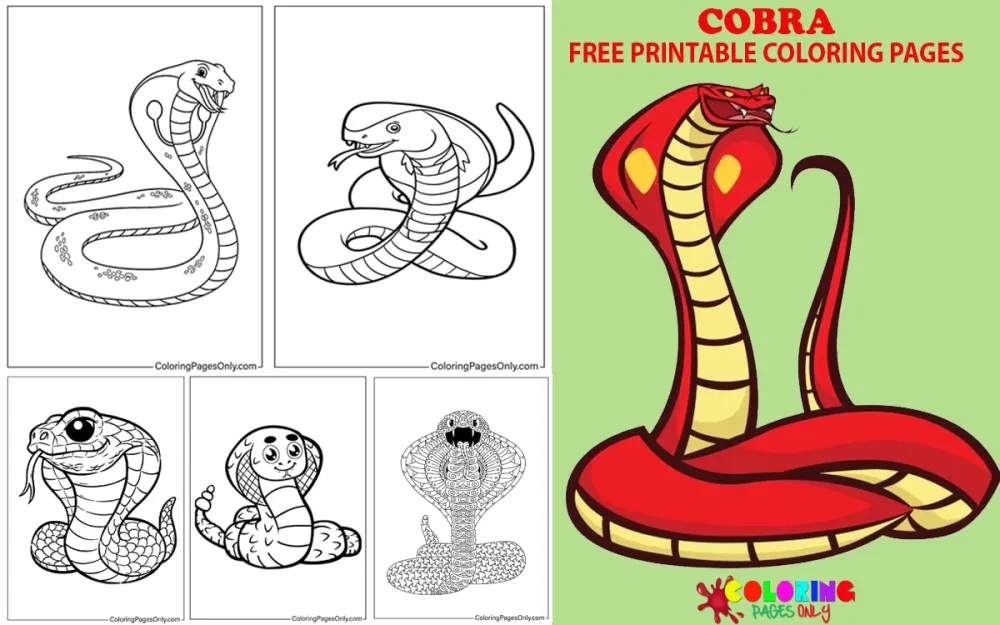
Free Cobra coloring pages: 29 printable PDF designs ranging from simple, easy outlines to fierce hooded poses and a few playful cartoon-style takes on the snake. The PDF version of any page is one click away for printing, and the browser-based tool carries the identical design for coloring without a printer.
The same animal appears throughout, but its mood shifts sharply from page to page, calm and simple on one design, fierce and hooded on the next. True cobras belong to the genus Naja within the Elapidae family, found across Africa and Asia. Their signature hood is not skin alone but a set of extendable neck ribs that flare outward when the snake feels threatened, a defensive display rather than an attack. The largest of them all, the king cobra, can reach lengths of nearly 18 feet, making it the longest venomous snake in the world.
Twenty-nine pages spanning simple outlines, dramatic hooded poses, and cartoon-style designs give this set enough range to suit very different coloring moods within a single animal subject.
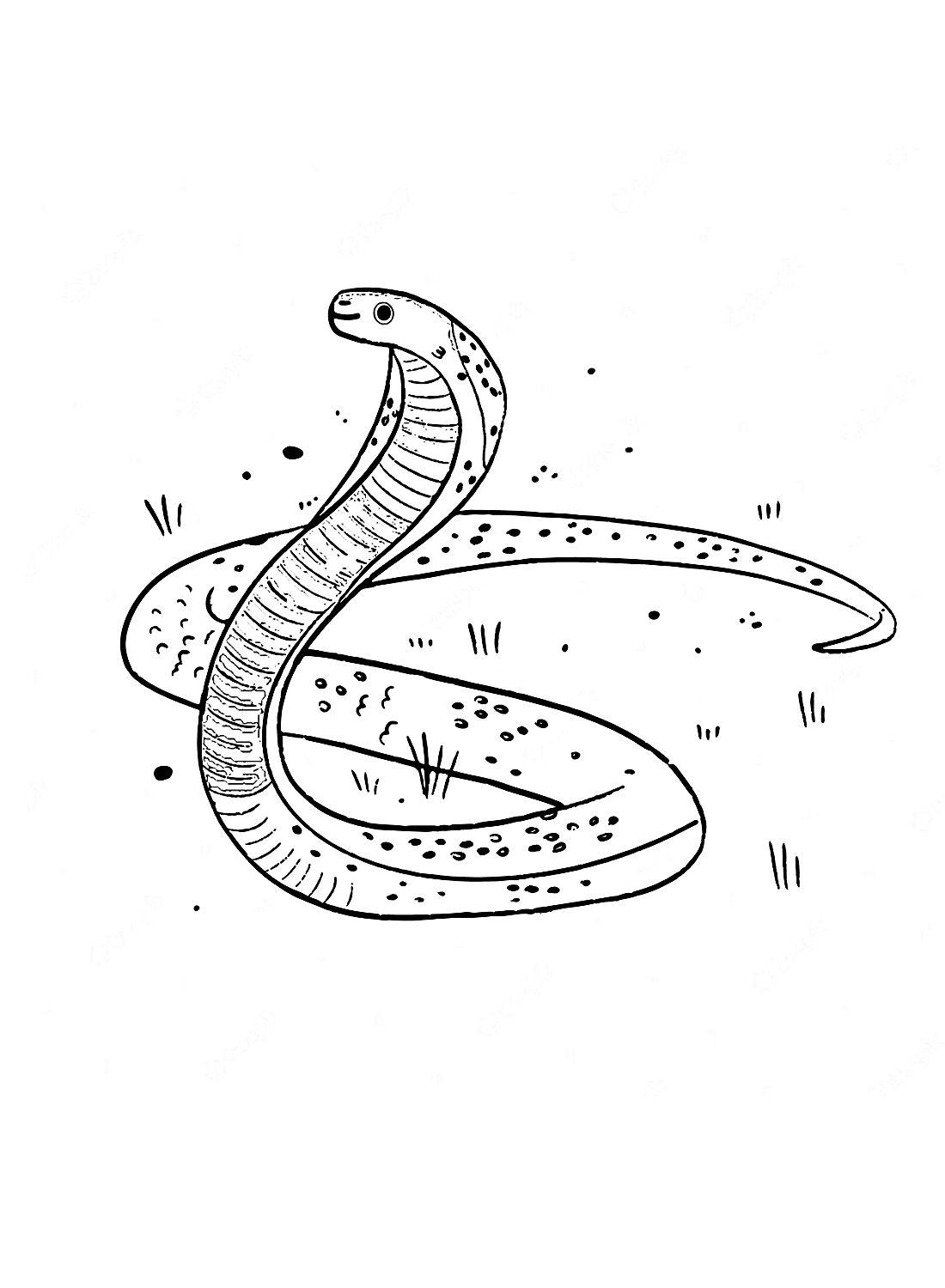
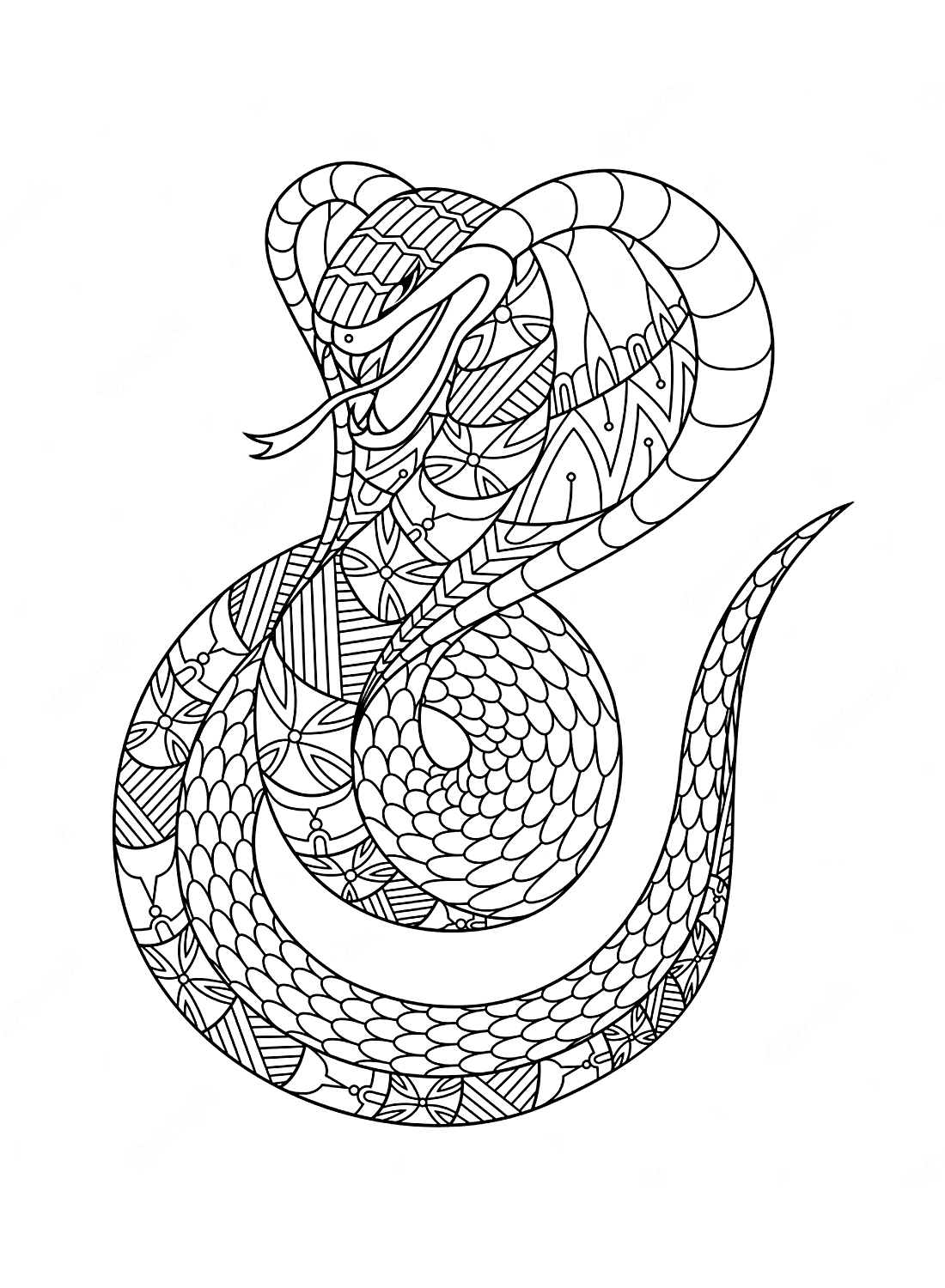
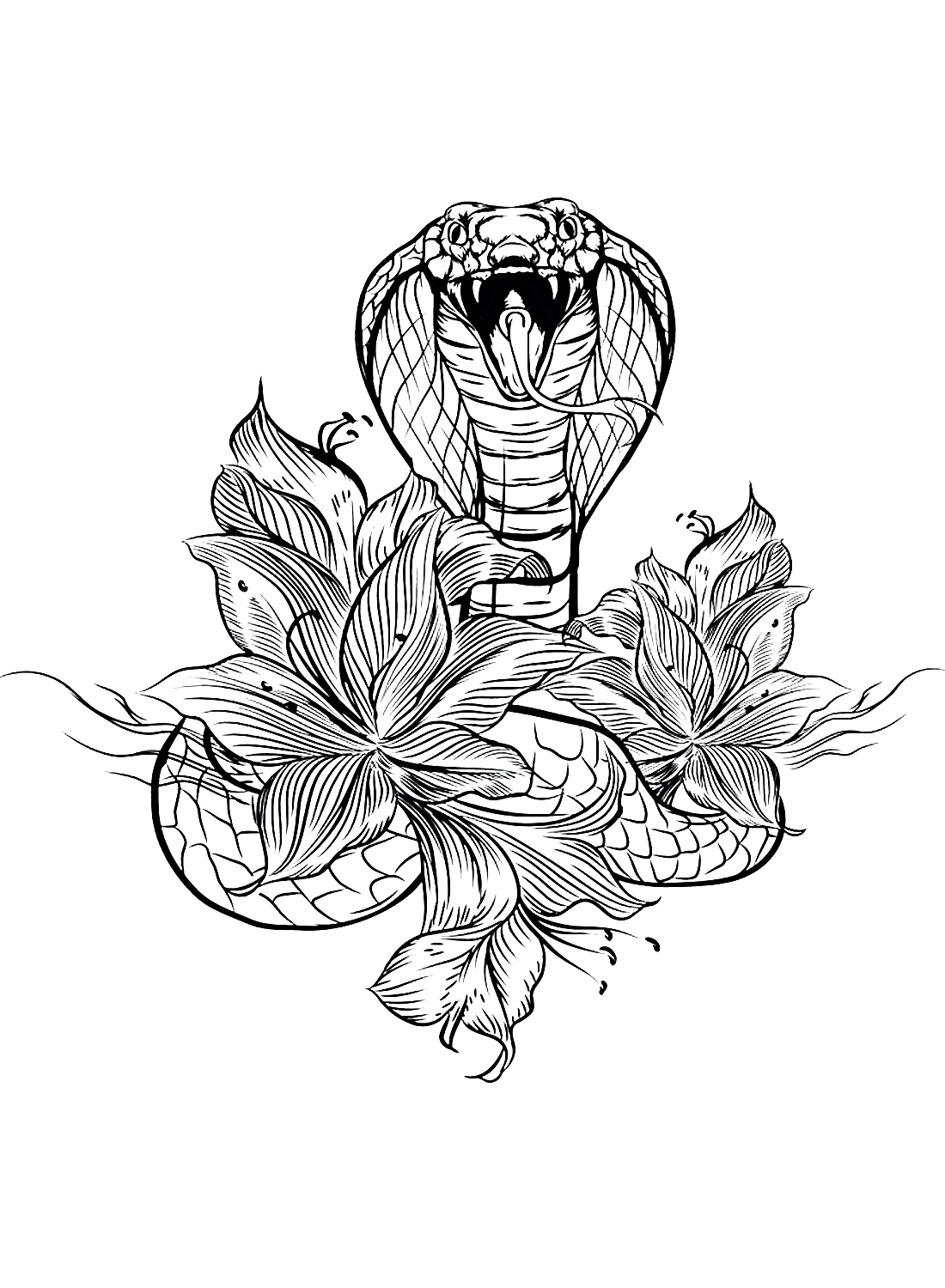
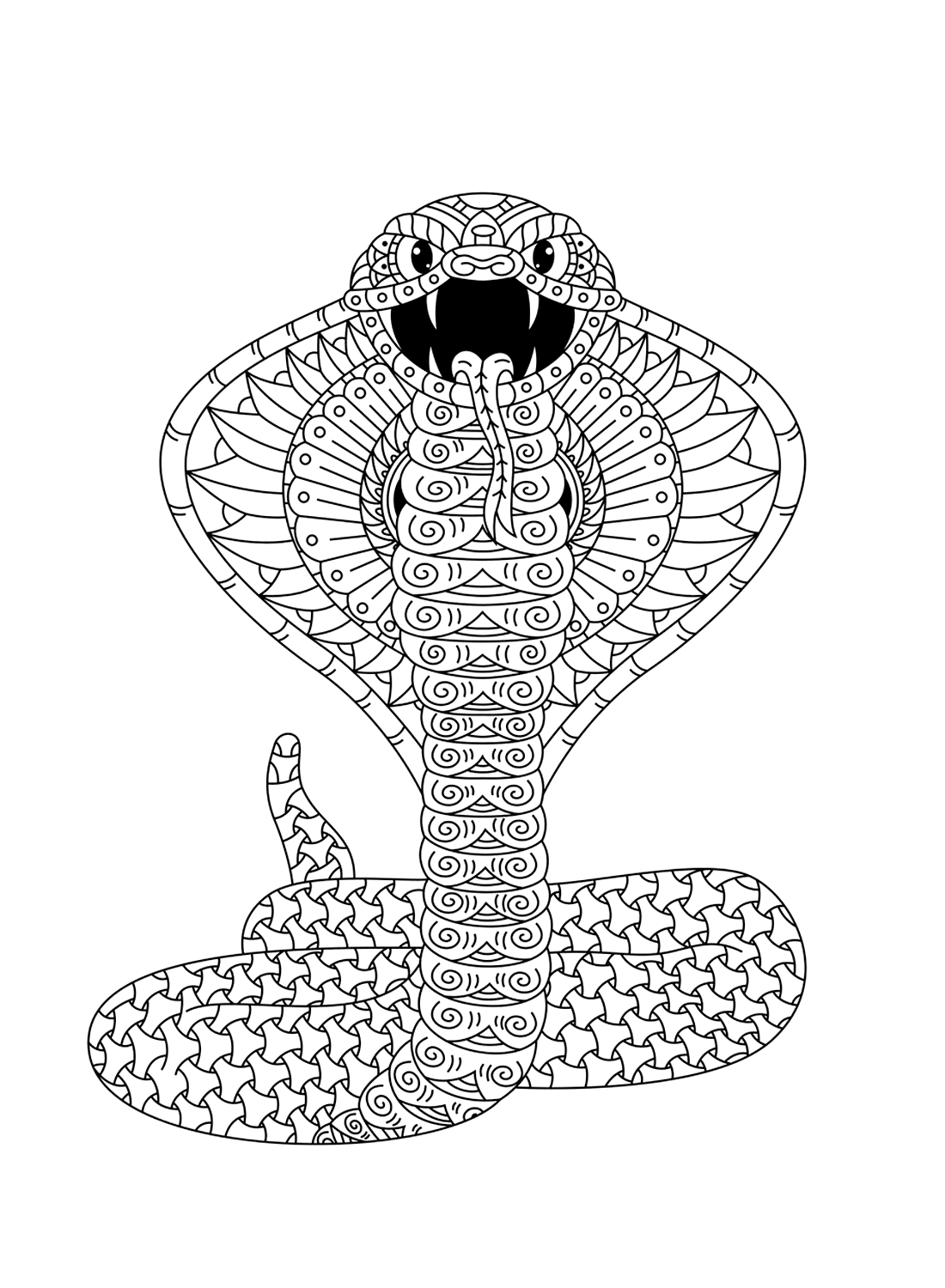
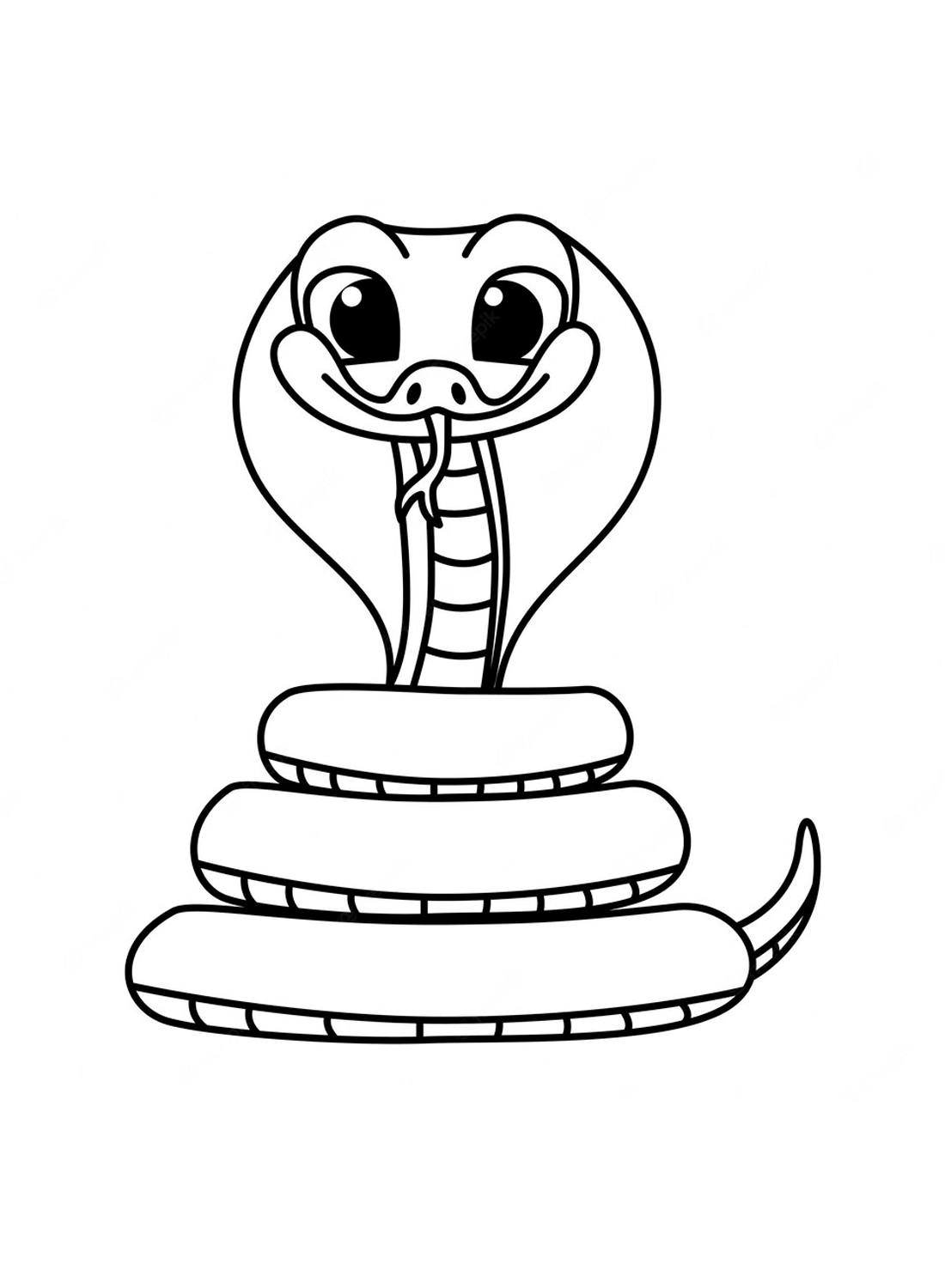
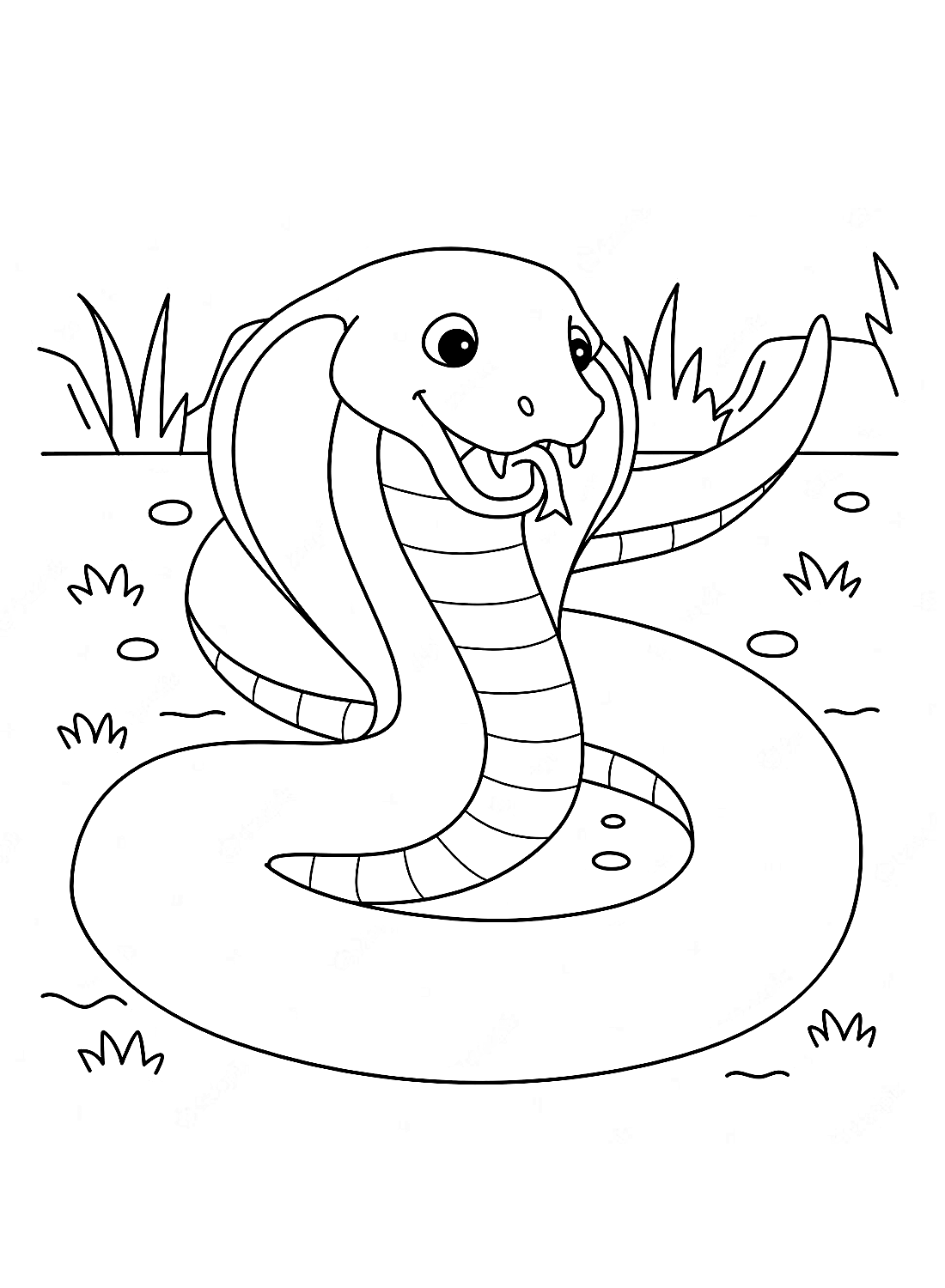
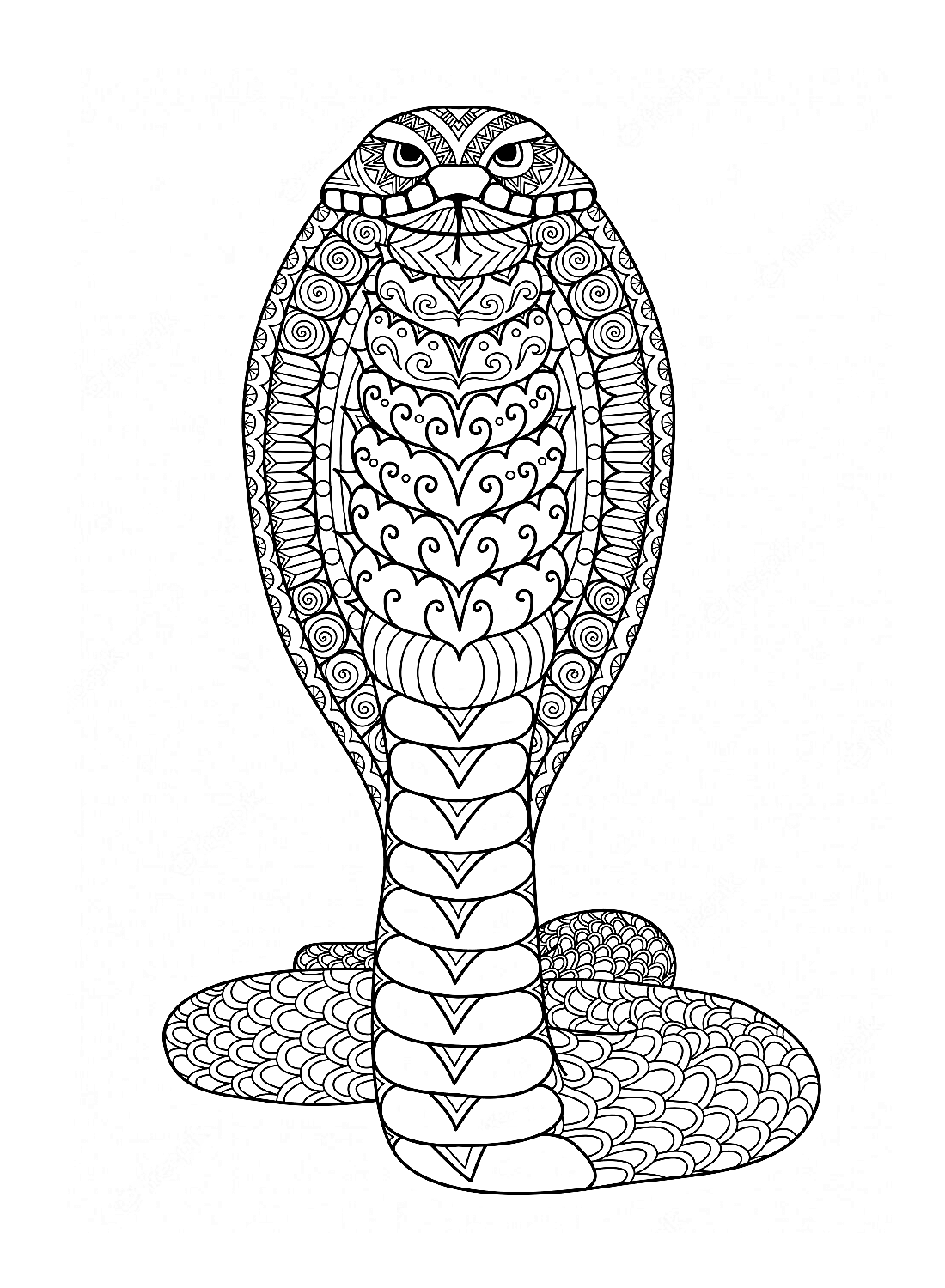
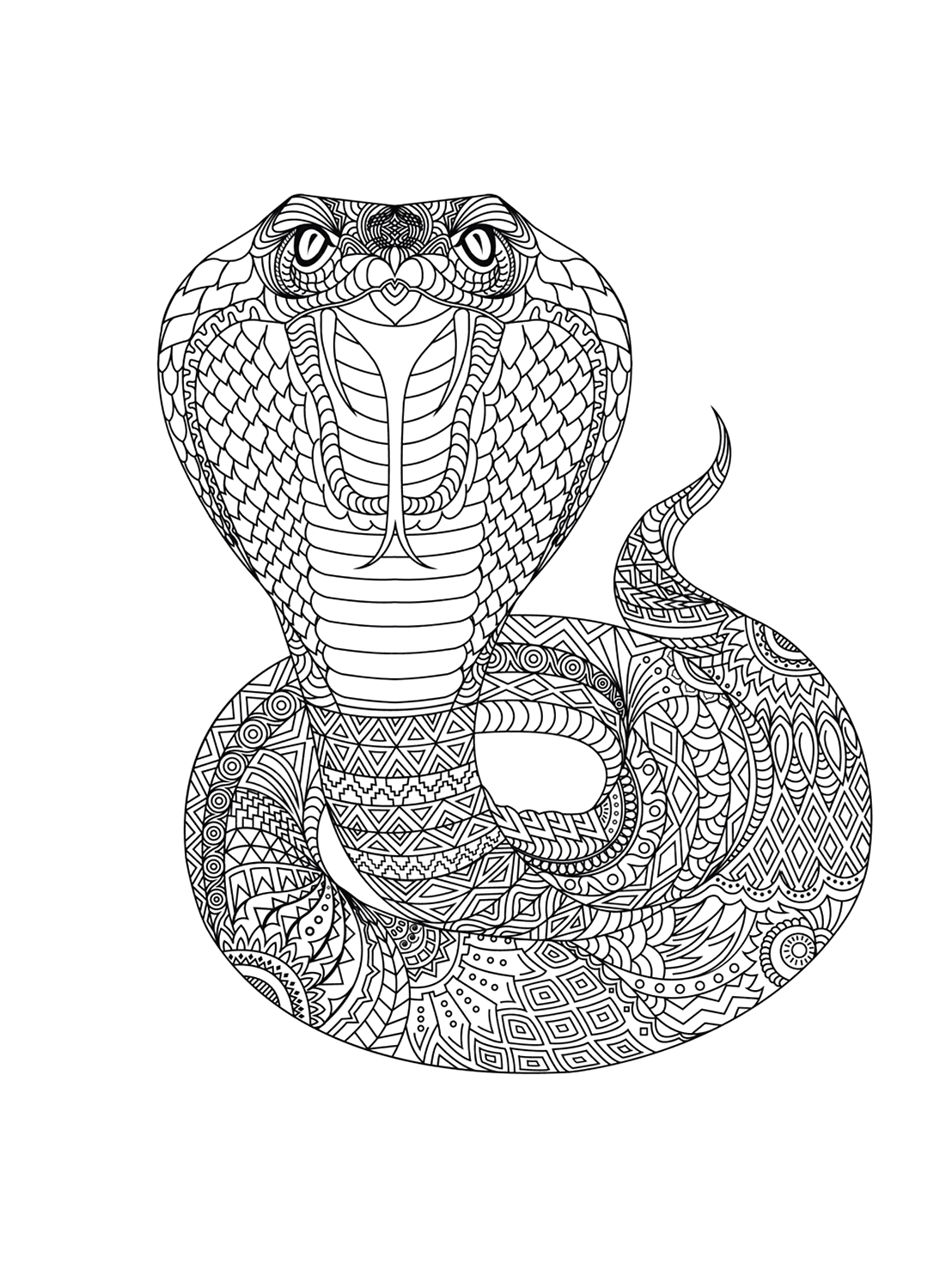
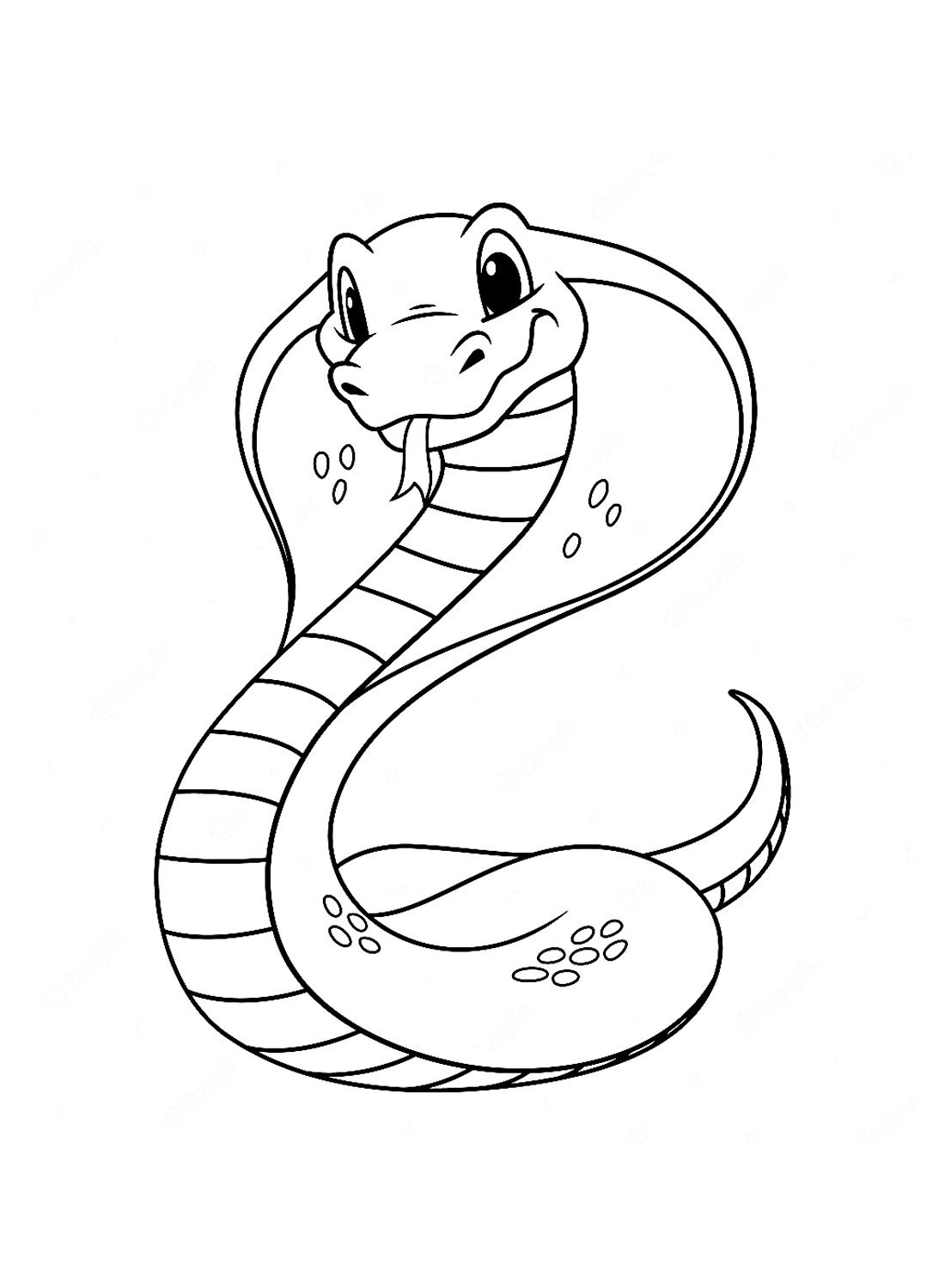
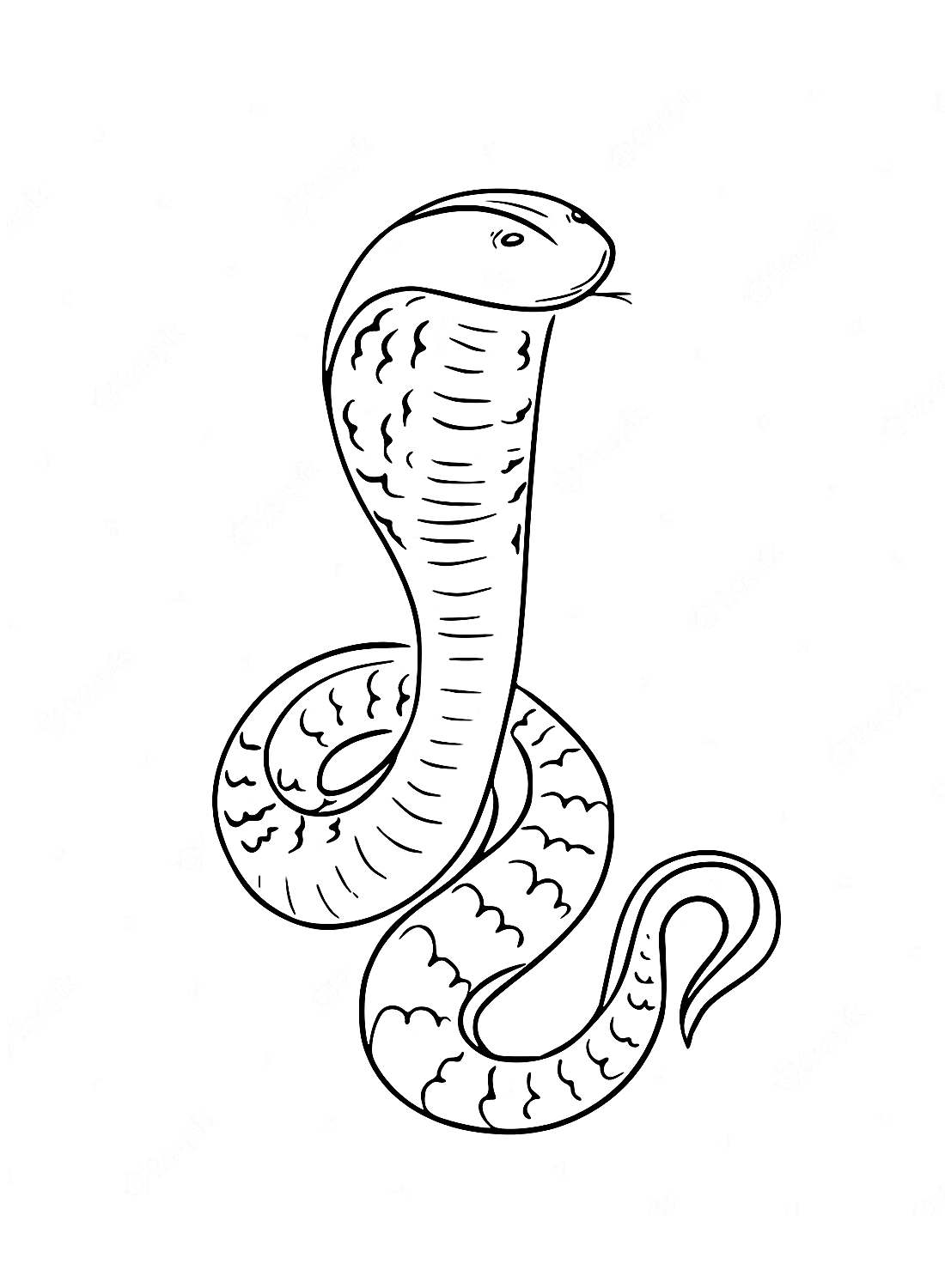
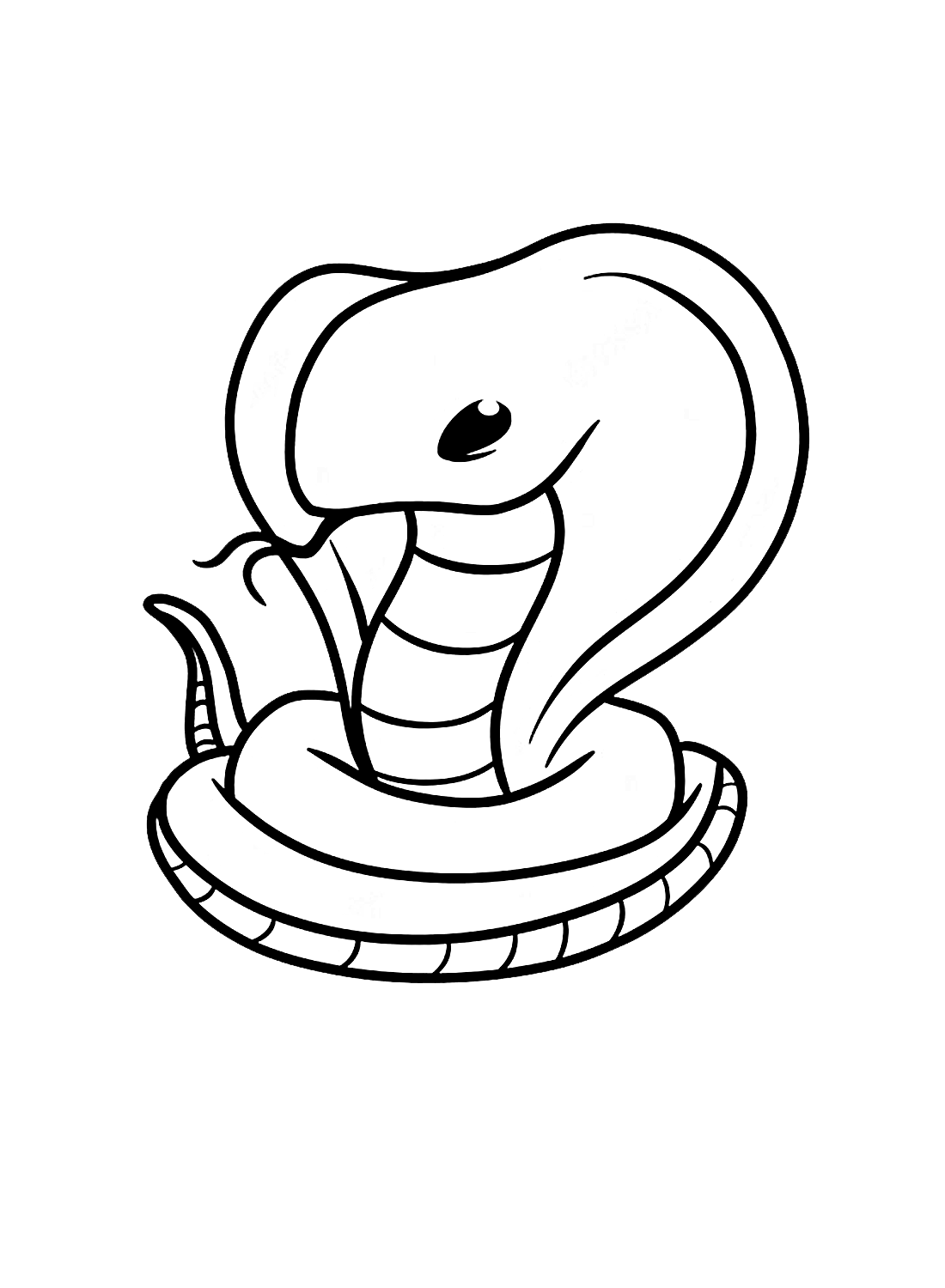
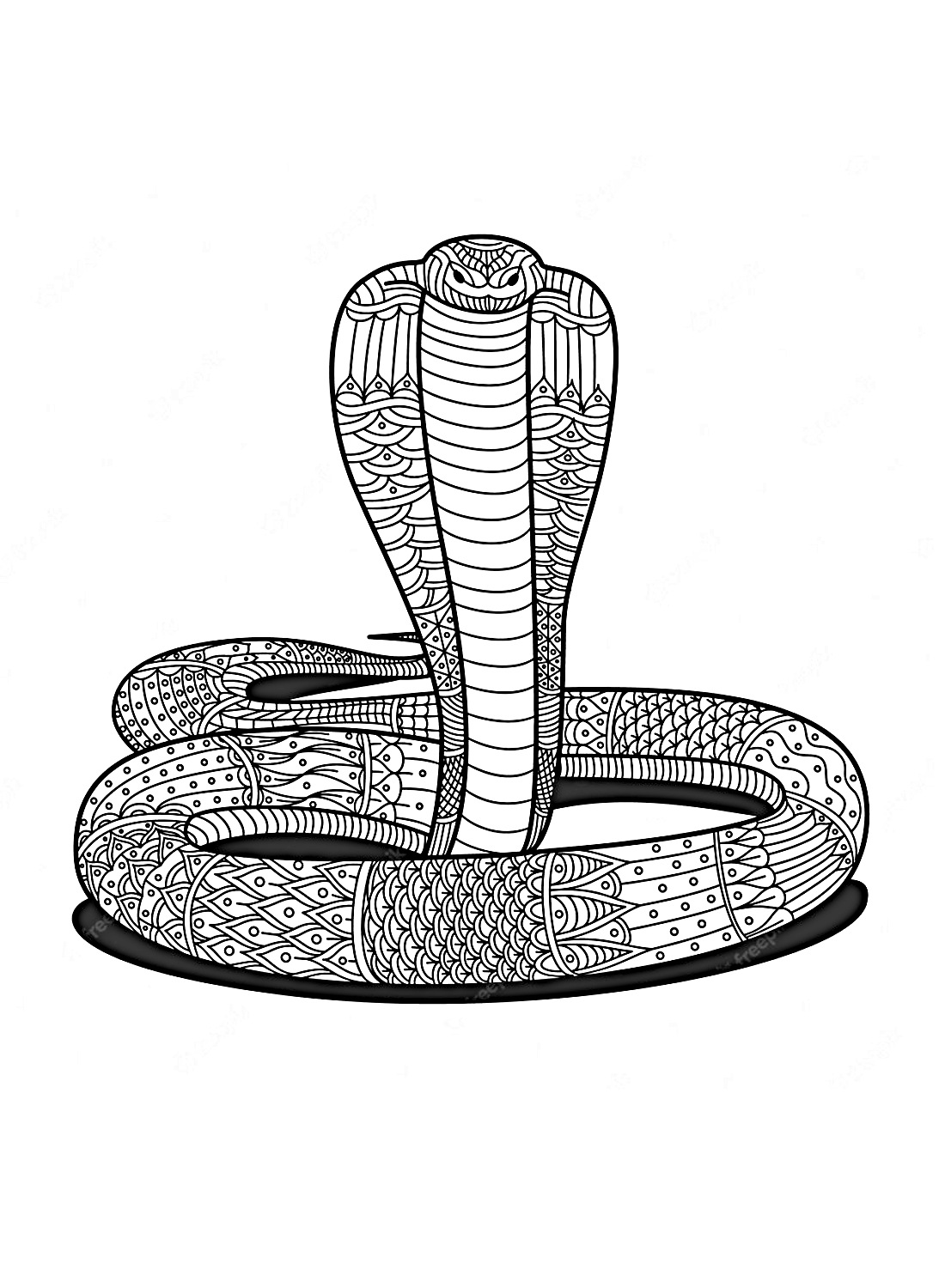
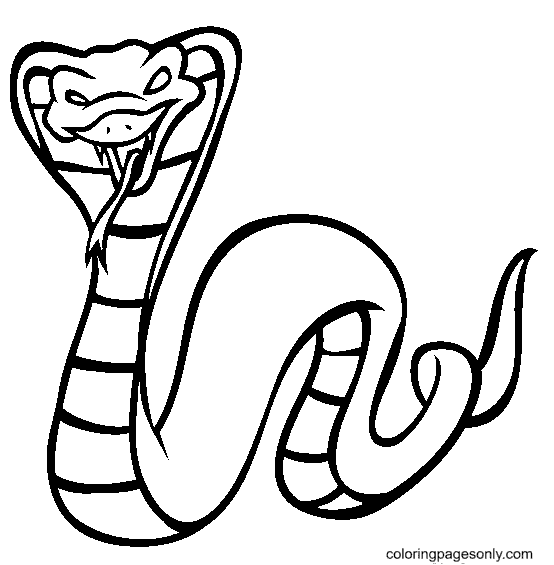


What Is Inside This Collection
Simple and Realistic Cobra Poses
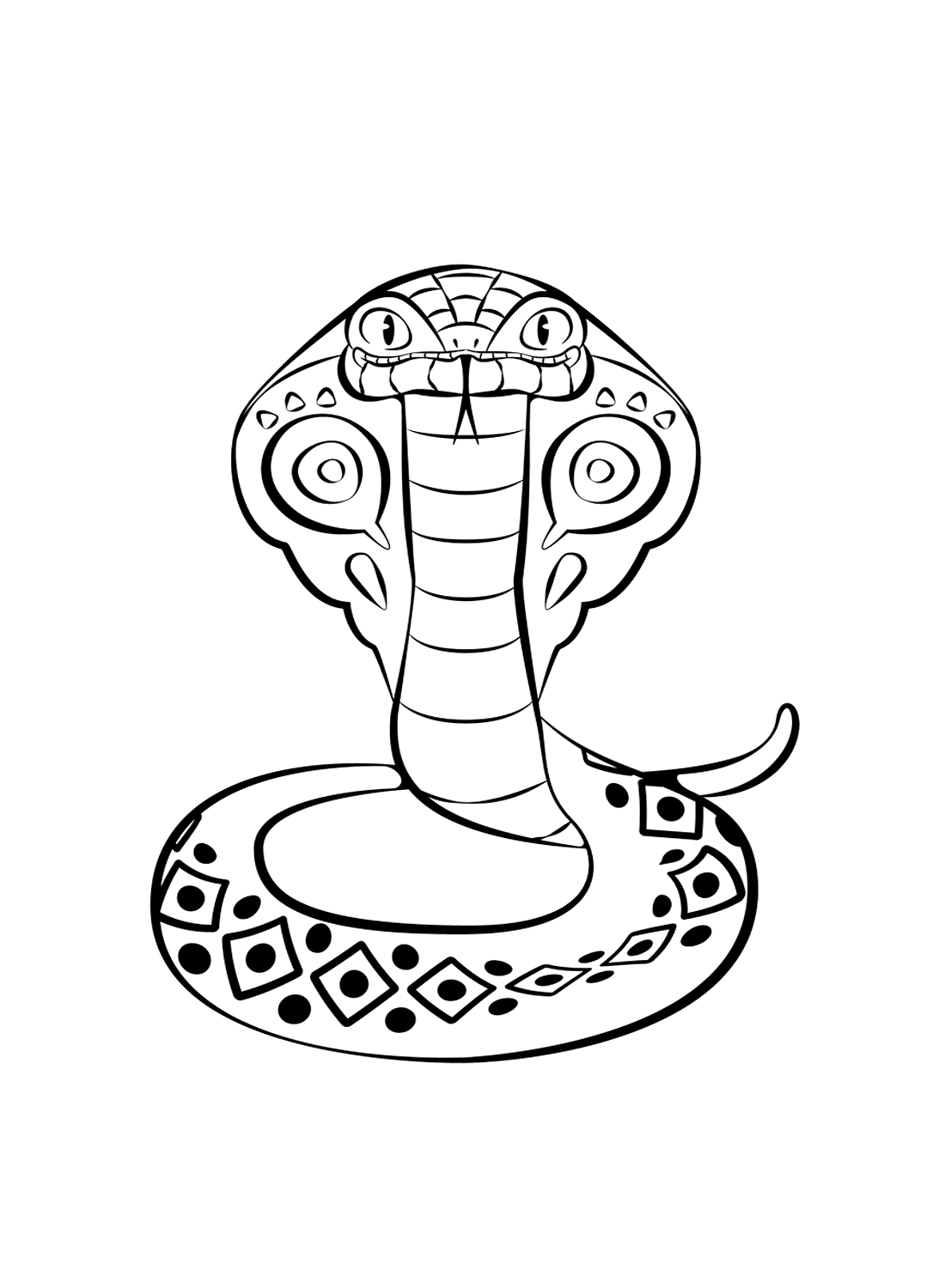
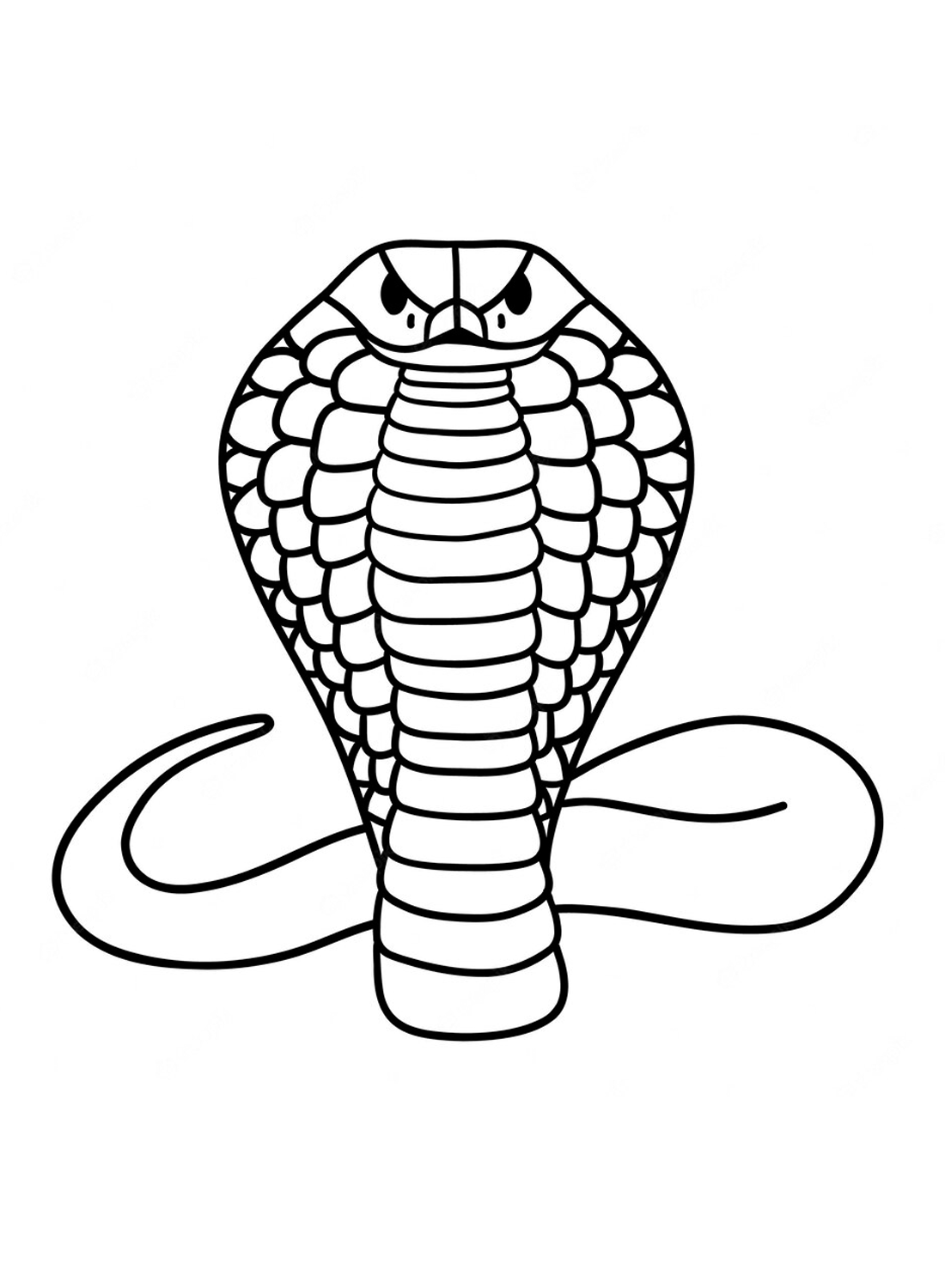
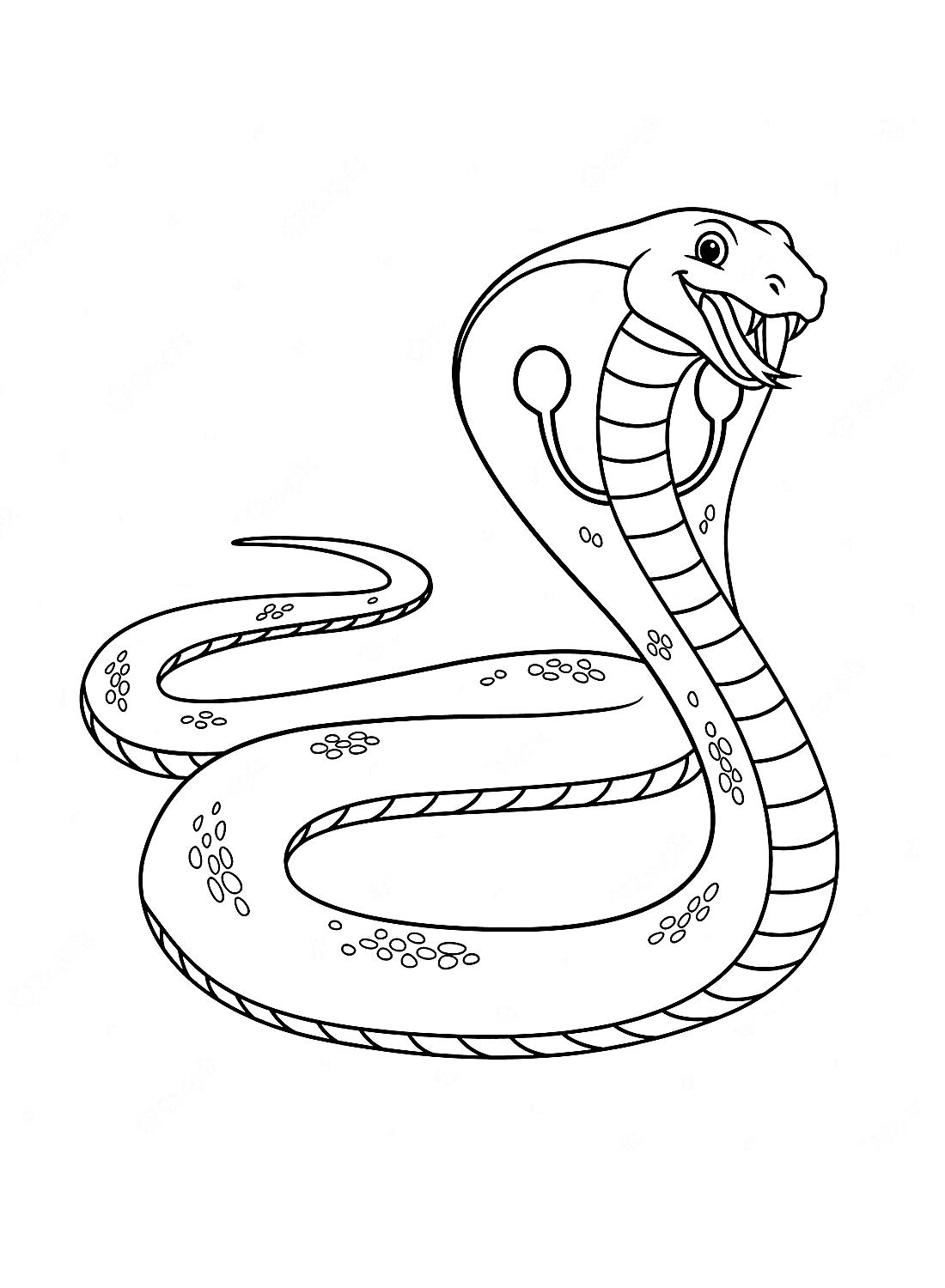
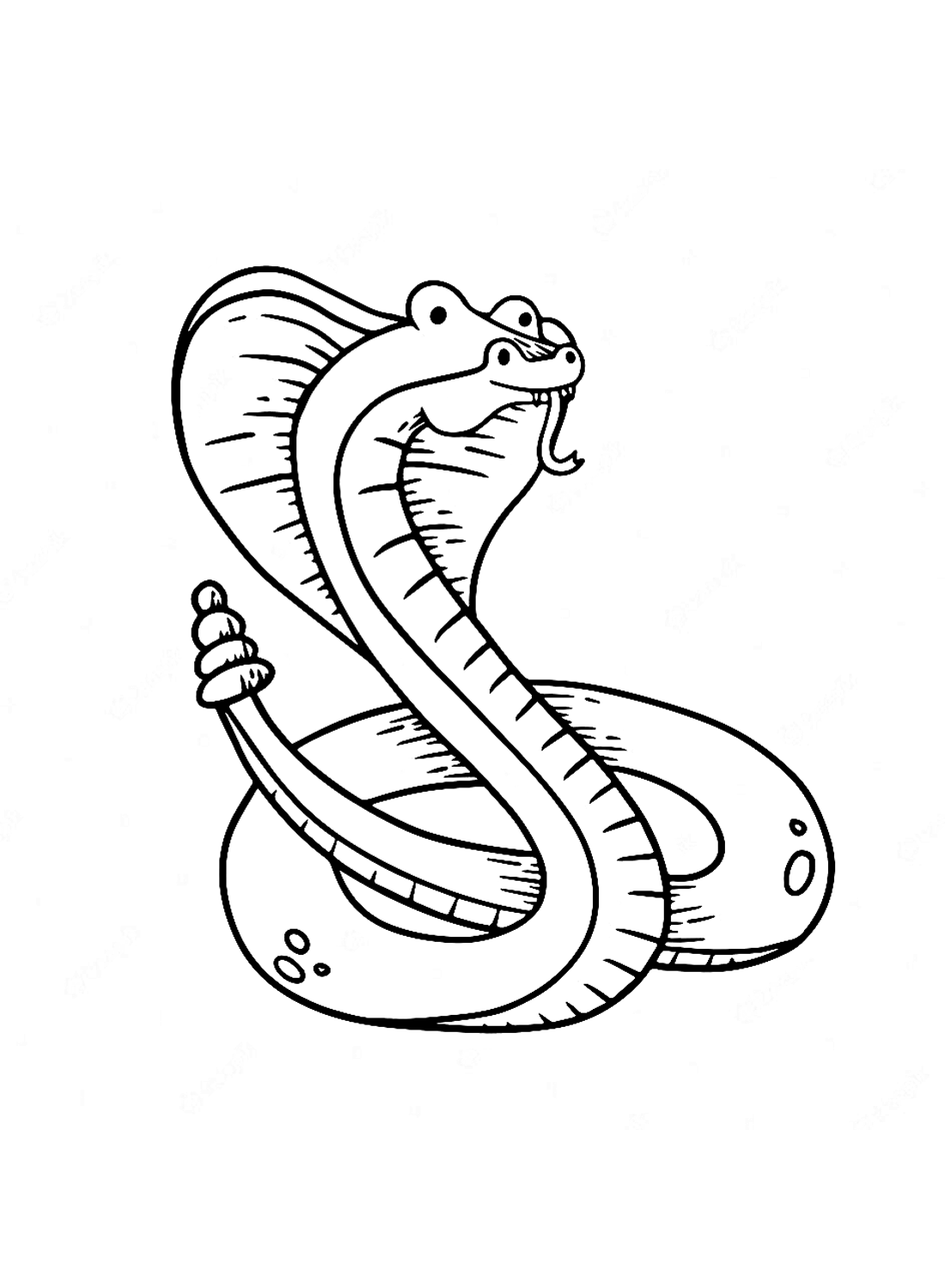
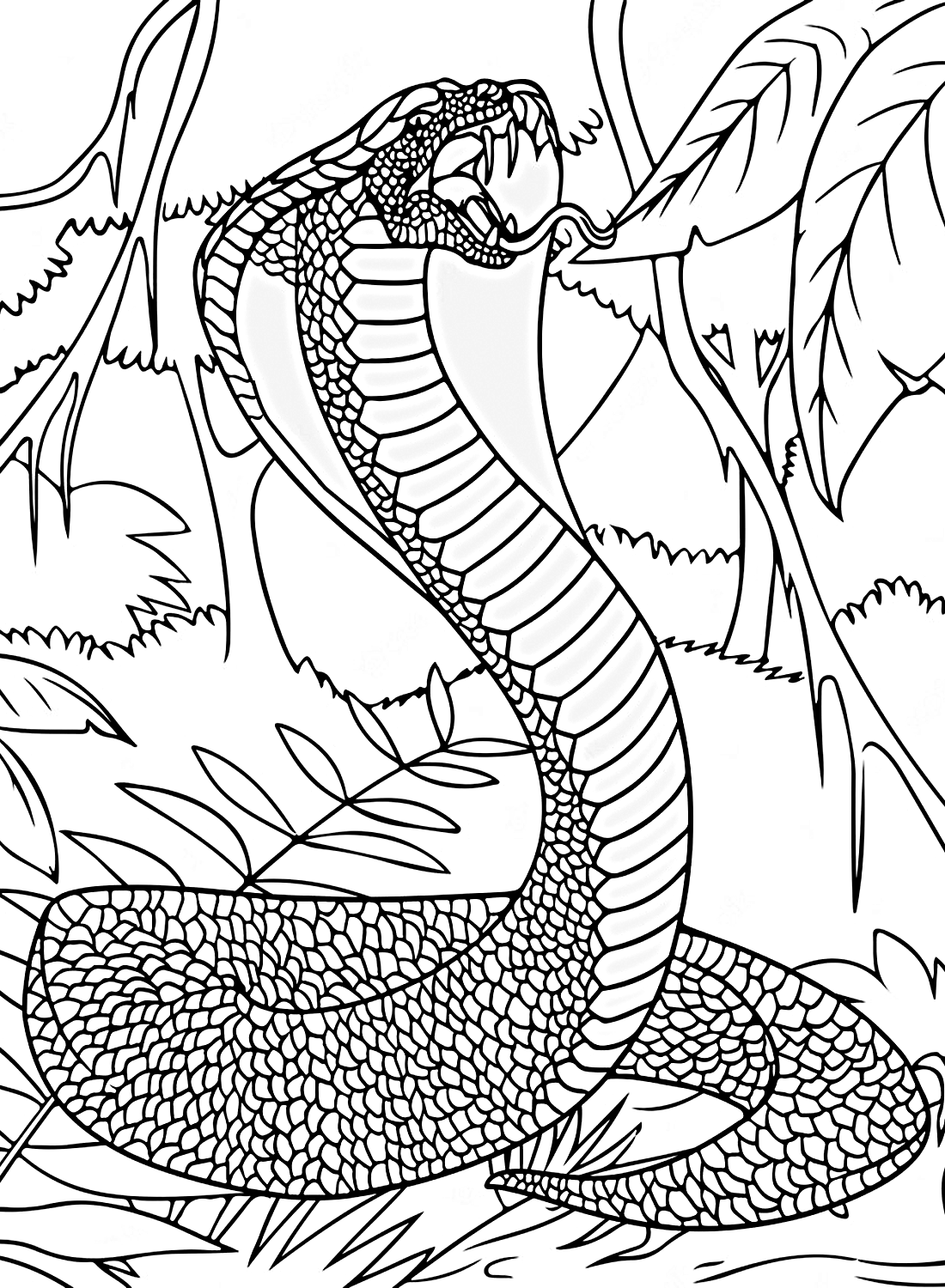
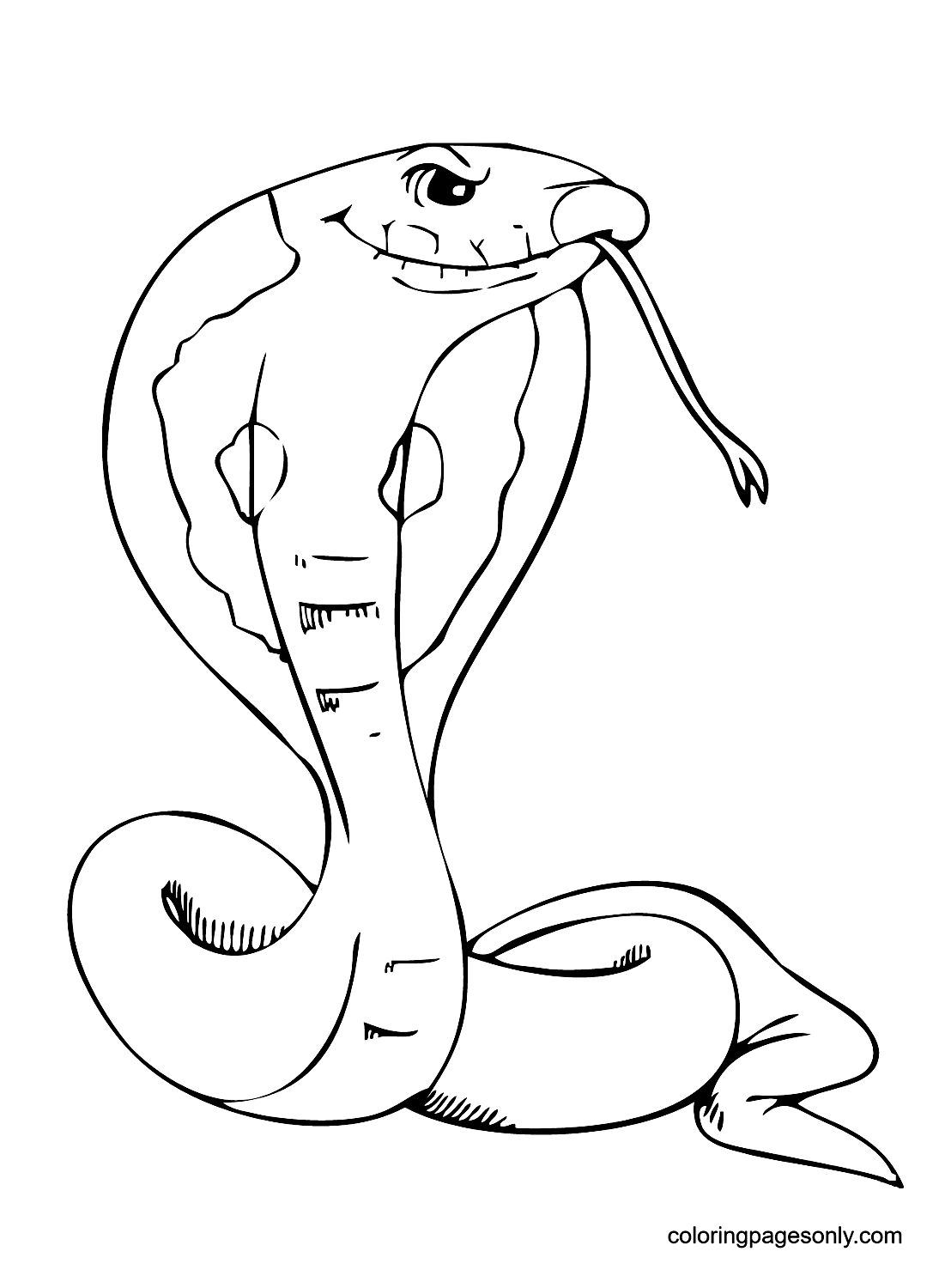
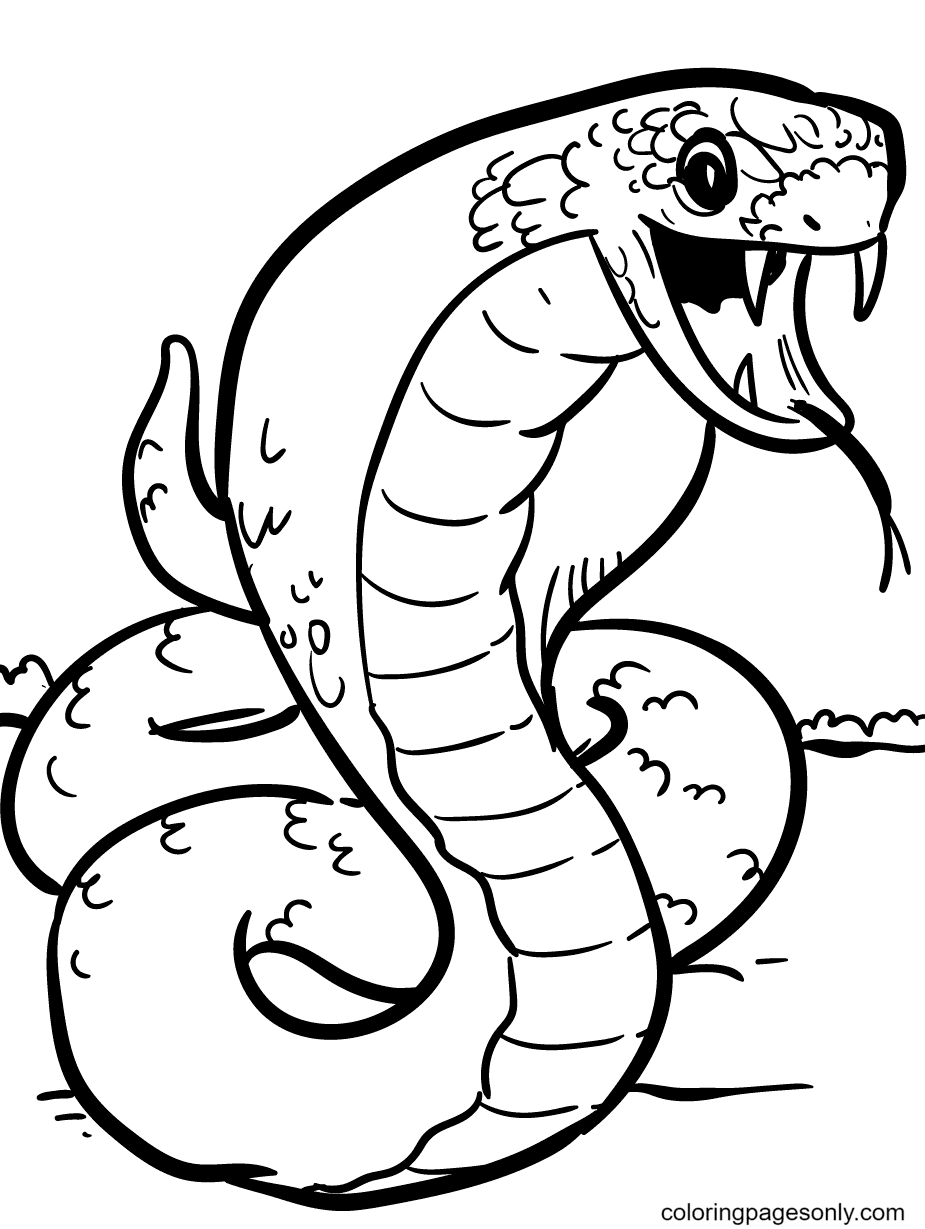
The largest group shows a cobra in a plain, straightforward pose, coiled or stretched out, with a level of detail that ranges from very simple outlines to more textured, realistic scale patterns.
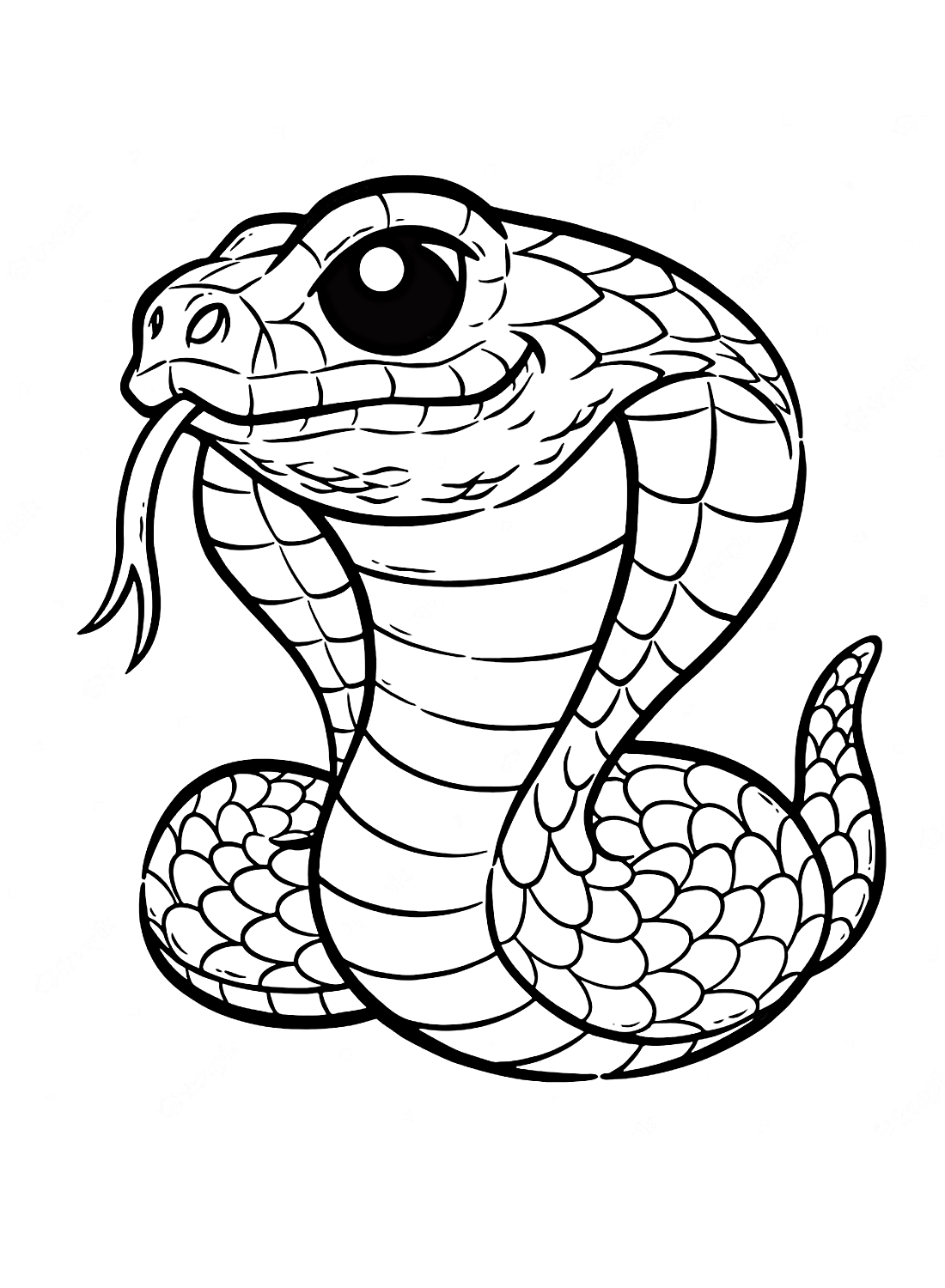
Cartoon and Friendly Cobras
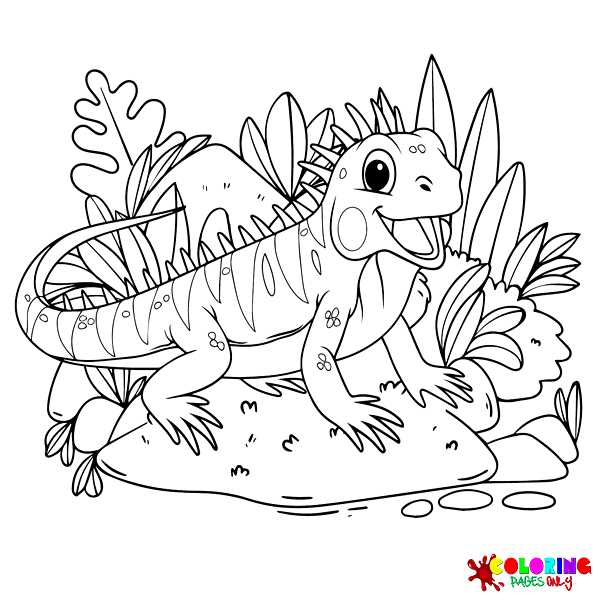
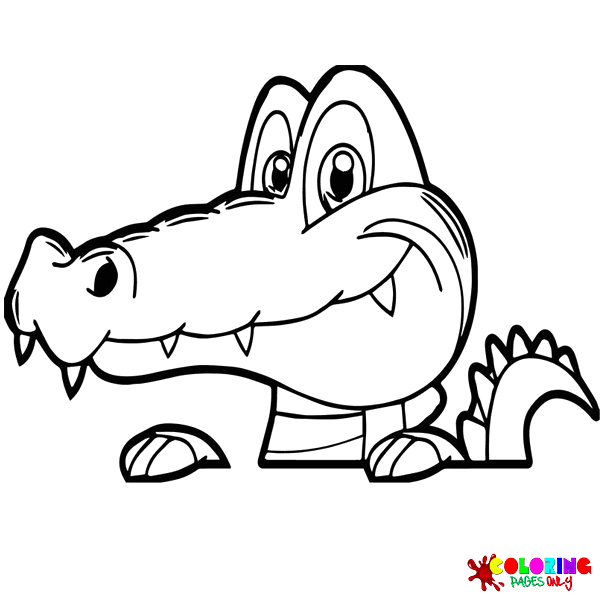
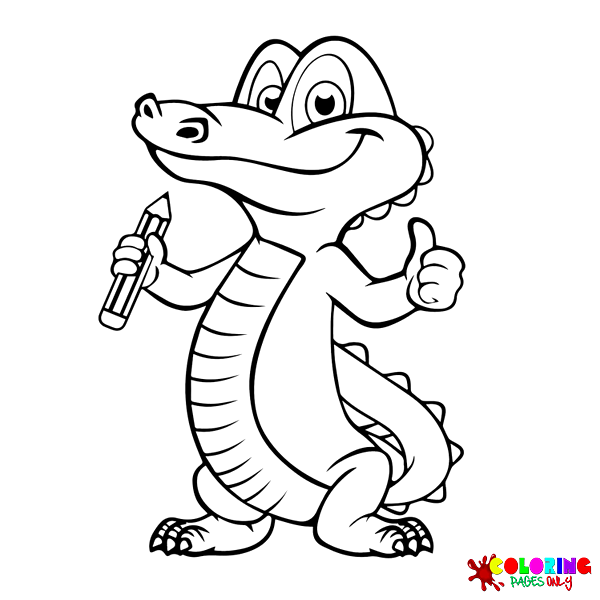
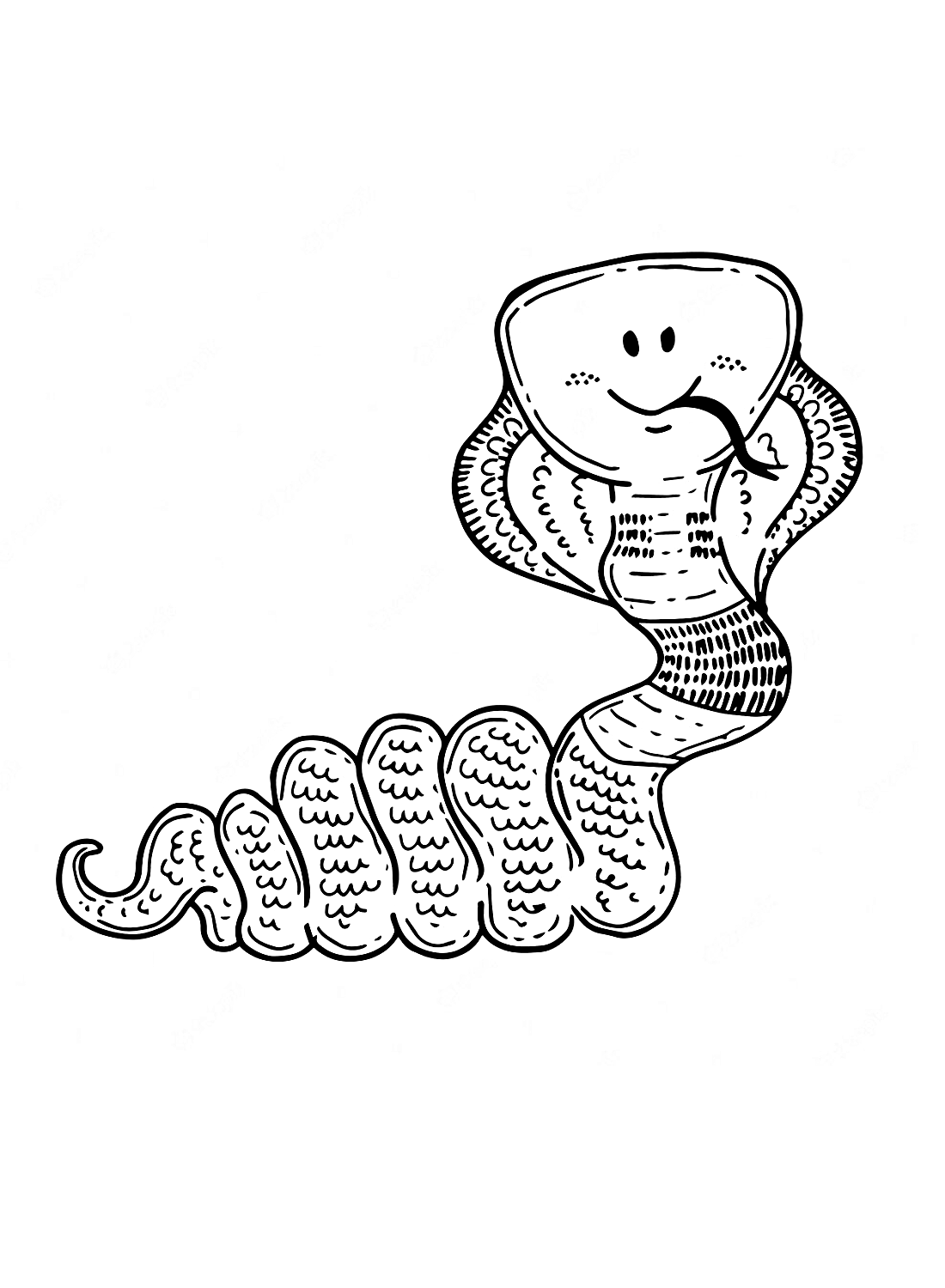
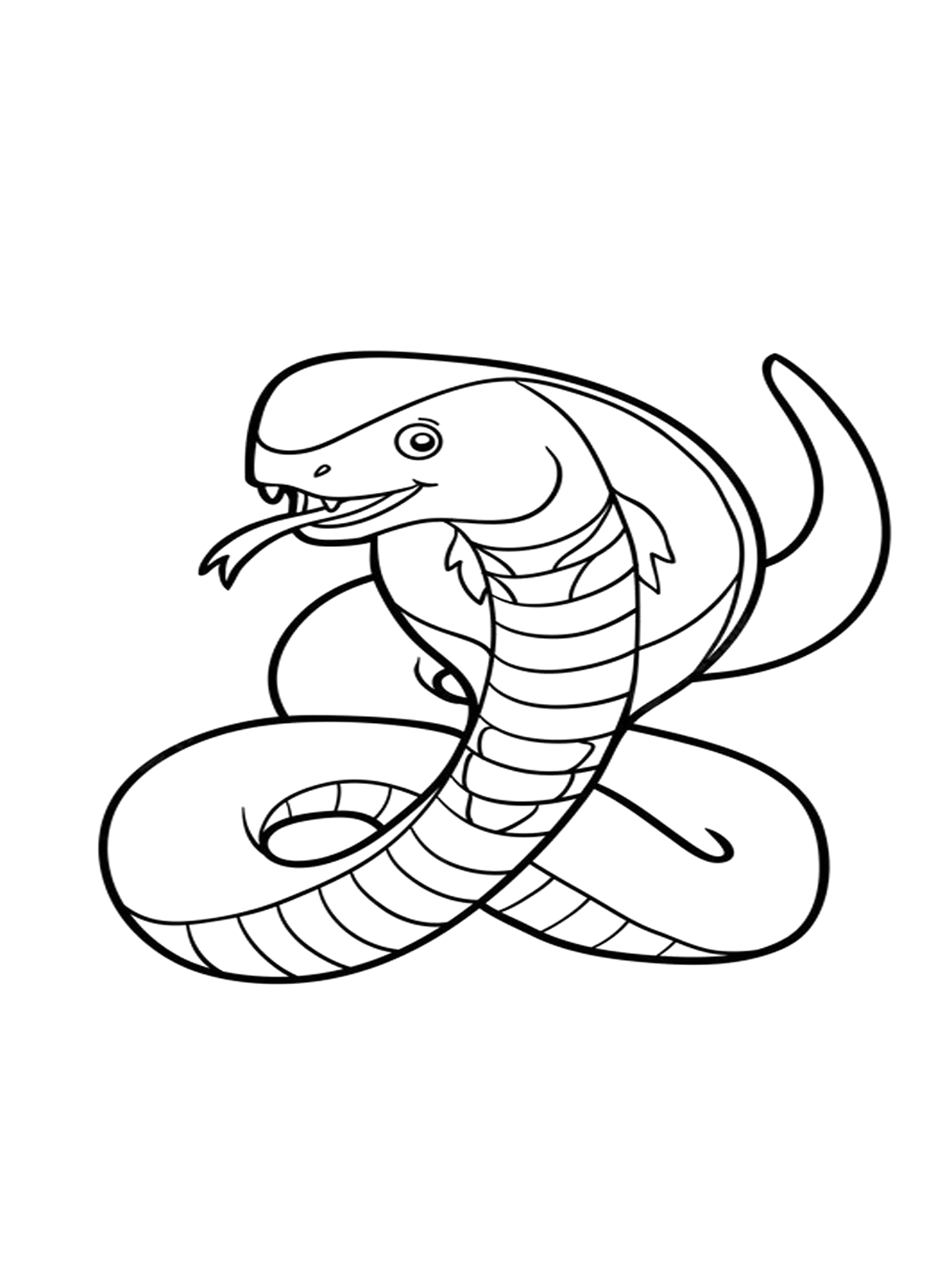
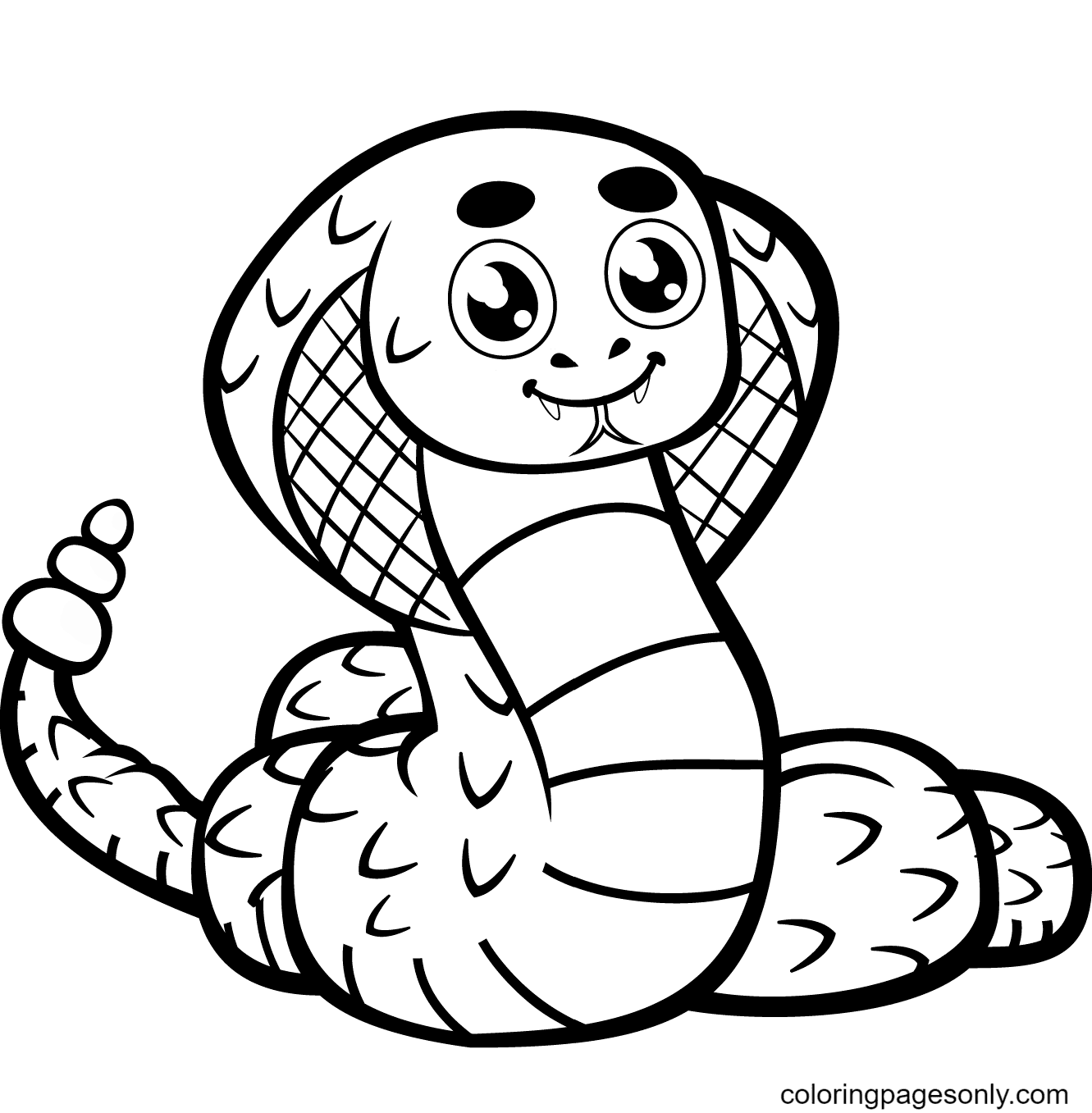
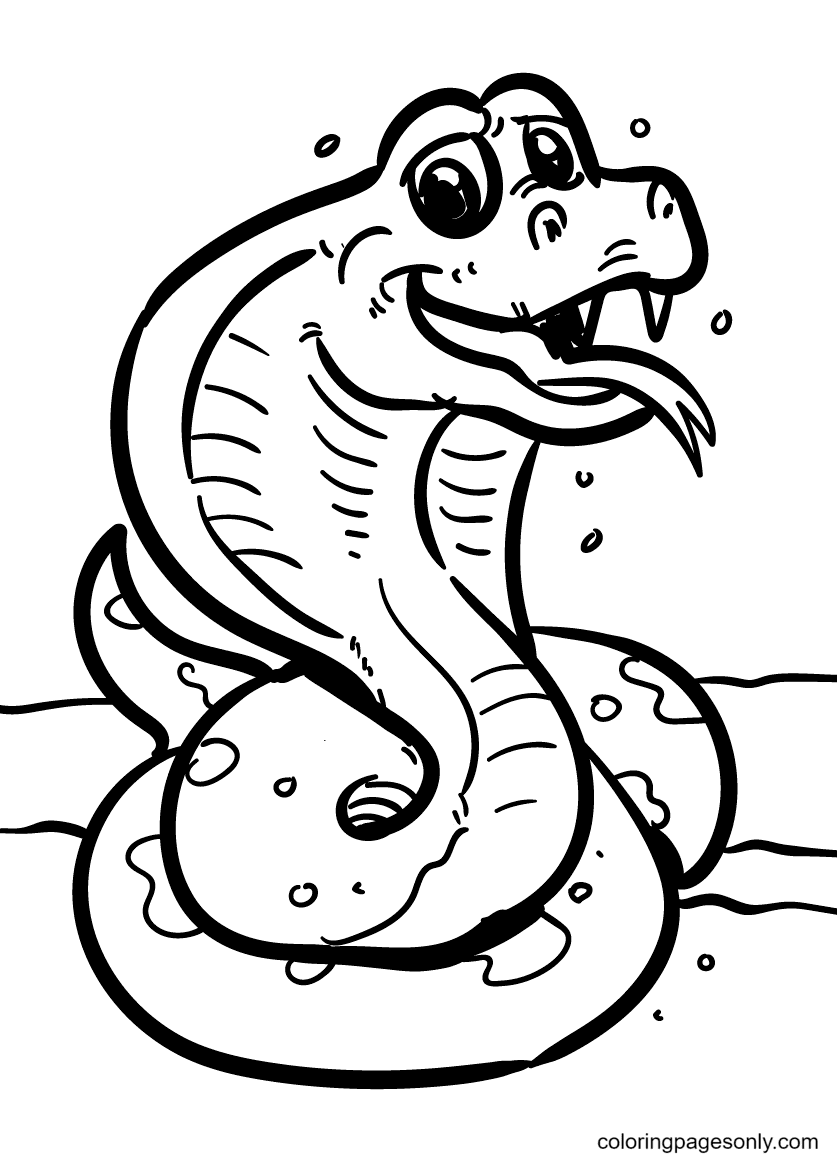
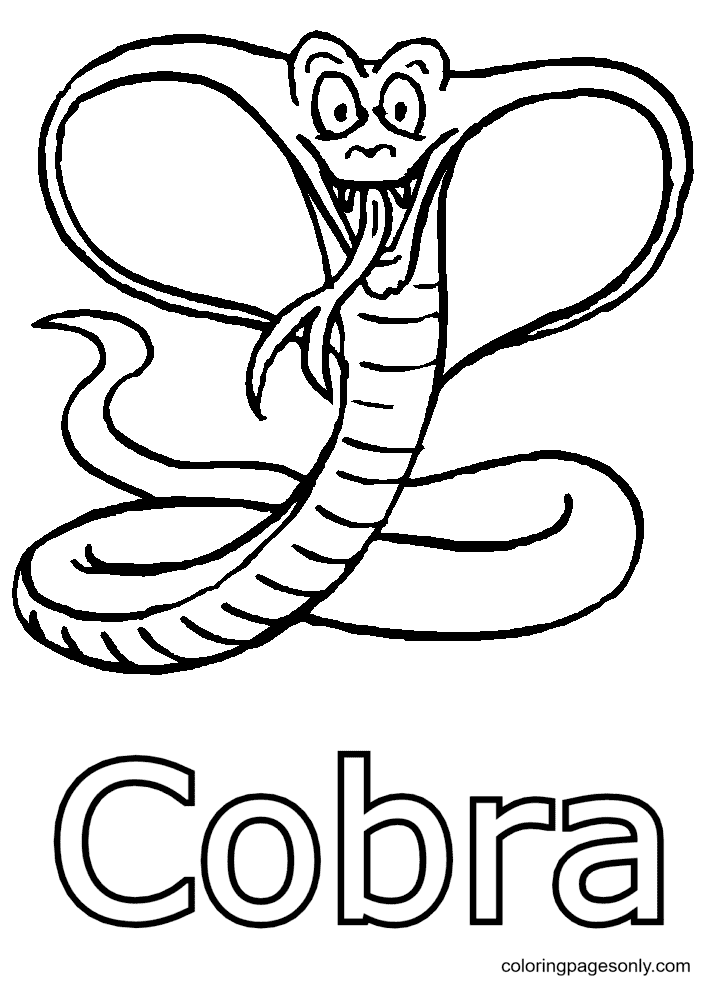
Another large group gives the Cobra a lighter, more approachable personality, smiling faces, rounded features, and expressions built for a younger audience.
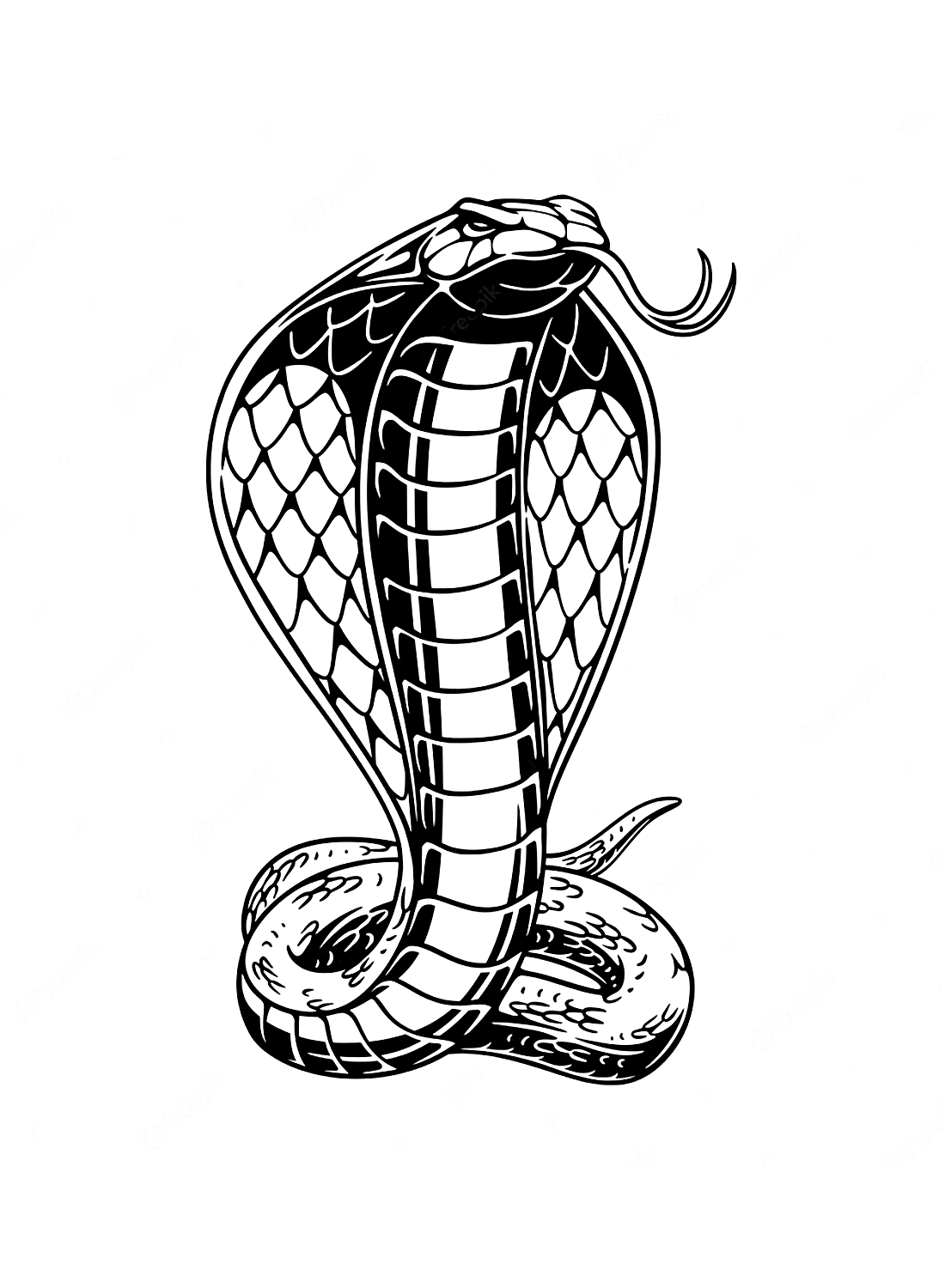
Fierce and Dramatic Cobra Poses
Several pages lean into the Cobra’s more intimidating side, hood flared, and body raised, capturing the defensive display the snake is best known for.
Cobras in Creative Scenes
A smaller group places the Cobra inside a decorative setting, surrounded by flowers or patterned in a more artistic style rather than shown alone against a plain background.
What Cobra Coloring Pages Do
Fine motor development. The American Academy of Pediatrics points to fine motor skill growth as a direct benefit of structured coloring for children ages 2 through 7, and following a cobra’s long, curving body from head to tail gives a young hand continuous practice with a single flowing line.
Accurate wildlife recognition. Learning that a cobra’s hood comes from flexible neck ribs rather than loose skin gives a child a small, correct piece of biology to attach to an animal they likely already find fascinating.
Anxiety reduction through focus. Structured coloring was tied to a measurable easing of anxiety in a 2005 Art Therapy Journal study, and the repetitive scale pattern running down a cobra’s body offers exactly the kind of steady, low-stakes detail that supports that calming effect.
A safe way to explore something intimidating. Coloring a fierce, hooded cobra pose gives a child a controlled, low-stakes way to engage with an animal that can feel intimidating in real life, without any actual risk involved.
How to Color Cobra Pages Well
- The body base: Use Crayola Olive Green, Tan, or Black, depending on the pose, since real cobras range from olive-brown to nearly black across different species.
- The hood pattern: Add a lighter Crayola Cream or Yellow marking on the hood for species like the spectacled Cobra, which carries a distinct pale marking there in real life.
- Scale texture: Use small, closely spaced strokes of a slightly darker shade over the base color to suggest individual scales without outlining each one by hand.
- The underside: Color the belly in a lighter Crayola Cream or Tan than the back, since most snakes, including cobras, have a paler underside than their upper body.
- Cartoon and friendly designs: Keep colors brighter and more saturated on the cartoon-style pages, since these designs are built for a playful tone rather than field-guide accuracy.
- Backgrounds on scene pages: Use soft greens and browns for jungle or garden settings so the Cobra itself, in a bold, contrasting color, stays the clear focal point of the page.
5 Creative Craft Ideas With Cobra Coloring Pages
1. Cobra Stick Puppet
Color one of the simpler cobra pages and glue it to a popsicle stick or wooden dowel. Use the finished puppet to act out a short story or fact about snakes. The puppet turns a coloring page into a hands-on storytelling prop.
2. Snake Fact Poster
Color one of the realistic cobra pages and mount it on a sheet of paper. Write two or three real facts about cobras underneath, such as how their hood is formed. The finished poster pairs the coloring activity with a small science lesson.
3. Jungle Scene Diorama
Color one of the scene-based cobra pages and stand it upright inside a shoebox turned on its side. Add small paper cutouts of leaves or rocks in front of it. The diorama turns a flat page into a small three-dimensional habitat display.
4. Cobra Bookmark
Color one of the simpler cobra pages and cut it into a narrow bookmark shape. Laminate or cover with clear contact paper for durability. The finished bookmark makes an easy, small gift for another young reader.
5. Reptile Gallery Display
Color several cobra pages alongside pages of other reptiles like turtles or lizards. Mount them together on a wall or bulletin board for a small classroom reptile gallery. The mixed display works well for a unit on different reptile species.
Frequently Asked Questions
What are Cobra coloring pages?
A free set of 29 printable designs showing cobras in a range of styles, including simple outlines, cartoon-friendly versions, fierce hooded poses, and a few decorative scene-based illustrations.
What makes a cobra’s hood work?
A cobra’s hood is formed by extendable ribs in its neck rather than loose skin alone. When the snake feels threatened, it flares these ribs outward, creating the wide, flattened hood shape cobras are known for.
What is the largest species of Cobra?
The king cobra is the largest, capable of reaching lengths of nearly 18 feet, which makes it the longest venomous snake in the world. It feeds mainly on other snakes rather than the small mammals that many other cobra species hunt.
What kinds of cobra designs appear in the collection?
The set ranges from very simple, easy-to-color outlines to detailed, realistic poses, playful cartoon-style cobras, dramatic hooded stances, and a couple of decorative scene-based designs.
What colors work best for coloring a cobra?
Olive green, tan, or black work well as a base, depending on the pose, with a lighter cream or yellow marking on the hood and a paler underside to match how real cobras are colored.
Can these pages be colored online instead of being printed?
Yes. Every design in the set opens in the browser-based coloring tool, so a page can be finished on a tablet or computer without printing anything first.
Are Cobra coloring pages suitable for young children?
The plain, outlined cobra pages suit a child around age three, still building basic coloring skills. The fiercer, hooded poses and more detailed scale patterns ask for steadier control and fit better with a child five or older.
Can this set be used for a reptile or wildlife lesson?
Yes. The hood, scale pattern, and size facts included with this set give a teacher or parent a few concrete, verifiable details to pair with the coloring activity during a lesson on reptiles or snakes specifically.
Start Coloring
No sign-up or payment sits between a click and a finished PDF. The online coloring tool offers the identical design to anyone finishing a page on screen. A completed cobra reaches Facebook or Pinterest through the share buttons above it.