Utahraptor Coloring Pages
 By:
Jennifer Thoa - Content Editor & Designer
Updated:
By:
Jennifer Thoa - Content Editor & Designer
Updated:
Free Utahraptor Coloring Pages: 20 printable PDF designs featuring the largest known member of the raptor family in realistic portraits, simple beginner designs, and detailed pages for older colorists. Each page can be downloaded as a PDF to print or colored online in the browser.
A single sandstone block discovered near Moab, Utah, held the remains of at least six Utahraptors of different ages together with an iguanodont, a discovery still being studied for what it might reveal about how these dinosaurs lived. This collection holds 20 Utahraptor coloring pages, ranging from detailed, realistic portraits that show off its massive, sickle-shaped claw to simple line drawings built for preschoolers and more intricate designs for teens and adults.
The set includes realistic and detailed portraits, beginner and preschool pages, more advanced designs for older colorists, and a group of general practice and activity pages. Every page downloads as a free PDF or opens directly in the browser for online coloring, with no account required.
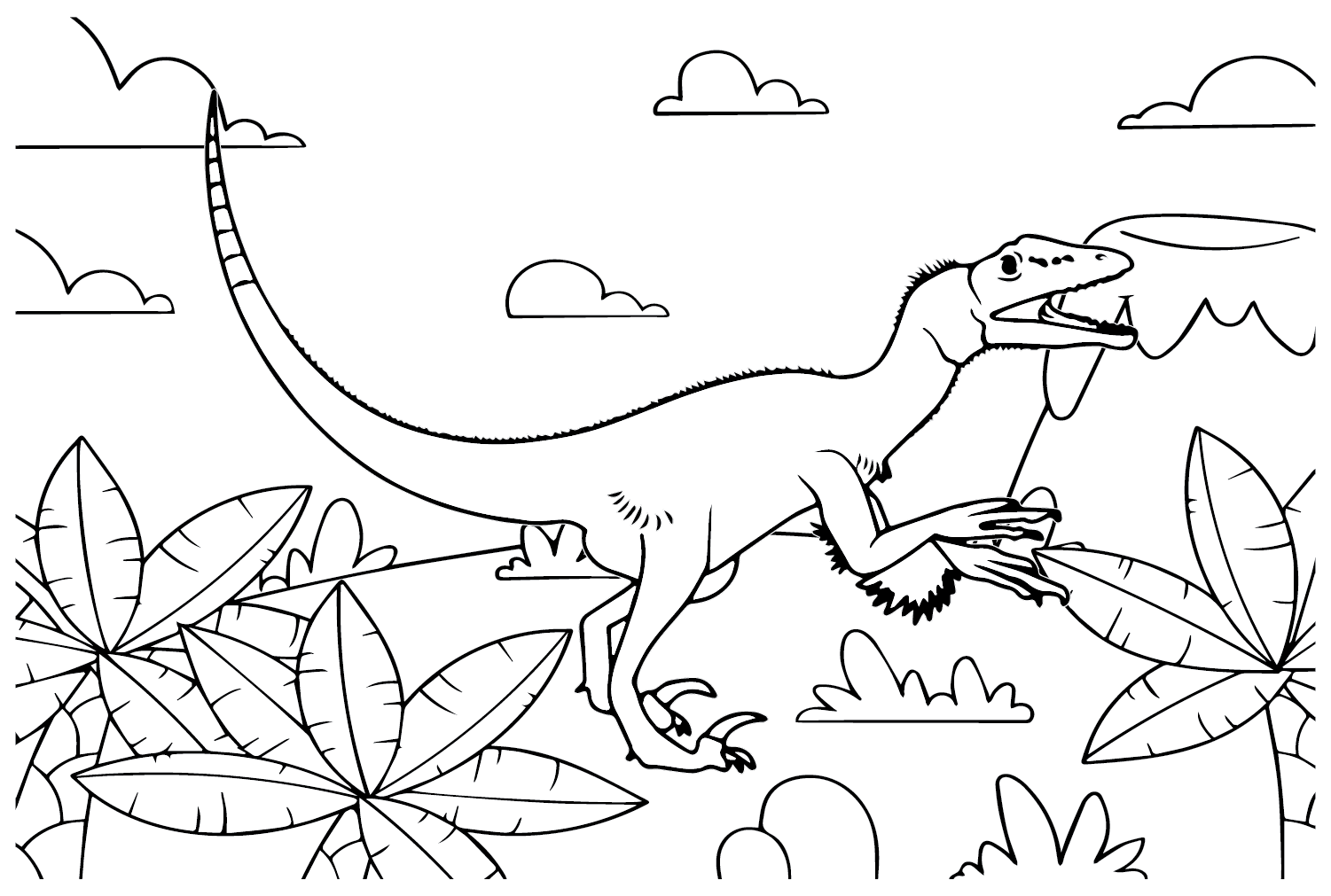
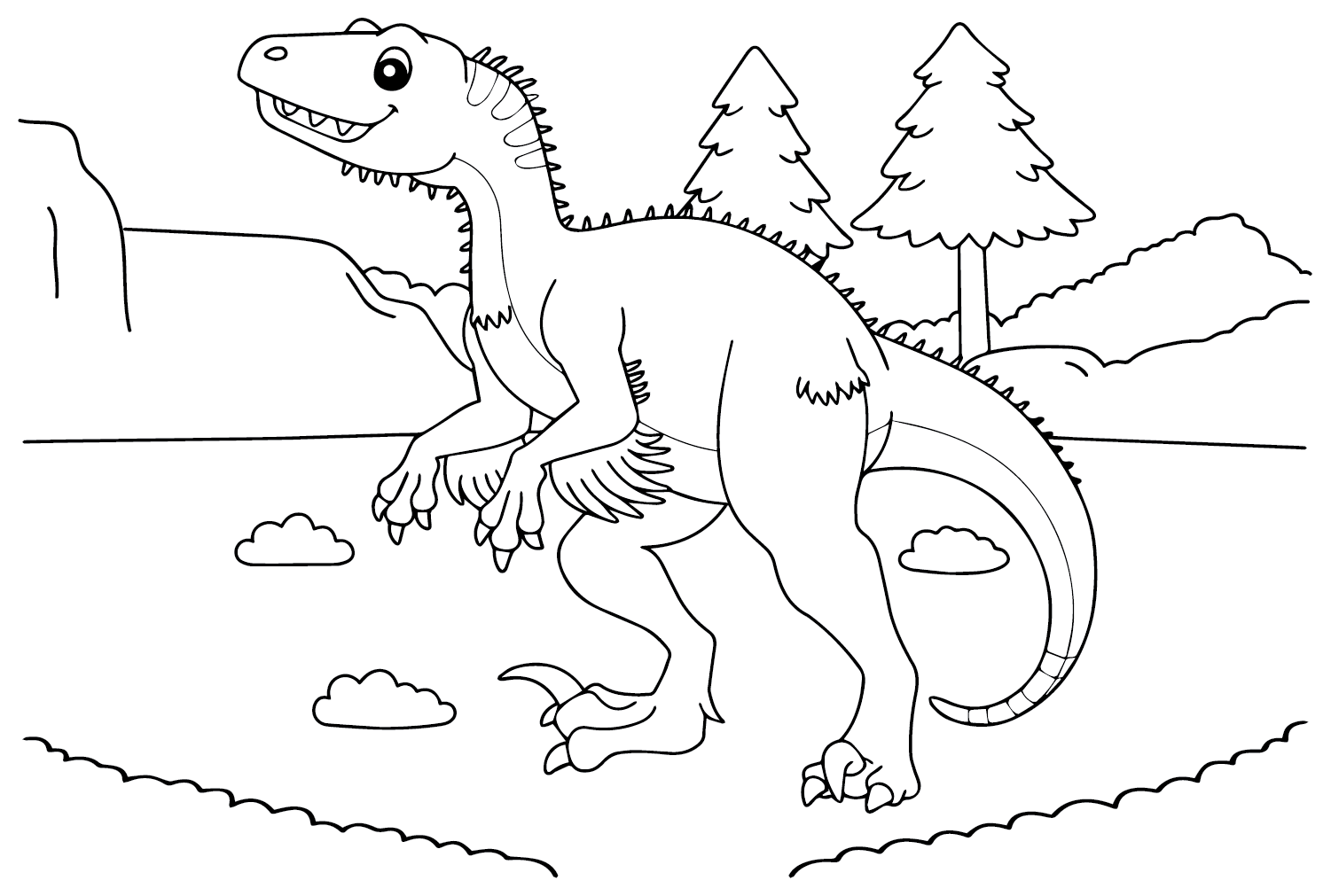
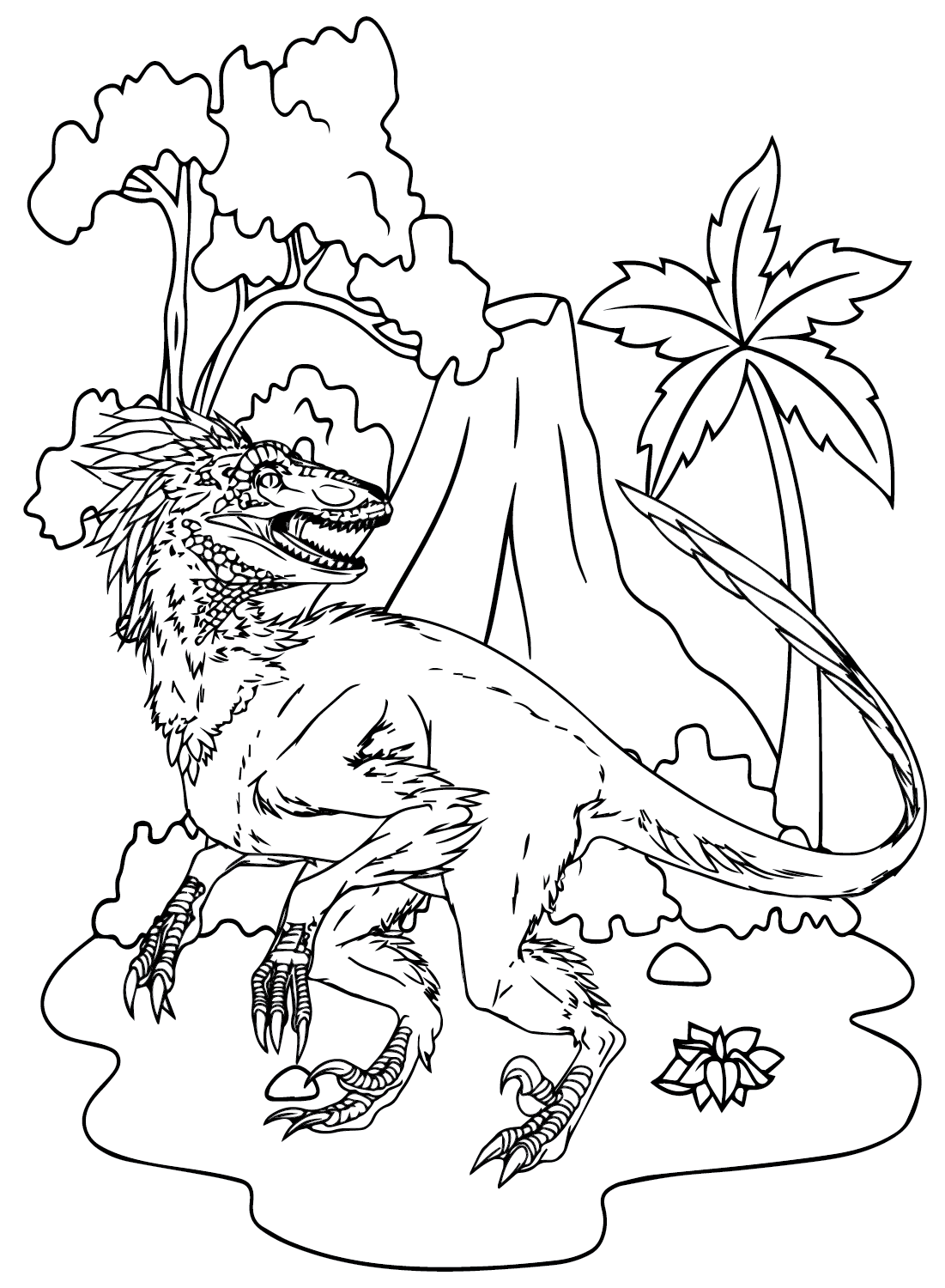
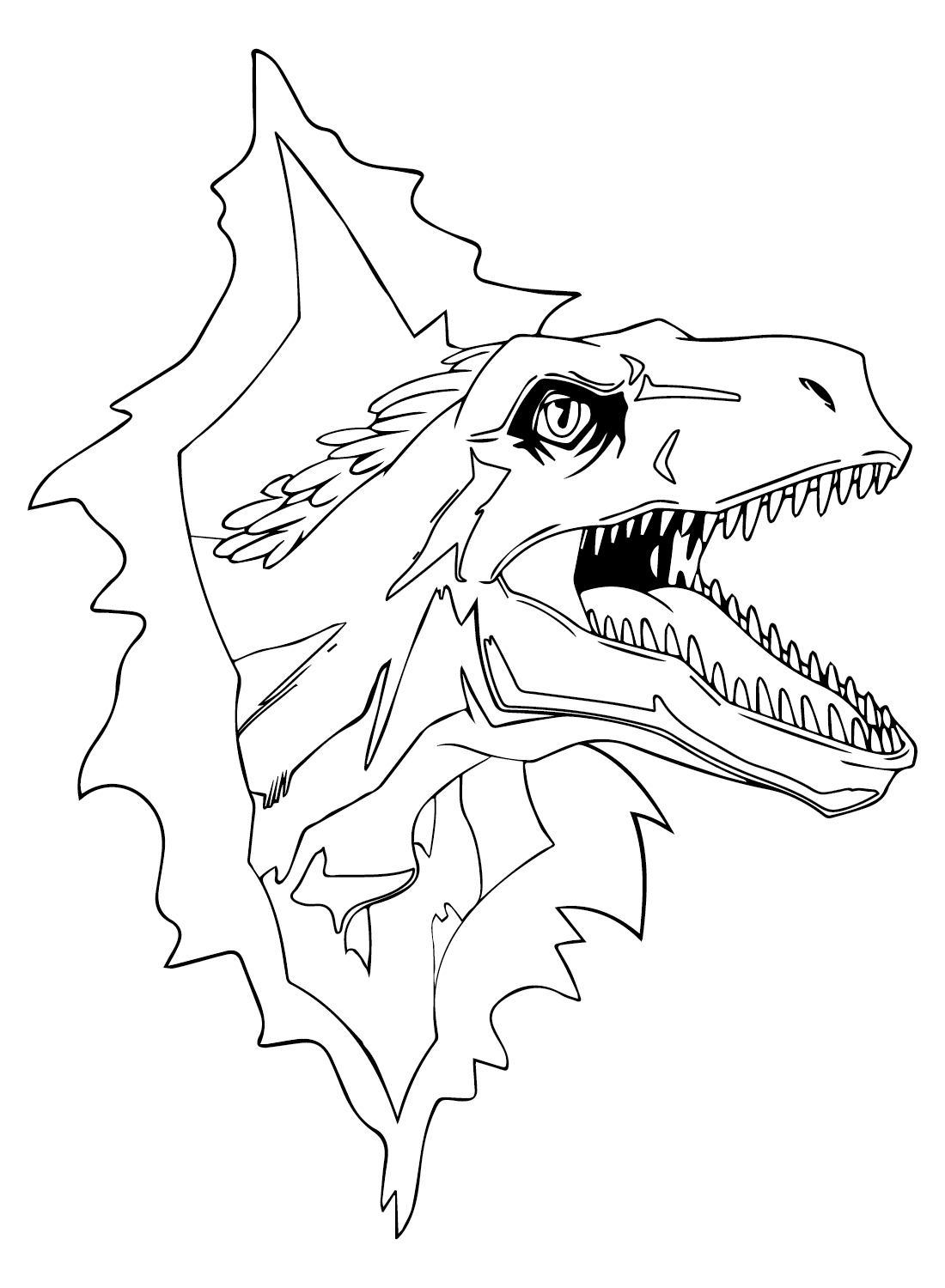
What Is Inside This Collection
Realistic and Detailed Portraits
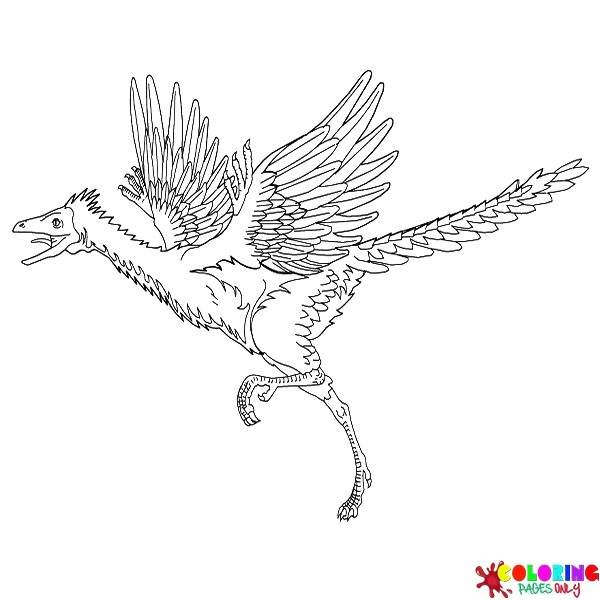
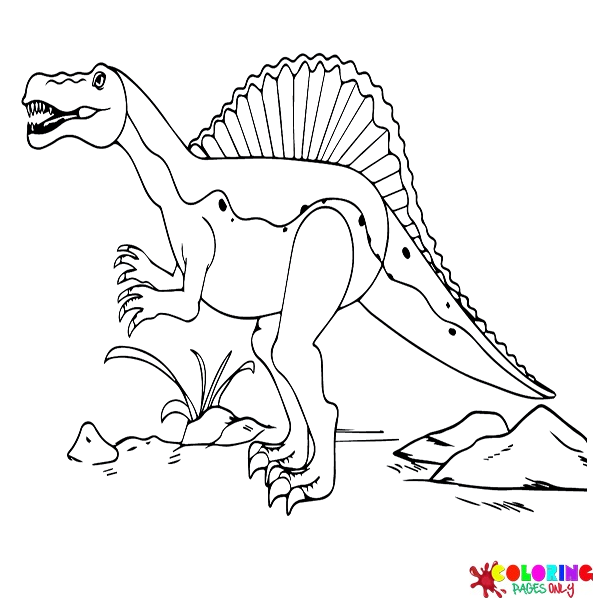
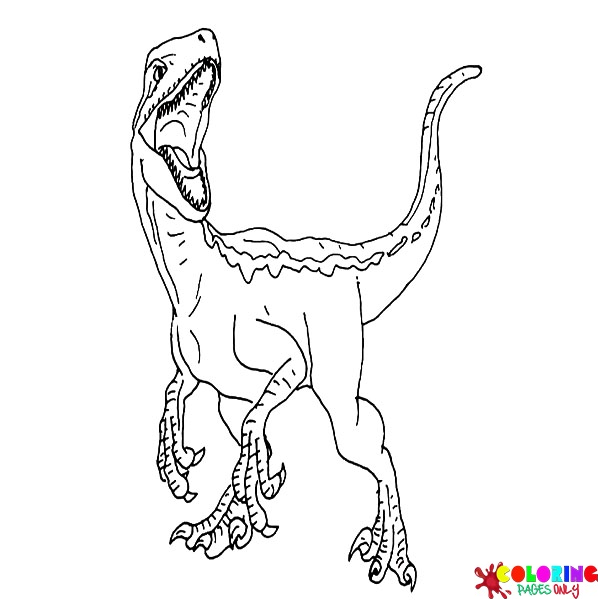
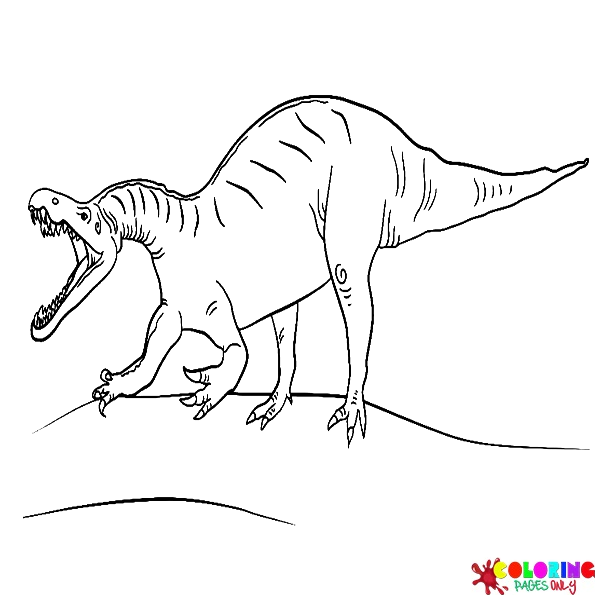
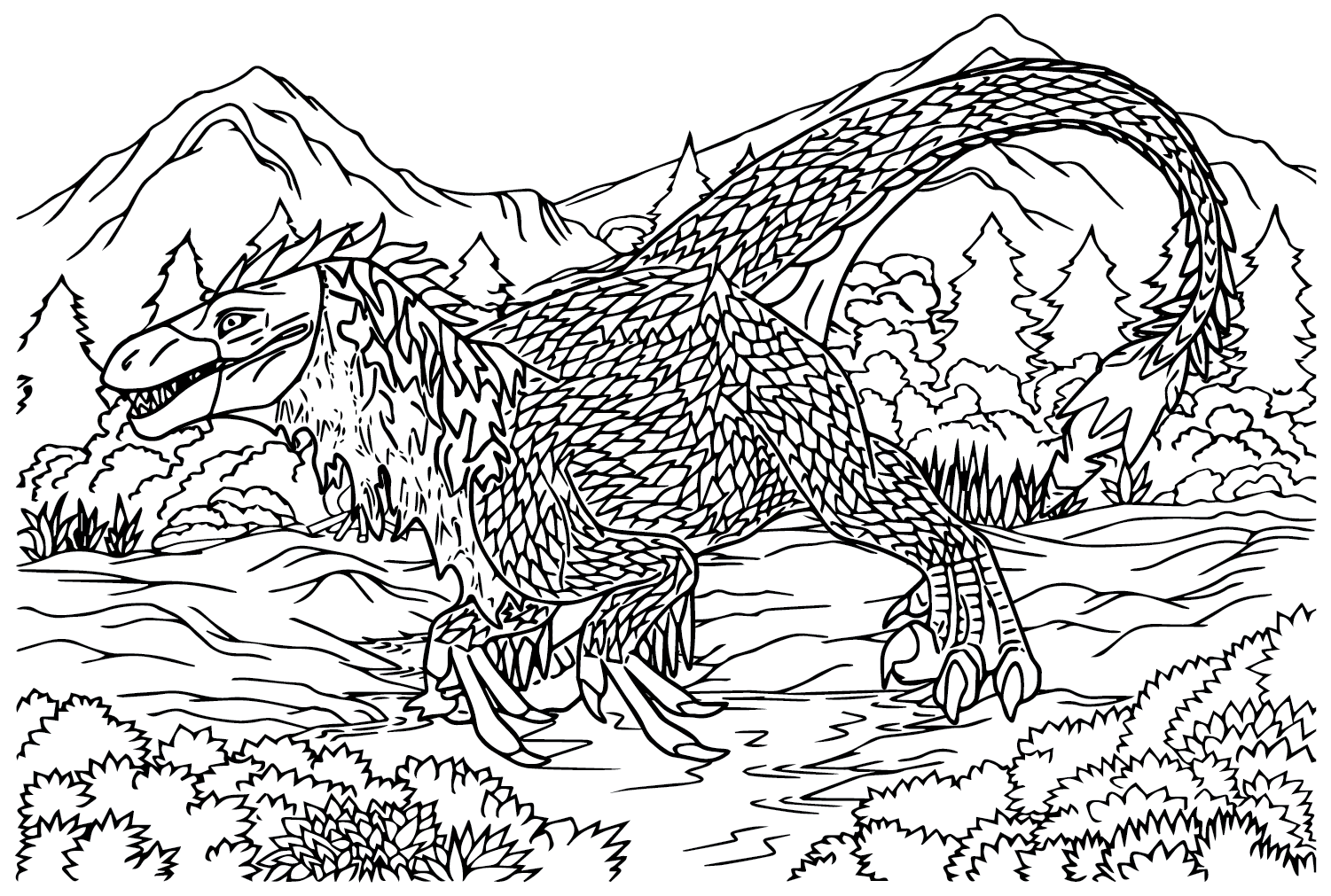
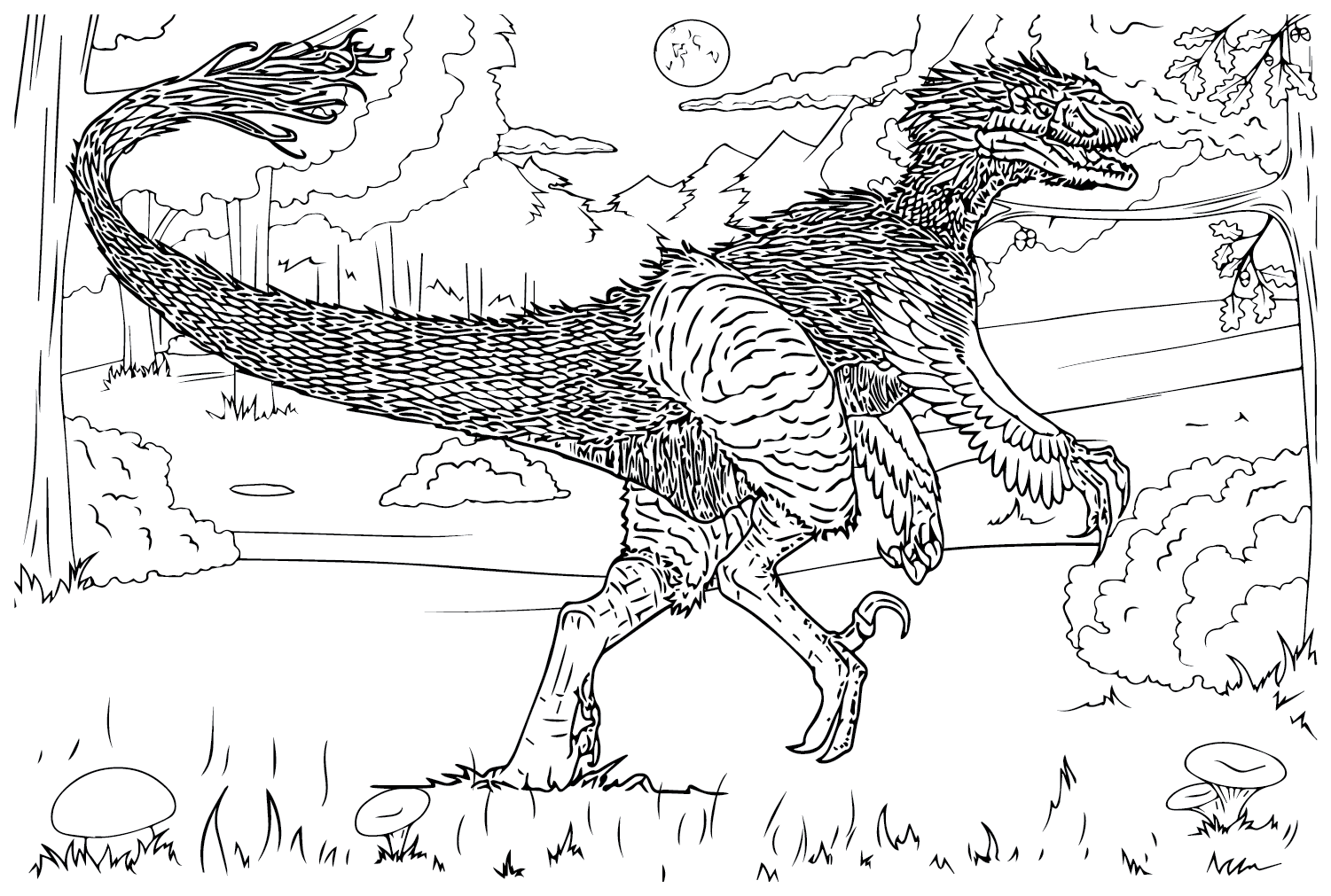
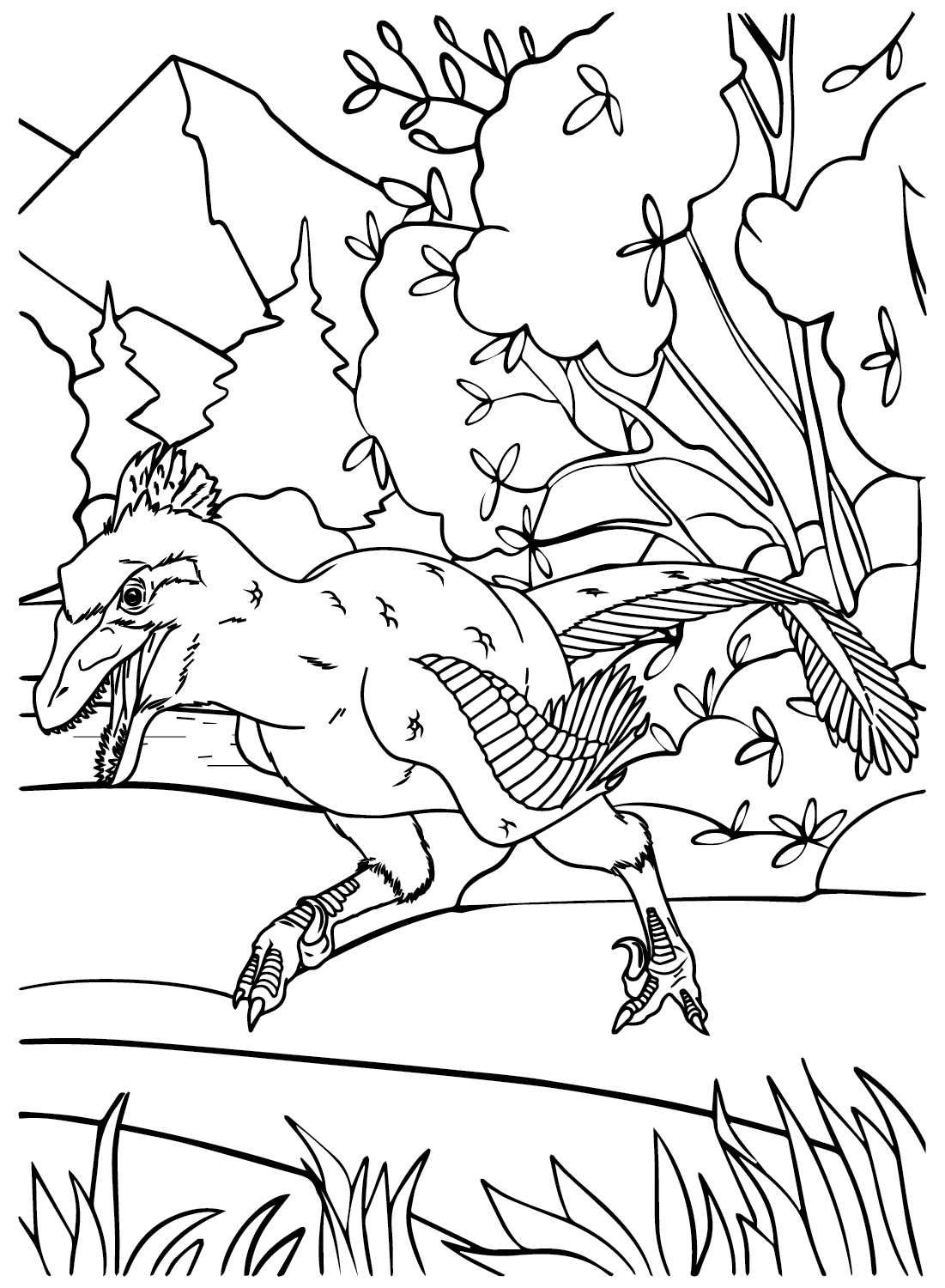
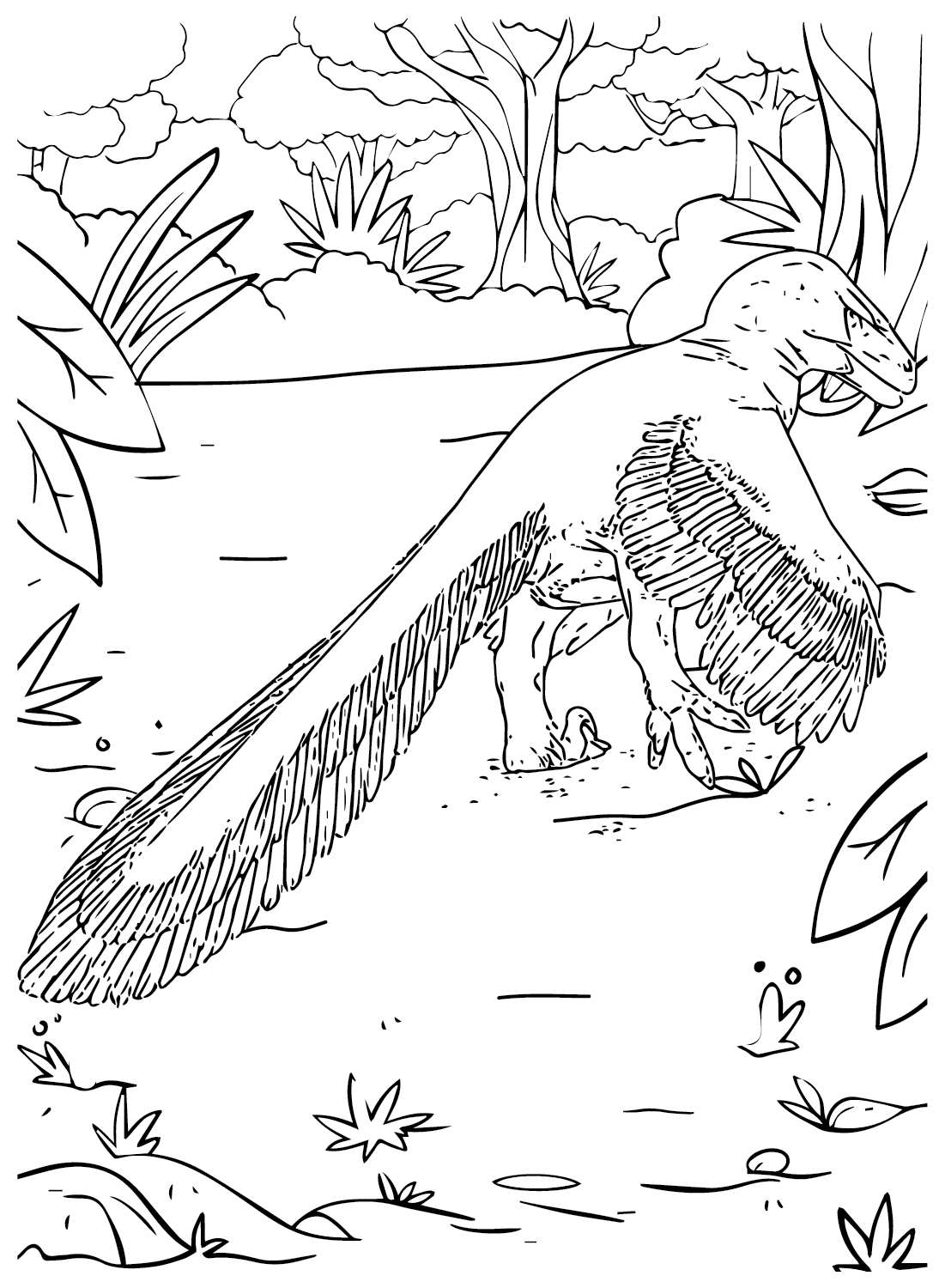
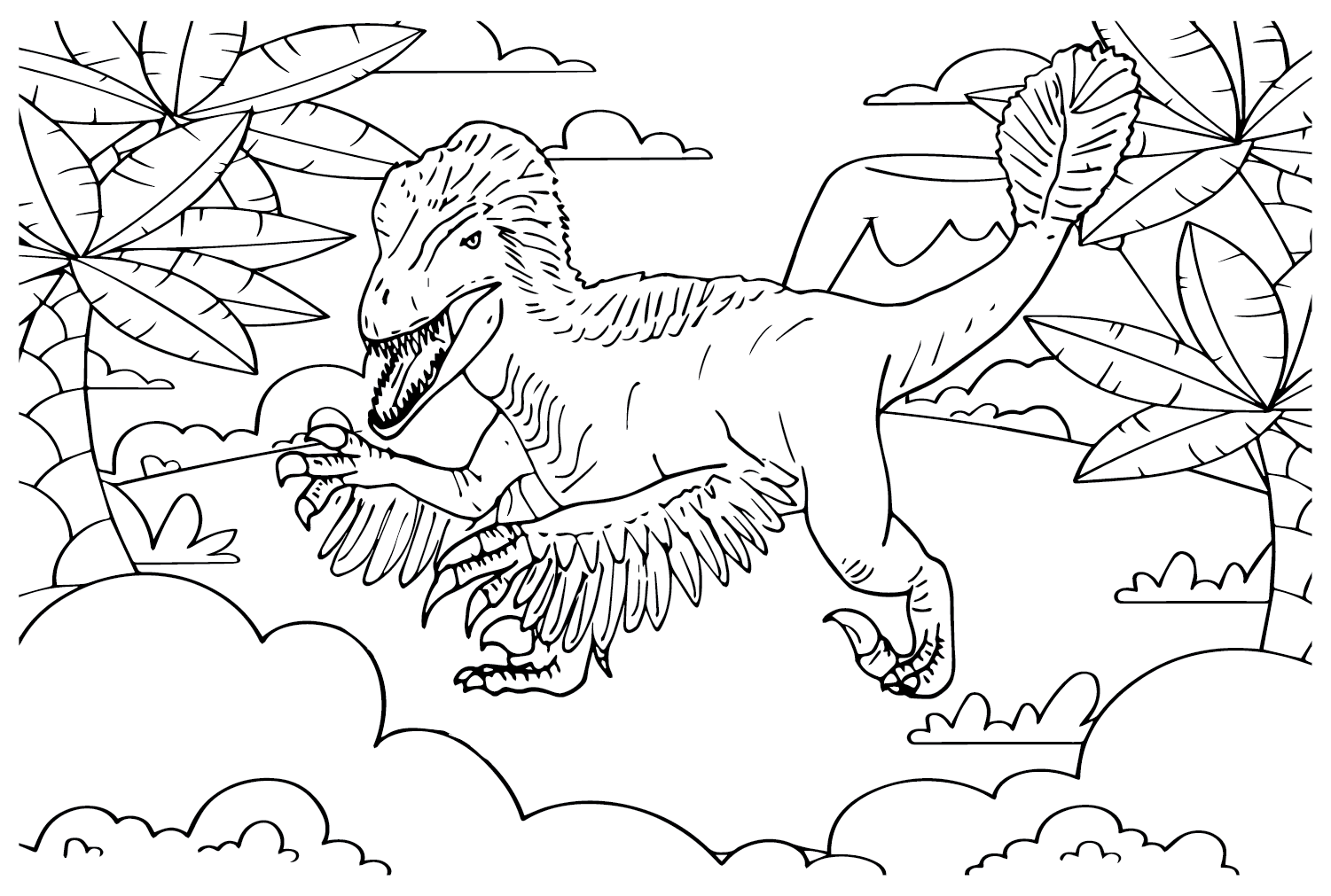
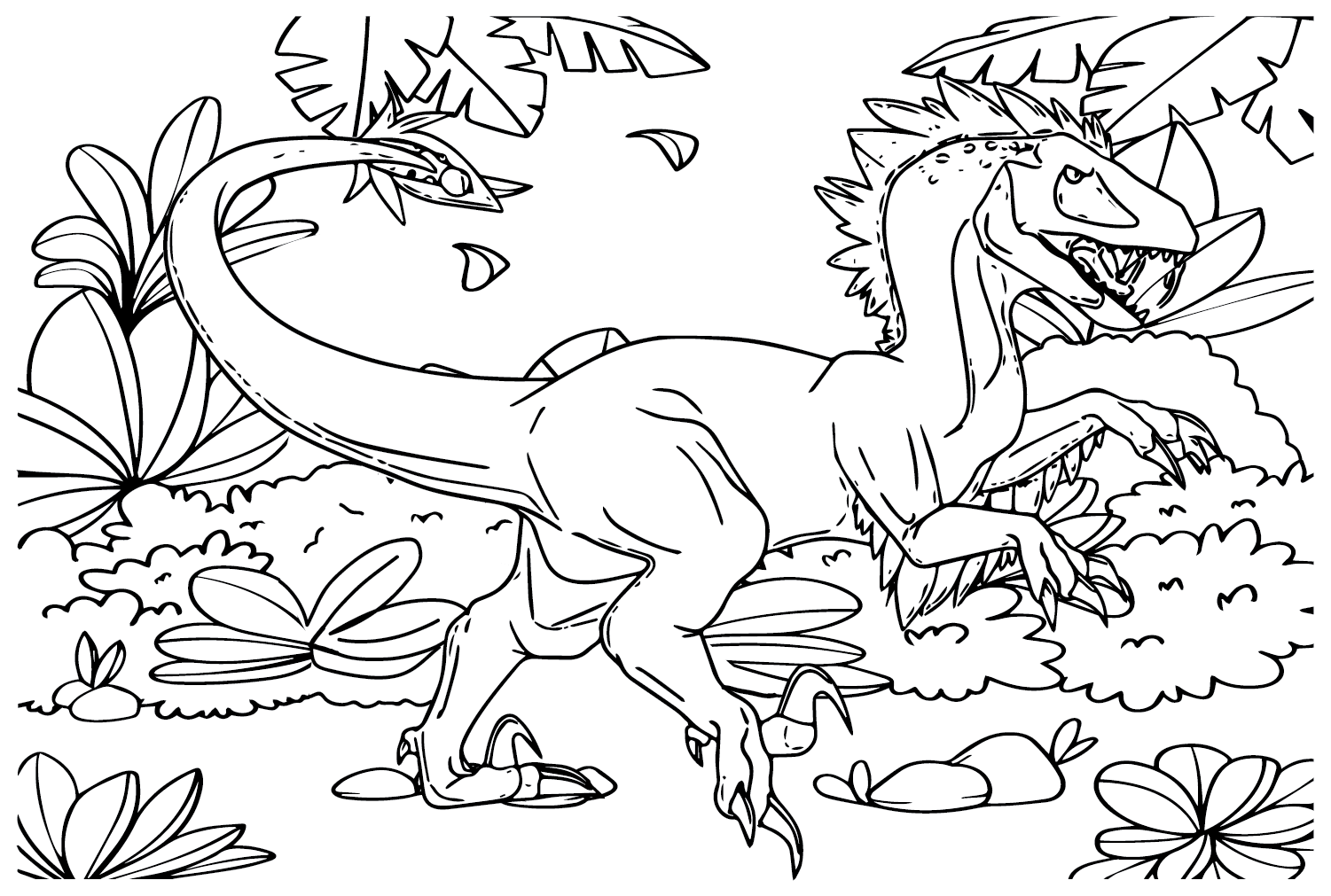
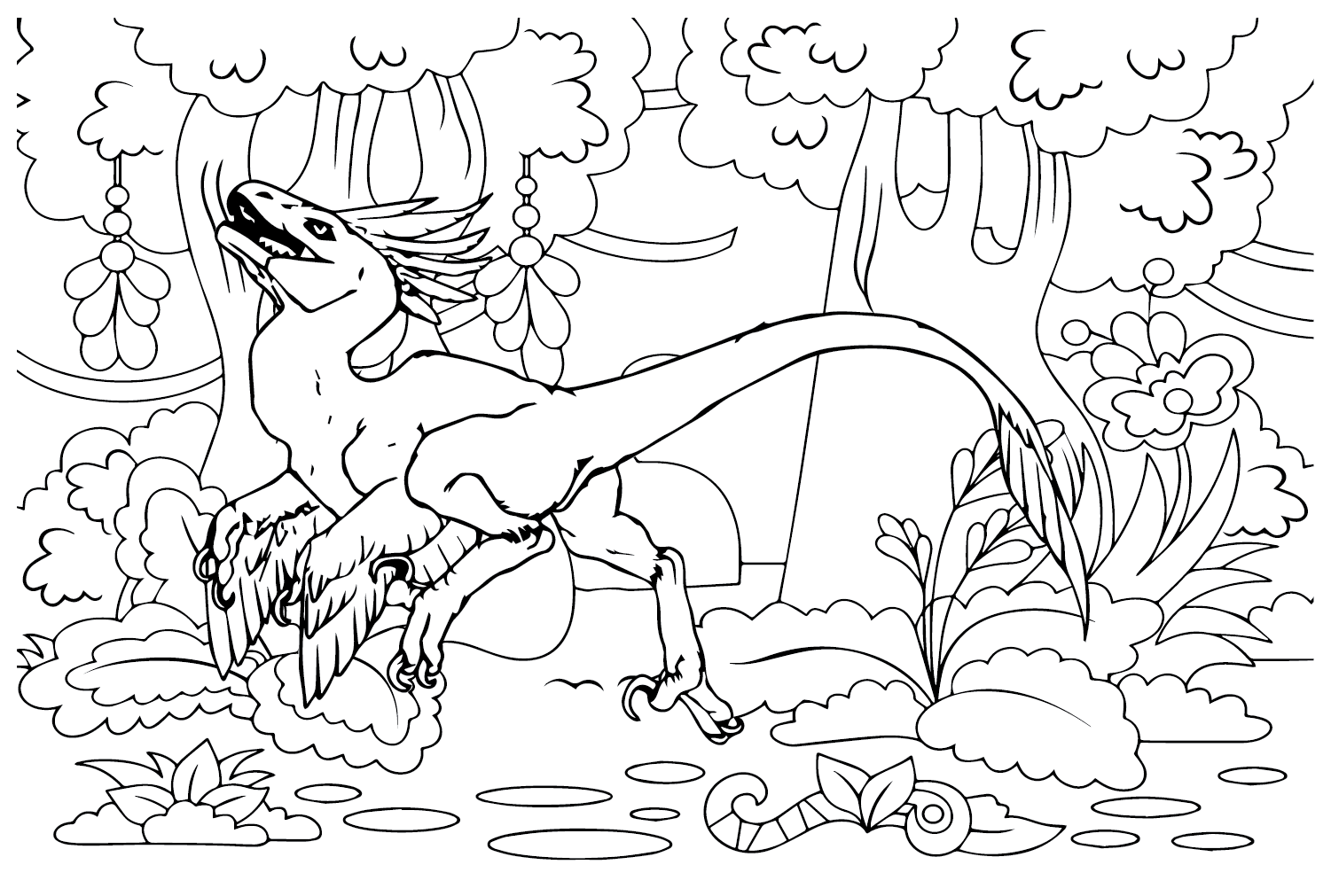
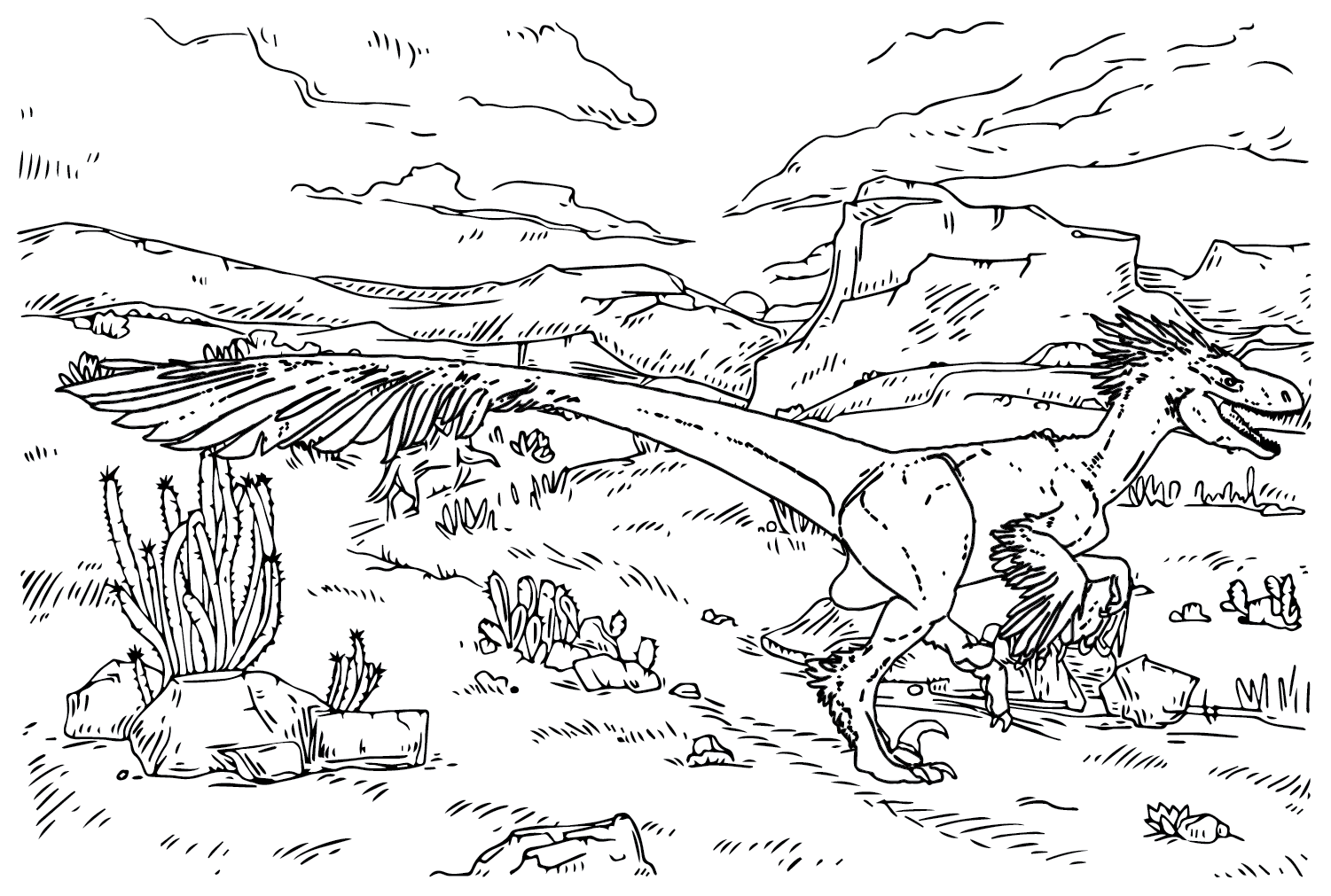
These pages focus on Utahraptor’s true anatomy, including its massive curved claw and heavily built frame. Realistic Utahraptor Coloring Page and Utahraptor Illustration Coloring Page give colorists an accurate subject to study in detail.
Beginner and Preschool Pages
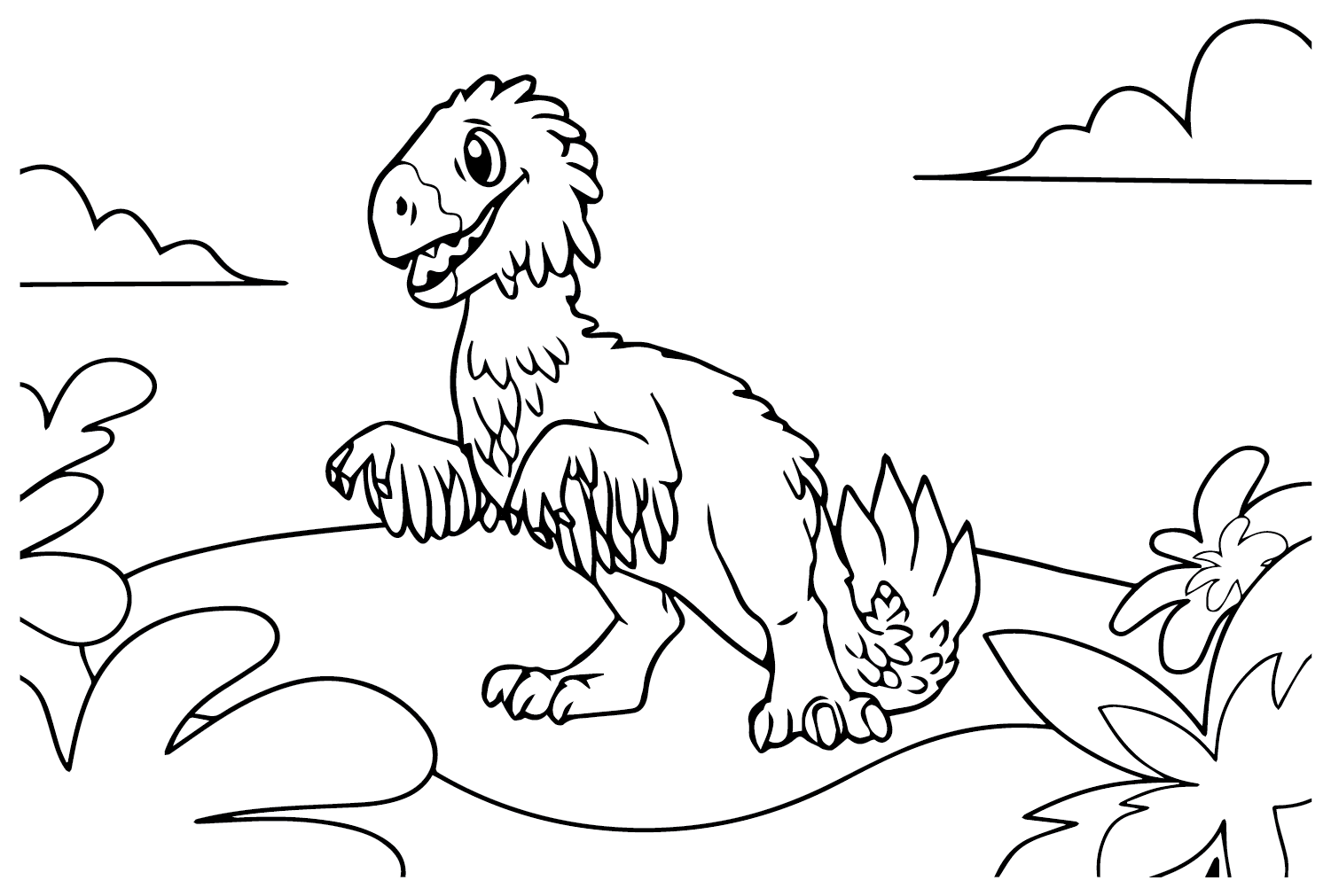
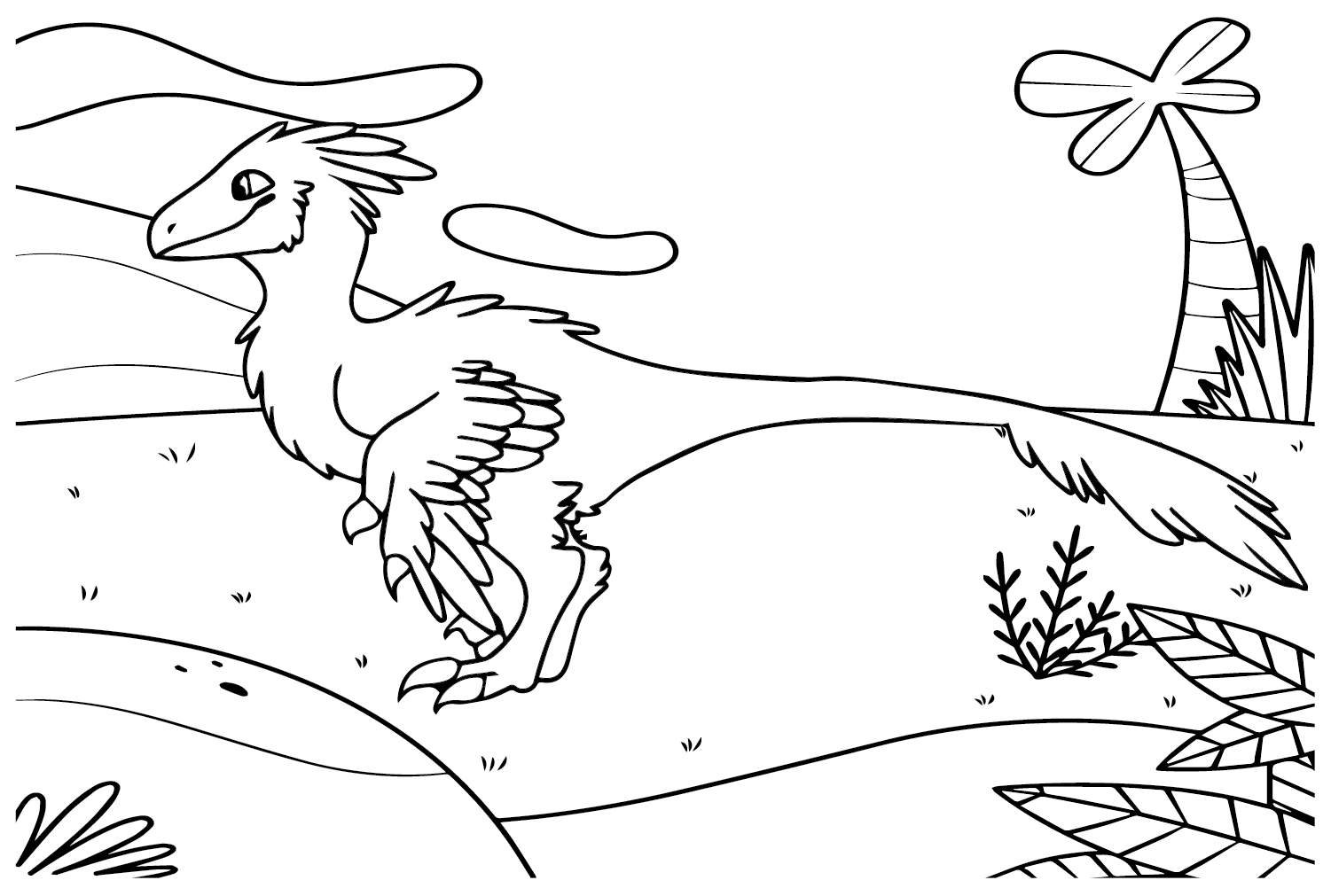
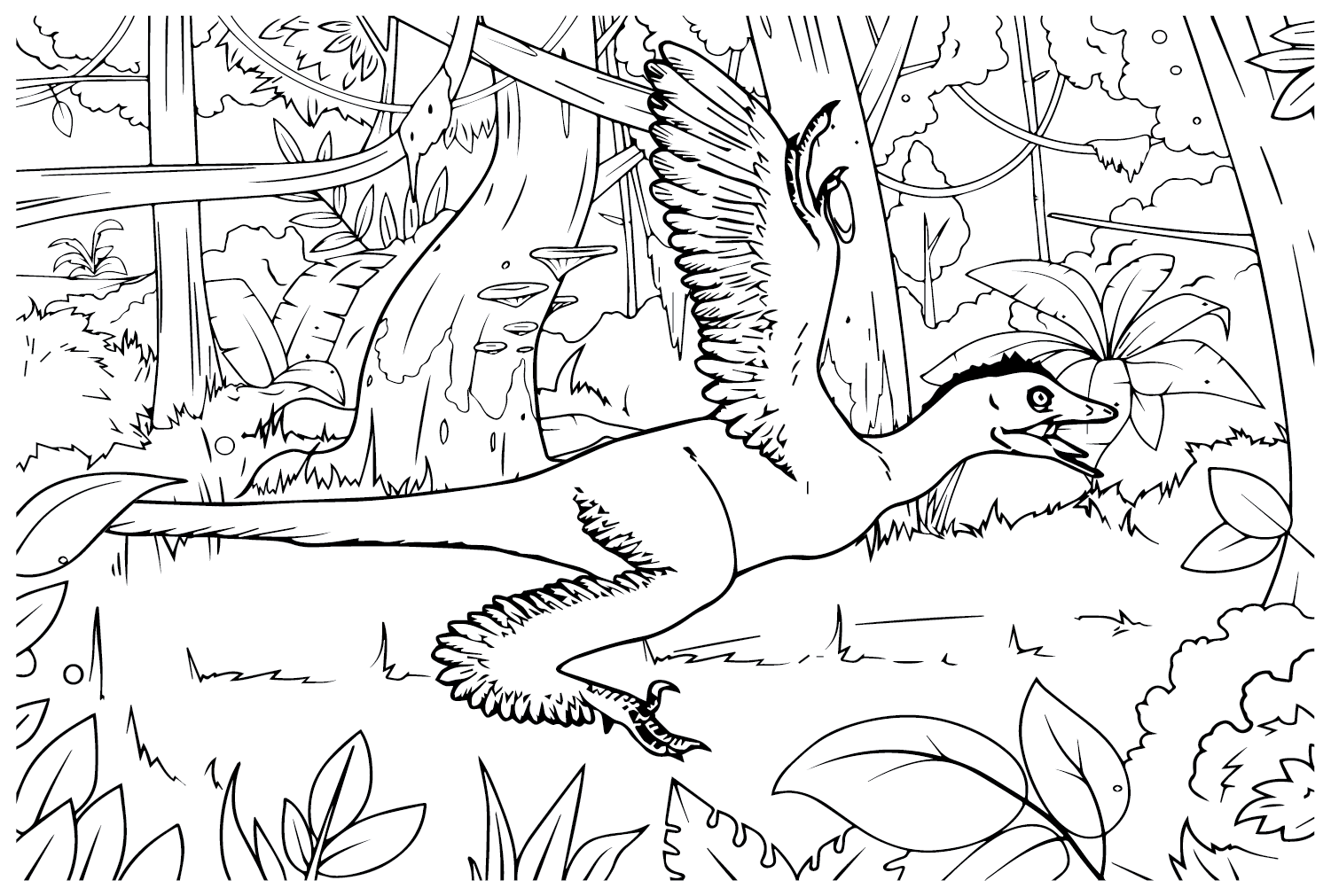
A group of pages uses simple, bold outlines built for younger colorists just learning to stay within the lines. Utahraptor Coloring Page For Preschoolers and Utahraptor Line Drawing For Coloring keep the design straightforward.
Detailed Pages for Older Colorists
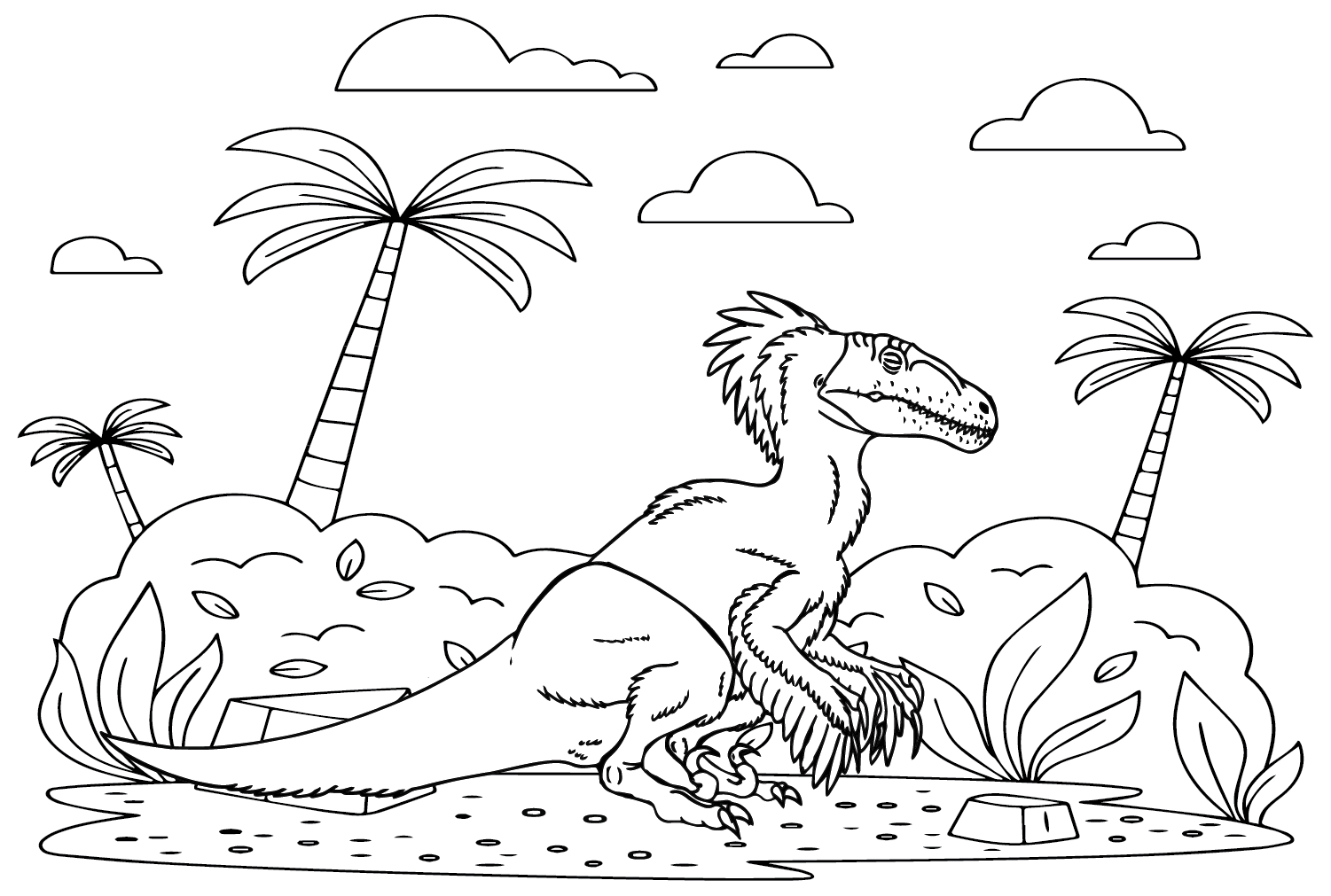
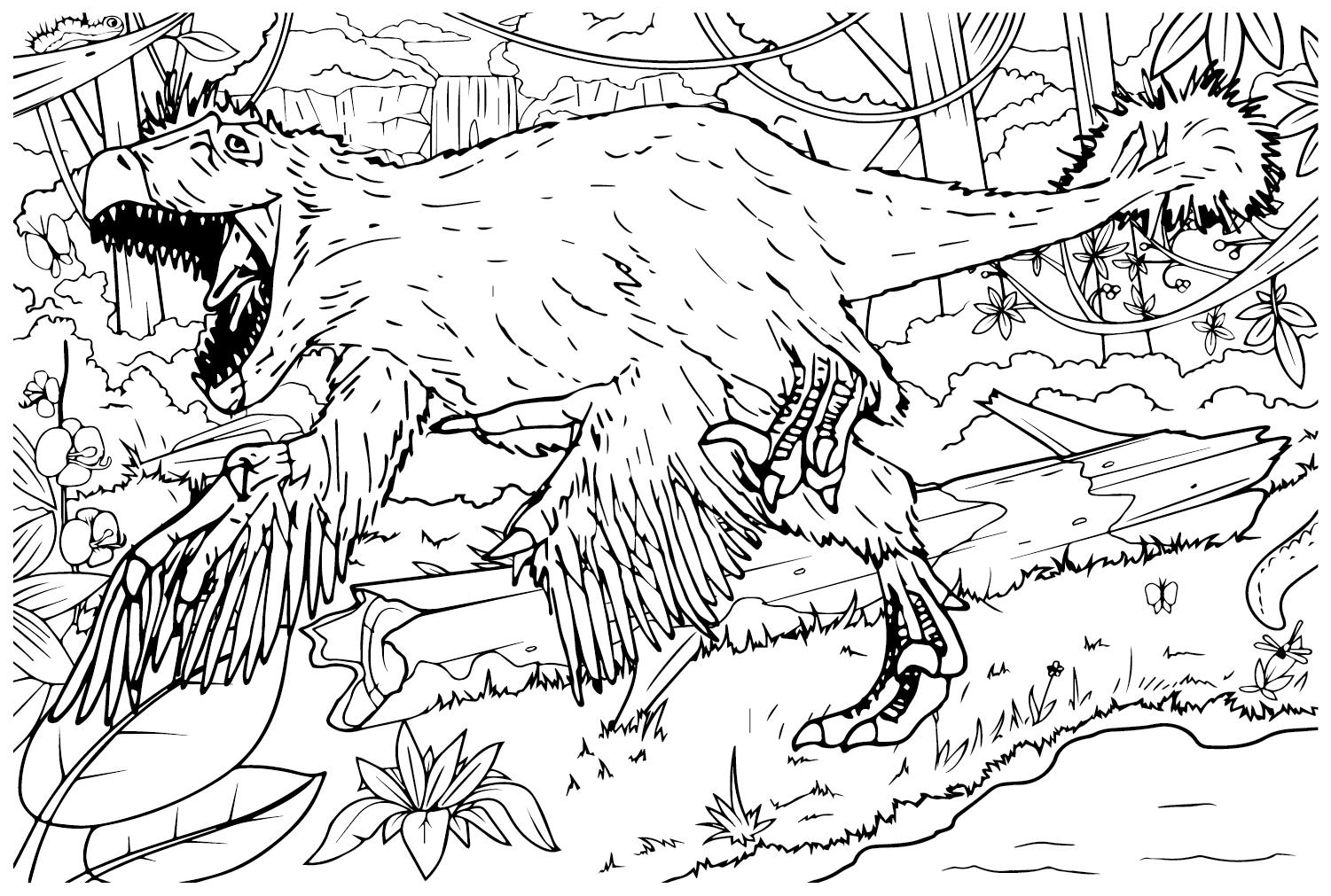
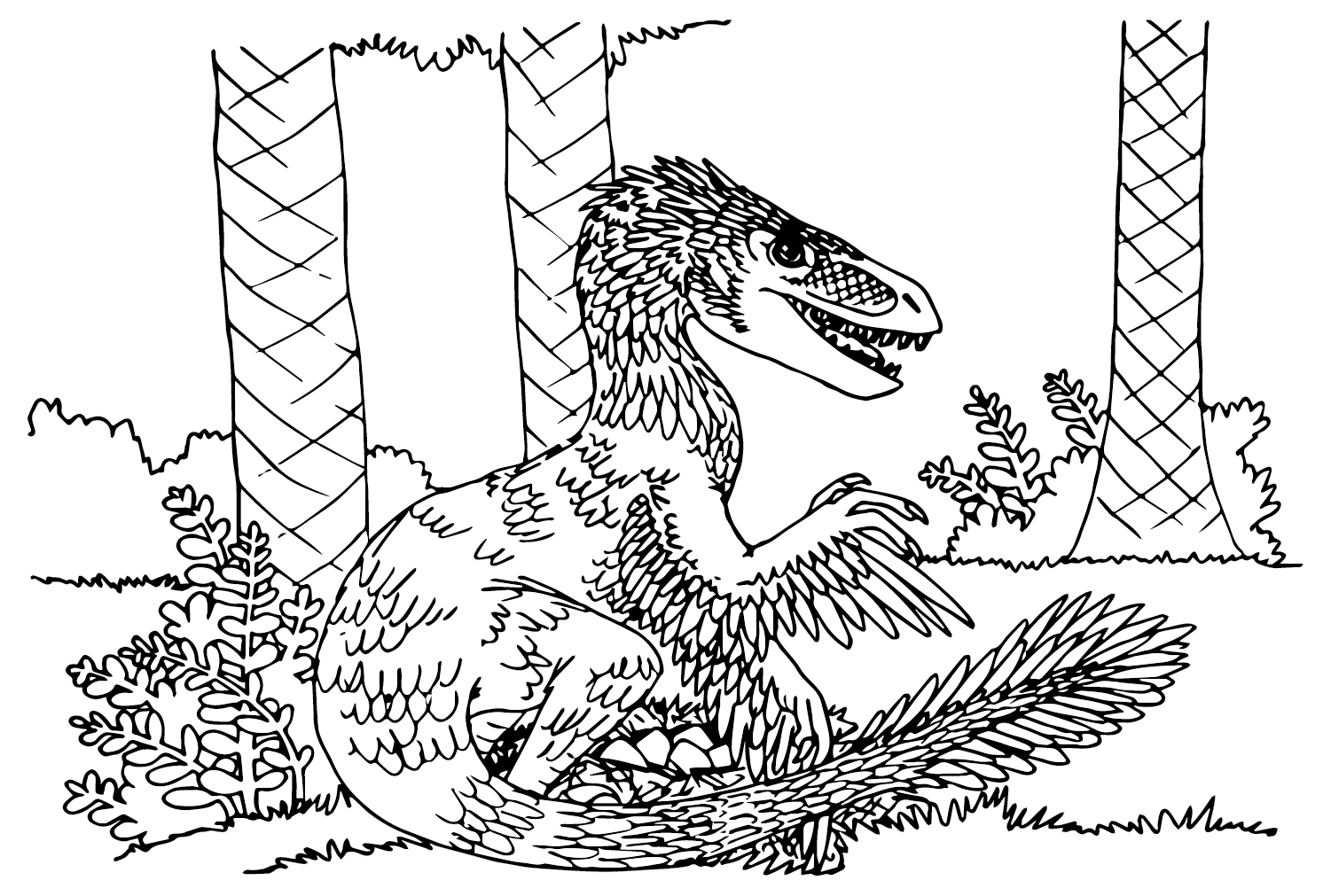
Several pages add finer linework and more background detail, better suited to teens and adults who want a longer coloring project. Utahraptor Coloring Page For Adults and Best Utahraptor Coloring Pages PDF fit that more advanced level.
Practice and Activity Pages
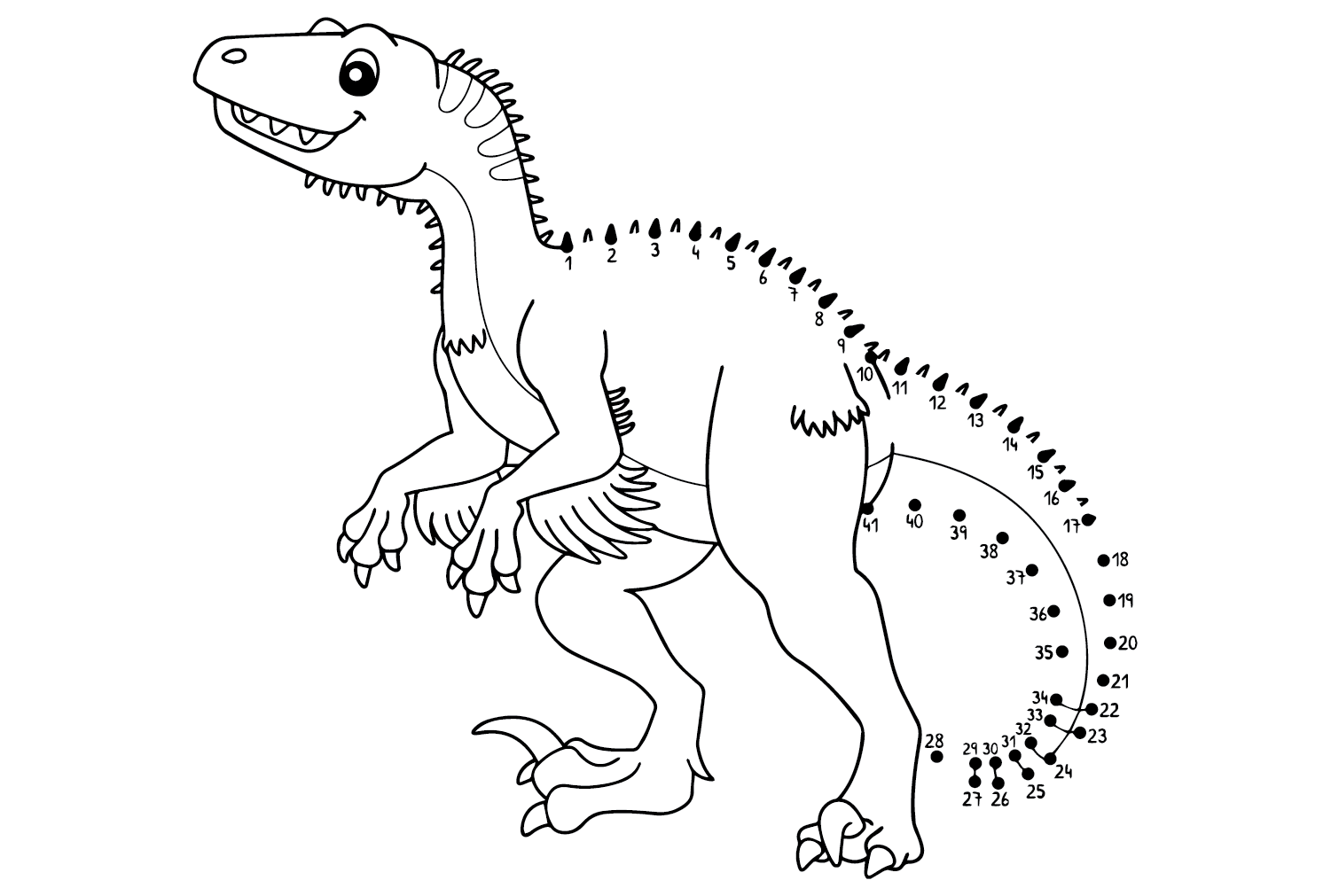
This set includes general coloring and activity pages, along with a dot-to-dot design. Dot To Dot Utahraptor Coloring Pages adds a numbered-sequencing activity alongside the standard coloring options.
What Utahraptor Coloring Pages Do
A close study of a formidable claw. Utahraptor’s sickle-shaped claw on its second toe could grow up to 24 centimeters long, and tracing its sharp, curved outline accurately takes more care than filling in a straight or rounded shape. The American Academy of Pediatrics points to structured coloring as a reliable way to build fine motor control, and following that specific curve is a direct way to practice it.
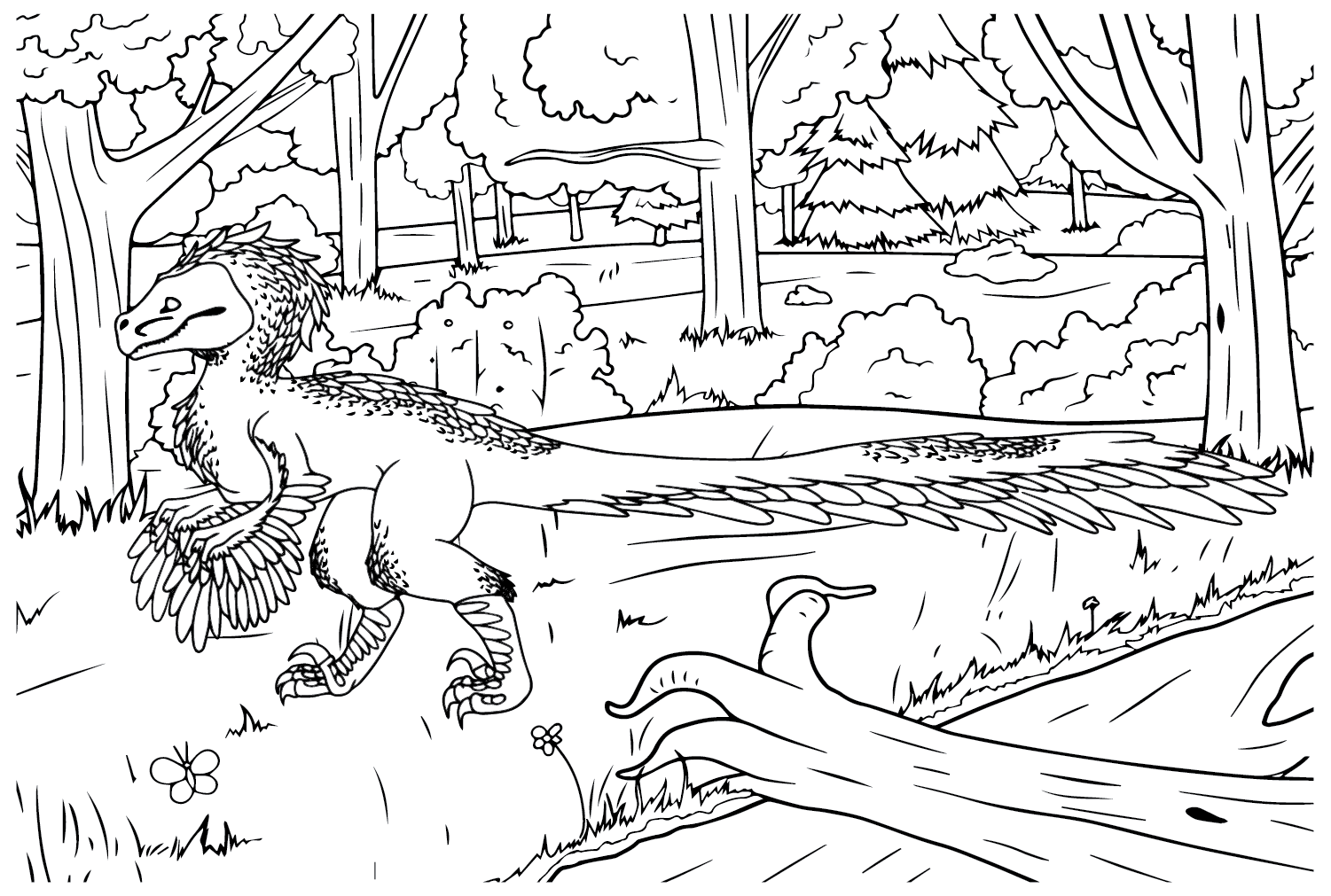
A dinosaur that looked more like a bird than a lizard. Utahraptor almost certainly had feathers, based on close relatives where feathers have been preserved, which challenges the scaly, reptilian image many kids expect, and gives a coloring session a natural opening to talk about the real connection between dinosaurs and birds.
Calm focus through detailed feather texture. A 2005 study in the Art Therapy Journal documented measurable reductions in anxiety following structured coloring sessions, and working through the fine, layered lines of feathered arms and a plumed tail invites the same slow, careful shading that supports that calming effect.
A real paleontology mystery still being studied. A single rock block found near Moab, Utah, held the bones of at least six Utahraptors of different ages along with a plant-eating dinosaur, and scientists are still working out what that unusual grouping might mean, giving colorists a genuine, ongoing science story rather than a settled textbook fact.
How to Color These Pages Well
- Body base: Use Sepia or Raw Umber for the body, since a heavily built predator like Utahraptor is often reconstructed in earthy browns and grays.
- Claw detail: Shade the large sickle claw a lighter Bisque or Tan with a darker outline to make it stand out as the animal’s most distinctive feature.
- Feathered arms: Use short, layered strokes rather than a flat fill along the arms and tail to suggest overlapping feathers instead of smooth skin.
- Eyes: Keep the eyes small and sharp in Black with a single white highlight dot to give the face a focused, predatory expression.
- Background terrain: Blend Raw Umber into Tan for dry, open ground, since Utahraptor lived in a warm, semi-arid floodplain environment.
- Vegetation: Add sparse, low Olive Green plants rather than dense modern forest, since Early Cretaceous plant life looked different from today’s landscapes.
5 Creative Craft Ideas With Utahraptor Coloring Pages
1. True-Scale Claw Comparison
Cut a paper claw shape scaled to about 24 centimeters and tape it next to a colored Utahraptor page to show just how large the real claw was.
2. Fossil Block Scene
Color several small Utahraptor cutouts in different sizes and arrange them together on cardstock to represent the multi-individual fossil block found near Moab.
3. Utahraptor Bookmark
Trim a simple Utahraptor page into a tall strip and laminate it, or cover it in clear contact paper.
4. Greeting Card
Glue a colored Utahraptor onto a folded card for a birthday or dinosaur-themed thank-you note.
5. Feather Texture Practice
Color a few simple outlines using short overlapping strokes instead of flat fills to practice suggesting a feathered texture.
Frequently Asked Questions
What are Utahraptor coloring pages?
Printable line-art designs of Utahraptor in realistic, beginner, and detailed advanced styles. Free to download as a PDF or color online, no account needed.
How big was Utahraptor?
Utahraptor could grow to roughly 5 to 7 meters long and weigh up to about 500 kilograms, making it the largest known member of the dromaeosaurid, or raptor, family.
Is Utahraptor the same as Velociraptor?
No. Utahraptor and Velociraptor are different genera; Utahraptor was much larger, while the real Velociraptor was closer in size to a large turkey.
Did Utahraptor really have feathers?
No direct feather fossils have been found for Utahraptor yet, but paleontologists consider it very likely based on feathers preserved in closely related dromaeosaurids.
What was the claw used for?
The large sickle-shaped claw on its second toe was likely used to slash and help pin down prey, along with the animal’s powerful jaws.
Where were Utahraptor fossils found?
Utahraptor fossils come from the Cedar Mountain Formation in eastern Utah, near Moab, and the dinosaur was formally named in 1993.
Are Utahraptor coloring pages appropriate for all ages?
Yes. The simple preschool pages suit toddlers and young children, while the detailed, realistic, and adult-level pages suit older kids, teens, and adults.
Can these Utahraptor coloring pages be used for a classroom lesson on dinosaurs?
Yes. The realistic pages pair well with a lesson on dinosaur-bird evolution, while the fossil-block fact supports a discussion on how paleontologists interpret unusual fossil discoveries.
Start Coloring
All 20 Utahraptor designs are free to download as a PDF or open for online coloring, no account required. Print a page for a classroom activity, or pull it up on a tablet for coloring on the go. Once finished, share it on Facebook or save it to Pinterest.