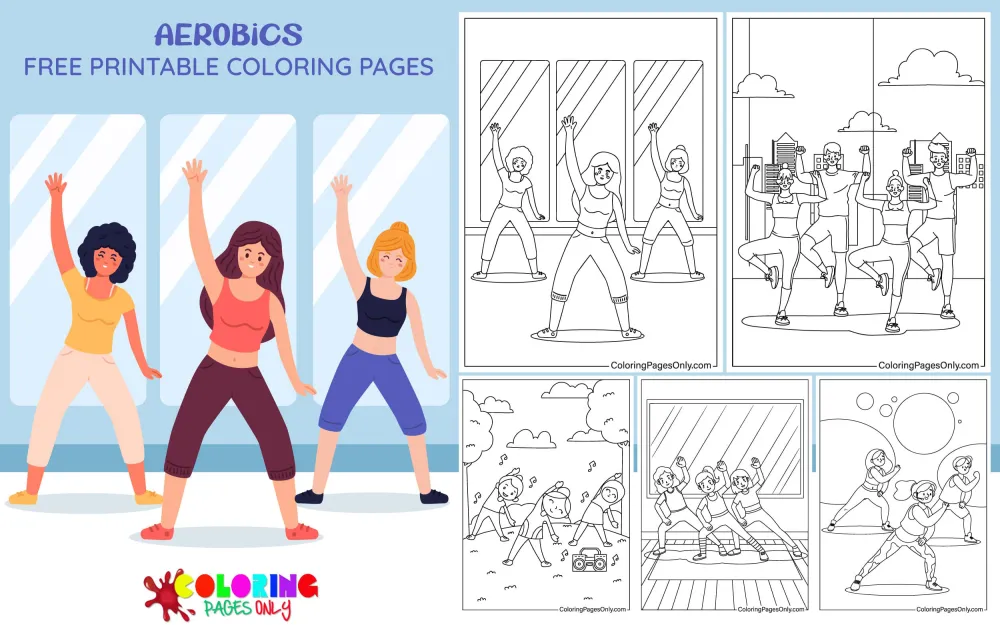
Explore 35 free aerobics coloring pages featuring women and girls doing aerobics, group workout scenes, gym and home exercise, dumbbell training, and a wonderfully energetic cast of cats, dogs, unicorns, a chihuahua, a pig, a dragon, and Minnie Mouse – all breaking a sweat. Available as a free printable PDF and interactive online coloring for kids, fitness fans, and adults alike.
There is a particular kind of joy in movement – the endorphin release of a good cardio session, the satisfaction of getting your heart rate up, the way music and rhythm can transform exercise from obligation into something that actually feels like fun. Aerobic exercise has been delivering exactly that experience since Dr. Kenneth Cooper first introduced the concept to the world in his landmark 1968 book Aerobics, which established the physiological principles of cardiovascular fitness training and sparked a global exercise movement. The aerobics classes of the 1970s and 1980s – led by pioneering instructors and popularized by figures like Jane Fonda, whose 1982 workout video became the best-selling home video of all time up to that point – transformed how millions of people thought about their bodies, their health, and their capacity to move.
At ColoringPagesOnly.com, our collection of 35 free aerobics coloring pages celebrates the full, joyful, sweat-inducing spectrum of aerobic exercise – from a focused woman doing aerobics at the gym to children discovering the pleasure of movement, from a graceful girl holding a dance aerobics pose to a chihuahua who is absolutely committed to its workout. Every page is completely free to download as PDF, JPG, or PNG, and available to color online directly in your browser.
Whether you are a fitness enthusiast who loves the sport and wants to share it with your children, a physical education teacher looking for creative classroom materials, or simply someone who appreciates the energy and vitality that aerobic exercise brings to life, this collection has something for you. Time to warm up.
What’s Inside Our Aerobics Coloring Pages Collection?
Our collection spans the full range of aerobic movement – from serious workout scenes to gloriously absurd animal fitness content – with pages designed for every age group and every level of artistic confidence.
Women’s Aerobics Coloring Pages – Movement, Strength, and Grace
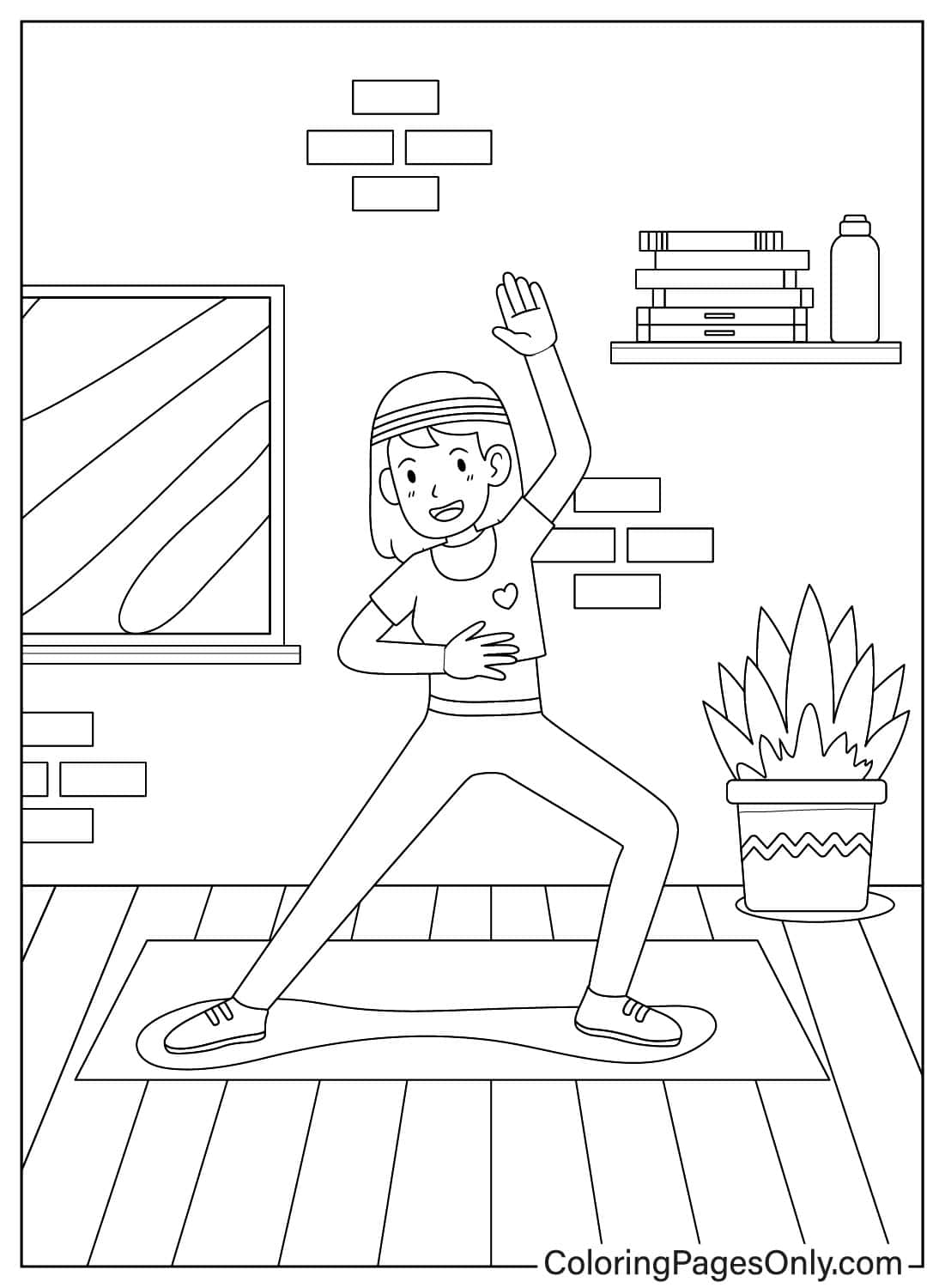
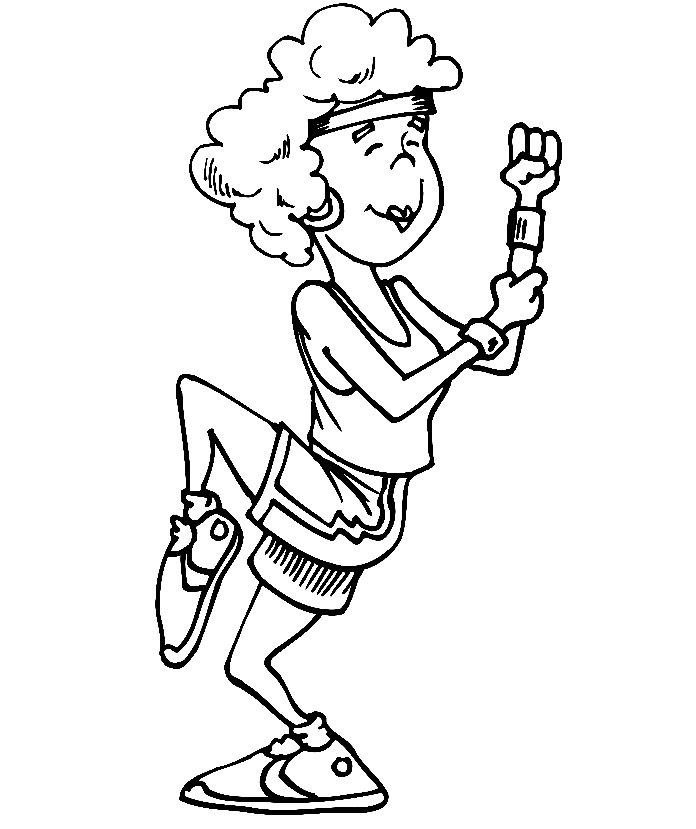
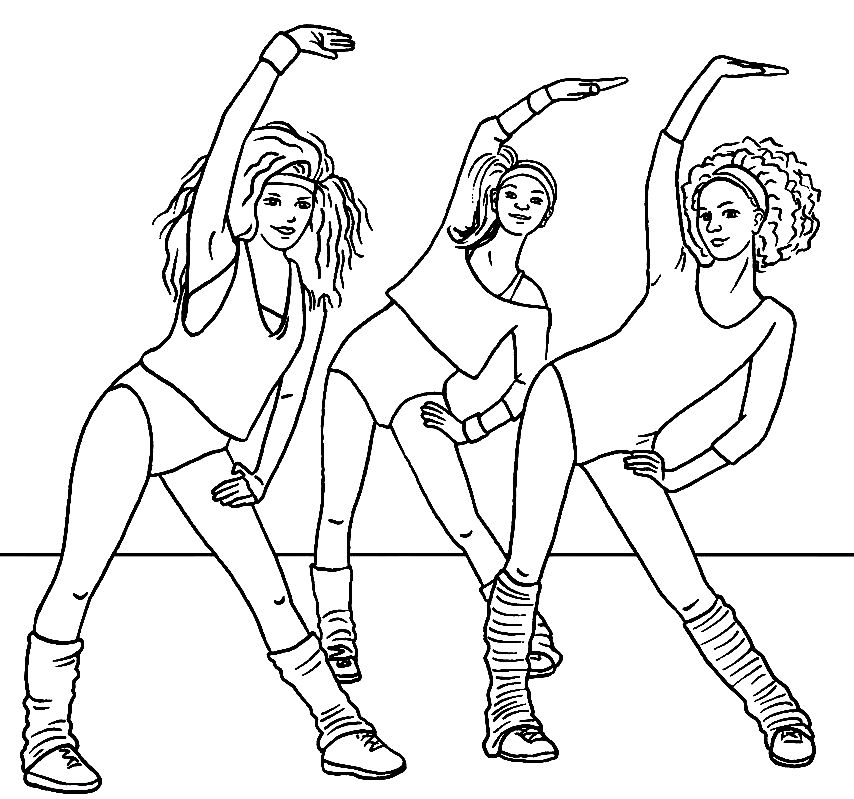
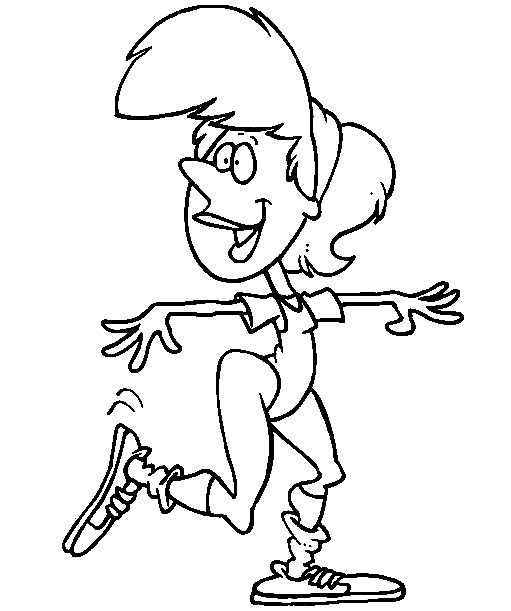
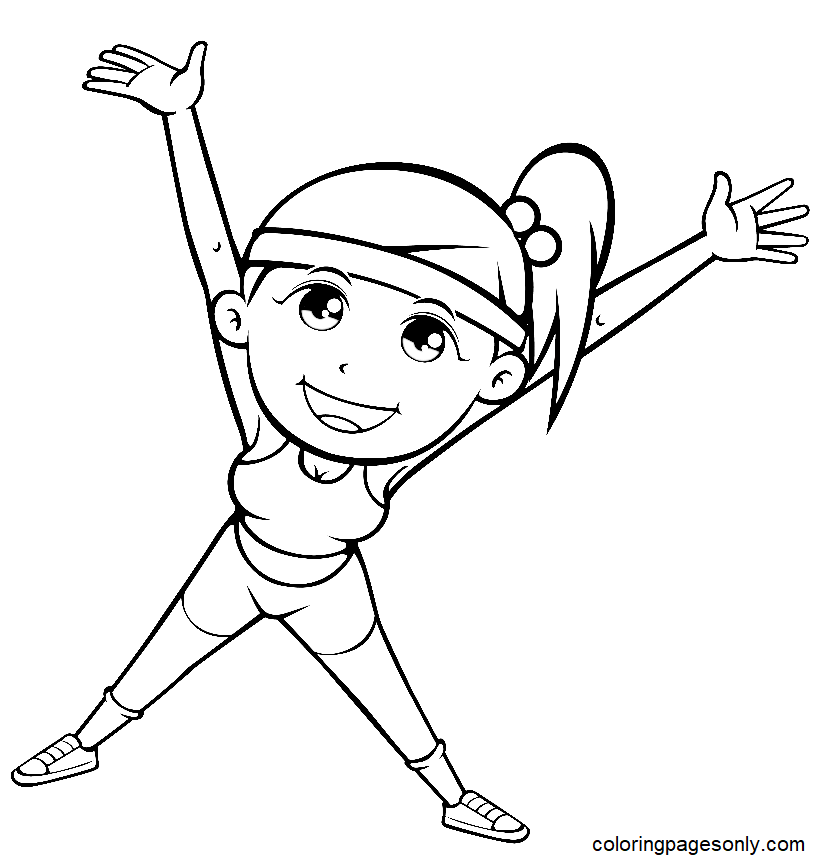
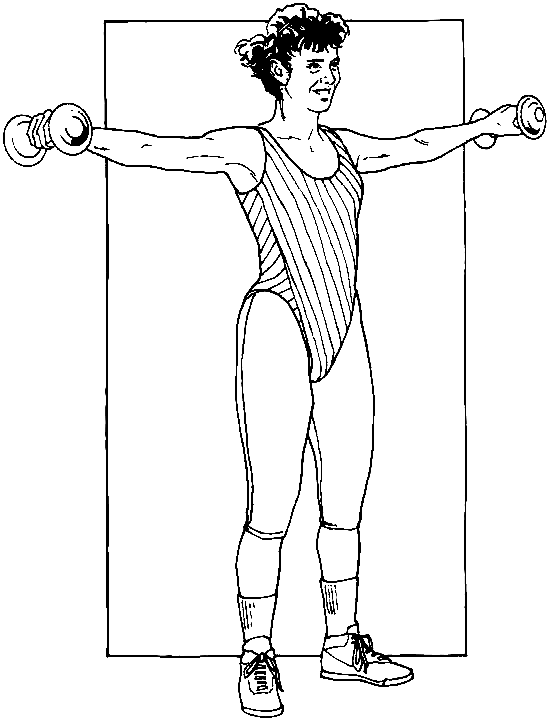
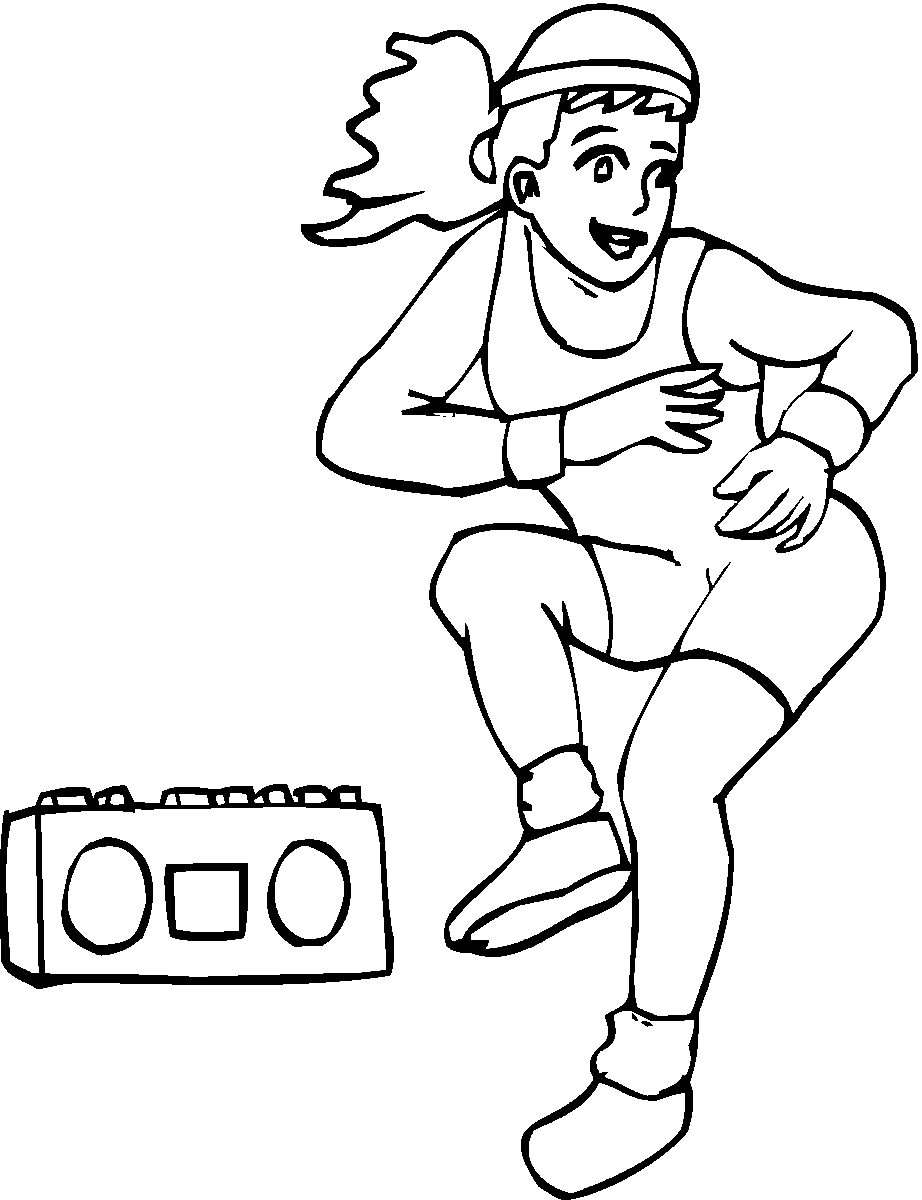
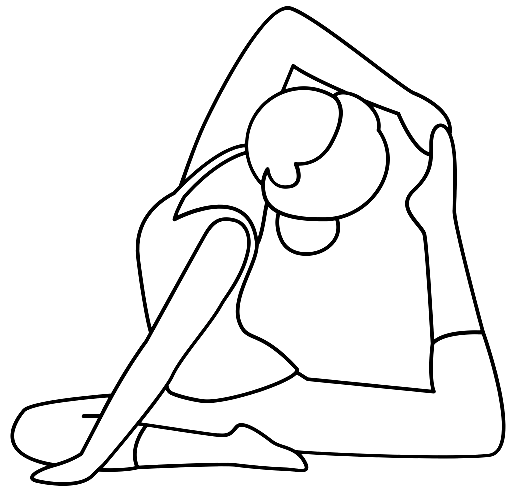
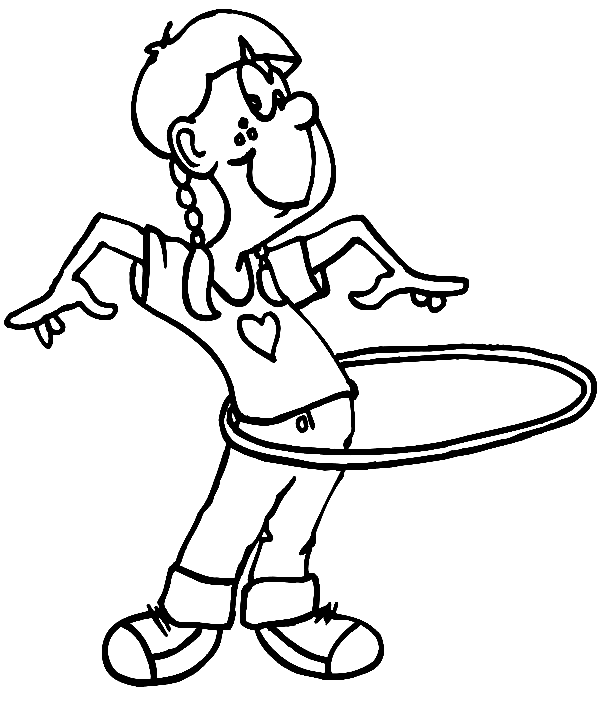
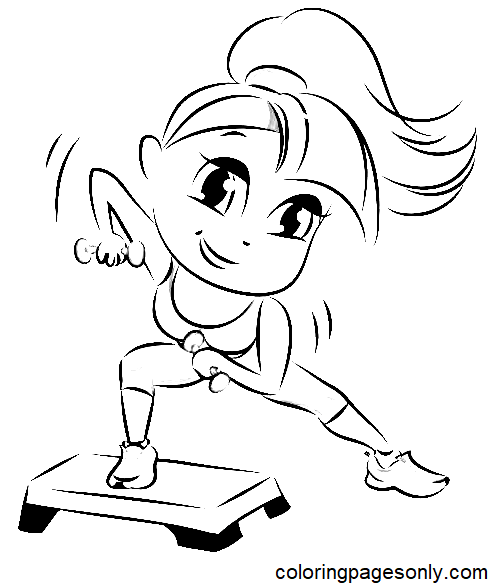
The core of the collection features women and girls in the full range of aerobic exercise positions that have defined fitness culture for decades. Lady Is Doing Aerobics, Fit Lady, Girl Aerobics, Girls Aerobics, Aerobics Girl, Free Aerobics, Aerobics Free, Aerobics, Aerobic, Fun Aerobics Exercise, and Aerobics Exercises capture the dynamic, energetic quality of aerobic movement in illustrations that range from the clean simplicity of a single figure mid-jump to more complex compositions showing the full-body engagement that makes aerobic exercise such an effective cardiovascular workout.
What makes these pages particularly interesting from a health literacy perspective is that they implicitly communicate something important about human movement: aerobics is not passive. The extended arms, the lifted legs, the engaged core, the forward lean of a woman mid-step-touch – each of these positions represents a specific physiological event. During sustained aerobic exercise, the cardiovascular system delivers oxygen-rich blood to working muscles at rates up to five times higher than at rest, the heart rate rises to between 50% and 85% of maximum depending on intensity (the target zone established by exercise physiologists for optimal cardiovascular benefit), and the body begins metabolizing stored fat as its primary fuel source after approximately 20 minutes of sustained moderate-intensity effort.
Coloring these illustrations while understanding what the body is actually doing during these movements transforms a simple creative activity into a genuine health education experience.
Aerobic for Kids Coloring Pages – Little Movers
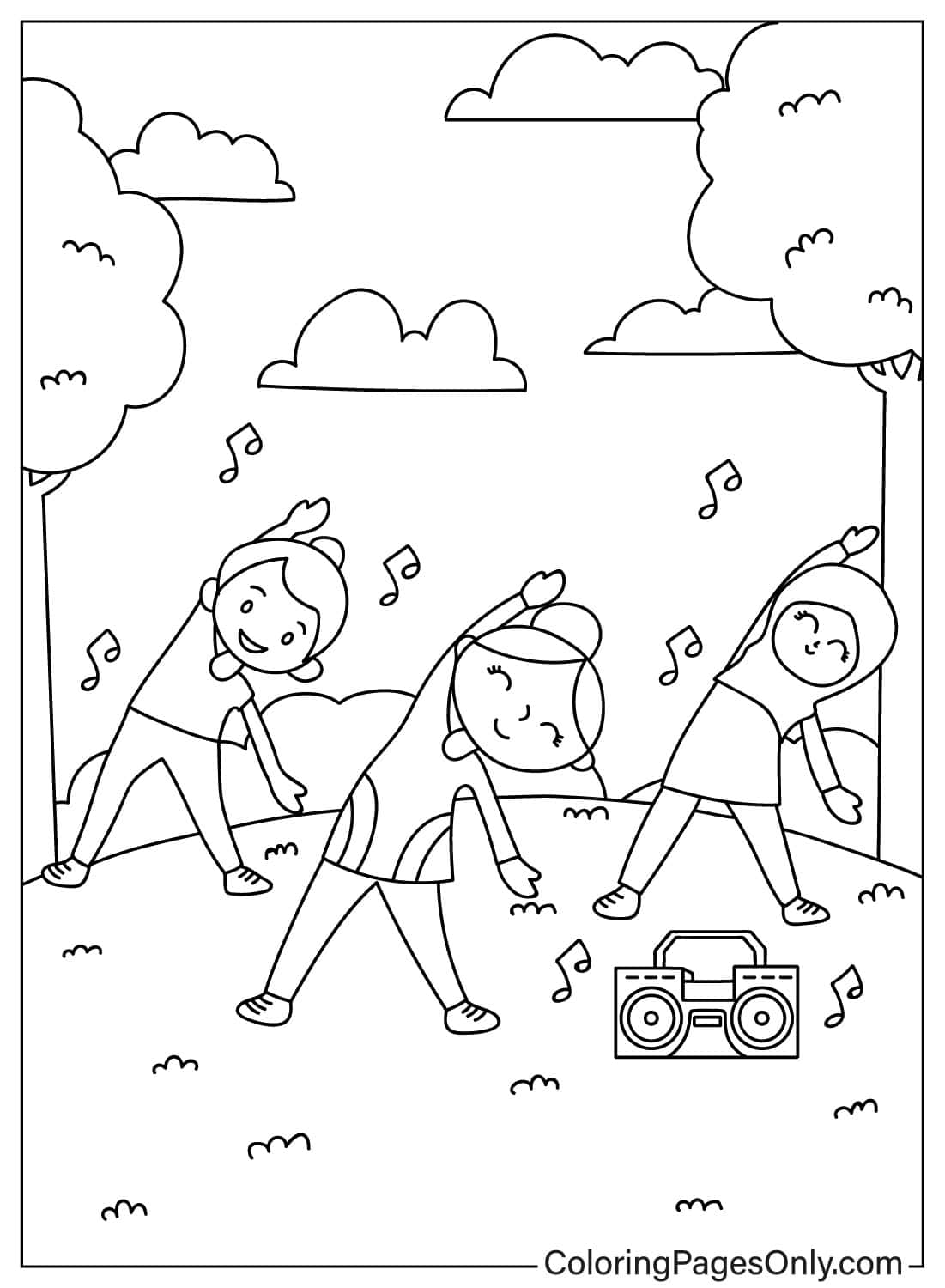
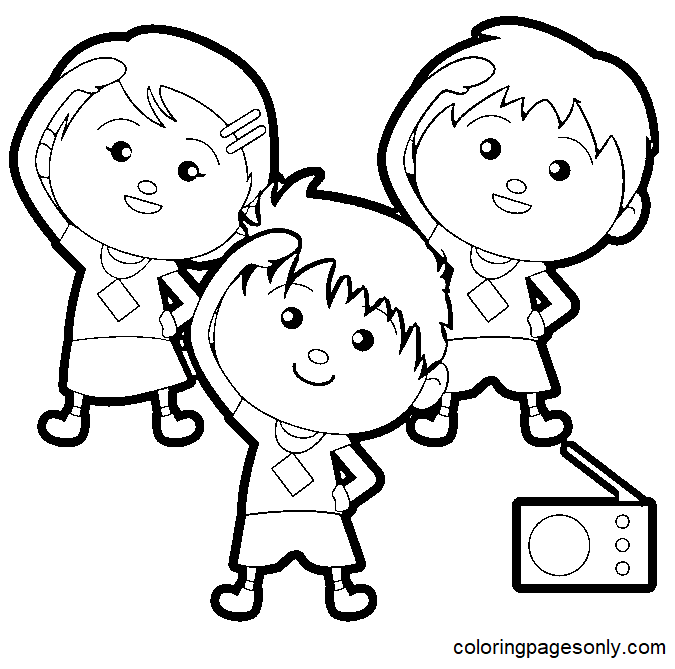
Aerobics for Kids, Aerobics for Kids, and Children Do Aerobics bring the youngest exercisers into the collection with pages that show children actively participating in aerobic movement – jumping, stretching, reaching, and moving with the uninhibited physicality that children bring to all physical activity before self-consciousness sets in.
The World Health Organization recommends that children aged 5–17 accumulate at least 60 minutes of moderate-to-vigorous intensity physical activity daily, with most of that activity being aerobic in nature. The American Academy of Pediatrics notes that children who engage regularly in aerobic activity show measurable improvements in cardiovascular fitness, bone density, mental health, and academic performance. Aerobic coloring pages that feature children exercising serve as visual reinforcement of the message that movement is normal, natural, and joyful – a message that is most powerful when it reaches children before sedentary habits are established.
Themed Workout Coloring Pages – Context and Setting
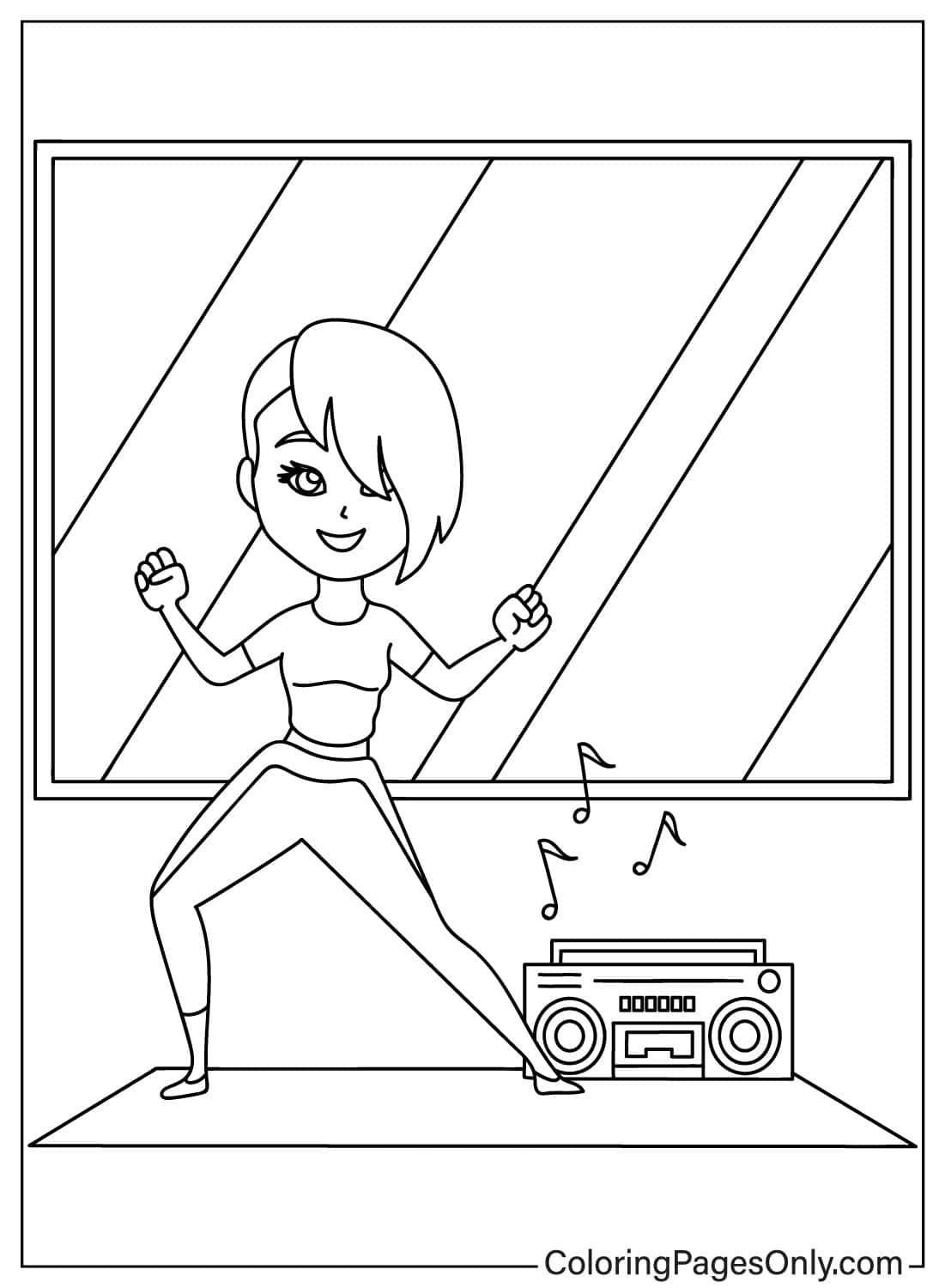
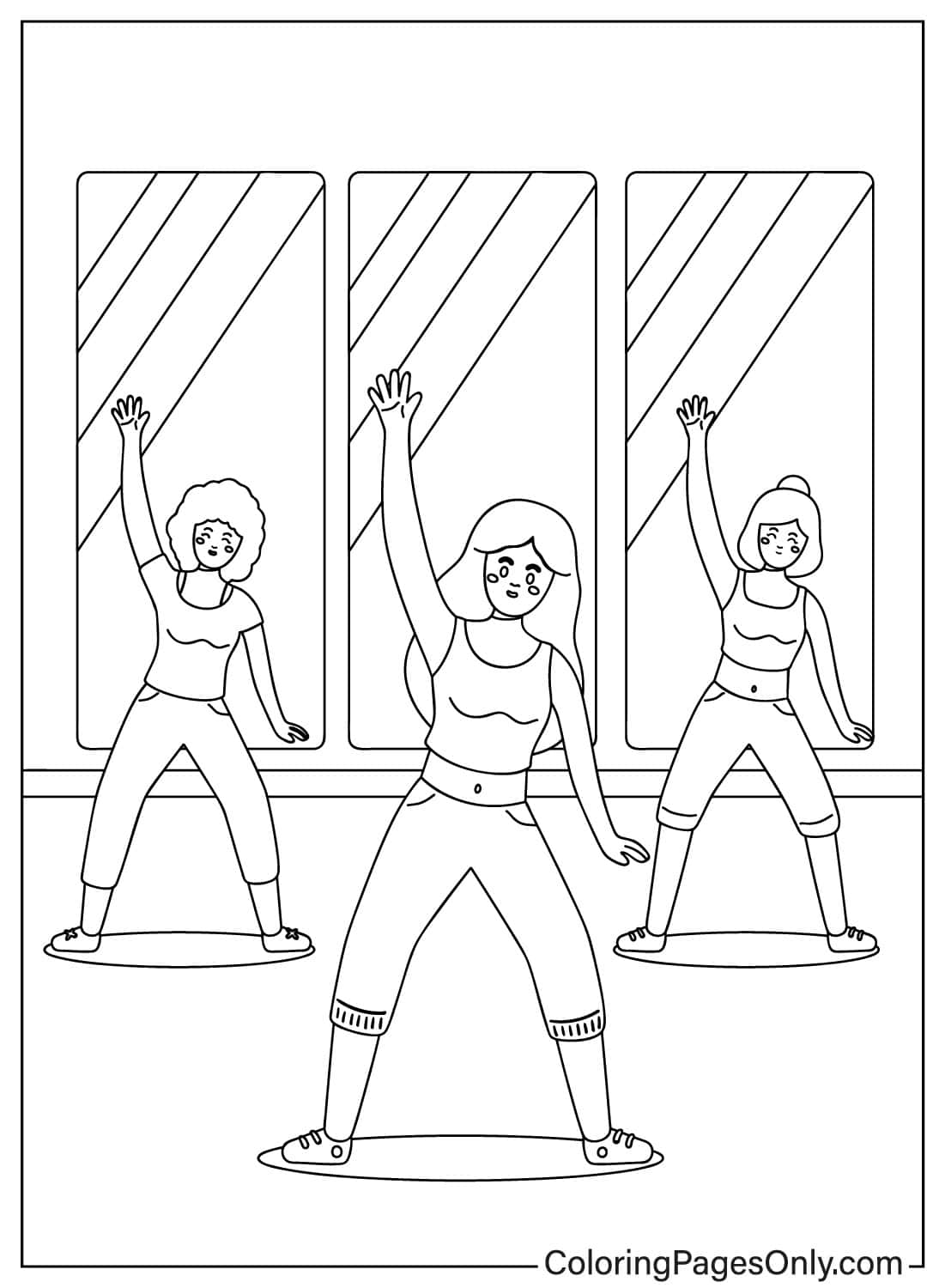
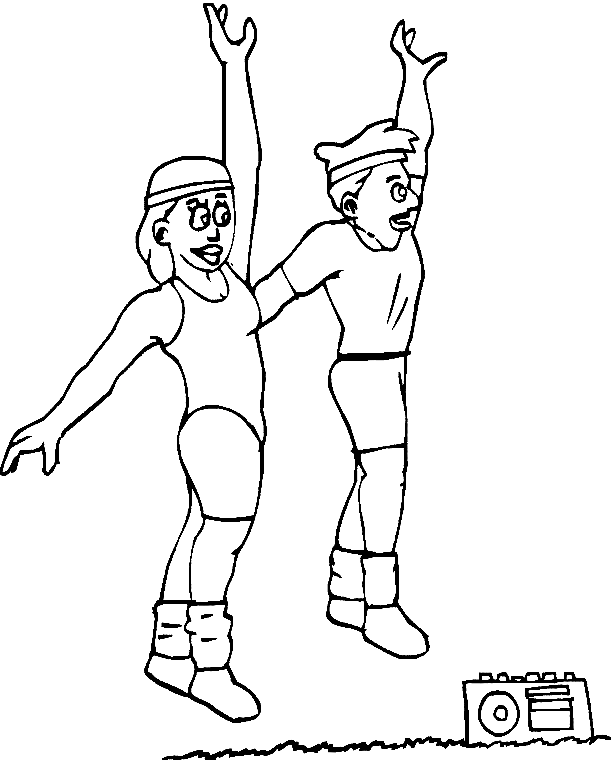
Aerobic exercise at the gym and aerobic exercise at home provide two of the most common contexts for aerobic exercise – the structured environment of a fitness center with its mirrored walls and equipment, and the accessible, low-barrier setting of a living room workout that requires nothing more than floor space and motivation. Aerobic With Music captures one of the defining characteristics of group aerobics classes: the role of music in regulating pace, sustaining motivation, and transforming exercise from a purely physical activity into something closer to dance.
The music connection is not incidental. Research published in the Journal of Sports Sciences has consistently demonstrated that synchronizing movement to music tempo significantly reduces the perceived exertion of aerobic exercise – meaning that people work harder and longer when music is present without feeling like they are working harder. This is one of the reasons that aerobics classes have remained popular despite competition from countless other fitness modalities: the combination of music, rhythm, and group movement creates an experience that is genuinely more enjoyable than equivalent solo exercise.
Aerobic Exercise for Losing Weight, Aerobic Exercise for Good Health, Aerobic Exercise for Being Healthy, and Aerobic Exercise for Keeping Your Body capture the specific health goals that motivate many people to begin and sustain an aerobic exercise practice – goals that are well-supported by exercise science. A landmark 2011 meta-analysis published in the British Journal of Sports Medicine found that regular aerobic exercise reduces the risk of cardiovascular disease by up to 35%, reduces the risk of type 2 diabetes by up to 50%, and is associated with a 30% reduction in all-cause mortality in adults who exercise regularly compared to sedentary peers.
Dumbbell and Resistance Training Coloring Pages
Exercise With Dumb Bells introduces the resistance training dimension of modern aerobic fitness – the use of light dumbbells during aerobic routines, a technique popularized in the 1980s and now a standard feature of many aerobics, cardio dance, and HIIT class formats. Using 1–5 pound dumbbells during aerobic movement increases muscular endurance in the arms and shoulders while maintaining cardiovascular intensity, creating a combined cardio-resistance stimulus that research shows produces greater improvements in body composition than either modality alone.
This page is particularly useful for older children and adults who are curious about how different types of exercise equipment fit into an aerobics routine – and it offers one of the more interesting coloring challenges in the collection: the metallic, cylindrical form of a dumbbell rewards a careful application of light and shadow that makes it look genuinely three-dimensional and heavy.
Animal Aerobics Coloring Pages – The Wildlife Fitness Studio
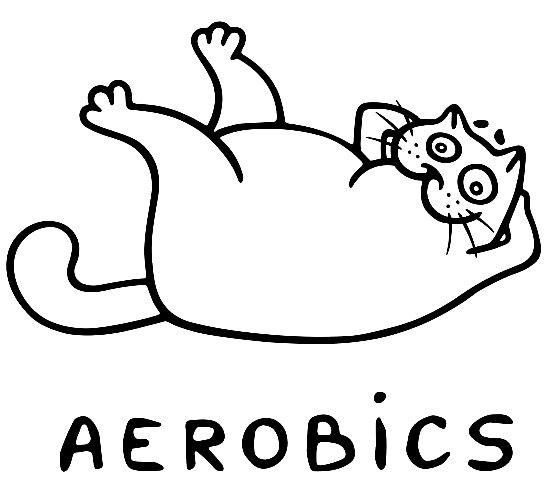
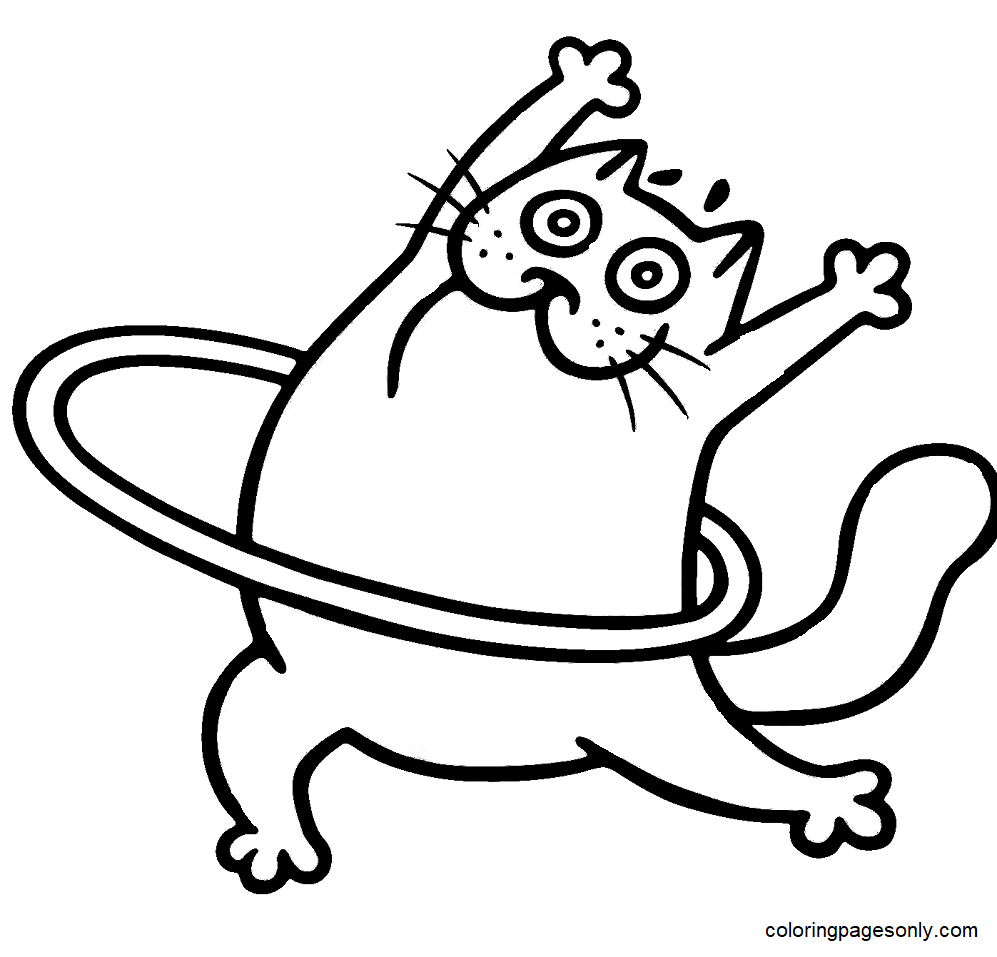
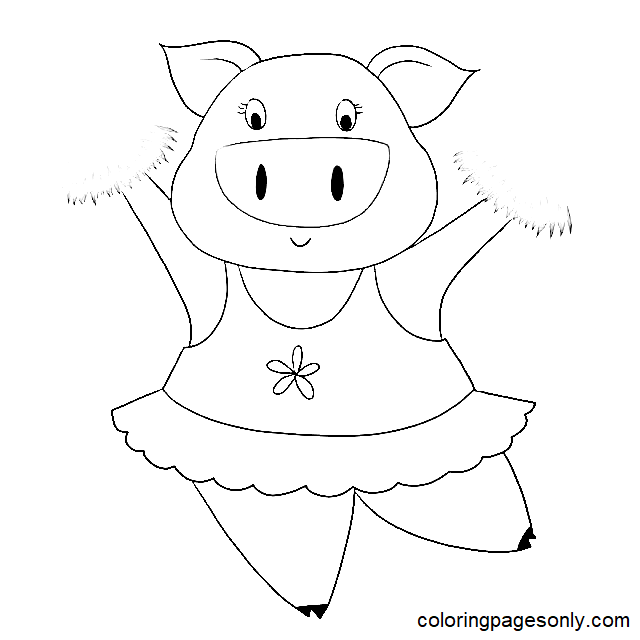
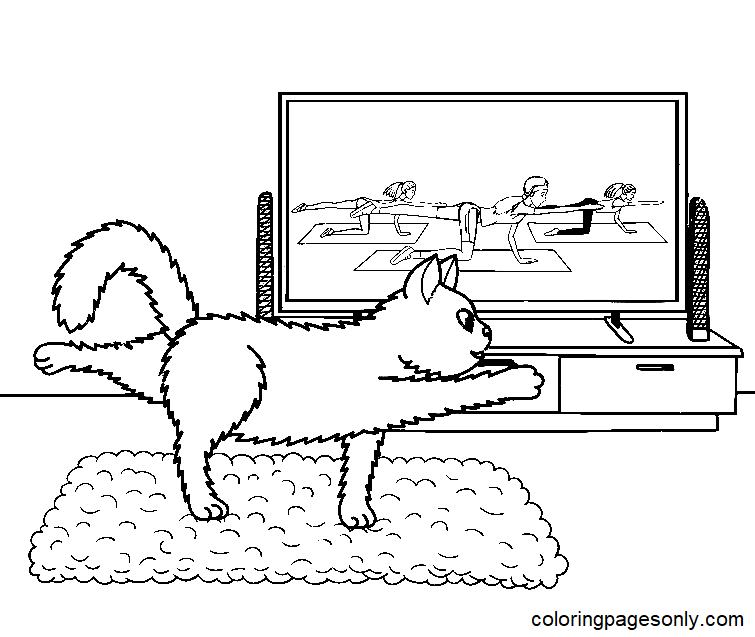
This is, unquestionably, the most joyful section of the entire collection – and the most popular with children ages 4–8. Funny Cat Aerobics, Cute Cat Aerobics, Cat Aerobics, Aerobics Cat, Aerobics Cat for Kids, Dog Aerobics, Chihuahua Aerobics, and Aerobics Pig feature real animals who have apparently decided to take their cardiovascular fitness seriously. The cats execute their aerobics routines with the faintly judgmental expression that cats bring to all human-adjacent activities. The chihuahua is working significantly harder than its size would suggest. The pig approaches the whole endeavor with pragmatic determination.
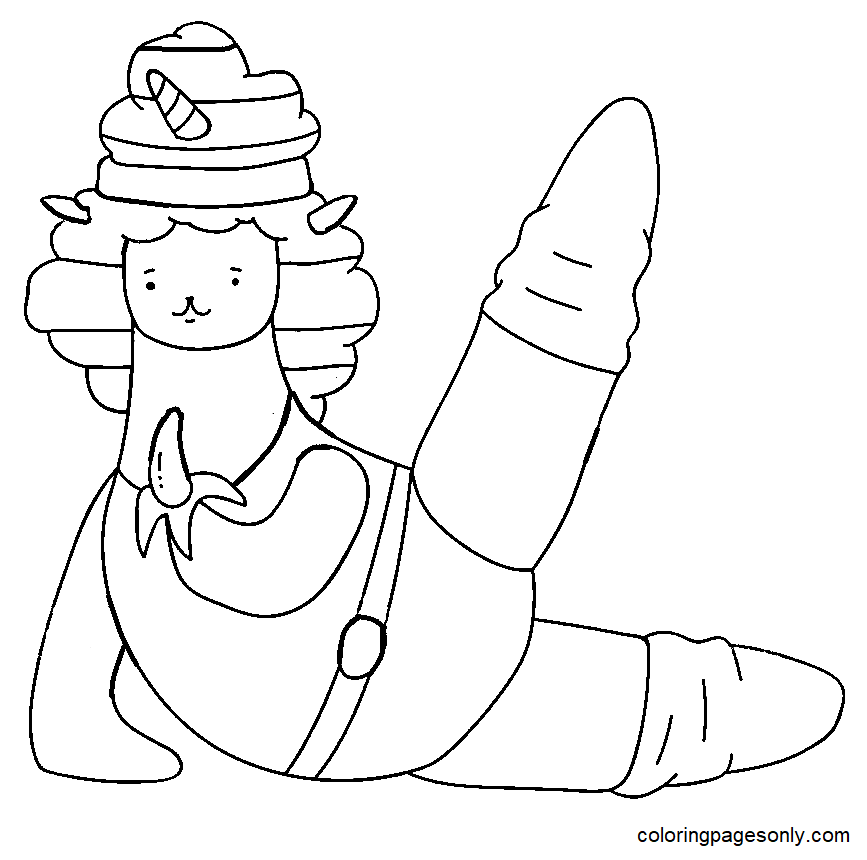
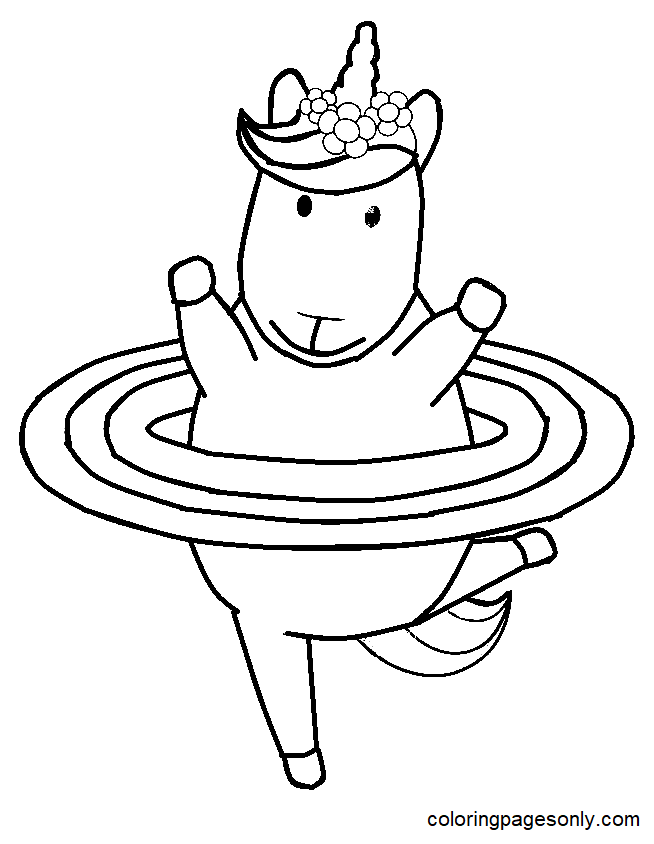
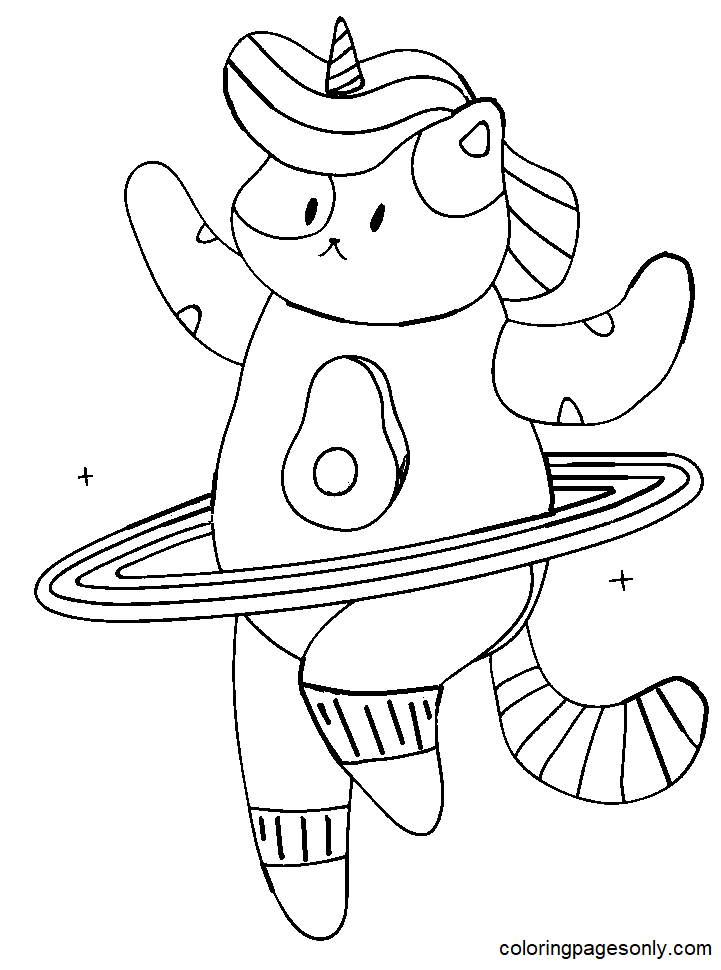
Aerobics Dragon, Aerobics Unicorn, Aerobics Unicorn Llamas, and Aerobics Unicorn Cat extend the collection into pure fantasy – mythical creatures who have also discovered the benefits of sustained cardiovascular training. The unicorn pages in particular are among the most popular in the collection for children who love rainbow color palettes, and they offer essentially unlimited creative freedom: a unicorn doing step aerobics can be any color combination the colorist chooses, and every choice is equally correct.
Character Aerobics Coloring Pages
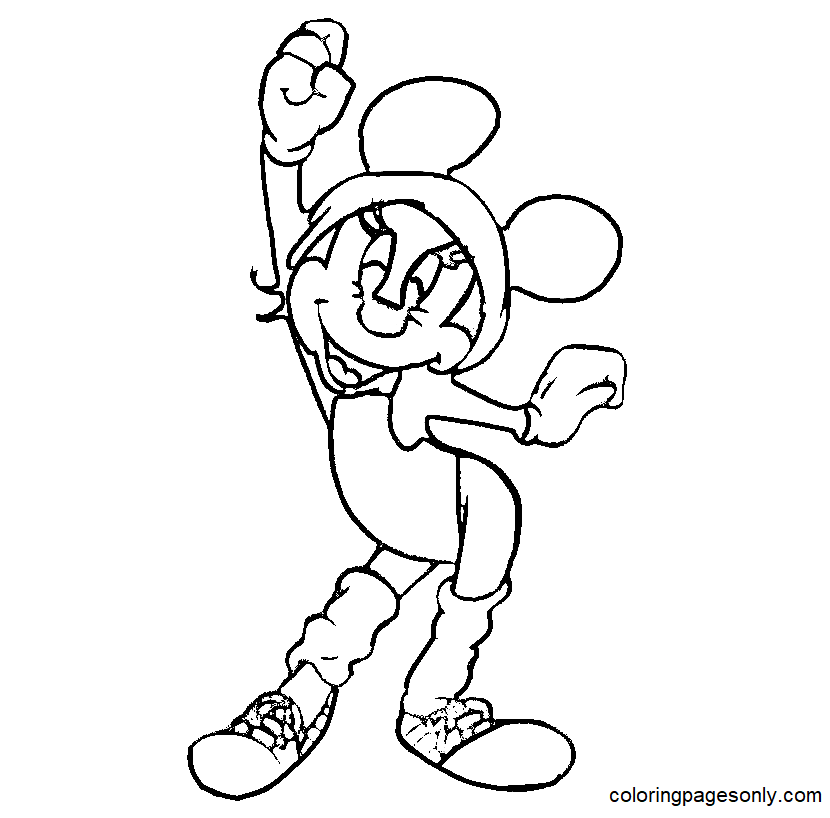
Aerobics Minnie Mouse brings one of Disney’s most recognizable characters to the exercise studio – Minnie in workout gear, mid-movement, approaching her aerobics routine with the same cheerful, bow-decorated energy she brings to everything. This page is one of the most downloaded in the collection and rewards bold, confident color choices: Minnie’s red-and-white polka-dot aesthetic translates beautifully to an aerobics context.
Aerobics to Print provides a clean, versatile aerobics illustration that works equally well for younger children exploring basic body positions and for older colorists who want to apply more sophisticated shading and technique to a clear, well-defined figure.
Why You’ll Love Our Aerobic Coloring Sheets
35 designs available free, always. Every page downloads as PDF, JPG, or PNG at no cost – no subscription, no sign-up, no restrictions for personal or educational use. PDF delivers the sharpest print quality for home printing. JPG is ideal for quick single-page sessions. PNG supports digital coloring and transparent-background creative projects.
Color online or print at home. Our built-in online coloring tool works in any browser – perfect for tablets, classroom devices, and screen-based creative sessions. Print on standard A4 paper for a traditional, hands-on coloring experience. Both options are always available, always free.
Genuinely diverse across age groups, settings, and tones. The collection moves fluidly from the serious, detailed women’s aerobics pages that would work as fitness studio wall art to the delightfully absurd: a chihuahua doing jumping jacks, a unicorn in leg warmers, a dragon who has apparently found the motivation to work out. This range ensures that every member of a family or classroom finds something that speaks to them.
Builds health literacy alongside creative skills. Unlike coloring collections that are purely decorative, aerobics pages carry genuine informational content about how the body moves, what different exercises look like, and why physical activity matters. Every page is an opportunity to learn something real about fitness, movement, and the human body.
Incredible Benefits of Aerobic Coloring Pages
The combination of fitness content and creative activity that aerobics coloring pages provide delivers specific developmental and motivational benefits that neither activity offers alone:
Builds Positive Associations with Physical Activity
Research in behavioral psychology consistently demonstrates that positive emotional associations established in childhood are among the strongest predictors of adult behavior. Children who associate movement and exercise with joy, playfulness, and creativity – rather than obligation, discomfort, or competition – are significantly more likely to maintain active lifestyles into adulthood. A 2018 study published in Pediatric Exercise Science found that early positive associations with physical activity were more predictive of adult exercise behavior than childhood fitness levels, parental exercise habits, or school physical education participation.
Aerobic coloring pages contribute to this positive association formation by placing the visual language of movement and exercise in a creative, low-pressure, child-controlled context. Coloring a girl doing aerobics is not exercise, but it builds familiarity with exercise imagery, generates conversation about what the body is doing in each position, and associates the visual world of fitness with pleasure and creativity rather than sweat and discomfort.
Develops Fine Motor Skills and Bodily Awareness Simultaneously
The dynamic poses in aerobics coloring pages – extended arms, lifted legs, rotated torsos, weight-shifting stances – create coloring challenges that are meaningfully different from the static portrait pages in most coloring collections. Staying within the lines of an outstretched arm requires a different quality of fine motor attention than coloring a rounded face. Tracking the curve of a body in motion builds spatial reasoning and compositional awareness that static subjects do not develop.
At the same time, talking about what the body in the coloring page is doing – “Where is her weight? Which foot is she standing on? What are her arms doing?” – develops proprioceptive awareness and basic biomechanical understanding that physical education researchers identify as foundational to children’s motor skill acquisition and sports participation readiness.
Supports Physical Education Curriculum with Creative Extension
Physical educators across elementary and middle school settings consistently identify student motivation as one of their primary challenges – specifically, the difficulty of sustaining engagement with fitness concepts in non-movement contexts (classroom lessons, health education classes, homework). Aerobic coloring pages provide a creative bridge between classroom health content and the gymnasium, allowing teachers to reinforce aerobic fitness concepts – cardiovascular benefits, target heart rate, types of exercise, and the role of music in pacing – through an artistic activity that students actually enjoy.
The American Heart Association’s physical education guidelines specifically identify “cross-curricular integration” – the connection of physical activity concepts to art, science, and language arts – as a high-impact strategy for improving both fitness knowledge and motivation to exercise in school-aged children. Aerobic coloring pages are a natural, accessible tool for exactly this kind of integration.
Provides Mindfulness and Stress Relief – With an Ironic Twist
There is a pleasing paradox in coloring aerobics pages as a stress-relief activity: the coloring pages depict one of the most effective evidence-based stress-reduction interventions known to exercise science (aerobic exercise), while the coloring itself delivers another (focused, mindful creative activity). A 2005 study published in Art Therapy: Journal of the American Art Therapy Association found that structured coloring activities significantly reduced anxiety in adult participants. Meanwhile, a 2018 meta-analysis in Mental Health and Physical Activity found that regular aerobic exercise reduces symptoms of clinical anxiety by an average of 48% – one of the largest effect sizes of any non-pharmacological anxiety intervention.
Coloring aerobics pages, particularly after a real workout or alongside a fitness routine, creates a contemplative space for reflecting on the activity just completed – a form of movement journaling that some exercise psychologists identify as a useful tool for sustaining motivation and deepening the subjective experience of physical training.
Encourages Intergenerational Conversation About Health and Fitness
The aerobics collection’s combination of serious fitness content and gloriously absurd animal pages creates a natural conversation structure that works across generations: parents and children can move between discussing what real aerobic exercise does for the body and laughing together at a cat doing high kicks. This tonal flexibility makes the collection unusually effective for mixed-age coloring sessions where children and adults need content that engages them simultaneously.
Research from the Harvard Graduate School of Education’s Project Zero identifies shared creative activity as one of the most powerful contexts for intergenerational knowledge transfer – the transmission of values, knowledge, and habits from older to younger family members through non-didactic, collaborative engagement. A parent and child coloring aerobics pages together, talking about fitness, movement, and health, are doing exactly this kind of knowledge transfer in a form that feels like play rather than instruction.
Expert Coloring Tips for Aerobic Pages
These techniques move from beginner to advanced – work through them progressively as your confidence grows:
Capture the energy of movement with directional color strokes. Aerobic pages depict bodies in motion, and the most evocative coloring approaches reinforce that sense of movement through the direction of color application. For a figure with arms raised and weight lifted to the front foot, apply color strokes on the limbs in the direction of movement – upward strokes on raised arms, forward-angled strokes on the leading leg. This technique, borrowed from animation and illustration practice, gives the finished figure a visual momentum that flat, random strokes cannot achieve.
Use warm color palettes for workout clothing and the environment. Aerobic is associated with warmth, energy, and vitality – and these qualities translate into color through the warm spectrum: coral, terracotta, vivid pink, electric blue, sunshine yellow, bright orange. The leotards, leggings, and workout gear of the aerobics era were famously bold and colorful, and respecting this aesthetic tradition in your color choices makes the finished pages feel authentically energetic. Cool, desaturated tones – grey, slate, muted olive – can be reserved for studio backgrounds and floor surfaces, where they provide the visual contrast that makes the warm-colored figures pop.
Add a flush of color to skin areas to suggest exertion. One of the physiological realities of aerobic exercise is increased blood flow to the skin – the face, neck, and upper chest flush with additional circulation as the body works to regulate its temperature. Adding a very subtle wash of warm pink or rose over the cheeks, neck, and upper chest area of your aerobics figures (using light, barely-there strokes of a soft pink or peach) suggests genuine physical effort in a way that makes the illustrations feel more alive and authentic than flat, uniform skin tones.
For the animal pages, embrace the absurdity with bold contrast. The chihuahua, the cats, the unicorn, the dragon, and the pig doing aerobics are funny precisely because of the contrast between the seriousness of the exercise and the improbability of the exerciser. Maximize this comedy through color: give the chihuahua the most intense, committed expression possible by coloring its workout gear in the most serious, professional colors you have – black leggings, white sneakers – while using the animal’s natural warm brown and tan tones for the body itself. The contrast between the formal workout aesthetic and the undeniably non-human performer is the joke, and bold coloring amplifies it.
Handle the dumbbell page with deliberate light sourcing. The dumbbell is one of the most satisfying objects to color with realistic technique, because its cylindrical metallic form responds dramatically to careful light and shadow application. Decide first on your light source direction – typically upper left in most illustration conventions. The side of each dumbbell plate facing the light source receives your lightest grey or silver tone. The opposite side receives your darkest grey. The cylindrical handle between the plates gets a gradient from light at the top to dark at the bottom, with a thin highlight line running along its length at the point closest to the light source. This technique, applied even roughly, makes the dumbbells look genuinely heavy and metallic – a small technical achievement that is disproportionately satisfying to pull off.
Use the Aerobic With Music page as a rhythm exercise. When coloring the Aerobics With Music page, try actually playing music while you work – and try to match the pace of your coloring strokes to the tempo of what you’re listening to. Fast-tempo tracks (130–140 BPM, the standard range for aerobics class music) produce looser, more energetic strokes. Slower tracks produce more careful, deliberate work. This is not just an interesting sensory experience – it demonstrates, in miniature, exactly why music is so effective at regulating the pace and quality of aerobic exercise itself.
3 Creative Craft Ideas with Aerobic Coloring Pages
Fitness Goal Vision Board
Create a personal fitness motivation display by combining aerobics coloring pages with your own health goals, favorite workout mantras, and images of the active lifestyle you are working toward. This craft works equally well as a children’s bedroom motivational display and as a genuine adult goal-setting tool.
Select five to seven pages from the collection that represent different aspects of an active, healthy life – the gym workout page, the at-home aerobics page, the children doing aerobics page, the aerobics with music page, and one or two animal pages for lightness and humor. Color each one with a consistent, energetic palette: bright coral, vivid teal, electric yellow, warm orange. When all pages are colored, cut each figure out along its outline and arrange them on a large sheet of foam board or thick cardstock.
Between and around the colored figures, add handwritten elements: fitness goals (“30 minutes of movement every day”), motivational phrases (“Strong is beautiful”), personal commitment statements, and, if working with children, drawings or cut-outs of activities they love. Laminate the finished board or cover it with a sheet of clear adhesive film to protect it, then hang it in a bedroom, home gym, kitchen, or wherever you will see it during moments when motivation wavers.
Research in behavioral psychology consistently identifies visual goal representation – physically seeing your goals displayed – as one of the most effective tools for sustaining motivation toward long-term health behavior change. A study published in Health Psychology found that participants who created visual representations of their health goals were significantly more likely to maintain exercise habits over a six-month follow-up period than those who set identical goals without visual reinforcement. This vision board is not just a craft project – it is an evidence-based motivation tool.

Aerobic Workout Card Set
Turn aerobics coloring pages into a functional set of exercise prompt cards that can be used for children’s PE activities, family workout challenges, or classroom movement breaks. This craft combines creative activity with genuine physical education utility – the finished cards actually get used, which makes the coloring work feel purposeful and meaningful.
Select ten to twelve pages from the collection that depict distinct exercise movements – jumping, stretching, the dumbbell exercise, and various aerobic poses. Color each one carefully, paying particular attention to the position of limbs and body weight, since the finished card needs to clearly communicate what movement is being depicted. After coloring, cut each page to a standard card size (approximately 4×6 inches or A6 format) and mount on cardstock for durability.
On the back of each card, write the name of the exercise depicted, a brief description of how to perform it correctly (which limb moves where, how long to hold each position), and a suggested number of repetitions or duration. For children, keep descriptions simple and encouraging: “Jump your feet out and clap your hands above your head – do this 10 times!” For adults, include heart rate zone guidance and modifications for different fitness levels.
Laminate the finished cards if possible, punch a hole in the top corner of each, and bind them together with a binder ring. The resulting exercise card deck can be used for structured workout circuits (flip through the cards in sequence for a complete aerobics routine), random exercise challenges (shuffle and draw a card for a movement break), or classroom physical activity integration (use a card to trigger a 2-minute movement break between academic tasks).

Color and Move Fitness Game
Transform the aerobics coloring pages into a family or classroom fitness game that uses the creative activity of coloring as a reward structure for physical activity – and uses physical activity as a playful interruption to the creative activity. This bidirectional structure, alternating between coloring and movement, creates an experience that is genuinely more engaging than either activity alone.
Prepare the game by printing multiple copies of five to seven different aerobics coloring pages – enough for each participant to have their own set. Place all the printed pages in the center of the playing area, uncolored, face up. On a separate set of small cards, write different exercise challenges corresponding to each coloring page: “Do 15 jumping jacks – then color the aerobics girl’s shoes,” “Hold a squat for 20 seconds – then color the unicorn’s mane,” “Do 10 arm circles each direction – then color one full figure of your choice.”
Players take turns drawing an exercise card, performing the exercise as a group (exercising together rather than competing), and then claiming the coloring page specified on the card. Coloring time after each exercise is brief – two to three minutes – just enough to make meaningful progress on the page before the next exercise card is drawn. The game continues until all pages are partially or fully colored, with players comparing their finished artwork at the end.
This format is directly inspired by the “Color and Exercise Challenge” concept in the current page – expanded here with a clearer structure, competitive-cooperative mechanics, and a social dimension that makes it work better as a family or classroom activity. It has been successfully used in physical education settings to increase both exercise participation rates and the perceived enjoyment of fitness activities in children who typically show low motivation for structured physical education.

Frequently Asked Questions About Aerobic Coloring Pages
What is aerobics, and how does it differ from other types of exercise? Aerobic exercise refers specifically to exercise that uses oxygen as the primary fuel source for sustained muscle activity, as distinct from anaerobic exercise (like sprinting or heavy weightlifting), which uses stored glycogen without oxygen. The term was coined by Dr. Kenneth Cooper in his 1968 book Aerobics, which established the physiological framework for cardiovascular fitness training that remains foundational to exercise science today. In practice, aerobic exercise includes any sustained rhythmic activity that elevates the heart rate to between 50% and 85% of maximum heart rate and can be maintained for 20 minutes or more – including walking, jogging, swimming, cycling, dancing, and the group fitness classes that most people associate with the word “aerobics.”
What are the main health benefits of regular aerobic exercise? The evidence base for aerobic exercise benefits is one of the most robust in all of medicine. Regular aerobic activity at recommended levels (150 minutes of moderate intensity or 75 minutes of vigorous intensity per week, per WHO guidelines) reduces the risk of cardiovascular disease by up to 35%, reduces the risk of type 2 diabetes by up to 50%, is associated with a 30% reduction in all-cause mortality, reduces symptoms of clinical depression and anxiety by amounts comparable to first-line medications, improves sleep quality in people with insomnia, and is the single most effective lifestyle intervention for maintaining cognitive function and reducing dementia risk in older adults, according to a 2024 review published in The Lancet.
Who invented modern aerobics, and when did it become popular? Dr. Kenneth Cooper, an American physician and Air Force Colonel, is credited with developing the concept and term “aerobics” in his 1968 book, which presented the scientific basis for cardiovascular fitness training to a general audience for the first time. The aerobics fitness movement reached mass cultural prominence in the late 1970s and especially the 1980s, driven by the popularization of group aerobics classes (pioneered by instructors like Judi Sheppard Missett, founder of Jazzercise in 1969), the home video workout boom (Jane Fonda’s 1982 workout video became the best-selling home video of its era), and the broader cultural embrace of fitness as a lifestyle value that characterized the decade. The distinctive visual aesthetic of 1980s aerobics – neon leotards, leg warmers, high-cut leotards with tights – remains culturally iconic and directly influences the visual style of many illustrations in our collection.
What age group are these aerobics coloring pages best suited for? The collection is designed to work across a genuinely wide age range. The animal aerobics pages – cats, dogs, chihuahua, unicorns, the pig, the dragon – are ideal for children ages 3–7 who respond to humor and familiar animal subjects. The children doing aerobics page work well for ages 4–9. The women’s aerobics and gym pages provide the most interesting artistic challenge for ages 8 and up and for adults who want to practice the human figure coloring technique. The vision board and workout card crafts are most effective for ages 8 and up, and both crafts scale naturally to adult use without modification.
Can aerobics coloring pages be used in physical education or health education classes? Yes – and this is one of the most valuable applications of the collection. Physical educators can use the pages to reinforce health content taught in classroom settings (the cardiovascular system, exercise intensity zones, types of physical activity), as creative rewards following fitness testing or activity challenges, or as the basis for cross-curricular health and arts integration projects. Health educators can use the pages to open discussions about body image, physical activity motivation, and the social dimensions of group exercise. The workout card craft described in the Classroom & Home Activity Ideas section above provides a specific, structured application for physical education settings.
What is the target heart rate zone for aerobic exercise? The aerobic target heart rate zone is generally defined as 50–85% of maximum heart rate, with maximum heart rate most commonly estimated using the formula 220 minus age (though this is an approximation with considerable individual variation). For moderate-intensity aerobic exercise, the target is typically 50–70% of maximum heart rate. For vigorous-intensity aerobic exercise, the target is 70–85%. Exercise at intensities below 50% of maximum heart rate is primarily beneficial for very sedentary individuals just beginning an exercise program. Exercise above 85% of maximum heart rate crosses into the anaerobic zone and cannot be sustained for extended periods. The “talk test” – the ability to speak in full sentences but not sing – is a practical, equipment-free way to assess whether exercise is in the moderate aerobic zone.
Why is music so important in aerobics classes? Music serves multiple distinct functions in aerobics and group fitness contexts. Most immediately, it provides a rhythmic template that regulates movement pace – music at 130–140 BPM (beats per minute) naturally guides participants into the stepping tempo of a standard aerobics routine. Research published in the Journal of Sports Sciences has consistently demonstrated that synchronizing movement to music reduces perceived exertion by 10–15% at equivalent workloads, meaning participants work harder and longer without feeling like they are doing so. Music also provides motivational arousal (tempo and emotional valence of music directly affect exercise intensity), social synchronization (group movement to a shared beat creates feelings of cohesion and belonging), and distraction from physical discomfort. The Aerobics With Music coloring page captures this relationship between movement and music – and coloring it while playing actual music at an aerobics tempo is a genuinely interesting experiment in embodied rhythm.
Are these pages suitable for adults who do aerobics, or just for children? Both. The collection was deliberately designed to span the full age range, and several pages in the collection – particularly the detailed women’s aerobics pose pages, the gym workout illustration, and the dumbbell exercise page – are better suited to adult coloring than to young children, both in terms of artistic complexity and in terms of thematic content. Adult colorists who practice aerobics or group fitness classes often find that coloring these pages serves as a pleasant reflective activity after a workout – a creative cool-down that extends the positive feelings of the exercise session into a quieter, more focused experience.
Getting started is simple: browse the full aerobics collection right here at ColoringPagesOnly.com, choose your pages – start with the animal aerobics pages if you want to laugh, or go straight to the gym and workout pages if you want something more seriously fitness-focused – and download them instantly, always free, always without sign-up. Print at home on standard A4 paper, or use our online coloring tool directly in your browser.
Aerobic is about movement, music, and the deep satisfaction of doing something genuinely good for your body in a way that actually feels like fun. Coloring is about slowing down, paying attention, and creating something beautiful from a blank page. Both are good for you. Both are better with other people. And neither requires any prior experience to begin.
Grab your colors. Warm up your hands. And let’s move.
Share your finished artwork with us on Facebook and Pinterest – we especially love seeing the creative color choices people make for the animal aerobics pages, and the fitness vision boards that people build using the full collection. Tag #Coloringpagesonly and join our community of colorists, fitness fans, and active minds of all ages.
Color the movement. Celebrate the energy. Keep going.