
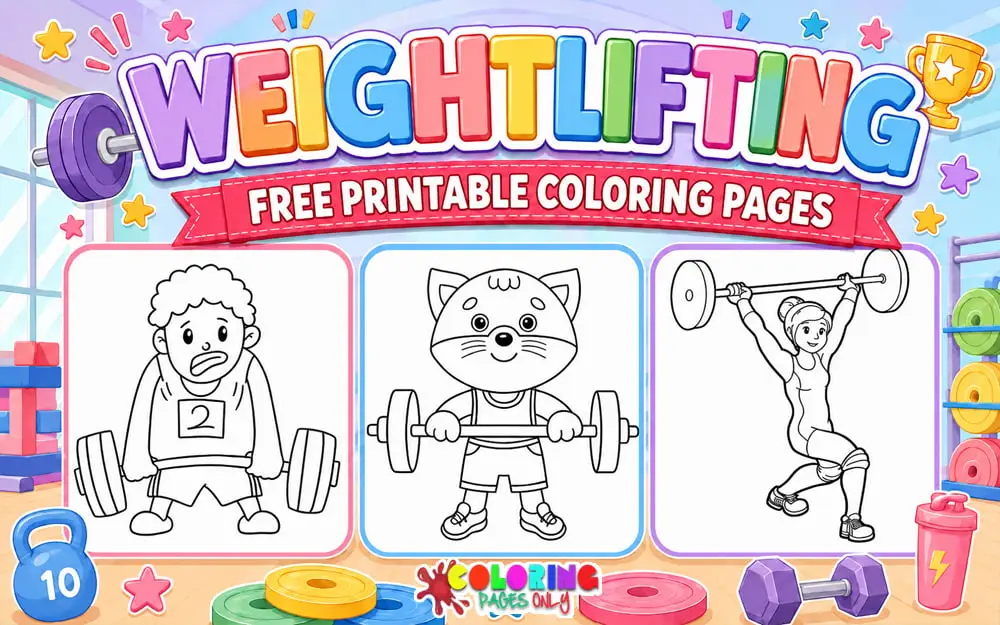
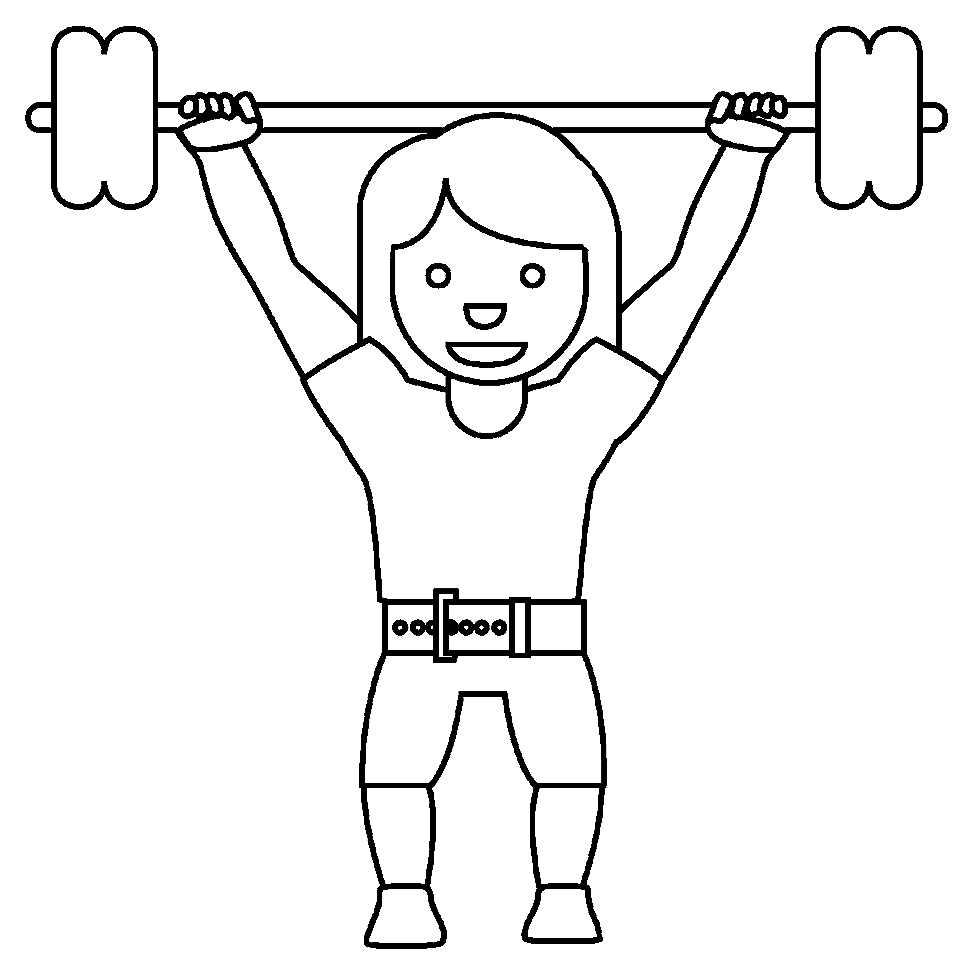
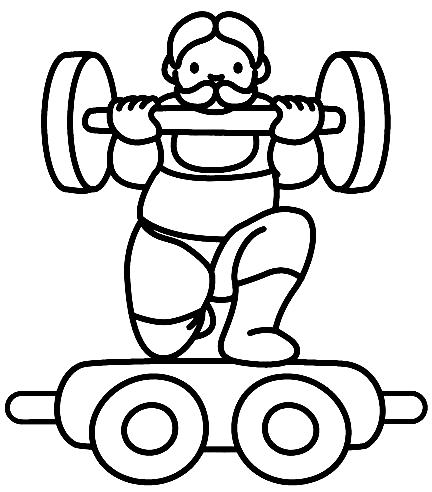
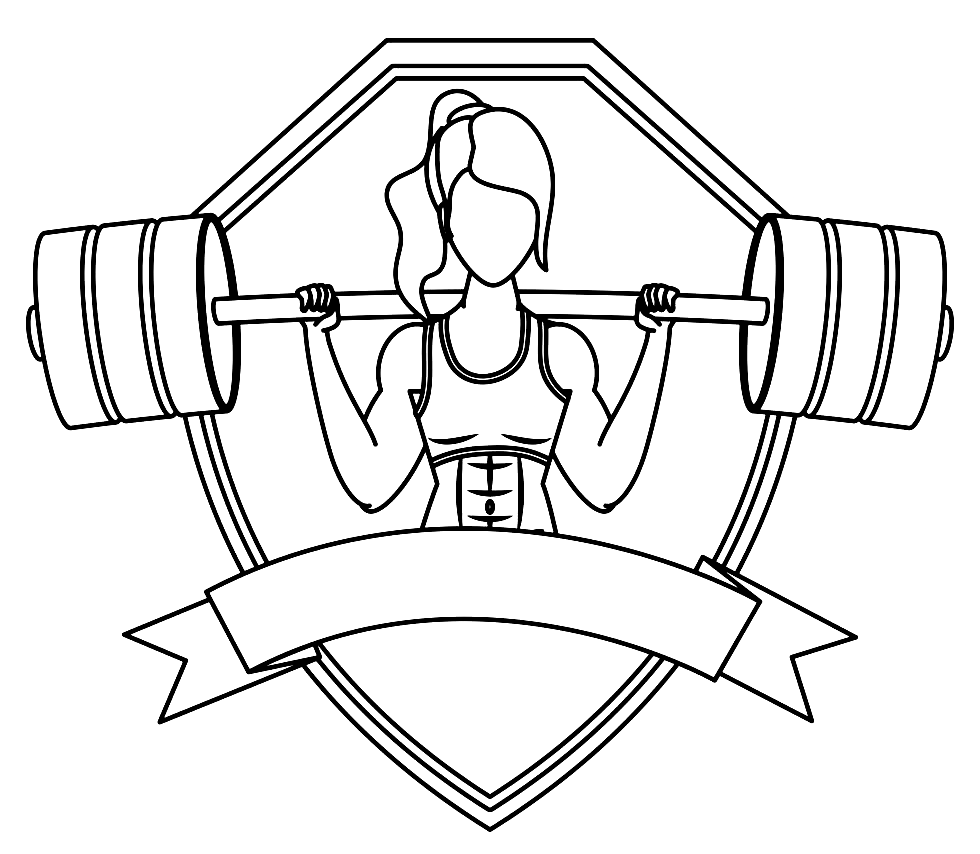
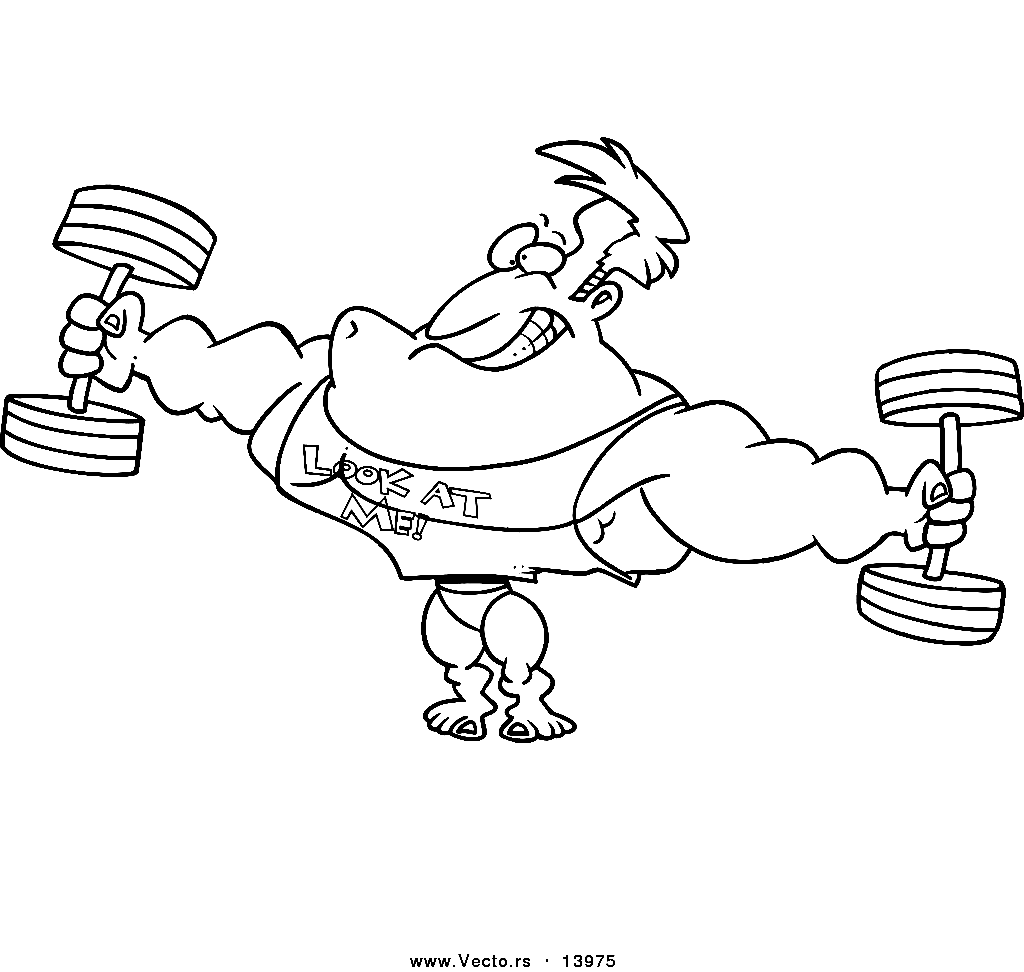
Free Weightlifting Coloring Pages: 56 printable PDF designs that celebrate strength, from Olympic lifters, men and women pressing barbells, and a strong man with heavy plates to pandas, lions, hippos, and a shark lifting weights, plus silly apples and a pear pumping iron, barbells and dumbbells, and cartoon favorites at the gym. All 56 come at no charge.
Lifting was already on the program when the modern Olympics opened in Athens in 1896, and women’s weightlifting joined the Olympic program at Sydney in 2000. Today, Olympic lifters compete in two lifts: the snatch, where the bar goes from the floor to overhead in one smooth motion, and the clean and jerk, where it is lifted to the shoulders and then driven overhead. The sport is governed by the International Weightlifting Federation, founded in 1905. Competition plates are color-coded by weight, with red for 25 kilograms, blue for 20, yellow for 15, and green for 10, which makes a loaded barbell one of the most colorful sights in sports.
Simple dumbbells and cute animals suit younger kids. Olympic scenes, muscles, and gym details give older children more to shade.

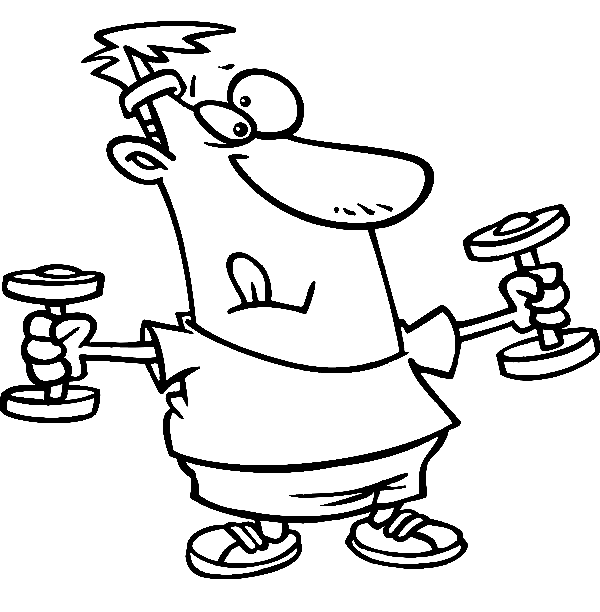
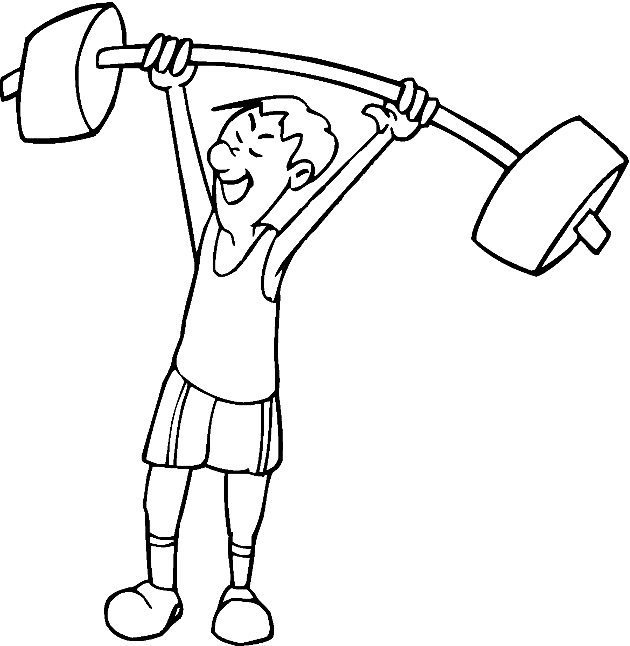
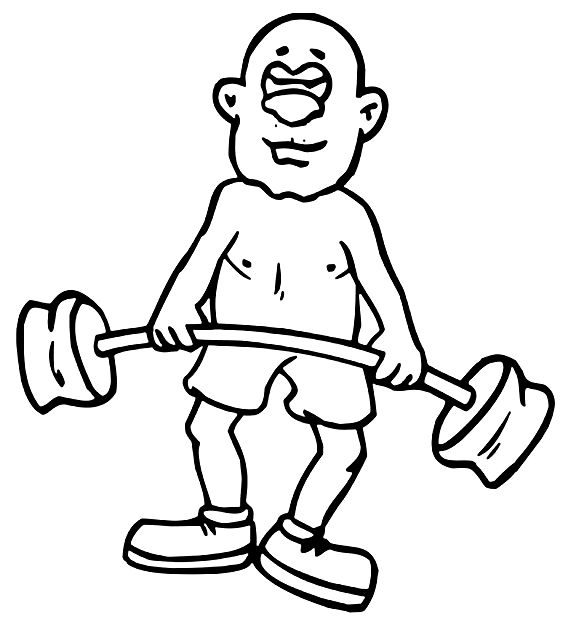
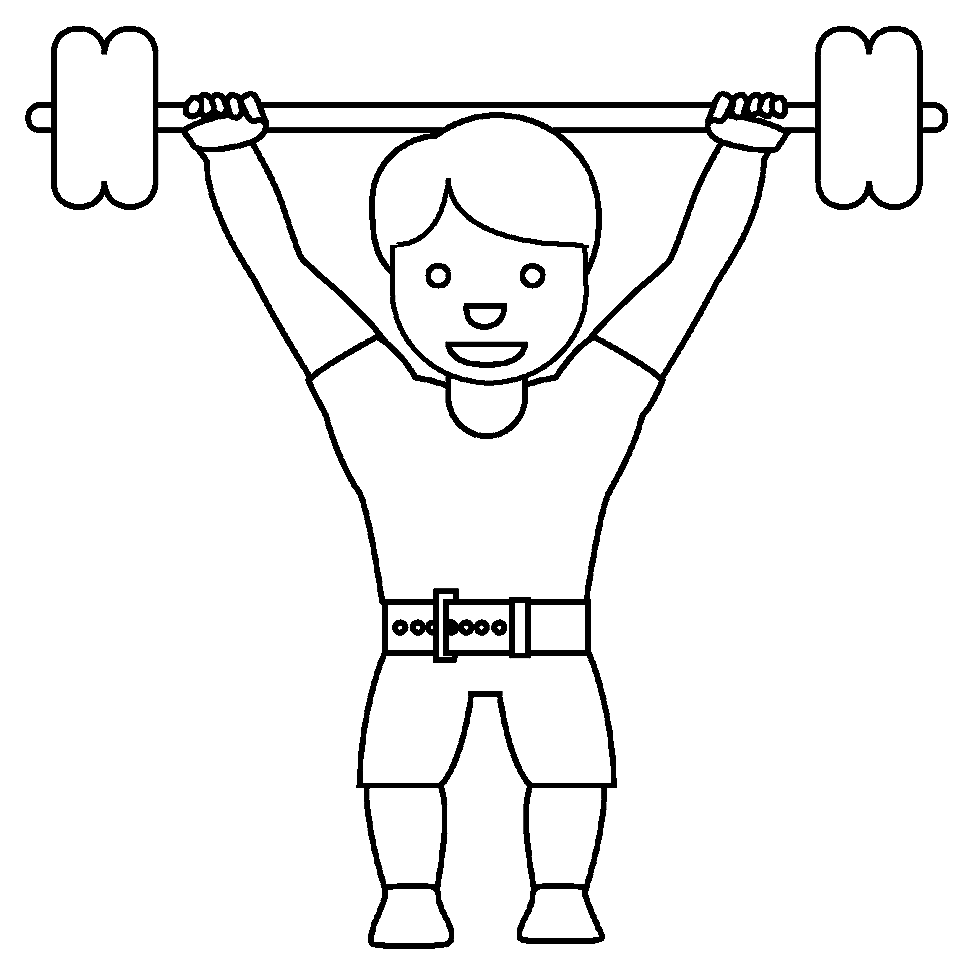
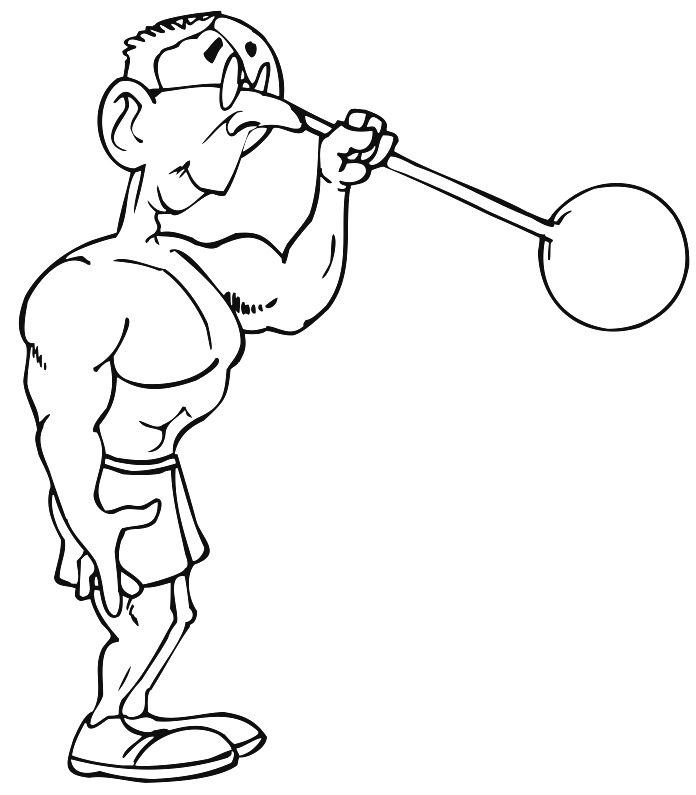
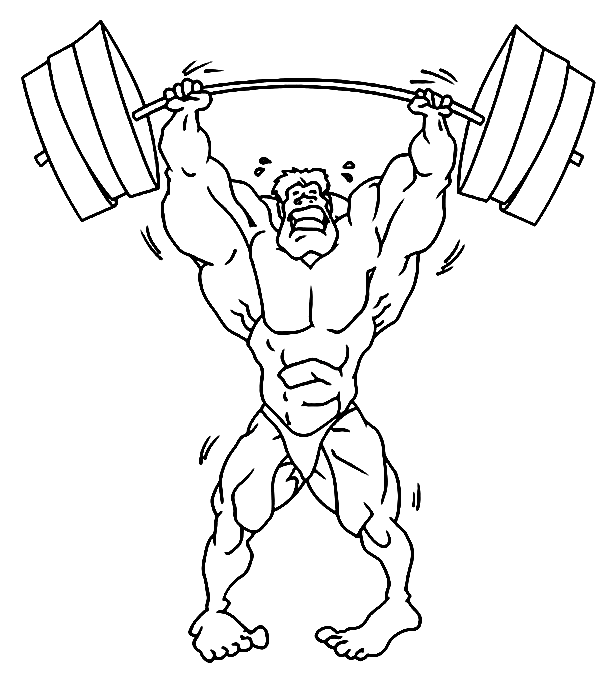
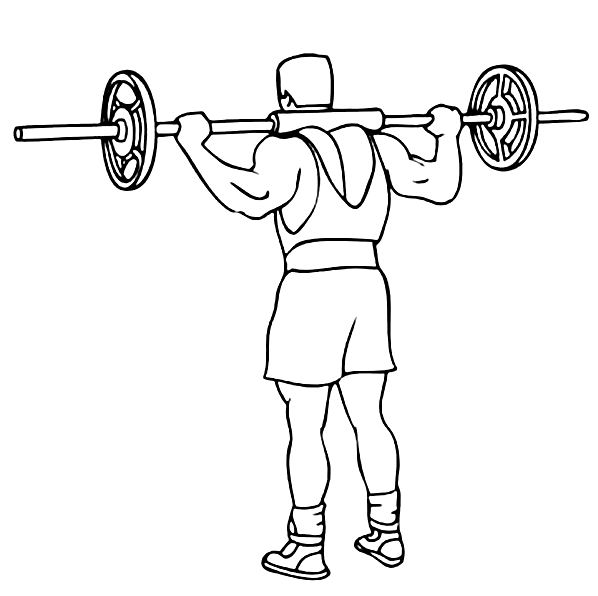
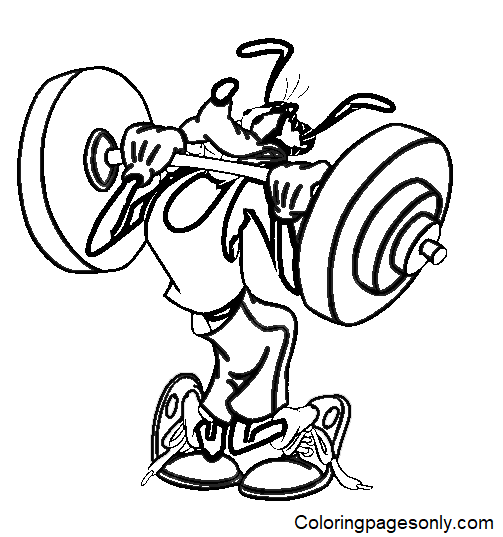
What’s Inside This Collection
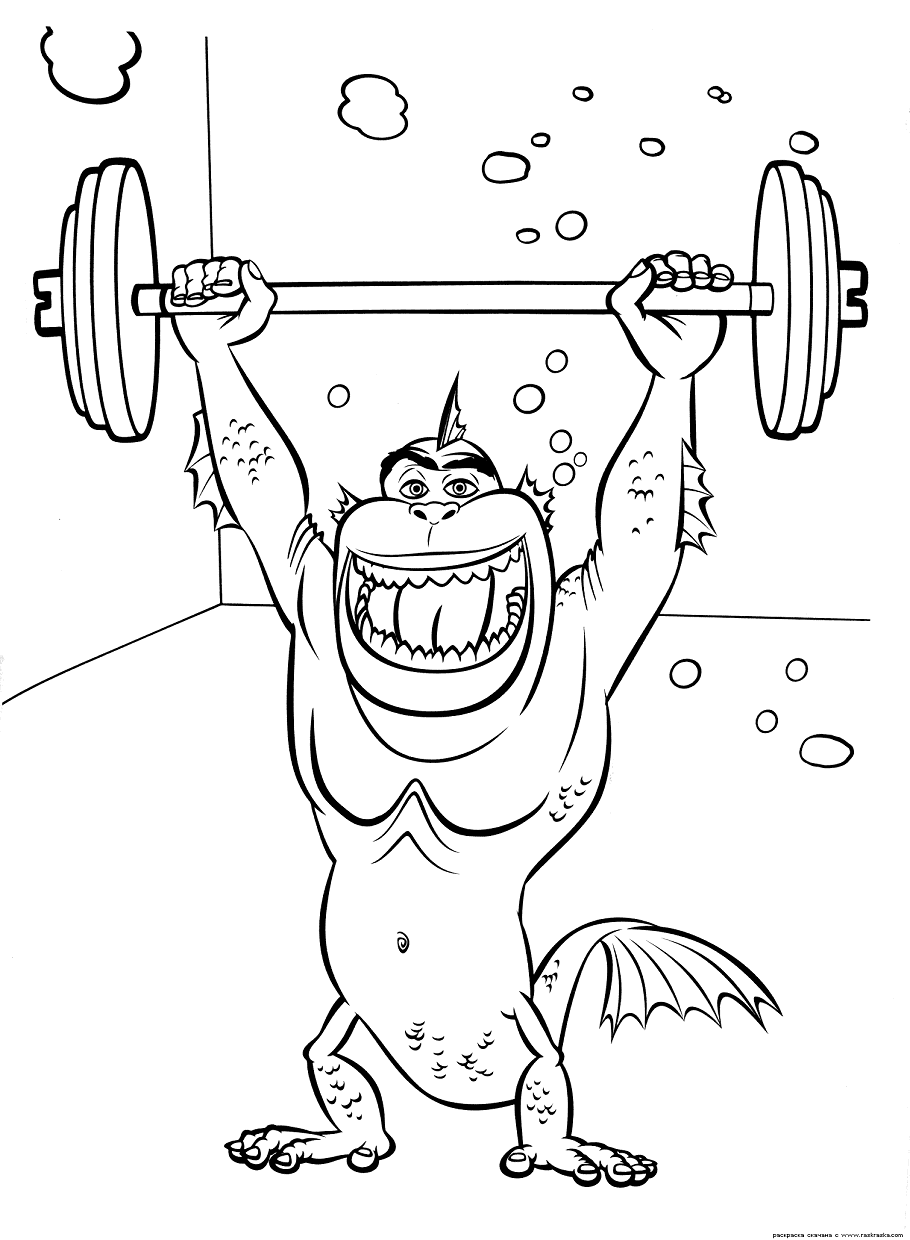
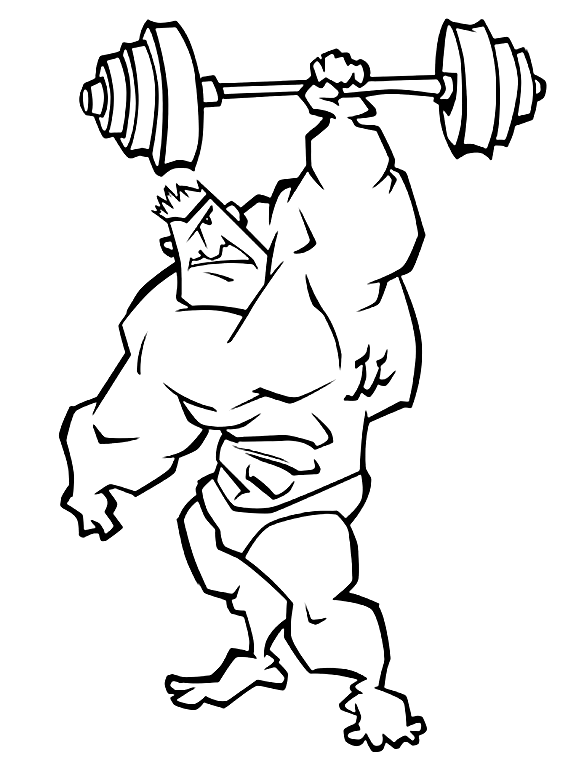
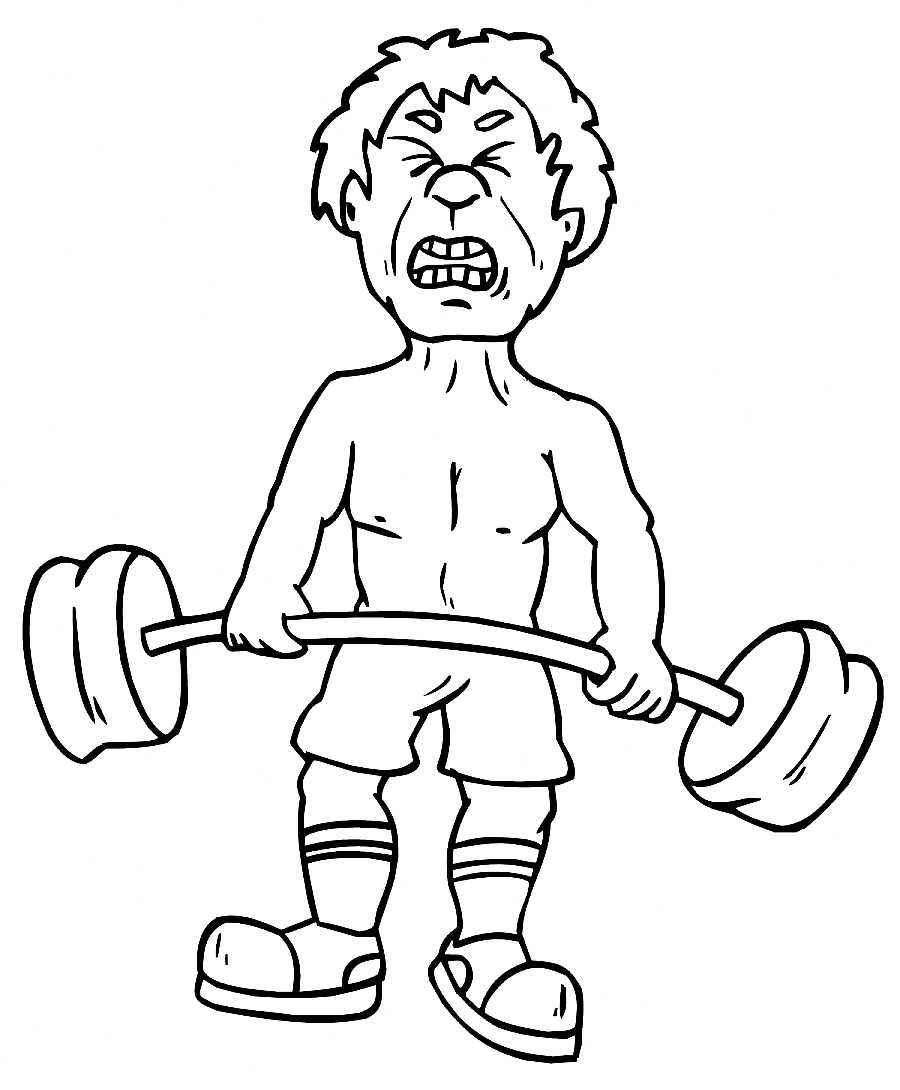
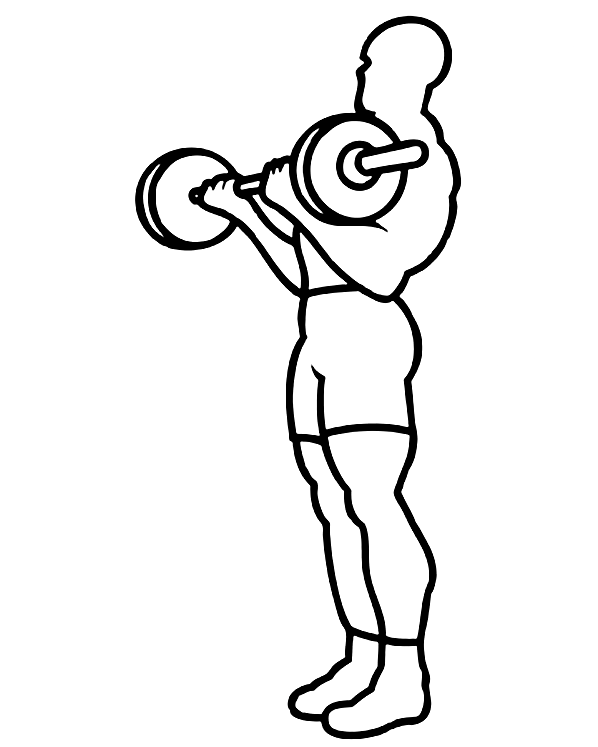
Weightlifters in action, animal lifters, funny food and objects, cartoon characters, and equipment fill the 56 designs.
Weightlifters in Action
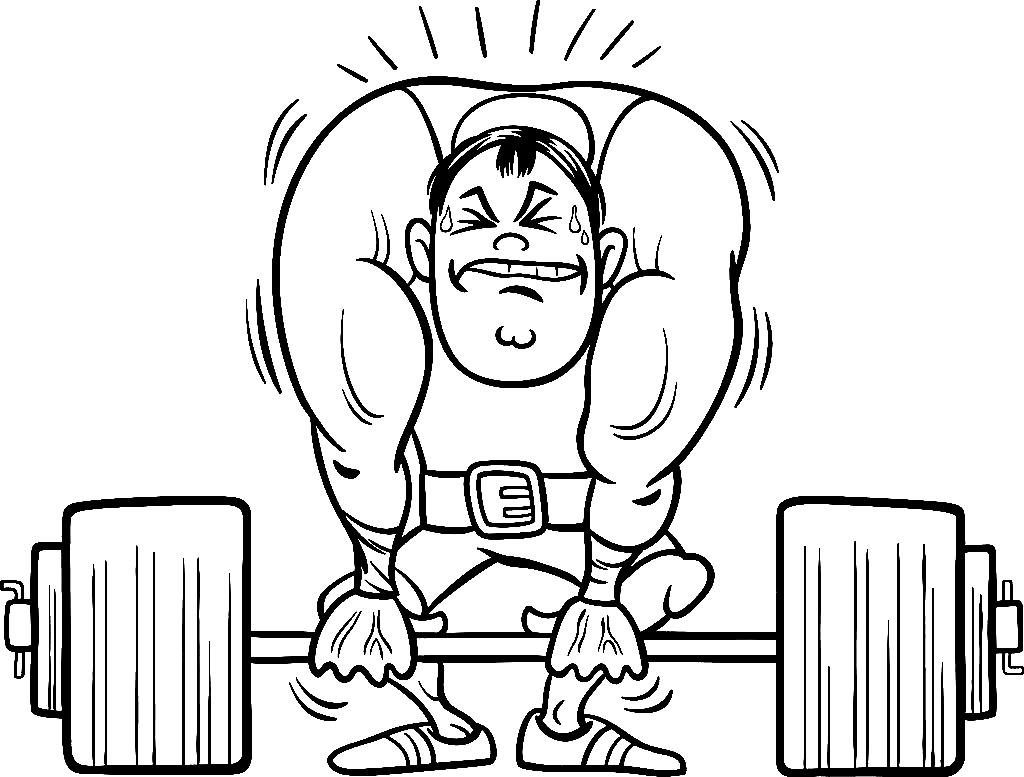
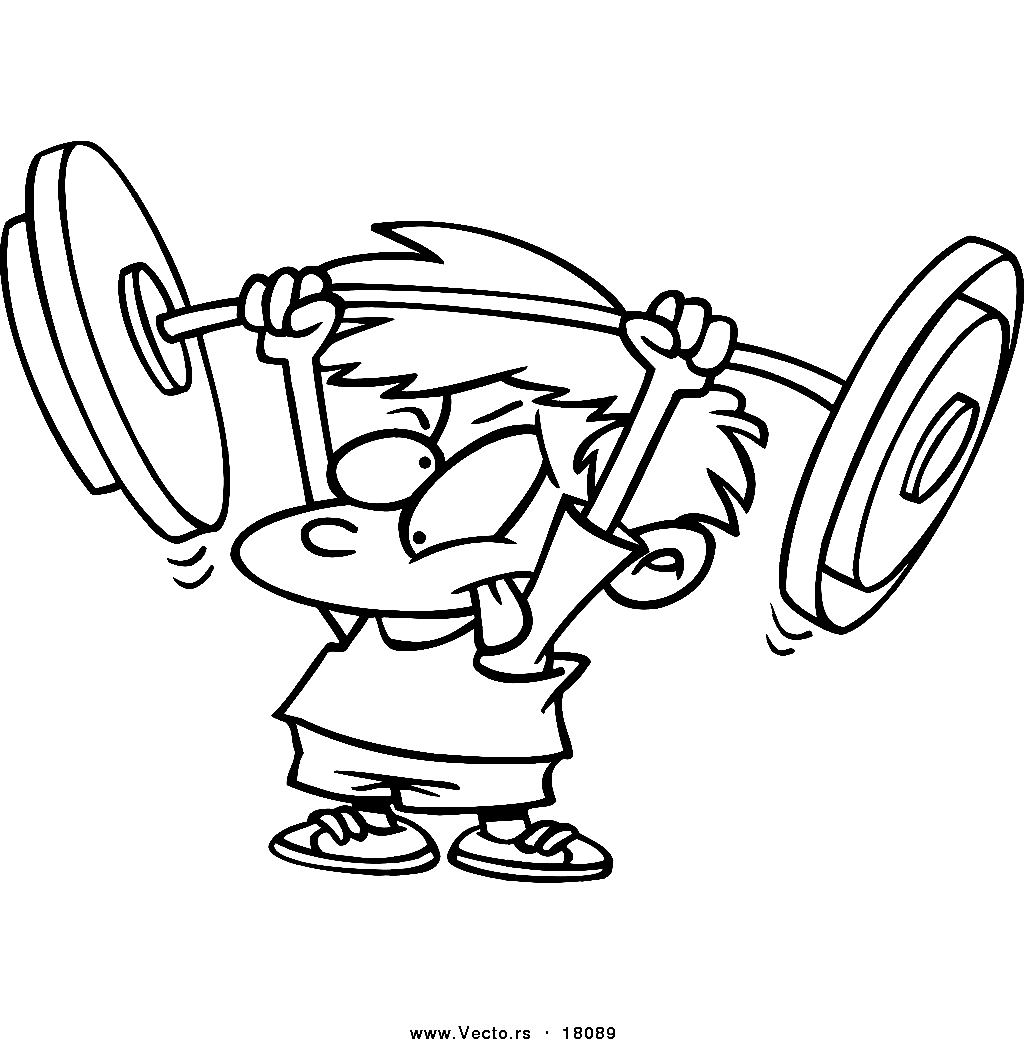
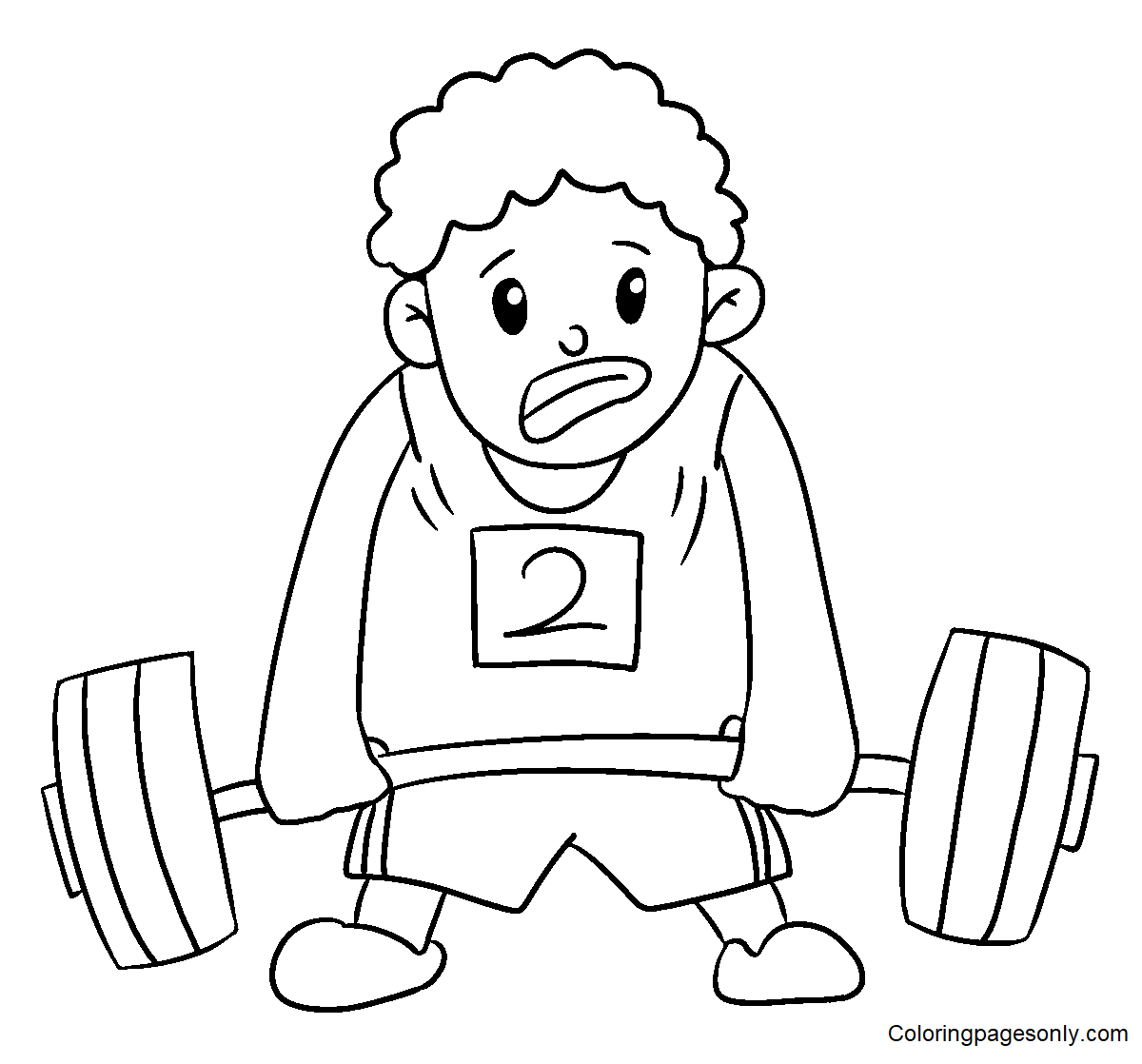
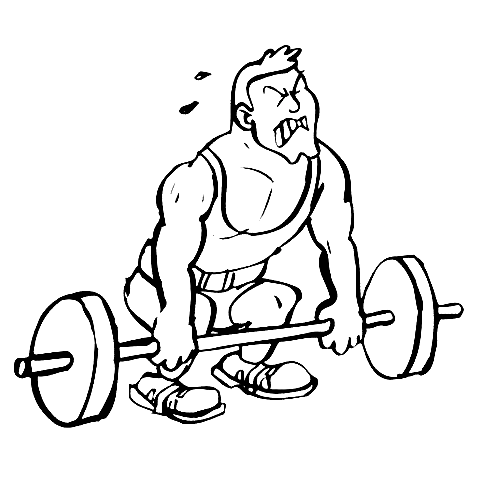
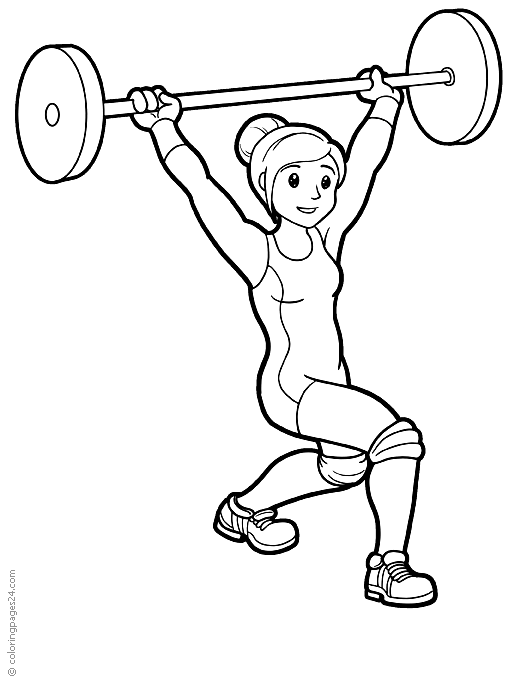
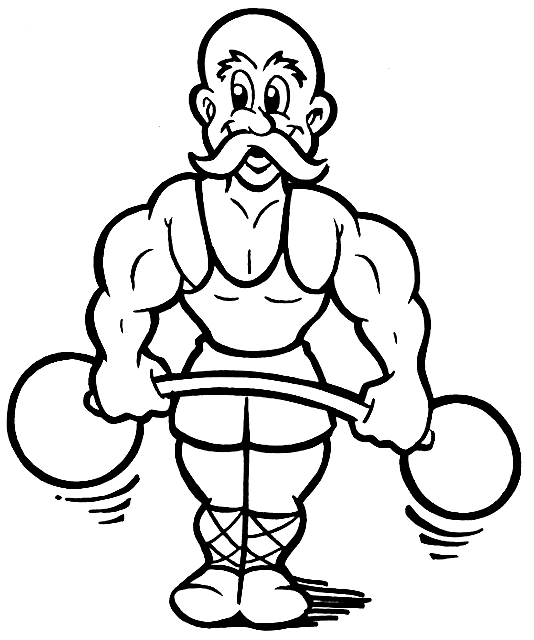
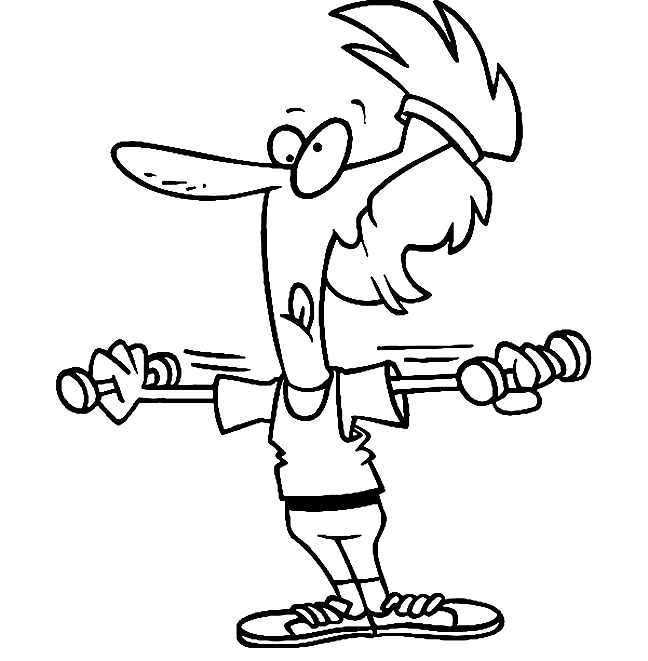
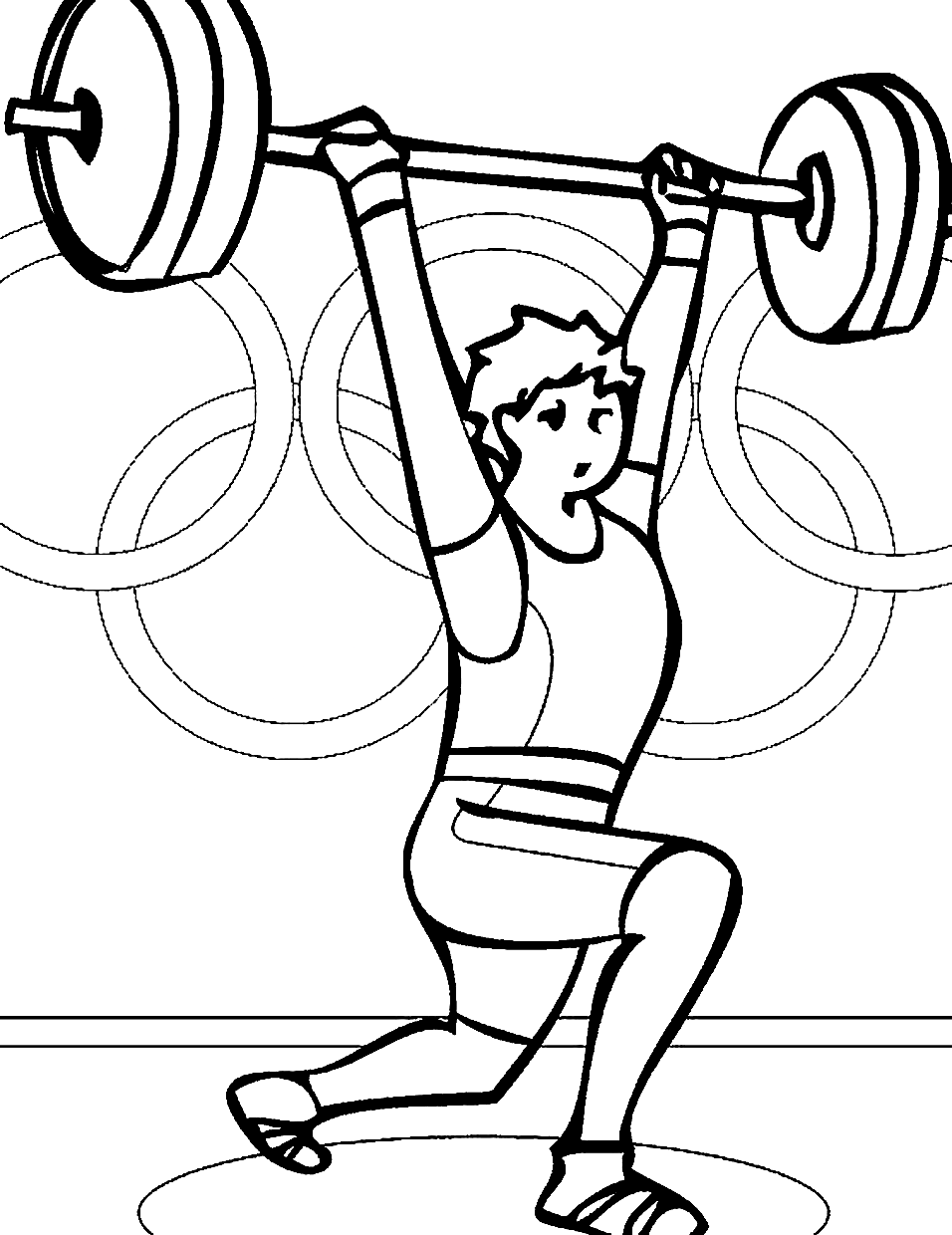
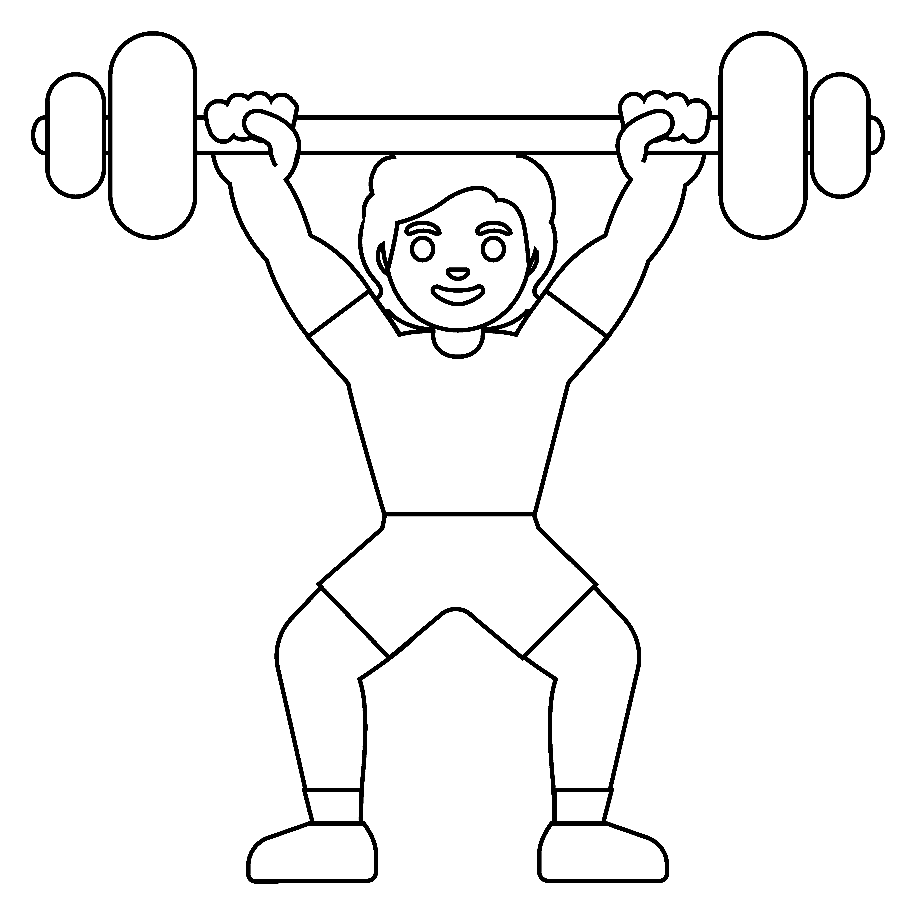
Seventeen pages show men, women, and kids lifting barbells and dumbbells, plus an Olympic lifter and a strong man. Color singlets in bold Red or Royal Blue, and add colorful plates on each side of the bar.
Animal Lifters
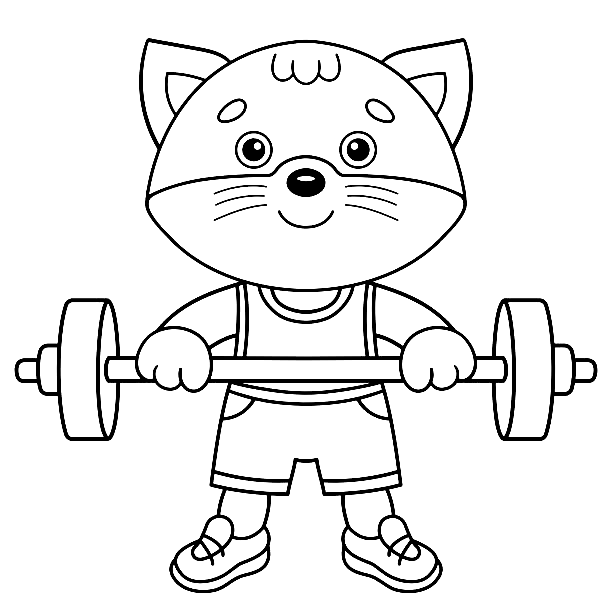
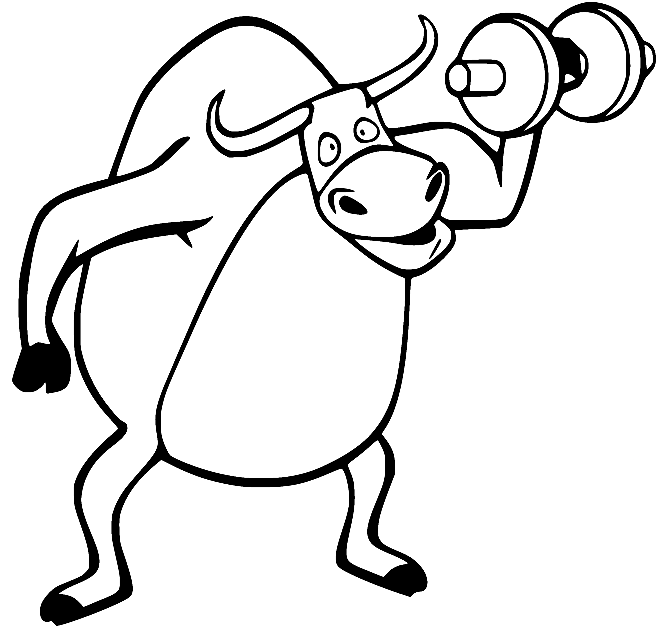
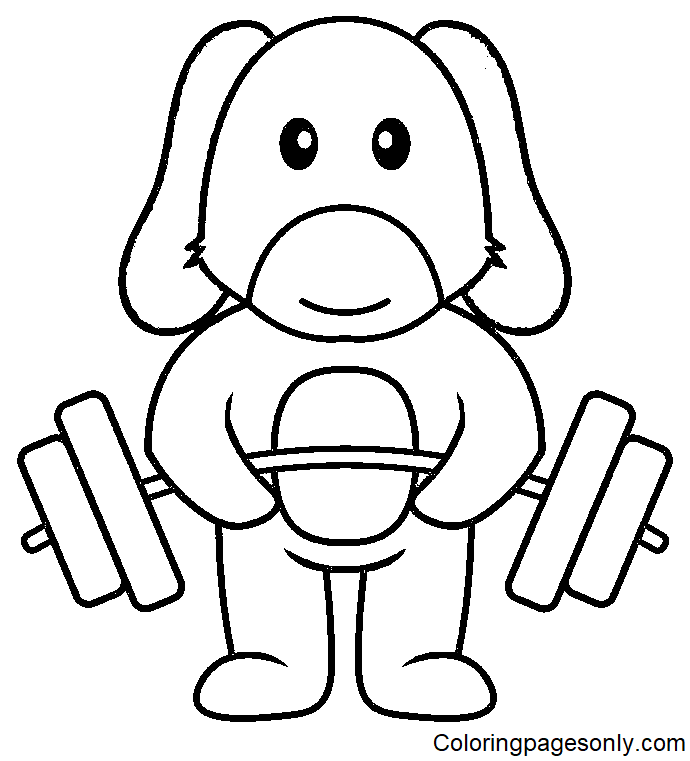
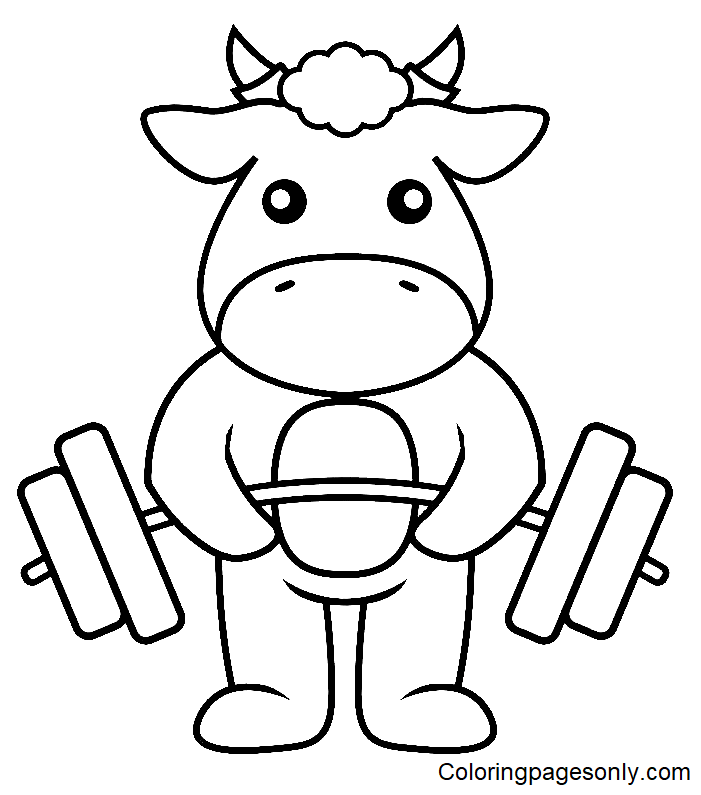
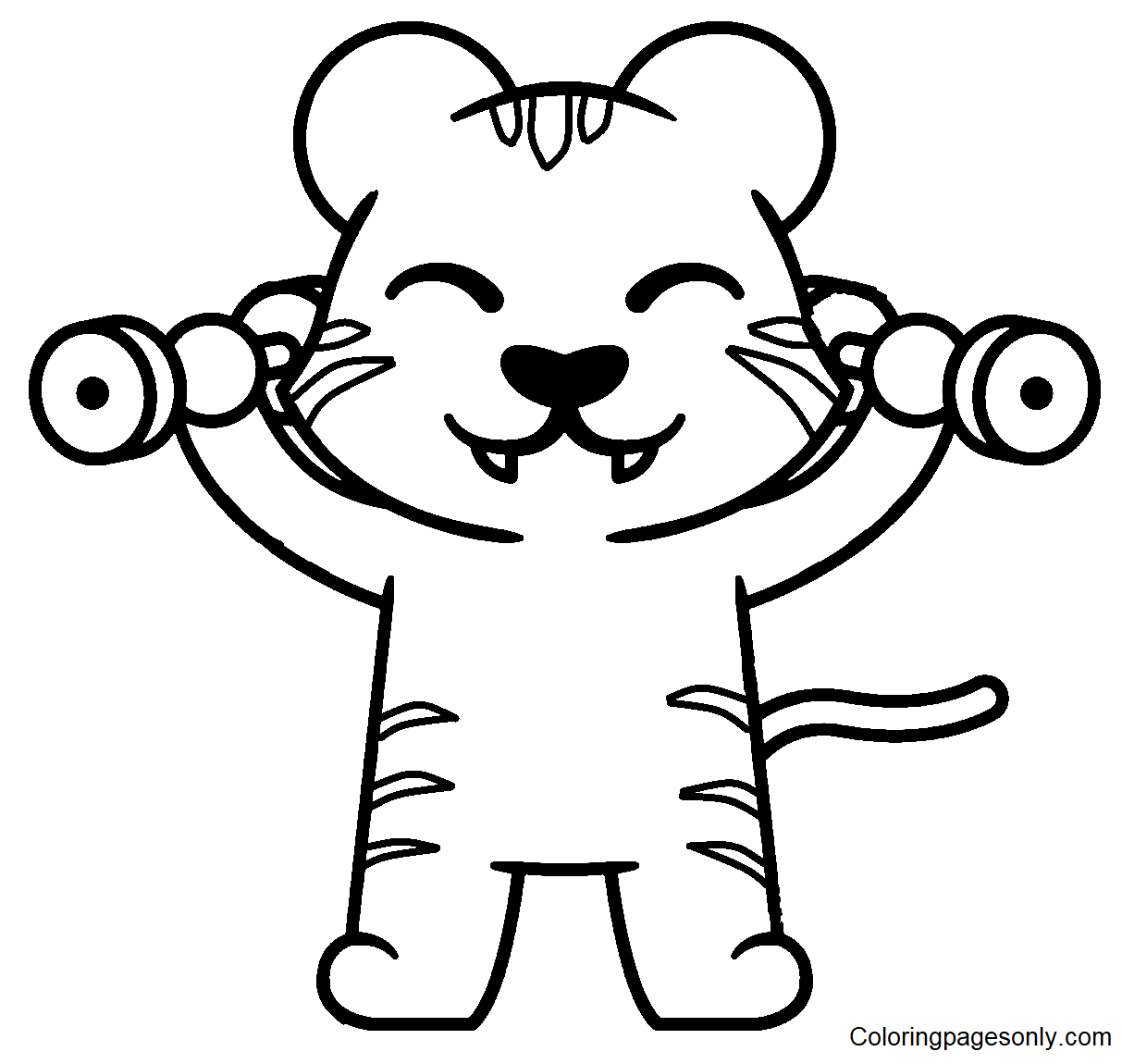
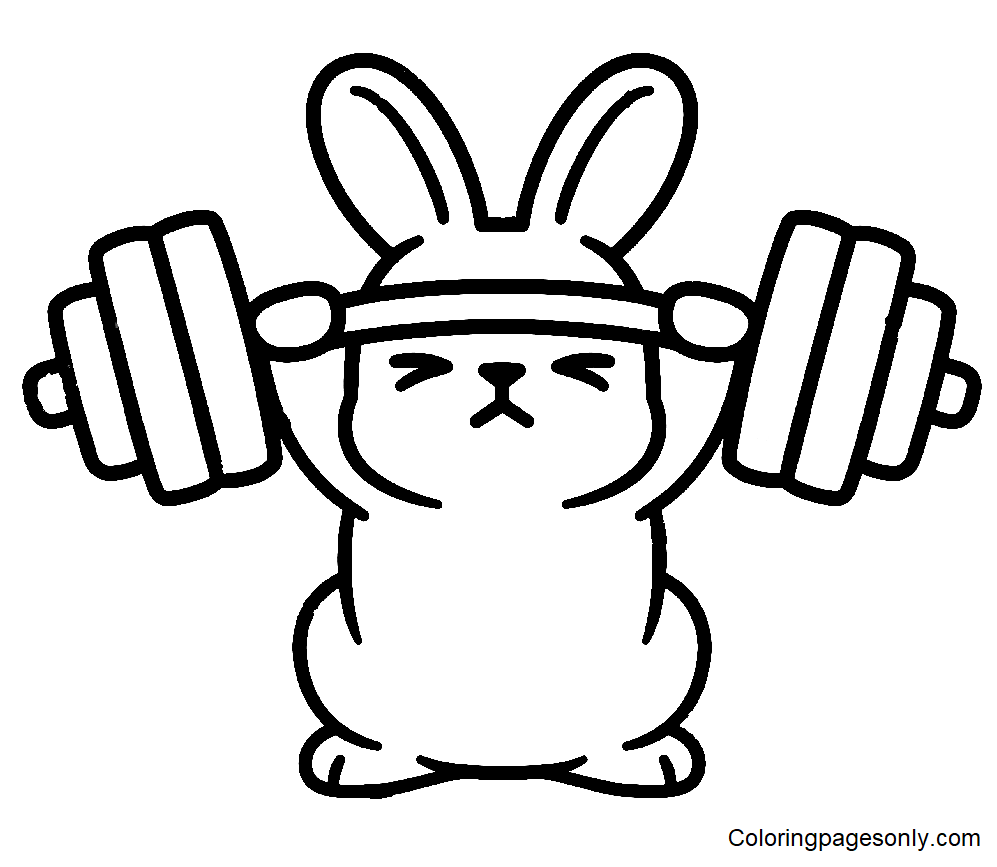
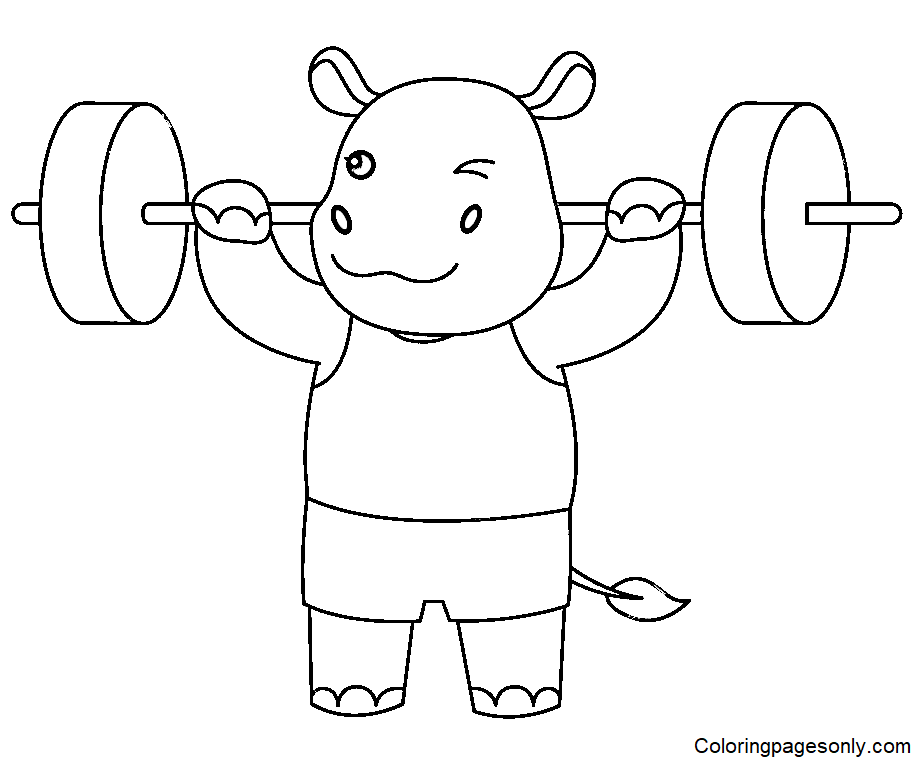
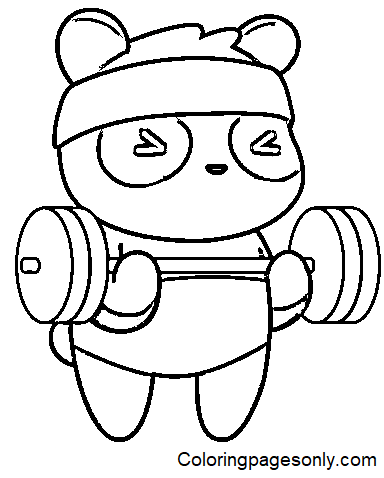
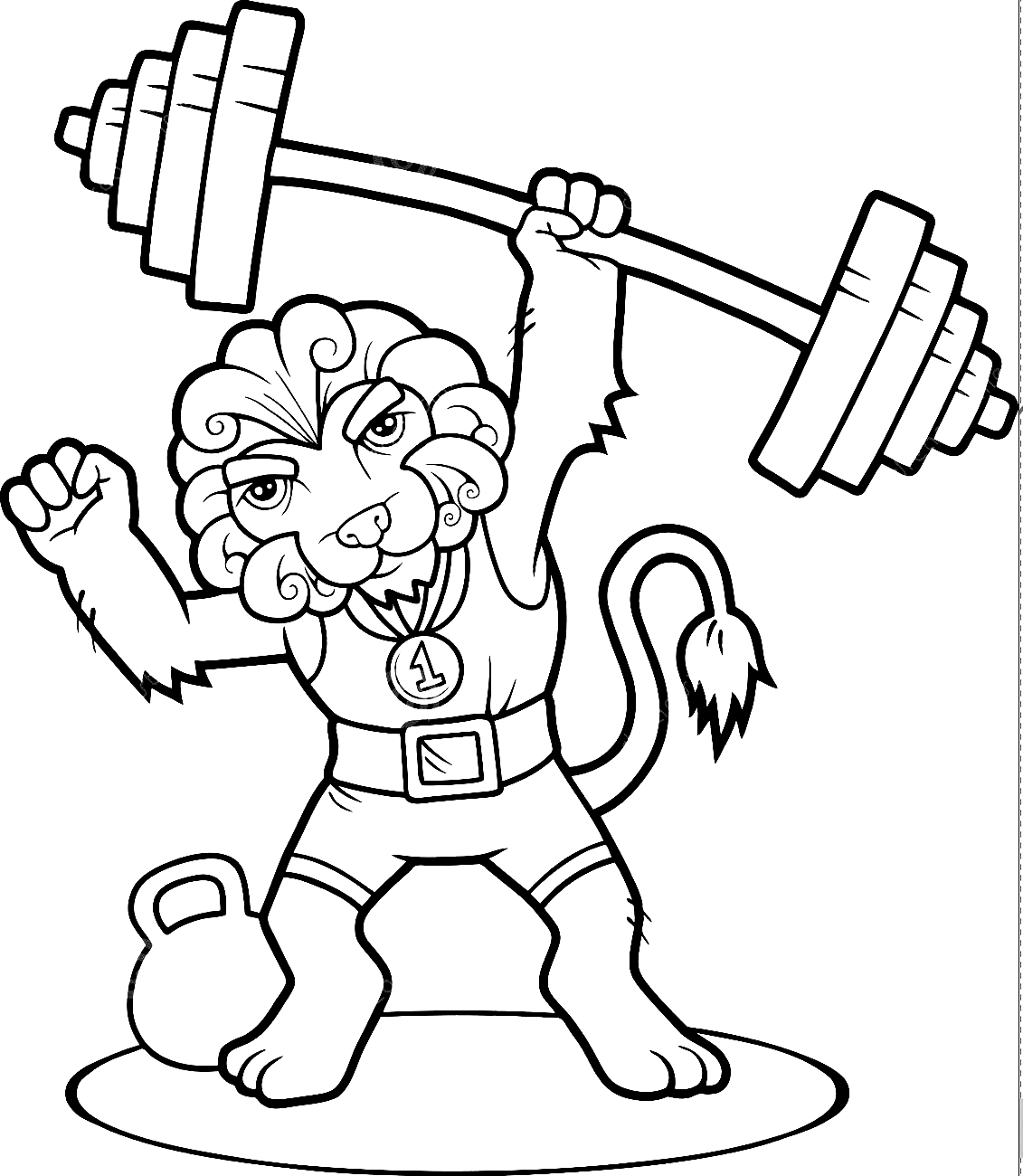
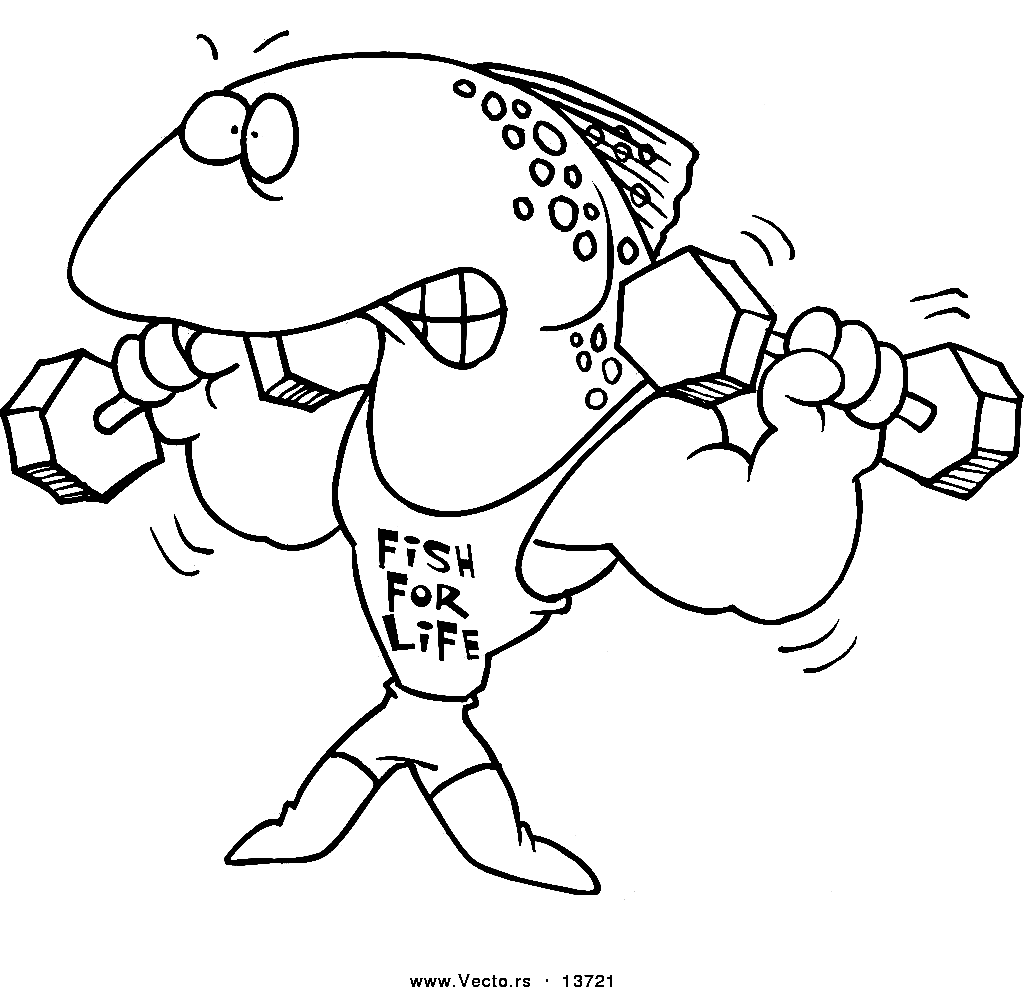
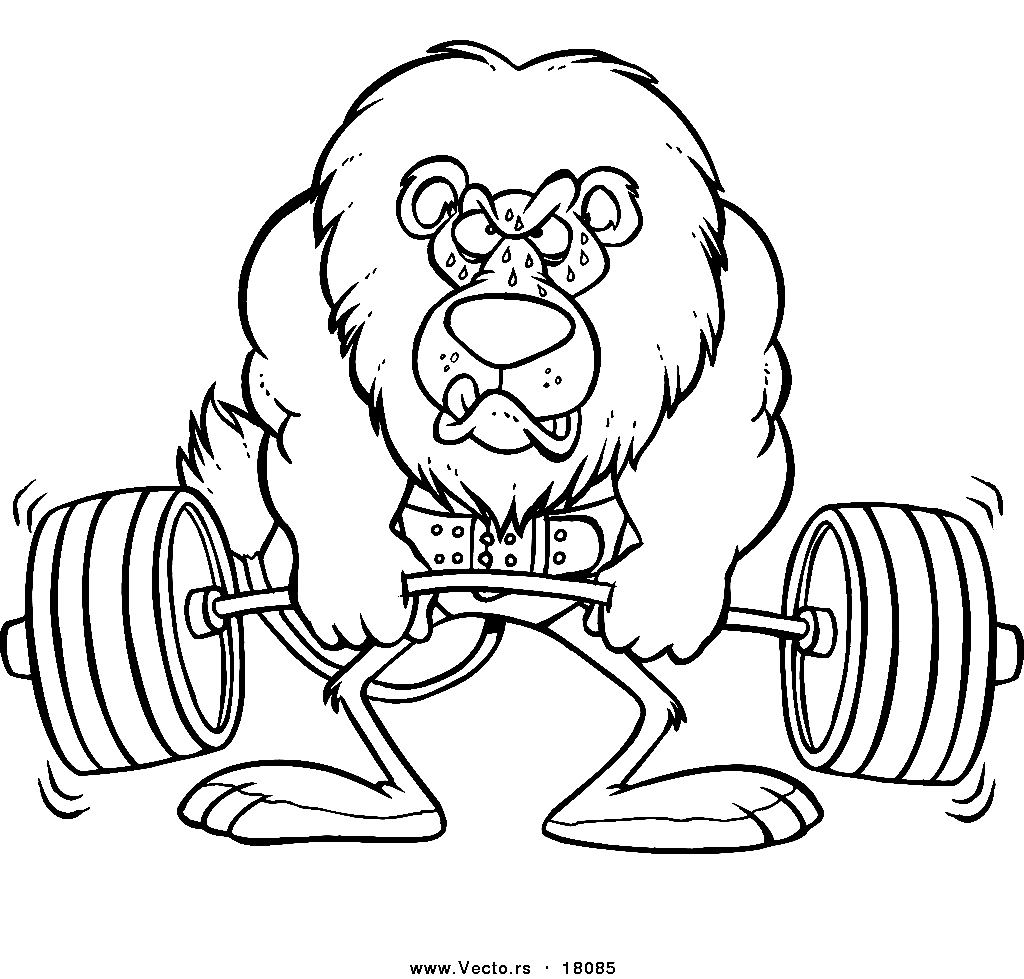
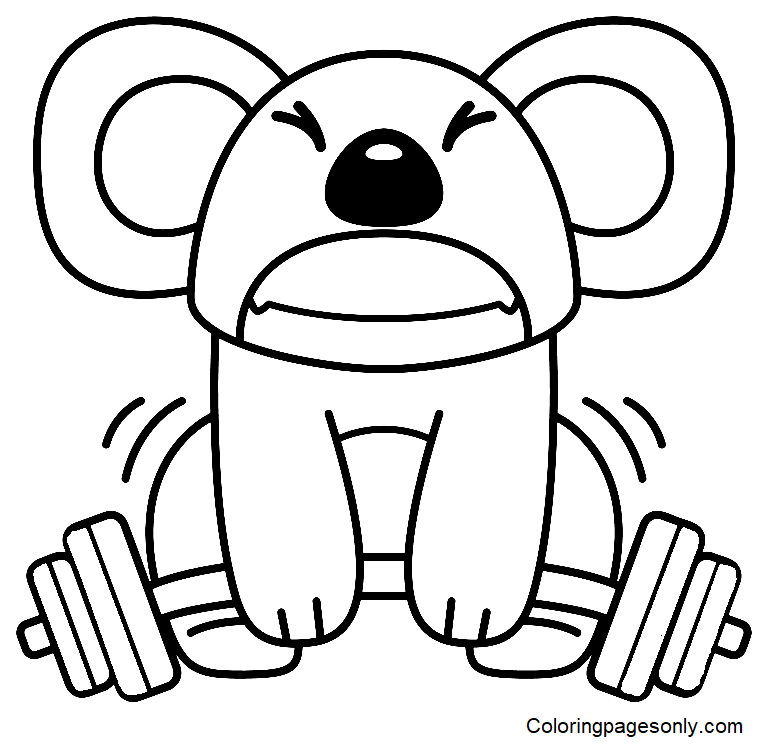
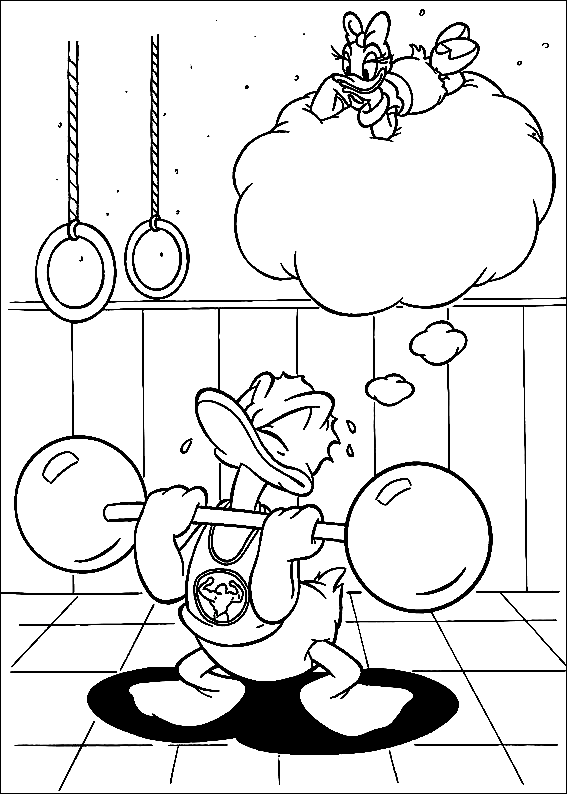
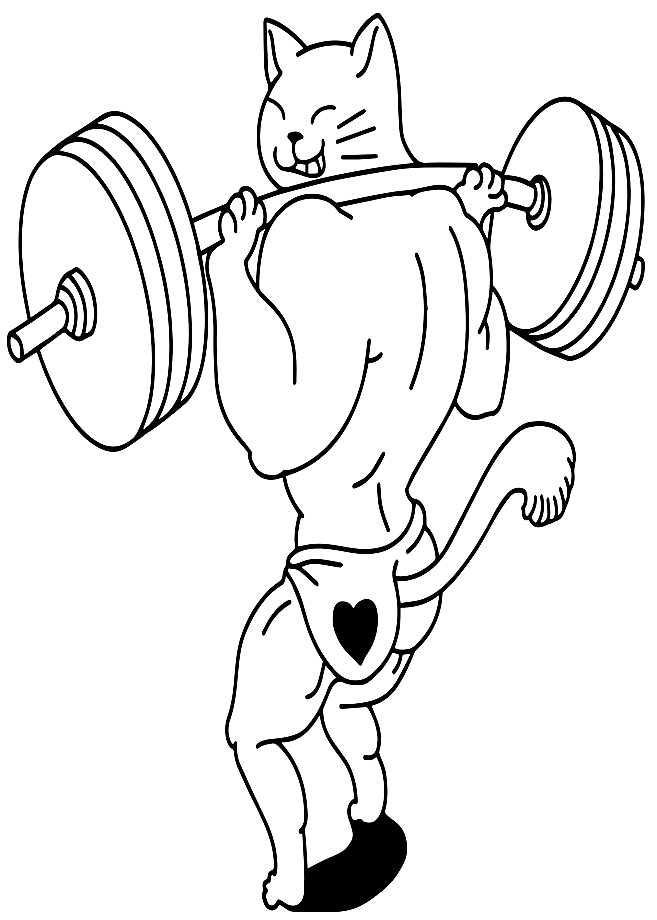
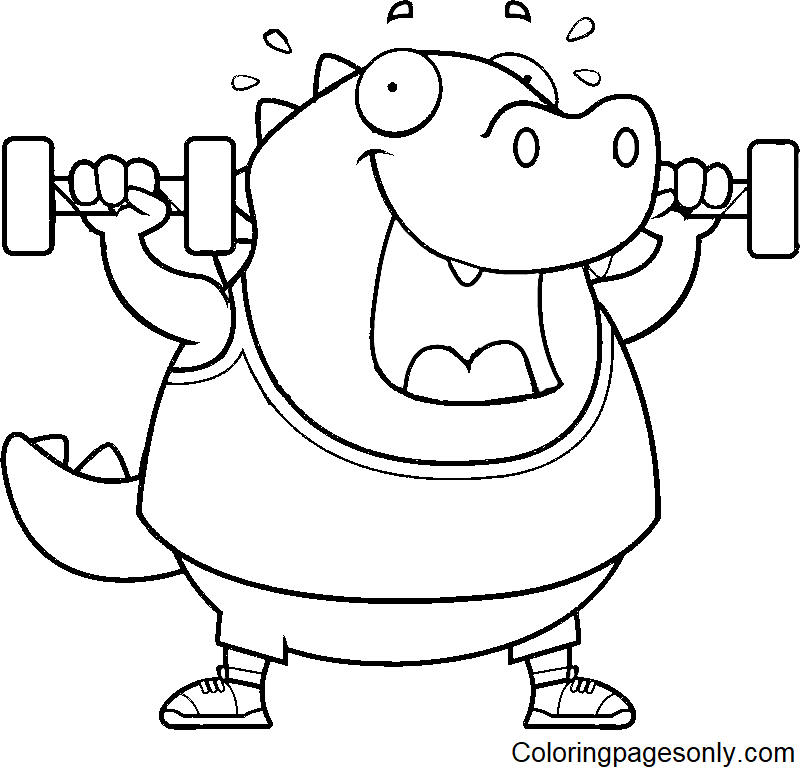
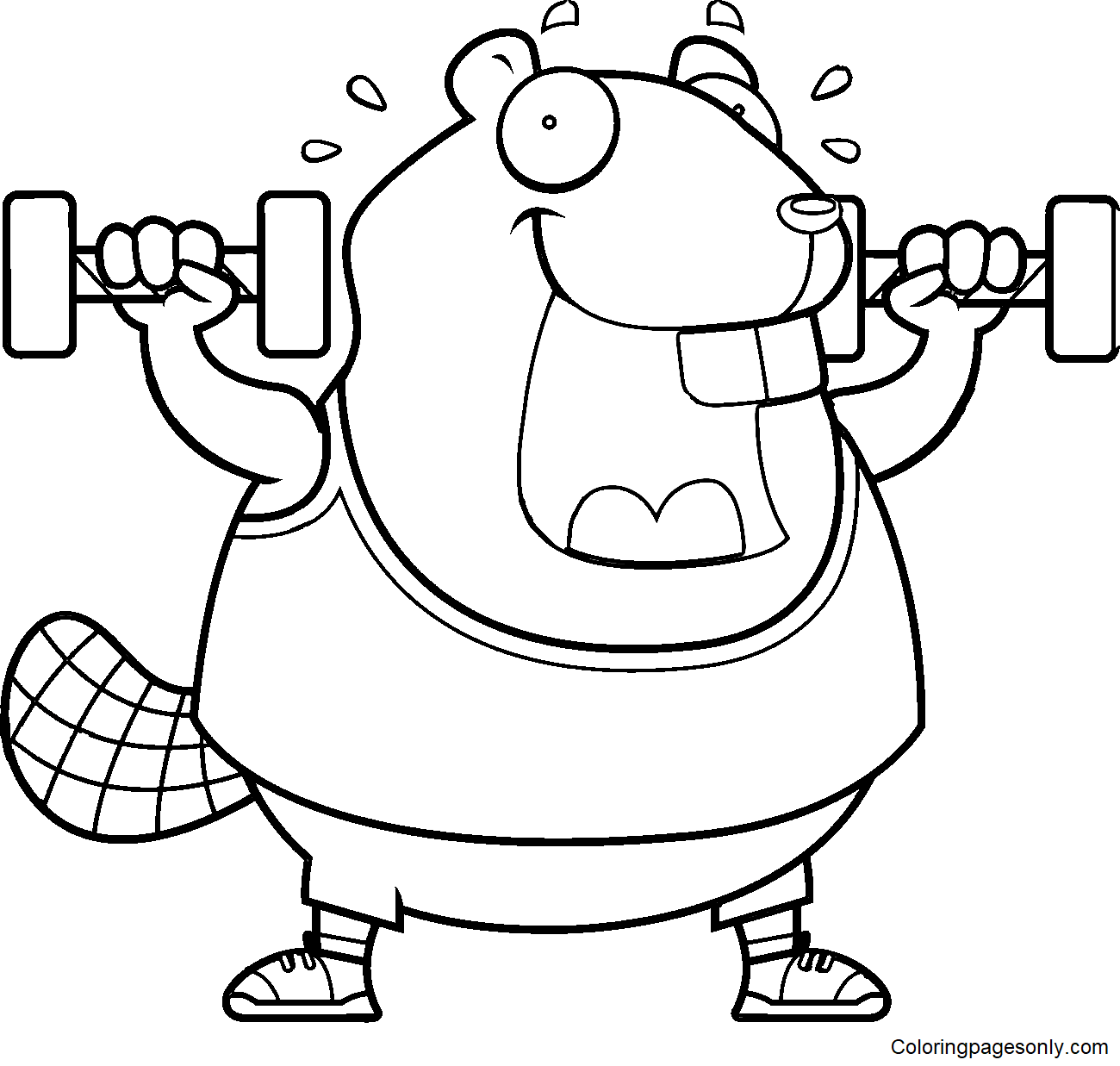
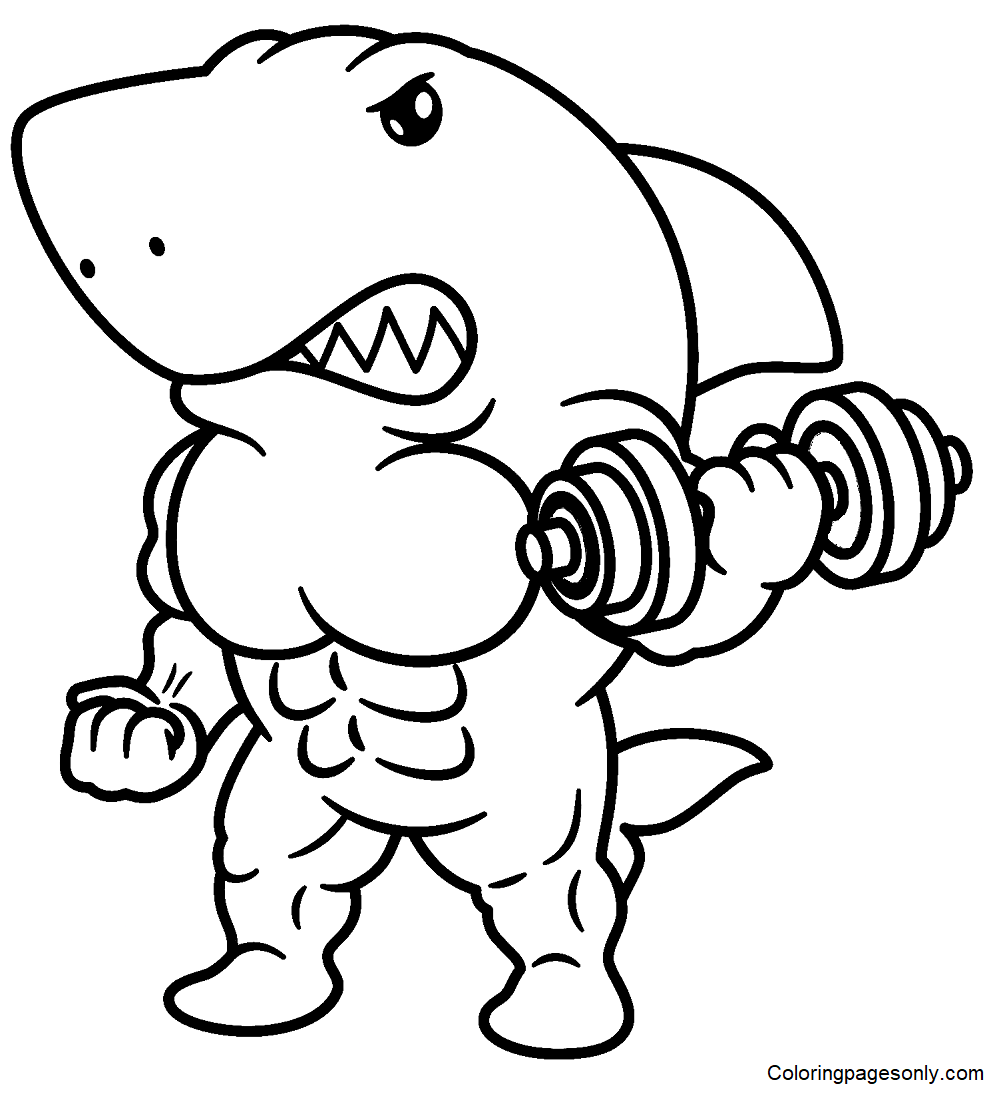
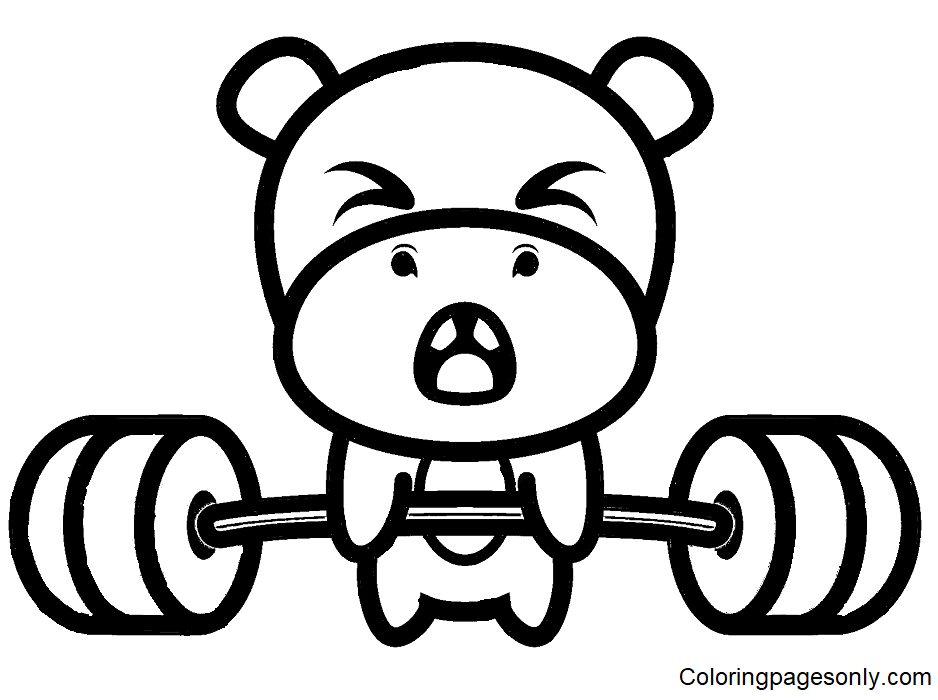
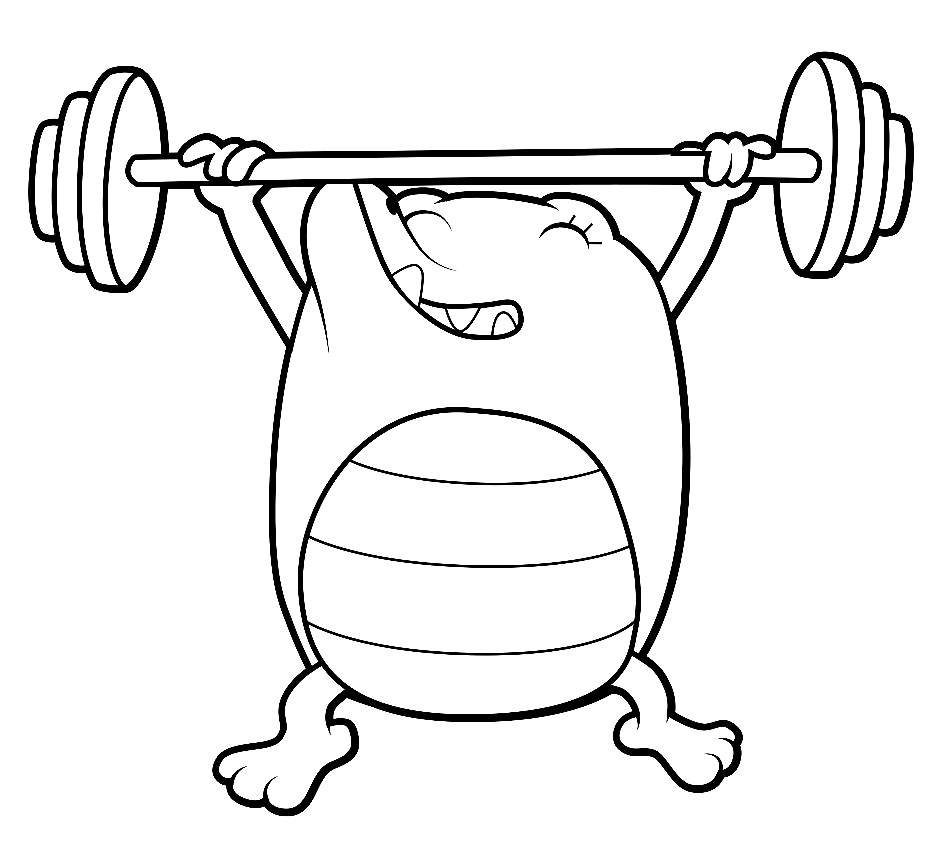
Nineteen sheets feature cats, a bull, a dog, a cow, a deer, a tiger, a bunny, hippos, a panda, lions, a fish, a koala, crocodiles, a beaver, and a shark. Give the lion a Golden mane and the panda crisp Black and White fur.
Funny Food and Objects
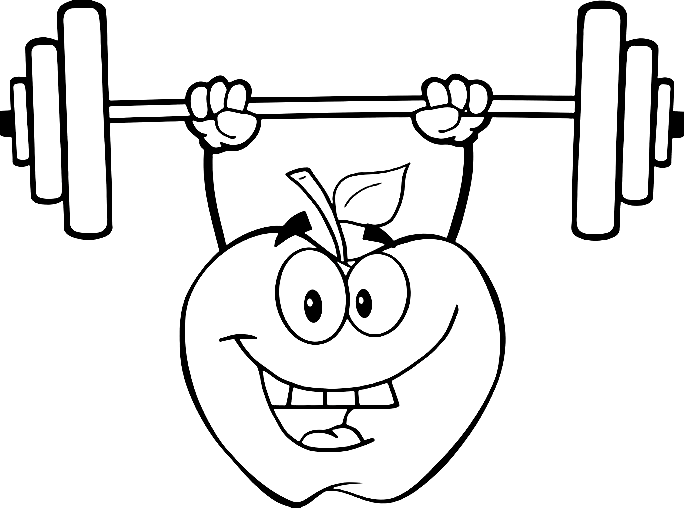
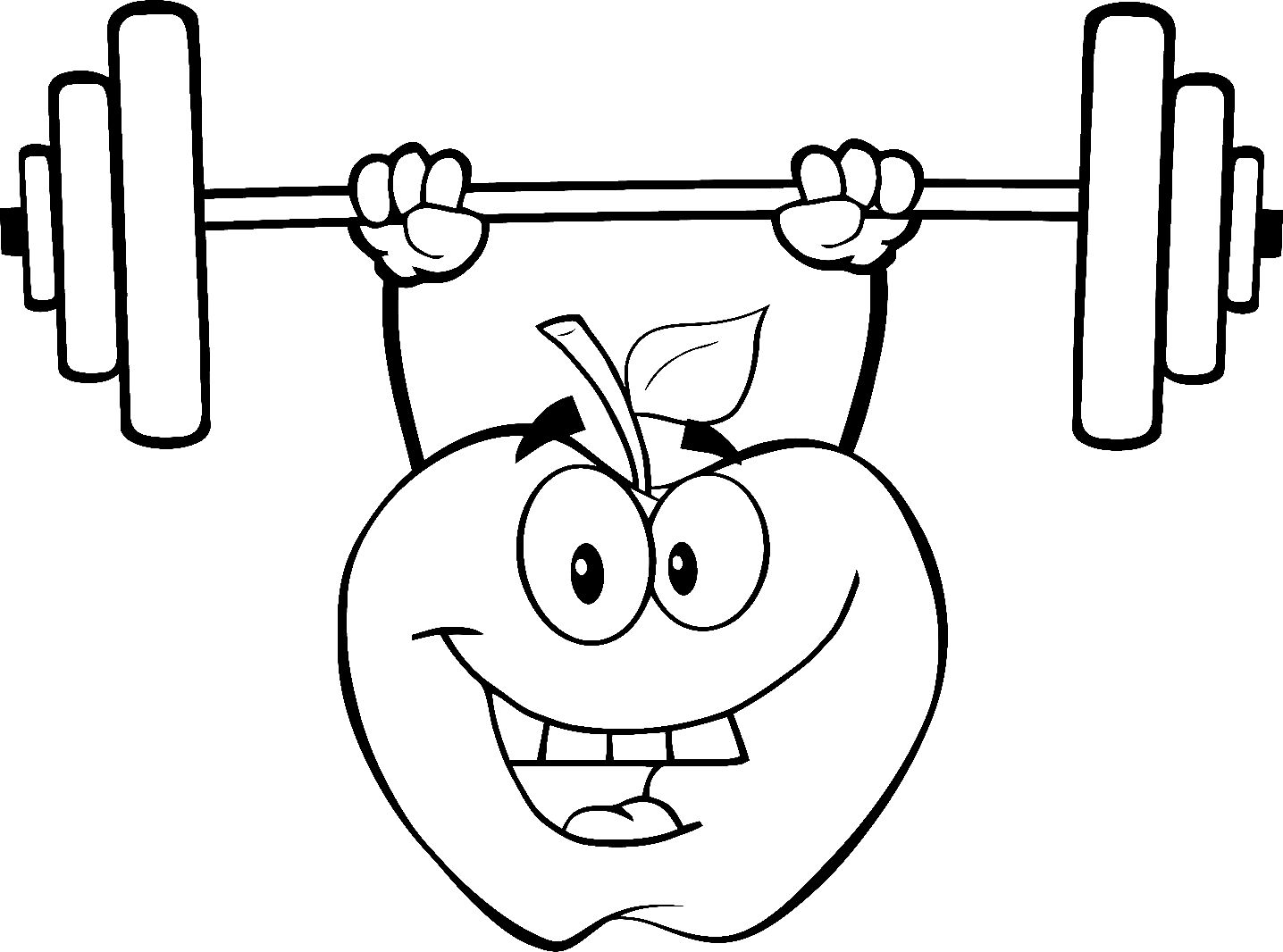
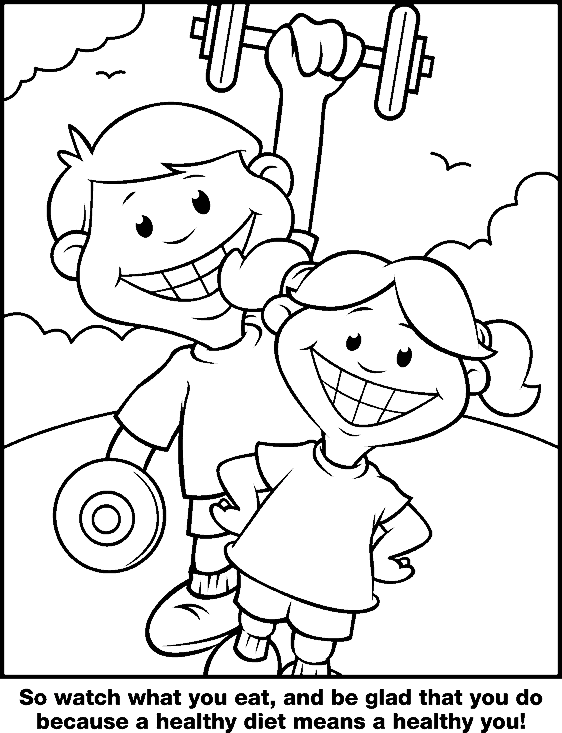
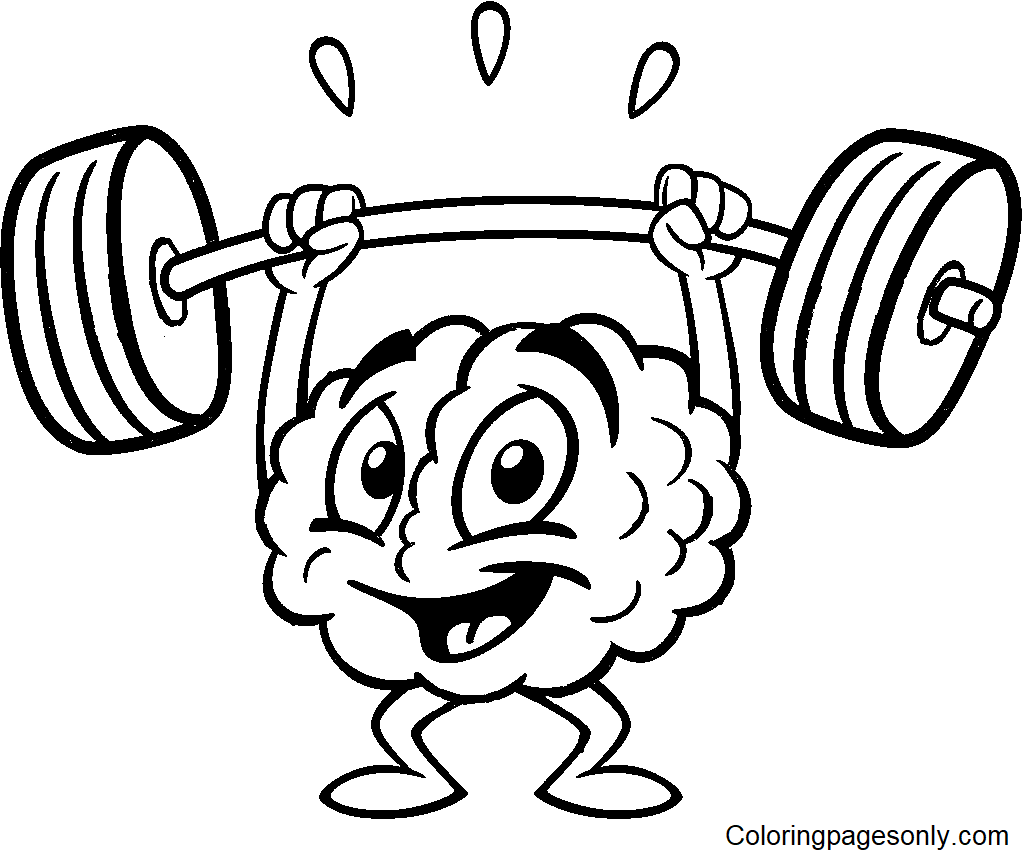
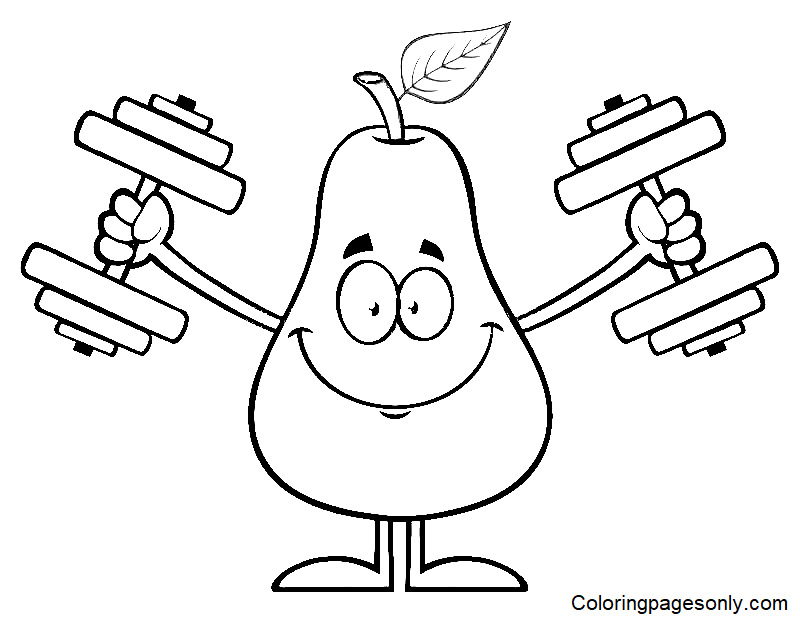
Five designs show an apple, a pear, and a cartoon brain lifting weights, plus a healthy diet page. Color the apple Cherry Red and the pear Lime Green with tiny sweatbands.
Cartoon Characters at the Gym
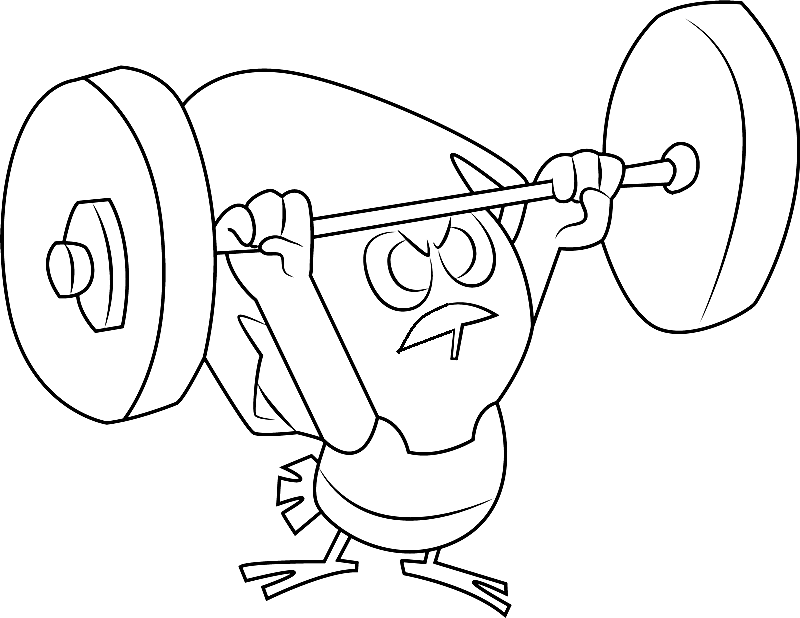
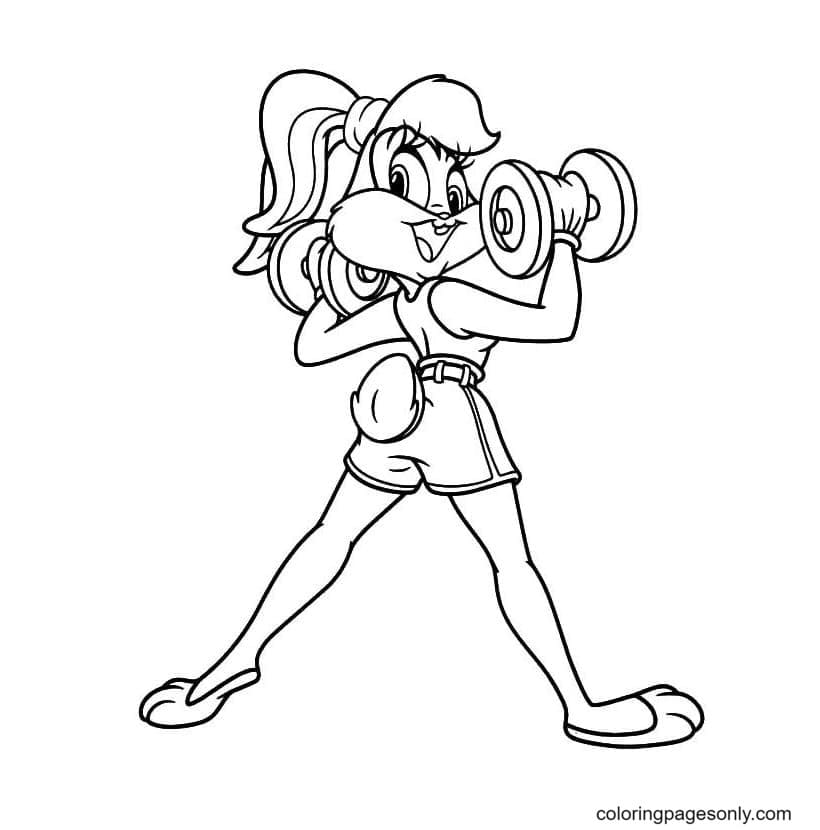
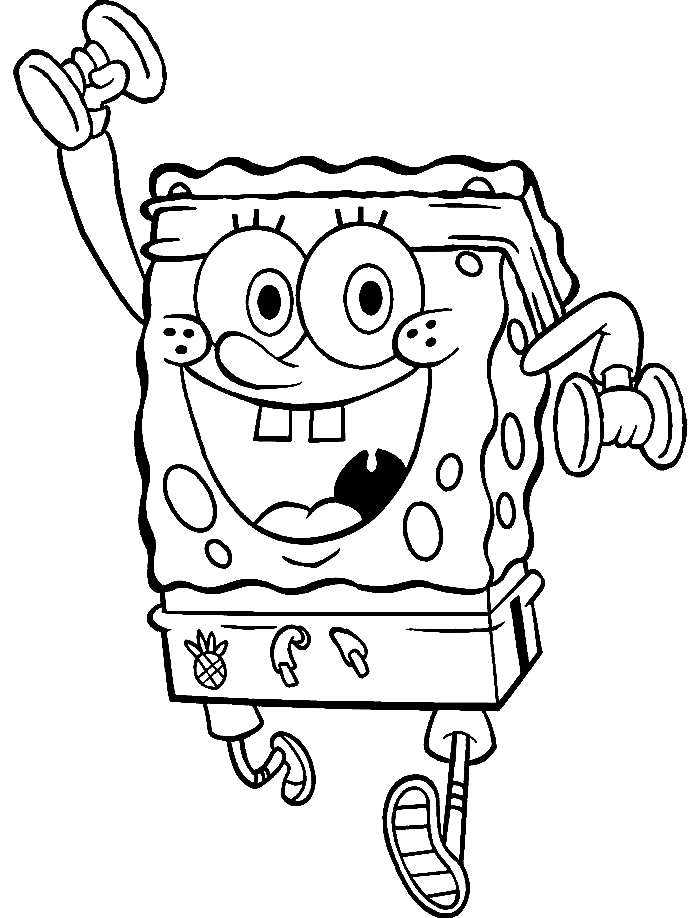
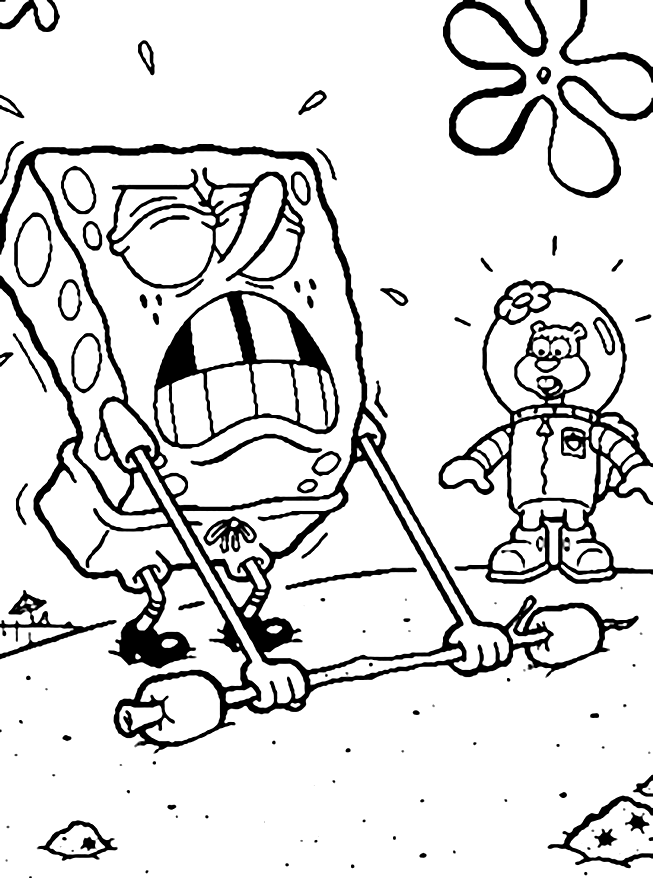
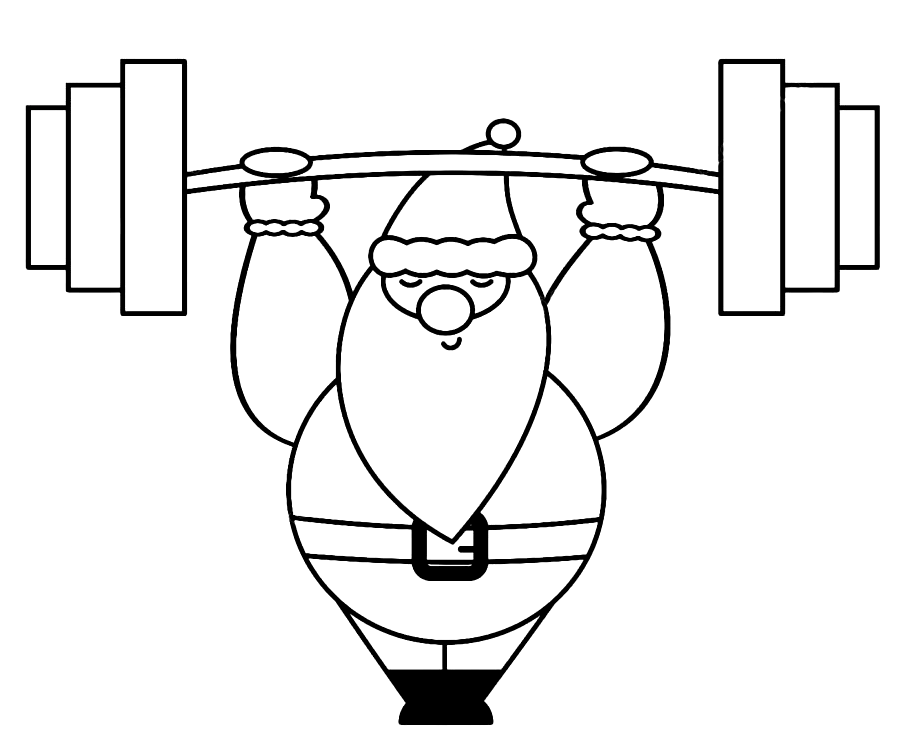
Ten pages include classic cartoon favorites, a sea sponge, Santa Claus, and a few movie characters working out. Stick to the shades fans know from the screen, then lay a Gray rubber floor beneath them.
Barbells and Dumbbells
Five sheets focus on the equipment itself. Use the official plate colors: Red, Blue, Yellow, and Green.
What Weightlifting Coloring Pages Do
Teaching healthy habits. Weightlifting pages are a natural starting point for talking about exercise, rest, and good food. The healthy diet page connects strength to eating fruits, vegetables, and protein, while the lifter pages show what strong muscles can do. Families can pick one active habit to try together, like a short walk or stretches, and color a page as a reward.
Explaining safe strength training for kids. The American Academy of Pediatrics states in its guidance on resistance training that supervised, well-designed strength programs can be safe and helpful for children and teens. The key is light weights, good form, and an adult or coach watching. Coloring a lifter with straight posture is an easy way to discuss why technique matters more than lifting heavy.
Building fine motor control. Barbell plates, gym equipment, and muscle lines give kids lots of edges and shapes to fill carefully. Precise coloring like this strengthens the small hand muscles children use for writing and cutting. Older kids can try shading muscles with a darker tone to make lifters look powerful.
Creating calm after activity. After an active day, coloring helps children slow down. Curry and Kasser put volunteers through a stress task and then had them color either a grid design or a blank sheet; Art Therapy printed their 2005 finding that the grid group calmed down more. The repeated plates and stripes on a barbell page offer that same steady, soothing rhythm.
How to Color Weightlifting Pages Well
- Official plate colors: Use Red, Blue, Yellow, and Green for the plates on each barbell. Real competition colors make the page look authentic.
- Shiny bars: Color the barbell Silver and leave a thin White line along its length. The highlight makes the metal look polished.
- Muscle shading: Add a slightly darker skin tone along arms and legs. Gentle shading shows strength without making the figure look messy.
- Singlets and shoes: Pick a bold color for the singlet and a contrasting color for the shoes. Matching team colors gives the lifter a professional look.
- Funny animals: Choose bright, unexpected colors for cartoon animal lifters, like a Purple hippo. Silly color choices make the pages even more fun.
- Gym background: Fill the floor with Gray rubber mats and add a Yellow wall stripe. A simple gym setting keeps the focus on the lifter.
5 Creative Craft Ideas With Weightlifting Coloring Pages
1. Paper Barbell Craft
Color the barbell page, cut out the plates, and glue them onto a paper towel tube. Kids can “lift” their colorful barbell during pretend play.
2. Healthy Habits Chart
Pin the colored healthy diet page above a seven-day grid on the fridge. Children can place a sticker each day they eat fruit or move their bodies.
3. Animal Gym Poster
Assemble the colored animal lifters into an imaginary gym class across a poster board. Label each animal with a funny exercise name.
4. Olympic Medal Ceremony
Color the Olympic lifter page and make a paper gold medal to pin beside it. Host a mini medal ceremony for the family.
5. Strength Goal Card
Flip a colored lifter sheet over and jot one fitness goal on the back, such as ten jumping jacks. Hang it where your child can see their progress.
Frequently Asked Questions
What are Weightlifting coloring pages?
There are 56 free printable sheets about weightlifting, featuring athletes, animal lifters, funny foods, cartoon characters, and gym equipment. Every sheet works on paper or a tablet without cost.
When did weightlifting become an Olympic sport?
Lifting events were part of the 1896 Athens Games, the very first modern Olympics. Women’s weightlifting was added at the Sydney 2000 Games.
What are the two Olympic weightlifting lifts?
Olympic lifters compete in the snatch and the clean and jerk. Each lifter gets three attempts at each lift.
Why are weightlifting plates different colors?
Competition plates are color-coded so judges and lifters can see the weight quickly. Red is 25 kilograms, blue is 20, yellow is 15, and green is 10.
Is weightlifting safe for kids?
The American Academy of Pediatrics supports supervised strength training for children when weights stay light and form stays good. Kids should always train with a qualified adult or coach.
What is the difference between weightlifting and bodybuilding?
Weightlifting focuses on lifting the most weight in specific lifts, while bodybuilding focuses on muscle size and shape. They are separate sports with different competitions.
What age are Weightlifting coloring pages for?
Children from about age 3 up to 12 are the main audience. Cute animal and cartoon pages work for younger children, while Olympic and gym scenes fit older kids.
Who governs Olympic weightlifting?
The International Weightlifting Federation, founded in 1905, governs the sport worldwide. It sets the rules and organizes world championships.
Start Coloring
Choose an Olympic lifter, a lion at the gym, or a colorful barbell, then print it or shade the plates on a laptop, no login needed. Young athletes can post each completed lifter on Facebook or Pinterest.