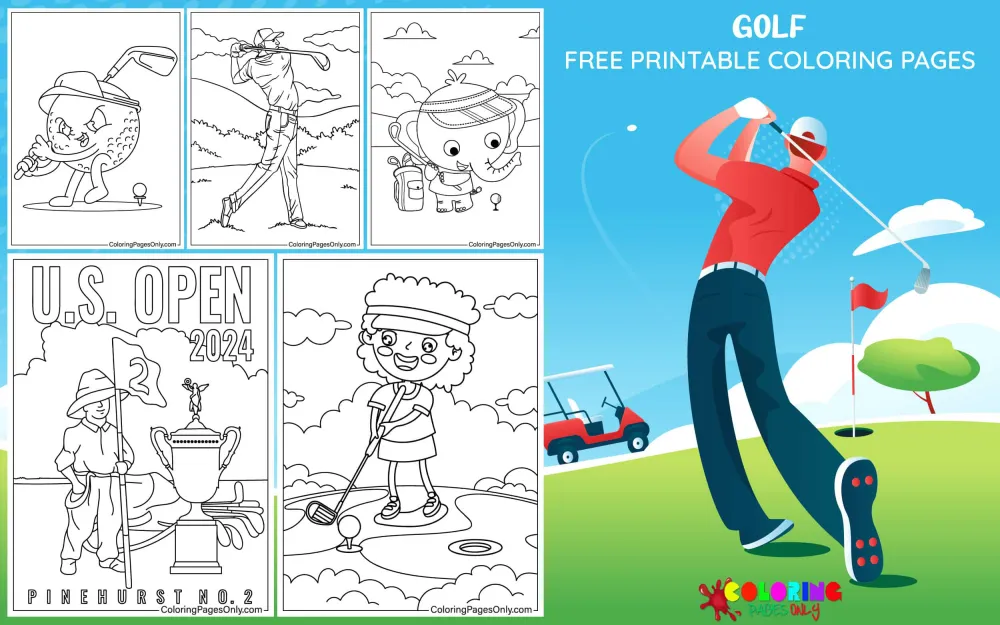
Explore 63 free golf coloring pages featuring golfers in action, golf equipment, courses, major tournaments, cartoon characters on the fairway, and animals with clubs – available as free printable PDF and interactive online coloring for kids, families, and golf fans of all ages.
There is a particular quality to a well-struck golf shot that is difficult to describe to someone who has never played the game – the sound of the clubface meeting the ball cleanly, the way the ball rises and then holds its line against the sky, the small eternity between the swing and the outcome. Golf is a game that rewards patience, precision, and an almost philosophical relationship with imperfection. It has been played in essentially its modern form since at least 1457, when King James II of Scotland banned it by royal decree because men were neglecting their archery practice to play it instead, which tells you something about how compelling it was, even then.
At ColoringPagesOnly.com, our collection of 63 free golf coloring pages brings the full world of golf to your coloring table – from the perfect backswing of a competitive golfer to the delightfully wobbly approach shot of a small child just discovering the game, from the legendary fairways of Augusta National and Pinehurst to the chaotic charm of Mickey Mouse, SpongeBob, and a determined elephant all taking their turn at the tee. Every page is completely free to download as PDF, JPG, or PNG, and available to color online directly in your browser.
Whether you are a golfer who loves the sport and wants to share it with your children, a parent whose child just swung their first club and caught the bug, or simply someone who appreciates the green, unhurried beauty of a well-designed golf course – this collection was made for you. Step up to the tee. Your round is about to begin.





What’s Inside Our Golf Coloring Pages Collection?
Our collection covers every dimension of the sport – the technique, the equipment, the legendary tournaments, the cartoon humor, and the animals who really should not be on the course but are unmistakably having a wonderful time there.
Golfers in Action – Technique and Form
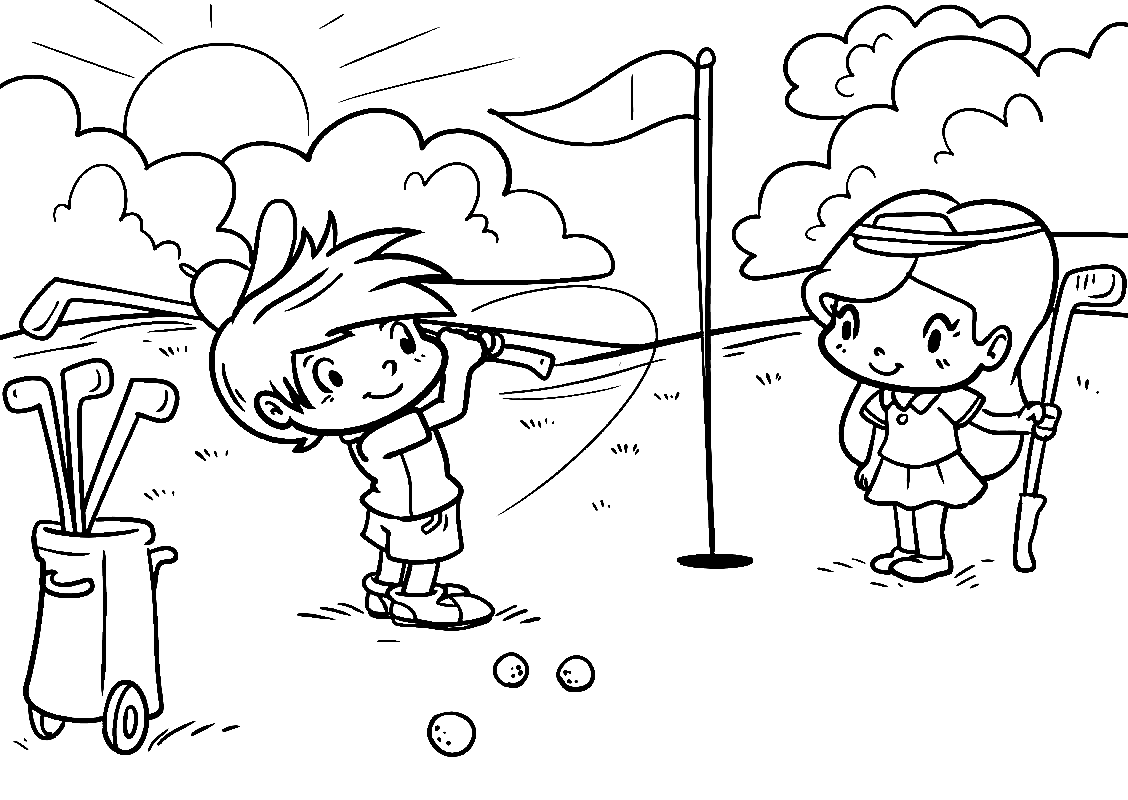
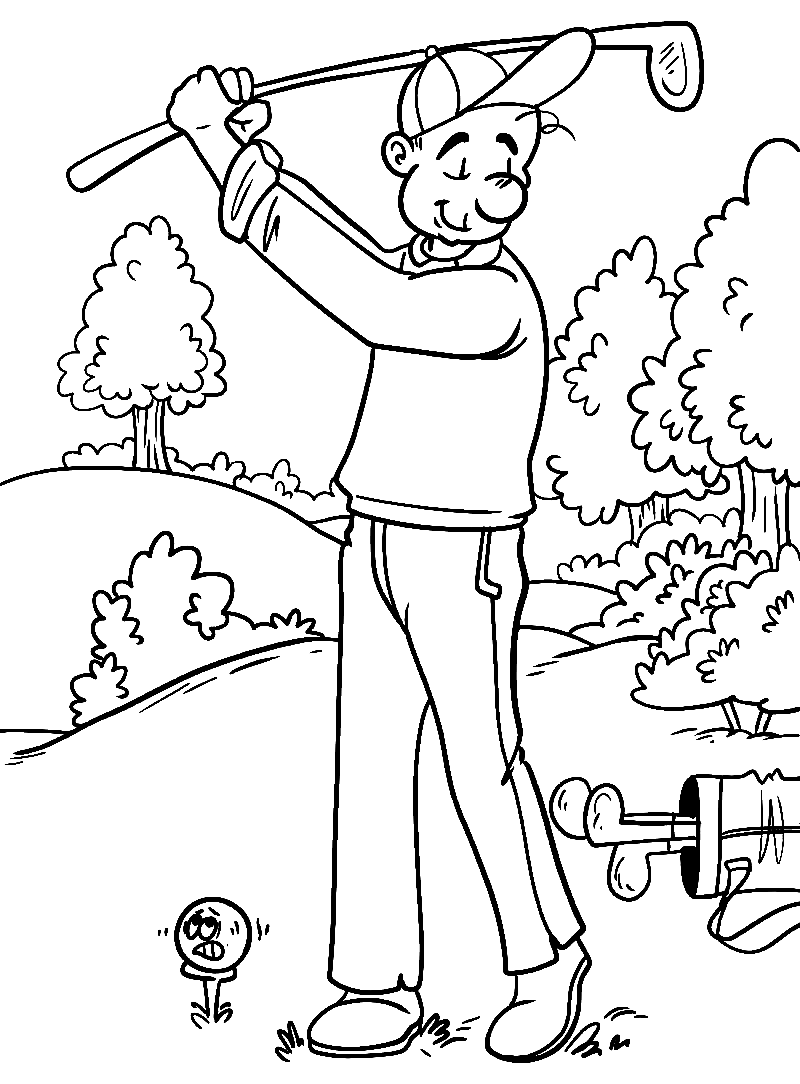
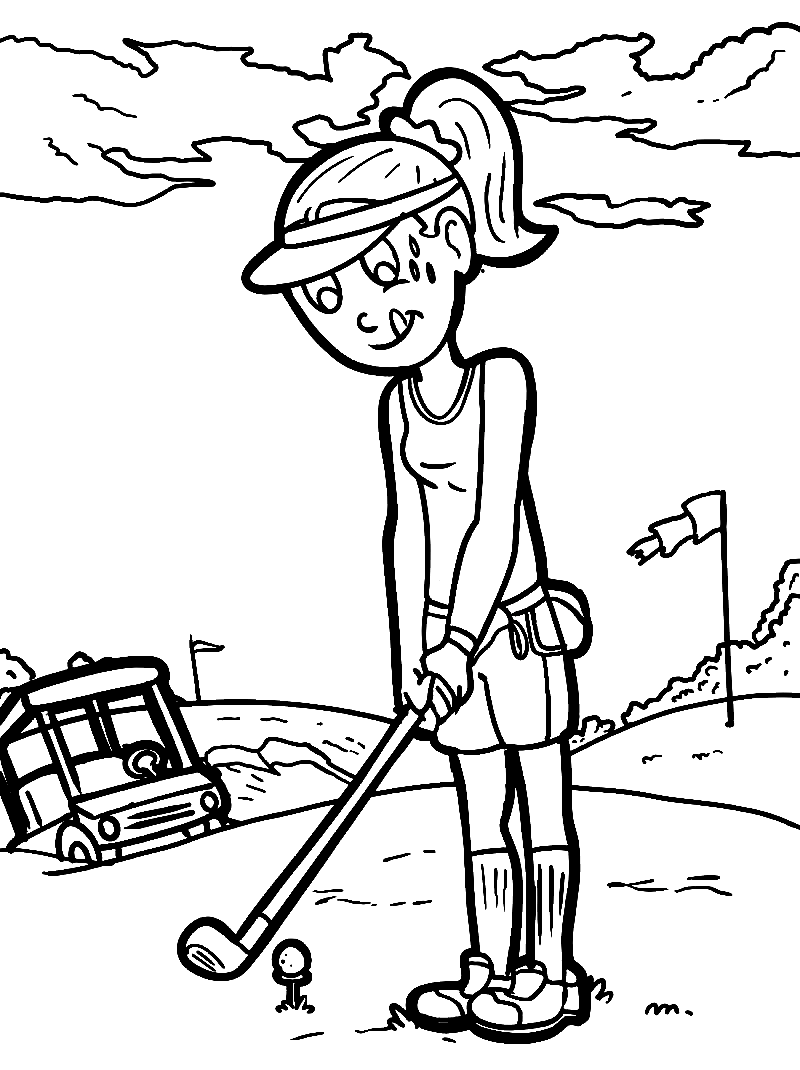
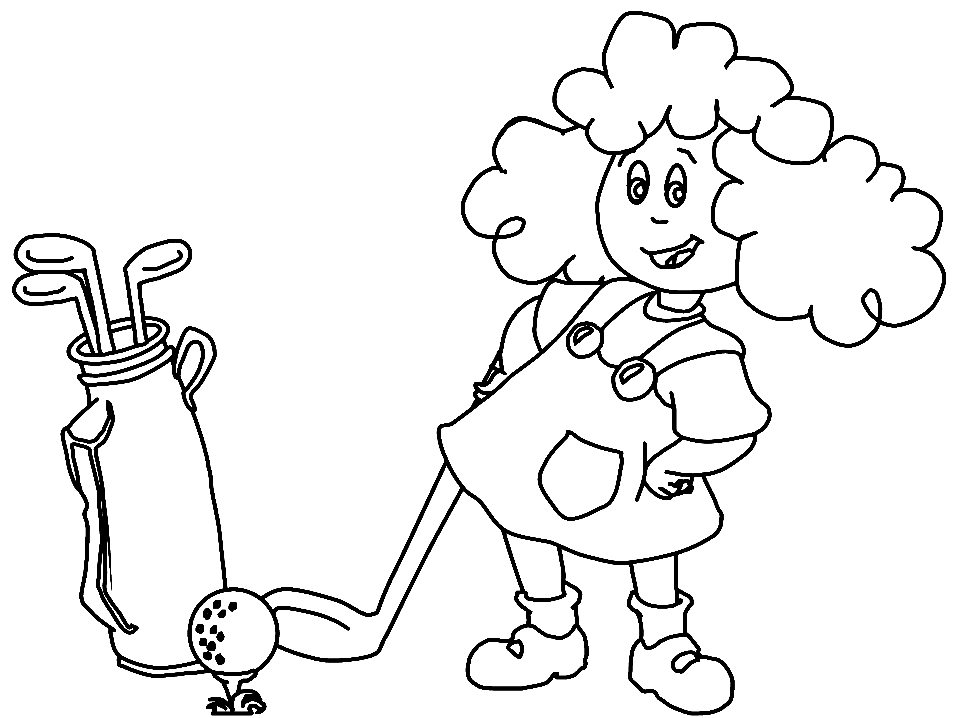
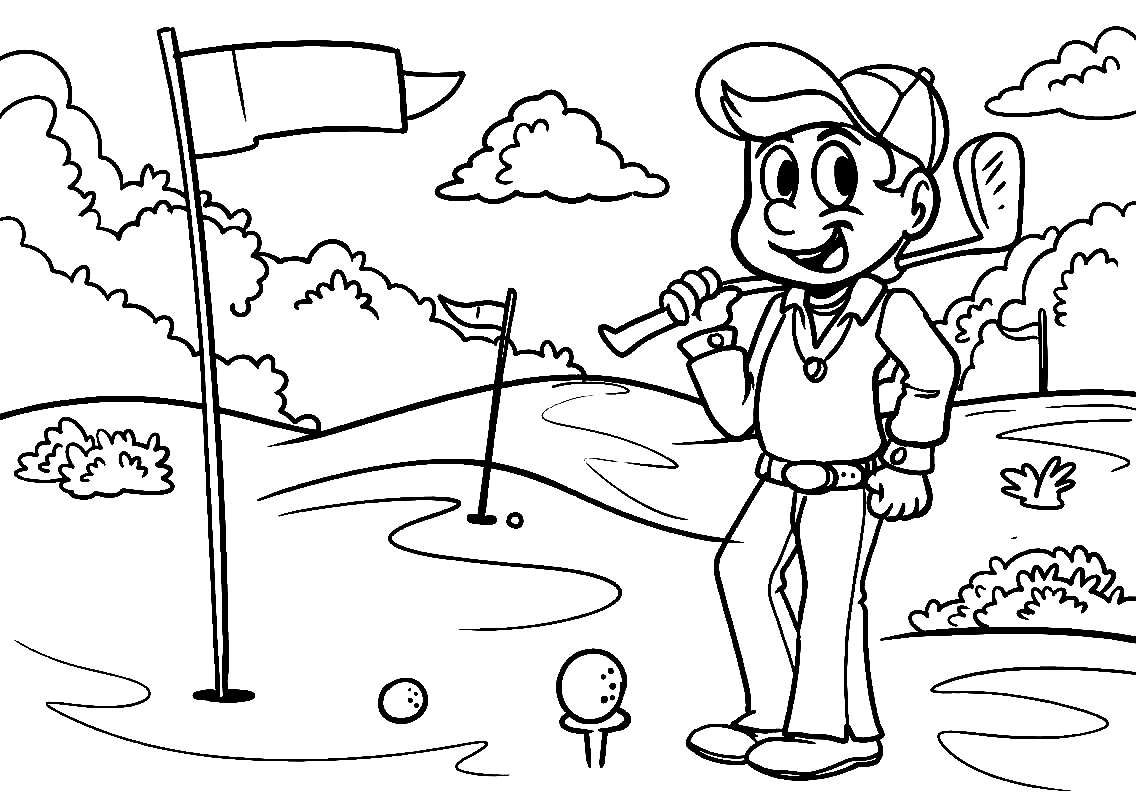
Golf is fundamentally a game of precise, repeatable movement – and our action pages capture the key moments of the golf swing that players at every level spend years trying to perfect. Perfect Golf Backswing illustrates the top of the backswing position: club parallel to the ground, weight loaded into the right side, left arm straight and fully extended – the moment of maximum stored energy before everything uncoils toward the ball. Chip Golf Shot shows the abbreviated, controlled motion of a chip: hands ahead of the ball, weight slightly forward, the club brushing the turf cleanly. Putting Golf captures the game’s most delicate skill – the short, pendulum stroke of a putter that accounts for roughly 40% of all shots in a typical round of golf. The Boy Having A Tee Shot, The Boy Having an Approach Shot, and The Girl Playing Golf bring young golfers into the spotlight, with pages that show children can be protagonists in this sport at any age and from any starting point.
These pages are genuinely useful for young players learning the game – coloring a correct backswing position while discussing what it should look and feel like is an effective way to reinforce technical concepts that are difficult to understand from description alone.
Kids Golf Coloring Pages – The Next Generation of Players
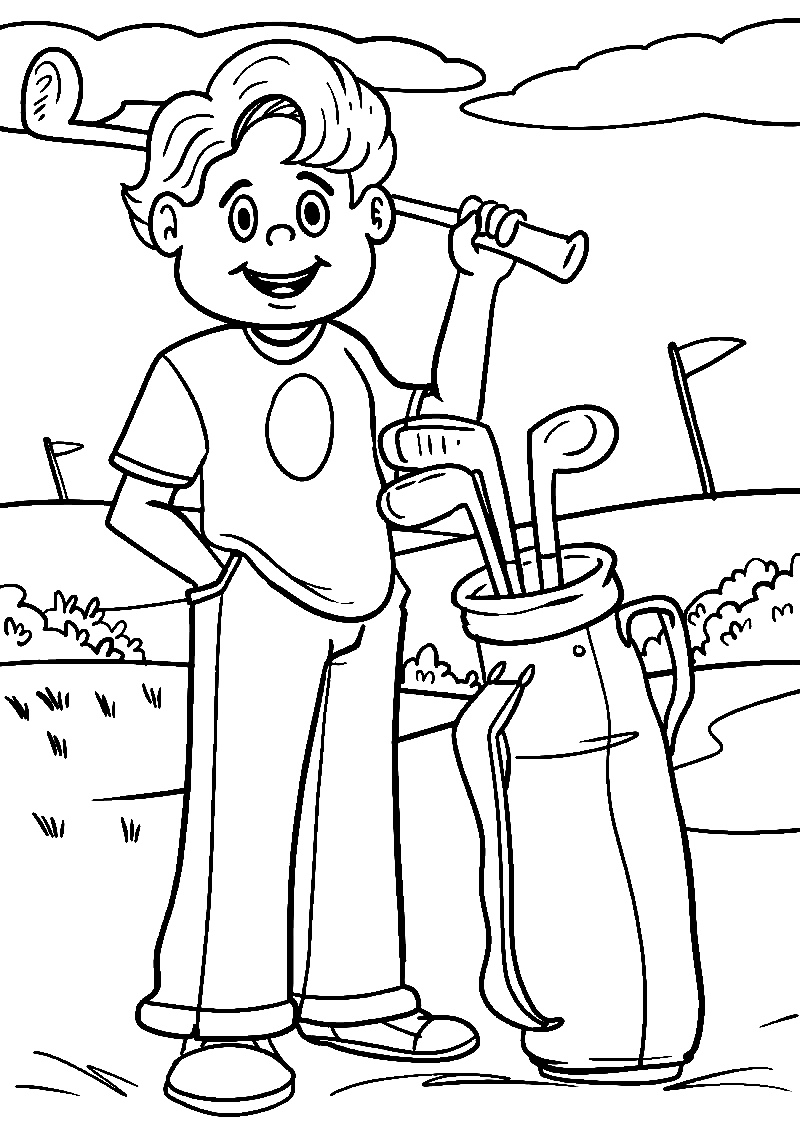
Young Boy Playing Golf, Little Boy Playing Golf, Kids Playing Golf, Boy Golfer, Girl Playing Golf, Cute Girl Playing Golf, The Girl Holding Golf Club, and Happy Golfer celebrate children as full participants in the sport – not observers or tagalongs, but players with clubs in hand and courses to conquer. The inclusion of girls holding clubs and girls actively playing is particularly important: the LPGA (Ladies Professional Golf Association) was founded in 1950 and has grown into one of the world’s most competitive professional sports organizations, with players like Annika Sörenstam, Lorena Ochoa, and Nelly Korda establishing a tradition of elite women’s golf that deserves to be introduced to children early and often.
These pages are among the most popular in the collection for parents who play golf and want to share the sport with their children in a tangible, hands-on way before the first real lesson.
Golf Equipment Coloring Pages – The Tools of the Game
Understanding golf equipment is one of the first steps toward understanding the game – and our equipment pages make that learning visual and engaging. Golf Equipment provides a comprehensive illustration of the key tools: woods (including the driver, the longest and most powerful club in the bag), irons (numbered 3 through 9, used for approach shots of varying distances), wedges (for short, high shots and bunker play), and the putter. Under USGA and R&A rules, a player may carry a maximum of 14 clubs during a round – a rule established in 1938 – which means club selection is itself a strategic decision before the first shot is even hit.
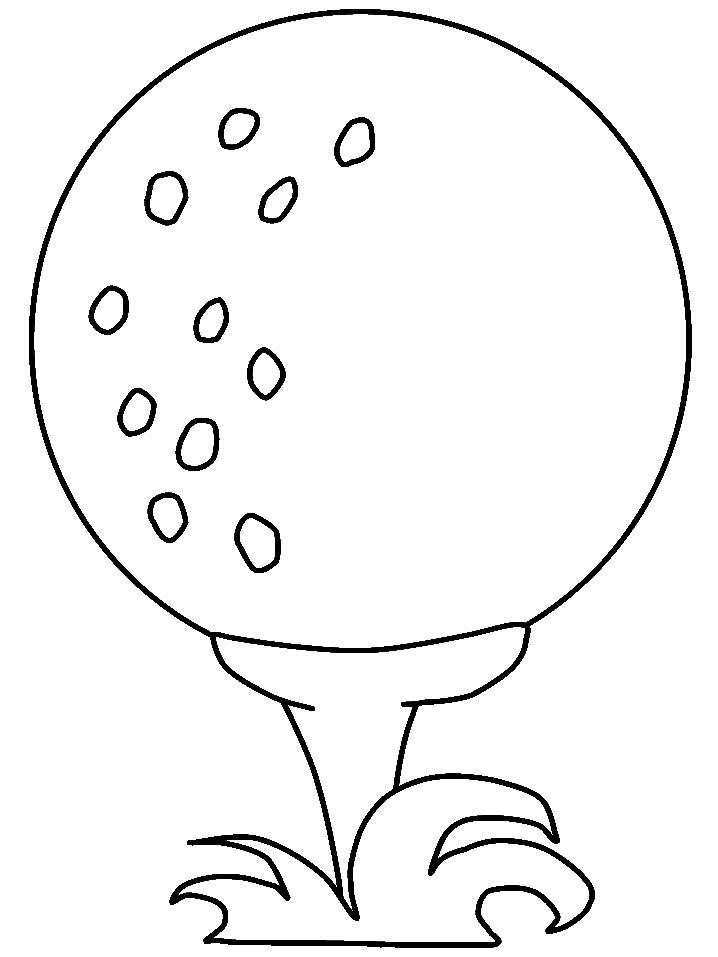
Golf Ball captures the most iconic small object in sport – a sphere no larger than 1.680 inches in diameter and no heavier than 1.620 ounces, covered in 300–500 small dimples that create the turbulent airflow responsible for dramatically reducing aerodynamic drag and allowing the ball to fly up to twice as far as a smooth ball would. The dimple pattern on a golf ball is a genuinely interesting coloring challenge: each small circular indentation creates a subtle shadow that, when rendered carefully with a slightly darker tone at the base of each dimple, makes the ball look three-dimensional and authentically round.
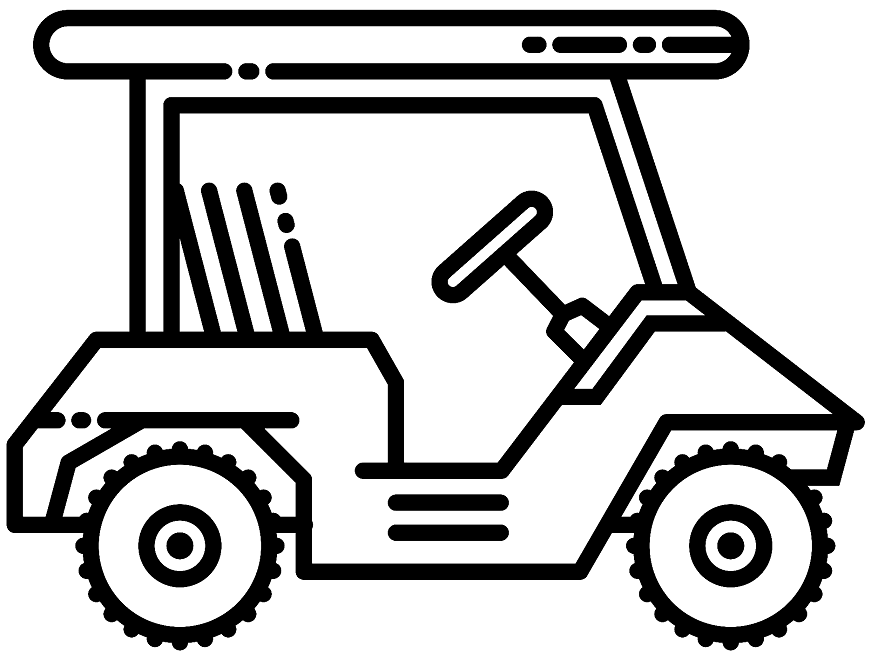
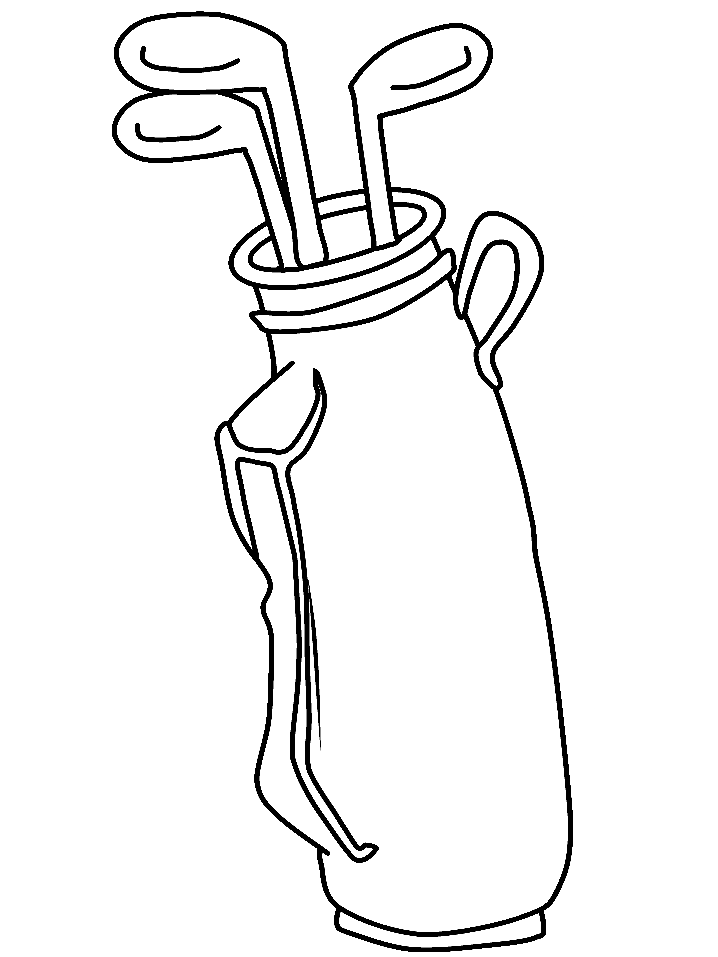
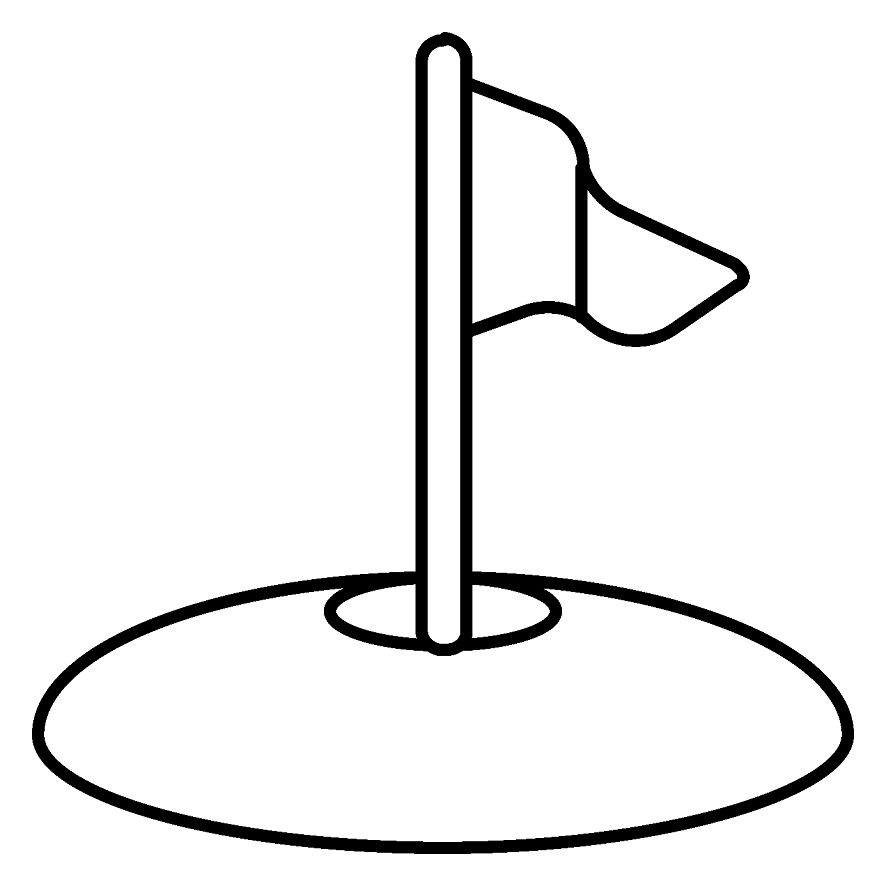
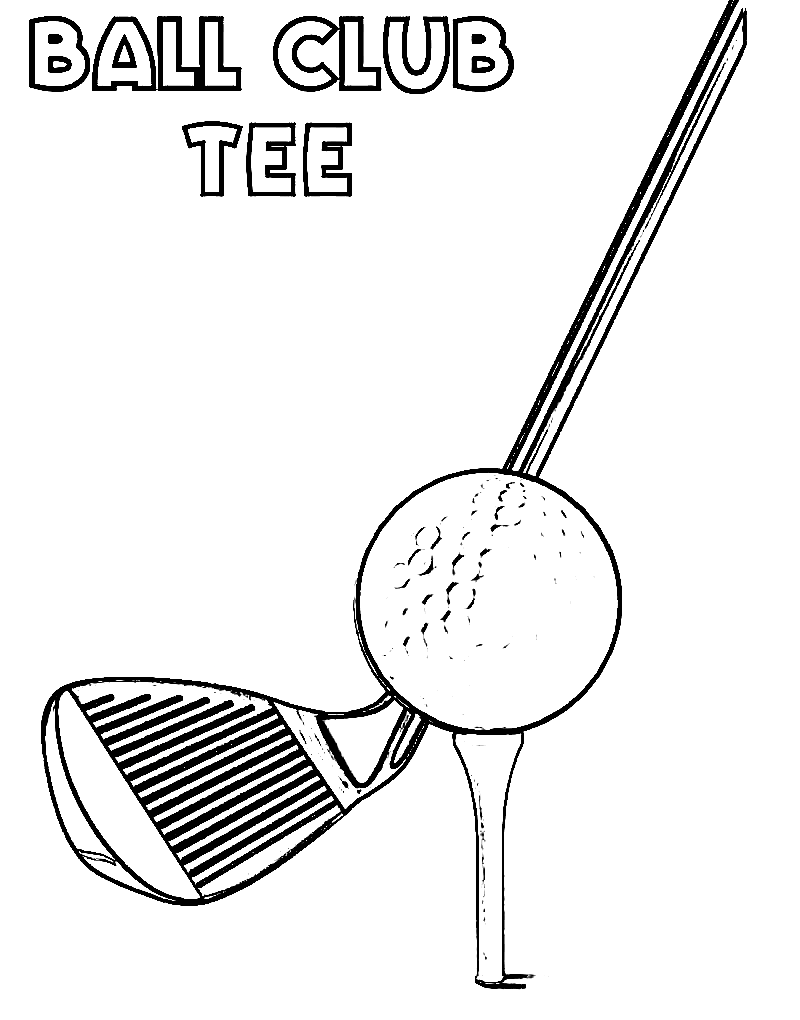
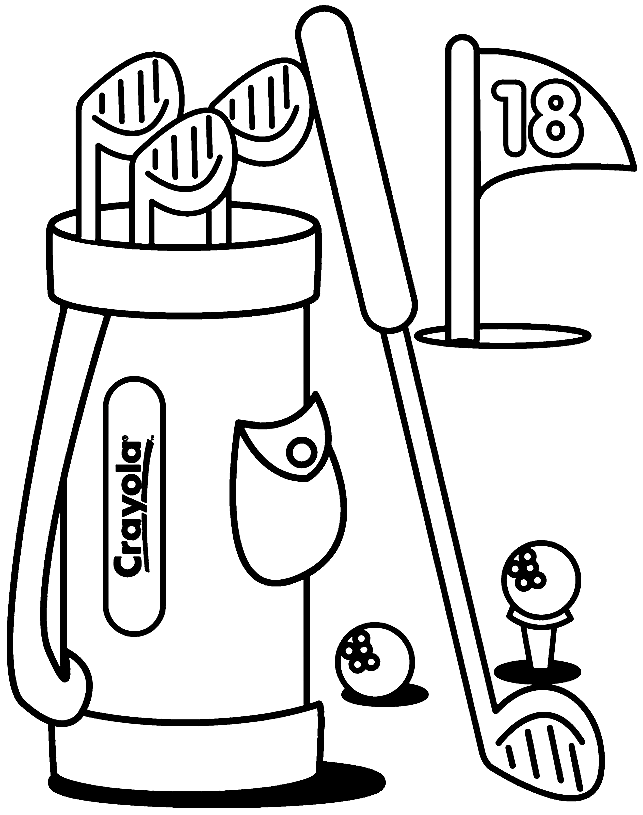
Golf Bag, Bag For Playing Golf, Ball Club Tee, Golf Cart, Golf Cart for Kids, and Flag in Hole complete the equipment picture – from the bag that carries the clubs to the flagstick that marks the destination. The flagstick in particular is one of golf’s most visually powerful symbols: a slim staff planted in the center of a putting green, visible from the fairway, marking the exact location of the hole that is the purpose of the entire journey from tee to green.
Golf Course Coloring Pages – Fairways, Greens, and the Beautiful Game
Fairway Golf captures the wide, carefully maintained stretch of shorter grass between the tee and the green where golfers aim to land their drives – the “safe” zone of a golf hole, bounded by the rougher, longer grass of the rough and the strategic obstacles of bunkers and water hazards. The fairway is where the narrative of a golf hole unfolds: from a perfect drive splitting the center to a recovery from the rough that threads the needle to a green tucked behind a bunker.
Major Tournament Pages – Golf’s Greatest Stages
Golf Tournament The Masters 2024 Logo and Golf Tournament U.S Open 2024 Logo and 124th U.S Open Golf Tournament bring golf’s most prestigious championships to the coloring page. The Masters, held annually at Augusta National Golf Club in Augusta, Georgia, was first played in 1934 and has since become one of sport’s most distinctive events – the only Major played at the same course every year, where the winner receives the iconic green jacket that has been awarded since Sam Snead’s victory in 1949. The U.S. Open, first held in 1895, is administered by the United States Golf Association and is known for its demanding course setups that have produced some of the most dramatic finishes in golf history. The Open Championship – the British Open – first played in 1860 at Prestwick Golf Club in Scotland, is the oldest of the four Majors and is held at links courses along the British coastline whose exposure to wind and rain demands a completely different style of play from the parkland courses of America.
Cartoon Characters Playing Golf – When the Fairway Gets Funny
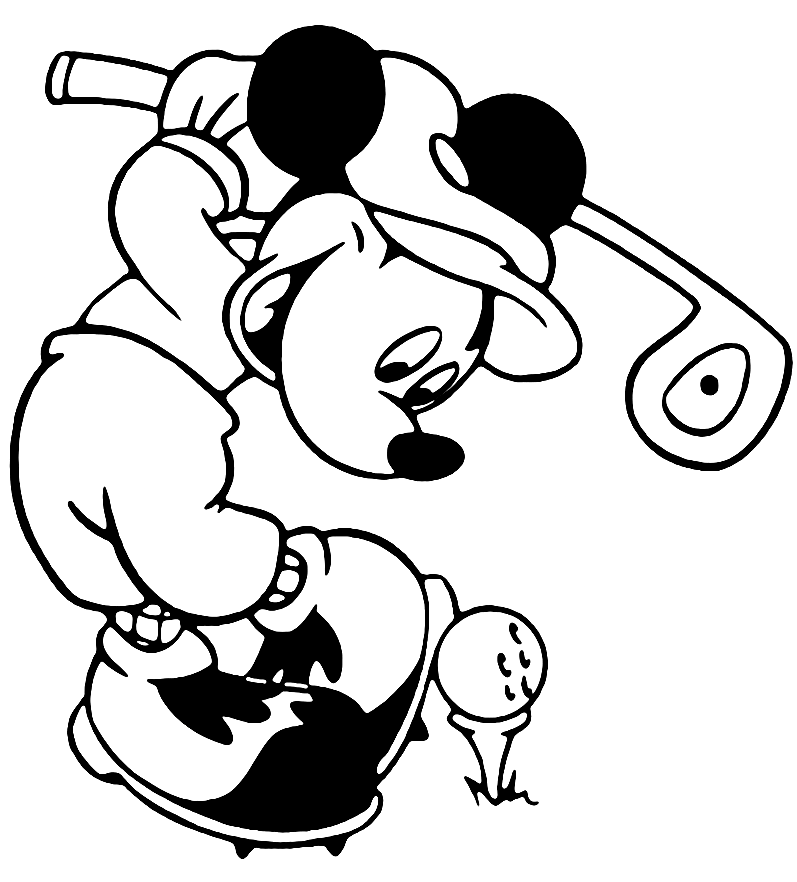
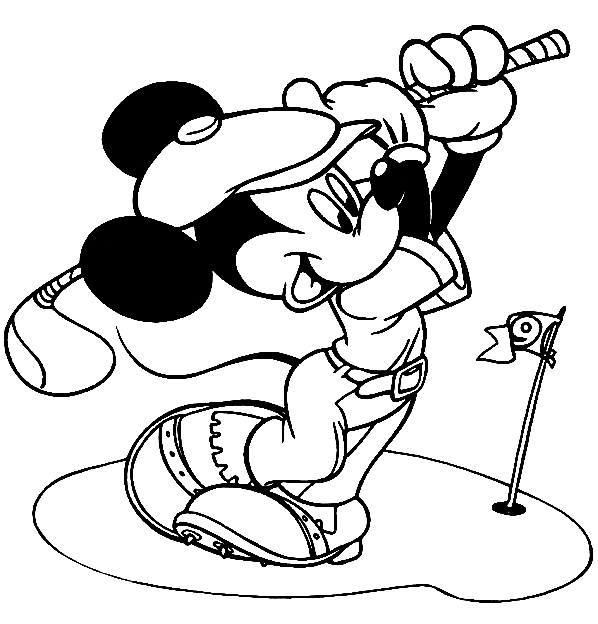
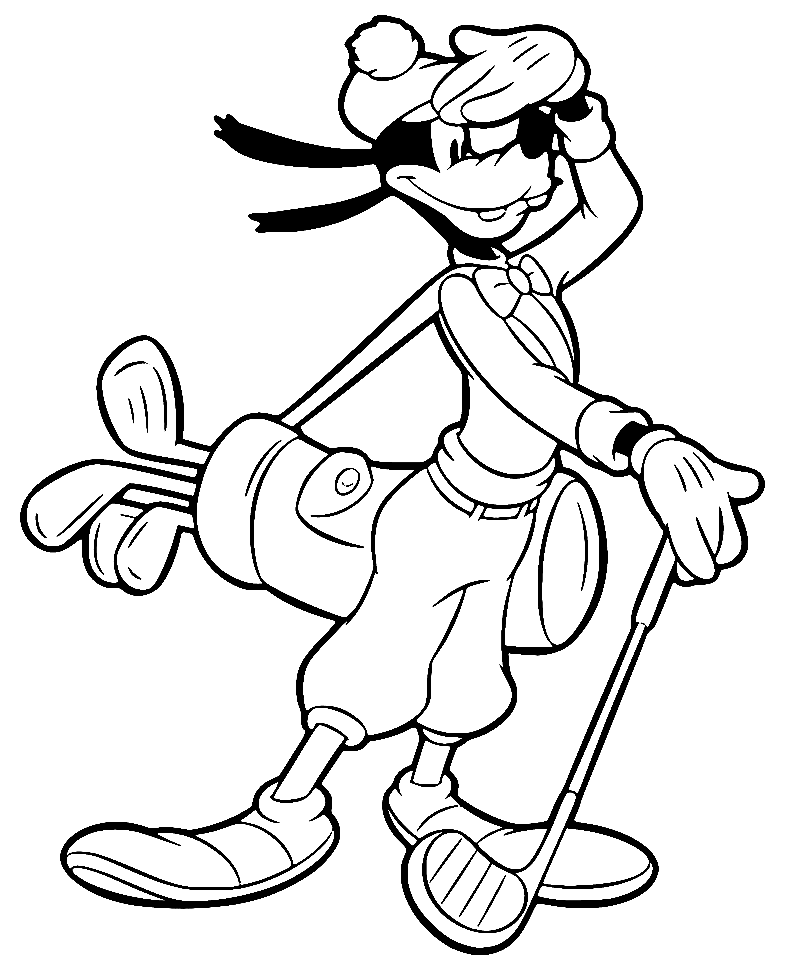
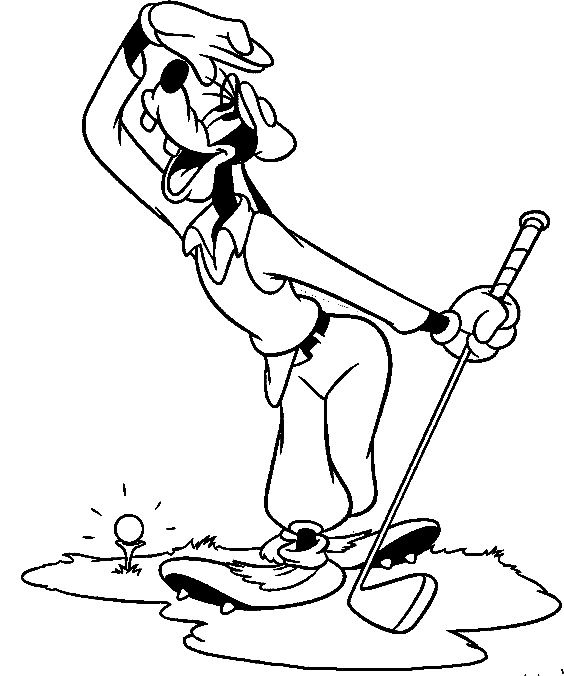
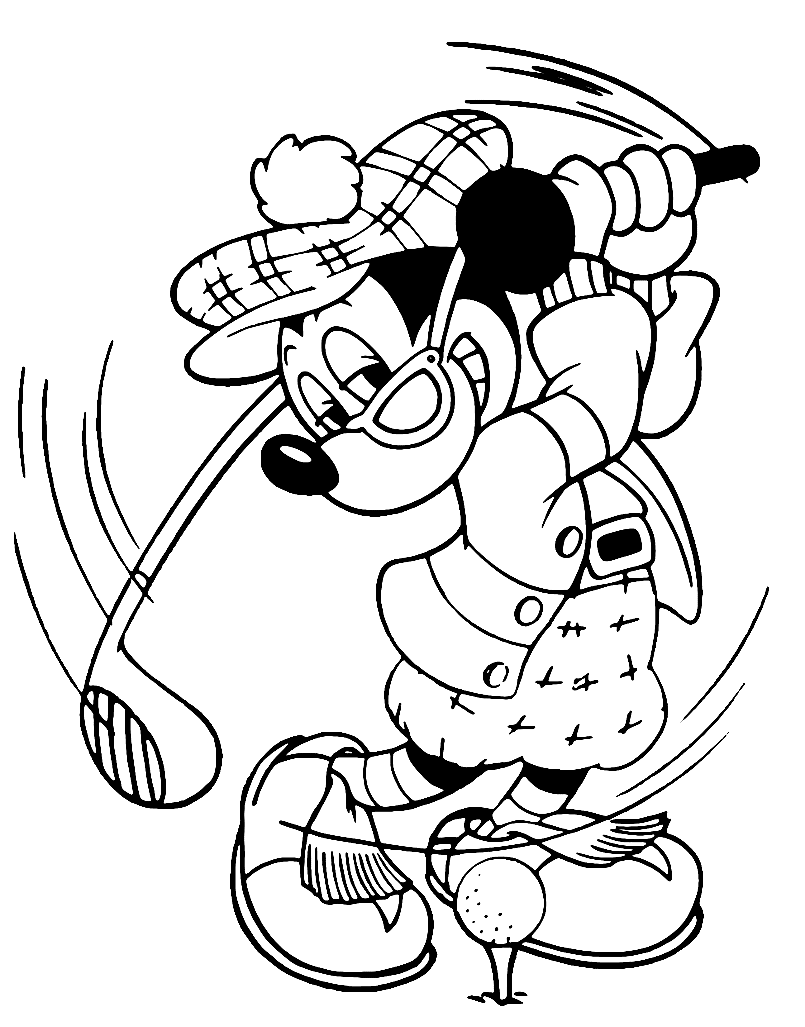
The collection’s most playful section brings some of animation’s most beloved characters to the golf course with predictably wonderful results. Mickey Playing Golf and Mickey Mouse Playing Golf feature the world’s most famous mouse in full swing – a character who has been associated with golf in Disney shorts since at least the 1930s. Goofy Golfing, Disney Goofy Playing Golf, and Goofy Golf Coloring Pages capture Goofy doing what Goofy does best: attempting something athletic with tremendous enthusiasm and unpredictable outcomes.
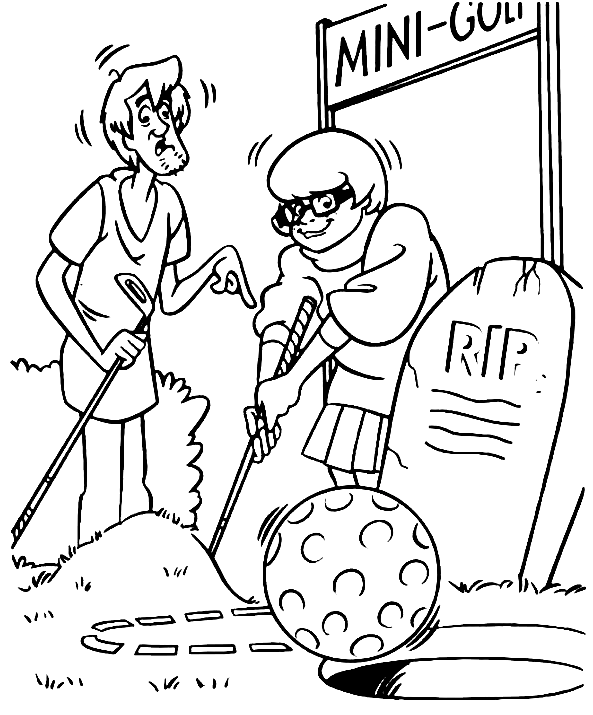
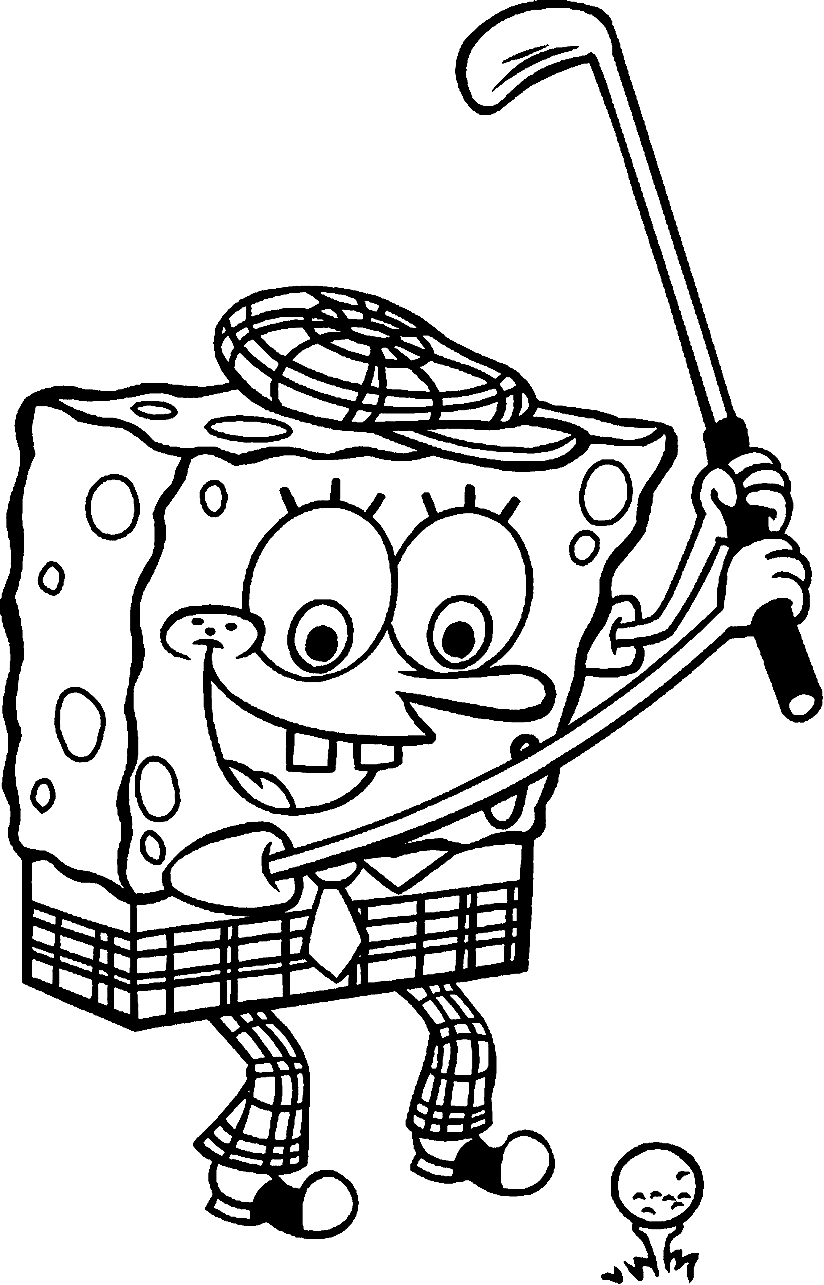
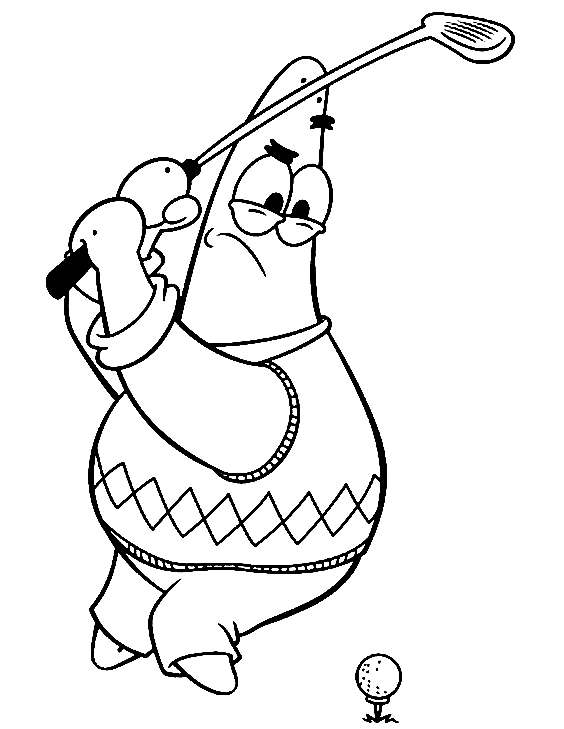
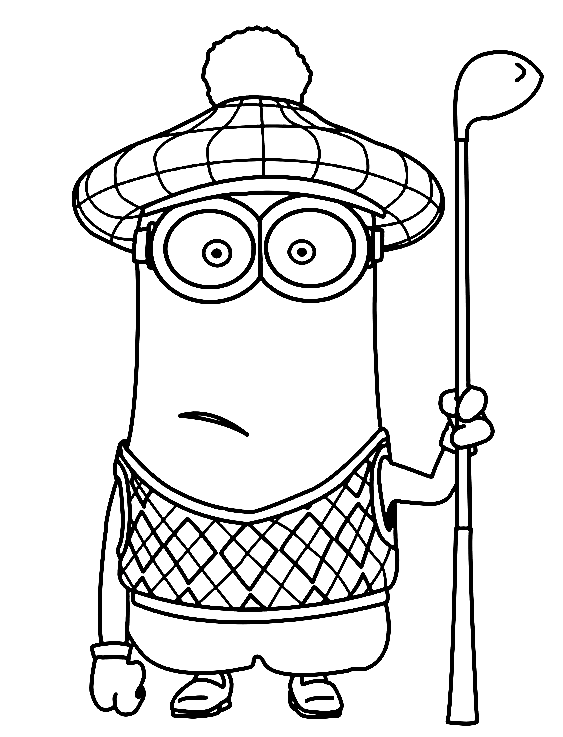
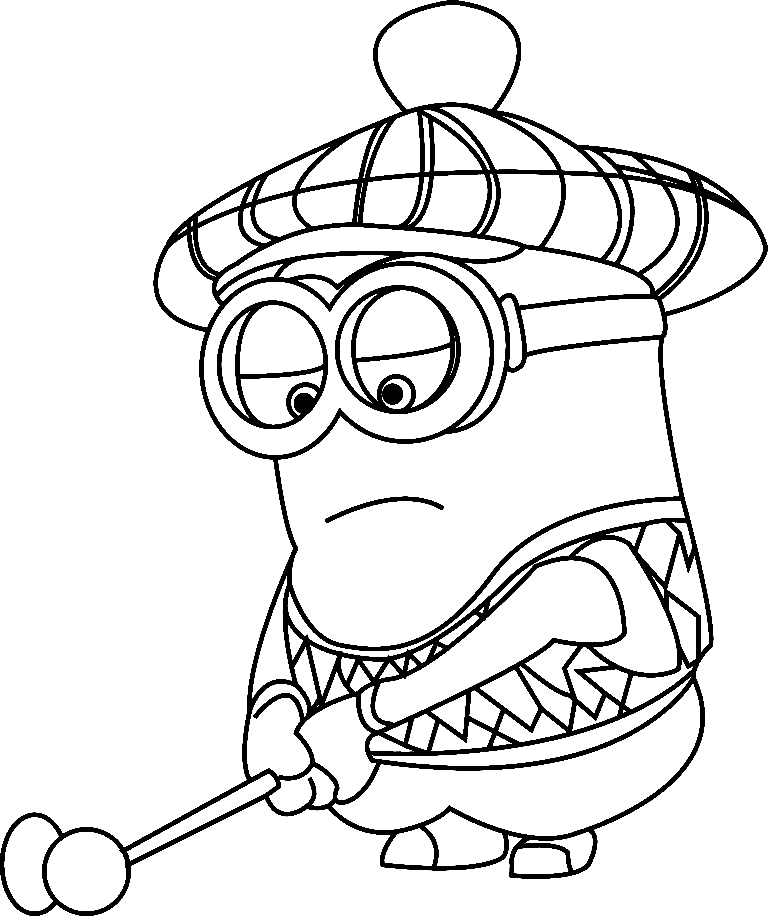
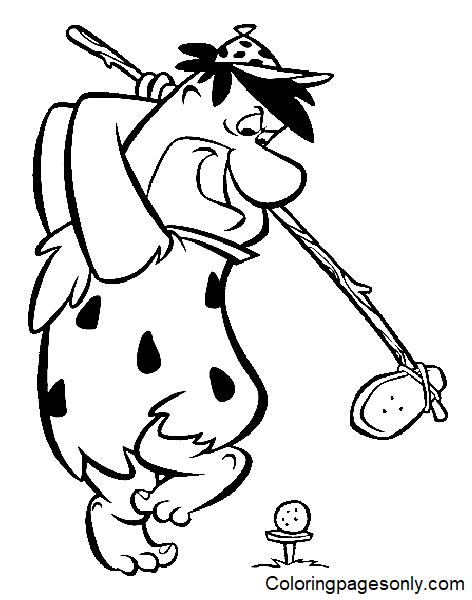
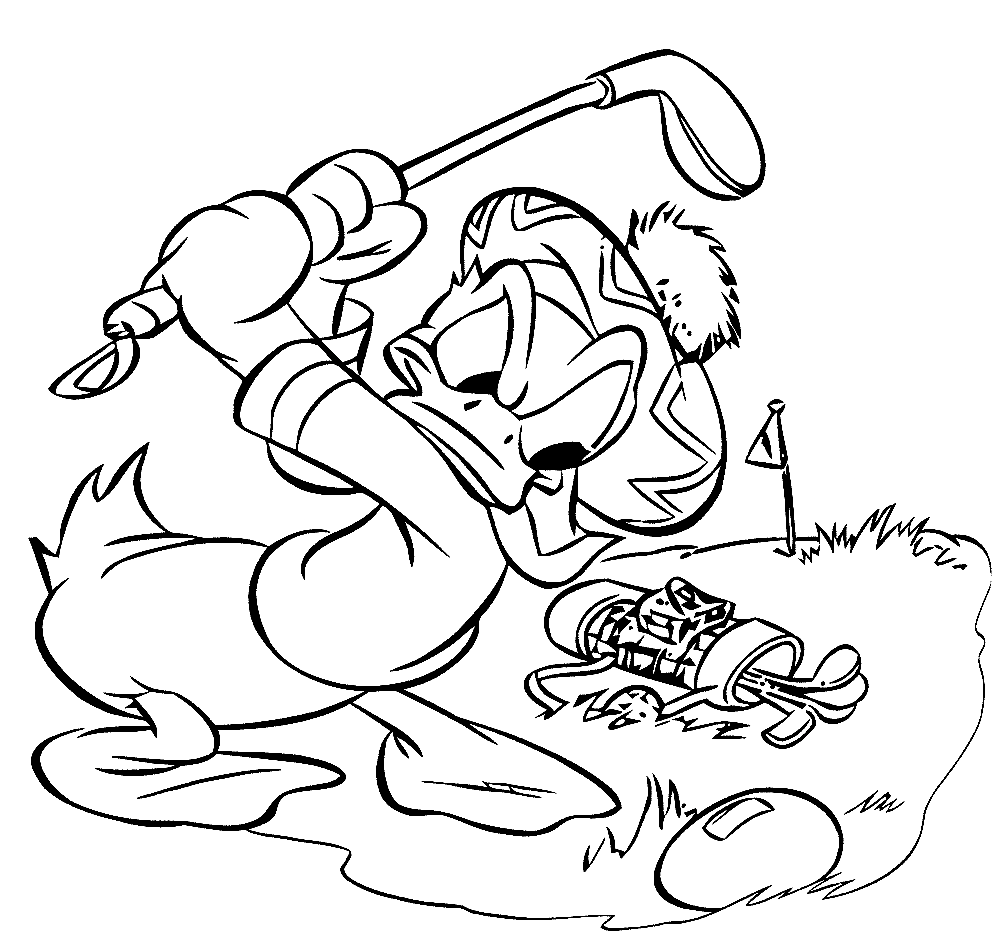
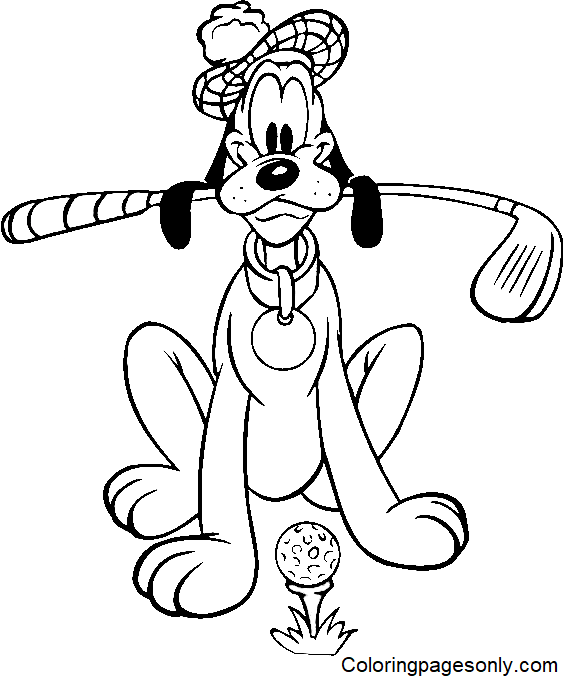
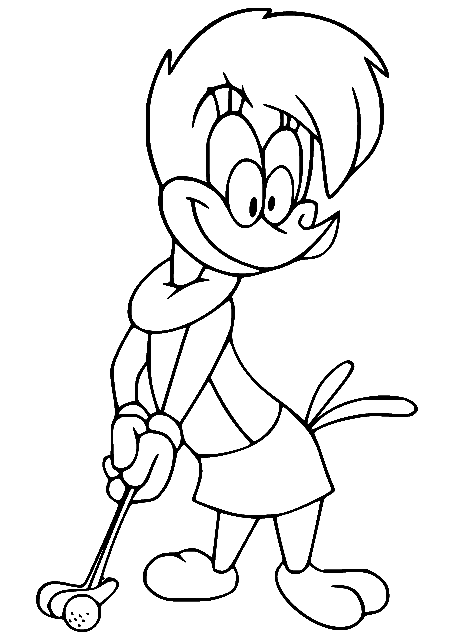
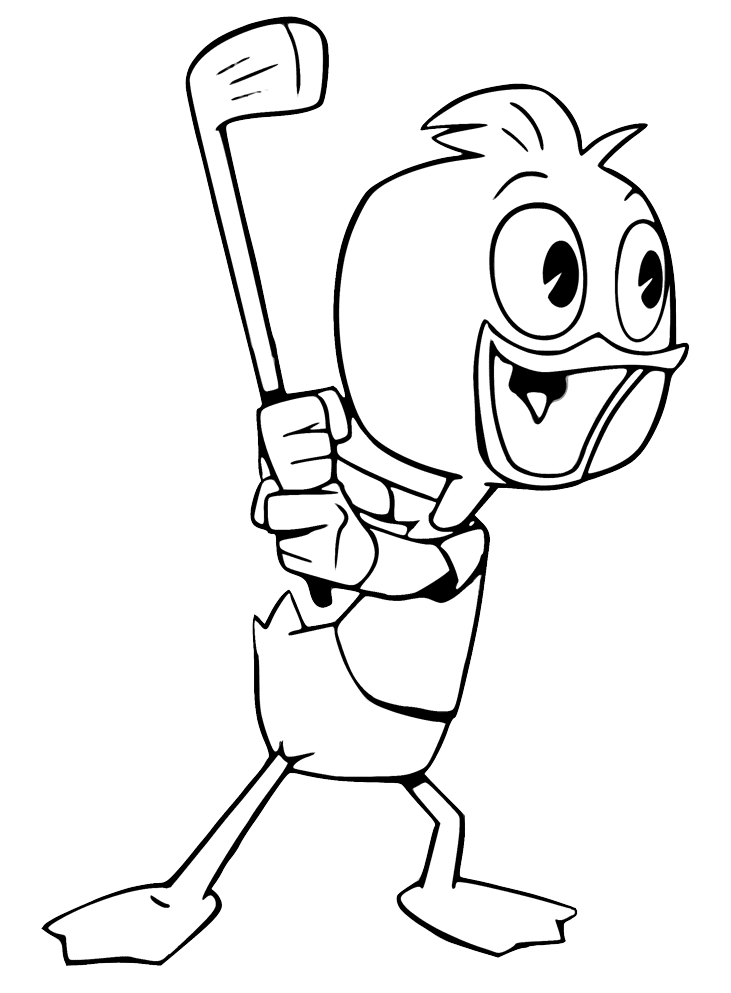
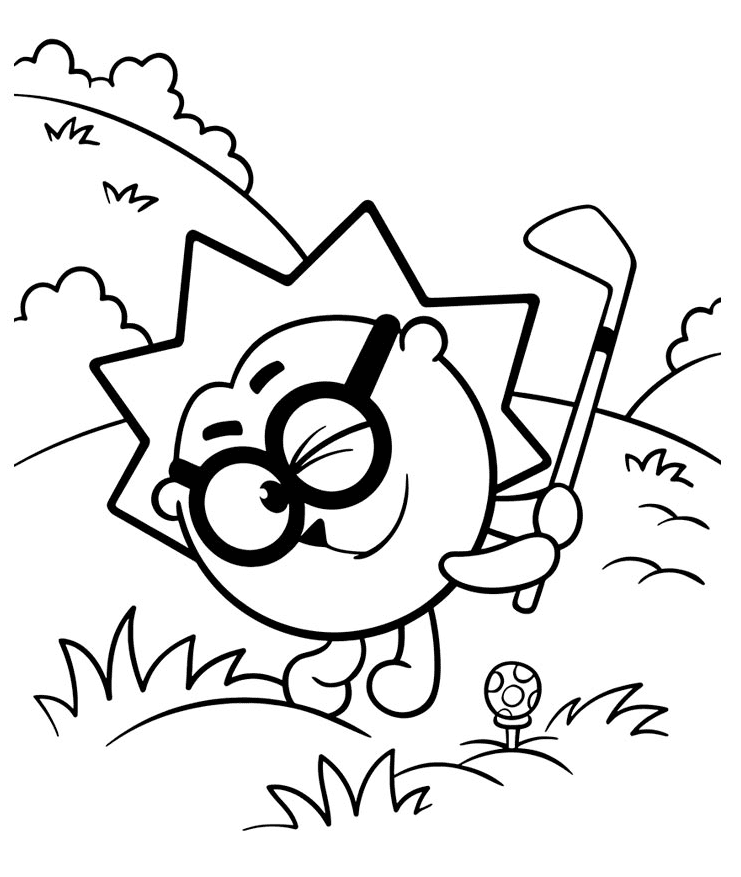
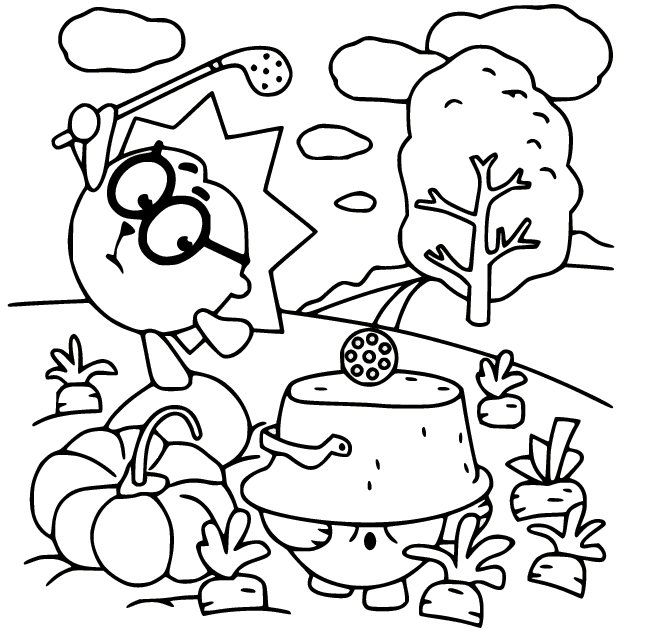
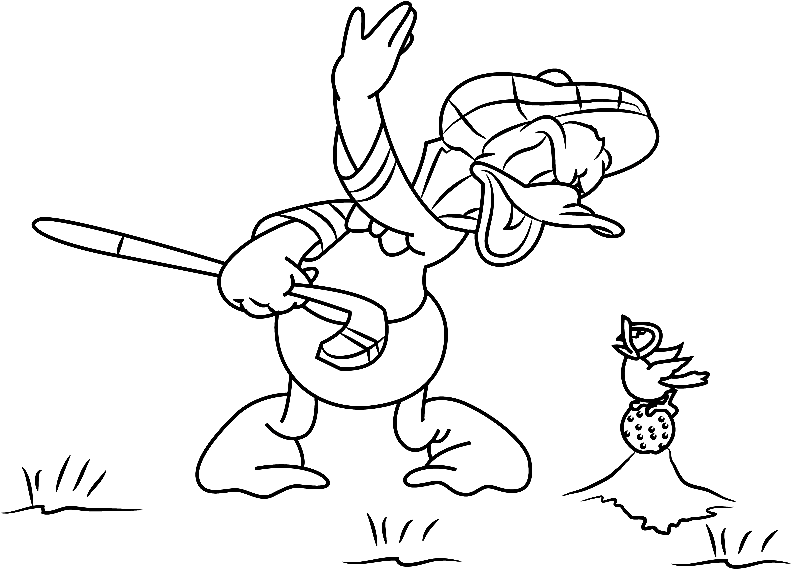
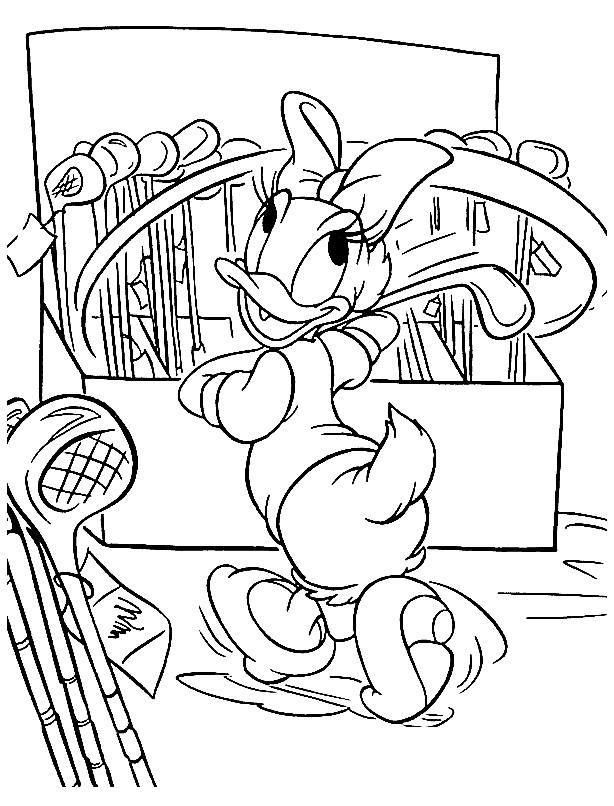
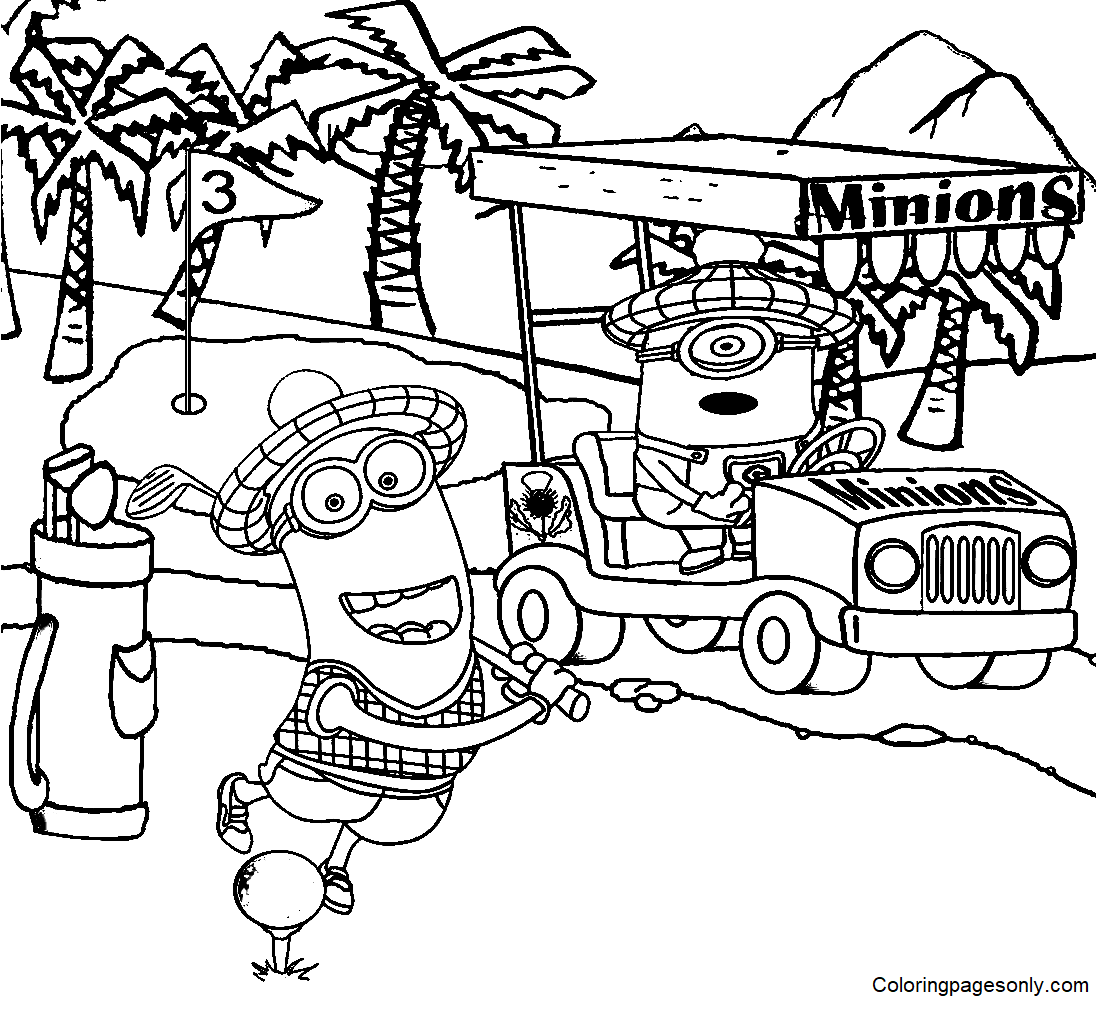
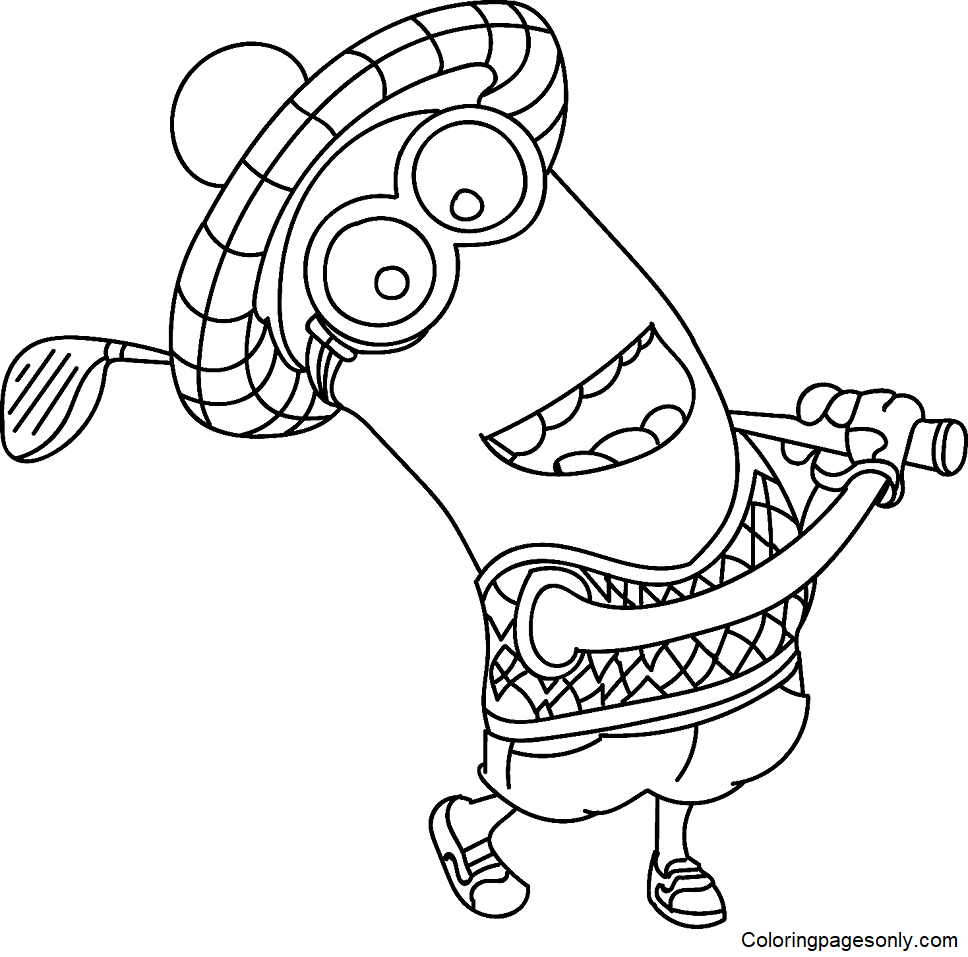
Donald Golfing, Donald Duck Playing Golf, and Daisy Duck Swing Golf Stick bring the Duck household to the fairway, where Donald’s famously short temper is unlikely to be improved by an uncooperative lie in the rough. Disney Pluto Playing Golf adds Pluto to the Disney golf roster – a dog with a club, which raises interesting questions about grip. SpongeBob Playing Golf and Patrick Star Playing Golf bring the Bikini Bottom duo to a game that seems ideally suited to Patrick’s particular relationship with spatial reasoning and physical coordination. Minion Playing Golf, Minion Golfing, Minion Golf, and Kevin Playing Golf and Kevin Holds a Golf Club features the Despicable Me Minions discovering a sport that involves hitting things, which they find immediately compelling. Golfer Fred Flintstone, Popeye Playing Golf, Velma Golfing, Tuxedo Sam Playing Golf, Woody Woodpecker Playing Golf, Winnie Woodpecker Playing Golf, Dewey Playing Golf, and ChikoRiki Playing Golf and Chiko Playing Golf fill out a roster of characters from across the history of animation, each bringing their distinctive personality to a sport that somehow accommodates all of them.
Animals Playing Golf – The Wildlife Scramble
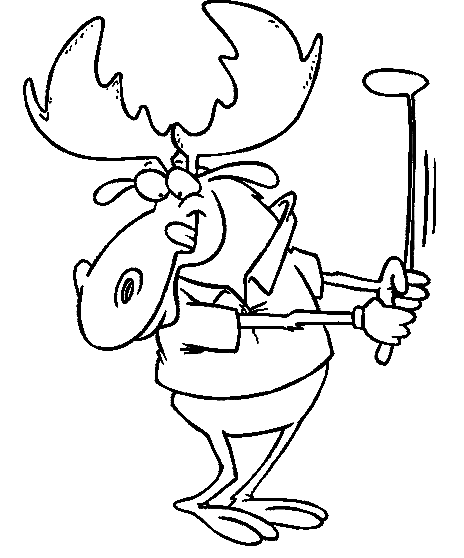
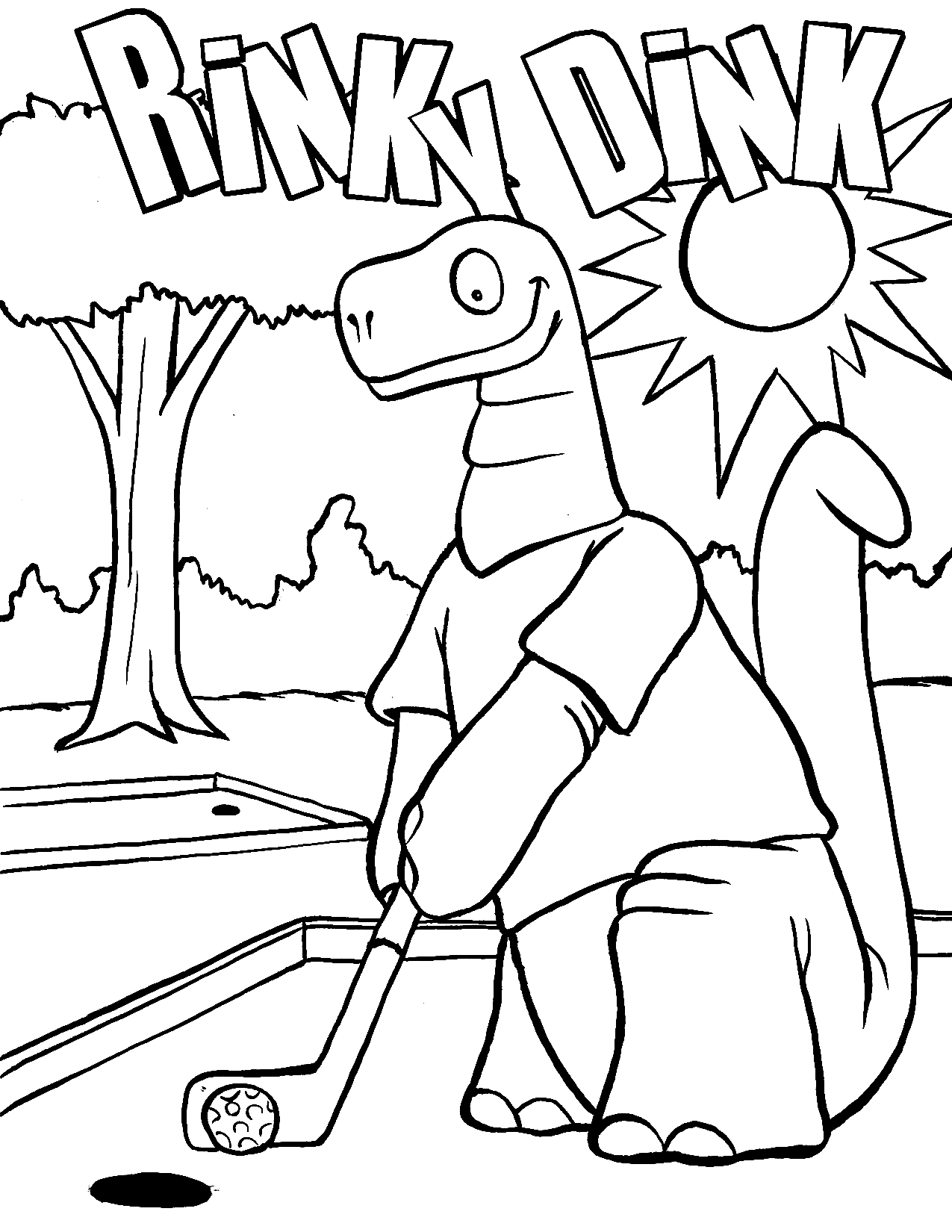
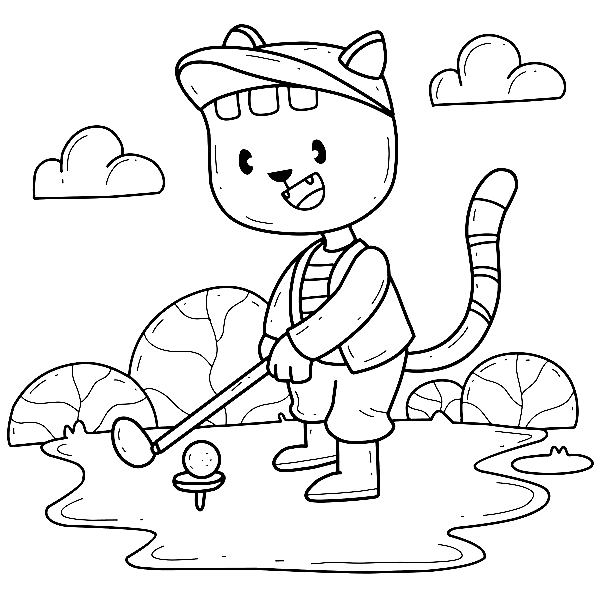
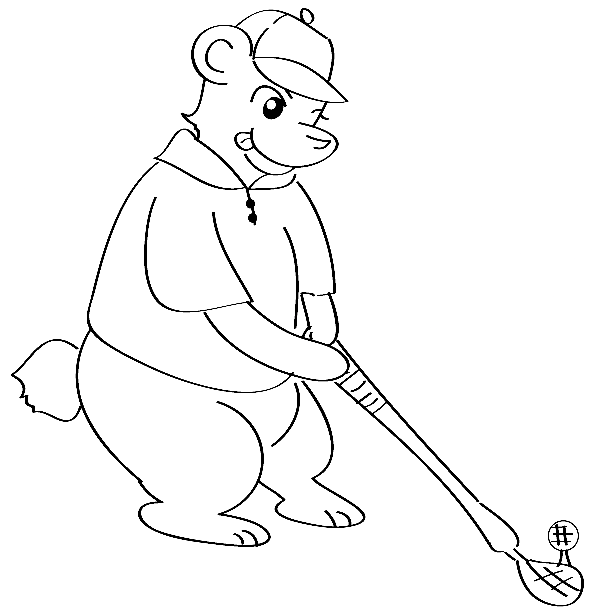
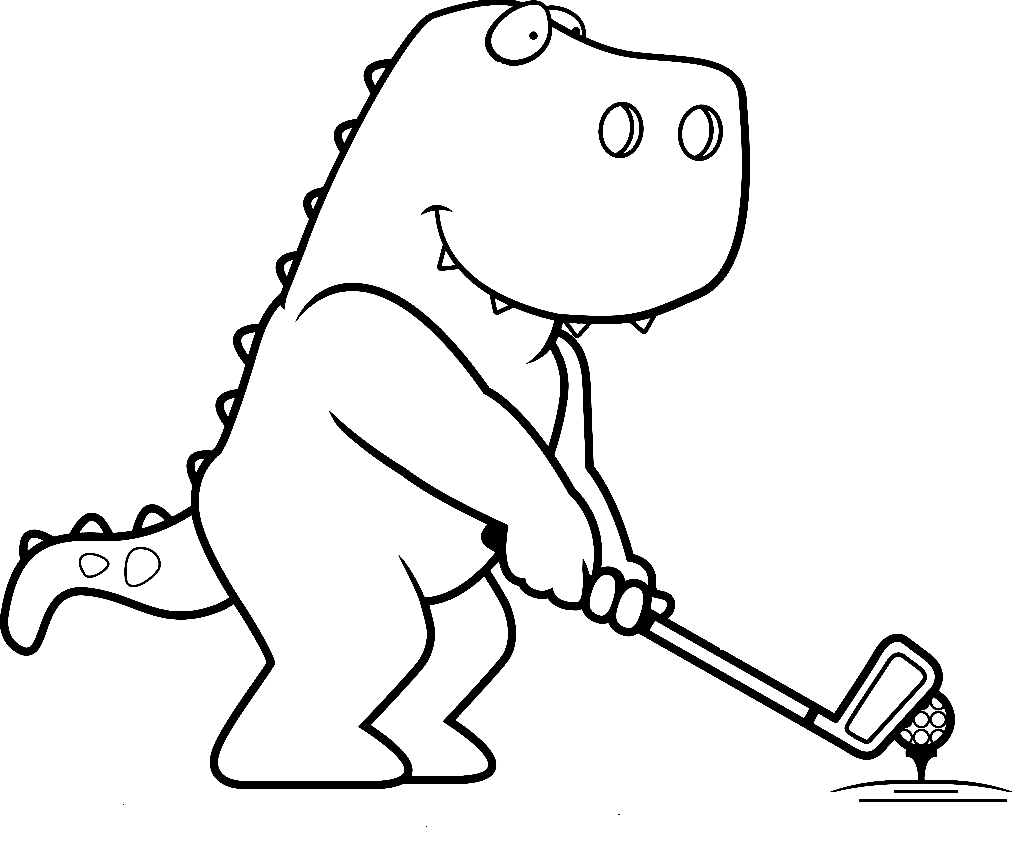
Perhaps the most purely joyful section of the entire collection: animals who have discovered golf. Elephant Playing Golf features a creature whose natural assets include exceptional trunk dexterity and a total inability to fit in a golf cart. Moose Playing Golf adds antler-management challenges to the standard difficulties of the game. Bear Playing Golf, Bears Playing Golf, and Dinosaur Playing Golf and Dinosaur Golf complete a field that makes the typical weekend scramble look straightforward by comparison. Cat Golfing captures perhaps the most realistic animal golfer in the collection – a cat who clearly considers the entire endeavor beneath its dignity but is participating anyway.
Why You’ll Love Our Golf Coloring Sheets
63 designs available free, always. Every page downloads as PDF, JPG, or PNG at no cost – no subscription, no sign-up, no restrictions for personal or educational use. PDF delivers the sharpest print quality. JPG is ideal for quick single-page sessions. PNG supports digital coloring and transparent-background creative projects.
Color online or print at home. Our built-in online coloring tool works in any browser – perfect for tablets and screen-based sessions. Print on standard A4 paper for a traditional hands-on experience. Both options are always available, always free.
Covers the full spectrum of the sport. From technically correct swing illustrations to Major tournament logos, from golf course landscapes to cartoon characters who may never have set foot on a real fairway – our collection serves golf enthusiasts at every level of knowledge and interest. A five-year-old who has never held a club and a seasoned golfer who has played Augusta National in their dreams both find something meaningful here.
Genuinely educational alongside the entertainment. The equipment pages teach club identification and function. The swing pages illustrate proper technique. The tournament pages introduce golf’s greatest championships and their history. The course pages develop a visual understanding of the sport’s geography and vocabulary. These pages do real learning work while providing real creative enjoyment.
Incredible Benefits of Golf Coloring Pages
Coloring pages anchored in a real sport deliver specific developmental and motivational benefits that go beyond generic coloring activity – and golf, with its emphasis on patience, precision, and personal improvement, is particularly well-aligned with the skills that coloring itself develops:
Introduces Children to Golf’s Culture, Vocabulary, and Values
Research in sports psychology consistently shows that children who develop familiarity with a sport’s visual language, terminology, and cultural touchstones before first participation show higher rates of sustained engagement and faster skill acquisition once they begin playing. A child who has colored a detailed backswing illustration and discussed what the club position means arrives at their first lesson with a conceptual framework that most beginners lack. A child who has colored The Masters logo and learned that it is played at Augusta, Georgia, and that the winner gets a green jacket, has a story to connect to the next time they watch golf with a parent or grandparent. These connections are motivational – they make the sport feel familiar and welcoming rather than alien and intimidating.
Develops Fine Motor Precision Through Genuine Artistic Challenge
The golf swing pages in this collection – the backswing, the chip shot, the putting stroke – contain the kind of precise, detailed linework that requires and rewards careful, controlled coloring technique. The angle of a club shaft, the position of hands at impact, the curve of a follow-through – getting these details right within the coloring page develops exactly the fine motor precision that the American Academy of Pediatrics identifies as a key developmental milestone in early and middle childhood. The dimple pattern on the golf ball page is a particularly effective fine motor exercise: dozens of small circular details, each requiring a brief, controlled stroke, building hand-eye coordination through repetition that is disguised as creative play.
Builds Patience and Sustained Focus
Golf is, above all other things, a game of patience – with the course, with the conditions, and most importantly with oneself. A 2019 study published in the Journal of Physical Activity and Health found that youth golf participation was associated with significantly higher scores on measures of concentration, persistence, and emotional self-regulation compared to non-golfing peers. Coloring, particularly the detailed golf equipment and course pages in this collection, cultivates exactly the same qualities: the willingness to slow down, attend carefully to a single task, and work through a complex visual problem with patience rather than rushing toward completion.
Creates Natural Family Connection Around a Shared Sport
For families where one or both parents play golf, these coloring pages create a specific and powerful opportunity for connection around the sport that matters to the family. Coloring a fairway scene together while a parent describes their favorite hole, or coloring The Masters logo while discussing the tournament they watched on television together, or coloring a backswing illustration while talking about what it feels like when you hit a really good drive – these conversations build exactly the kind of warm, sport-specific connection that research from the Aspen Institute’s Project Play consistently identifies as a primary predictor of children’s long-term sports participation. Children who feel that a sport belongs to their family story are far more likely to want to be part of that story themselves.
Promotes Mindfulness and Calm Through the Sport’s Aesthetics
Golf courses are, by design, among the most beautiful managed landscapes in the world. The careful gradation from tee to fairway to green, the precise geometry of bunkers against the organic flow of the rough, the reflective surface of water hazards against the deep green of the turf – these visual qualities make golf course coloring pages particularly effective for producing the focused, calm attention that research identifies as the core mechanism of coloring’s well-documented stress-reduction benefits. A 2005 study published in Art Therapy: Journal of the American Art Therapy Association found that structured coloring activities significantly reduced anxiety in adult participants – and the serene visual vocabulary of the golf course amplifies this effect in ways that more chaotic or high-contrast imagery does not.
Expert Coloring Tips for Golf Pages
These techniques move from beginner to advanced – find your level and challenge yourself to push further:
Build your greens from three distinct tones. Golf courses are defined by the relationship between different qualities and lengths of grass, and capturing this relationship on the page requires at least three distinct green tones working together. For the putting green (the smoothest, most carefully maintained surface on the course), use the brightest, most vivid green available. For the fairway, use a medium, slightly more yellow-green fairway grass that is maintained at a longer length than the green and has a slightly warmer visual temperature. For the rough bordering the fairway, use a deeper, more olive or forest green, with some variation in pressure to suggest the irregular, less-maintained quality of the longer grass. This three-tone approach transforms a flat landscape into a visually convincing golf course.
Color the golf ball with genuine attention to its dimple pattern. The golf ball pages in this collection offer one of the most rewarding technical coloring challenges available: a spherical surface covered in small circular indentations that, when rendered carefully, can look genuinely three-dimensional and realistic. Start with a clean white base – use the lightest possible pressure with a white or very pale grey colored pencil rather than leaving paper entirely bare, as the slight layering creates a smoother surface. For each dimple, apply a very subtle shadow at the base (the lowest point of each circular indentation) using the palest possible grey or blue-grey. Leave the top of each dimple near its highlight area as close to white as possible. The finished ball, when this technique is applied even roughly, looks strikingly round and real.
Use a restricted palette for the fairway scenes. Golf course coloring pages are most visually successful when color choices are deliberately restrained rather than maximally vibrant. Real golf courses are built on a sophisticated palette of muted greens, warm tans (for sand bunkers), deep blues and grey-greens (for water), and the pure white of flagstick and ball. Introducing bright, highly saturated colors to a golf course background tends to undermine the atmosphere of calm, ordered beauty that is golf’s visual signature. Reserve your most vivid colors for the golfer’s clothing and accessories – where bold polo shirts and distinctive caps are entirely appropriate – and keep the course itself in the naturalistic, slightly muted tones that make the whole scene feel like a real place.
Make the golf swing pages anatomically specific. The swing illustration pages in this collection – particularly the backswing and chip shot pages – are most satisfying when colored with attention to the specific muscle groups and body positions involved. The golfer’s leading arm (left arm for right-handed players) should be fully extended and straight at the top of the backswing; coloring it with a firm, deliberate stroke that emphasizes its line reinforces the correct visual. The relationship between the club shaft angle and the golfer’s spine angle is one of the key technical elements in the backswing page – coloring these two lines in slightly contrasting tones helps the viewer understand their relationship without requiring a written explanation.
Approach the cartoon character pages with bold, committed color. When Mickey Mouse swings a golf club, or SpongeBob contemplates a putt, or an elephant addresses the ball with evident determination – these pages deserve the most confident, saturated color choices in the collection. Cartoon characters on golf courses work precisely because of the visual contrast between the formal, restrained aesthetic of the sport and the bold, exaggerated colors of animation. Use SpongeBob’s brightest canary yellow against the deep green of the fairway. Give Mickey’s red shorts their fullest, most vivid red. Let the Minions’ yellow pop against the white sand of a bunker. The comedy of these pages lives in the contrast, and bold coloring amplifies it.
3 Creative Craft Ideas with Golf Coloring Pages
Custom Golf Fan T-Shirt
Turn your favorite golf coloring page into a wearable piece of fan art that you can wear to the driving range, the course, or the next time you watch a Major on television. This craft works best with the tournament logo pages – the Masters and U.S. Open designs translate particularly well to fabric, though any golfer or equipment page can produce a striking result.
Begin by printing your chosen page on standard paper and coloring it carefully with markers (not colored pencils, which do not transfer well to fabric). Alternatively, color the page digitally and print it directly onto iron-on transfer paper using an inkjet printer, following the manufacturer’s temperature and pressure instructions precisely. Place the transfer sheet face down on a clean, pre-washed white or light-colored cotton t-shirt. Apply a hot iron – set to the cotton/linen setting with steam turned off – pressing firmly and moving slowly across the entire image for 30–60 seconds. Allow the paper to cool completely before peeling from a corner – if the transfer has not fully adhered, iron for an additional 15 seconds and repeat.
For children who prefer to color directly on fabric, use fabric markers or fabric-specific acrylic paints rather than standard markers, which will fade with washing. Trace the coloring page outline onto the shirt first using a light pencil or chalk marker, then fill in with fabric-safe colors. Heat-set according to the fabric paint manufacturer’s instructions before washing.
The finished shirt is a genuinely personal piece of golf merchandise – one that no store carries – and wearing it to the course or to watch golf with family creates exactly the kind of identity-building connection to the sport that sustains long-term participation and enjoyment.
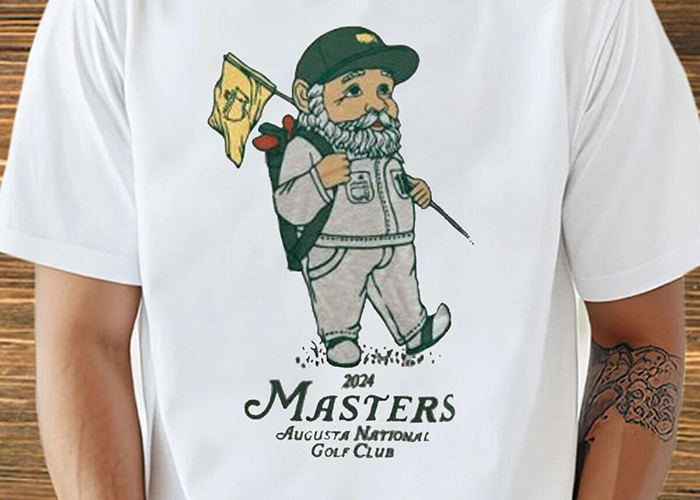
Image source: eBay.
Golf Tournament Celebration Poster
Create a large-format celebratory poster honoring a favorite golf tournament, a favorite golfer, or a personal golfing milestone – a first hole-in-one, a first time breaking 100, a first round at a new course – using golf coloring pages as your primary visual content.
Select five to eight pages that tell a coherent visual story: the tournament logo page, two or three golfer-in-action pages, the equipment page, and one course landscape page. Color each one carefully, paying particular attention to tonal consistency across the entire set – choose a dominant color palette for the poster (greens and golds for The Masters theme, blues and whites for the U.S. Open) and maintain it across all pages. Cut each colored illustration out carefully along its outline and arrange them on a large sheet of poster board or foam board before gluing, experimenting with the composition until the balance feels right.
Add a bold hand-lettered or printed title at the top of the poster – the tournament name, the player’s name, or a personal motto. Include key statistics or facts beneath relevant images: the Masters logo page might be accompanied by a handwritten note about the green jacket tradition or the fact that Augusta National’s course was designed by Bobby Jones and Alister MacKenzie and opened in 1933. The equipment page might carry labels naming each club type. These text additions transform a craft project into a genuinely informative display that anyone – golfer or not – can learn from.
Display in a bedroom, living room, or home office. For families, creating a poster for each Major together over the course of a season – The Masters in April, the U.S. Open in June, The Open Championship in July, and the PGA Championship in August – creates a beautiful annual tradition and a growing gallery of family-made sports art.
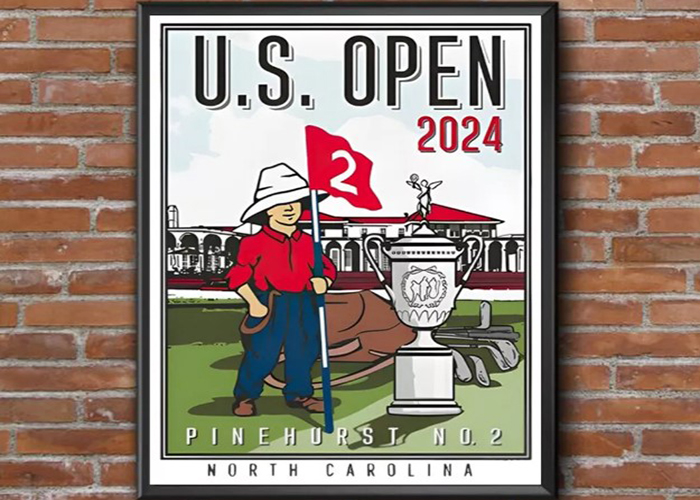
Image source: eBay.
Golf Course Pop-Up Card
Transform a golf coloring page into a three-dimensional pop-up card perfect for a golfer’s birthday, Father’s Day, a golf tournament celebration, or a “congratulations on your round” message that arrives in an envelope but unfolds into a small standing scene. This craft is more technically demanding than the others in this collection – and more rewarding for exactly that reason.
Select a page with strong, clear foreground elements that will work well as cut-out figures: the golfer pages (backswing, putting, chip shot, or the children’s golf pages) work best, as the golfer can become the central standing element of the pop-up. The flag-in-hole page provides an excellent secondary element. The fairway landscape provides the background.
Fold a piece of heavyweight cardstock in half to create the card base. Color your chosen golfer page, then cut out the figure carefully along its outline, leaving a small rectangular tab at the bottom – approximately 1 cm wide and 2 cm tall – that will serve as the anchor. Score the tab gently with a bone folder or the back of a knife, fold it forward, and apply a thin strip of PVA glue to the flat surface of the tab. Press the golfer figure into position on the inside of the folded card, centered slightly forward of the fold line, and hold firmly until the glue sets.
Color the fairway landscape page or draw a simple golf course background directly onto the card’s interior walls – a horizon of trees, a putting green, a distant bunker, a pale blue sky. Add the flag-in-hole element as a second pop-up layer: cut out just the flag and pole, attach a tab, and position it approximately 2 cm behind the golfer figure. When the card is opened, the golfer and flag both spring forward into a small three-dimensional golf scene.
Finish the exterior of the card with a golf-related coloring page fragment (the ball and tee, the tournament logo, the golf bag) and a handwritten message inside. This card requires patience and precision – both of which are, fittingly, the exact qualities that golf demands of everyone who plays it.
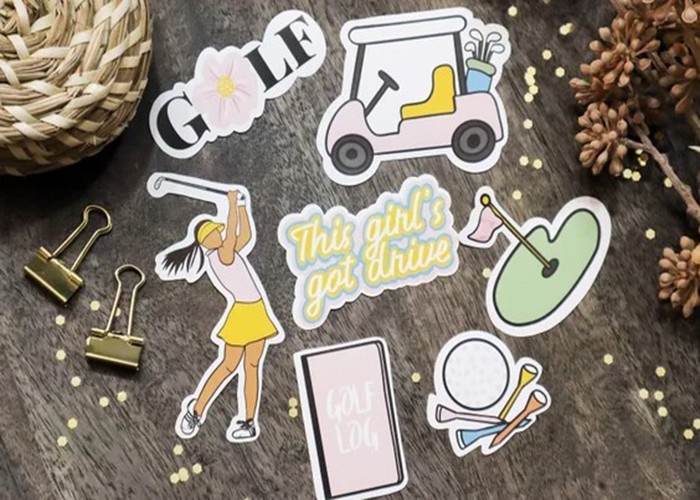
Image source: Etsy.
Frequently Asked Questions About Golf Coloring Pages
When and where did golf originate? Modern golf is widely accepted to have originated in Scotland in the 15th century. The earliest recorded reference dates to 1457, when King James II of Scotland issued a ban on golf – along with football – because it was distracting men from mandatory archery practice. The Old Course at St Andrews Links in Fife, Scotland, has been played for over 600 years and is universally recognized as the “home of golf.” The 18-hole format that defines a standard round was established at St Andrews in 1764, when the course was redesigned from 22 holes to 18. Before this standardization, different courses had different numbers of holes.
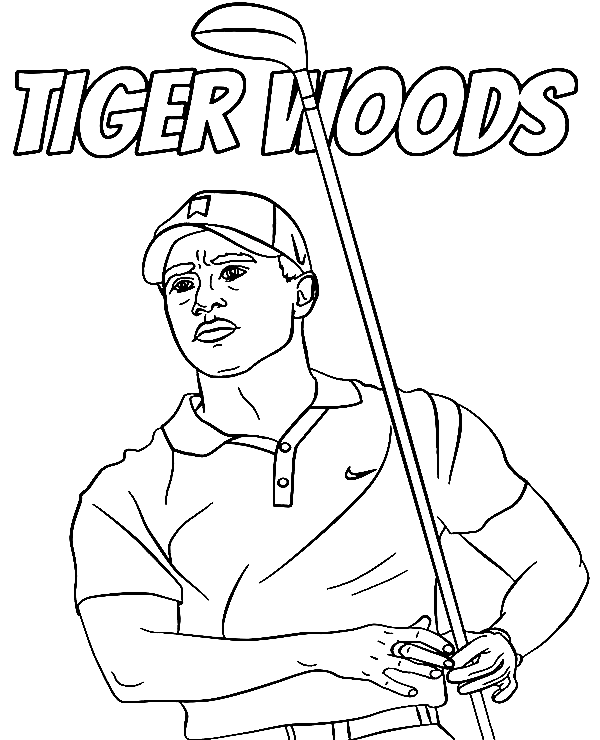
What are the four Major championships in professional golf? The four Majors are The Masters (held annually at Augusta National Golf Club in Augusta, Georgia; first played in 1934), the U.S. Open (administered by the USGA; first held in 1895), The Open Championship – commonly known as the British Open – (first held in 1860 at Prestwick Golf Club, Scotland; the oldest Major), and the PGA Championship (administered by the PGA of America; first held in 1916). Winning all four Majors in the same calendar year is called the Grand Slam – a feat never achieved in professional stroke play. Tiger Woods holds 15 Major titles, second all-time to Jack Nicklaus’s record of 18.
Why does a golf ball have dimples? Golf ball dimples are aerodynamic features – not decorative ones. A smooth sphere moving through air creates a large wake of turbulent air behind it, which dramatically increases drag and limits distance. Dimples create a thin layer of turbulent airflow that clings to the ball’s surface and delays the separation of air from the ball, dramatically reducing drag. The result is that a dimpled golf ball flies significantly farther – up to twice as far – as a smooth ball at the same speed. A standard golf ball has between 300 and 500 dimples; 336 dimples is one of the most common configurations. The USGA requires that golf balls be spherically symmetrical and meet specific size and weight standards: minimum diameter of 1.680 inches and maximum weight of 1.620 ounces.
What is the green jacket in golf? The green jacket is the distinctive prize awarded to the winner of The Masters Tournament at Augusta National Golf Club. It was first presented to the champion in 1949 (Sam Snead was the first recipient of the jacket tradition, though the jackets were worn by Augusta members from 1937). The winner of The Masters receives a green jacket and is invited to become an honorary member of Augusta National. Previous champions are permitted to take the jacket home for one year, after which it must be kept at the club. The jacket’s shade of green – formally known as “Masters green” – is a precise, proprietary color associated exclusively with the tournament.
How many clubs is a golfer allowed to carry? Under the Rules of Golf as administered by the USGA and R&A, a player may carry a maximum of 14 clubs during a competitive round. This rule was introduced in 1938, before which players could carry as many clubs as they wished (some early professionals carried 20 or more). A standard set typically includes a driver, fairway woods, irons (3 through 9), wedges (pitching wedge, gap wedge, sand wedge, and lob wedge), and a putter – though exact configurations vary widely based on player preference and course conditions.
What do golf scoring terms like birdie, eagle, and bogey mean? Golf uses a relative scoring system based on the par score for each hole. Par is the expected number of strokes a skilled golfer should take to complete a hole – most courses have a par of 72 for 18 holes, with individual holes typically ranging from par 3 to par 5. A birdie is one stroke under par for a hole. An eagle is two strokes under par. An albatross (or double eagle) is three strokes under par – extraordinarily rare. A bogey is one stroke over par. A double bogey is two over. A hole-in-one (also called an ace) is completing a hole with a single stroke – statistically, the odds for an amateur golfer are approximately 12,500 to 1.
What age group are these golf coloring pages best suited for? The collection works across a genuinely wide age range. Simple cartoon character pages – SpongeBob golfing, Mickey Mouse swinging, the animal pages – are ideal for young children ages 3–7 who are drawn to familiar characters and humorous imagery. The children’s golfer pages (young boy and girl playing golf) work well for ages 4–8. The technical swing pages, equipment pages, and course landscape pages provide the most rewarding artistic challenge for ages 8 and up and for adult golfers who want to engage with the sport through coloring. The tournament logo pages appeal strongly to golf fans of any age who follow the Majors.
Can these pages be used as a tool for introducing children to golf? Yes – and this is one of the most effective uses of the collection. Research consistently shows that children who develop visual familiarity with a sport’s equipment, terminology, and key moments before beginning participation show higher sustained interest and faster initial skill development than children who arrive at a sport completely cold. Coloring the swing pages while discussing what good form looks like, or coloring the equipment page while naming each club and its purpose, or coloring a tournament logo while talking about what The Masters is and why it matters – all of these activities build the conceptual foundation that makes a child’s first lesson more meaningful and their first exposure to golf on television more engaging.
Getting started is simple: browse the full golf collection right here at ColoringPagesOnly.com, choose your favorite pages – whether you start with the swing technique pages or go straight for SpongeBob on the fairway – and download them instantly, always free, always without sign-up. Print at home on standard A4 paper, or use our online coloring tool directly in your browser for a screen-based session. New designs are added regularly, so come back whenever you want a fresh set.
Golf is a game that rewards patience, honesty, and the willingness to keep showing up even when the round is going badly. Coloring is not so different. Both are worth doing for their own sake, and both are better when you do them with people you love.
Pick up your colors. Choose your hole. And play.
Share your finished artwork with us on Facebook and Pinterest – we especially love seeing the creative color choices people make for the cartoon character pages, and the level of care that real golf fans bring to the tournament logo designs. Tag #Coloringpagesonly and join our community of colorists, golf fans, and artists of all ages and handicaps.
Color the fairway. Play the long game. Enjoy every stroke.