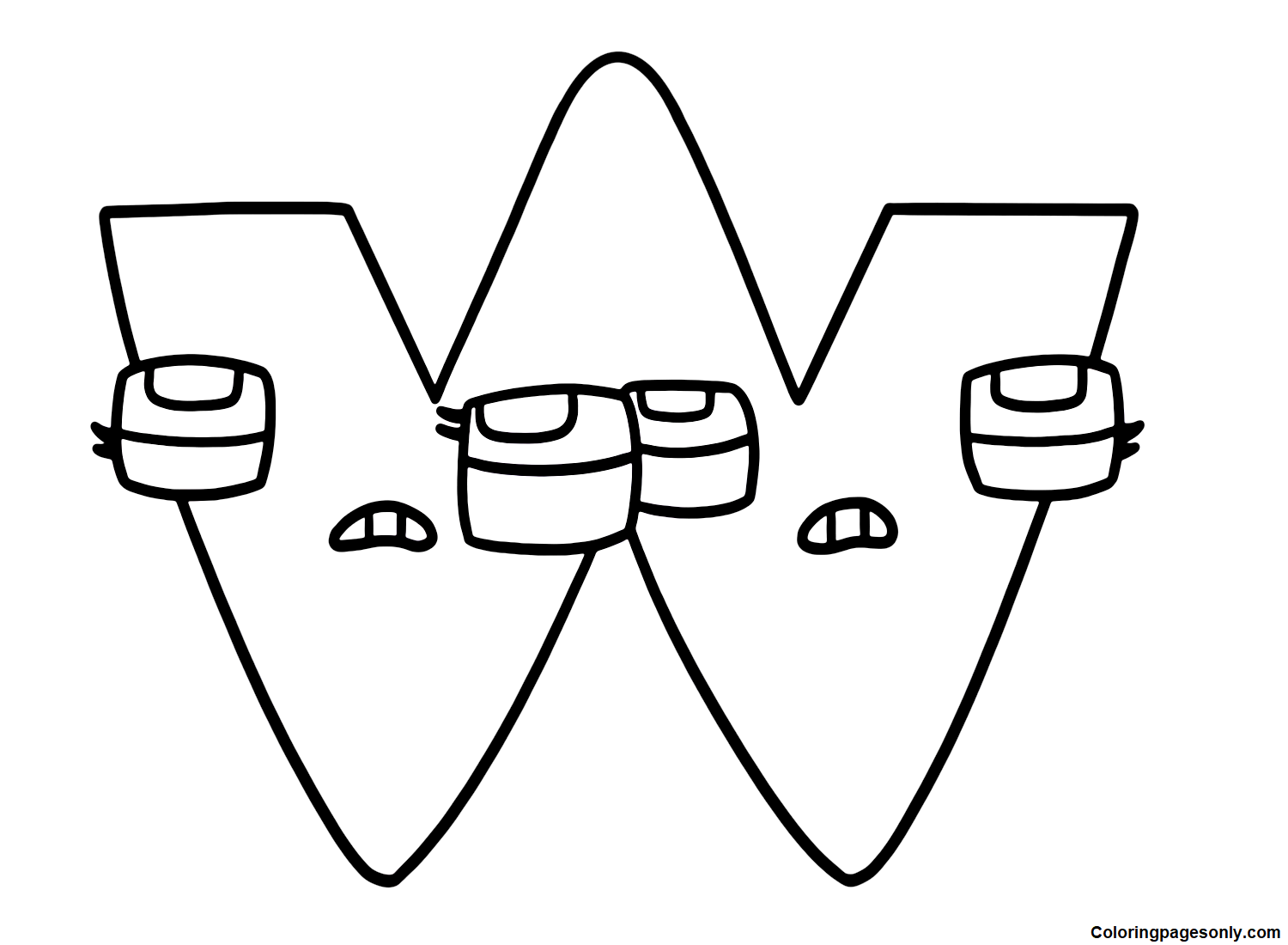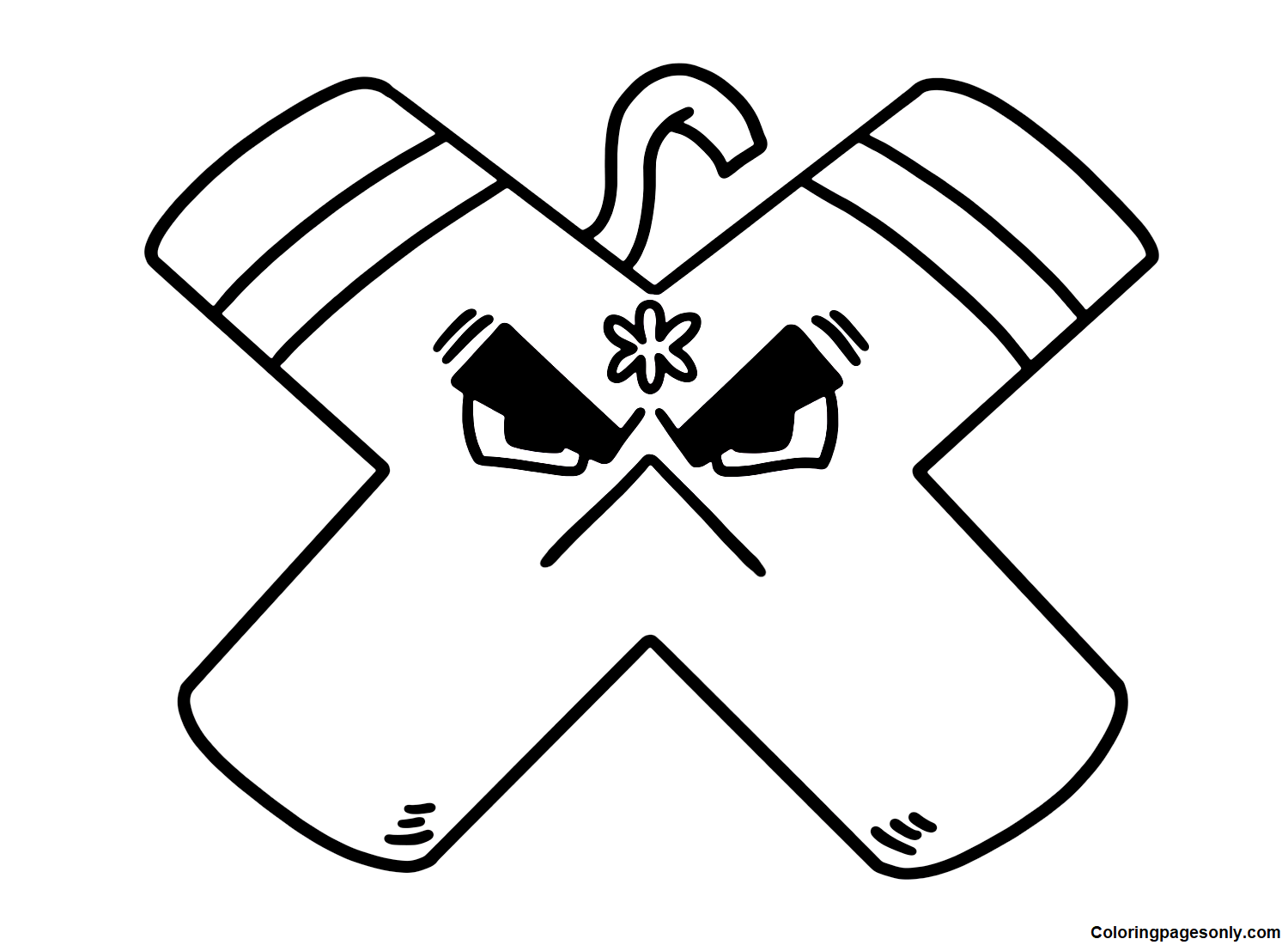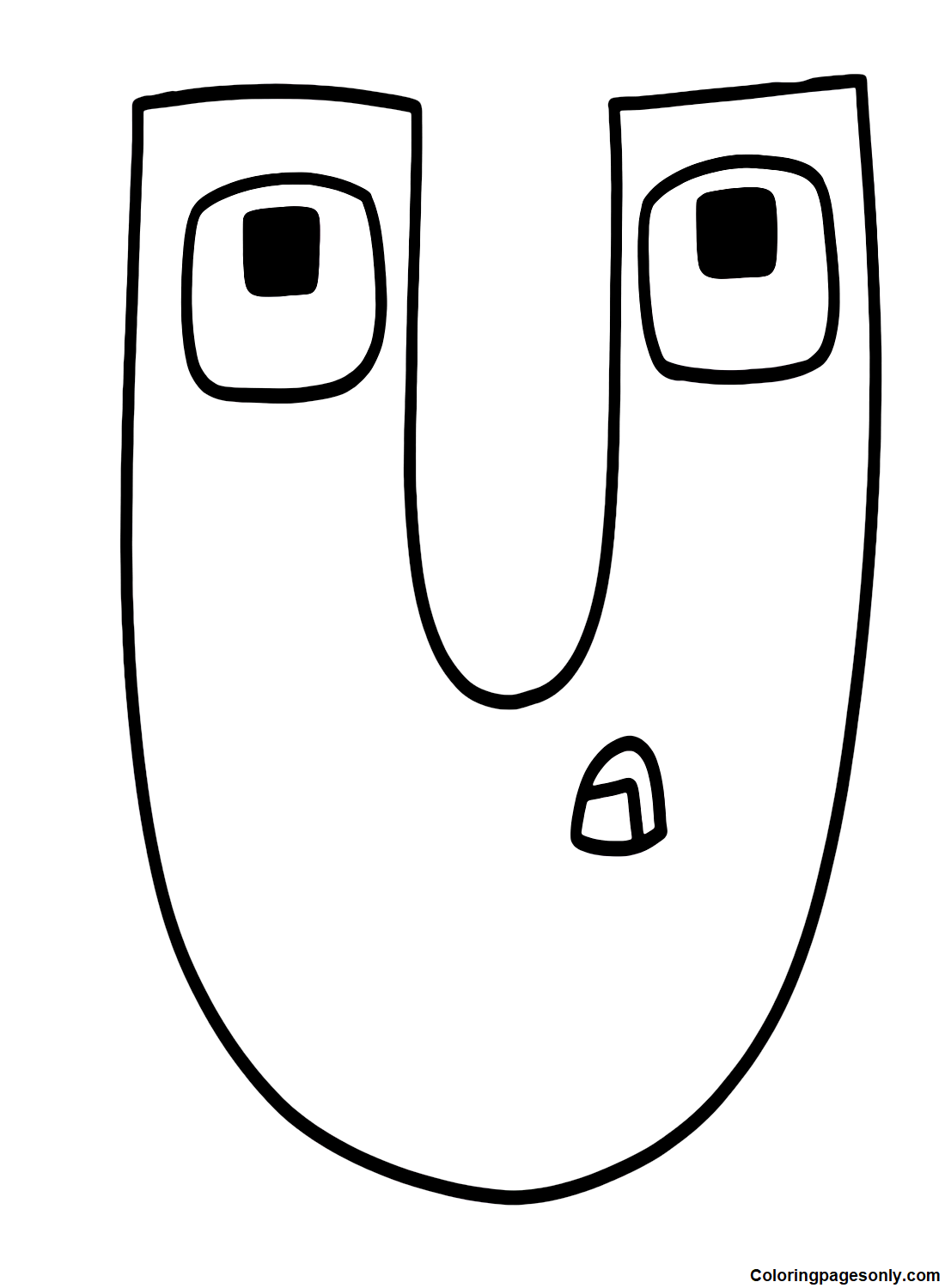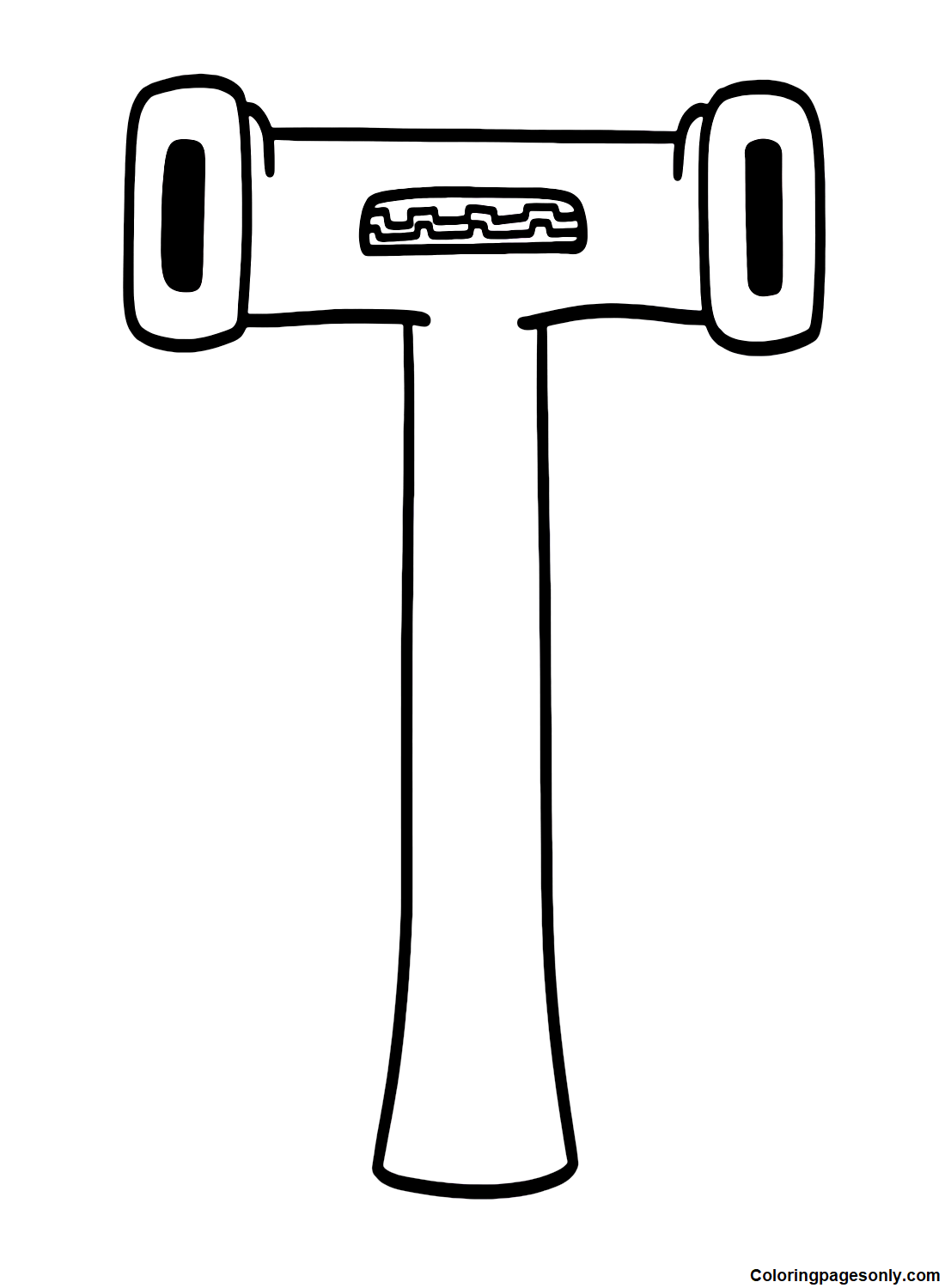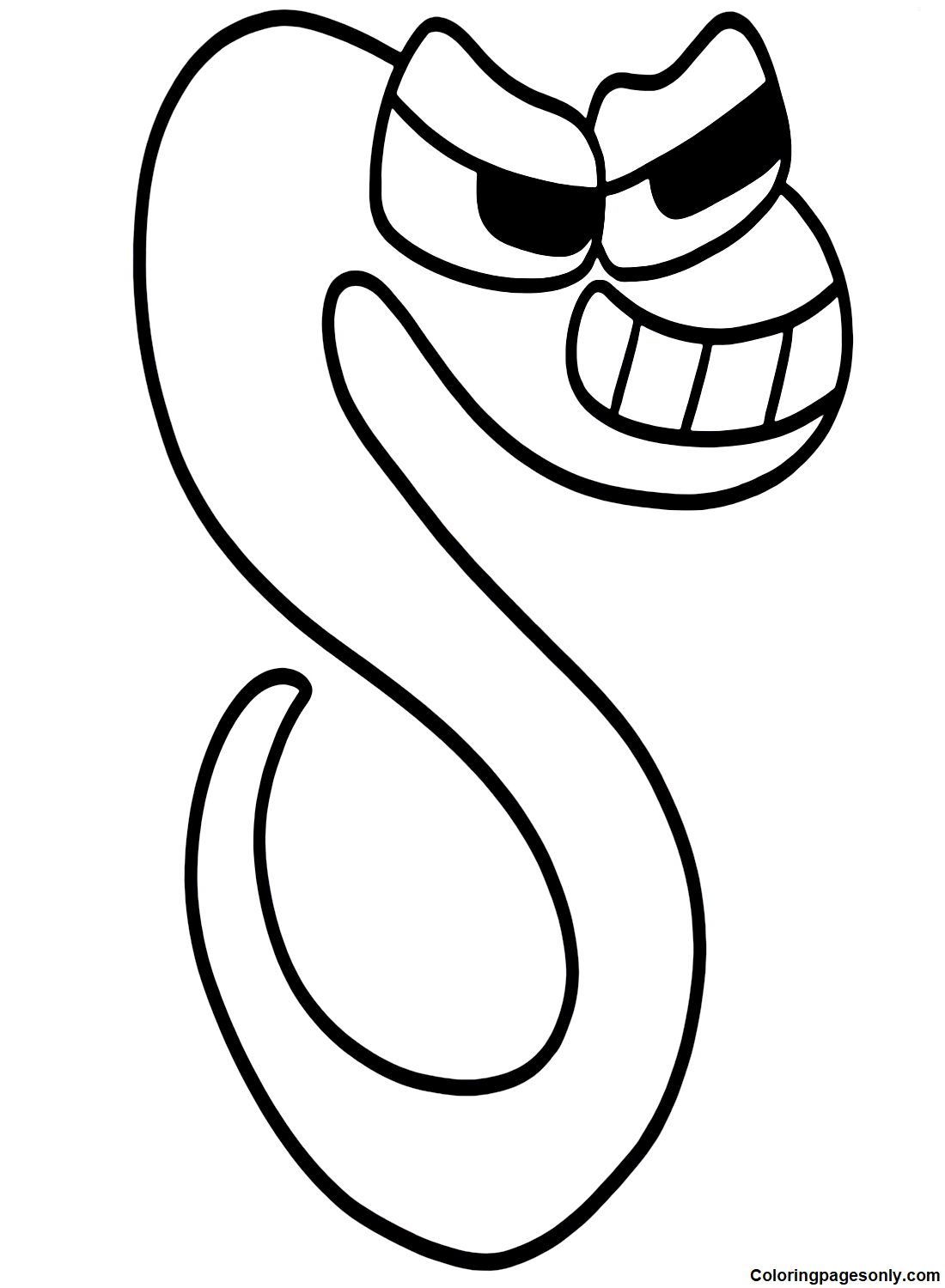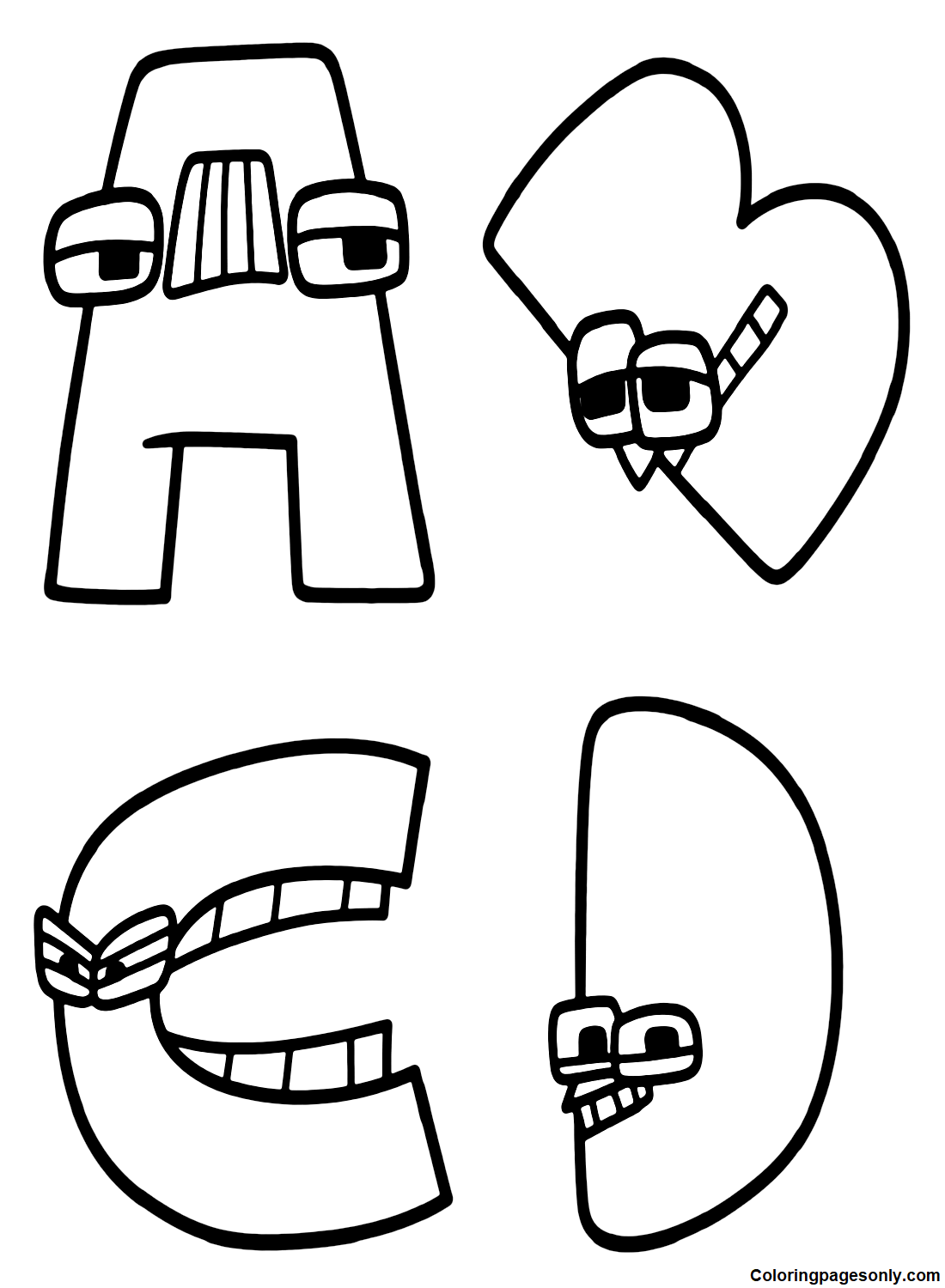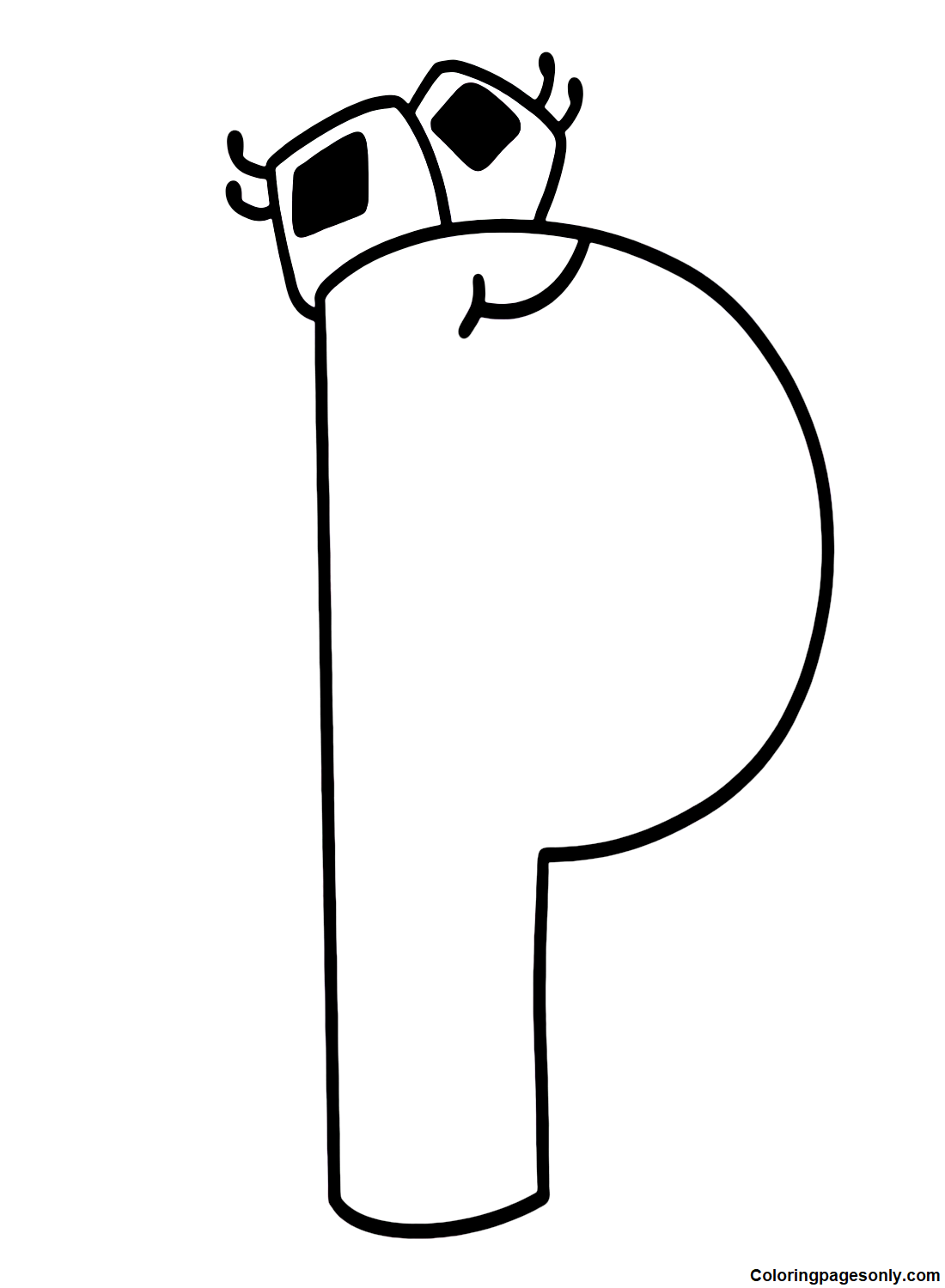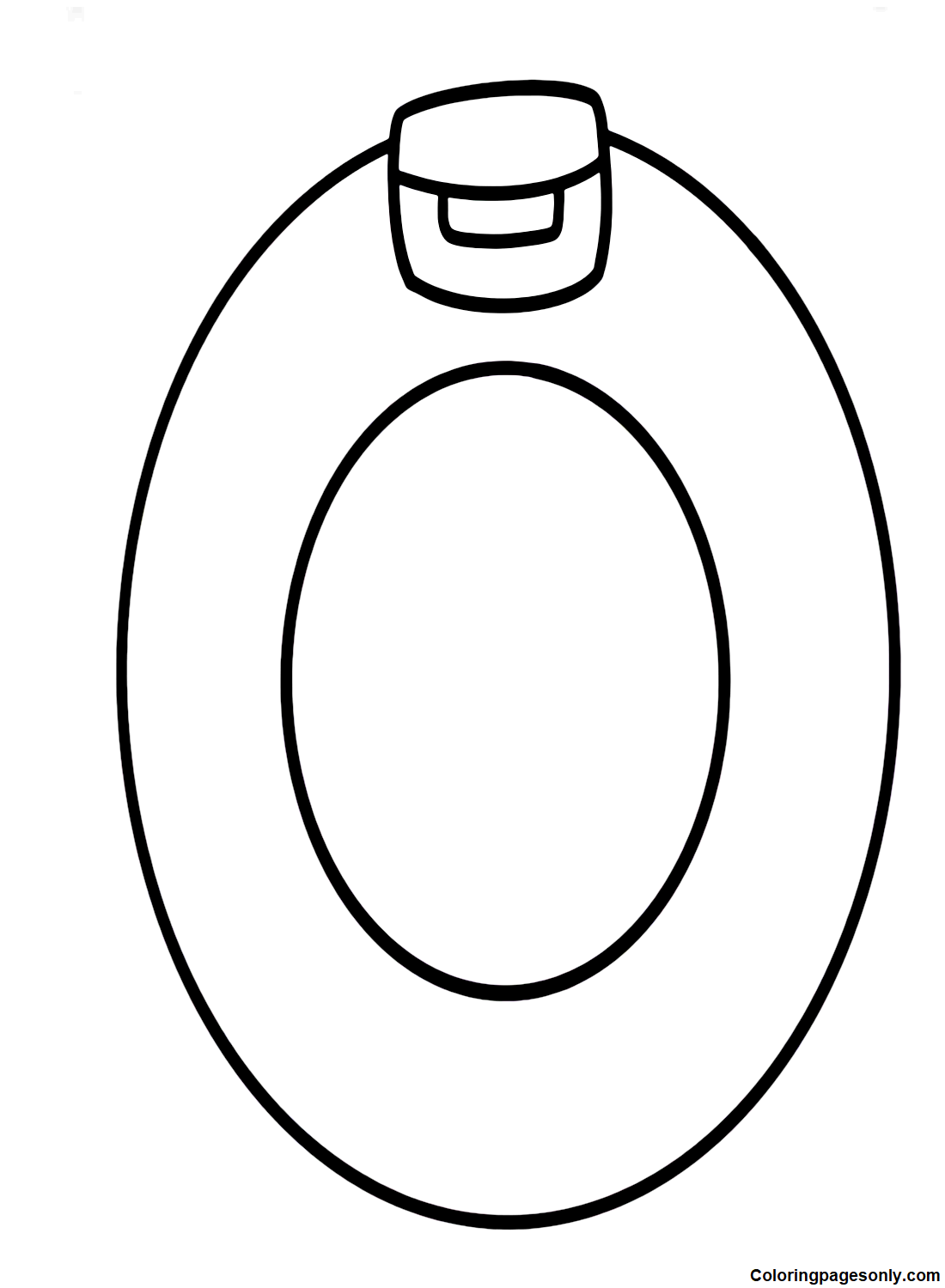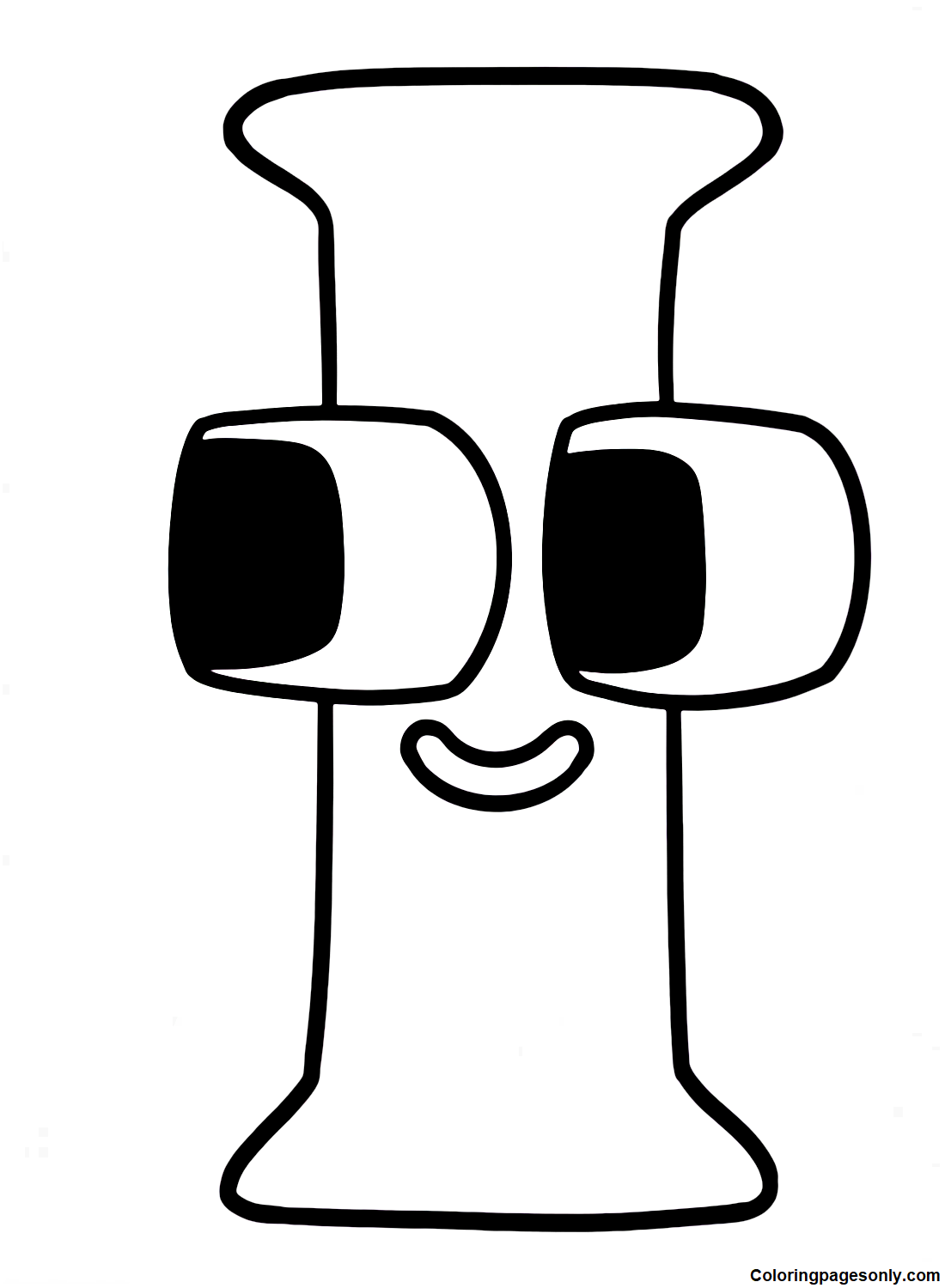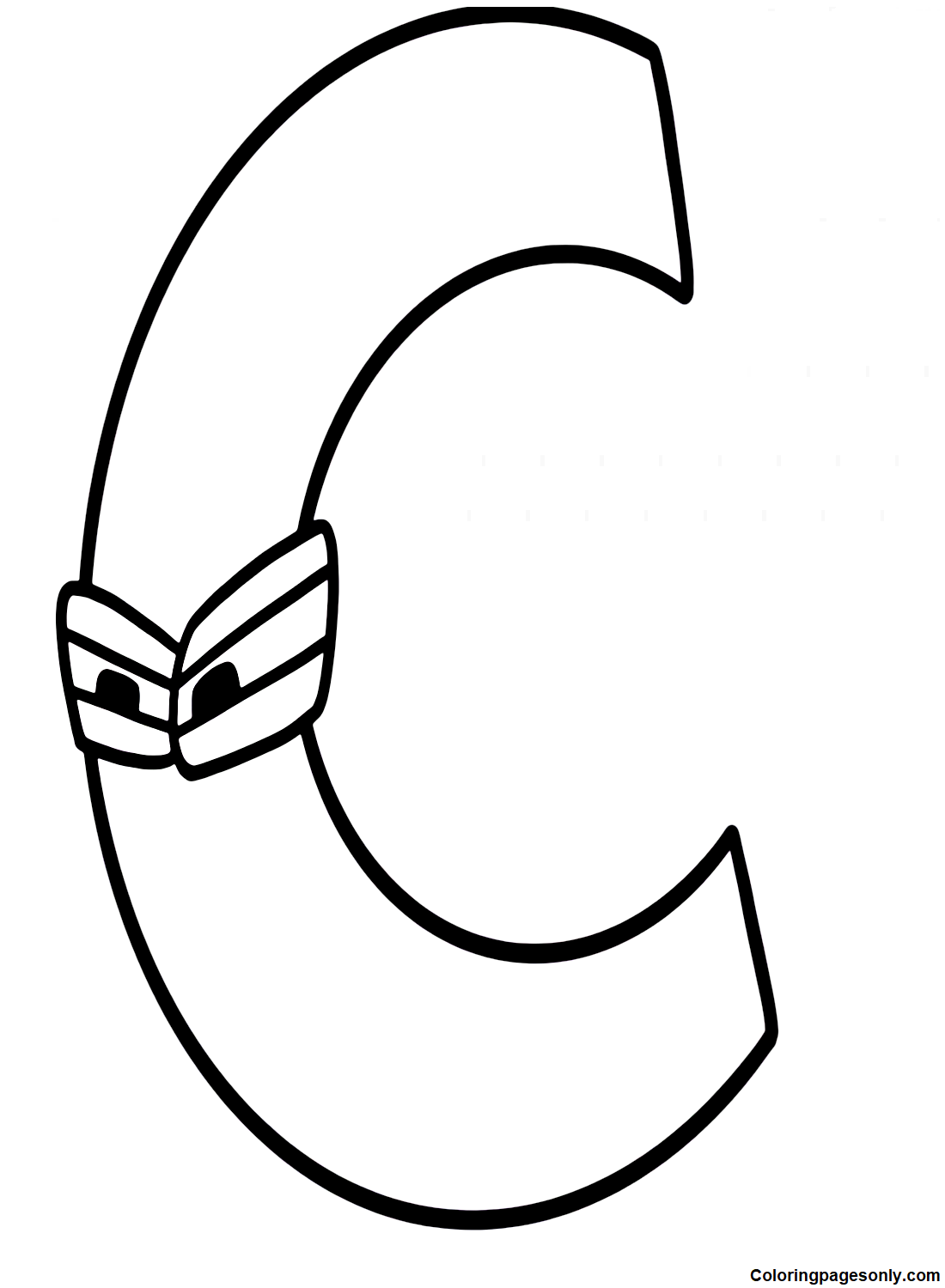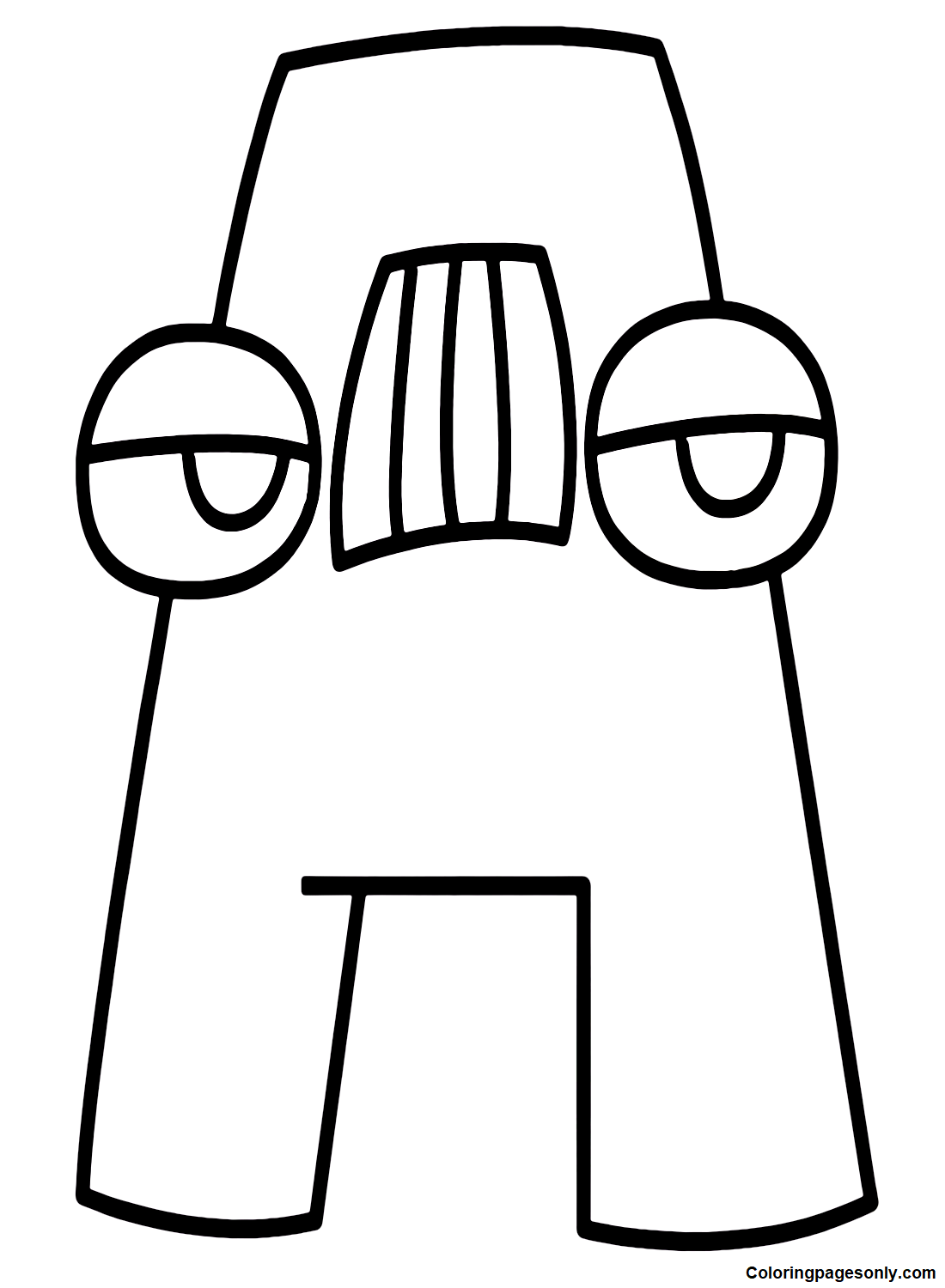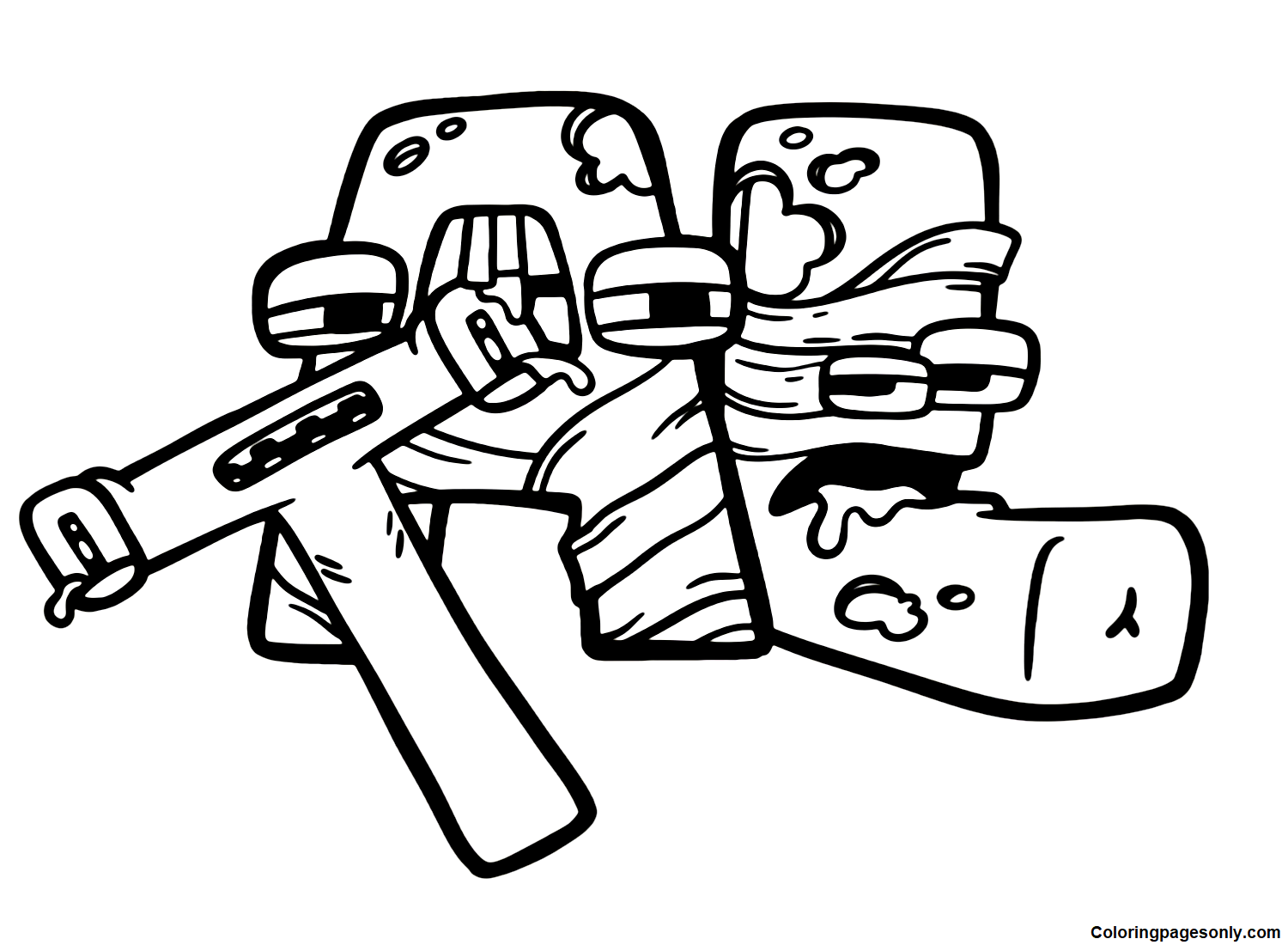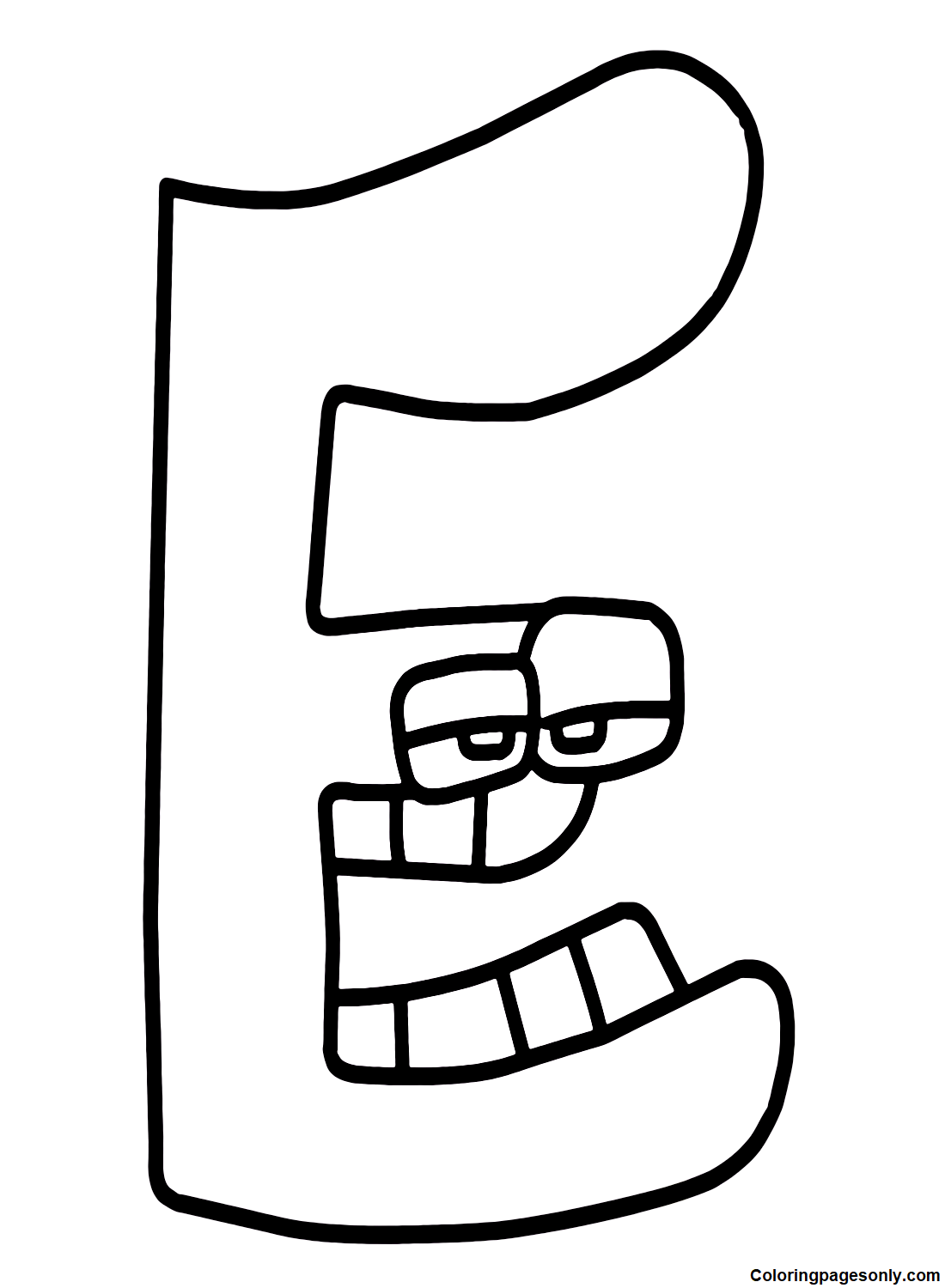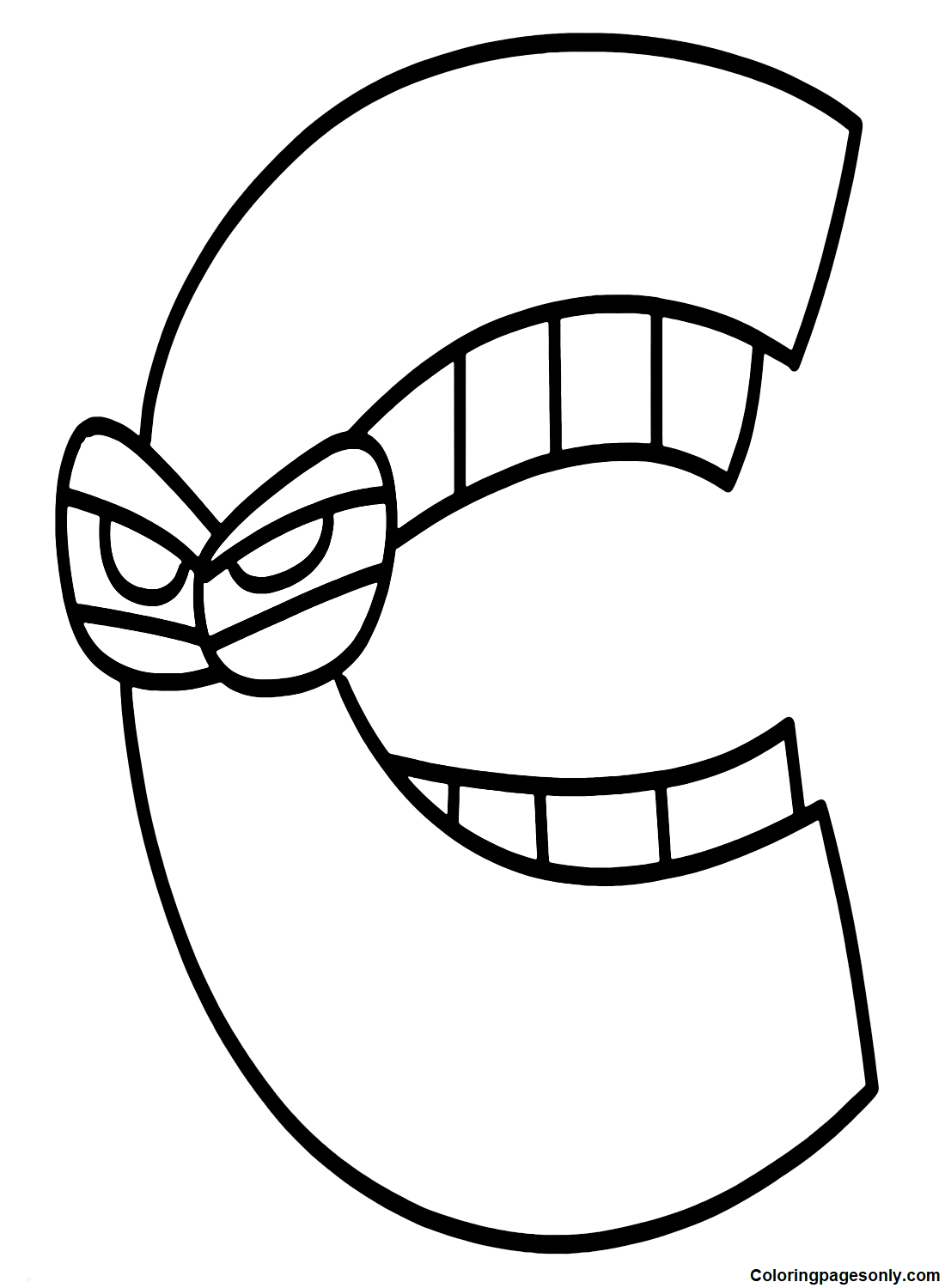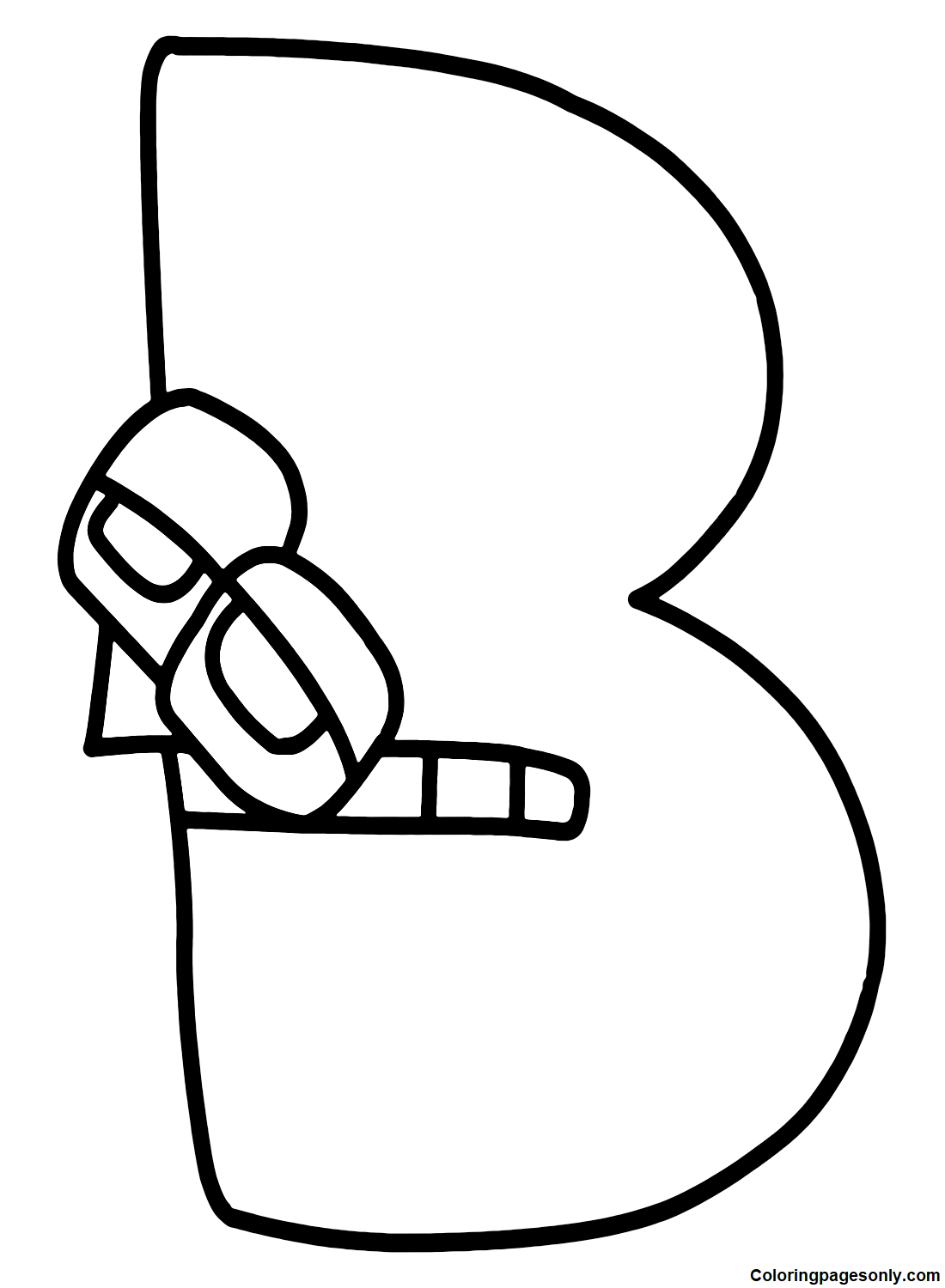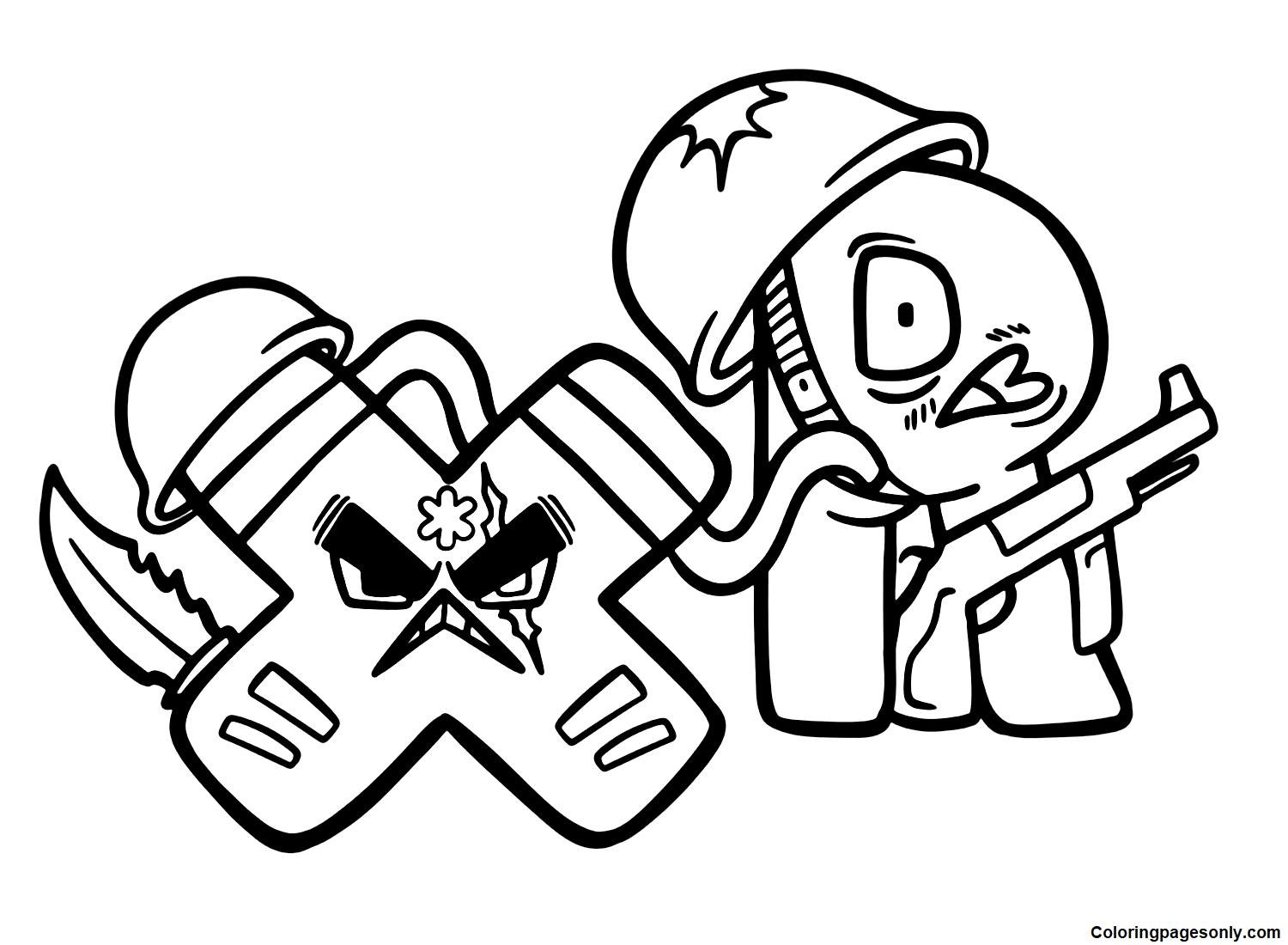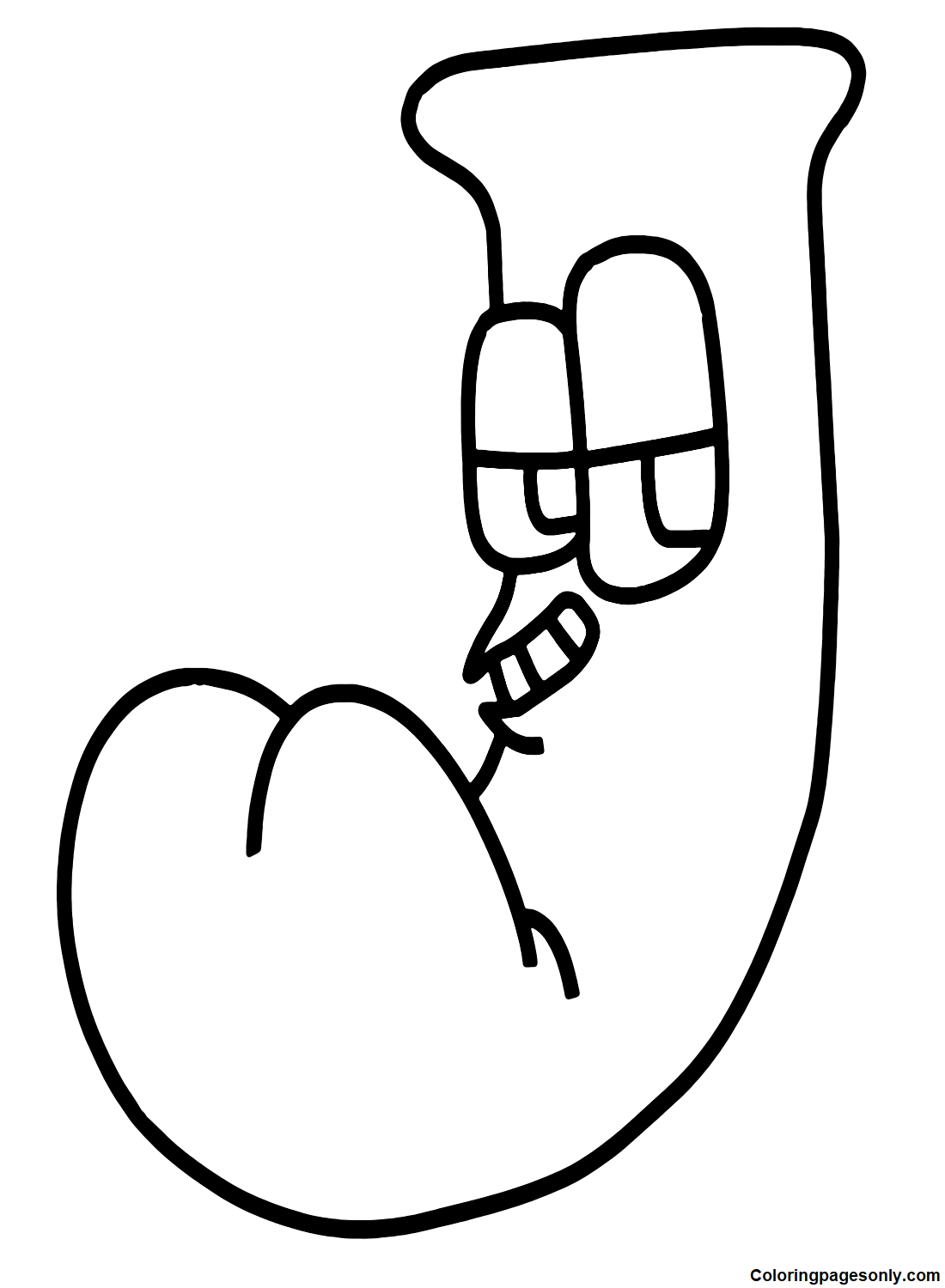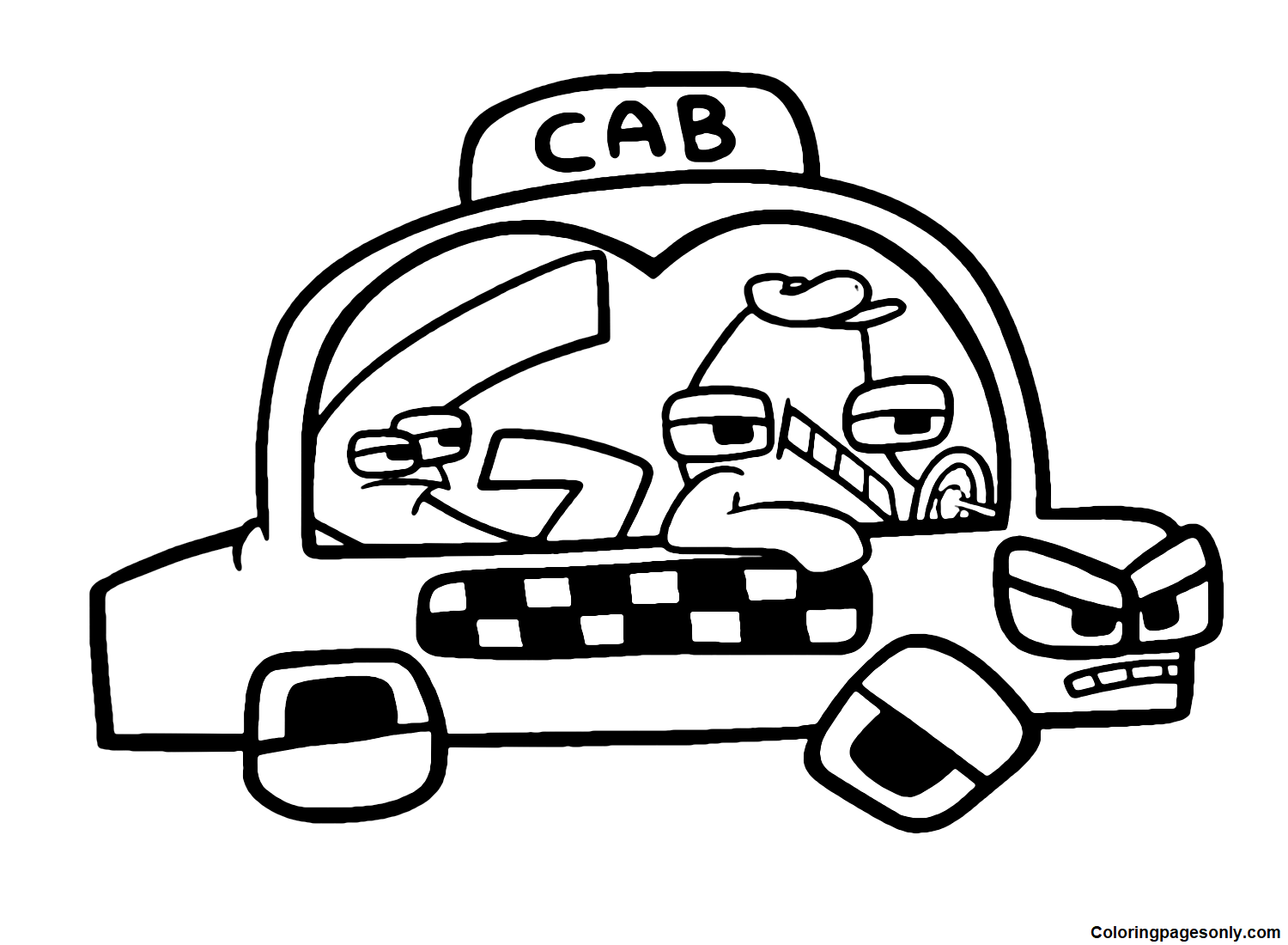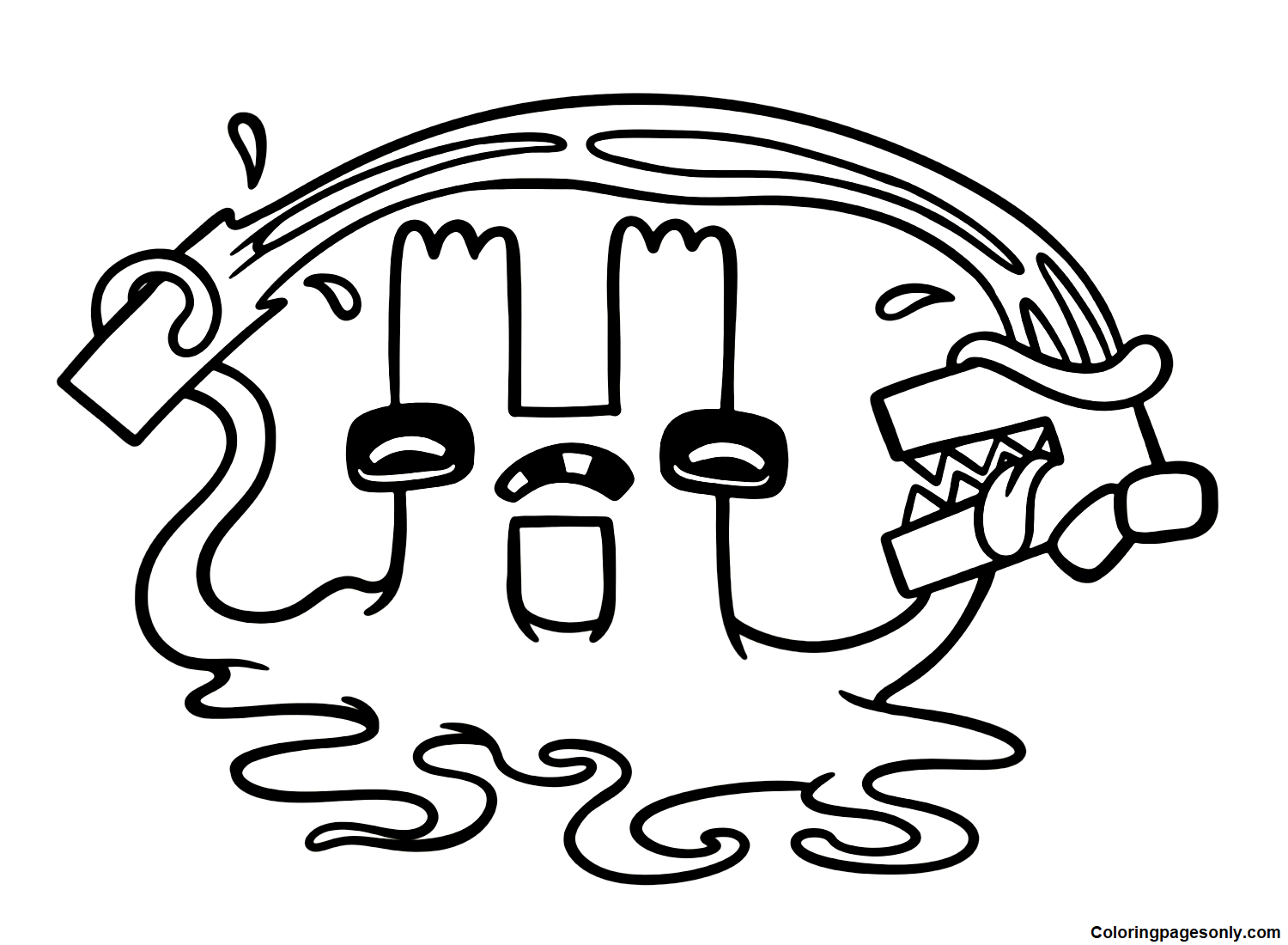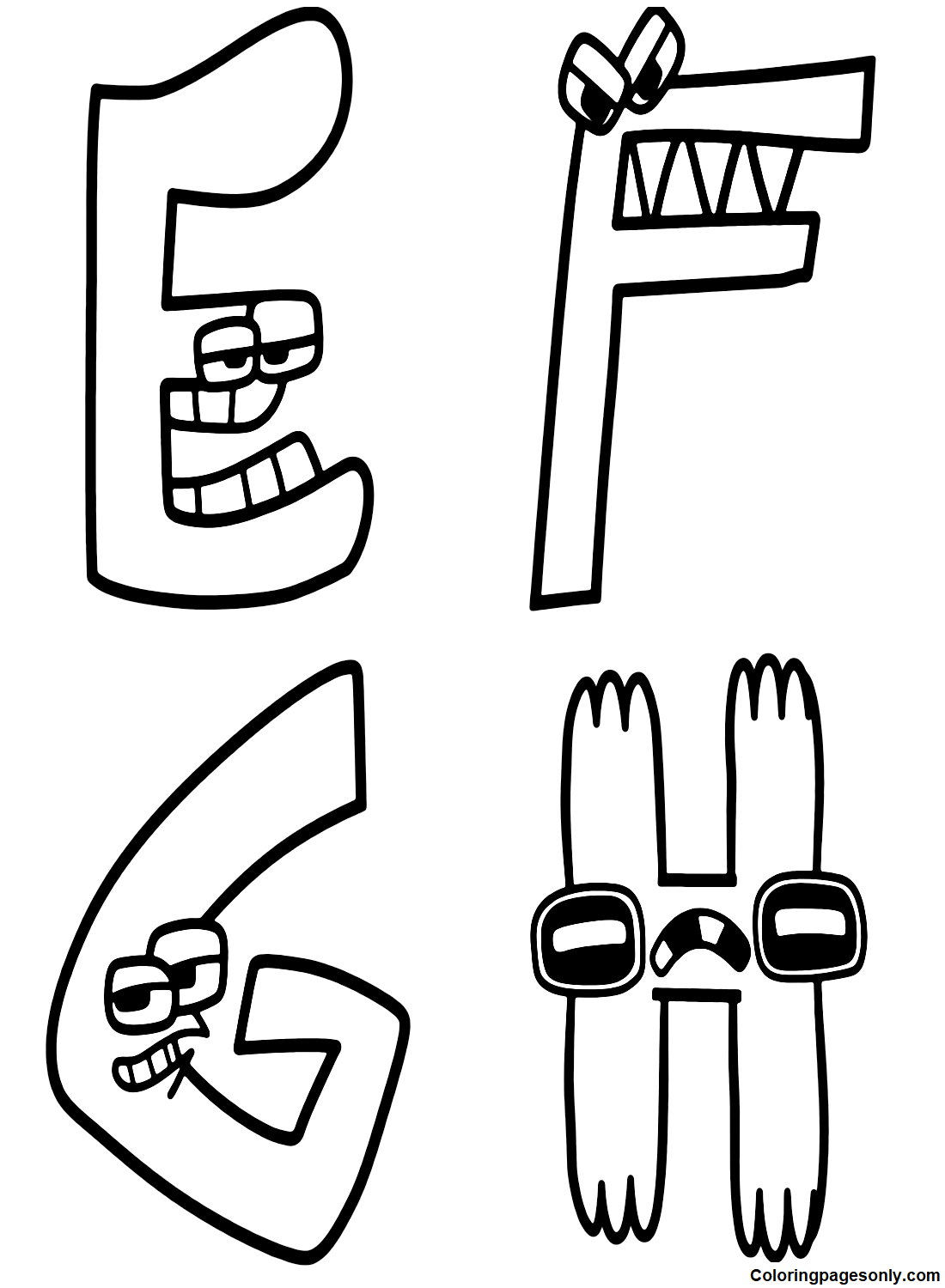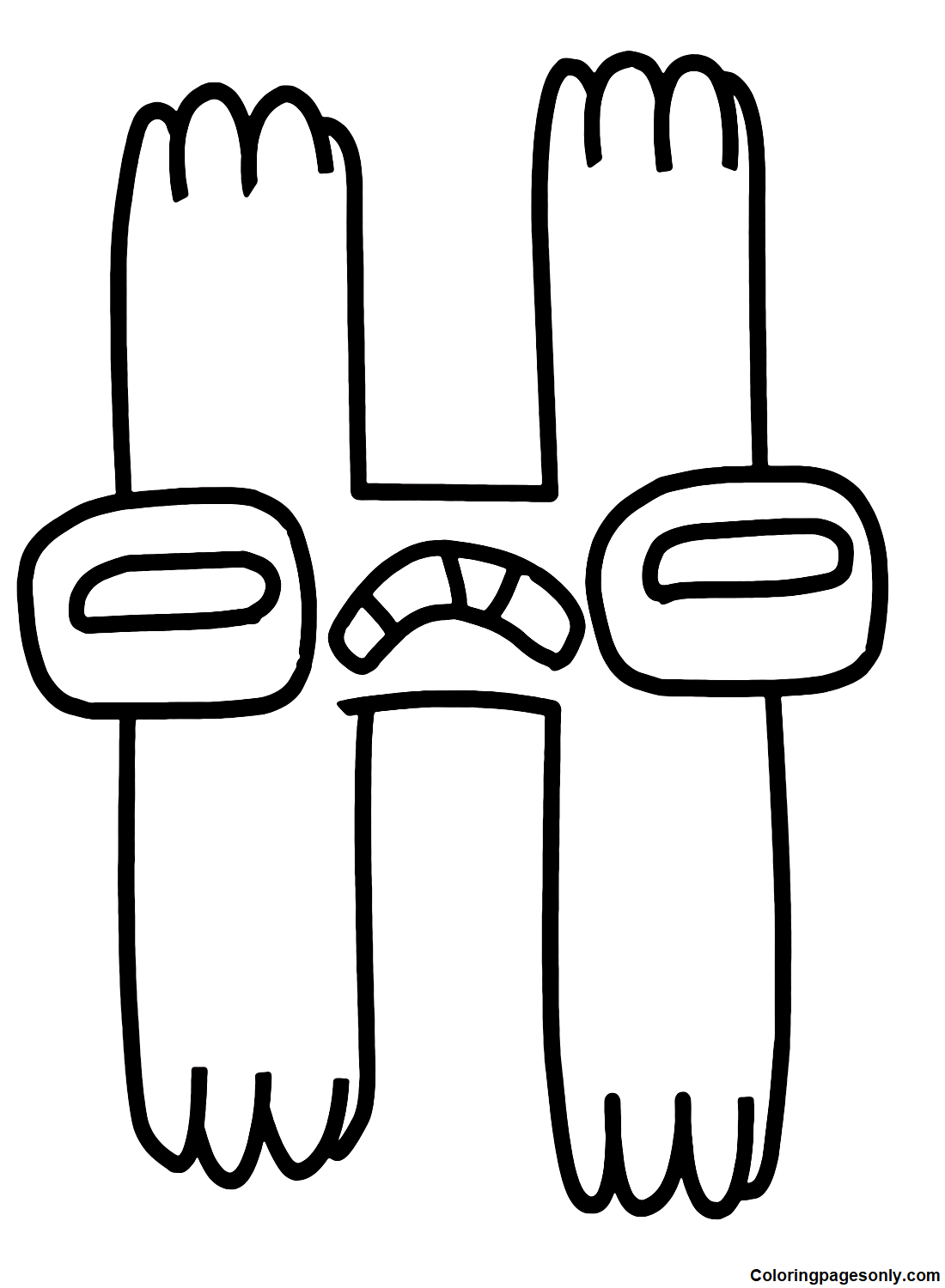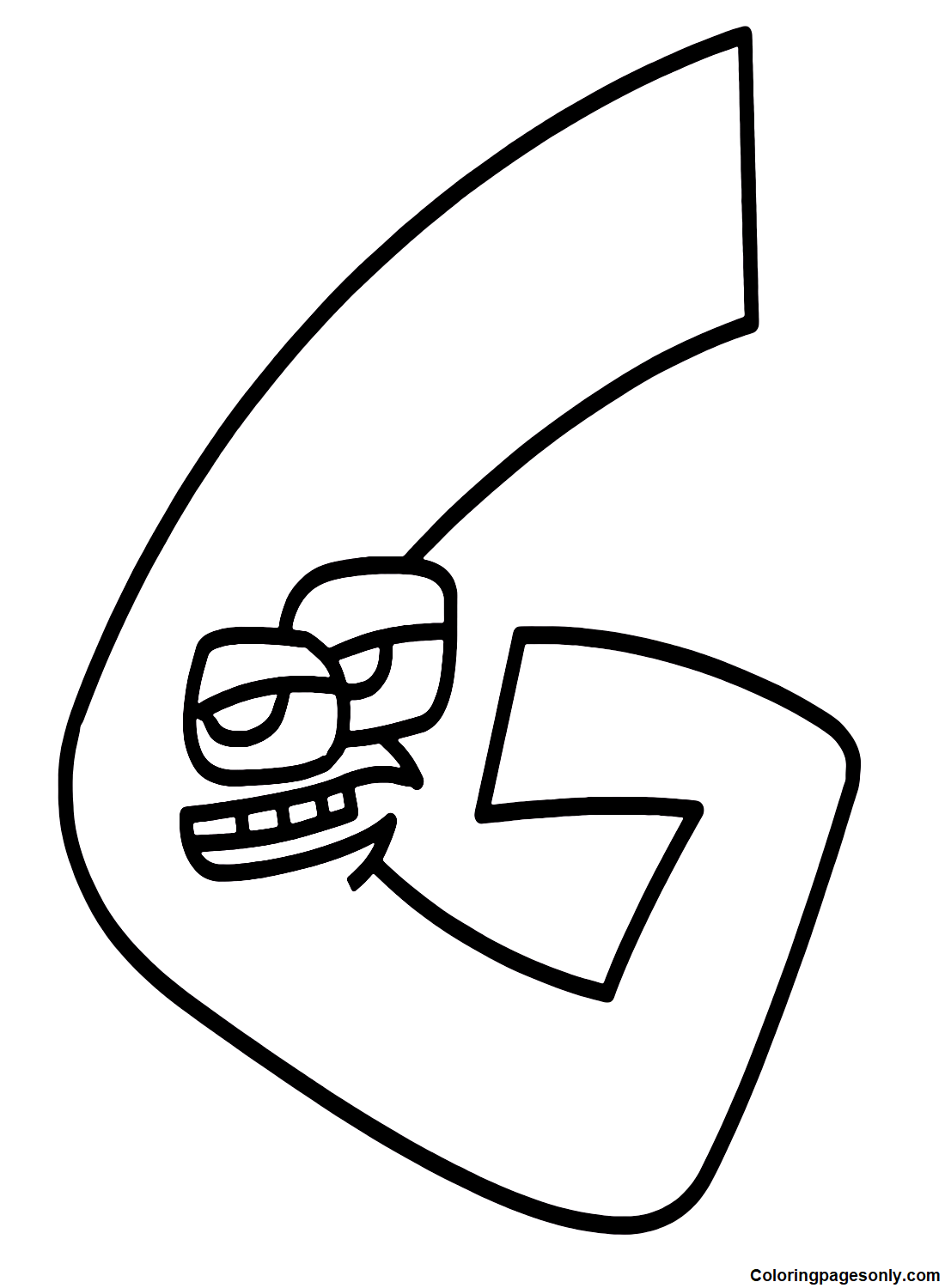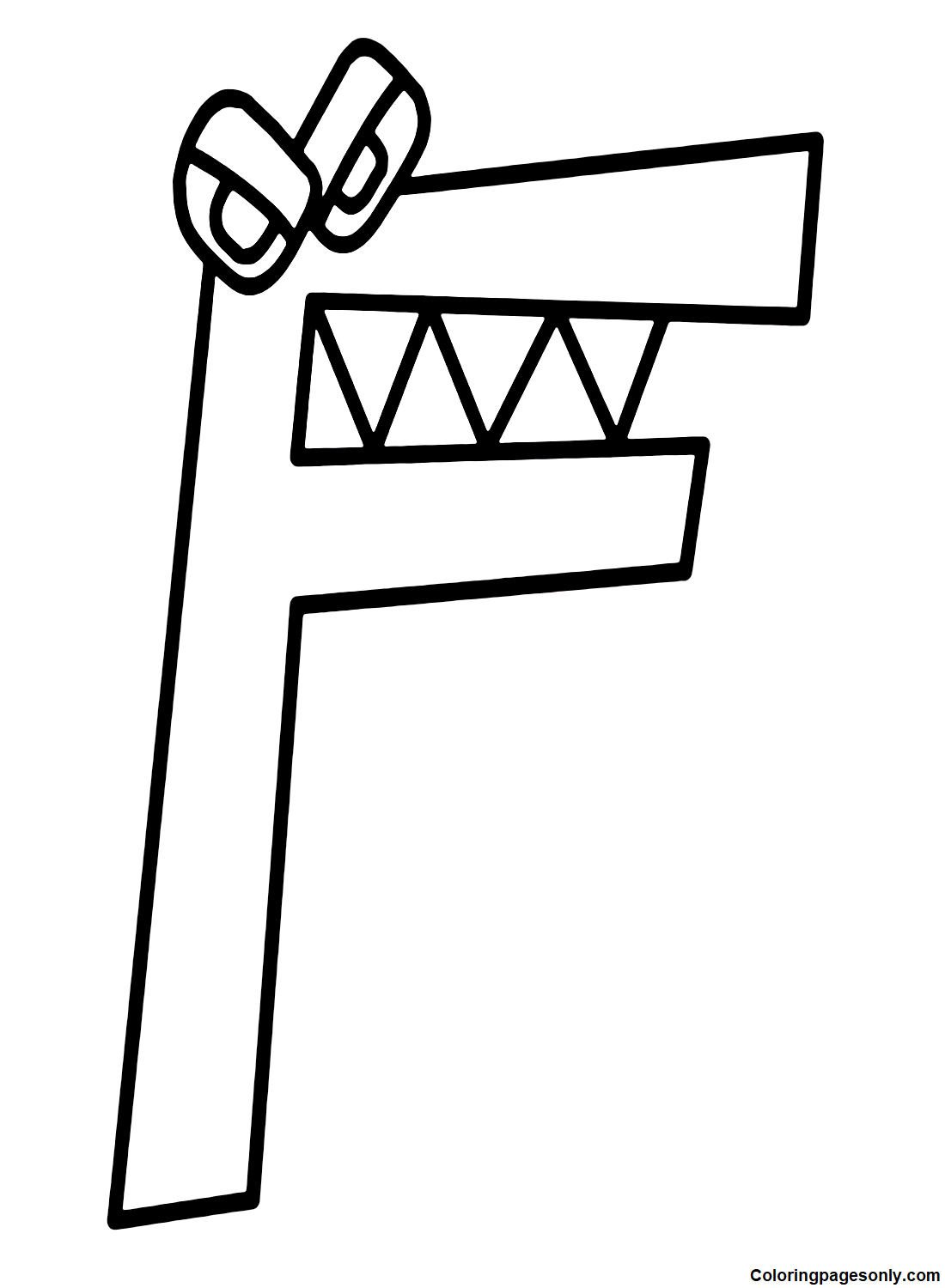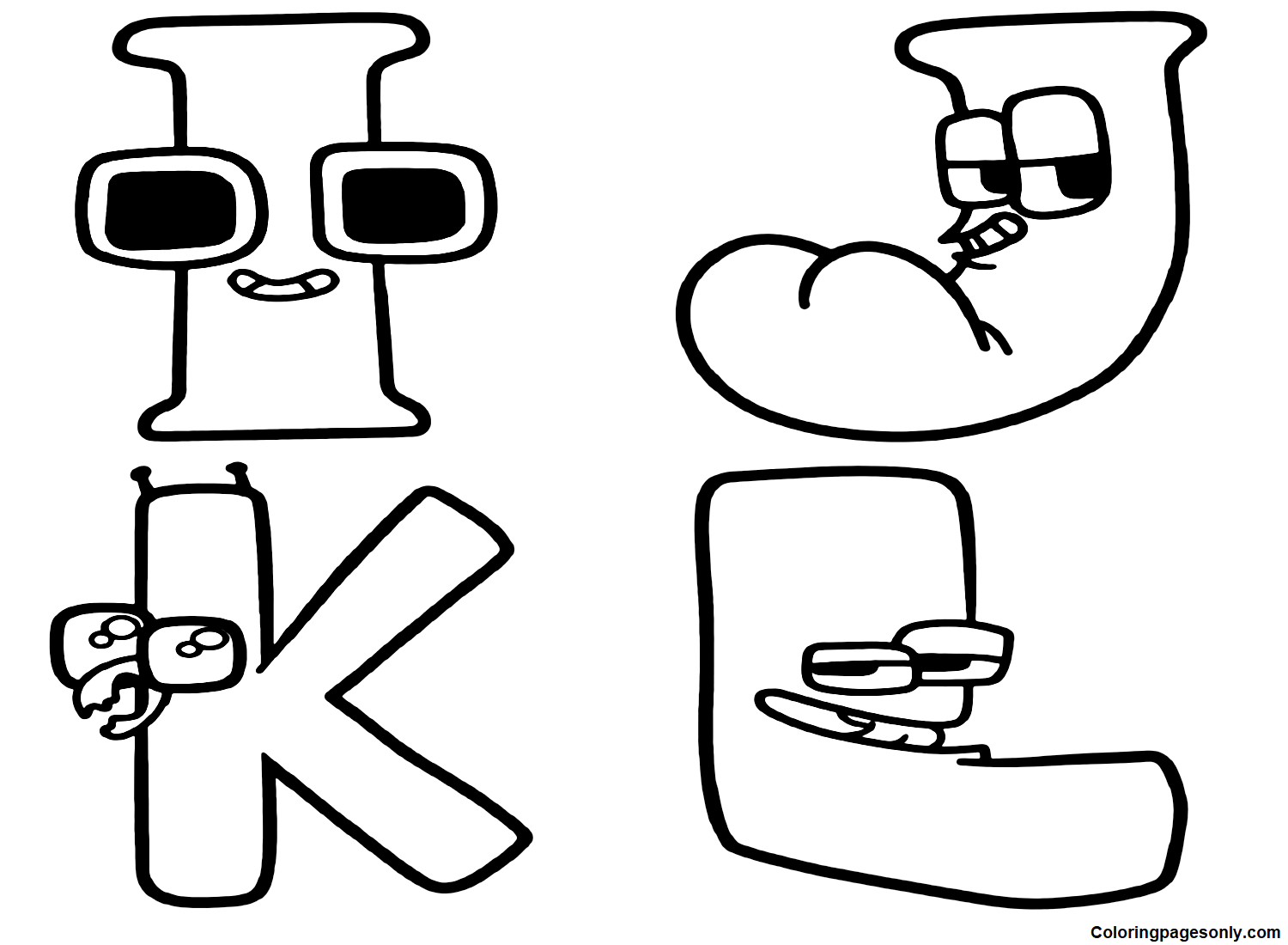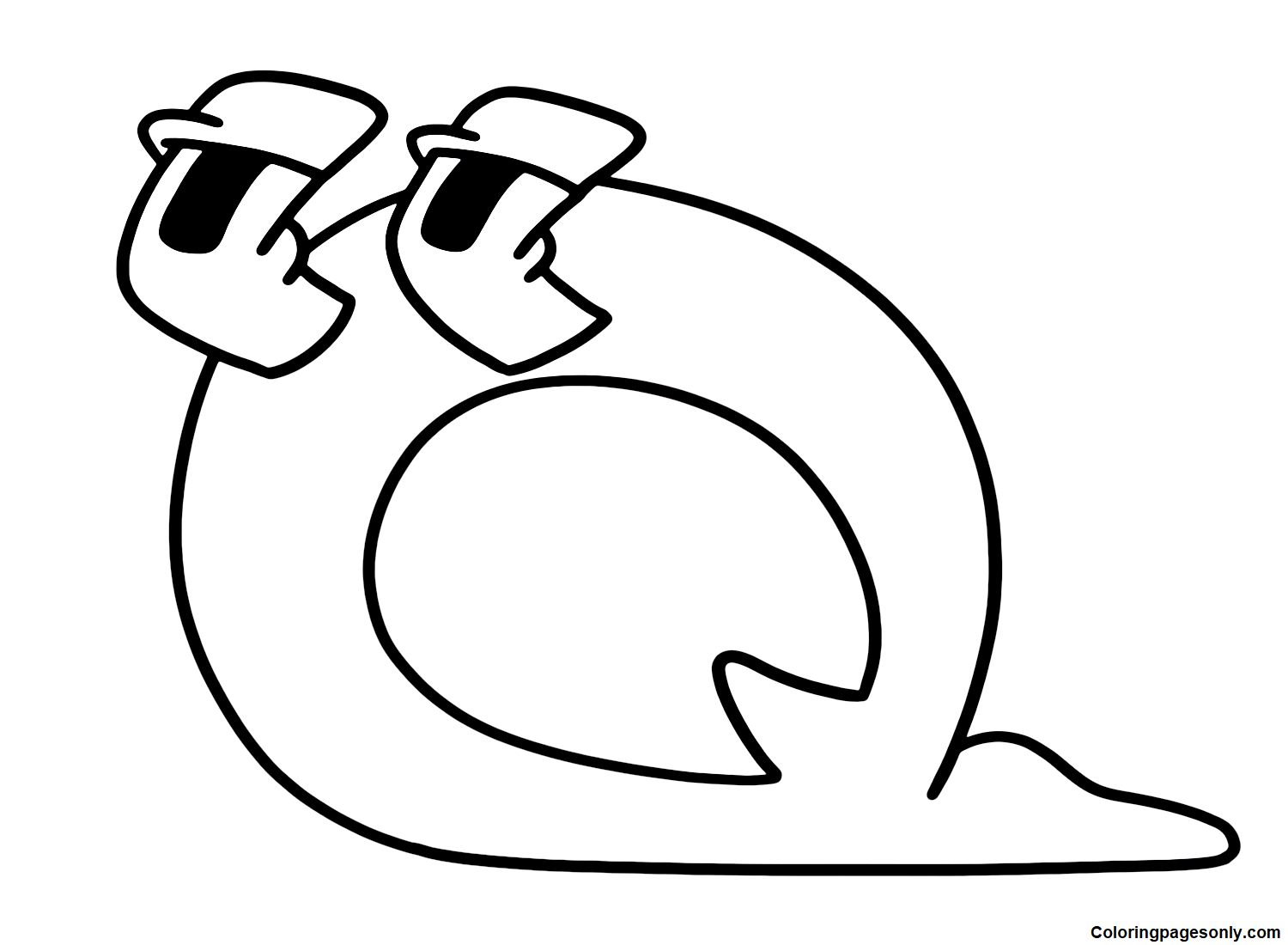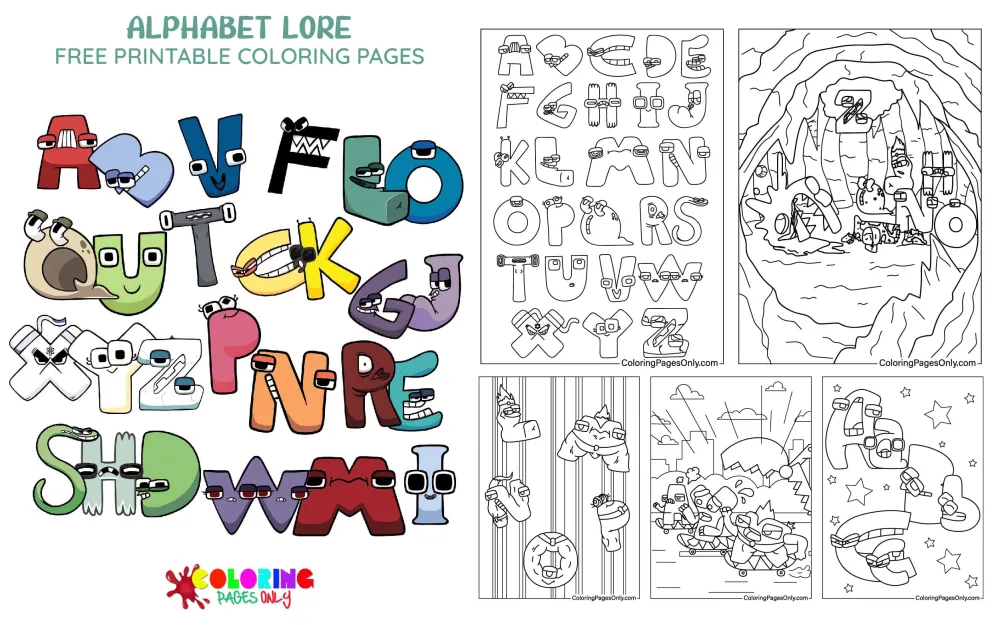
Free Alphabet Lore coloring pages – 71 pages featuring all 26 letter characters from A to Z, group scenes, adventure pages, a Christmas collection, uppercase and lowercase variants, and letter combination pages – free printable PDF and online coloring for kids learning the alphabet and fans of the series.

Alphabet Lore is an animated series created by Mike Salcedo and released on YouTube starting in October 2022. The premise is elegantly simple: each letter of the English alphabet is a distinct character with its own personality, appearance, and role in a narrative that plays out across 26 episodes – one per letter. The series went viral almost immediately, generating hundreds of millions of views and spawning one of the more active fan communities in the YouTube animation space. Its appeal spans very young children who are actively learning the alphabet through children who already know it well but love the absurdist character designs, which range from approachable and cute to progressively strange as the series approaches the end of the alphabet.

The series has a specific educational value that its viral success somewhat obscures: it is genuinely effective at making individual letters memorable. A child who has watched the series and then sees the letter F in the wild is not looking at an abstract symbol – they are looking at F, who is a specific character with a specific personality. These 71 free pages at ColoringPagesOnly.com extend that memorability into a creative, hands-on activity. All free, PDF or PNG, print or color online.

What’s Inside

Individual Letter Pages – A Through Z

The collection’s core section gives each letter of the alphabet its own dedicated coloring page – or in many cases, multiple pages at different scales, poses, and stylistic interpretations.

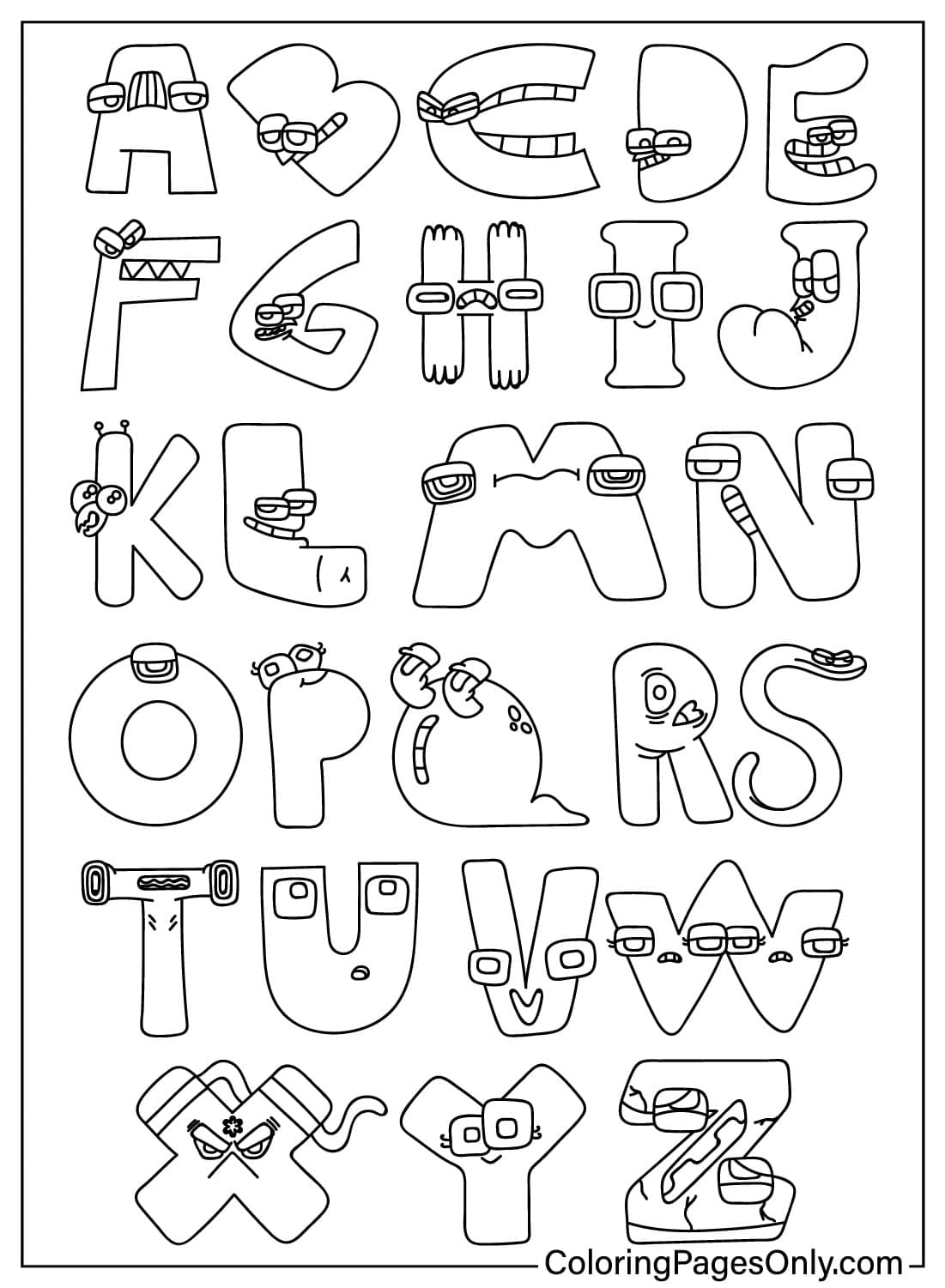
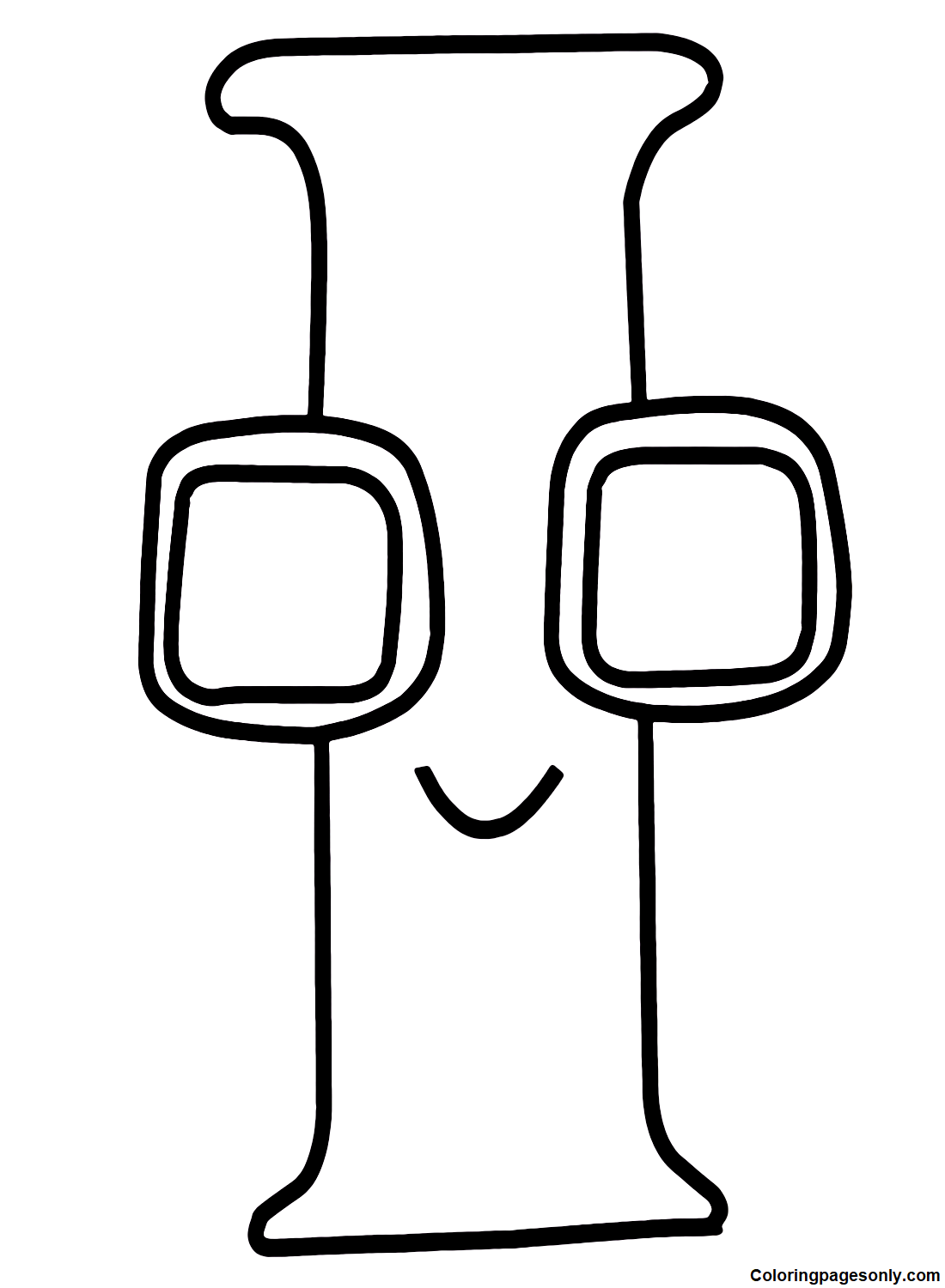
Lettle A through Lettle Z (the “Lettle” prefix indicating lowercase letter variants) and Alphabet Lore A through Z (uppercase variants) together give the full alphabet in both cases. This distinction matters for education: uppercase and lowercase letters are visually distinct enough that children learning the alphabet benefit from encountering both forms, and the Alphabet Lore character designs handle this elegantly – the same personality, expressed in both uppercase and lowercase letterform, makes the connection between the two forms intuitive rather than abstract.

The series’ character designs are worth describing specifically, because they are the entire reason the educational concept works:

A is a small, pink, rounded character – the letter A with eyes, walking on its two pointed feet. Approachable, cheerful, the series’s opening protagonist.

B is blue, with the two bumps of the letter B as physical features – a round, slightly lumbering character.

C is a curved crescent shape – also blue – which creates a character whose form is open and slightly incomplete, like C is always ready to receive something.

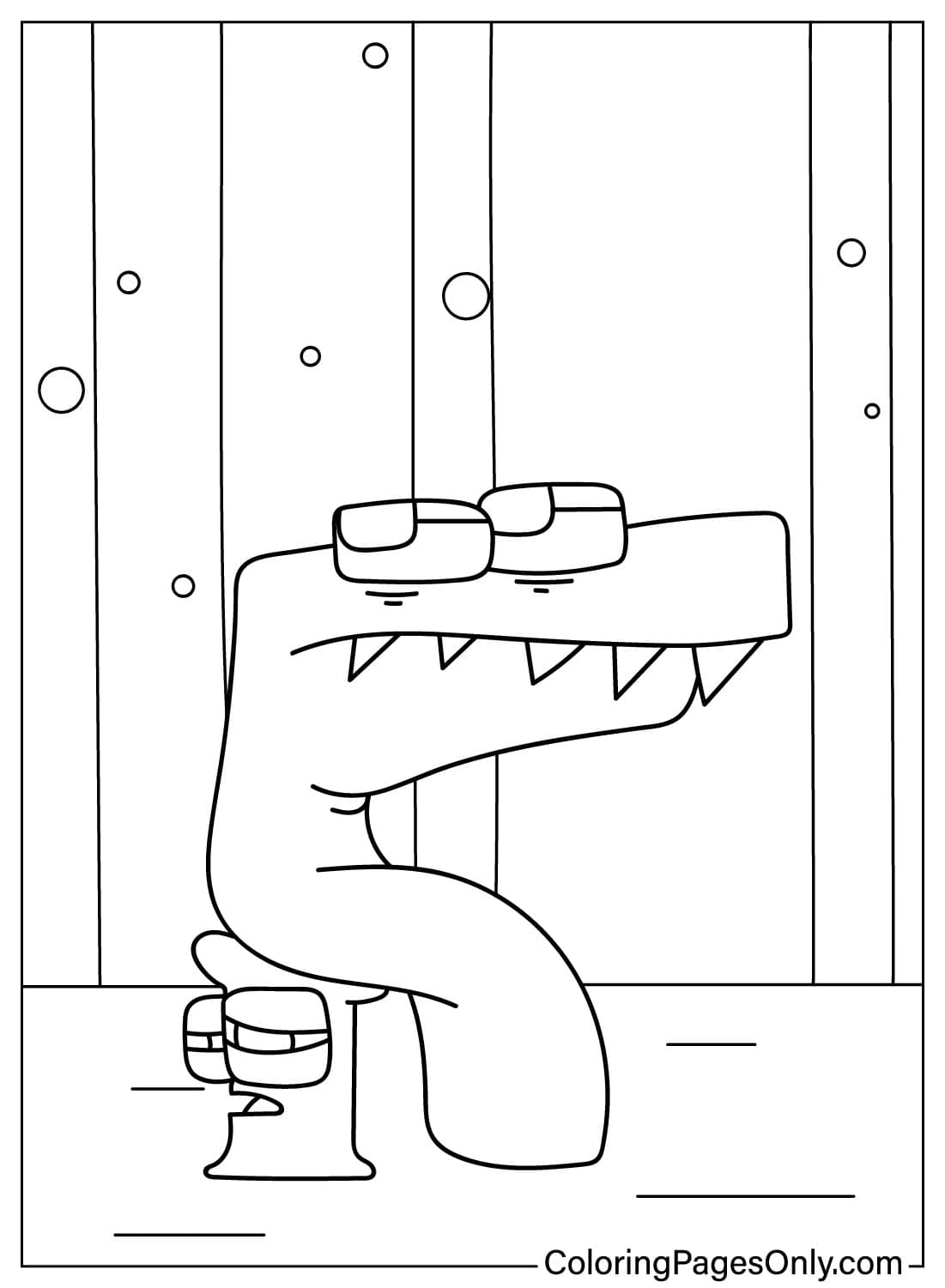
F is the character whose reputation in the fandom most precedes it – the pointed, somewhat chaotic energy of F’s design reflects the character’s role in the series’ narrative, which becomes progressively less innocent as the alphabet continues toward the later letters.

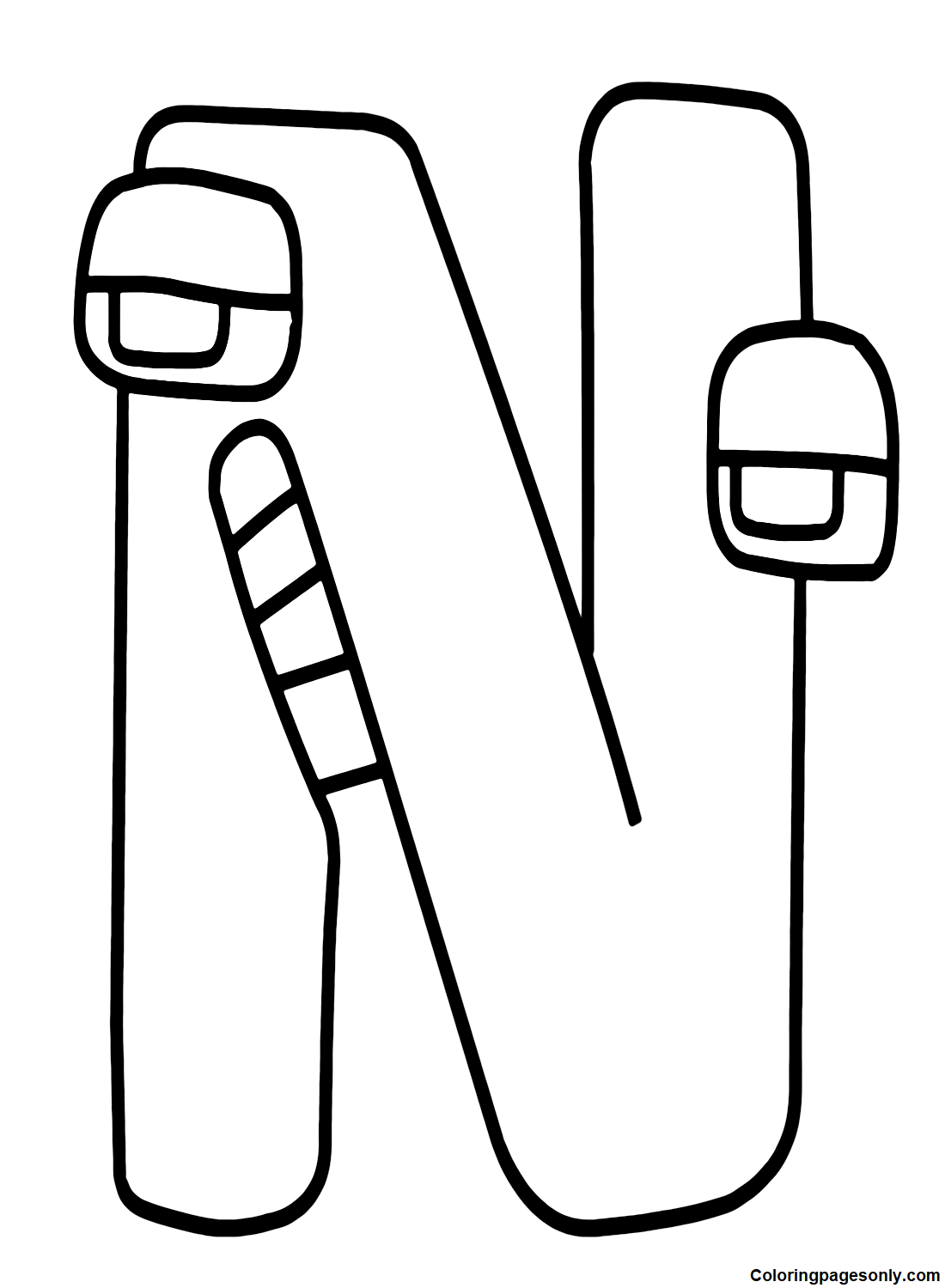
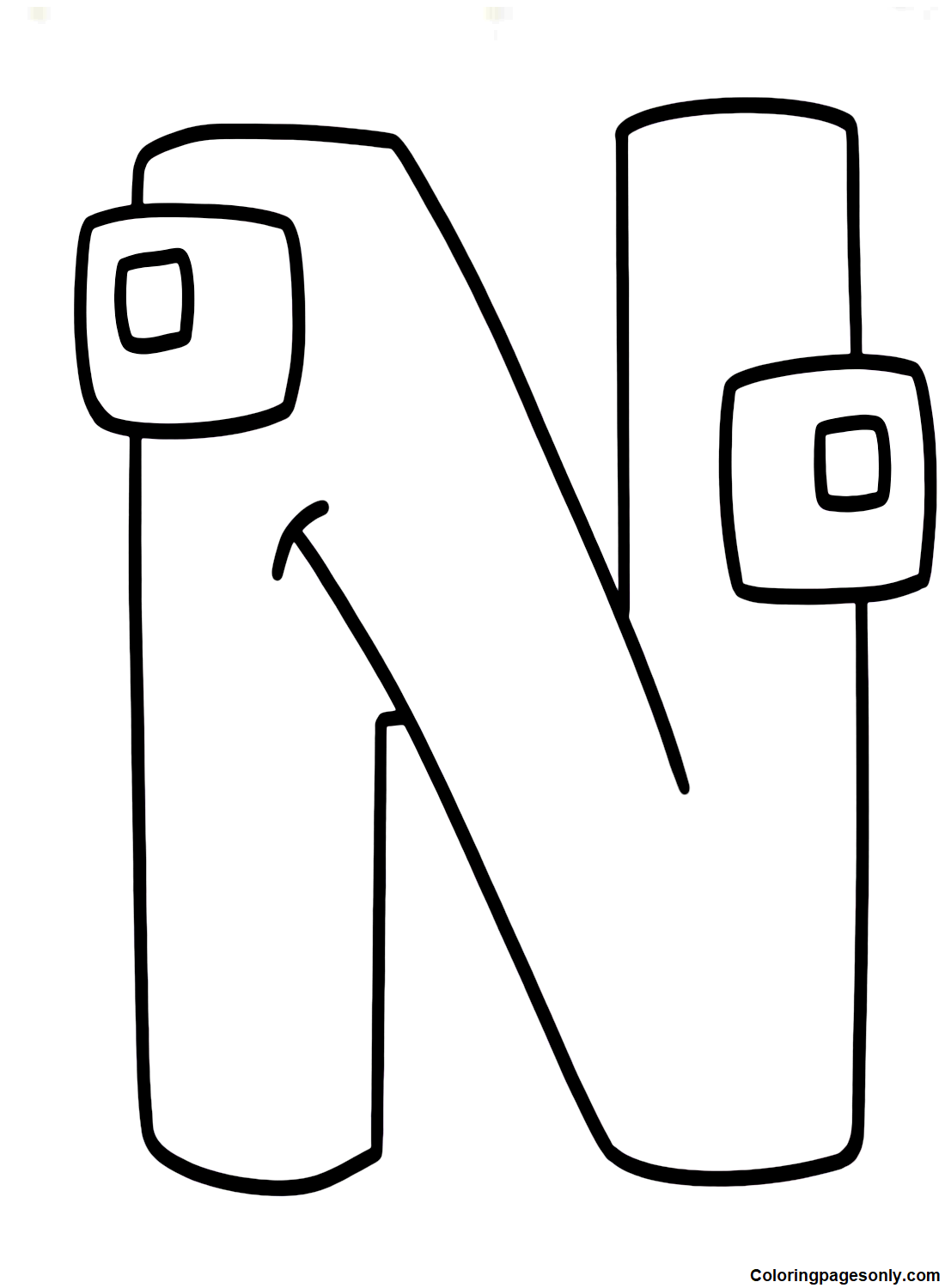
N appears in the collection in multiple configurations: solo as the full uppercase N (which in the series is a four-legged, somewhat intimidating character) and in various group pages.

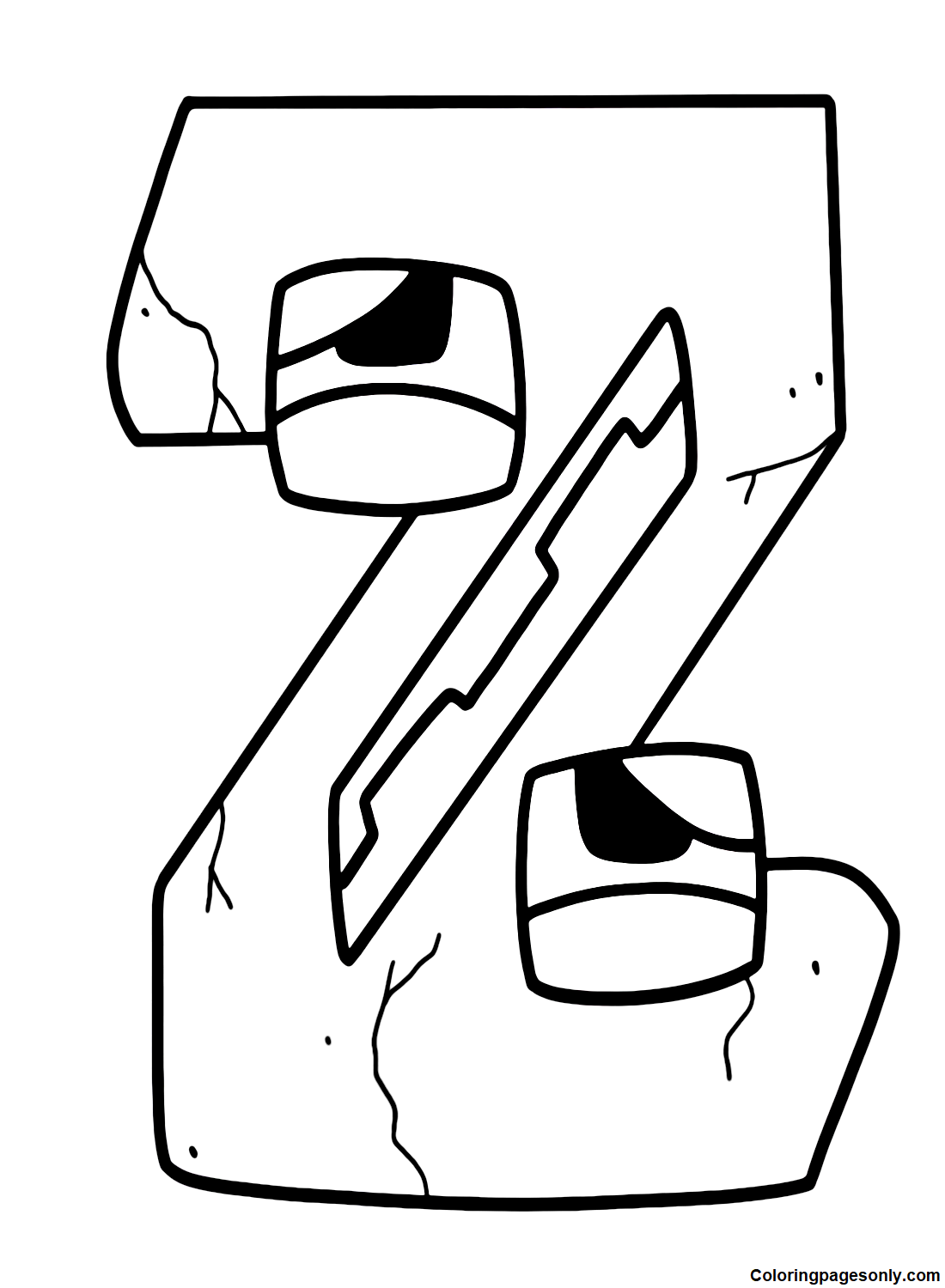
Z – the final letter, the series’ climax – is rendered with appropriately dramatic visual weight. The Z from Alphabet Lore and Alphabet Lore Lettle Z pages gives the final character solo billing that reflects its narrative importance.

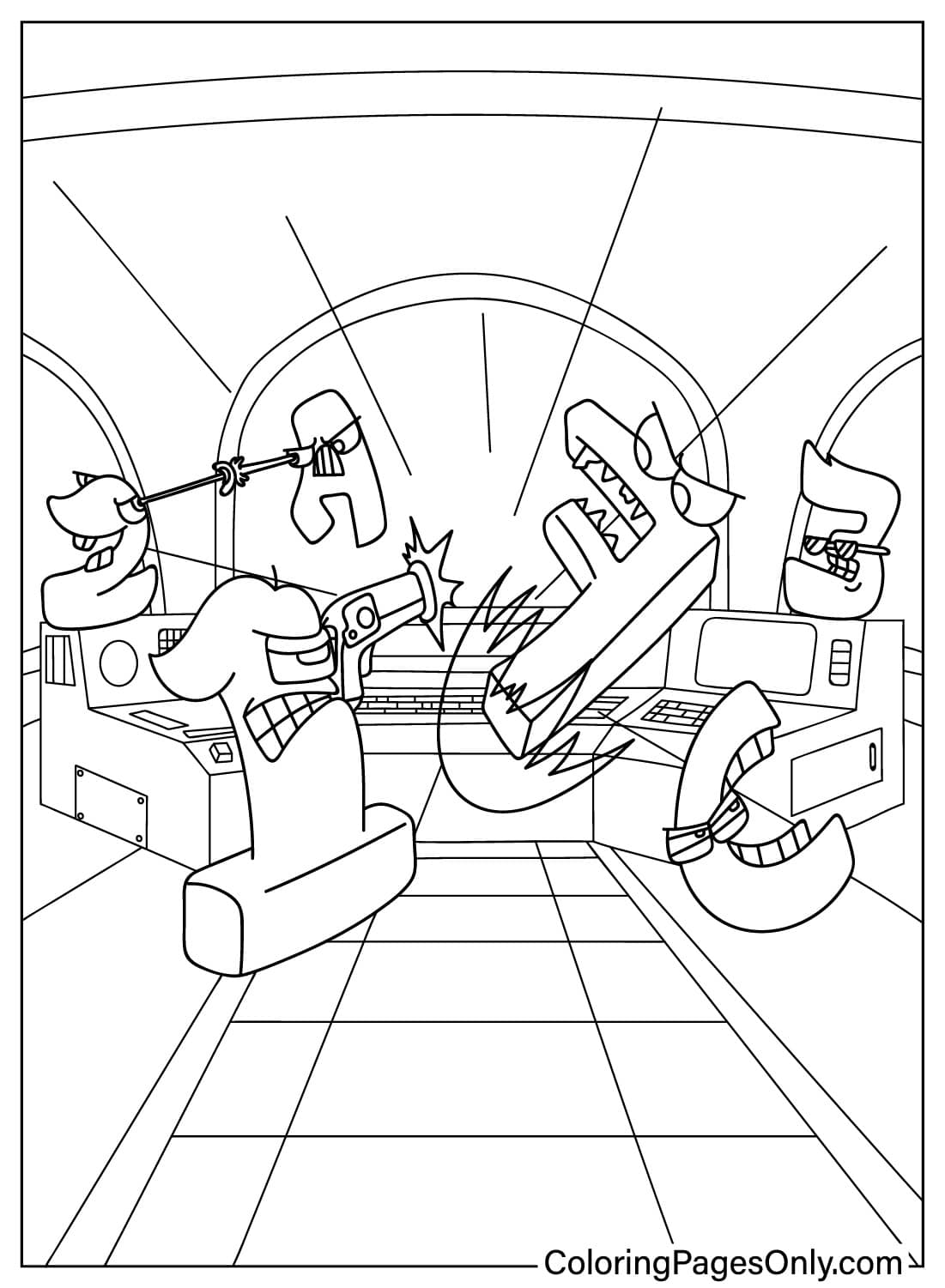
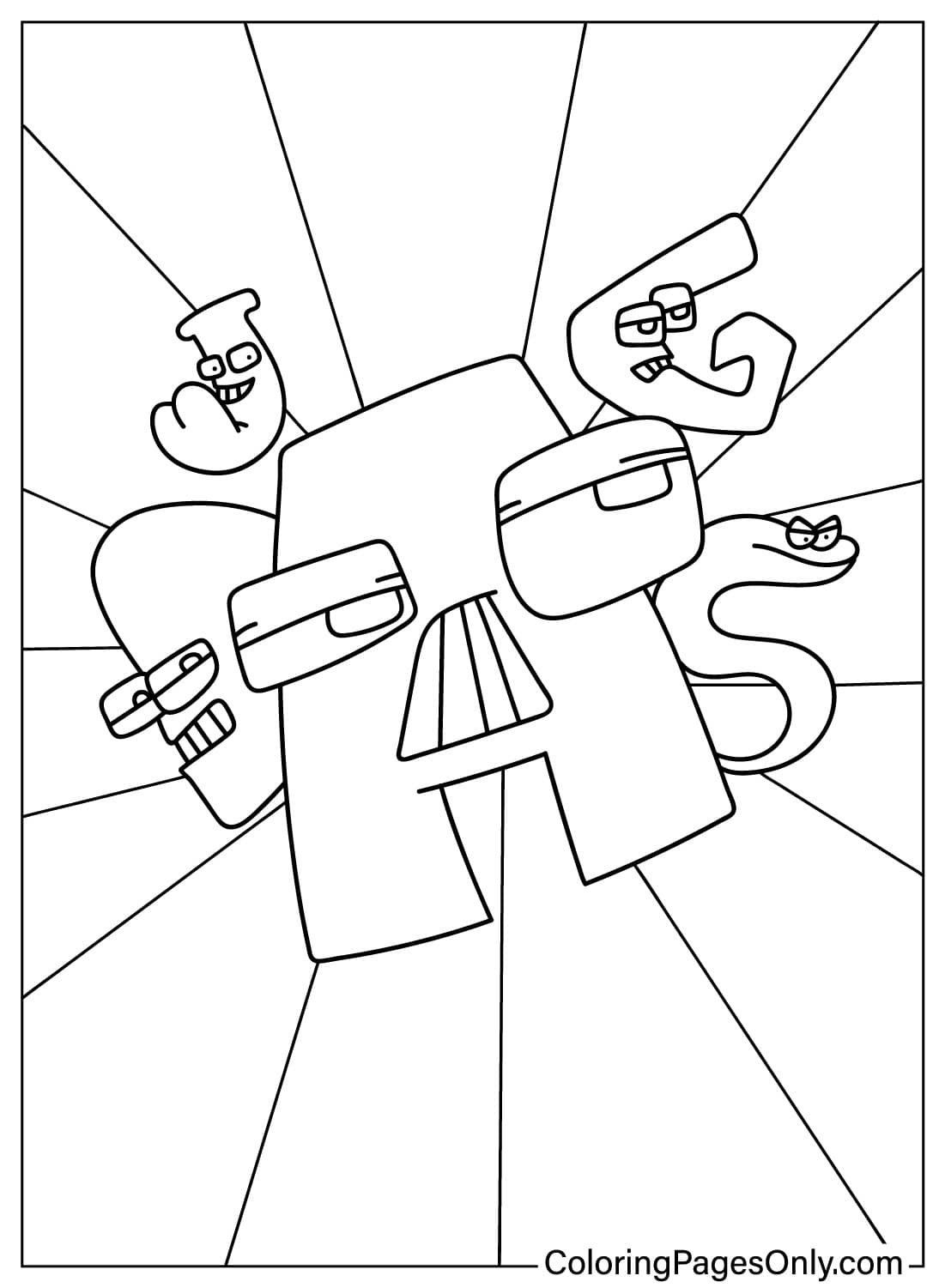
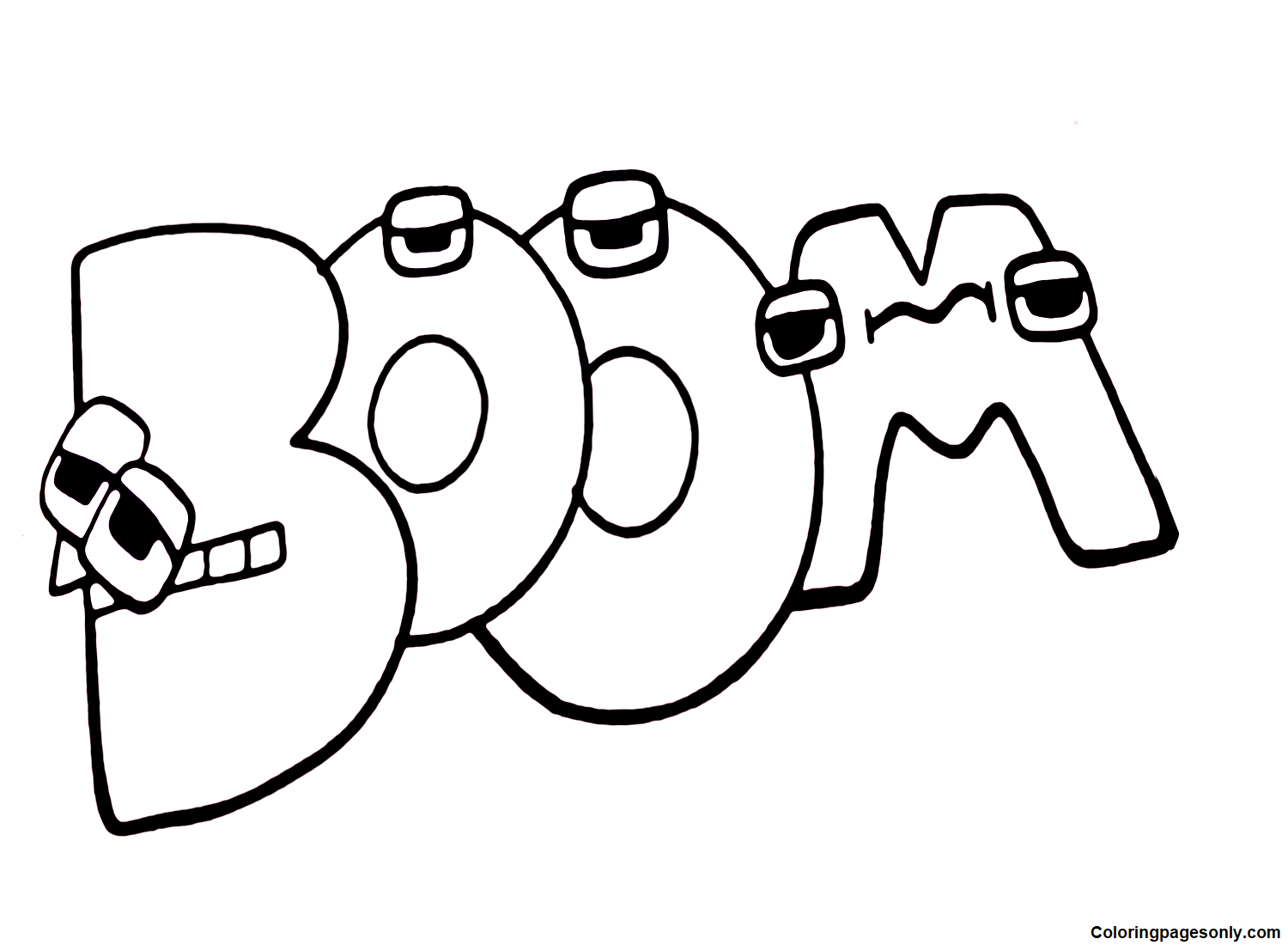
The letters that generate the most creative interest in the fan community are those whose designs are most distinctive: F, N, and the later-alphabet letters that take on increasingly complex visual treatments. The BOOM from the Alphabet Lore page captures one of the series’ most dramatically charged moments – the word “BOOM” spelled out by four letter characters, which occurs during the series’ climactic confrontation sequence.

Group and Multi-Letter Pages

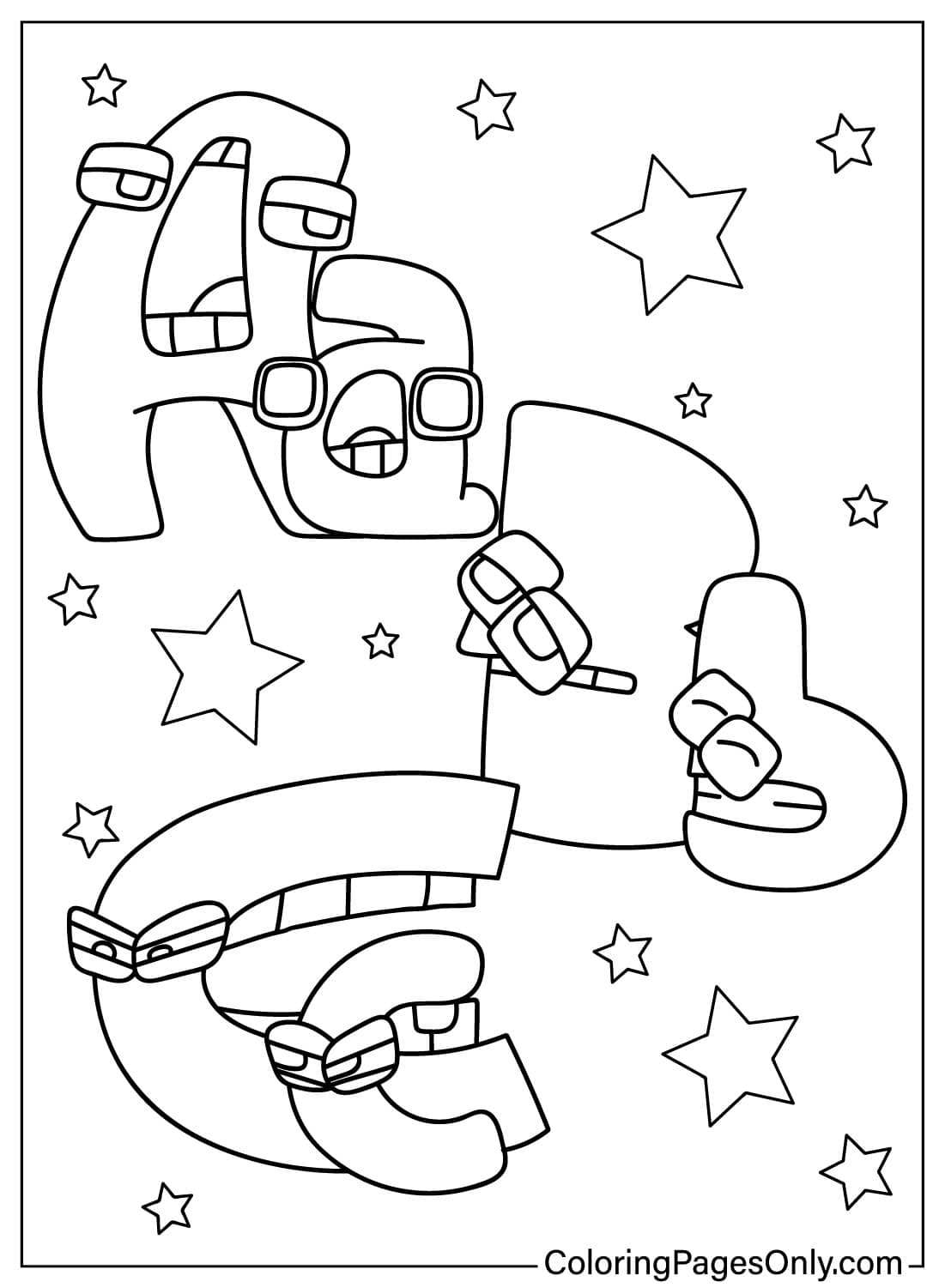
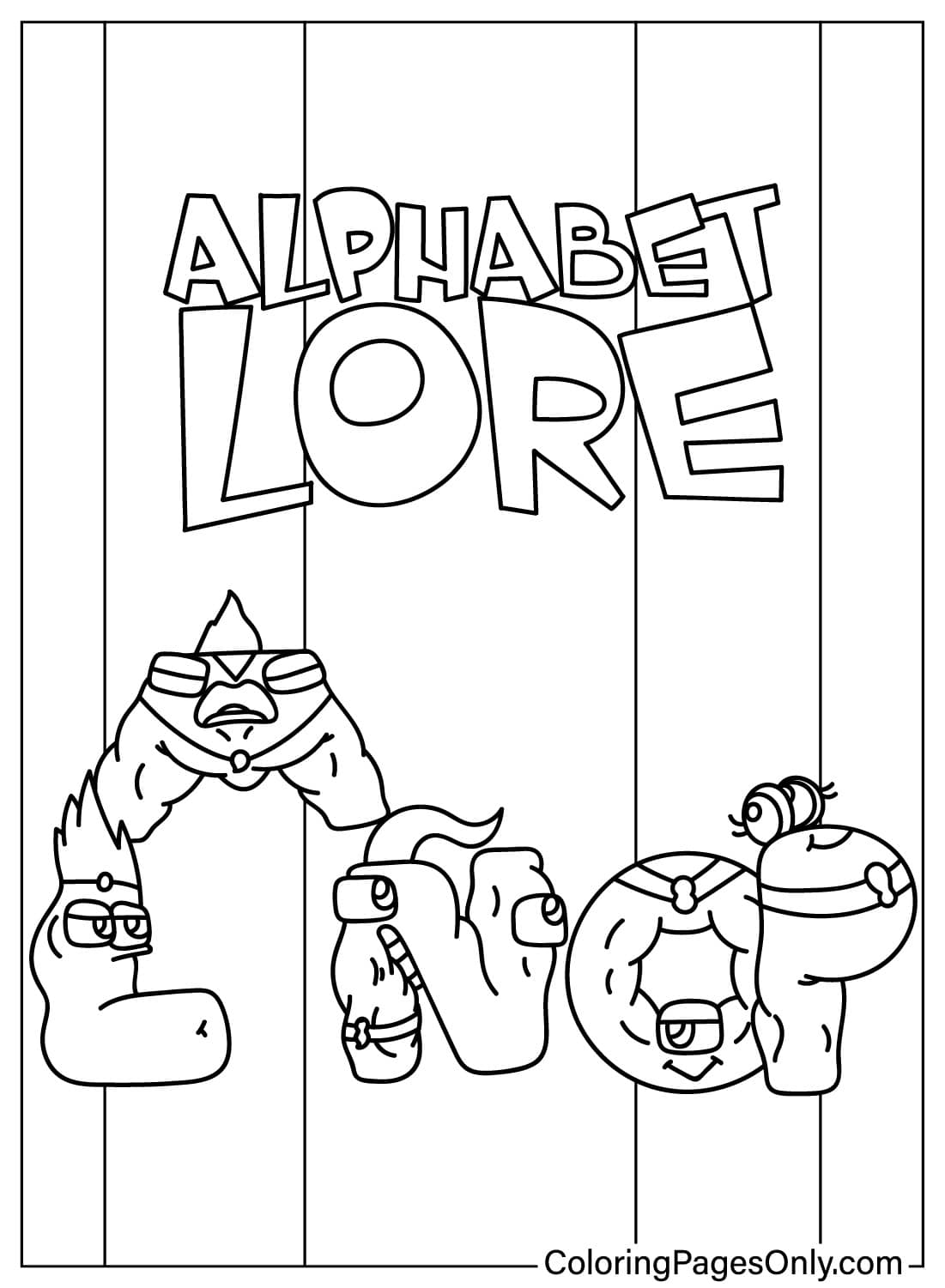
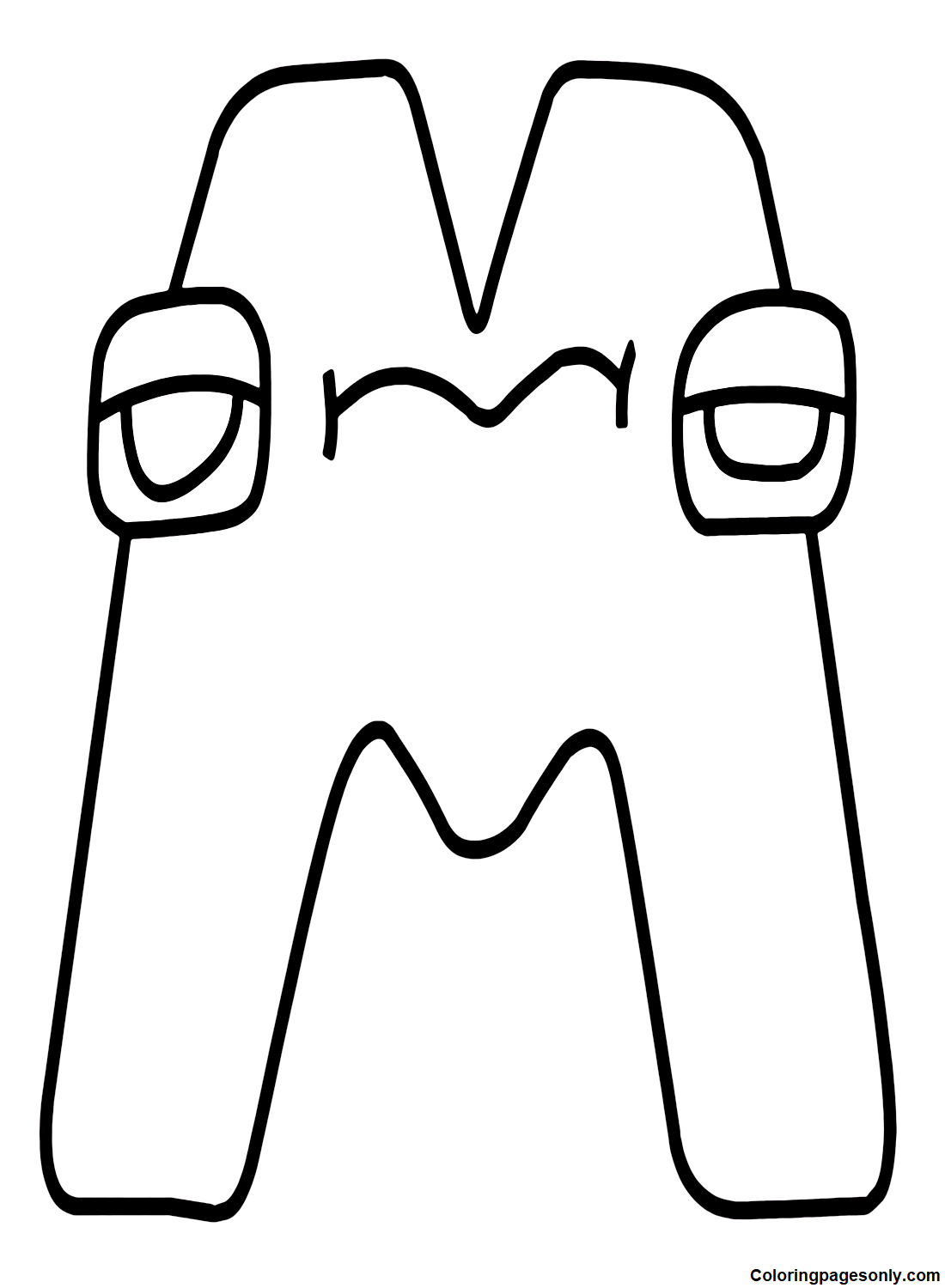
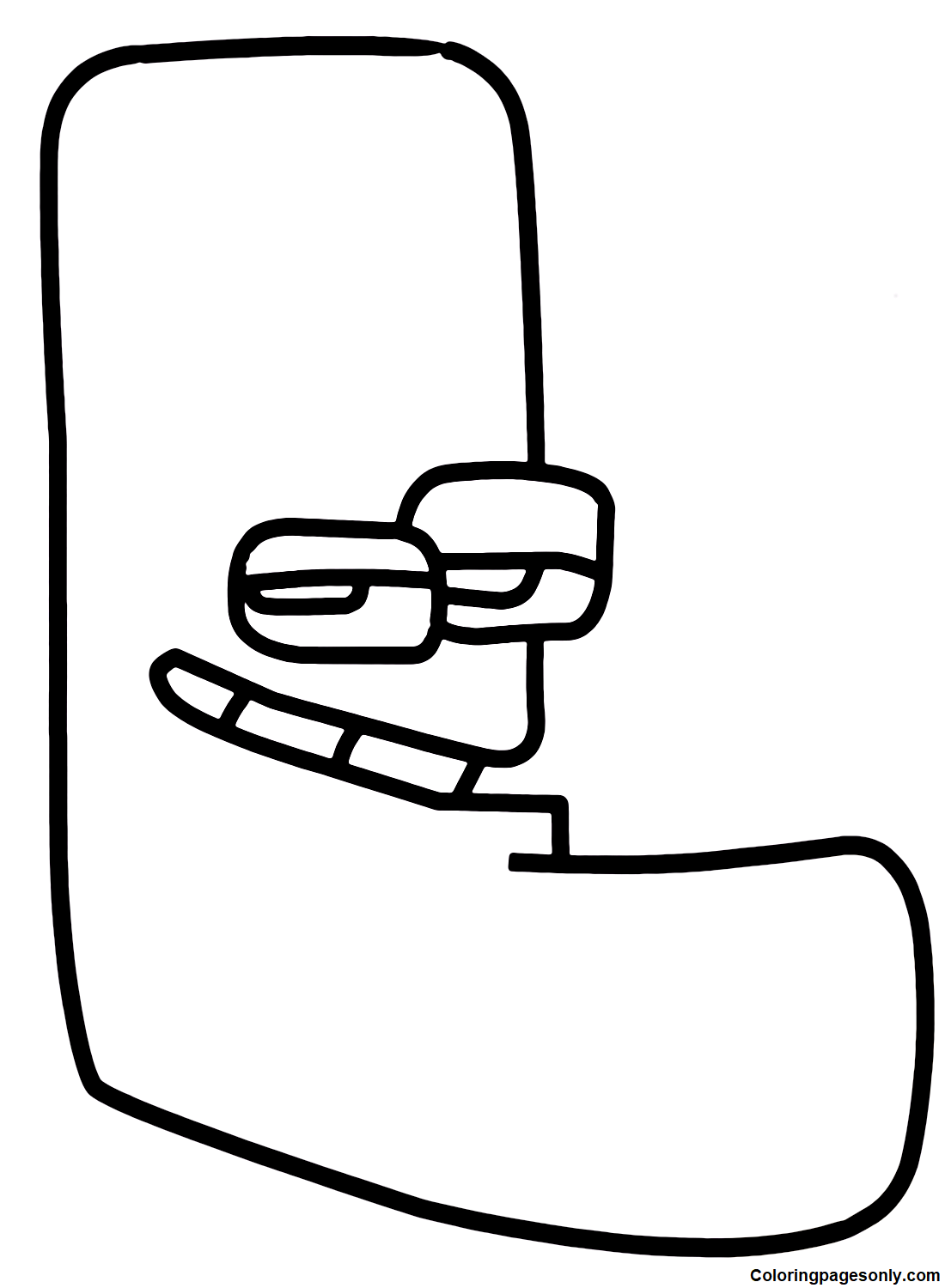
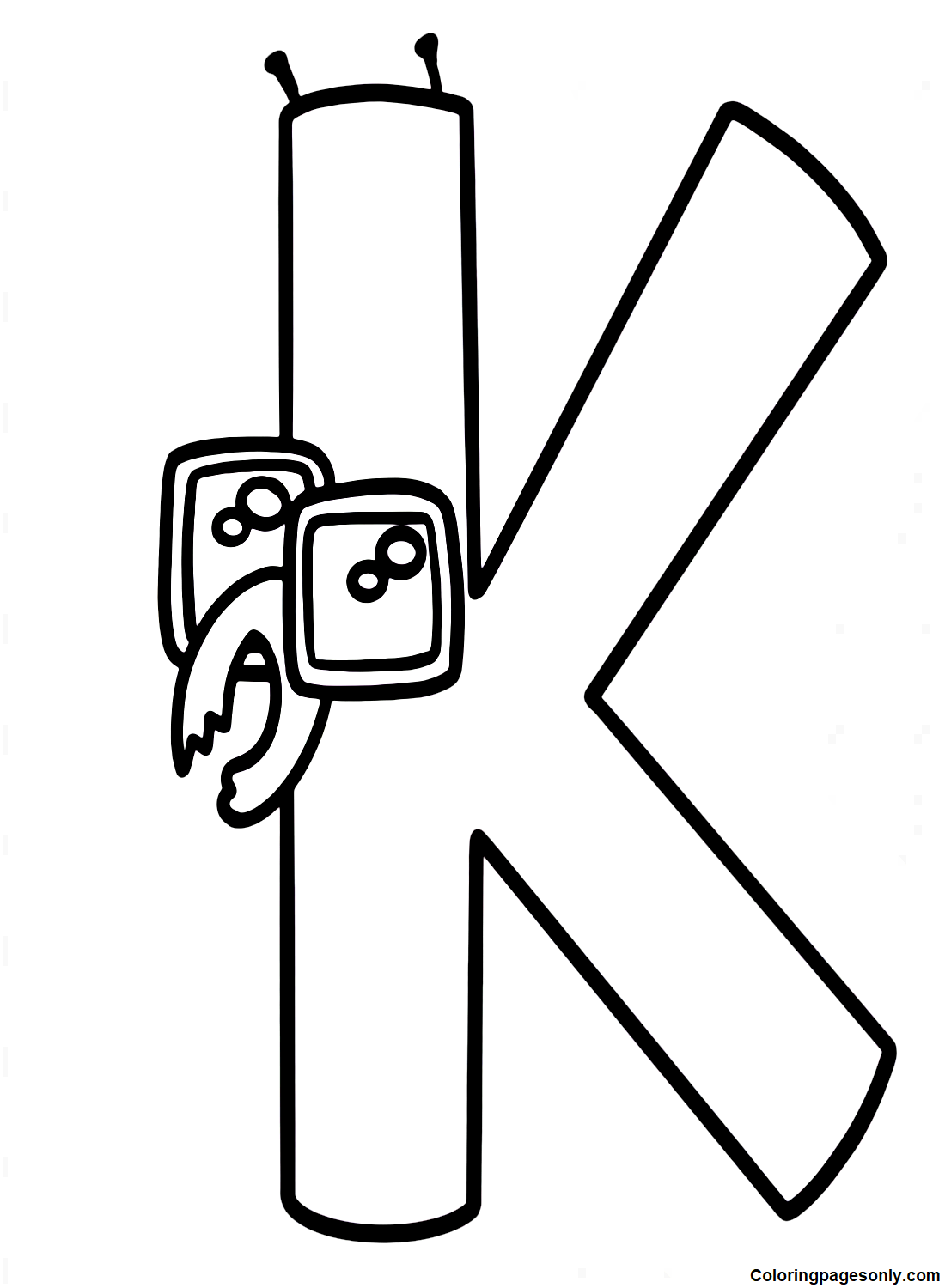
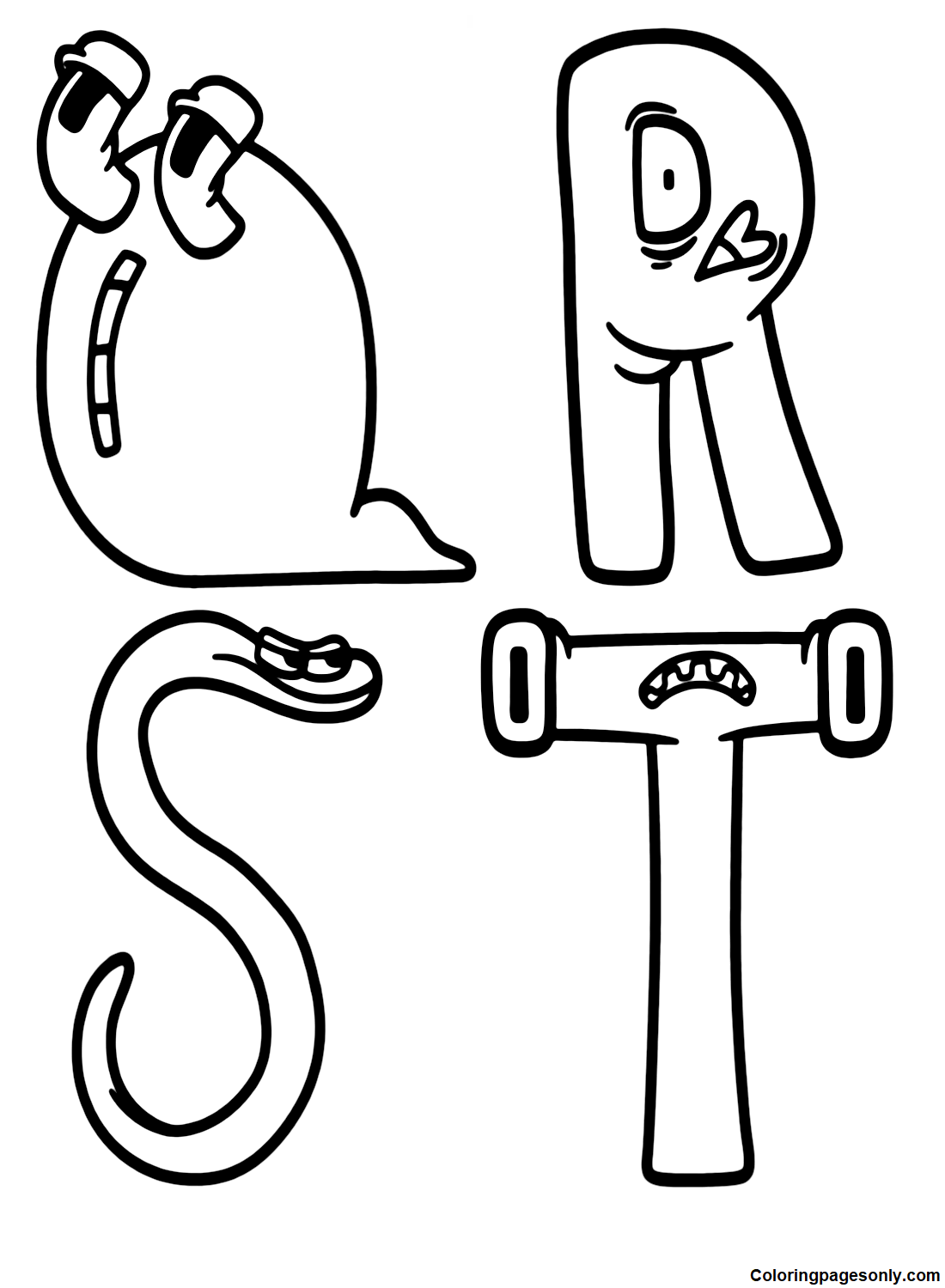
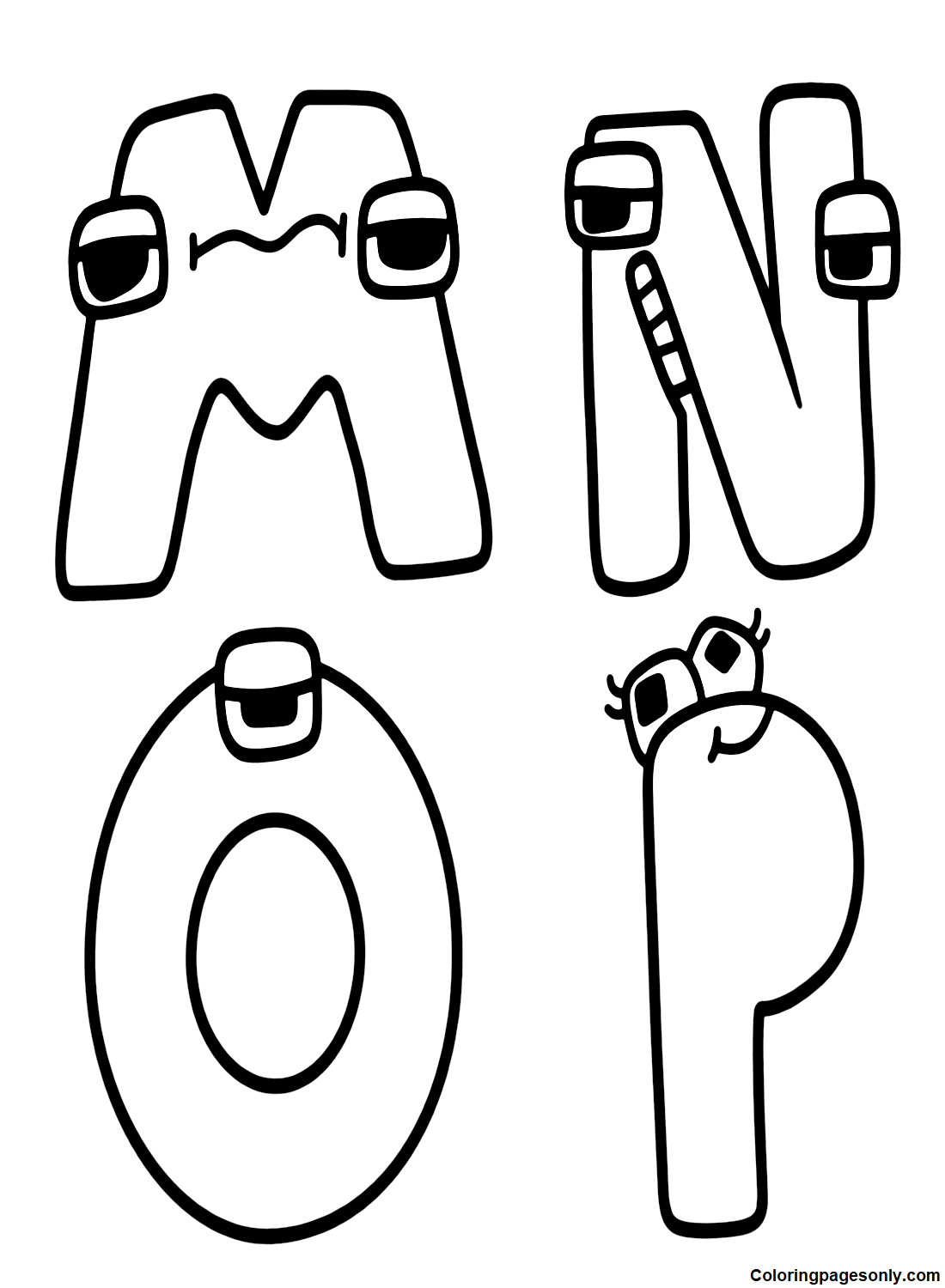
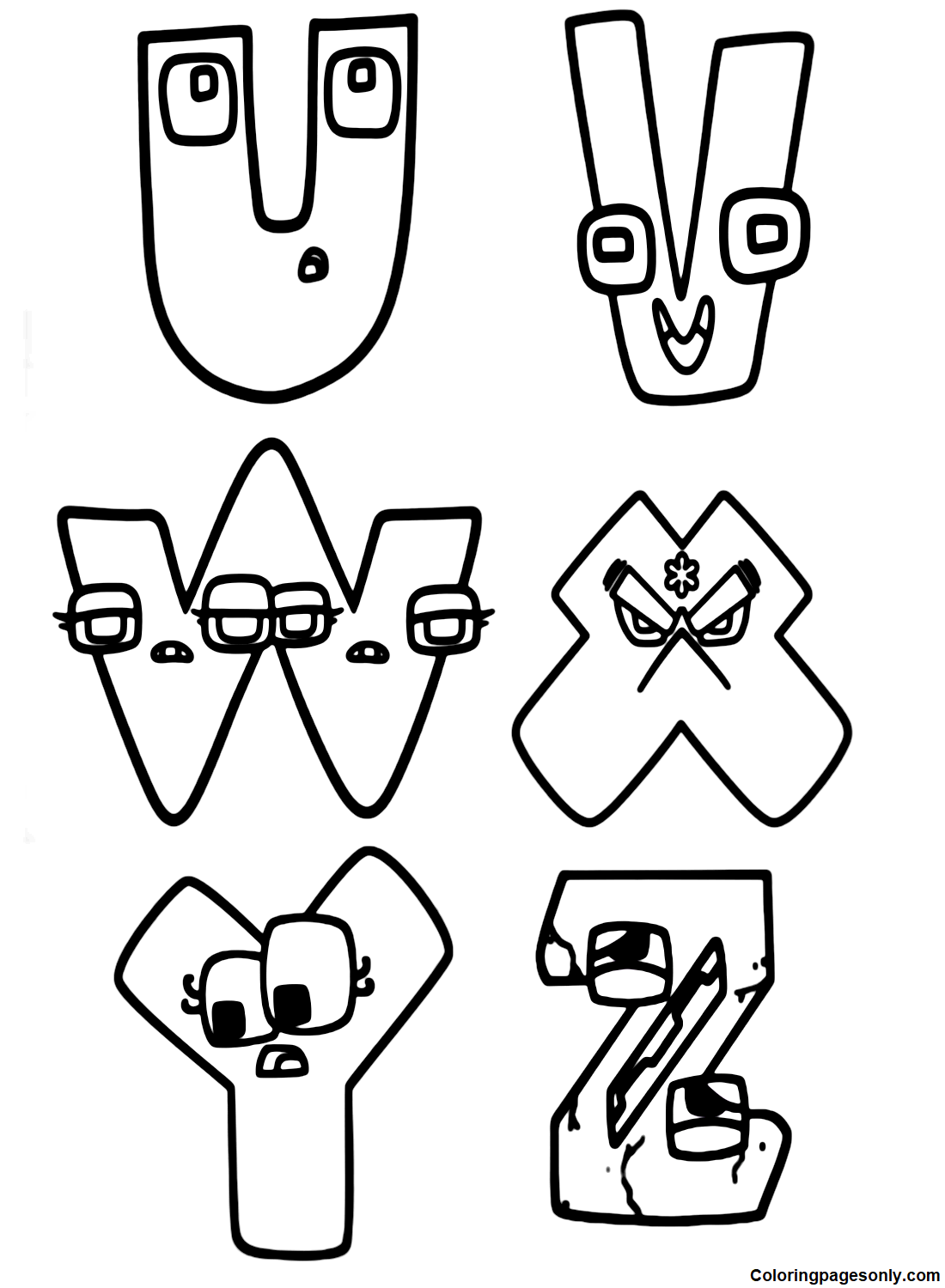
Alphabet Lore A-B-C-D, Alphabet Lore E-F-G-H, Alphabet Lore I-J-K-L, Alphabet Lore M-N-O-P, Alphabet Lore Q-R-S-T, Alphabet Lore U-V-W-X-Y-Z, Full Alphabet Lore – the sequential group pages are among the most educationally valuable in the collection. They show multiple characters simultaneously in the same composition, reinforcing the sequential order of the alphabet through spatial arrangement while allowing children to see each character’s distinctive design in relationship to its neighbors.

The Full Alphabet Lore page – all 26 characters together – is the most ambitious single page in the collection and the most satisfying when completed. Coloring all 26 characters in one page session, maintaining distinct colors and personalities for each letter, requires sustained attention and fine motor control that makes it best suited for ages 7 and up or for shared adult-child coloring sessions where an adult handles the more complex letters.

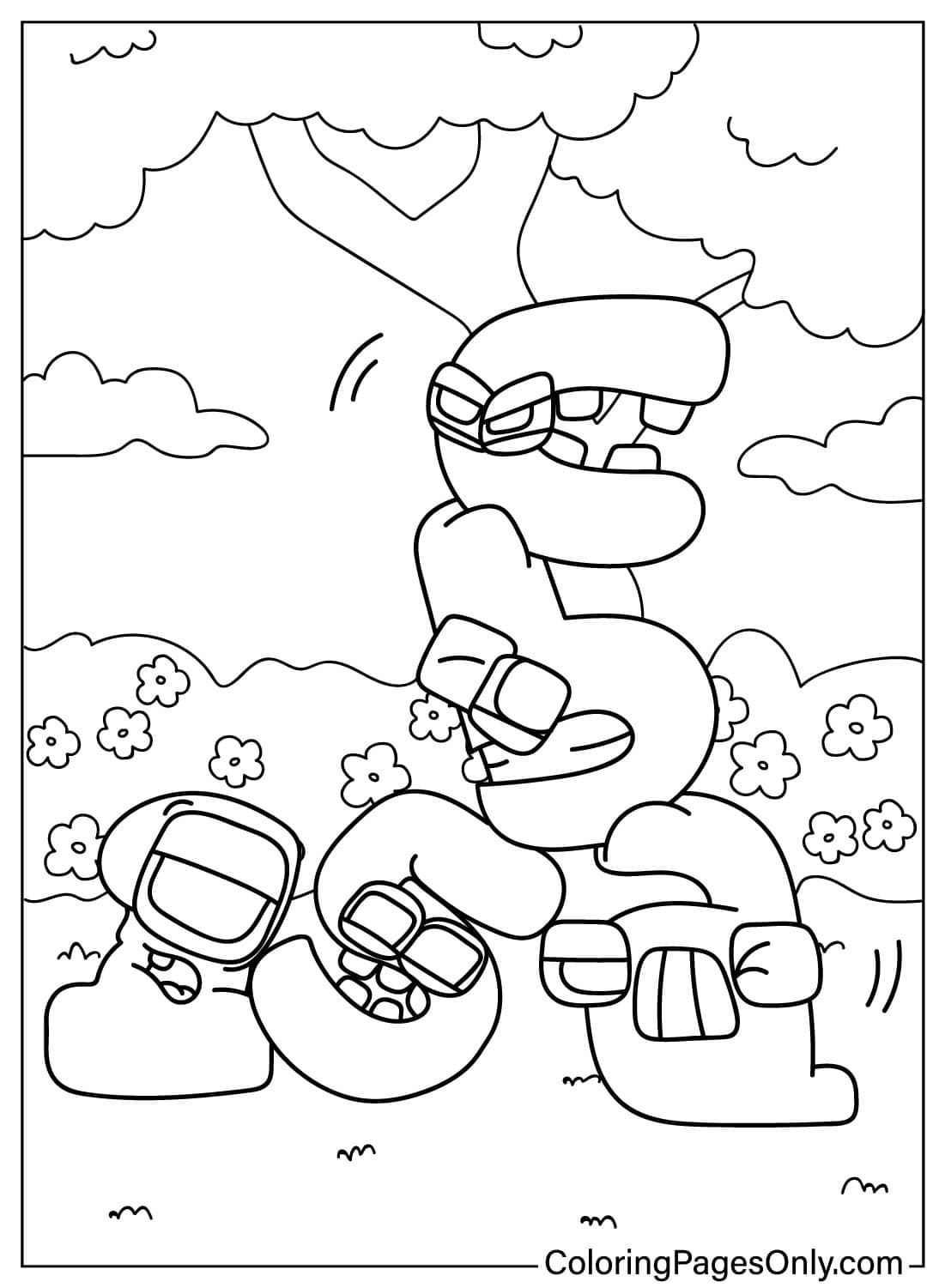
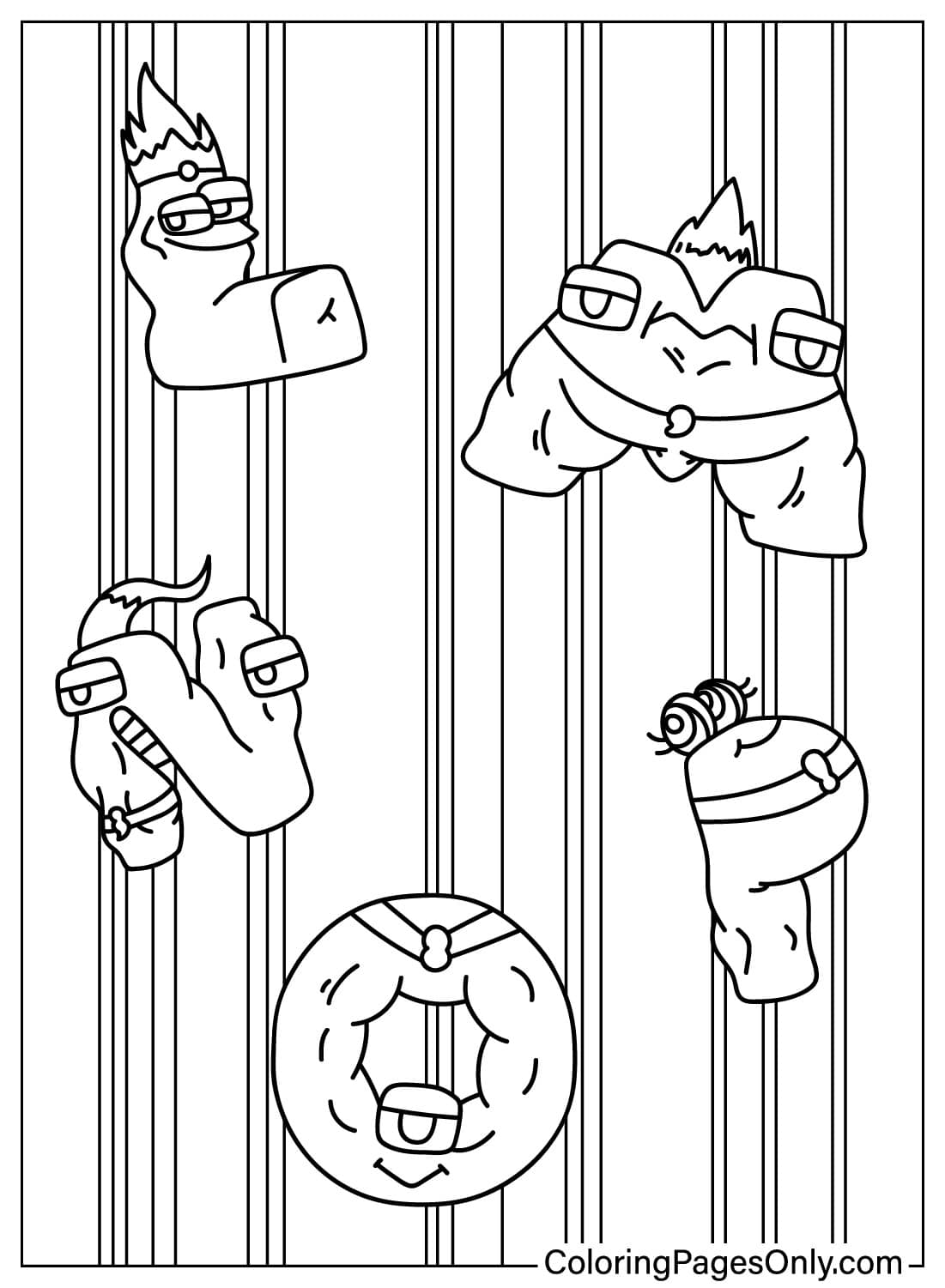
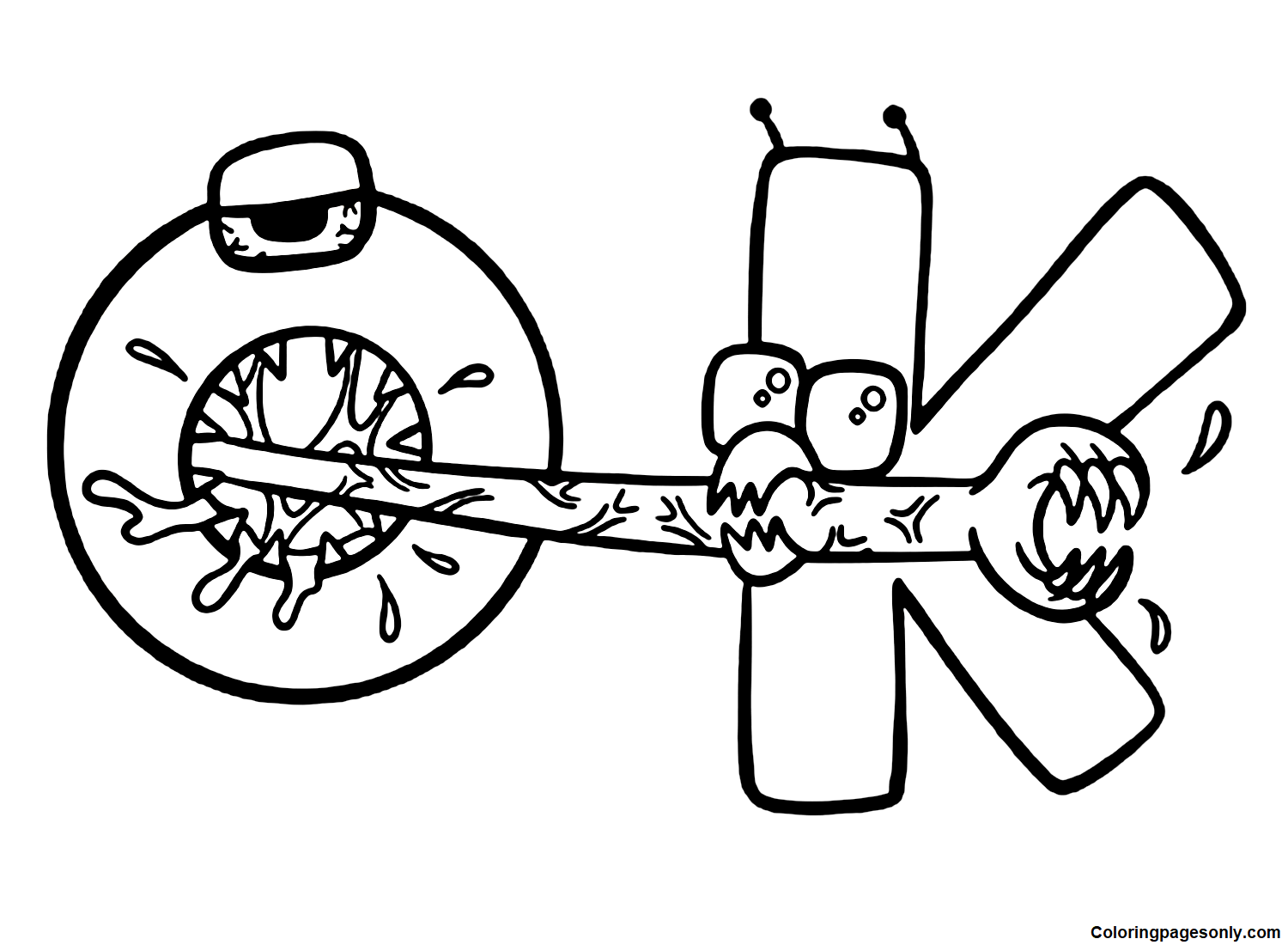
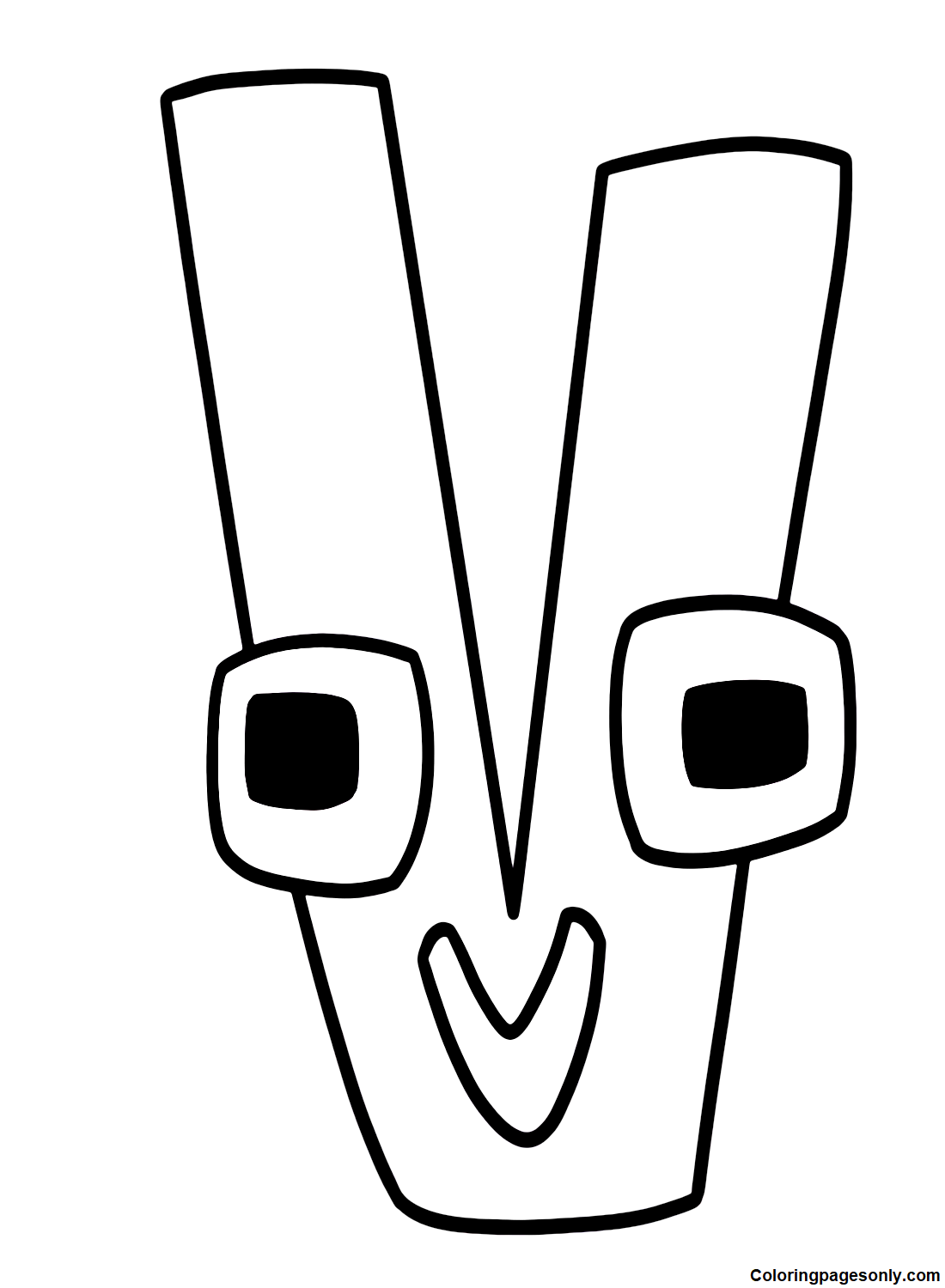
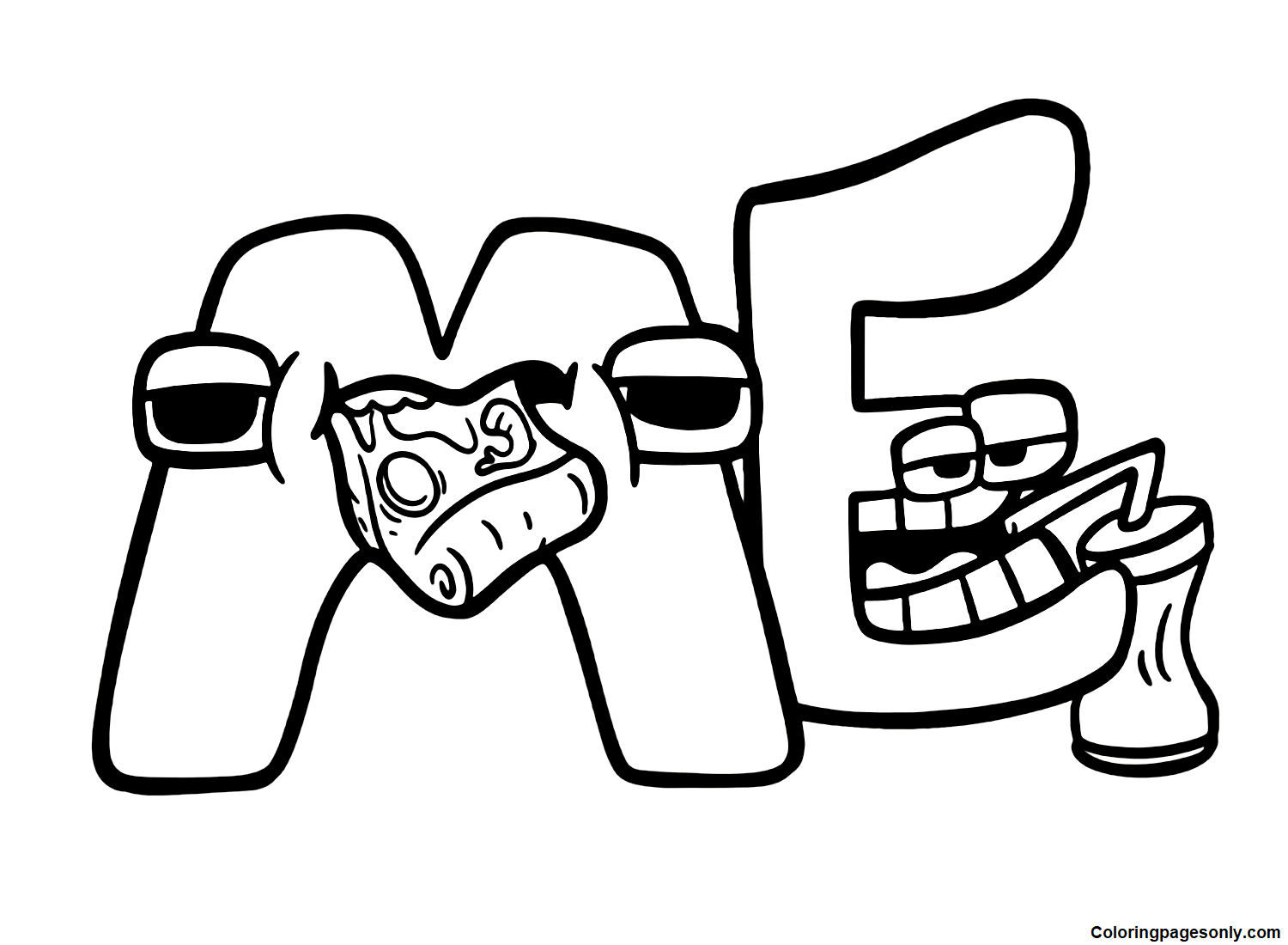
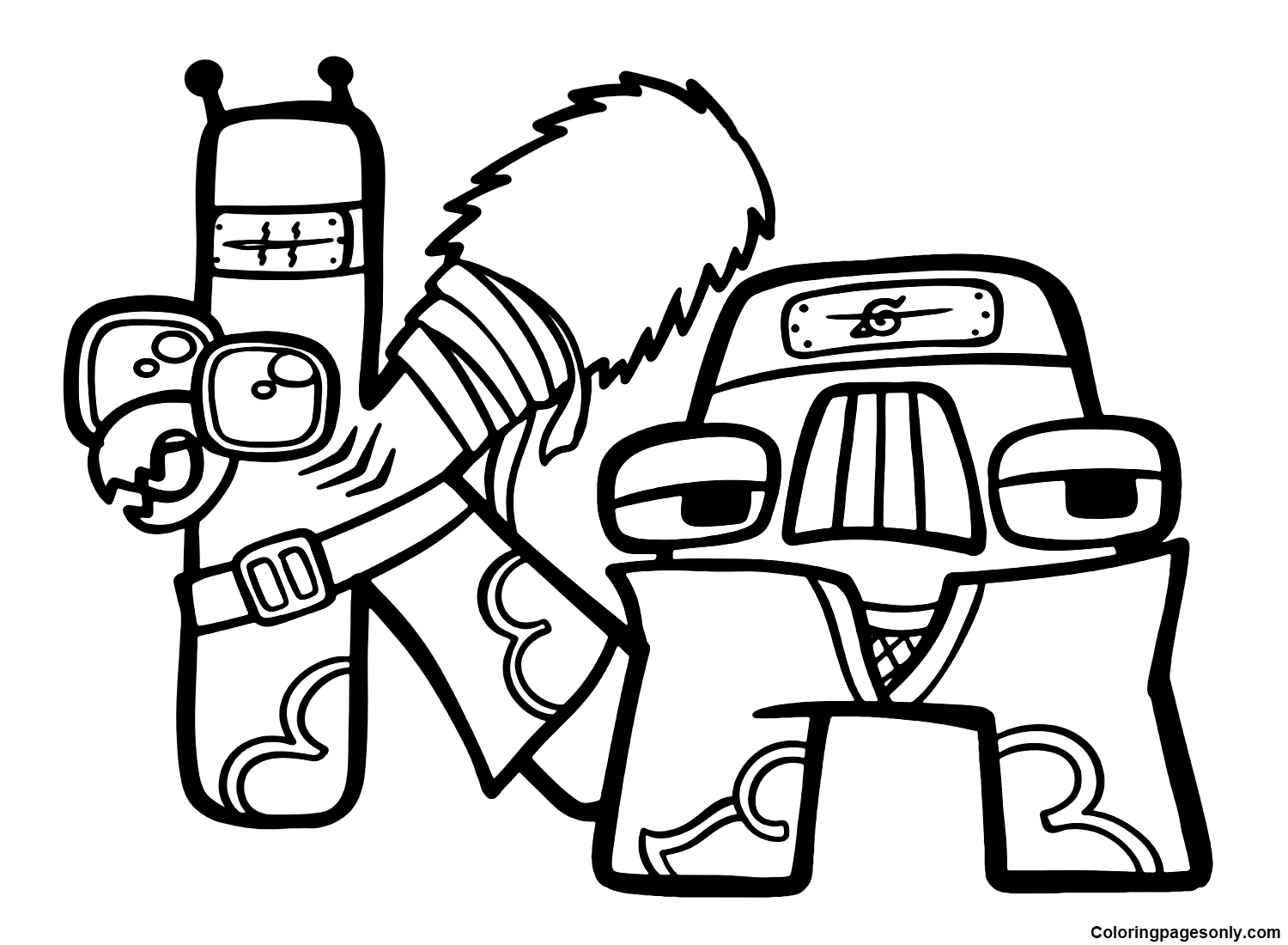
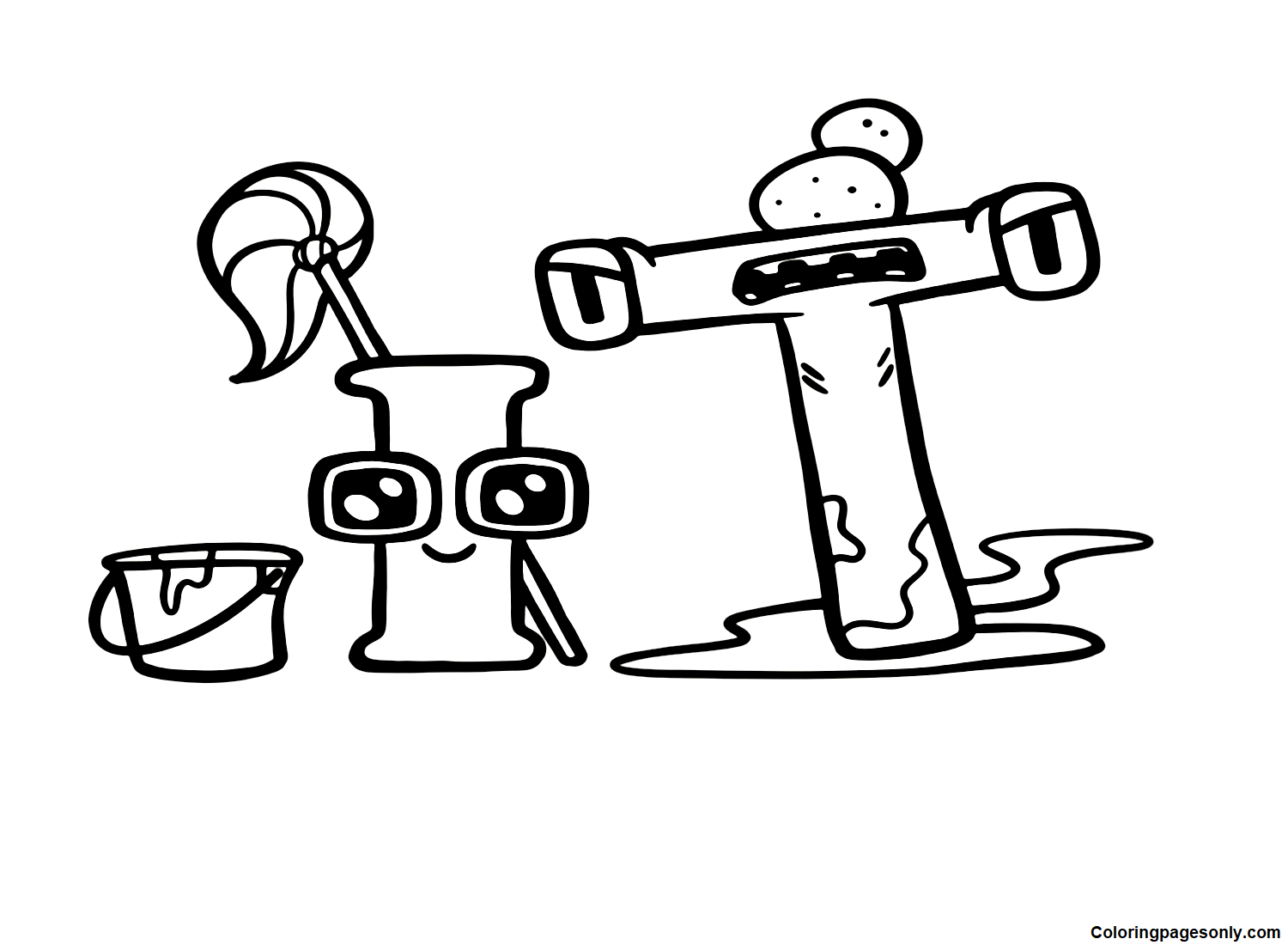
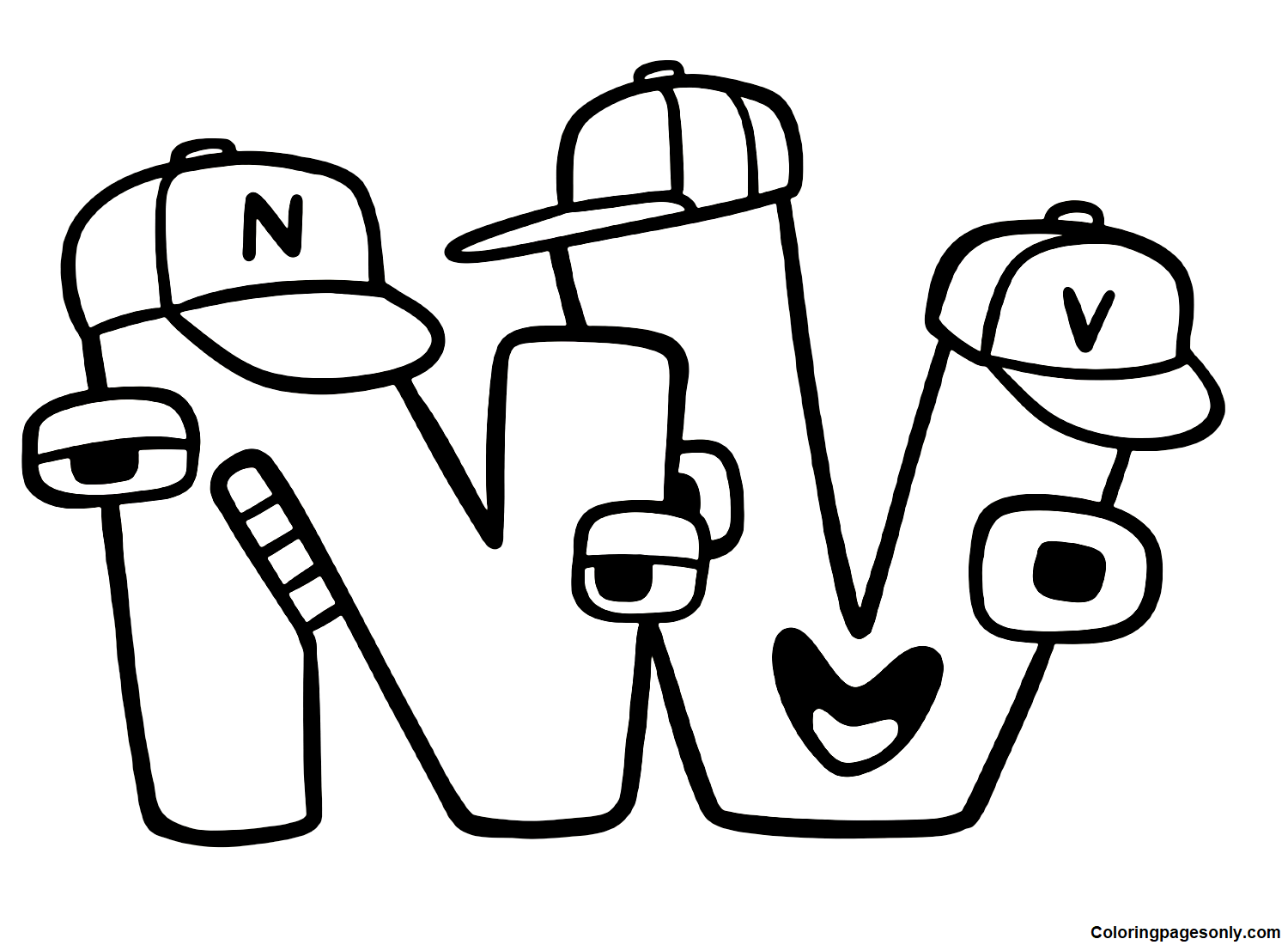
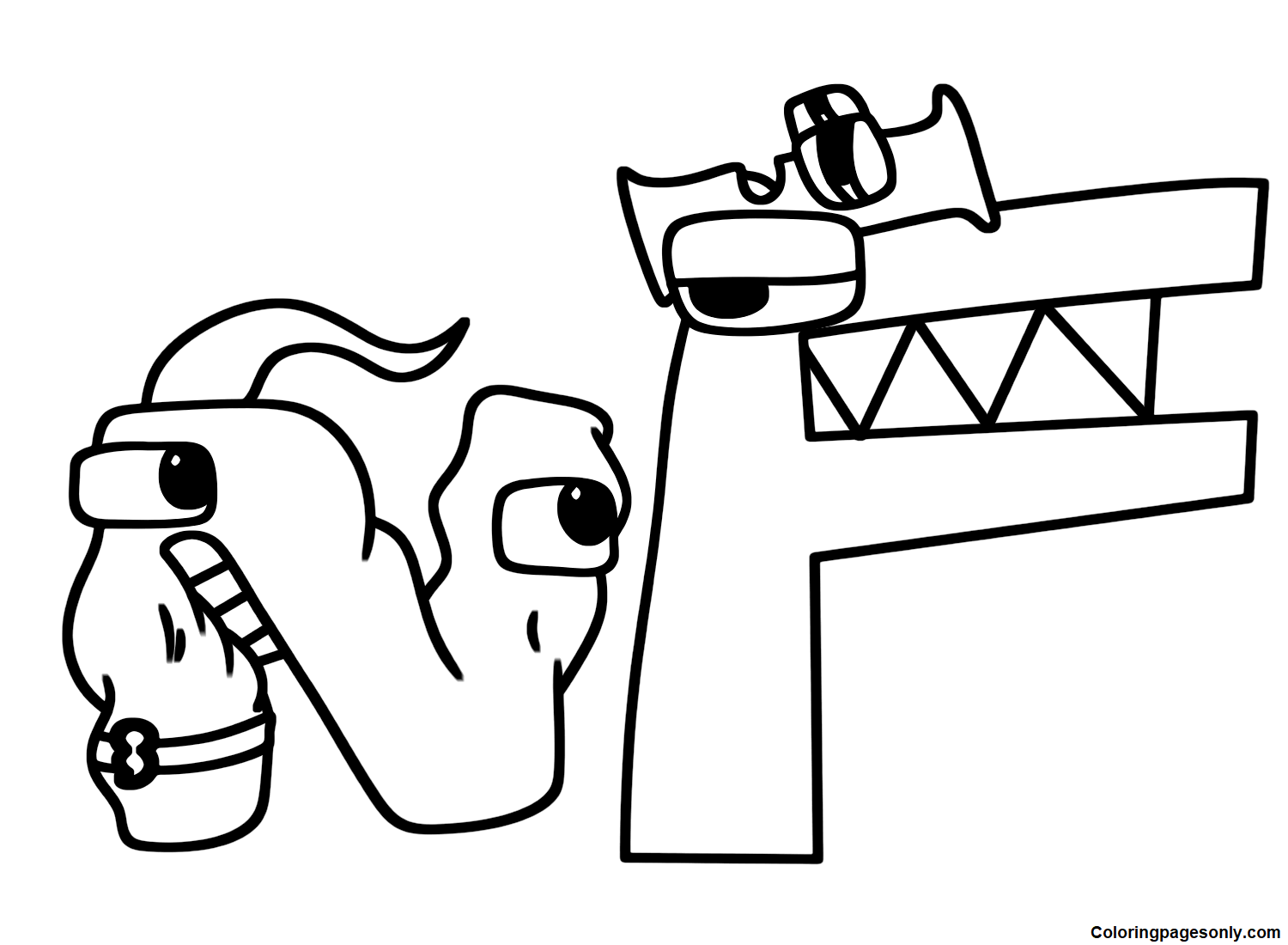
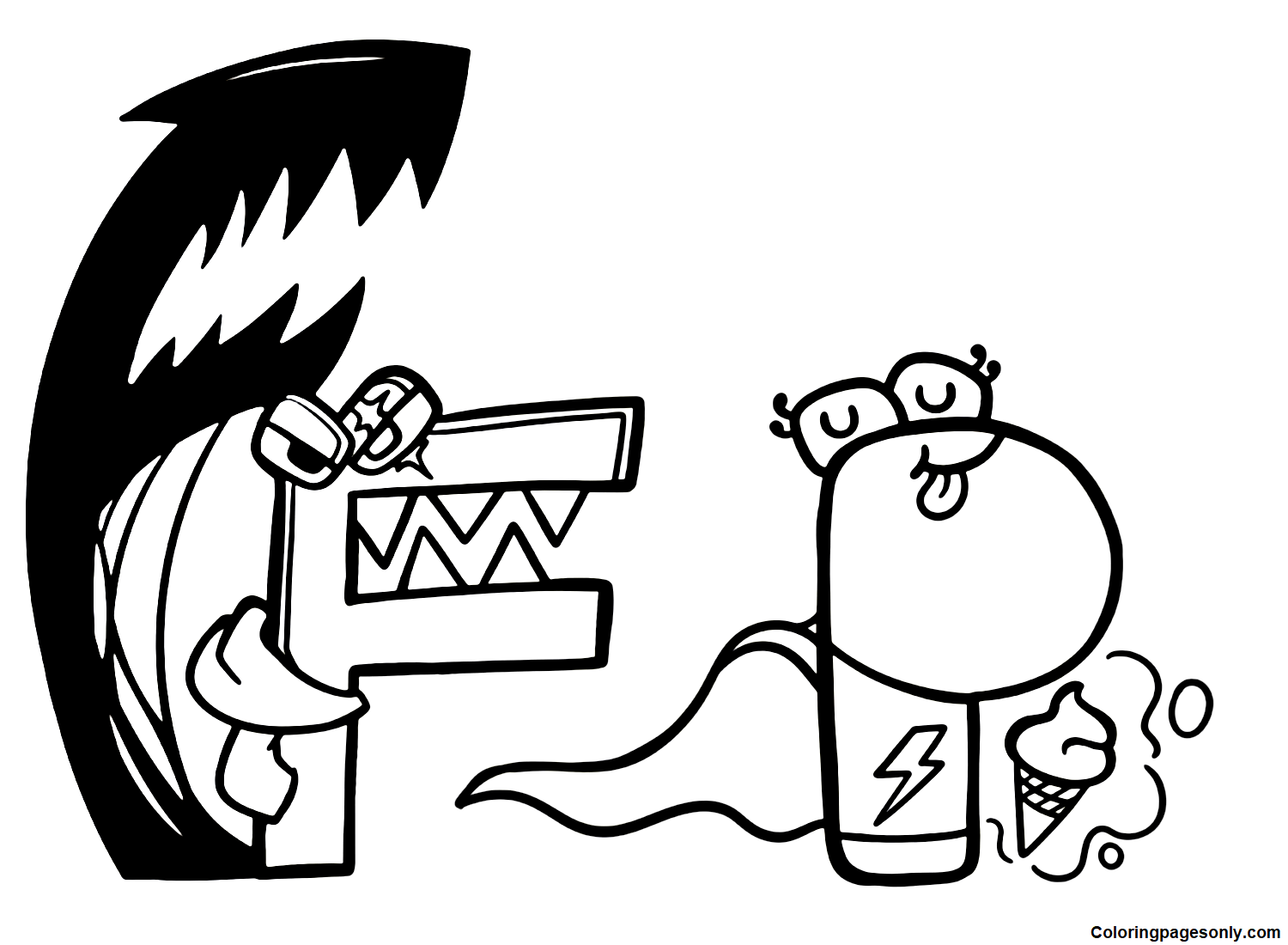
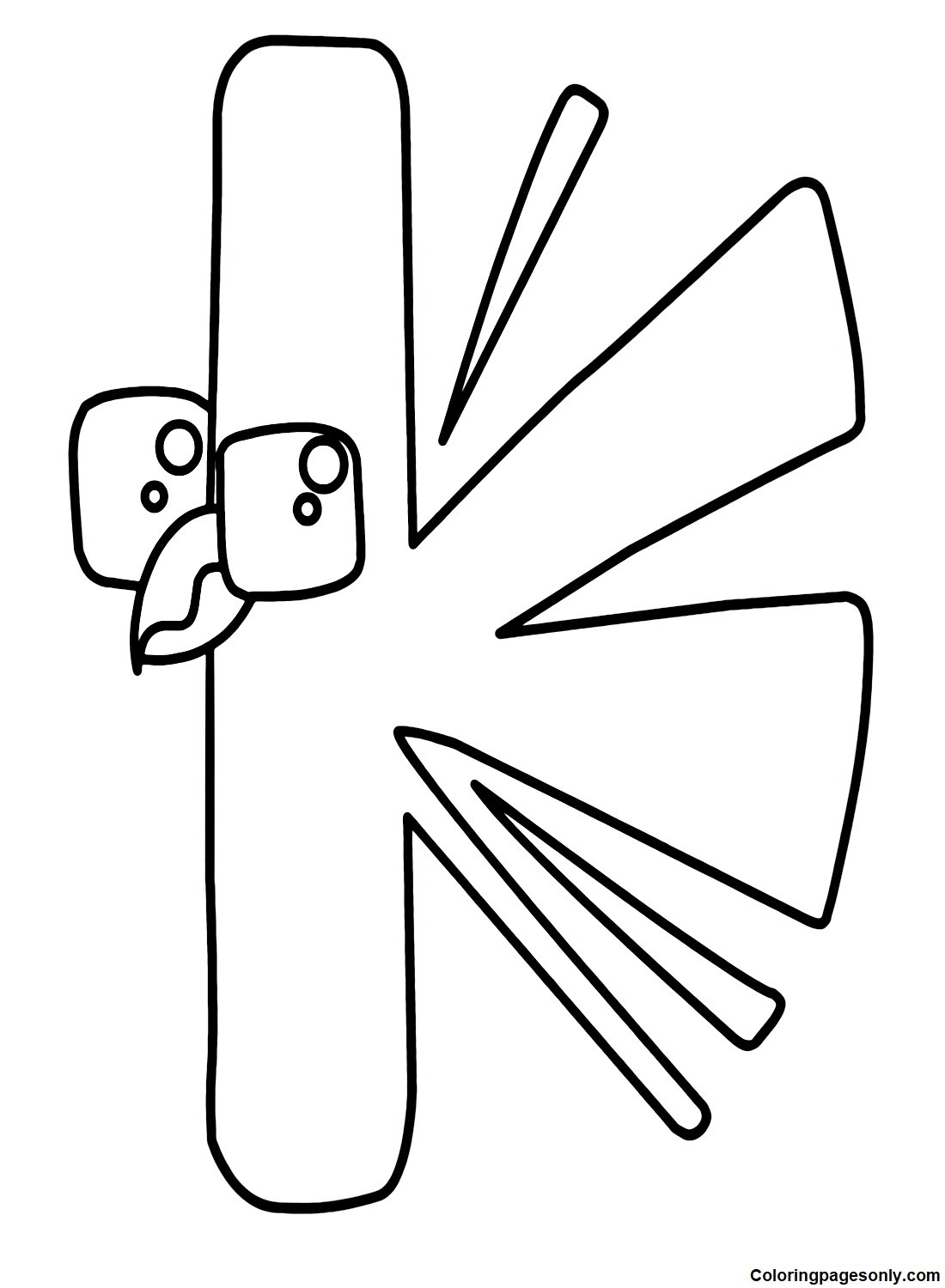
Alphabet Lore T A L is a thematic grouping – the letters that spell a word appearing together. Alphabet Lore Letter RGBO, Alphabet Lore Letter PWY, Alphabet Lore Letter K and A, Alphabet Lore Lettle X and R, Alphabet Lore Lettle M and E, Alphabet Lore Lettle I and T, Alphabet Lore Lettle H and F, Alphabet Lore Letter F and P, Alphabet Lore Letter N and F, Alphabet Lore Letter N and V, Alphabet Lore Letter X and Y, Alphabet Lore Letter Q and Gary – the paired letter pages reflect key relationships and moments from the series’ narrative structure.

Activity and Adventure Pages

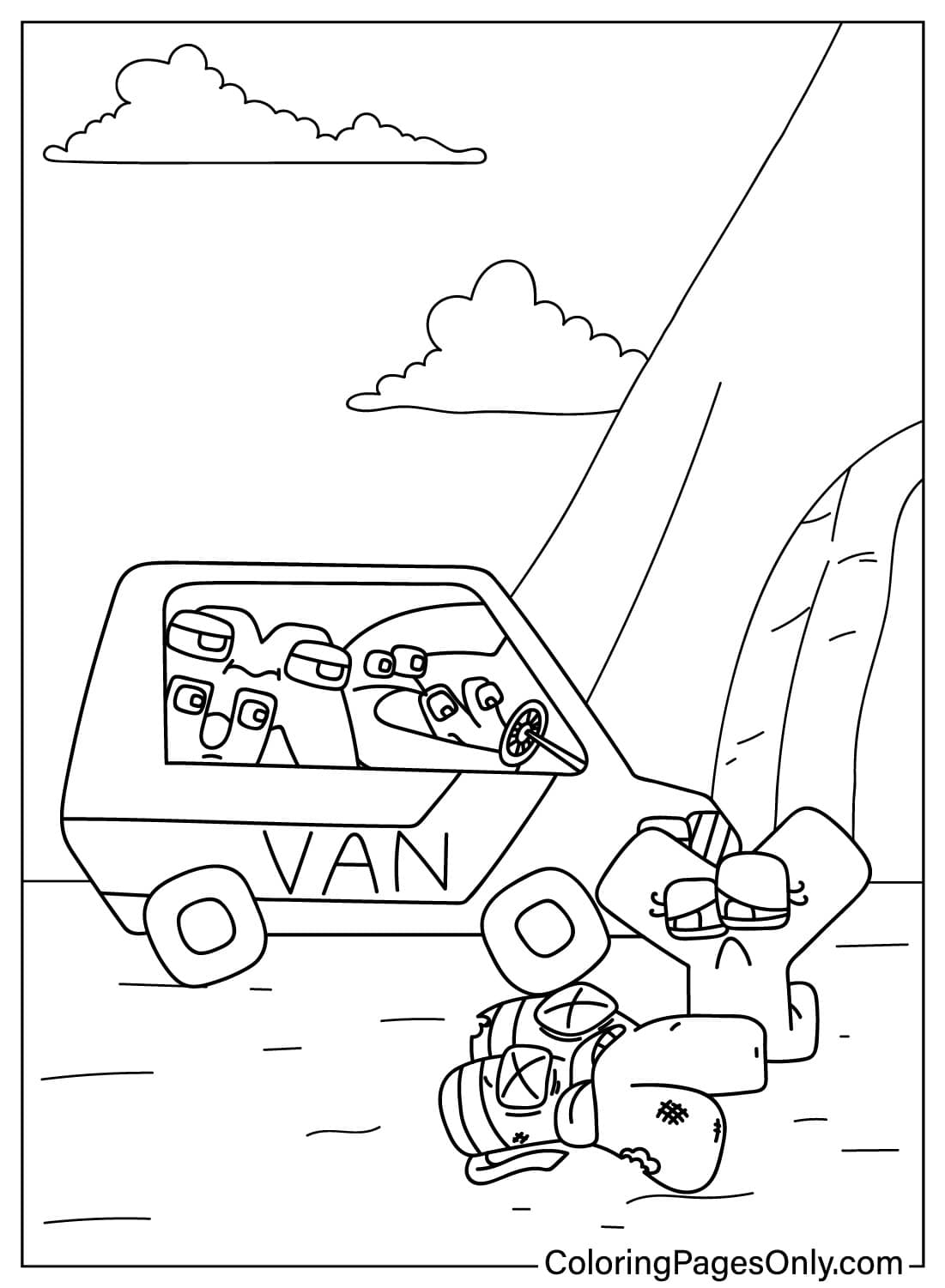
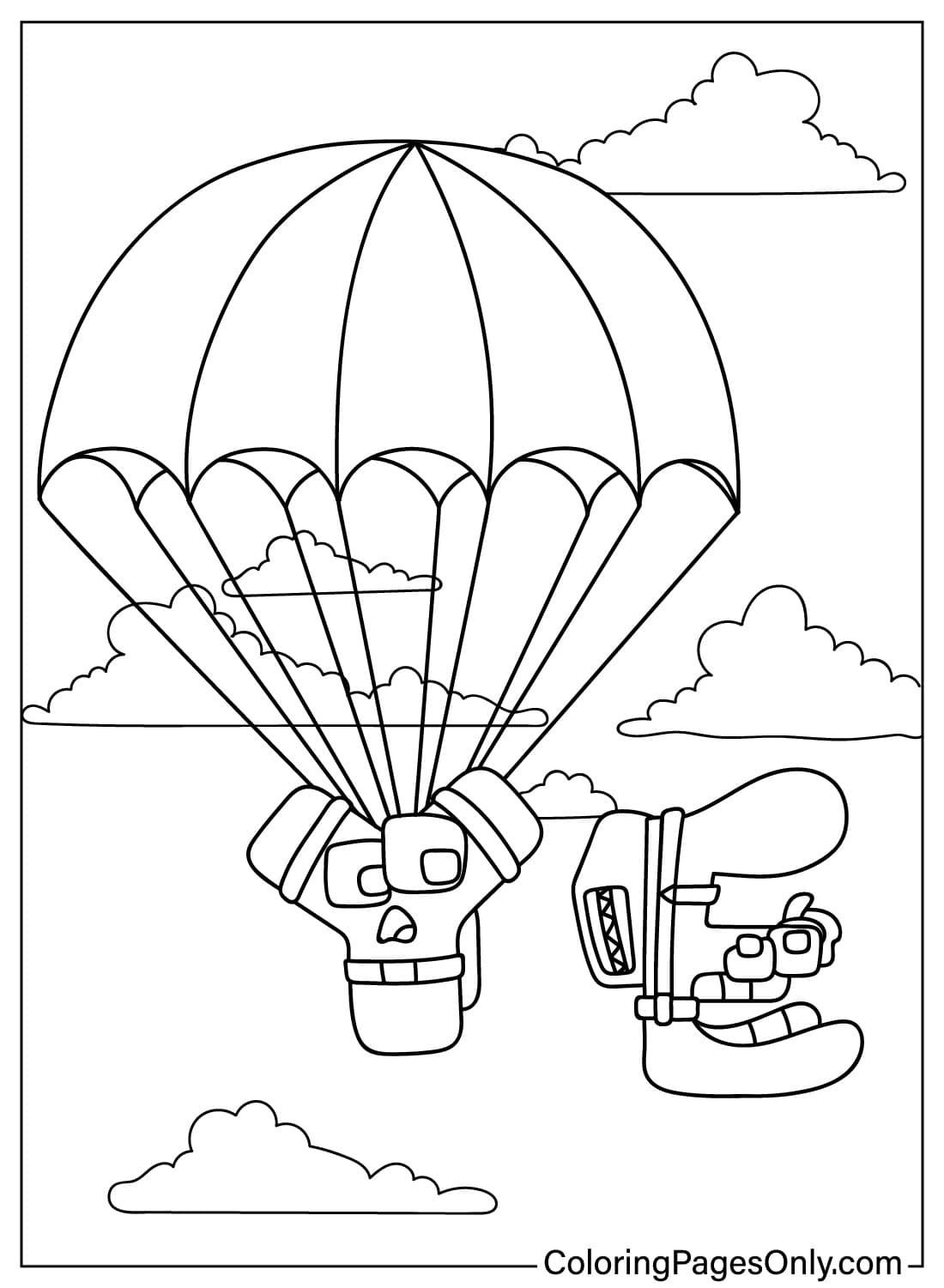
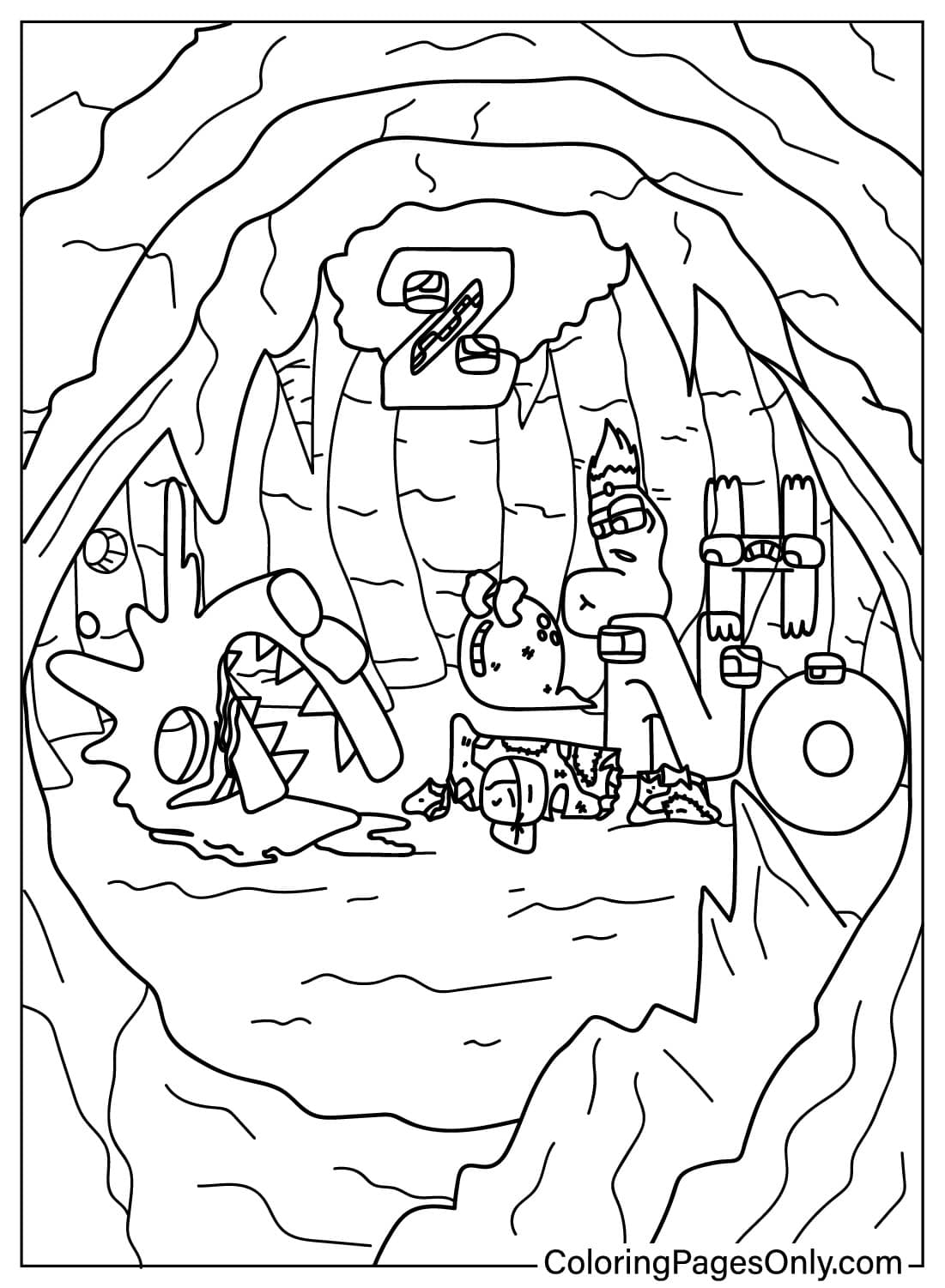
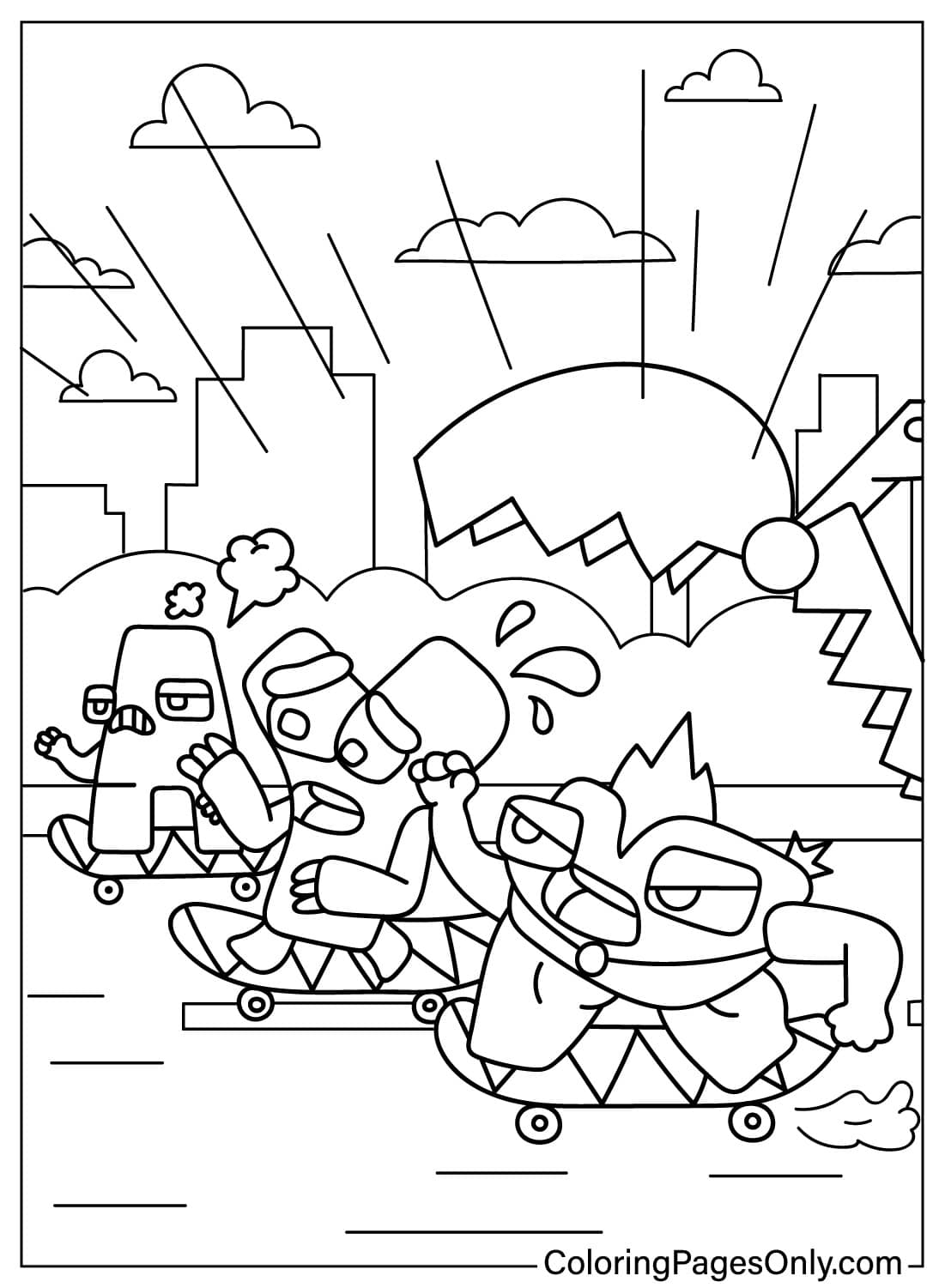
Alphabet Driving, Alphabet Lore and Air Balloon, Alphabet Lore is Skateboarding, Alphabet Lore in The Cave, Alphabet Lore in Bath Room, Chaotic Alphabet Lore – these pages place the letter characters in specific environments and activities, extending the coloring collection beyond simple character portraits into scenes.
The Chaotic Alphabet Lore page deserves specific attention: it captures the energy of the series’s later episodes, where the initially cheerful narrative takes on a more complex, darker quality as the alphabet approaches its end. This tonal shift is one of the series’ most discussed creative choices – the deliberate move from cute and accessible in the early letters to increasingly dramatic in the later ones – and the Chaotic Alphabet Lore page reflects this energy in its visual composition.

Emotional State Pages

Sad Alphabet Lore and Funny Alphabet Lore give the collection two pages organized by emotional register rather than by letter identity – showing Alphabet Lore characters in states of feeling rather than simply in their default character poses. These pages are particularly useful in educational contexts where the connection between letter recognition and emotional expression is being developed.
Seasonal and Themed Pages

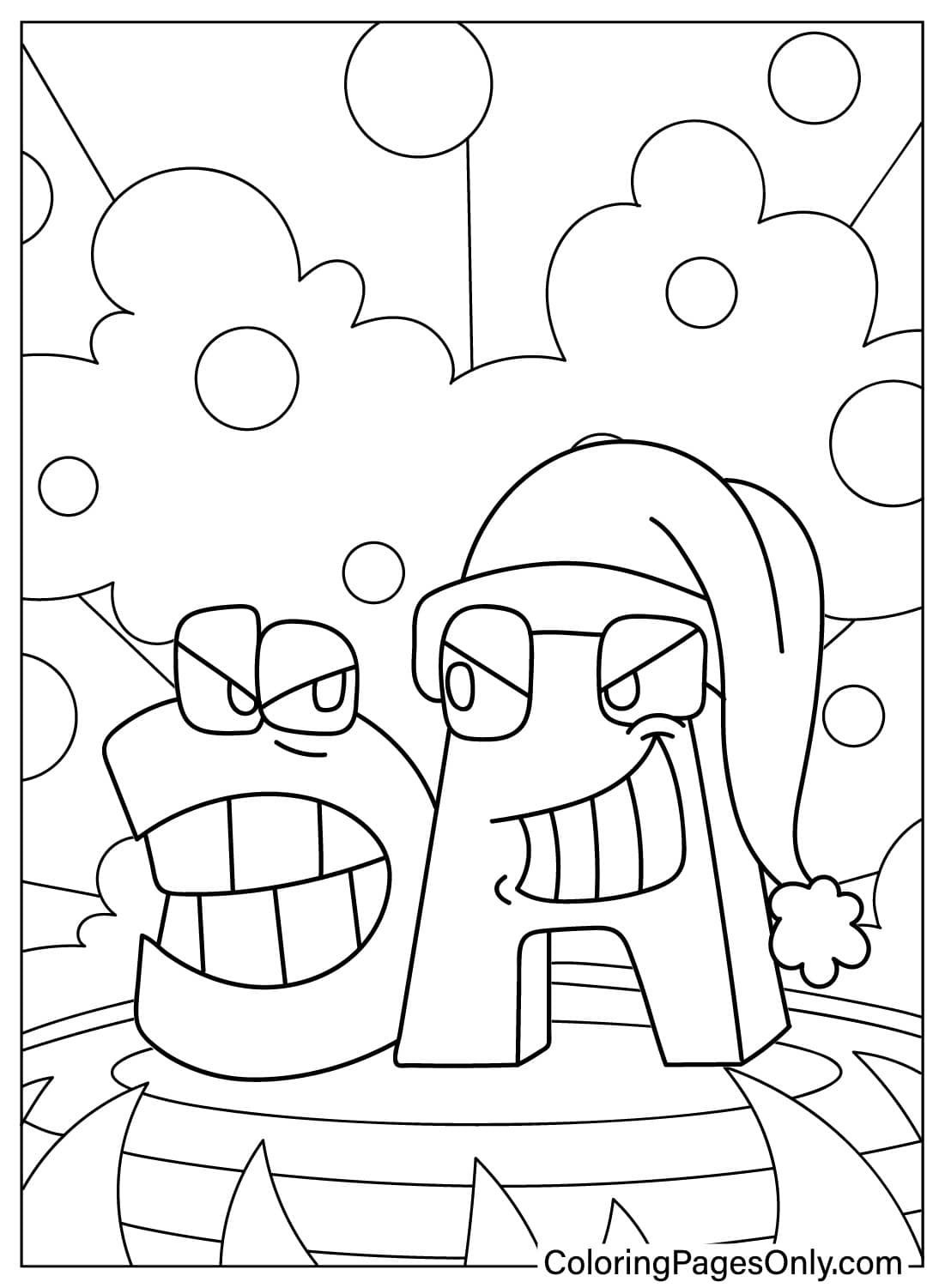
Christmas Alphabet Lore places the letter characters in a holiday context – a page that has been consistently popular since its addition to the collection, and that combines the educational value of the letter characters with the seasonal enthusiasm of Christmas coloring activity.

Cute Character Pages

Cute Alphabet and Cute characters of Alphabet Lore and Fun Alphabet Lore for Kids present the characters in their most accessible, simplified, child-friendly visual register – cleaner lines, rounder forms, expressions that emphasize warmth over the quirky intensity of the original series’ more dramatic character designs. These pages are the best entry point for the youngest colorists who are encountering Alphabet Lore for the first time.

What These Pages Do

They make individual letters into memorable characters. This is the series’s core educational mechanism, and the coloring pages extend it. A child who has colored the letter G is not just practicing the color blue – they are spending focused, creative time with a specific letterform while it is attached to a character they recognize. Research in early literacy consistently shows that associating abstract symbols (letters) with concrete, memorable images or characters significantly accelerates letter recognition in children aged 3–7. The Alphabet Lore series applies this principle effectively, and the coloring pages deepen the association through physical engagement with the letter’s form.

They develop letter formation awareness. Coloring a letter character requires following and reinforcing the letter’s specific strokes and proportions – the curved bottom of the A, the two bumps of the B, the three horizontal bars of the E. This close visual engagement with letter forms supports the development of pre-writing skills: children who can accurately describe and follow the lines of a letter in a coloring context are significantly better prepared for handwriting practice than children who have only seen letters on a screen. A 2018 study published in the Journal of Experimental Child Psychology found that children who had engaged in tracing and coloring activities with letter forms showed measurably stronger letter-sound correspondence and writing readiness than control groups.

They make alphabet learning self-directed. The collection’s organization – one page per letter, plus group pages, plus themed pages – allows children to pursue the alphabet at their own pace, returning to the letters they love most, coloring the group pages as a summary activity, and using the seasonal pages as context-specific alphabet reinforcement. Self-directed learning within a structured framework consistently outperforms purely passive instruction in early literacy research.

The 2005 Art Therapy Journal study applies. Structured coloring reduces anxiety. The alphabet, for some children, is associated with the performance pressure of reading instruction – the high-stakes quality of being tested on letter recognition can generate the kind of anxiety that inhibits learning. Coloring alphabet pages in a low-pressure, creative context decouples the letter from evaluation and re-associates it with pleasure and creative agency.

How to Color These Pages Well

Give each letter a distinct, consistent color. The Alphabet Lore series does not use a fully standardized color palette – the creator’s choices are somewhat variable – but the most useful approach for coloring pages is to choose a distinct color for each letter and maintain it consistently across all pages featuring that letter. This creates a coherent “alphabet color system” that actually reinforces letter recognition: if A is always pink and B is always blue across every page in the collection, children internalize the color alongside the letter form.

The series’ palette tends toward bold primaries and saturated secondaries. The letters in Alphabet Lore are not pastels. They are bright, saturated, immediately vivid – which is part of why the designs are so memorable. When coloring these pages, reach for the most vivid version of each color rather than a muted or soft alternative. Bold colors create the visual impact that makes the characters distinctive and memorable.

For the group pages, establish boundaries before filling. The multi-letter group pages – IJKL, MNOP, QRST, UVWXYZ – place multiple characters in close proximity, which creates a coloring challenge: each character’s color must be clearly distinct from its neighbors while remaining consistent with that character’s established identity across solo pages. Before applying any color, lightly note which character gets which color to avoid the visual confusion of adjacent letters blending together.

The BOOM page rewards the most dramatic color choices. The BOOM from the Alphabet Lore page is the collection’s most visually intense – it depicts the explosive climax of the series’ narrative with four characters spelling out the word in a dynamic composition. This is the page for maximum contrast: dark backgrounds, vivid letter colors, the kind of color drama that the series’s later narrative energy warrants. If you only go bold on one page in the collection, this is the one.

For the Cute and Fun pages, warm and soft is correct. The Cute Alphabet and Cute characters of Alphabet Lore pages use simplified, rounded versions of the characters that read as softer and more approachable than the standard series designs. Match the coloring approach to the illustration style: slightly less saturated colors, rounder brush marks, softer transitions between areas. The cute pages are designed to be gentle, and the coloring approach should honor that.

5 Creative Activity Ideas

Personal Alphabet Color Chart

Print one solo letter page for each of the 26 letters. Decide on a distinct color for each letter before starting – create a simple reference chart on a piece of paper listing A-Z with your chosen color noted next to each. Color all 26 pages using your chosen colors consistently.

Mount the completed pages in alphabetical order on a large backing sheet or wall. The finished display is a complete, personally designed alphabet – every color choice made by the child, every letter colored by the child’s own hand, displayed as a 26-element piece of wall art that doubles as a letter recognition reference.

For younger children learning the alphabet, this chart has direct practical use: when a child is unsure of a letter, they can find their color for that letter on the chart and use it as a reference. The personal investment in the coloring makes the reference more meaningful than any commercially produced alphabet poster.

Wall-mounted alphabet set
Wall-mounted alphabet set (Resource: Redbubble.com)

Alphabet Lore Flashcard Set

Print all 26 solo letter pages at approximately 50% of full size. Color each one in your established color system. Cut each page to a uniform card size – approximately 10×14cm works well for letter flashcard use.

On the back of each card, write: the letter (uppercase and lowercase), the letter’s sound, and one word that begins with that letter. Mount all cards on cardstock for durability and cover with clear contact paper for lamination.

Use the finished flashcard set for letter recognition games: hold up a card and ask the child to name the letter, say its sound, and name the Alphabet Lore character. The connection between the card’s colored character and the letter’s sound reinforces the educational content that makes the series valuable in the first place.

Creative Alphabet Lore tablecloth
Creative Alphabet Lore tablecloth (Resource: AliExpress.com)

My Own Alphabet Story

Print the Full Alphabet Lore page and color all 26 characters. Then, on separate pieces of paper, create a simple illustrated story where each page features one letter character and something that begins with that letter.

For example: A page featuring the A character with an apple (A is for apple). B page with the B character and a ball. C with a cat. Continue through the alphabet, letting the child draw the object while the colored Alphabet Lore character provides the letter identity.

Bind the pages in alphabetical order with a staple or binder ring. The finished book – illustrated by the child, incorporating both the Alphabet Lore characters and the child’s own drawings – is a fully original alphabet book that serves as both a creative portfolio and a genuine literacy learning tool.

Letter Alphabet Lore flashcards
Letter Alphabet Lore flashcards (Resource: etsy.com)

Christmas Alphabet Game

Print the Christmas Alphabet Lore page and several individual letter pages. Color them in festive holiday palettes – Christmas red, green, gold, and white as the dominant colors across all pages.

Create a holiday alphabet game using the finished pages: cut the letter characters out individually and place them in a bag. Players draw a letter character and must name a Christmas-themed word that begins with that letter – “A is for Angel,” “B is for Bell,” “C is for Candy Cane,” and so on. For younger children who are still learning letter sounds, the Alphabet Lore character design provides an additional memory hook alongside the holiday word.

The game works for mixed-age family groups because the challenge scales naturally: younger children focus on naming the letter, older children compete to name the most creative Christmas word for each letter.

Decorative pillows with Alphabet Lore
Decorative pillows with Alphabet Lore (Resource: Redbubble.com)

Alphabet Lore Art Print Collection

This is the craft most suited to families who want to display the finished work rather than use it educationally. Print five to eight of the most visually distinctive letter pages – the ones with the most interesting character designs or the most dramatic poses. Color each one with maximum care and the most vivid palette available.

Frame each colored page in a small matching frame – simple black or white frames in a uniform size (10×15cm frames from any home goods store work well at the standard page scale). Display the collection of framed letters on a wall in a grid or linear arrangement, with the letters in alphabetical order.

The finished display is a genuine piece of personalized wall art – not just a learning tool, but an aesthetic object that happens to teach the alphabet while doing it. The uniform framing and sequential arrangement give it a gallery quality that makes it look intentional and considered.

Study corner decoration with Alphabet Lore
Study corner decoration with Alphabet Lore (Resource: Aliexpress.com)

Frequently Asked Questions

What is Alphabet Lore, and who created it? Alphabet Lore is an animated series created by Mike Salcedo and released on YouTube beginning in October 2022. Each of the 26 episodes features a different letter of the English alphabet as a character, with the letters encountering each other in a narrative that becomes progressively more complex as the series approaches Z. The series went viral almost immediately after release, generating hundreds of millions of views and establishing one of the more active fan communities in the YouTube animation space. Salcedo has continued creating animation content following Alphabet Lore’s success.

What is the educational value of Alphabet Lore for learning the alphabet? Alphabet Lore applies a well-established educational principle: associating abstract symbols (letters) with concrete, memorable characters significantly improves symbol recognition and retention in children. Each letter’s character design incorporates the letter’s actual shape into the character’s body – A’s triangular form, B’s two bumps, C’s curve – which means that engaging with the character is simultaneously engaging with the letter’s visual form. Research in early literacy has consistently shown that character-based letter learning accelerates letter recognition acquisition compared to abstract symbol repetition. The series has been used formally in some early childhood classrooms as a supplementary engagement tool alongside traditional literacy instruction.

What age group is Alphabet Lore designed for? The series was designed primarily for children aged 4–10 who are in the letter-learning phase of literacy development, but its content complexity – particularly in the later episodes – has attracted a broad audience, including older children and adults who appreciate the series’ creative premise and increasingly dramatic narrative. The coloring pages in this collection work well from age 3 upward for the simple, cute, and solo letter pages, and scale up to the group pages and adventure pages, which reward the fine motor control that develops from around age 5–6.

Does the series become scary in the later episodes? The tone of Alphabet Lore shifts noticeably as the series progresses through the alphabet. The early letters (A through approximately M) present approachable, cheerful character interactions. The later letters (particularly N, F, and the final confrontation sequence) involve content – pursuit, conflict, and the BOOM climax – that some younger children may find intense. Parents should watch the series themselves before deciding whether it is appropriate for their specific child. The coloring pages reflect the full range of the series’ tone and include both the gentler early-alphabet pages and the more dramatic later-alphabet and BOOM pages.

What colors does the series use for each letter? The series uses a variety of colors across the 26 letters without a single standardized canon, and different fan interpretations vary. Common color associations in the fandom: A is pink/red, B is blue, C is blue, D is purple, E is green, F is orange/red, G is green, H is yellow, I is light blue, J is teal, K is dark blue, L is yellow-green, M is dark purple, N is dark/shadowy, O is orange, P is pink, Q is purple, R is red, S is green, T is teal, U is blue, V is purple, W is dark blue, X is dark/red, Y is yellow, Z is white/light. These are community conventions rather than official specifications and can be adapted freely.

Can these pages be used in a classroom? Yes, and they are well-suited to early childhood and kindergarten educational contexts. The individual letter pages reinforce letter recognition, the group sequential pages support alphabetical order learning, and the activity pages provide variation that maintains engagement across a classroom session. Teachers have used these pages as accompaniment to Alphabet Lore viewing sessions, as independent coloring activities during literacy center rotations, and as take-home materials that extend classroom learning into a family context. All pages are completely free for educational use without restriction.

What is the BOOM page? The BOOM page depicts the dramatic climax of the Alphabet Lore series, in which the letters B, O, O, and M come together to spell the word “BOOM” in a confrontation sequence that is the series’s most visually and narratively intense moment. It is one of the most requested pages in the collection and rewards the boldest, highest-contrast color choices available – the design is explicitly dramatic and benefits from a coloring approach that matches that energy.

Is there a Number Lore or similar series? Following the success of Alphabet Lore, Mike Salcedo and other creators developed similar animated series based on numbers and other symbol sets. Number Lore, following the same character-based approach with numerals 0–9, was produced and similarly received strong fan interest. The ColoringPagesOnly.com collection covers Alphabet Lore specifically, and additional series may be added as they develop comparable fan communities.

Browse the full collection at ColoringPagesOnly.com. All 71 pages free, no sign-up, PDF or PNG, print at home or color online.

The English alphabet has 26 letters. A child who needs to learn them has a specific, countable task ahead – and everything that makes that task feel like play rather than work is a genuine educational contribution. Alphabet Lore made 26 letters into 26 characters with 26 personalities, which is one of the more elegant solutions to that problem that YouTube has produced. These coloring pages make those 26 characters into 26 coloring projects, which means 26 opportunities to spend focused, creative time with a letter until it becomes familiar.

Pick up your colors. Start with A. Work your way to Z.

Share your work on Facebook and Pinterest and tag #Coloringpagesonly. We especially want to see the personal alphabet color charts and the complete alphabet art print collections.

Color every letter. Know the whole alphabet. Reach Z.

These related coloring collections will help you explore the wonderful world of colors. Let’s choose, be creative, and show us your great pictures!

Jennifer Thoa – Writer and Content Creator

Hi there! I’m Jennifer Thoa, a writer and content creator at Coloringpagesonly.com. With a love for storytelling and a passion for creativity, I’m here to inspire and share exciting ideas that bring color and joy to your world. Let’s dive into a fun and imaginative adventure together!