Mandala Coloring Pages
 By:
Bradhallett Bradley – Technology Lead
Updated:
By:
Bradhallett Bradley – Technology Lead
Updated:
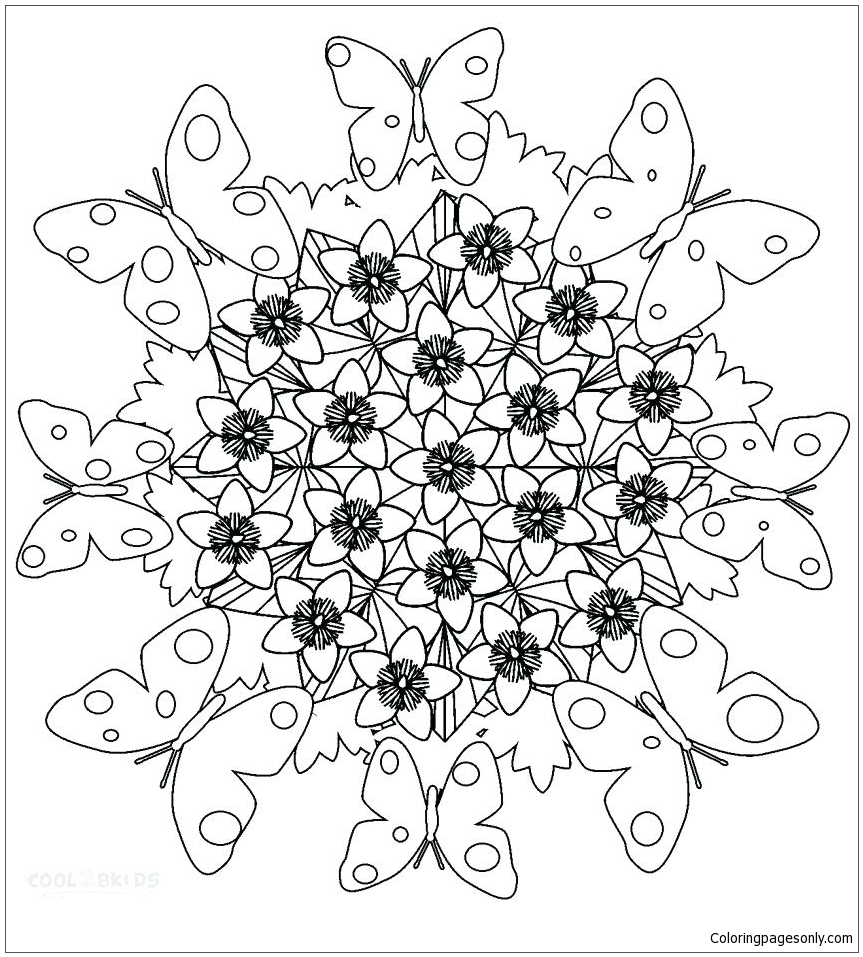
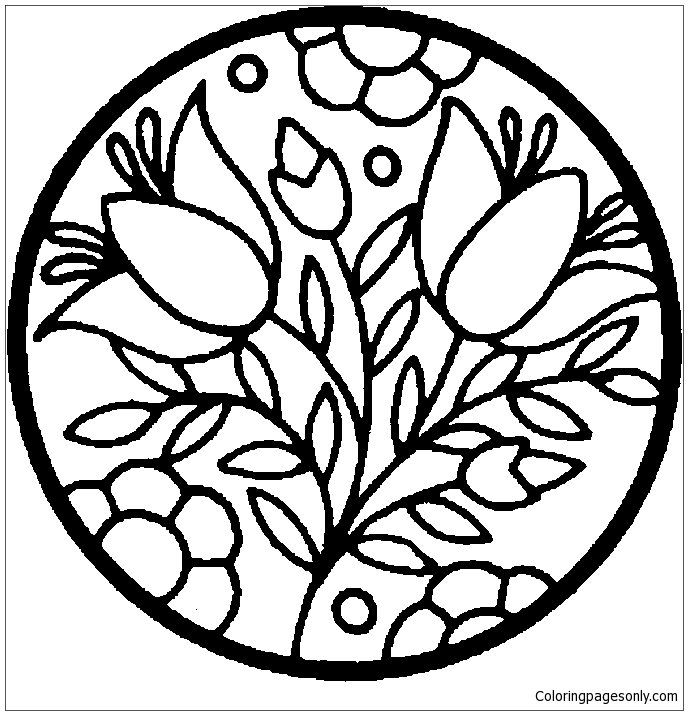
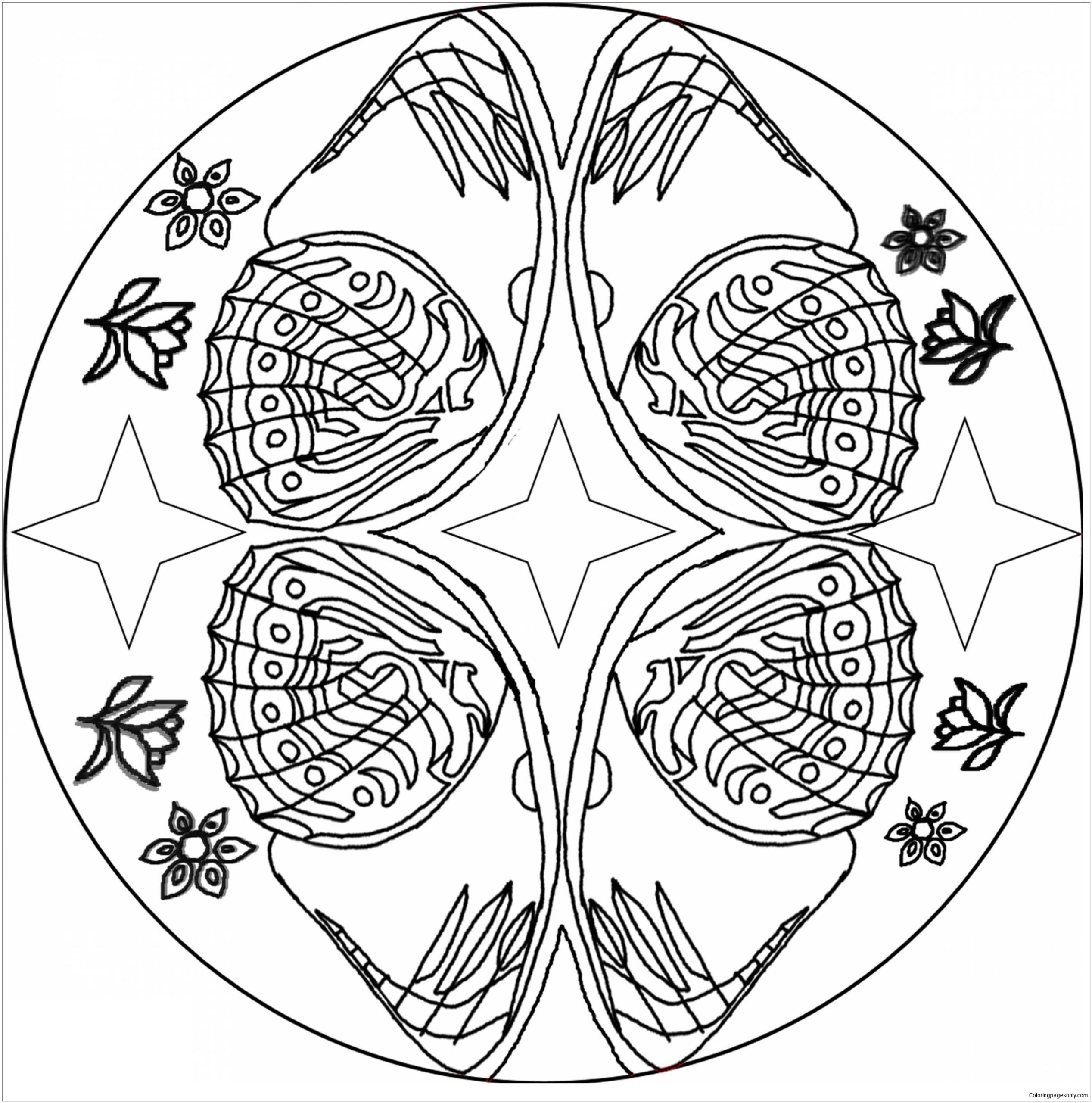
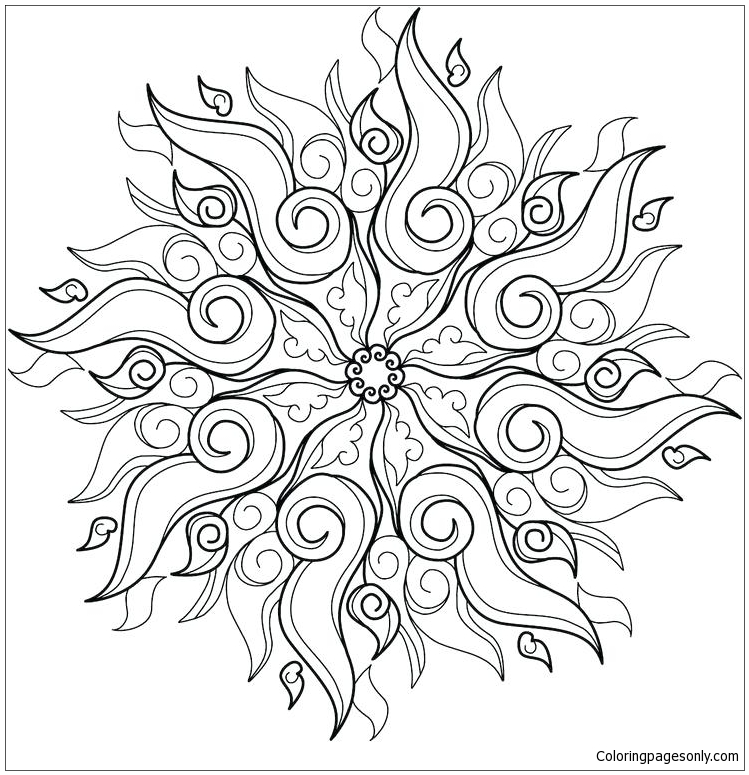
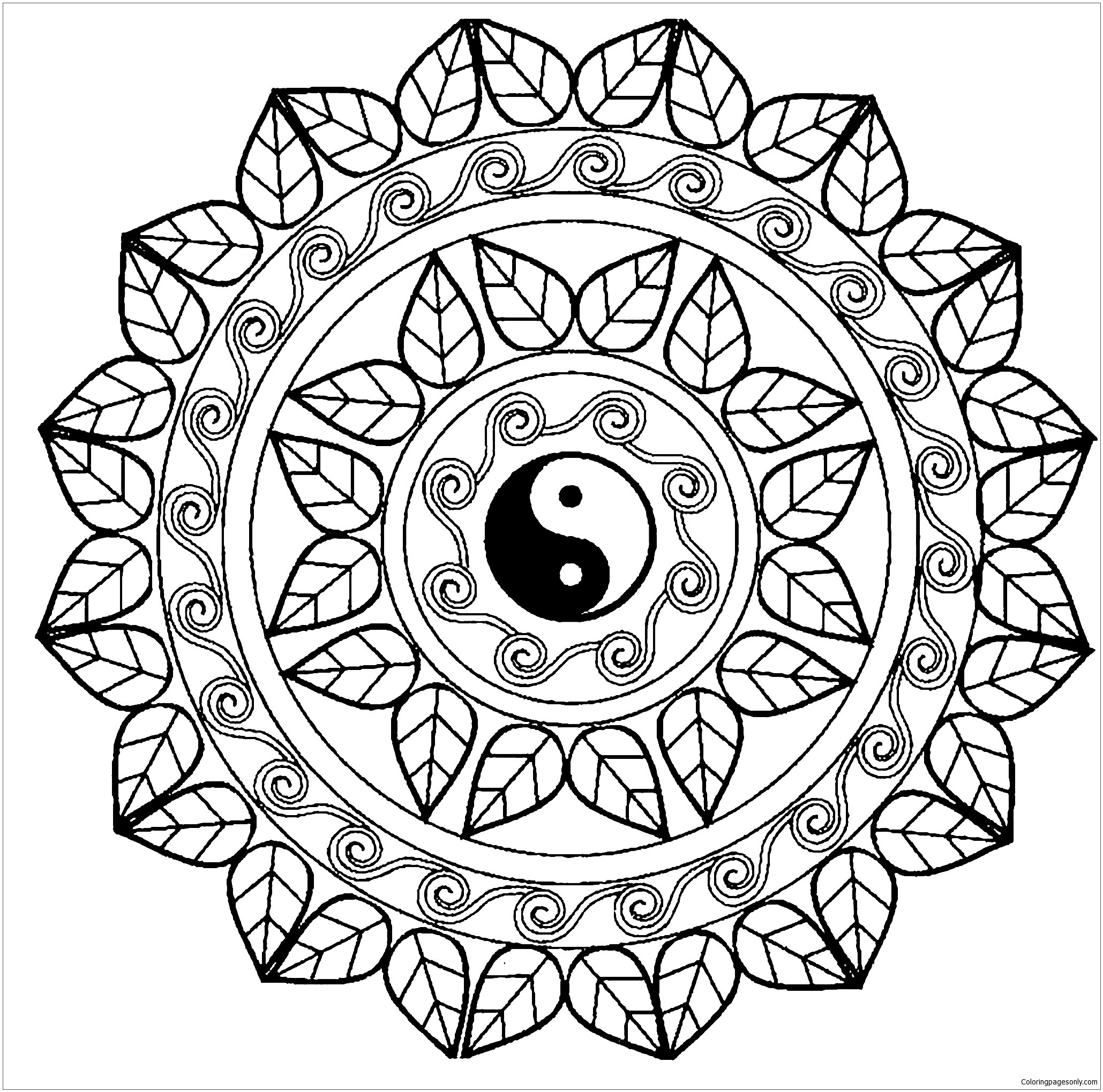
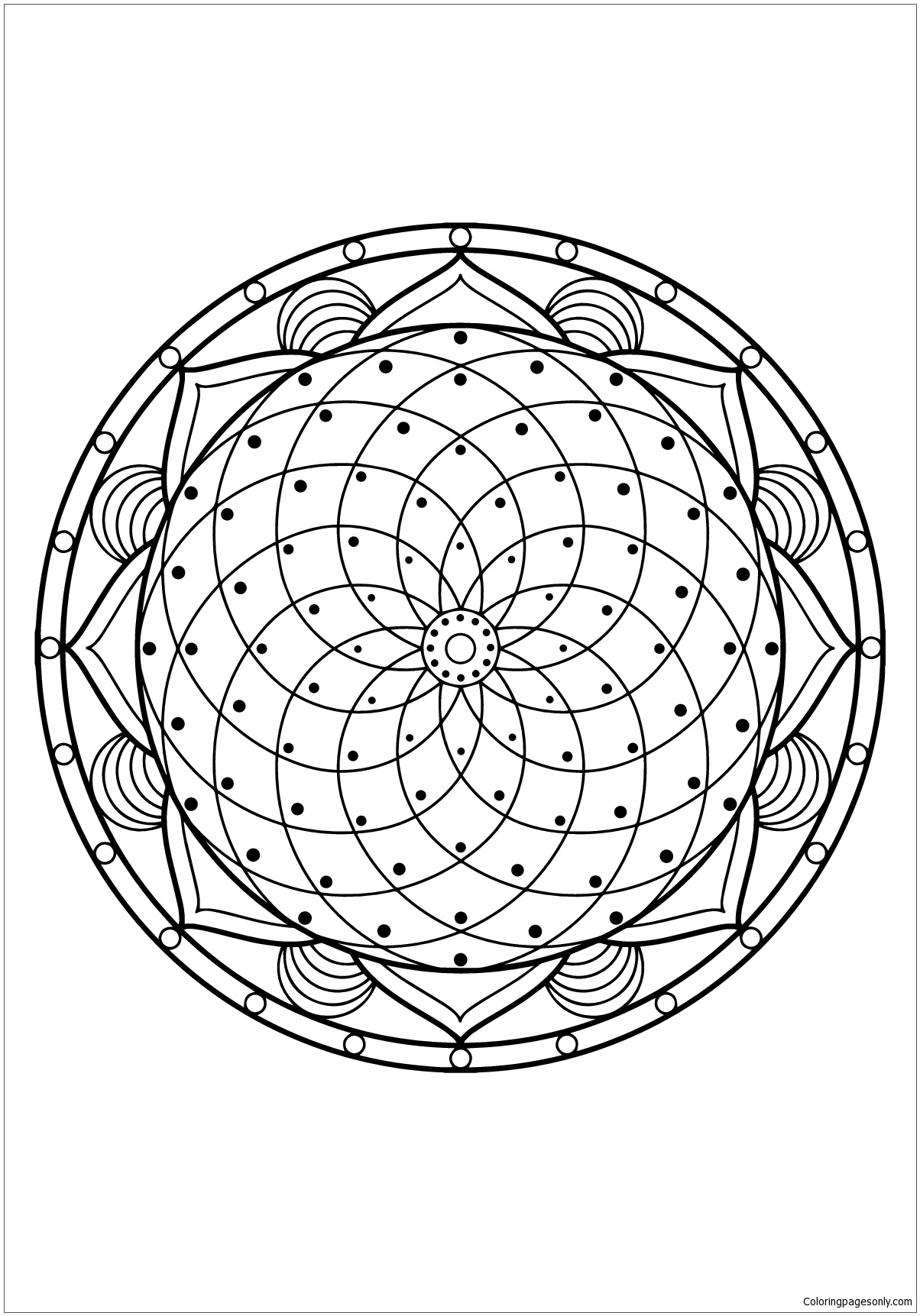
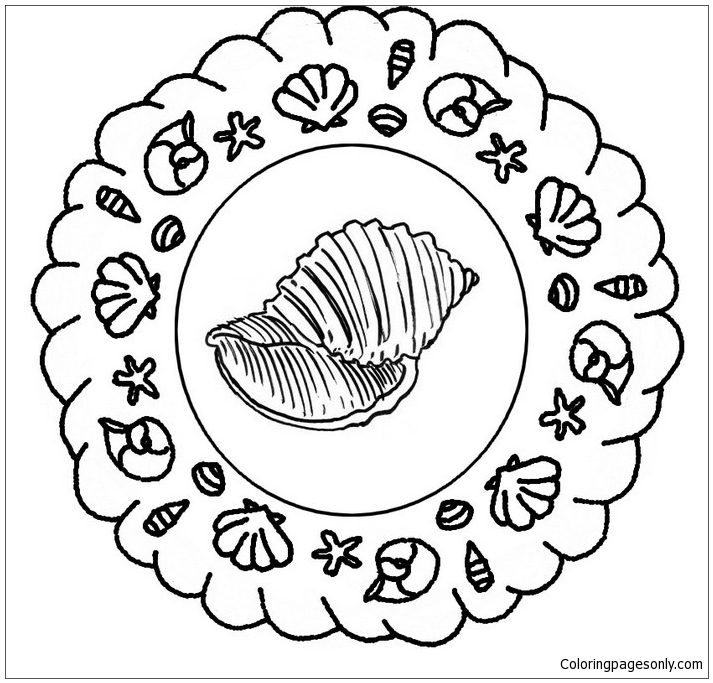
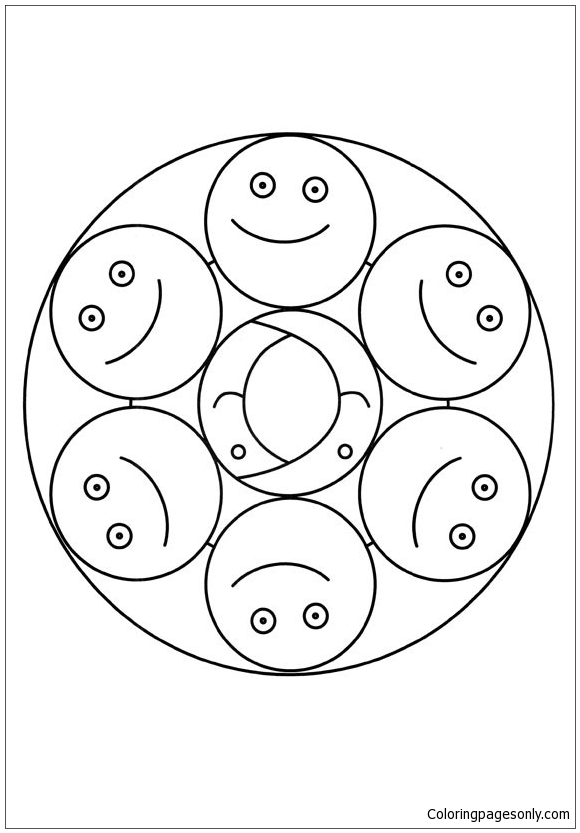
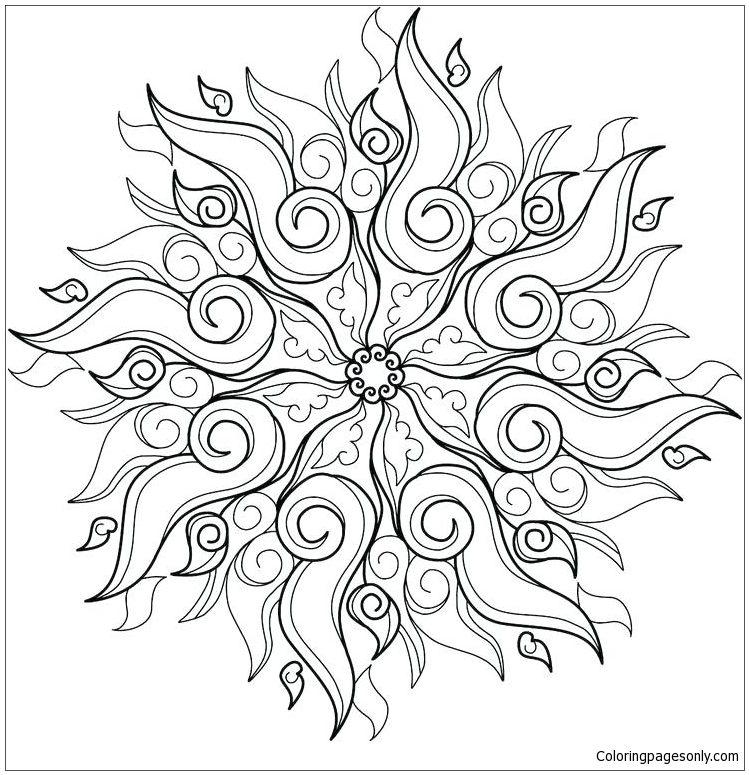
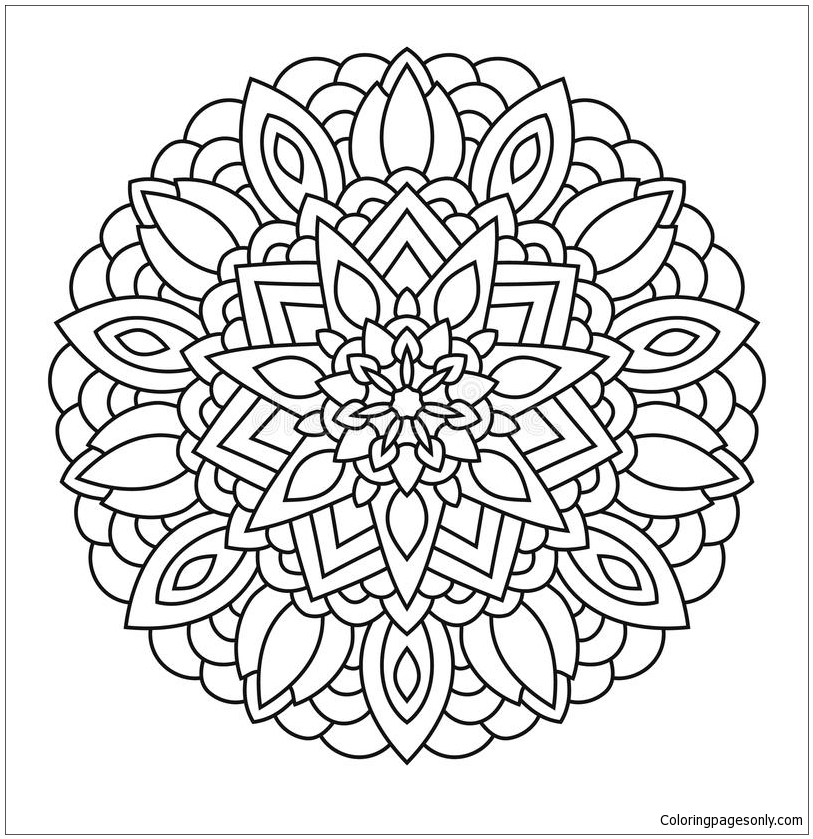
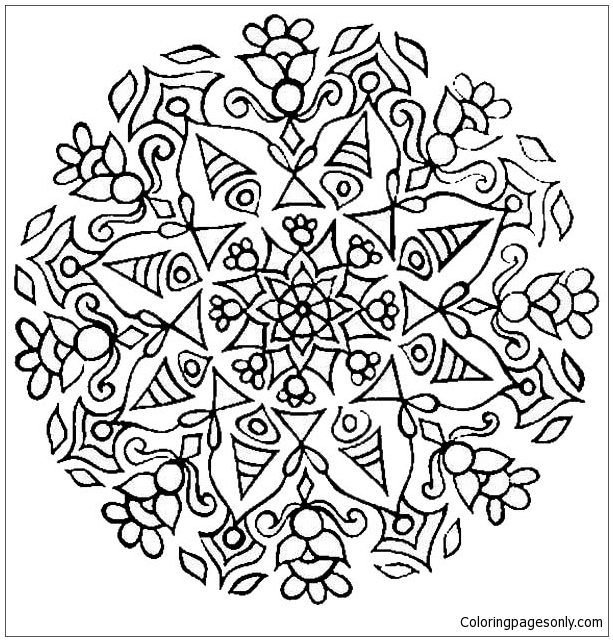
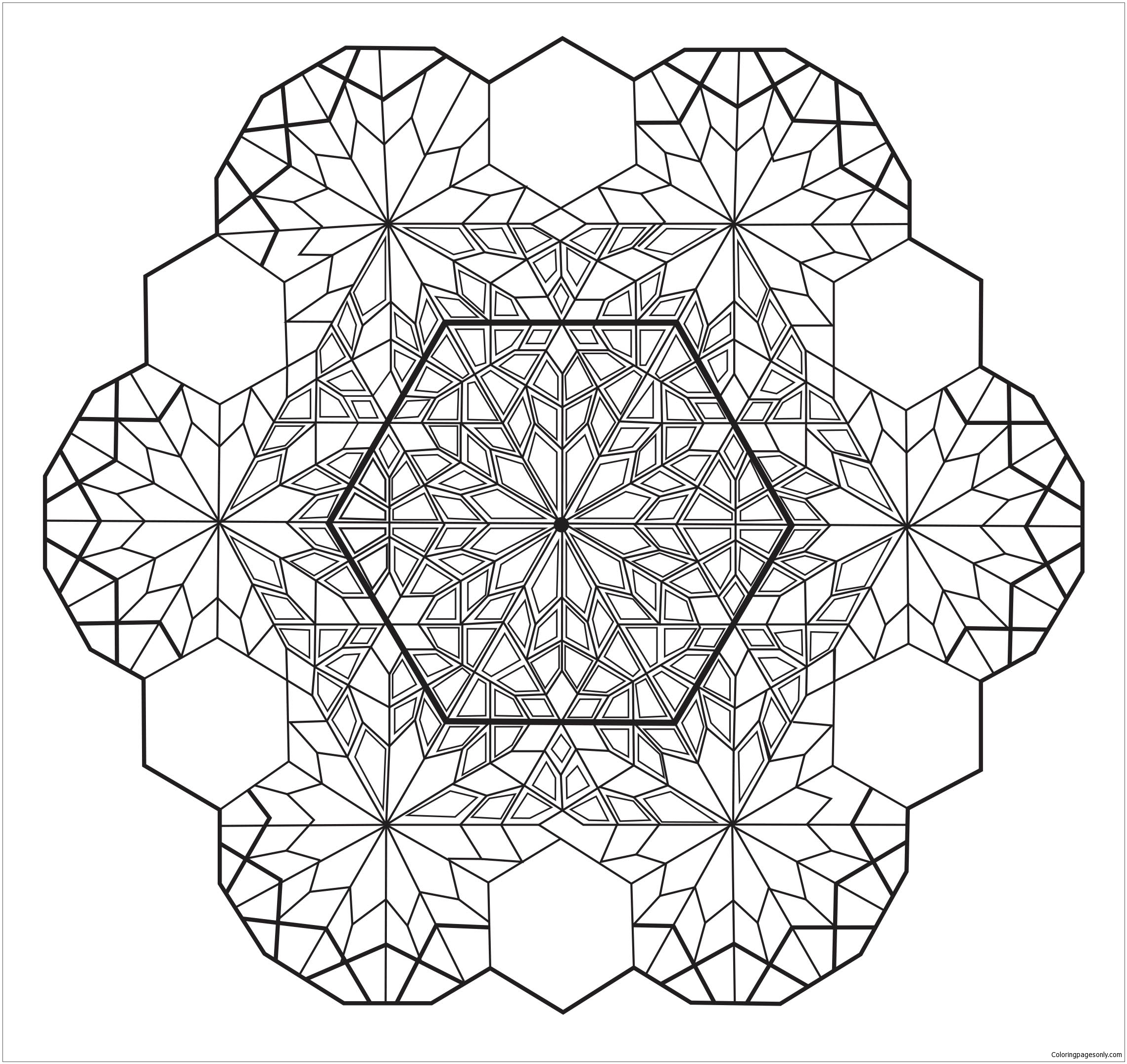
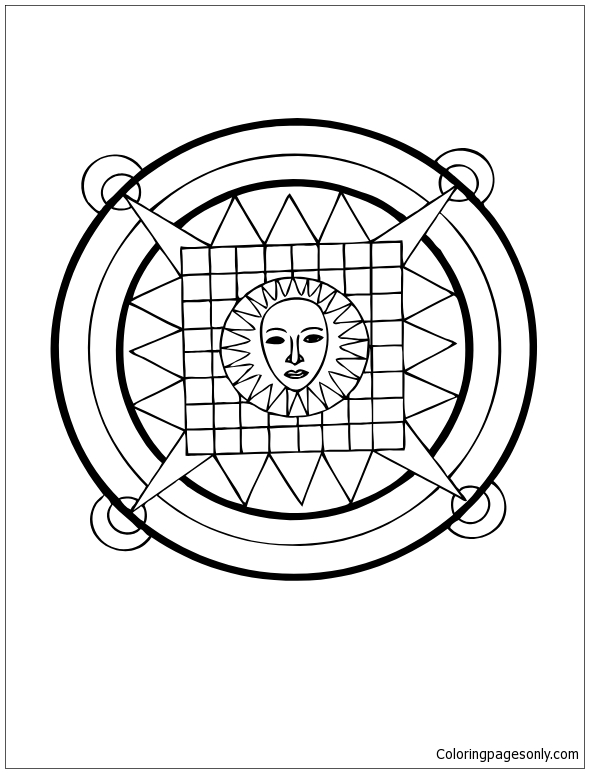
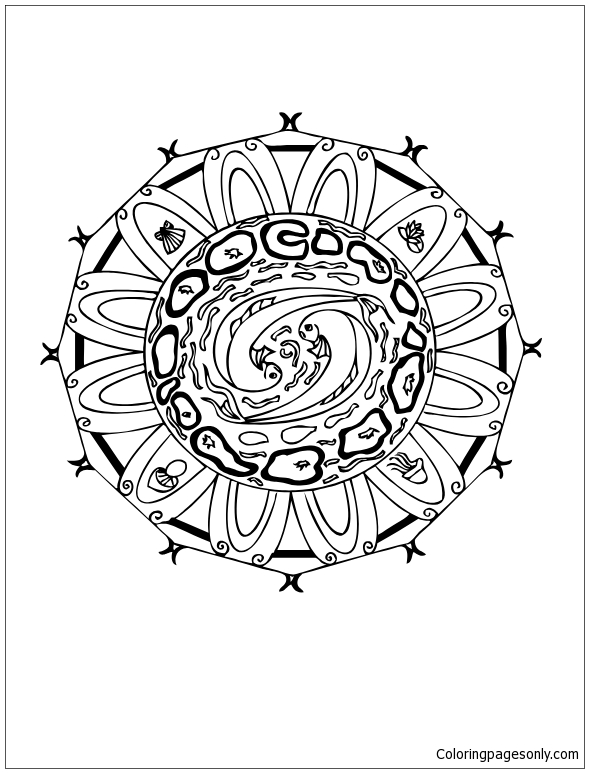
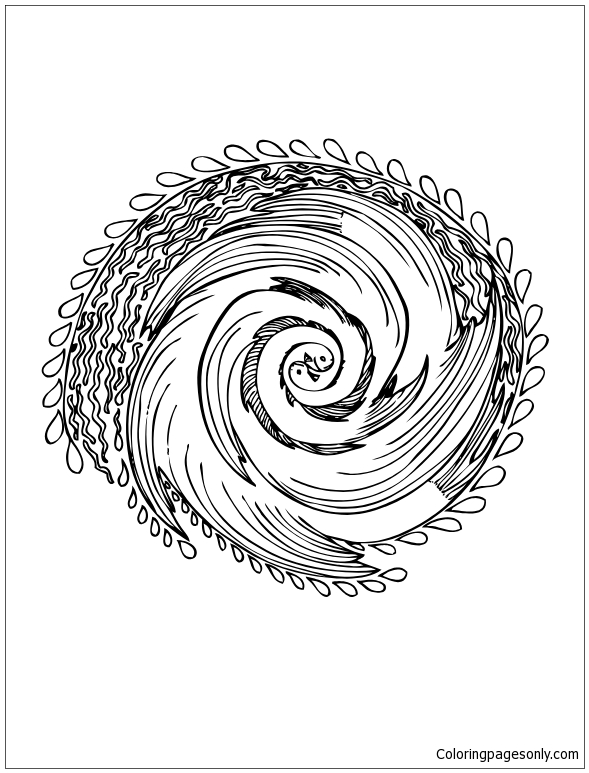
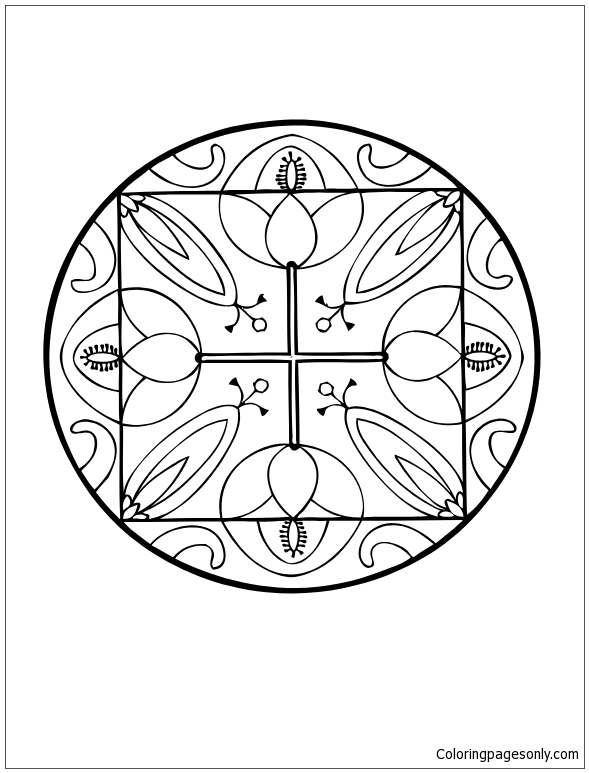
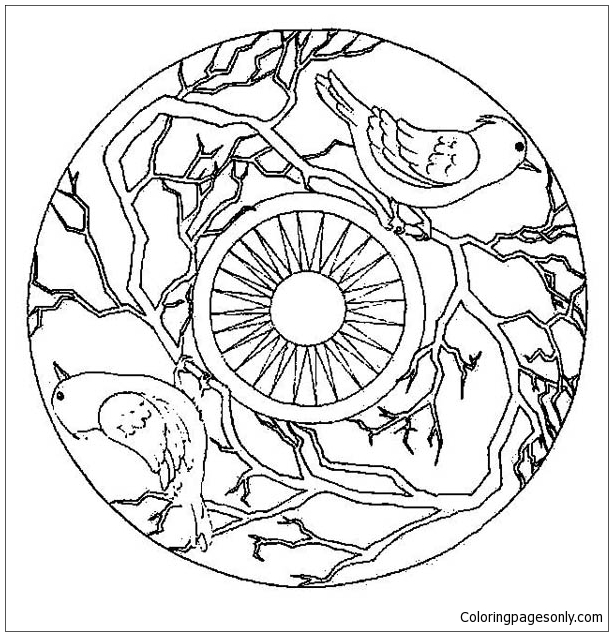
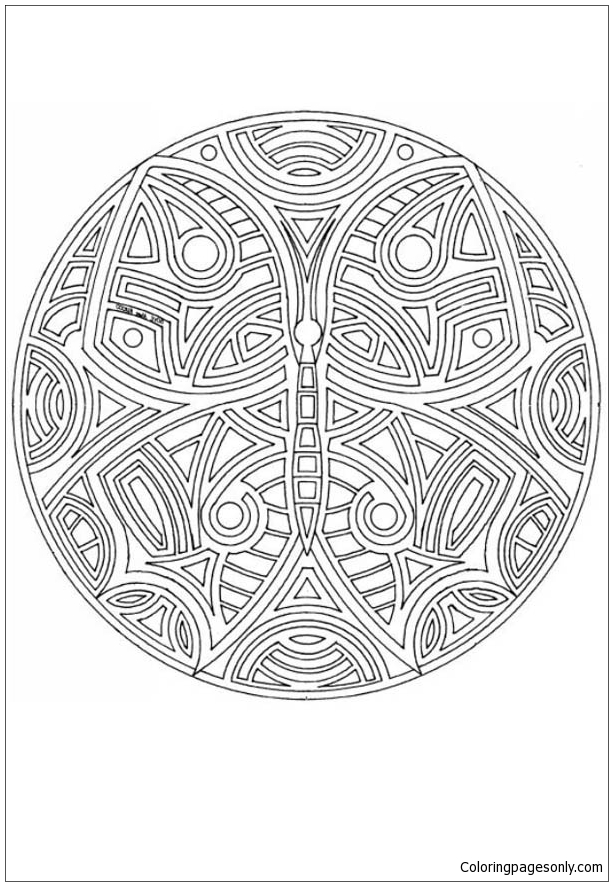
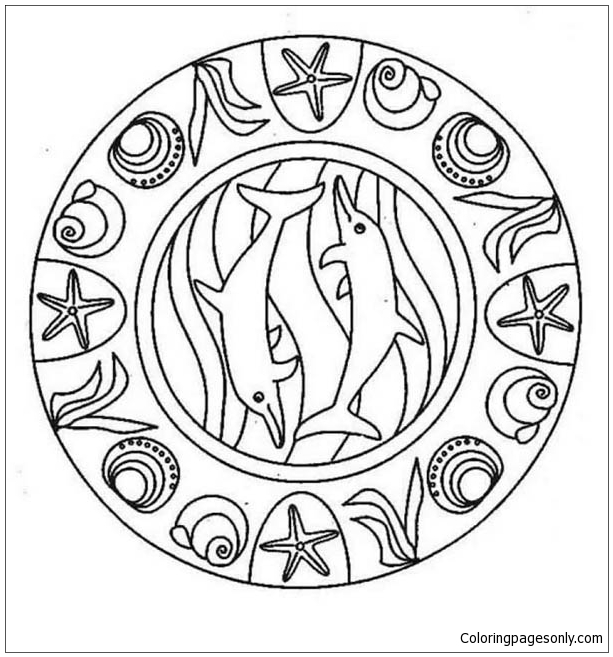
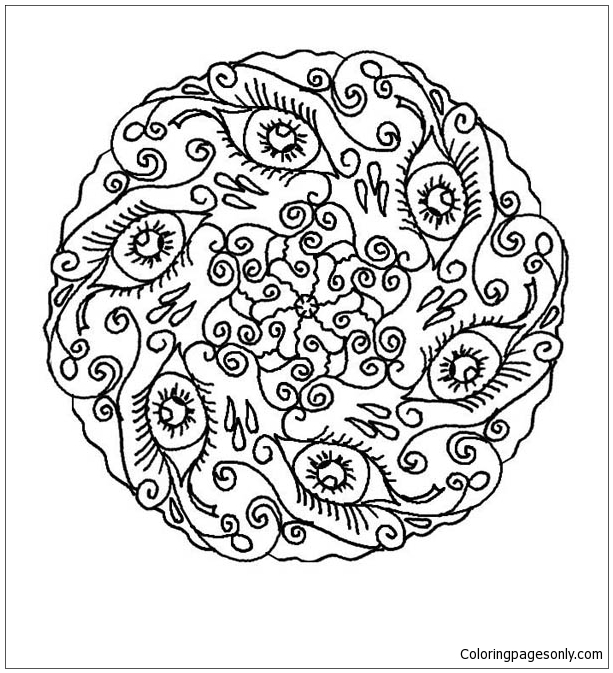
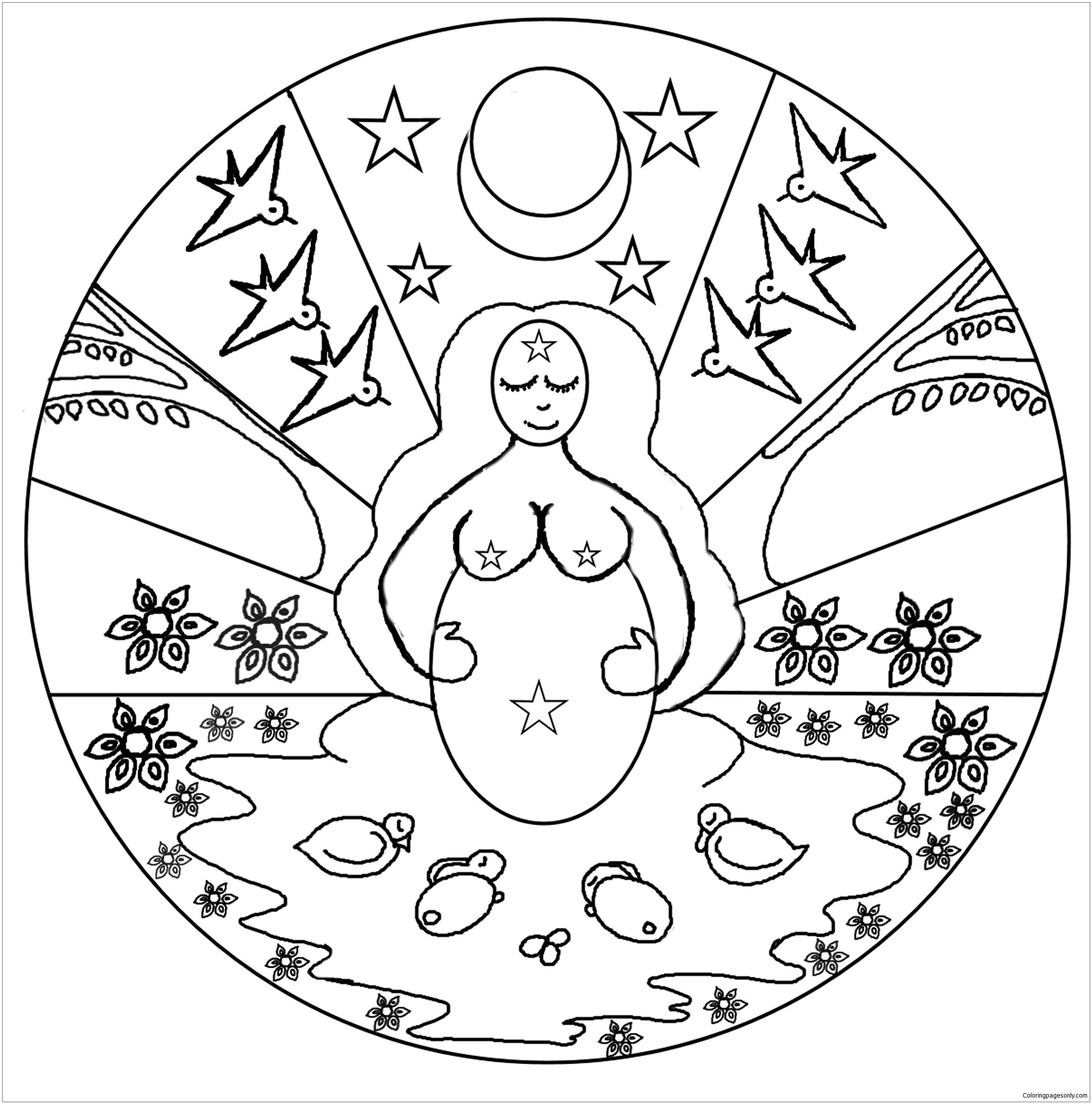
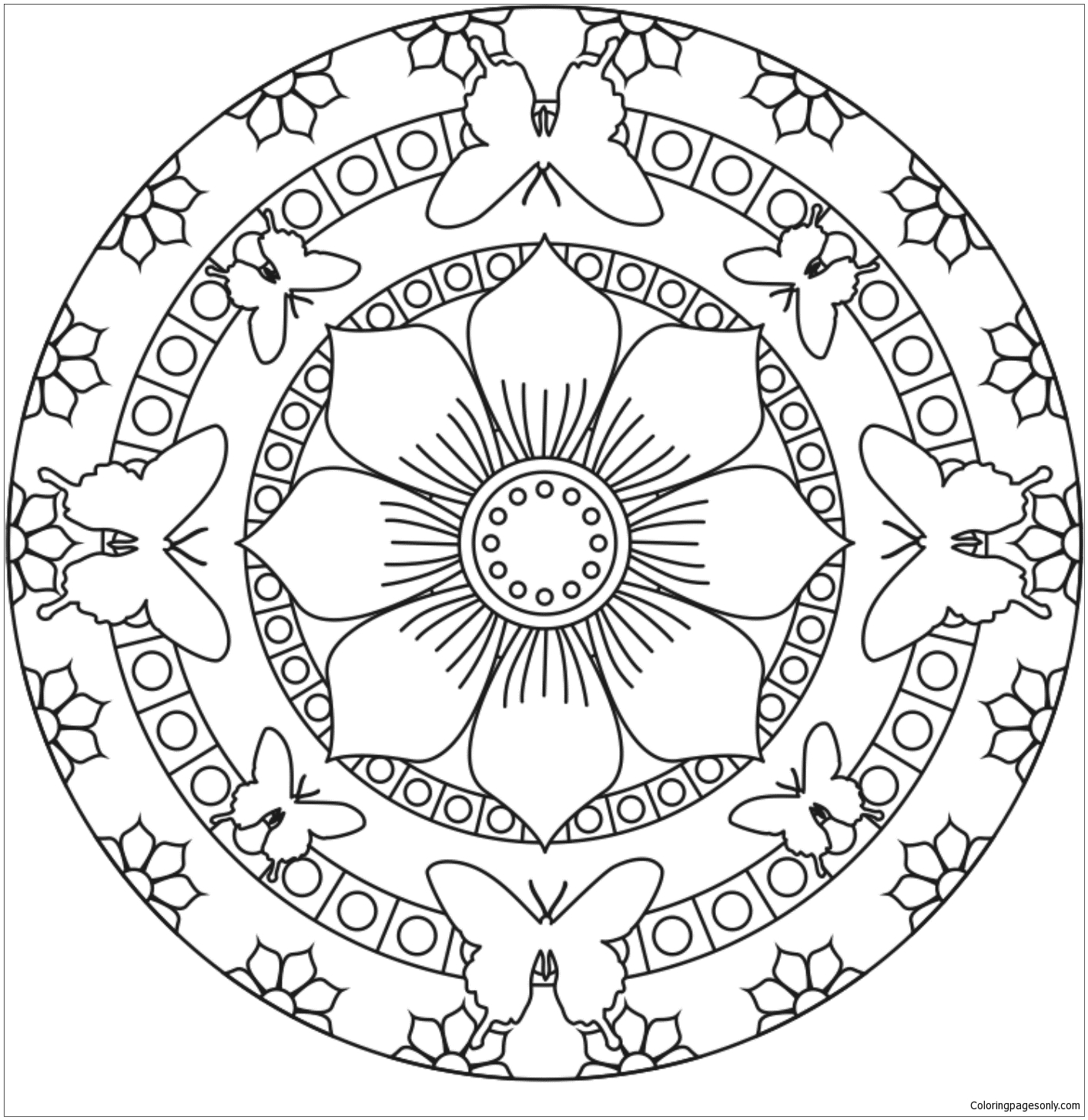
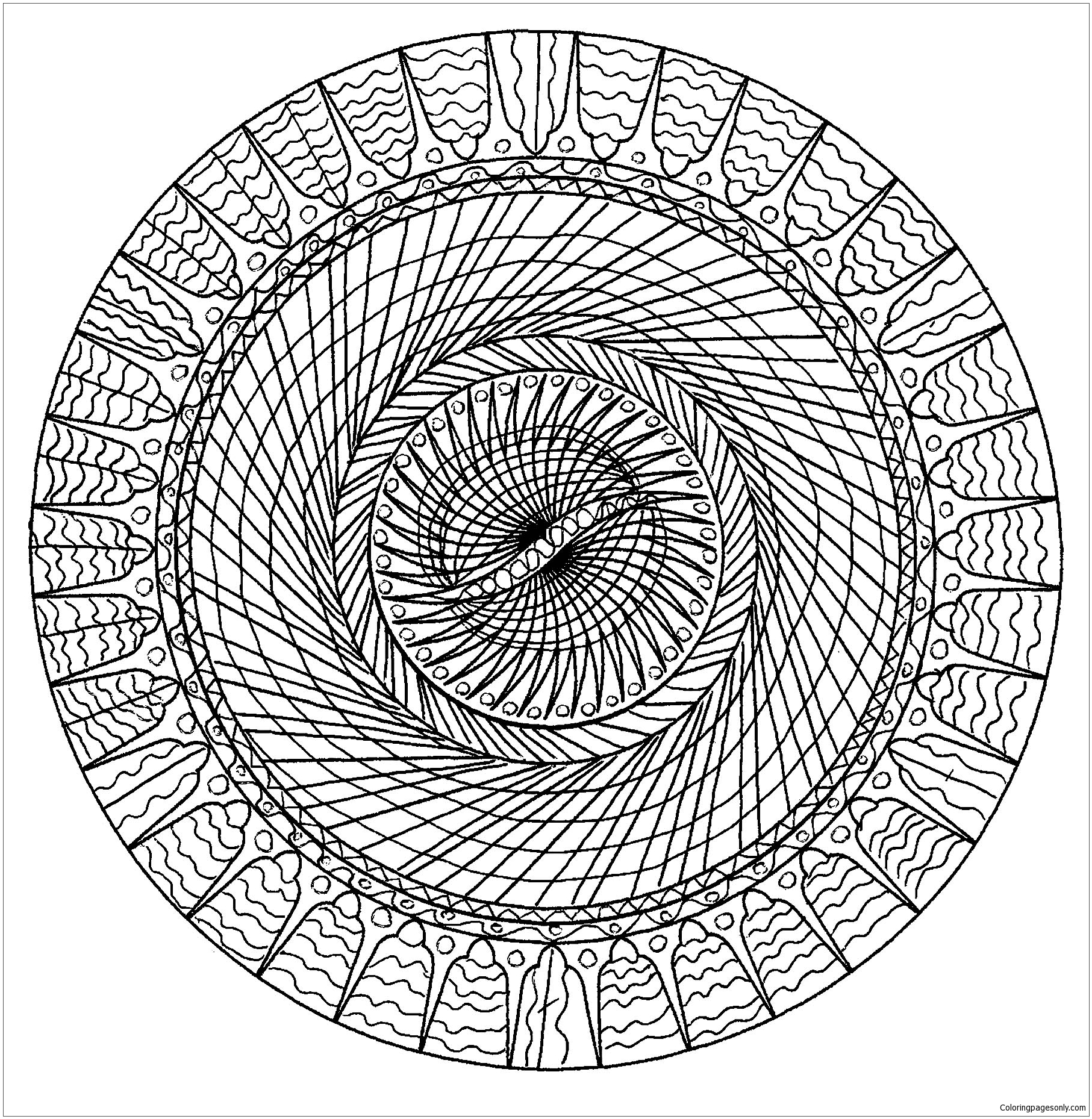
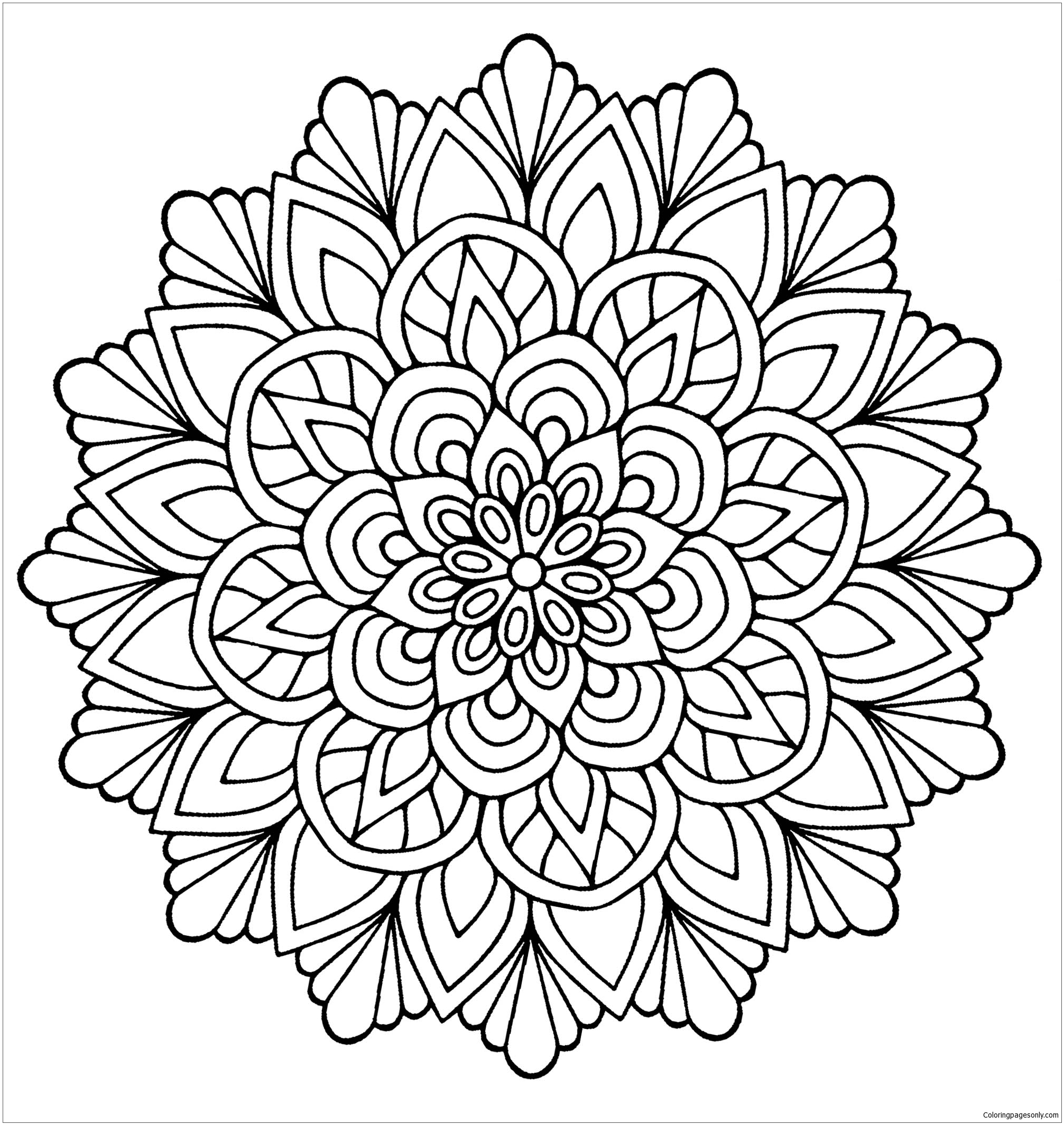
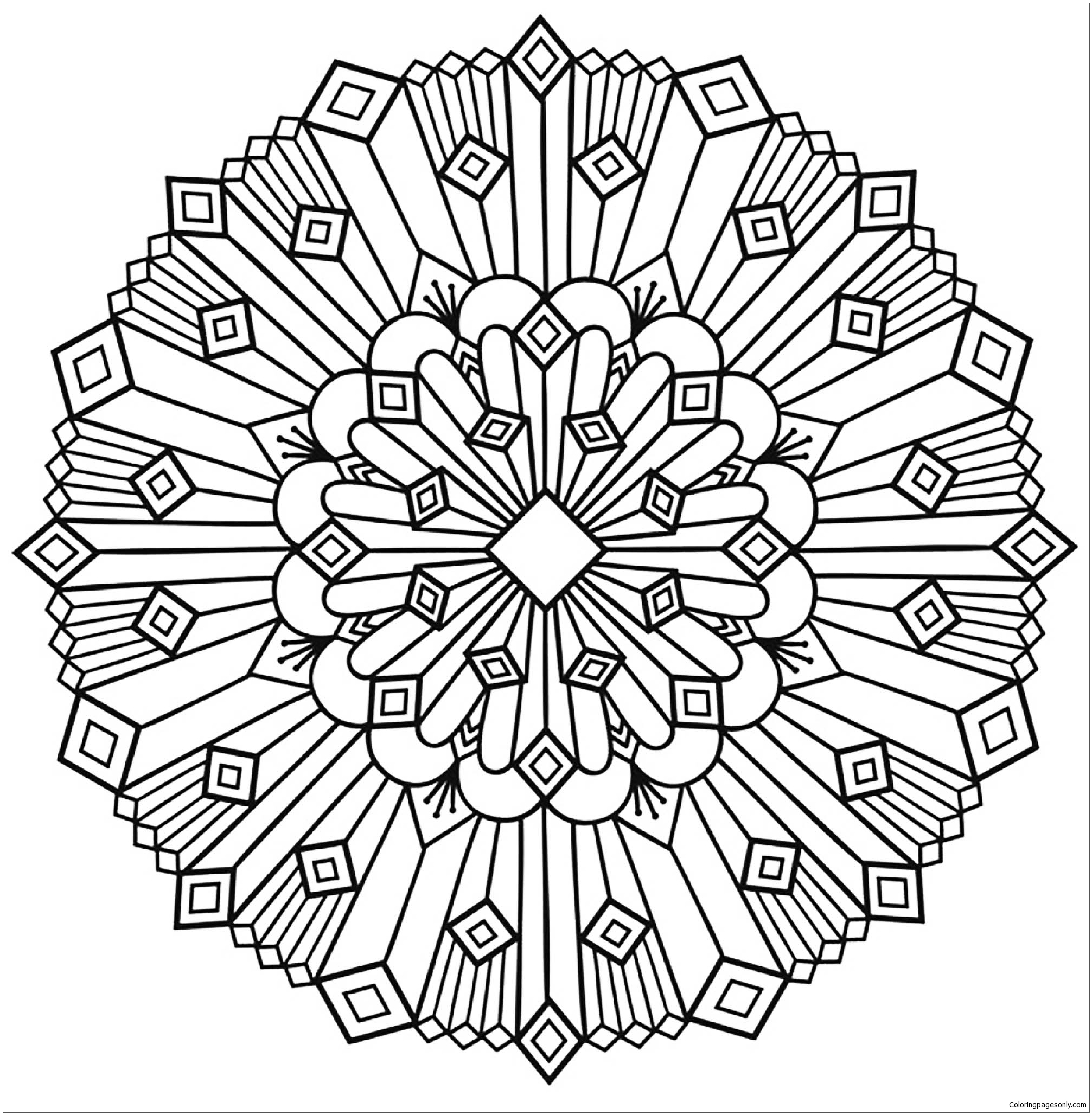
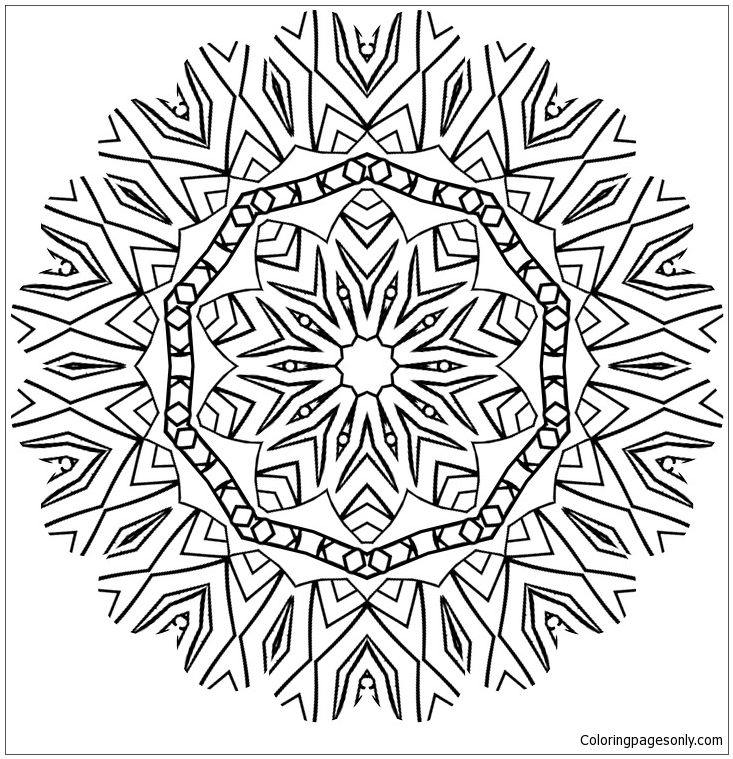
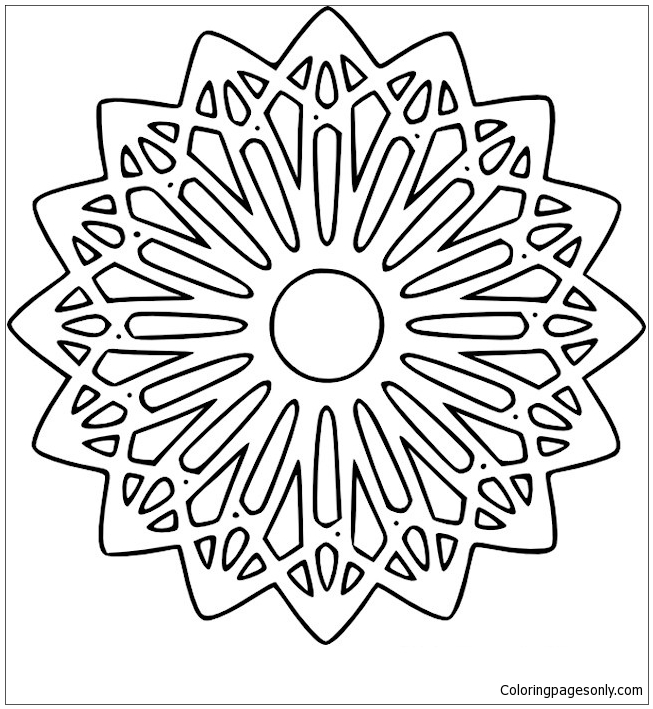
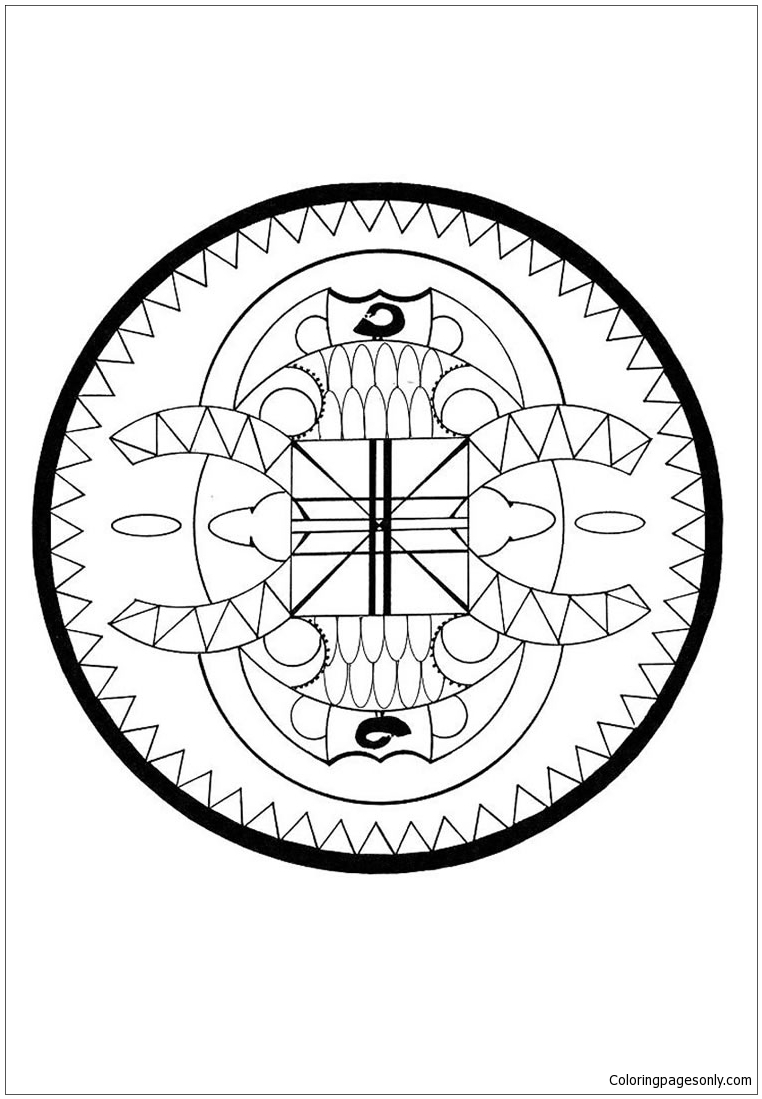
Mandala Coloring Pages at ColoringPagesOnly.com is one of the most searched collections on the site – 340+ free pages covering the full range of mandala illustration from simple circular patterns suitable for young children to intricate multilayered designs that take hours to complete. Download any page as a PDF to print, or color online directly in your browser. The full Arts & Culture collection is at Arts & Culture Coloring Pages.




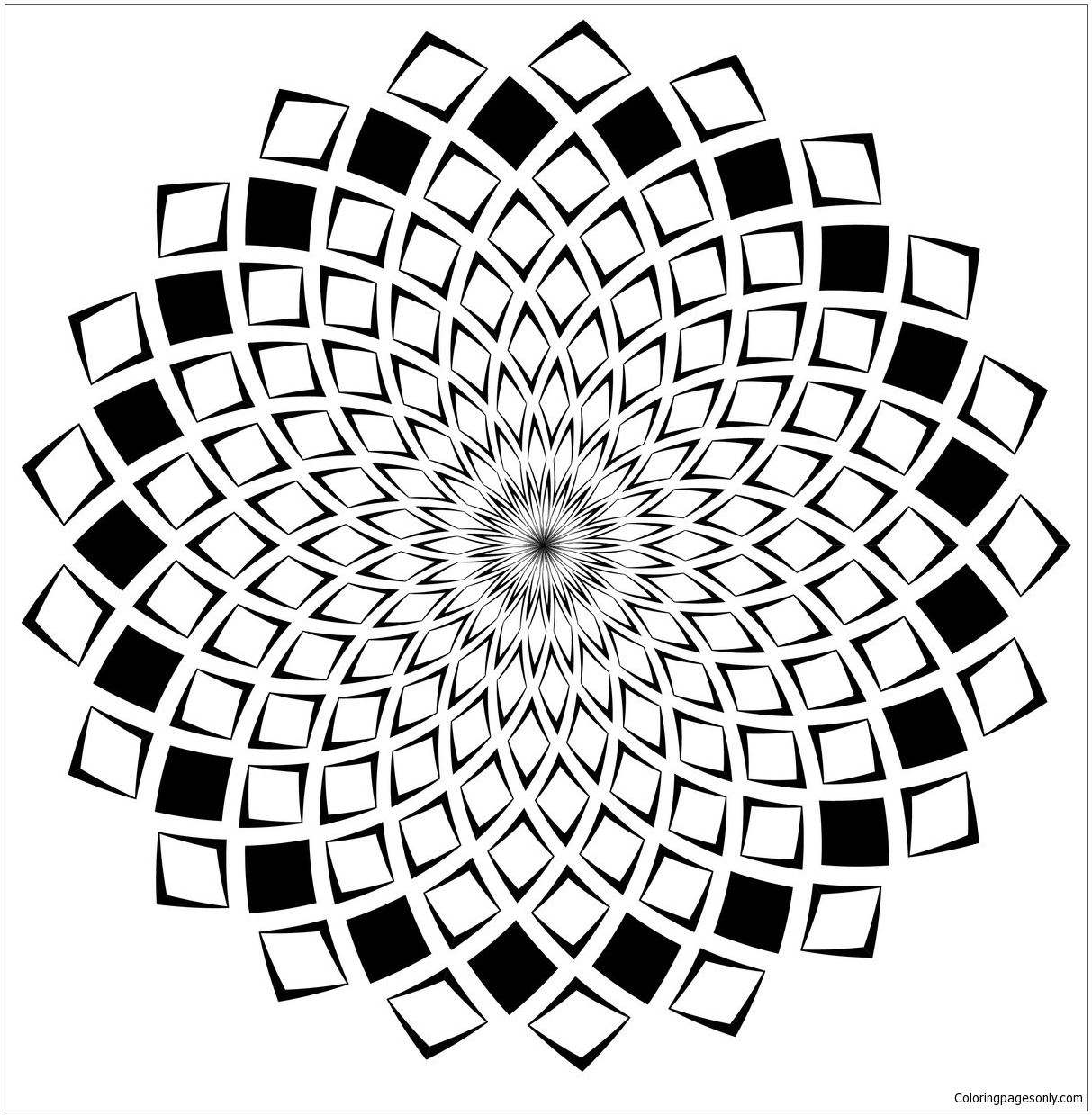
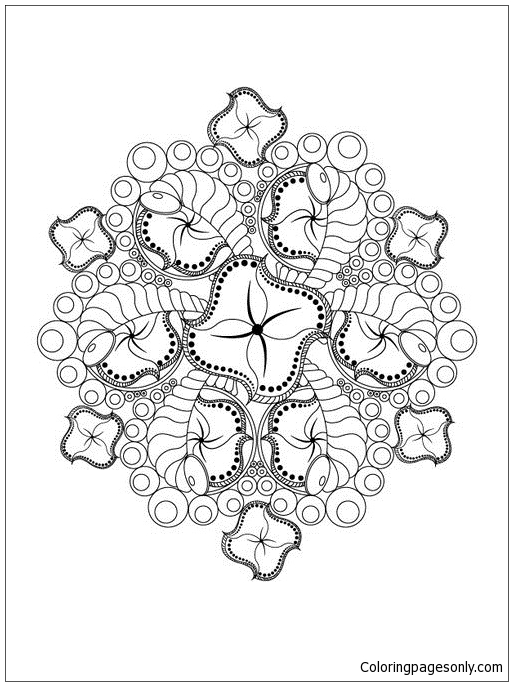
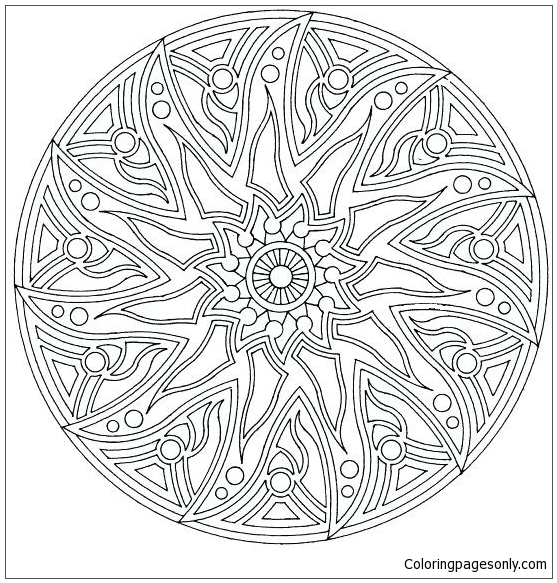
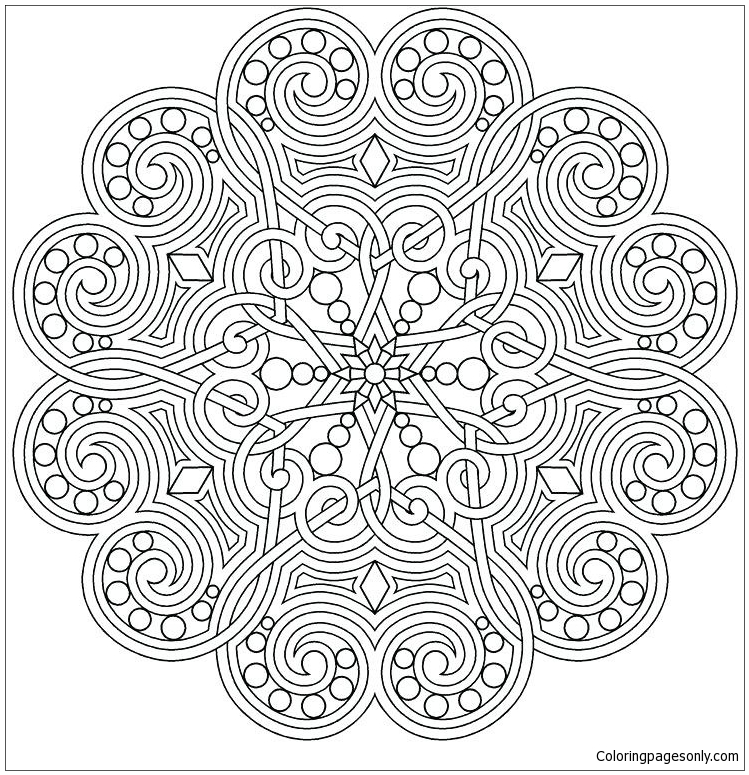


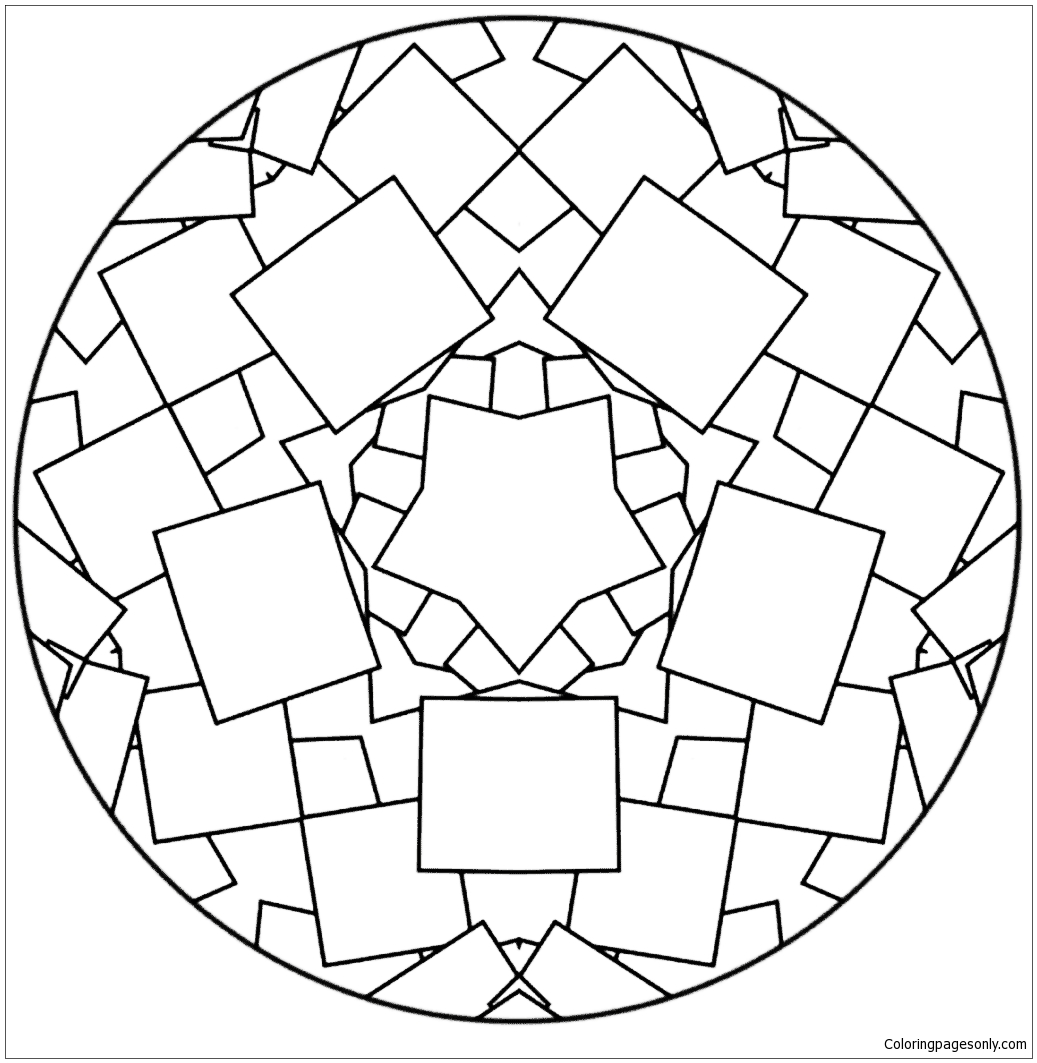
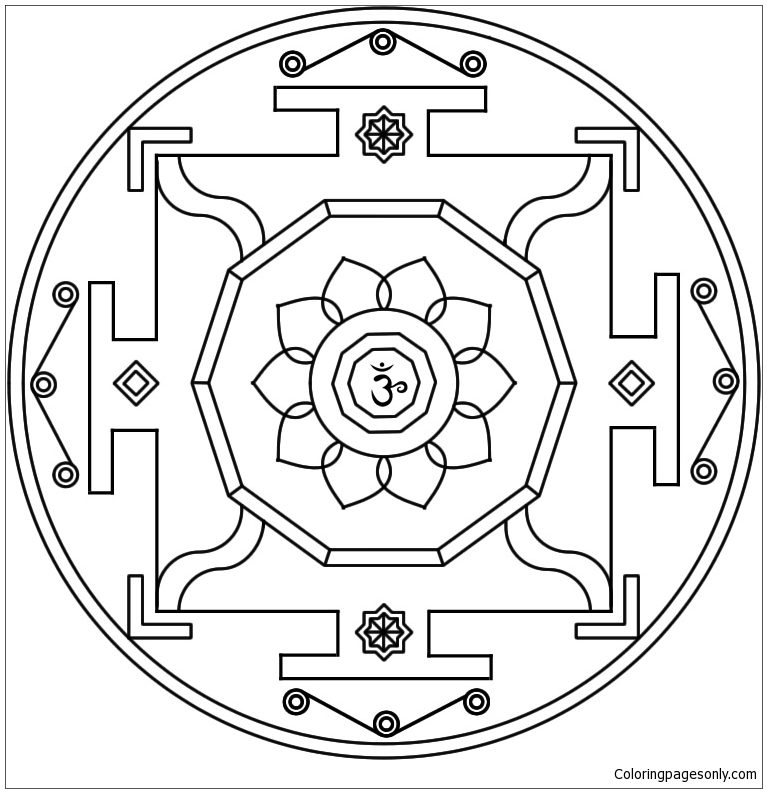
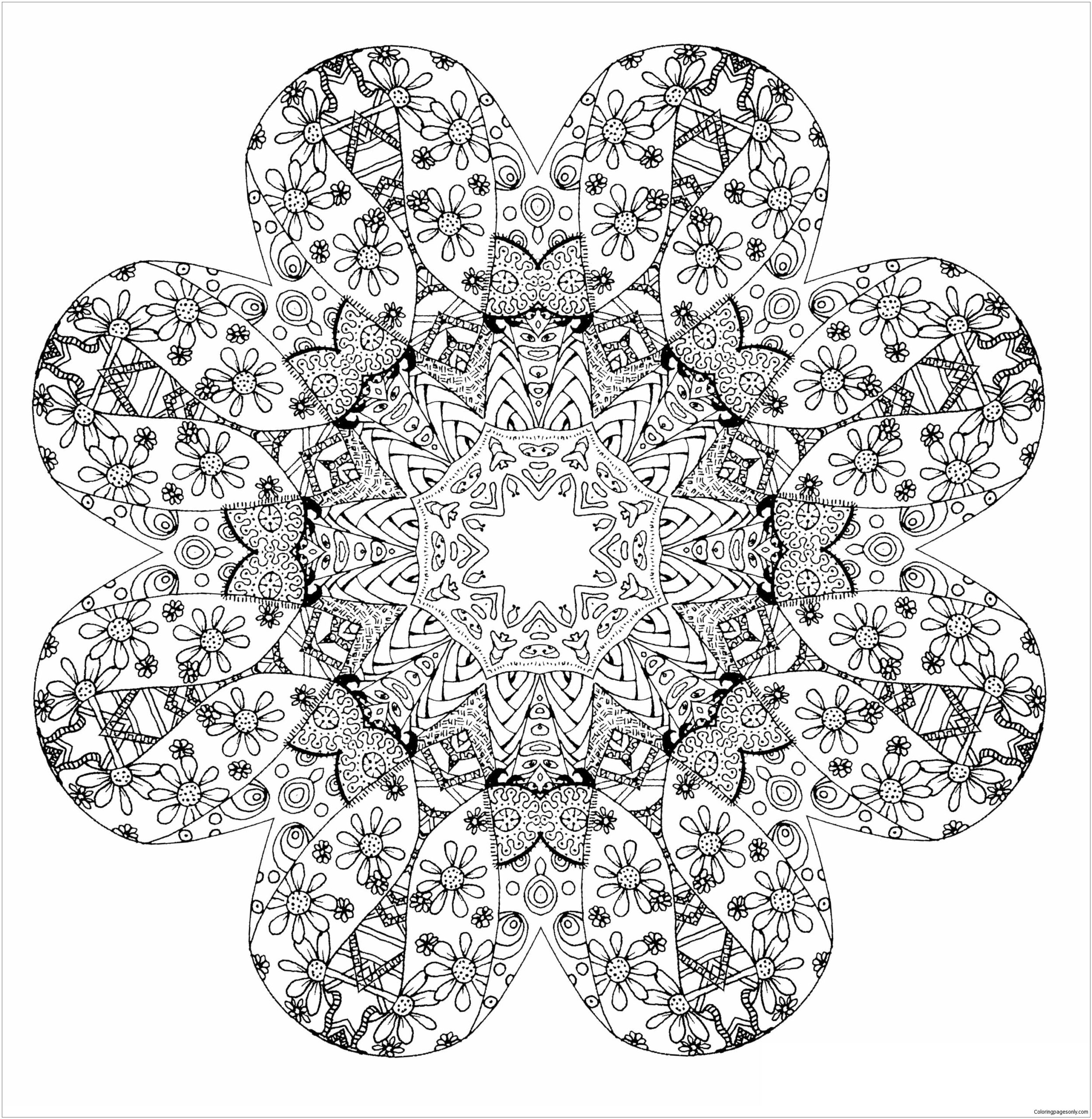
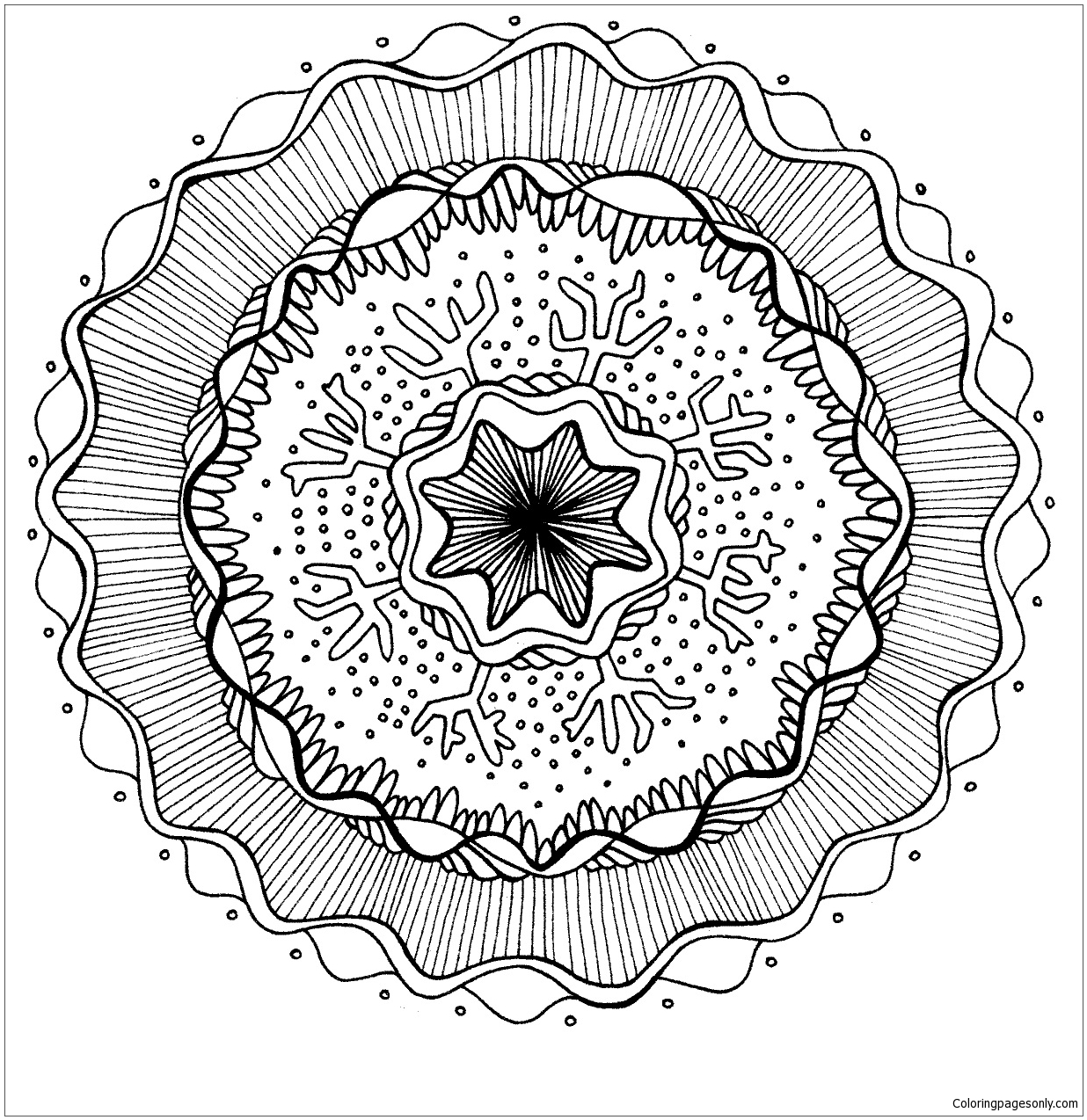
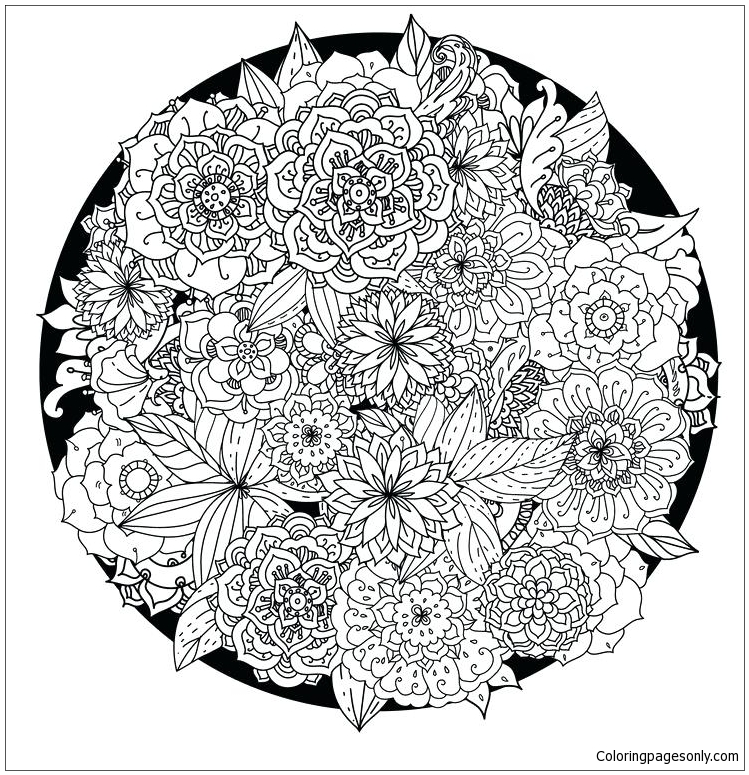
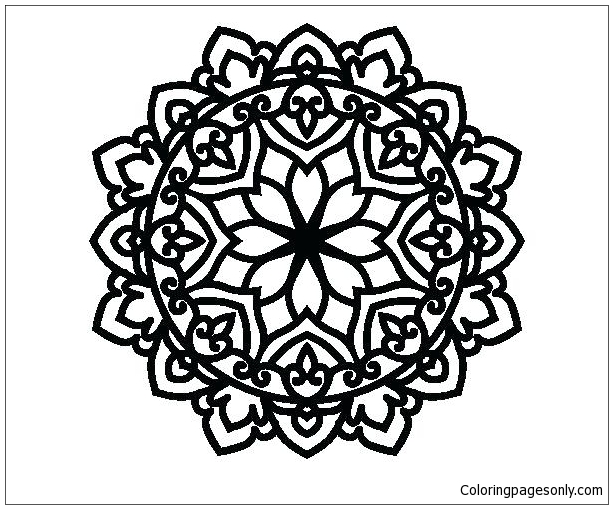


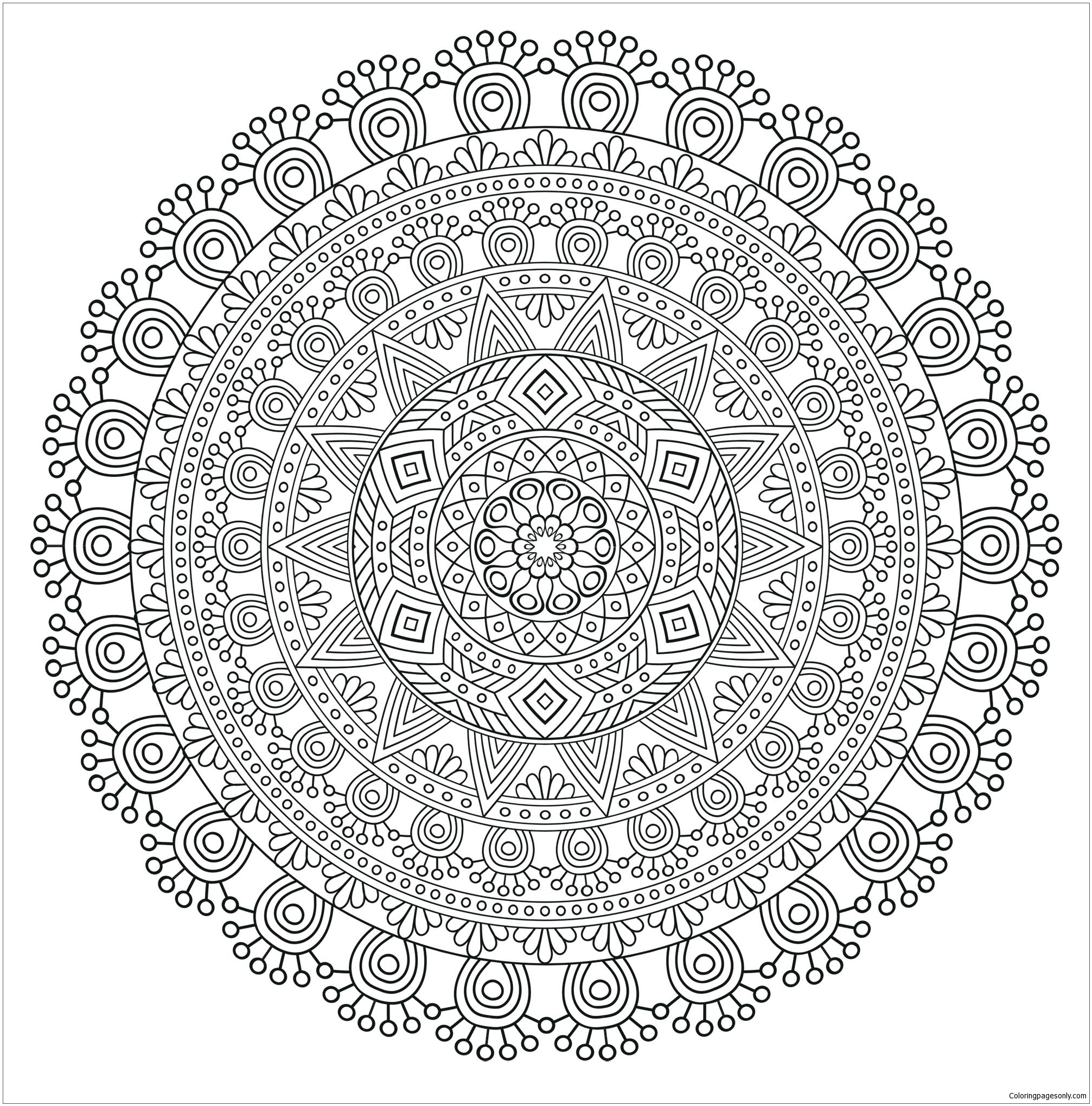

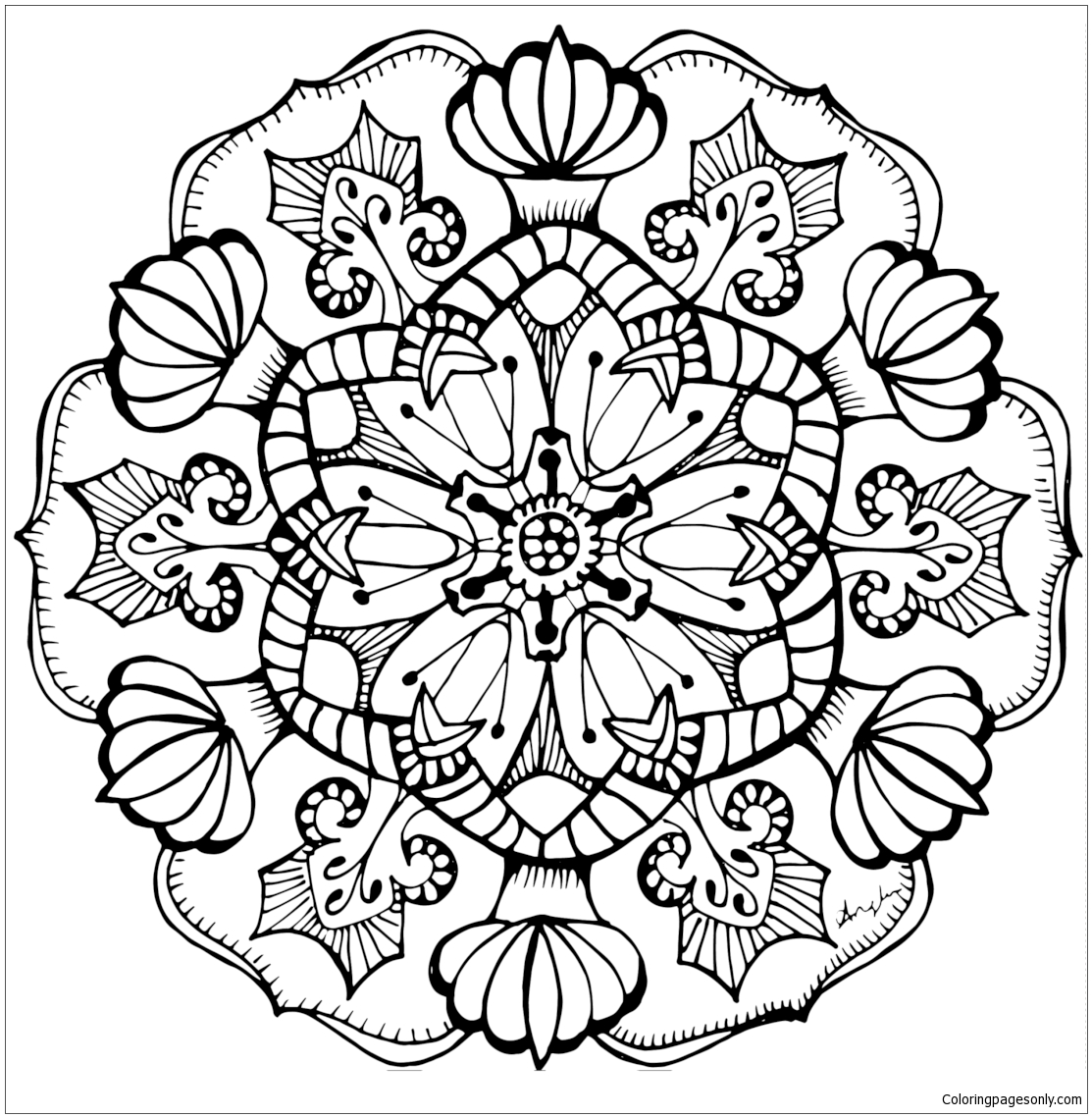
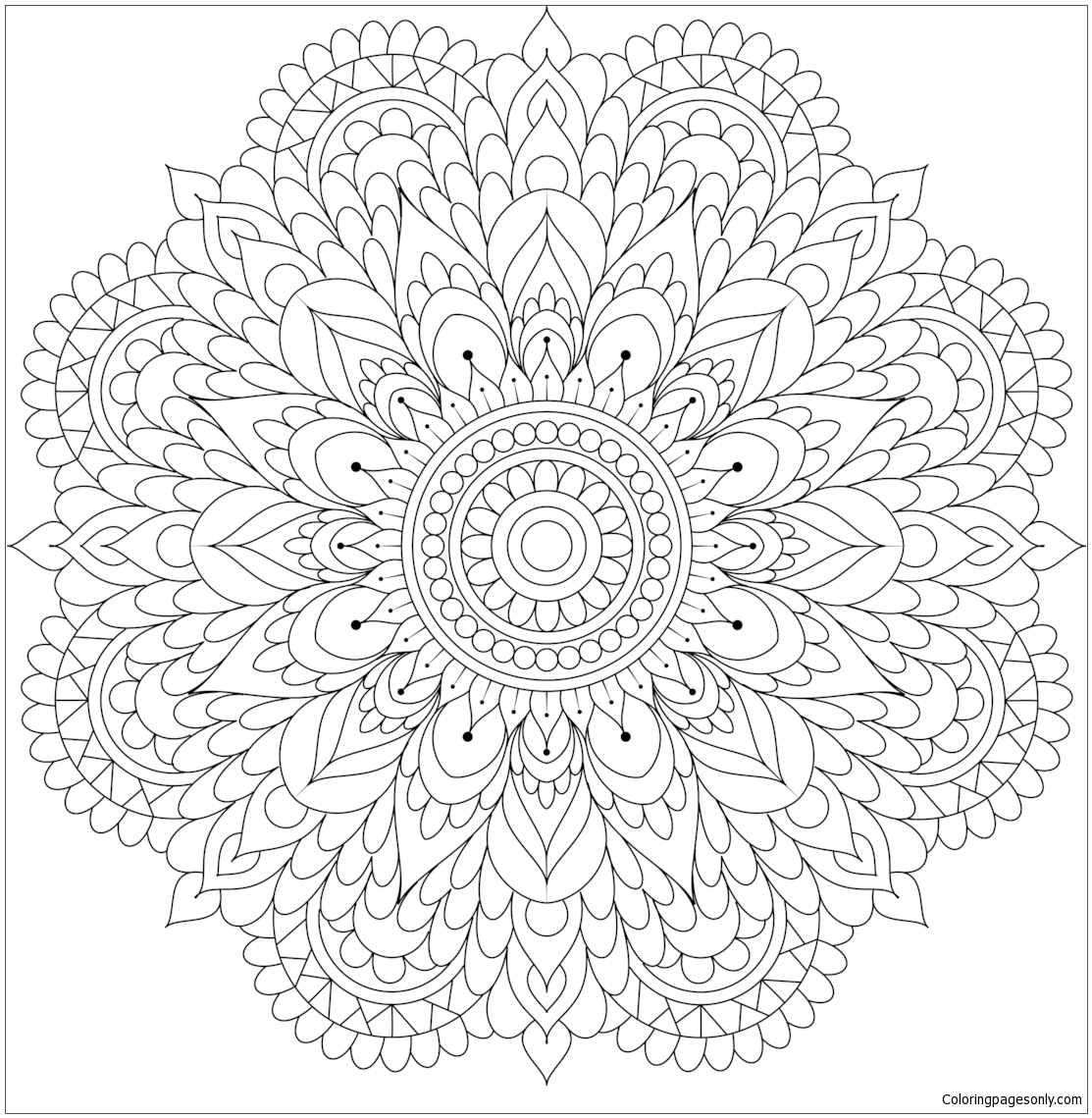
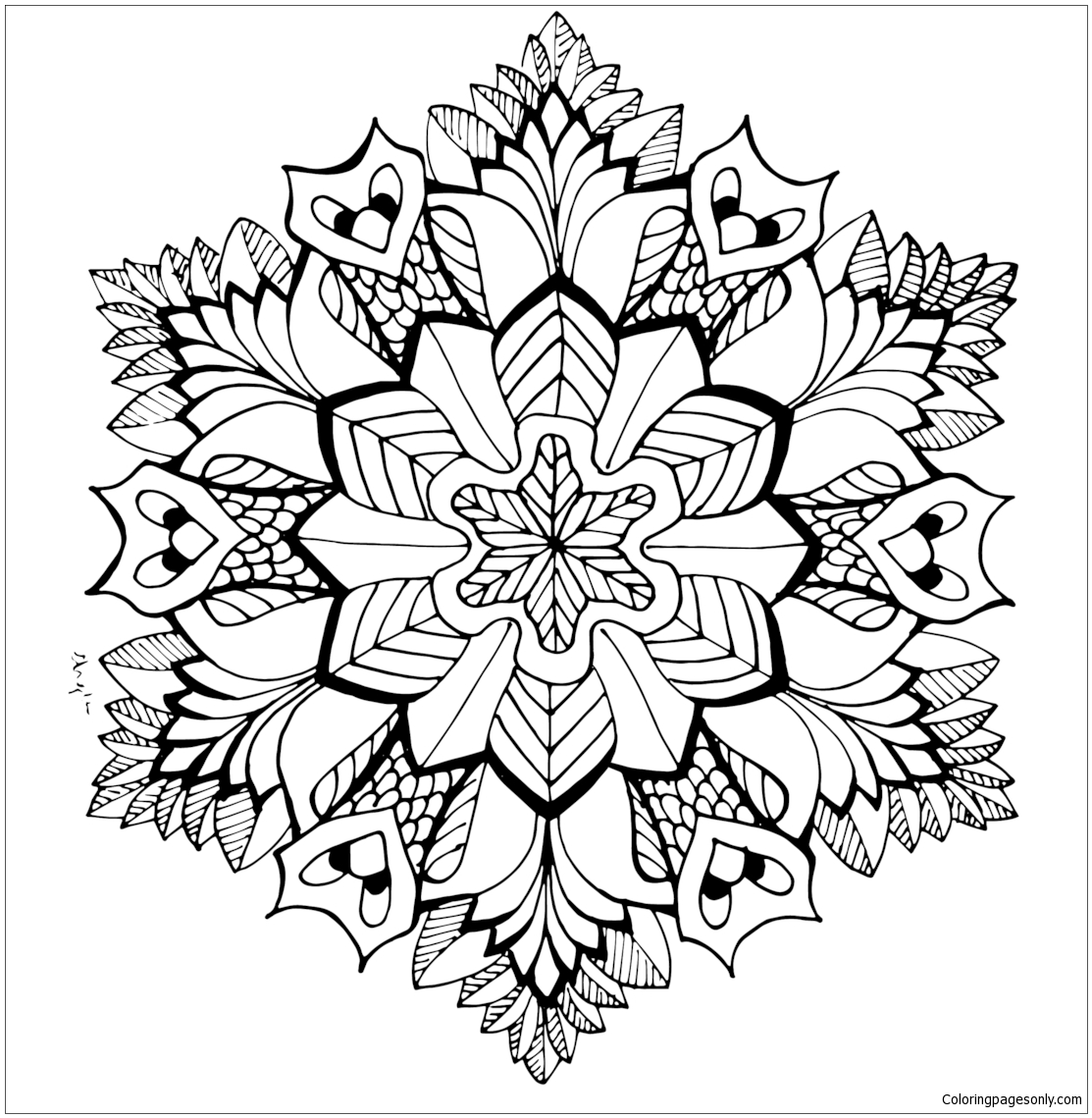
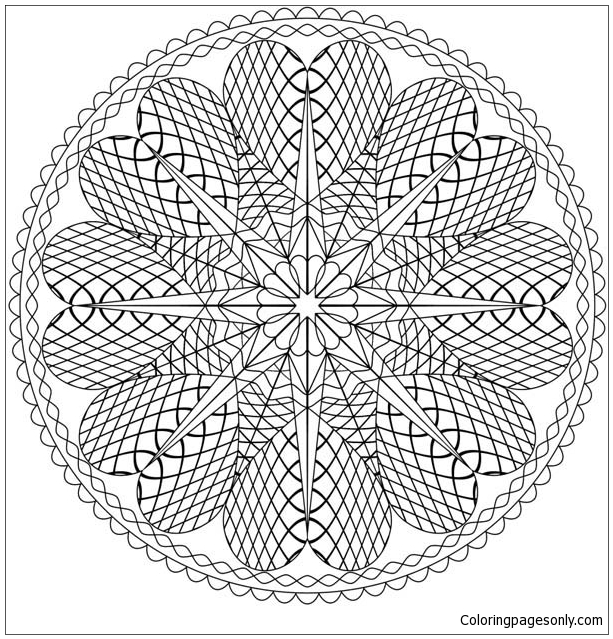
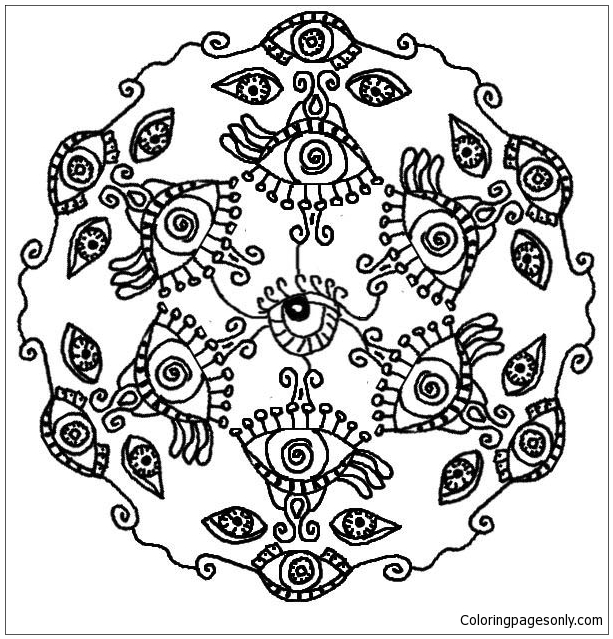
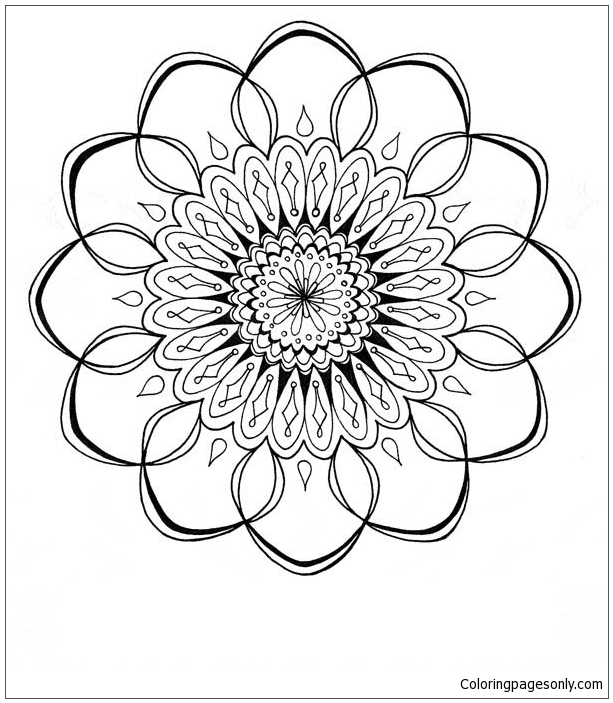

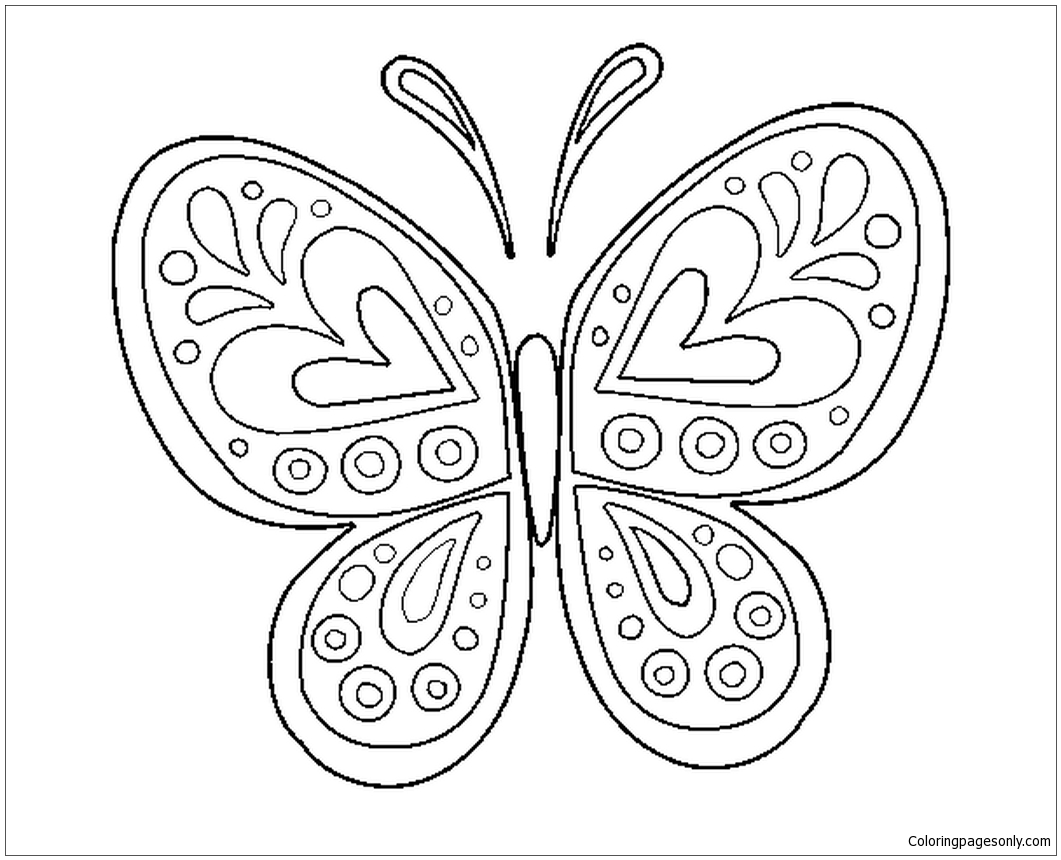
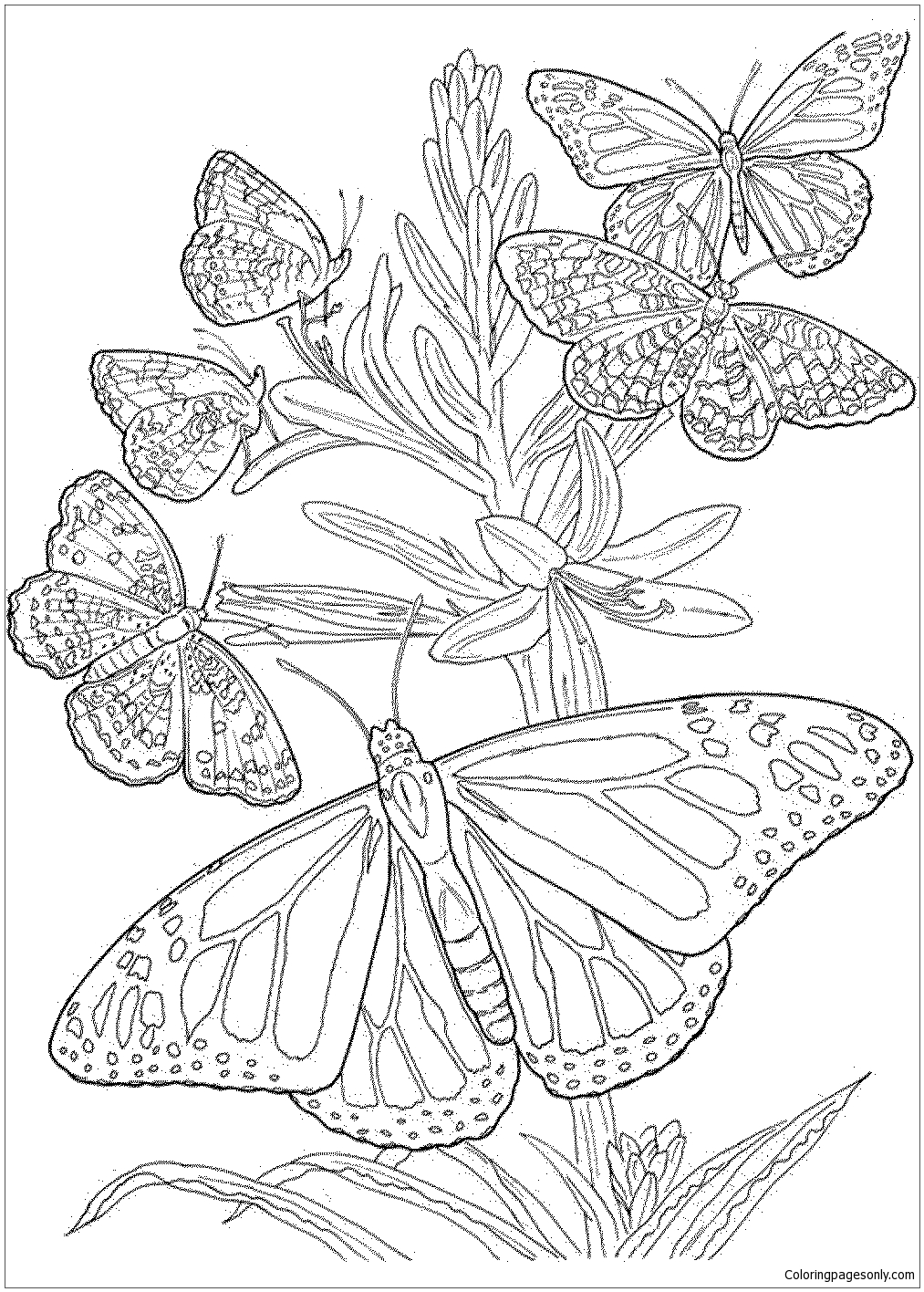
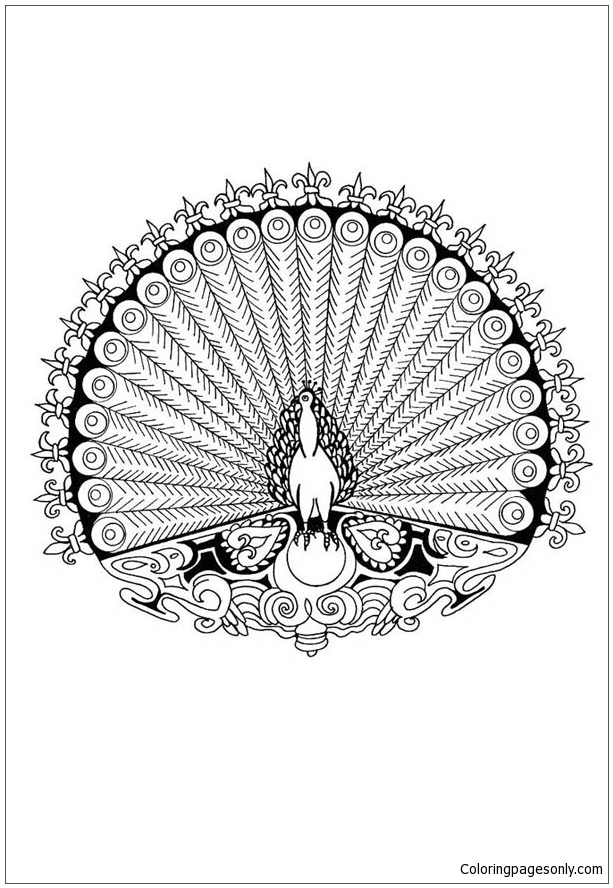
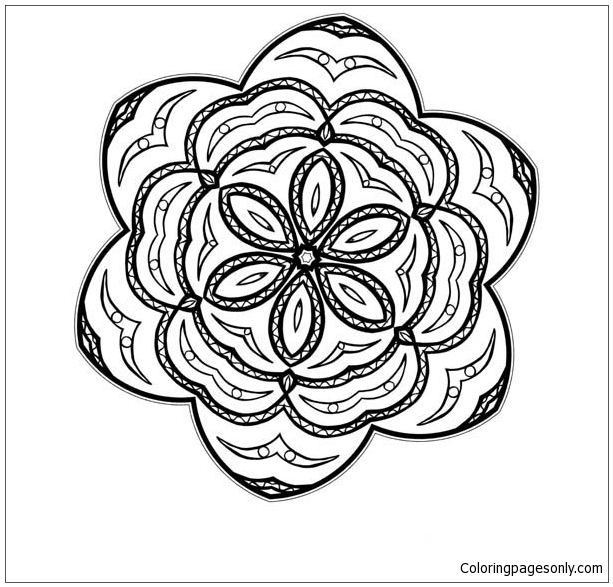
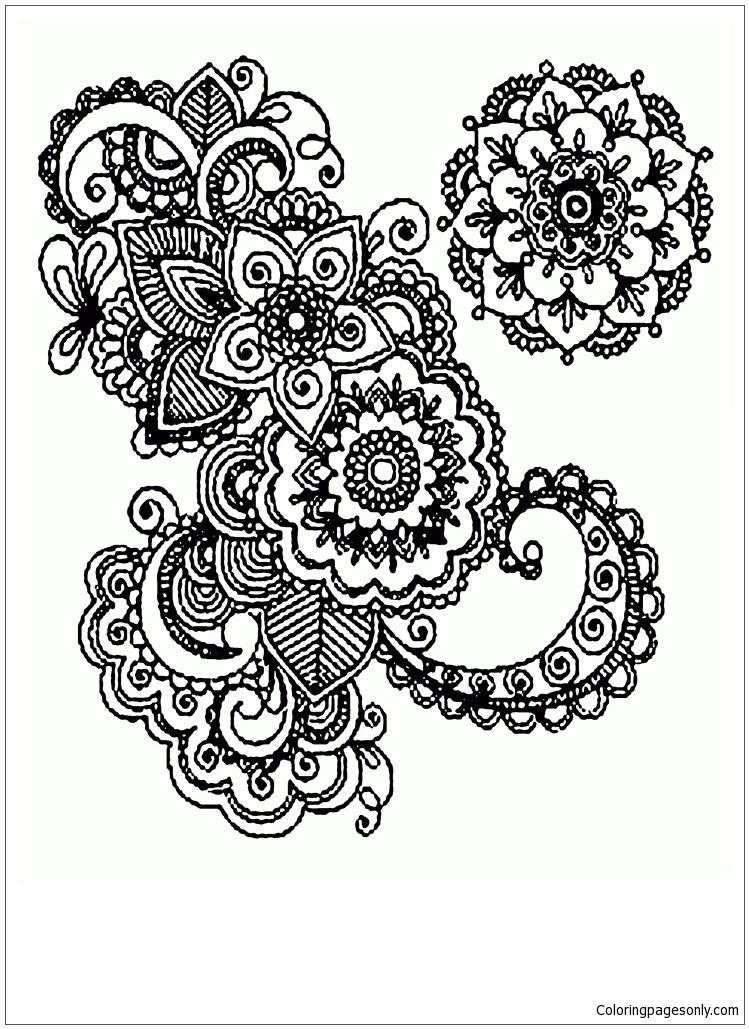
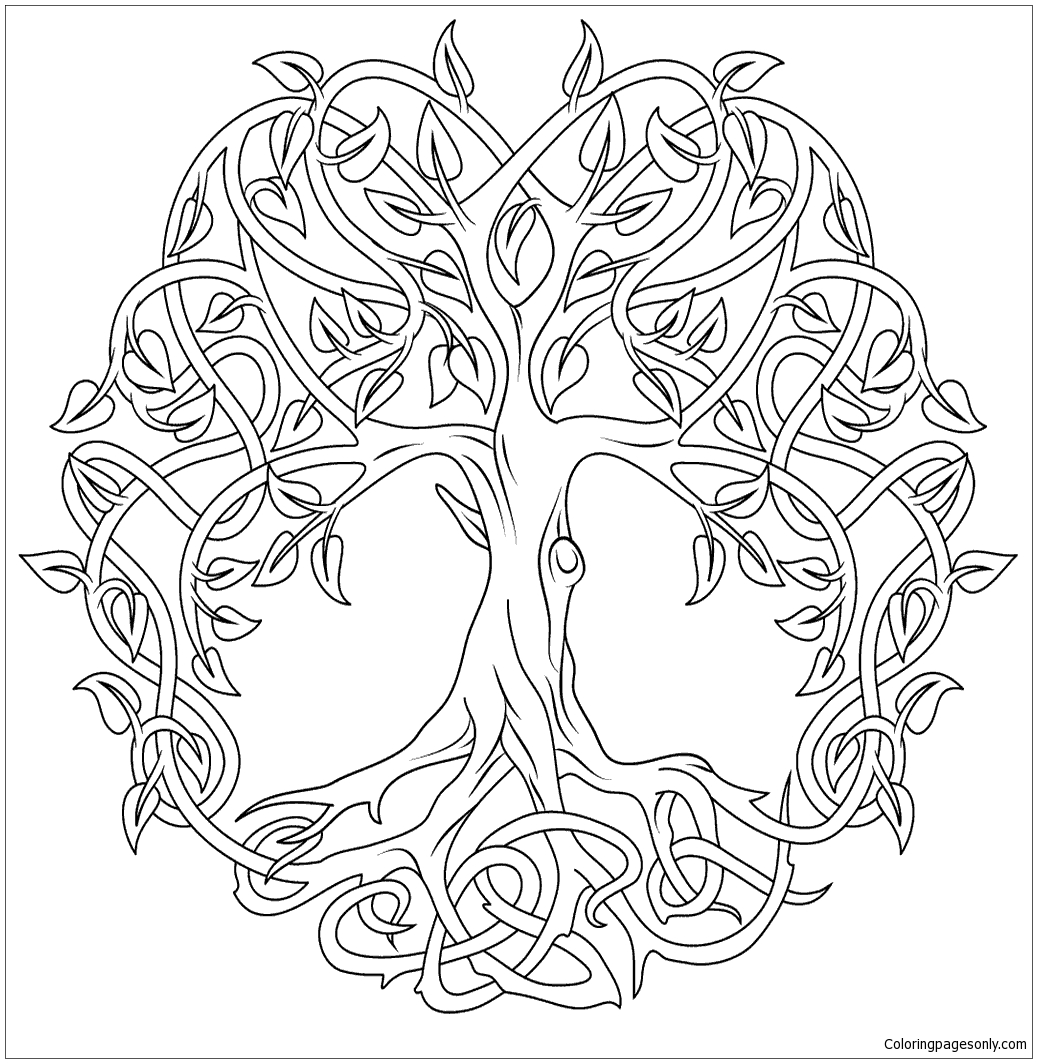
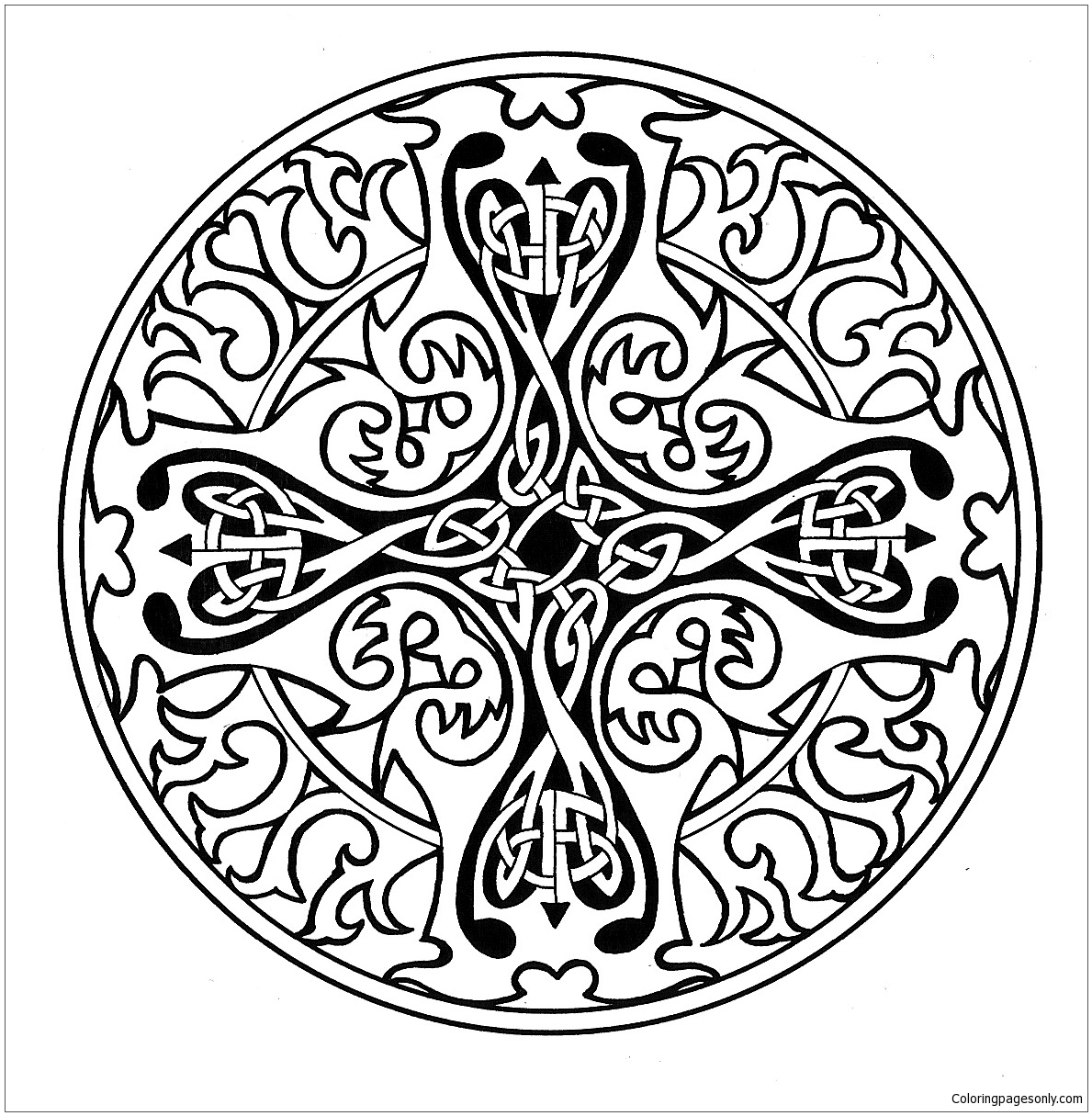
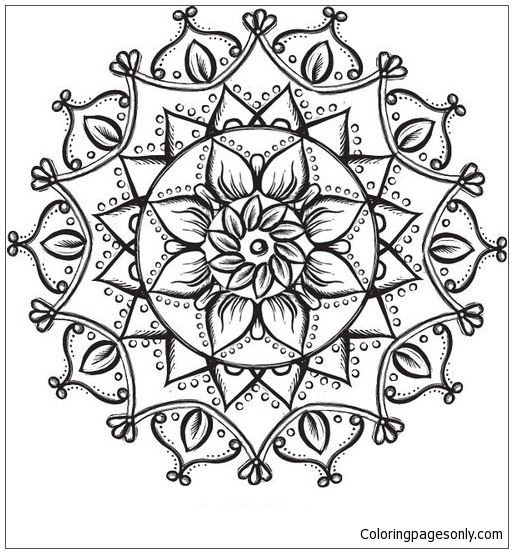
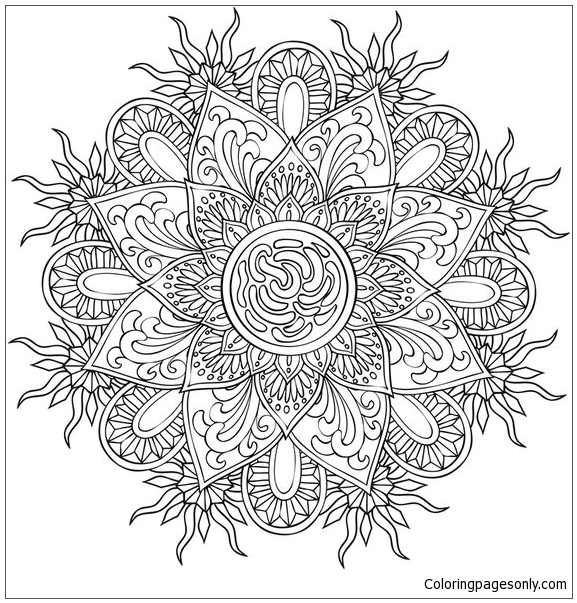
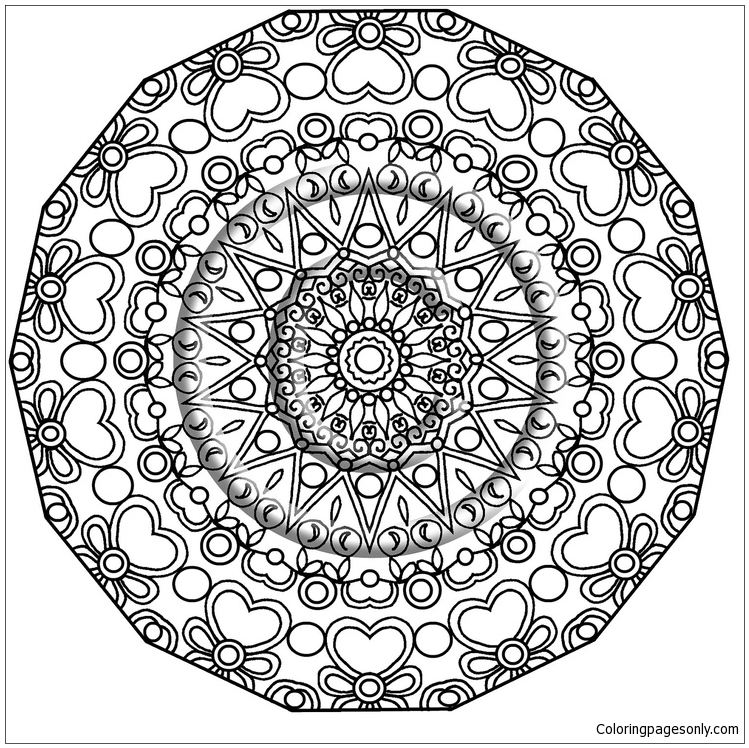

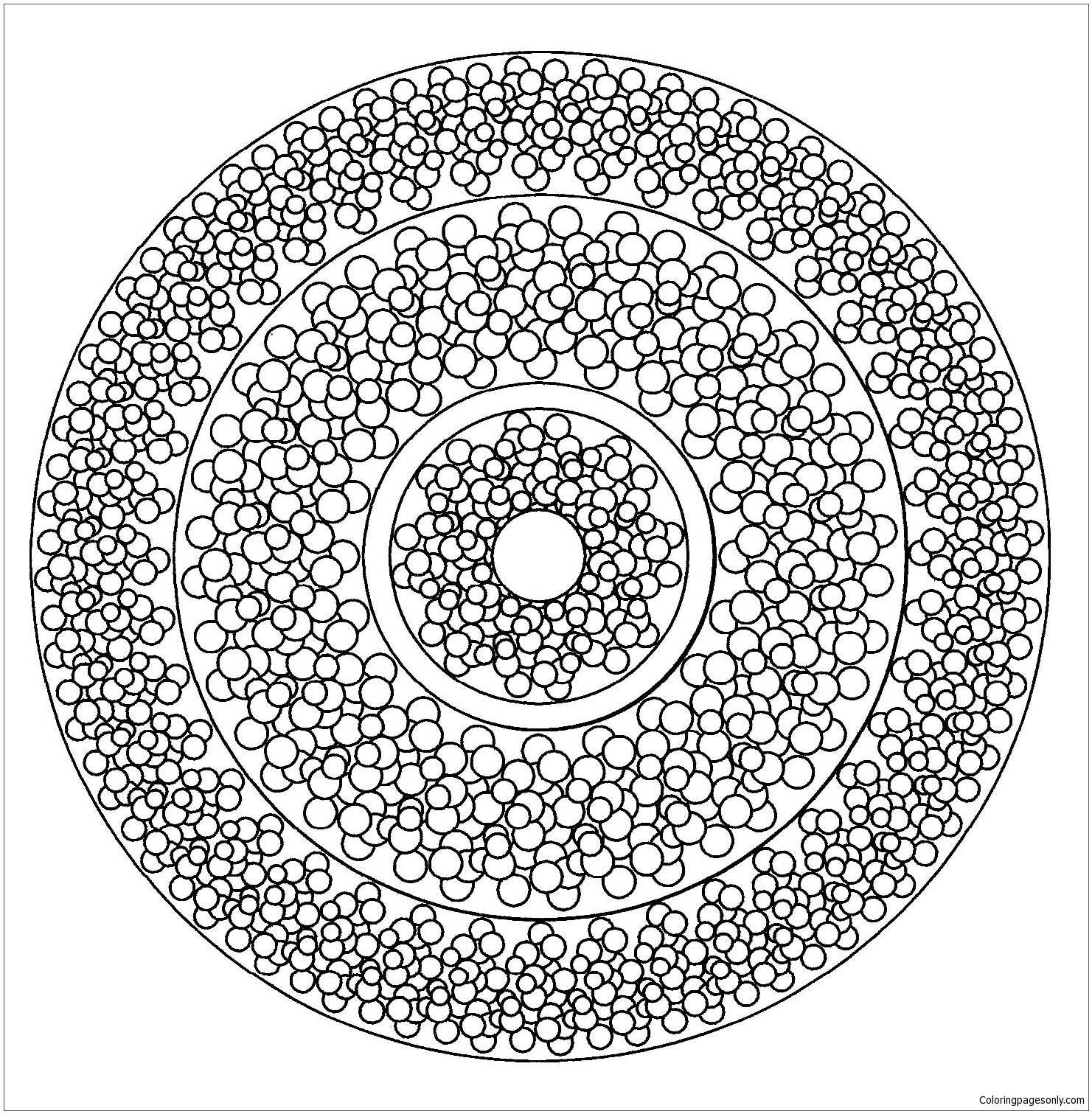
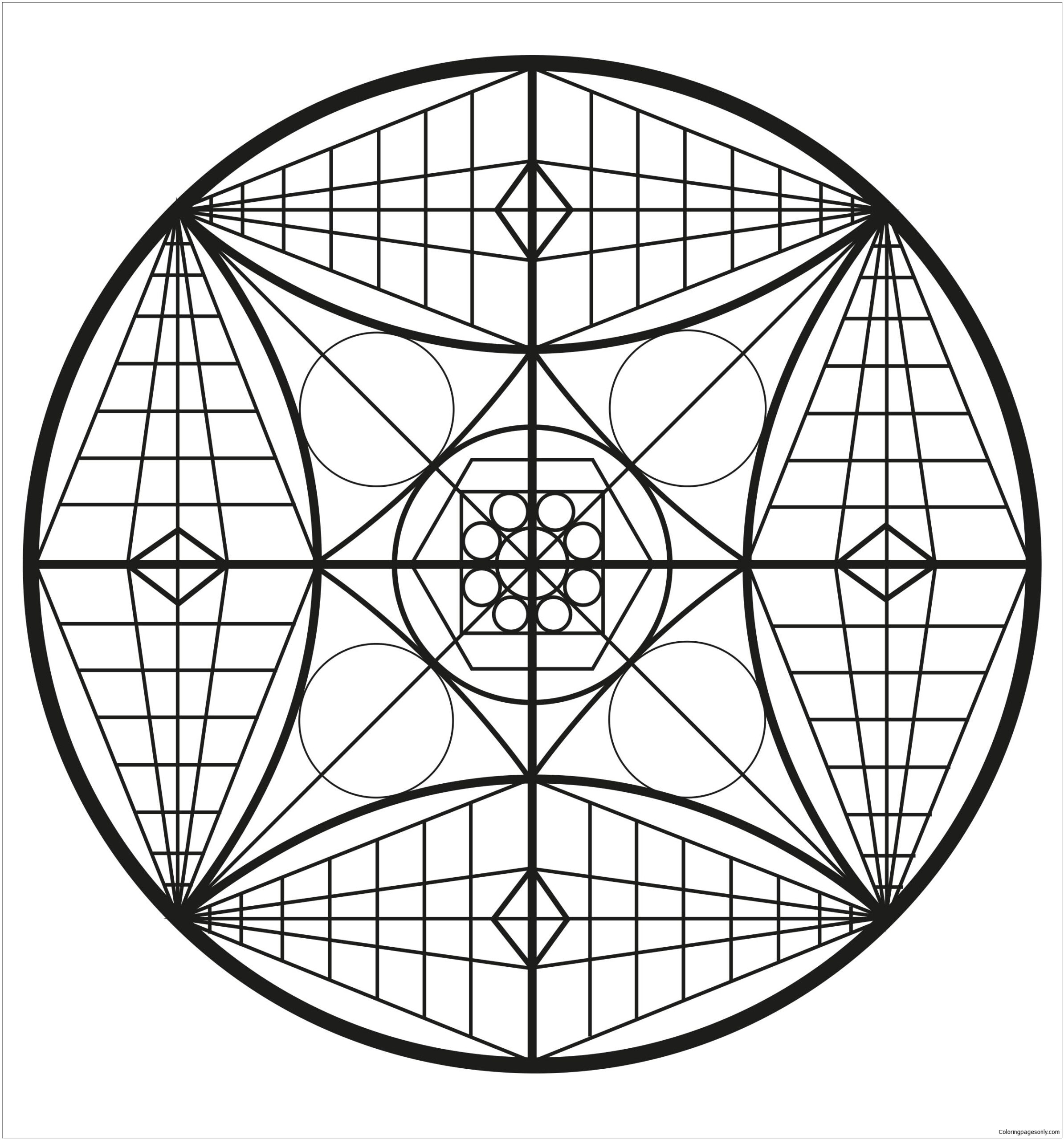
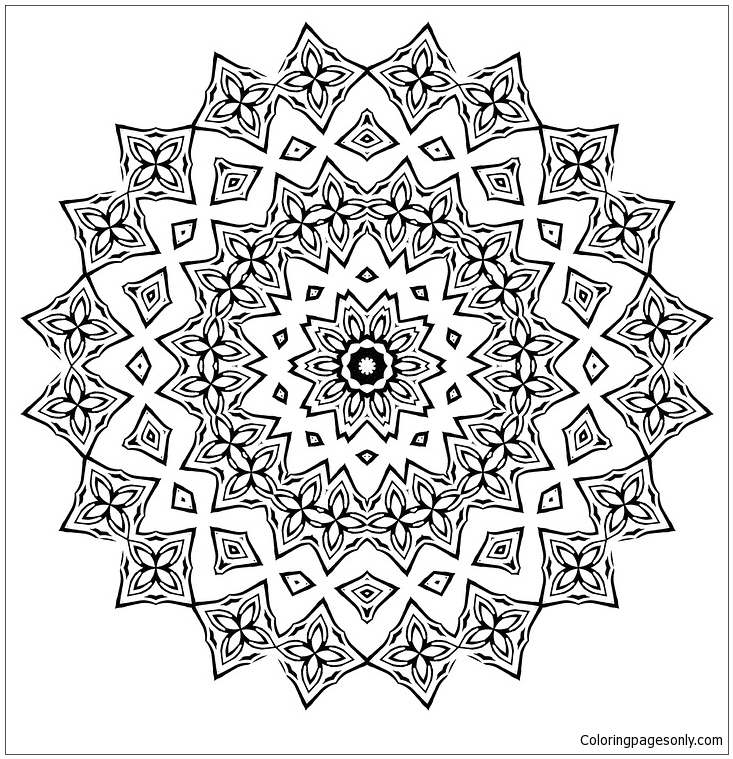
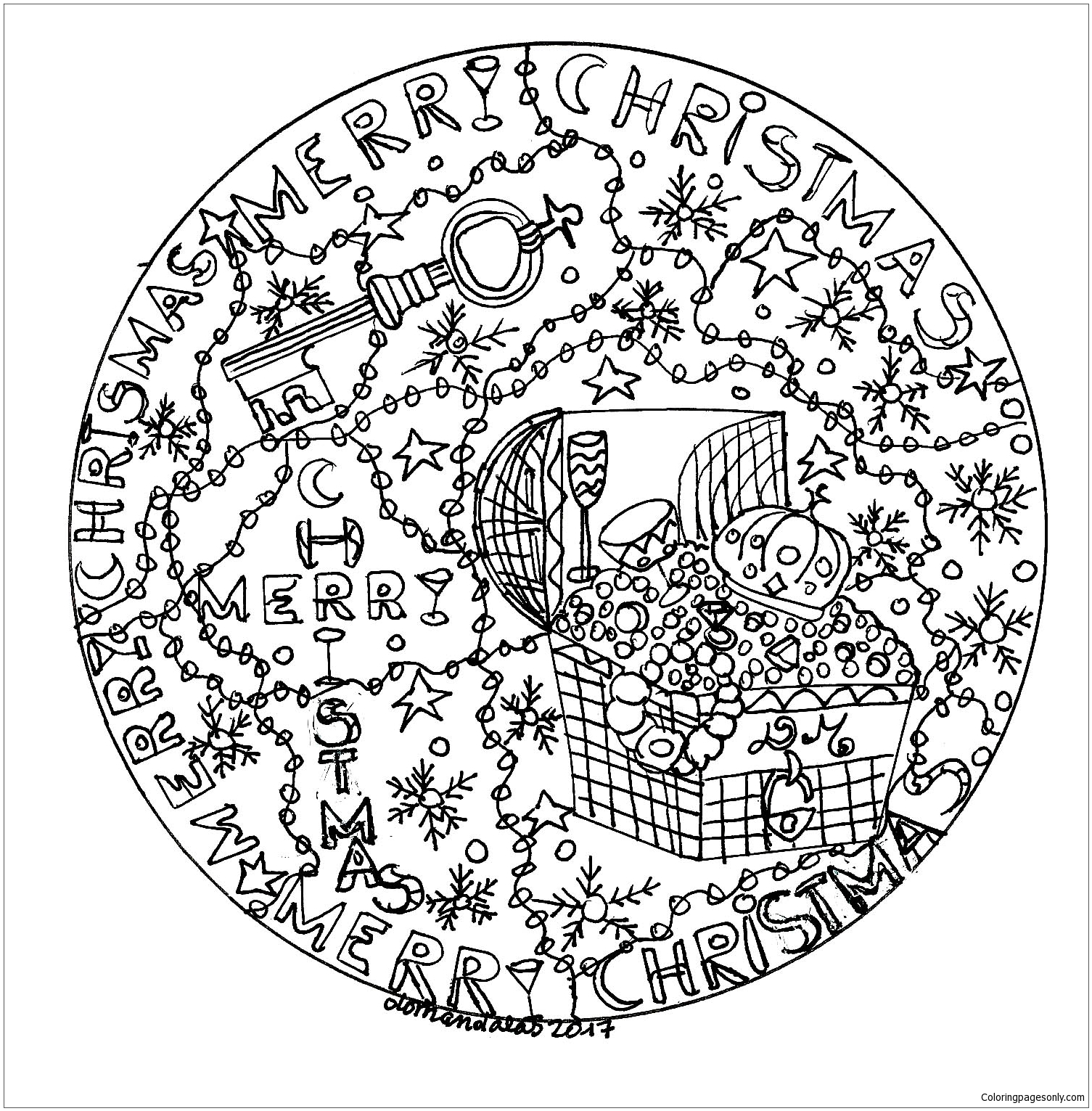
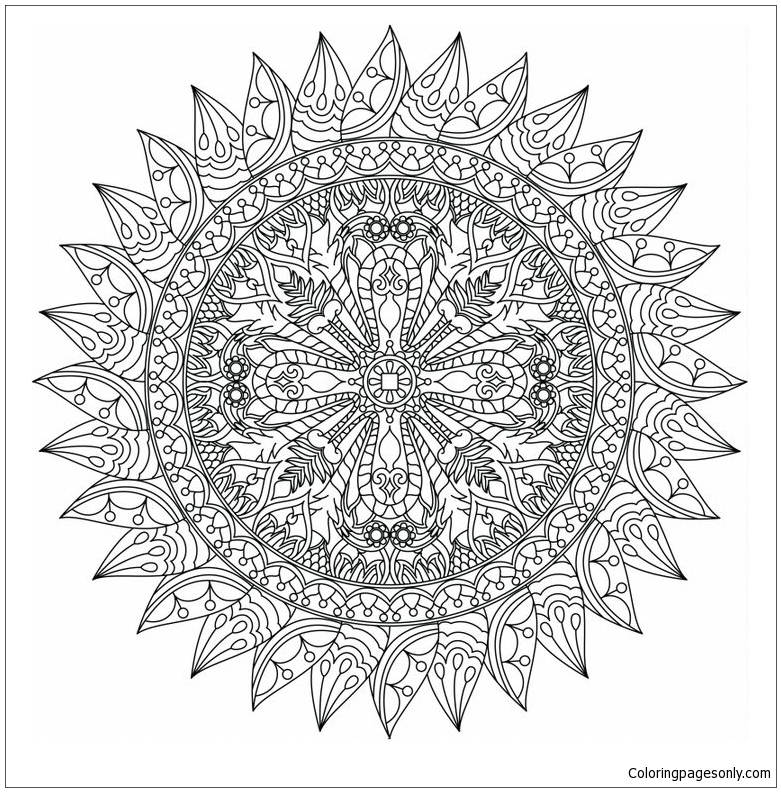
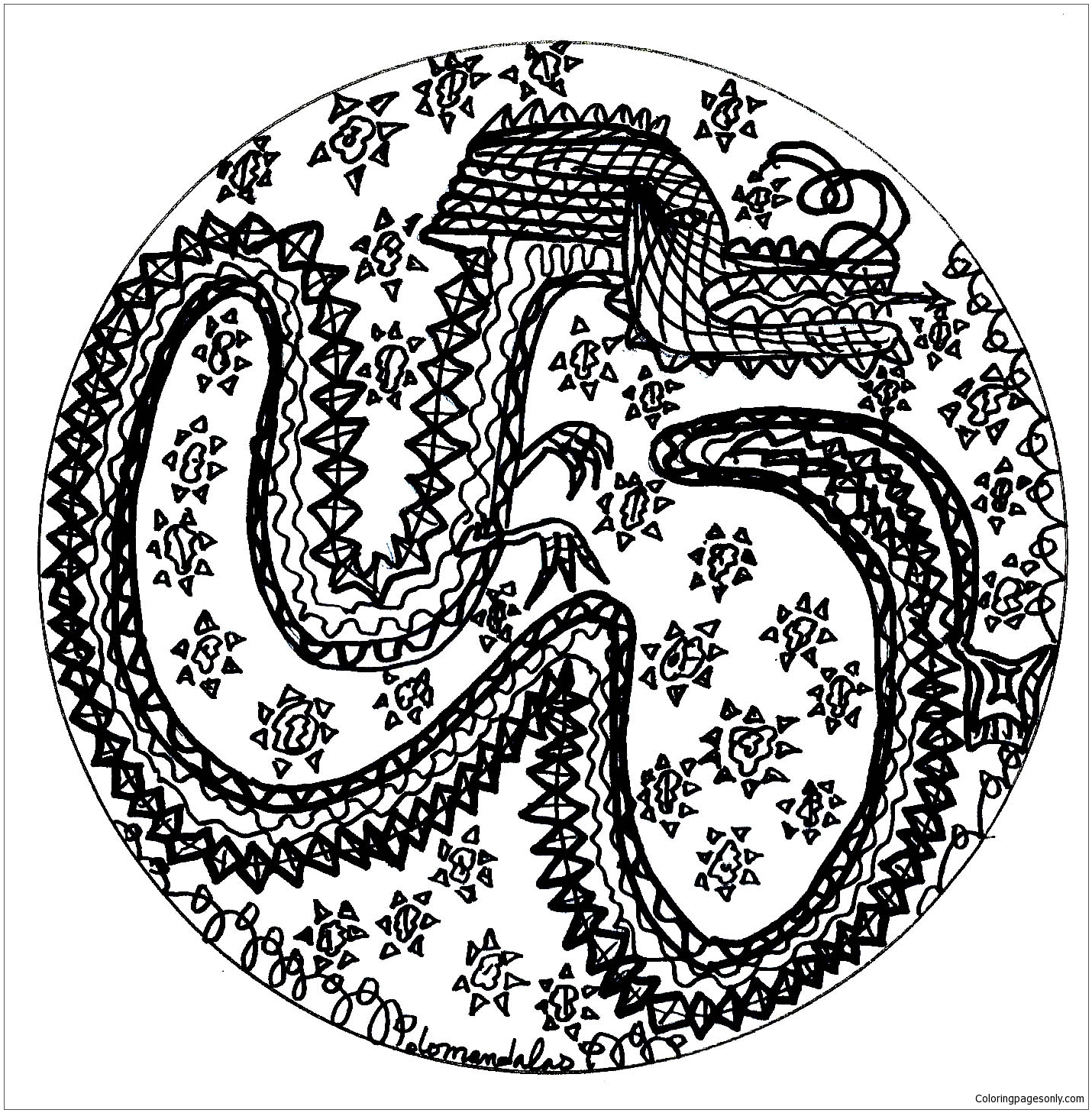
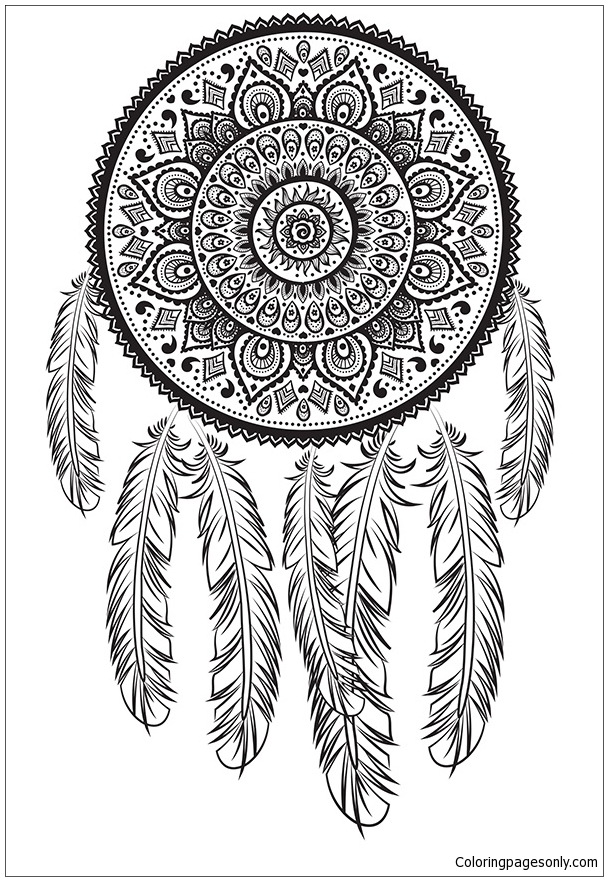




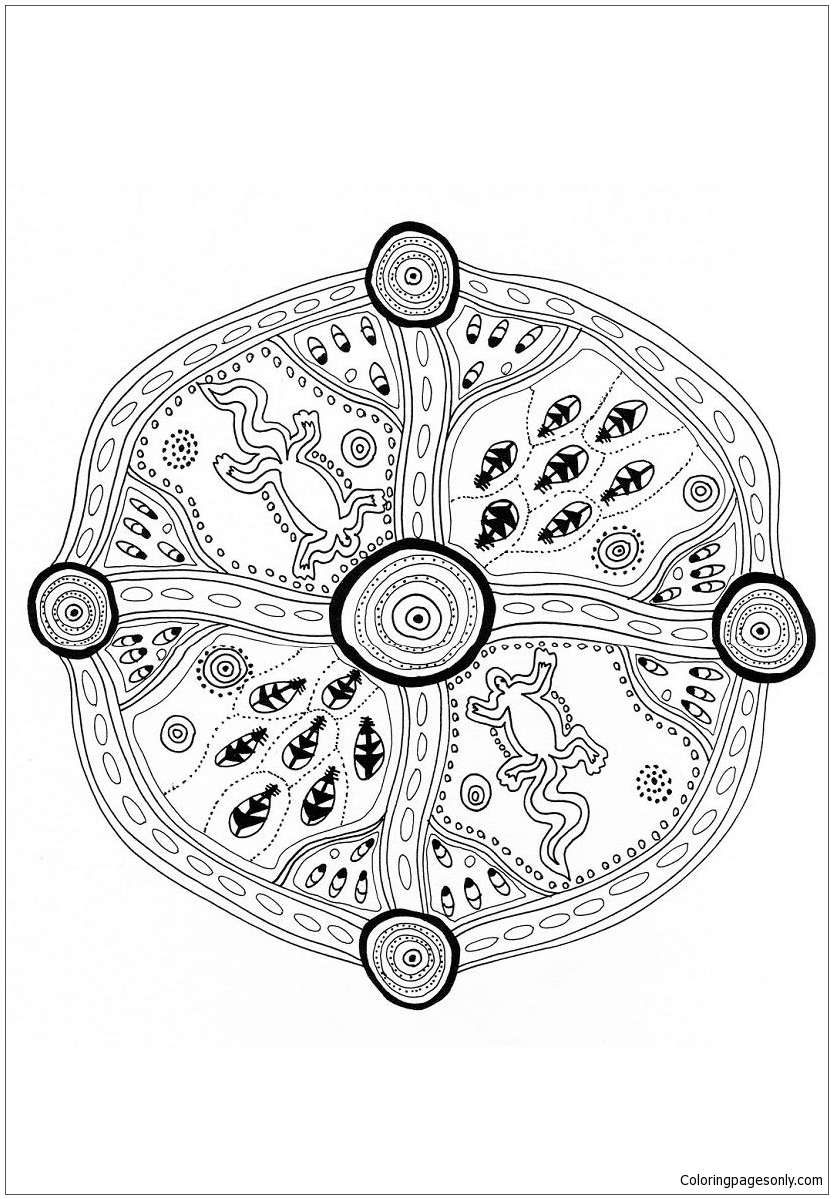
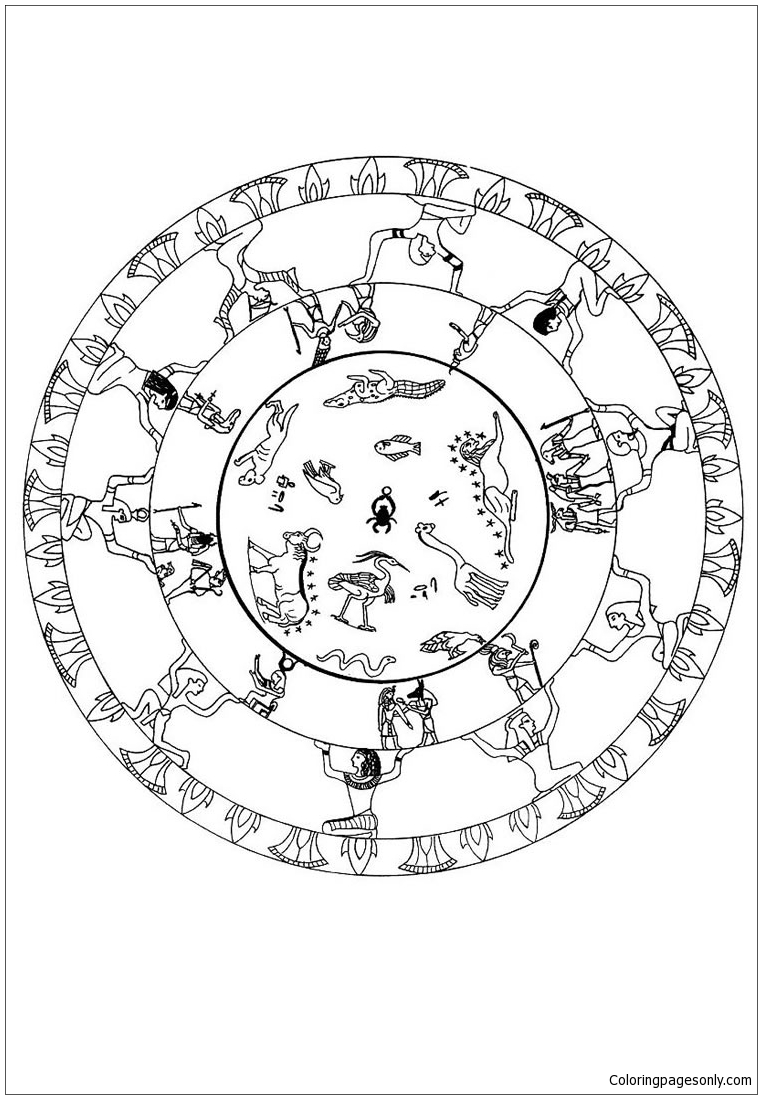
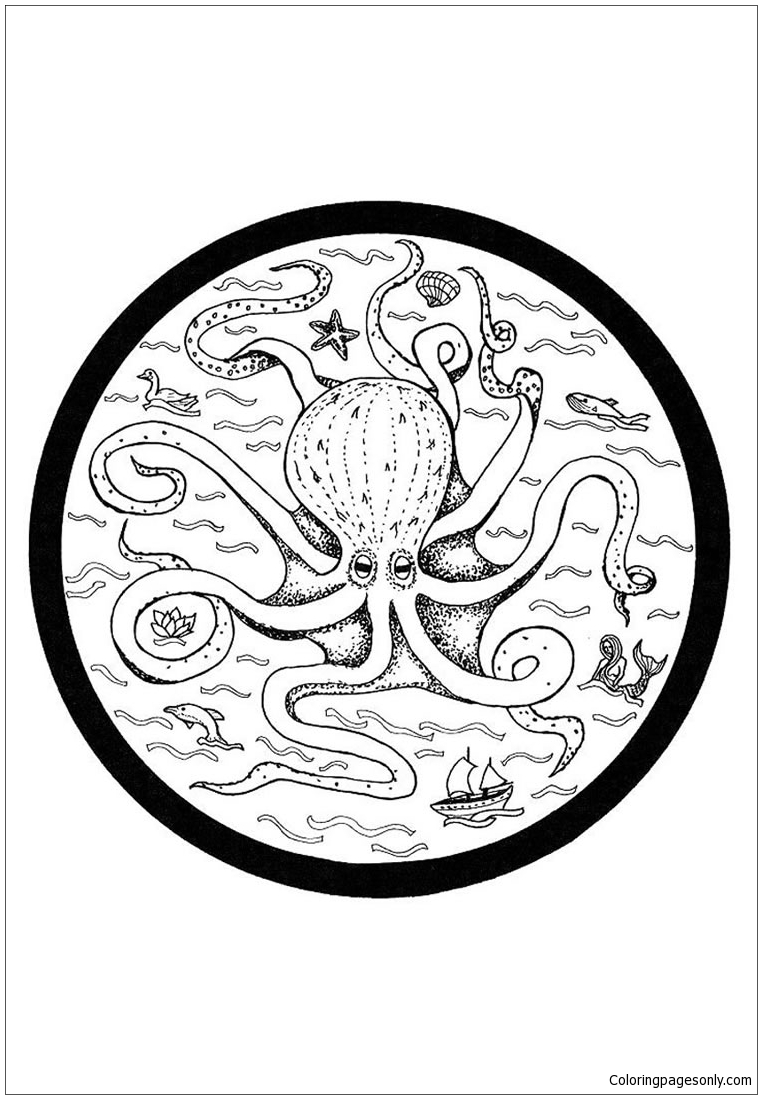
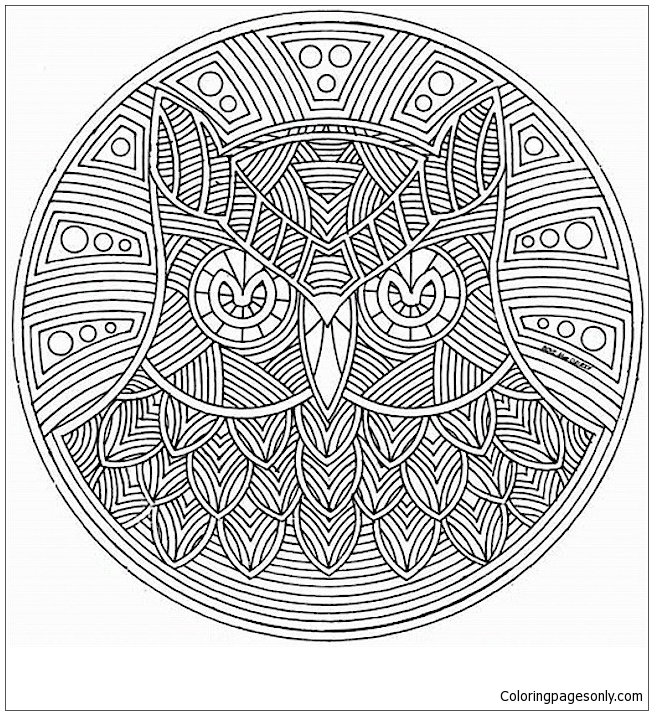
What Is a Mandala?
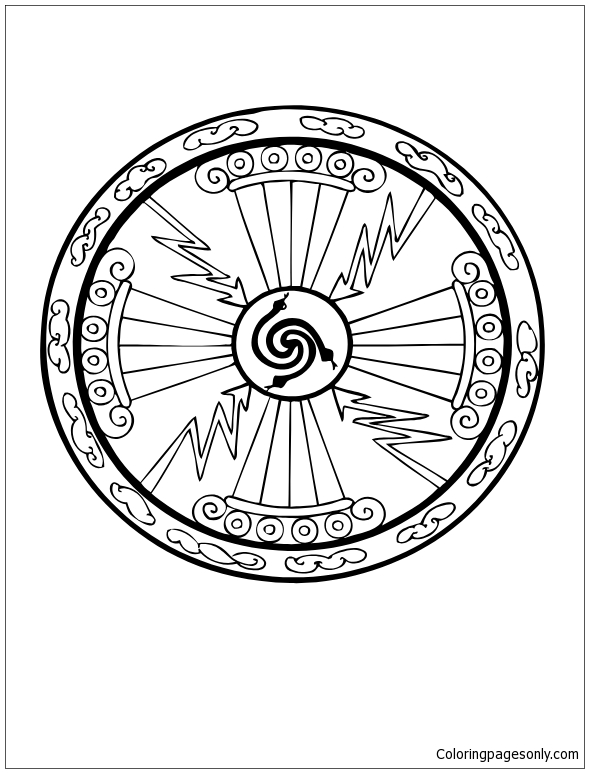
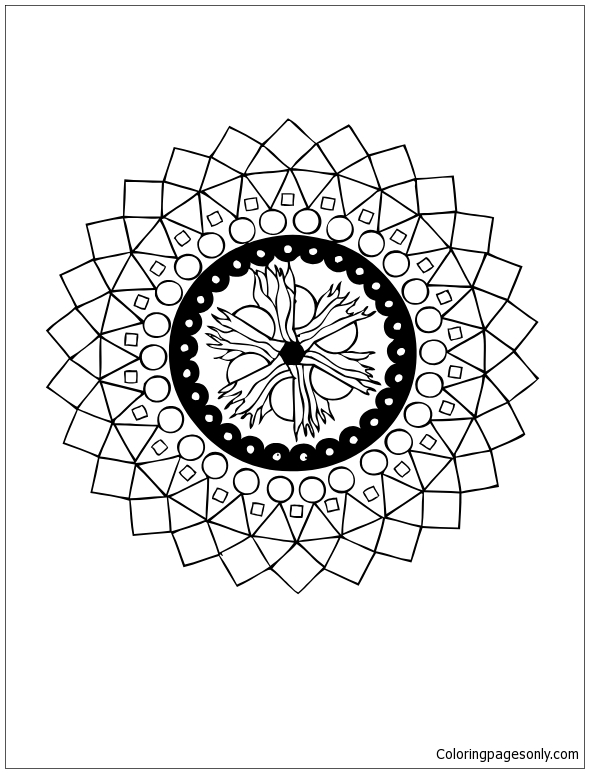
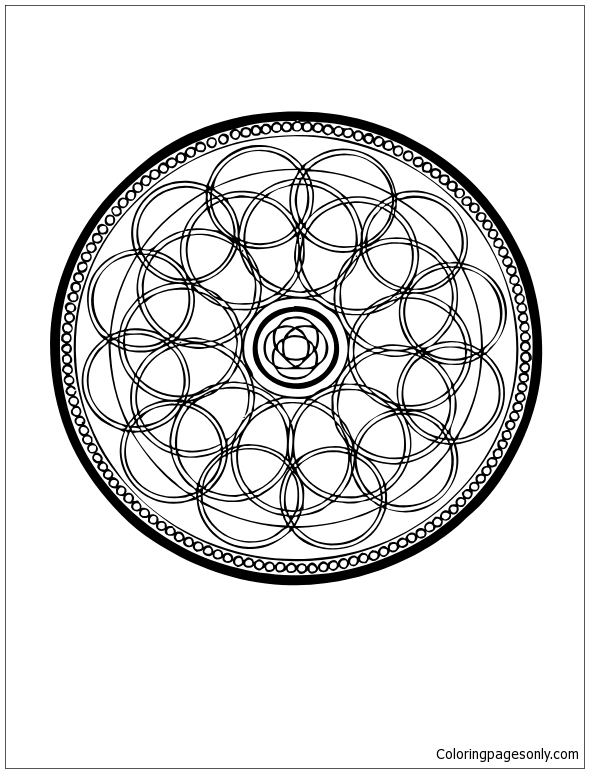
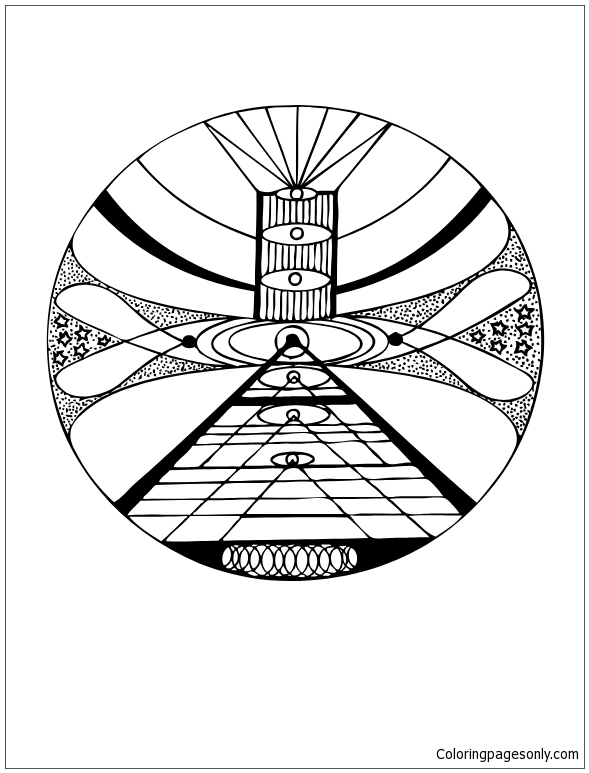
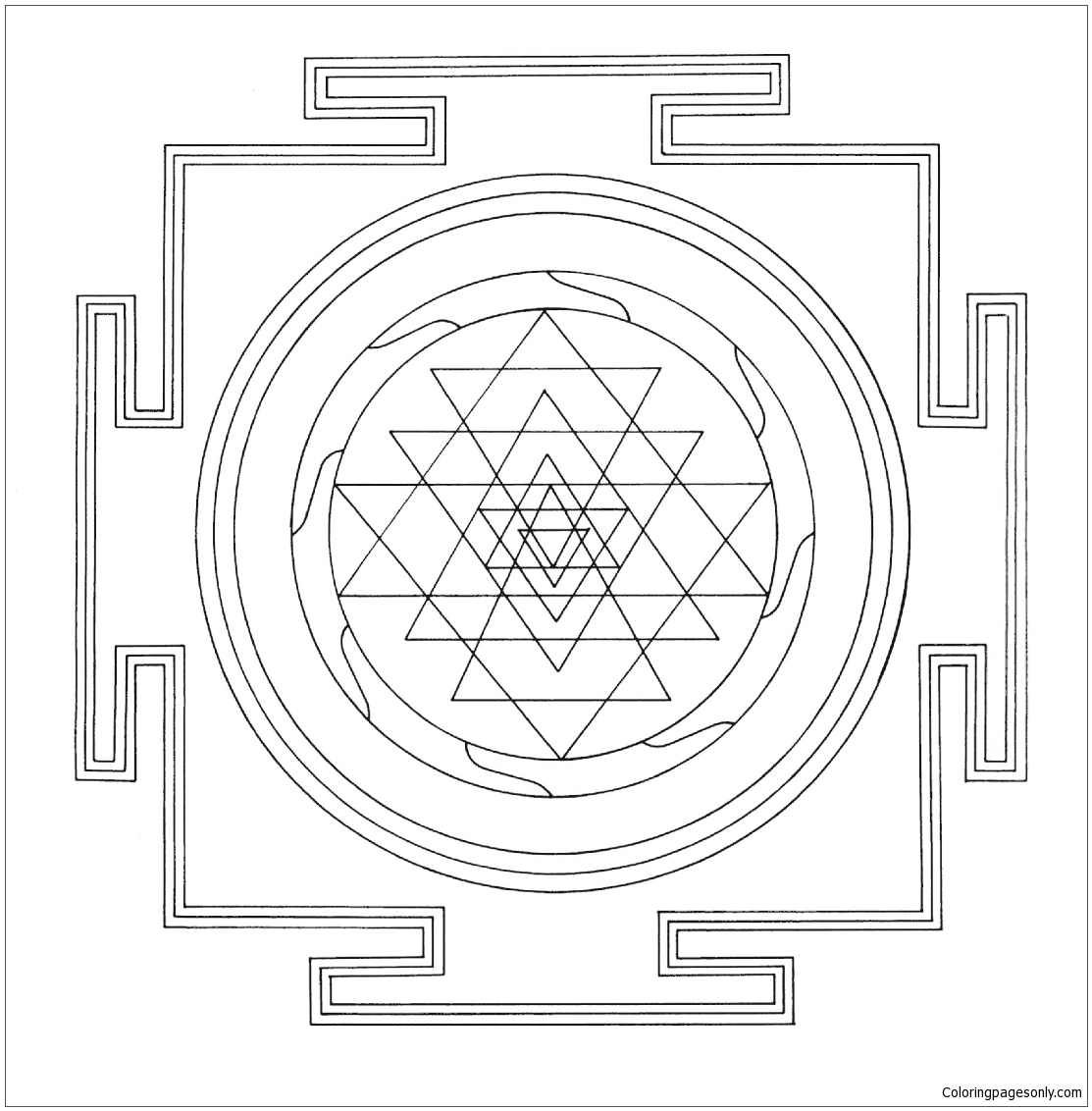
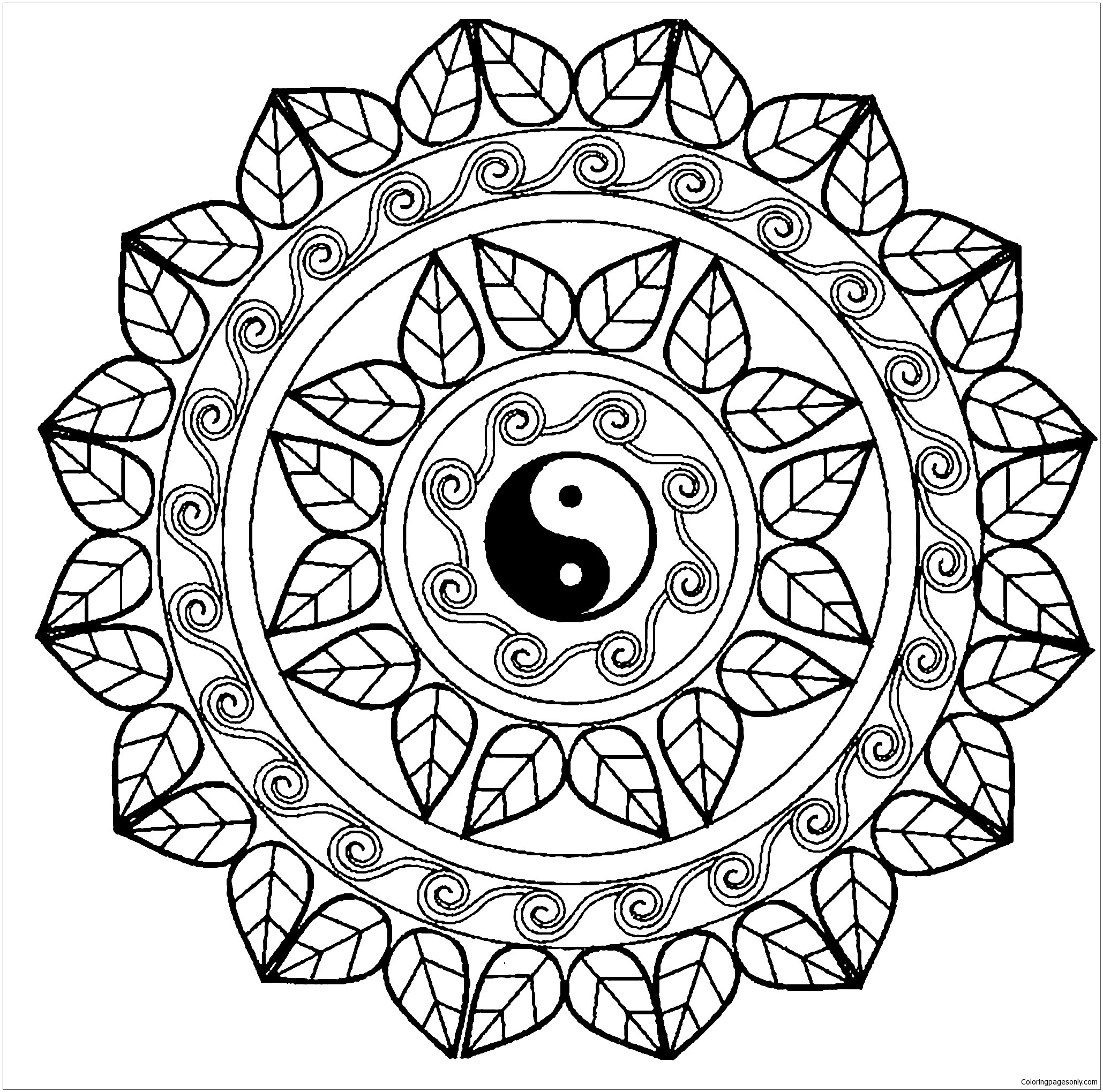
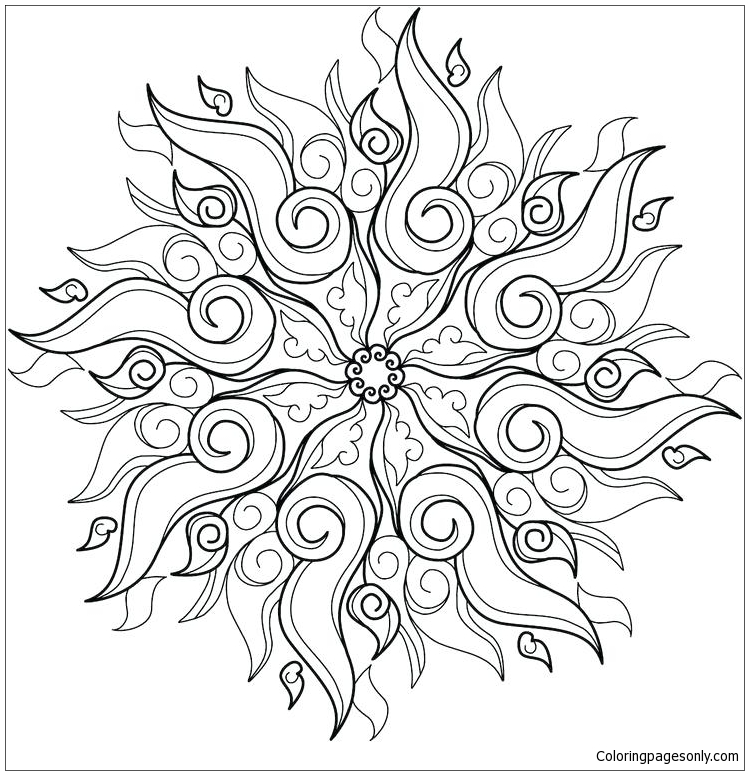
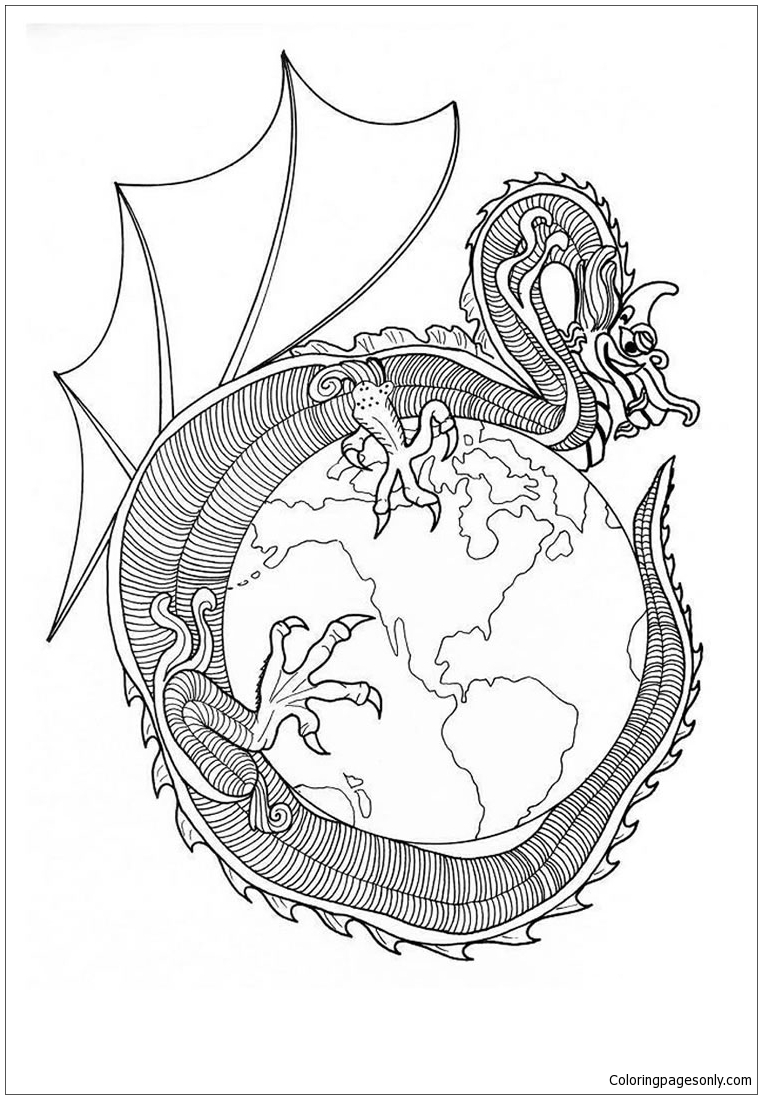
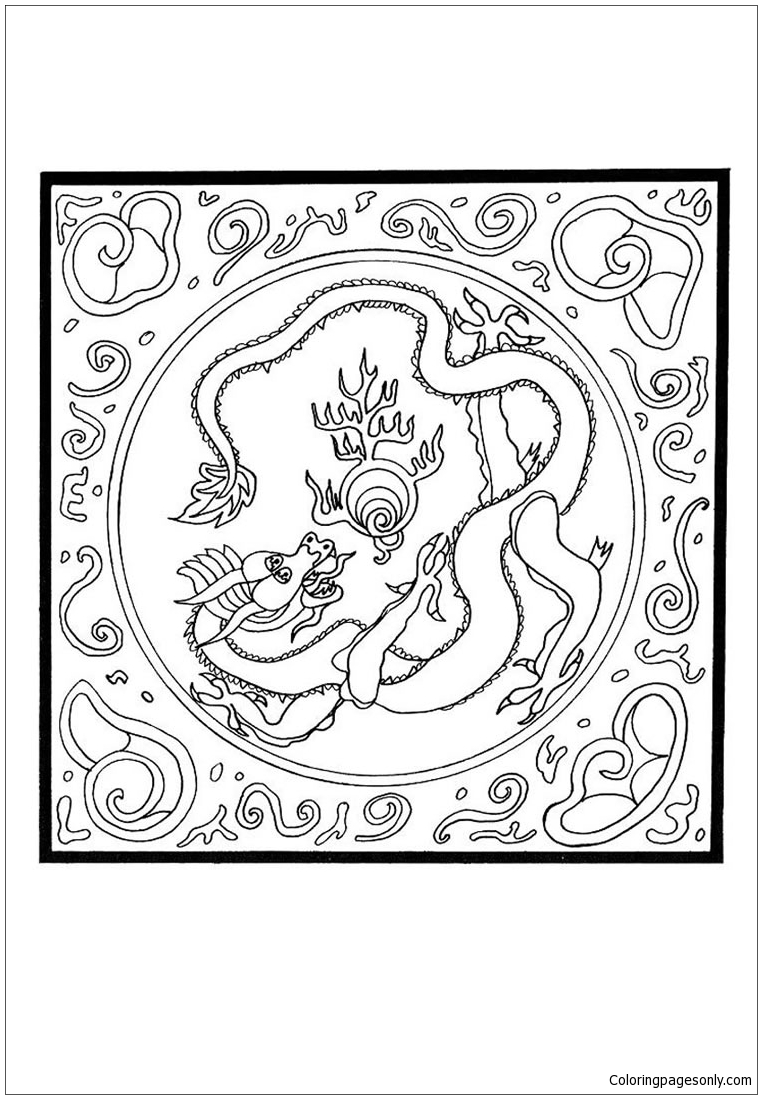
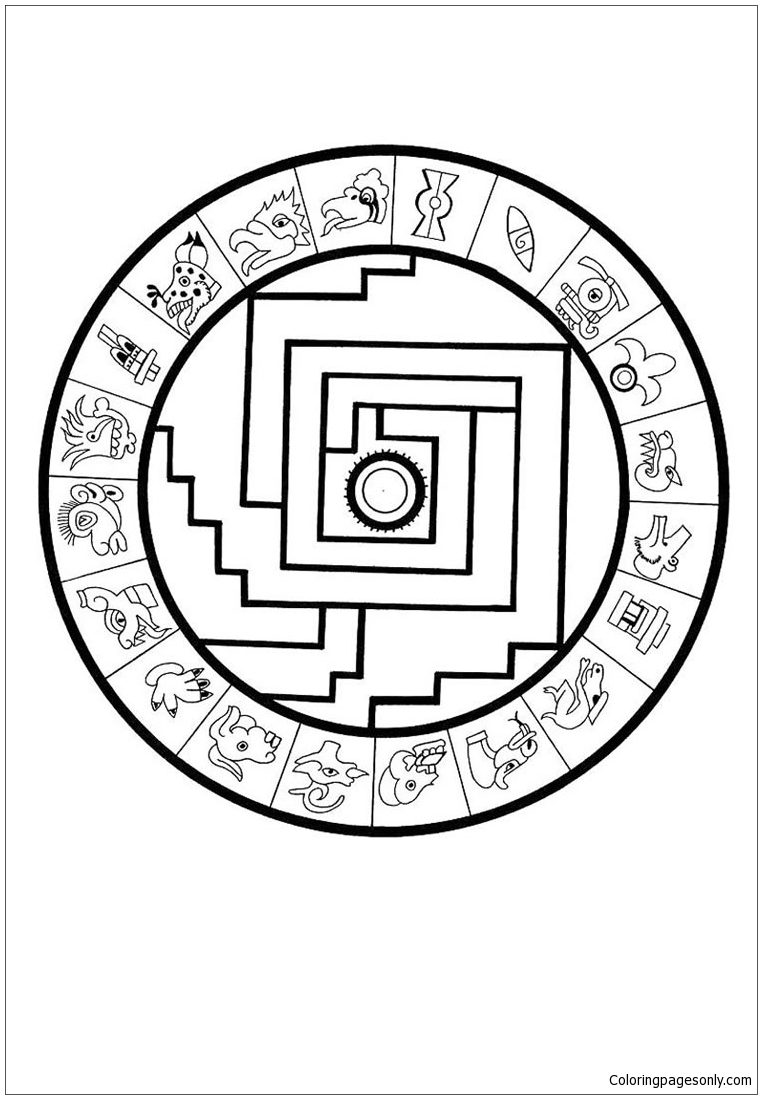
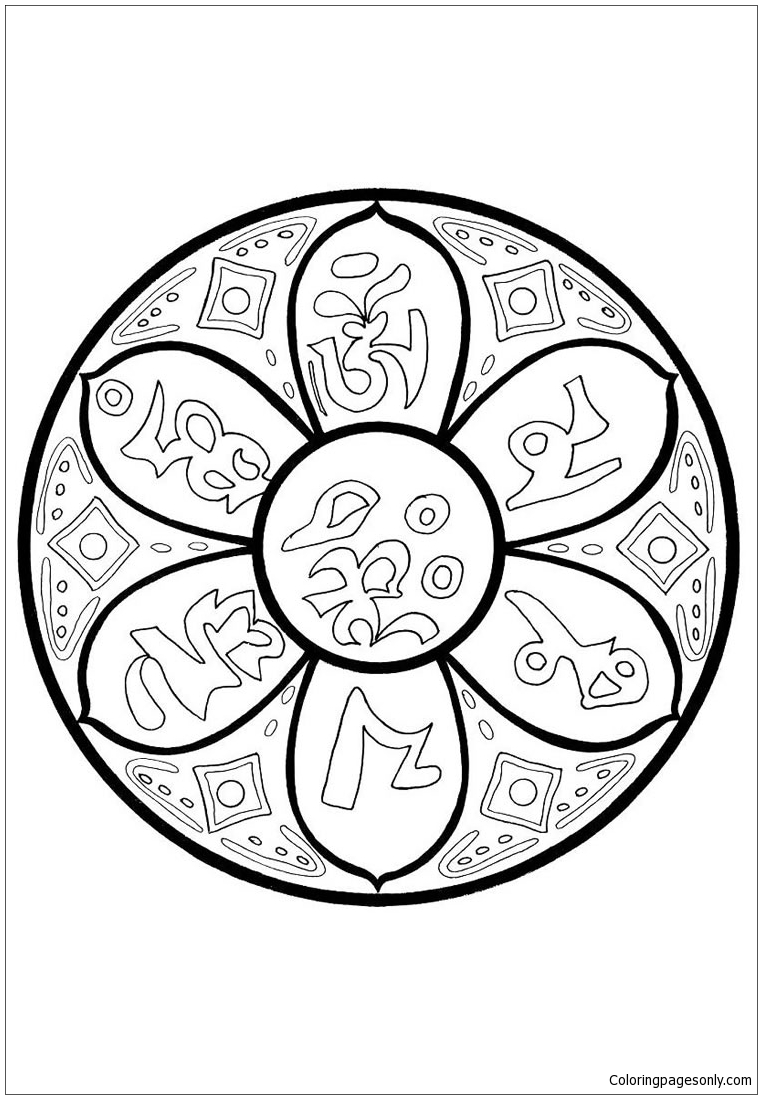
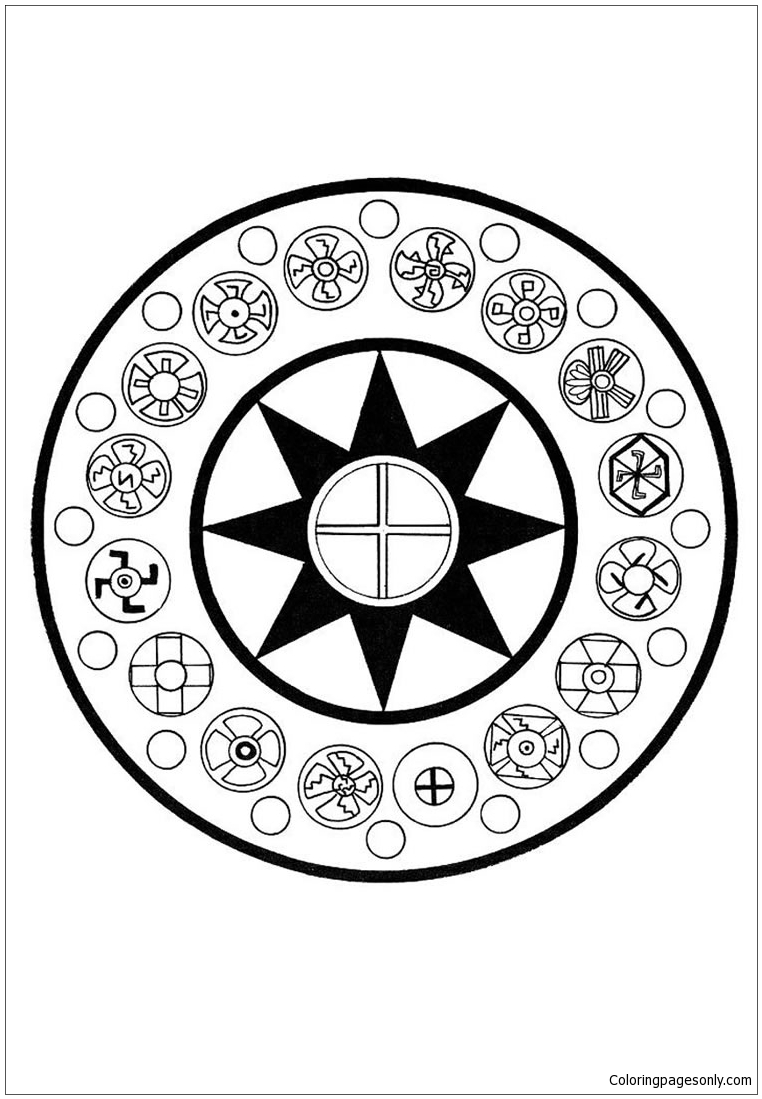
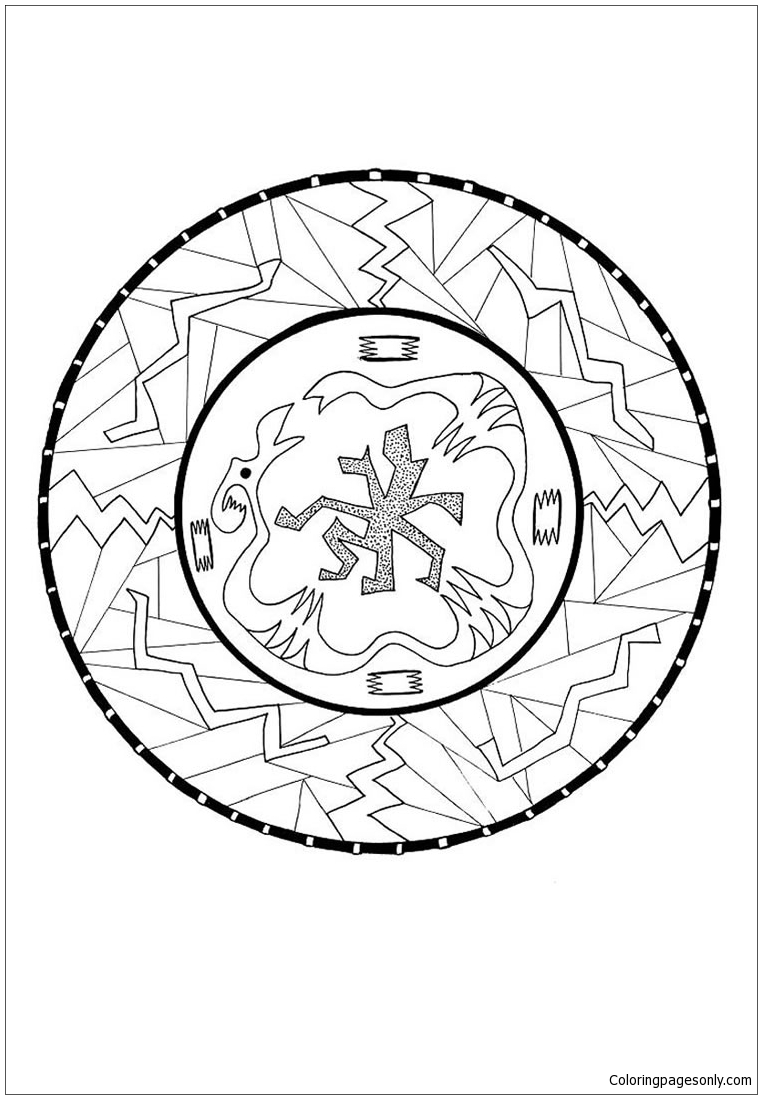
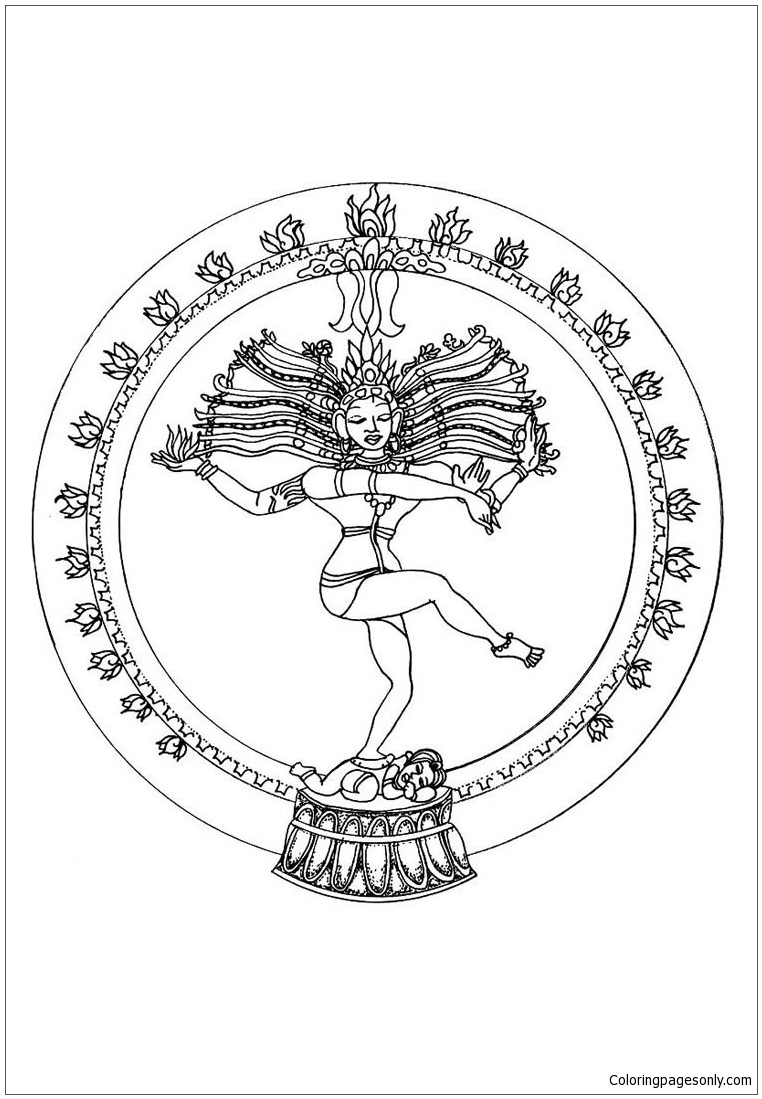
The word mandala comes from Sanskrit and means “circle.” In Hindu and Buddhist traditions, mandalas are sacred circular diagrams representing the structure of the cosmos – a visual map of the universe organized around a central point, radiating outward in perfect symmetrical patterns. They appear in Tibetan thangka paintings, Hindu temple floor plans, and the intricate sand mandalas that Tibetan Buddhist monks spend days creating and then ritually destroy to demonstrate the impermanence of all things.
The mandala entered Western culture partly through the work of the psychiatrist Carl Jung, who began drawing circular designs in his own journals in the early 20th century and concluded that the mandala represented the self, the totality of the psyche working toward wholeness. He encouraged his patients to draw mandalas as a form of self-expression and psychological integration.
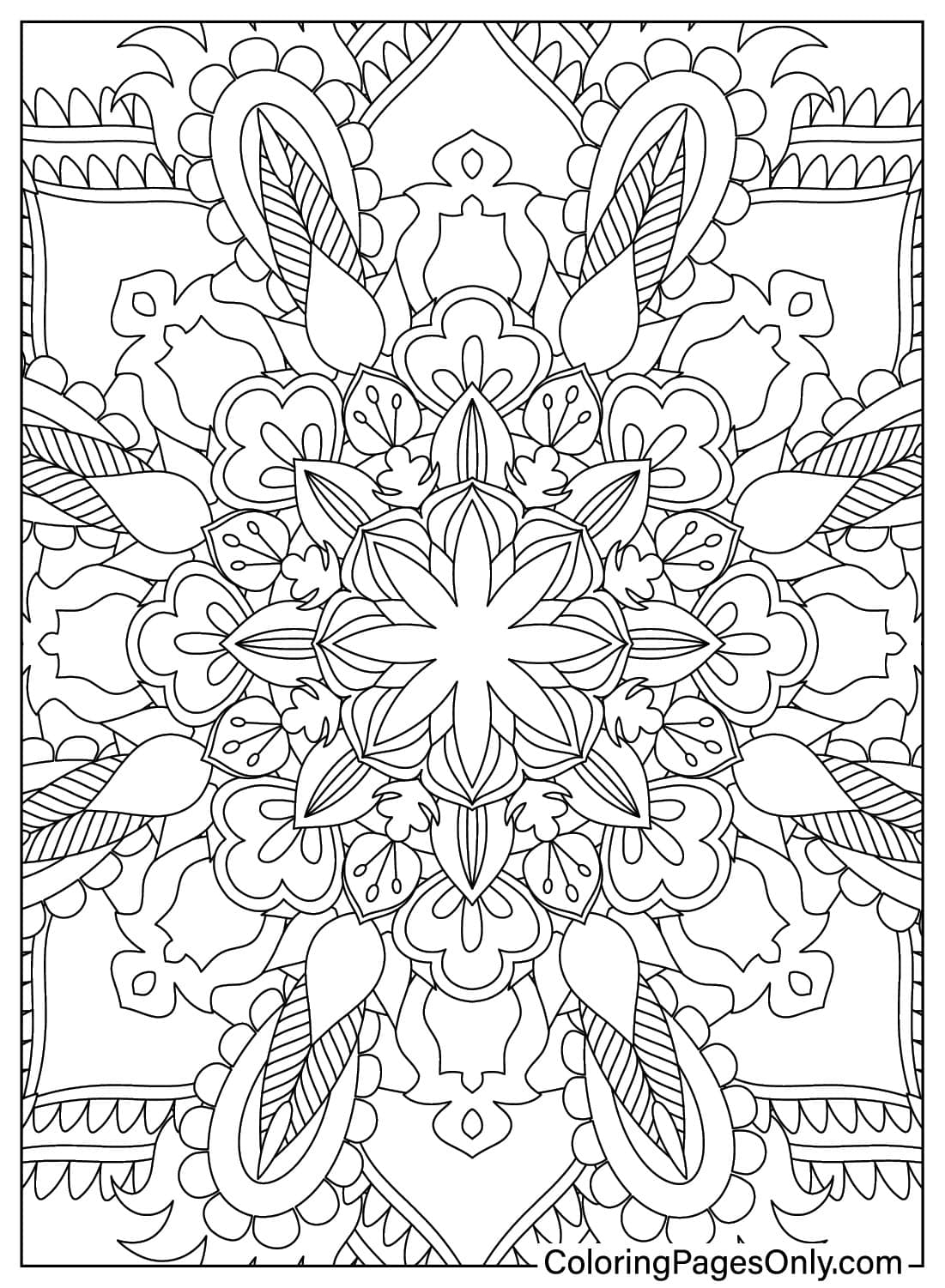
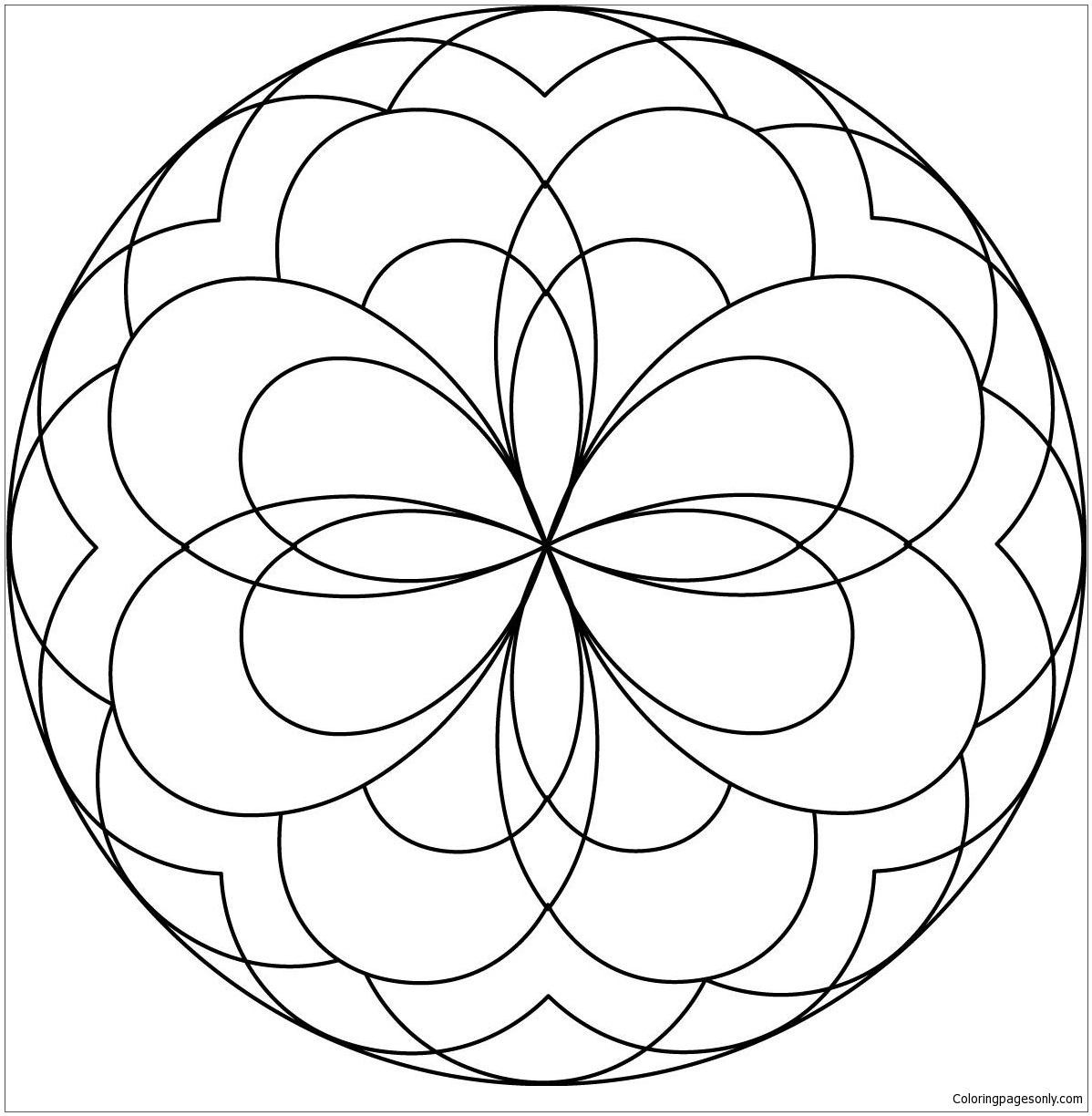
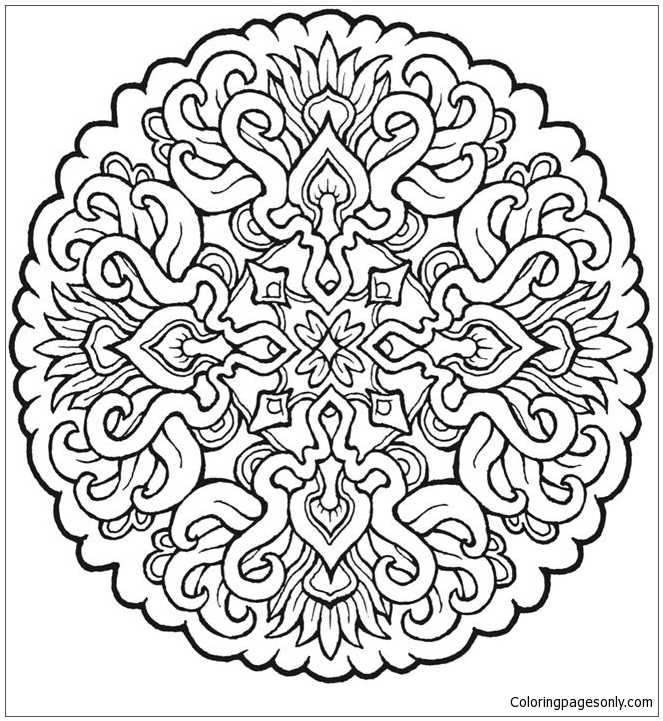
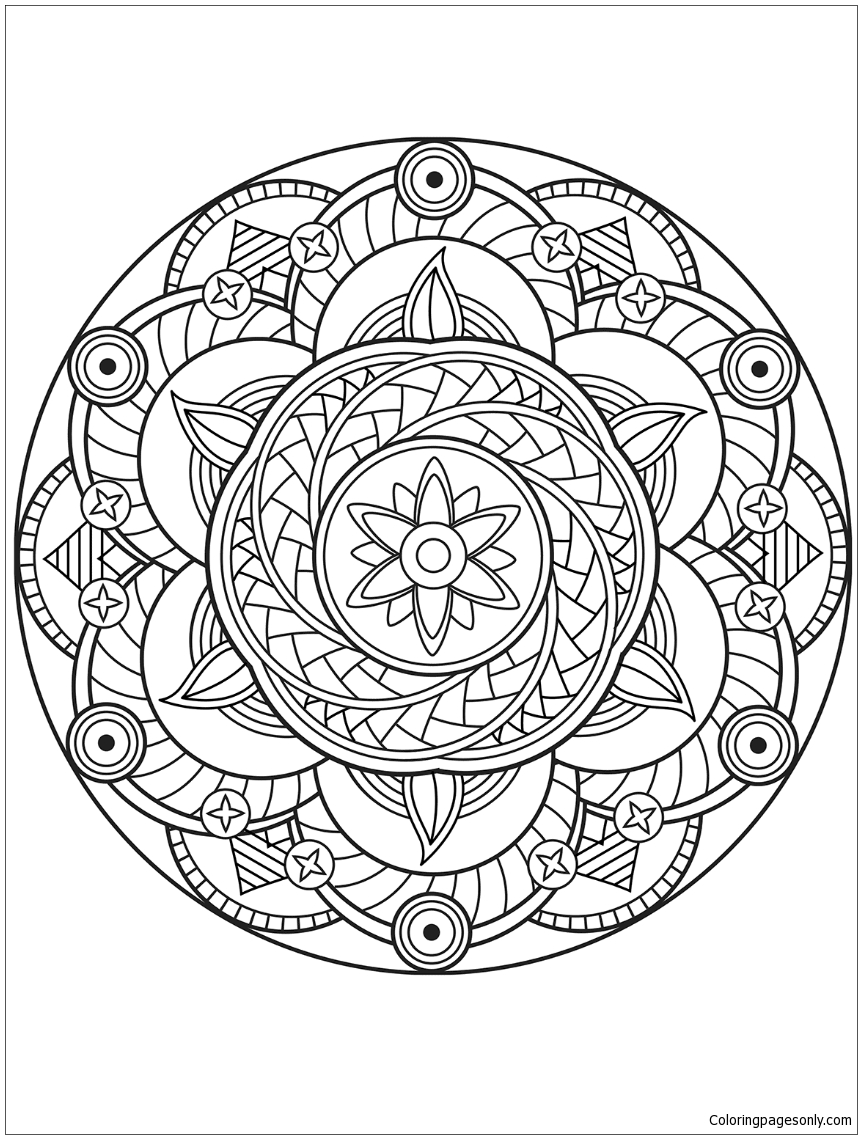
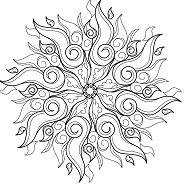
As a coloring subject, the mandala is uniquely well-suited to the medium. Its radial symmetry means every color decision in one section is echoed across multiple sections of the design – so even a simple palette produces a complex and unified result. The repetitive, focused attention required to stay within the fine lines of a detailed mandala is widely described as meditative: the mind quiets because it has one clear, bounded task in front of it.
What’s in This Collection
The 340+ pages are divided into distinct groups by complexity, theme, and subject.
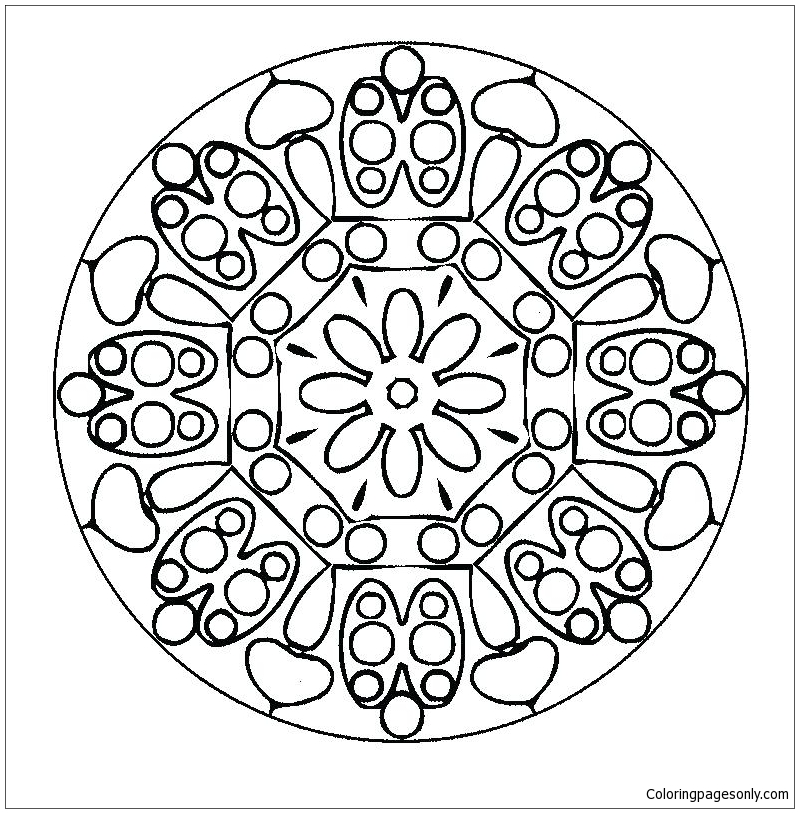
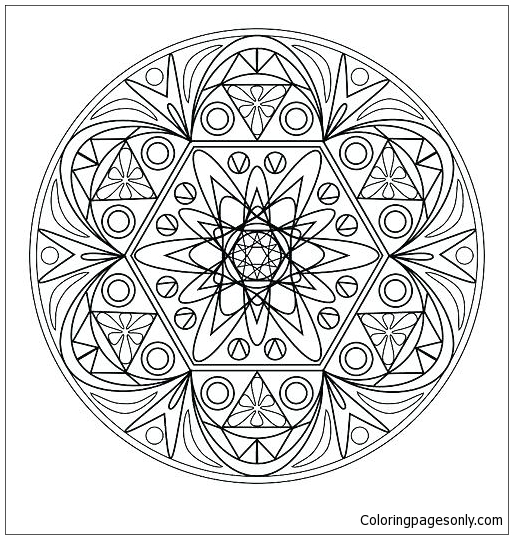
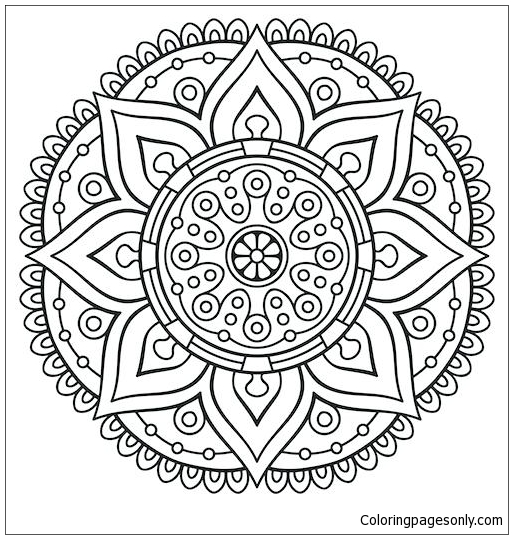
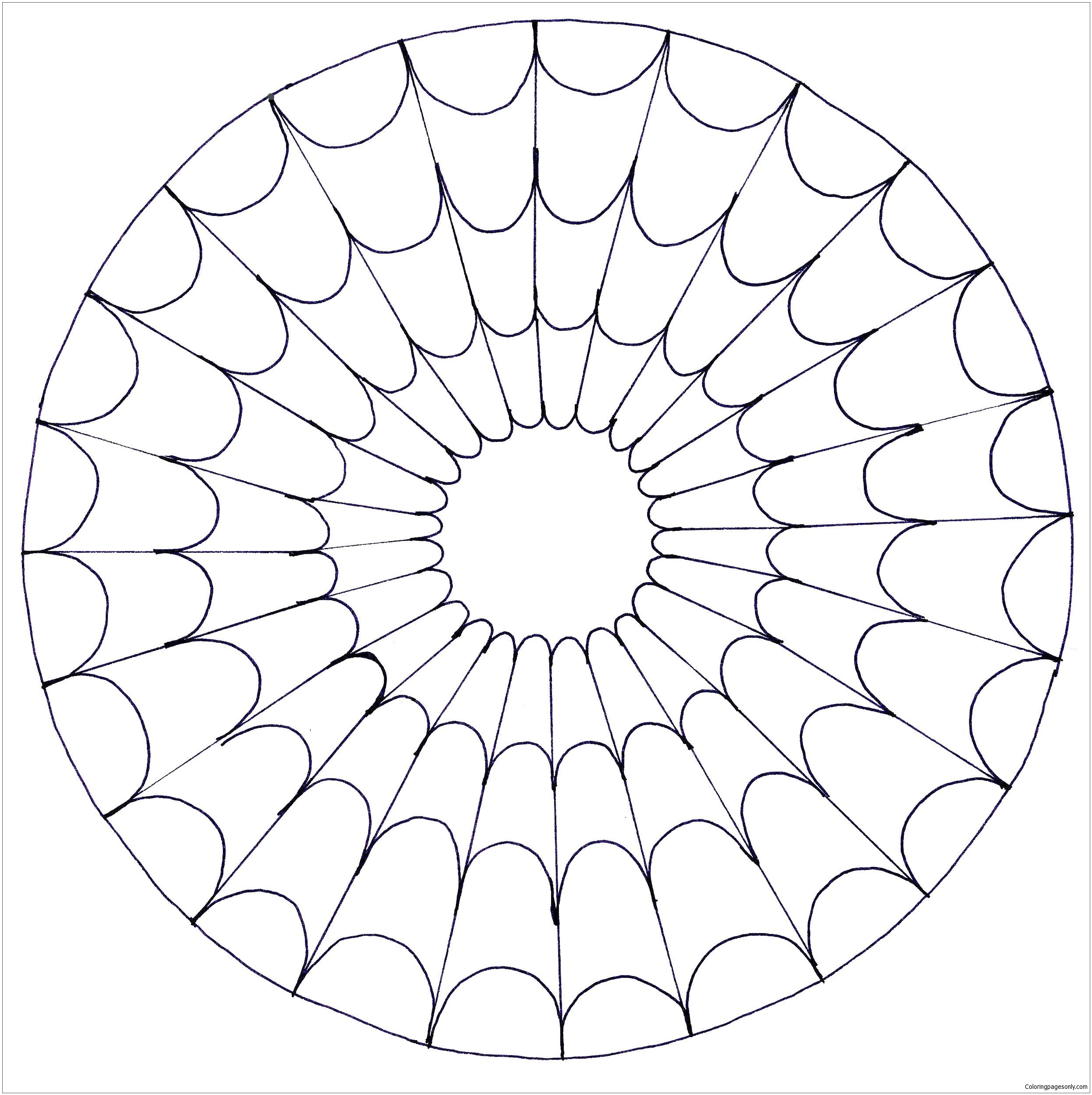
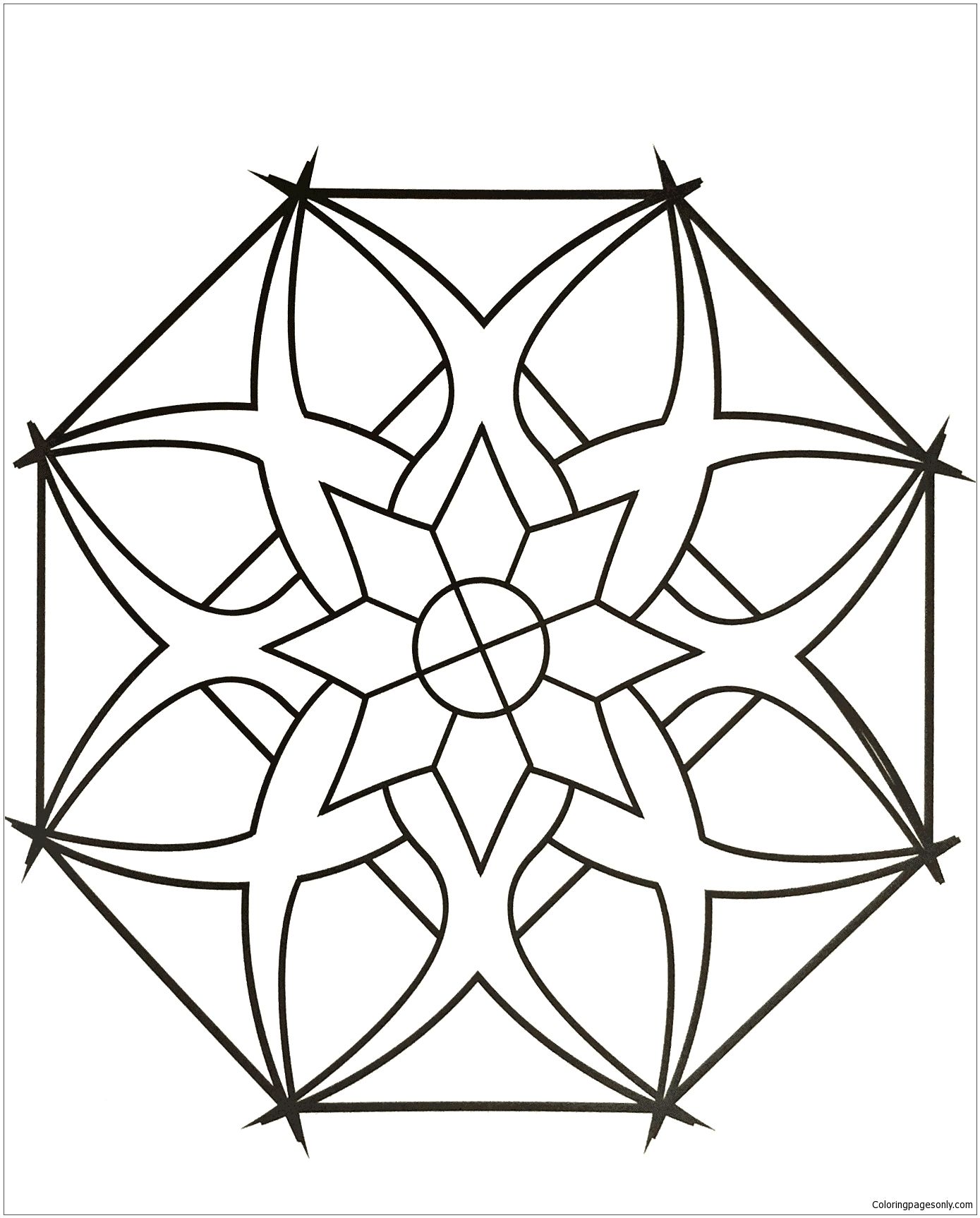
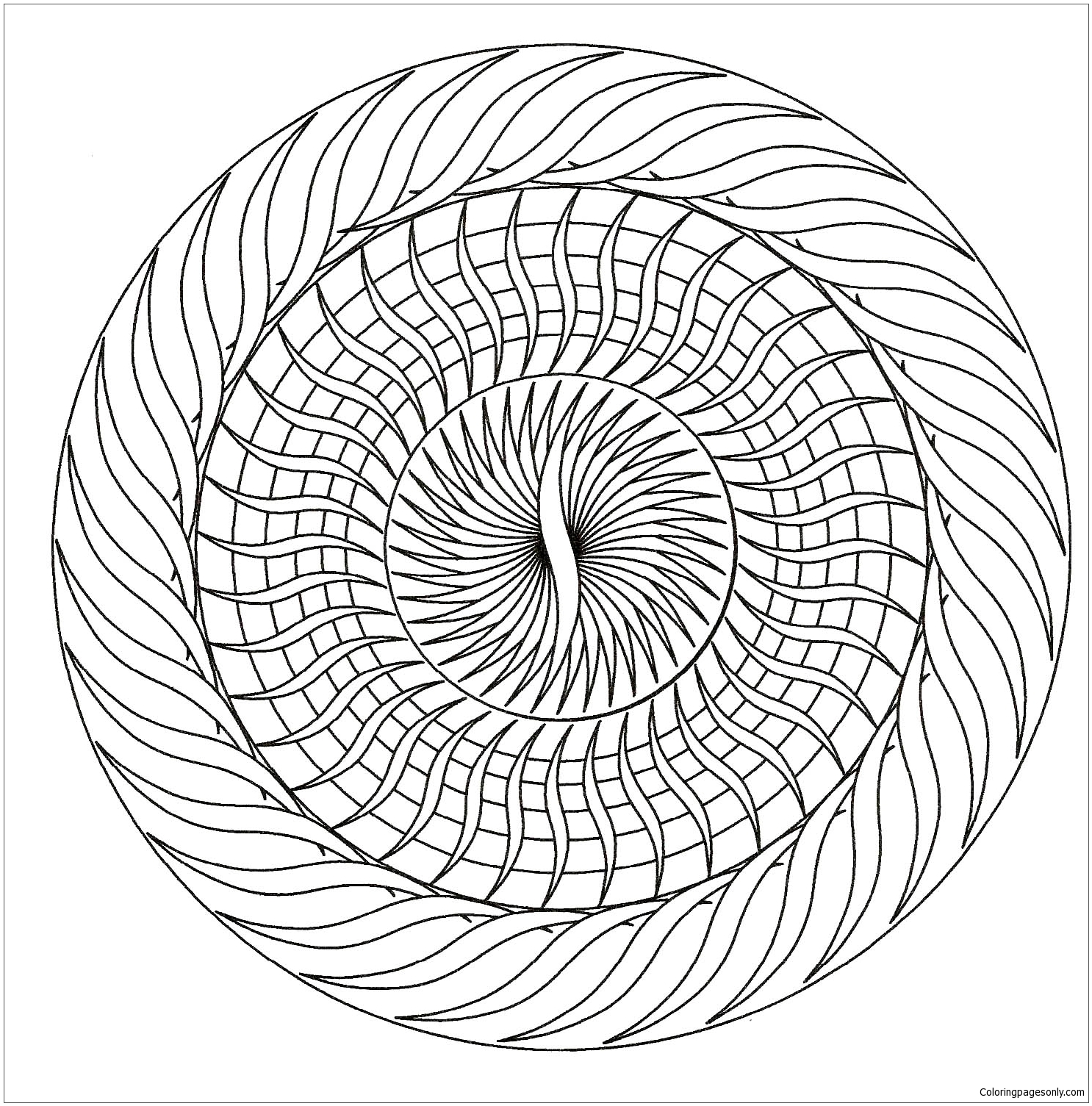
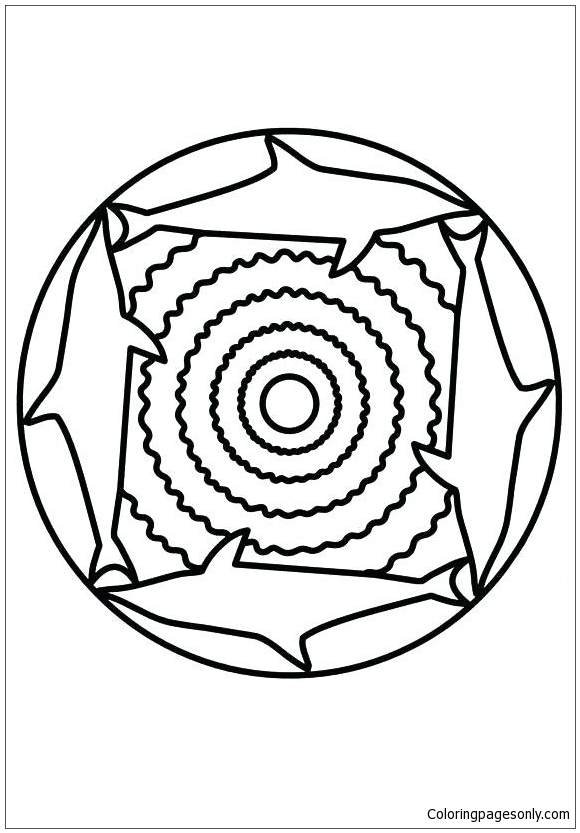
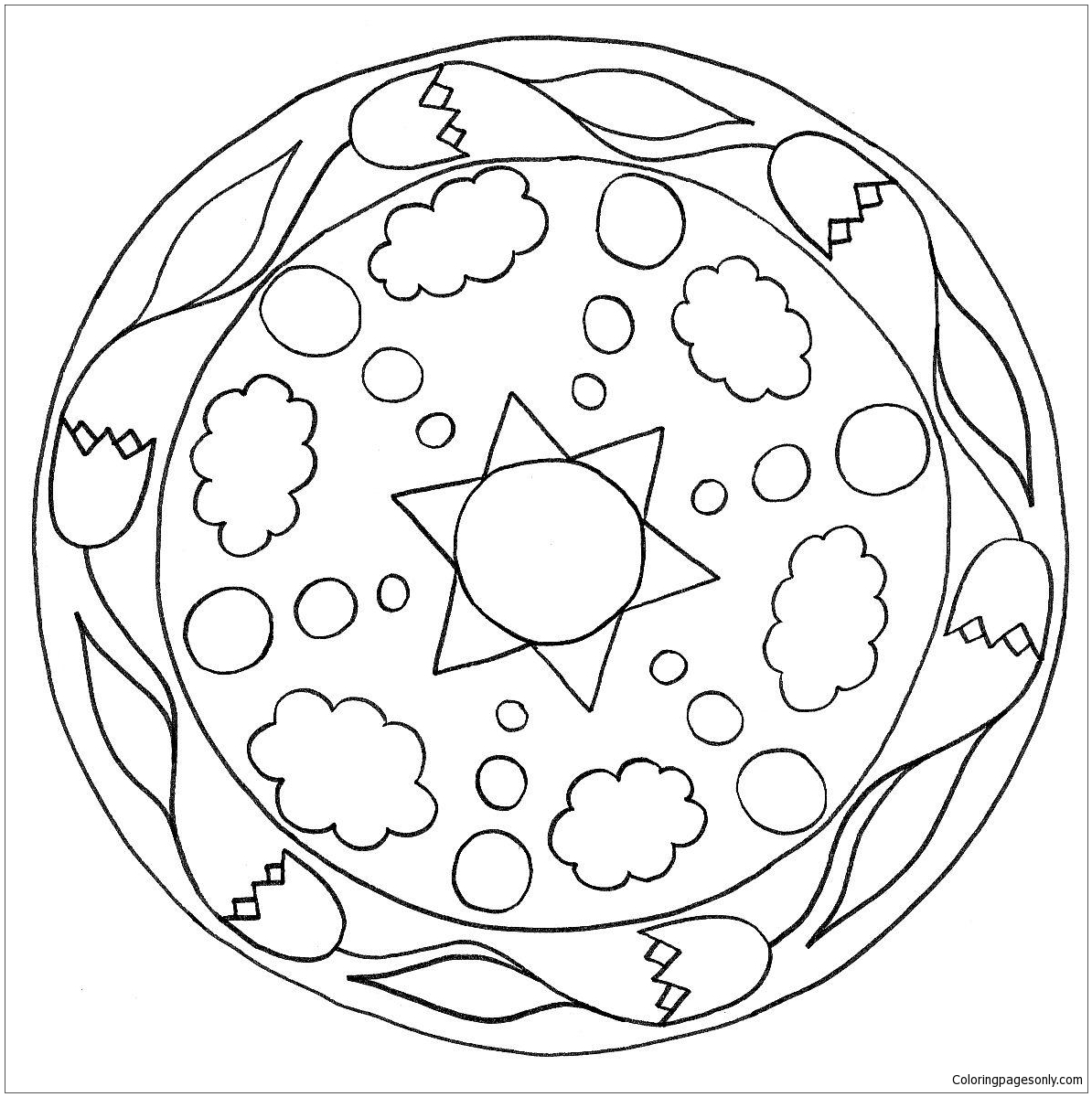
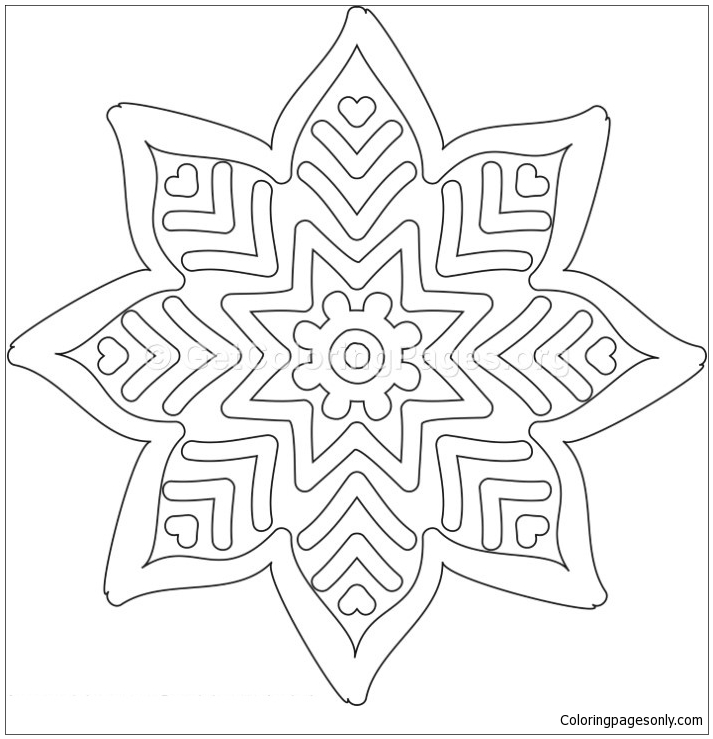
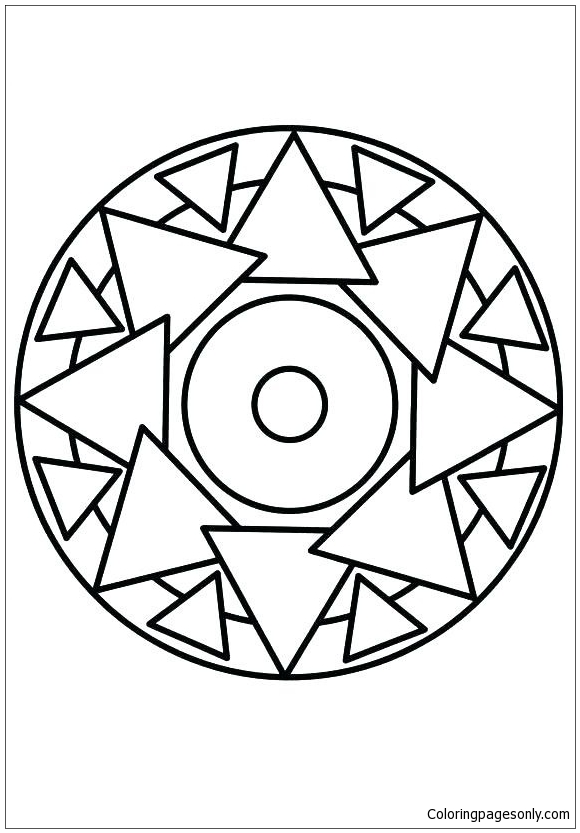
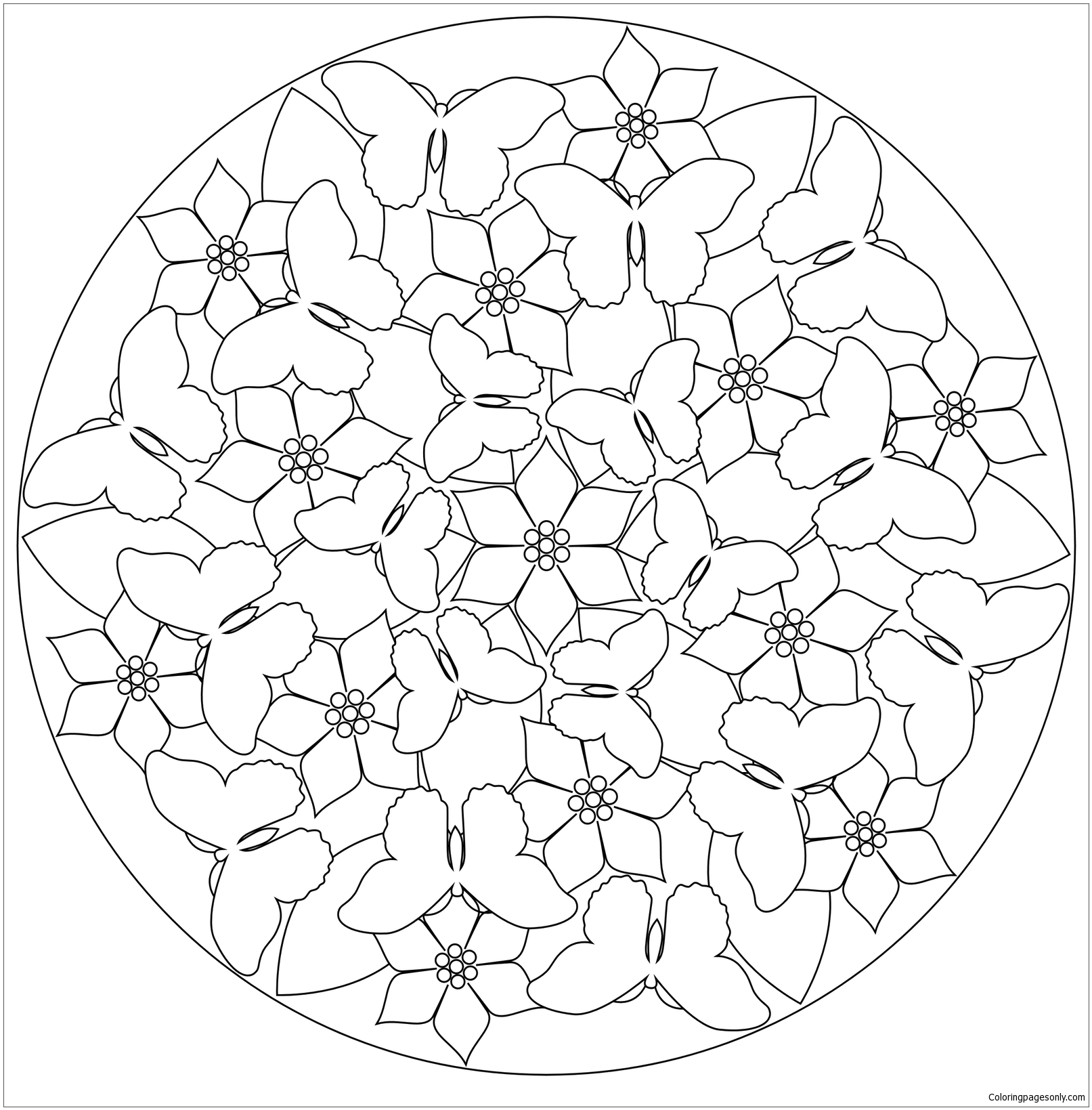
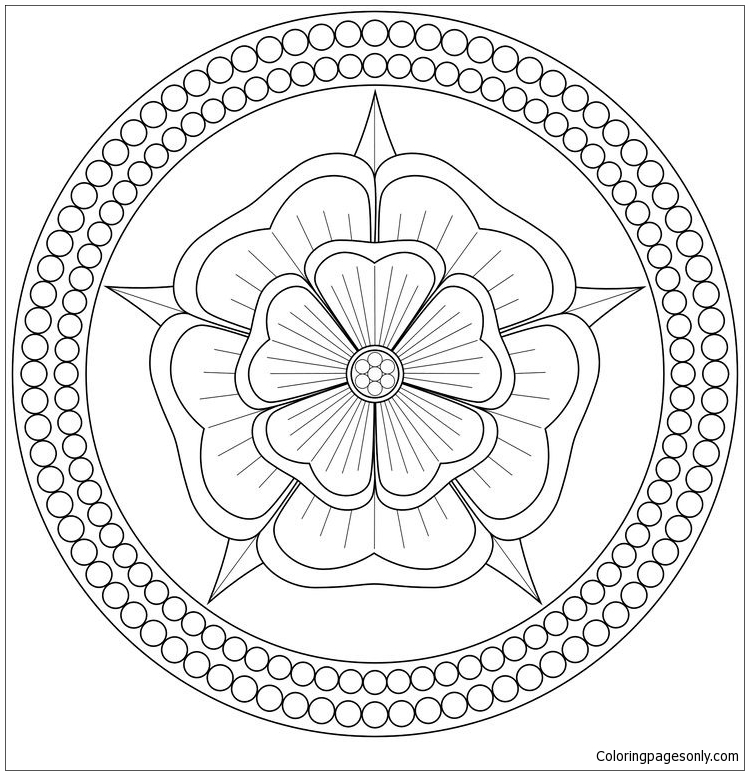
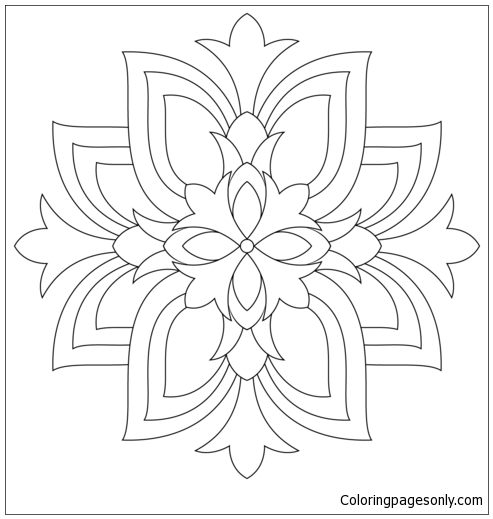
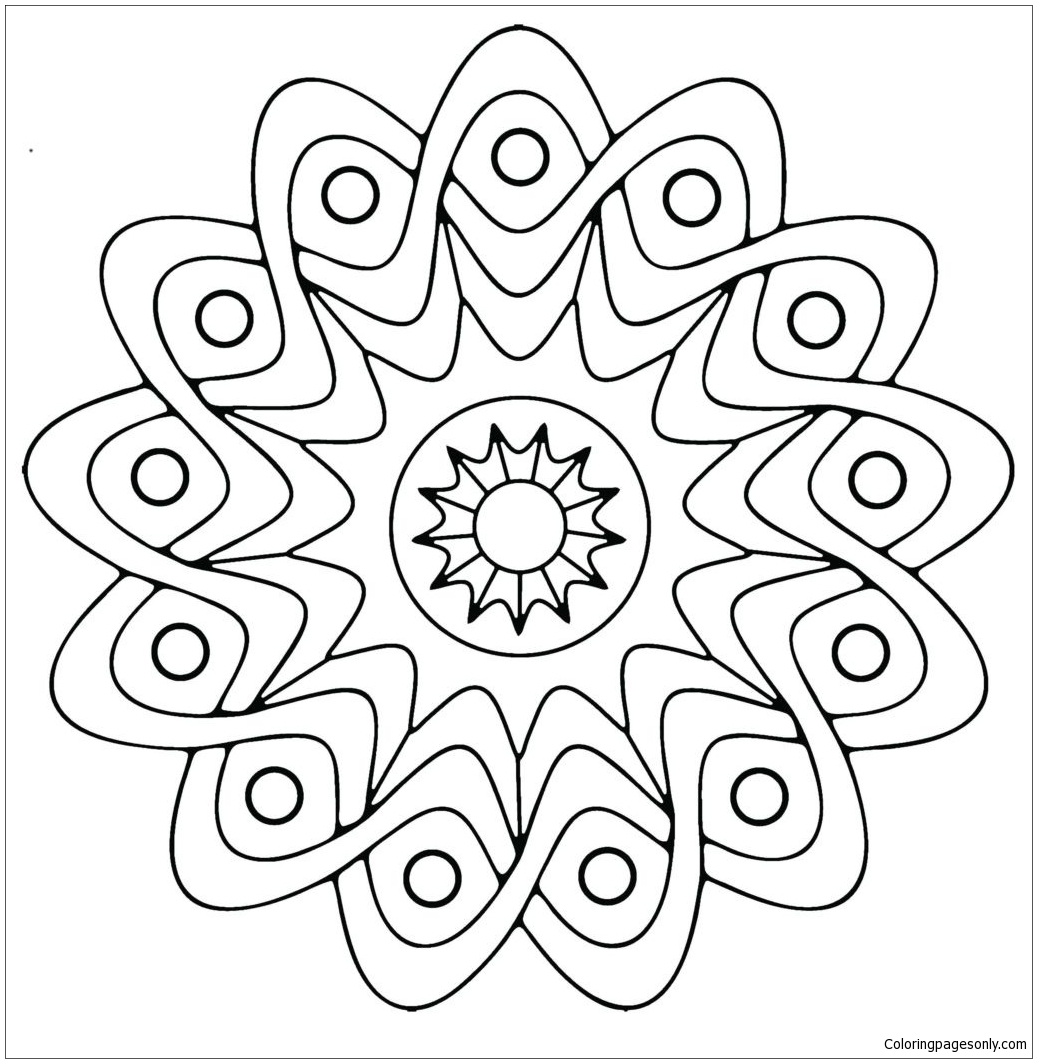
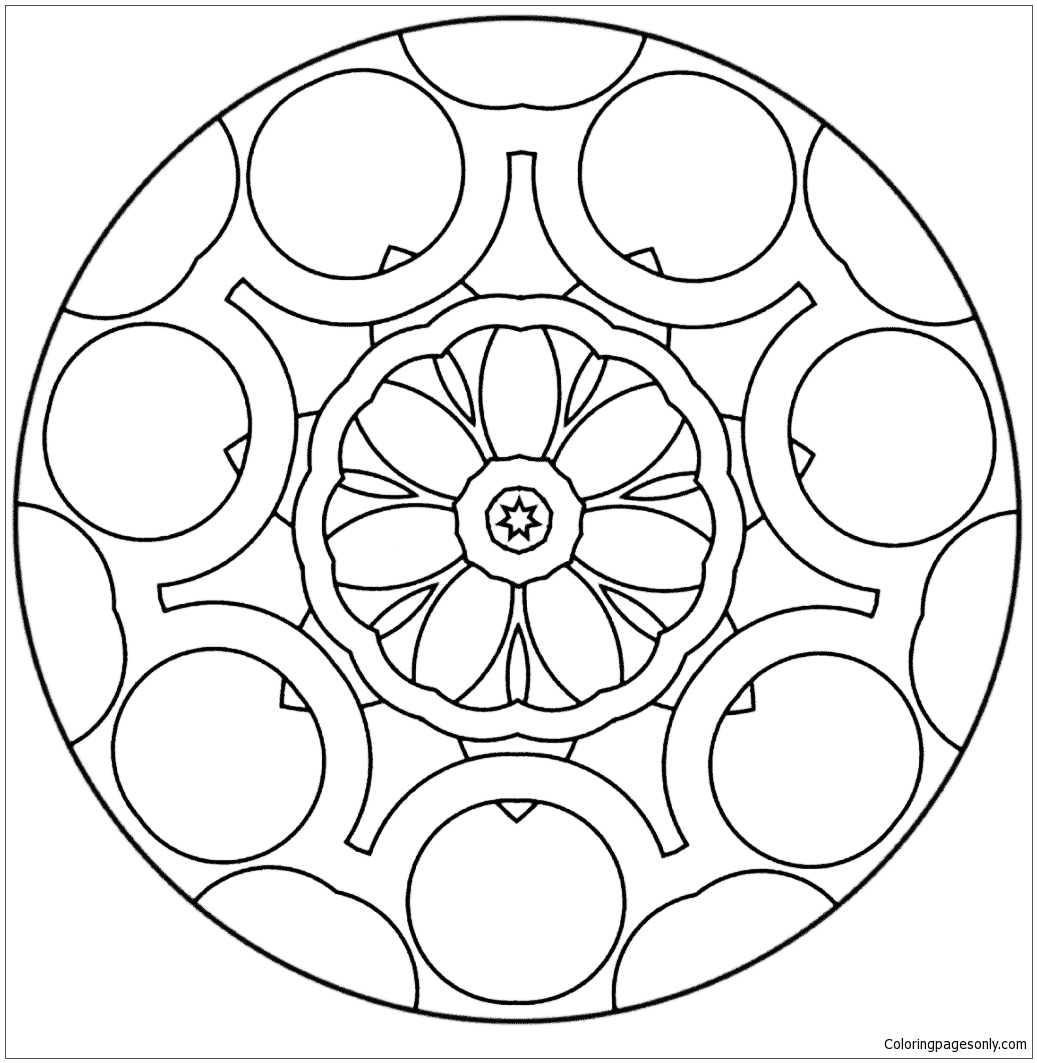
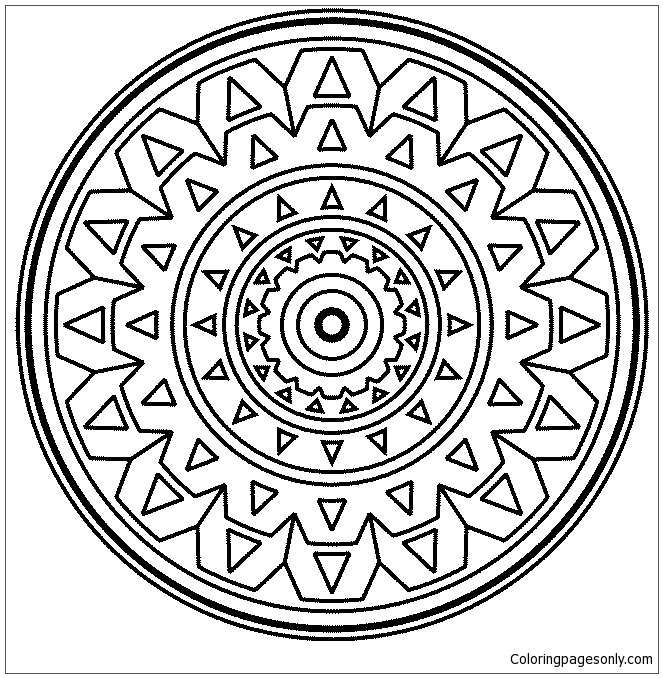
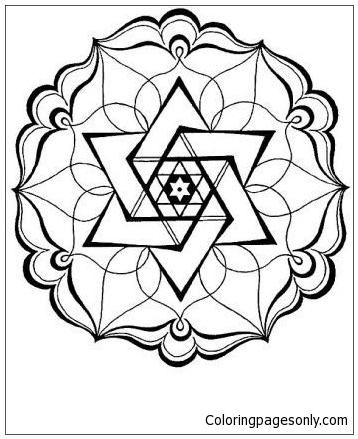
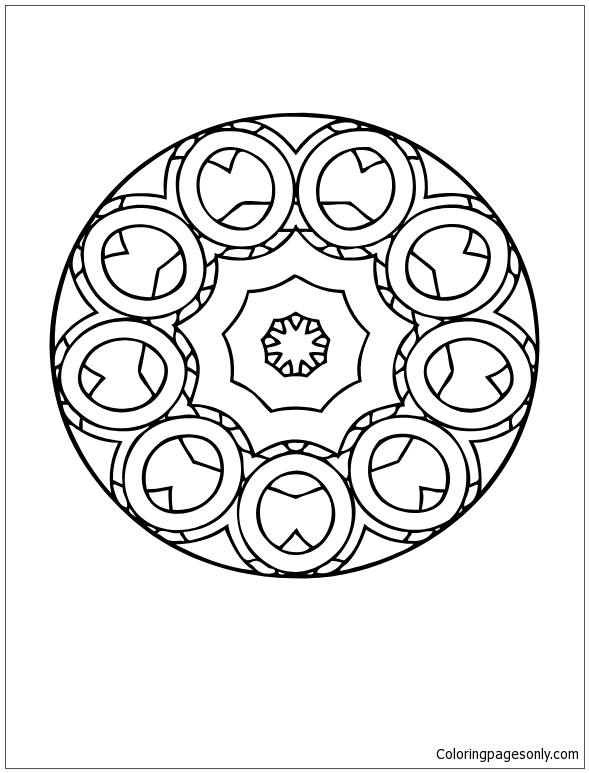
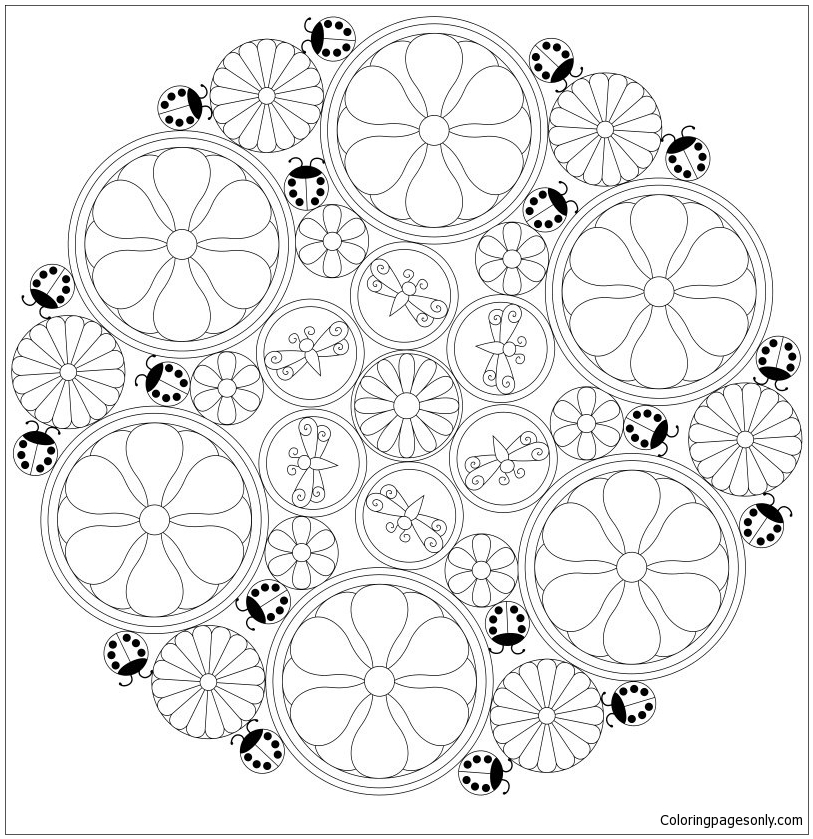
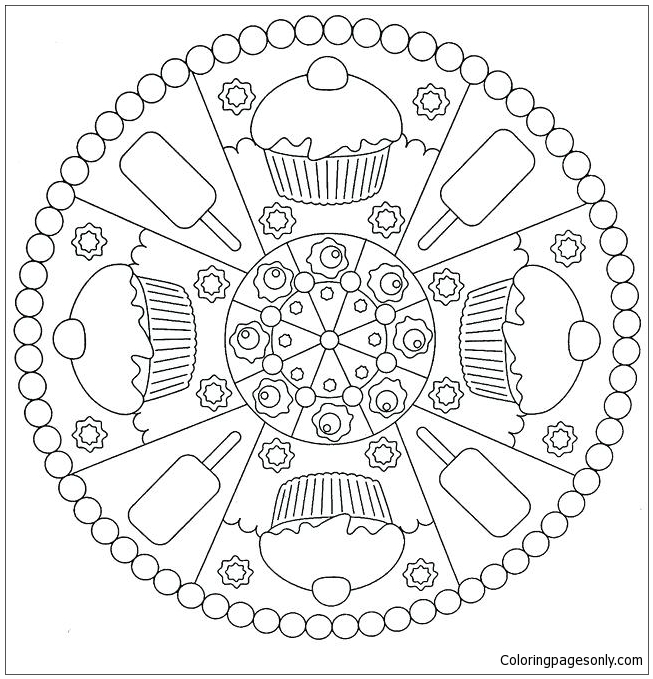
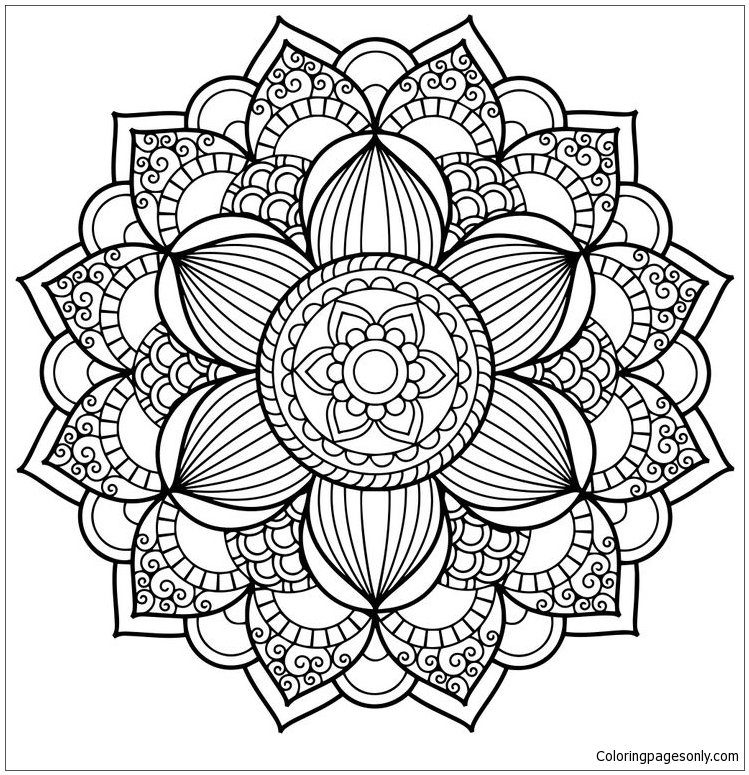
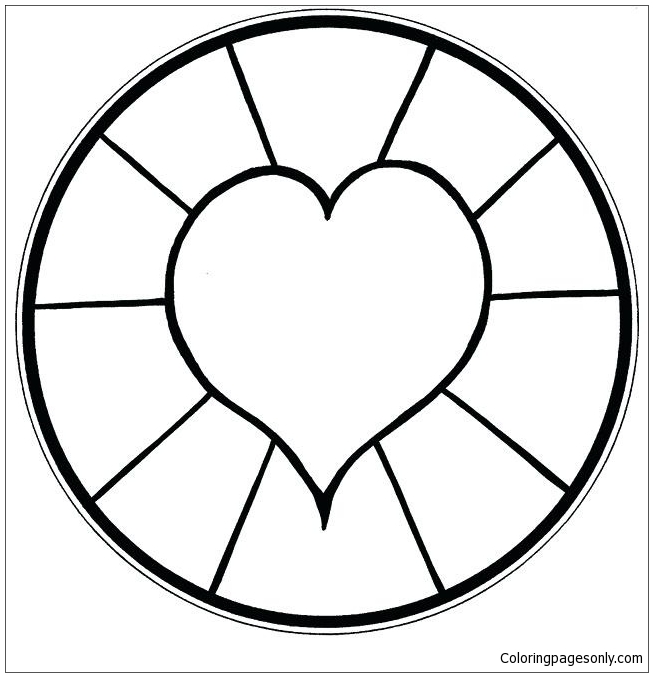
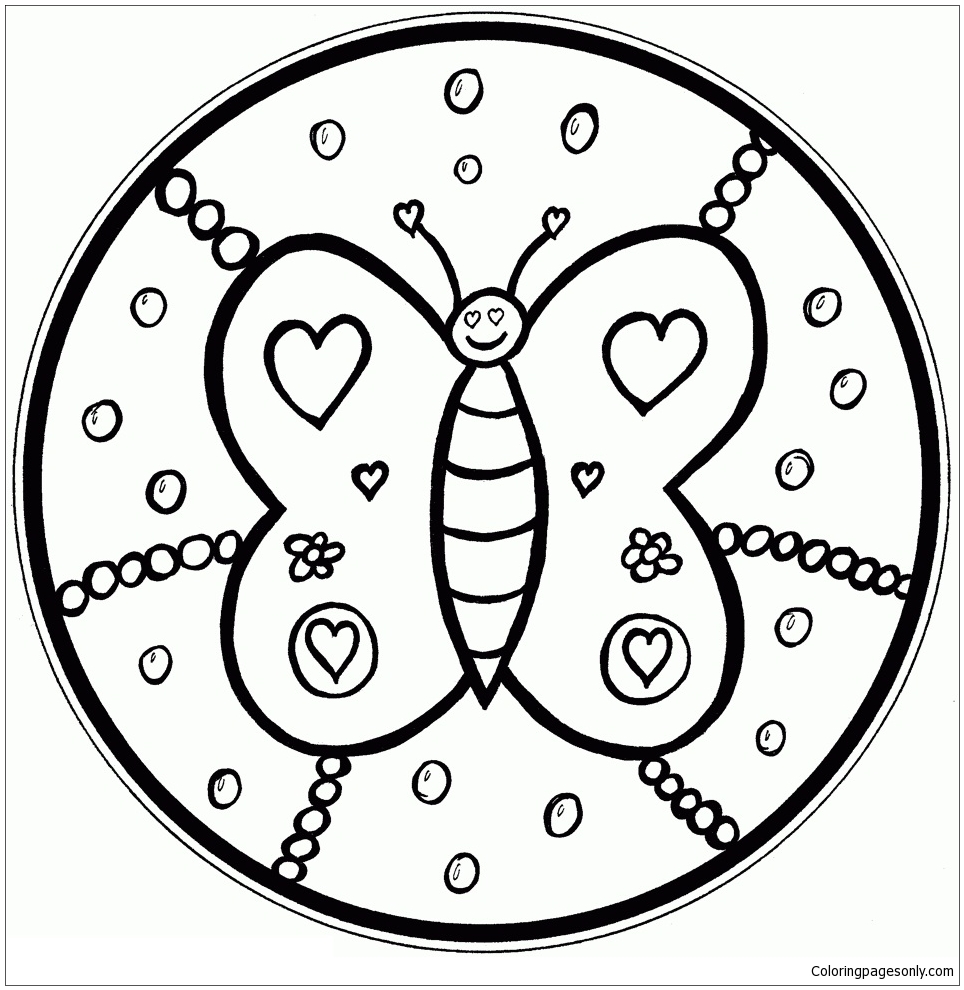
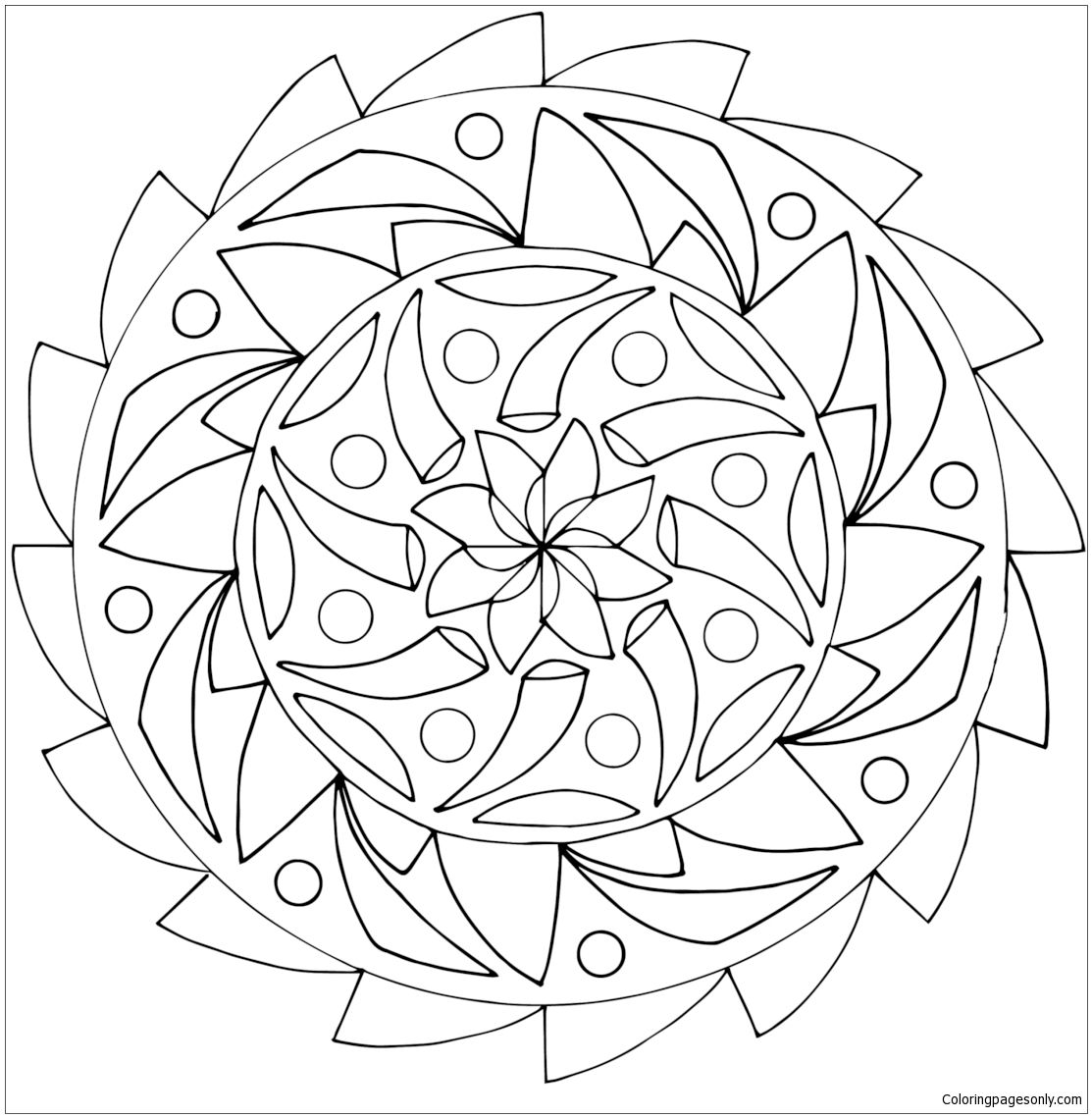
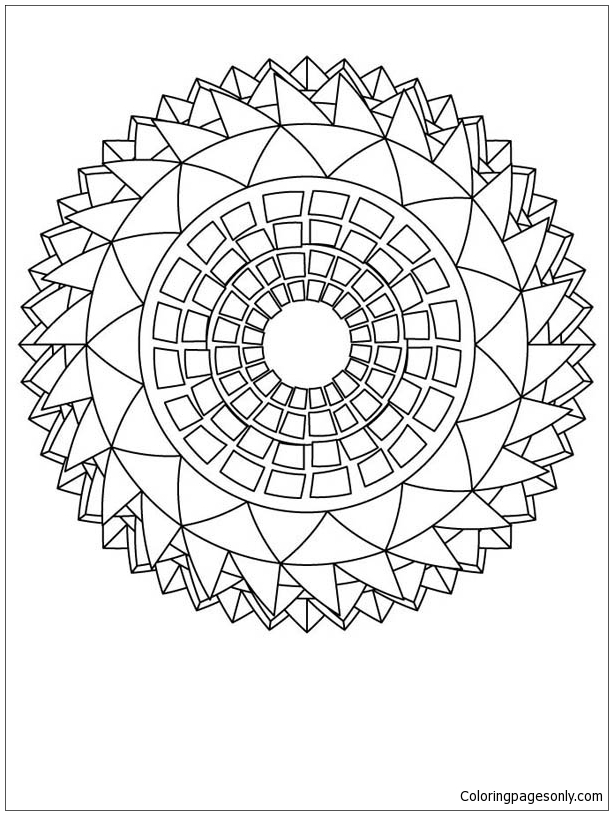
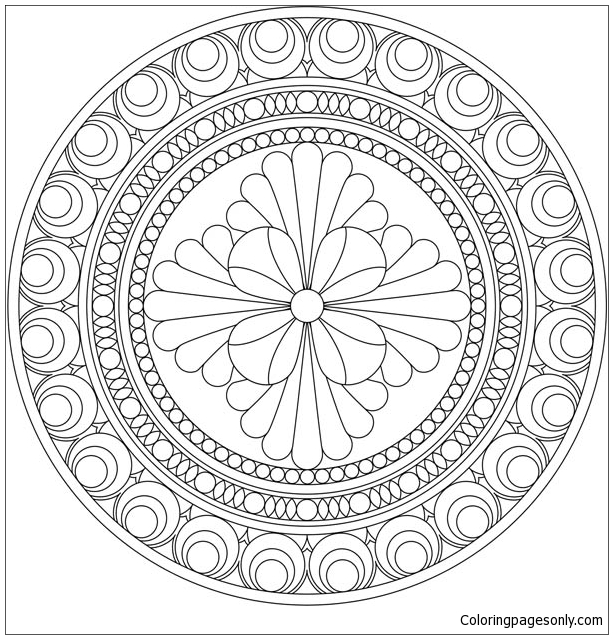
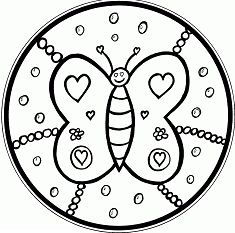
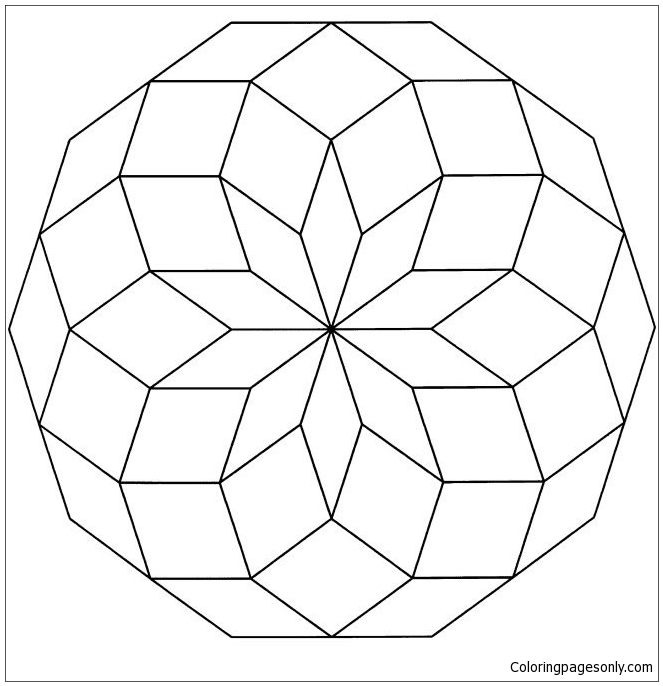
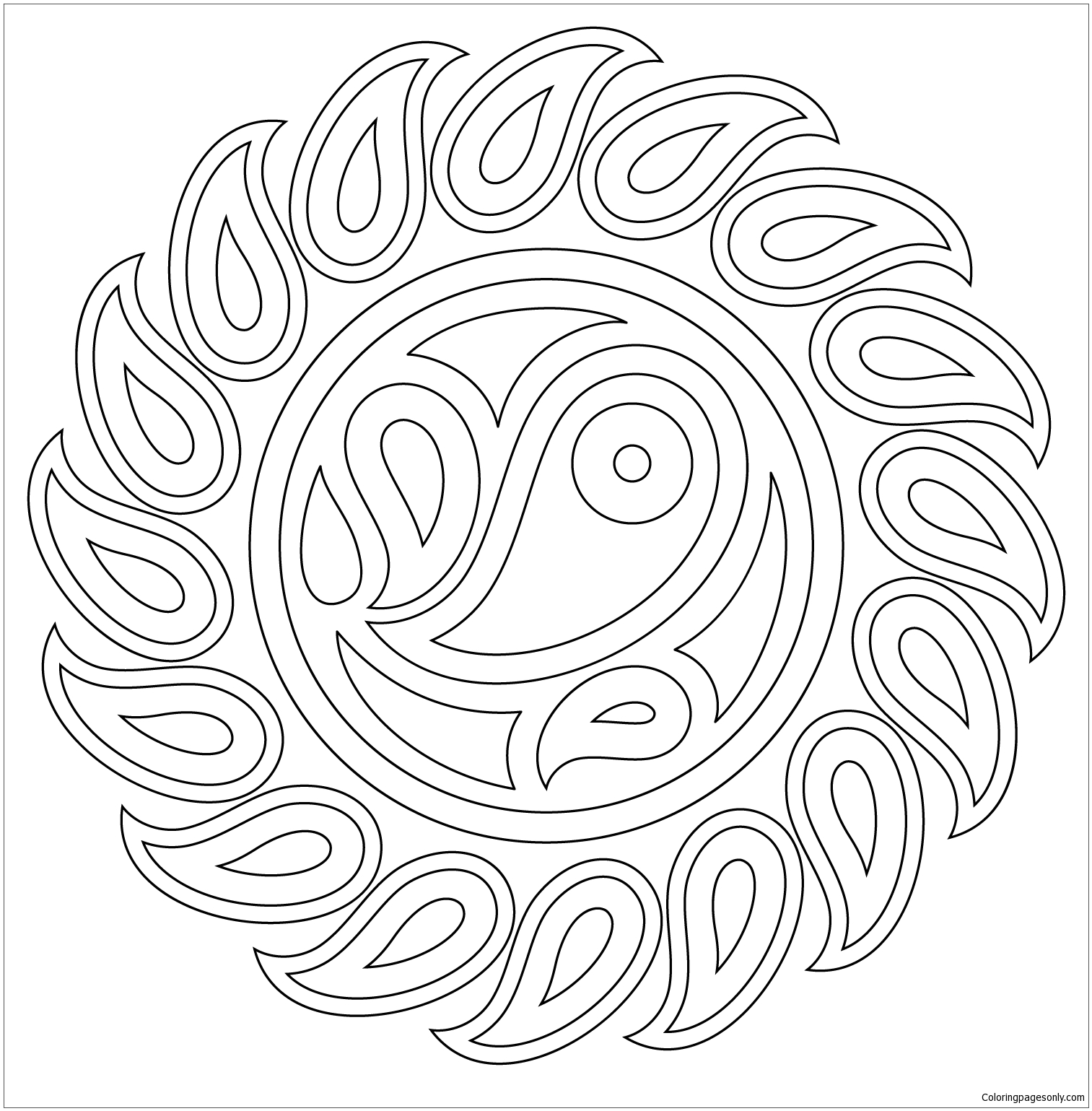
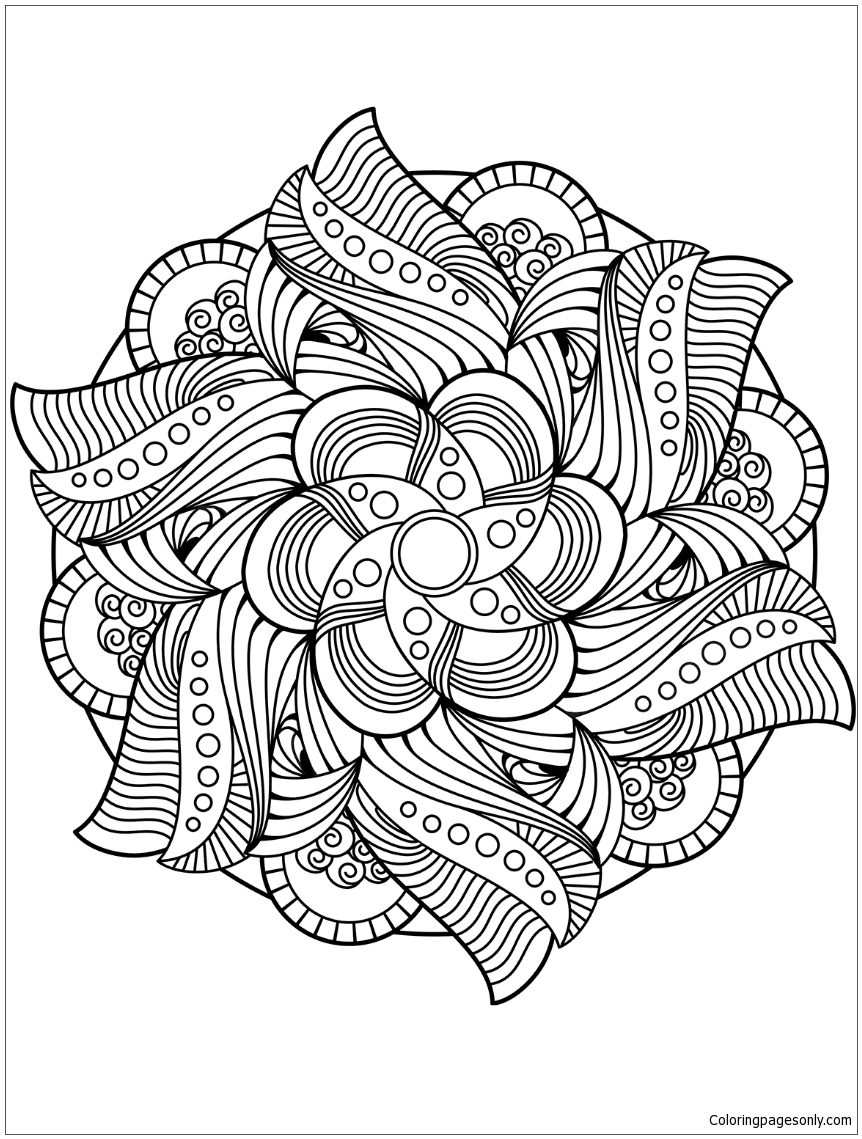
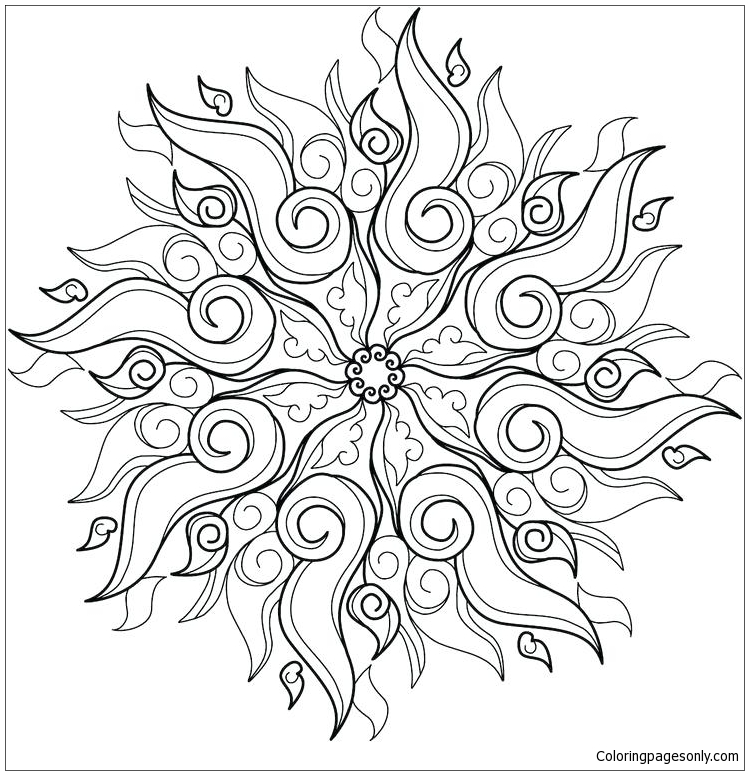
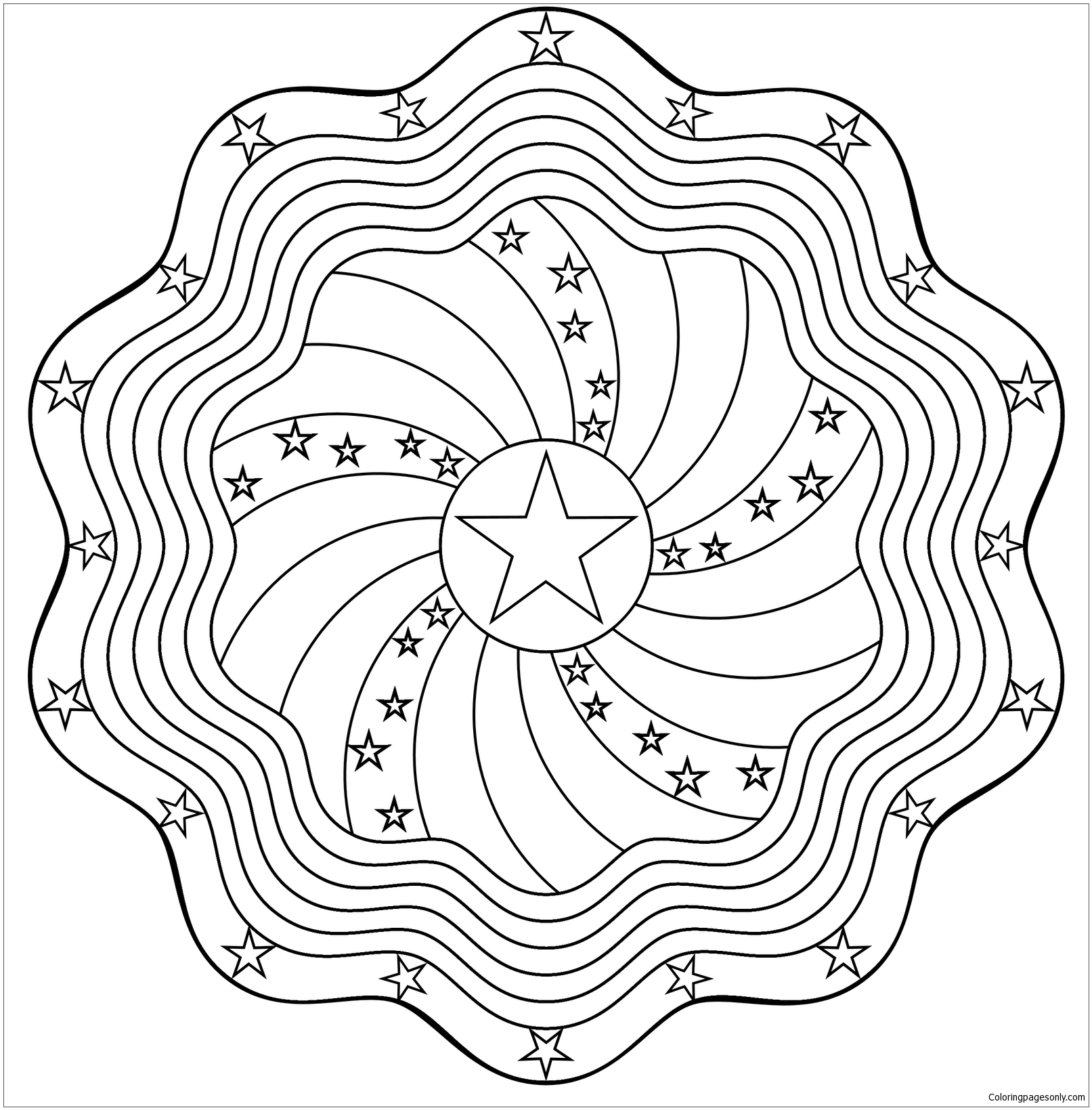
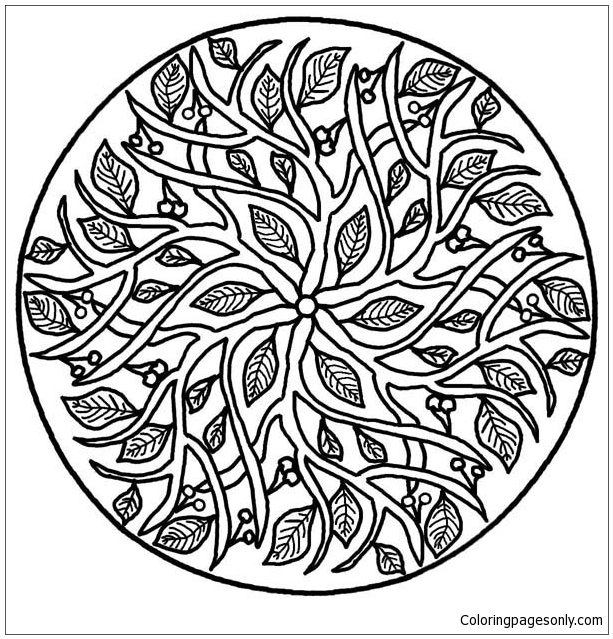
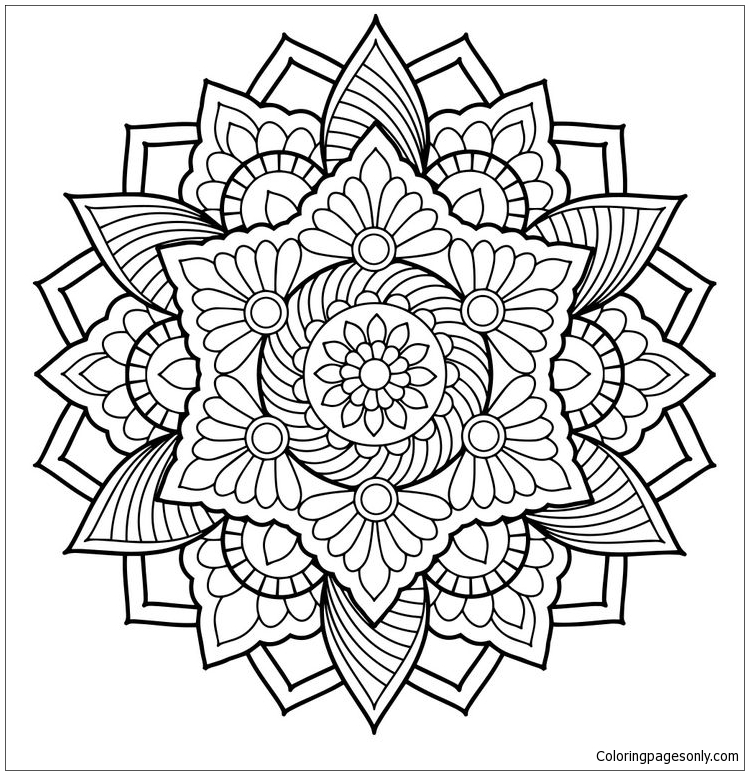
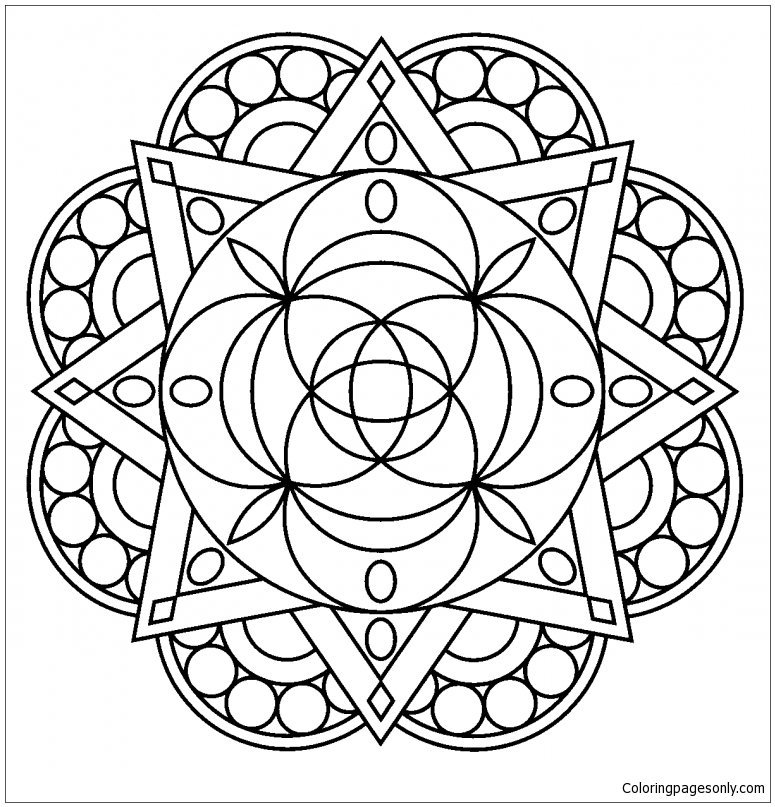
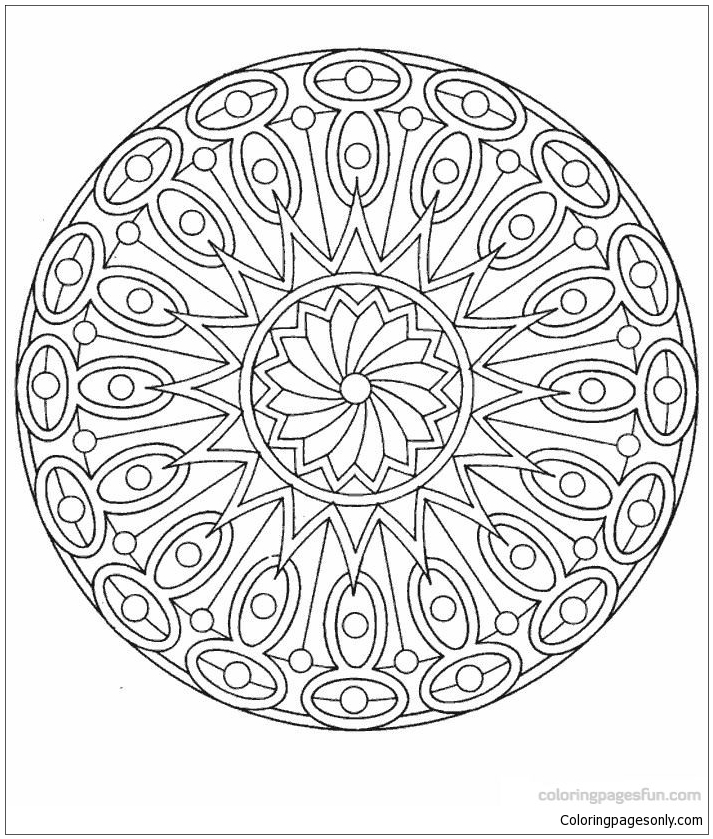
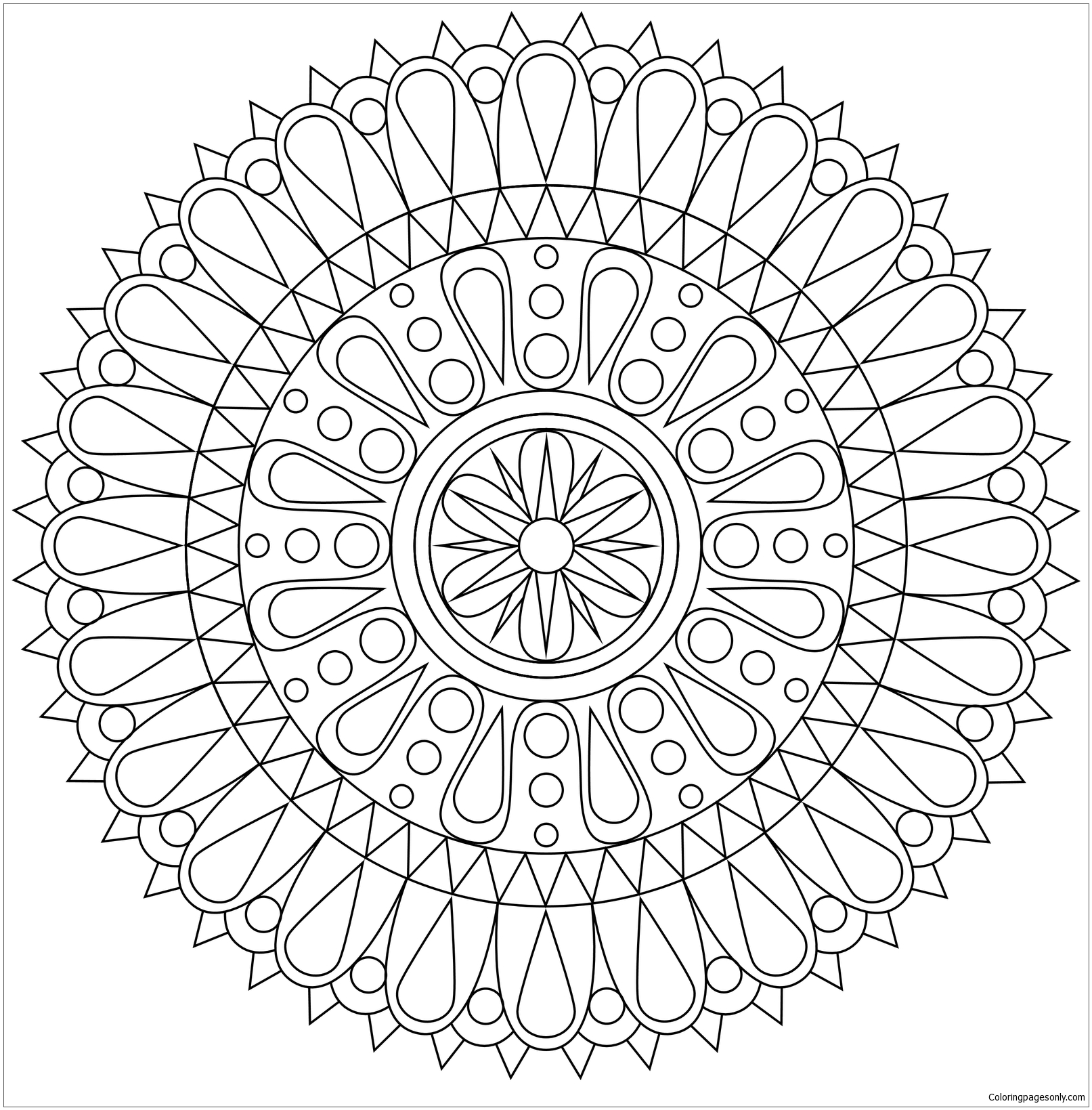
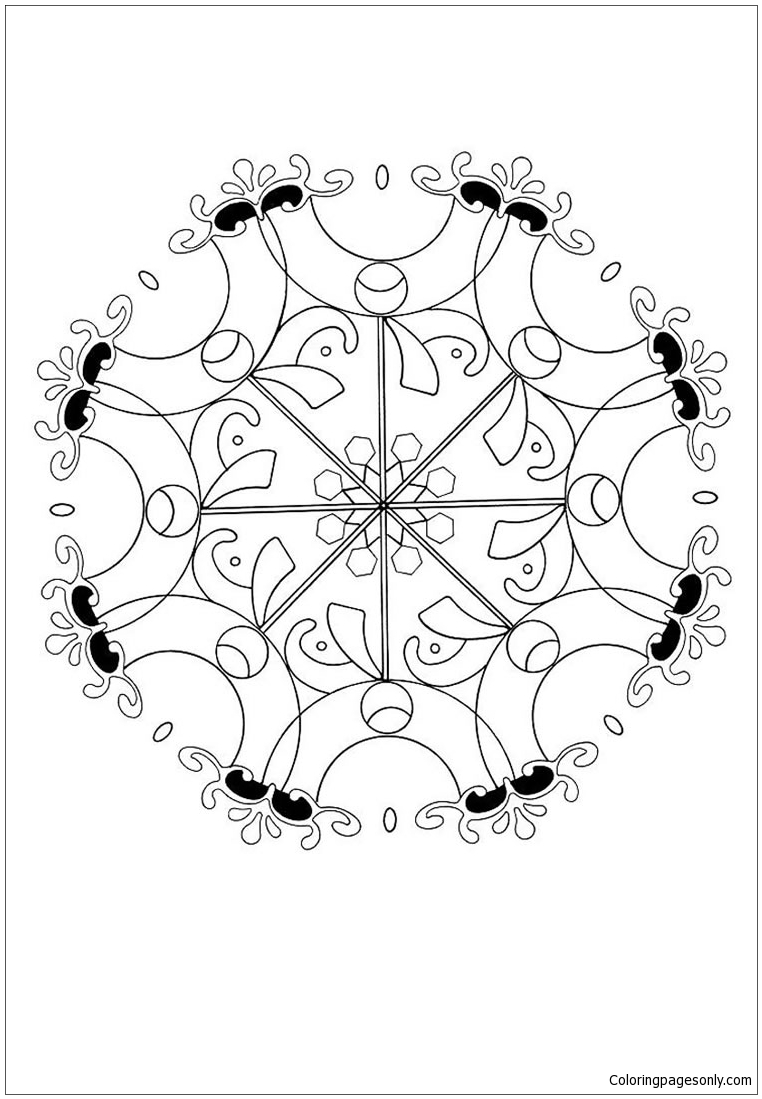
Simple and accessible mandalas – the numbered Simple Mandala series (Simple Mandala 6 through Simple Mandala 20), Easy Flower Mandala, Simple Flower Mandala, Simple Heart Mandala, Simple Abstract Mandala, and Mandala Simple – are the entry-point pages of the collection. These have larger color areas, fewer detail lines, and less intricate subdivision of the pattern. They are suitable for children, for anyone new to mandala coloring, or for sessions when you want the rhythm of coloring without the challenge of fine detail work.
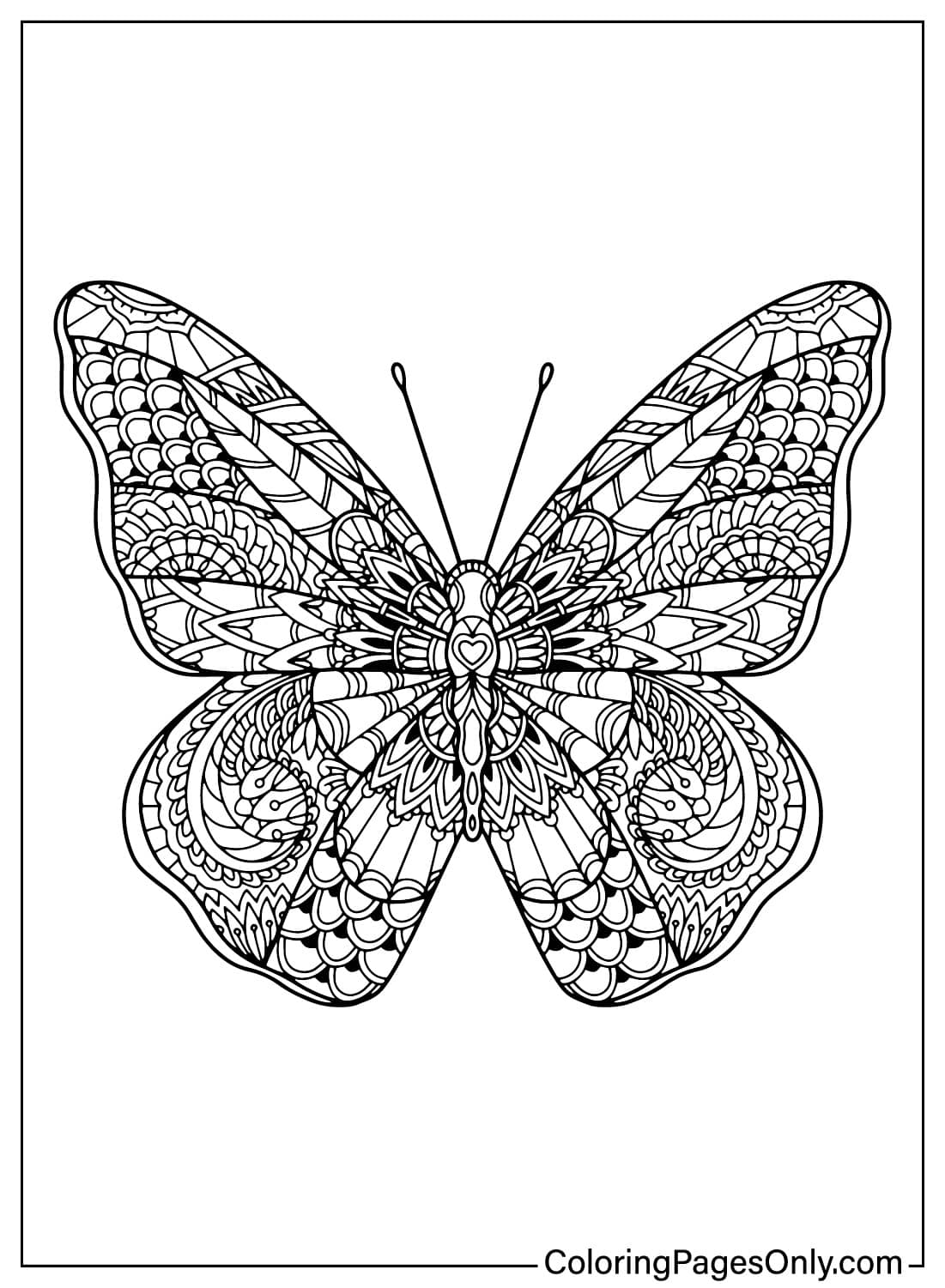
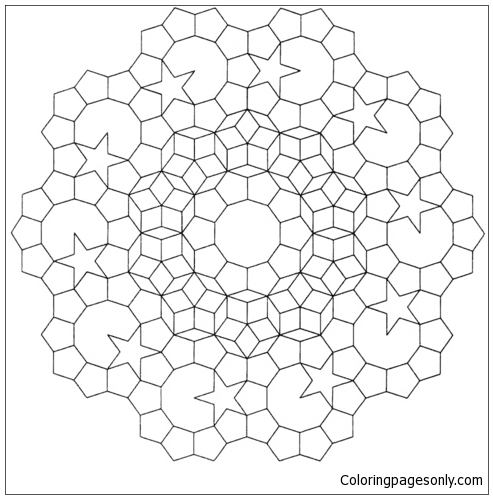
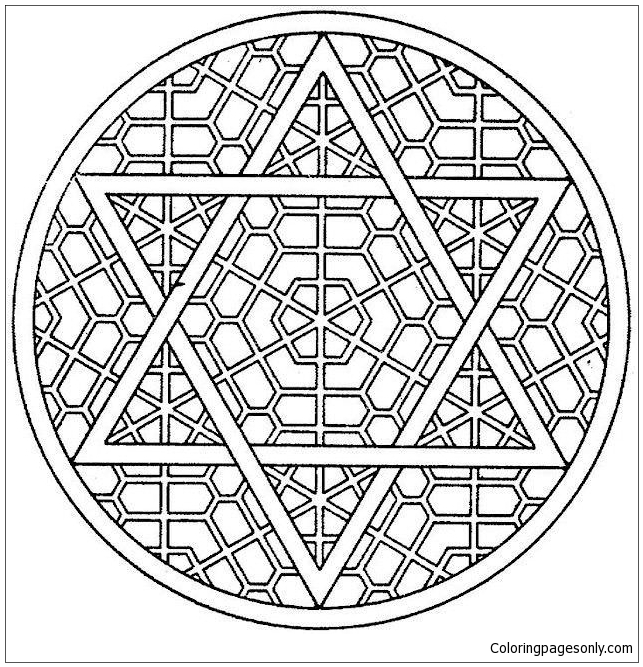
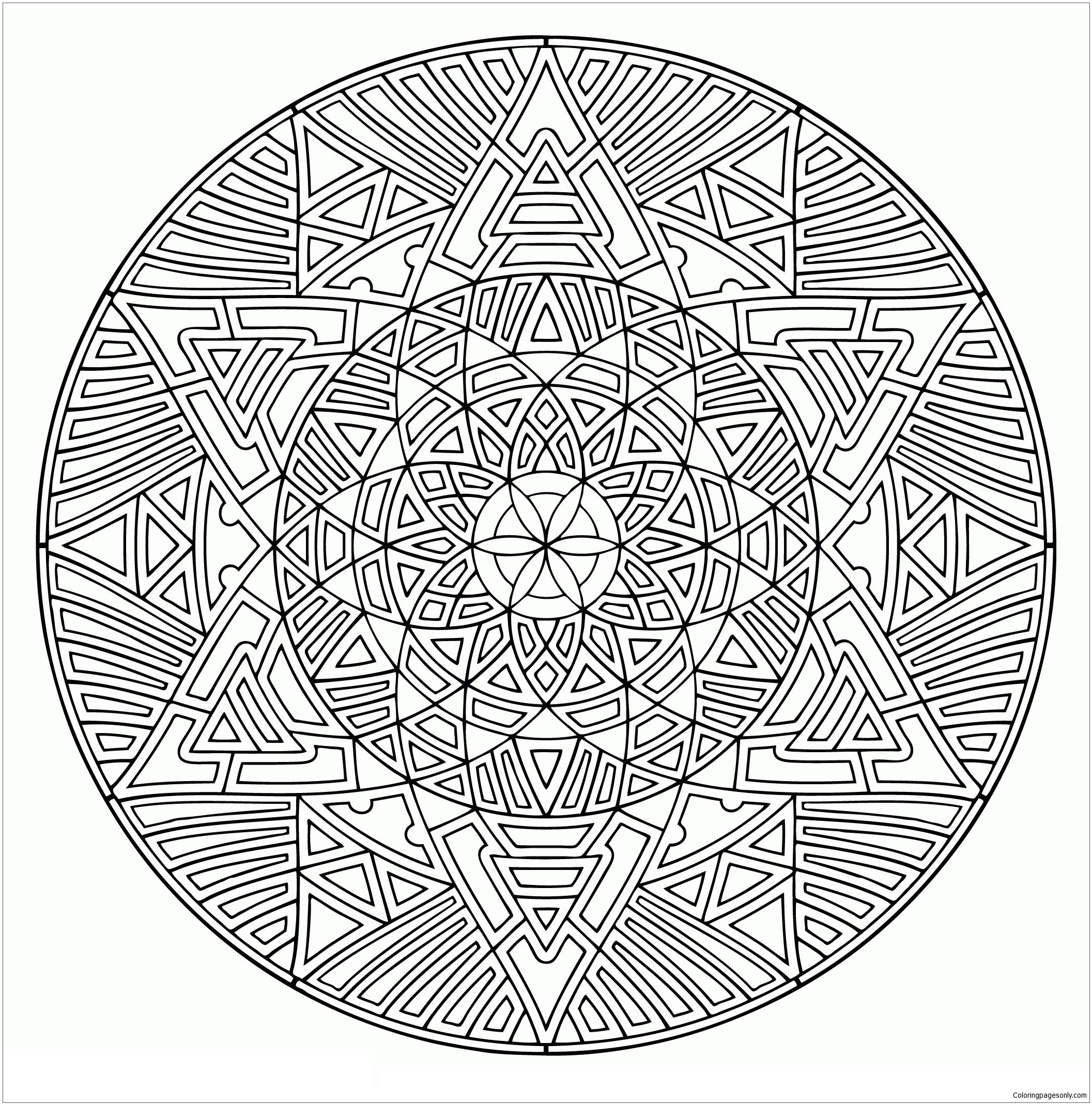
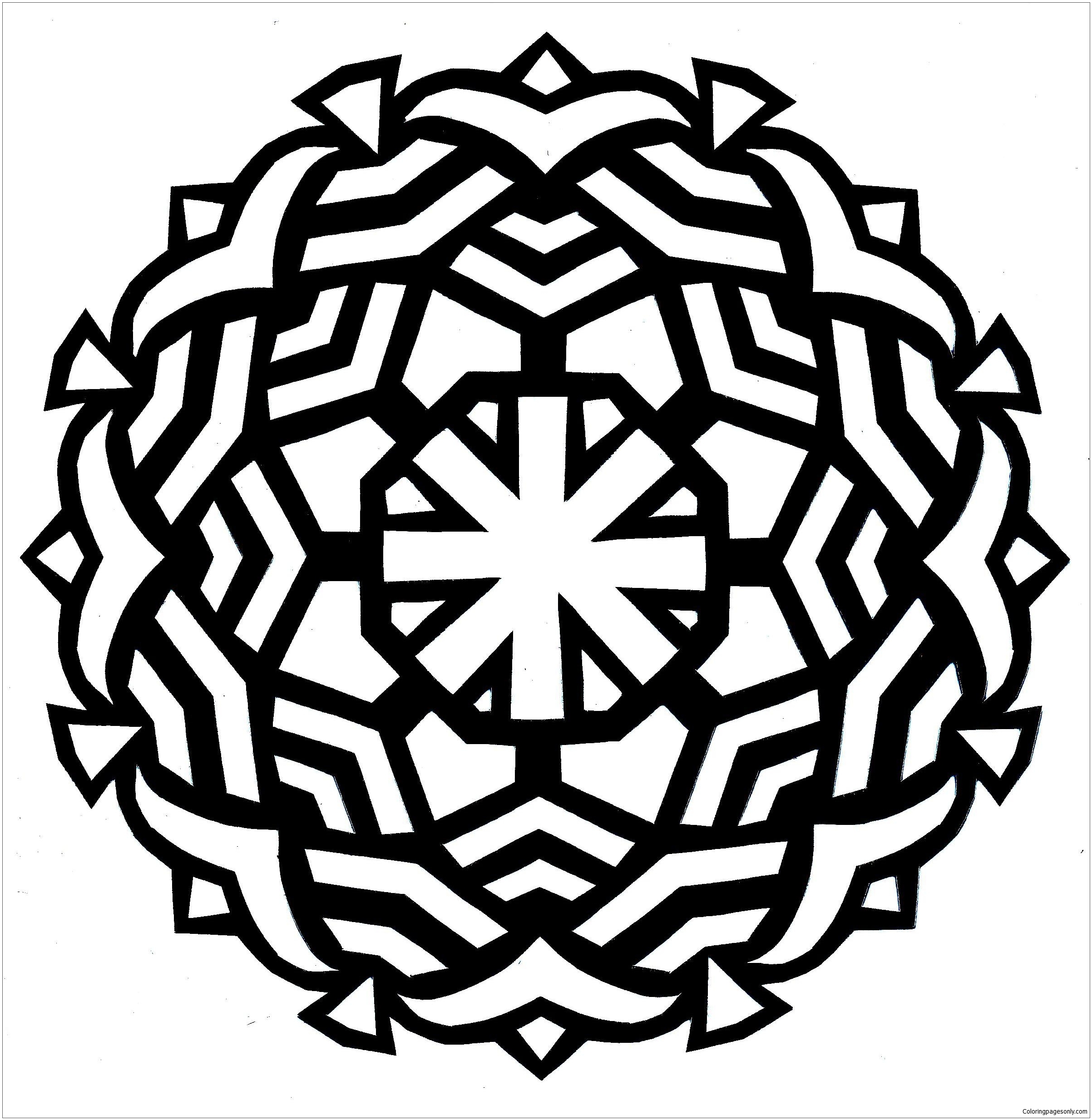
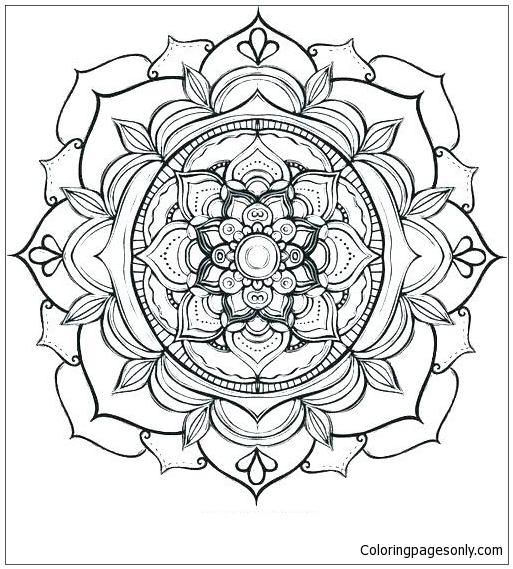
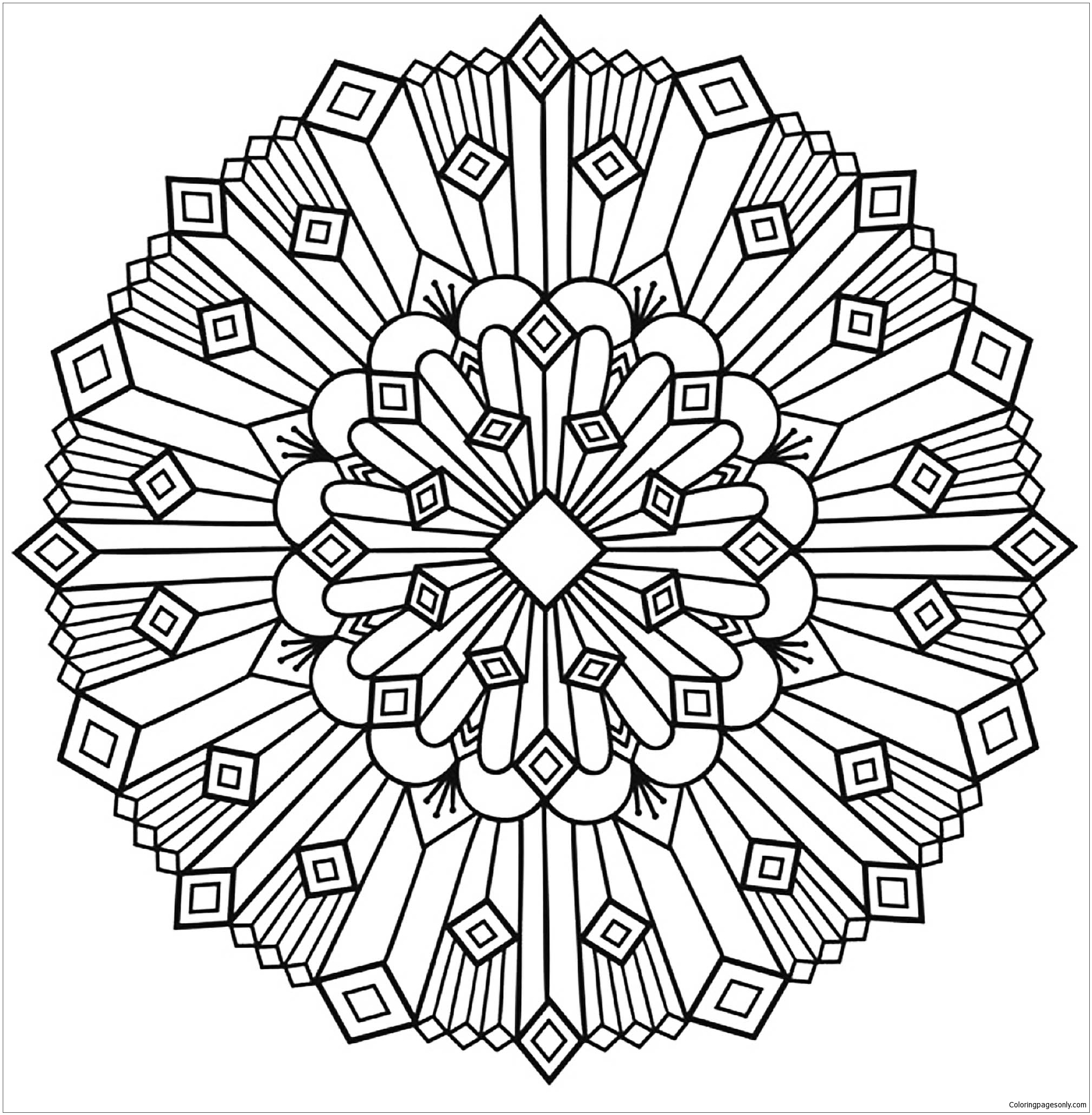
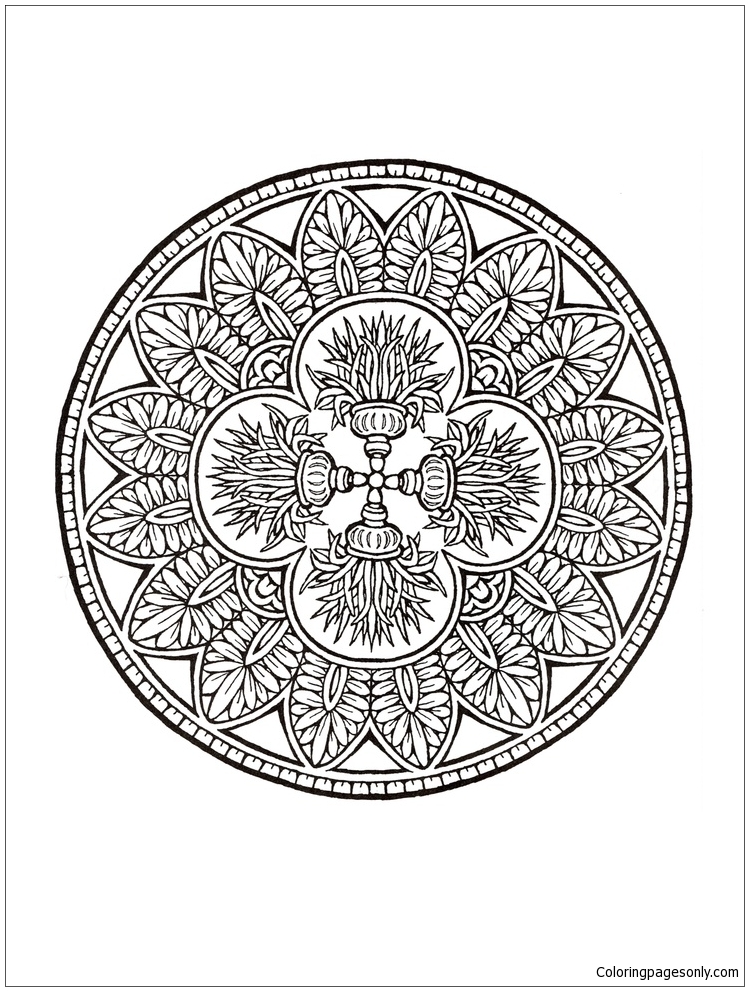
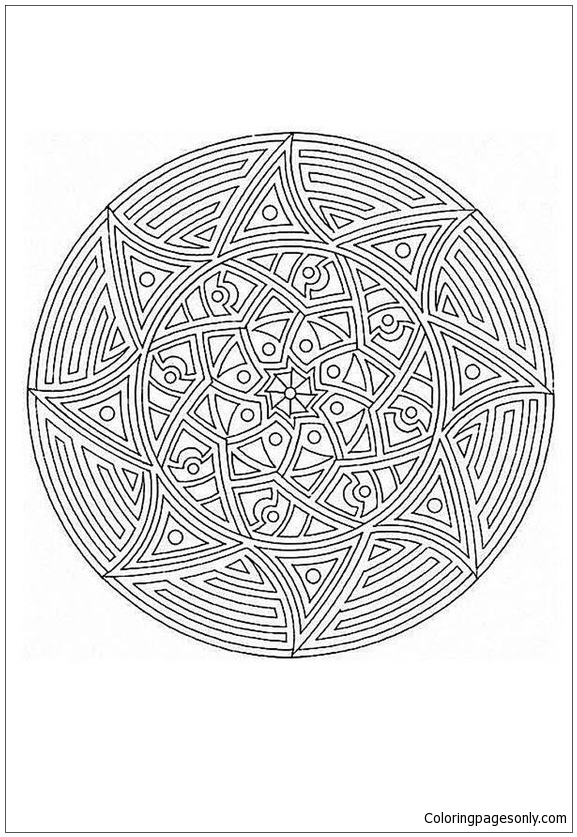
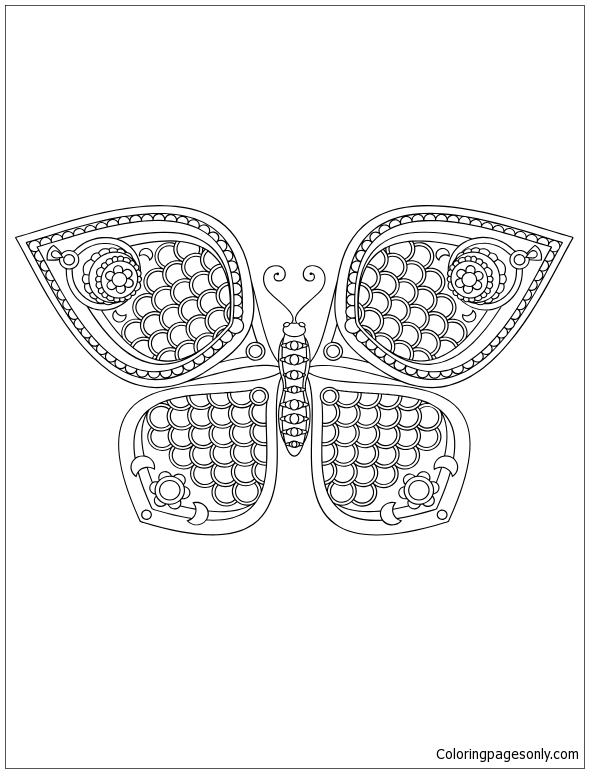
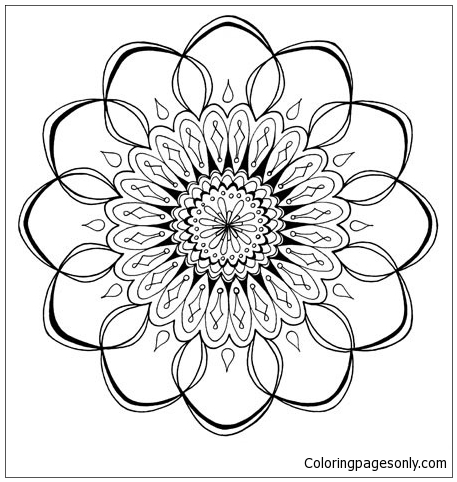
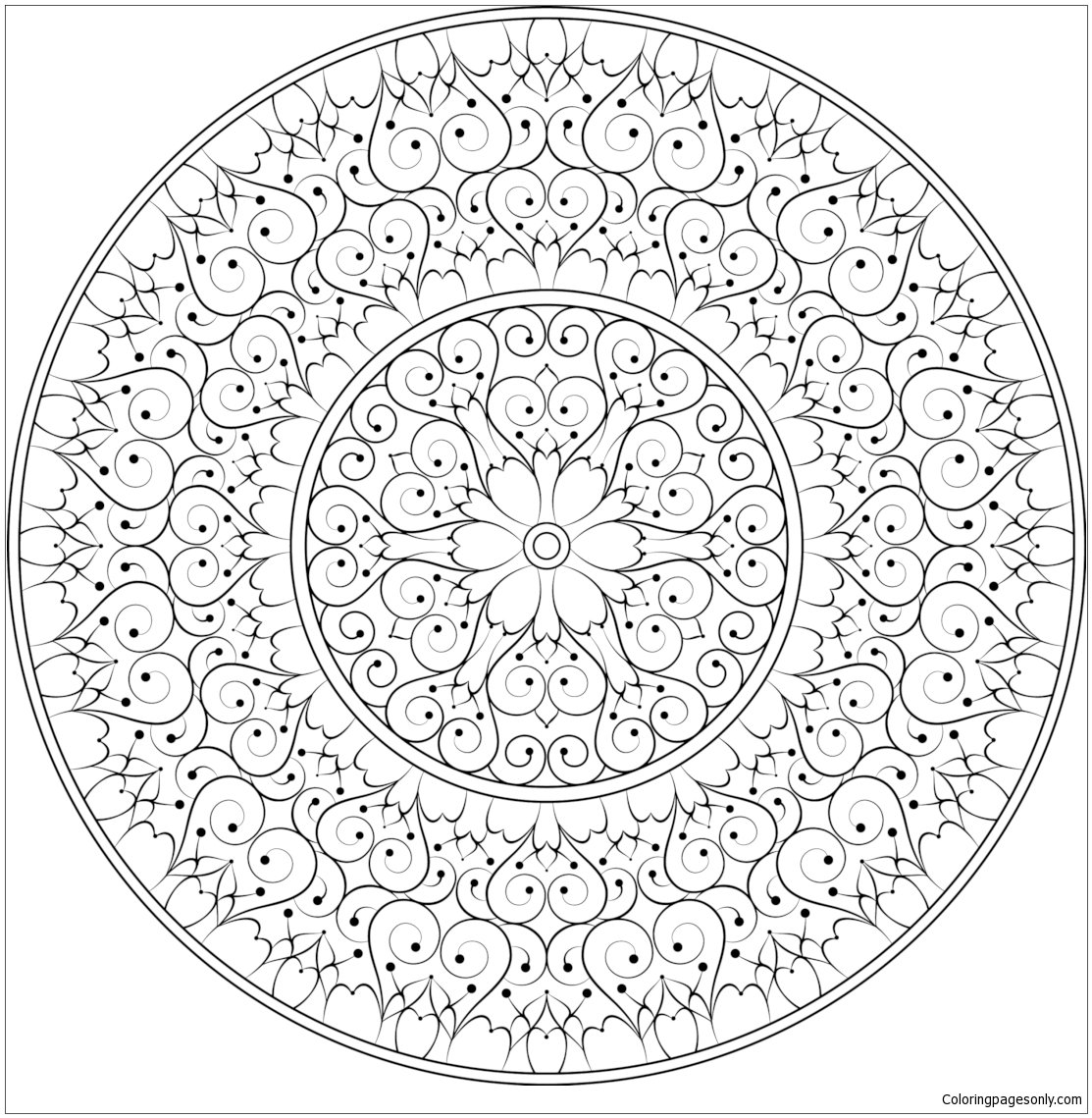
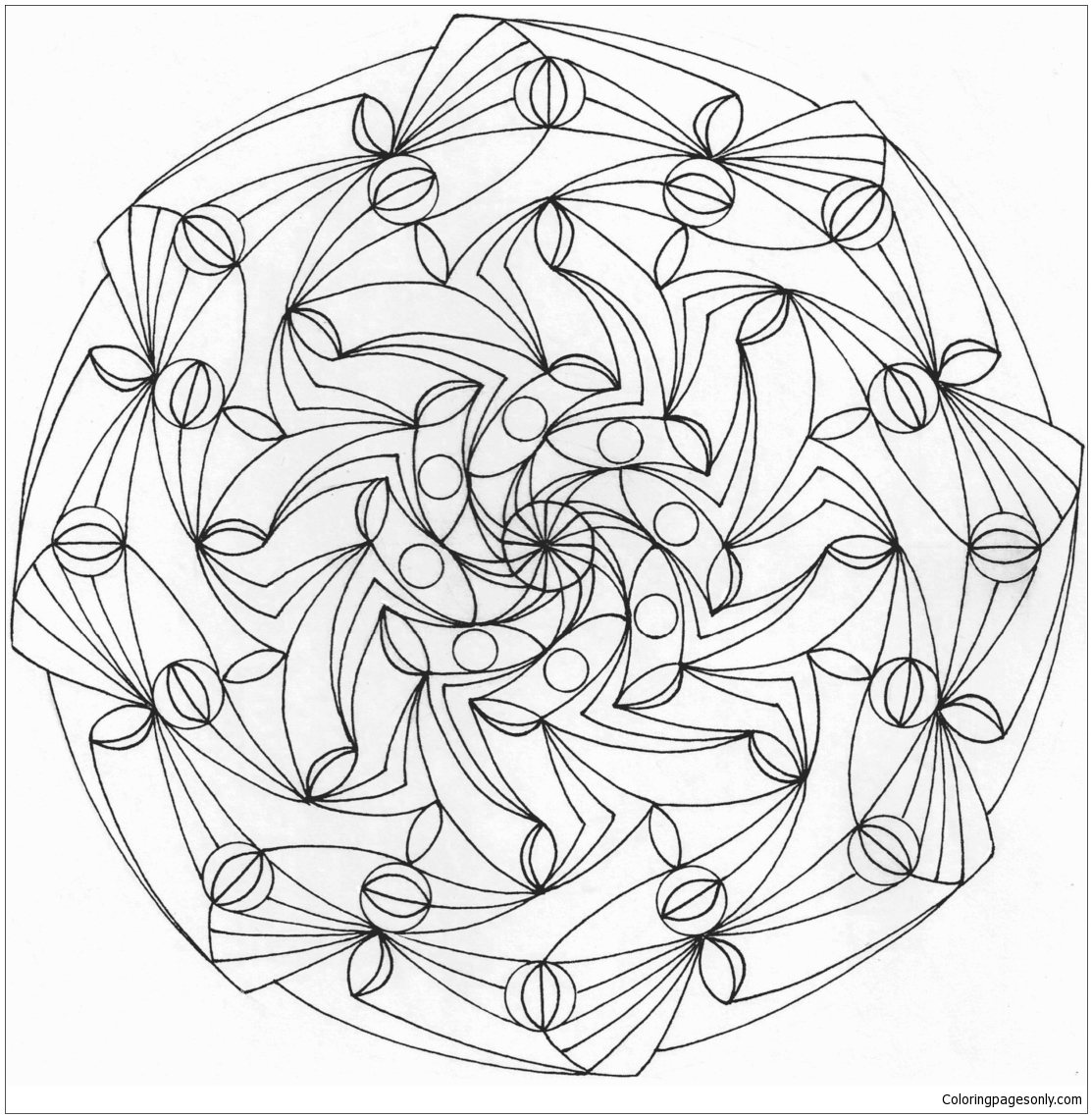
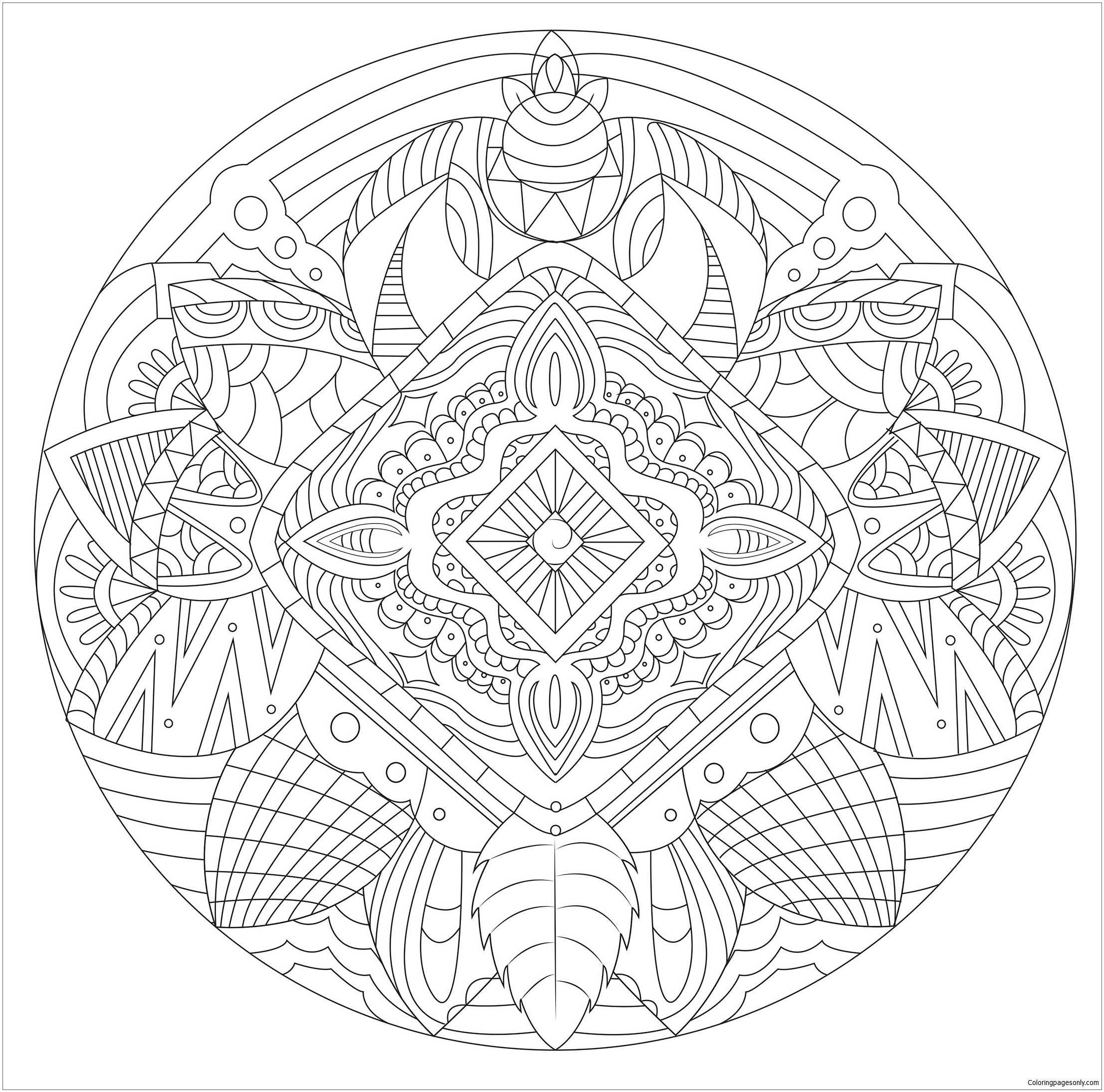
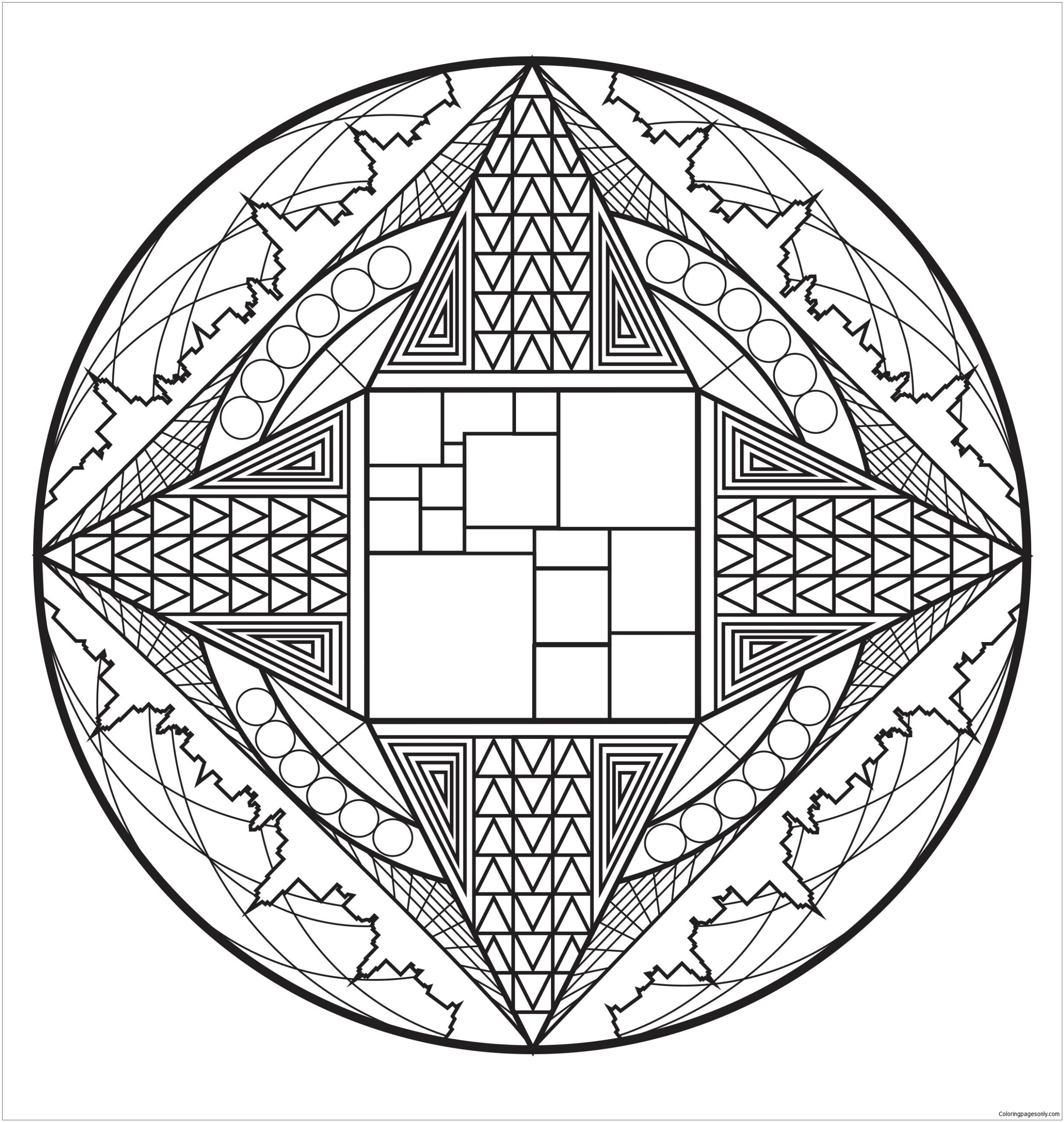
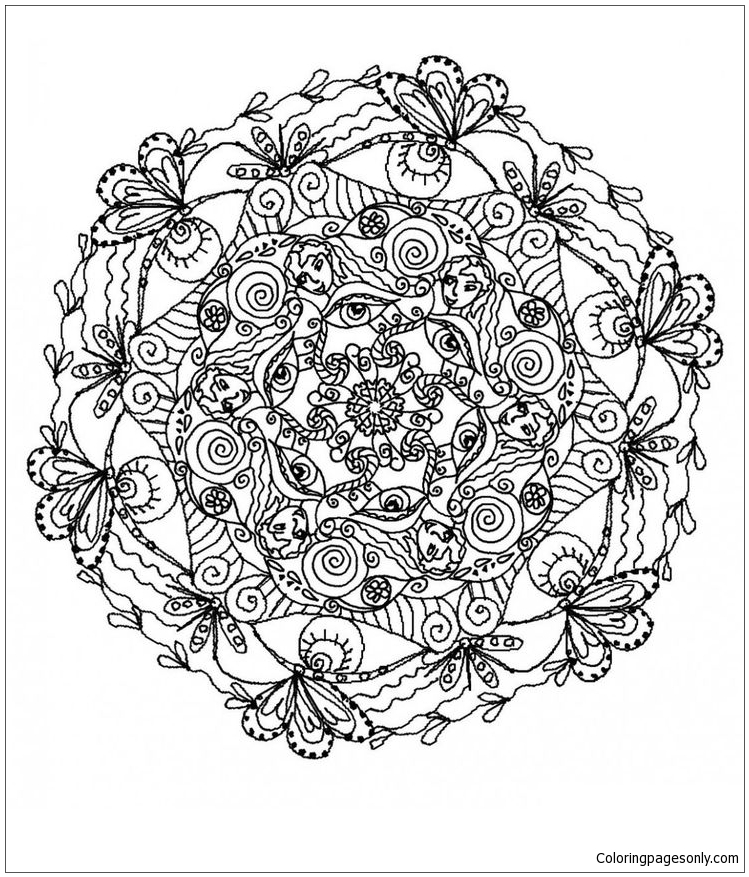
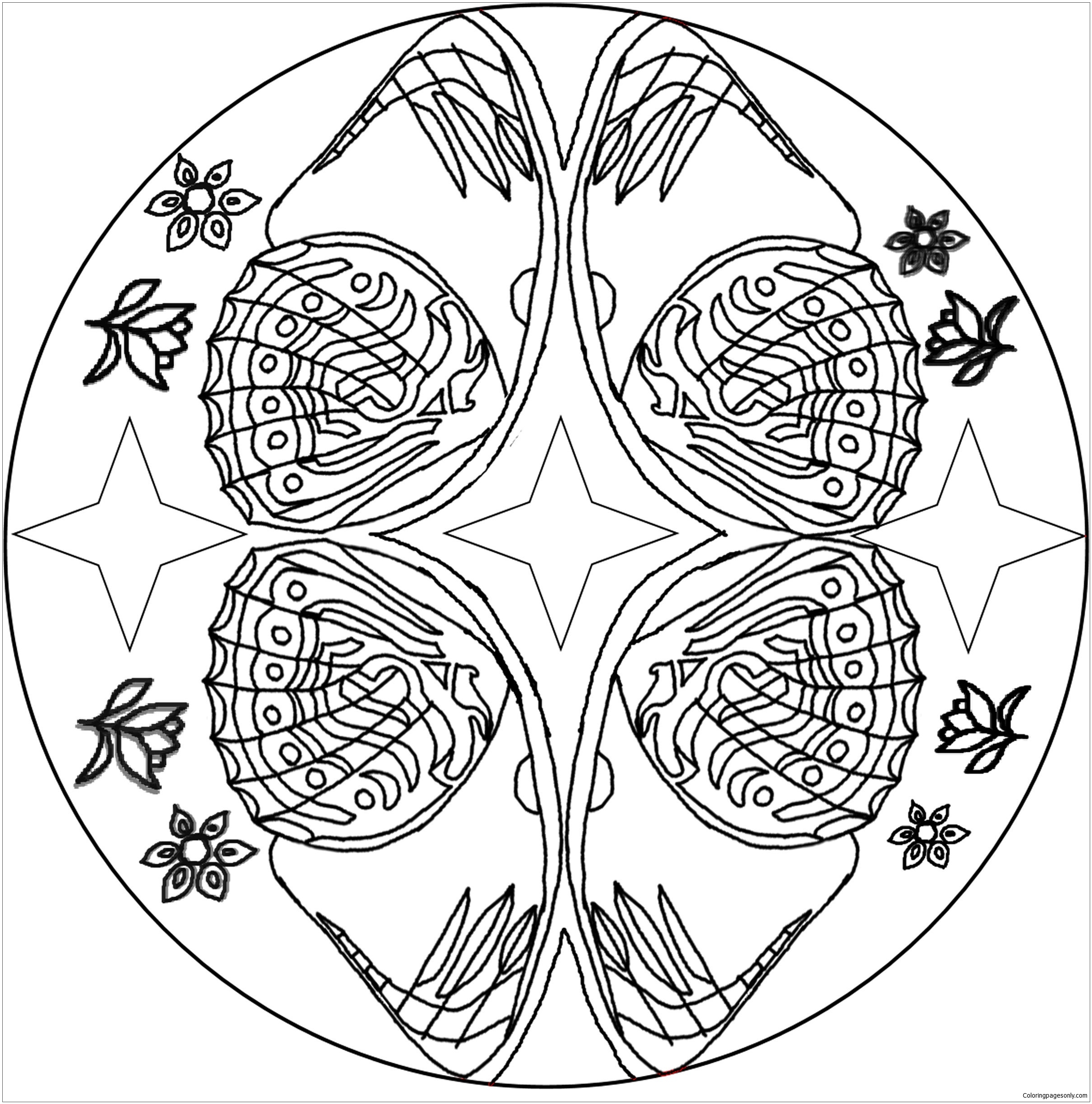
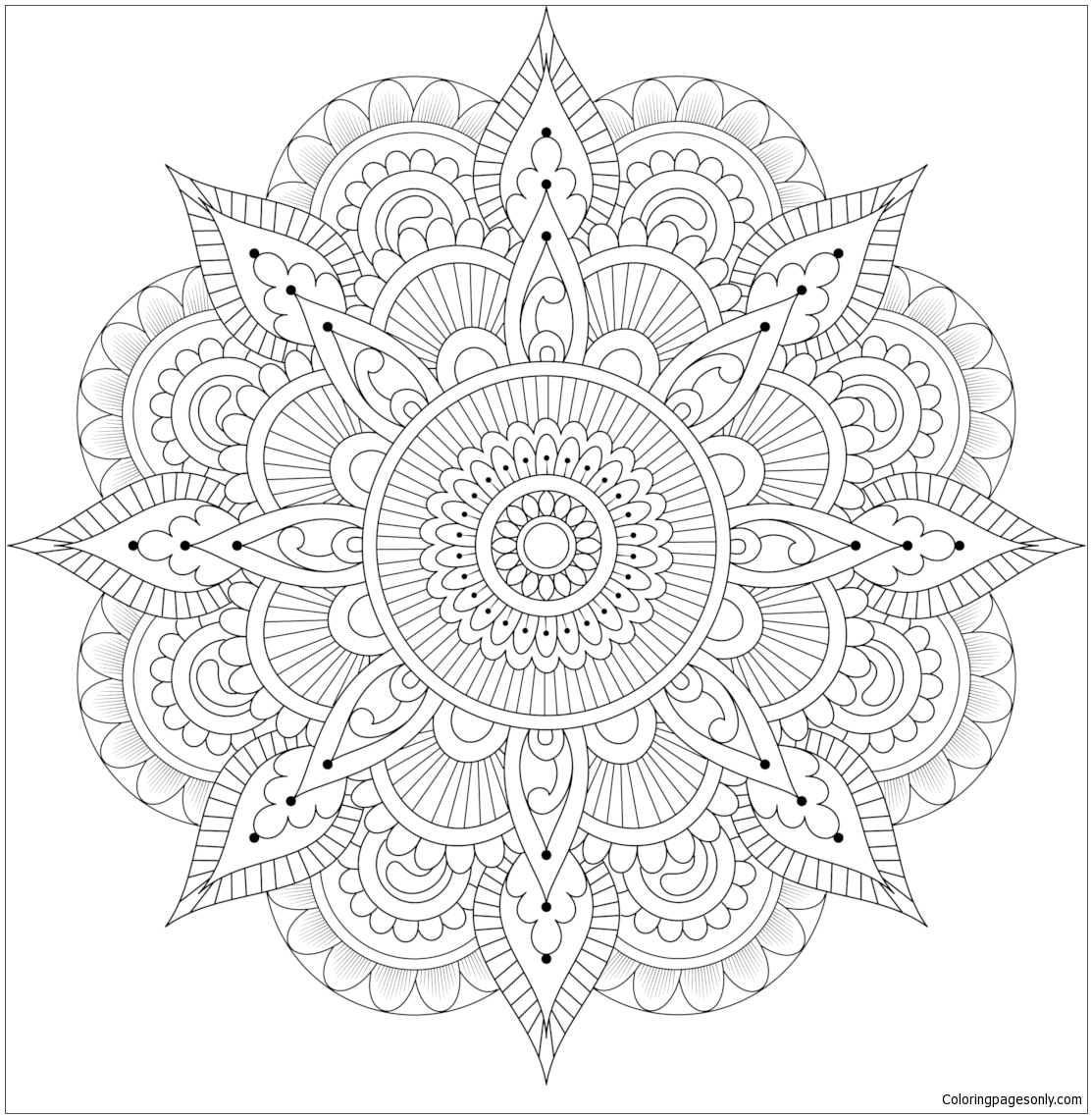
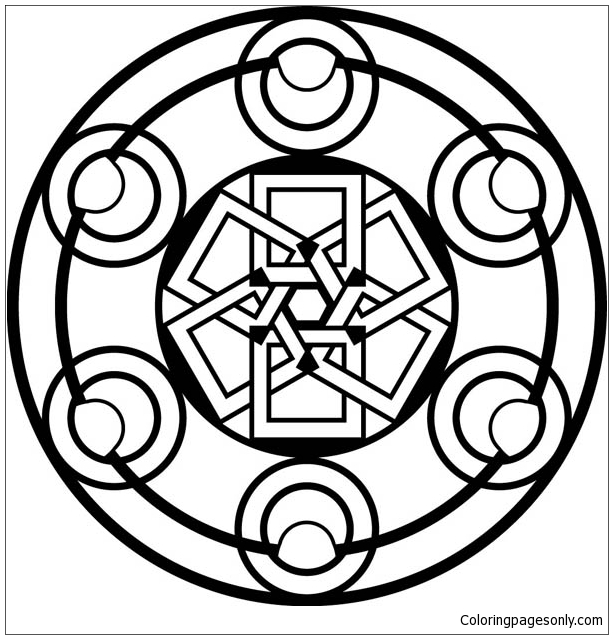
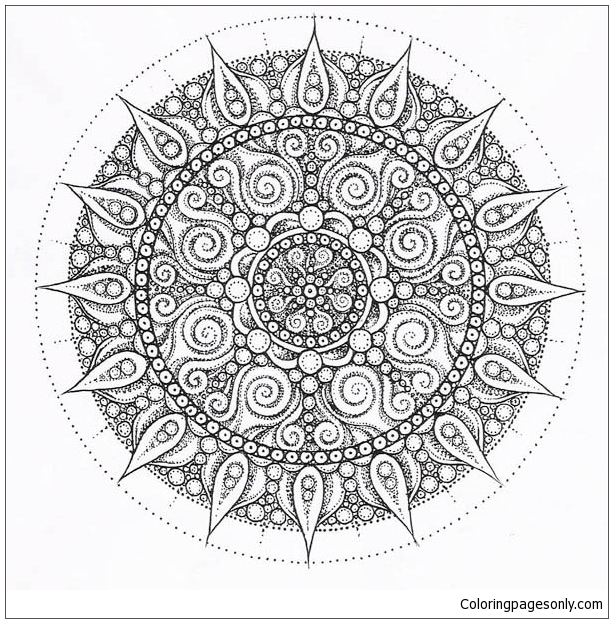
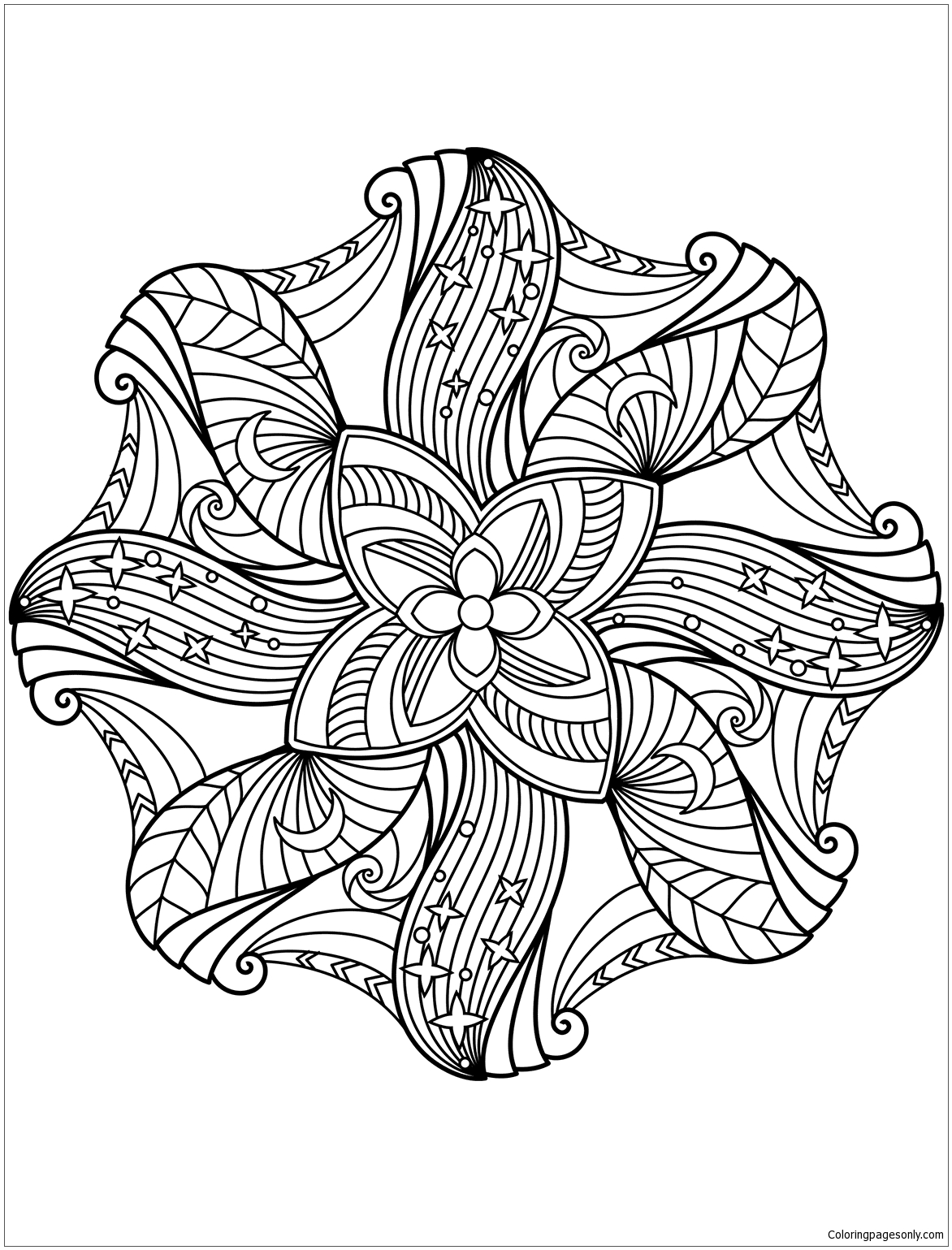
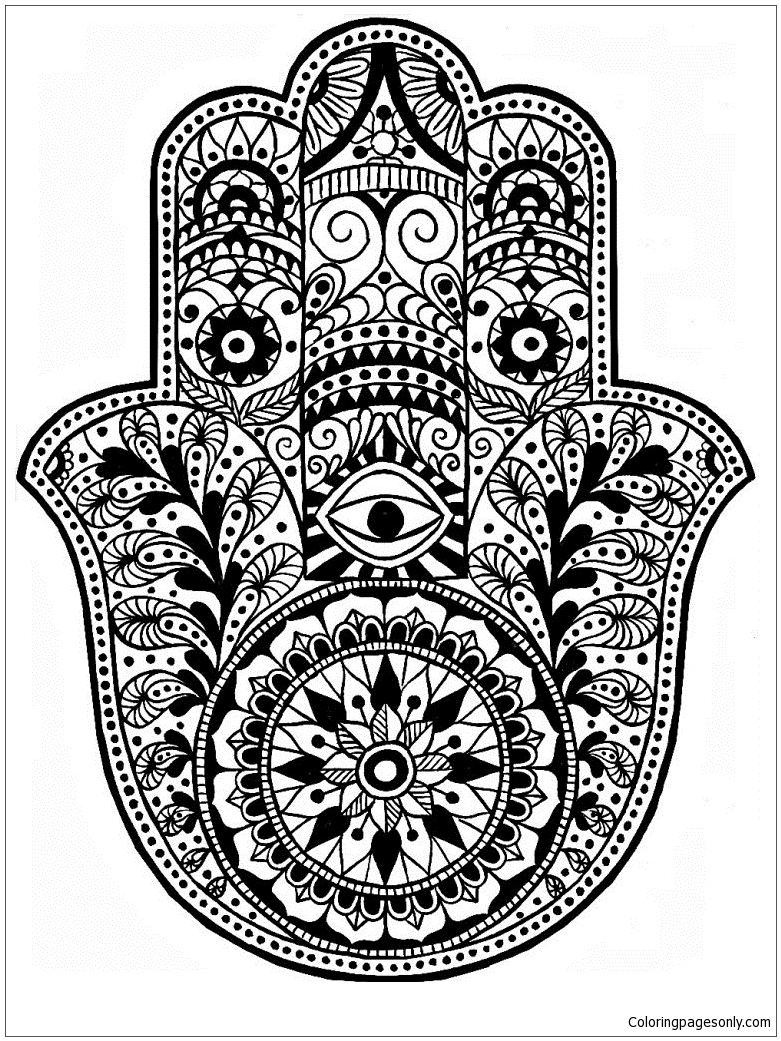
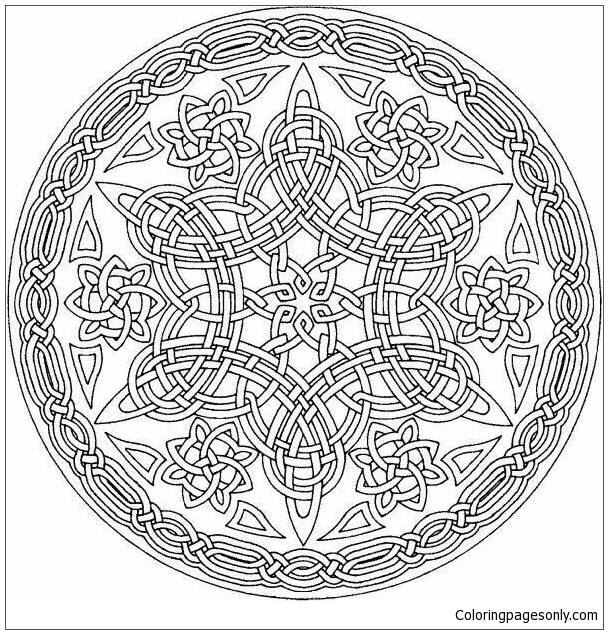
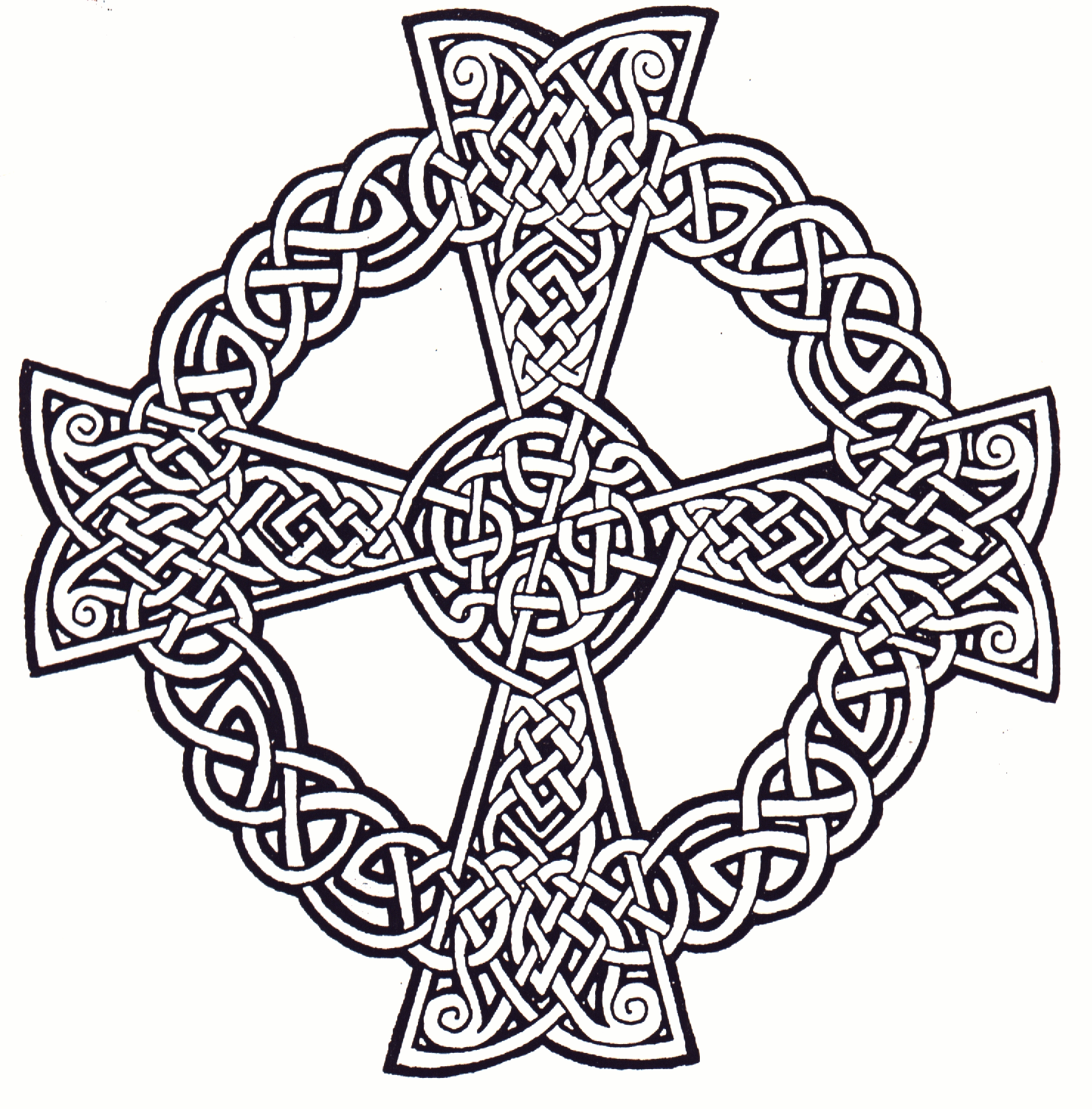
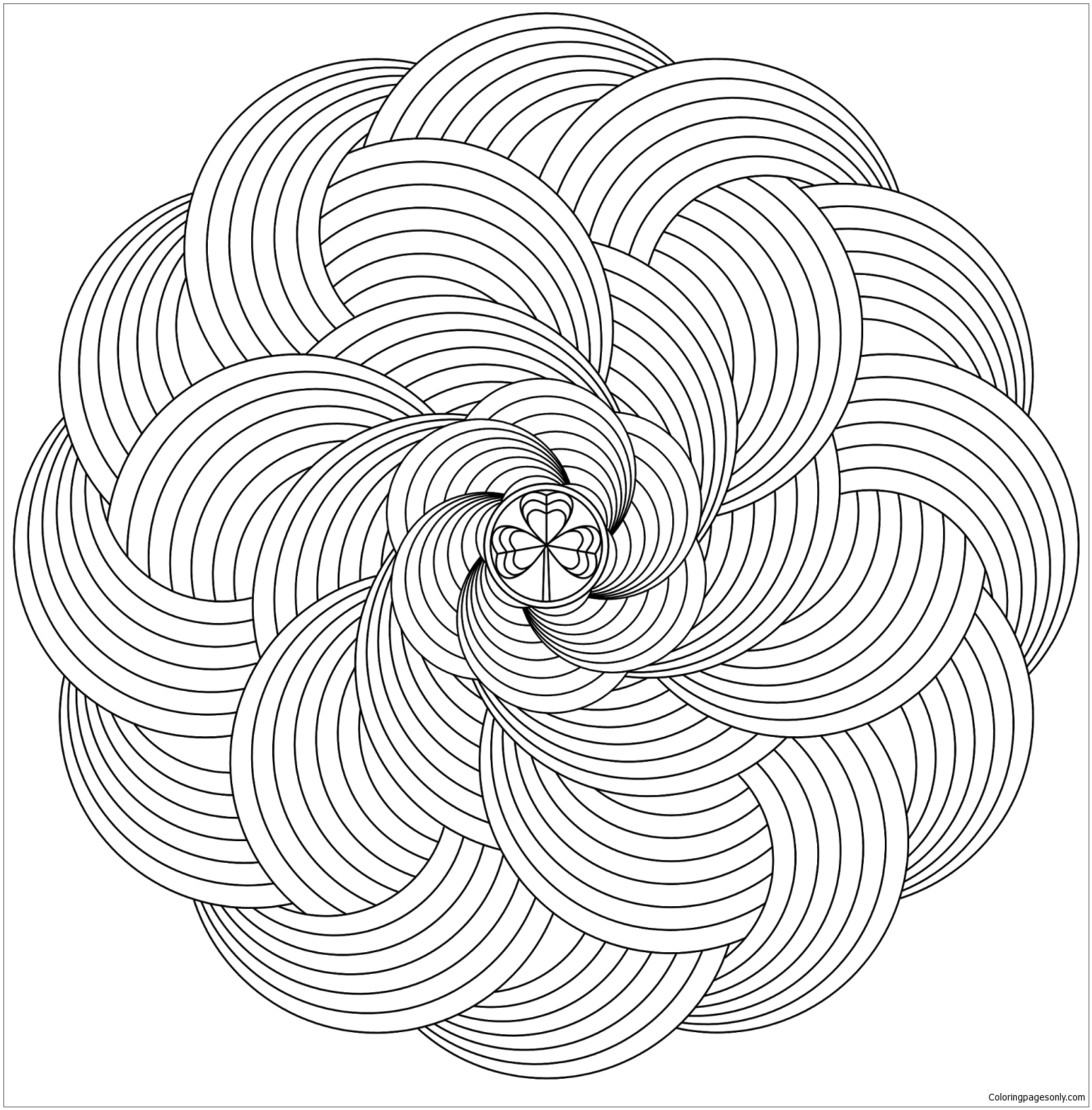
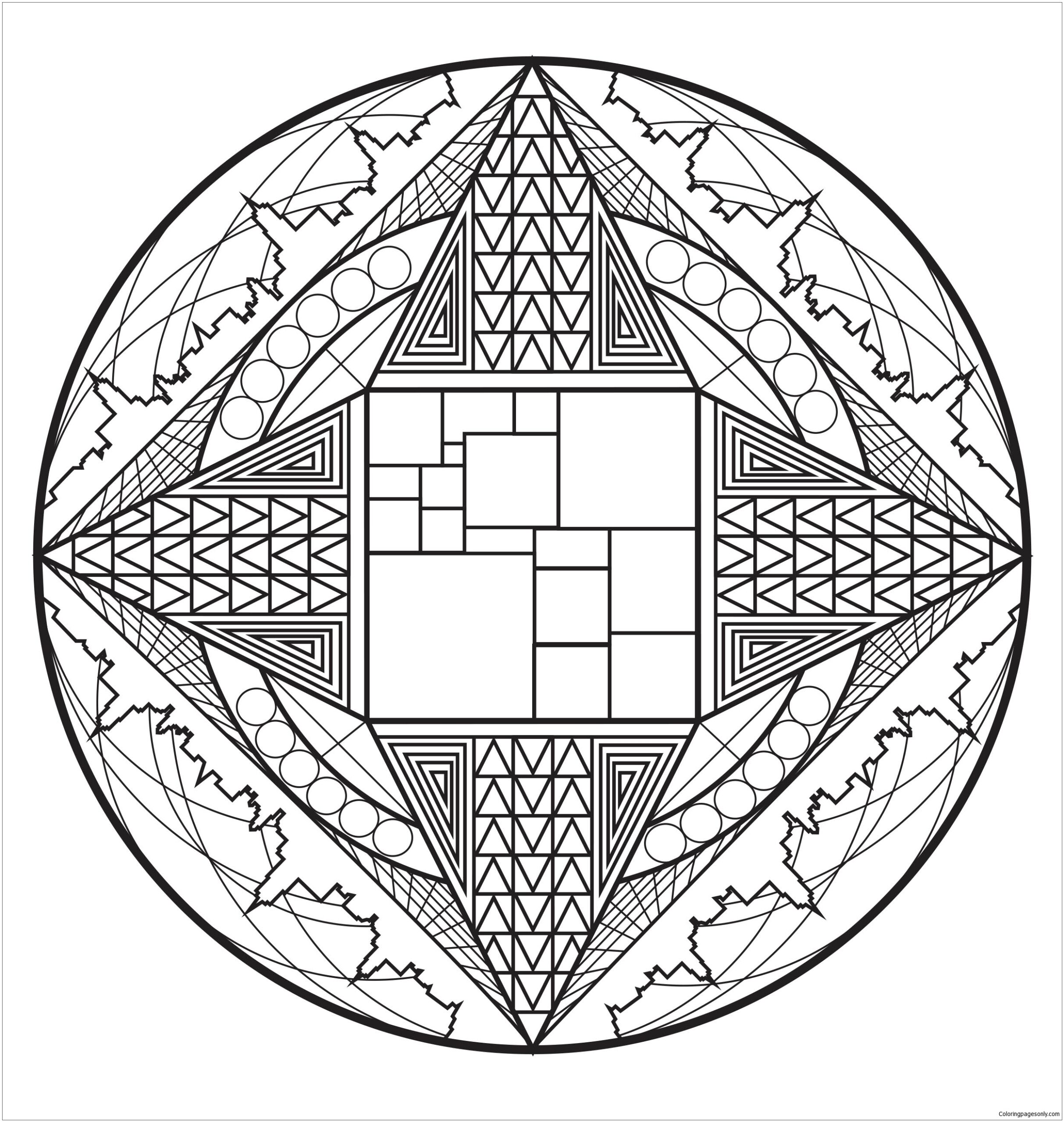
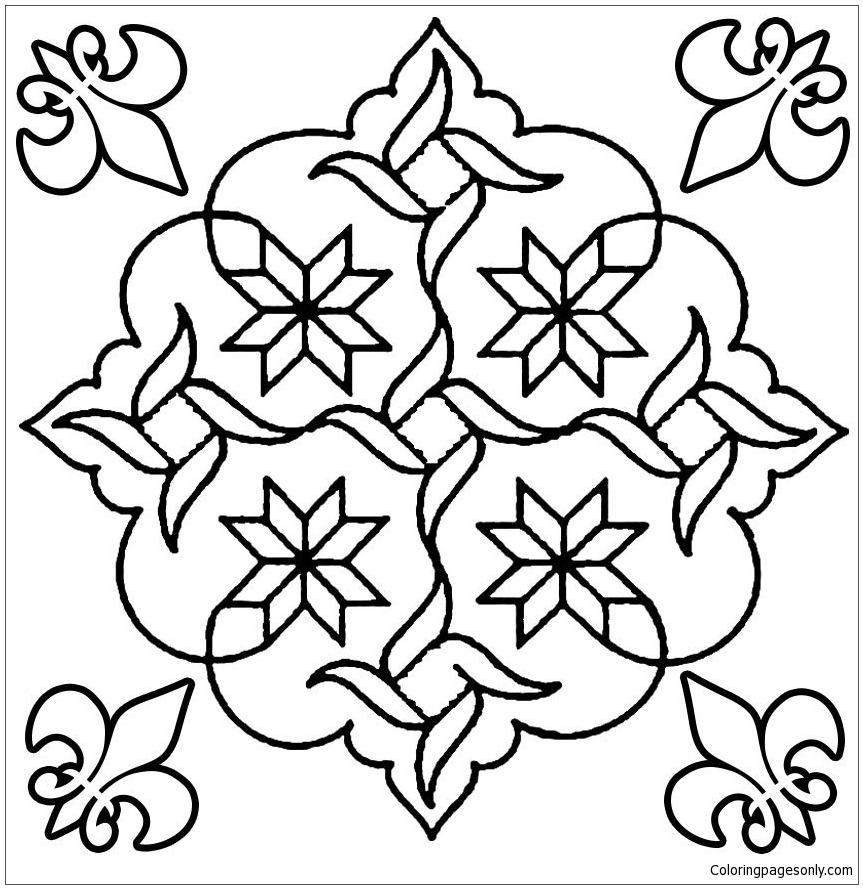
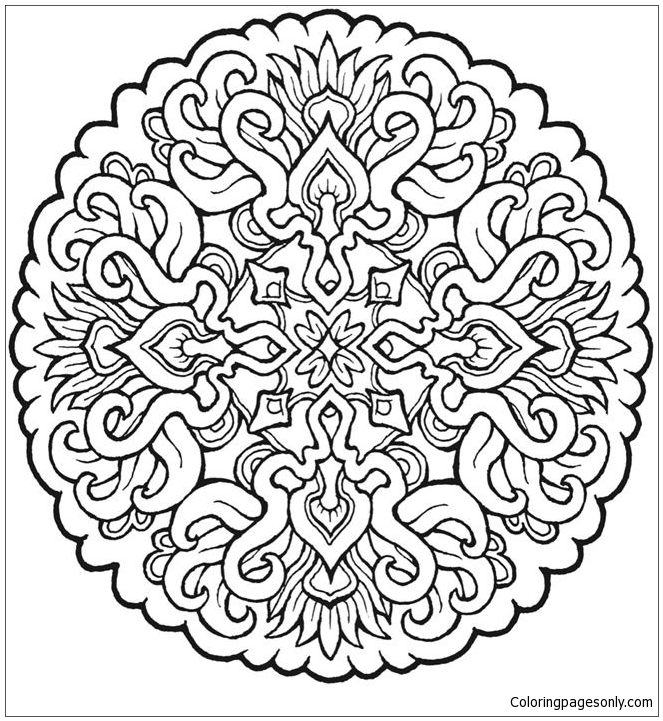
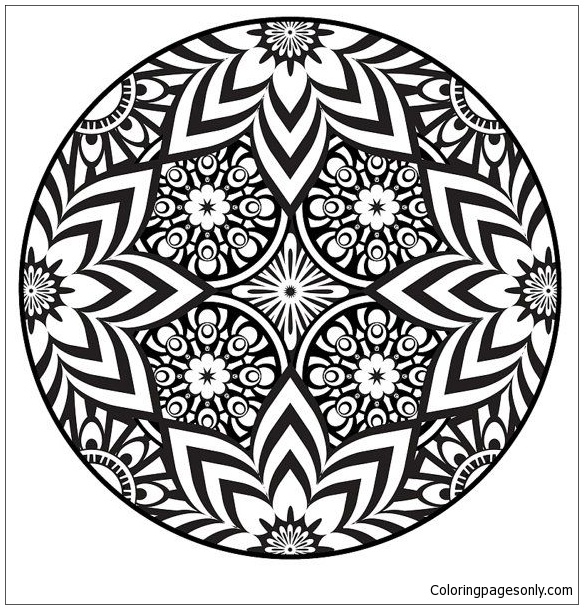
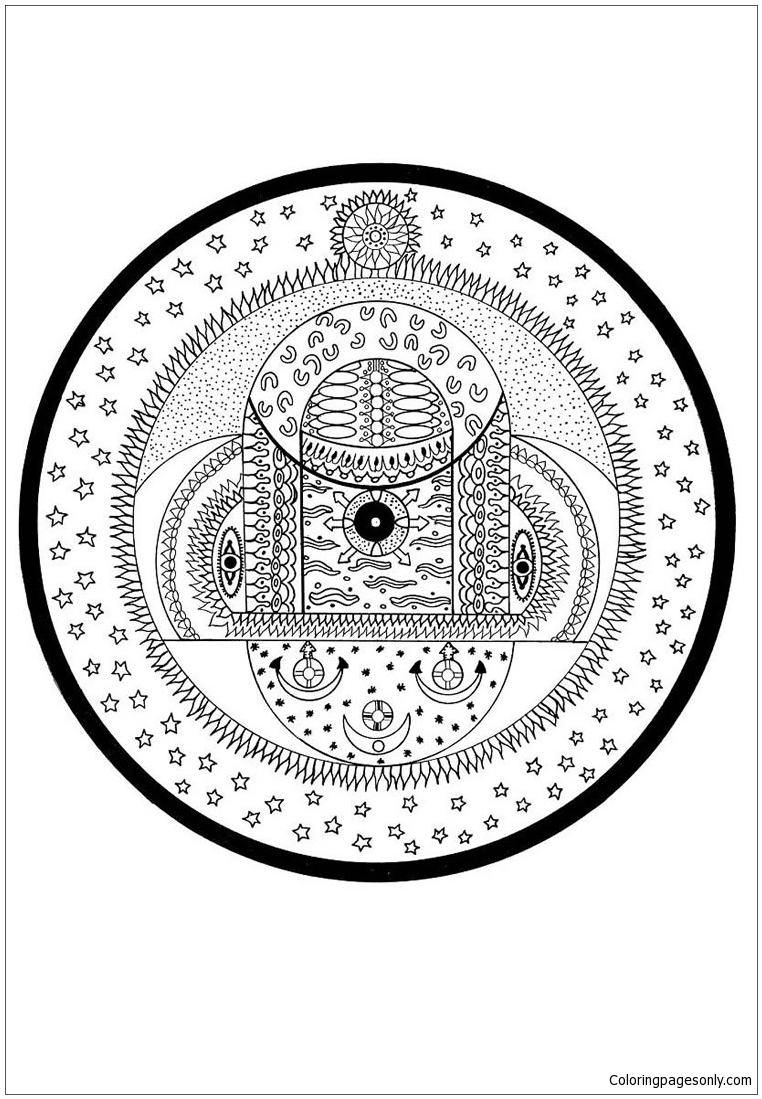
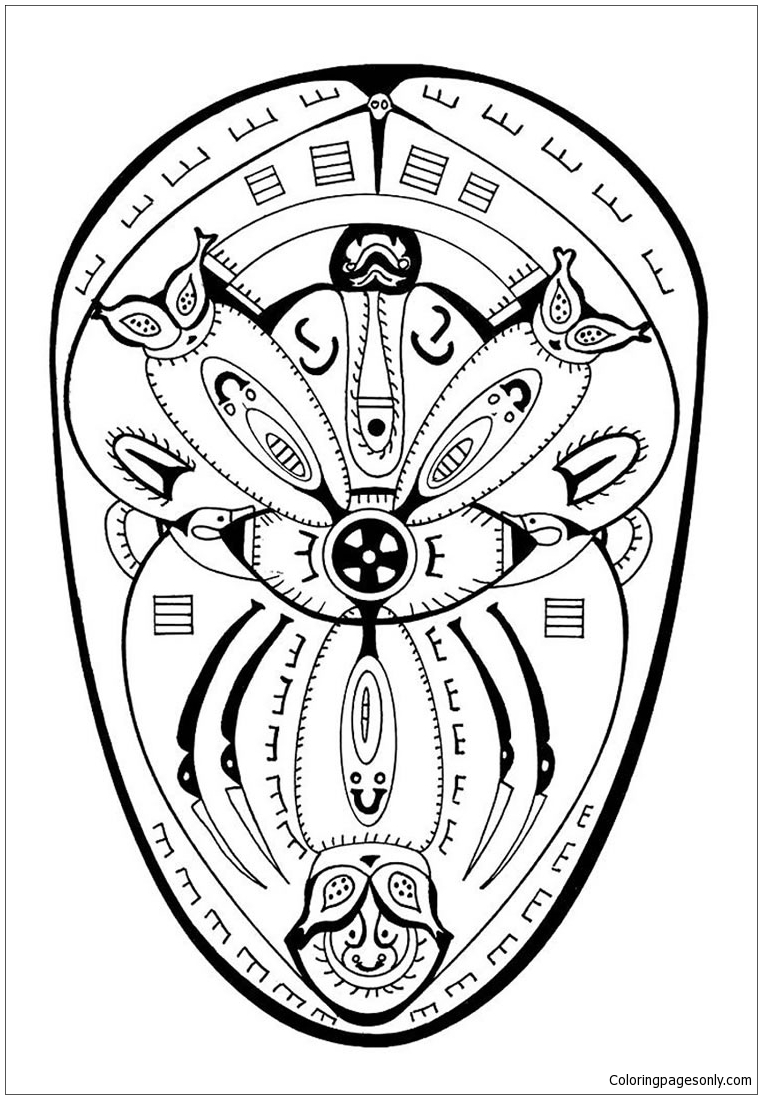
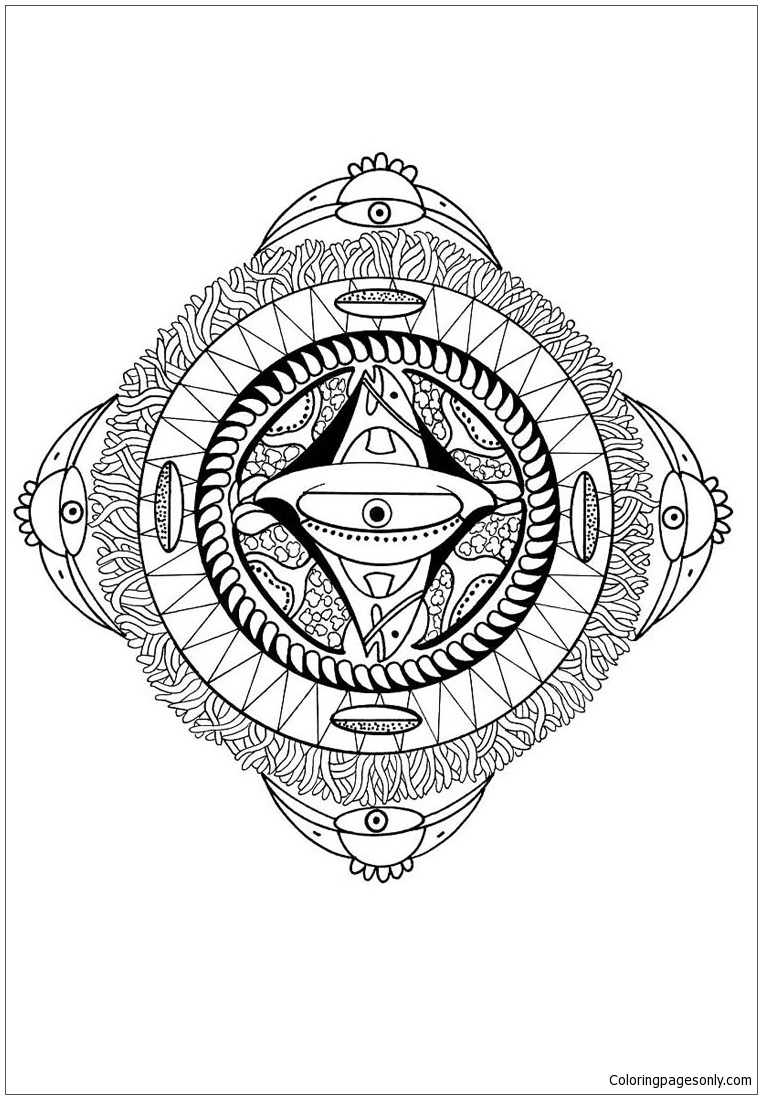
Advanced and complex mandalas – Complex Mandala For Adult, Advanced Mandala 1, Advanced Mandala 2, Amazing Advanced Mandala, Mandala Stress Relief, Unthinkable Mandala, Comely Mandala, Mandala Art, Mandala Patterns, and the Geometrical Mandala – are the most demanding pages in the collection. These have very fine line work, small color areas that require a thin-tipped tool, and multilayered pattern structures where the same motif repeats at multiple scales simultaneously. These pages reward extended sessions and produce finished results of genuine visual complexity.
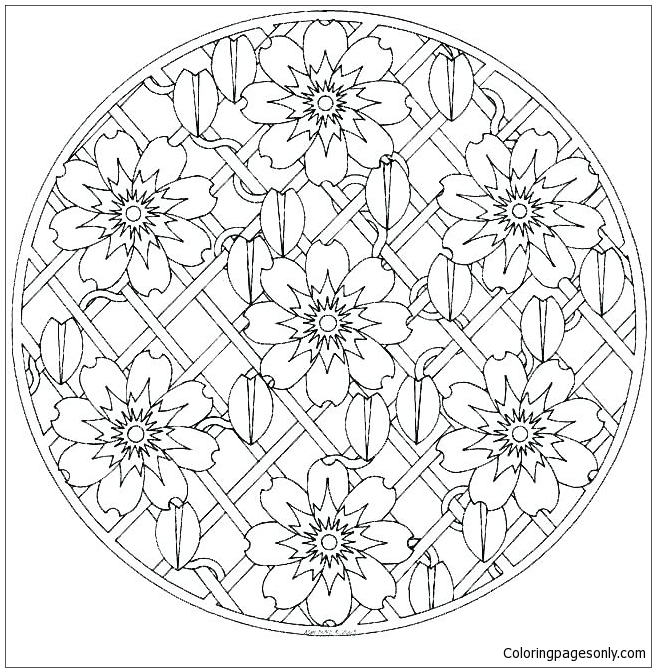
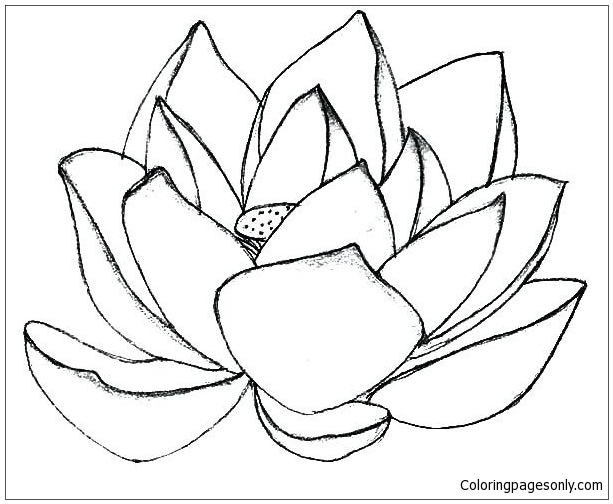
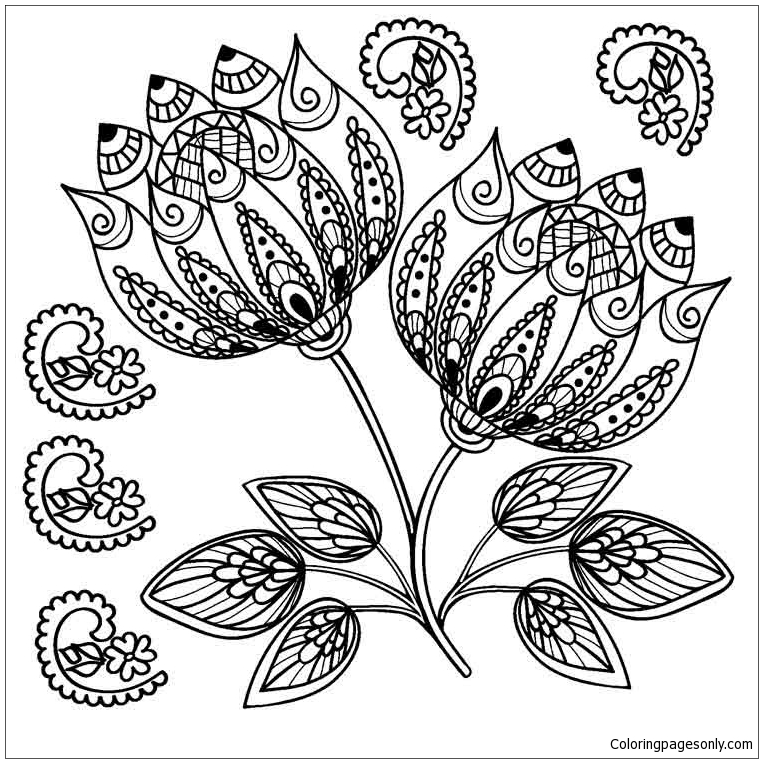
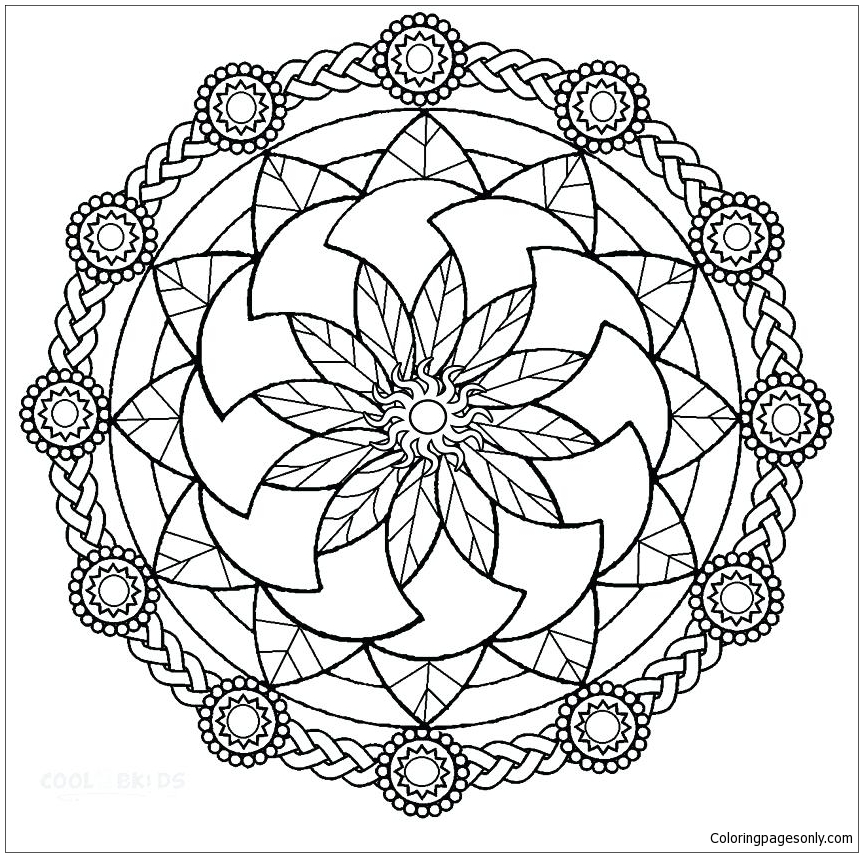
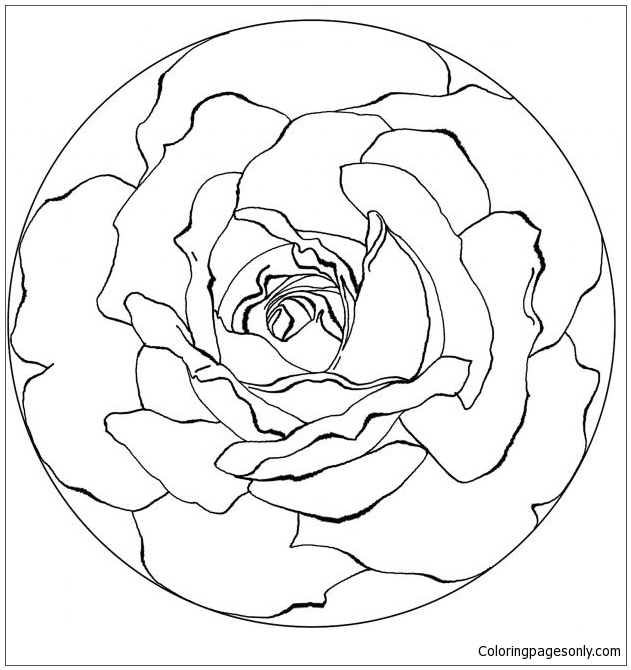
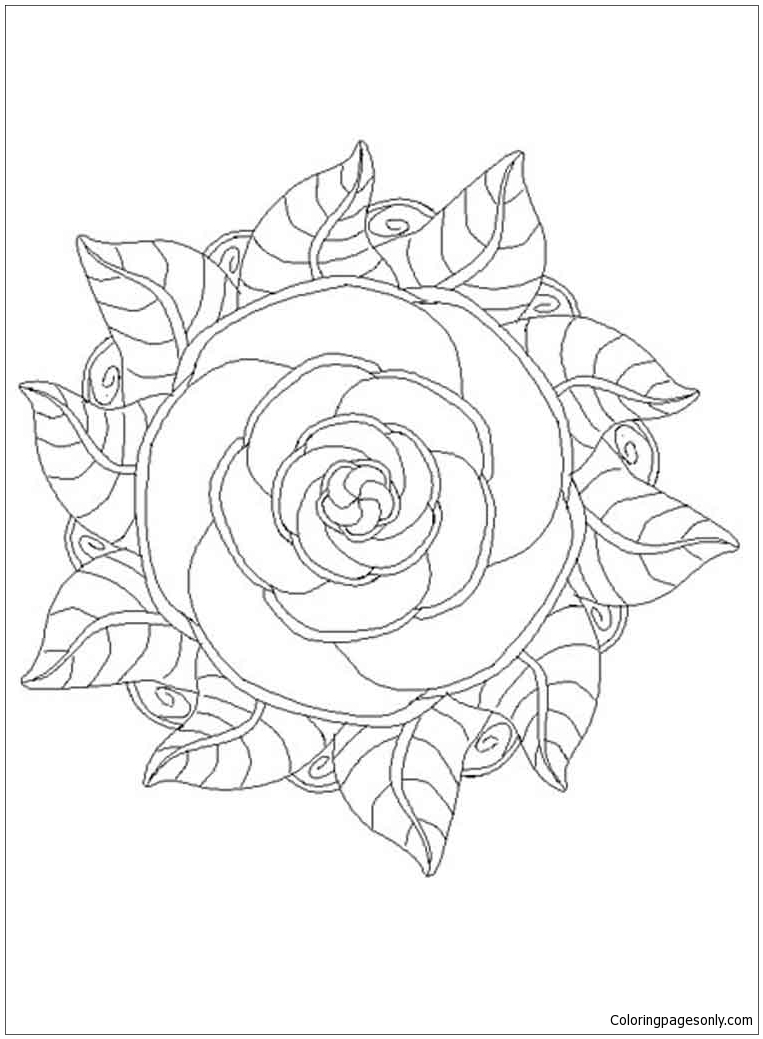
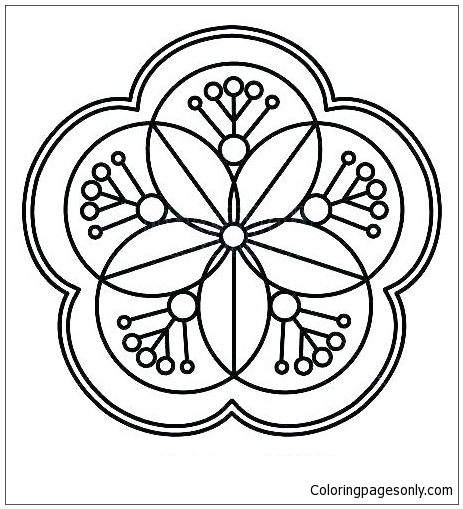
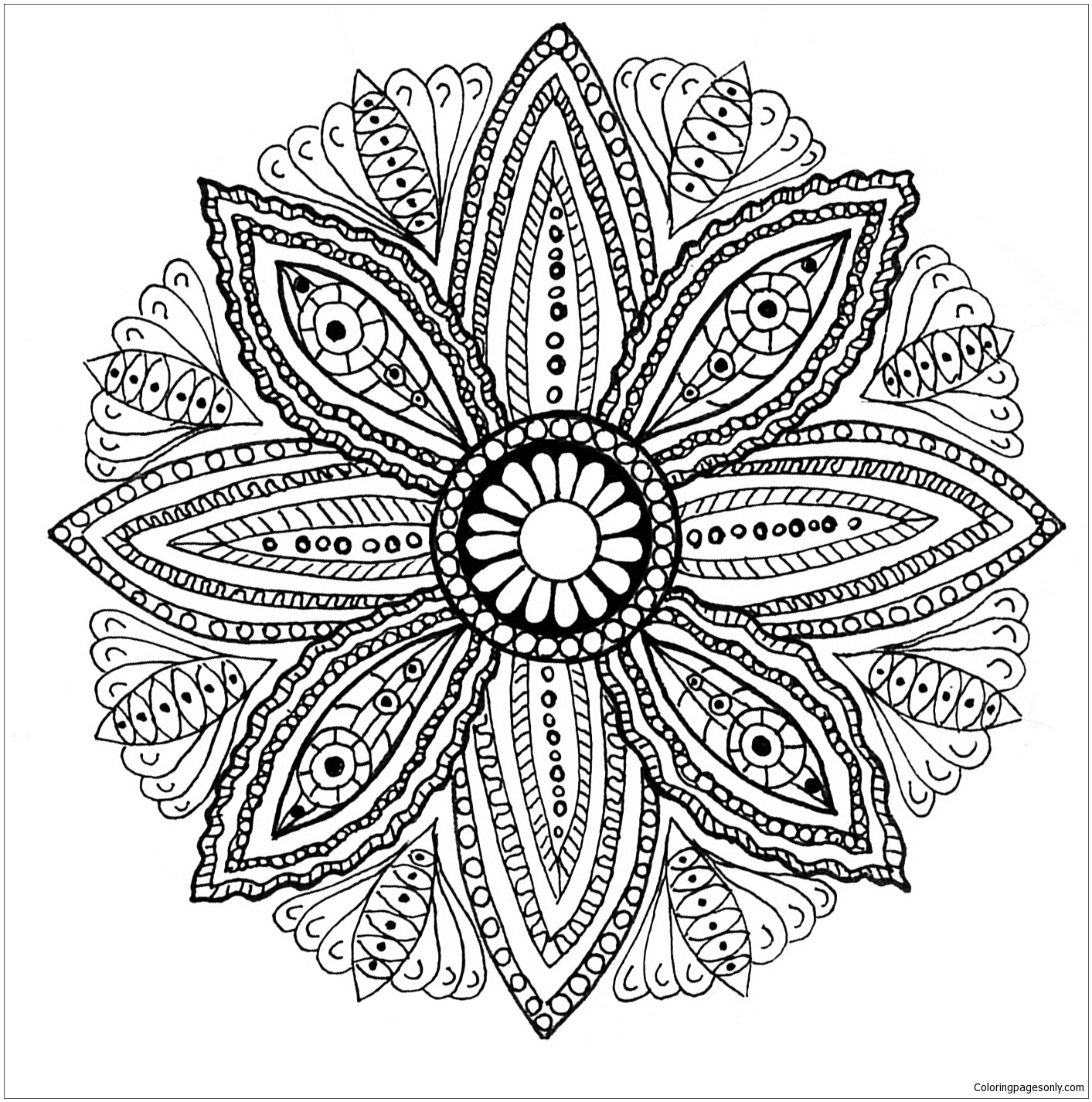
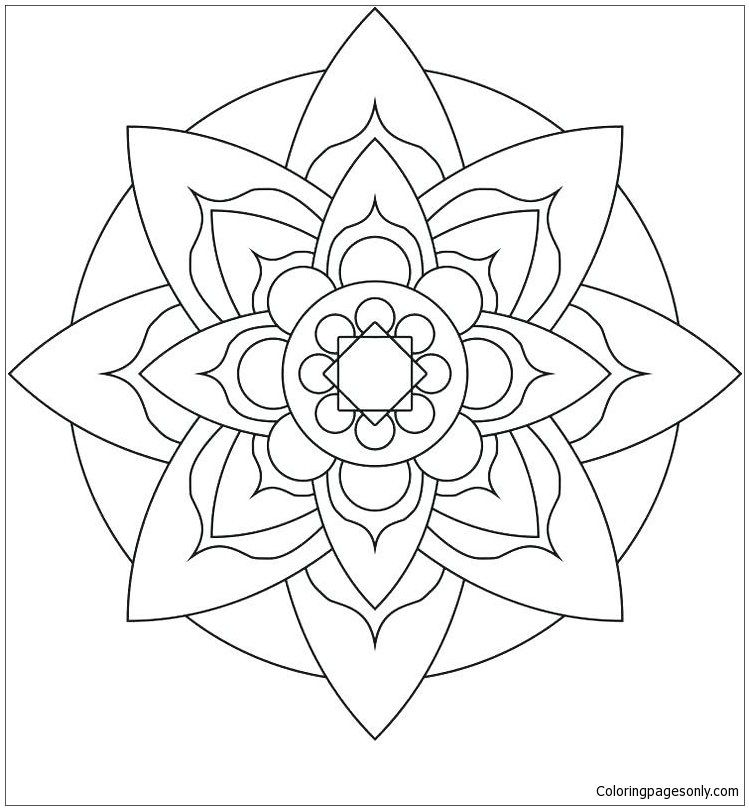
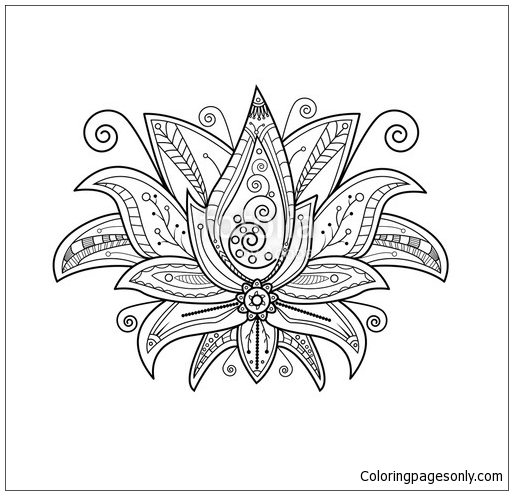
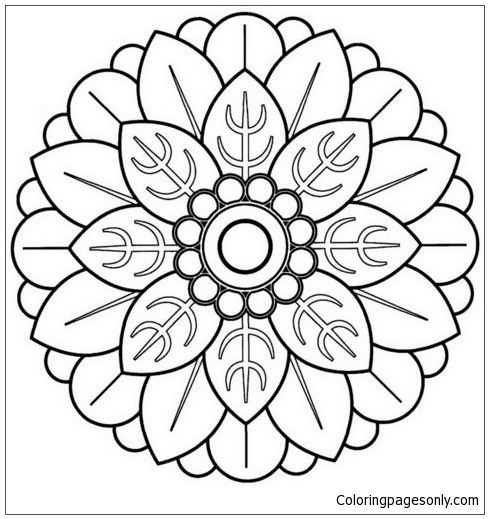
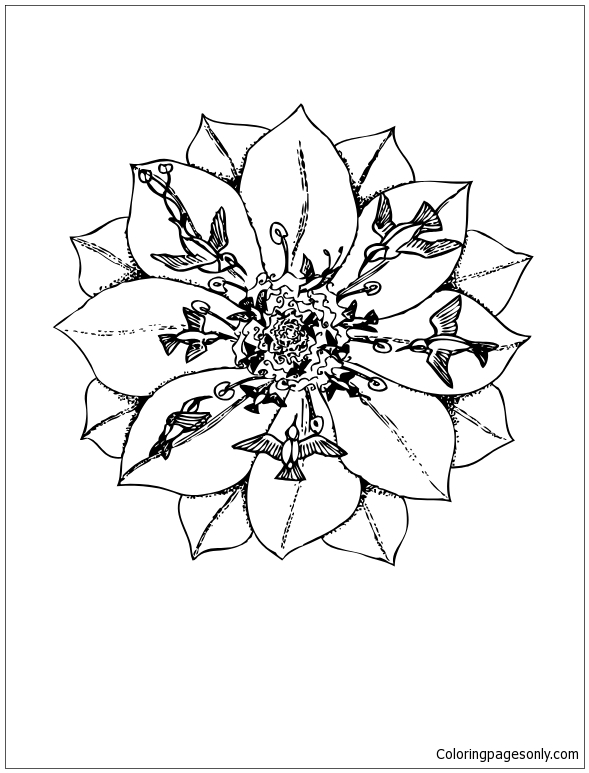
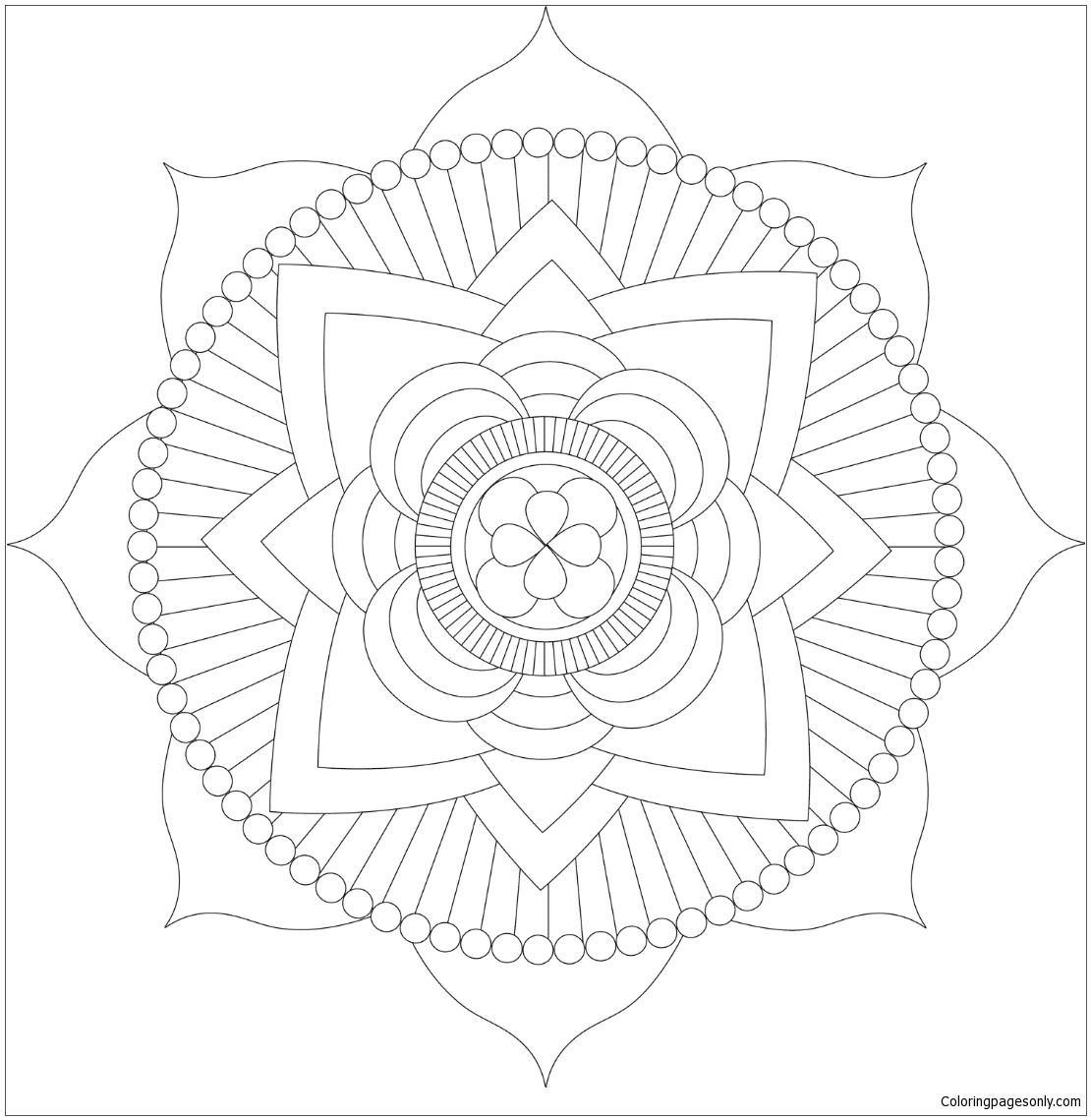
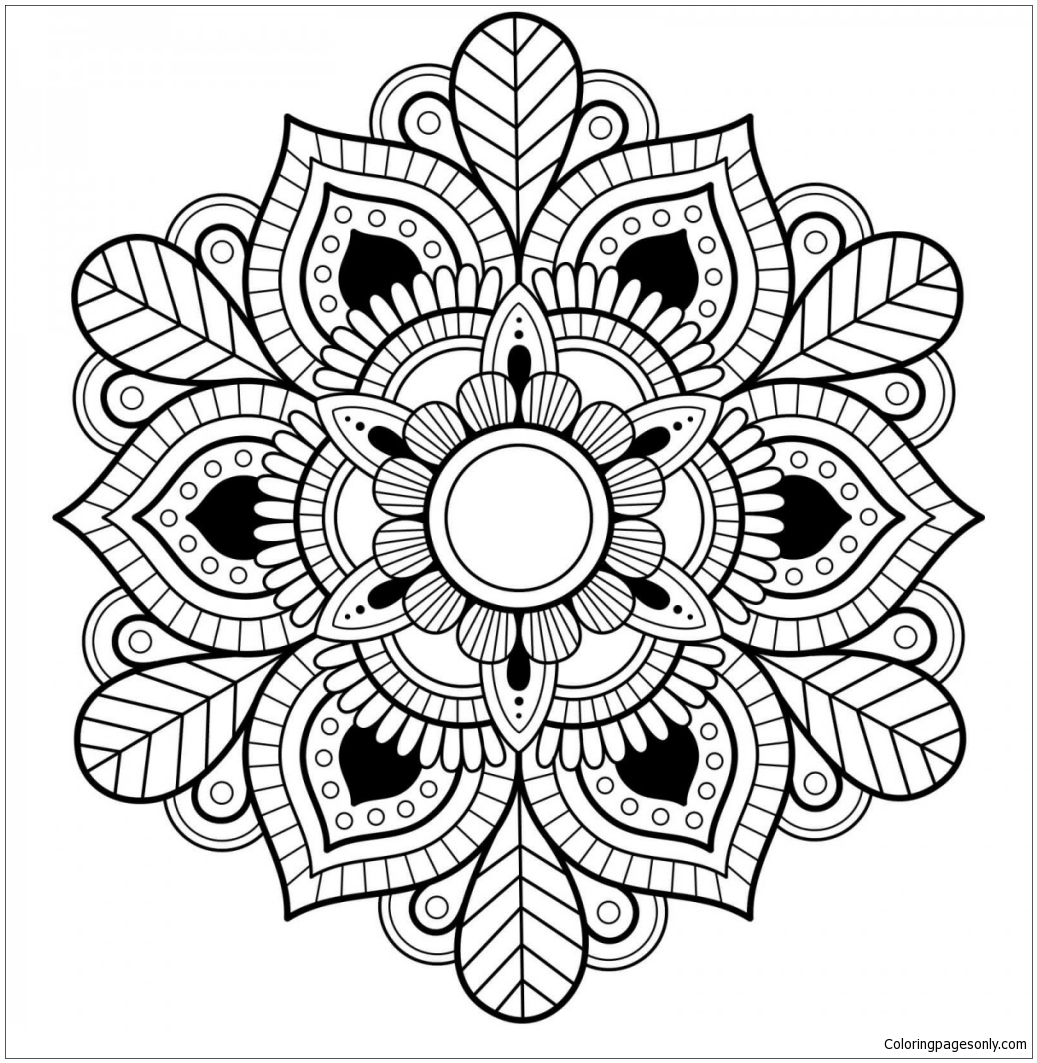
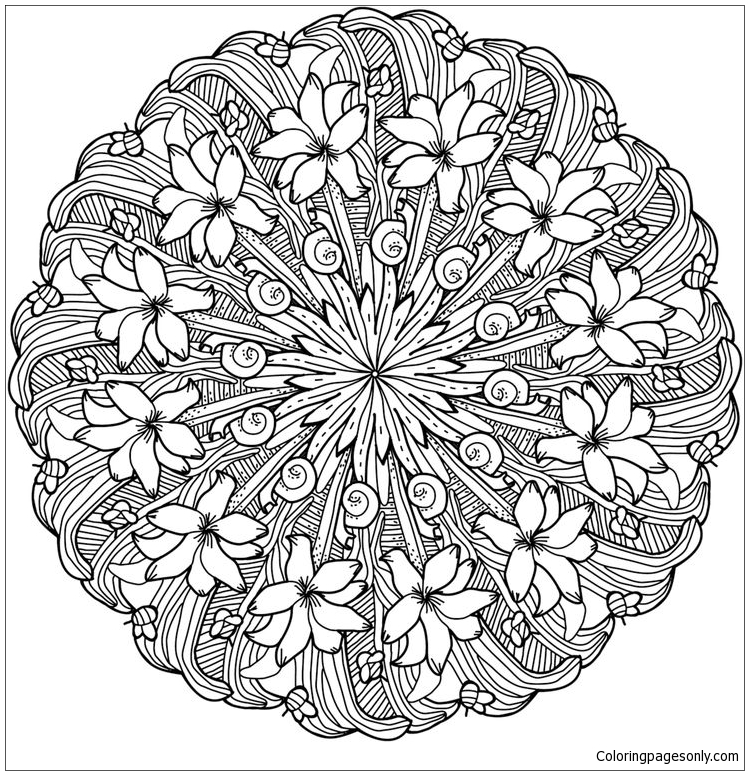
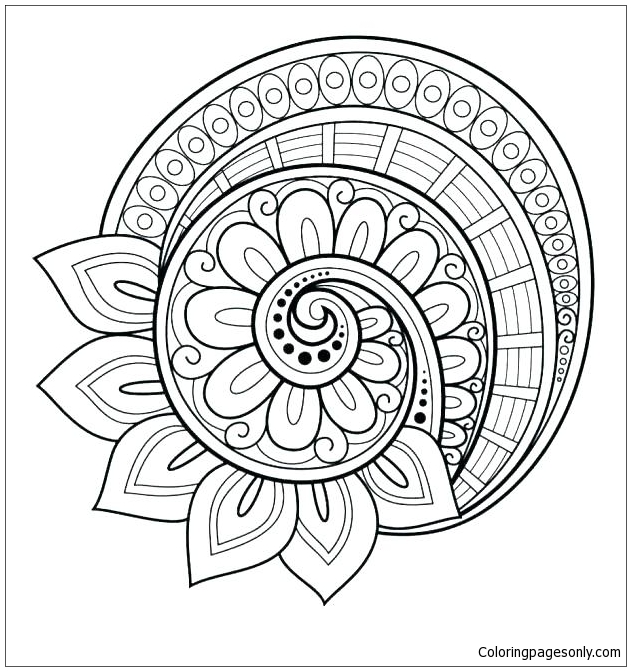
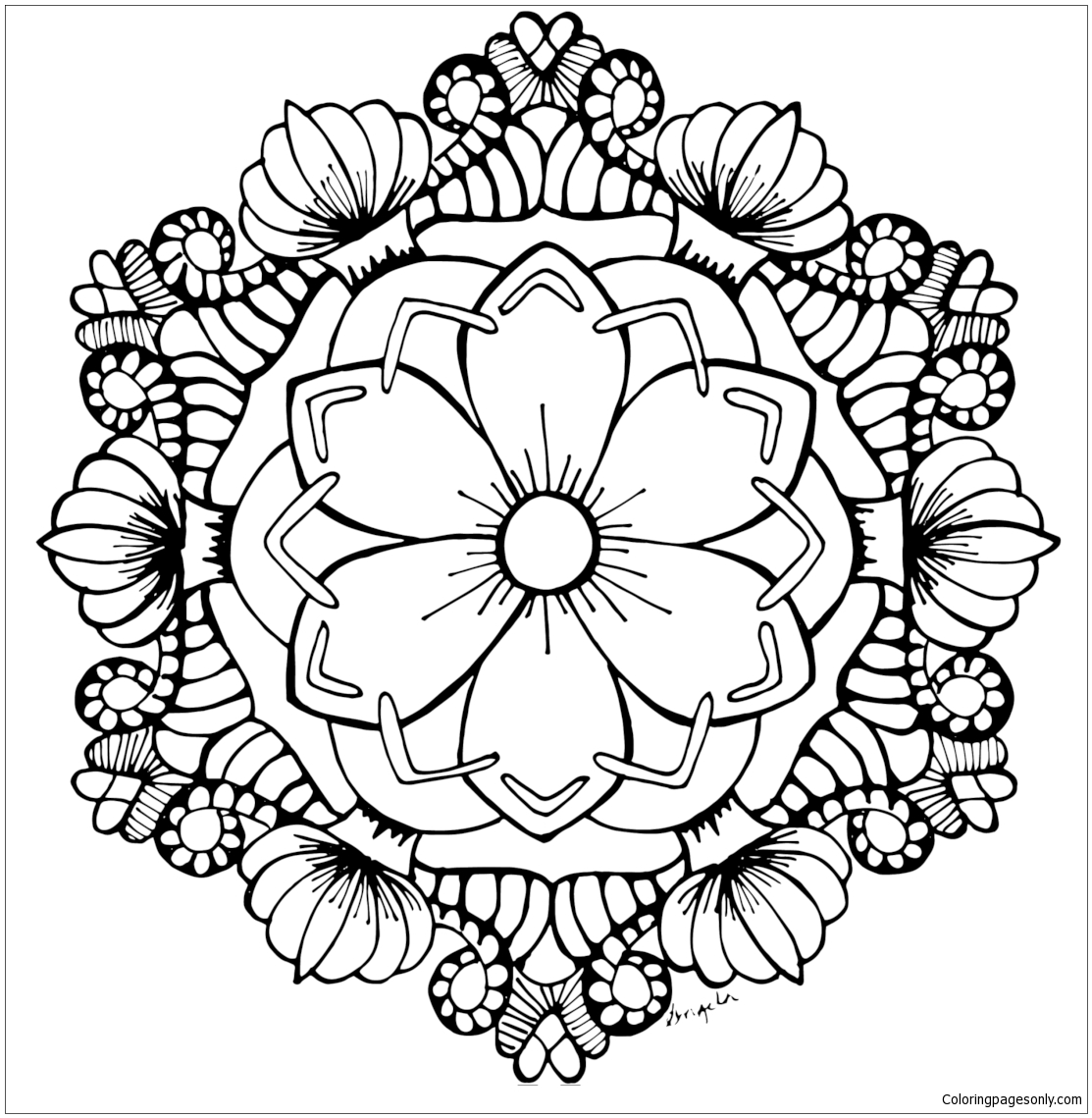
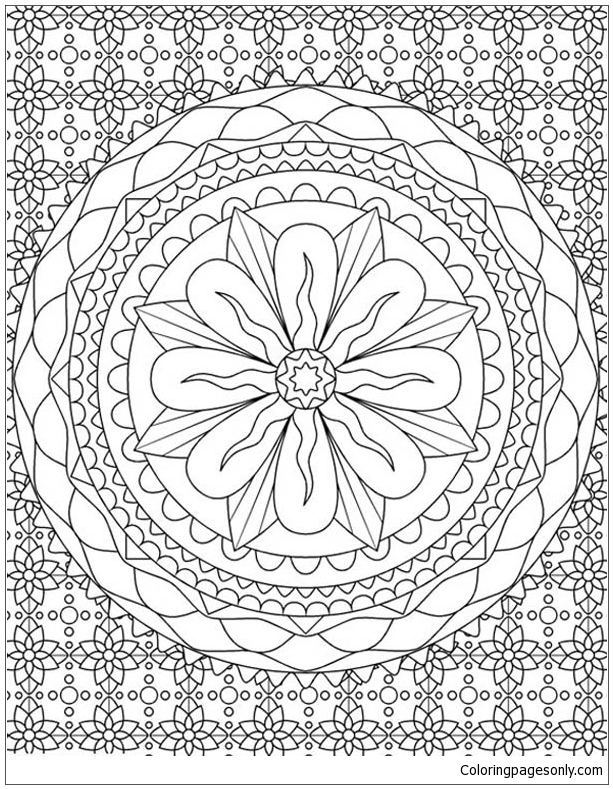
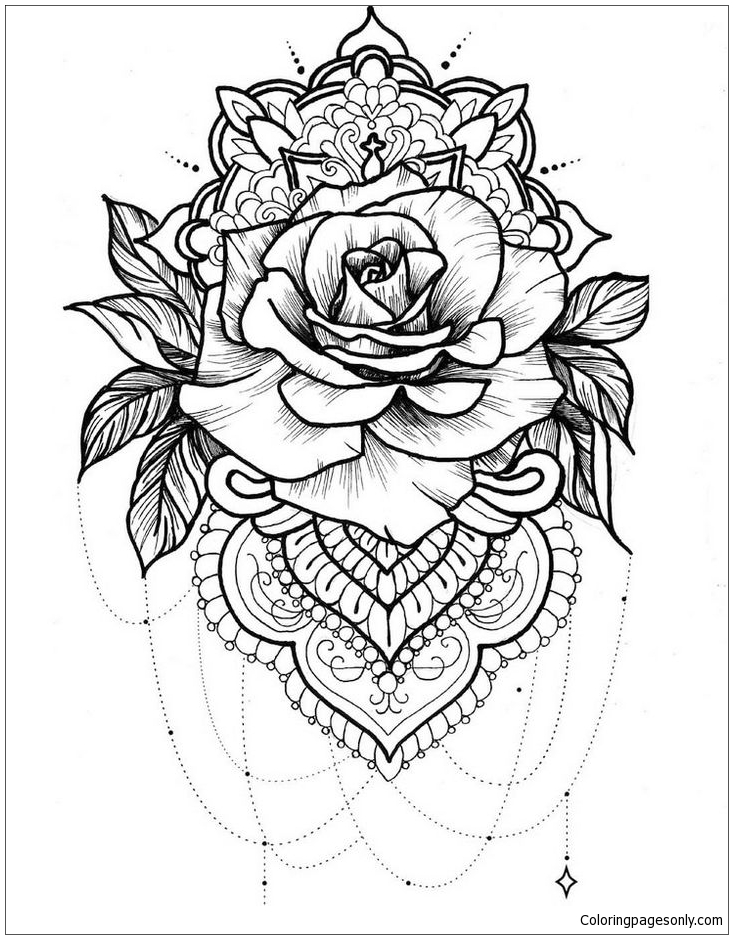
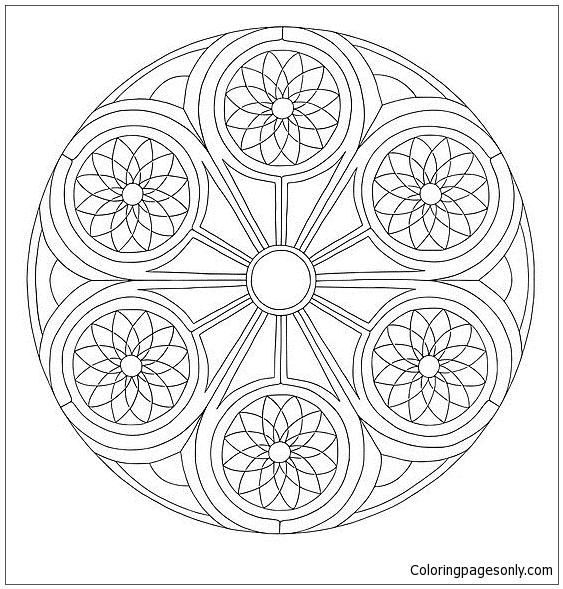
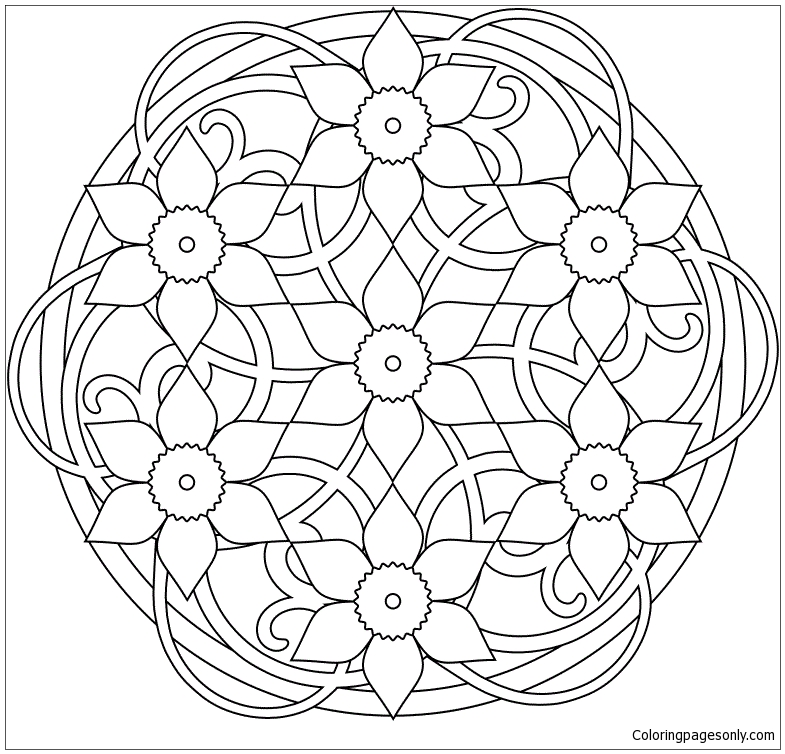
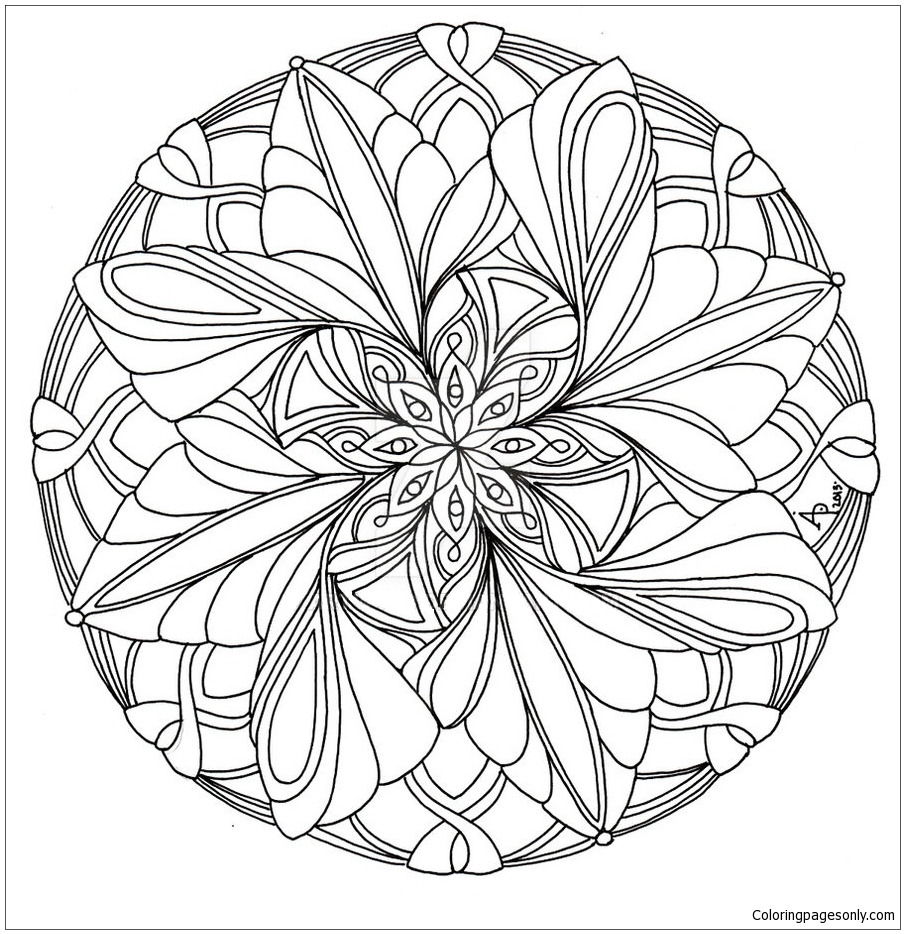
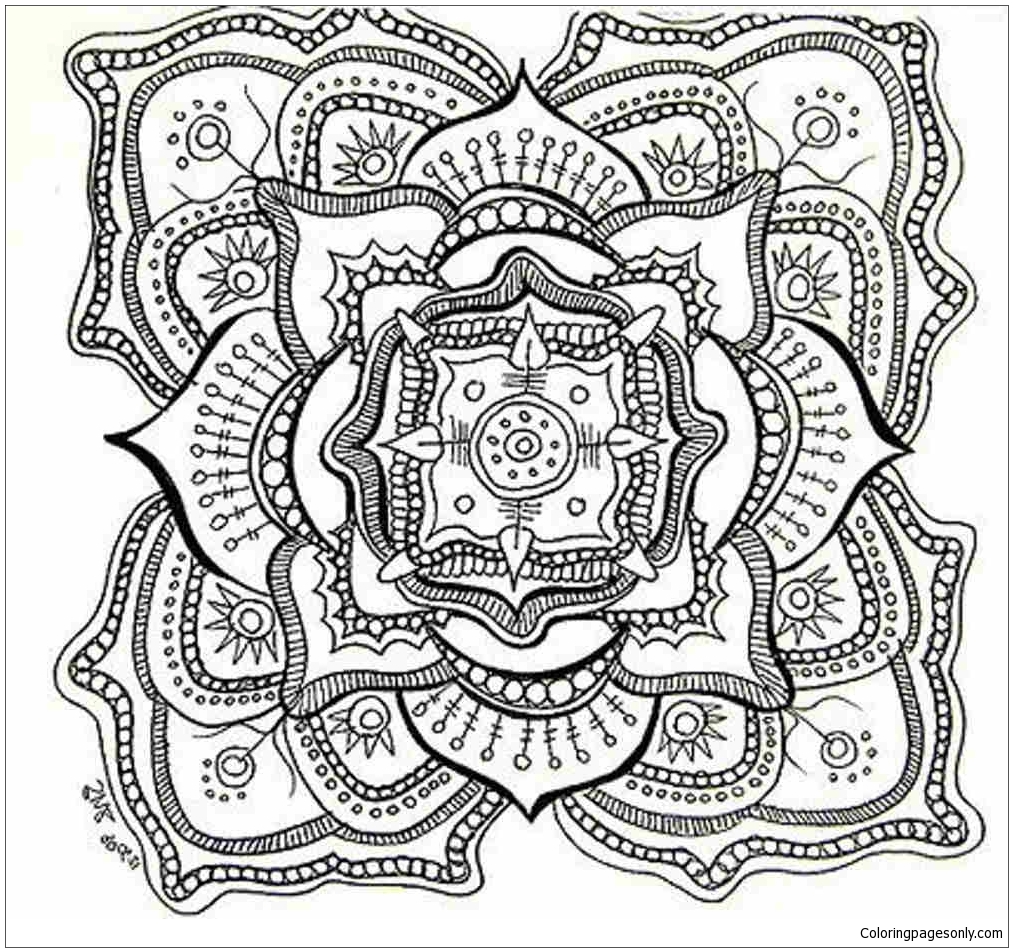
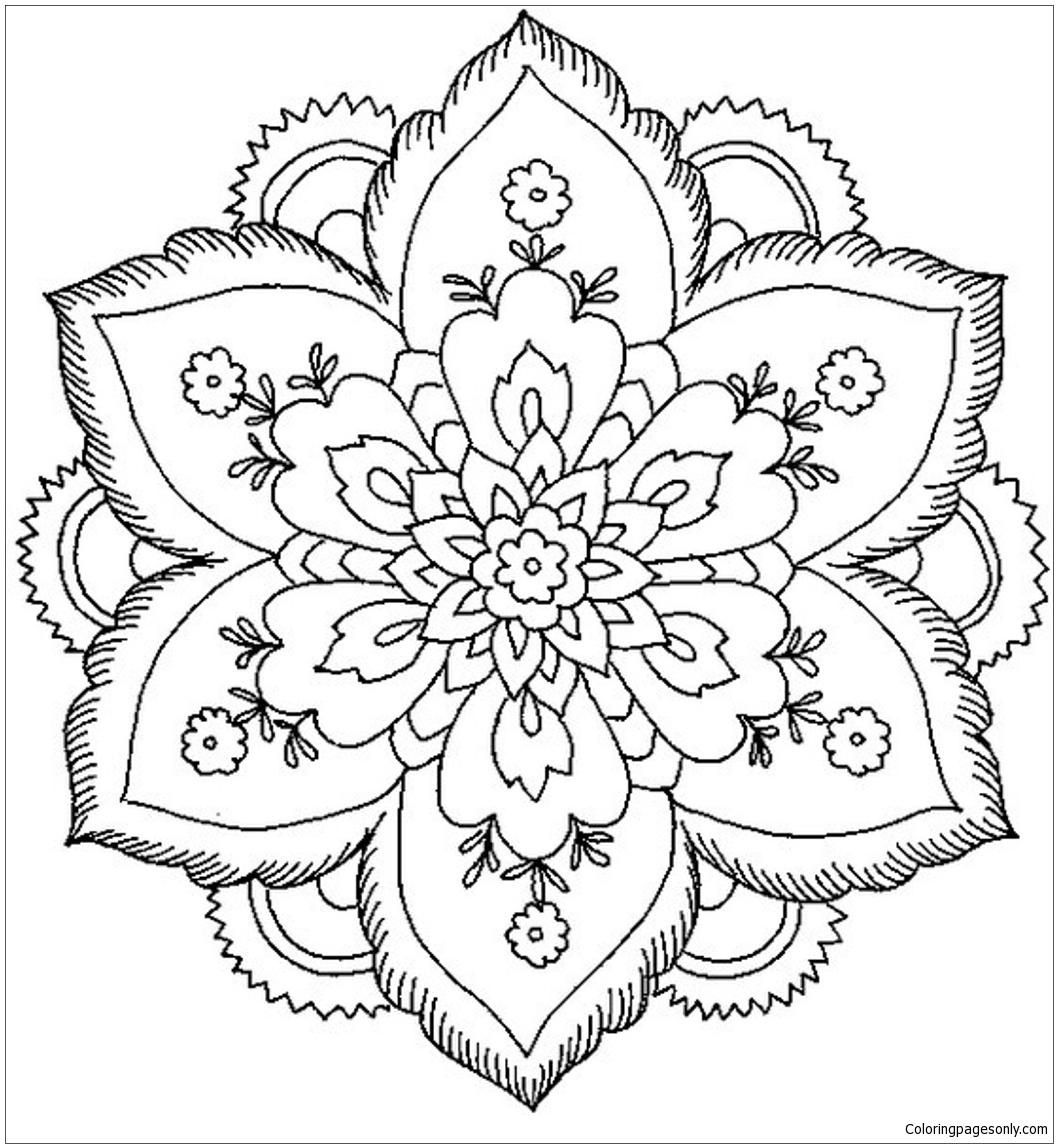
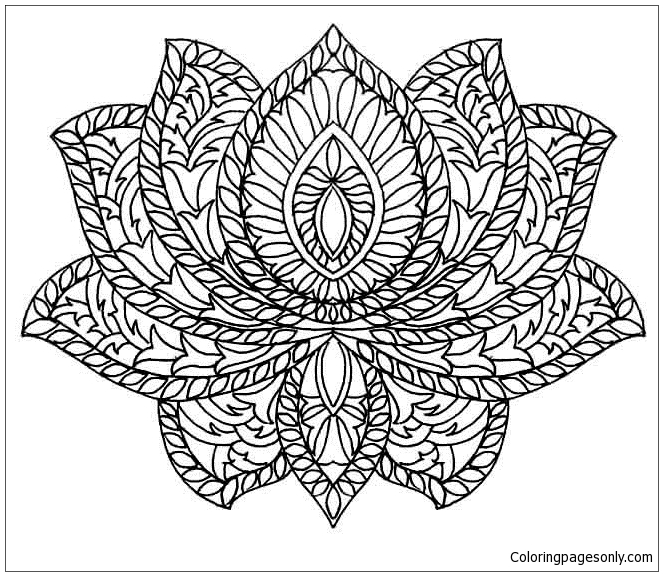
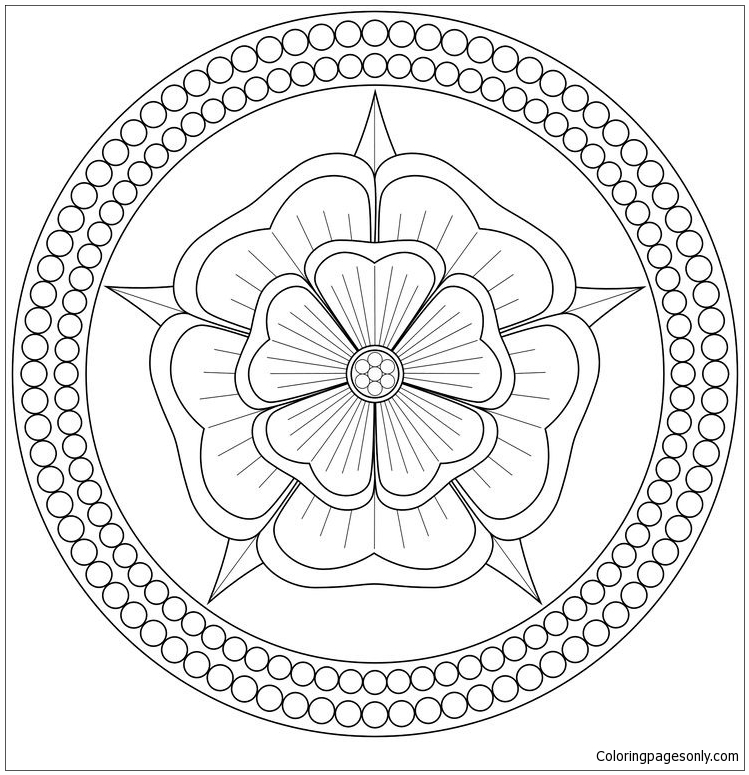
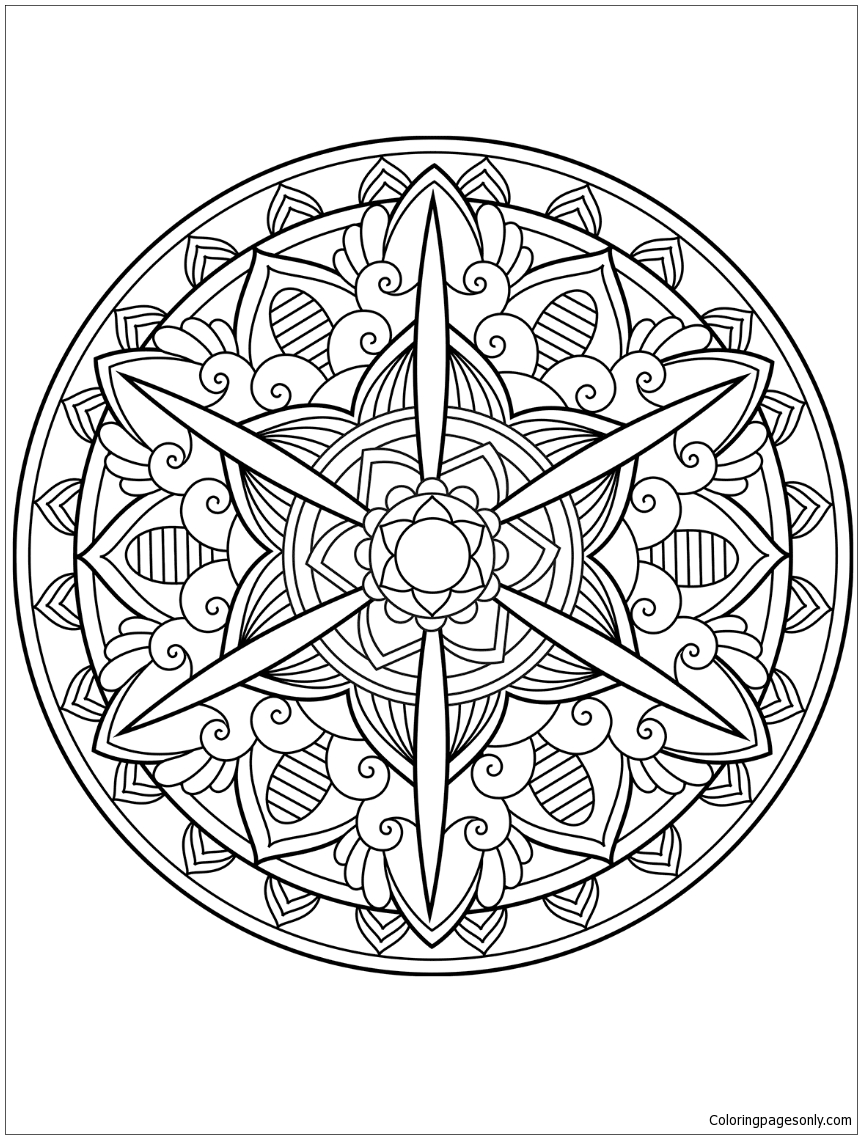
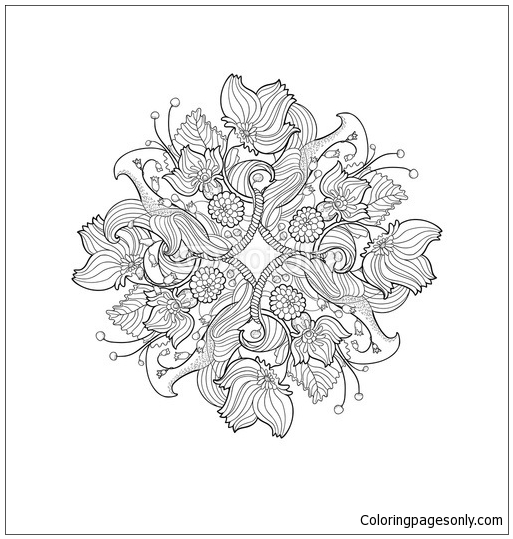
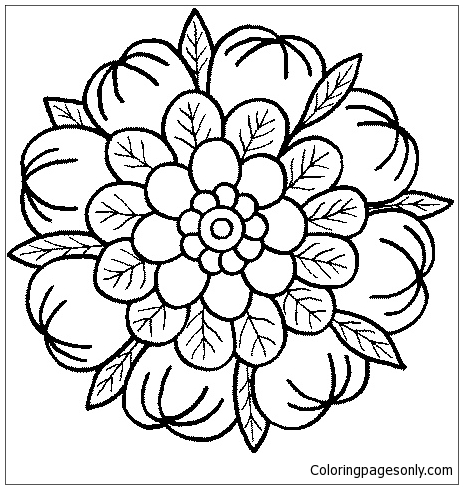
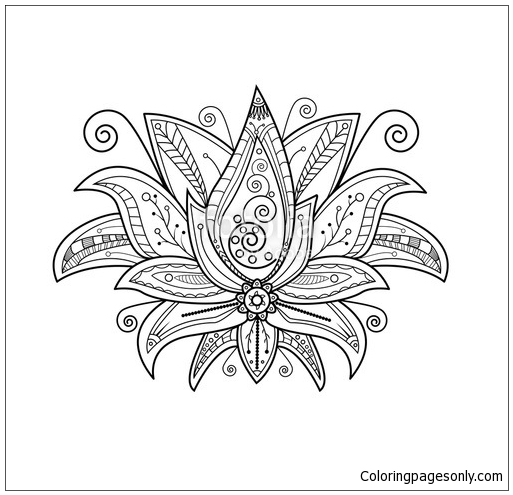
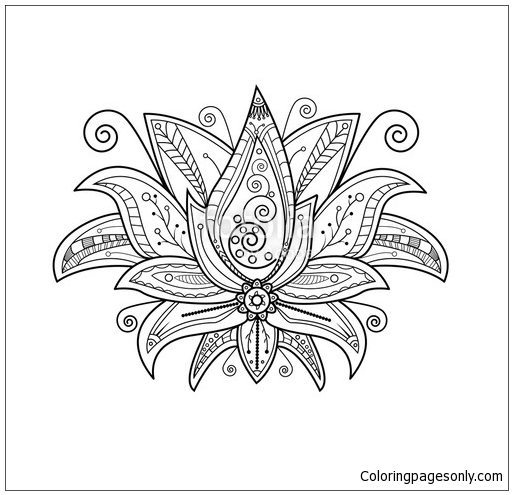
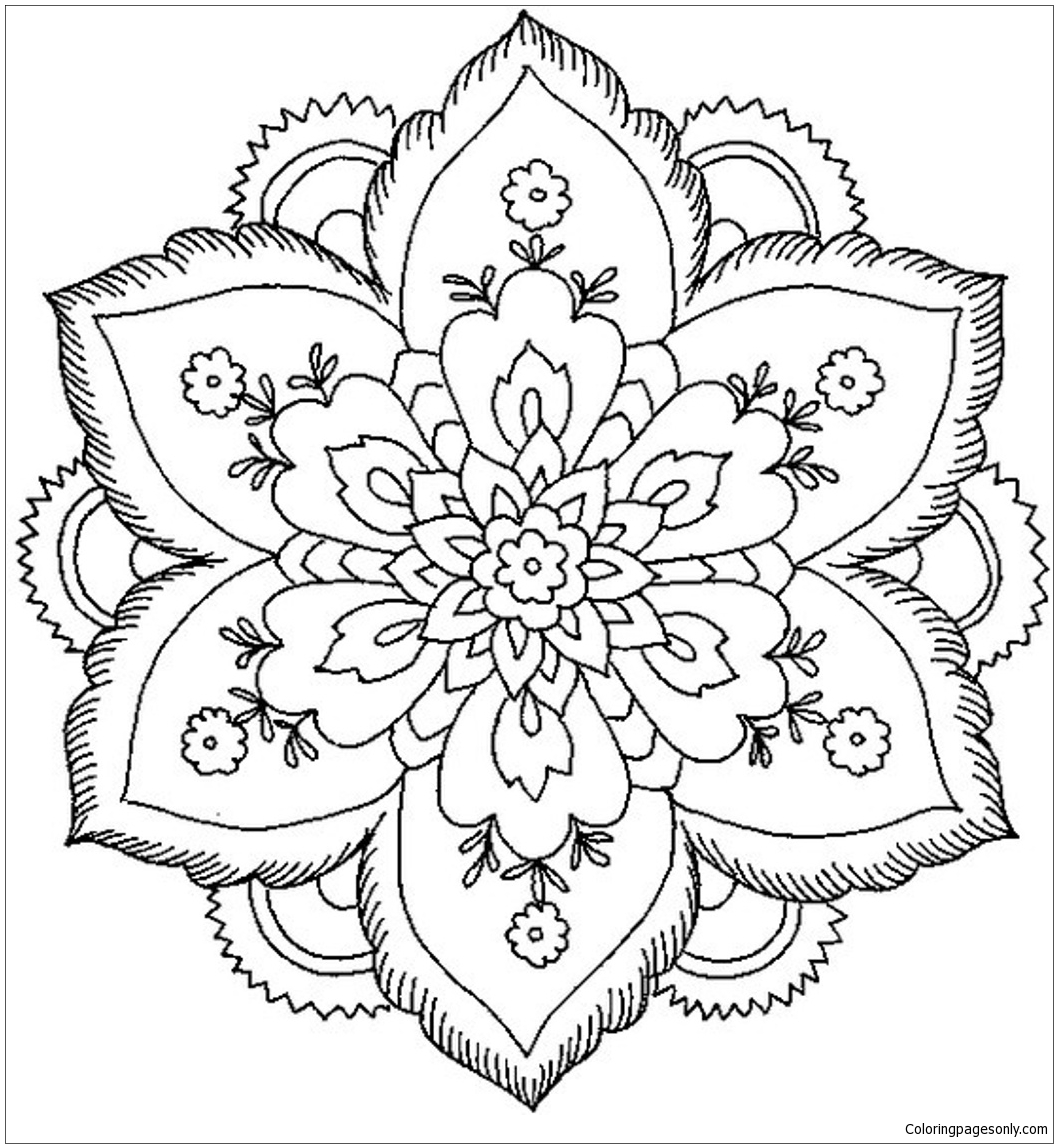
Flower mandalas – the numbered Flower Mandala series (Flower Mandala 7 through Flower Mandala 11), Flower Mandala 1, Flower Mandala Hand, Mandala Flower, Lotus Mandala 1, Lotus Flower Mandala 1, Lotus Flower Mandala 2, Easy Flower Mandala, Best Flower, and Flower For Adults – take the mandala’s natural radial structure and apply it to botanical form. The petal and leaf arrangements of flowers are inherently mandala-like, and these pages make that relationship explicit. The lotus mandala has specific significance in Buddhist iconography – the lotus emerging from muddy water represents spiritual awakening.
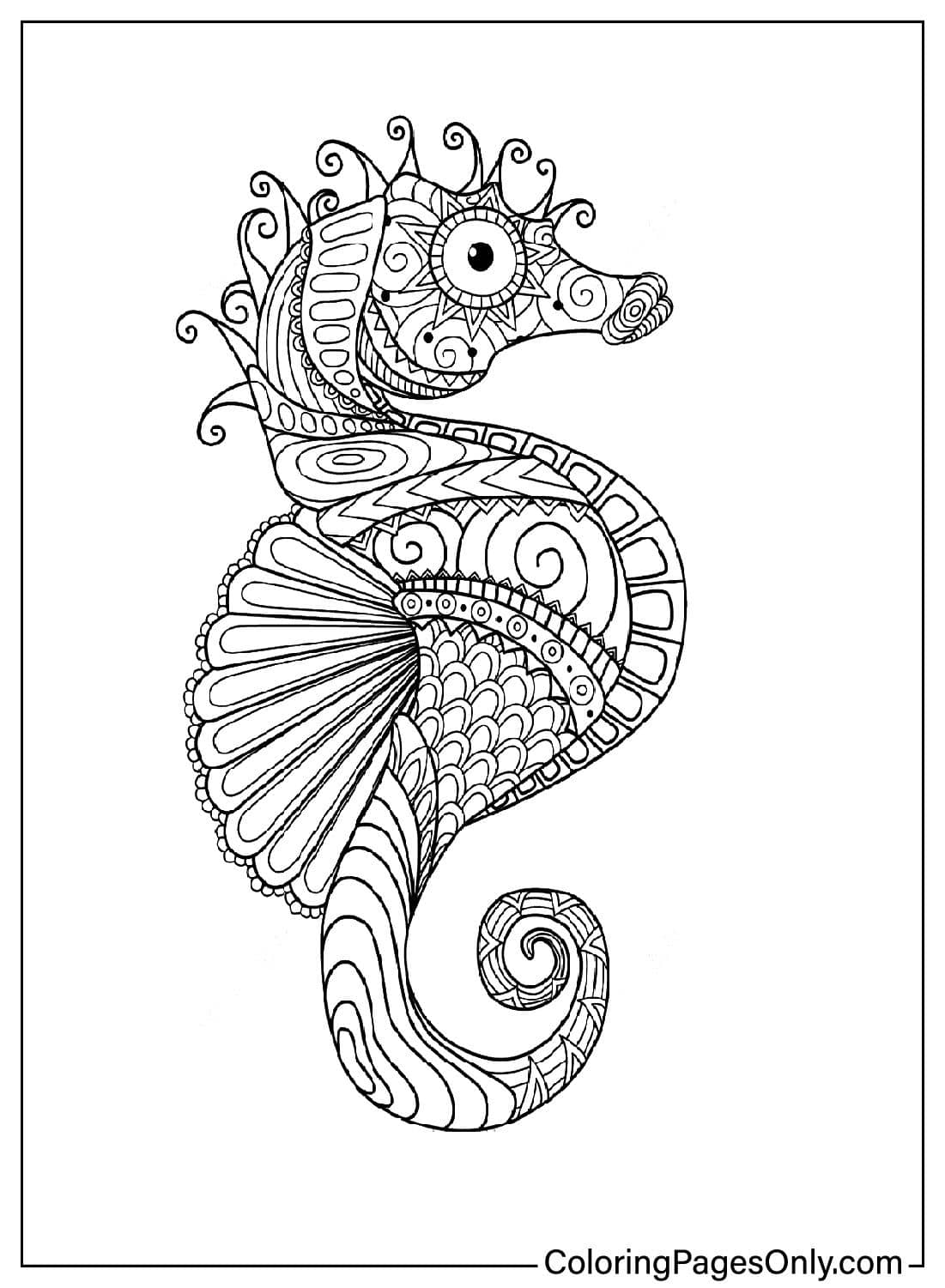
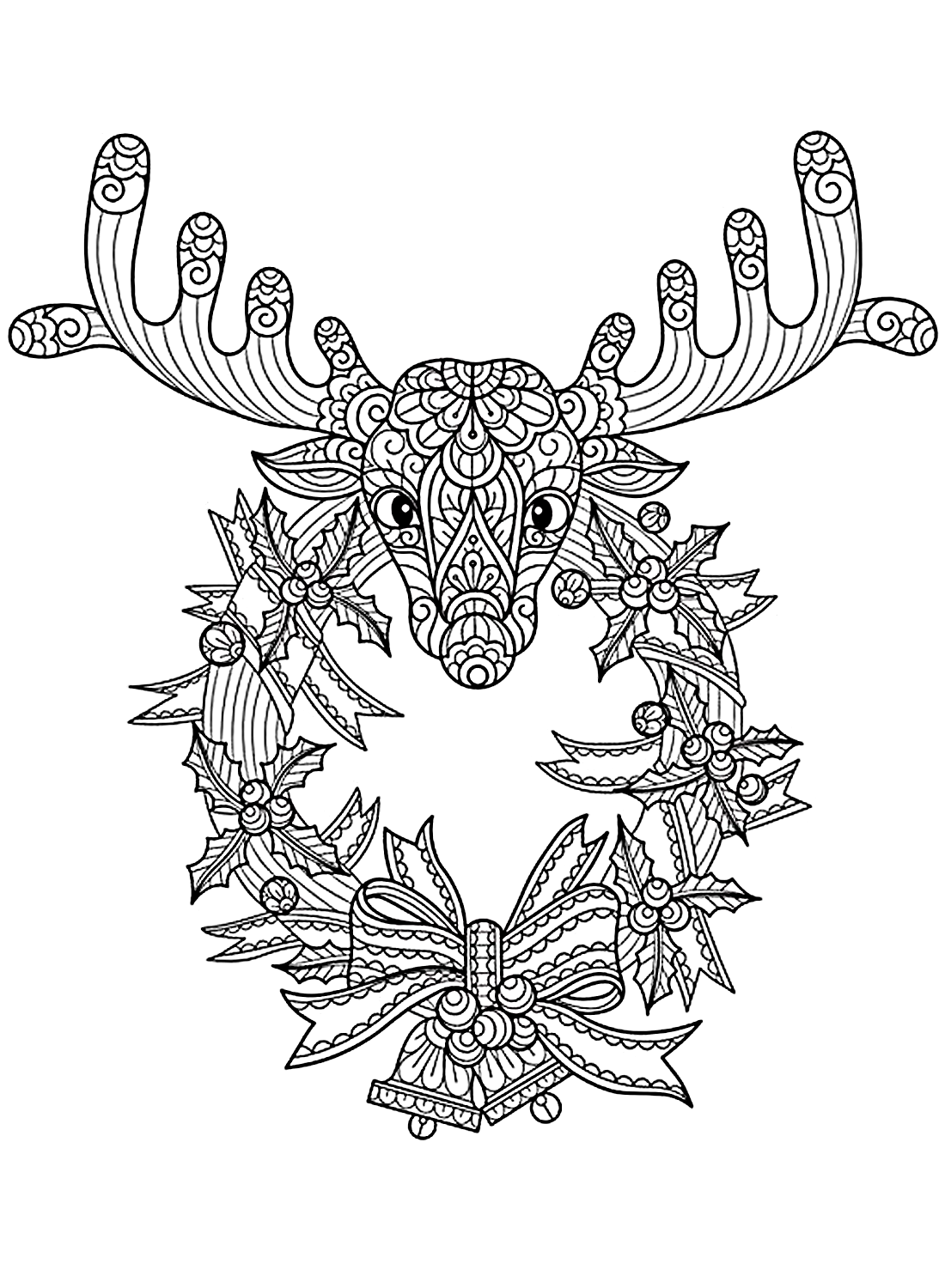
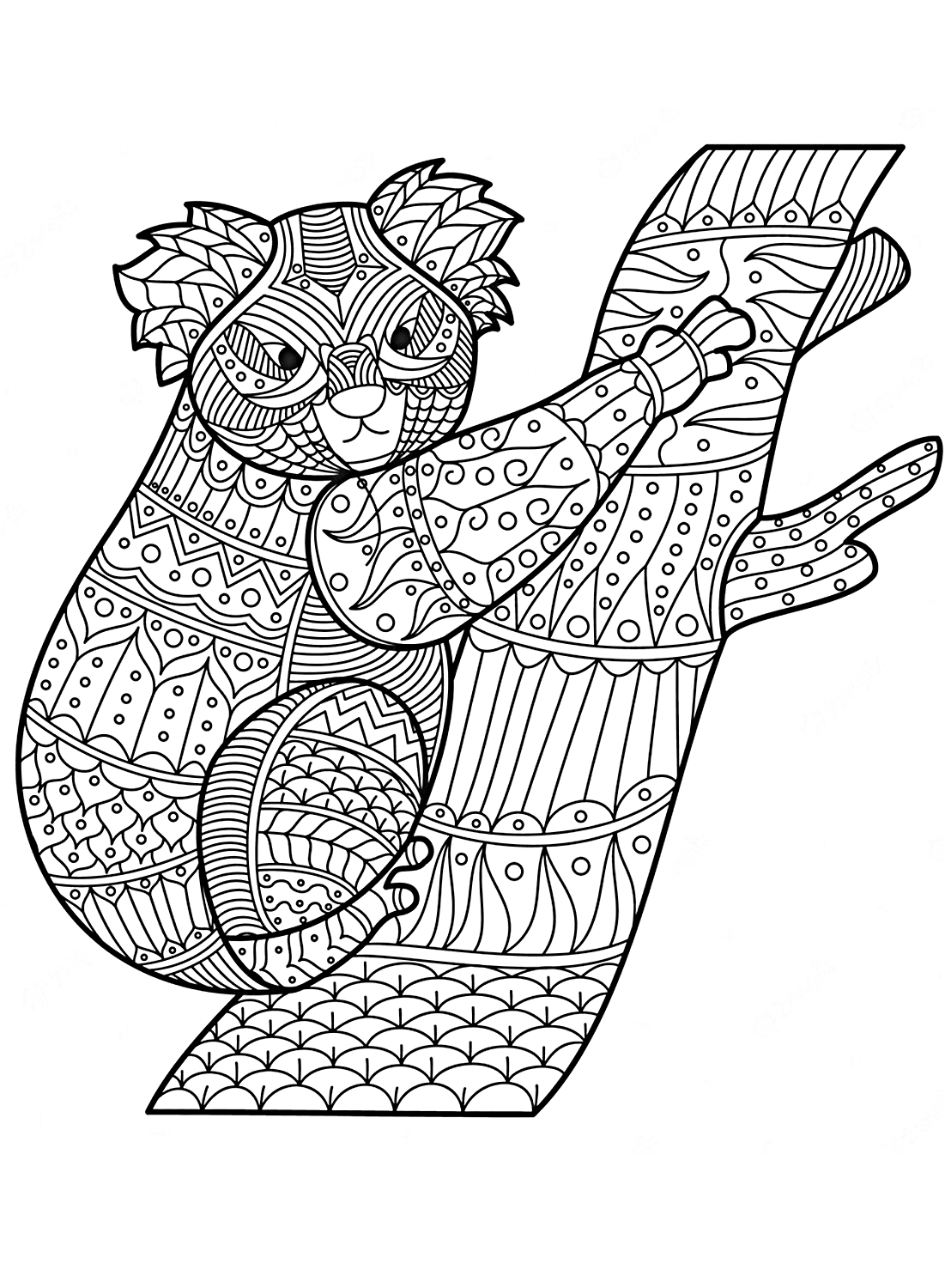
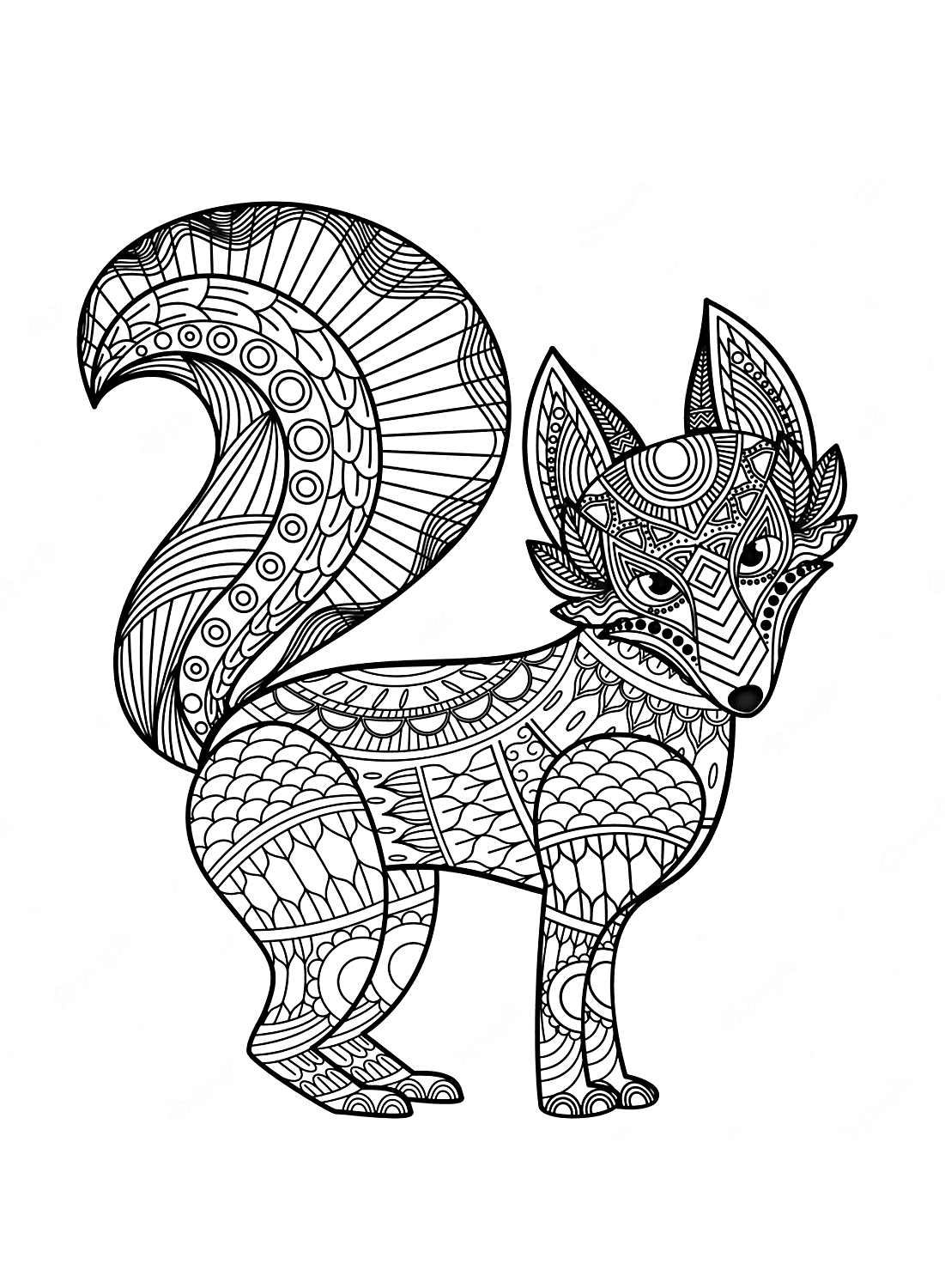
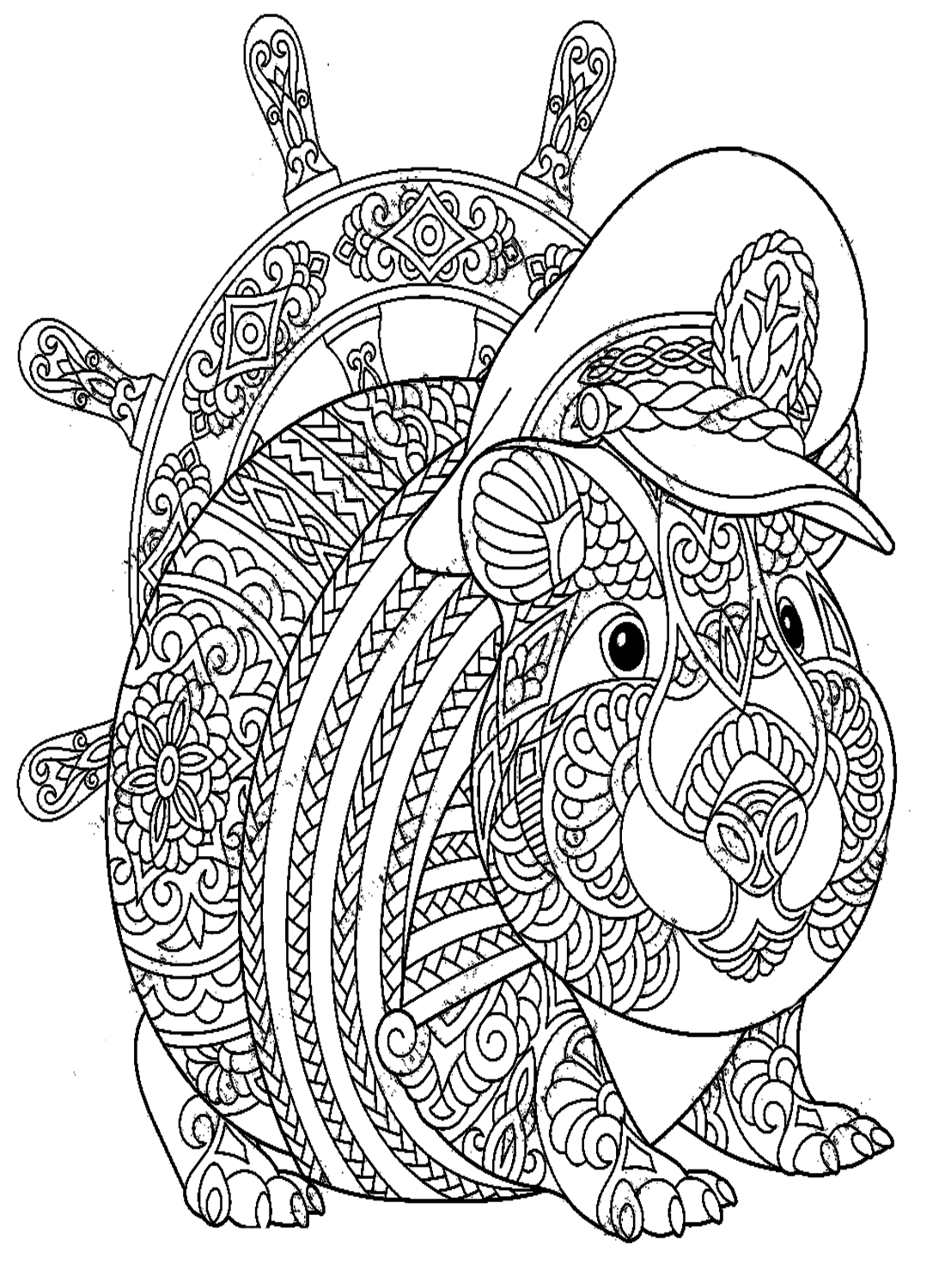
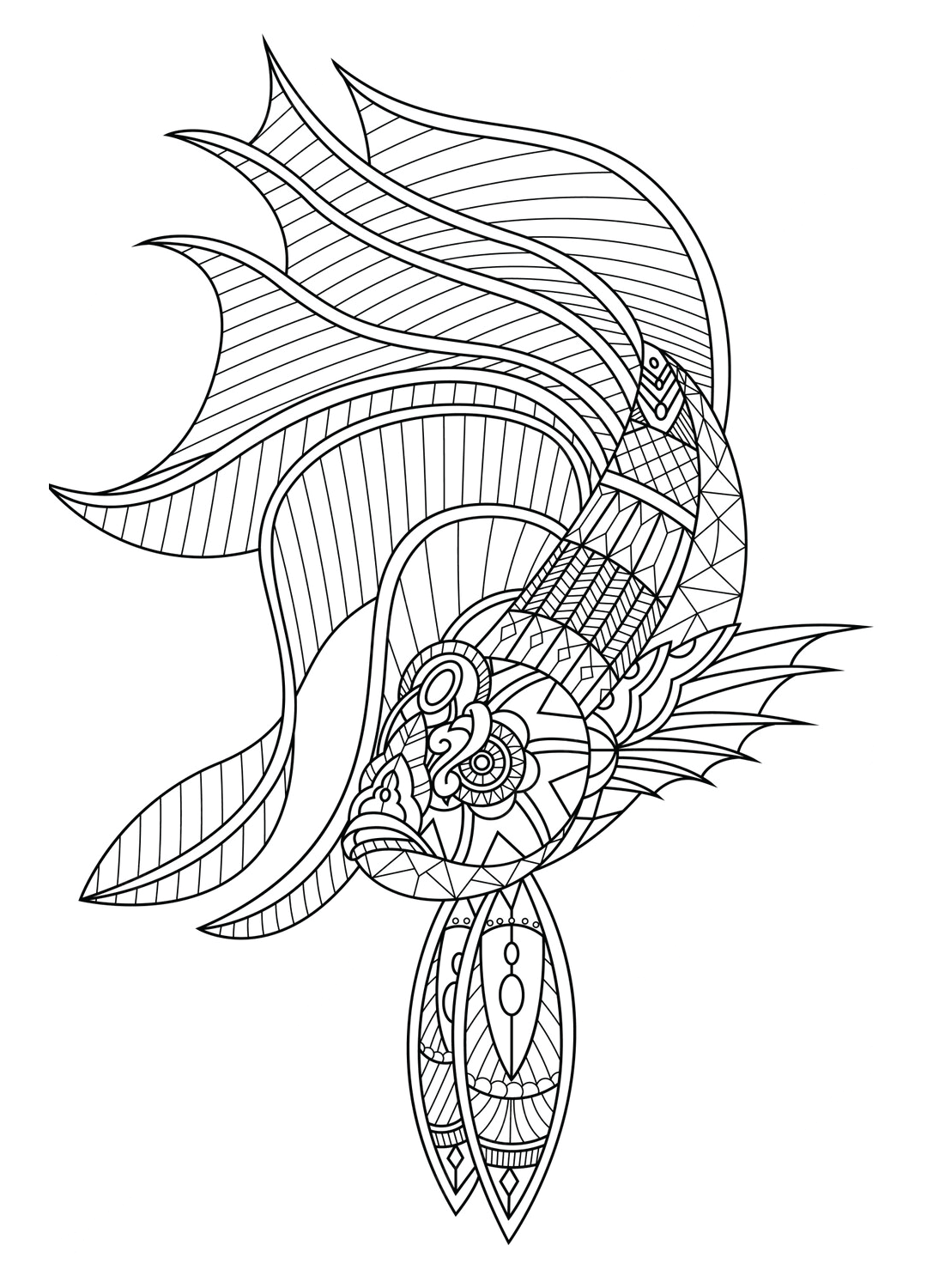
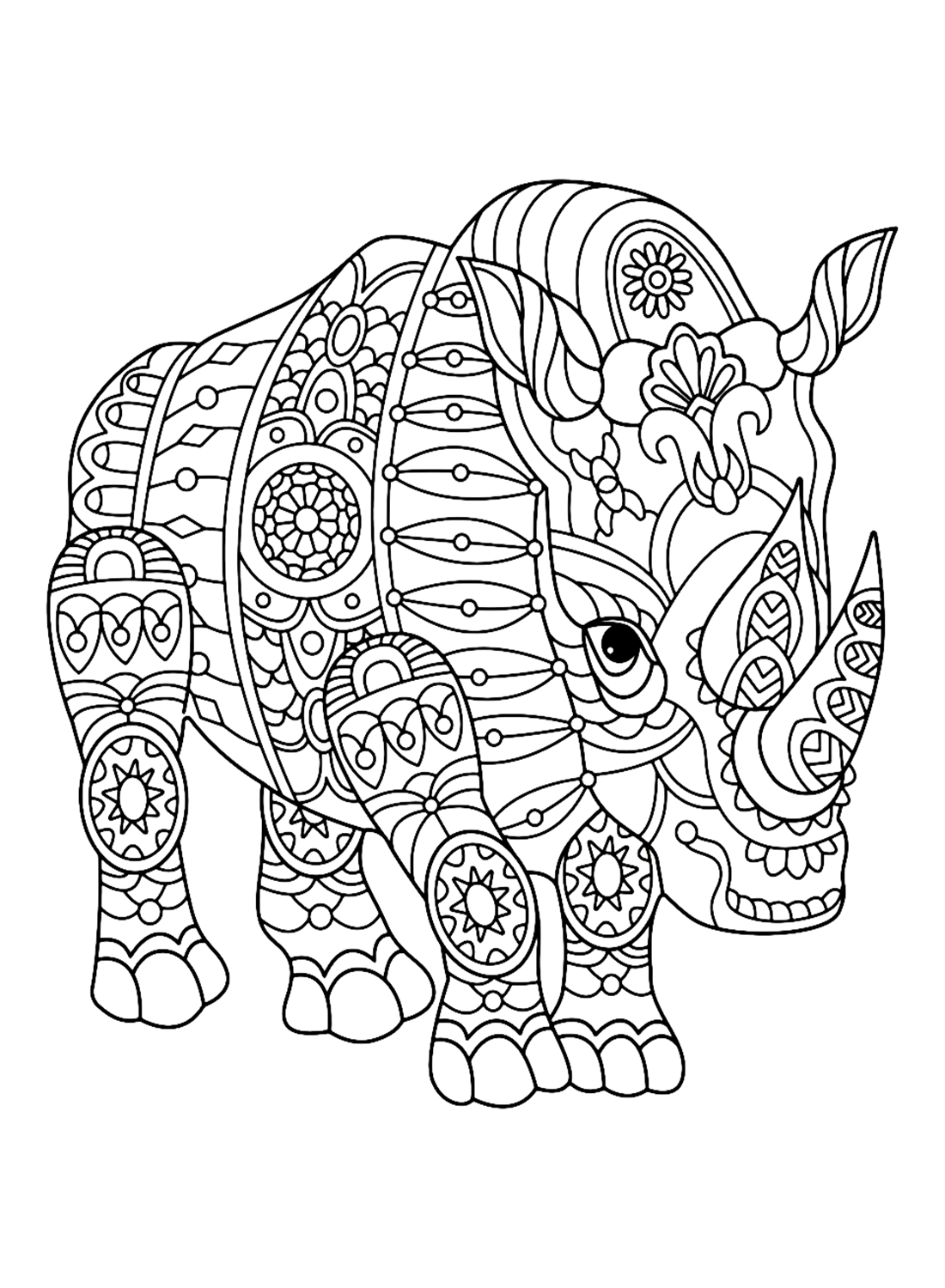
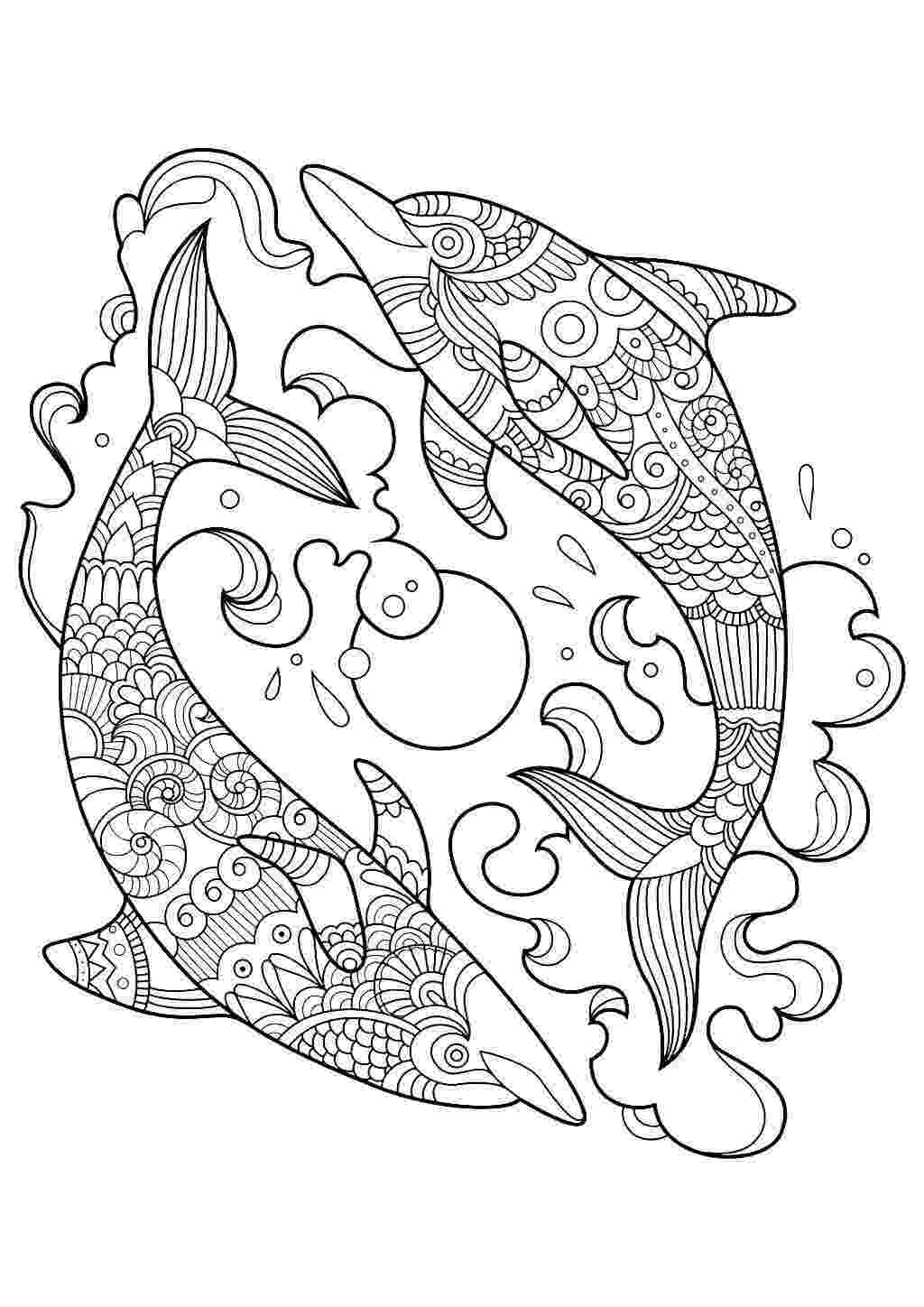
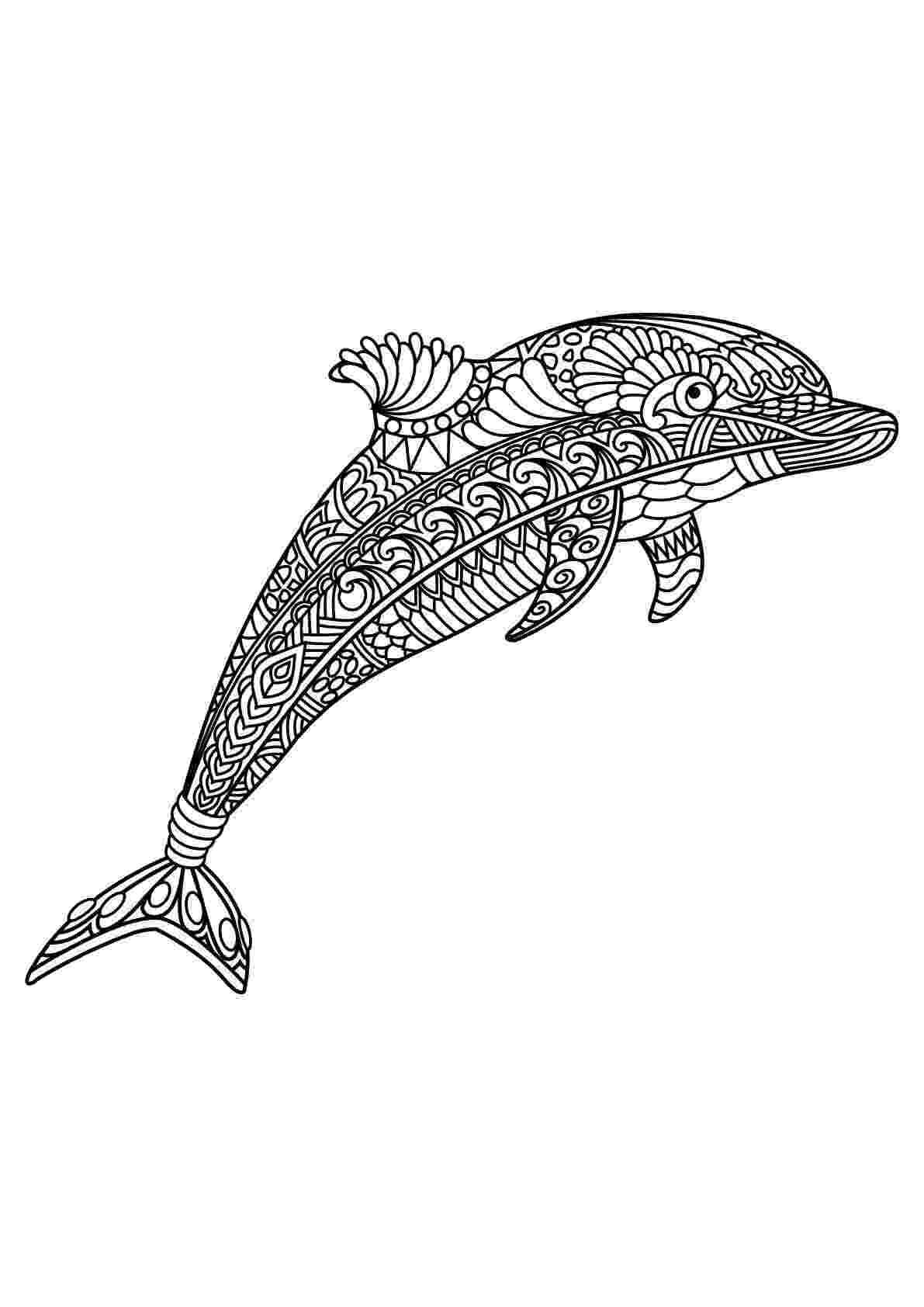
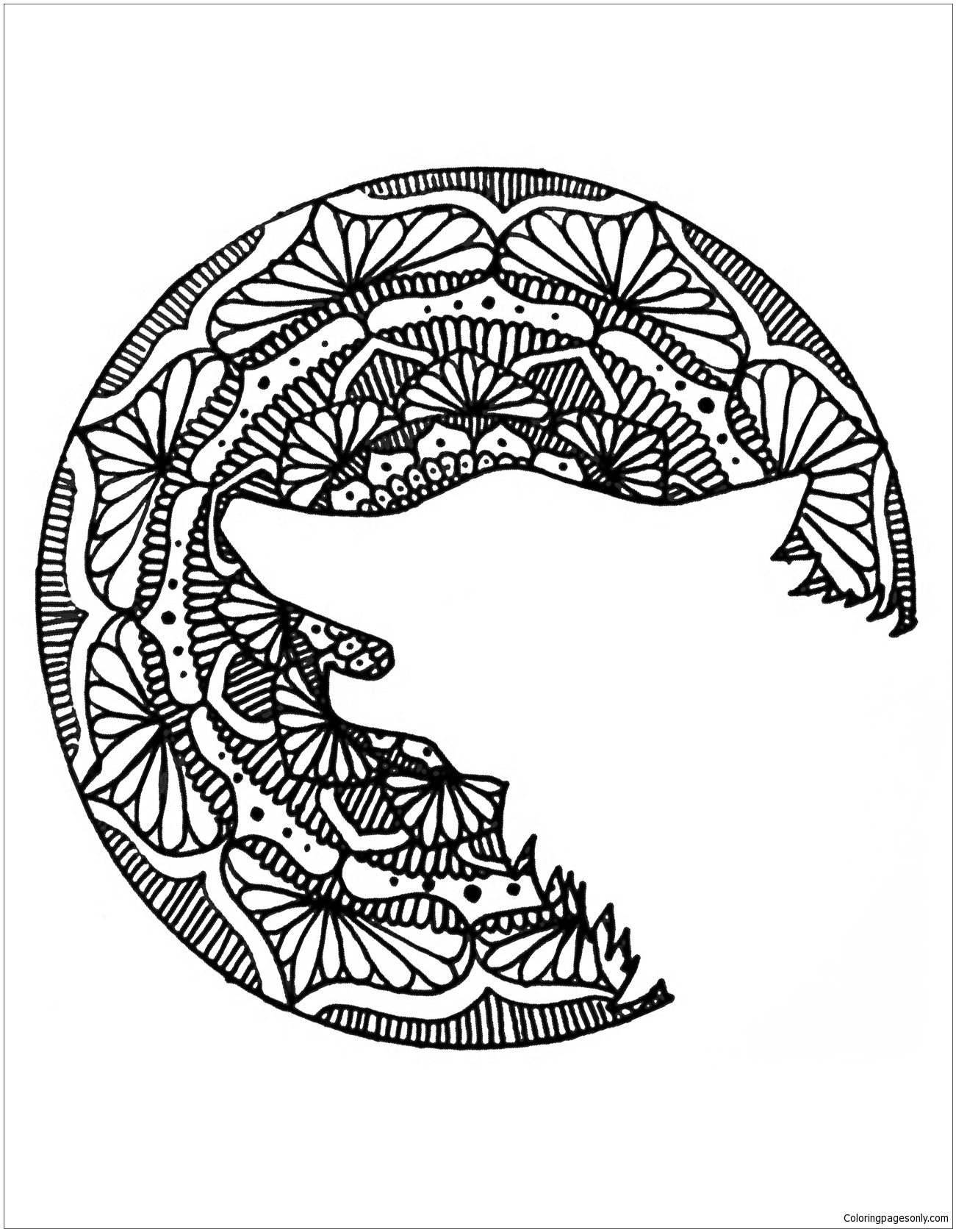
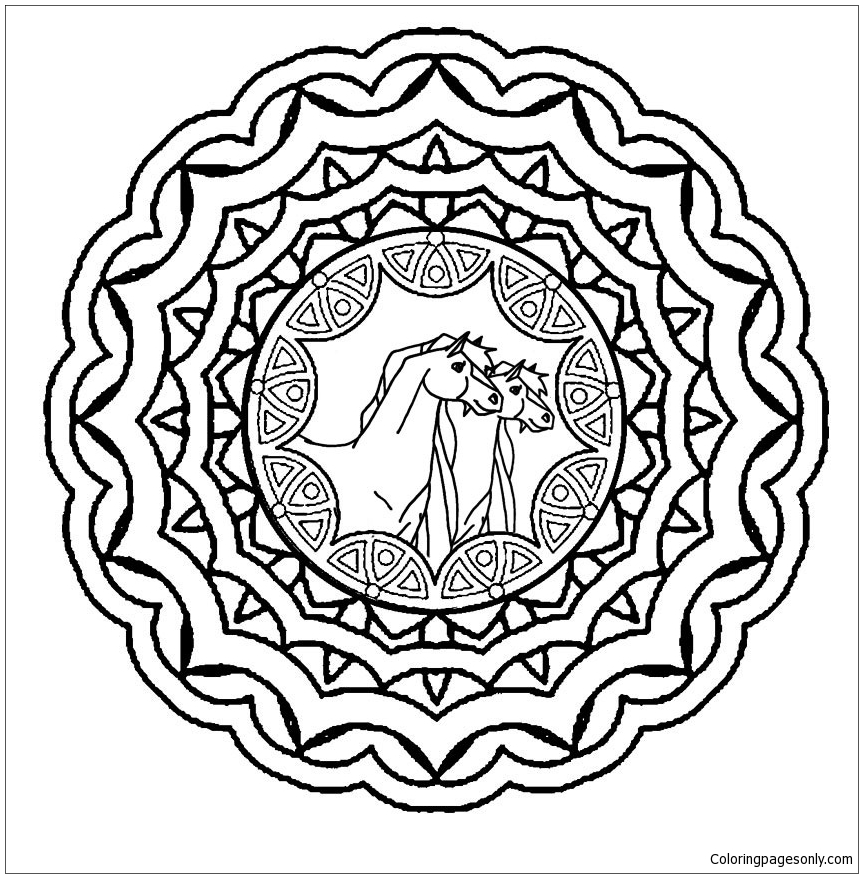
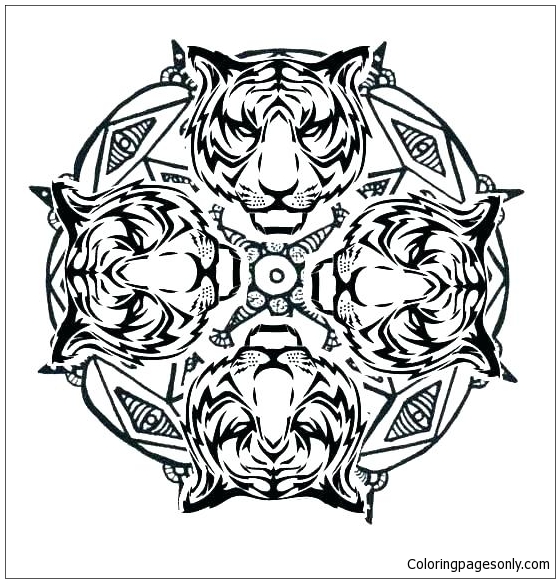
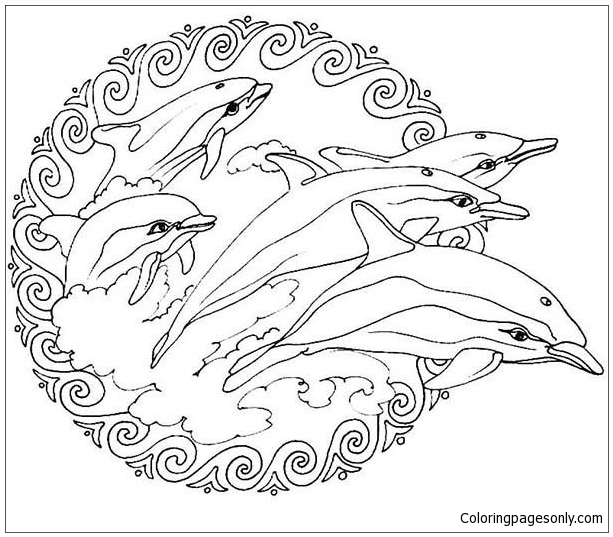
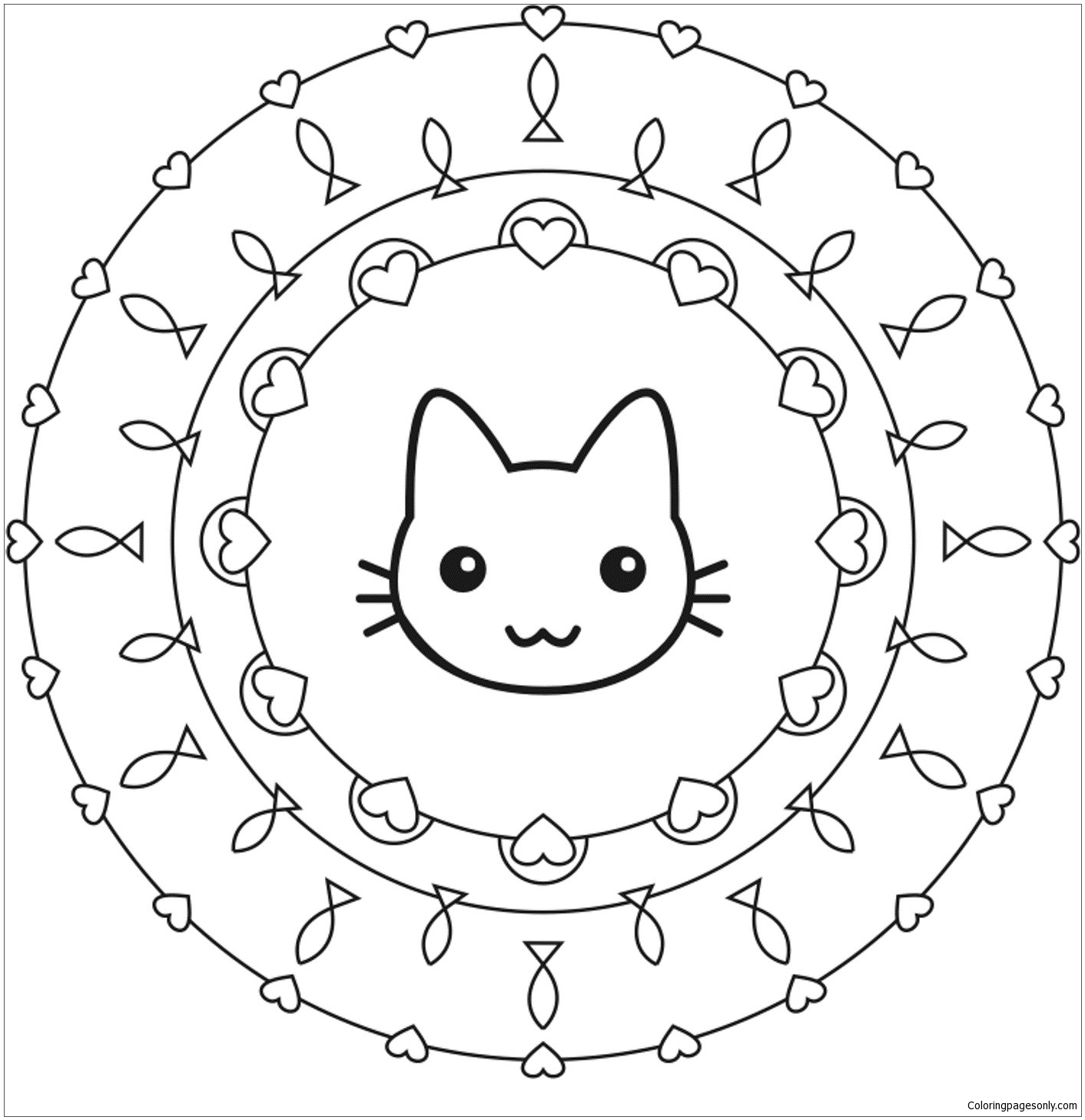
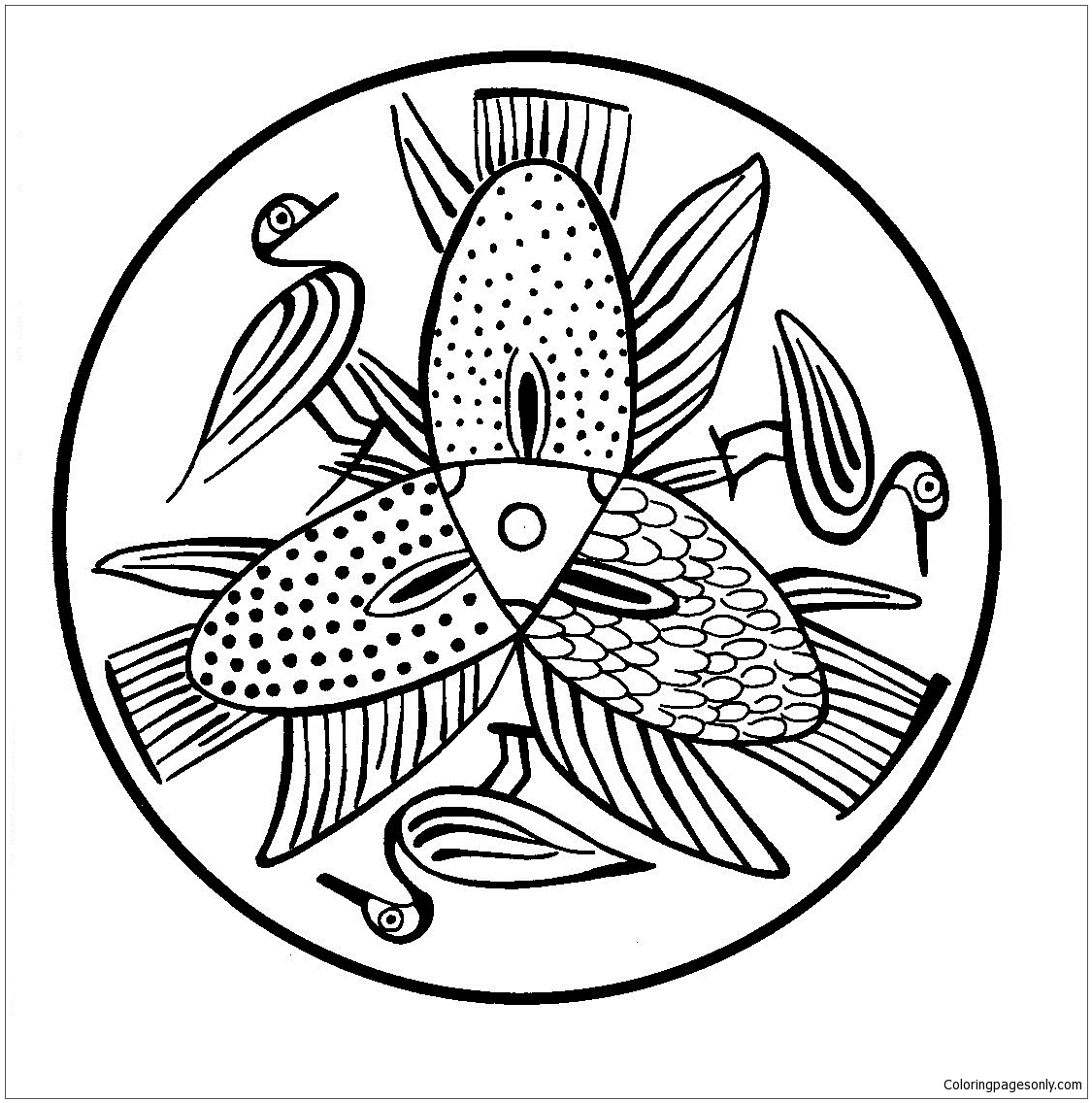
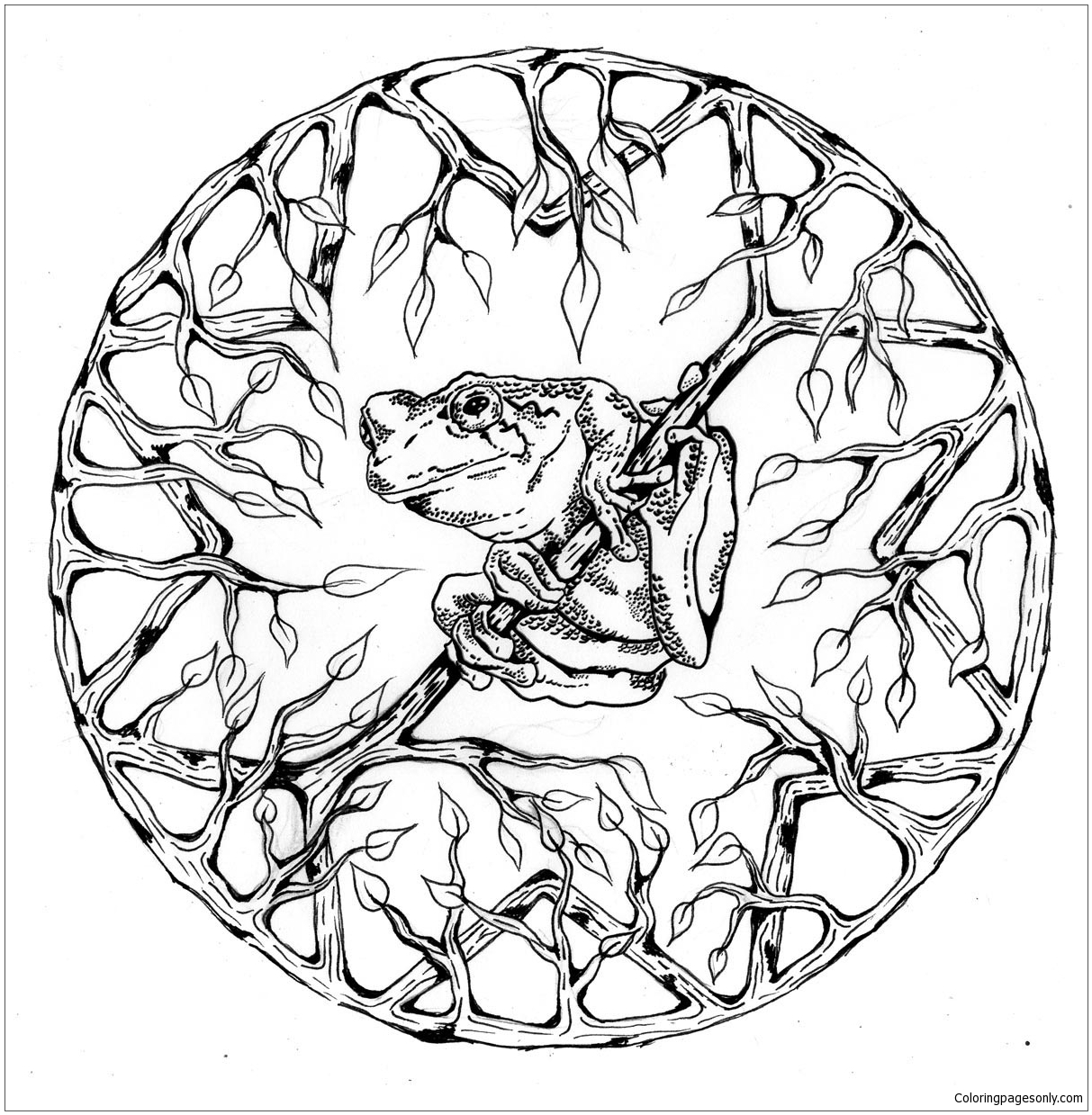
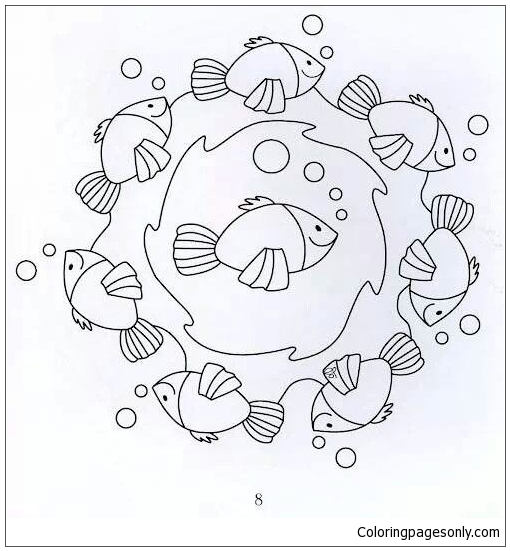
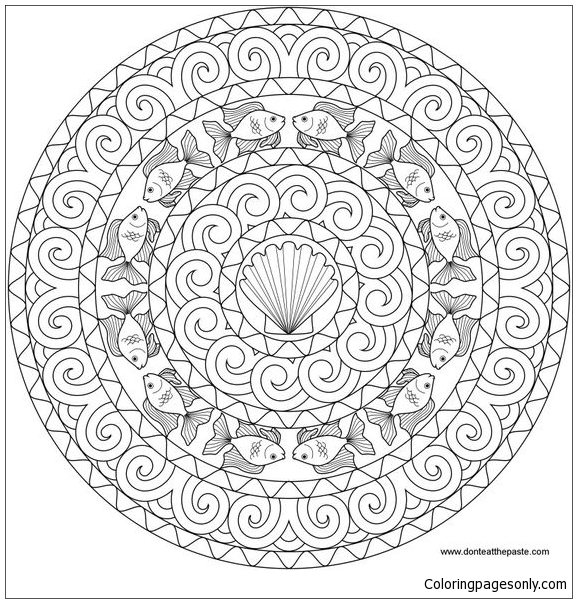
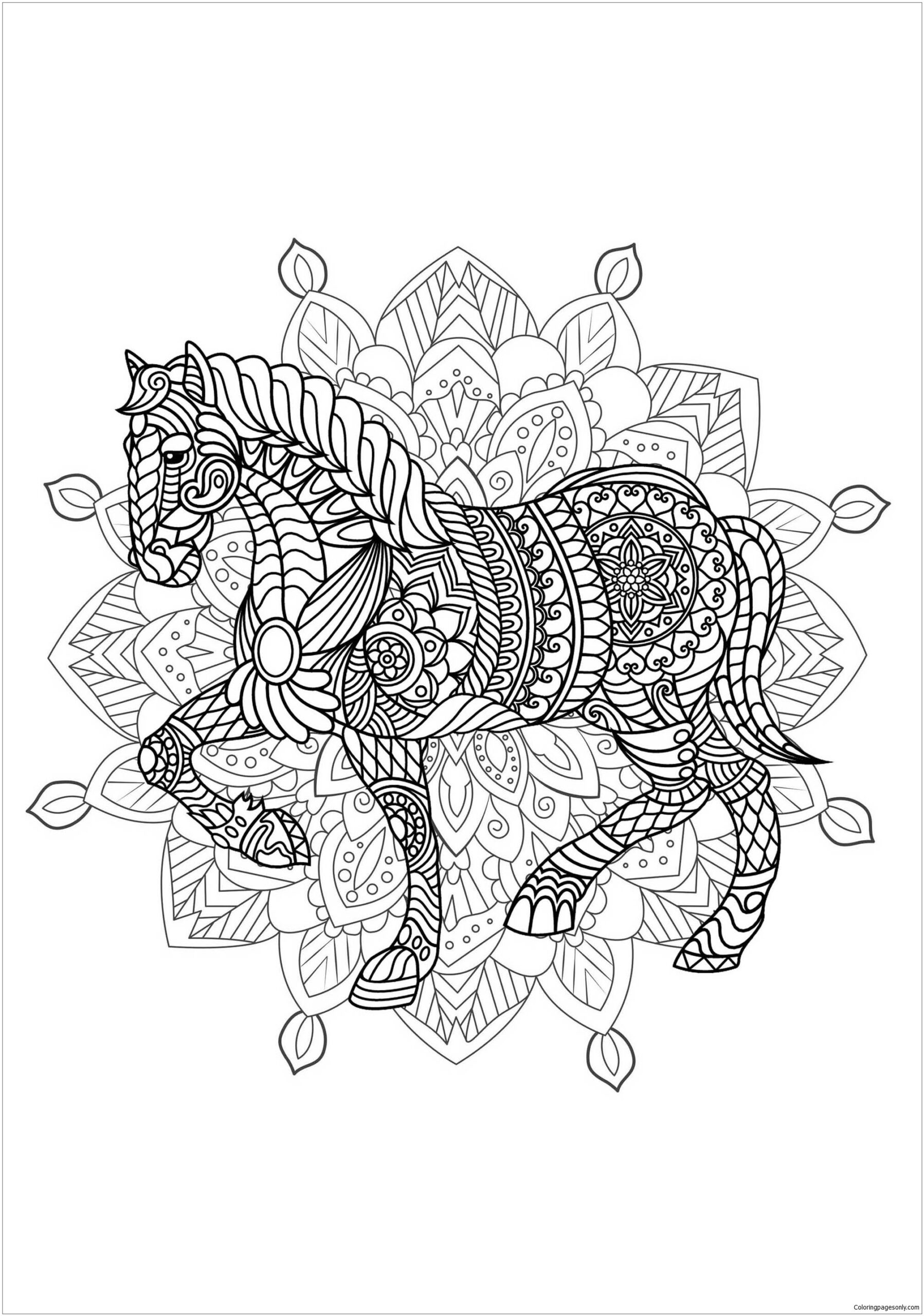
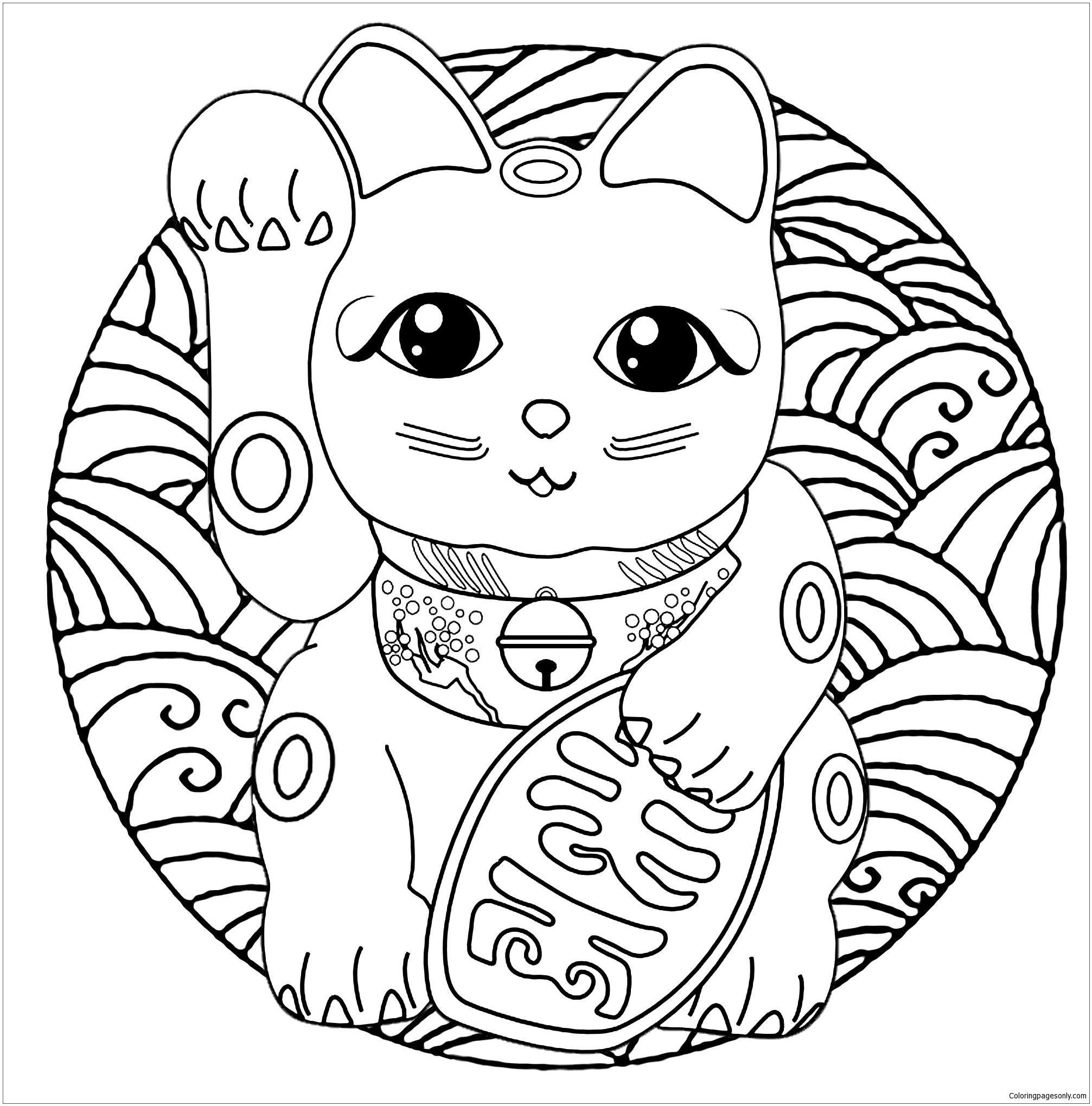
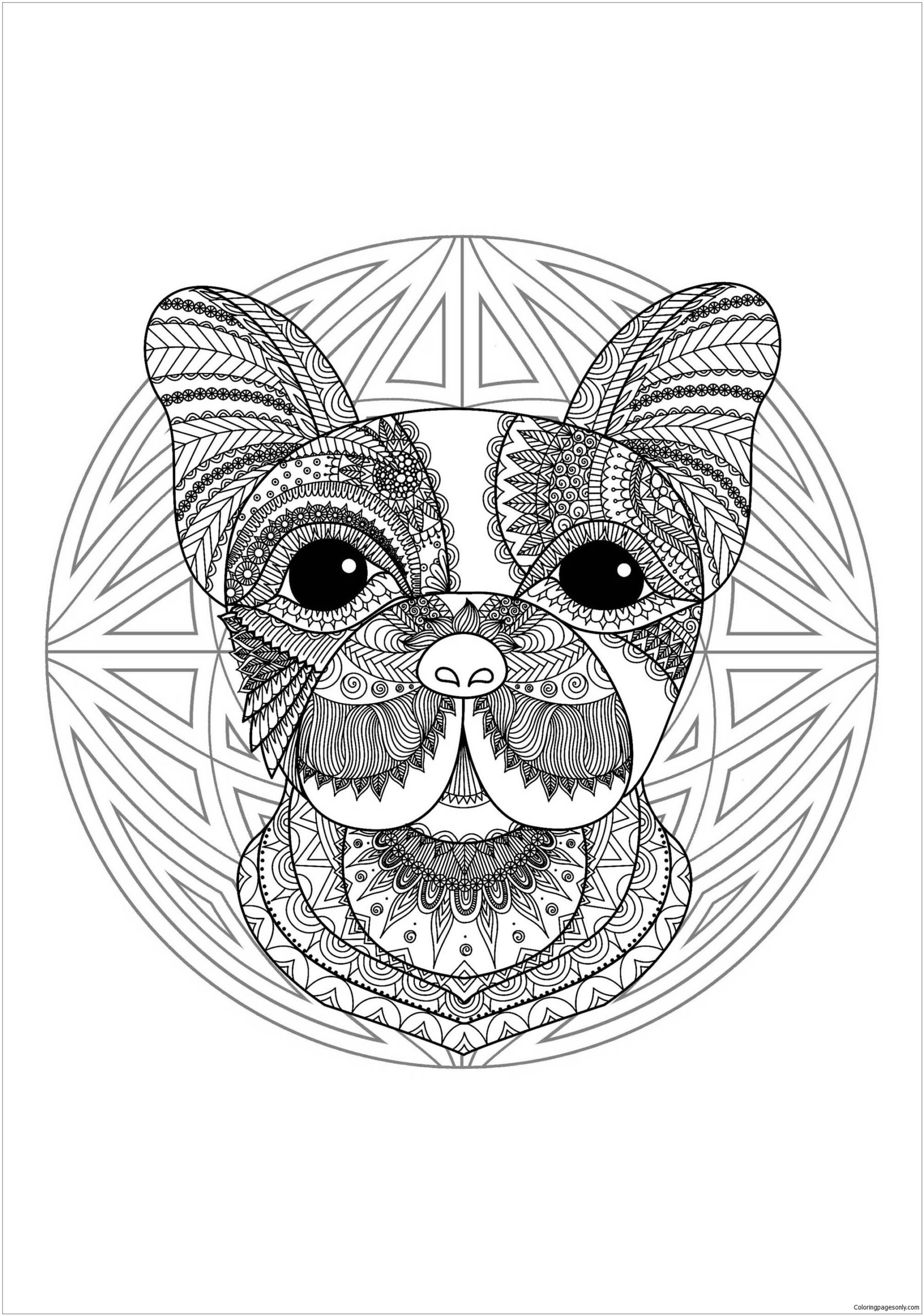
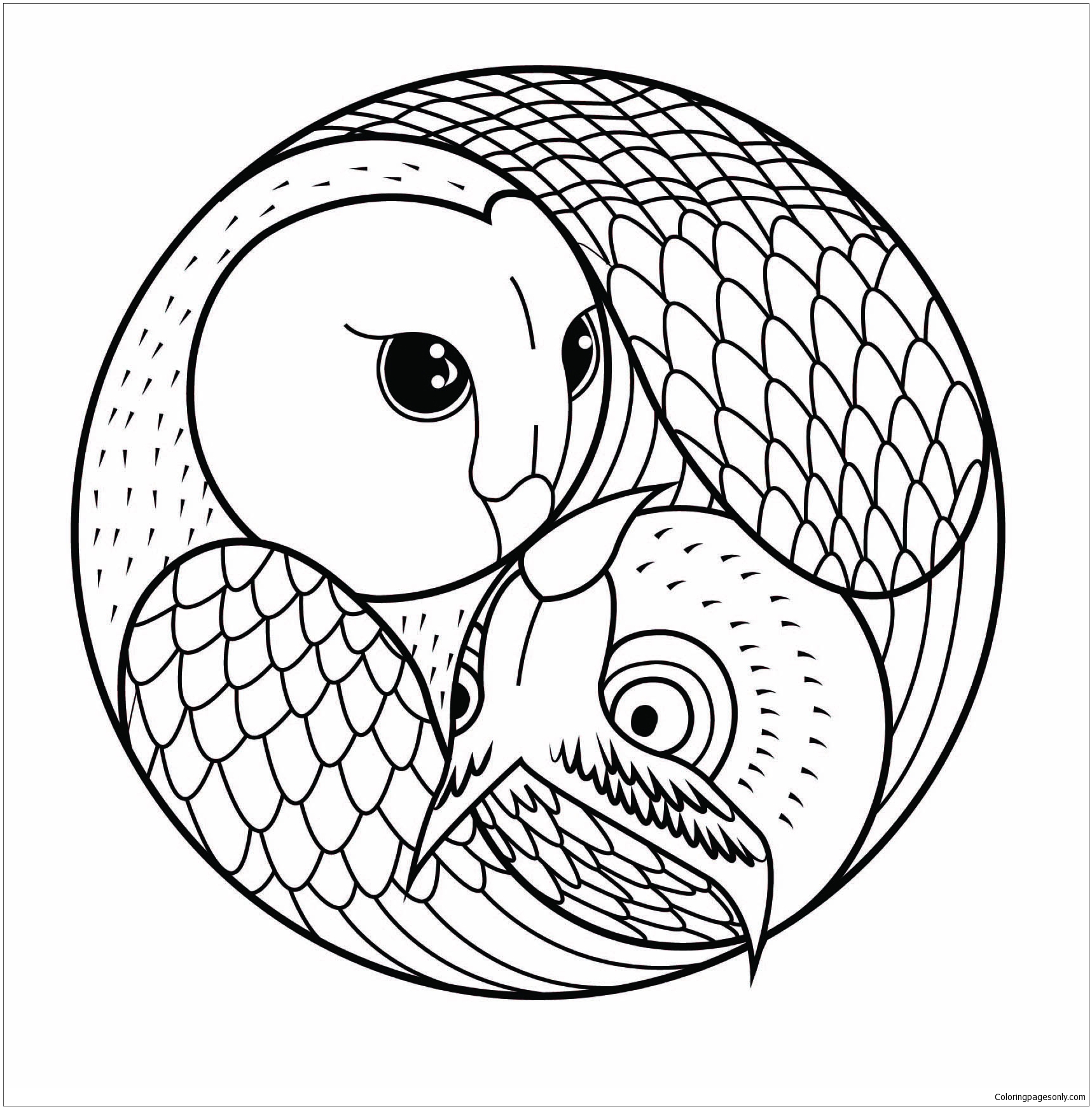
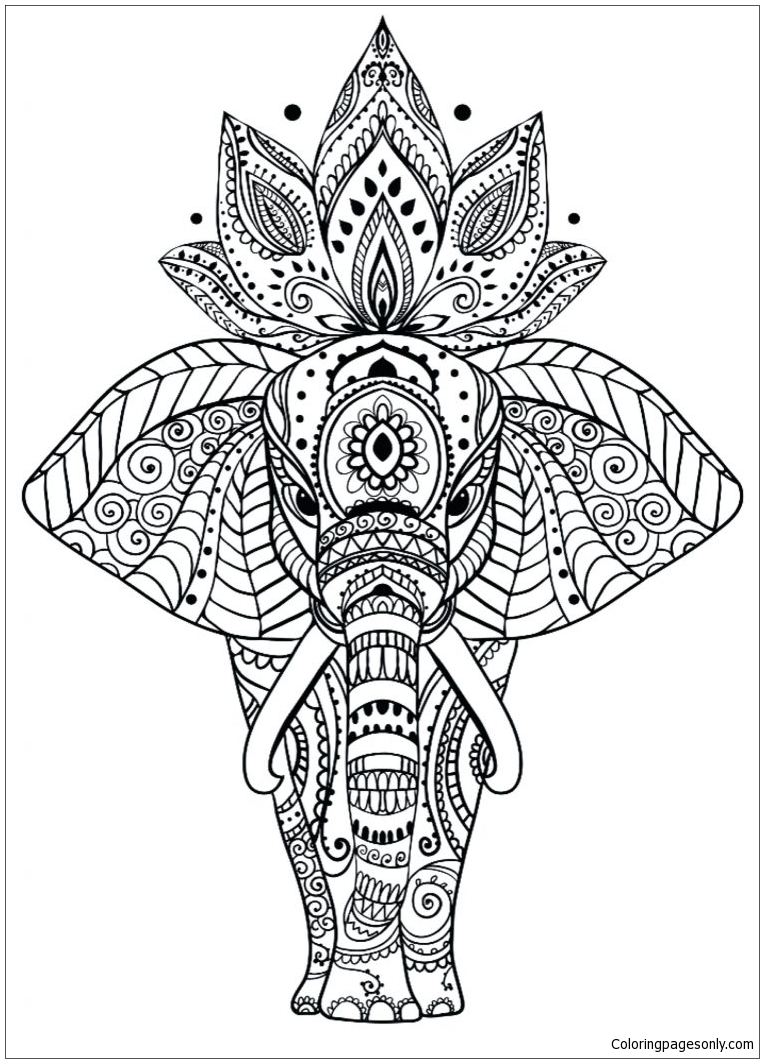
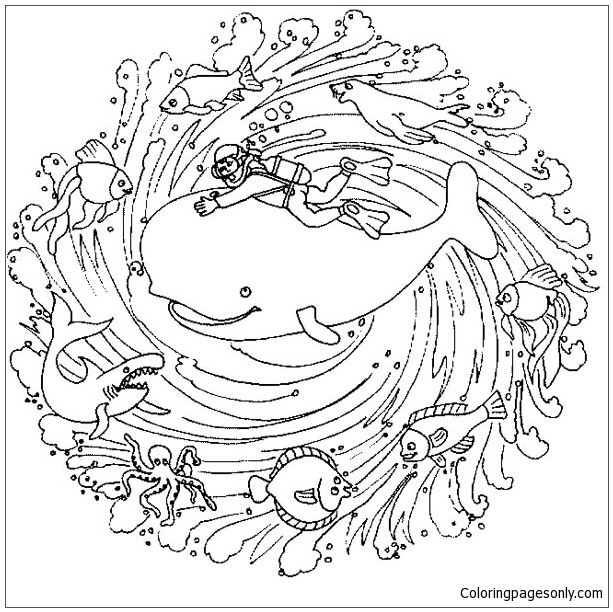
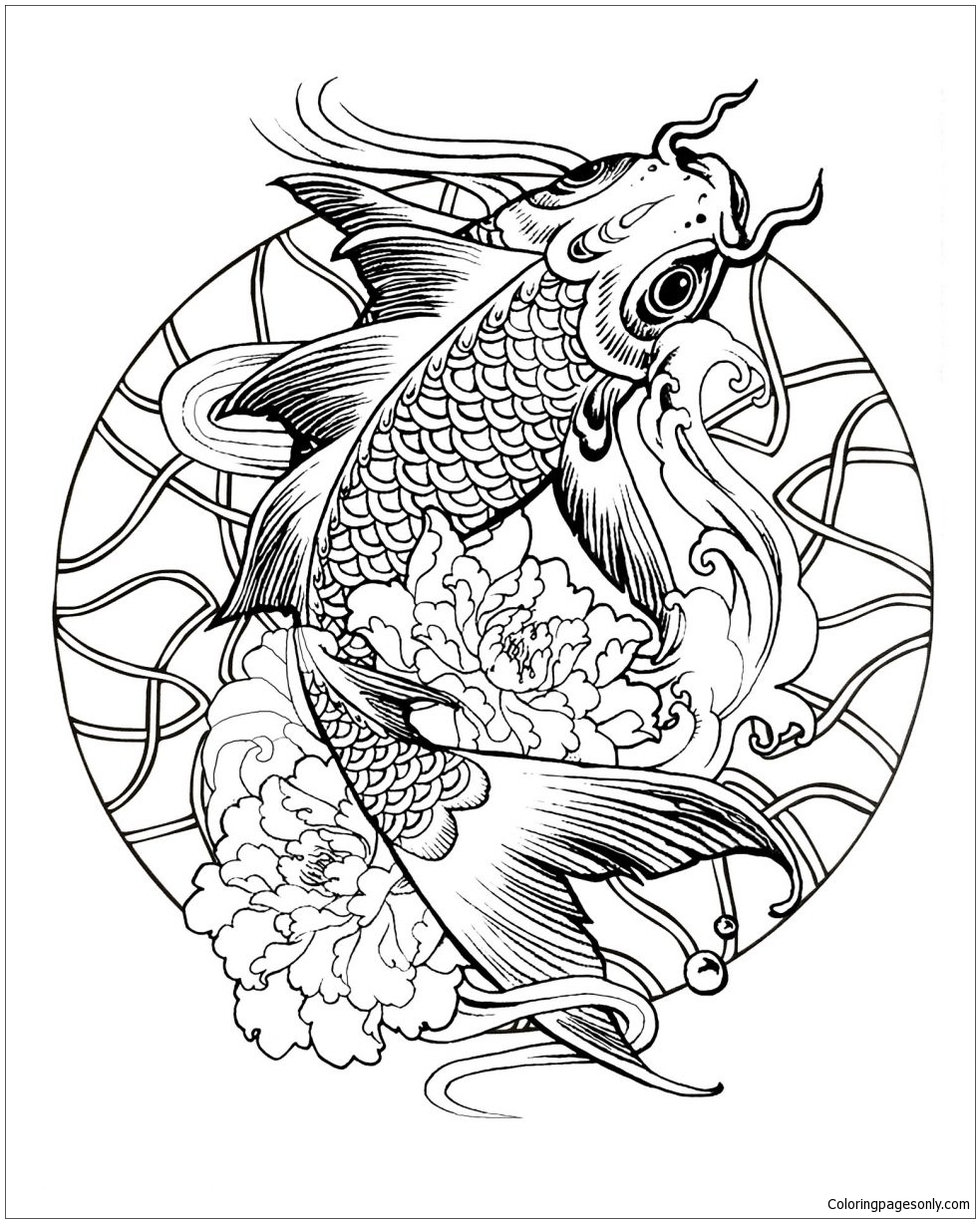
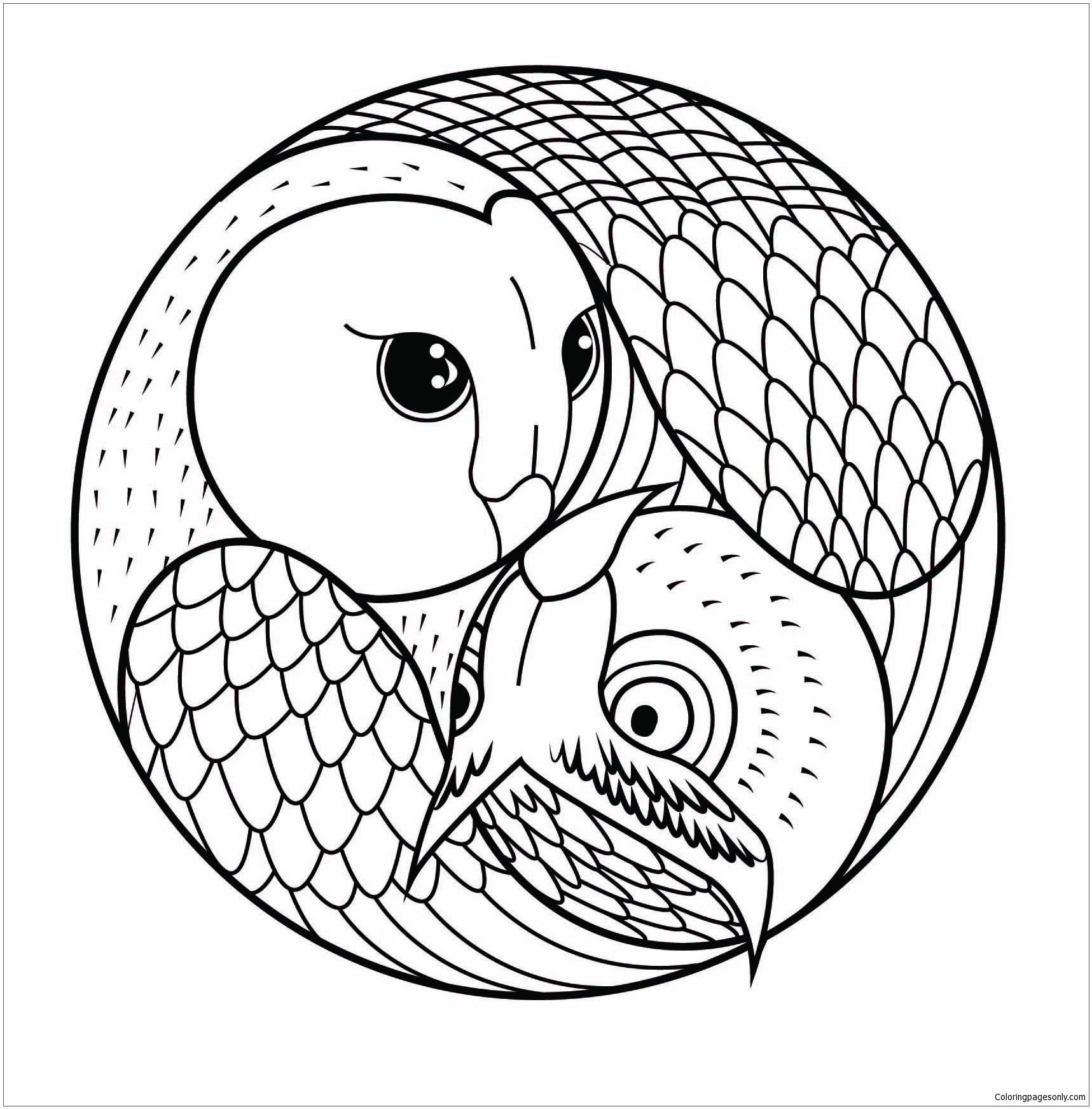
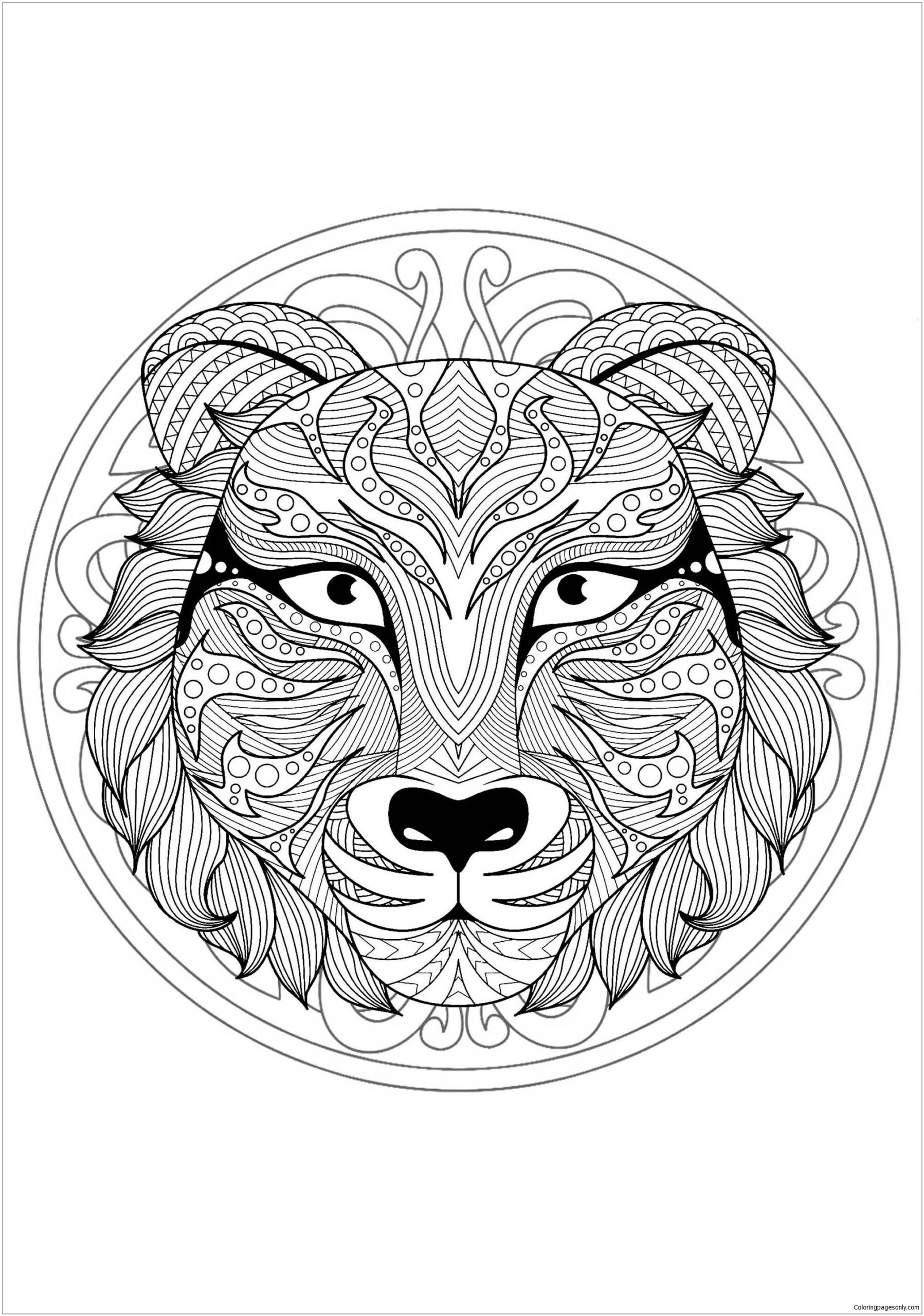
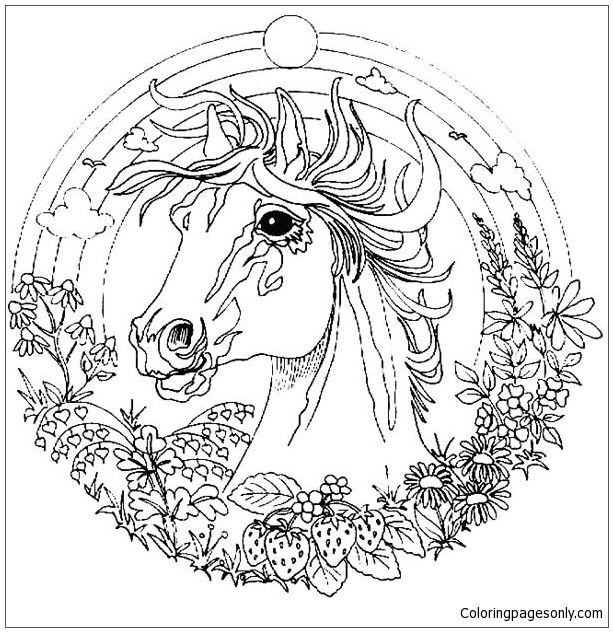
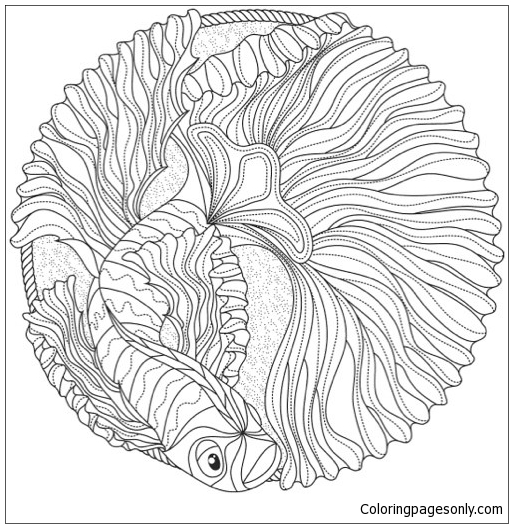
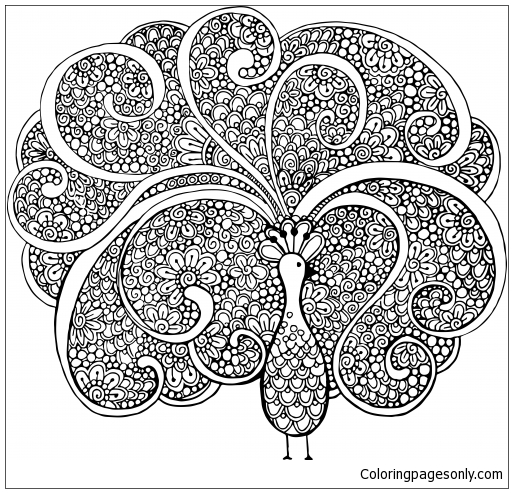
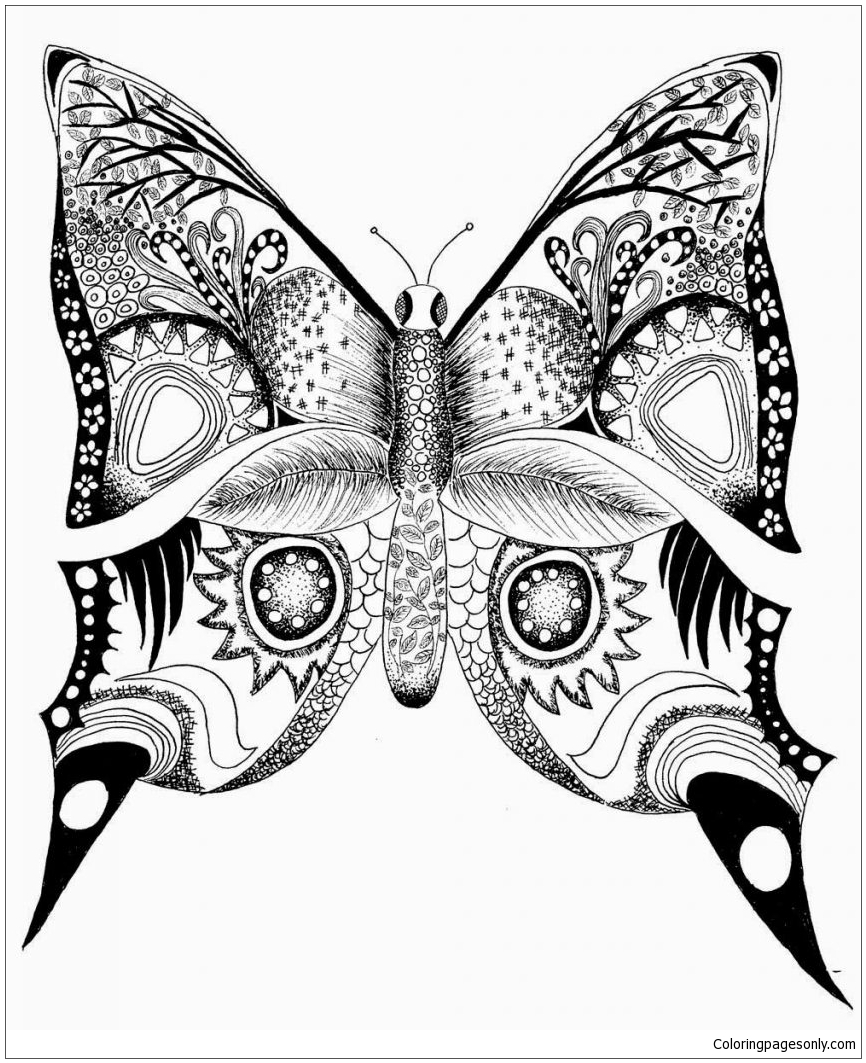
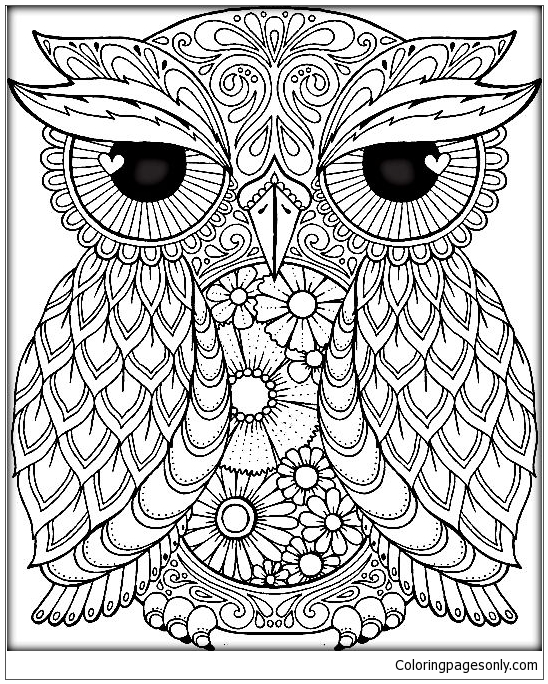
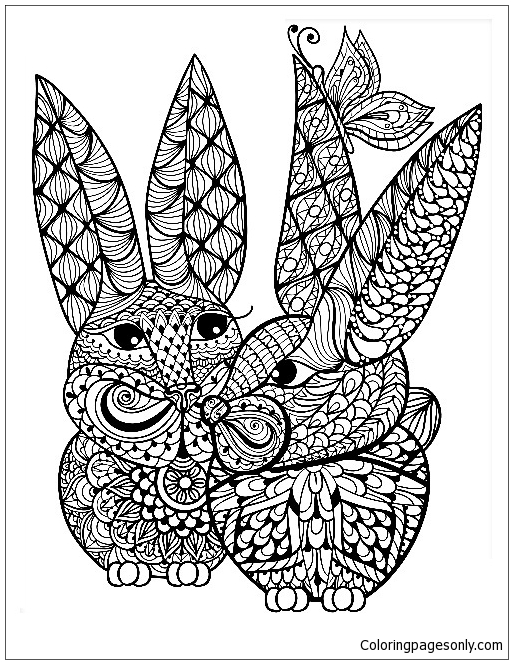
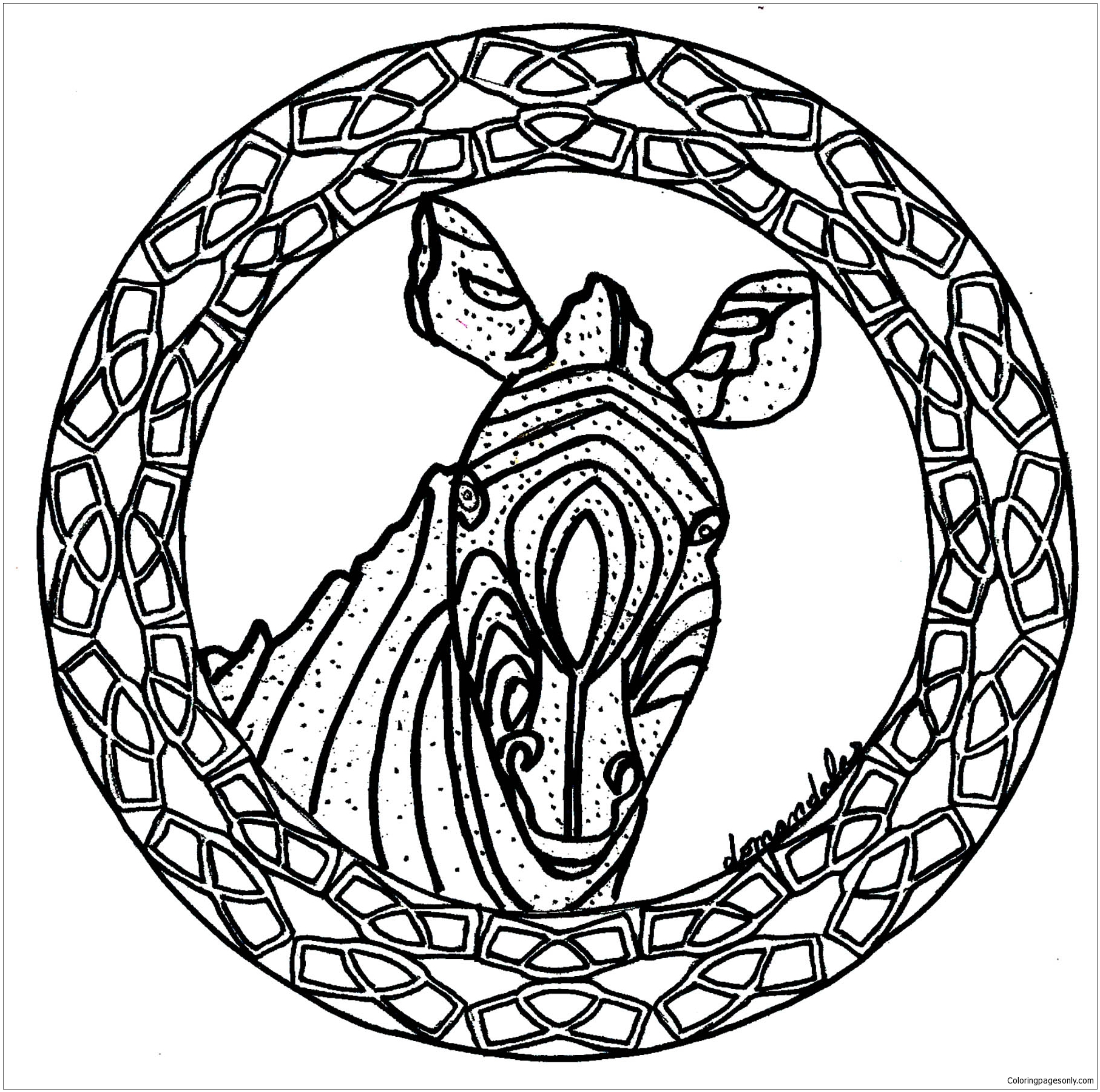
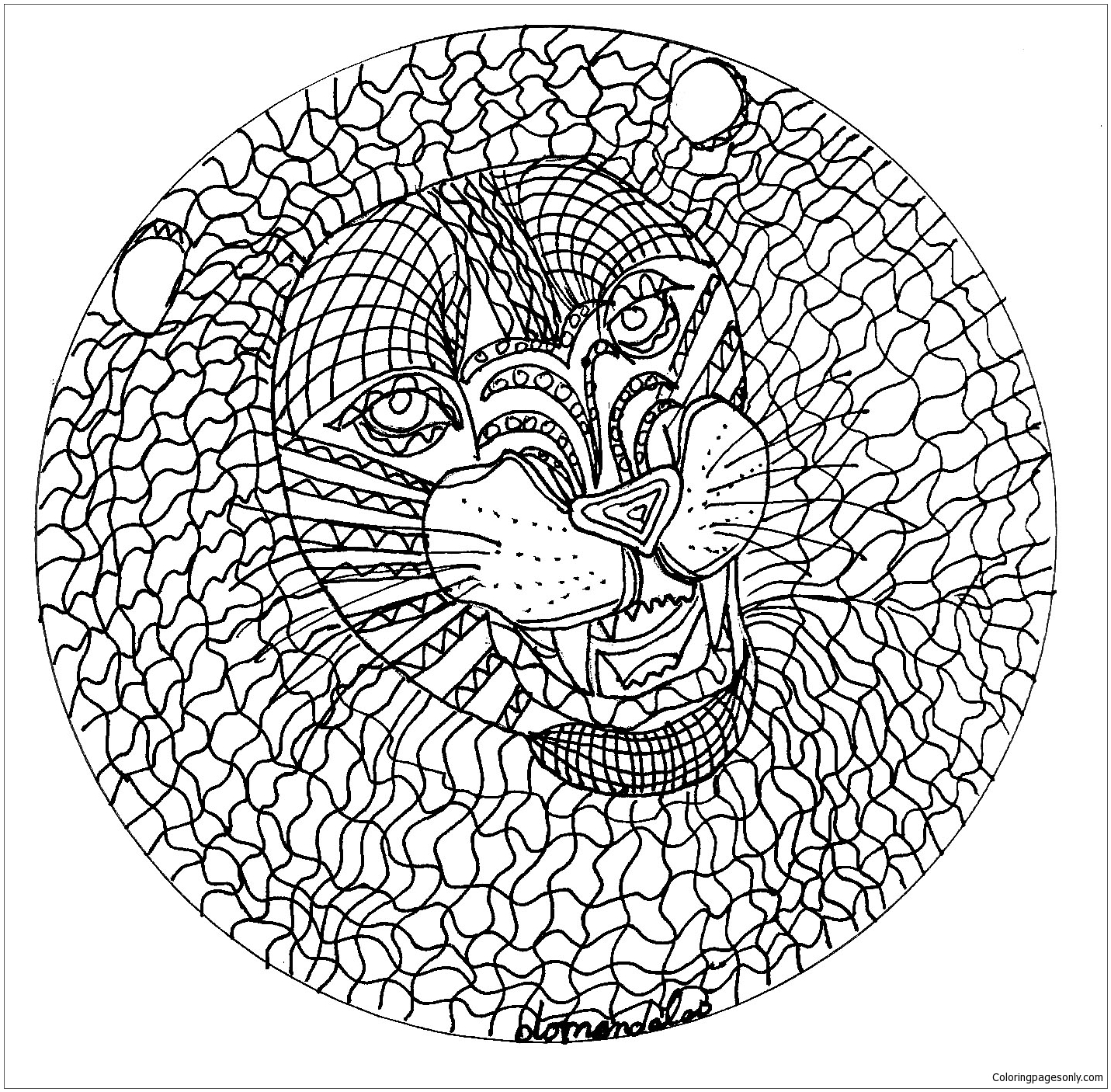
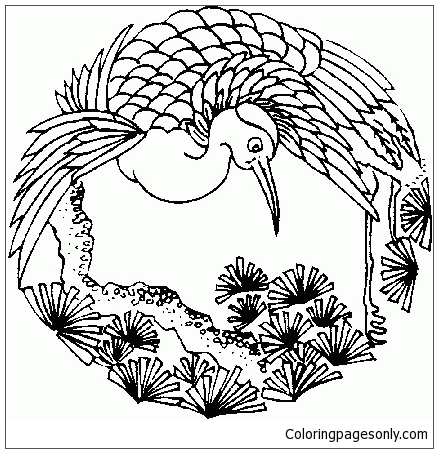
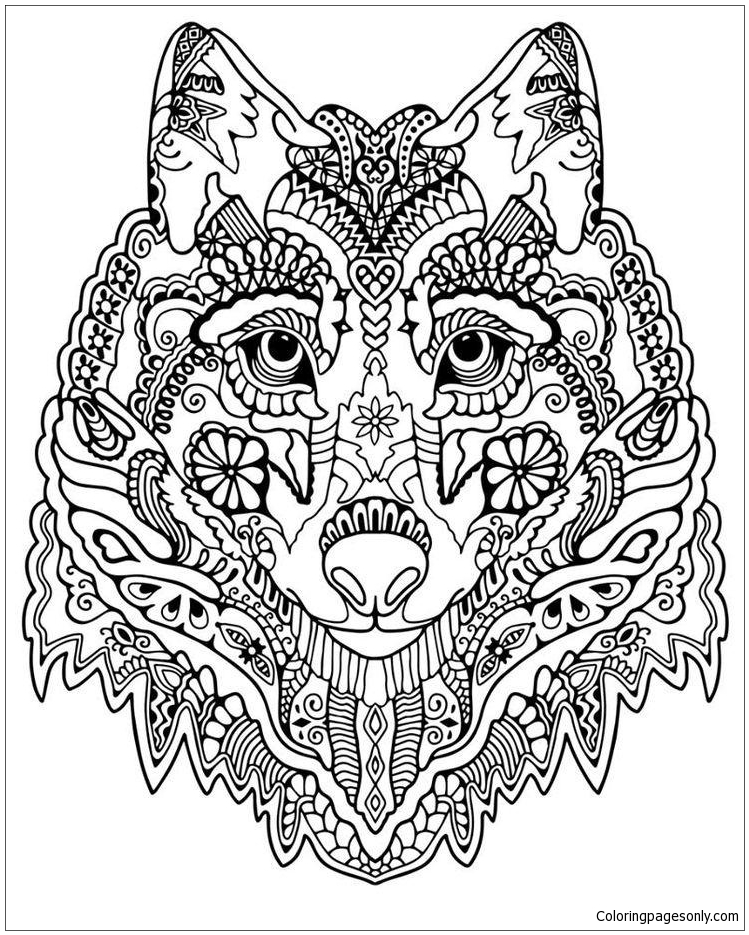
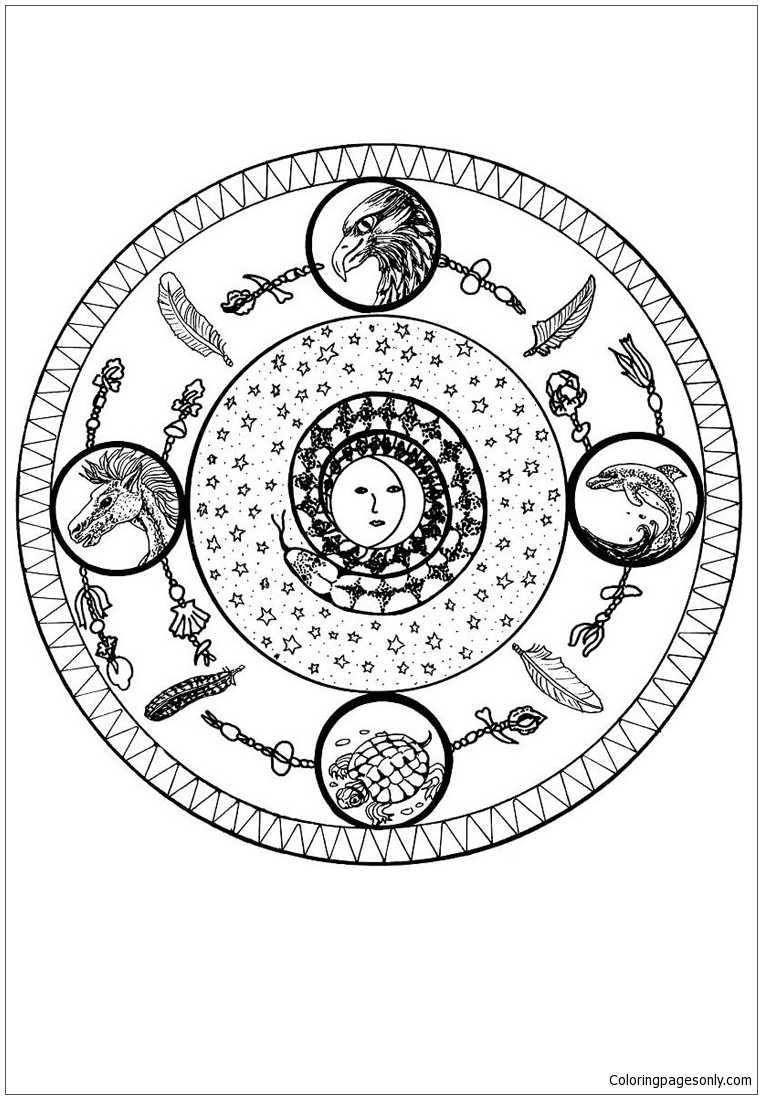
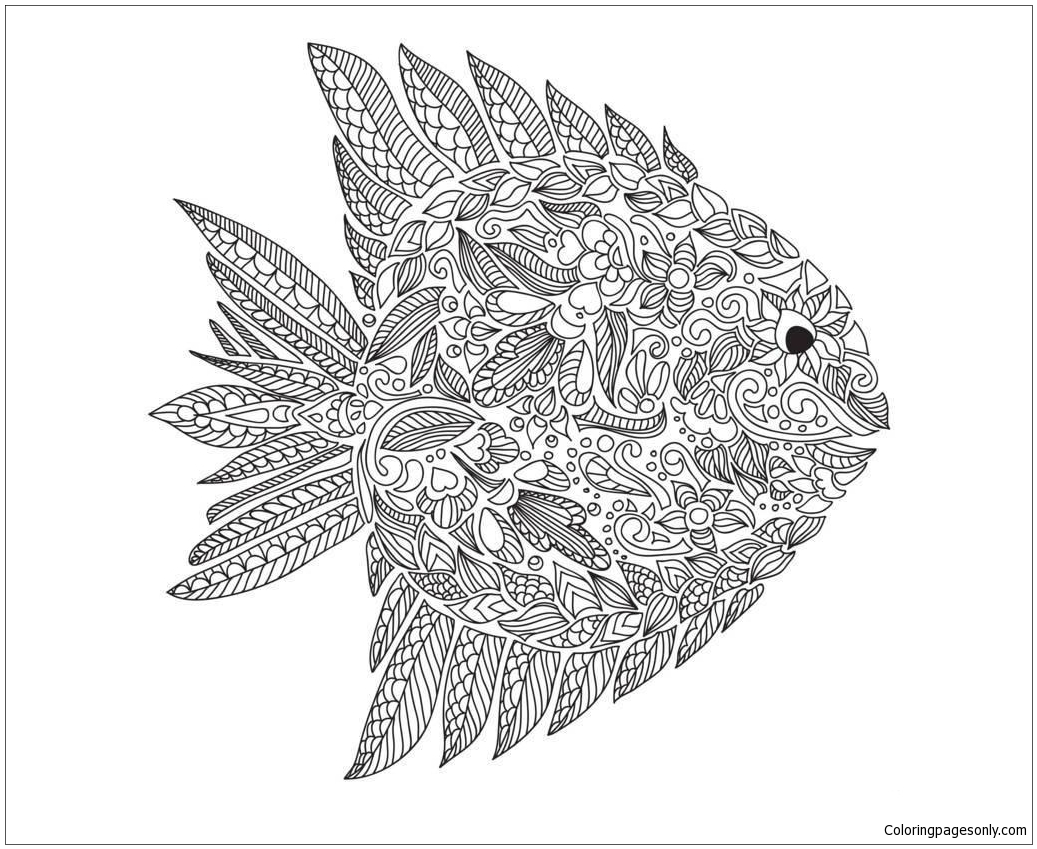
Animal mandalas – Tiger In Mandala Style, Turtle In Mandala Style, Mandala Deer, Mandala Koala, Mandala Fox, Mandala Guinea Pig, Betta Fish Mandala, Mandala Rhino, Mandala Dolphins for Children, Beautiful Mandala Dolphin, Seahorse Mandalas, Mandala Wolf Head, Cat Mandala, Animal Mandala Illustration, Animal Mandalas 1, Animal Mandala 2, Animal Mandala 3, Animal Mandalas, Flippers Jumping from the Sea – embed recognizable animal subjects within the mandala structure. The animal typically appears at the center or is formed from the symmetrical arrangement of the mandala arms, making the animal and the pattern inseparable.
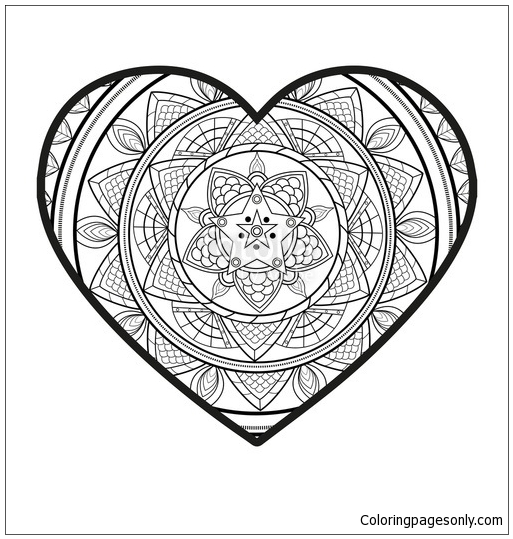
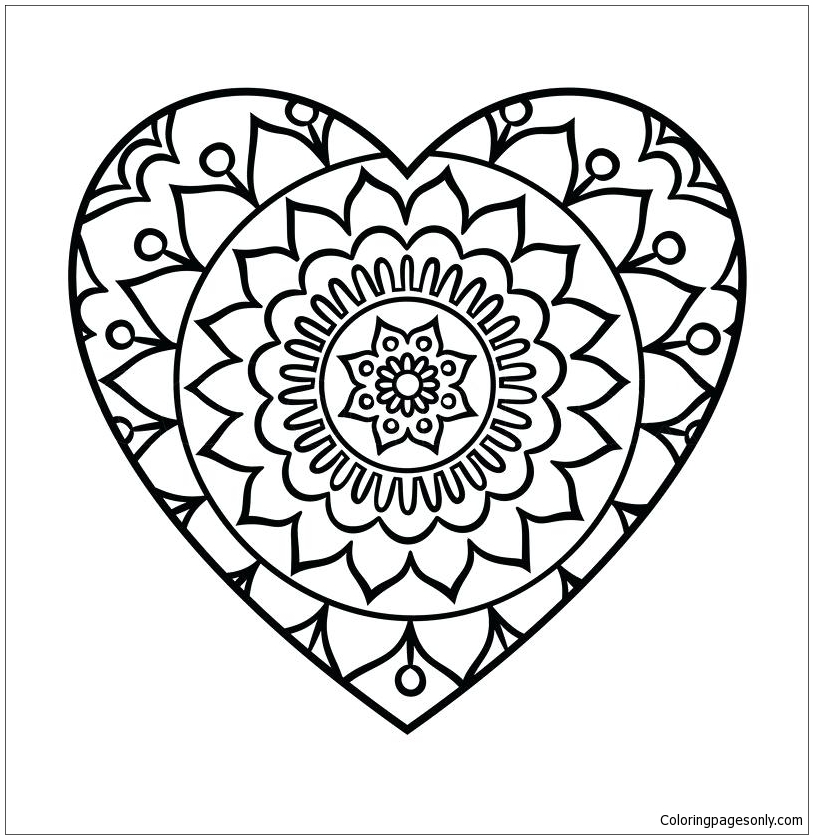
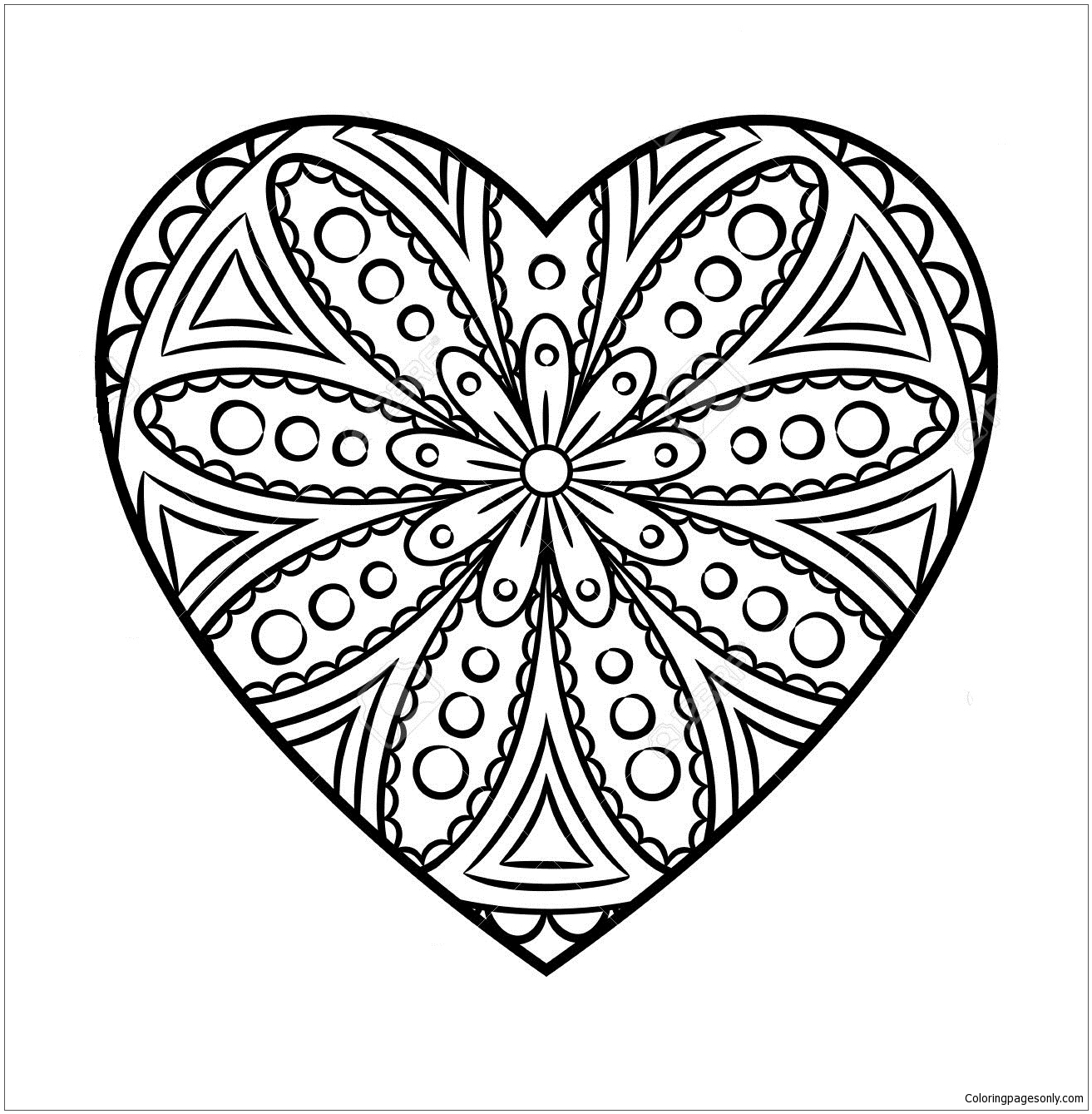
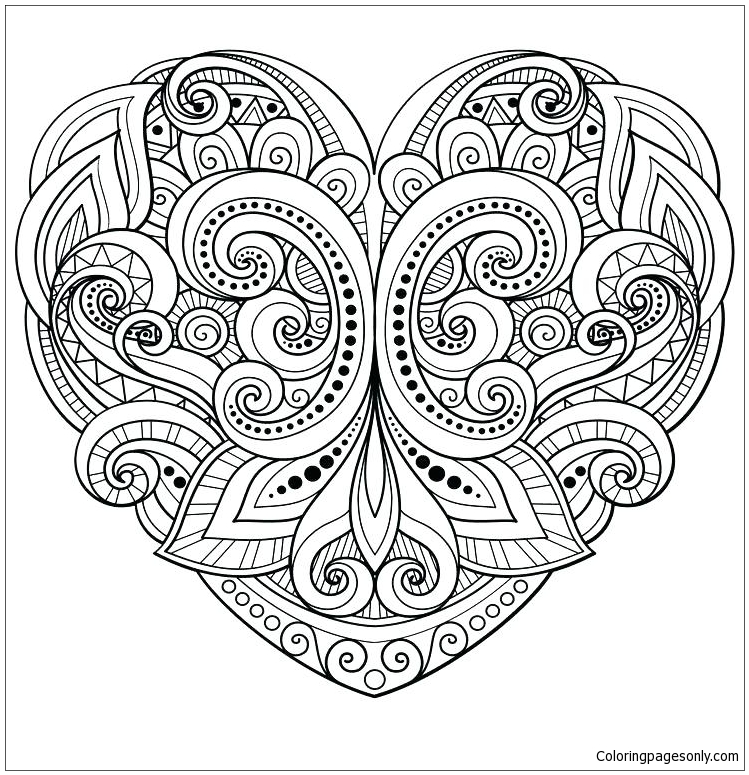
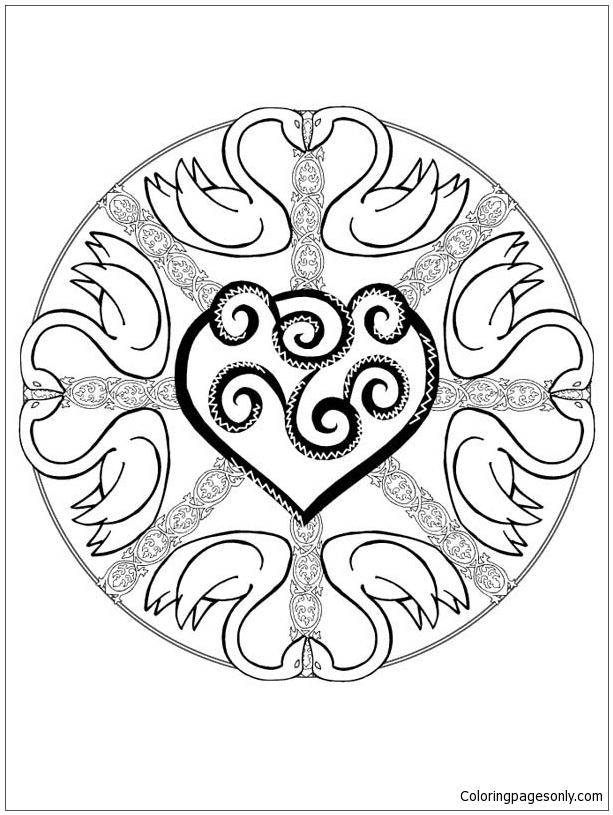
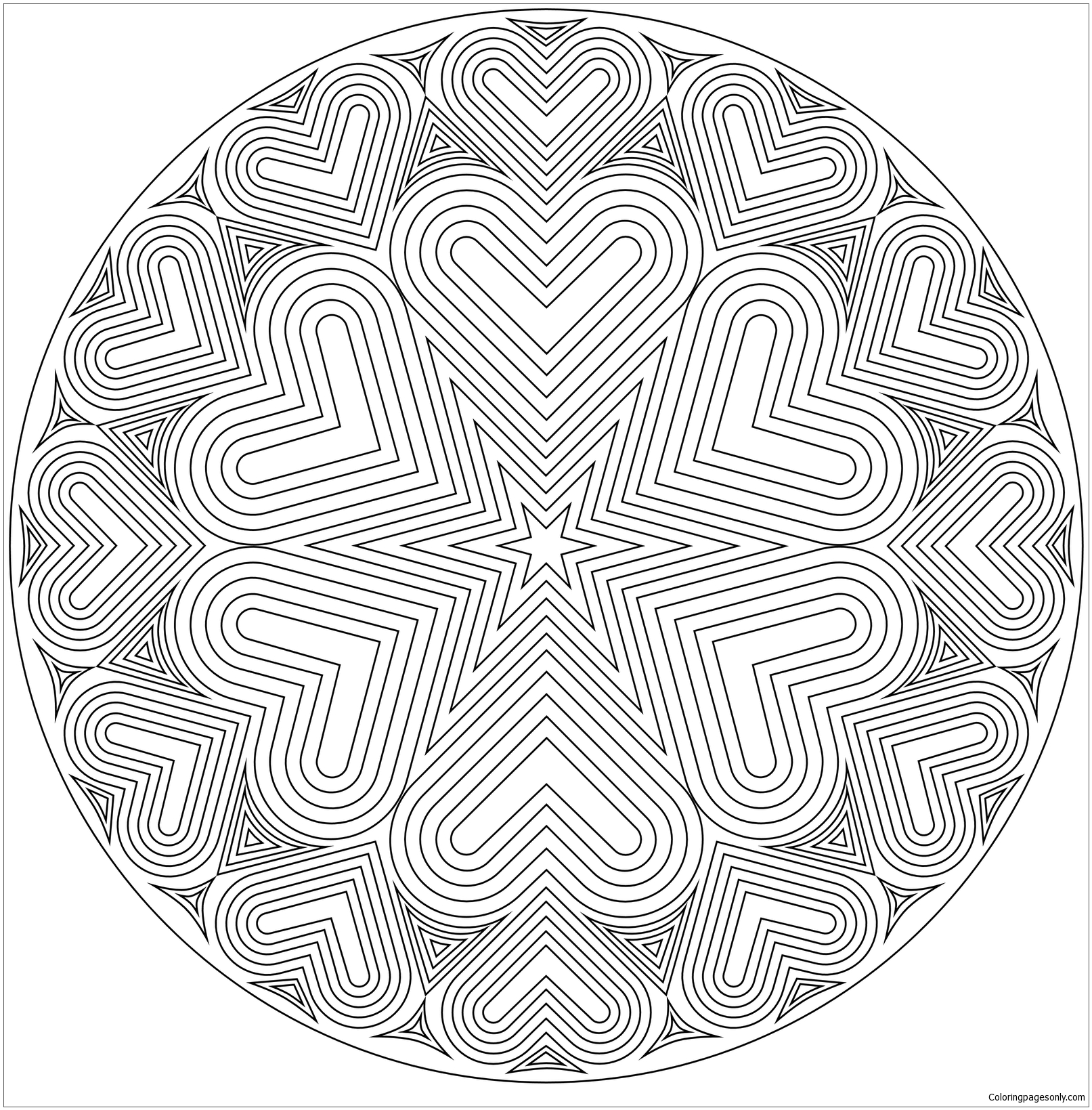
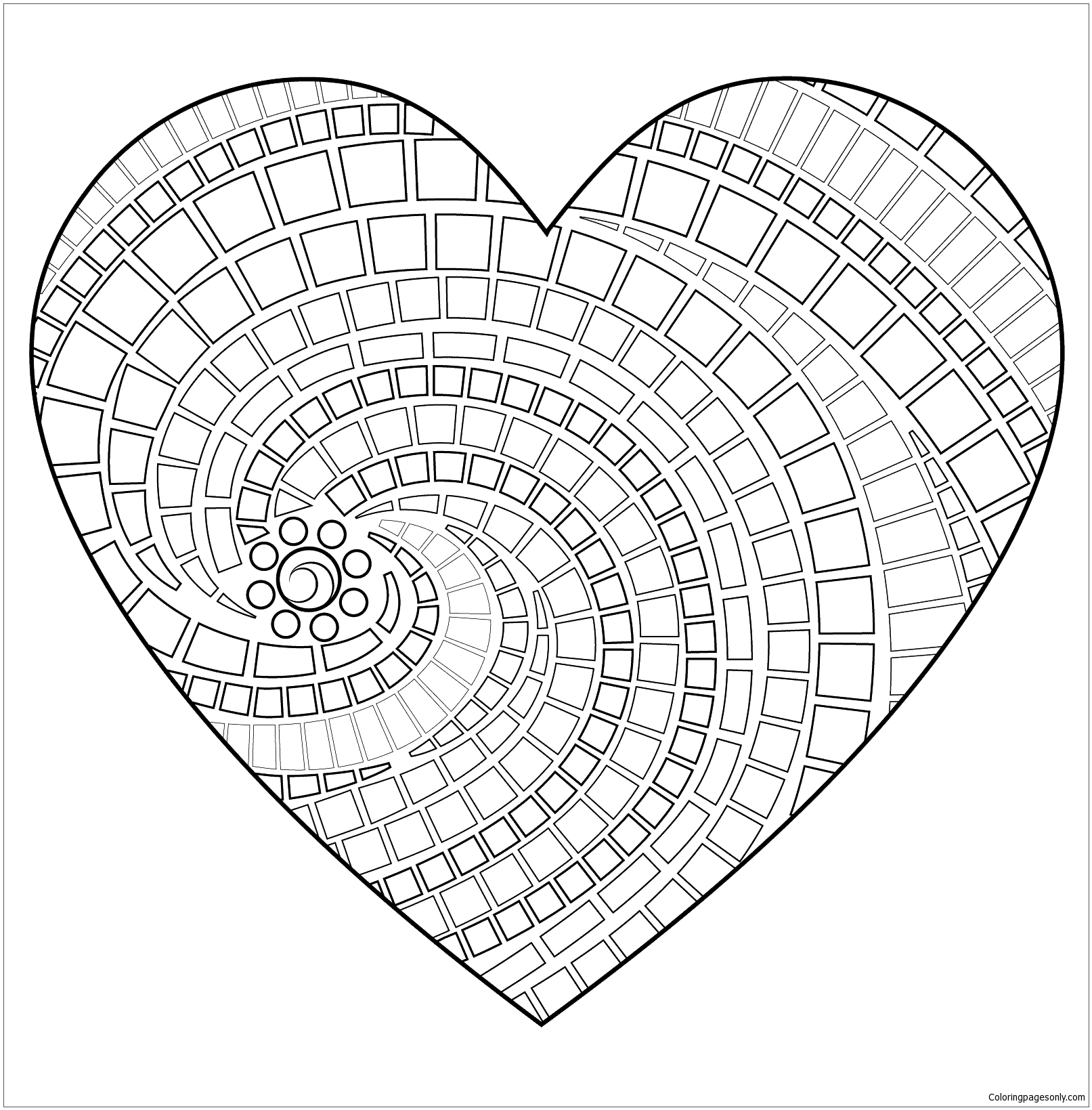
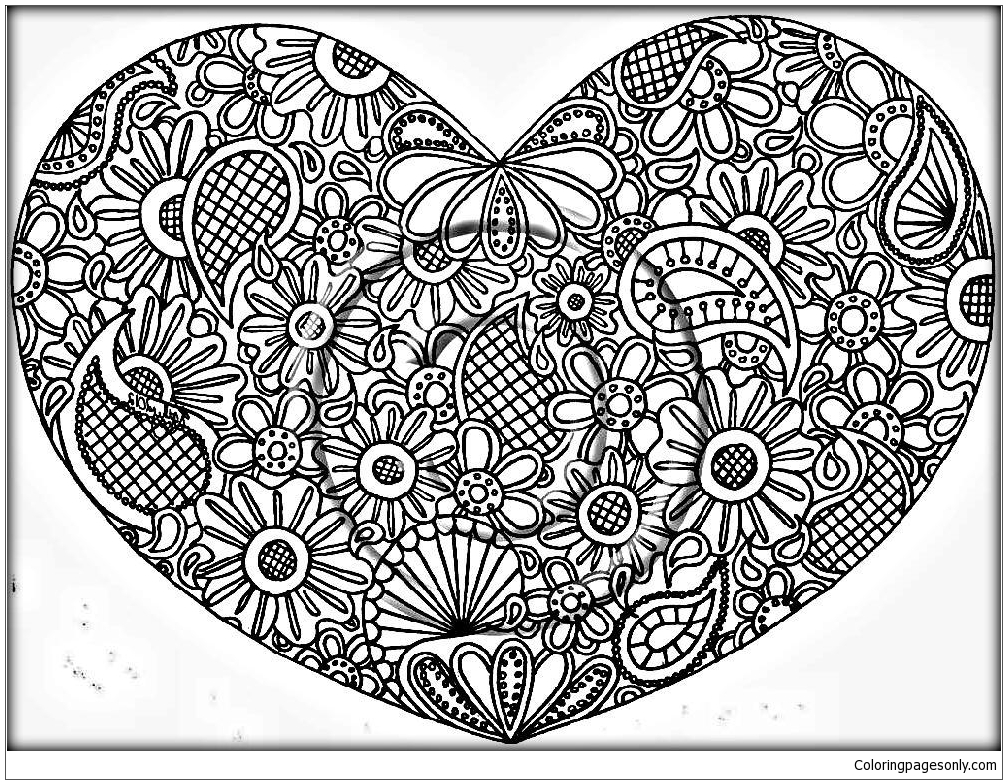
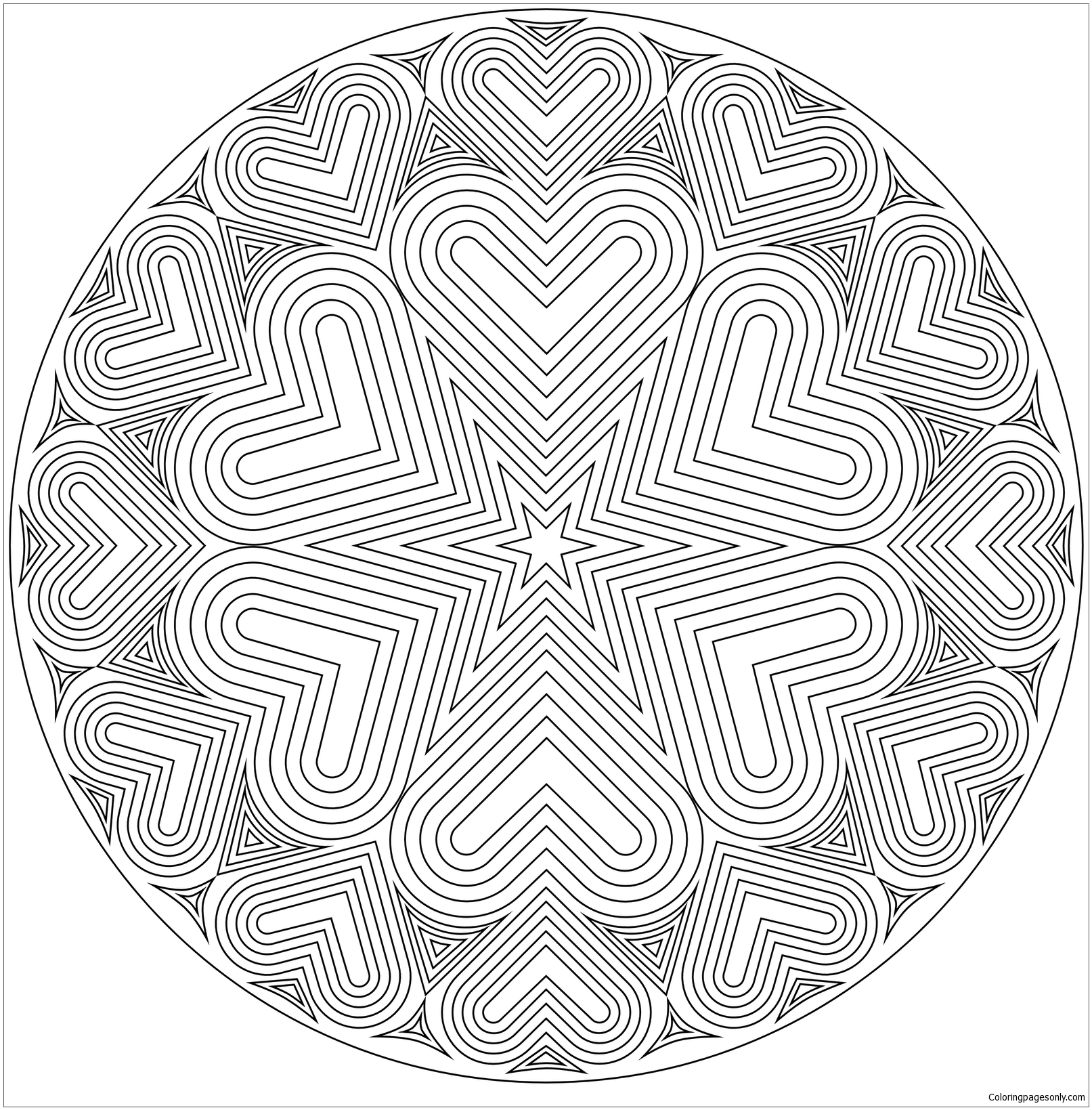
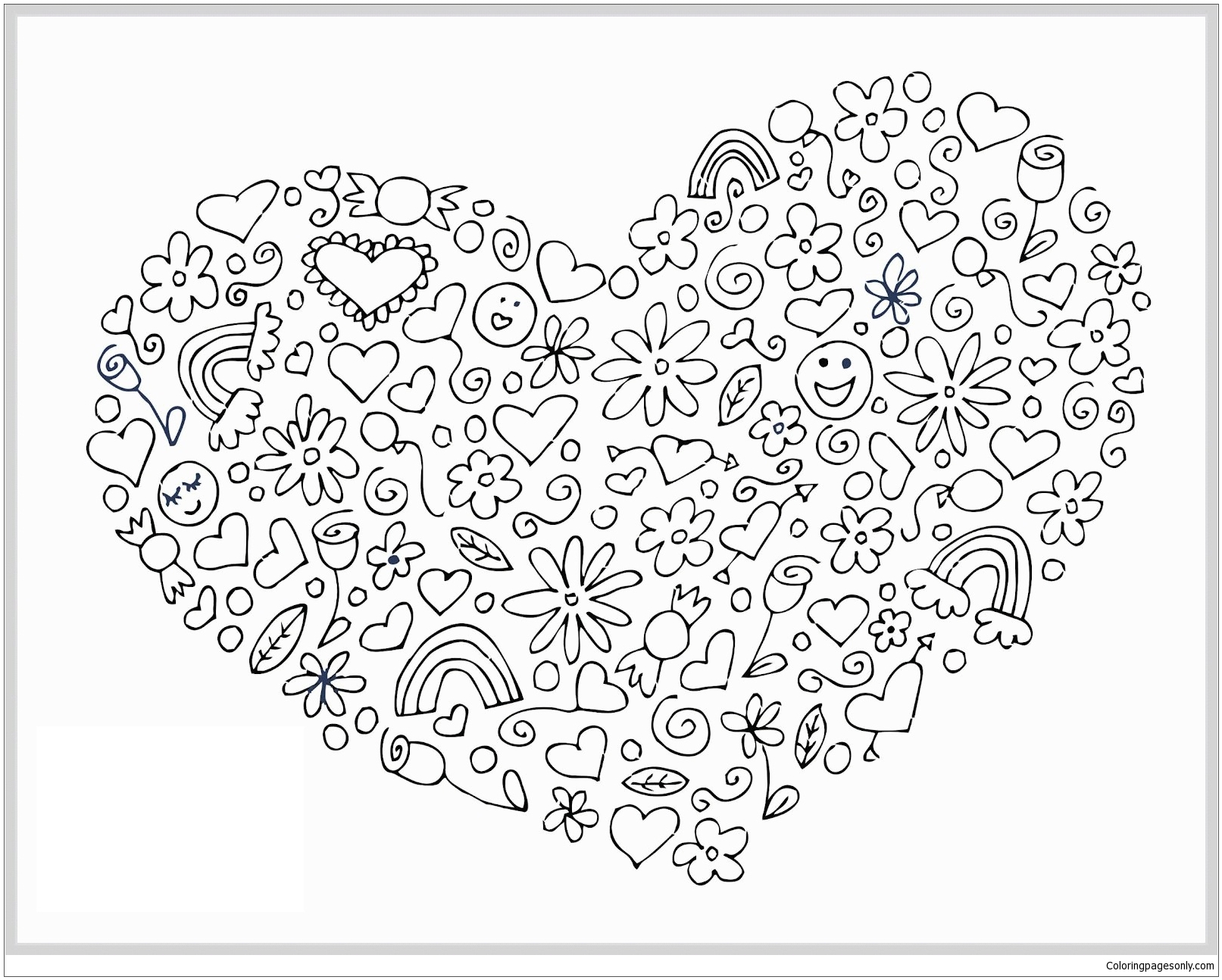
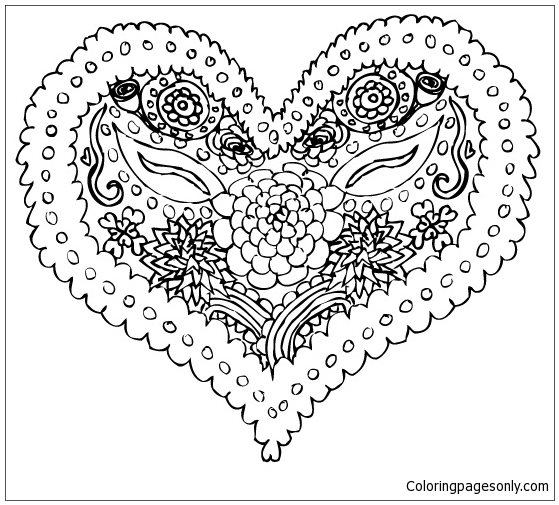
Heart mandalas – Heart Mandala 1, Heart Mandala 2, Heart Mandala 3 – apply the mandala’s circular symmetry to the heart shape, combining the symbolic weight of both forms.
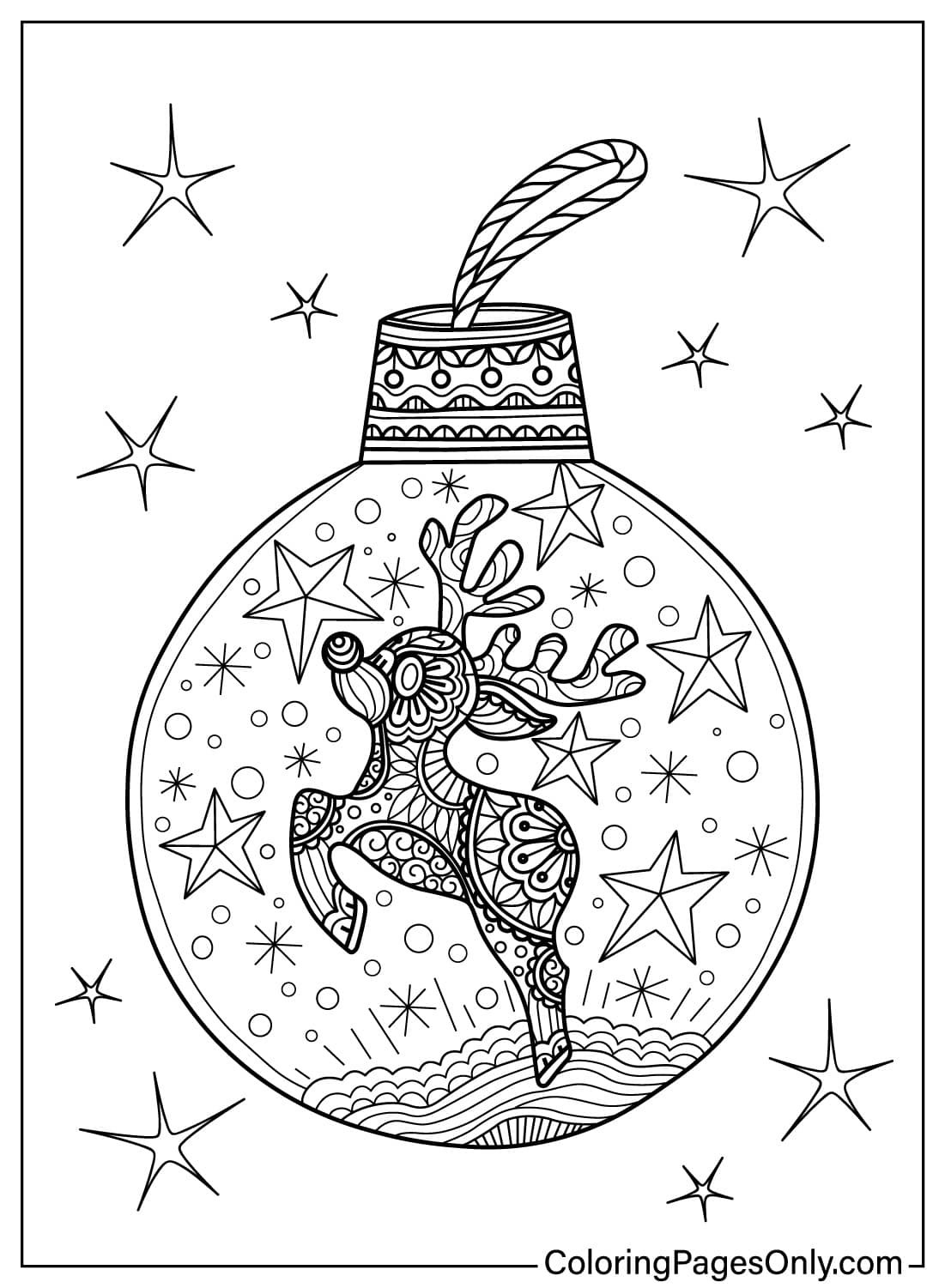
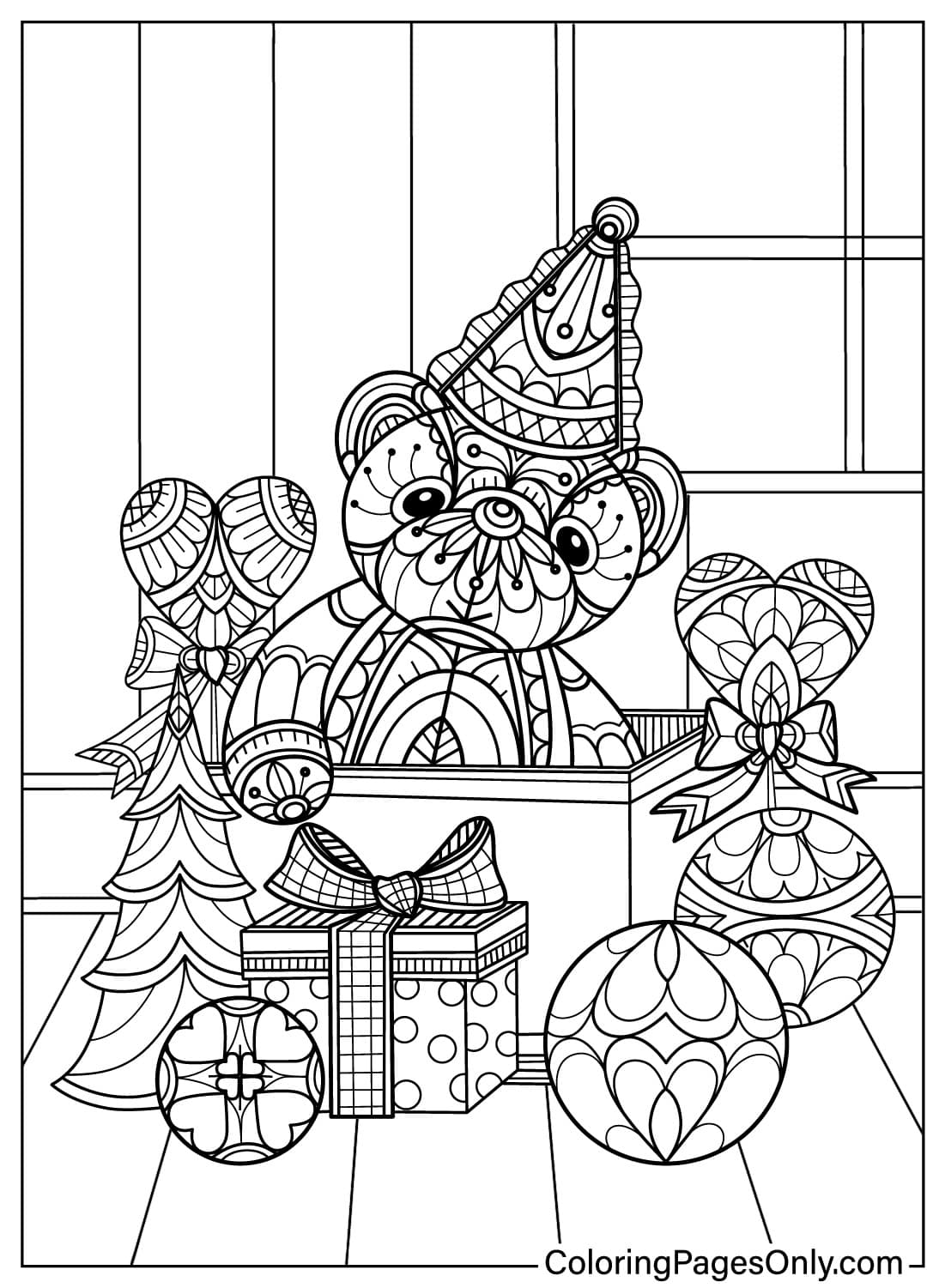
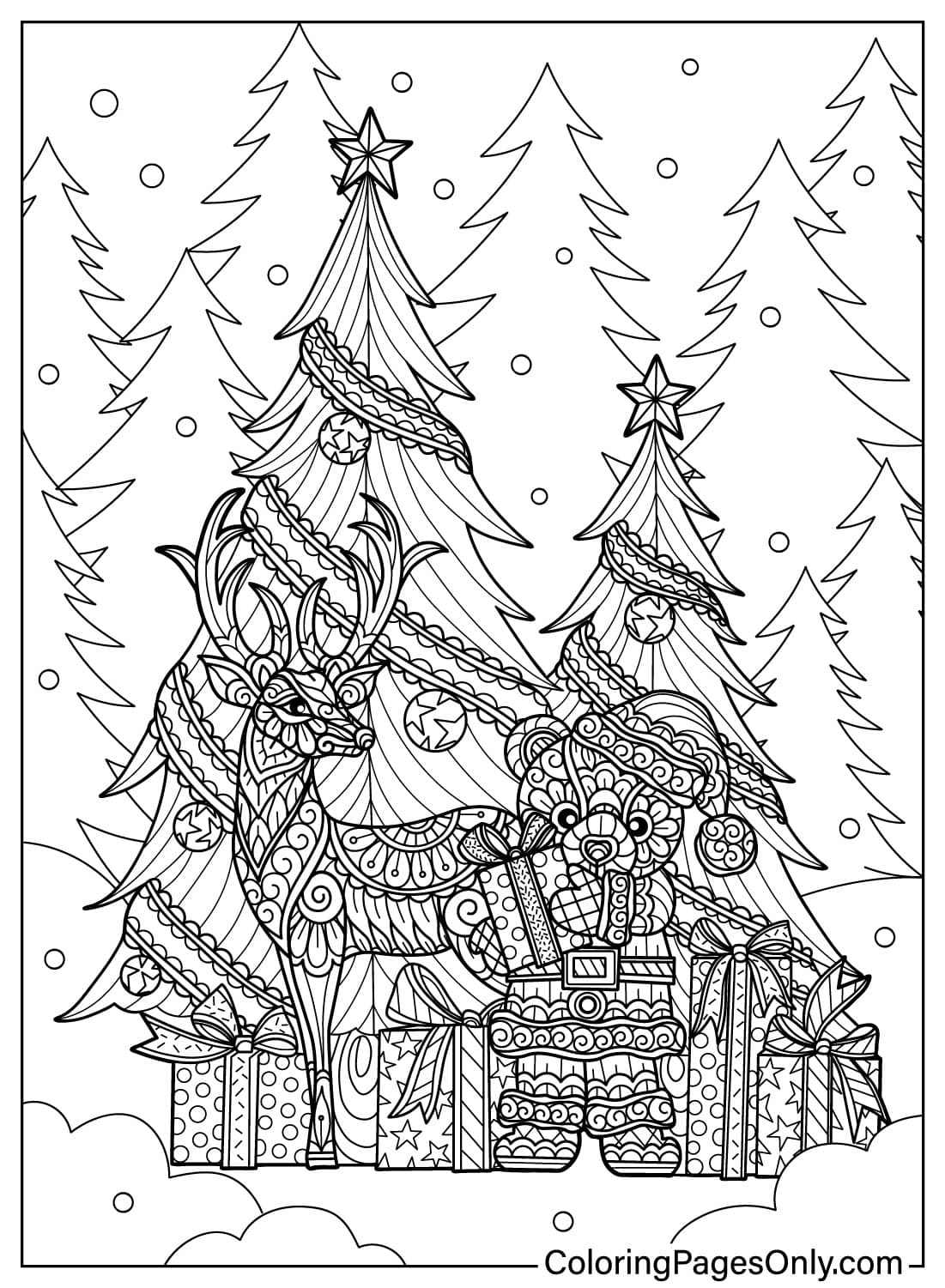
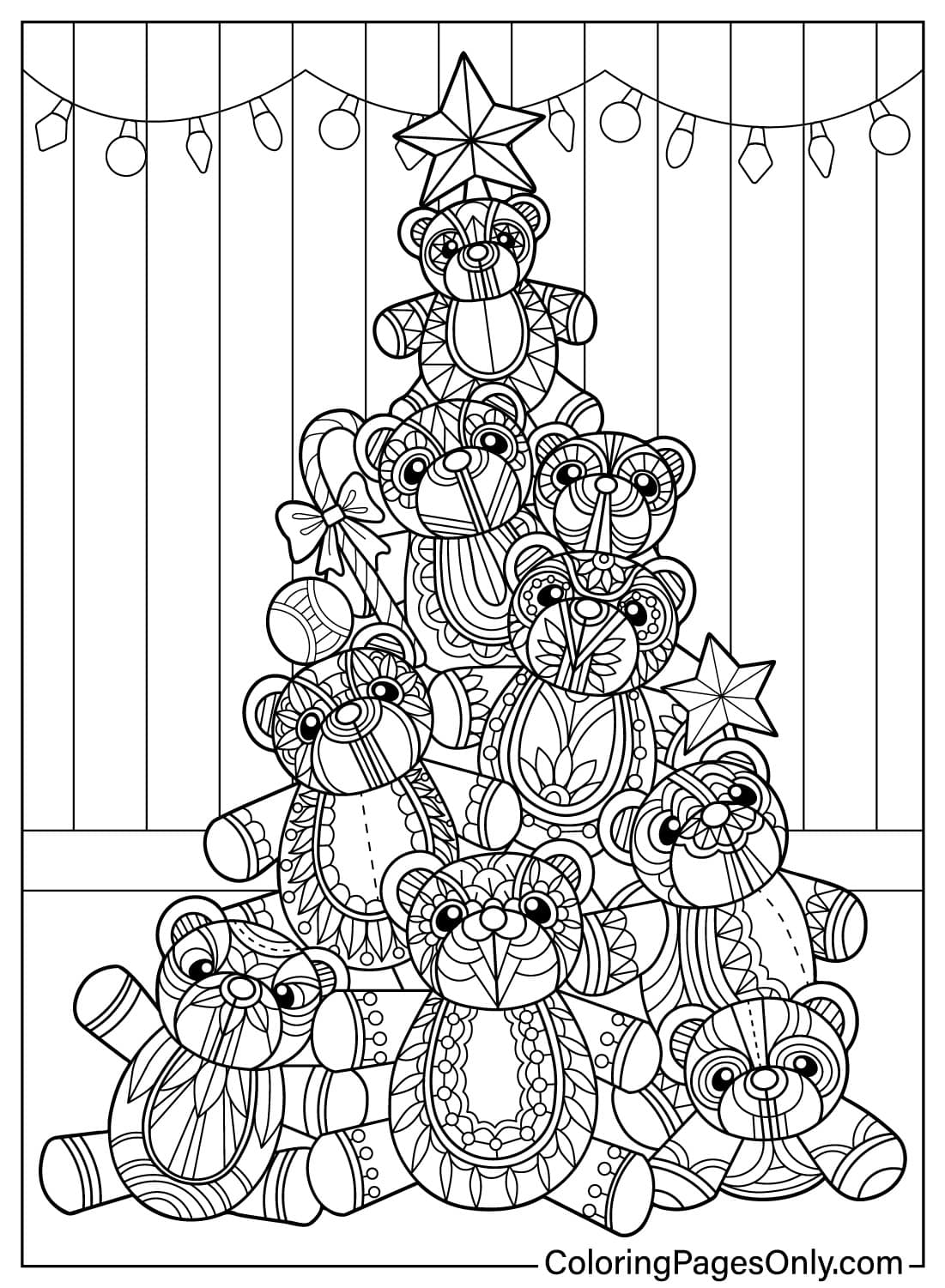
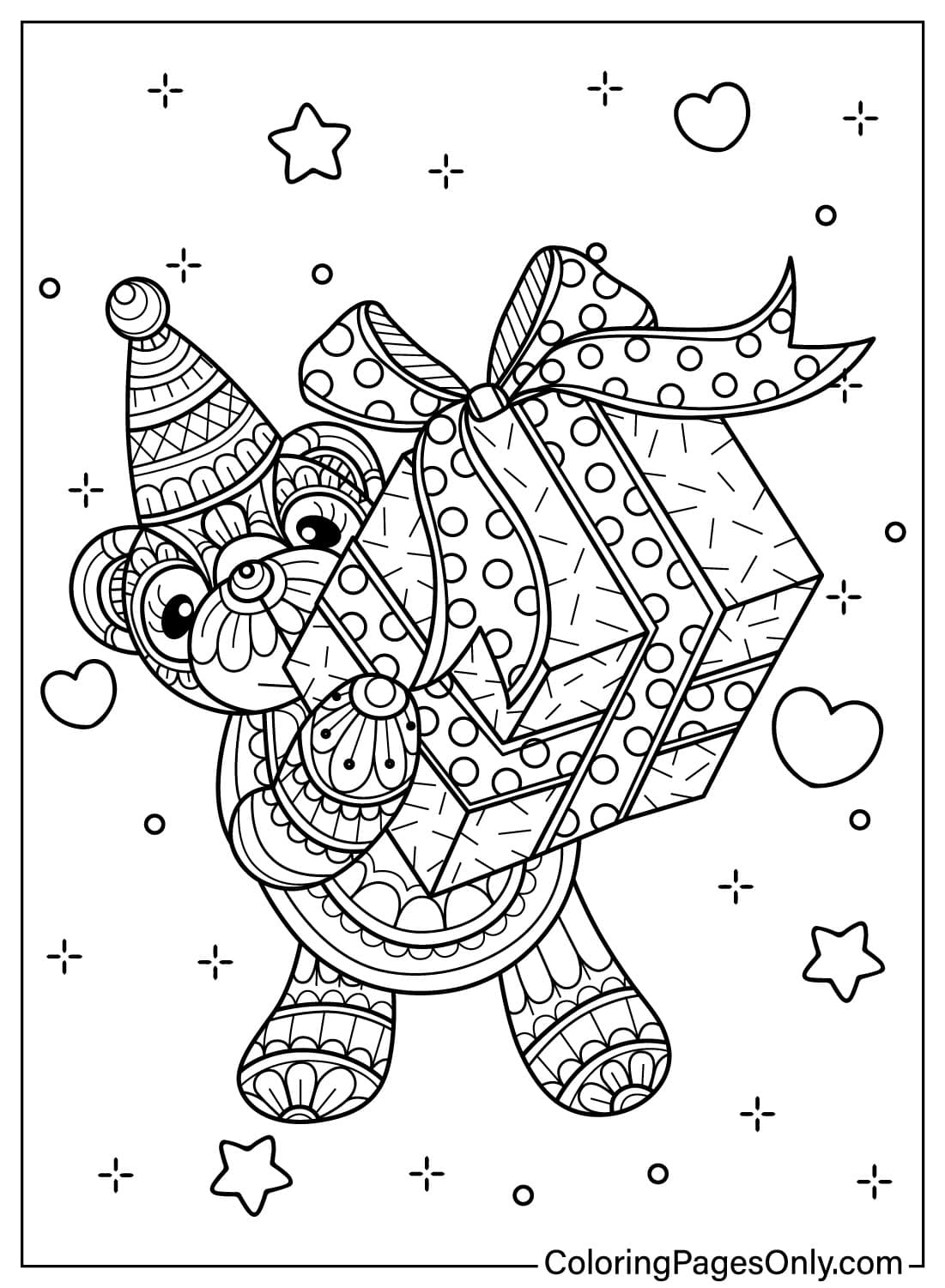
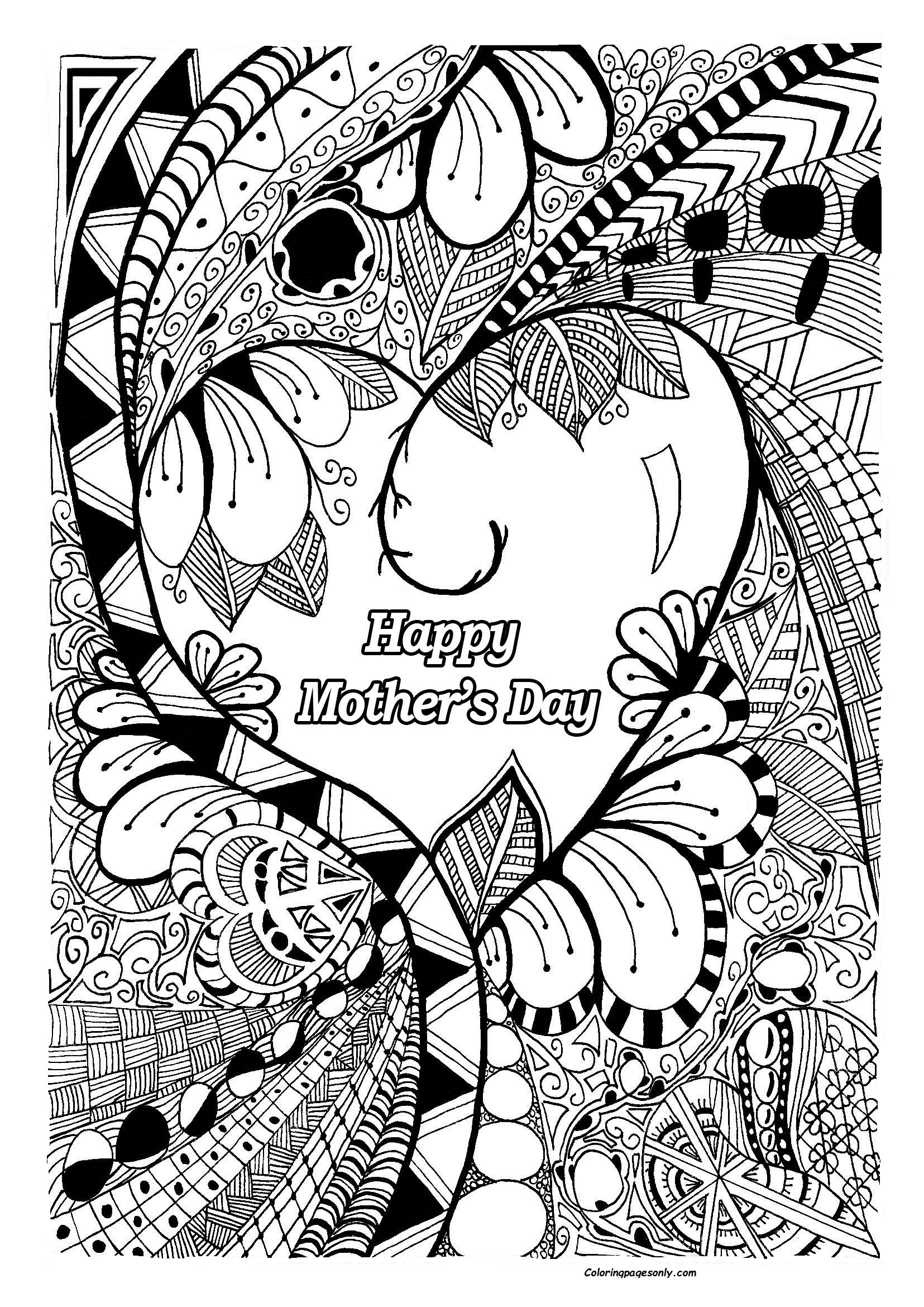
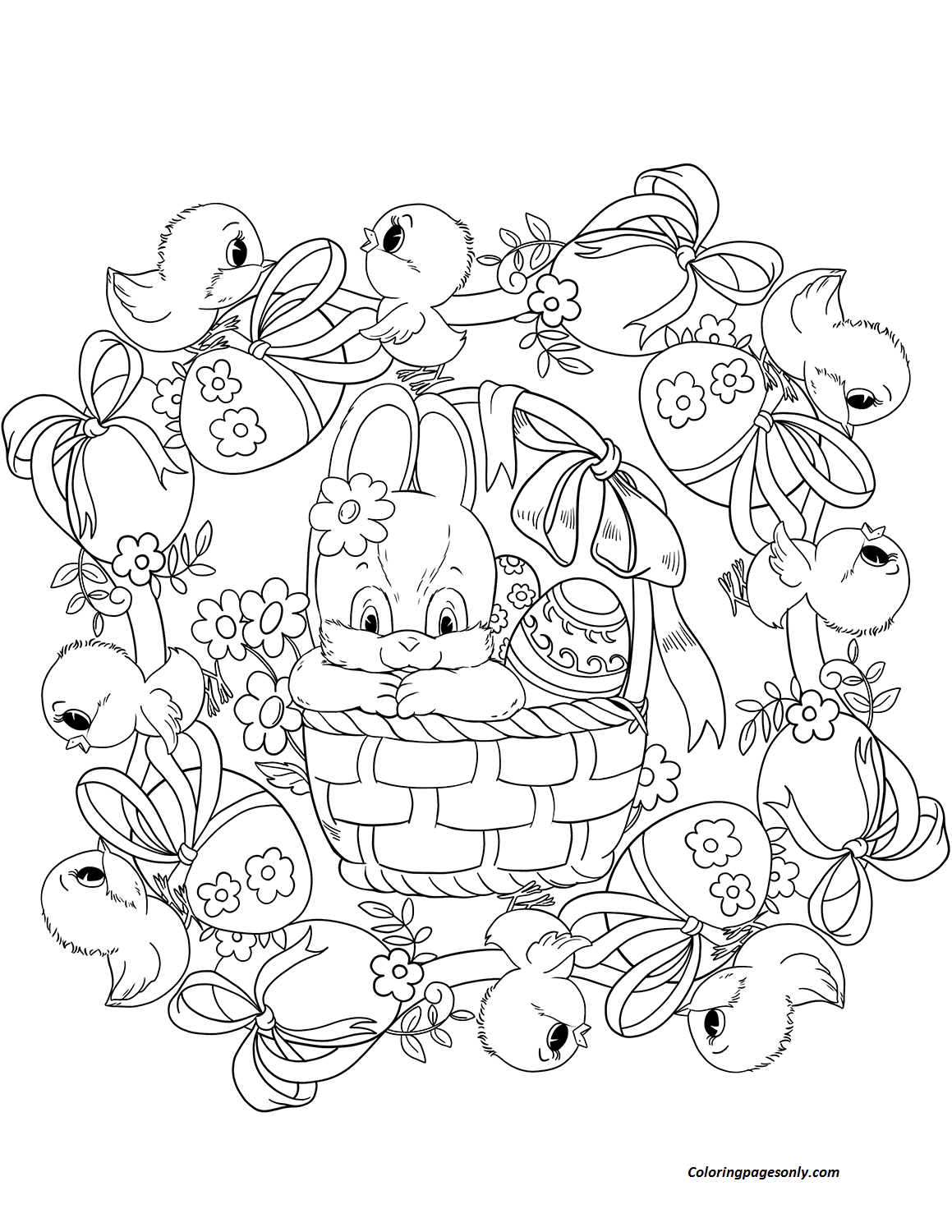
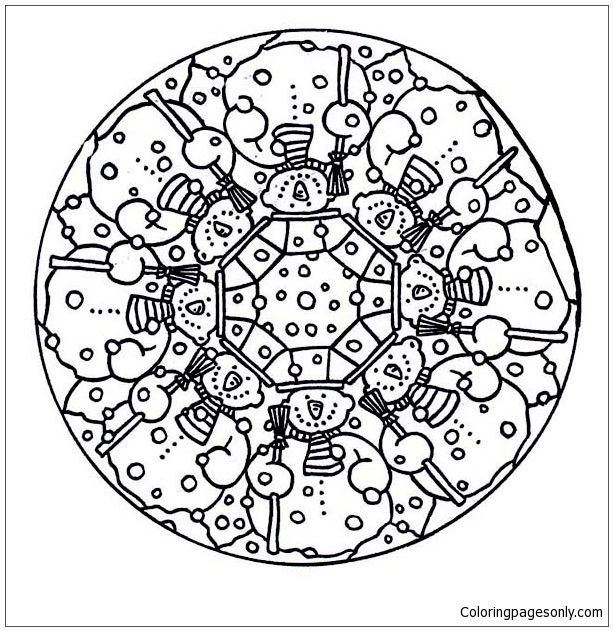
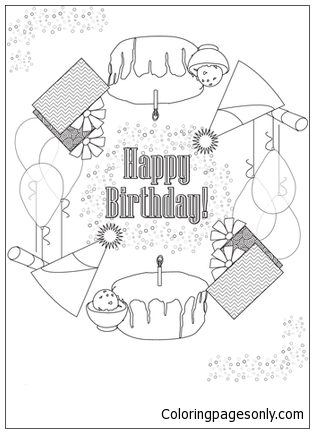
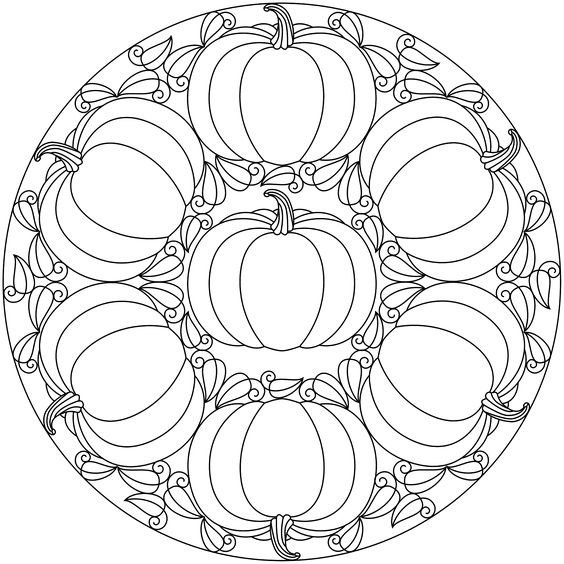
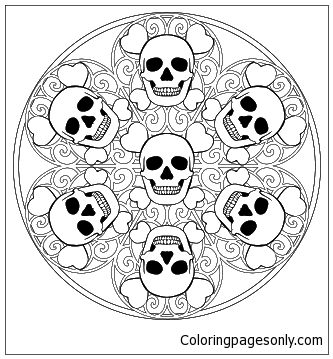
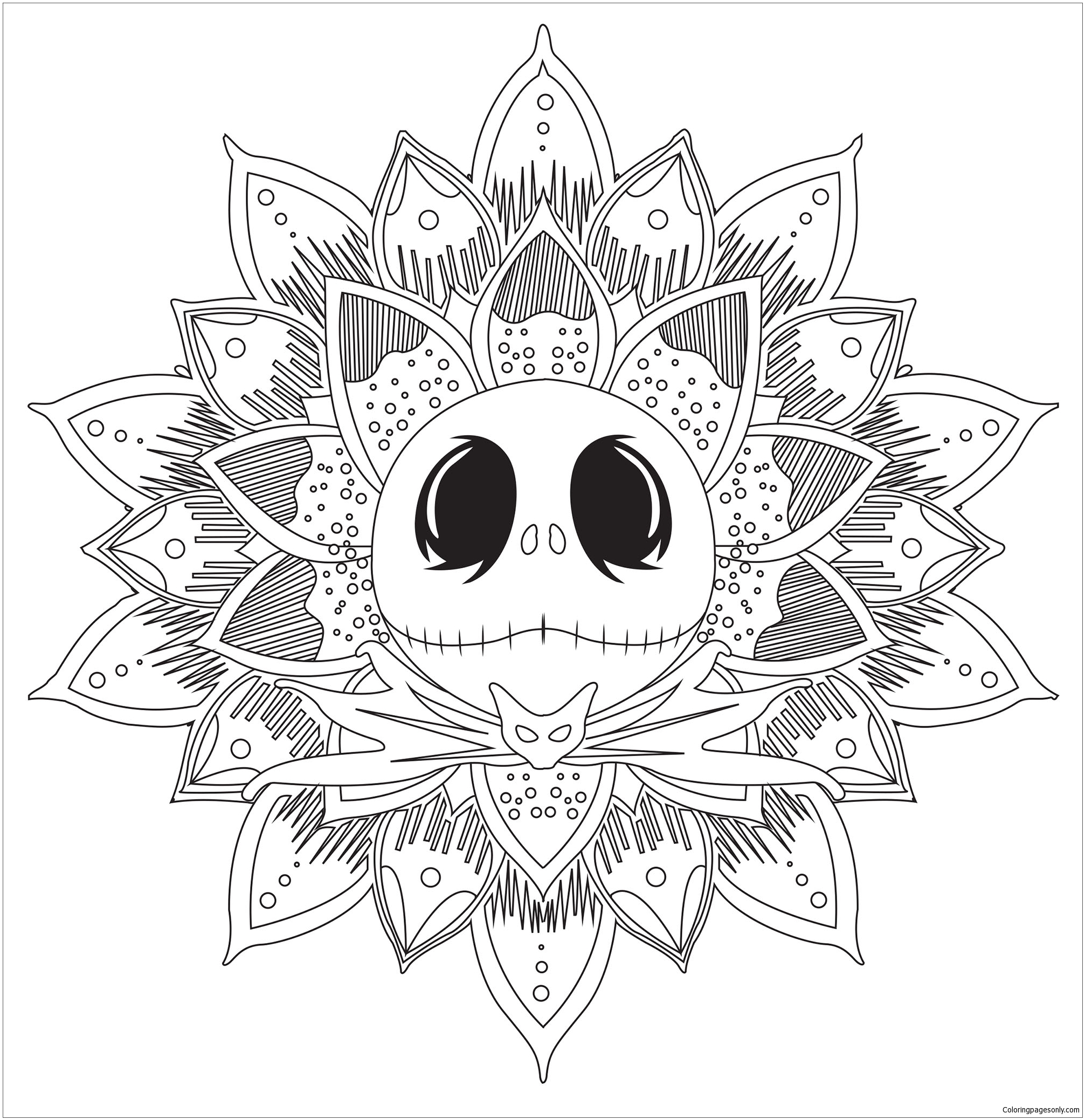
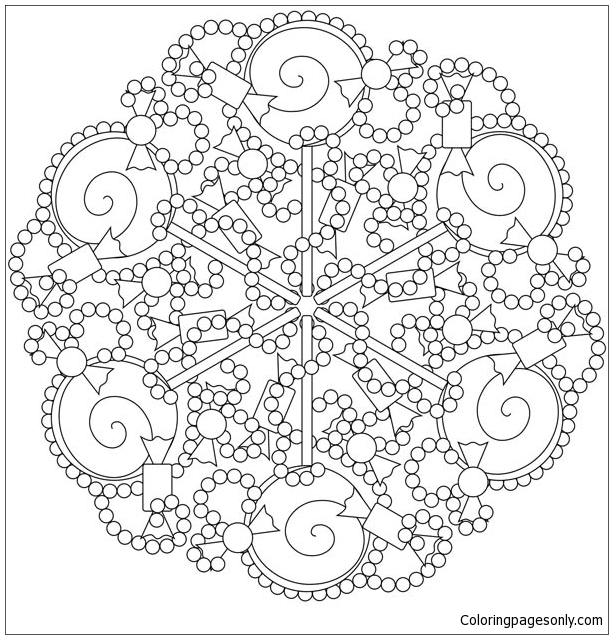
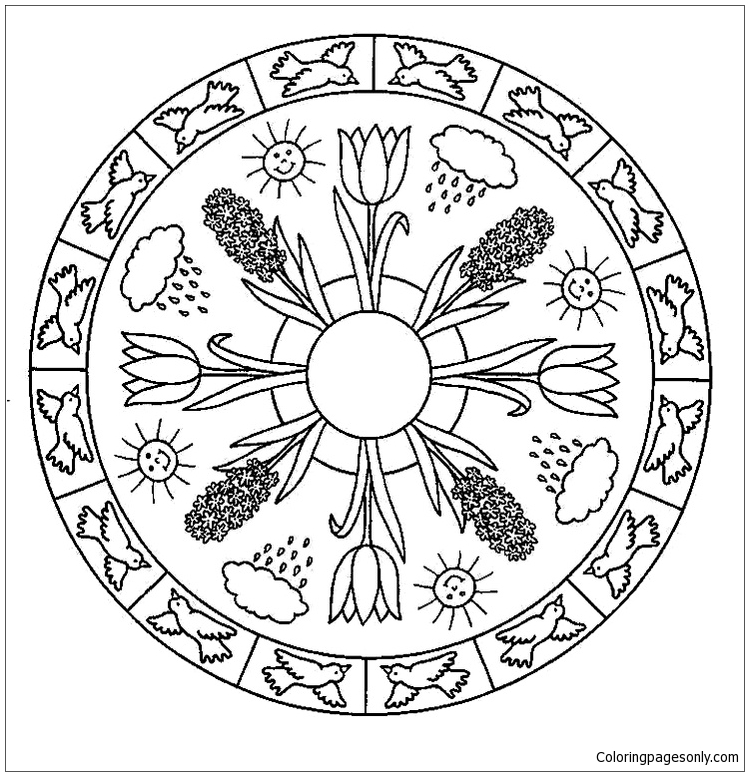
Seasonal and holiday mandalas – Christmas Mandala for Kids, Christmas Mandala Bears, Happy Christmas Mandala, Bear and Gift of Christmas Mandala, Sparkling Mandala Snow Globe, Mandala Christmas Ornaments, Winter Mandala 1, Halloween Mandala, Easter Mandala, Mandala Easter Surprise, Spring Mandala 1, Spring Mandala 2, Spring Mandala 3, Mandala Pumpkin, Mothers Day Mandala, Birthday Mandala – connect the mandala format to the major holidays and seasons of the year.
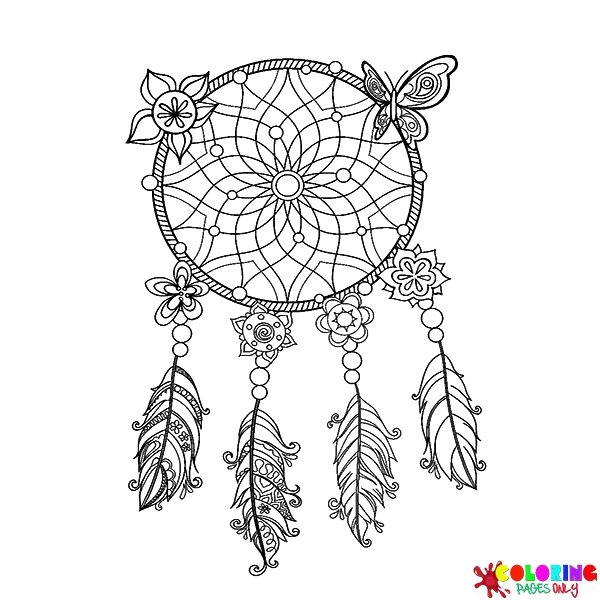
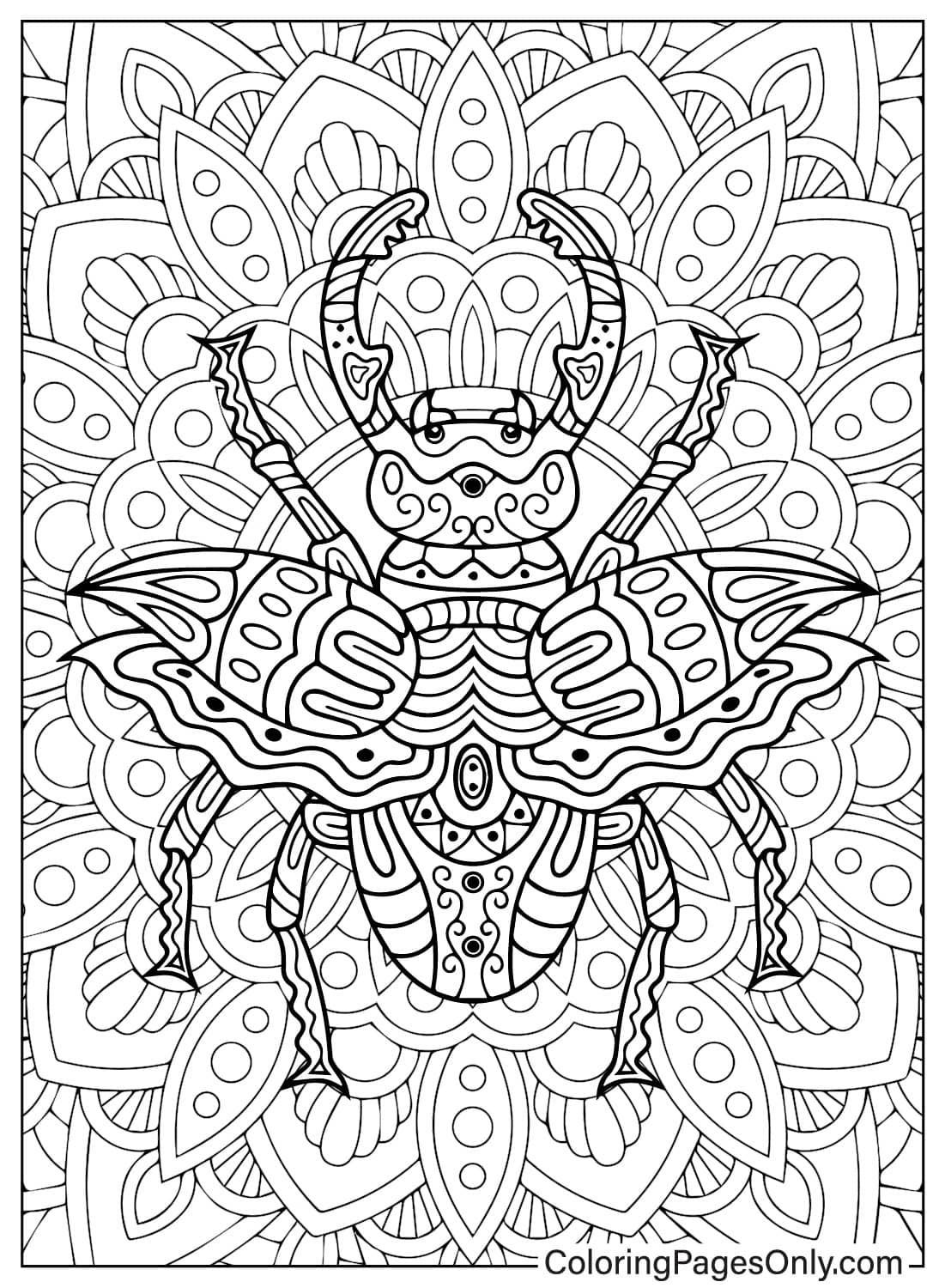
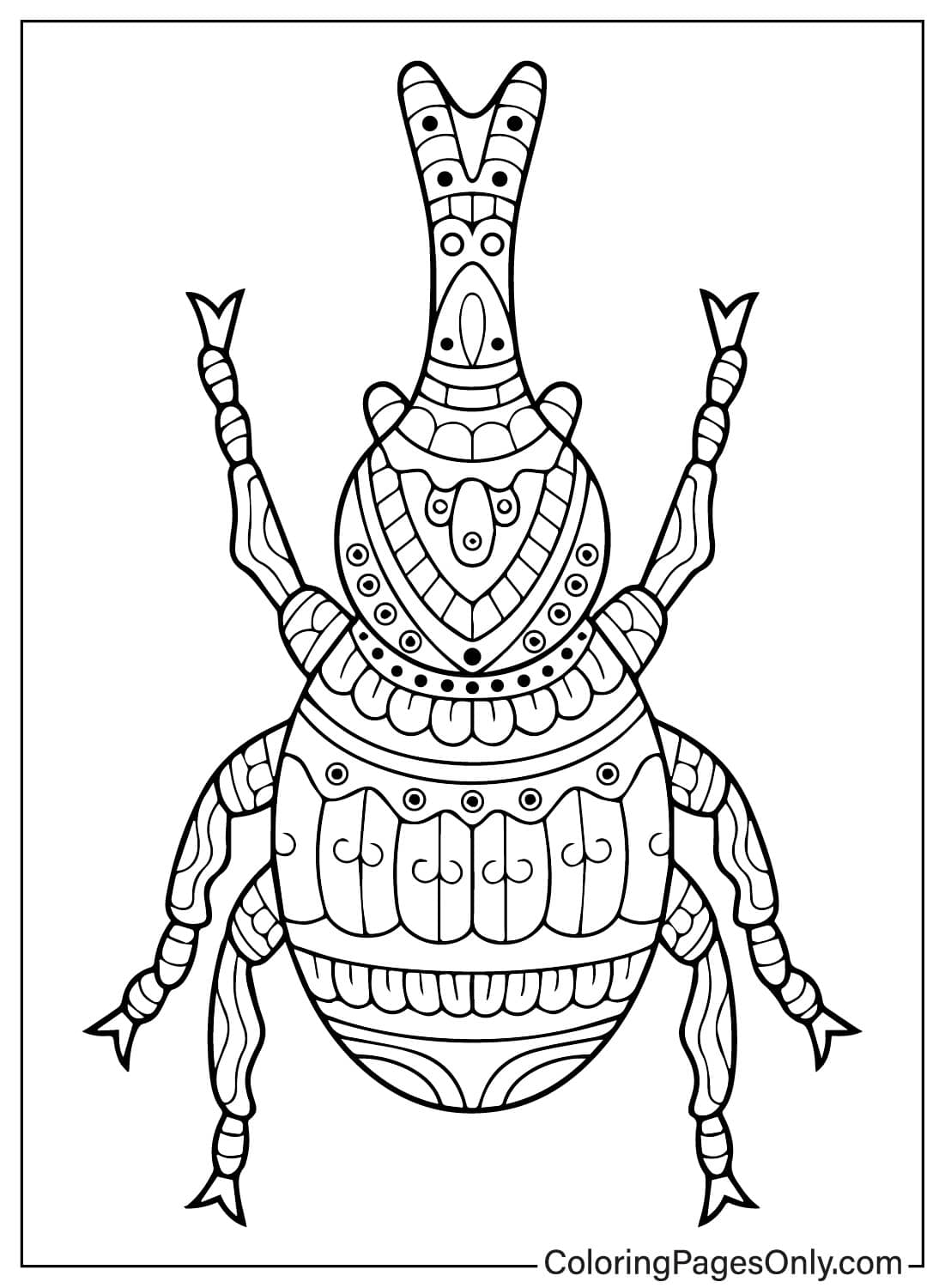
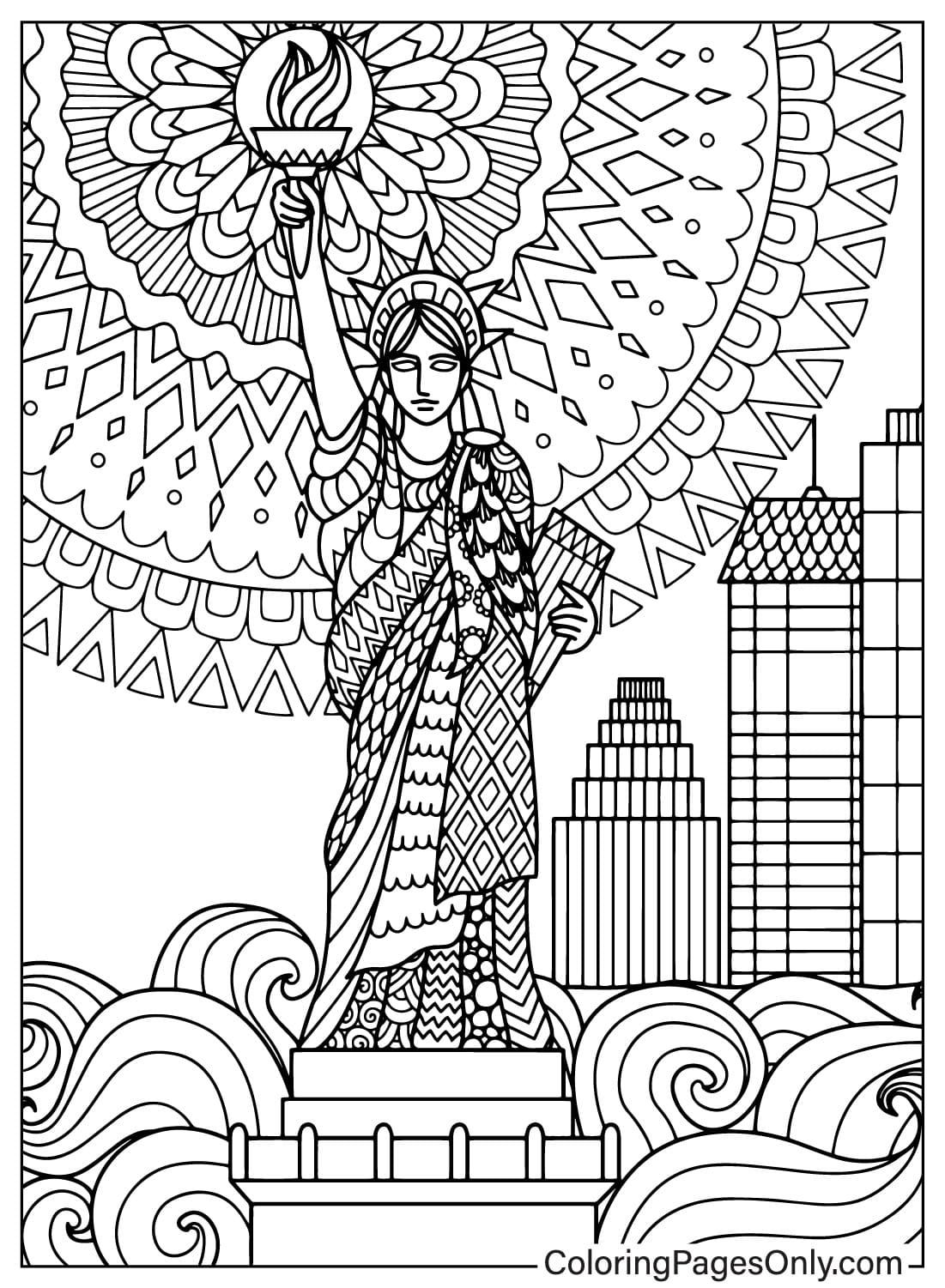
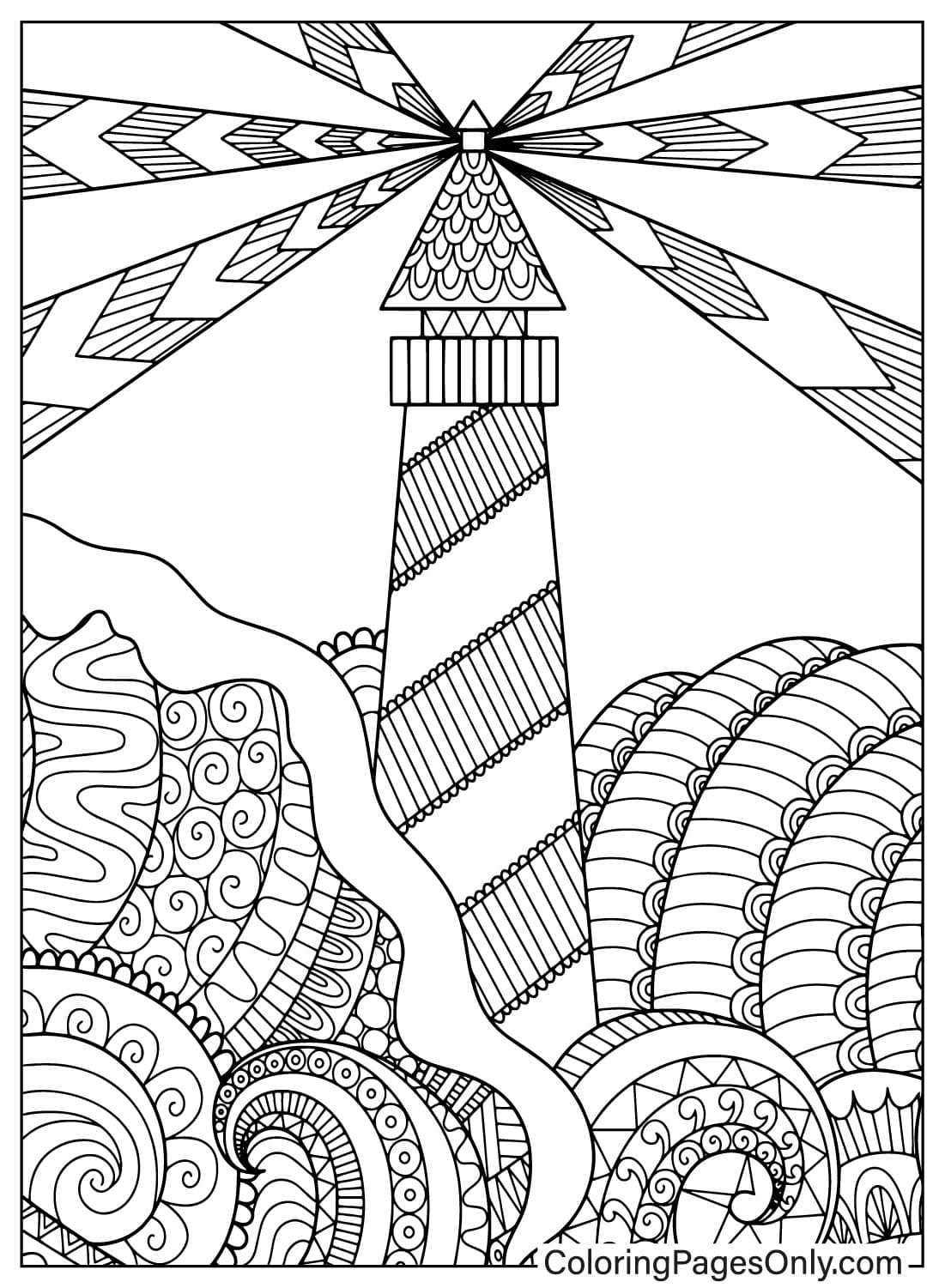
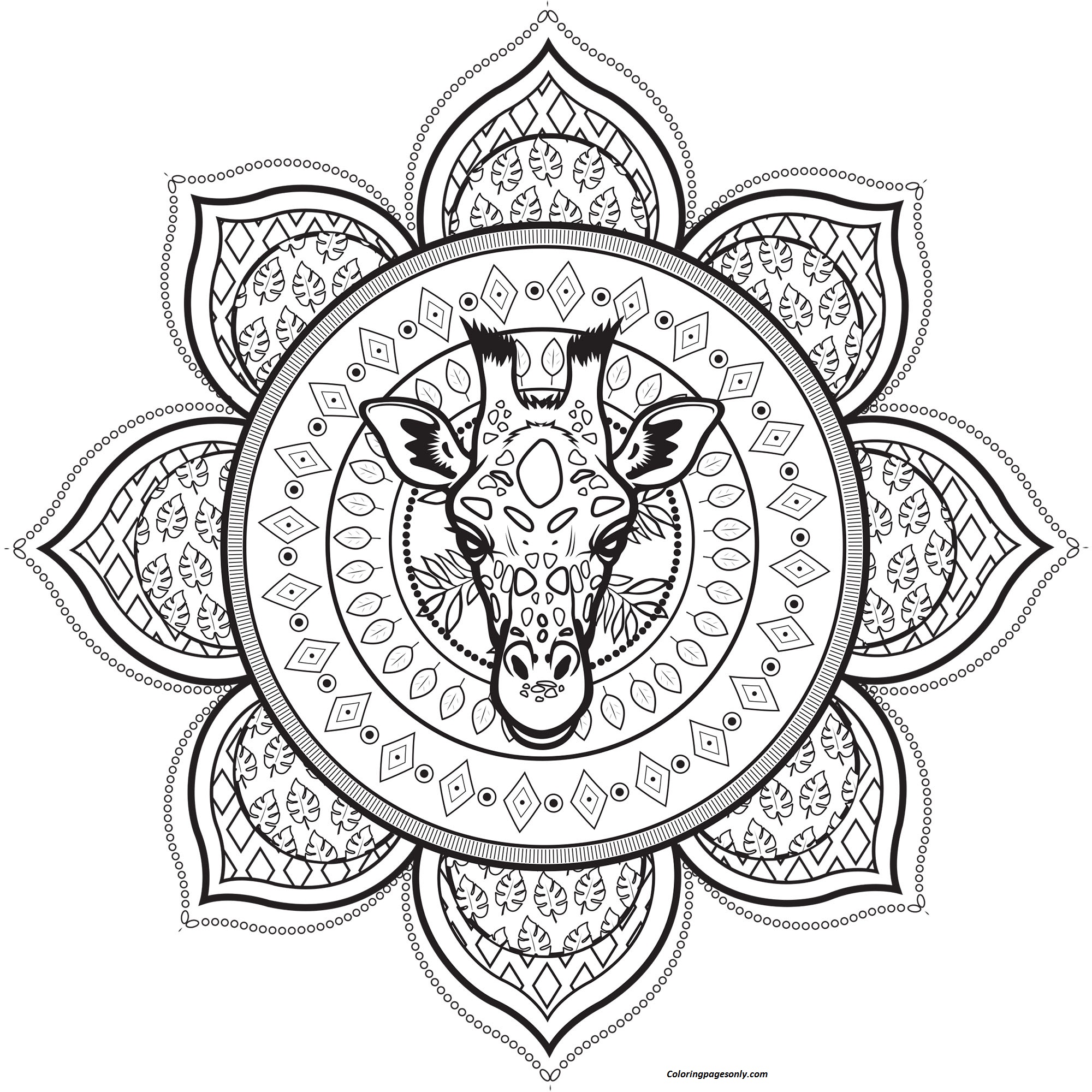
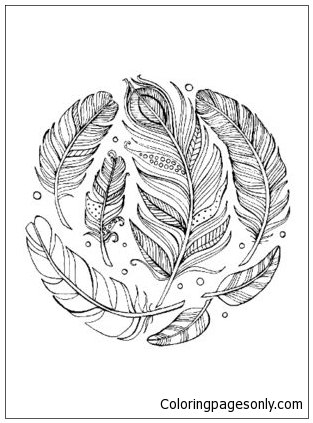
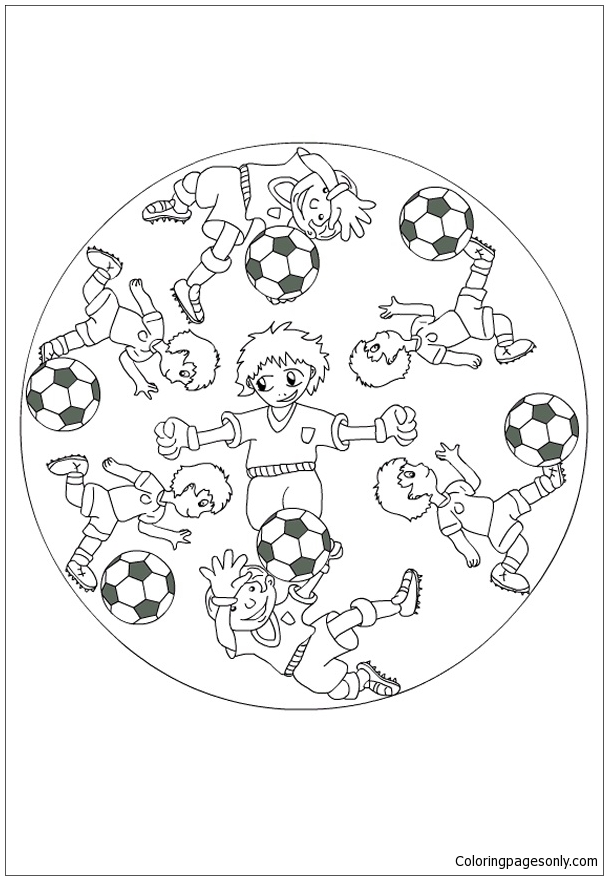
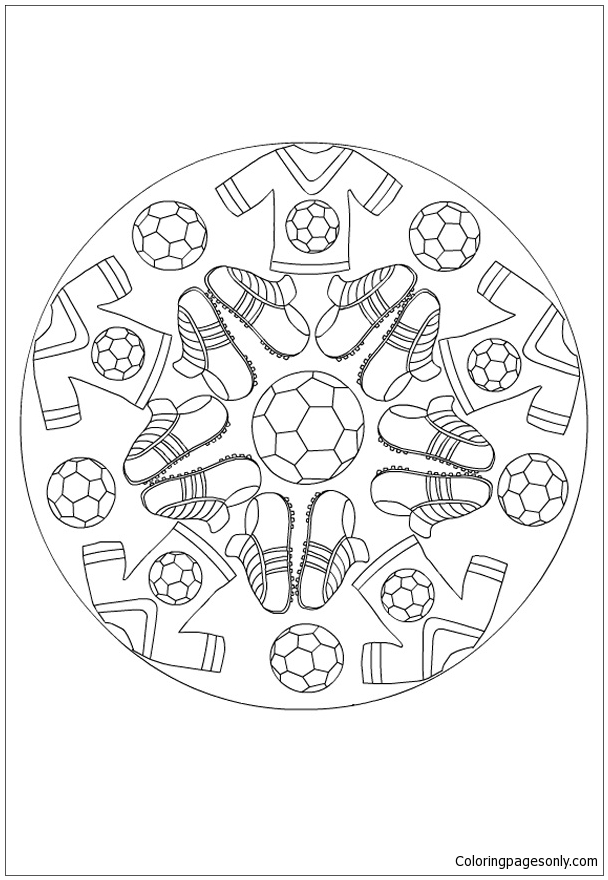
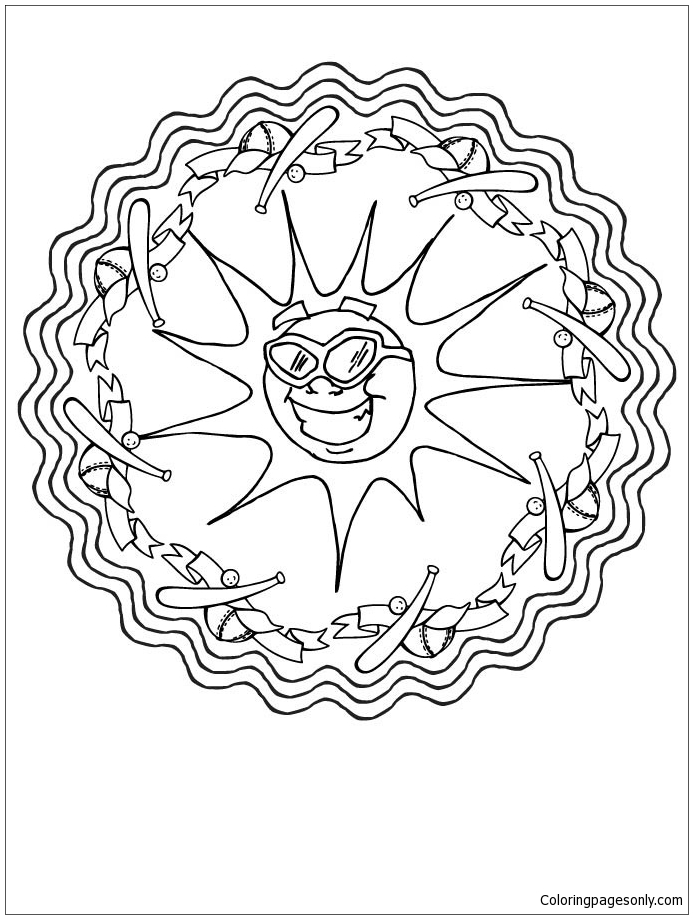
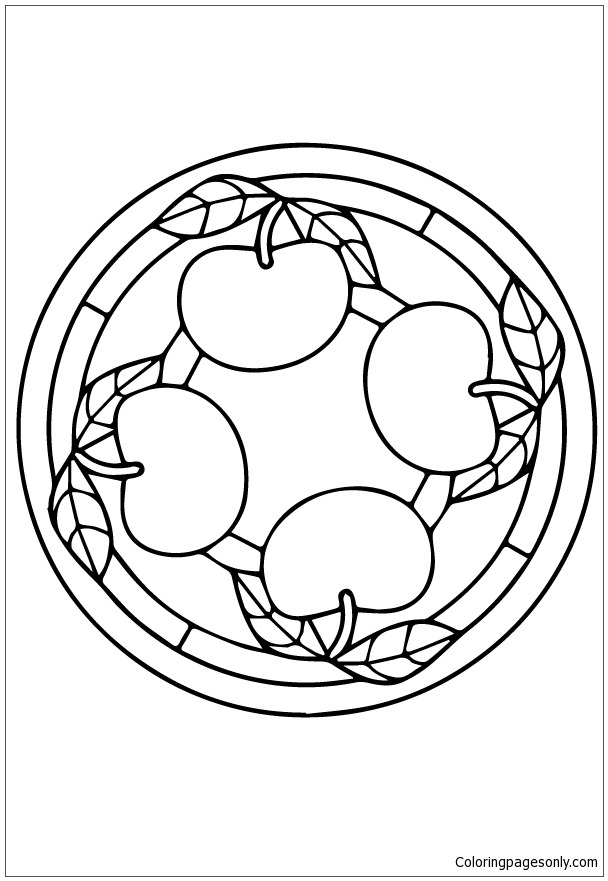
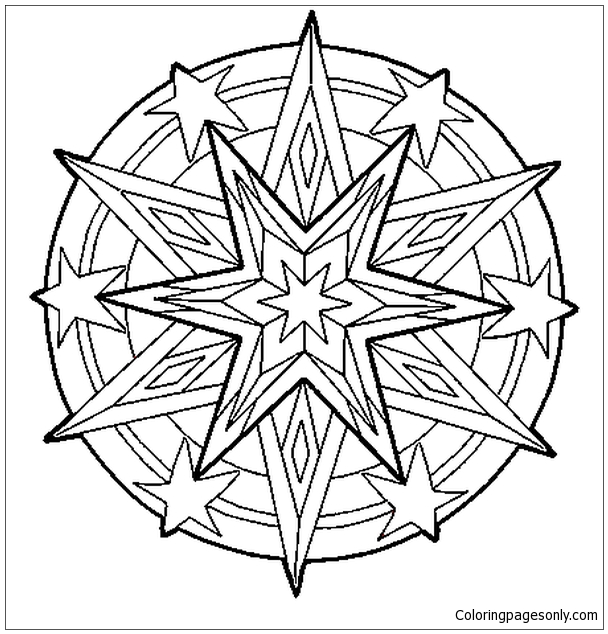
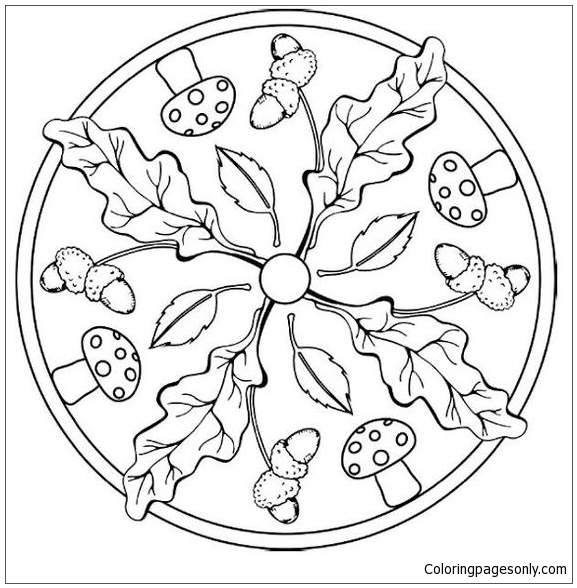
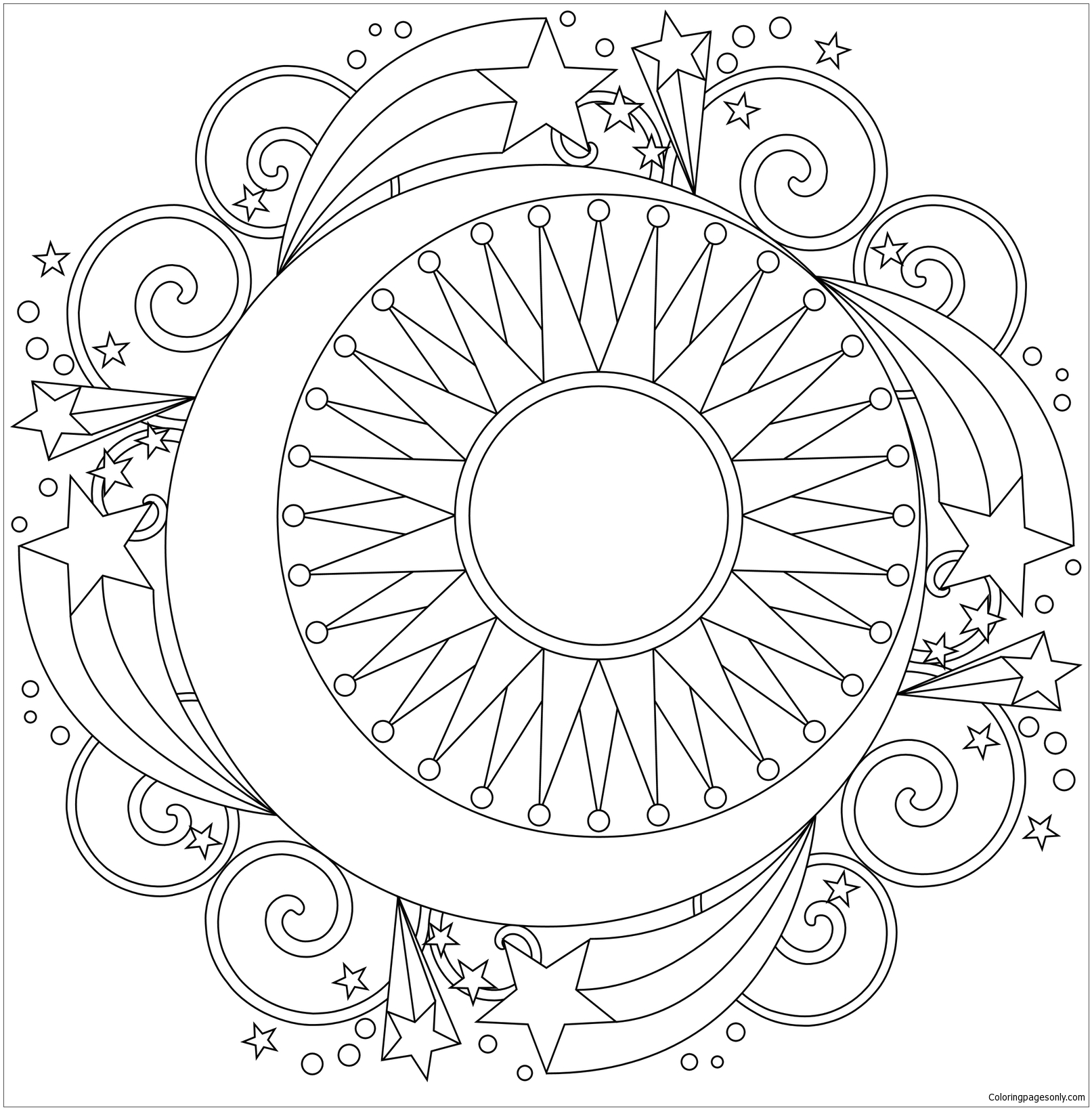
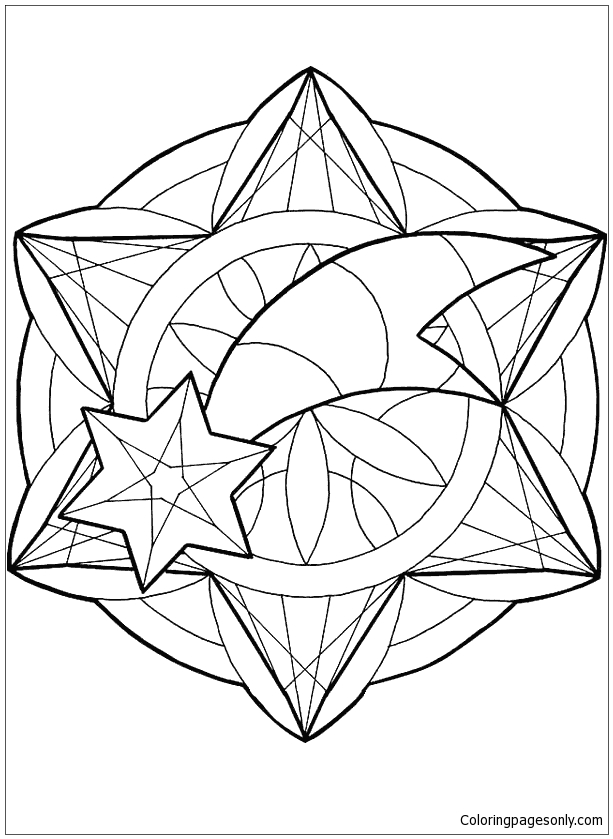
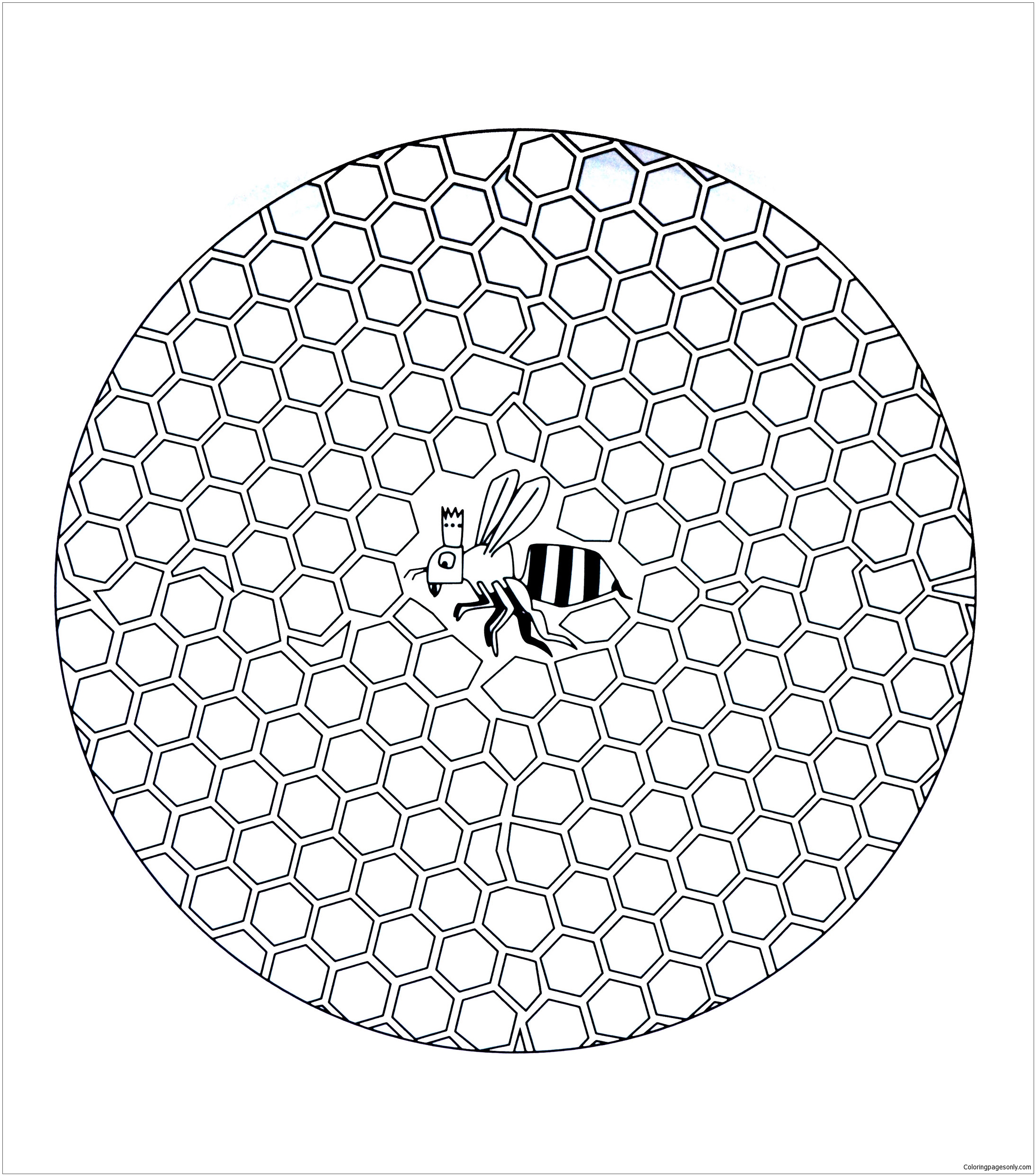
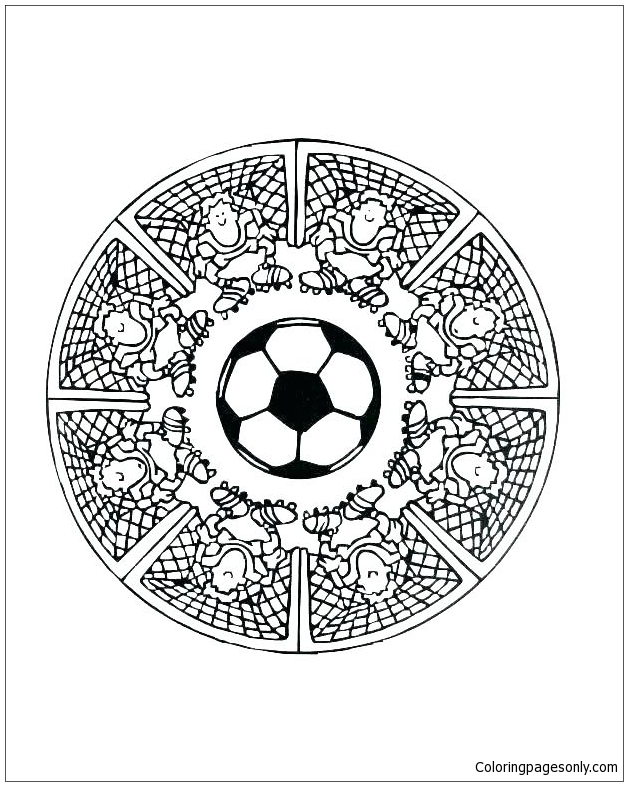
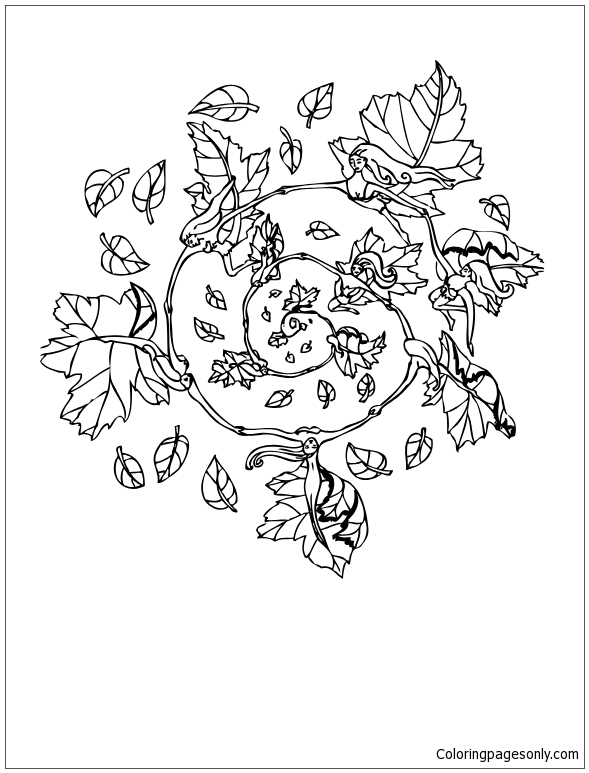
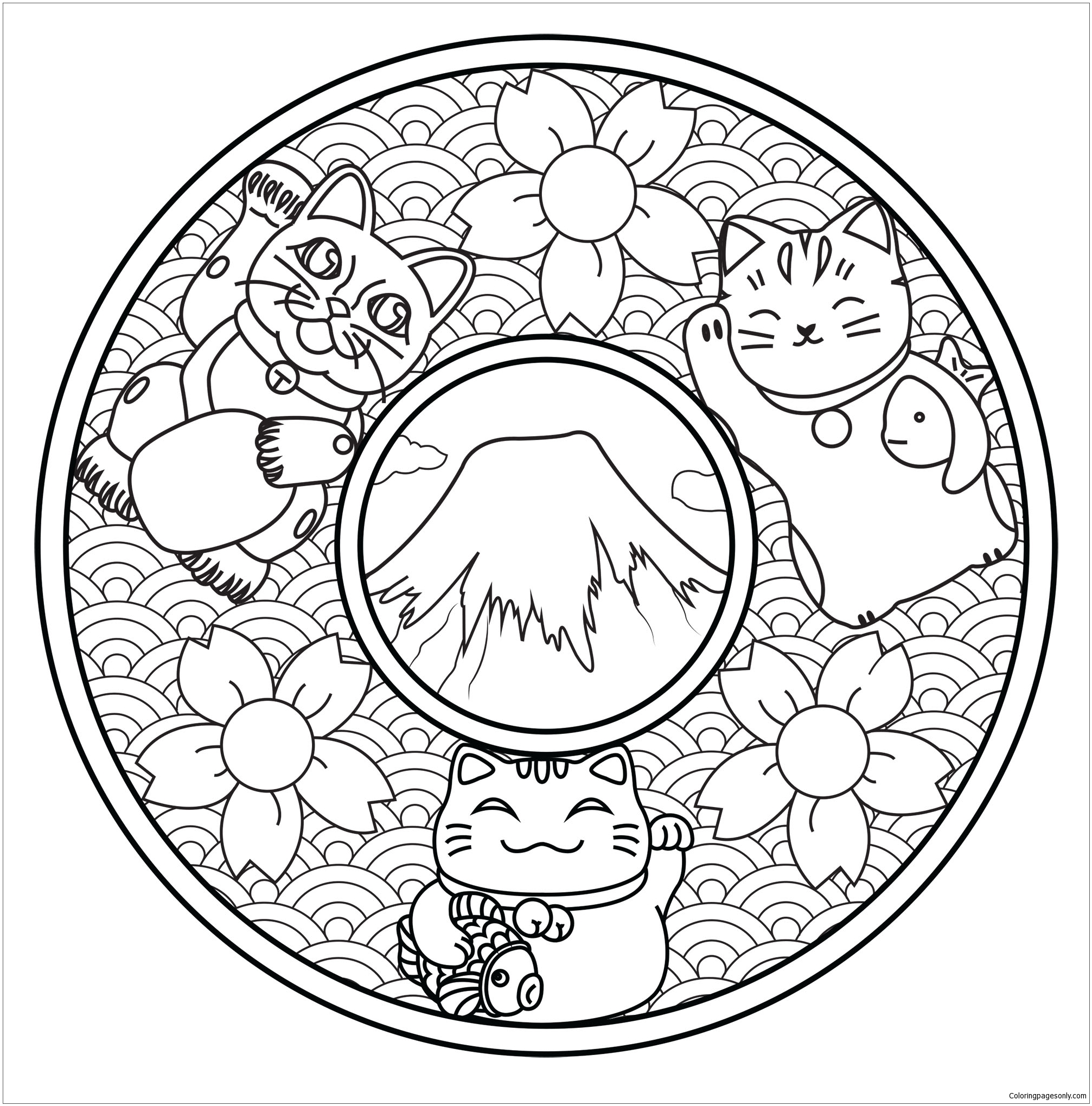
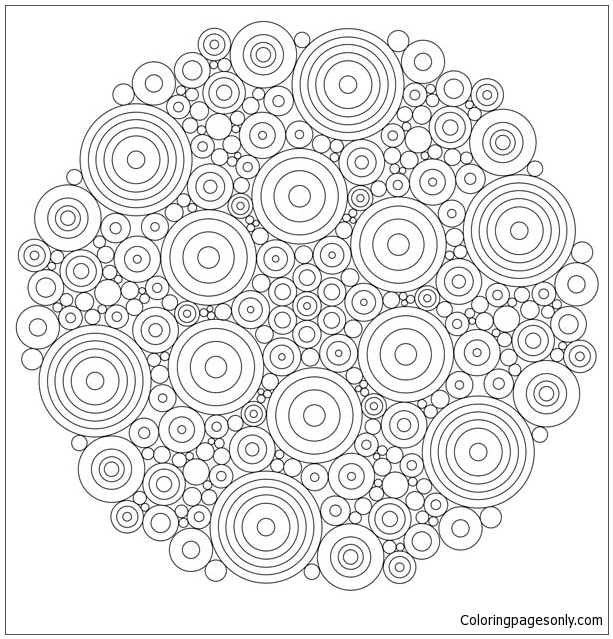
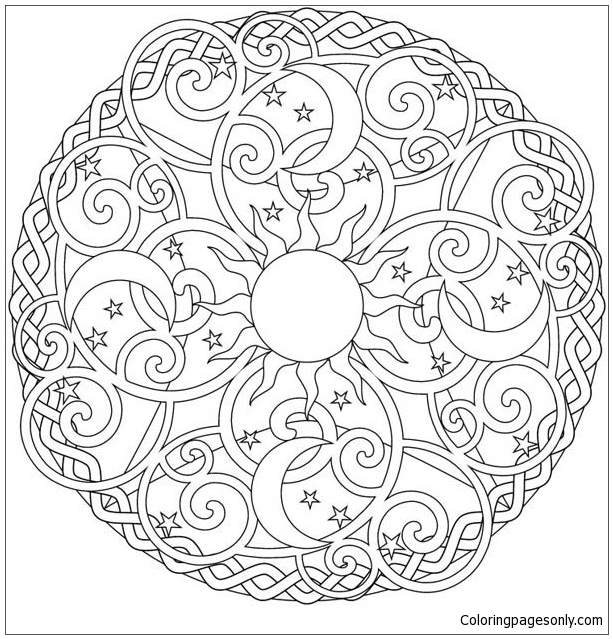
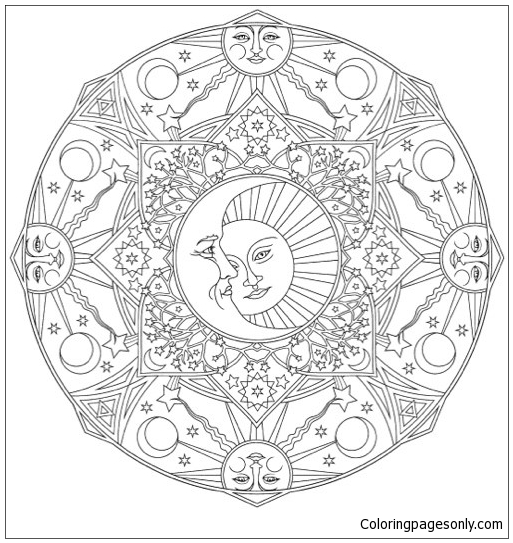
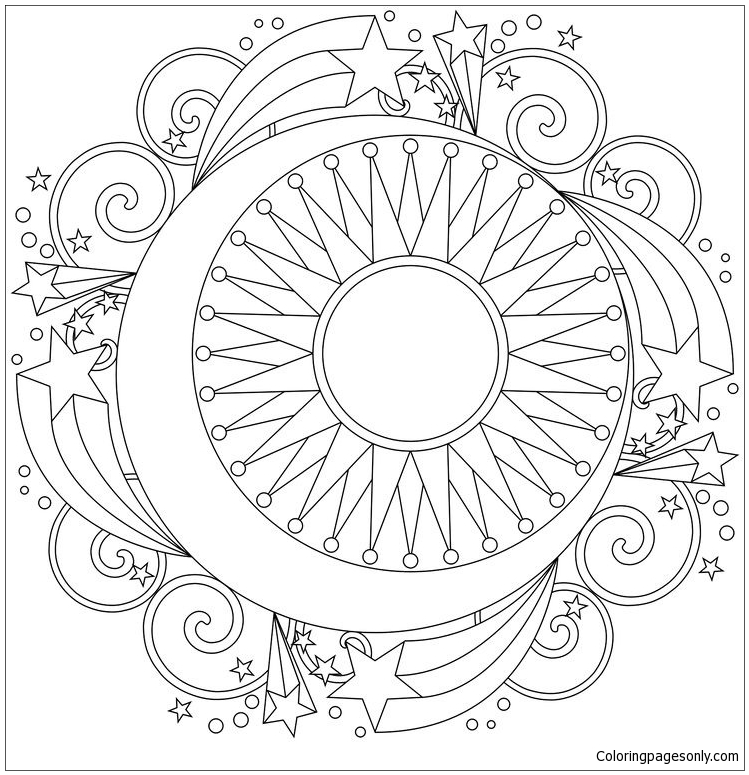
Landmark and themed mandalas – Statue Of Liberty Mandala, Lighthouse Mandala, Mandala Labyrinthe (labyrinth pattern), Moon and Star Mandala, Mandala Cetonia Aurata (rose beetle), Mandala Beetle For Adults, Geometry Blocks Mandala, Circles and Round Forms Mandala, Summer Baseball Sun Mandala, Mandala With A Giraffe, Feather Mandala, Apple Mandala, Bee In Hive, Mandala Maillots Football (football jerseys), Mandala Para la Esperanza (hope), Mandalas Para Pintar Animales del Nilo (Nile animals), Mandalas Enfants (children’s mandala), Mandala a colorier feuilles (leaf mandala by Olivier), Mandala Tardor (autumn mandala) – cover subjects outside the traditional flower-and-geometry mandala tradition.
Coloring Tips
The fundamental coloring principle of the mandala is that whatever color decision you make in one section must be carried through all equivalent sections of the design. Because a mandala has rotational symmetry – typically 4-fold, 6-fold, or 8-fold – there are multiple identical “pie slice” sections arranged around the center. If you color one section’s innermost ring in deep blue, all the innermost rings in the other sections should also be deep blue. Consistency across equivalent sections is what makes the finished mandala look intentional rather than chaotic.
Choose your palette before you start. Most experienced mandala colorists select 3–6 colors and test them together on a scrap sheet before touching the page. The most reliable palettes for mandala work are: analogous (colors sitting next to each other on the color wheel, like blue-teal-green-aqua), complementary pairs with a neutral (such as coral-teal-cream, or violet-gold-white), and monochromatic progressions (a single color in 4–5 values from very light to very dark). Choosing more than 6–7 colors tends to produce a result that looks busy rather than balanced.
Work from the center outward. Start with the central motif – the innermost ring or rosette – and move outward ring by ring. This approach has two practical benefits: you avoid smearing wet marker on already-colored areas as your hand crosses the page, and you establish the color logic from the beginning before committing to the larger outer sections.
For simple mandalas, flat, confident color application works best. Large, open areas reward smooth, even coverage with a marker or crayon rather than the texture and variation that pencil blending can introduce. The simple mandala has large enough color areas that you can treat each one as a shape to be filled rather than a surface to be shaded.
For advanced and complex mandalas, the approach reverses: here, subtle color variation within each small area adds depth that flat application cannot. Use colored pencils and layer lightly – a base color, then a slightly darker shade at the edges of each small section to suggest shadow, and a slightly lighter or brighter center highlight. The cumulative effect across hundreds of small sections is a finished mandala that appears to have dimensionality and inner light.
For flower mandalas, follow the real-world color logic of flowers: petals in one color family (pinks, corals, lavenders), leaf and stem elements in the green family, and a warm gold or yellow at the center to suggest the stamen. The lotus mandala specifically is most powerful in the traditional Buddhist lotus palette: white or pale pink petals with gold accents and a soft green base.
For animal mandalas, maintain the animal’s canonical fur or skin color in the central animal form and let the surrounding mandala pattern use a complementary palette. A Tiger Mandala works beautifully with the tiger’s amber-orange and black in the central figure, and a teal-to-blue-to-purple gradient moving outward through the mandala arms. A Deer Mandala reads most naturally with warm brown tones for the animal and soft forest greens and earth tones for the surrounding pattern.
For holiday mandalas, anchor your palette to the holiday’s canonical colors and let the mandala structure do the rest. Christmas mandalas in red, green, and gold; Halloween mandalas in orange and black with purple accents; Easter mandalas in pastel yellow, pink, and lavender; Spring mandalas in the fresh greens and soft flower colors of the season.
5 Activities with Your Mandala Pages
The same mandala in three different palettes. Print three copies of the same page – Mandala 40, Mandala Art, or any of the intermediate complexity pages work well. Color each copy using a completely different palette: one warm (reds, oranges, golds), one cool (blues, teals, violets), and one neutral (black, white, grey with one accent color). Display the three finished pages side by side. The exercise demonstrates how profoundly palette changes the emotional character of the same design – the warm version will feel energetic, the cool version serene, and the neutral version dramatic.
The gradual complexity progression. Print Easy Flower Mandala, a mid-complexity page like Flower Mandala 7, and Advanced Mandala 1. Color all three pages using the identical palette of three colors. The challenge is applying the same color logic to three very different levels of structural complexity. The simple page will be straightforward; the advanced page will force you to find equivalent positions within a much more complex structure. This is a genuine technique-building exercise – by the end of the advanced page, your control of fine areas will be noticeably better than at the start.
Meditative single-session mandala. Choose one of the truly complex pages – Complex Mandala For Adult, Amazing Advanced Mandala, or Unthinkable Mandala. Set aside 60–90 minutes without other distractions. Work slowly from the center outward, using only colored pencils to allow for gradual layering. The goal is not to finish the page in one sitting but to stay with the process for the full session without rushing. What most people report is that the quality of attention changes after the first 15–20 minutes – the mind stops generating extraneous thoughts and stays in the present task. This is the meditative quality that Carl Jung identified in mandala work.
Seasonal mandala calendar. The collection includes mandalas for Winter, Spring, Easter, Halloween, Christmas, Mother’s Day, and Birthday. Print one seasonal mandala per relevant month and color each as that season or occasion approaches. Color the Winter Mandala in January in cool blues and white. The Spring Mandalas in March or April are in fresh greens and pastels. The Easter Mandala around Easter in the season’s egg-and-flower palette. The Halloween Mandala in October. The Christmas Mandalas in December. The twelve-month project builds a mandala collection that corresponds to the actual calendar year.
The animal mandala series. The collection includes individual mandala pages for tiger, turtle, deer, koala, fox, guinea pig, betta fish, rhino, dolphin, seahorse, wolf, and cat – a substantial roster. Print all of them and color each using both the animal’s canonical colors (the tiger’s orange, the betta fish’s vivid iridescent blues and reds, the fox’s rust-red) and a mandala palette chosen to complement rather than match those colors. When all twelve are finished, they form a complete animal mandala collection. Display them together – the variety of color solutions across twelve different animals, all within the shared mandala format, makes the set more visually interesting as a group than any individual page alone.
These related coloring collections will help you explore the wonderful world of colors. Let’s choose, be creative, and show us your great pictures!