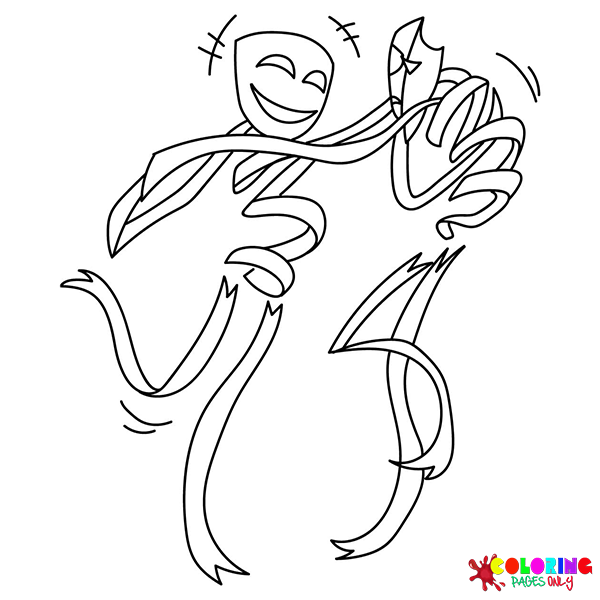
Battle for Dream Island Coloring Pages
 By:
Jennifer Thoa - Content Editor & Designer
Updated:
By:
Jennifer Thoa - Content Editor & Designer
Updated:
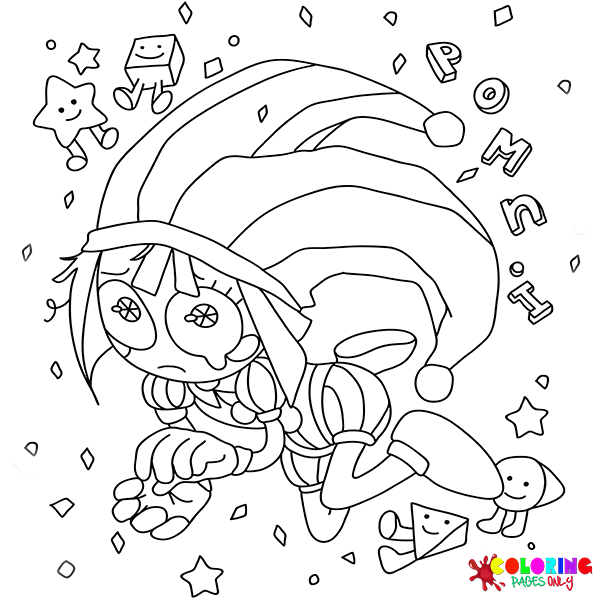
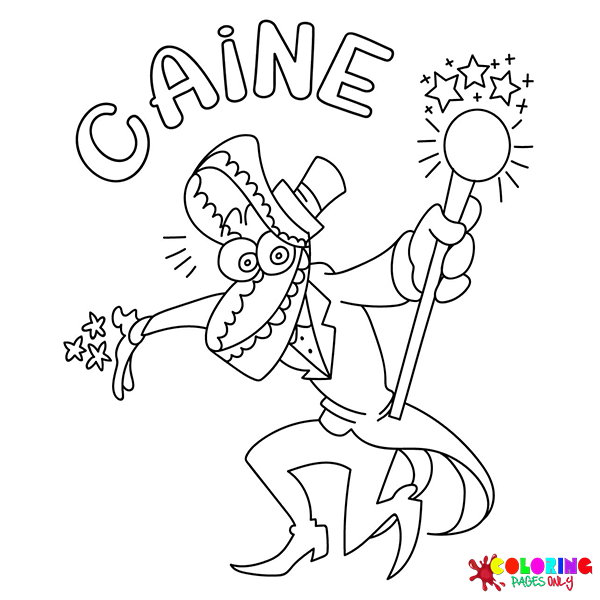
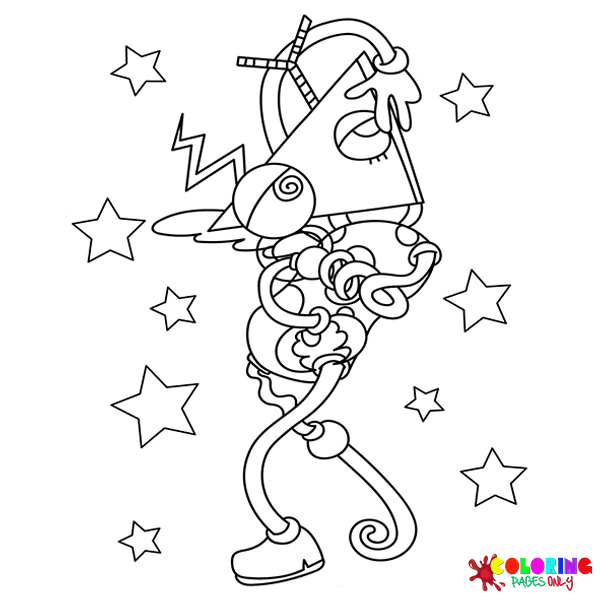
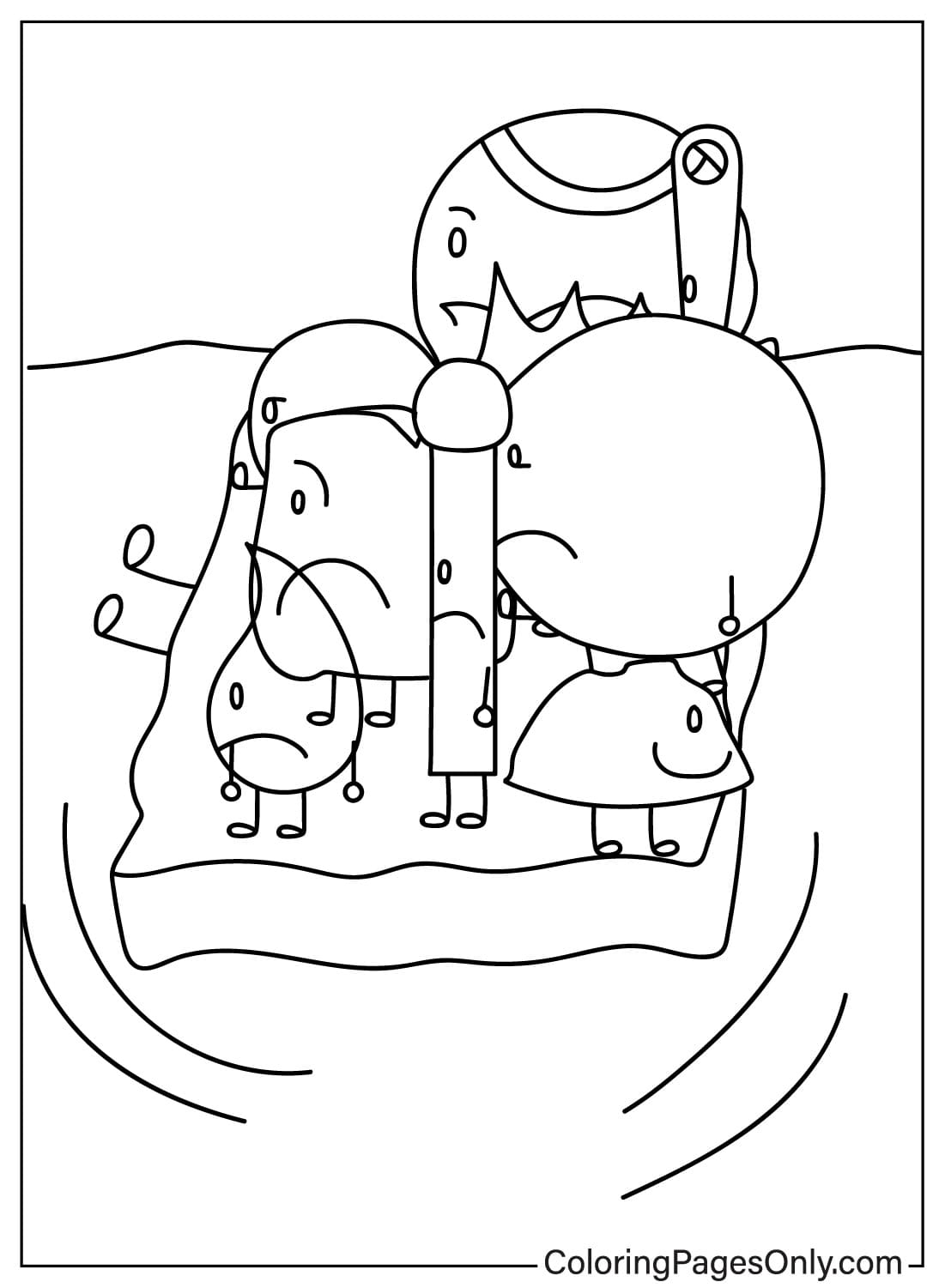
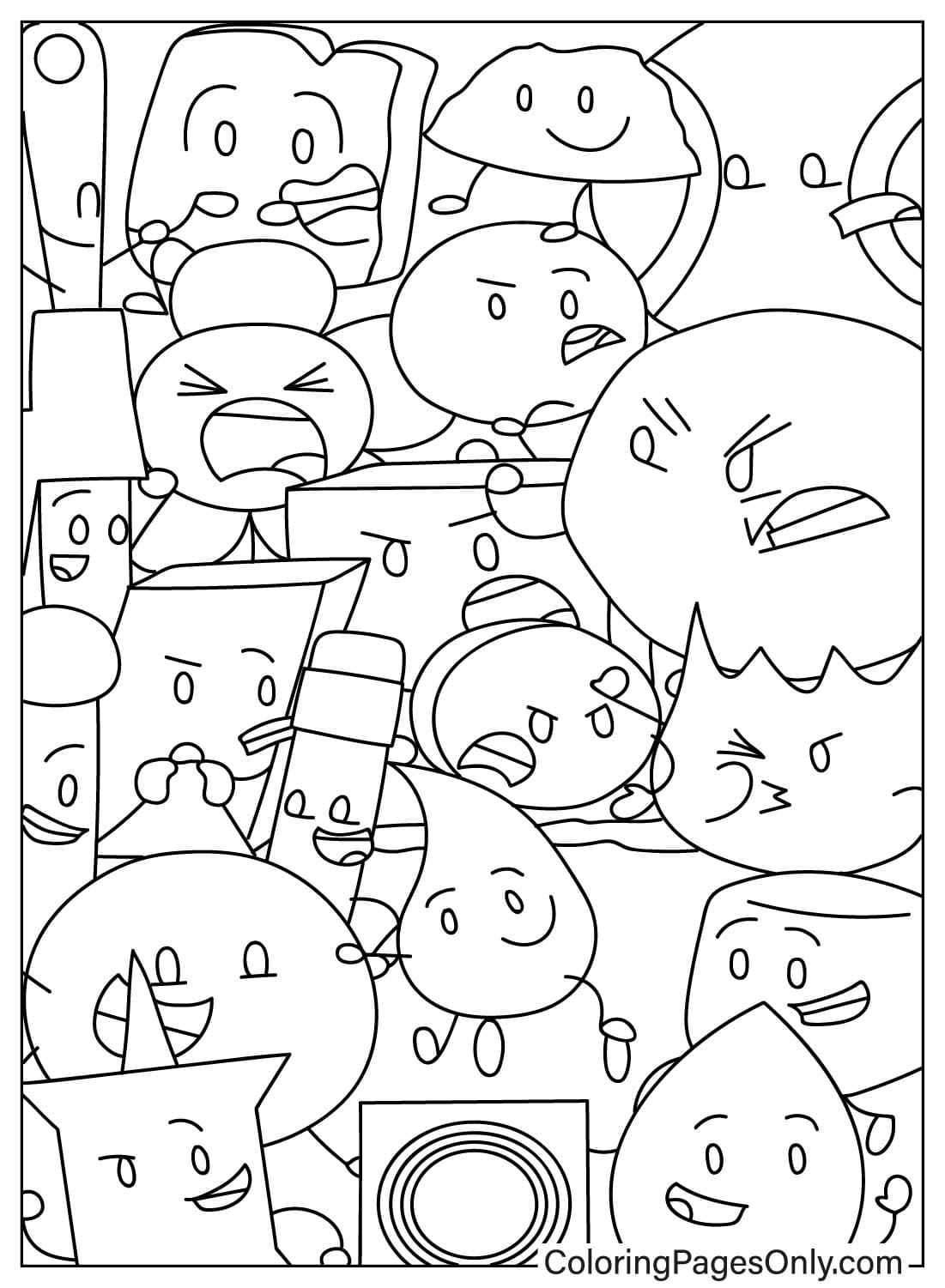
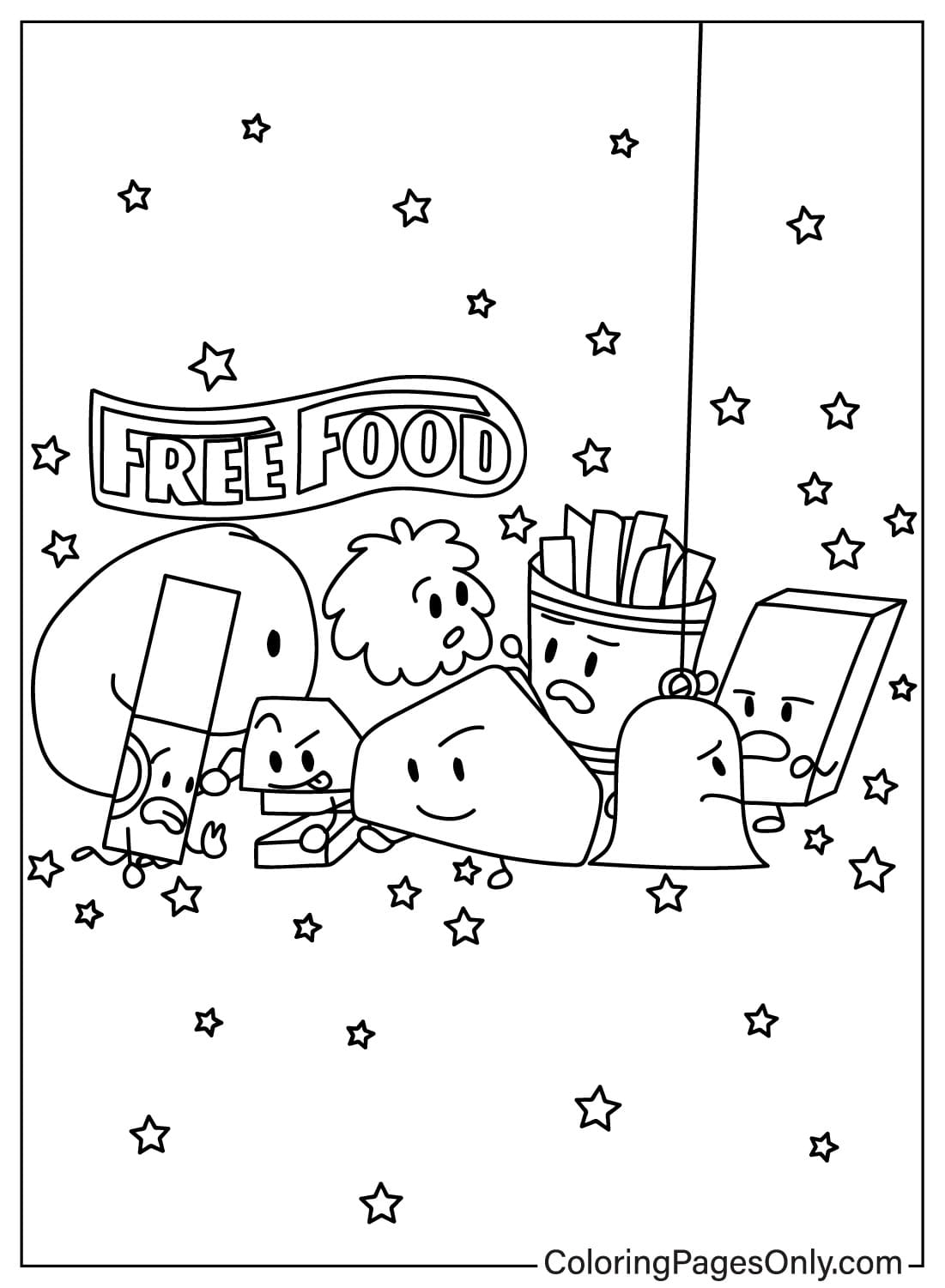
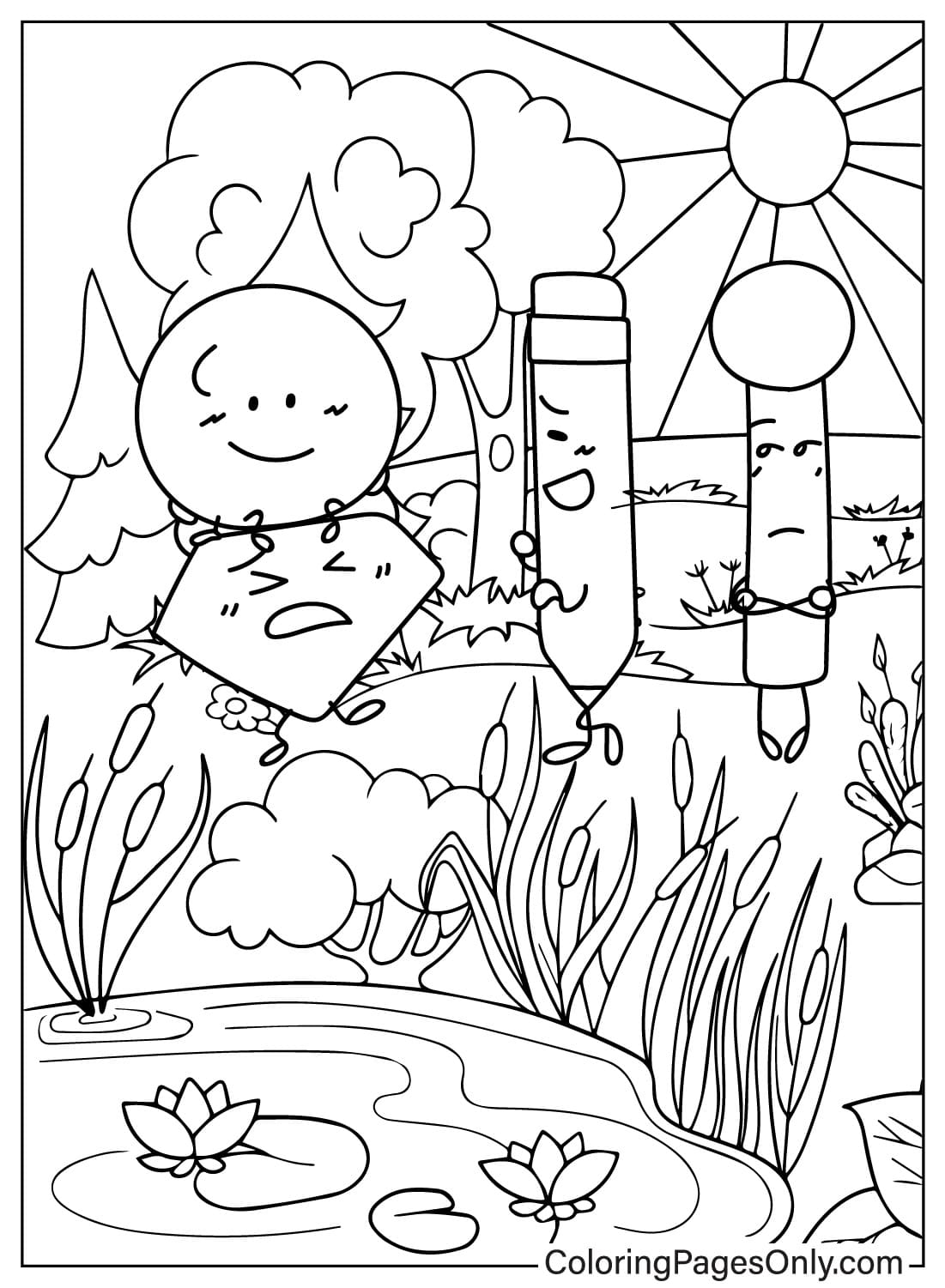
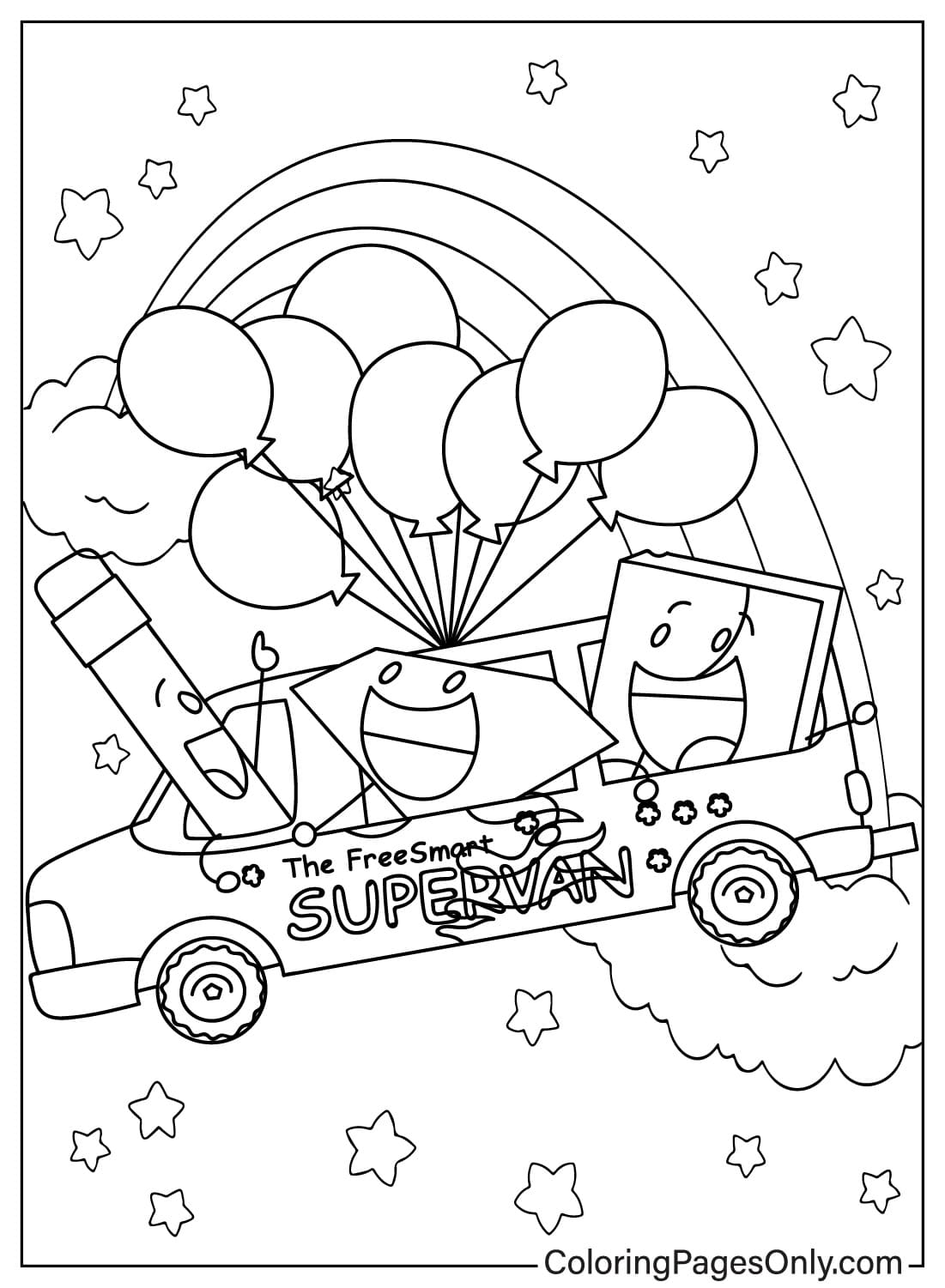
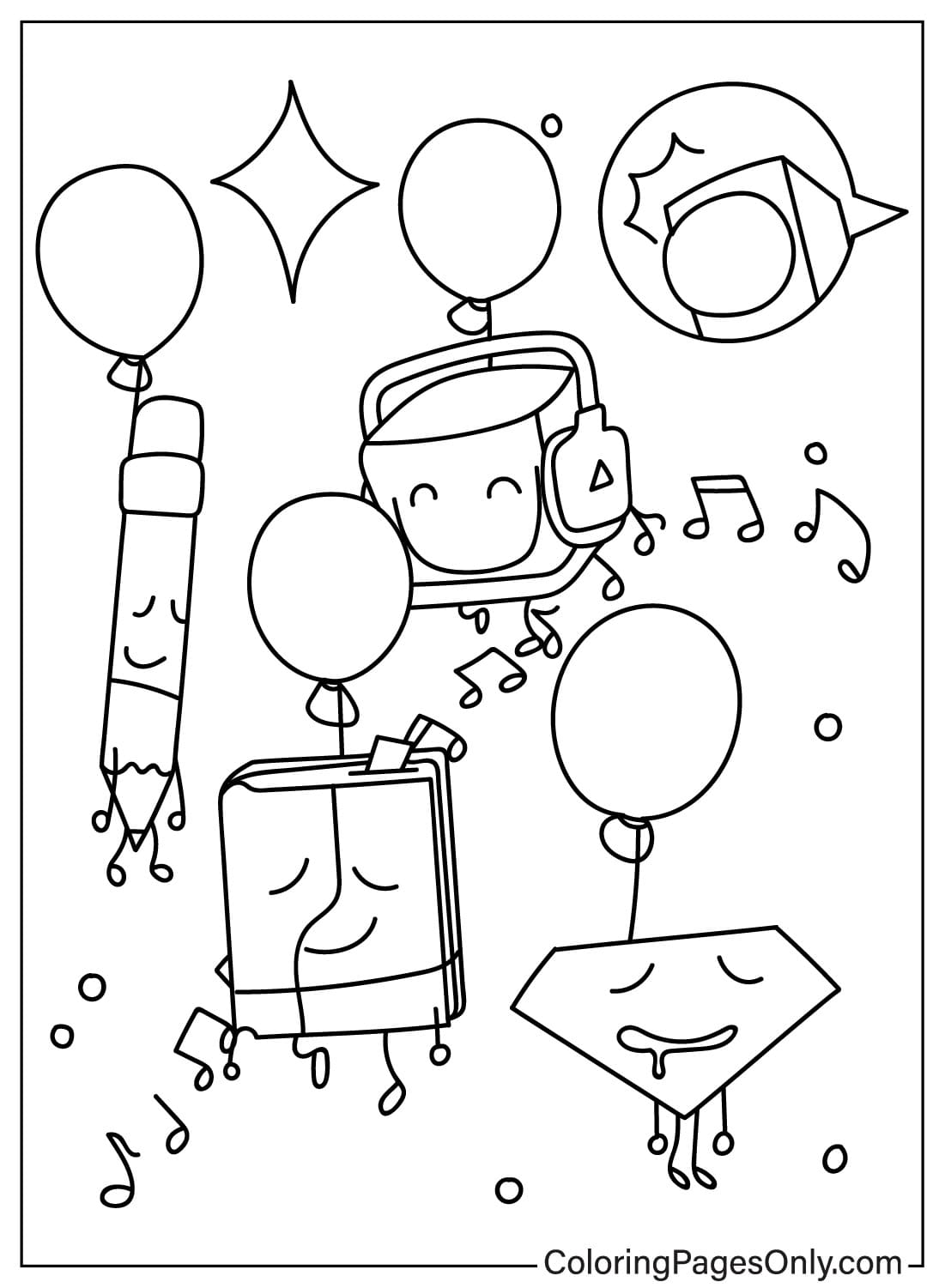
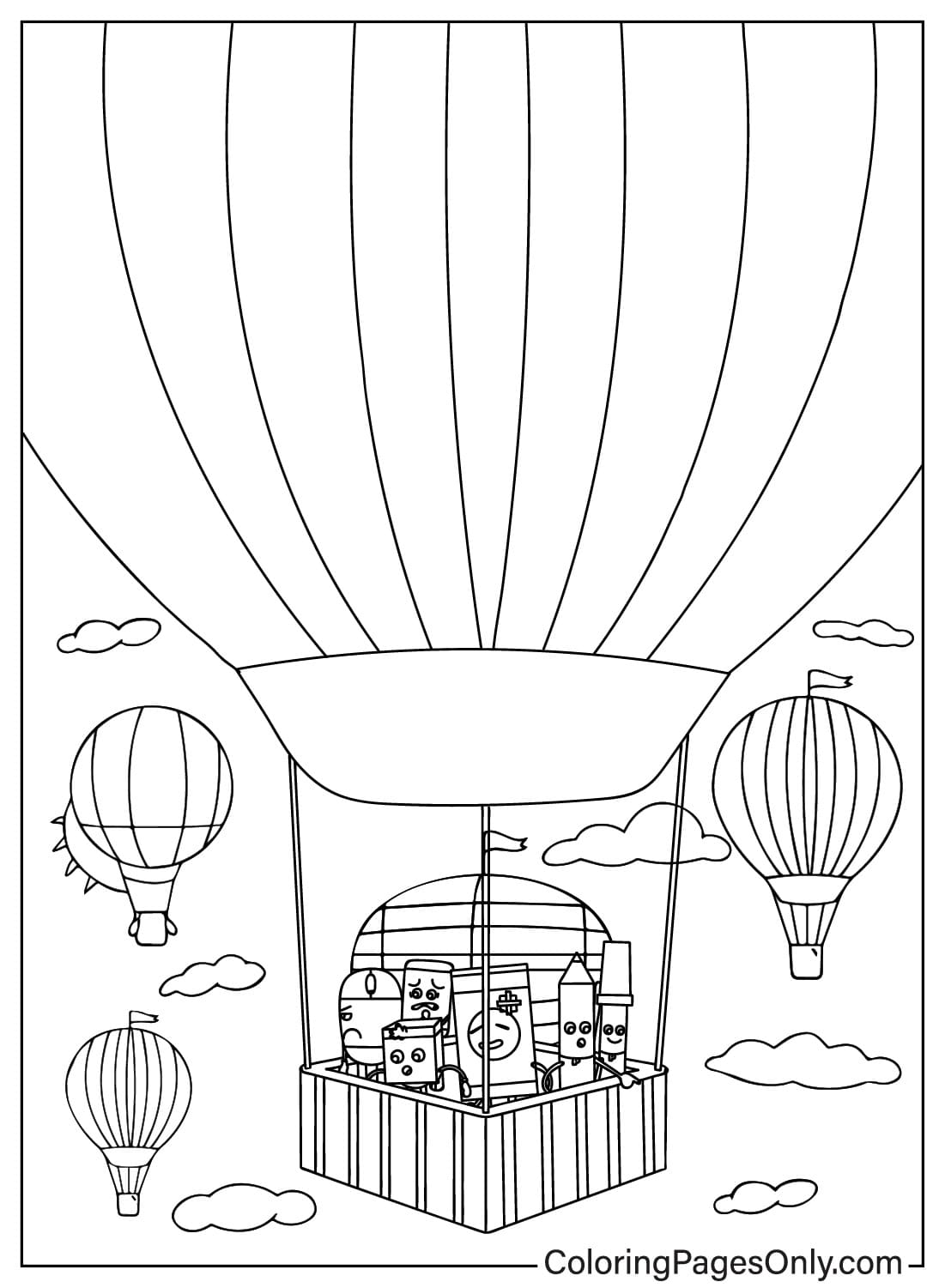
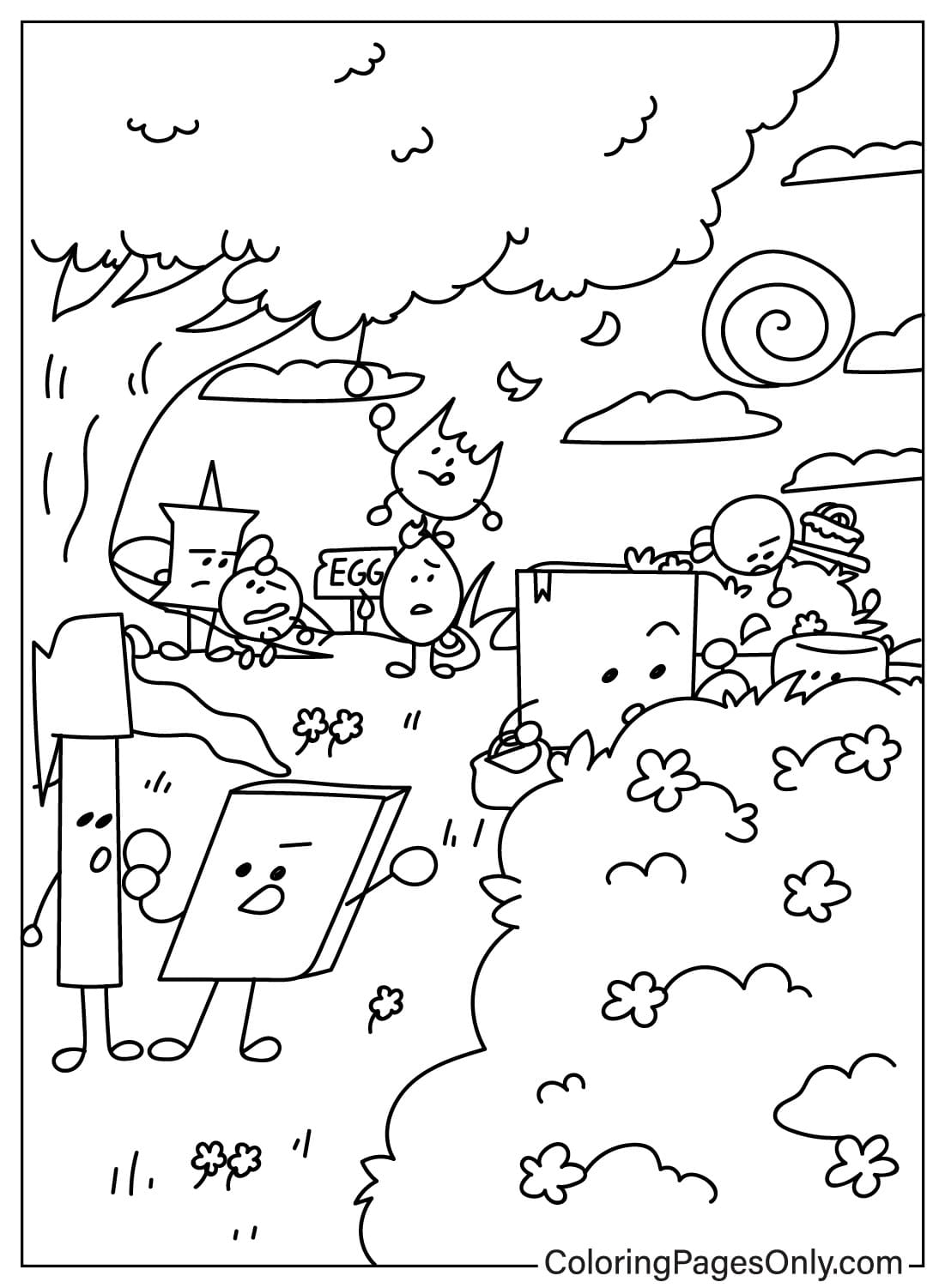
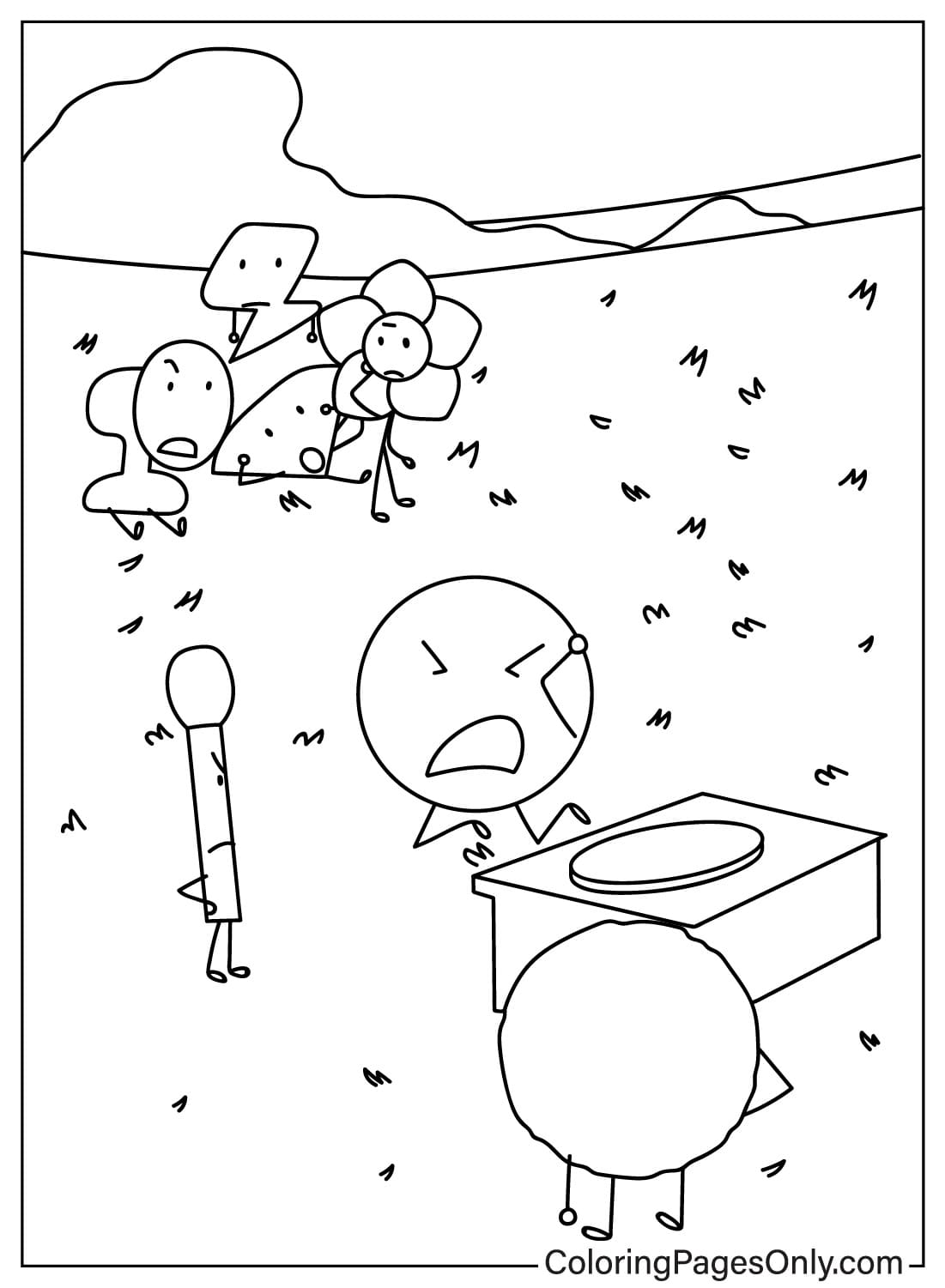
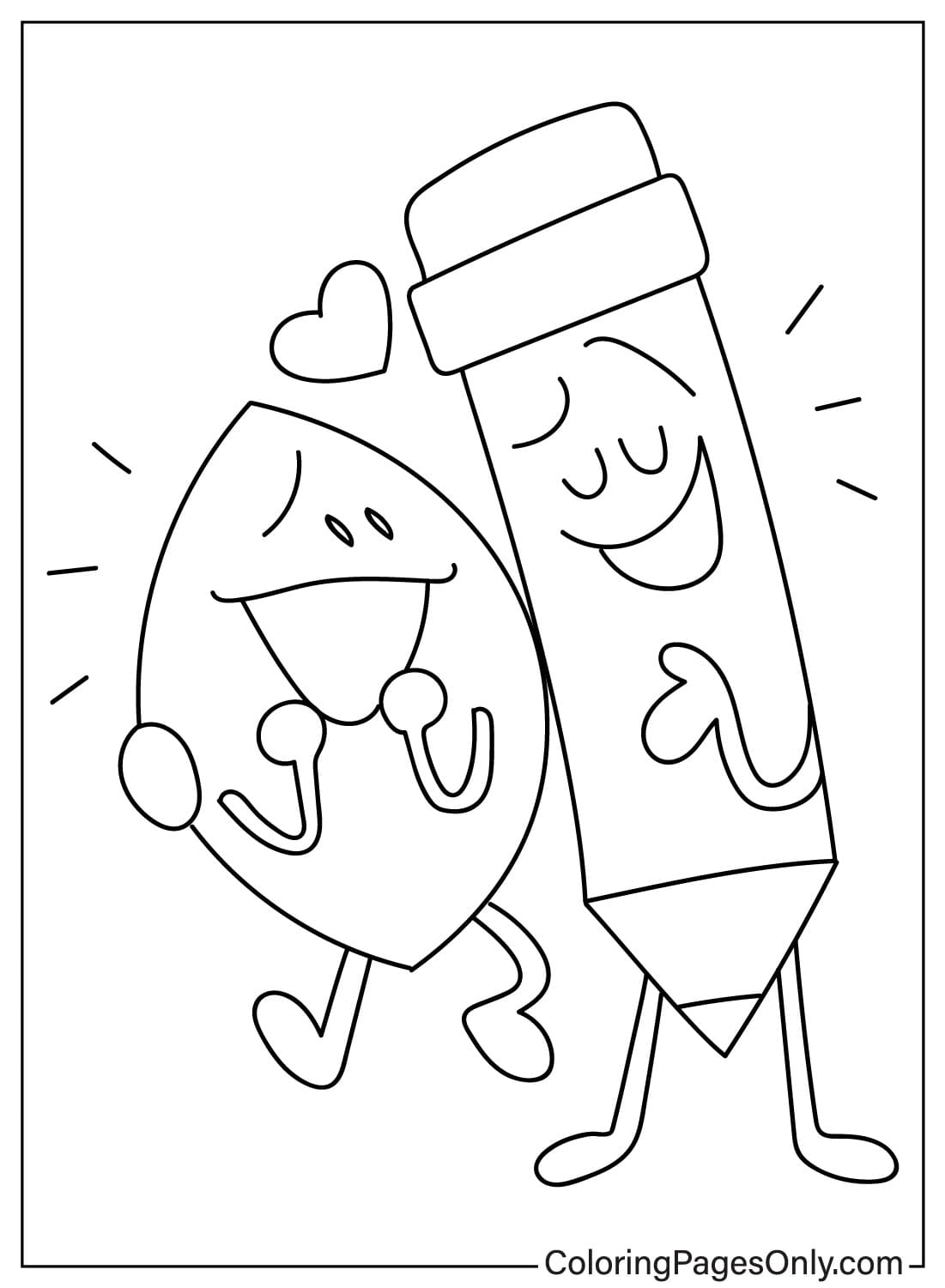
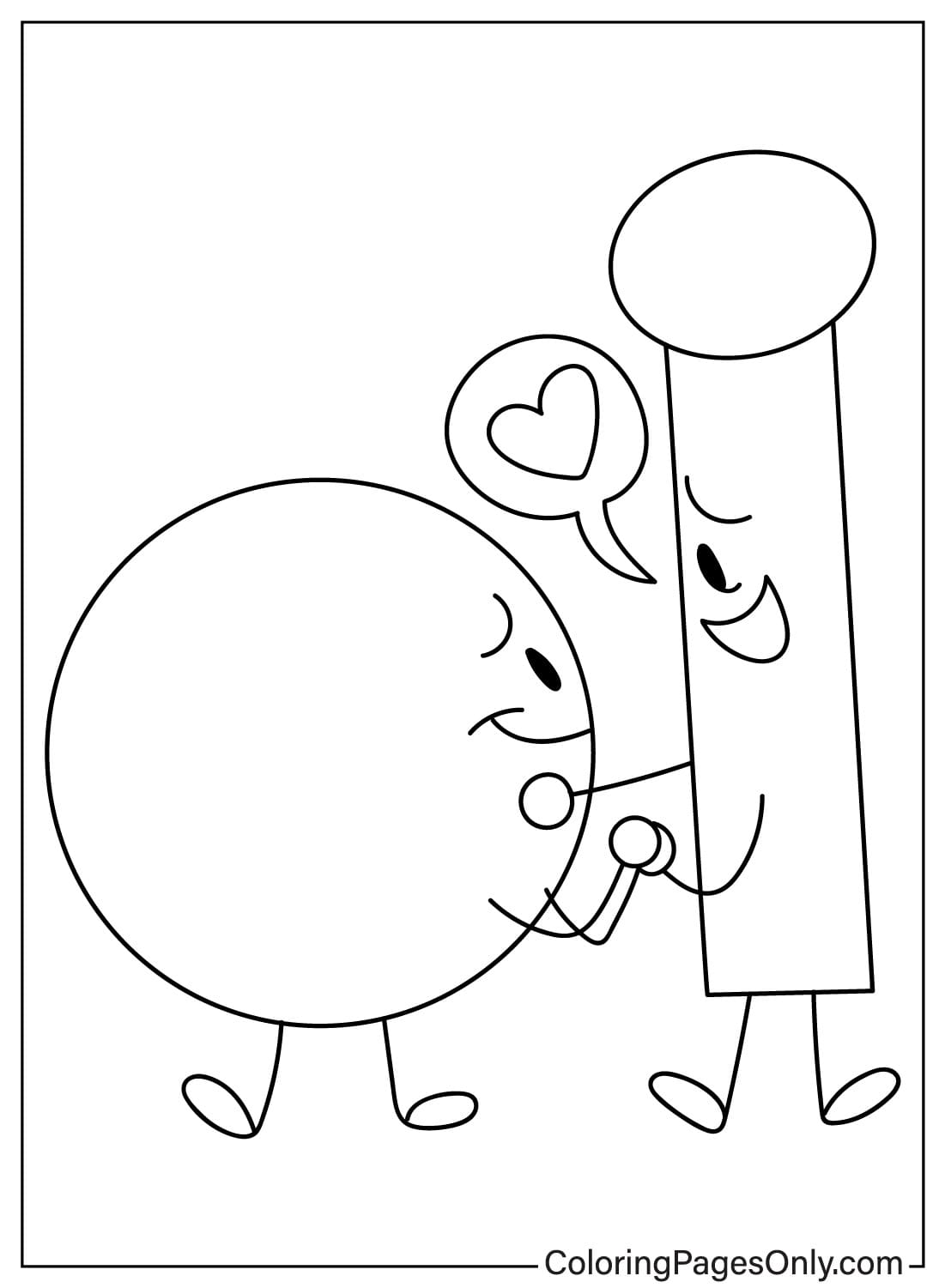
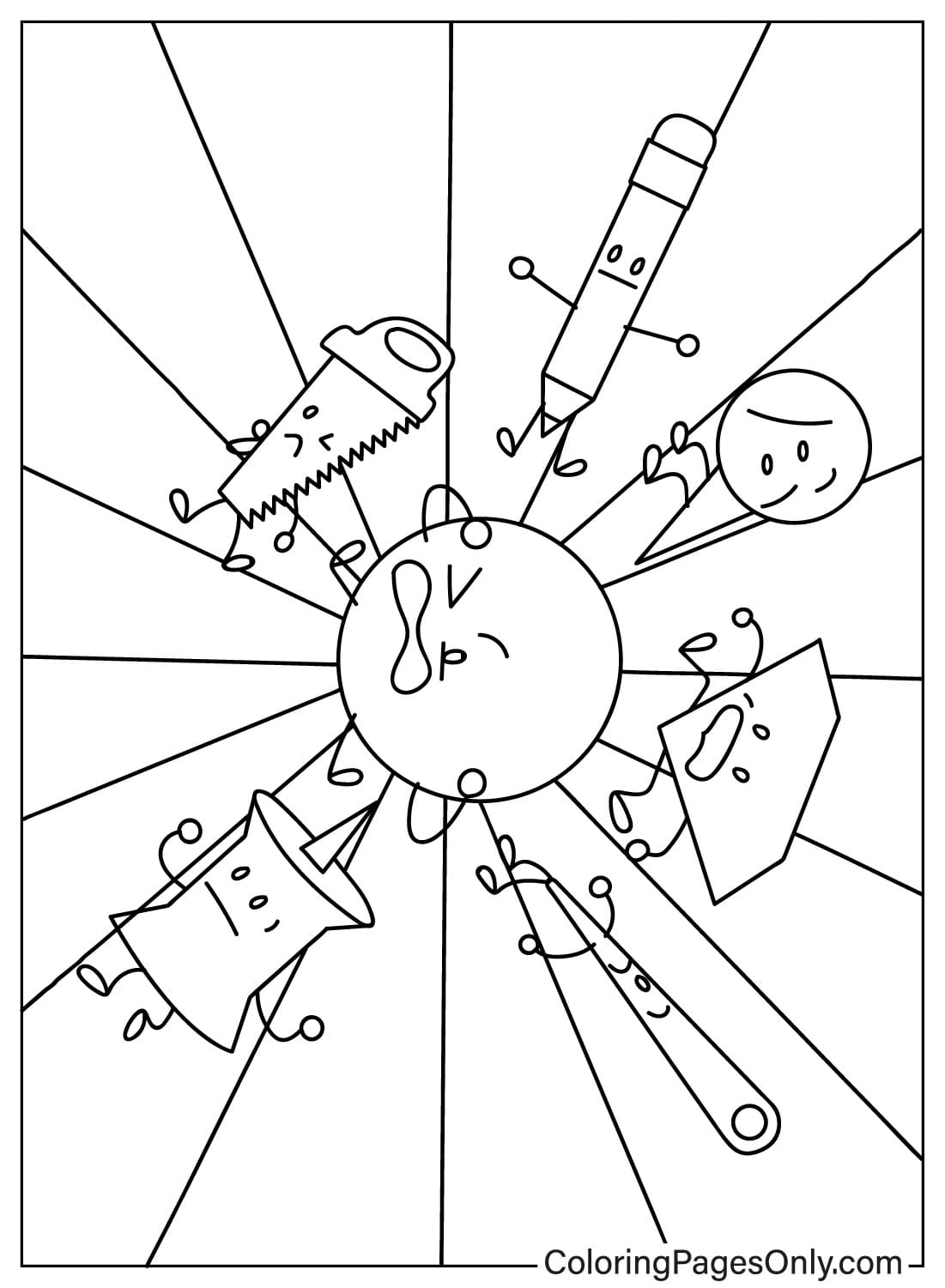
Battle for Dream Island coloring pages: 28 printable designs of the anthropomorphized everyday-object cast from the BFDI series. Each page can be downloaded as a PDF to print or colored online in the browser.
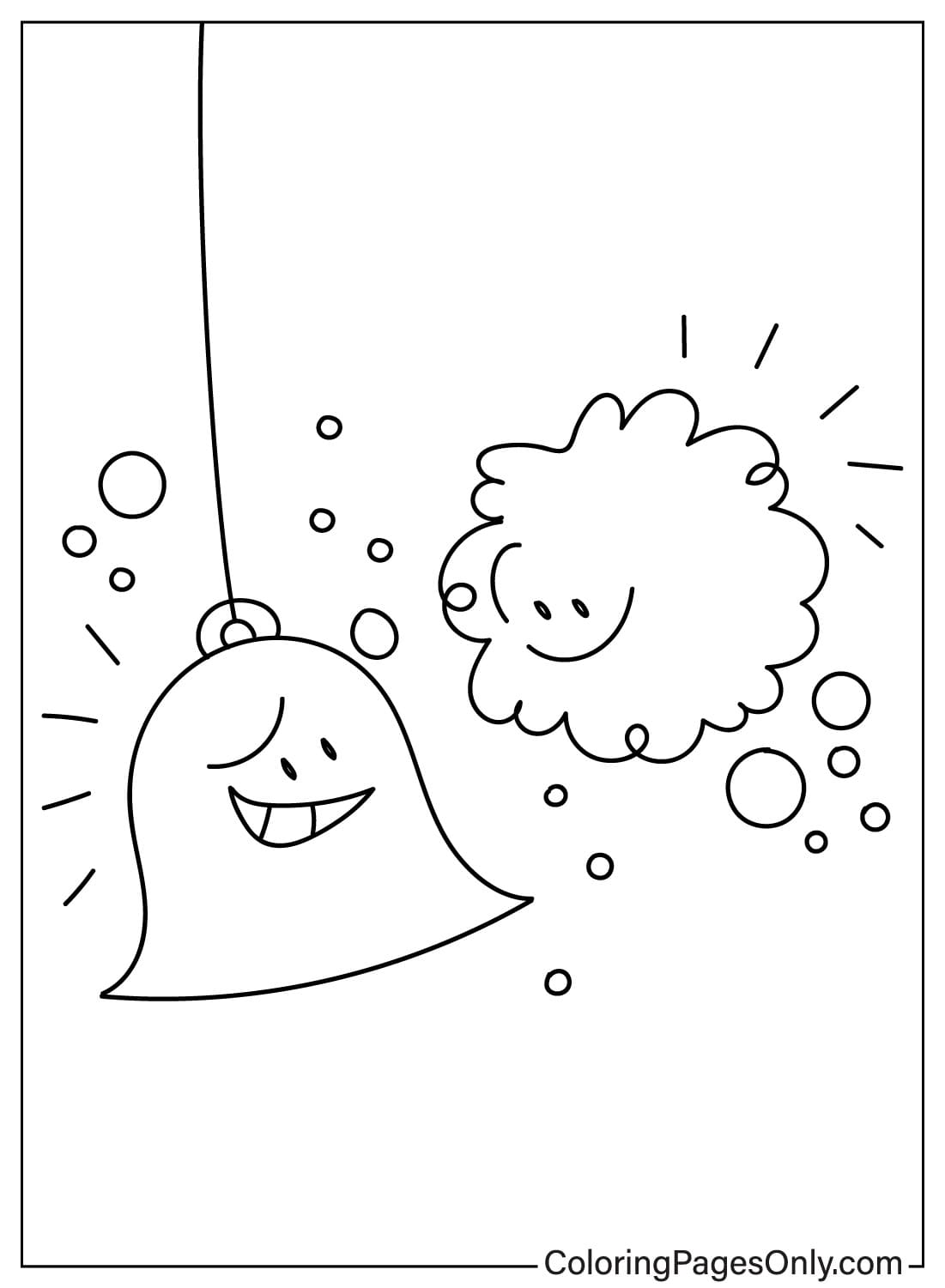
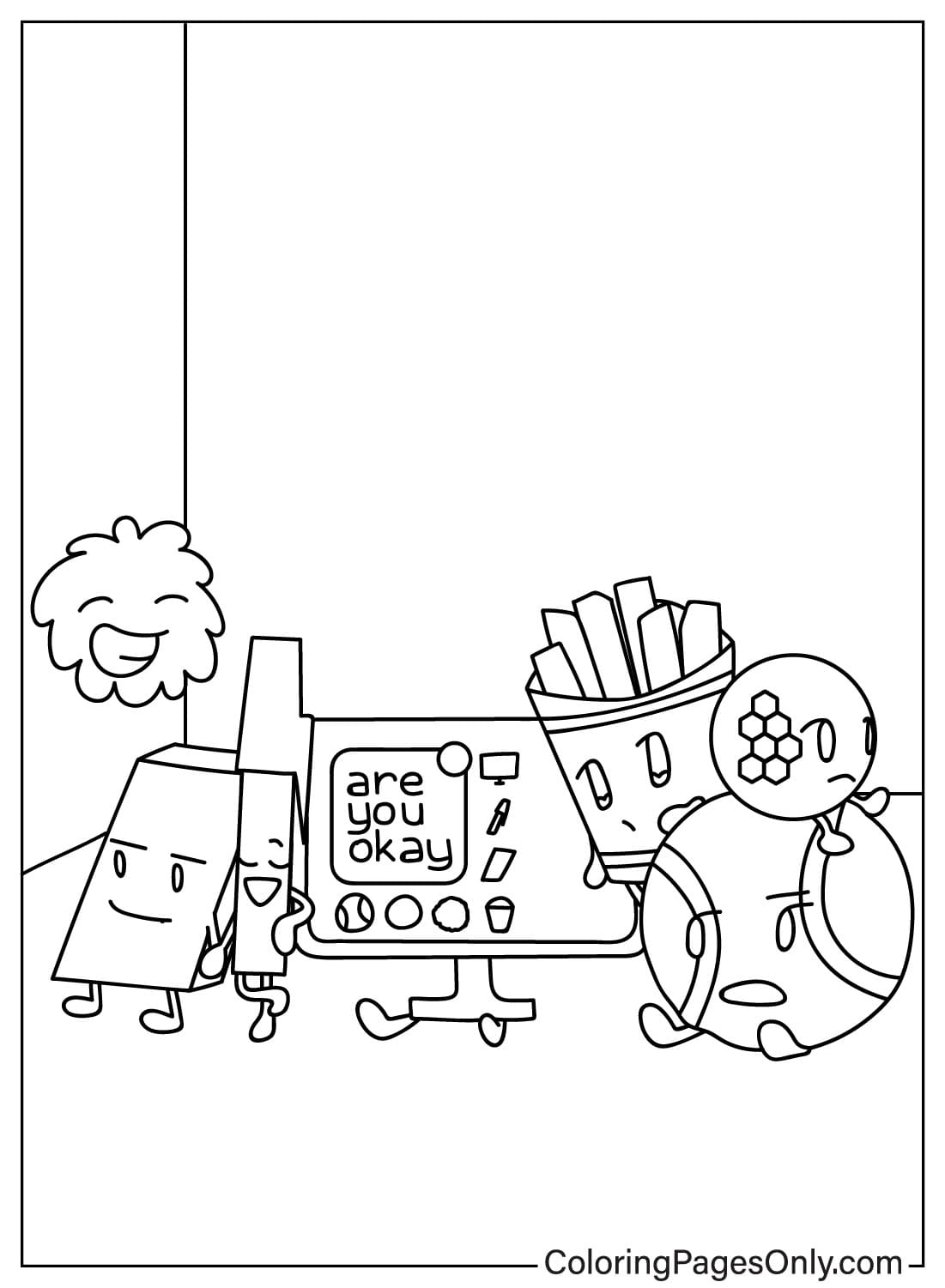
What Is Battle for Dream Island?
Battle for Dream Island, commonly abbreviated BFDI, is an animated web series created by brothers Cary Huang and Michael Huang, the duo known online as Jacknjellify, with the first episode uploaded to YouTube on January 1, 2010. The series holds the Guinness World Record for “Most Viewed Web Animation Made Entirely in Microsoft Paint,” recognizing both its technical origin and its reach as a self-produced independent animation.
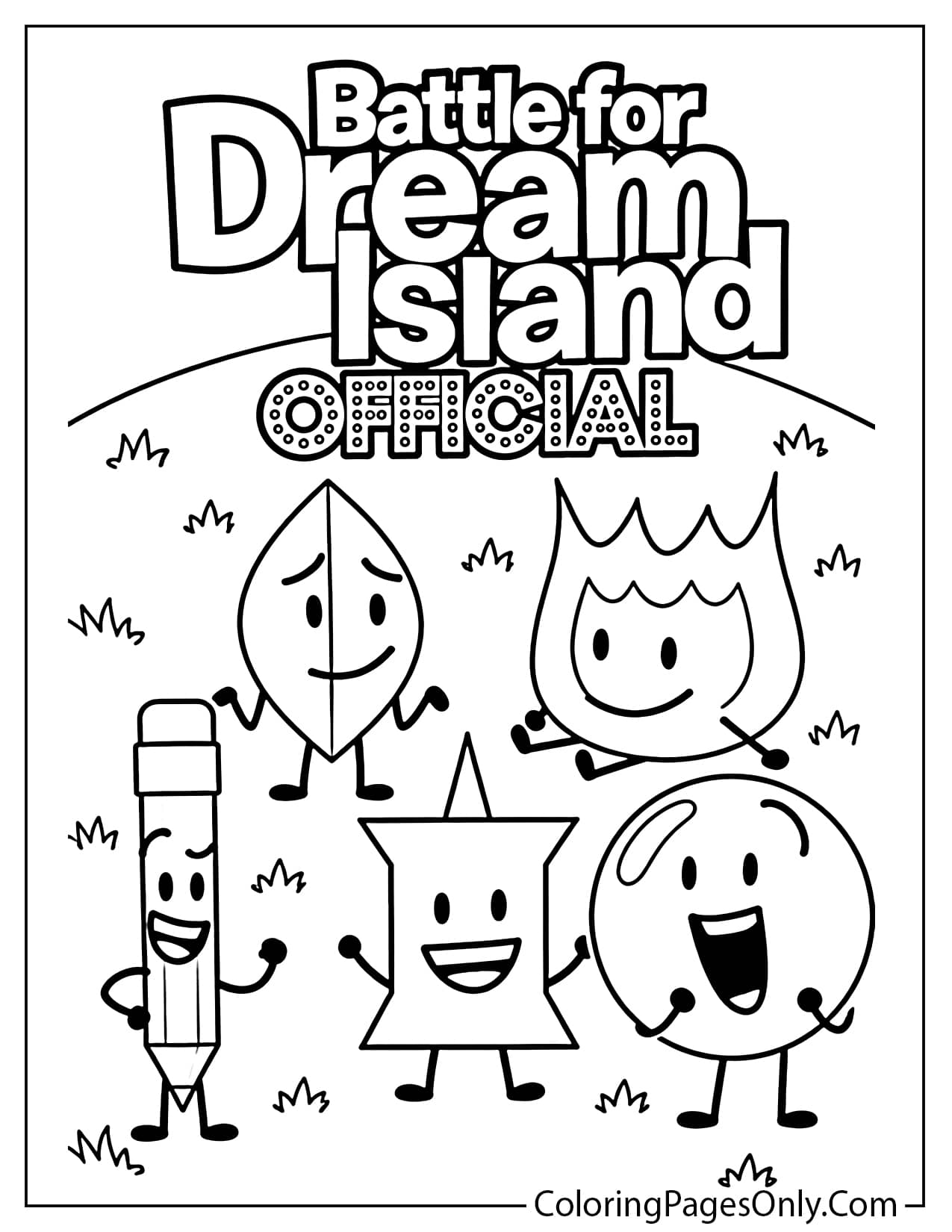
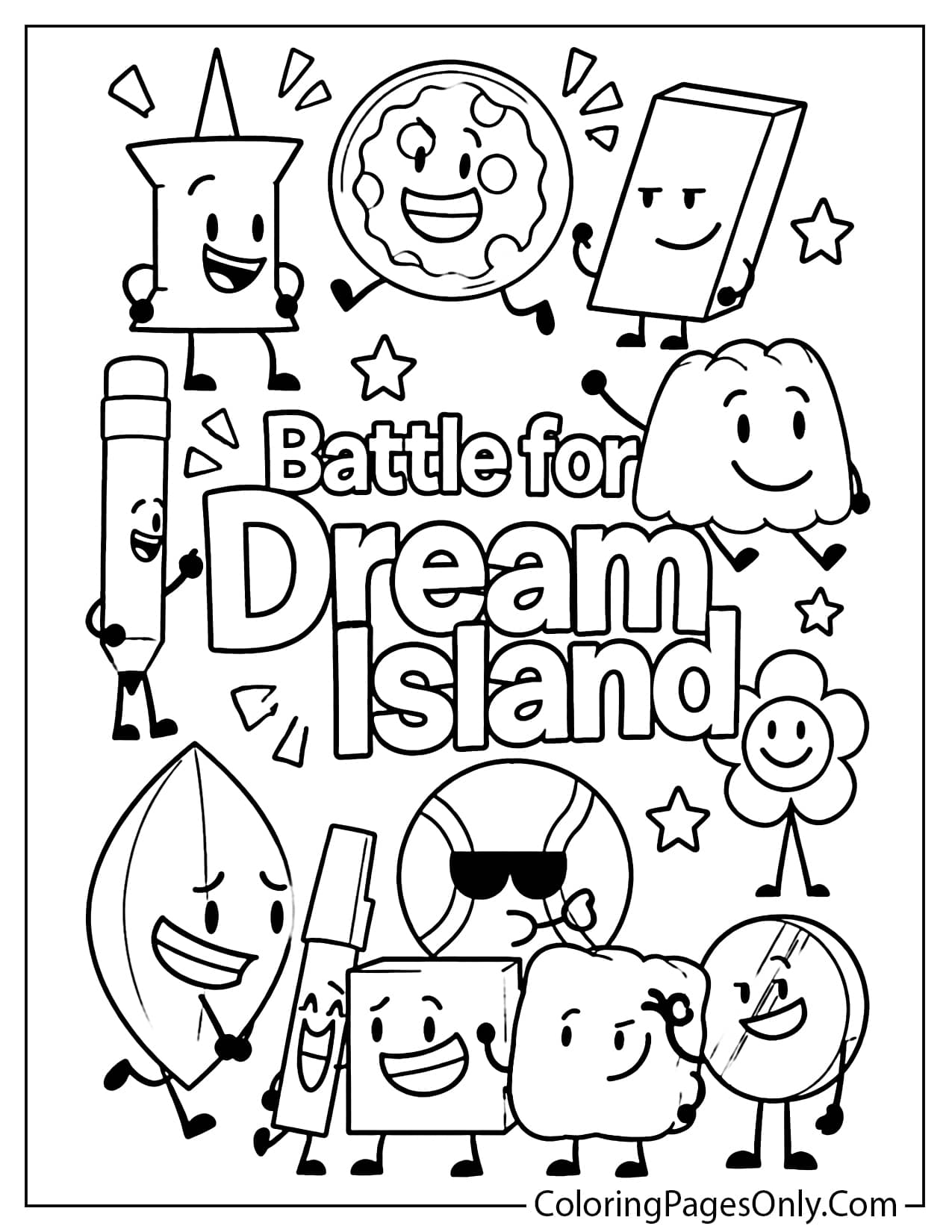
The show’s premise parodies reality television competition formats, applied to a cast of anthropomorphized inanimate objects. Everyday items, a pencil, a leaf, a flame, a coin, an eraser, are given simplified cartoon faces, stick-like limbs, and distinct personalities, then placed into a competition to win ownership of Dream Island. The show is credited with pioneering the “object show” genre on YouTube, an extensive category of fan-made and independent animated series that follows the same format. The franchise has expanded across multiple seasons: the original BFDI (2010 to 2012, 25 episodes), Battle for Dream Island Again or BFDIA (2012 to 2013), IDFB (2016), Battle for BFDI or BFB (2017 to 2021, 30 episodes), and The Power of Two or TPOT (2021 to present), spanning over 70 episodes in total.
What’s Inside This Collection
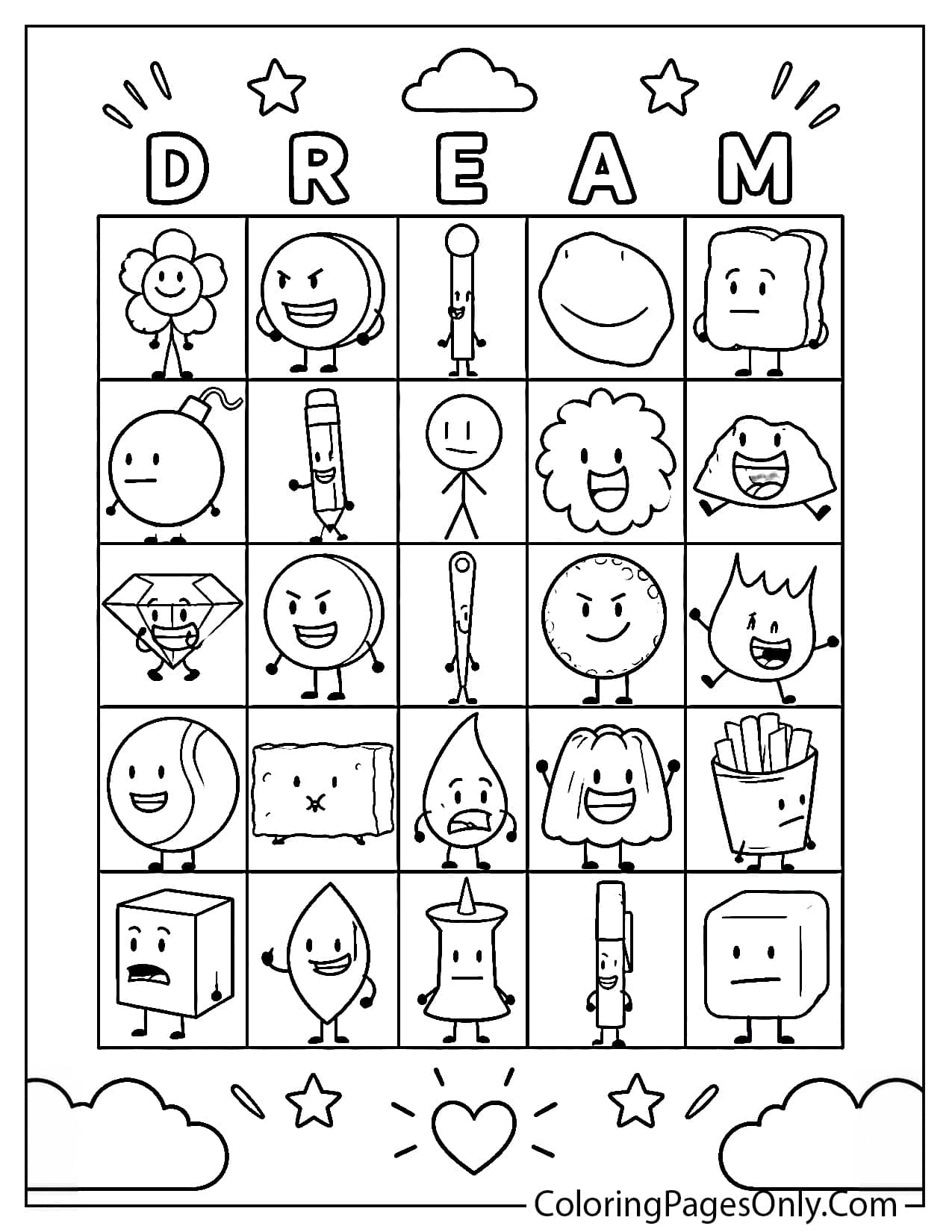
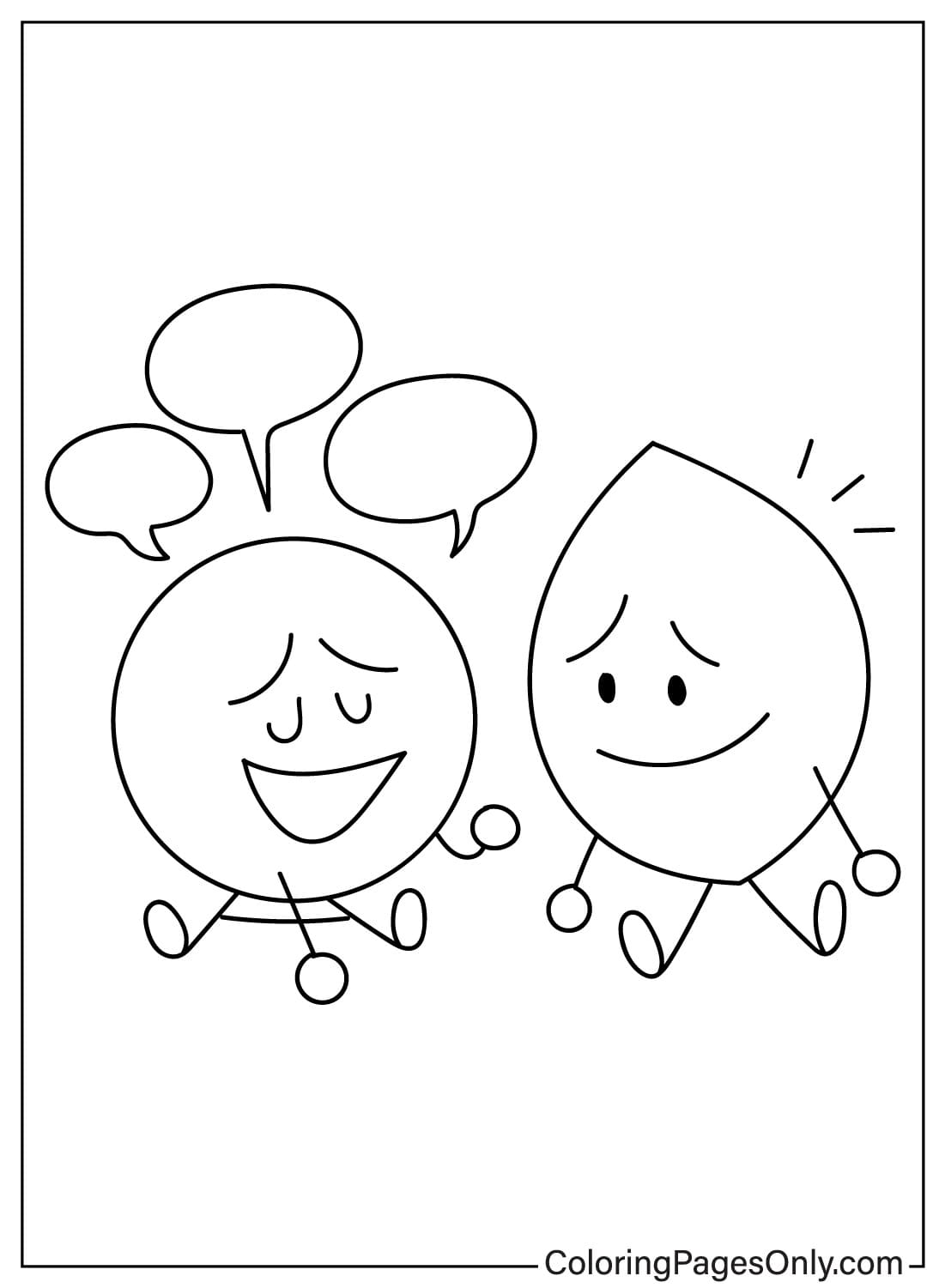
BFDI’s character design is built on flat, simplified renderings of real everyday objects, each with two circular eyes, a mouth, and typically two small stick-arms, colored directly from the real object it represents.
Original BFDI Cast
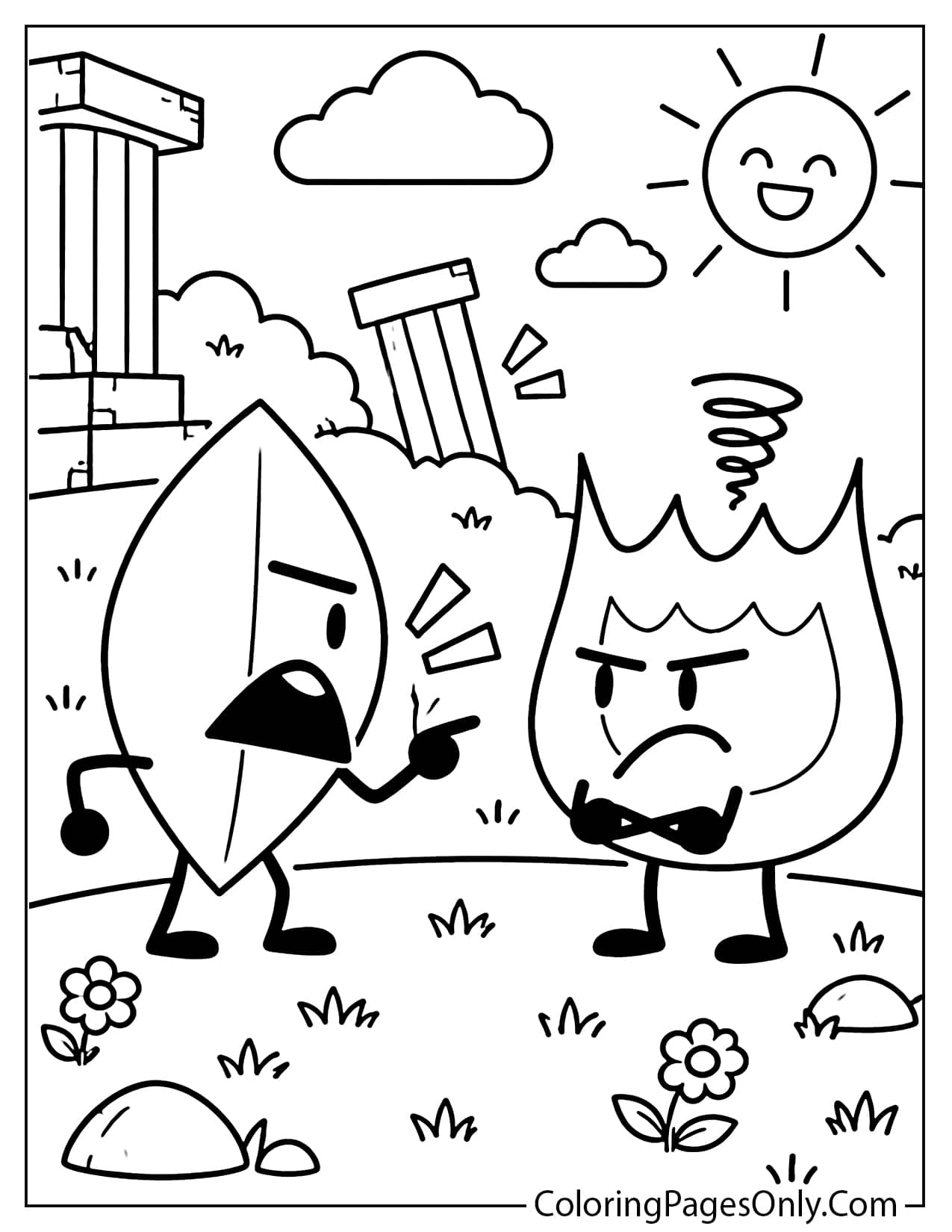
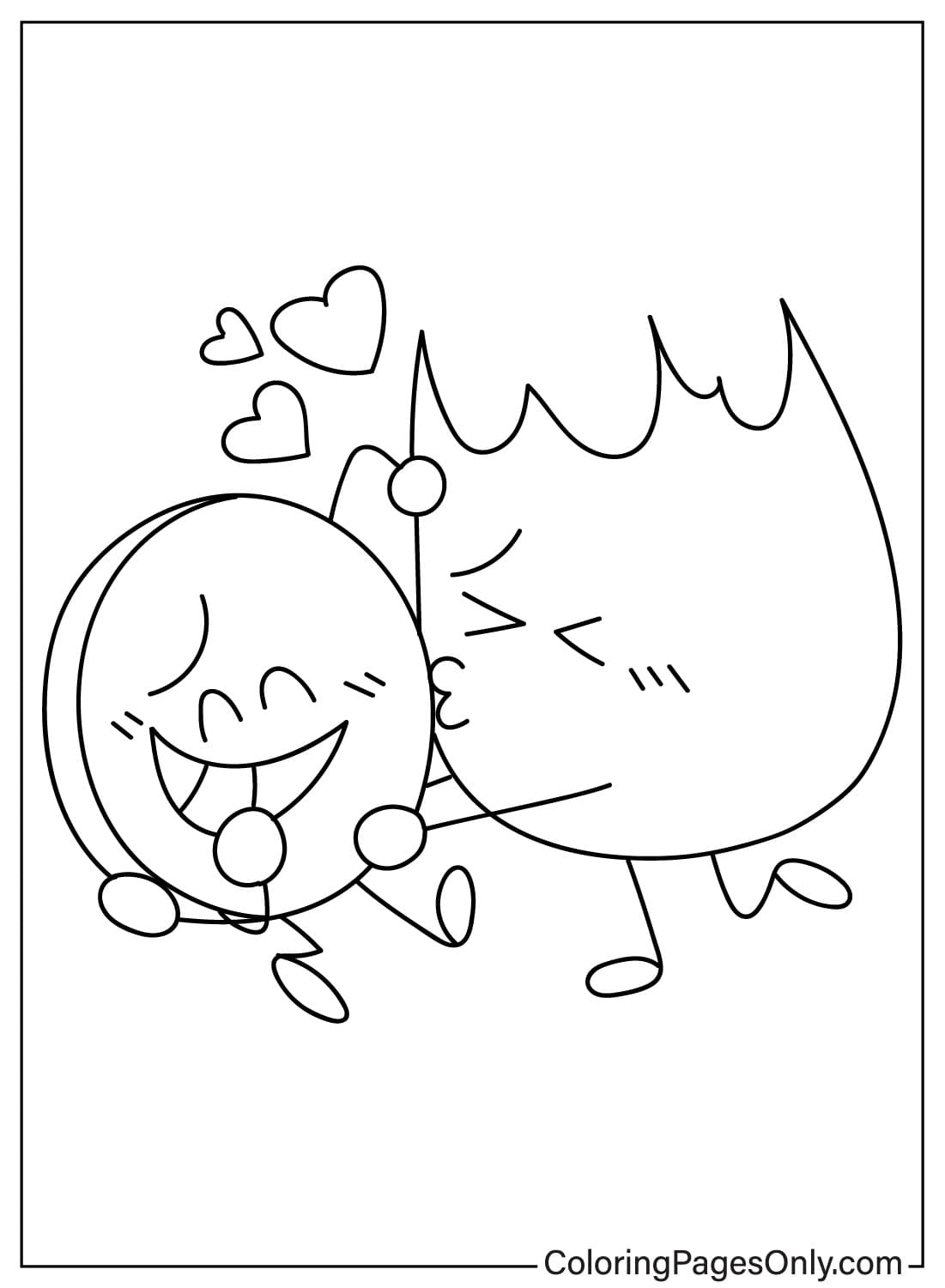
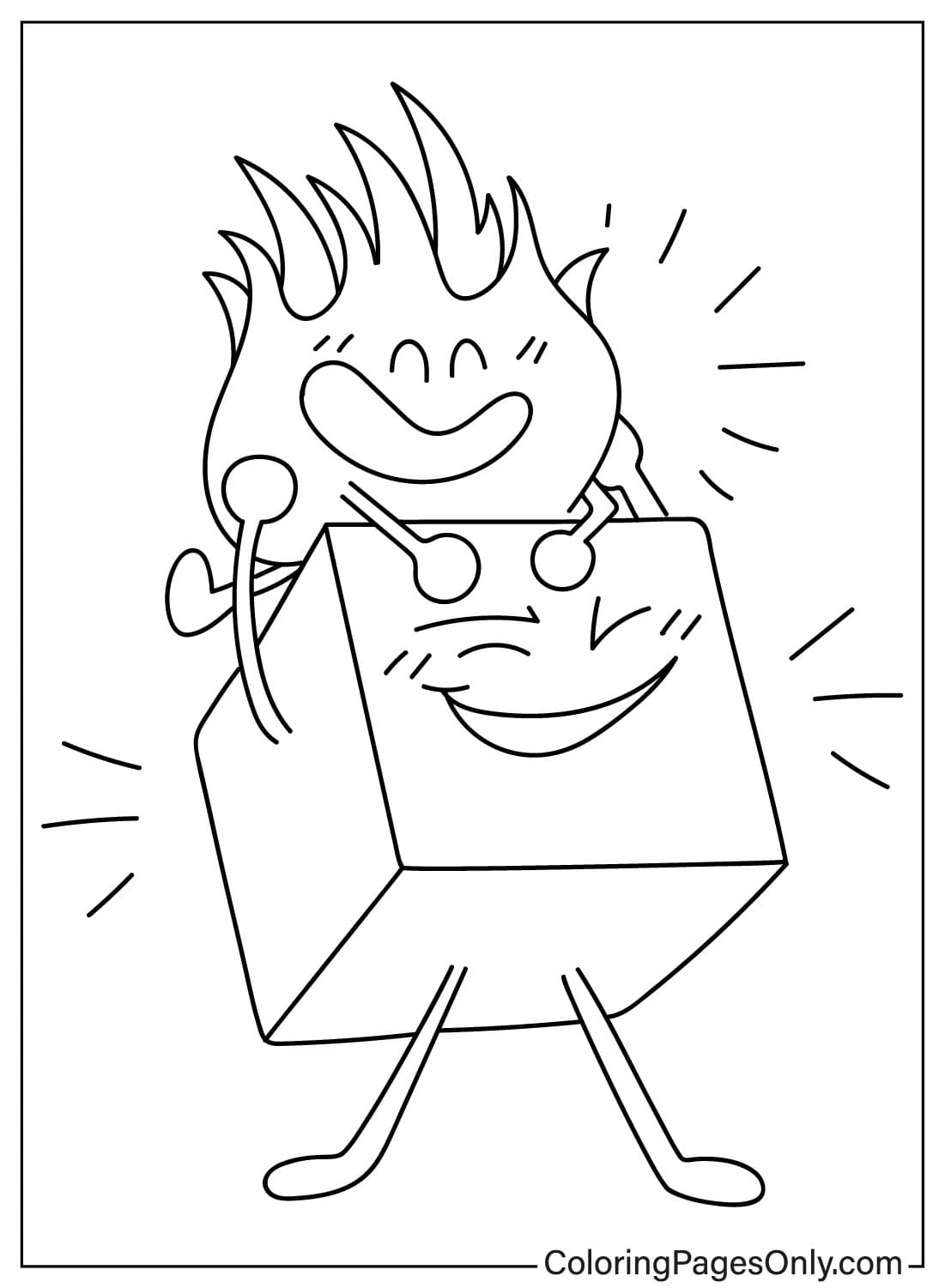
Firey, Leafy, and Coiny anchor the collection as three of the show’s most recognizable original contestants. Firey is an orange-red flame, Leafy is a saturated green leaf, and Coiny is a golden-yellow coin, Firey’s long-running rival.
Battle for BFDI Designs
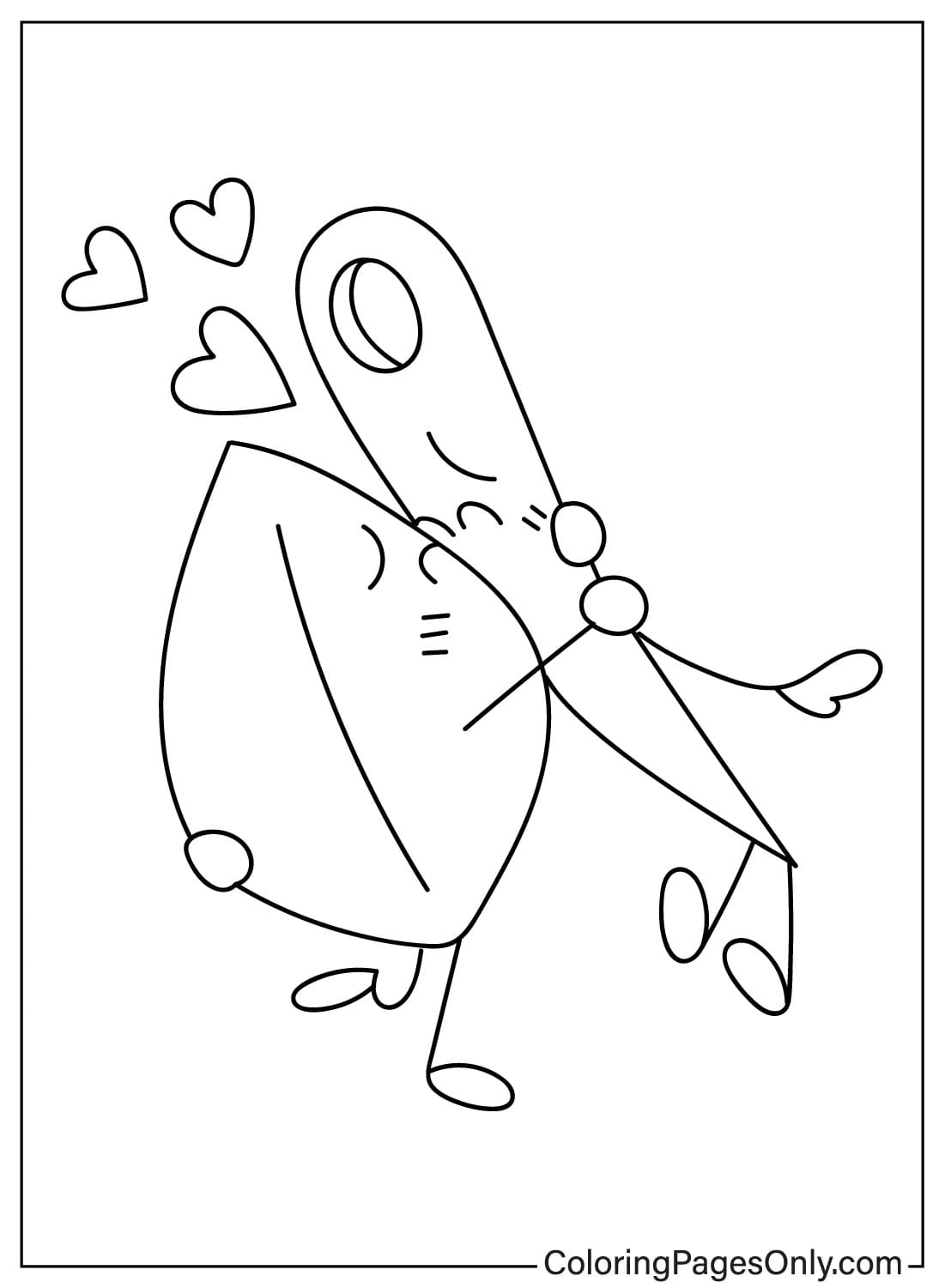
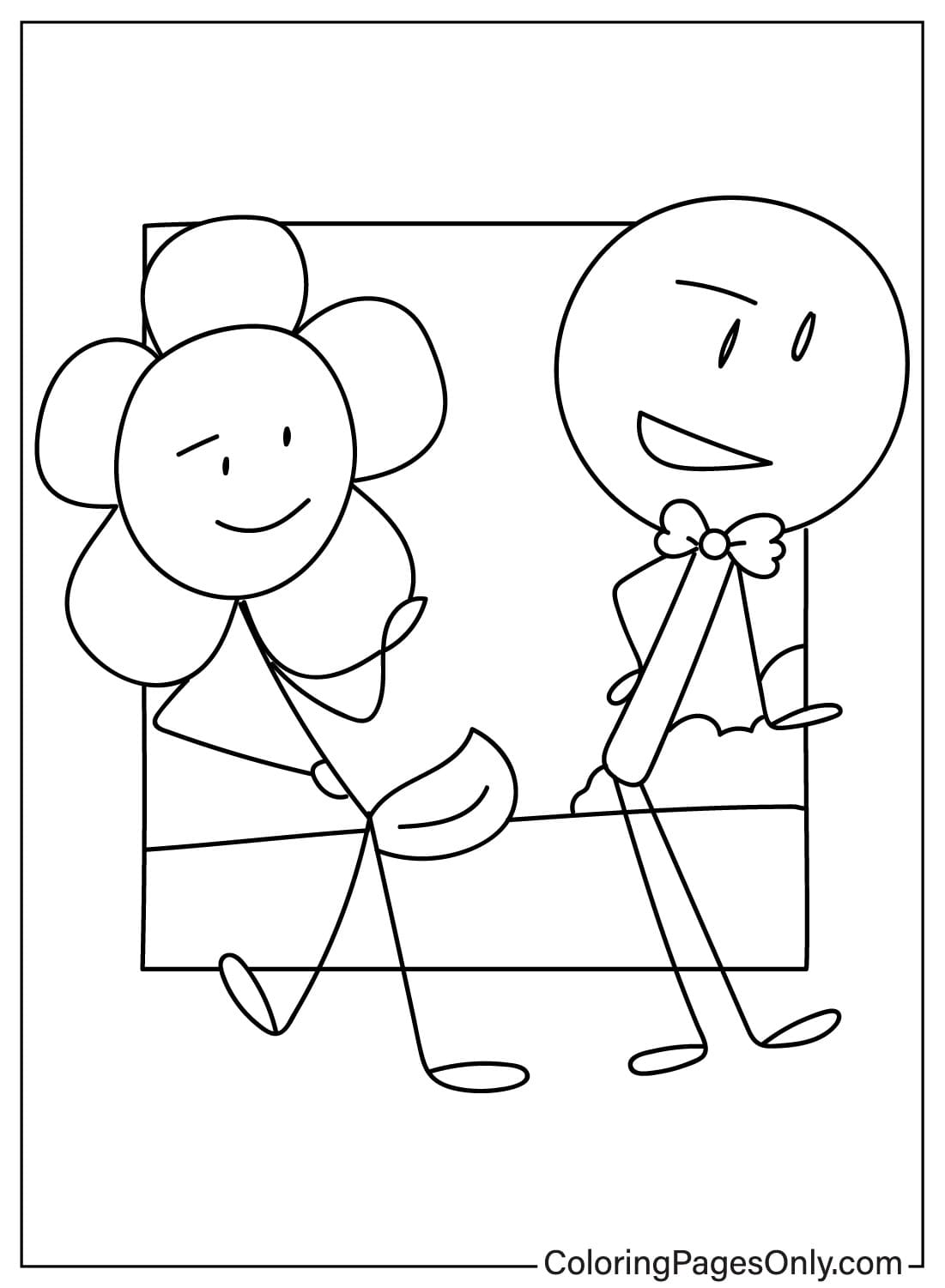
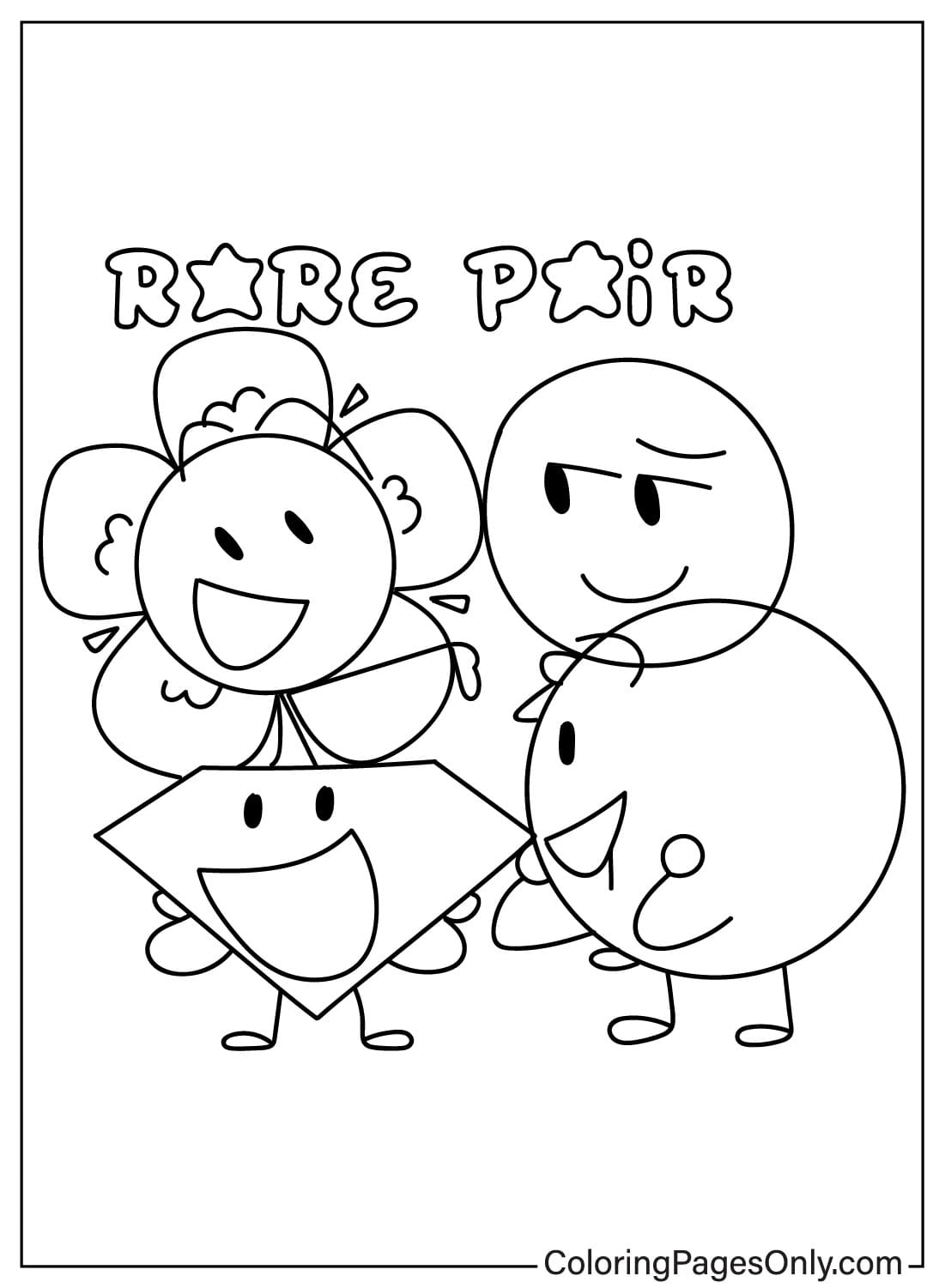
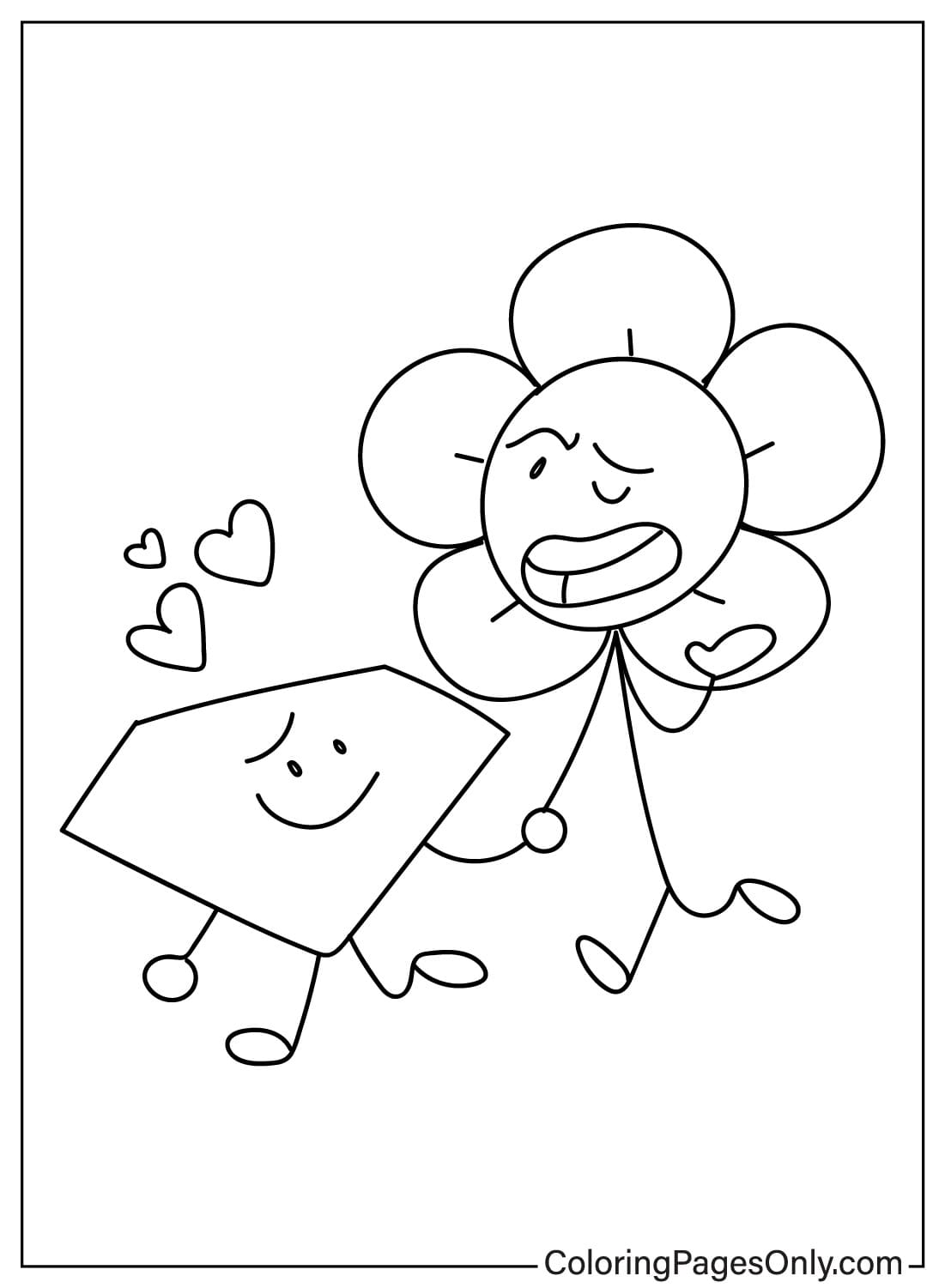
Battle for BFDI (BFB), the franchise’s fourth season, carries the core cast forward: Pen (medium-blue with a silver-gray cap), Eraser (light pink), Flower (pink petals, yellow center, green stem), Blocky (vivid red), and Needle (hot pink).
Fan-Favorite Object Characters
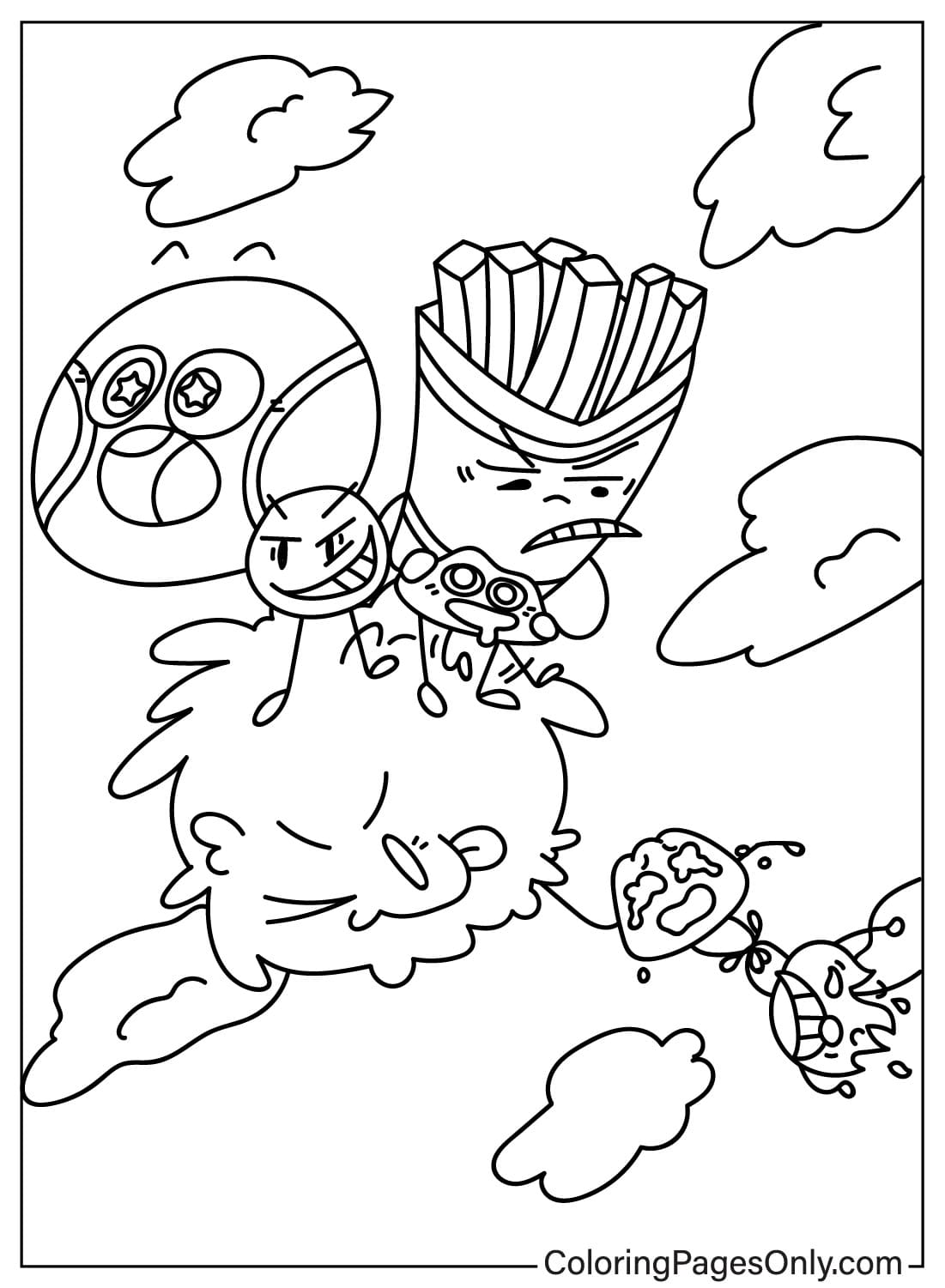
Snowball (pure white), Puffball (light cyan fuzz), and Fries (a red container with yellow fries) round out a group of especially popular characters from later seasons.
Sports Ball and Everyday Object Designs
Basketball (orange with black seams), Golf Ball (white with dimples), and Tennis Ball (yellow-green) cover the sports set. The bubble is pale translucent blue. Match a pink-bodied stick with a red-orange tip, Pencil the classic yellow hexagon, Rocky olive green, Teardrop teal blue, and Spongy yellow-orange with visible holes.
What These Pages Do
The American Academy of Pediatrics identifies fine motor skill development as a core benefit of structured coloring for children ages 2 through 7. BFDI’s flat, simple shapes and bold outlines suit early coloring practice well, while its large cast gives older fans plenty of characters to work through.
A 2005 study in the Art Therapy Journal documented measurable reductions in anxiety following structured coloring sessions. BFDI’s single-color-fill character designs, no gradients or shading required, suit a calm, low-pressure coloring session.
BFDI’s character design philosophy is built on direct object color, each character’s color is simply the real-world color of the object it represents, which makes color accuracy unusually approachable: a colorist who knows what a coin, a leaf, and an eraser look like already knows the correct colors for Coiny, Leafy, and Eraser.
How to Color BFDI Pages Well
- Full saturation is the key principle: the show’s flat, fully saturated colors with no gradients define its look. A slightly desaturated Firey looks wrong; a vivid orange-red Firey looks right.
- Firey: a specific warm orange-red rather than pure red or pure orange, transitioning to lighter yellow at the flame tips.
- Puffball: a light, cool teal-cyan, distinctly cooler than sky blue and distinctly bluer than teal, the most easily confused color in the cast.
- Bubble: approximate her translucency with a very pale, barely-there light blue, almost white with the faintest blue tint, rather than a solid opaque blue.
- Eyes: a white circular sclera with a black pupil and typically a colored iris matching the character’s body color. Clean, precise eyes make any BFDI character immediately recognizable.
- Group scenes: keep each character’s color a distinct, fully saturated zone that contrasts cleanly with adjacent characters rather than blending together.
5 Creative Craft Ideas With Battle for Dream Island Coloring Pages
1. BFDI Character Mask
Color a front-facing character portrait, Flower, Firey, and Pen all work well given their distinctive shapes. Cut out the face area, leaving two eye holes, punch holes on both sides, and thread elastic to create a wearable mask.
2. Vote-Off Showdown
Color multiple character pages, cut them out, and set them up as contestants in a family vote. Each person votes for a favorite character, and the one with the fewest votes is eliminated, recreating BFDI’s elimination format as a family activity.
3. Design Your Own Object Show Character
After coloring the official pages, challenge a child to design their own object character: pick an everyday object, draw a simplified version with eyes and arms, and color it, extending the object-show format the series itself pioneered.
4. BFDI Character Keychain
Color individual character portraits, particularly simple shapes like Snowball, Eraser, and Basketball, cut them out, laminate, punch a small hole at the top, and attach a metal key ring for a backpack or pencil case keychain.
5. Mini BFDI Comic Strip
Print and color three or four character pages, cut them out, and arrange them into panels on a sheet of paper with speech bubbles and original dialogue, inventing a new BFDI challenge scenario.
Frequently Asked Questions
What is Battle for Dream Island?
Battle for Dream Island, or BFDI, is a YouTube animated series created by brothers Cary and Michael Huang, known as Jacknjellify, first uploaded on January 1, 2010. The show features anthropomorphized everyday objects competing in reality-show-style challenges to win ownership of Dream Island.
Who created BFDI?
BFDI was created by Cary Huang and Michael Huang, known online as Jacknjellify. The series was independently produced and distributed exclusively on YouTube.
What Guinness World Record does BFDI hold?
Battle for Dream Island holds the Guinness World Record for “Most Viewed Web Animation Made Entirely in Microsoft Paint,” reflecting both its technical origin and its extraordinary viewership as an independent production.
Who won BFDI Season 1?
Firey, the flame character, won the original Battle for Dream Island Season 1 competition.
Why are Firey and Coiny rivals?
Firey, a flame, and Coiny, a coin, are rivals throughout the original BFDI series, one of the show’s long-running relationship dynamics.
What is the object show genre?
Object shows are a genre of internet animation pioneered by BFDI, featuring anthropomorphized everyday objects competing in reality-show-style competitions. Many fan-made object shows have been produced since BFDI’s 2010 debut.
How many seasons does BFDI have?
The franchise spans the original BFDI (2010 to 2012), BFDIA (2012 to 2013), IDFB (2016), Battle for BFDI or BFB (2017 to 2021), and The Power of Two or TPOT (2021 to present), with new episodes continuing to be released by Jacknjellify.
Are BFDI coloring pages suitable for young children?
Yes. The flat, simple shapes and bold outlines of most characters suit young colorists well, while the show’s large cast and rivalries give older fans plenty of characters and scenes to explore.
Download any page by clicking the design. No account, email, or payment is required. Pages print directly from the browser at full resolution or open in the online coloring tool for screen use. Share finished pages on Facebook or Pinterest with the share buttons at the top of each design page.