Classic & Vintage Cartoons Coloring Pages
 By:
Jennifer Thoa - Content Editor & Designer
Updated:
By:
Jennifer Thoa - Content Editor & Designer
Updated:
Classic cartoon coloring pages: 1,971 printable designs across 43 shows and characters with histories stretching back decades, from golden-age animation to long-running franchises still popular today. Each page can be downloaded as a PDF to print or colored online in the browser.
This collection covers cartoons that have been popular across multiple generations of children, distinct from the current-run shows in the Kids and Family Cartoons hub.


What Is Inside This Collection
Golden-Age Animation
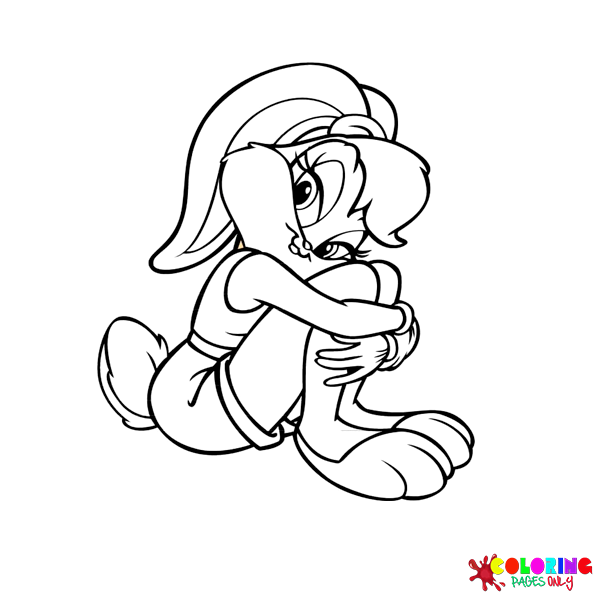
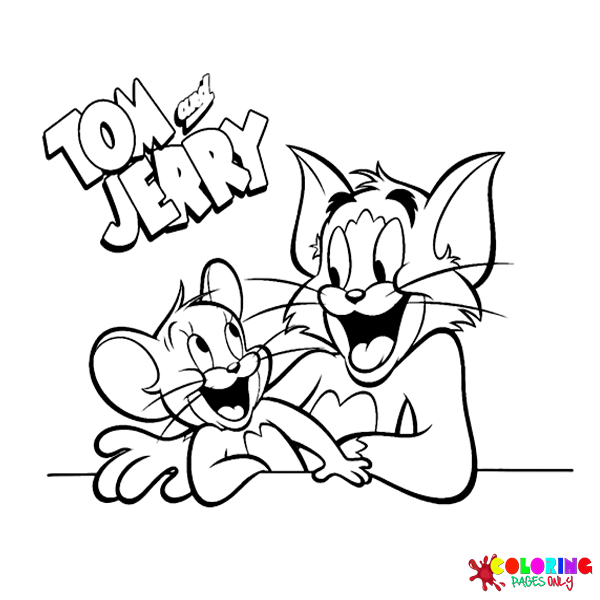
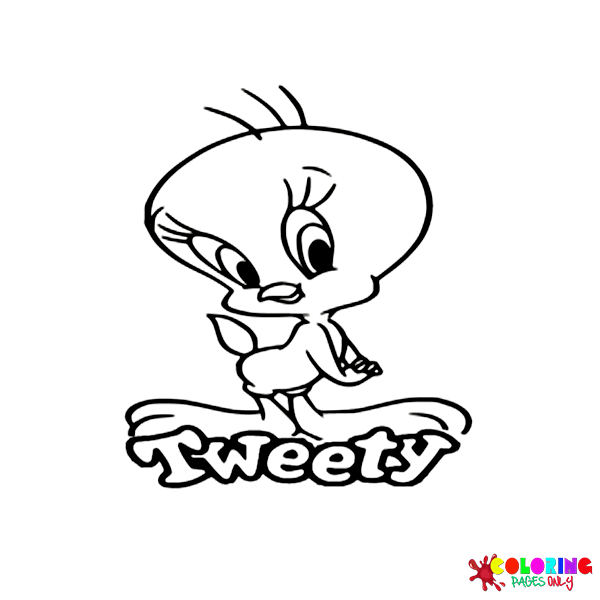
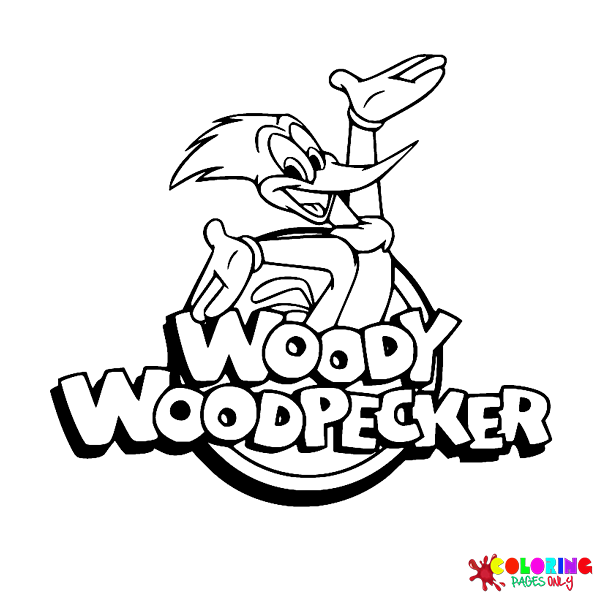
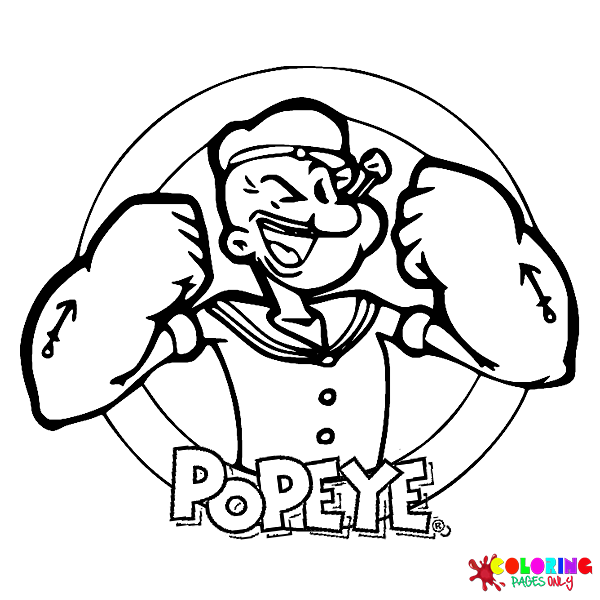
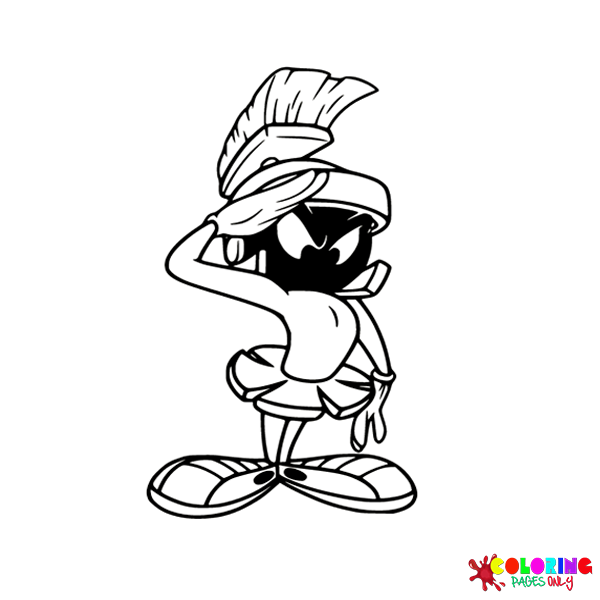
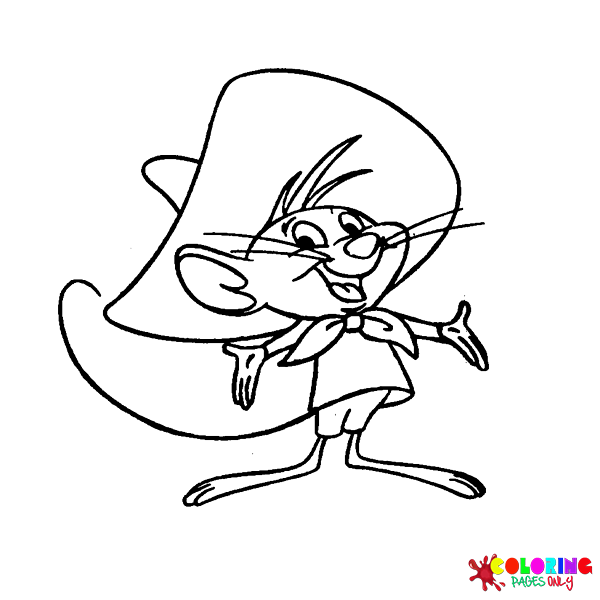
Looney Tunes, including Tweety, Daffy Duck, Marvin the Martian, Speedy Gonzales, and Lola Bunny, and Tom and Jerry are two of the oldest still-active animation franchises in existence, both dating to the 1930s and 1940s. Woody Woodpecker, Popeye, and Betty Boop-era styles round out this early animation cluster.
SpongeBob SquarePants Universe
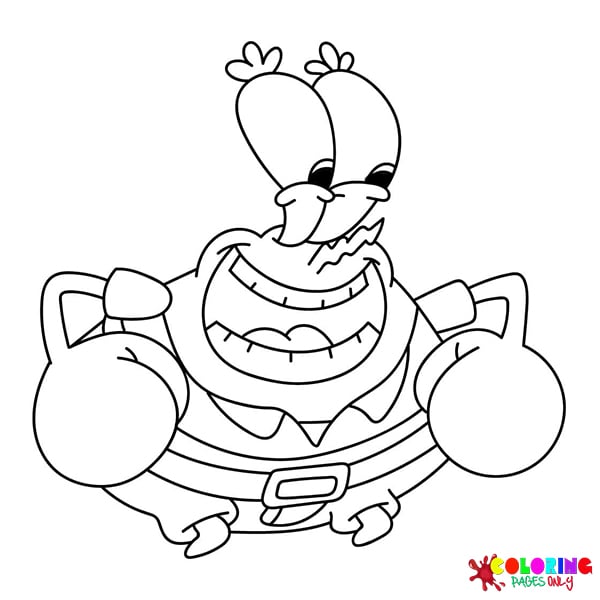
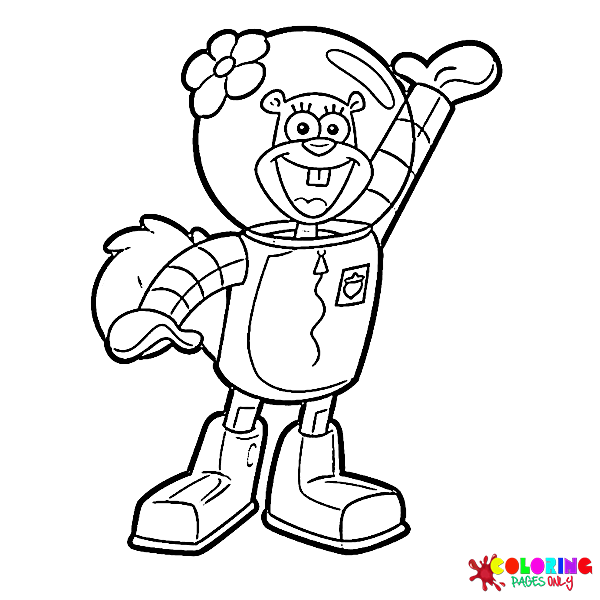
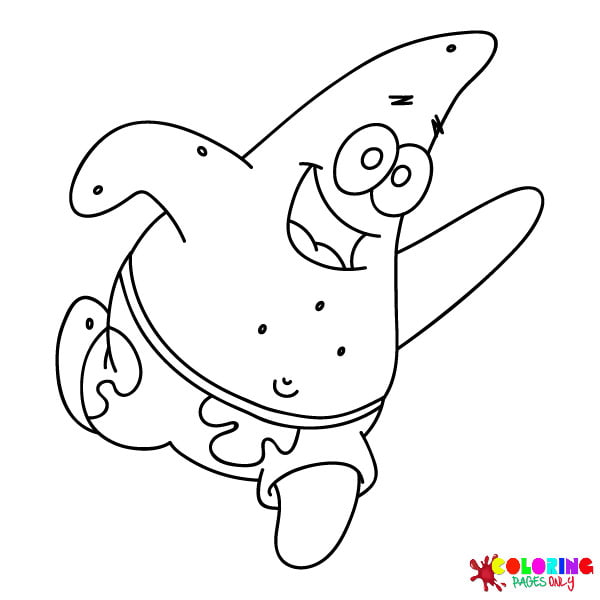
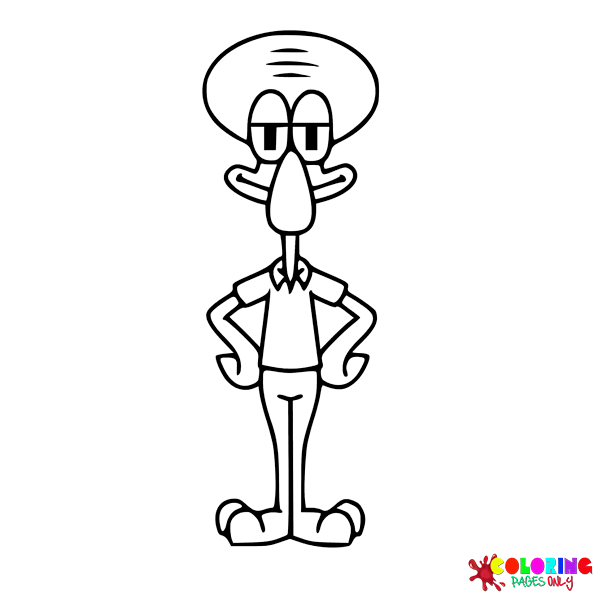
Squidward Tentacles, Patrick Star, Mr. Krabs, and Sandy Cheeks cover the wider supporting cast of the long-running Nickelodeon series.
1990s-2000s Cable Cartoons
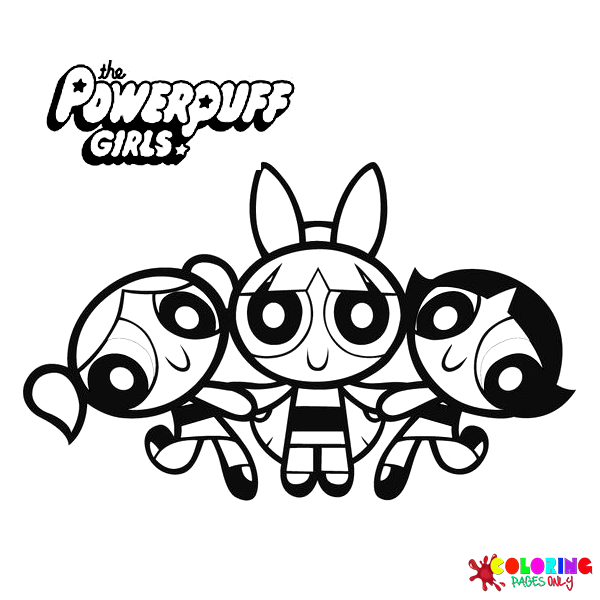
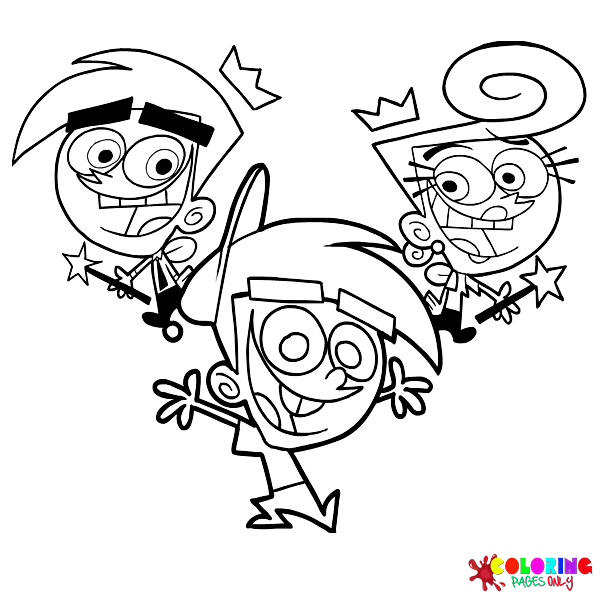
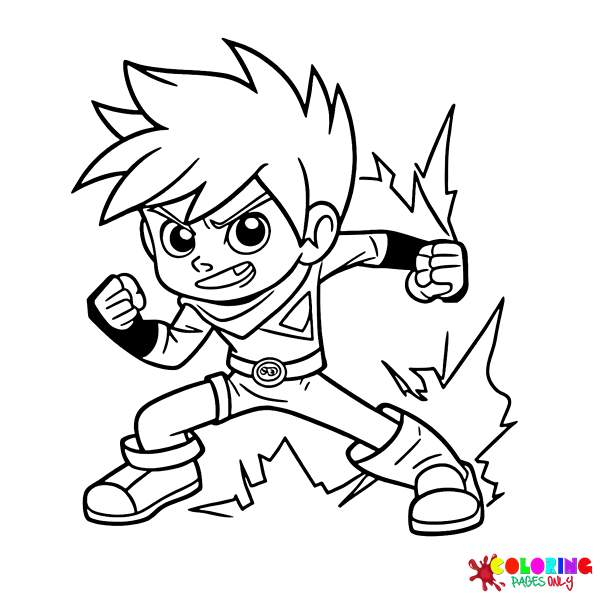
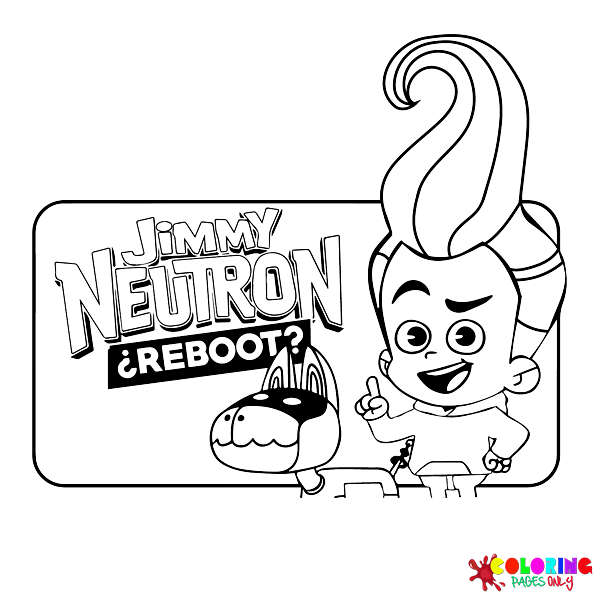
Powerpuff Girls, Fairly OddParents, Jimmy Neutron, Danny Phantom, and Rugrats represent the Nickelodeon and Cartoon Network era that shaped a full generation of children’s television.
International and European Classics
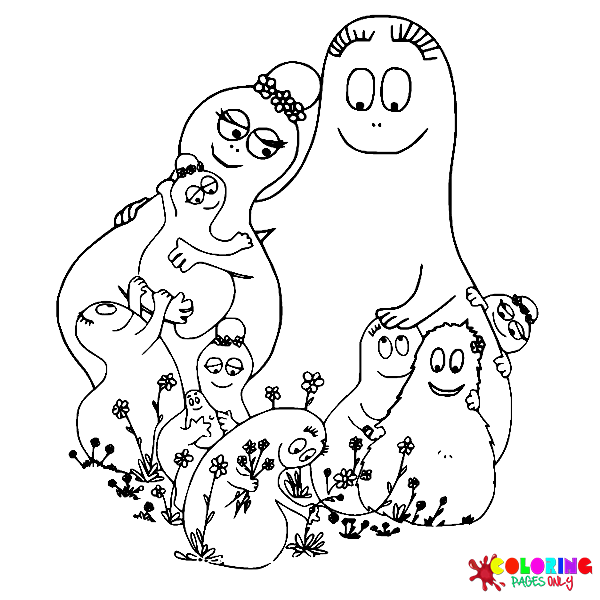
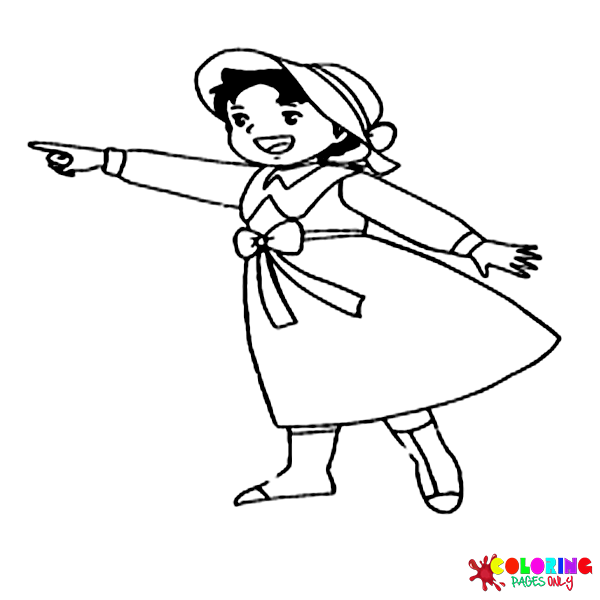
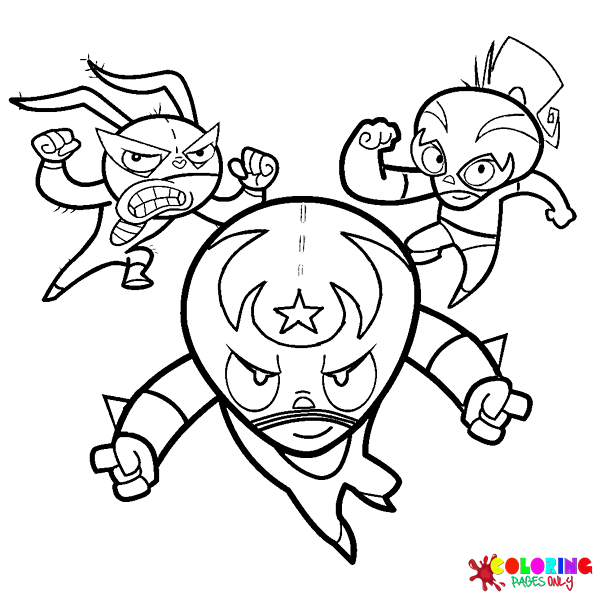
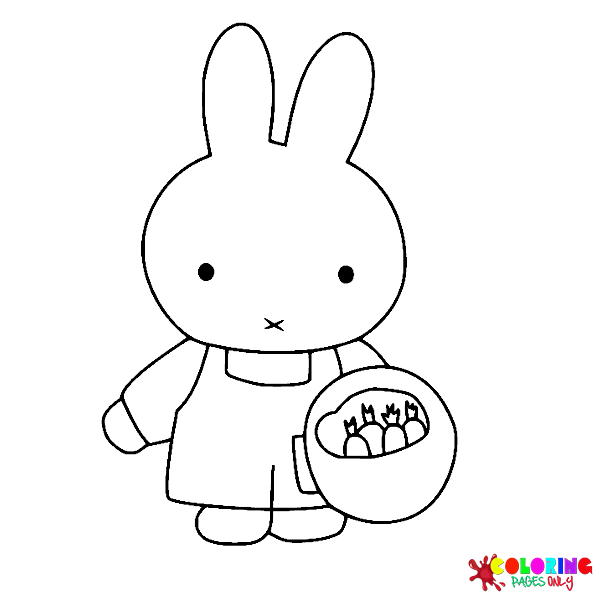
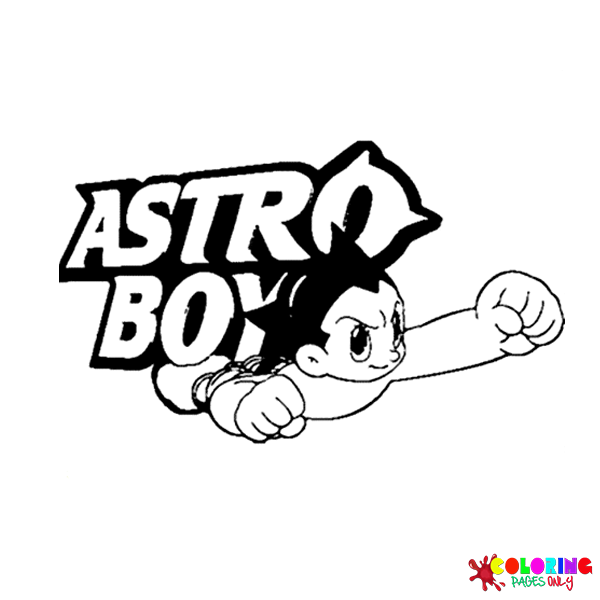
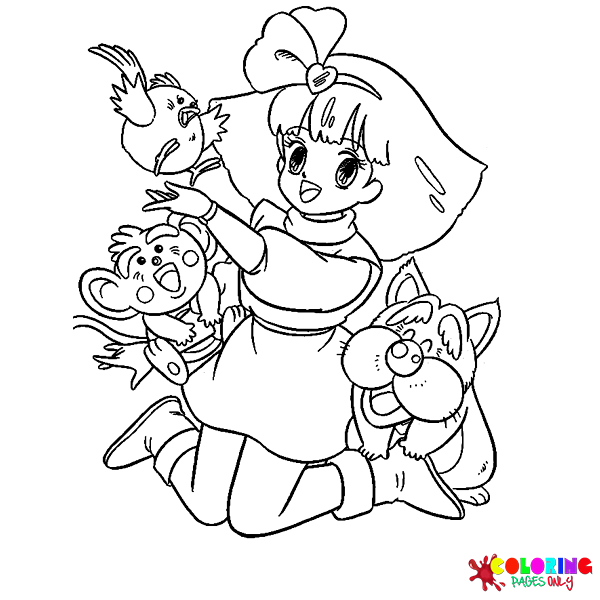
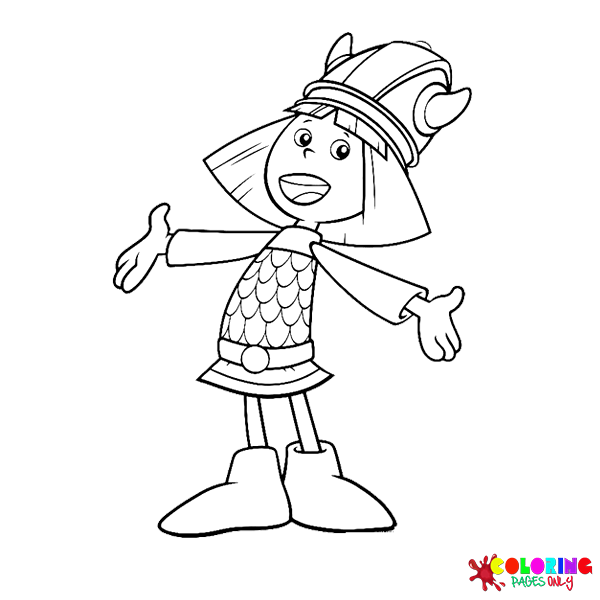
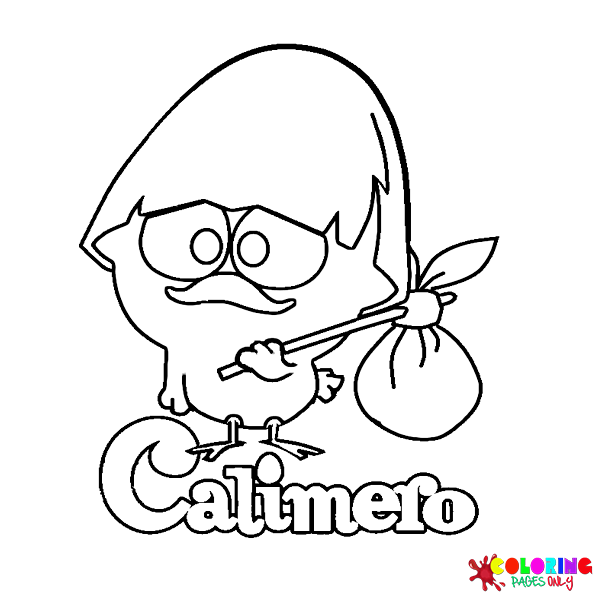
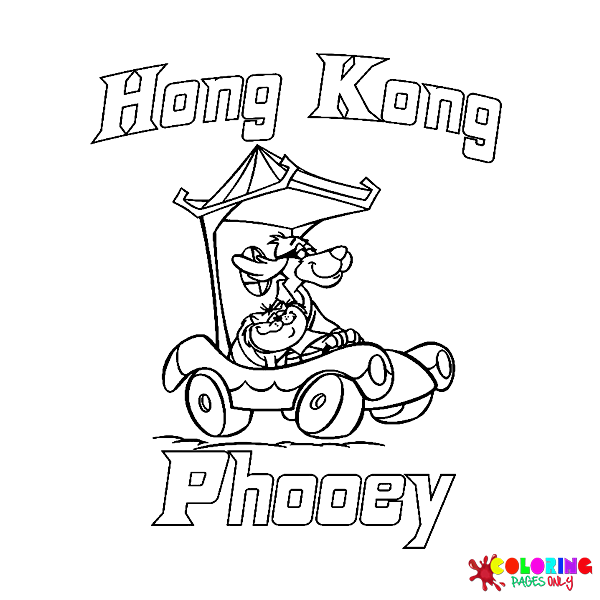
Barbapapa (French-American), Miffy (Dutch), Calimero (Italian), Vicky the Viking (German-Japanese co-production), Heidi (based on the Swiss novel), Astro Boy (Osamu Tezuka’s 1952 manga, considered a foundational work of Japanese animation), Minky Momo, Hong Kong Phooey, and Mucha Lucha round out the collection’s international heritage.
Beloved Book and Character Adaptations
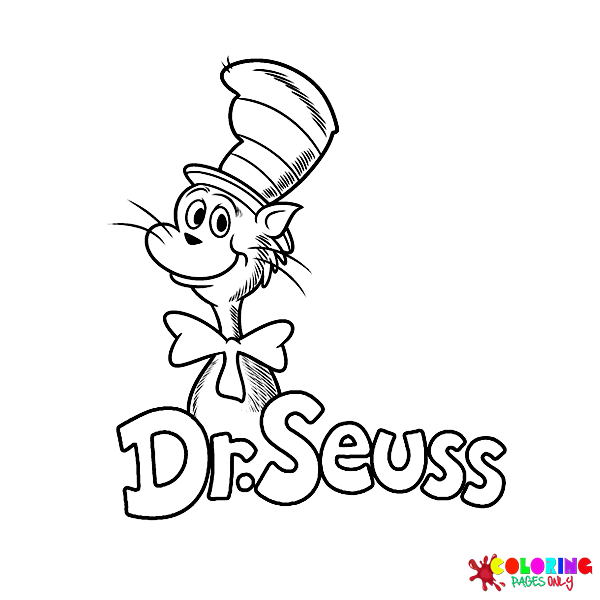
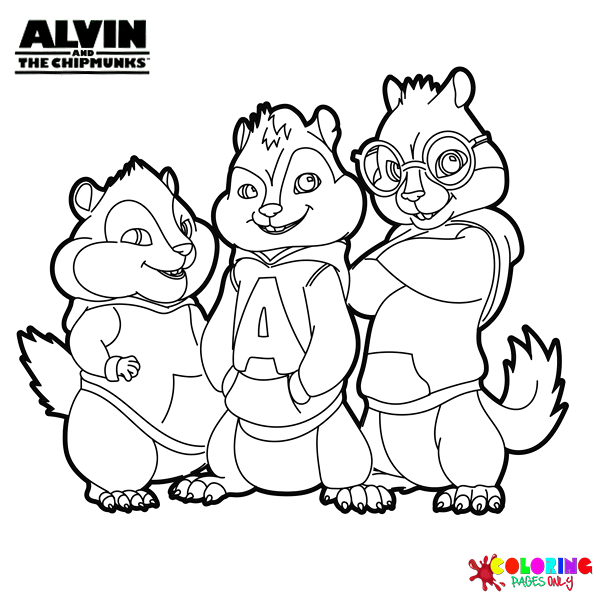
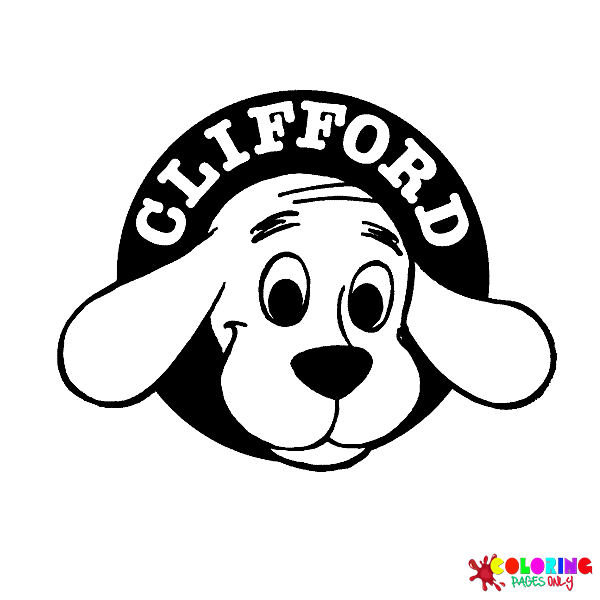
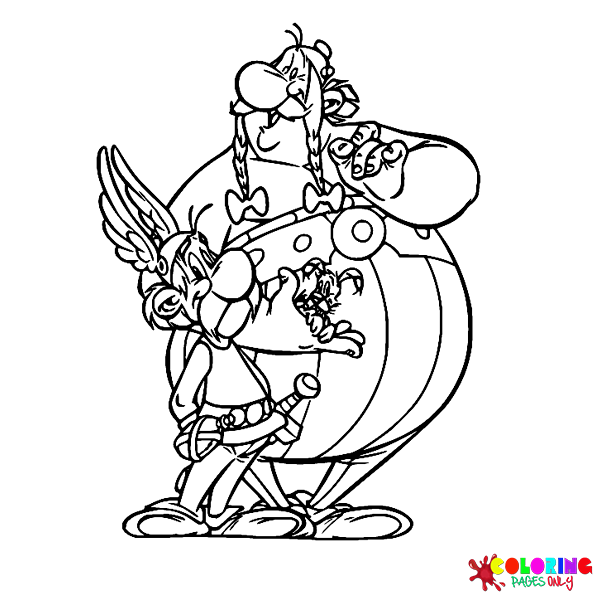
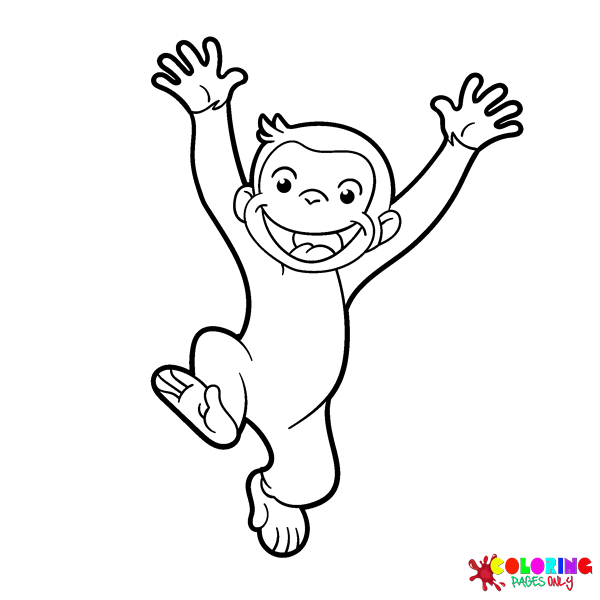
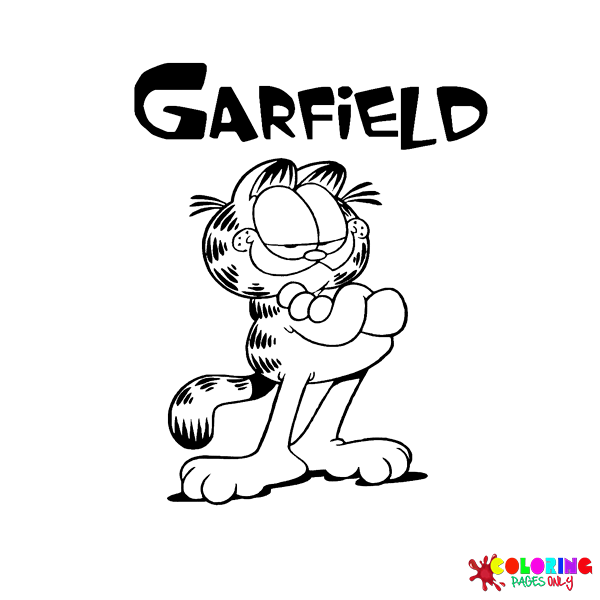
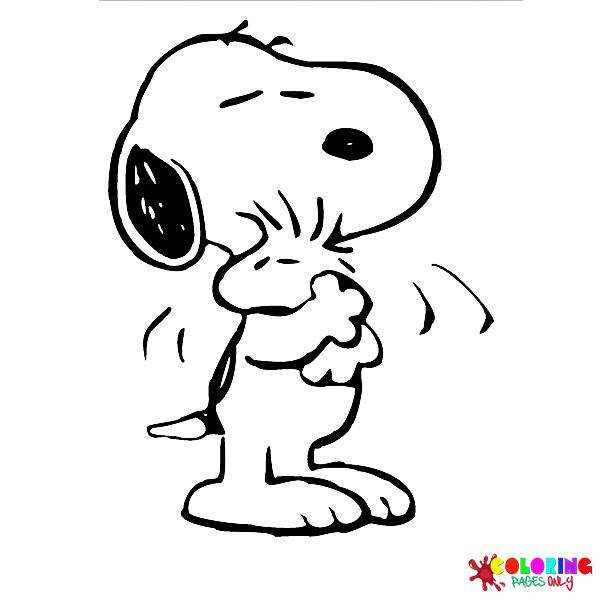
Dr. Seuss adaptations, Curious George, Captain Underpants, Alvin and the Chipmunks, Tintin, Garfield, Snoopy, and Clifford cover well-loved characters that began in print before becoming animated staples.
Preschool Legacy and Toy-Based Classics
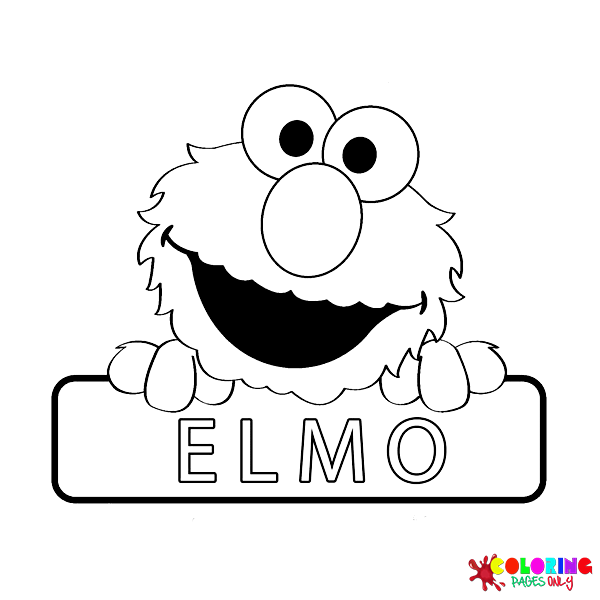
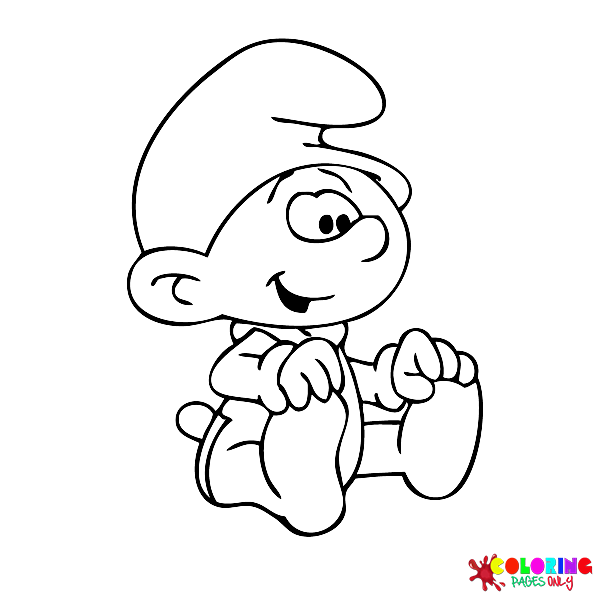
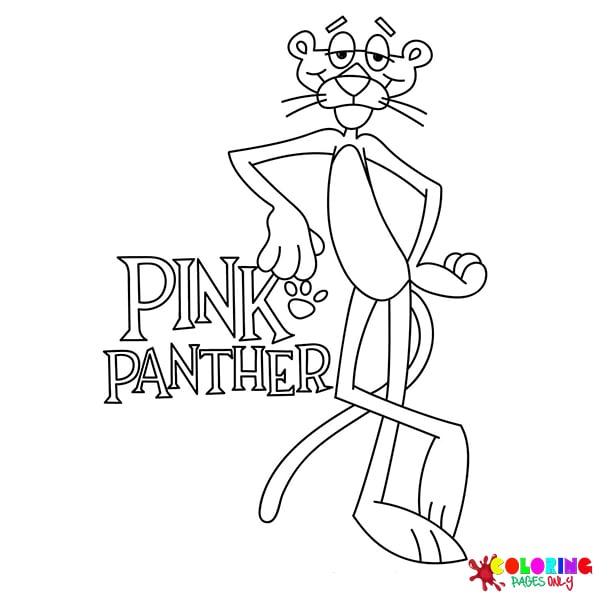
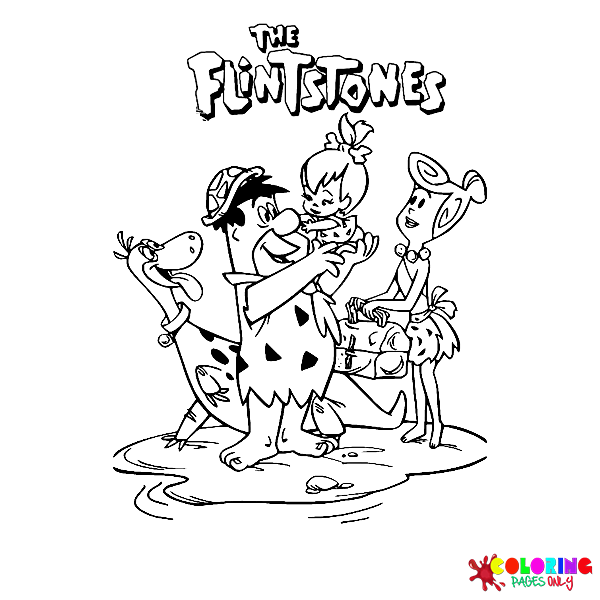
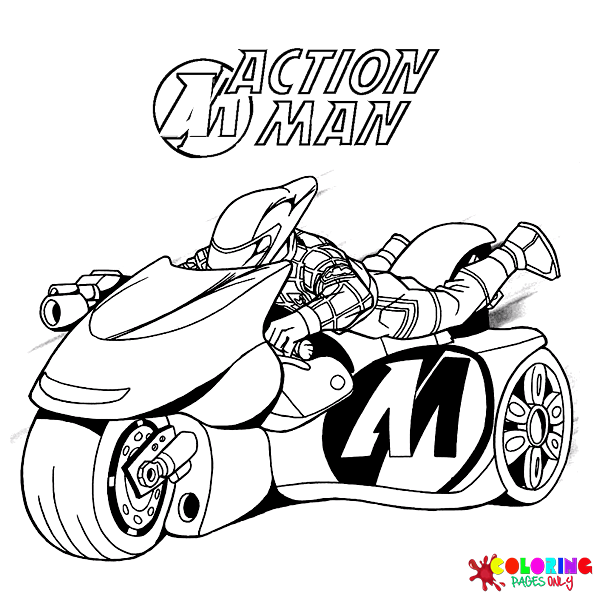
Elmo, VeggieTales, Smurfs, Flintstones, Pink Panther, and Action Man round out the group with characters that have remained culturally present well beyond their original release era.
What Classic Cartoon Coloring Pages Do
Fine motor development. The American Academy of Pediatrics identifies fine motor skill development as a core benefit of structured coloring for children ages 2 through 7, and the bold, simple shapes typical of golden-age animation are especially well suited to early coloring practice.
A shared activity across generations. Because these characters are often familiar to parents and grandparents as well as children, coloring a classic cartoon page can become a genuinely shared activity rather than something only the child recognizes.
Anxiety reduction through focus. A 2005 study in the Art Therapy Journal documented measurable reductions in anxiety following structured coloring sessions. The clean, uncluttered line work typical of classic animation supports that same steady, low-pressure focus.
A window into animation history. Because the collection spans nearly a century of animation styles, coloring across the hub gives a hands-on sense of how character design has changed since the 1930s.
How to Color Classic Cartoon Pages Well
- Looney Tunes characters: use flat, saturated primary colors to match the simple, bold palettes of golden-age animation.
- SpongeBob supporting cast: keep colors bright and cheerful, matching the show’s flat, uncomplicated animation style.
- Astro Boy and other early anime-style characters: use clean black outlines with minimal shading, matching the simpler line work of the era.
- Dr. Seuss characters: lean into the source books’ whimsical, sometimes unrealistic color choices rather than realistic palettes.
- European classics (Miffy, Barbapapa): keep shapes simple and colors flat, matching the minimalist illustration style these characters are known for.
5 Creative Craft Ideas With Classic Cartoon Coloring Pages
1. Then and Now Comparison Poster
Color a classic character alongside a character from a current show, mount them side by side on a poster board, and label how animation styles have changed.
2. Character Standee
Color a full-body character page, mount it on cardstock, and fold a small tab at the base so the finished figure can stand upright on a shelf or desk.
3. Classic Cartoon Bookmark Set
Color small portraits of three or four different classic characters, trim each into a bookmark shape, and laminate or tape them for a durable set.
4. Family Favorites Scrapbook Page
Color a page of a character a parent or grandparent also grew up watching, and mount it with a short handwritten note about why it is a family favorite.
5. Classic Cartoon Greeting Card
Fold cardstock in half, mount a colored character design on the front, and write a message inside for a fellow classic-cartoon fan.
Frequently Asked Questions
What are classic cartoon coloring pages?
Classic cartoon coloring pages are printable line-art designs of characters from long-running or older animated franchises. This collection includes 1,971 free designs across 43 shows and characters, available as PDFs or online coloring.
Which show has the most pages?
Flintstones has the largest sub-category with 93 designs, followed by Tom and Jerry with 73 and Tweety with 79.
What makes a show “classic” on this site?
Shows in this collection have remained culturally present for multiple generations of children, distinct from current-run shows covered in the Kids and Family Cartoons hub.
Which characters here are the oldest?
Popeye (1929), Looney Tunes and Tom and Jerry (1930s-1940s), and Astro Boy (1952 manga origin) are among the longest-running properties in the collection.
Why is Astro Boy considered historically significant?
Astro Boy, created by Osamu Tezuka in 1952, is widely considered one of the foundational works of Japanese animation, shaping the visual style of anime for decades afterward.
Are classic cartoon coloring pages suitable for young children?
Yes. The bold, simple shapes typical of golden-age animation make many of these pages especially well-suited to younger colorists, alongside more detailed options for older fans.
Is the SpongeBob supporting cast collection different from the main SpongeBob page?
This collection focuses on individual supporting characters, such as Squidward, Patrick, and Mr. Krabs, as their own dedicated topics.
Can these pages be used for a classroom media history lesson?
Yes. Pairing a coloring page with a short discussion of when and where a character first appeared makes for a simple media history activity.
Start Coloring
Choose a show above to browse that collection, or open any page to download it as a free PDF or color it online in the browser. No account, email, or payment is required. Share finished pages on Facebook or Pinterest with the share buttons on each page.
More Cartoon Coloring Pages
Jump straight to a specific collection: