
Explore 41 free bowling coloring pages featuring bowling balls, pins, lanes, action scenes, wheelchair bowling, animated characters, cartoon animals, and more – available as free printable PDF and interactive online coloring for kids, families, and bowling fans of all ages.
Bowling has been with us longer than almost any other sport on Earth. In the 1930s, British archaeologist Sir Flinders Petrie discovered objects in an ancient Egyptian child’s grave at Nagada – a small stone ball and nine pieces of stone shaped like pins – dating to approximately 3200 BC, making them the earliest known evidence of a bowling-like game in human history. Several thousand years later, in the 3rd and 4th centuries in Germany, monks would roll a round stone toward a club called a Kegel at the end of a long corridor – knocking it down was said to represent defeating sin. This is why German bowlers are still called Kegelers, and why bowling alleys in Germany are called Kegelbahnen to this day. Martin Luther, who reportedly enjoyed the game enormously, is said to have settled on nine pins as the standard number after experimenting with different configurations.
Modern ten-pin bowling as the world knows it today was formalized in New York City on September 9, 1895, when the American Bowling Congress – now the United States Bowling Congress (USBC) – was founded at Beethoven Hall in Manhattan, establishing the standardized rules, pin formation, lane dimensions, and equipment specifications that govern the sport to this day. Today, approximately 70 million Americans bowl each year, making it one of the country’s largest participation sports. Worldwide, the World Tenpin Bowling Association (WTBA) governs competitive play across more than 100 member nations.
At ColoringPagesOnly.com, our collection of 41 free bowling coloring pages brings the full, joyful world of bowling to your coloring table – from the satisfying geometry of ten pins arranged in their 4-3-2-1 triangular formation to the action of a boy mid-approach, from Scooby Doo rolling his first frame to a bear who has apparently taken the sport very seriously. Every page is completely free to download as PDF, JPG, or PNG, and available to color online directly in your browser.
Whether you are a parent looking for a fun activity tied to a family bowling trip, a teacher building a sports and recreation unit, a bowling league member who wants creative content for your club, or simply a fan of one of humanity’s oldest games – step up to the lane. Your turn is next.
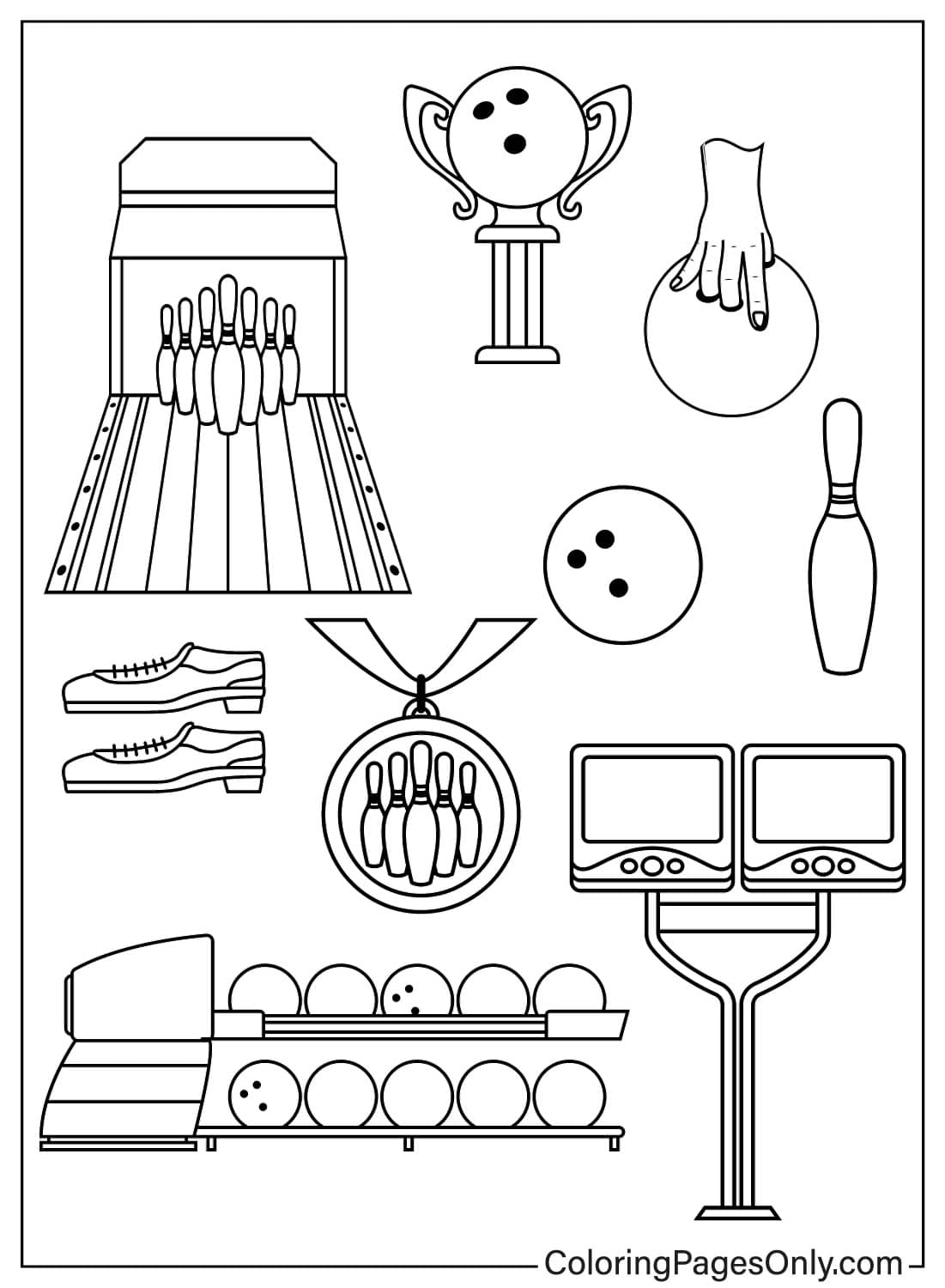
What’s Inside Our Bowling Coloring Pages Collection?
Our collection spans the full world of bowling – from technical equipment illustrations and action scenes to cartoon characters, animated animals, and decorative graphic designs that celebrate the sport’s energy and fun.
Bowling Action & Player Pages – The Game in Motion
The most engaging pages in the collection capture the physical moment of bowling – the approach, the release, and the satisfying collision of ball and pins.
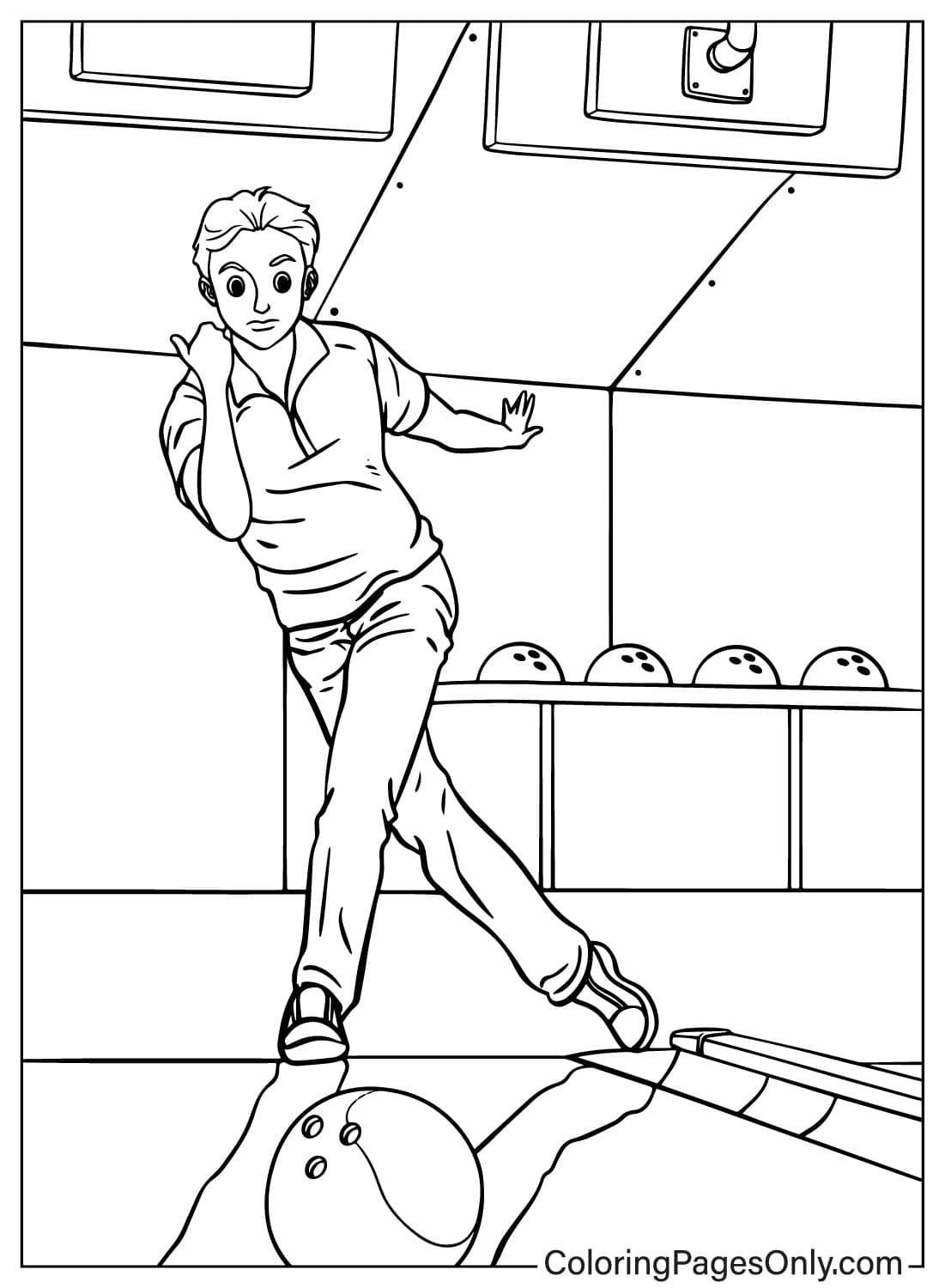
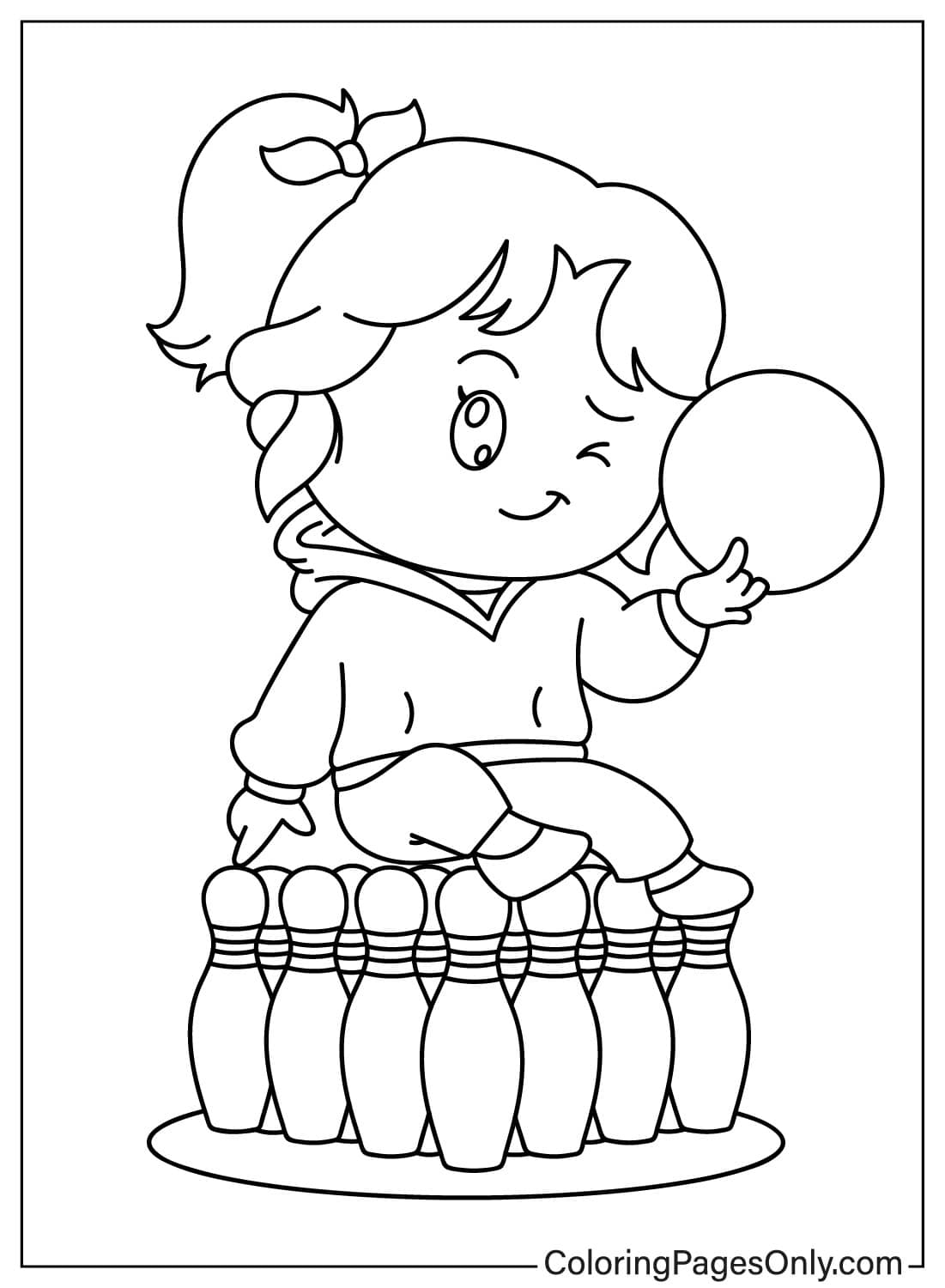
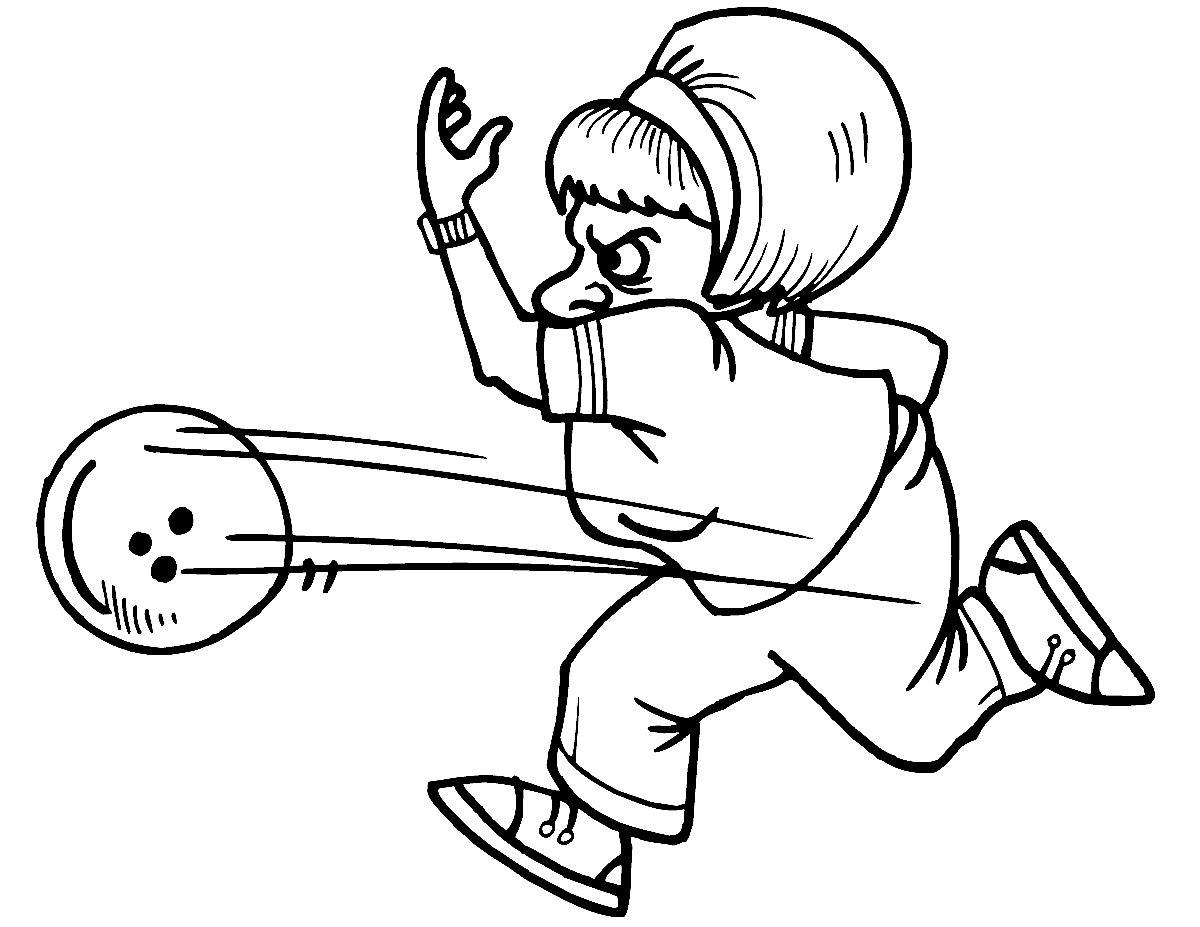
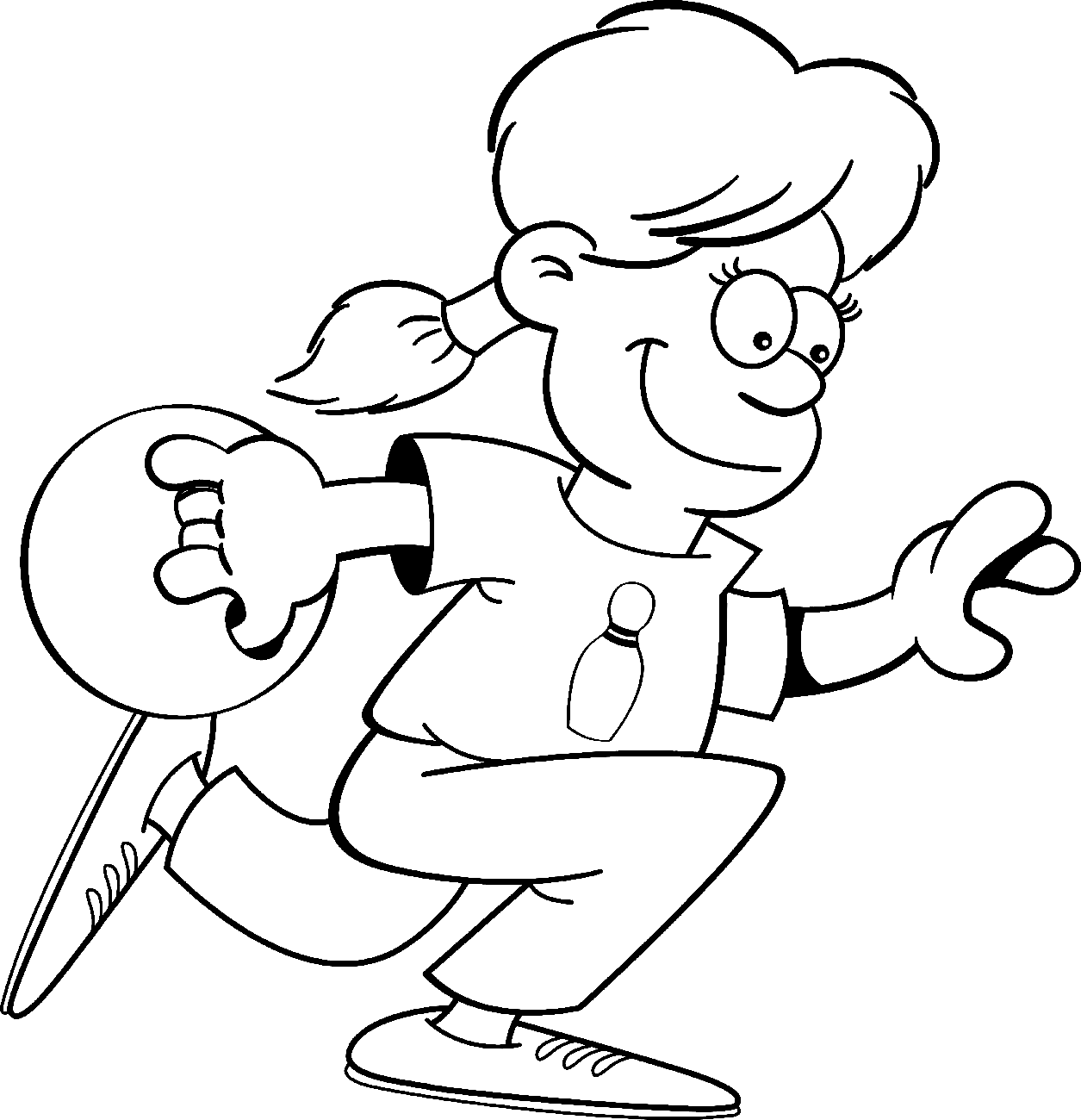
The Boy Throwing A Bowling Ball captures the approach and release – the four-step delivery that most recreational bowlers learn first, with the ball swinging back and the body leaning forward toward the foul line at the point of release. The foul line in ten-pin bowling marks the exact boundary between the approach area and the lane itself; crossing it during a delivery results in a foul, and any pins knocked down are not counted. Cute Girl Playing Bowling and Girl Bowling celebrate girls as active, confident participants in the sport – an important representation in a game that the USBC reports is played by roughly equal numbers of men and women in recreational settings. Playing Bowling, Bowling Game, Printable Bowling, and Free Printable Bowling capture generalized bowling scenes that work beautifully for any age group.
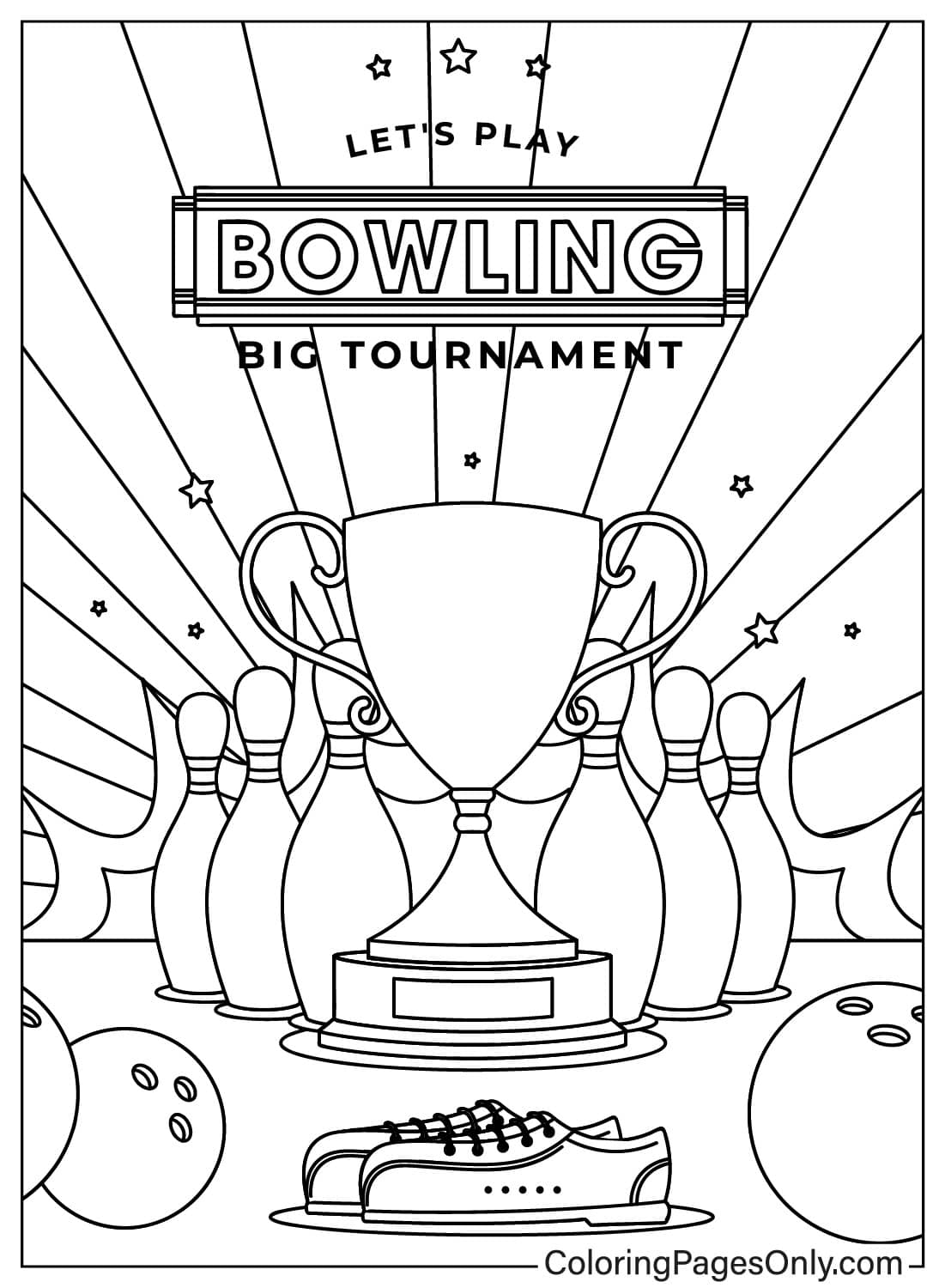
Bowling Competition and Bowling Big Tournament bring the competitive dimension of the sport to life – the focused concentration of a tournament bowler, the lane stretching out ahead, the pins waiting at the far end, sixty feet away. In competitive ten-pin bowling, that sixty-foot distance from the foul line to the head pin (Pin #1) is a standardized measurement regulated by the USBC, as are the lane width (41.5 inches), the pin spacing (12 inches center to center), and the oil pattern applied to the lane surface – a factor that significantly affects ball trajectory and that professional bowlers study intensively before every competition.
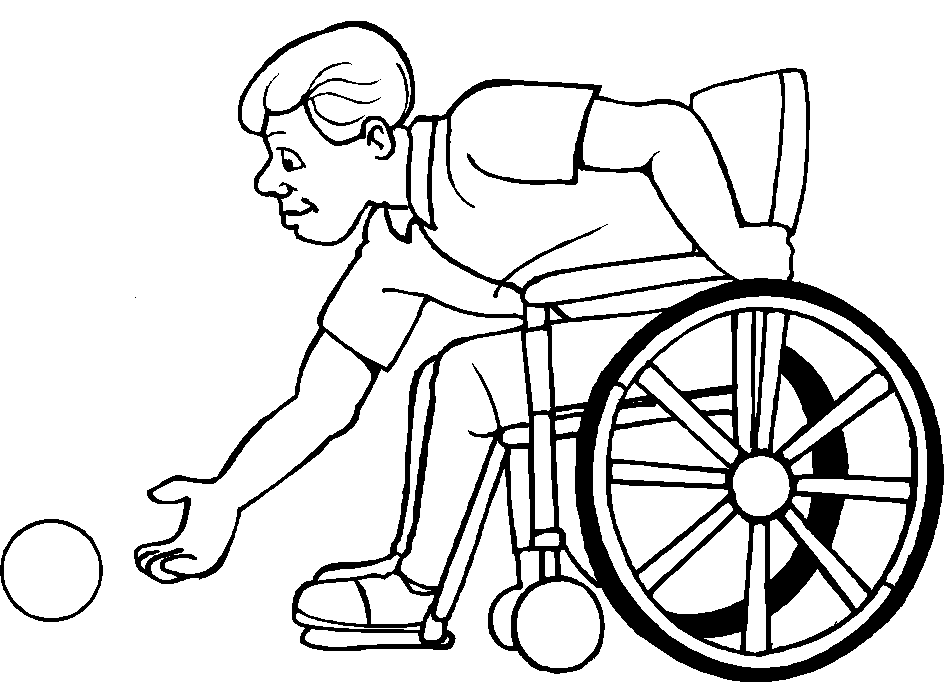
Wheelchair Bowling is one of the most important pages in the entire collection. Wheelchair bowling is a fully legitimate competitive sport, played using a specially designed ball ramp that allows players who cannot deliver a ball by hand to position the ramp, aim it toward their target, and push the ball down the ramp to roll toward the pins. Wheelchair bowling competitions are organized at local, national, and international levels, and the page depicting this deserves the same care and attention as any other in the collection. Coloring it is also an opportunity to discuss inclusion, accessibility, and the principle that sport belongs to everyone.
Shera Playing Bowling brings She-Ra: Princess of Power to the bowling alley – a page that combines the nostalgic appeal of the classic animated heroine with the universal accessibility of bowling’s casual, recreational spirit.
Bowling Equipment Pages – The Tools of the Game
Understanding bowling equipment turns a recreational activity into something more meaningful – and our equipment pages make that understanding visual, tangible, and genuinely interesting.
Bowling Equipment provides a comprehensive illustration of the key tools: the bowling ball (which under USBC regulations must not exceed 27 inches in circumference and 16 pounds in weight), the bowling pin (15 inches tall, weighing between 3 pounds 6 ounces and 3 pounds 10 ounces per USBC specification, made of hard maple wood coated with a plastic resin finish), and bowling shoes (required in all commercial bowling centers to protect the approach surface – the left shoe for right-handed bowlers has a sliding sole on the heel to facilitate the final step of the delivery).
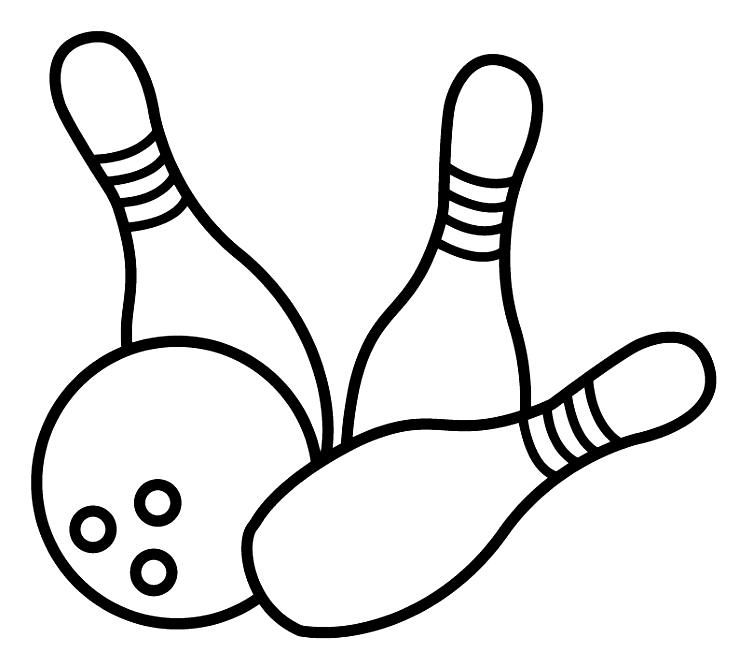
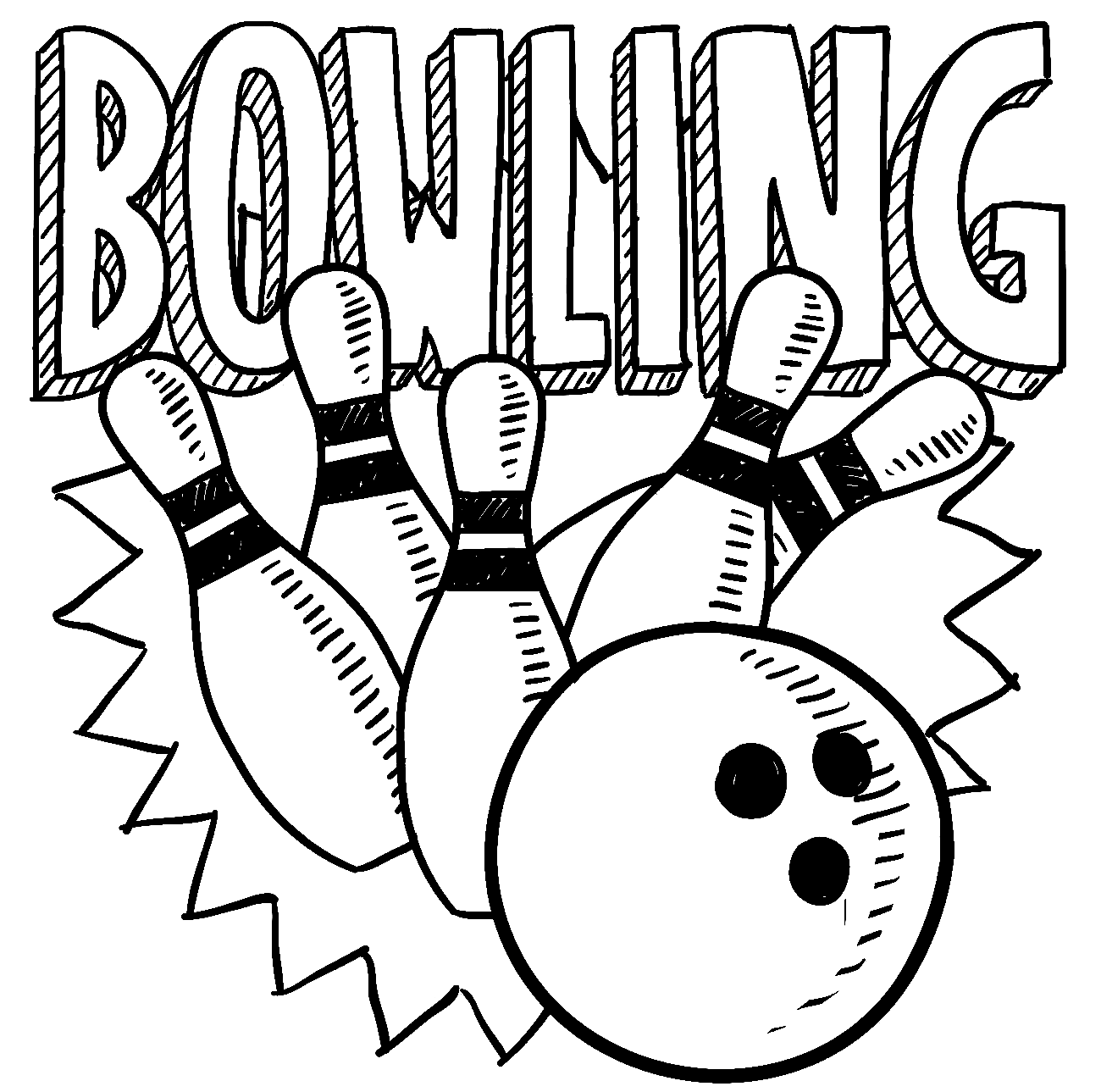
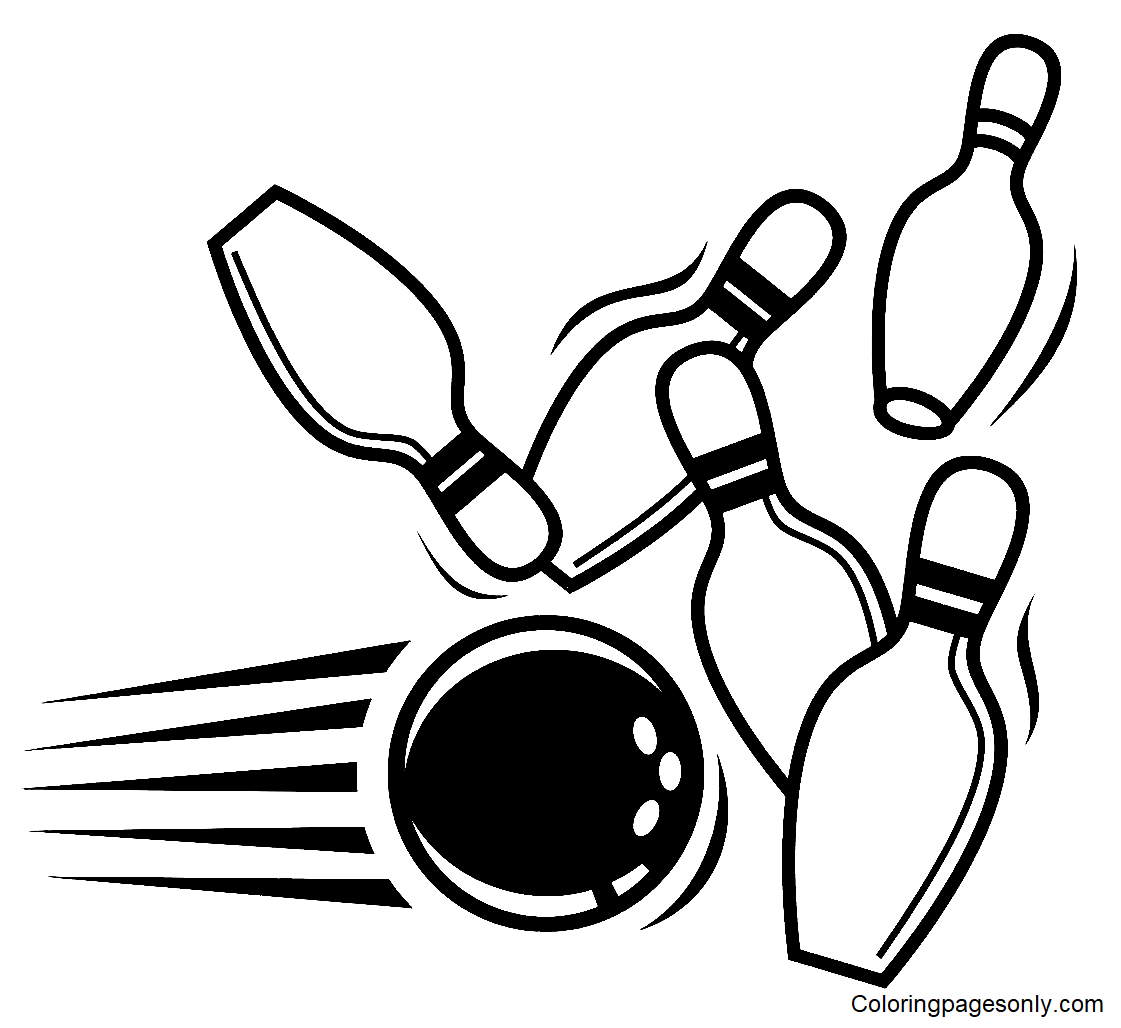
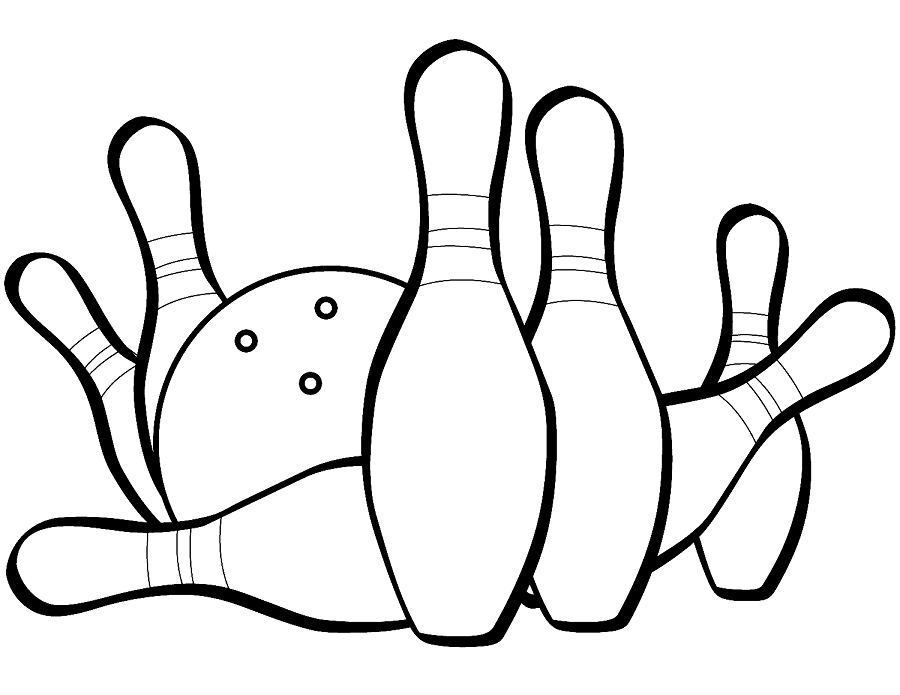
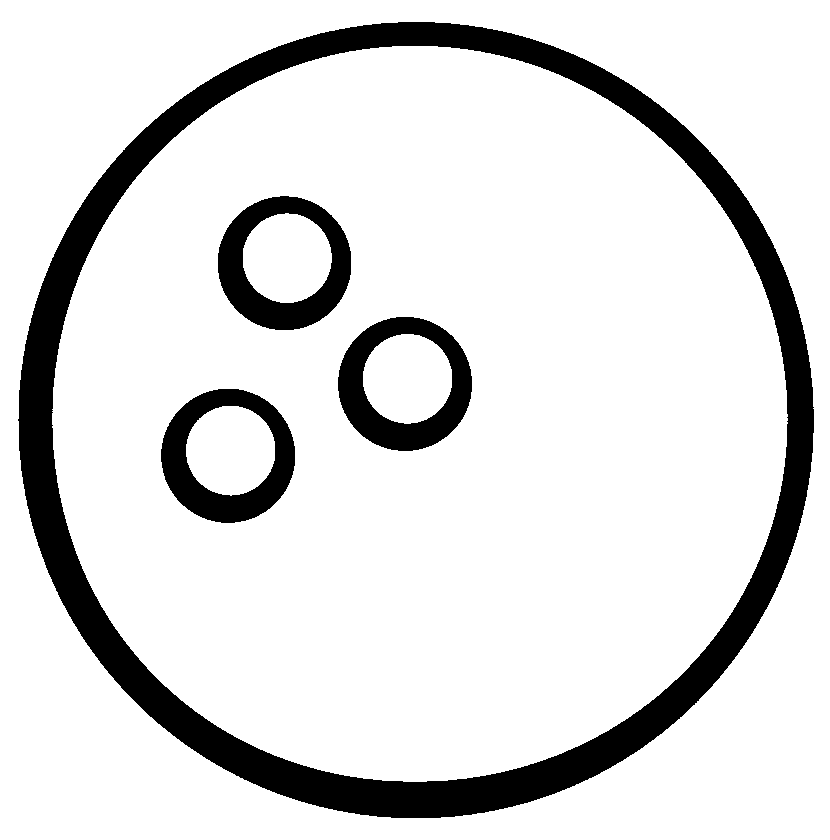
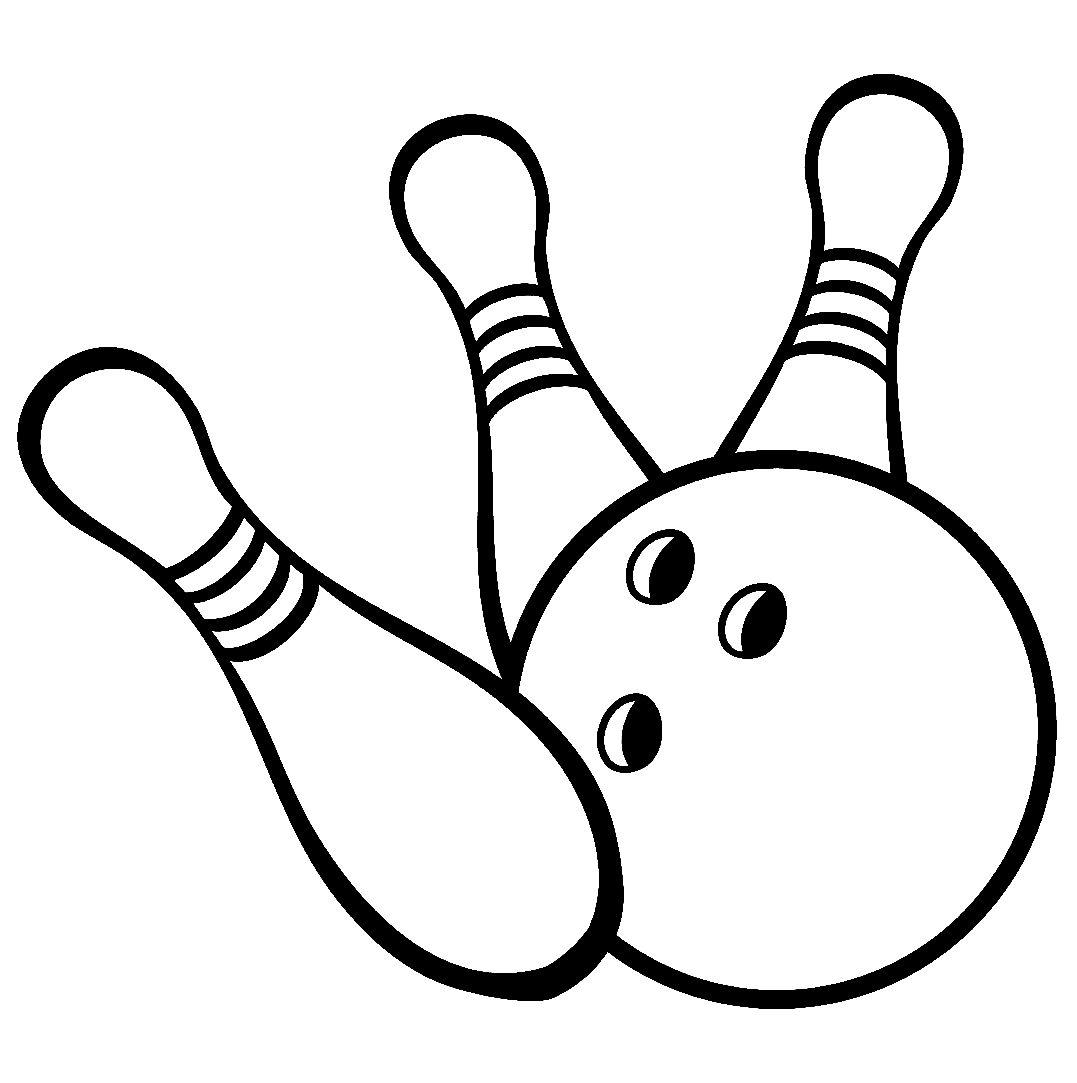
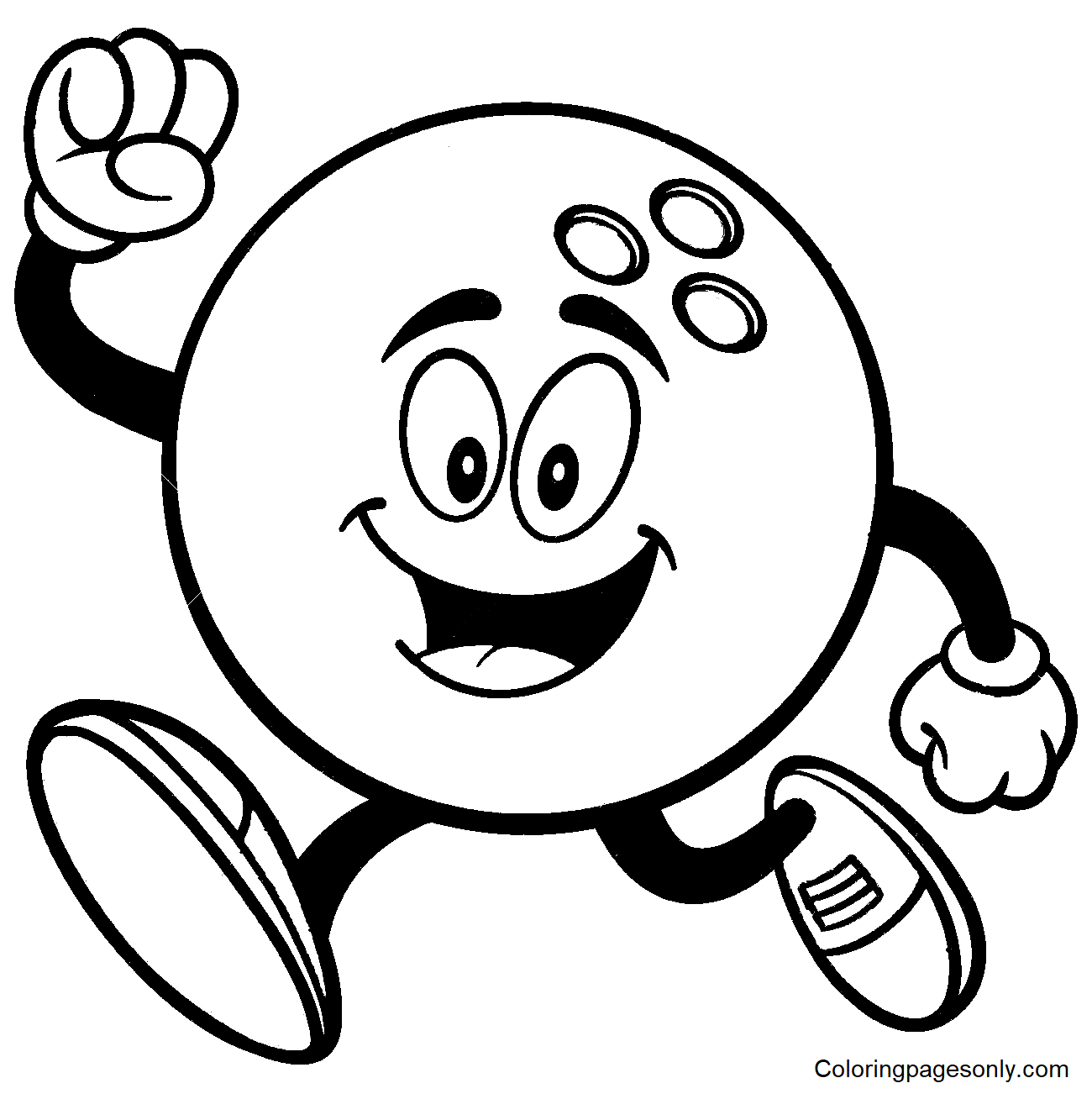
Bowling Ball, Bowling Ball with Pins, Bowling Ball Running, Bowling Ball Hitting Pins, and Bowling Ball and Pin each capture the ball in a different relationship to the pin formation – from its solitary weight and mass to the explosive moment of contact. A bowling ball is a remarkable object: beneath its surface, the core (called the weight block) is shaped and positioned to influence the ball’s rotation and hook potential as it travels down the lane. Modern high-performance bowling balls are engineered with asymmetric cores, reactive resin coverstocks, and surface textures measured in RG (radius of gyration) and differential – a level of physics-based design sophistication that most casual bowlers never think about, but that separates a 180 average from a 220 average.
Bowling Lane and Bowling Alley capture the environment of the sport – the long, precisely maintained wooden or synthetic surface (60 feet from foul line to head pin, with 39 boards of 1-inch maple running its length), the gutters (channels on either side that catch errant shots), and the arrows and dots embedded in the lane surface that bowlers use to aim rather than looking all the way to the distant pins. The seven arrows on a standard lane, located approximately 15 feet past the foul line, allow a bowler to target a specific board with precision – most experienced bowlers aim at the second arrow from the right (the 10-board) to find the pocket for a right-handed strike.
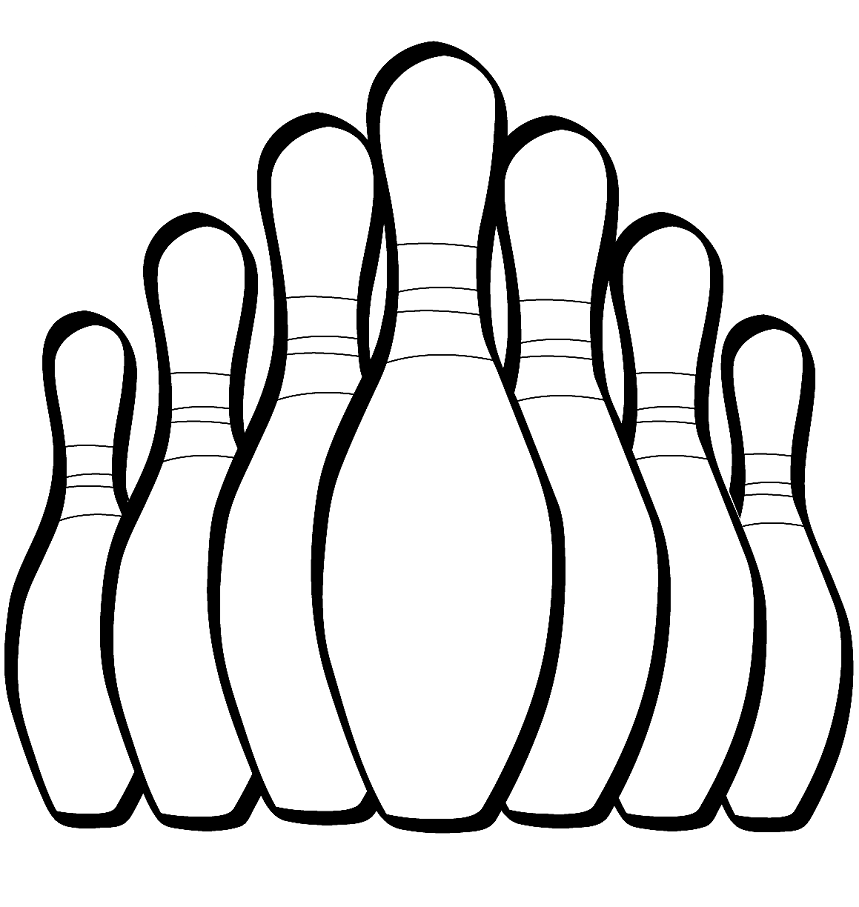
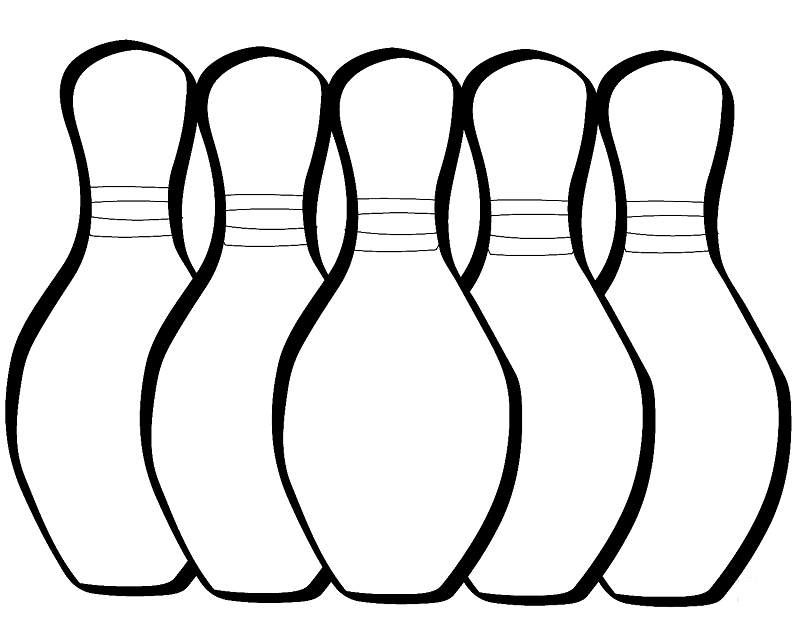
Five Bowling Pins and Seven Bowling Pins capture pin formations mid-frame – the specific arrangements of remaining pins after a first delivery that skilled bowlers must convert into spares. A “7-10 split” – the two corner pins standing alone on opposite sides of the lane after a first-ball delivery – is the most notoriously difficult spare in bowling, requiring the ball to deflect off one pin hard enough to send it skidding across the pin deck to knock down the other. Professional bowlers convert the 7-10 split approximately 0.7% of the time.
Cartoon Characters & Pop Culture Pages
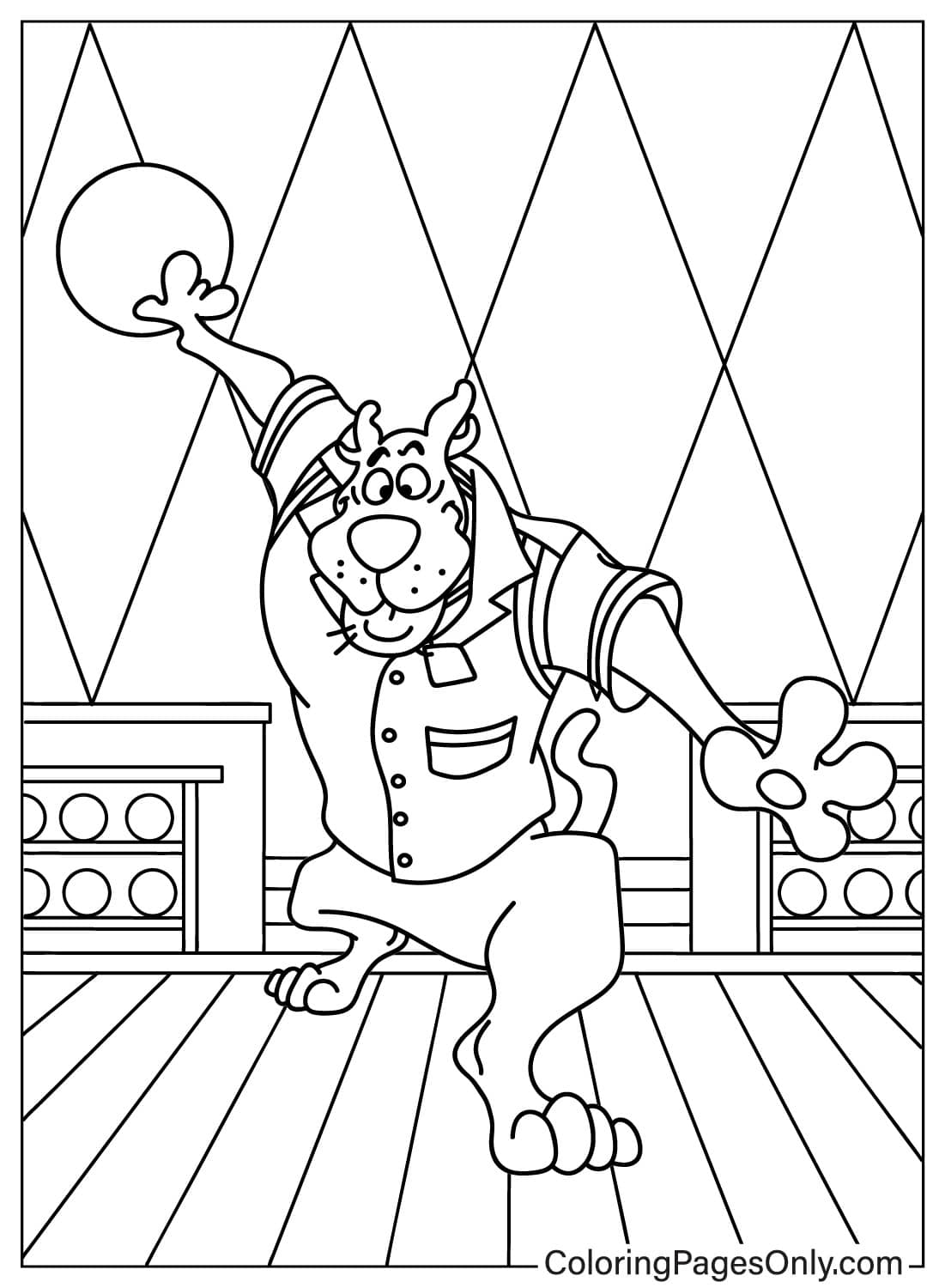
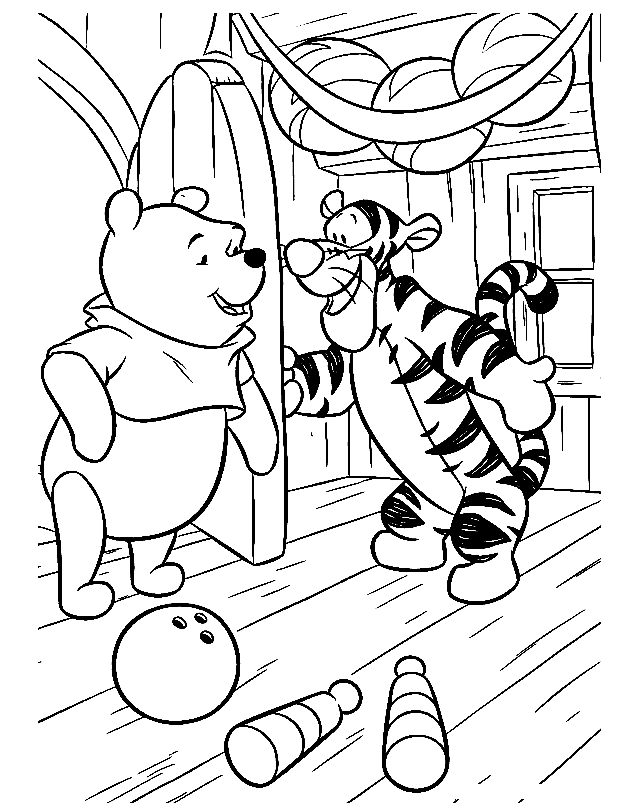
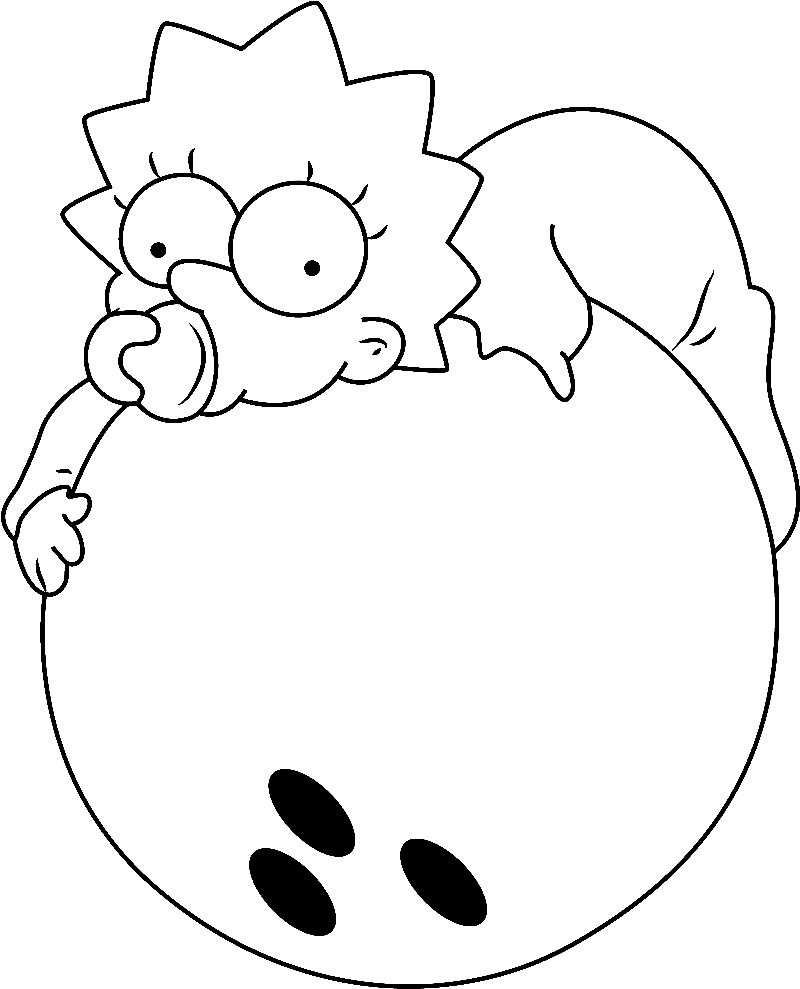
Scooby Doo Playing Bowling brings Mystery Inc.’s most lovable member to the lanes – and the image of a Great Dane managing a bowling ball raises genuinely fascinating logistical questions that children enjoy discussing at length. Pooh and Tigger Bowling captures the Hundred Acre Wood’s most energetic resident and his honey-loving friend discovering the bowling alley together – Tigger’s approach will almost certainly involve bouncing, and Pooh’s strategic priority will almost certainly involve the snack bar. Maggie Simpson with Bowling Ball places the Simpsons’ youngest and most underestimated family member in a scenario where her characteristically calm, wide-eyed expression is, if anything, more intimidating than Homer’s usual intensity.
Animal Bowling Pages – Wildlife at the Lanes
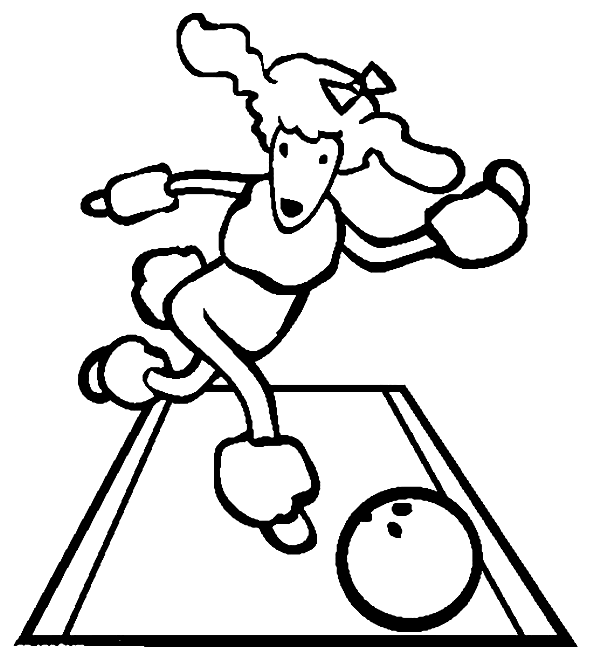
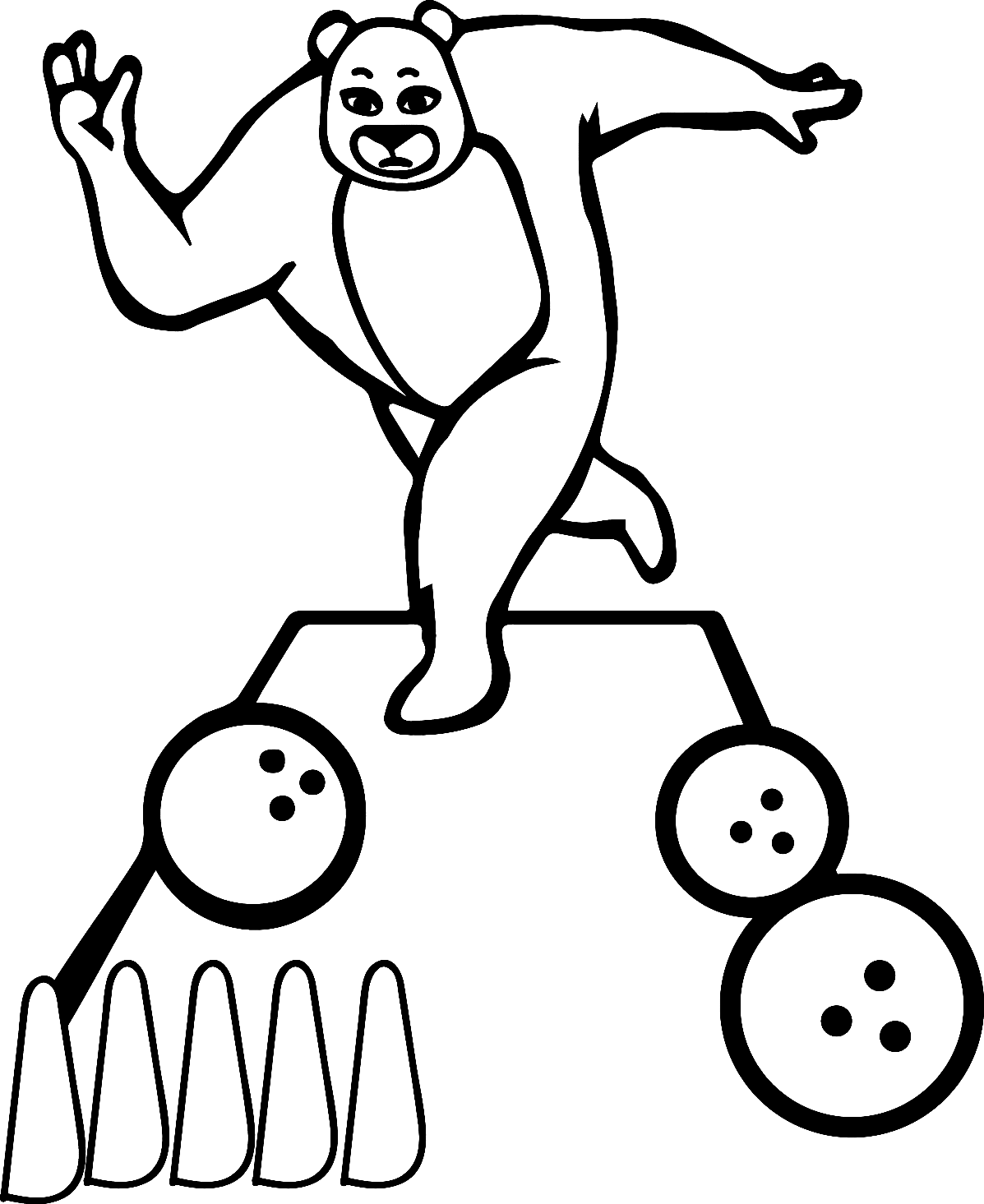
Bowling Dog and Bowling Bear continue the proud tradition established elsewhere in this collection of animals who have discovered recreational sports and are pursuing them with complete seriousness. The bowling dog brings precisely the focused, determined energy you would expect from a species that has spent thousands of years developing a working partnership with humans. The bowling bear’s approach to the sport is harder to predict but presumably involves significant power.
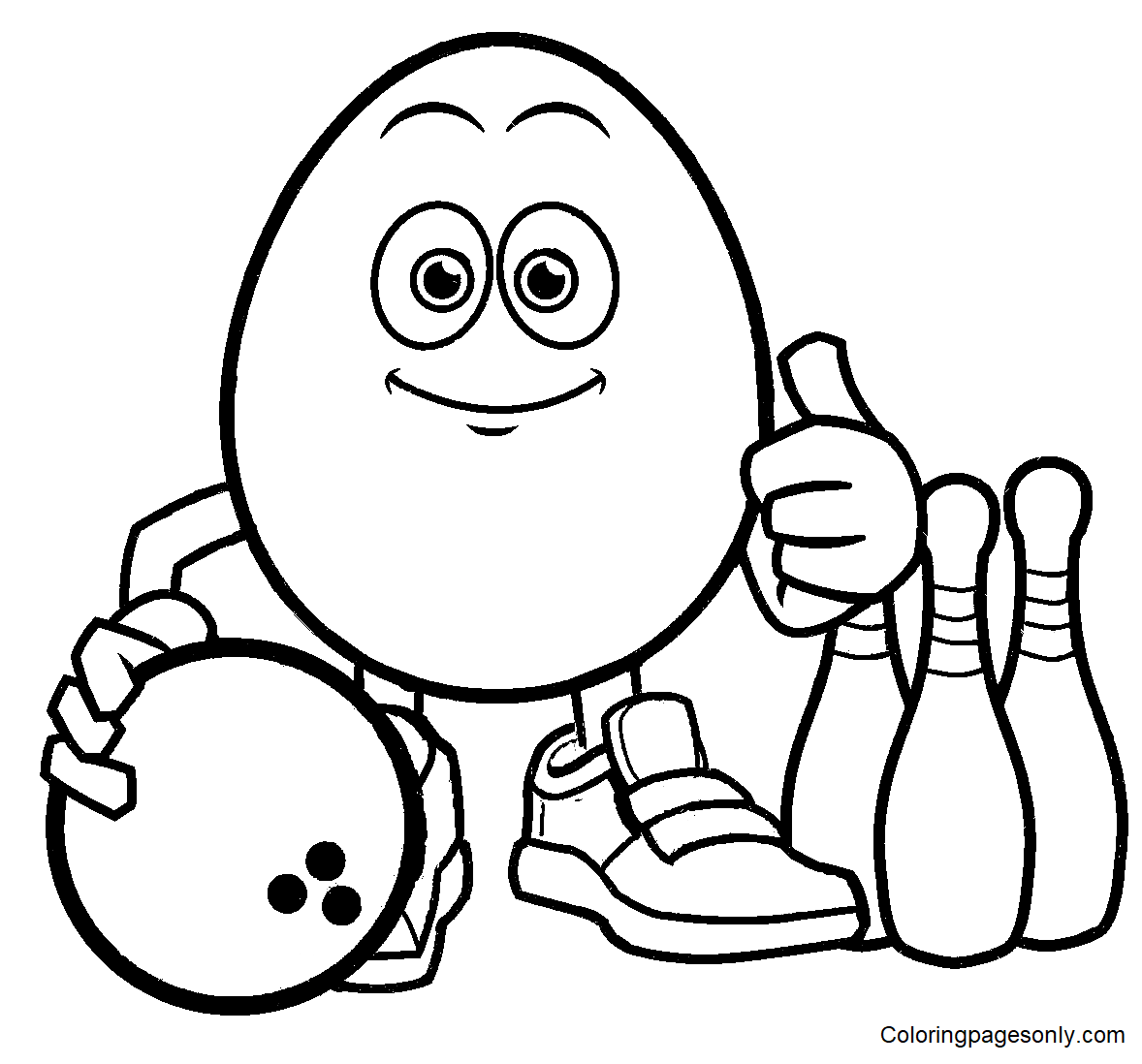
Egg Playing Bowling is the collection’s most philosophically intriguing page – a hard-boiled egg that is both spherical and a bowler, which raises questions about which role it is playing at any given moment.
Decorative & Graphic Design Pages
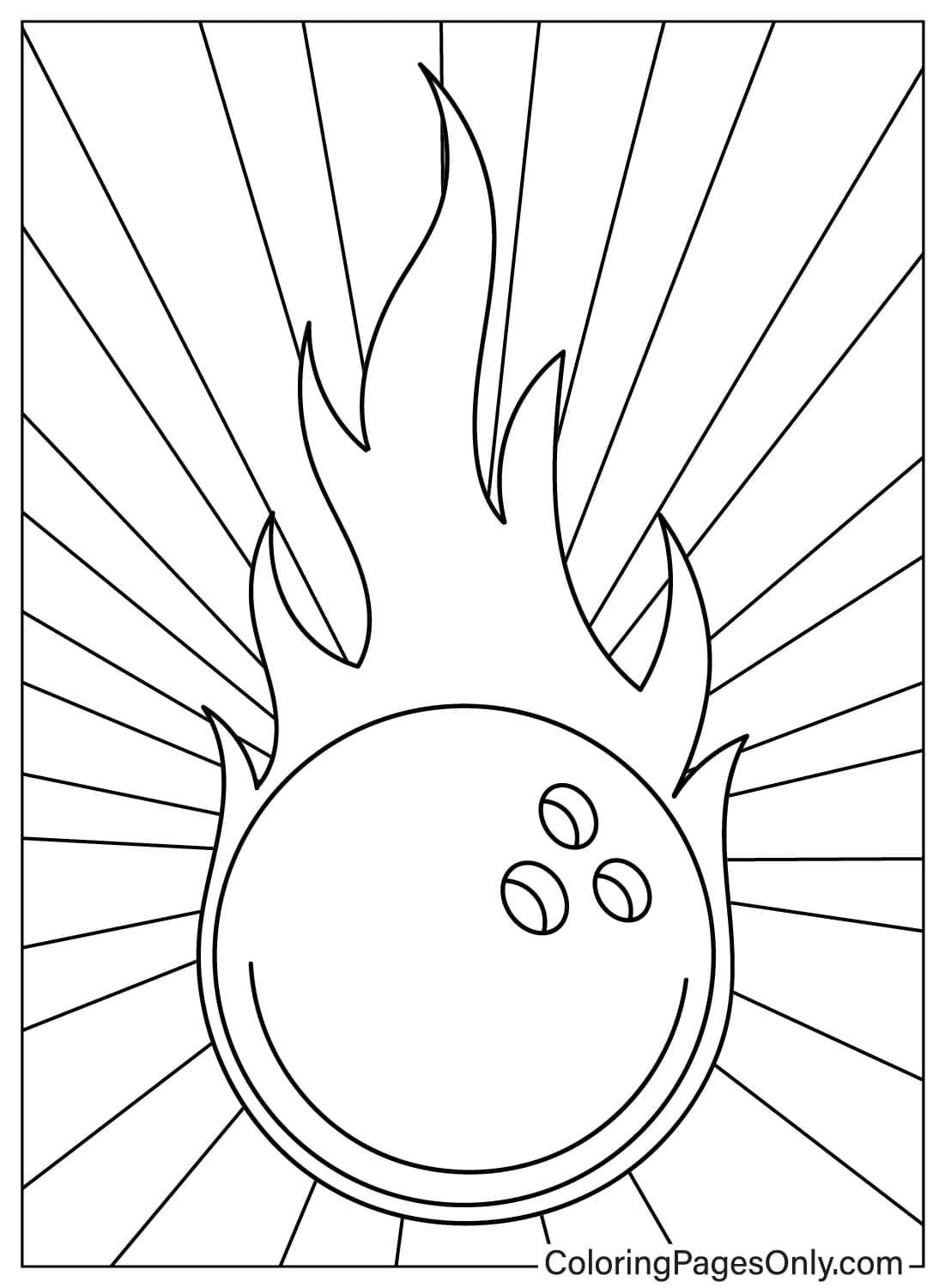
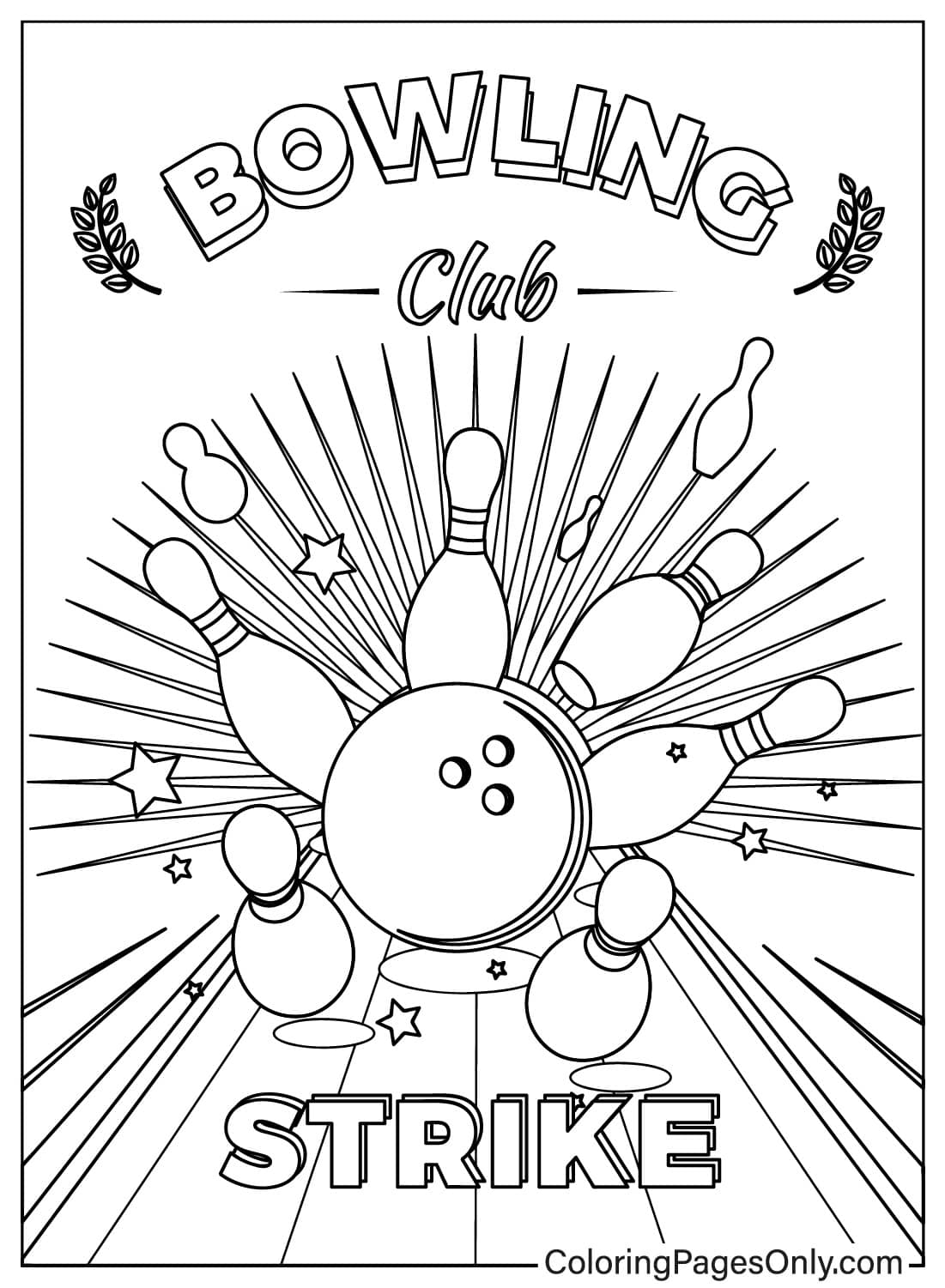
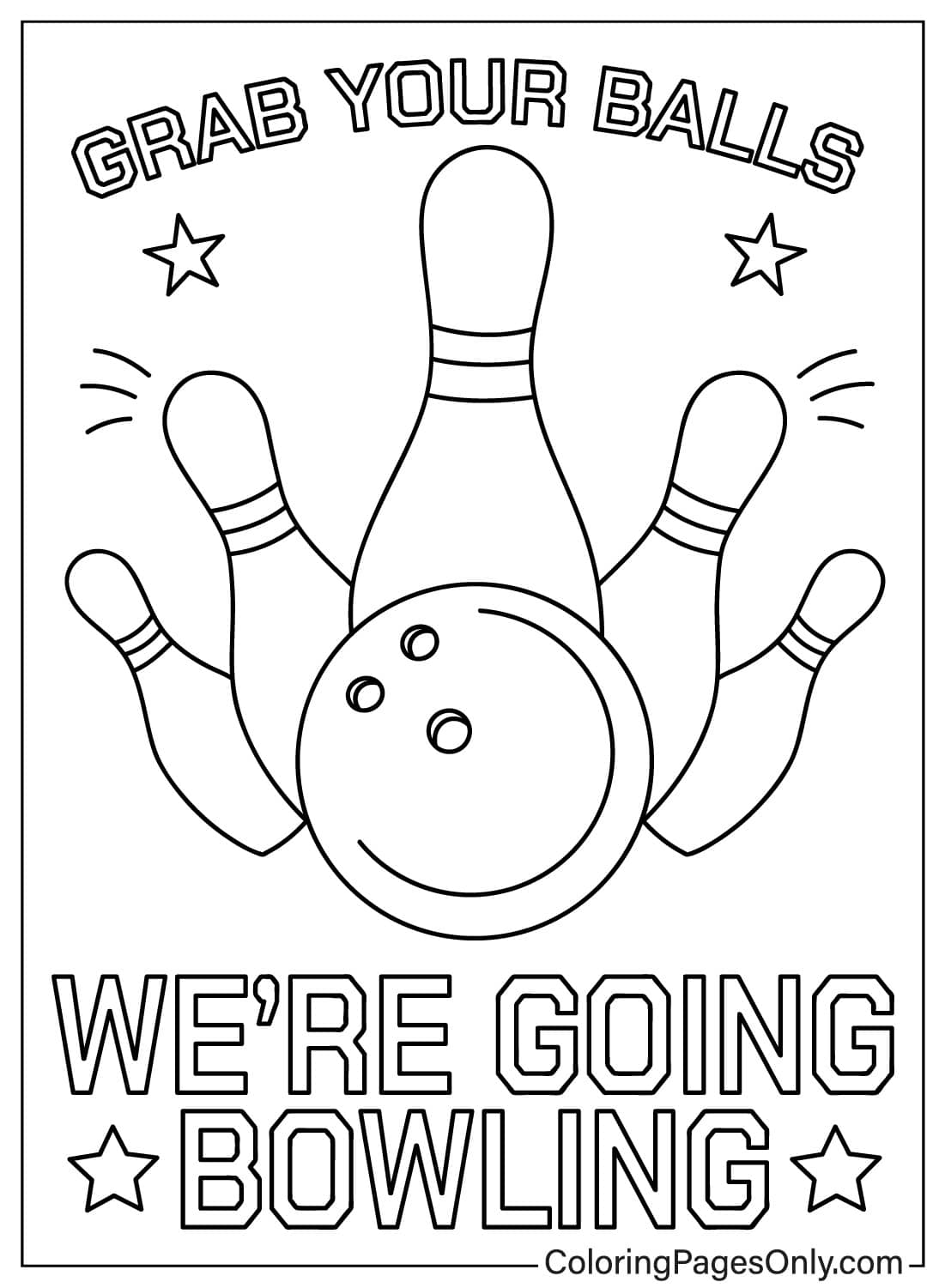
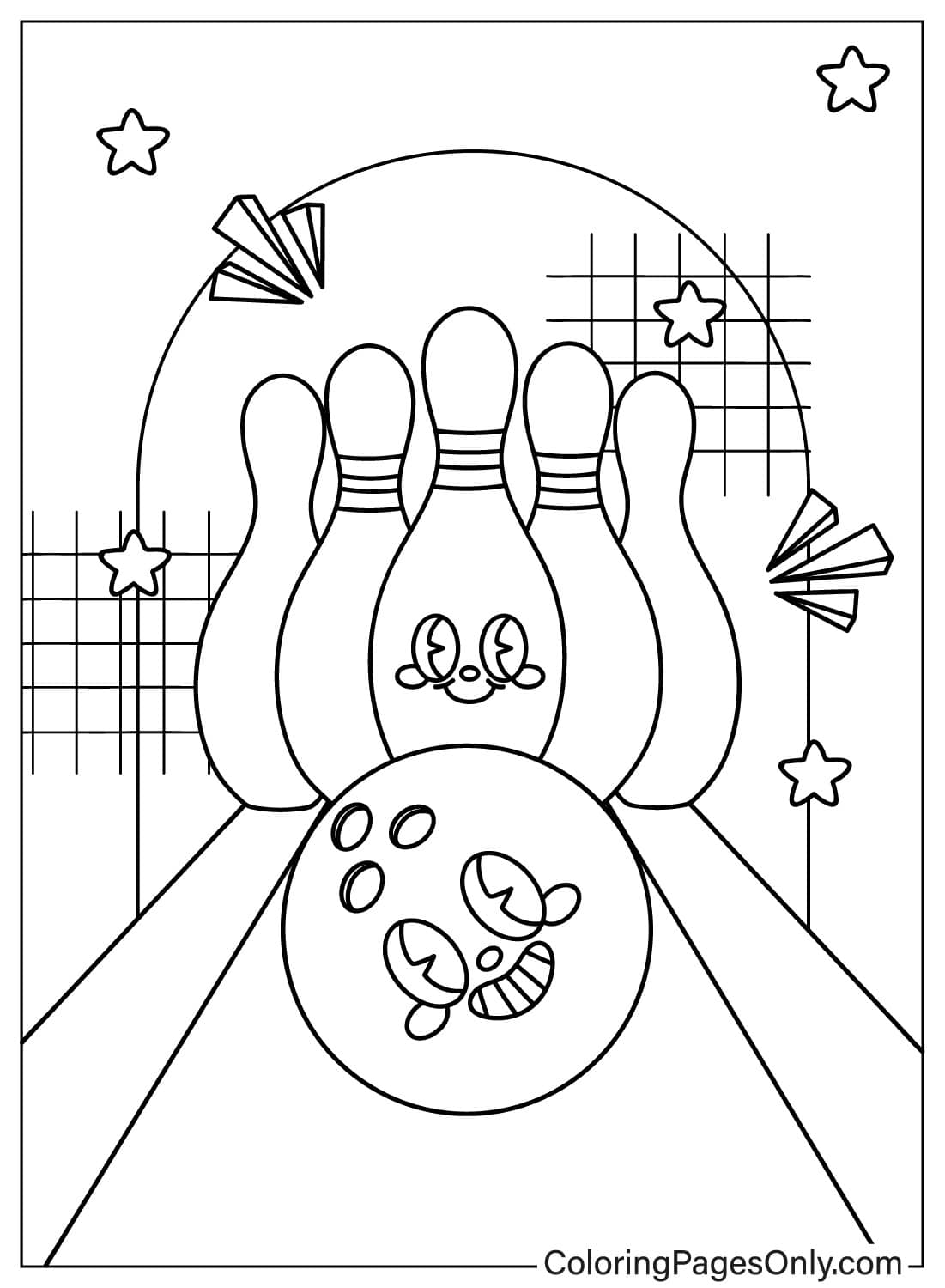
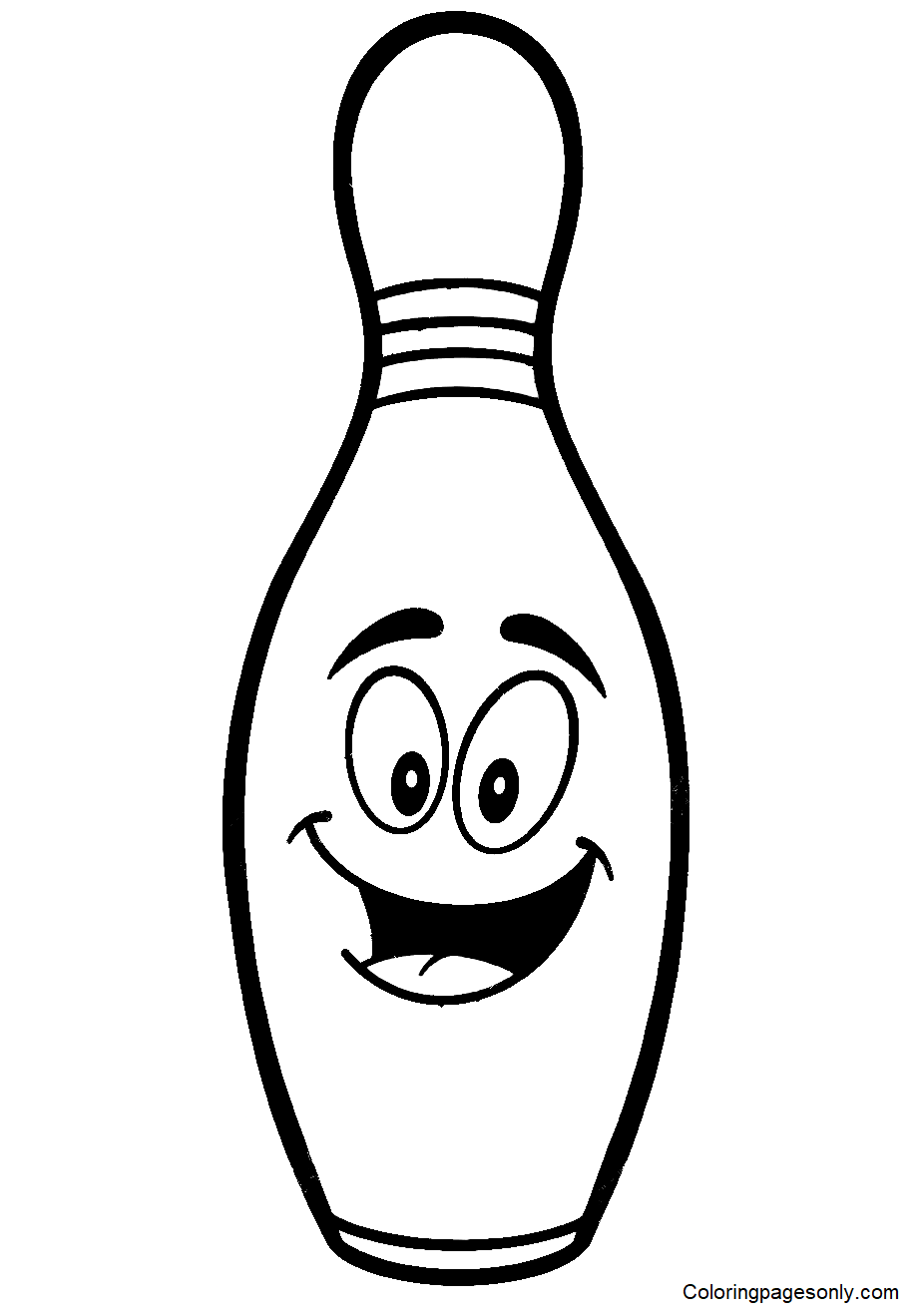
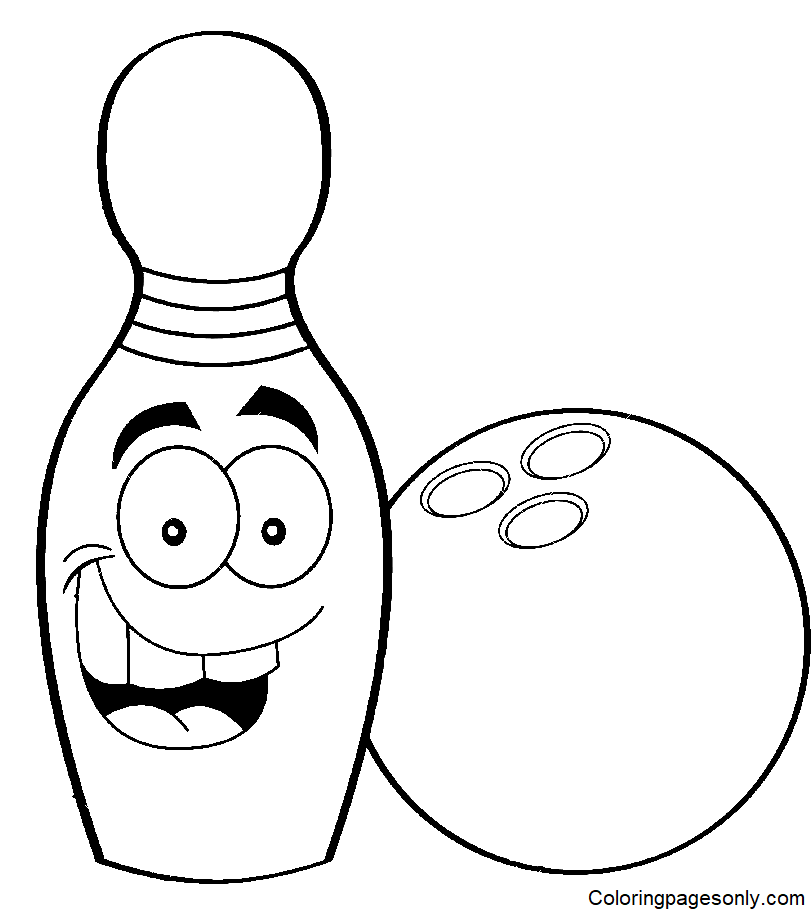
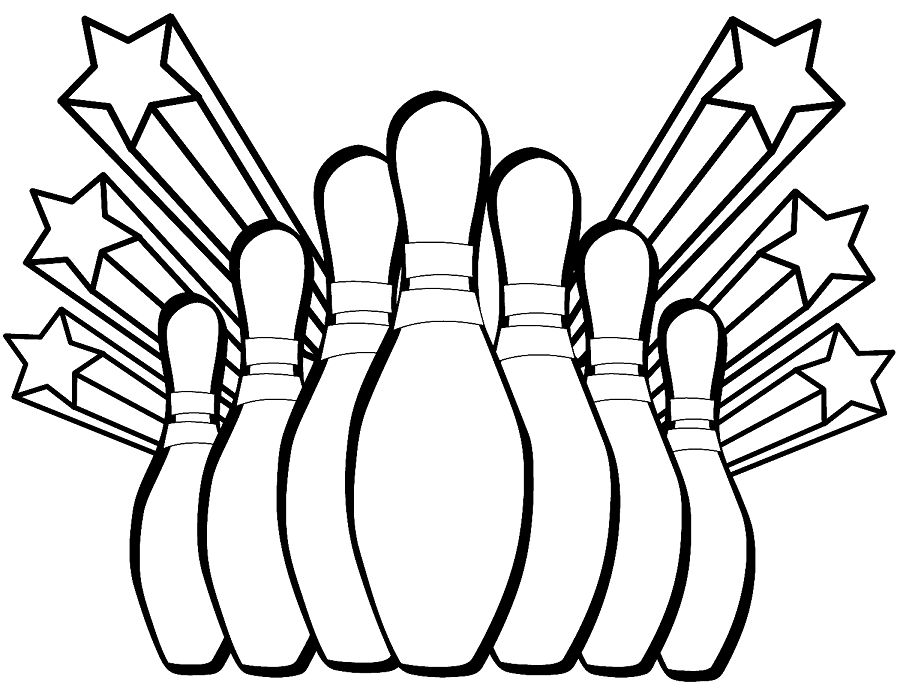
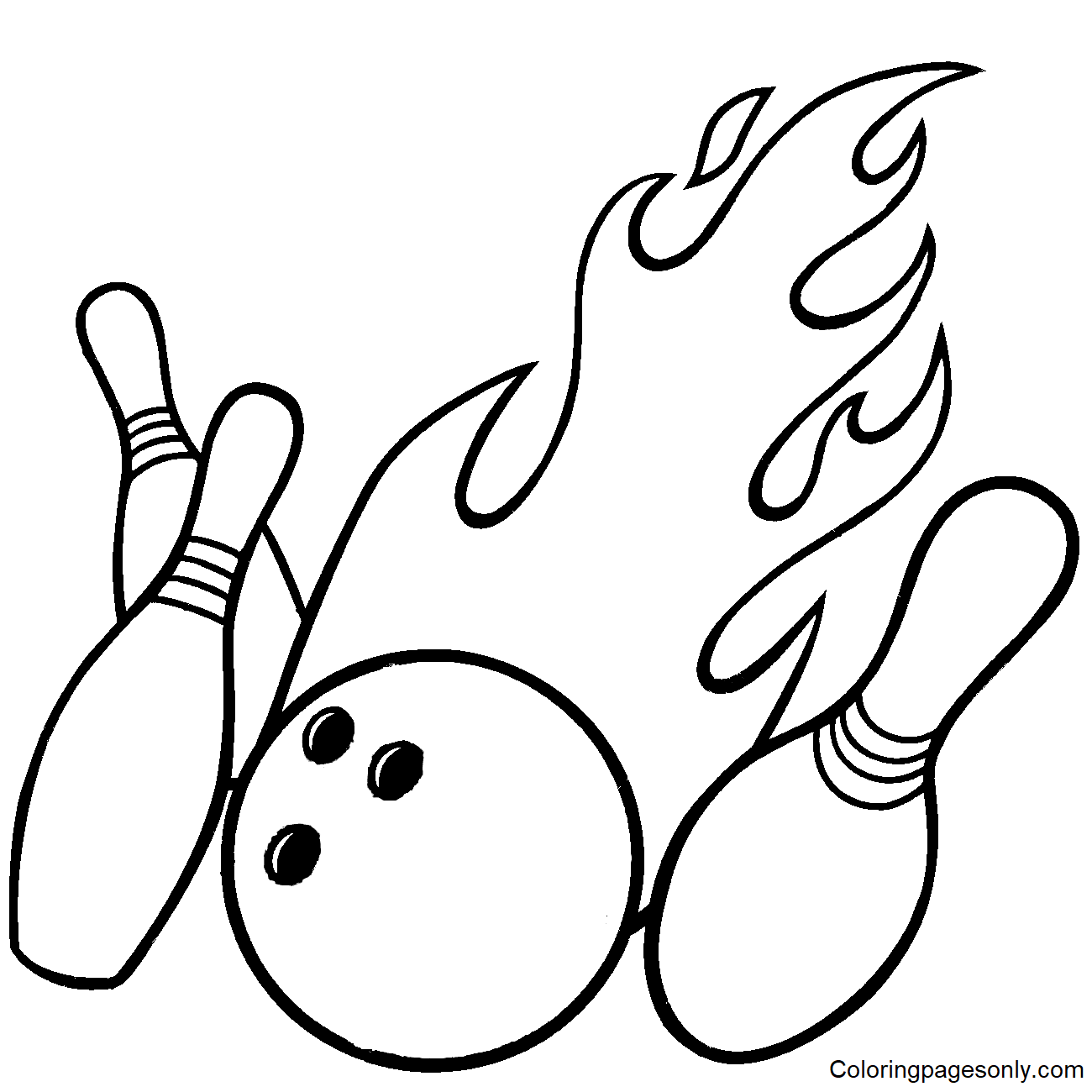
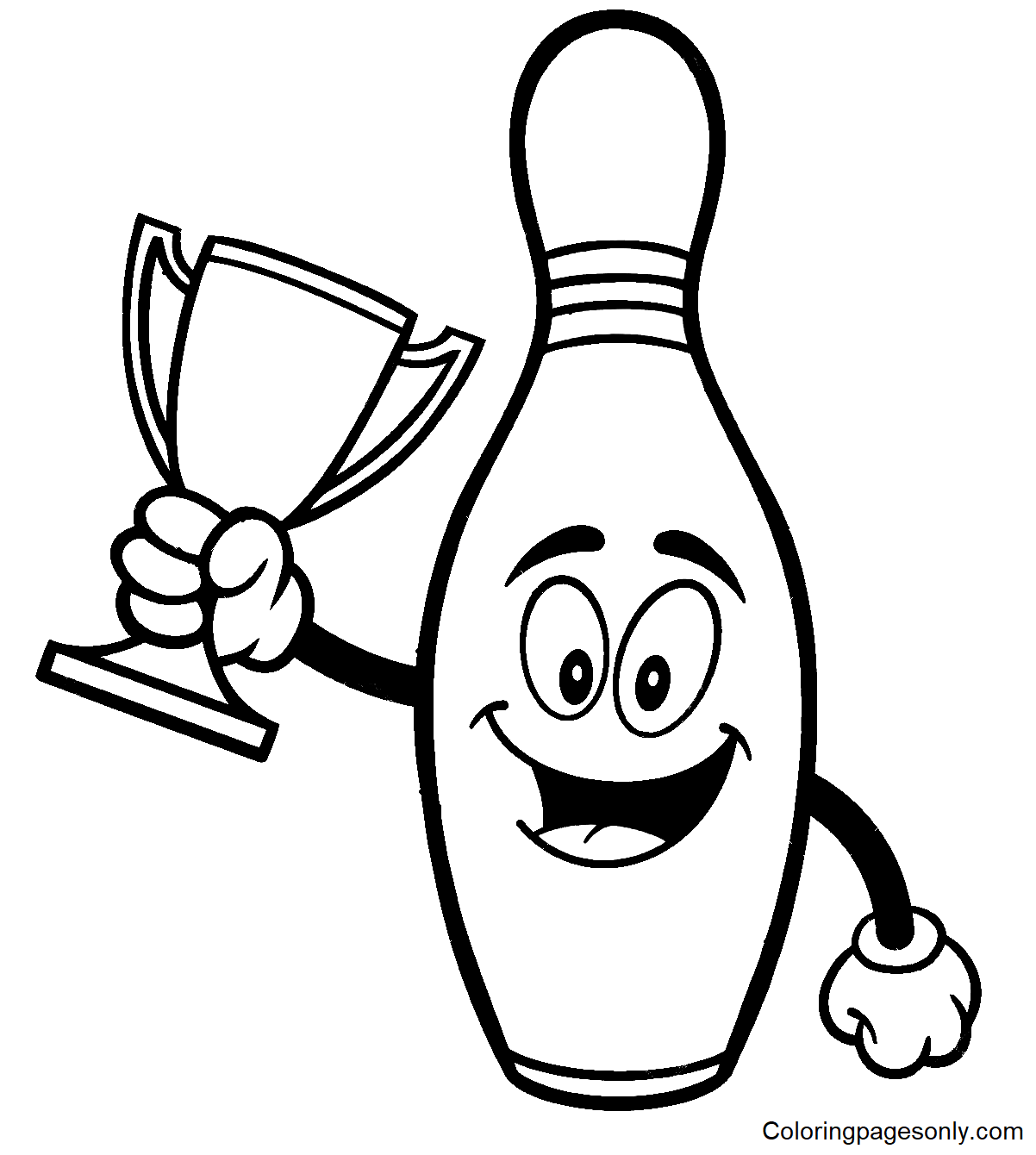
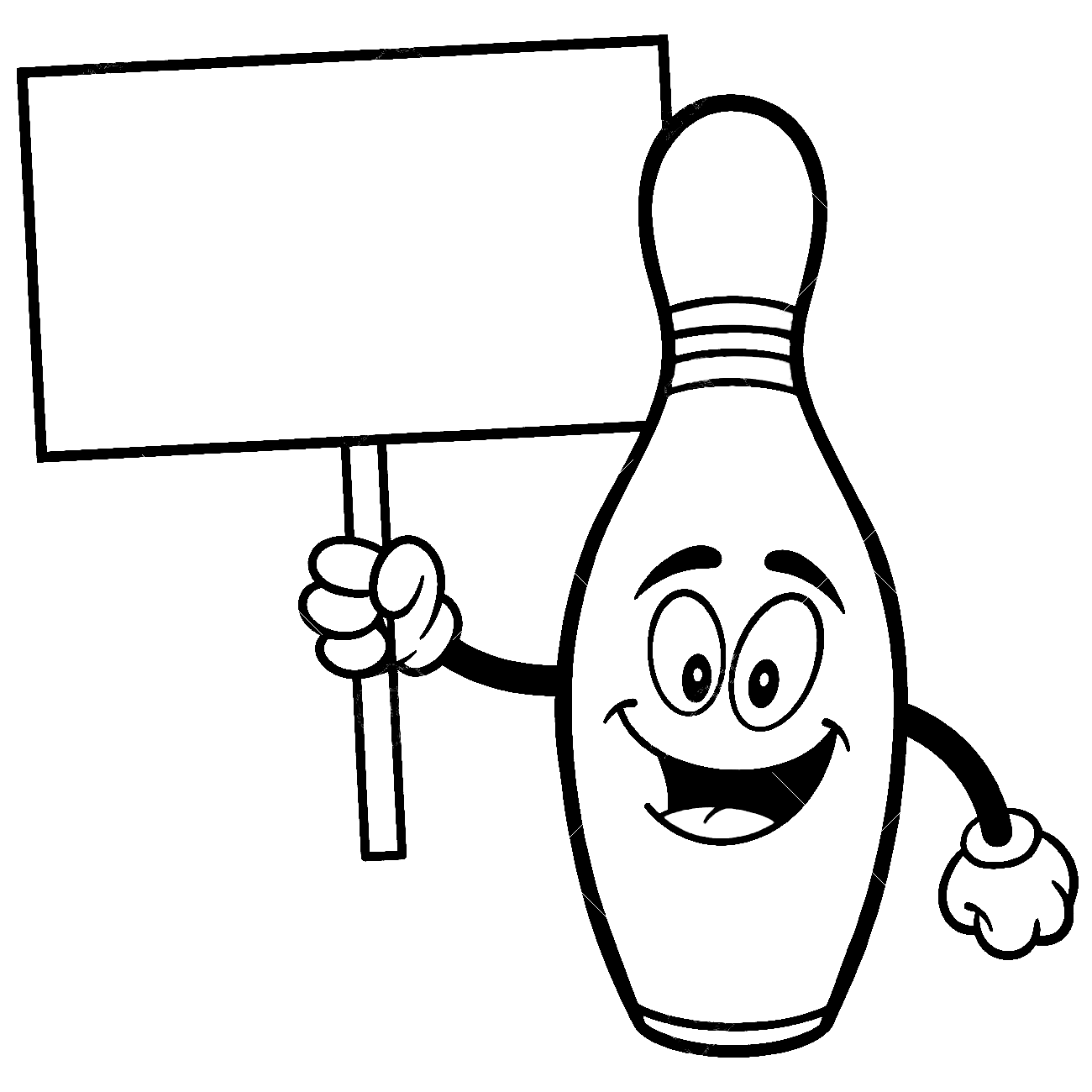
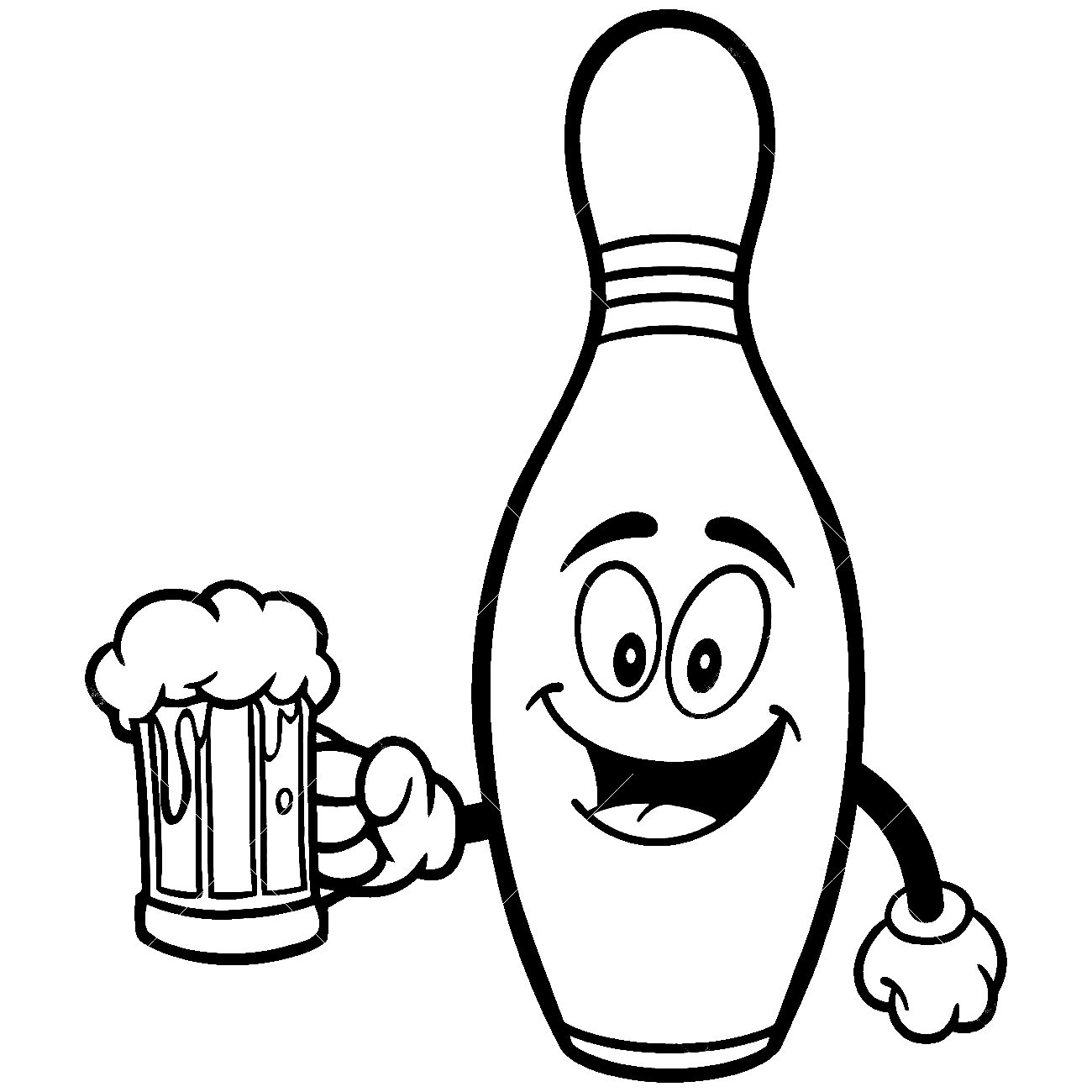
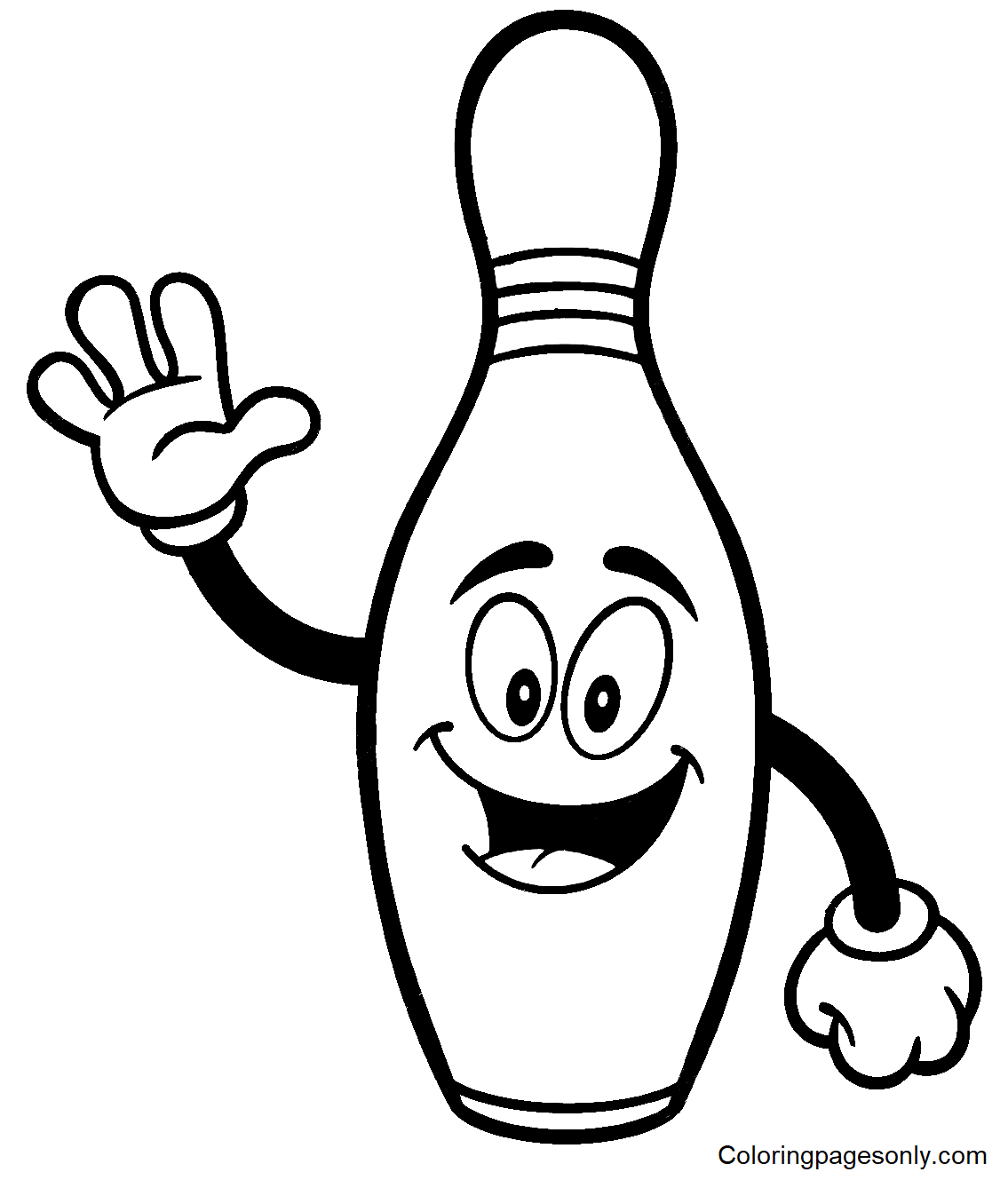
Bowling Pins and Stars, Bowling Pins and Flaming Ball, Bowling Banner, Bowling Poster, and Bowling T-Shirt Design bring graphic design sensibility to the bowling theme – pages that feel like sports merchandise or promotional material rather than simple illustrations. The flaming ball page is a particular favorite with older children who enjoy applying vivid, high-contrast color to create a dramatic, poster-quality finished image. Bowling Pin Waving, Bowling Pin with Trophy, Bowling Pin with Sign, Bowling Pin with Beer, Cartoon Bowling Pin, and Cartoon Bowling Pin with Ball personify the bowling pin itself, giving the sport’s most recognizable object a personality and a life of its own that children find consistently delightful to color and narrate.
Why You’ll Love Our Bowling Coloring Sheets
41 designs available free, always. Every page downloads as PDF, JPG, or PNG at no cost – no sign-up, no subscription, no restrictions for personal or educational use. PDF delivers the sharpest print quality. JPG is ideal for quick single-page sessions. PNG supports digital coloring and transparent-background creative projects.
Color online or print at home. Our built-in online coloring tool works in any browser – perfect for tablets and classroom devices. Print on standard A4 paper for a traditional hands-on experience. Both options are always available, always free.
A genuinely inclusive collection. The presence of the wheelchair bowling page alongside the standard player pages reflects bowling’s real identity as one of the most genuinely accessible participation sports in the world – a sport where age, physical ability, and competitive experience matter far less than in almost any other. The USBC and the International Paralympic Committee both recognize adaptive bowling formats, and our collection honors that inclusivity.
Works as pre-activity and post-activity entertainment. Bowling coloring pages are particularly effective as a warm-up activity before a family bowling trip – building anticipation and familiarity with the visual world of the sport – or as a quiet creative activity during the time between frames when a child is waiting for their turn.
Incredible Benefits of Bowling Coloring Pages
Builds Sports Literacy and Contextual Understanding
Children who arrive at a bowling alley already knowing what the arrows in the lane are for, what a strike and a spare mean, and why the pins are arranged the way they are, have a fundamentally richer experience than children who encounter the sport completely cold. Research in sports psychology consistently shows that contextual familiarity – knowing the vocabulary, visual language, and basic mechanics of a sport before first participation – significantly increases engagement, enjoyment, and the speed of initial skill development. Bowling coloring pages, discussed thoughtfully, build precisely this kind of pre-participation familiarity in a way that is completely natural and completely enjoyable.
Develops Fine Motor Skills Through Circular and Curved Form Practice
The bowling ball – perfectly circular, with three small finger holes positioned precisely – is one of the most geometrically satisfying objects available for fine motor coloring practice. Staying within the smooth, unbroken circular outline of a bowling ball, applying consistent color pressure across its curved surface, and rendering the finger holes with accurate scale and positioning all require the kind of precise hand-eye coordination that the American Academy of Pediatrics identifies as a key developmental milestone throughout early childhood. The pin formation pages add a different challenge: ten identical forms, each slightly different in its relationship to the others, requiring consistent size and proportion management across the full triangular arrangement.
Introduces Inclusion and Adaptive Sport Through Representation
The Wheelchair Bowling page is more than a coloring page – it is an opportunity for a meaningful conversation about what it means for a sport to be truly accessible, what adaptive equipment makes possible, and why the assumption that physical activity requires able-bodied participation is wrong. A 2017 study published in the Journal of Sport and Social Issues found that children who were exposed to representations of adaptive and para-sport athletes from an early age showed significantly higher rates of positive attitudes toward disability inclusion in sport and physical education settings throughout their schooling. Coloring this page while talking about what a ball ramp is, how it works, and why it matters is a small, natural, genuinely important moment in a child’s developing understanding of the world.
Supports Family Bonding Around a Shared Recreational Activity
Bowling is one of the very few recreational sports that genuinely works for mixed-age family groups – a grandparent, a parent, and a six-year-old can all bowl together, and all have a real experience, rather than the older members simply watching or holding back. Bowling coloring pages extend the bowling experience beyond the alley itself, creating a creative, low-pressure way for families to engage with the sport together at home. Research from the Aspen Institute’s Project Play identifies shared sports experiences within families – particularly where multiple generations participate together in the same activity – as one of the strongest predictors of children’s long-term active lifestyle habits.
Promotes Calm Focus and Mindfulness
Bowling is, at its core, a game of stillness before motion – the bowler must quiet the mind, find the target, commit to the approach, and release the ball with consistent, repeatable mechanics before the explosive physical action of pins scattering. Coloring offers the same fundamental experience: quiet focus, deliberate attention, and a single task completed one section at a time. A 2005 study in Art Therapy: Journal of the American Art Therapy Association found that structured coloring activities significantly reduced anxiety in adult participants. The bowling pages – with their clean geometric forms, clear outlines, and satisfying visual subject – are particularly effective for this calming, focusing function.
Expert Coloring Tips for Bowling Pages
These techniques move from beginner to advanced – find your level and push forward:
Render the bowling ball with a genuine sense of sphere. The most common mistake in coloring a bowling ball is treating it as a flat circle filled with a single uniform color. A real bowling ball is a sphere, three-dimensional, with a light source hitting one side and a shadow on the other. To suggest this: apply your chosen ball color in full saturation across the entire circle, then add a significantly darker tone of the same color along the lower-left quadrant (if your imaginary light source is upper-right), blending gradually into the base color toward the center. Add a small, almost white oval highlight near the upper-right of the ball surface, leaving the paper slightly lighter in this area. The three finger holes should be colored dark grey or near-black inside, with a thin lighter edge just inside the rim to suggest their depth. This three-zone approach (highlight, mid-tone, shadow) transforms a flat circle into a convincing sphere in under five minutes.
Color the pin formation with strict geometric consistency. The ten-pin arrangement – four pins in the back row, then three, then two, then the head pin at the front – is a precise geometric formation in which every pin is equidistant from its neighbors. When coloring the formation pages, establish the color of the pins before the surrounding space: apply white or a very pale warm cream across all ten pin bodies first, add the characteristic red stripe (a single band approximately one-third from the top of each pin) with precise horizontal strokes that maintain equal thickness across all ten pins, and then color the background lane surface. Inconsistency in pin size or stripe placement across the formation disrupts the geometric precision that makes the arrangement visually satisfying – so take the time to make each pin match its neighbors.
Use the lane’s natural colors for an authentic atmosphere. A bowling lane’s distinctive visual palette is one of the most recognizable in all of sport: the warm honey-maple tone of the wood surface (or the similar synthetic equivalent), the dark gutter channels on either side, the white dots and arrows embedded at precise positions in the surface, and the bright white pins at the far end. For lane pages, use a warm light golden-brown for the main lane surface – slightly varying the pressure of your strokes to suggest the parallel grain of the maple boards. The gutters should be a slightly darker, cooler version of the same brown. The arrows embedded in the lane surface are a darker, richer wood color or can be rendered in a contrasting color to make them clearly visible. The pins at the far end, seen from a distance, should be a clean, bright white that stands out sharply against the lane’s warm tones.
Give the cartoon character pages maximum personality through color confidence. Scooby Doo’s brown-and-tan palette, Pooh’s warm golden yellow, Maggie Simpson’s pale blue onesie and red bow – each of these characters has a canonical color identity that children know instinctively and that rewards accurate, confident application. Don’t hedge with these pages: use the full-saturation version of each character’s established colors rather than a washed-out approximation. The comedy of Scooby Doo holding a bowling ball rests partly on the color contrast between his warm animal tones and the cool, heavy grey-black of the ball – maximize that contrast and the humor of the image intensifies proportionally.
Make the flaming ball page glow from the inside. The Bowling Pins and Flaming Ball page is the collection’s most dramatic composition – and it rewards the most ambitious coloring approach. For the fire effect, work from the center of each flame outward: begin with white or very pale yellow at the innermost core, then transition to vivid lemon yellow, then bright orange, then deep red at the outermost tips. Each color zone should blend into the next without a hard edge – use light, overlapping strokes with a slightly dampened brush or blend with a cotton swab for watercolor, or layer softly with colored pencils. The bowling ball itself, surrounded by fire, should be rendered in deep, saturated dark tones – near-black with a touch of deep charcoal – so that the bright flames are set against the darkest possible contrasting surface.
3 Creative Craft Ideas with Bowling Coloring Pages
Custom Bowling Fan T-Shirt
Transform your favorite bowling coloring page into a wearable piece of fan art that you can wear to the alley, to a league night, or on any day you want to announce your affiliation with humanity’s oldest sport. The Bowling T-Shirt Design page is specifically formatted for this purpose, but any of the graphic design pages – the flaming ball, the pins and stars, the bowling banner – translate beautifully to fabric.
Print your chosen page on standard paper and color it carefully with markers (not colored pencils, which do not transfer to fabric effectively). The marker-colored image should be bold, saturated, and slightly larger than you want the final result to appear on the shirt – the iron-on process can slightly reduce visual impact. Scan or photograph the finished colored image, then adjust size and contrast digitally if needed using any basic photo editing application.
Print the adjusted image on iron-on heat transfer paper using an inkjet printer – follow the manufacturer’s instructions for paper orientation, as most transfer papers print in mirror image to produce a correct-reading result on the finished shirt. Pre-wash and dry your t-shirt without fabric softener (fabric softener reduces adhesion). Lay the shirt flat on a hard ironing surface, position the transfer face-down in the desired location, and apply a hot iron (cotton/linen setting, no steam) with firm, even pressure for 45–60 seconds. Allow to cool completely before peeling the backing paper from a corner – if the transfer has not fully adhered, replace the backing and iron for an additional 15 seconds.
The finished shirt is a genuine piece of custom bowling merchandise – one that no shop carries – and wearing it to the alley is the kind of detail that league teammates notice and appreciate.
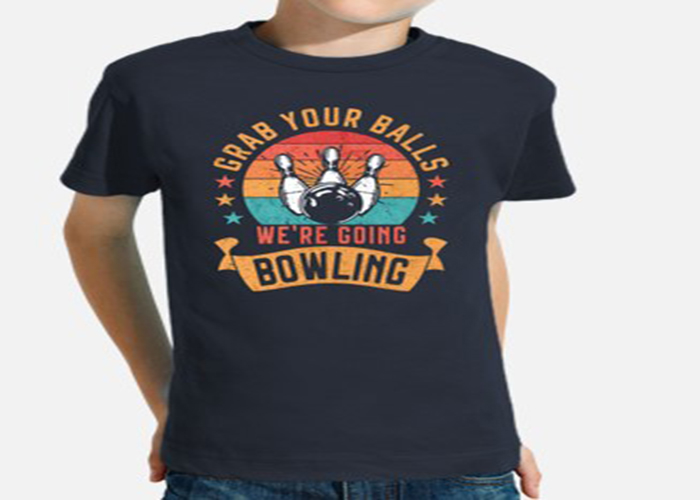
Image source: Tostadora UK.
Bowling Tournament Celebration Poster
Create a large-format poster celebrating a bowling achievement, a league season, a team name, or simply the sport itself – using coloring pages as your primary visual content and your own hand-lettered or printed text as the information layer.
Select five to seven pages from the collection that tell a coherent visual story of a bowling event or season: the bowling ball, a player in action, the pin formation, the trophy page, and the banner or poster design page make a natural narrative set. Color each one with a consistent palette – choose two or three dominant colors that will run through all pages and give the finished poster visual unity. Bold, high-contrast palettes work best at poster scale: deep red and white, electric blue and gold, or black and vivid orange all read powerfully from a distance.
Cut each colored image carefully and arrange them on a large sheet of poster board or foam board before gluing – experiment with different compositions until the balance feels right. A strong diagonal arrangement (player image in the upper left, ball in the center, pins in the lower right) suggests motion and energy. A symmetrical arrangement (centered player with flanking pin formations and trophy at the apex) suggests achievement and ceremony. Add a bold printed or hand-lettered headline at the top – your team name, league name, or a motto – and smaller details (season dates, member names, individual scores to celebrate) in a consistent secondary typeface below.
Laminate or cover with clear adhesive film if the poster will be displayed for an extended period. Mount in a bowling club, rec room, school sports hall, or family entertainment center – anywhere the achievement it celebrates deserves to be seen.
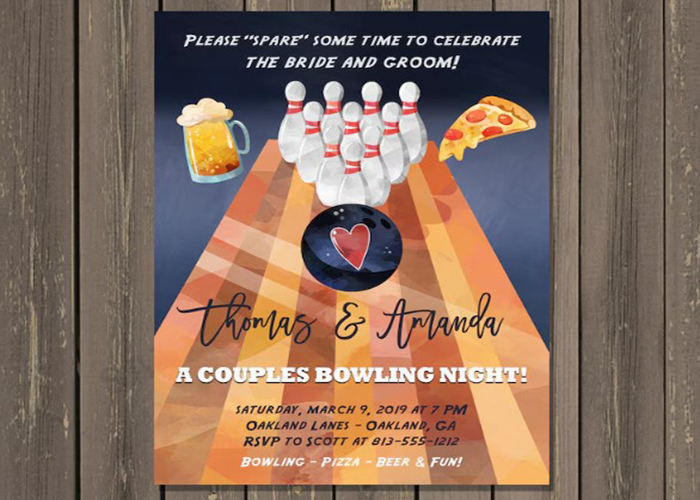
Image source: Etsy.
Bowling Keychain Gift Set
Create a personalized set of bowling-themed keychains that make thoughtful, completely personalized gifts for teammates, league members, a coach, or anyone in your life who loves the sport – gifts that cost almost nothing to make and carry genuine personal meaning because you made them yourself.
Select four to six pages from the collection that suit the personality of the recipient – the cartoon bowling pin character for someone with humor, the trophy page for someone competitive, the flaming ball page for someone dramatic, the cute girl or boy bowling pages for young players. Print each page at approximately 30–40% of full size (experiment to find the scale that fits comfortably as a keychain – approximately 4–6 cm is usually ideal). Color each design carefully with fine-tip markers, which give the most precise, vibrant result at a small scale. Allow all coloring to dry completely.
Apply a sheet of clear contact paper (sticky side down) over the colored page, pressing firmly to eliminate air bubbles. Cut each keychain shape out along its outline, leaving a thin 2mm border of clear contact paper as a protective laminate edge – this also gives each keychain a subtle professional framing effect. For extra durability, apply a second layer of contact paper to the back surface of each cutout, creating a fully sealed, waterproof laminate on both sides.
Punch a small hole at the top of each shape using a single-hole punch or the tip of a sharp pair of scissors. Thread a metal split ring keychain – available in bulk packs at any craft store – through each hole, and the keychain is complete. For a set of several, arrange them on a small piece of card inside a kraft paper envelope with a hand-lettered note identifying who made it and why. A set of five or six bowling keychains, each colored with care and chosen specifically for the recipient, is a more meaningful gift than anything sold in a pro shop – and it costs less than a single game of bowling to make.
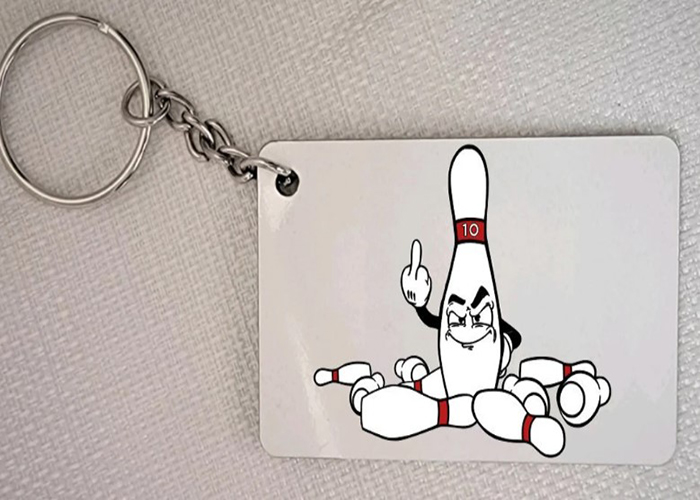
Image source: Etsy.
Frequently Asked Questions About Bowling Coloring Pages
What is the history of bowling, and how old is the sport? The earliest known evidence of a bowling-like game dates to approximately 3200 BC, when British archaeologist Sir Flinders Petrie discovered objects resembling a ball and pins in an ancient Egyptian child’s grave at Nagada in the 1930s. German monks in the 3rd and 4th centuries AD rolled stones at a club called a Kegel as a religious ritual – knocking it down represented defeating sin, giving rise to the German term Kegeler for a bowler. Martin Luther is recorded as an enthusiast of the game. Modern ten-pin bowling was standardized on September 9, 1895, when the American Bowling Congress was founded at Beethoven Hall in New York City, establishing the equipment specifications, lane dimensions, and rules that govern the sport globally today.
What is a perfect game in bowling, and how rare is it? A perfect game in ten-pin bowling is a score of 300, achieved by rolling twelve consecutive strikes – a strike on every delivery, including the bonus balls in the tenth frame. The first sanctioned perfect game under American Bowling Congress rules was recorded by John Koster in 1902. While perfect games are celebrated milestones for recreational and competitive bowlers alike, the rarest accomplishment in competitive bowling is three consecutive perfect games – a 900 series – which has been achieved only a handful of times in verified sanctioned competition and requires maintaining perfect execution across 36 consecutive deliveries.
How is bowling scored, and what does “the pocket” mean? Bowling uses a frame-based scoring system over ten frames per game. A strike (all ten pins knocked down with the first ball) scores 10 plus the total of the next two deliveries. A spare (all remaining pins knocked down with the second ball) scores 10 plus the total of the next delivery. Open frames (pins remaining after two deliveries) score only the number of pins knocked down. The maximum score is 300. “The pocket” refers to the ideal impact point between the 1-pin (head pin) and the 3-pin for right-handed bowlers, or the 1-pin and 2-pin for left-handed bowlers – hitting the pocket with the correct entry angle produces the chain reaction among all ten pins that results in a strike.
What are the different types of bowling? Ten-pin bowling – the most widely played internationally – uses a large ball (up to 16 pounds, 27 inches circumference) and ten large pins. Candlepin bowling, played primarily in New England and maritime Canada, uses a much smaller ball (no finger holes) and tall, slender “candlepin” pins that are not cleared between deliveries within a frame, creating a significantly more challenging game. Duckpin bowling, played in parts of the Mid-Atlantic United States, uses a small ball and short, squat pins. Five-pin bowling, Canada’s most popular bowling format, uses a small rubber-banded ball and five pins arranged in a V-shape. All formats have dedicated competitive organizations and loyal regional followings.
Is wheelchair bowling a real competitive sport? Yes, completely. Wheelchair bowling is a recognized adaptive sport played at recreational, club, and international competition levels. Players who cannot deliver a ball by hand use a specially designed ball ramp – a grooved rail positioned at the foul line that the player aims toward their target and then pushes the ball down. The USBC recognizes adaptive bowling formats, and wheelchair bowling competitions are held at national and international levels, including events sanctioned by the International Paralympic Committee. The Wheelchair Bowling page in our collection depicts this format accurately and is an excellent starting point for conversations about adaptive sport and inclusive recreation.
What age group are these bowling coloring pages best suited for? The collection spans all ages effectively. Simple cartoon character pages – Scooby Doo, Pooh and Tigger, Maggie Simpson, the egg bowling, the waving pin – are ideal for children ages 3–7 who love familiar characters and absurdist humor. The equipment and action pages (bowling ball, pin formation, lane, player in motion) work well for ages 5–10 and for adults who want to engage with the sport through art. The graphic design pages (flaming ball, pins and stars, tournament poster, T-shirt design) are most rewarding for ages 8 and up and for adult colorists who enjoy bold, high-contrast illustration work. The wheelchair bowling page has genuine educational value at any age.
What coloring supplies work best for bowling pages? For the bowling ball pages, colored pencils with fine tips give the most control for the layered sphere shading technique that produces the most realistic result. For cartoon character pages (Scooby Doo, Pooh, and Tigger), broad-tip markers deliver the bold, saturated color that matches the characters’ animated palettes. For the graphic design and decorative pages (flaming ball, poster, banner), a combination of markers for bold fills and colored pencils for gradient transitions produces striking results. For the T-shirt craft, markers only – colored pencil wax does not transfer effectively through iron-on heat transfer paper. Younger children do best with chunky crayons or washable markers for all pages, regardless of style.
Can these pages be used in a bowling alley or youth bowling league? Absolutely. Bowling alley operators and youth league coordinators consistently find that coloring pages work well as between-game activities, waiting-time entertainment, and take-home materials that extend positive associations with the bowling experience beyond the alley itself. The USBC’s youth bowling programs – including Youth Bowlers Tour (YBT) events – regularly use activity pages and creative materials to engage young bowlers between competitive frames. Birthday party bowling groups find that a selection of coloring pages at the table between games gives children a focused, low-mess activity that keeps the energy positive and the experience organized.
Getting started is simple: browse the full bowling collection right here at ColoringPagesOnly.com, choose your pages – start with the cartoon characters if you want to laugh first, or go straight to the bowling ball page if you want to practice the sphere-shading technique – and download them instantly, always free, always without sign-up. Print at home on standard A4 paper, or use our online coloring tool directly in your browser.
Bowling has been with humanity for over five thousand years, through ancient Egypt and medieval Germany and the bowling alleys of 19th-century New York, through leagues and tournaments and family nights and first dates and retirement celebrations and birthday parties and wheelchair ramps and perfect games rolled by people who practiced for decades to get there. It is one of the most genuinely democratic sports ever invented – and one of the most genuinely fun.
Pick up your colors. Set up your pins. And roll something beautiful.
Share your finished artwork with us on Facebook and Pinterest – we especially love seeing the creative color choices people make for the cartoon bowling pin characters, and the bold palettes on the flaming ball page. Tag #Coloringpagesonly and join our community of bowling fans, creative colorists, and artists of all ages and abilities.
Color the lane. Celebrate the strike. Enjoy every frame.