Aerobics Coloring Pages
 By:
Jennifer Thoa - Content Editor & Designer
Updated:
By:
Jennifer Thoa - Content Editor & Designer
Updated:
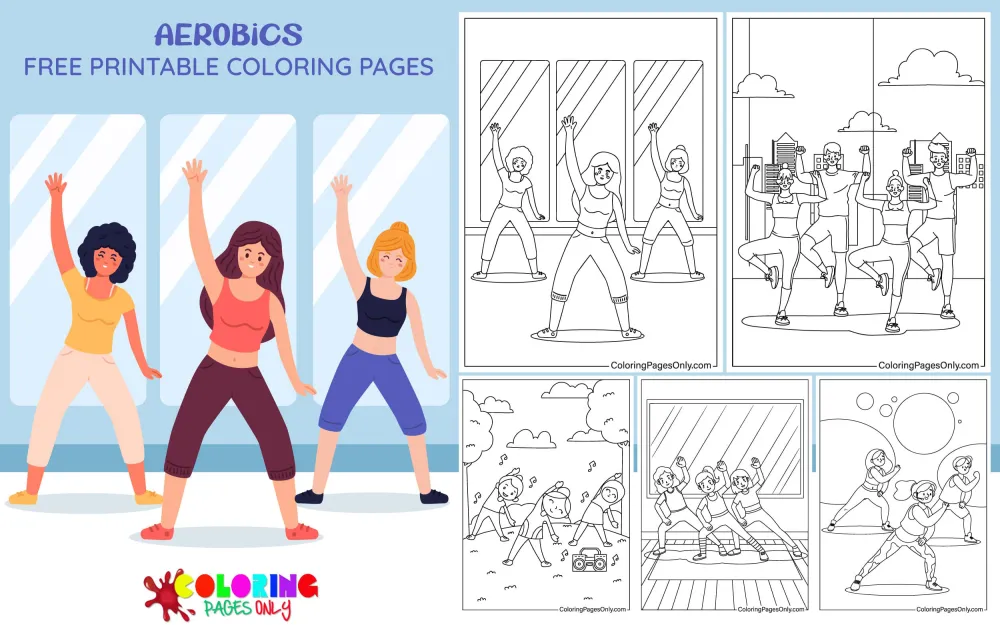
Free aerobics coloring pages: 36 printable PDF designs spanning real workout scenes, kids exercising, dumbbell training, and a lineup of animals and characters doing aerobics, including a chihuahua, a unicorn, a dragon, and Minnie Mouse. Each page can be downloaded as a PDF to print or colored online in the browser.
The term “aerobics” was coined by American physician Dr. Kenneth Cooper in his 1968 book Aerobics, which laid out the scientific case for sustained, oxygen-based cardiovascular exercise. The style of group fitness most people picture reached mass popularity in the late 1970s and 1980s, following Judi Sheppard Missett’s founding of Jazzercise in 1969 and the home-workout-video boom of the era.
This collection spans 36 pages, ranging from realistic workout poses to lighthearted animal and character scenes.









What Is Inside This Collection
The 36 designs group into five categories, from realistic workout scenes to playful animal fitness pages.
Women’s and General Aerobics
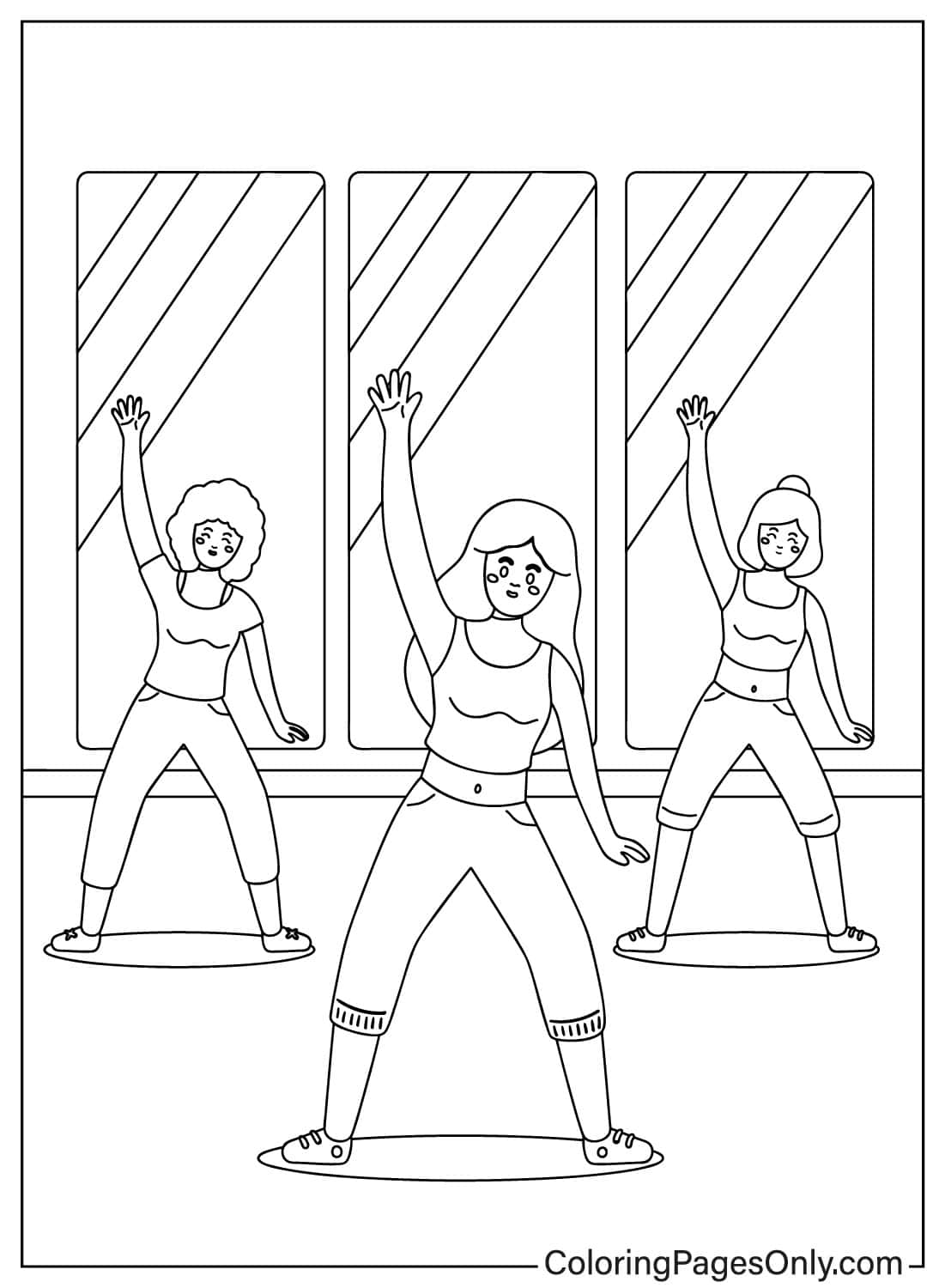
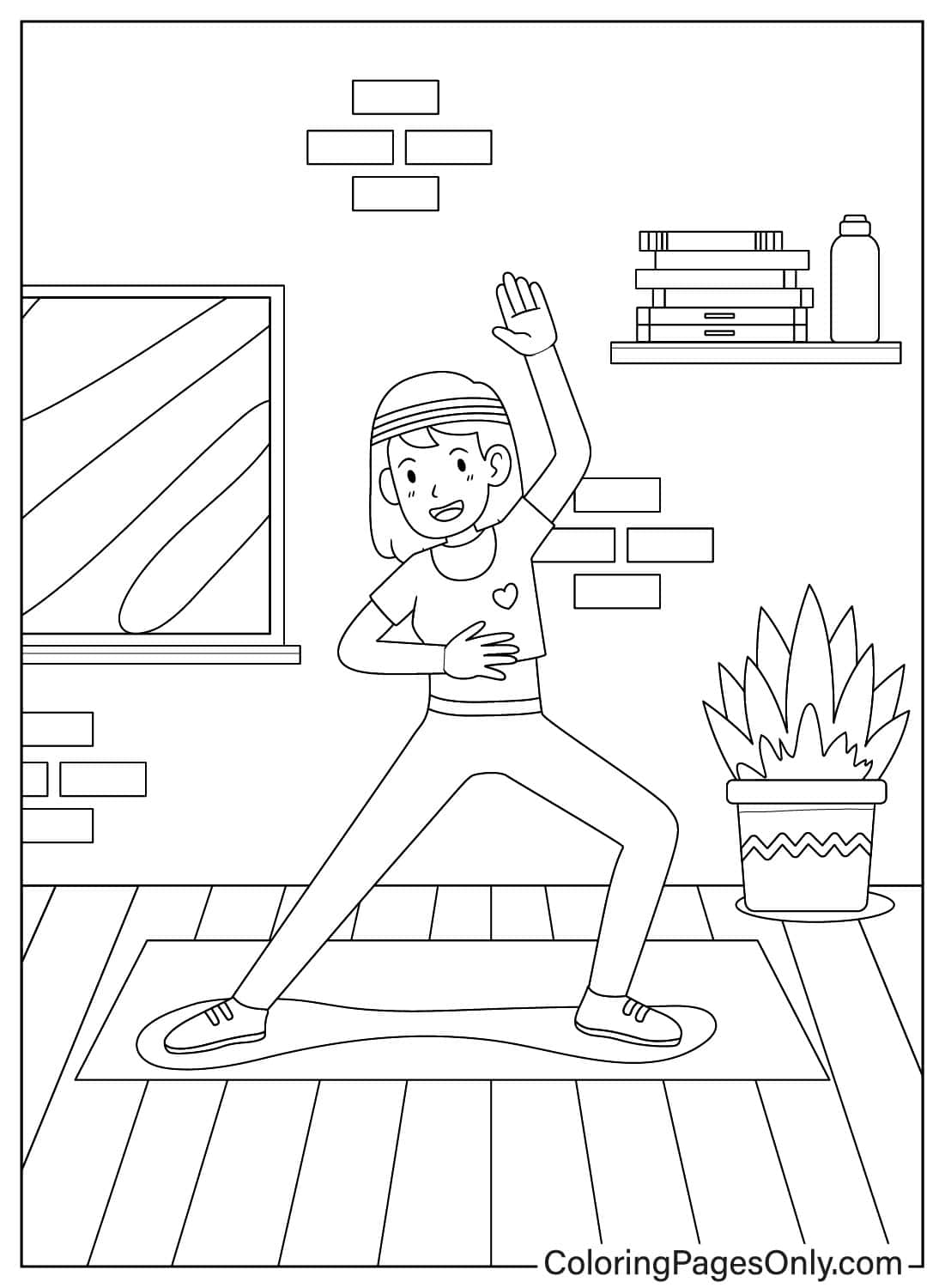
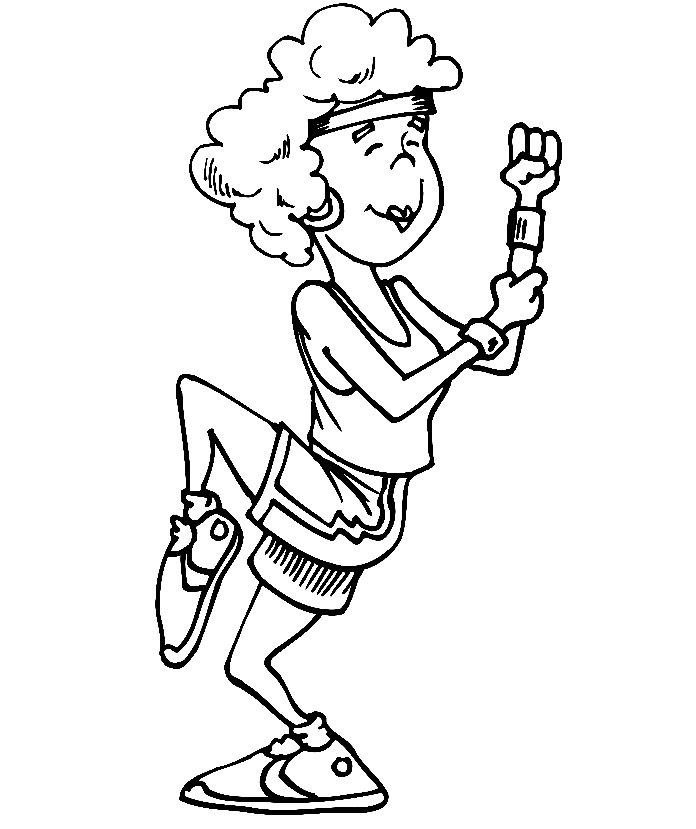
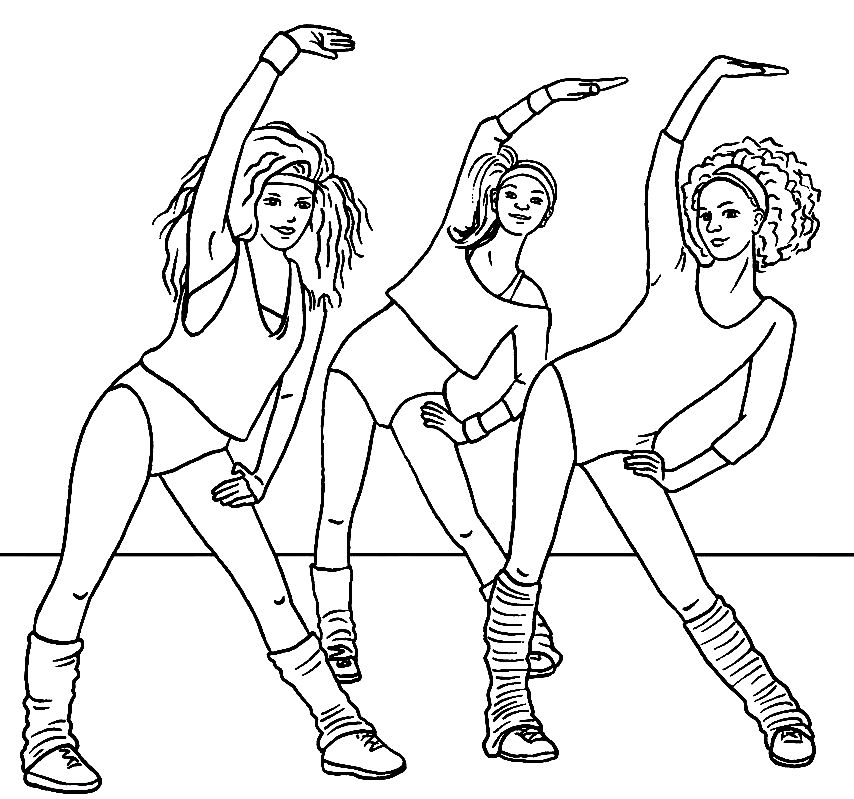
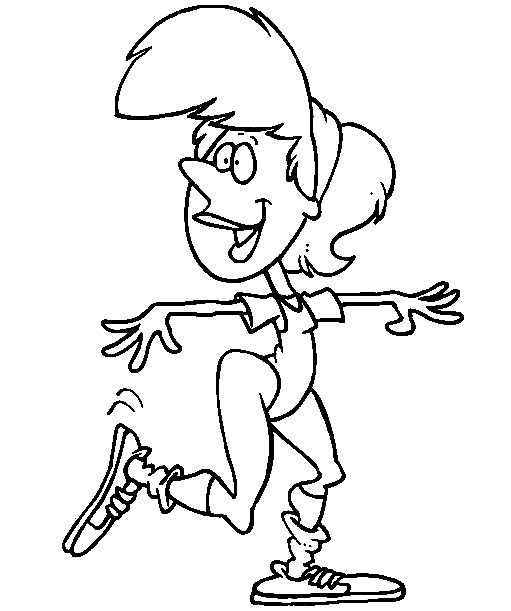
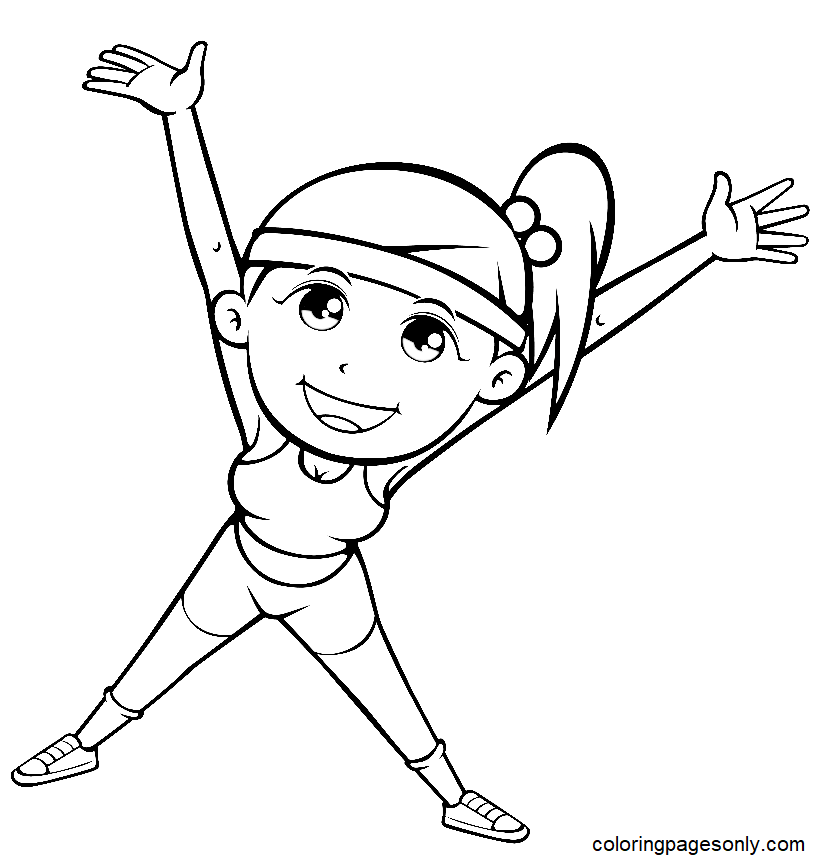
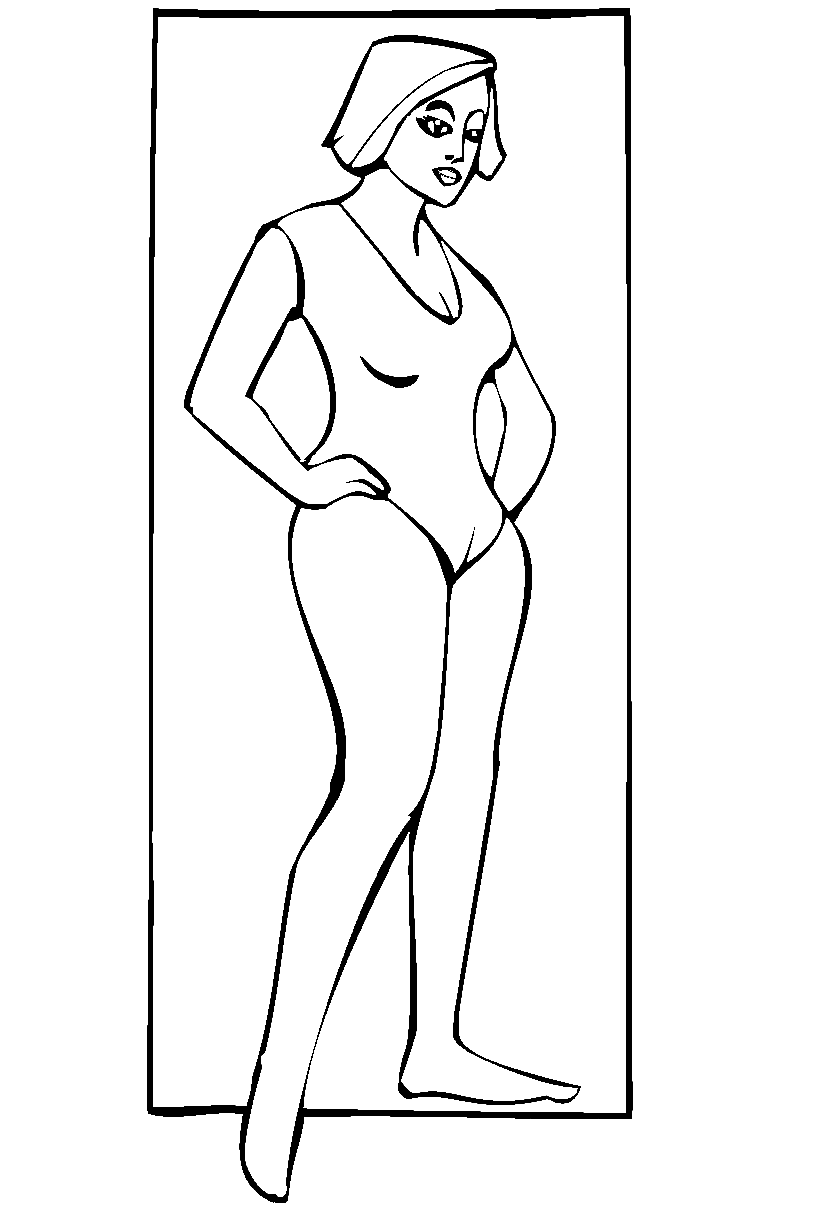
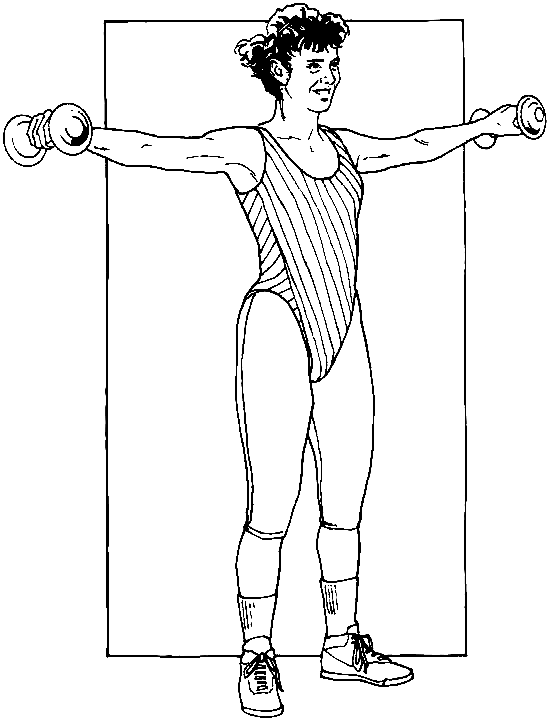
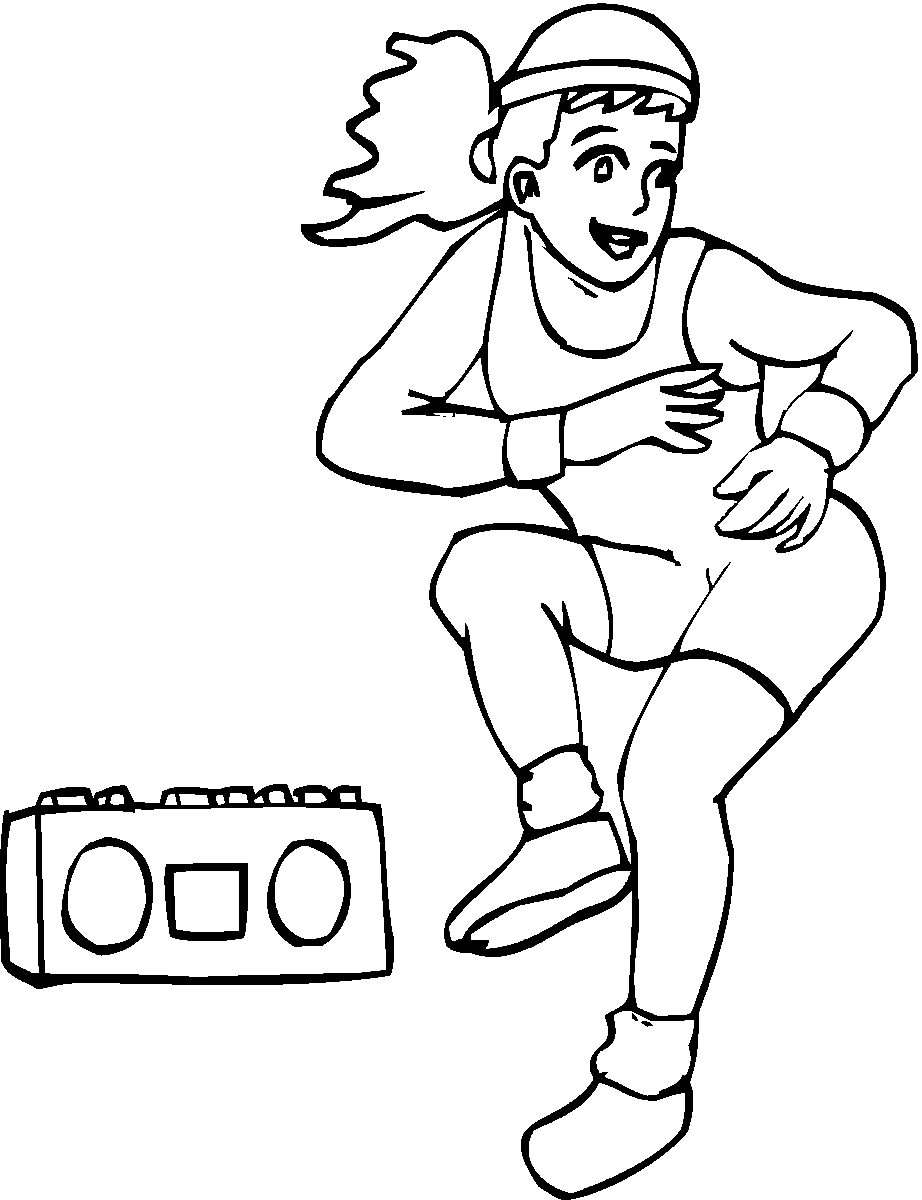
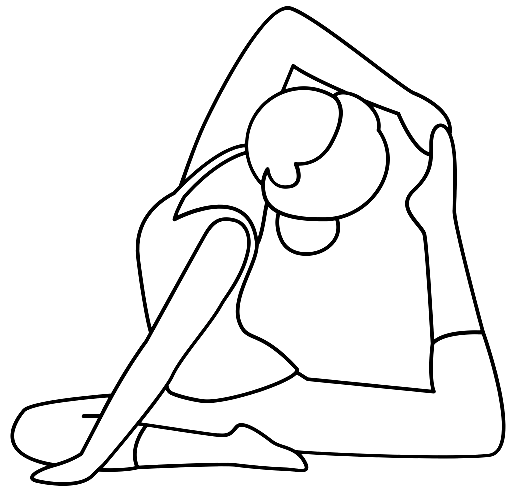
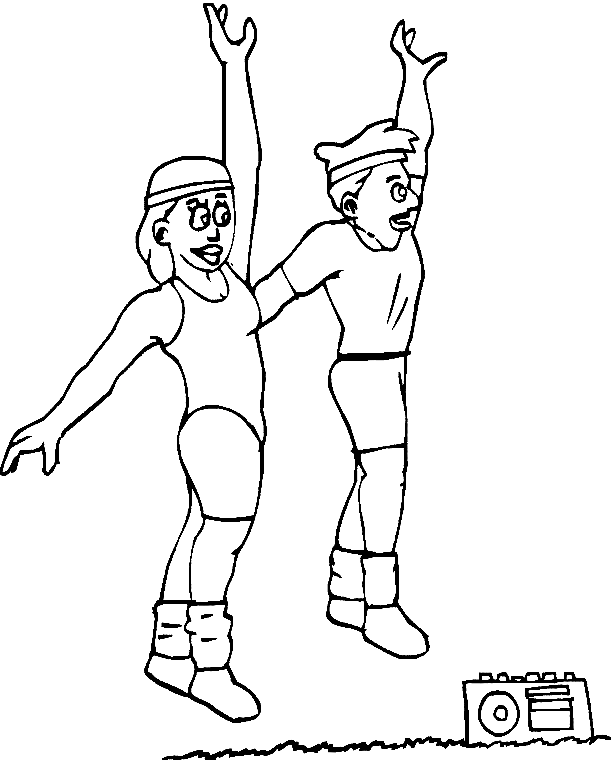
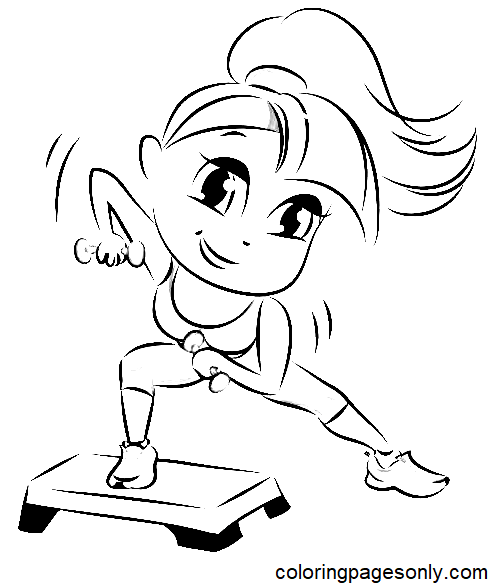
The core of the collection shows women and girls in classic aerobic exercise positions, from a single figure mid-jump to fuller compositions that capture the energy of a workout.
Kids Doing Aerobic
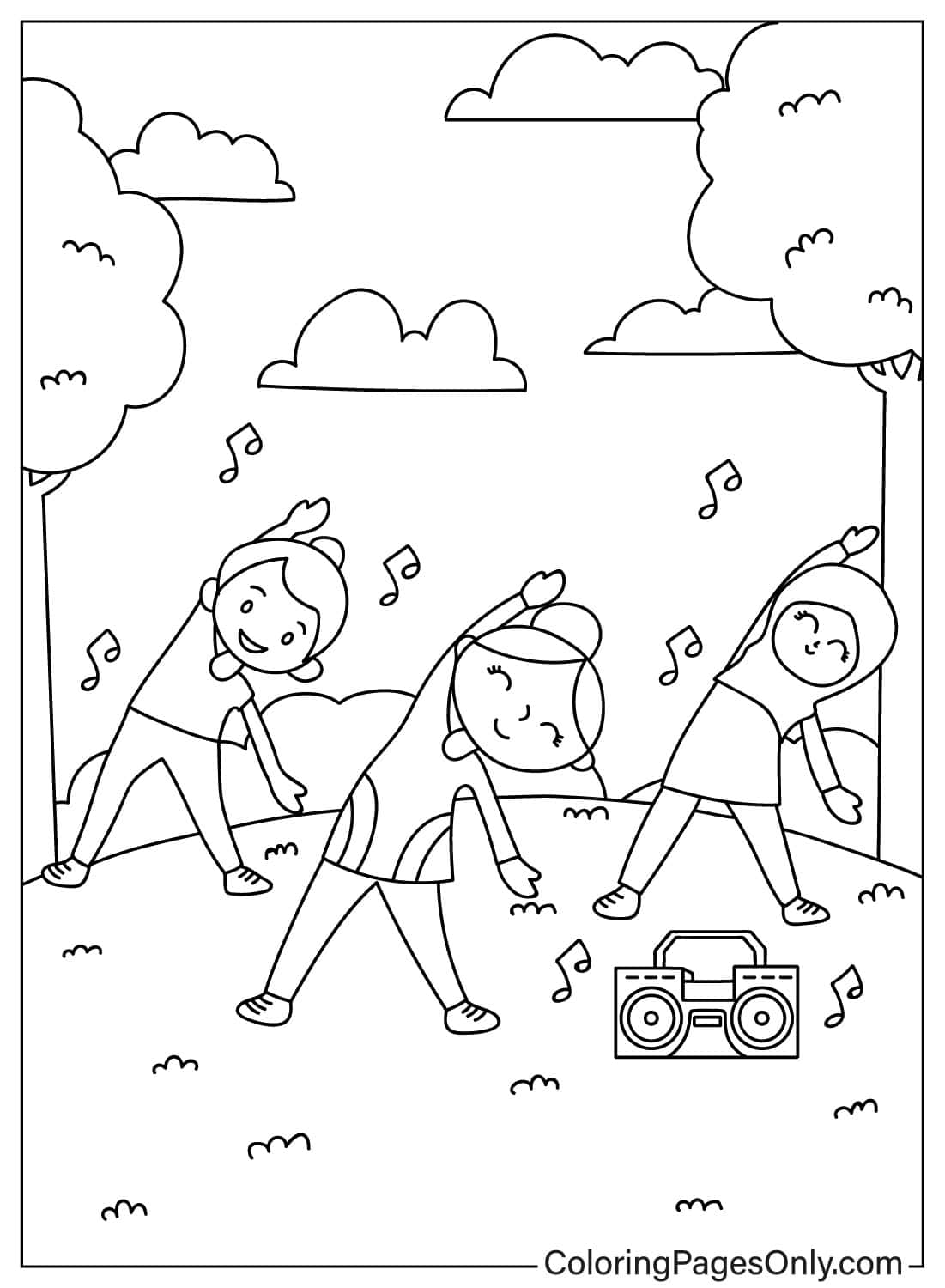
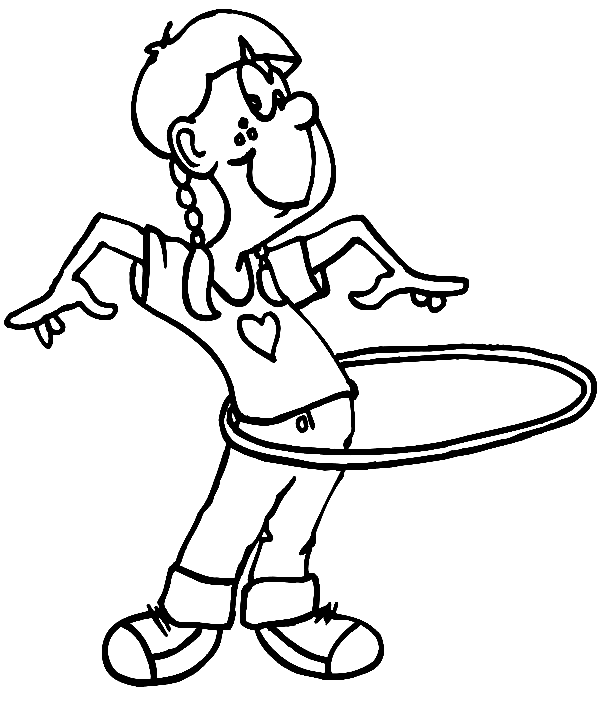
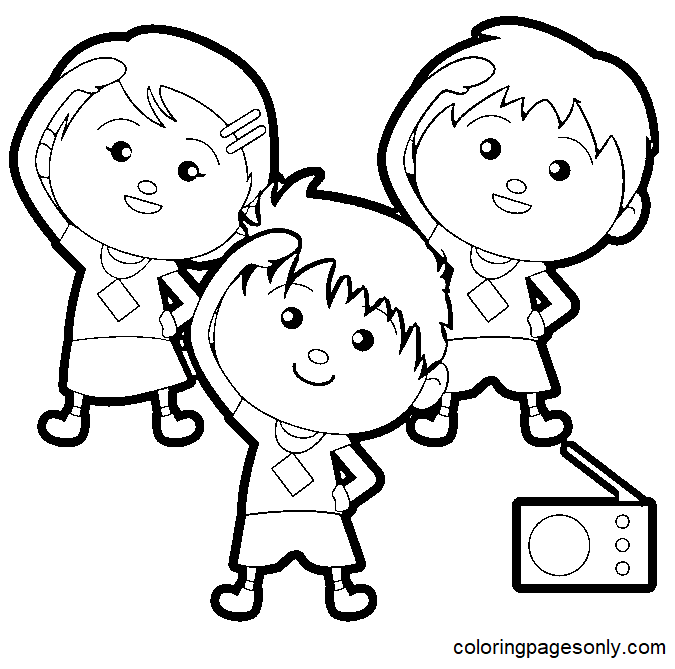
A smaller set of pages shows children actively exercising, jumping, and stretching with the same enthusiasm real kids bring to movement and play.
Gym, Home, and Music-Themed Workouts
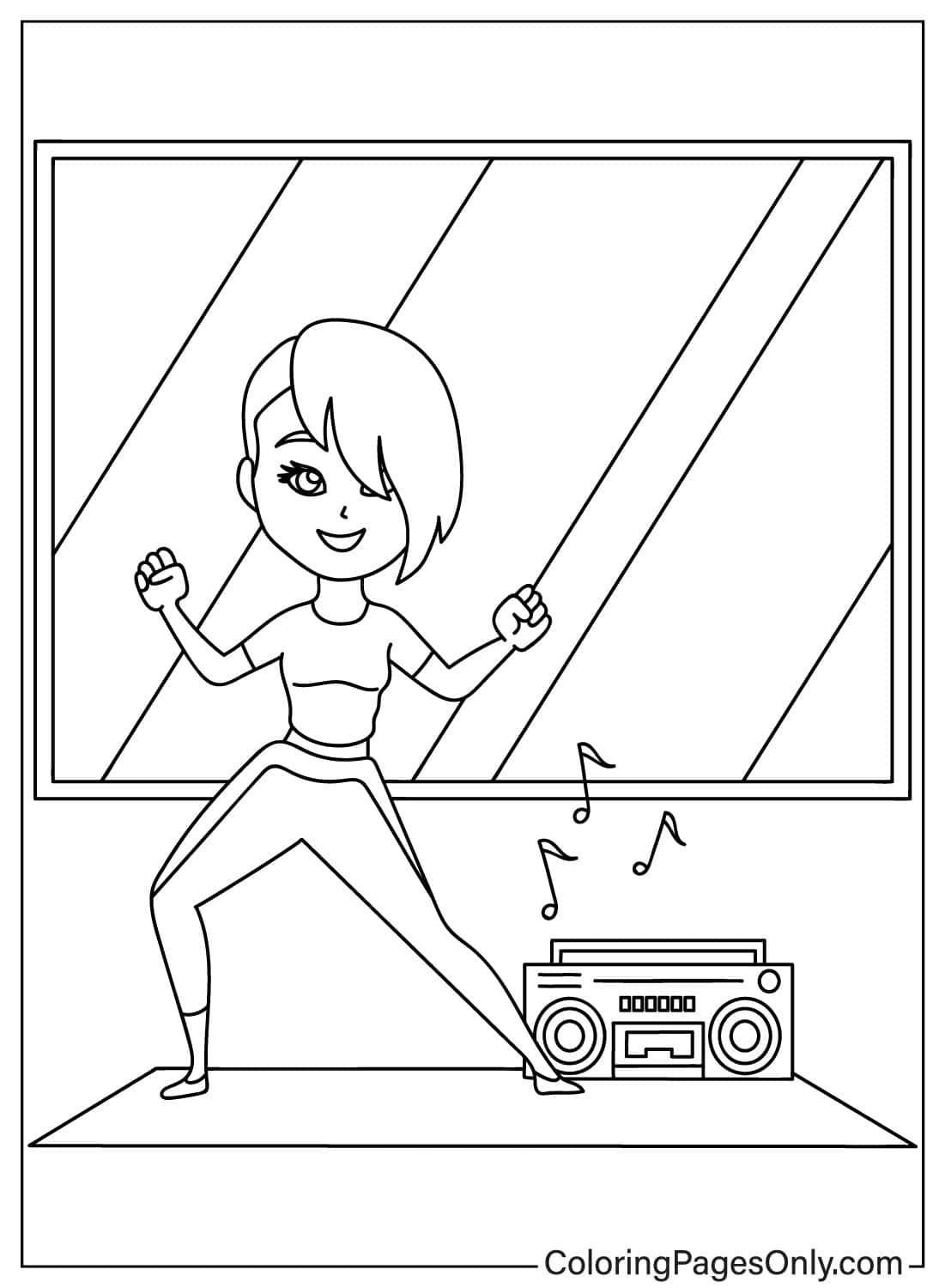
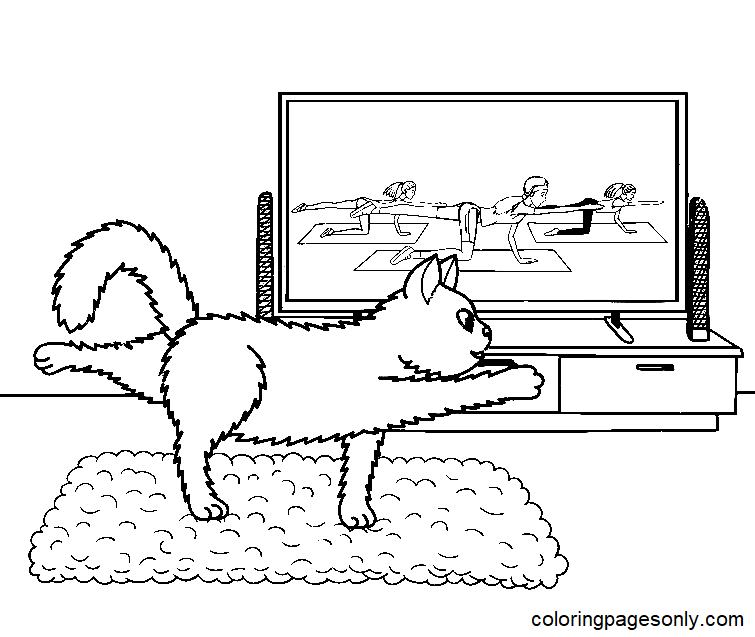
Several pages set the activity in a specific context: a gym with equipment in the background, a simple at-home floor workout, and a page built around exercising to music.
Dumbbell and Resistance Training
A page dedicated to light dumbbell work reflects a technique popularized in 1980s aerobics classes and still common in cardio and strength-combination workouts today.
Animal and Character Aerobics
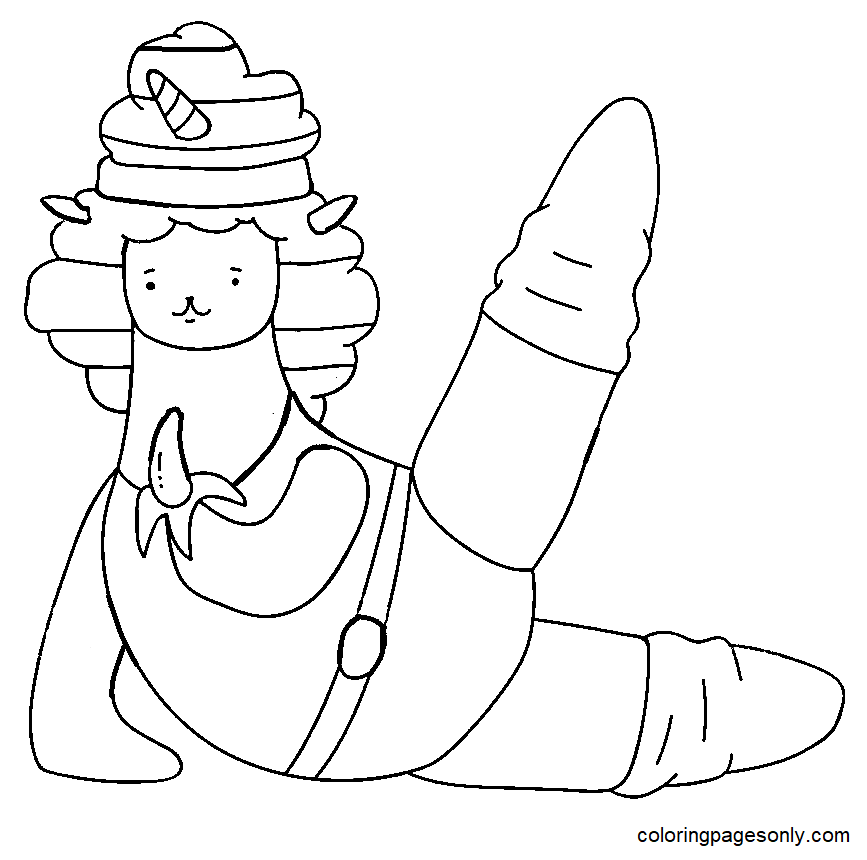
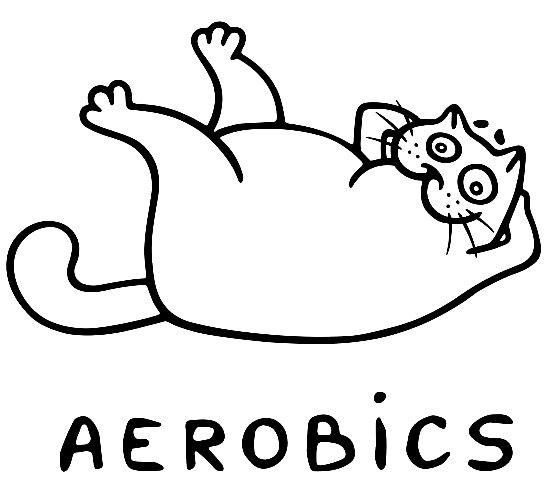
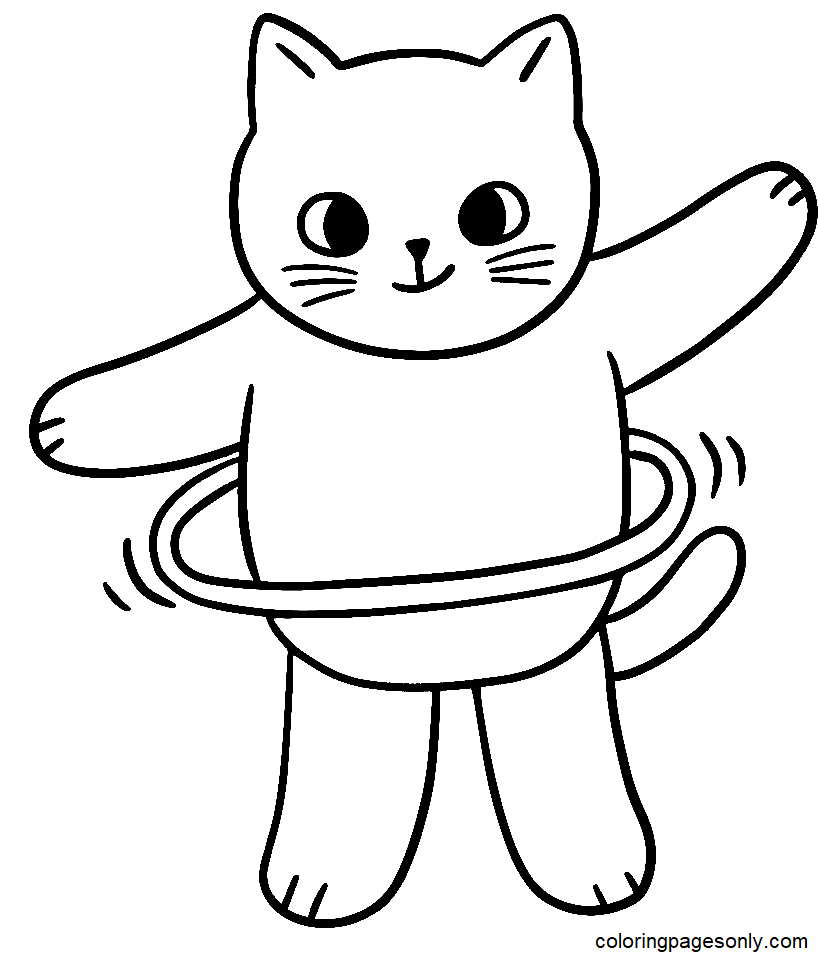
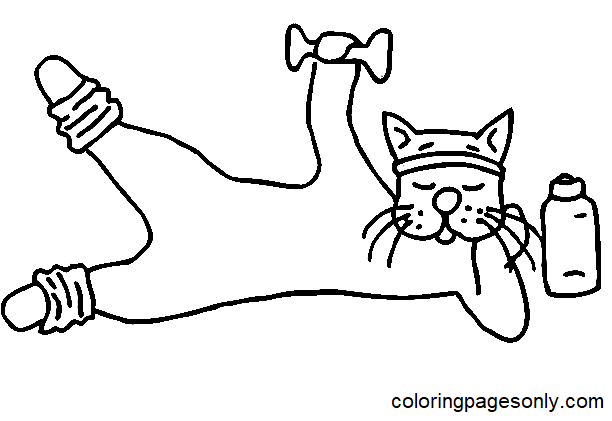
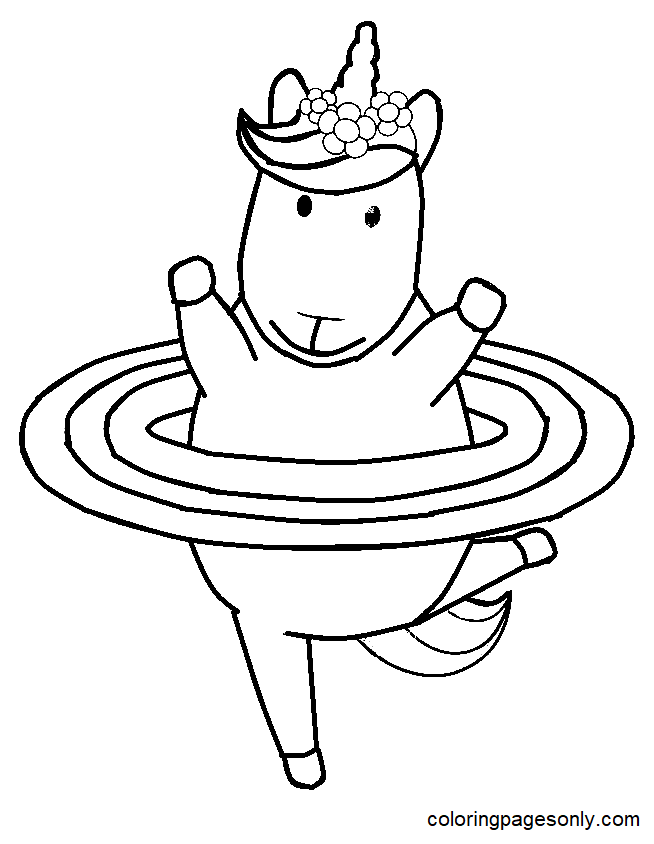
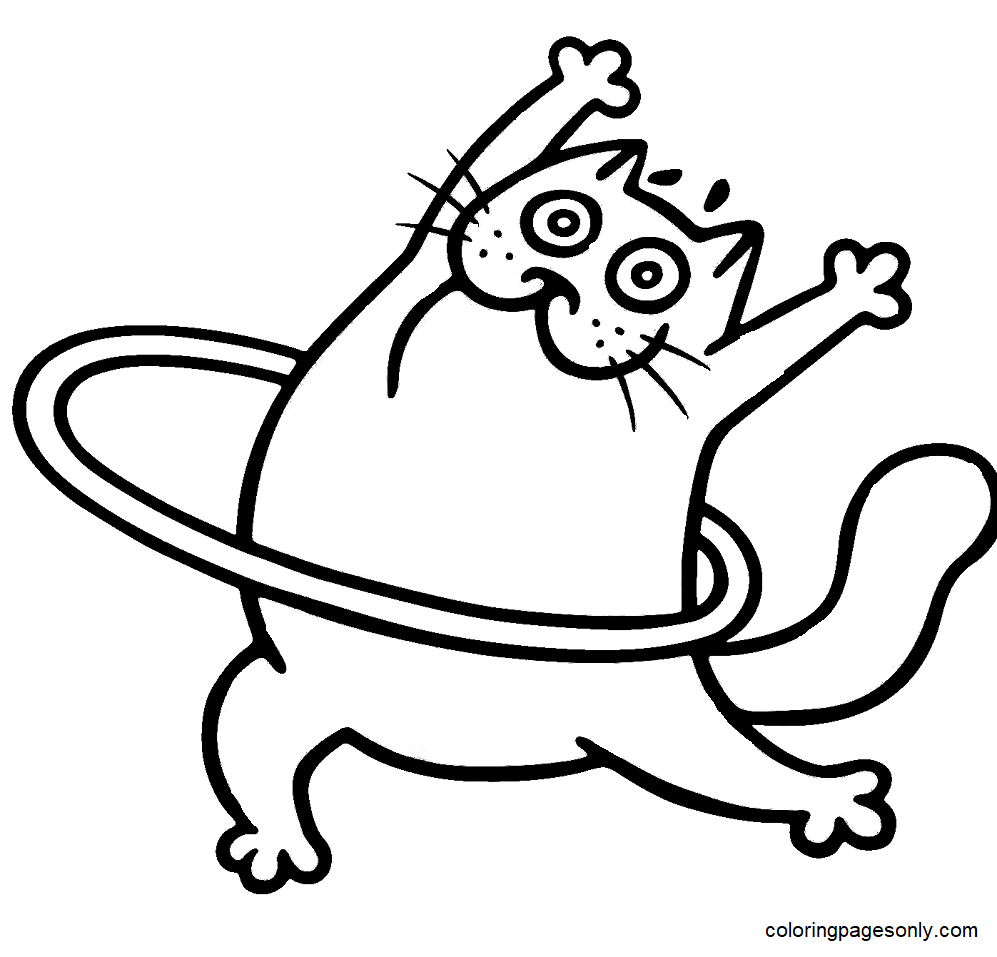
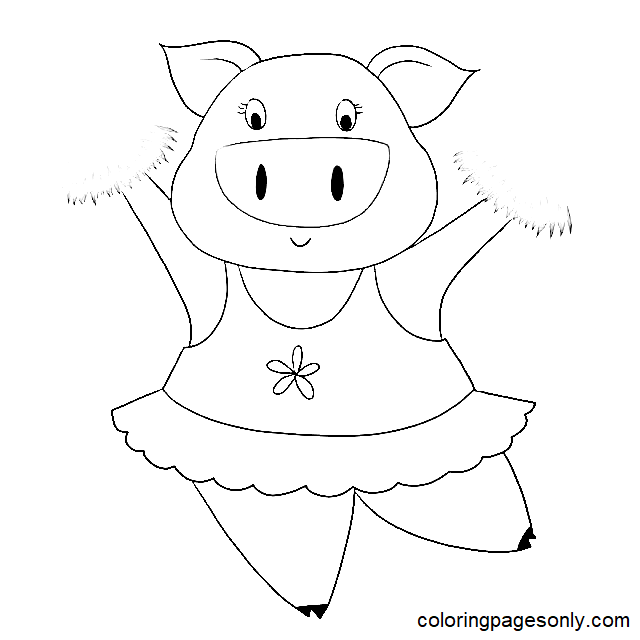
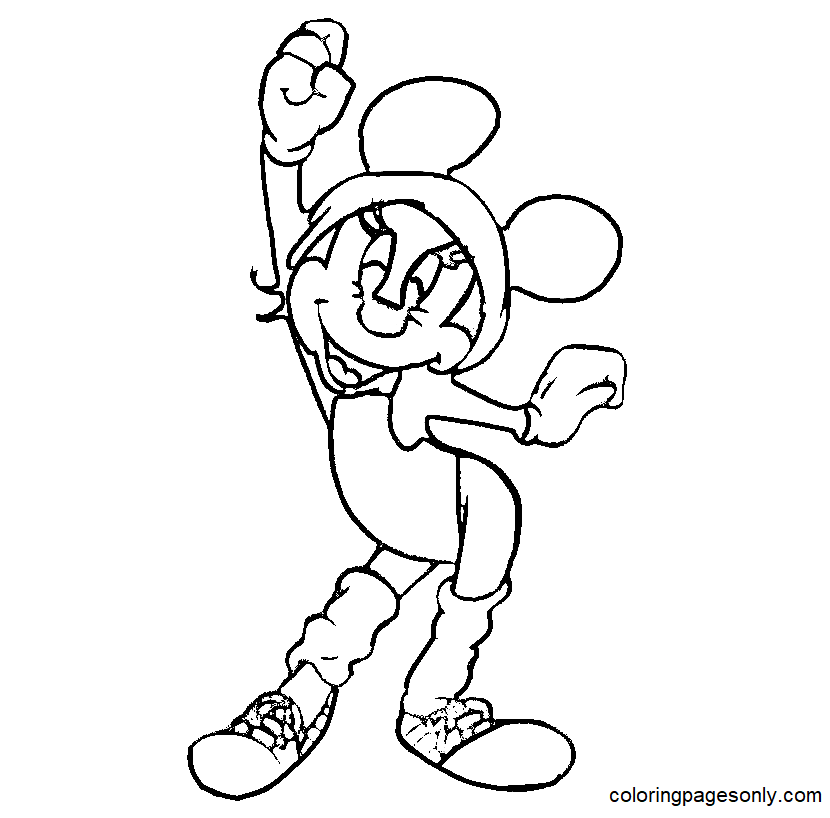
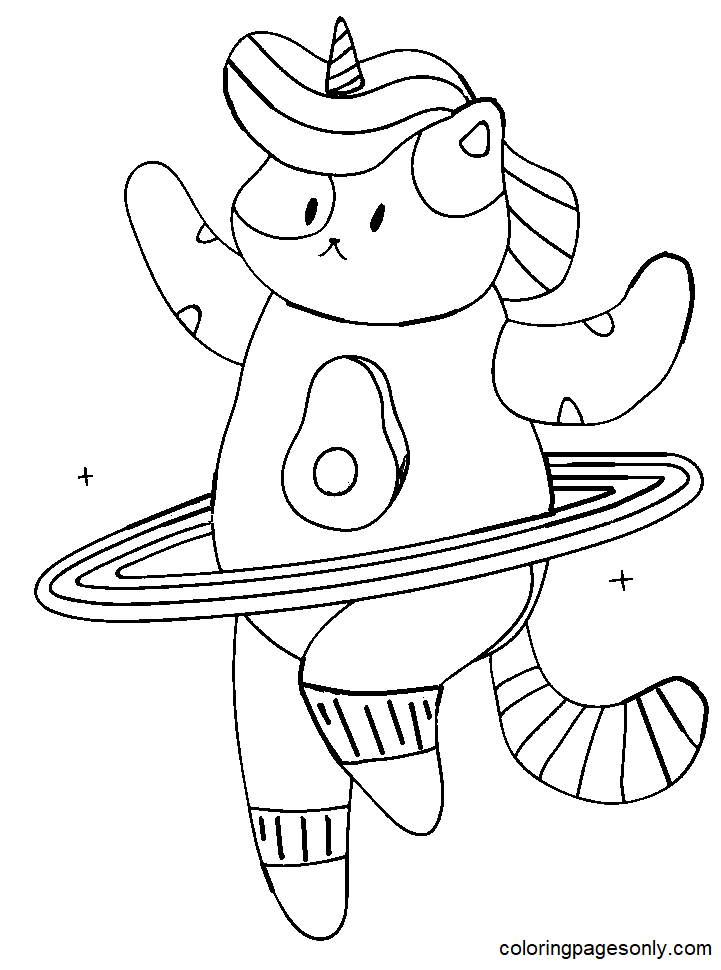
The most lighthearted section of the collection: cats, a dog, a chihuahua, a pig, and fantasy creatures, including a unicorn and a dragon, all shown mid-workout, plus a page featuring Minnie Mouse in exercise gear.
What Aerobic Coloring Pages Do
Fine motor development. The American Academy of Pediatrics identifies fine motor skill development as a core benefit of structured coloring for children ages 2 through 7. The extended arms and legs in these poses give practice with both broad fills and more careful line work.
A window into how the body moves. Coloring a figure mid-jump or mid-stretch gives children a chance to notice how the body looks during real physical activity, connecting the page to their own experience of moving and exercising.
Anxiety reduction through focus. A 2005 study in the Art Therapy Journal documented measurable reductions in anxiety following structured coloring sessions. The energetic, repeatable poses in this collection give colorists that same steady, low-pressure focus.
A natural conversation about movement and health. Since the collection spans real workout scenes and playful animal versions of the same activity, coloring a page alongside a short conversation about staying active gives families and classrooms an easy opening.
How to Color Aerobic Pages Well
- Workout outfits: Use bright, high-energy colors like Electric Lime, Hot Pink, or Cerulean Blue for leotards and leggings to capture the classic aerobics look.
- Dumbbells: color the metal plates Silver or Gray, with a small white highlight on one side to suggest a metallic shine.
- Animal fur: layer a base color with a slightly darker shade along the back and legs to give cats, dogs, and the chihuahua a sense of form.
- Fantasy creatures: since a unicorn or dragon doing aerobics has no real-world reference, treat the color choice as fully open and lean into bright, unrealistic palettes.
- Music page: use warm, vibrant colors for sound-wave or note details to reinforce the energetic, rhythmic feel of exercising to music.
5 Creative Craft Ideas With Aerobic Coloring Pages
1. Fitness Goal Vision Board
Color five or six pages that represent an active lifestyle, cut them out, and arrange them on a poster board alongside a few handwritten fitness goals or motivational phrases for a simple, personal display.
2. Aerobic Workout Card Set
Color a handful of pages showing different exercise poses, trim them to card size, and mount them on cardstock to make a simple set of movement-prompt cards for a family or classroom activity break.
3. Color and Move Fitness Game
Pair a set of uncolored pages with simple exercise challenge cards, such as “do 10 jumping jacks, then color one figure,” for a game that alternates short bursts of movement with short bursts of coloring.
4. Animal Aerobics Standee
Color a favorite animal aerobics page, mount it on cardstock, and fold a small tab at the base so the finished figure can stand upright on a shelf or desk.
5. Aerobic Bookmark
Color a small aerobics design, mount it on cardstock, and attach a ribbon or tassel at the top for a bookmark that clips over the corner of a page.
Frequently Asked Questions
What are aerobics coloring pages?
Aerobic coloring pages are printable line-art designs of aerobic exercise, from realistic workout scenes to lighthearted animal and character versions. This collection includes 36 free designs available as PDFs or online coloring.
What is aerobics, and how does it differ from other exercises?
Aerobic exercise uses oxygen as its primary fuel source for sustained activity, unlike anaerobic exercise, such as sprinting or heavy weightlifting. It typically raises the heart rate to 50 to 85 percent of maximum and can be sustained for extended periods, including activities like walking, jogging, cycling, dancing, and group fitness classes.
Who invented modern aerobics, and when did it become popular?
American physician Dr. Kenneth Cooper introduced the term and concept of aerobics in his 1968 book of the same name. The fitness movement reached mass popularity in the late 1970s and 1980s, driven by Judi Sheppard Missett’s founding of Jazzercise in 1969 and the home workout video boom, including Jane Fonda’s widely popular 1982 workout video.
What is the target heart rate zone for aerobic exercise?
The aerobic target zone is generally 50 to 85 percent of maximum heart rate, often estimated using 220 minus age as a rough guide. Moderate-intensity exercise falls around 50 to 70 percent, while vigorous-intensity exercise reaches 70 to 85 percent.
Why is music often used in aerobics classes?
Music sets the pace for group movement and has been shown in exercise science research to reduce how hard a workout feels at a given intensity, which helps people sustain effort for longer. It also adds a social and motivational element that makes group aerobics classes more engaging.
What age group are these aerobics coloring pages best suited for?
The animal and character pages suit children ages 3 to 7 who enjoy familiar, playful subjects. The children-exercising page works well for ages 4 to 9, while the detailed women’s workout and dumbbell pages offer a more advanced coloring challenge for older kids and adults.
Are aerobics coloring pages suitable for physical education or health classes?
Yes. Teachers can use the pages to reinforce lessons on the cardiovascular system and exercise intensity, as a creative reward after an activity, or as the basis for a simple movement-and-coloring classroom game.
Are these pages only for children, or can adults use them too?
Both. Several pages, including the detailed workout poses and the dumbbell illustration, are well suited to adult coloring, and many adults who practice aerobics use the pages as a relaxing cool-down activity after exercise.
Start Coloring
Download any page by clicking the design. No account, email, or payment is required. Pages print directly from the browser at full resolution or open in the online coloring tool for screen use. Share finished pages on Facebook or Pinterest with the share buttons at the top of each design page.
Related Coloring Pages