Monkey Coloring Pages
 By:
Jennifer Thoa - Content Editor & Designer
Updated:
By:
Jennifer Thoa - Content Editor & Designer
Updated:
Free Monkey Coloring Pages: 46 printable PDF designs featuring monkeys in the jungle and trees, monkeys with bananas, baby monkeys, expressive and playful poses, and cute portraits and printable sheets. Each page can be downloaded as a PDF to print or colored online in the browser.
The easiest way to tell a monkey from an ape is to check for a tail: nearly all of the roughly 260 known monkey species have one, while apes do not. Monkeys split into two main groups: Old World monkeys found across Africa and Asia, and New World monkeys found throughout Central and South America. New World monkeys, including the squirrel monkey featured in this collection, tend to be smaller, spend most of their time in trees, and often rely on their tails to help balance while climbing. Their flexible limbs, dexterous hands, and forward-facing eyes, which give sharp depth perception for judging distances between branches, make them especially well suited to life in the treetops.
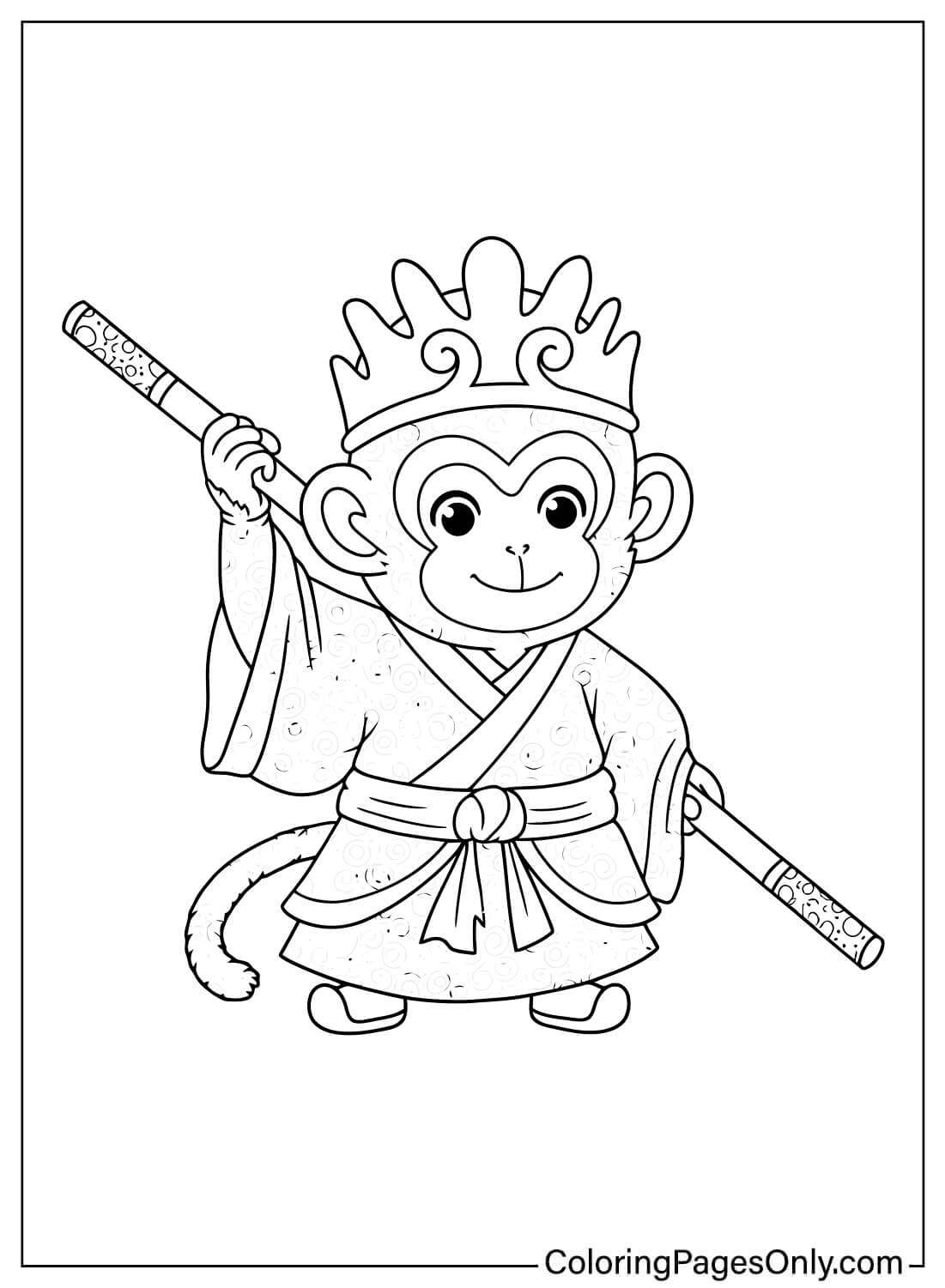
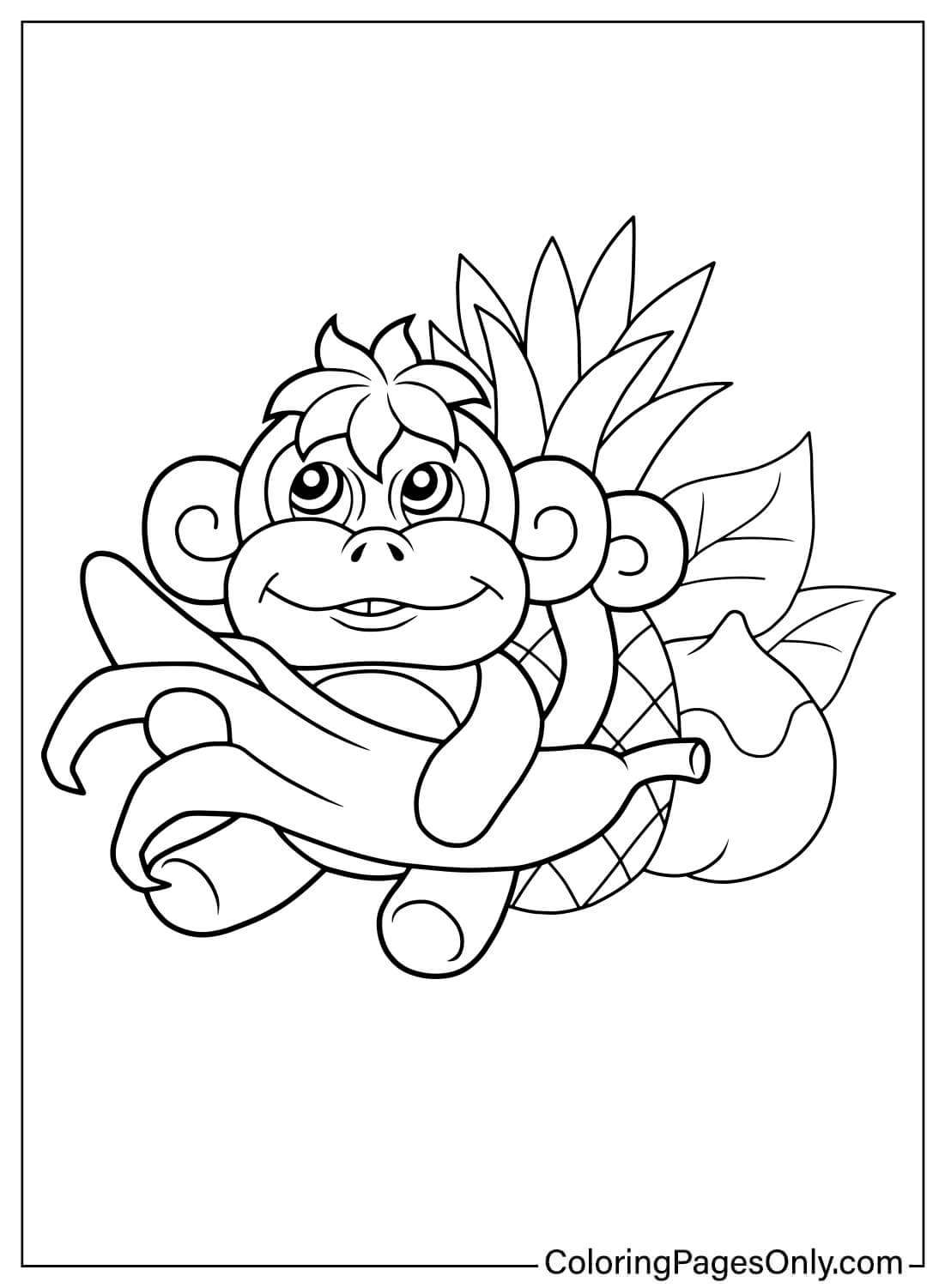
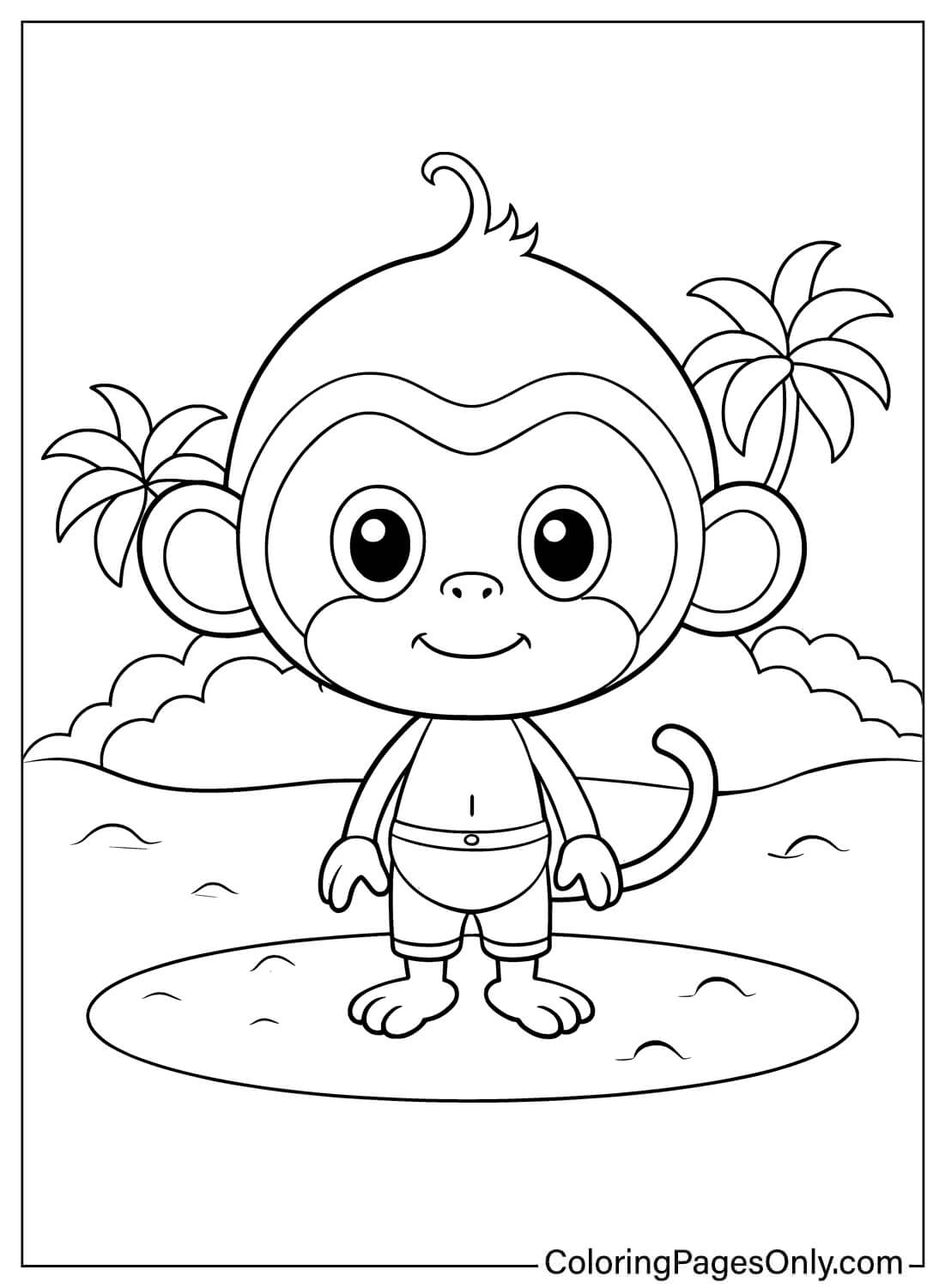
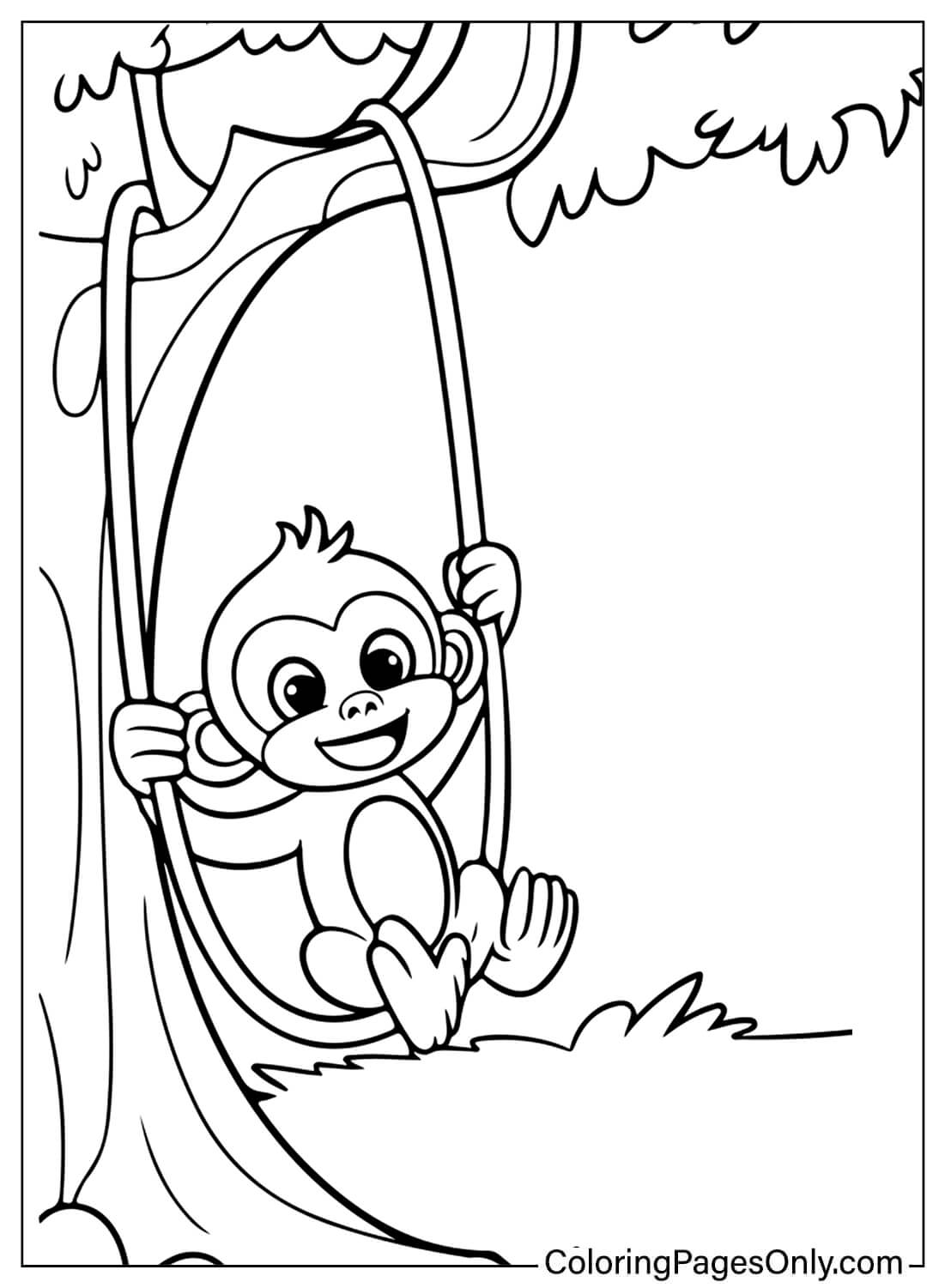
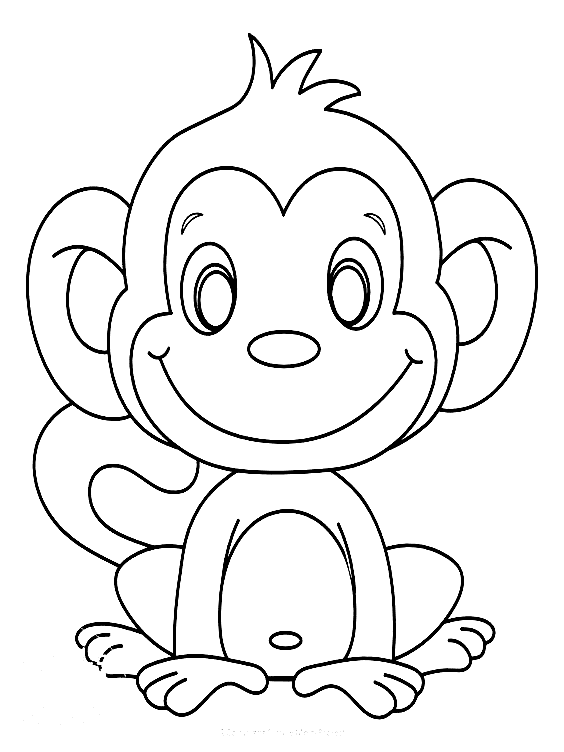
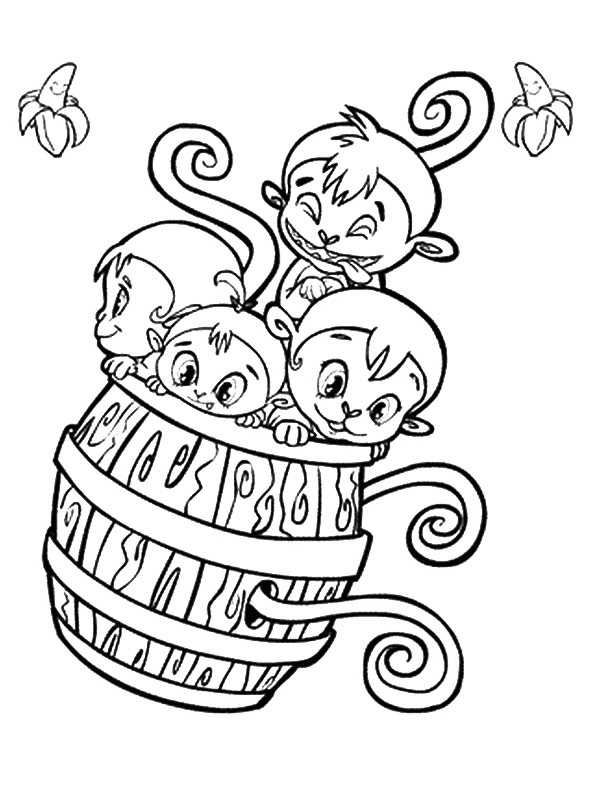
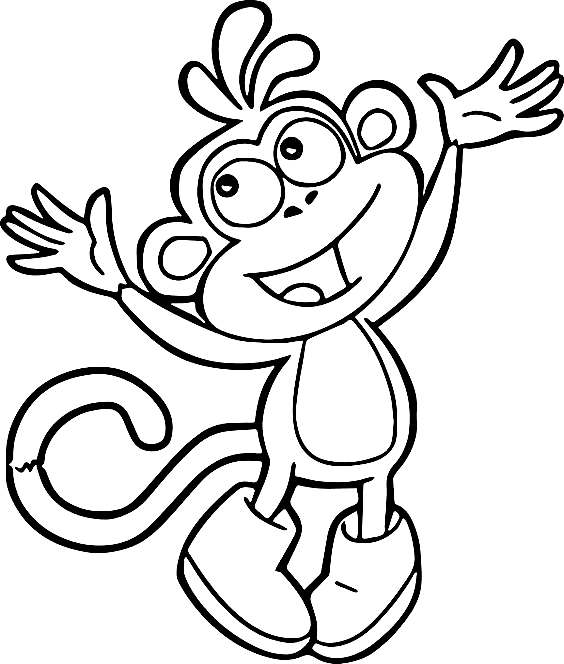
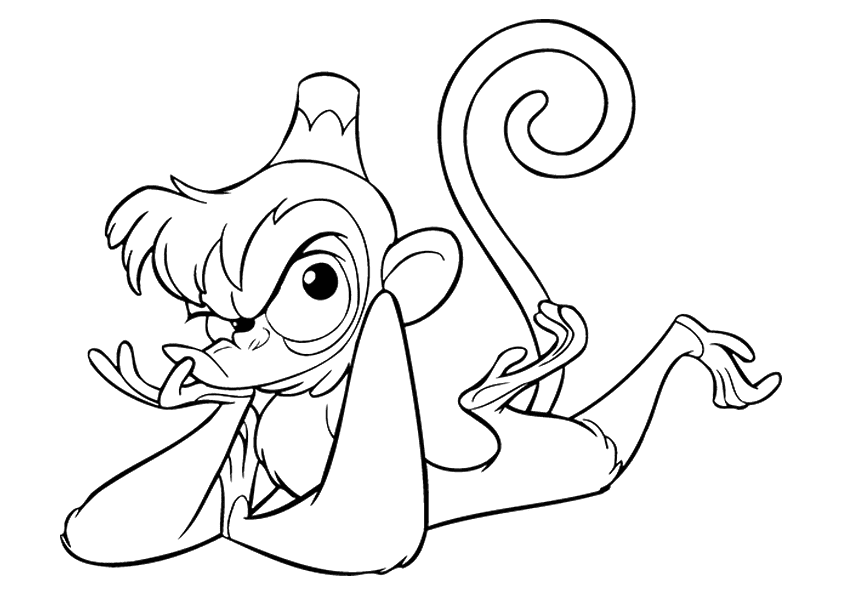
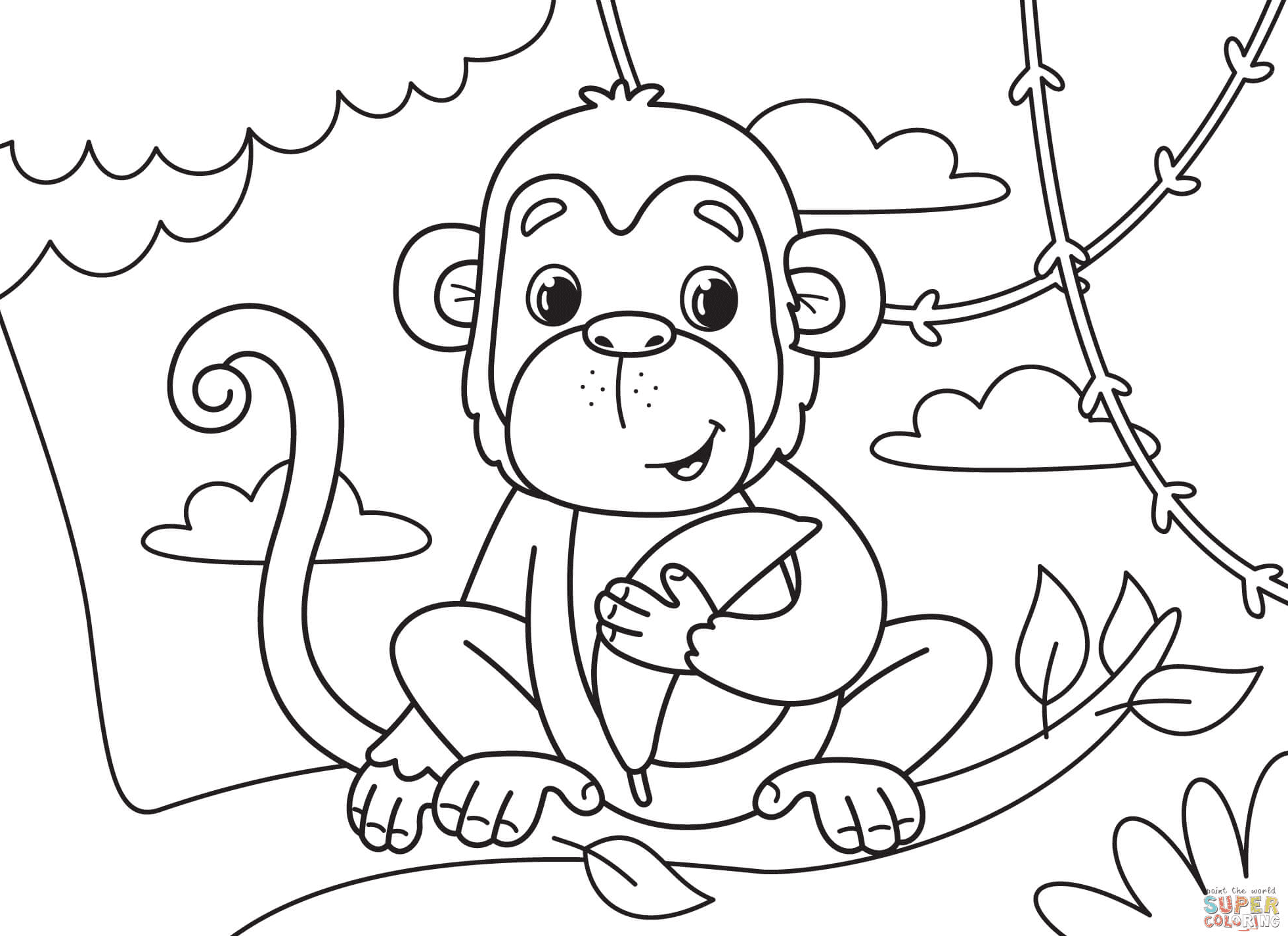
This collection spans 46 pages, split between monkeys in the jungle and trees, monkeys with bananas, baby monkeys, expressive and playful poses, and cute portraits and printable sheets. The coloring angle ranges from simple, standalone portraits to fuller jungle scenes.
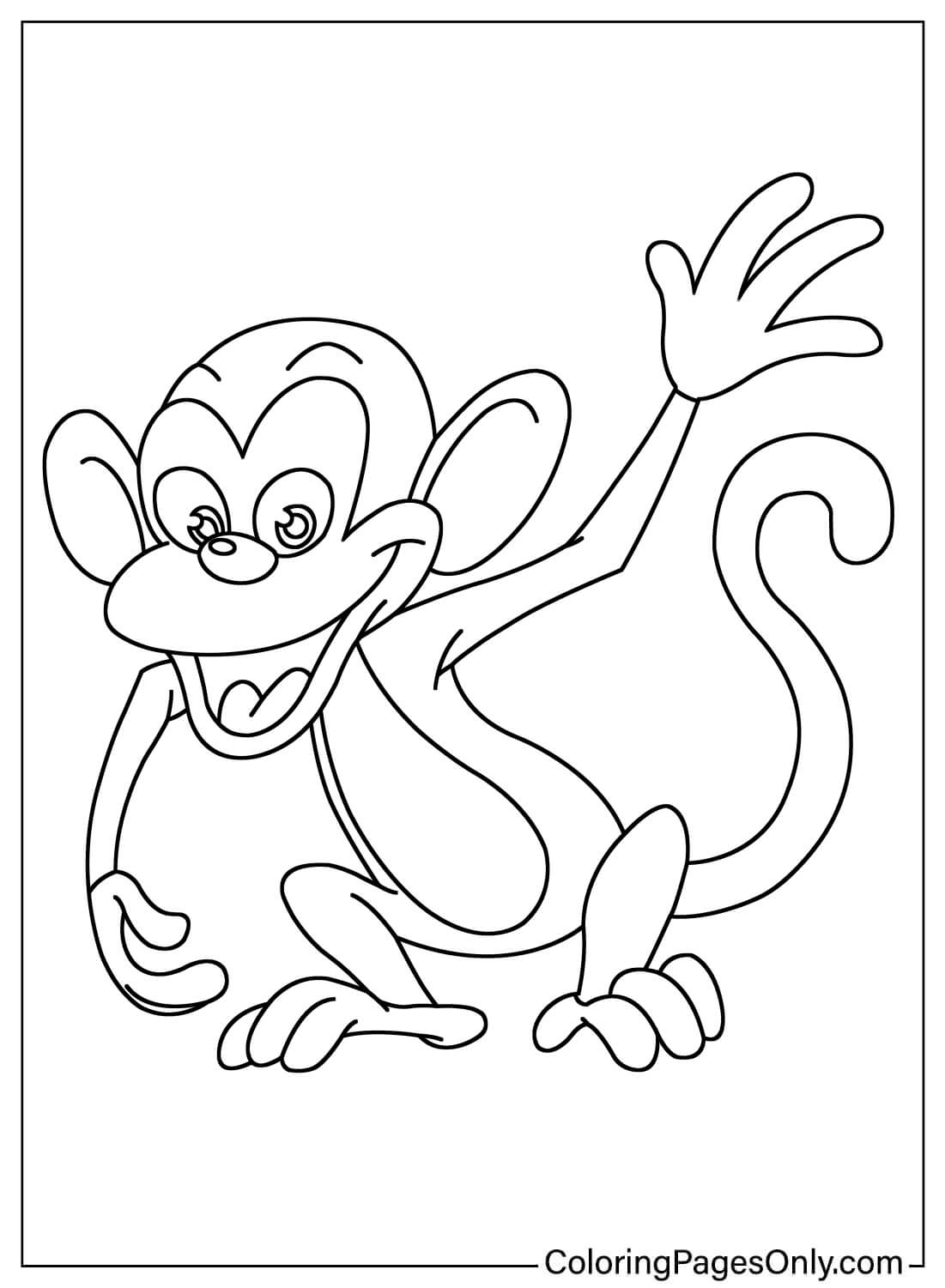
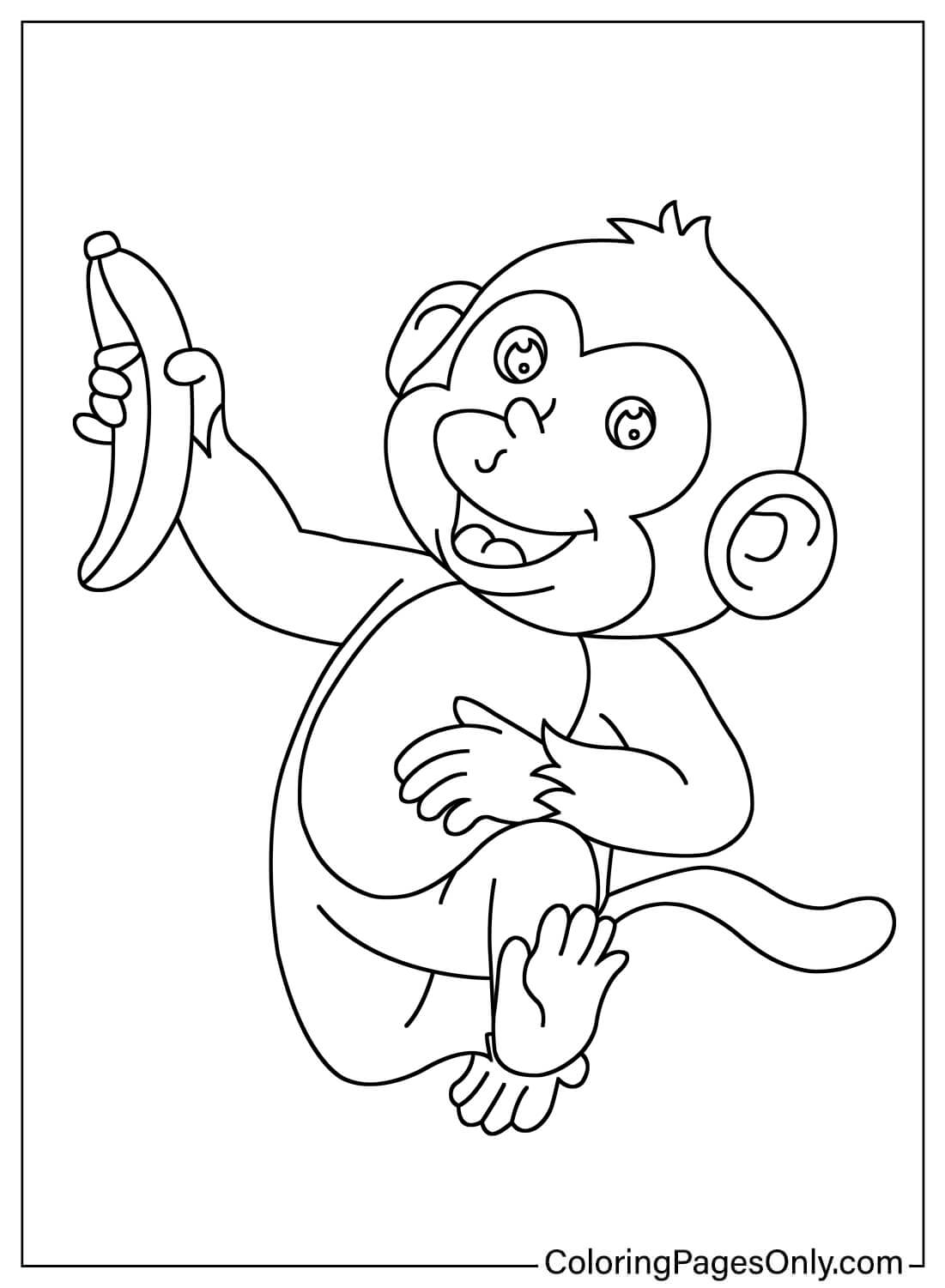
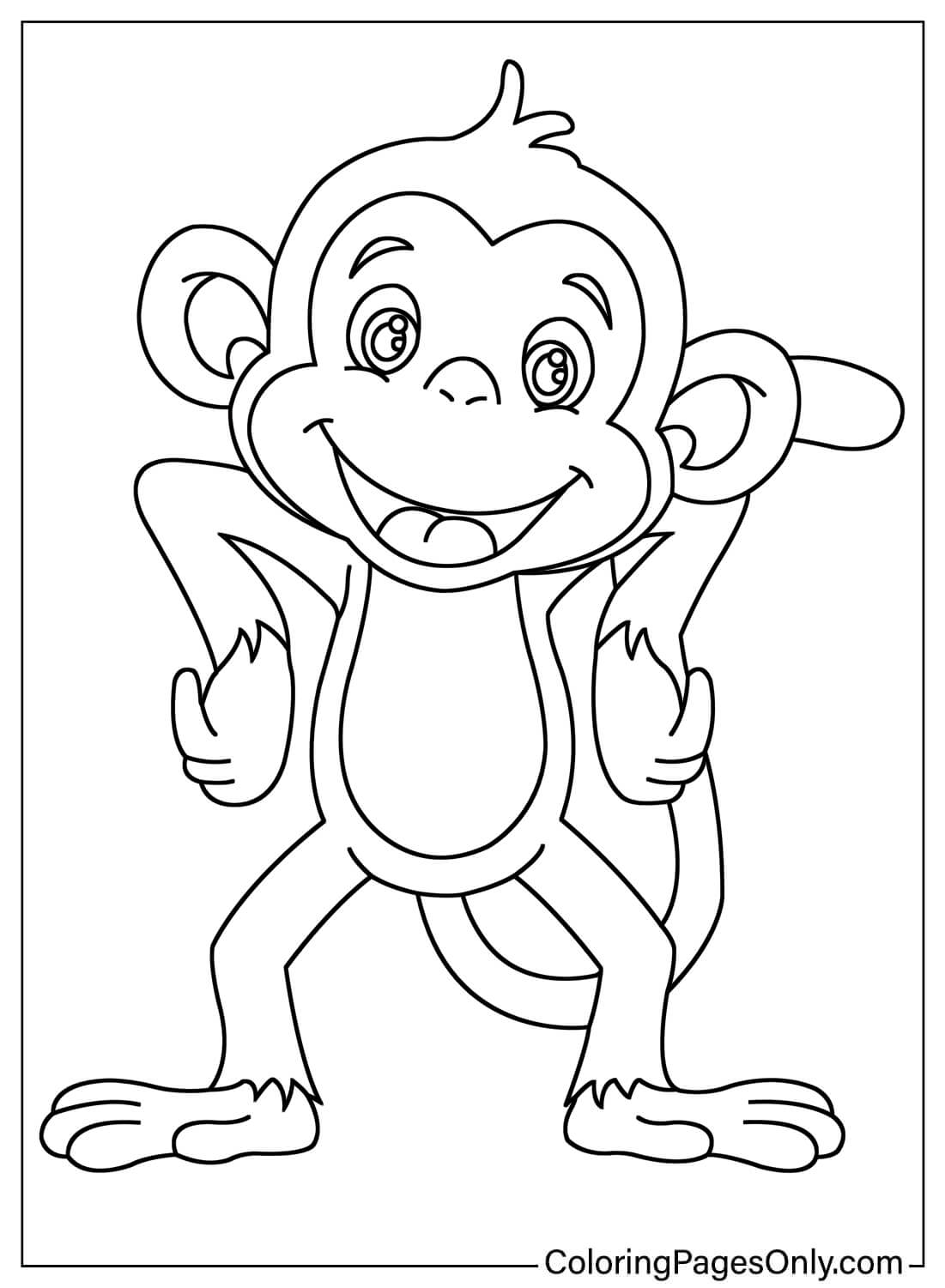
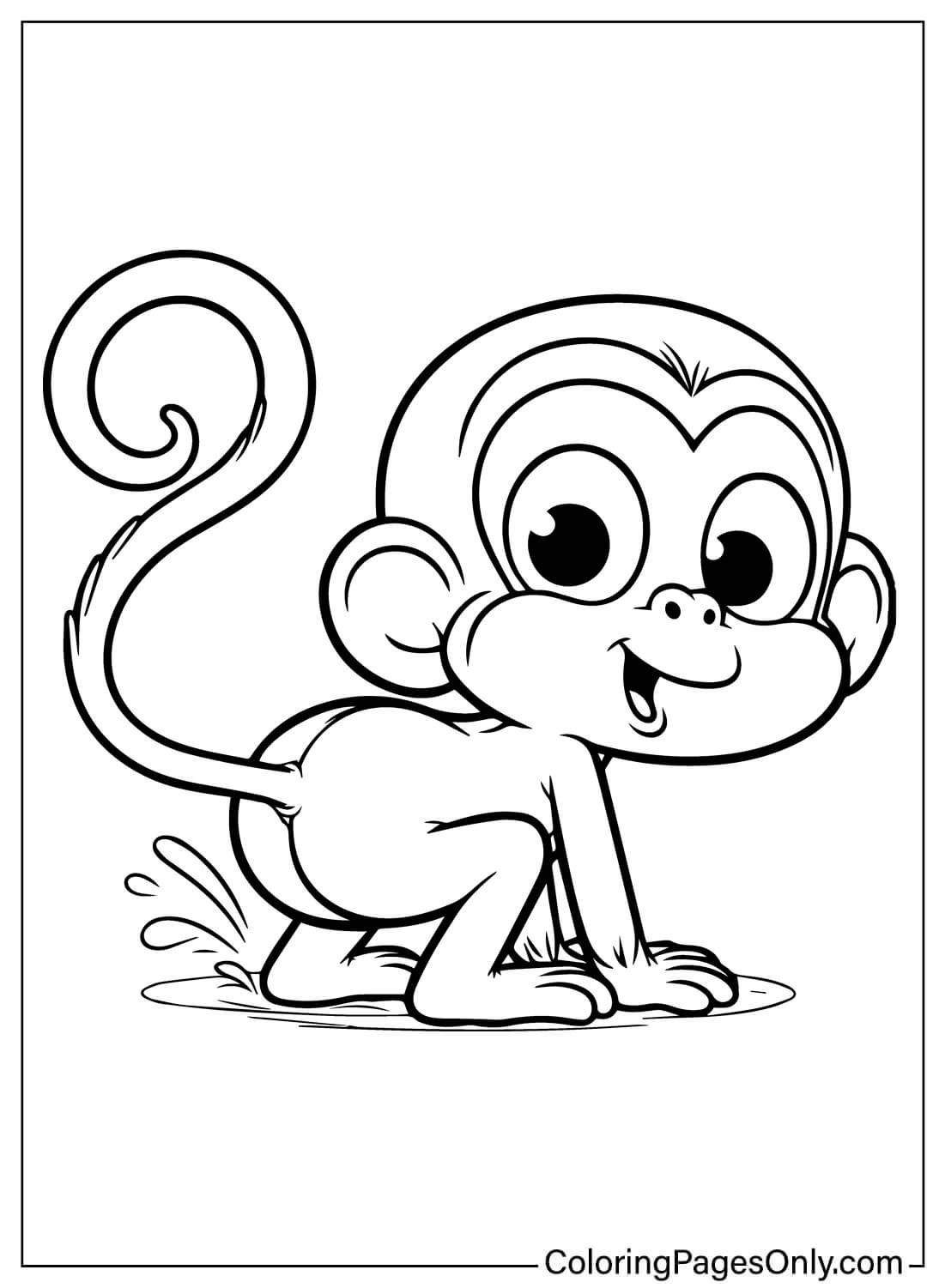
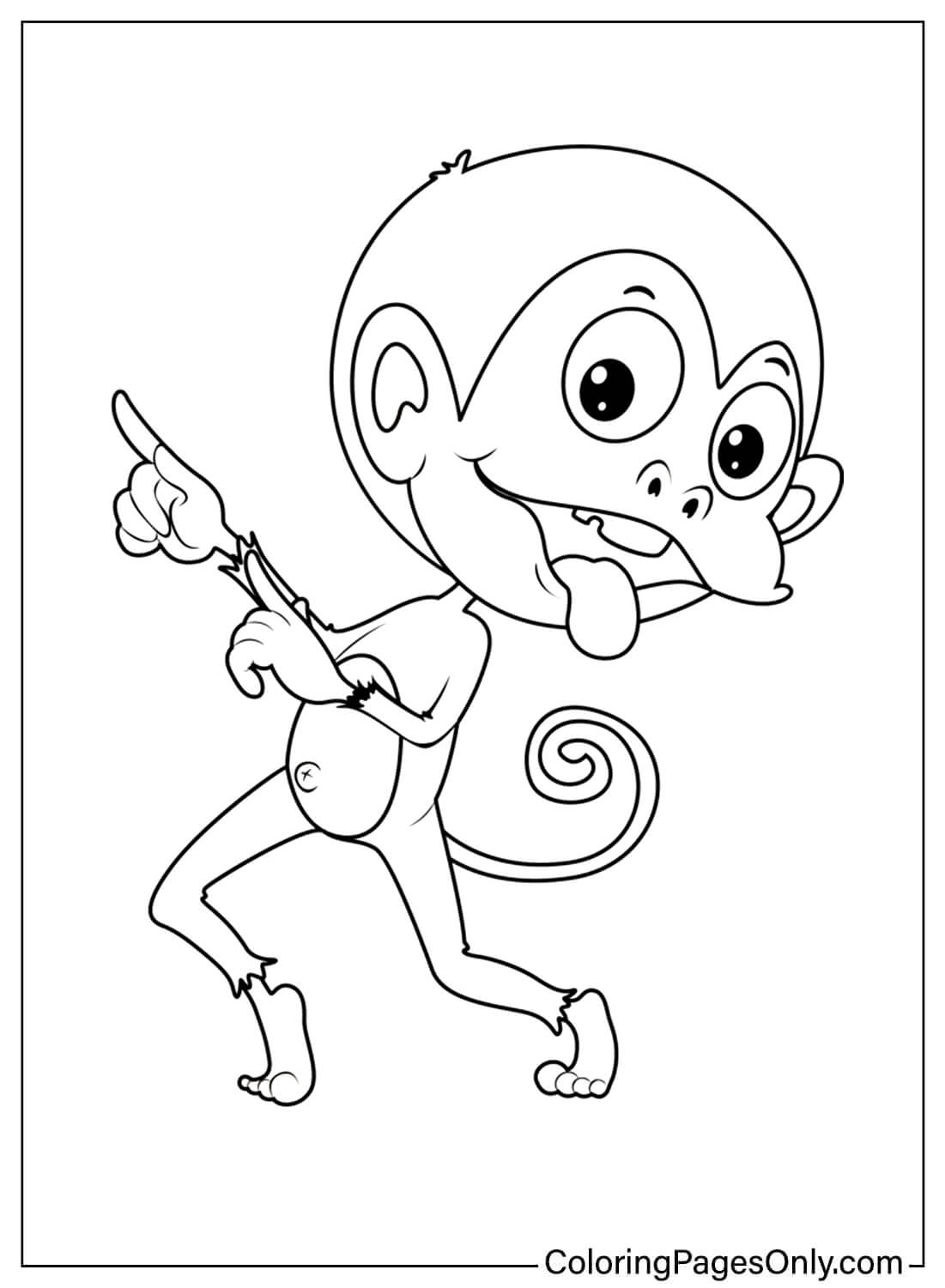
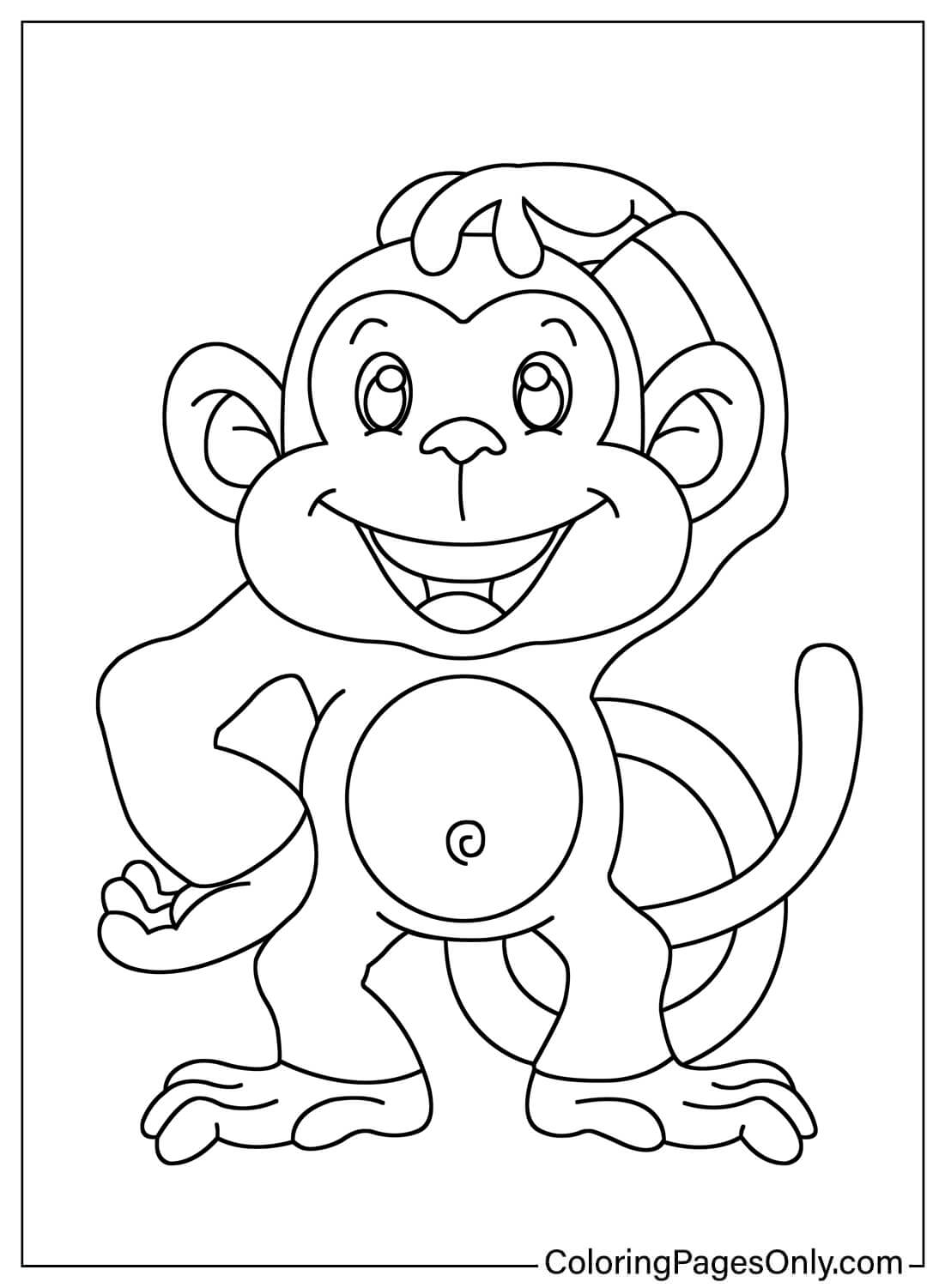
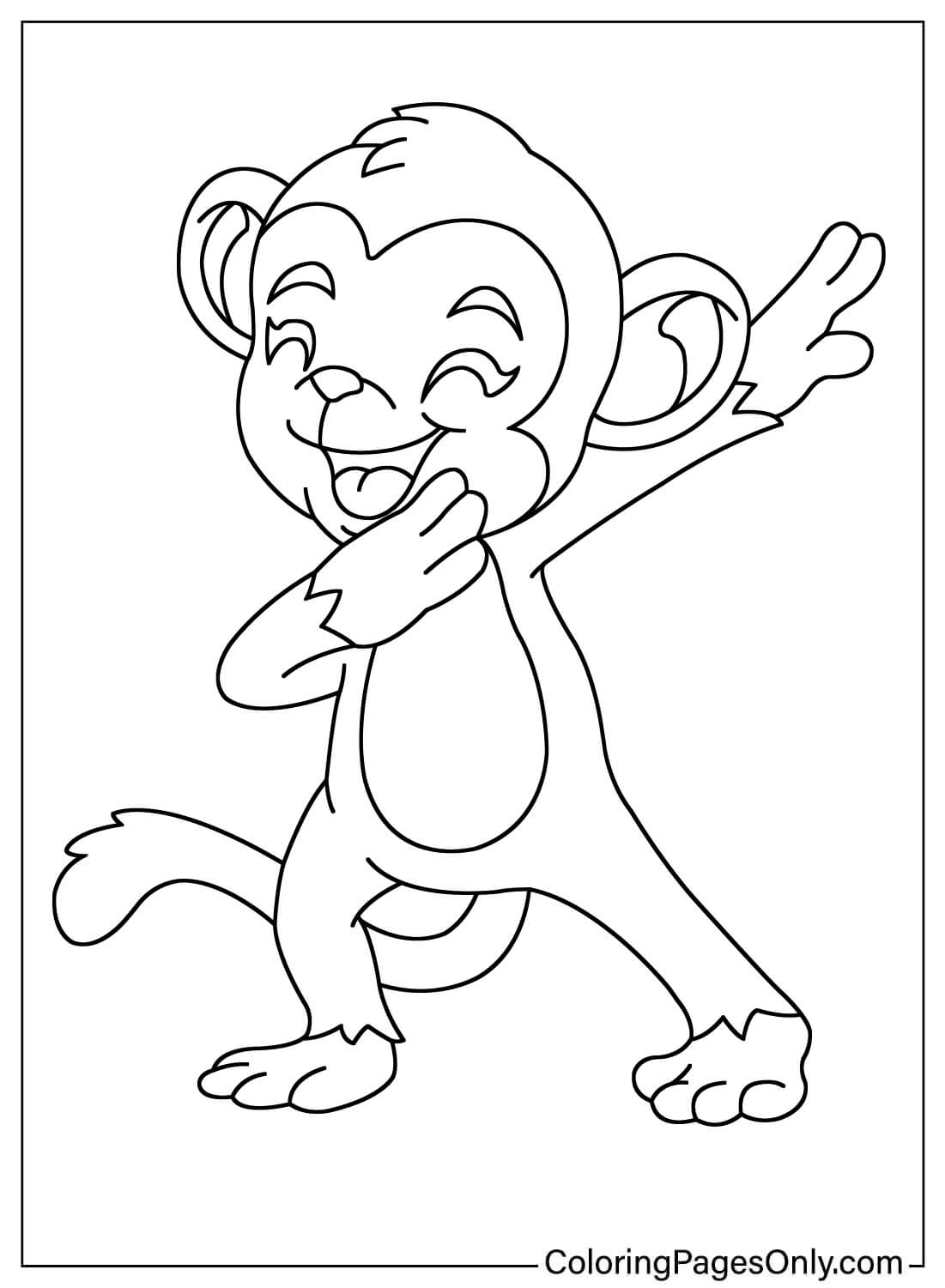
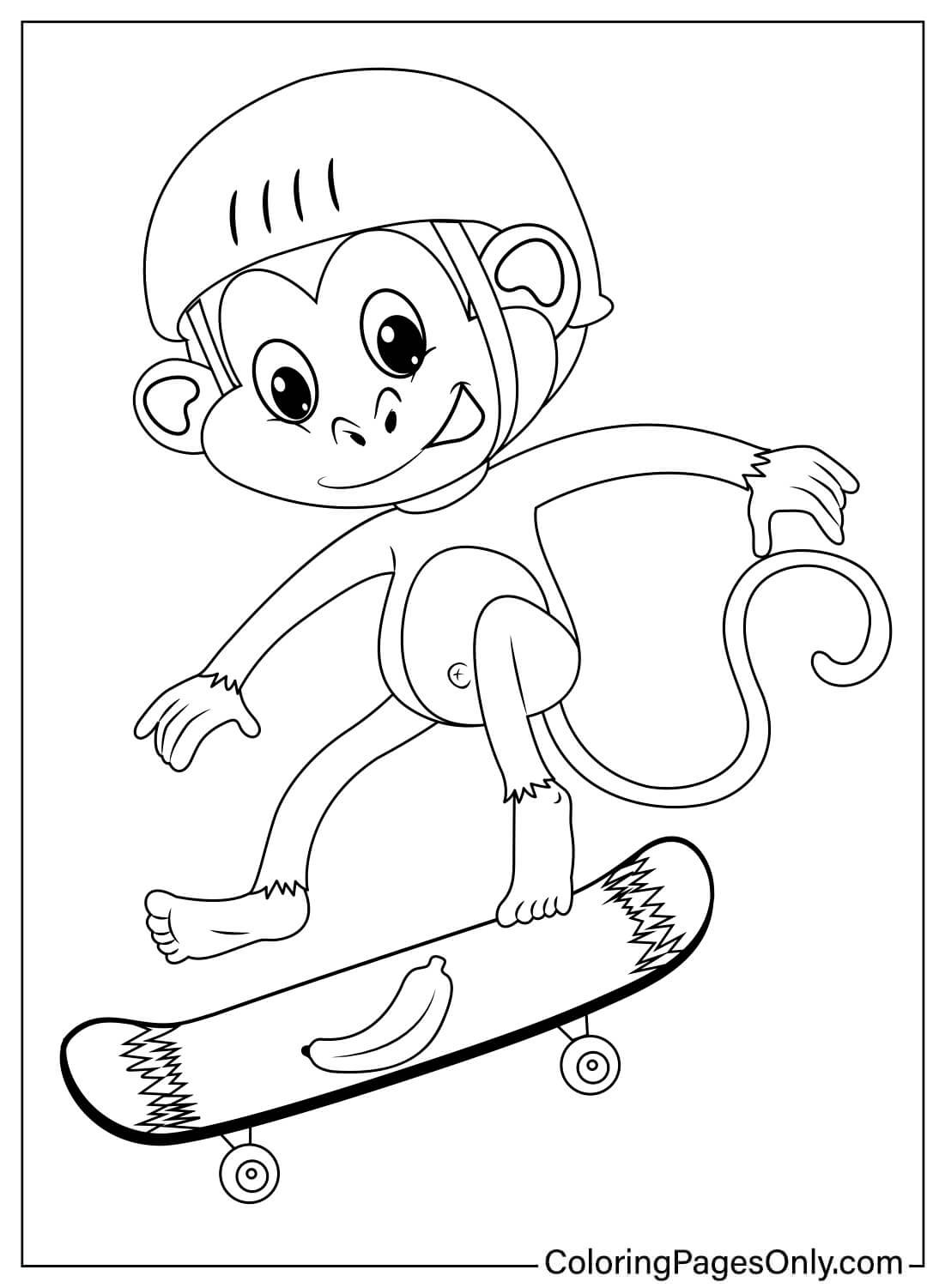
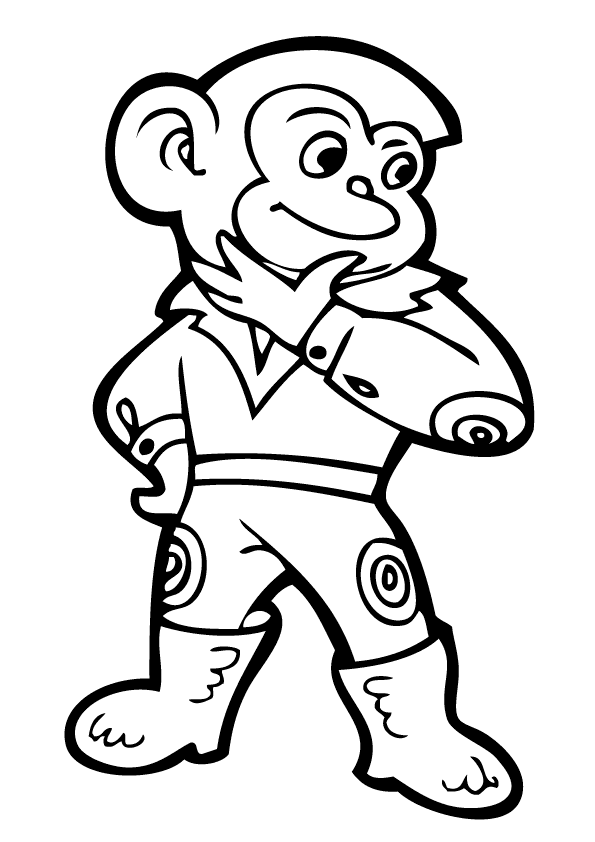
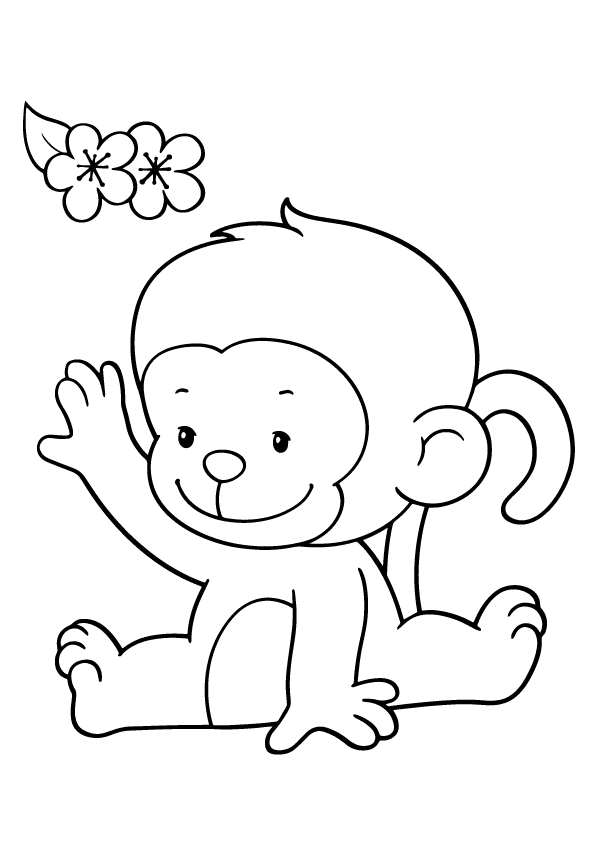
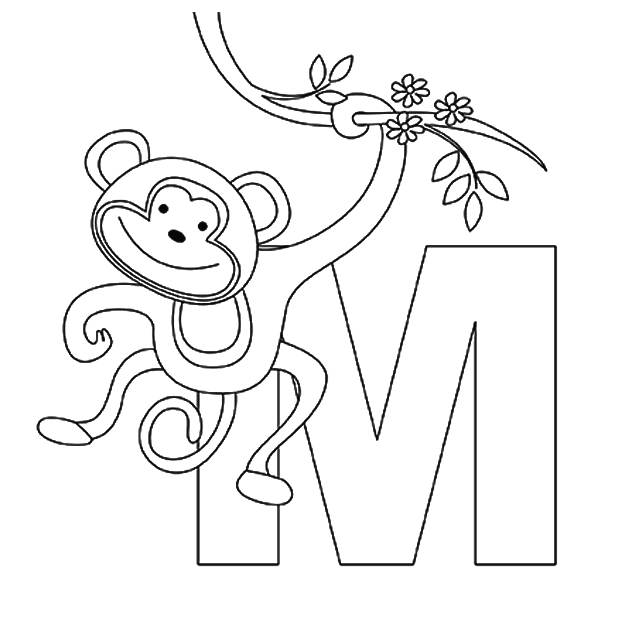
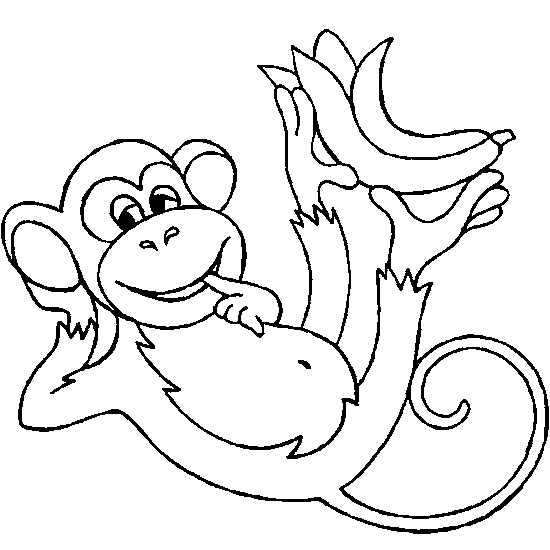
What’s Inside This Collection
The 46 designs group into six categories, from monkeys in the jungle and trees to cute portraits and printable sheets.
Monkeys in the Jungle and Trees
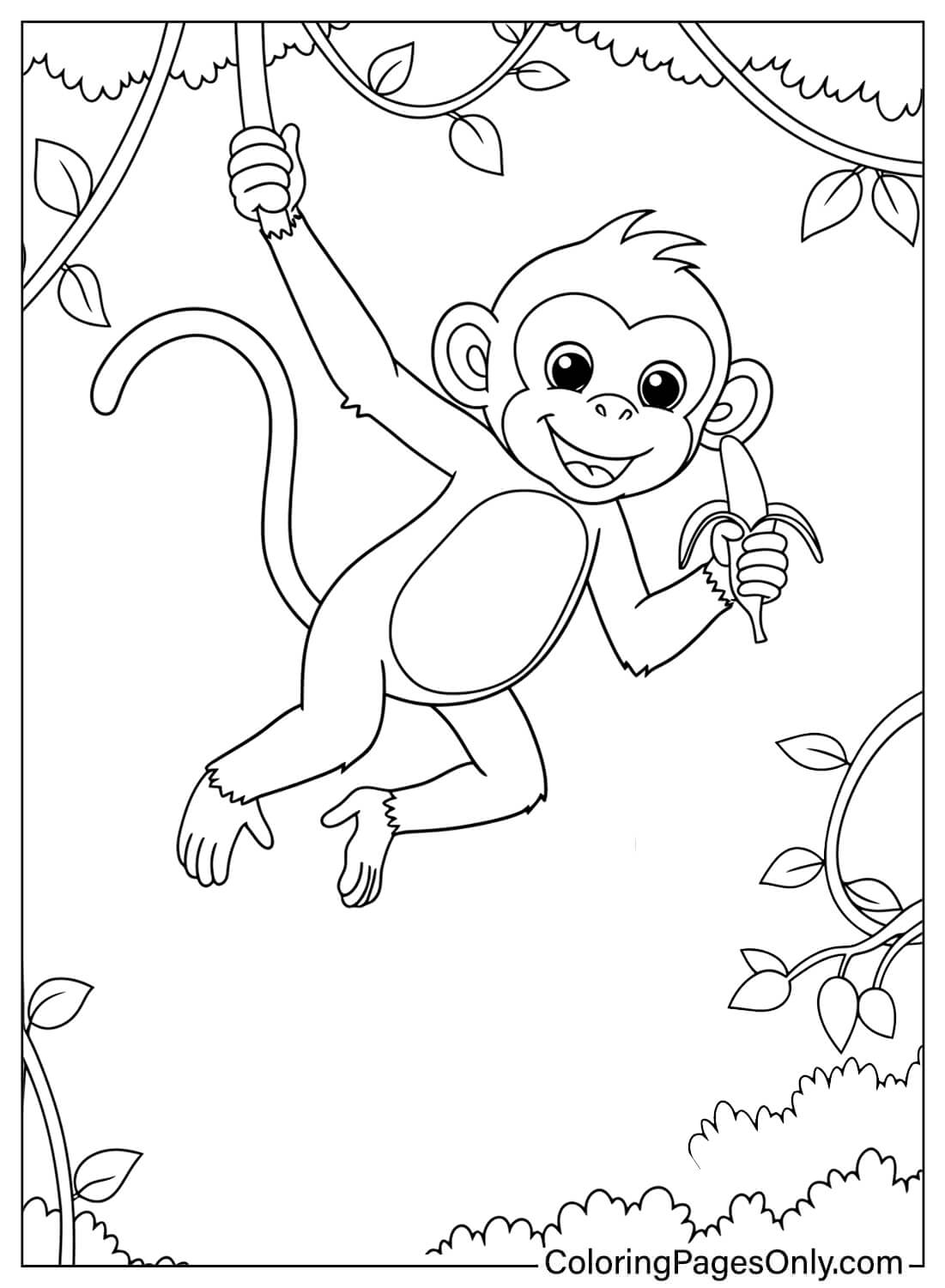
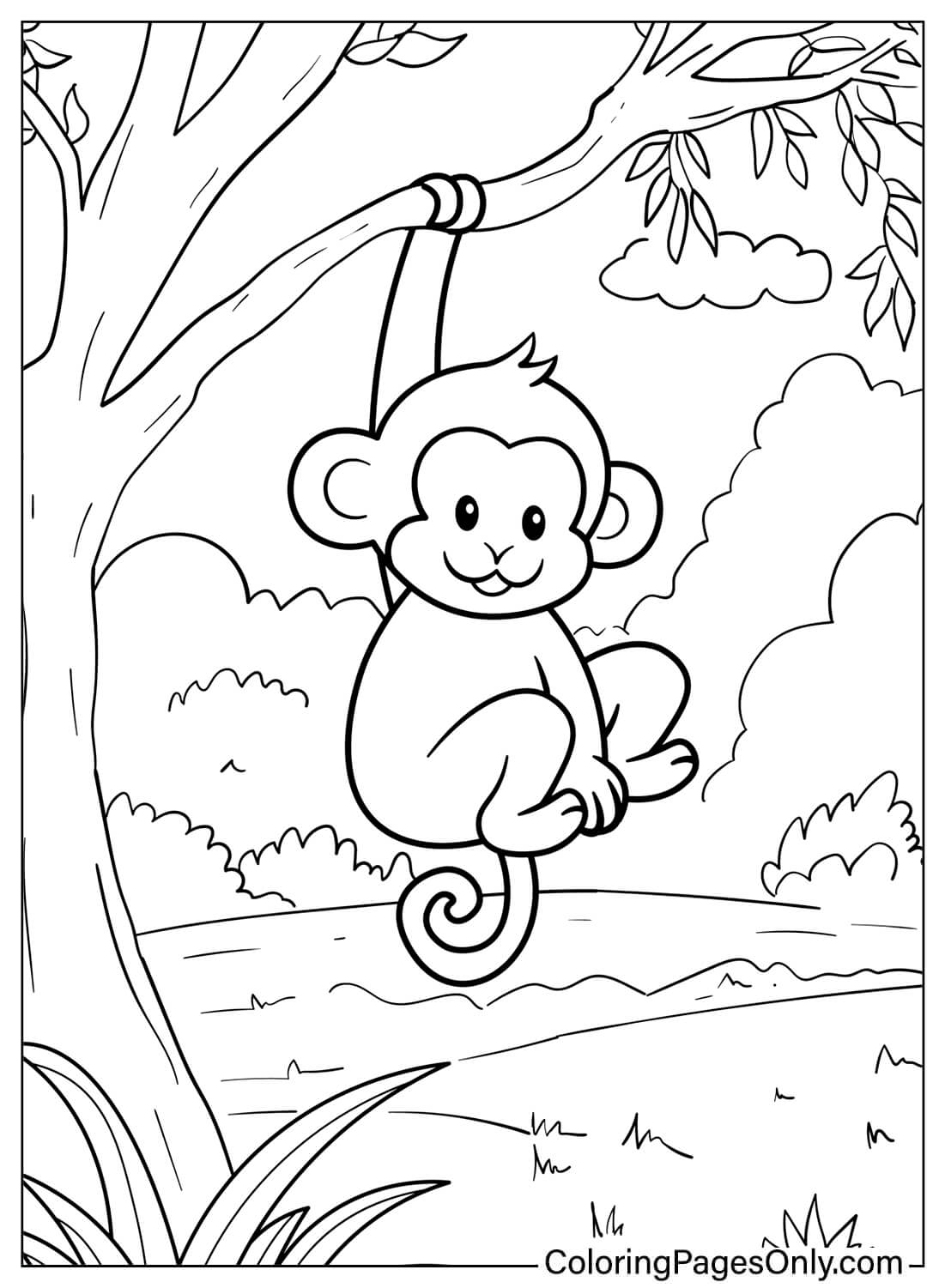
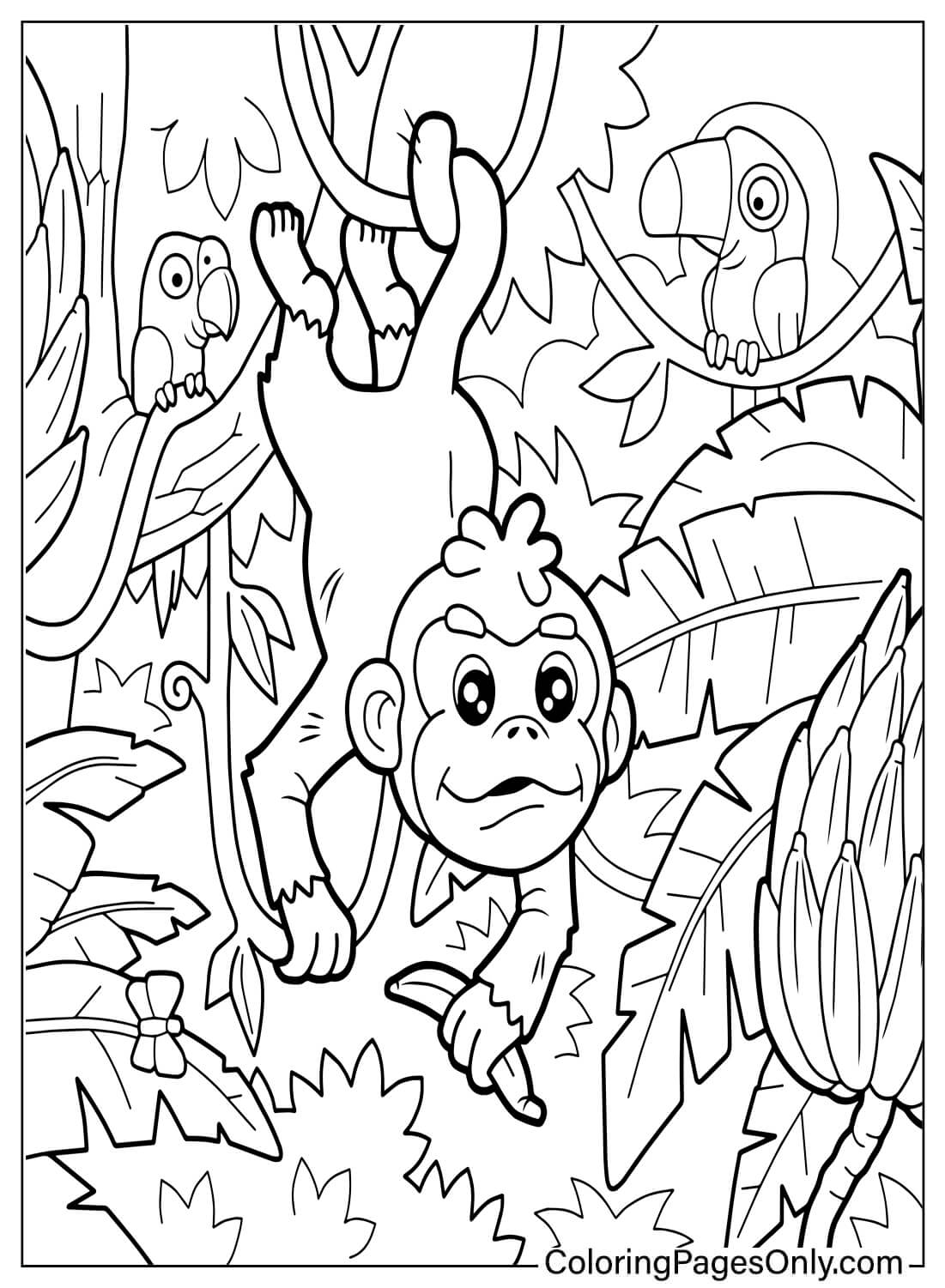
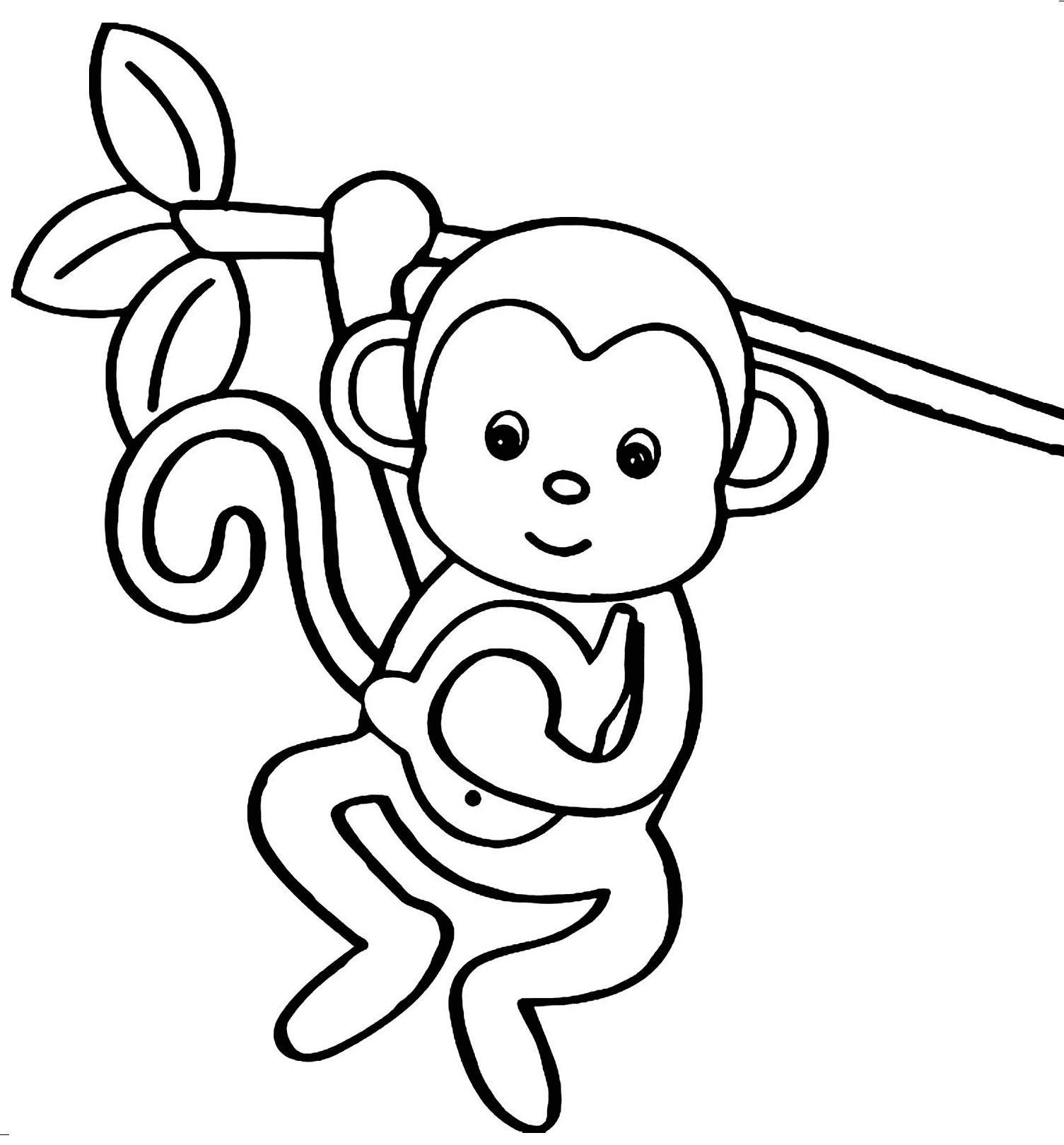
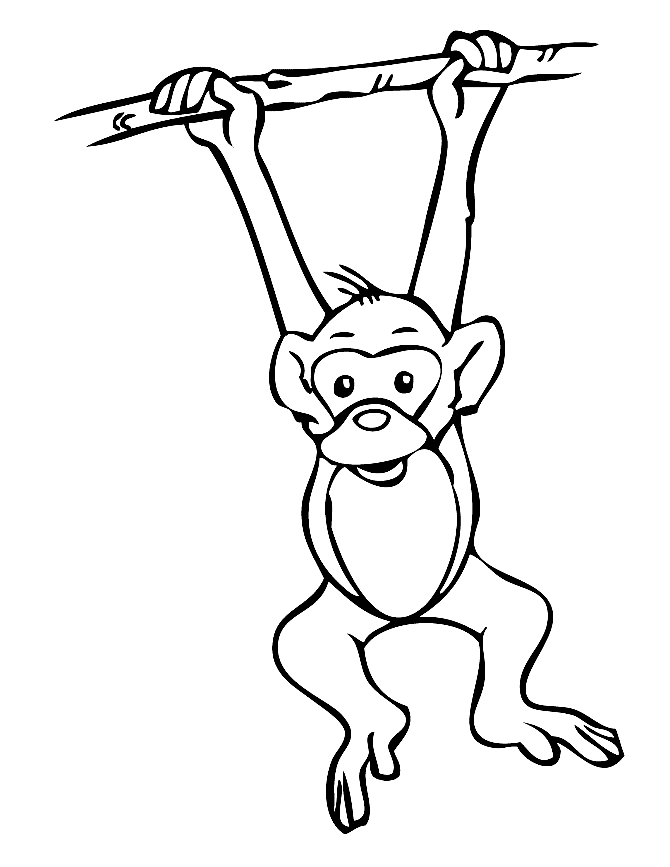
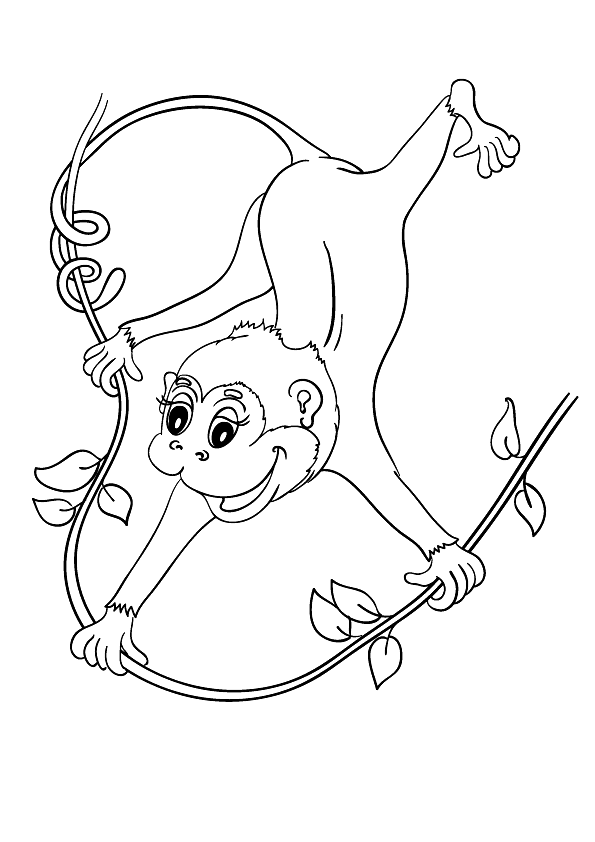
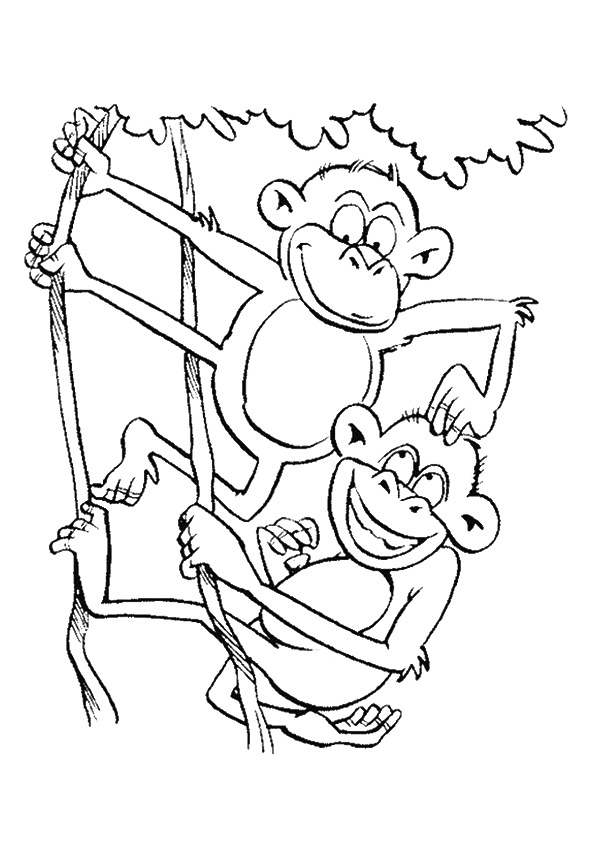
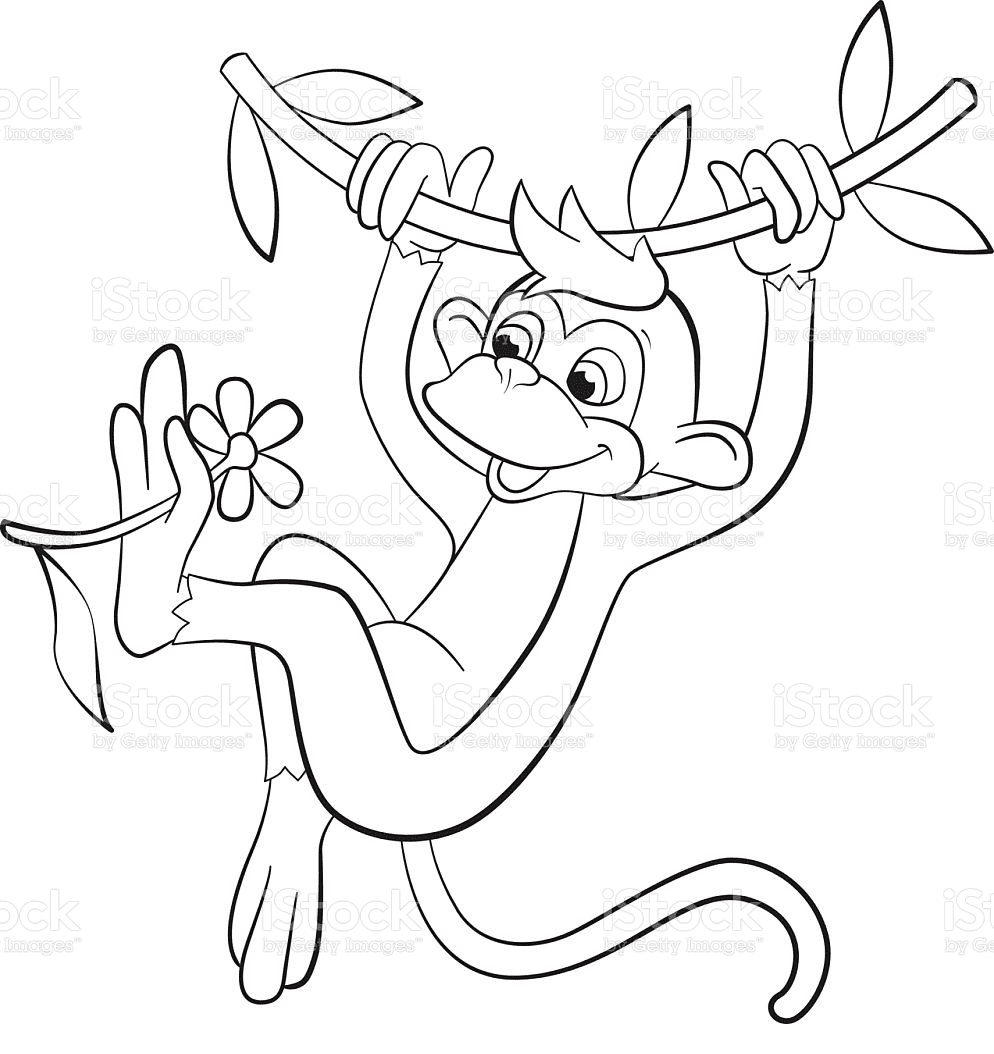
Nine pages show monkeys swinging, hanging, or perched among branches and vines. Warm browns for the monkey’s fur paired with varied greens for the foliage help these scenes feel like a real jungle setting.
Monkeys with Bananas
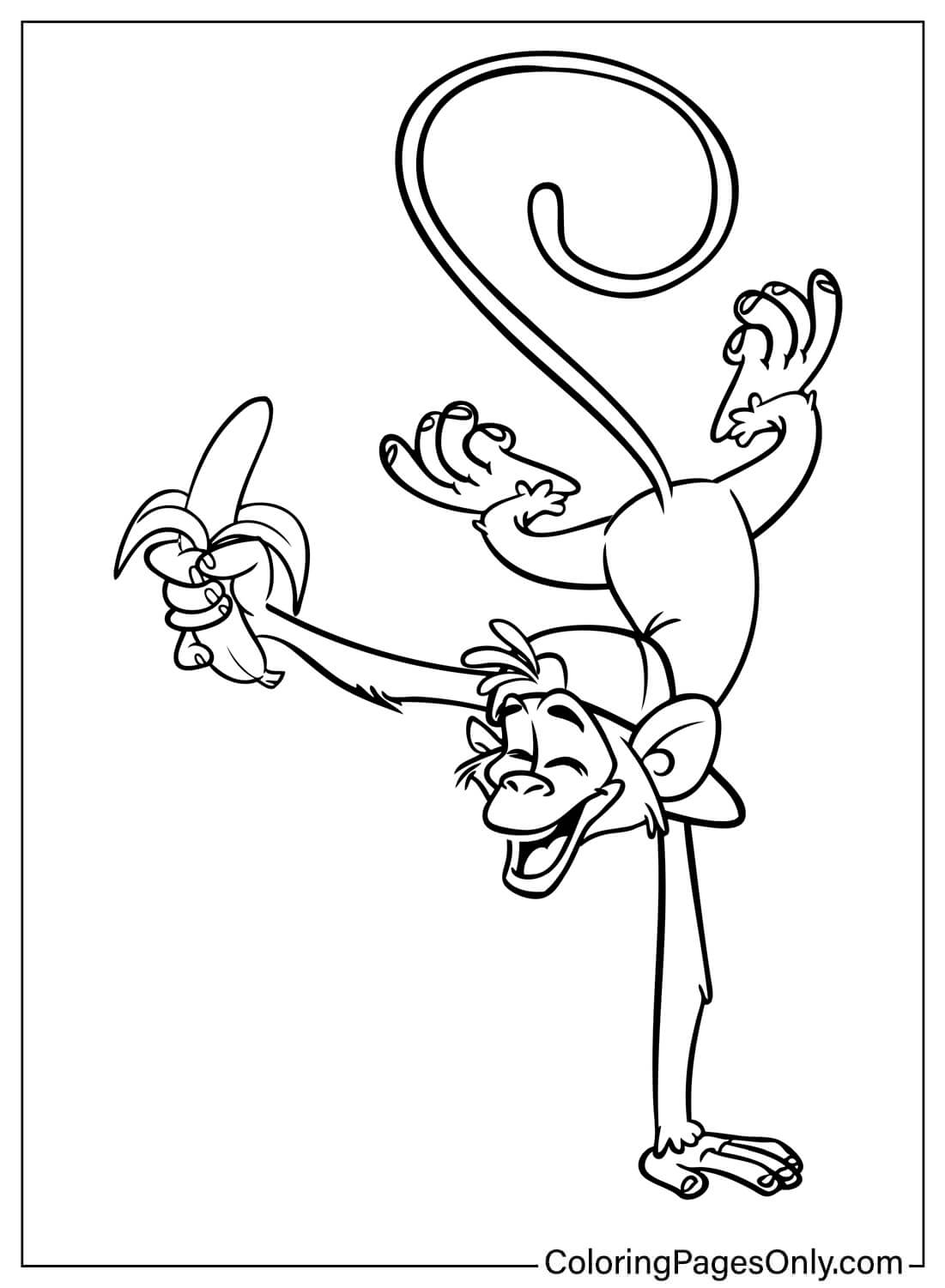
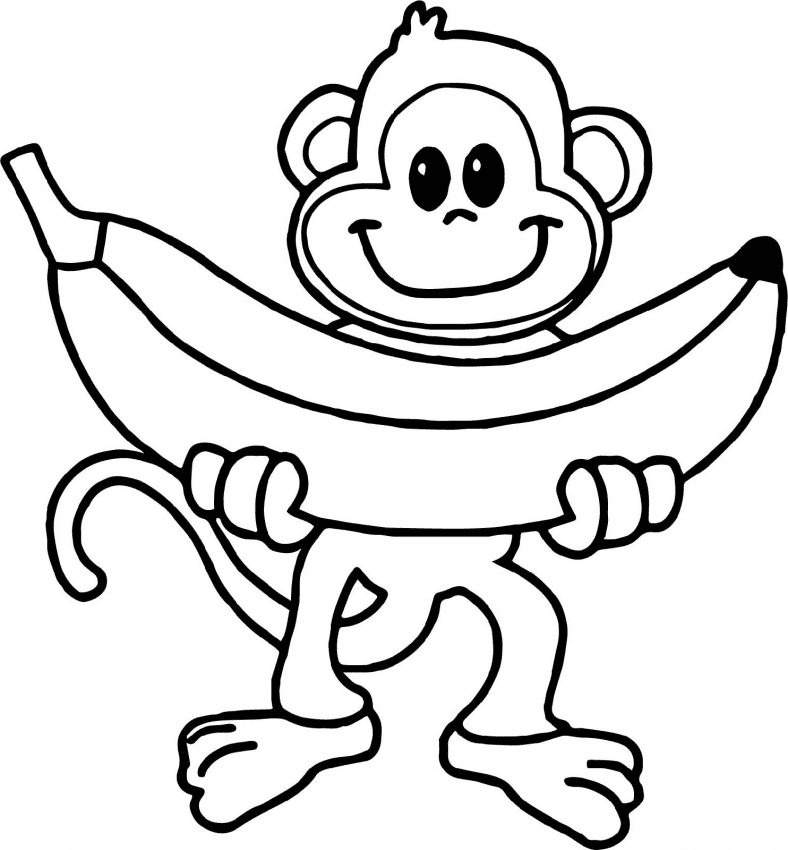
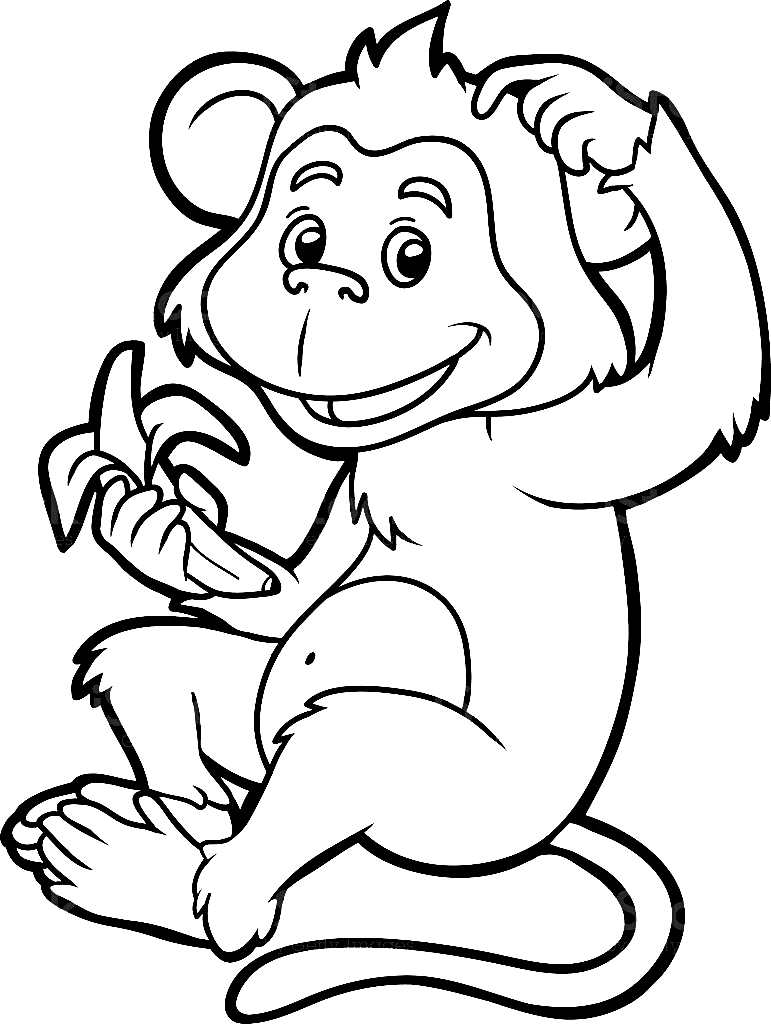
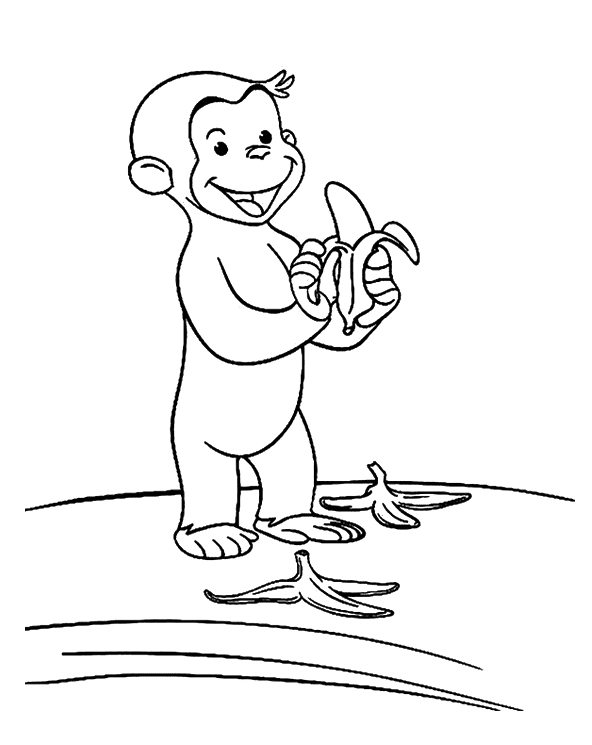
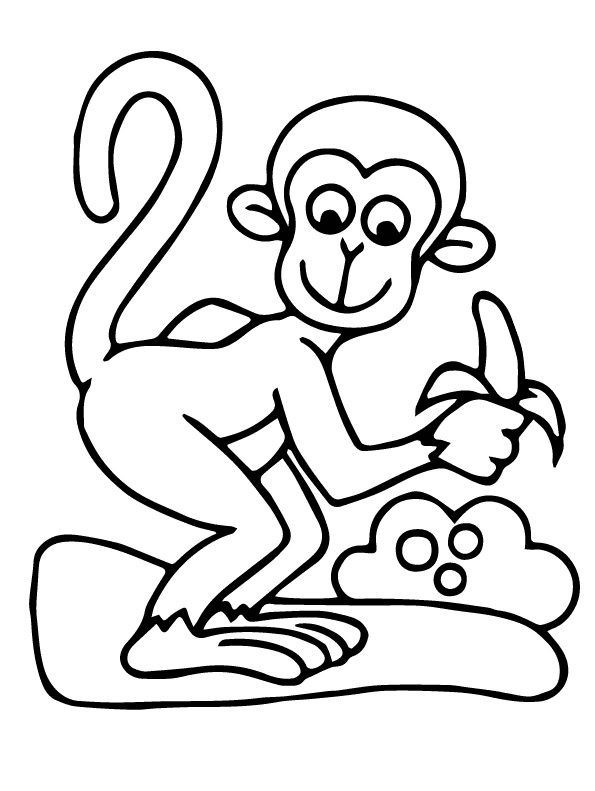
Seven pages feature a monkey holding or eating a banana, one of the most familiar images associated with the animal. A bright yellow banana against a warm brown monkey creates an easy, high-contrast focal point.
Baby Monkeys
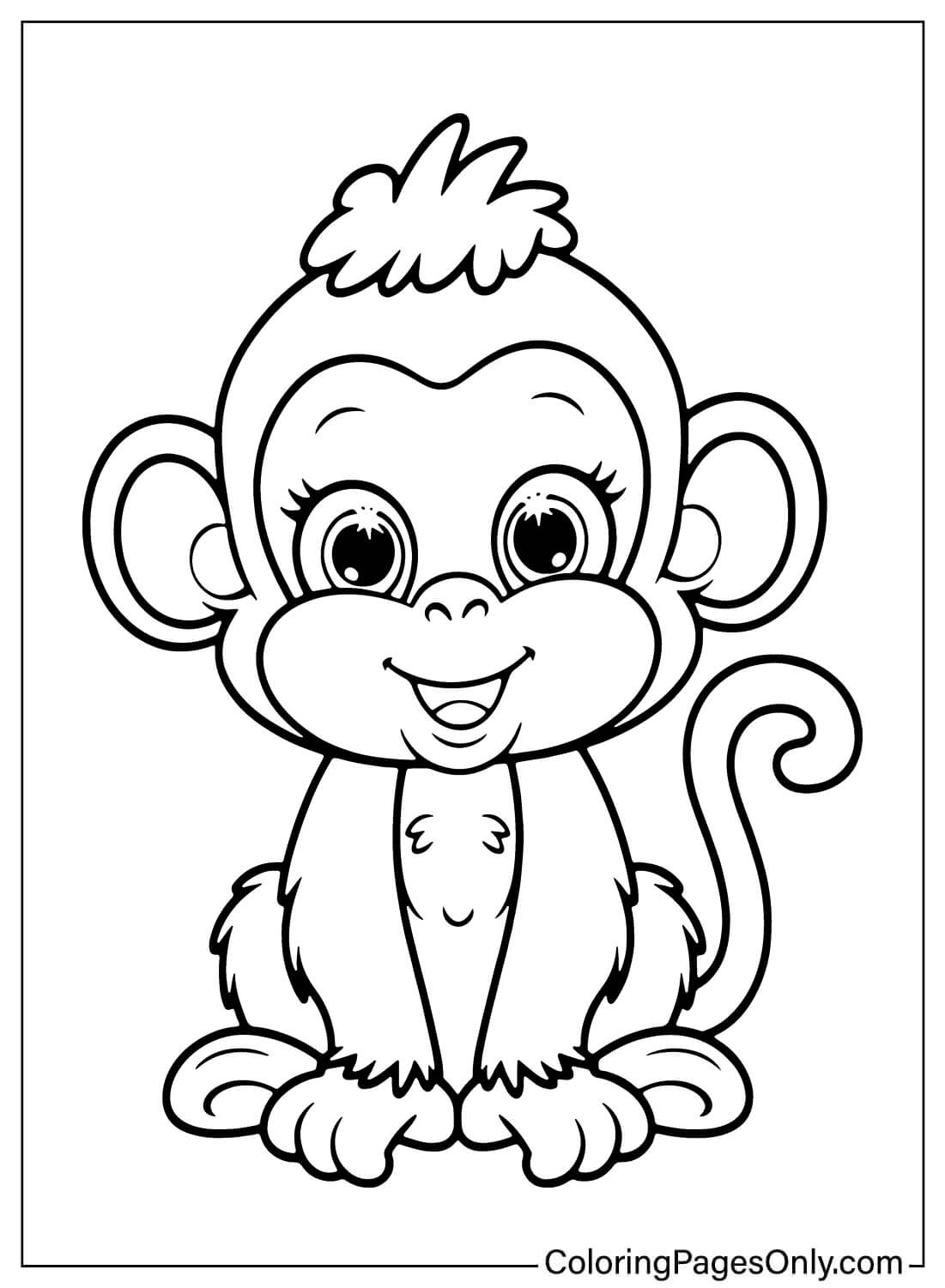
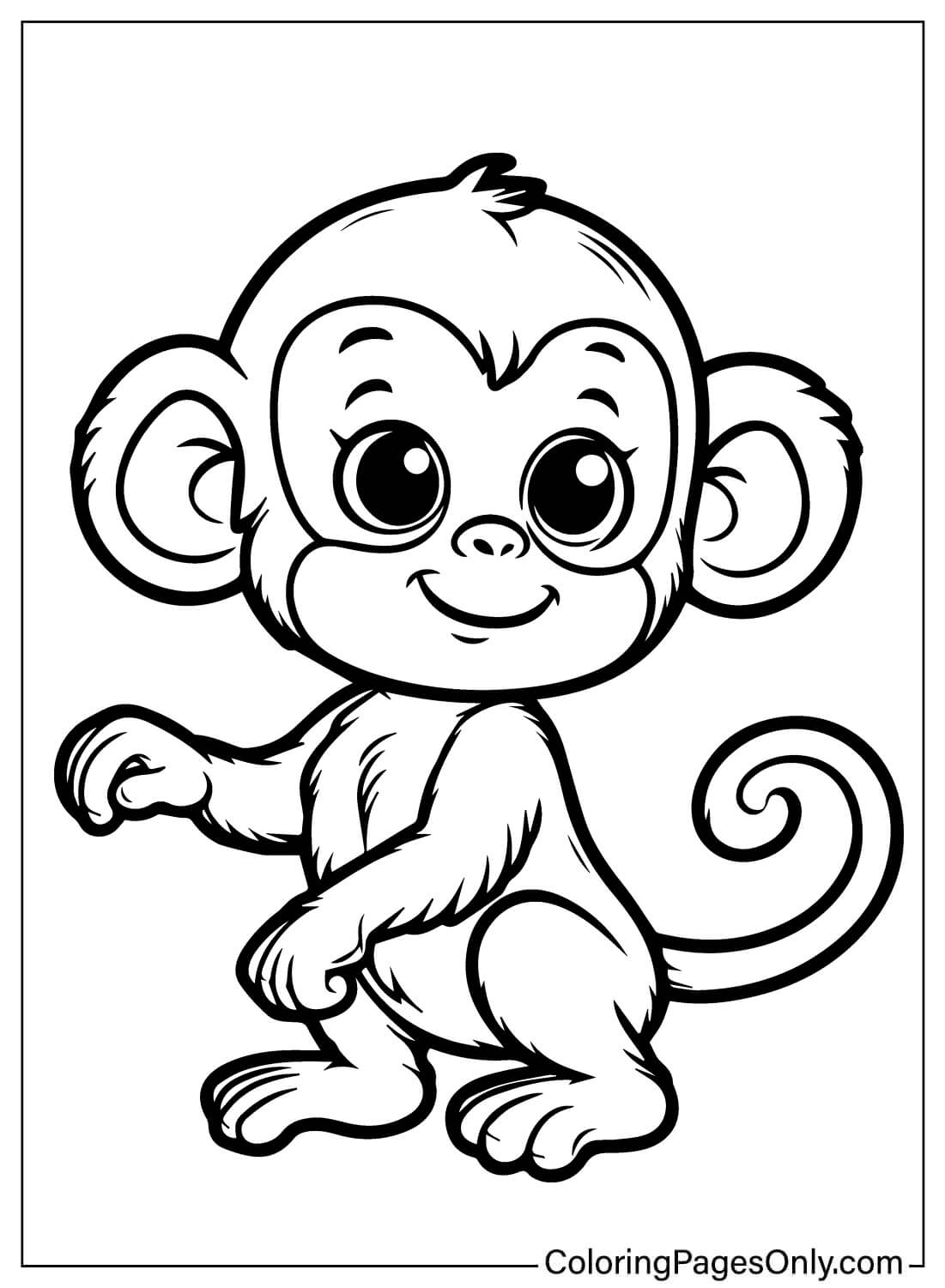
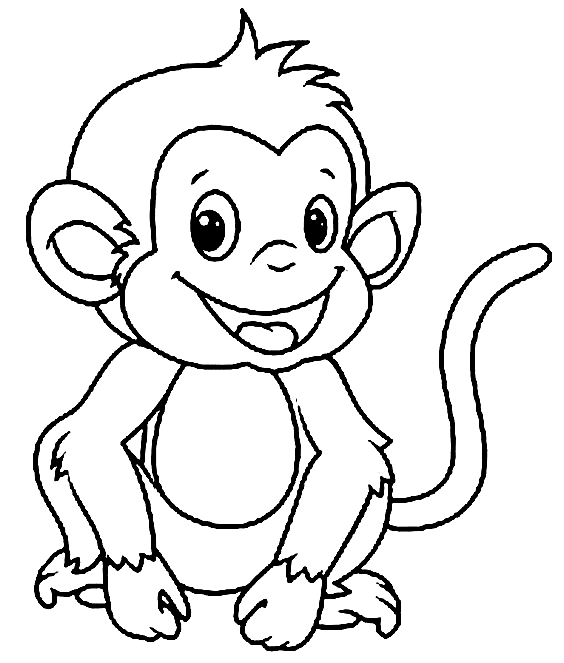
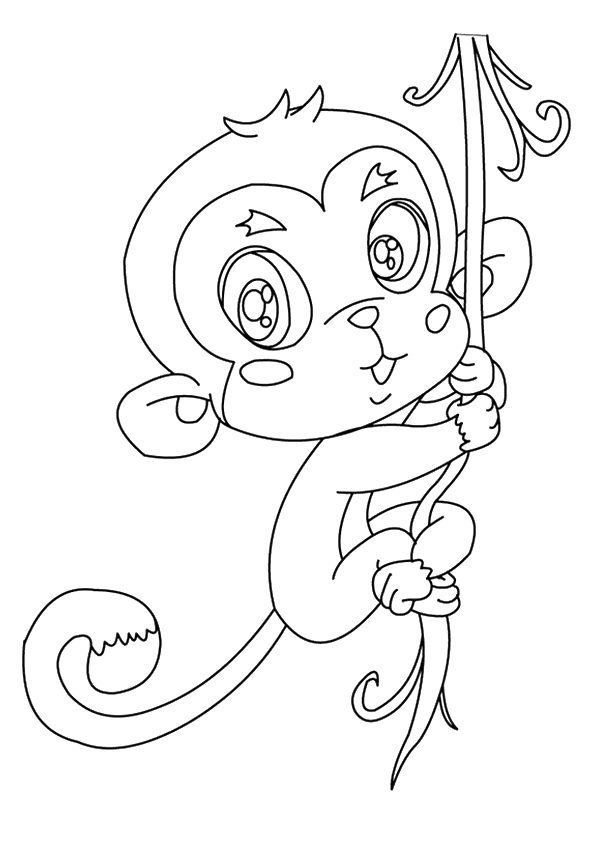
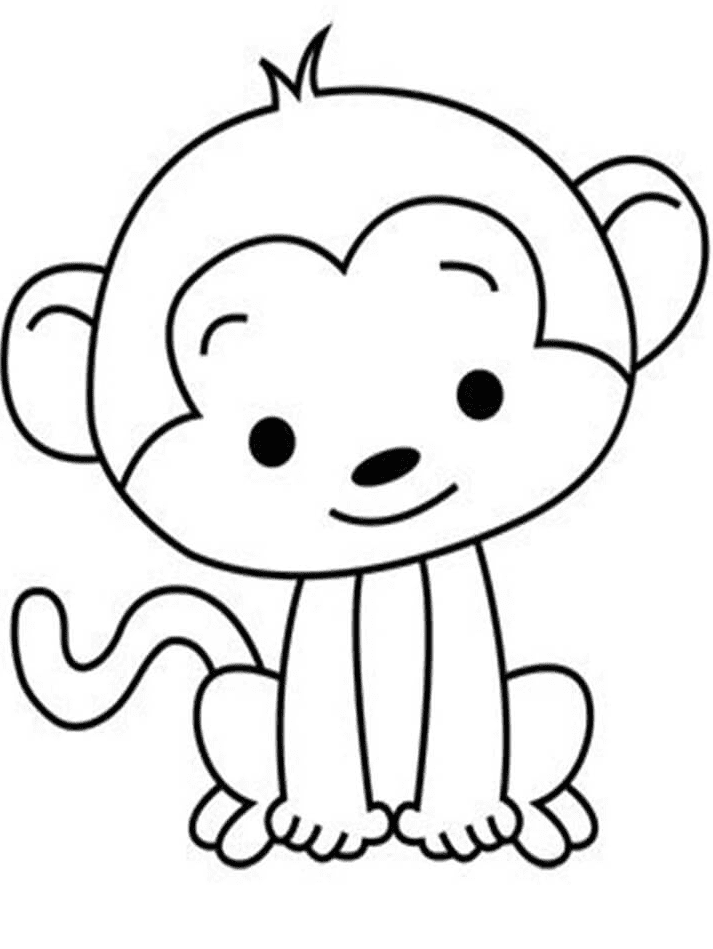
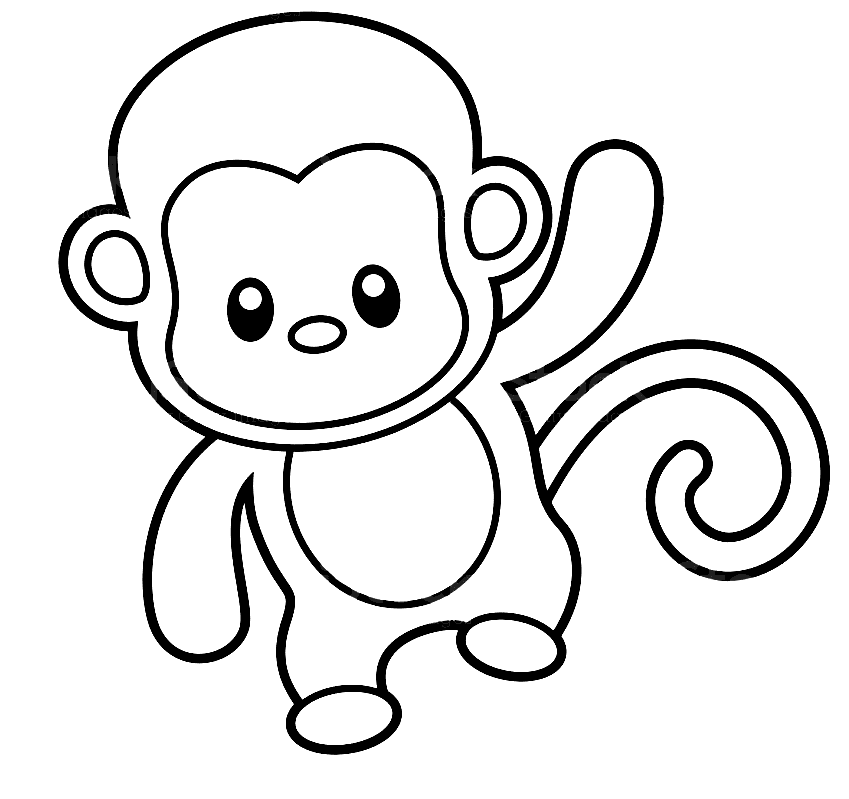
Six pages focus on smaller, younger monkeys in gentle poses. Softer, lighter shades of brown work well here, helping these designs feel distinct from the more mature monkeys elsewhere in the collection.
Expressive and Playful Poses
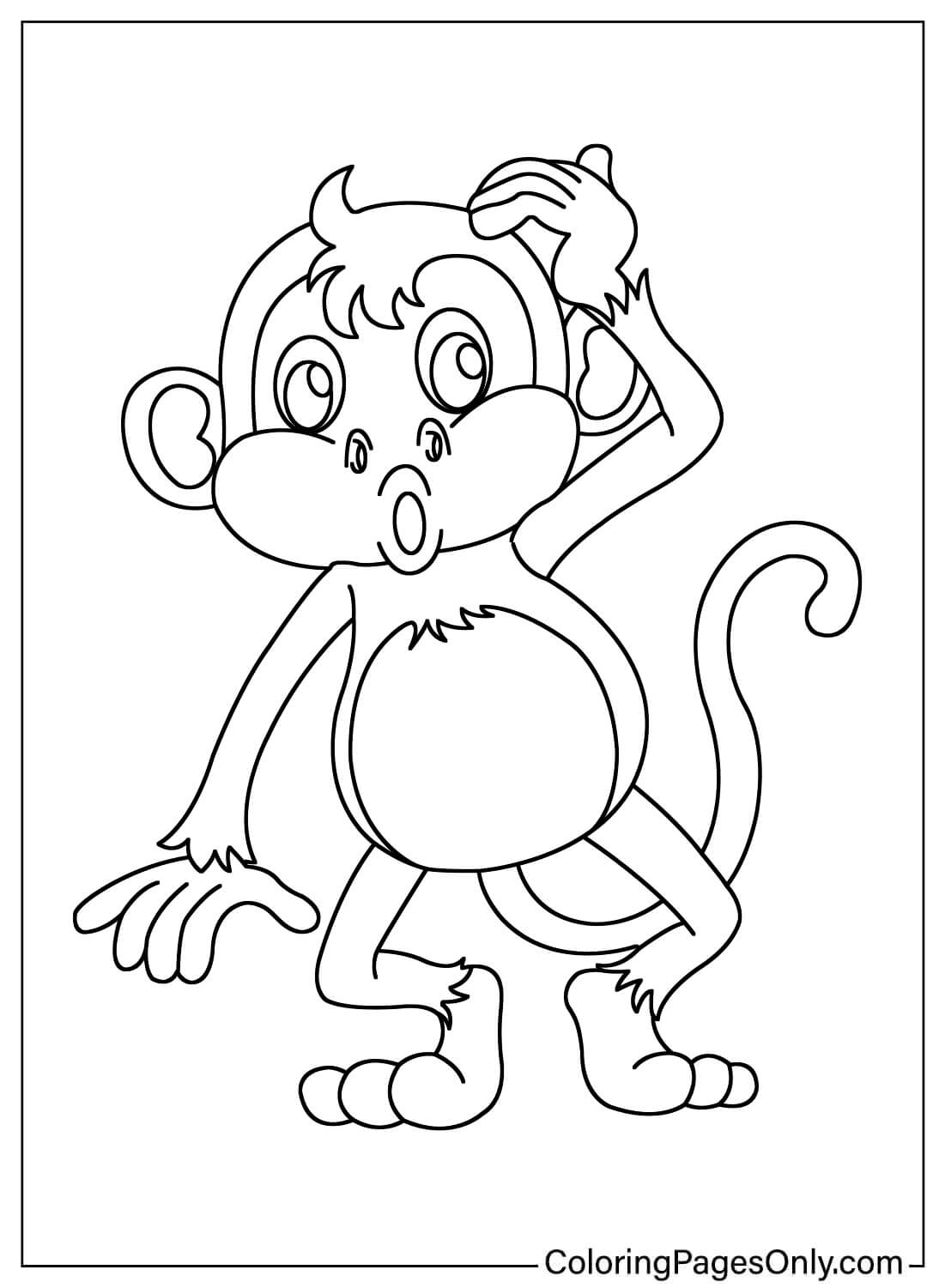
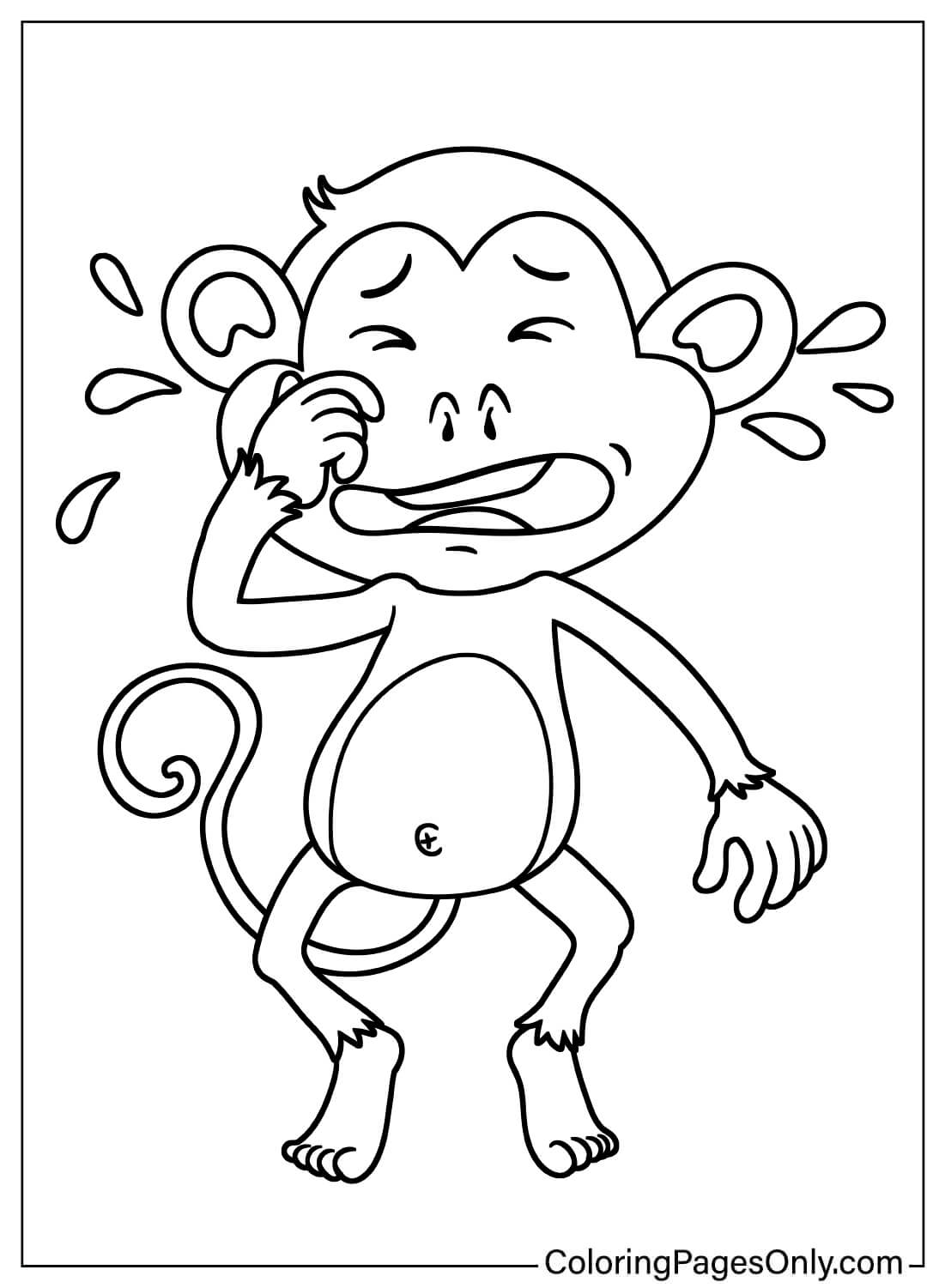
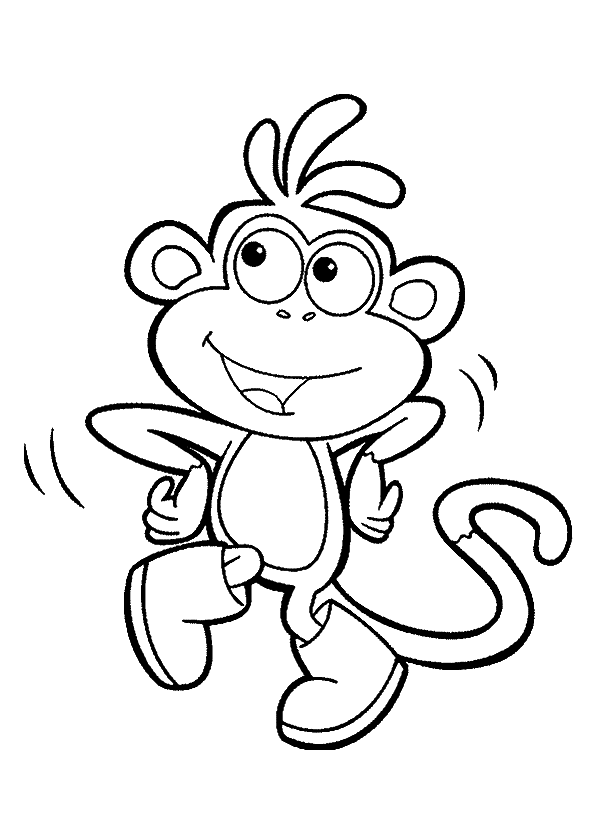
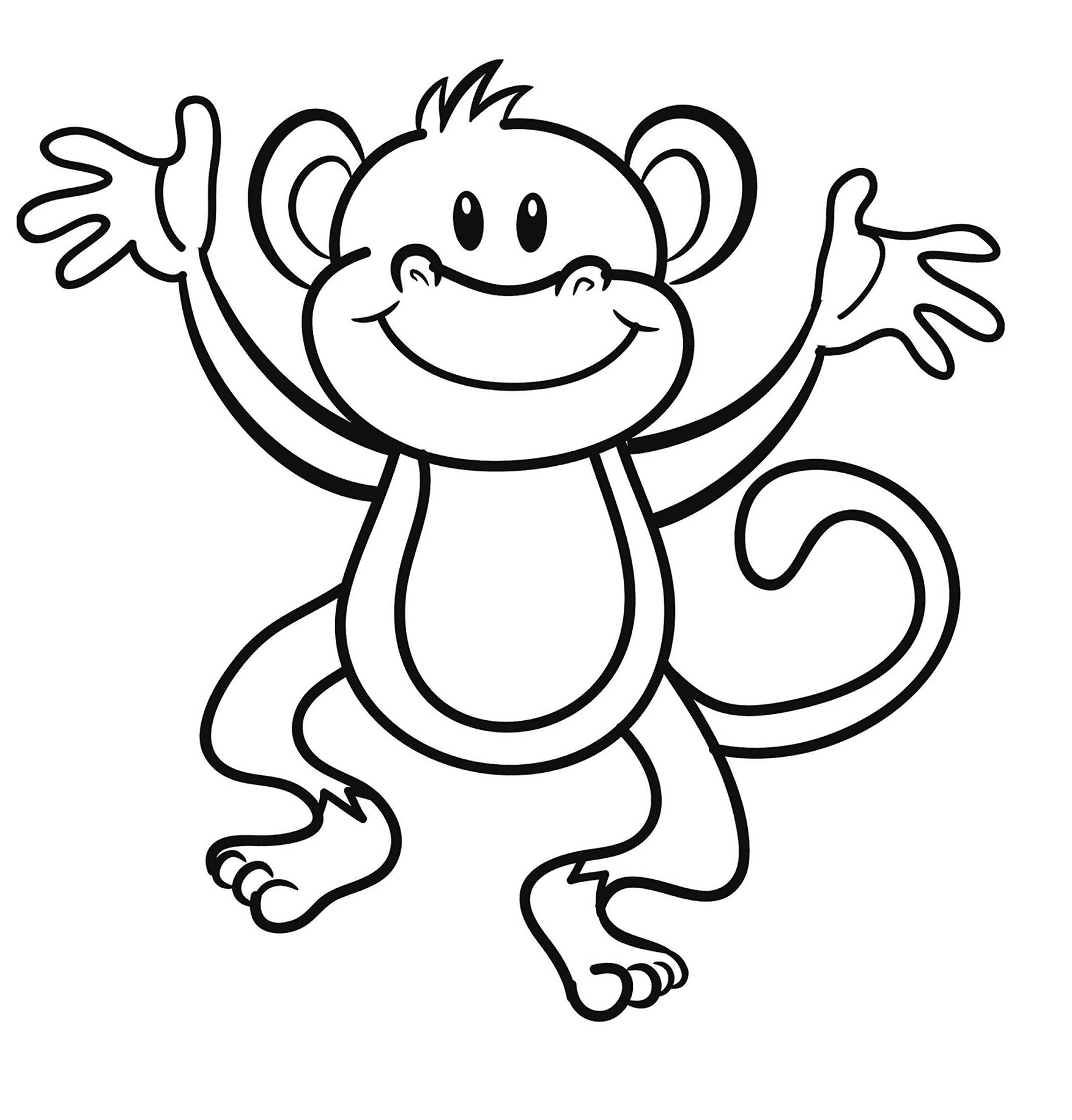
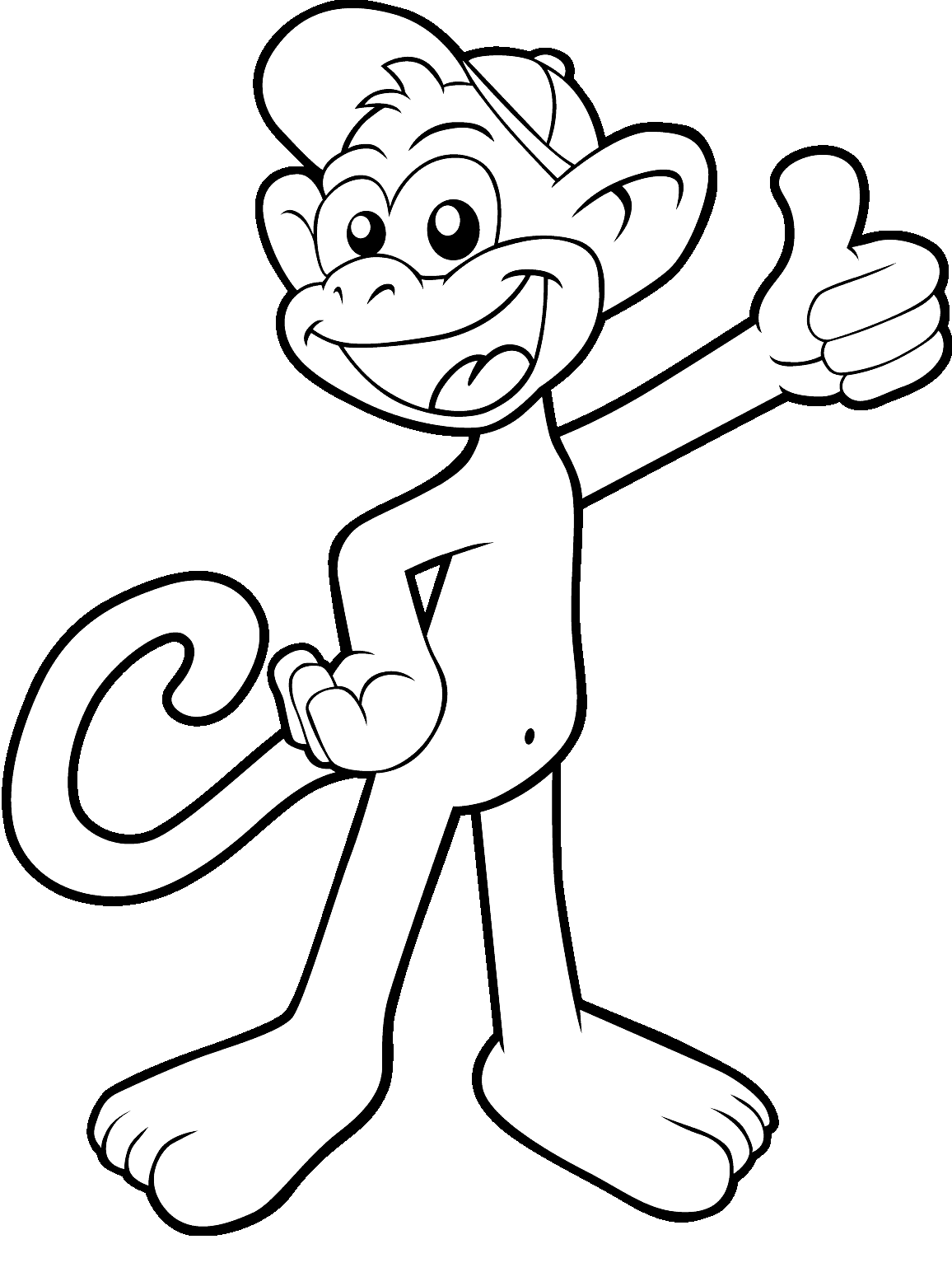
Eleven pages give monkeys a range of moods and activities, from laughing and crying to skateboarding and standing on their hands. Keep facial features simple and bold so each expression reads clearly.
Real Species and Character Crossover
Two pages step outside the cartoon style, including a design based on the real squirrel monkey and one featuring a well-known animated sidekick. Research the squirrel monkey’s natural reddish-brown and white coloring for the most accurate result.
Cute Portraits and Printable Sheets
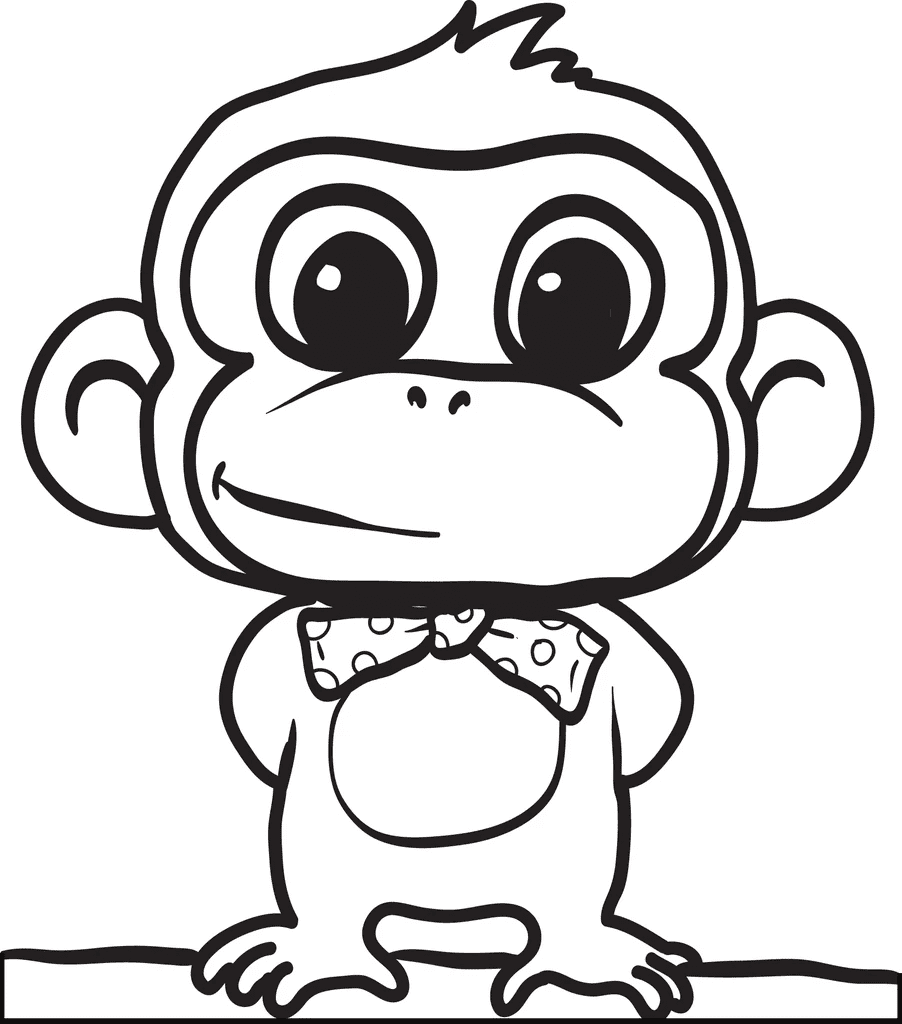
Eleven pages are sized for a quick, single-session print, most featuring a friendly, standalone monkey portrait. Two or three warm brown tones are enough here since the outlines are simple.
What Monkey Coloring Pages Do
Careful strokes for long limbs and small facial features. Filling in a monkey’s long, curling tail or its small, expressive face without crossing the lines calls for controlled, contained pencil movement, and the American Academy of Pediatrics points to this kind of precise coloring as a way to build fine motor skills in children between ages 2 and 7.
A playful way to explore a wide range of emotions. With designs ranging from laughing to crying to surprised, this collection gives kids an easy, low-pressure way to talk about different feelings and moods, using a familiar animal face as a starting point.
A steady, repeatable rhythm. A 2005 study published in the Art Therapy Journal recorded measurable drops in anxiety among participants who completed structured coloring sessions, and the bold, rounded shapes throughout this collection offer that same steady, low-pressure task.
Practice with warm, layered fur tones. A monkey’s fur often shifts between several shades of brown across its body, giving colorists a gentle way to practice layering two or three related tones rather than filling a shape with one flat color.
How to Color Monkey Coloring Pages Well
- Fur: Use a warm Brown as the base color, adding a slightly darker shade around the limbs and tail for a natural, layered look.
- Face and ears: A lighter tan or peach works well for the face and inner ears, helping these features stand out against the darker fur.
- Bananas: Bright Yellow for the fruit paired with a touch of brown at the tips creates a realistic, appetizing banana.
- Baby monkeys: Keep fur tones a shade lighter and softer than adult monkeys to help convey a younger, gentler appearance.
- Squirrel monkey: Use a reddish-brown back with a lighter, grayish-white face and chest for an accurate take on this real species.
- Jungle backgrounds: Varied greens for leaves and vines, paired with warm browns for tree trunks, help set a lush, believable jungle scene.
5 Creative Craft Ideas With Monkey Coloring Pages
1. Jungle Scene Collage
Color several monkey and tree-themed pages, cut them out, and arrange them together on a poster board to build a full jungle scene.
2. Hanging Mobile
Color several monkey designs, cut them out, and hang them at different lengths from a branch or embroidery hoop for a simple hanging mobile.
3. Bookmark
Trim a small colored monkey design to size, laminate or cover with clear tape, and punch a hole for ribbon to make a durable reading bookmark.
4. Emotion Matching Cards
Color several of the expressive monkey designs, label each one with its feeling, and use the set to play a simple emotion-matching game.
5. Greeting Card
Fold cardstock in half, mount a small colored monkey design on the front, and write a message inside for a birthday or celebration card.
Frequently Asked Questions
What are monkey coloring pages?
Monkey coloring pages are printable line-art designs featuring monkeys in the jungle and trees, monkeys with bananas, baby monkeys, expressive poses, and cute portraits. This collection includes 46 free designs available as PDFs or online coloring.
How can you tell a monkey from an ape?
The simplest way to tell them apart is to check for a tail. Nearly all of the roughly 260 known monkey species have one, while apes do not.
What is the difference between Old World and New World monkeys?
Old World monkeys are found across Africa and Asia and generally spend more time on the ground, while New World monkeys, found throughout Central and South America, tend to be smaller and spend most of their time in trees.
Why do monkeys have such flexible tails?
Many monkeys, especially New World species, use their tails to help balance and steady themselves while climbing and moving through trees.
Do all monkeys eat bananas in the wild?
Not necessarily as a primary food source. While bananas are a familiar image associated with monkeys, wild monkeys eat a varied diet of fruit, leaves, seeds, nuts, and flowers, depending on the species and habitat.
What is a squirrel monkey?
The squirrel monkey is a small New World monkey native to the rainforests of Central and South America, known for its reddish-brown fur and lighter face and chest.
Are monkey coloring pages suitable for young children?
Yes. The simple, printable designs in this collection use bold, uncluttered outlines suited to preschool and early elementary colorists. At the same time, the more detailed jungle scenes work well for older children.
What colors work best for a monkey?
Warm brown for the fur paired with a lighter tan or peach for the face and inner ears creates the most recognizable, natural monkey look.
Start Coloring
Download any page by clicking the design. No account, email, or payment is required. Pages print directly from the browser at full resolution or open in the online coloring tool for screen use. Share finished pages on Facebook or Pinterest with the share buttons at the top of each design page.