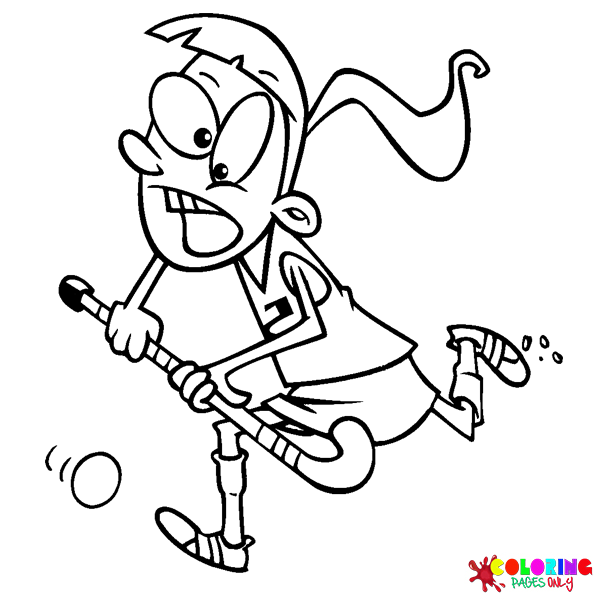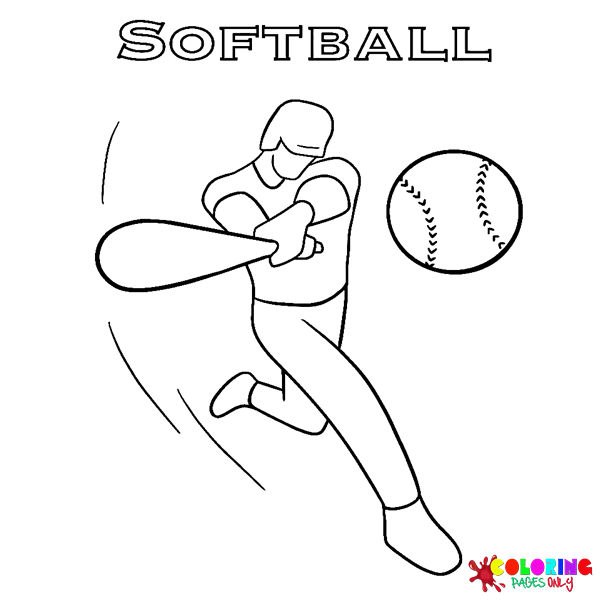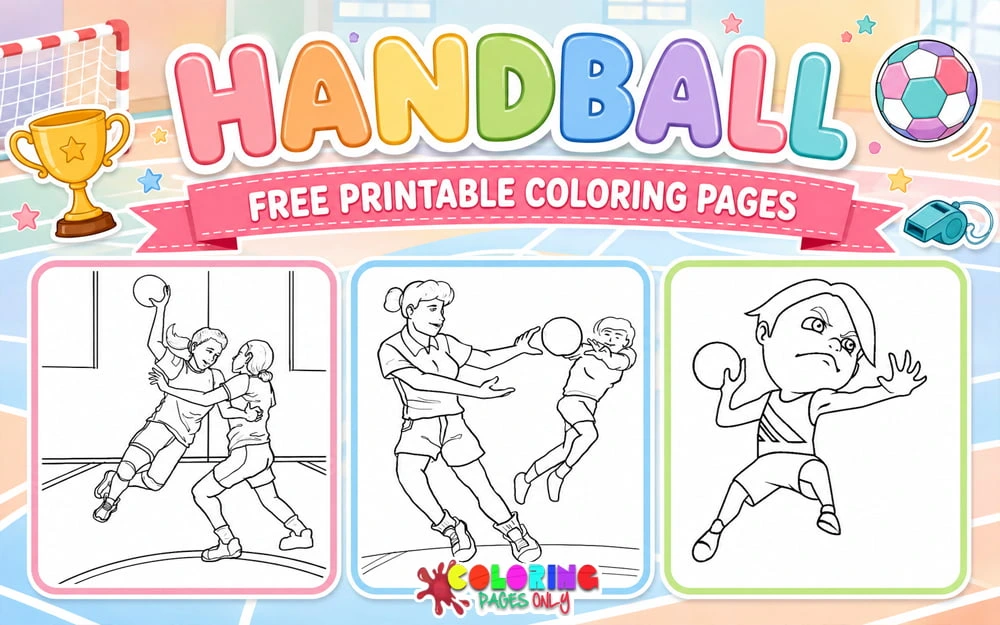
Free Handball Coloring Pages: 24 printable PDF designs featuring boys, girls, men, and women throwing and catching, a full handball match, close-ups of the ball, a connect-the-dots player, and a few dodgeball pages. Print copies for gym class or color them right inside the browser.
Team handball is a fast indoor sport in which two teams of seven players pass a small ball with their hands and try to throw it past the goalkeeper into a net. It looks a little like soccer played with hands and a little like basketball without dribbling limits, since players can take only three steps while holding the ball. The game took shape in northern Europe in the early 1900s and is now one of the most popular team sports in countries such as Denmark, France, Germany, and Spain. In the United States, many kids first try it in PE class, where it’s quick passes and frequent goals that keep everyone moving.
Single players and the ball itself give little kids big shapes to fill, while the match scene and connect-the-dots page offer older students more of a challenge.
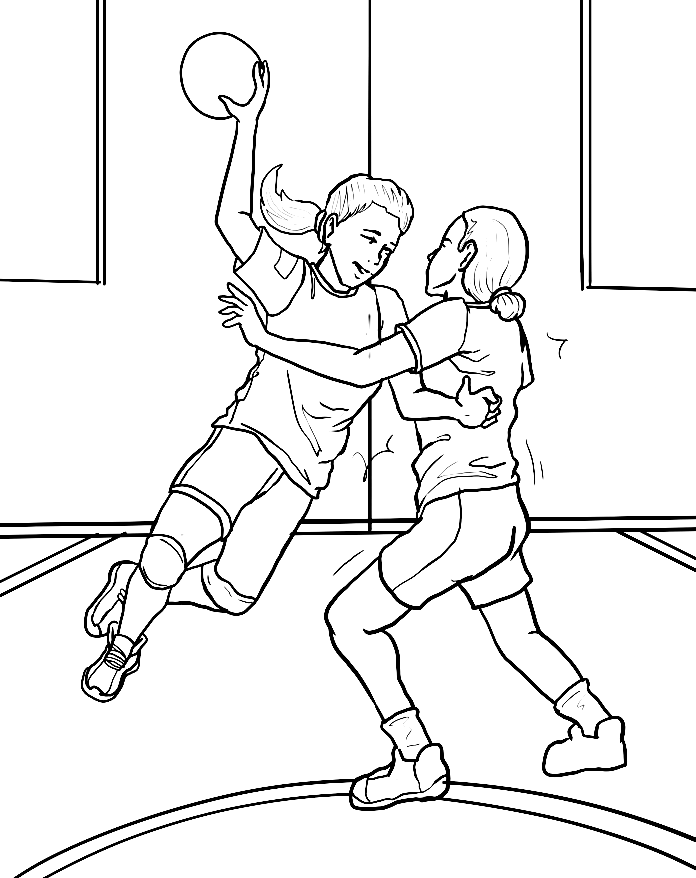
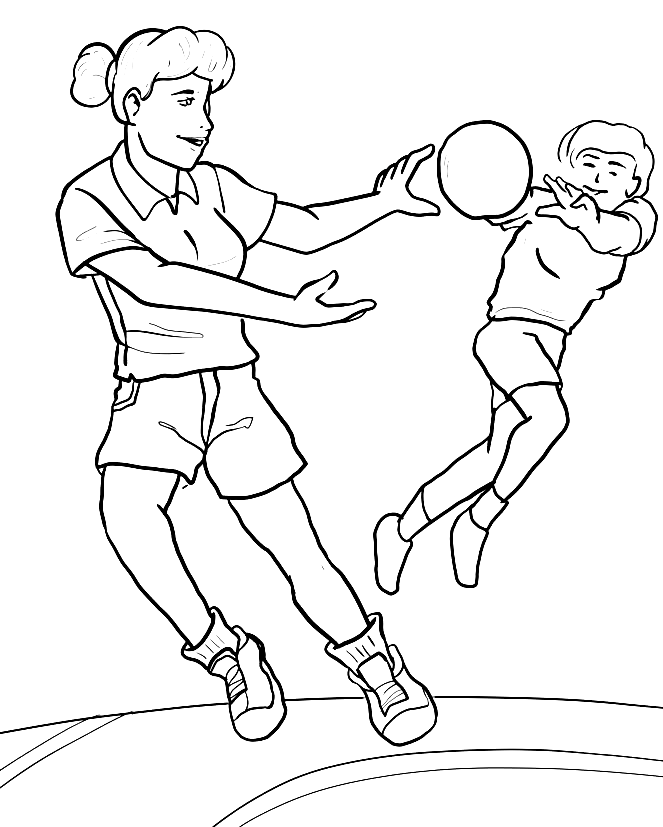
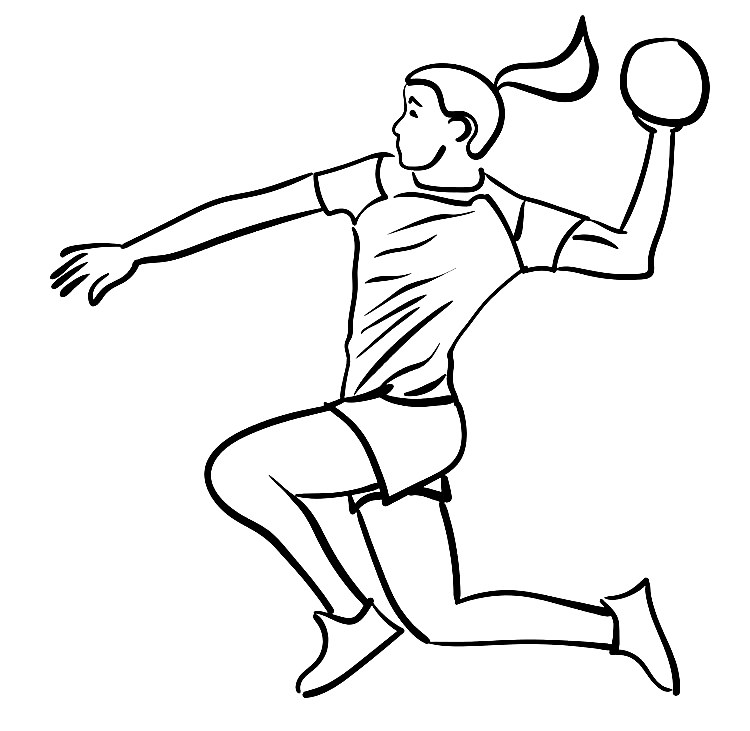
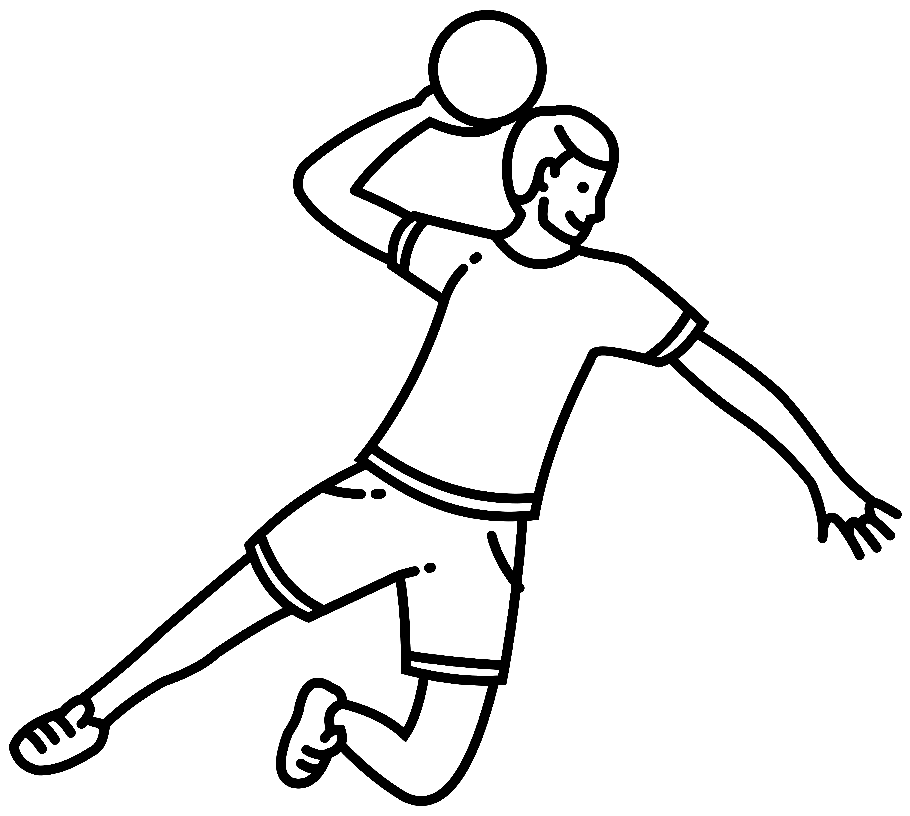
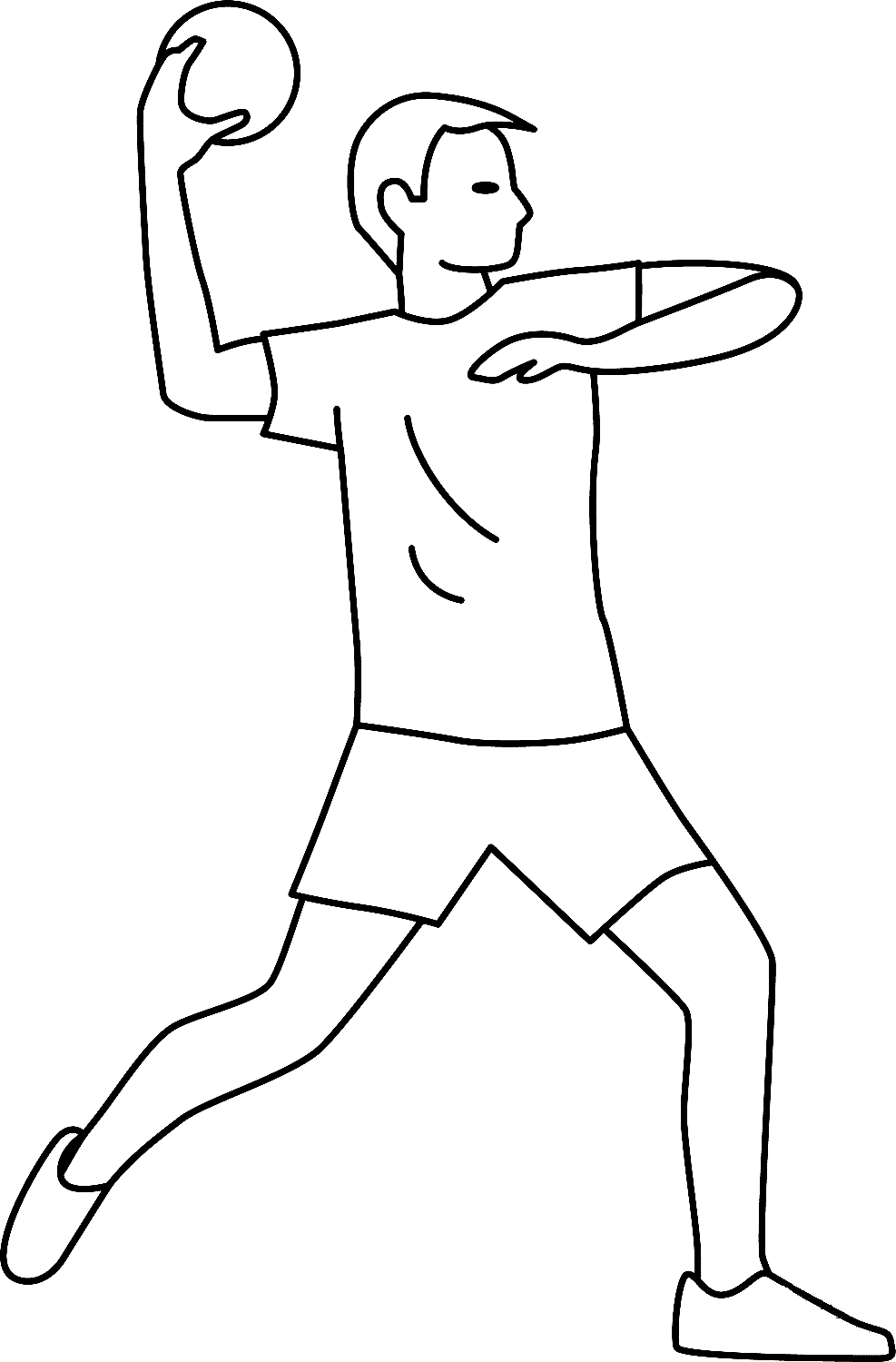
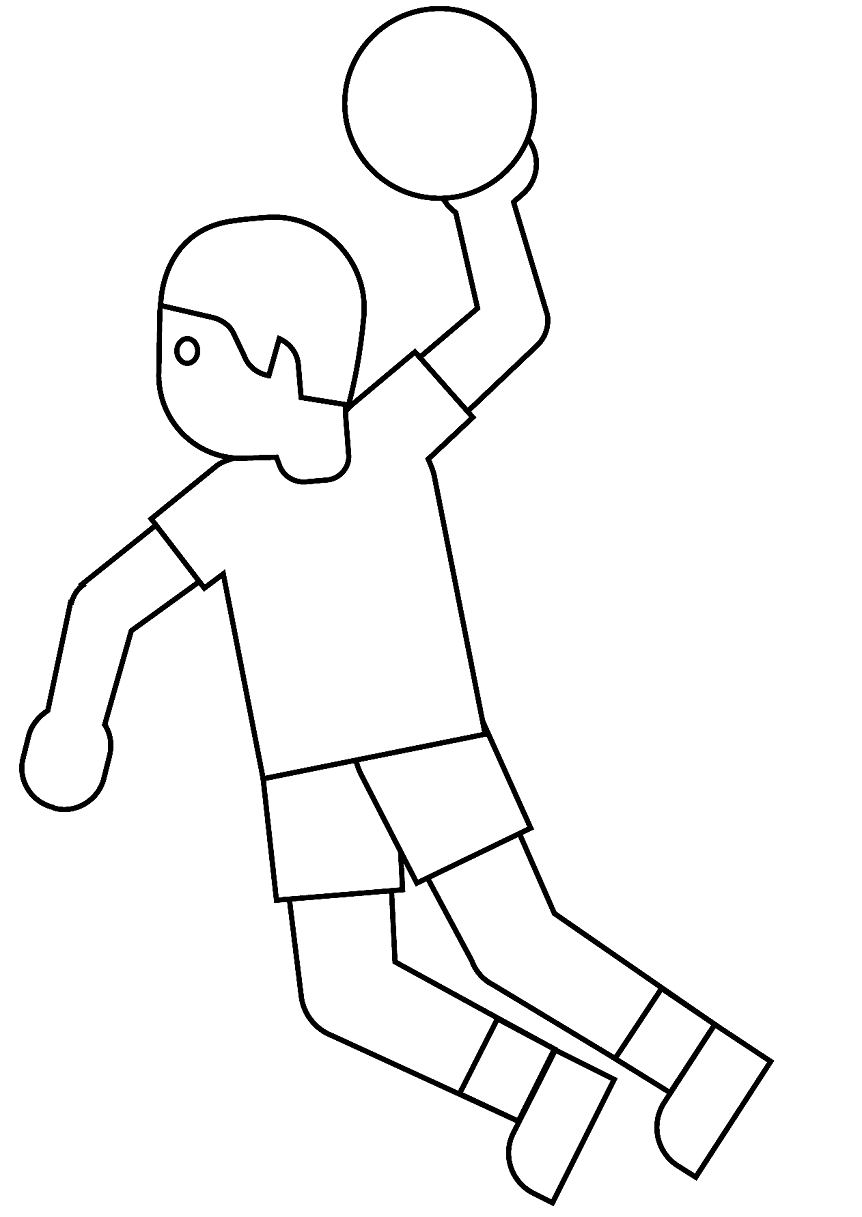
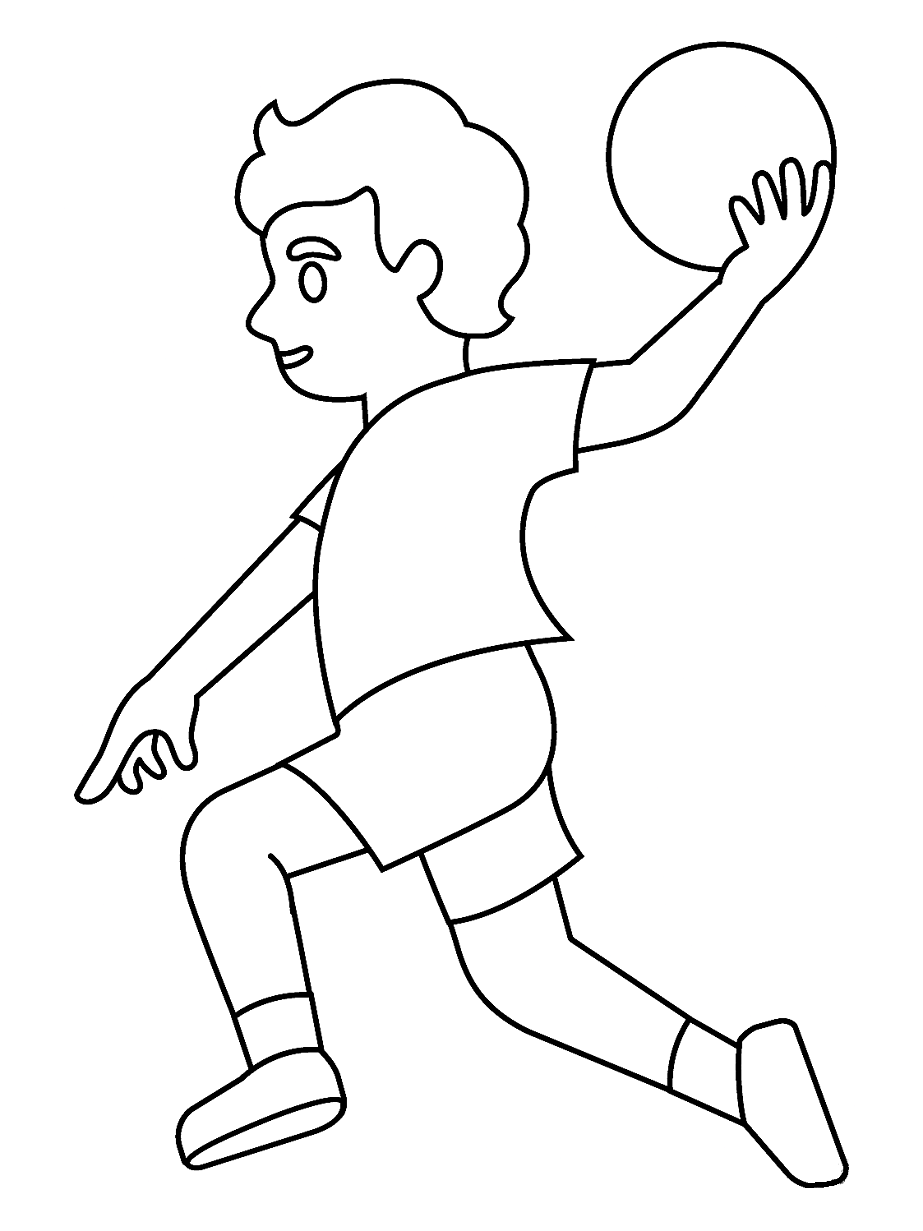
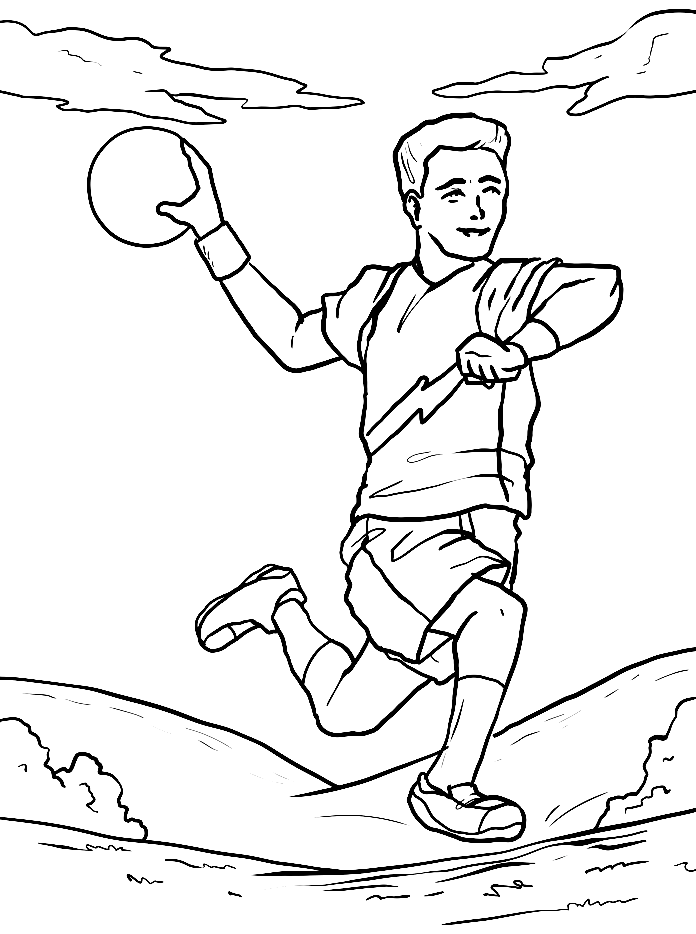

What’s Inside This Collection
Players in action, kids on the court, game scenes and equipment, and dodgeball pages make up the 24 sheets.
Players in Action
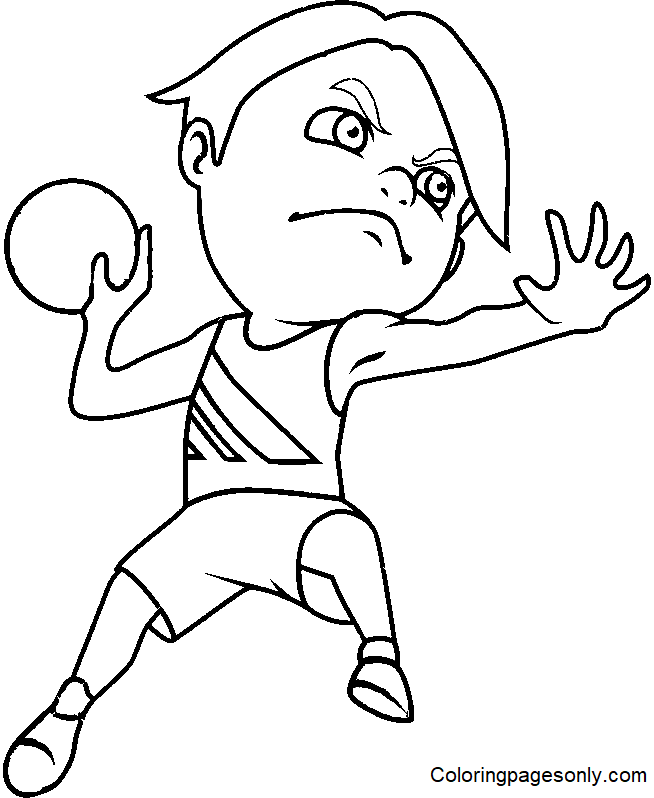
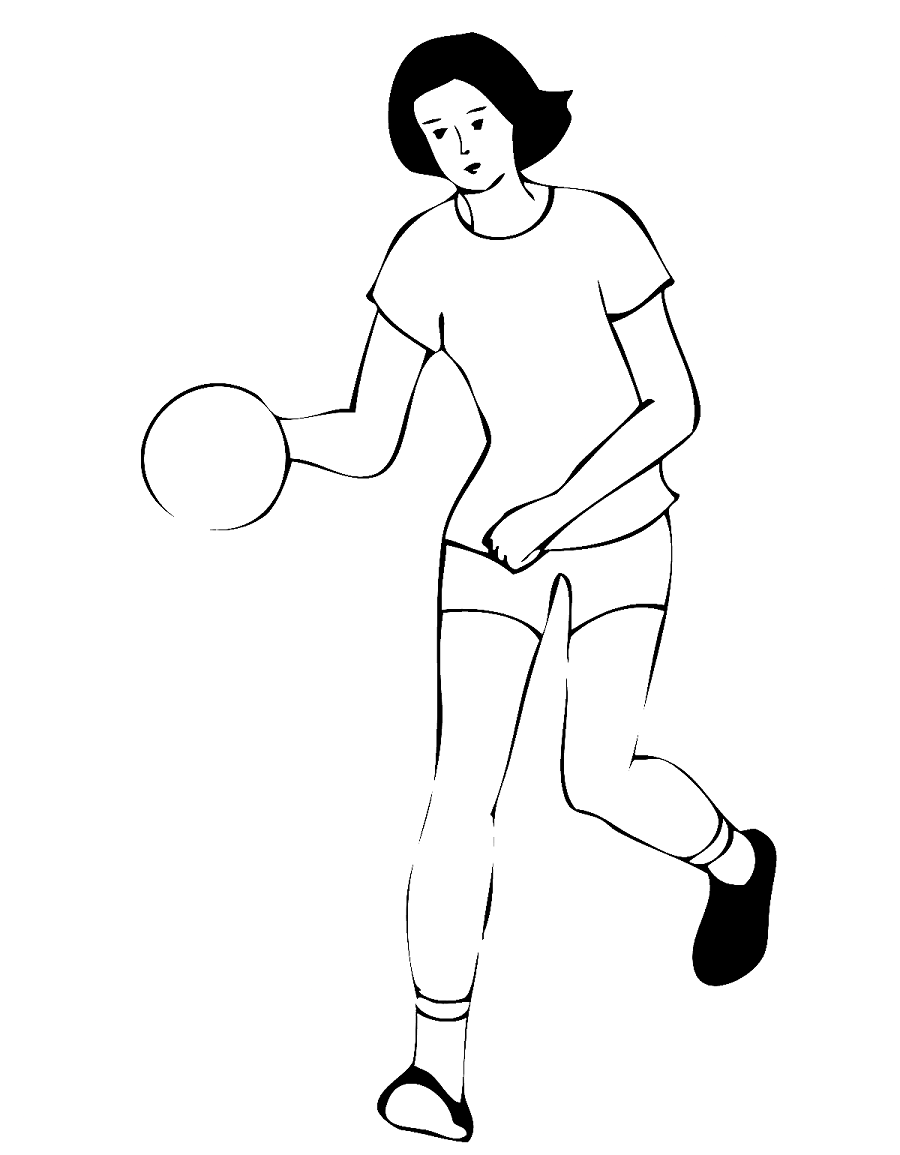
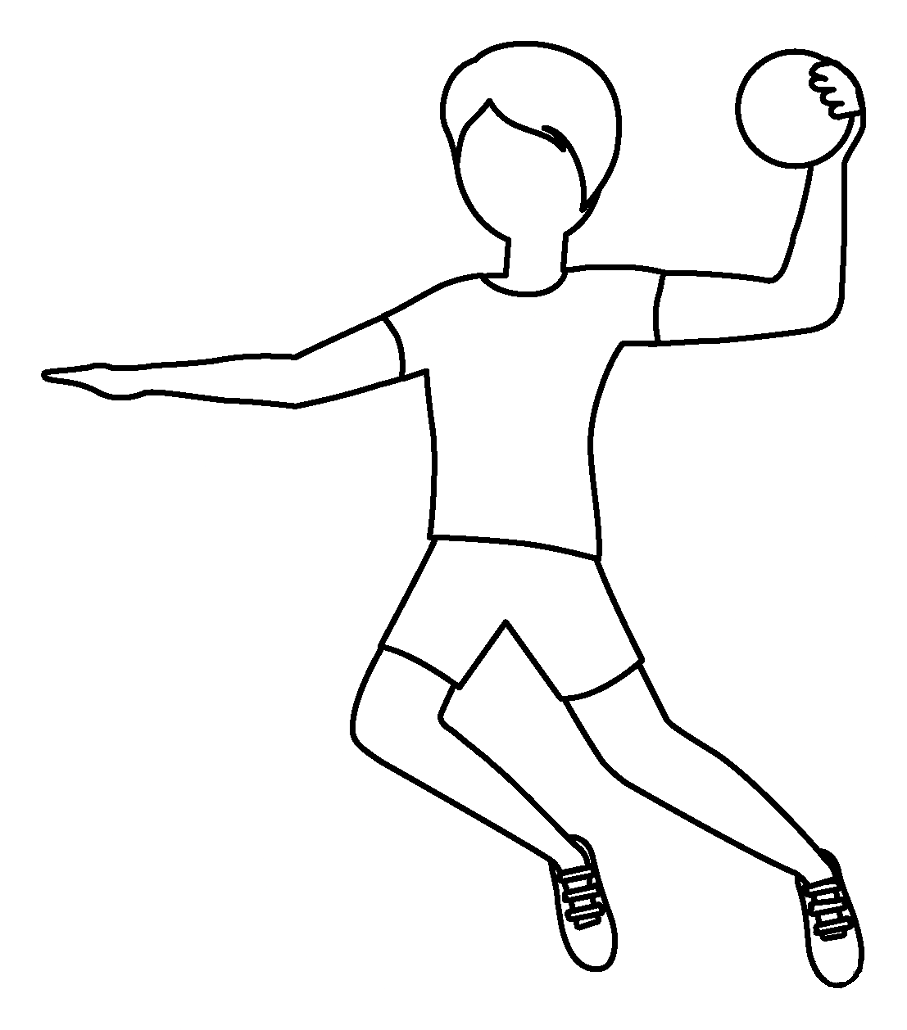
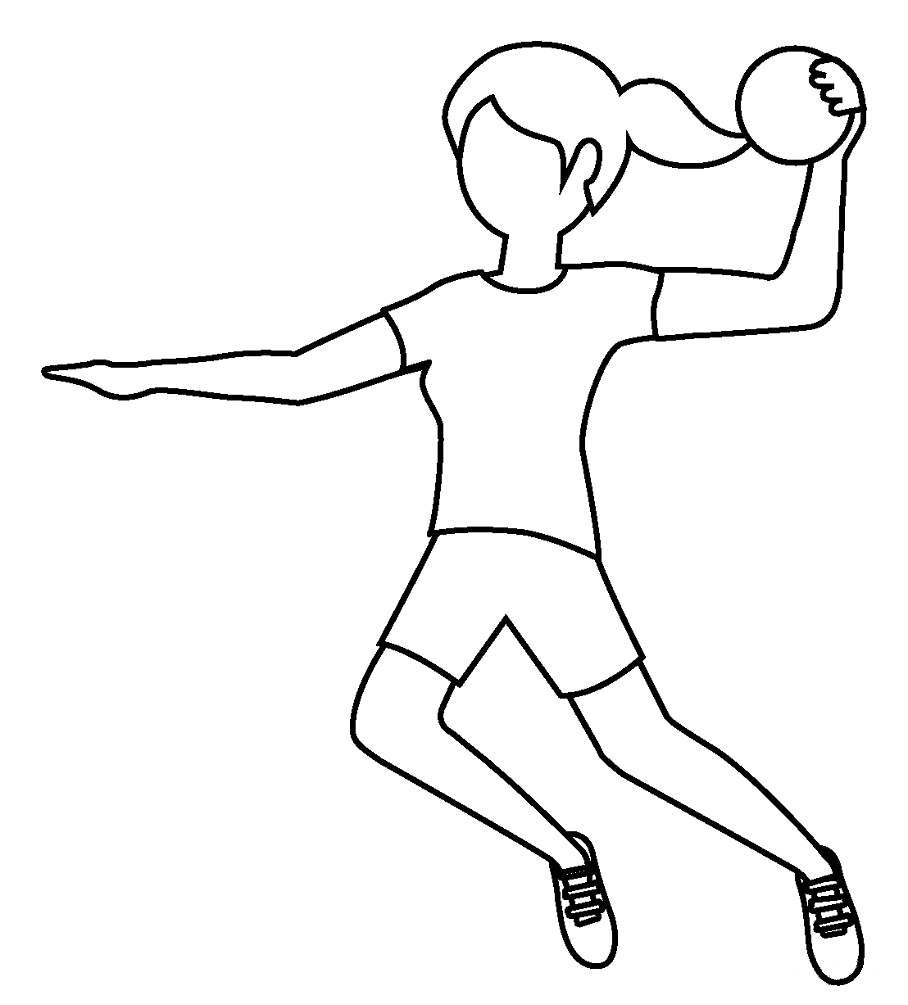
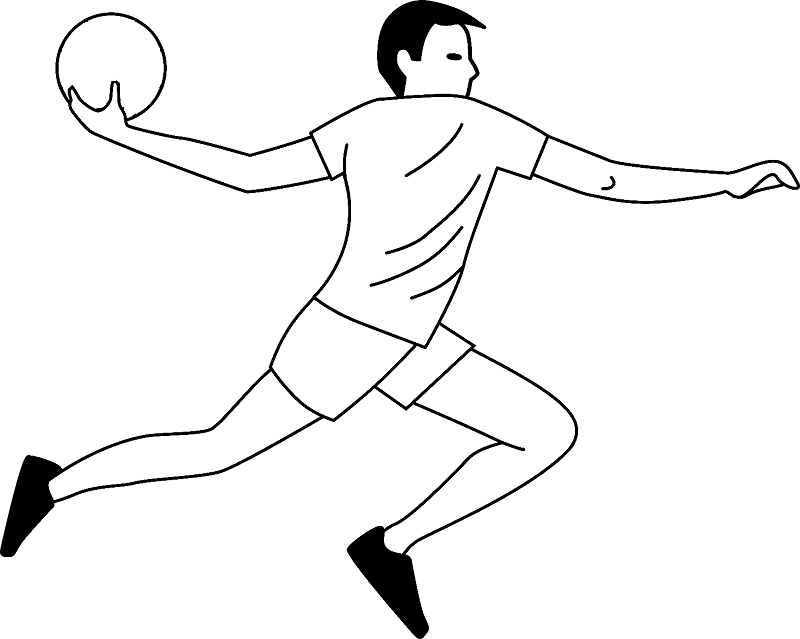
Men and women leap, wind up, and fire shots toward the goal, with pages like Woman Handball Player showing a powerful jump throw. Pick one strong jersey color, such as Royal Blue or Scarlet, and add a White number on the back.
Kids on the Court
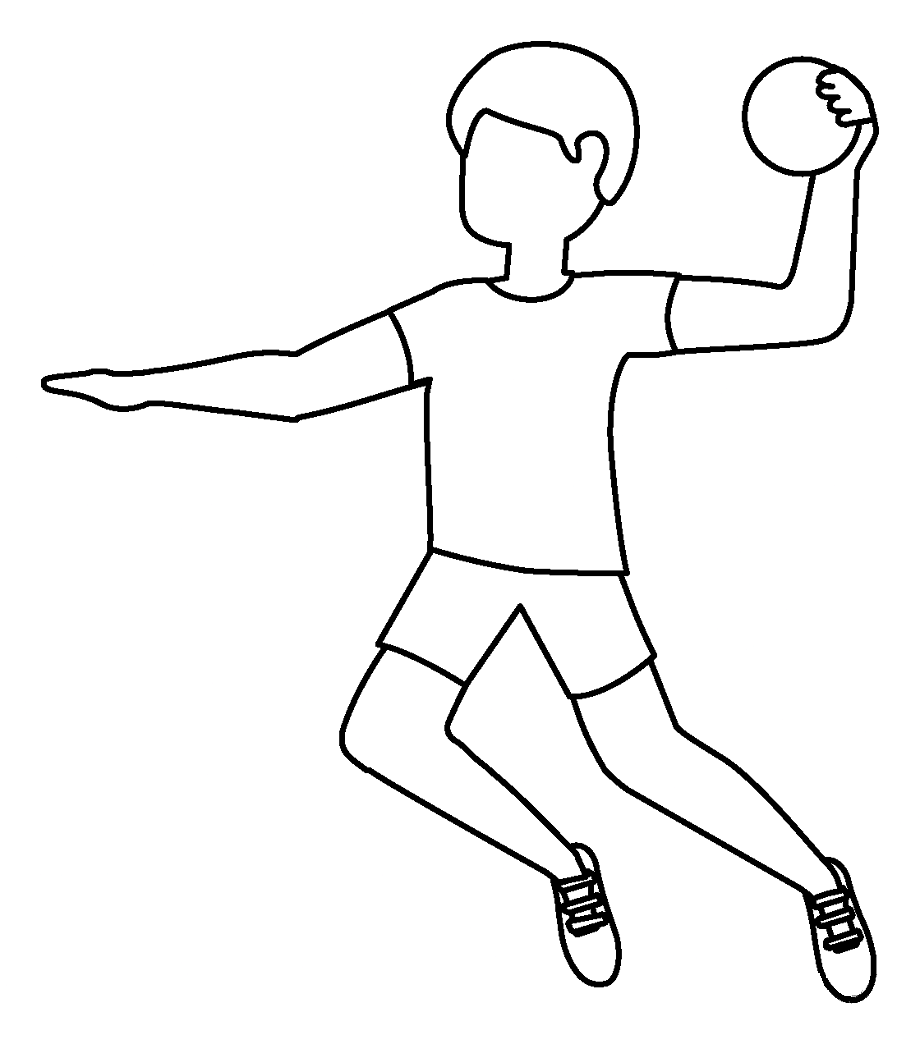
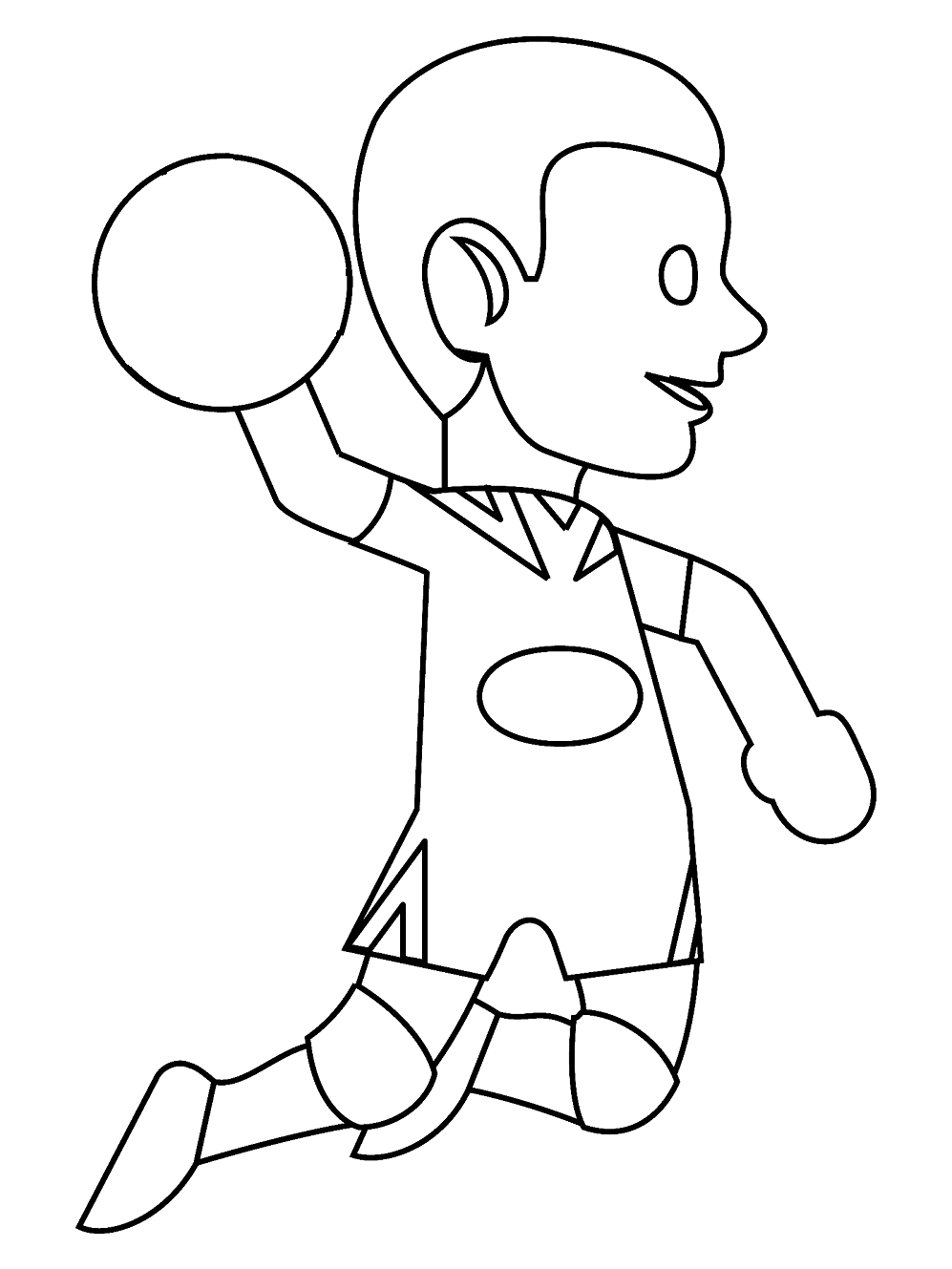
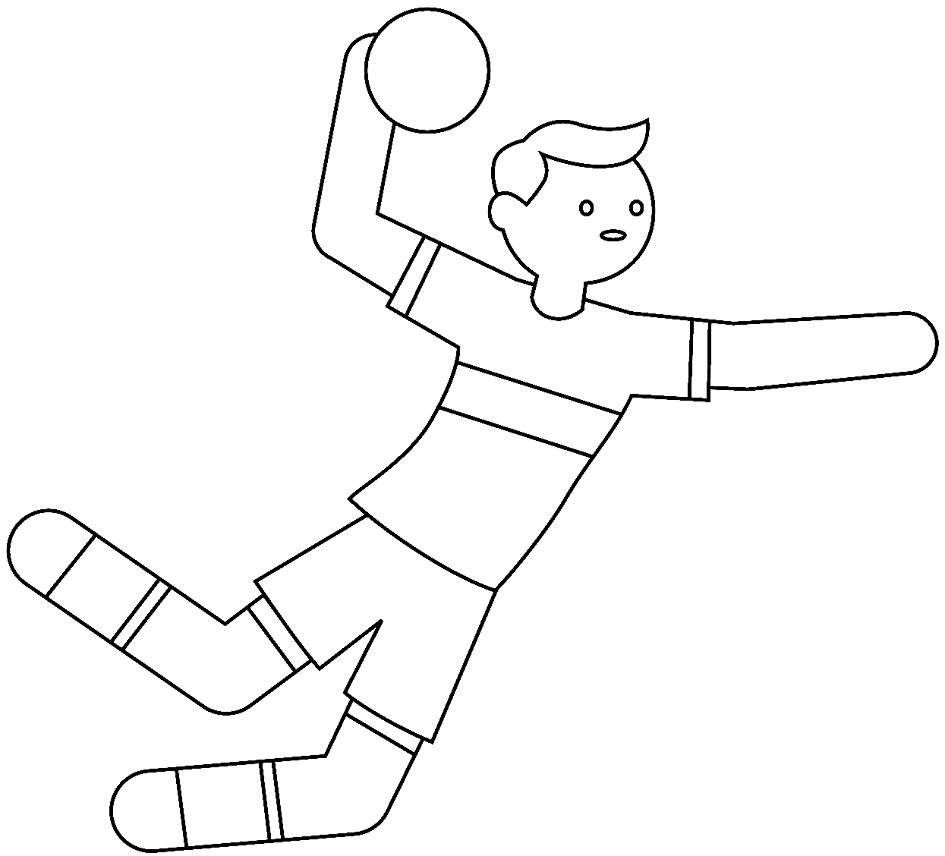
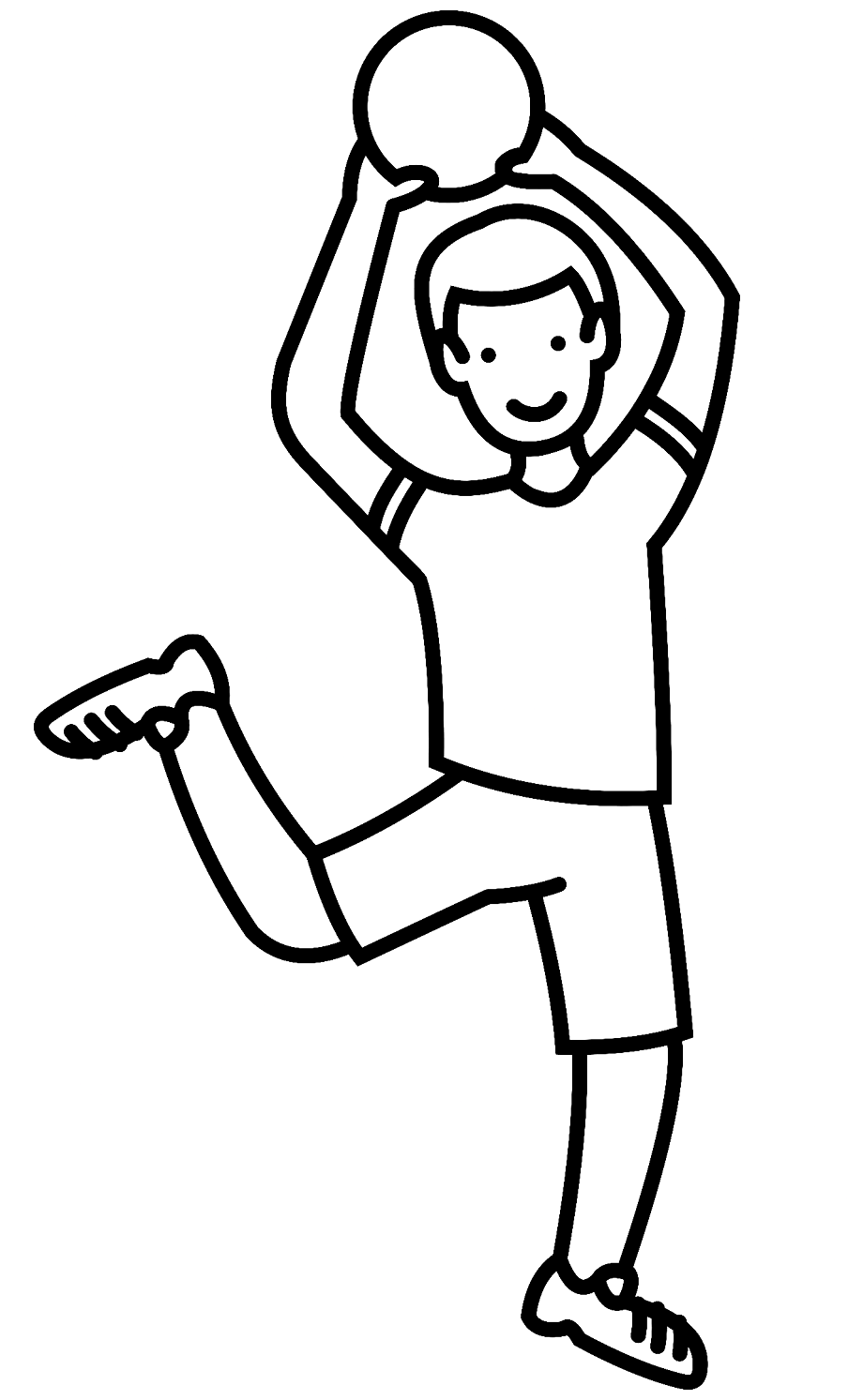
Boys and girls dribble, pass, and celebrate in youth-sized uniforms, including Little Boy Playing Handball. Bright pairs like Lime and Navy or Orange and Purple make each young player stand out.
Game Scenes and Equipment
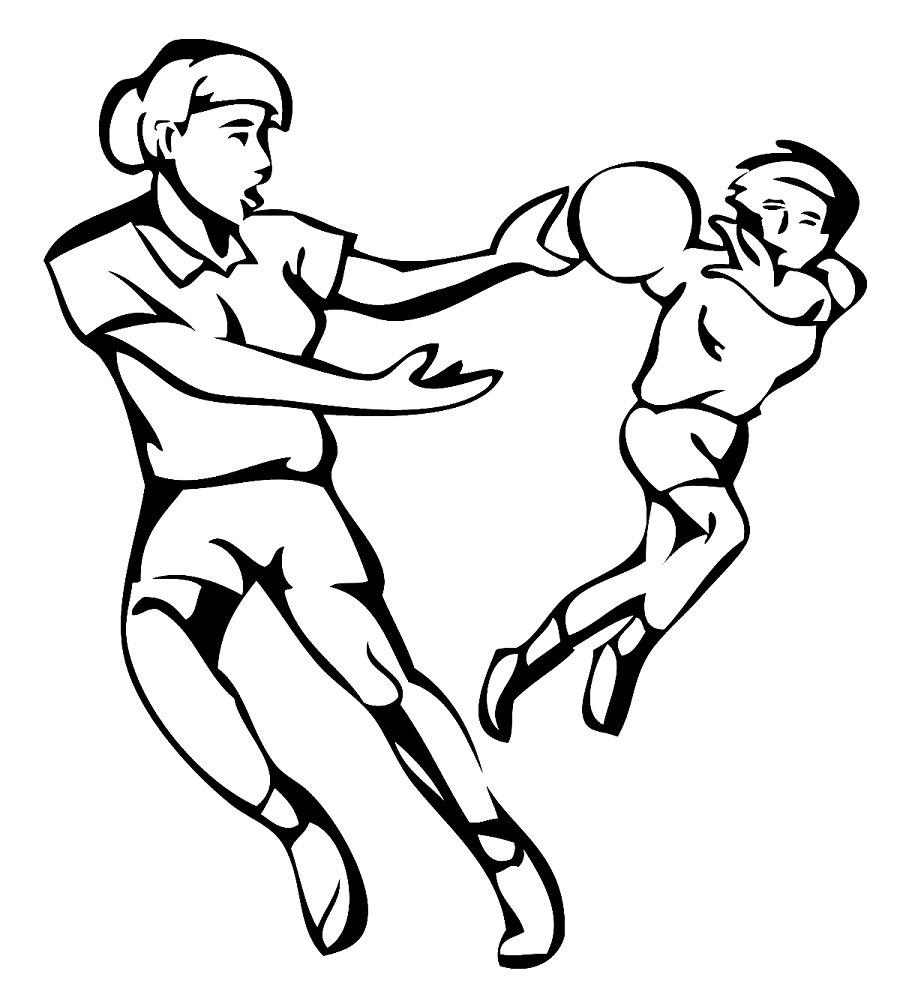
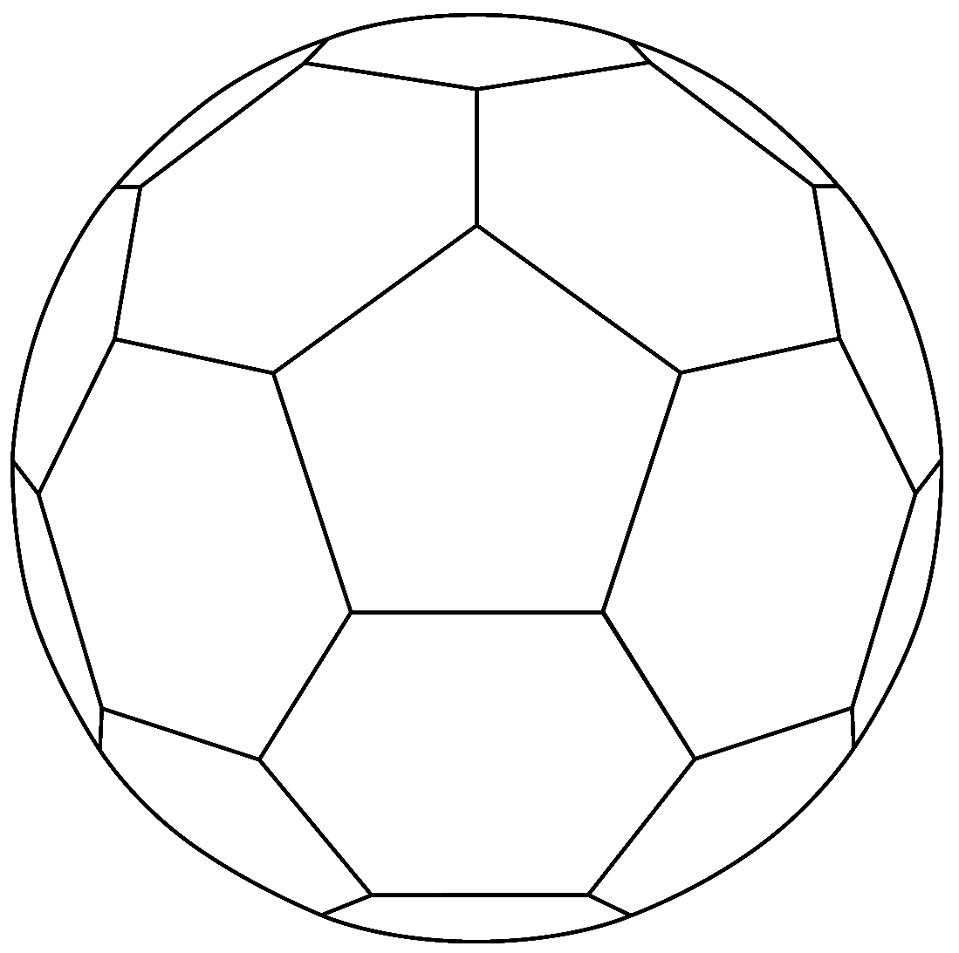
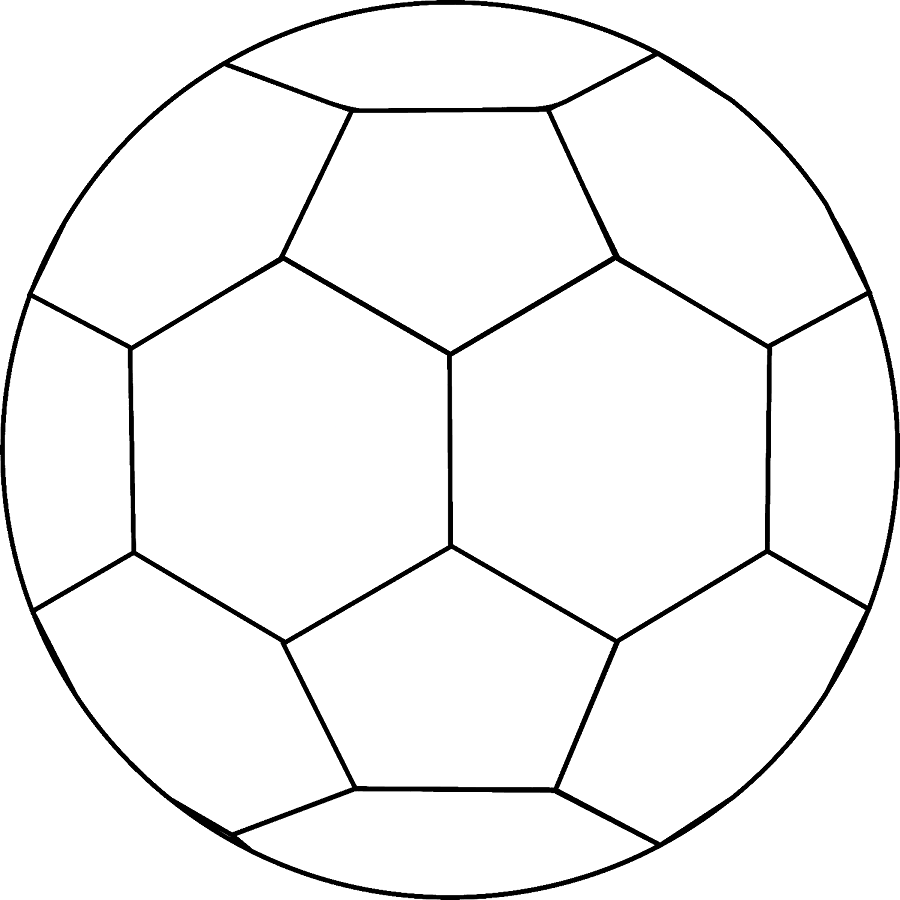
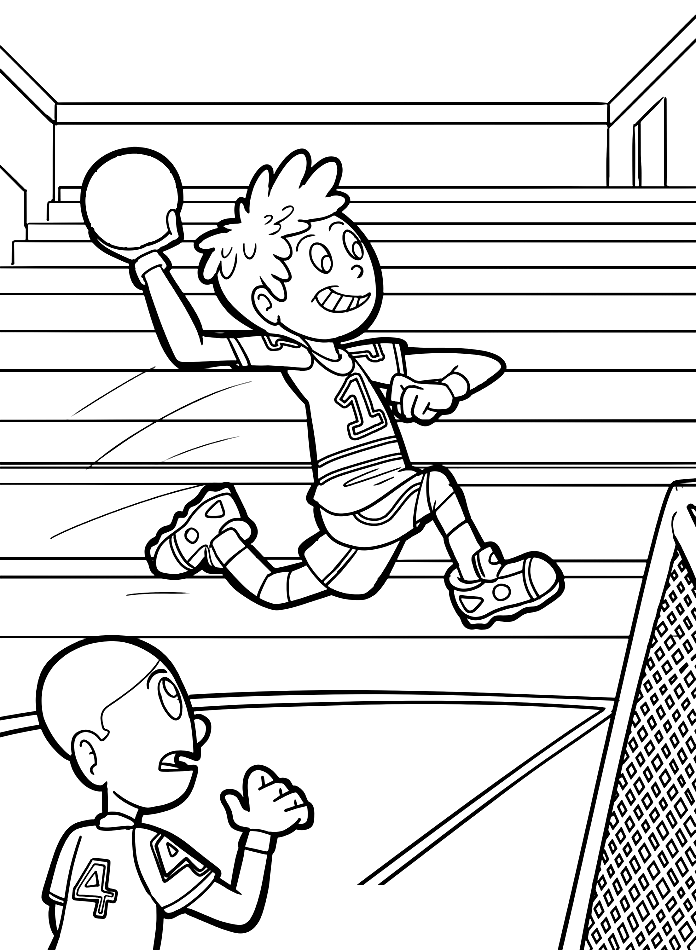
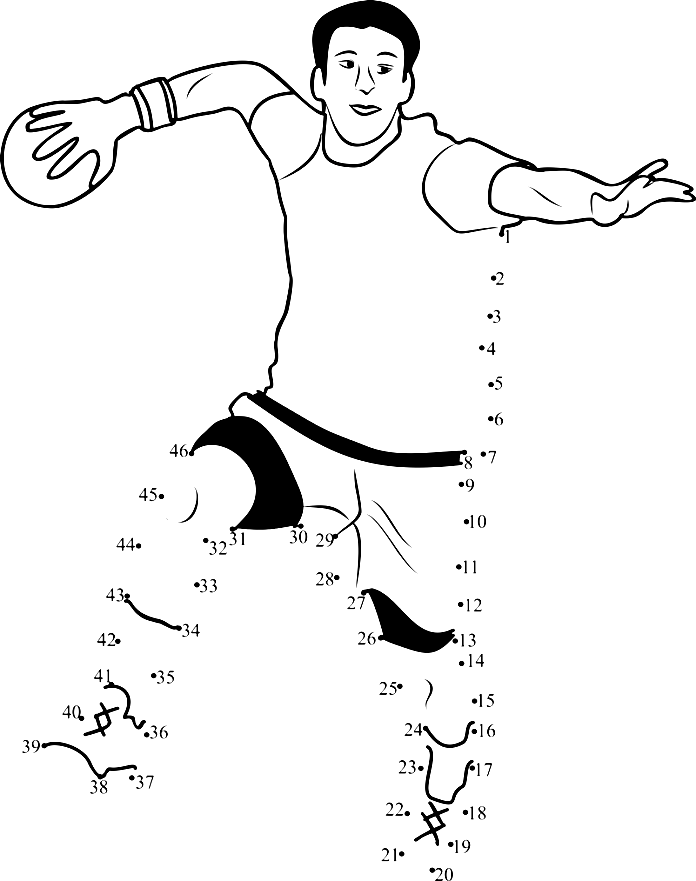
A full match scene, close-ups of the ball, and a connect-the-dots puzzle show the sport from different angles. Color the court a warm Tan wood with crisp White lines, and finish the ball in two bold colors.
Dodgeball Pages
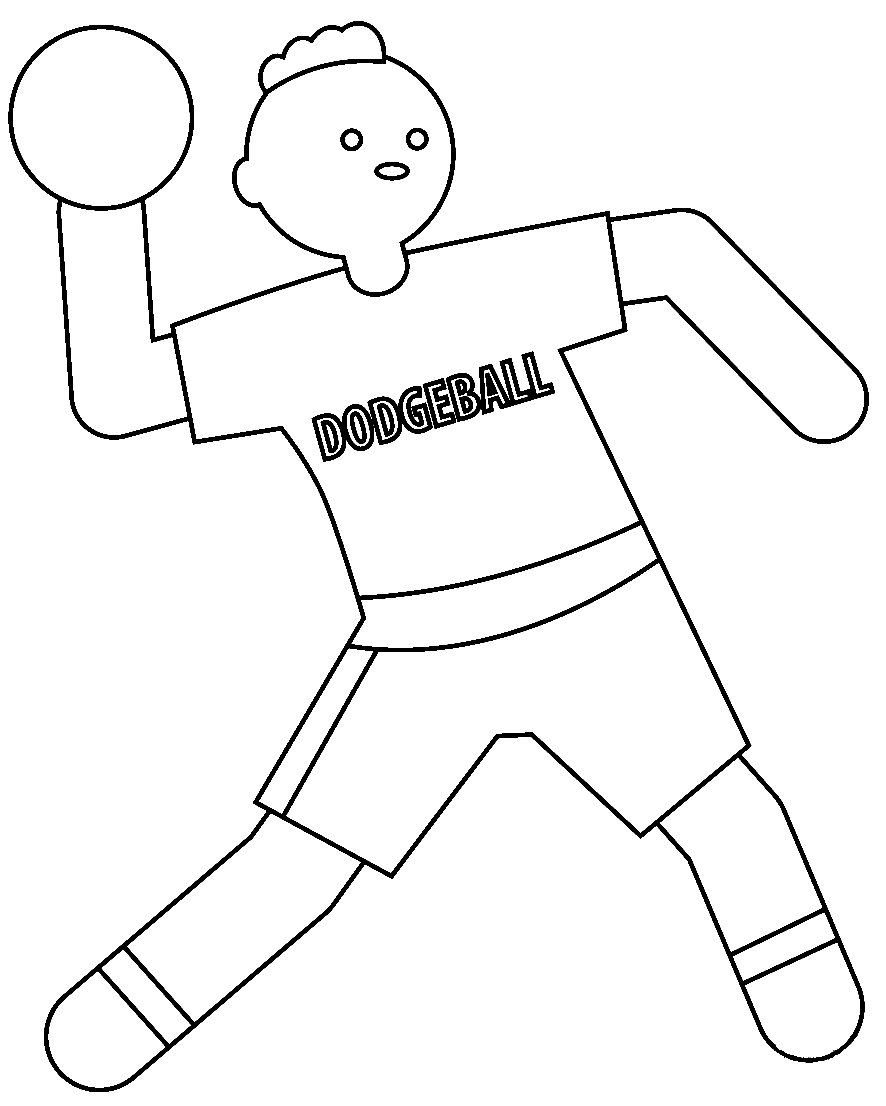
A few sheets switch to dodgeball, the playground game where players dodge softballs instead of shooting at a goal. Playful colors like Hot Pink and Turquoise suit these casual recess scenes.
What Handball Coloring Pages Do
Introducing a new team sport. Many American kids have never watched team handball, even though it fills arenas across Europe. Coloring the players and the match scene gives teachers and parents an easy way to explain the basics: pass, run three steps, and shoot at the goal.
Strengthening hands that throw and write. Gripping a crayon and steering it around jerseys, nets, and ball panels trains the same small muscles kids use for writing. Children between the ages of 2 and 7 build these fine motor skills through ordinary coloring, according to the American Academy of Pediatrics, and the connect-the-dots page adds counting and line control to the mix.
Cooling down after gym class. After a burst of running and throwing, a quiet coloring task helps kids reset before the next lesson. A study in the Art Therapy Journal from 2005 linked structured coloring to measurable reductions in anxiety, so a handball page fits neatly into a classroom cool-down routine.
Comparing playground games. The handball and dodgeball pages sit side by side, which makes it simple to talk about how the two games differ. Kids can list the rules of each sport and decide which skills, such as aiming, dodging, or teamwork, matter most.
How to Color Handball Pages Well
- The ball: Divide the handball into panels and alternate two colors, such as Red and White or Blue and Yellow. Shade one side slightly darker so the ball looks round.
- Jerseys and numbers: Fill the shirt with one solid color, then outline the number in Black and fill it with White. Matching shorts and socks complete the team look.
- Throwing arm: Shade the raised arm a touch darker along the underside and add a few motion lines behind the hand. This shows the power behind a jump shot.
- Court floor: Color the floor a light Tan or Honey Gold and add darker stripes for wooden planks. Draw the goal area line in White with a ruler for a neat finish.
- Goal net: Leave the net mostly White and trace the frame in Red and White stripes. A simple net keeps attention on the players.
- Dodgeball fun: Use bright Red, Purple, or Hot Pink for the dodgeballs. Rubber playground balls in real life come in bold colors, so anything cheerful works.
5 Creative Craft Ideas With Handball Coloring Pages
1. Team Roster Poster
Color several player pages in the same jersey color and glue them in a row on a poster board. Add a team name at the top, and give each player a number and position.
2. Paper Ball Toss Game
Color the ball page, cut it out, and glue it to a paper plate. Tape a paper bag to the wall as a goal and take turns tossing the plate at it from a short distance.
3. Handball vs. Dodgeball Chart
Glue a colored handball player on one side of a sheet and a dodgeball page on the other. Under each, write three rules of the game to compare the two sports.
4. Connect-the-Dots Challenge Booklet
Complete and color the connect-the-dots player, then staple it behind a decorated cover. Add blank pages so kids can draw their own dot-to-dot puzzles.
5. Game Day Pennant
Cut a long triangle from colored paper and glue a small player or ball at the wide end. Write a favorite team or school name along the pennant and tape it to a stick.
Frequently Asked Questions
What are Handball coloring pages?
They are 24 free printable sheets featuring team handball players, kids on the court, a match scene, the ball, a connect-the-dots page, and dodgeball designs. Everything in the set can be printed as a PDF or colored on a screen.
What is team handball?
Team handball is an indoor sport where two teams of seven players, including a goalkeeper, pass a ball with their hands and try to throw it into the other team’s goal. Matches are fast, with many goals scored in each game.
What are the basic rules of handball?
Players may take up to three steps or hold the ball for up to three seconds before passing, dribbling, or shooting. Only the goalkeeper may stand inside the goal area in front of the net.
Is handball an Olympic sport?
Yes. An outdoor version appeared at the 1936 Olympics, and indoor handball returned for men in 1972 and for women in 1976. It has been part of every Summer Games since.
How is handball different from dodgeball?
Handball has goals, goalkeepers, and set positions, and the aim is to score. In dodgeball, players throw softballs at opponents and try to avoid being hit, with no goal at all.
Where is handball most popular?
The sport is hugely popular across Europe, especially in Denmark, France, Germany, Spain, and Norway. It is also growing in North Africa, South America, and parts of Asia.
What age are Handball coloring pages for?
Children around 3 can color the ball and simple player pages, while the match scene and connect-the-dots puzzle suit kids up to about 10. PE teachers often use them during sports units.
Is team handball the same as American handball?
No. American handball is a different game where players hit a small rubber ball against a wall with their hands, a bit like racquetball without a racket. The pages in this set show team handball and dodgeball.
Start Coloring
Choose a jumping player, the match scene, or a dodgeball page, then print it or color it in the browser with no sign-up needed. Young athletes can share their finished pages on Facebook or Pinterest.