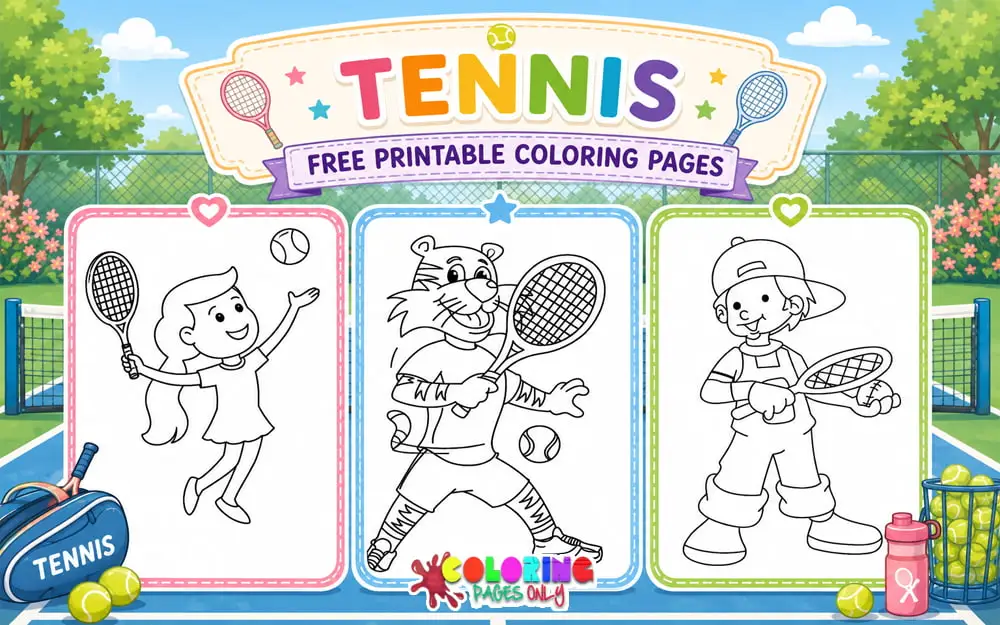
Free Tennis Coloring Pages: 61 printable PDF designs featuring tennis legends, kids swinging rackets, a whole menagerie of animals on the court, and close-ups of balls, rackets, and nets. Print a favorite design or fill it in on screen without leaving the site.
Tennis is a racket sport in which players hit a fuzzy ball over a net, trying to land it inside the lines where an opponent cannot return it. The modern game took shape in England in the 1870s and spread quickly around the world, with its own quirky scoring of love, 15, 30, and 40. Today, the four Grand Slam tournaments are played on three different surfaces: grass at Wimbledon, red clay at the French Open, and hard courts at the Australian Open and the US Open in New York. Stars such as Serena Williams helped make tennis one of the most-watched sports for young fans in America.
Rackets, balls, and cartoon animals make simple starting points for little kids, while champion portraits and match scenes reward older colorists with more detail.
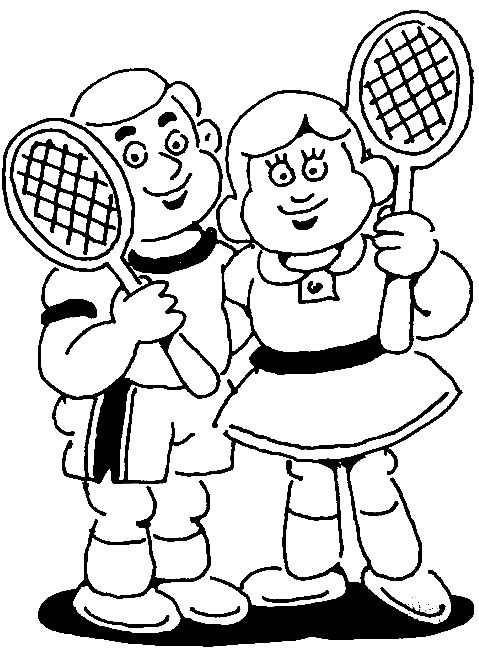
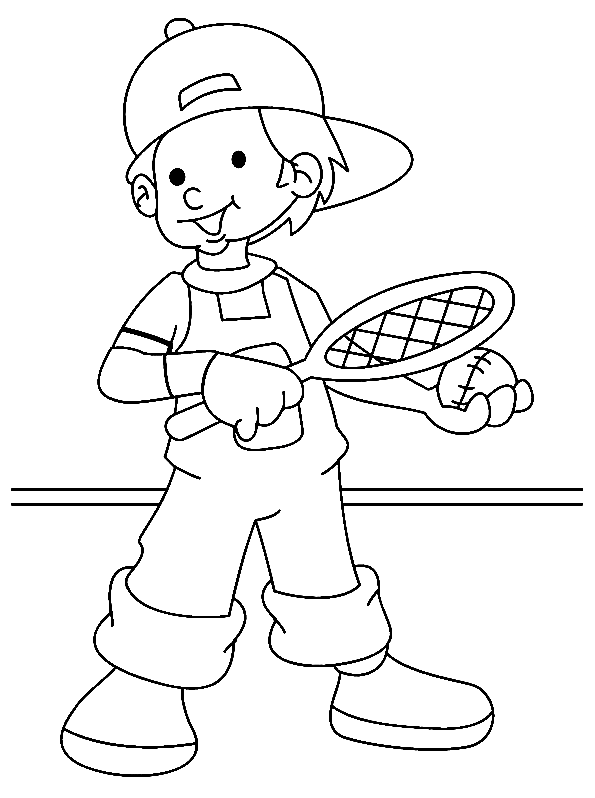
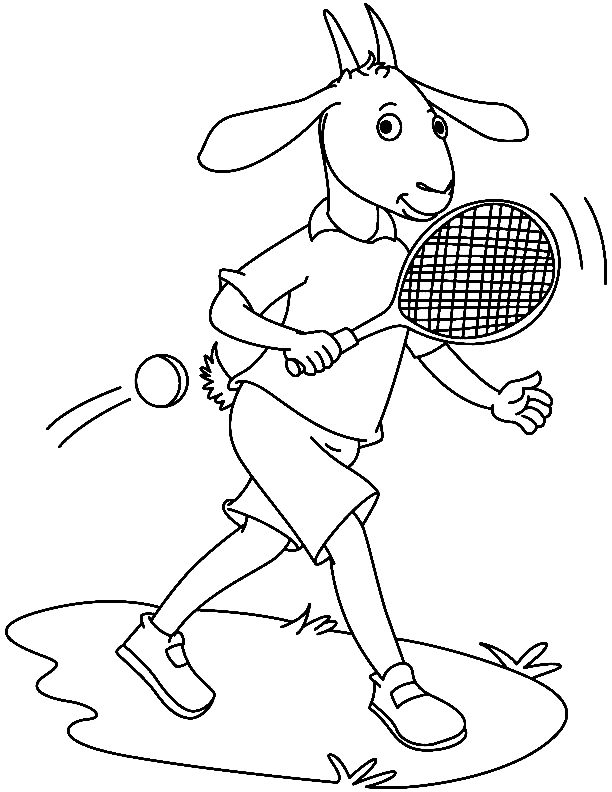
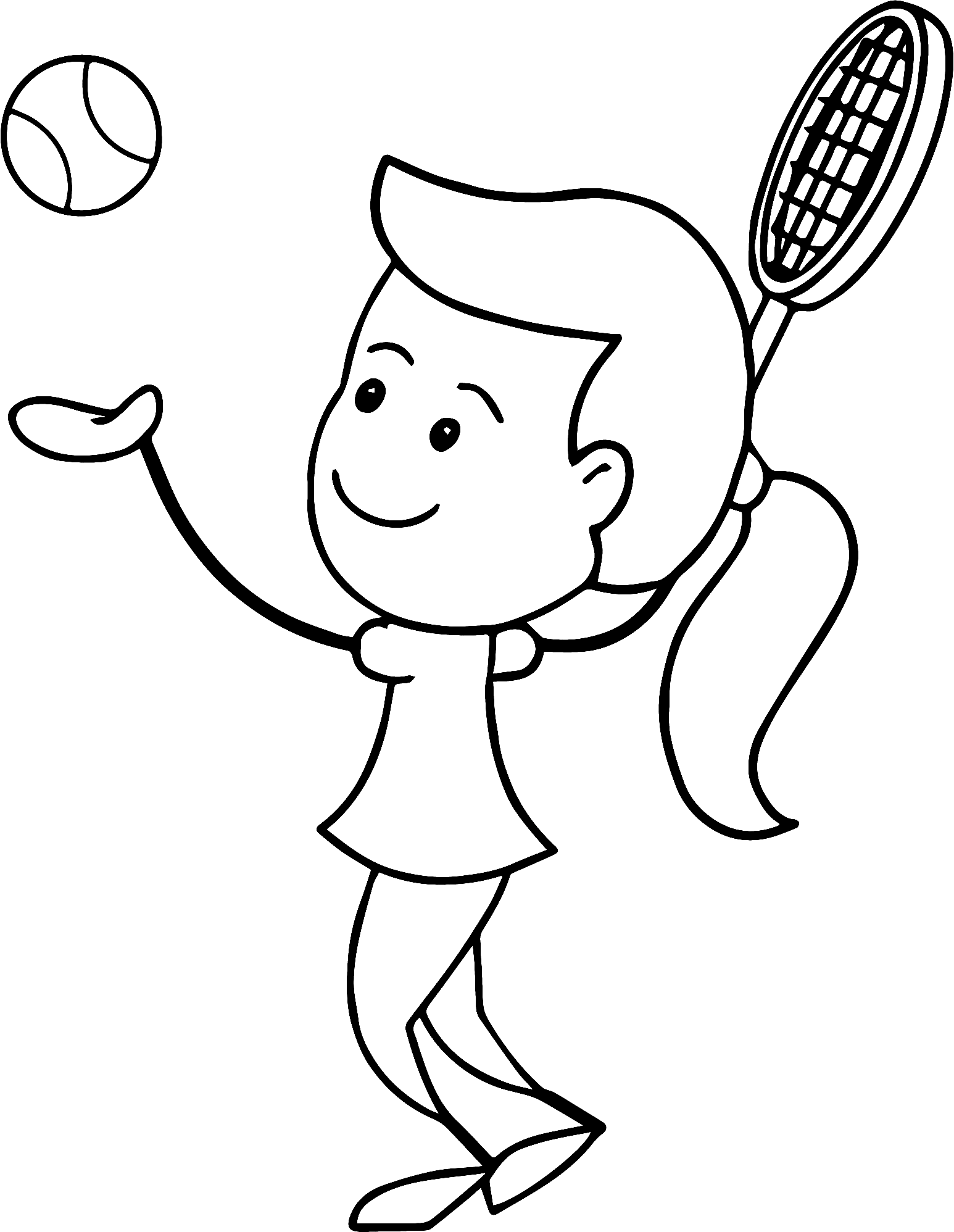
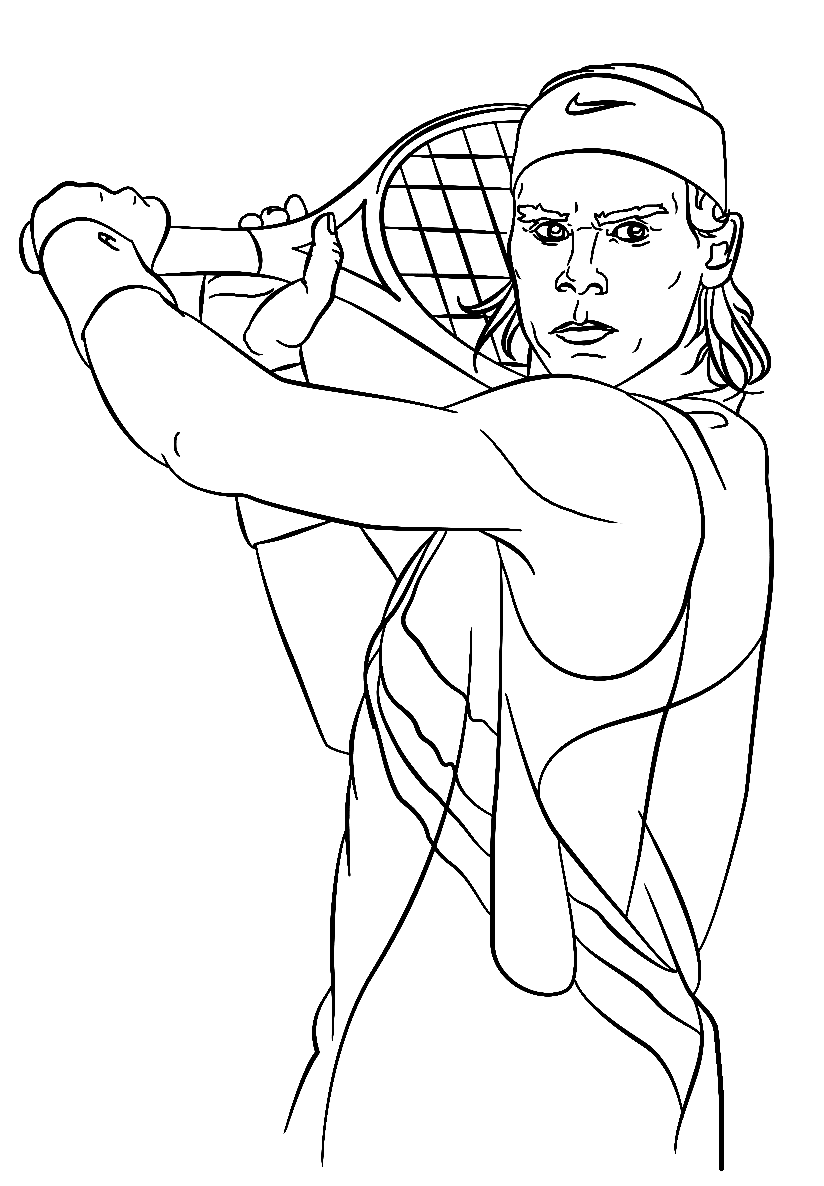
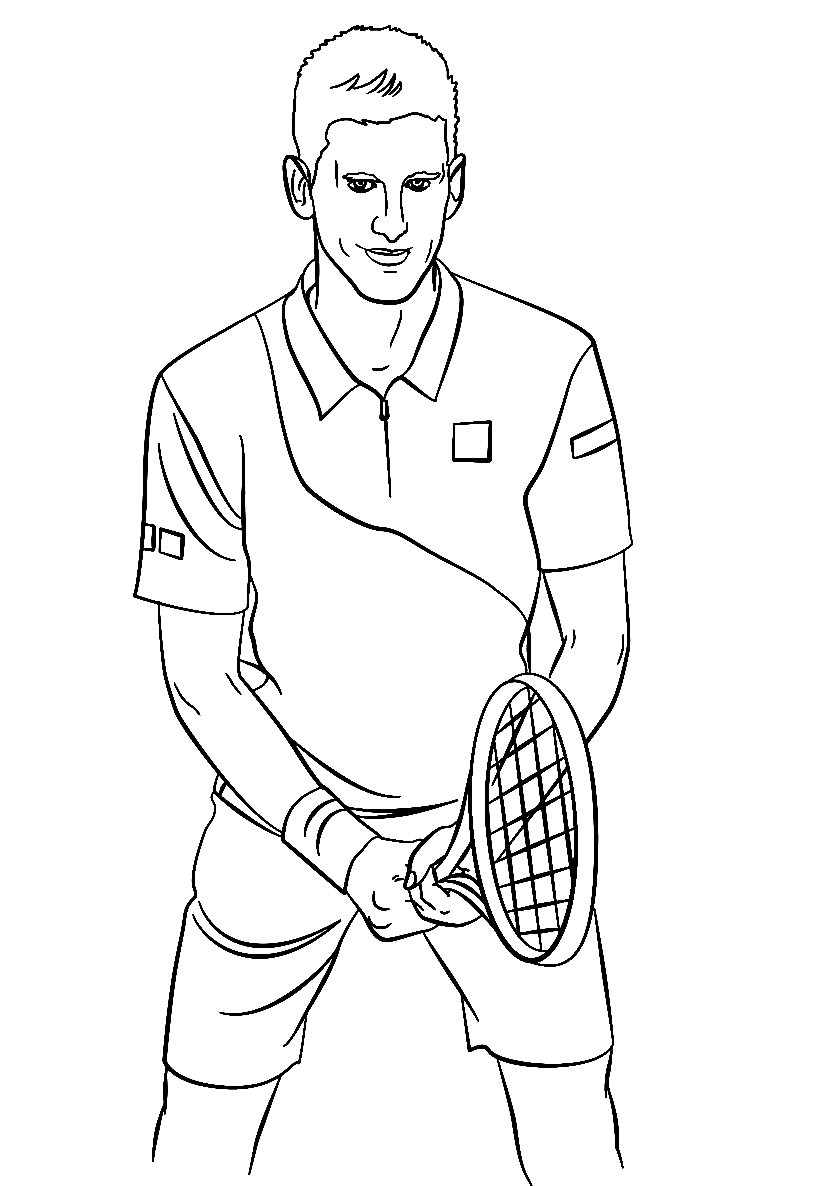
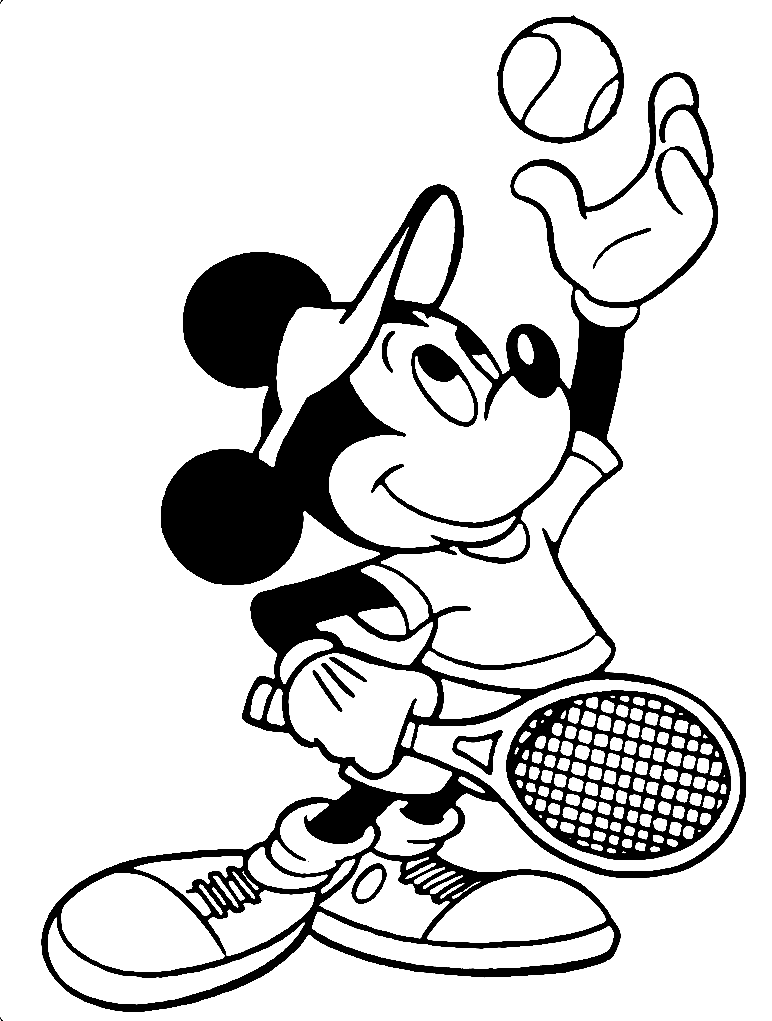
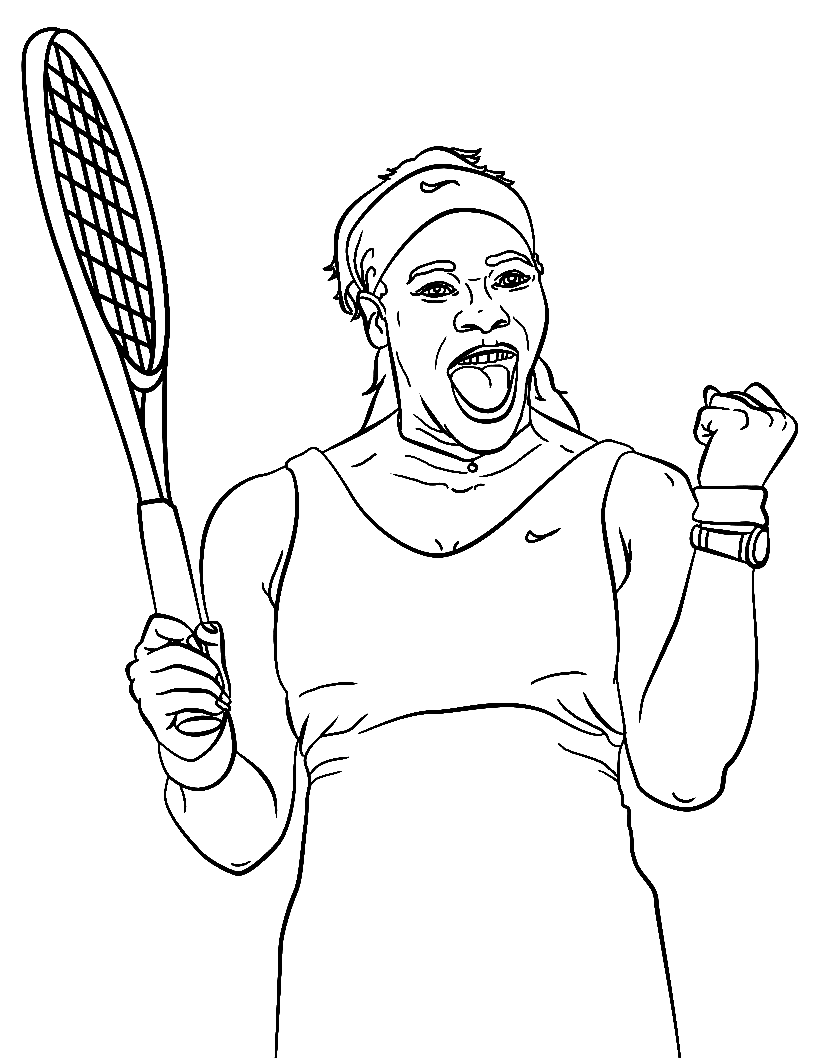
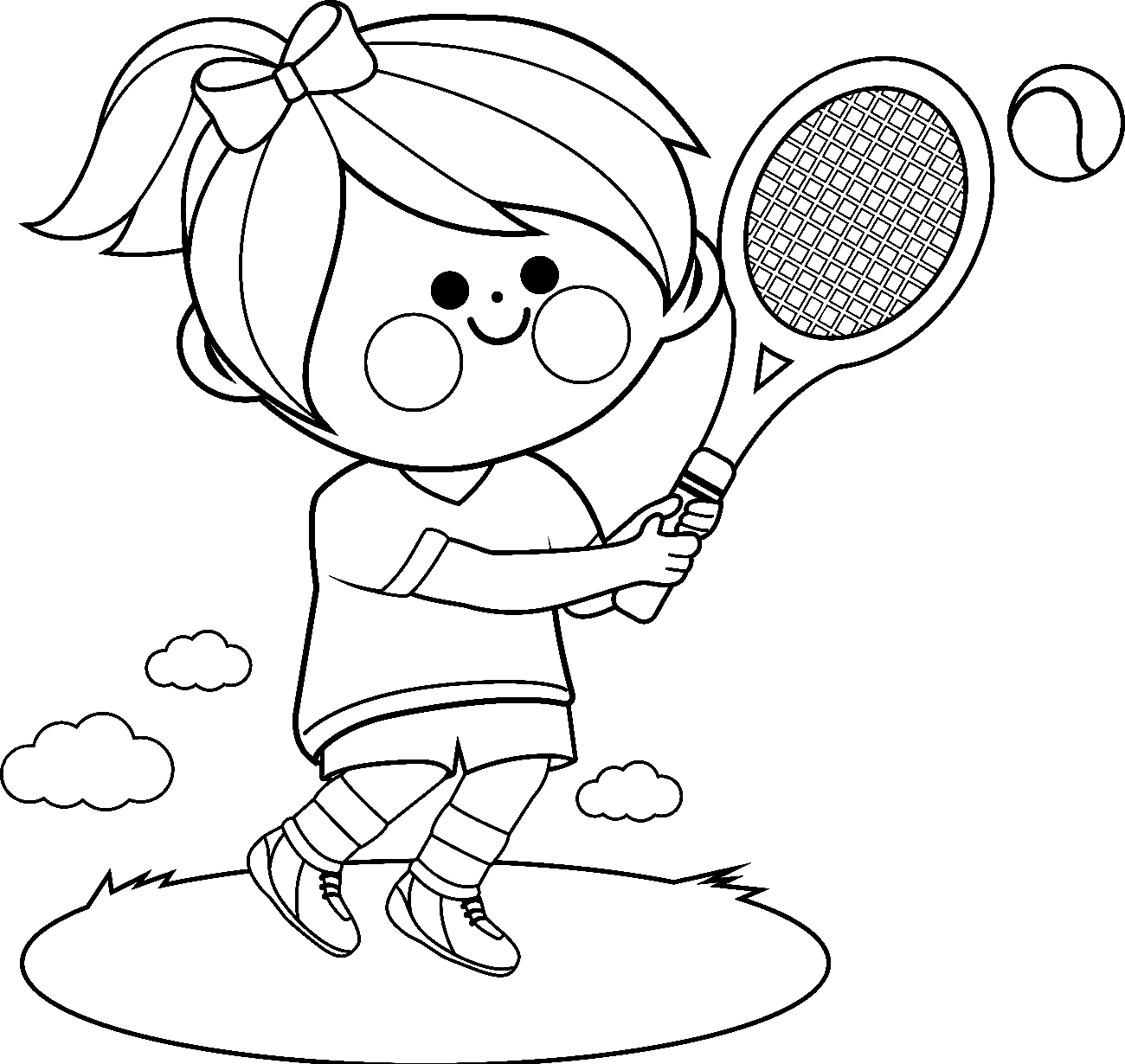
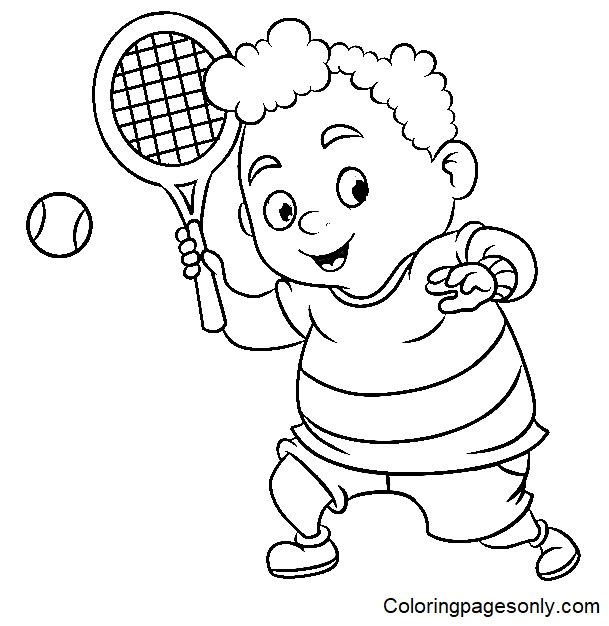

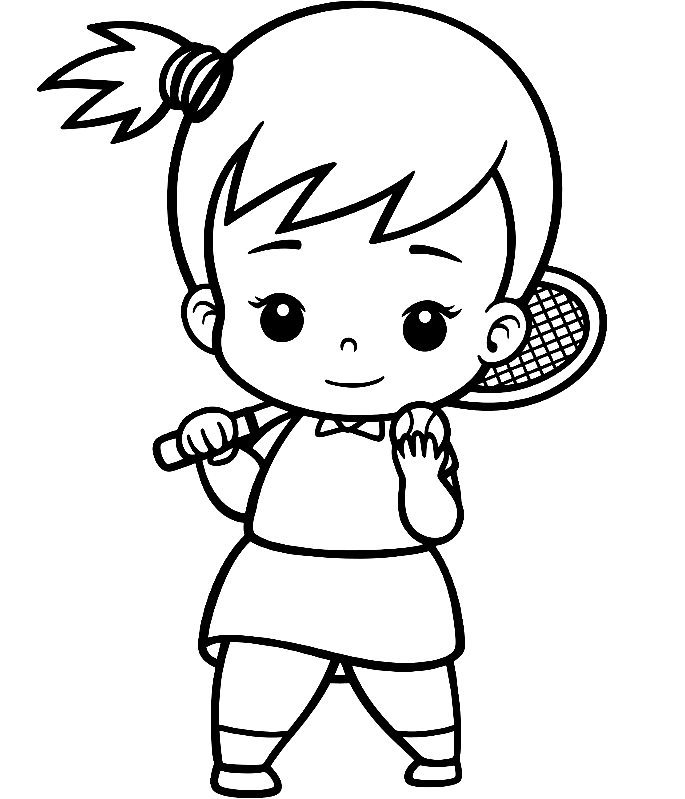
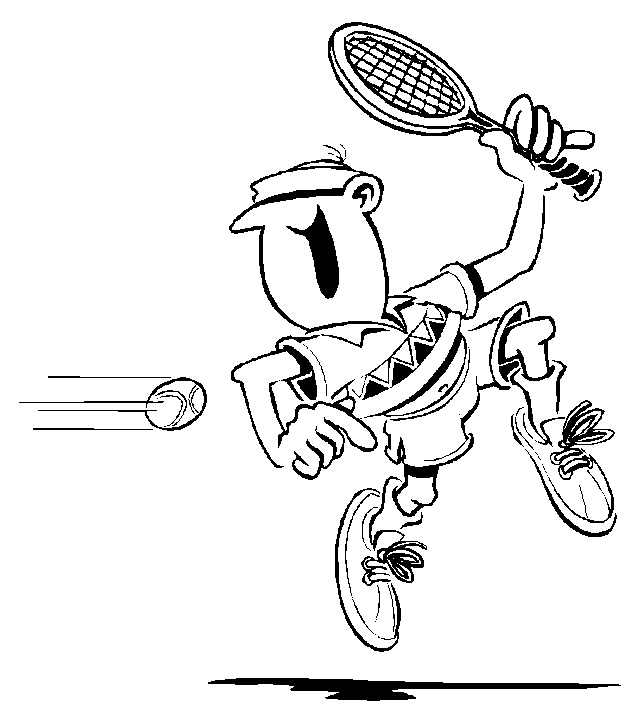
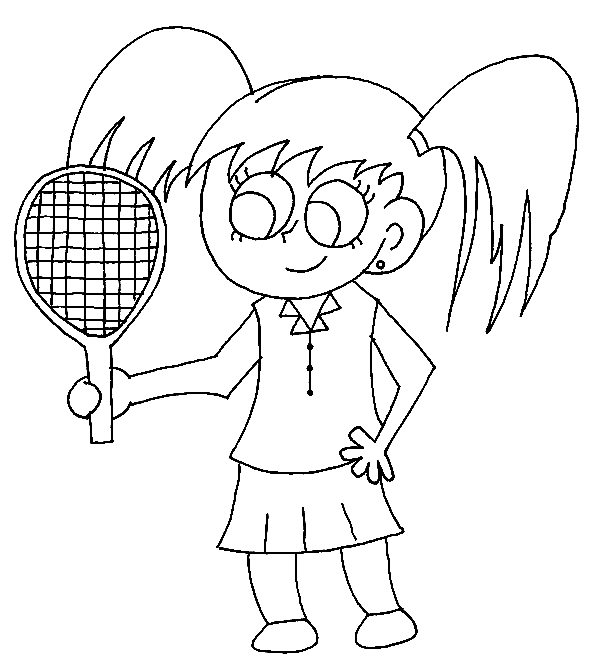
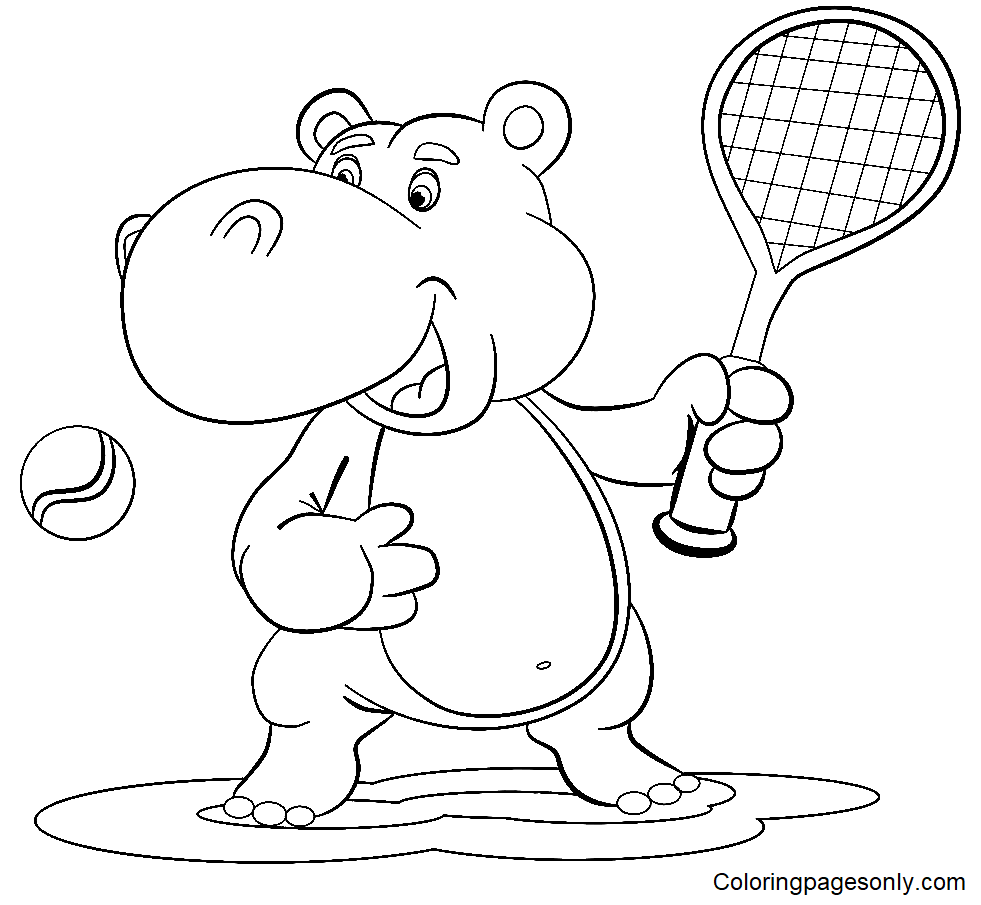
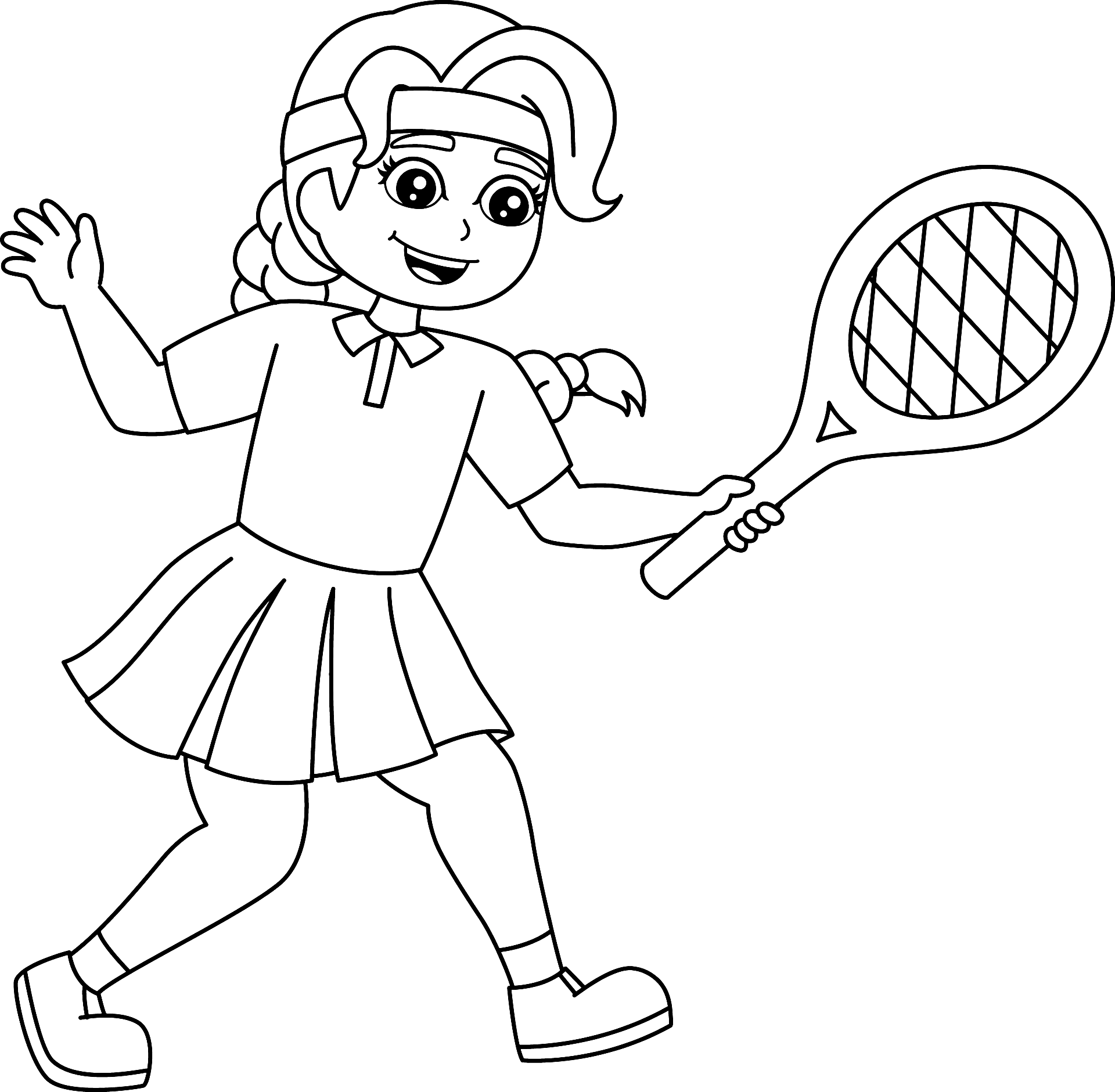
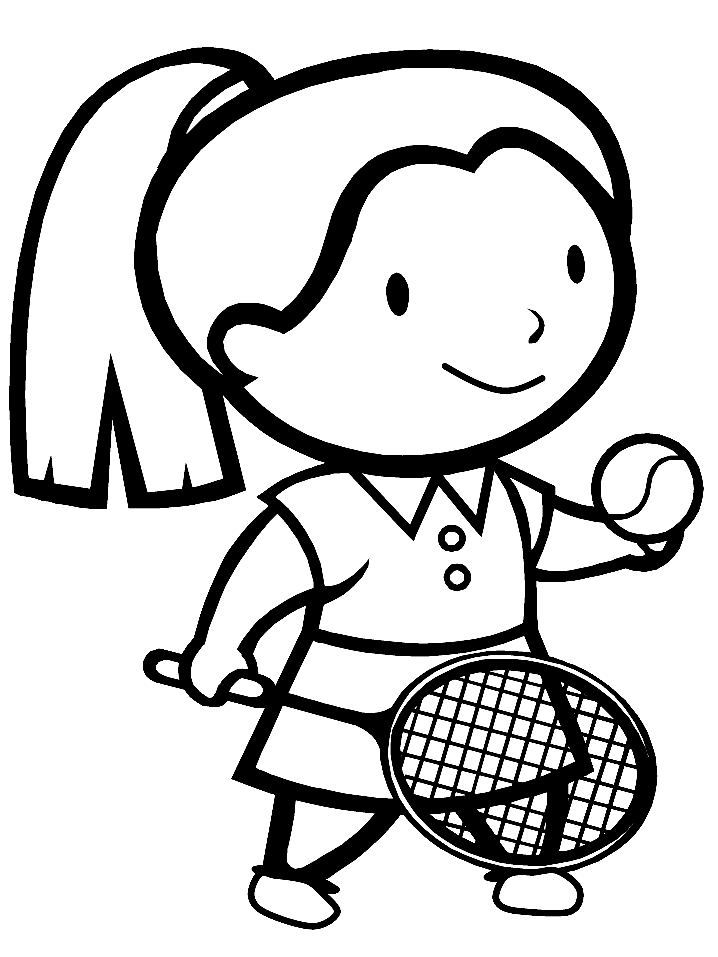
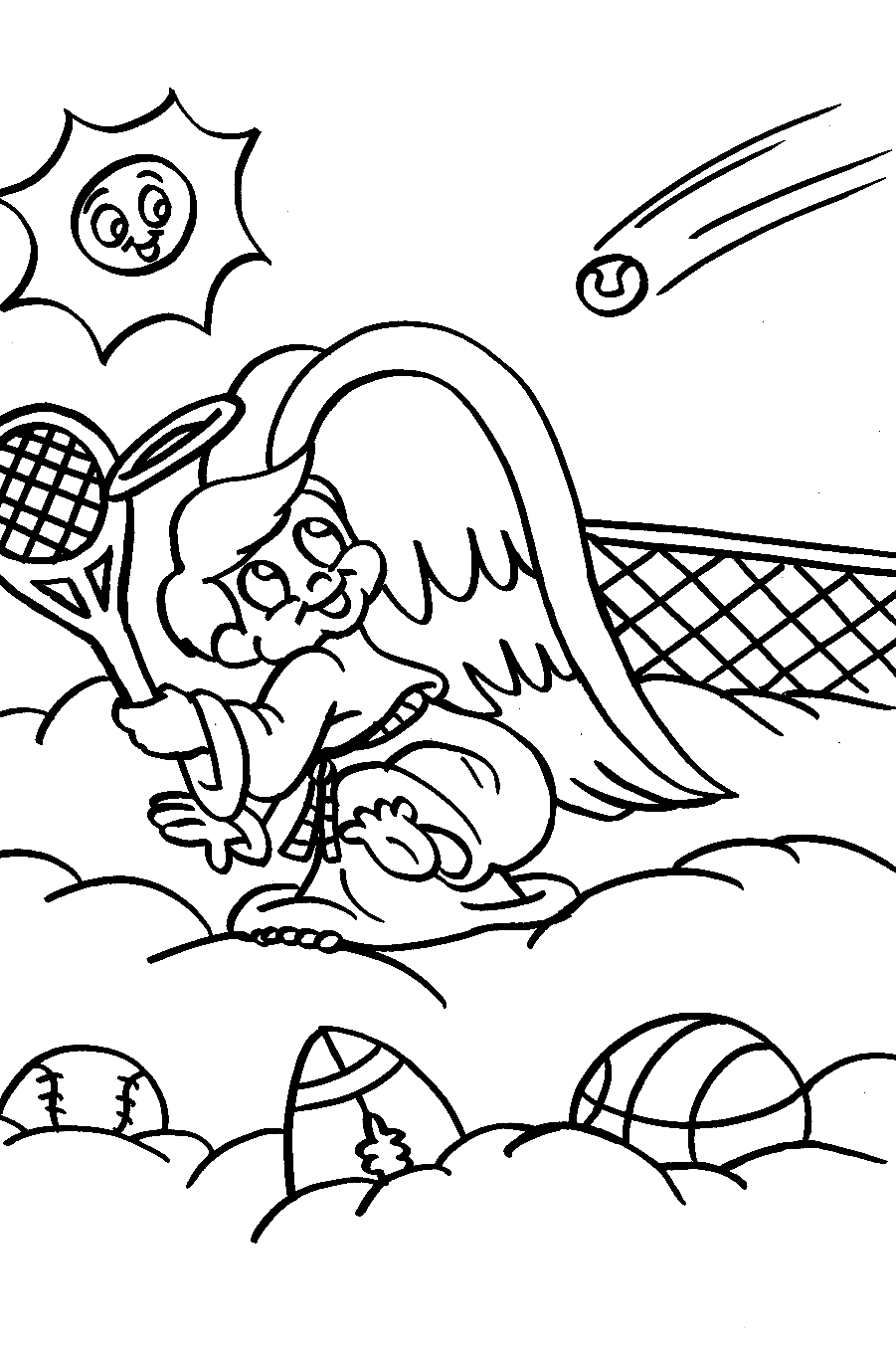
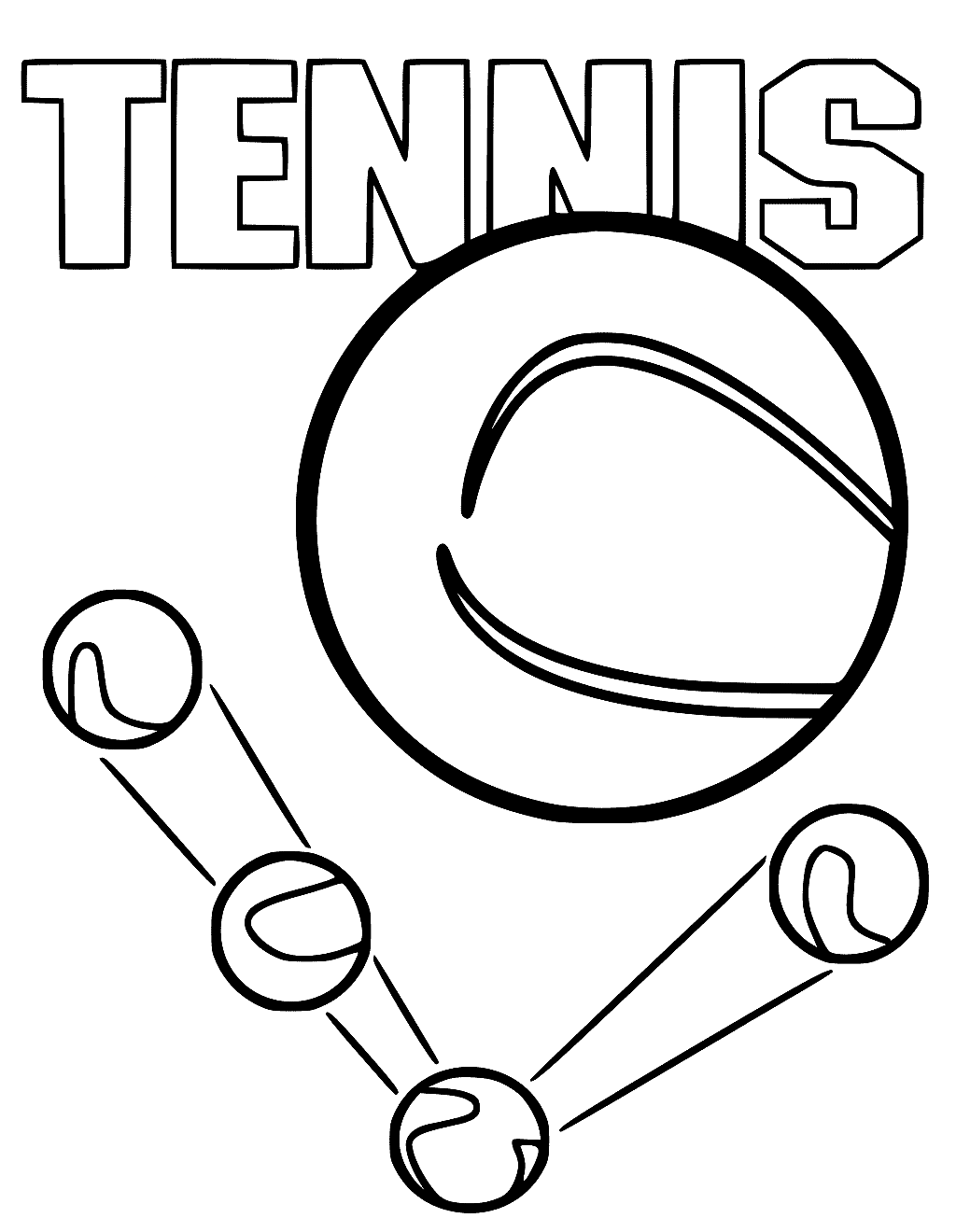
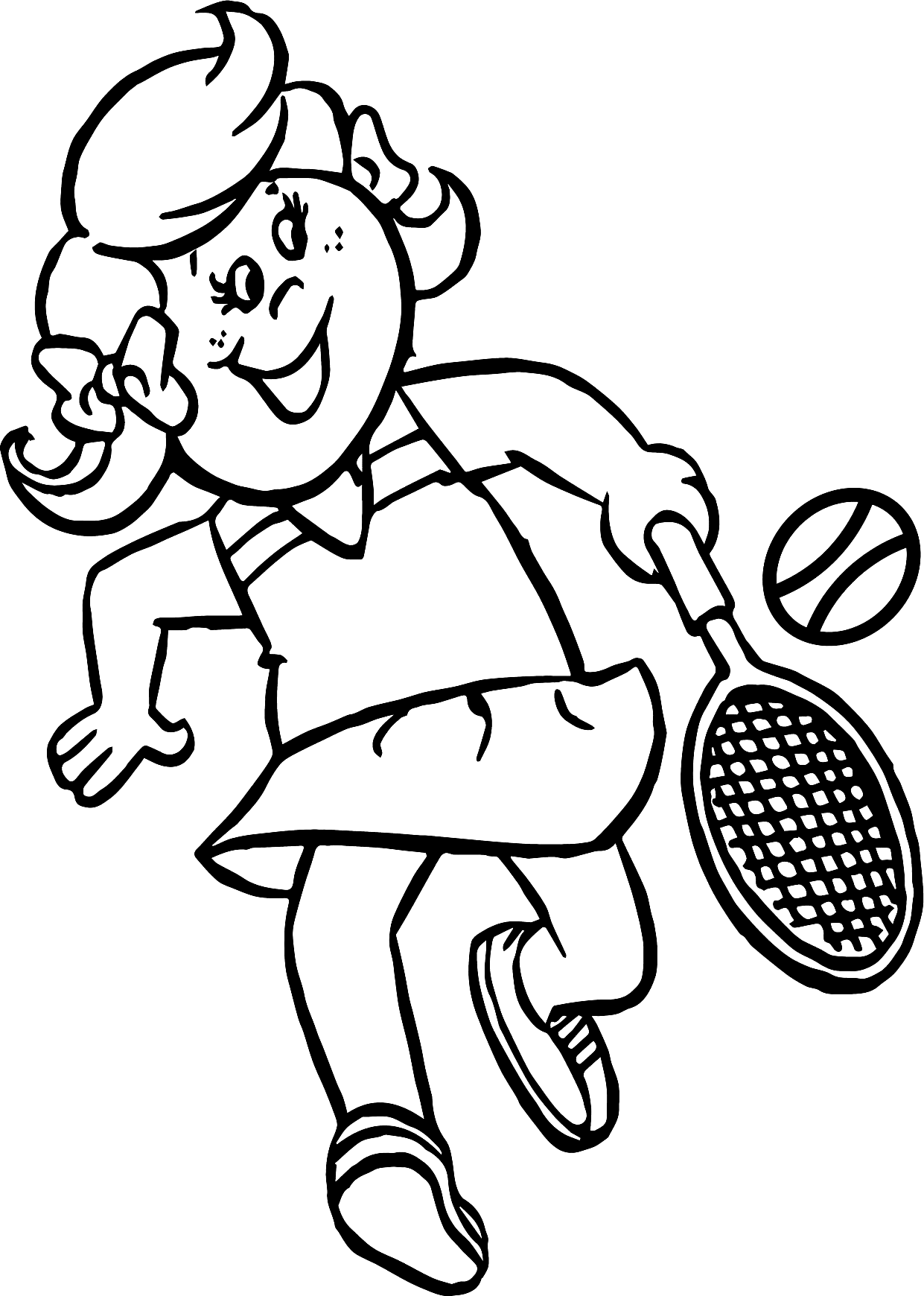
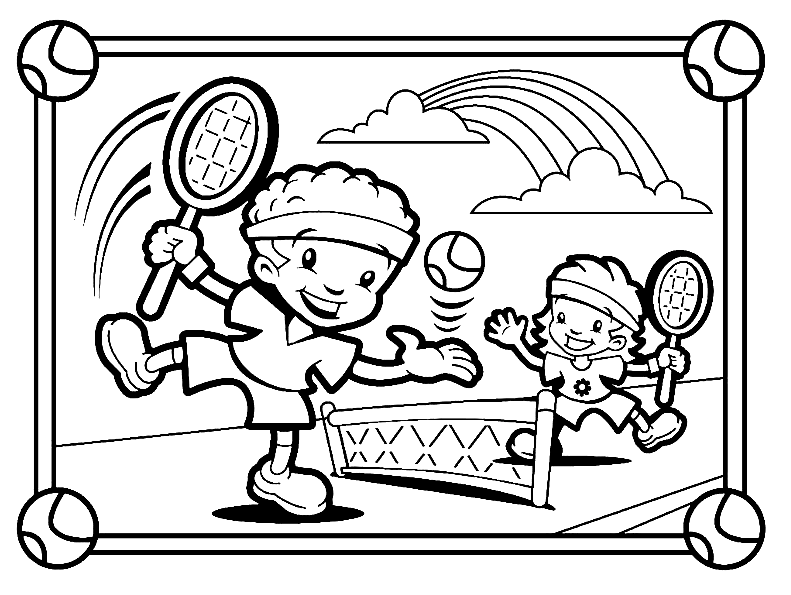
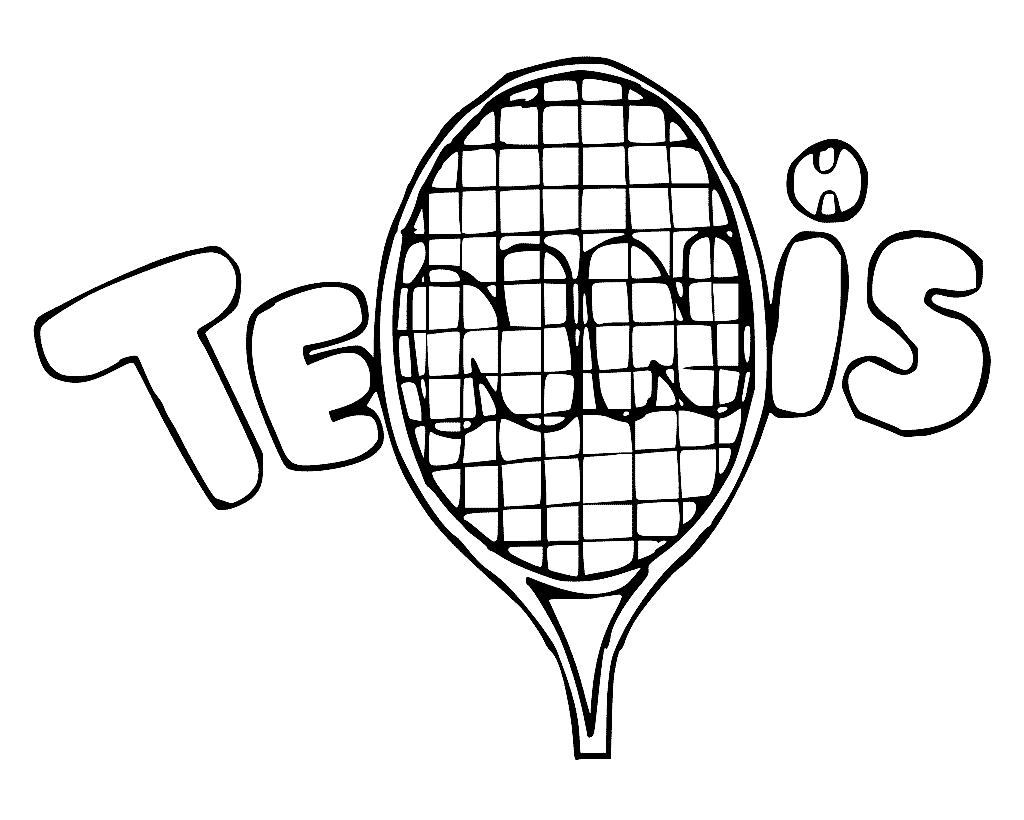

What’s Inside This Collection
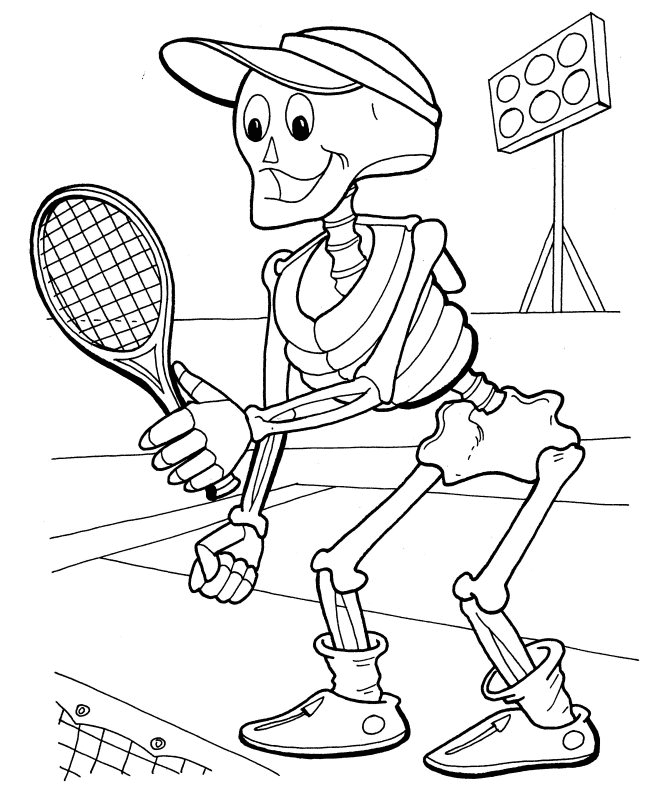
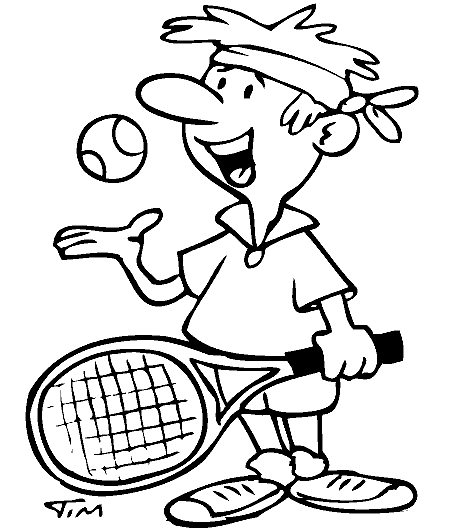
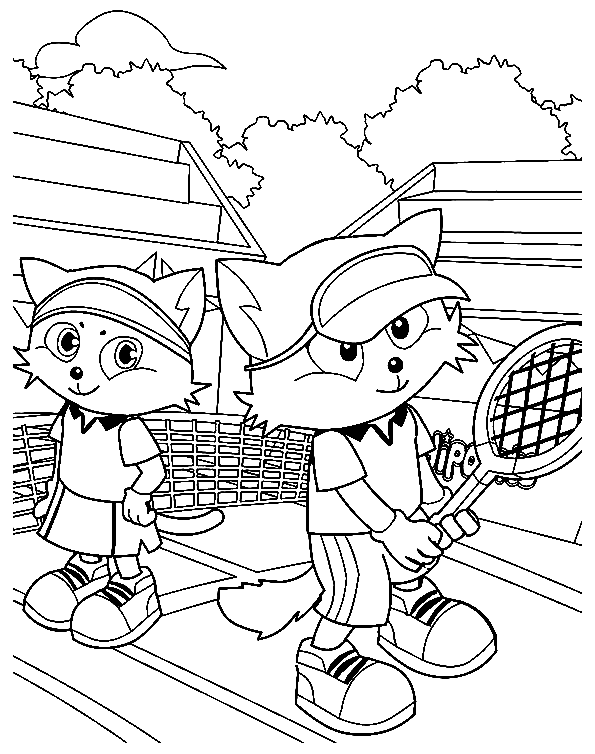
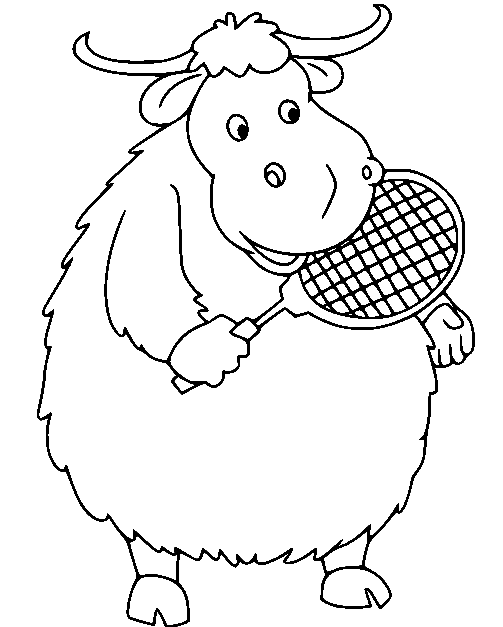
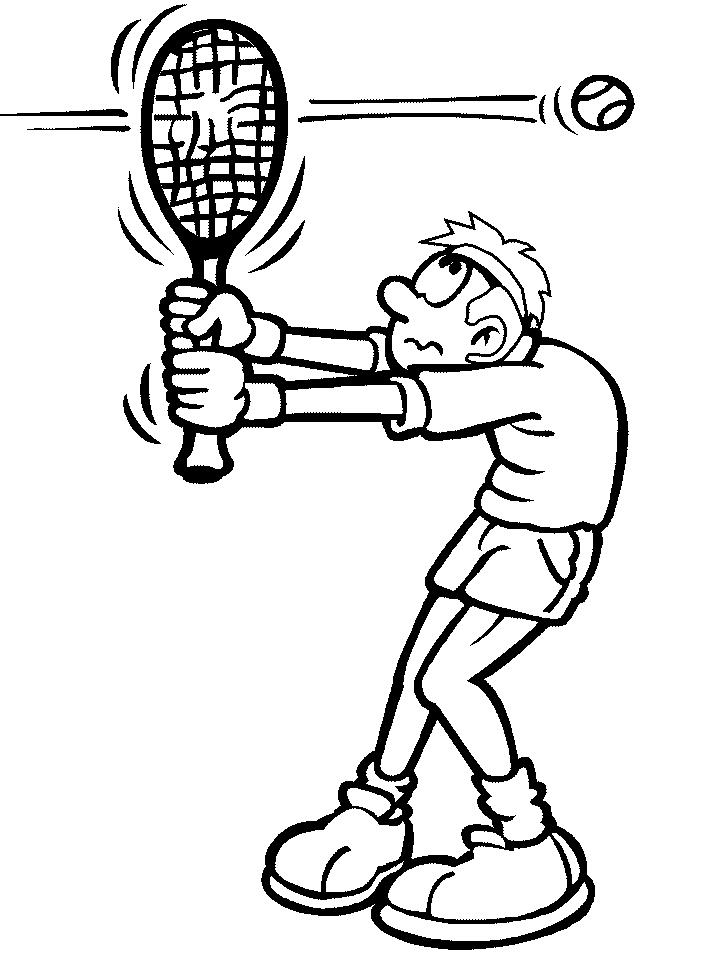
Tennis champions, kids on the court, animal players, cartoon guests, and gear make up the 61 sheets.
Tennis Champions
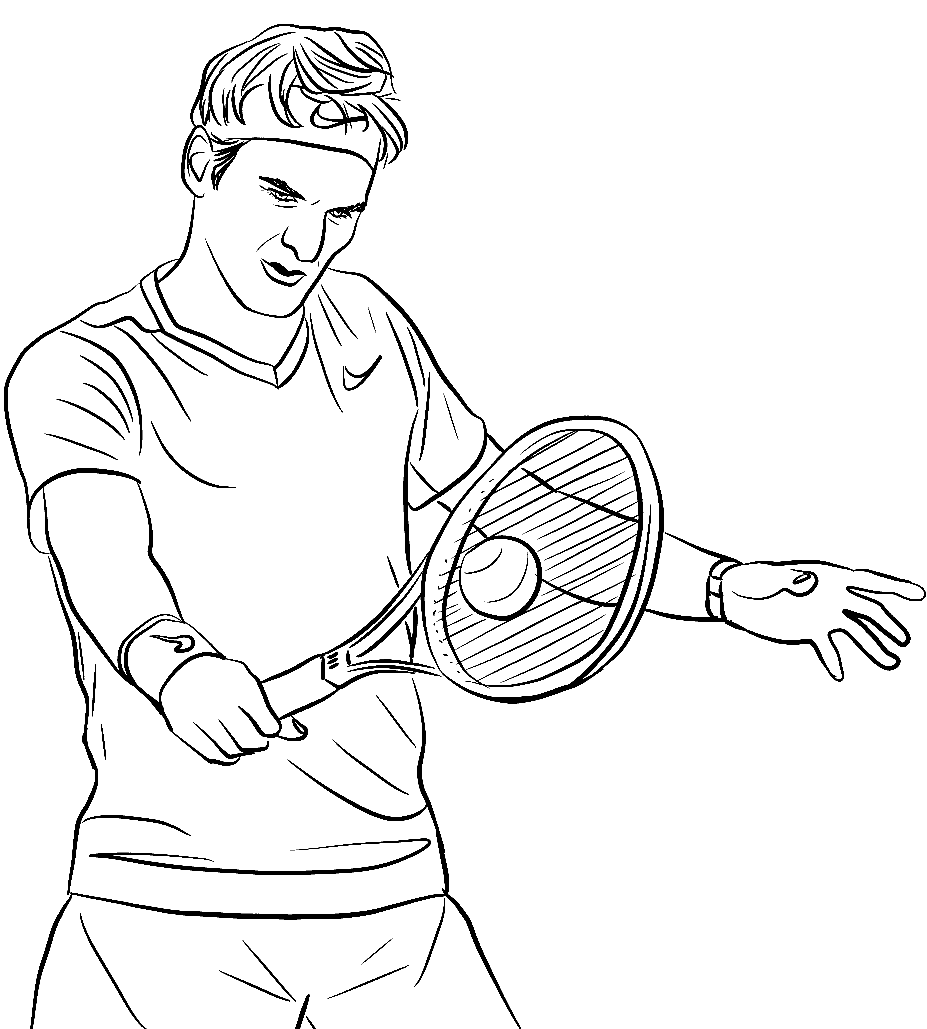
Portraits of all-time greats, including Serena Williams and Roger Federer, show famous serves and forehands. Simple kit colors like White, Navy, or Purple keep the focus on each player’s powerful pose.
Kids on the Court
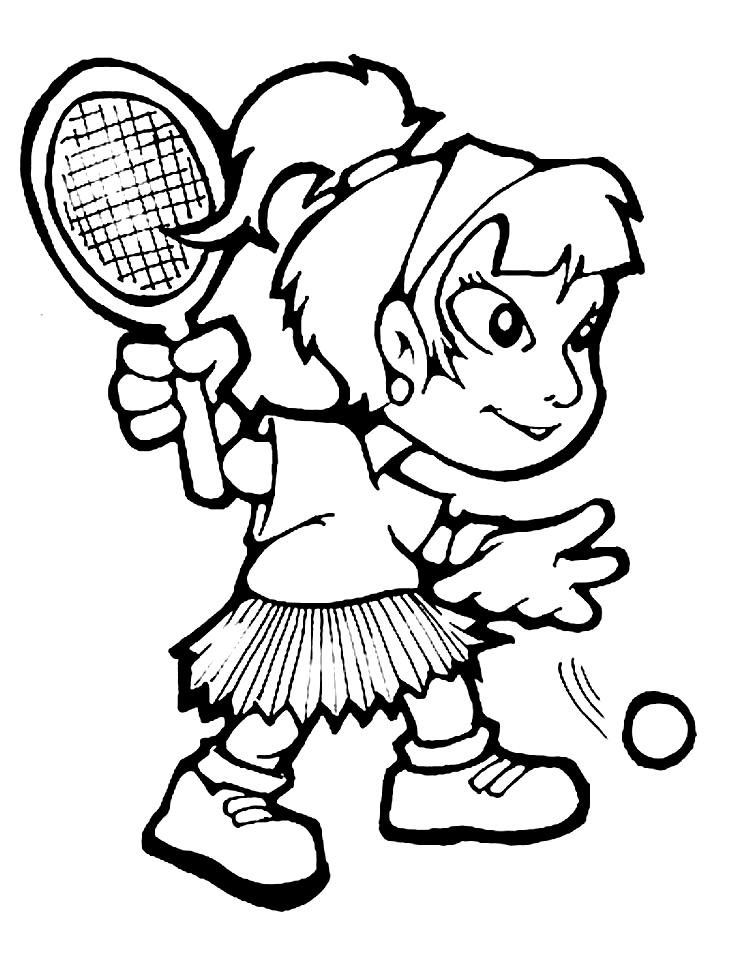
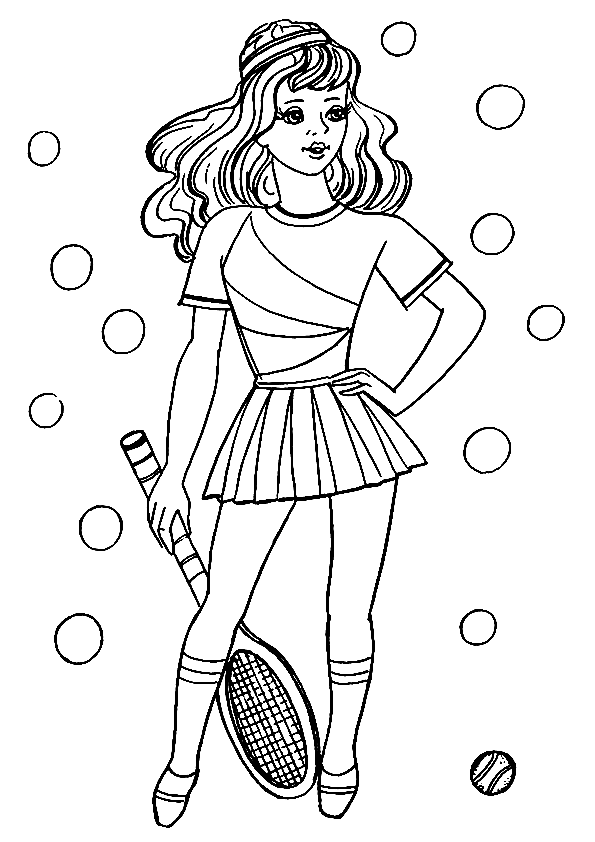
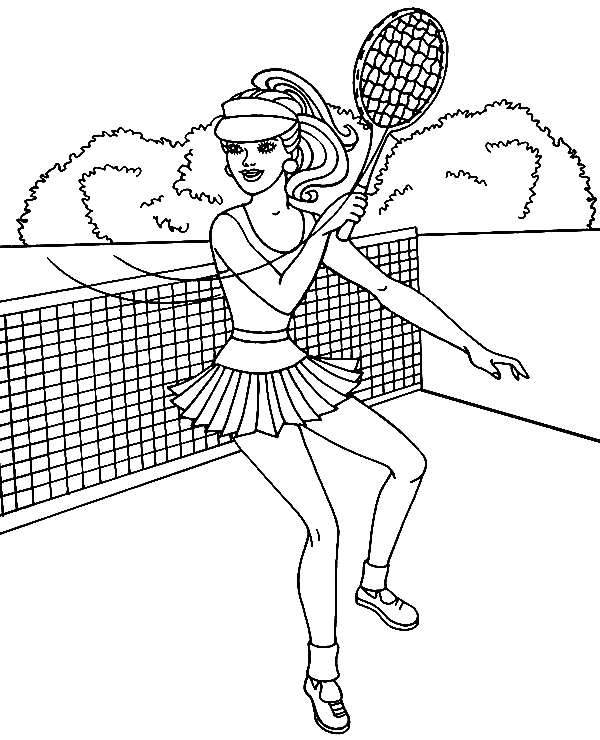
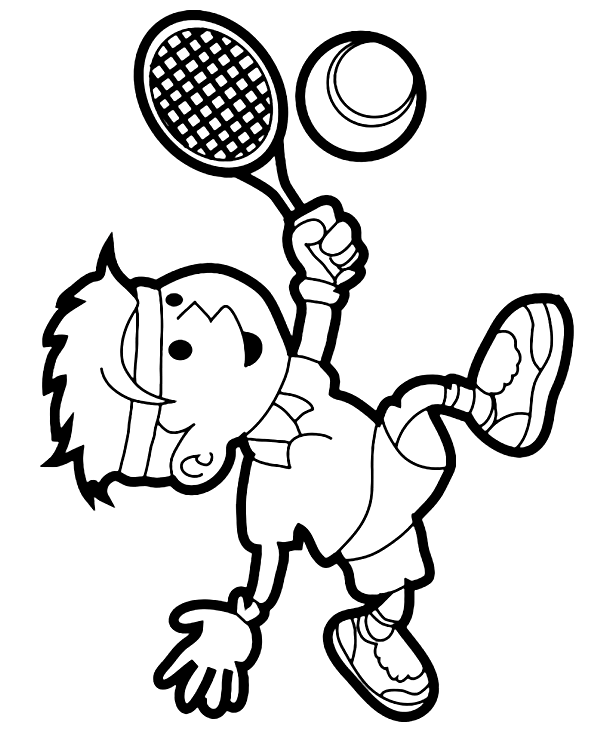
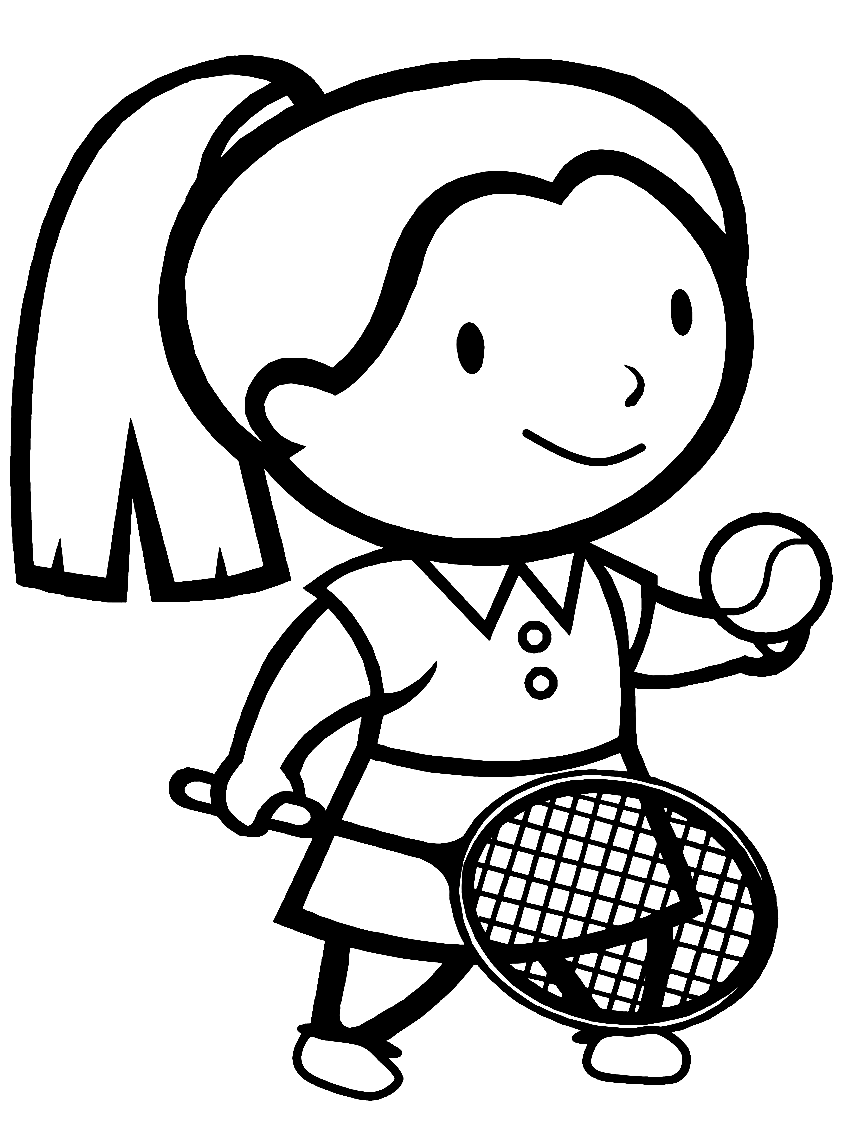
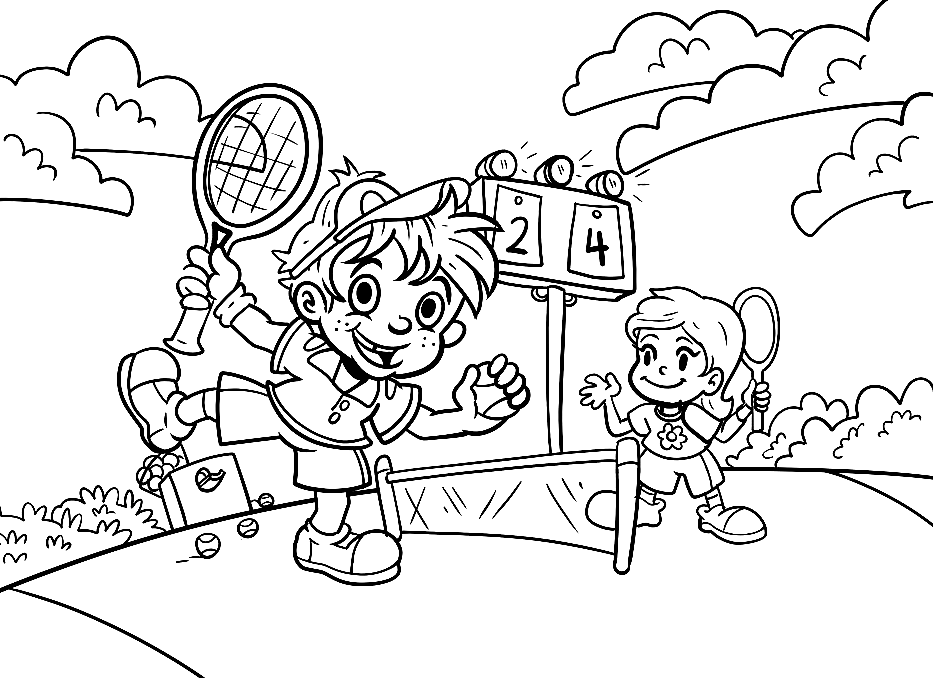
Boys and girls serve, swing, and celebrate, with pages such as Girl Serving Tennis Ball capturing the start of a point. Bright skirts, shirts, and headbands in Pink, Aqua, or Lime look great against a court background.
Animal Players
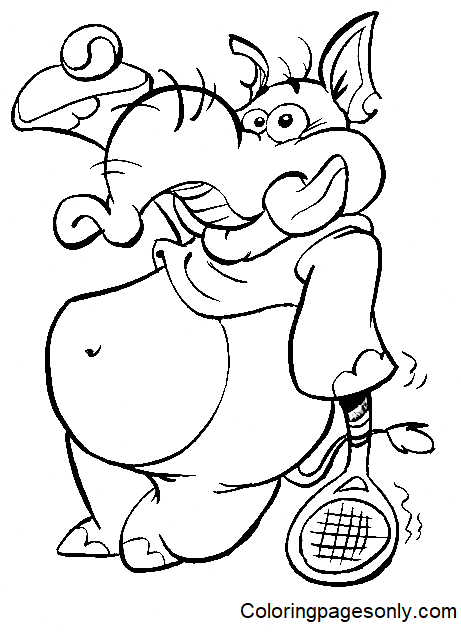
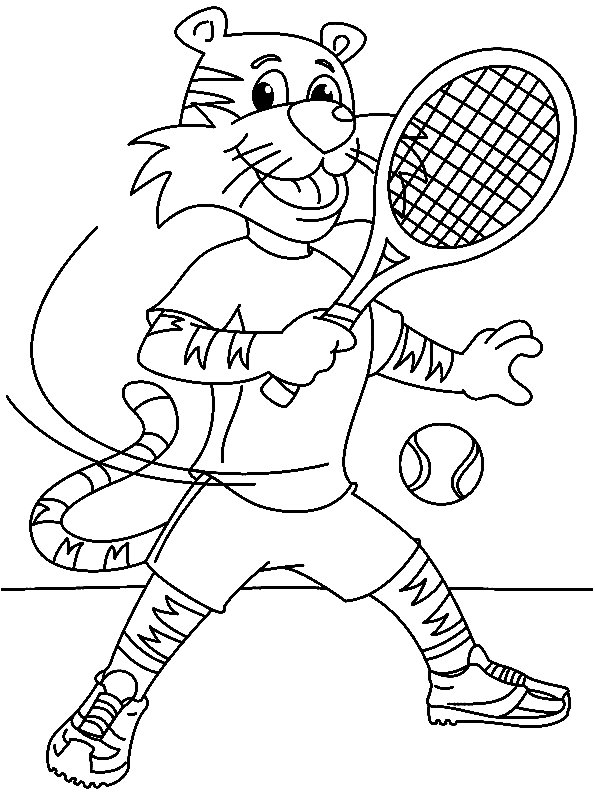
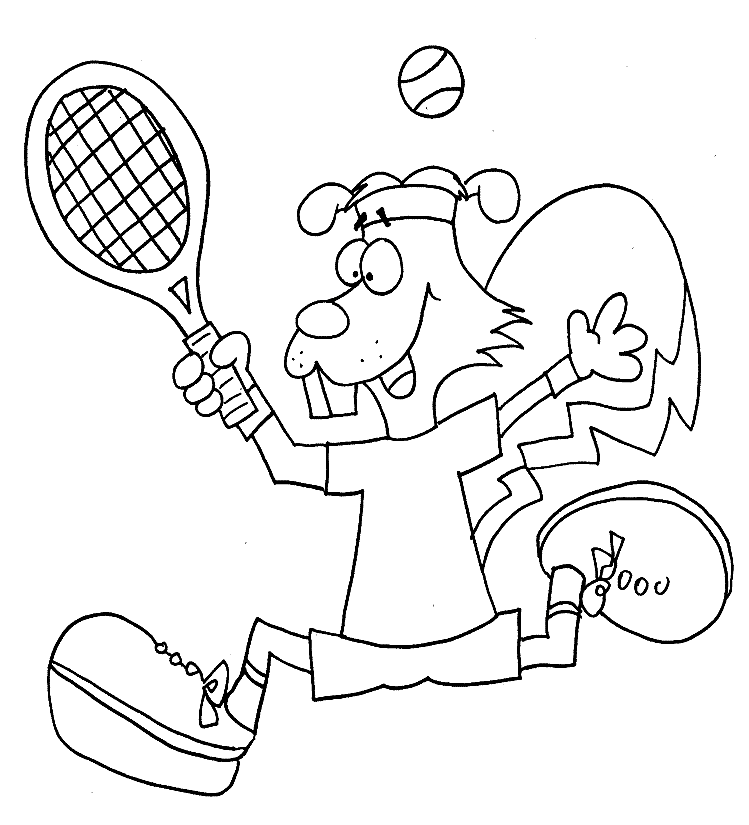
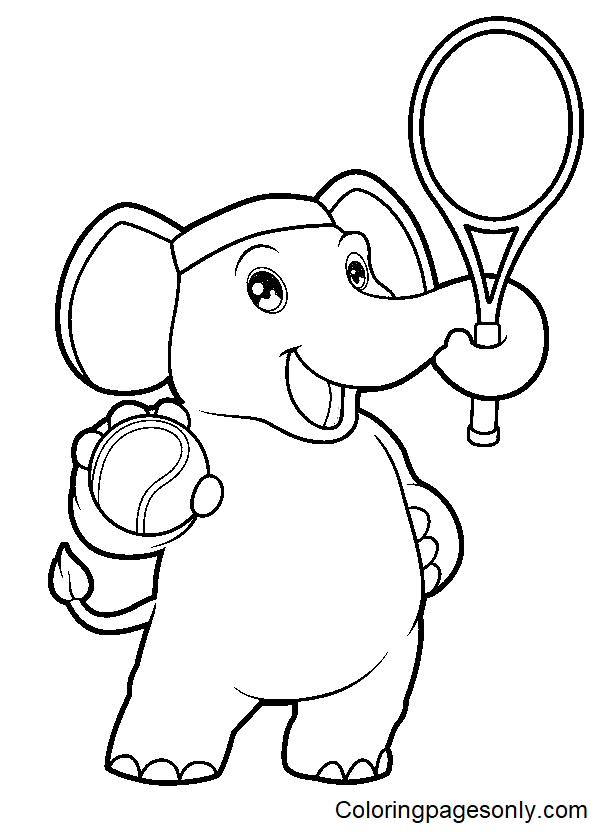
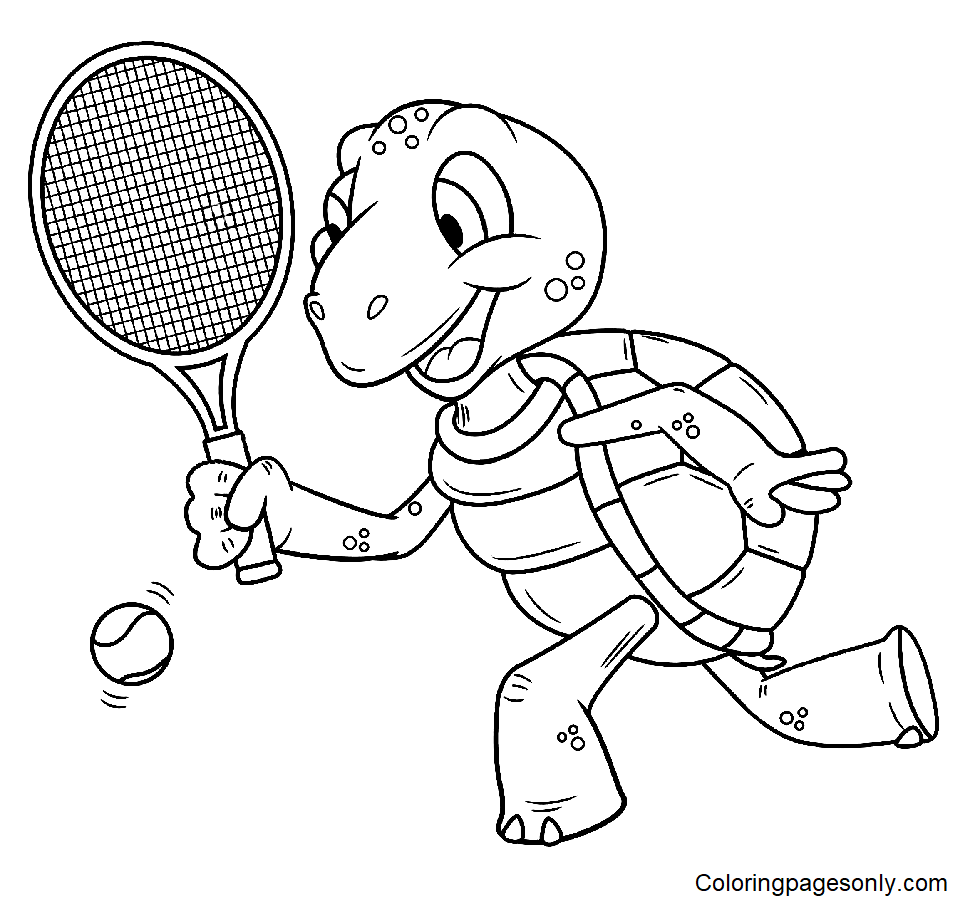
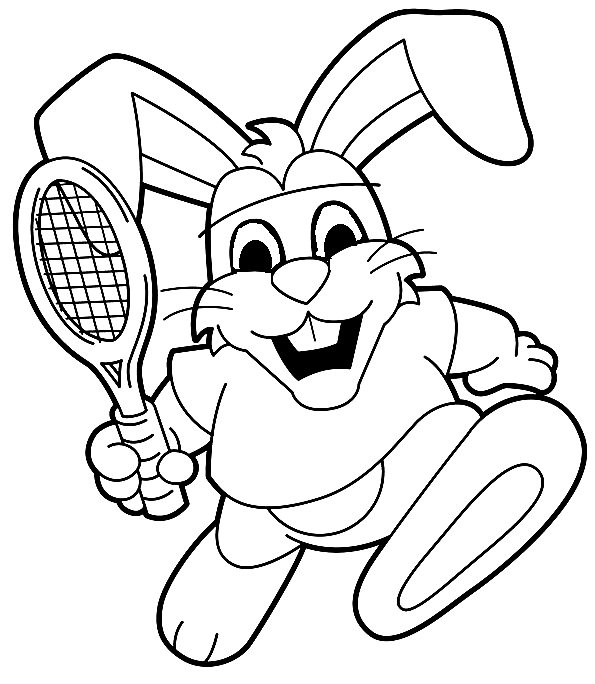
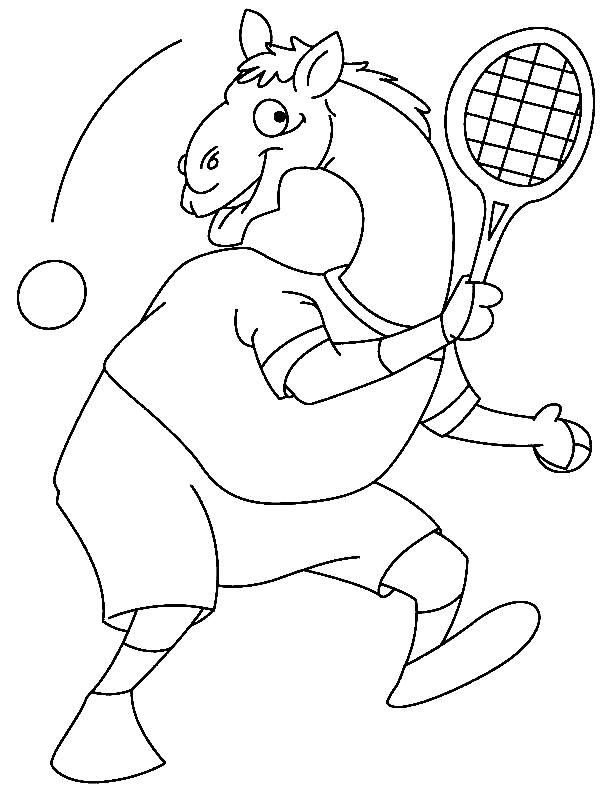
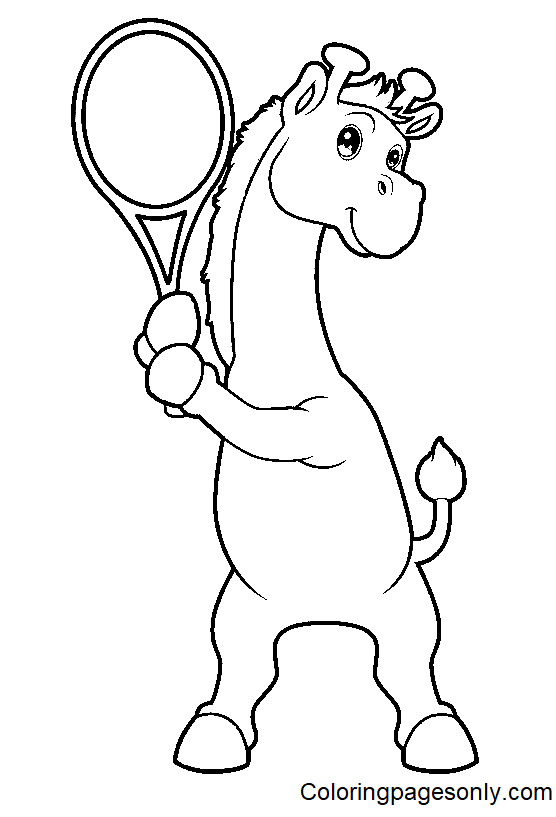
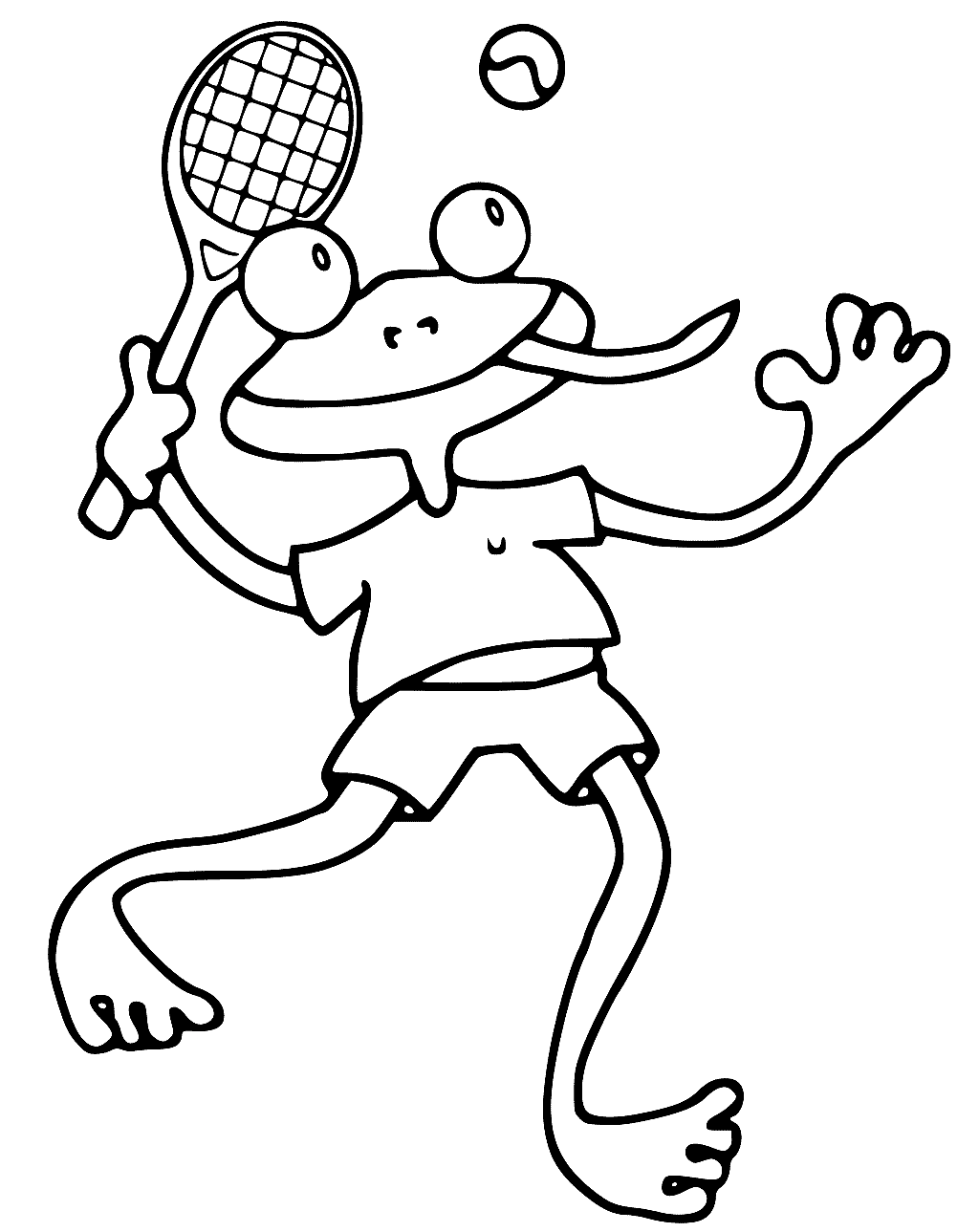
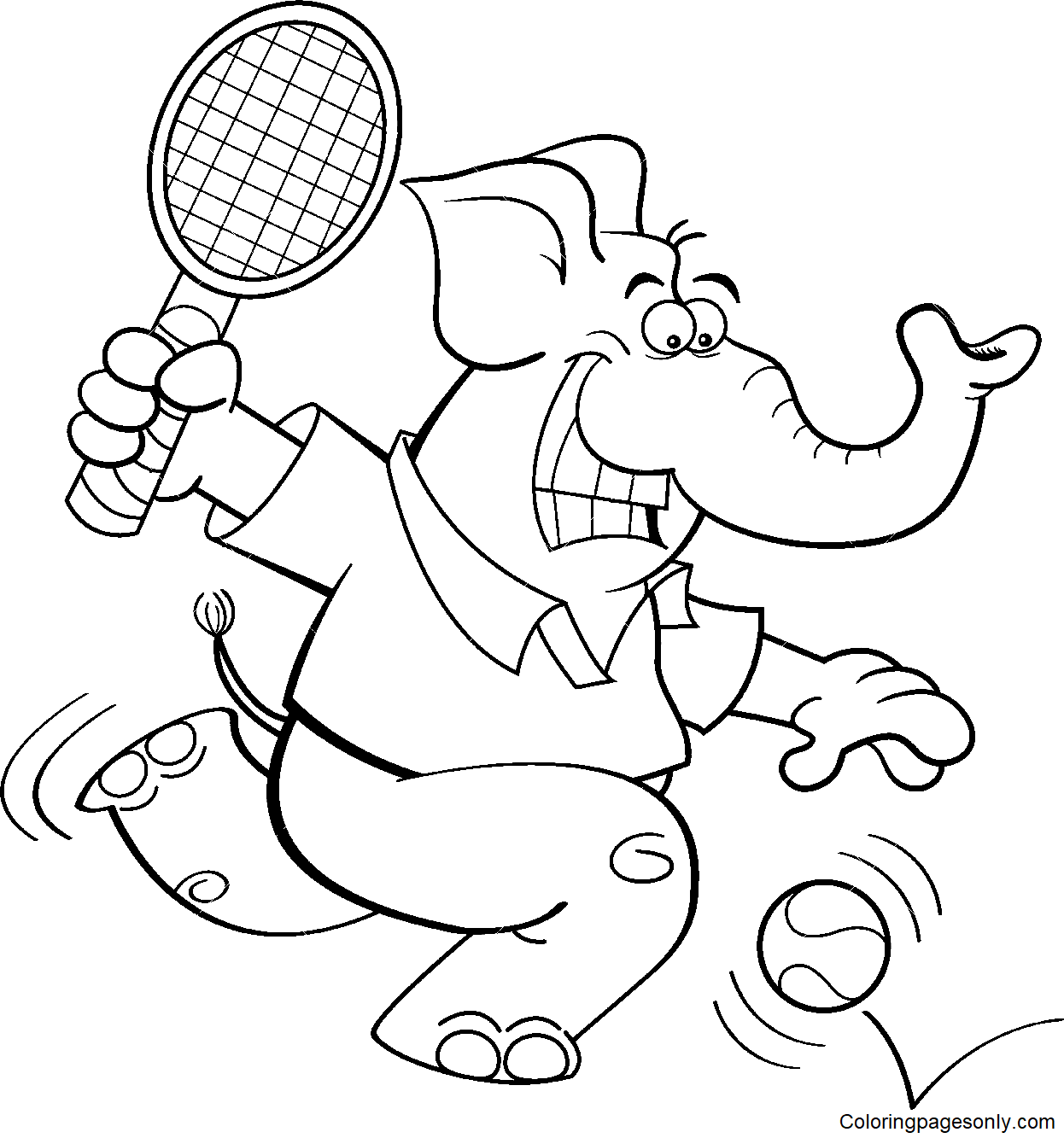
Elephants, turtles, giraffes, frogs, and bunnies grab rackets in some of the silliest pages in the set. Color each animal in its natural shades first, then add a tiny tennis outfit in a bold color.
Cartoon Guests and Tennis Gear
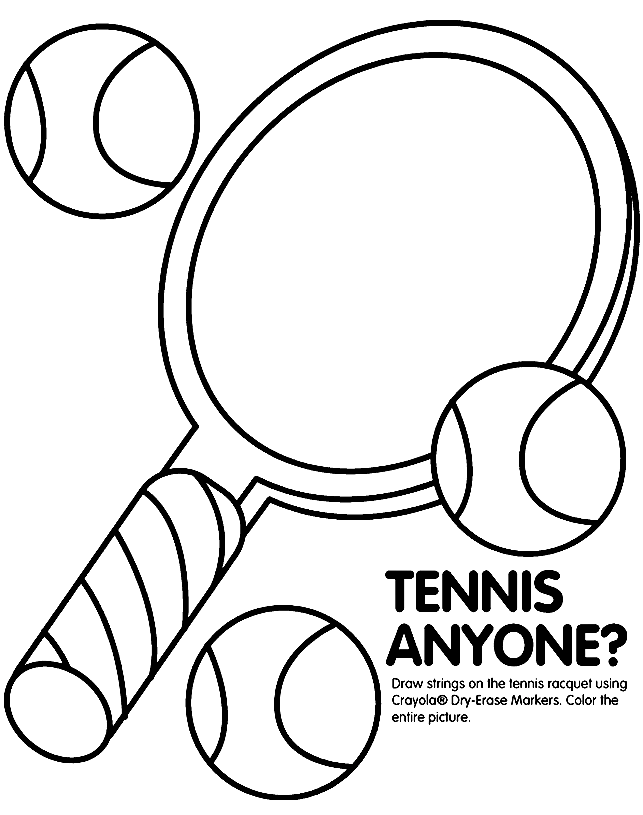
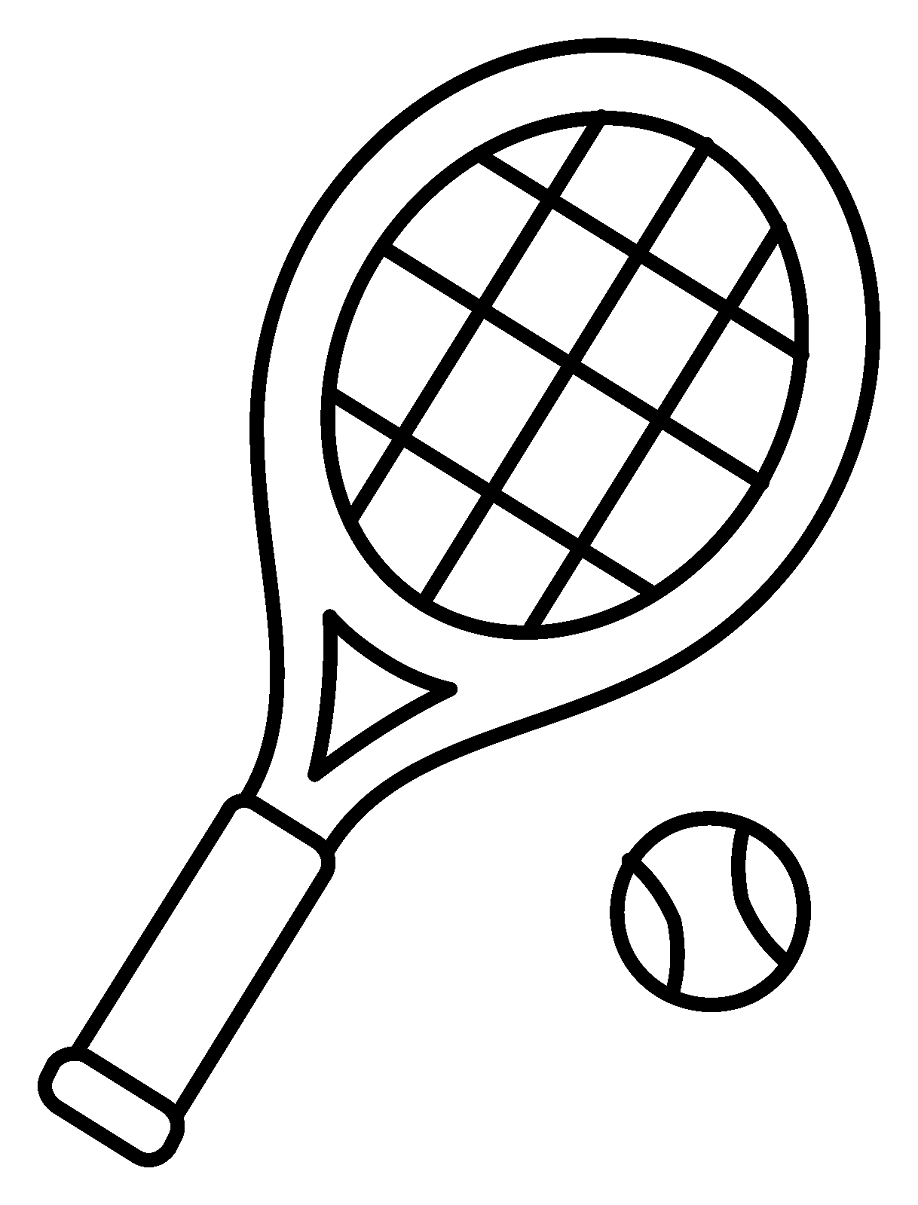
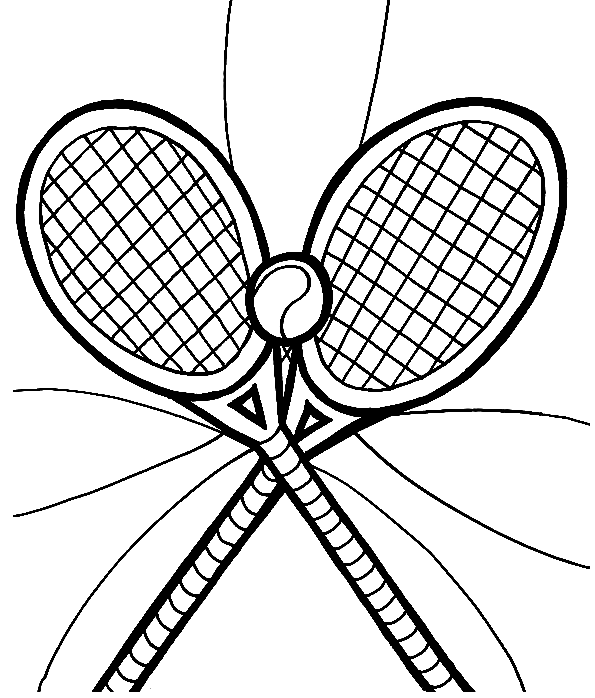
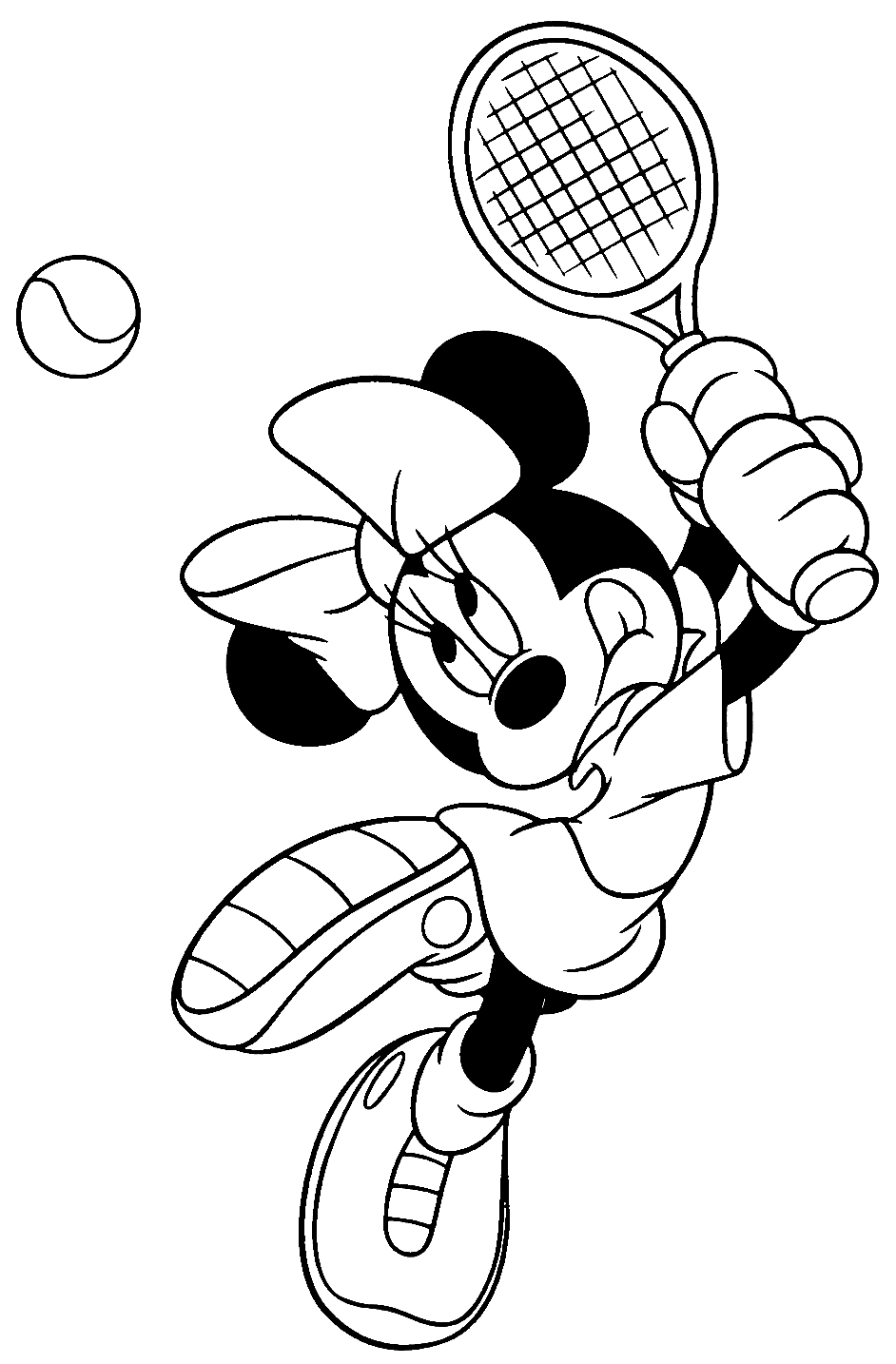
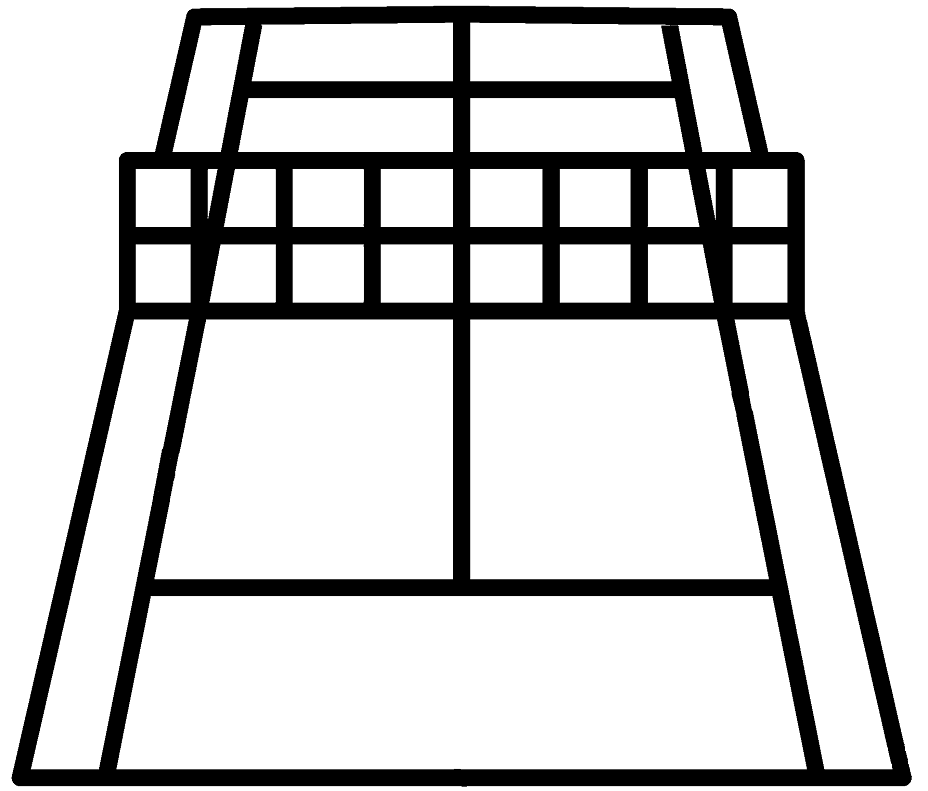
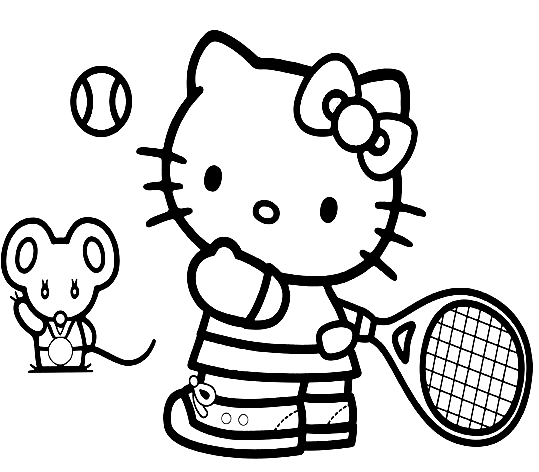
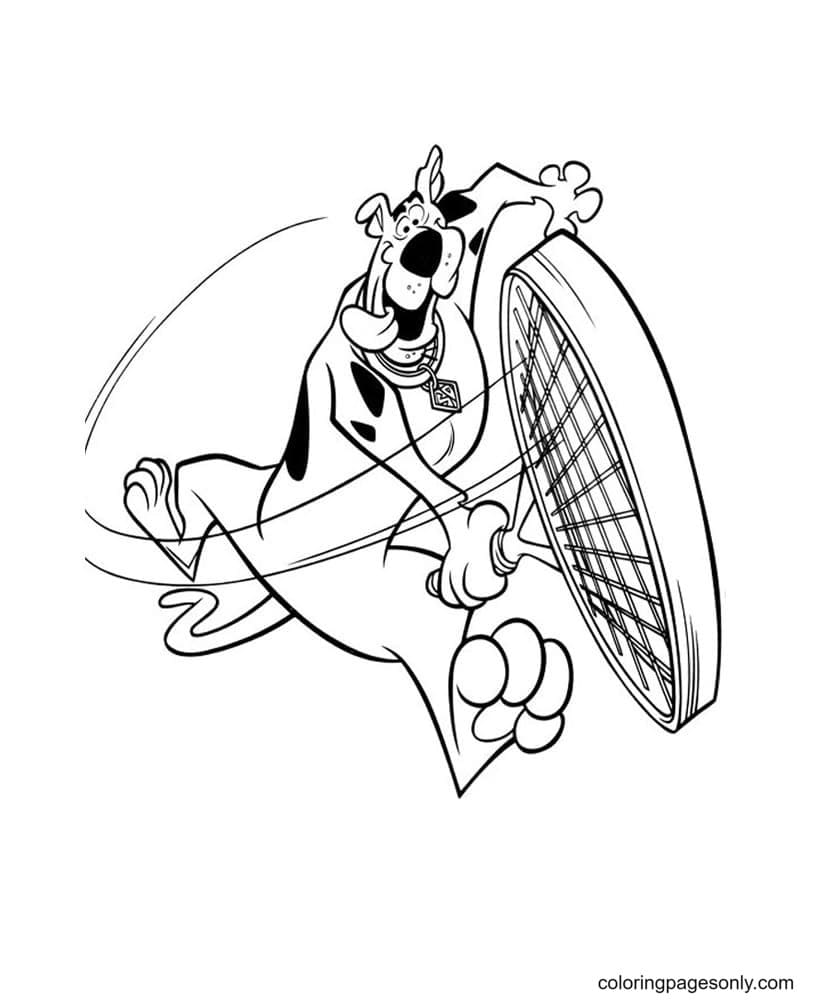
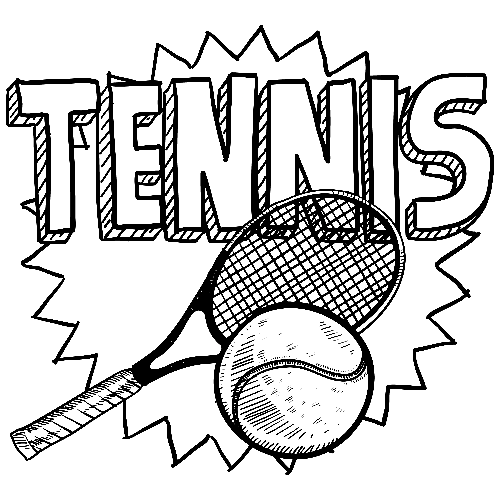
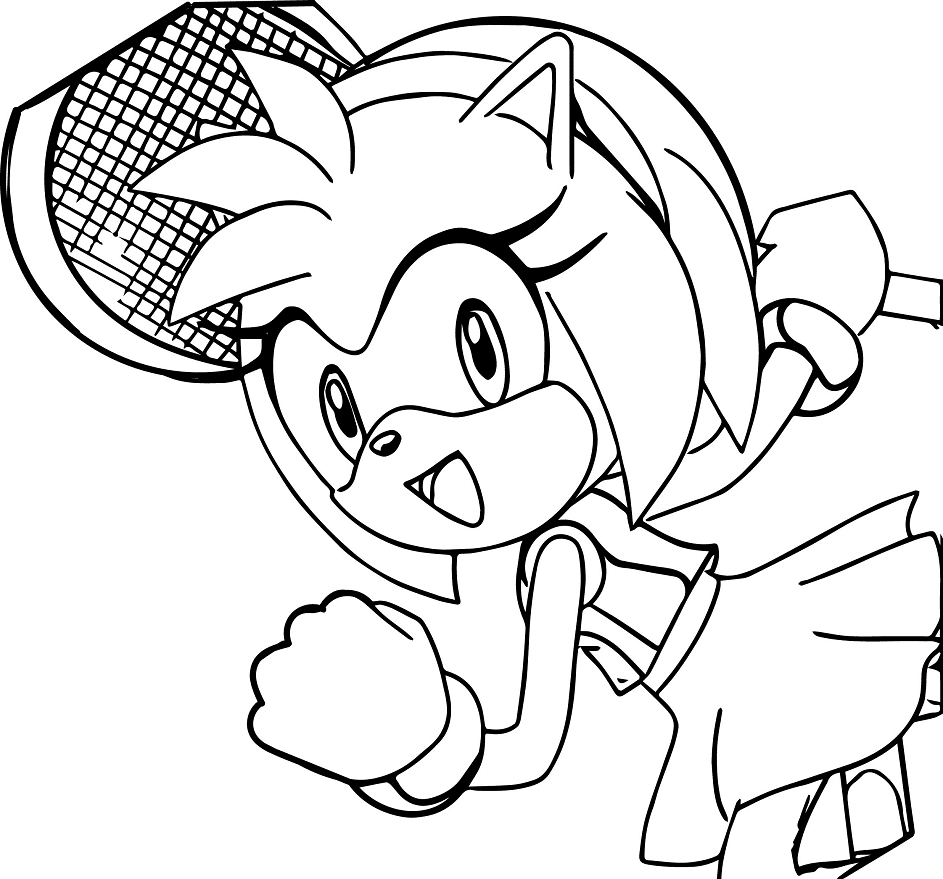
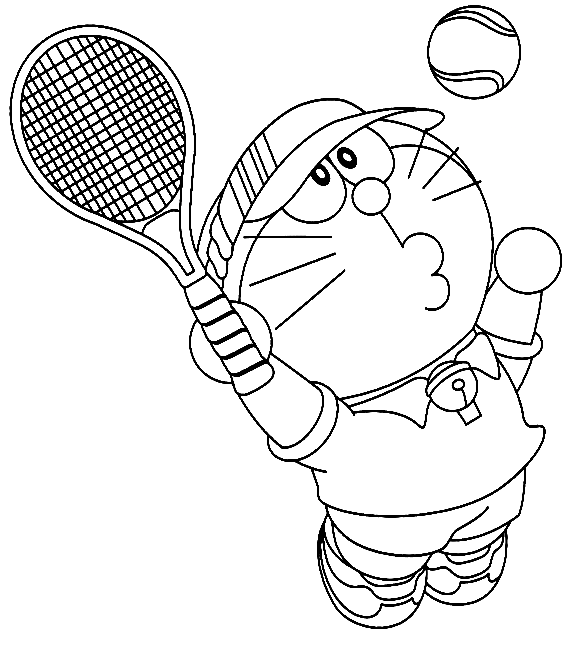
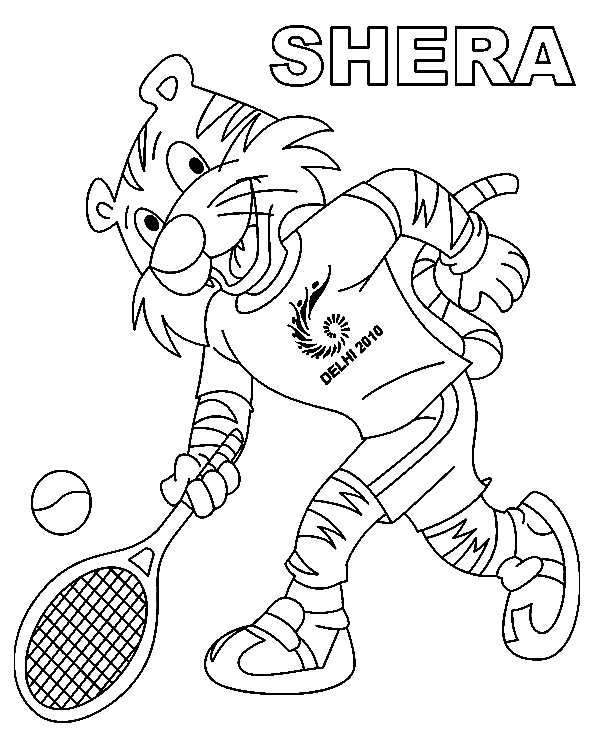
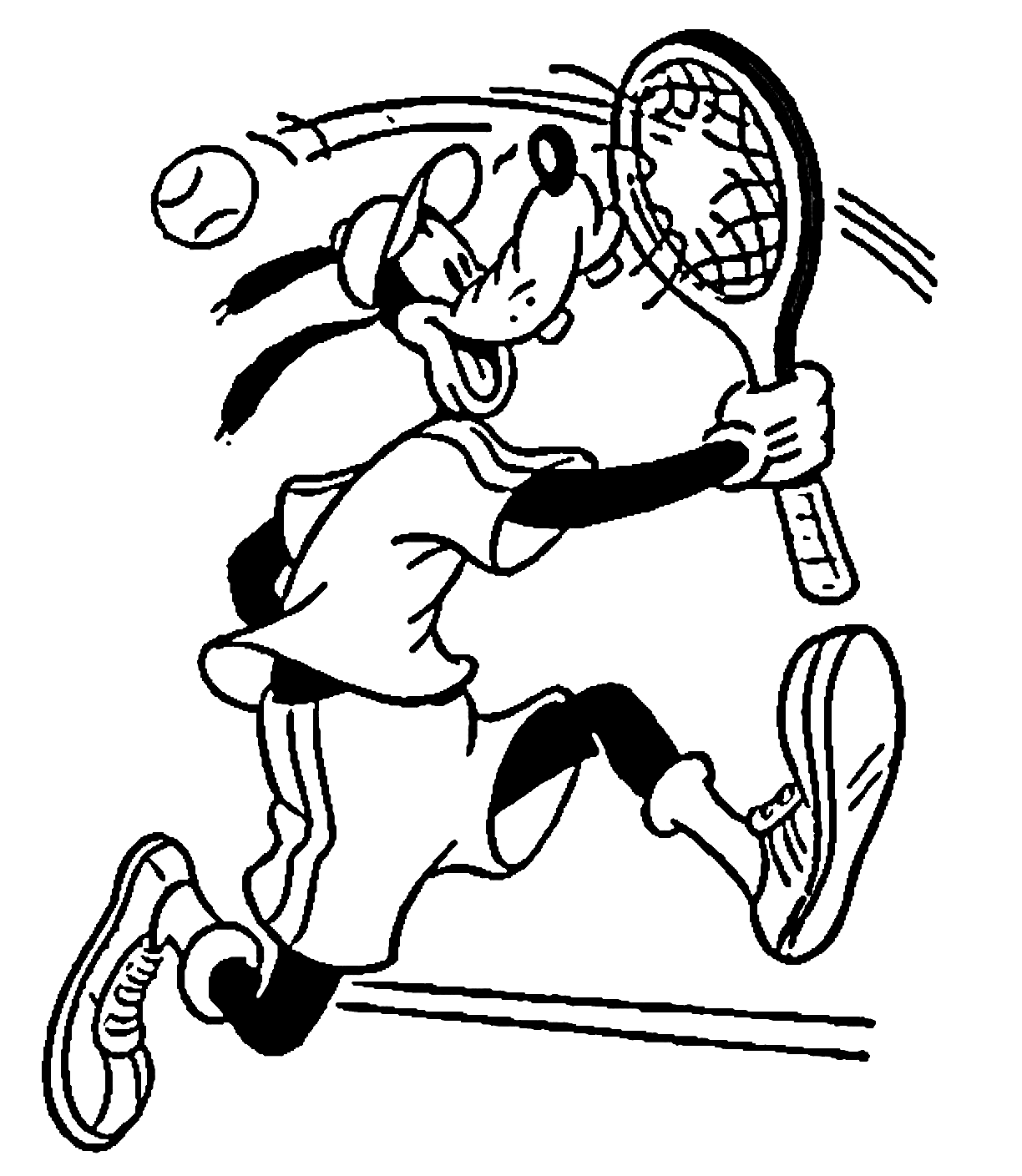
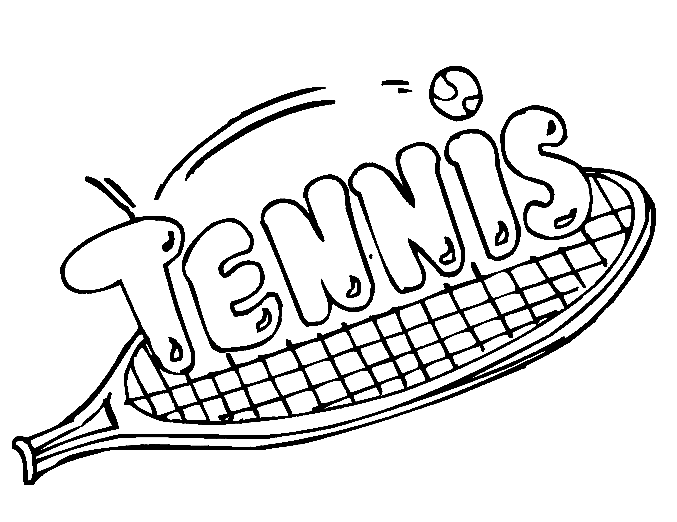
Familiar cartoon and toy characters join the fun, alongside rackets, balls, and a full tennis court. Color the ball an Optic Yellow Green and the court in the shade of a favorite Grand Slam surface.
What Tennis Coloring Pages Do
Introducing a lifelong sport. Tennis is one of the few sports people can play from early childhood into their eighties. Coloring young players and champions is a great way to spark interest before signing up for lessons at a local park or club.
Training a steady grip. Rackets have crisscrossing strings and narrow frames that call for slow, careful coloring. For children between 2 and 7, the American Academy of Pediatrics describes this kind of everyday coloring as building blocks for handwriting and other fine motor tasks, and racket strings make an especially good practice target.
Staying calm under pressure. Tennis players must stay focused one point at a time, and coloring asks for the same quiet attention. Measurable reductions in anxiety followed structured coloring sessions in a 2005 study from the Art Therapy Journal, so a tennis page can help kids settle down before a match or a test.
Exploring courts around the world. The four Grand Slam tournaments take place in Australia, France, England, and the United States, each with its own court surface. Kids can color one court in each style and point to the matching country on a map.
How to Color Tennis Pages Well
- Tennis ball: Use Yellow Green or a bright Lemon Yellow, then draw a curved White line around the ball for the seam. A small Gray shadow underneath makes it look round.
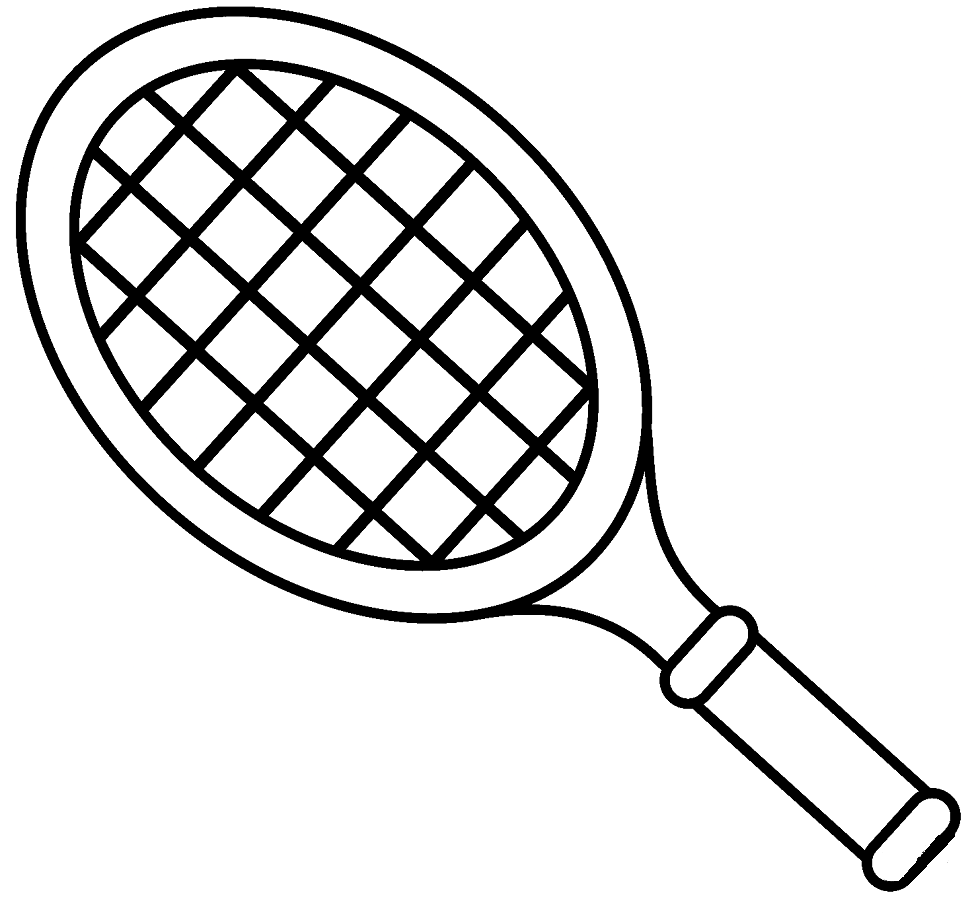
- Racket strings: Color the frame first in one bold color, then lightly fill the strings with Gray or leave them White. A ruler helps keep the string lines straight.
- Court surfaces: Choose Green for grass like Wimbledon, Burnt Orange for clay like the French Open, or Blue for hard courts like the US Open. Add crisp White lines with a ruler.
- Player outfits: Keep champion outfits simple, using White for Wimbledon or a single bright color for other tournaments. Matching wristbands and headbands complete the look.
- Animal players: Color the animal first, such as a Gray elephant or a Green turtle, then add a colorful shirt and visor on top. The mix of natural and bright colors makes these pages funny and cute.
- Net and posts: Fill the net with light Gray crosshatching and color the top band White. Dark Green or Black posts frame the scene nicely.
5 Creative Craft Ideas With Tennis Coloring Pages
1. Grand Slam Court Map
Color four court pages in grass, clay, and hard court colors, and glue each one near the right country on a printed world map. Label the tournaments to learn where each Grand Slam is played.
2. Paper Plate Racket
Color the racket page, cut out the head, and glue it onto a paper plate. Attach a craft stick handle and use the racket to bat a balloon around the room.
3. Tennis Champions Gallery
Color the champion portraits, mount each one on colored cardstock, and write one fact about the player underneath. Hang them in a row like a hall of fame.
4. Animal Tennis Tournament Bracket
Draw a tournament bracket on a poster board and glue colored animal players into the slots. Let kids decide which animal wins each round.
5. Tennis Ball Bookmark
Color a tennis ball cutout bright yellow and green, and glue it to the top of a strip of cardstock. Draw racket strings along the strip so it looks like a mini racket.
Frequently Asked Questions
What are Tennis coloring pages?
There are 61 free printable sheets featuring tennis champions, kids playing, animal players, cartoon guests, rackets, balls, and courts. Each design is available as a PDF for printing or as an online coloring page.
Where did tennis come from?
The modern game of lawn tennis was developed in England in the 1870s, building on earlier court games played in France for centuries. Rules spread quickly, and the first Wimbledon Championships took place in 1877.
What are the four Grand Slam tournaments?
The Grand Slams are the Australian Open, the French Open, Wimbledon, and the US Open. Winning all four in one year, called a calendar Grand Slam, is one of the rarest achievements in sports.
Why are tennis balls yellow?
Tennis balls were mostly white until the 1970s, when a bright yellow-green color was introduced because it shows up better on television. Wimbledon switched to yellow balls in 1986.
How does tennis scoring work?
Points go from love, meaning zero, to 15, 30, and 40, and the next point wins the game unless the score is tied at 40. Players win games to take sets, and sets to win the match.
Is tennis an Olympic sport?
Yes. Tennis was part of the early Olympics from 1896 to 1924, then returned as a full medal sport at the 1988 Seoul Games. Players compete in singles, doubles, and mixed doubles.
What age are Tennis coloring pages for?
Ball, racket, and animal pages work for kids from about 3, while champion portraits and detailed court scenes suit children up to about 12. Tennis coaches often hand them out at junior clinics.
Who are the most famous tennis players?
Serena Williams, Roger Federer, Rafael Nadal, and Novak Djokovic each won at least 20 Grand Slam singles titles. Their long rivalries helped make the 2000s and 2010s a golden era for the sport.
Start Coloring
Choose a champion portrait, a kid serving, or an elephant swinging a racket, then print it or color it online with no account needed. Young tennis fans can share their finished pages on Facebook or Pinterest.