Free Field Hockey Coloring Pages: 24 printable PDF designs from the turf, with two sisters battling for the ball, girls dribbling and shooting, boys and men in match action, a hooked stick resting beside its ball, a team logo, and a tiger, an owl, an eagle, and a blue jay gripping sticks. Not a single sheet carries a fee.
Men’s field hockey joined the Olympic program at the 1908 London Games, and women’s field hockey followed in Moscow in 1980. India won six straight Olympic golds from 1928 to 1956 and holds eight men’s titles in all. Each team fields 11 players, including a goalkeeper, and a game runs four 15-minute quarters. Every stick has a flat face and a rounded back, and only the flat side may strike the ball. Goals count only when the shot comes from inside the semicircular striking circle. In the United States, the sport took root among women after English coach Constance Applebee demonstrated it at Harvard in 1901.
Single players and mascots suit beginners. Two-player match scenes and the logo design give older kids more lines to follow.
What’s Inside This Collection
Four groups make up the 24 designs: girls and women on the field, boys and match action, animal mascots, and gear and logos.
Girls and Women on the Field
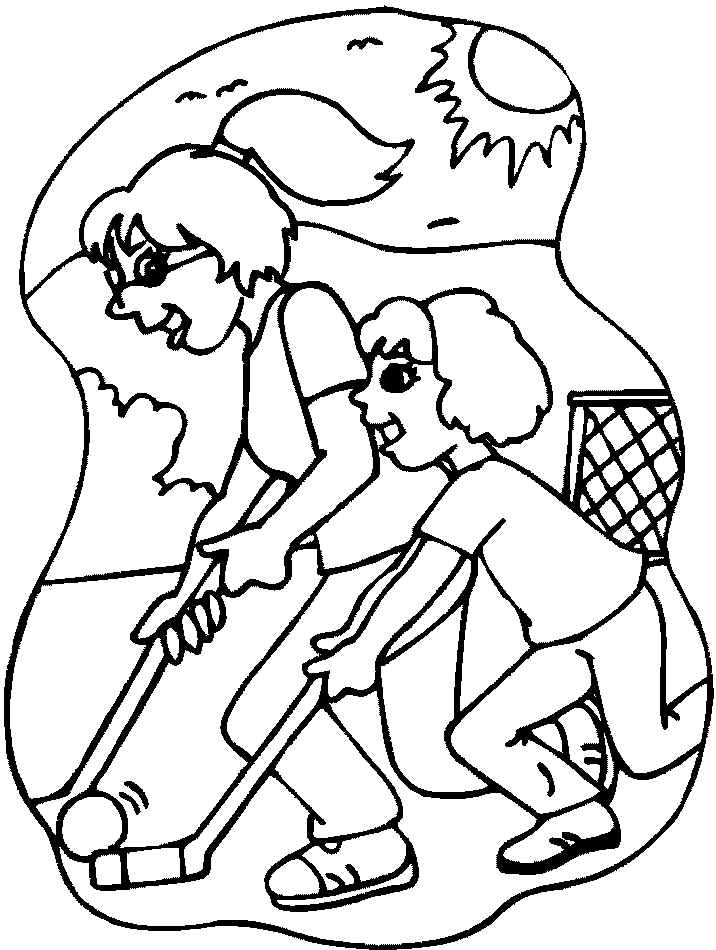
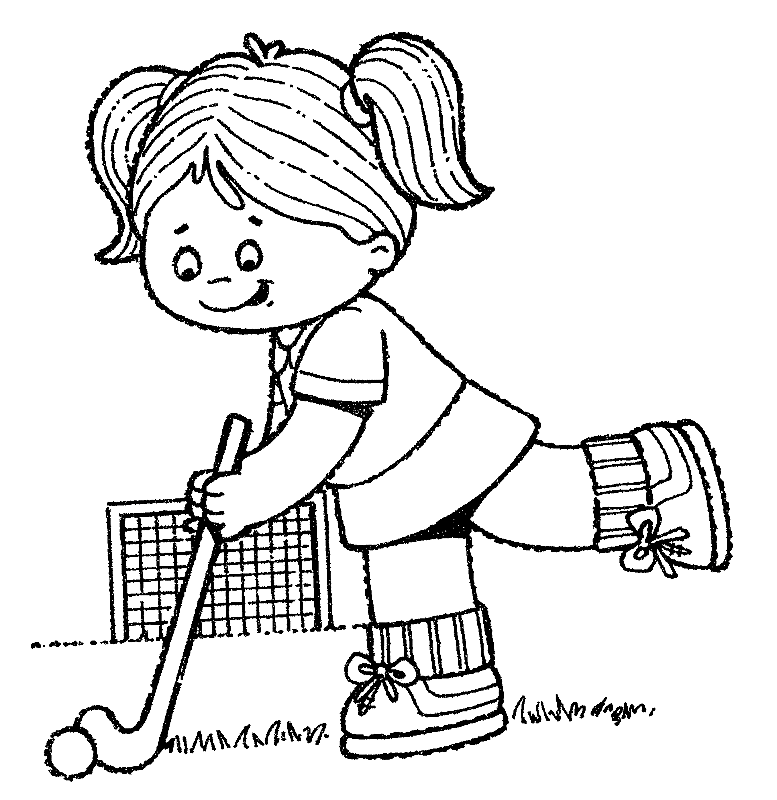
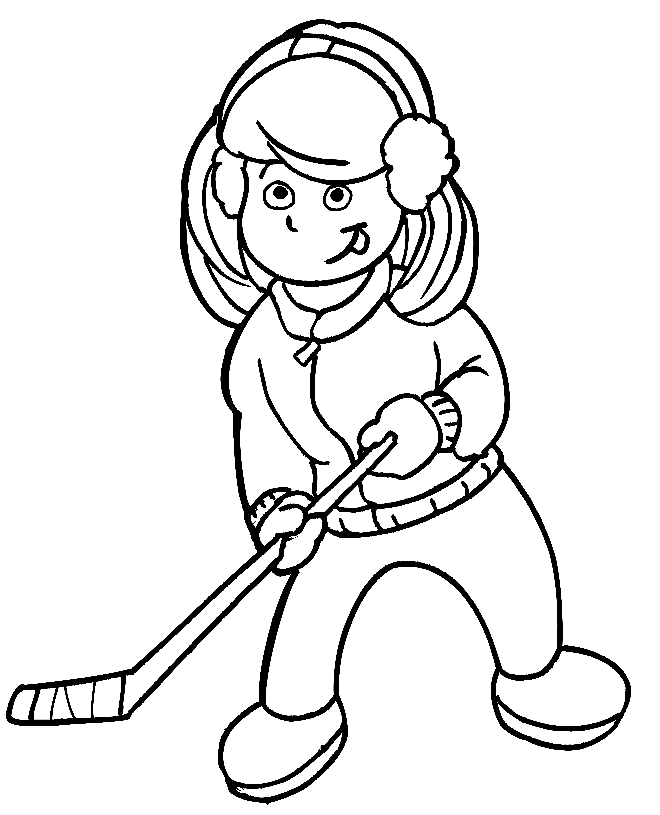
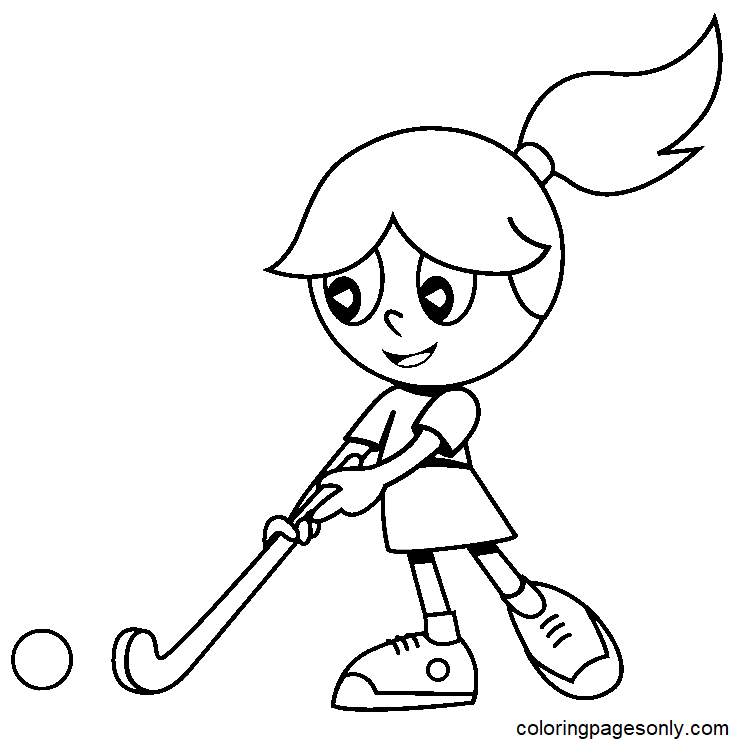
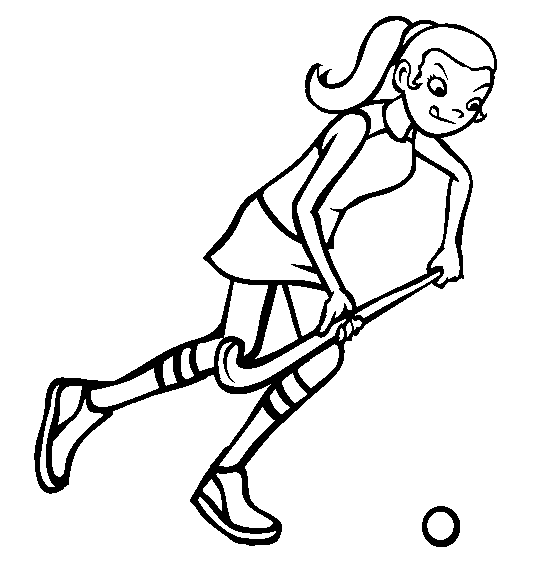
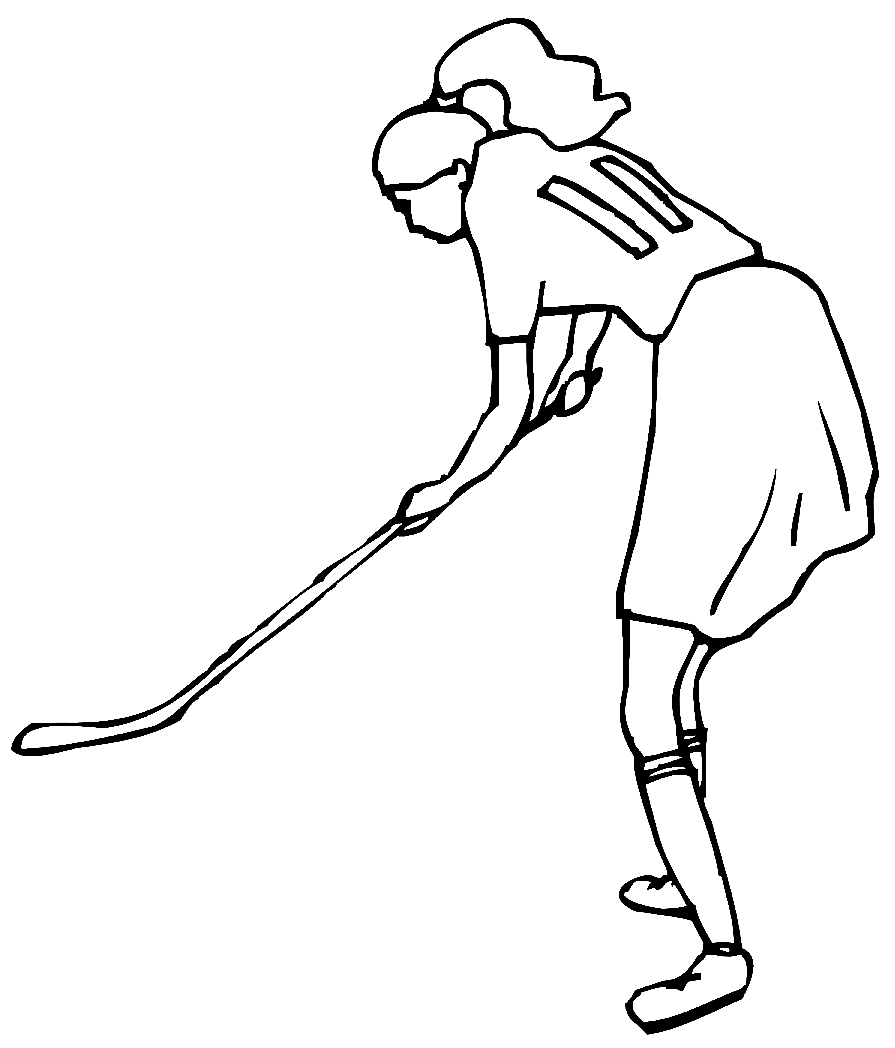
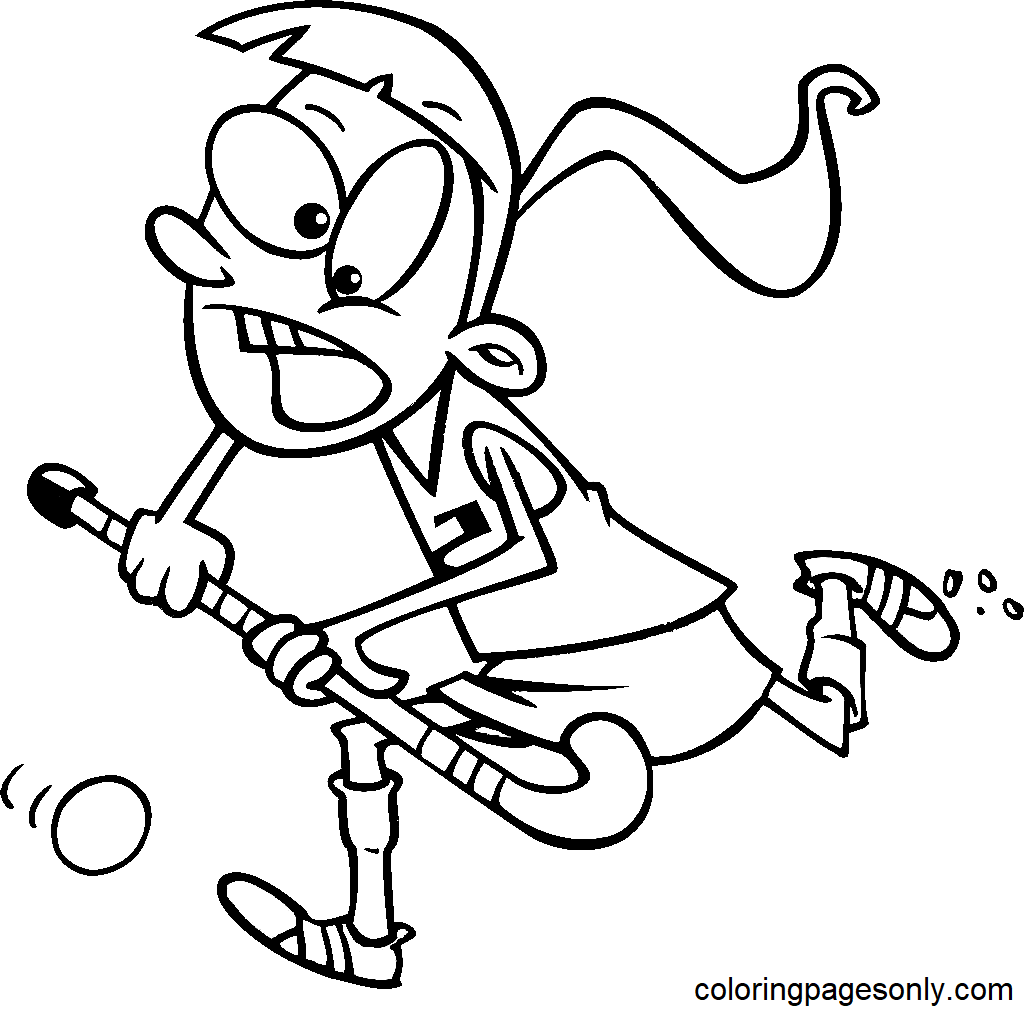
Six pages show two sisters competing, a cute girl, a funny girl, and three more girls dribbling and driving the ball. Dress each team in a kilt-style skirt of Kelly Green or Maroon, and add a matching mouthguard in a bright Lime.
Boys, Men, and Match Action
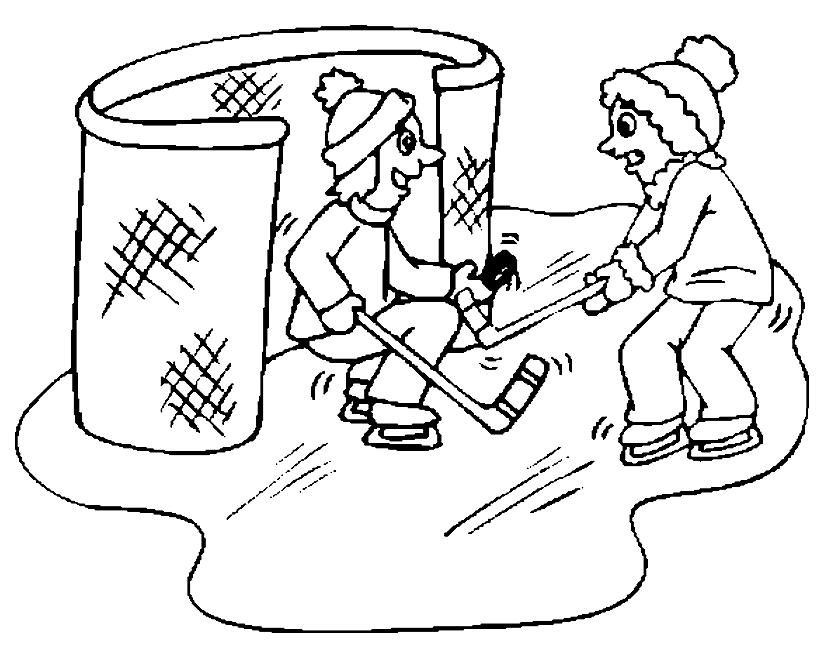
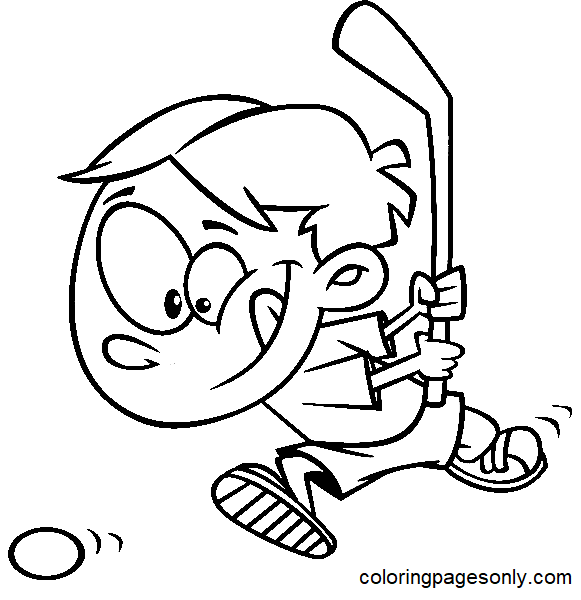
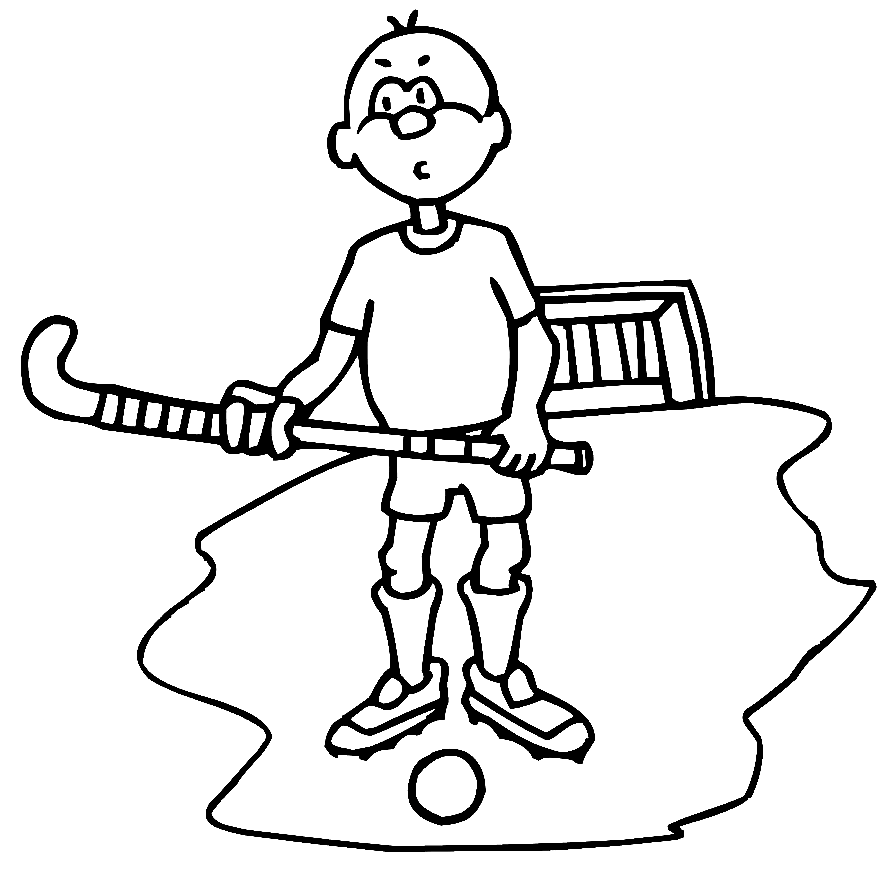
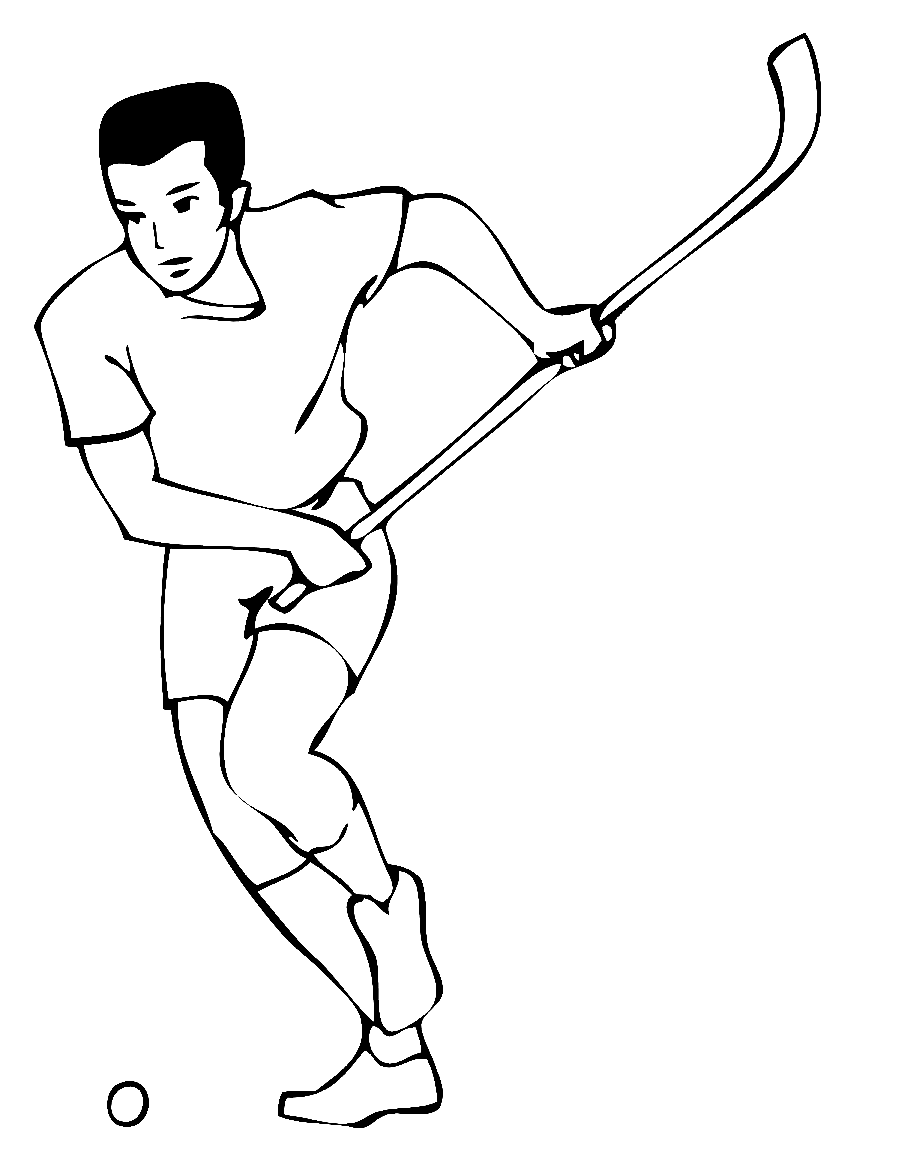
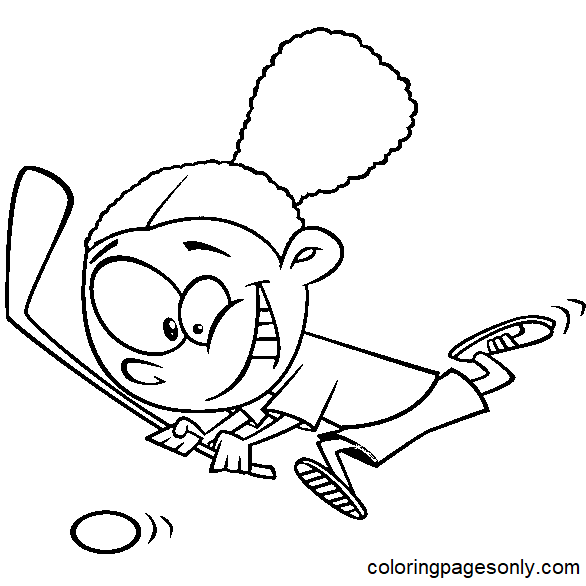
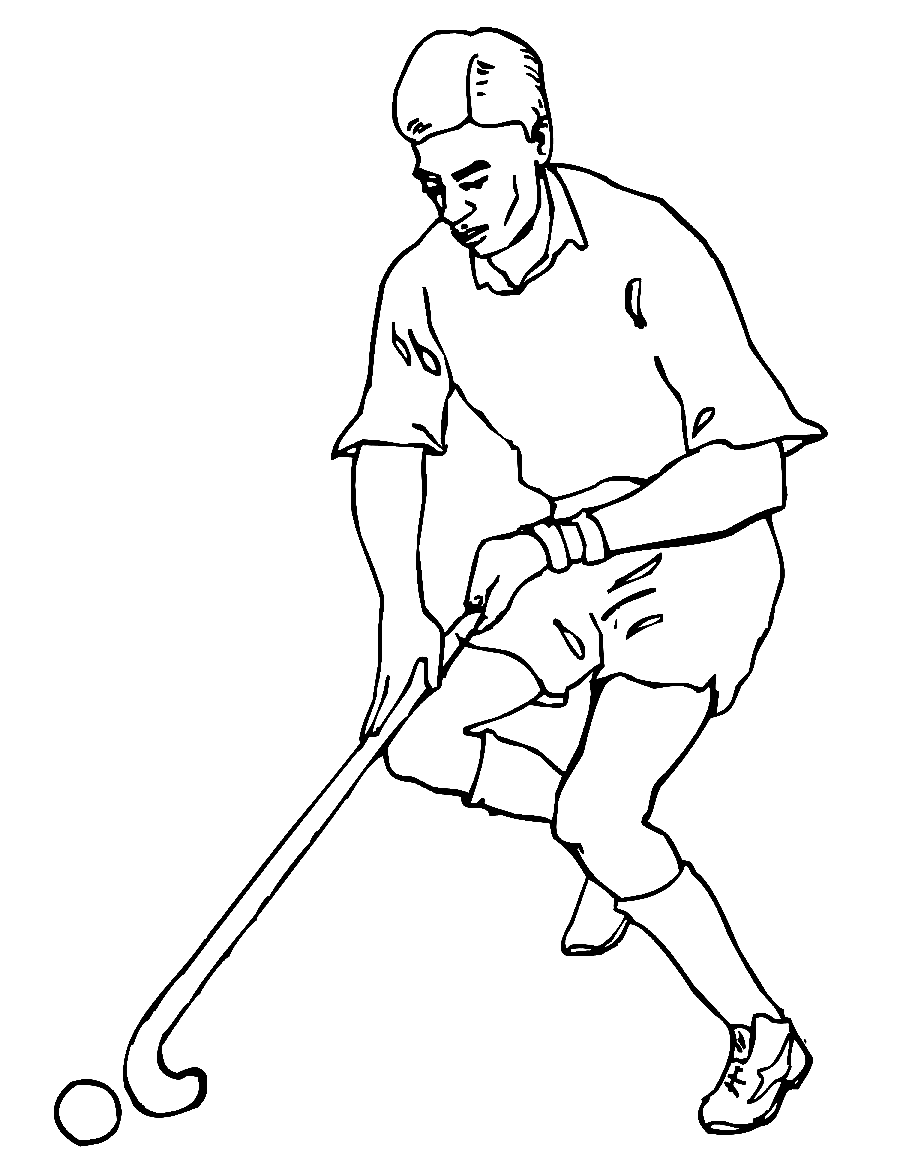
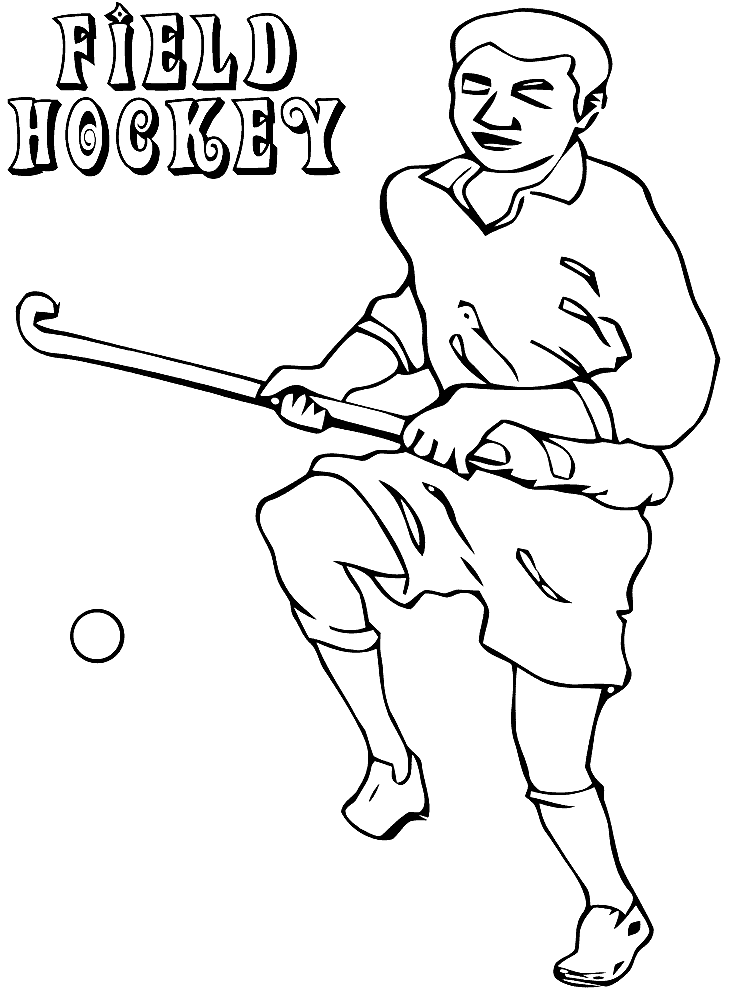
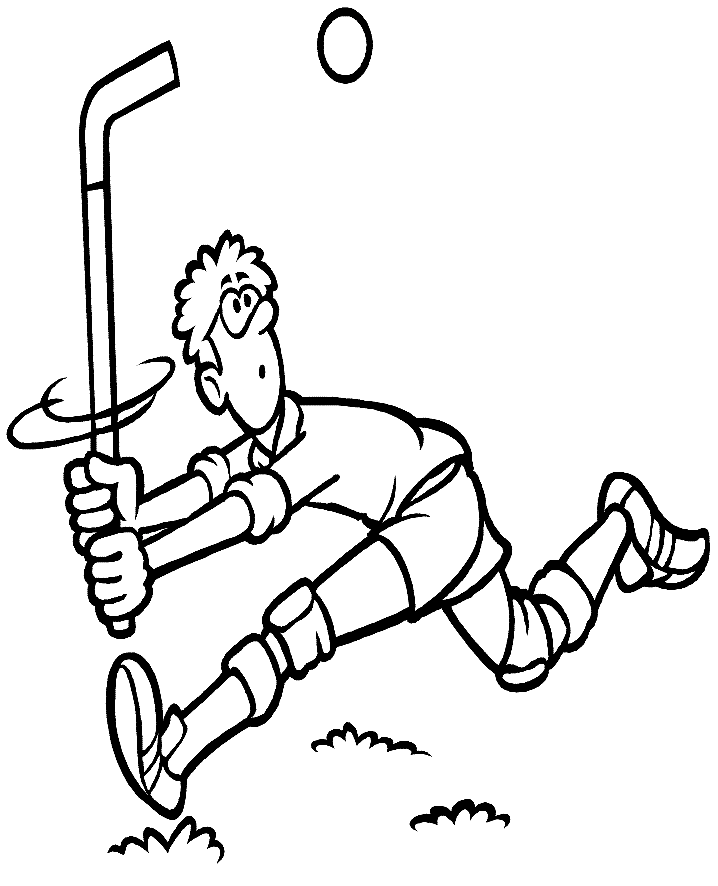
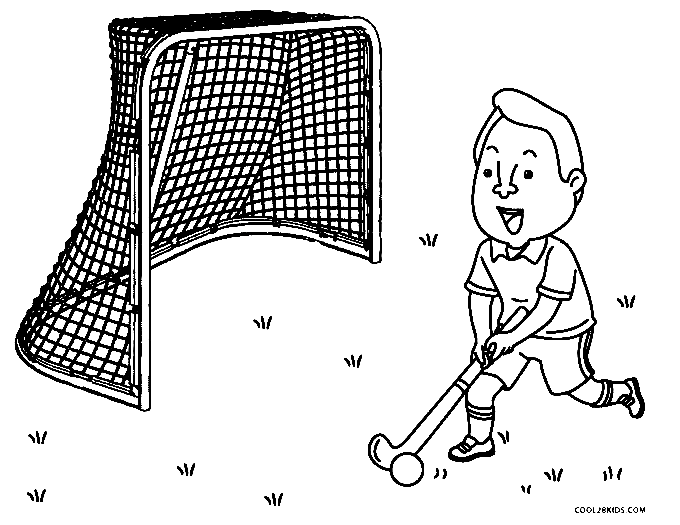
Eight sheets feature a boy holding a stick and ball, a boy on the run, a man mid-swing, two players fighting for possession, a cartoon player, and three general player poses. Give opponents contrasting jerseys, such as Royal Blue against Gold, so the duel reads at a glance.
Animal Mascots
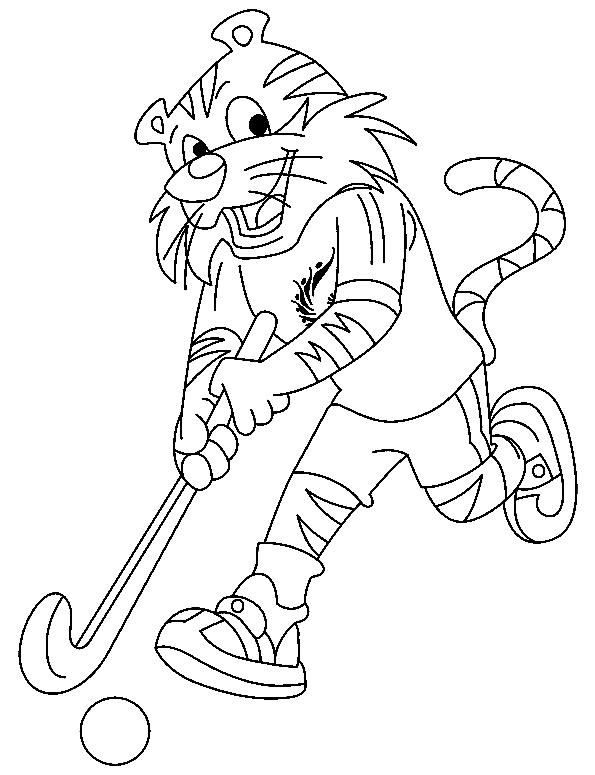
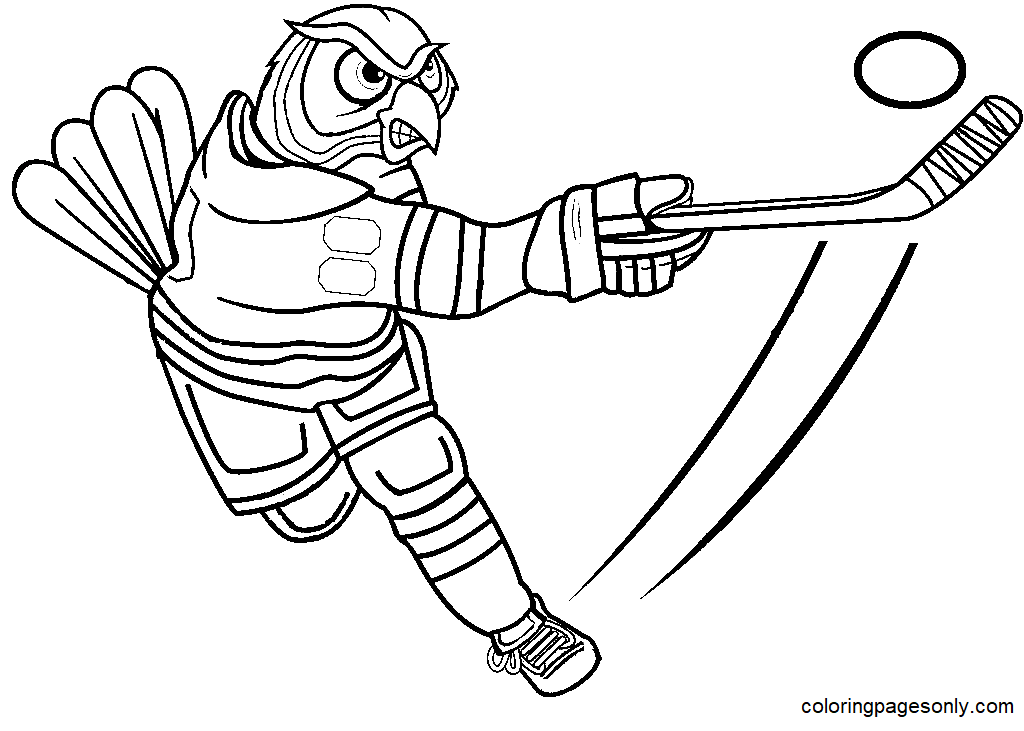
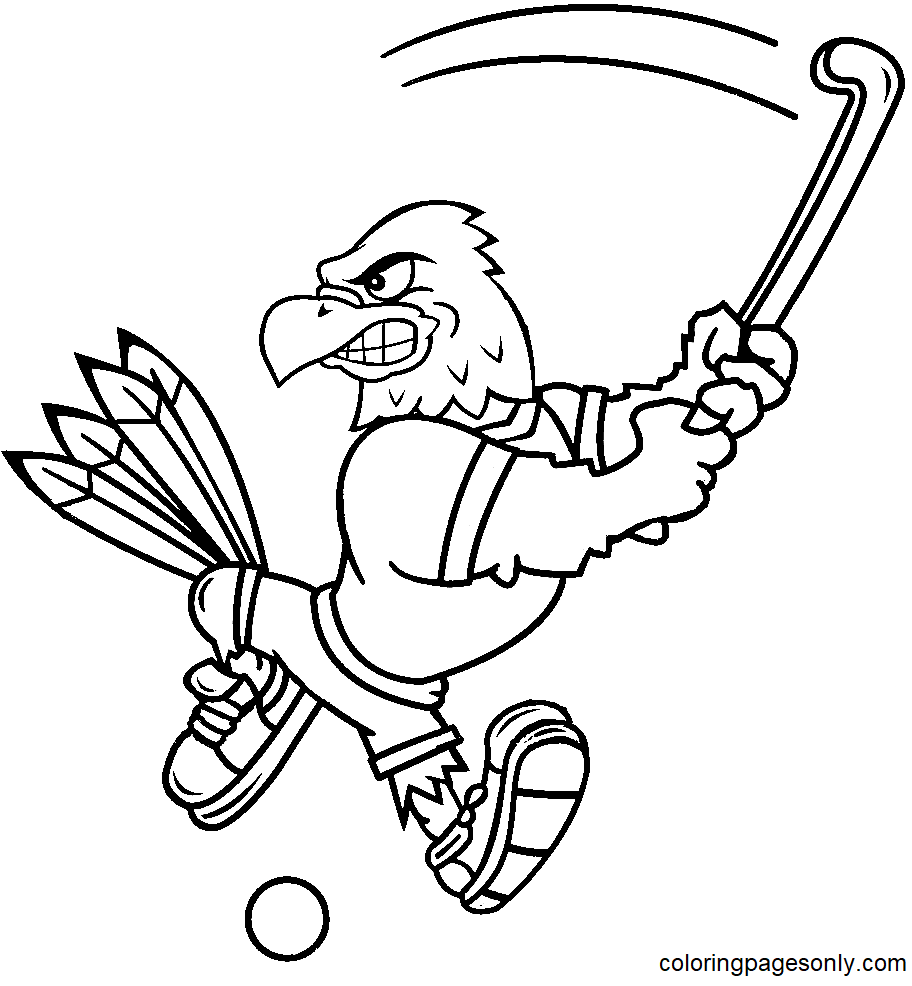
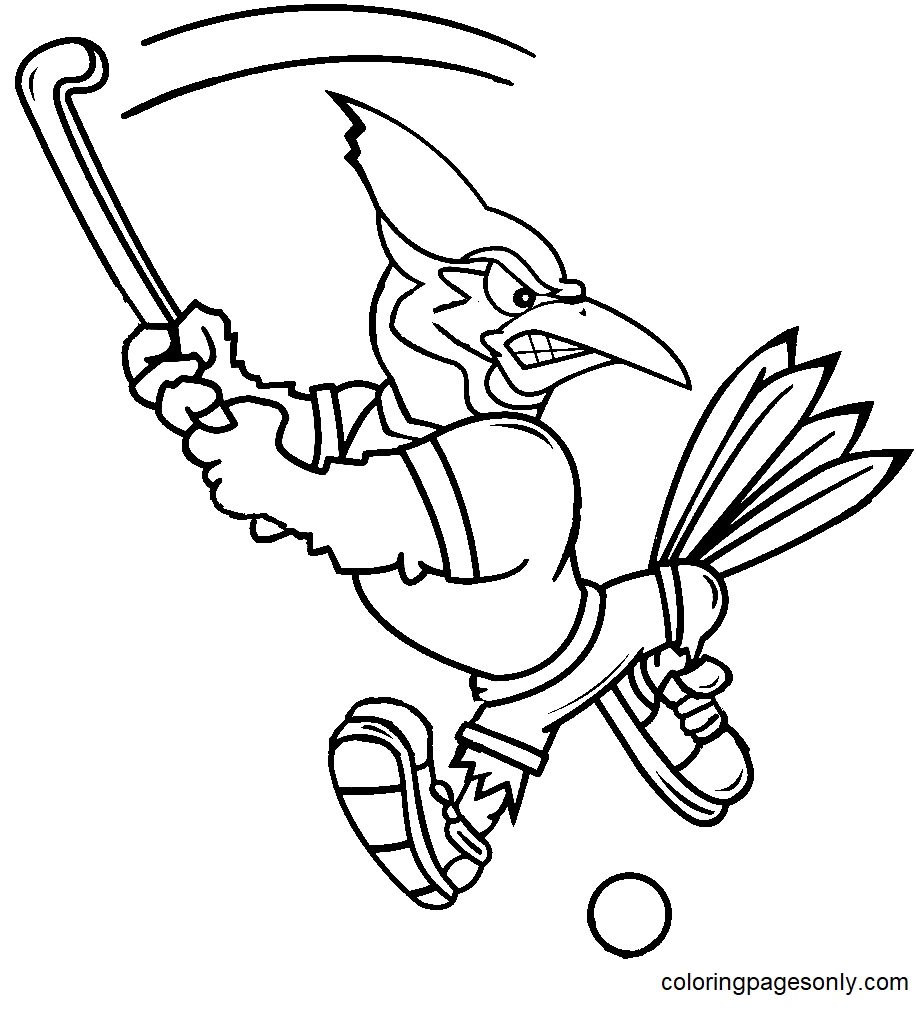
Five designs show a tiger, an owl, an eagle, a blue jay, and a team mascot holding sticks. Paint the blue jay’s back Cobalt, its belly pale Dove Gray, and its collar band Black, and give the eagle a Chestnut body with a snowy head.
Sticks, Balls, and Logos
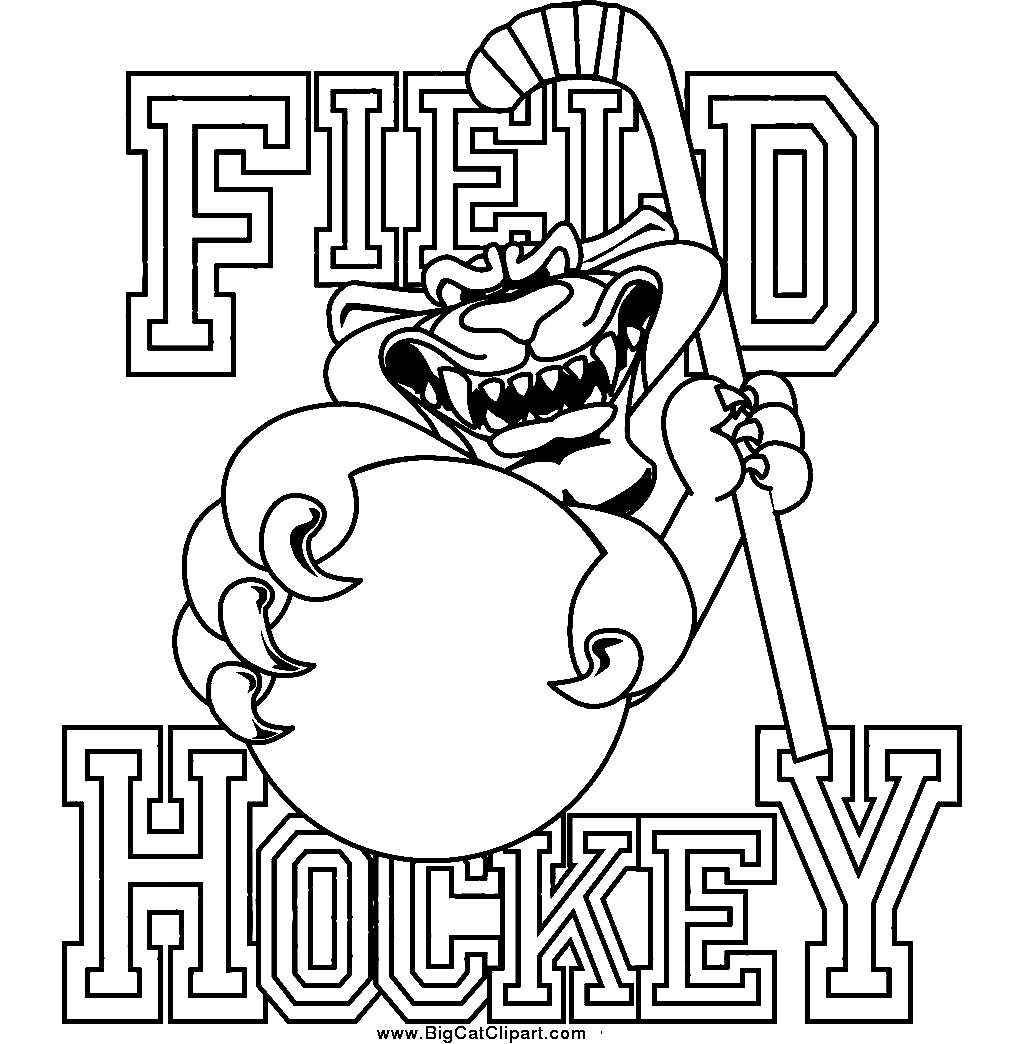
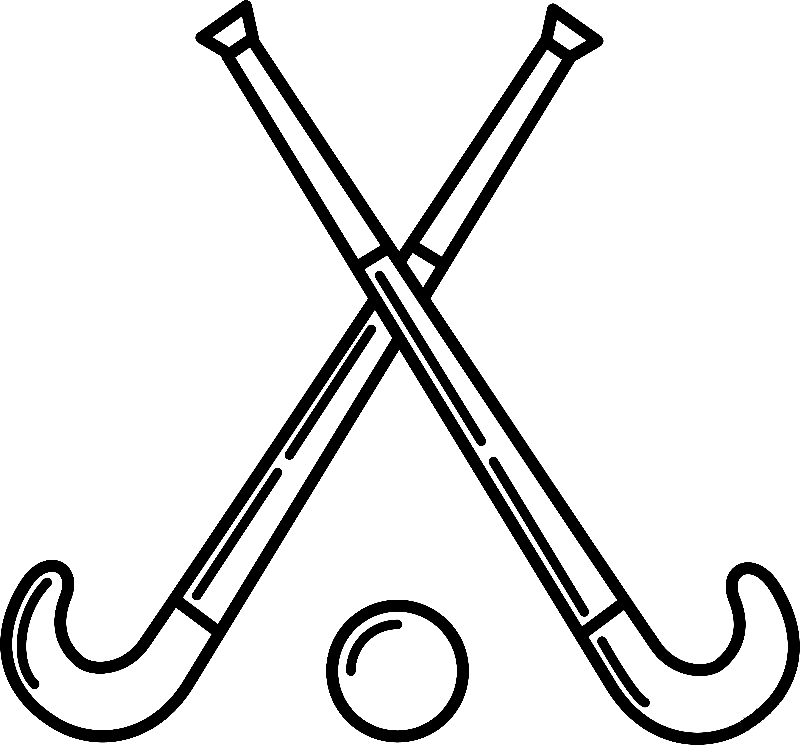
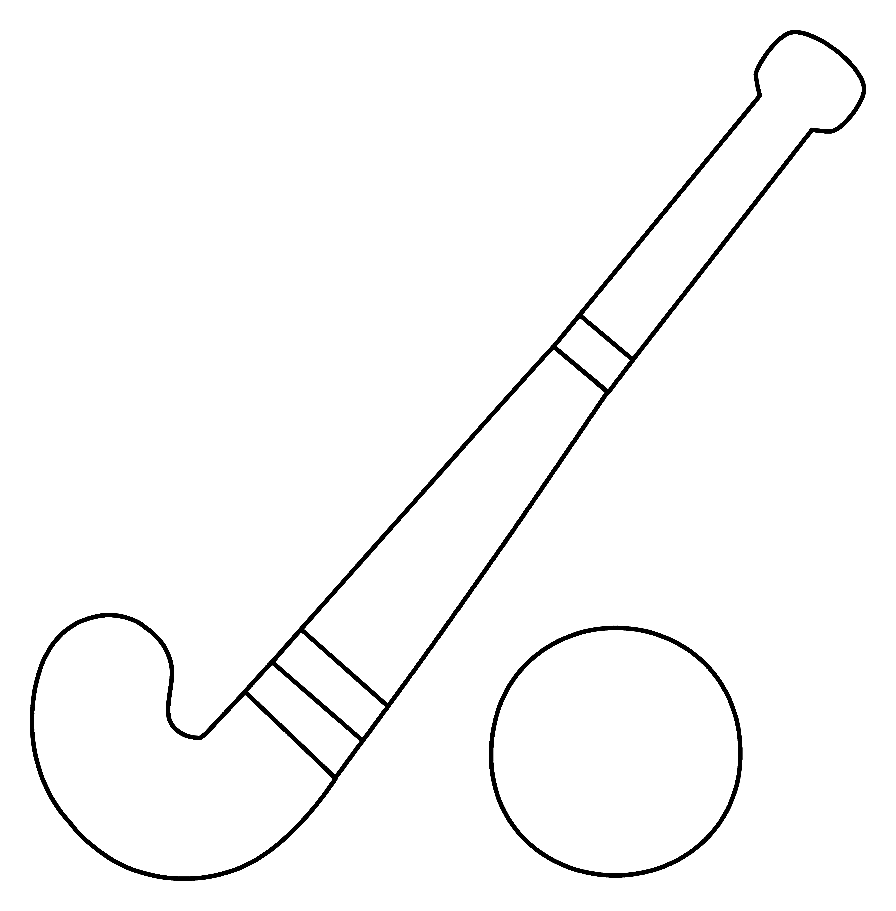
Five pages focus on the hooked stick with its ball, a team logo, and two playful general field hockey scenes. Shade the stick grip in a wrapped Charcoal and keep the ball a bright Optic White or Neon Yellow.
What Field Hockey Coloring Pages Do
Introducing a sport many kids have never watched. Field hockey draws huge crowds in India, the Netherlands, Argentina, and Australia, yet many American children only meet it in middle school. Coloring a pitch scene gives families a natural moment to explain the basics: eleven players a side, a flat-faced stick, and shots only from inside the circle. Kids who later try the sport in PE or at a summer camp already know what the striking circle and the hooked stick are for.
Celebrating girls and women in sports. In most American high schools and colleges, field hockey is played mainly by girls and women, and this collection reflects that with six pages of female players. Parents and coaches can use those sheets to talk about strong, confident athletes and about pioneers like Constance Applebee, who coached the game for decades. The two sisters page is a good opener for conversations about teamwork with siblings and friends.
Strengthening control with curved and straight lines. The hooked end of a stick, the round ball, and the lines of a pitch give children a mix of curves and edges to color carefully. Milestone checklists for ages 3 to 5, such as those the American Academy of Pediatrics hosts, put steady coloring and drawing among the habits that prepare preschoolers for writing. Older kids can practice shading jerseys to show folds and movement as a player stretches for the ball.
Winding down between practices. A quiet page after a training session or a busy school day helps children reset. Psychology researchers Curry and Kasser, whose pattern experiment Art Therapy Journal carried out in 2005, compared stressed adults who colored patterned designs with others who drew freely, and the patterned group showed a sharper drop in anxiety. The repeated stripes on socks, shin guards, and goal netting give field hockey pages that same steady, soothing structure.
How to Color Field Hockey Pages Well
- Turf color: Fill the pitch with a deep Astro Blue or Emerald Green and leave the white lines bare. Modern international turf is often blue, so either choice looks authentic.
- Flat face first: Color the flat face of the stick a lighter shade than the rounded back. The difference reminds kids which side is allowed to hit the ball.
- Team kits: Pick two strongly different colors for rival players, like Crimson and Navy. Clear contrast lets anyone tell the teams apart instantly.
- Shin guards and socks: Color shin guards Black and pull the team color up the knee-high socks with bold stripes. Stripes add energy and show off the player’s stride.
- Mascot feathers and fur: Build animal mascots with short strokes that follow the direction of feathers or fur. Directional strokes make the tiger and eagle look textured rather than flat.
- Goal netting: Color the goal frame White and the net a soft Silver crosshatch. A light net keeps attention on the ball heading toward it.
5 Creative Craft Ideas With Field Hockey Coloring Pages
1. Mini Stick Craft
Color the stick and ball page, cut out the stick, and glue it to a craft stick for strength. Kids can tap a cotton ball around a tabletop pitch.
2. Team Mascot Banner
Color the tiger, owl, eagle, or blue jay and glue it onto a felt triangle. Add a team name in glitter glue and hang it at the next game.
3. Striking Circle Board
Draw a pitch with a semicircle at each end on green poster board and place colored players around it. Use it to explain where shots are allowed to score.
4. Sister Team Card
Turn the colored two-sisters page into a folded greeting for a sibling or teammate. Inside, write one thing that makes them a great partner.
5. Season Scrapbook Cover
Color the field hockey logo page and laminate it to the front of a season scrapbook. Inside, kids can keep schedules, scores, and team photos.
Frequently Asked Questions
What are Field Hockey coloring pages?
There are 24 free sheets about field hockey, featuring girls, boys, and men playing, animal mascots, sticks and balls, and a team logo. PDF copies suit home printers, and the site’s color tool handles the rest.
When did field hockey join the Olympics?
Men’s field hockey first appeared at the 1908 London Olympics. Women’s competition was added at the 1980 Moscow Games.
How many players are on a field hockey team?
Each side has 11 players on the field, including one goalkeeper. Teams can make rolling substitutions throughout the game.
Why can only one side of the stick hit the ball?
The rules allow only the flat face and edges to play the ball, a safety and fairness rule that keeps swings controlled. Using the rounded back is a foul.
What is the striking circle?
The striking circle is the curved area in front of each goal, about 16 yards from the goal line. A goal counts only if the attacker touches the ball inside the goal.
Which country has won the most Olympic field hockey golds?
India leads the men’s tally with eight Olympic gold medals, including six in a row from 1928 to 1956. The Netherlands is the most successful women’s team.
What age are Field Hockey coloring pages for?
Kids from about 4 to 12 enjoy them, along with teen players decorating team rooms. Mascots and single players suit younger children, while match scenes fit older ones.
How is field hockey different from ice hockey?
Field hockey is played on grass or turf with a hard ball and a hooked stick, while ice hockey uses skates, a puck, and a stick with a flat blade. Field hockey players also cannot raise their sticks dangerously high.
Start Coloring
Choose the two sisters, a blue jay mascot, or the stick and ball, print it, or color the turf blue right in the browser with no login. Players and parents can post a blue turf masterpiece on Facebook or Pinterest.