Hadrosaurus Coloring Pages
 By:
Jennifer Thoa - Content Editor & Designer
Updated:
By:
Jennifer Thoa - Content Editor & Designer
Updated:
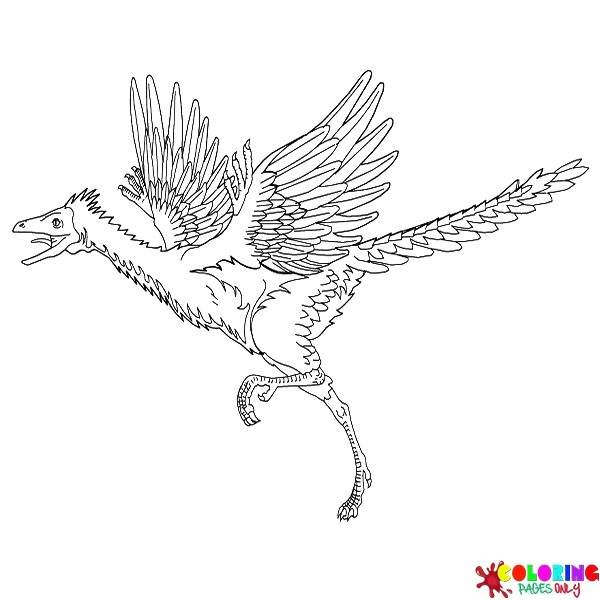
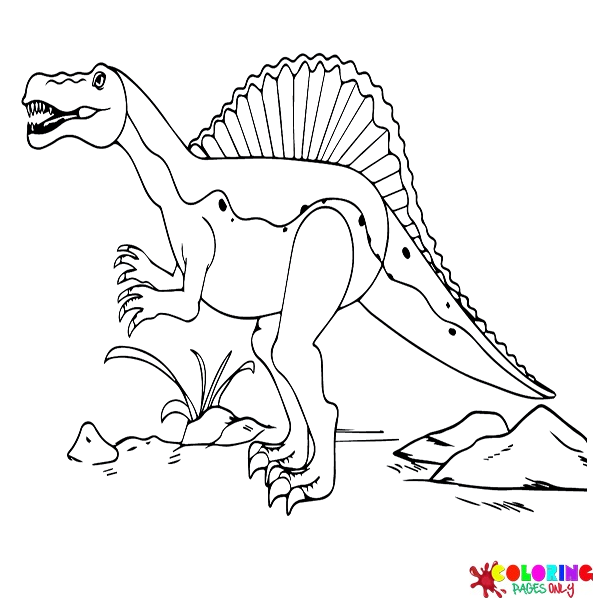
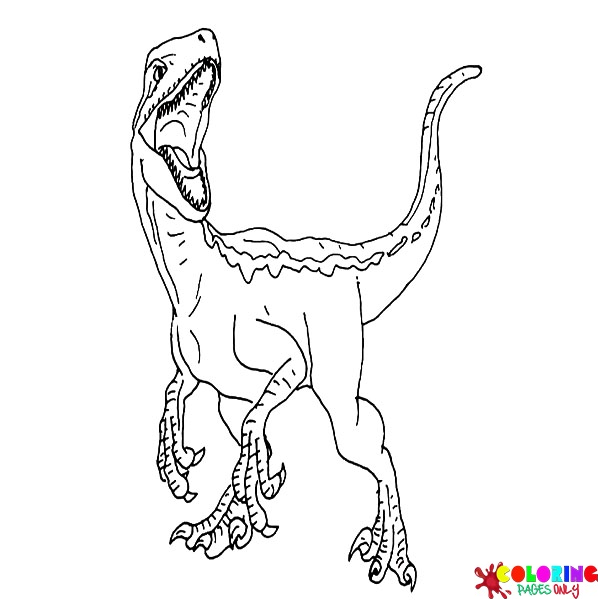
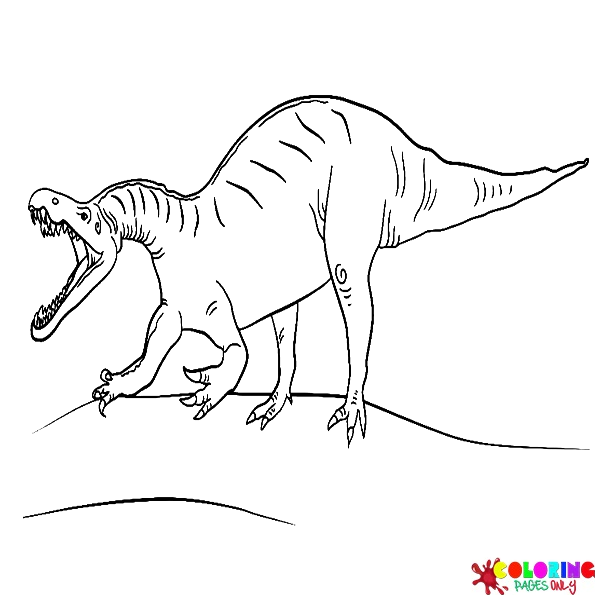
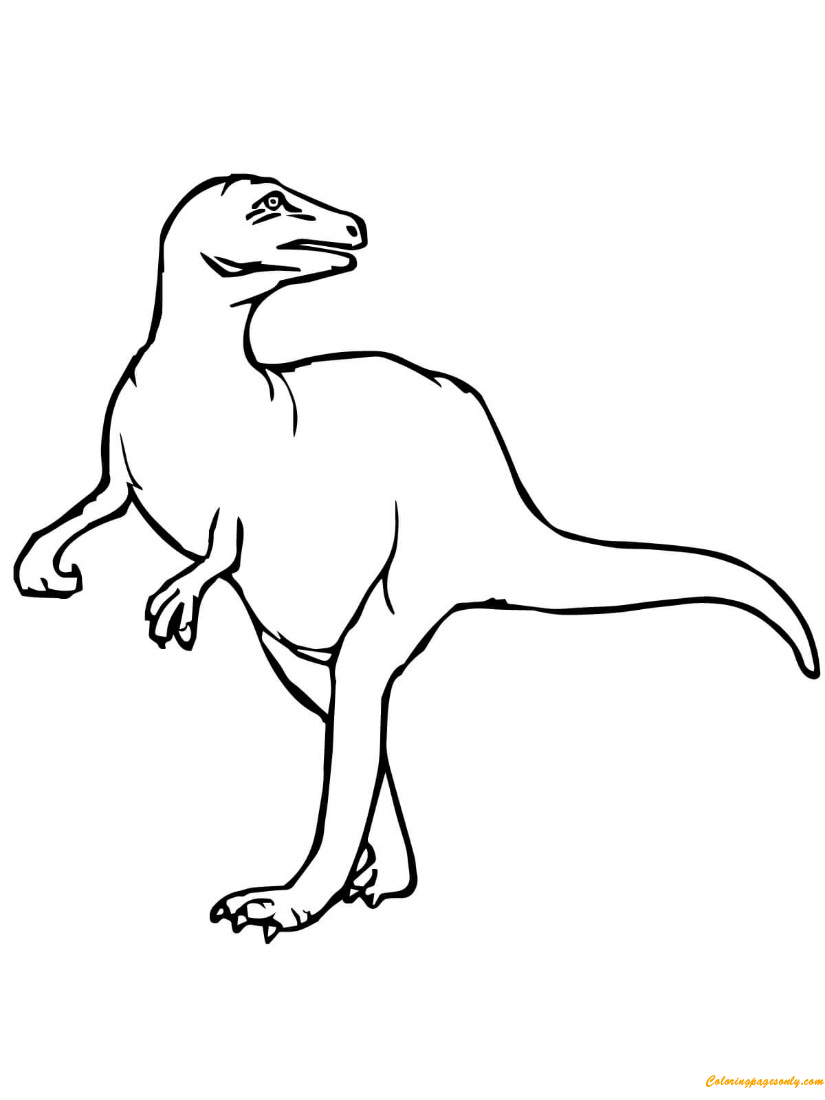
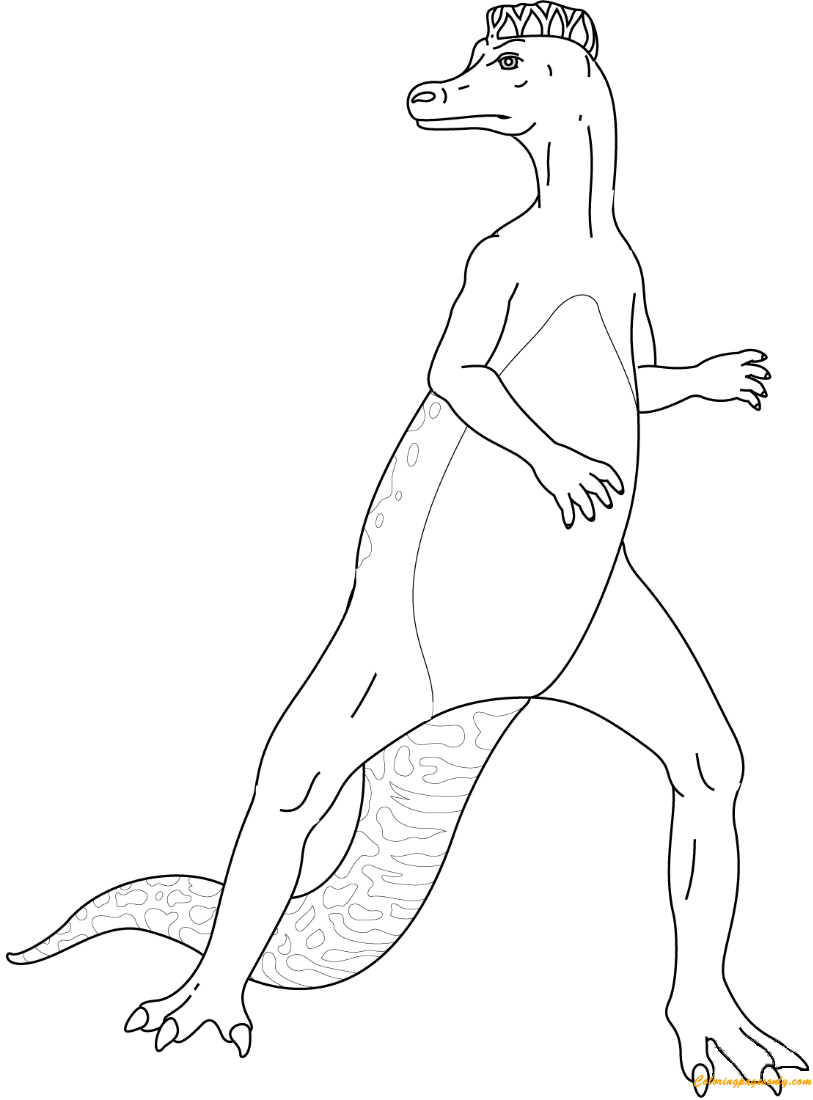
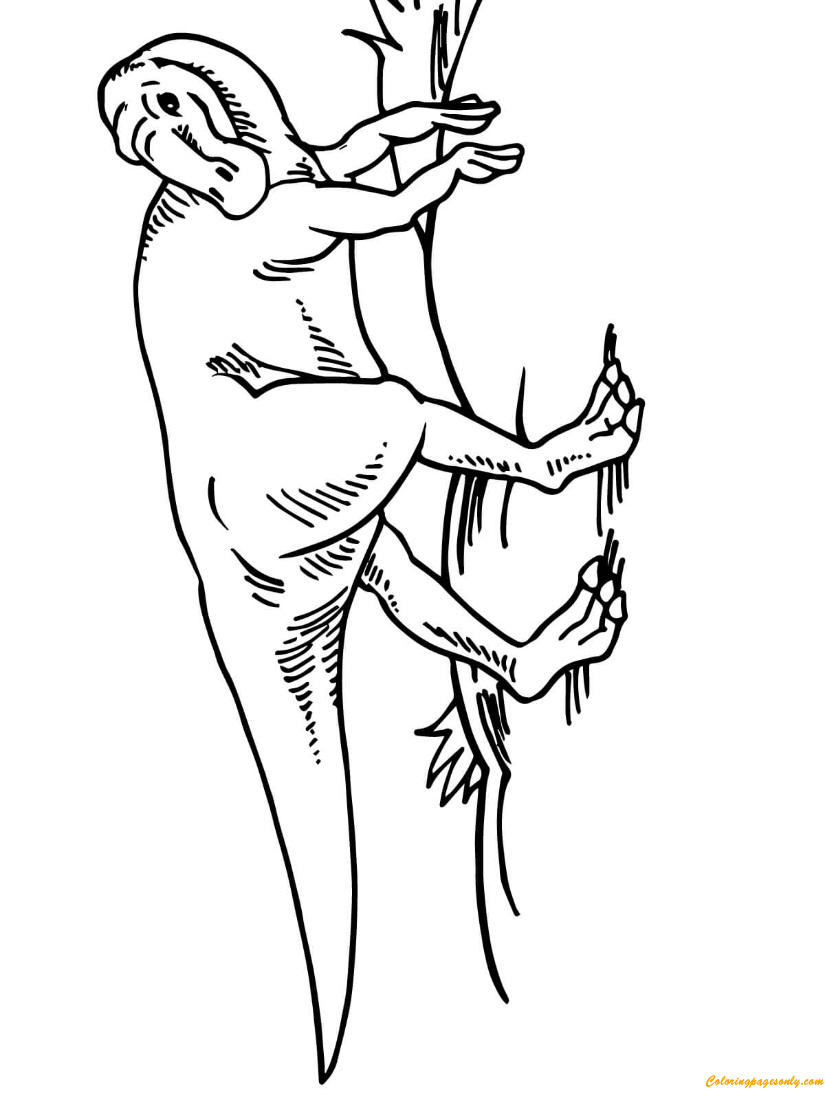
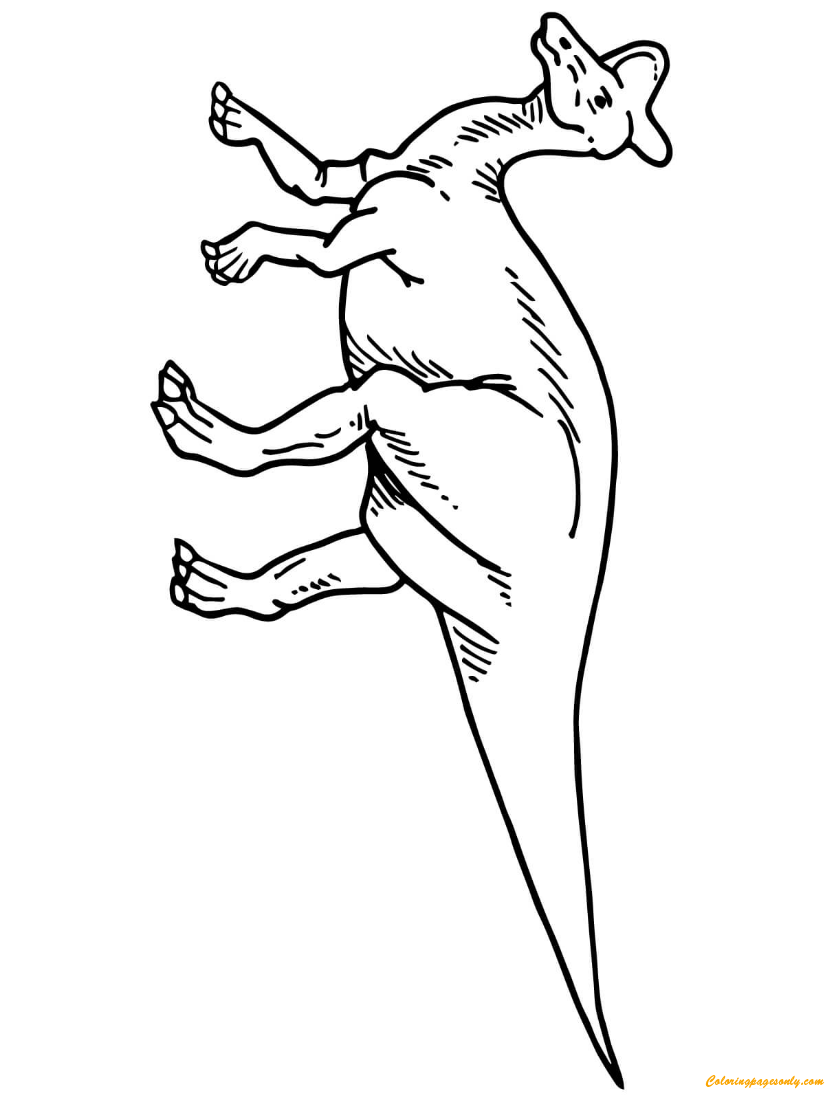
Free Hadrosaurus coloring pages: 15 printable PDF designs covering Hadrosaurus and its close hadrosaurid relatives, plain-headed and crested duck-billed dinosaurs from the Late Cretaceous. Each design has a PDF ready for printing with one click, and the online coloring tool keeps the same artwork available for anyone coloring without paper.
Head shape does most of the work distinguishing one hadrosaur from another in this set, so the groupings below follow that same visual cue. Hadrosaurus itself holds a specific place in paleontology history: its 1858 discovery in Haddonfield, New Jersey, produced the most complete dinosaur skeleton found anywhere up to that point, and in 1868 it became the first dinosaur skeleton ever mounted for public display. Since 1991, Hadrosaurus foulkii has been the official state dinosaur of New Jersey. The rest of the set brings in close relatives from the broader hadrosaurid family, some with tall, distinctive head crests and others with the flatter, plainer skulls more typical of the group.
Fifteen pages spanning both crested and plain-headed hadrosaurs give this set enough variety to show how much a single dinosaur family branched out in appearance.
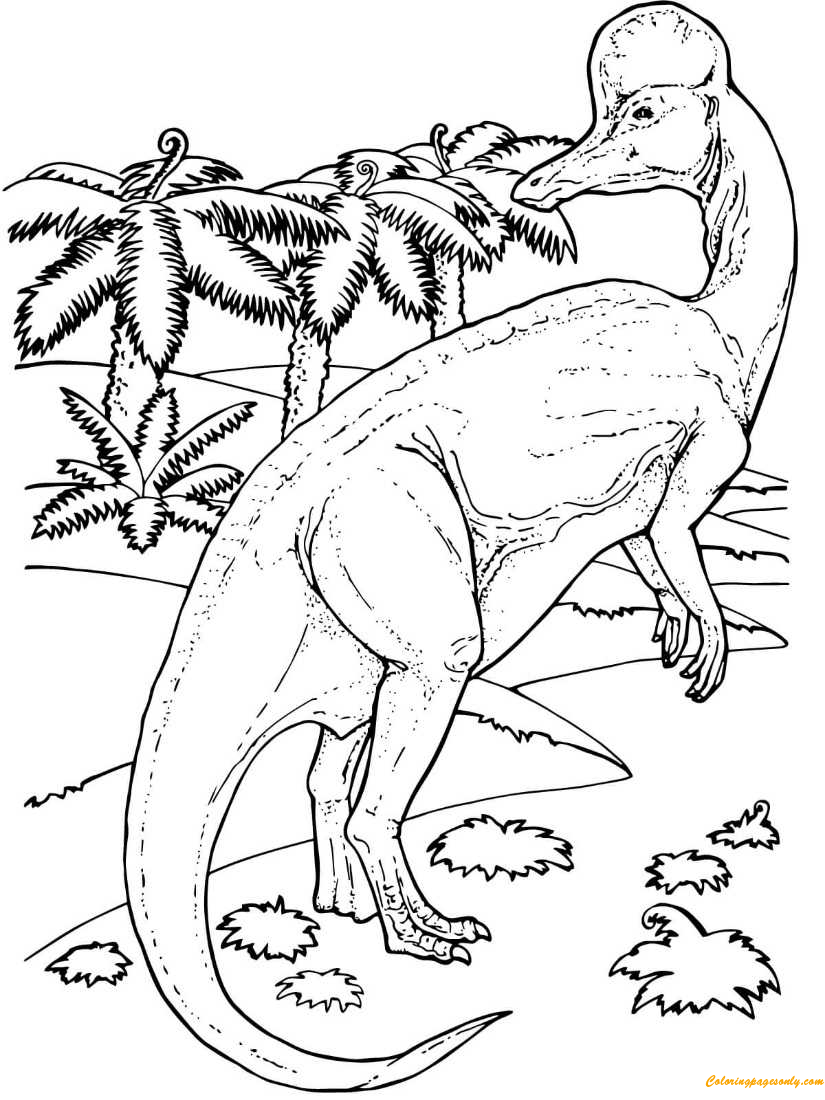
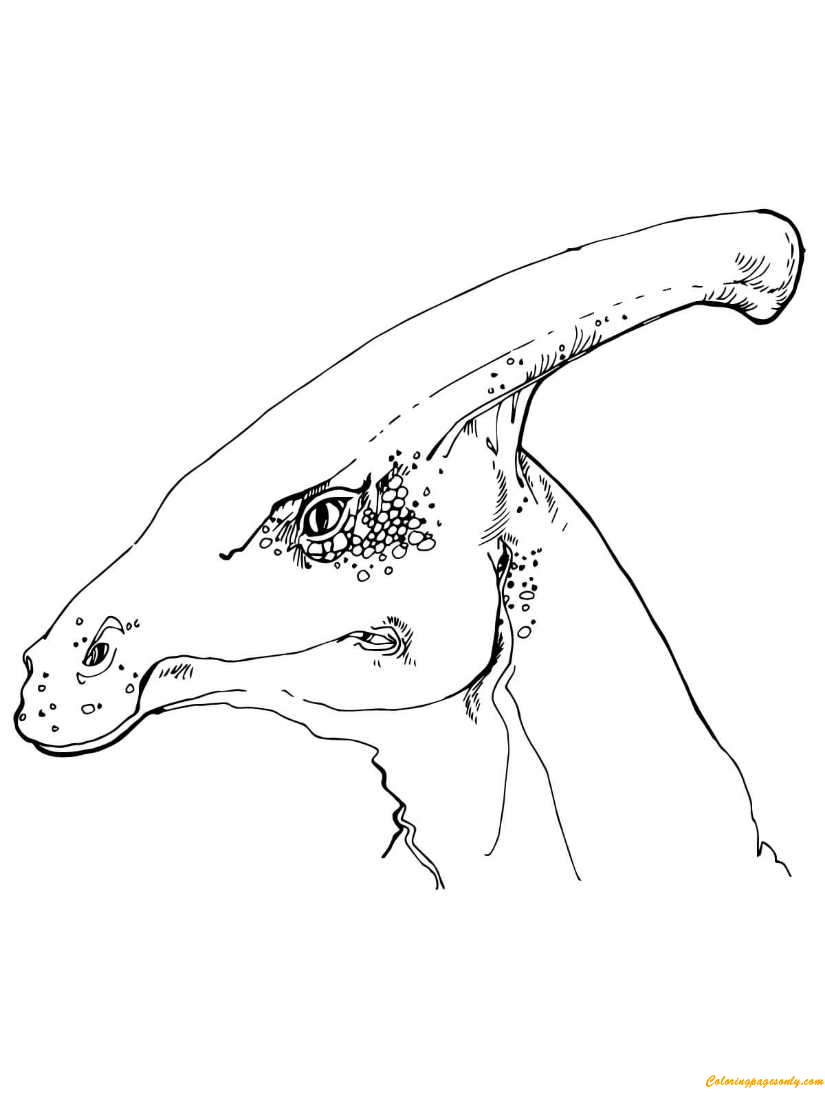
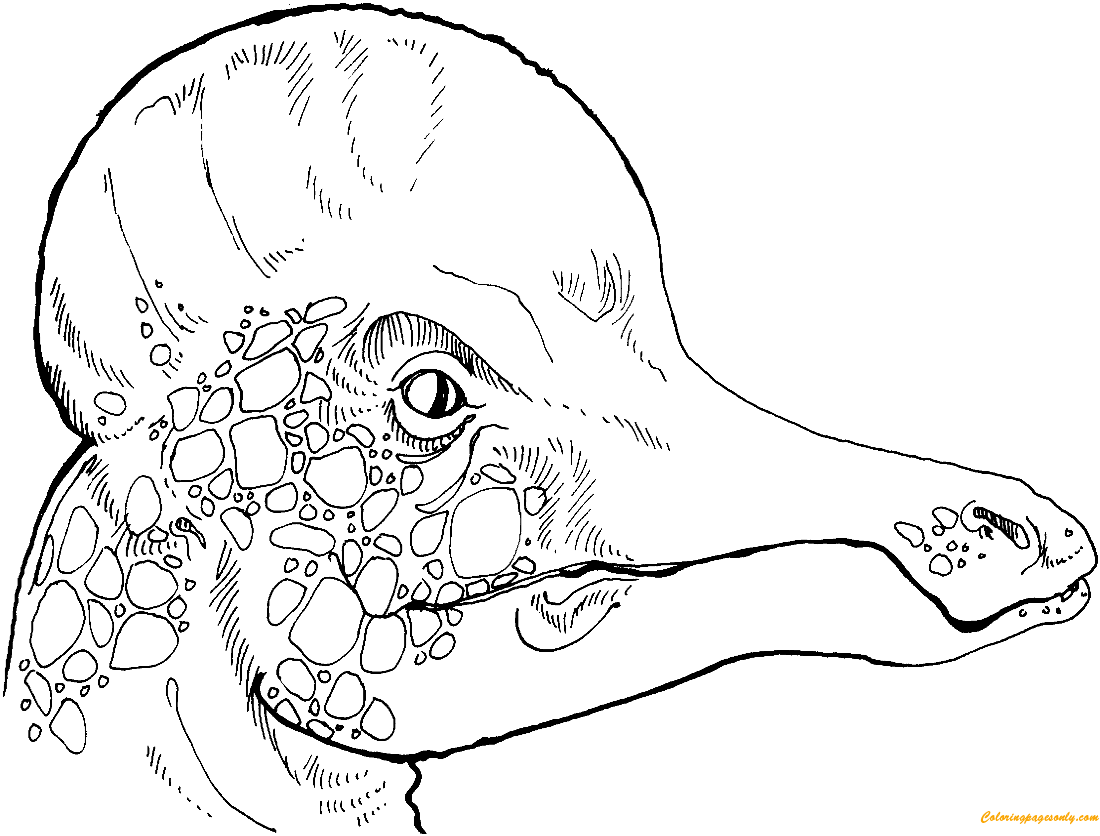
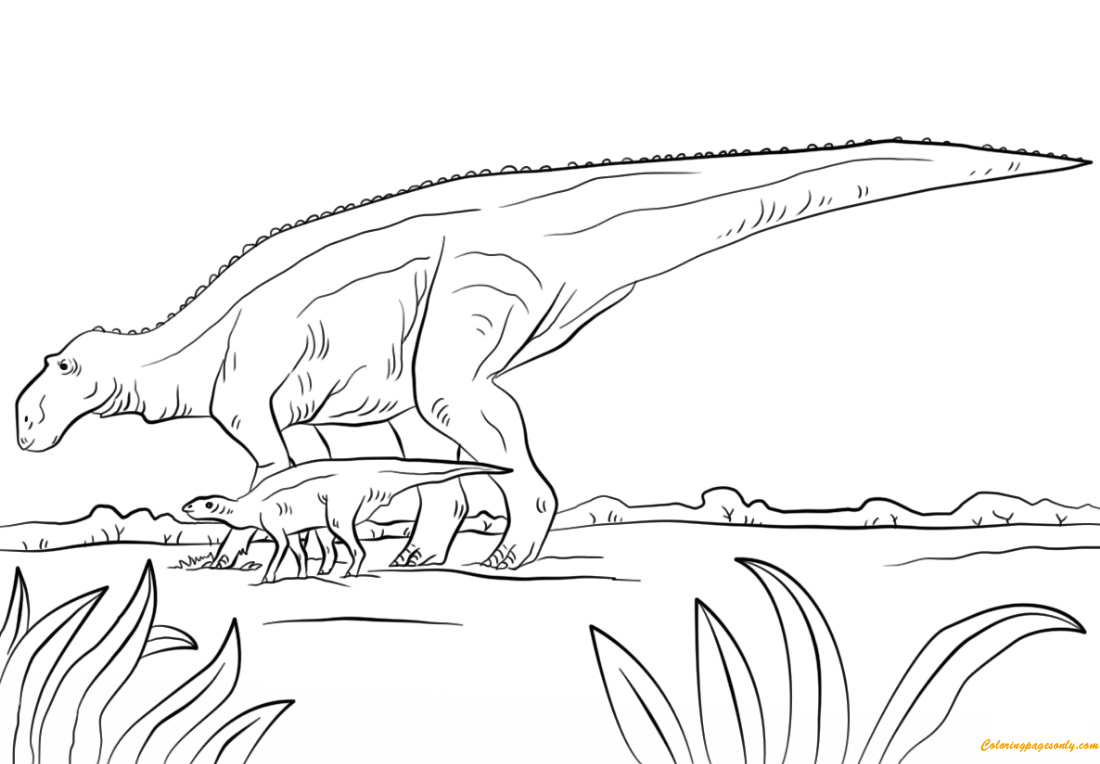
What Is Inside This Collection
Hadrosaurus and Maiasaura Portraits
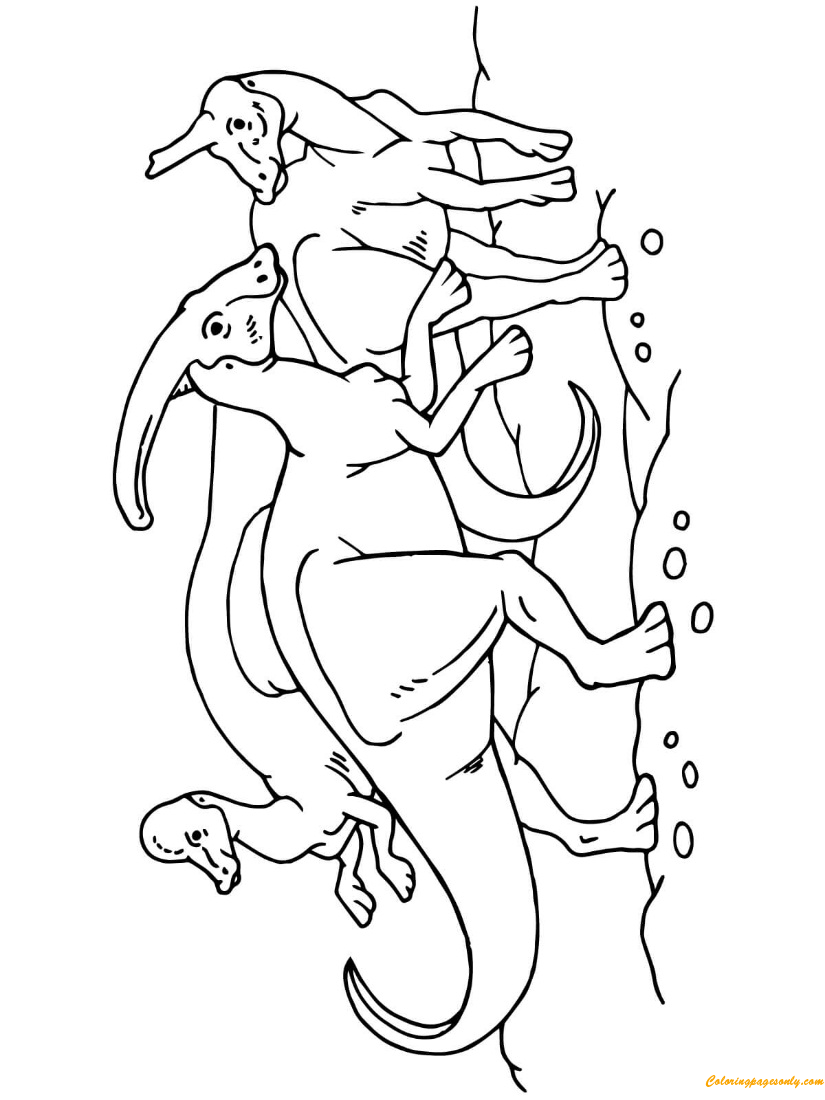
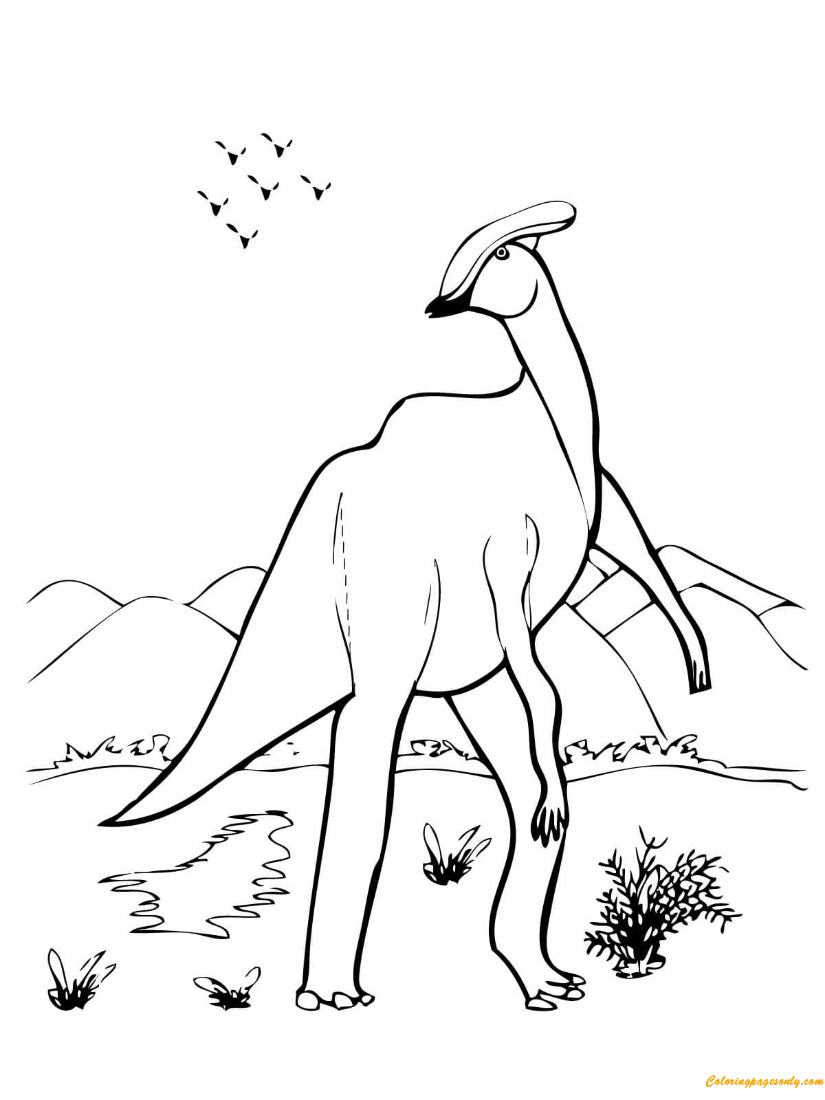
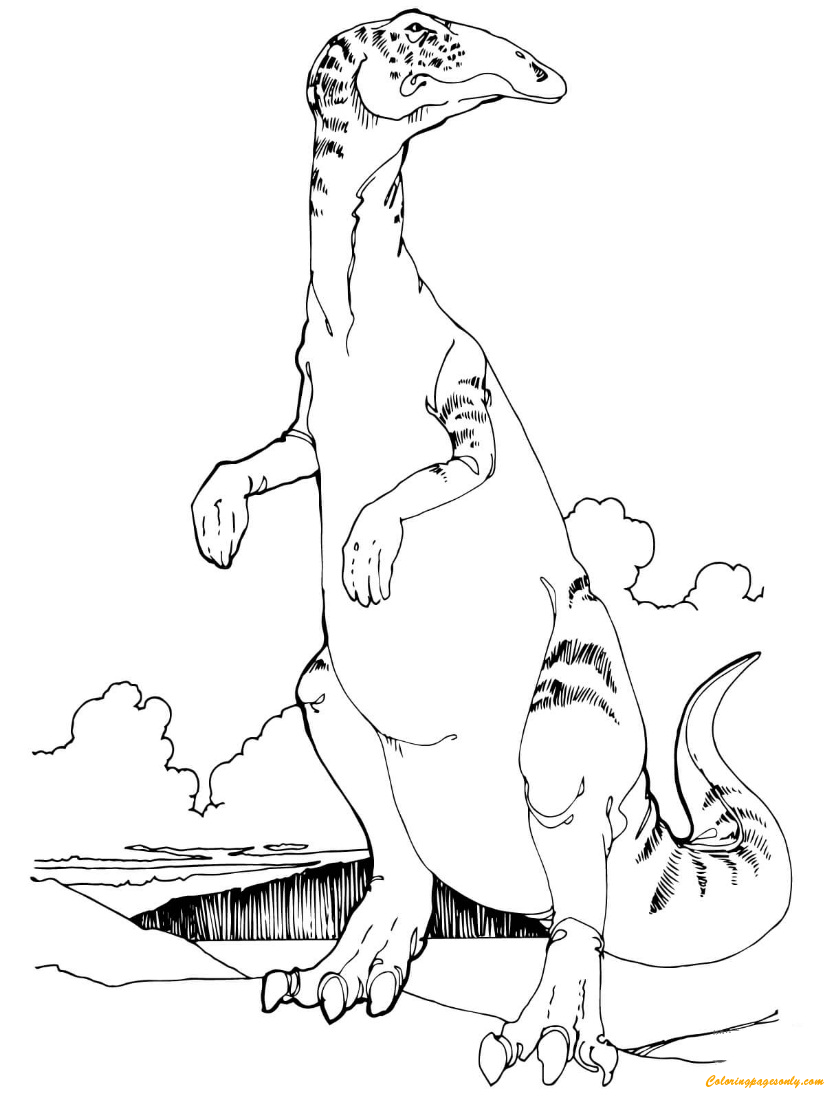
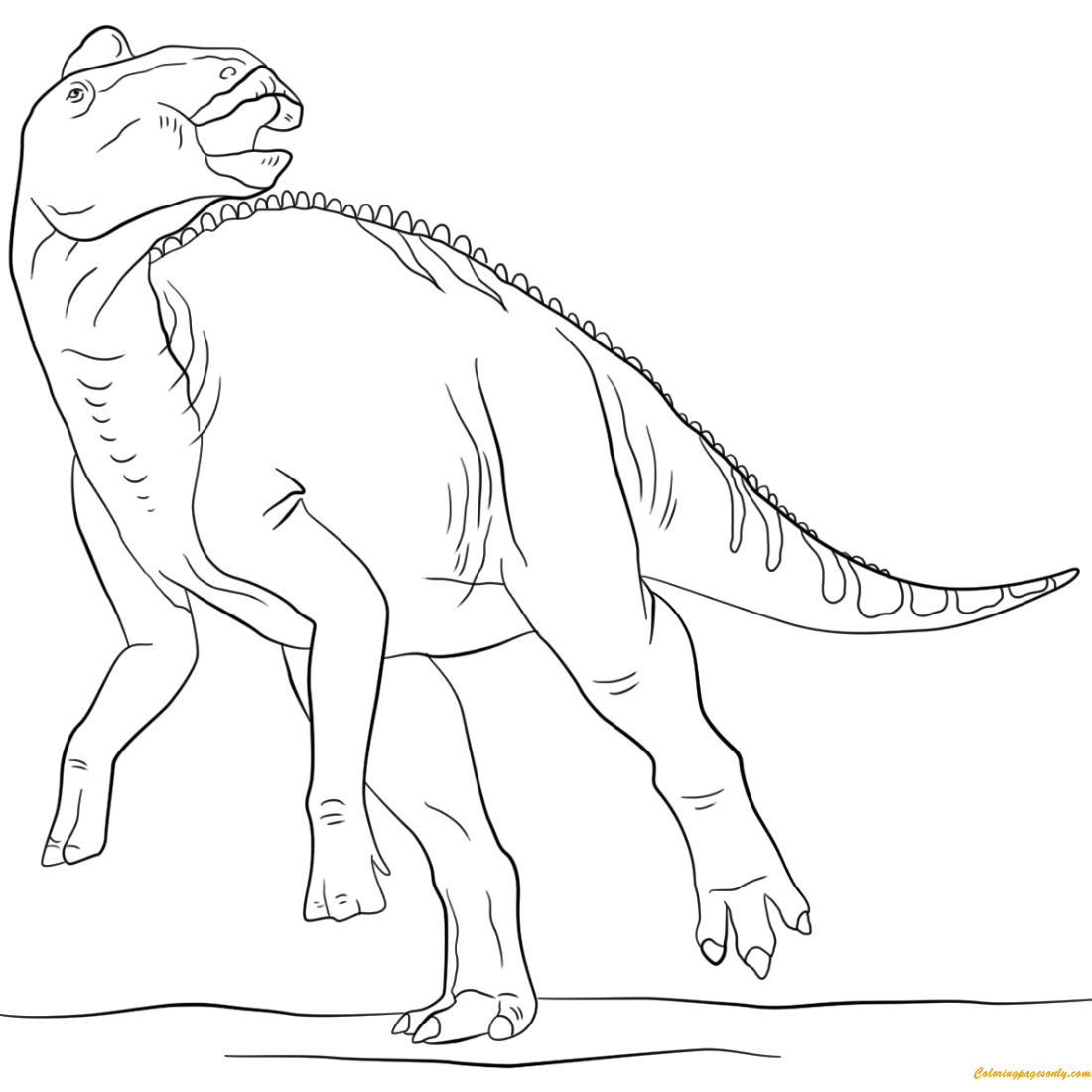
The largest group centers on Hadrosaurus itself alongside Maiasaura, a closely related hadrosaurid known for its nesting behavior, both shown in plain, straightforward poses.
Crested Hadrosaurs
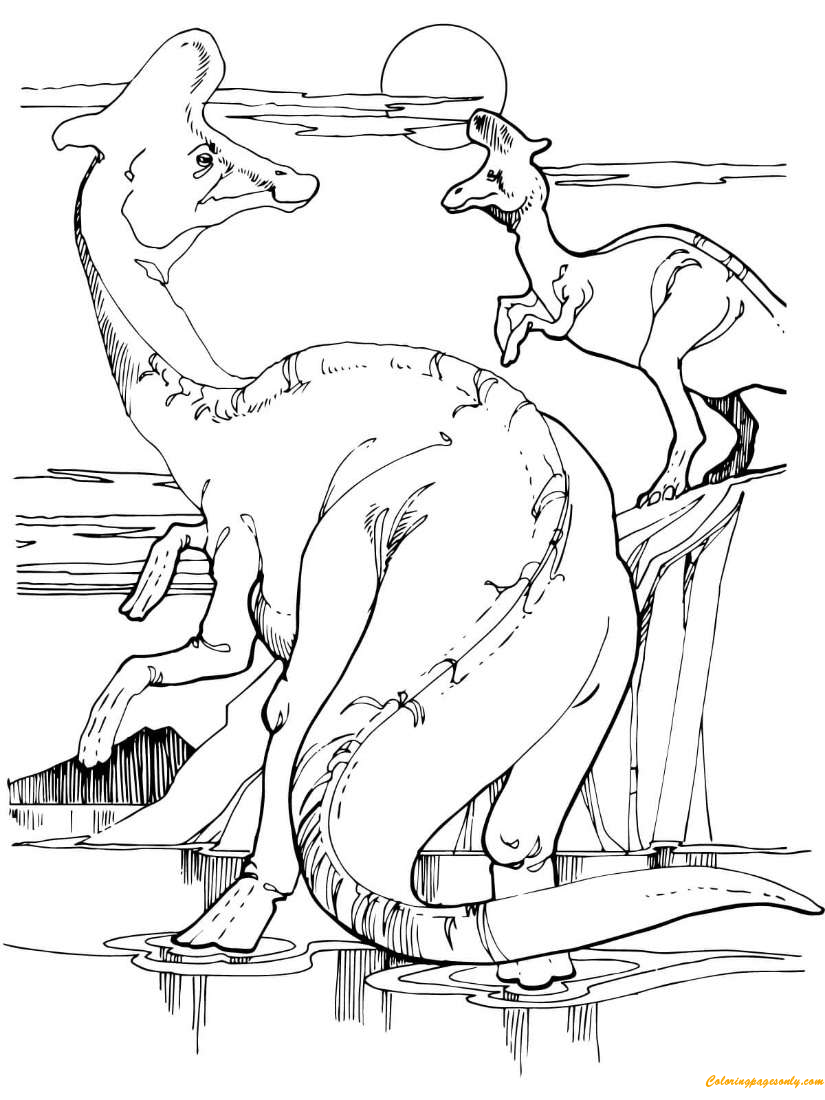
Another group focuses on species known for their tall, distinctive head crests, giving these pages a more dramatic silhouette than the plain-headed designs.
Historic and Predator Scenes
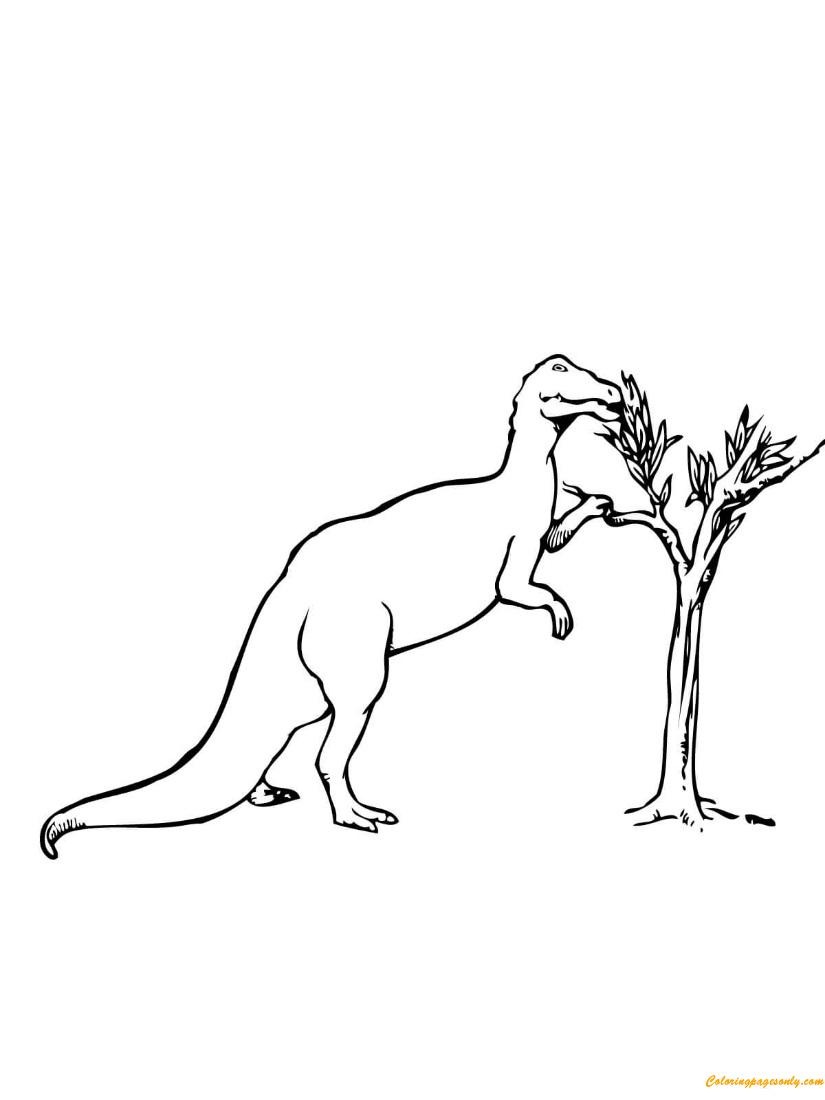
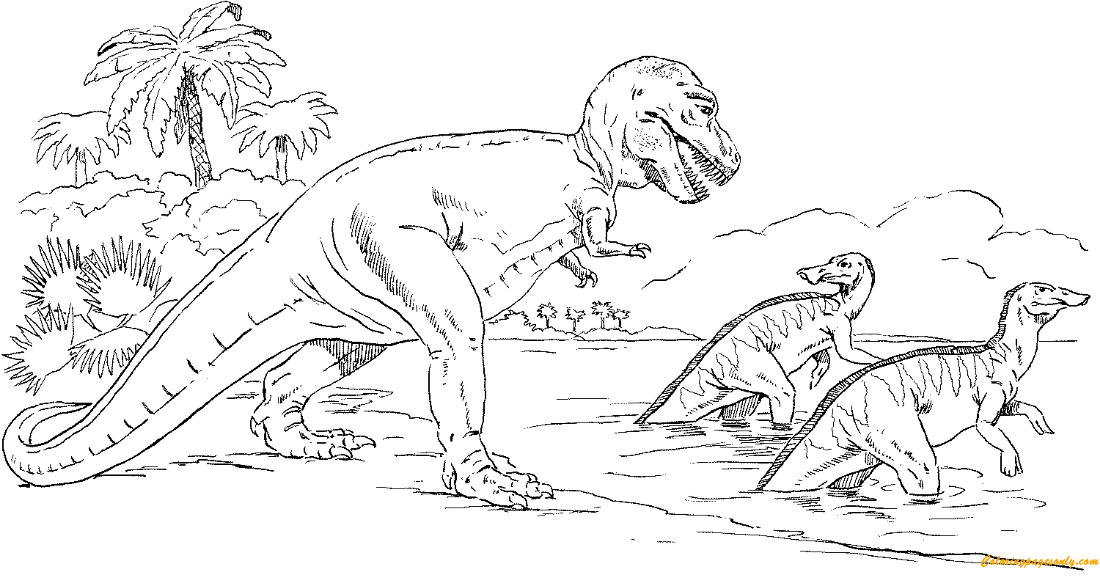
The remaining pages include one design using an older, now largely retired dinosaur name and another showing a hadrosaur being pursued by a predator, adding a bit of drama to the set.
What Hadrosaurus Coloring Pages Do
Fine motor development. The American Academy of Pediatrics links structured coloring directly to fine motor skill gains in children ages 2 through 7, and the ridged crests and textured hides across these hadrosaur designs give a young hand a good range of shapes to trace.
A real piece of paleontology history. Hadrosaurus’s 1858 discovery and 1868 mounting were genuine firsts in the history of dinosaur science, giving a child a concrete historical fact to pair with the coloring activity rather than a generic dinosaur fact.
Anxiety reduction through focus. A 2005 study in the Art Therapy Journal recorded a measurable dip in anxiety following structured coloring sessions, and working through the layered scale patterns on a hadrosaur’s hide gives that calming focus plenty of repetitive detail to settle into.
Practice distinguishing similar species. Comparing the crested and plain-headed designs side by side gives a child practice in noticing small anatomical differences that separate closely related species, a real skill used in actual paleontology.
How to Color Hadrosaurus Pages Well
- The body base: Use Crayola Olive Green, Raw Sienna, or Tan for the main body color, since most paleoart depicts hadrosaurs in earthy, camouflage-friendly tones rather than bright colors.
- Head crests: Color a Parasaurolophus or Lambeosaurus crest in a slightly different shade than the body, a warm Crayola Burnt Orange or Red Orange, to make the distinctive shape stand out clearly.
- The bill and beak: Use a lighter Crayola Tan or Cream for the broad, toothless front of the snout, since this duck-like beak is one of the group’s most recognizable features.
- Skin texture: Add small, closely spaced dots or short marks in a slightly darker shade across the body to suggest the bumpy, pebbled skin texture known from actual hadrosaur fossil impressions.
- The Tyrannosaurus predator scene: Keep the tyrannosaur in a contrasting darker tone, such as Crayola Black or Sepia, so it reads clearly as the pursuing predator against the lighter hadrosaur.
- Background and setting: Use soft Crayola Yellow Green and Forest Green for Late Cretaceous forest or marsh vegetation, keeping the background muted so the dinosaur stays the visual focus.
5 Creative Craft Ideas With Hadrosaurus Coloring Pages
1. Hadrosaurus Fact Poster
Color one of the Hadrosaurus portrait pages and mount it on a sheet of paper. Write two or three real facts underneath, such as its discovery in New Jersey in 1858. The finished poster pairs the coloring activity with a small history lesson.
2. Dino Bookmark
Color one of the simpler hadrosaur pages and cut it into a narrow bookmark shape. Laminate or cover with clear contact paper for durability. The finished bookmark makes an easy, small gift for another young dinosaur fan.
3. Crest Comparison Chart
Color the Parasaurolophus, Lambeosaurus, and Corythosaurus pages side by side on one large sheet. Label each one and note how its crest shape differs from the others. The finished chart turns the coloring activity into a simple side-by-side comparison exercise.
4. Prehistoric Diorama
Color one of the hadrosaur pages and stand it upright inside a shoebox turned on its side. Add small paper cutouts of ferns or rocks to build out a Late Cretaceous setting. The diorama turns a flat page into a small three-dimensional scene.
5. Fossil Dig Sensory Bin
Fill a shallow bin with dry rice or sand and bury a few small plastic dinosaur toys or bones inside. After coloring a hadrosaur page, use small tools to dig through the bin and find the hidden pieces. The activity pairs the coloring page with a hands-on dig simulation.
Frequently Asked Questions
What are Hadrosaurus coloring pages?
A free set of 15 printable designs covering Hadrosaurus and its close hadrosaurid relatives, including both plain-headed and crested duck-billed dinosaurs from the Late Cretaceous.
What is a Hadrosaurus?
Hadrosaurus is a genus of duck-billed dinosaur discovered in 1858 near Haddonfield, New Jersey. Its skeleton was the most complete dinosaur specimen found anywhere up to that point, and it became the first dinosaur skeleton ever mounted for display in 1868.
Why do some hadrosaurs in this set have crests and others don’t?
Hadrosaurids split into two main groups, one with hollow, elaborate head crests like Parasaurolophus and Lambeosaurus, and another with flatter, plainer skulls like Hadrosaurus and Maiasaura, which is why the set shows such different head shapes.
What is the “Trachodon” name, and is it still used?
Trachodon is an old dinosaur name first used in the 1850s that scientists now consider unreliable, since it was based on teeth too generic to identify a specific species. It was once a popular name for duck-billed dinosaurs in general, but has since been replaced by more precise genus names like Edmontosaurus.
What colors work best for a hadrosaur?
Earthy tones like olive green, raw sienna, and tan suit the body well, with a lighter tan or cream for the beak and a contrasting warm accent color for any head crest.
Can these pages be colored online instead of being printed?
Yes. Every design in the set opens in the browser-based coloring tool, so a page can be finished on a tablet or computer without printing anything first.
Are Hadrosaurus coloring pages suitable for young children?
A single hadrosaur drawn plainly, without a crest or a second animal in the scene, suits a young child around age four. The crested species and the predator scene ask for more careful shading and fit a child six or older better.
Can this set be used for a paleontology or history lesson?
Yes. Hadrosaurus’s real discovery story and its status as New Jersey’s official state dinosaur give a teacher or parent a documented historical example to use alongside the coloring activity.
Start Coloring
A click is all it takes to open any page’s free PDF, no account or payment involved. The online coloring tool carries the same design for anyone finishing it digitally. A completed hadrosaur reaches Facebook or Pinterest through the share buttons above it.