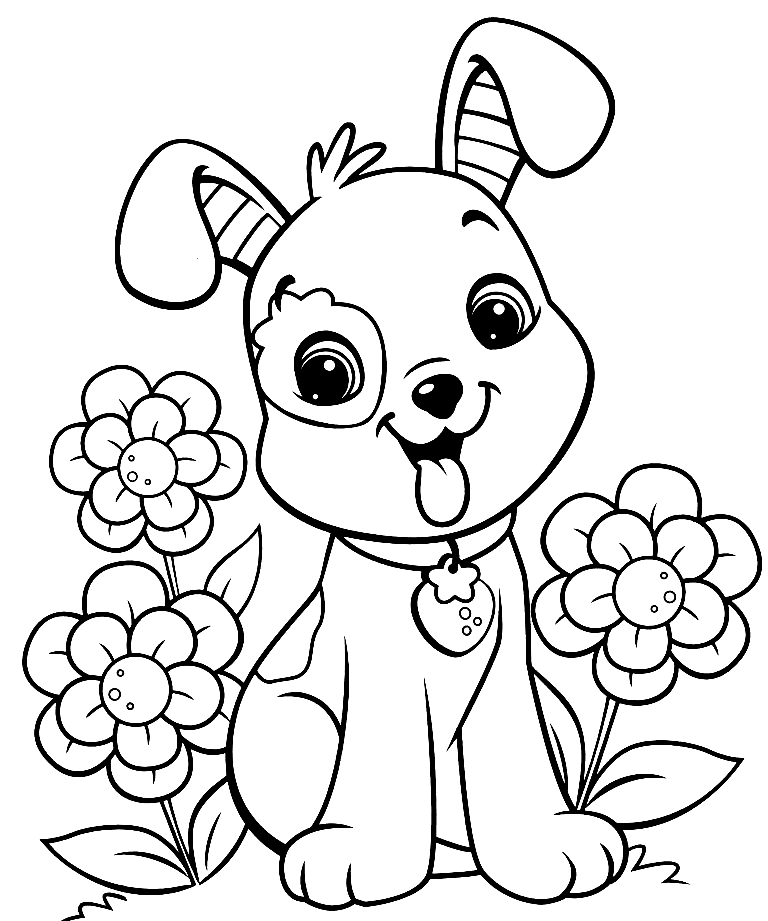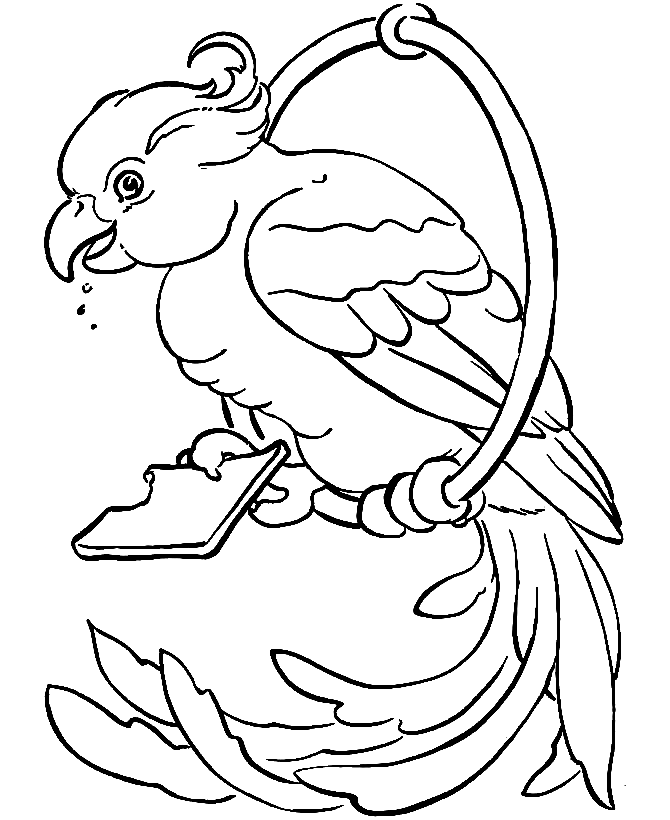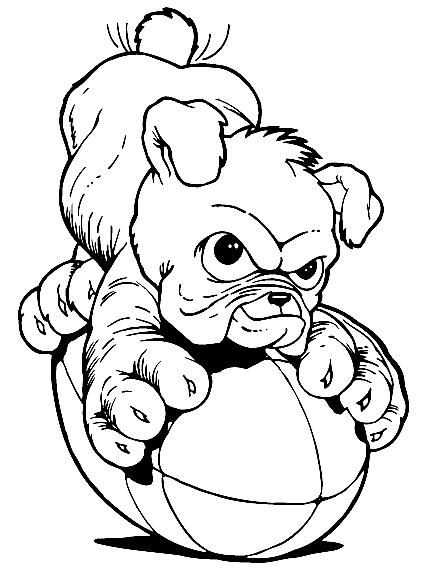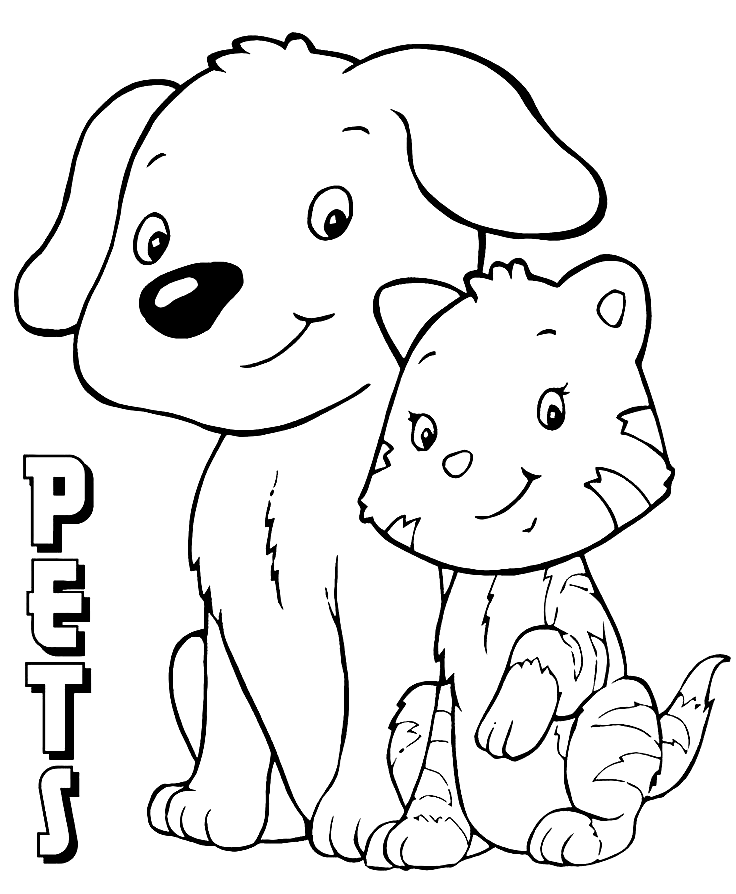
Pets coloring pages: 41+ free printable PDF designs covering six pet species across dogs and puppies, cats and kittens, parrots, hamsters, fish, and turtles, with individual portraits, species-specific breeds, seasonal pages, and mixed-species scenes. Every page is free to download as a PDF or color in the browser, with no account required.

These pages cover the most common household pets in illustrated form, from specific named breeds including Huskies, Dachshunds, and Bulldogs to cartoon-style generic puppies, kittens, and companion animals.

These pages suit younger children who have or want a pet, parents or educators looking for a nature-adjacent coloring set with real animal subjects, and anyone who enjoys animal illustration in a friendly, accessible style.

The coloring range is wide: from the single vivid green of a cartoon parrot to the layered grey and white of a Husky. No two species groups require the same approach.

Quick Answer

Pets coloring pages are a free set of 41+ printable PDFs and browser-based sheets covering six pet species in portraits, breed-specific pages, and mixed scenes.

Best for: younger children who have pets or want one, animal illustration fans, and anyone looking for a varied animal-themed set with real species

Formats: printable PDF and online coloring

Popular pages: Puppy and Kitten, Cute Puppy Husky, Dachshund Dog, Cute Pet Parrot, Baby Parrot, and Worried Hamster

Creative uses: a breed coat study, a six-species display, a vivid parrot palette page, and a kitten friendship pair

What’s Inside Pets Coloring Pages

The set covers six pet species in grouped sections, from the largest group (dogs and puppies) to specialty pages for parrots, hamsters, fish, and turtles.

Dogs and Puppies

About seventeen pages cover dogs across breed-specific portraits, generic puppy scenes, seasonal pages, and mixed scenes with cats.

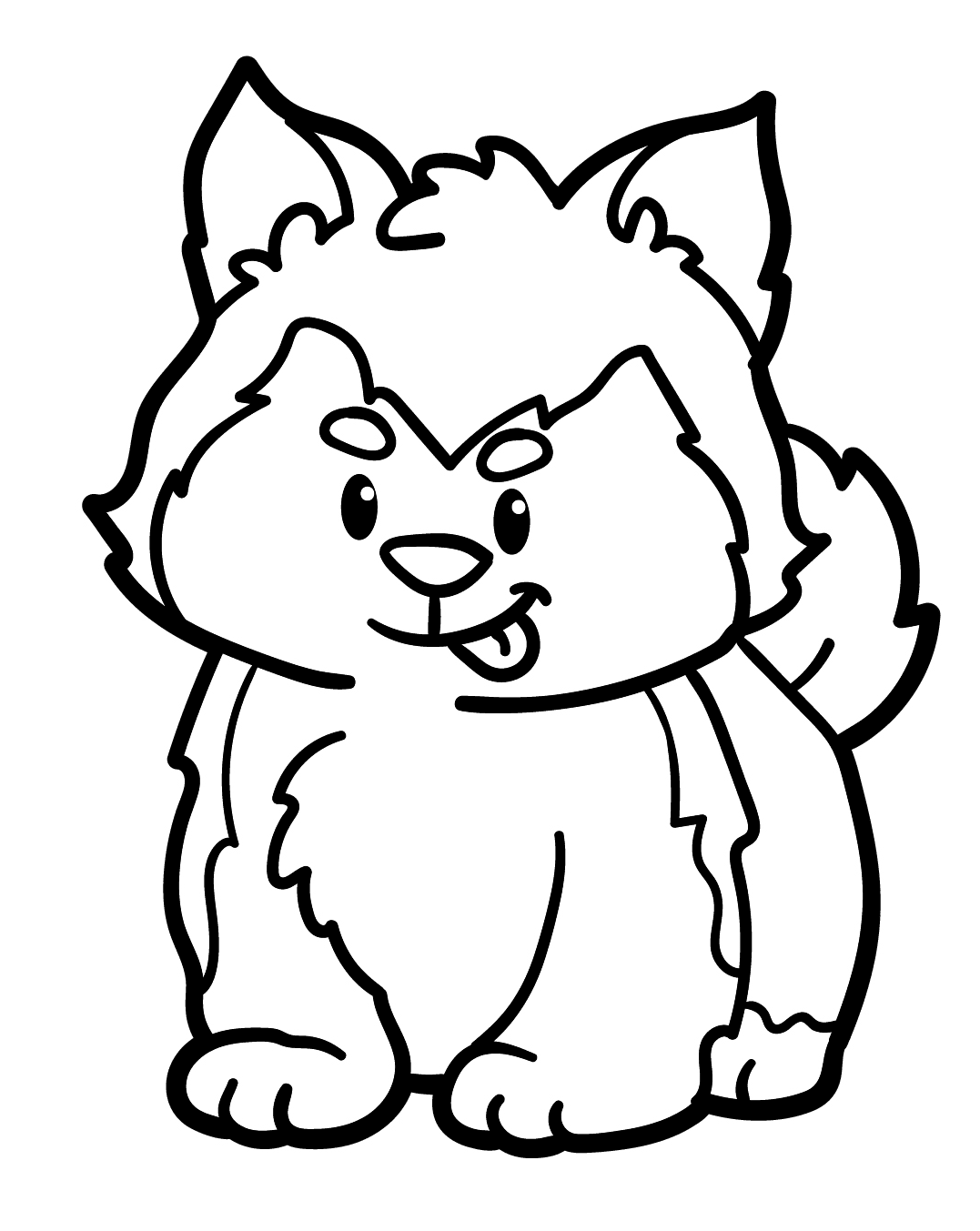
Coloring the Husky: The Husky pages show one of the most visually complex dogs in the set. A Siberian Husky has a two-tone coat with dark grey or black on the back and outer face, transitioning to white or very pale grey on the chest, inner face, and legs. The eyes are often pale blue or amber. Getting the transition between the darker back and lighter chest is the defining coloring challenge on the Husky pages.

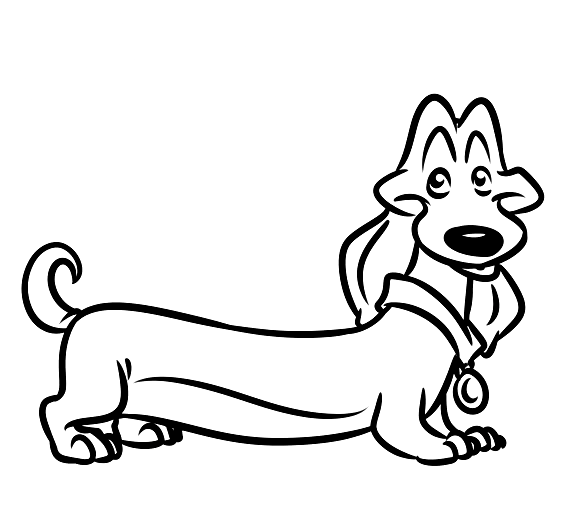
Coloring the Dachshund: the Dachshund page shows the breed’s characteristic long, low body with short legs. The most common coat color for a Dachshund is a rich chocolate brown or warm tan, with slightly darker fur on the back and lighter on the chest. Some Dachshunds have a two-tone tan-and-chocolate pattern.

Coloring the Bulldog: the Baby Bulldog for Kids page shows the breed’s distinctive flat face, heavy jowls, and low-set body. Bulldogs typically come in fawn (warm tan), brindle (dark stripes on a tan base), or white and fawn combinations. The wrinkled face benefits from slightly darker shading in the fold lines.

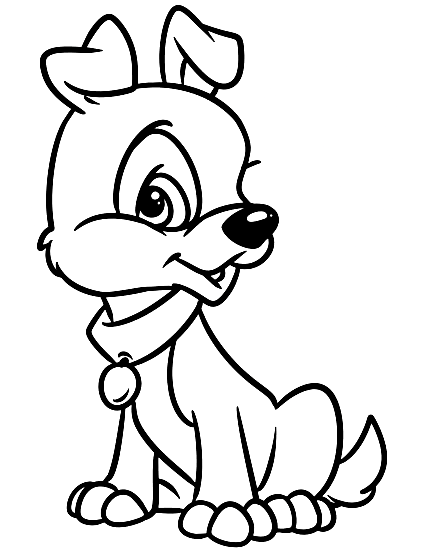
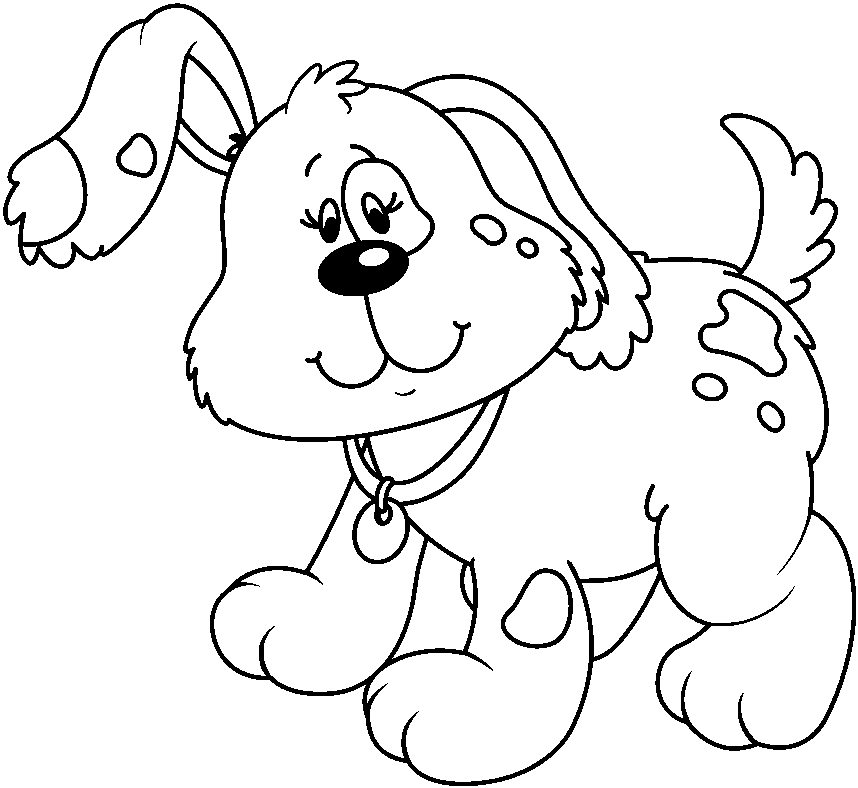
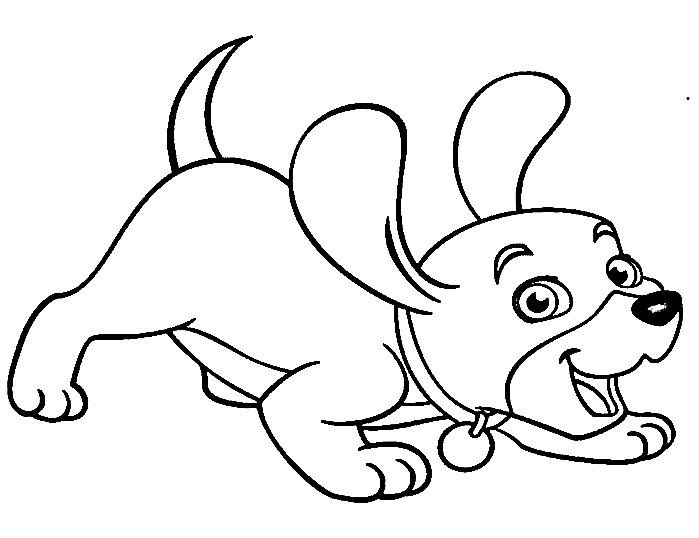
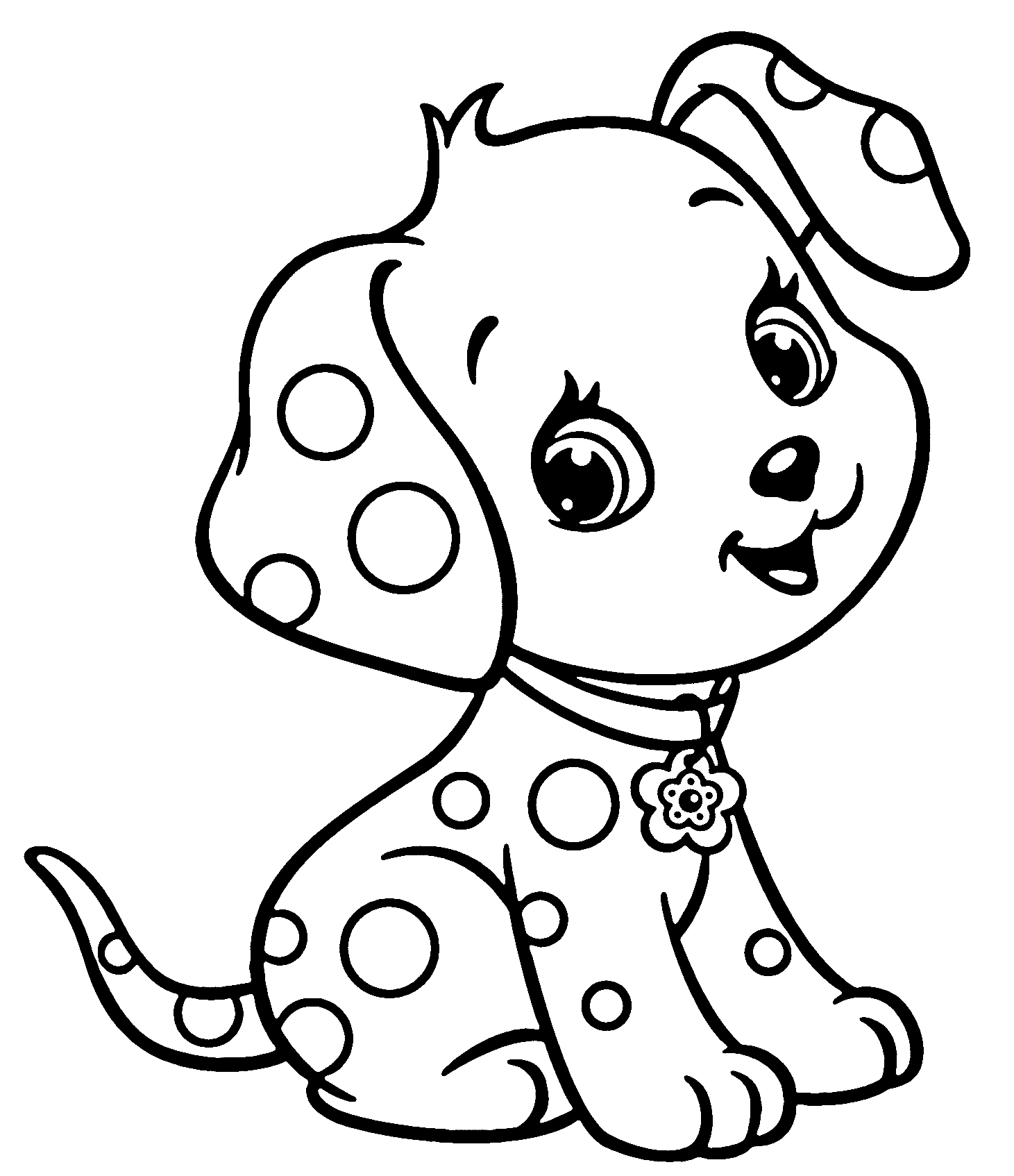
Coloring generic puppies and dogs: the majority of dog pages show non-specific breeds in warm tan, cream, and brown tones with simple, rounded shapes. A warm tan coat with slightly darker ears and patches is the standard cartoon puppy palette.

Coloring the Christmas Pet Dog: the dog itself uses the standard warm tan palette. The holiday accessories, whether a collar, bow, or hat, introduce a vivid red-and-green accent against the neutral fur.

Cats and Kittens

About eight pages cover cats in solo portraits, paired scenes with puppies, and nature-adjacent compositions.

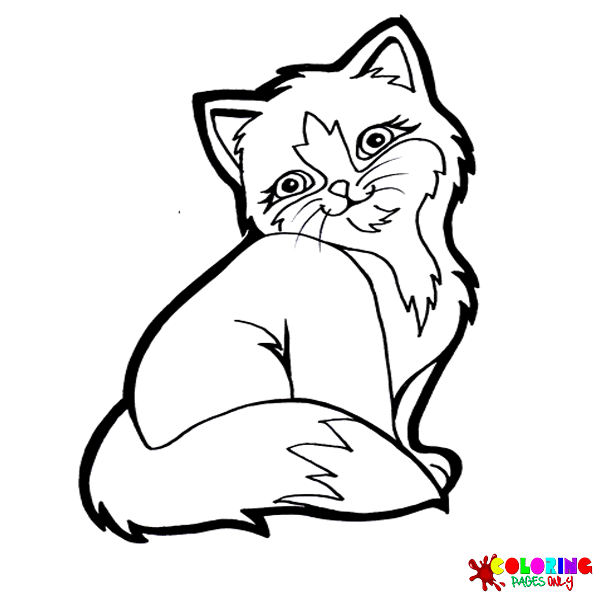
Coloring cats: cats appear in the set in grey tabby, orange tabby, and cream or white variants. The tabby pattern uses a base coat color with darker stripes: grey tabby reads as blue-grey stripes on a lighter grey base, and orange tabby reads as deeper orange stripes on a lighter orange base. Pure white or cream cats use a single pale tone with slightly cooler shadows.

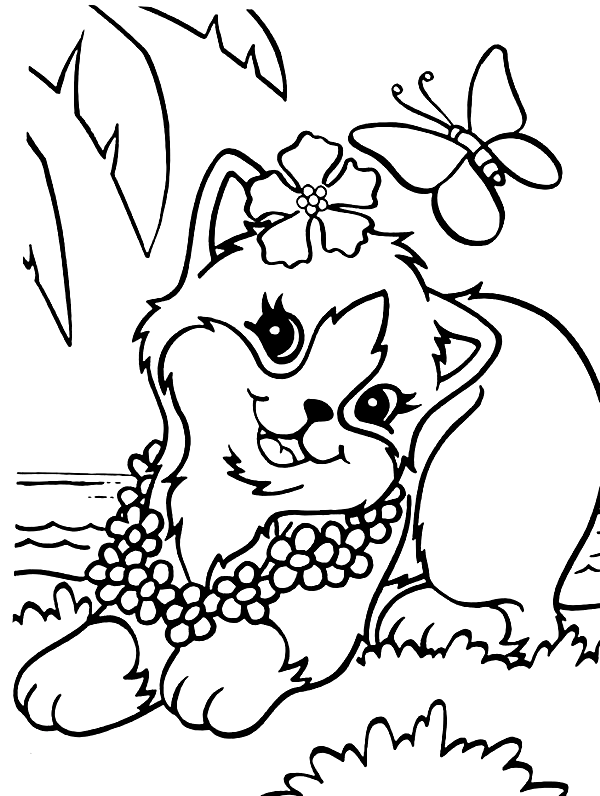
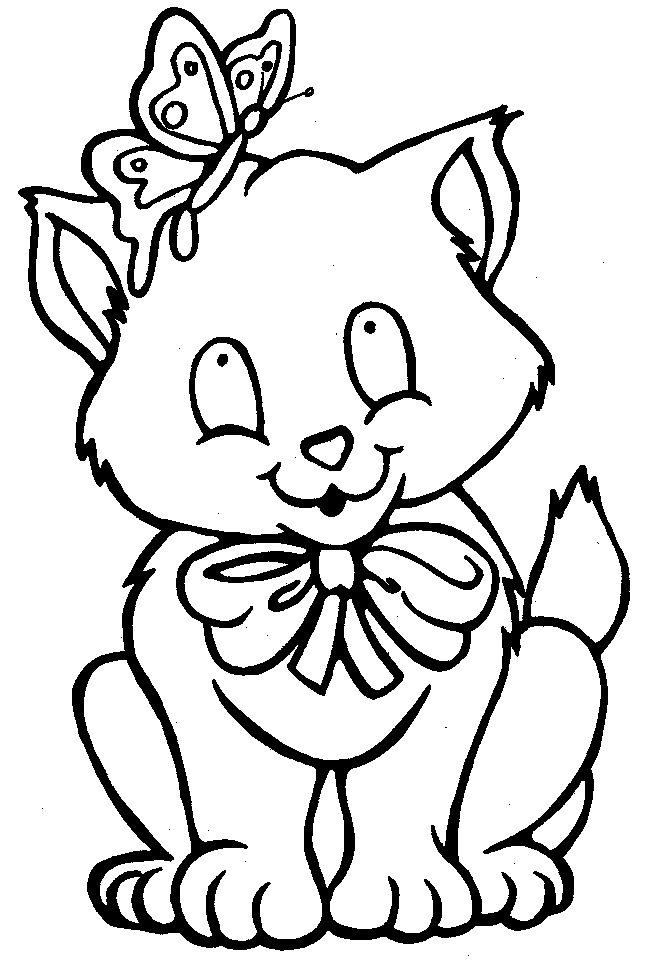
Coloring Cat with Butterfly: this page places a cat in a watchful, still pose with a butterfly nearby. The butterfly adds a secondary palette to the page: common butterfly colors include orange-and-black (monarch), yellow-and-black, or white with dark markings. The cat’s pose is self-contained, focused inward, which suits a slightly more muted and deliberate coloring approach than the outward-facing dog pages.

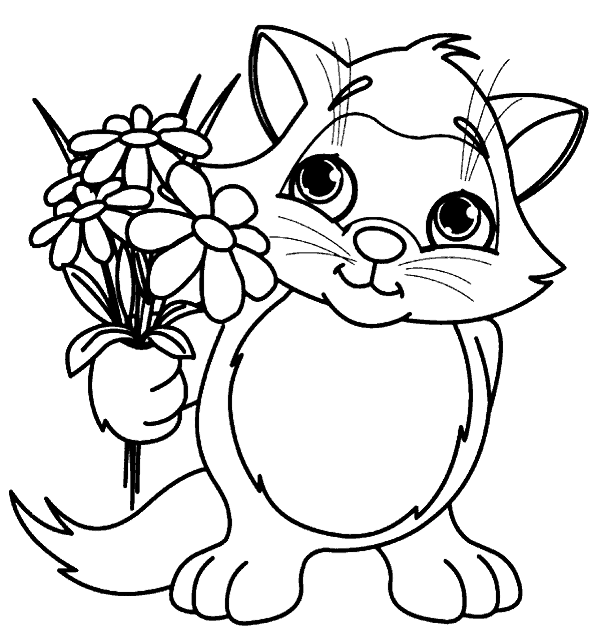
Coloring Cat and Flowers: the flower palette on this page is entirely open: pastels for roses and daisies, warm tones for sunflowers, cool blues for wildflowers. Keep the cat’s fur slightly cooler than the warmest flower colors to maintain the separation between animal and background.

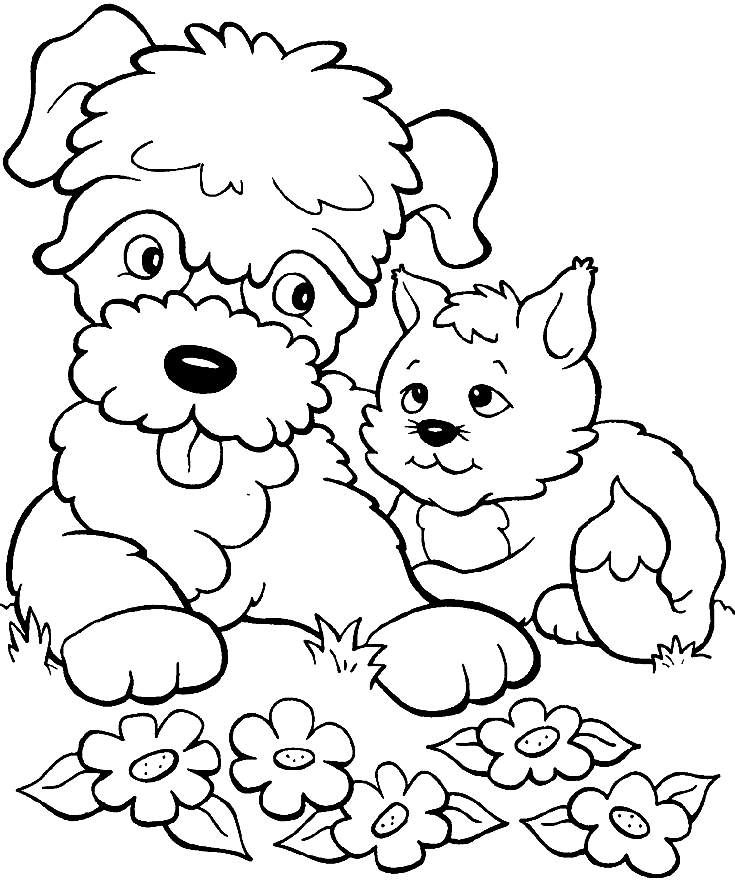
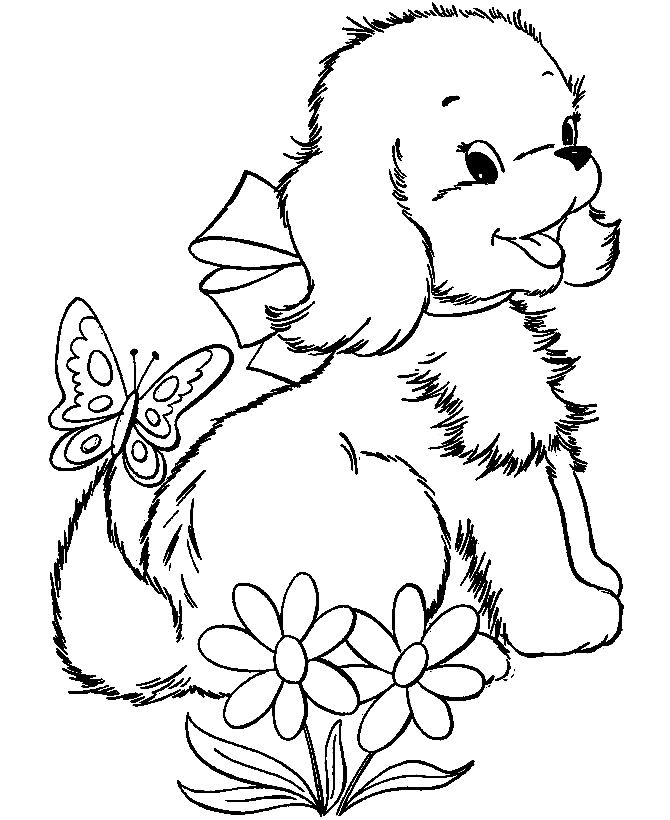
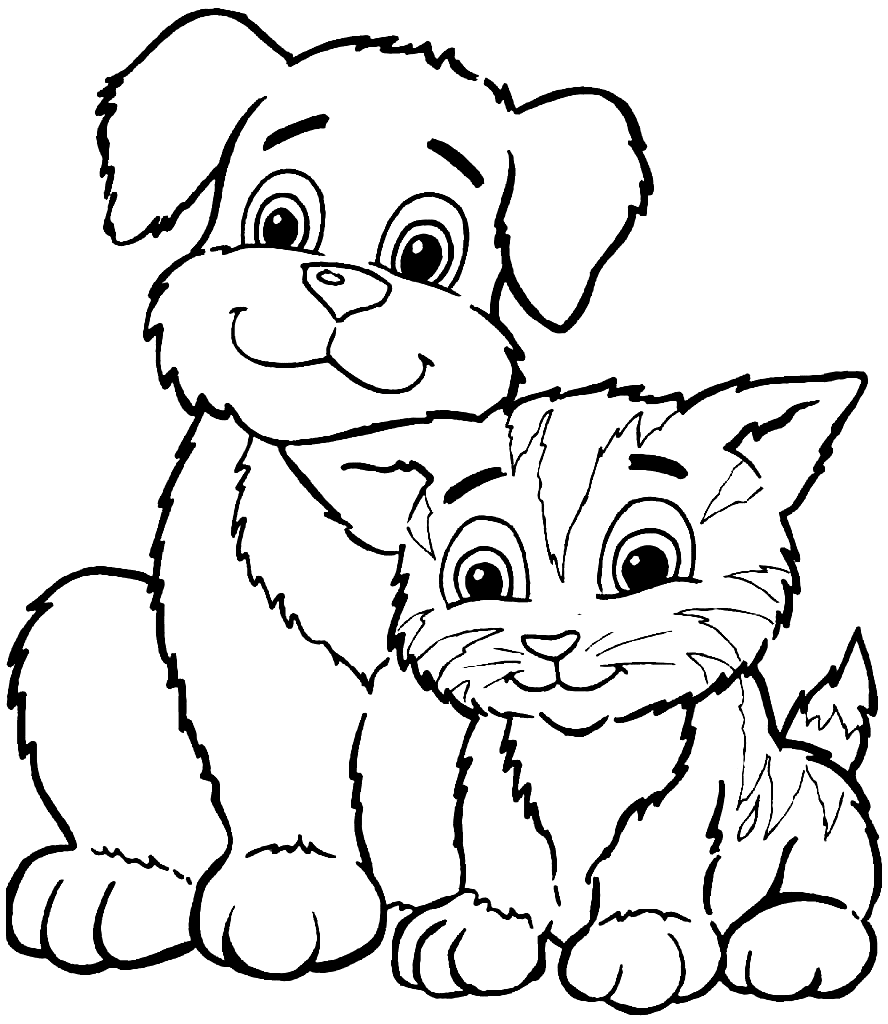
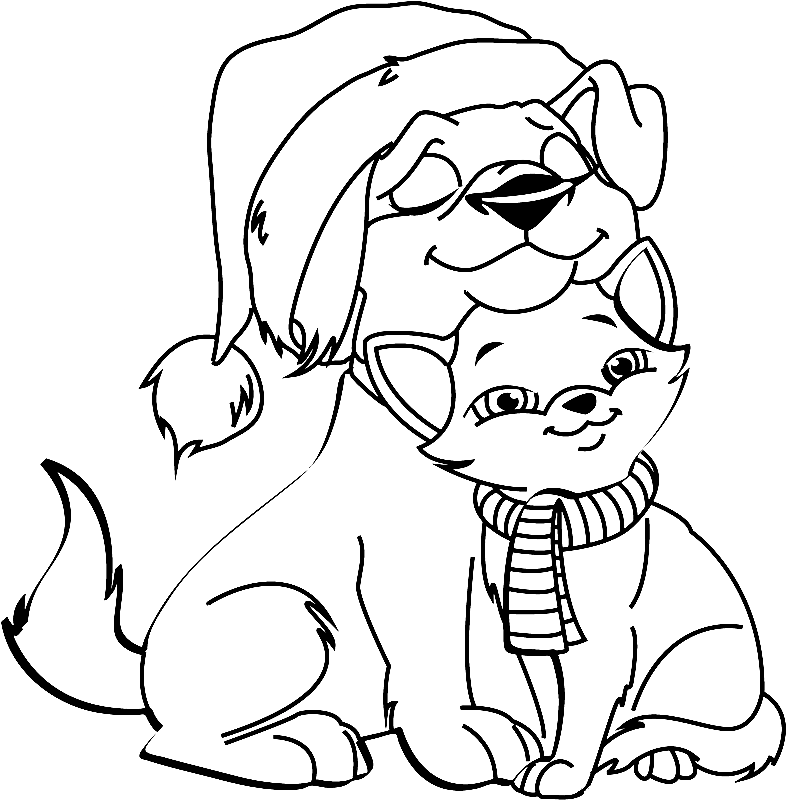
Coloring kitten and puppy paired pages: keep the kitten in the cooler range (grey or orange tabby) and the puppy in the warmer tan-cream range. The warm-cool contrast between them is the main coloring interest on paired pages.

Parrots

Three pages cover parrots across a baby, a cute variant, and a standard pet parrot.

Coloring parrots: Parrots are the most colorful pages in the entire set. A typical pet parrot in a coloring page illustration uses vivid greens as the dominant color, with a yellow face or forehead, a red or orange beak, and possibly blue or red accent feathers. The key technique is keeping the greens vivid: unlike the muted natural tones of most animal pages, parrot pages work best with fully saturated greens, yellows, and accent reds. The Baby Parrot page uses simpler, rounder forms than the adult parrot pages, but the same vivid palette.

Hamsters

Two pages cover hamsters in themed compositions.

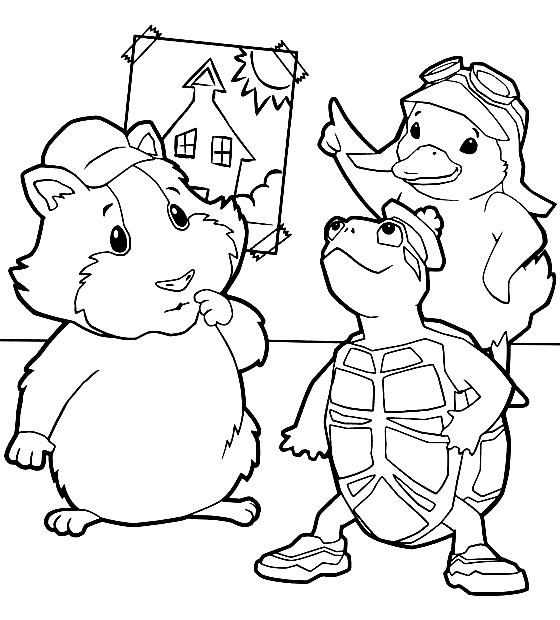
Coloring hamsters: hamsters have a characteristic warm golden-orange or cream fur with a pale or white chest and belly. The Hamster Eating Seed Flowers page shows the hamster in a classic cheeks-full pose. The fur on the back is warmer and slightly deeper in color than the chest. The Worried Hamster page shows a more expressive, comedic pose: the same warm fur with an exaggerated anxious expression.

Fish and Turtles

Two pages cover aquatic and semi-aquatic pets.

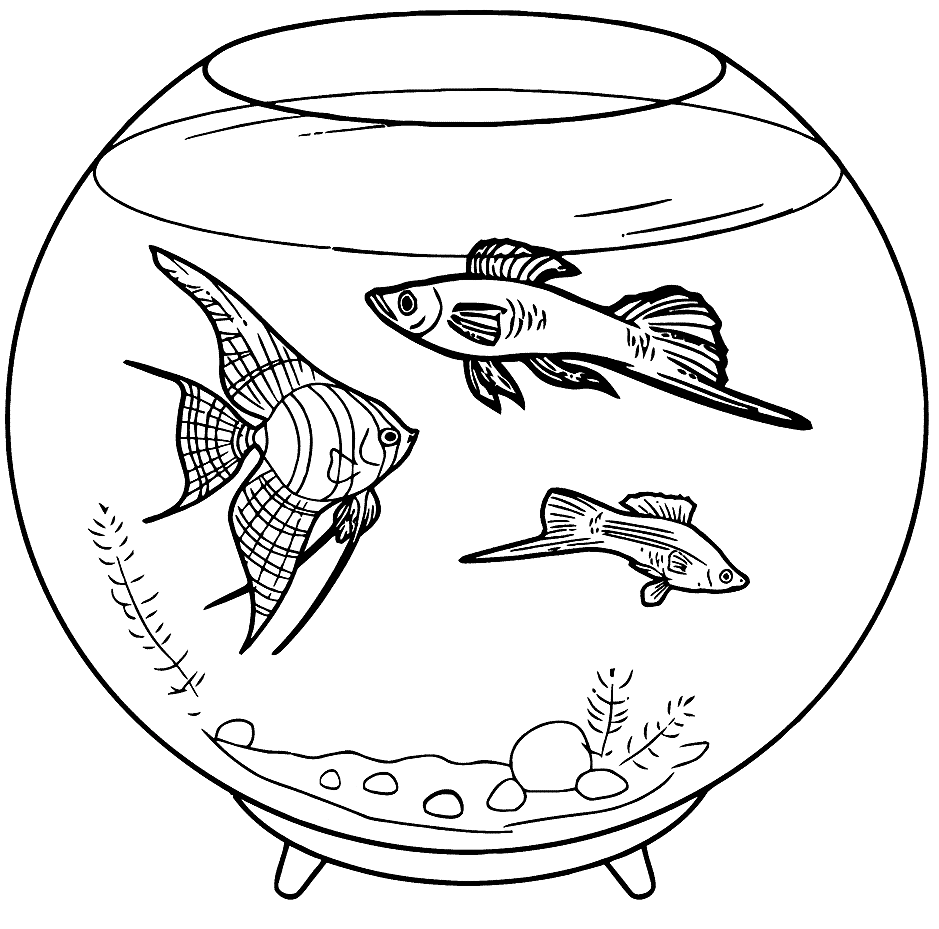
Coloring Pet Fish: Fish pages are the most open-ended in the set. Goldfish are orange-and-white, tropical fish can be vivid blue, yellow, or multicolored. There is no single correct answer: fish come in more color variety than any other pet.

Coloring A Turtle: Pet turtles have a distinctive two-material appearance. The shell is segmented with raised scutes in olive-green, brown, or dark grey-green, and the skin on the legs, neck, and head is typically a darker olive-green or grey-green. The shell segments benefit from slightly lighter coloring at the center of each scute and darker at the edges, which gives the shell its characteristic domed, textured quality.

Mixed Species and General Pets Pages

About seven pages show general pet scenes or non-specific animals across cute and happy expressions.

These pages use simplified, rounded forms suited to younger children. The palette varies by the animal shown: pages featuring dogs default to warm tan and cream, while general multispecies pages like Happy Pet and Cute Pets show whichever animal is depicted in its standard coloring. The Pretty Pet and Lovely Pet pages show soft, friendly animal illustrations without breed-specific detail, making them the lowest-barrier pages in the set for very young children.

Printable PDF and Online Pets Coloring Pages

The Husky, Dachshund, and parrot pages reward printing for close coat and feather detail work. Simpler puppy, kitten, and general pet pages work well on screen.

What These Pages Do

Dogs and cats arrived in human homes by completely different routes, and the difference still shows up in how they behave.

Dogs were domesticated from wolves, possibly 15,000 to 40,000 years ago, and for most of that history they worked alongside humans: hunting, herding, guarding. The companionship role that defines the modern pet dog developed over a long working relationship. Dogs are wired to pay attention to what humans want because their ancestors needed to.

Cats were domesticated differently and more recently. Roughly 10,000 years ago, wildcats began appearing around early agricultural settlements in the Fertile Crescent, drawn by the rodents that fed on stored grain. Humans tolerated and then encouraged these cats because they were useful. The cats chose proximity to humans because it suited them. The affectionate household cat evolved from that practical arrangement, but the independence stayed.

On coloring pages, this shows up in posture. Dog pages show animals facing outward, ears up, engaged. Cat pages show animals in self-contained poses: watching a butterfly, sitting among flowers, focused on something other than the viewer. The poses are accurate for the animals.

The AAP notes that coloring activities featuring real animal species, particularly when accompanied by accurate natural history information about those animals, support children’s early science literacy and build awareness of the animals they live alongside.

Art therapy practitioners note that pet-themed coloring sets are among the most reliably engaging for children who have strong emotional connections to specific animals, as the familiar subject provides a personal bridge into the coloring activity.

How to Color Pet Coloring Pages

Dogs read warmer, cats read cooler. Most illustrated dogs use warm tan, cream, and brown tones. Most illustrated cats use grey, blue-grey, or orange tones. On mixed-species pages, keeping dogs in the warm range and cats in the slightly cooler or more neutral range maintains the visual distinction between the two animals even when the specific breeds are not identified.

Parrots are the exception to muted animal palettes. Every other pet in this set uses natural, somewhat muted tones. Parrots do not. A fully saturated vivid green parrot next to a muted cream hamster is not a mistake: it is accurate. Pet parrots are among the most vivid-colored animals kept in homes, and the pages should reflect that.

The Husky’s two-tone coat needs a clean transition line. The dark grey-black back and the white chest are separated by a relatively clear boundary, not a soft gradient. A sharp transition between the two zones reads as more accurate than blending them.

On the turtle page, lighter centers and darker edges on each shell scute. The shell segments of a turtle appear domed, and the way to show this is lighter at the center of each segment and slightly darker at the edges and groove lines. This approach works for any turtle regardless of the specific shell color chosen.

5 Creative Craft Ideas with Pet Coloring Pages

Dog Breed Comparison

Color the Husky, the Dachshund, and the Baby Bulldog pages to show three very different dog body types and coat patterns side by side.

Three breeds, three different coloring challenges: layered two-tone for the Husky, rich single-tone for the Dachshund, and pale-with-brindle for the Bulldog. Takes about twenty-five minutes.

Mixed Species Display

Color one page from each species group: a dog, a cat, a parrot, a hamster, a fish, and a turtle. Display as a six-page collection.

All six pet species, six different palettes, one unified display. Takes about thirty minutes.

Cat-and-Flower Scene

Color the Cat and Flowers page choosing a flower palette that contrasts clearly with the cat’s coat: warm sunflower yellows against a grey cat, or cool blues and purples against an orange tabby.

One page, two subject types requiring different palette logic. Takes about fifteen minutes.

Parrot Color Study

Color the Cute Pet Parrot and Baby Parrot pages in the most vivid greens, yellows, and reds available, keeping both pages at full saturation.

The two parrot pages are a study in using maximum color intensity on animal illustration. Takes about fifteen minutes.

Puppy and Kitten Friendship Pair

Color the Puppy and Kitten and Kitten and Puppy pages as a matched pair, keeping the dog warm tan and the cat in a clearly distinct cooler tone across both pages.

Two paired scenes, one consistent warm-cool animal contrast. Takes about fifteen minutes.

FAQ About Pets Coloring Pages

Are these pet coloring pages free, and can I color them online?

Yes. Every page is free, with no account, email, or payment required. Download the PDF to print at home, or open it in the online coloring tool to color on screen.

What animals are included in these pet coloring pages?

The set covers six pet species: dogs and puppies (including Huskies, Dachshunds, and Bulldogs), cats and kittens, parrots, hamsters, fish, and turtles. It also includes mixed scenes pairing cats with puppies and general pet illustration pages.

How long have dogs been kept as pets?

Dogs are the oldest domesticated animal, with estimates ranging from 15,000 to 40,000 years ago. They were domesticated from wolves and originally served working roles in hunting, herding, and guarding. The companion-focused pet dog as we know it today developed over this long working relationship between dogs and humans.

How are cats different from dogs in terms of domestication?

Cats are domesticated differently from dogs. Around 10,000 years ago, wildcats began appearing near early agricultural settlements in the Fertile Crescent, attracted by the rodents feeding on stored grain. Humans tolerated them for pest control, and cats tolerated humans for the food access. Unlike dogs, cats were not deliberately bred for specific tasks. The household cat evolved from this mutual arrangement while retaining much of its original independence.

What color are parrots typically depicted in these pages?

The parrot pages in this set use vivid green as the dominant body color, with yellow face or forehead markings, a red or orange beak, and possible blue or red accent feathers. This palette reflects a generalized pet parrot design rather than any specific species, though it is consistent with common green parrots such as budgerigars and conures.

What breeds of dogs are in this collection?

Named dog breeds in this set include the Siberian Husky, Dachshund, and Bulldog. The majority of dog pages show non-specific breeds in a friendly cartoon puppy style.

Are these official coloring pages from a specific brand or film?

No. These are original coloring sheets featuring general pet illustrations, not based on any specific film, television series, or branded character. They depict real animal types in illustrated form.

What age group are these pages best suited for?

Pet coloring pages suit a wide age range. The general puppy and kitten pages are accessible to children aged 3 and up. The breed-specific pages (Husky, Dachshund) and the turtle and parrot pages offer enough detail to engage children aged 6 and up and adults who enjoy animal illustration.

Start Coloring

Download any page by clicking the design. No account, email, or payment is required. Pages print directly from the browser at full resolution or open in the online coloring tool for screen use. Share finished pages on Facebook or Pinterest using the share buttons at the top of each design page.
These related coloring collections will help you explore the wonderful world of colors. Let’s choose, be creative, and show us your great pictures!
Jennifer Thoa – Content Editor & Designer

Jennifer Thoa is Content Editor and Designer at ColoringPagesOnly.com. Degree in Journalism and Creative Writing, University of Kansas. She writes and edits long-form educational articles on anime, film, animals, world cultures, and automotive history - verified against named primary sources before publication.