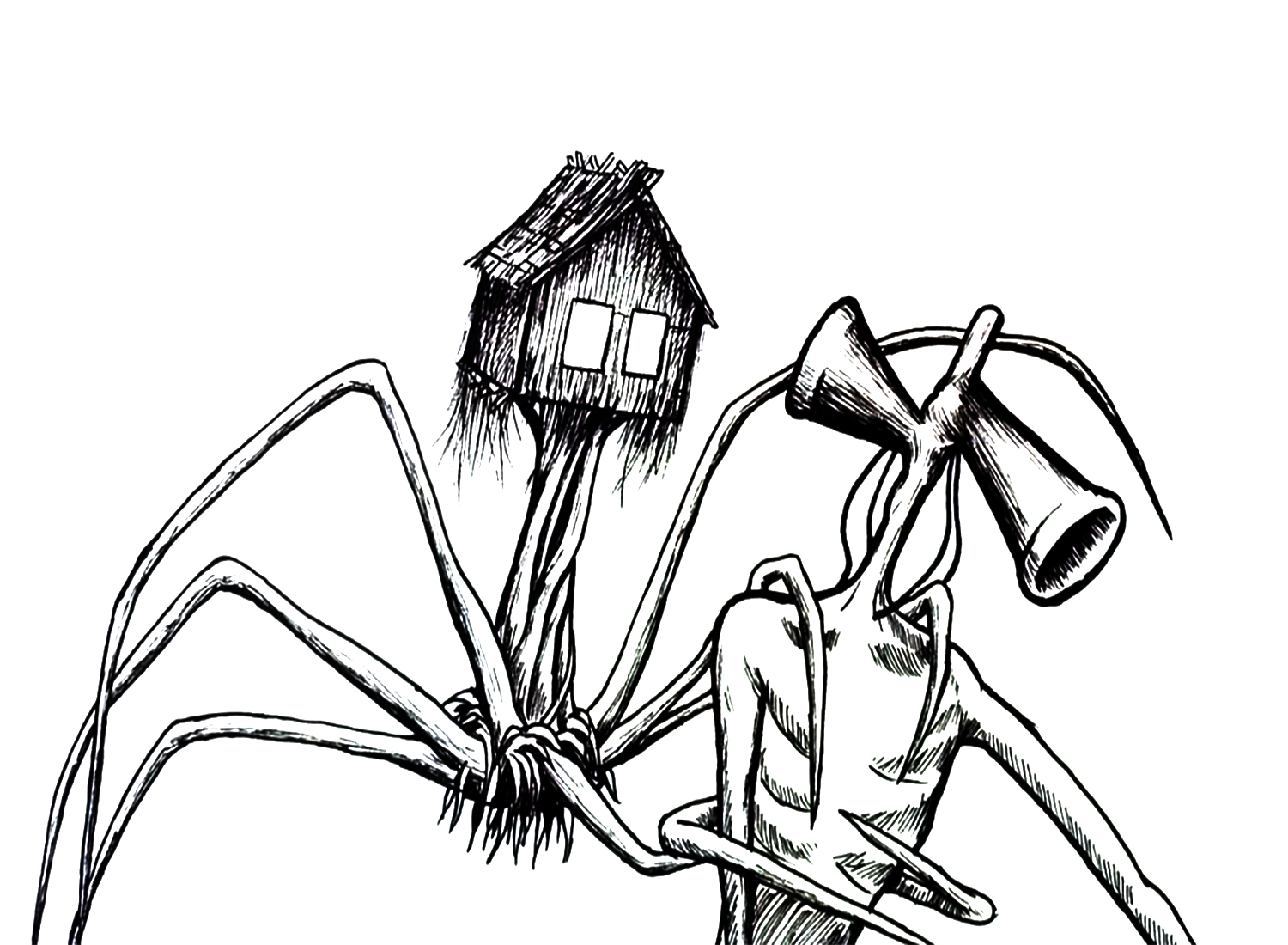
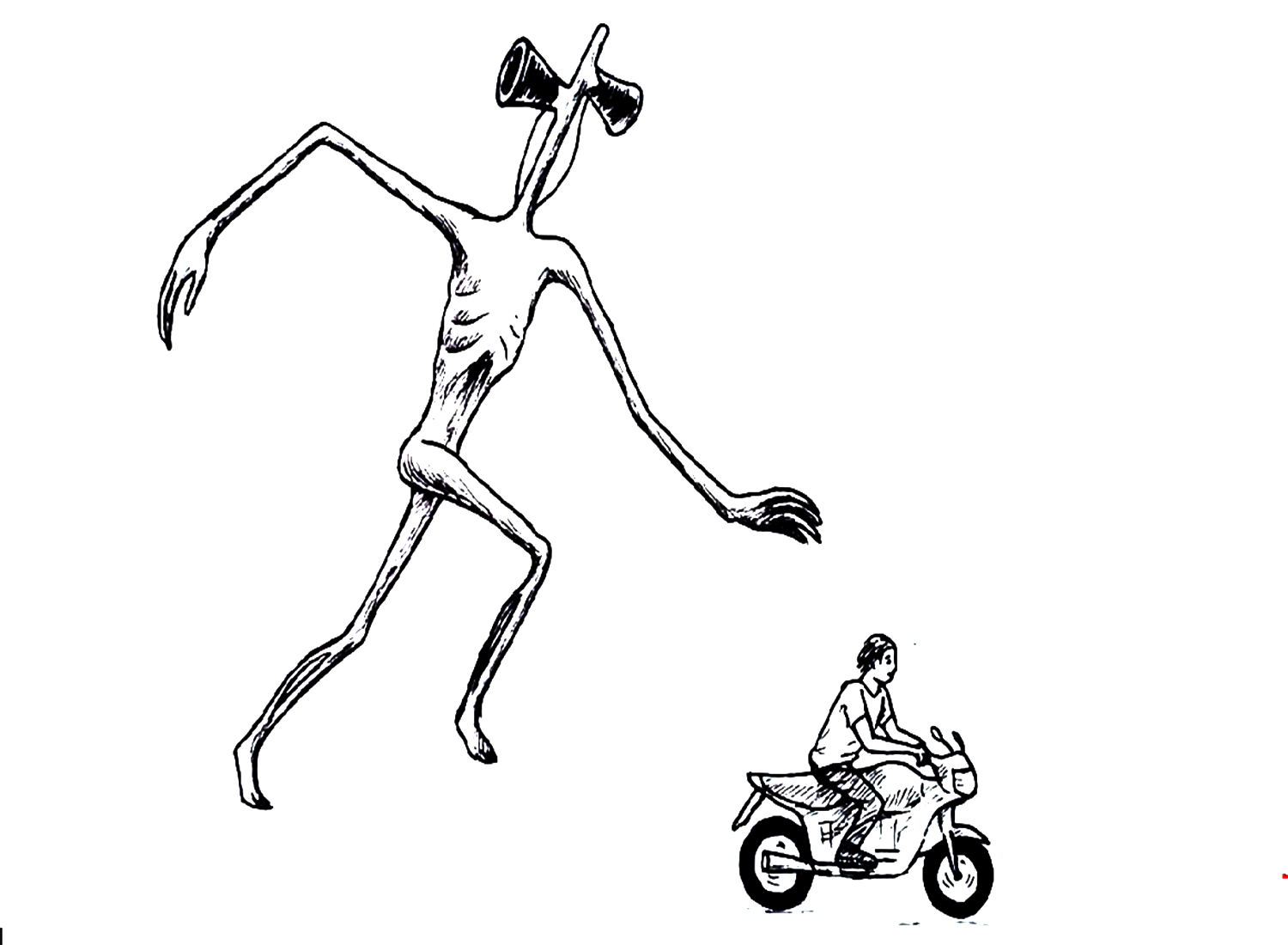
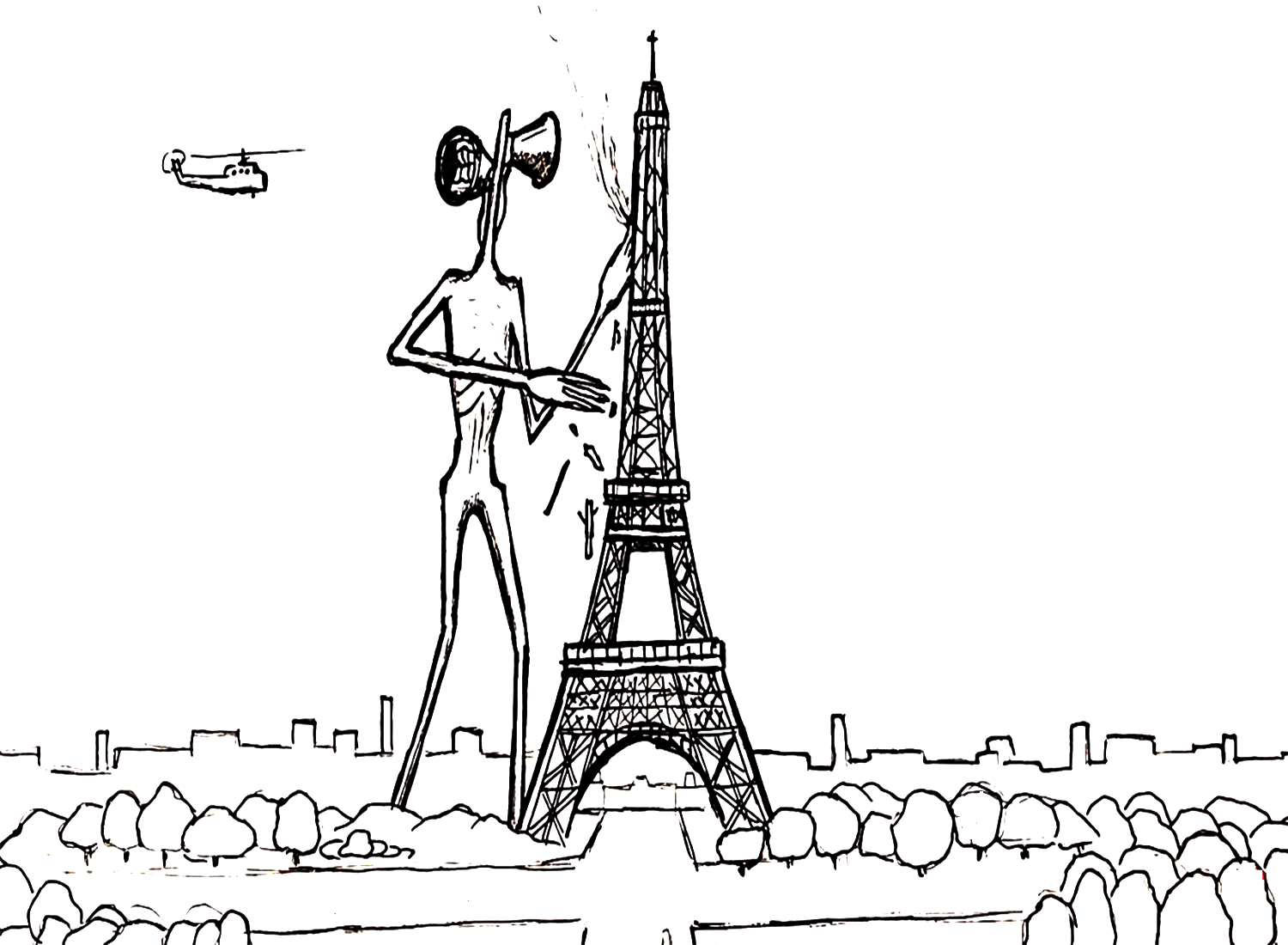
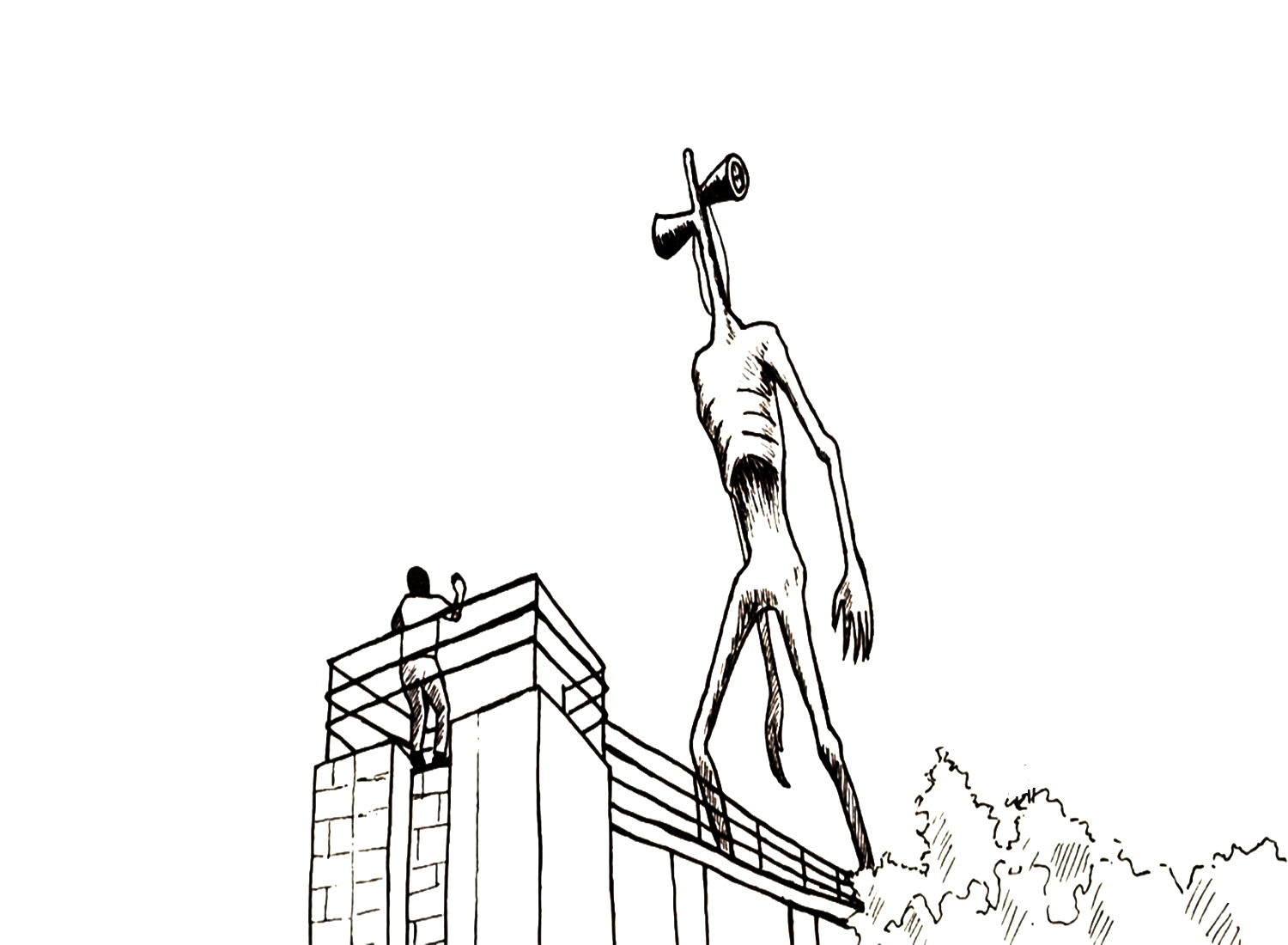
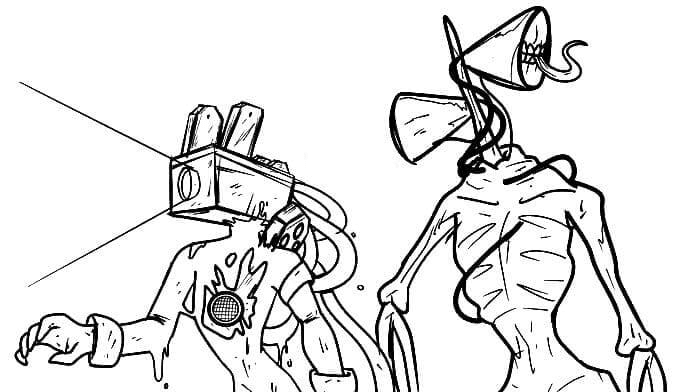
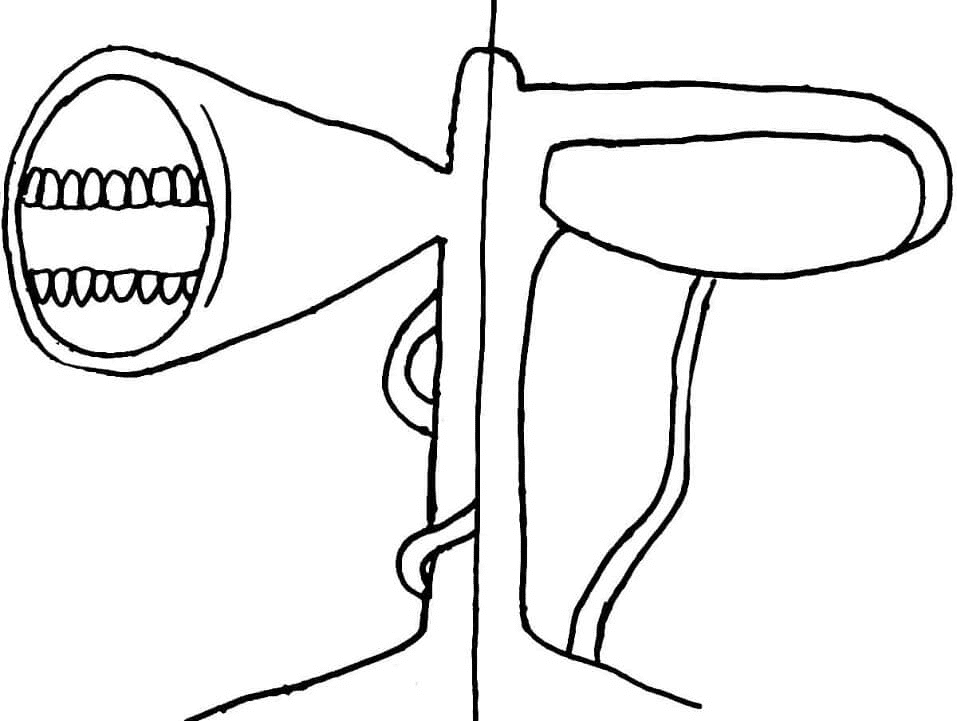
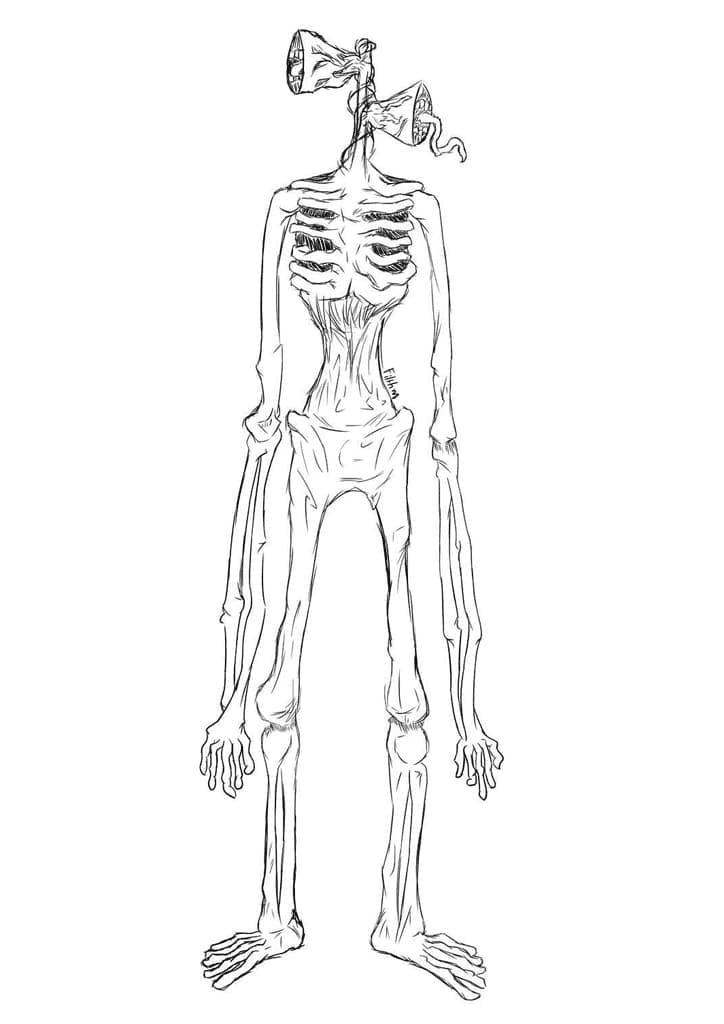
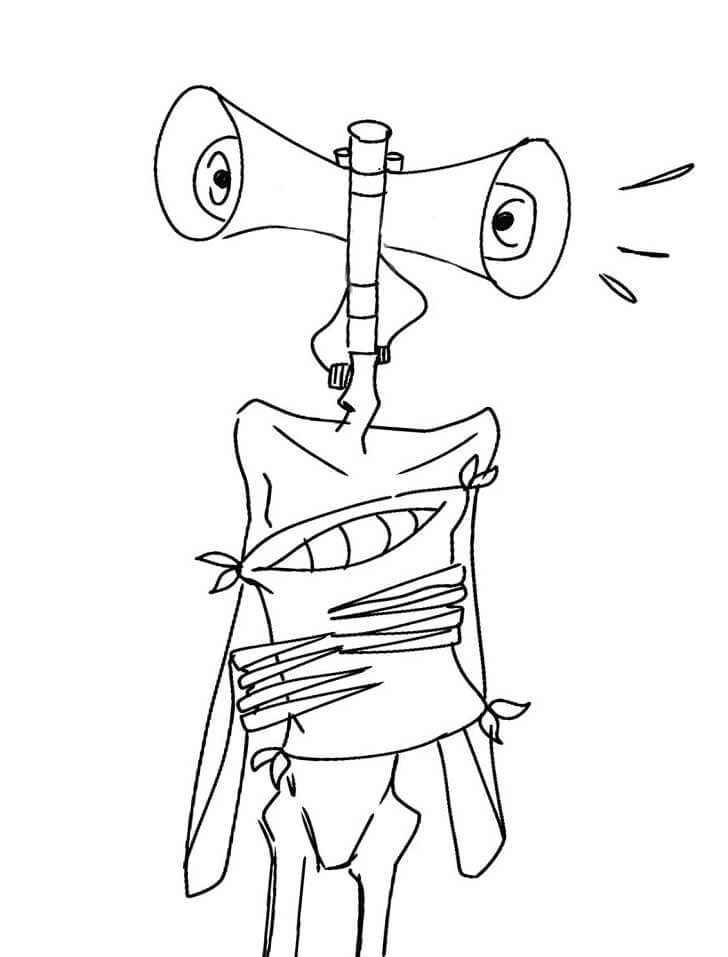
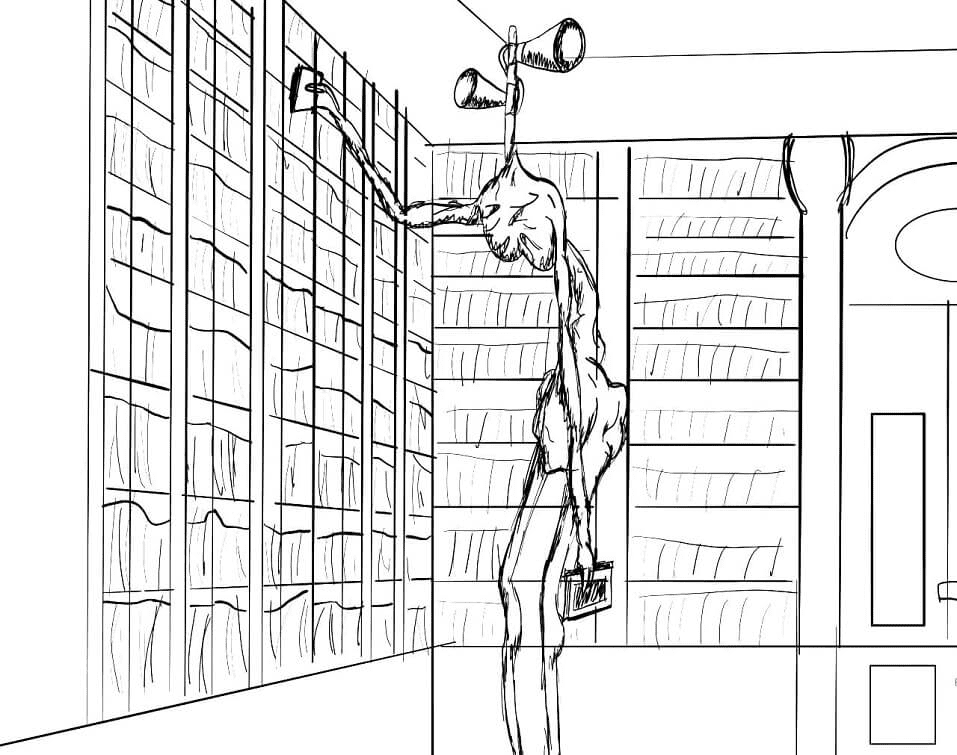
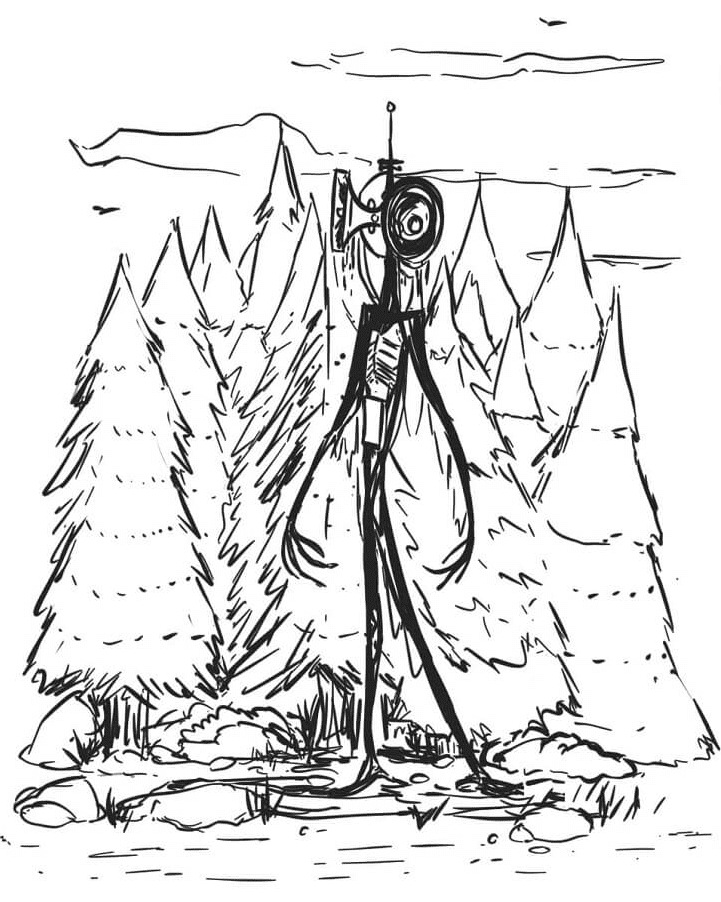
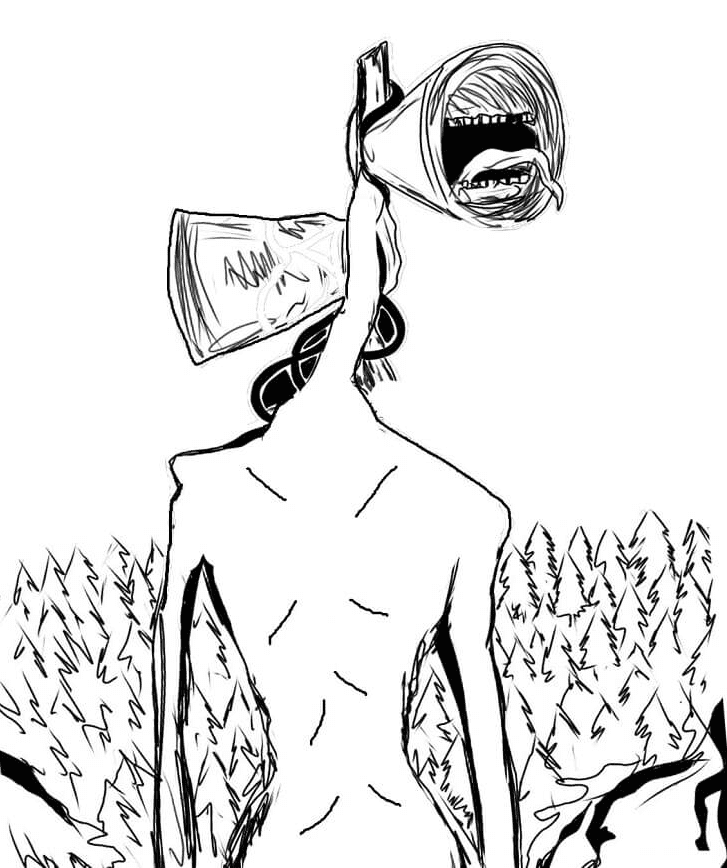
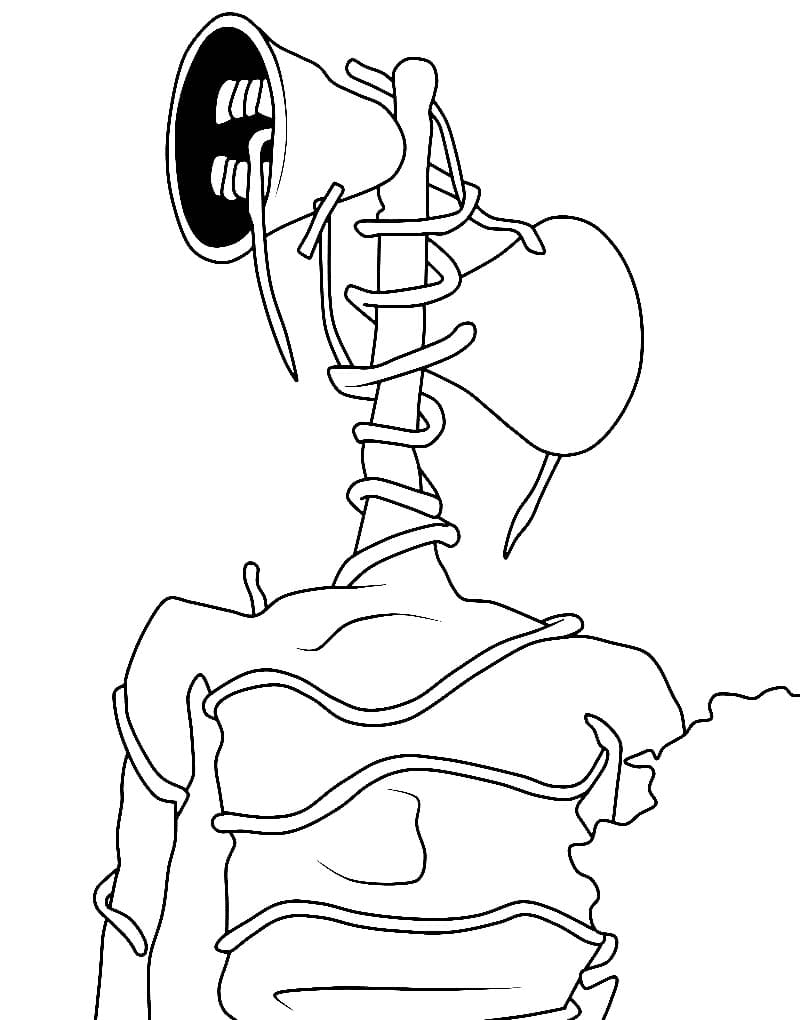
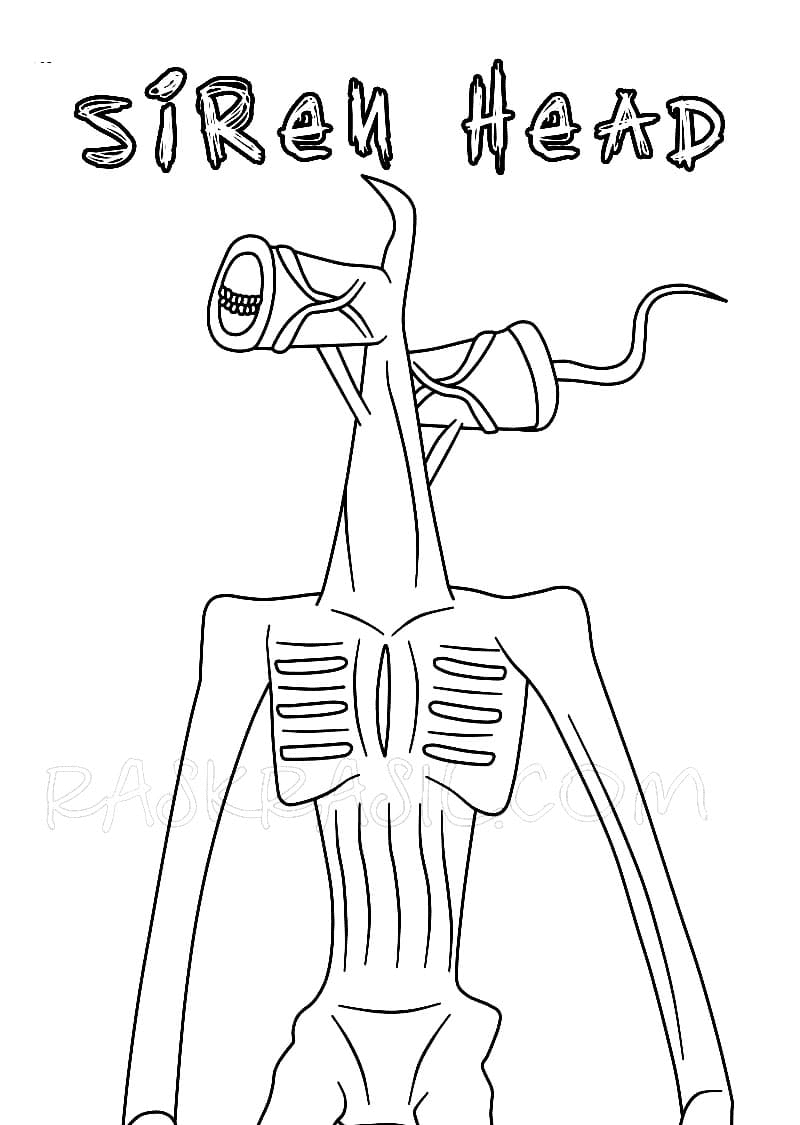
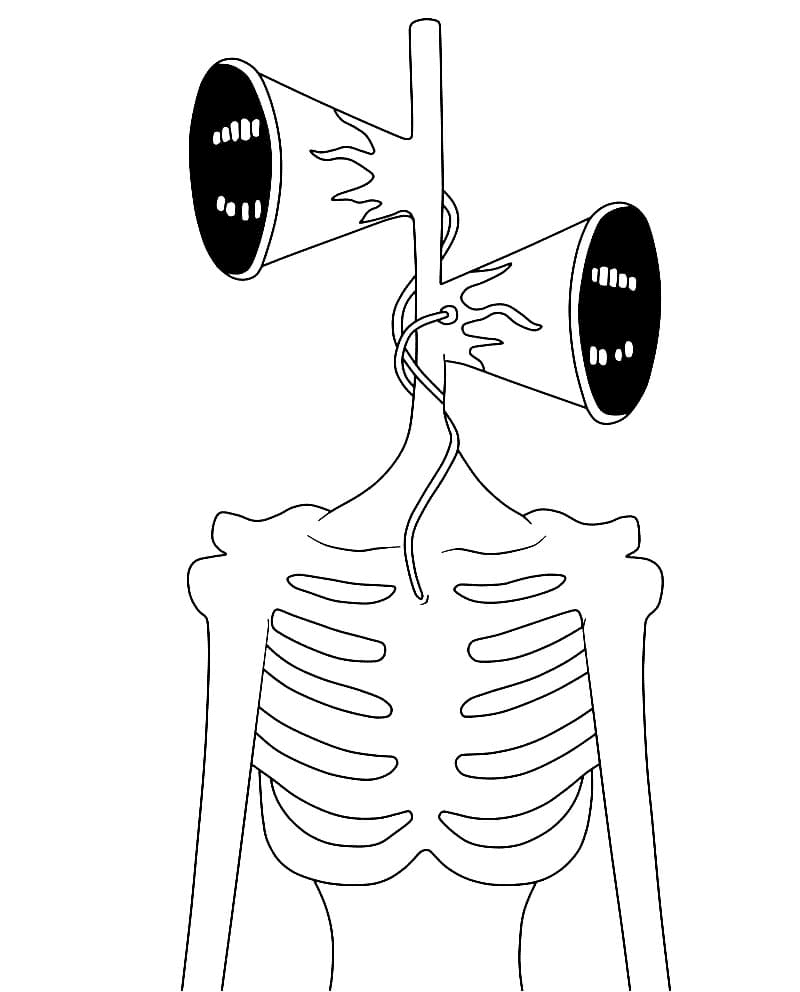
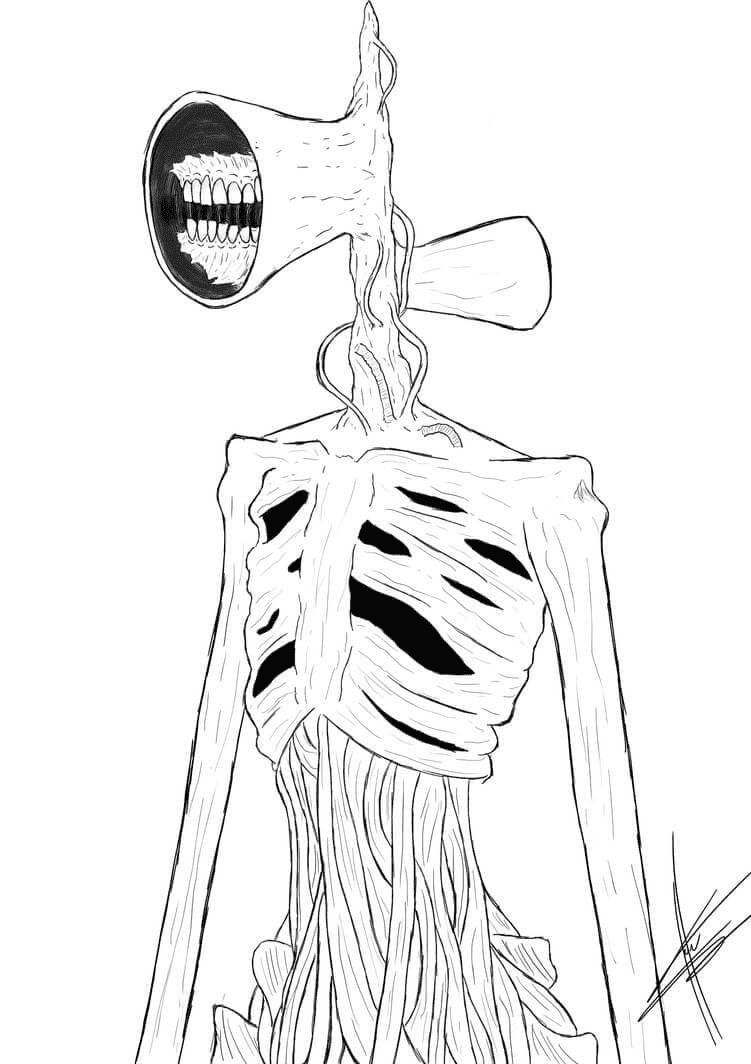
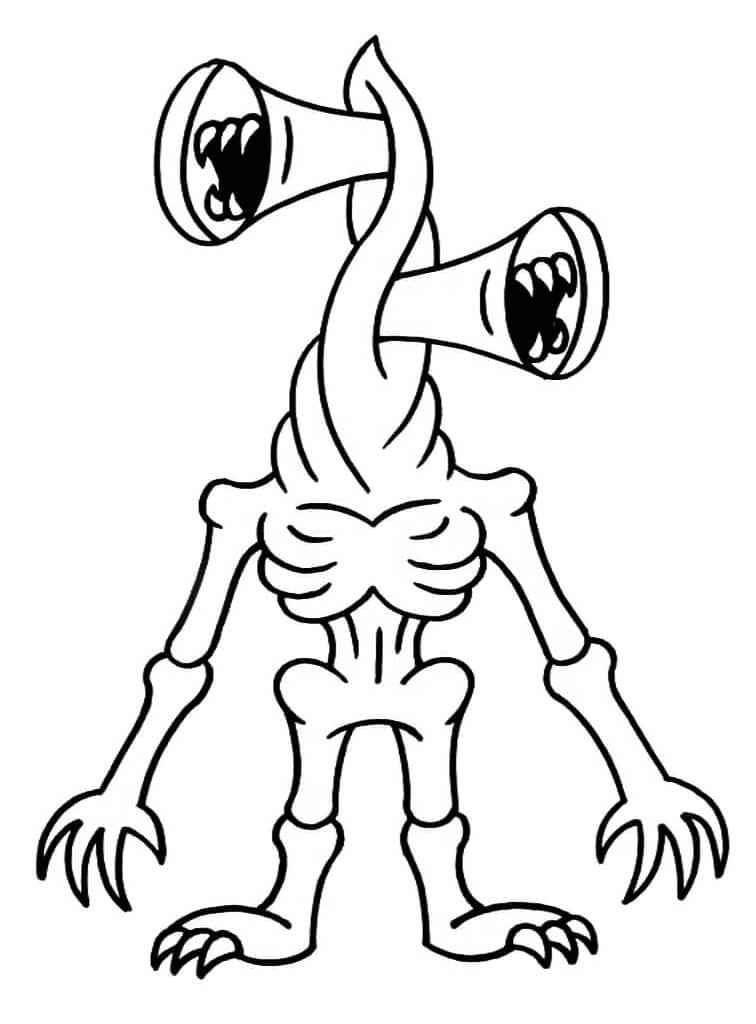
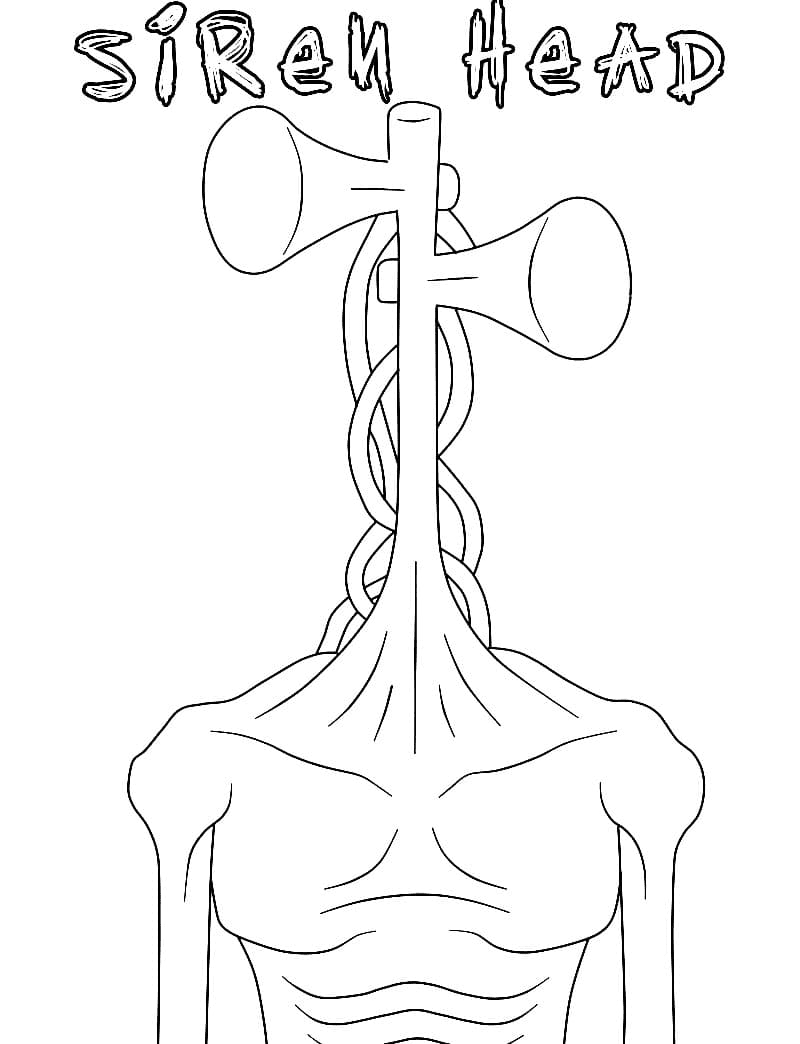
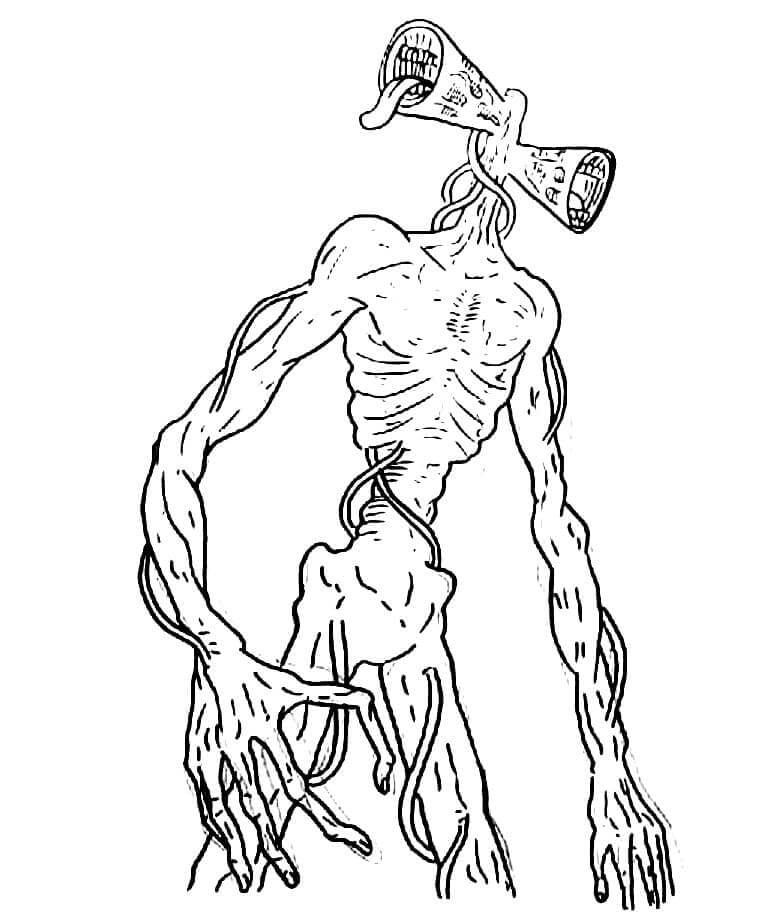
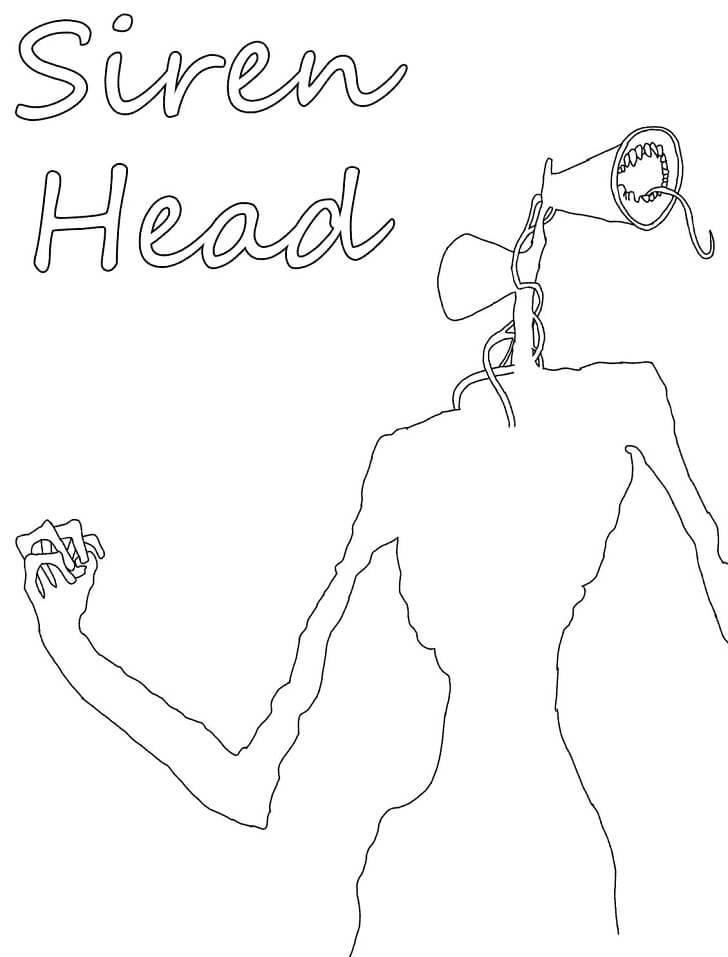
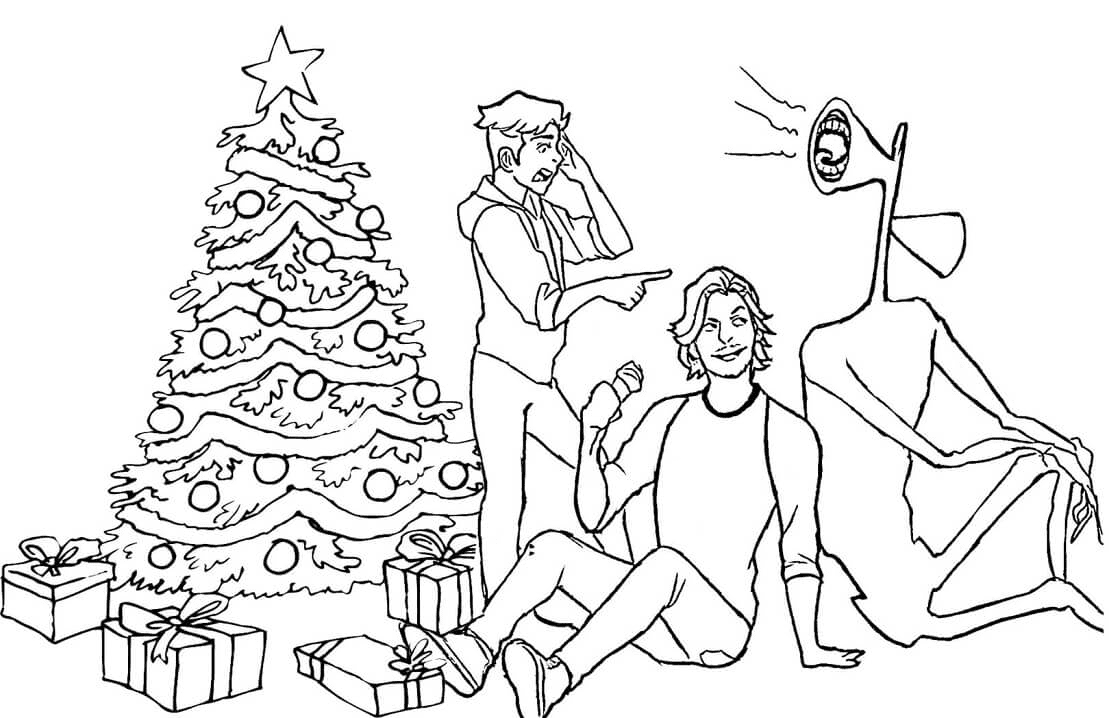
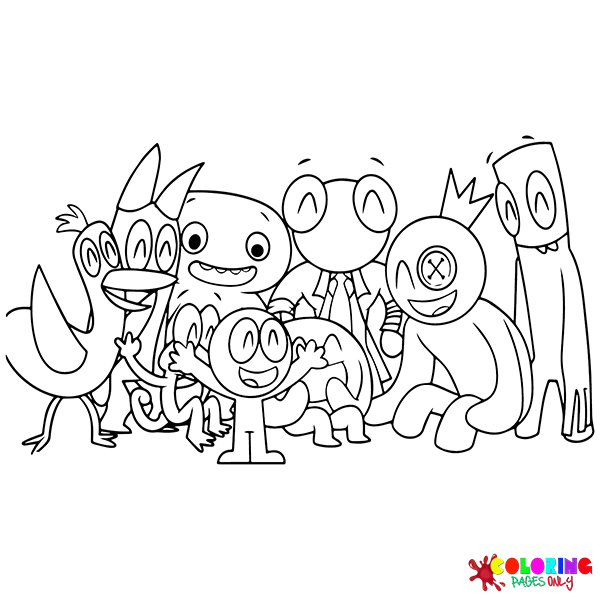
Free Siren Head coloring pages – 40+ pages featuring the towering cryptid in forest settings, close-up siren detail pages, action poses, atmospheric night scenes, comparison pages with other Trevor Henderson creatures, and stylized interpretations – free printable PDF and online coloring for horror fans and monster enthusiasts.

Siren Head is a horror character created by Canadian artist Trevor Henderson, first published on his social media accounts around 2018. Henderson – known online as @SlimySwampGhost – works in a specific horror idiom: he takes real photographs of ordinary environments and adds entities to them that should not be there, rendered with enough visual consistency to make the result look like a documented encounter rather than an illustration. The technique creates a specific kind of dread because it uses the visual language of evidence rather than art.

Siren Head became one of the most recognized horror characters of the internet era within months of its first appearance. The character’s design is simple to describe and deeply effective: an extraordinarily tall, gaunt humanoid figure with two vintage emergency sirens in place of a head, standing in rural or forested environments and emitting sounds – emergency broadcasts, distorted human voices, animal calls, wailing – that draw victims toward it before they understand what is producing the noise. The figure can stand motionless among trees for extended periods, its extreme height and thin profile blending with the tree trunks well enough to be overlooked until movement begins.

The character has appeared in gaming mods, fan-made horror games, YouTube found-footage videos, and a substantial body of fan art that extends the original into various styles and interpretations. The coloring pages in this collection represent that fan art tradition – stylized illustrations of the character that capture its visual identity without the photorealistic horror context of the original works.
These 40+ free pages at ColoringPagesOnly.com give the full Siren Head visual range. All free, PDF or PNG, print or color online.

What’s Inside

Full-Body Forest Pages

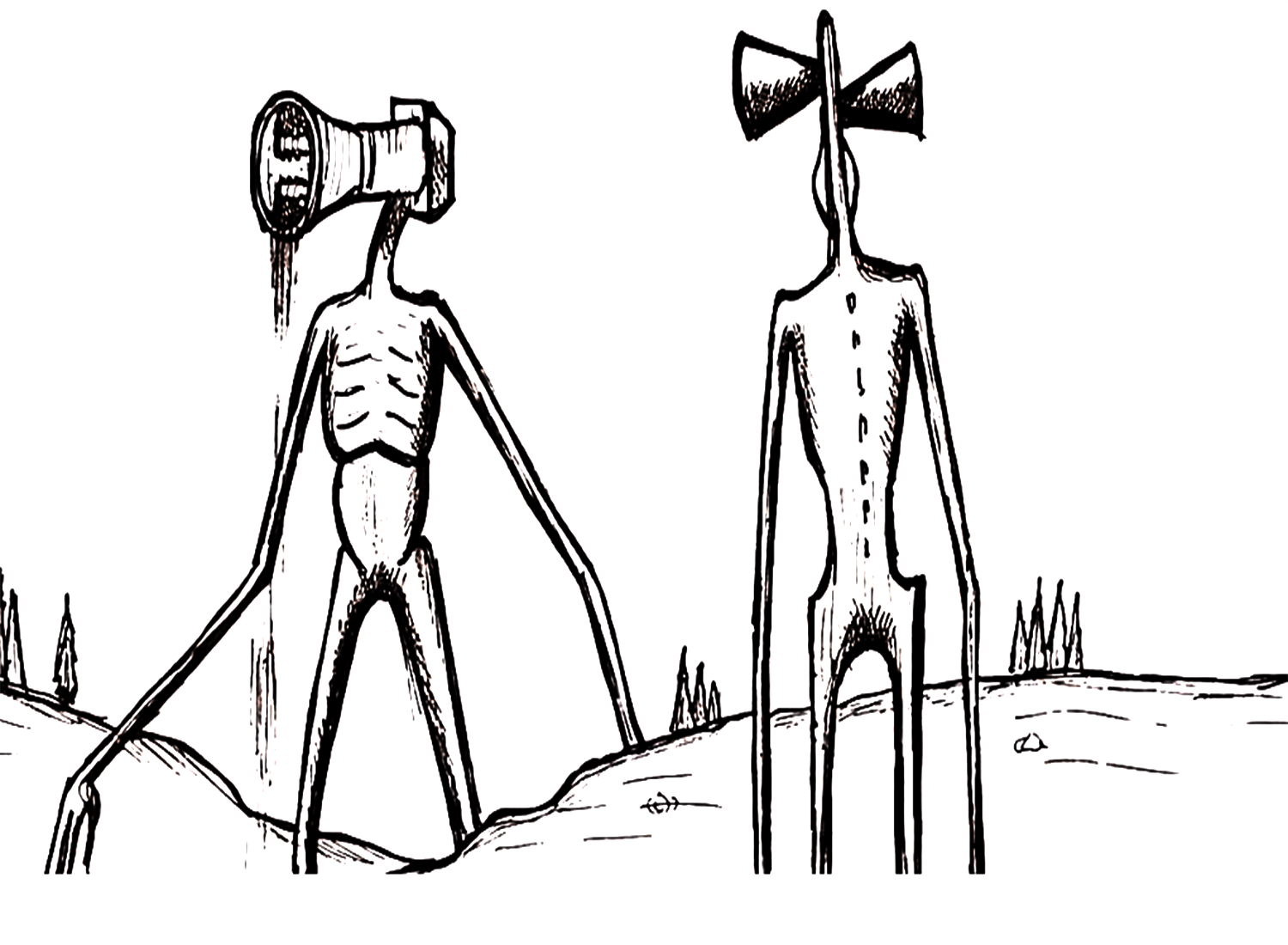
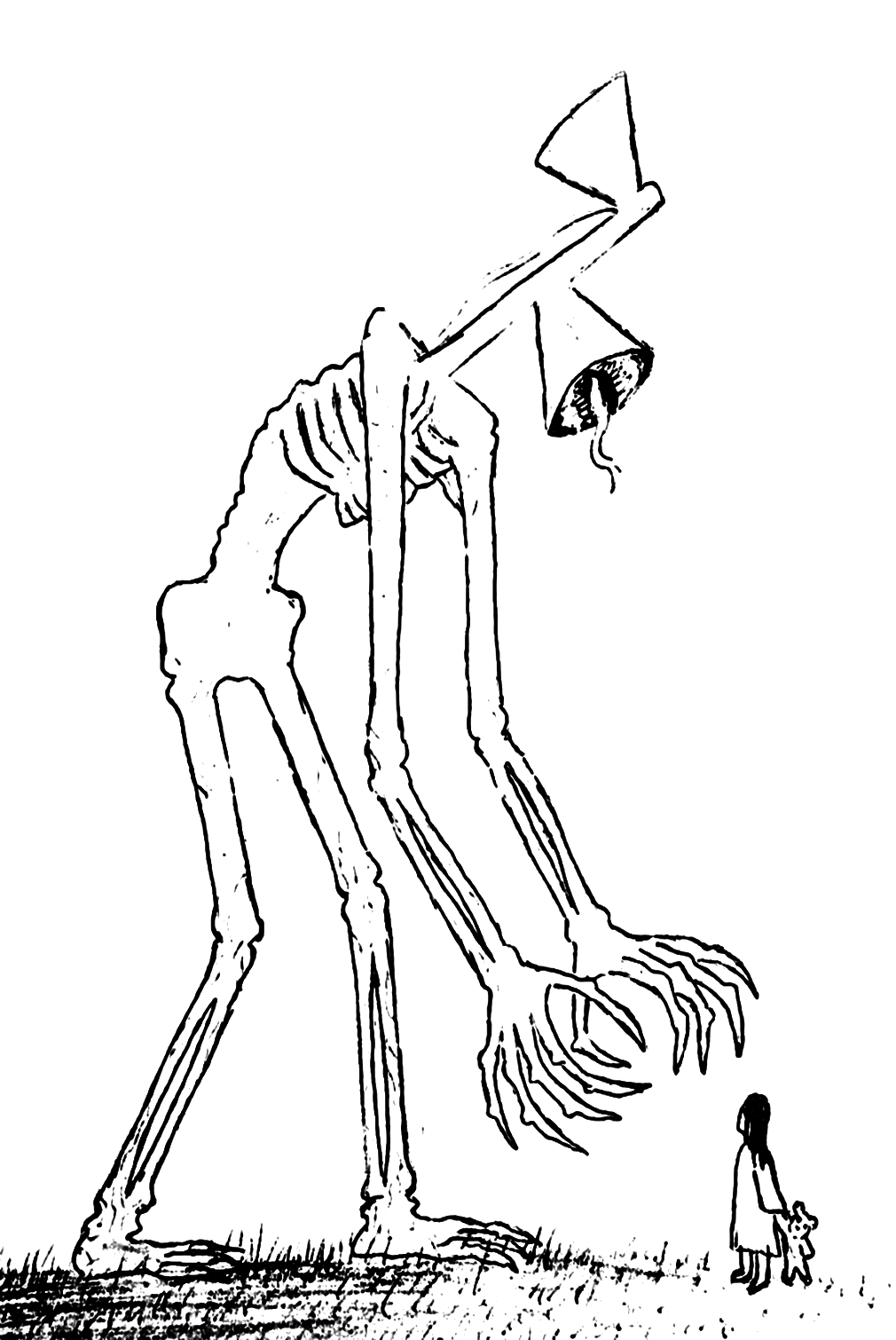
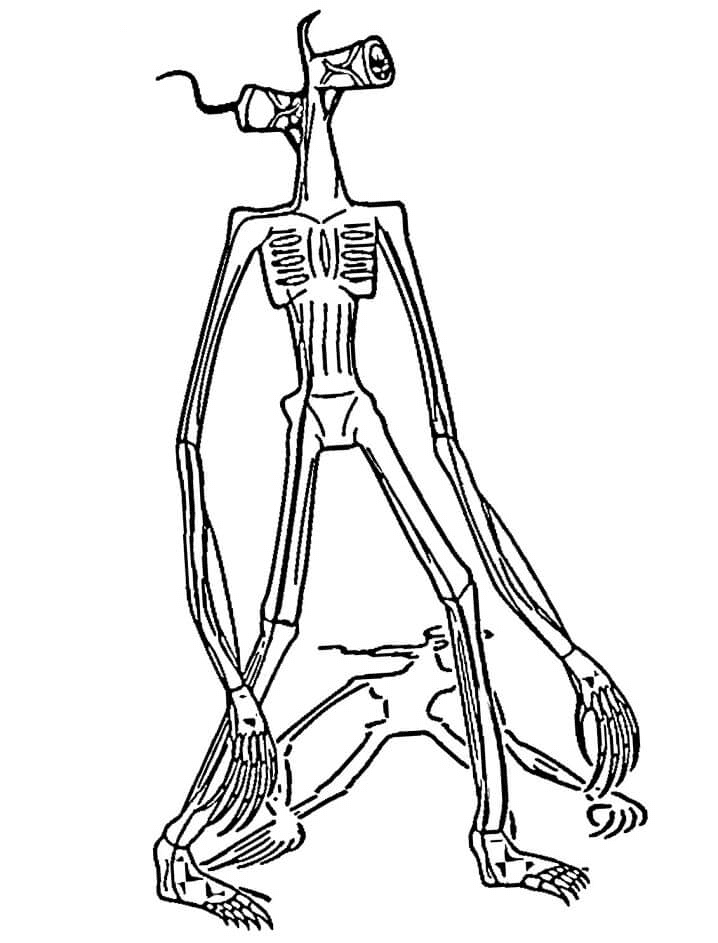
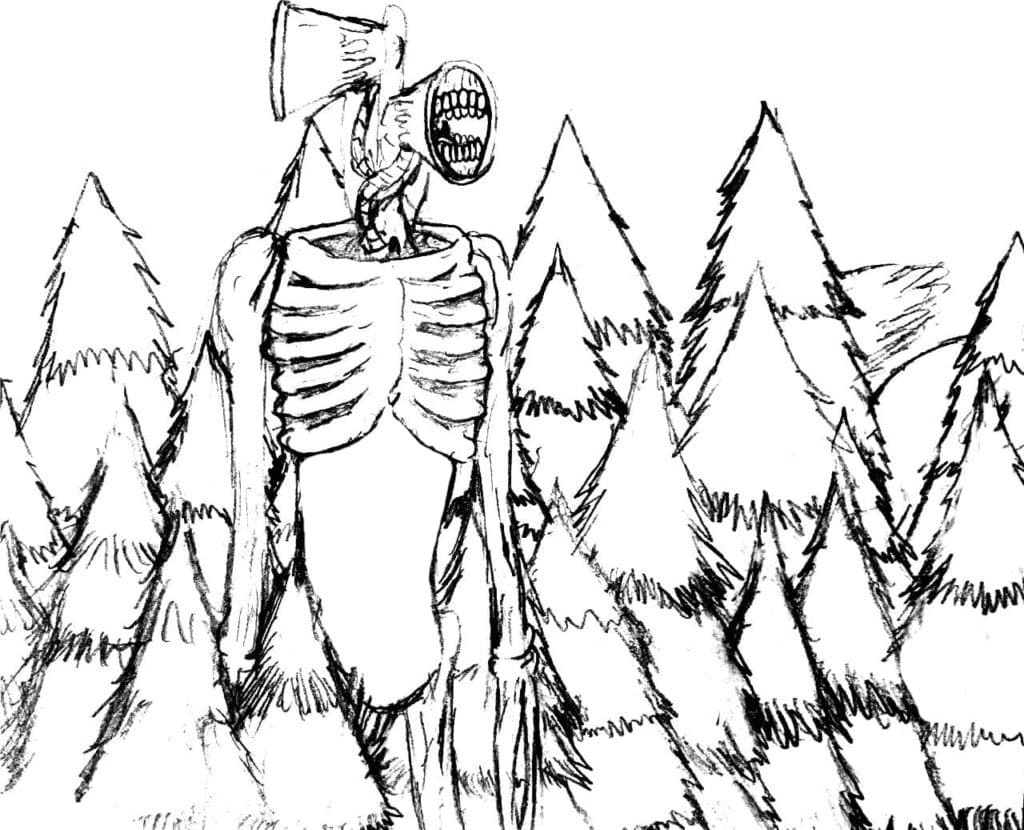
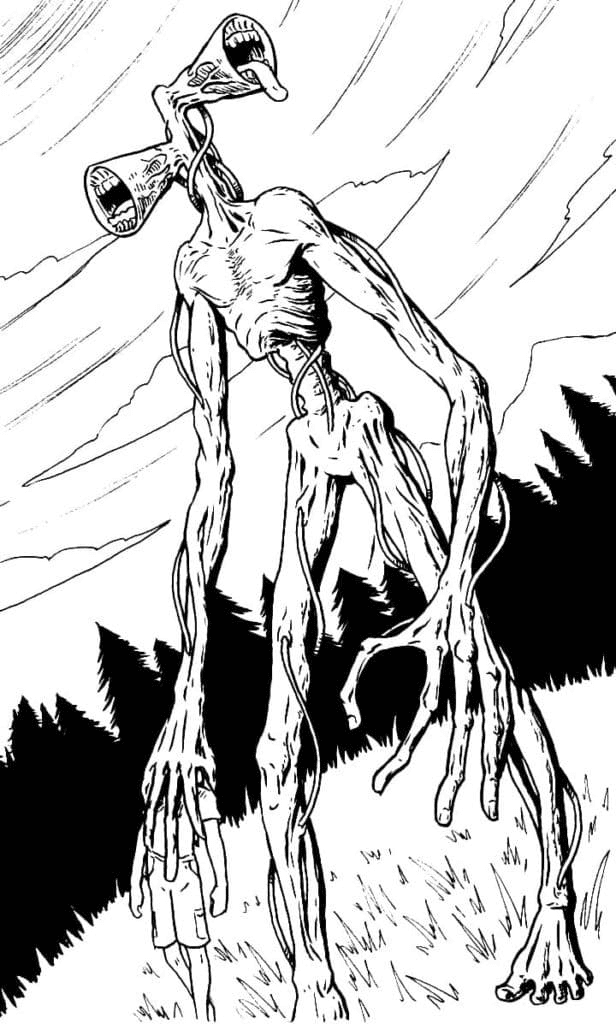
The collection’s most numerous section shows Siren Head in its characteristic environment: forested, isolated, the figure standing among trees at a height that makes the surrounding vegetation look like undergrowth. These pages capture the visual fact that makes the character effective – the proportion between the creature’s scale and its environment.

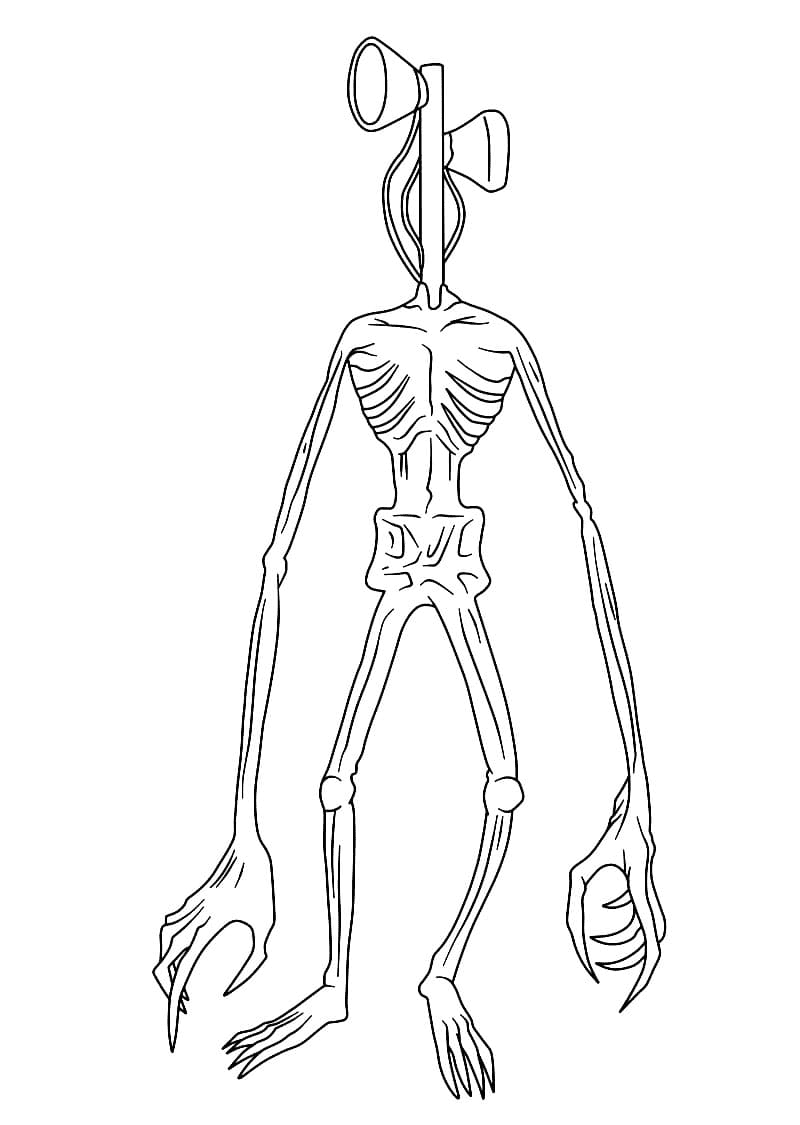
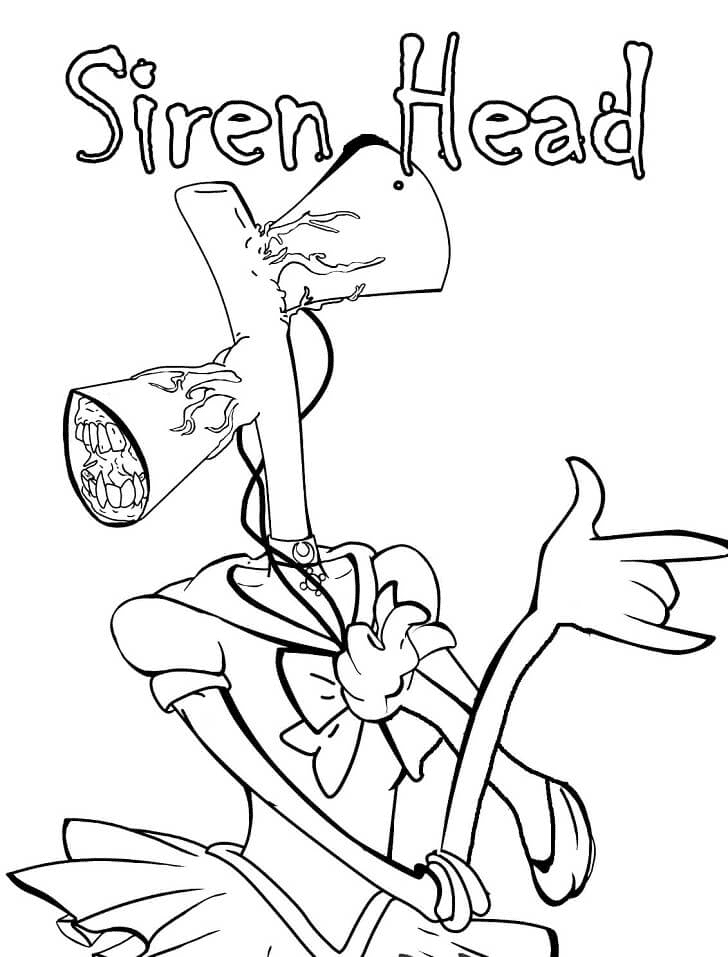
Siren Head stands approximately 40 feet tall in its canonical depiction. At that height, the pine trees surrounding it in most depictions reach approximately to its waist or chest. The figure’s legs are visible as two very thin columns rising from the ground through the undergrowth; the torso is an elongated rectangle of gaunt, deteriorated material; the siren heads at the top are the widest point of the entire figure, which is part of what makes them read as structurally wrong – a narrowing body ending in two protruding mechanical objects where a face should be.

The forest pages require the most complex background treatment in the collection – the trees, the ground cover, the atmospheric fog or darkness that typically fills the spaces between the trees and the creature. These are the pages that reward the most patient, layered approach.

Coloring the full-body forest pages: The body’s primary color is a desaturated grey-brown – not warm brown and not cool grey but somewhere between them, like the color of very old wood or dried bark. It is a color with almost no saturation, just enough warmth to read as organic rather than metallic. The siren heads at the top are metallic – silver-grey, with the industrial quality of old painted steel. The trees in the background should be rendered in a similar desaturated green-grey range, atmospheric rather than vivid, so the figure remains the visual anchor of the page.

Close-Up Siren Head Detail Pages

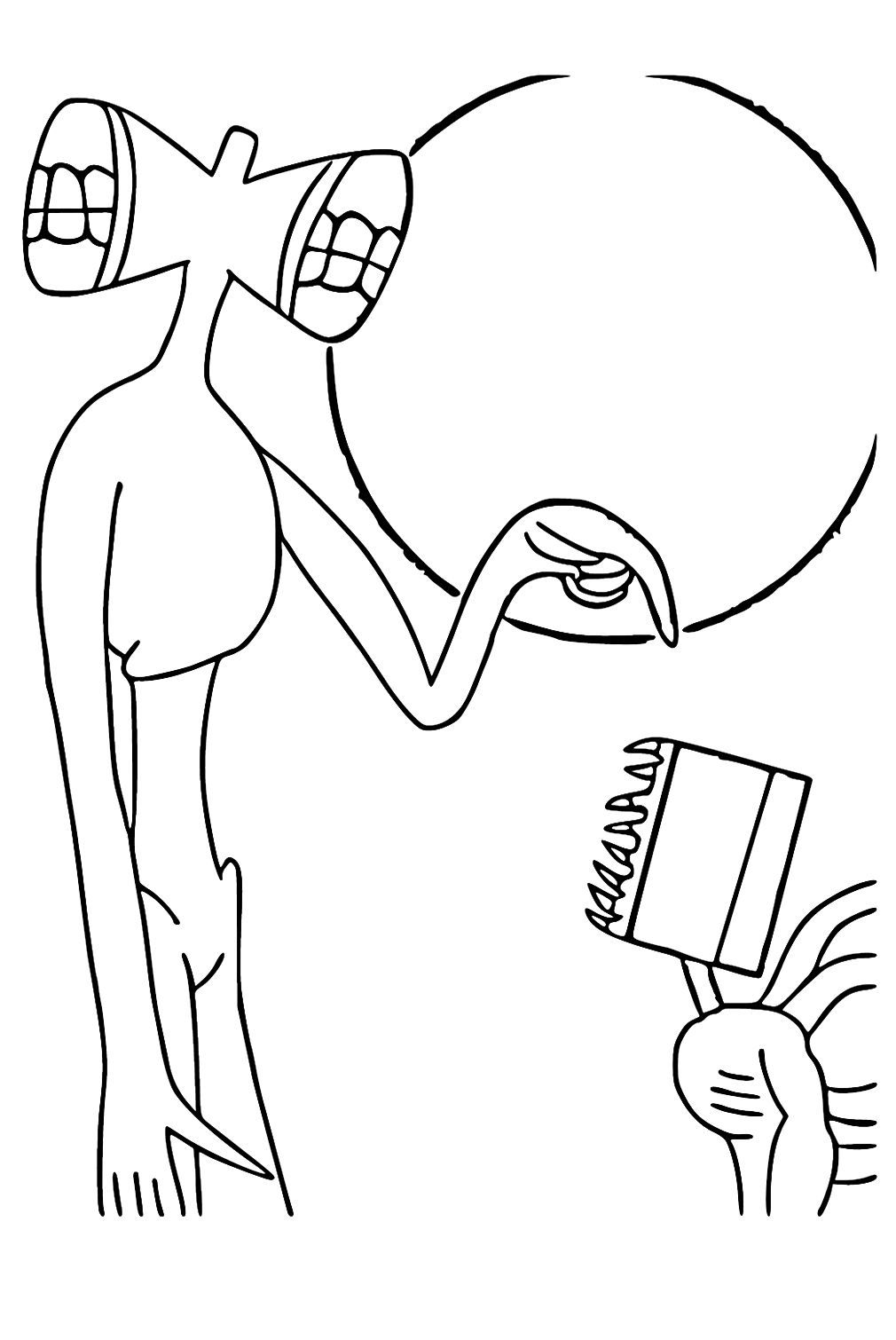
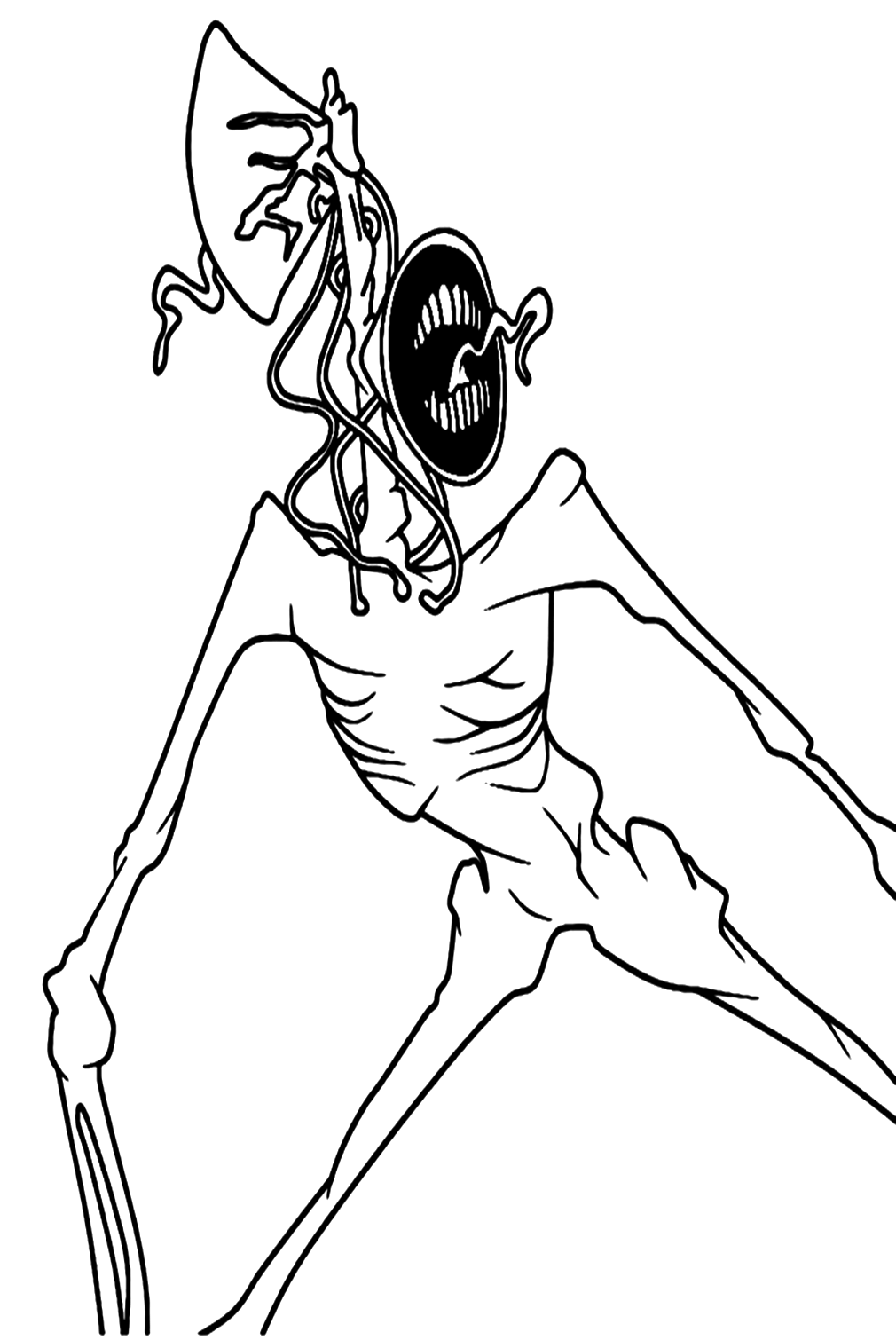
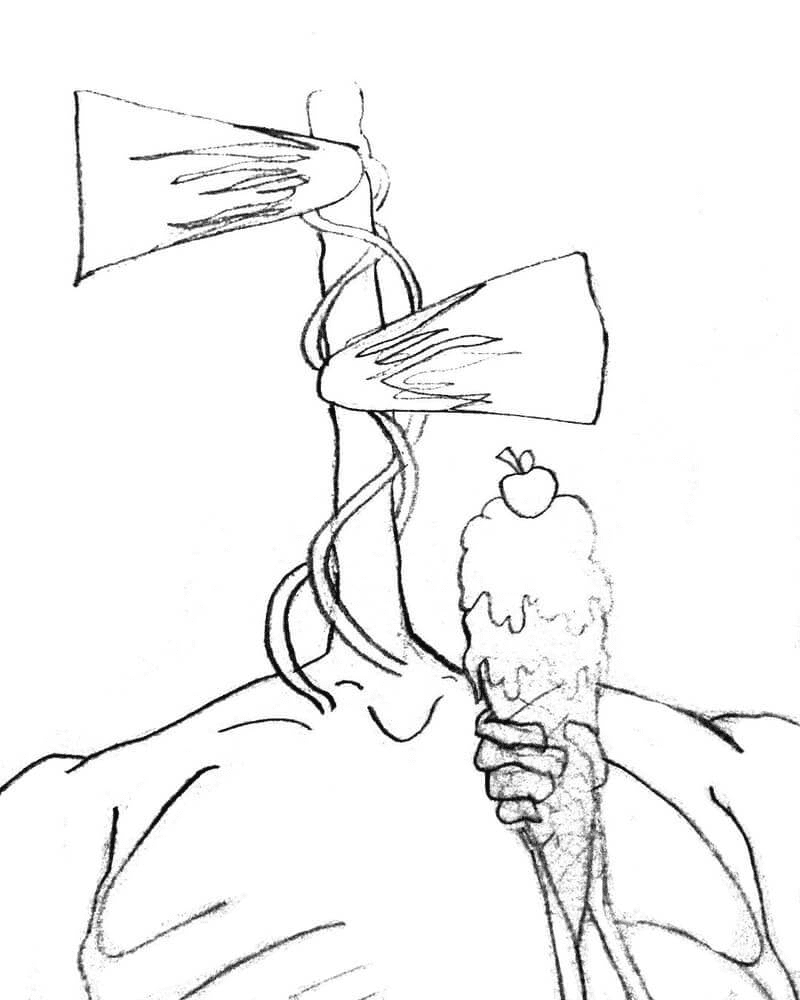
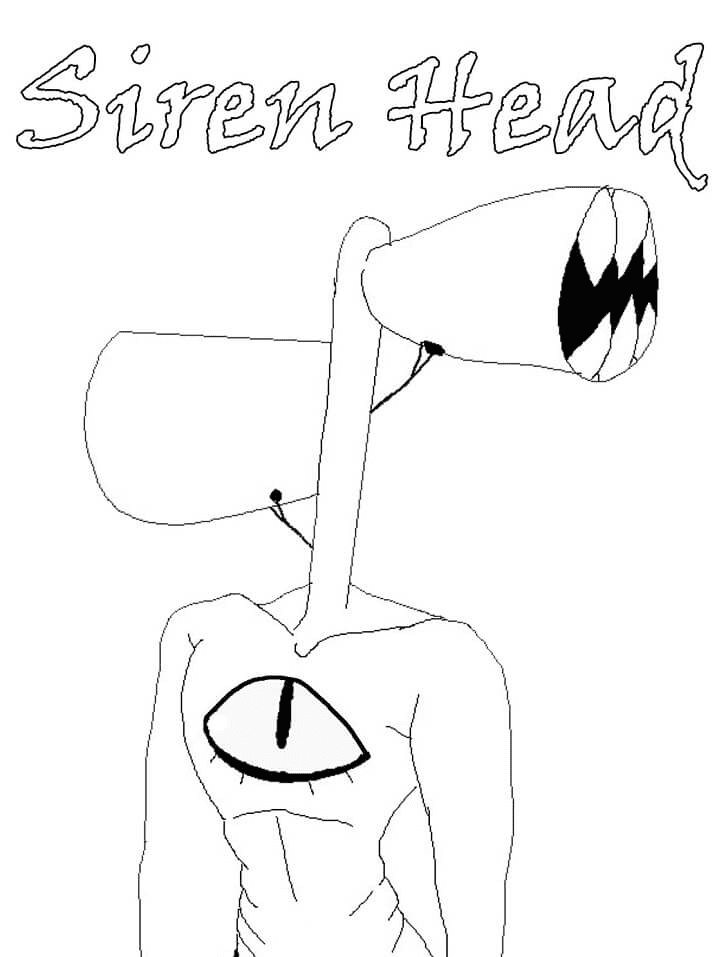
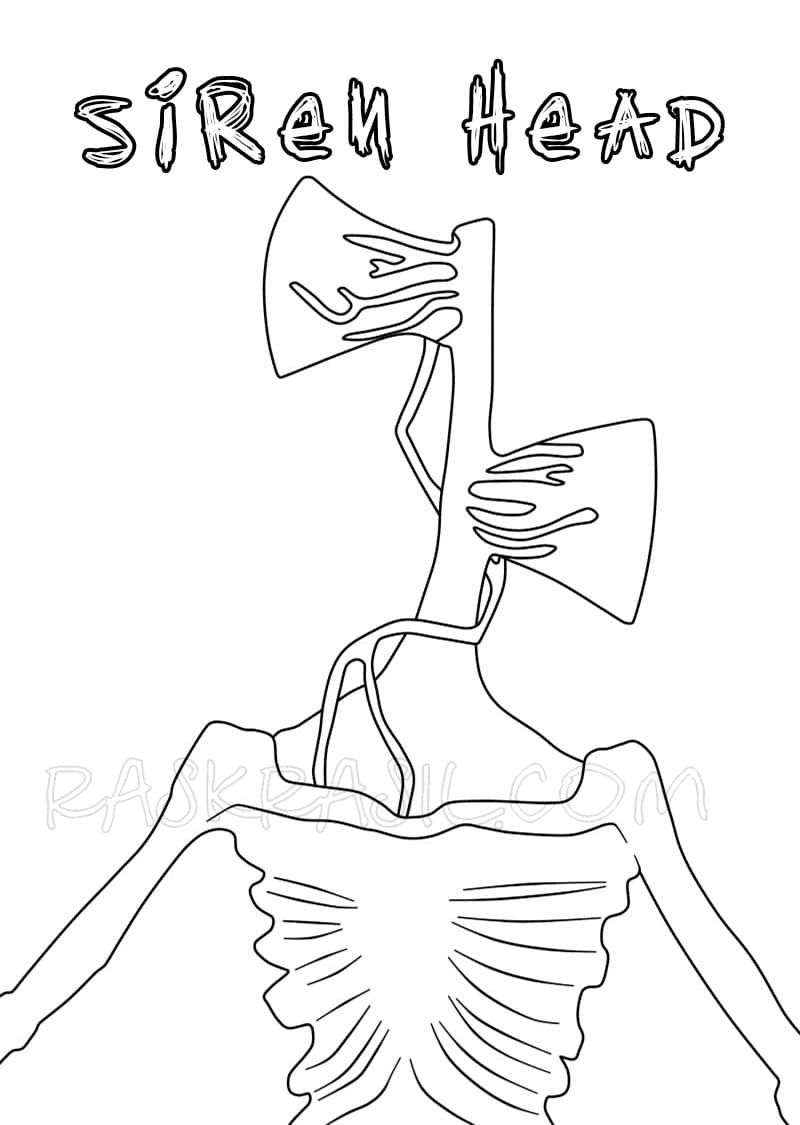
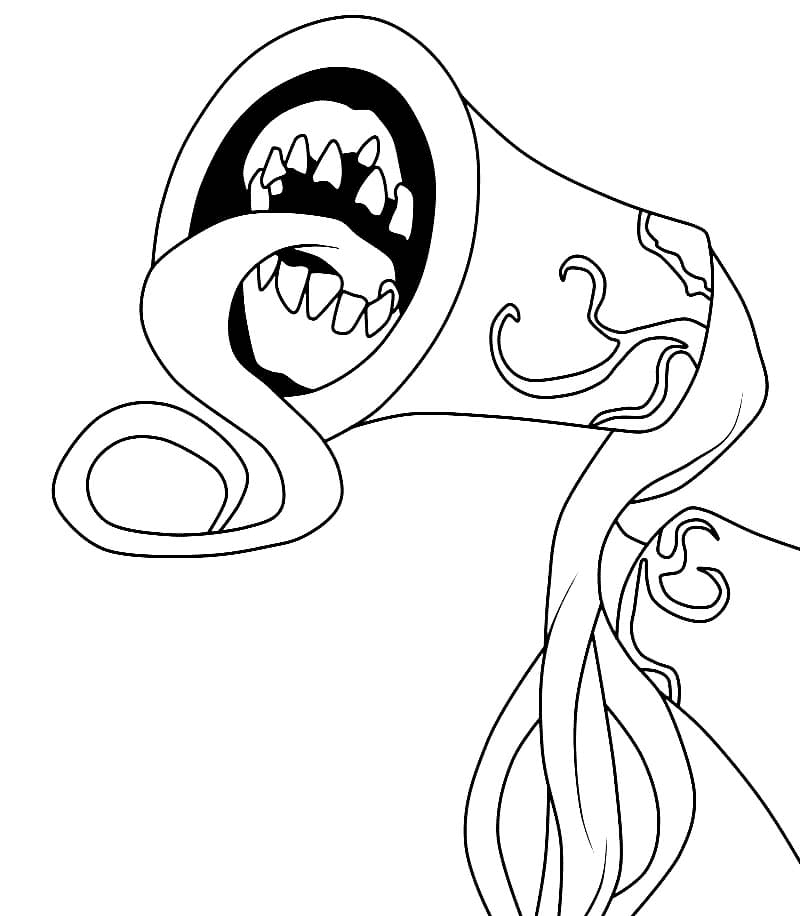
These pages isolate the most distinctive element of the character’s design – the two vintage emergency sirens that replace a conventional head. At close range, the design’s specific details become visible: the siren housings (typically the rotating-beacon style of mid-twentieth-century emergency equipment), the neck structure below them (gaunt, dried, with the texture of old material stretched over too-prominent underlying structure), and the overall quality of two industrial objects that belong in an entirely different context than where they currently are.

The close-up pages are the collection’s most technically demanding in terms of surface rendering – the sirens are metallic objects with complex light reflection, and the neck texture below them has a completely different surface quality. These pages reward the most careful attention to surface differentiation.

Coloring the siren heads: Each siren housing is a dome or cylinder of painted metal – originally red in most vintage emergency sirens, though the character is sometimes depicted with rust, with grey weathered paint, or with the original color faded to something less vivid. A rusted red or weathered grey reads more horror-appropriate than a clean, vivid red. The metal dome over each siren should have a highlight at its apex and graduate toward darker tones at its base. The mesh or grille of the siren itself is darker – near-black – with subtle lighter lines indicating the mesh structure.

Action and Movement Pages

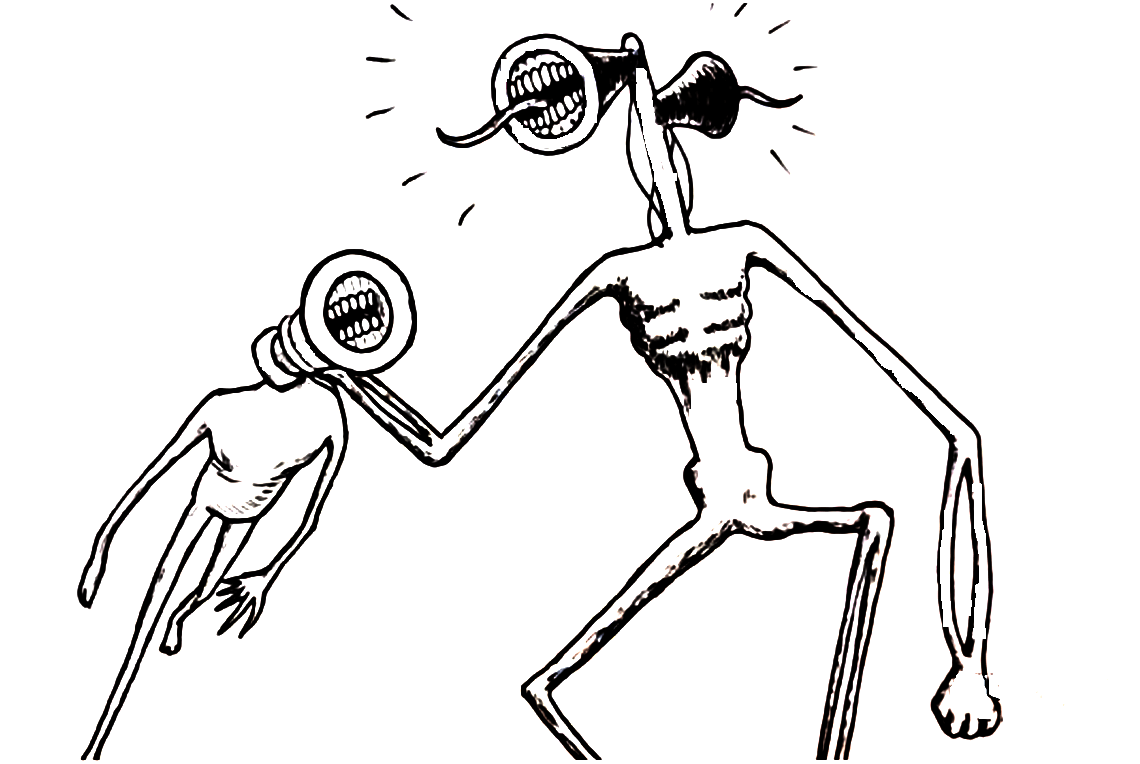
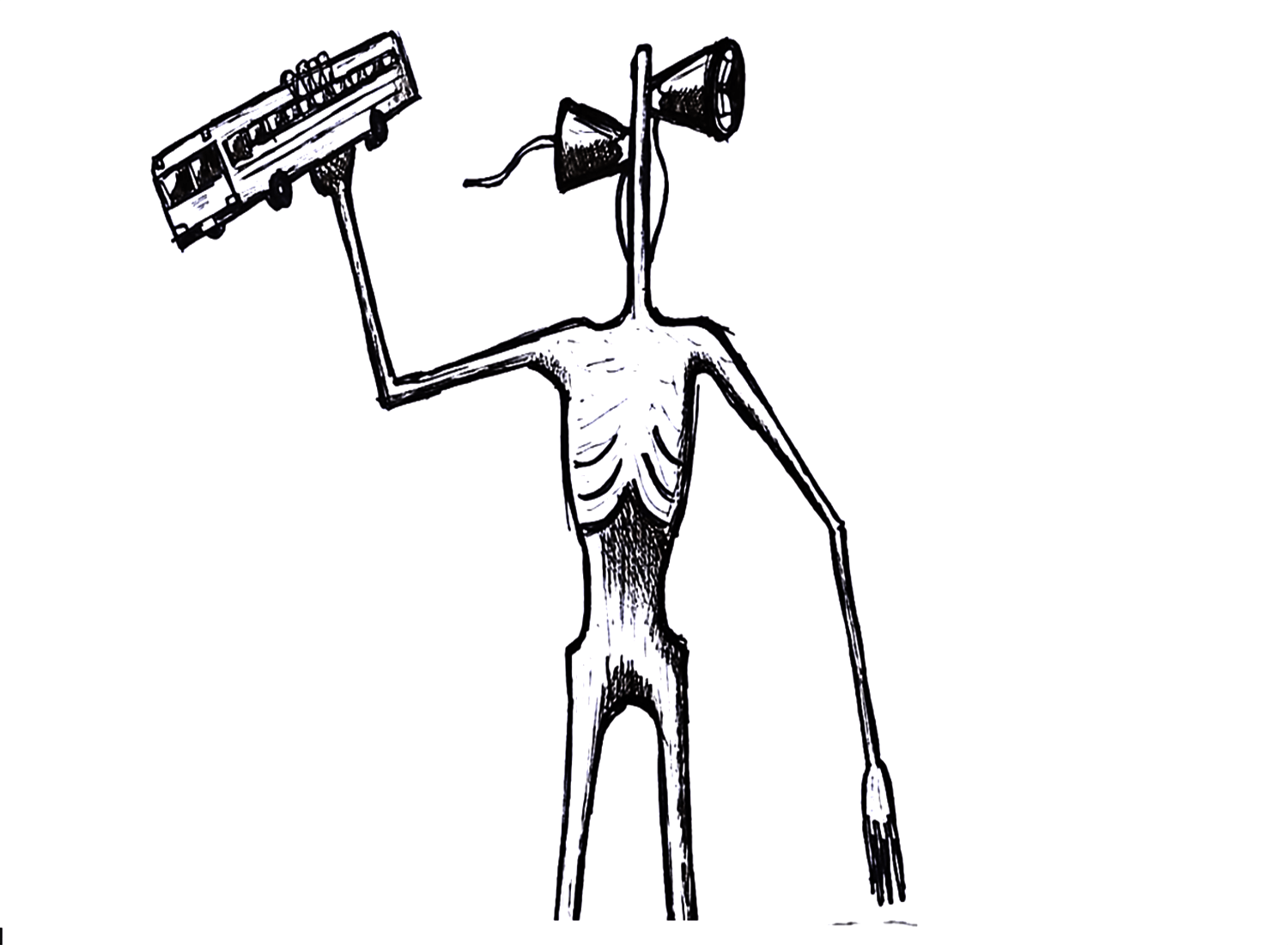
The pages showing Siren Head in movement capture a visual quality that distinguishes it from standing-still cryptid depictions – the creature in motion has a specific gait, with its extremely long limbs reaching across distances that imply the pace of something that never needs to run because its stride covers too much ground too quickly.

These pages typically show one or both arms extended, the siren heads angled in the direction of movement or sound, and the legs in mid-step. The motion line treatment in these pages is minimal – Siren Head’s effectiveness depends on the sense that it is unhurried – but the body position communicates directional energy even in stillness.

Night and Fog Atmosphere Pages

Several pages in the collection place Siren Head in conditions that most strongly evoke its original horror context: night environments, fog, rain, or the half-light of dusk in a forest. These pages have the most complex lighting challenges – the figure is lit from below by whatever ground-level light exists, from above by moonlight or overcast sky light, and surrounded by darkness in the background.

These pages are the collection’s most atmospheric and the most adult in their coloring approach – they reward experience with dark-value color work and the specific challenge of rendering a subject that is barely visible against a background that is almost as dark.

Comparison and Scale Pages

Some pages show Siren Head alongside human figures or familiar objects that establish its scale. The creature’s extraordinary height only reads fully in context – a figure that is 40 feet tall needs a reference point to make that height legible.

Pages that include a car, a house, or human figures at the base of the creature provide that reference. Coloring these pages with attention to the scale relationship – making the human figures clearly smaller, the house clearly dwarfed – requires careful attention to proportion and to the relative detail level appropriate to foreground versus background elements.

Stylized and Fan Art Interpretations

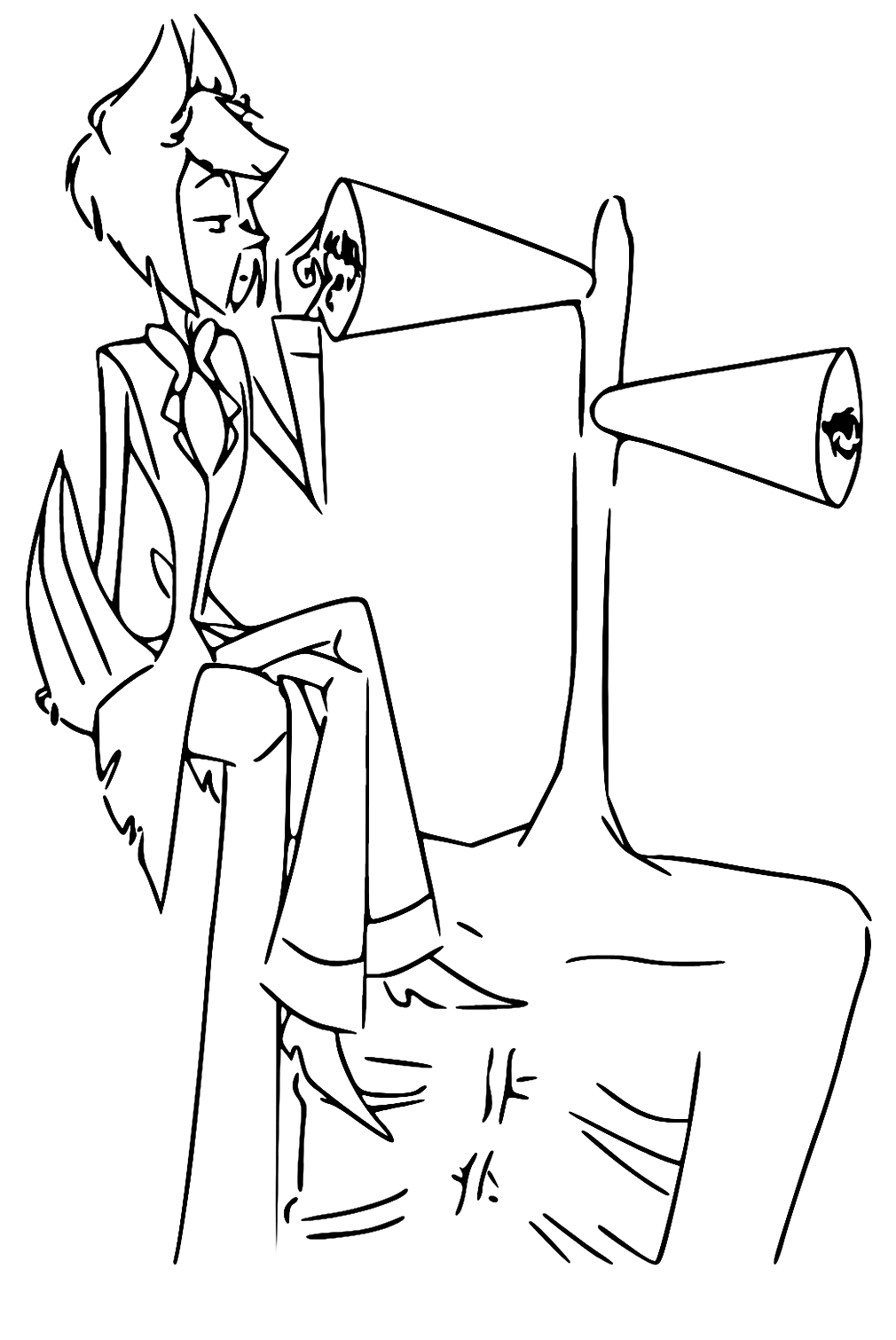
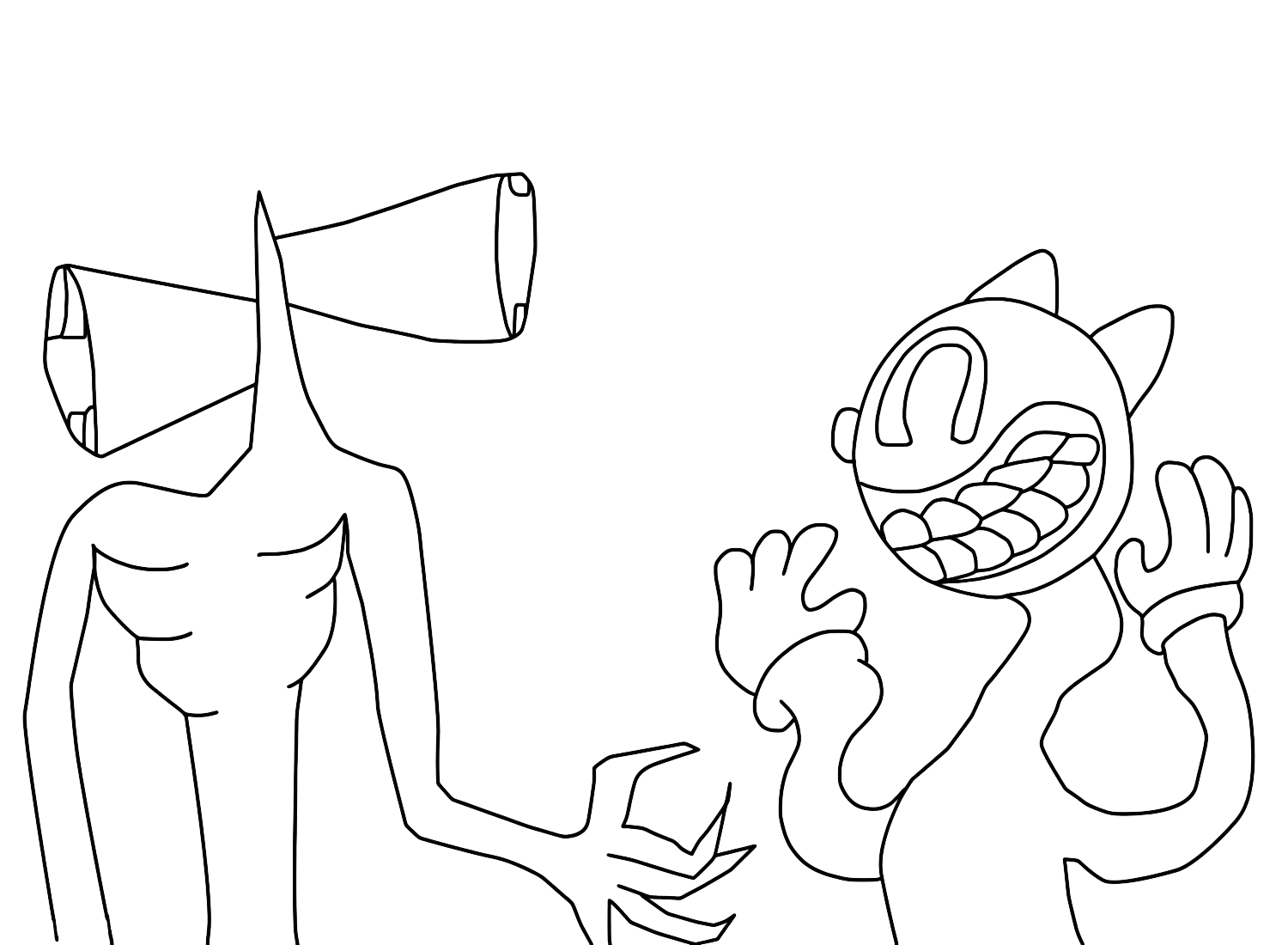
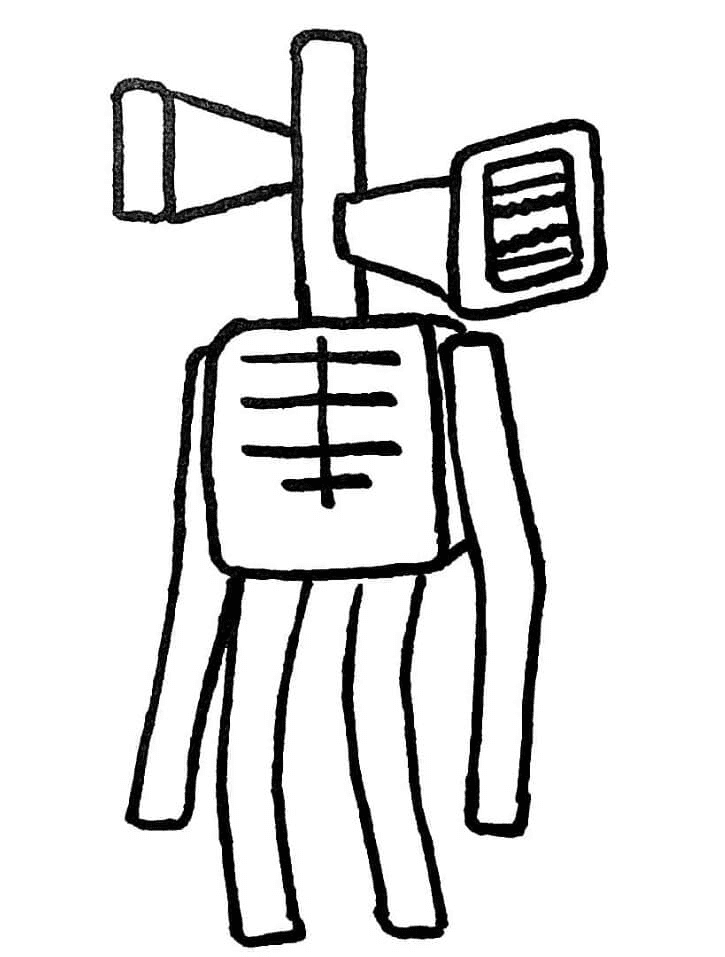
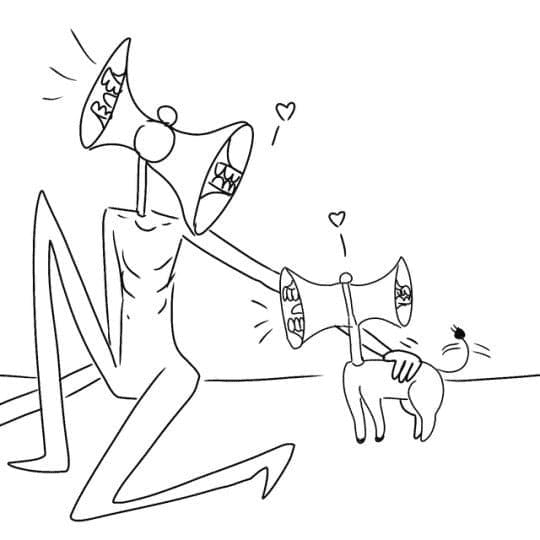
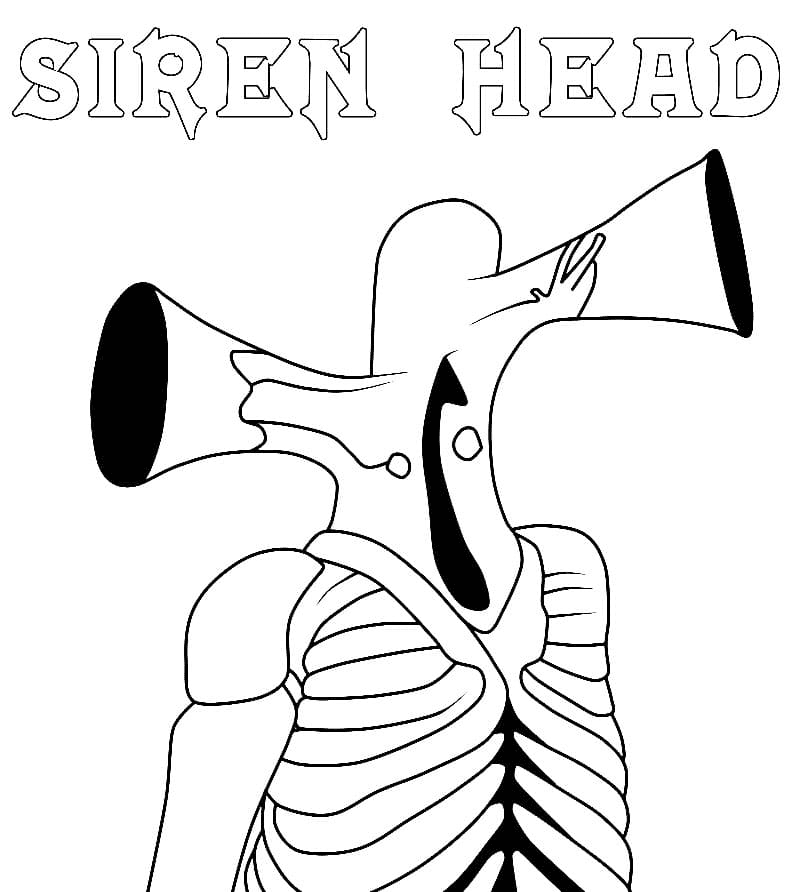
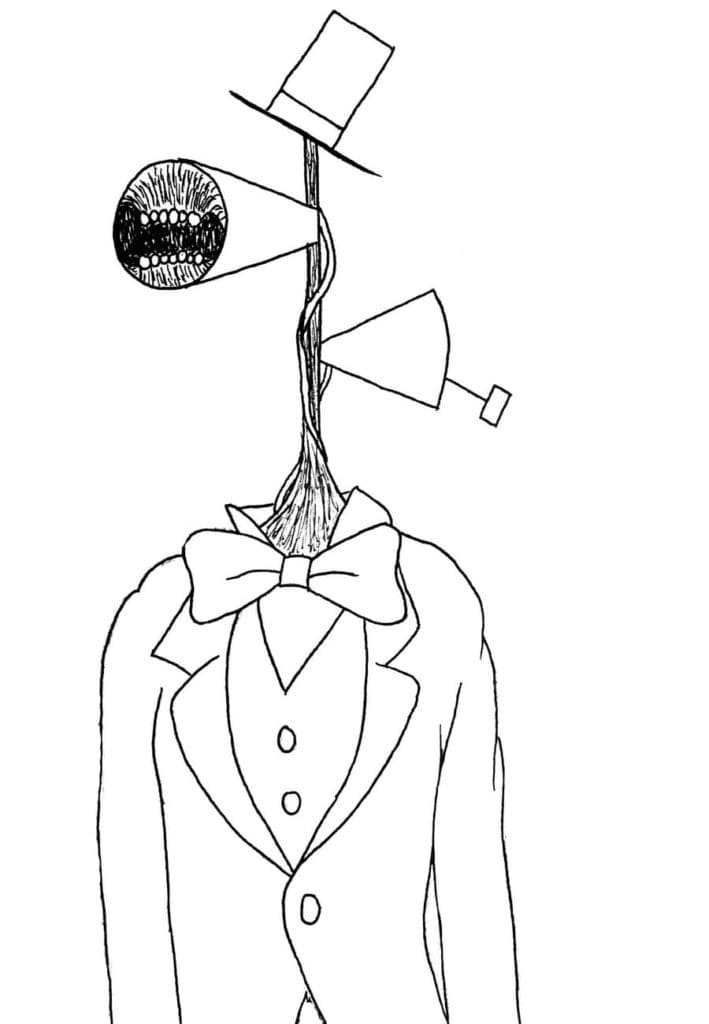
Beyond the canonical horror-style depictions, the collection includes pages drawn in more stylized visual registers – simplified character illustrations that maintain the recognizable design elements while softening the photorealistic horror approach of the original works. These pages are more accessible for younger fans who have encountered the character through Minecraft mods, Roblox games, or YouTube gaming content rather than through Henderson’s original art.

What These Pages Do

Siren Head’s design is a study in effective horror visual design. The character works because it puts familiar elements – a humanoid body, an emergency siren – in a relationship with each other that violates the rules of how those elements are supposed to combine. Studying that violation carefully enough to color it well is studying what makes horror imagery effective at a fundamental visual level.

The atmospheric pages develop dark-value color skill. Most coloring pages are designed for bright, saturated palettes. The Siren Head forest and night pages require work in the dark end of the value range – nearly black backgrounds, figure colors that are only slightly lighter than their surroundings, differentiation achieved through subtle tone variation rather than color contrast. This is genuinely difficult color work and genuinely rewarding when executed well.

The scale relationship pages teach compositional proportion. Understanding how to make a very large thing look very large in relation to a small thing requires the same visual literacy that architectural and landscape illustration requires. The Siren Head scale pages provide this challenge in a context that motivates careful attention.

The 2005 Art Therapy Journal study applies. Structured coloring reduces anxiety through focused, sustained attention. The specific quality of working through a complex, dark-palette page – building the forest atmosphere, the figure’s grey-brown body, the metallic siren heads – produces exactly the calm, absorbed state the research identifies as most effective. Horror imagery specifically used in structured creative activities has been observed to provide an additional processing function for fans who engage with it – a way of rendering the frightening familiar and therefore manageable.

Note on age appropriateness: Siren Head is a horror character that originated in adult-oriented digital art. The character has become widely popular among children through gaming platforms (Minecraft, Roblox) in simplified, game-rendered forms. The coloring pages in this collection represent stylized illustrations rather than the photorealistic horror of the original works. Parents of younger children should preview the pages before printing and choose those appropriate to their child’s comfort level with horror themes.

How to Color These Pages Well

The body color is the most critical decision. Siren Head’s canonical body color is one of the most specific in horror character design: it is the color of something organic that has dried out completely – a grey-brown that reads as neither alive nor clearly dead, as neither natural nor manufactured. It has no warmth. It has minimal saturation. In practical coloring terms, start with a warm light grey as the base. Add a very small amount of brown – just enough to move it away from pure grey without making it warm. The result should look like old wood found in a field, or the color of a mummified specimen.

Three-value treatment on the body surface. The base grey-brown is the mid-tone. Apply it across the entire body. Then add a darker version – slightly more brown, slightly less grey, applying in the shadow areas where the body’s three-dimensional form turns away from the light source. Then add highlights along the projecting edges of the figure – very light grey, almost white – to indicate where the figure catches whatever light exists. The result is a body that reads as three-dimensional and deteriorated.

The sirens are the brightest element – use that contrast. Whatever palette you choose for the body, the siren heads at the top should be slightly more vivid – the most visually distinct element on the page. Whether you render them in rust-red, weathered grey, or any other metallic choice, they should contrast with the body color enough to read clearly. They are the character’s defining element and should be immediately visible.

Forest backgrounds want an atmospheric perspective. Objects farther from the viewer appear lighter and less saturated – this is atmospheric perspective, and it applies to the trees behind Siren Head. Apply the darkest, most saturated greens to the closest vegetation. The trees in the middle distance should be slightly lighter and slightly more grey-green. The very back of the forest should be near the same tone as the fog or sky, nearly disappearing. This technique makes the forest read as deep rather than flat.

Night pages work from dark to light. Unlike typical pages where you apply color over white paper, dark-atmosphere pages require thinking in reverse – the paper’s white is the lightest possible tone, and the goal is to make everything else darker while leaving those lightest highlights uncovered or very lightly touched. Build the dark background first, working outward toward the figure. The figure is slightly lighter than the background. The siren heads are lighter than the figure. Any fog or mist effects are the lightest elements after the siren heads themselves.

Rust on the sirens adds history. The sirens on a creature that has existed for an undetermined time in outdoor environments would be rusted – the original paint deteriorating, orange-brown rust bleeding through grey primer, the metallic surfaces showing their age. Adding rust detail to the siren heads places the character in time and gives it weight. Apply rust as irregular patches over the base metal color – warmer, more orange, with ragged edges – in the areas most exposed to weather: the top of each dome, around the base of the mesh.

5 Creative Craft Ideas

Scale Reference Display

Print the most complete full-body Siren Head page. Color it in canonical grey-brown. On a separate piece of paper, draw or print a silhouette of an ordinary house and a silhouette of a person standing next to the house. Cut these out at a scale that makes them look appropriately small against the Siren Head figure.

Mount all three on a dark forest-green or near-black backing sheet: the house silhouette at lower left, the person beside it, and Siren Head dominating the upper right. Add scale bars along the side: “Average house: 25 feet” pointing to the roof line and “Siren Head: approximately 40 feet” pointing to the siren heads. The finished display makes the creature’s actual scale – which is the most important thing about it – visually legible.

Found Footage Simulation

Print a Siren Head page that shows the creature partially visible – among trees, partly obscured. Color the figure itself in canonical colors. Then, using a light grey pencil or marker, add visual degradation around the edges of the page: the slightly blurred border of a low-quality photograph, a film grain texture across the sky, a timestamp in the lower right corner (use a date in the recent past – a month and year that makes the encounter feel contemporary).

The finished page simulates the visual language of the “found footage” genre that Siren Head’s original artwork deliberately evokes – a photograph of something real, taken under imperfect conditions, showing something that should not exist.

Sound Wave Study

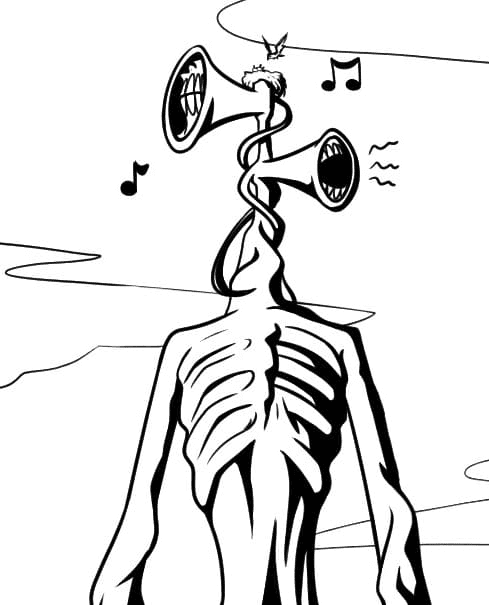
Print a Siren Head page that shows the sirens actively emitting sound – a page with sound wave lines, distortion effects, or the visual representation of the noise emanating from the siren heads. Color the figure in its standard grey-brown. For the sound waves, use a palette that suggests the nature of the sounds: deep red for the emergency wail, light blue-grey for the broadcast static, and yellow-green for the mimicked nature sounds.

Add small hand-lettered labels at the end of each wave indicating what sound it represents: “EMERGENCY BROADCAST,” “DISTORTED VOICE,” “EMERGENCY SIREN.” The finished page is both a Siren Head illustration and a character reference that makes the creature’s defining behavior visible as a graphic element.

Trevor Henderson Cryptid Gallery

This project requires pages from multiple horror character collections on this site or hand-drawn additions. Siren Head is the most famous character in Trevor Henderson’s interconnected creature universe, which also includes Cartoon Cat and Long Horse, among others. Print and color Siren Head. If available, print and color pages from any other Henderson-inspired creature collections.

Arrange all on a dark backing sheet – Siren Head largest at center, the others smaller around it – and add a title: “Trevor Henderson’s Cryptids.” The finished display presents the character in its creator’s context – as one entity among many rather than an isolated character.

Before and After: Day vs. Night

Print two copies of the same Siren Head forest page. Color the first as a daytime forest scene: grey-green trees with some natural light quality, the figure’s grey-brown body visible in relatively good lighting, the sky white or light grey. Color the second as the same forest at night: dark near-black background, the trees barely distinguishable from the darkness, the figure nearly invisible except for the slightly lighter grey of its body and the slightly metallic glint of the siren heads.

Mount both side by side: “Day” on the left, “Night” on the right. The comparison shows how completely the same scene and figure can change with light, and how much more effective the character is in darkness.

Frequently Asked Questions

Who created Siren Head? Siren Head was created by Trevor Henderson, a Canadian artist and horror illustrator who publishes under the handle @SlimySwampGhost on social media. Henderson creates horror imagery by combining real photographs with digitally added entities – a technique that gives his work a photorealistic quality that distinguishes it from conventional illustrated horror art. Siren Head first appeared on his social media accounts around 2018 and became one of the most recognized internet horror characters of the period. Henderson has created numerous other horror characters in a similar style, including Long Horse, Cartoon Cat, and several others that exist in a loose, interconnected creature lore.

What is Siren Head’s design based on? Siren Head’s design combines two distinct elements: a humanoid body – very tall, extremely gaunt and thin, with the proportions of a human who has been extended far past normal dimensions – and two vintage emergency sirens in place of a head. The siren heads are typically modeled on rotating-beacon style emergency sirens common in mid-twentieth century use, the kind found on emergency vehicles and civil defense installations. The contrast between the organic, deteriorated body and the manufactured, industrial siren heads is the source of most of the character’s visual impact – putting two things together that cannot belong together.
How tall is Siren Head? Siren Head is typically described as approximately 40 feet tall – around 12 meters. This height is established visually in Henderson’s original works, where the creature towers above trees and buildings, and has been maintained across most fan depictions. The height is significant to the character’s effectiveness: it is tall enough to be clearly wrong – no real animal or human approaches this size – but short enough to move through forested environments without being immediately visible at a distance when stationary among tall trees.
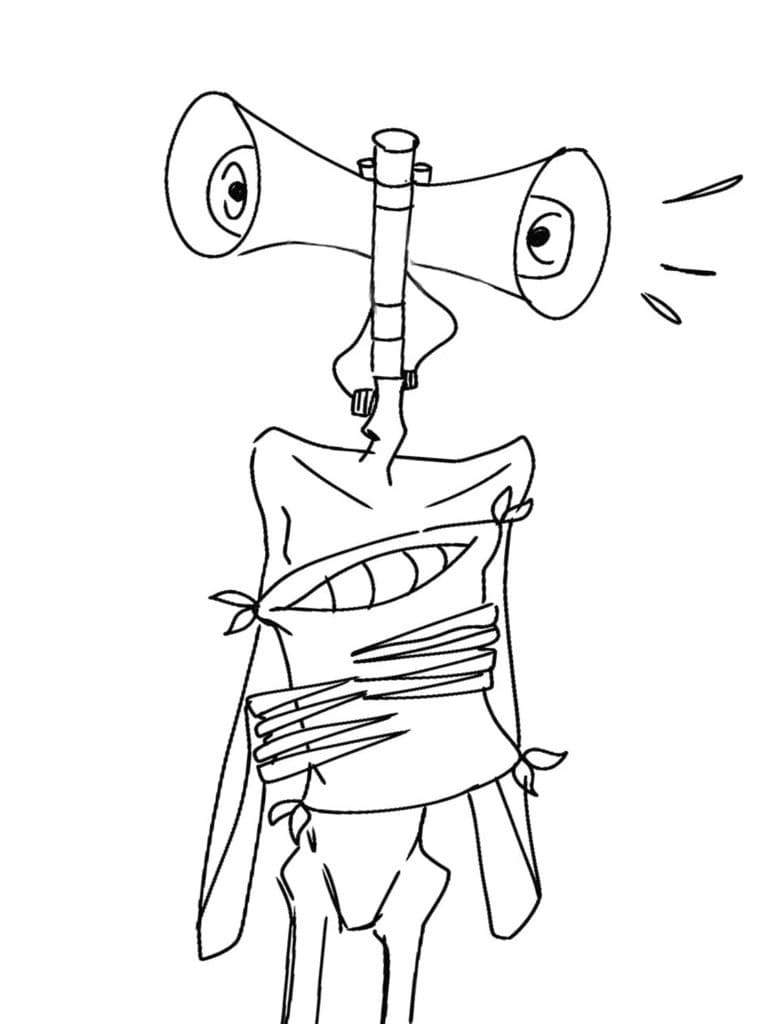
Why does Siren Head emit sounds? Sound emission is Siren Head’s primary hunting mechanism. The creature uses the siren heads to produce a range of sounds – emergency broadcasts, distorted human voices, animal calls, music, and the wailing tones of emergency sirens – to attract or disorient victims. The sounds that work best for attraction are those that are familiar and associated with safety or help: emergency broadcasts that suggest rescue is nearby, voices that suggest other humans are present, familiar music that suggests civilization. Victims move toward these sounds and toward the creature. The use of sound as a lure rather than physical pursuit reflects the creature’s specific predatory logic – it does not need to chase because it can make victims come to it.

Is Siren Head connected to a game or video series? Siren Head originated as a standalone piece of horror art by Trevor Henderson rather than as a character from a game or video series. However, its distinctive design made it widely adopted by fan creators – it has appeared in fan-made horror games, extensive YouTube “found footage” videos, Minecraft mods and maps, Roblox games, and a large body of fan fiction. Several indie horror games have been developed using the character with Henderson’s implicit permission, and the character’s presence in gaming culture (particularly through Minecraft and Roblox) is the primary reason it is recognized by children who have not encountered Henderson’s original artwork.

What age group is Siren Head appropriate for? Siren Head originates in adult-oriented horror art and is a predatory creature character associated with violence and dread in its original context. The character has become widely popular among children through gaming platforms – particularly Minecraft and Roblox – where it appears in simplified, game-rendered forms that significantly reduce the horror of the original art. The coloring pages in this collection represent stylized illustrations rather than photorealistic horror images, making them more visually accessible than the original works. Parents should review pages before printing for younger children – approximately age 8 and under – and consider whether the character’s horror context is appropriate for their child. The collection is most naturally suited to fans ages 9 and up who actively seek out horror-themed content.

Browse the full collection at ColoringPagesOnly.com. All 40+ pages free, no sign-up, PDF or PNG, print at home or color online.

Trevor Henderson posted an image of an impossibly tall, thin figure standing in a forest with two emergency sirens for a head. The image looked like a photograph. The photograph looked real. The creature looked like something that had always existed and had only now been documented.

The internet recognized what he had made immediately. The design went viral because it does something specific: it makes you look at the space between trees differently. Every forest with tall enough trees could have something standing in it that you had not noticed. The scale is the problem. At 40 feet, it fits among the trees.

The coloring pages in this collection are illustrations of that creature – the grey-brown body, the metallic siren heads, the forest that is never quite empty.

Pick up your grey. Make it slightly warm. Build the body from the darkness outward.

Share your work on Facebook and Pinterest and tag #Coloringpagesonly. We especially want to see the found footage simulations and the day vs. night comparisons.
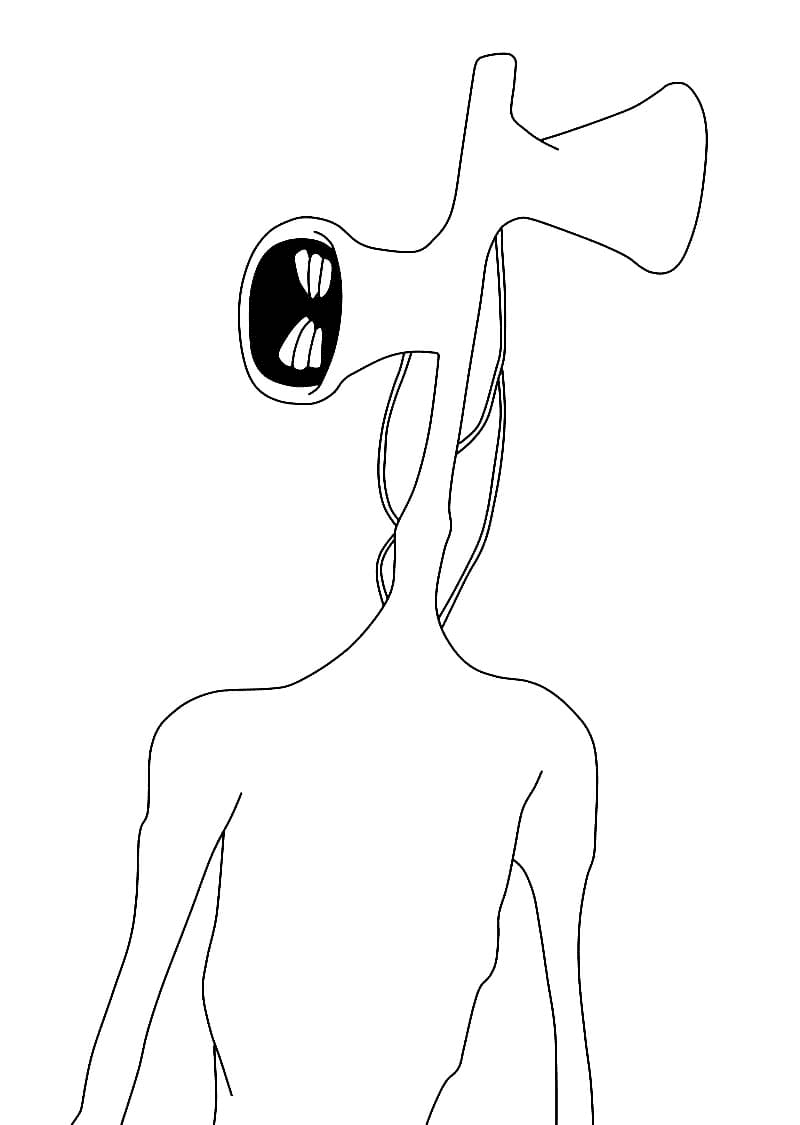
Color the cryptid. Listen for the siren. Something is standing in the trees.
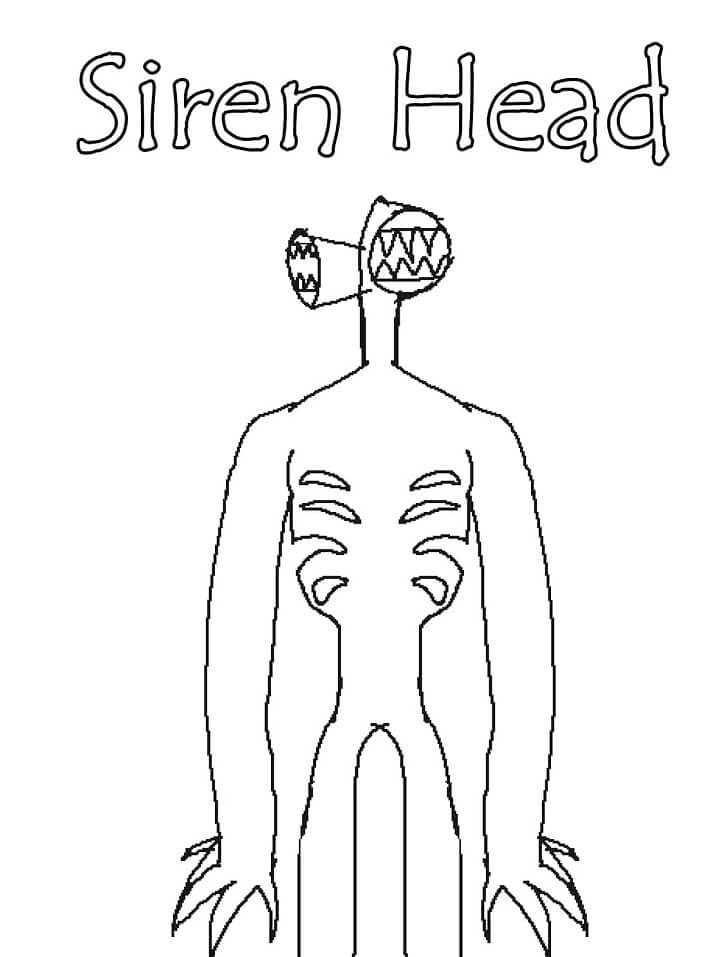
These related coloring collections will help you explore the wonderful world of colors. Let’s choose, be creative, and show us your great pictures!
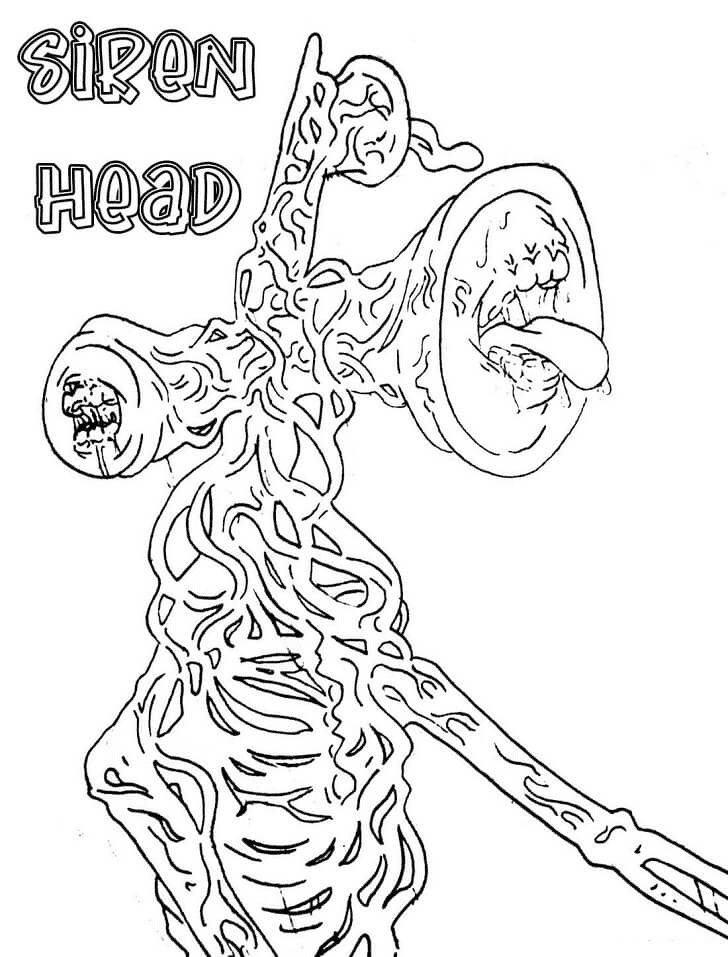
Charlotte Taylor – Writer

I'm Charlotte Taylor, a former preschool teacher turned content creator at Coloringpagesonly.com. Fueled by my love for children and a deep passion for exploring the world through colors, I’m dedicated to inspiring creativity and spreading a vibrant, positive artistic spirit to all.