Leaf Coloring Pages
 By:
Jennifer Thoa - Content Editor & Designer
Updated:
By:
Jennifer Thoa - Content Editor & Designer
Updated:
Free Leaf coloring pages: 20 printable PDF designs featuring named tree species, tropical plants, pumpkin vine leaves, and general leaf shapes. Each page can be downloaded as a PDF to print or colored online in the browser.
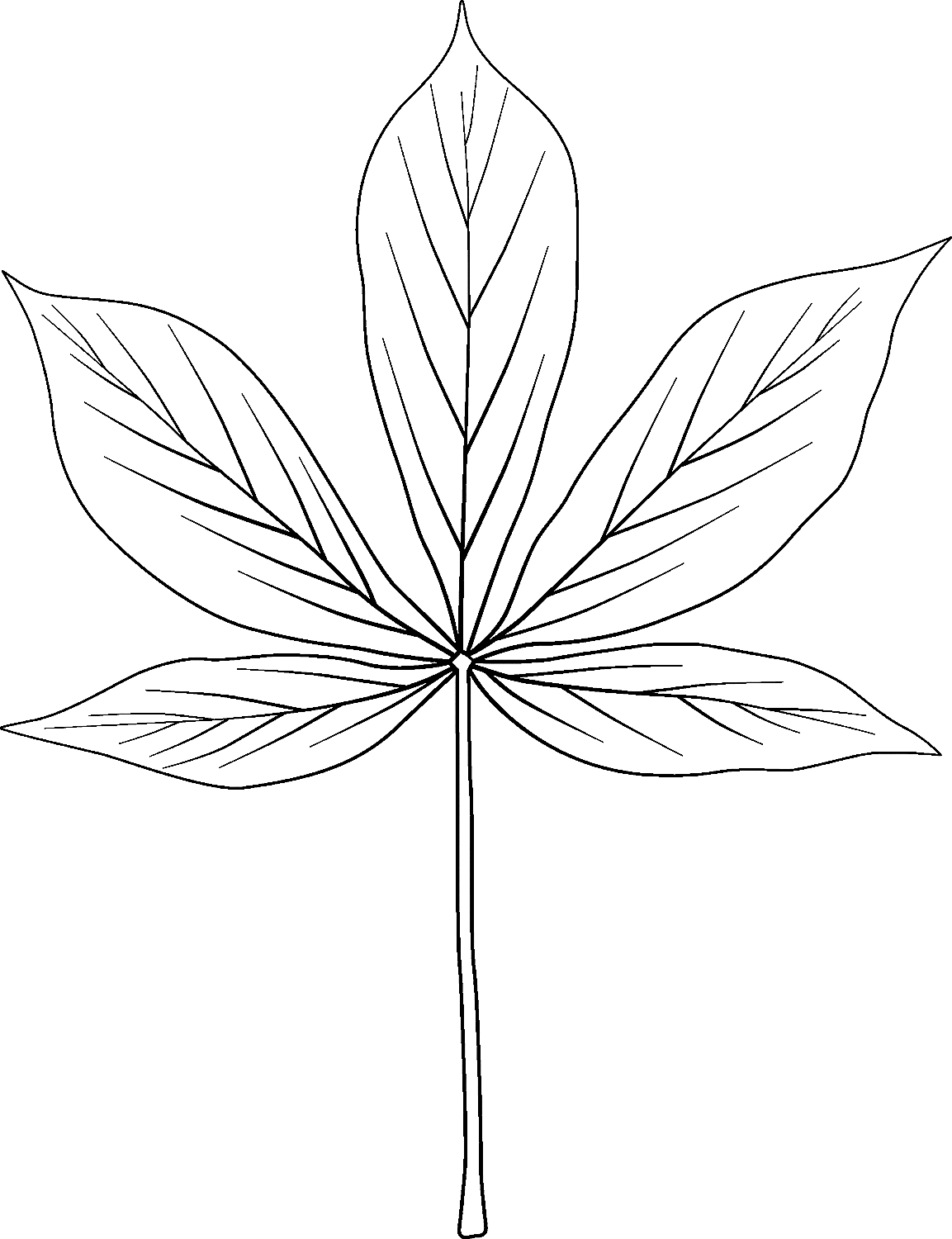
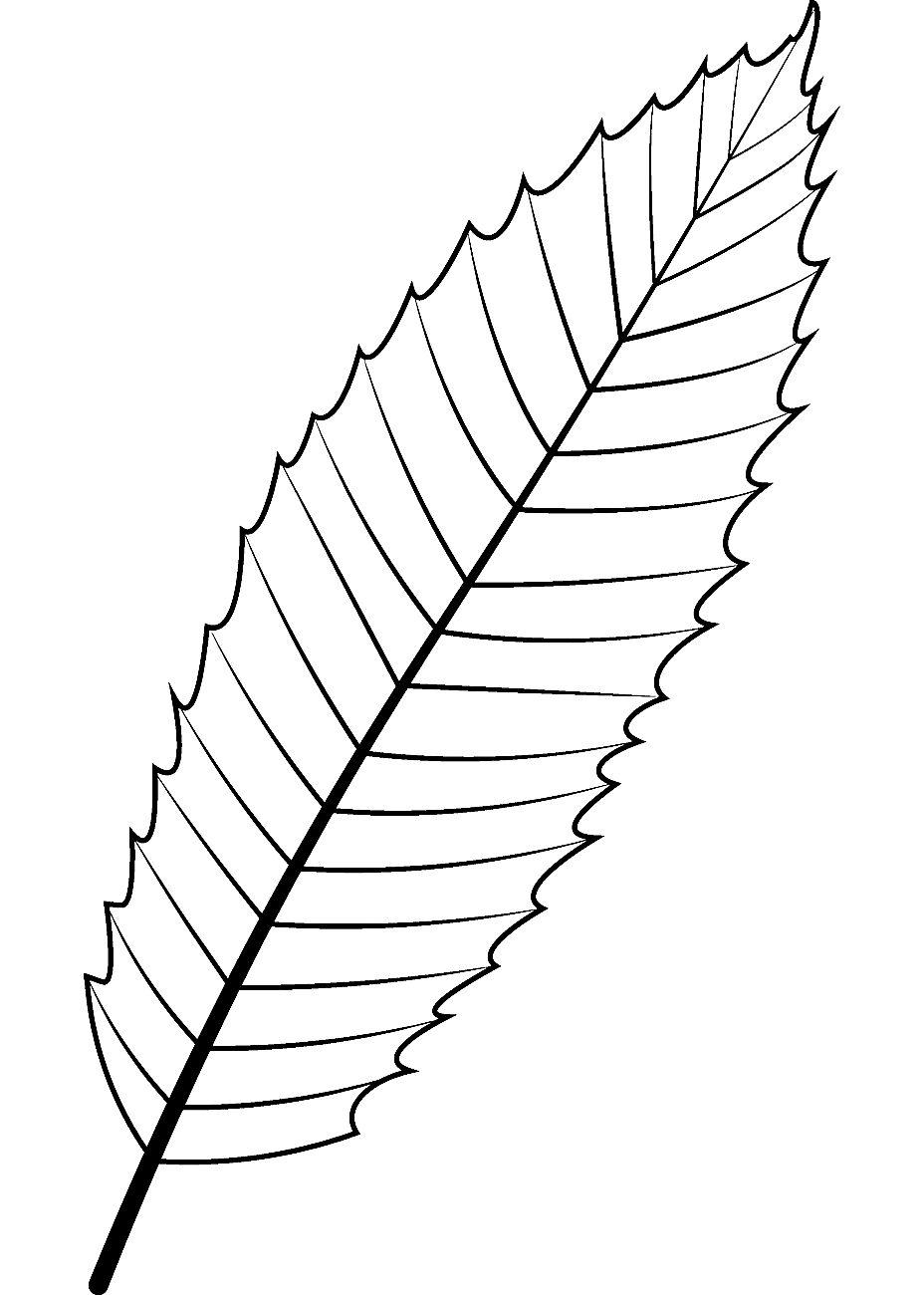
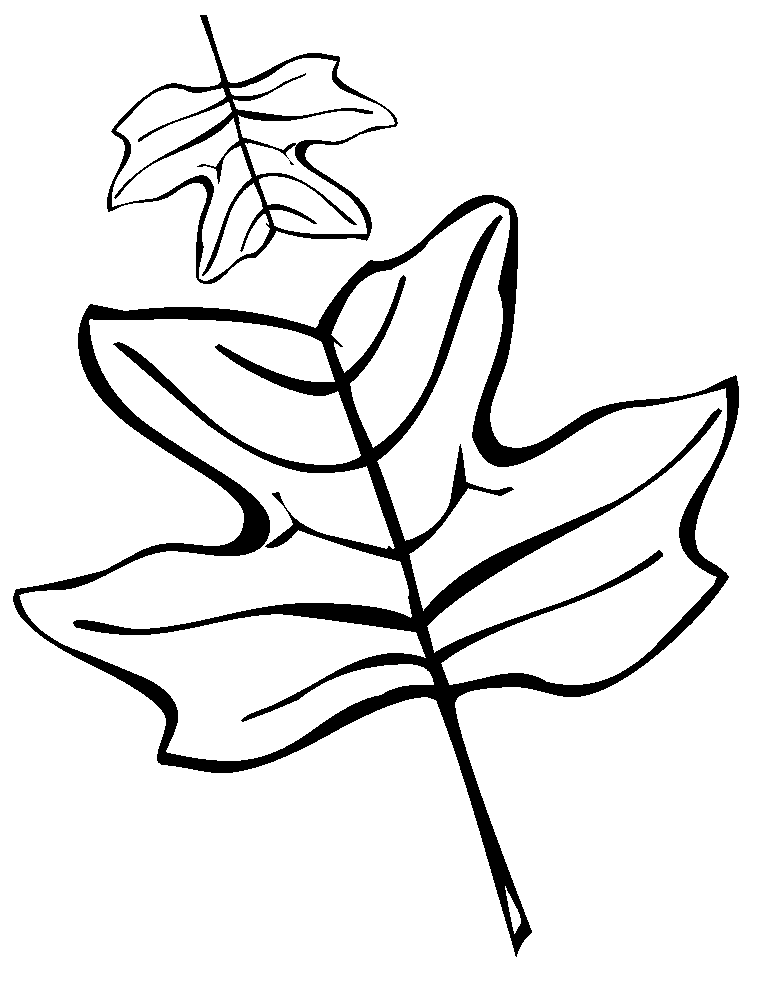
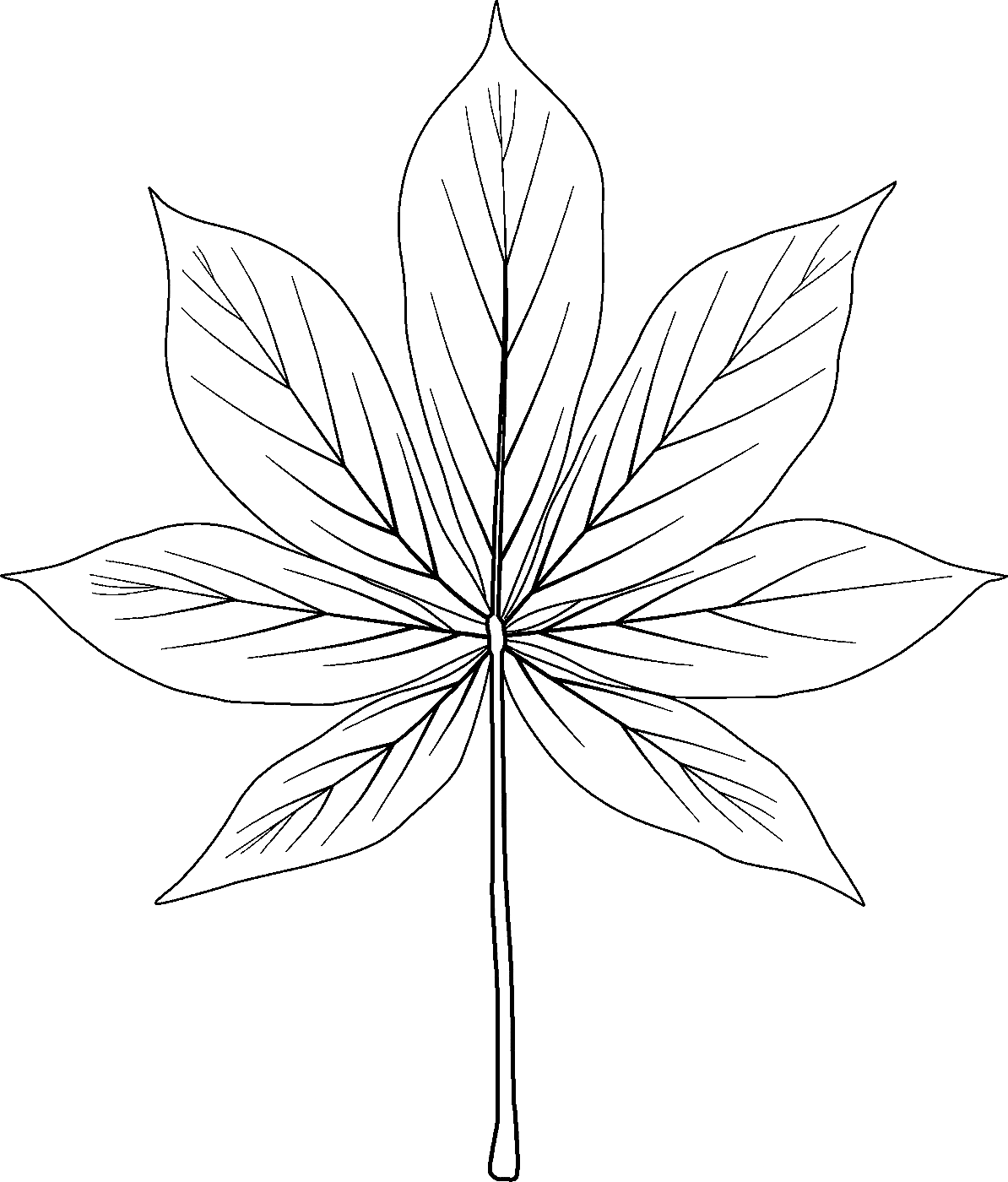
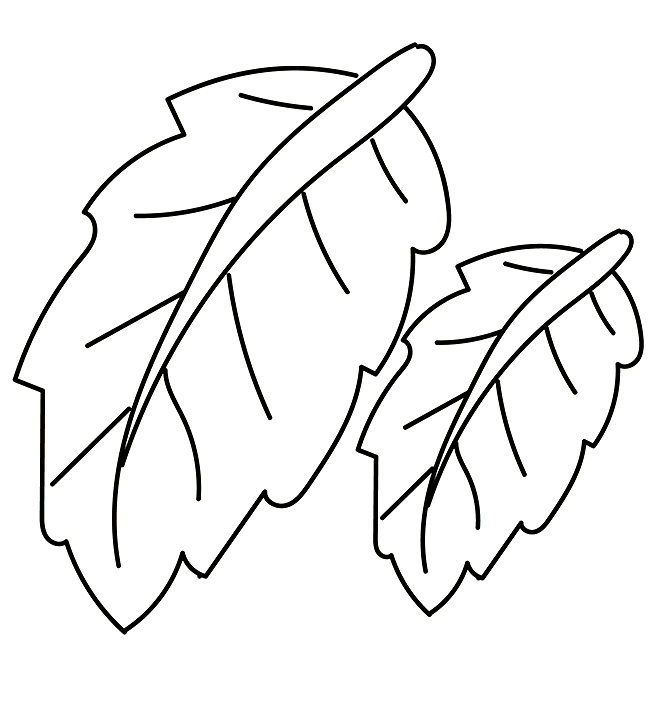
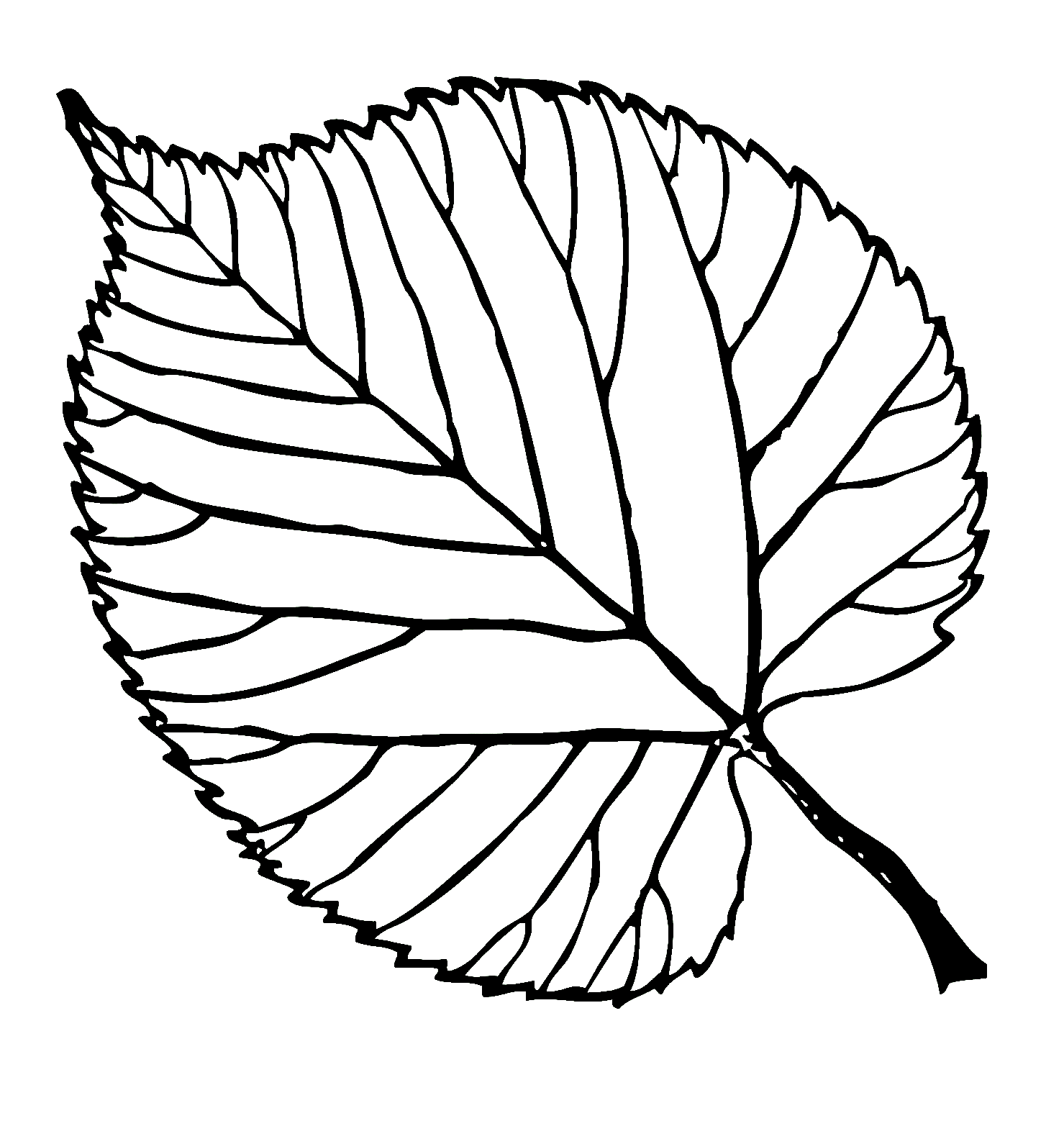
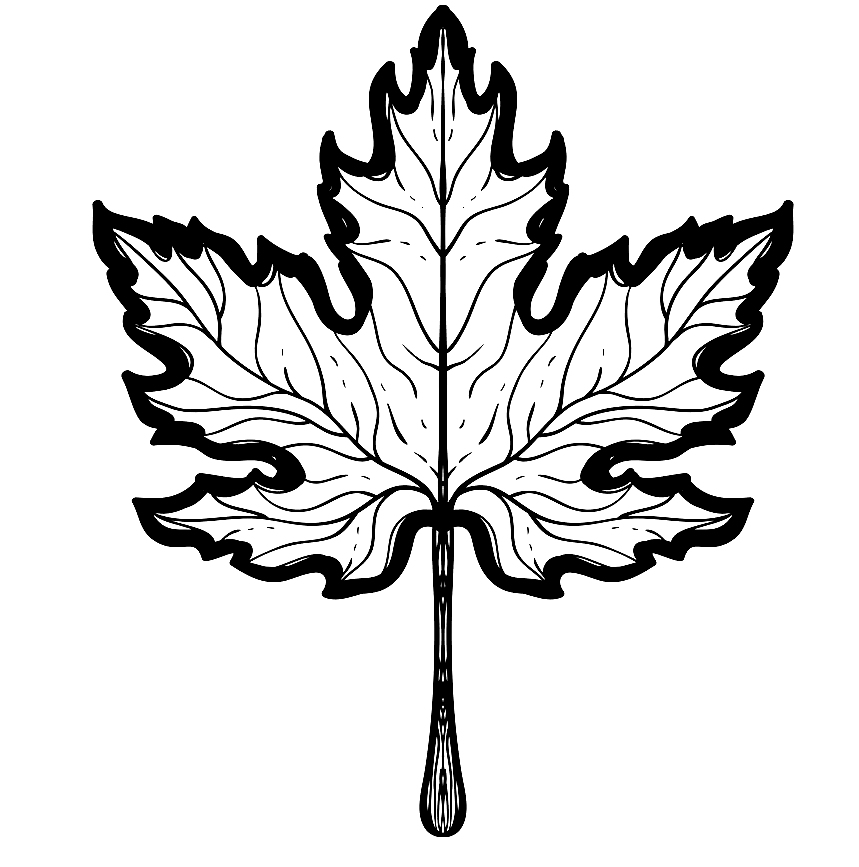
This collection includes several real, identifiable leaf shapes: the Yellow Buckeye and California Buckeye, both native to different regions of North America; the European Chestnut and European Ash, common across much of Europe; the Basswood; and the maple leaf in its autumn colors. A second group covers tropical and plant leaves, including palm, banana, tropical, and fig leaf shapes, each with a distinct outline that differs noticeably from the classic pointed tree leaf. A few pages pair leaves with a pumpkin vine, and the remaining pages use simpler, general leaf shapes suited to younger colorists, including one that doubles as a number-recognition page.
The 20 pages are split into named tree species, tropical and plant leaves, pumpkin vine leaves, and general and educational designs, giving a wide set of options for learning to identify different leaf shapes.

What Is Inside This Collection
The 20 pages sort into four groups, covering named tree species, tropical and plant leaves, pumpkin vine leaves, and general designs.
Named Tree Species Leaves
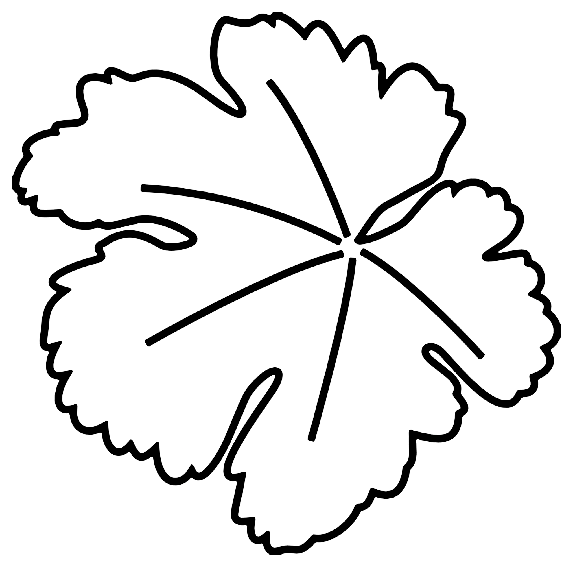
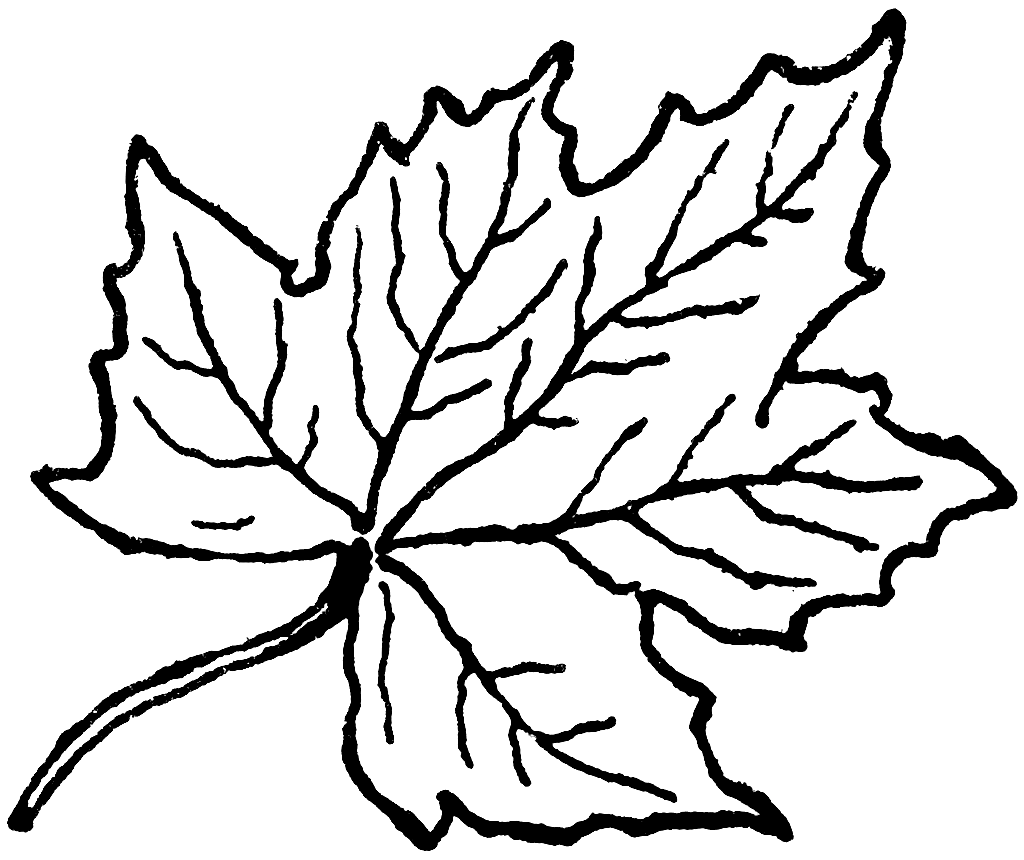
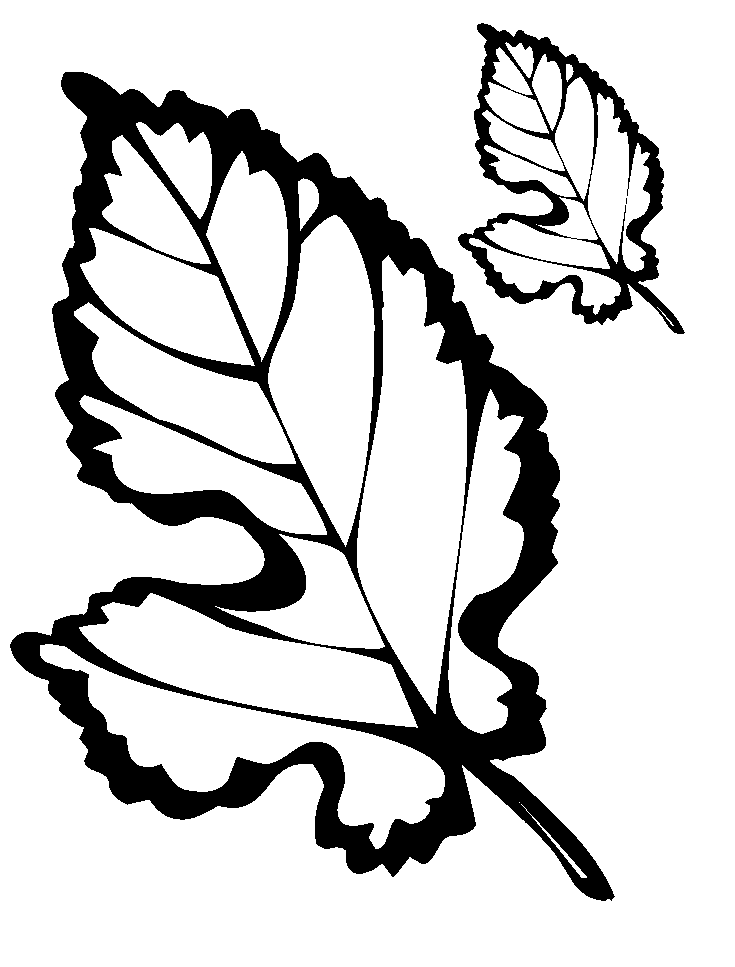
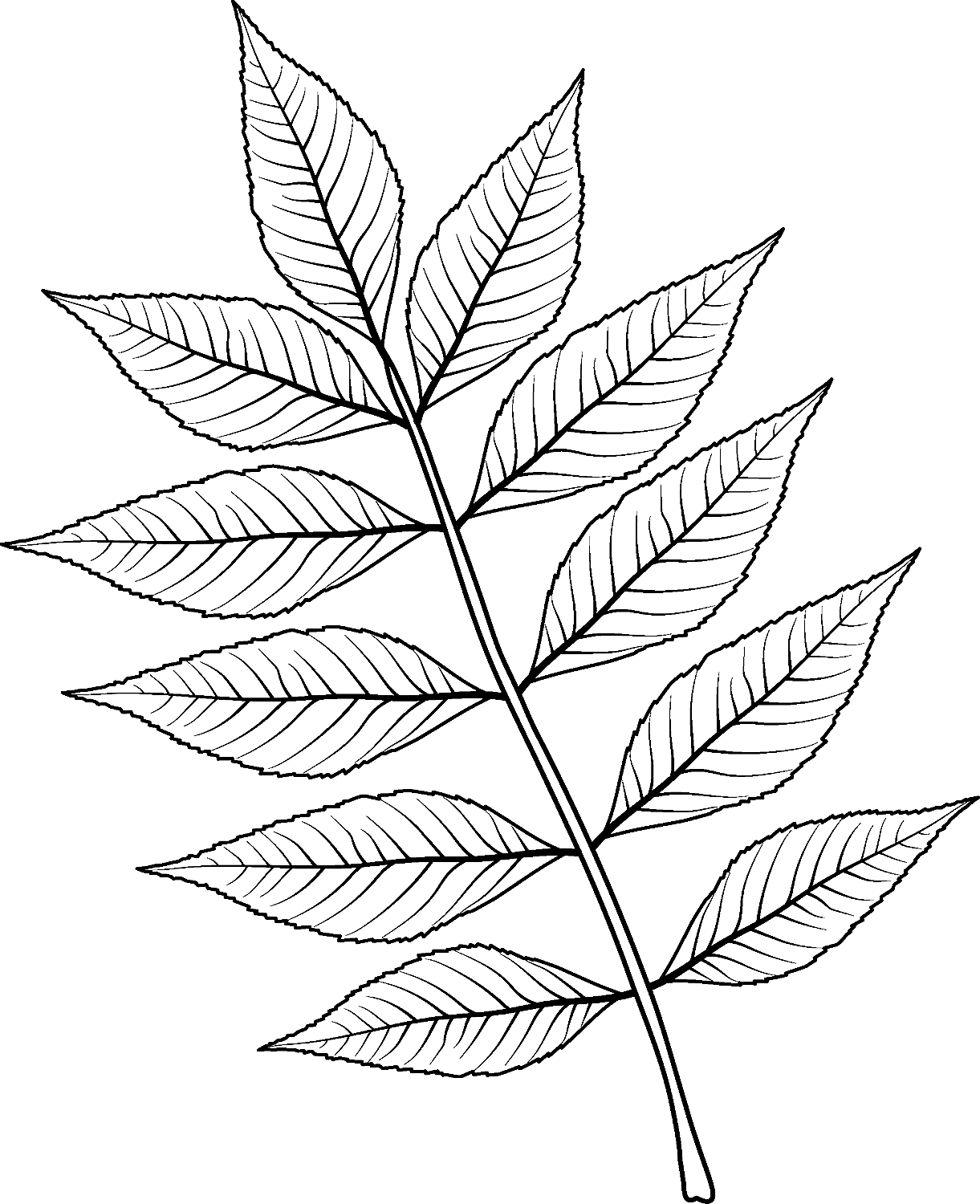
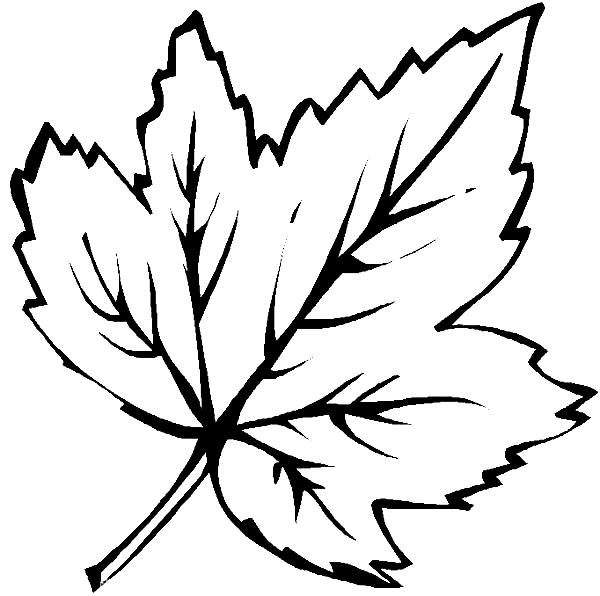
Six pages name a specific real tree species, including the Yellow Buckeye, California Buckeye, European Chestnut, European Ash, Basswood, and a maple leaf in autumn colors.
Tropical and Plant Leaves
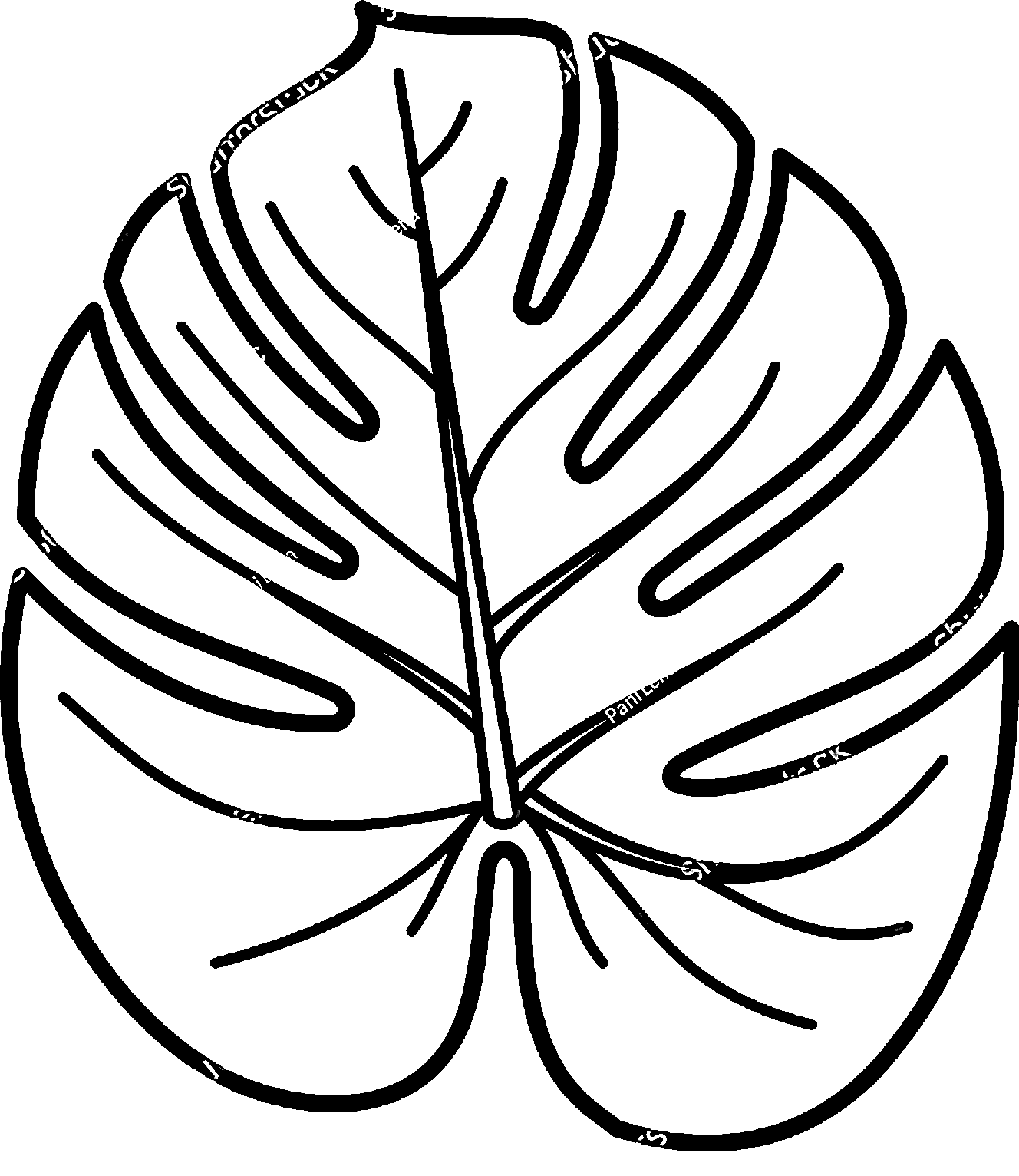
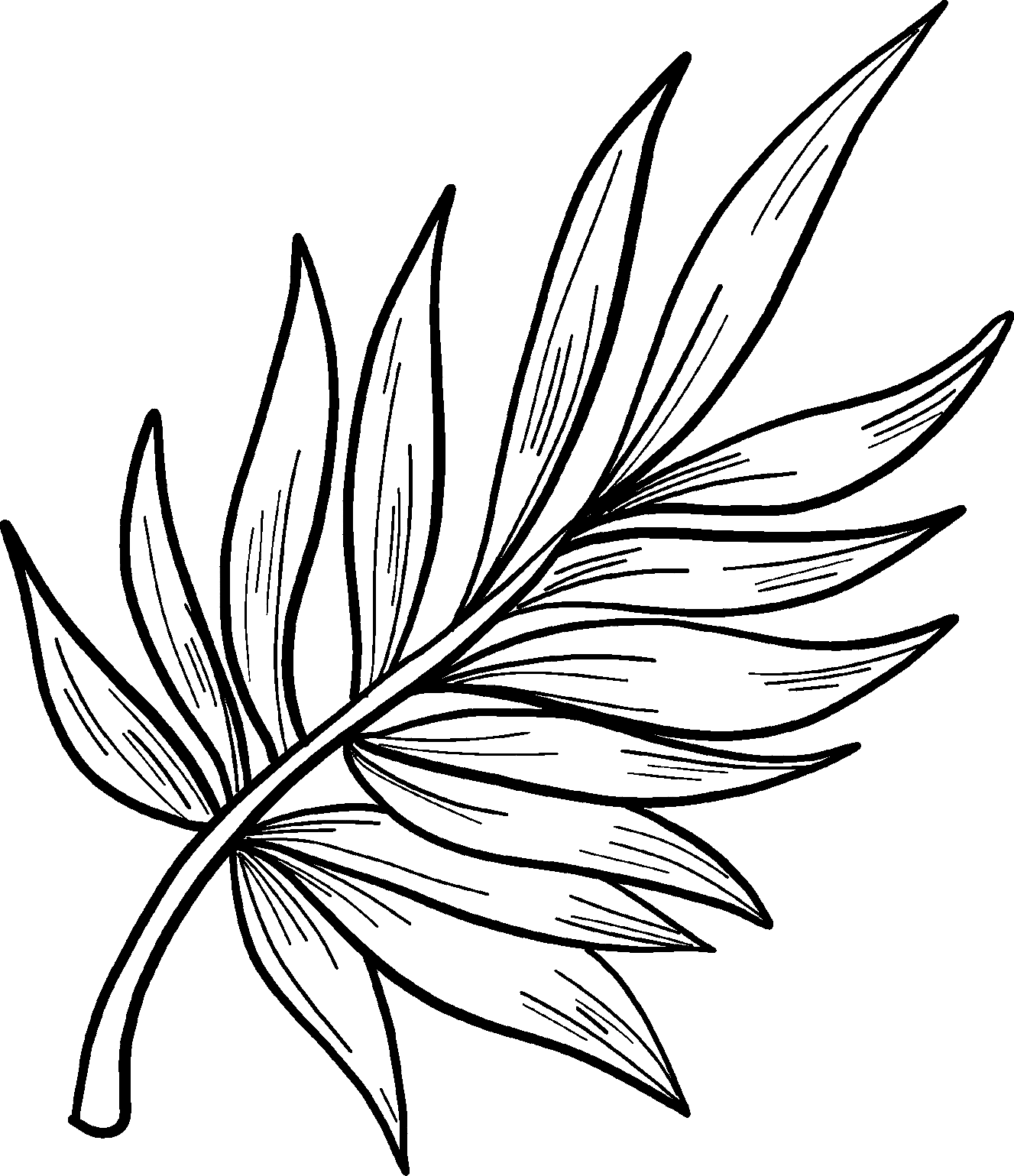
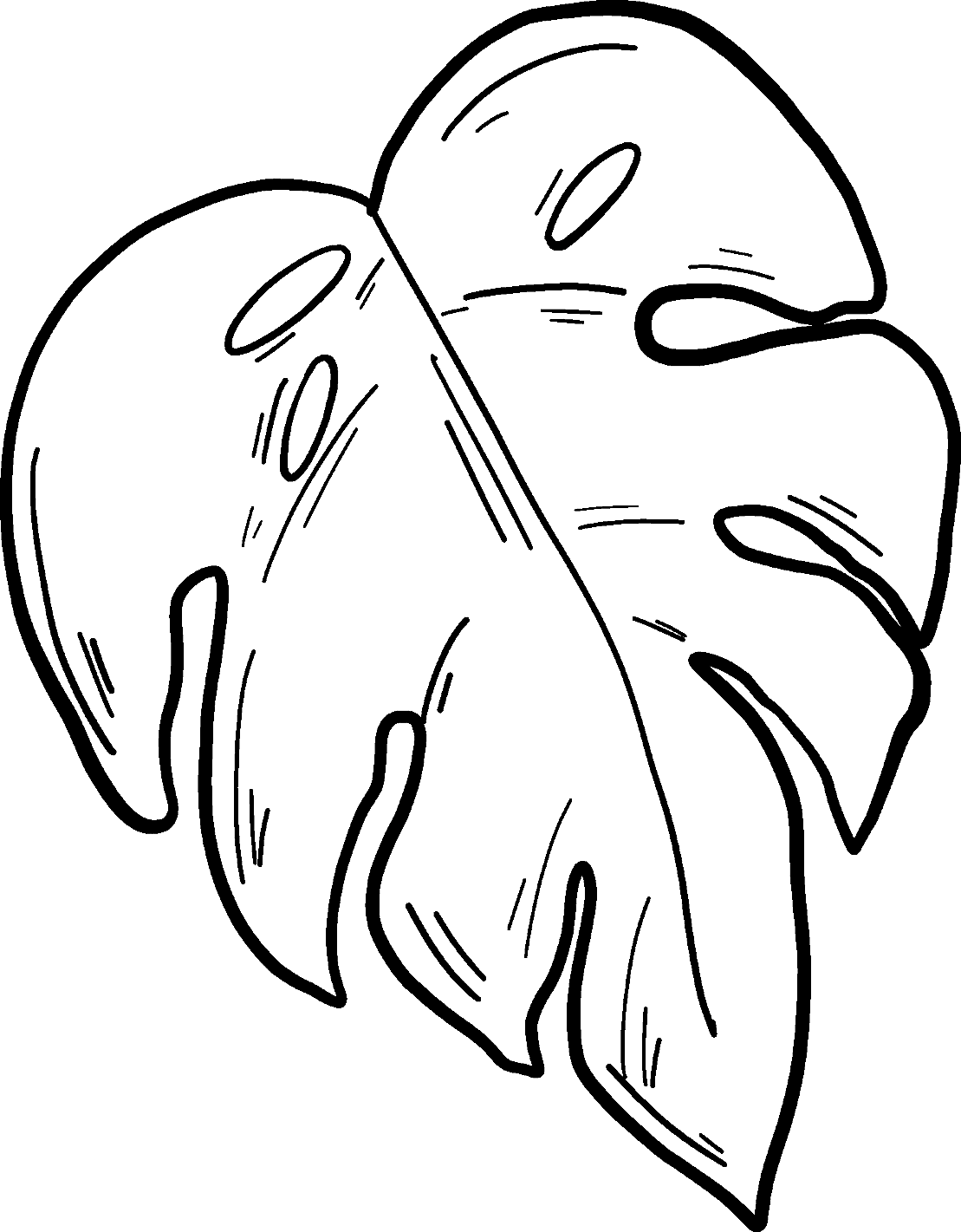
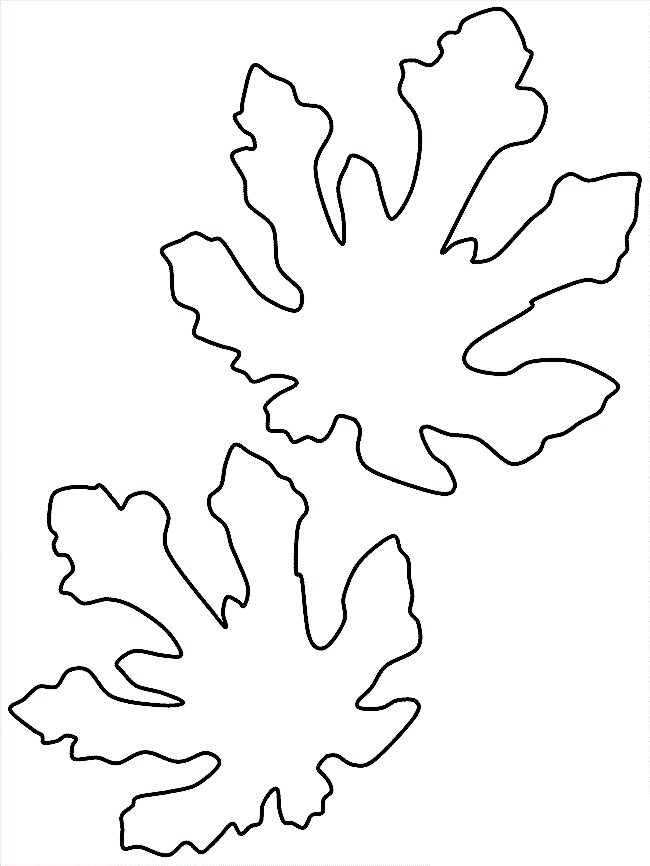
Five pages cover tropical and broad-leaf plants, including palm, banana, tropical, and fig leaf shapes, each with an outline distinct from a typical pointed tree leaf.
Pumpkin Vine Leaves
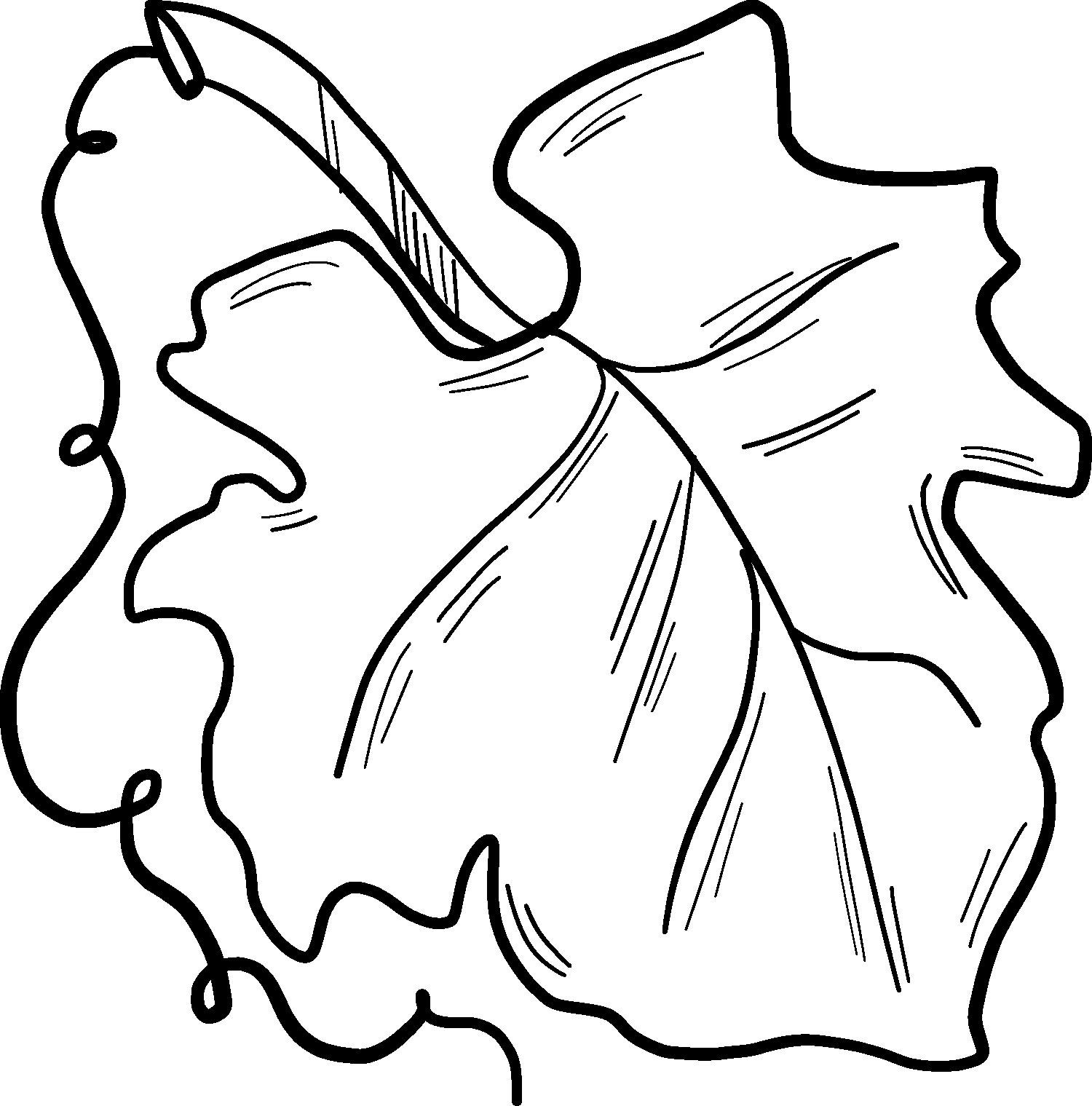
Three pages show the lobed leaf shape that grows on a pumpkin vine, a useful pairing with the site’s pumpkin and Halloween collections.
General and Educational Designs
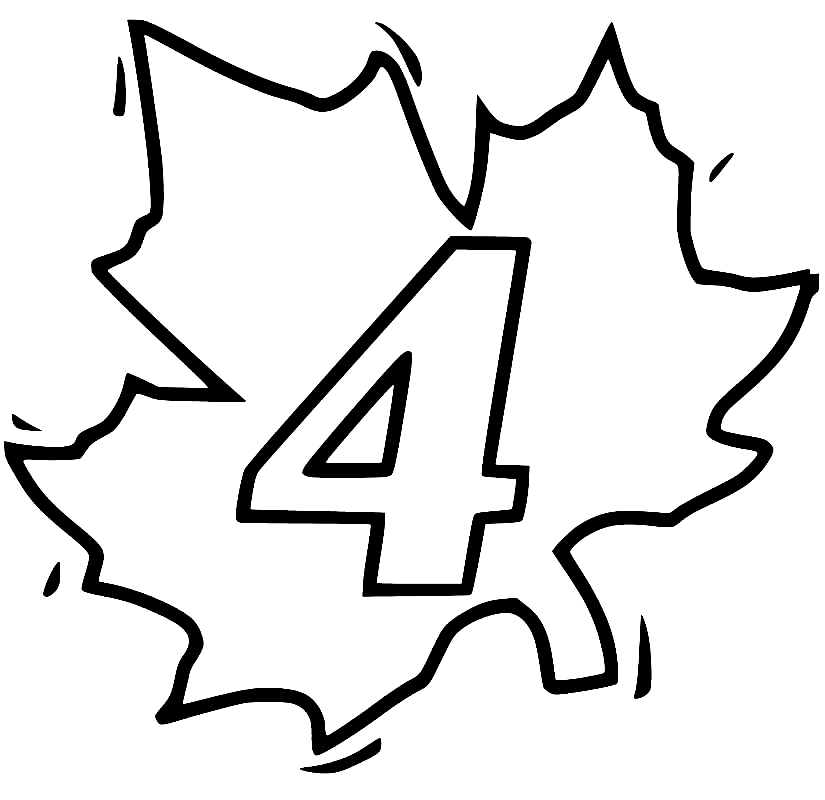
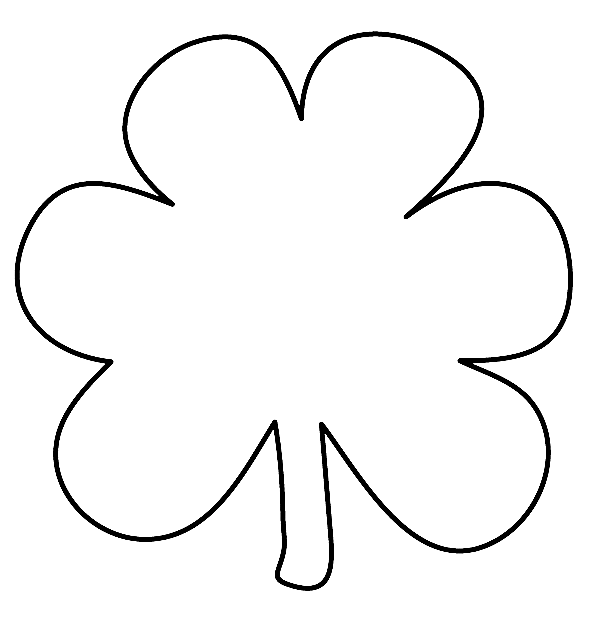
The remaining pages use simpler, general leaf shapes, including a cute stylized leaf, a clover leaf, and a page that combines a leaf shape with the number four for early number recognition.
What Leaf Coloring Pages Do
Learning to identify real leaf shapes. Because several pages name a specific tree or plant species, this collection gives children practice connecting a leaf’s outline to the real plant it comes from, an early step in basic botany.
Fine motor development. The American Academy of Pediatrics identifies fine motor skill development as a core benefit of structured coloring for children ages 2 through 7. The mix of simple general leaf shapes and more detailed named species in this collection suits a range of skill levels.
Anxiety reduction through focus. A 2005 study in the Art Therapy Journal documented measurable reductions in anxiety following structured coloring sessions. A focused coloring session with a calm, natural leaf shape can offer children the same kind of calming, absorbing activity described in that research.
Comparing leaf shapes side by side. Because this collection spans pointed tree leaves, broad tropical leaves, and lobed pumpkin vine leaves, it works well for a side-by-side comparison activity looking at how differently shaped leaves serve the same basic plant function.
How to Color Leaf Pages Well
- Classic tree leaves: Use Green for spring and summer, shifting to Orange, Red, Yellow, and Brown for autumn species like maple.
- Chestnut and Ash leaves: Use deep Green with visible vein lines running from the central stem.
- Tropical and palm leaves: Use rich, deep Green, sometimes with a Yellow-Green gradient toward the leaf edges.
- Banana leaves: Use long brush strokes of Green with a lighter central rib.
- Pumpkin vine leaves: Use medium Green with a slightly fuzzy-looking texture along the lobed edges.
- Clover leaf: Use bright Green, keeping each of the leaflets a consistent shade.
5 Creative Craft Ideas With Leaf Coloring Pages
1. Leaf Identification Card Set. Color each named-species page, label the back with its tree name, and use the set as a simple homemade nature identification guide.
2. Leaf Rubbing Comparison. Color a leaf page, then place a real leaf under thin paper and rub over it with a crayon to compare the colored design with a true leaf rubbing.
3. Nature Journal Cover. Color a favorite leaf page, trim it to size, and glue it to the front of a notebook to make a personalized nature journal.
4. Bookmark. Color a tall, narrow leaf design, cut it into a bookmark shape, and glue it to cardstock to make a sturdy reading bookmark.
5. Autumn Leaf Garland. Color several leaf pages in warm autumn colors, cut them out, and string them along a length of ribbon or twine to make a fall garland.
Frequently Asked Questions
What are Leaf coloring pages?
Leaf coloring pages are printable designs featuring named tree species, tropical plants, pumpkin vine leaves, and general leaf shapes. Each design in this collection can be downloaded as a PDF for printing or colored directly online in the browser, with no software required.
Which real tree species are featured in this collection?
The collection includes the Yellow Buckeye and California Buckeye, both native to different regions of North America, the European Chestnut and European Ash, common across much of Europe, the Basswood, and a maple leaf shown in its autumn colors.
How do tropical leaves differ from tree leaves in this collection?
Tropical and plant leaves, including palm, banana, tropical, and fig leaf shapes, tend to be broader and more rounded than the pointed, lobed outlines typical of temperate tree leaves like maple or chestnut.
What colors work best for coloring leaf pages?
Use Green for most spring and summer leaves, shifting to Orange, Red, Yellow, and Brown for autumn species like maple. Tropical and palm leaves work well in a rich, deep Green, sometimes with a lighter Yellow-Green gradient toward the edges.
Why does this collection include pumpkin vine leaves?
Three pages show the lobed leaf shape that grows on a pumpkin vine, connecting this collection to the site’s pumpkin and Halloween-season content for anyone coloring a fuller garden or autumn scene.
Can Leaf coloring pages be used for a classroom activity?
Yes. The named tree species work well for a basic botany or nature-identification lesson, and finished pages can be turned into an identification card set or a leaf rubbing comparison activity.
Are Leaf coloring pages suitable for young children?
Yes. This collection spans very simple general leaf shapes suited to toddlers and preschoolers through more detailed named species better suited to elementary-age children learning basic plant identification.
What is the basic function of a leaf?
Leaves are the primary site of photosynthesis, the process plants use to convert sunlight, water, and carbon dioxide into the energy they need to grow, which is why most of the leaves in this collection are colored in shades of green.
Start Coloring
Download any page by clicking the design. No account, email, or payment is required. Pages print directly from the browser at full resolution or open in the online coloring tool for screen use. Share finished pages on Facebook or Pinterest with the share buttons at the top of each design page.