Arts & Culture Coloring Pages at ColoringPagesOnly.com is one of the most deliberately broad categories on the site – over 1,620 pages across 22 sub-categories that span the full distance from centuries-old cultural traditions to internet-age aesthetics, from the meditative geometry of mandala illustration to the deliberately transgressive humor of swear word coloring, from the indigenous art forms of Native American tradition and Mexican alebrije carving to the Y2K digital nostalgia of the early 2000s internet aesthetic. The category operates on the premise that “arts and culture” is not a narrow academic designation but a genuinely expansive human domain – one that includes graffiti murals and famous oil paintings, rangoli floor patterns and psychedelic poster art, the skull motif across cultures, and the simple heart shape that has meant the same thing in every language for centuries. The 22 sub-categories below are organized by the type of engagement they invite rather than by any strict hierarchical order.
Every page in this collection is completely free to download as a PDF and print, or to color online directly in your browser.

Abstract Pattern and Meditative Illustration
The largest and most consistently searched cluster in the Arts & Culture collection covers illustration organized around pattern, structure, and geometric logic rather than figurative subject matter.
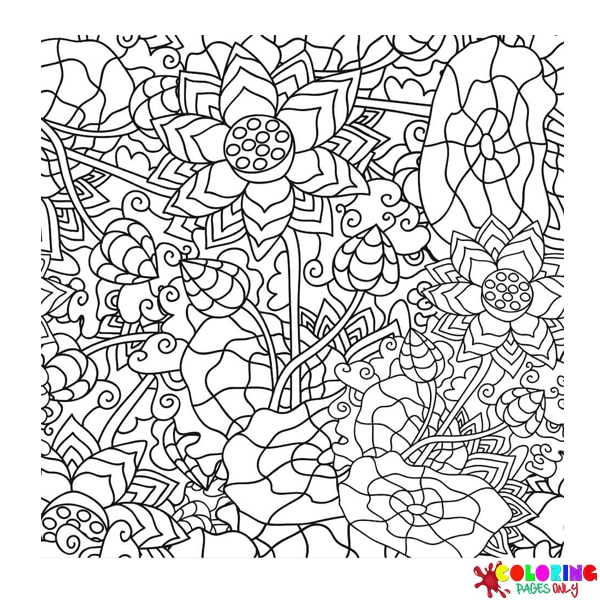
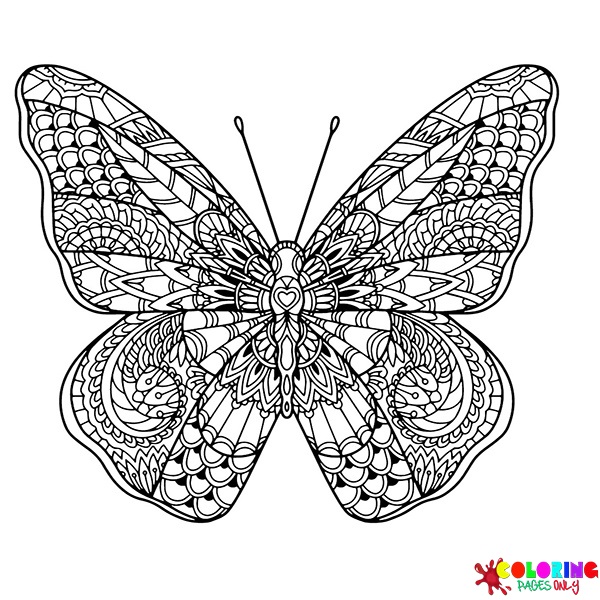
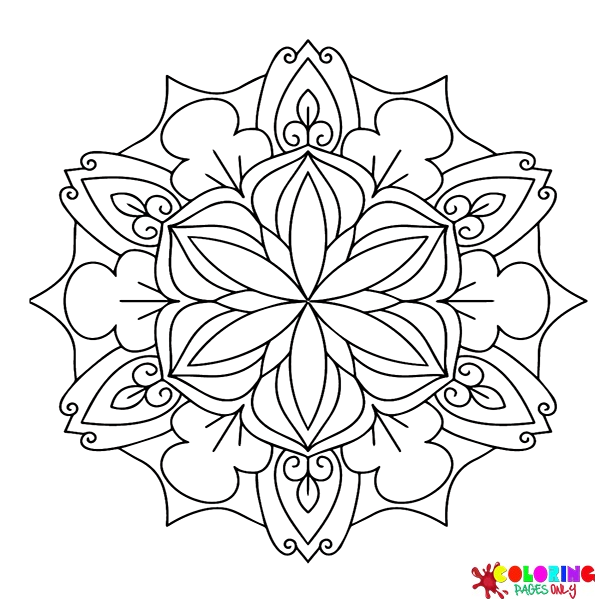
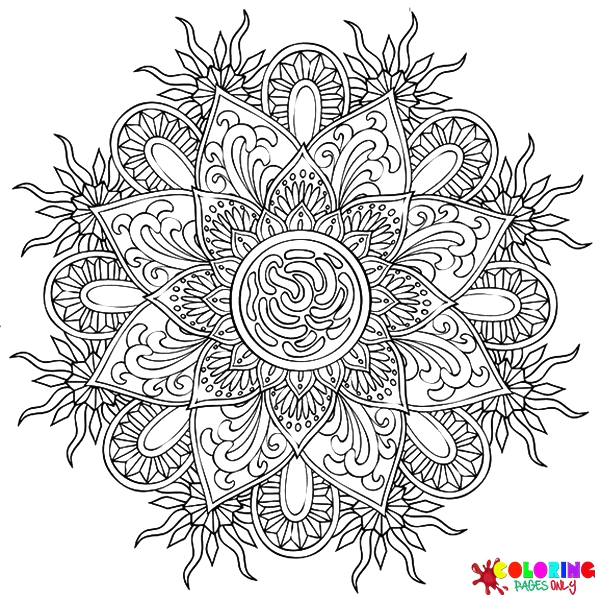
Mandala is the most searched sub-category in the entire Arts & Culture collection – and one of the highest-traffic pages in the whole site. The word mandala derives from Sanskrit, meaning “circle,” and the mandala as a visual form is found across Hindu, Buddhist, and indigenous traditions worldwide as a symbol of wholeness, cosmic order, and meditative focus. As a coloring subject, the mandala is uniquely well-suited to the activity: its radial symmetry means every color decision made in one section is replicated across multiple sections of the design, producing a unified, balanced result that rewards patience and repetition. The most demanding mandala pages on the site take hours to complete and produce results that display effectively as finished artworks. Geometric covers the broader territory of geometric pattern illustration beyond the strictly circular mandala form – tessellations, Islamic geometric pattern traditions, grid-based patterns, and the full range of angular and curved geometric composition. Pattern covers the category more broadly still – repeating surface patterns, decorative border designs, and the pattern-based illustration tradition that runs from William Morris wallpaper to contemporary surface design.
Doodle covers the loose, improvisational illustration tradition of filling space with organic, non-planned marks – the interlocking patterns that emerge from pen-in-hand-while-thinking, formalized into a coloring page aesthetic that is immediately accessible to anyone. Doodle pages are among the most relaxed in the collection, with less formal structure than geometric or mandala pages and more room for individual variation in coloring approach. Rangoli covers the Indian art form of creating decorative patterns on floors and surfaces using colored powder, rice, sand, or flower petals – traditionally made for Diwali, Pongal, and other festivals. As a coloring page form, rangoli compositions translate the symmetrical floral and geometric patterns of this tradition into line drawings that reward vivid, saturated color choices: the original art form is defined by the intensity of its colors, and rangoli pages coloring works best with the boldest palette in the collection.
Cultural Art Traditions
Several sub-categories cover specific cultural art forms with their own histories, aesthetic rules, and contexts.
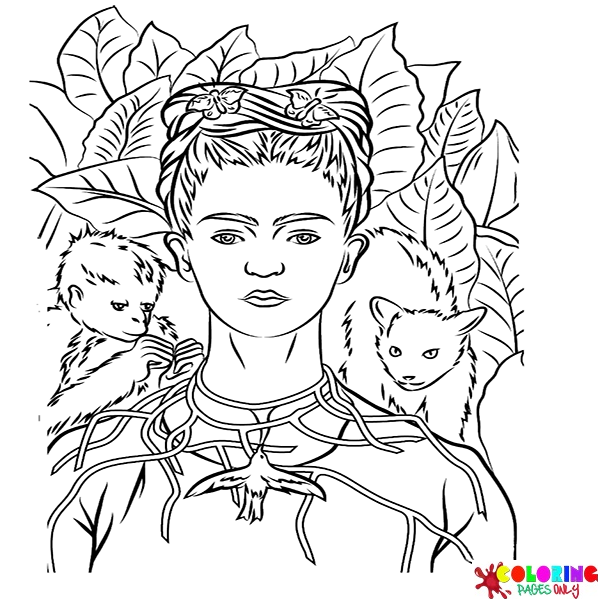
Famous Paintings covers interpretations of canonical Western art history – compositions inspired by Van Gogh’s Starry Night and Sunflowers, Monet’s water lilies, Klimt’s gold-leaf figurative works, and other paintings whose visual identity has become part of the shared cultural vocabulary. These pages are unique in the collection because the coloring activity has a reference answer – the original painting’s color scheme – but is also entirely open to personal interpretation. Coloring a Starry Night page canonically (deep blue swirling sky, yellow crescent moon, warm orange streetlamps) is one approach; coloring it in entirely personal palette choices is another equally valid one. Both produce something meaningful.
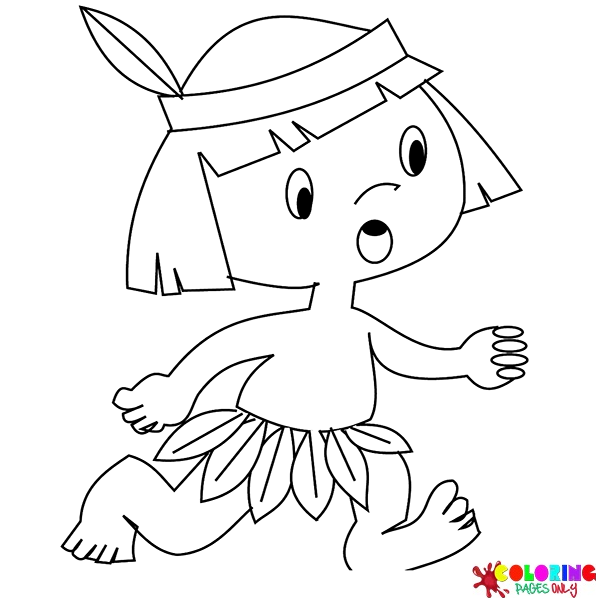
Native American covers the visual art traditions of the indigenous peoples of North America – the geometric designs of Plains beadwork, the symbolic patterns of Southwestern pottery, the totemic imagery of Northwest Coast art, and the broader tradition of indigenous visual culture across the continent. These pages engage with living cultural traditions that have specific meanings within their communities of origin, and the coloring pages here draw on the decorative and symbolic visual language of those traditions in an illustrative context.
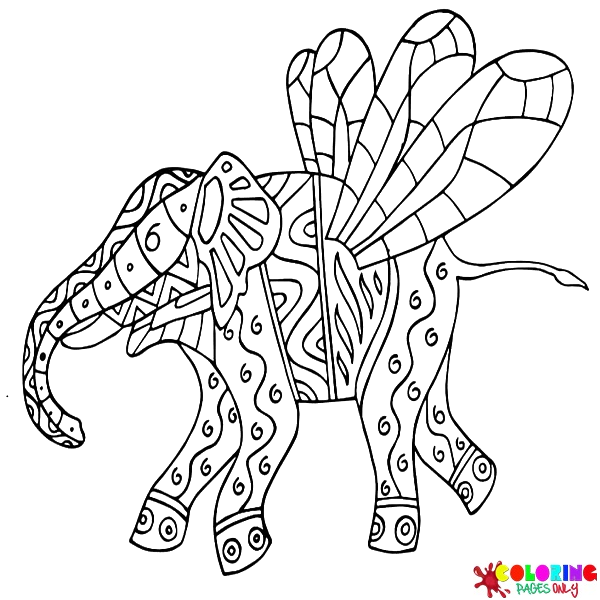
Alebrijes covers the Mexican folk art tradition of fantastical creature sculptures covered in intricate, vividly colored geometric patterns. Alebrijes were created by artisan Pedro Linares in the 1930s – he dreamed of strange hybrid animals covered in brightly patterned surfaces and began making them from papier-mâché, later adopted by Oaxacan wood carvers as a signature art form. The alebrije as a coloring subject is one of the most creatively open in the collection: the animal form provides the structure, and the surface pattern covering it can be invented entirely by the colorist, making every page a unique design decision. Vivid, high-contrast colors work best – alebrije art is defined by the intensity and variety of its pattern coloring.
Counter-Culture and Era Aesthetics
Several sub-categories cover the visual aesthetics associated with specific cultural movements, eras, and subcultures rather than art-historical traditions.
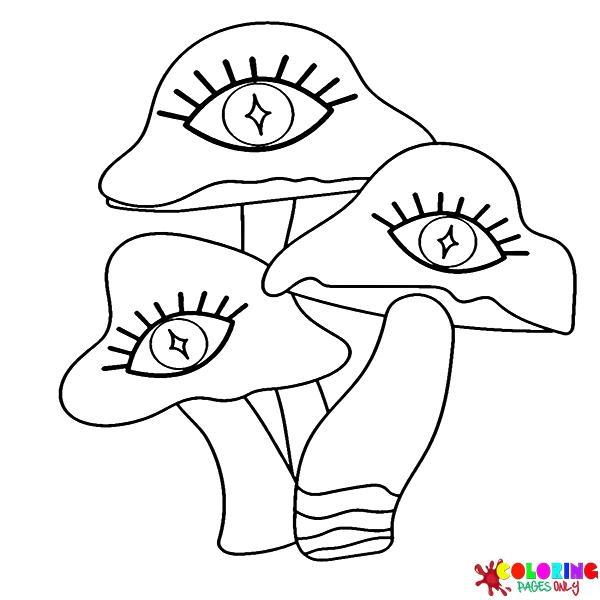
Hippie covers the visual aesthetic of the 1960s and early 1970s counterculture – peace signs, flowers, doves, paisley patterns, tie-dye effects, and the warm, slightly faded palette of the period’s psychedelic poster and fashion tradition. The hippie aesthetic has maintained a consistent coloring page audience because its core visual elements (flowers, hearts, peace signs) are immediately accessible and its soft, earthy palette is naturally appealing. Psychedelic and Trippy together cover the more intense, pattern-heavy end of this aesthetic spectrum – surreal imagery, impossible spaces, fractal-like repeating forms, and the visual language of altered perception that influenced both the 1960s poster art tradition and the contemporary digital art world. These pages call for the boldest, most saturated color decisions in the entire collection – the psychedelic aesthetic is defined by maximum color intensity and contrast.
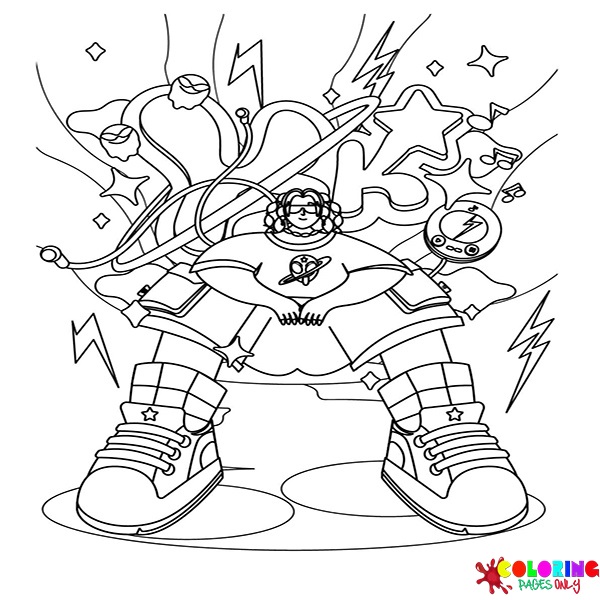
Y2K covers the design aesthetic of approximately 1998–2004 – the era’s specific visual language of chrome effects, iridescent surfaces, bubble fonts, early digital graphics, glitter textures, and the optimistic-then-anxious palette of the millennium’s turn. Y2K has undergone a significant cultural revival in the early 2020s as a nostalgia aesthetic, and the coloring pages here capture the era’s distinctive combination of futurism and impermanence.
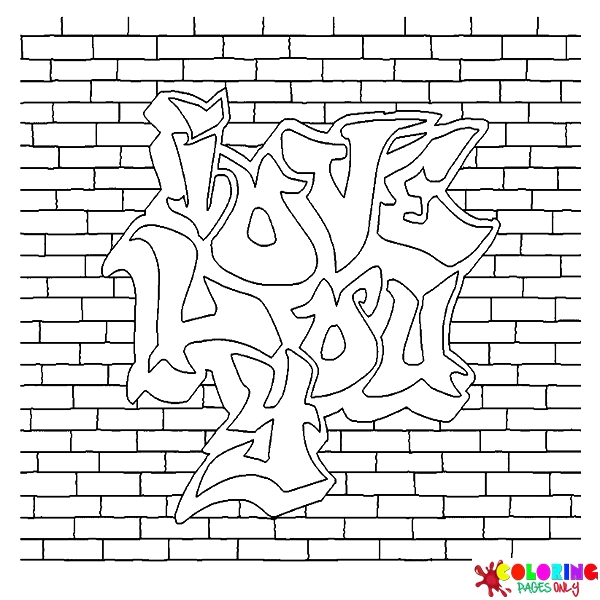
Graffiti covers the urban street art tradition – letterforms, spray-paint effects, tags, throw-ups, and the mural-scale compositions of graffiti and street art as it has evolved from subway cars in 1970s New York to legal walls and commissioned murals worldwide. Graffiti pages present a specific coloring challenge: the art form’s vocabulary includes overlapping layers, color fills within complex outlines, and the particular quality of spray paint color gradients, which the coloring page version invites but cannot entirely replicate. High contrast between the main color and its outline, and the use of highlight marks to suggest the three-dimensional bubble letter effect, are the most effective approaches.
Aesthetic Drawing covers the broader contemporary aesthetic illustration tradition – the visual language of self-described “aesthetic” content on social media platforms, including soft-focus imagery, warm neutral palettes, and the specific kind of illustrated objects (coffee cups, plants, candles, loose lettering) that define the aesthetic content visual vocabulary. This sub-category sits between the Arts & Culture category and the Cozy category in its visual sensibility.
Emotional and Symbolic Sub-categories
Several sub-categories are organized around symbolic forms that carry strong emotional meaning across cultures.
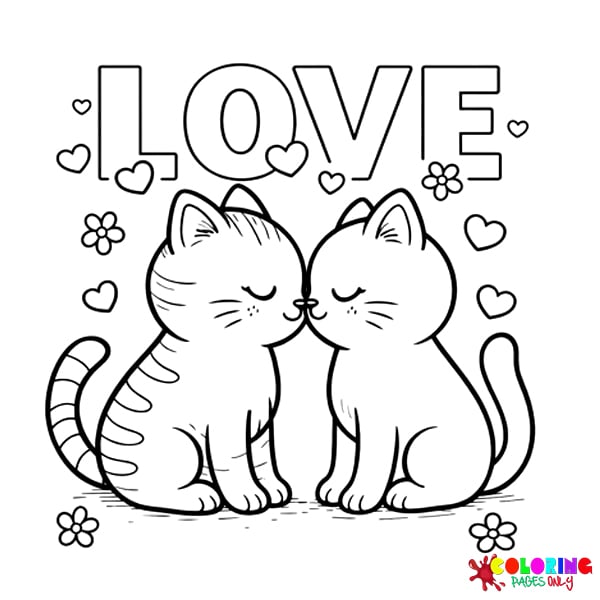
Heart covers the heart shape as a universal symbolic form – one of the most reproduced shapes in human visual culture, present in every illustration tradition in every culture that has encountered it. Heart coloring pages range from simple outline hearts for the youngest colorists to elaborate decorative heart compositions with intricate interior patterning. Love extends the heart theme into the broader territory of love as a subject – couples, flowers, romantic scenes, and the full visual vocabulary of love as an emotion and a cultural obsession. Broken Hearts covers the symbolic inverse – the heart divided, cracked, or fractured, with the darker emotional register that characterizes the end of love rather than its beginning.
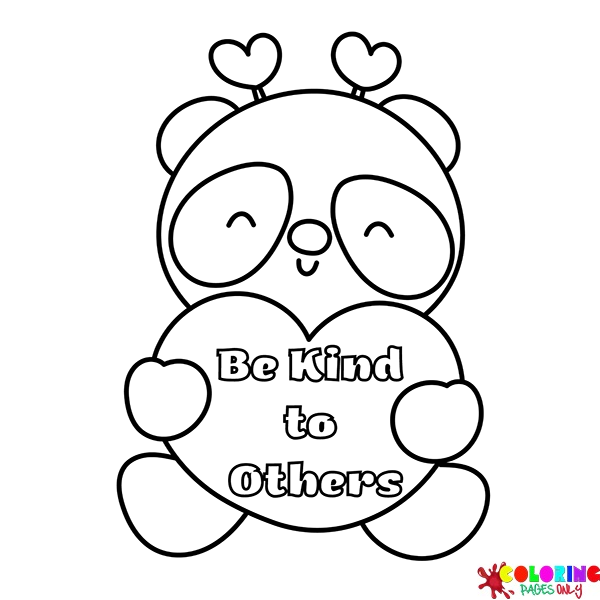
Free Kindness covers the kindness-as-visual-concept tradition – illustrations of kind acts, affirmations, motivational text-based designs, and the broader “kindness culture” visual language that has developed on social media and in school educational contexts. These pages are particularly useful in educational settings and serve as coloring-meets-social-emotional learning activities.
Skull covers the skull motif across its many cultural contexts – from the Mexican Día de los Muertos sugar skull tradition (which produces the collection’s most colorfully elaborate skull pages) to the memento mori still-life tradition of Western art, the biker and rock music iconography, and the gothic aesthetic more broadly. The skull as a coloring subject is one of the most culturally versatile in the collection – it means something different in every tradition that has used it, and the coloring page versions reflect that range.
Difficulty, Audience, and Special Interest
The remaining sub-categories are organized by audience, difficulty level, or content type rather than visual aesthetic.
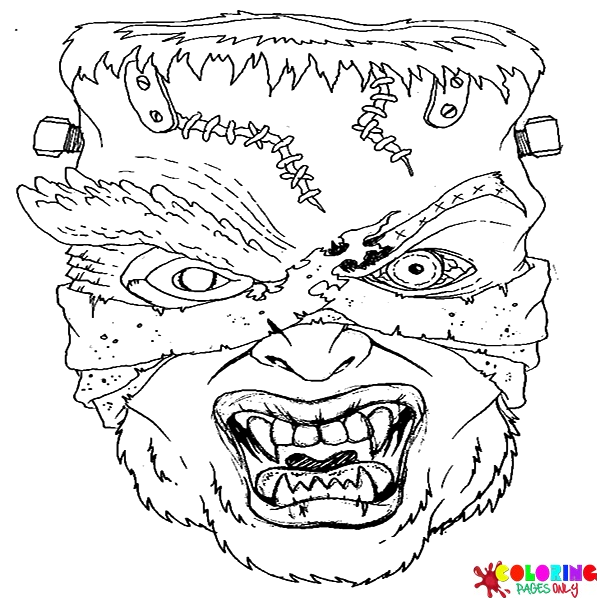
Hard covers the most technically demanding coloring pages in the Arts & Culture collection – intricate, dense compositions with very fine detail lines, small color areas, and the kind of complexity that rewards experienced colorists who want a genuine challenge. These pages typically require fine-tipped tools (colored pencils or fine-nib markers rather than broad crayons) and significant time investment. Horror covers the dark and frightening end of the aesthetic spectrum – skulls, monsters, haunted imagery, and the visual language of fear as a cultural tradition. Horror pages serve the specific audience that enjoys dark aesthetics as a creative outlet.
Swear Word covers the adult-oriented coloring page tradition of embedding profanity within decorative illustration – words in elaborate lettering surrounded by flowers, patterns, and ornamental frames. This tradition emerged as an adult coloring phenomenon in the 2010s and reflects the reality that “coloring for adults” sometimes means content specifically not intended for children. Swear word pages are among the most consistently searched adult content on coloring sites, combining the satisfying activity of detailed coloring with the mild transgression of the vocabulary.