Alebrijes Coloring Pages
 By:
Jennifer Thoa - Content Editor & Designer
Updated:
By:
Jennifer Thoa - Content Editor & Designer
Updated:
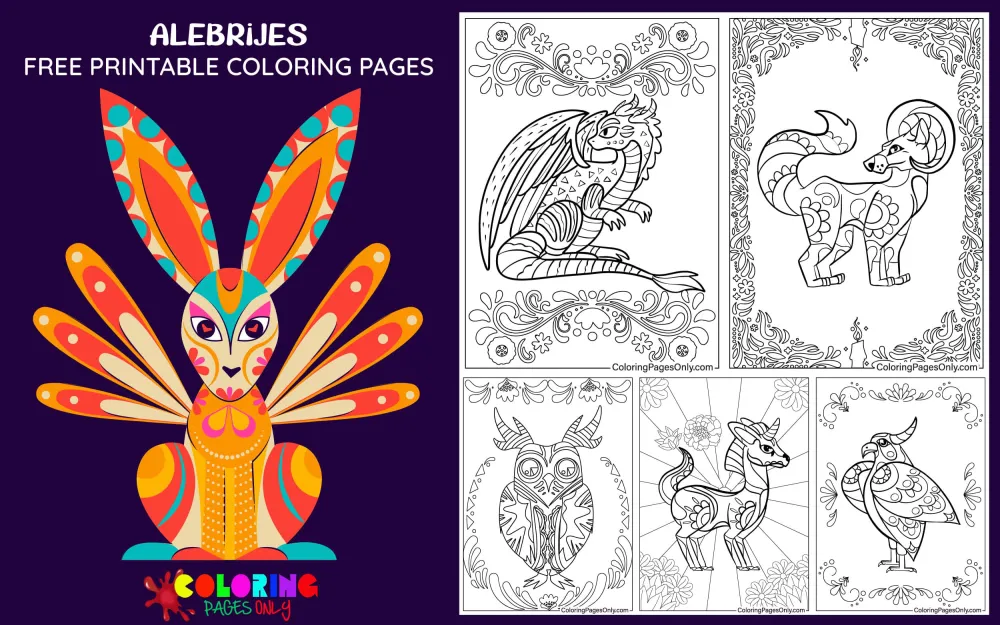
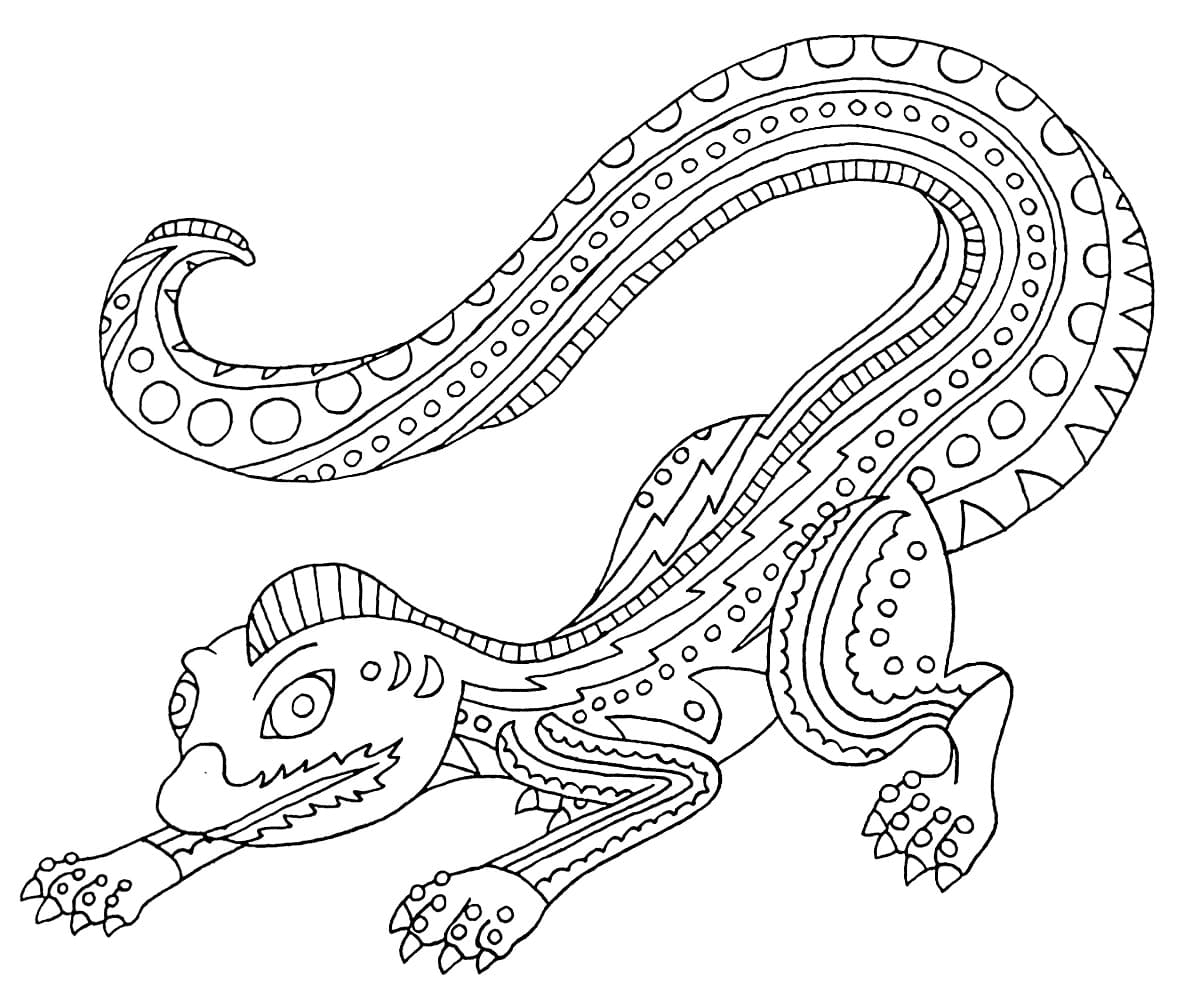
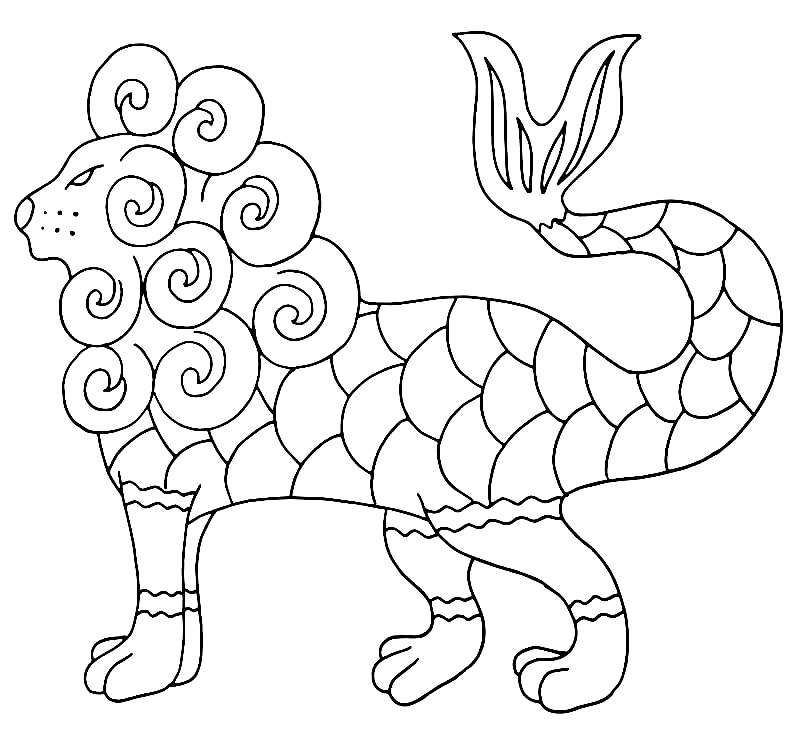
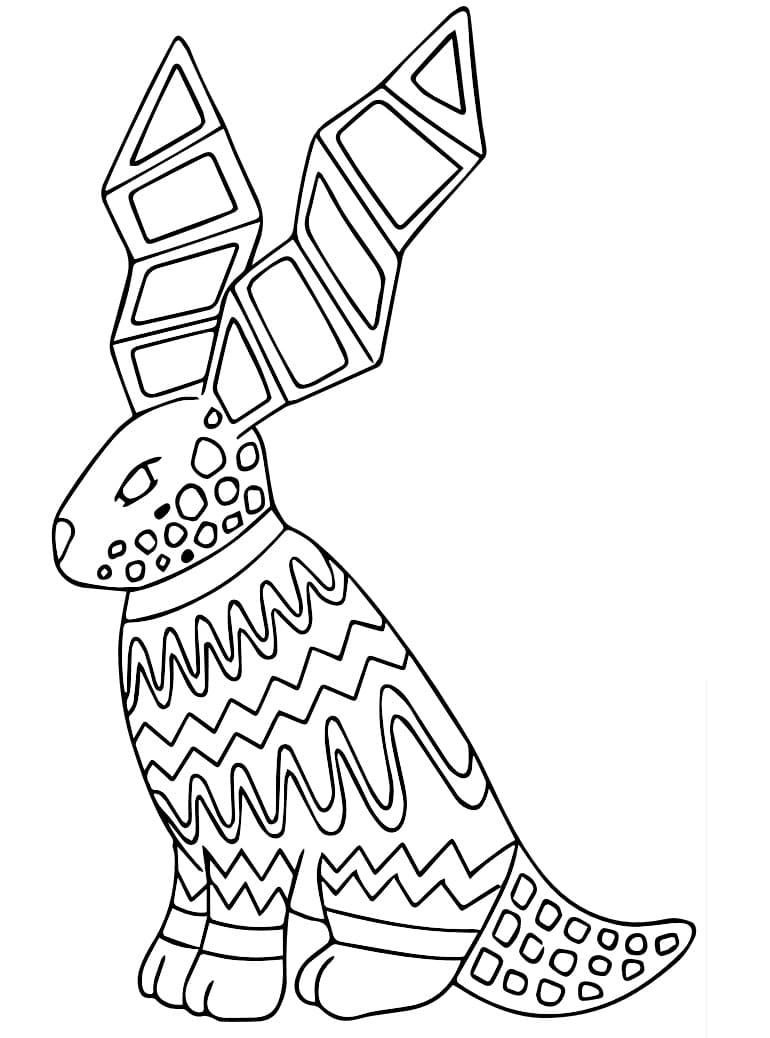
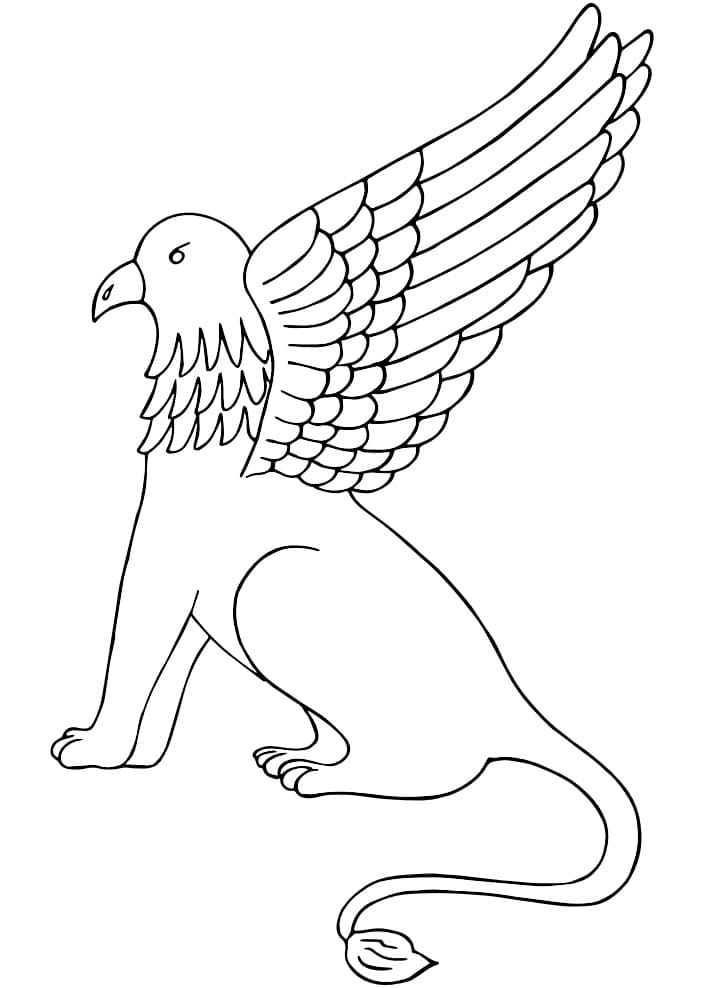
Free Alebrijes coloring pages: 79 printable PDF designs of the brightly patterned hybrid creatures rooted in Mexican folk art. Each page can be downloaded as a PDF to print or colored online in the browser.
Alebrijes originated in Mexico City in 1936, when papier-mâché artist Pedro Linares, who made piñatas and carnival figures for a living, fell seriously ill with a high fever. During his illness, he dreamed of a forest filled with strange hybrid animals repeating the word “alebrijes,” and after recovering, he began recreating them in papier-mâché. The Linares family, including his sons, continued the tradition in Mexico City. Starting in the 1960s, woodcarver Manuel Jiménez of San Antonio Arrazola, Oaxaca, adapted the idea into carved copal wood figures, blending Linares’s designs with Zapotec woodcarving traditions and the concept of tonas and nahuales, or animal spirit guides. Villages like San Antonio Arrazola and San Martín Tilcajete remain centers of alebrije carving today, known for intricate, hand-painted patterns in vivid colors.
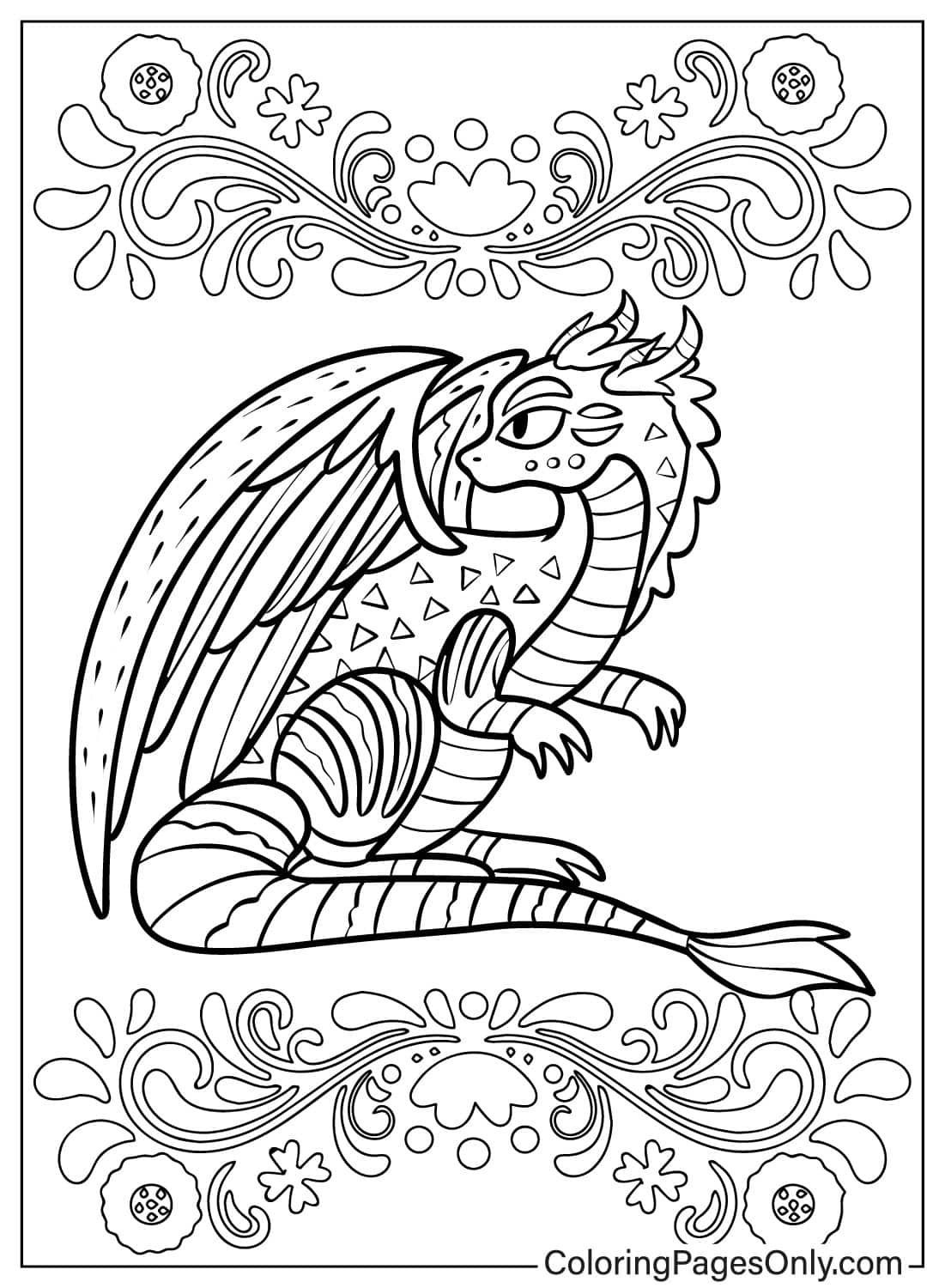
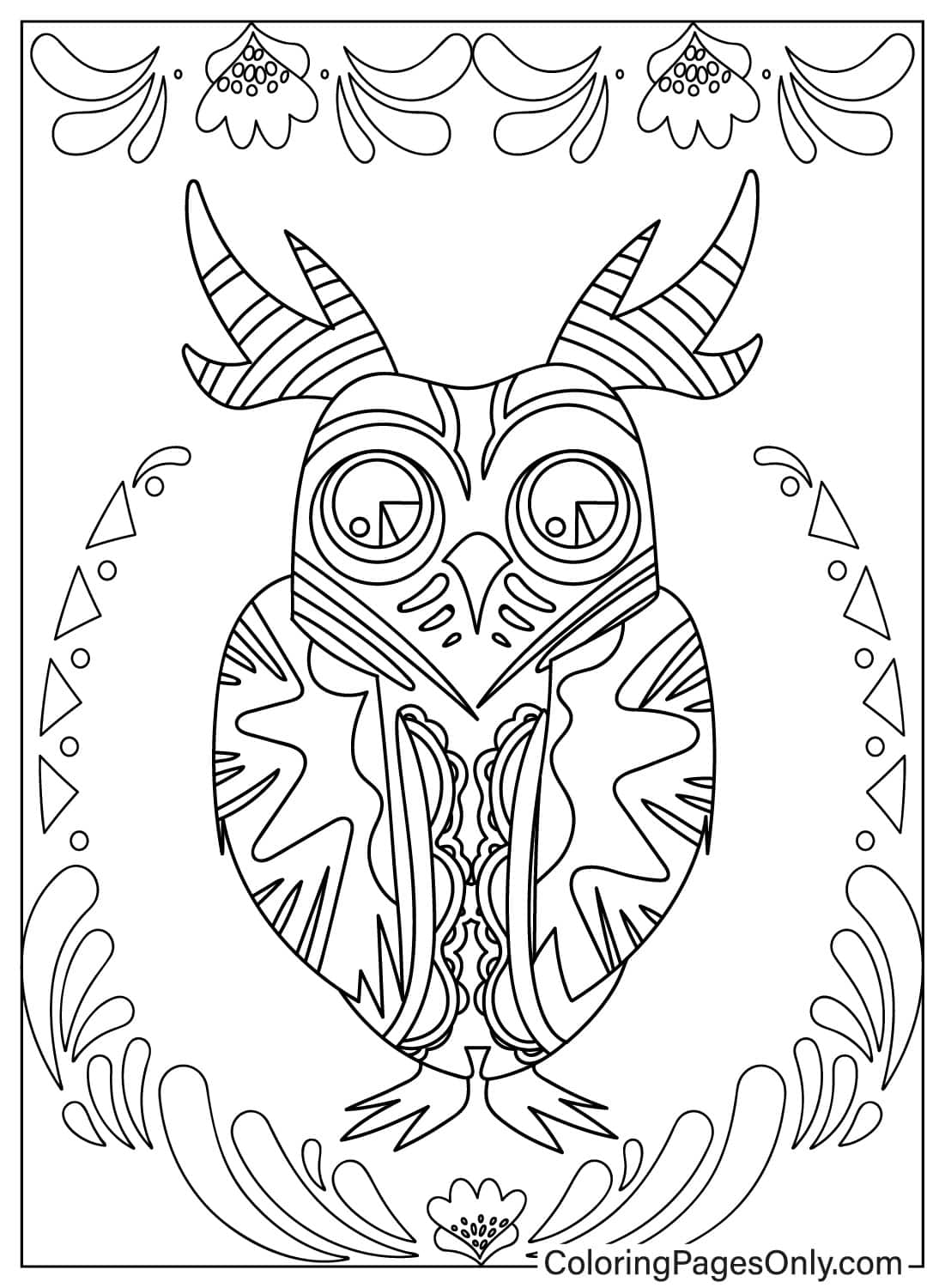
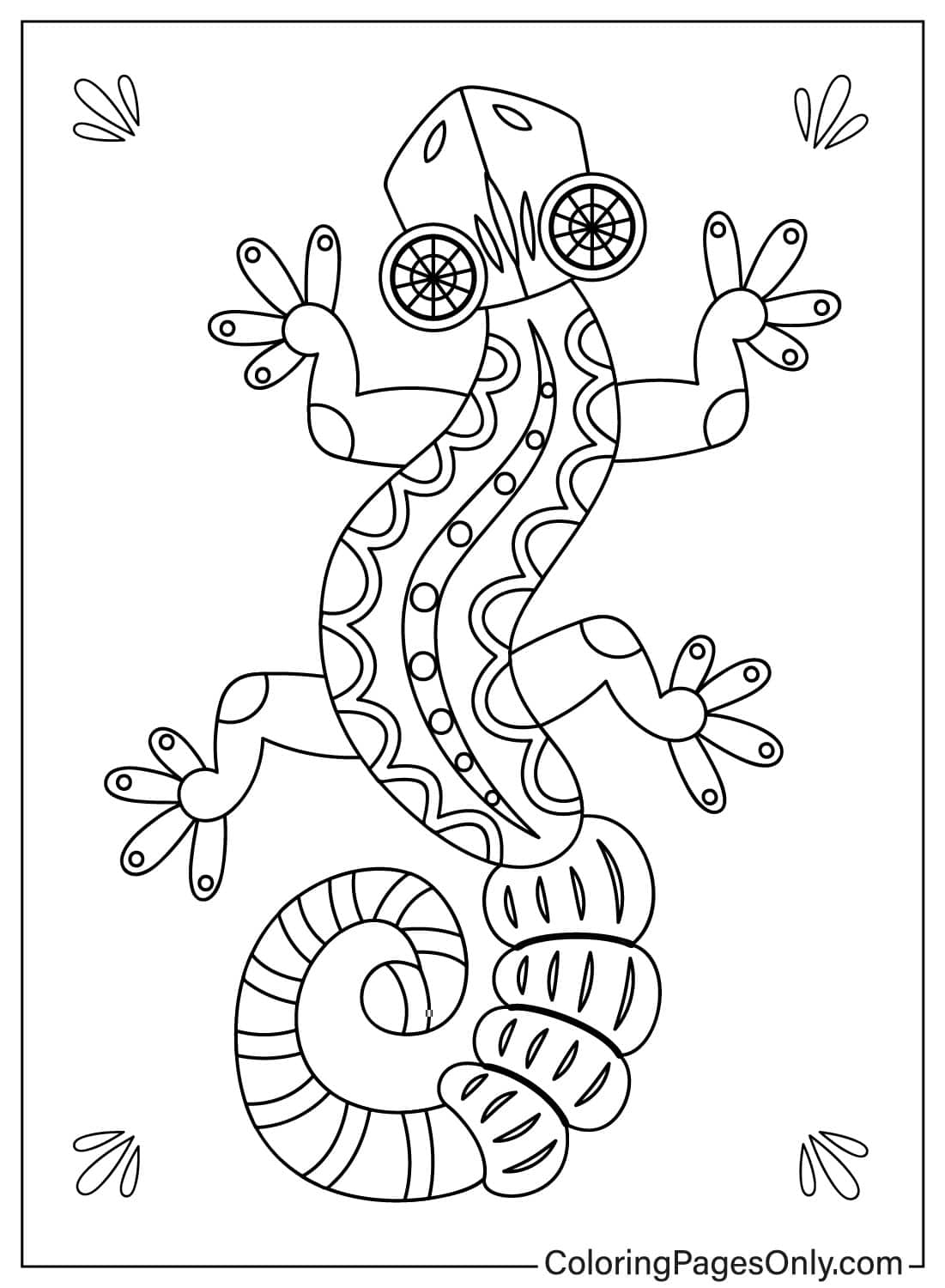
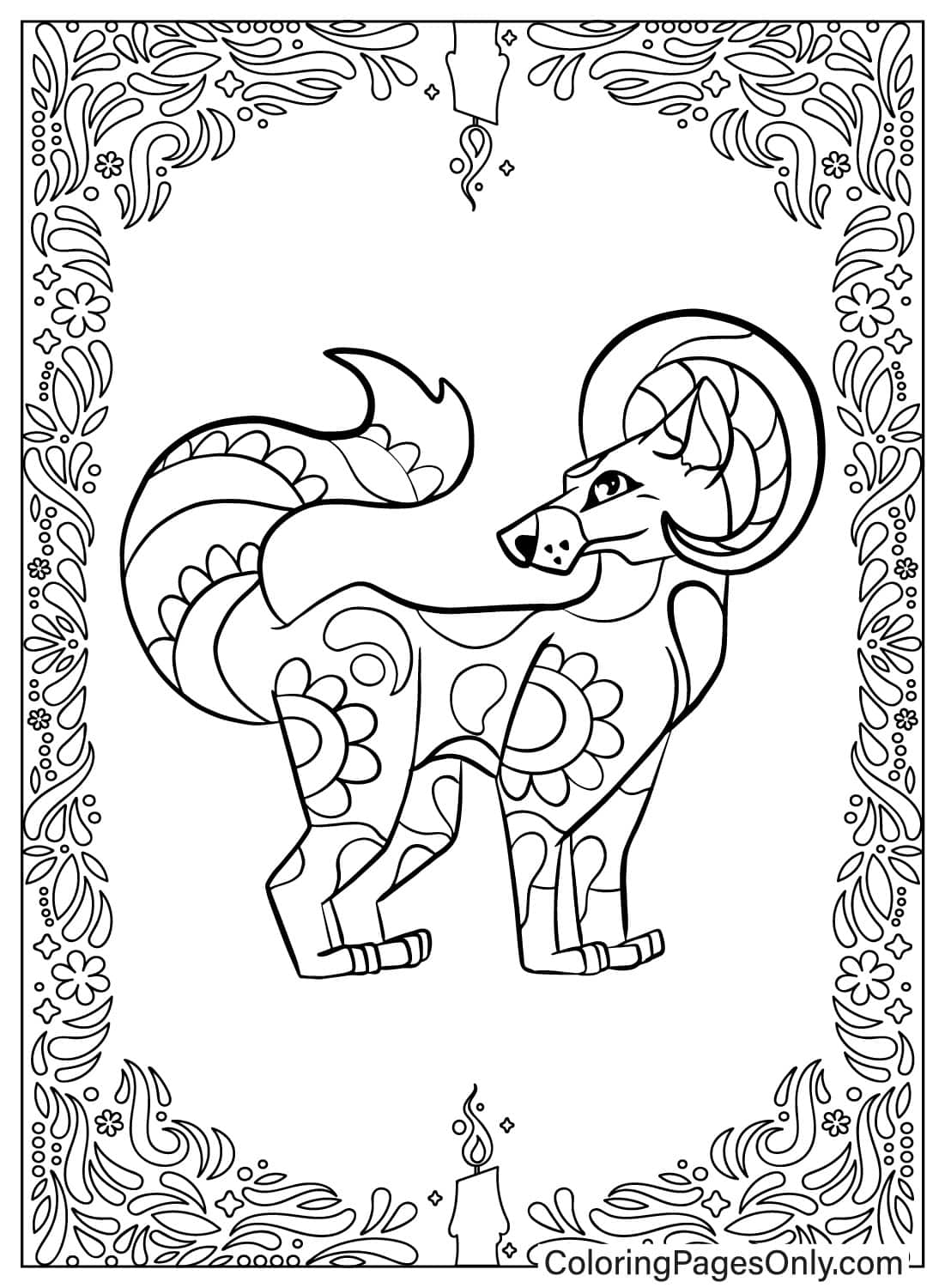
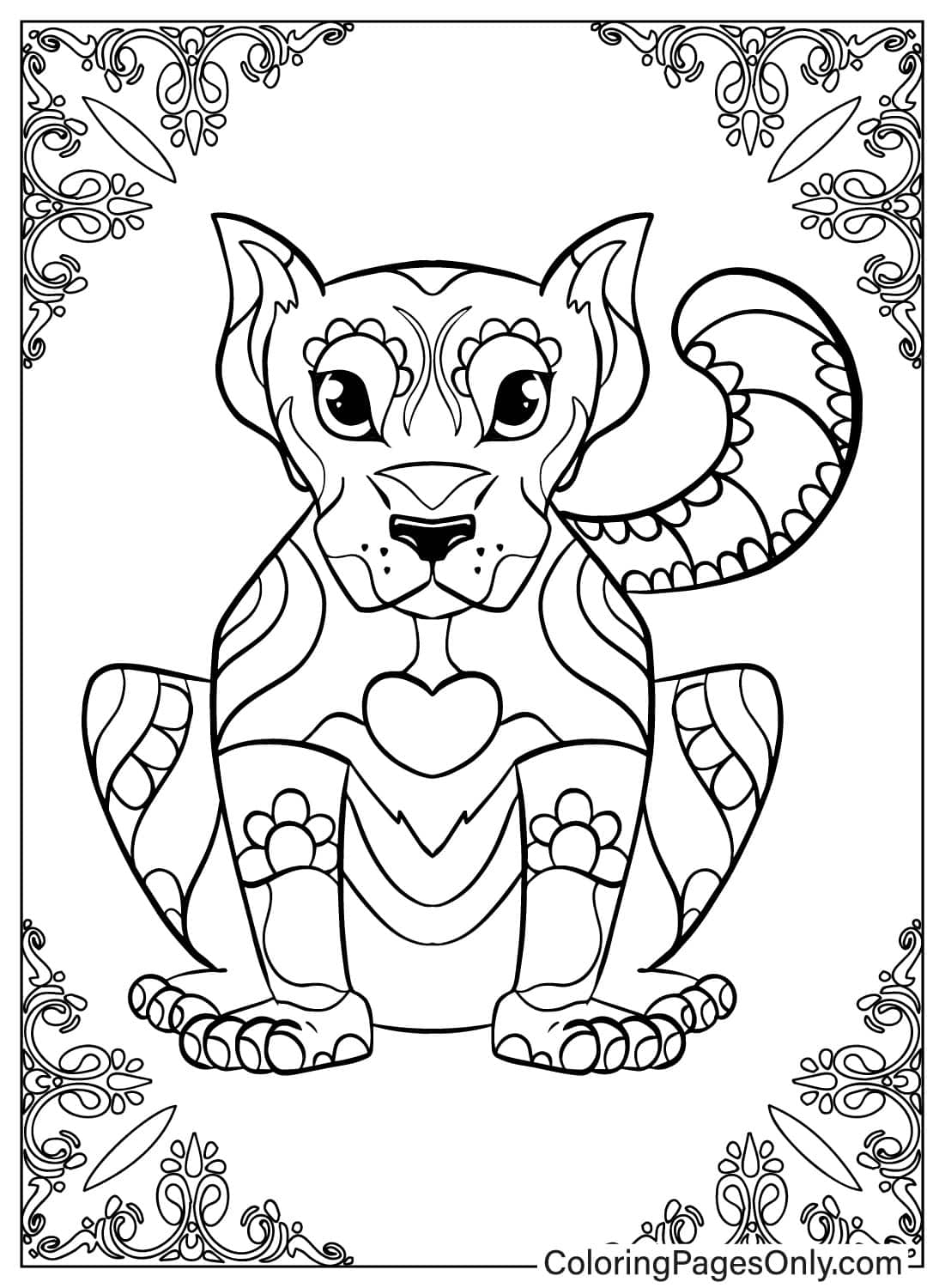
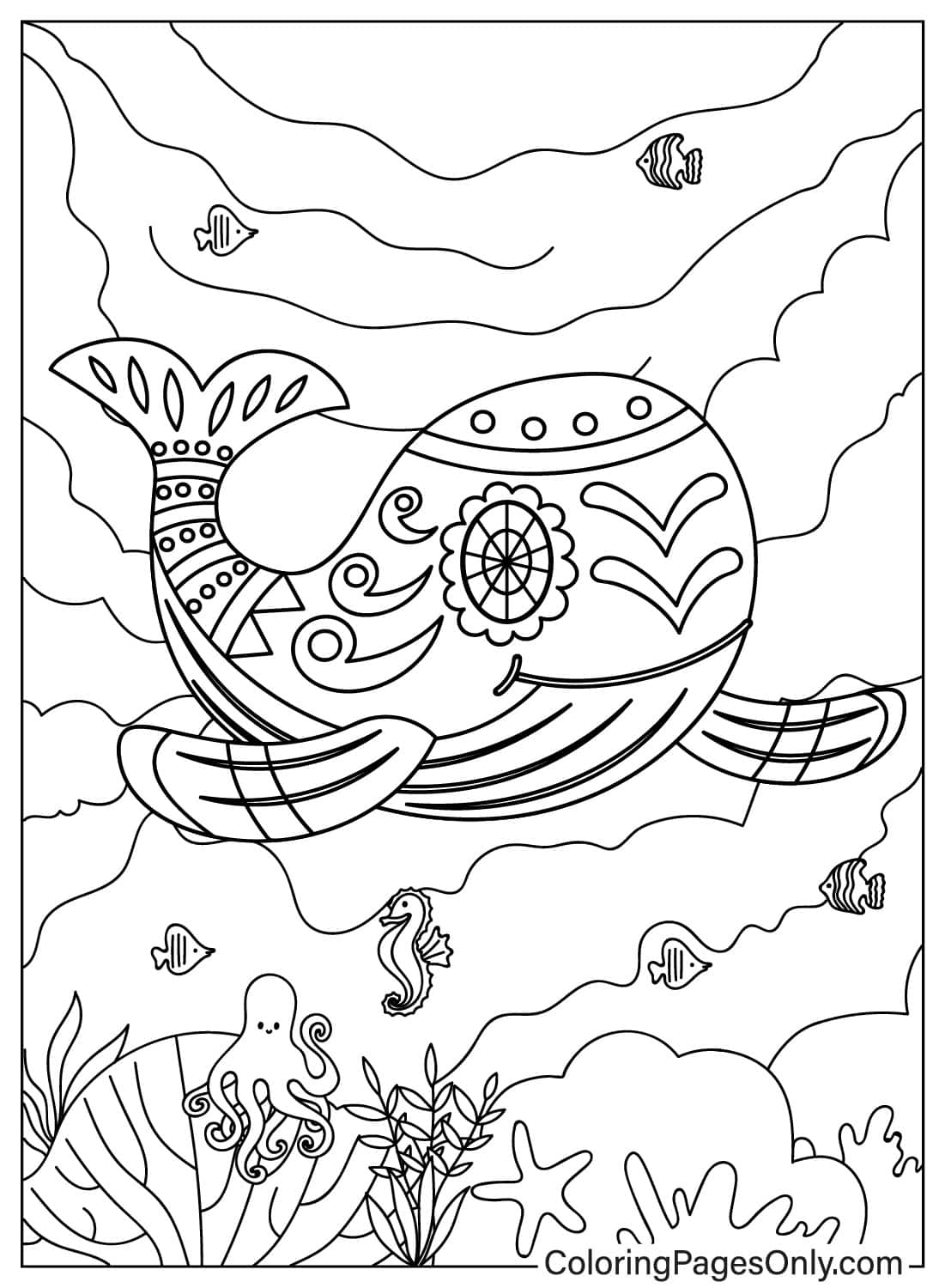
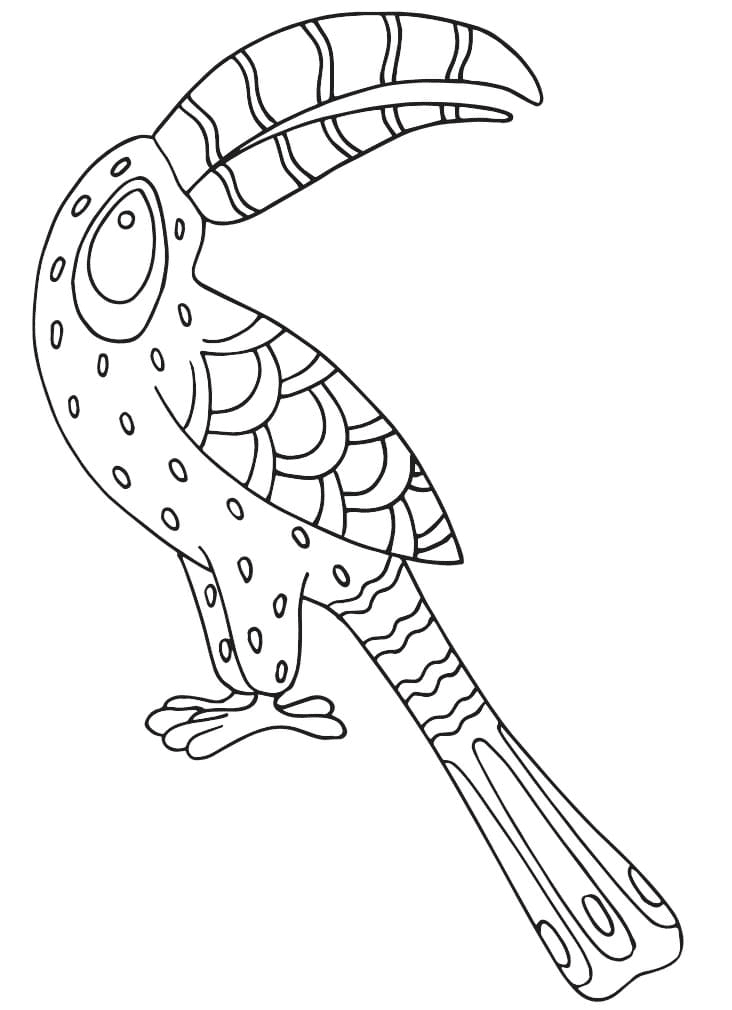
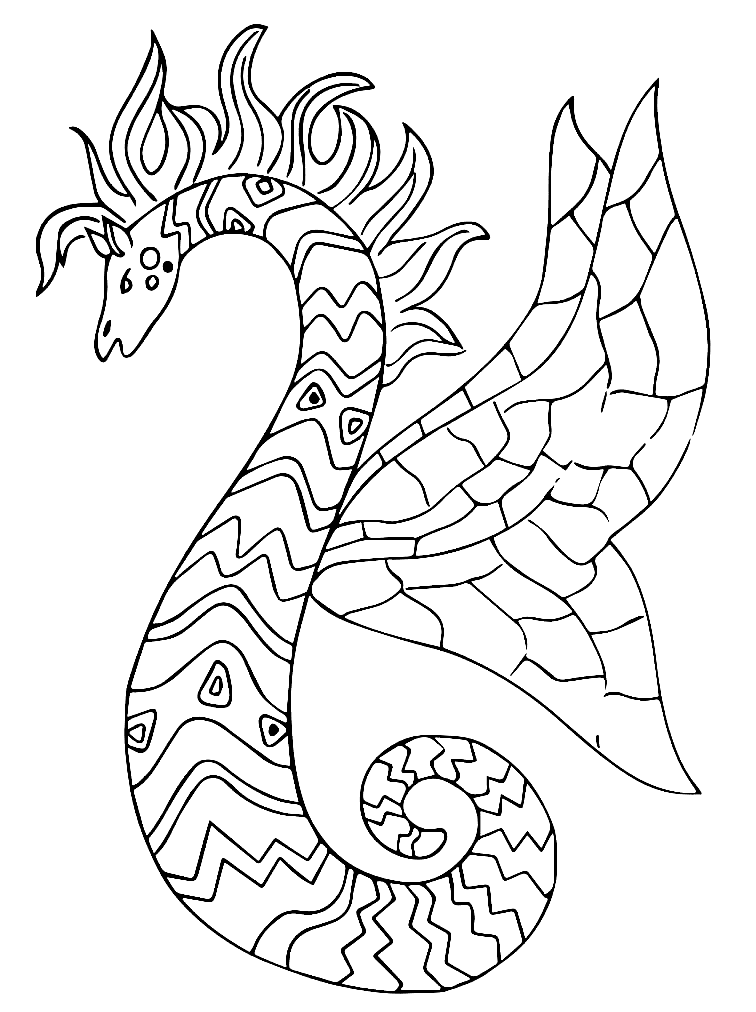
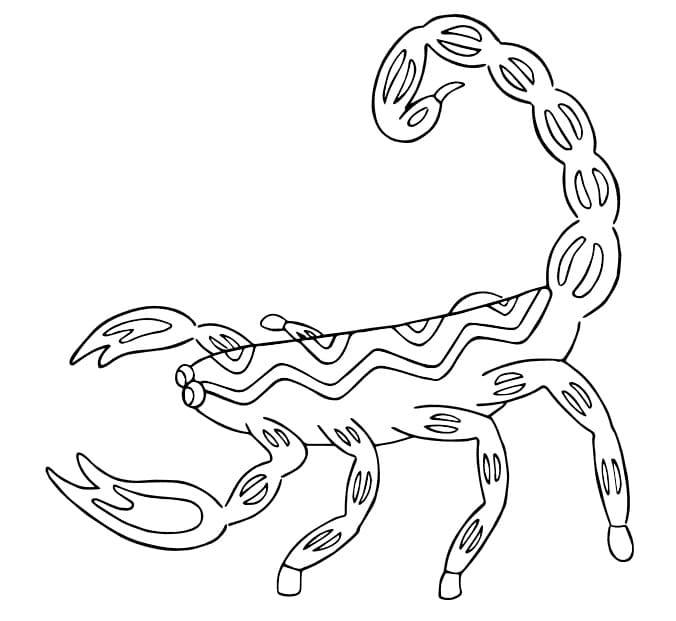
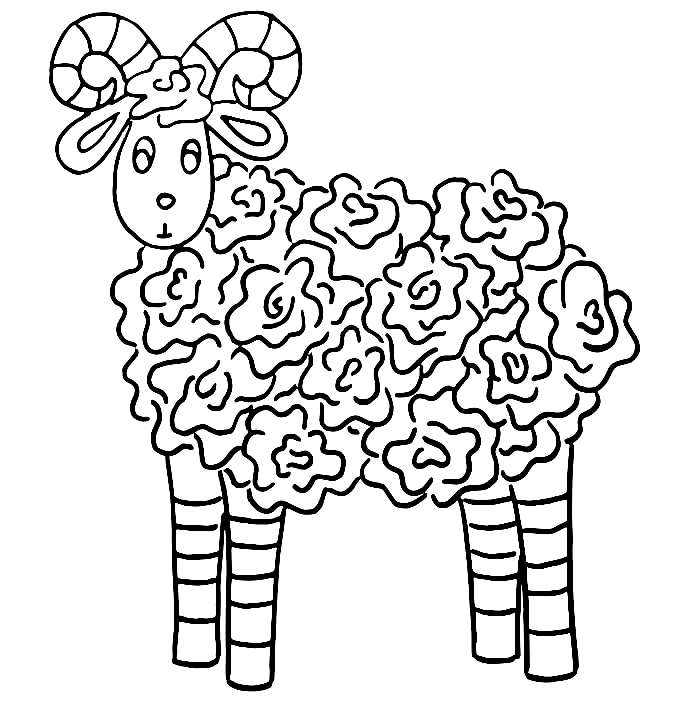
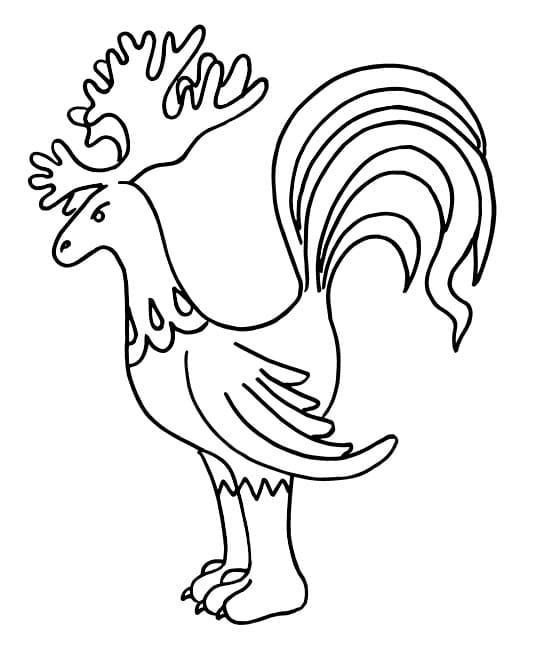
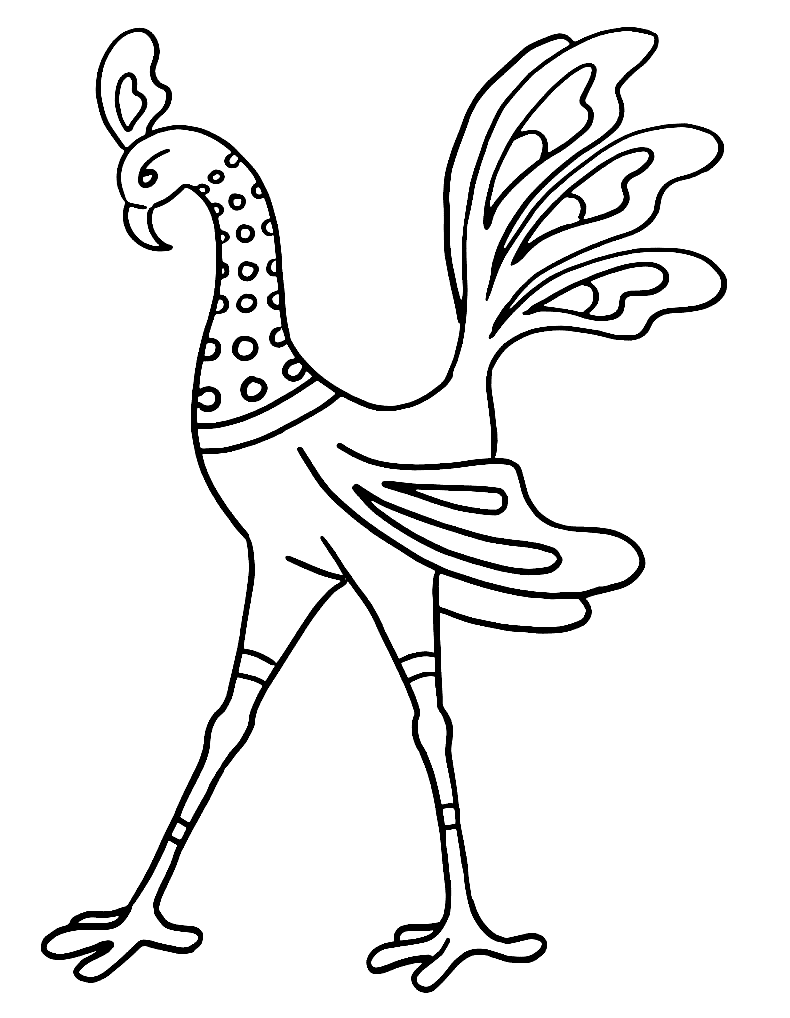
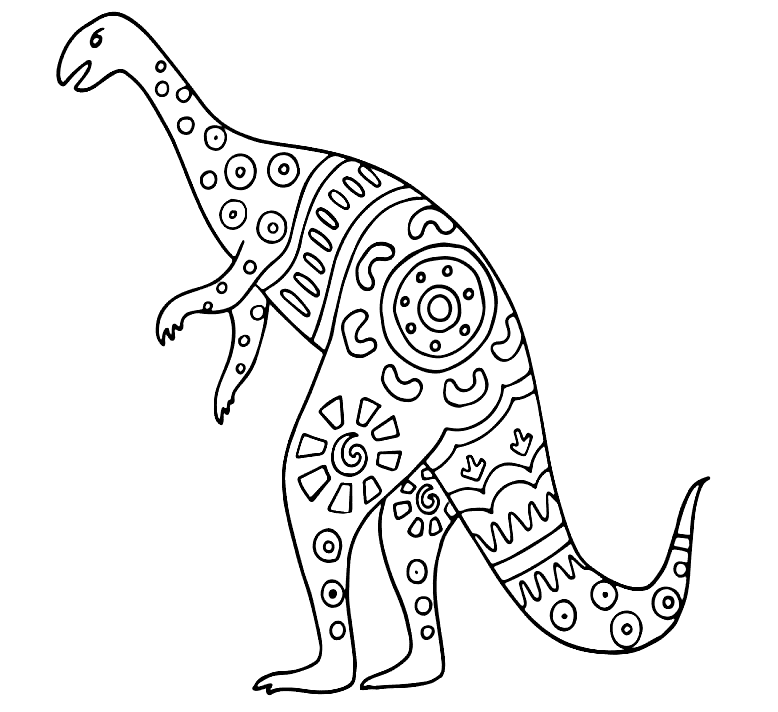
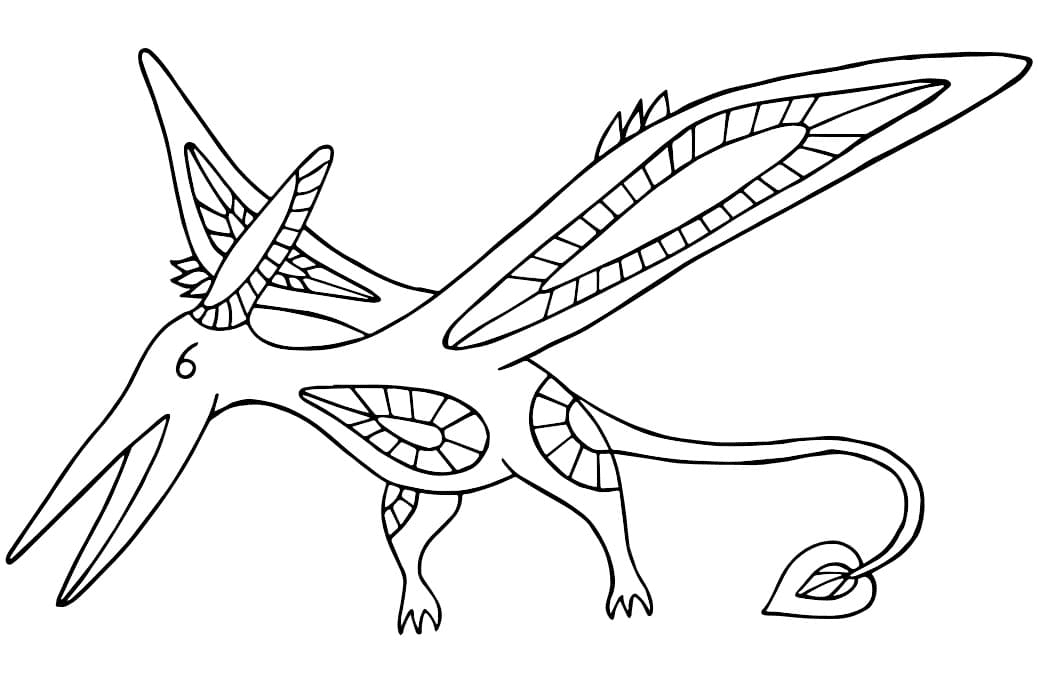
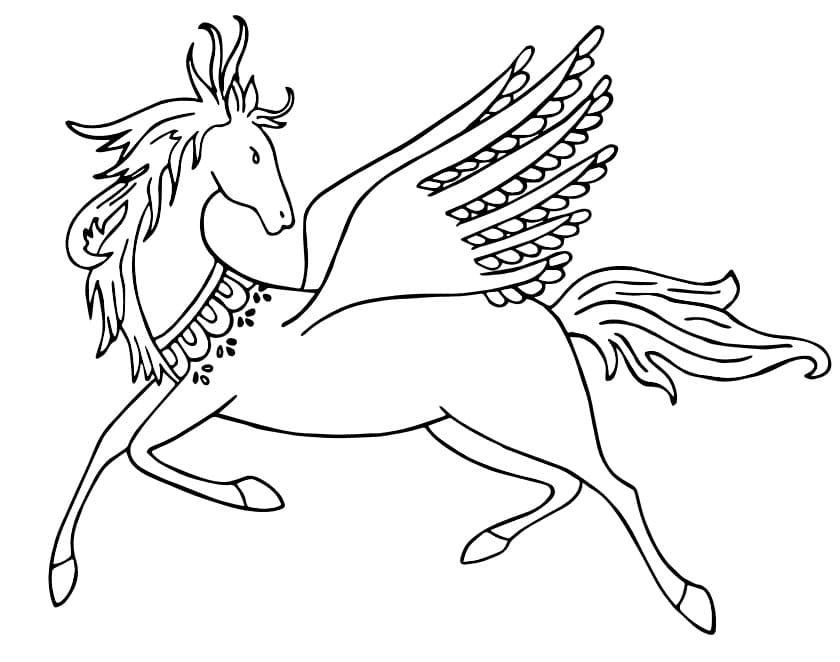
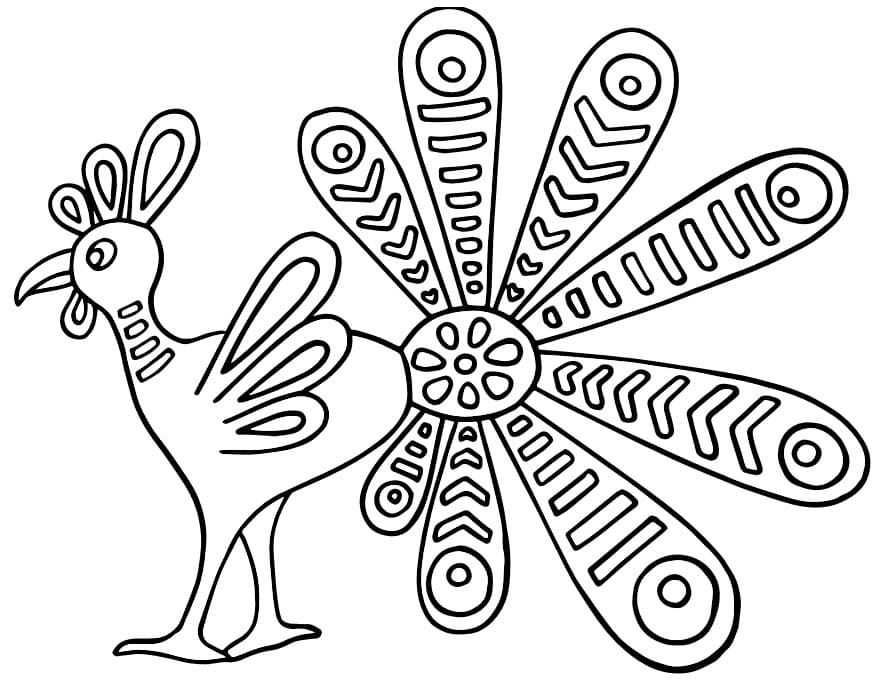
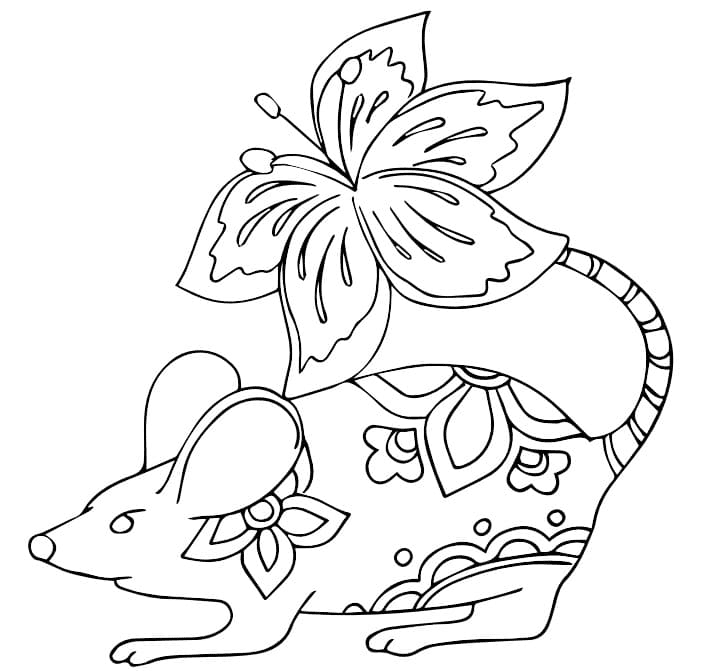
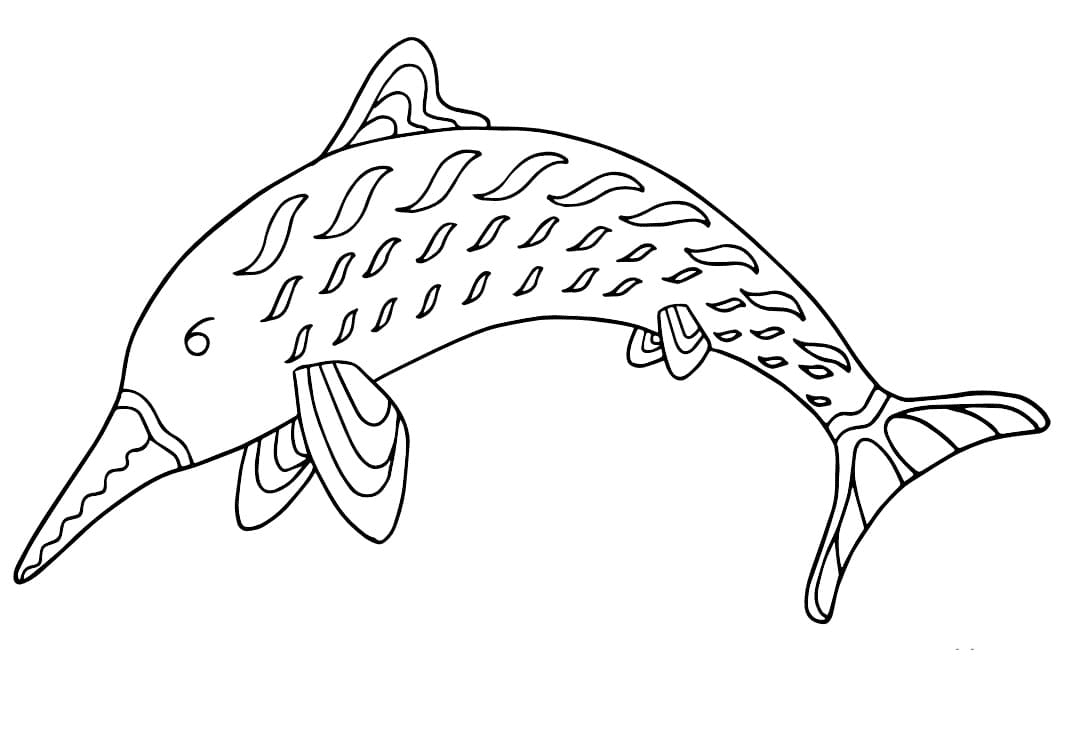
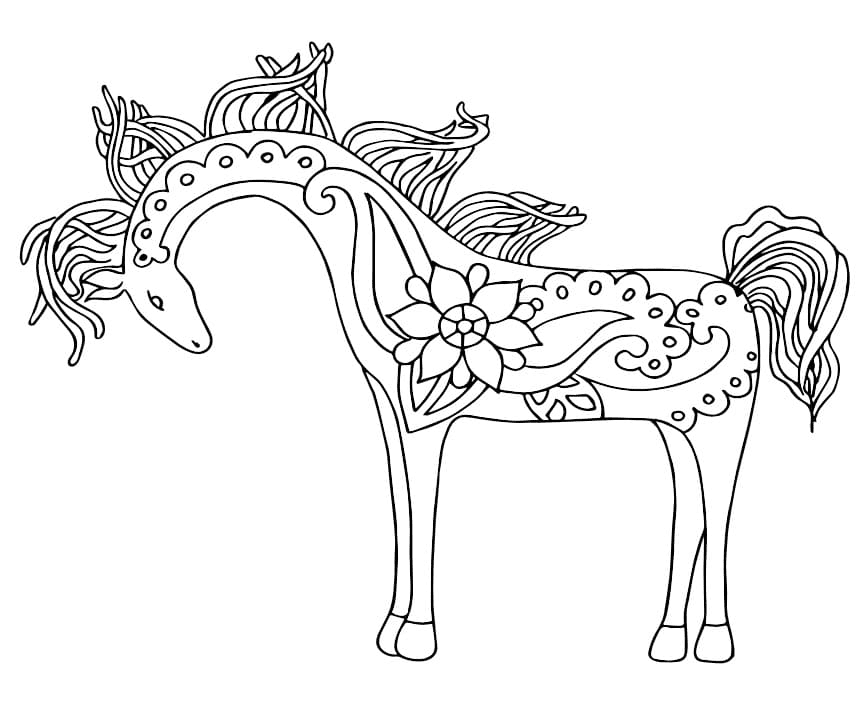
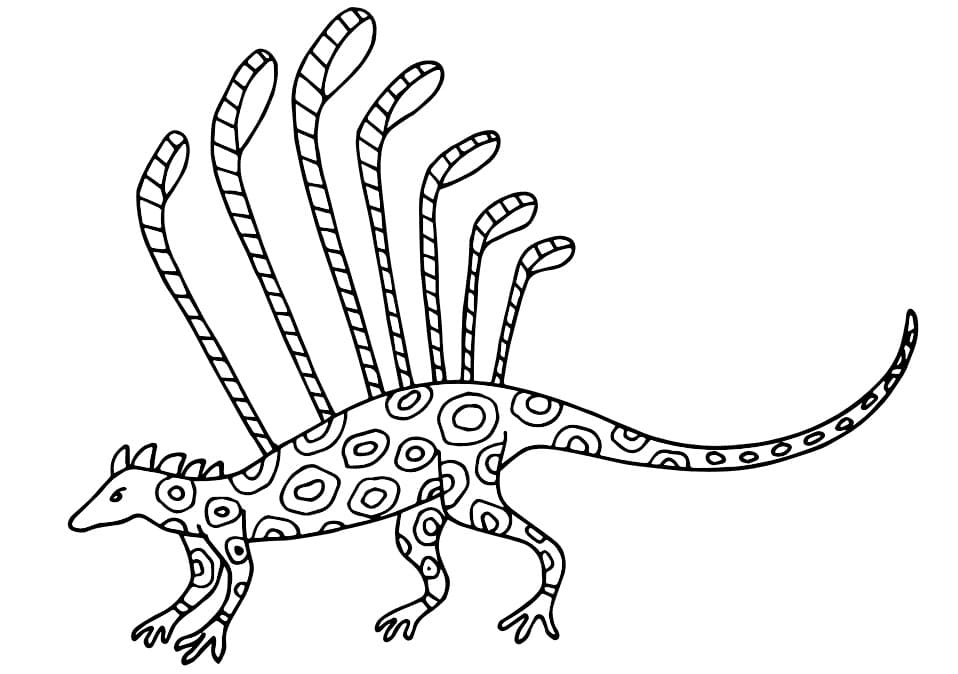
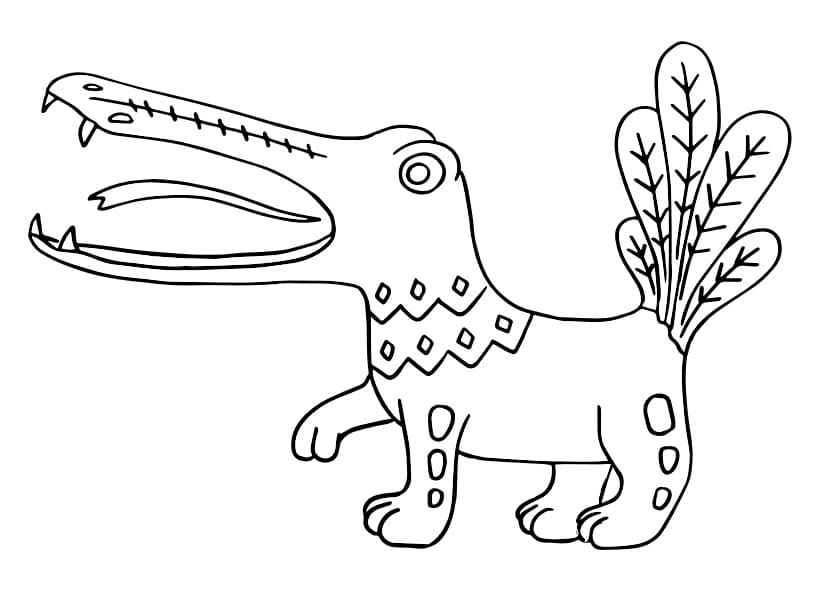
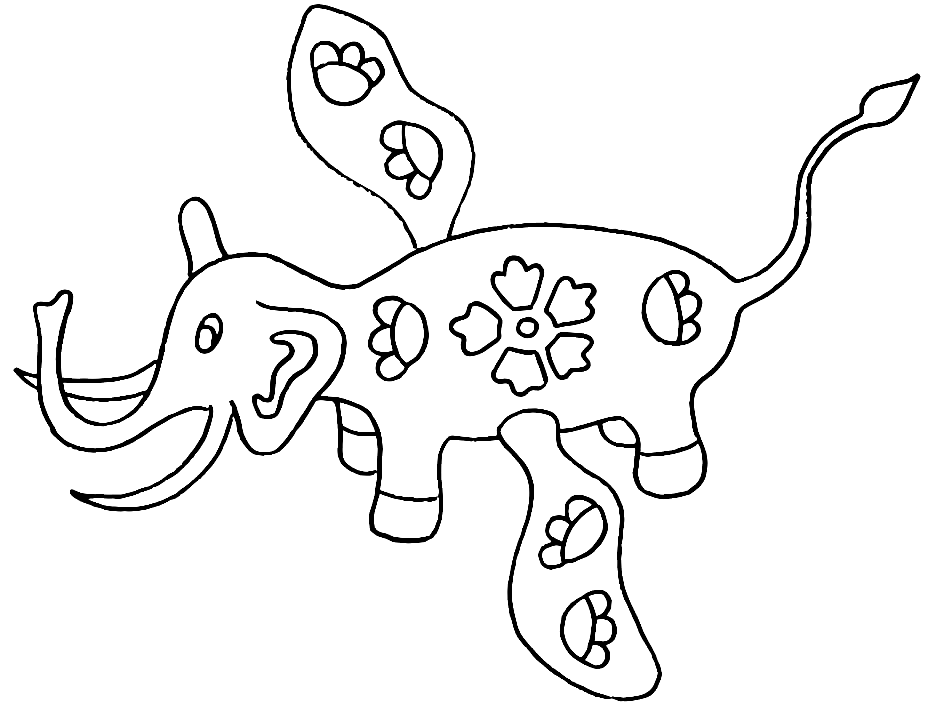
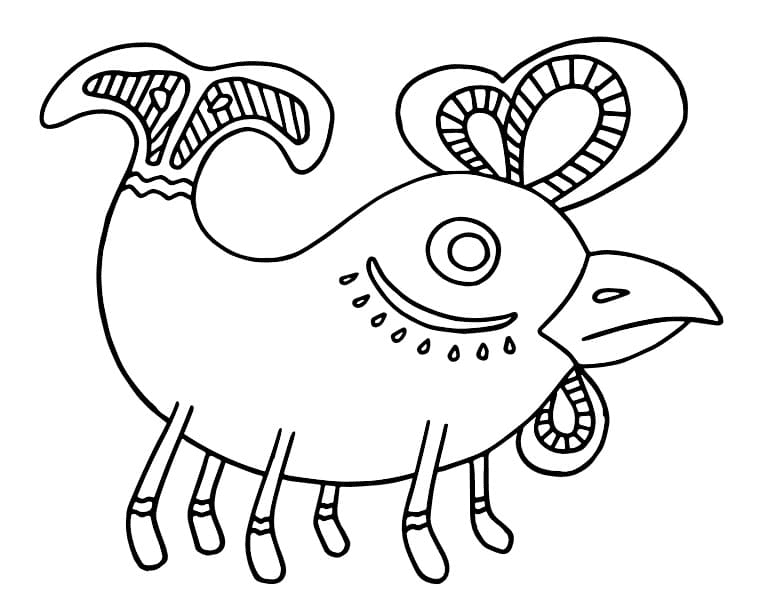
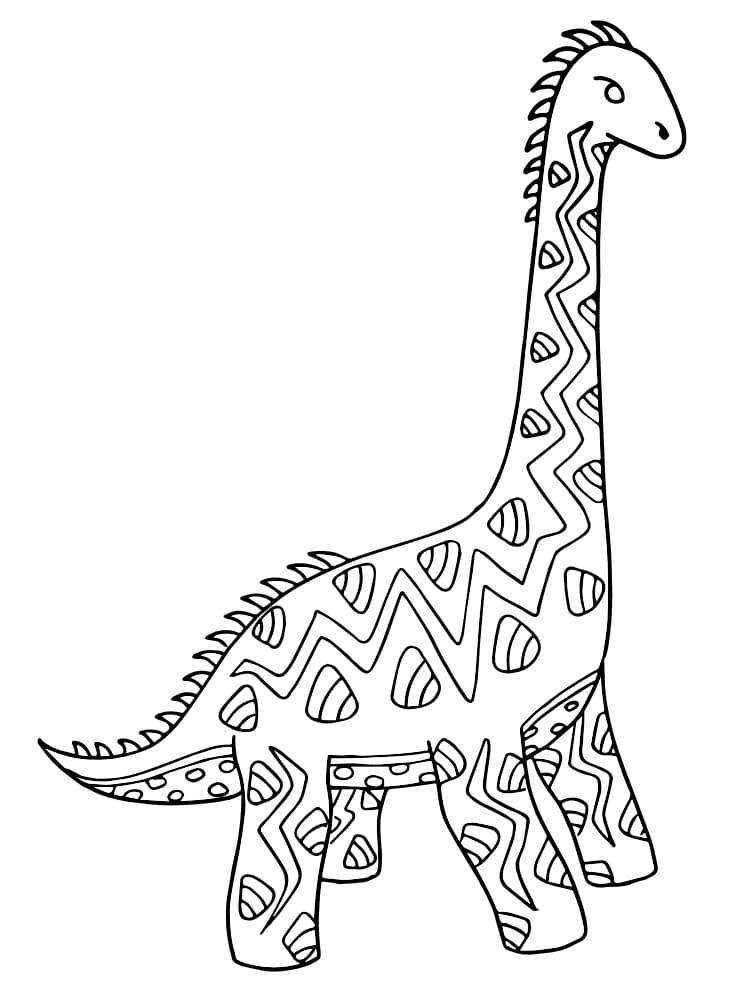
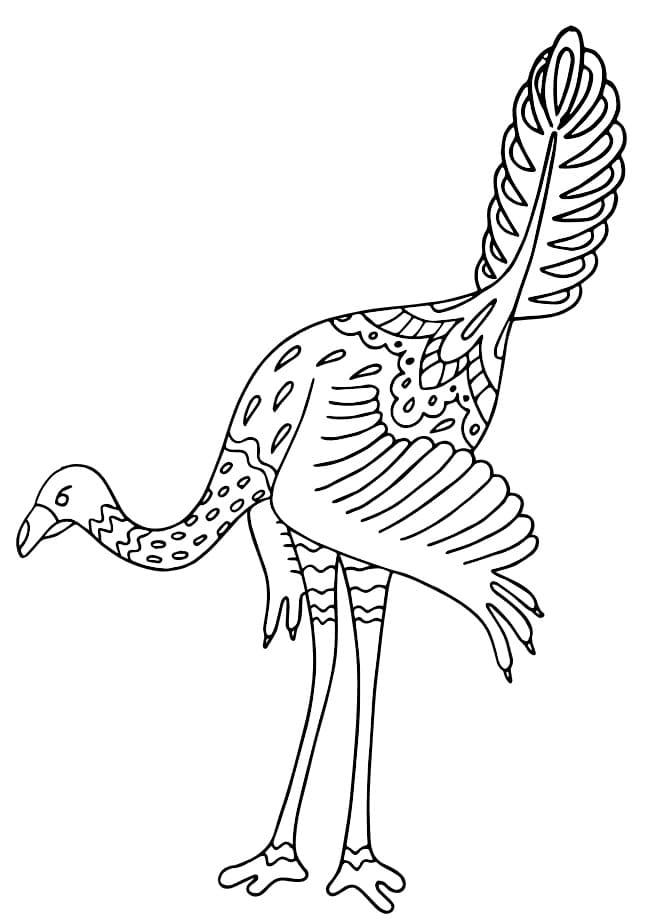
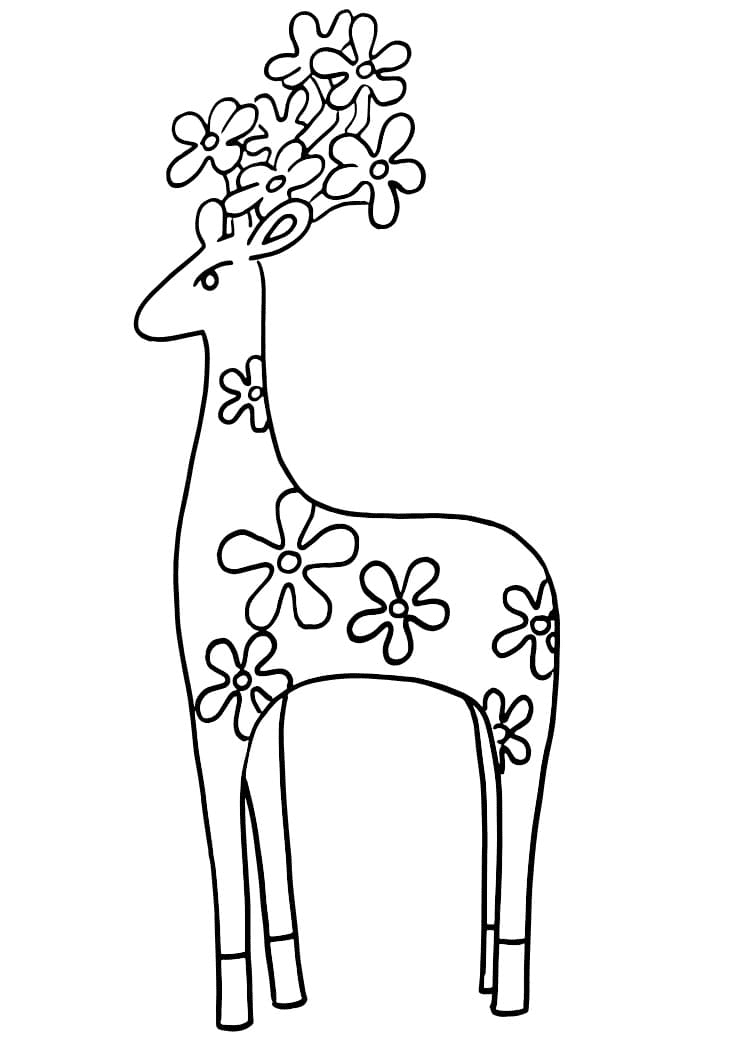
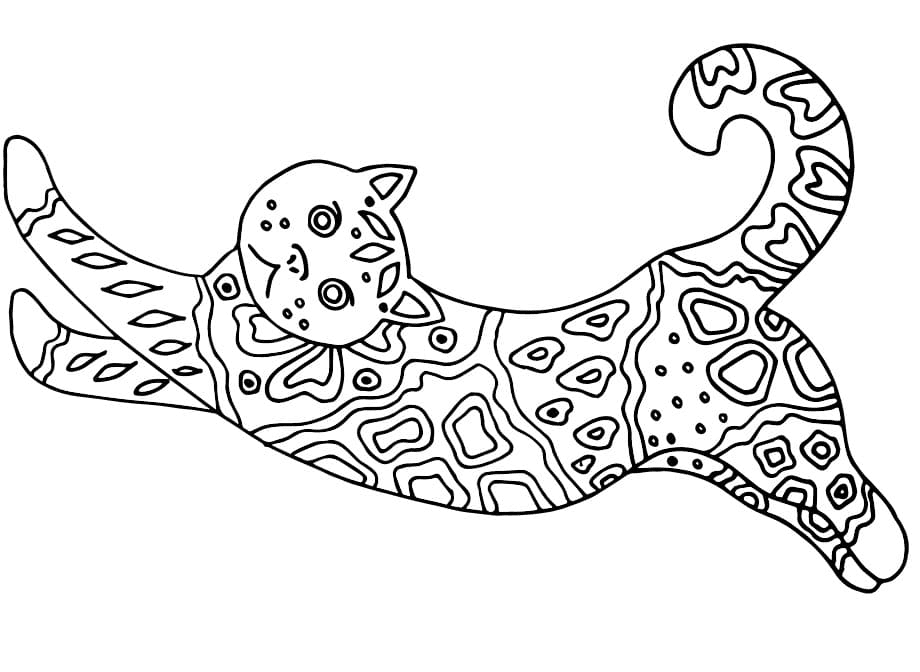
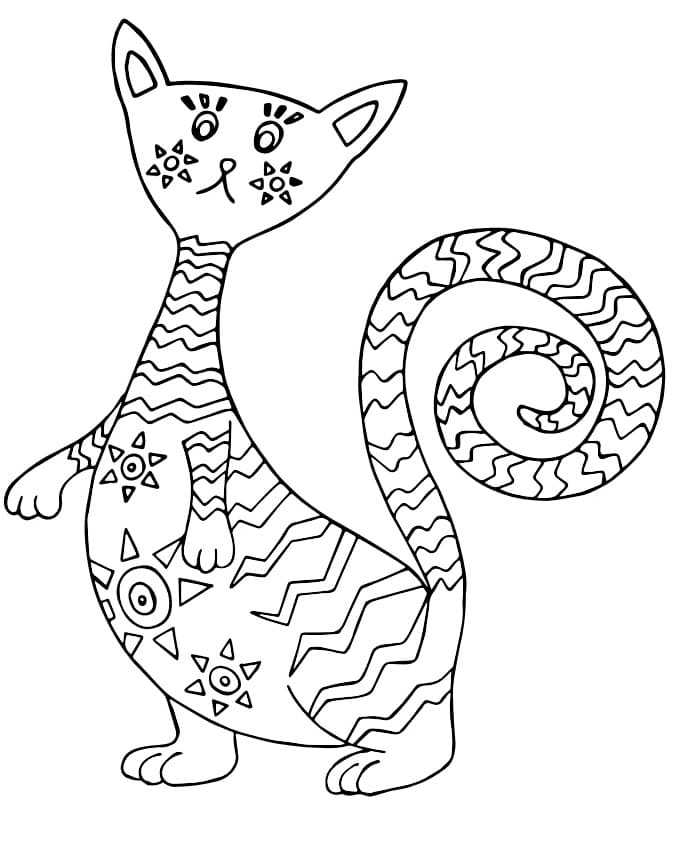
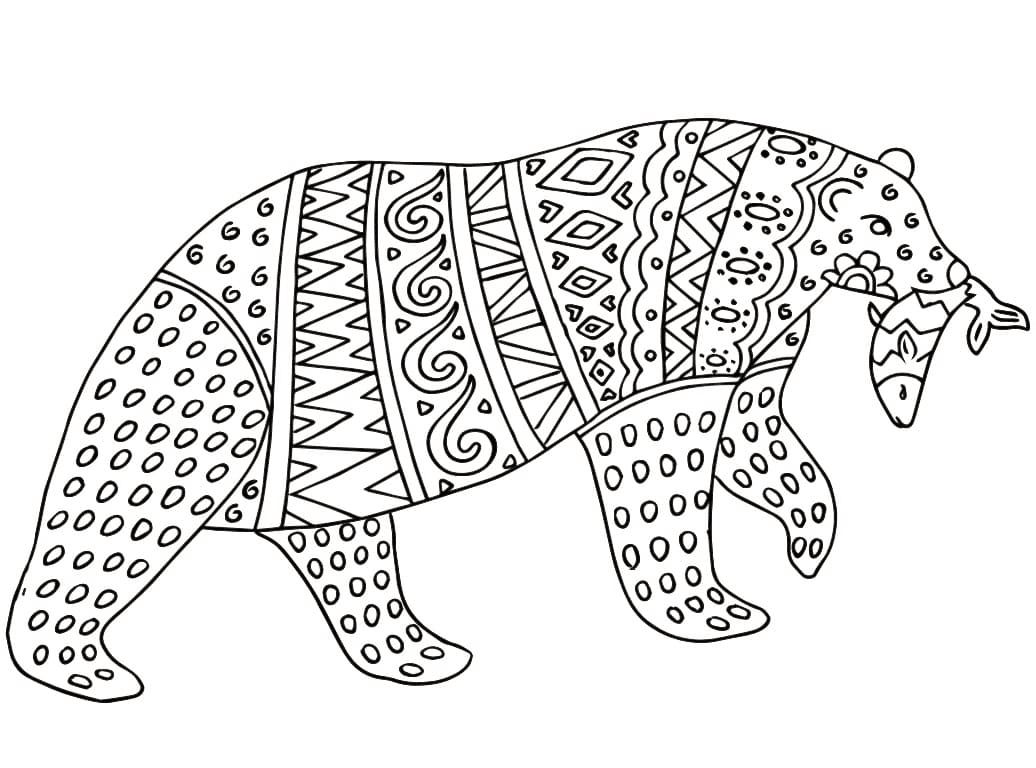
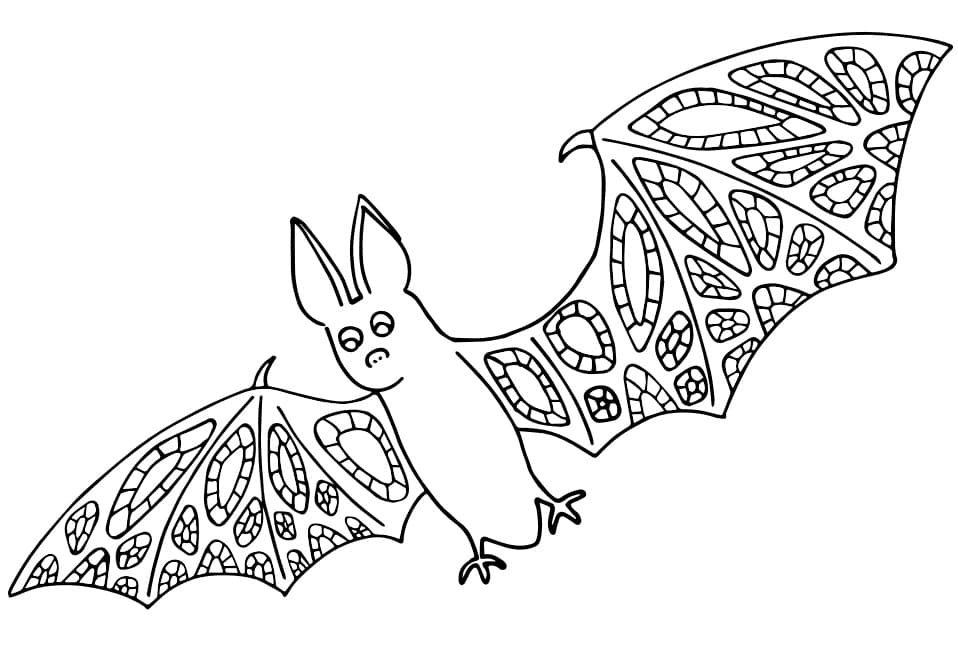
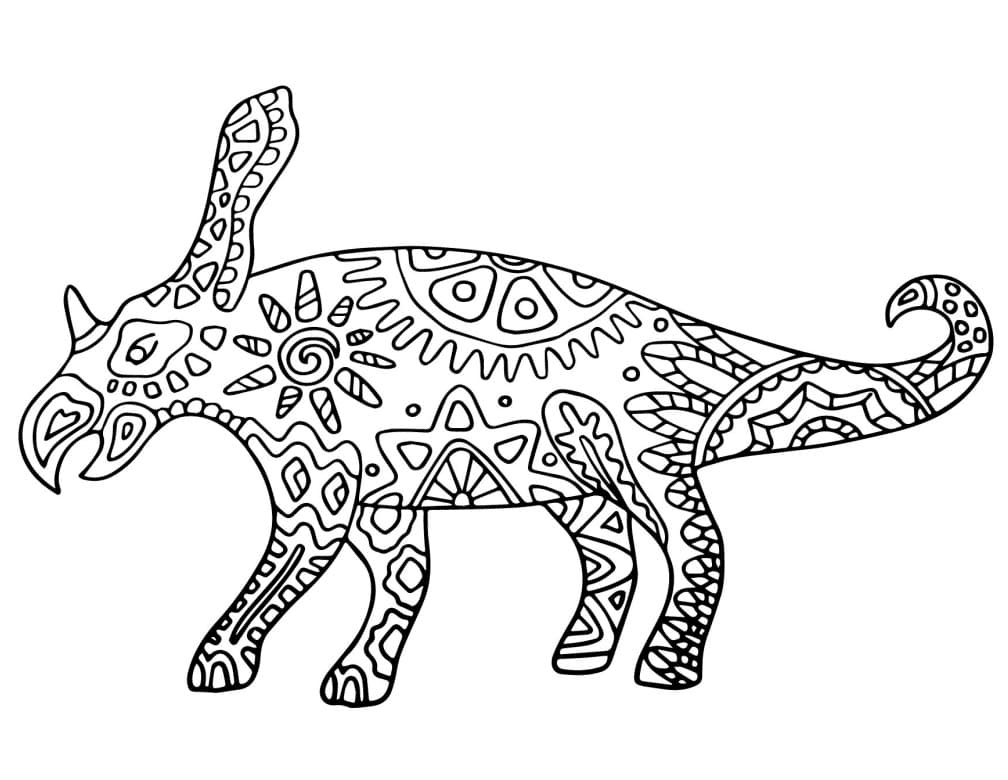
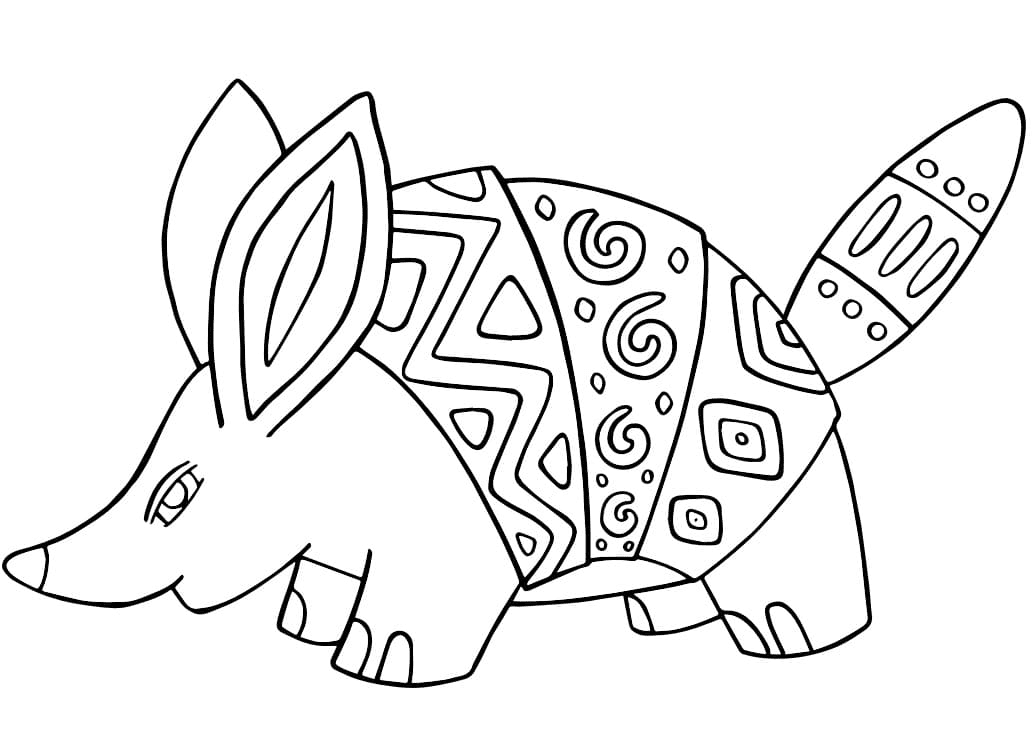
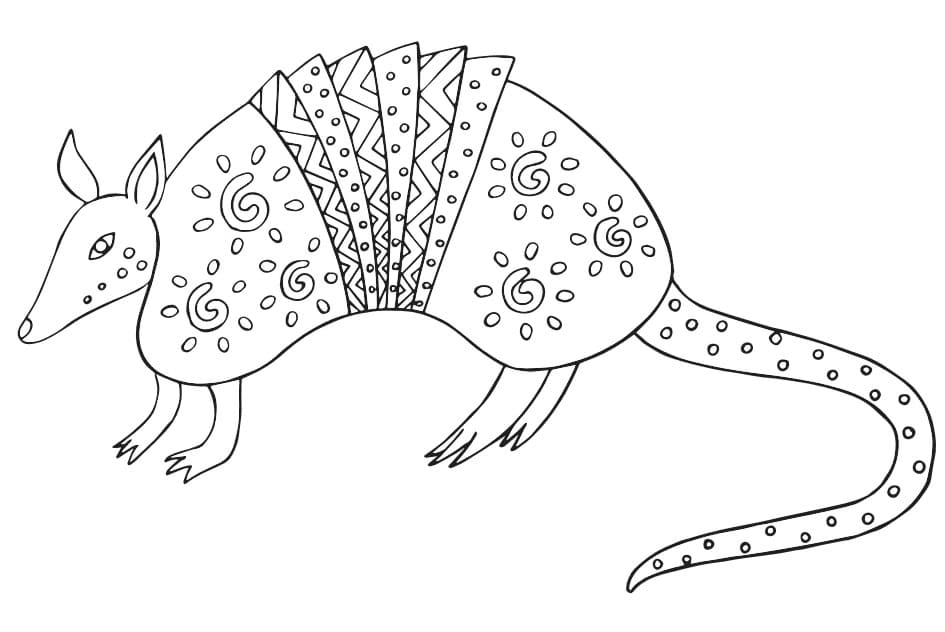
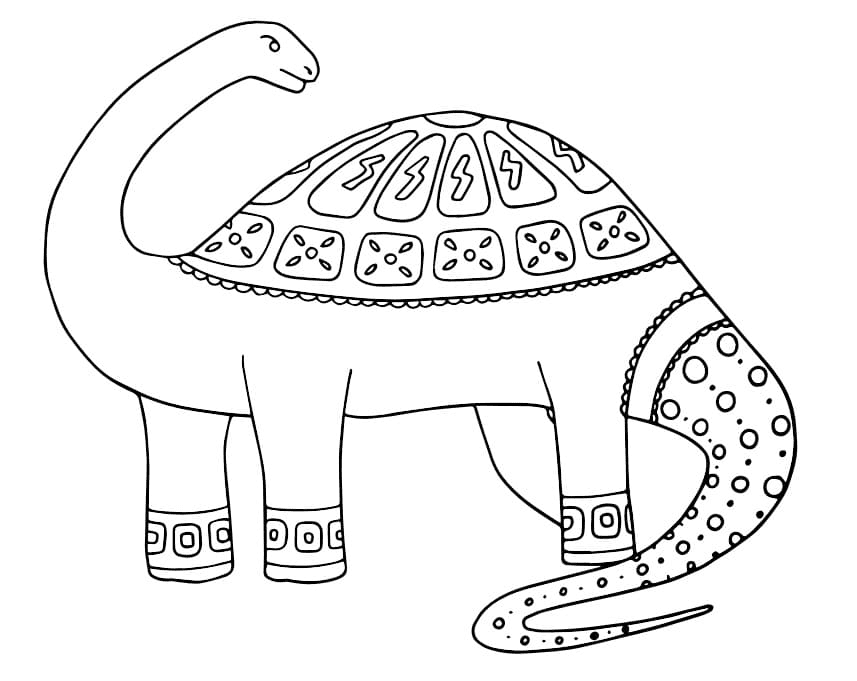
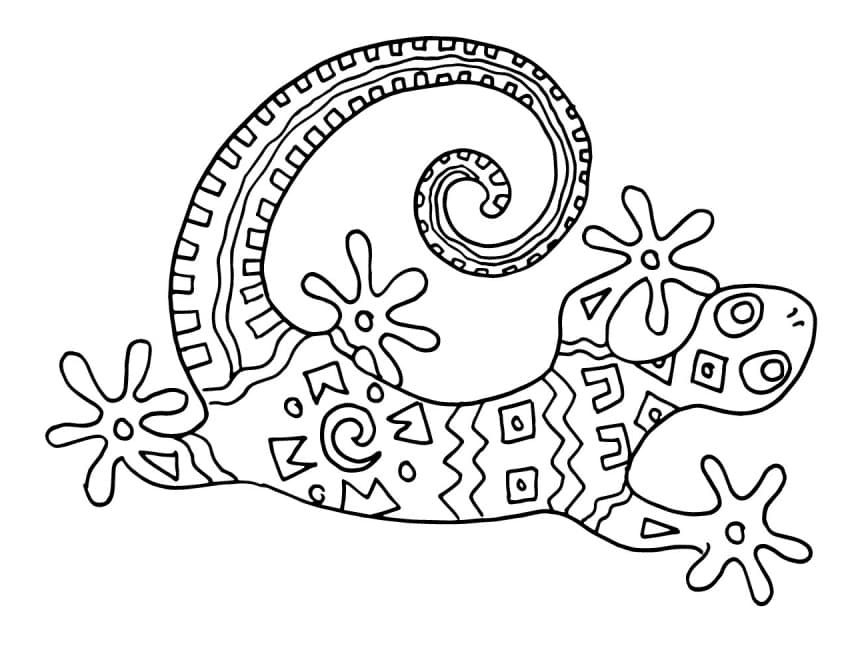
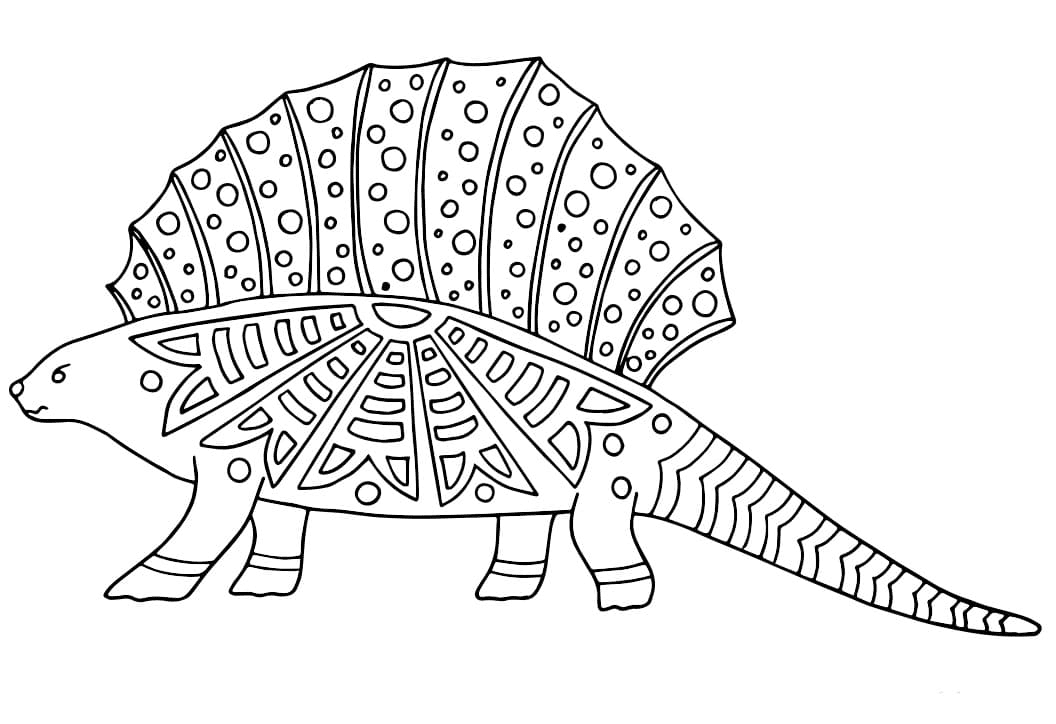
This collection spans 79 pages, grouped into fantastical winged creatures, everyday animals reimagined as alebrijes, and prehistoric dinosaur-inspired designs. The coloring angle ranges from simple single-animal outlines to more elaborate hybrid figures.




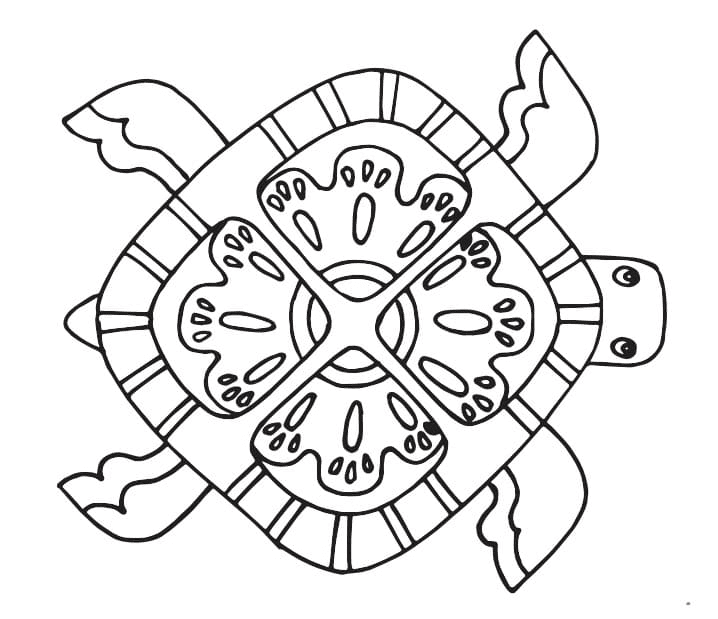
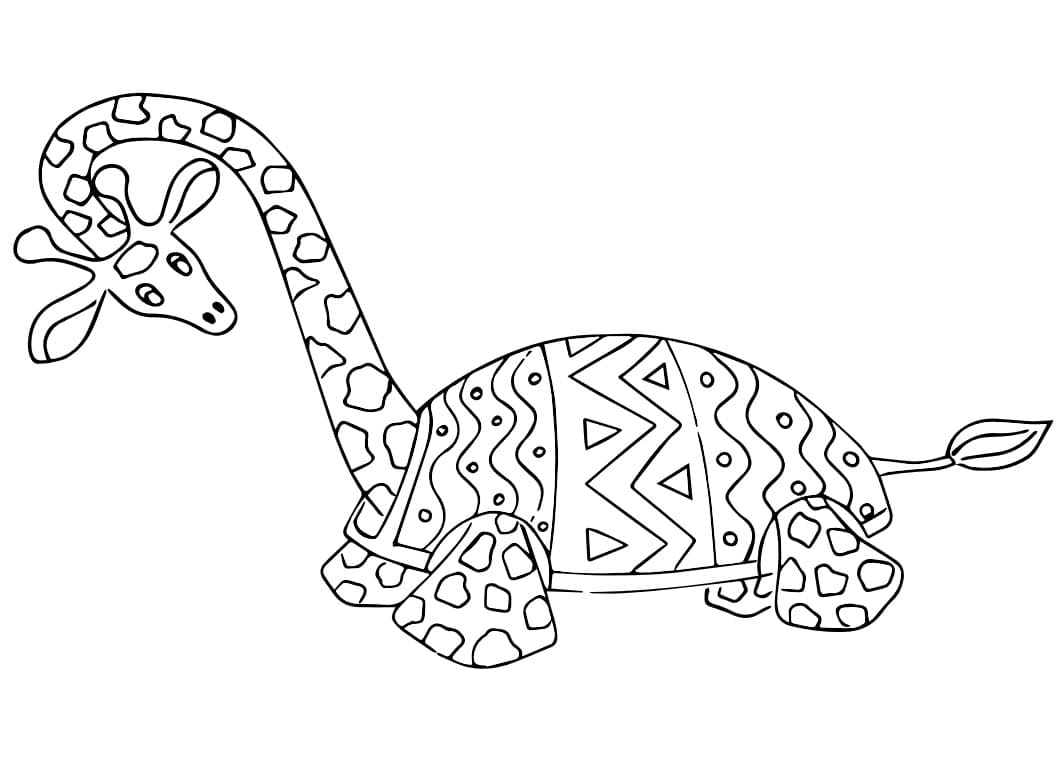
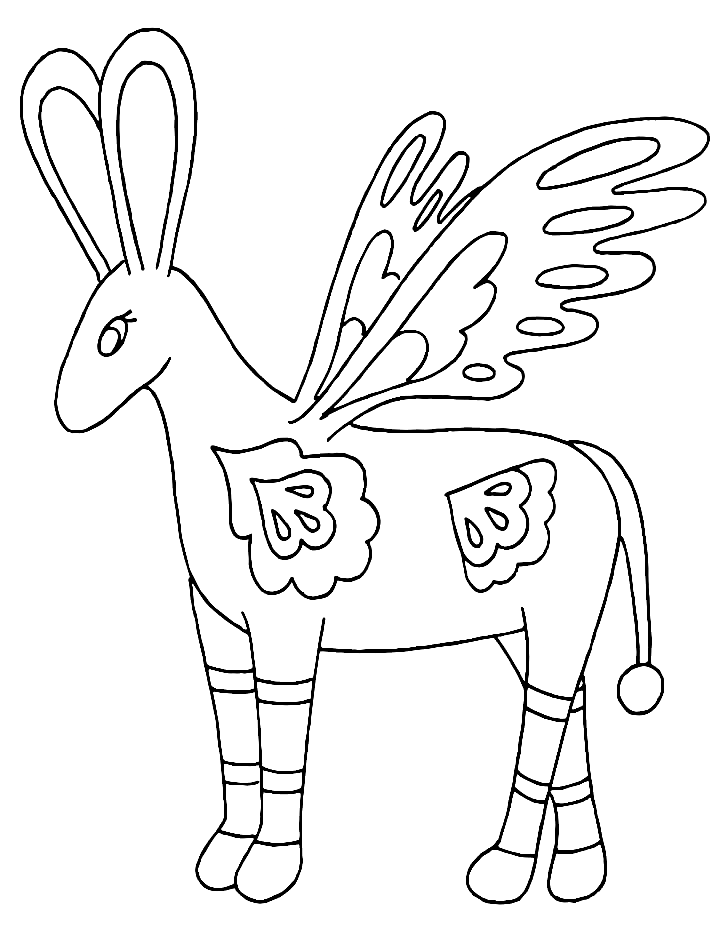
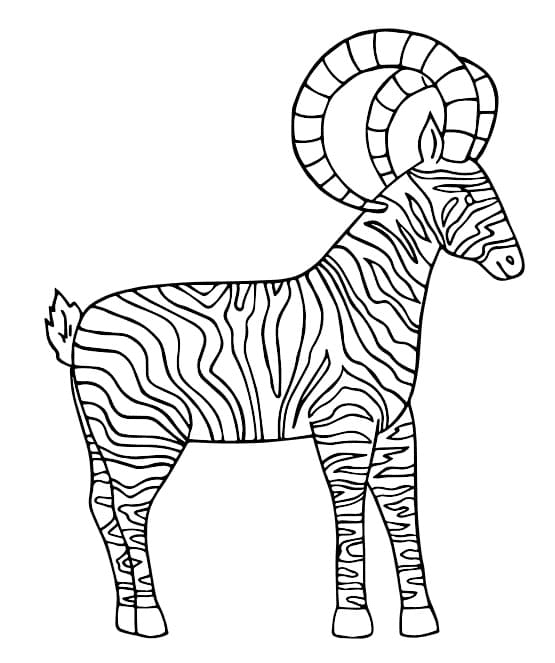
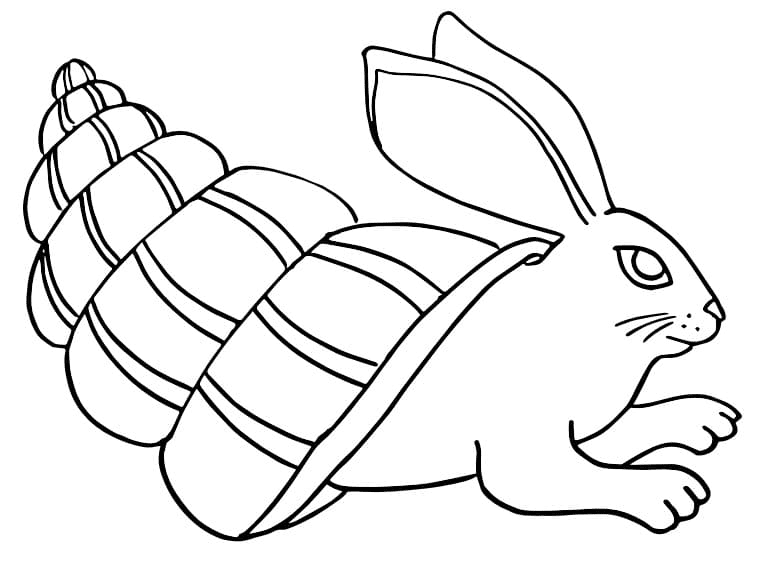
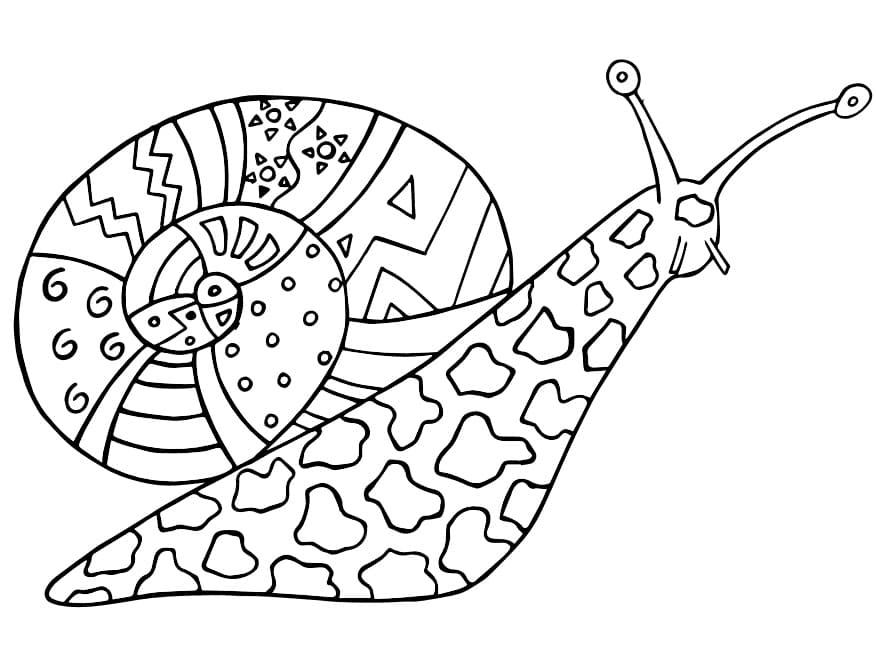
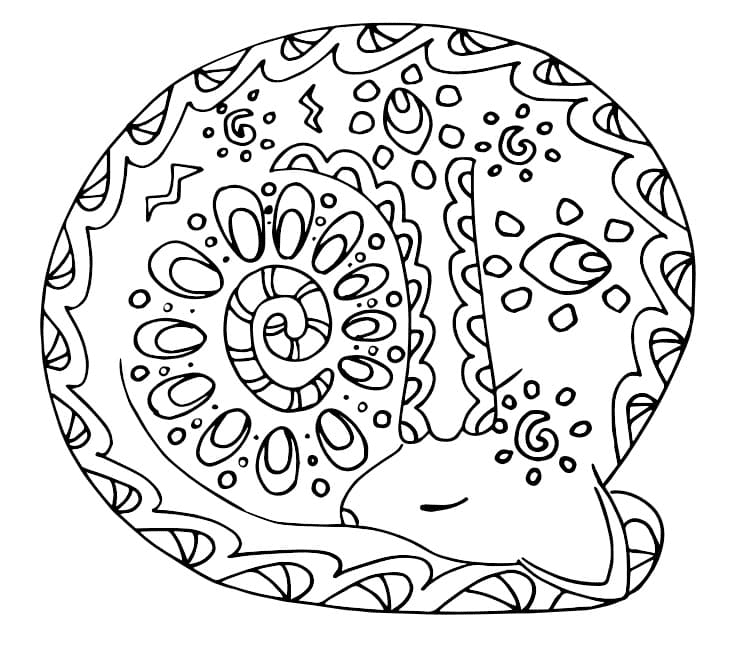
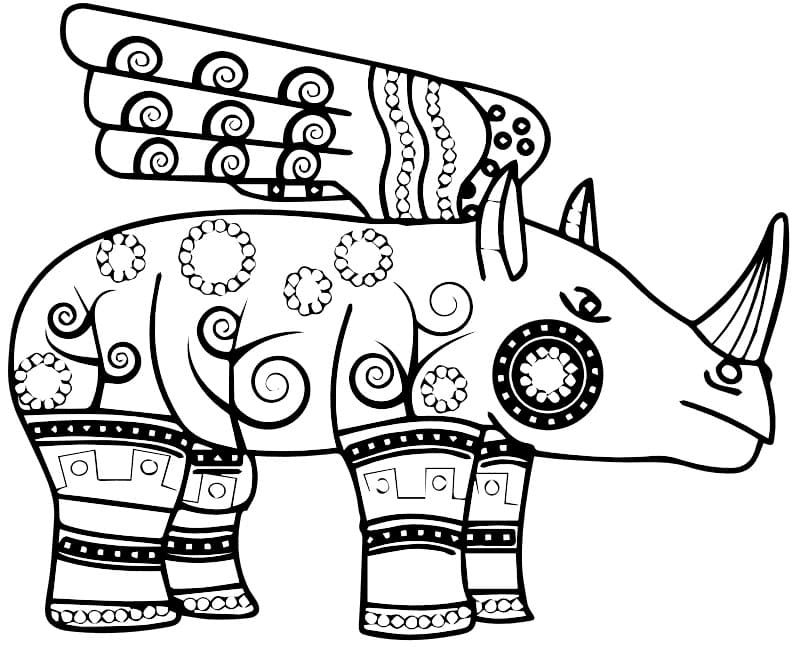
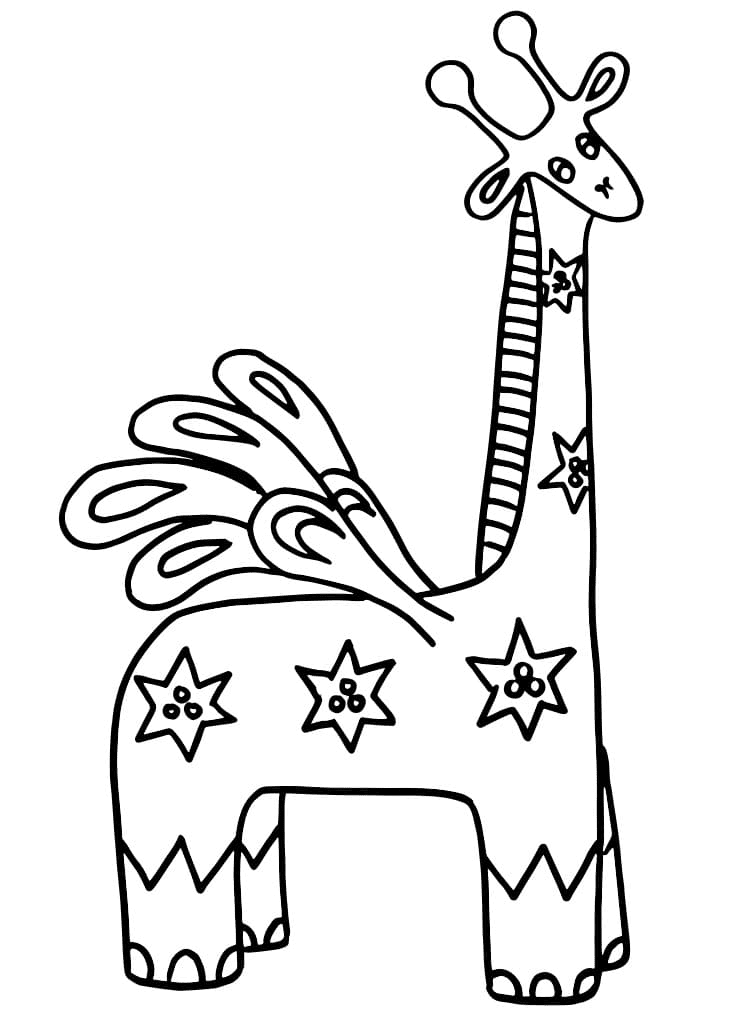
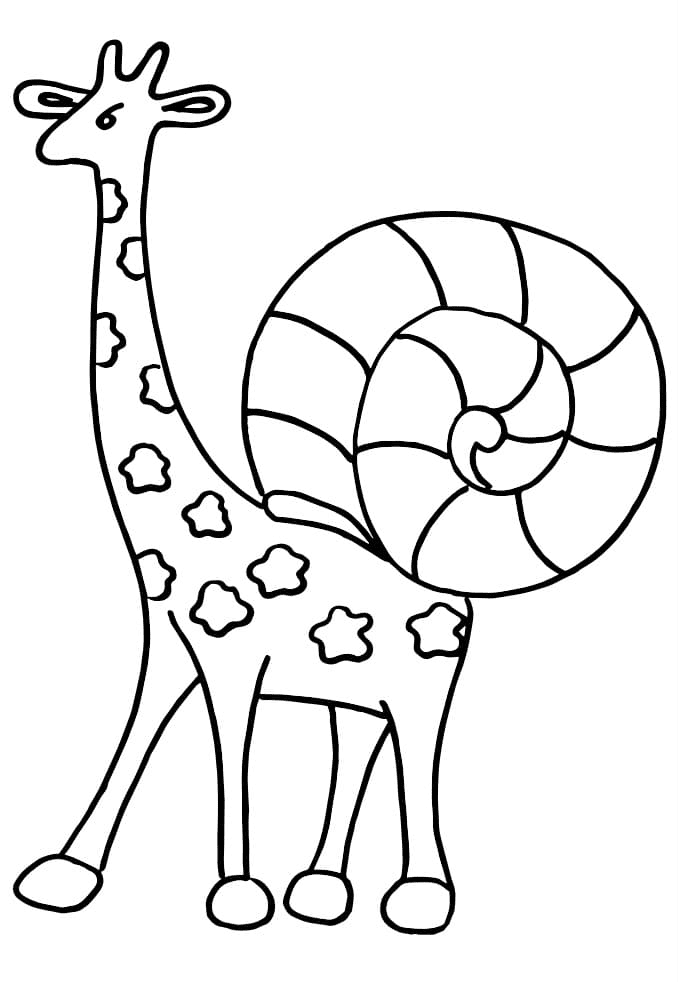
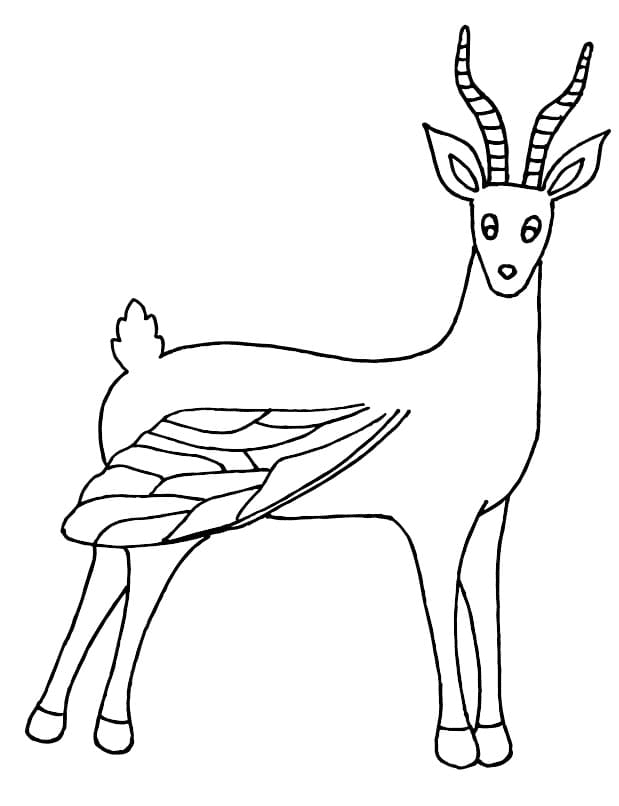

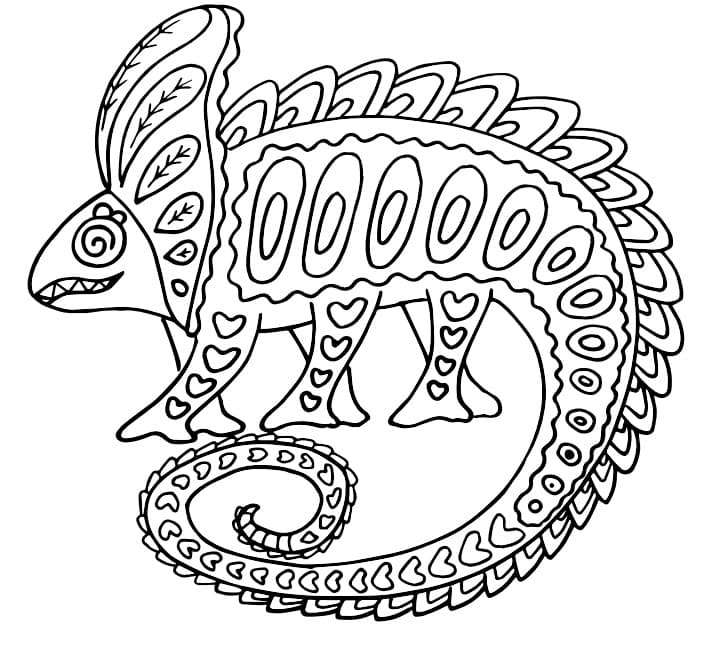
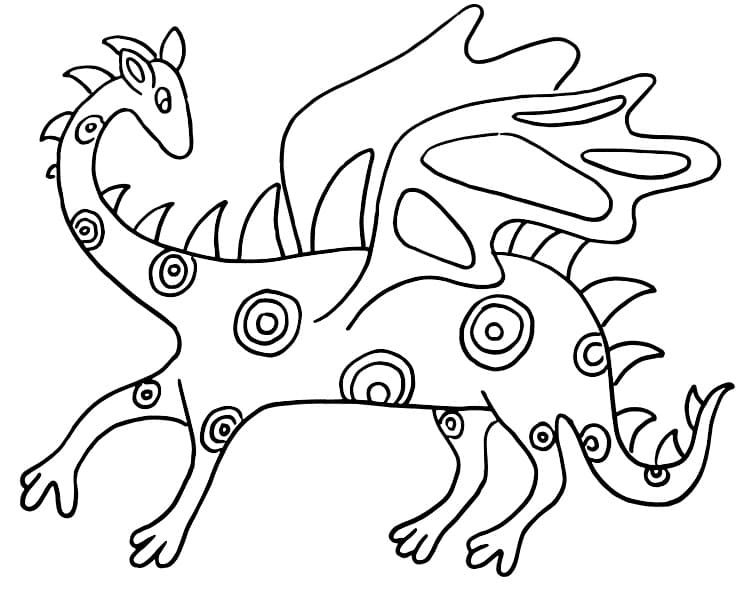
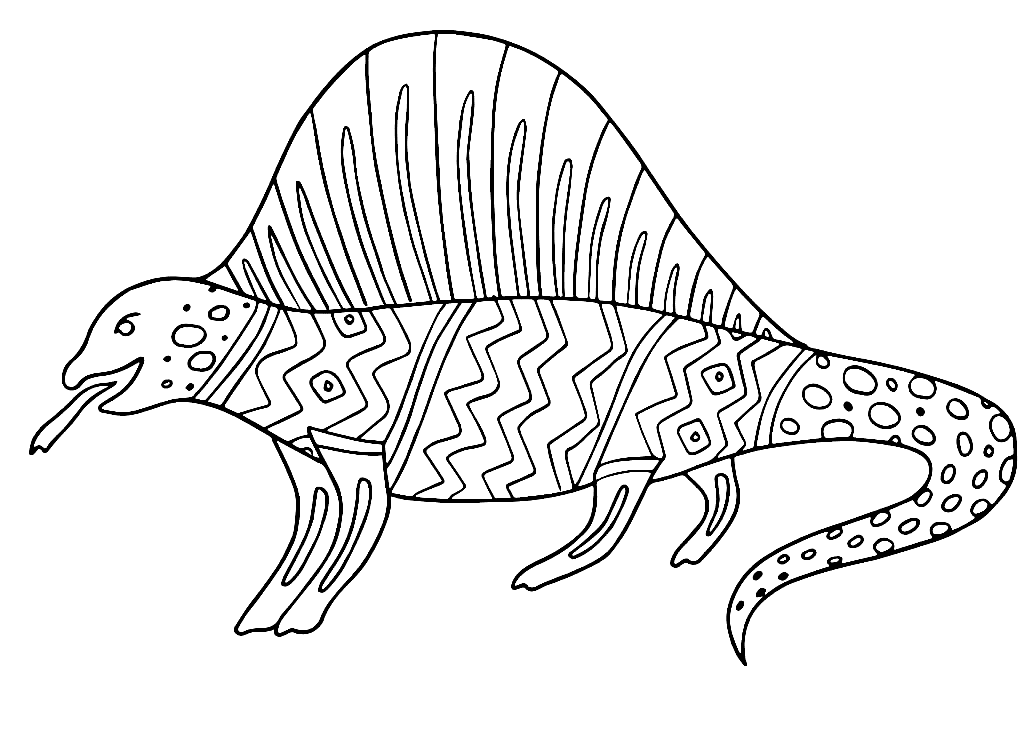
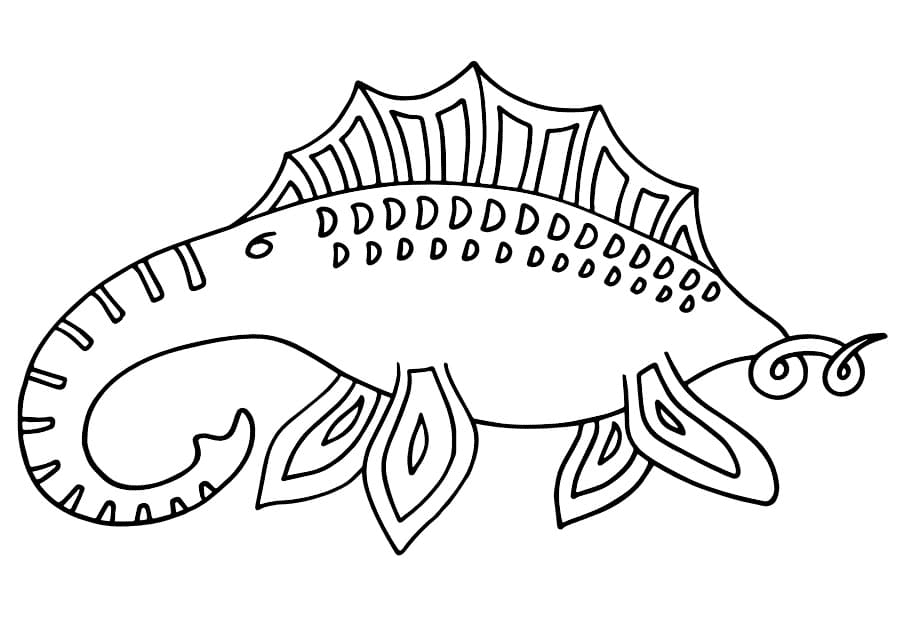
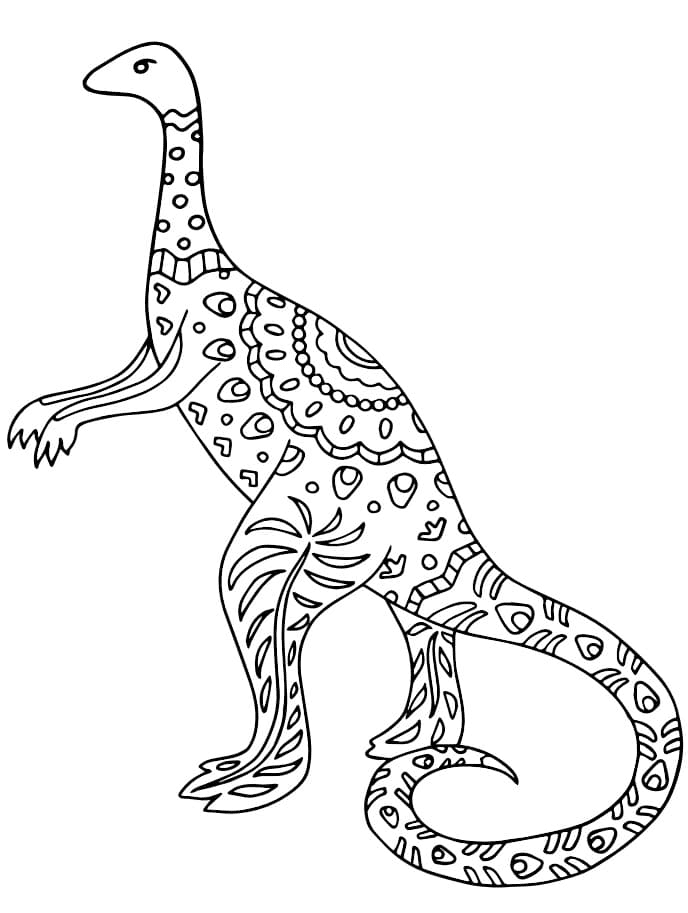
What’s Inside This Collection
The 79 designs group into three categories, from mythical hybrids to prehistoric-inspired figures.
Fantastical Winged and Mythical Creatures
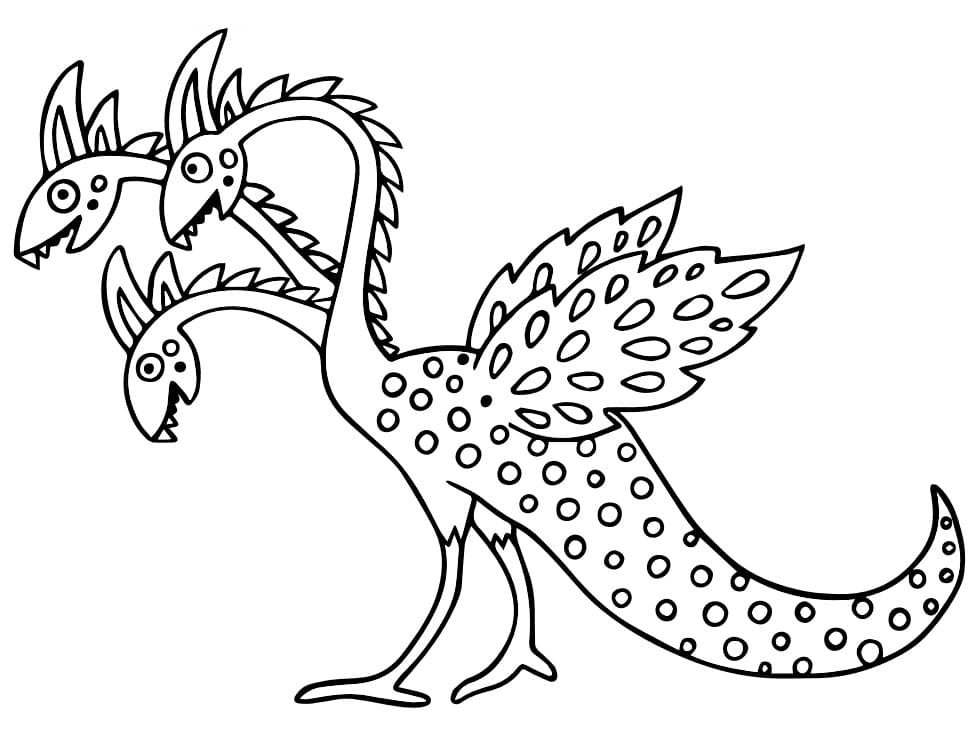
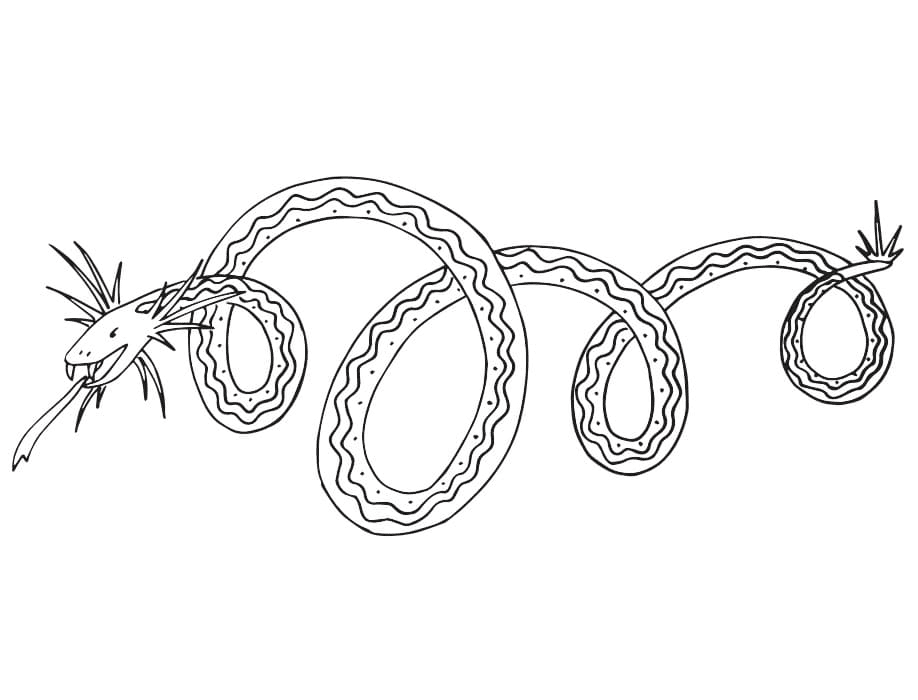
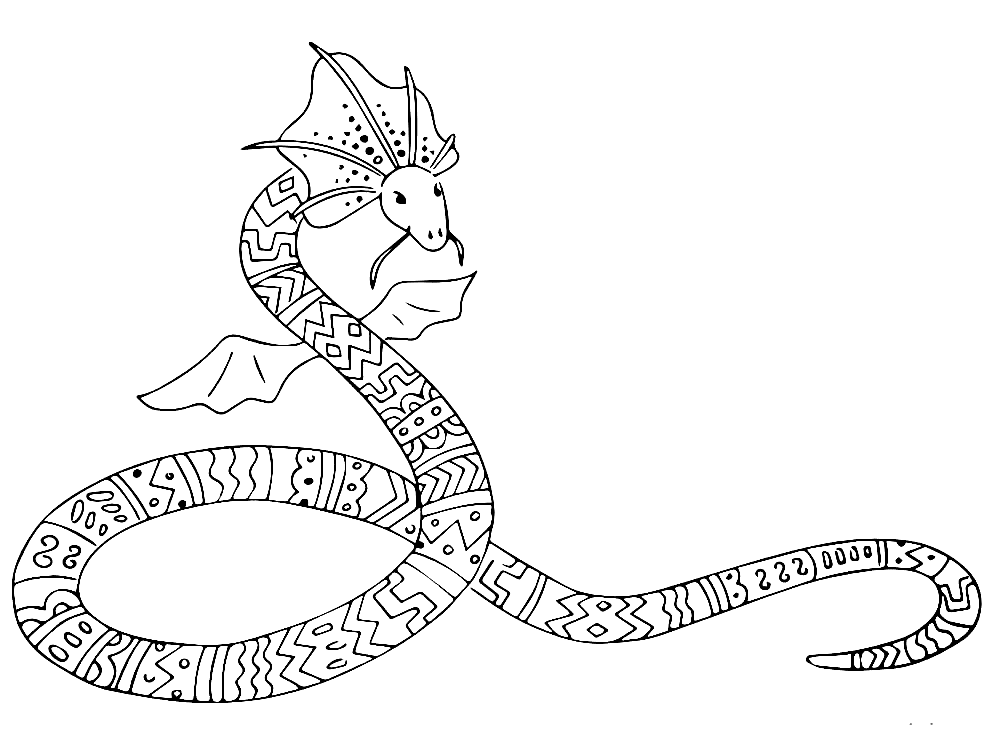
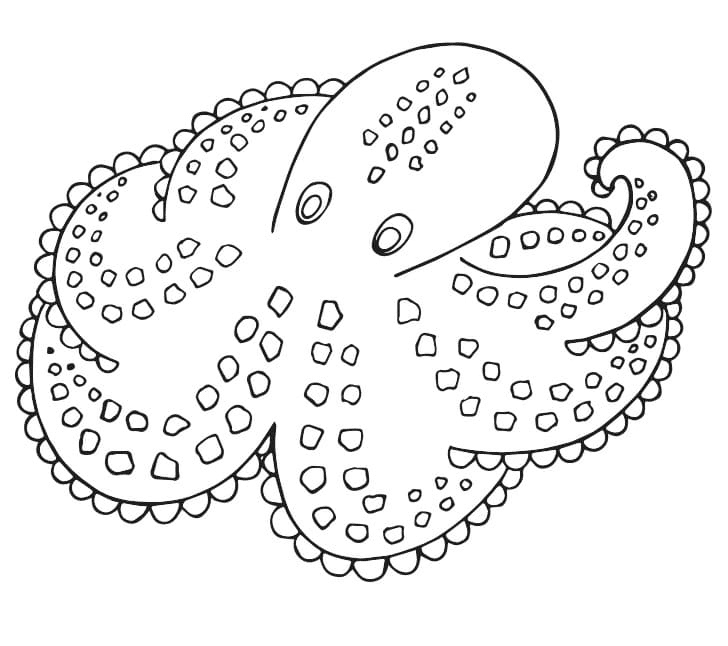
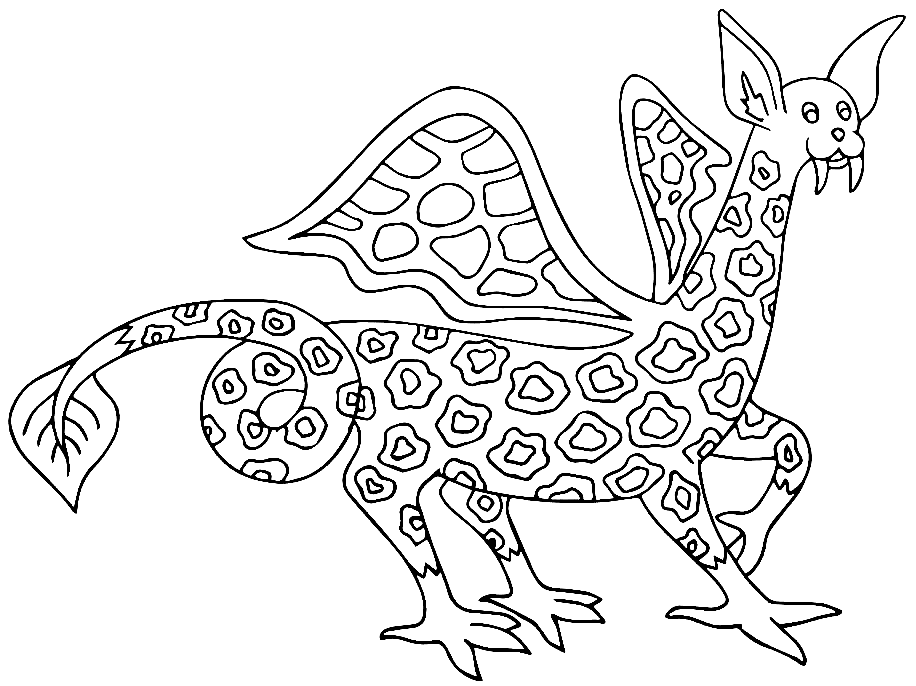
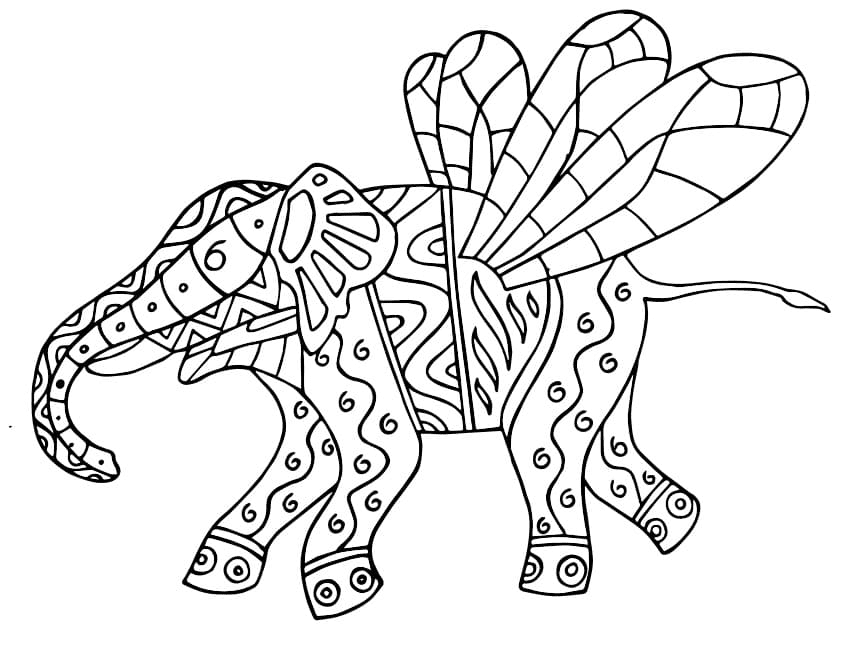
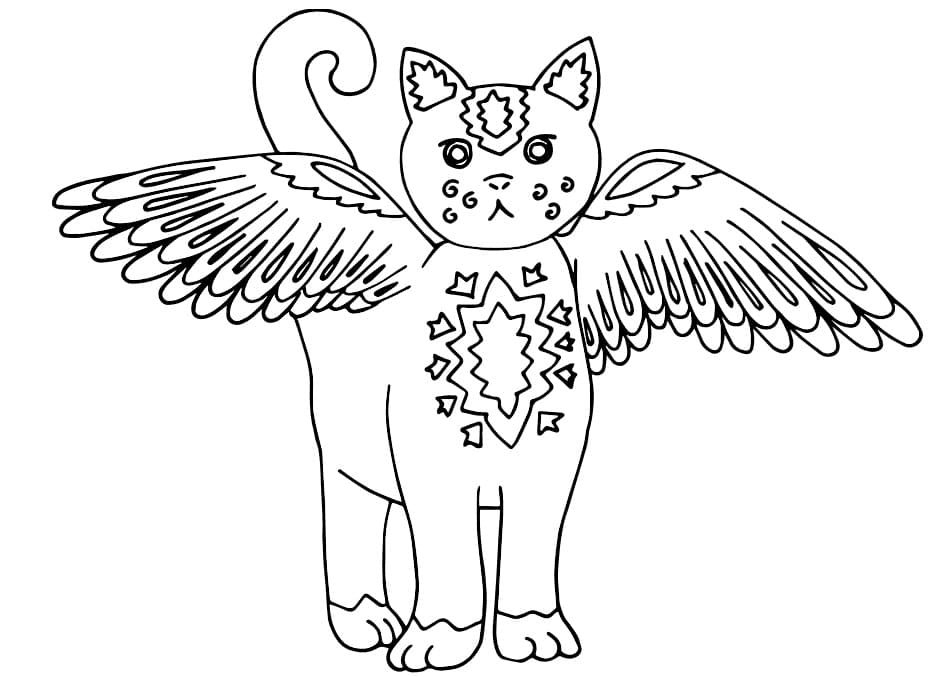
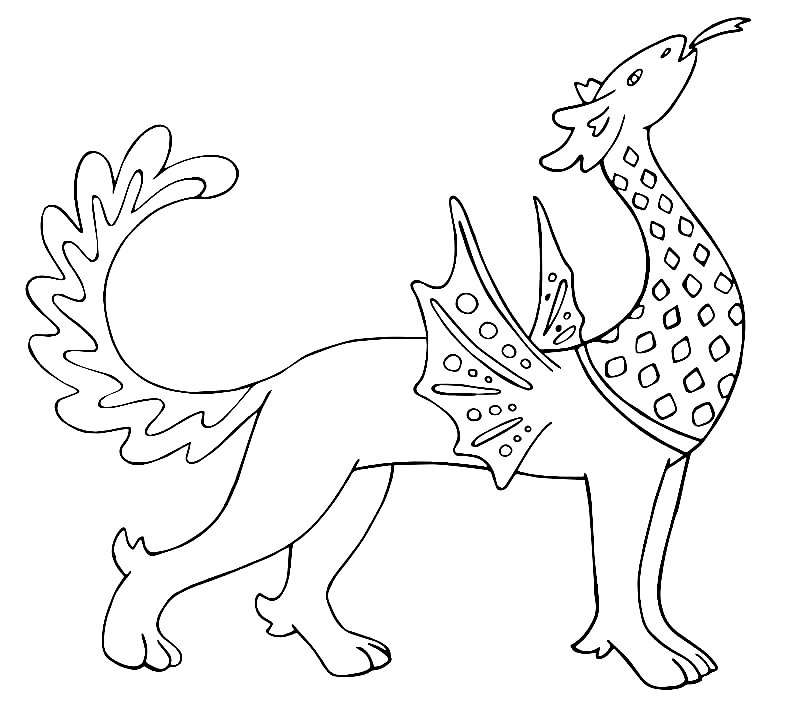
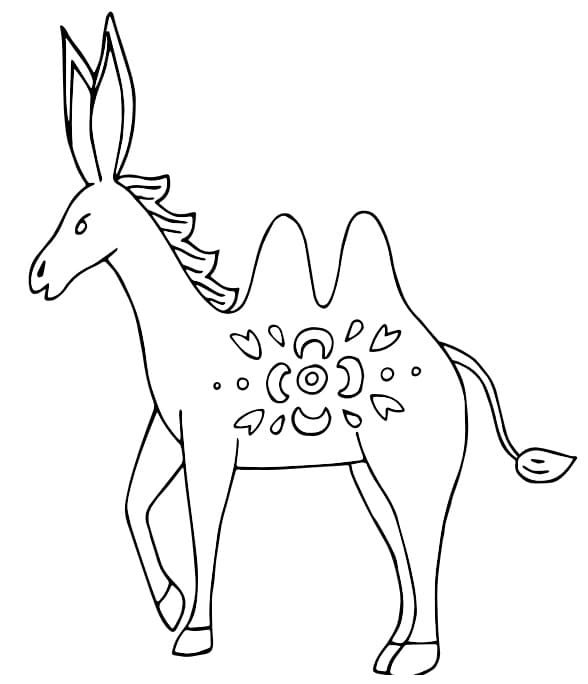
A large group of pages combines animal features into imaginative hybrids, including winged rhinoceroses, donkeys, cats, and giraffes, along with dragons, a unicorn, a griffin, and a pegasus.
Everyday Animals Reimagined
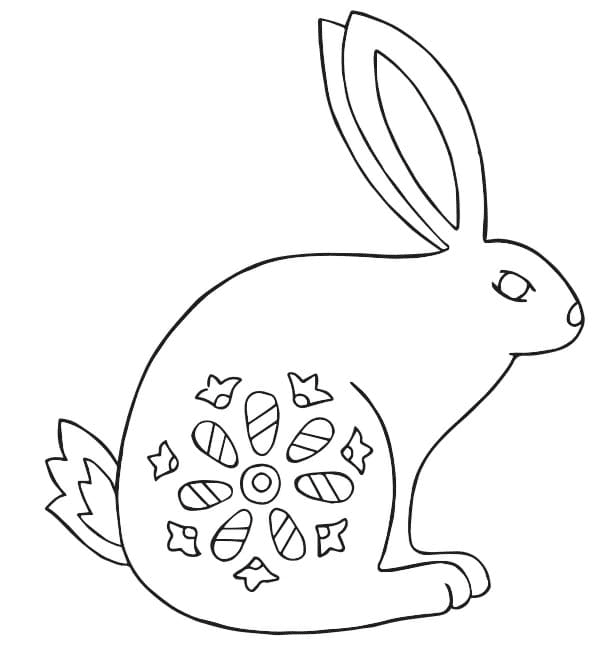
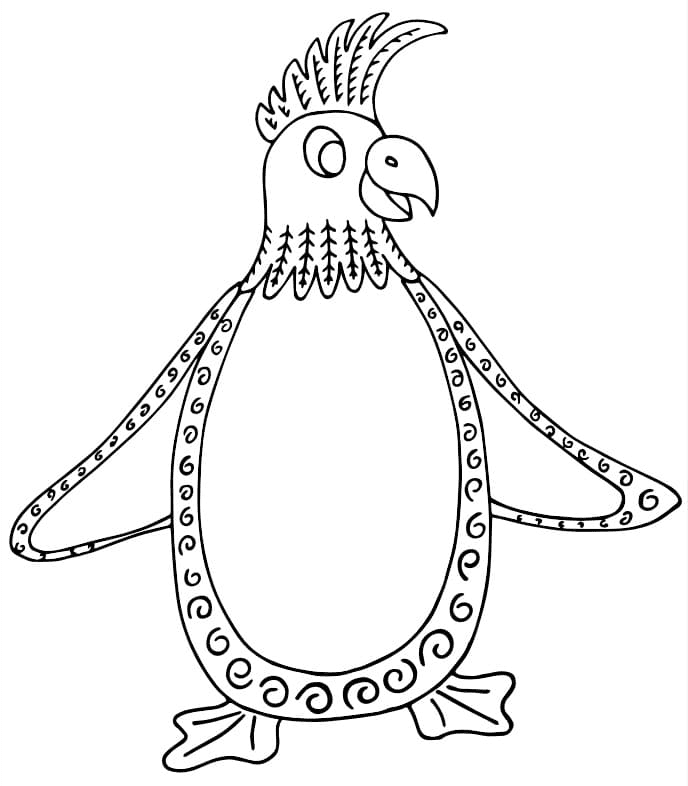
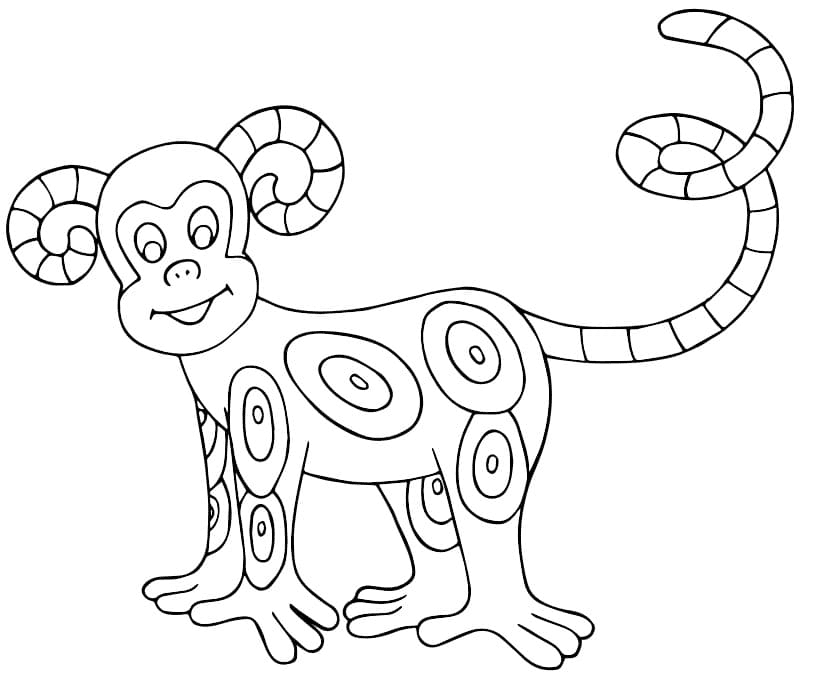
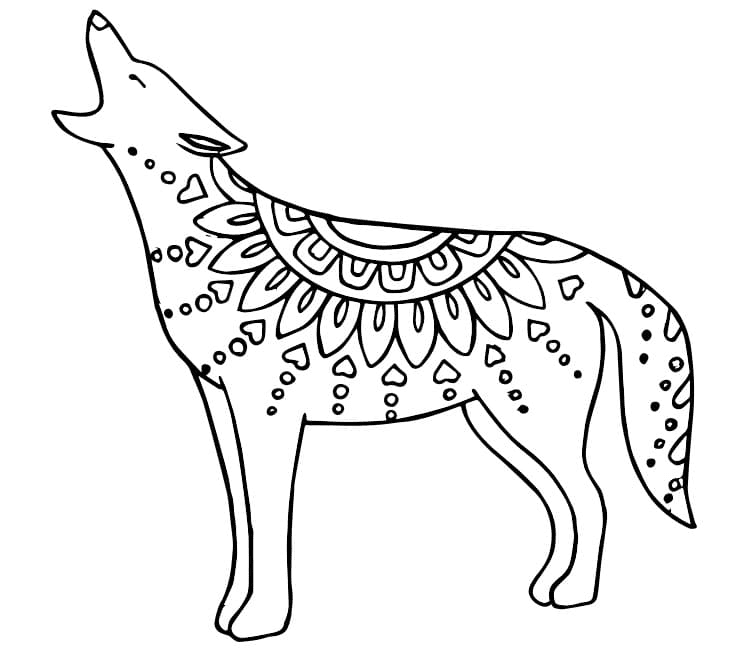
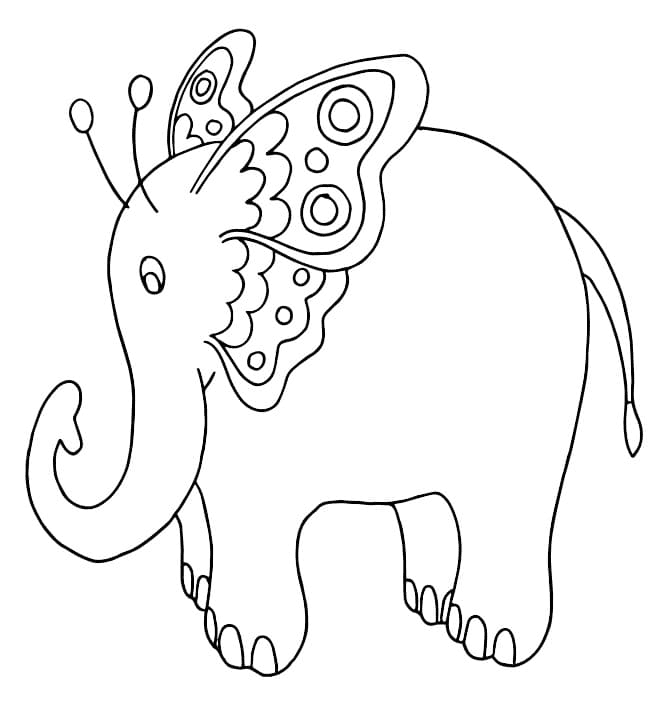
Many pages take familiar animals, such as dogs, cats, owls, rabbits, turtles, monkeys, and elephants, and give them the bold patterns and imaginative details characteristic of alebrijes.
Prehistoric and Dinosaur Alebrijes
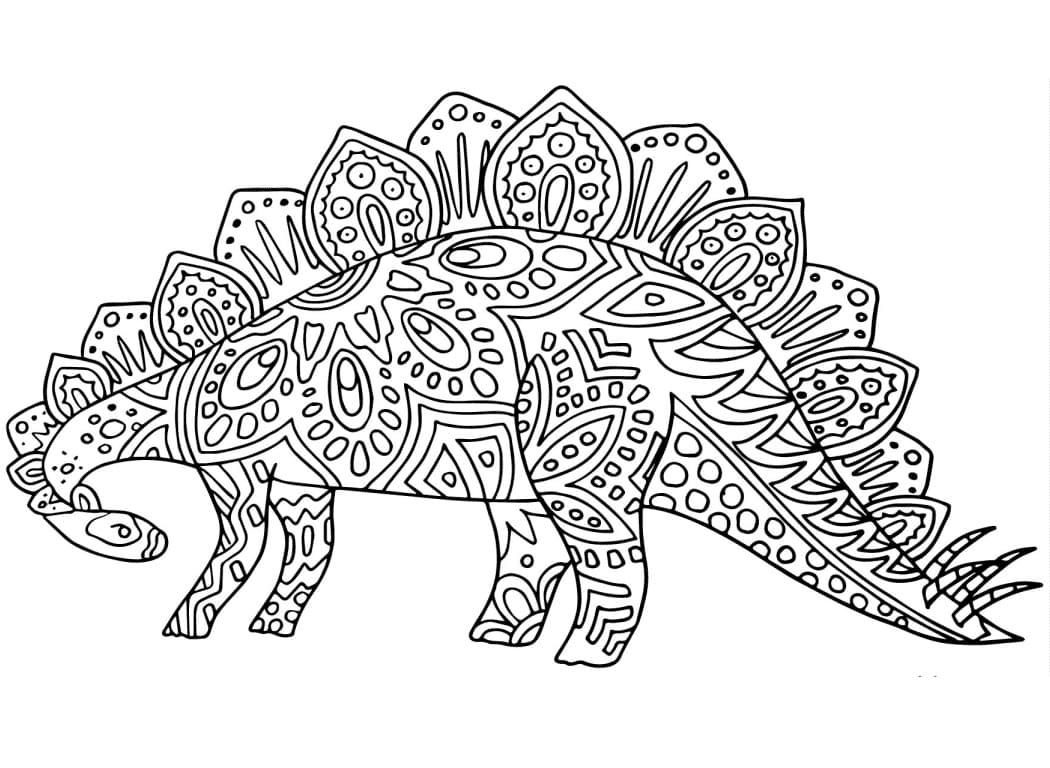
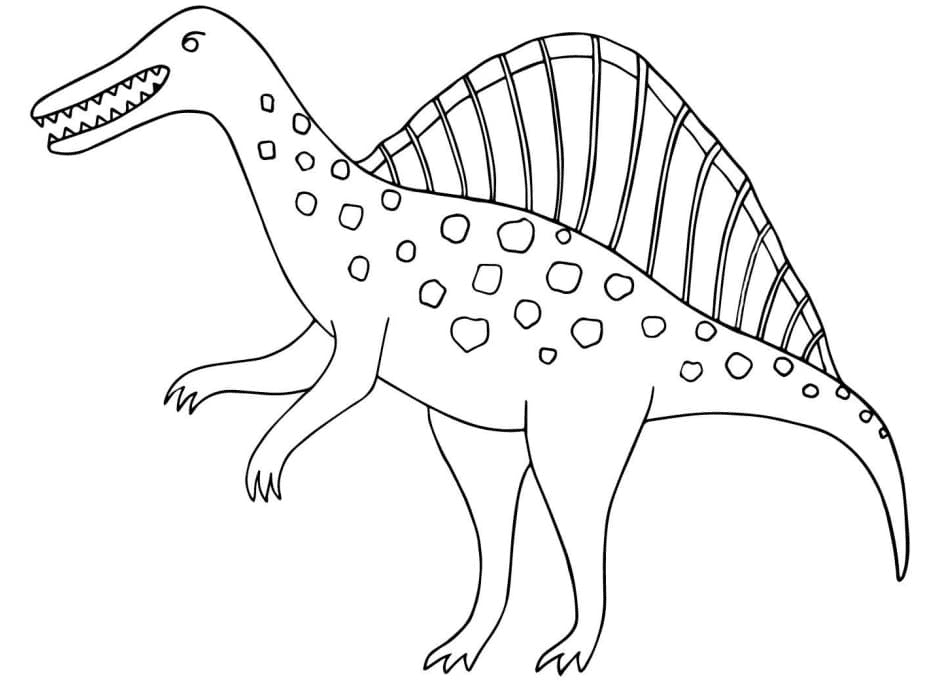
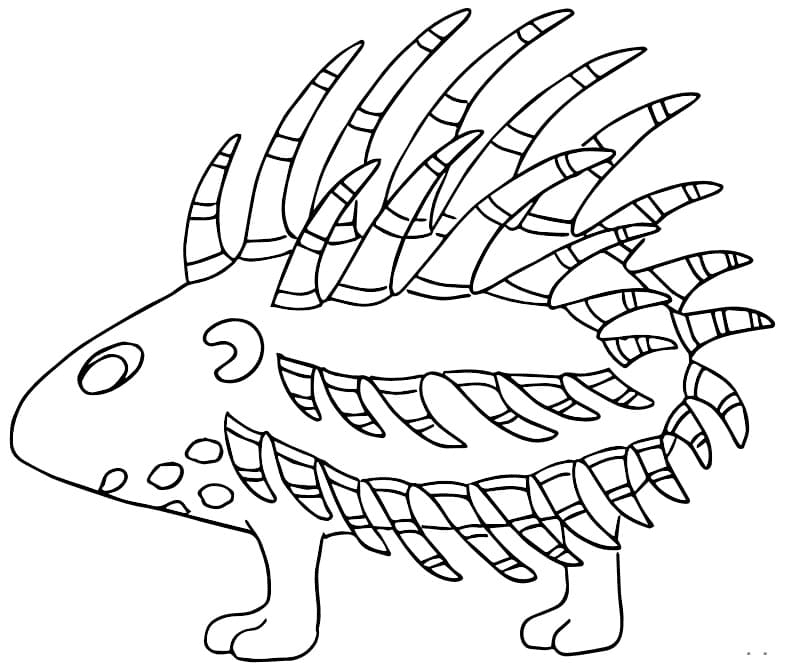
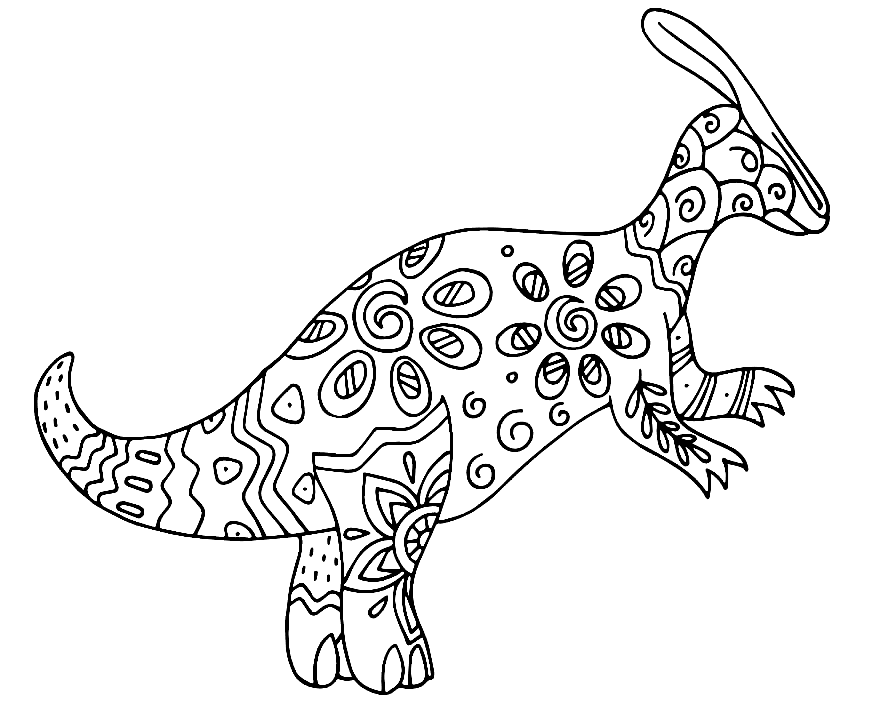
A distinct set of pages applies the alebrije treatment to dinosaurs and other prehistoric animals, including a stegosaurus, spinosaurus, pterodactylus, and apatosaurus.
What Alebrijes Coloring Pages Do
Fine motor development through intricate pattern work. The American Academy of Pediatrics identifies fine motor skill development as a core benefit of structured coloring for children ages 2 through 7, and staying inside the small repeated shapes typical of alebrije patterns calls for exactly that kind of controlled, contained pencil movement.
An introduction to Mexican folk art. Coloring these pages gives colorists a way to connect with the real history behind alebrijes, from Pedro Linares’s papier-mâché originals to the copal wood carving tradition carried on by artisans in Oaxaca.
Anxiety reduction through focus. A 2005 study in the Art Therapy Journal documented measurable reductions in anxiety following structured coloring sessions, and working through a set of similarly detailed pattern-based pages offers that same steady, repetitive rhythm.
Practice with bold, non-naturalistic color choices. Because traditional alebrijes are painted in vivid, imaginative colors rather than an animal’s natural coloring, these pages give colorists a chance to move beyond realistic color palettes.
How to Color Alebrijes Pages Well
- Base body color: Use bold, non-naturalistic shades like Magenta, Turquoise, or Sunglow Yellow rather than an animal’s real coloring, following the alebrije tradition of vivid, imaginative palettes.
- Patterns: Fill open sections with small repeated dots, stripes, or geometric shapes in a contrasting color, echoing the detailed brushwork Oaxacan artisans paint by hand.
- Wings: On winged designs, use a different bright color from the body so the wings stand out, adding a scalloped or feathered pattern along the edges.
- Eyes: Keep the eyes bold and expressive, often in a single saturated color with a clear black outline.
- Horns and spikes: On the dinosaur and mythical designs, color horns and spikes in a metallic-look Gold or Silver for contrast against the body.
- Backgrounds: Keep backgrounds simple or leave them blank, since the alebrije’s own pattern is meant to be the visual focus of the page.
5 Creative Craft Ideas With Alebrijes Coloring Pages
1. Paper Puppet. Color a design, mount it on cardboard for sturdiness, cut it out, and attach a stick to create a simple paper puppet.
2. Birthday Card. Color a design in bright tones, cut it out, and glue it to the front of a folded cardstock card for a handmade birthday greeting.
3. Wall Painting. Color a detailed design on quality paper, then frame it or seal it with a clear adhesive for a glossy, finished piece of wall art.
4. Shadow Box Display. Color and cut out a few designs, then arrange and glue them inside a small box for a layered, dimensional display.
5. Custom Stickers. Color small designs on adhesive paper, cut them out, and use them to decorate notebooks, water bottles, or other everyday items.
Frequently Asked Questions
What are Alebrijes coloring pages?
Alebrijes coloring pages are printable line-art designs of the brightly patterned hybrid creatures rooted in Mexican folk art. This collection includes 79 free designs available as PDFs or online coloring.
What are alebrijes, and where do they come from?
Alebrijes are fantastical hybrid creatures from Mexican folk art, originally made from papier-mâché in Mexico City before Oaxacan artisans adapted the tradition into carved copal wood figures.
Who created the first alebrijes?
Pedro Linares, a Mexico City papier-mâché artist, created the first alebrijes in 1936 after dreaming of hybrid creatures while ill with a high fever, later recreating them once he recovered.
How did alebrijes become associated with Oaxaca?
Starting in the 1960s, woodcarver Manuel Jiménez of San Antonio Arrazola began carving alebrijes from copal wood, blending Linares’s designs with local Zapotec woodcarving traditions.
What do the patterns and colors on alebrijes mean?
Oaxacan artisans paint alebrijes with detailed geometric and symbolic patterns often inspired by Zapotec and Mixtec motifs, with each workshop developing its own distinct style.
What are tonas and nahuales?
Tonas and nahuales are concepts from Zapotec belief tied to animal spirit guides, ideas that Oaxacan artisans wove into the alebrije tradition alongside Pedro Linares’s original designs.
Are Alebrijes coloring pages suitable for young children?
Yes. The simpler single-animal designs in this collection suit preschool and early elementary colorists, while the more detailed patterned pages work well for older children and adults.
Where can you see alebrijes in Mexico today?
Mexico City hosts an annual parade called La Noche de los Alebrijes each October, where large illuminated alebrije sculptures travel through the streets, while Oaxacan villages like San Martín Tilcajete remain active centers of alebrije carving.
Start Coloring
Download any page by clicking the design. No account, email, or payment is required. Pages print directly from the browser at full resolution or open in the online coloring tool for screen use. Share finished pages on Facebook or Pinterest with the share buttons at the top of each design page.