Reptiles Coloring Pages
 By:
Bradhallett Bradley – Technology Lead
Updated:
By:
Bradhallett Bradley – Technology Lead
Updated:
Free reptile coloring pages: 490+ printable designs featuring snakes, turtles, lizards, crocodiles, alligators, chameleons, iguanas, cobras, pythons, rattlesnakes, anacondas, and skinks. The collection ranges from simple, bold outlines suited to toddlers to detailed designs that capture the scale patterns, shell textures, and distinctive features of specific reptile species. Every page is free to download as a PDF and print, or to color online directly in the browser.
Reptiles are a popular coloring subject because their patterns, scales, and shapes offer rich detail and variety. A turtle’s shell, a snake’s repeating skin pattern, and a chameleon’s textured body each present a different coloring challenge. The collection also supports early science learning: coloring different reptiles introduces the shared traits that define the group – scaly skin, cold-blooded biology, and egg-laying – while highlighting the differences between a snake, a lizard, and a turtle. The collection is organized below by reptile type.
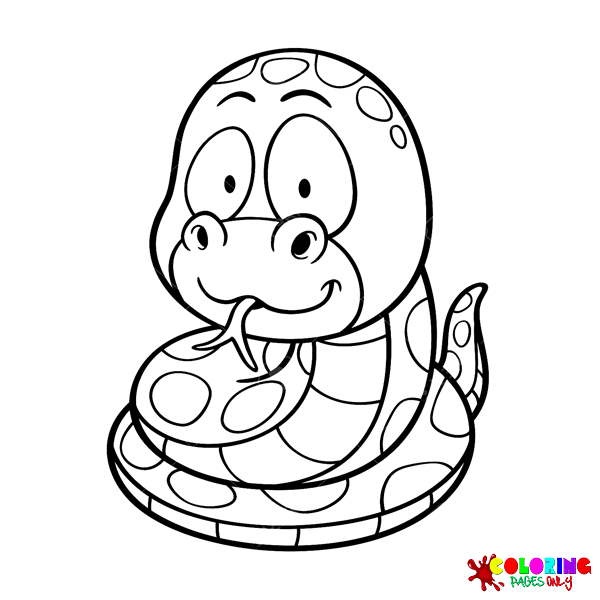

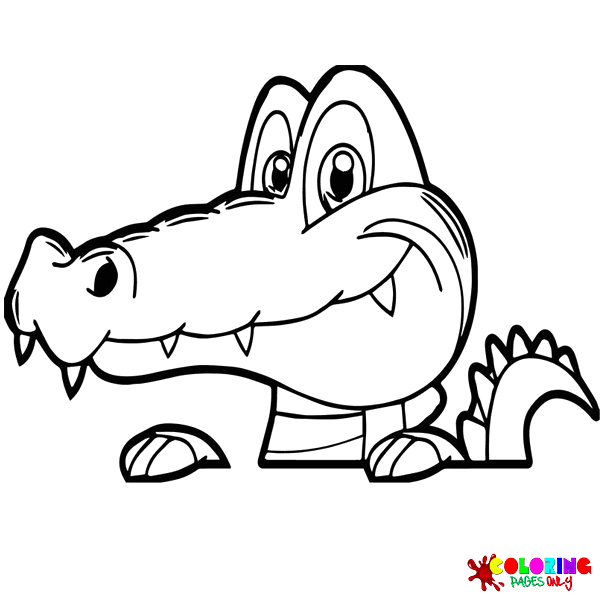
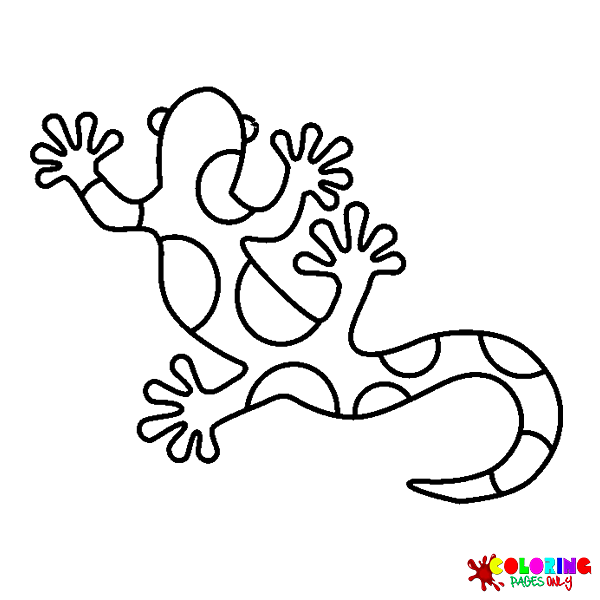
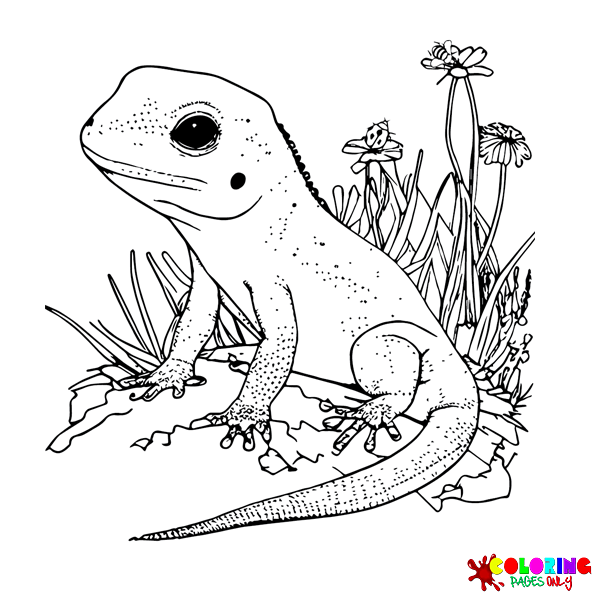
What Reptiles Are Included in This Collection?
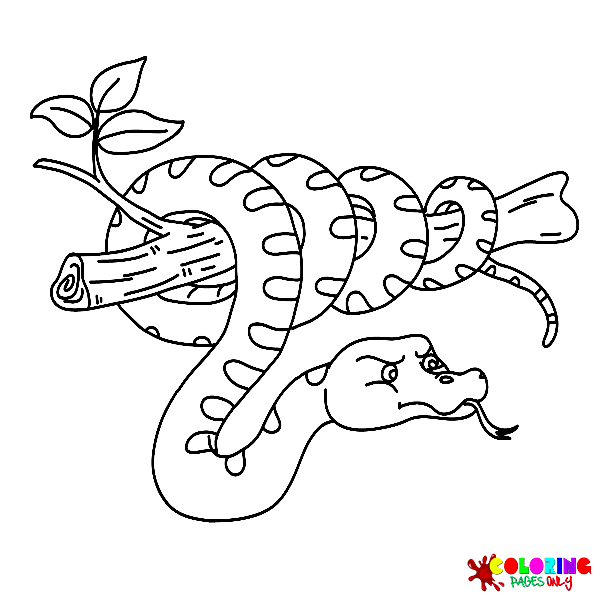
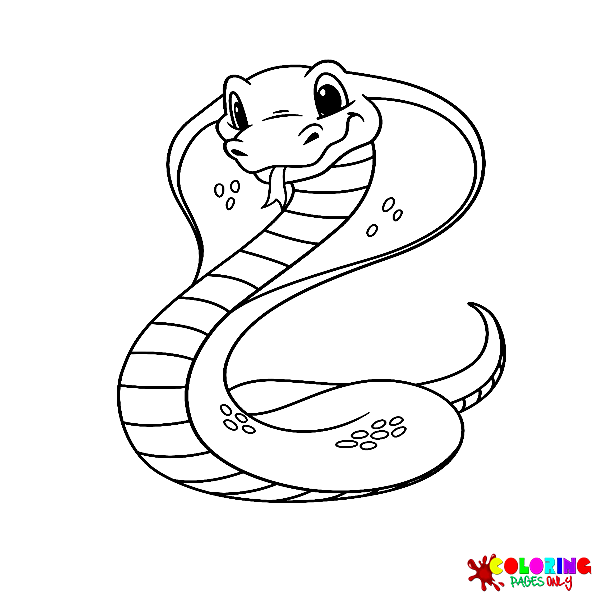
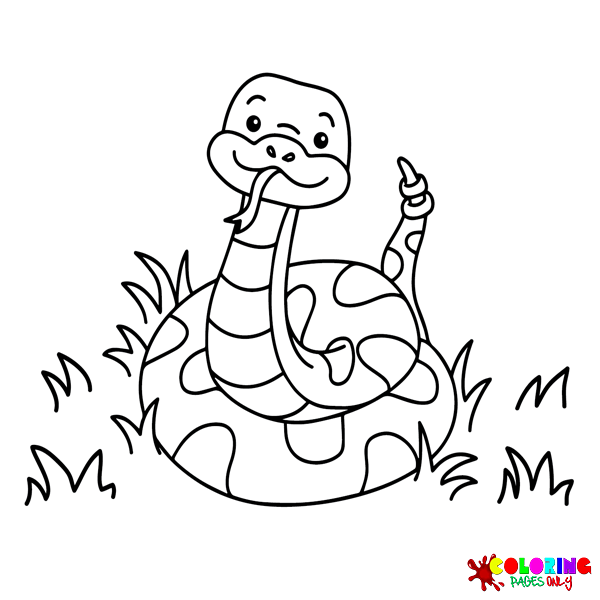
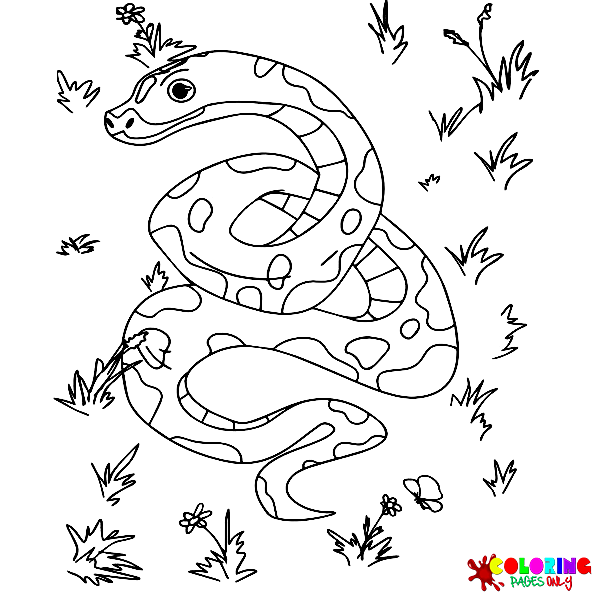
The collection covers the reptiles children find most engaging, grouped into the major reptile families. Snake pages are among the largest groups, including cobras, pythons, rattlesnakes, and anacondas, each with distinctive patterns and body shapes. Turtle pages feature the detailed shells and calm poses that make them a favorite first reptile subject.
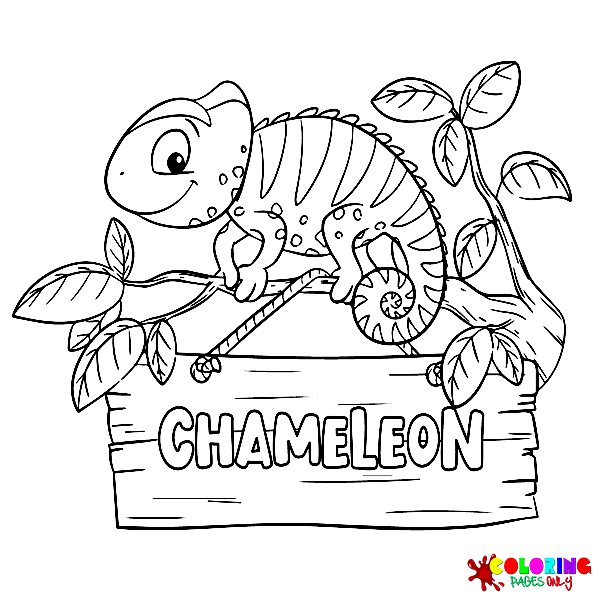
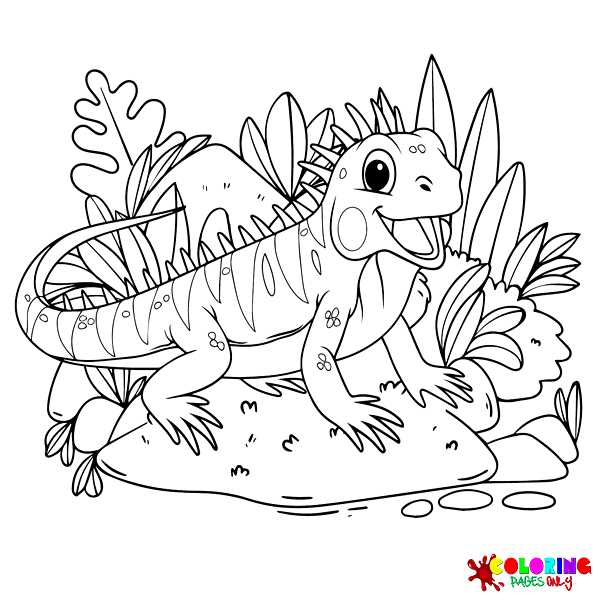
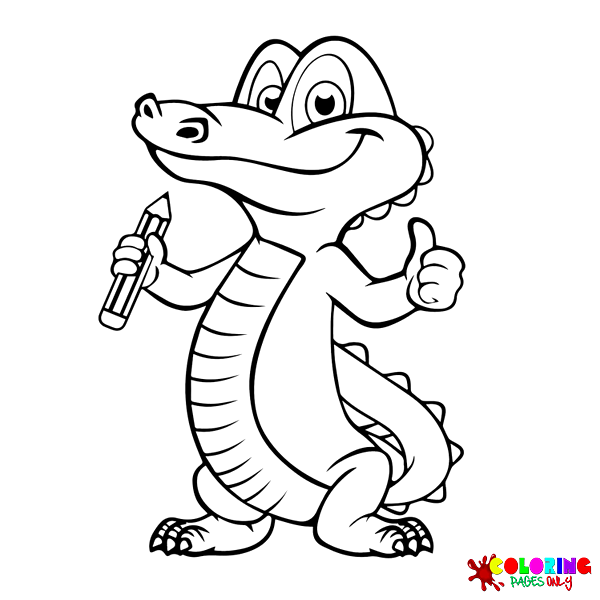
Lizard pages cover chameleons, iguanas, skinks, and general lizards, capturing the varied body shapes and textures within the lizard family. Crocodile and alligator pages round out the collection with the powerful jaws and armored backs of these large reptiles. Each design is available as a free PDF download or through the online coloring tool, and ranges from simple outlines to detailed, realistic depictions.
What These Pages Do
Fine motor development. The American Academy of Pediatrics identifies fine motor skill development as a core benefit of structured coloring for children ages 2 through 7. Reptile pages support a progressive range of difficulty: a toddler colors the rounded shape of a simple turtle, while an older child manages the repeating scale patterns of a snake or the textured crest of an iguana. This range lets the collection grow with a child’s developing hand control.
Early science and animal classification. Reptile coloring pages pair naturally with early biology. Coloring a range of reptiles reinforces the shared traits that define the group – scaly skin, cold-blooded biology, egg-laying – while highlighting the differences between snakes, turtles, lizards, and crocodilians. This supports early classification skills and an understanding of how scientists group animals.
Anxiety reduction through focus. A 2005 study in the Art Therapy Journal documented measurable reductions in anxiety following structured coloring sessions. The repeating scale patterns and intricate shell designs common to reptile pages provide the kind of focused, repetitive task associated with the study’s calming findings, making detailed reptile pages effective for older children and adults.
Reducing fear through familiarity. Snakes and crocodiles are common sources of childhood fear. Coloring these animals in a calm, controlled activity can build familiarity and curiosity in place of fear, turning an intimidating creature into an interesting subject that a child has spent time observing and understanding.
How to Color Reptile Pages Well
- Snakes: Many snakes have repeating patterns. Choose two or three colors and repeat the sequence consistently down the body – for a coral snake, alternate Crayola “Red,” “Yellow,” and black bands. Keep the pattern even to make the snake look realistic rather than random.
- Turtles: Color the shell with a base of Prismacolor “Olive Green” or “Dark Green,” then add a darker tone along the edges of each shell segment to make the plates stand out. Use warm browns and yellow-green for the skin of the head and legs.
- Chameleons: Chameleons allow the most creative freedom because they change color. Blend two or three colors smoothly along the body using light layers – bright green into yellow, or blue into teal – for the signature chameleon look.
- Crocodiles and alligators: Use a base of Prismacolor “Dark Green” or olive, pressing a darker green or grey into the recesses between the armored scales along the back to show texture. Keep the underbelly a lighter cream or tan.
- Lizards and iguanas: Build the scaly skin in layers, starting with a green or grey base and adding small, darker marks to suggest individual scales. The spiny crest of an iguana benefits from a slightly different tone to make it stand out.
- Cobras: Focus on the hood, where many cobras have distinctive markings. Use Prismacolor “Goldenrod” or tan for the body with darker brown for the hood pattern, keeping the eyes sharp and dark.
5 Creative Craft Ideas With Reptile Coloring Pages
1. Reptile Classification Chart. Print one reptile from each group – a snake, a turtle, a lizard, and a crocodile – color them, and arrange them under group headings to build a visual classification chart that doubles as a science lesson.
2. Snake Pattern Bookmark. Color a long snake page, cut it into a narrow strip, and laminate it as a bookmark – the repeating pattern makes an attractive design, and the activity teaches pattern consistency.
3. Turtle Shell Texture Study. Print several turtle pages and experiment with different techniques for the shell – smooth blending on one, bold outlined segments on another – to compare how texture changes the result.
4. Reptile Habitat Scene. Color several reptiles, cut them out, and arrange them on a hand-drawn habitat background – a desert for the rattlesnake, a swamp for the crocodile – to show where each reptile lives.
5. Chameleon Color Wheel. Print several chameleon outlines and color each one in a different color scheme to explore the color wheel, using the chameleon’s color-changing nature as the theme.
Frequently Asked Questions
What reptiles are included in the coloring collection?
The collection includes snakes such as cobras, pythons, rattlesnakes, and anacondas; turtles; lizards, including chameleons, iguanas, and skinks; and crocodilians, including crocodiles and alligators. Snake pages are among the largest groups, with distinctive patterns for each species, while turtles are a popular first reptile subject for younger children.
Are reptile coloring pages suitable for toddlers?
Yes. Simple turtle and lizard pages with large, bold outlines are accessible for children ages 2 and up. Turtles in particular, with their rounded shells and calm poses, are a common first reptile subject. More detailed pages with repeating scale patterns and realistic textures suit children ages 6 and above.
What are reptiles, and what makes them different from amphibians?
Reptiles are cold-blooded animals with scaly, dry skin that lay eggs on land, and include snakes, turtles, lizards, and crocodiles. They differ from amphibians, which have moist skin and typically begin life in water. Coloring different reptiles helps children learn the traits that define the group.
How do I color a snake’s pattern realistically?
Most snakes have a repeating pattern, so choose two or three colors and repeat the sequence consistently down the body. For a coral snake, alternate red, yellow, and black bands evenly. Keeping the pattern regular rather than random makes the snake look realistic.
What colors should I use for a turtle?
Color the shell with an olive or dark green base, then add a darker tone along the edges of each shell segment to make the plates stand out. Use warm browns and yellow-green for the skin of the head and legs. Varying the green tones makes the shell look three-dimensional.
Are these reptile coloring pages free to print?
All pages are free to download as a PDF and print, or to color online in the browser. No account, email, or payment is required. Pages can be printed at home on standard paper for personal and classroom use.
Can these pages be used in a classroom science unit?
Yes. Reptile pages are widely used in science units on animals, classification, and habitats. They work as printable supplements for lessons on reptile characteristics, the difference between reptiles and amphibians, and animal classification, and require no account to download.
Which reptile is easiest for a young child to color?
The turtle is among the easiest, because it has a simple, rounded shell, a clear shape, and large areas to fill. Its calm pose and familiar form make it a common first reptile subject for toddlers developing basic hand control.
Start Coloring
Download any page by clicking the reptile or design – no account, email, or payment required. Pages print directly from the browser at full resolution or open in the online coloring tool for screen use. Share finished pages on Facebook or Pinterest with the share buttons at the top of each design page.