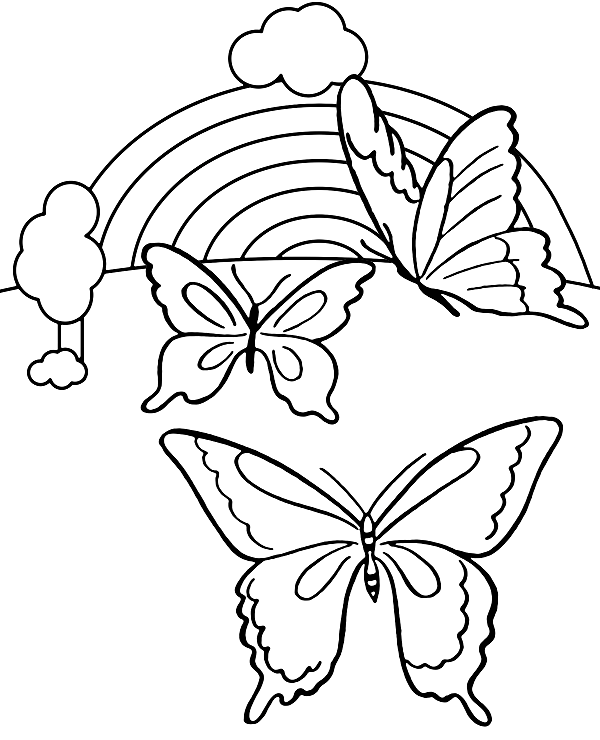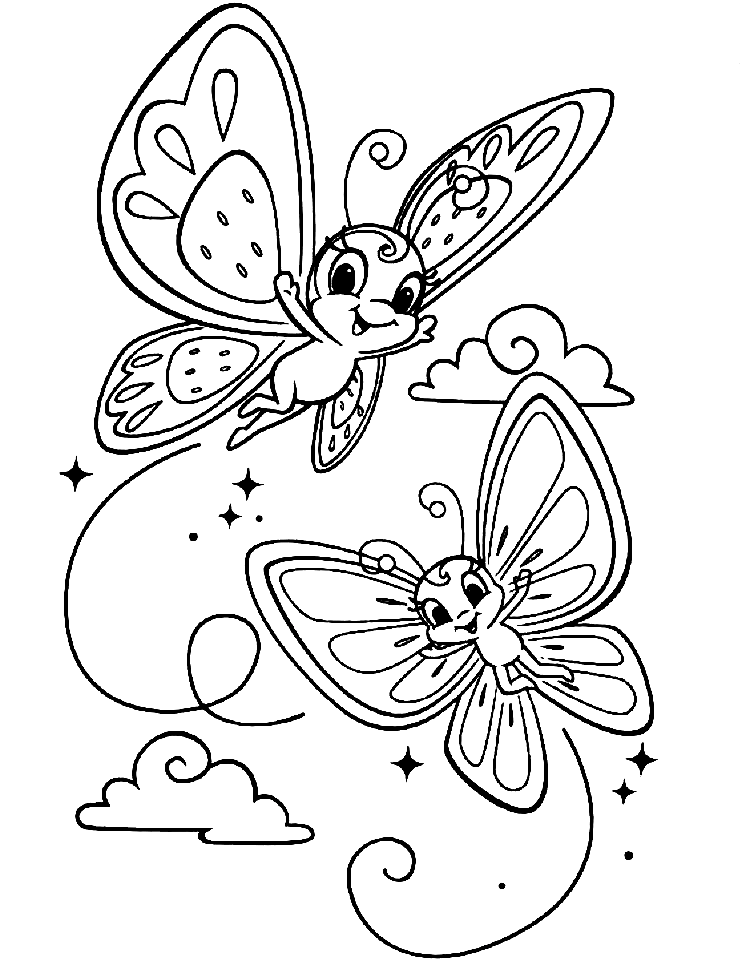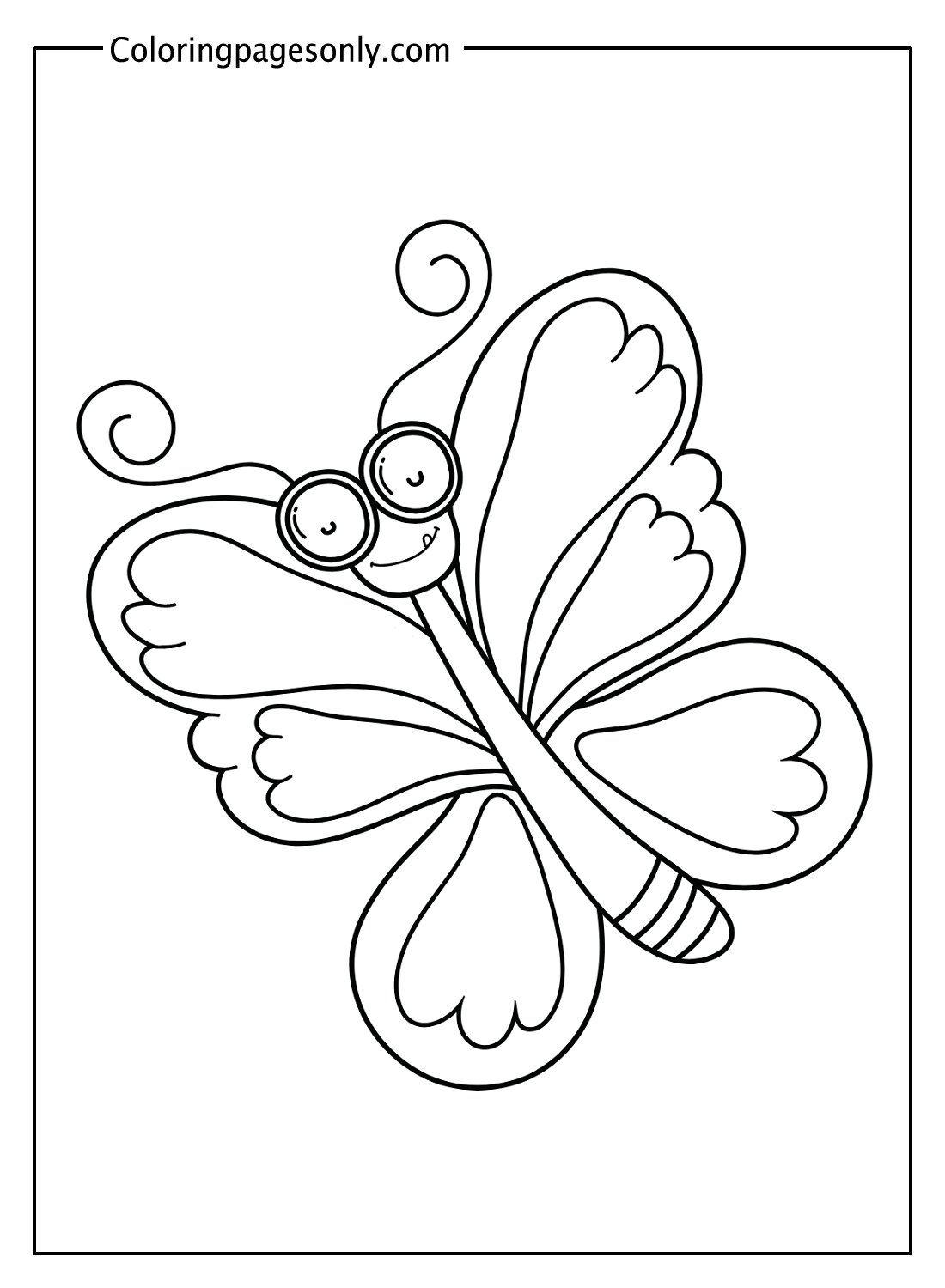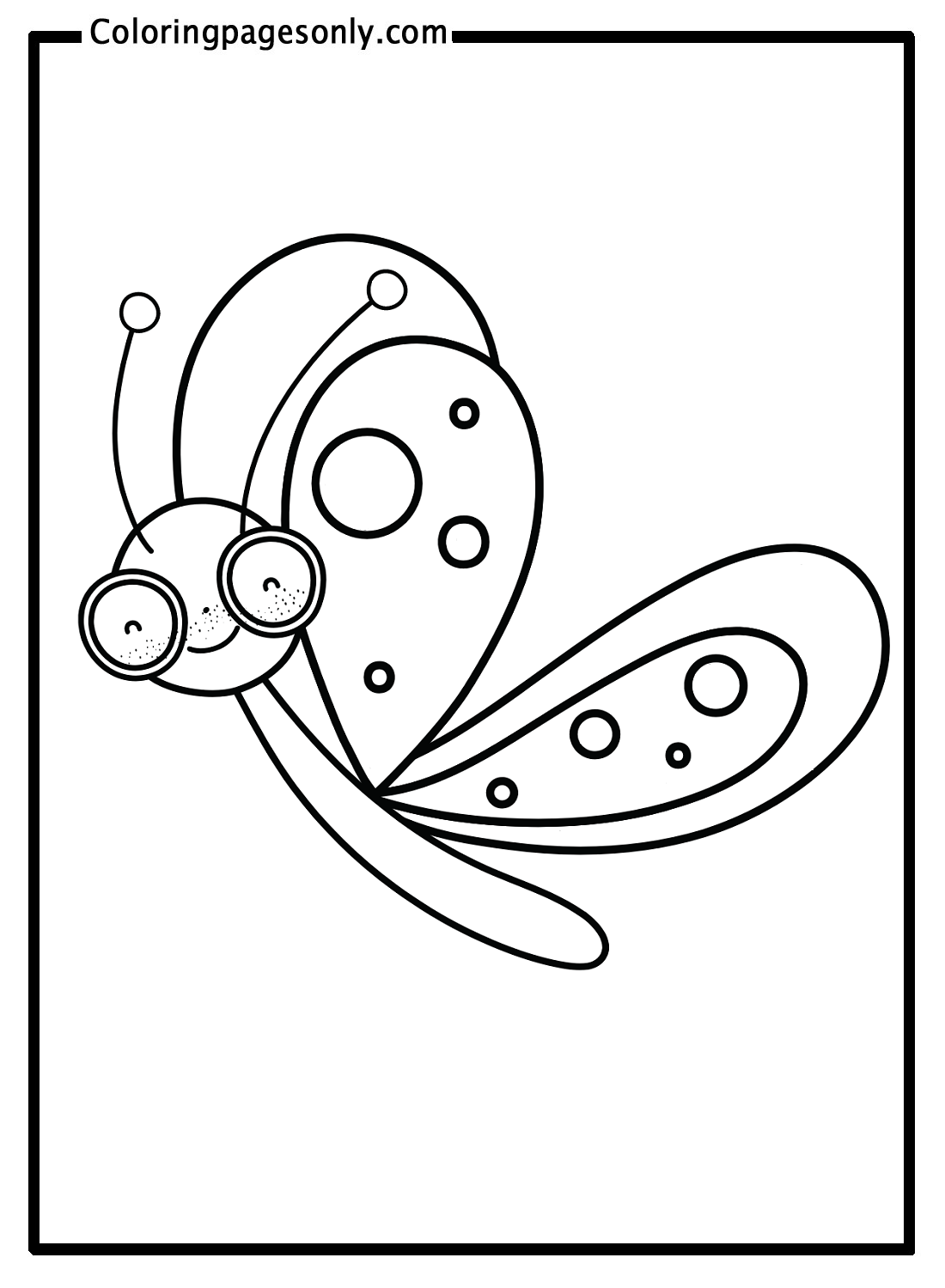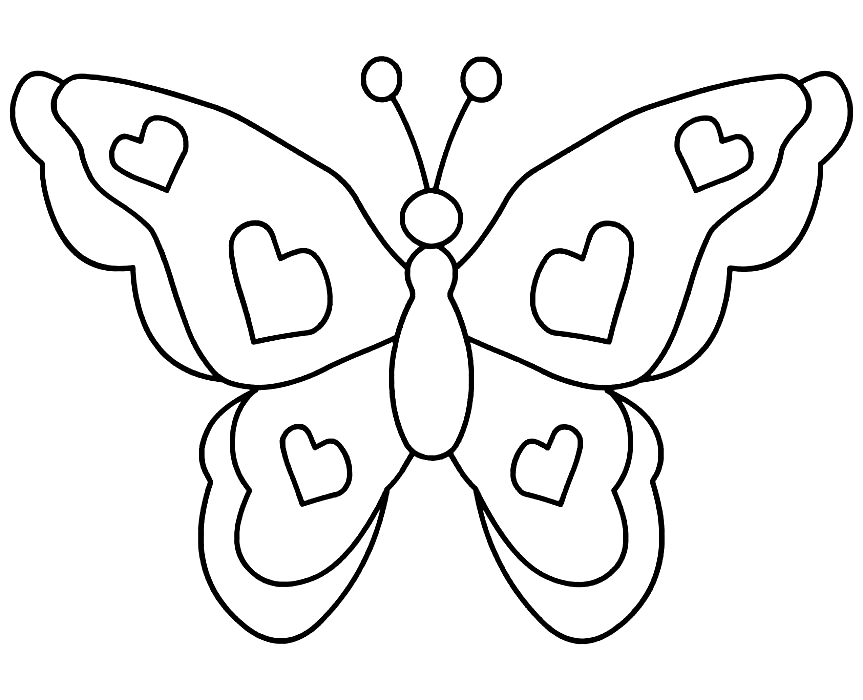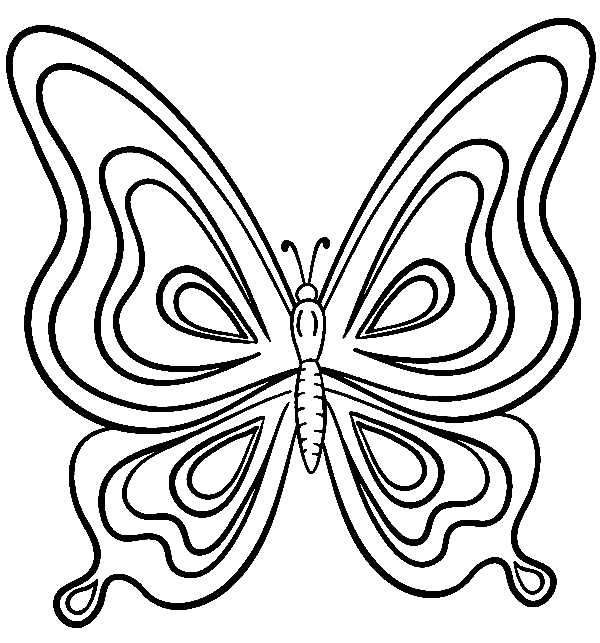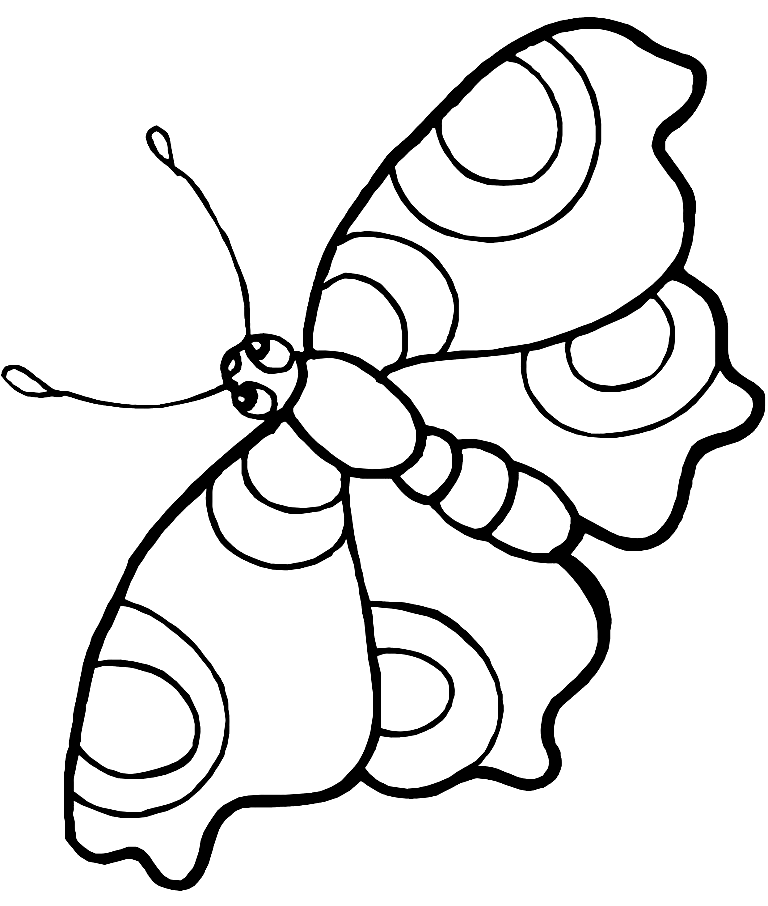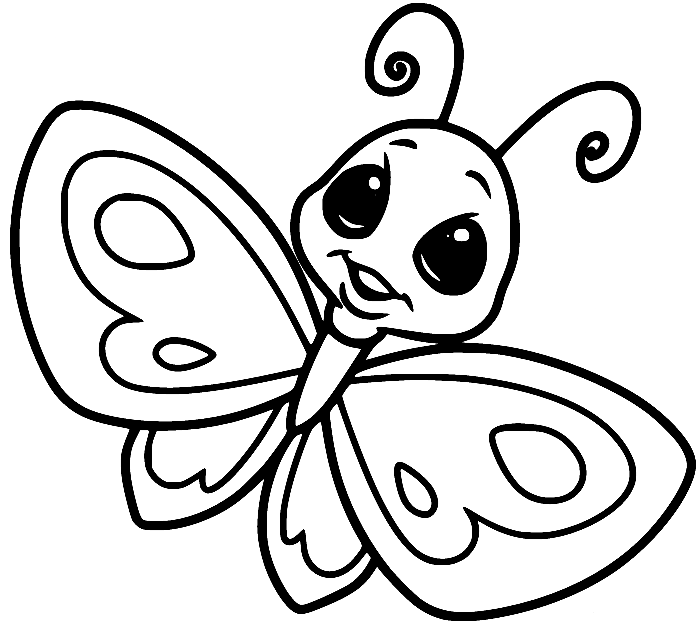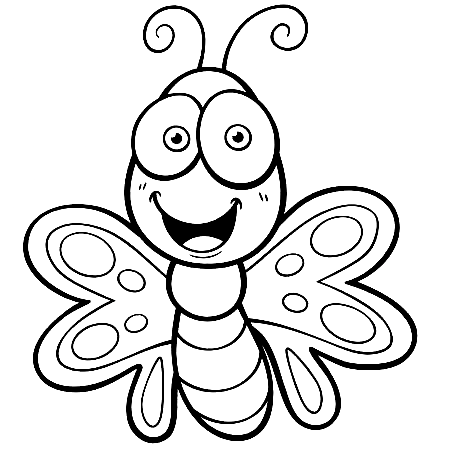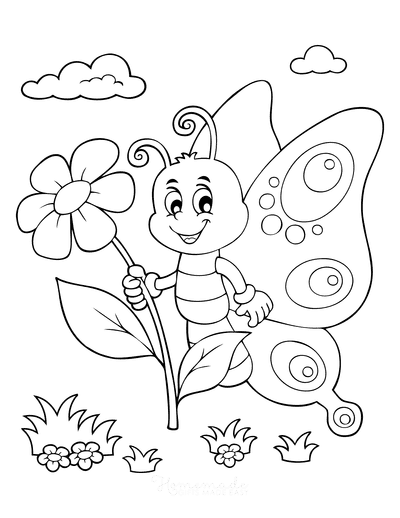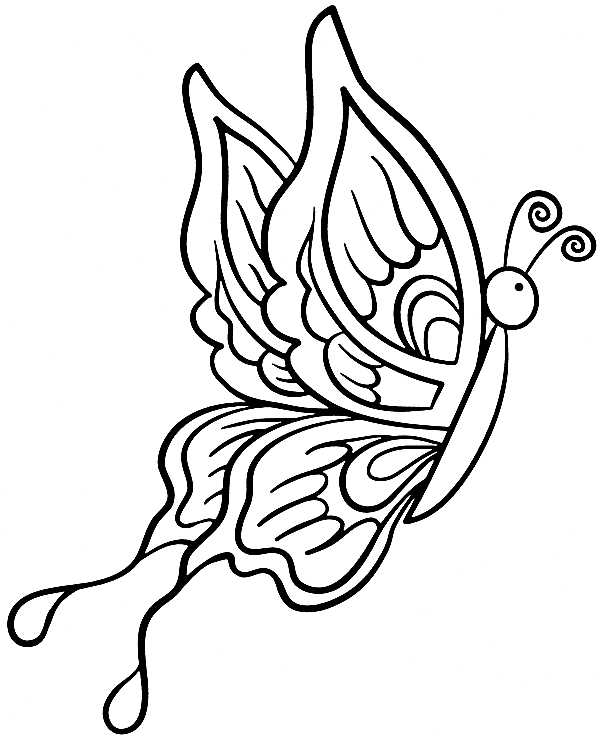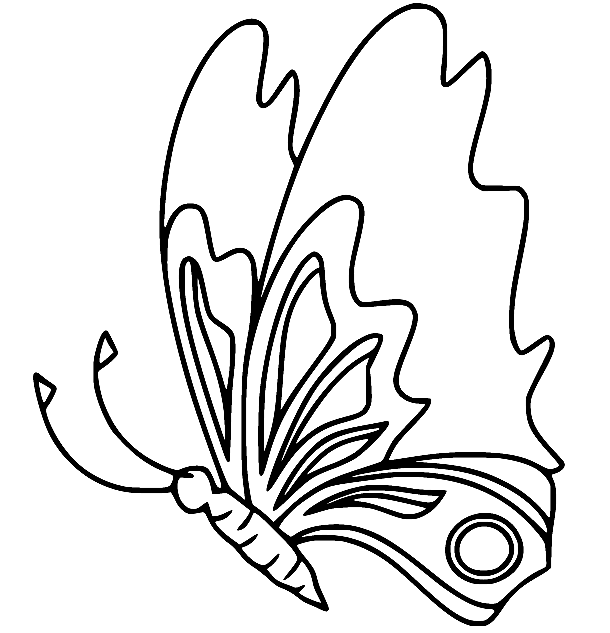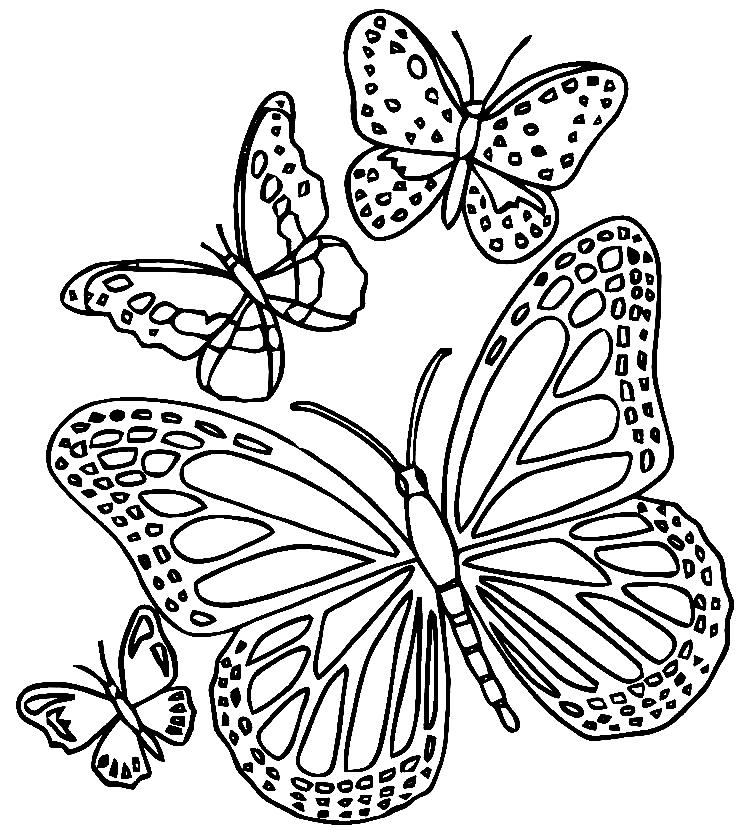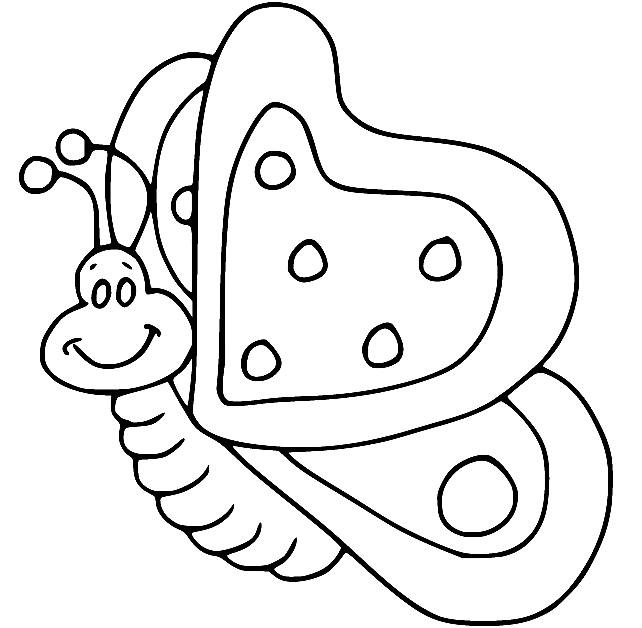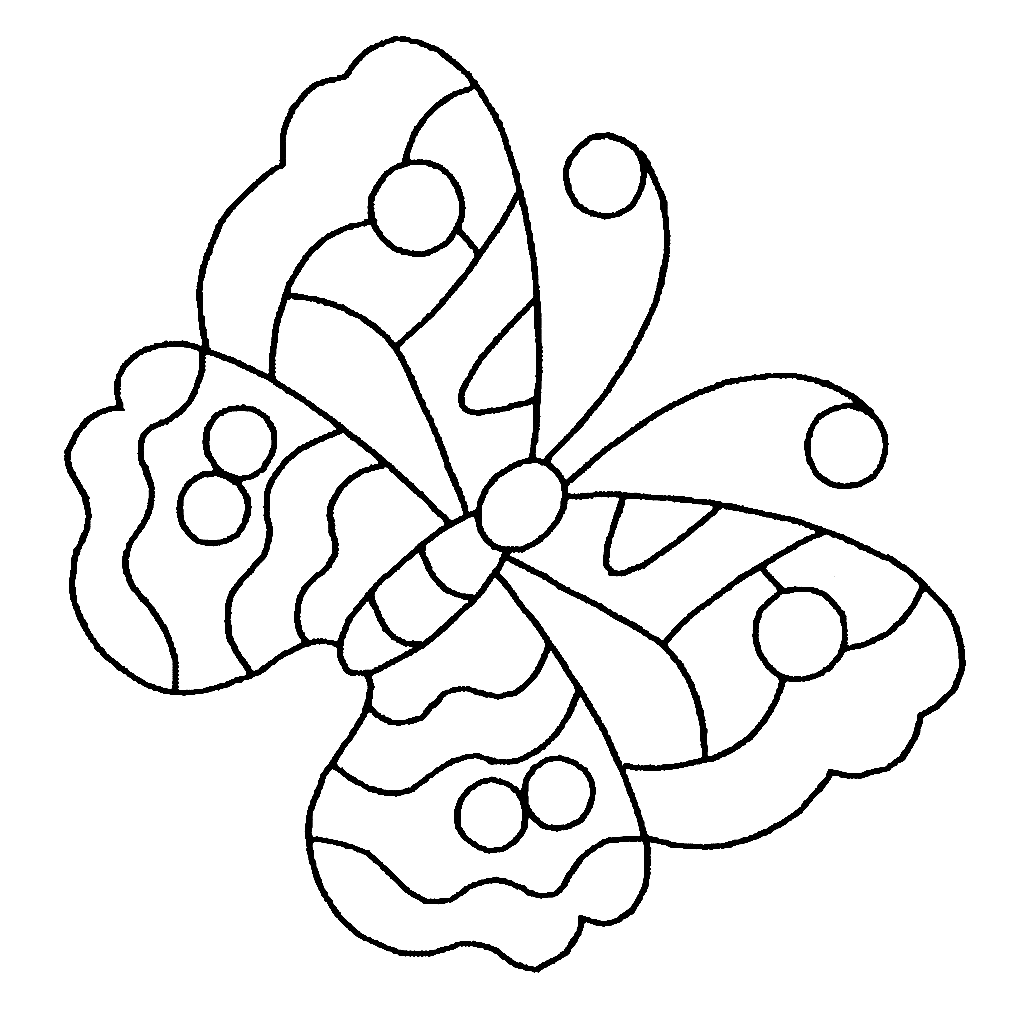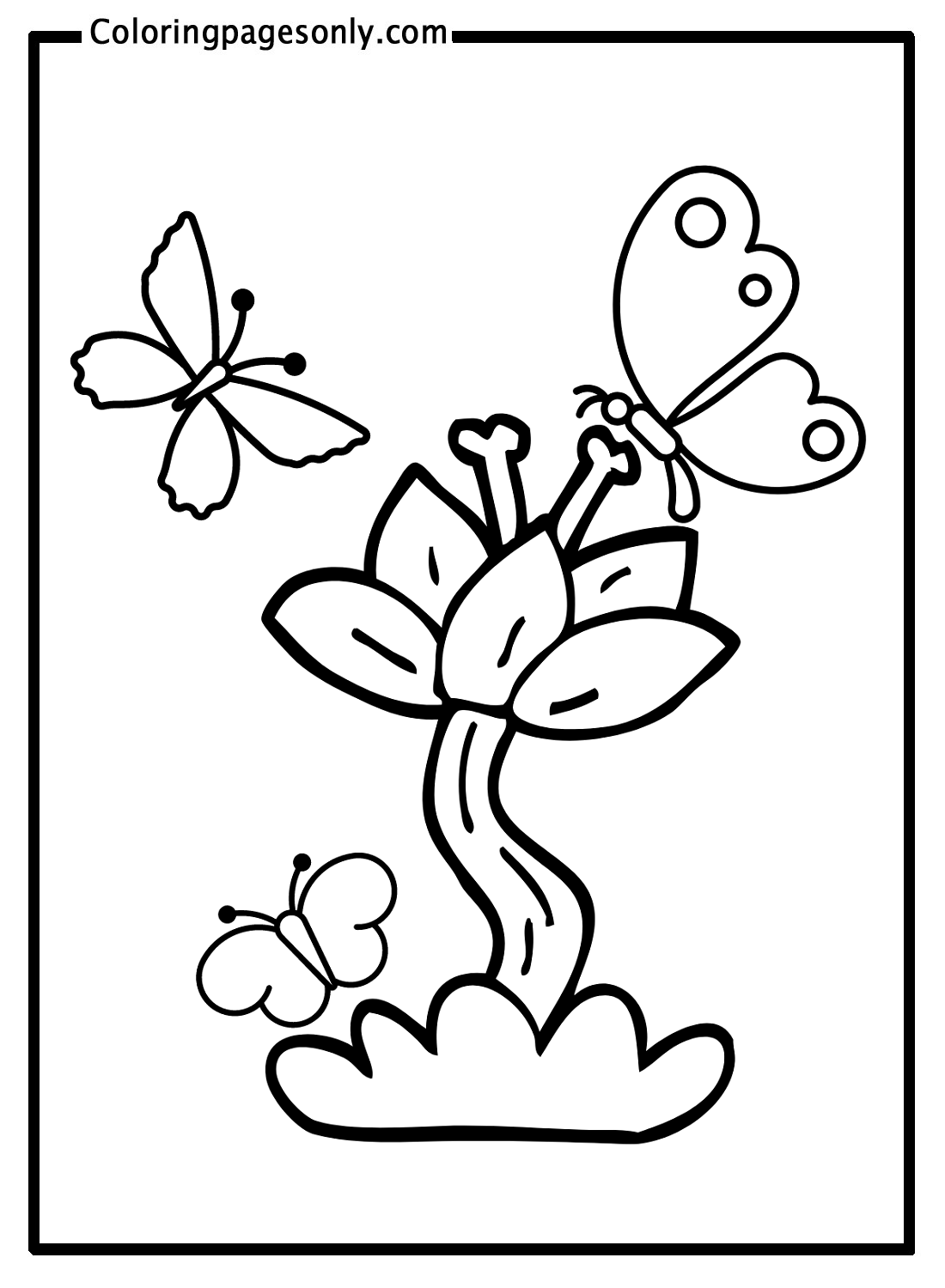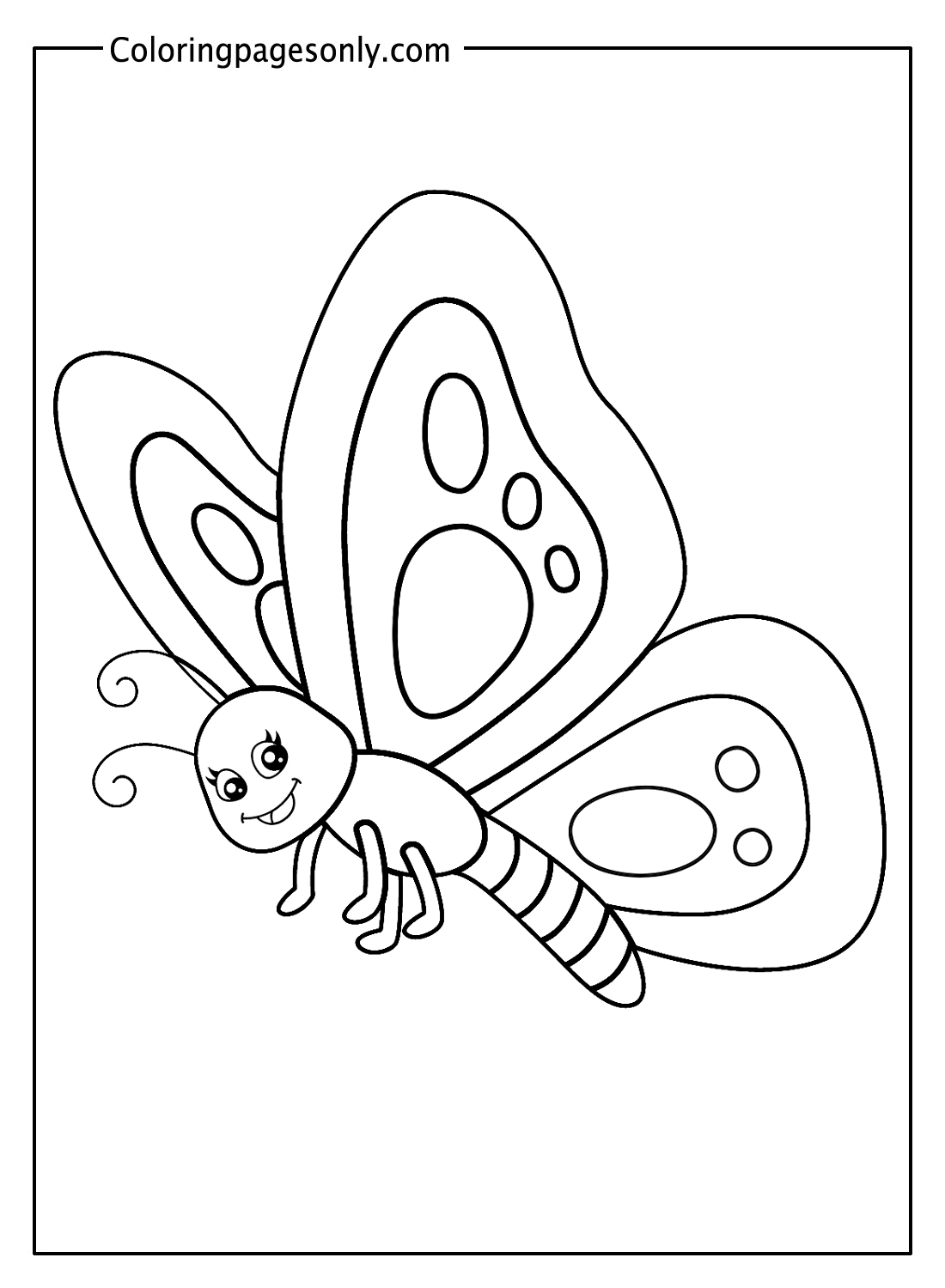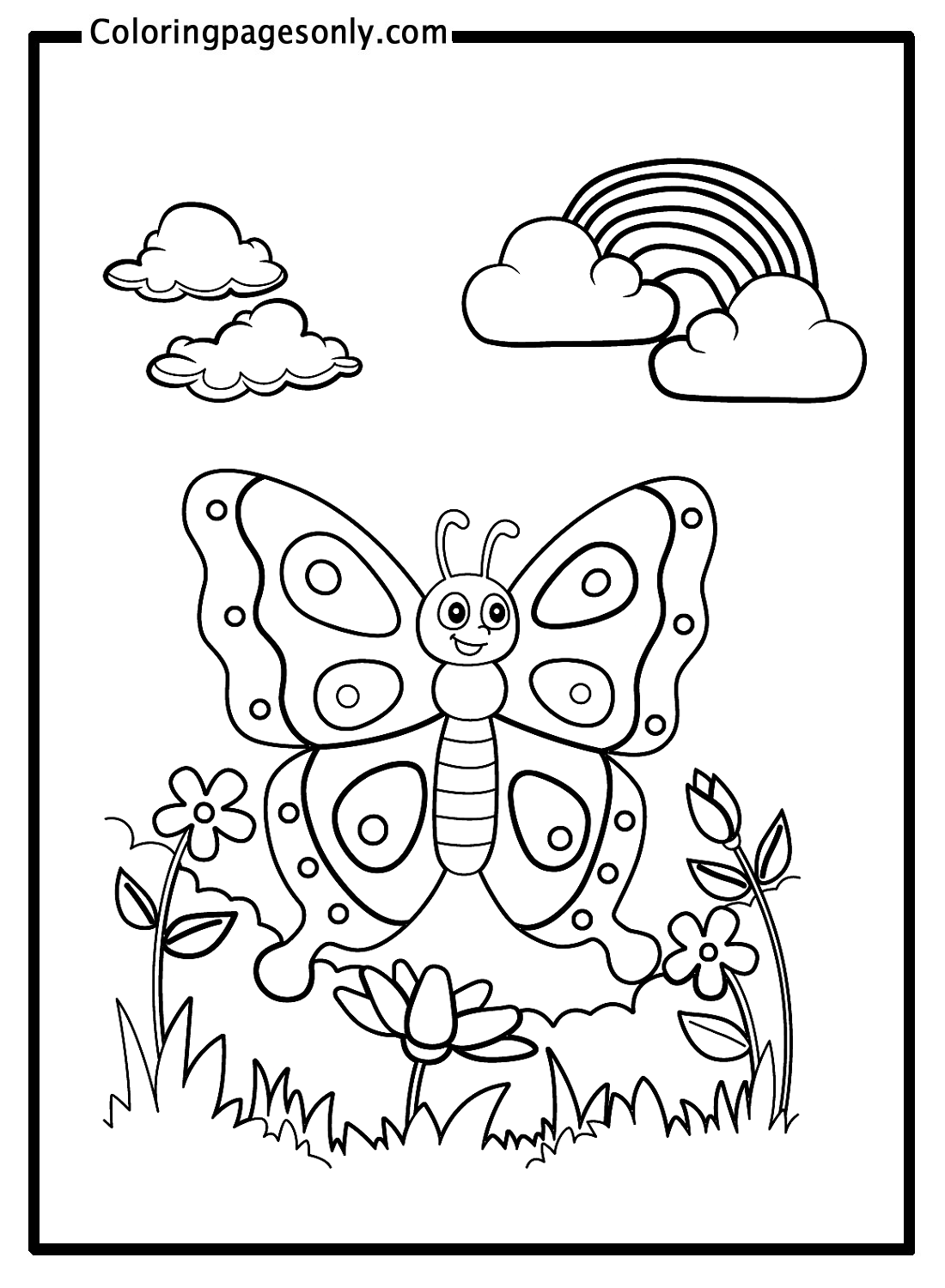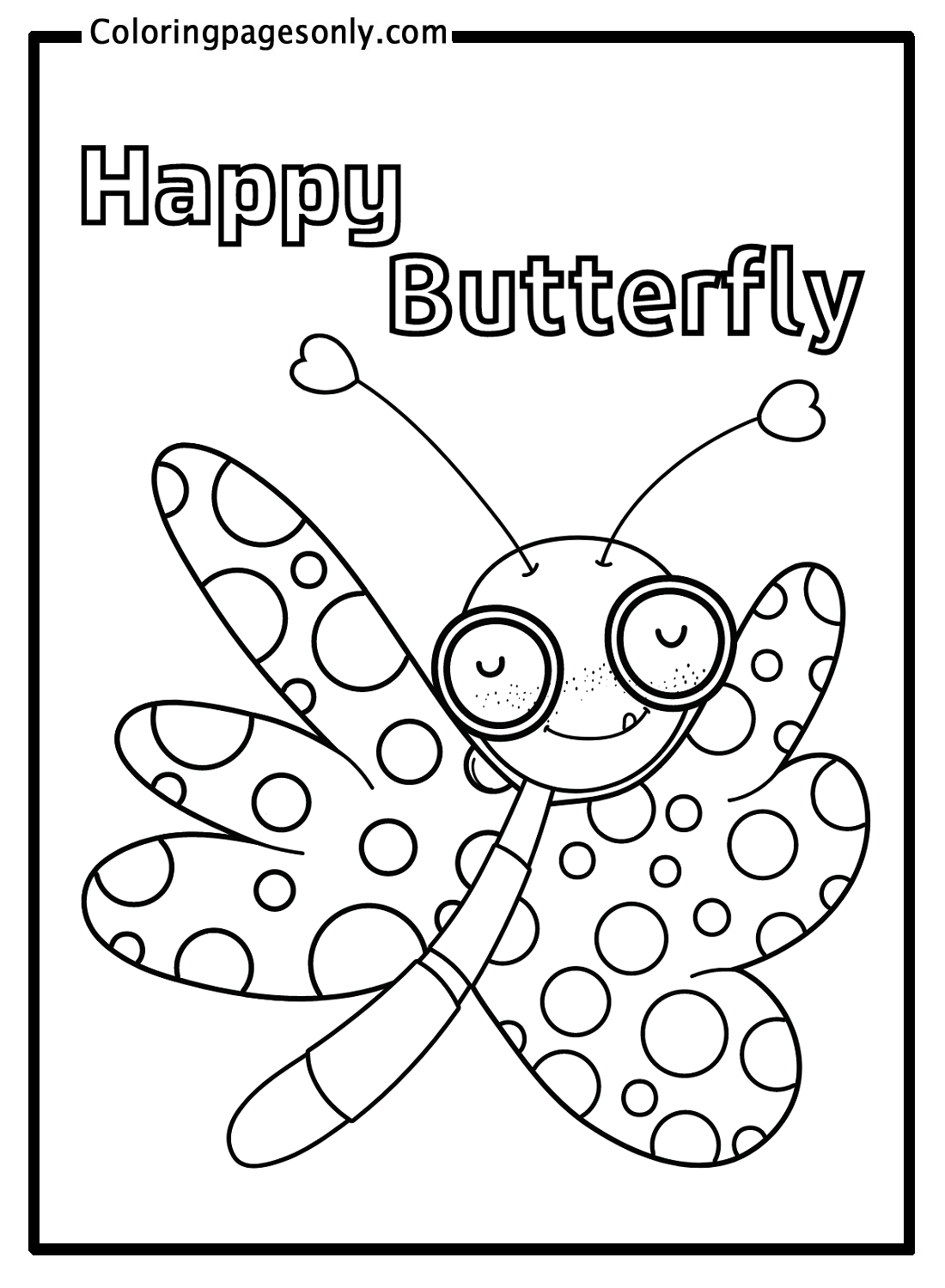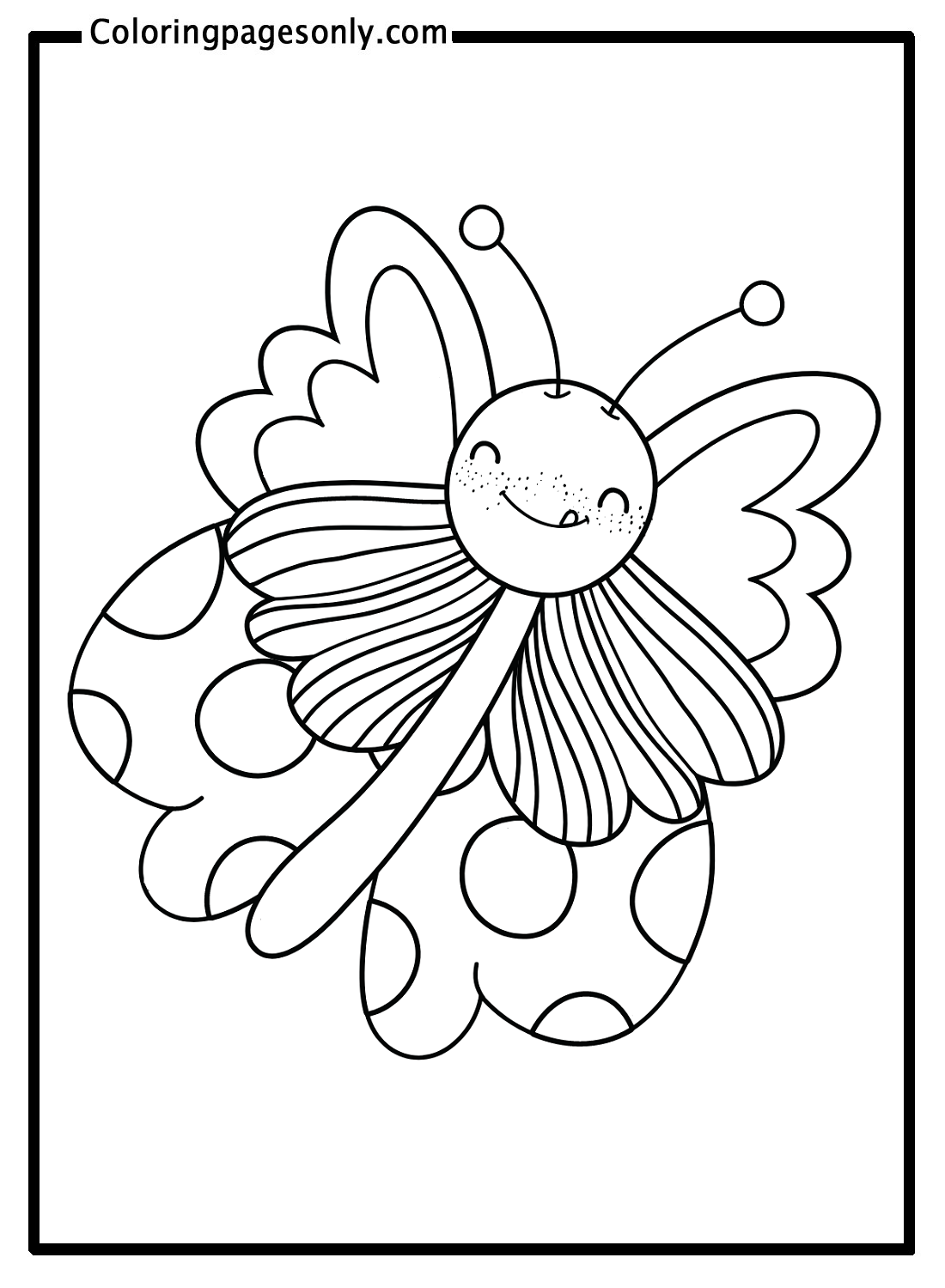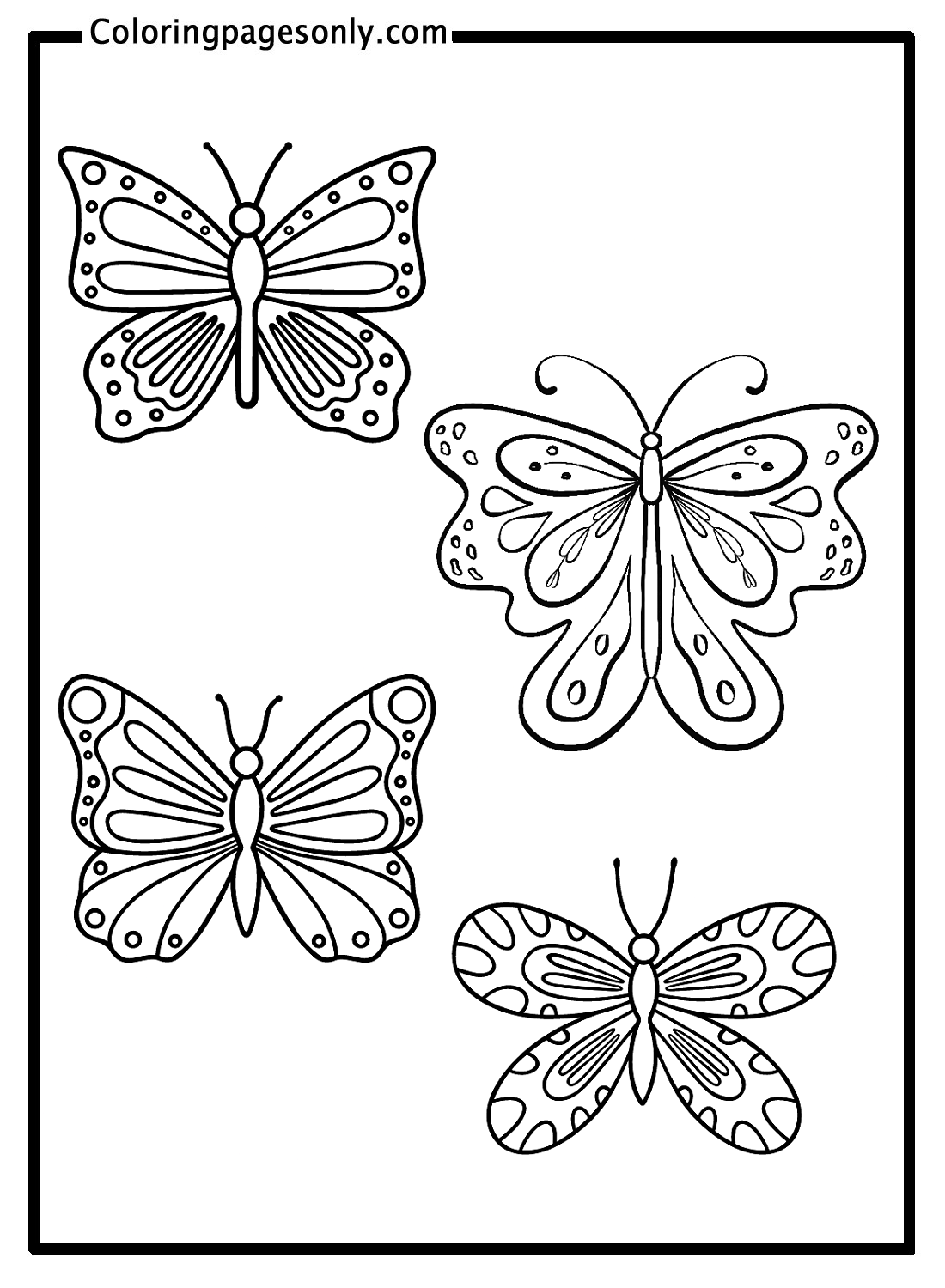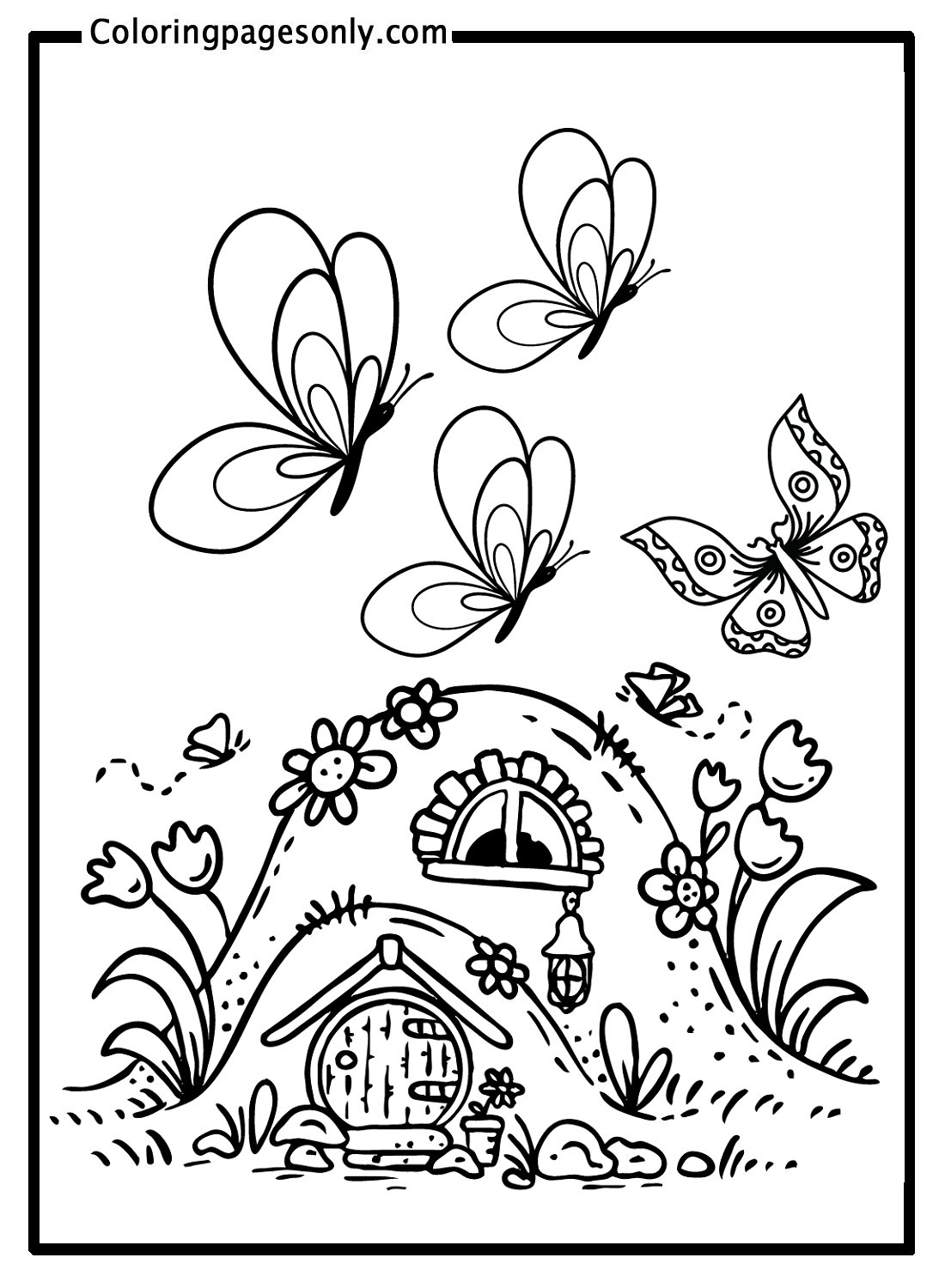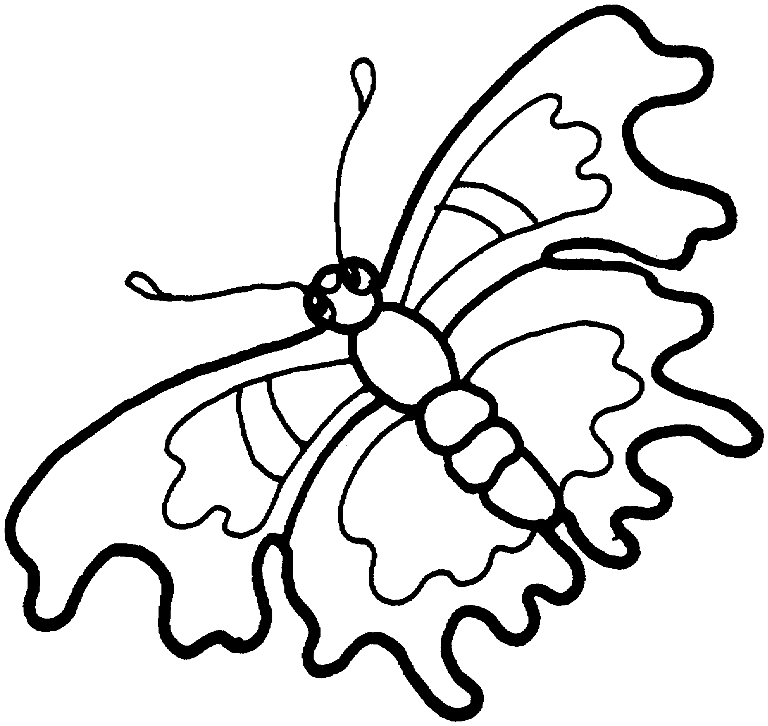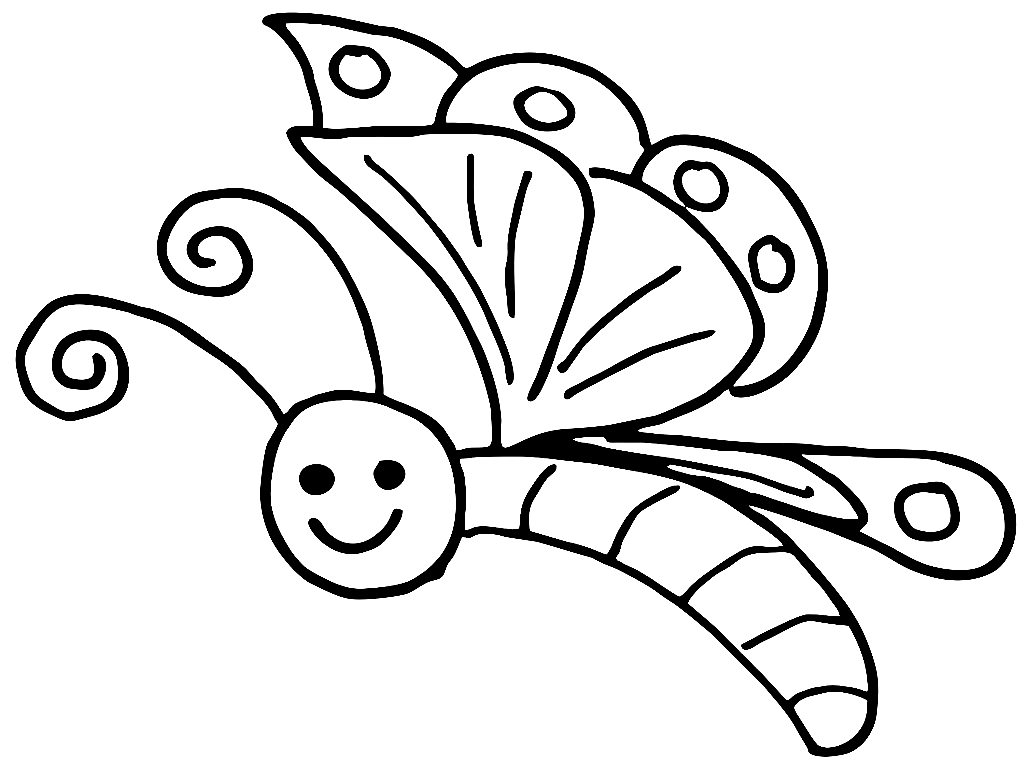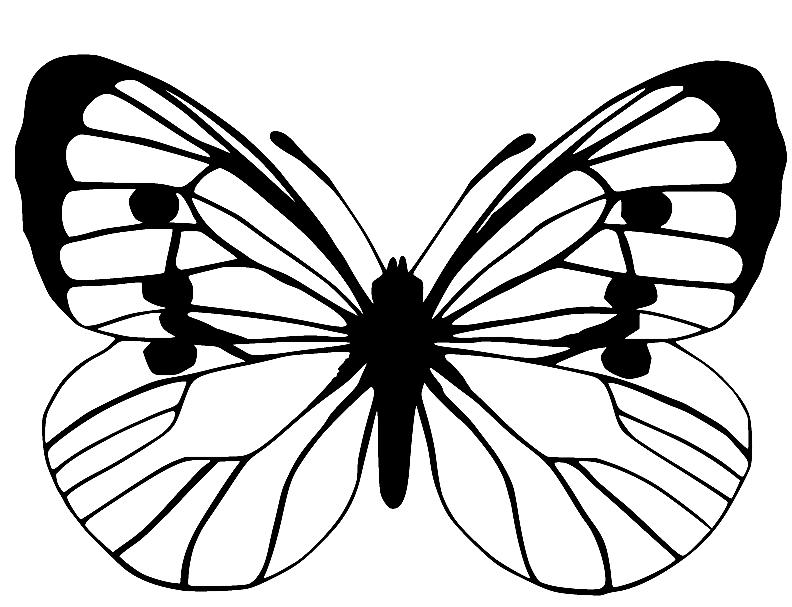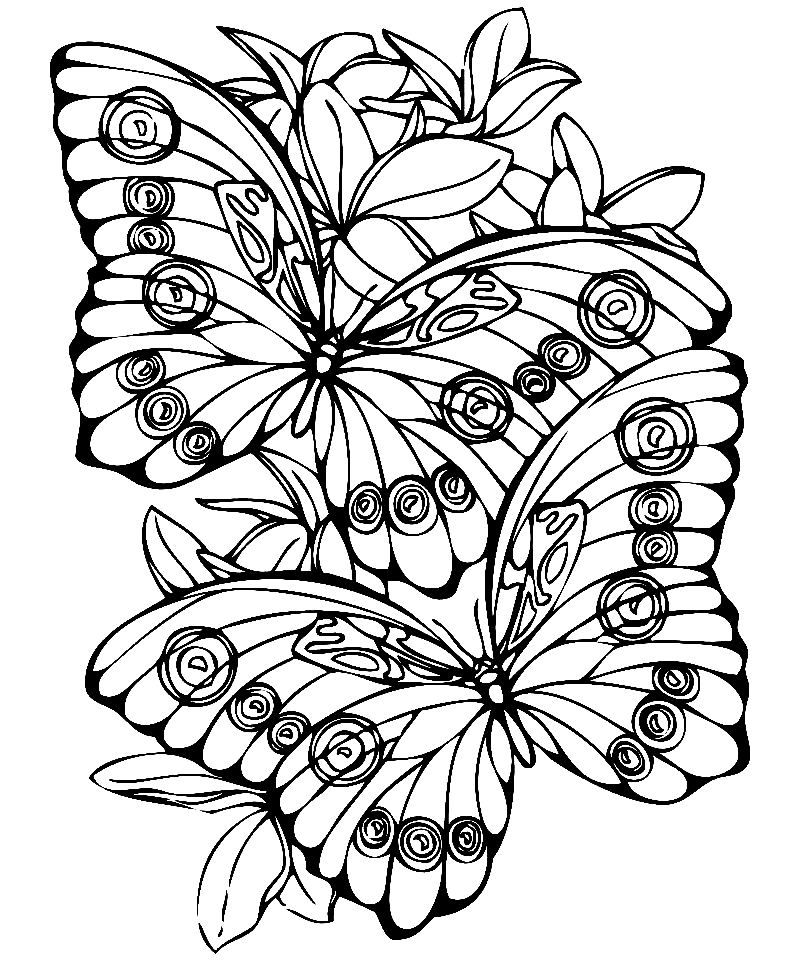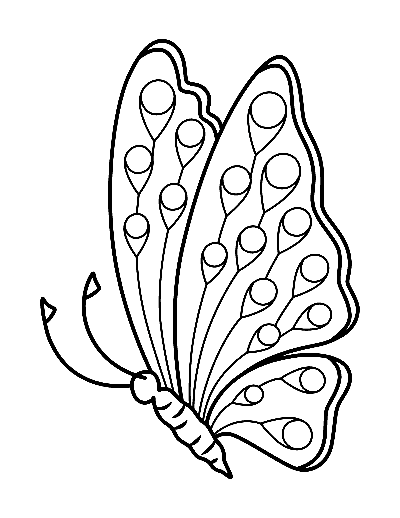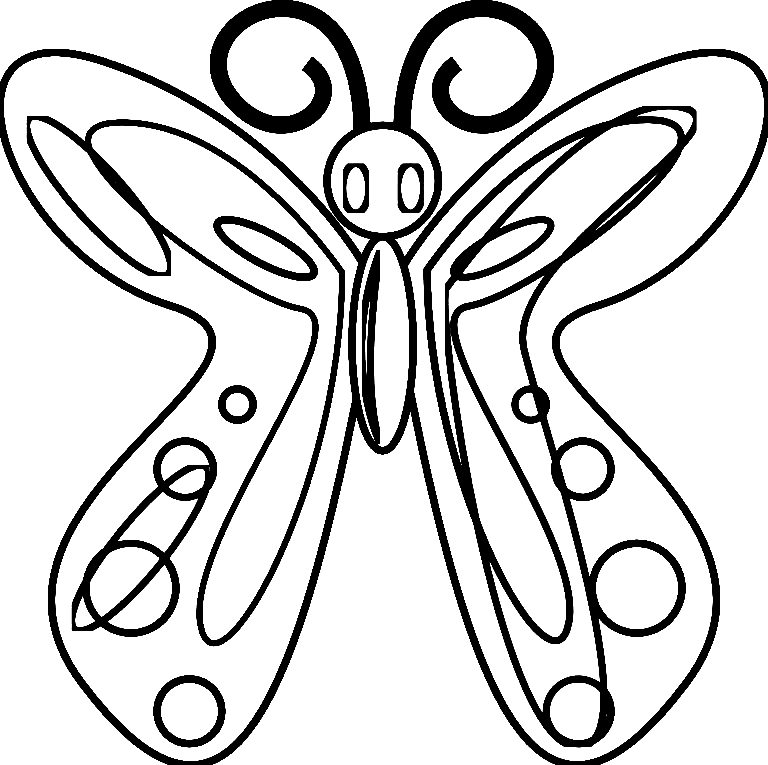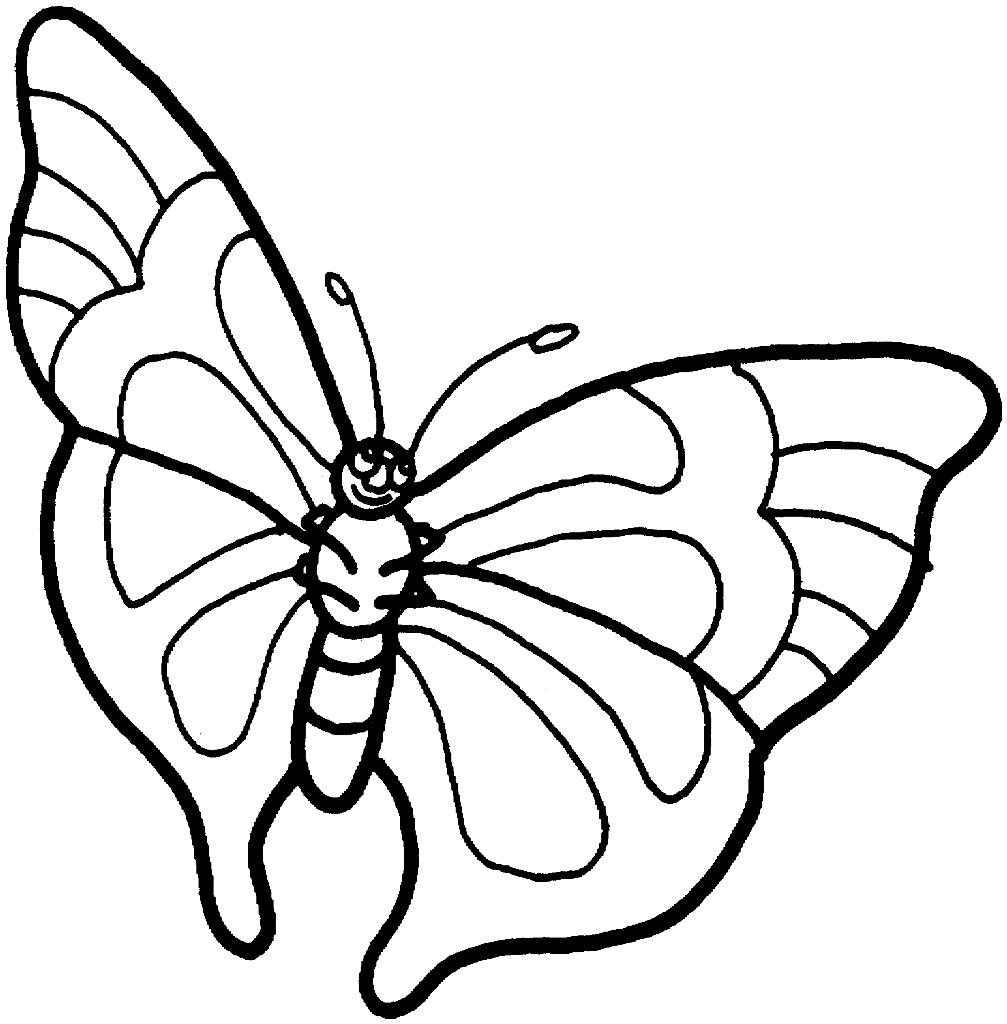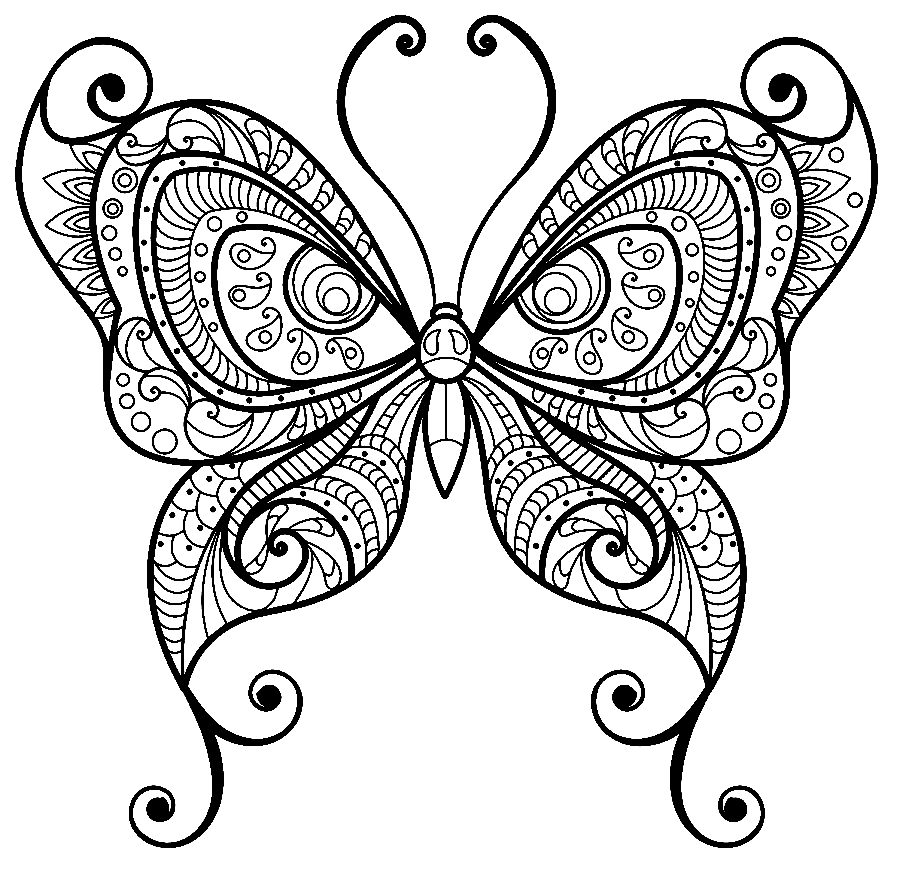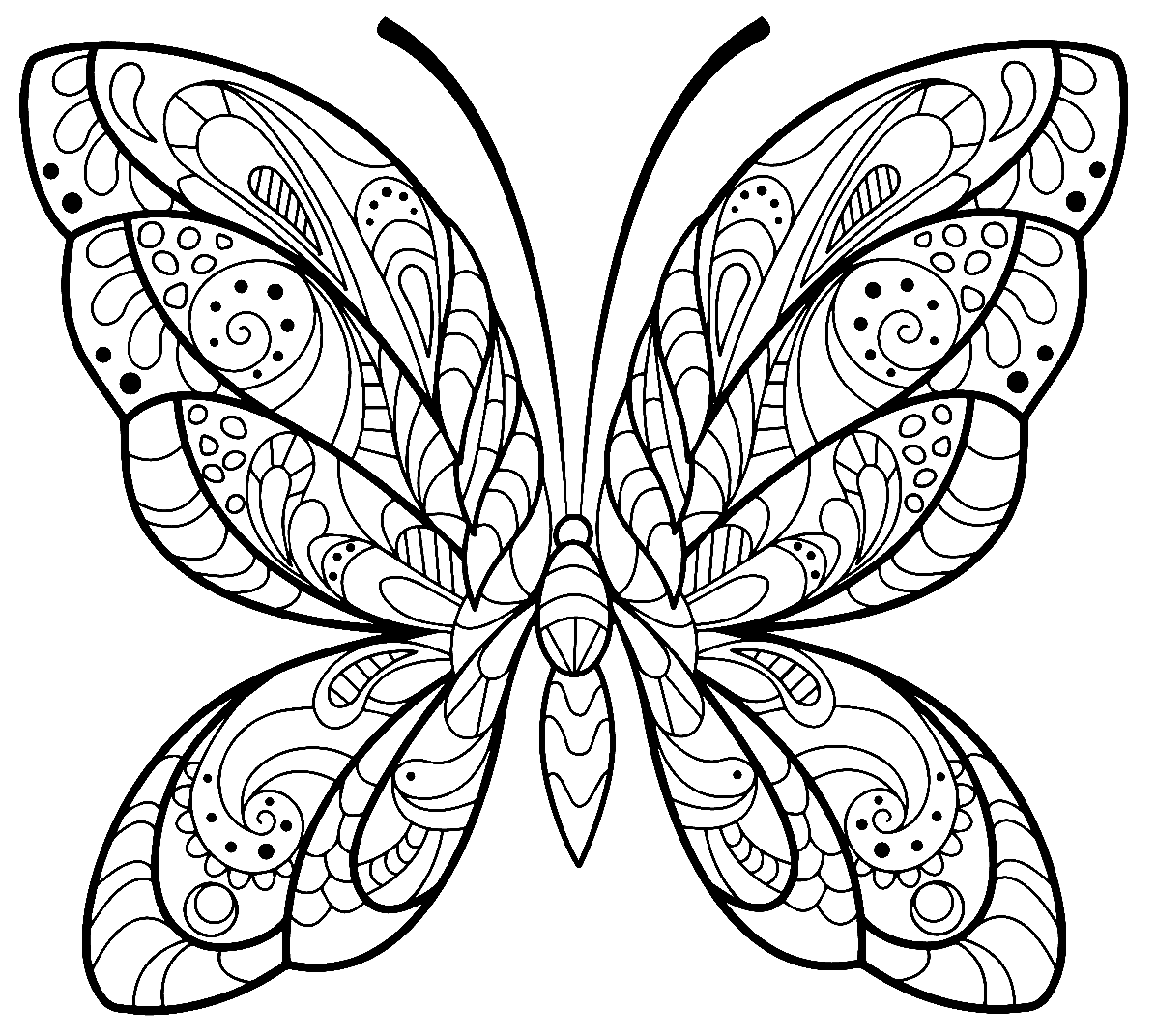
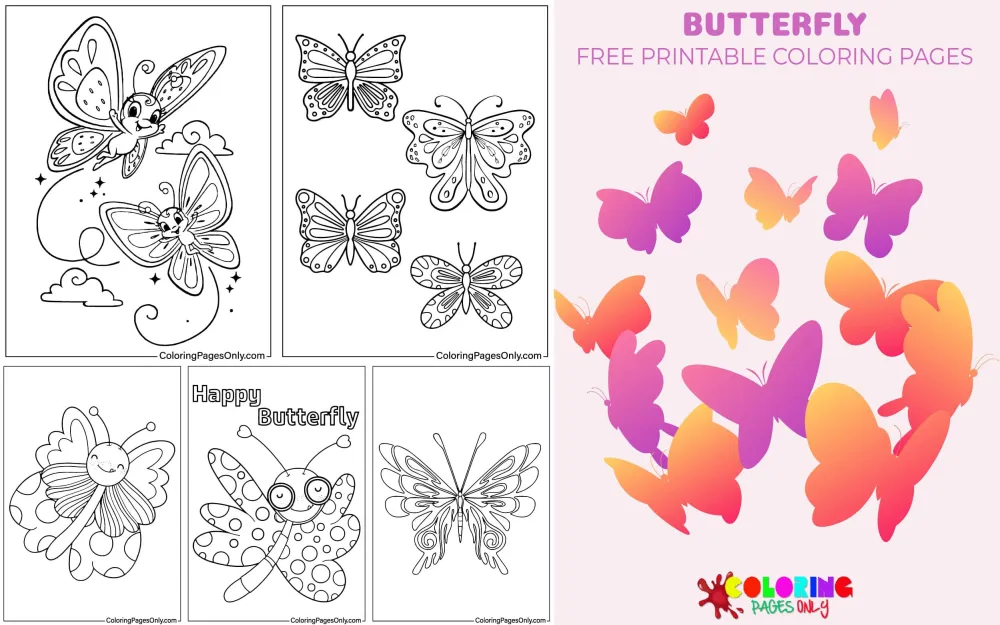
Butterfly Coloring Pages at ColoringPagesOnly.com brings together 60+ free printable pages covering the full spectrum of butterfly illustration – from simple bold outlines perfect for young children, to intricate wing patterns for older colorists, to cartoon butterfly characters, scenes with flowers and rainbows, and pages featuring specific recognizable species like the Swallowtail. Every page is available as a free PDF download or for coloring online directly in your browser.

This collection sits within the Animals Coloring Pages and Insects Coloring Pages hubs. For related nature collections, see Flower Coloring Pages, Gardens Coloring Pages, and Nature and Seasons Coloring Pages.

What Makes Butterflies the Perfect Coloring Subject

No other insect is as naturally suited to the coloring page format as the butterfly. The reason is structural: butterfly wings are, by nature, symmetrical, patterned, and brilliantly colored – they are the insect world’s own version of a coloring page waiting to be filled in. Every wing is already divided into distinct color zones separated by vein lines and scale boundaries. Every species has a canonical palette that is both specific and surprising. And the bilateral symmetry of a butterfly’s wing pair – left mirroring right in every detail – means that a coloring choice on one side of the page automatically defines the other, giving the colorist a built-in structural guide that makes the finished page look intentional and balanced, however it is approached.

There are approximately 18,000 to 20,000 species of butterflies found worldwide, on every continent except Antarctica. No two species have identical wing patterns, and within many species, the wing coloration differs between males and females, between seasons, between geographic populations, and even between the dorsal (upper) and ventral (underside) surfaces of the same individual wing. This makes butterflies, as a subject, practically inexhaustible for the colorist: the same butterfly outline page can be executed dozens of times with different species palettes in mind and produce a completely different finished piece each time.

The Science of Butterfly Wings – Why the Colors Are So Extraordinary

Understanding how butterfly wings actually produce their colors transforms the coloring experience from a decorative activity into an engagement with one of the most remarkable optical engineering systems in the natural world.

Butterfly wing color arises from two completely different mechanisms operating simultaneously – and knowing which is which explains why some butterfly colors feel warm and matte while others appear to shift and shimmer.

Pigment colors are the straightforward case: chemical compounds deposited in the wing scales absorb some wavelengths of light and reflect others, producing the color we see. The warm orange of a Monarch butterfly, the yellow of a Sulfur butterfly, and the white of a Cabbage White are all produced by pigments – pterins and flavonoids synthesized during metamorphosis. These colors look the same from every viewing angle.

Structural colors are something else entirely, and they represent one of the most sophisticated optical phenomena in biology. In species like the Blue Morpho butterfly of Central and South America, the wing scales contain microscopic arrays of ridges and layered lamellae – architectural structures measuring in nanometers – that interfere with, scatter, and selectively reflect specific wavelengths of light. The result is an iridescent, angle-dependent color that appears to shift between intense blue and near-black depending on the viewing angle. There is no blue pigment in a Blue Morpho’s wing. The color is generated entirely by the physical geometry of the scale surface interacting with light. This same nanostructural color principle has inspired real-world technological applications: research into Blue Morpho wing architecture has contributed to the development of more efficient LED lighting and is being studied for the development of non-toxic paints that generate color through structure rather than chemical pigment.

The Glasswing butterfly (Greta oto) of Central America demonstrates a third remarkable optical adaptation: near-total transparency. The wing regions between the veins have microscopic anti-reflective nanopillars – similar in principle to the anti-reflective coating on camera lenses – that suppress glare across a wide range of viewing angles, making the wings nearly invisible in flight. The butterfly does not hide in shadow; it hides in plain sight by becoming optically absent.

For the colorist, this science is immediately practical: when coloring a Blue Morpho-inspired page, the goal is not a flat, uniform blue but a color that suggests the iridescent depth of structural coloration – achieved by layering a deep cobalt or royal blue as a base, then adding brighter, more saturated blue highlights at the wing’s central surface areas, fading toward deeper navy or violet at the edges and shadow zones.

The Complete Metamorphosis – Four Stages Worth Knowing

The butterfly life cycle is one of the most dramatic biological transformations in the animal kingdom, and understanding it adds significant depth to the activity of coloring butterfly pages – because each stage of that transformation is itself a distinct visual subject.

Stage 1: The Egg. A butterfly begins as a tiny, often intricately sculptured egg laid by the female on the specific plant species her caterpillars will eat. Monarch eggs are laid exclusively on milkweed leaves – the only plant the caterpillar can eat. Swallowtail eggs are typically laid on plants in the carrot family. The egg stage lasts three to five days in warm conditions, during which the caterpillar develops inside.

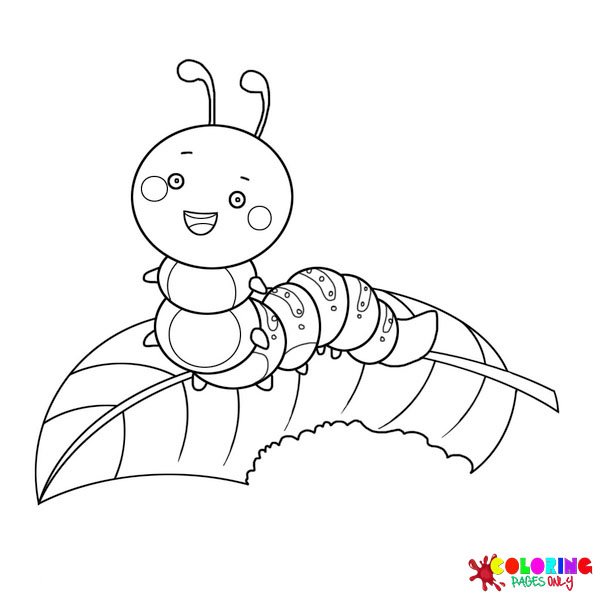
Stage 2: The Caterpillar (Larva). The hatched caterpillar’s sole purpose is to eat. It consumes leaves continuously, growing rapidly and shedding its skin (molting) four or five times as it expands – each stage between molts is called an instar. A Monarch caterpillar in its final instar is distinctively banded in yellow, black, and white – a warning coloration that signals to predators that the caterpillar has sequestered the toxic cardenolides from the milkweed it has been consuming. The caterpillar’s appearance is entirely different from the adult butterfly: not a small version of a butterfly but a different creature altogether, specialized for its specific stage of life.

Stage 3: The Chrysalis (Pupa). When the caterpillar is fully grown, it attaches itself to a surface, sheds its final caterpillar skin, and reveals a chrysalis – not a cocoon (that is a moth structure), but a hardened pupal case formed from the caterpillar’s own transformed outer layer. Inside the chrysalis, something extraordinary occurs: the larval organ systems are chemically dissolved and entirely rebuilt into the structures of the adult butterfly. The organism essentially disassembles and reassembles itself. A Monarch chrysalis is a remarkably beautiful jade green studded with tiny gold spots. A Swallowtail chrysalis is held upright by a silk girdle around its middle. The chrysalis stage lasts approximately two weeks in the Monarch.

Stage 4: The Adult (Imago). When metamorphosis is complete, the pupal case splits, the adult butterfly climbs out, and pumps fluid from its body into its wings – inflating and extending them to their full size. The adult must wait for the wings to dry before it can fly, a period of vulnerability lasting a few hours. The adult butterfly then spends its days feeding on flower nectar through its proboscis (a coiled tube that unrolls to drink, formed from two modified mouthparts fused together), locating mates, and, for females, seeking the specific host plants on which to lay the next generation of eggs.

Most adult butterflies live only a few weeks. The spectacular exception is the migratory generation of the Monarch, which can live up to eight months, long enough to complete the annual migration to Mexico and overwinter before beginning the return journey north.

A Guide to the Major Species – Canonical Colors for Coloring

The collection’s 60+ pages span simple outline butterflies through recognizable species illustrations. This species-by-species guide provides the canonical colors that make each butterfly visually accurate – essential knowledge for any colorist who wants their finished page to look like a specific real butterfly rather than an imaginary one.

Monarch Butterfly (Danaus plexippus) – the most recognized butterfly in North America and arguably the world. The Monarch’s canonical palette is unmistakable: deep orange-amber wings with black vein lines running across the wing surface, a thick black border around all four wing edges, and two parallel rows of small white spots within that black border. The orange is warm and saturated – not yellow-orange but a deep amber-orange, closer in tone to a ripe tangerine than to a lemon. The wingspan of the eastern Monarch averages 90–100 mm (about 4 inches). Male Monarchs have two distinct black scent spots on their hind wings (visible as small dark patches in the center of the lower wing pair). The underside of the wings is a paler, more washed-out orange with the same vein and border pattern visible in softer tones.

Painted Lady Butterfly (Vanessa cardui) – the world’s most widely distributed butterfly, found on every continent except Antarctica and South America. The Painted Lady is often confused with the Monarch, but its palette is distinctly different: a warm orange-brown base (less saturated and more earthy than the Monarch’s vivid orange), complex black patches near the forewing tips containing small white spots, and along the hindwing edges, a row of small blue or greenish eyespots visible when the wings are spread. The key distinction from the Monarch: no clean black vein lines across the wing surface, no neat parallel white spots along the outer border. The Painted Lady’s pattern is more complex, less geometrically clean. The underside of the hindwings is one of the most intricate patterns in the butterfly world – a mosaic of tan, brown, cream, and white that provides near-perfect camouflage against tree bark and dried leaves.

Blue Morpho Butterfly (Morpho menelaus) – the iridescent showpiece of the Central and South American rainforest. The upper wing surface of the male Blue Morpho is an intense, shimmering azure blue that appears to shift in intensity with viewing angle – this is structural coloration at its most dramatic. The wing borders are dark brown to black, framing the blue like a painting. The underside of the wings is entirely different: a cryptic pattern of brown, tan, and cream with circular eyespots that makes the resting butterfly virtually invisible against a tree trunk. The coloring challenge of the Blue Morpho is capturing its iridescence – layering a deep cobalt base with lighter royal blue highlights at the wing center, while maintaining the dark border as a clean, deep contrast.

Swallowtail Butterflies (family Papilionidae) – a large and visually diverse family found worldwide, unified by the characteristic elongated “tails” on their hindwings that give the family its name. The Eastern Tiger Swallowtail (Papilio glaucus) – one of the most recognized North American swallowtails – has a yellow body with black tiger-stripe bands across the wings, a blue wash on the hindwings near the tail, and orange and blue spots along the hindwing margin. The Zebra Swallowtail (Eurytides marcellus) has boldly contrasting black-and-white stripes rather than the tiger pattern. Swallowtail tails serve a defensive function: predators targeting the tail extensions strike non-vital wing tissue, allowing the butterfly to escape with a damaged wing rather than a damaged body.

Peacock Butterfly (Aglais io) – native to Europe and Asia, the Peacock is one of the most vivid examples of eyespot defense: each of its four wings carries a single, large, circular eye-like marking ringed in blue, surrounded by russet, black, and yellow – designed to startle predators with the sudden appearance of large, staring eyes when the resting butterfly opens its wings. The rest of the wing surface is deep russet-red with black and yellow patterning. The underside, by contrast, is almost completely black, making the resting, closed-wing butterfly invisible on dark surfaces.

Glasswing Butterfly (Greta oto) – native to Central America, the Glasswing’s wings are largely transparent between the vein lines, with only a brown border around the wing edges and small patches of opaque color near the tips. The transparency is not coloration in the conventional sense – it is the absence of light-scattering scale pigmentation, combined with the nanopillar anti-reflective structures described above. A Glasswing coloring page is a fascinating exercise in restraint: color only the borders and vein outlines, and leave the central wing surface entirely blank – letting the white of the paper represent the transparency of the wing itself.

The Collection’s Pages – Four Distinct Types

The 60+ pages in this collection span four broad categories, each suited to different ages, skill levels, and creative intentions.

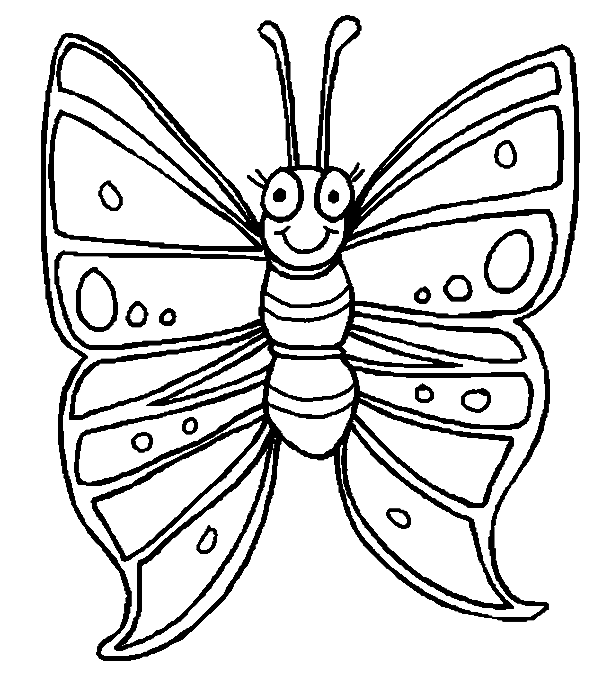
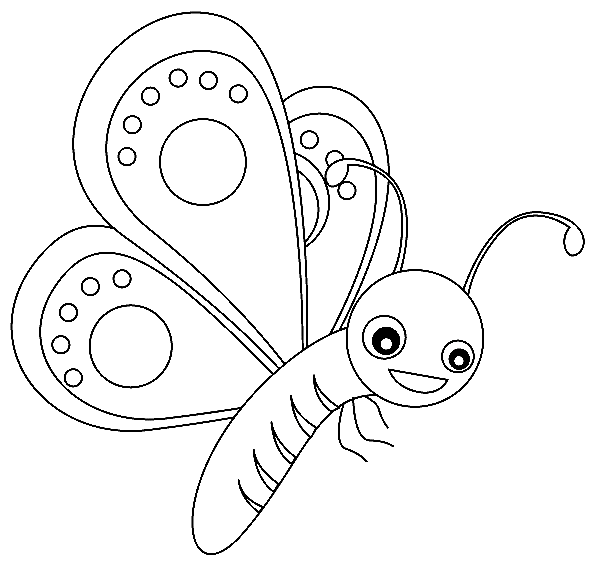
Simple outline pages – “Simple Butterfly Coloring Page,” “Big Butterfly,” “Butterfly Cartoon,” “Flying Little Butterfly” – feature clean, bold outlines with minimal internal detail. These pages are the most accessible: the large open areas fill quickly with color, the wing symmetry is easy to maintain, and the results look accomplished even with minimal technique. For very young children (ages 3–6), these pages provide the most satisfying creative experience because completion is achievable and the butterfly shape is immediately recognizable in the finished result.

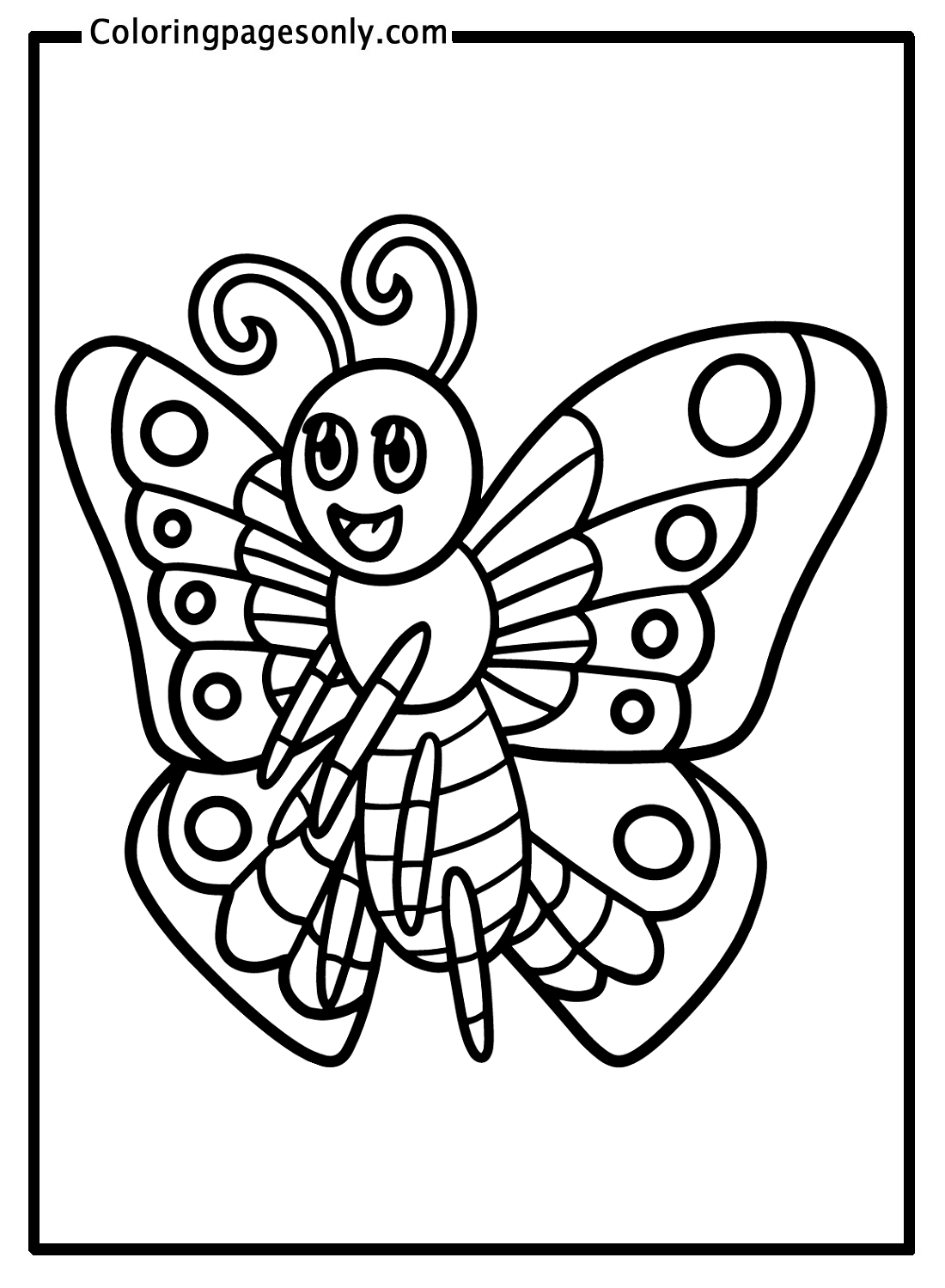
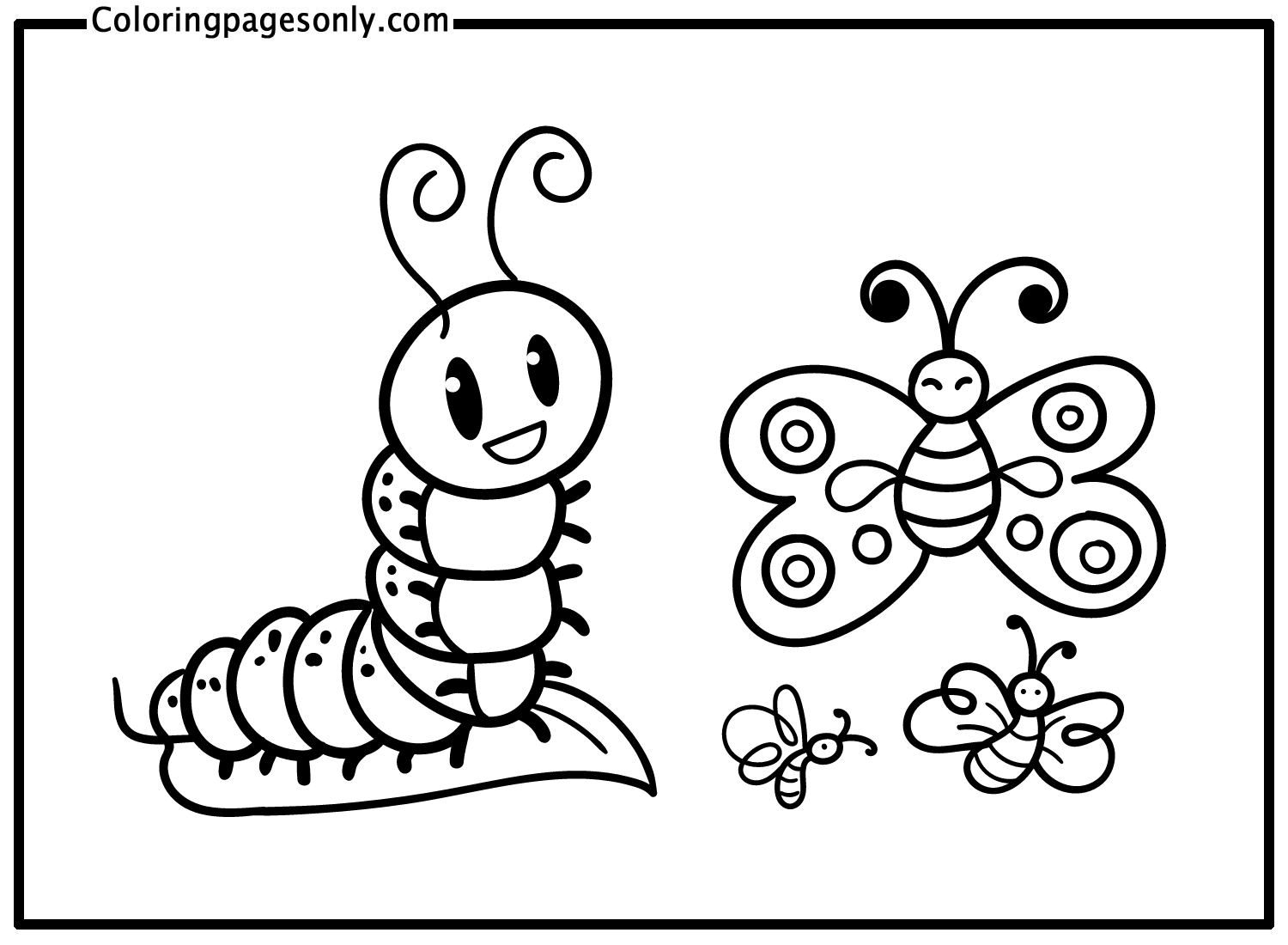
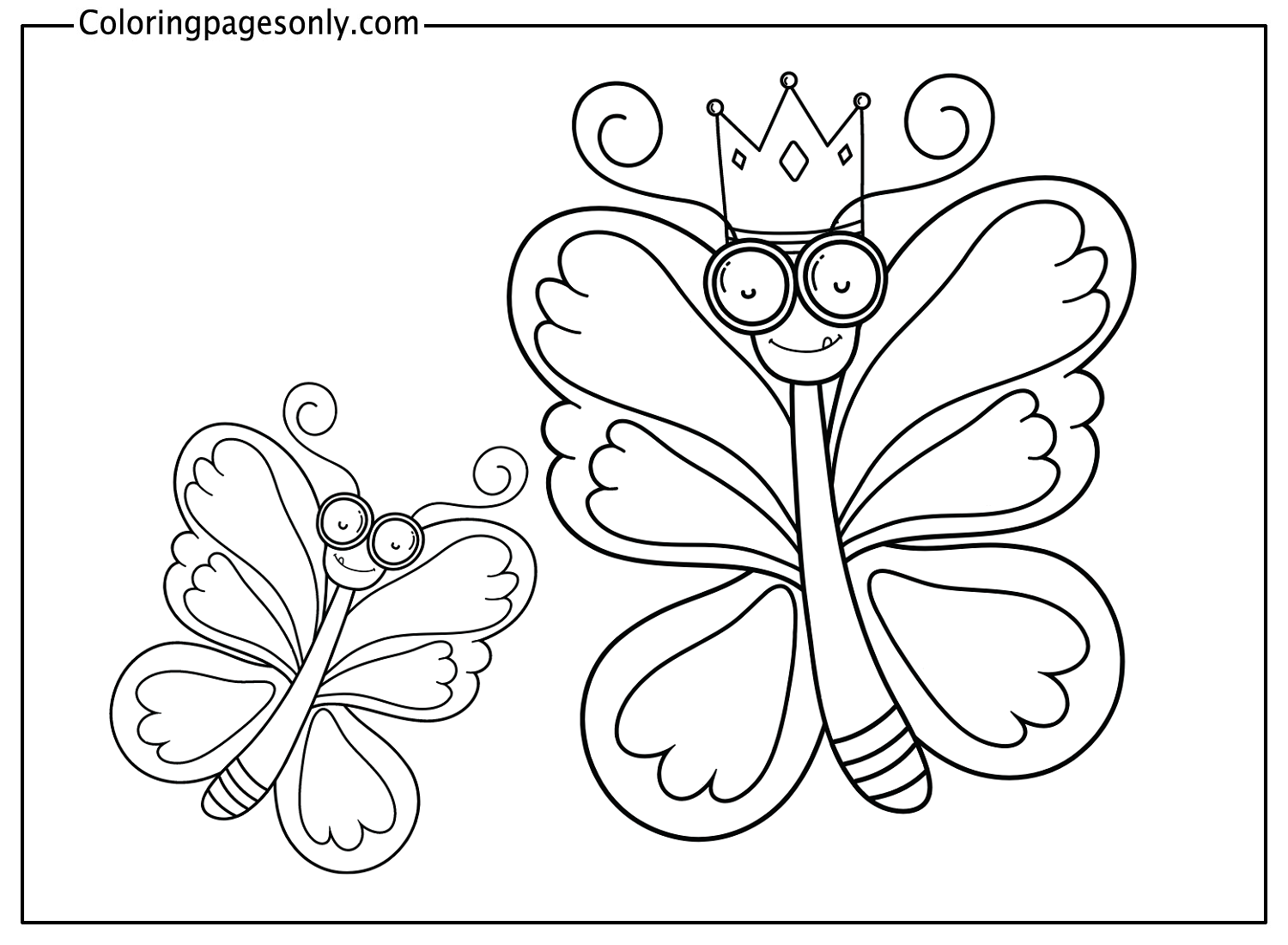
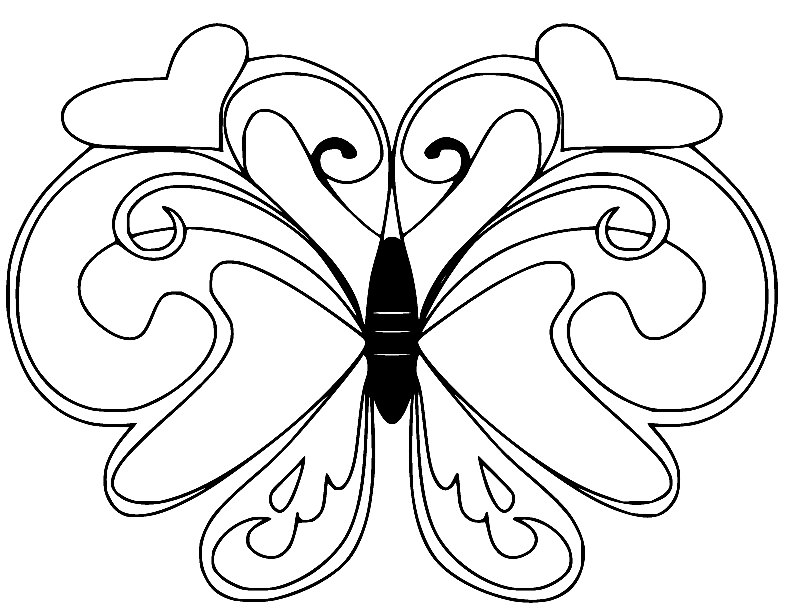
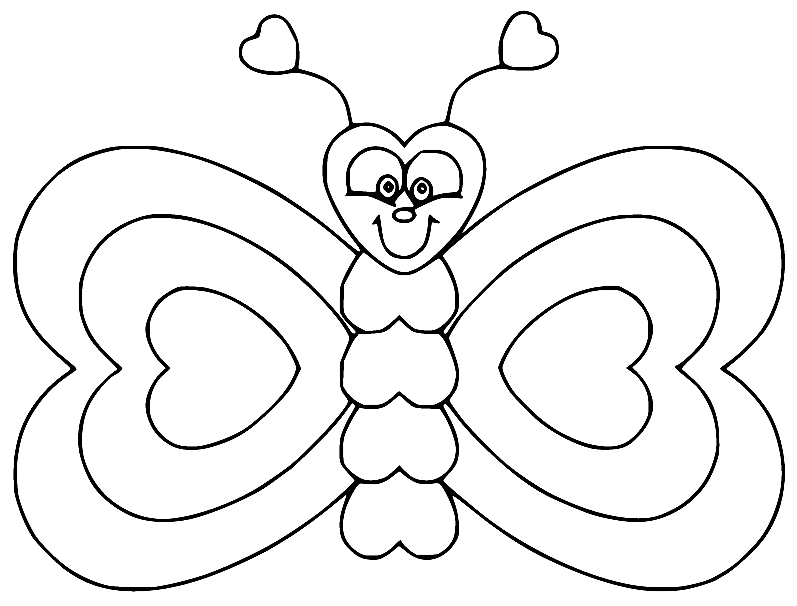
Character and cartoon pages – “Butterfly Cartoon,” “Butterfly With Hearts,” “Cute Cartoon Butterfly,” “Cartoon Butterfly Character,” and butterfly-in-scene pages – give the butterfly a personality through stylized illustration: large expressive eyes, simplified wing patterns, often shown in interaction with flowers, rainbows, or other elements. These pages appeal particularly to children who are attracted to the whimsy aesthetic and who prefer illustrated characters over naturalistic drawings. The “Butterfly With Hearts” page adds a decorative element to the wing pattern; the “Butterflies and Rainbow” page places multiple butterfly characters in a colorful scene context.

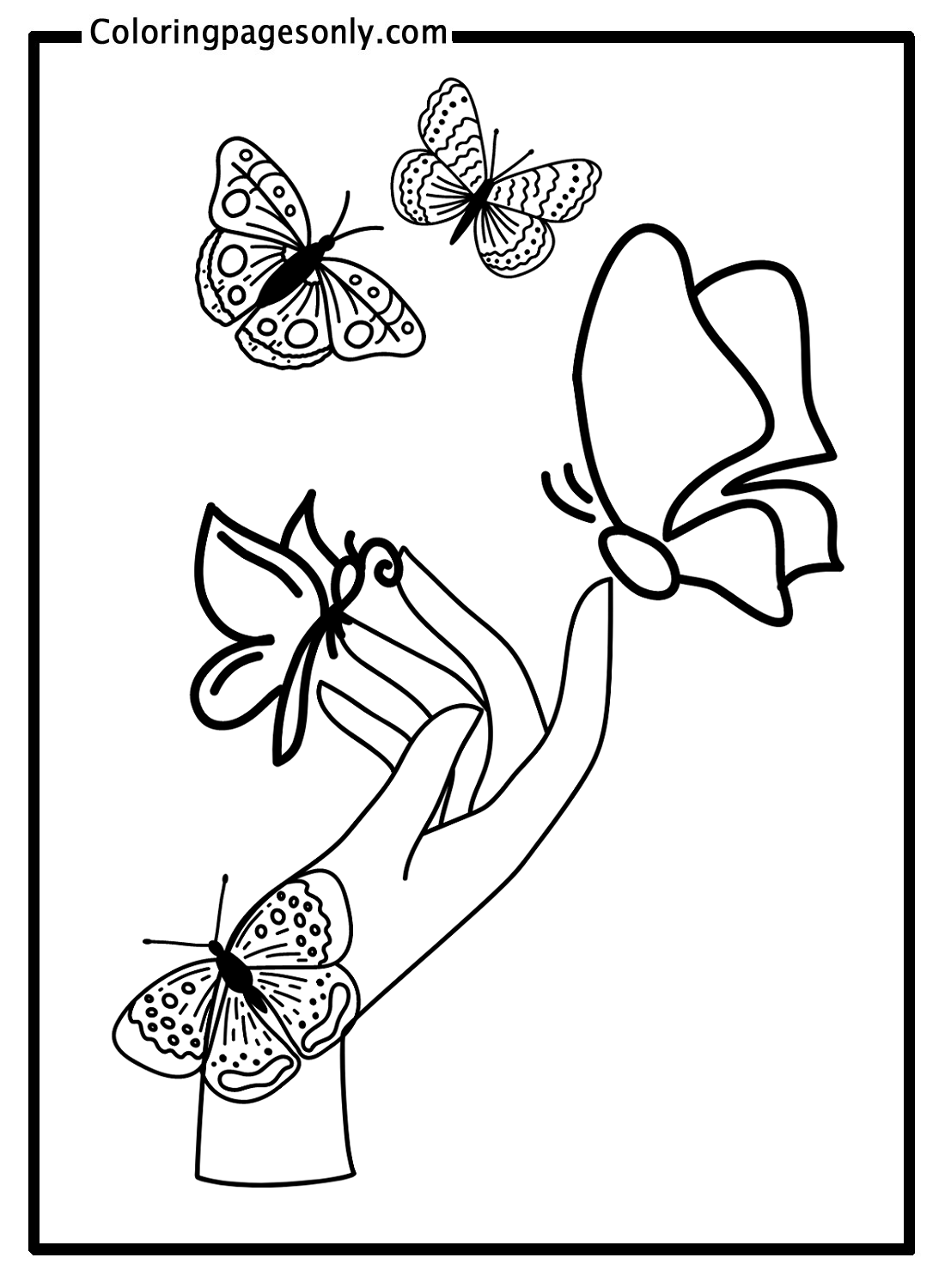
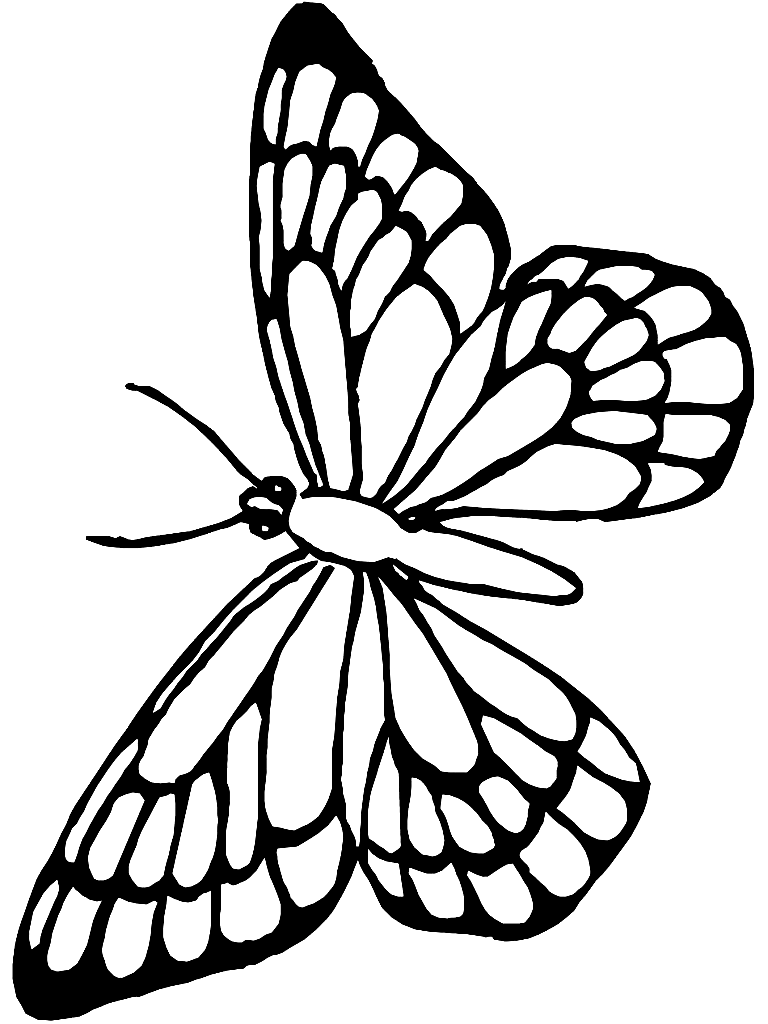
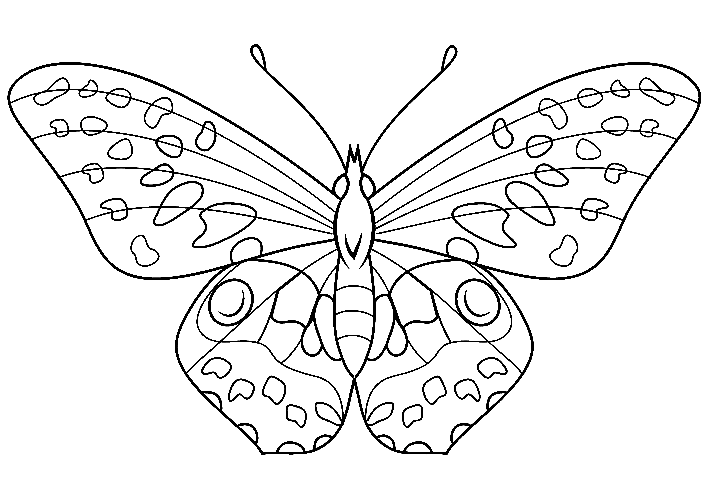
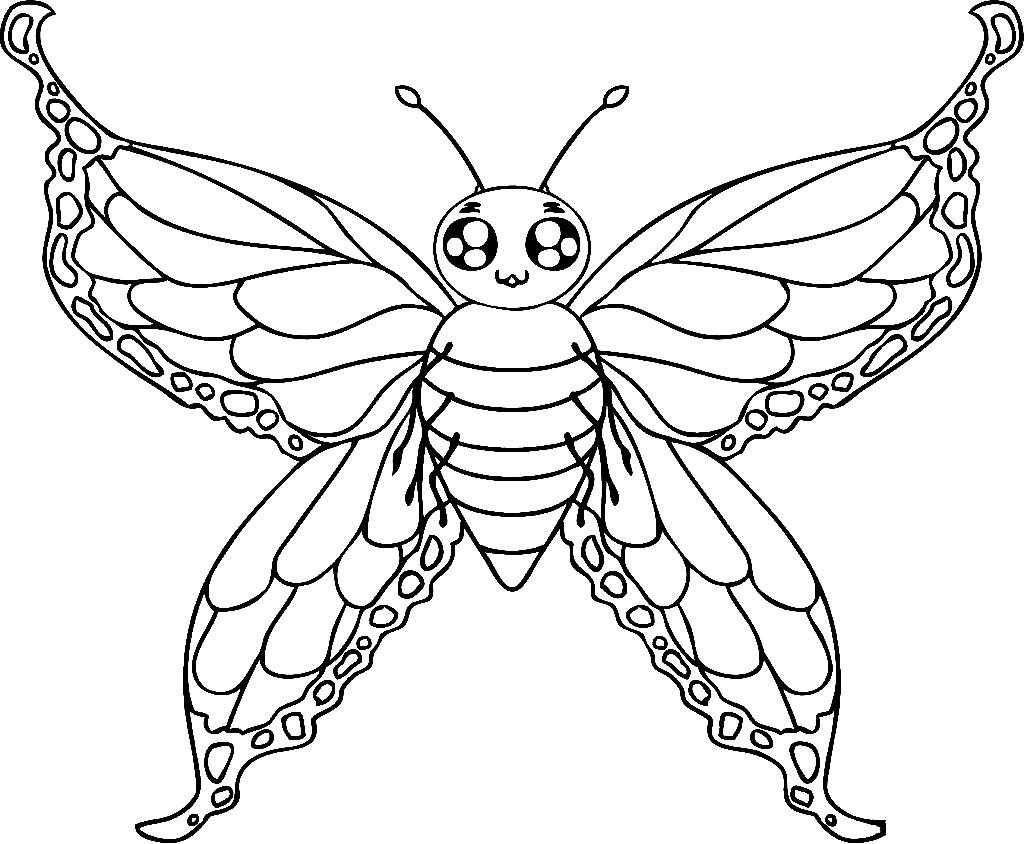
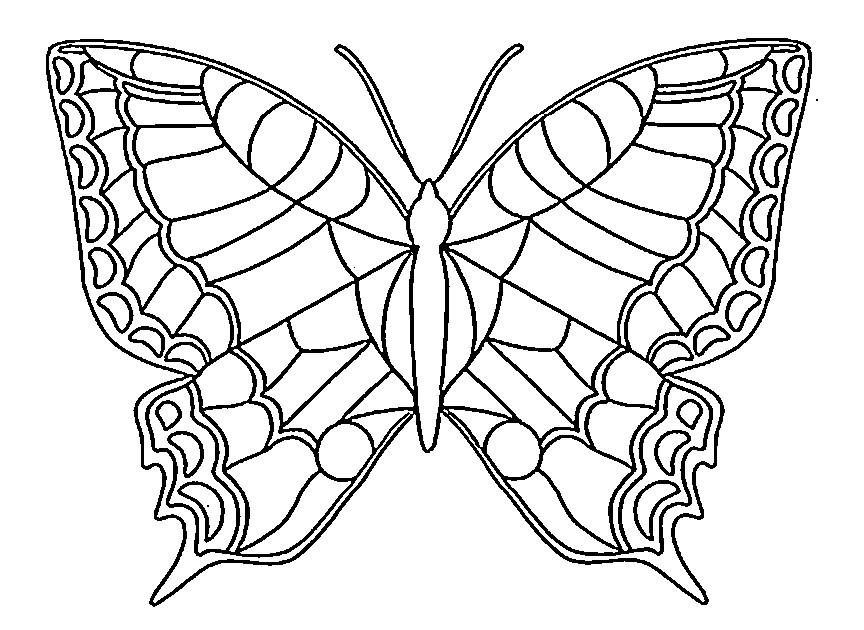
Naturalistic and species-accurate pages – “Swallowtail Butterfly Coloring Page,” “Butterfly on Flower Coloring Page,” and the various detailed wing illustrations – are rendered with more attention to the actual anatomy and pattern structure of real butterfly wings. These pages reward more careful coloring and serve as genuine nature study material: a child who carefully colors a Swallowtail page with accurate colors (yellow, black stripes, blue hindwing wash, orange margin spots) has engaged in close visual study of that species’ actual wing structure.

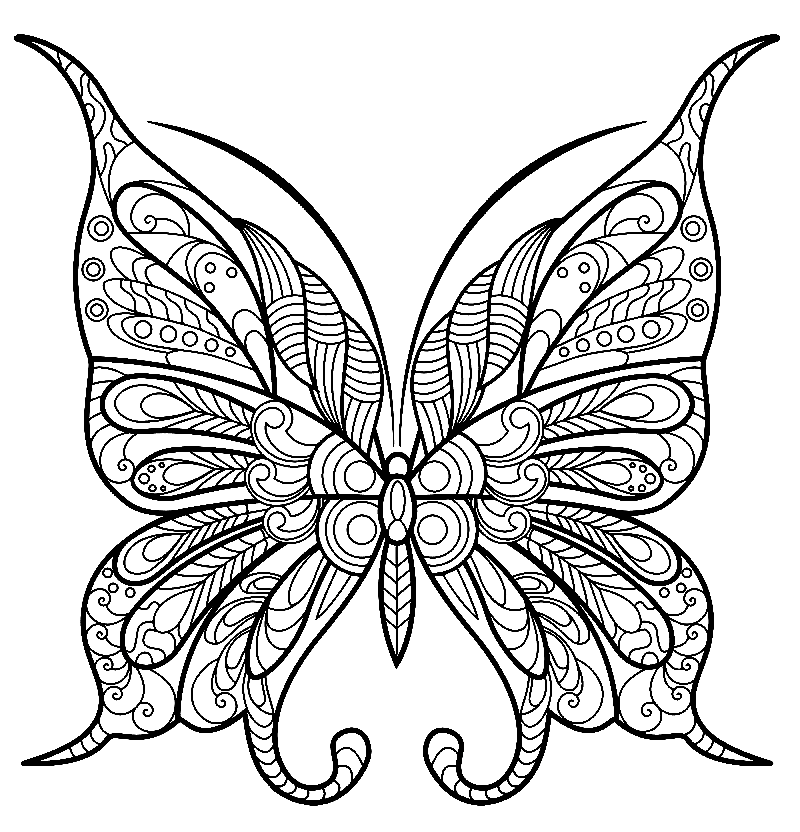
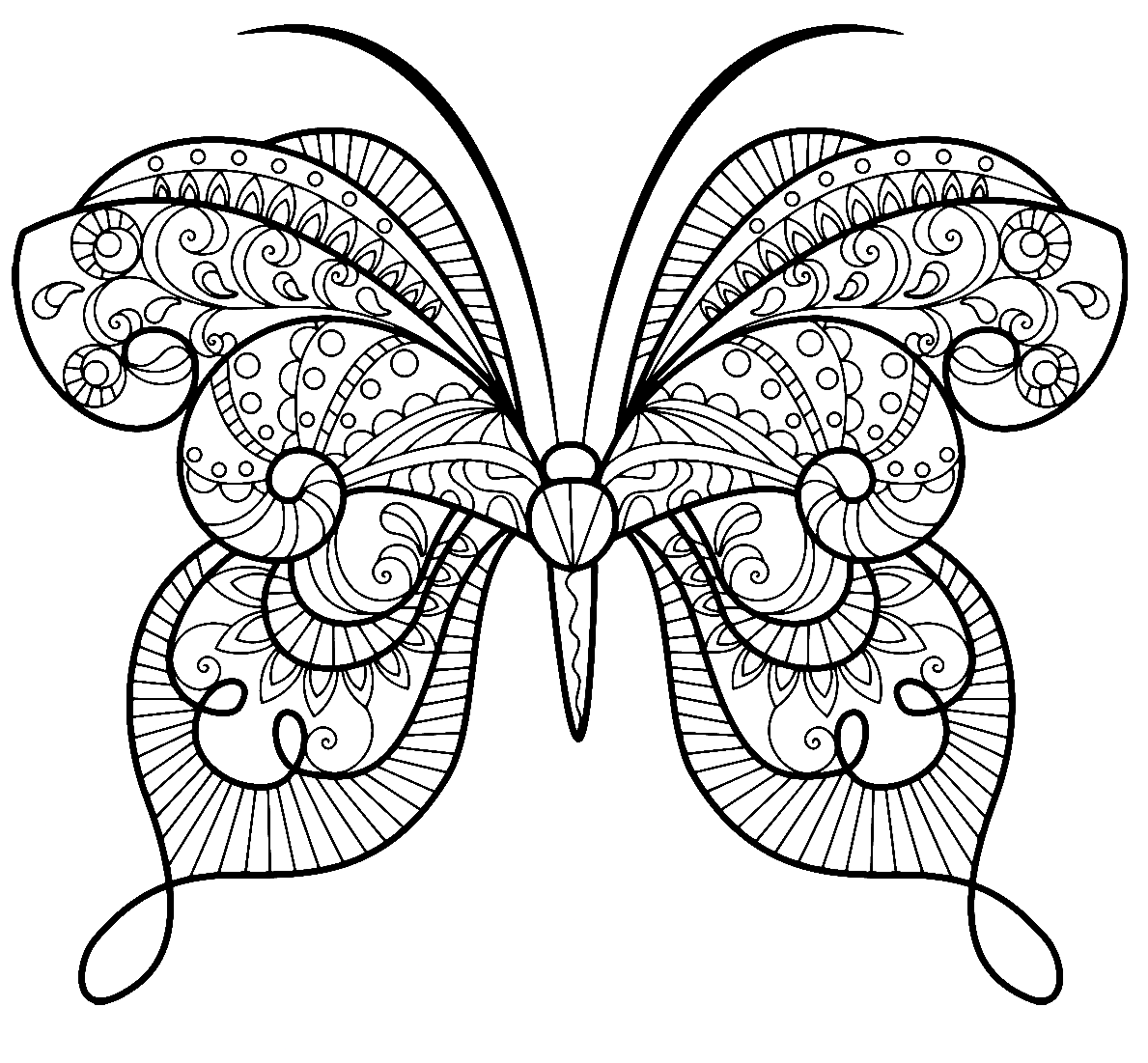
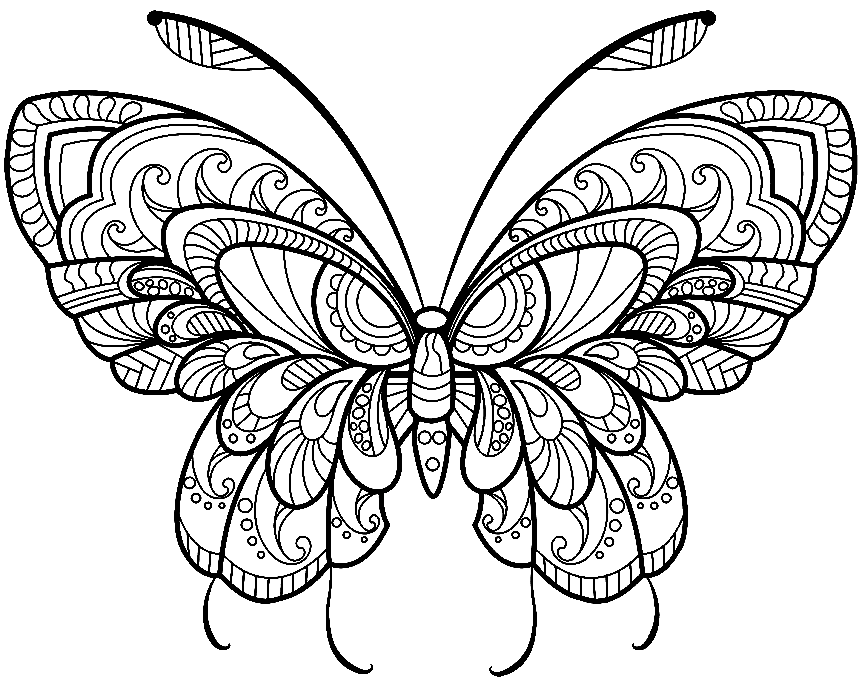
Pattern and decorative pages – “Decorative Butterfly Coloring Page,” “Ornate Butterfly Wings Pattern,” “Detailed Butterfly Pattern” – use the butterfly wing as a canvas for intricate geometric, floral, or abstract patterning. These pages are closest in spirit to the adult coloring book tradition: the wing shape provides a recognizable outer form, but the internal decoration is as much mandala or zentangle as it is natural history. These pages are most suited to older children and adults who enjoy detailed, meditative coloring work.

Coloring Tips for Butterfly Pages

Always work from the body outward, not the edges inward. In a butterfly coloring page, the body (the thorax and abdomen) is the structural center from which the wings radiate. Begin by coloring the body in the dark black, brown, or grey that most butterfly bodies actually are – then work outward along the wing veins from the body junction toward the wing margins. This approach mirrors how butterfly wings actually develop (from the base outward during chrysalis) and ensures that the body-to-wing color transitions are handled correctly rather than awkwardly at the end.

Respect the bilateral symmetry – or deliberately break it. The default approach to butterfly coloring is bilateral symmetry: the left and right wings mirror each other in color and pattern. This is biologically accurate and produces a satisfying, balanced result. An alternative creative approach is deliberate asymmetry – giving each wing pair a different but complementary color scheme. This has no biological precedent but can produce dramatically interesting finished pages, especially for the more decorative and abstract butterfly illustrations in this collection.
For Monarch pages: use the orange-black-white triad without substitution. The Monarch’s visual power comes from the specific intensity of its three-color triad. The orange should be a deep, warm amber-orange – not yellow, not coral, not terracotta. The black should be a true black, not grey. The white spots should be left white (unpainted) or colored the most crisp, bright white available. Substituting softer tones for any of these three colors produces a Monarch that looks uncharacteristically quiet; the Monarch’s warning coloration works precisely because the contrast between these three tones is extreme.
For Blue Morpho pages: layer, don’t flatten. The iridescent quality of Blue Morpho structural coloration cannot be reproduced by a single flat layer of blue. The technique that comes closest to using colored pencils or watercolor is layering: start with a layer of deep cobalt or royal blue across the entire wing interior. Then add a second layer of brighter, more electric blue over the central wing surfaces only, leaving the area near the vein lines and wing border in the deeper tone. If available, a small amount of silver or very pale lavender applied very lightly over the brightest highlights can suggest the metallic shimmer of the nanostructural surface. The border should remain a clean dark brown or near-black.
Eyespots require a specific technique to read correctly. Many butterfly species – the Peacock, the various pansy butterflies, and many pages in this collection featuring decorative wing patterns – feature circular eyespots on the wing surface. An eyespot that reads correctly as an eye has a specific structure: a dark outer ring, a ring of the wing’s primary color, a smaller dark inner circle, and a tiny bright highlight point at the top of the inner circle (representing reflected light, as if the eye has a light source above it). Without that highlight point, the eyespot reads as a concentric circle pattern rather than an eye. Placing a tiny white dot (or leaving a tiny white space) at the 10–11 o’clock position of the innermost dark circle instantly converts a geometric pattern into a convincing eye.

For transparent wing pages: let the paper be the wing. On Glasswing-inspired pages or any page where some wing sections are meant to appear transparent, the most effective approach is to color the vein lines and wing borders carefully in their correct tones (typically dark brown), then leave the interior sections of the wing unpainted. The white of the uncolored paper – especially on high-quality white printer stock – creates a clean, glass-like appearance that no light-colored crayon or pencil can reproduce. Attempting to color the transparent sections with a very pale or light color usually makes them look cloudy rather than clear.

5 Activities

The species identification challenge. Print three or four butterfly pages from the collection representing different species types. Before coloring, research each species’ canonical color palette together using a nature guide or a credible online resource. For each species, note: the primary wing color, the border color, the pattern type (stripes, eyespots, solid, veined), and whether the underside differs from the upper surface. Then color each page using the research as a guide, attempting to make each butterfly accurate enough that another person could identify the species from the colored page alone. After coloring, arrange the finished pages together and test – ask someone else (a sibling, parent, or classmate) to match each colored page to the species description. This activity combines coloring with scientific observation, vocabulary development (proboscis, chrysalis, instar, aposematism), and the research skill of consulting a reference source before beginning a task.

The metamorphosis sequence project. Across four separate sheets of paper, create a visual sequence of one butterfly’s complete life cycle: egg on a leaf, caterpillar, chrysalis, and adult. Use one page from the collection as the adult butterfly reference, and draw or paint the other three stages alongside it. The caterpillar can be drawn with stripes matching the species’ known caterpillar coloring (Monarch caterpillars are banded in yellow, black, and white; Swallowtail caterpillars famously mimic bird droppings). The chrysalis can be modeled on the species’ known pupal form (the Monarch’s jade green with gold spots; the Swallowtail’s upright, silk-girdled form). Mount all four stages in sequence on a backing sheet with the butterfly name and a one-sentence description of each stage. This project produces a complete, hand-made natural history document of one butterfly’s life.

The wing pattern design challenge. Using a blank butterfly outline (print any simple butterfly outline from the collection and remove the internal decorations), design your own imaginary butterfly species. The design rules: the pattern must serve a specific survival function (choose one: warning coloration to signal toxicity, camouflage to blend with a specific environment such as dead leaves or tree bark, eyespots to startle predators, or mimicry of another species). Color the butterfly accordingly, then write a three-sentence “field guide” description: the species name (invented), the color palette, and the specific survival function of the pattern. This creative-science crossover activity develops the same kind of functional reasoning that biologists use when explaining the adaptive significance of a trait – it asks the child to think like a naturalist rather than like an artist.

The butterfly garden habitat project. After coloring three or more butterfly pages featuring flowers or outdoor scenes (Butterfly on Flower, Butterflies and Rainbow, Happy Butterfly with Flower), research which specific plants attract the butterflies depicted. For Monarchs: milkweed for caterpillars, and nectar-rich native flowers like coneflower, goldenrod, and zinnia for adults. For Painted Ladies: thistles for caterpillars, and zinnias, cosmos, lantana, and asters for adults. For Swallowtails: plants in the carrot family (dill, fennel, parsley) for caterpillars. Create a simple “butterfly garden plan” – a drawing of a garden layout with the specific plants labeled, the butterflies each plant will attract noted, and a seasonal calendar showing when each plant blooms. If space and circumstances allow, plant even a single pot of the appropriate host plant in a window or outdoor space and observe whether any butterflies visit. A window planter of milkweed in a Monarch migration zone is one of the most reliably rewarding wildlife observation setups a family can create.

The coloring style comparison. Select one butterfly species (for example, the Monarch) and find three different pages in the collection that could plausibly be interpreted as that species: a simple outline, a detailed naturalistic page, and a decorative pattern page. Color all three as accurately as possible for the same species, using the same color palette on all three pages. Then compare the finished results: how does the same color palette look across three different illustration styles? Which style produces the most visually accurate representation? Which produces the most aesthetically interesting result? Which was most satisfying to color? This comparison develops visual literacy – the ability to analyze how illustration style affects the perception of the same subject – and produces a set of three finished pages that work together as a small portfolio. For older children and teenagers with an interest in art, this activity is a genuine introduction to the concept of artistic style as a variable independent of subject matter.

These related coloring collections will help you explore the wonderful world of colors. Let’s choose, be creative, and show us your great pictures!

Jennifer Thoa – Writer and Content Creator

Hi there! I’m Jennifer Thoa, a writer and content creator at Coloringpagesonly.com. With a love for storytelling and a passion for creativity, I’m here to inspire and share exciting ideas that bring color and joy to your world. Let’s dive into a fun and imaginative adventure together!