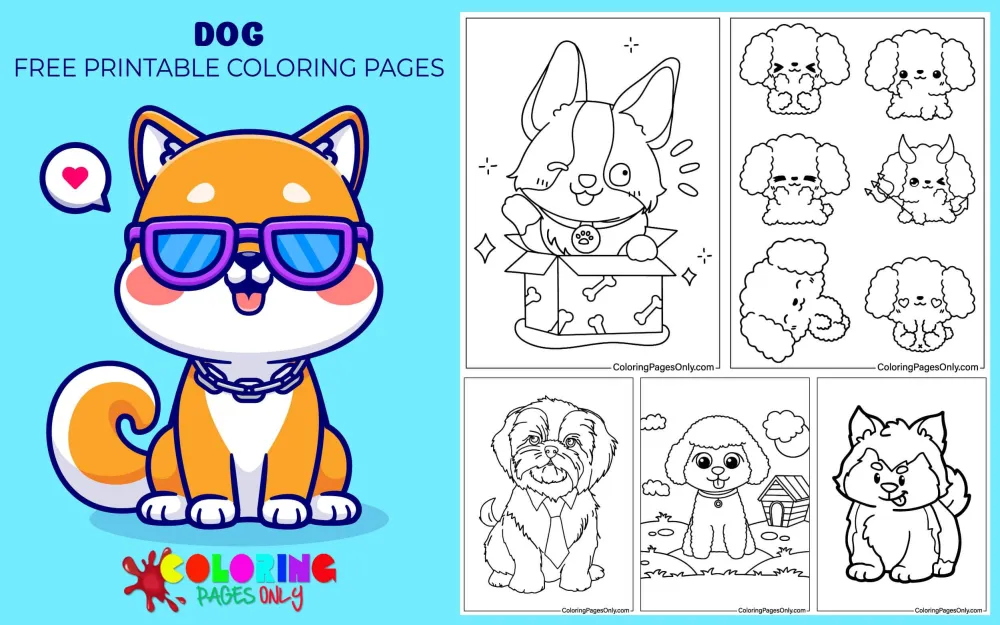
Free dog coloring pages: 710+ printable designs organized by breed, including huskies, German shepherds, bulldogs, pit bulls, poodles, corgis, pugs, chihuahuas, shih tzus, and puppies, alongside mixed-breed and cartoon-style dog pages. The collection ranges from simple, bold puppy outlines suited to toddlers to detailed designs that capture the distinct coat patterns, ear shapes, and facial features of specific breeds. Every page is free to download as a PDF and print, or to color online directly in the browser.
Dogs are among the most popular coloring subjects because they are familiar, expressive, and varied. A child who has a family dog brings direct experience to the page, while the range of breeds offers nearly endless variety in shape, size, and coat. The breed-by-breed organization also supports a learning element: coloring a husky’s thick double coat, a dachshund’s long body, or a poodle’s curled fur introduces the visual differences that distinguish one breed from another. The collection is organized below by breed.
What Dog Breeds Are Included in This Collection?
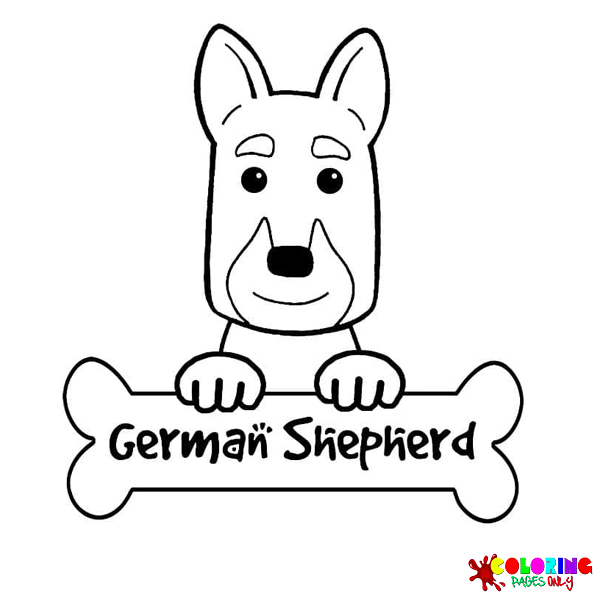
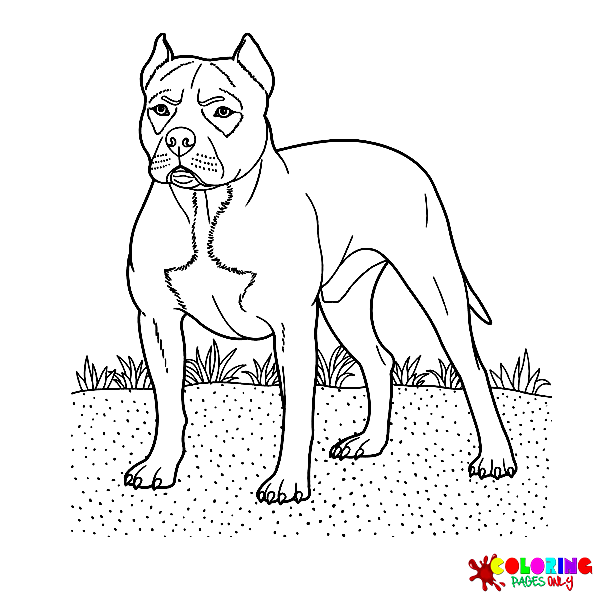
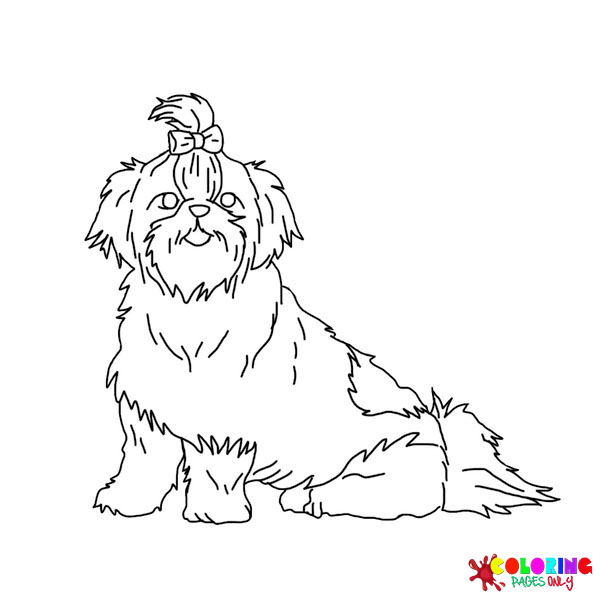
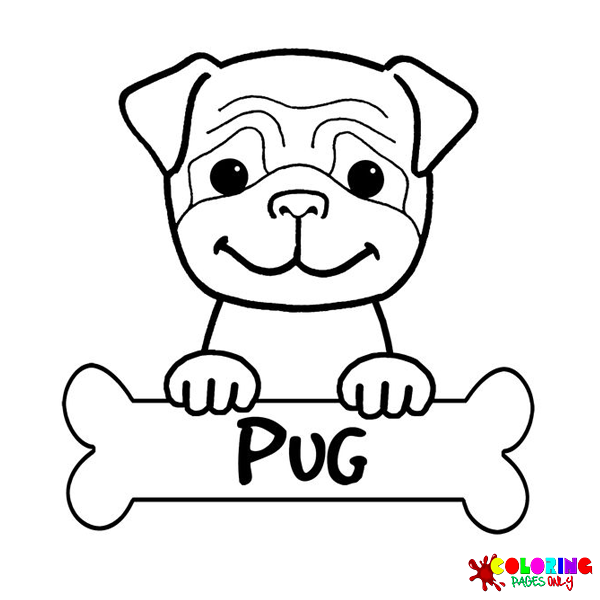
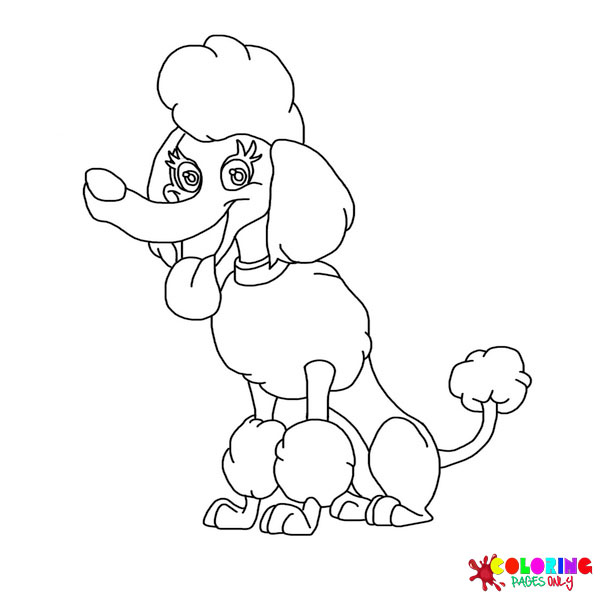
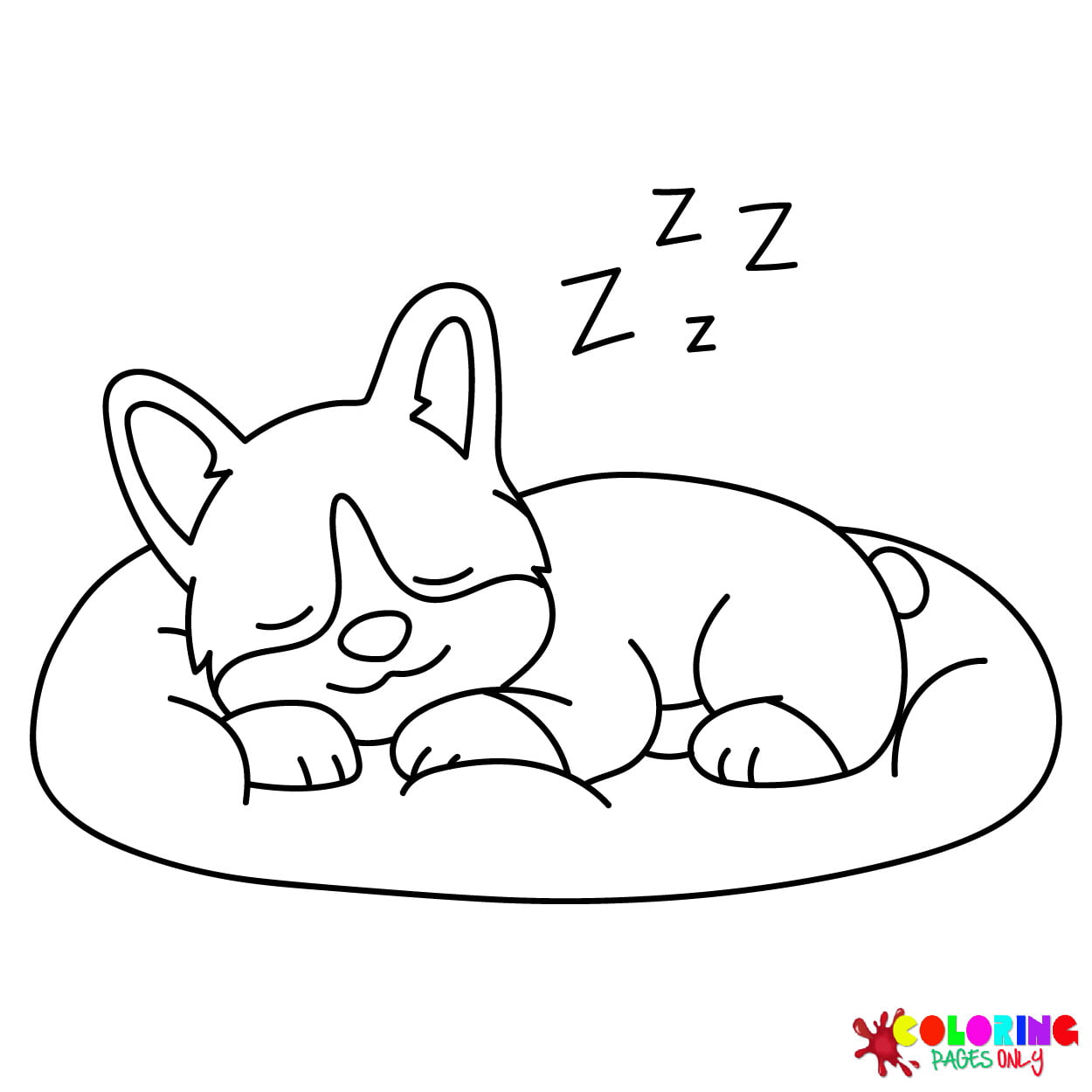
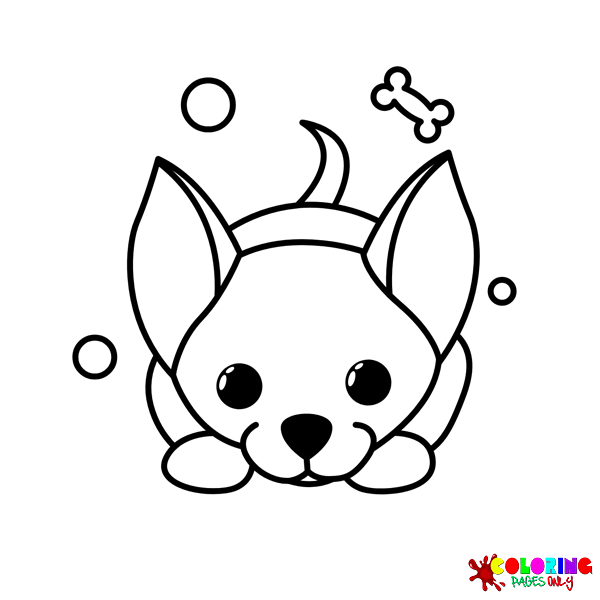
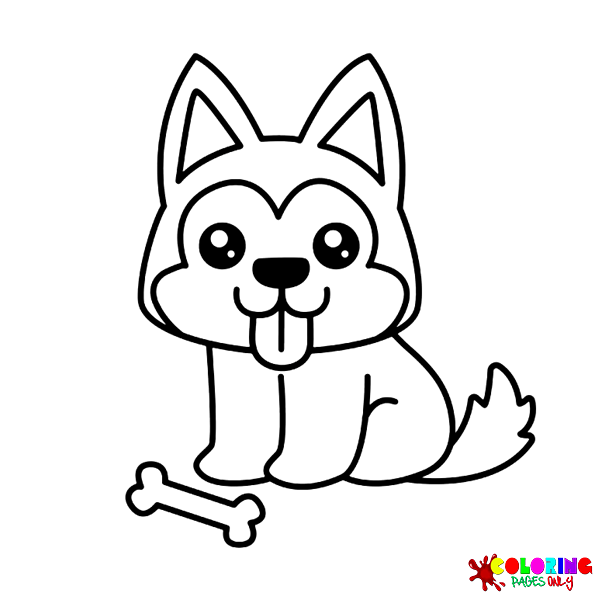
The collection is organized into breed-specific sub-collections, each with its own set of pages. The most popular breeds have dedicated pages: huskies with their thick double coats and striking eyes, German shepherds, bulldogs, pit bulls, poodles, corgis, pugs, chihuahuas, and shih tzus. A general puppy collection covers young dogs of all breeds in playful poses.
Each breed sub-collection captures the distinctive features that make that breed recognizable – the corgi’s short legs and large ears, the pug’s flat face and curled tail, the poodle’s curled coat, the husky’s wolf-like markings. Mixed-breed and general dog pages, along with cartoon-style designs, round out the collection for colorists who prefer a simpler or more stylized subject. Every page is free to download as a PDF or color online.
What These Pages Do
Fine motor development. The American Academy of Pediatrics identifies fine motor skill development as a core benefit of structured coloring for children ages 2 through 7. Dog pages support a wide difficulty range: a toddler colors the large, rounded shape of a cartoon puppy, while an older child manages the fine detail of a husky’s layered coat or a poodle’s curls. This range allows the collection to grow with a child’s developing hand control.
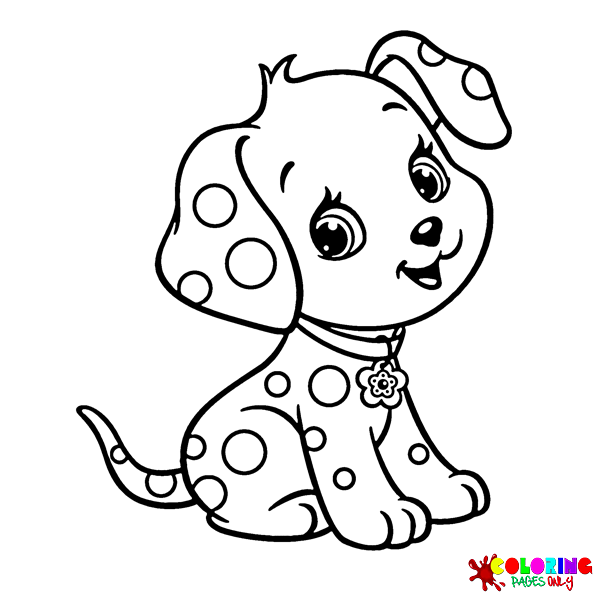
Breed recognition and animal awareness. Dog coloring pages build familiarity with different breeds and their characteristics. Coloring a German shepherd’s tan-and-black coat, a dalmatian’s spots, or a corgi’s distinctive proportions reinforces the visual features that distinguish breeds. For children with or hoping for a family pet, this builds early animal awareness and an interest in responsible pet care.
Anxiety reduction through focus. A 2005 study in the Art Therapy Journal documented measurable reductions in anxiety following structured coloring sessions. The detailed coats and textures of breed-specific dog pages – a husky’s layered fur, a poodle’s curls – provide the kind of focused, repetitive task associated with the study’s calming findings, making detailed dog pages effective for older children and adults.
Emotional connection and comfort. Dogs are widely associated with companionship and comfort. Coloring a dog that resembles a family pet, or a breed a child loves, provides an emotional connection that sustains engagement and makes the activity personally meaningful in a way that more abstract subjects cannot.
How to Color Dog Pages Well
- Huskies: Use a base of Prismacolor “Cool Grey” and black for the coat markings, leaving the chest, muzzle, and legs white. Add icy blue or warm brown for the eyes, and keep the nose solid black. Build the coat in short directional strokes to suggest thick fur.
- Pugs: Use a soft fawn – Prismacolor “Sand” or Crayola “Tan” – for the body, with a darker brown for the face mask, ears, and muzzle. The wrinkles around the face benefit from a slightly deeper brown pressed into the folds.
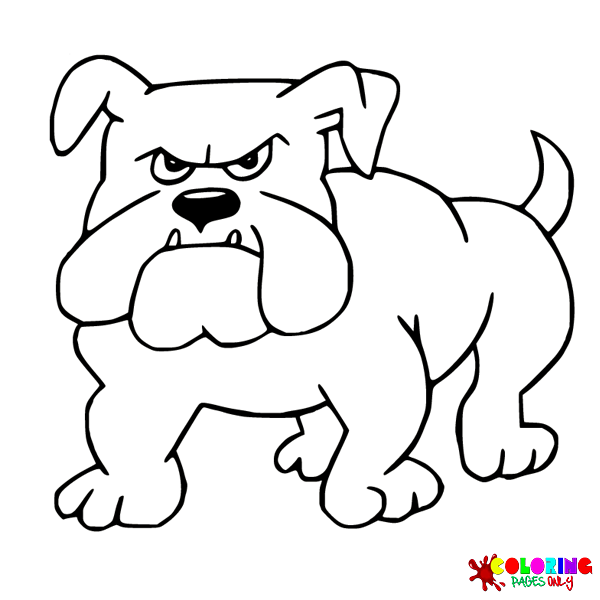
- Bulldogs: Fawn, brindle, or white work for the short coat. Press a darker brown into the wrinkled folds of the face to give the skin its characteristic texture, and keep the nose and eyes dark.
- Golden retrievers and labradors: Build the golden coat in layers – start with Crayola “Yellow” or “Goldenrod,” then add a light layer of “Raw Sienna” along the back and ears for depth. Avoid a single flat fill, which makes the coat look unnaturally smooth.
- Dalmatians: Keep the coat white with crisp black spots placed irregularly. Add a very light grey shadow beneath the body and along the legs so the white coat reads as three-dimensional rather than flat.
- Poodles: The curled coat works best with small circular pencil motions rather than flat fills. Classic colors are white, black, apricot, or silver-grey. A slightly darker tone in the recesses of the curls creates the fluffy texture.
5 Creative Craft Ideas With Dog Coloring Pages
1. Breed Identification Book. Print one page of each breed, color them, and bind the pages into a homemade book with each breed’s name and one fact written below – a craft that doubles as a breed-recognition learning tool.
2. My Dog Portrait. For families with a pet, choose the page closest to the family dog’s breed, color it to match the real dog’s markings, and frame it as a personalized pet portrait.
3. Dog Adoption Play Set. Color several dogs, cut them out, and create simple paper “adoption cards” with each dog’s name and personality for imaginative play about pet care and responsibility.
4. Puppy Growth Chart. Color a puppy page and an adult dog page of the same breed, and display them side by side to show how dogs change as they grow.
5. Dog Birthday Party Activity. Print breed pages as a table activity for a dog-themed birthday party, letting each guest color and take home a different breed.
Frequently Asked Questions
What dog breeds are available as coloring pages?
The collection includes dedicated pages for huskies, German shepherds, bulldogs, pit bulls, poodles, corgis, pugs, chihuahuas, and shih tzus, plus a general puppy collection and mixed-breed and cartoon-style dog pages. Each breed sub-collection captures the features that make that breed recognizable, such as the corgi’s short legs or the pug’s flat face.
Are dog coloring pages suitable for toddlers?
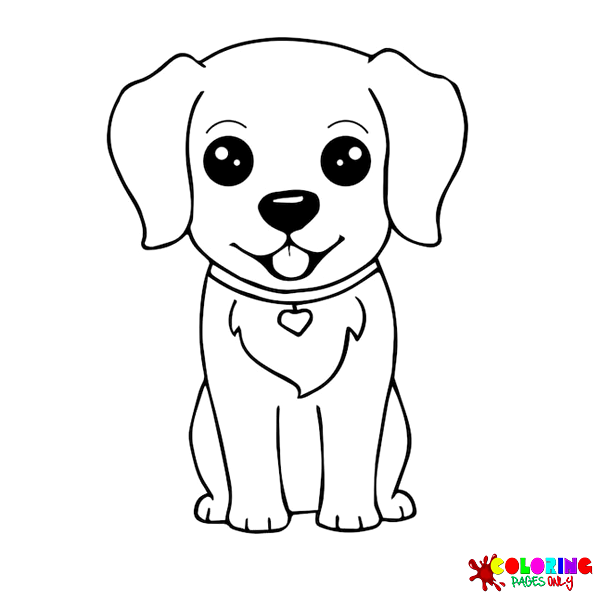
Yes. Simple cartoon puppy pages with large, bold outlines are among the most accessible coloring subjects for children ages 2 and up, because dogs are familiar and the shapes are easy to fill. More detailed breed-specific pages with realistic coats and fine features suit children ages 6 and above.
How do I color a husky realistically?
Use grey and black for the coat markings, leaving the chest, muzzle, and legs white, which reflects the husky’s natural coloring. Add icy blue or warm brown for the eyes and keep the nose black. Coloring the fur in short directional strokes suggests the thick double coat that huskies are known for.
What are the benefits of dog coloring pages for children?
Dog coloring pages build fine motor skills, which the American Academy of Pediatrics identifies as a core benefit of structured coloring for children ages 2 through 7. They also build breed recognition and animal awareness, and provide an emotional connection for children who love dogs or have a family pet, which sustains engagement.
What colors should I use for a golden retriever?
Build the golden coat in layers rather than a single flat color. Start with a yellow or goldenrod base, then add a light layer of raw sienna or light brown along the back, ears, and tail for depth. The layered approach makes the coat look natural rather than uniformly smooth.
Are these dog coloring pages free to print?
All pages are free to download as a PDF and print, or to color online in the browser. No account, email, subscription, or payment is required. Pages can be printed at home on standard paper for personal and classroom use.
Which dog page is easiest for a young child to color?
A simple cartoon puppy page is the easiest starting point, because it has large, rounded shapes, minimal fine detail, and a familiar subject. These pages let young children practice filling shapes and basic hand control before moving to detailed breed-specific designs.
Can I use dog coloring pages for a classroom or pet care lesson?
Yes. Dog pages are used in lessons on animals, pets, and responsible pet care, as well as in breed-recognition activities. They require no account or signup to download and can be printed freely for classroom use as visual aids or hands-on activities.
Start Coloring
Download any page by clicking the breed or design – no account, email, or payment required. Pages print directly from the browser at full resolution or open in the online coloring tool for screen use. Share finished pages on Facebook or Pinterest with the share buttons at the top of each design page.