
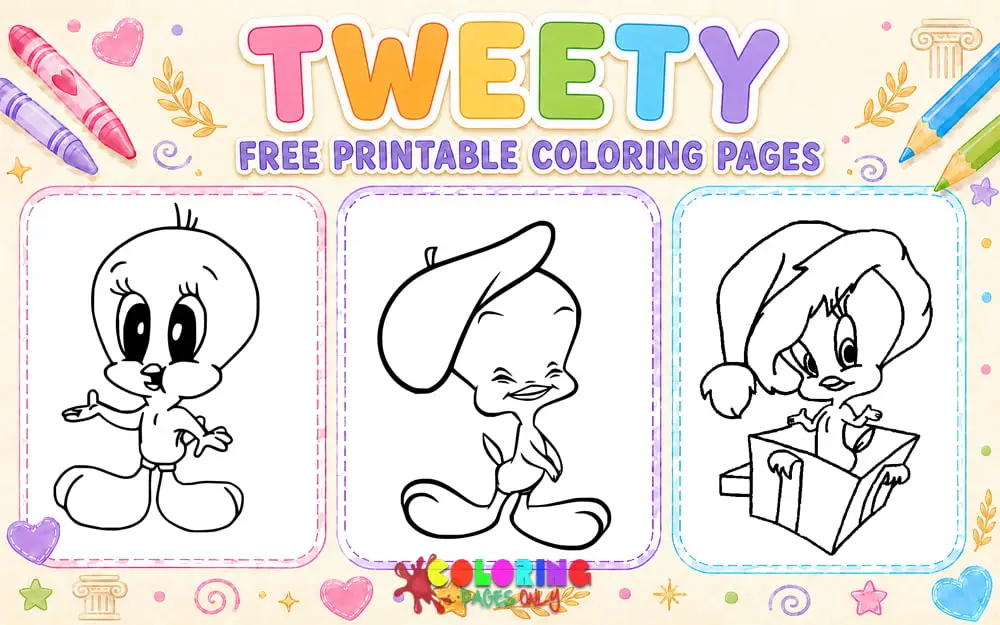
Free Tweety Coloring Pages: 69 printable PDF designs of the big-eyed yellow canary from Looney Tunes, with classic portraits, dozens of everyday adventures like dancing, painting, reading, and riding a scooter, holiday looks for Christmas, Halloween, Valentine’s Day, and Thanksgiving, and a large set of Baby Tweety pages. PDF versions are ready for printing, and the outlines also open online without any download.
Tweety first appeared in the 1942 Warner Bros. cartoon A Tale of Two Kitties, created by director Bob Clampett. A few years later, Friz Freleng paired him with Sylvester the cat, and their short Tweetie Pie earned the 1947 Oscar for Best Cartoon Short Subject. Voiced for decades by Mel Blanc, Tweety is famous for his catchphrase “I tawt I taw a puddy tat!” and for always outsmarting the hungry cat.
With an oversized head, huge blue eyes, and a tiny body, Tweety is one of the simplest and most recognizable cartoon designs ever made. That makes these pages friendly for young children while still offering playful scenes for older fans.

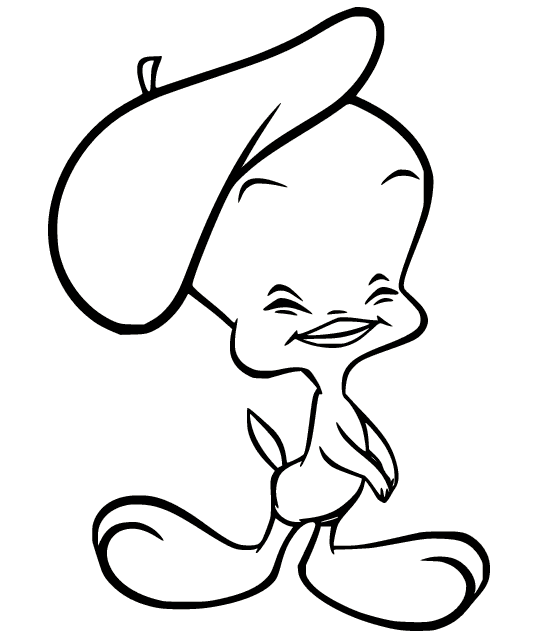
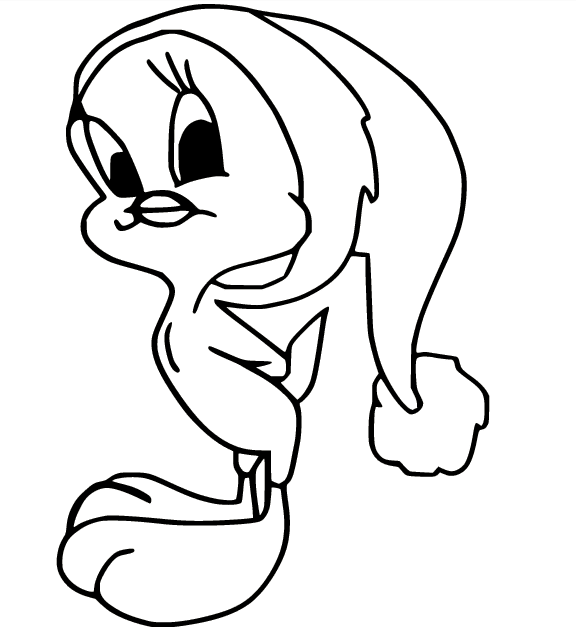
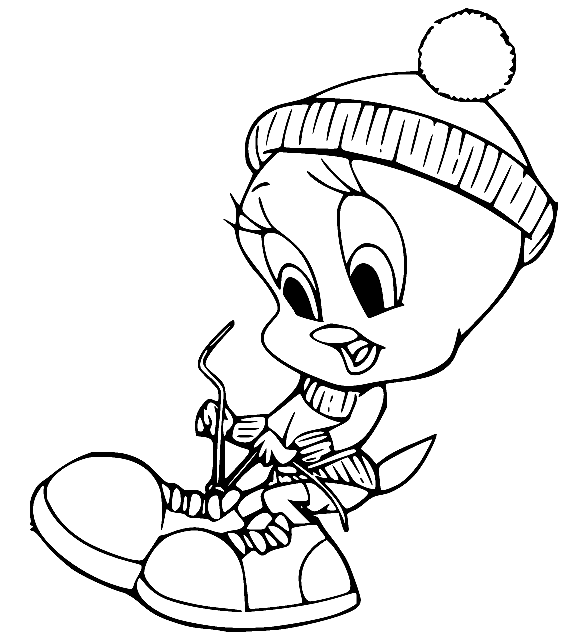
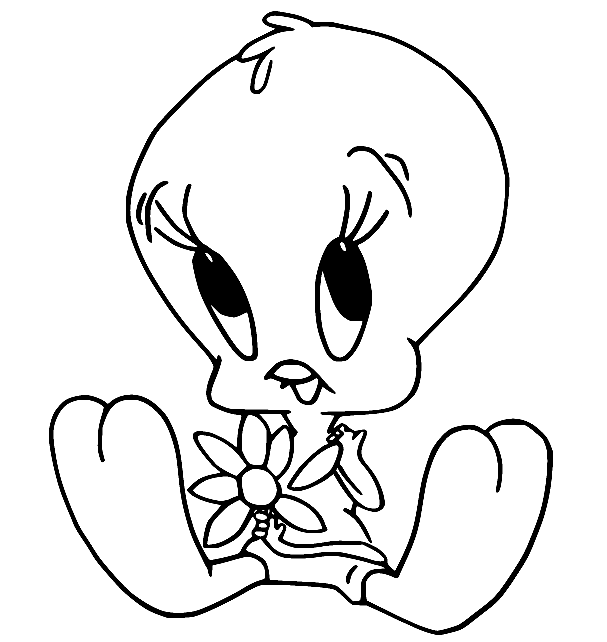
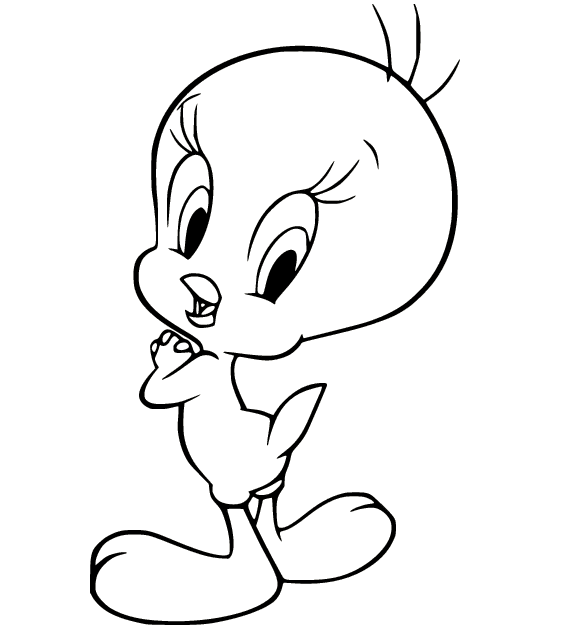
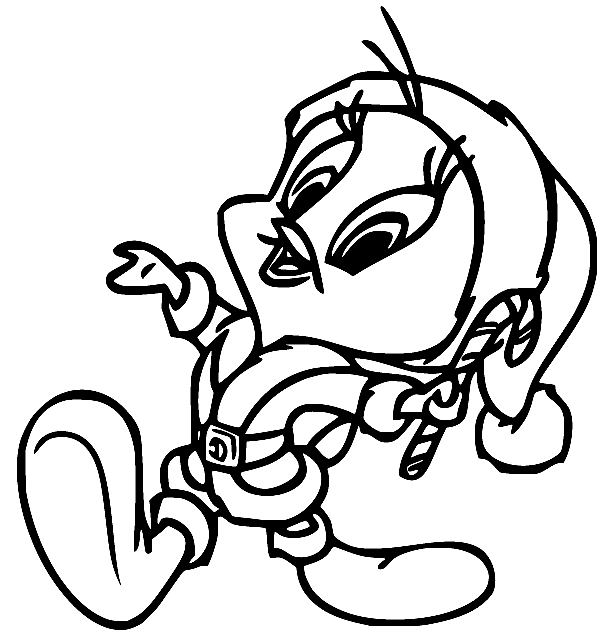
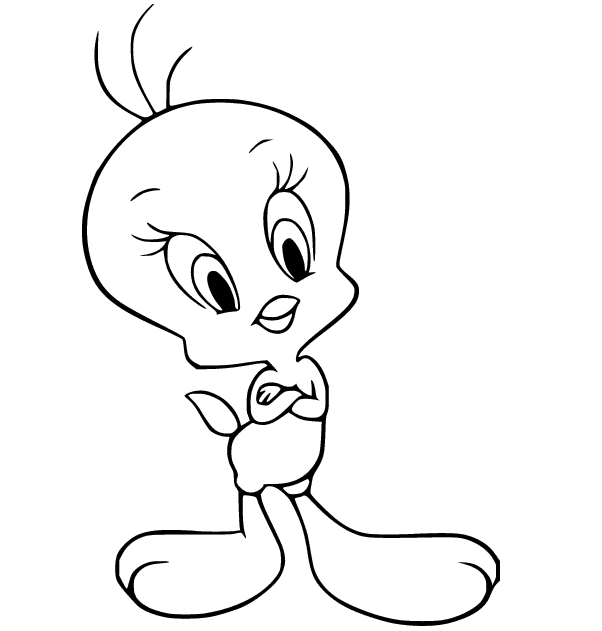
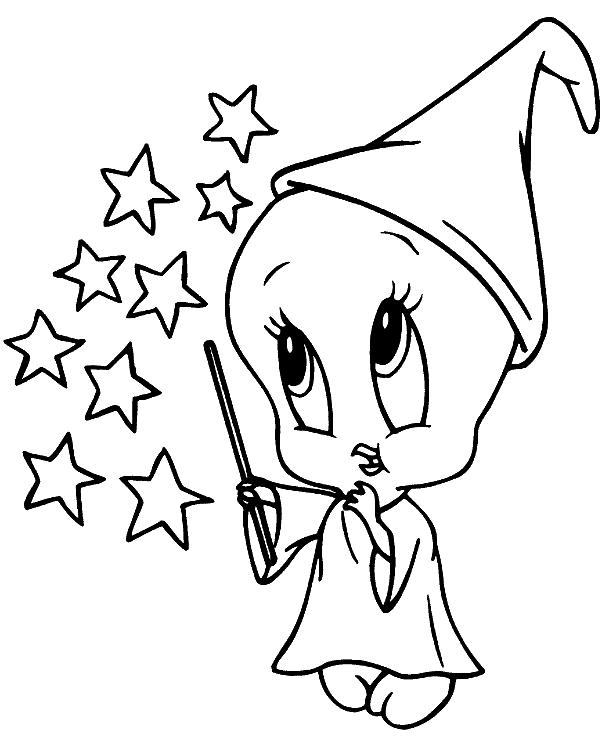
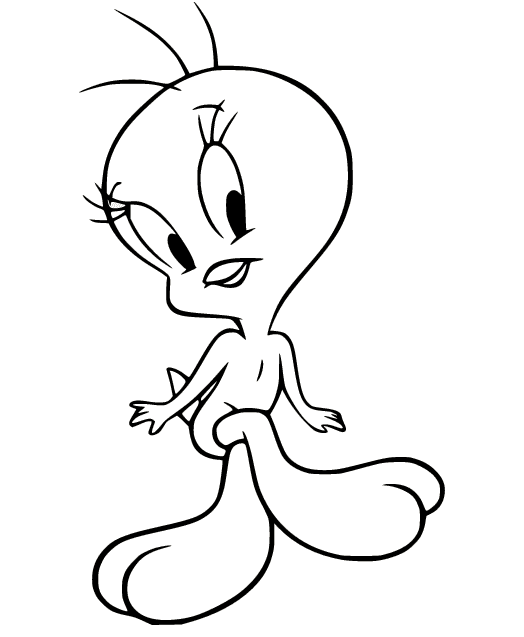
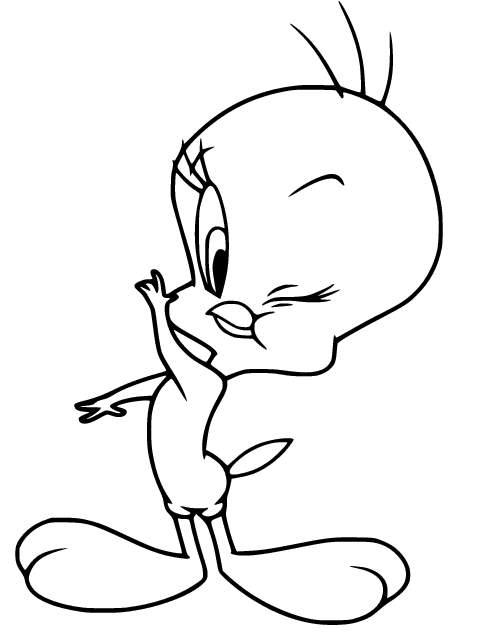
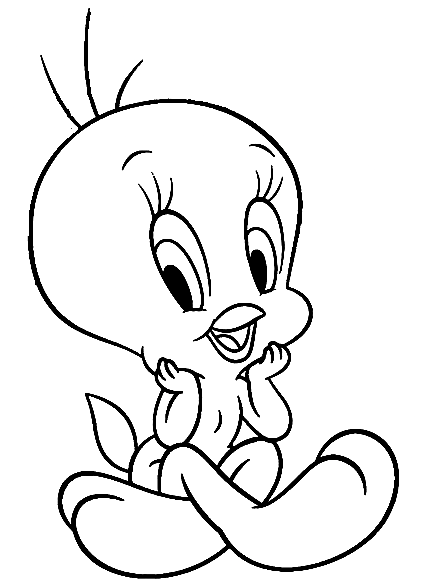
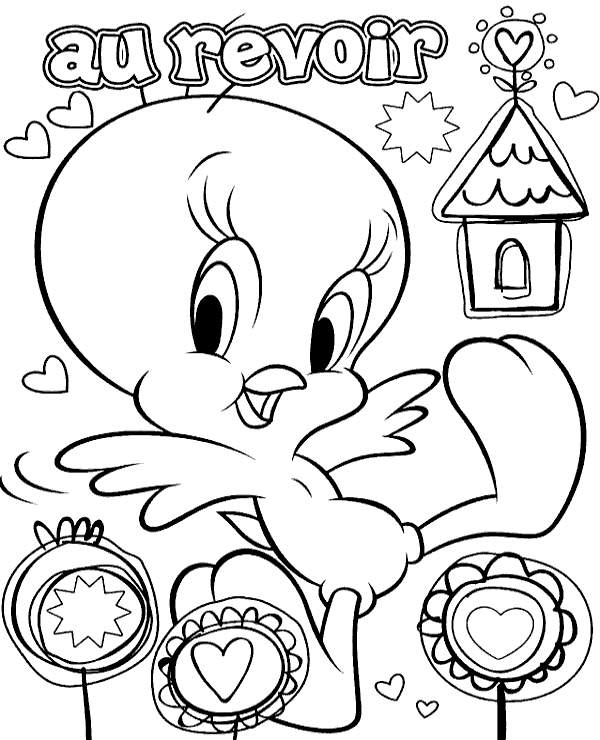
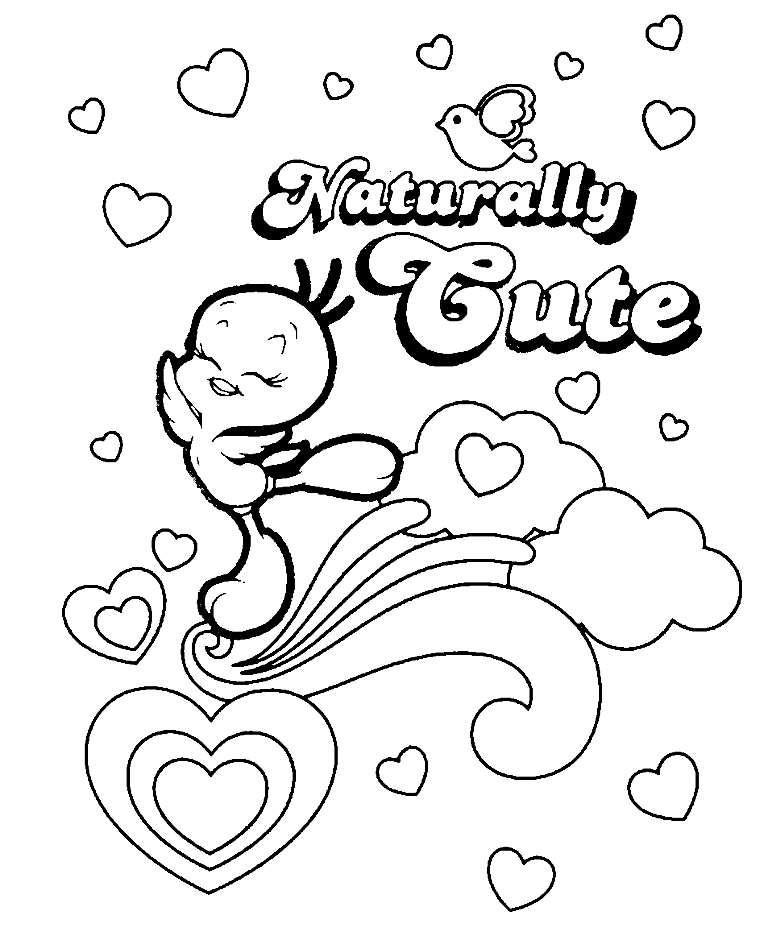
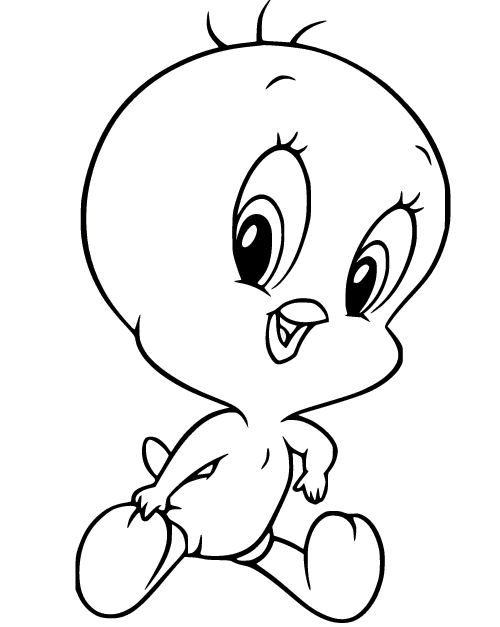
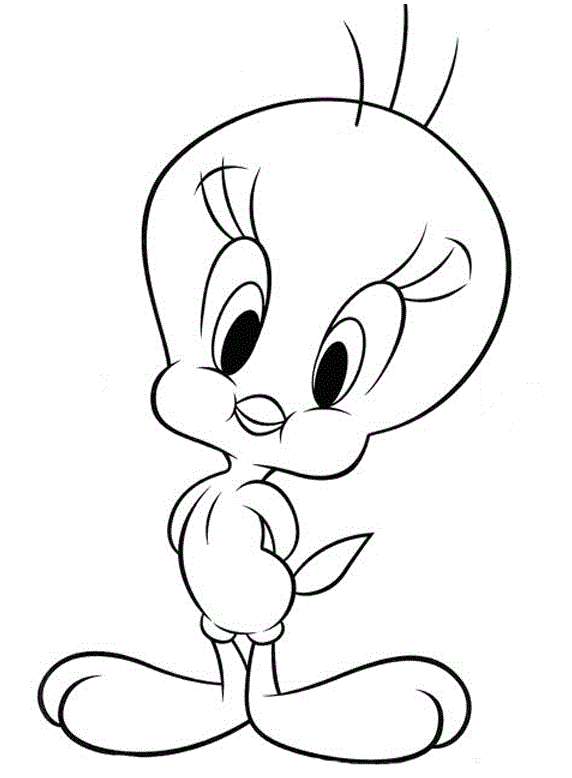
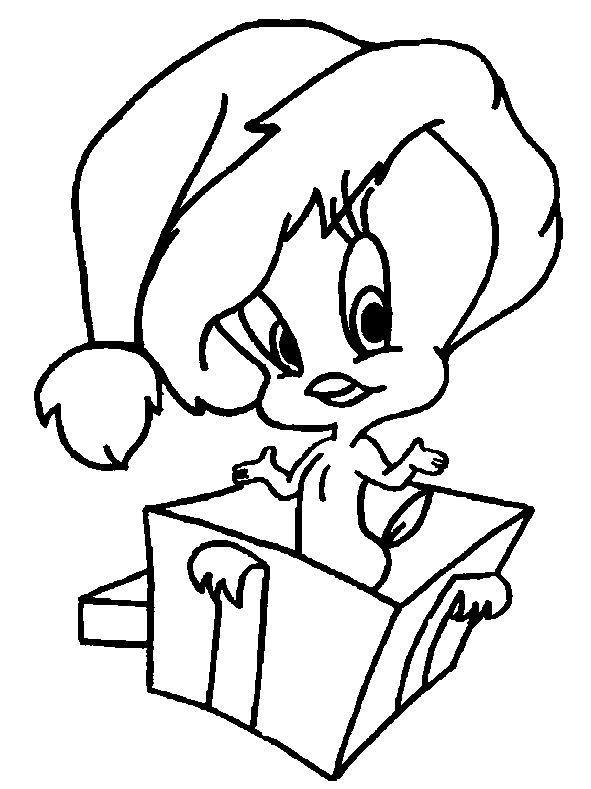
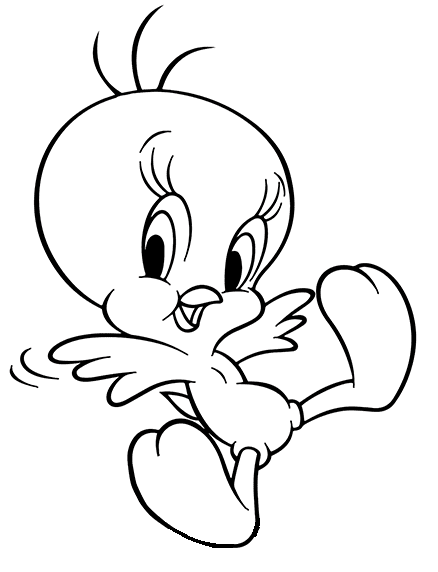
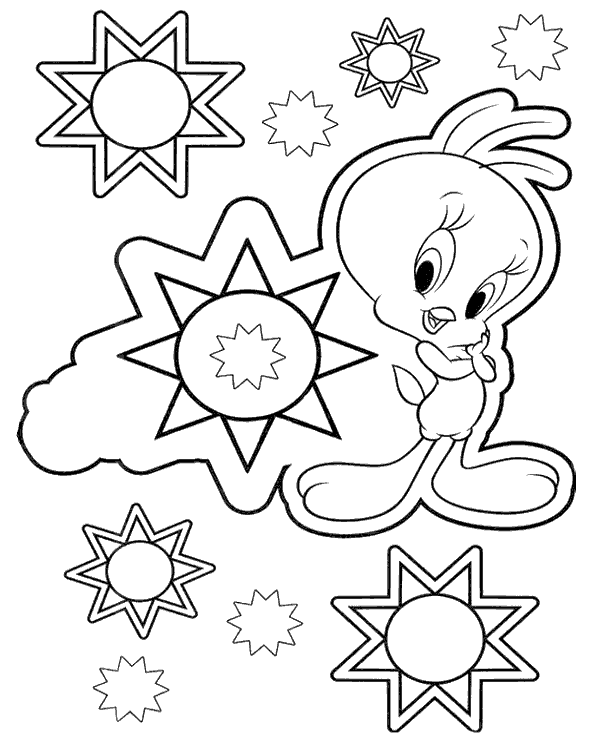
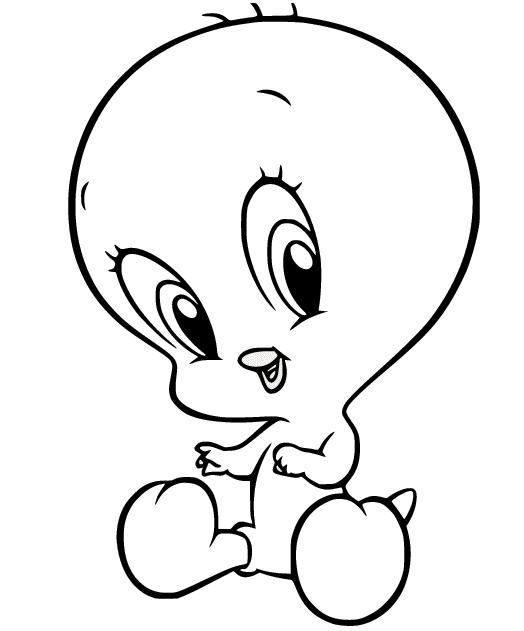

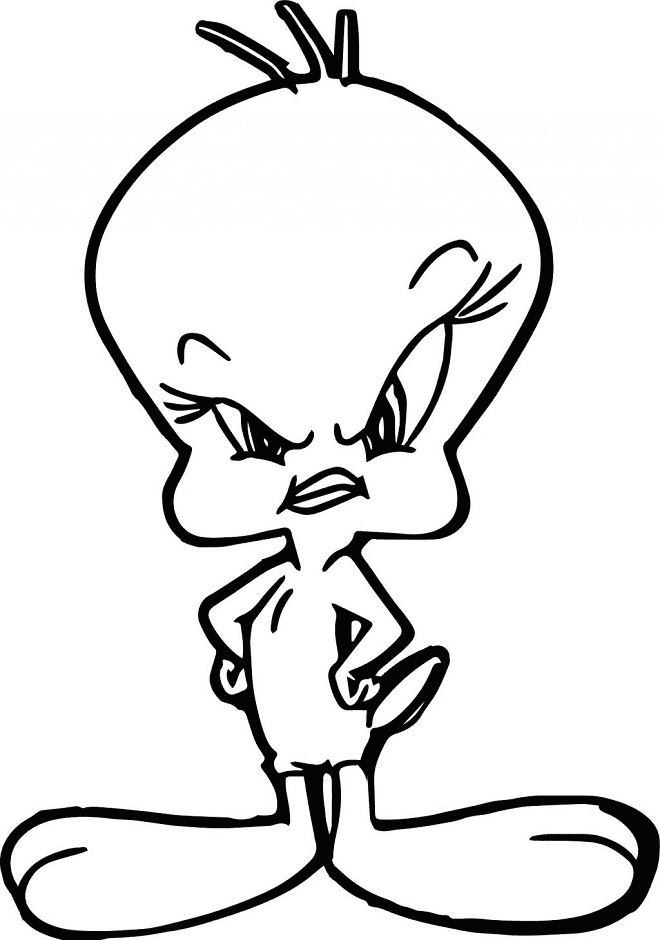
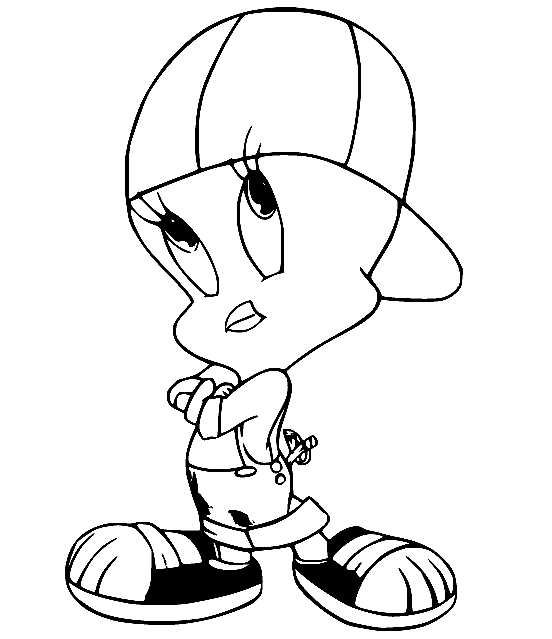
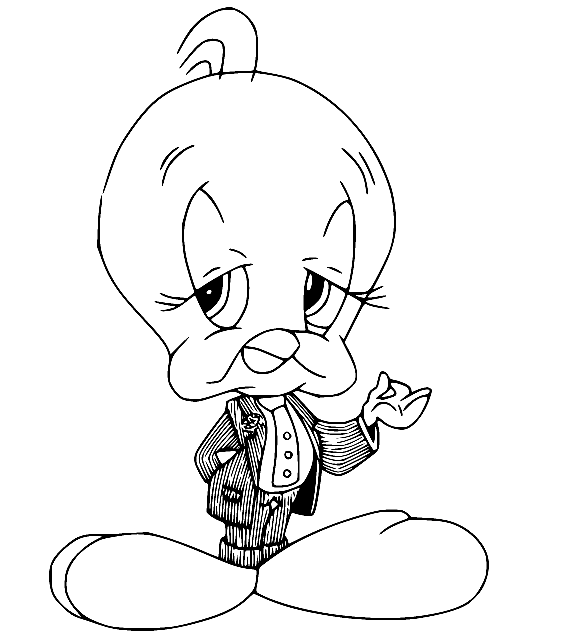
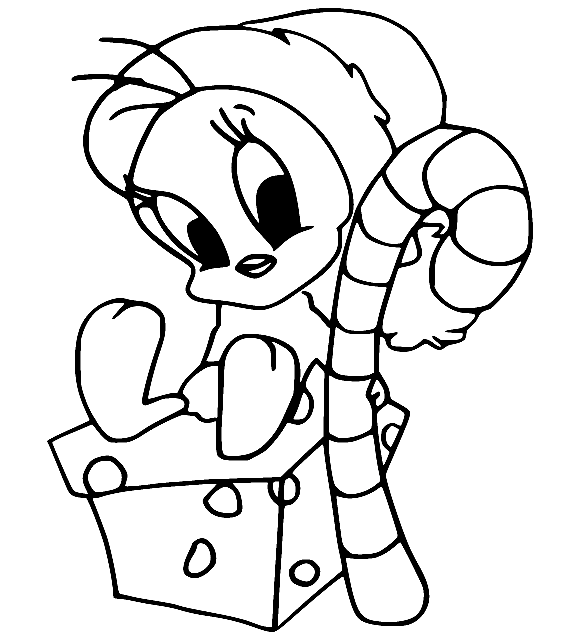
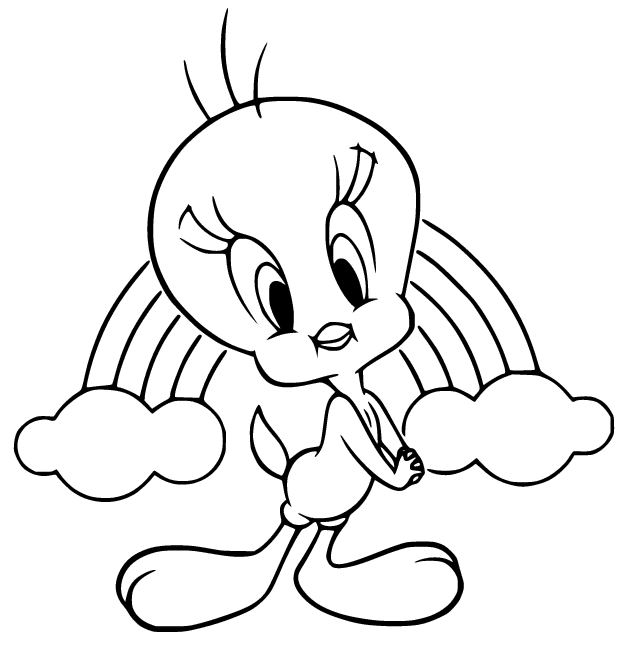

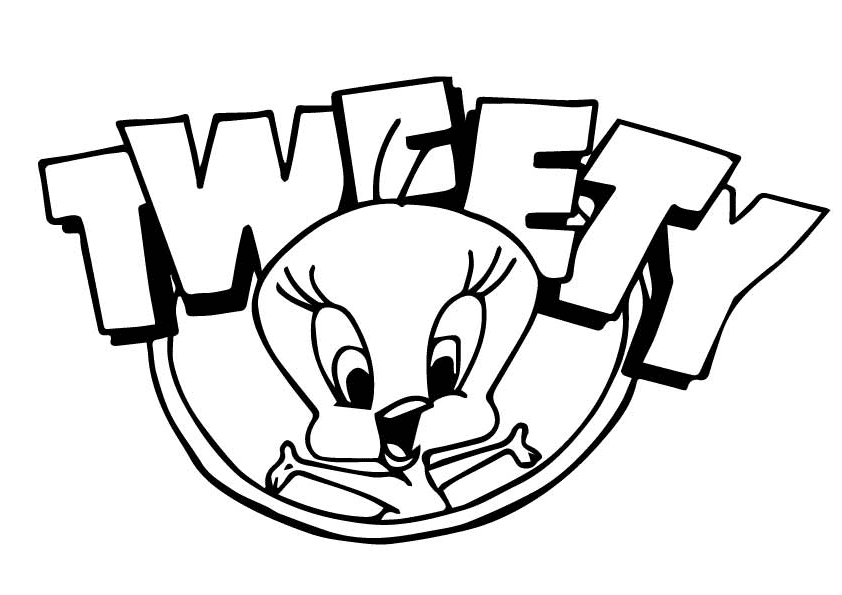
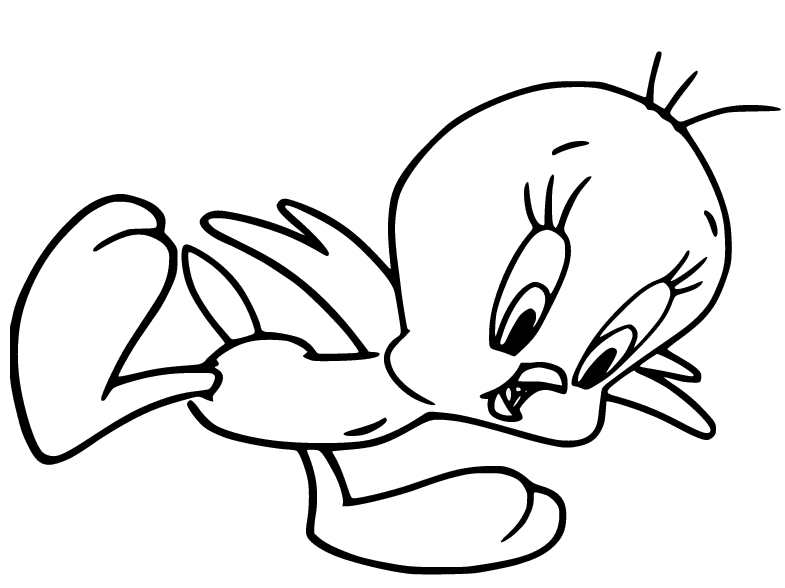
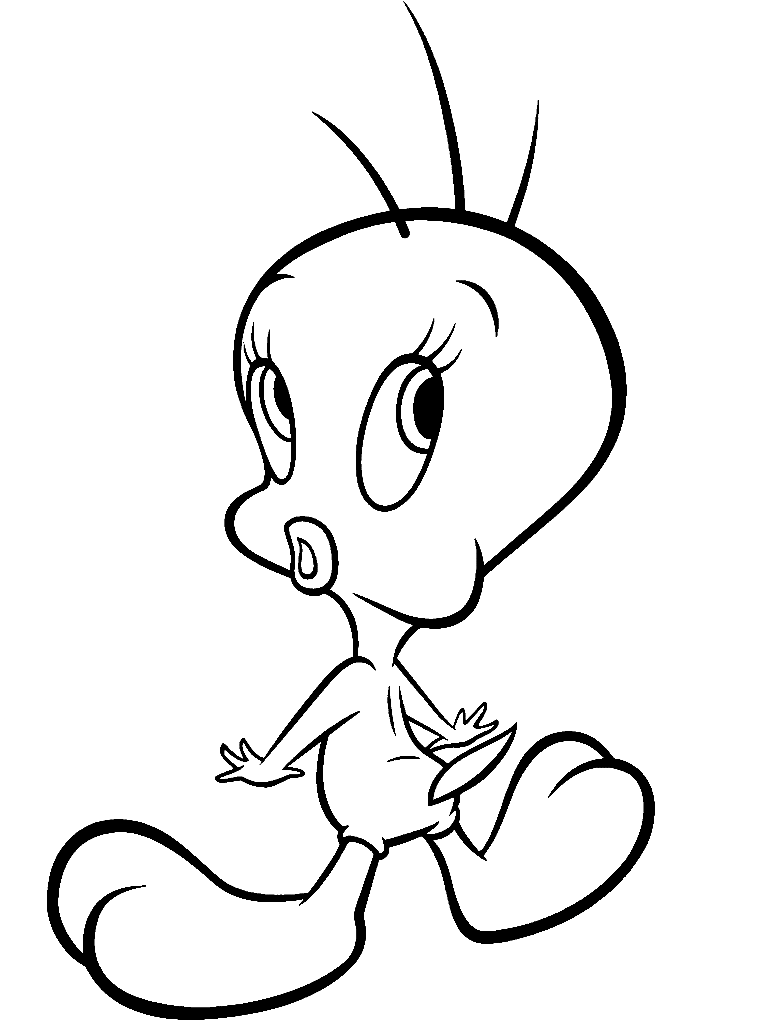
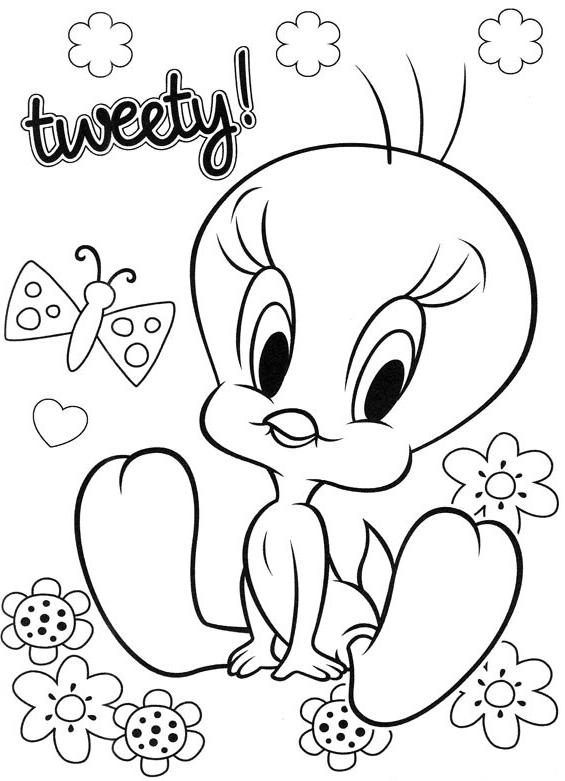
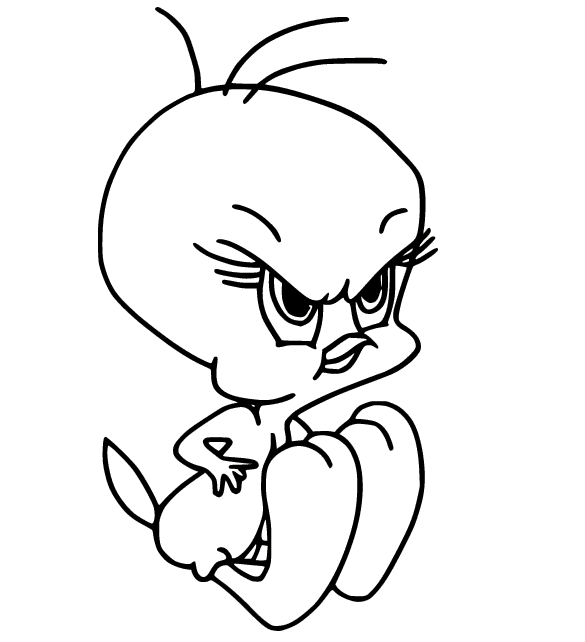
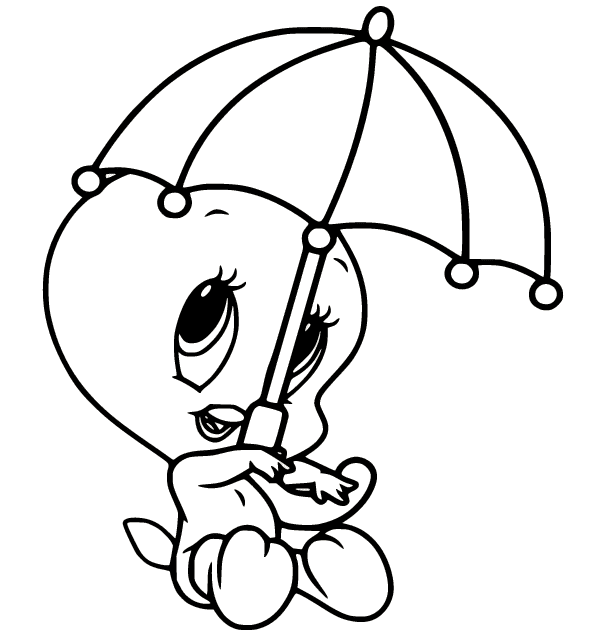
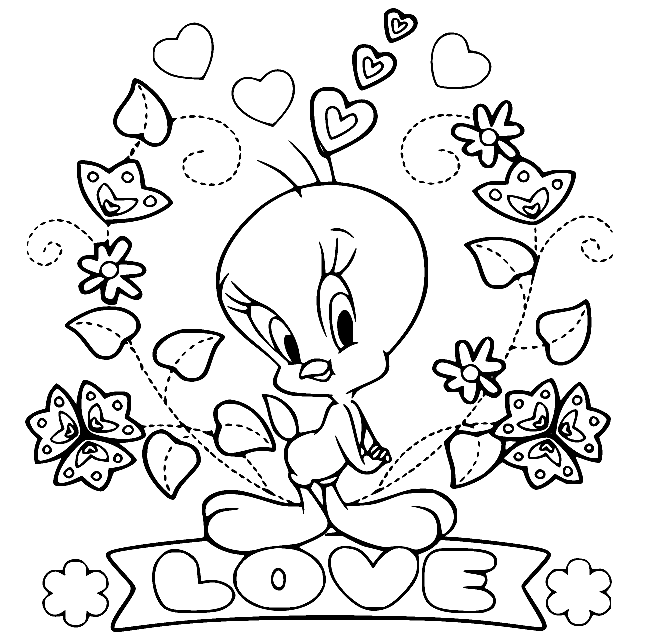
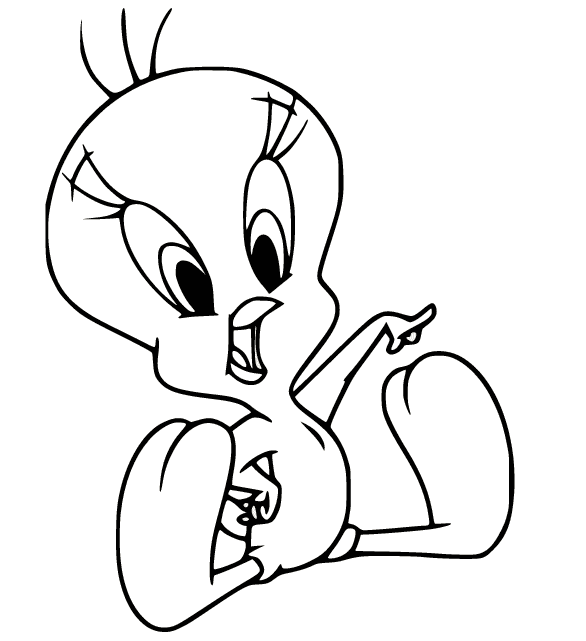
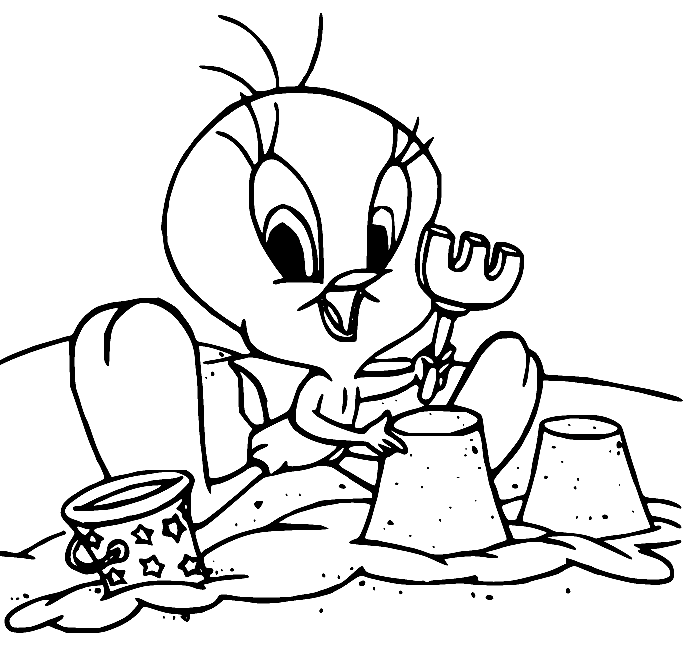
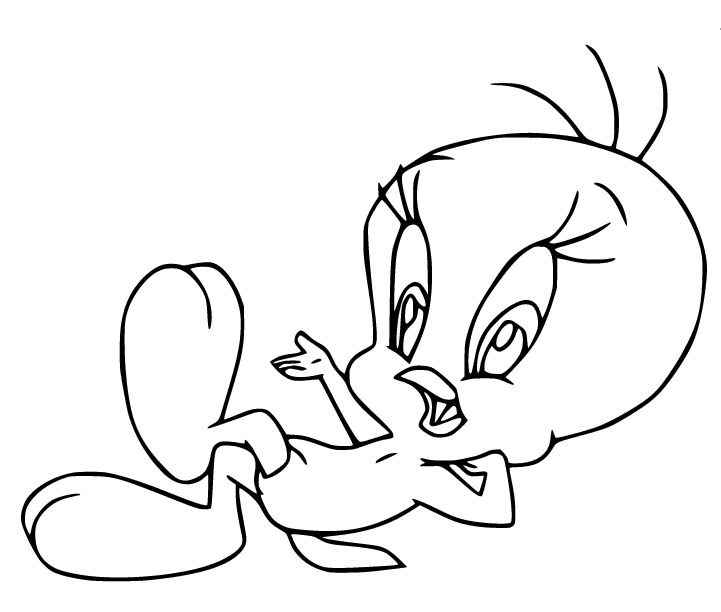
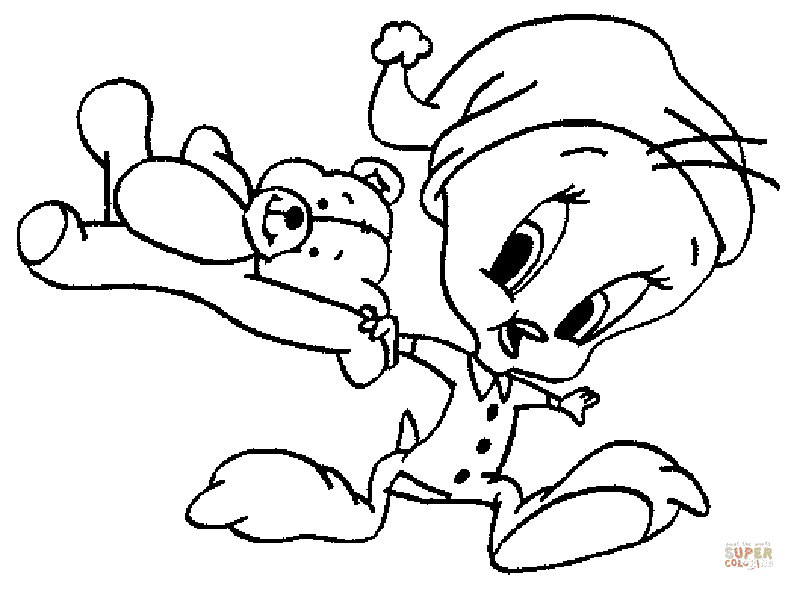
What’s Inside This Collection
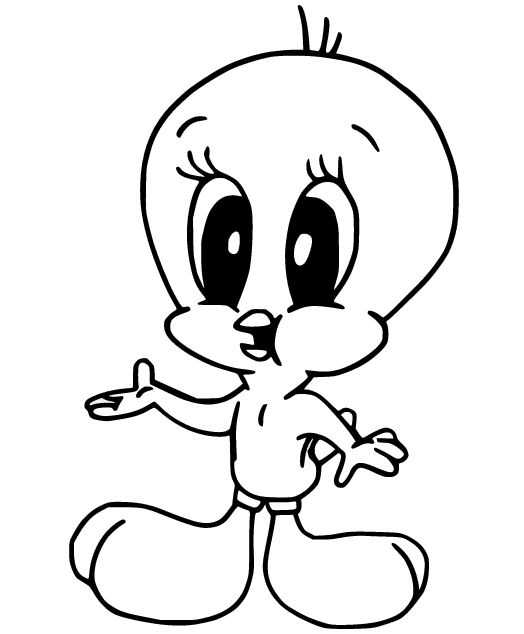
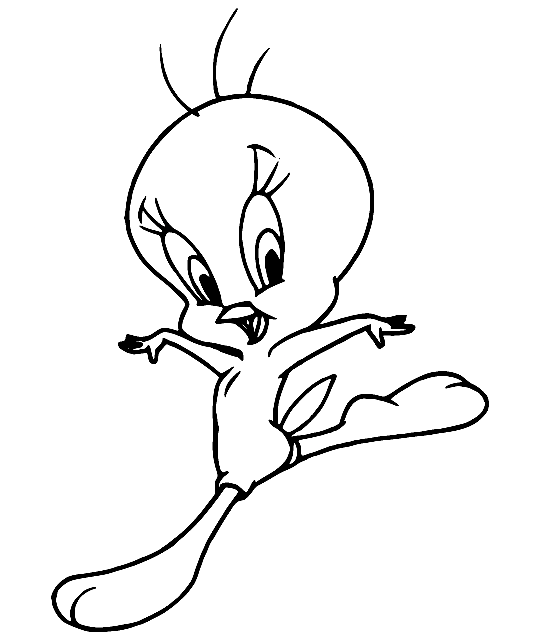
Tweety stars in all 69 designs, from classic poses to seasonal costumes and baby versions.
Classic Tweety Portraits
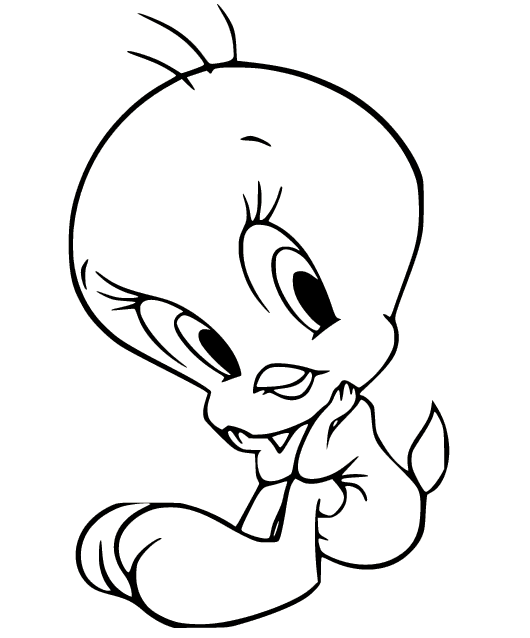
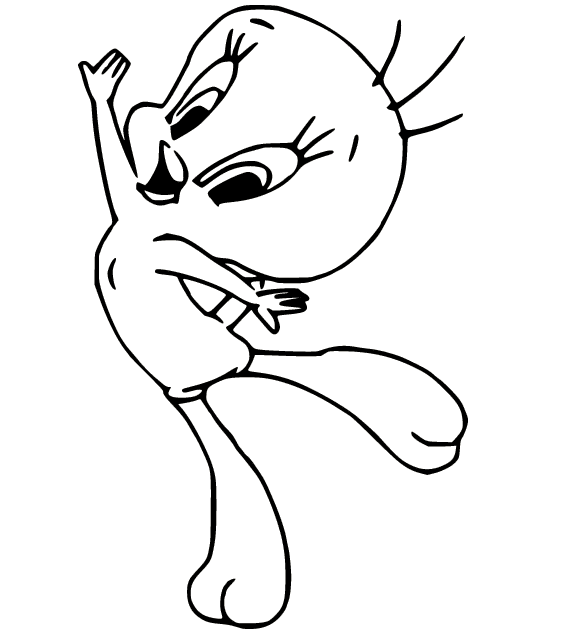
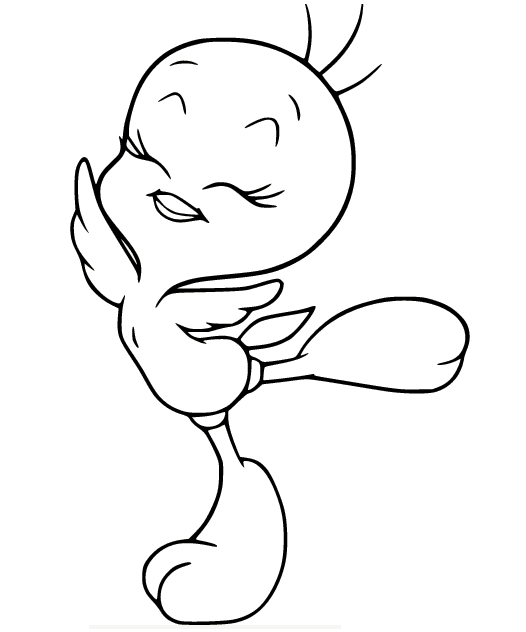
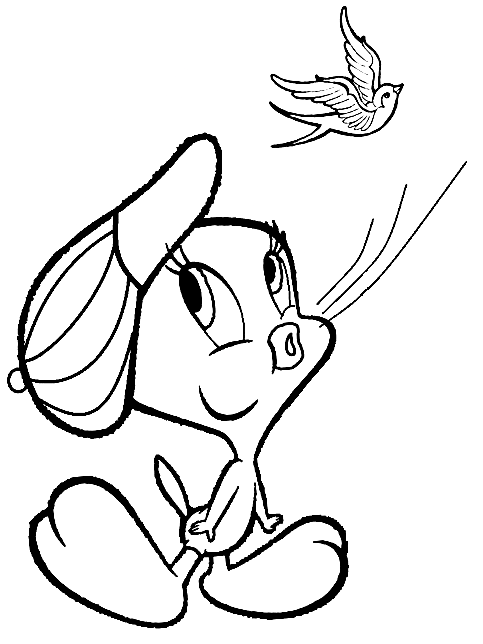
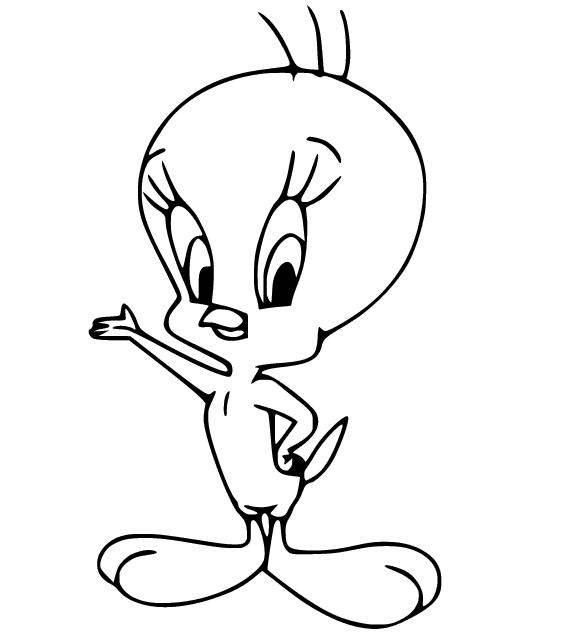
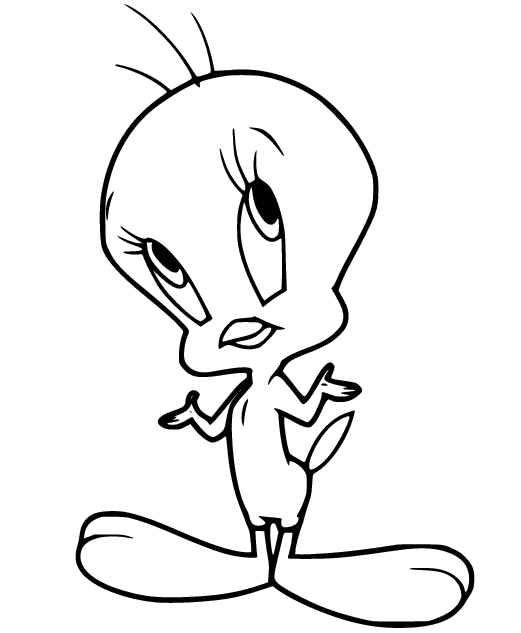
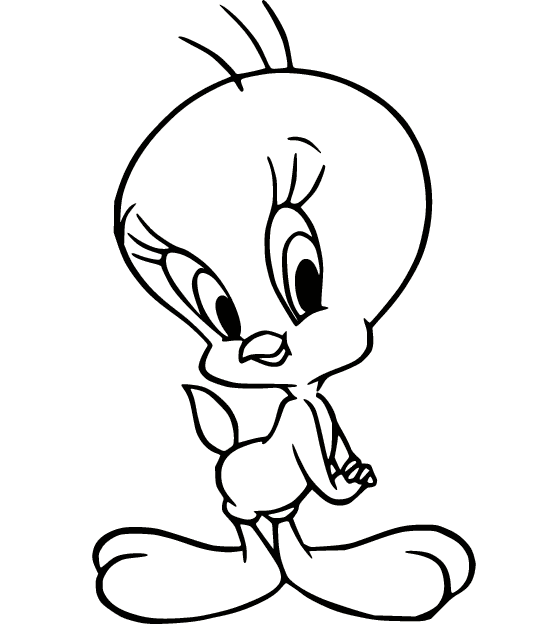
Smiling, cute, cool, funny, and big-eyed Tweety pages capture his famous expressions. Color his body Yellow, his beak and feet Orange, and his large eyes Sky Blue with a black pupil.
Everyday Adventures
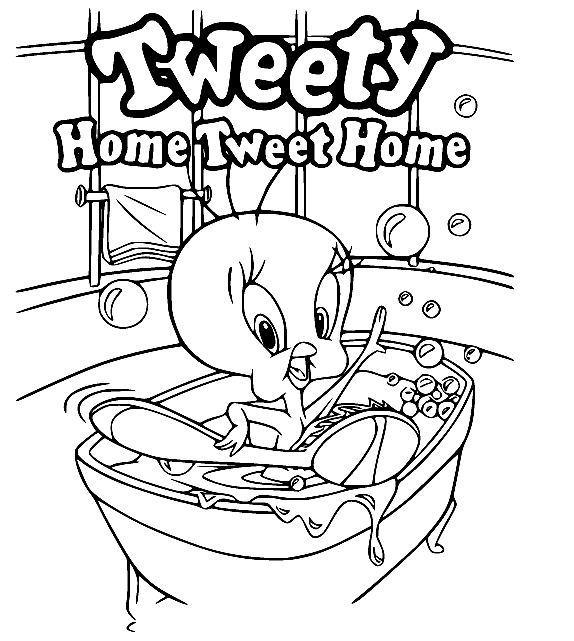
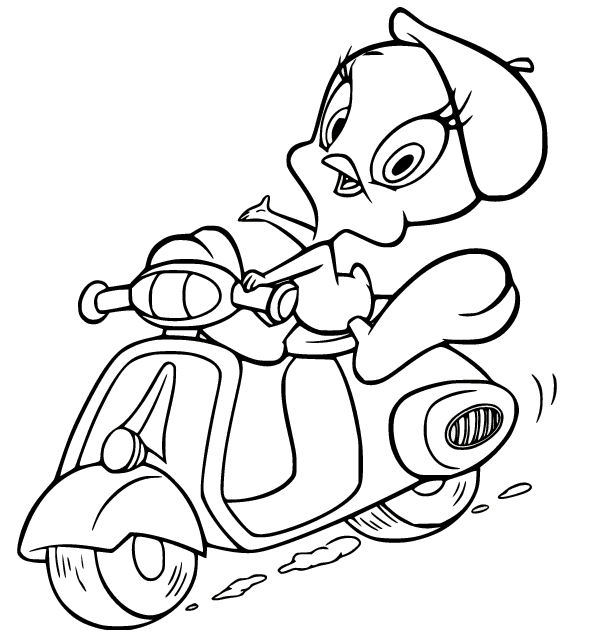
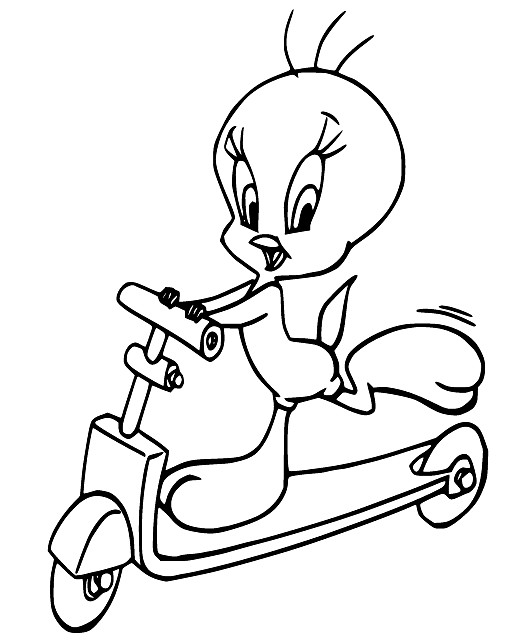
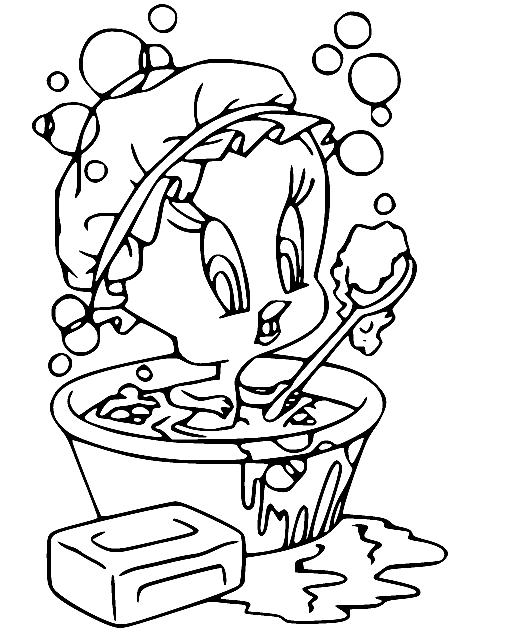
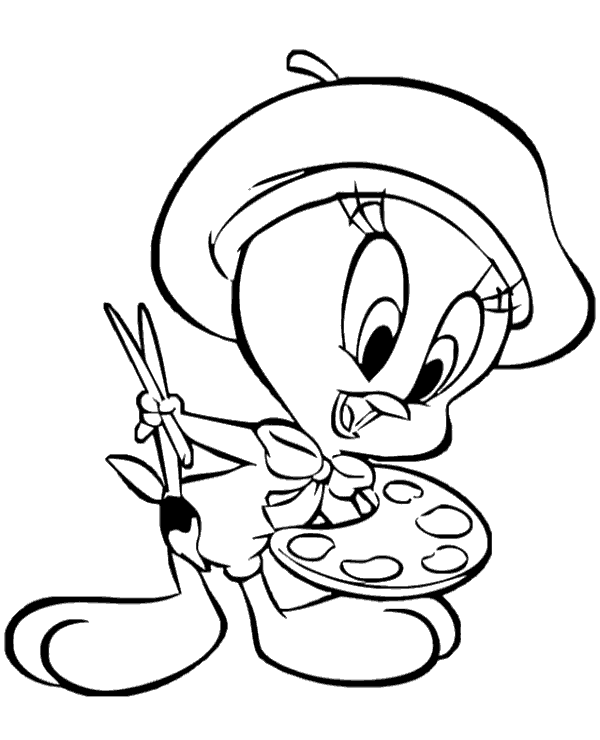
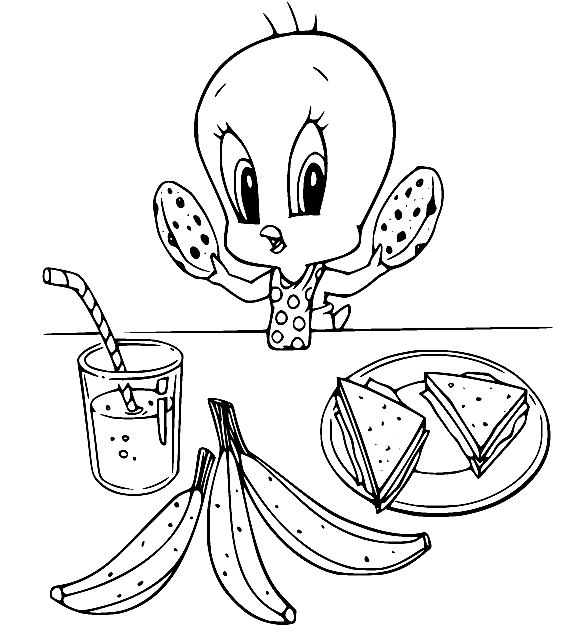
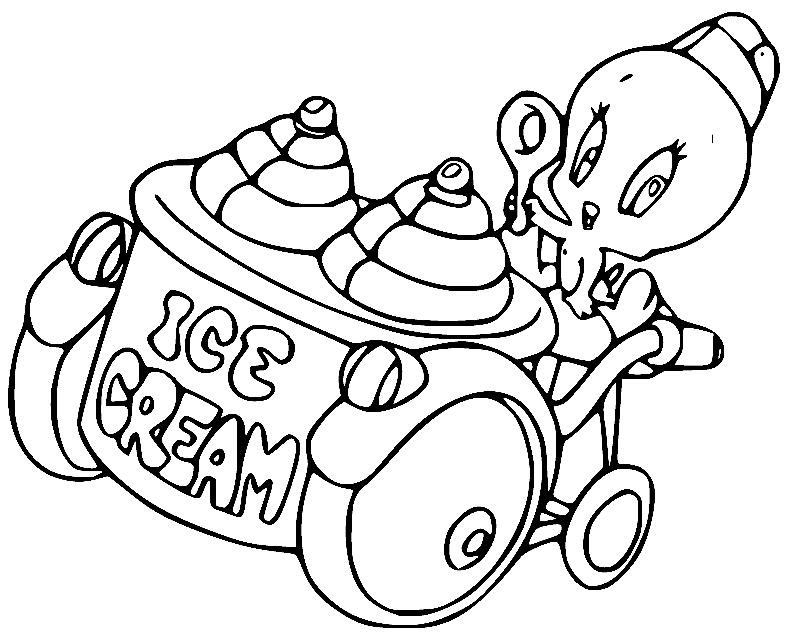
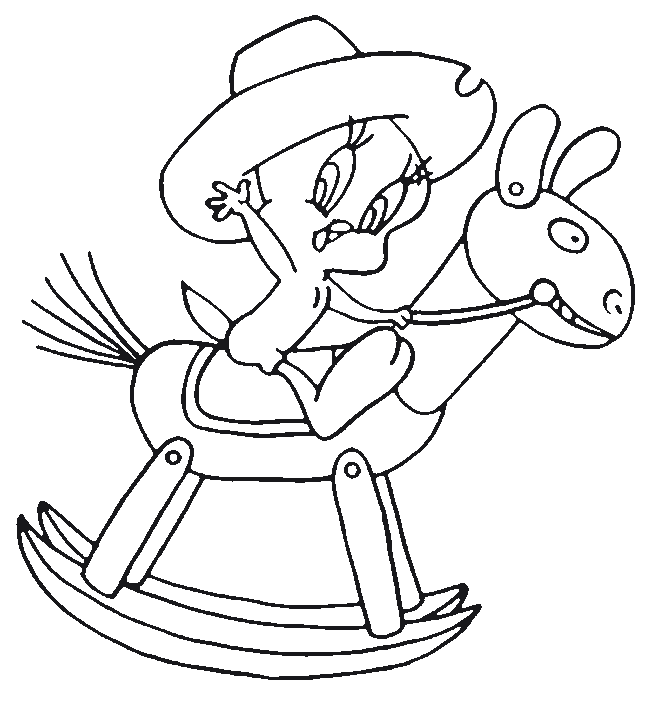
Tweety rides a motorbike, plays on a scooter, reads a book, paints, bathes, and eats ice cream across many pages. Bright props in Red, Blue, and Green make each activity scene lively.
Holiday and Seasonal Tweety
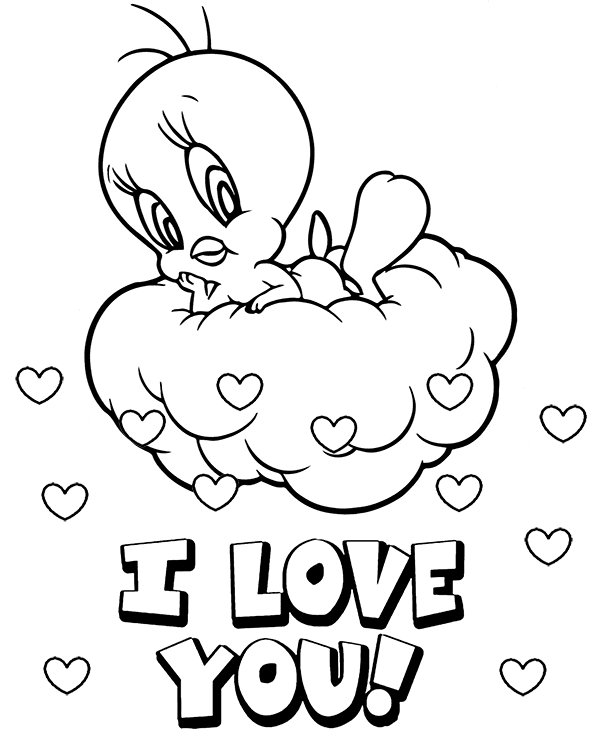
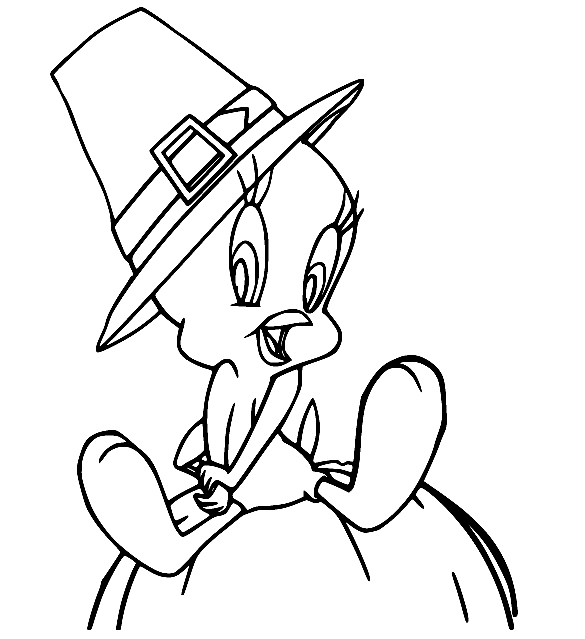
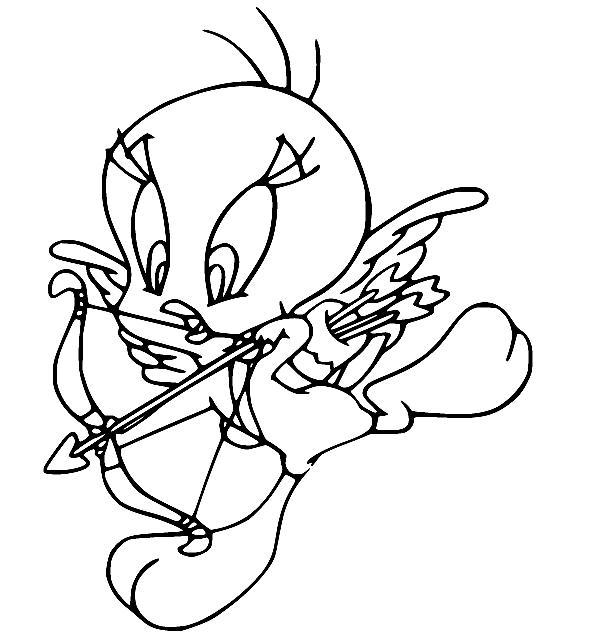
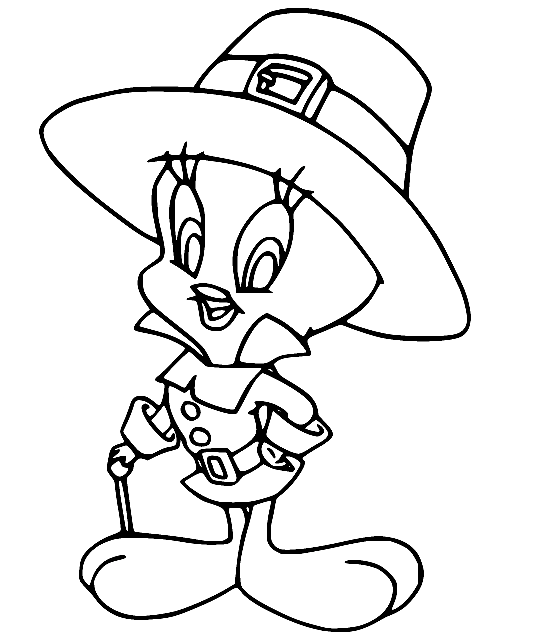
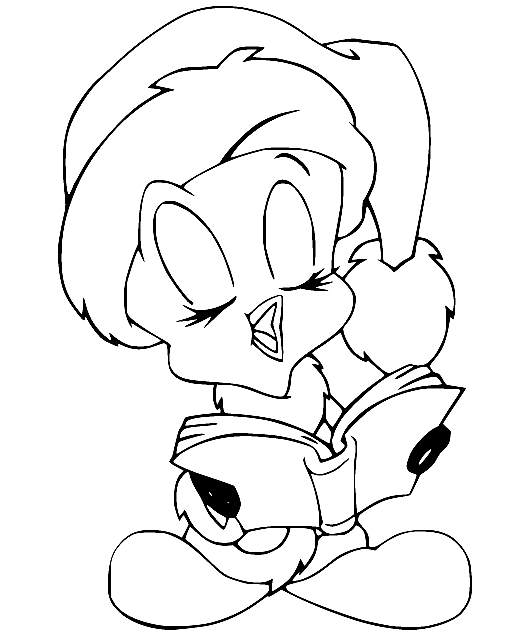
Santa Tweety, Christmas Tweety, Tweety on the pumpkin, Cupid Tweety, and Tweety the pilgrim cover the whole year. Use Red and White for Christmas hats, Orange for pumpkins, and Pink and Red for Valentine’s hearts.
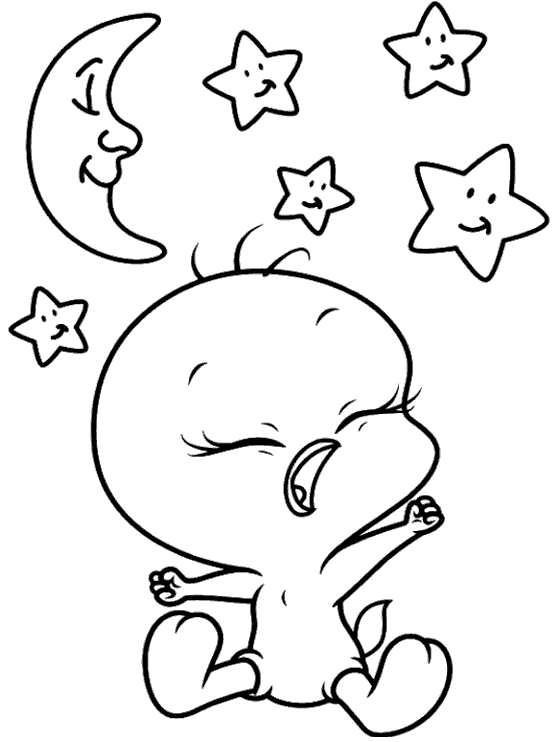
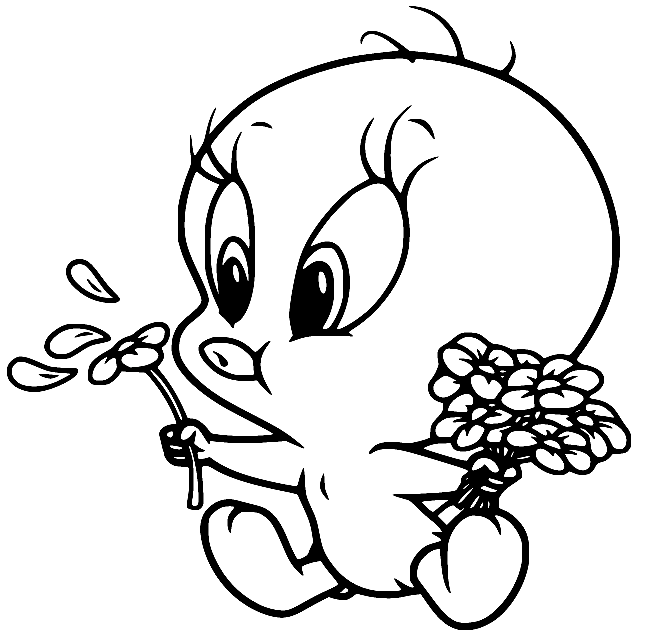
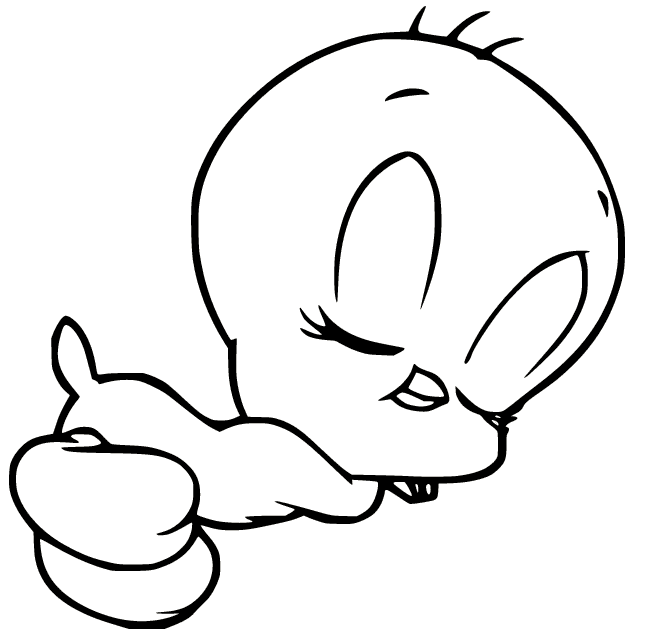
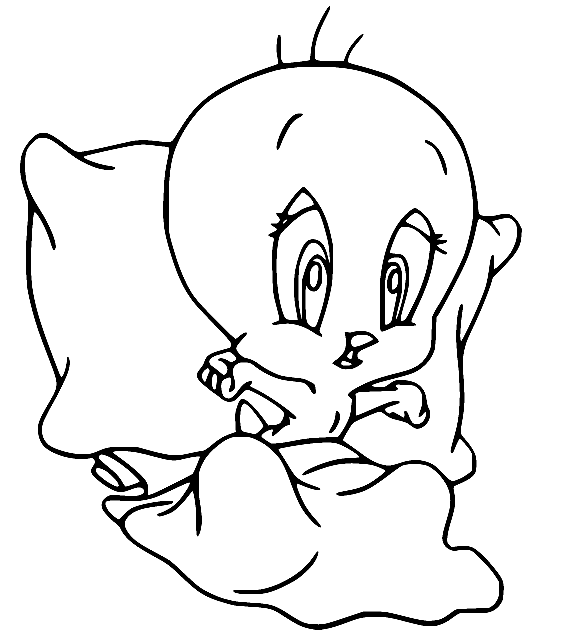
Baby Tweety
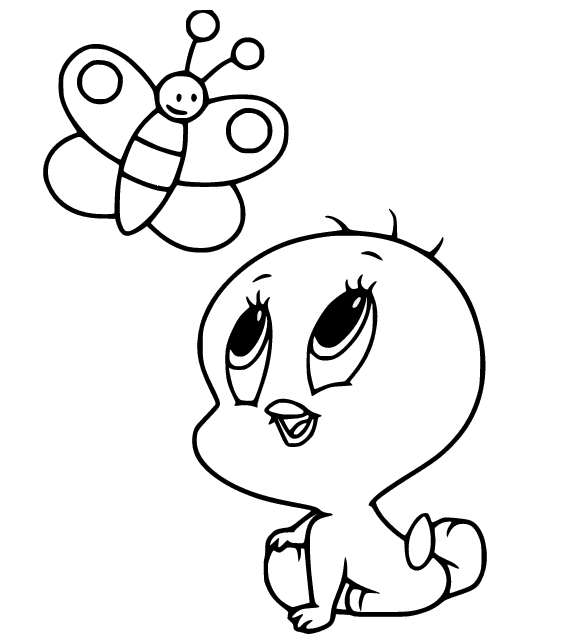
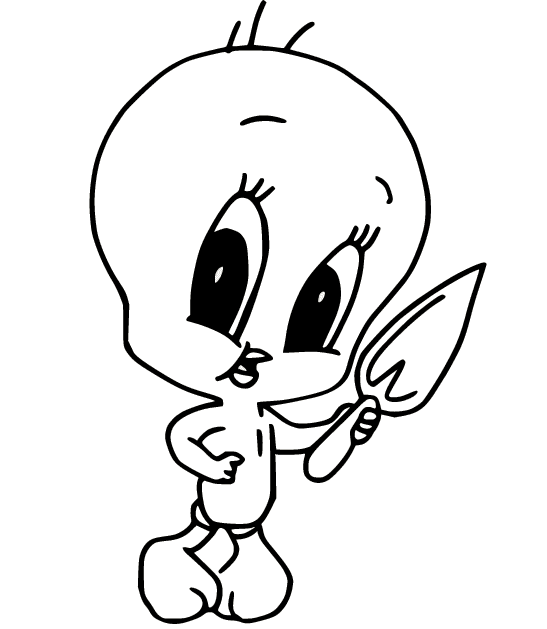
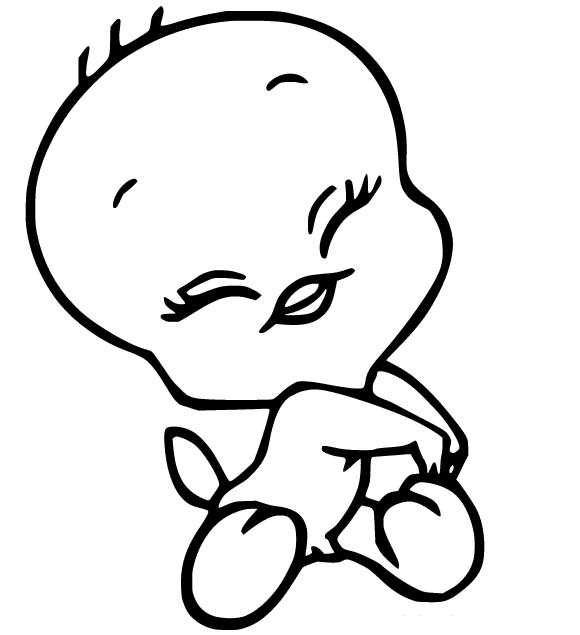
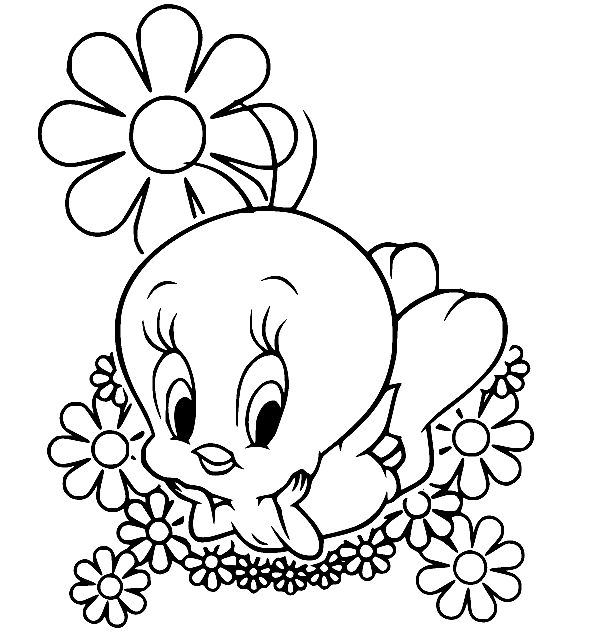
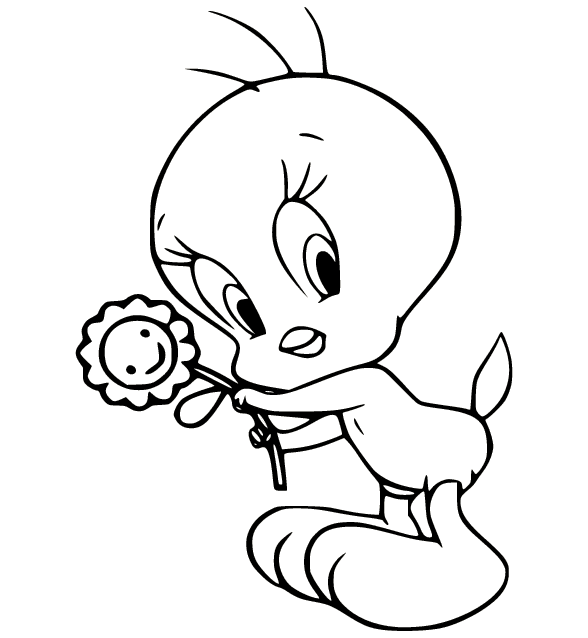
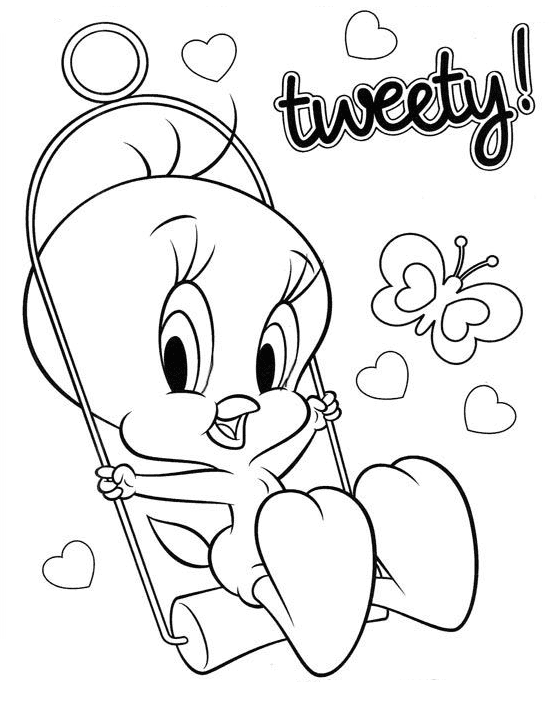
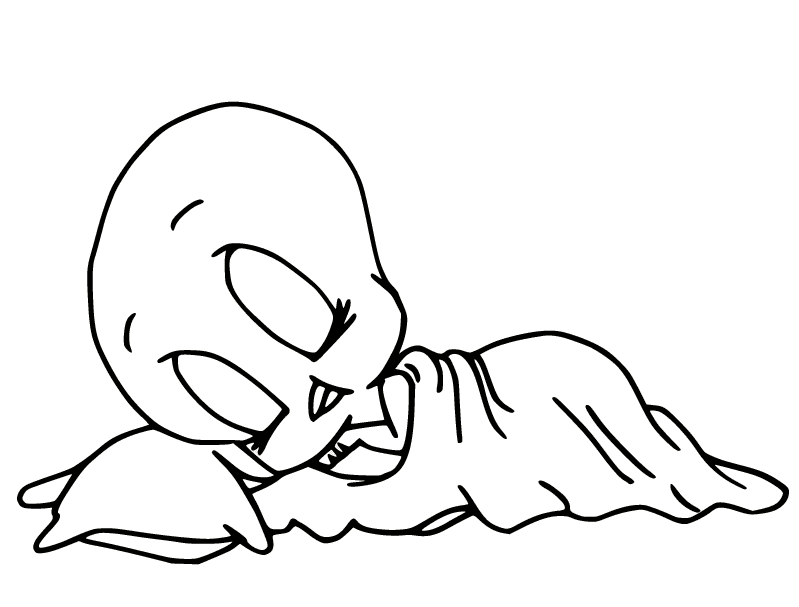
Baby Tweety sleeps, sits, blows flowers, and plays with a butterfly in a sweet set of pages. Soft pastel backgrounds in Lavender and Mint Green keep these scenes gentle.
Rainbows, Flowers, and Fun Costumes
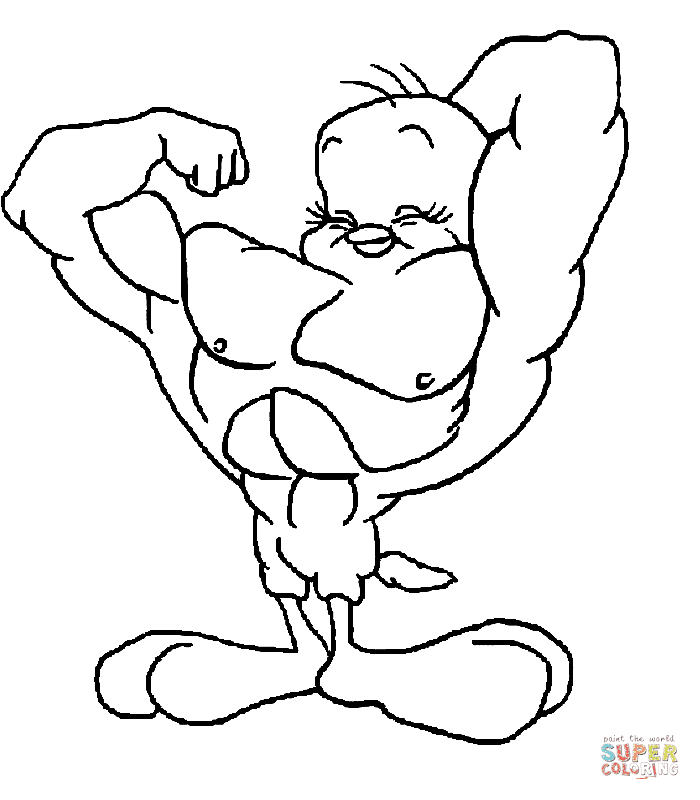
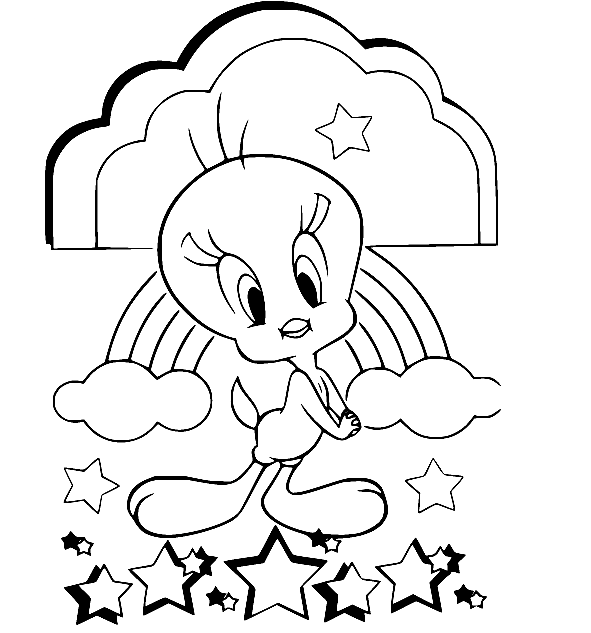
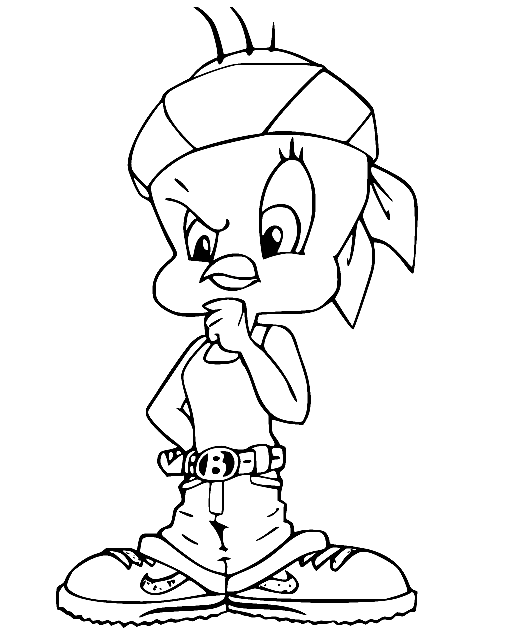
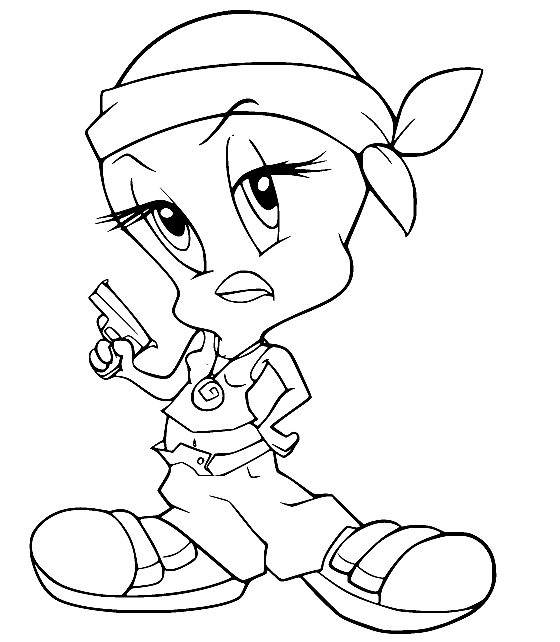
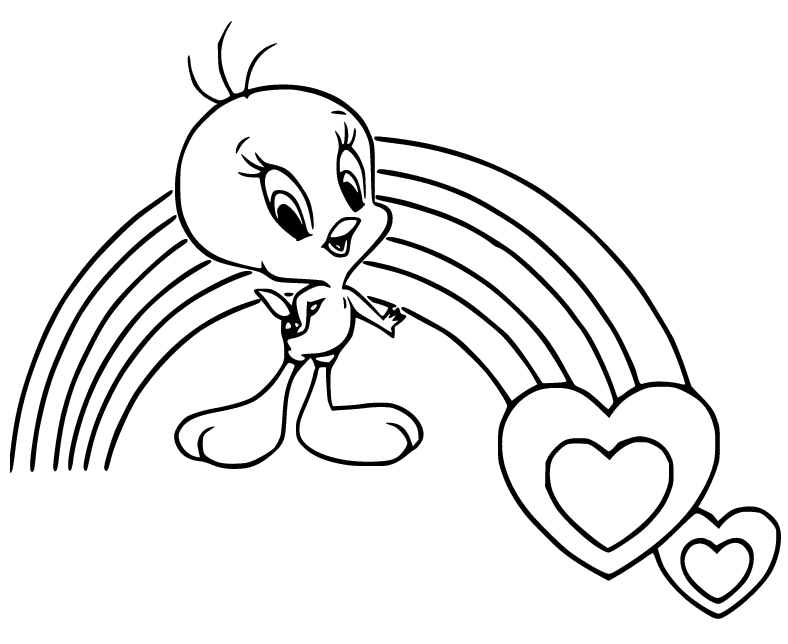
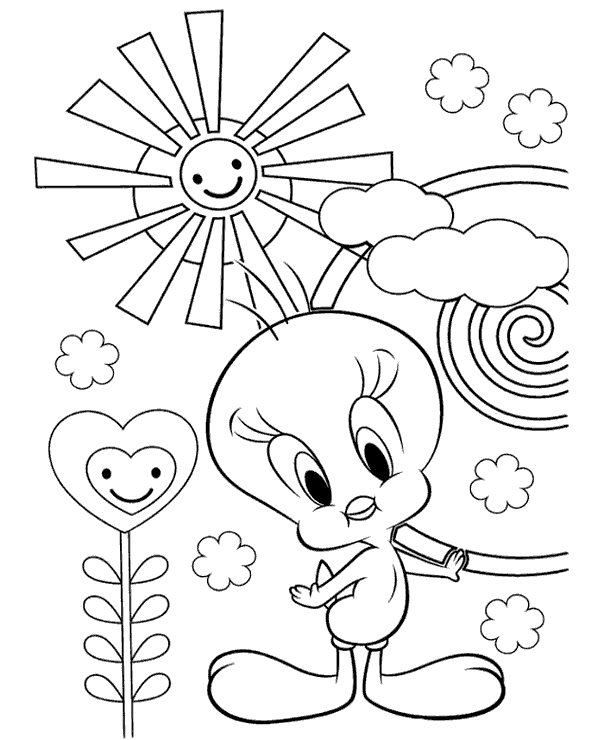
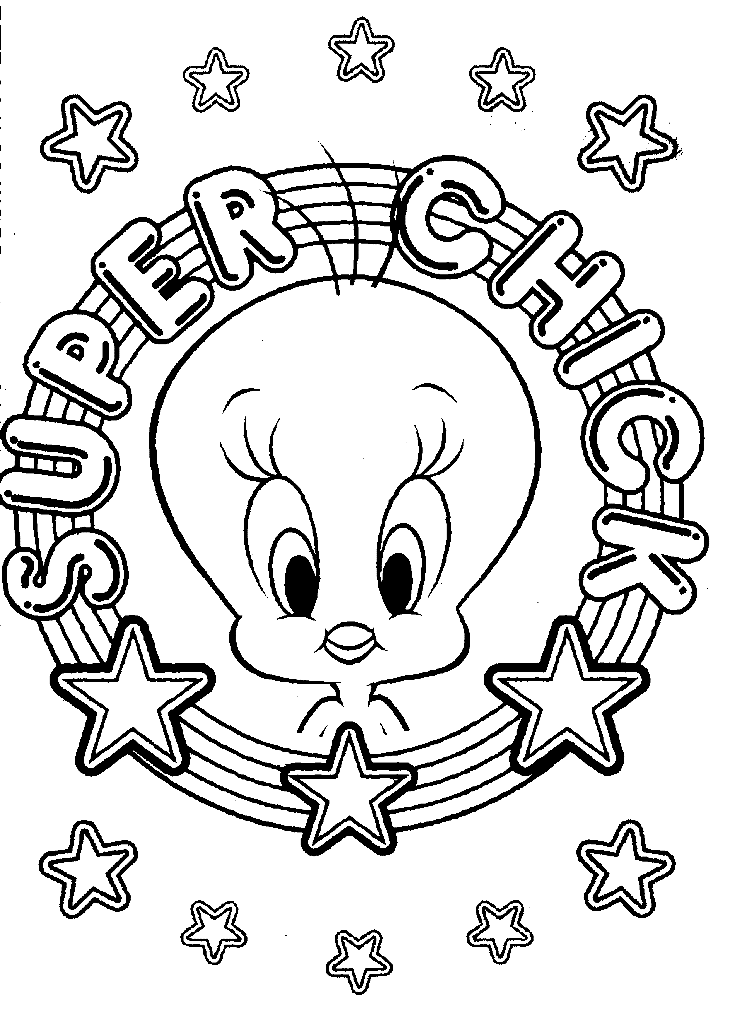
Rainbow cards, flower scenes, Magician Tweety, Tweety Super Chick, and Bodybuilder Tweety add extra variety. Rainbows look best colored in order, from Red to Violet.
What Tweety Coloring Pages Do
Teaching colors with a simple design. Tweety’s yellow body, orange beak, and blue eyes make him an easy way to practice naming and matching basic colors. Toddlers can color the same character on several pages and quickly learn which color goes where. Parents can turn it into a game by asking children to point to the yellow, orange, and blue parts.
Fine motor skills for small hands. Staying inside Tweety’s outline is exactly the handwork that builds fine motor skills in kids 2 to 7, an important early step in the American Academy of Pediatrics advice to parents. Tweety’s large, round head gives little hands a big target, while his tiny feet, beak, and props offer gentle precision practice. Baby Tweety pages are especially good for the youngest artists.
A cheerful, calming break. Art Therapy Journal researchers found in 2005 that structured coloring produced a measurable dip in anxiety. Tweety’s cute, smiling scenes add a happy mood to that calm, especially the rainbow and flower pages. A short coloring break with Tweety fits easily into a busy day.
Celebrating holidays all year. With pages for Christmas, Halloween, Valentine’s Day, and Thanksgiving, this set can be used again and again through the seasons. Teachers and parents can choose a matching Tweety page for each celebration. Kids can collect their seasonal pages into a year-round Tweety calendar.
How to Color Tweety Pages Well
- Bright yellow body: Fill Tweety with Yellow and add a touch of Goldenrod around the edges. The slight shading makes his round head look full.
- Orange beak and feet: Use Orange or Yellow Orange for his beak and feet. Keeping them warmer than his body helps them stand out.
- Big blue eyes: Color the irises Sky Blue and leave a white highlight. His eyes carry most of his expression.
- Holiday outfits: Pick strong seasonal colors, like Red for Santa hats and Orange for pumpkins. Bright costumes contrast nicely with his yellow feathers.
- Pastel baby pages: Use soft Pink, Lavender, and Light Blue around Baby Tweety. Gentle colors match the cozy scenes.
- Rainbow order: When coloring rainbows, start with Red on the outside and finish with Violet on the inside. Following the real order makes the arc look natural.
5 Creative Craft Ideas With Tweety Coloring Pages
1. Tweety Birdcage Display
Color a Tweety page, cut him out, and place him inside a birdcage drawn on cardstock with yarn bars glued over it. It recreates his famous home with Granny.
2. Seasonal Tweety Calendar:
Color the Christmas, Halloween, Valentine’s, and Thanksgiving pages and attach each to a month on a homemade calendar.
3. Feather Collage
Color a Tweety page and glue small yellow craft feathers onto his body for a soft, fluffy texture.
4. Rainbow Window Hanging
Color the Tweety Bird and the Rainbow page, cut it out, and hang it in a sunny window with colorful tissue paper streamers trailing below.
5. Baby Tweety Bedtime Card
Color the Baby Tweety Bird Sleeping page and fold it into a goodnight card for a younger brother, sister, or cousin.
Frequently Asked Questions
What are Tweety Coloring Pages?
Tweety Coloring Pages bring the yellow Looney Tunes canary to free printable sheets. The 69 pages include classic portraits, everyday activities, holiday themes, and Baby Tweety, and each sheet works on paper or on screen.
Who created Tweety?
Tweety was created by Bob Clampett at Warner Bros. and first appeared in A Tale of Two Kitties in 1942. Friz Freleng later developed the character further alongside Sylvester.
What kind of bird is Tweety?
Tweety is a yellow canary. In his earliest cartoons, he was pink and featherless, and he was later redesigned with the bright yellow feathers he is known for today.
What is Tweety’s famous catchphrase?
Tweety’s best-known line is “I tawt I taw a puddy tat!” which means “I thought I saw a pussycat.” He says it whenever Sylvester is sneaking around.
Who is Tweety’s rival?
Sylvester the cat is always trying to catch Tweety, but the clever little bird escapes every time, often with help from his owner, Granny.
Did Tweety win an Oscar?
Yes. Tweetie Pie, the 1947 short starring Tweety and Sylvester, took home the Oscar for Best Cartoon Short Subject, the first such win for a Warner Bros. cartoon.
Which ages enjoy Tweety coloring pages?
Tweety’s simple shape and bright colors suit children as young as 2 or 3, so most sheets work for the toddler and preschool crowd. Busier activities and holiday scenes hold older kids’ attention.
What is Baby Tweety?
Baby Tweety is a younger version of the character from the Baby Looney Tunes series, which aired from 2002 to 2005. These pages show him as an even smaller, cuddlier chick.
Start Coloring
Tap whichever of the 69 Tweety designs looks fun and choose between a free PDF for printing and on-screen coloring, with no account required. Little artists can show friends their finished canary by tapping Facebook or Pinterest beside the picture.