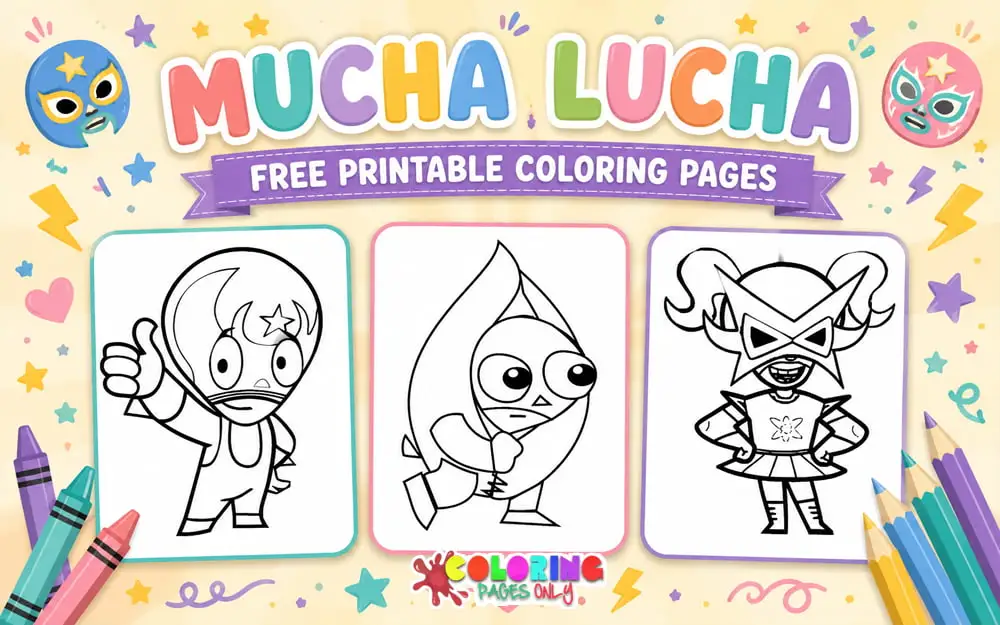
Free Mucha Lucha Coloring Pages: 24 printable PDF designs of the young masked wrestlers Rikochet, Buena Girl, and The Flea, along with The Flea’s little sister Pulgita, rivals Snow Pea and Penny Plutonium, the buzzing El Loco Mosquito, Coco Demento, the legendary champion El Rey, a masked dog, and the show’s logo. Every sheet prints from its PDF or can be colored on screen in a browser.
Mucha Lucha! is an animated comedy that aired on Kids’ WB from 2002 to 2005, created by Eddie Mort and Lili Chin. It is set in a colorful town where everyone, even the family pet, wears a wrestling mask, and it follows three best friends training at a school for lucha libre, the high-flying style of masked wrestling made famous in Mexico.
In the show, a wrestler’s mask is a symbol of honor and identity, and every character’s mask has its own bold pattern. That makes the pages a fun canvas for bright colors, stripes, stars, and lightning bolts.
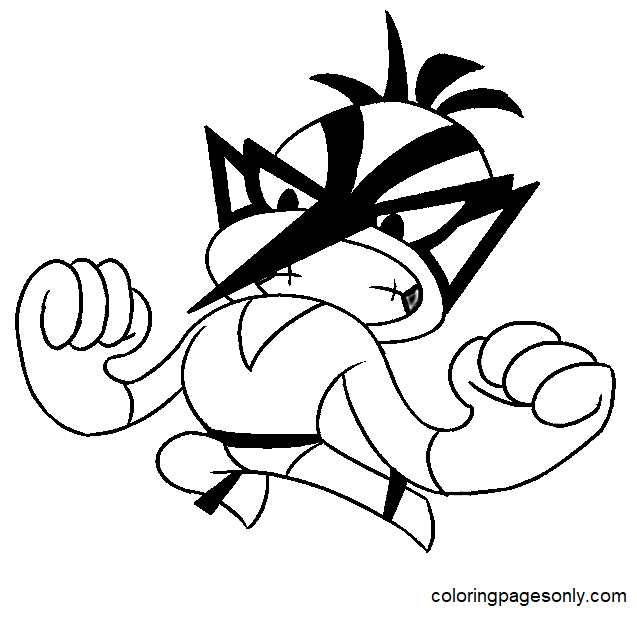
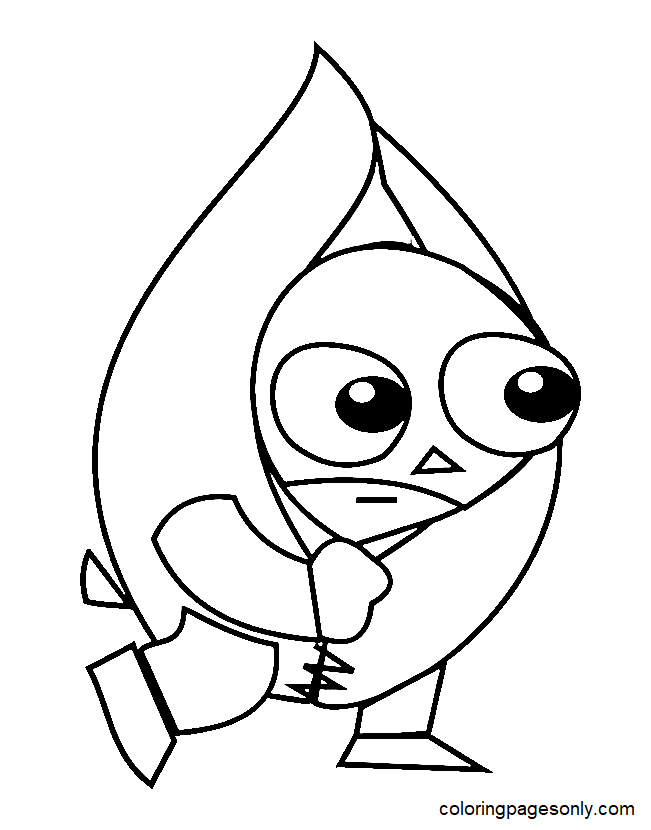
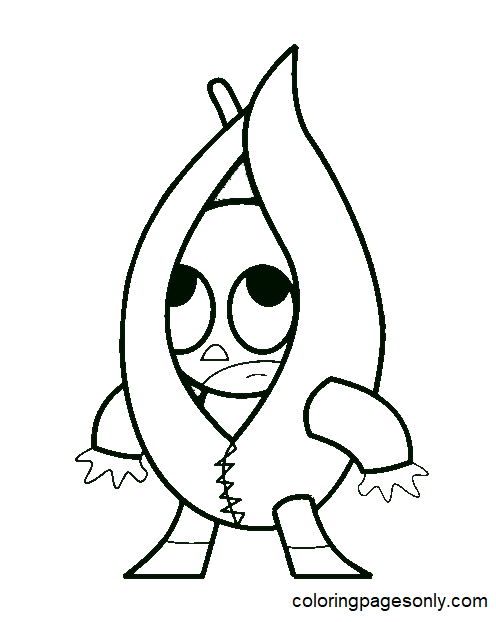


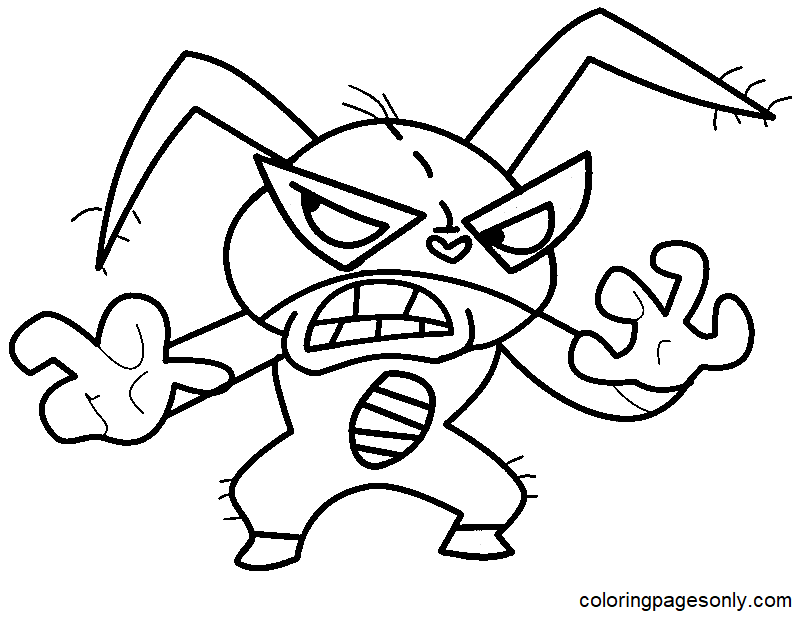

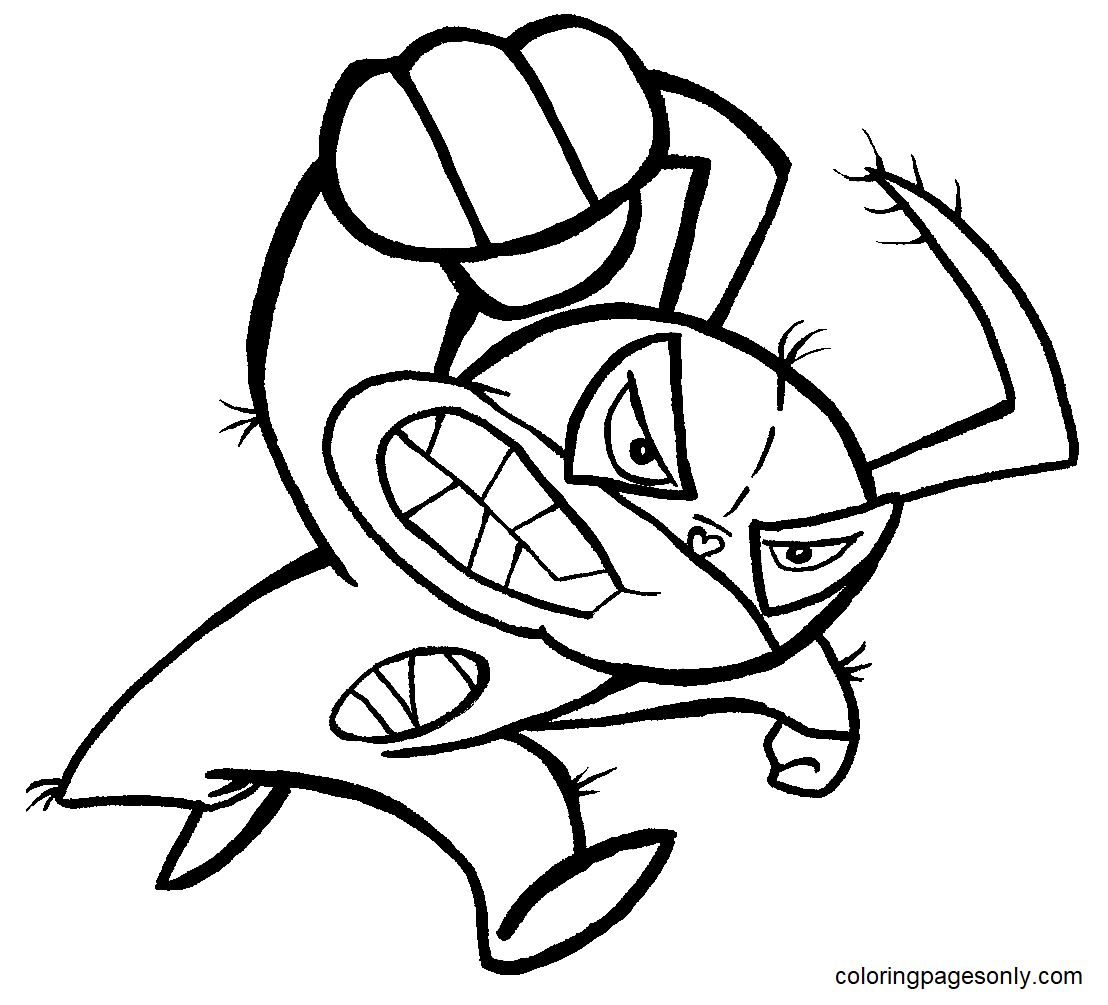
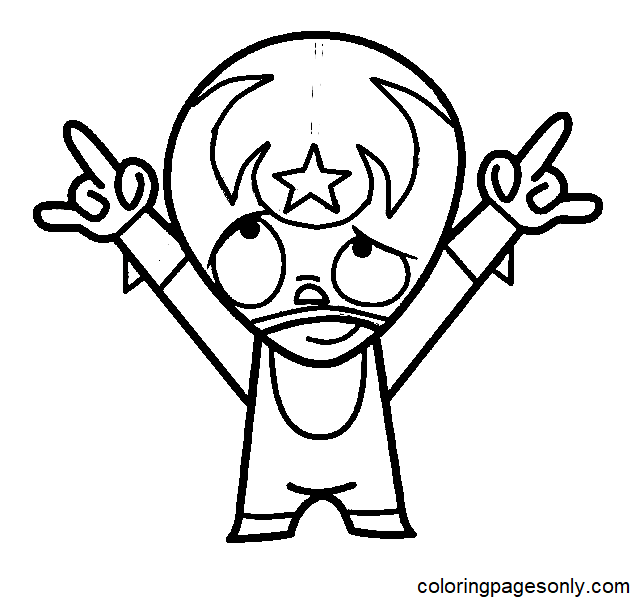
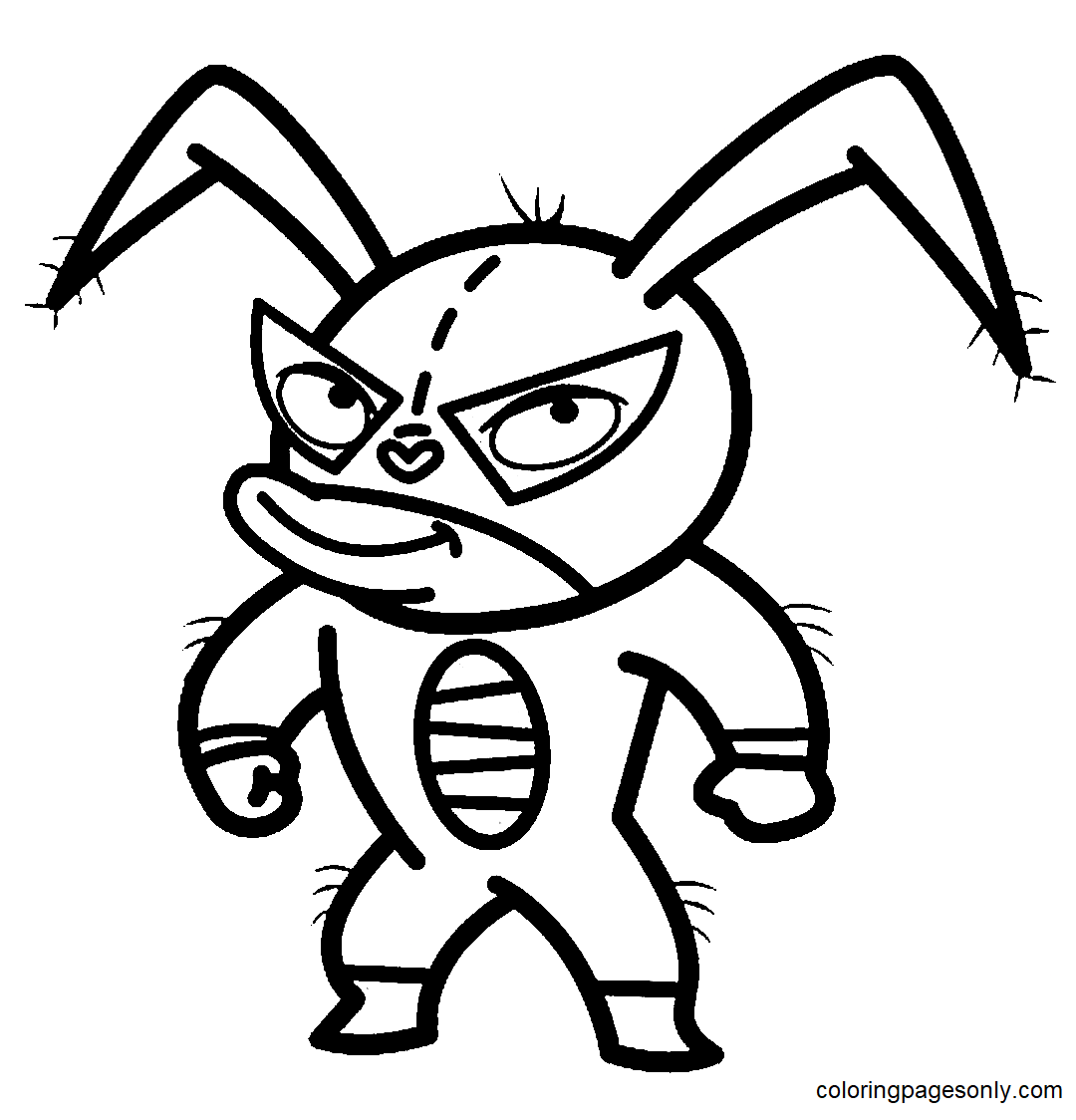
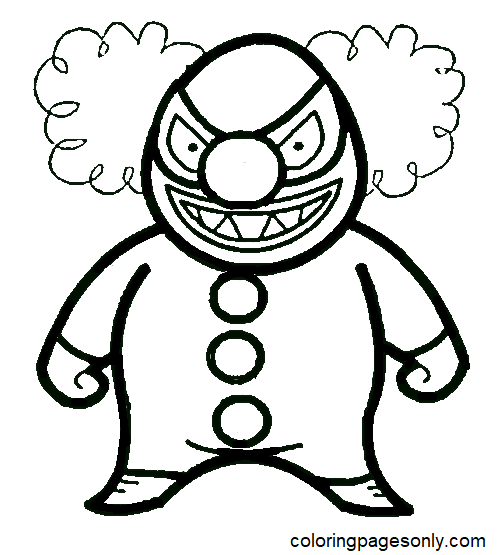
What’s Inside This Collection
Center stage belongs to the three heroes, with rivals, family, and a few fun extras filling out the 24 designs.
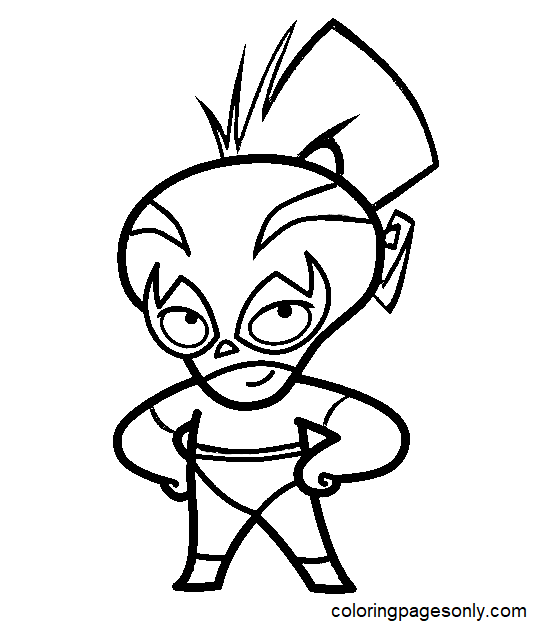
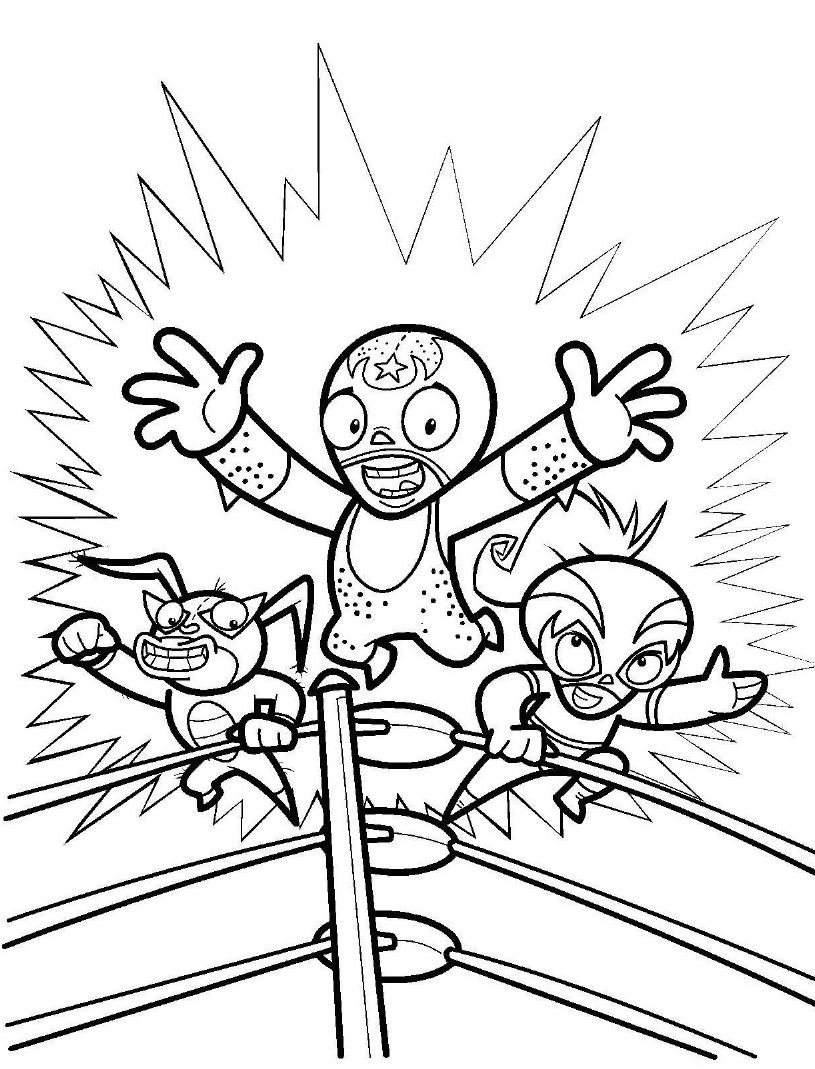
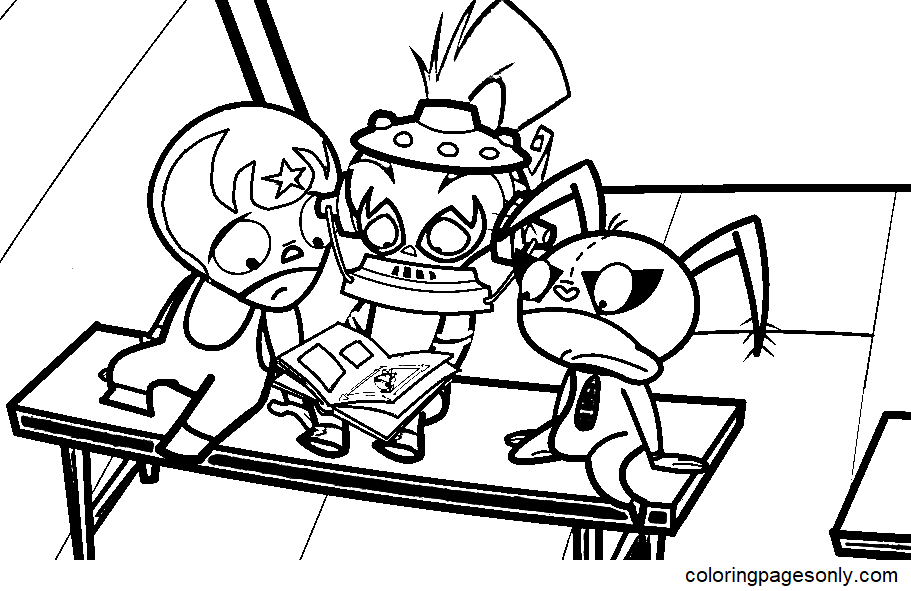
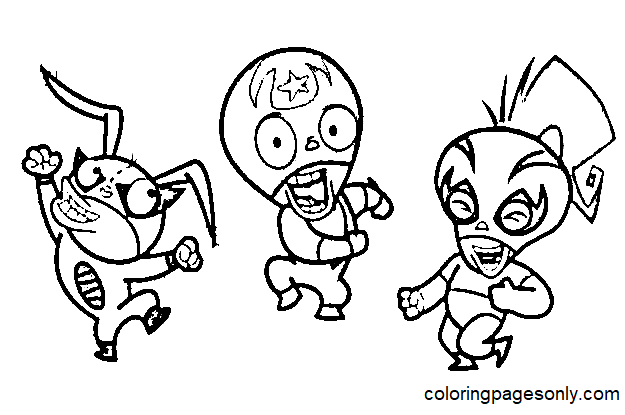
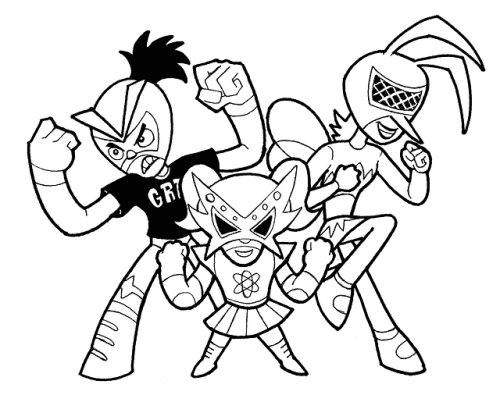
Rikochet, Buena Girl, and The Flea
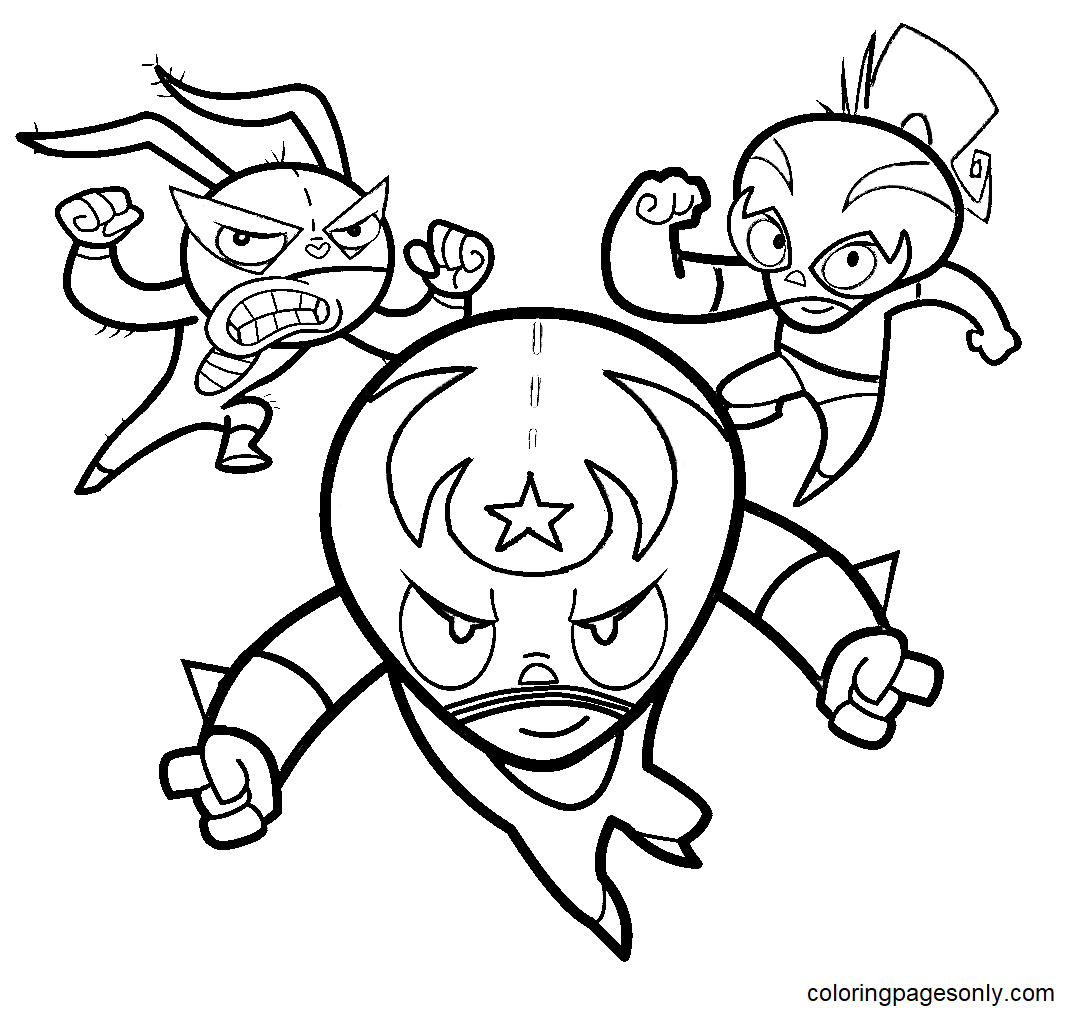
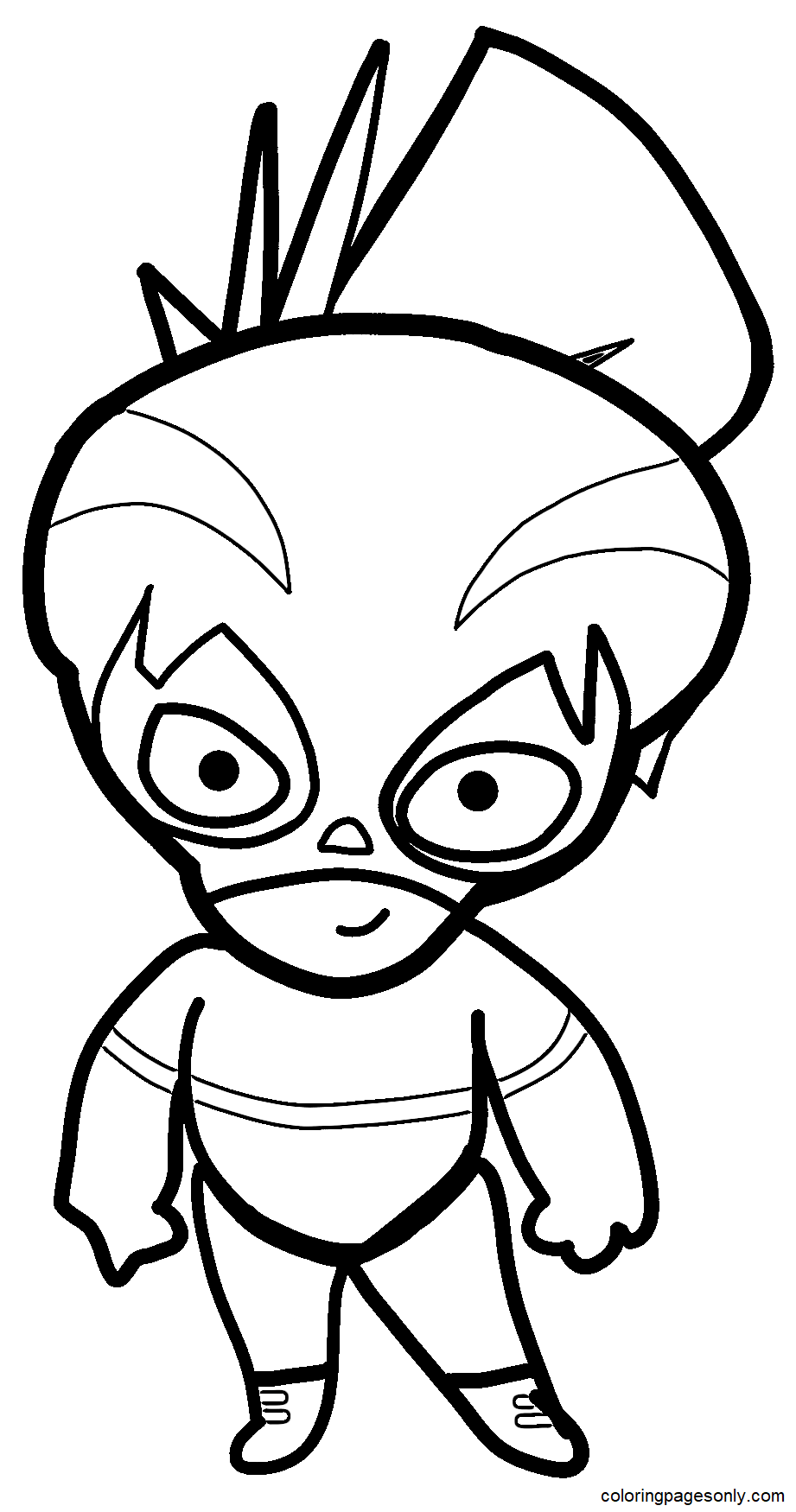
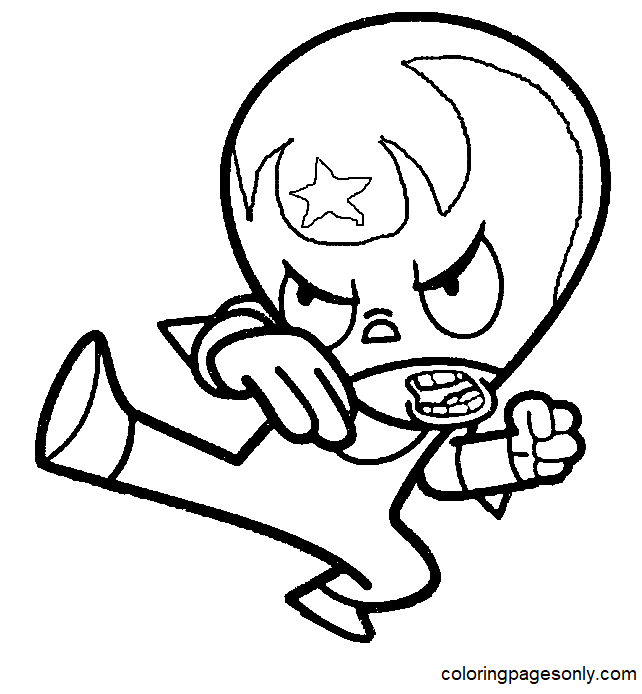
The trio appears alone and together, including a cool Rikochet page. Give each hero a different main color, such as Red for Rikochet, Pink for Buena Girl, and Yellow for The Flea, so they are easy to tell apart.
Snow Pea, Penny Plutonium, and Rivals
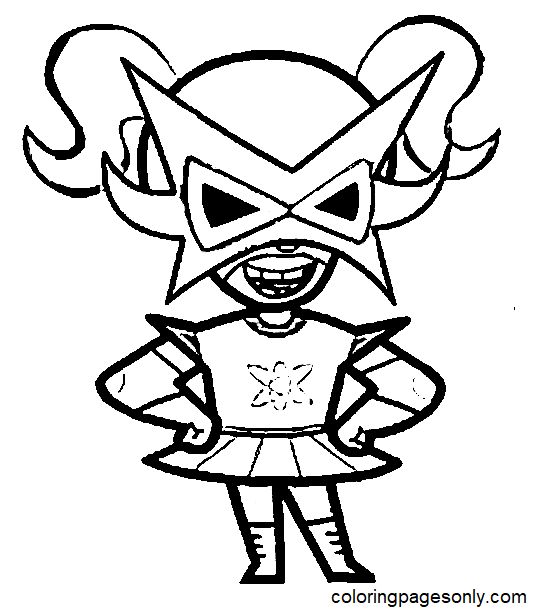
Snow Pea and Penny Plutonium are among the trio’s toughest classmates and challengers. Cool colors like Light Blue and White suit Snow Pea, while Penny Plutonium looks striking in glowing Yellow Green.
El Rey and the Legends
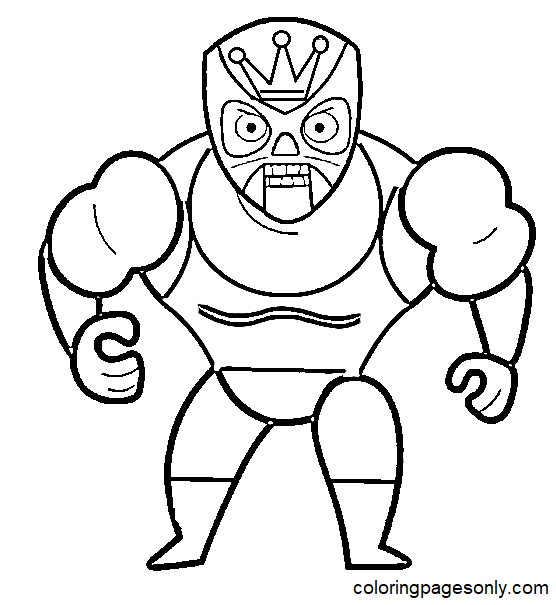
El Rey, the famous champion the kids look up to, brings a heroic touch. Gold, Royal Blue, and White make his costume look regal.
El Loco Mosquito, Coco Demento, and Pulgita
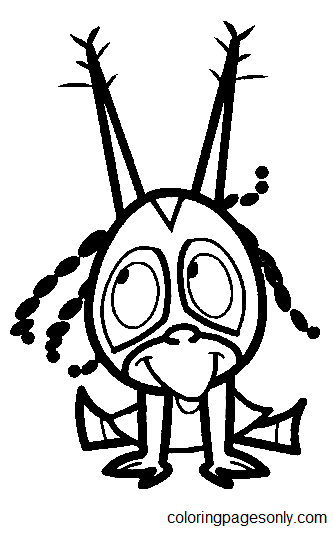
These quirky characters add humor to the set. Try Green and Gray for El Loco Mosquito’s insect look and a cheerful Orange for little Pulgita.
Masked Dog, Logo, and Printables
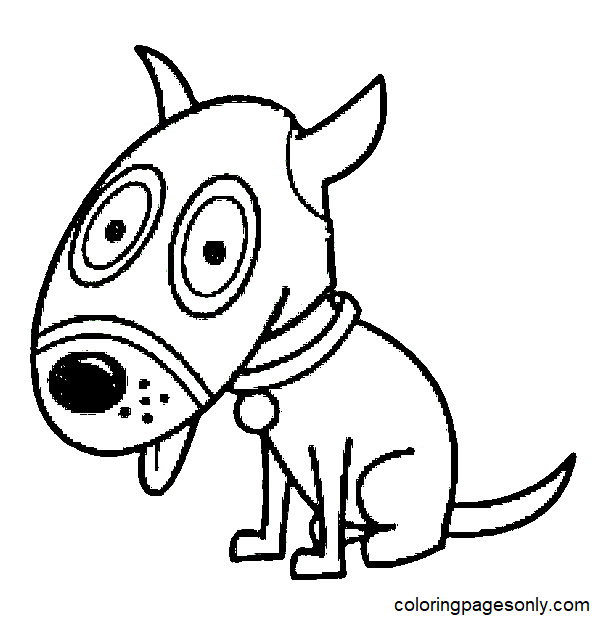
The masked dog shows that even pets wear lucha masks in this world. The logo and printable pages take only minutes and look great on posters or folders.
What Mucha Lucha Coloring Pages Do
Introducing lucha libre culture. Lucha libre is a beloved Mexican tradition in which wrestlers wear colorful masks and perform acrobatic moves. Coloring the characters’ masks opens a conversation about the sport’s history and why masks hold such meaning for luchadores. Families can look up real lucha masks together and compare their patterns to the cartoon designs.
Practicing patterns and symmetry. Early art activities matter partly because structured coloring helps children aged 2 to 7 gain fine motor control, as the American Academy of Pediatrics guidance notes. Wrestling masks are often symmetrical, so coloring both sides with matching stripes, stars, and shapes teaches careful planning and control. Simpler character pages give younger kids a gentler starting point.
A playful, stress-free break. Structured coloring helped participants feel less anxious, according to a 2005 work in the Art Therapy Journal. Mucha Lucha’s silly humor and bright colors keep the session upbeat, while filling in mask patterns encourages a calm, steady rhythm. A single character page fits easily into a short afternoon break.
Celebrating friendship and good sportsmanship. Rikochet, Buena Girl, and The Flea support each other even when they lose a match, and the show often shows respect for opponents. Group pages make it easy to start a talk about teamwork, fair play, and being a good friend. Kids can even design a mask that represents their own personality.
How to Color Mucha Lucha Pages Well
- Symmetrical masks: Color one side of a mask first, then mirror the same colors on the other side. Matching sides makes masks look polished.
- Bold, bright colors: Lucha libre is all about energy, so use strong colors like Red, Royal Blue, Yellow, and Hot Magenta. Bright choices fit the show’s cartoon style.
- Stars and lightning bolts: Add Gold or Yellow to star and bolt shapes on costumes. Metallic gel pens add extra shine.
- Capes and belts: Color capes in a contrasting color to the mask, and give championship belts Gold with Silver details.
- Masked dog: Give the dog a fun mask color that matches one of the heroes, so it looks like part of the team.
- Wrestling ring backgrounds: Draw a ring with Red, White, and Blue ropes and a bright spotlight in Yellow. It sets the stage for action.
5 Creative Craft Ideas With Mucha Lucha Coloring Pages
1. Design Your Own Lucha Mask Card
Color a Mucha Lucha character, then draw a blank mask shape beside it and design an original mask with personal colors and symbols. Label the mask with a made-up wrestler name.
2. Paper Plate Wrestling Ring
Color several characters, cut them out, and prop them upright on a paper plate decorated with yarn ropes around the edge. Kids can stage their own friendly match.
3. Champion Belt Bookmark
Color El Rey, cut out his figure, and glue it to a strip of gold cardstock shaped like a championship belt.
4. Lucha Friendship Banner
Color Rikochet, Buena Girl, and The Flea, attach them to colorful paper flags, and string them together for a bedroom or classroom banner.
5. Masked Pet Portrait
Color the Mucha Lucha Masked Dog page, then draw your own pet beside it wearing an invented lucha mask.
Frequently Asked Questions
What are Mucha Lucha Coloring Pages?
Mucha Lucha Coloring Pages bring free printable art from the animated series about young masked wrestlers. The 24 pages include Rikochet, Buena Girl, The Flea, Snow Pea, El Rey, and other characters, with each sheet available in PDF form or online.
When did Mucha Lucha air?
Mucha Lucha! aired on Kids’ WB from 2002 to 2005. It ran for three seasons, with the final season titled Mucha Lucha: Gigante.
Who created Mucha Lucha?
Eddie Mort and Lili Chin created the show, which was produced by Warner Bros. Animation. It was one of the first television series animated mainly with Flash.
Who are the main characters?
Rikochet, Buena Girl, and The Flea are three best friends who attend a lucha libre school. Rikochet is brave and energetic, Buena Girl always tries to follow the rules, and The Flea is famously messy but loyal.
What is lucha libre?
Lucha libre is a style of professional wrestling from Mexico known for colorful masks, high-flying moves, and dramatic matches. Wearing and protecting one’s mask is a matter of great honor for luchadores.
Who is El Rey?
El Rey is a legendary wrestling champion in the show’s world and a hero to Rikochet and his friends. His name means “The King” in Spanish.
What ages enjoy Mucha Lucha coloring pages?
This series targeted children, with comedy, friendship, and silly wrestling moves instead of real fighting. Single-character sheets suit kids from about 4, and older children enjoy the busier group scenes.
Why does everyone in Mucha Lucha wear a mask?
In the show’s world, masks are part of every wrestler’s identity, so nearly everyone, from students to teachers and even pets, wears one. It reflects the importance of masks in real lucha libre culture.
Start Coloring
Tap any masked hero among the 24 Mucha Lucha designs, then grab the free PDF or color the page digitally, no sign-up needed. Young luchadores can show off their finished masks by clicking Facebook or Pinterest beside that page.