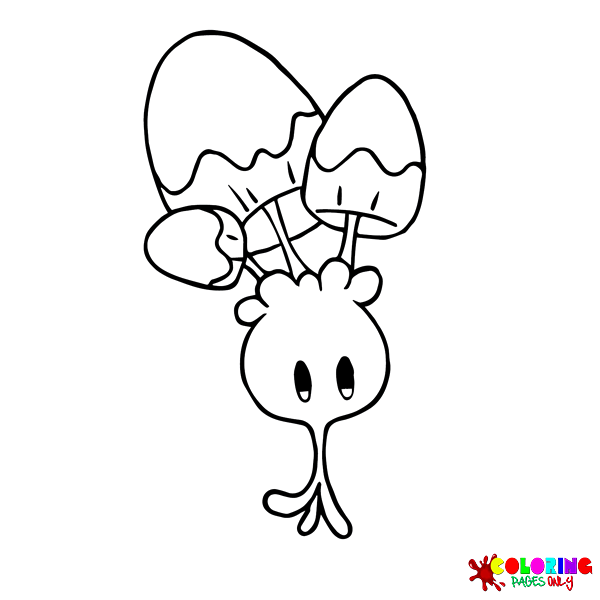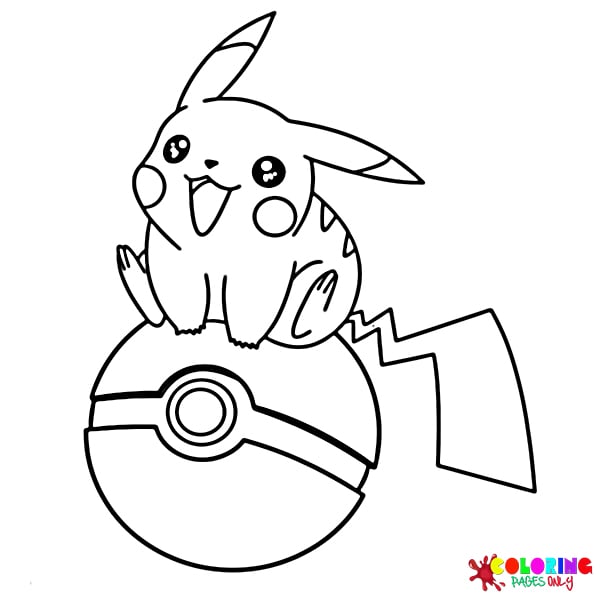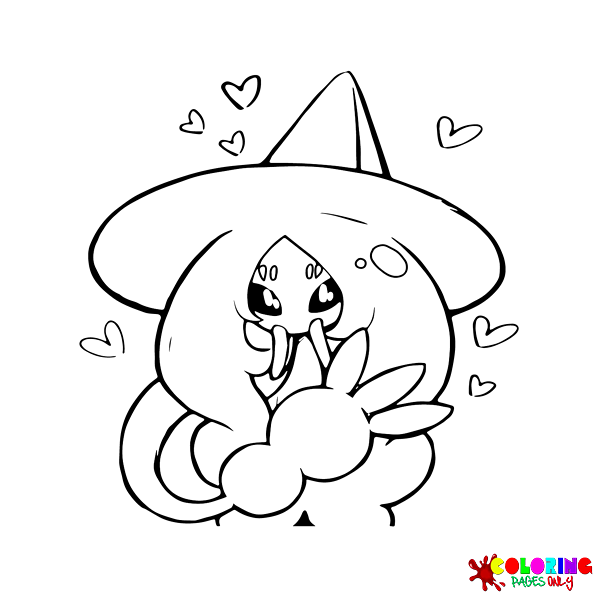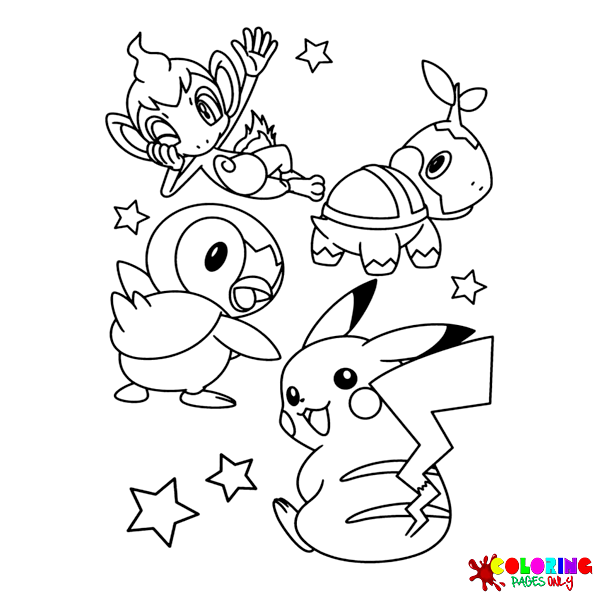

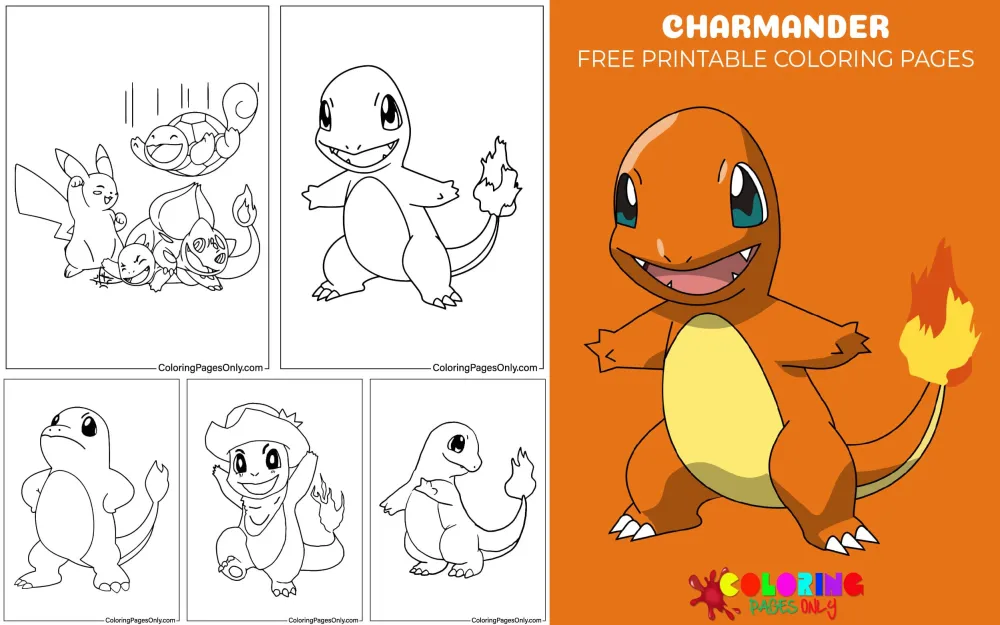
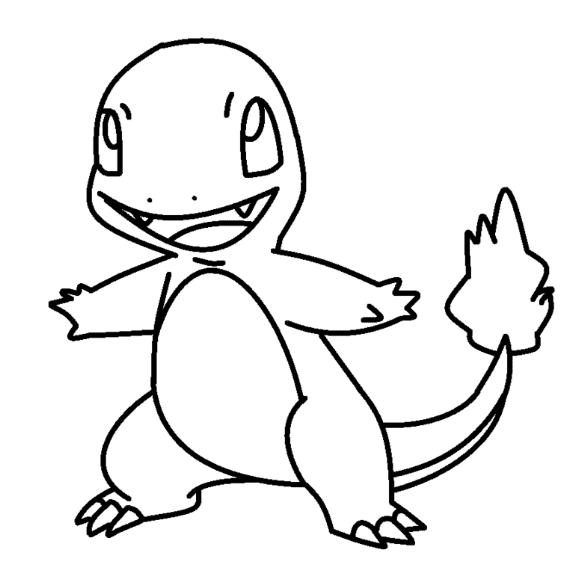
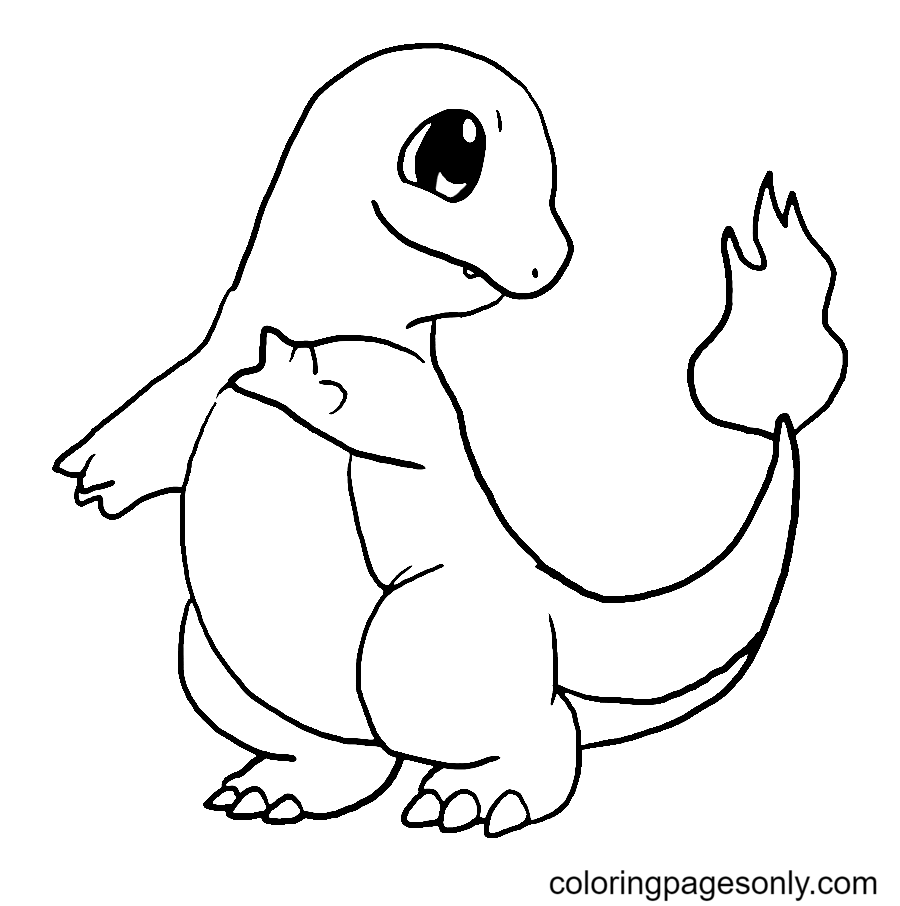
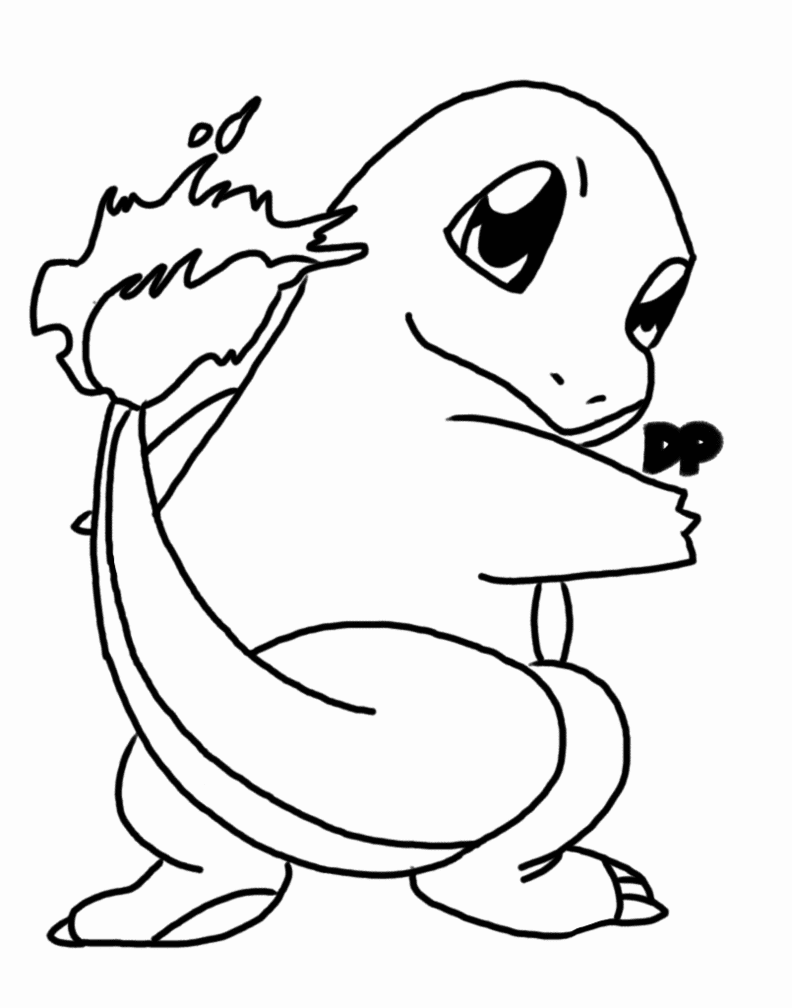
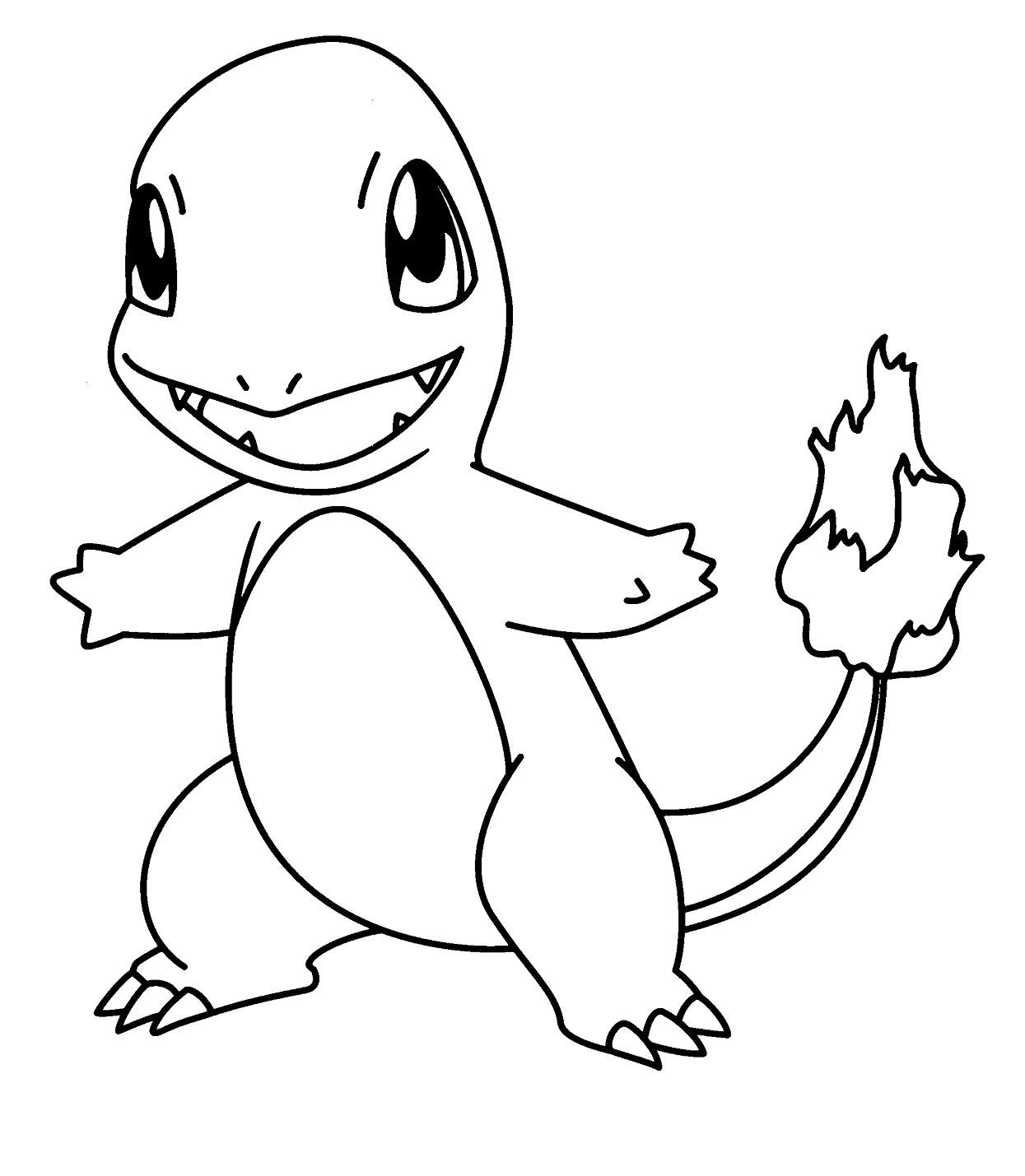
Free Charmander Coloring Pages: 19 printable PDF designs featuring Charmander in classic portraits, playful poses, and scenes with fellow starters Squirtle and Bulbasaur. Each page can be downloaded as a PDF to print or colored online in the browser.
Charmander first appeared in Pokemon Red and Green in 1996, one of the three original starter Pokemon alongside Bulbasaur and Squirtle. Designer Atsuko Nishida has said she built Charmander by working backward from its final evolution, Charizard, wanting the change between the small lizard and the fire-breathing dragon to feel almost unimaginable. This collection colors that same small, fiery starter across dozens of scenes.
This set works well for a conversation about loyalty and second chances, since Charmander’s most famous moment in the animated series involves being cared for by a new trainer after a difficult start. The starter-trio scenes give an older child more characters and detail to work through, while the simpler solo portraits suit a child just starting to color a face and tail.




What Is Inside This Collection
The 19 pages fall into a few clear groups, built around Charmander’s expressions, its tail flame, and scenes with the other starter Pokemon.
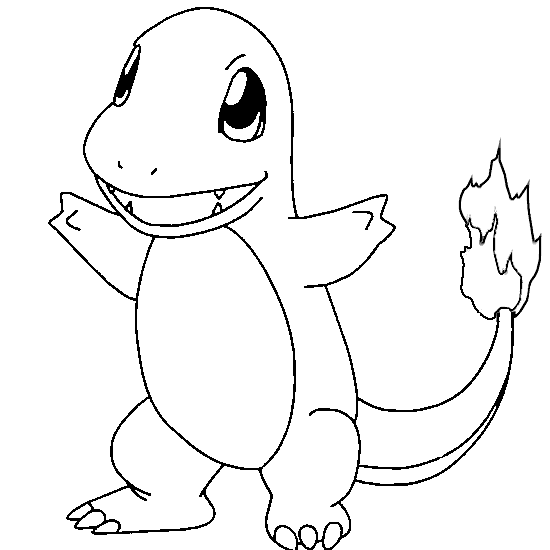
Classic Charmander Portraits
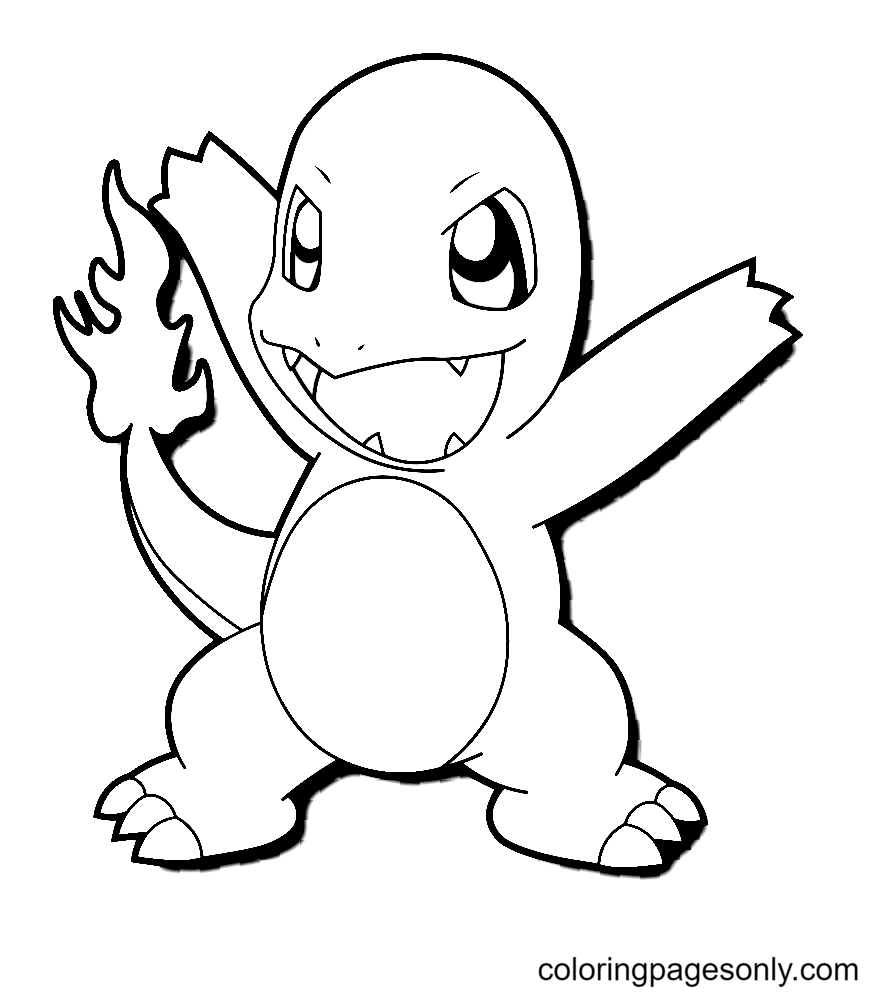
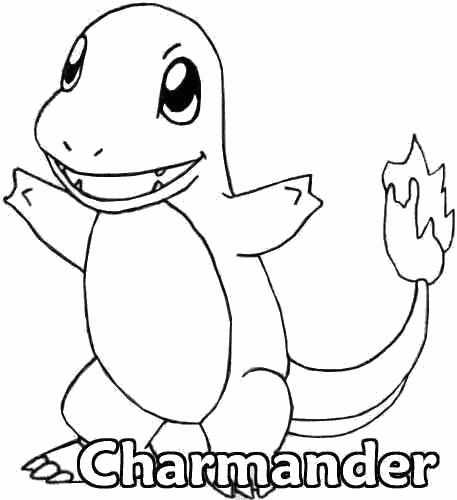
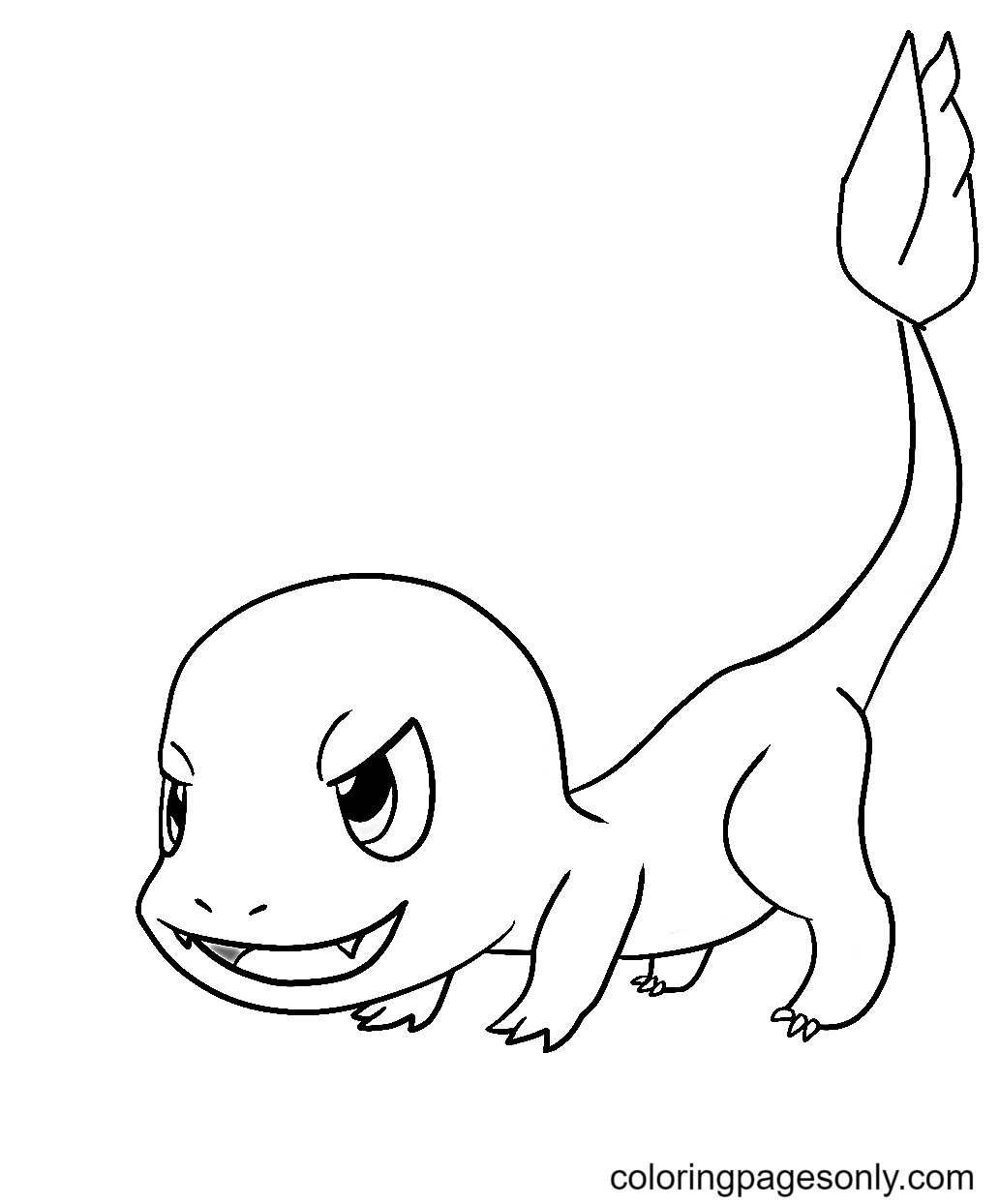
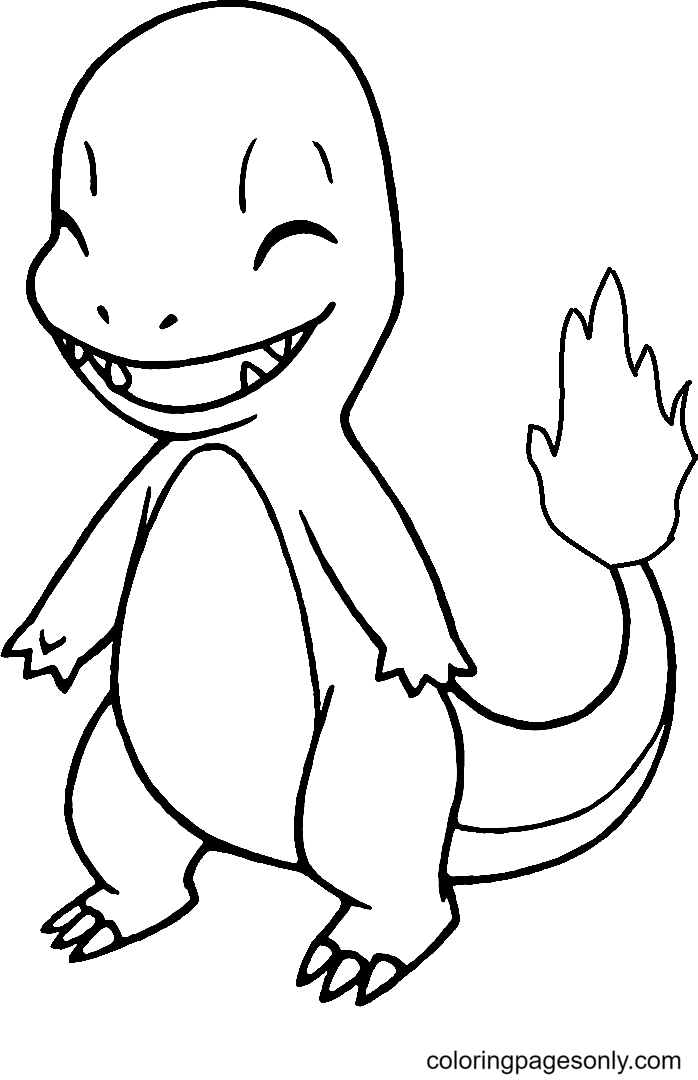
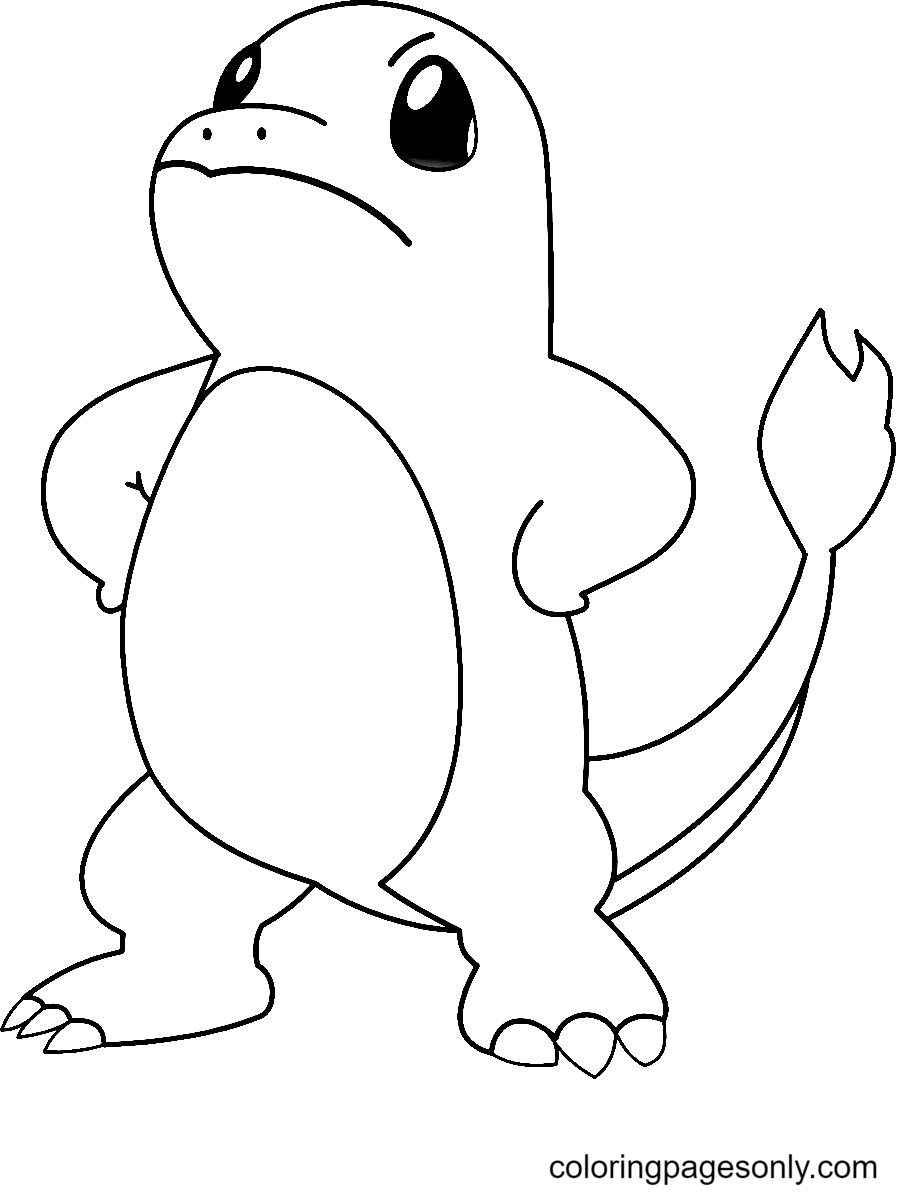
A large share of the set is solo portraits showing Charmander standing, smiling, or posed on its own. Color its body a warm Orange, its belly a lighter Cream, and its tail flame a bright Yellow-Orange gradient, keeping the flame the brightest point on the page since it is Charmander’s defining feature.
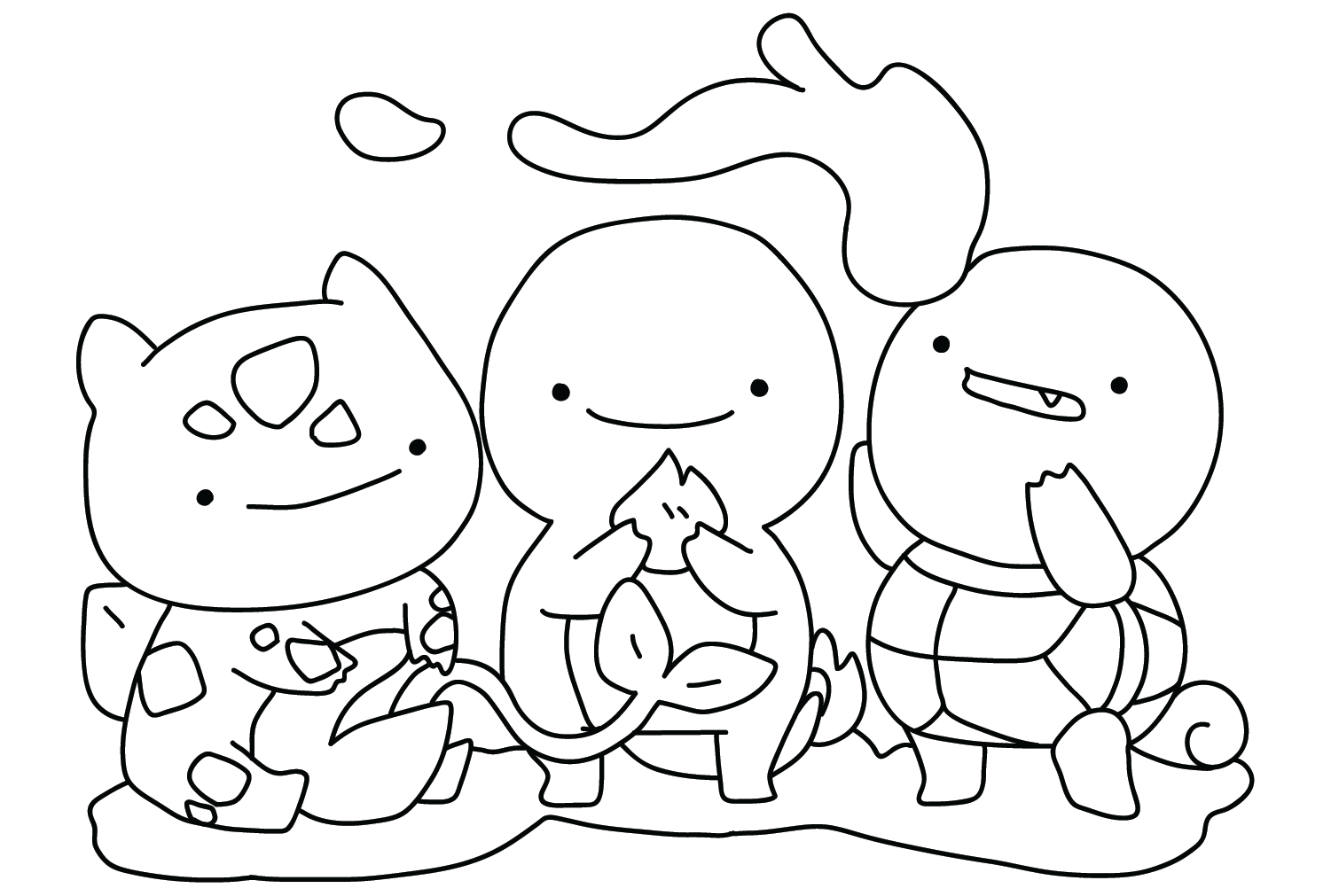
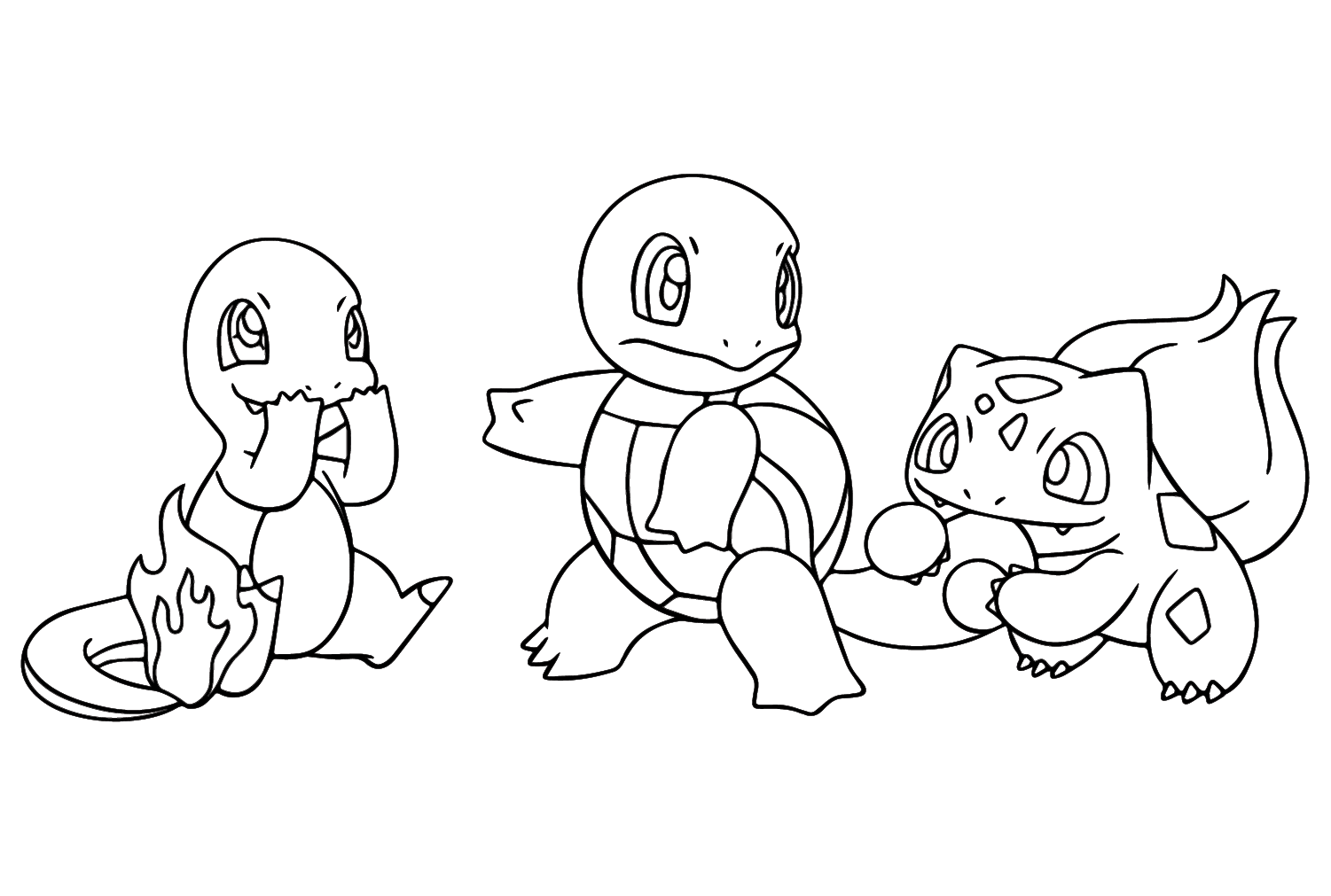
Charmander and the Starter Trio
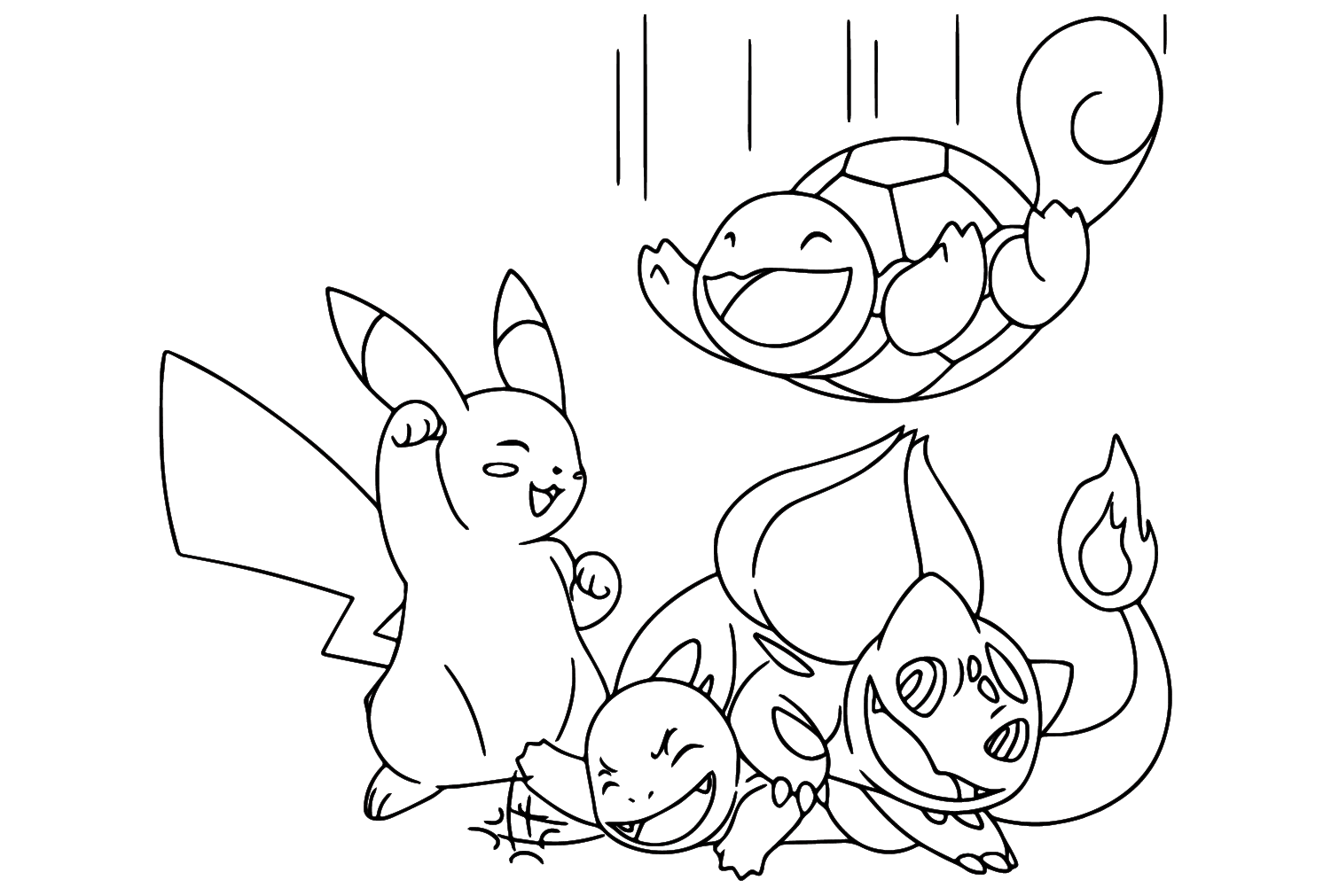
Several pages pair Charmander with Squirtle and Bulbasaur, the other two original starter Pokemon. Color Squirtle Blue with a Brown shell and Bulbasaur Green with a darker green bulb on its back, so all three starters read as clearly different species even when grouped.
Chibi and Simplified Charmander
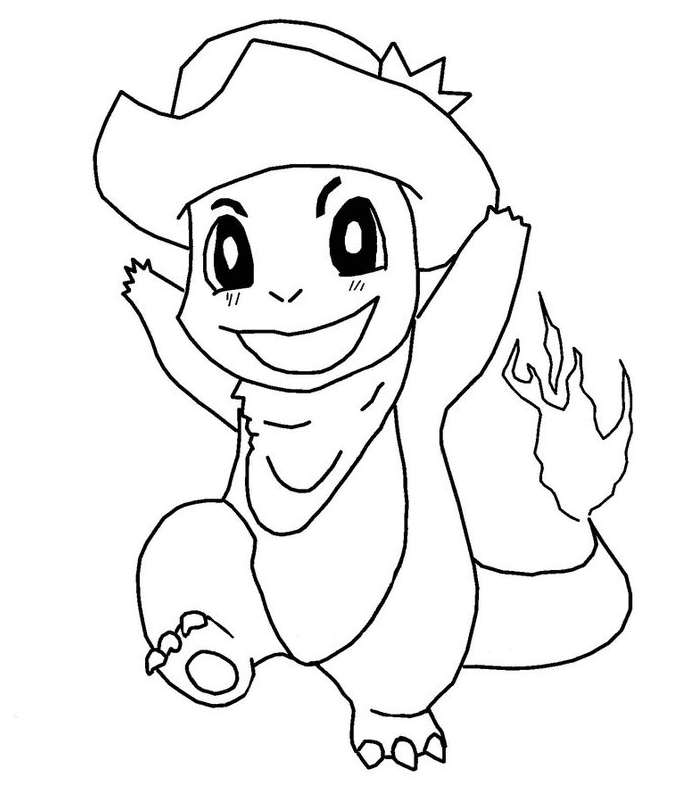
A number of pages show a rounder, simplified version of Charmander with bigger eyes and a shorter tail. Keep the same orange-and-cream palette here, just with softer, more rounded shapes, since these pages are built for an easier, beginner-friendly coloring experience.
Fire Pokemon Portraits
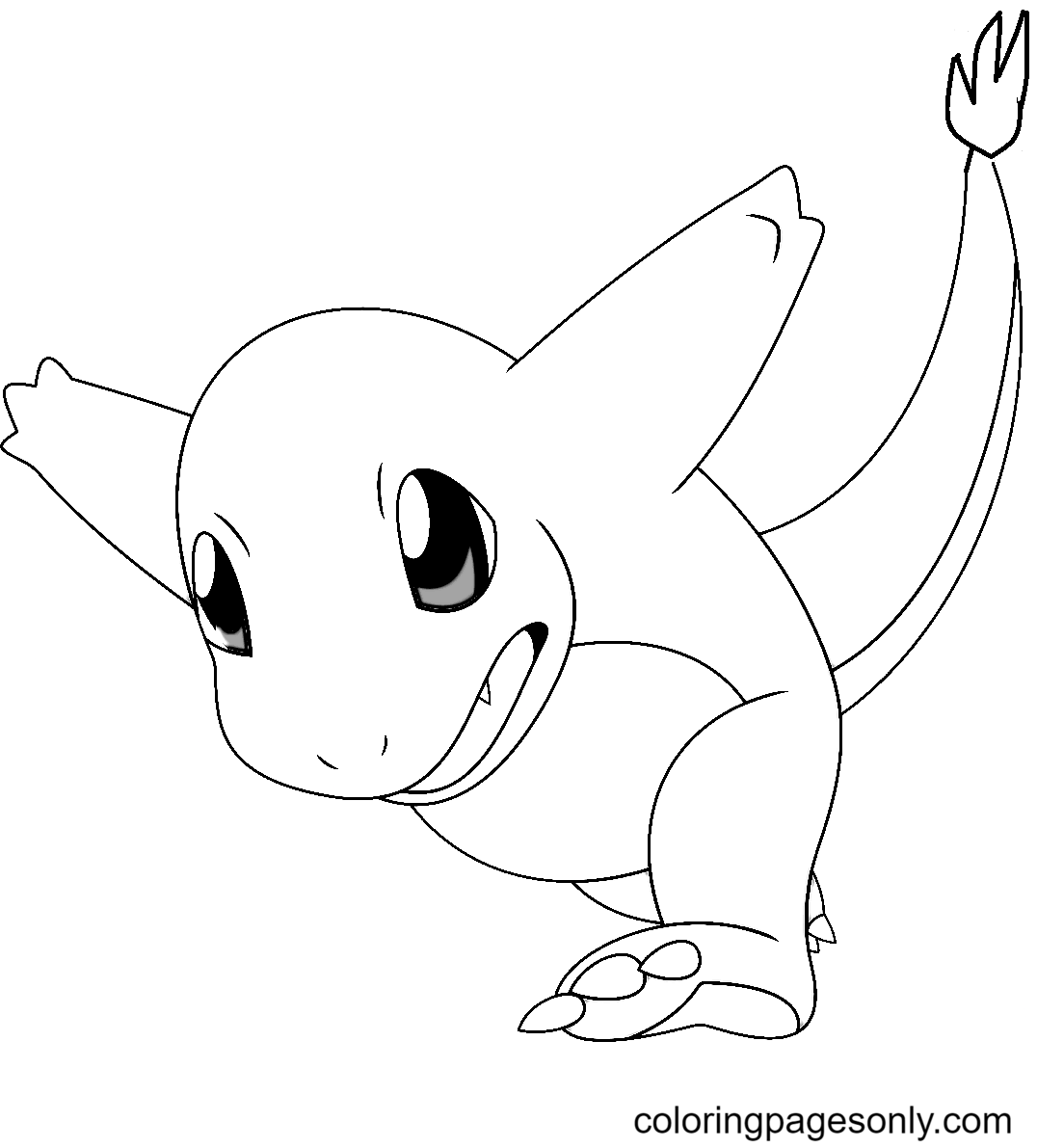
The rest of the set frames Charmander specifically as a Fire-type Pokemon, often with a plain background that puts full attention on its coloring and tail flame. Use these pages to practice a smooth gradient in the flame, from a deeper orange at the base to a lighter yellow at the tip.
What Charmander Coloring Pages Do
One small flame carries the whole page. Every Charmander design puts real weight on a single detail, the tail flame, since it is the one part of the character that changes color, shape, and brightness from page to page. Getting comfortable blending Orange into Yellow for that flame is a genuinely useful fine motor skill, and it is exactly the gradual, controlled shading the American Academy of Pediatrics associates with stronger hand control in children ages 2 through 7.
A backstory that turns a coloring page into a conversation. In the animated series, Charmander is remembered for a well-loved episode where a new trainer steps in to look after it after things had gone wrong with someone else. Coloring a calm, happy Charmander page is a natural moment to bring up that story and talk about what it means to take care of something that needs help.
Working from the end backward. Charmander’s own designer built the character by starting with its final evolved form and working backward, a reversal of how most character design happens. Coloring Charmander next to a picture of its evolutions, even just from memory, is a small way to notice how much a design can change while keeping a few recognizable details, like the tail flame, all the way through.
Slow, structured coloring calms in a measurable way. A 2005 Art Therapy Journal study backs this up directly, finding that people who colored inside defined shapes had a bigger drop in anxiety than those who drew freely. The repeated small-scale-like marks sometimes shown on Charmander’s belly and tail are a good match for that same steady, one-section-at-a-time approach.
How to Color Charmander Pages Well
- Warm orange body, cream belly: Color the main body a warm Orange and the belly and lower jaw a lighter Cream, keeping a clear line between the two tones.
- Gradient tail flame: Shade the tail flame from a deeper Orange at its base to a bright Yellow at the tip, blending the two rather than using one flat color.
- Small claws and eyes: Keep the claws and eye details simple, cream or White, small accents that stand out against the orange body without needing much detail.
- Squirtle and Bulbasaur in true colors: If Squirtle or Bulbasaur appear, color Squirtle Blue with a Brown shell and Bulbasaur Green with a darker bulb, so all three starters stay easy to tell apart.
- Softer shading for chibi pages: On the rounder, simplified pages, use lighter pressure and softer shading overall, since these designs are built around a gentler, less detailed look.
- Plain backgrounds, bold flame: On portrait pages with little background, let the tail flame be the boldest color on the page, since these designs are built to showcase Charmander’s coloring above everything else.
5 Creative Craft Ideas With Charmander Coloring Pages
- Flame Flashlight Cover. Materials: a colored Charmander page, scissors, tracing paper or thin white paper, and tape. Trace just the tail flame shape onto the thin paper, color it, and tape it over the lens of a flashlight so the light glows through the flame shape when switched on.
- Starter Trio Mobile. Materials: colored pages of Charmander, Squirtle, and Bulbasaur, scissors, a stick or hanger, and string. Cut out each colored starter, tie a length of string to each one, and tie the strings to the stick at different lengths so all three hang and turn together.
- Evolution Line Poster. Materials: a colored Charmander page, blank paper, colored pencils, and glue or tape. Glue the colored Charmander to one side of a poster board, then sketch and color a simple guess at what its next evolutions might look like beside it, comparing the drawings afterward to the real Charmeleon and Charizard.
- Pokedex Card Craft. Materials: a small colored Charmander page, an index card, scissors, glue, and a marker. Glue the colored image to the front of the card, then write a few made-up facts or stats on the back, like a homemade Pokedex entry.
- Fire-Type Bookmark. Materials: a small colored Charmander page, scissors, a hole punch, clear tape or a laminating sheet, and orange ribbon. Cut out the colored image, cover both sides with tape or laminate, punch a hole near the top, and tie on the ribbon to finish the bookmark.
Frequently Asked Questions
What are Charmander coloring pages?
Charmander coloring pages are printable designs featuring the Pokemon in portraits, playful poses, and scenes with fellow starters Squirtle and Bulbasaur. This collection offers 19 free designs as printable PDFs or online coloring pages.
When did Charmander first appear, and who designed it?
Charmander debuted in Pokemon Red and Green in 1996, designed by Atsuko Nishida, who also designed Bulbasaur, Squirtle, and the rest of their evolutionary lines.
What colors does Charmander have?
Charmander has a warm orange body with a cream belly, and a tail flame that shades from deep orange at the base to bright yellow at the tip, its most recognizable feature.
Why is Charmander’s origin story in the anime so well remembered?
An early episode shows Charmander struggling after being left behind by its original trainer, until a new trainer steps in to care for it. The episode is frequently cited as one of the series’ most emotional early moments.
What are Charmander’s evolutions?
Charmander evolves into Charmeleon, which later evolves into Charizard, a Fire and Flying-type Pokemon. Designer Atsuko Nishida built Charmander by working backward from Charizard’s design.
Why is Charmander part of a trio with Squirtle and Bulbasaur?
Fire, Water, and Grass starters are a recurring pattern across the Pokemon games, with each type holding an advantage over one of the others, which is why Charmander is almost always shown alongside Squirtle and Bulbasaur.
Are Charmander coloring pages suitable for young children?
The chibi and simplified pages suit ages 3 and 4. The detailed portrait and trio scenes, with more shading, suit ages 5 and up.
What age group are the starter trio scenes best for?
These pages include three separate characters and more background detail, so they suit children ages 6 and up who have practiced coloring more than one figure on a page.
Start Coloring
Download any page by clicking the design. No account, email, or payment is required. Pages print directly from the browser at full resolution or open in the online coloring tool for screen use. Share finished pages on Facebook or Pinterest with the share buttons at the top of each design page.