Morgrem Coloring Pages
 By:
Nam Nguyen – Founder & SEO Lead
Updated:
By:
Nam Nguyen – Founder & SEO Lead
Updated:
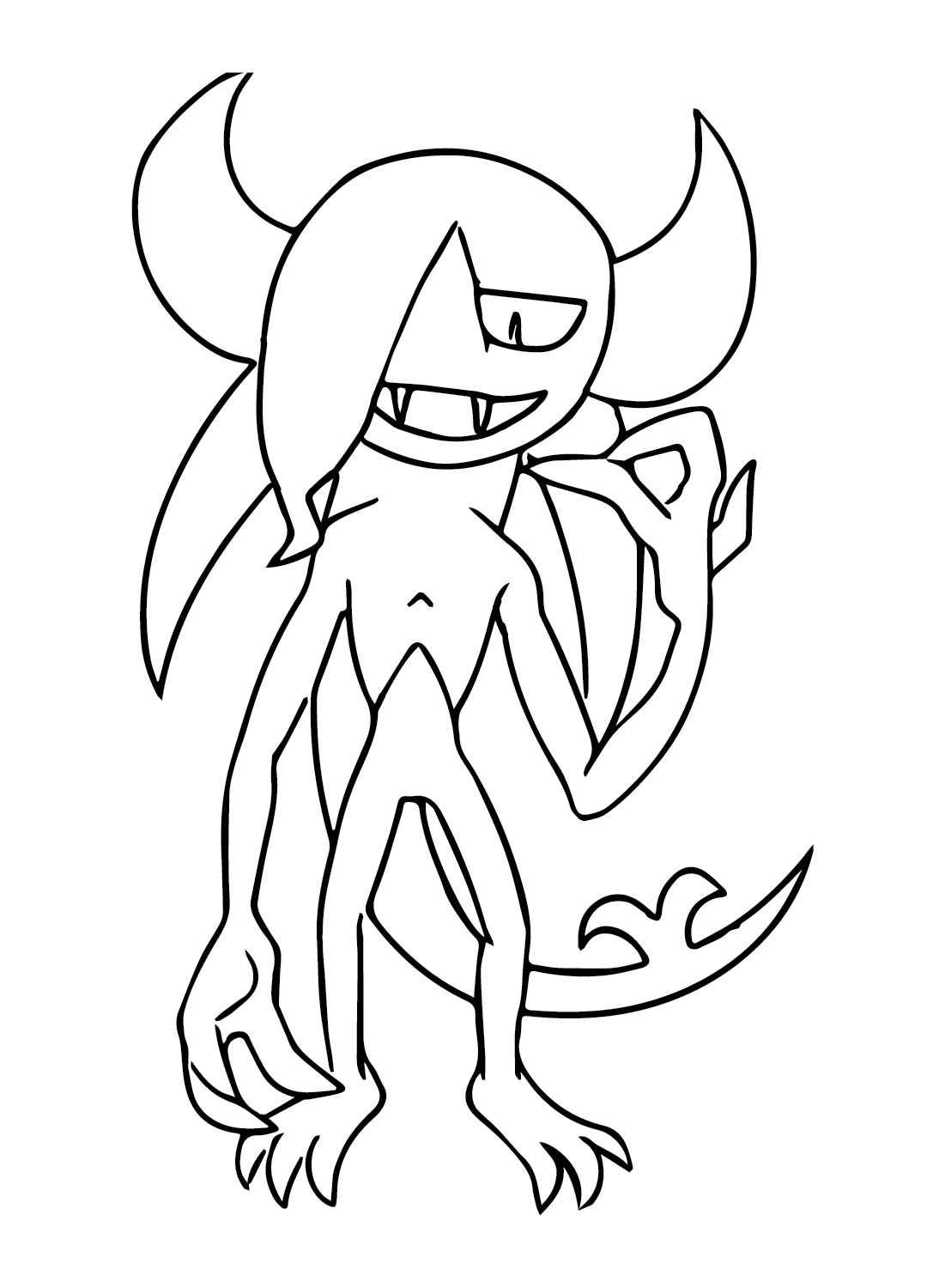
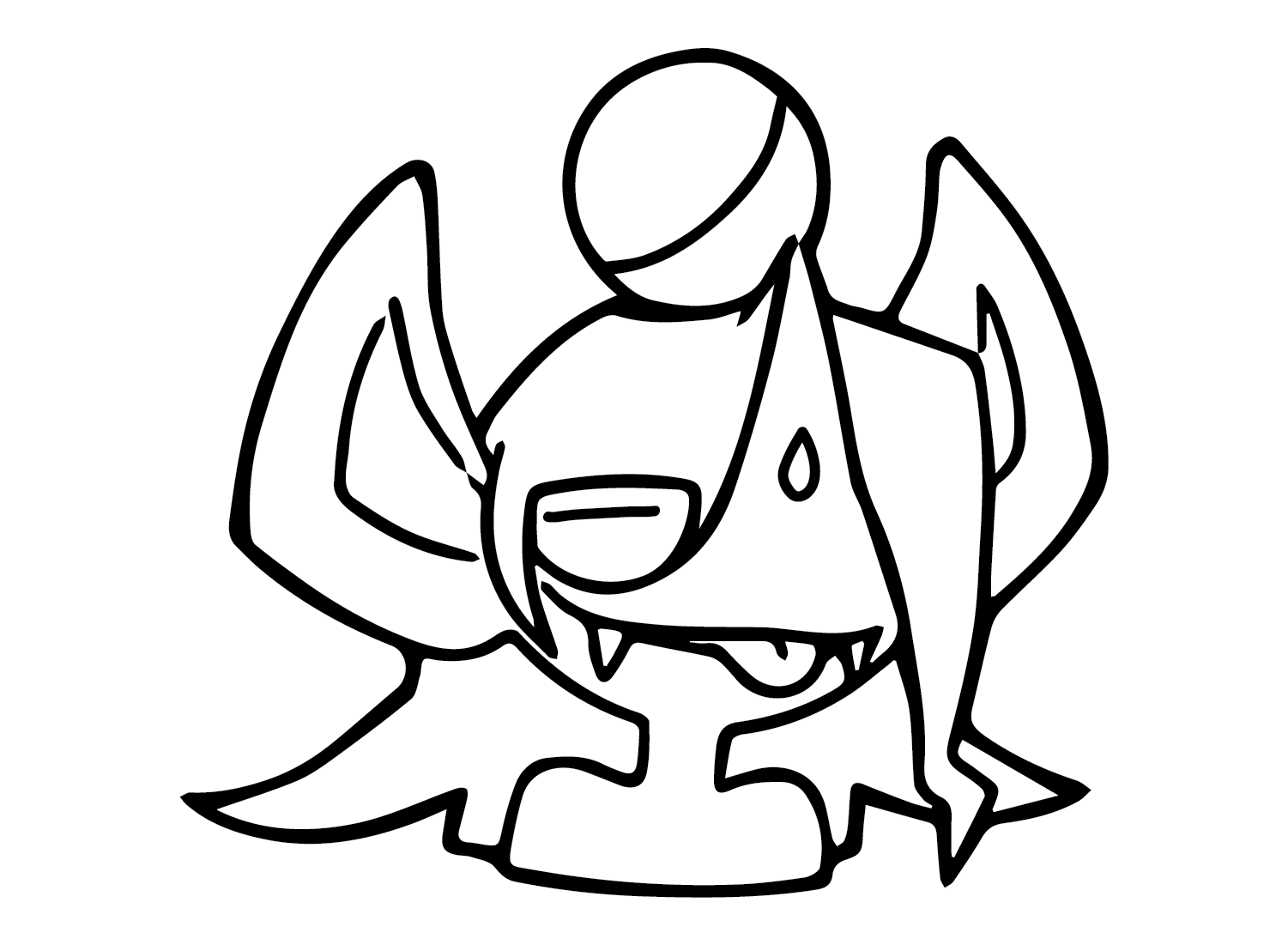
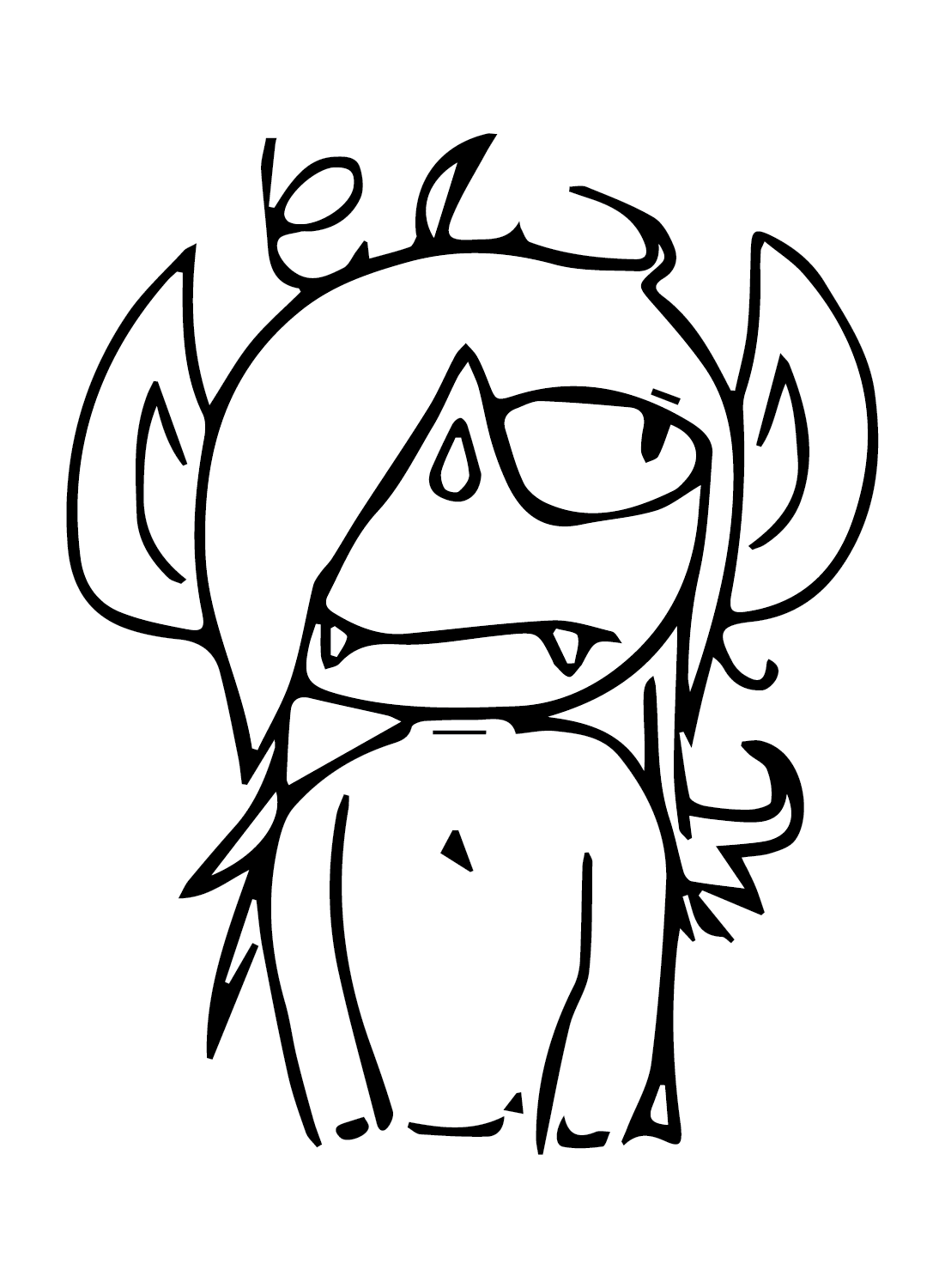
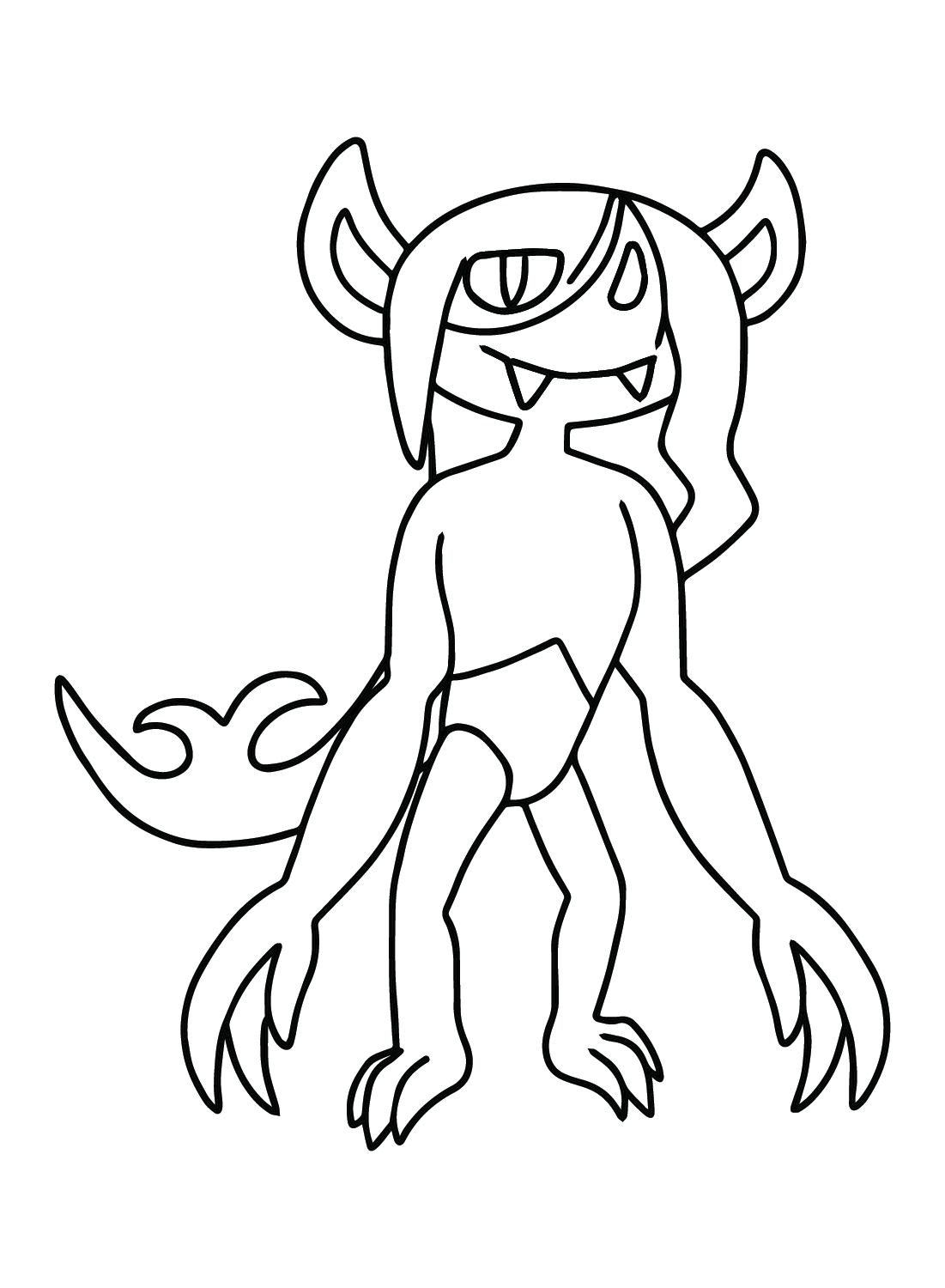
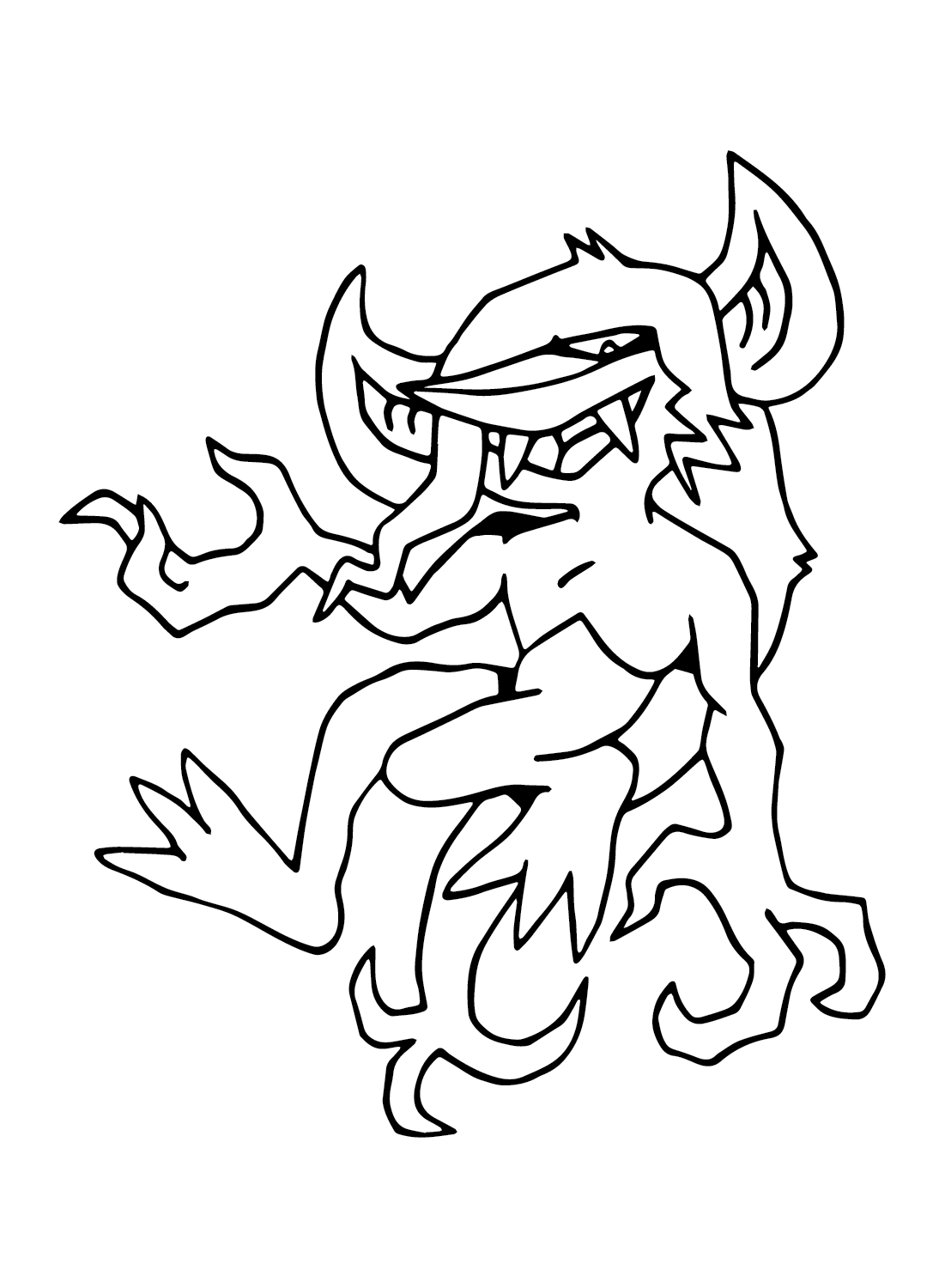
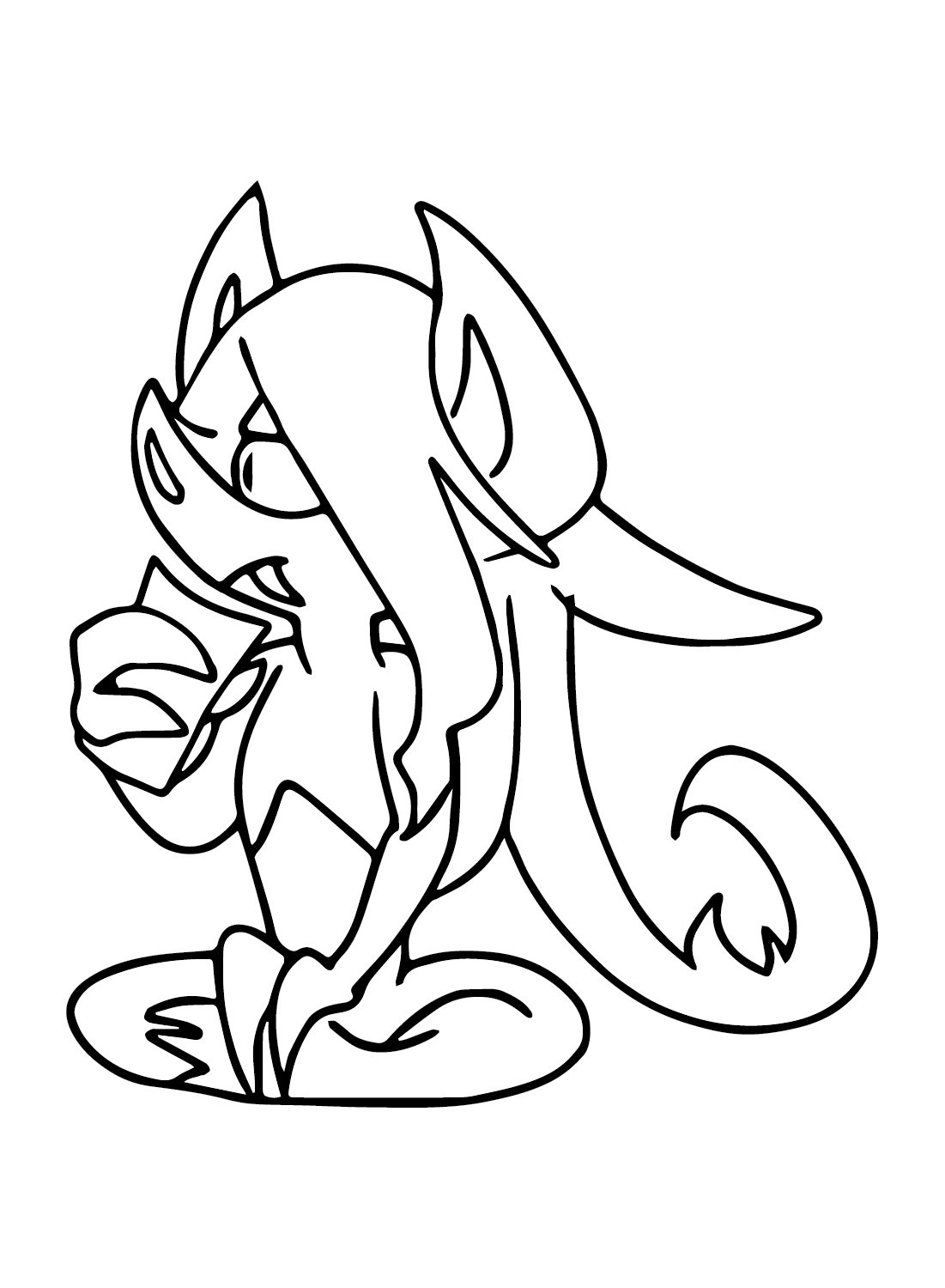
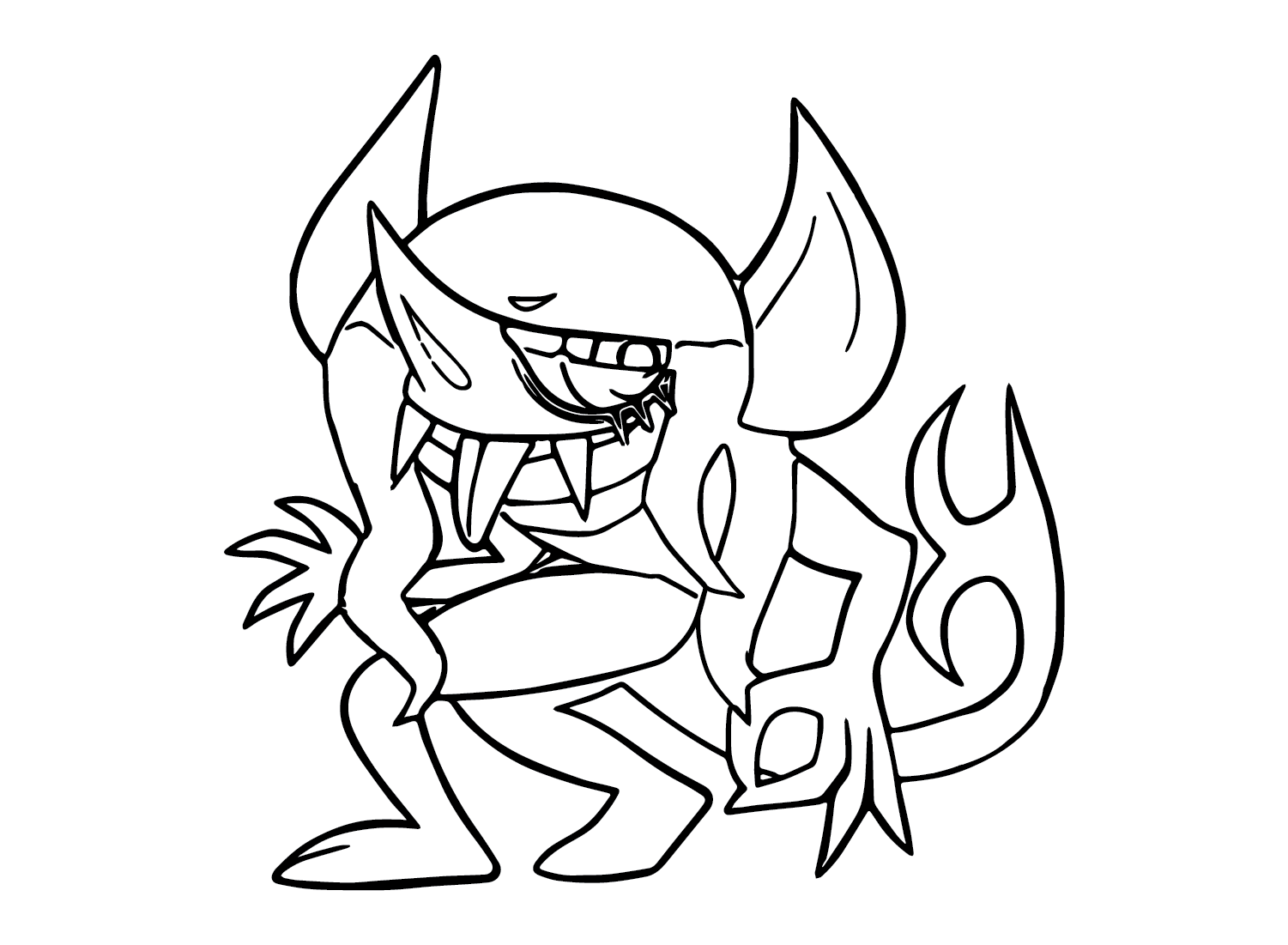
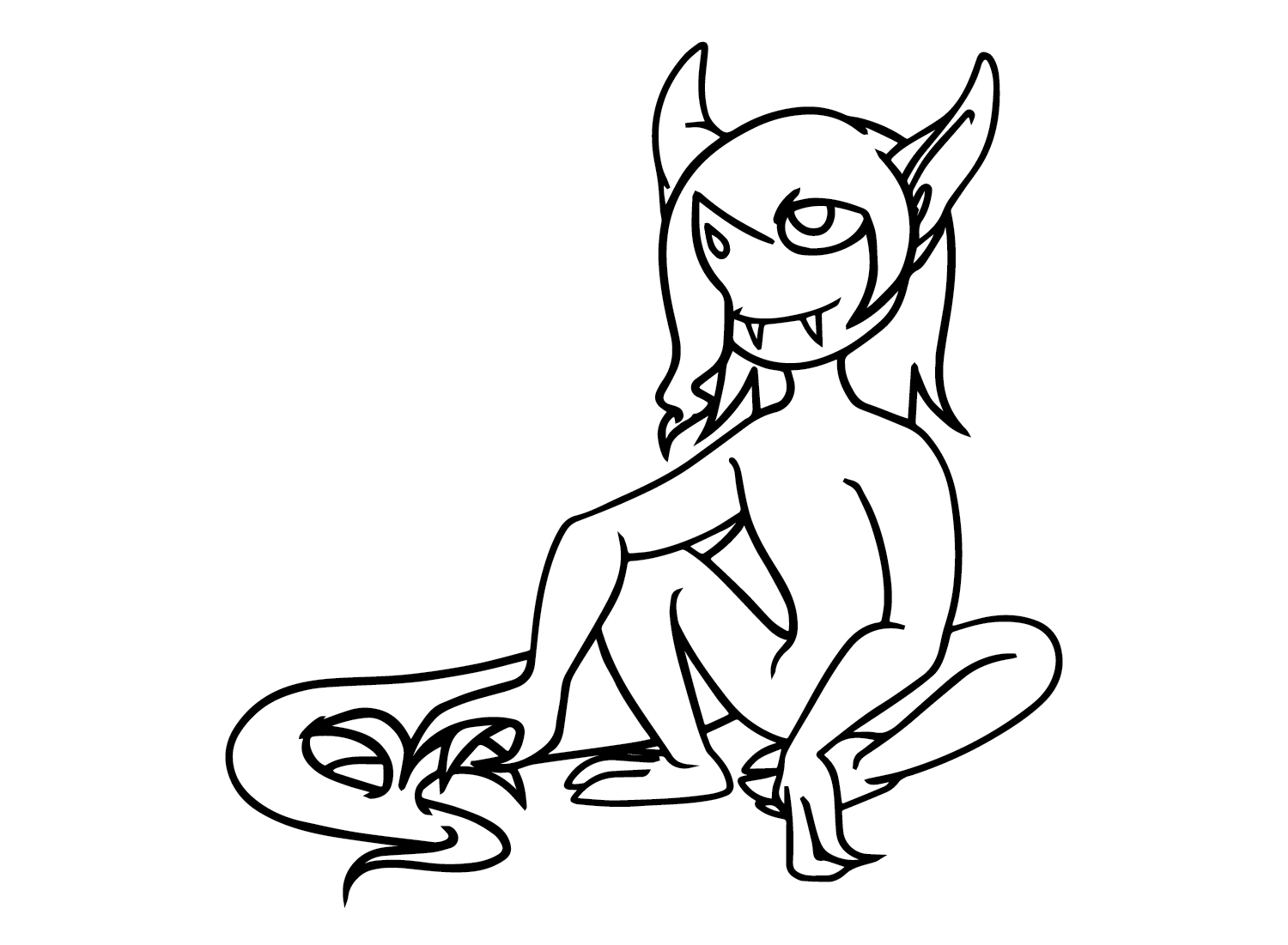
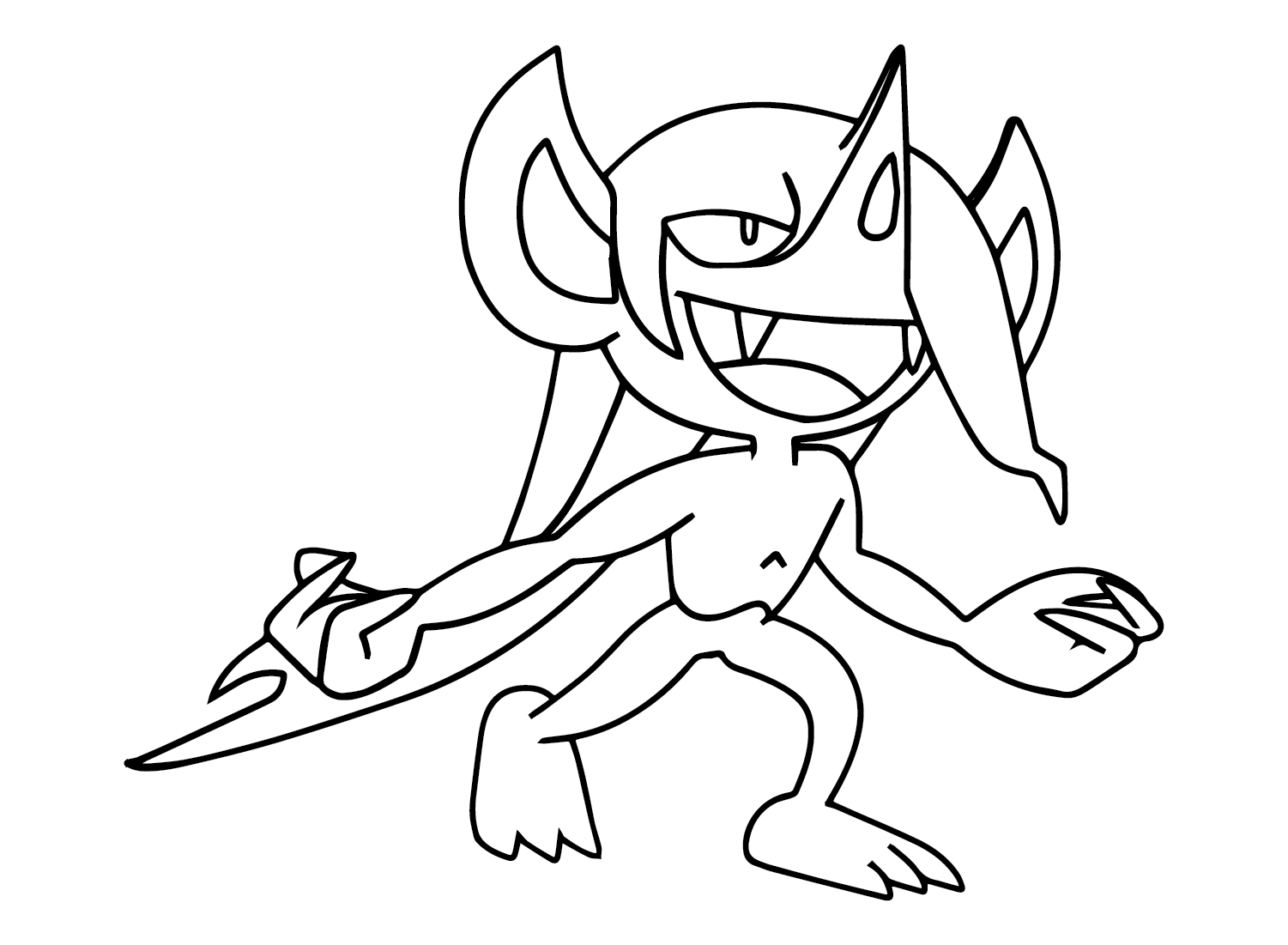
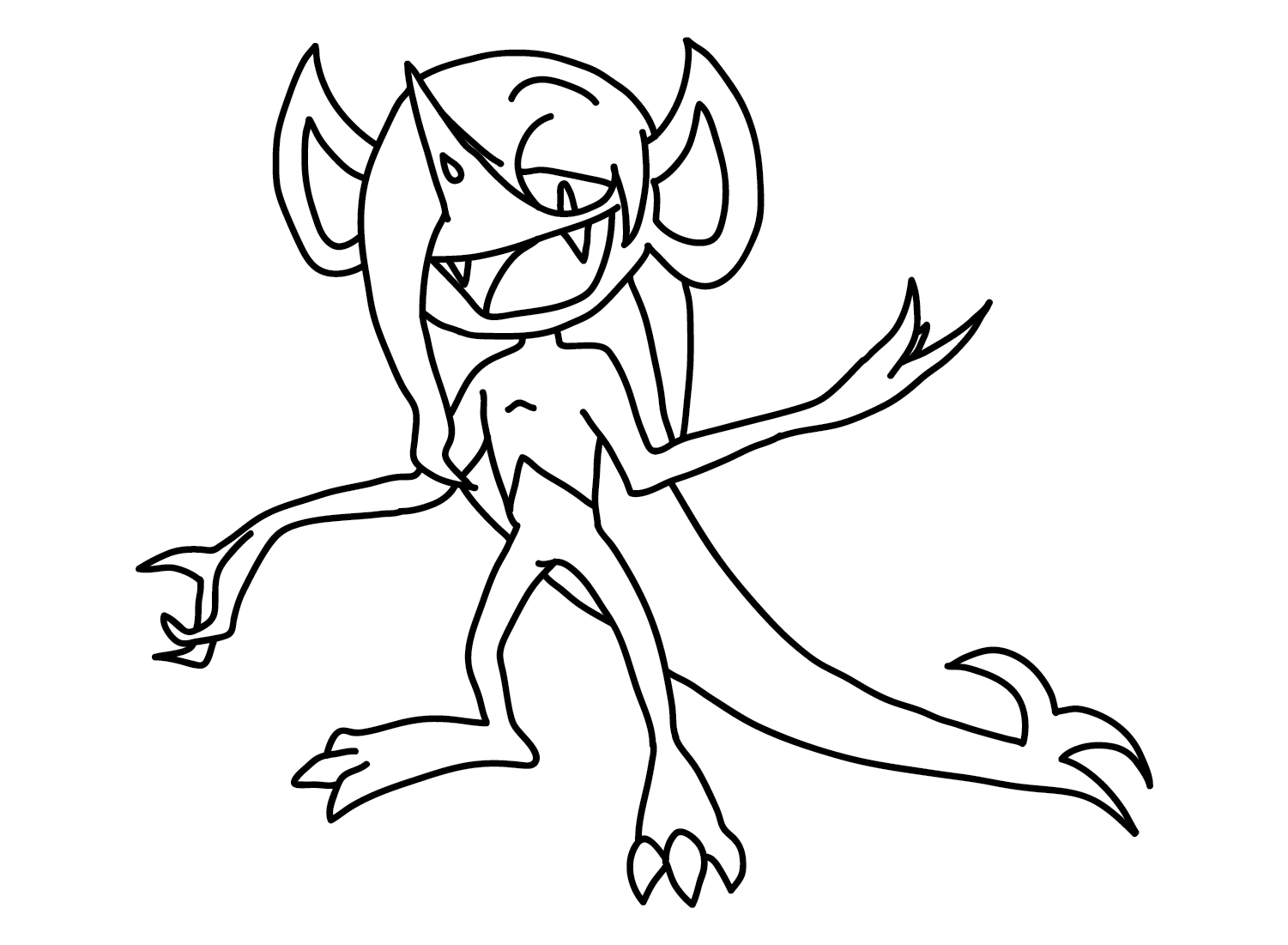
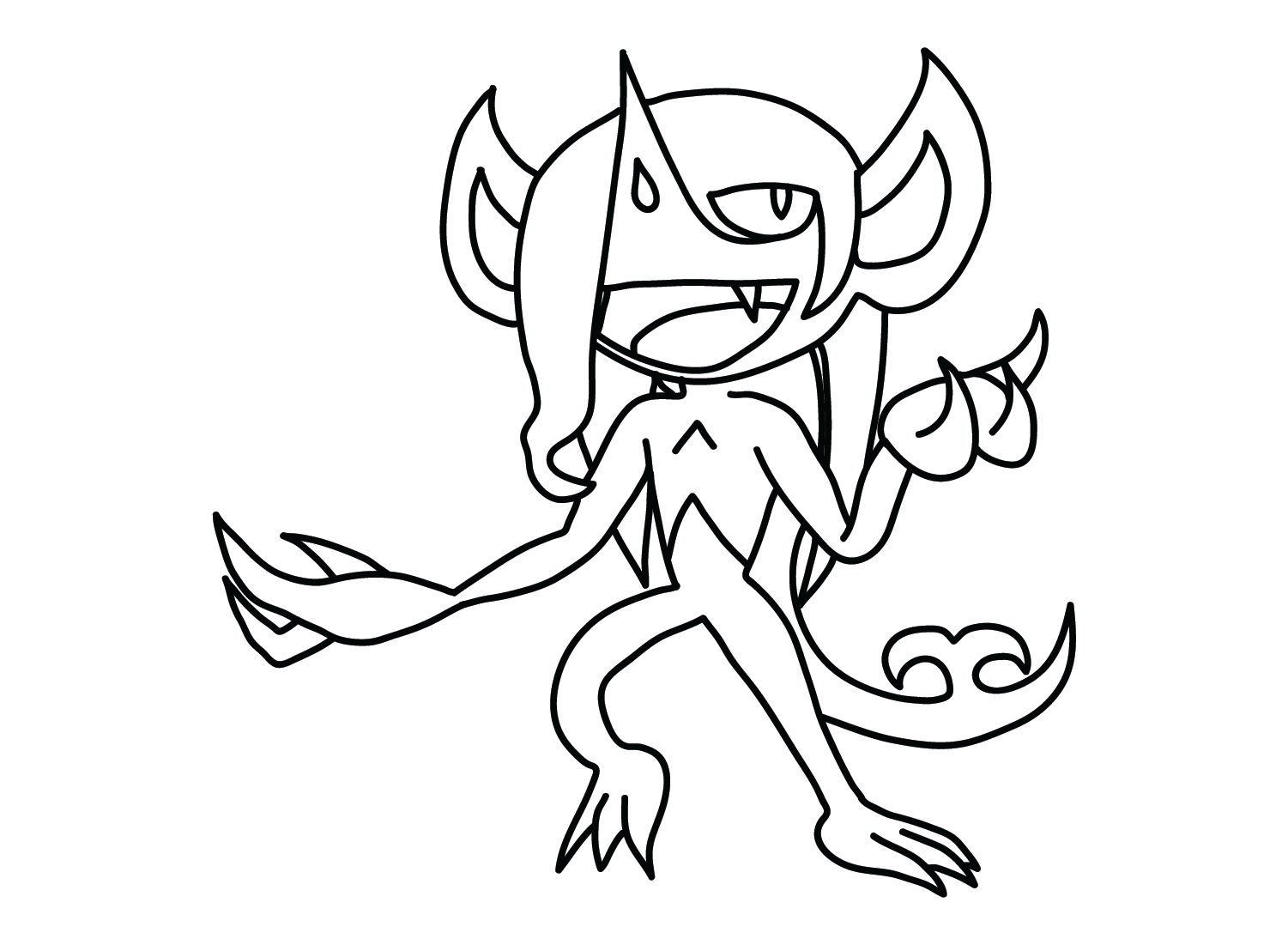
Free Morgrem coloring pages: featuring the Dark and Fairy-type Pokémon from the Galar region in portrait poses, action scenes, close-up face studies showing Morgrem’s distinctive long pink hair and mischievous expression, alongside its evolutionary relatives Impidimp and Grimmsnarl, in realistic, cartoon, and chibi styles across the full range of the 860th Pokémon’s visual character-all free, printable PDF and online coloring for Pokémon fans of the Galar generation.
Morgrem is Pokémon number 860 in the National Pokédex, introduced in Pokémon Sword and Pokémon Shield, developed by Game Freak and published by Nintendo and The Pokémon Company on November 15, 2019 f, for the Nintendo Switch. These were the first mainline Pokémon games for the Nintendo Switch platform and introduced 96 new Pokémon set in the Galar region, which draws visual and cultural inspiration from Great Britain.
Morgrem is the middle stage in a three-part evolutionary line: Impidimp (the small imp-like first stage) evolves into Morgrem at level 32, and Morgrem evolves into Grimmsnarl at level 42. It is classified as the Devious Pokémon, a name that reflects its Pokédex entries across both Sword and Shield, which describe a creature driven by a wicked spirit that compels it to lure humans into mountains and forests where they become lost.
Its type combination, Dark and Fairy, is shared across all three members of its evolutionary line, positioning the line as one of the few Pokémon families that is simultaneously associated with the deceptive, cunning Dark type and the otherworldly, unpredictable Fairy type.
These pages at ColoringPagesOnly.com cover the full range of Morgrem’s visual character. All free, PDF or PNG, print or color online.



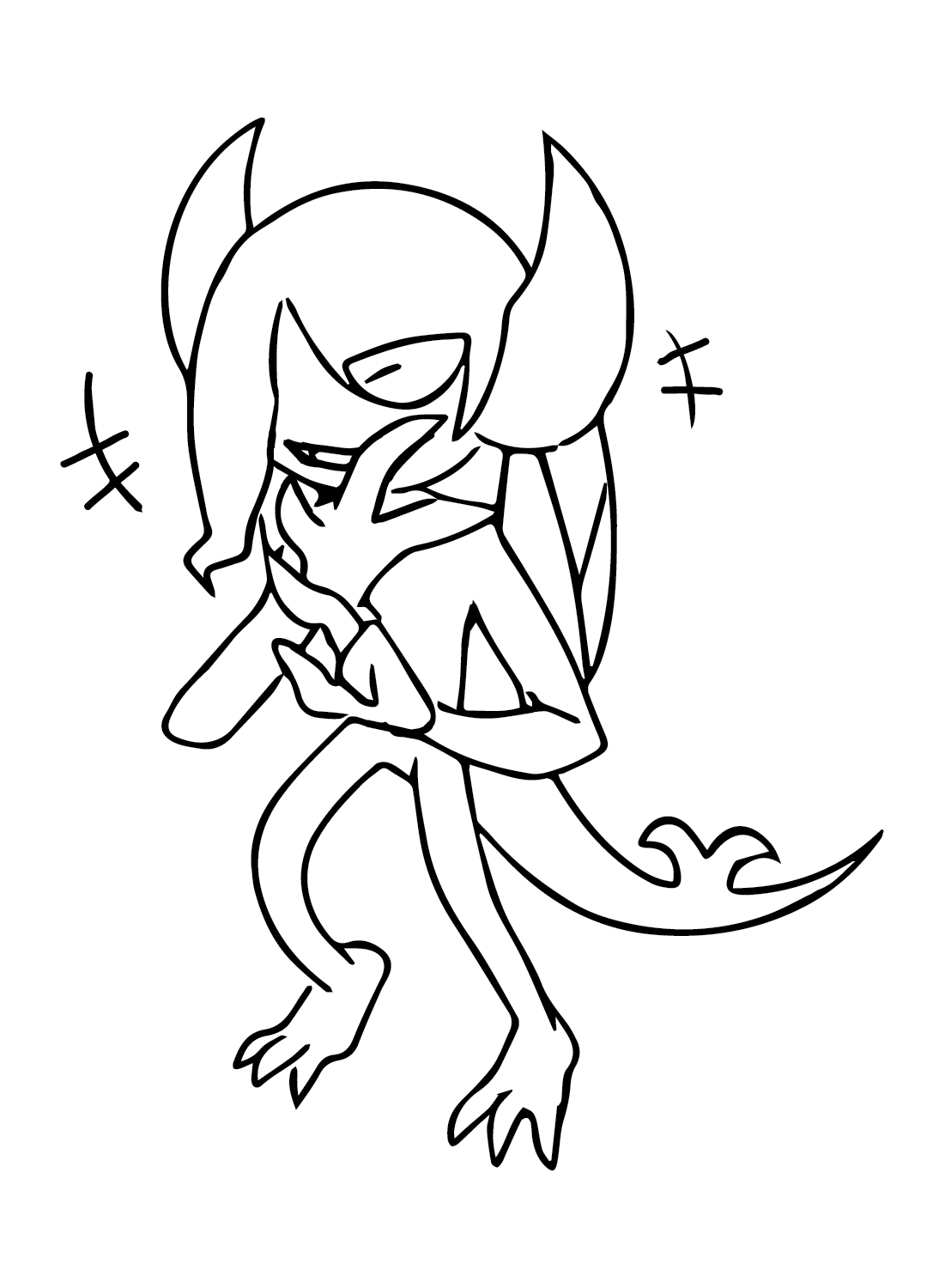
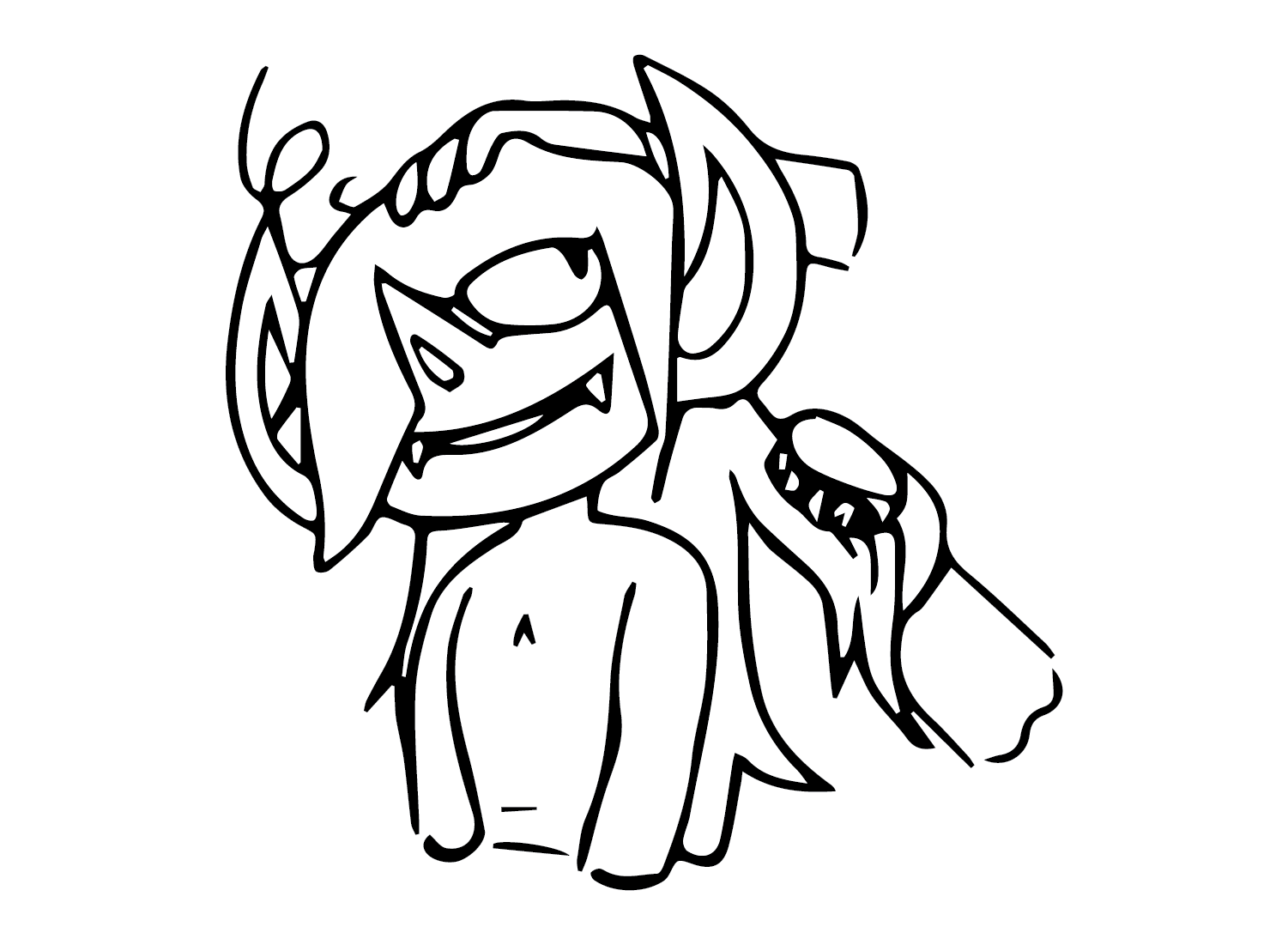
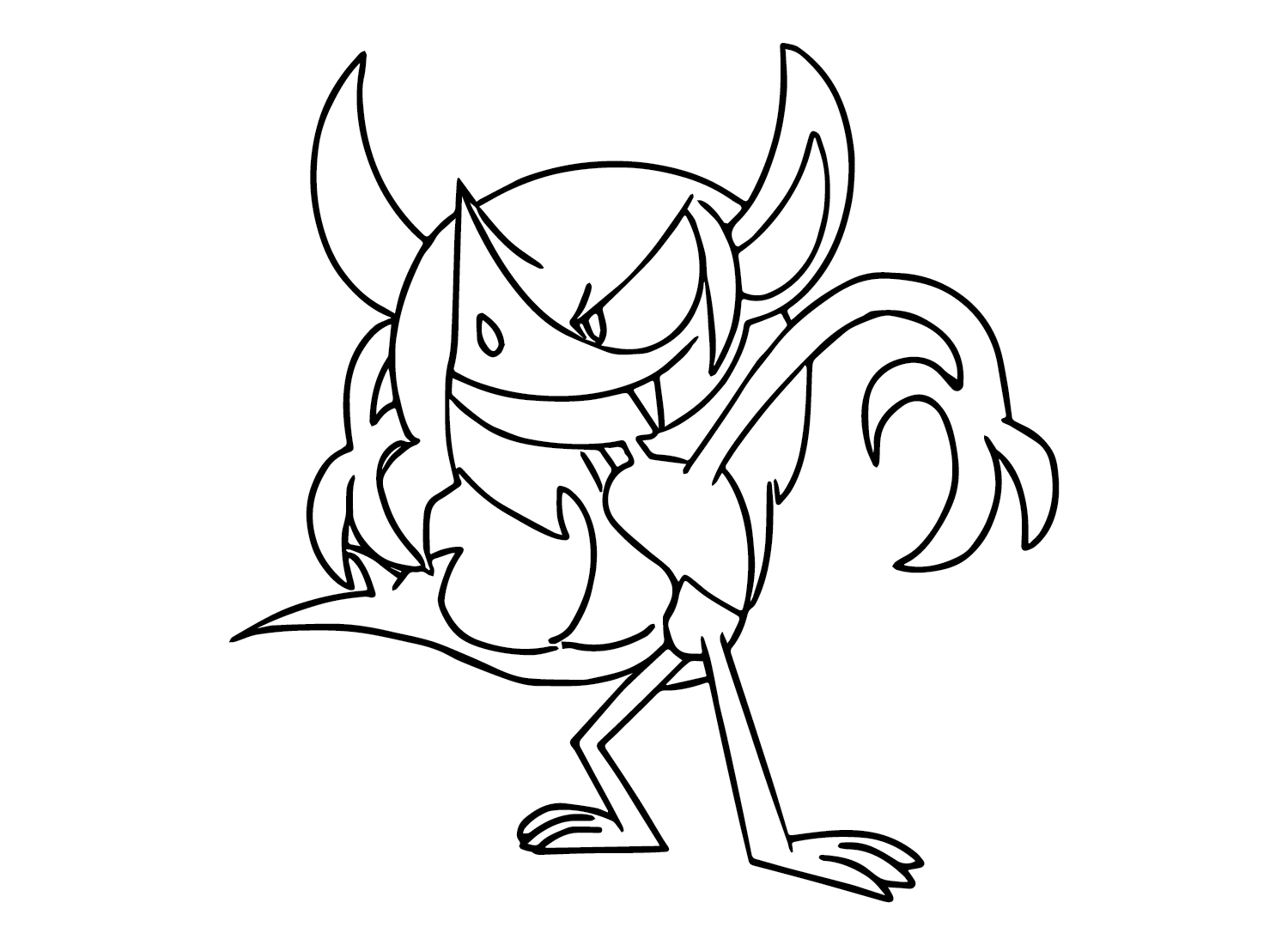
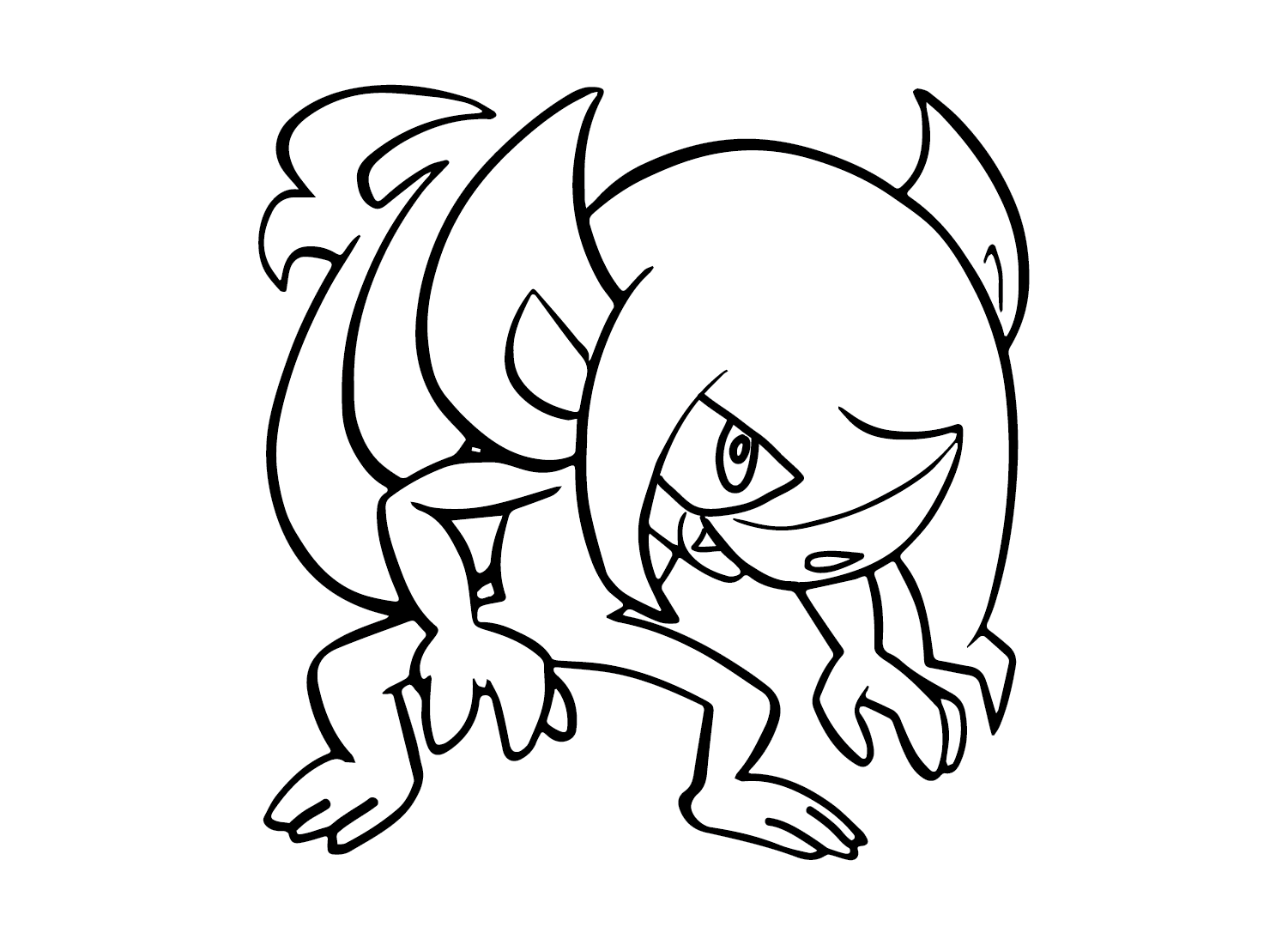
What’s Inside
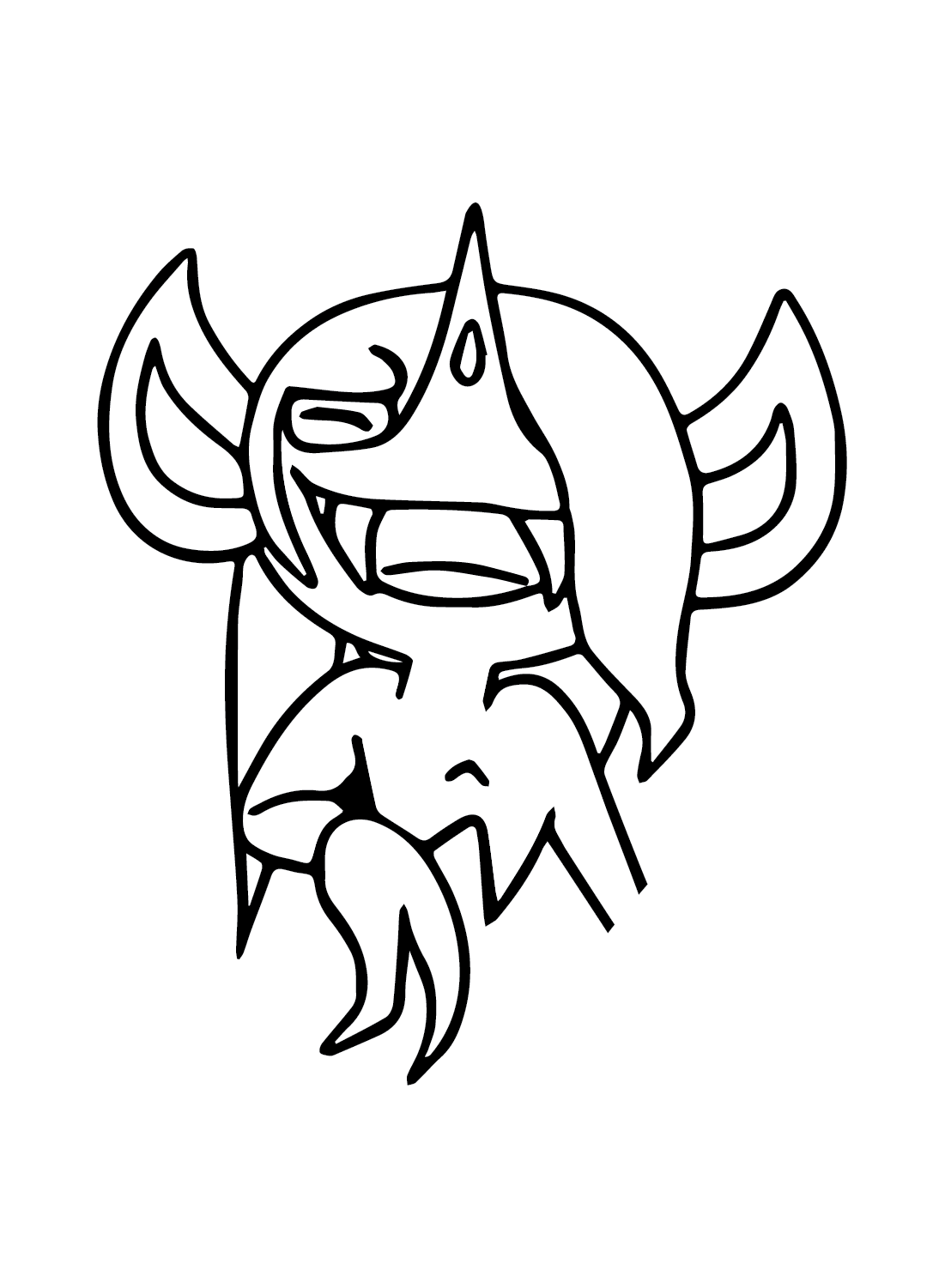
Morgrem Portrait and Close-Up Pages
Morgrem’s design synthesizes two visual sources: the European folklore tradition of the imp (a small, mischievous supernatural creature, typically depicted as a minor demon or fairy) and the visual vocabulary of the modern punk or street-style aesthetic as expressed through its dramatic pink hairstyle. The result is a character whose design communicates exactly what its Pokédex classification promises: something devious, small, and not to be underestimated.
Its body is dark forest green, stocky and compact in proportion, with a slightly lighter green on its face and certain surface areas. Its most immediately distinctive feature is its hair: long, bright magenta-pink, dramatically styled. In its Grimmsnarl evolution form, this hair becomes the character’s primary power source, extending and thickening into muscle-like masses of hair that function as physical weapons. The seed of this visual concept is already visible in Morgrem’s design, where the disproportionately large hair on its small body suggests a power that its compact frame does not yet fully express.
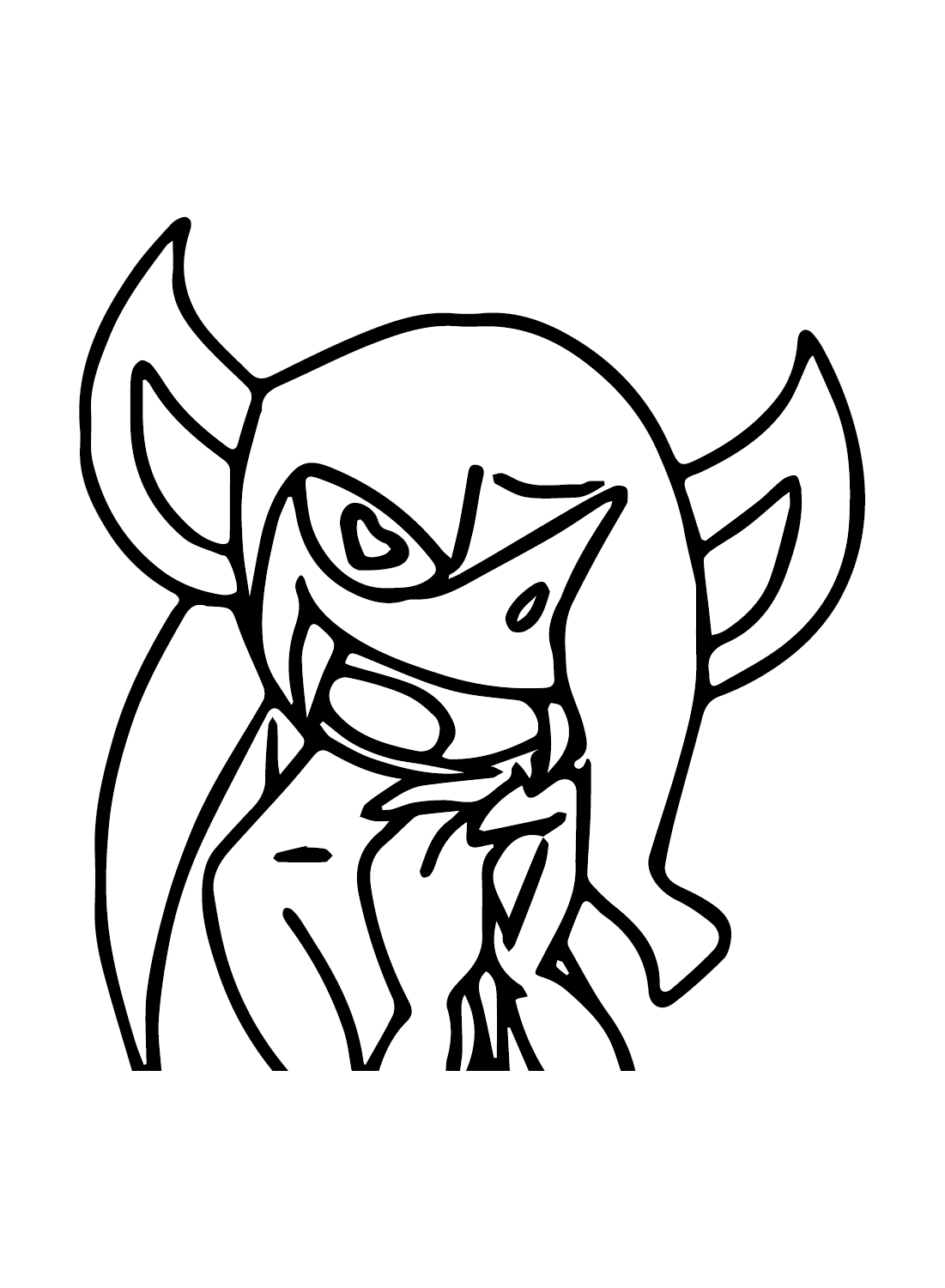
Its facial expression is the design’s primary communication of personality: a sly, slightly unsettling mischievousness rendered through narrow eyes and a sharp-toothed grin. The eyes are amber or yellow, the teeth are small, sharp, and white, and the overall expression falls in the visual category of “cute and dangerous simultaneously,” which the Dark and Fairy type combination reflects directly.
Portrait pages show this face in the closest detail, making the eye color, tooth rendering, and hair texture the primary coloring challenges.
Coloring Morgrem portrait pages: The dark forest green of the body is applied first as the base color across all body surfaces: a fully saturated, slightly blue-shifted green rather than a warm or yellow-green. The face area may be slightly lighter, in a medium-toned forest green rather than the deep, near-black green of the body. The pink hair is the composition’s most vivid element and should be applied at full saturation in bright magenta-pink, distinguishing it completely from the green body. The amber eyes are small and require precise application: warm amber-gold within the eye outline, with a small white highlight dot at the upper corner. The teeth are clean and white.
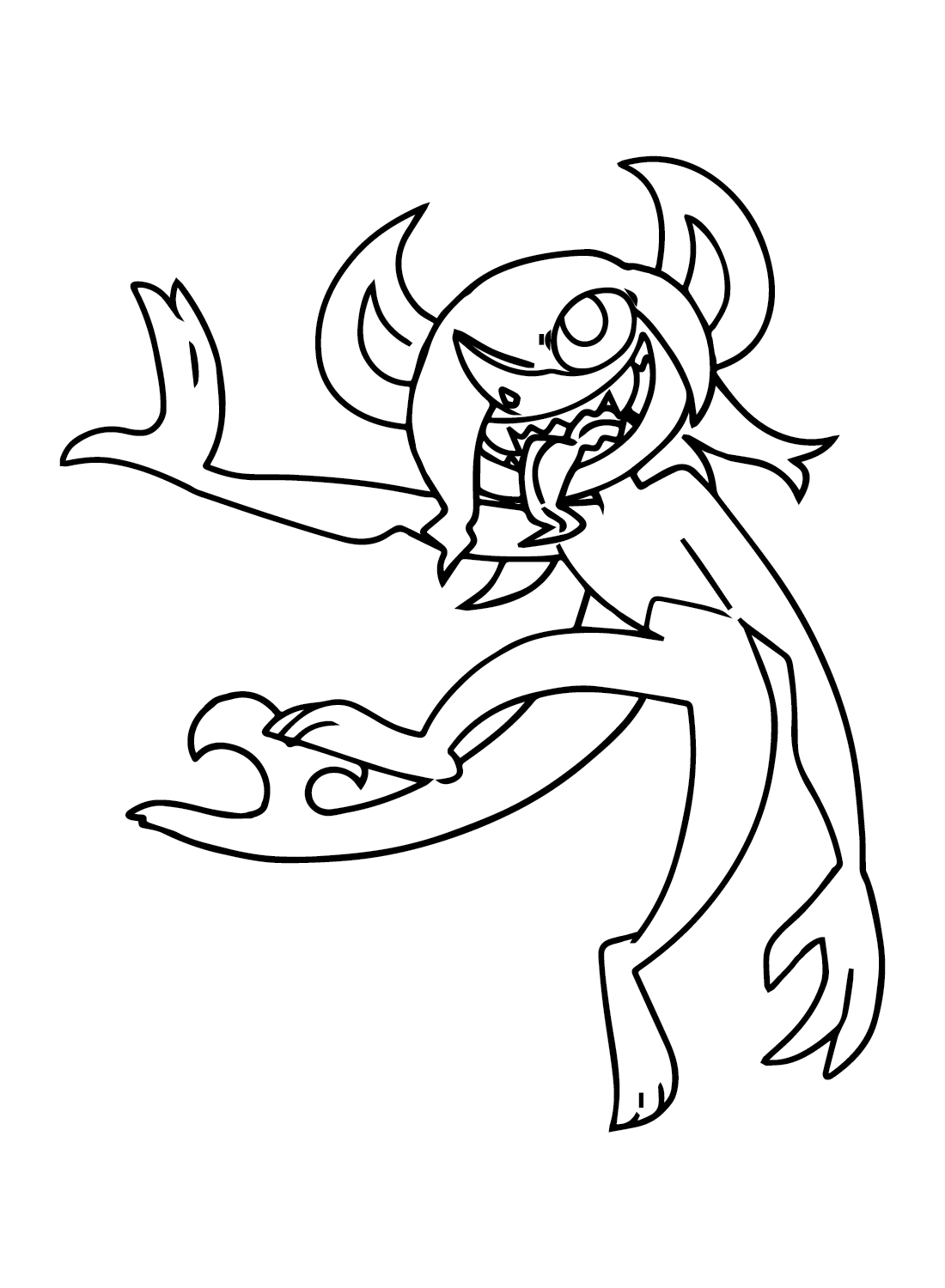
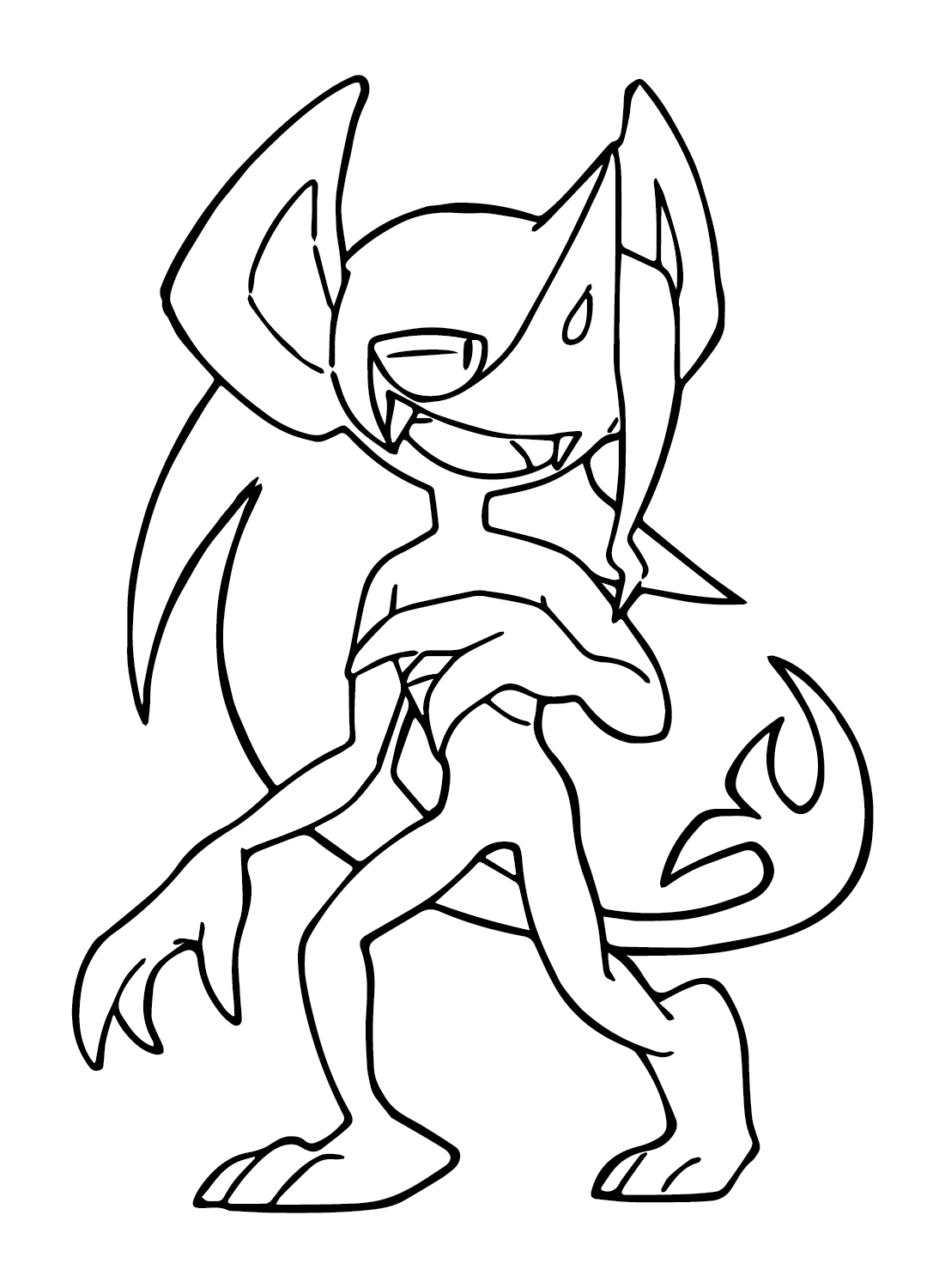
Morgrem Full-Body Action Poses
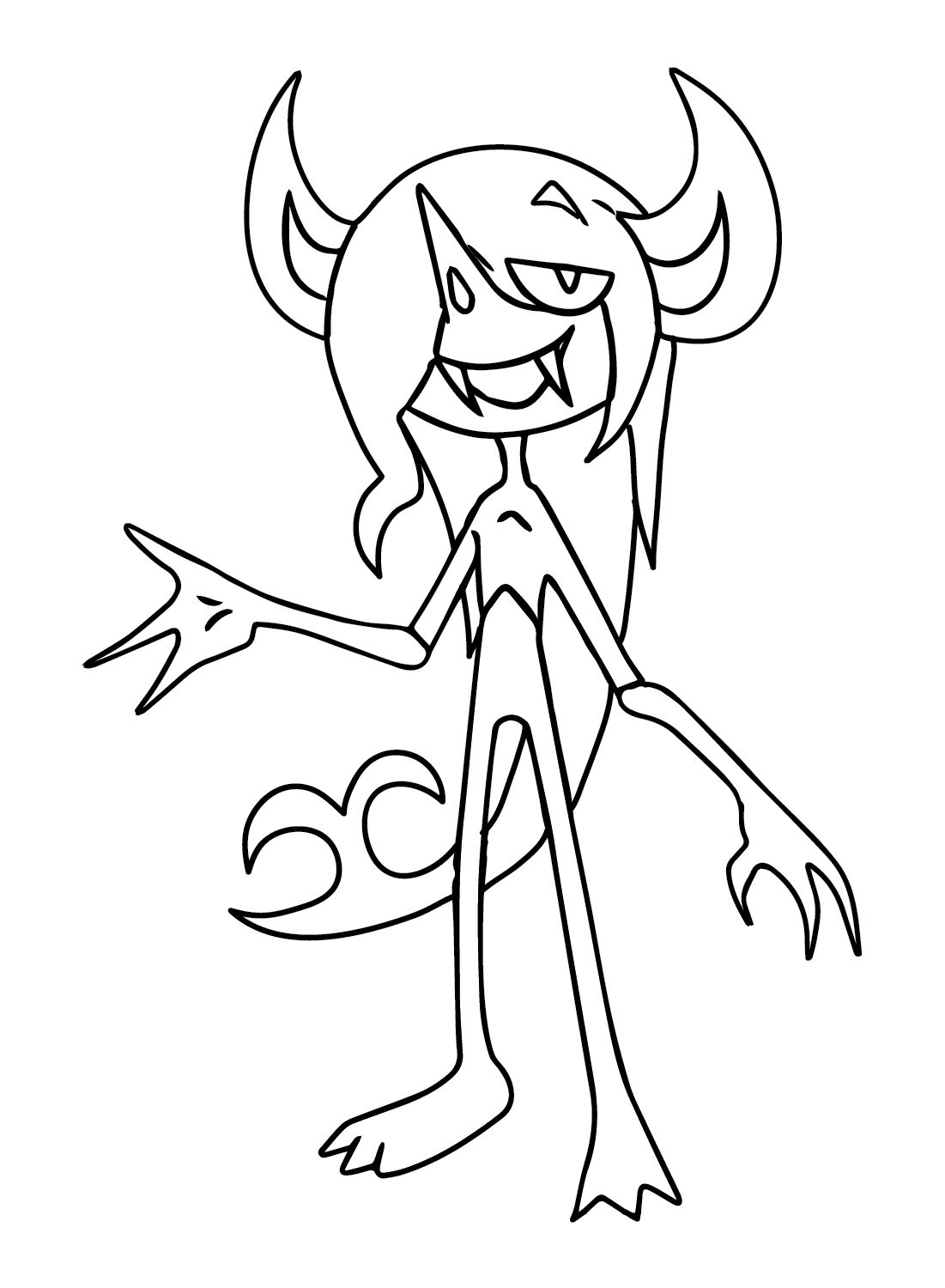
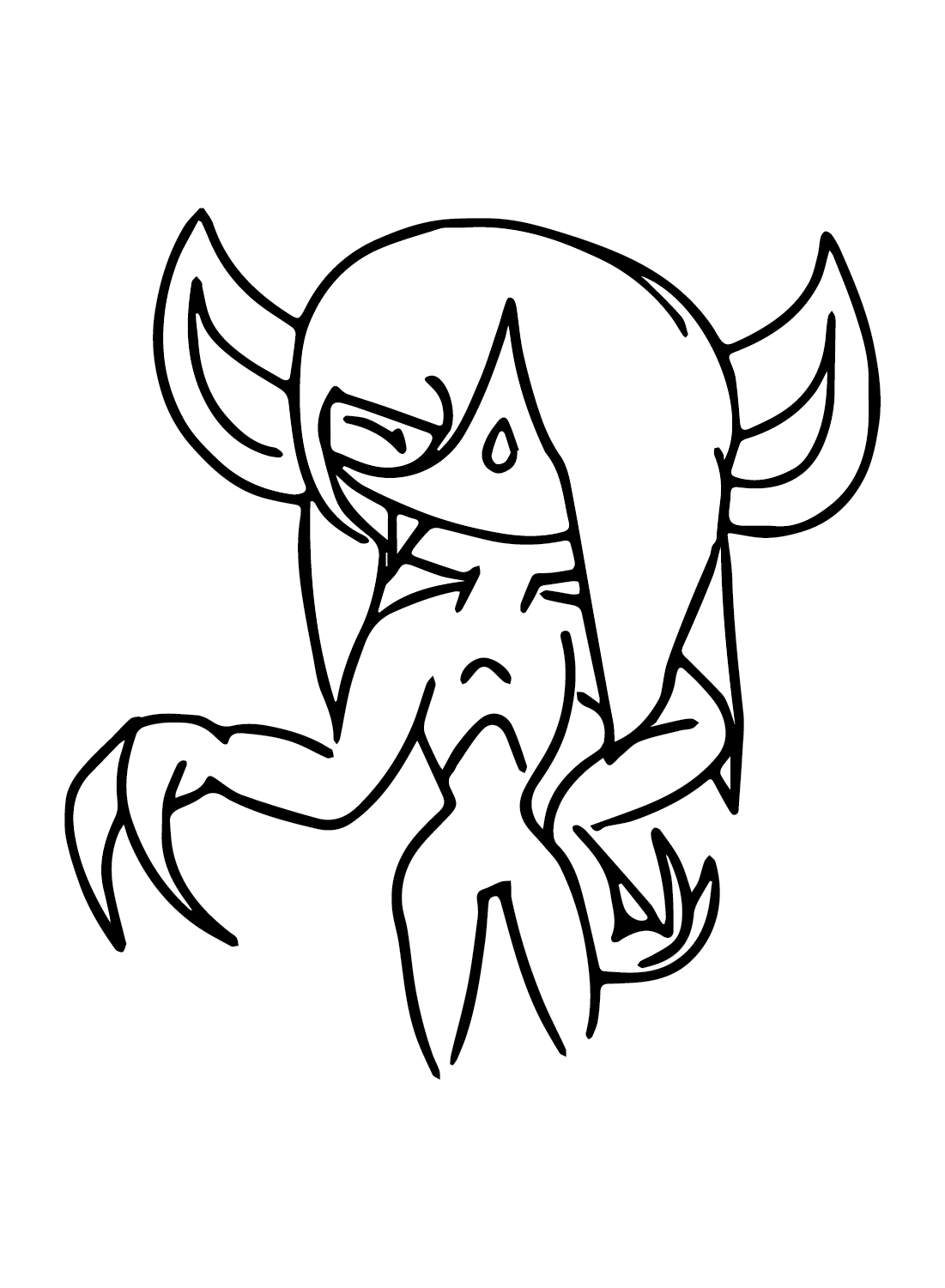
Full-body action pages show Morgrem’s complete silhouette: the compact green torso, the stubby arms and legs, the dramatic disproportionate hair, and the overall posture of a character that knows it is more dangerous than it appears. Action poses typically show Morgrem in motion, with one of its characteristic mischievous gestures or expressions emphasized.
The hair in action poses may show movement, with individual strands or large masses of the pink hair swept in the direction of motion or extending outward to suggest energy and personality. This is the most visually complex element of any full-body Morgrem page and the one that most rewards careful, deliberate coloring.
Coloring full-body pages: Apply the dark green body base first across the torso, head, arms, and legs, keeping the coverage even and the saturation consistent. The hair should be addressed after the body is complete: work from the roots (darkest point of the pink, where the hair meets the scalp) outward toward the tips (slightly lighter or more vivid at the ends). Speed or action effect lines should be rendered very lightly in cool grey, ensuring they read as motion effects rather than as structural elements competing with the character.
Impidimp: The First Evolutionary Stage
Impidimp is the first member of the line and the starting point of the evolutionary journey that ends with Grimmsnarl. Pokédex number 859, also a Dark and Fairy-type, Impidimp is smaller and more imp-like in its design: a pink-bodied, large-eared creature with a prominent grin and large yellow eyes. Where Morgrem leans toward the punk aesthetic of its hair, Impidimp leans more directly toward the classic fairy-tale imp design.
Pages showing Impidimp alongside Morgrem create a visual evolution study: the pink body of Impidimp contrasts with the green body of Morgrem, representing one of the evolutionary line’s most visually dramatic color shifts between stages.
Coloring Impidimp pages: Pink as the primary body color, fully saturated and vivid. The ears are large and slightly darker pink at their inner surfaces. The eyes are large, yellow-amber, expressive, and dominate the face more than Morgrem’s narrower eyes. The teeth and claws are white or near-white.
Grimmsnarl: The Final Evolution
Grimmsnarl, Pokédex number 884, is the third and final member of the line and one of the Galar region’s most visually distinctive Pokémon designs. Also a Dark and Fairy-type, Grimmsnarl is much larger than Morgrem, with a muscular, imposing build achieved entirely through the extension of its pink hair into large, muscle-like masses that wrap around its body. In its normal form, this hair gives it the visual silhouette of a heavily muscled fighter. When it extends its hair strands into needles to pierce opponents, the design concept of hair-as-weapon is fully realized.
Grimmsnarl is notable in competitive Pokémon for its Prankster ability (a Hidden Ability), which gives priority to status moves and makes it a highly effective support Pokémon in doubles formats.
Coloring Grimmsnarl pages: The hair masses that make up the majority of the body are vivid magenta-pink at full saturation, with darker pink used to indicate depth and shadow within the large hair bundles. The underlying green body skin visible at the face and certain exposed areas uses the same dark forest green as Morgrem. The overall composition should have pink as its dominant color, with dark green as a strong but secondary accent.
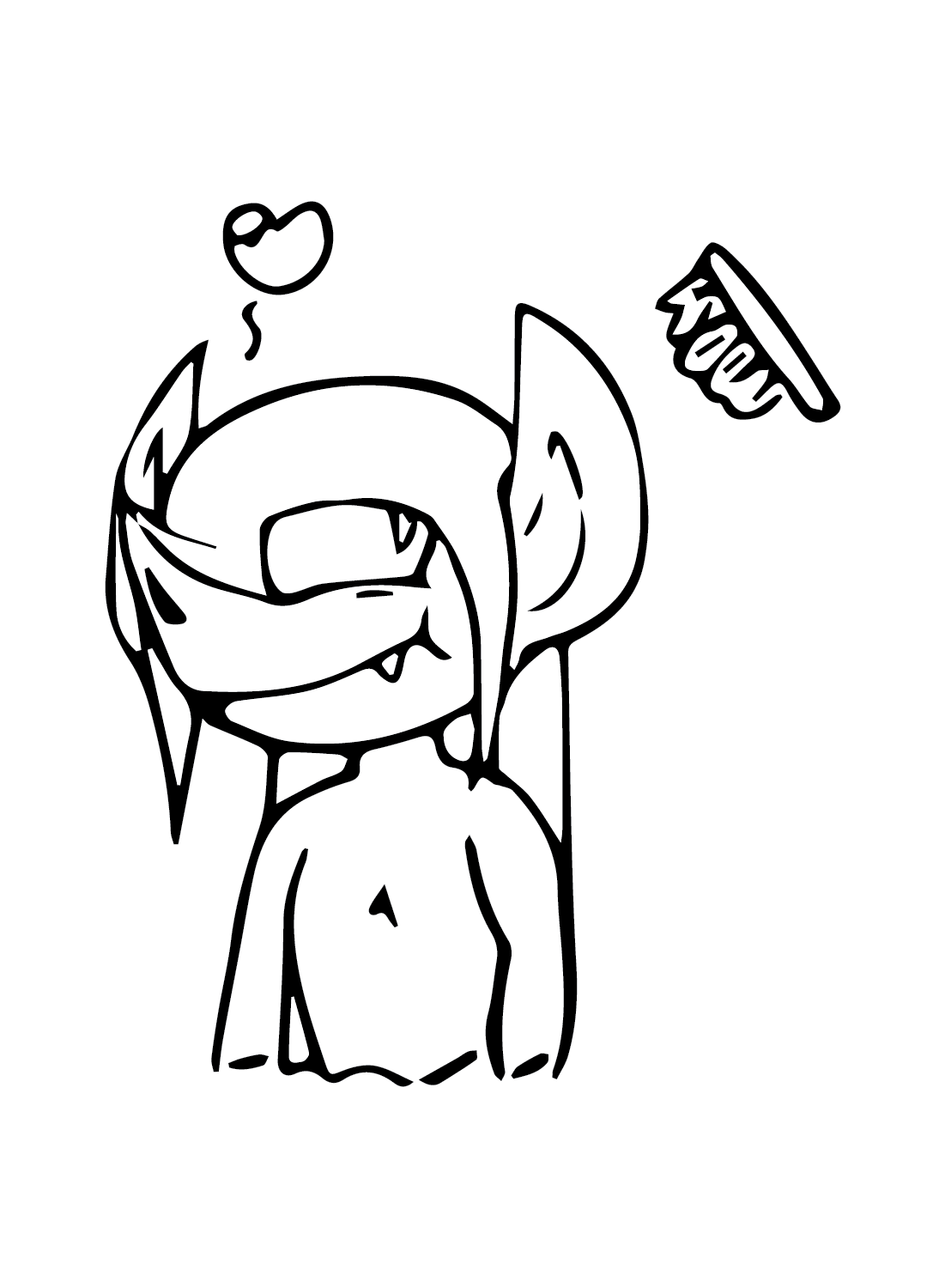
Chibi and Cute Style Pages
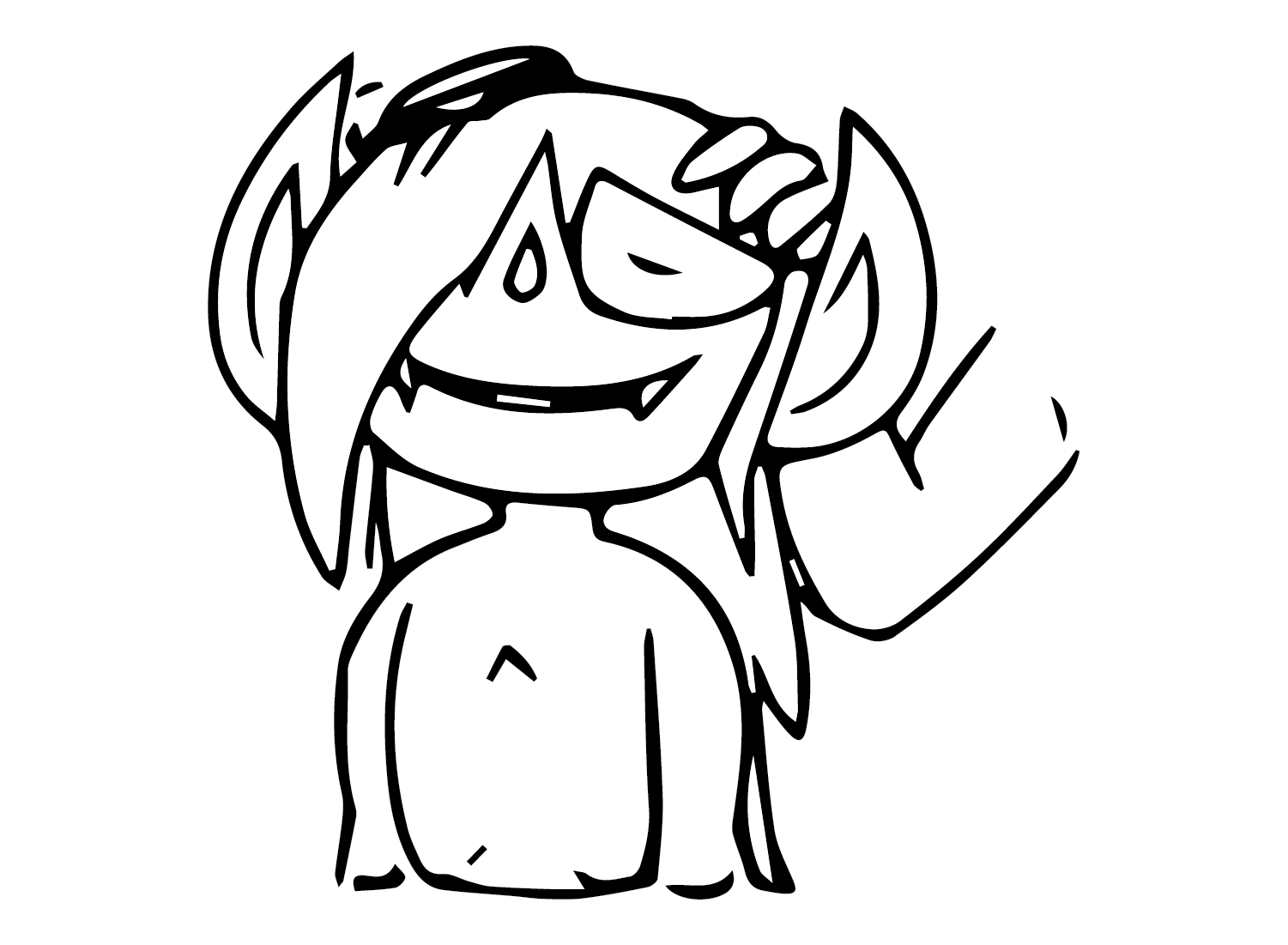
Chibi versions of Morgrem apply the standard kawaii design vocabulary to the character: exaggerated, large head relative to body, simplified features, rounder overall proportions, and an expression that emphasizes the cute dimension of the character’s mischievous personality rather than its menacing quality.
These pages are the collection’s most accessible for younger colorists and the most immediately cheerful in their visual register.
Coloring chibi Morgrem pages: The same canonical colors apply (dark green body, bright pink hair, amber eyes), but at a slightly more vivid, more saturated level than realistic pages. Chibi pages benefit from the most vivid, saturated version of each color, as the simplified forms require color intensity to communicate the character’s energy.
What These Pages Do
The Galar region of Pokémon Sword and Pokémon Shield, which introduced Morgrem to the franchise, draws its visual and cultural references from Great Britain: the landscape design references the British countryside, the English countryside, and the industrial north of England, and the region’s mythology and folklore draw on British folklore traditions. Morgrem’s evolutionary line specifically references the European imp tradition: the small, mischievous supernatural creature that appears in the folklore of Britain, Germany, and other Northern European cultures as a minor trickster spirit, distinct from both angels and full demons.
Satoshi Tajiri and Ken Sugimori created the Pokémon franchise. The first games, Pocket Monsters Red and Pocket Monsters Green, were released in Japan on February 27, 1996, a date now observed as Pokémon Day annually. The North American release of Pokémon Red and Pokémon Blue followed on September 28, 1998. As of 2024, the franchise has introduced 1,025 Pokémon species across nine generations of mainline games, and remains one of the world’s most commercially successful media franchises.
The American Academy of Pediatrics identifies fine motor skill development as a key childhood milestone throughout early childhood. Morgrem’s hair detail, the precise eye color rendering, the contrast management between the dark green body and the vivid pink hair, and the teeth detail in portrait pages all provide motivated fine motor practice across the collection’s age range. The 2005 Art Therapy Journal study on structured coloring and anxiety reduction applies throughout.
Pokémon coloring pages carry a specific educational dimension beyond their entertainment value: they engage children with concepts of classification (Morgrem’s Dark and Fairy typing), evolution (the three-stage line), and the biological and folklore inspirations behind the designs.
How to Color These Pages Well
The dark green body must be applied at full coverage before the pink hair. Morgrem’s two primary colors, dark forest green and vivid magenta-pink, are high-contrast complements that need to be applied in the correct sequence. Complete the entire dark green body surface first, keeping the coverage even and the saturation consistent across all body areas. Only after the green is fully in place should the pink hair be applied. Applying the pink first and the green second risks the green darkening or muddying the edge of the pink along the hairline.
The pink hair is the page’s most important color decision and requires the most vivid available pink. Morgrem’s hair is bright, dramatic, and the character’s most visually defining feature. Apply the most saturated, vivid magenta-pink available across the full extent of the hair. If the pink appears muted or dusty when compared to a reference image, apply a second layer in the same direction to deepen the saturation. The contrast between the near-black dark green and the vivid bright pink is the tension that makes the character’s design work, and both sides of that tension need to be at maximum saturation.
Hair volume and depth are created by shadow layering within the pink family. The Morgrem hair is not a flat pink surface but a three-dimensional mass of styled hair with volume and depth. After applying the base pink across all hair surfaces, identify the areas of deepest shadow (the inner sections of the hair where light does not directly reach) and apply a deeper, slightly more purple-shifted pink at those points. The transition from bright magenta at the outer surfaces to deeper rose-purple at the inner shadow zones gives the hair its dimensional quality.
Amber eyes require warm color management in a cool-toned composition. The overall Morgrem color palette runs cool: dark forest green is a cool green, and bright magenta-pink is a cool pink. The amber-yellow eyes provide the only warm color accent in the composition. Apply the amber at full warmth and full saturation, making the eyes the color temperature stand out against the surrounding cool tones. The white highlight in each eye completes the effect.
The mischievous expression is defined by the eyes and teeth together. On any Morgrem portrait page, the combination of the narrow, sly eye shape and the small, sharp white teeth creates the character’s specific emotional register. Apply the teeth in the cleanest, brightest white available. The gum line or the dark interior of the mouth behind the teeth should be very dark, creating maximum contrast that makes the teeth pop. The eye outline should be applied in near-black, sharp and crisp, before the amber iris color is added within.
5 Creative Craft Ideas
The Evolutionary Line Display
The Impidimp to Morgrem to Grimmsnarl evolutionary line represents one of the Galar region’s most visually dramatic three-stage progressions: from a small pink imp to a dark green punk-haired creature to a massive pink-haired muscular form. Print one page for each of the three stages.
Color Impidimp in vivid pink as its primary body color. Color Morgrem in dark forest green with vivid pink hair. Color Grimmsnarl in the massive pink-hair-over-green-body design.
Mount all three in sequence on a backing sheet: “Impidimp (#859). Evolves at level 32. Morgrem (#860). Evolves at level 42. Grimmsnarl (#861). Dark and Fairy type throughout. Galar region. Introduced in Pokémon Sword and Shield, November 15, 2019.”
The Pokédex Entry Study
Morgrem’s Pokédex entries describe a creature driven by a malicious,s wicked spirit that compels it to lead humans astray in forests and mountains. This is a direct reference to the European folklore tradition of will-o’-the-wisps and similar misleading forest spirits that appear across British, Germanic, and Scandinavian folklore.
Print a Morgrem portrait page. Color in full canonical colors: dark green body, vivid pink hair, amber eyes.
On the backing card, write the two Pokédex entries: “Pokémon Sword: ‘With sly cunning, it tries to lure people into the woods. Some say it’s the one responsible for the stories of people being led astray in forests.’ Pokémon Shield: ‘In its body lives a wicked spirit full of malice. The spirit compels Morgrem to lure humans into mountains and forests, where they become lost.’
Add: “The folklore source: the will-o’-the-wisp. Mysterious lights seen in forests and marshes across European folklore, said to lead travelers astray.”
The Type Chart Study
Dark and Fairy is one of the more strategically significant type combinations in competitive Pokémon. Dark is weak to Fighting, Bug, and Fairy. Fairy is immune to Dragon and resistant to Fighting, Bug, and Dark. Dark resists Ghost and Dark. The combination produces a Pokémon with specific immunities and resistances useful in the current competitive metagame.
Print a Morgrem page and color in full canonical colors. On a small accompanying reference card, draw a simple two-column table: “Dark type: immune to nothing; weak to Fighting, Bug, Fairy; resists Ghost, Dark, Psychic (immune to Psychic). Fairy type: immune to Dragon; weak to Poison, Steel; resists Fighting, Bug, Dark. Combined: immune to Dragon and Psychic. Weak to Poison, Steel.”
The Galar Region Map Study
The Galar region of Pokémon Sword and Shield draws visual and cultural inspiration from Great Britain. Its Pokémon are designed to reference British wildlife, British folklore, and British culture. Morgrem’s evolutionary line references the imp tradition of European folklore.
Print a Morgrem full-body page and color in the full canonical design. On the backing sheet, draw a simplified outline of the island of Great Britain beside the colored page. Label the real-world region that inspired Morgrem’s folklore context: “Impidimp to Morgrem to Grimmsnarl: the imp of European and specifically British folklore. A small, mischievous supernatural creature. Galar region: designed by Game Freak with Great Britain as its primary visual and cultural reference. Pokémon Sword and Shield: released November 15, 2019. First mainline Pokémon games for Nintendo Switch.”
The Color Opposition Study
Morgrem’s design uses one of the most visually striking color oppositions available: dark, near-black forest green against bright, saturated magenta-pink. These two colors are not exact complementary colors on the standard color wheel (which would pair red-green), but they create a high-contrast opposition that functions similarly to a complementary pair in producing visual tension and energy.
Print five copies of the same Morgrem page. For each copy, adjust the hair color while keeping the body green constant:
Copy 1: Canonical bright magenta-pink (the reference). Copy 2: Slightly darker rose-pink. Copy 3: Near-red. Copy 4: Vivid purple. Copy 5: Vivid orange (maximum departure from canonical).
Mount all five in a row. The display demonstrates how the same character design reads differently as its secondary color changes. It shows why the canonical magenta-pink is the optimal color choice for the design’s visual balance.
Frequently Asked Questions
What is Morgrem? Morgrem is Pokémon number 860 in the National Pokédex, a Dark and Fairy-type Pokémon introduced in Pokémon Sword and Pokémon Shield (Game Freak, Nintendo, The Pokémon Company, November 15, 2019). It is classified as the Devious Pokémon and is the middle stage in a three-part evolutionary line: Impidimp (#859) evolves into Morgrem at level 32, and Morgrem evolves into Grimmsnarl (#861) at level 42. Its Pokédex entries describe it as a creature inhabited by a wicked spirit that compels it to lure humans into forests and mountains where they become lost, referencing European folklore traditions of misleading forest spirits.
What type is Morgrem, and what does that mean? Morgrem is a dual Dark and Fairy-type Pokémon. The Dark type, introduced in Generation II (Pokémon Gold and Silver, 2000 in North America), is associated with cunning, deception, and intimidation in the Pokémon franchise’s type lore. Dark-type Pokémon are weak to Fighting, Bug, and Fairy moves and are immune to Psychic moves. The Fairy type, introduced in Generation VI (Pokémon X and Y, 2013), is associated with magic, enchantment, and otherworldly forces. Fairy-type Pokémon are immune to Dragon moves and weak to Poison and Steel. The combination of Dark and Fairy gives Morgrem’s line immunity to both Dragon and Psychic moves, a strategically significant combination that makes Grimmsnarl a notable competitive Pokémon.
What does Morgrem look like? Morgrem has a compact, stocky body in dark forest green with slightly lighter green on its face. Its most distinctive visual feature is its long, dramatically styled bright magenta-pink hair, which takes up a disproportionately large portion of its overall silhouette. It has narrow, amber-yellow eyes with a sly expression and small, visible, sharp white teeth that contribute to its mischievous, devious character design. Its design draws on the European imp tradition of small, mischievous supernatural creatures, combined with a modern punk or street-style aesthetic expressed through the dramatic hair color and styling.
What is the full evolutionary line of Morgrem? The evolutionary line consists of three Pokémon, all of the Dark and Fairy type: Impidimp (#859), a small pink-bodied imp-like Pokémon introduced at the same time as Morgrem; Morgrem (#860), the middle stage with a dark green body and prominent pink hair; and Grimmsnarl (#861), the final evolution and one of the most visually distinctive Pokémon of the Galar generation, with a large, muscular form built almost entirely from masses of its extended pink hair wrapped around its body. Grimmsnarl reaches heights of 1.5 meters (4 feet 11 inches) and weights of 61 kilograms (134.5 pounds), a dramatic size increase from Morgrem’s 0.8 meter (2 feet 7 inches) height and 12.5 kilogram (27.6 pound) body.
What game and region introduced Morgrem? Morgrem was introduced in Pokémon Sword and Pokémon Shield, developed by Game Freak and published by Nintendo and The Pokémon Company on November 15, 2019, for the Nintendo Switch. These games are set in the Galar region, a fictional region designed with Great Britain as its primary visual and cultural reference: the landscape design draws on the British countryside and industrial north of England, and the regional mythology, Pokémon designs, and cultural details reference British folklore and culture. Pokémon Sword and Shield were the first mainline Pokémon games for the Nintendo Switch platform.
What are Morgrem’s abilities in the Pokémon games? Morgrem’s standard abilities are Prankster and Frisk. Prankster is a notable ability that gives priority to status moves, meaning moves like Reflect, Light Screen, and Thunder Wave go first before most of the opponent’s moves. This ability is particularly significant for Grimmsnarl, Morgrem’s final evolution, which is a widely used support Pokémon in competitive doubles formats, specifically because Prankster-boosted status moves allow it to set up screens faster than opponents can respond. Frisk is a secondary ability that reveals the opponent’s held item when Morgrem enters battle. Pickpocket is listed as a Hidden Ability, which allows Morgrem to steal the opponent’s item when hit by a contact move.
What age group are these pages best suited for? Morgrem coloring pages serve Pokémon fans across a wide age range. The simpler chibi and cartoon-style pages are accessible from ages four and five, where the Pokémon’s familiar, friendly-shaped face provides an immediately recognizable coloring target. The portrait pages with their precise eye detail, hair texture work, and two-tone body-and-hair color management are most rewarding from ages six to ten, where developing fine motor control allows for the careful color transitions these pages require. The evolutionary line displays and type chart study pages carry educational content about Pokémon biology and game mechanics that is most engaging for ages eight and up. Adult Pokémon fans find the realistic rendering style of the pages most satisfying.
Browse the full collection at ColoringPagesOnly.com. All pages free, no sign-up, PDF or PNG, print or color online.
Game Freak introduced 96 new Pokémon in November 2019 for the Galar region, drawing on Great Britain’s landscapes and folklore traditions. Morgrem, number 860, is a small dark-green imp with long bright pink hair, driven by a wicked spirit to lead travelers astray in forests.
It evolves from an imp. It evolves into something larger and stranger that fights using masses of its own hair as weapons.
The color opposition between its dark forest green and its vivid magenta-pink is one of the more visually striking design choices in the generation. Both colors need to be at full saturation for the design to work. If either goes muted, the tension that makes the character readable drops out.
Pick up your darkest available forest green. The body goes first at full coverage. The pink hair comes second at maximum saturation. The amber eyes come third and are the warmest element in an otherwise cool composition.
Share your work on Facebook and Pinterest and tag #Coloringpagesonly. The evolutionary line displays and Pokédex entry study pages are particularly worth sharing.
Color the green. Apply the pink. The wicked spirit within will be pleased with the result.