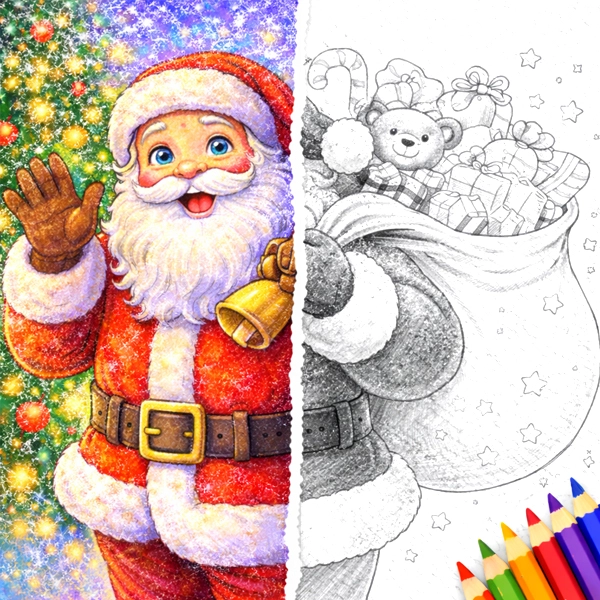
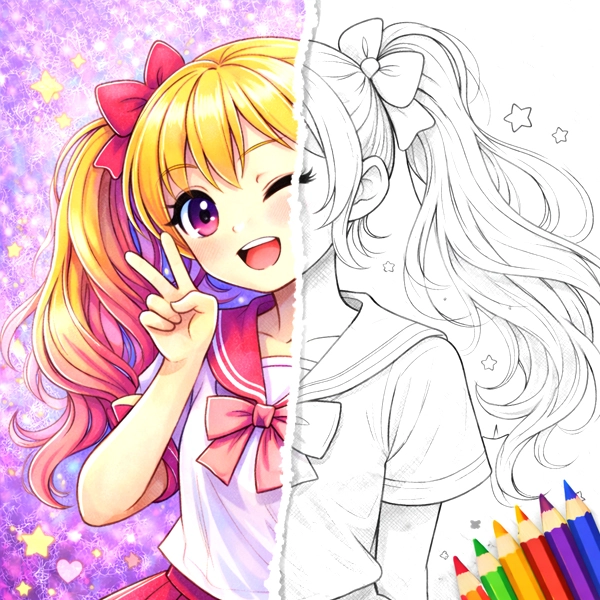
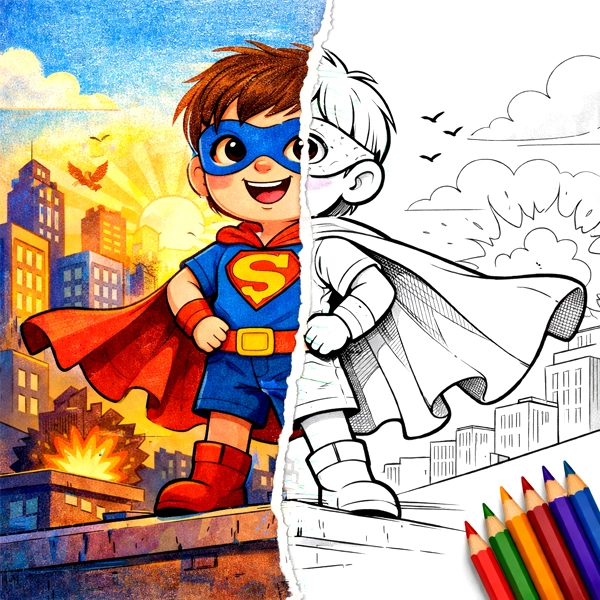
Disney Coloring Pages at ColoringPagesOnly.com is one of the deepest single-studio collections in the history of coloring page publishing – over 5,000 pages spanning nearly 90 years of Disney animation, from Snow White and the Seven Dwarfs in 1937 through Pixar’s Elio in 2025, and covering not just the films but the television series, the holiday specials, the franchise characters, and the standalone sub-categories dedicated to individual iconic figures who have earned their own dedicated followings. The collection covers every major era of Disney animation – the Golden Age classics, the Disney Renaissance, the Pixar collaboration films, the Disney Revival of the 2010s, and the contemporary slate – organized below by the natural groupings that will help you find the right sub-category quickly.
Every page in this collection is completely free to download as a PDF and print, or to color online directly in your browser.
The Classic Disney Characters: Mickey, Minnie, and the Original Cast
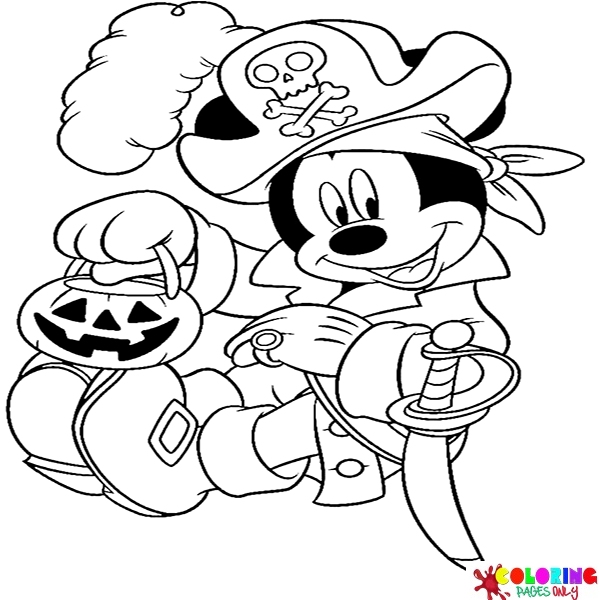
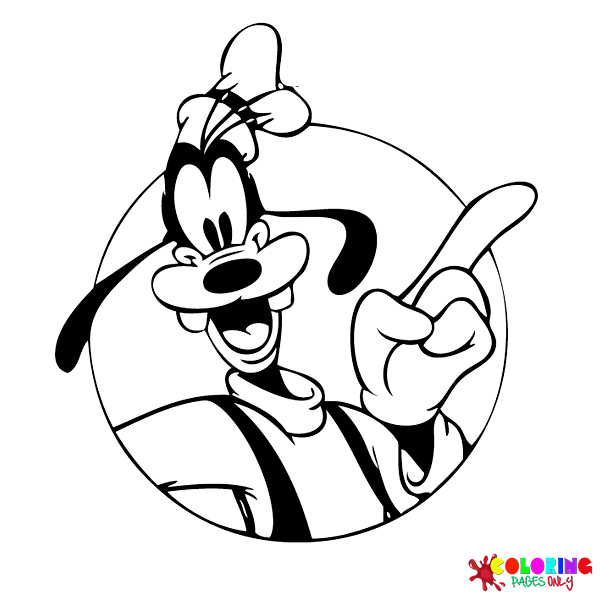
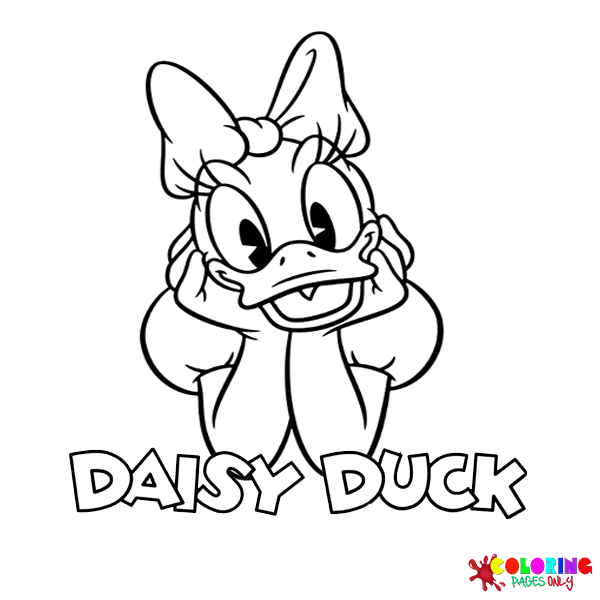
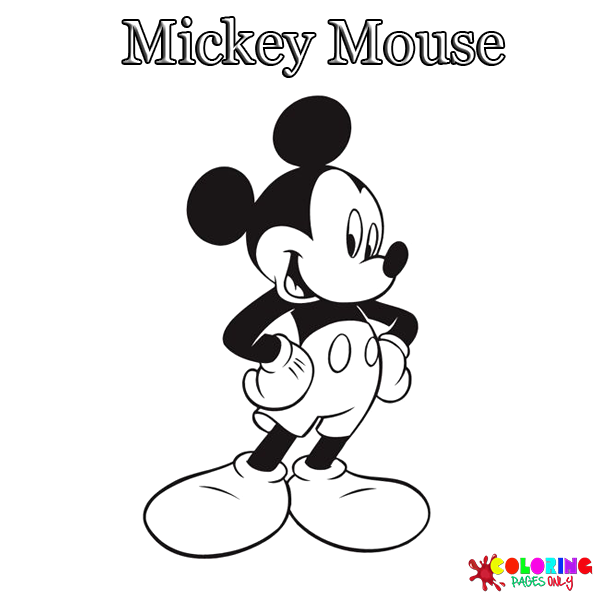
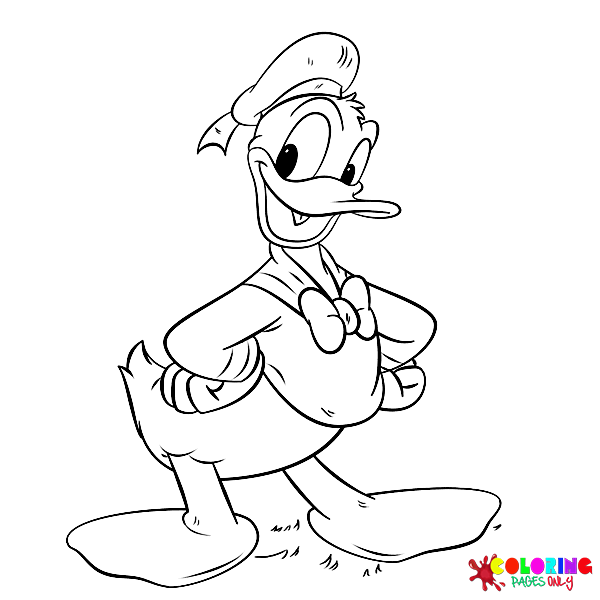
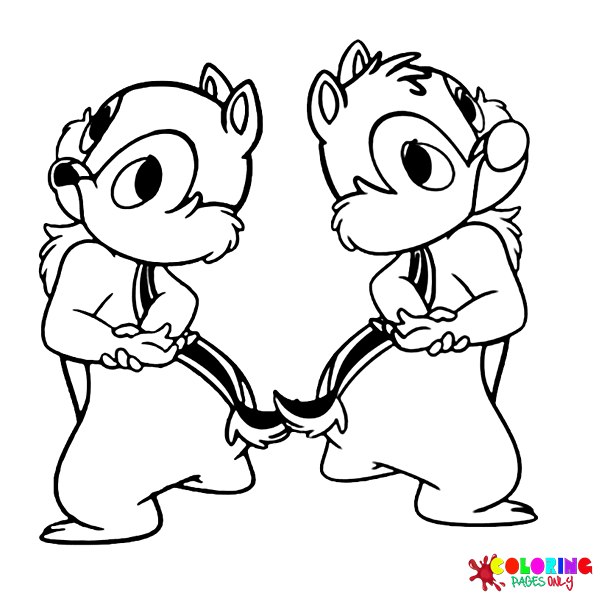
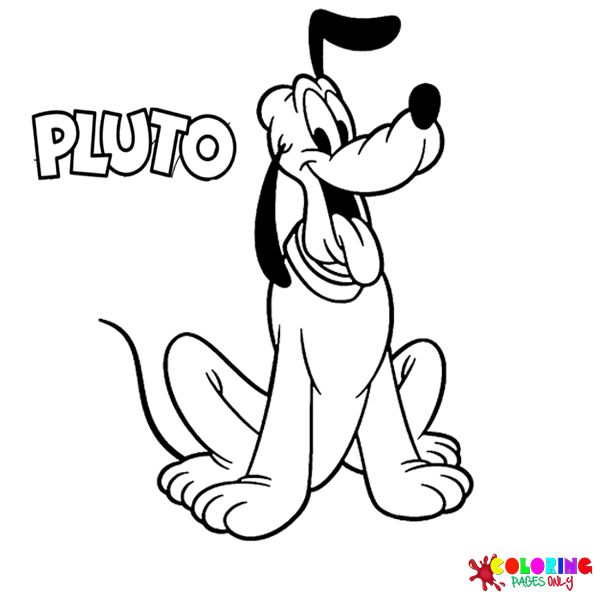
Before any film, there were the characters, and the original Disney character pantheon has its own sub-category cluster that sits outside the film-based organization. Mickey Mouse is the oldest and most globally recognized animated character in the world, created by Walt Disney and Ub Iwerks in 1928, and his collection remains one of the most searched on the site. Minnie Mouse has her own dedicated sub-category as Mickey’s companion and a distinctive design icon in her own right. Donald Duck and Daisy Duck cover the most personality-driven characters in the original Disney cast – Donald’s famous temper and Daisy’s fashion-forward energy both translate into illustration styles quite different from Mickey’s cleaner look. Goofy and Pluto complete the core classic five. Winnie the Pooh – technically an A.A. Milne character that Disney acquired and developed into one of its most enduring properties – has its own substantial sub-category. Tinkerbell, from Peter Pan, has developed an independent fanbase and illustration tradition beyond her film context. DuckTales and Chip and Dale Rescue Rangers extend the classic character world into the animated television series that brought the Duck and Chipmunk universes to new generations.
The Golden Age and Mid-Century Classics (1937–1977)
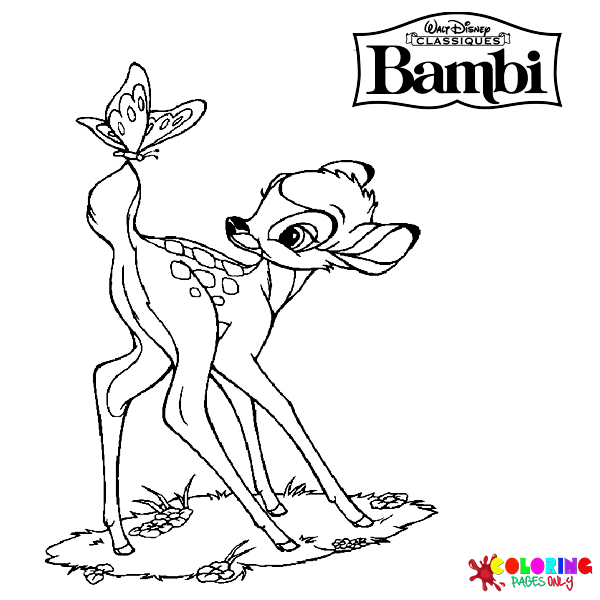
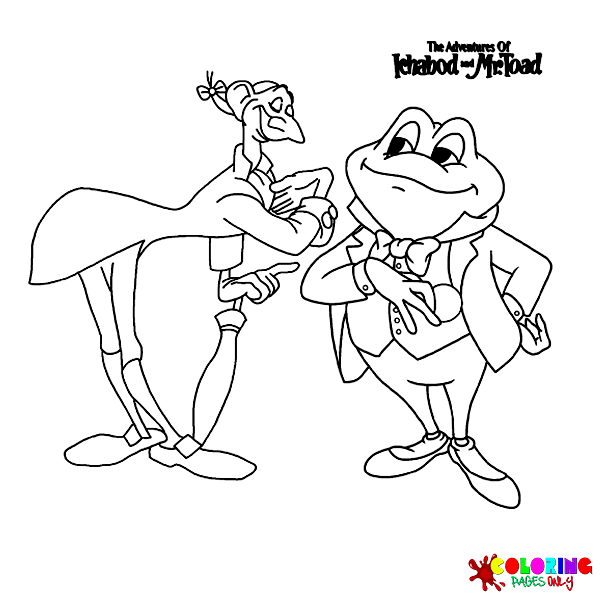
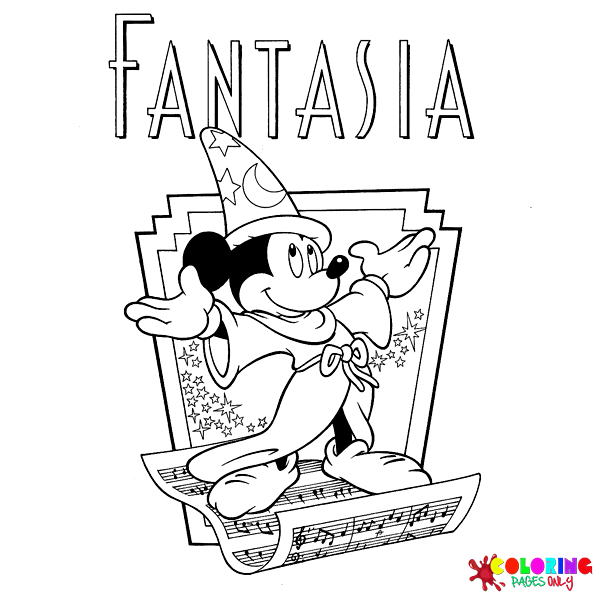
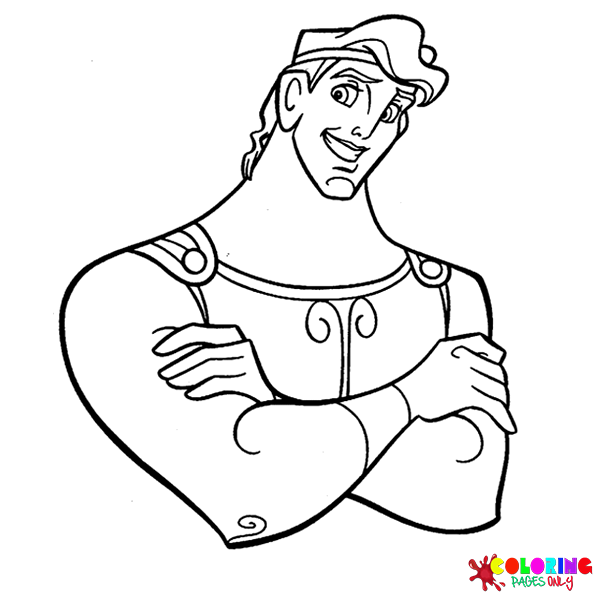
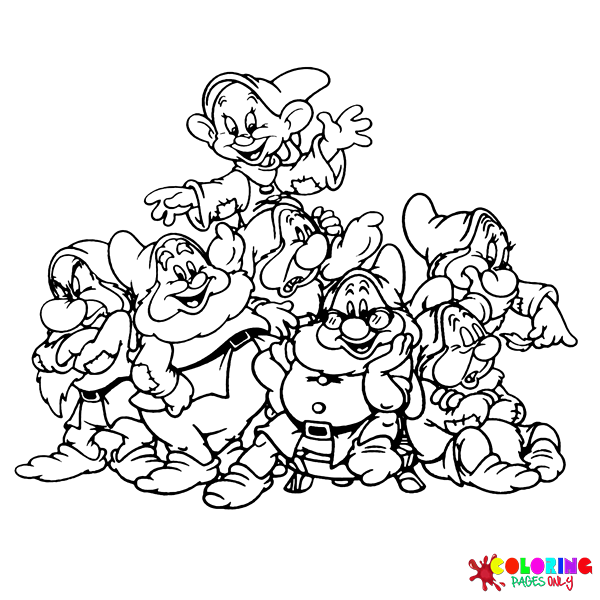
Disney’s first four decades of feature animation produced the foundational films that define the studio’s visual identity and storytelling legacy. Snow White and the Seven Dwarfs (1937) was the first feature-length animated film ever produced, and its characters – Snow White herself plus the Seven Dwarfs as a collective and individually – have maintained consistent coloring page demand across nine decades. The Seven Dwarfs has its own dedicated sub-category for fans who want to work through the full ensemble. Pinocchio (1940), Fantasia (1940), Dumbo (1941), and Bambi (1942) represent the extraordinary creative peak of Disney’s early period. Alice in Wonderland (1951) and Peter Pan (1953) bring the two most famous British fantasy classics to Disney’s visual interpretation. The Jungle Book (1967) was the last film personally supervised by Walt Disney before his death. The Sword in the Stone (1963), The Rescuers (1977), Ichabod and Mr. Toad (1949), and The Fox and the Hound (1981) fill in the studio’s mid-century and transitional period. Tarzan (1999) and Hercules (1997) complete the classic adventure era with their own distinct visual styles.
The Disney Renaissance (1989–1999)
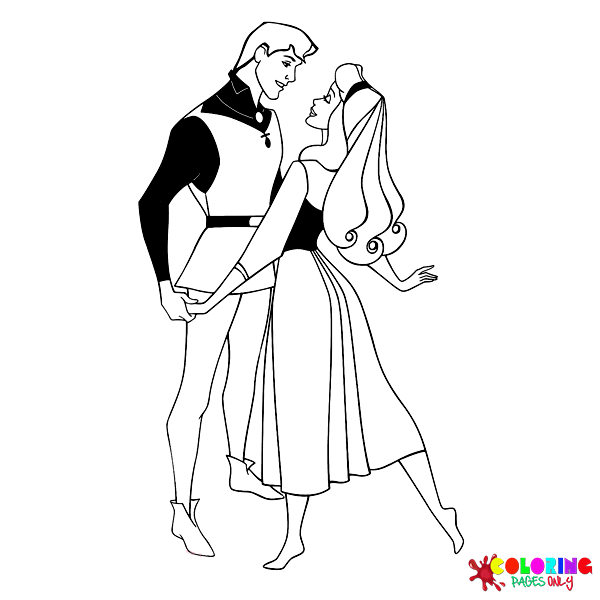
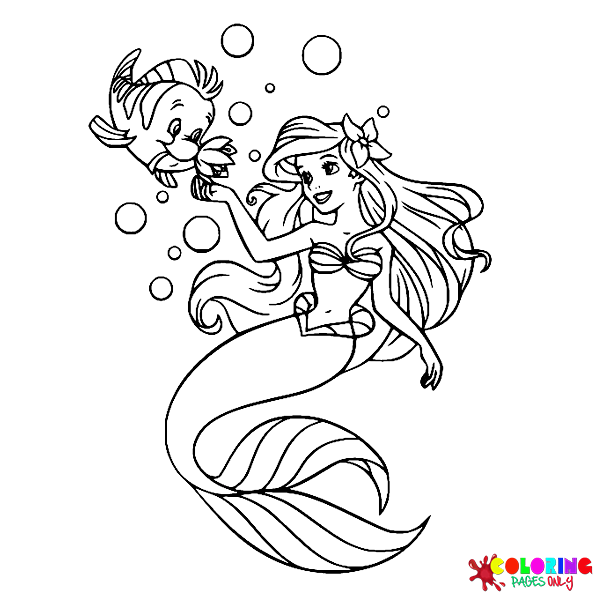
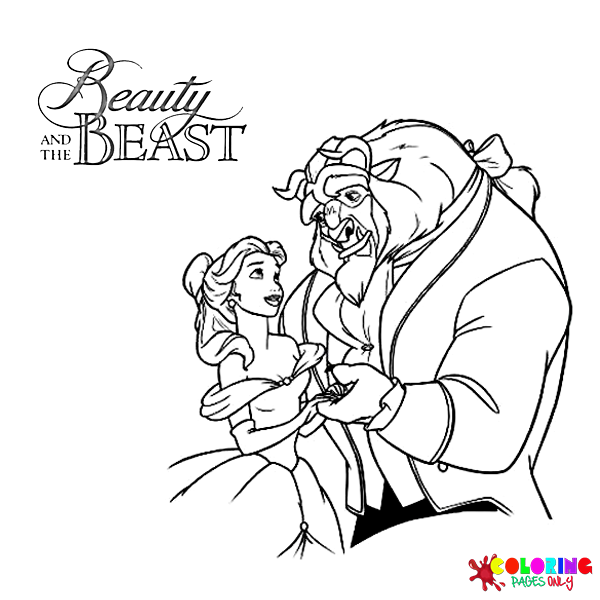
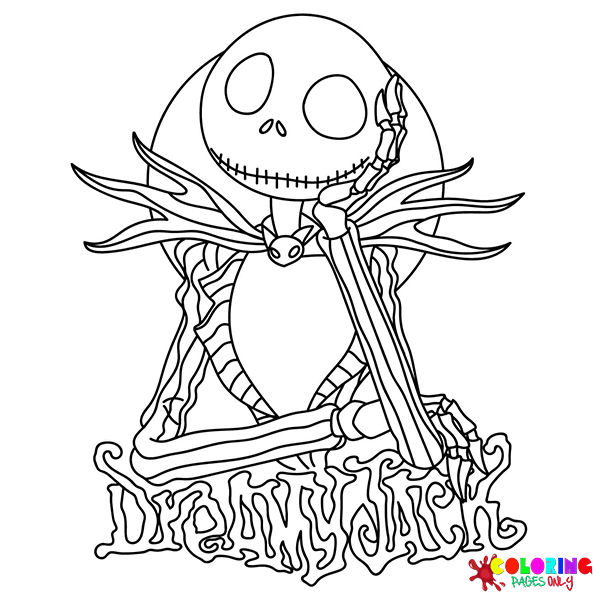
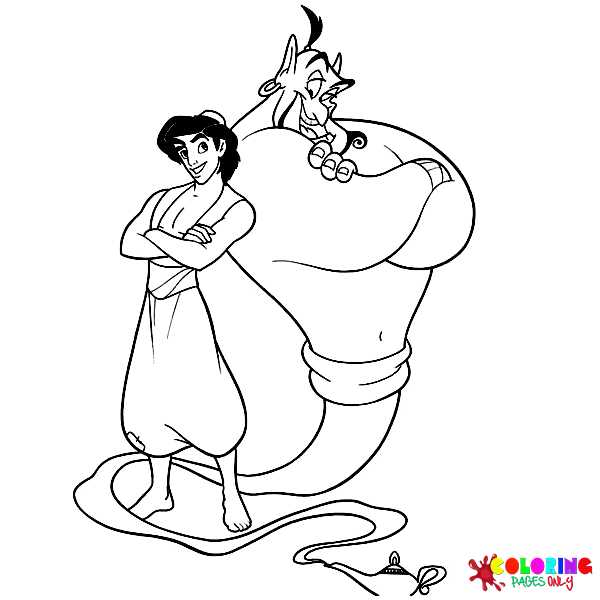
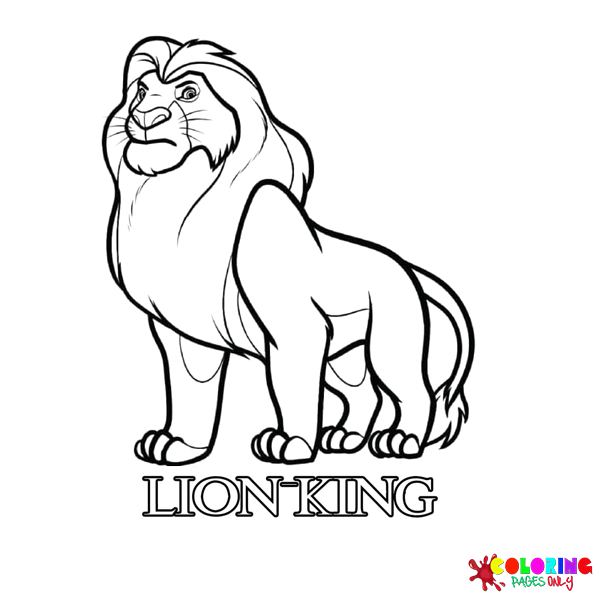
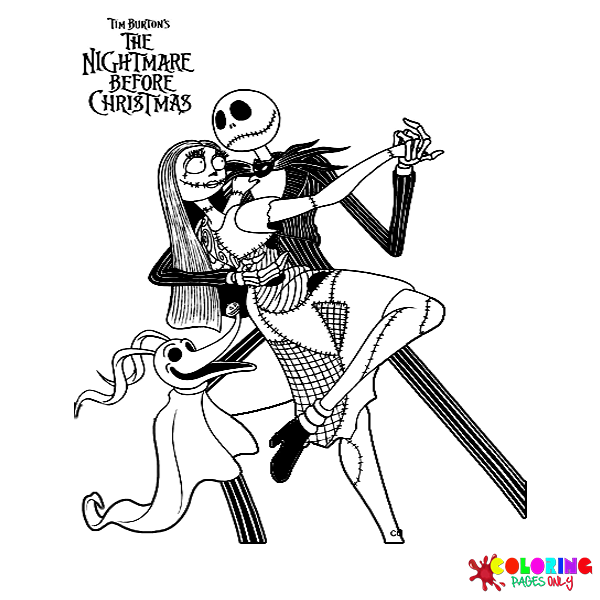
The ten-year period from The Little Mermaid through Tarzan represents Disney’s most commercially and critically successful run in the studio’s history, and the films from this era generate the highest and most consistent search traffic in the Disney collection. The Little Mermaid (1989) launched the Renaissance with Ariel’s instantly iconic red hair and underwater world. Beauty and the Beast (1991) remains the only animated film ever nominated for the Academy Award for Best Picture before the animation category existed. Aladdin (1992) introduced Jasmine and the Genie to the Disney Princess pantheon and the broader cultural vocabulary. The Lion King (1994) became the highest-grossing traditionally animated film ever made, and Simba, Timon, Pumbaa, Scar, and Mufasa each have their own recognizable visual identity – Timon and Pumbaa have their own dedicated sub-category. The Nightmare Before Christmas (1993) and its central character, Jack Skellington, occupy a unique position in the collection: the Tim Burton-produced, Henry Selick-directed stop-motion film has developed into one of Disney’s most enduring dark-aesthetic properties, with a fanbase that is primarily adult and teen rather than child. Sleeping Beauty – technically 1959, but aesthetically the pinnacle of the classic period’s visual ambition – is included here for its continued popularity in the princess coloring space.
The Pixar Era: Toy Story Through Elio
Pixar Animation Studios – acquired by Disney in 2006 but producing films in partnership with Disney since 1995 – has generated the most distinct cluster in the collection, with sub-categories covering nearly every major Pixar production.
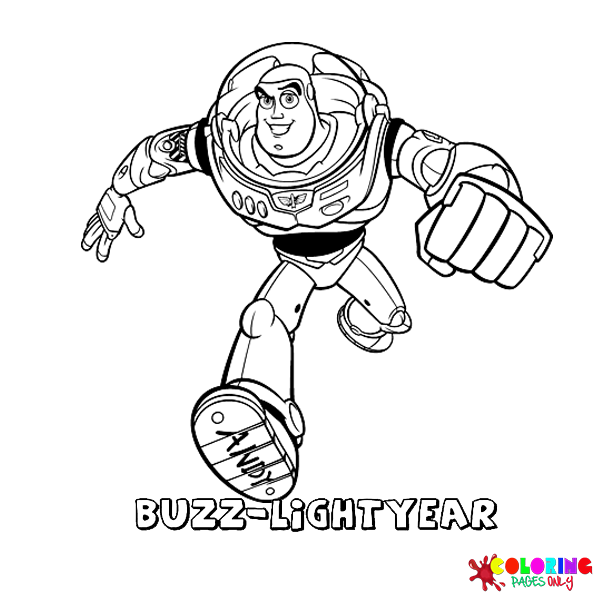
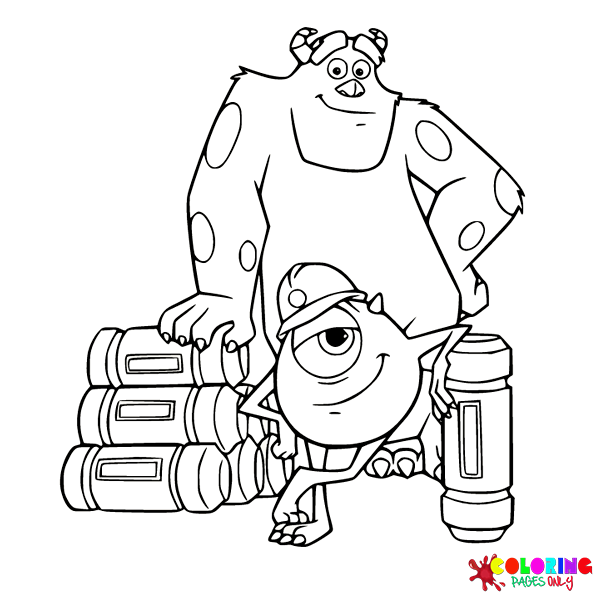
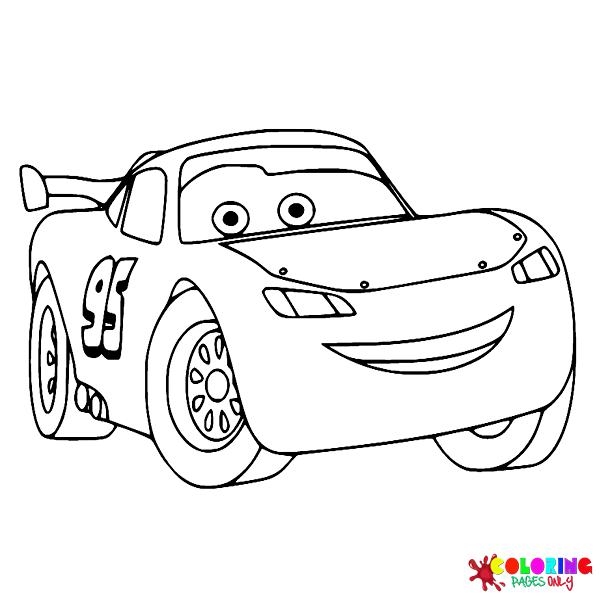
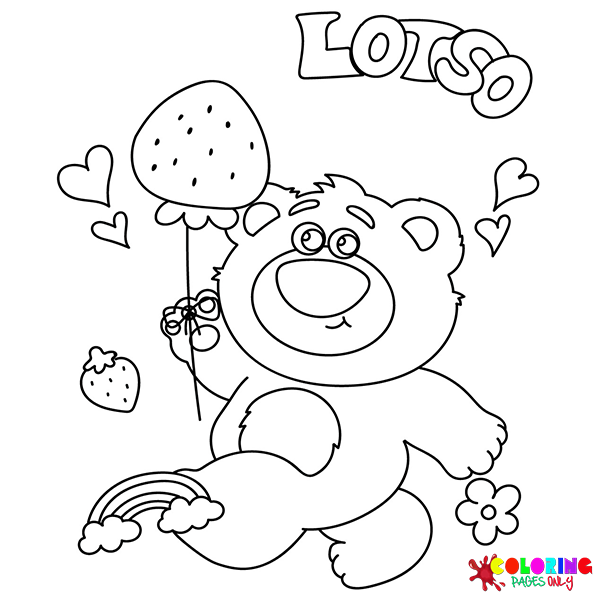
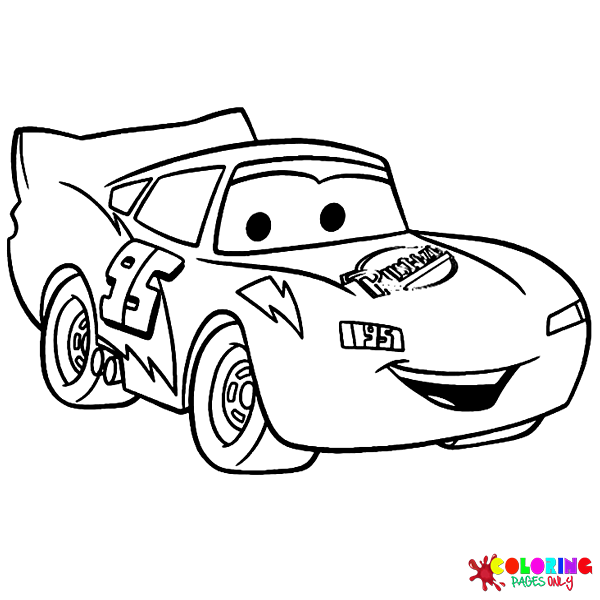
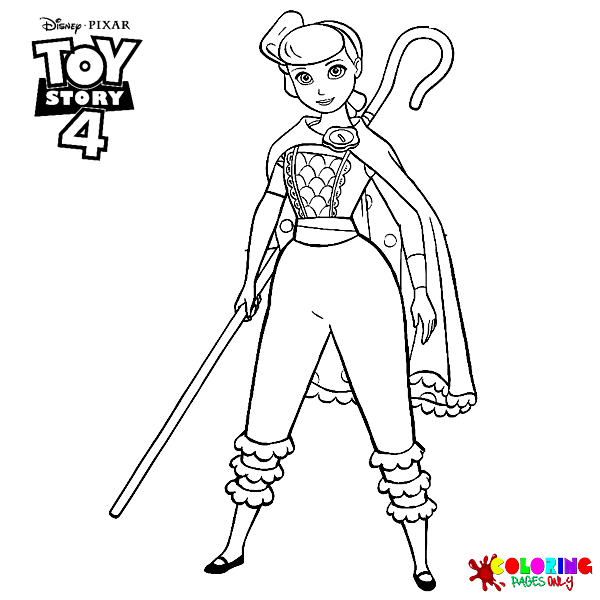
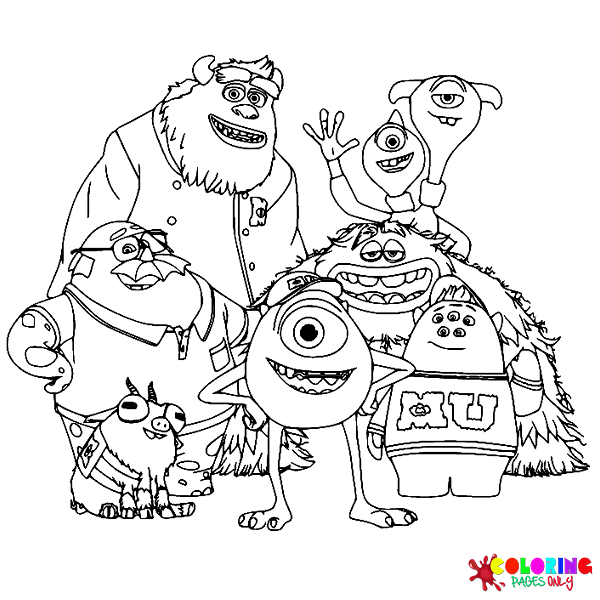
The Toy Story franchise anchors the Pixar section: the original film sub-category plus dedicated pages for Buzz Lightyear, Bo Peep, and Lotso Bear (the antagonist from Toy Story 3) reflect the individual character demand that the franchise generates. Monsters Inc and Monsters University cover Sulley, Mike Wazowski, and Boo across both films. The Incredibles covers the superhero family from both the original film and Incredibles 2. The Cars franchise has three dedicated sub-categories: Disney Cars (the franchise hub), Lightning McQueen (the protagonist), and Mater (the breakout character whose popularity with younger audiences arguably surpassed McQueen’s).
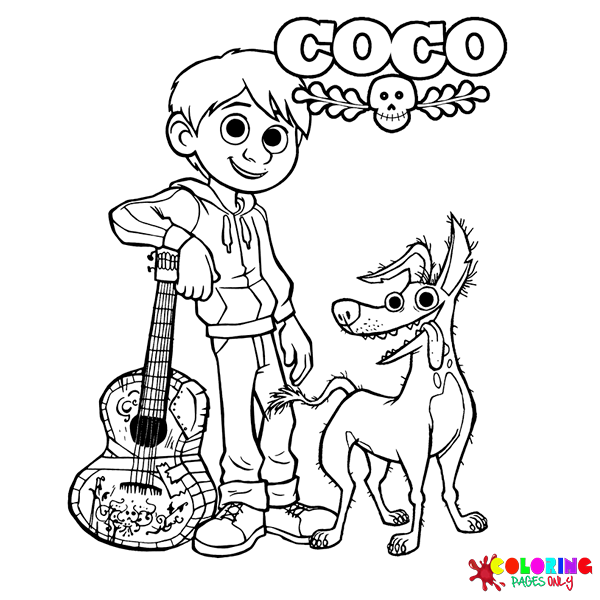
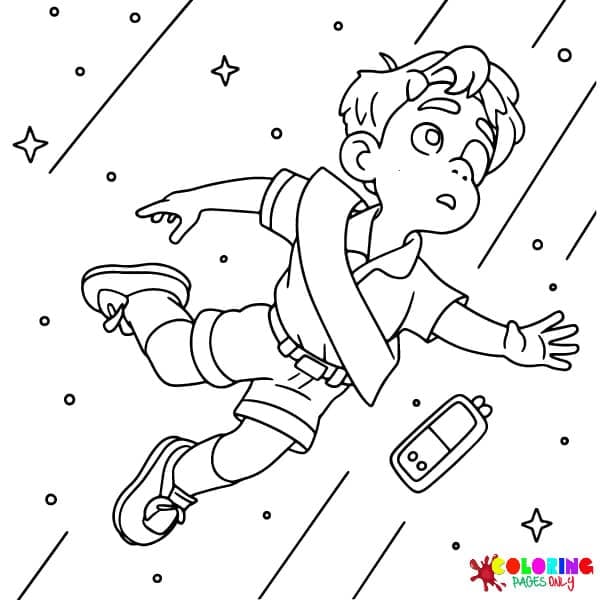
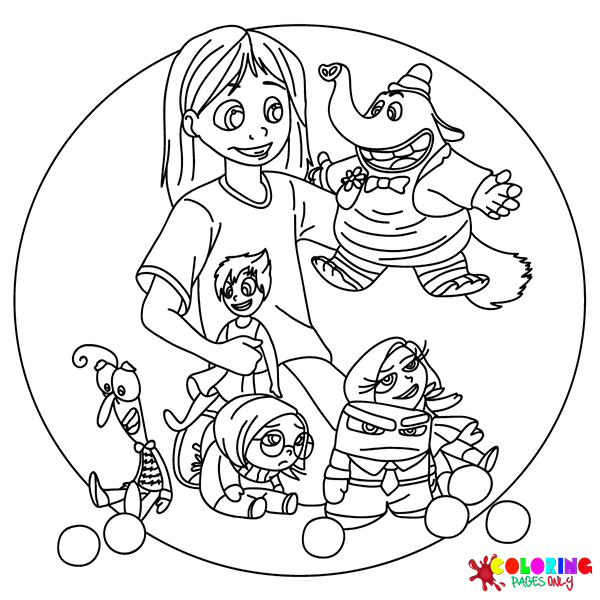
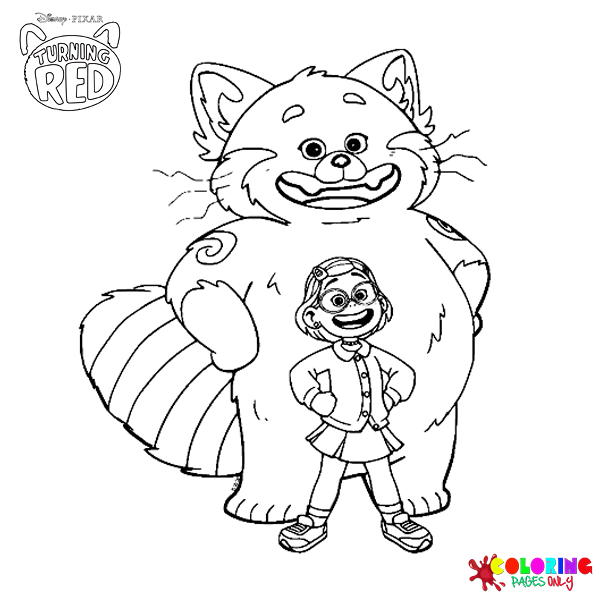
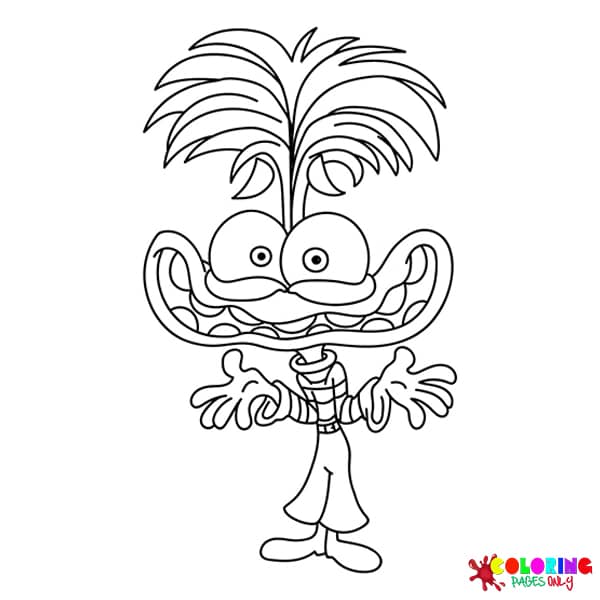
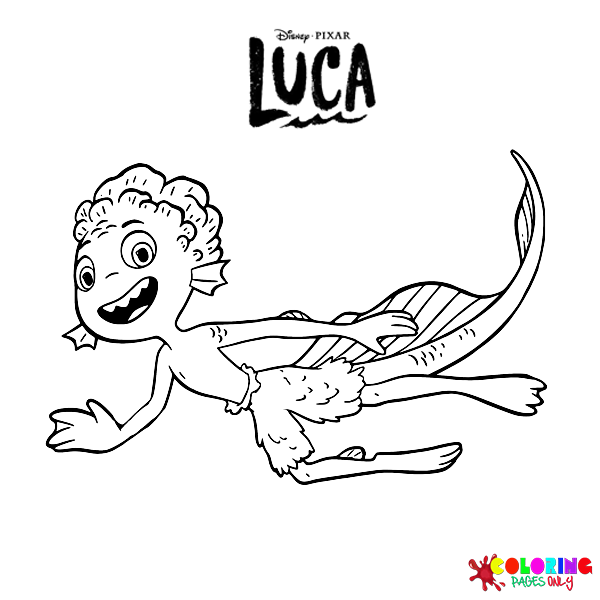
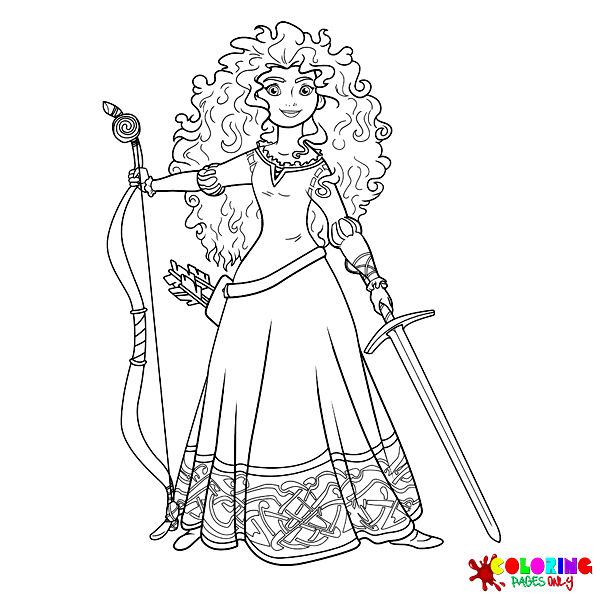
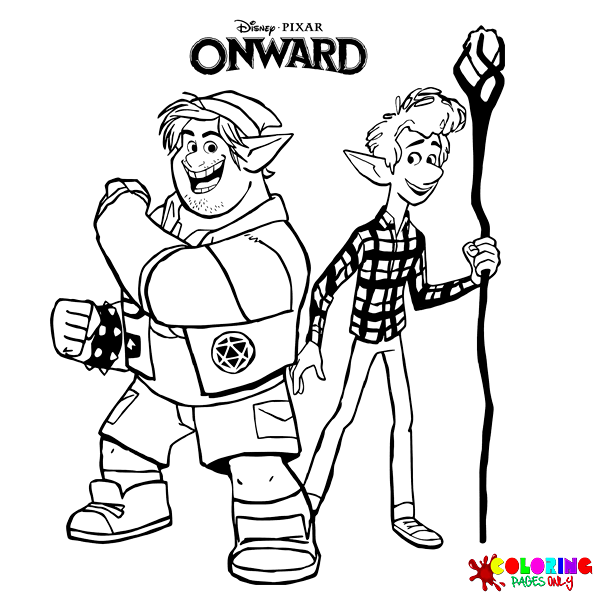
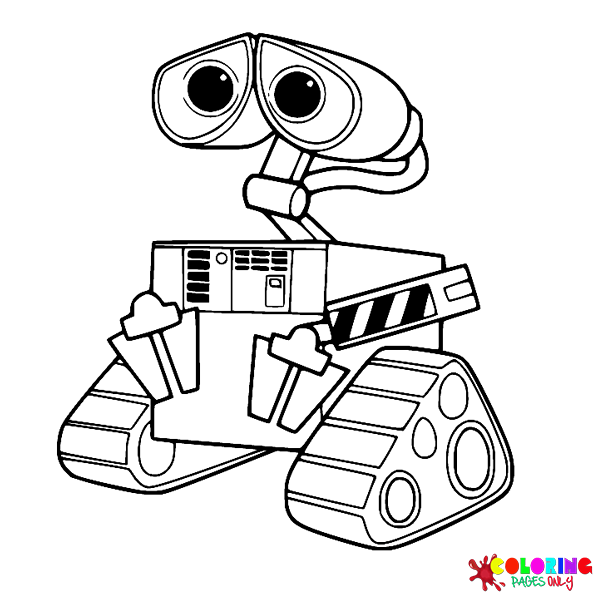
Up (2009) is one of Pixar’s most emotionally ambitious productions. WALL-E (2008) presents an unusual coloring challenge – its robot protagonist has a distinctive mechanical design quite different from Pixar’s typical character style. Coco (2017) brings the Día de los Muertos aesthetic with its specific color palette of deep purples and vivid oranges – some of the most distinctive coloring opportunities in the entire Disney collection. Inside Out and Inside Out 2 cover the emotions-as-characters concept across both films, with Anxiety from the sequel having its own dedicated sub-category reflecting the character’s particular cultural resonance. Soul (2020), Luca (2021), Turning Red (2022), Elemental (2023), and Elio (2025) complete the contemporary Pixar run. The Good Dinosaur (2015), Onward (2020), and Brave (Pixar’s only princess film, shared with the Disney Princess section) fill out the full filmography.
The Disney Revival (2009–2019)
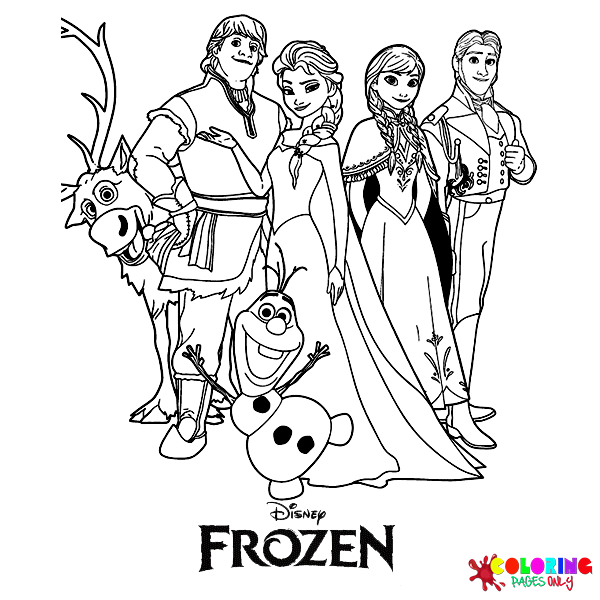
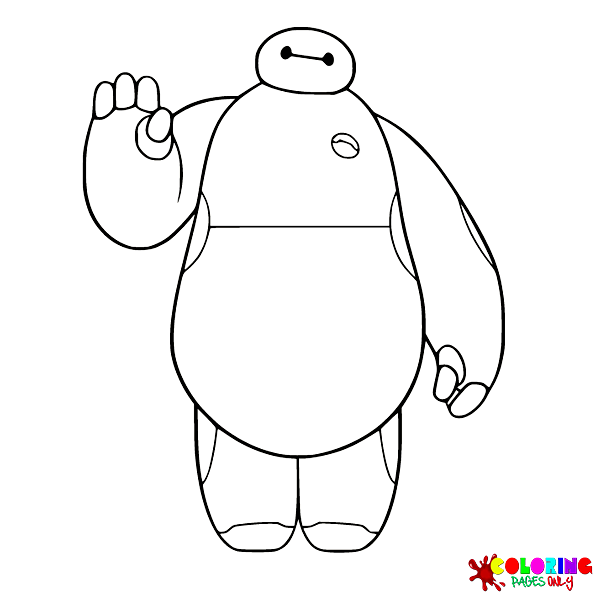
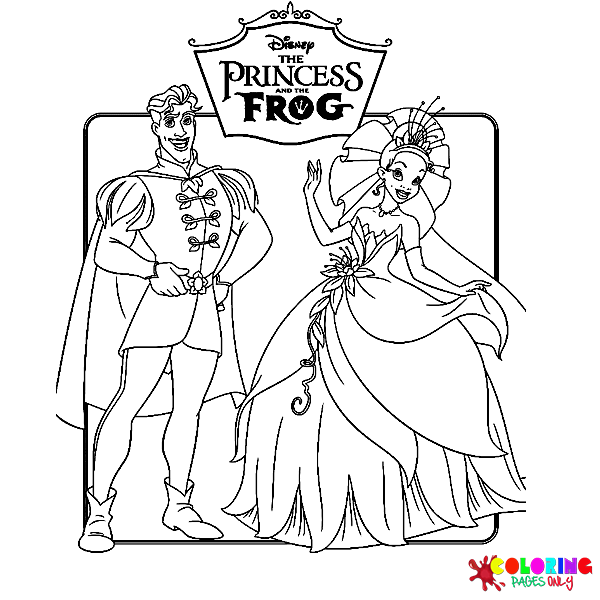
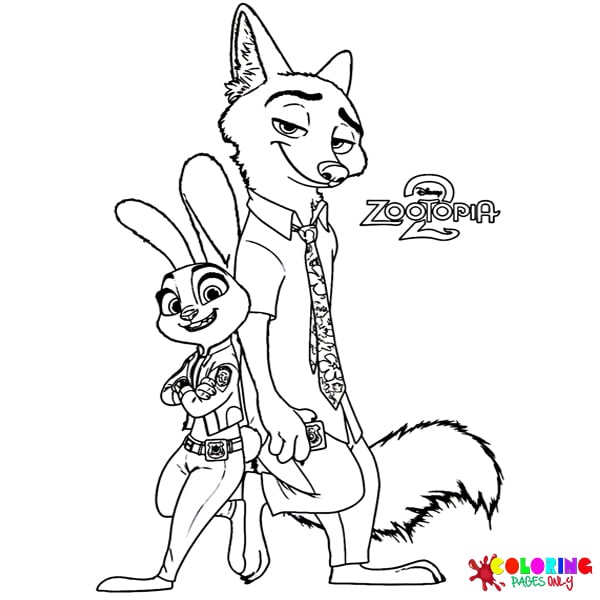
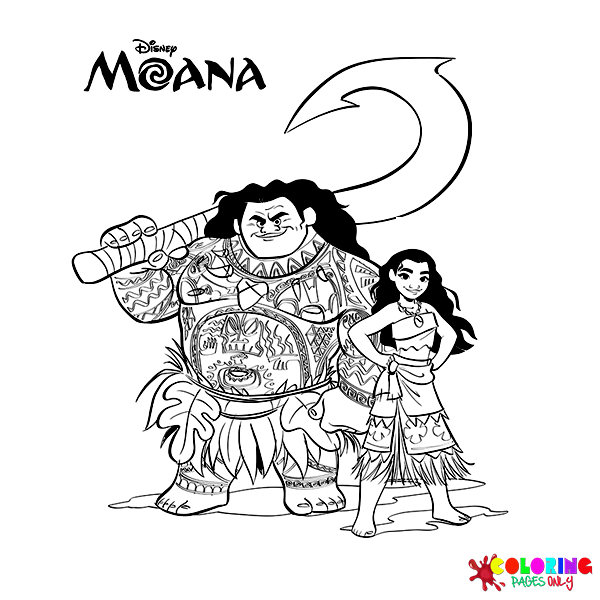
After a relatively quiet period in the early 2000s, Walt Disney Animation Studios (distinct from Pixar) returned to critical and commercial prominence with a series of films that reinvigorated the princess tradition and introduced new storytelling approaches. The Princess and the Frog (2009) introduced Tiana, Disney’s first Black princess. Tangled (2010) reimagined Rapunzel in a contemporary tone that became a defining visual aesthetic for a generation of fans. Frozen (2013) became the highest-grossing animated film ever at the time of its release, and Elsa and Anna’s coloring pages remain among the most downloaded on the site. Big Hero 6 (2014) brought Marvel’s superhero genre to Disney Animation, with Baymax – the inflatable healthcare companion robot – developing into one of the most beloved character designs in recent Disney history. Zootopia (2016) and Moana (2016) each brought visually distinct worlds: Zootopia’s anthropomorphic animal city and Moana’s Polynesian ocean setting. Wreck-It Ralph (2012) is listed in the Cartoons section, though it appears here through its Disney origin.
Contemporary Disney Animation (2020–2026)
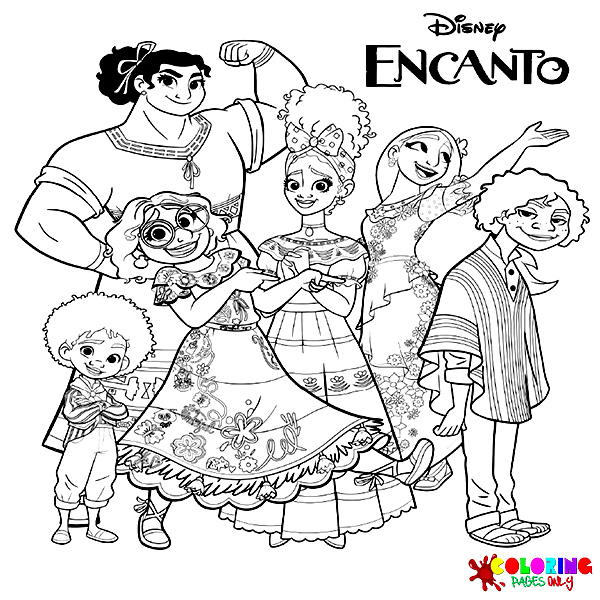
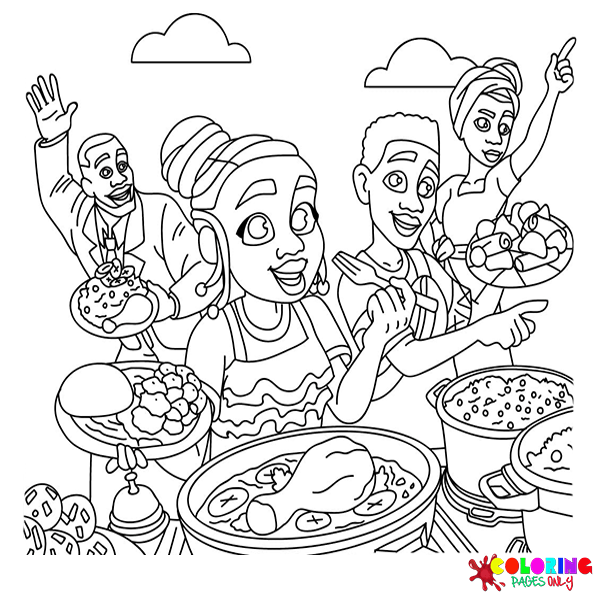
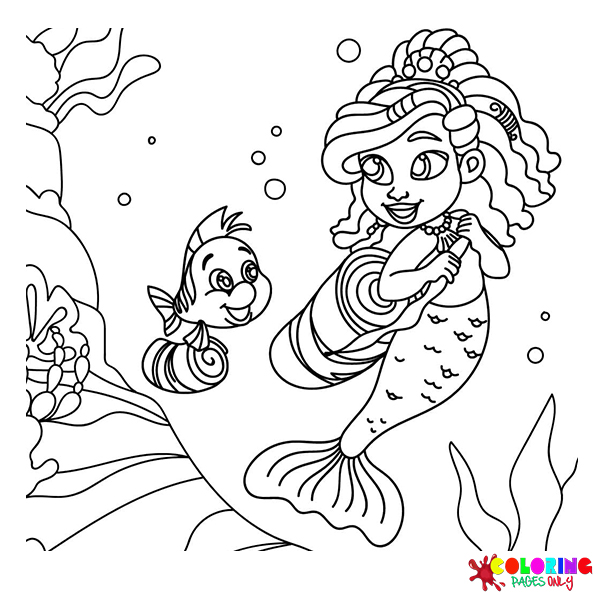
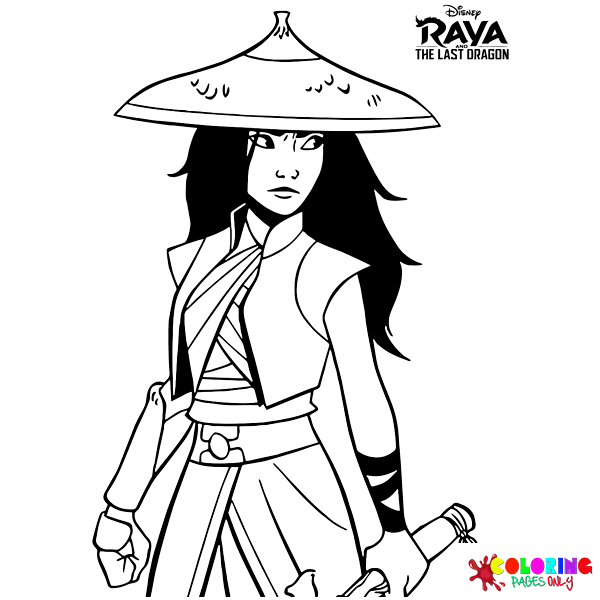
Disney Animation’s most recent slate reflects the studio’s ongoing expansion of cultural scope and storytelling ambition. Encanto (2021) introduced the Madrigal family and Mirabel in a Colombian setting with one of the most distinctive visual styles in recent Disney production. Raya and the Last Dragon (2021) brought Southeast Asian-inspired world-building to the princess tradition. Strange World (2022) and Wish (2023) complete the 2020s run through their release dates. Iwájú (2024) is a Disney+ original series produced in partnership with a Lagos-based studio, set in a futuristic Lagos – the first Disney production of this kind, with a visual style distinct from the studio’s Western animation tradition. Disney Junior’s Ariel covers the young-children’s television reimagining of The Little Mermaid for a preschool audience, distinct from the original film sub-category.
The Descendants Franchise
Descendants, Mal and Evie as a dedicated pair, and the broader Descendants franchise occupy a distinct space in the Disney collection – the franchise follows the teenage children of classic Disney villains (Maleficent, the Evil Queen, Jafar, Ursula) attending a school alongside the children of heroes. The visual aesthetic is contemporary teen fashion filtered through the palette of each character’s villain parent, producing some of the most visually elaborate character designs in the collection.
Disney Princess
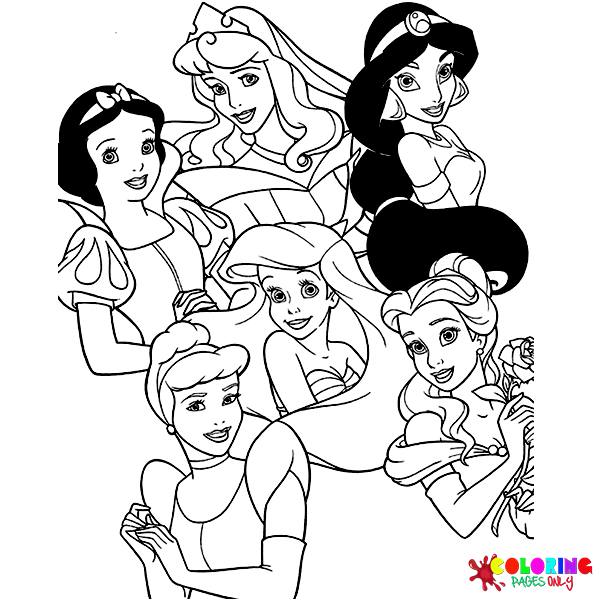
Disney Princess as a hub sub-category covers the official Disney Princess lineup as a collective rather than individual film pages – group compositions featuring multiple princesses together, the princess lineup in seasonal or crossover settings, and pages designed around the franchise identity rather than any specific film. It pairs with the individual film sub-categories above for users who want a specific princess rather than the ensemble.
Disney on Television
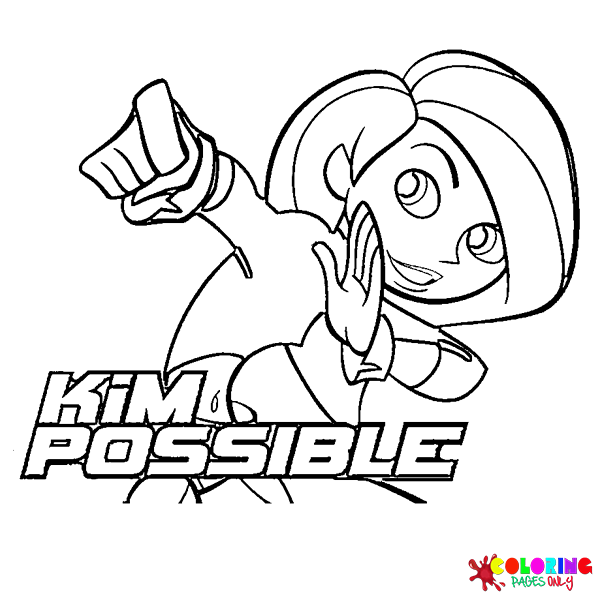
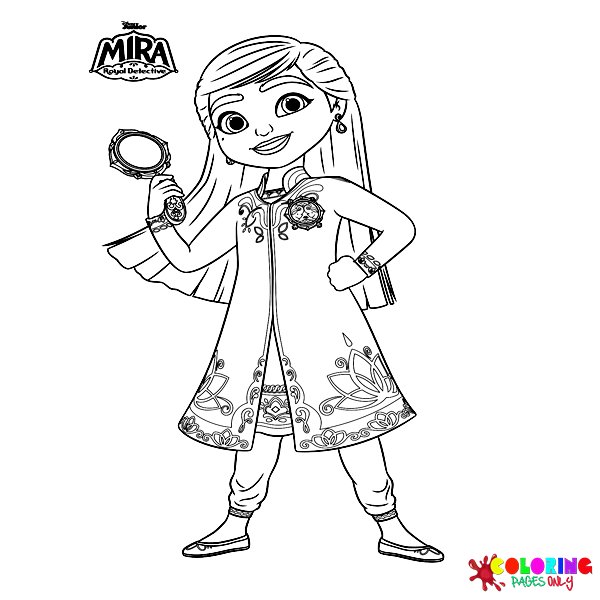
Several sub-categories cover Disney’s television animation legacy beyond the classic character shows. Kim Possible (Disney Channel, 2002–2007) was one of the most popular Disney Channel action series of its era. Phineas and Ferb (Disney Channel, 2007–2015) generated a devoted multi-generational fanbase. Elena of Avalor and Mira, Royal Detective represent Disney Junior’s commitment to Latina and South Asian protagonist stories. Lion Guard extends The Lion King’s world for a new generation. Puppy Dog Pals and TOTS cover the current Disney Junior preschool programming.
Disney Seasonal Collections
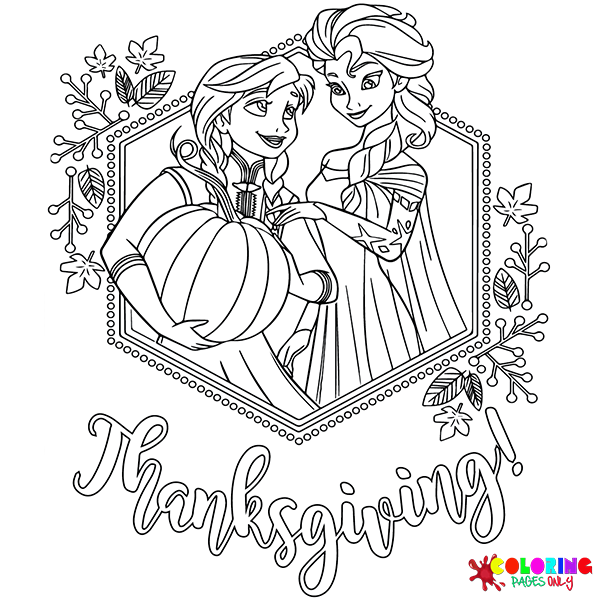
Disney Halloween brings the Disney character universe into Halloween-themed compositions – classic characters in costumes, spooky settings featuring Disney villains, and the overlap between Disney’s visual world and the Halloween aesthetic. Disney Thanksgiving applies the same principle to the Thanksgiving holiday. Both sub-categories are distinct from the character-specific seasonal pages that appear within individual film sub-categories.