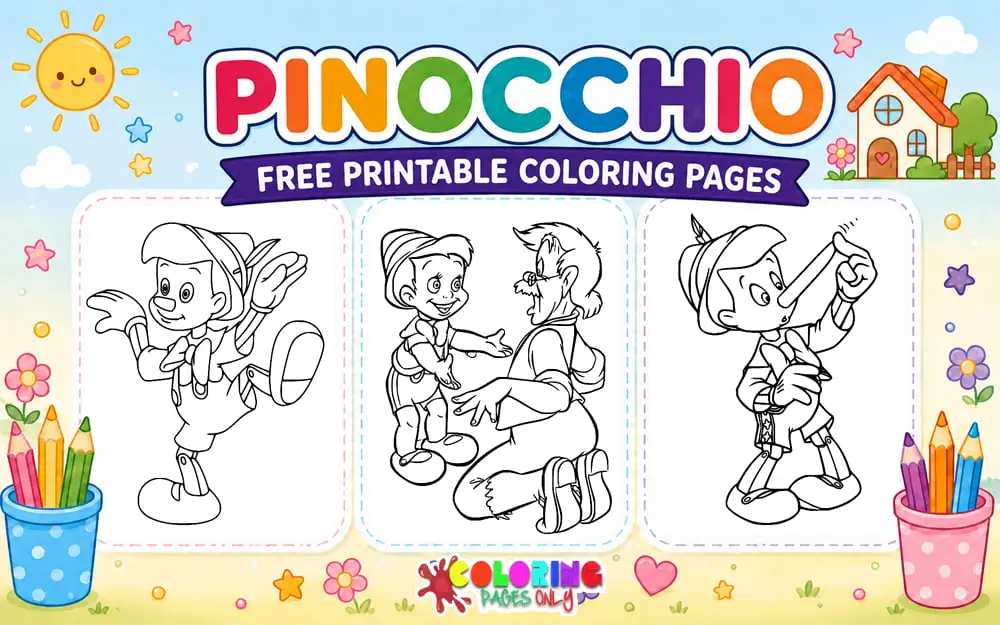
Free Pinocchio Coloring Pages: 112 printable PDF designs featuring the wooden puppet who dreams of becoming a real boy, his conscience Jiminy Cricket, kind Geppetto with Figaro and Cleo, the Blue Fairy, and the tricksters he meets along the way. Pick a sheet to print or open it in the online coloring tool.
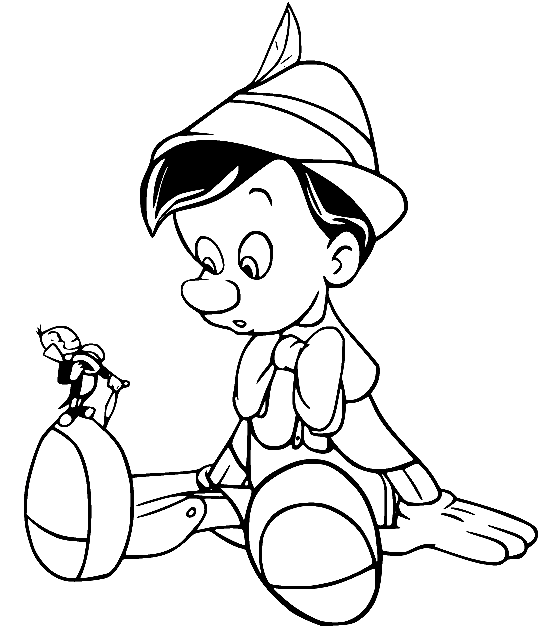
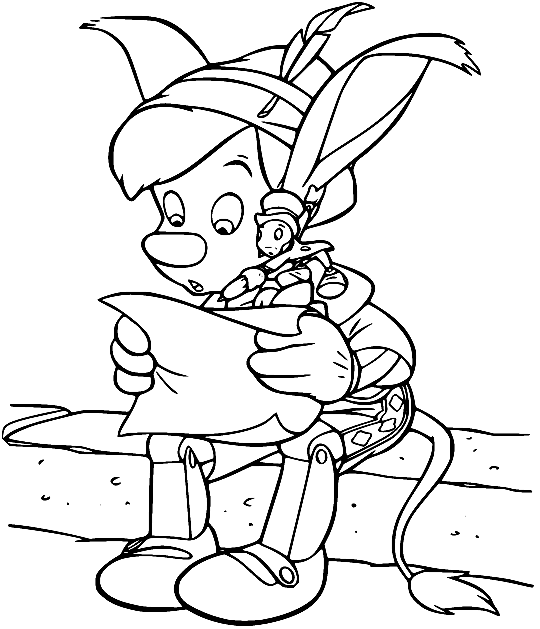
Pinocchio is a puppet carved from wood by the old toymaker Geppetto, who wishes upon a star for a son. The Blue Fairy brings the puppet to life and promises that he can become a real boy if he proves himself brave, truthful, and unselfish. Jiminy Cricket is appointed as his conscience, but Pinocchio still wanders into trouble with a sly fox named Honest John, a puppet showman named Stromboli, and a coachman who lures boys to Pleasure Island. Most famously, his nose grows longer every time he tells a lie.
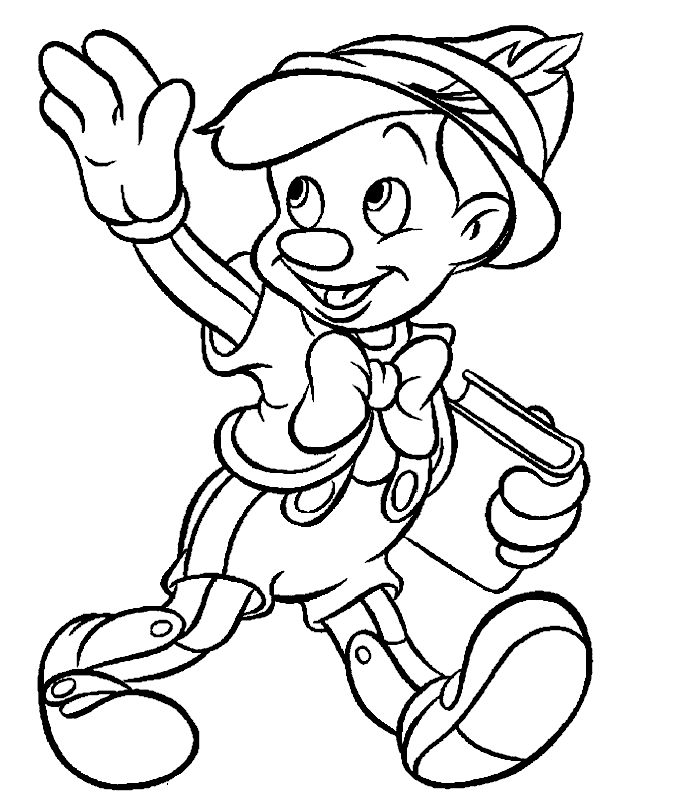
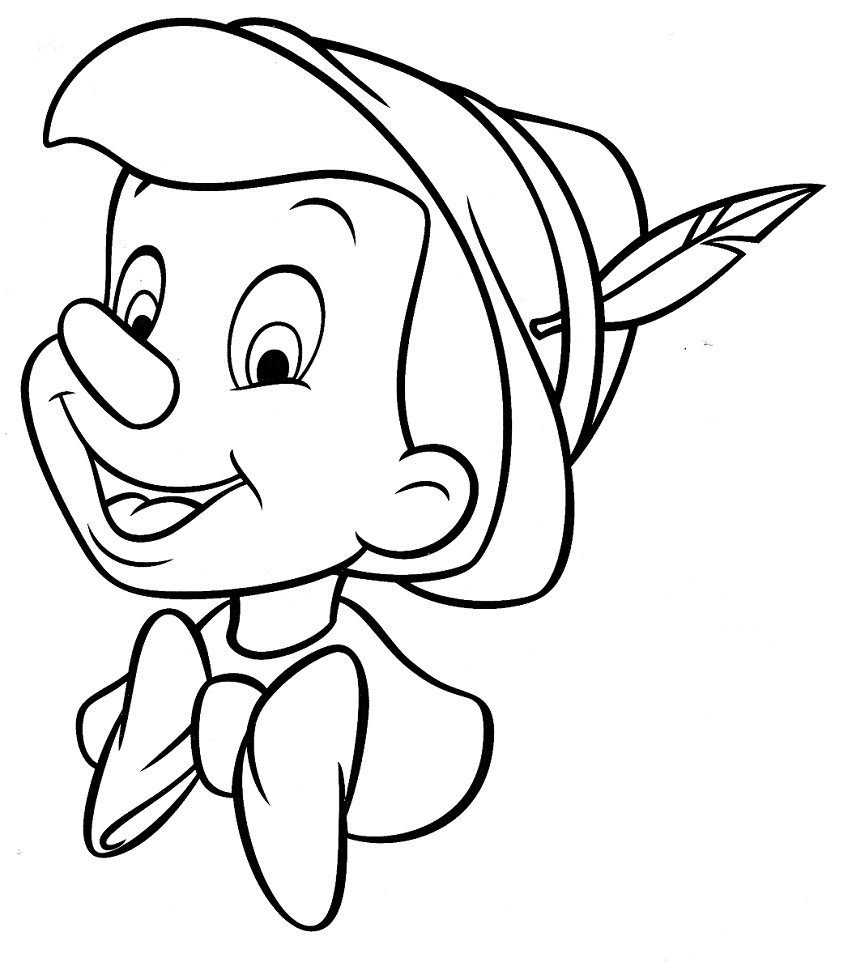
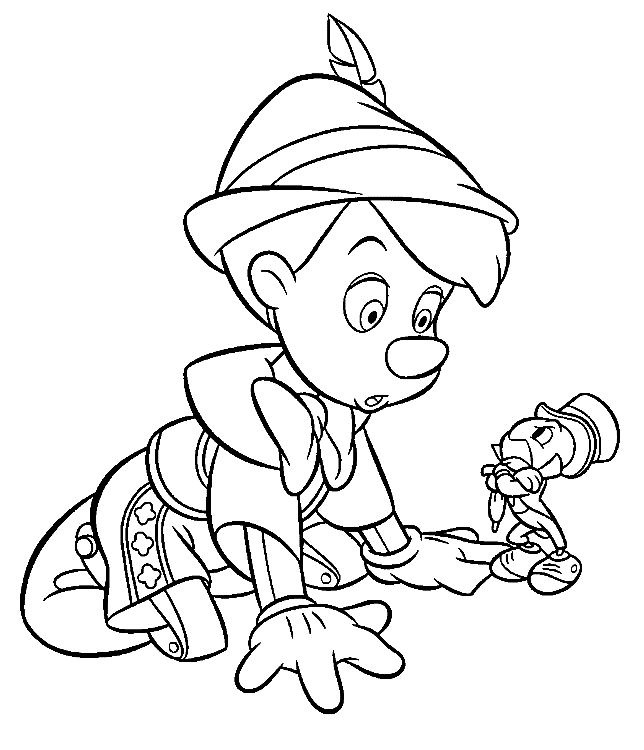
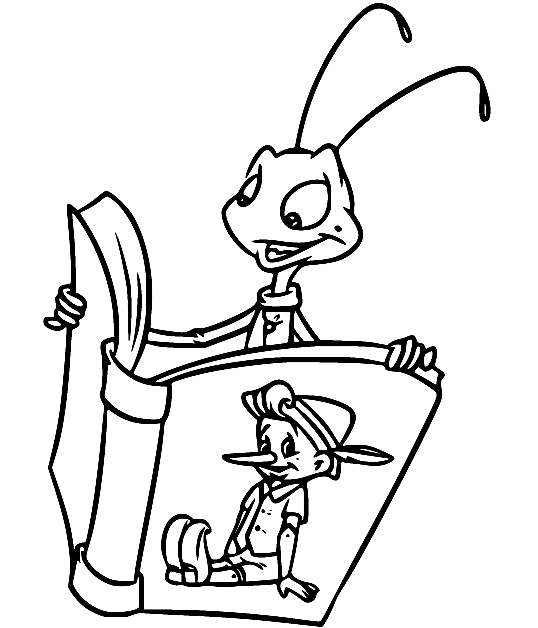
Simple portraits of Pinocchio and Jiminy suit young children, while the workshop, cage, and adventure scenes offer older kids richer storytelling pages.


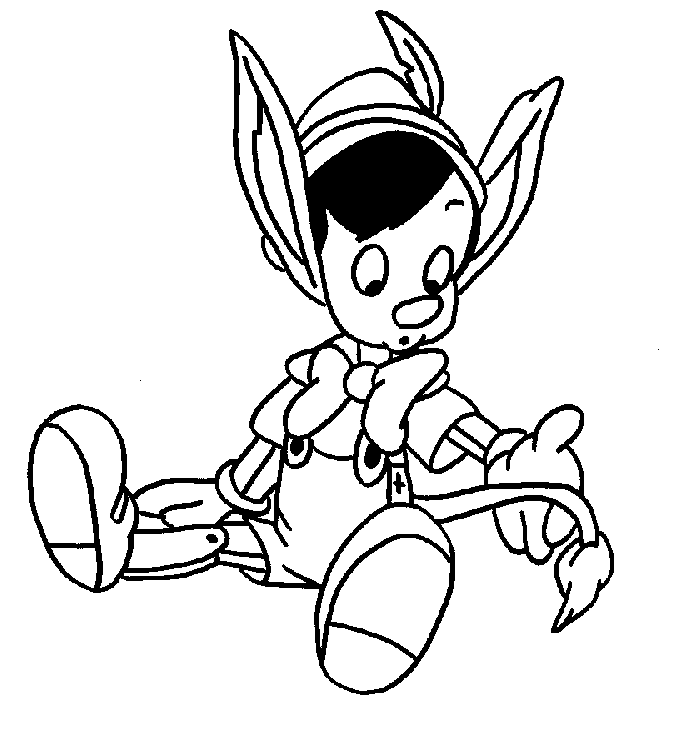
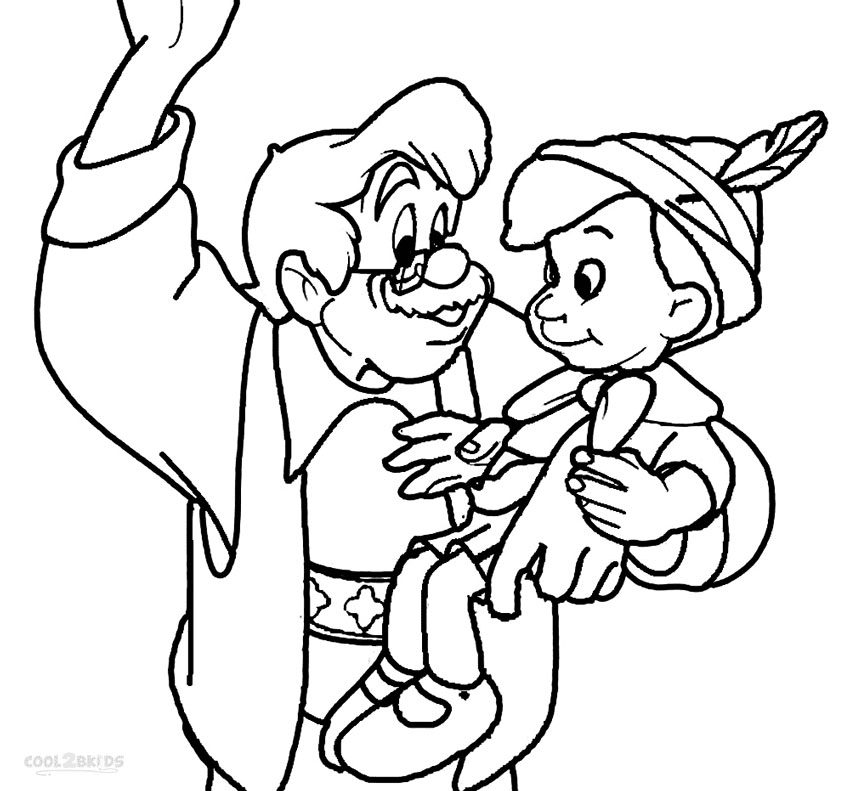
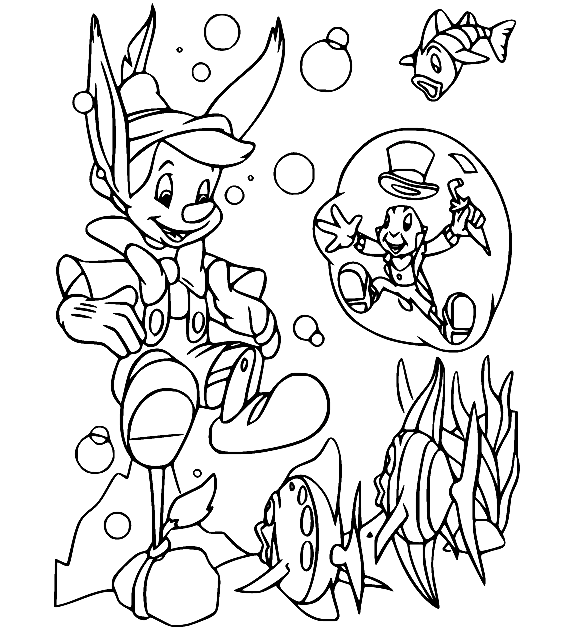
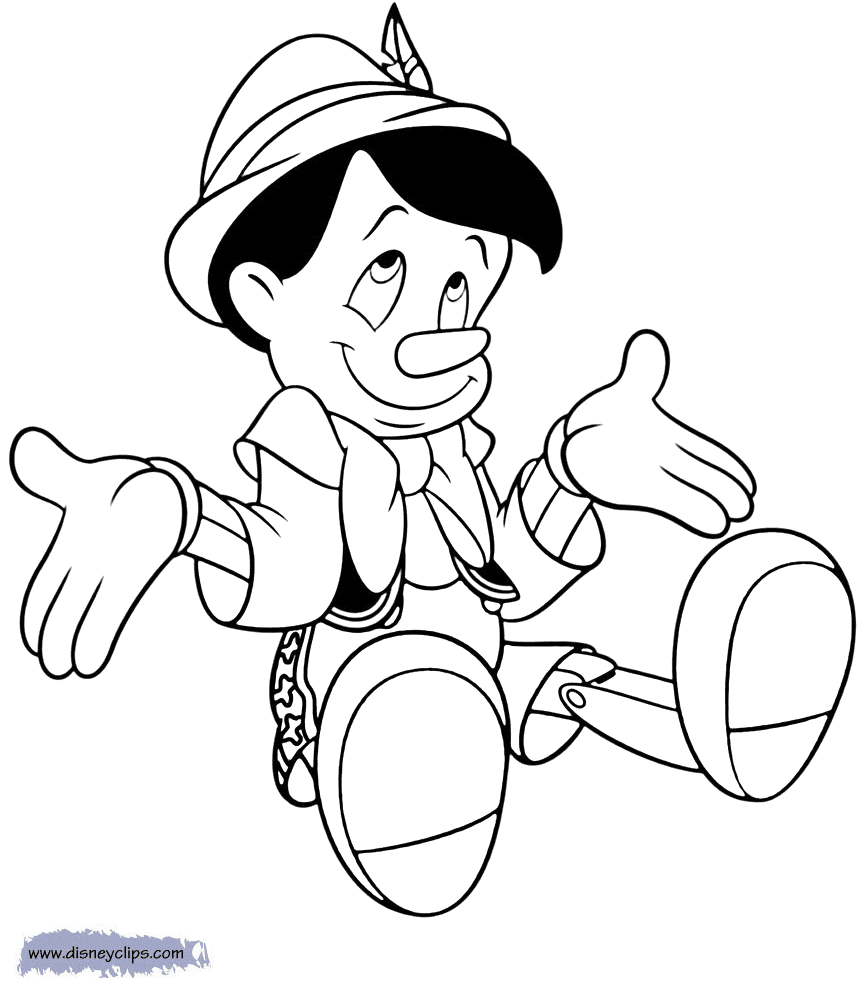
What’s Inside This Collection
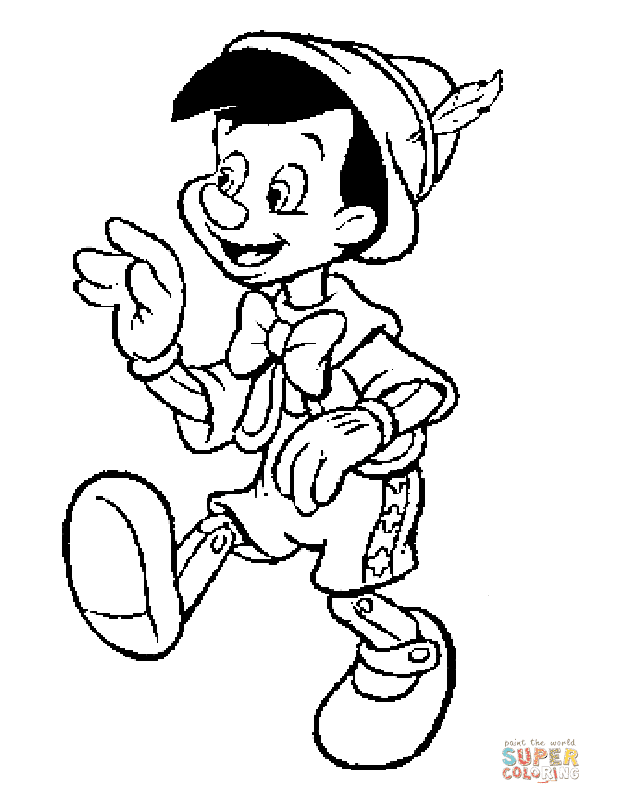
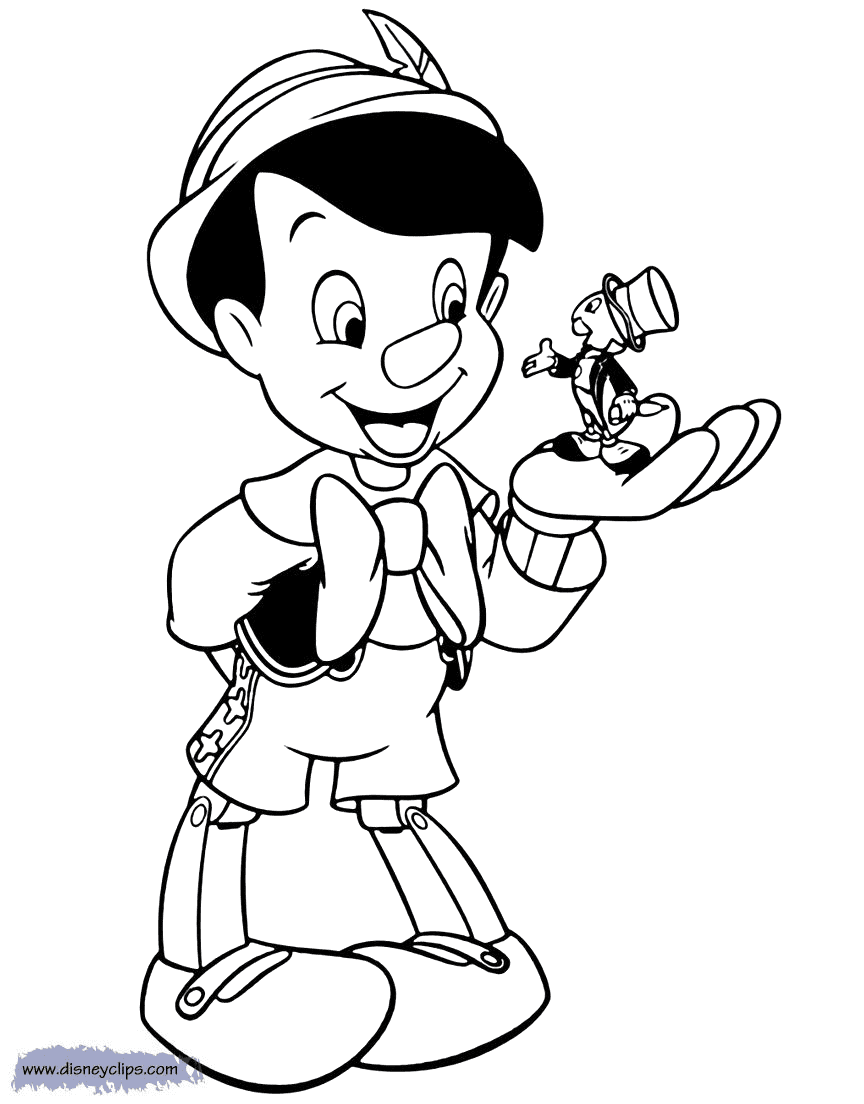
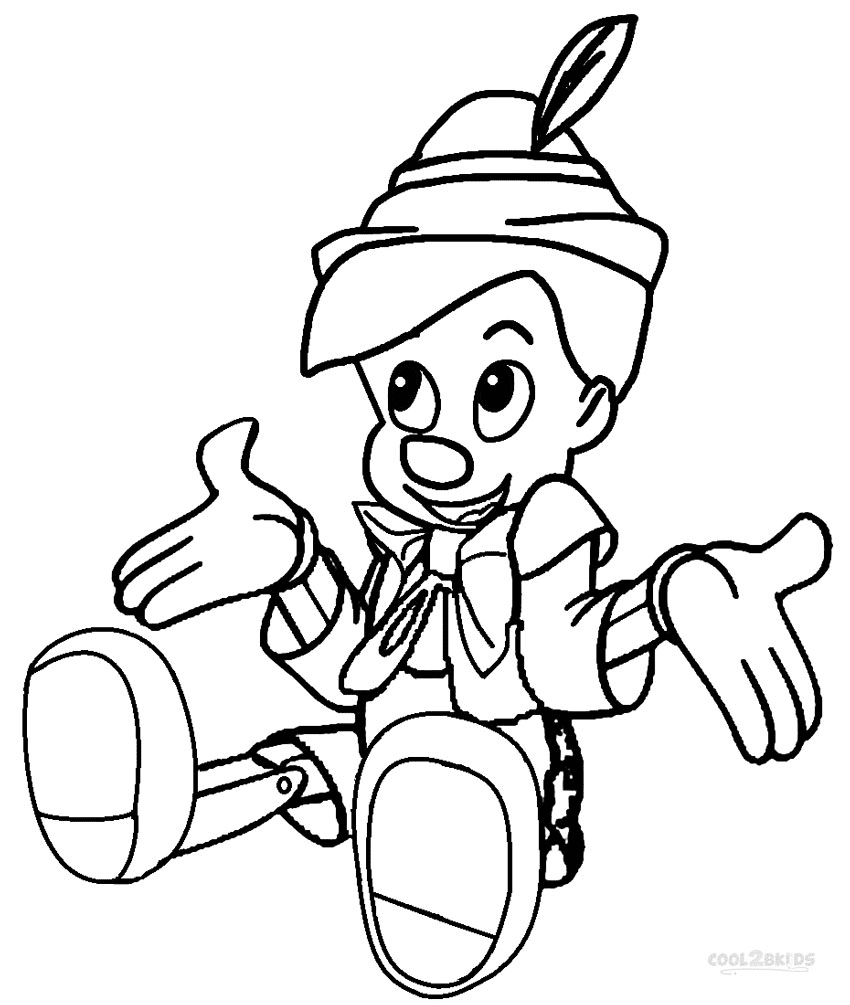
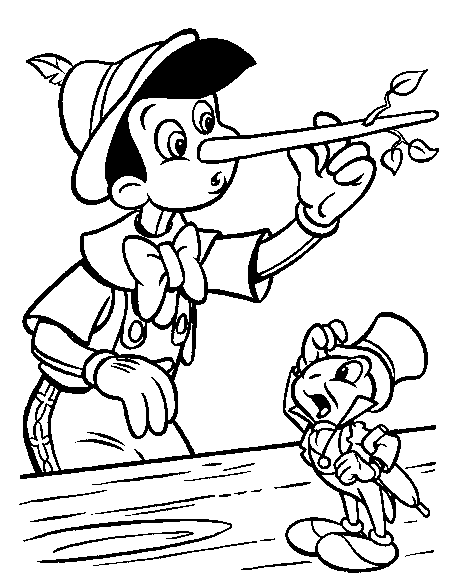
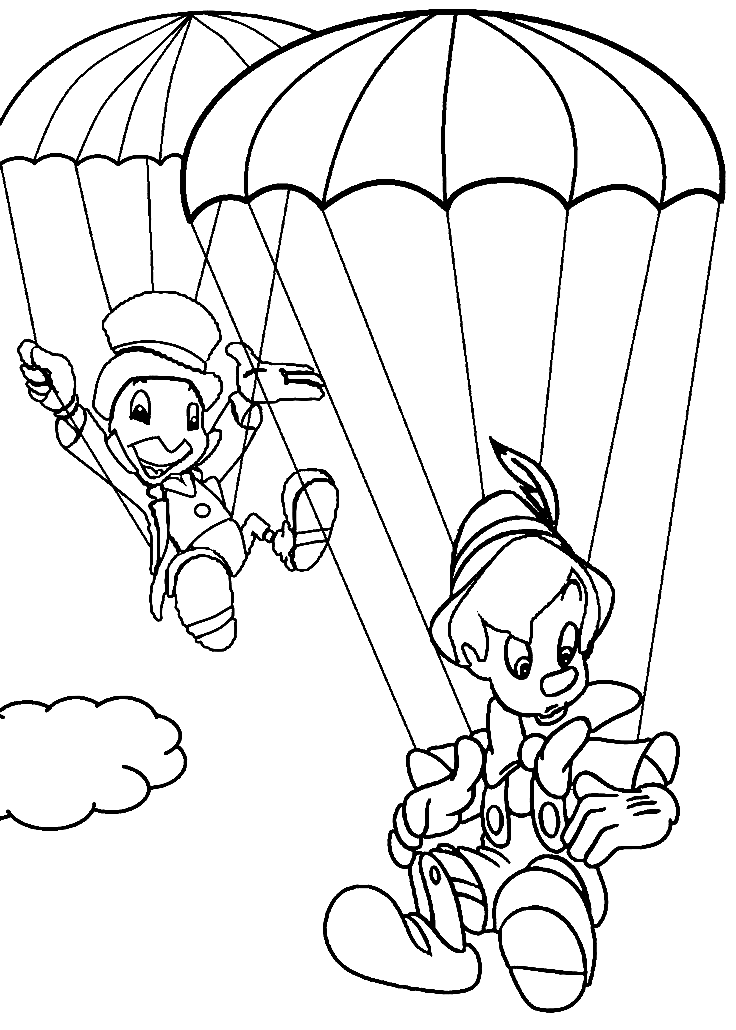
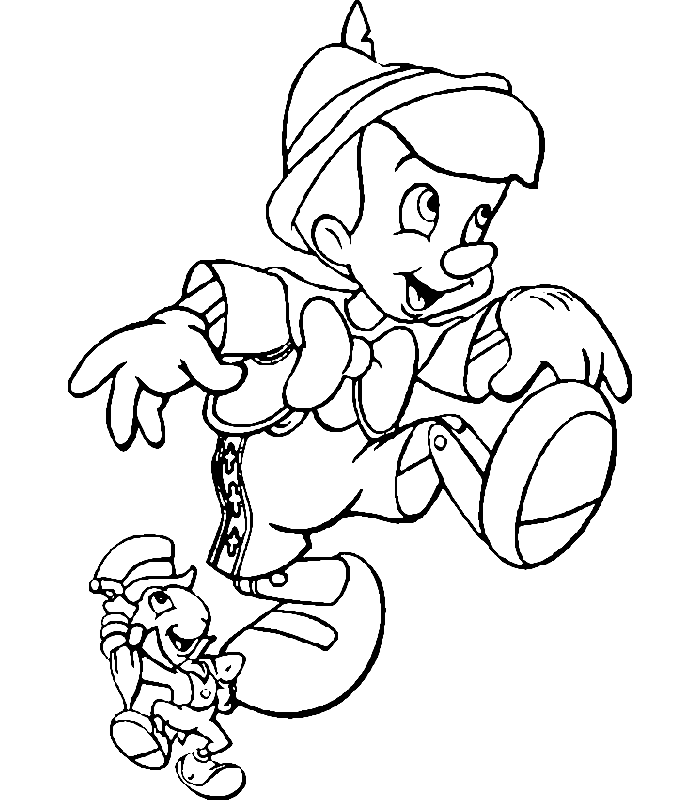
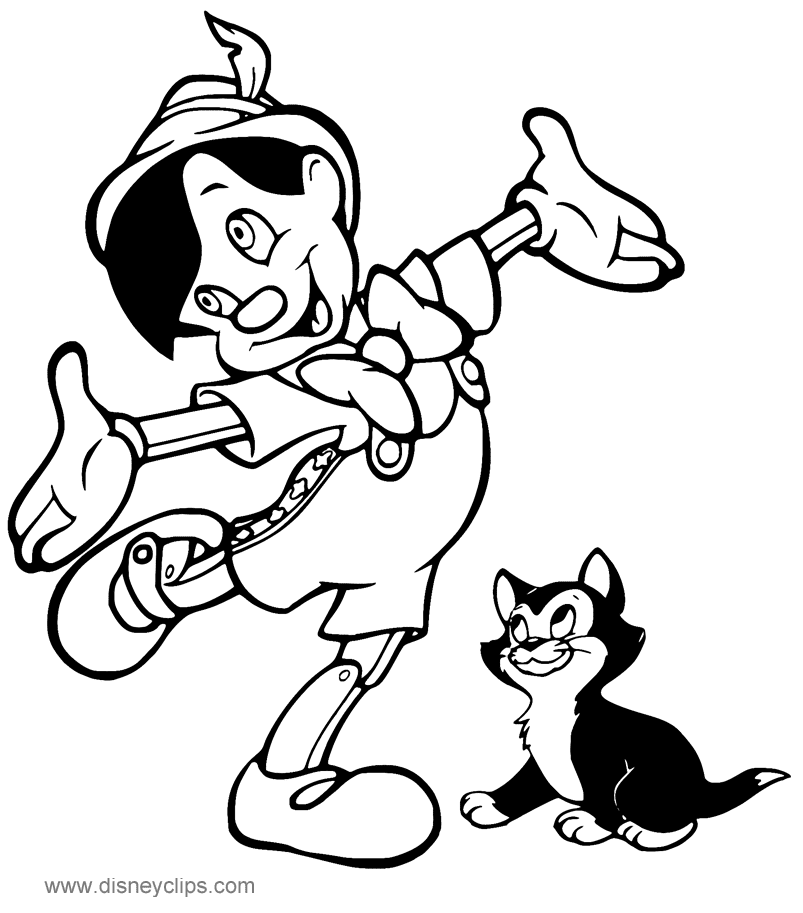
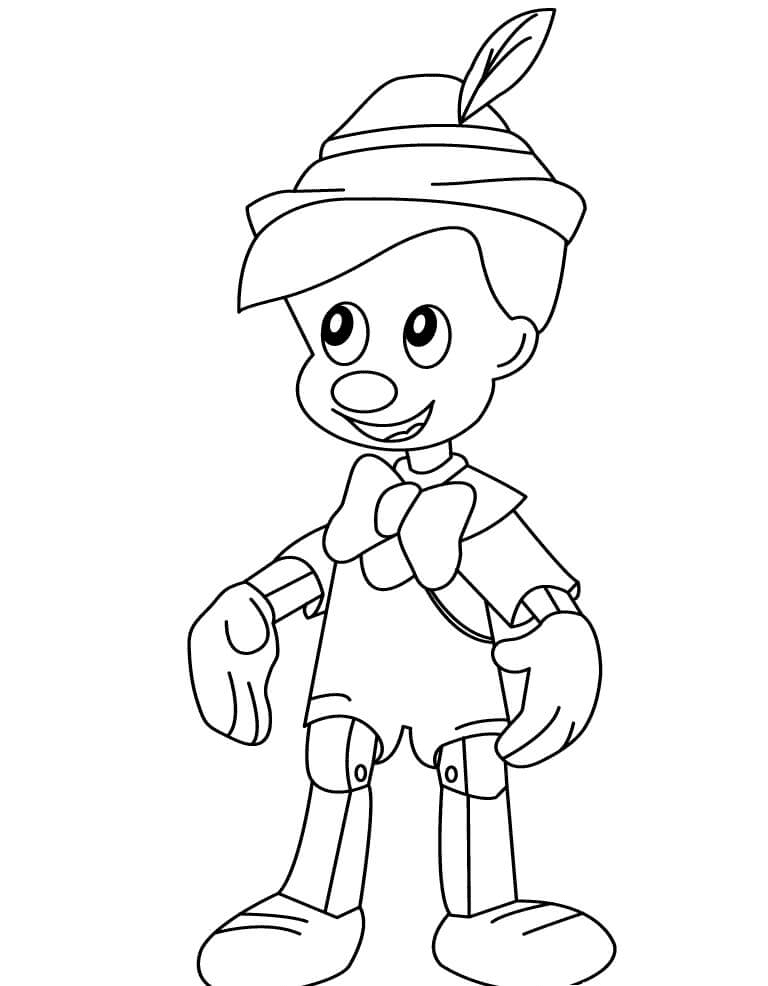
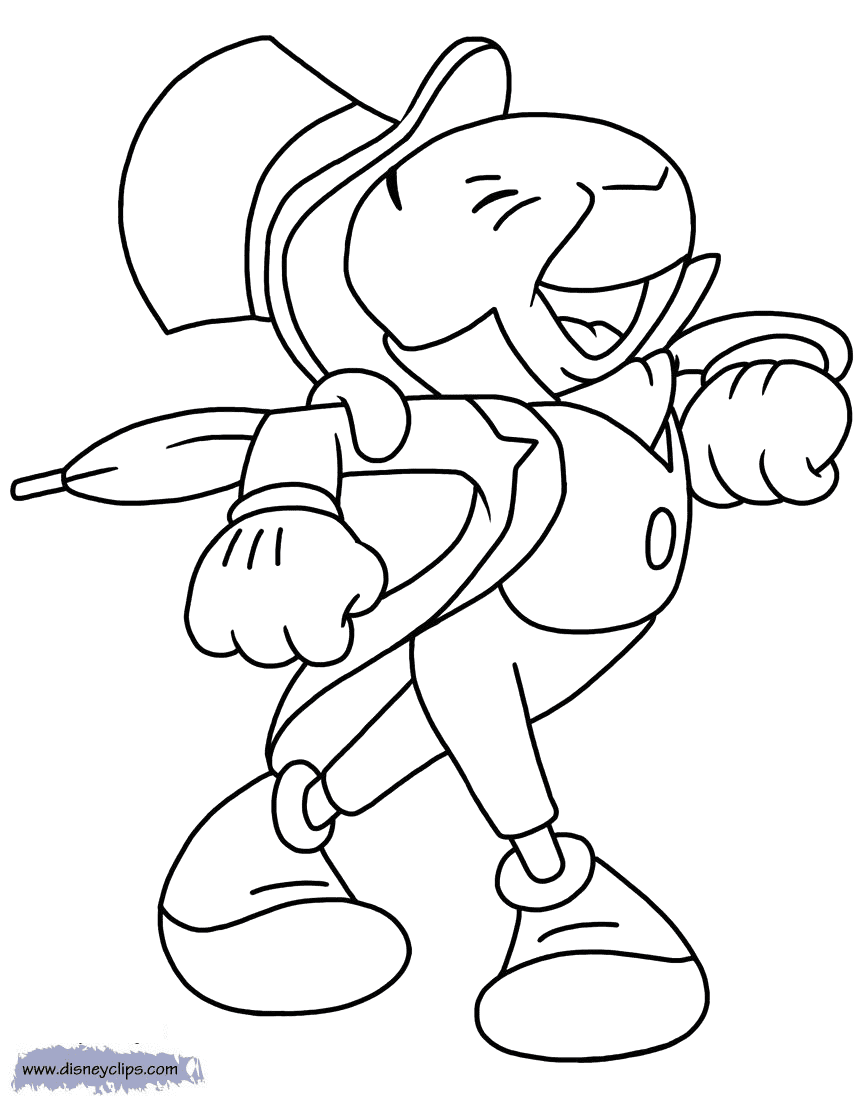
Pinocchio portraits, Jiminy Cricket, the workshop family, the Blue Fairy, and adventure scenes make up the 112 sheets.
Pinocchio Himself
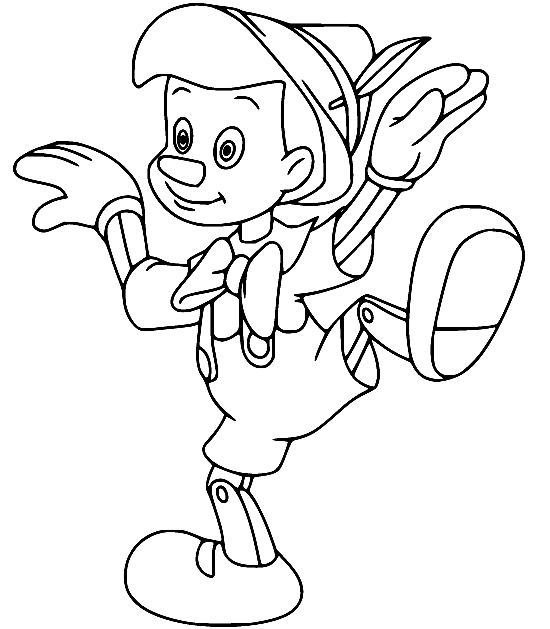
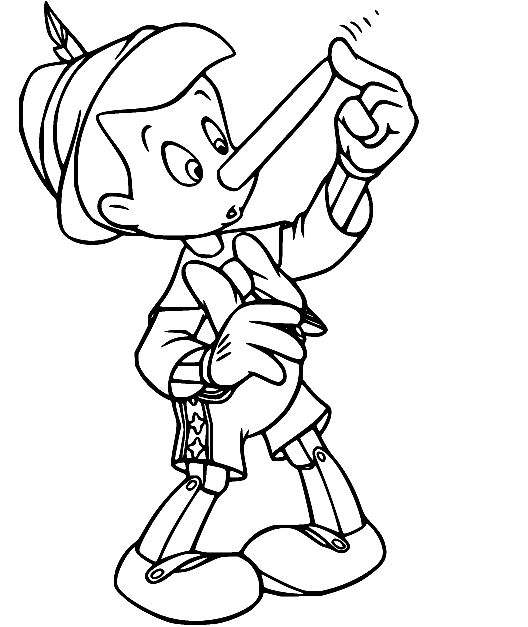
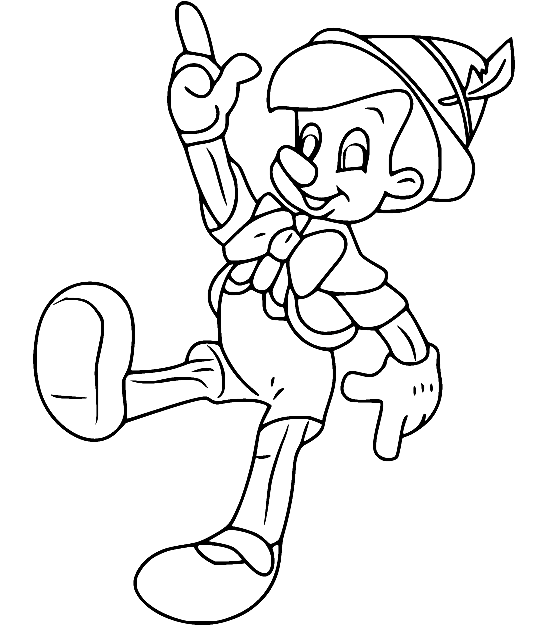
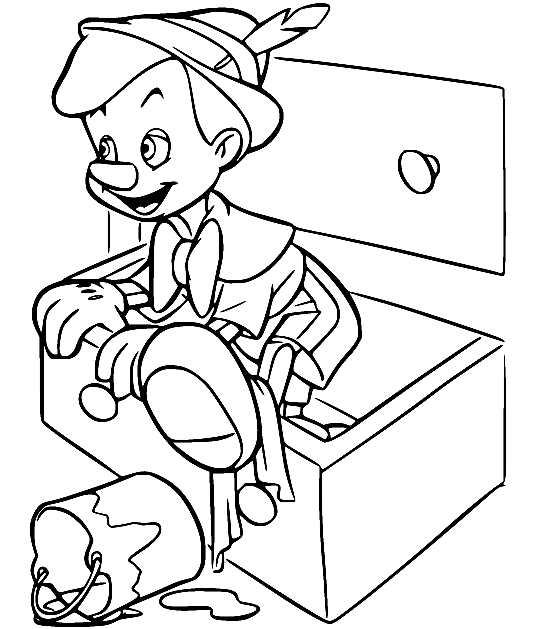
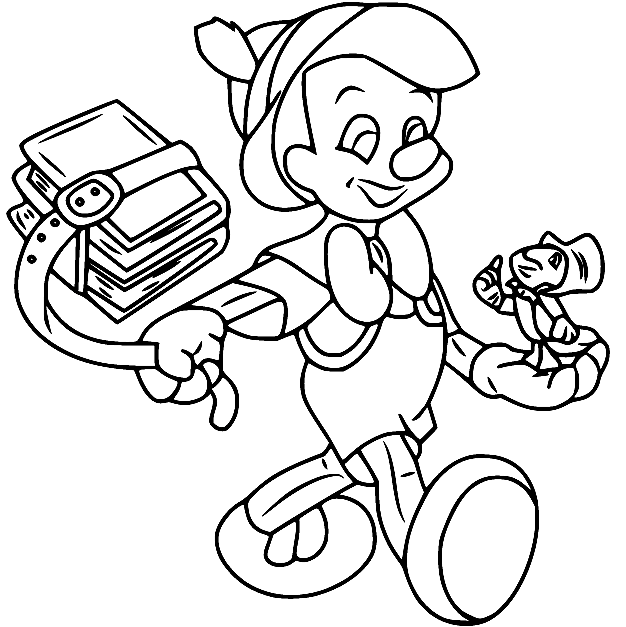
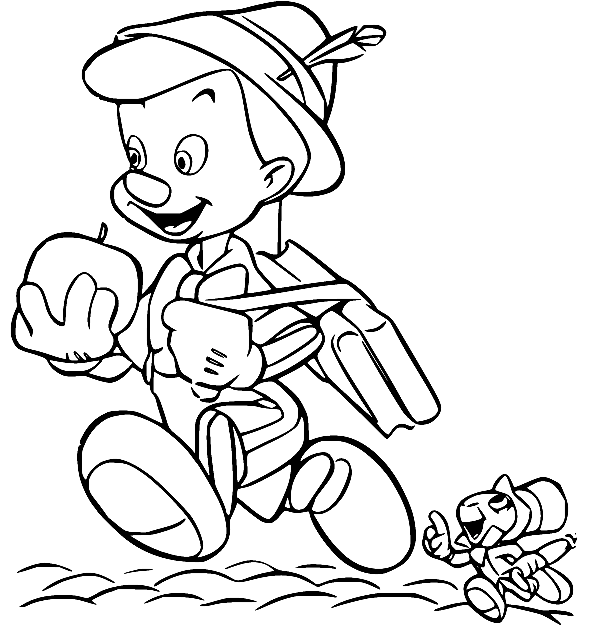
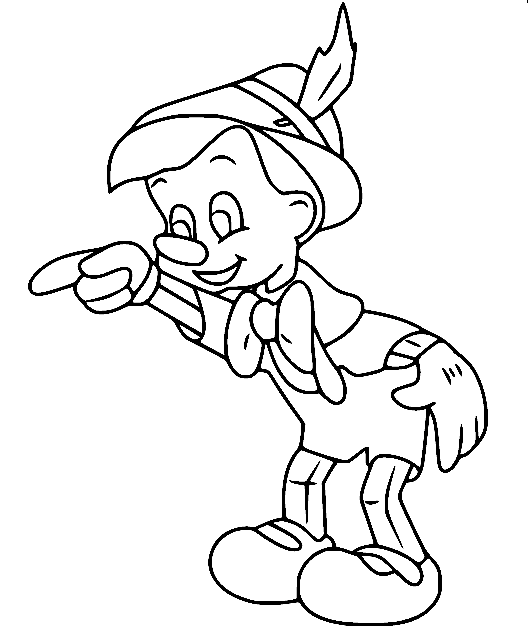
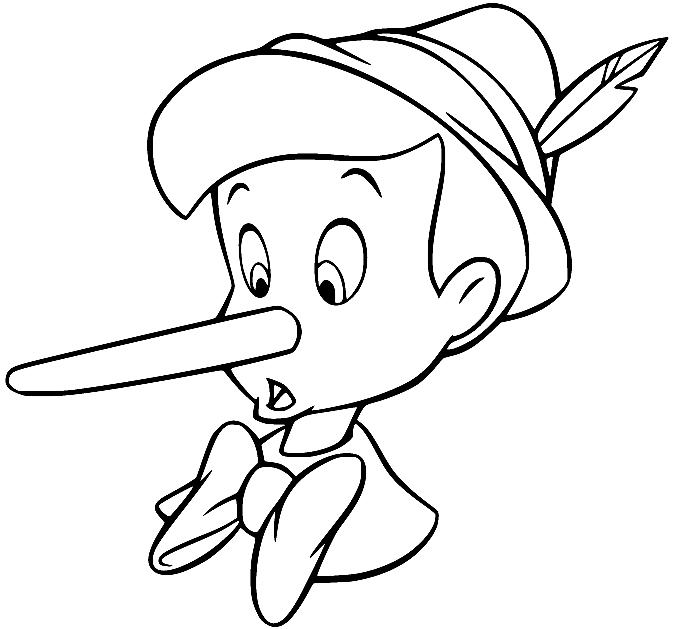
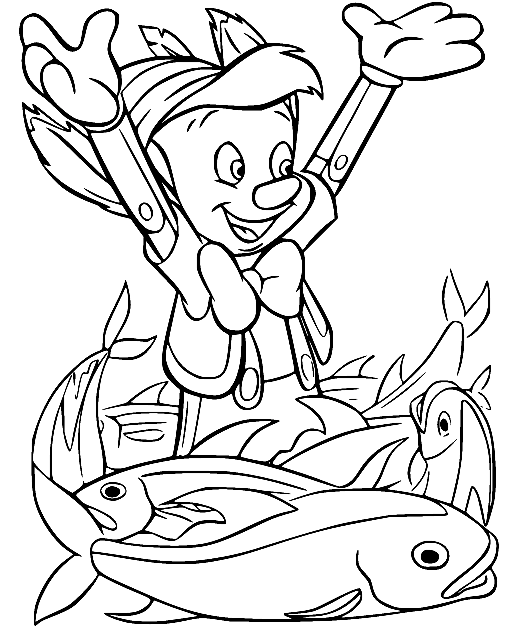
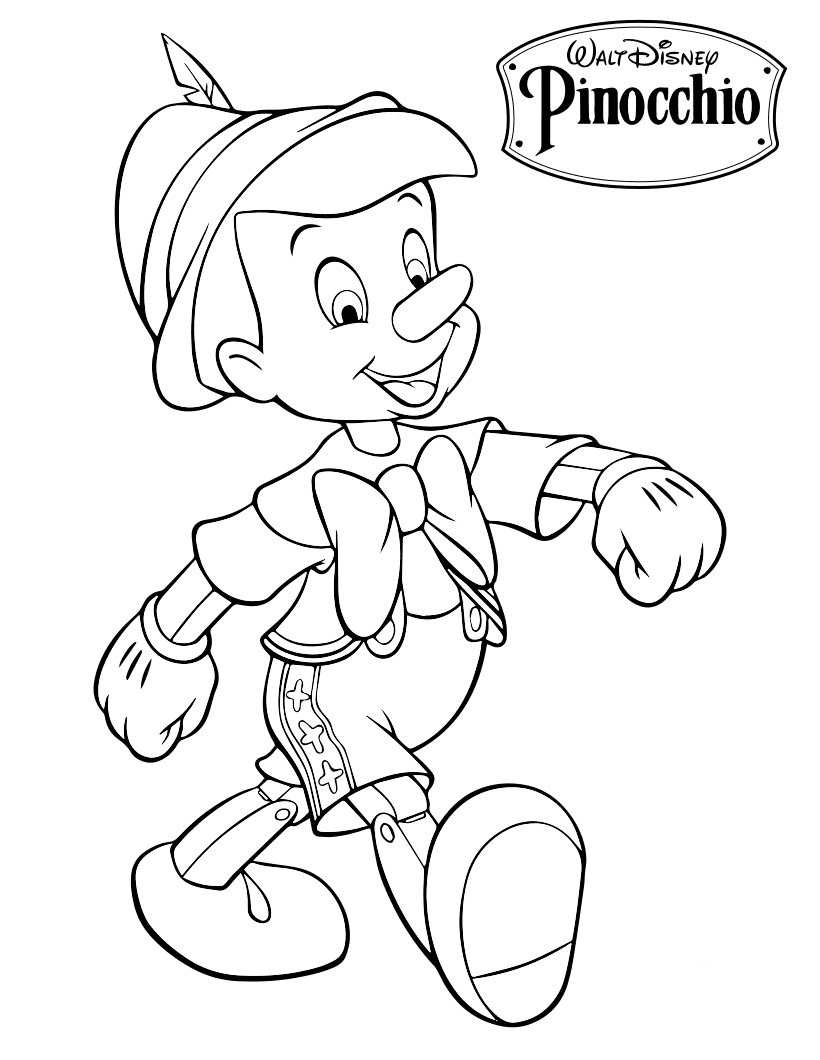
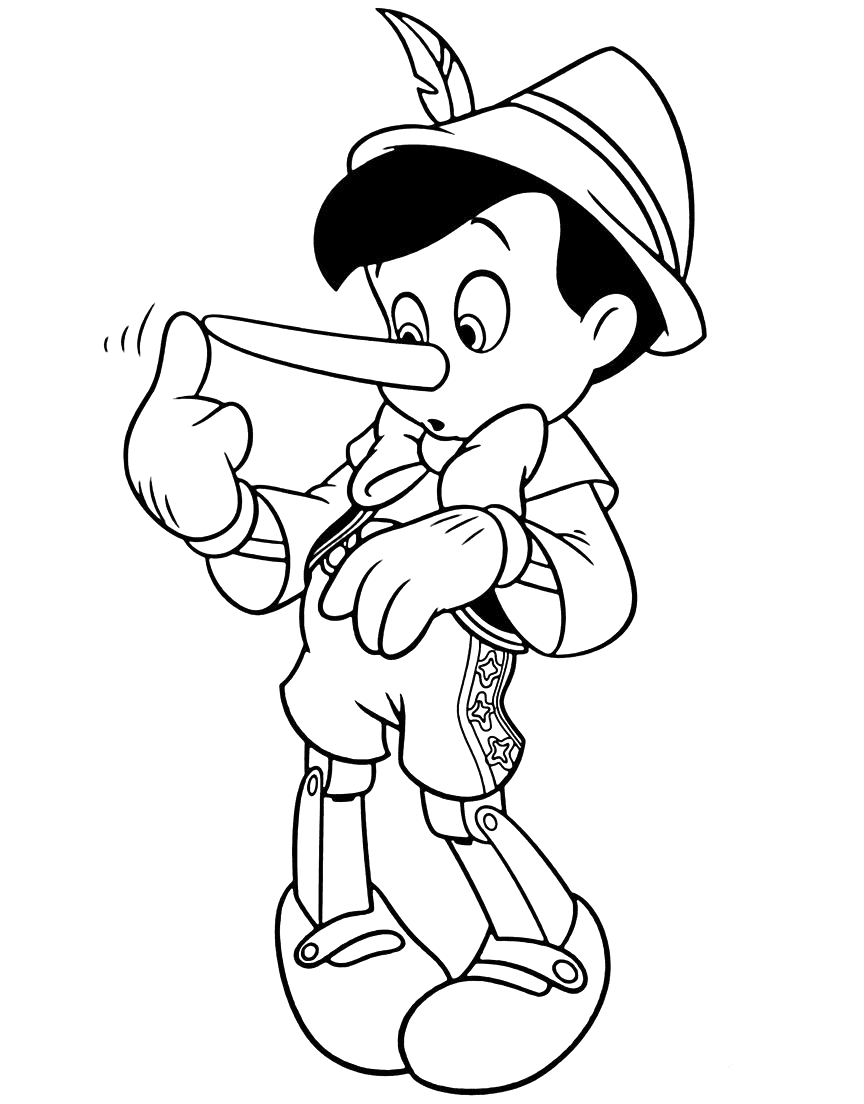
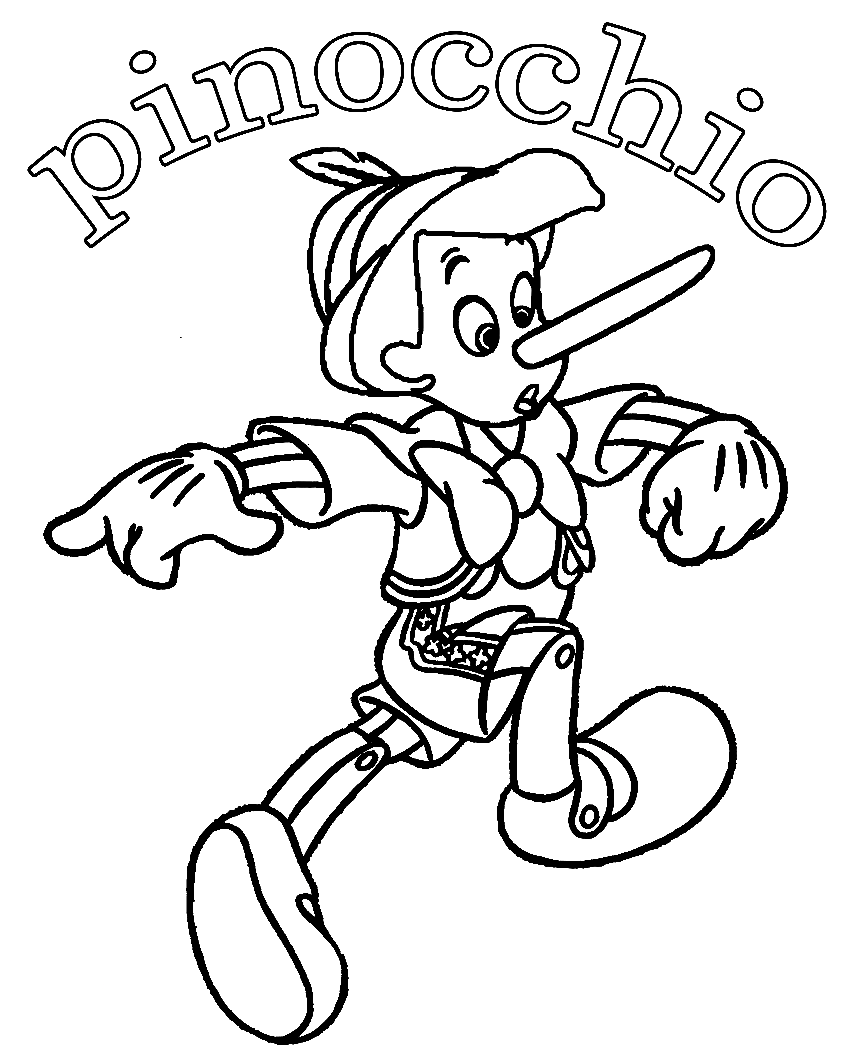
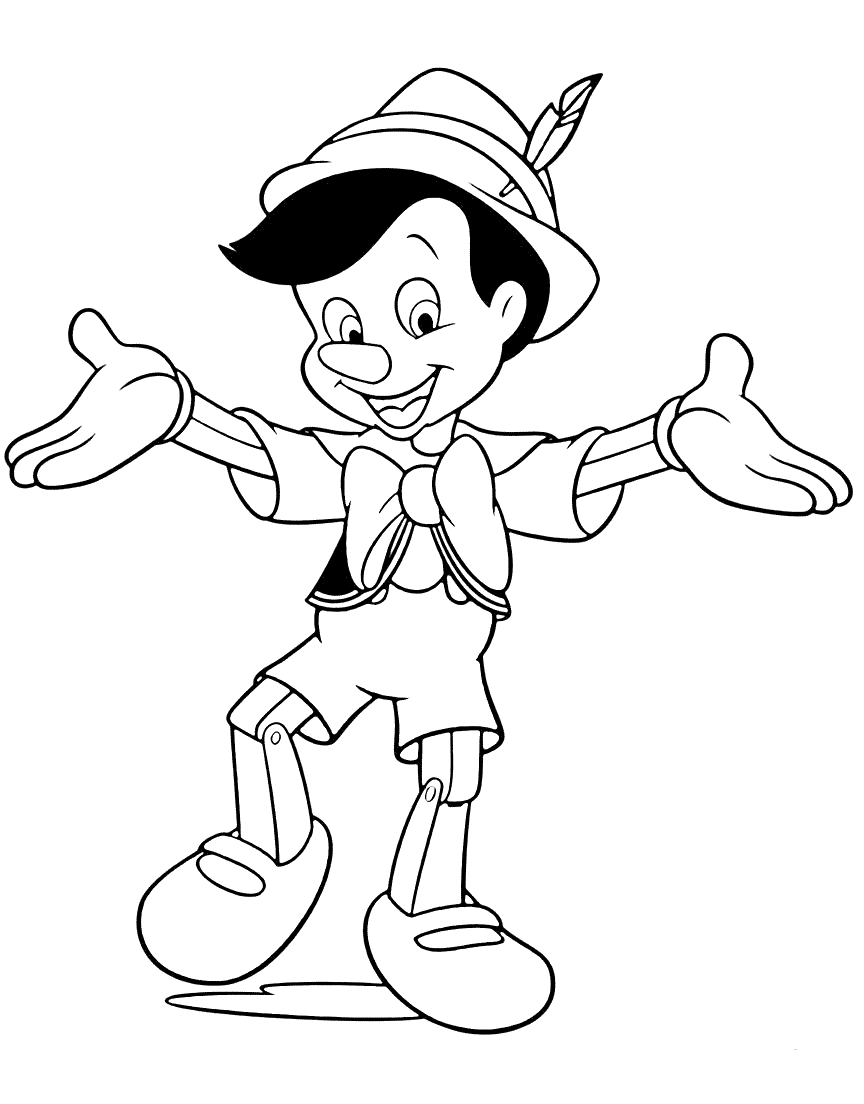
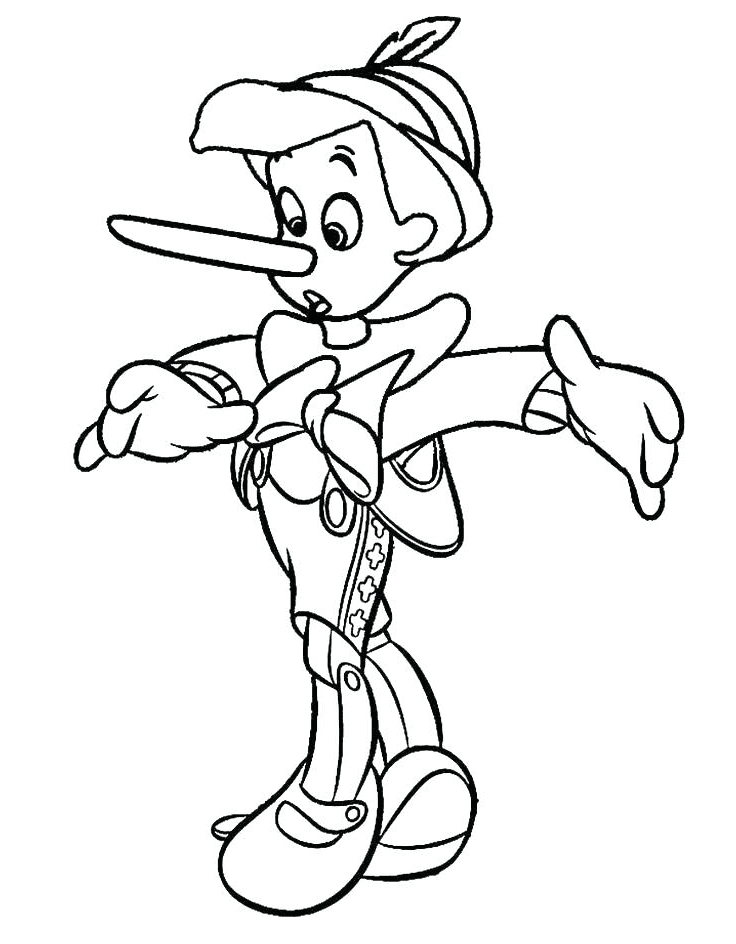
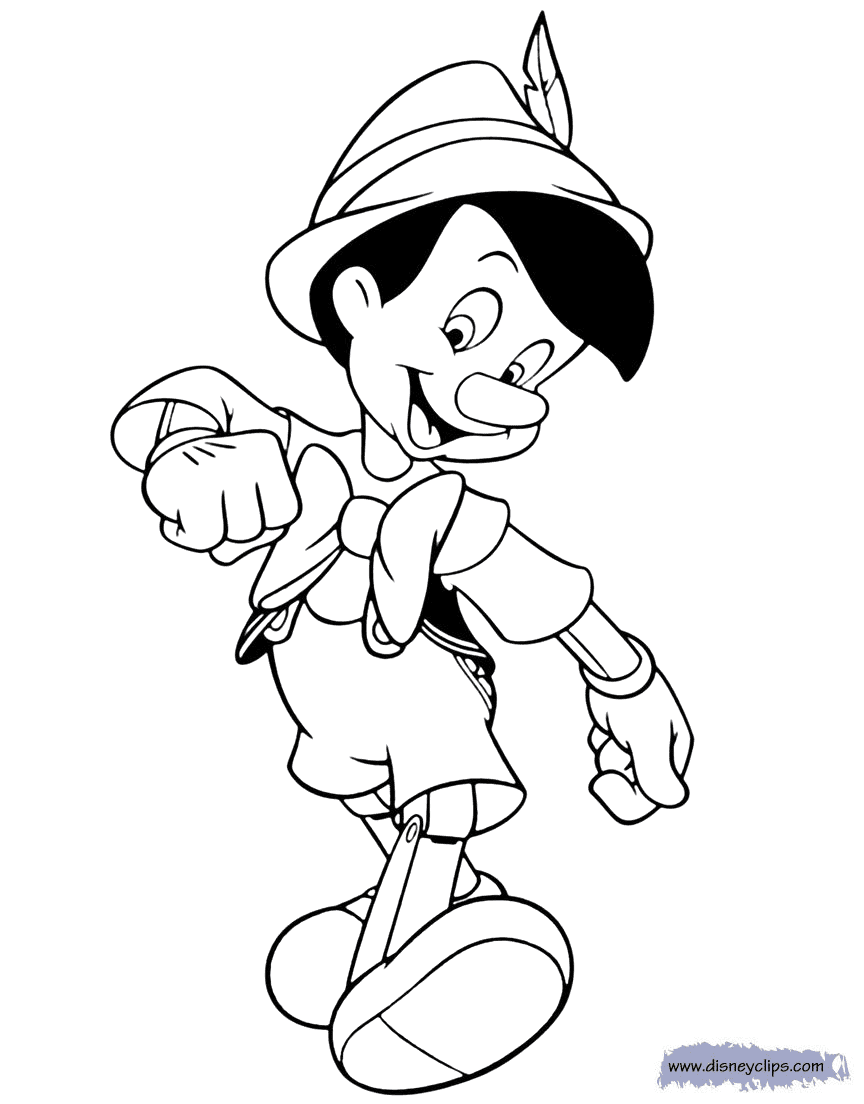
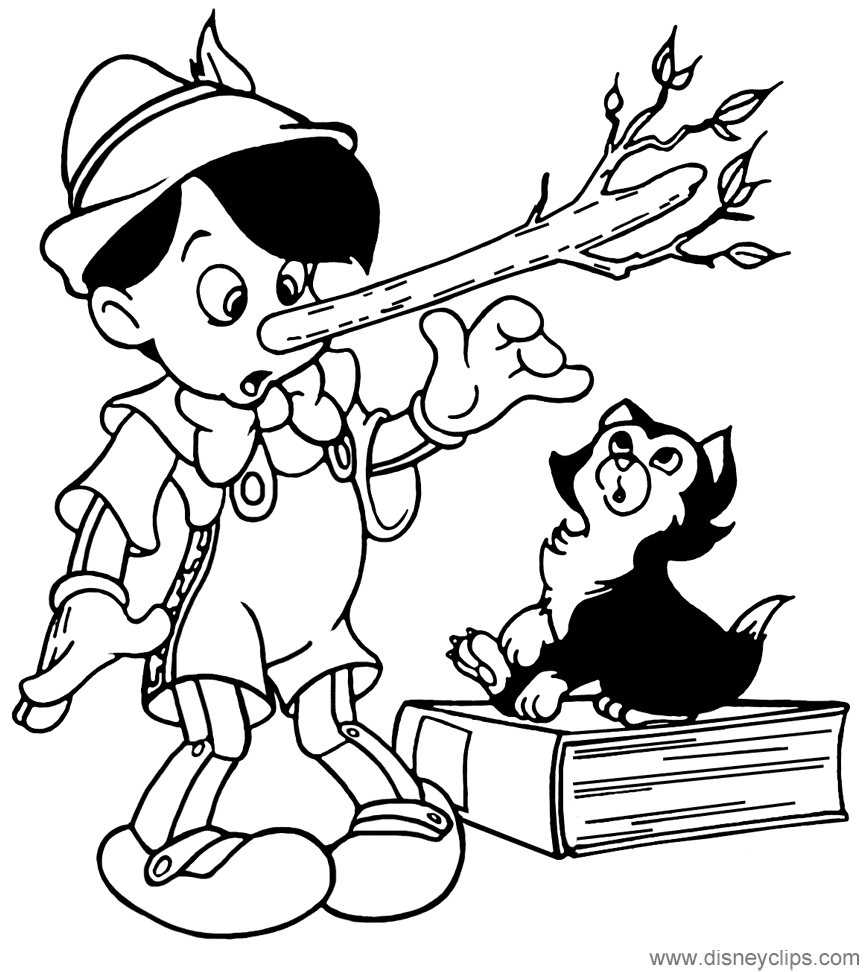
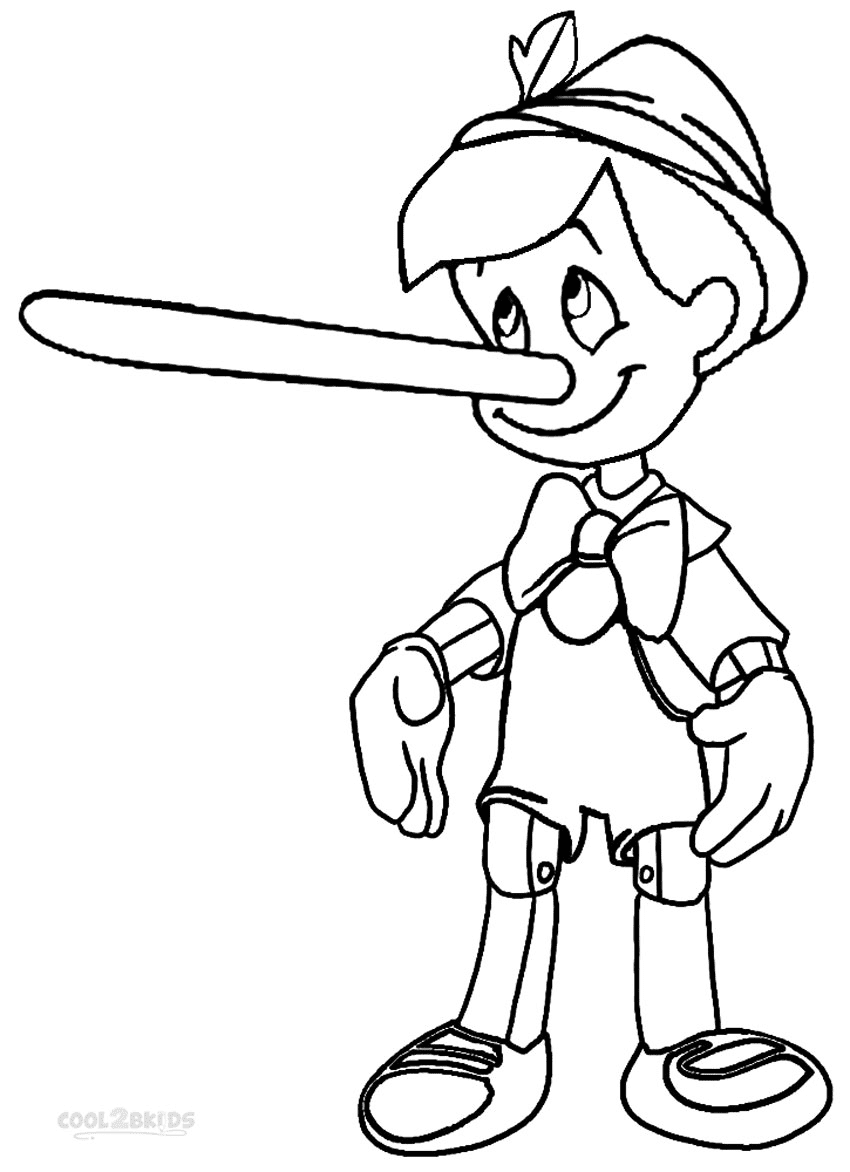
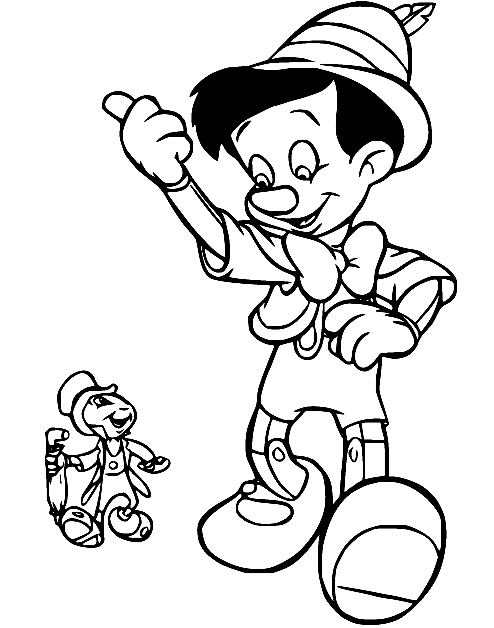
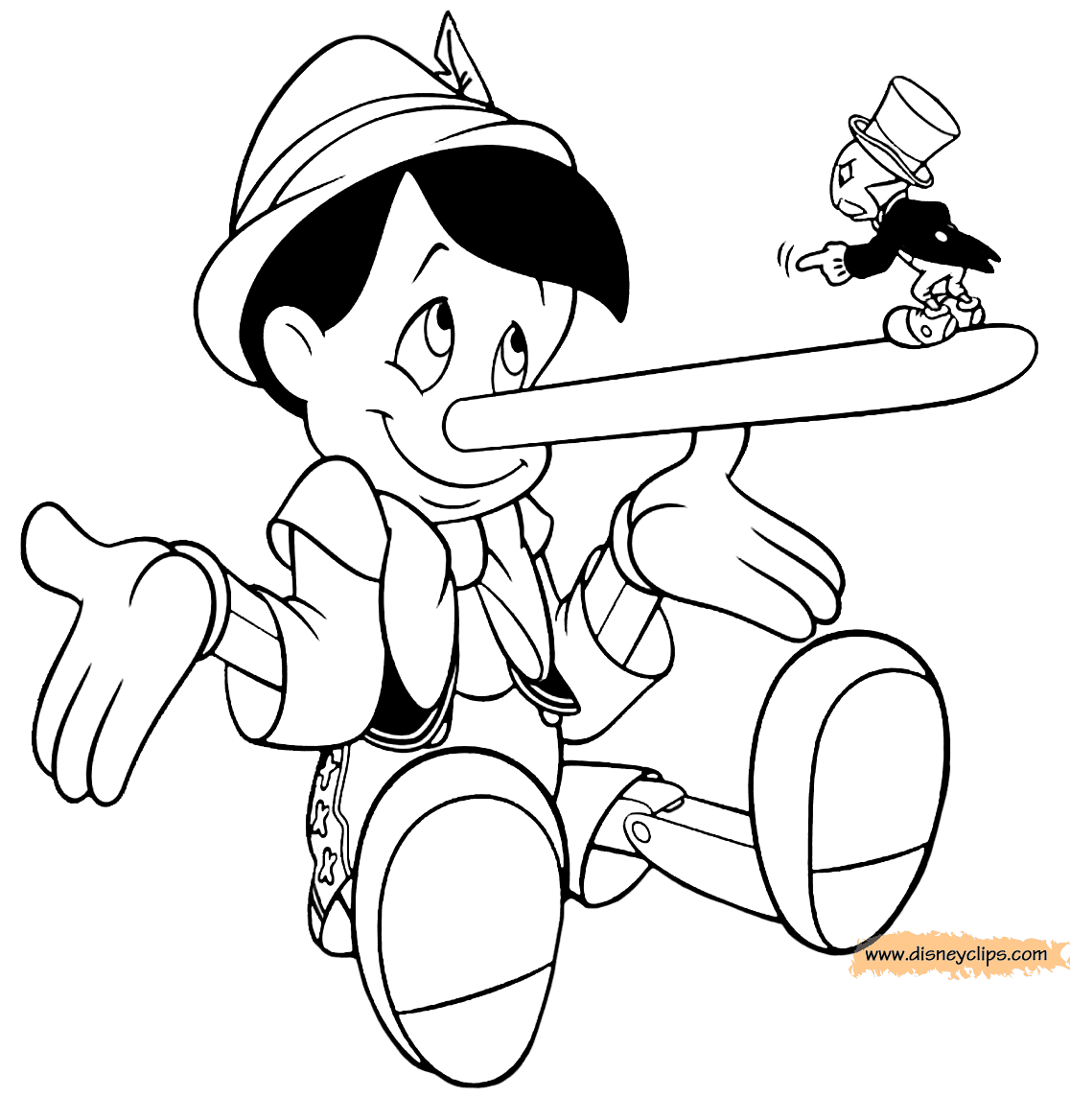
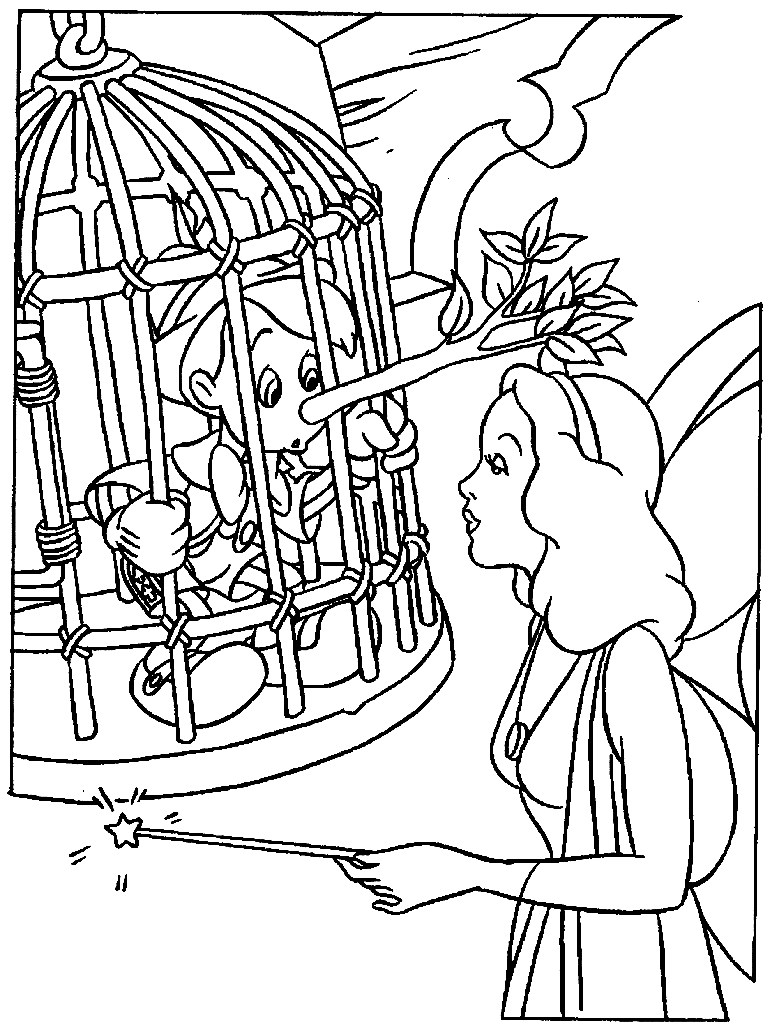
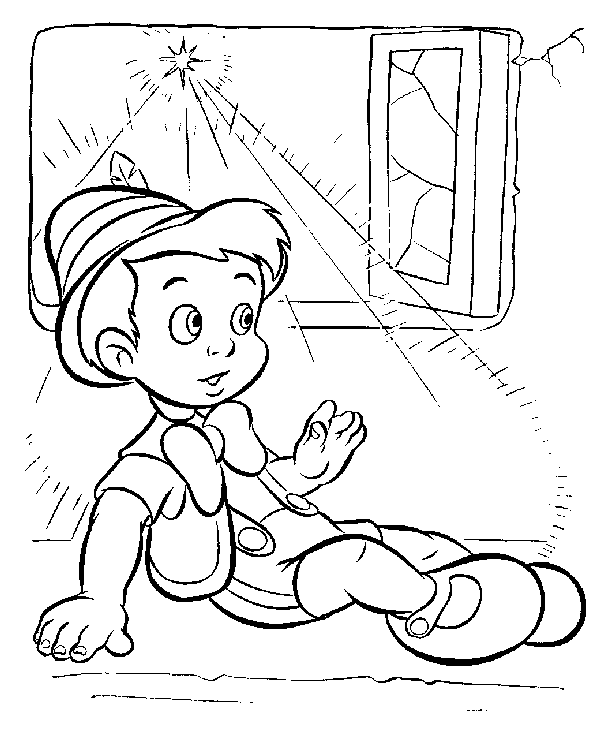
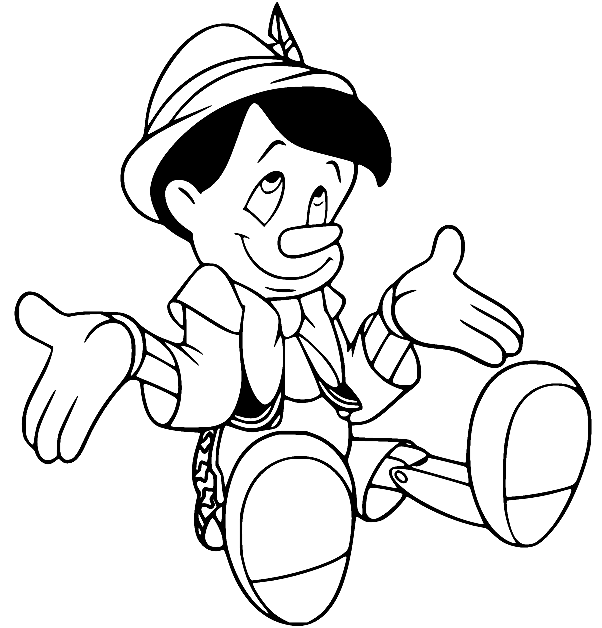
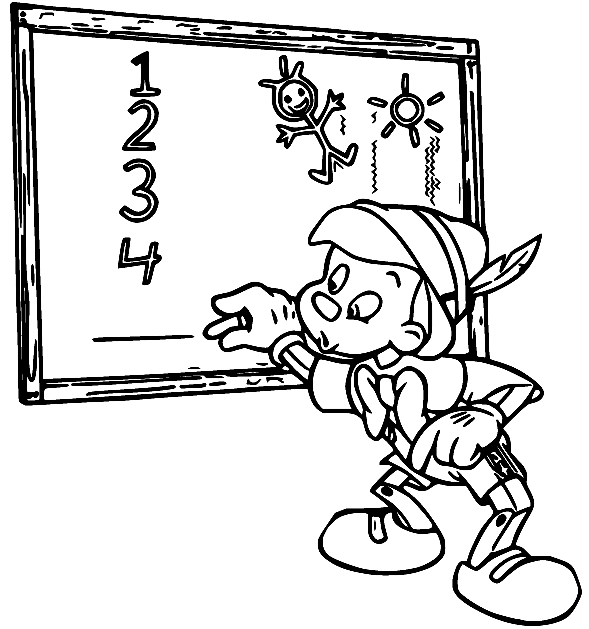
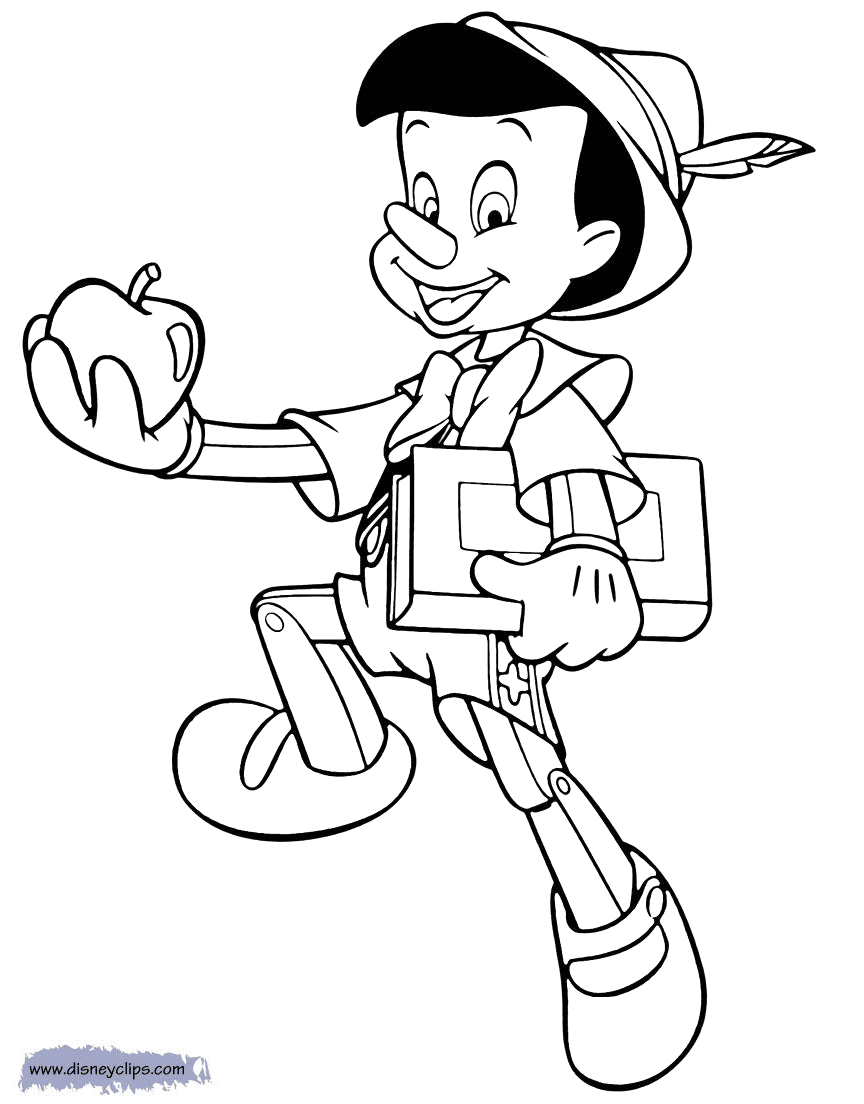
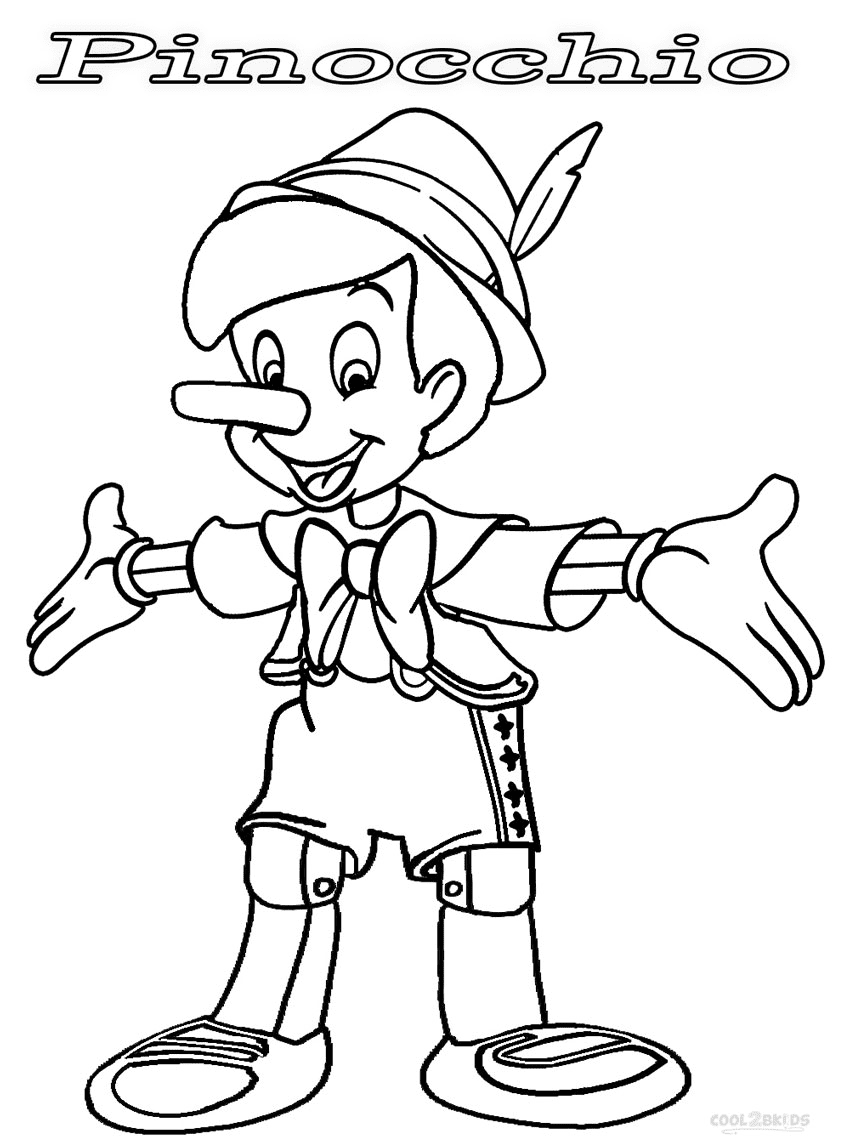
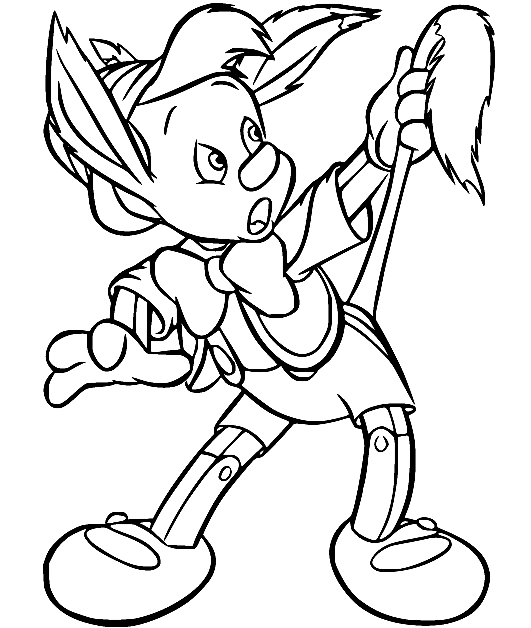
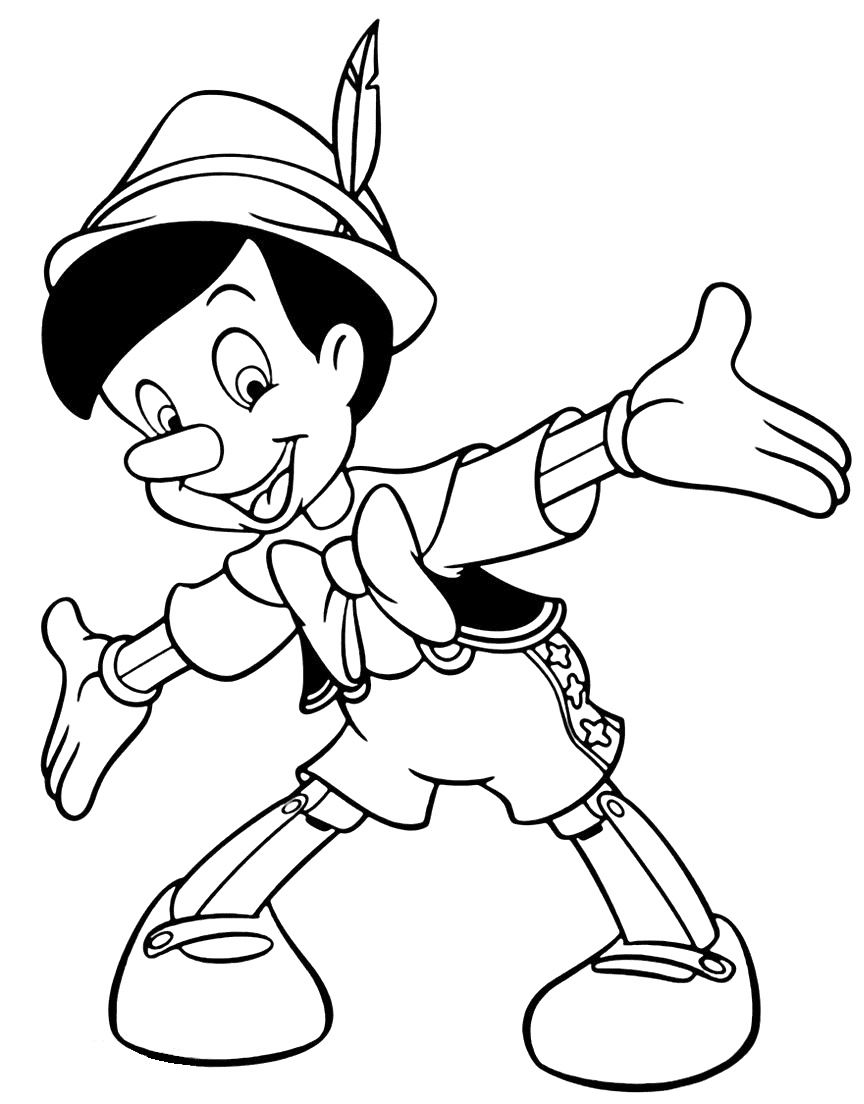
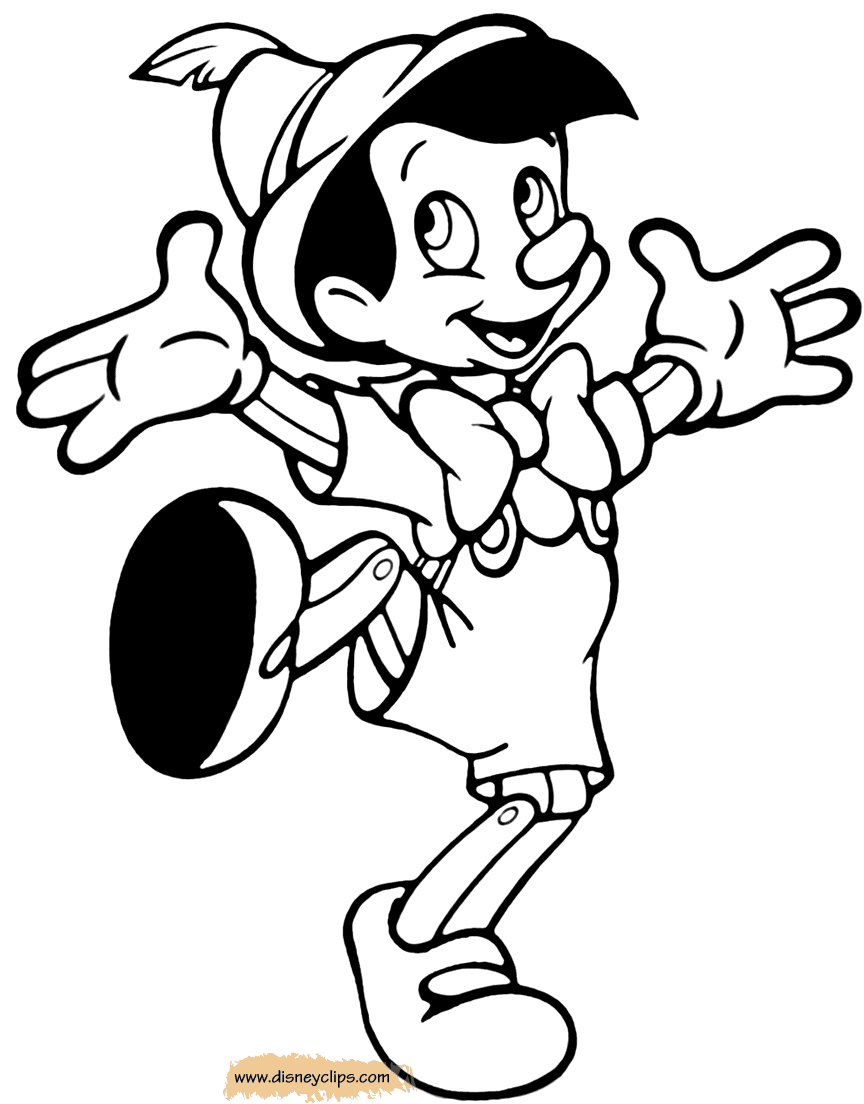
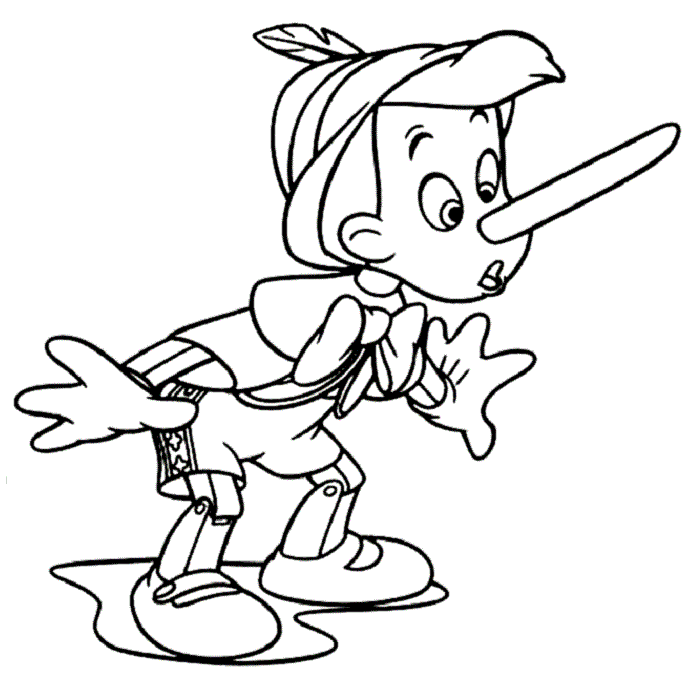
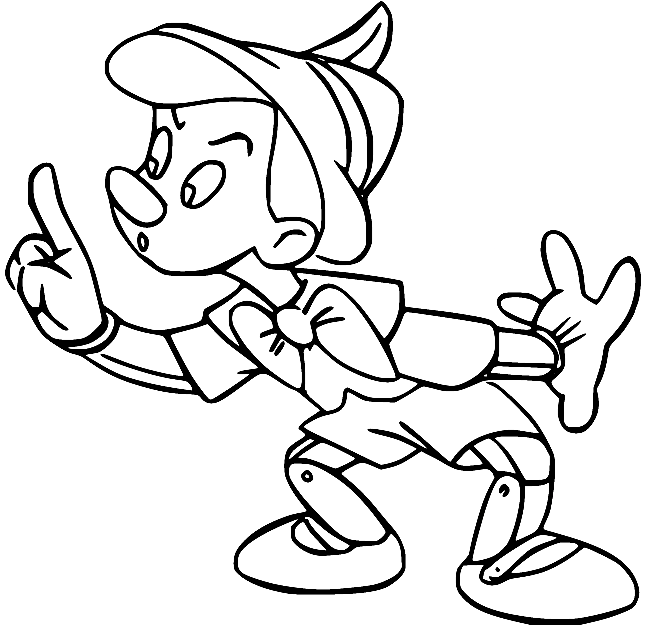
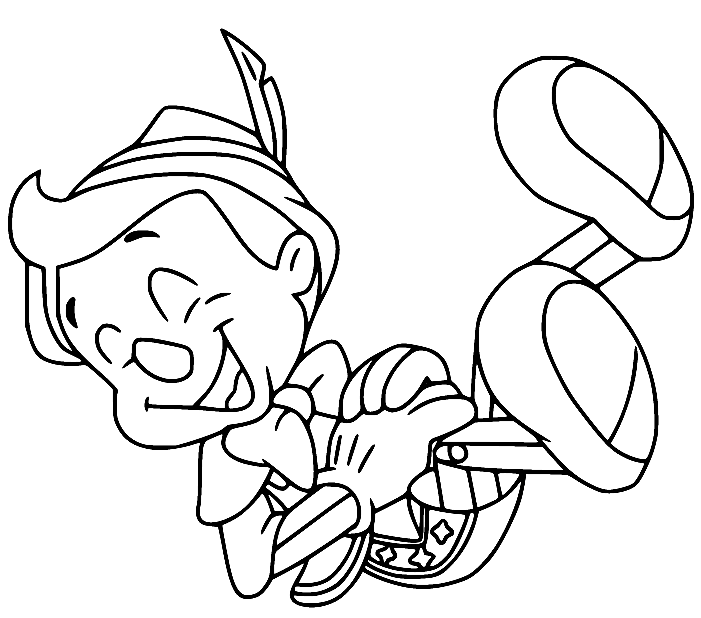
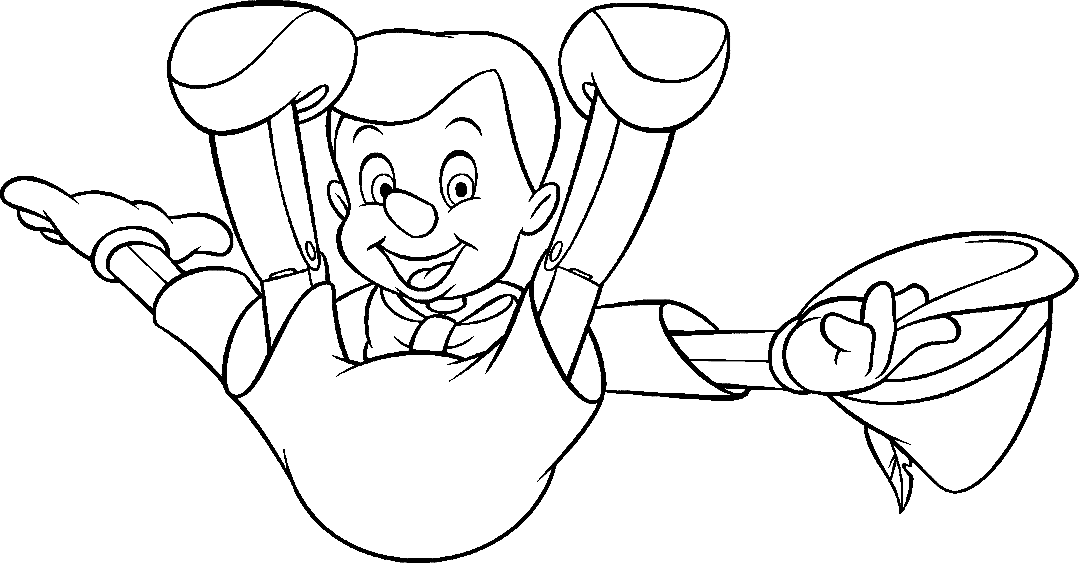
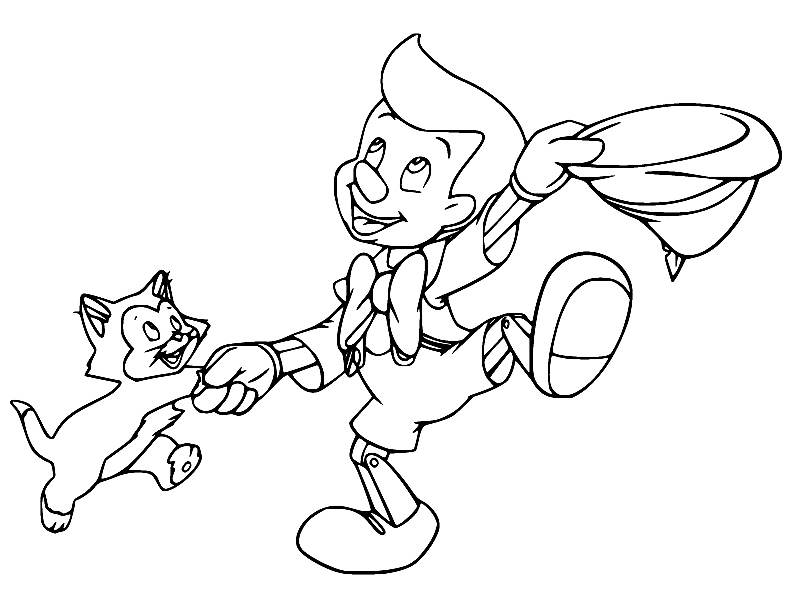
The puppet smiles, laughs, points, and sometimes sprouts a very long nose, including Long Nose Pinocchio. Color his hat Yellow with a Red feather, his shirt Red, and his shorts a warm Brown.
Jiminy Cricket
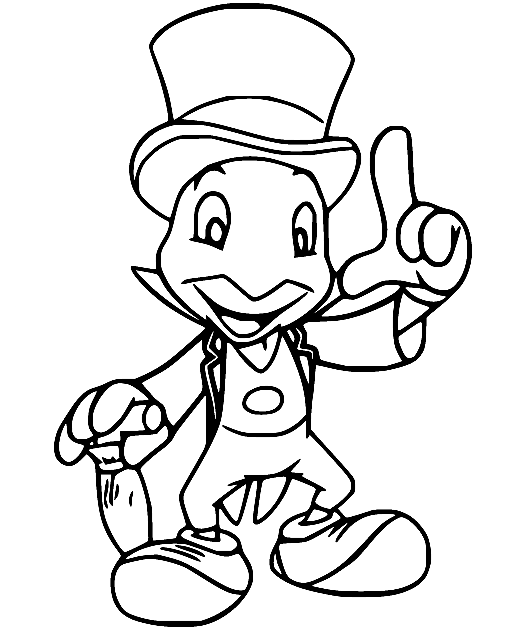
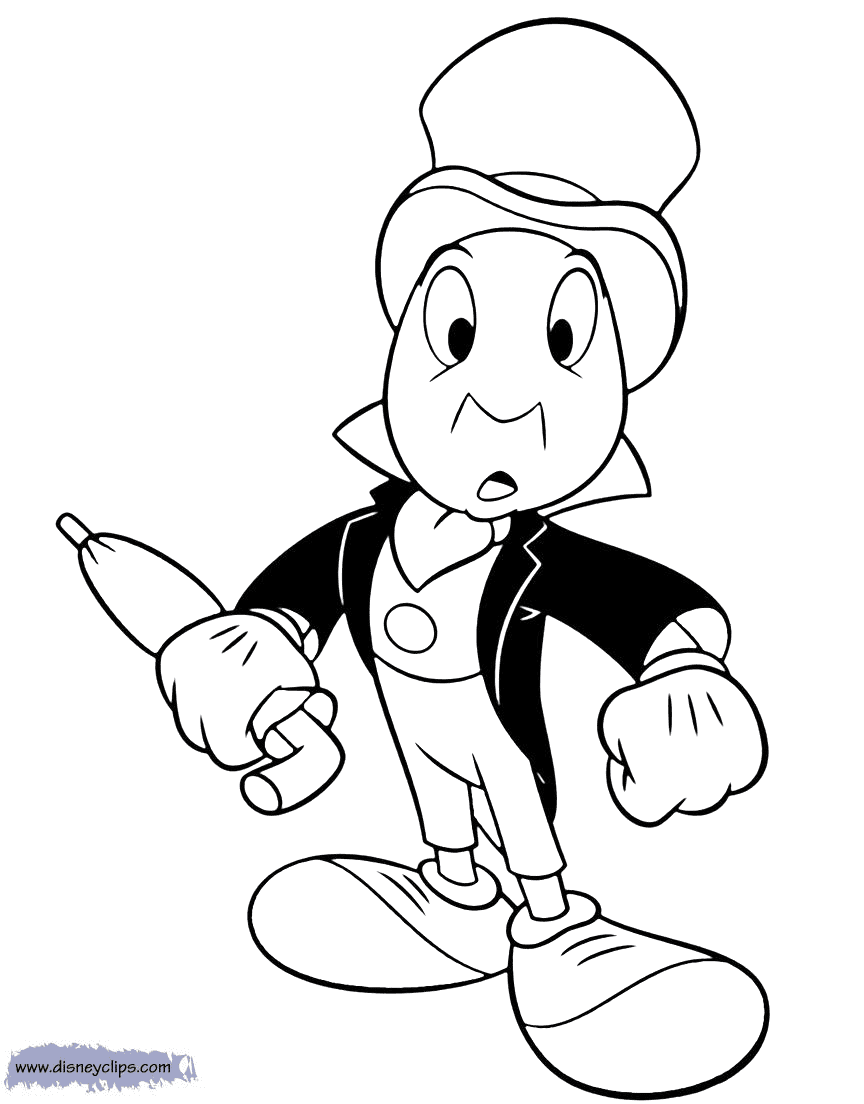
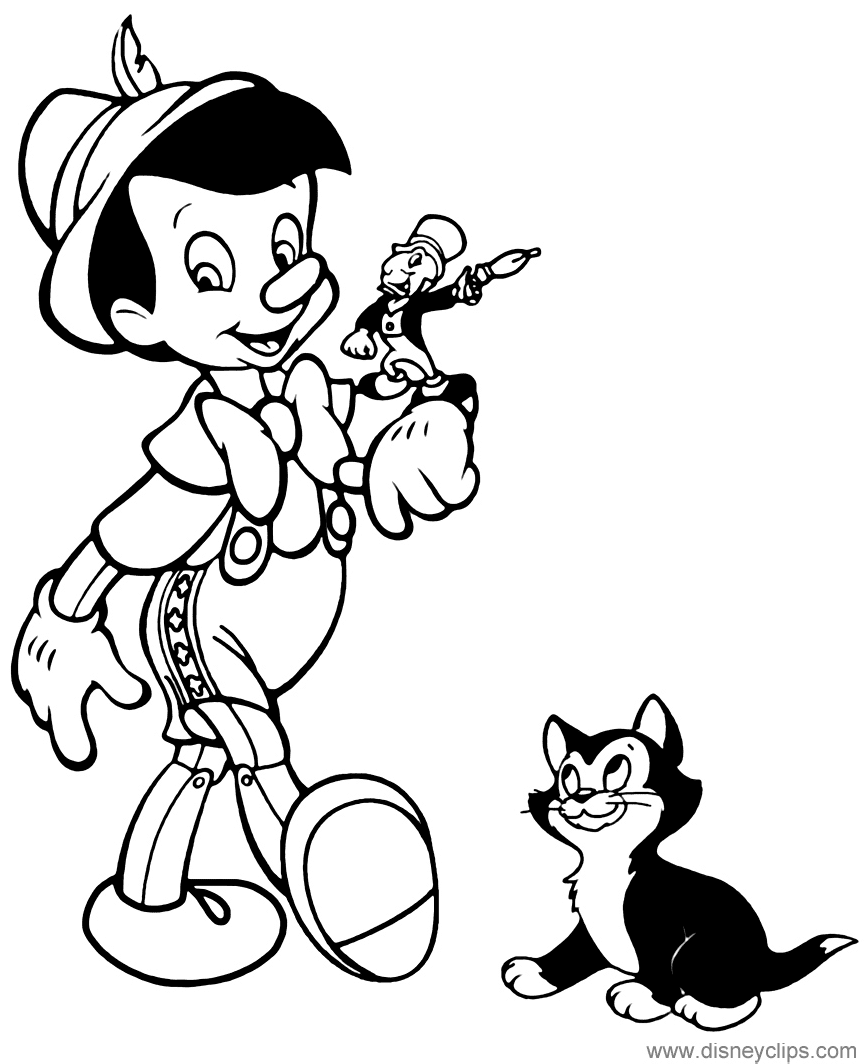
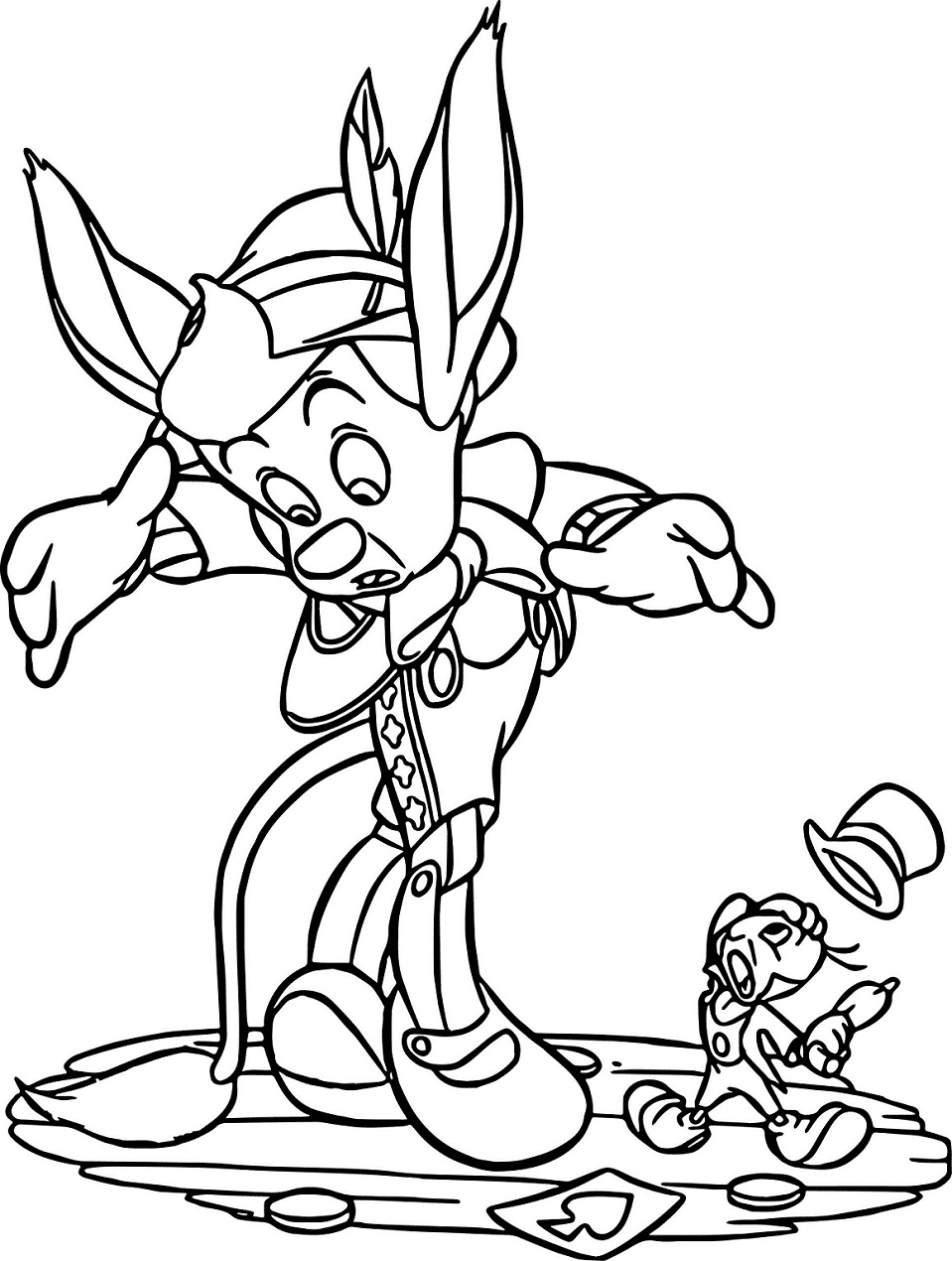
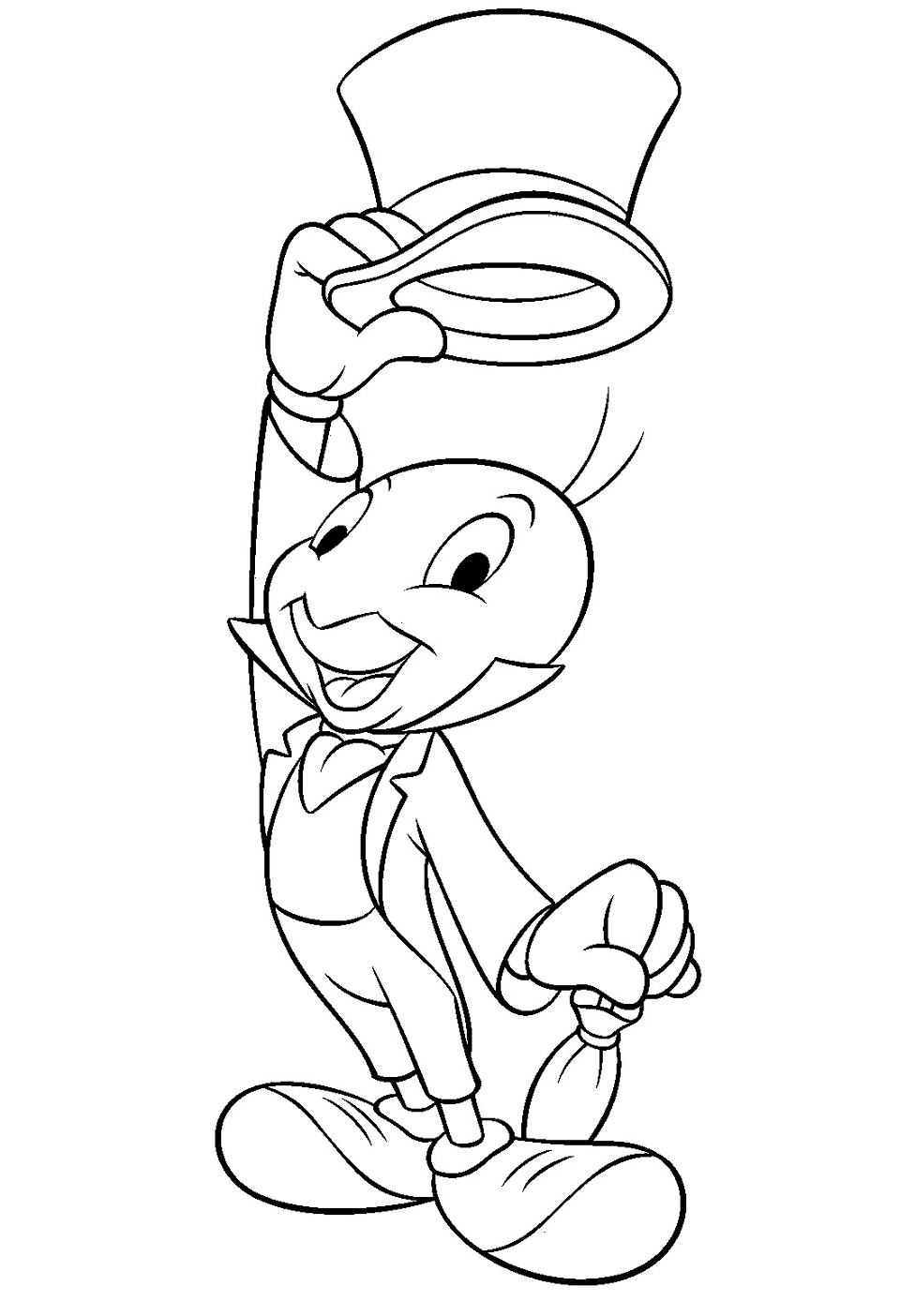
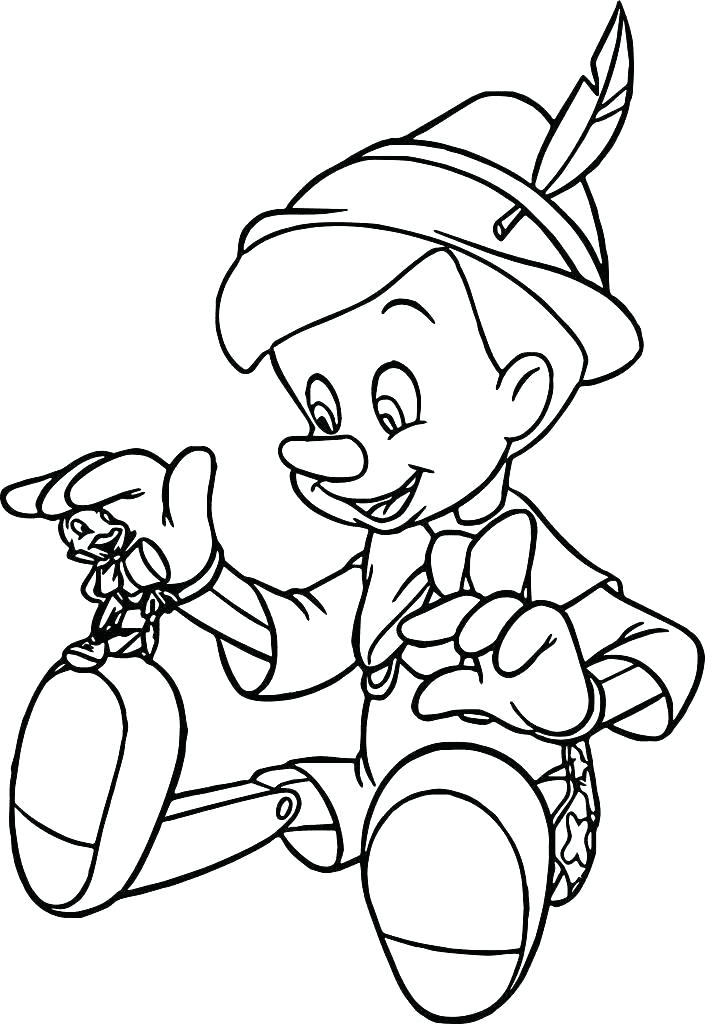
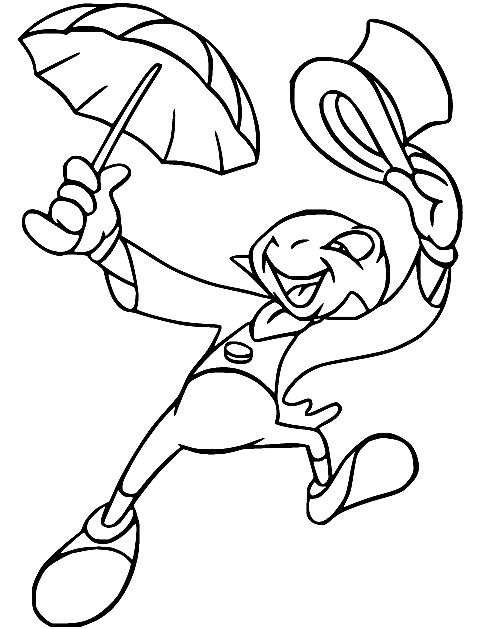
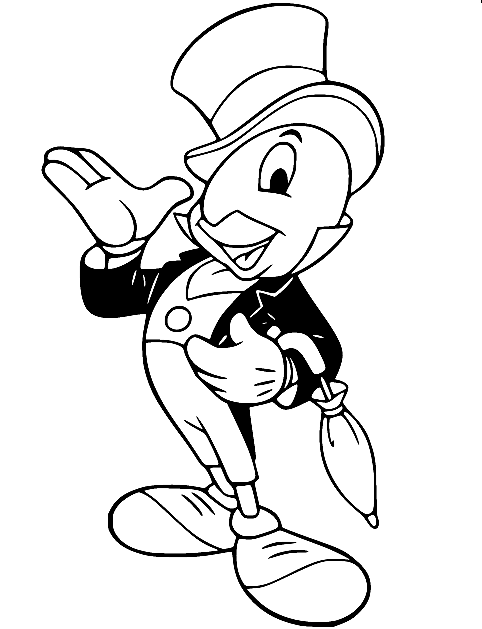
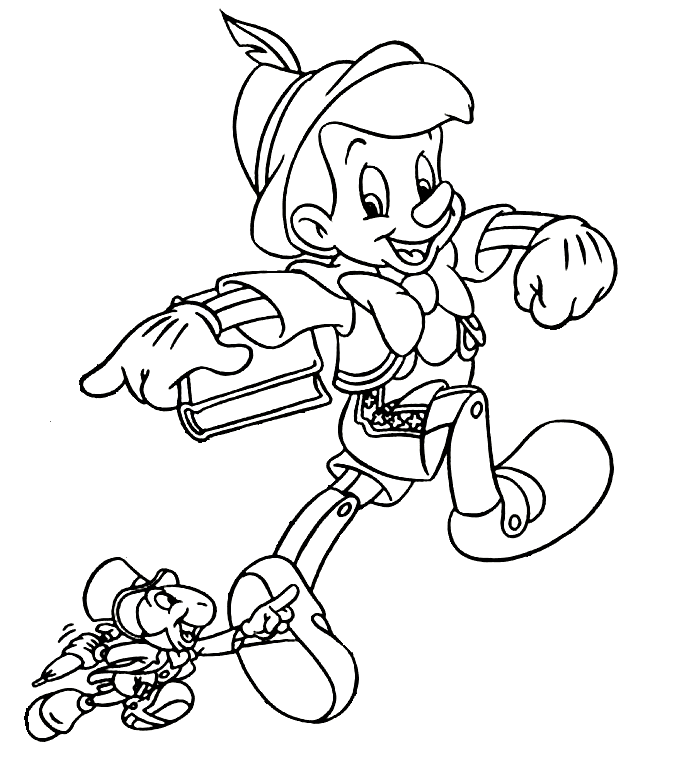
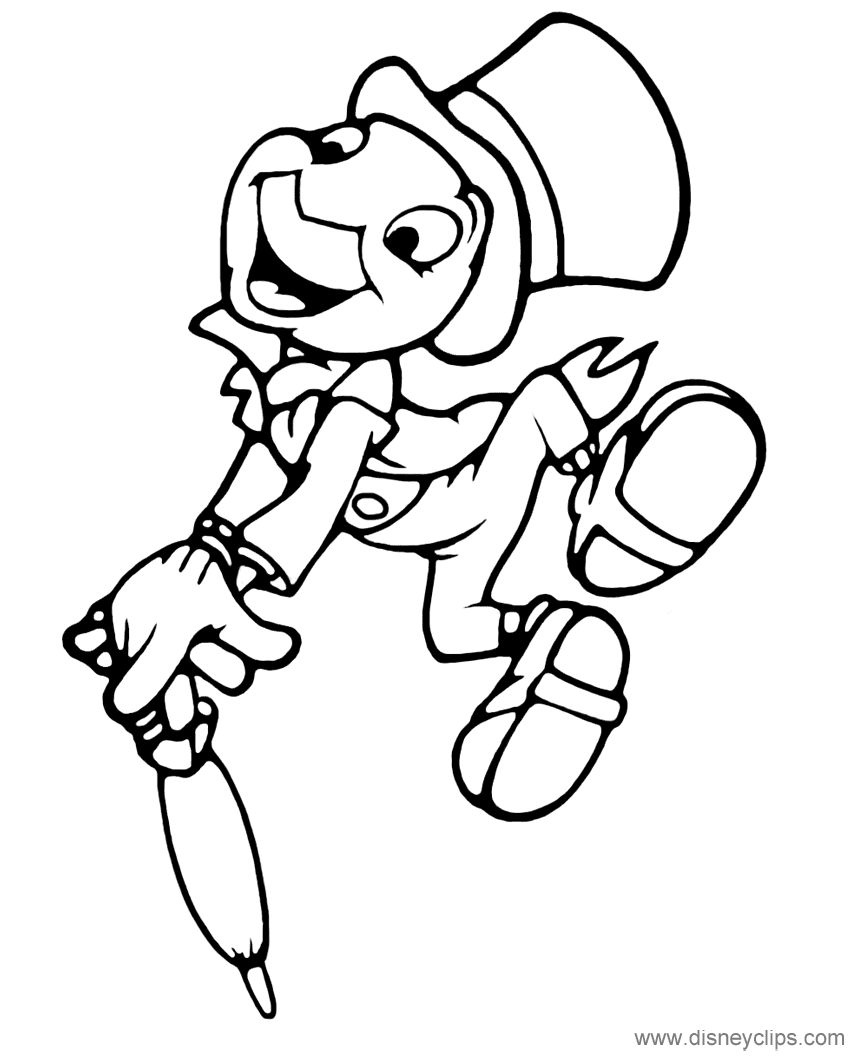
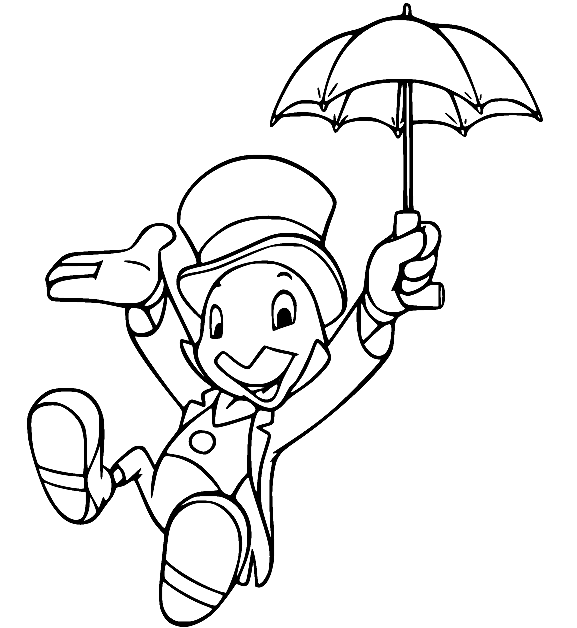
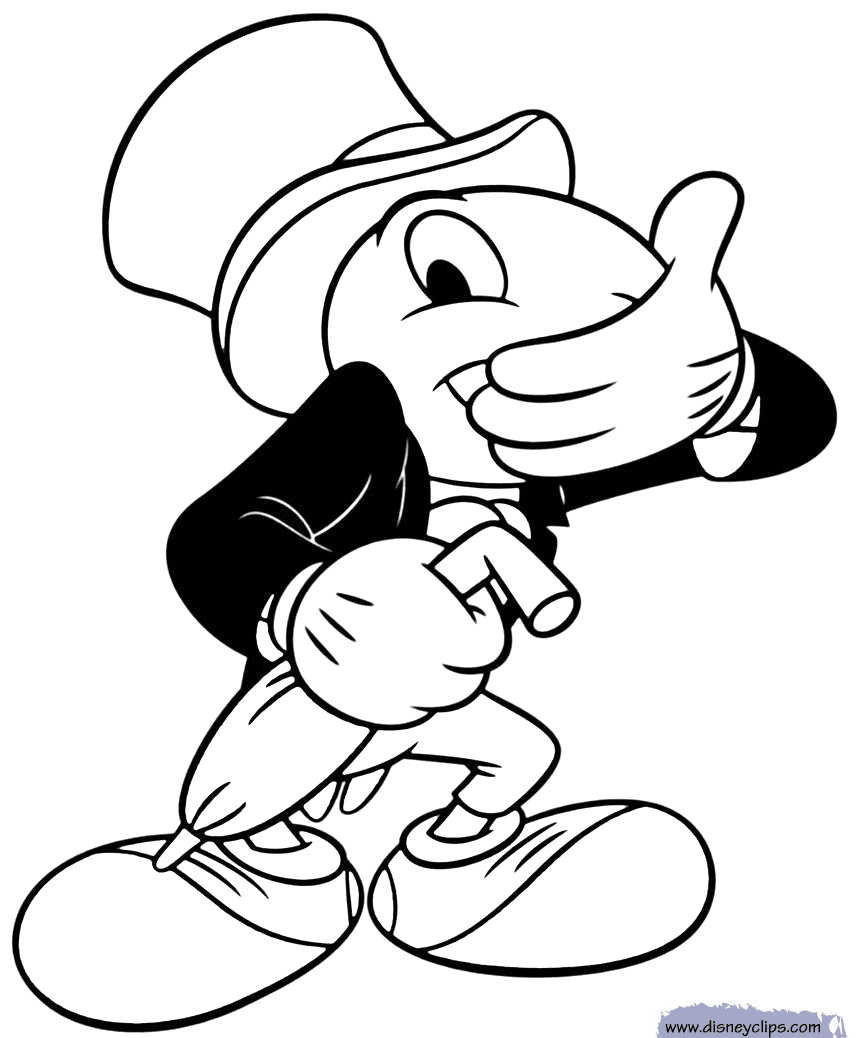
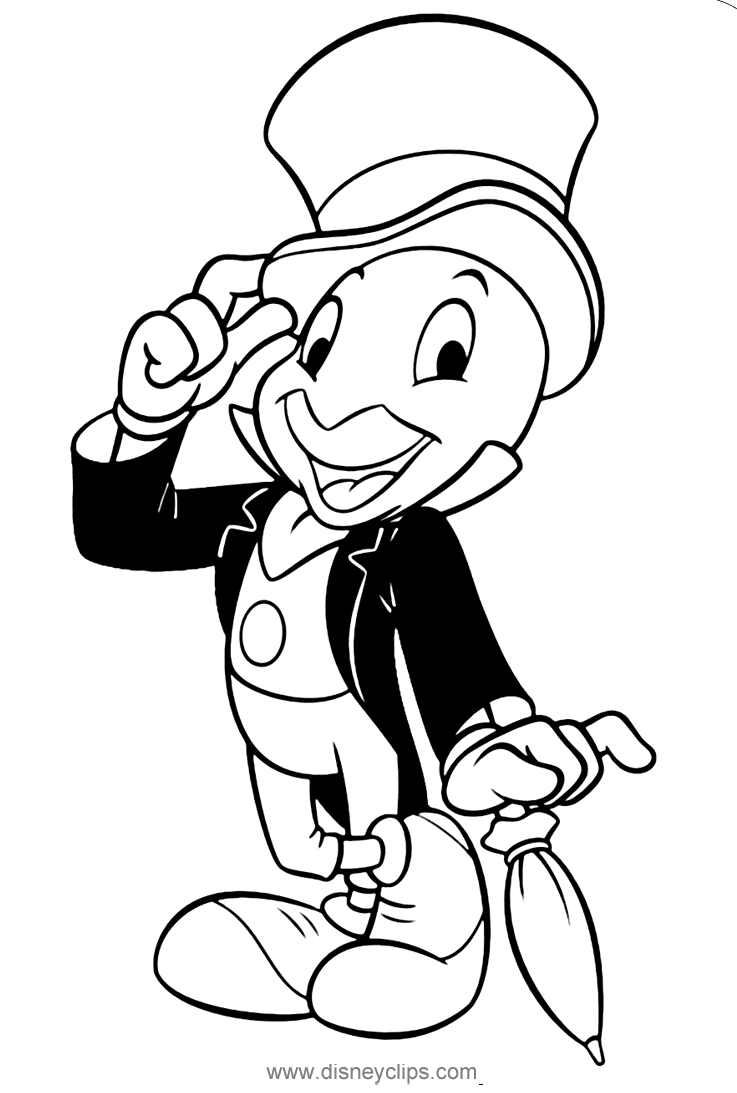
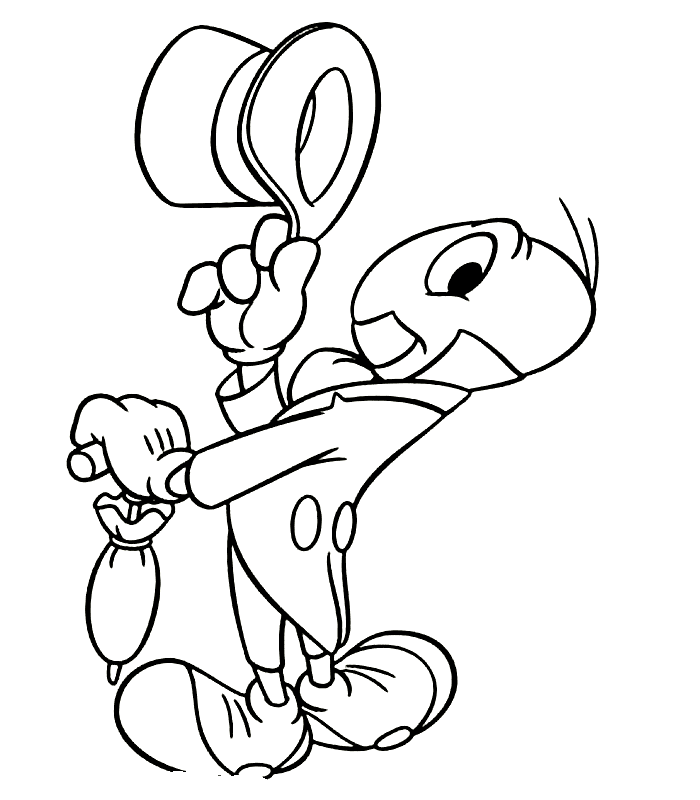
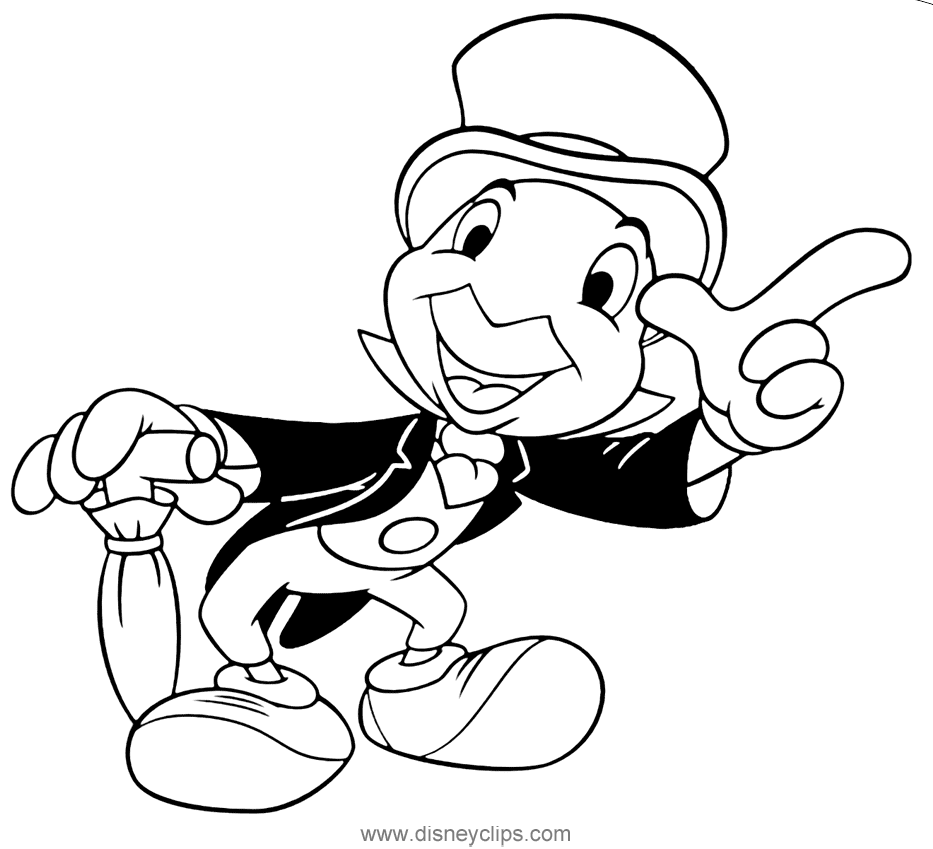
The cheerful cricket tips his hat, walks with his umbrella, and rides along in Pinocchio’s hands. A Black top hat, Blue vest, and Green skin make him instantly recognizable.
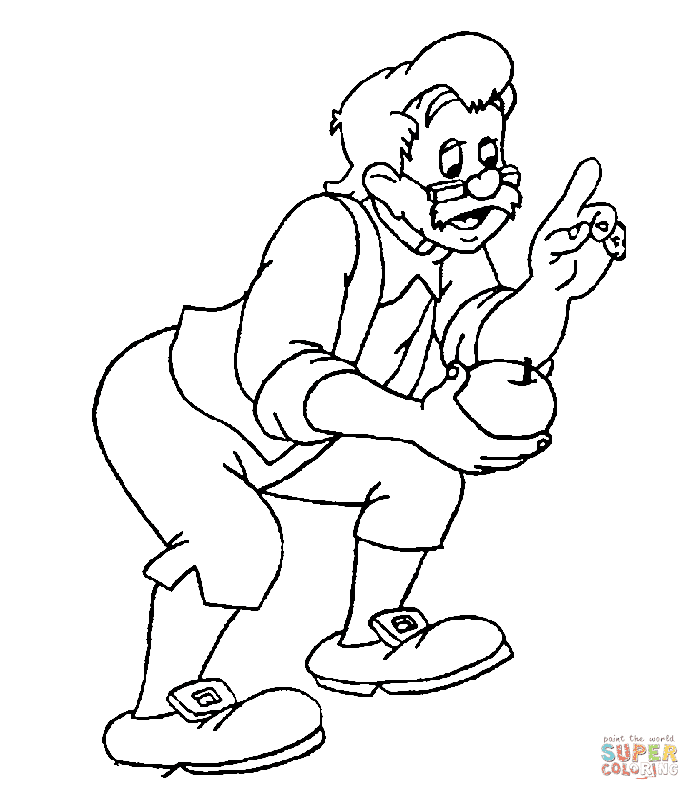
Geppetto, Figaro, and Cleo
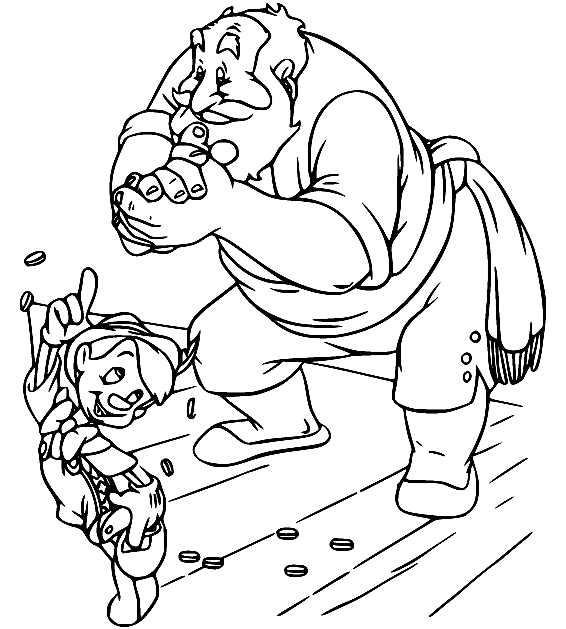
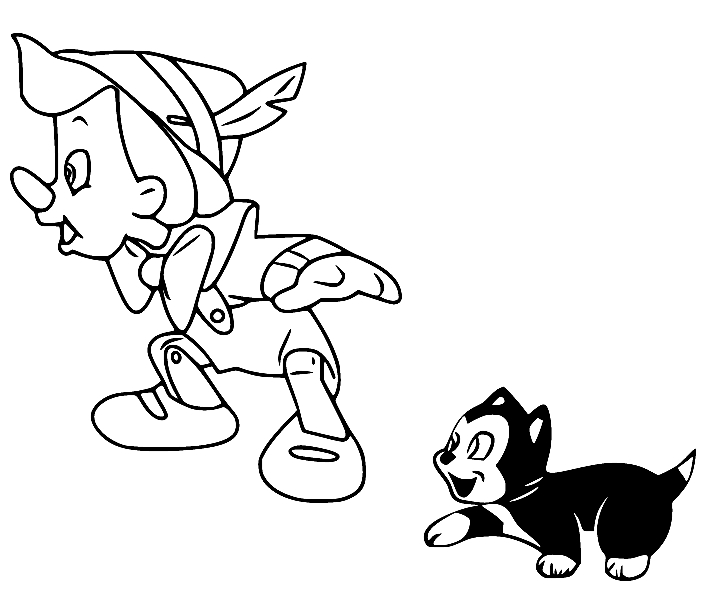
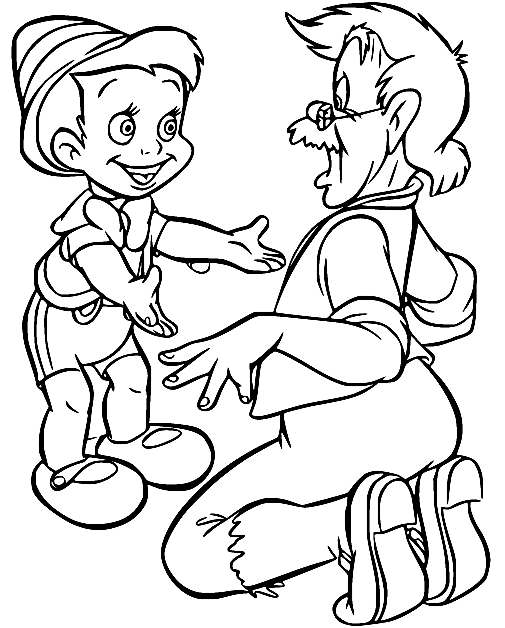
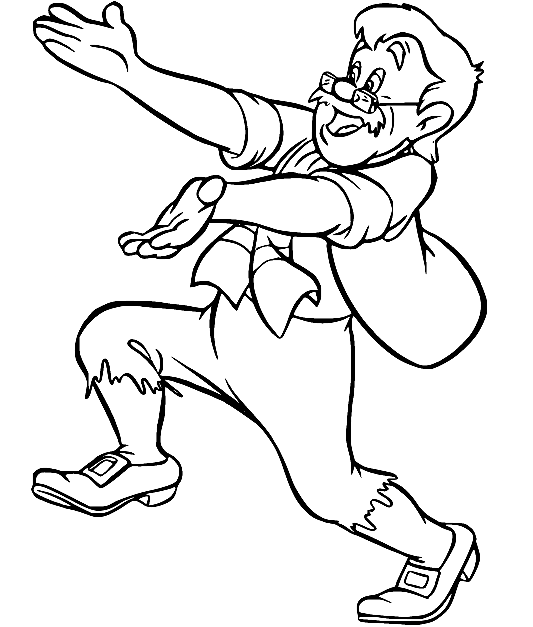
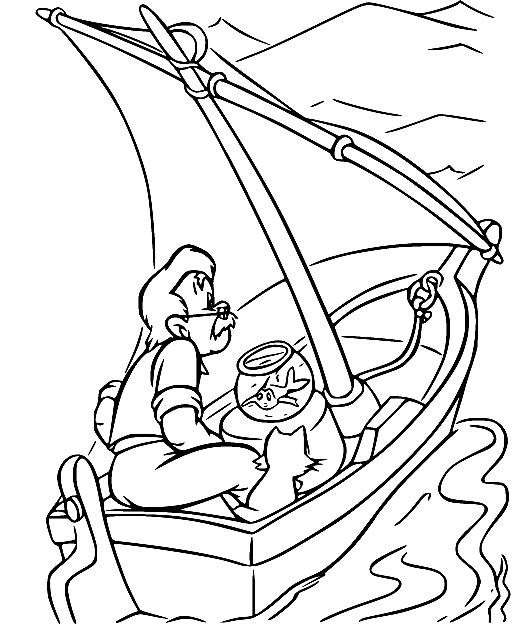
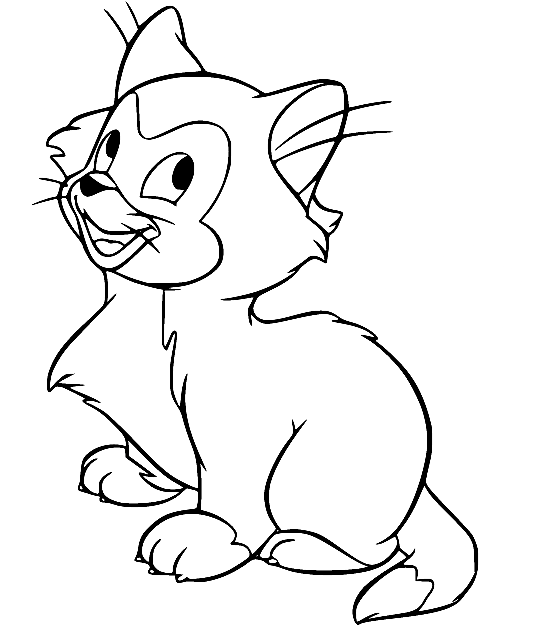
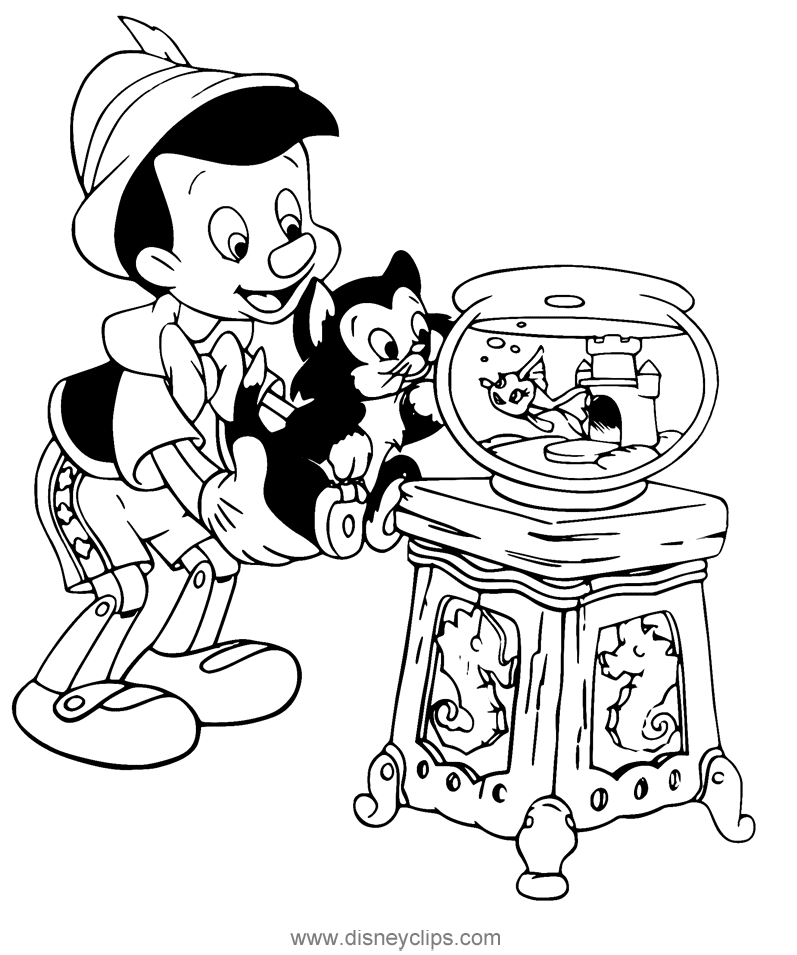
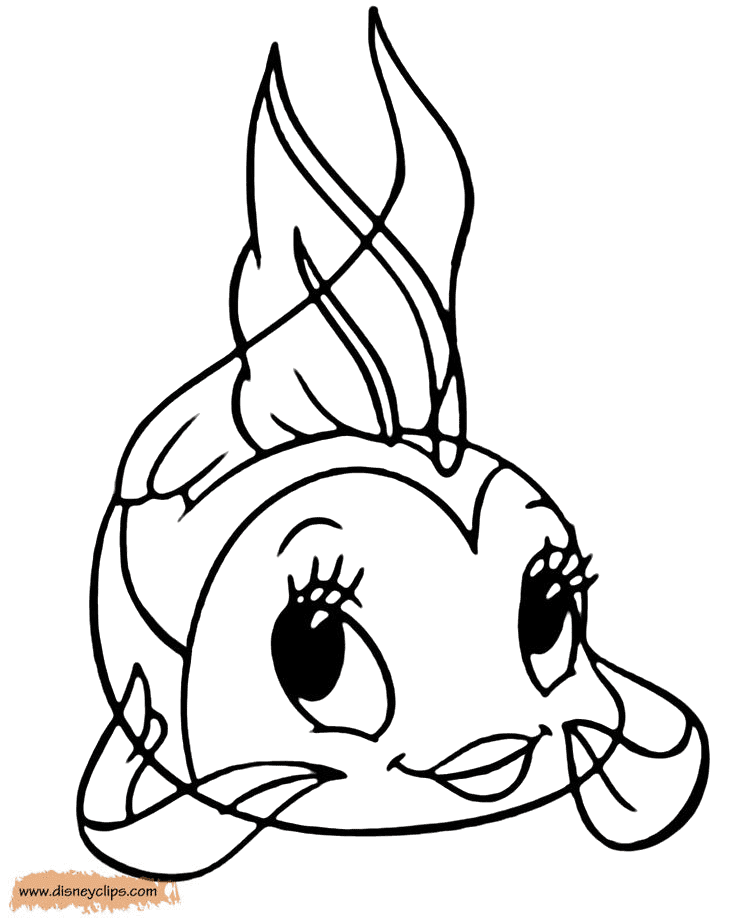
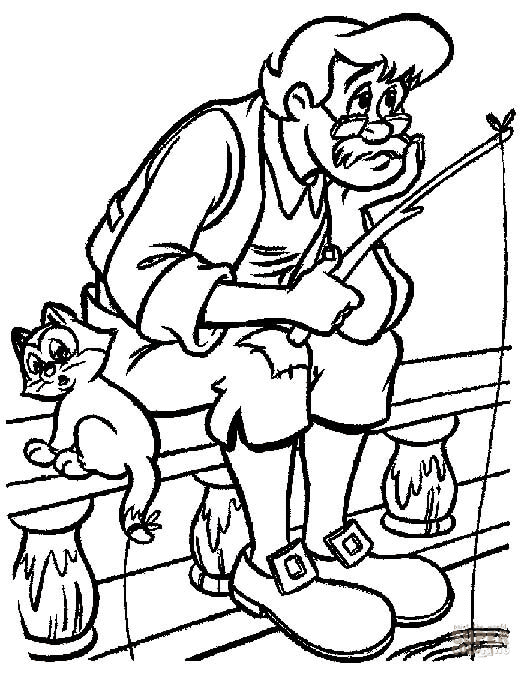
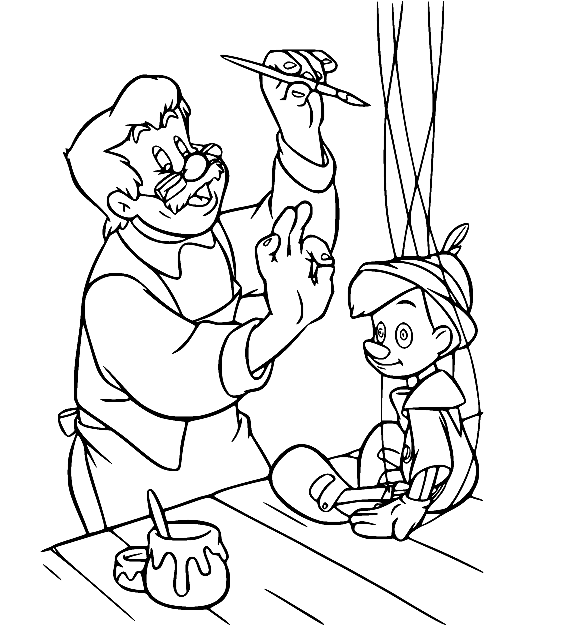
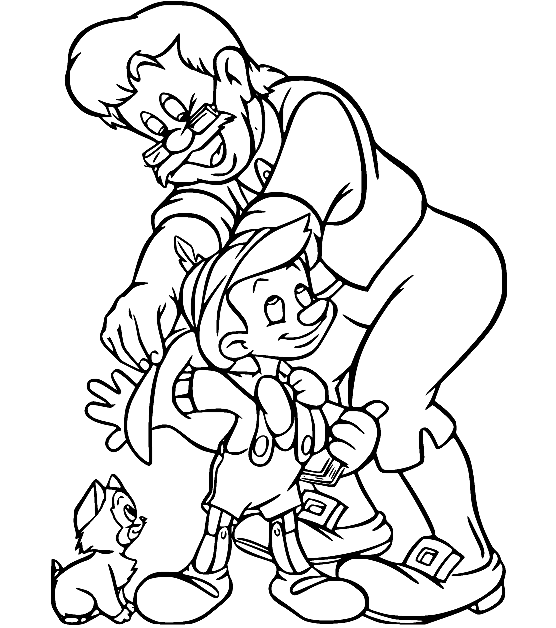
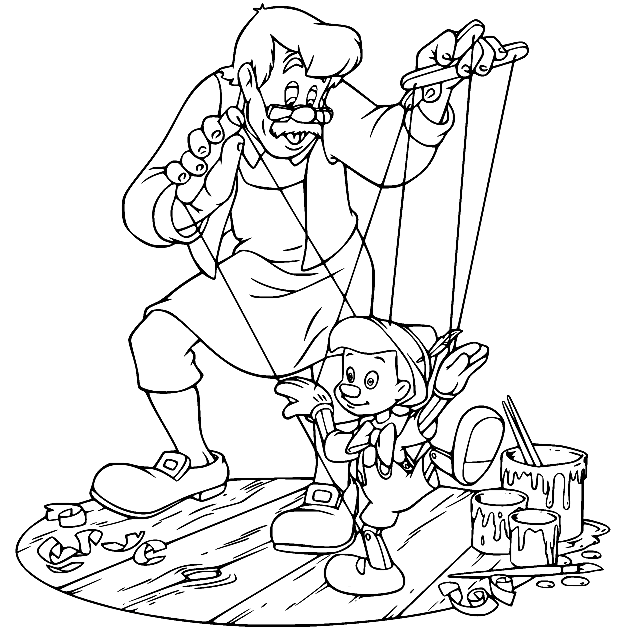
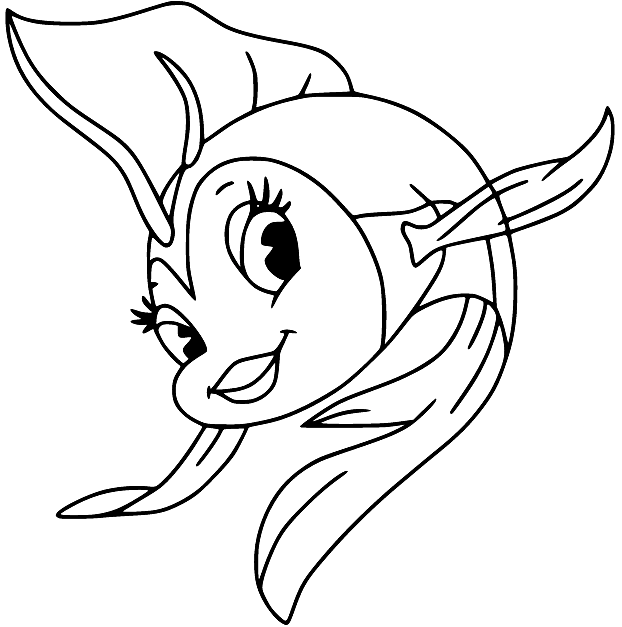
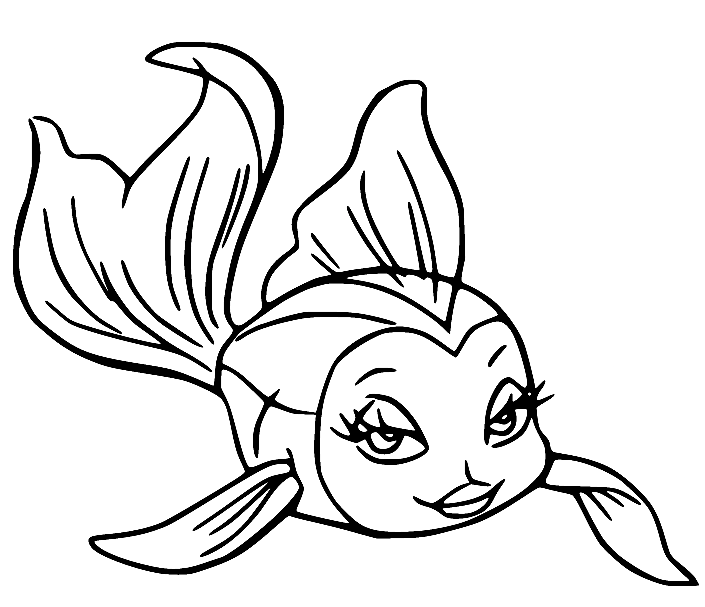
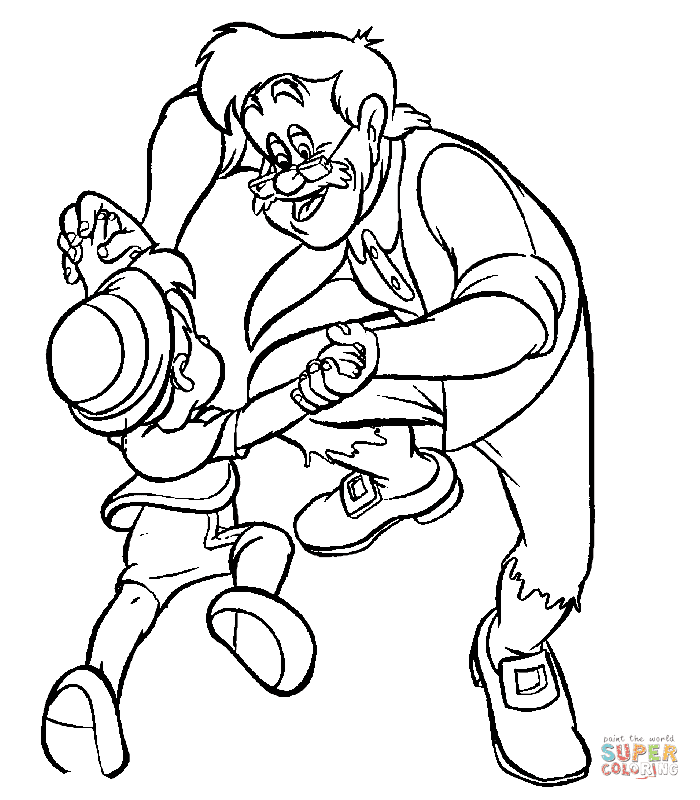
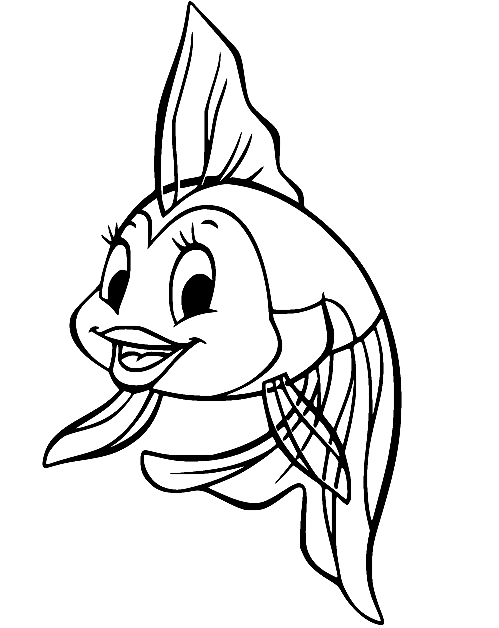
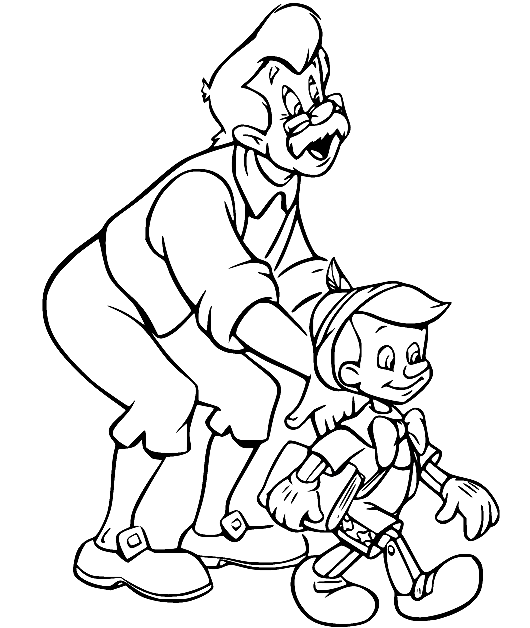
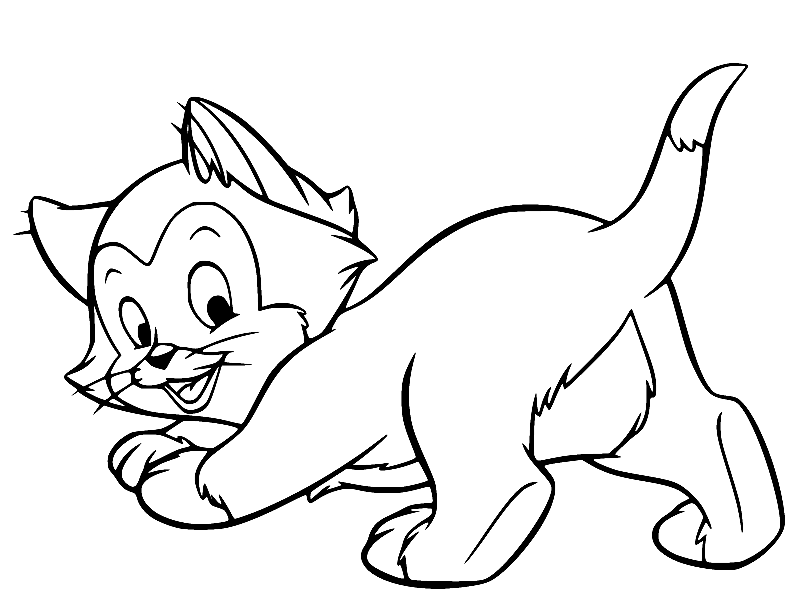
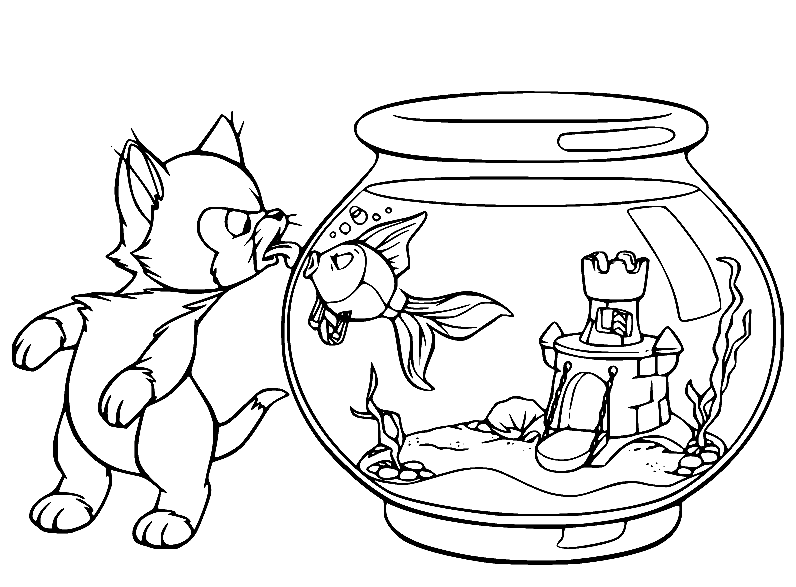
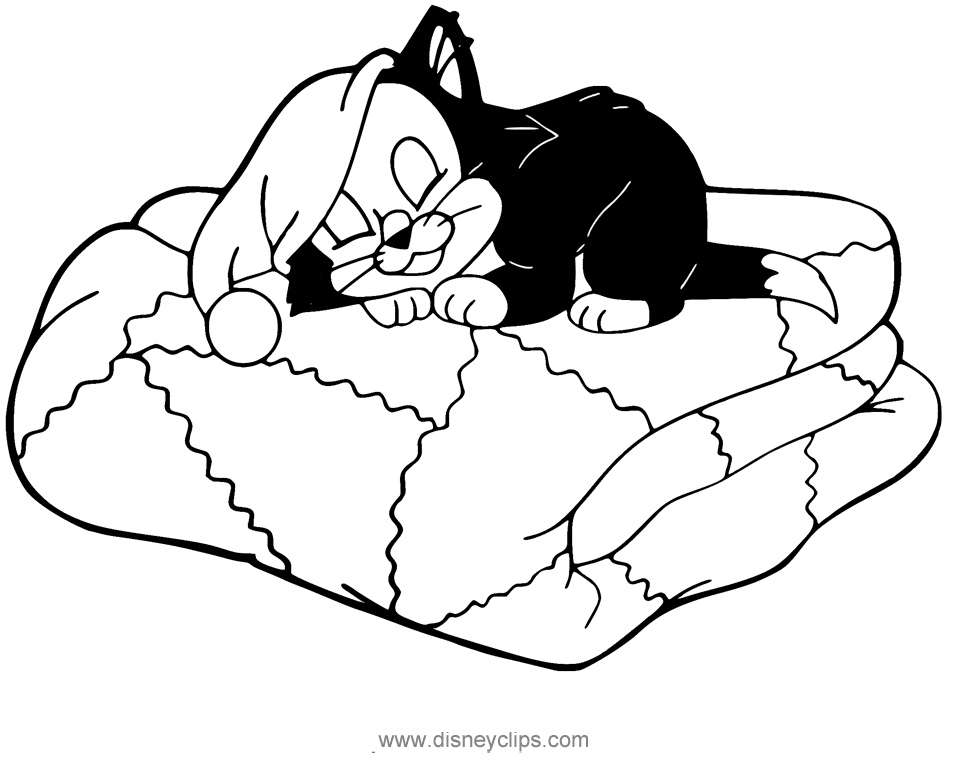
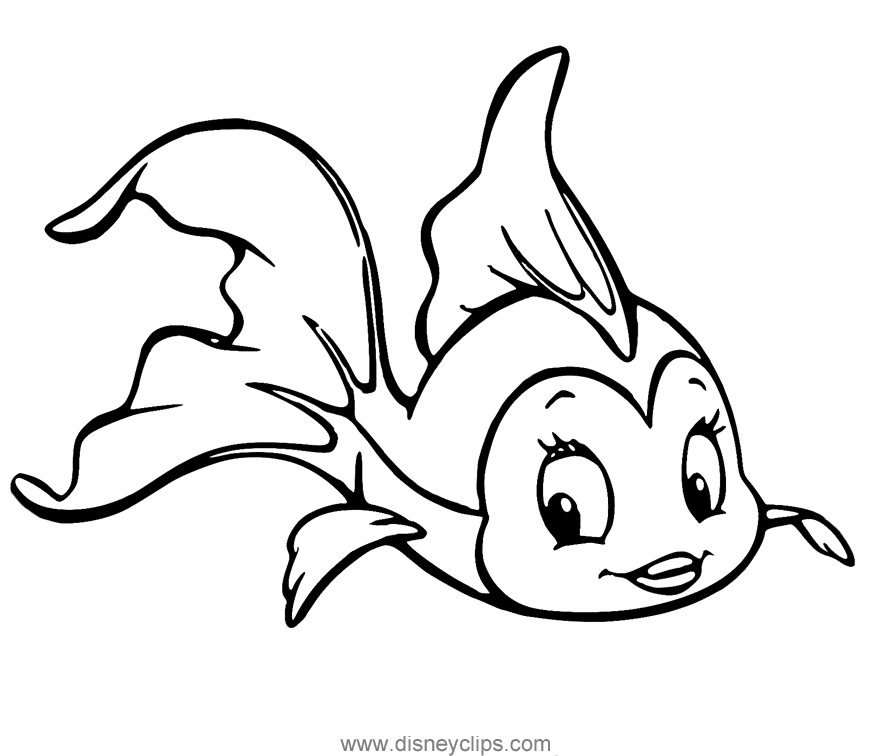
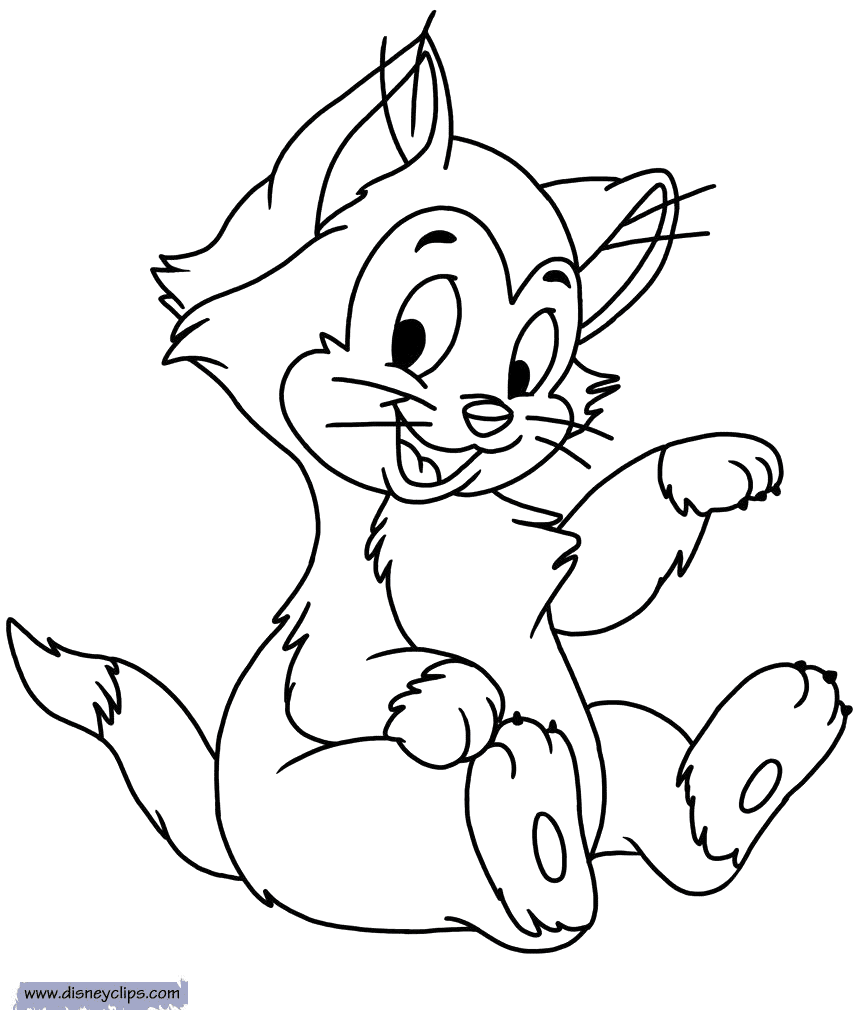
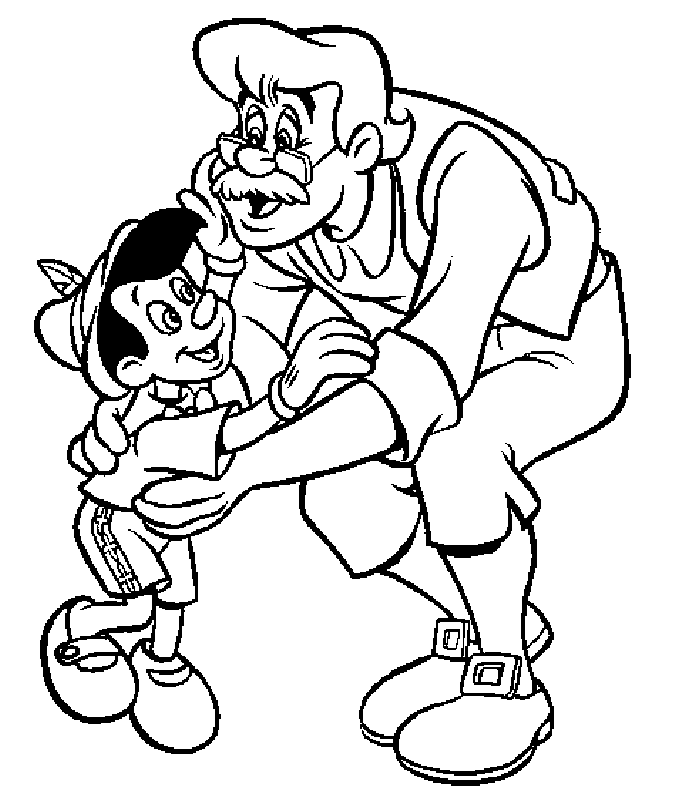
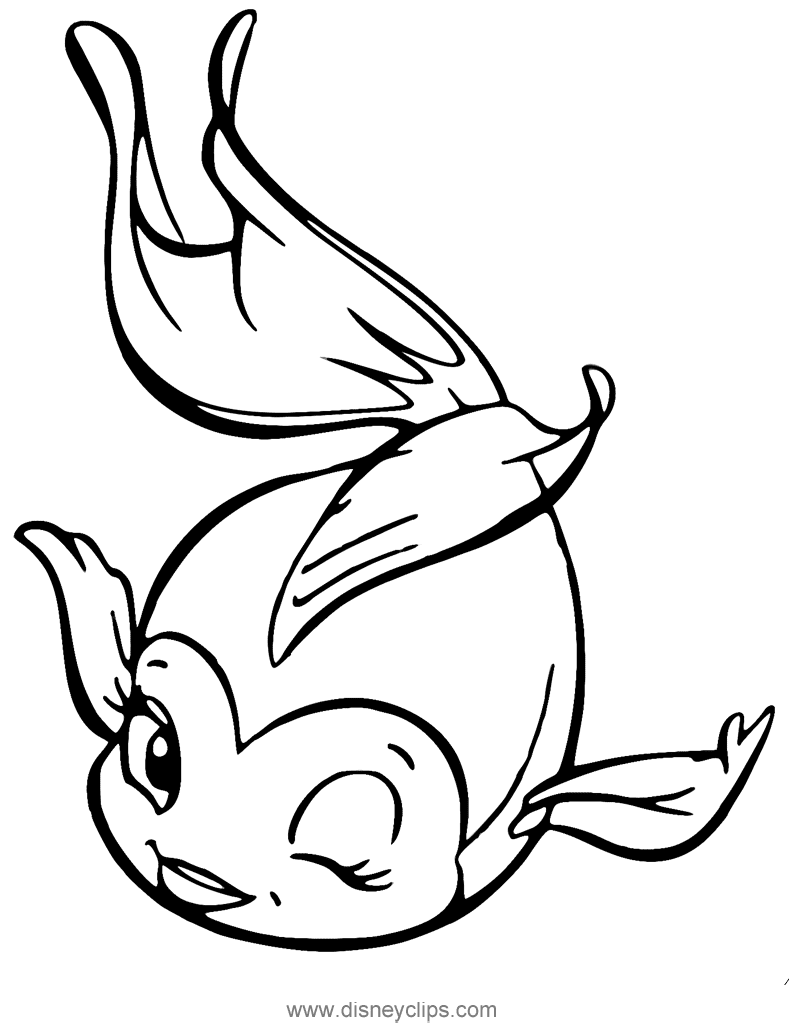
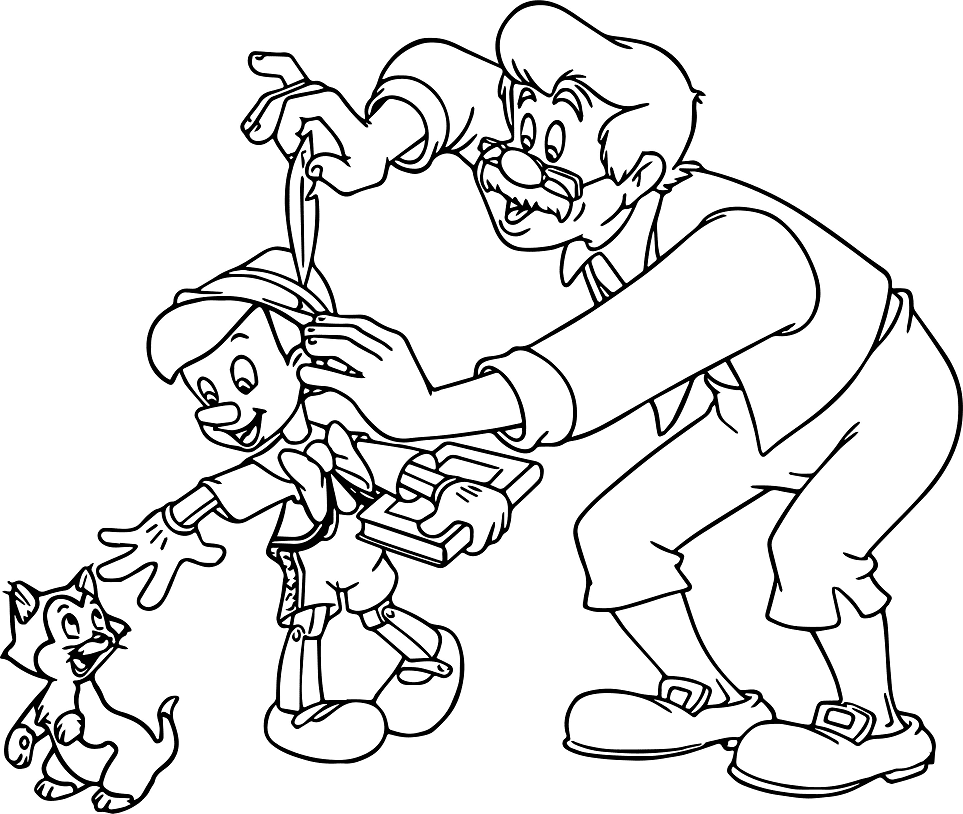
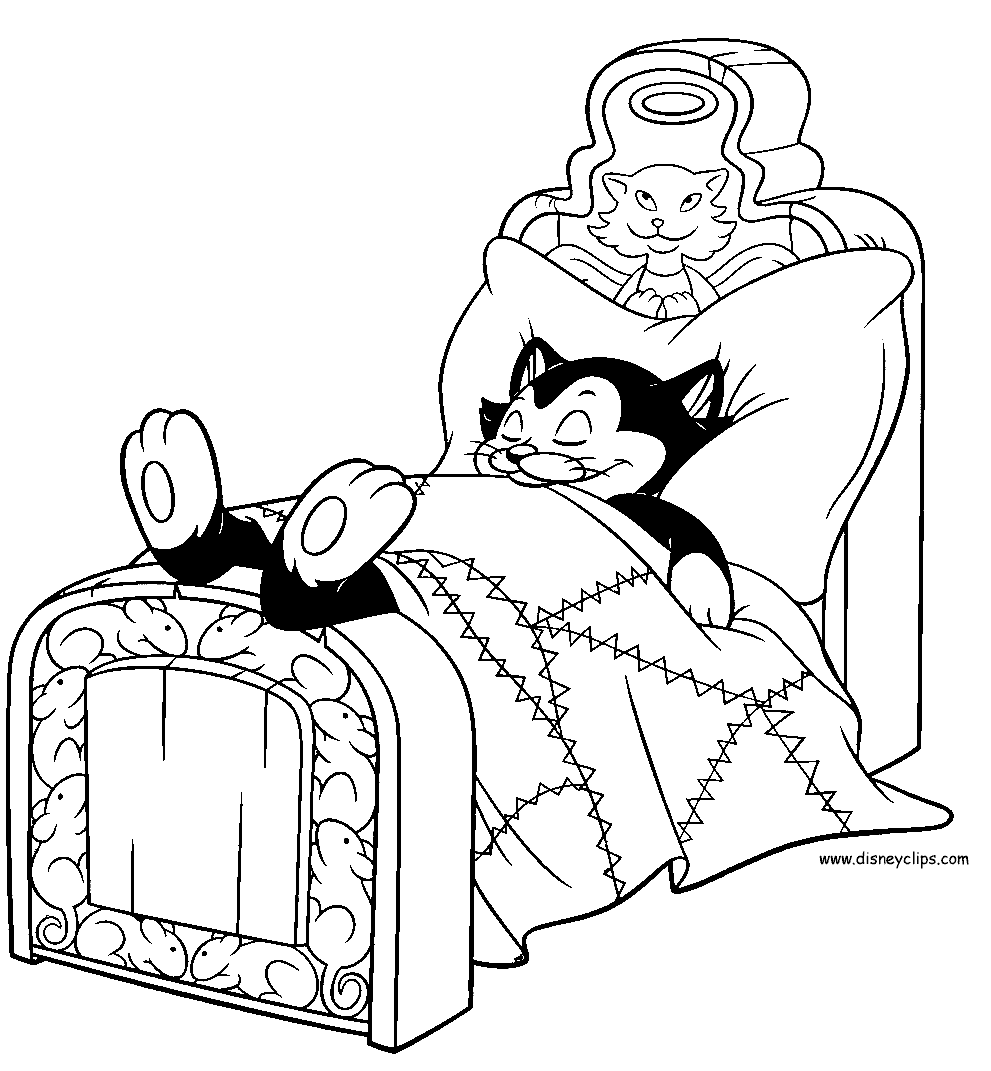
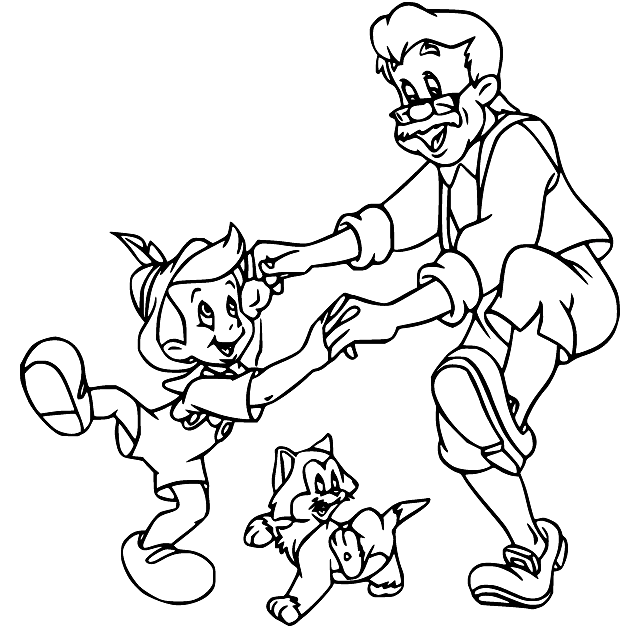
The gentle woodcarver works in his shop, fishes from a boat, and dresses his new puppet, joined by Figaro the kitten and Cleo the goldfish. Give Geppetto White hair and a Red vest, color Figaro Black and White, and make Cleo a bright Orange.
The Blue Fairy
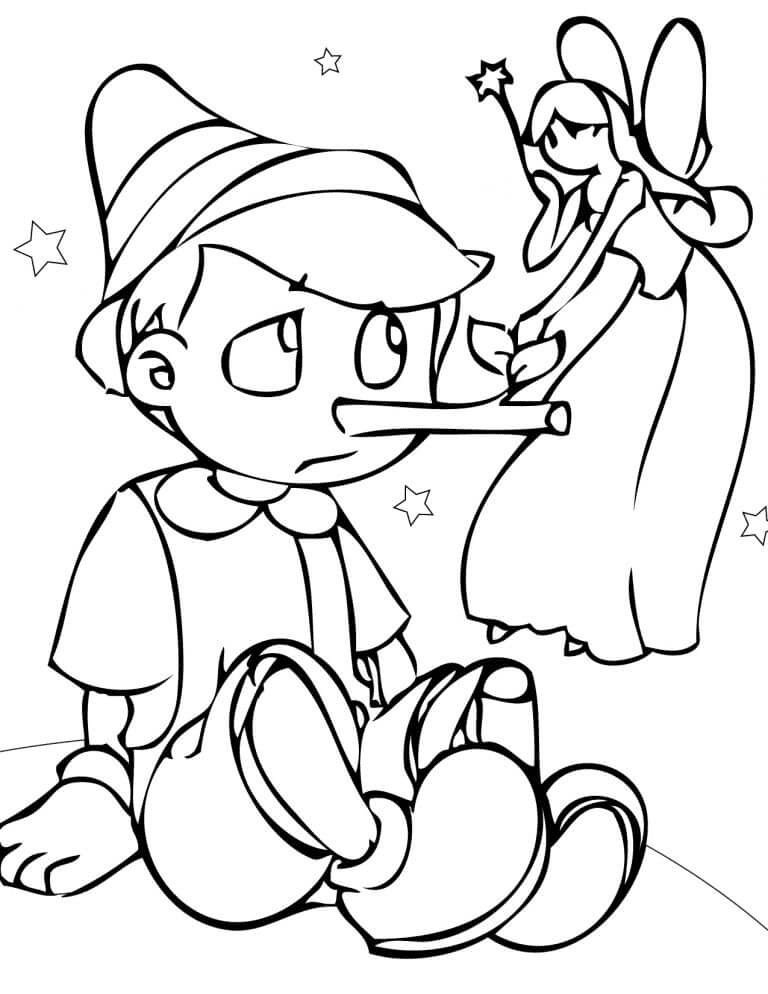
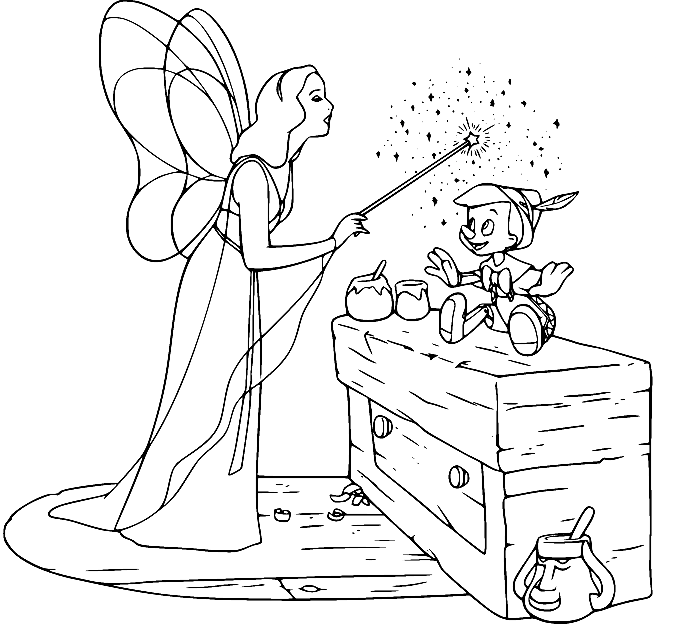
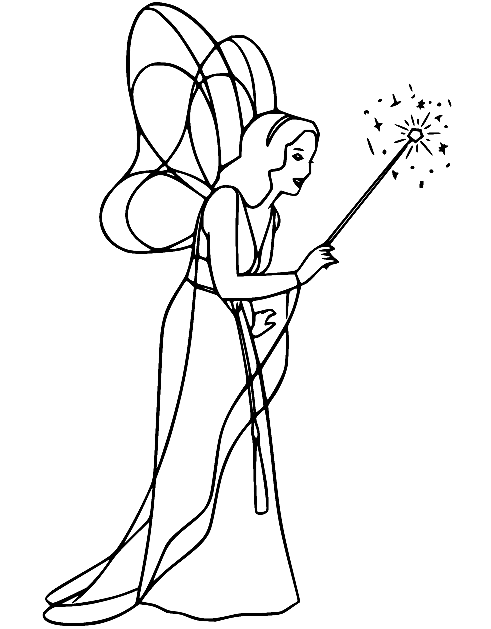
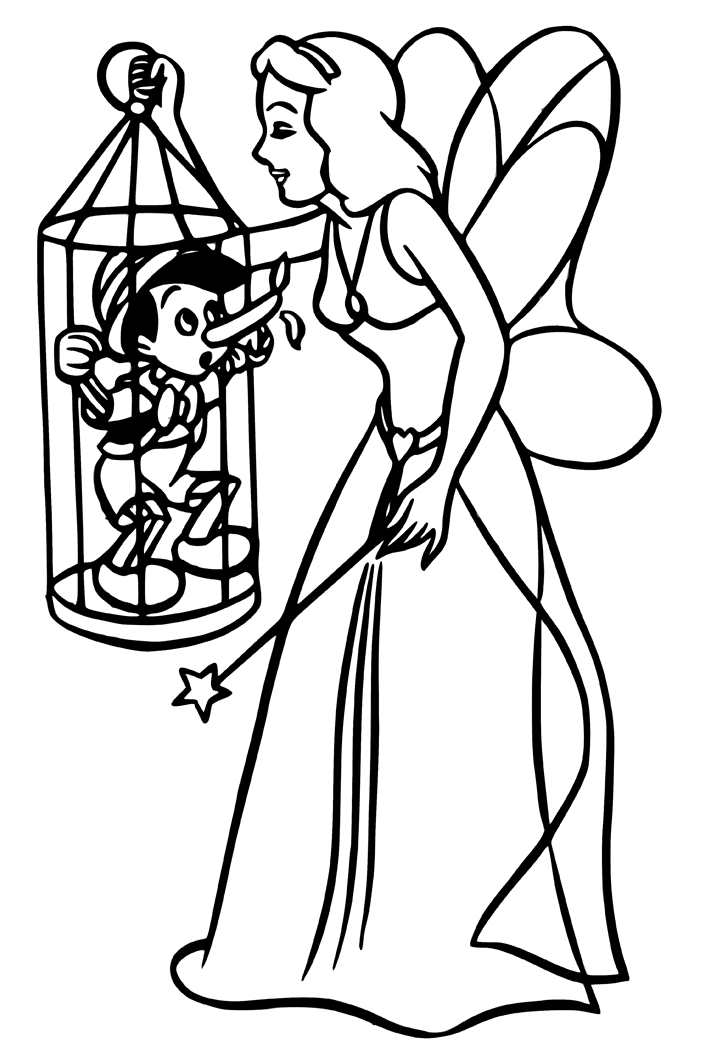
The sparkling fairy who brings Pinocchio to life appears in a magical scene. Fill her gown with Sky Blue and add Silver or Lavender sparkles to her wand and wings.
Adventures and Tricksters
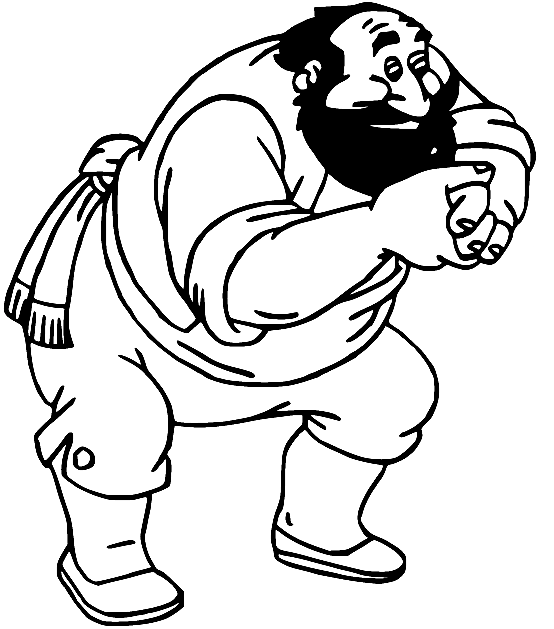
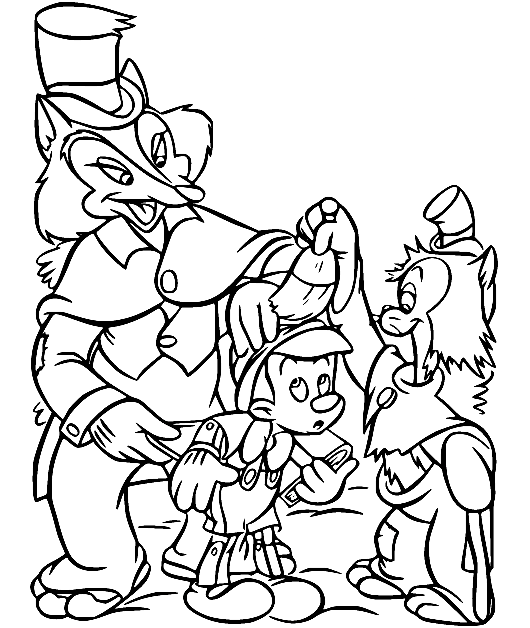
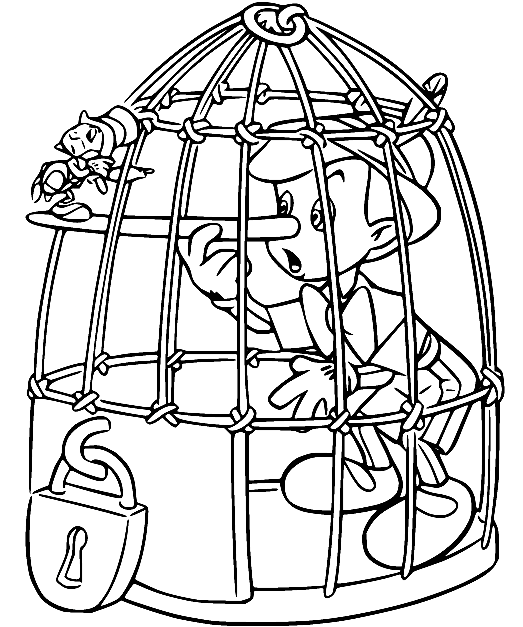
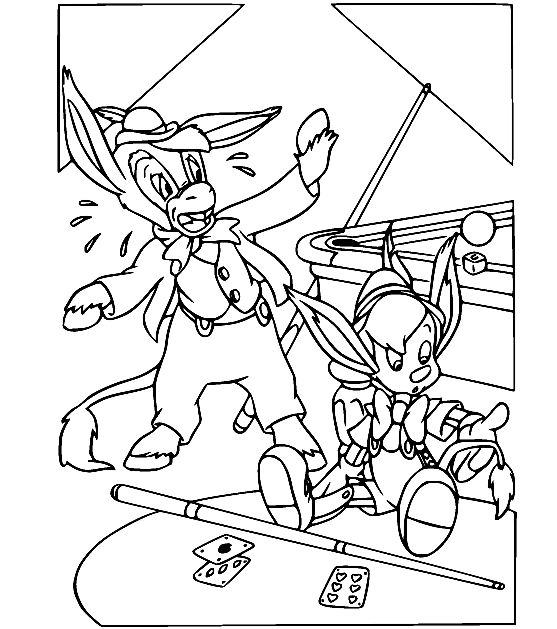
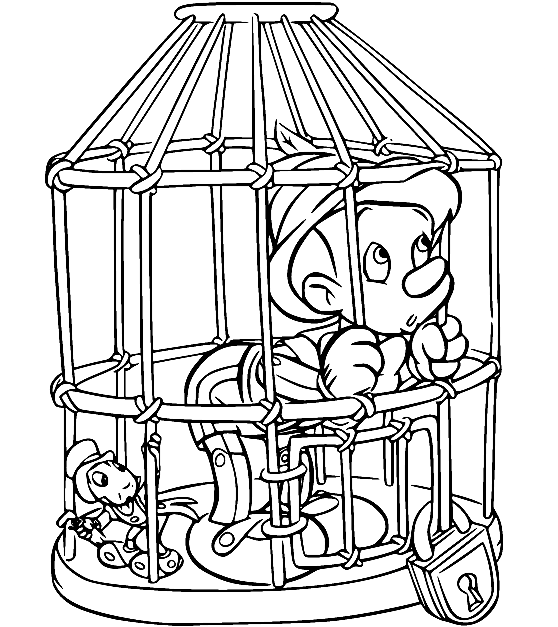
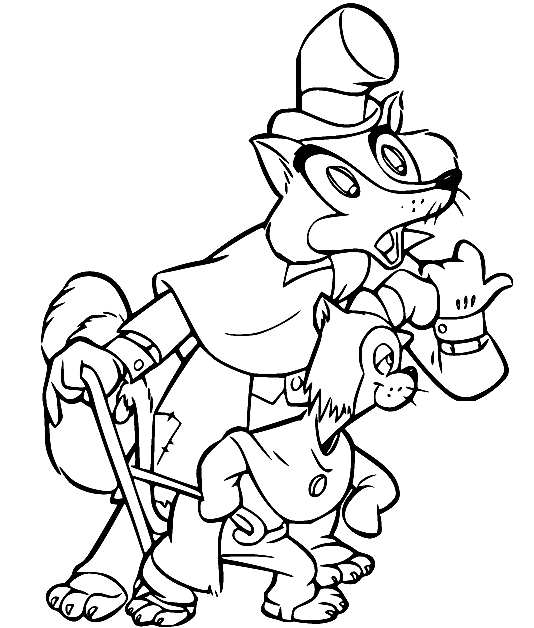
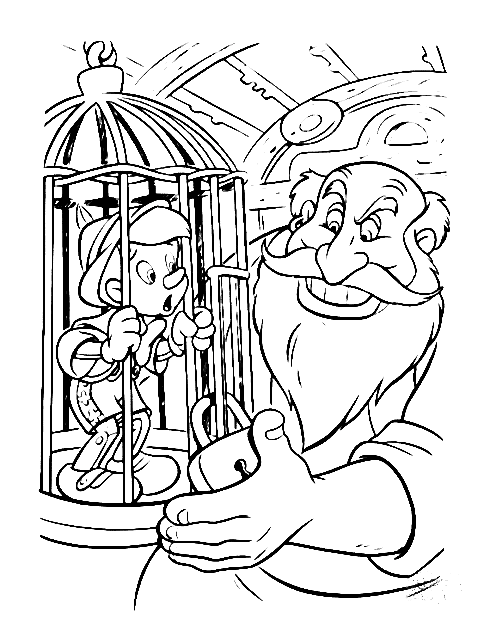
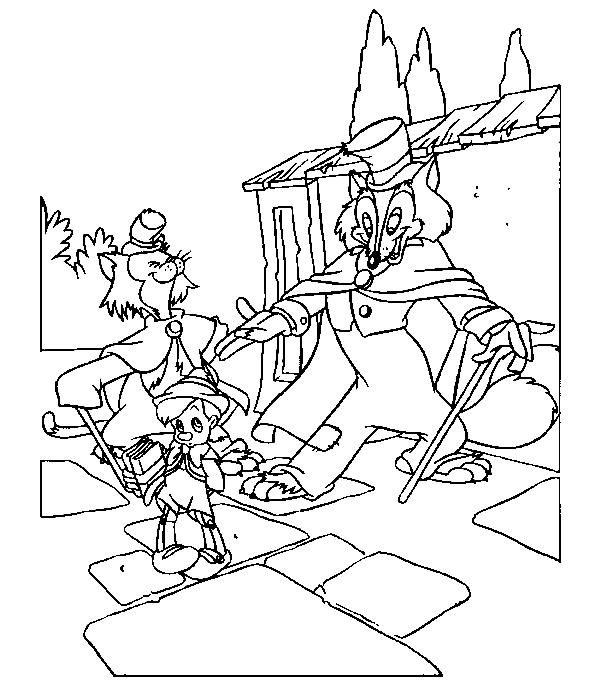
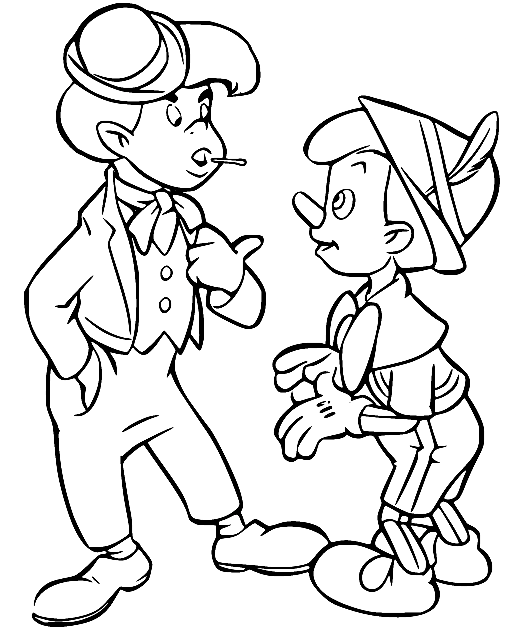
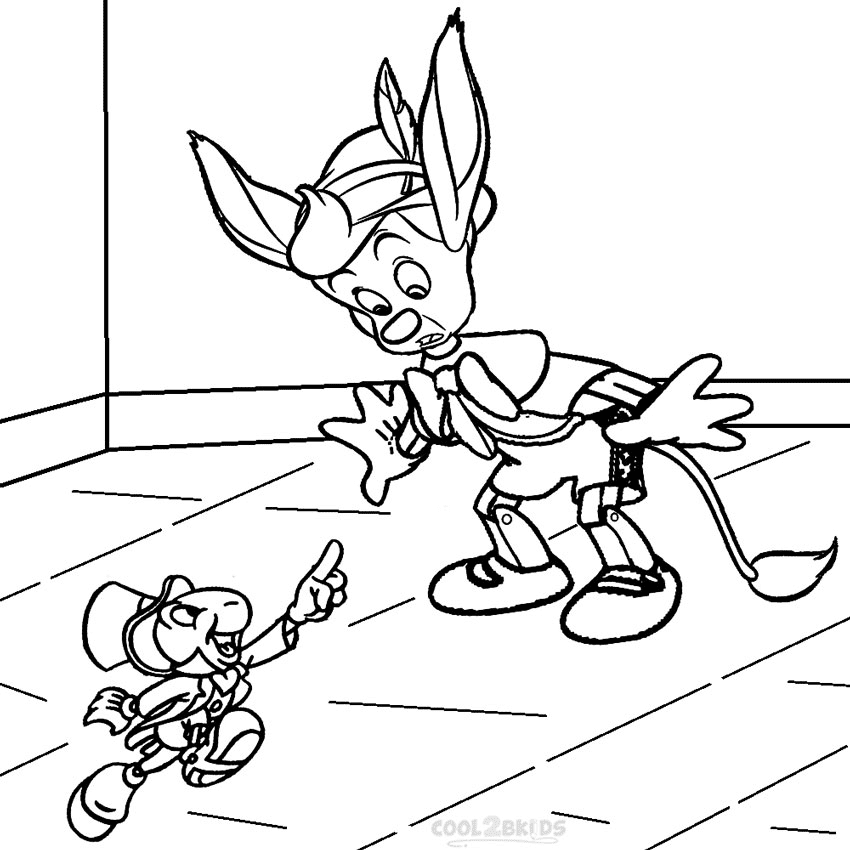
Pinocchio meets Stromboli, the Coachman, and Honest John with his sidekick Gideon, and even ends up locked in a cage. Use dark Purple and Brown for the villains so they contrast with Pinocchio’s bright outfit.
What Pinocchio Coloring Pages Do
Teaching honesty through a classic story. Pinocchio’s growing nose is one of the best-known lessons about telling the truth. Coloring the long-nose pages gives parents an easy way to talk with kids about why honesty matters and how good choices build trust.
Practicing control on classic animation. Pinocchio’s round cheeks, Jiminy’s tiny umbrella, and Geppetto’s tools mix big and small shapes on one page. The American Academy of Pediatrics regards everyday coloring as a building block of fine motor development for children ages 2 through 7, and these varied shapes help that development along.
Offering a peaceful storytime activity. Coloring while listening to the story read aloud creates a calm, cozy routine. Measurable reductions in anxiety were documented after structured coloring in a 2005 report from the Art Therapy Journal, which makes these pages a soothing pairing with bedtime stories.
Exploring where stories come from. Pinocchio began as an Italian children’s book long before it became a movie. Older kids can compare the cartoon with the original tale and talk about how stories change when they are retold.
How to Color Pinocchio Pages Well
- Pinocchio’s outfit: Color his cap Yellow with a Red feather, his shirt Red, and his shorts Brown with a Blue bow tie. Leave a tiny white highlight on his nose to show it is made of polished wood.
- Wooden details: Use Light Tan and Peach for his face and hands, adding faint Brown lines at the joints. These small marks remind viewers that he started as a puppet.
- Jiminy Cricket: Fill his skin Green, his top hat Black, and his vest Blue with a Red umbrella. A small Gold badge on his coat finishes the look.
- Geppetto’s workshop: Color the walls and shelves in warm Tan and Brown wood tones, with clocks and toys in Red, Blue, and Yellow. A cozy palette matches the workshop’s friendly feeling.
- Figaro and Cleo: Keep Figaro mostly Black with a White chest and paws, and color Cleo a glowing Orange with soft Peach fins inside a Light Blue bowl.
- Blue Fairy glow: Shade her dress in Sky Blue, then lightly add White and Lavender around the edges for a magical shimmer – a pale Yellow star in the background ties back to the famous wish.
5 Creative Craft Ideas With Pinocchio Coloring Pages
1. Honesty Nose Chart
Color a Pinocchio portrait and glue it to the top of a long strip of paper. Each time a child tells the truth in a tricky moment, add a sticker along the strip as a reward.
2. Wishing Star Mobile
Cut star shapes from yellow cardstock and glue a colored Pinocchio, Jiminy, and Blue Fairy onto separate stars. Hang them from a paper plate with a string to make a mobile.
3. Geppetto’s Workshop Diorama
Turn a shoebox into a tiny shop by drawing wooden shelves and cuckoo clocks on its inside walls. Stand colored Geppetto, Pinocchio, and Figaro pages inside on folded tabs to recreate the toymaker’s shop.
4. Jiminy Cricket Conscience Card
Glue a colored Jiminy page onto the front of a folded card. Inside, write one piece of good advice a friend once gave, just like a conscience would.
5. Cleo Fishbowl Craft
Color the Cleo page, cut her out, and glue her onto blue paper inside a paper plate rim. Cover the front with clear plastic wrap so she looks like she is swimming in a bowl.
Frequently Asked Questions
What are Pinocchio coloring pages?
There are 112 free printable sheets of Pinocchio, Jiminy Cricket, Geppetto, Figaro, Cleo, the Blue Fairy, and the villains from the classic story. Every design downloads as a PDF or opens for coloring right in the browser.
Who created Pinocchio?
Italian author Carlo Collodi created Pinocchio in The Adventures of Pinocchio, published as a book in 1883. Walt Disney’s studio turned the story into an animated film released in 1940.
Why does Pinocchio’s nose grow?
His nose grows longer every time he tells a lie, a magical sign that everyone can see. It is one of the most famous lessons about honesty in children’s stories.
Who is Jiminy Cricket?
Jiminy Cricket is a friendly cricket chosen by the Blue Fairy to act as Pinocchio’s conscience. He tries to help the puppet tell right from wrong throughout his adventures.
Who are Figaro and Cleo?
Figaro is Geppetto’s playful black-and-white kitten, and Cleo is his pet goldfish. Both live with Geppetto in his workshop and appear in many of the film’s gentle family scenes.
What awards did Disney’s Pinocchio win?
The 1940 film won Academy Awards for Best Original Score and Best Original Song for When You Wish Upon a Star. It was the first animated feature to win competitive Oscars.
What age are Pinocchio coloring pages for?
Simple portraits of Pinocchio and Jiminy suit children from about 3, while detailed workshop and adventure scenes fit kids up to about 10. Families who love classic Disney films often color them together.
Who are the villains in Pinocchio?
Pinocchio is tricked by Honest John the fox and his cat sidekick Gideon, then held captive by the puppet master Stromboli. Later, the Coachman lures boys to Pleasure Island, and the giant whale Monstro swallows Geppetto’s boat.
Start Coloring
Choose Pinocchio with his long nose, Jiminy Cricket, or Geppetto’s cozy workshop, then print it or color it online with no account needed. Families can share their finished storybook pages on Facebook or Pinterest.