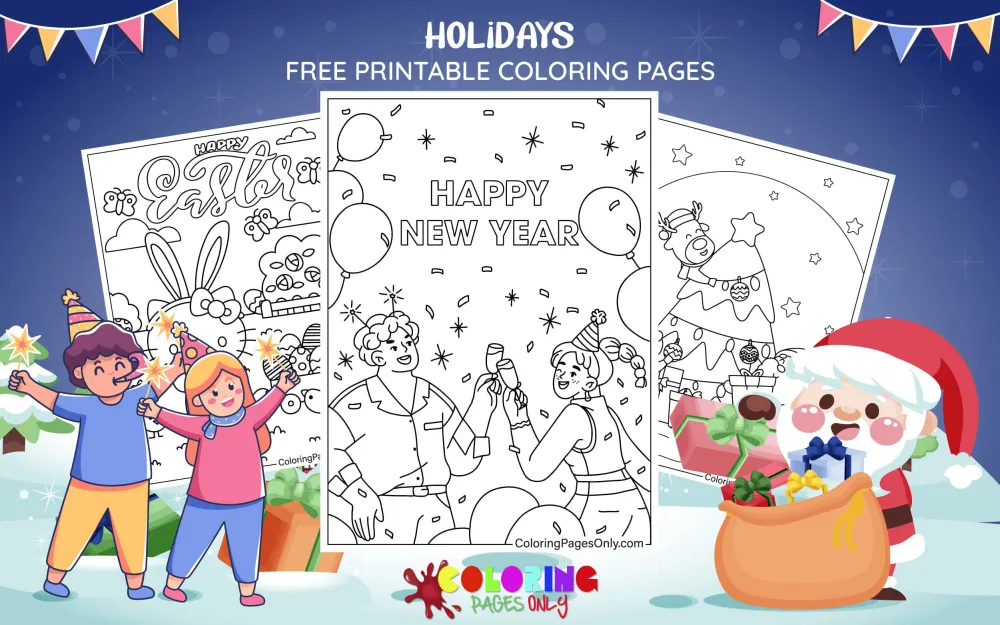
Holidays Coloring Pages at ColoringPagesOnly.com is the most internationally diverse category on the site – over 7,000 pages organized across more than 70 sub-categories covering the full calendar year and the full breadth of human celebration: the major Western Christian holidays, the Jewish calendar from Purim through Simchat Torah, the Islamic observances of Ramadan and Eid Al-Fitr, the Hindu festivals of Holi and Diwali, the Persian New Year, the Hawaiian Lei Day, Guy Fawkes Night, the Carnival tradition, national independence days from Mexico to Canada to the United States, and a wide range of international United Nations observance days. Beyond the religious and national, the collection also covers the personal milestones – birthdays, weddings, and get-well-soon messages – that structure individual lives rather than the shared calendar.
This is a collection that assumes a genuinely global audience, and the sub-categories below are organized to reflect that. Every page is completely free to download as a PDF and print, or to color online directly in your browser.




Winter and the New Year: December through February
The winter cluster is the largest in the collection by page volume, driven by the consistent and enduring demand for Christmas and the related December holidays.
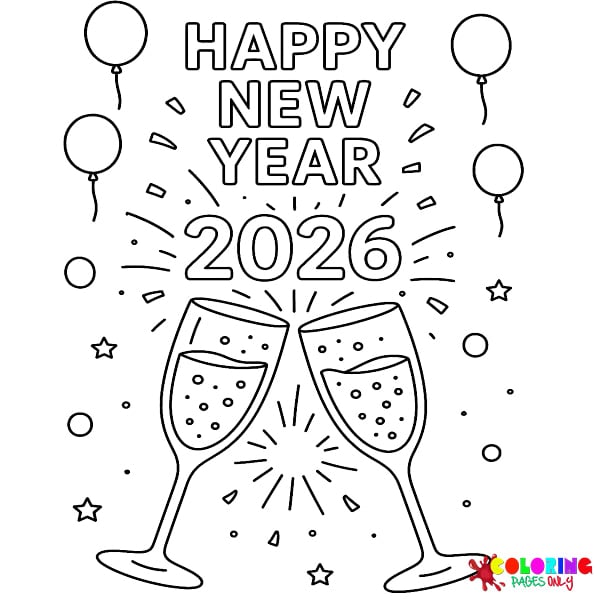
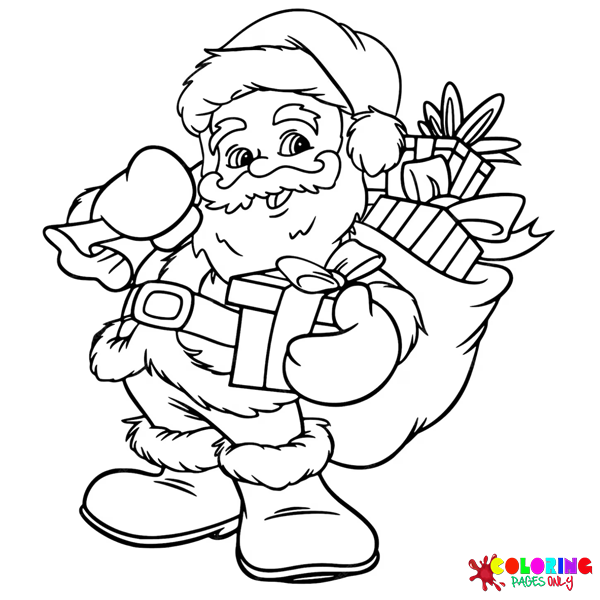
Christmas is the single largest sub-category in the entire Holidays collection – covering Santa Claus, Christmas trees, ornaments, reindeer, snowmen, nativity scenes, elves, stockings, and the full visual vocabulary of December 25 across multiple cultural traditions and illustration styles. Happy New Year 2026 brings the turn of the calendar – fireworks, champagne glasses, countdown clocks, and celebratory scenes that mark the passage between years. St Nicholas Day (December 6) covers the feast day of the patron saint of children that predates and informs many Christmas traditions across European countries.
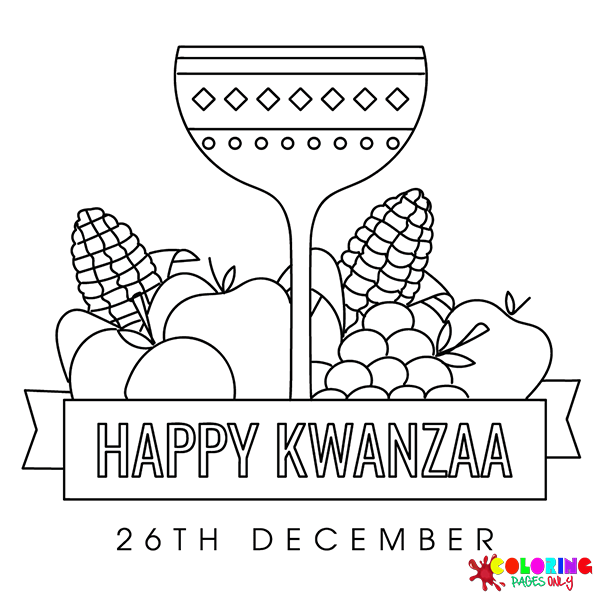
Hanukkah covers the eight-day Jewish Festival of Lights – menorahs (correctly called hanukkiyot), dreidels, latkes, the Star of David, and the blue-and-silver palette that defines the holiday’s visual tradition. Kwanzaa covers the African American cultural celebration observed December 26 through January 1 – the kinara candle holder with its seven candles in red, black, and green, the mazao (fruits and vegetables), and the seven principles of Nguzo Saba. Black Friday is the unusual commercial holiday that has become a cultural event in its own right, included here as the day that marks the opening of the winter retail season.
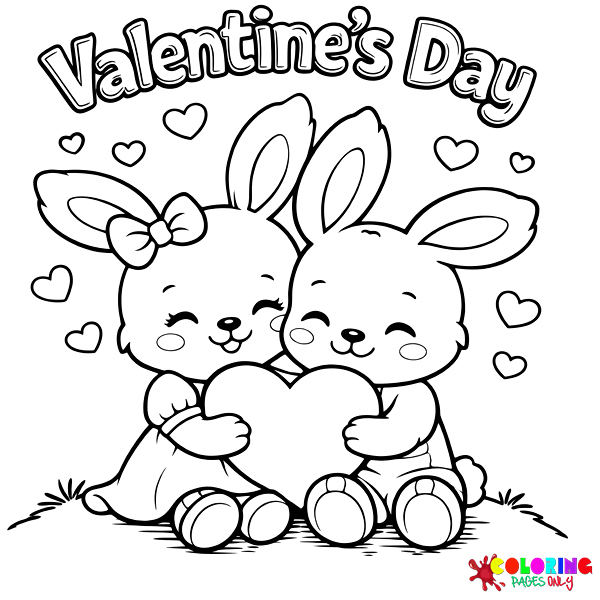
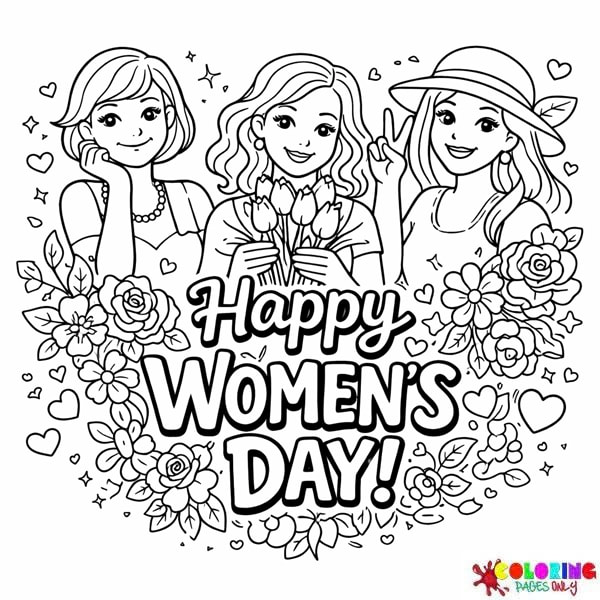
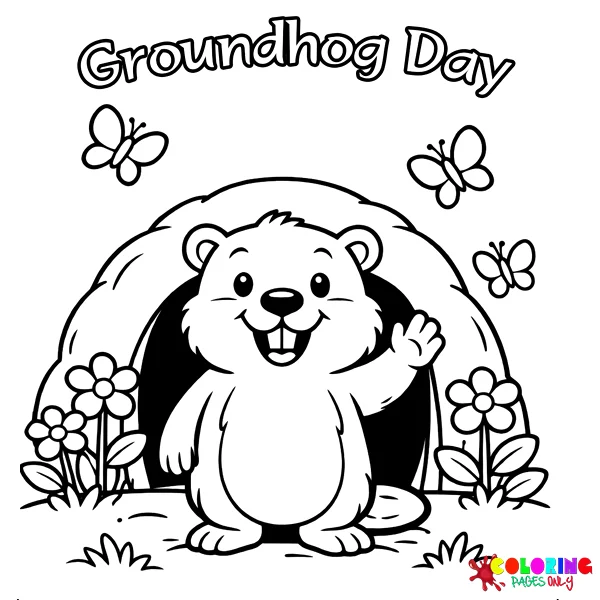
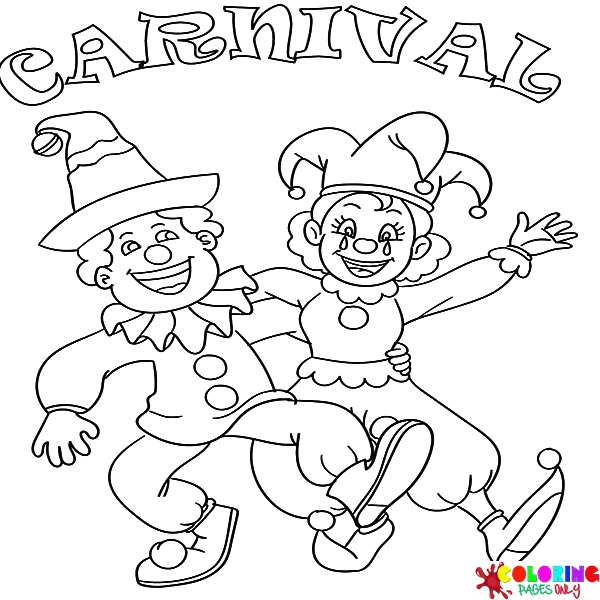
Valentine’s Day and Valentine’s Day Cards together cover the February 14 celebration of love and affection – hearts, roses, cupids, chocolate boxes, and the specific card-making tradition that makes Valentine’s Day one of the most craft-oriented holidays in the collection. Groundhog Day (February 2) and its groundhog ambassador, Punxsutawney Phil, are covered with the lighthearted illustration style the holiday invites. Mardi Gras and Carnival cover the pre-Lenten celebration tradition – masks, beads, the purple-gold-green color palette of New Orleans Mardi Gras, and the broader international Carnival tradition from Venice to Rio de Janeiro. Women’s Day (March 8) opens the spring cluster early.
Spring Celebrations: March through May
The spring cluster is the most religiously diverse in the collection, bringing together major observances from Christian, Jewish, Islamic, Hindu, and Persian traditions within the same seasonal window.
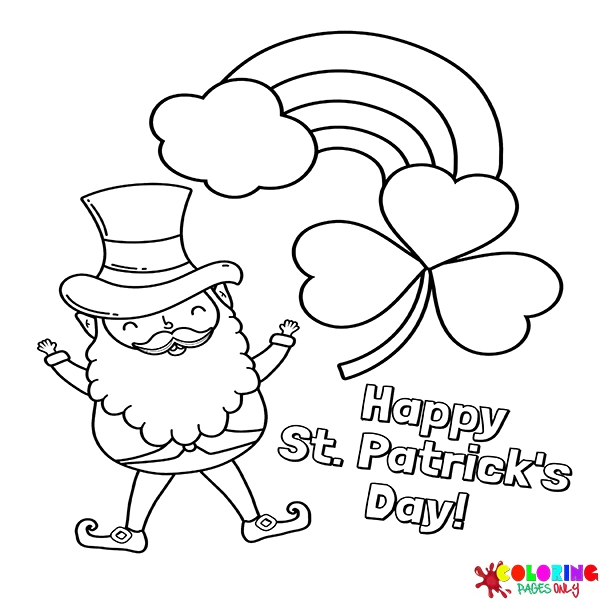
Easter is the largest spring sub-category – decorated eggs, Easter bunnies, baby chicks, spring flowers, and the Christian resurrection story. St. Patrick’s Day (March 17) covers the Irish and Irish-American celebration with its shamrocks, leprechauns, pots of gold, and vivid green palette. Purim covers the Jewish festival celebrated in the Hebrew month of Adar (typically February or March) – costumes, hamentashen pastries, the megillah scroll, and the celebratory spirit of the holiday. International Nowruz Day (March 20–21) covers the Persian New Year, one of the oldest spring festivals in the world – the Haft Sin table with its seven symbolic items, goldfish, tulips, and the spring equinox iconography of renewal.
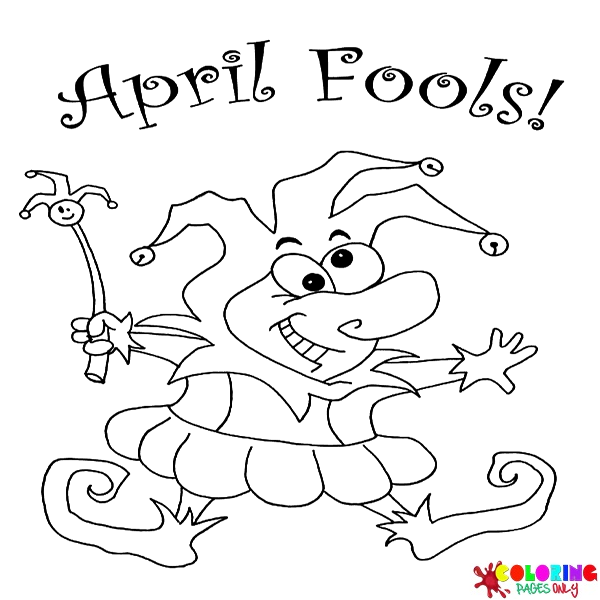
April Fool’s Day brings the lightest illustration tone in the collection. World Autism Awareness Day (April 2) and World Health Day (April 7) are United Nations observance days with dedicated sub-categories. Earth Day (April 22) covers environmental themes – the Earth globe, recycling symbols, trees, clean water, and the blue-and-green palette that defines environmental awareness imagery. International Day of Human Space Flight (April 12, commemorating Yuri Gagarin’s 1961 flight) extends the observance day cluster into the domain of space exploration.
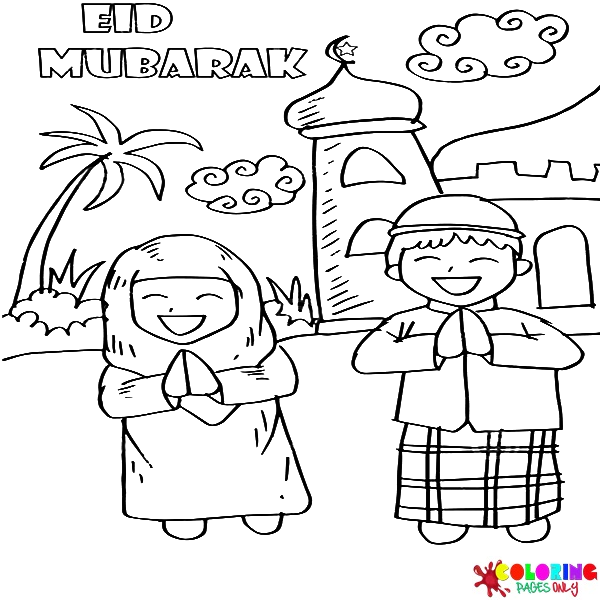
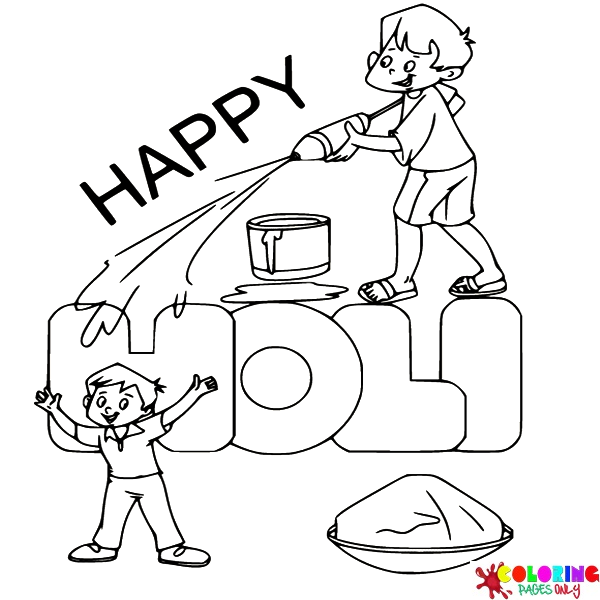
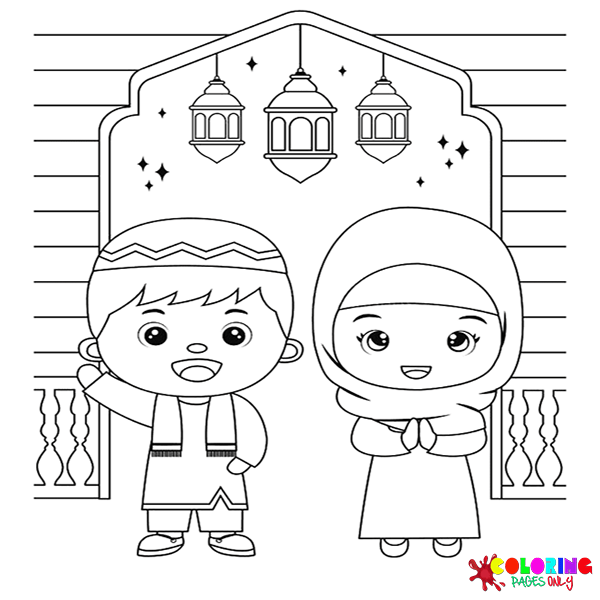
Holi covers the Hindu Festival of Colors celebrated in March, one of the most visually spectacular holidays in the world, with its tradition of throwing colored powder, producing compositions of vivid multicolor that translate into coloring pages of particular exuberance. Ramadan and Eid Al-Fitr together cover the Islamic lunar calendar’s most important observance – the month of fasting and the three-day Eid celebration that ends it, with crescent moons, stars, lanterns, mosques, and the family-gathering imagery of Eid morning. The timing of Ramadan and Eid shifts annually through the solar calendar; in some years they fall in spring, in others in winter.
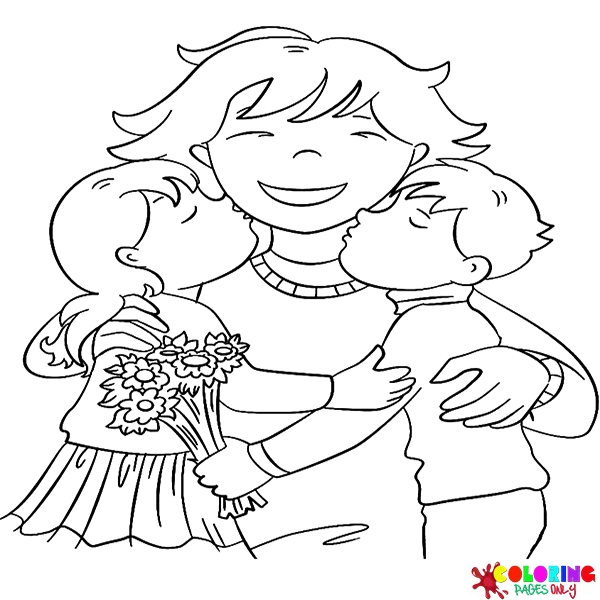
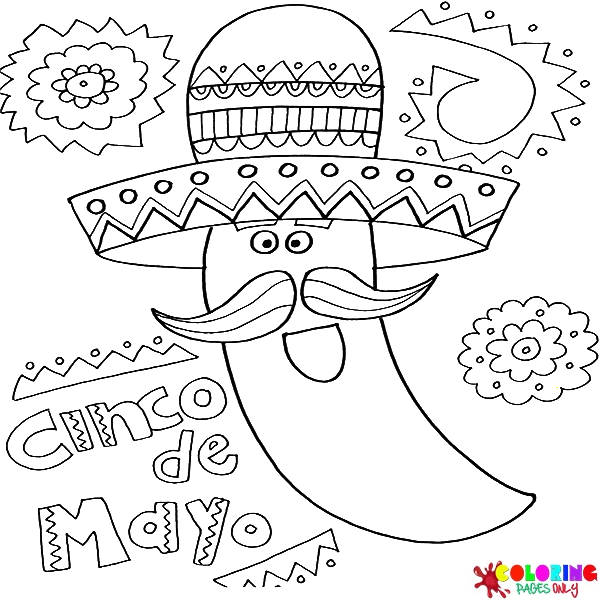
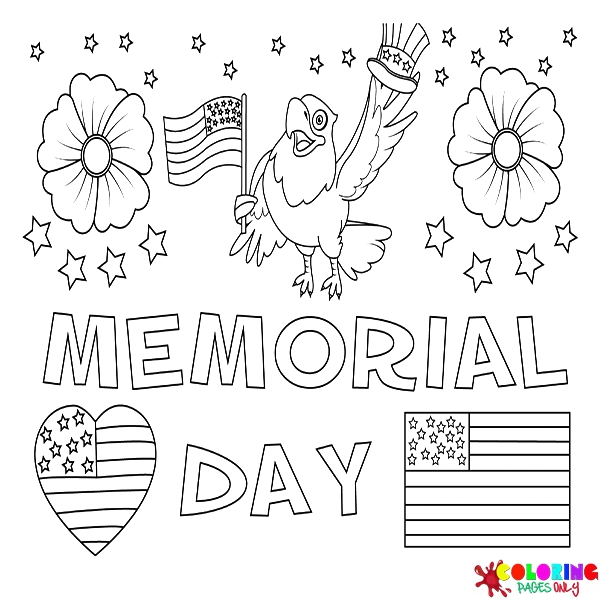
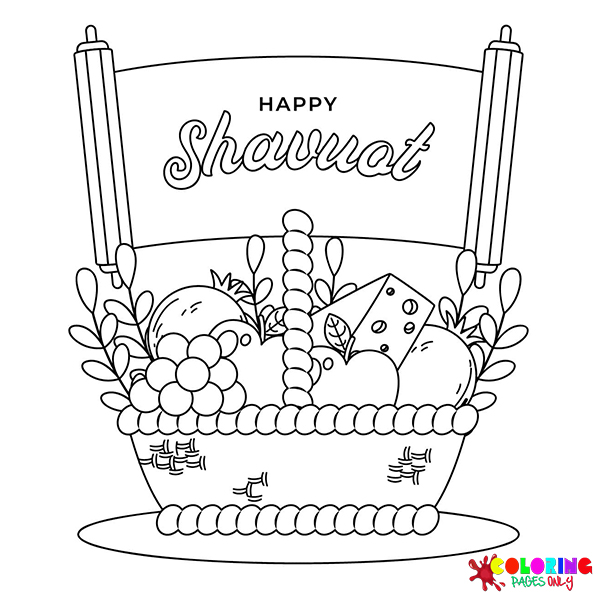
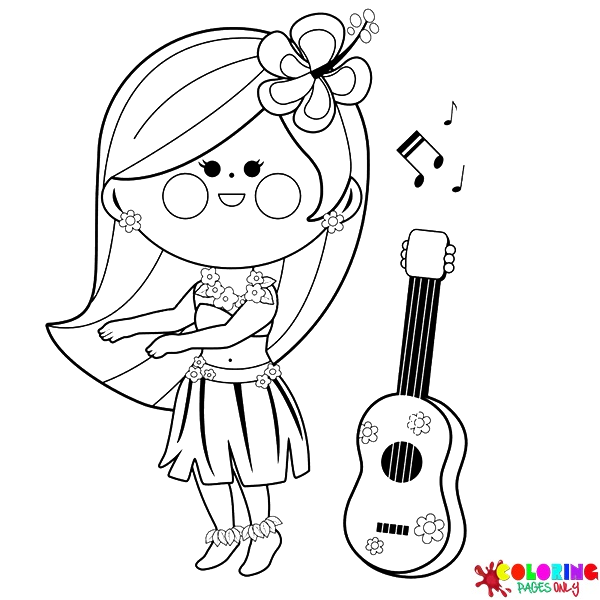
Shavuot covers the Jewish harvest festival and the commemoration of receiving the Torah at Mount Sinai. Mother’s Day and I Love Mom together cover the May celebration of motherhood. Cinco De Mayo covers the Mexican commemoration of the Battle of Puebla on May 5, 1862 – mariachi, marigolds, the Mexican flag, and the festive street-celebration aesthetic that has become widely observed in the United States. Memorial Day opens the summer observance cluster at the end of May. Lei Day (May 1) covers the Hawaiian celebration of the lei tradition – flowers, garlands, and the specific warmth of Hawaiian island culture.
Field Day covers the school-based spring event that marks the end of the academic year with outdoor games and activities – one of the more unusual sub-categories in the collection and one that serves a very specific audience of teachers preparing classroom materials for the end of the school year.
Summer Observances: June through August
The summer cluster is the most nationally specific section of the collection, centered on American national holidays with strong coloring page traditions, but also covering international observance days.
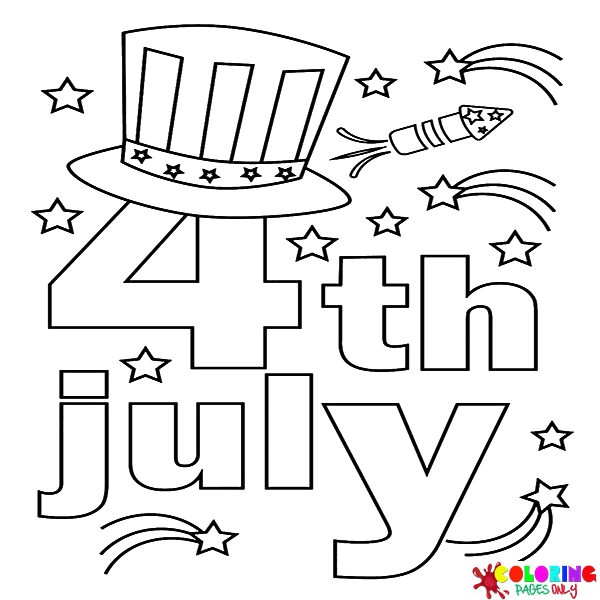
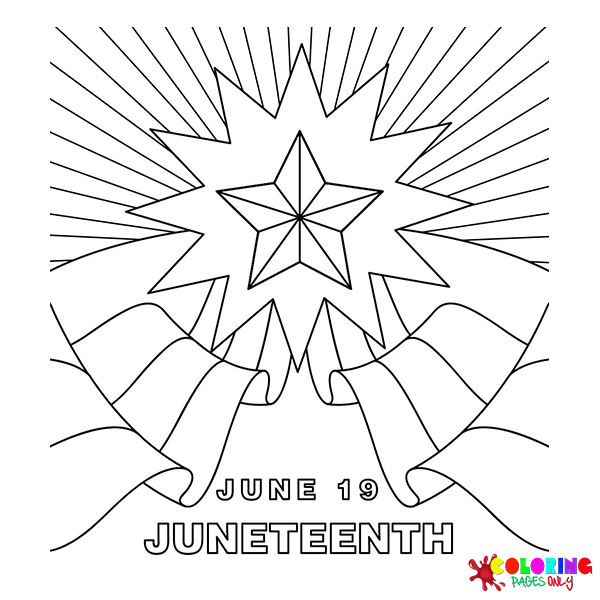
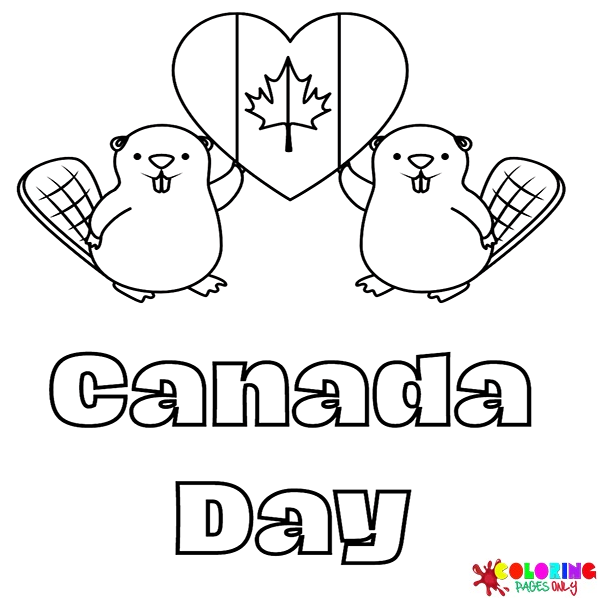
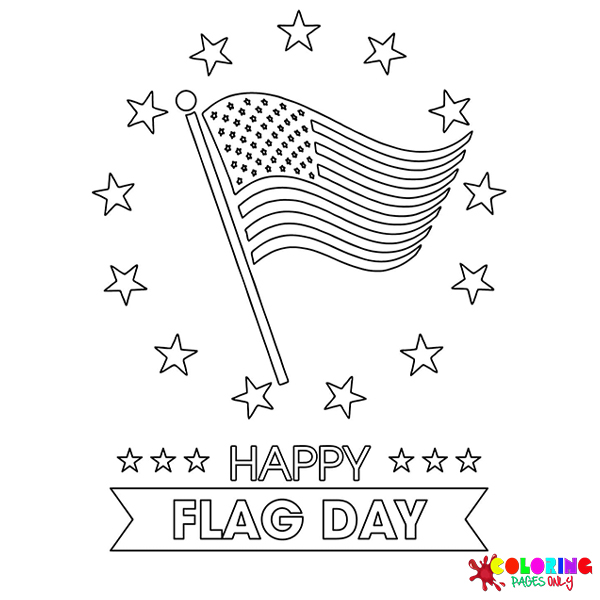
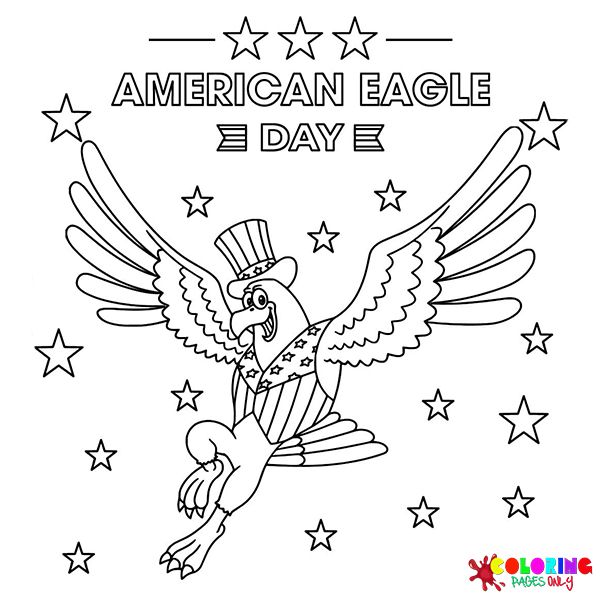
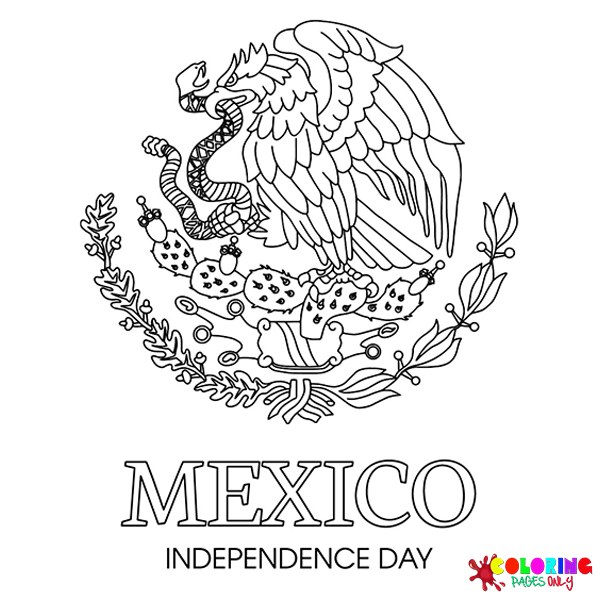
4th of July covers American Independence Day – fireworks, the American flag, bald eagles, Uncle Sam, sparklers, and the red-white-blue palette of the celebration. Flag Day (June 14) and American Eagle Day (June 20) extend the American patriotic theme through June. Juneteenth (June 19) covers the commemoration of the end of slavery in the United States – one of the newer federal holidays, now observed since 2021, with its own developing visual tradition of red, black, and green. Canada Day (July 1) covers the Canadian national holiday with the maple leaf flag and the red-and-white palette of Canadian national identity. Independence Day (September 16, grouped here by cultural proximity to the summer national holiday cluster, covers Mexican independence.
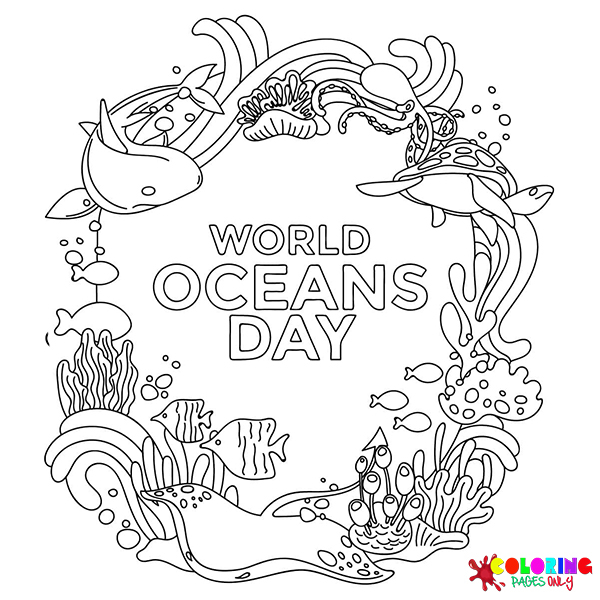
World Environment Day (June 5) and World Oceans Day (June 8) are United Nations environmental observance days with dedicated sub-categories. World Book Day (April 23 internationally, though dates vary by country) covers the UNESCO-established observance celebrating literature and reading.
International Youth Day (August 12), Sisters Day (first Sunday of August), and Brothers’ Day (May 24, sometimes observed in summer) cover the family-relationship observances that sit alongside the more institutional holidays. Labor Day covers the workers’ rights holiday observed in September in the United States and Canada.
Autumn Observances: September through November
The autumn cluster is anchored by the two most visually distinctive American holidays – Halloween and Thanksgiving – alongside a range of religious and cultural observances.
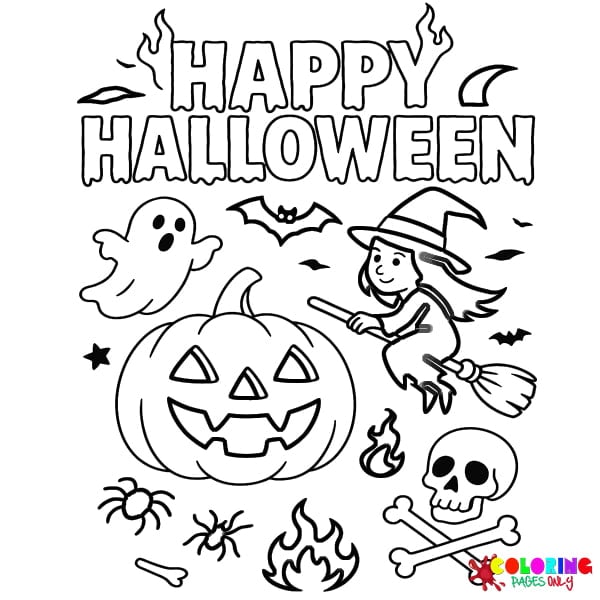
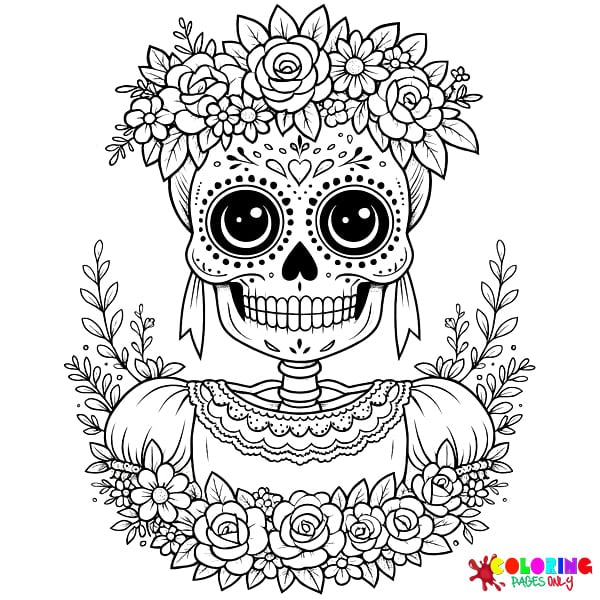
Halloween is the second-largest sub-category in the entire collection after Christmas, reflecting its extraordinary visual richness as a holiday: jack-o’-lanterns, ghosts, witches, black cats, skeletons, haunted houses, candy, costumes, and the black-and-orange palette that defines October 31 across the Western world. Day of the Dead (Día de los Muertos, November 1–2) is a distinct Mexican cultural tradition that is sometimes confused with Halloween – its coloring page aesthetic is very different, featuring sugar skulls (calaveras), marigolds (cempasúchil), ofrendas (altars), and a vivid multi-color palette that is celebratory rather than spooky. The two sub-categories sit near each other in the calendar but require completely different coloring approaches.
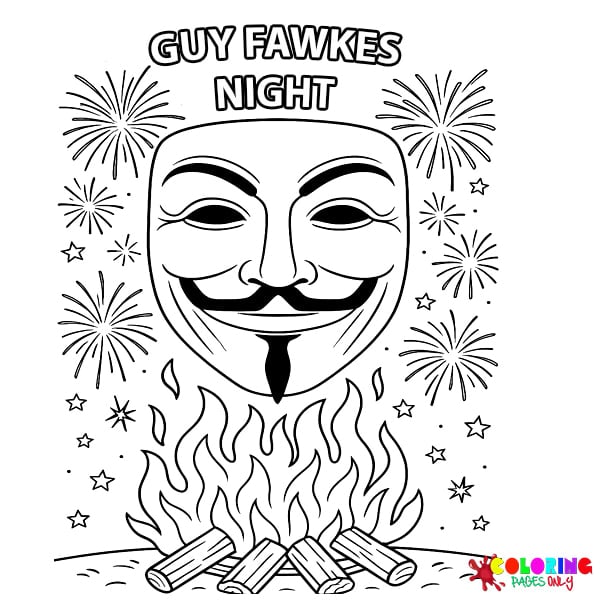
Diwali covers the Hindu Festival of Lights, one of the most significant religious holidays in the world – oil lamps (diyas), rangoli floor patterns, fireworks, marigold garlands, and the gold-and-color palette of the illumination tradition. The timing of Diwali falls in October or November in the Gregorian calendar. Guy Fawkes Night (November 5) covers the British bonfire night tradition – fireworks, bonfires, and the story of the 1605 Gunpowder Plot.
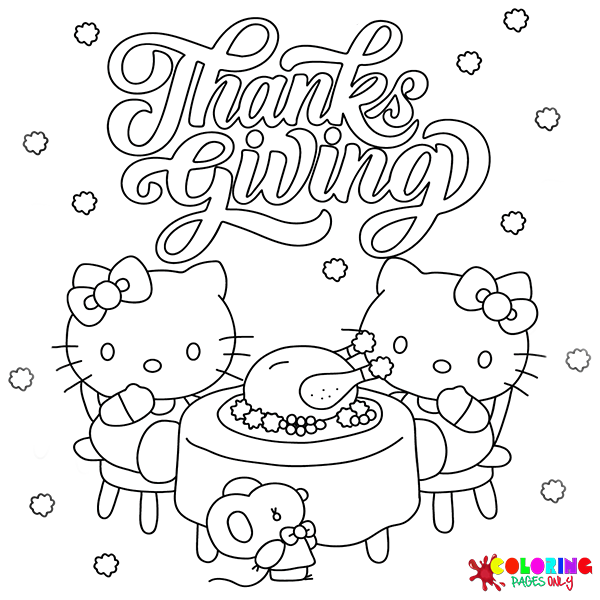
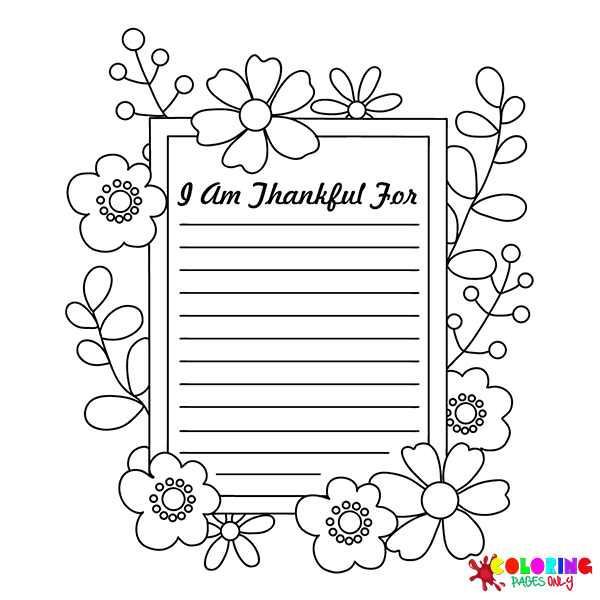
Thanksgiving and Thanksgiving Cartoon together cover the American harvest holiday on the fourth Thursday of November – pilgrims, Native Americans, the Mayflower, turkeys, pumpkins, cornucopias, and autumn leaf imagery. Turkey has its own dedicated sub-category for the single most iconic Thanksgiving visual symbol. I Am Thankful For provides a coloring-and-writing format that gives children space to personalize their Thanksgiving expression. Mayflower covers the historical ship in its own sub-category.
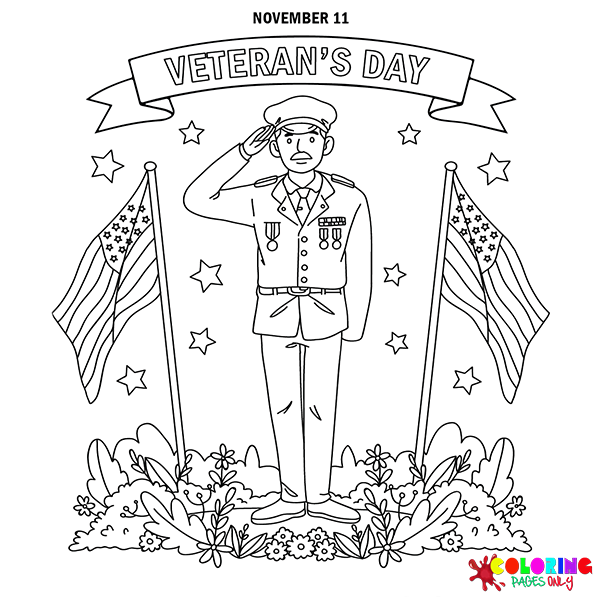
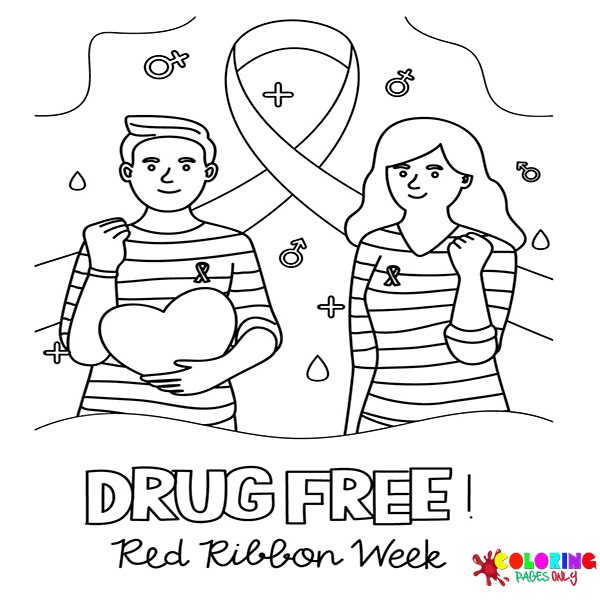
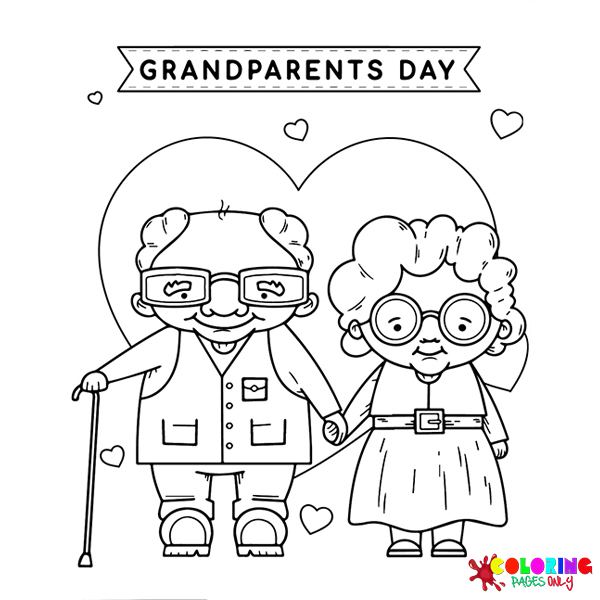
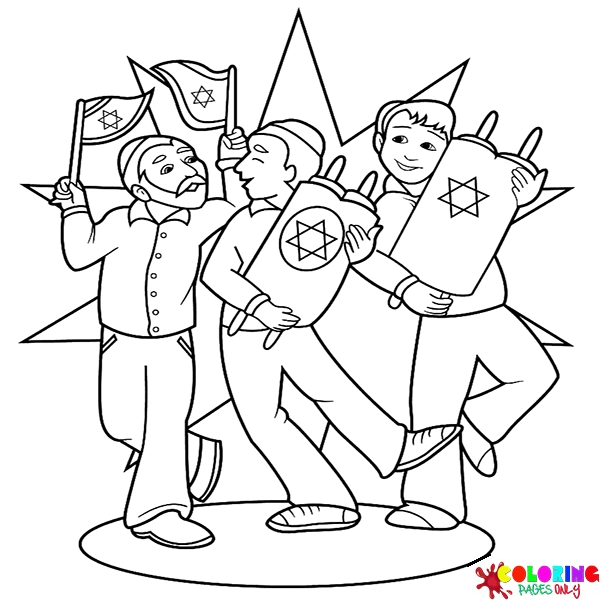
Rosh Hashanah and Simchat Torah extend the Jewish High Holidays cluster into the autumn – Rosh Hashanah (the Jewish New Year in September or October) with its shofar horn, honey and apple, pomegranate, and new year imagery; Simchat Torah with its Torah scroll celebration. Grandparents Day (the first Sunday after Labor Day in the United States) covers the September observance honoring grandparents. Patriot Day (September 11), Veterans Day (November 11), and Election Day (November, US) cover the civic and memorial observances of the American autumn calendar. Columbus Day (second Monday in October, also observed as Indigenous Peoples’ Day) covers the holiday with its contested history and evolving observance. Red Ribbon Week (last week of October) covers the school-based drug awareness observance.
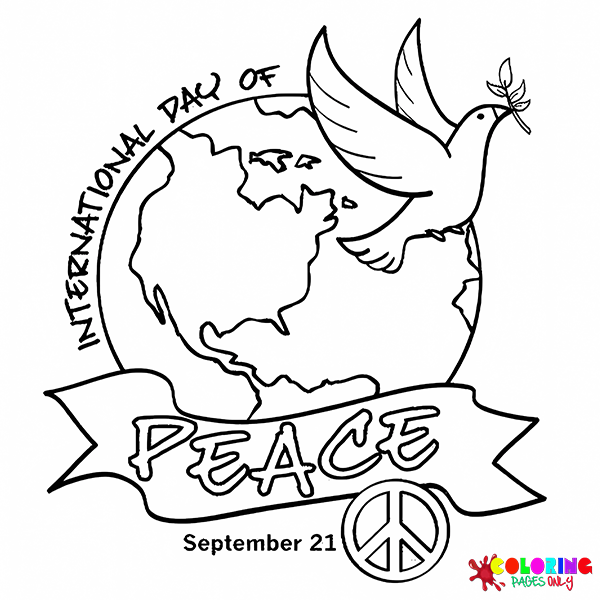
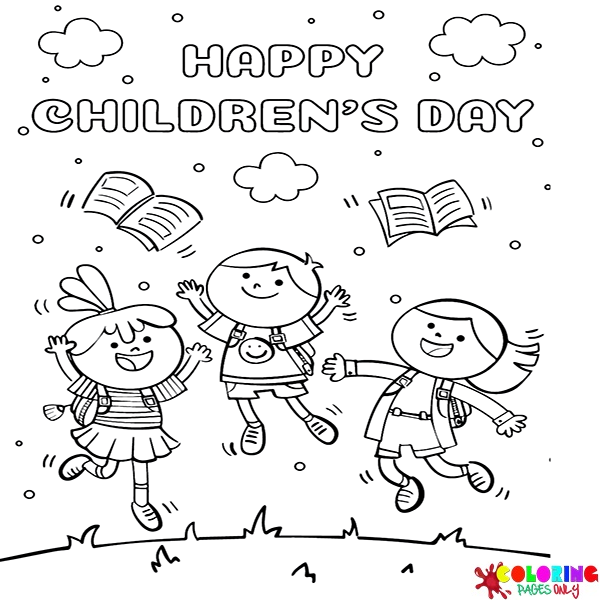
International Day of Peace (September 21) and Children’s Day (November 20 internationally, though dates vary) and International Day of Education (January 24) extend the UN observance day coverage across the autumn and into early winter.
Life Celebrations: Birthdays, Weddings, and Personal Milestones
Several sub-categories step outside the shared calendar entirely and into the personal milestones that mark individual lives rather than collective observance.
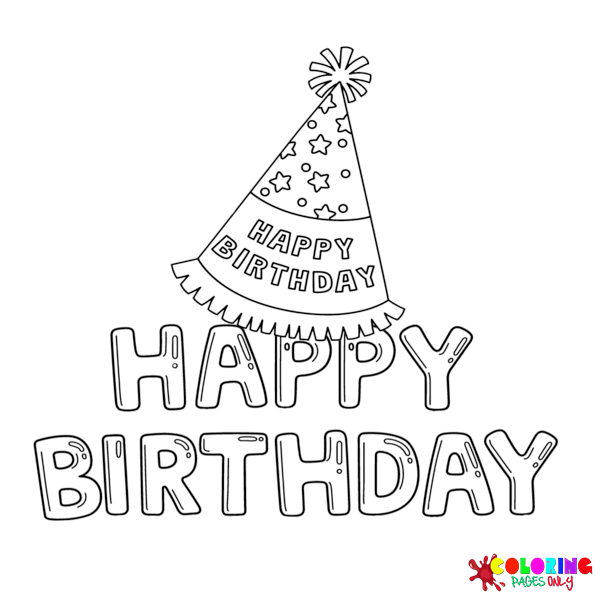
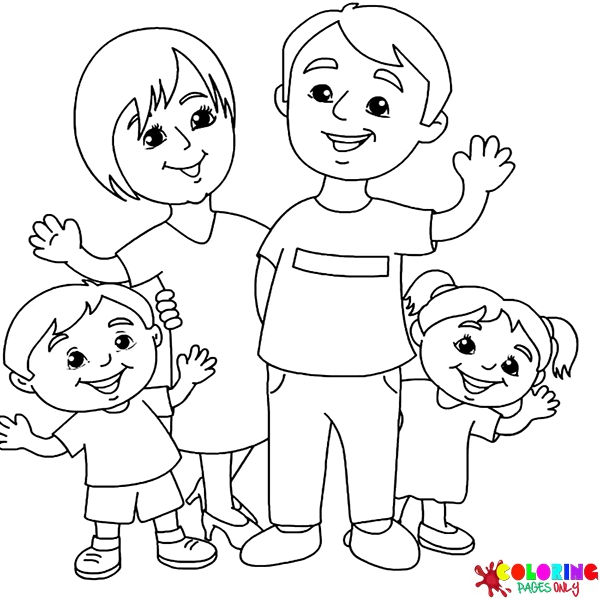
Happy Birthday and Happy Birthday Card together form the largest personal-milestone cluster – birthday cakes, balloons, party hats, candles, and the celebration of another year that is the most universally observed human ritual. Wedding covers the marriage ceremony and its visual traditions – rings, wedding cakes, bouquets, chapel scenes, and the bride-and-groom iconography that transcends any single cultural tradition. Get Well Soon covers the messages of care and recovery sent to those who are ill. Family Day covers the family unit as a celebration theme.
Observance Days: The United Nations Calendar
A substantial cluster of sub-categories covers the international awareness and observance days established by the United Nations and its agencies. These include World Water Day, World Environment Day, World Oceans Day, World Health Day, World Book Day, World Autism Awareness Day, International Day of Peace, International Day of Education, International Day of Human Space Flight, International Youth Day, and Children’s Day. These observance days have a specific audience – primarily teachers looking for classroom materials that connect coloring activity to civic and environmental awareness themes – and their sub-categories typically carry pages designed to work within an educational context.
Prayer Day and the broadly titled Festival sub-category cover general celebration and spiritual observance themes outside any specific tradition. Intellectual covers the themes of learning, knowledge, and academic achievement.