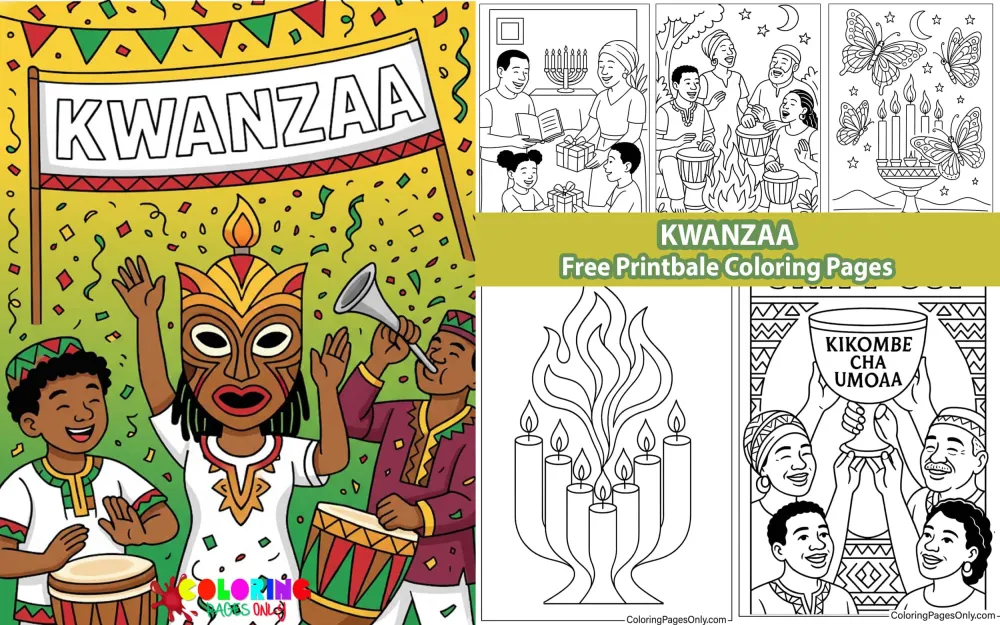
Free Kwanzaa Coloring Pages: 37 printable PDF designs featuring the Kinara candle holder, family and community celebration scenes, and symbols tied to the holiday’s seven principles. Each page can be downloaded as a PDF to print or colored online in the browser.
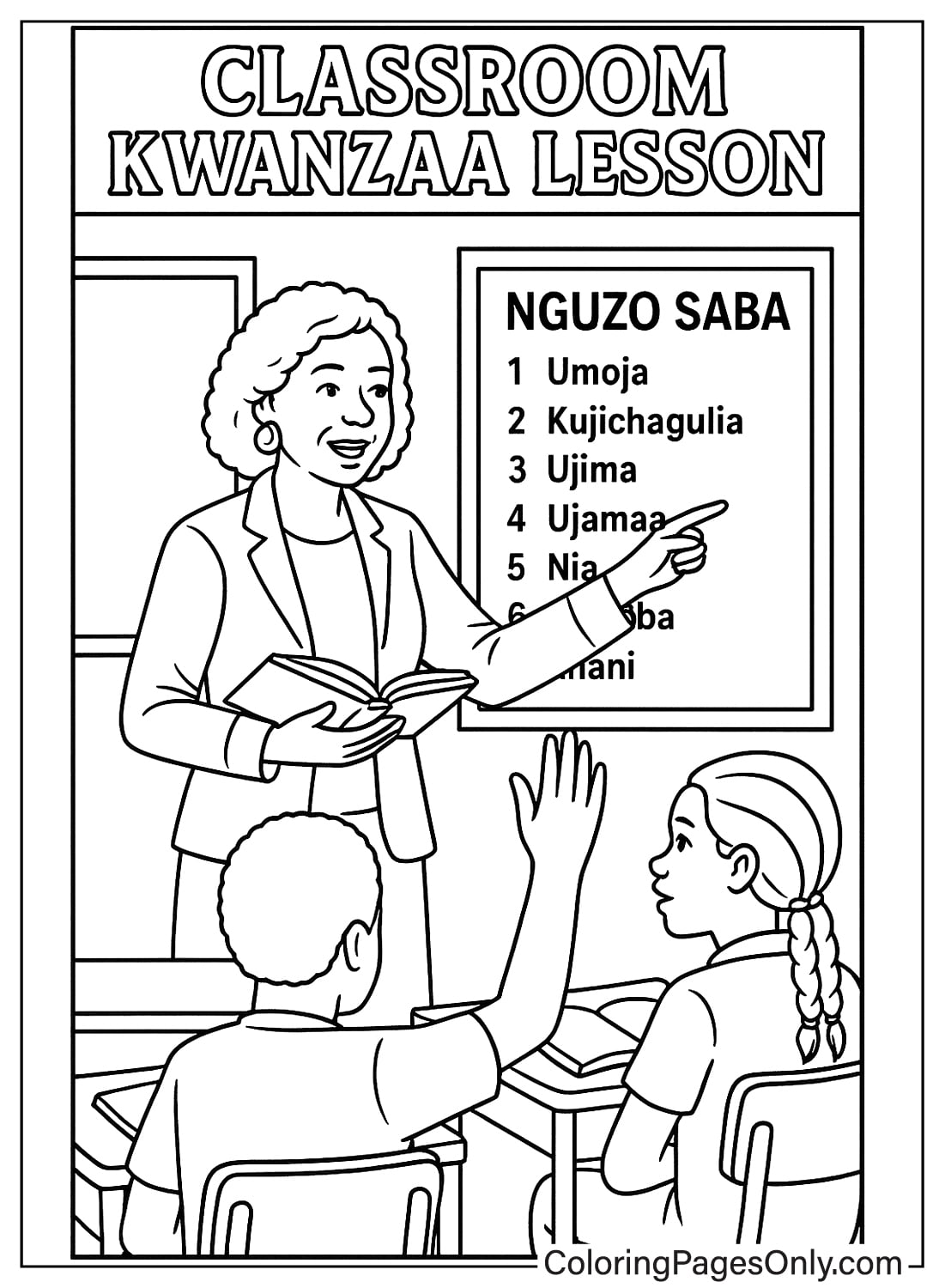
Kwanzaa is a week-long cultural celebration of African and African American heritage, observed each year from December 26 through January 1. It was created in 1966 by Dr. Maulana Karenga, a professor of Africana Studies, to help strengthen family, community, and cultural identity. Each of the seven days centers on one of the Nguzo Saba, or Seven Principles, expressed in Swahili: Umoja (unity), Kujichagulia (self-determination), Ujima (collective work and responsibility), Ujamaa (cooperative economics), Nia (purpose), Kuumba (creativity), and Imani (faith). Families gather each evening to light a candle on the Kinara, discuss that day’s principle, and share in traditions that include the Mazao (harvest crops), the Kikombe cha Umoja (unity cup), and Zawadi (gifts). Kwanzaa is not tied to any single religion; it is a cultural celebration observed by people of many different faith backgrounds, often alongside other holidays that fall during the same season.
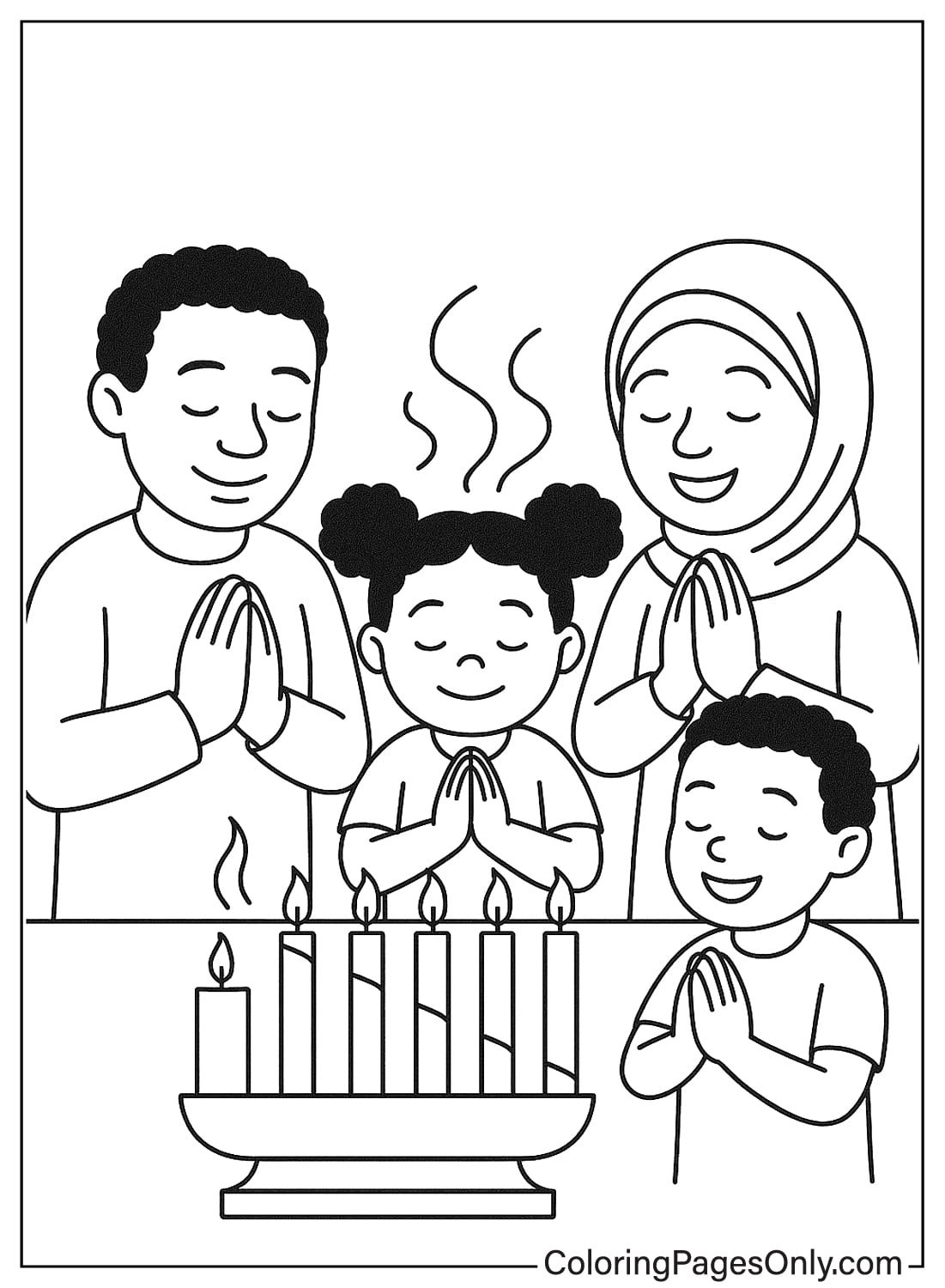
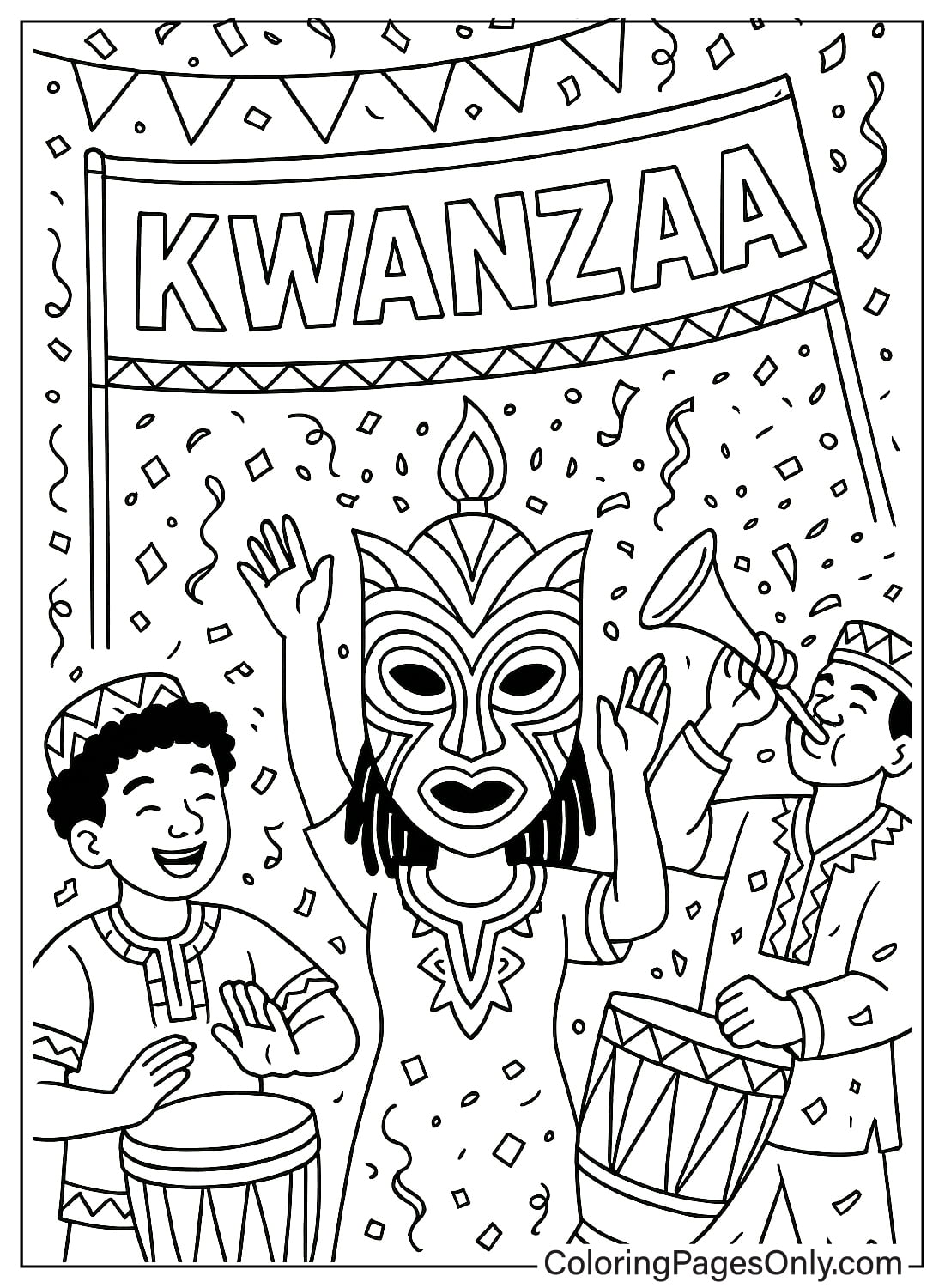
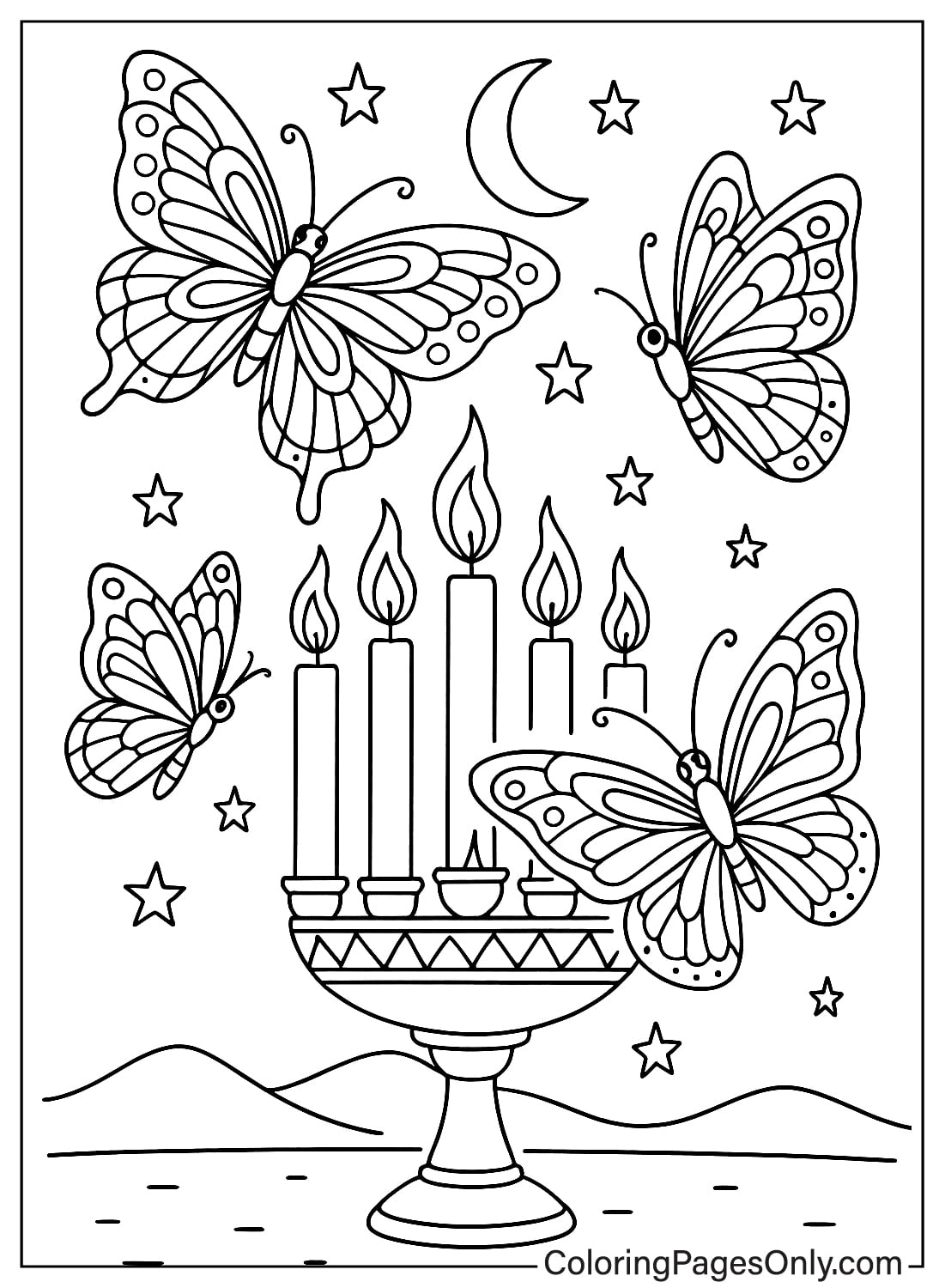
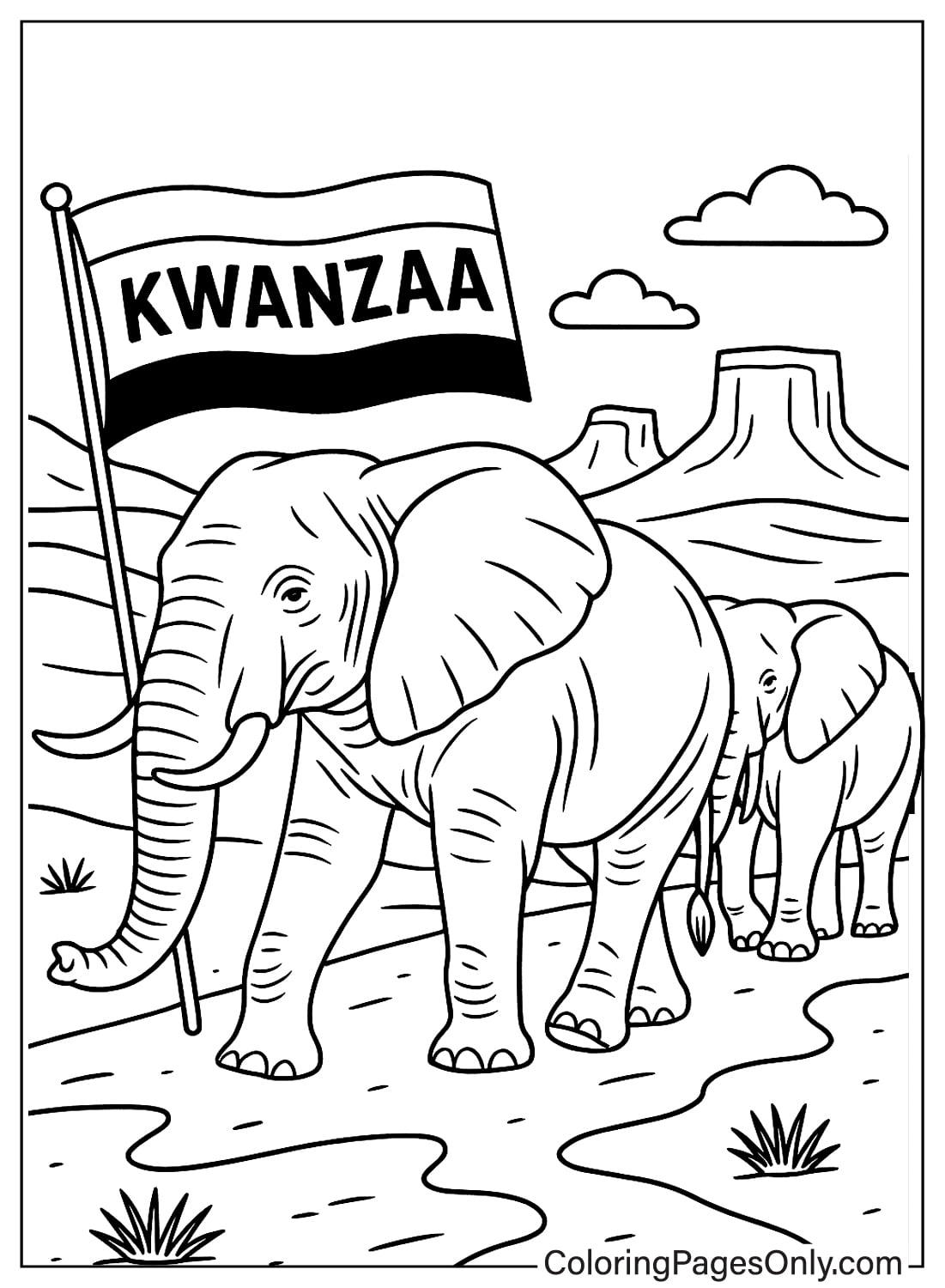
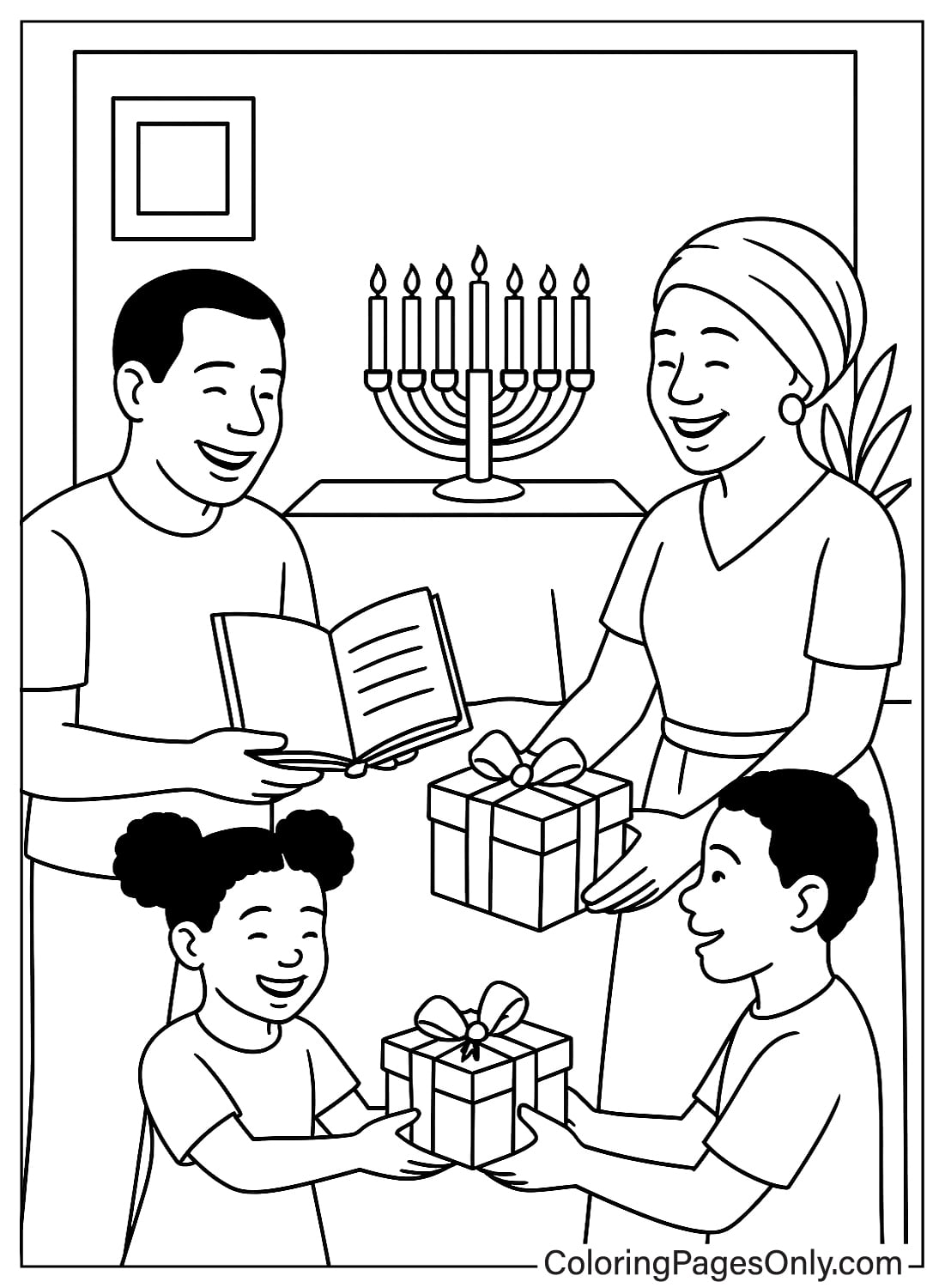
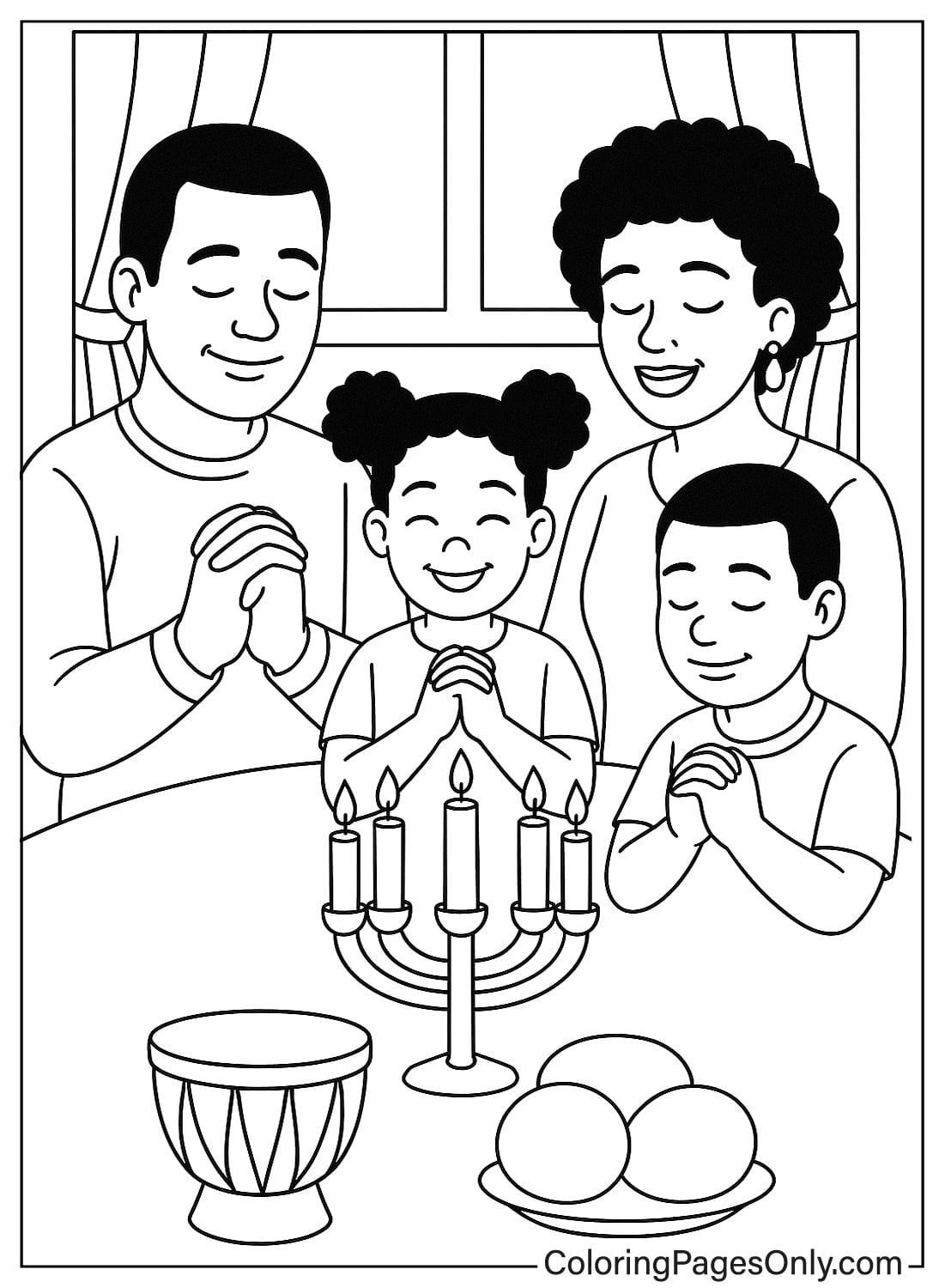
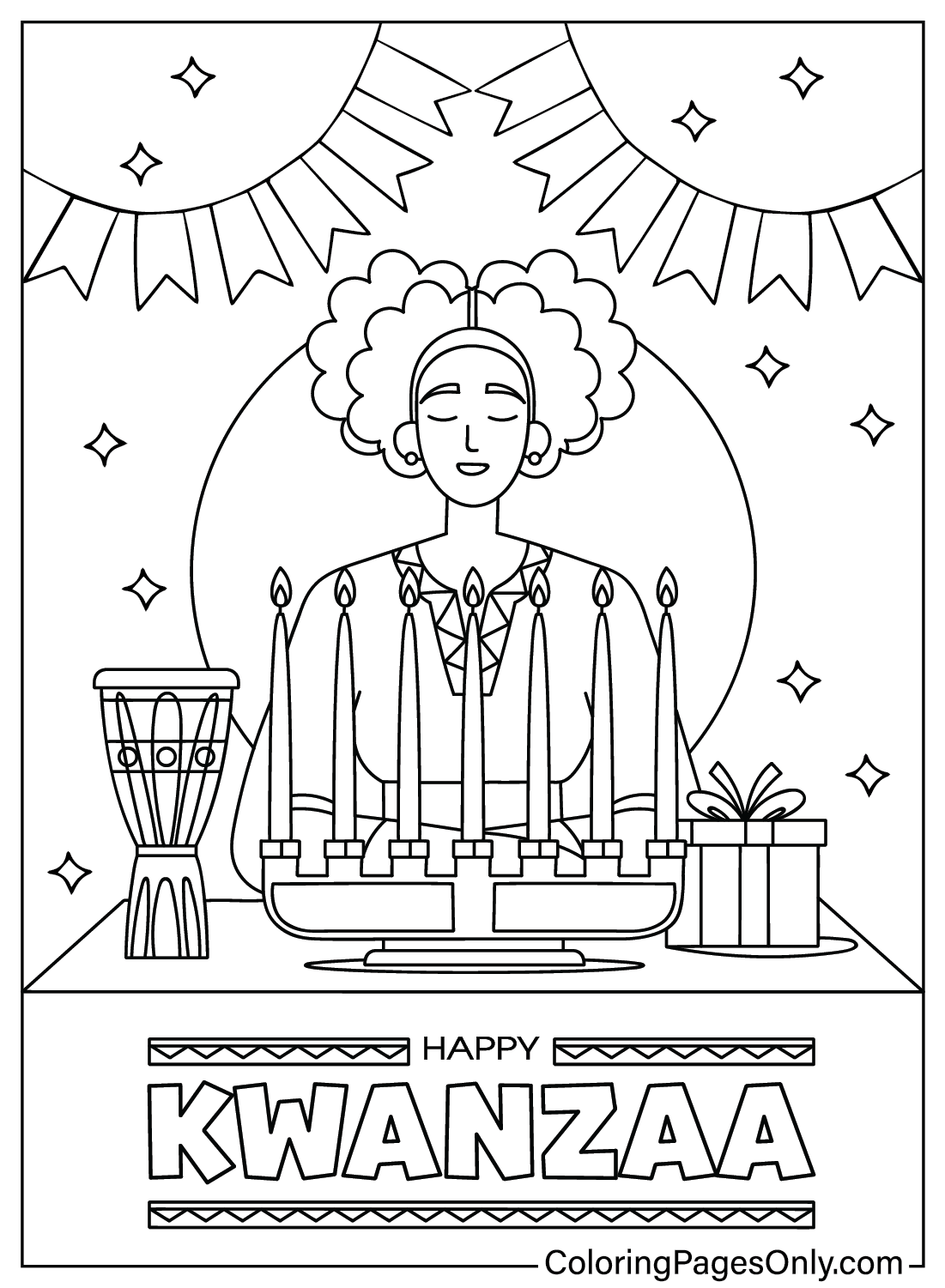
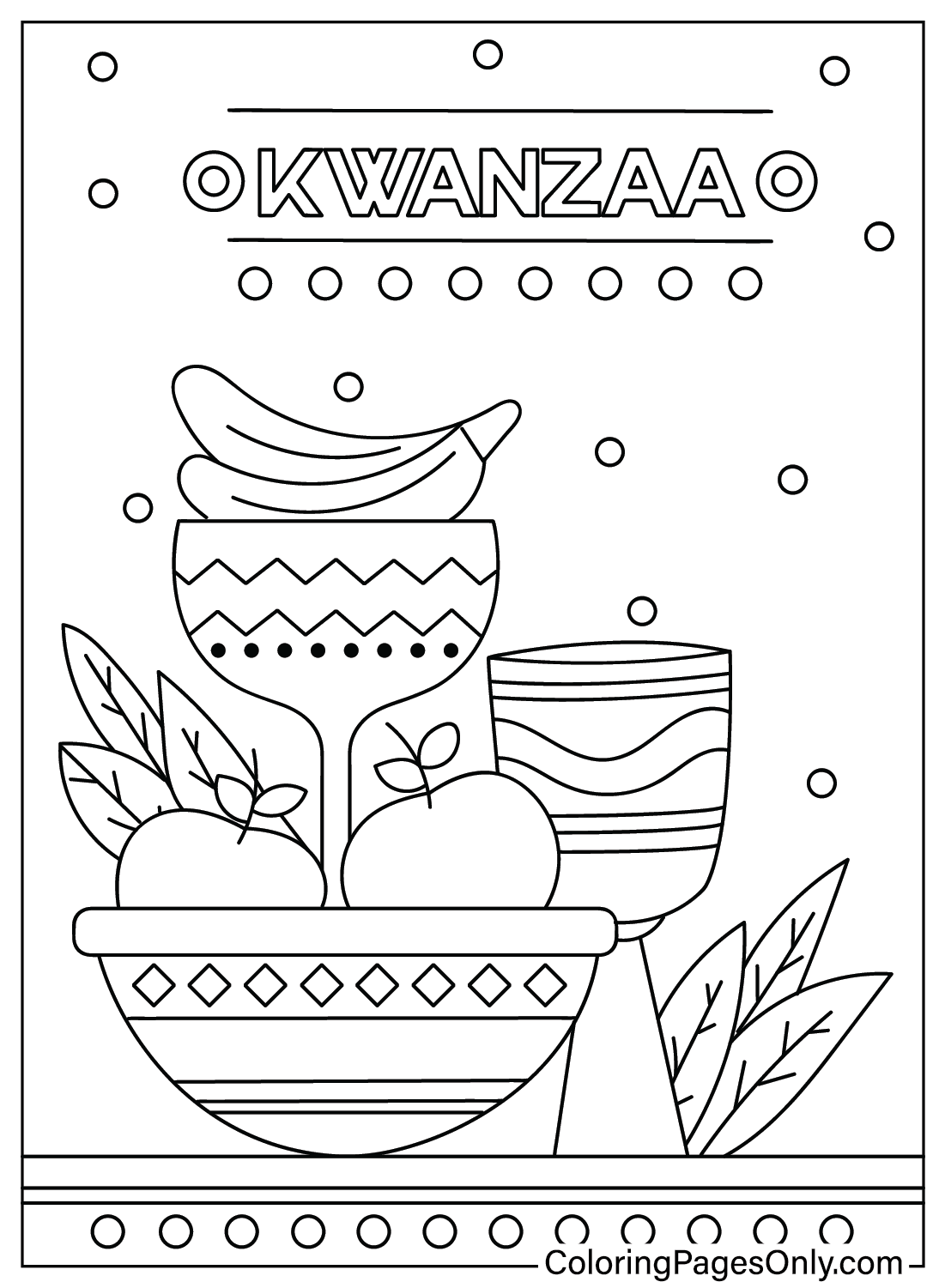
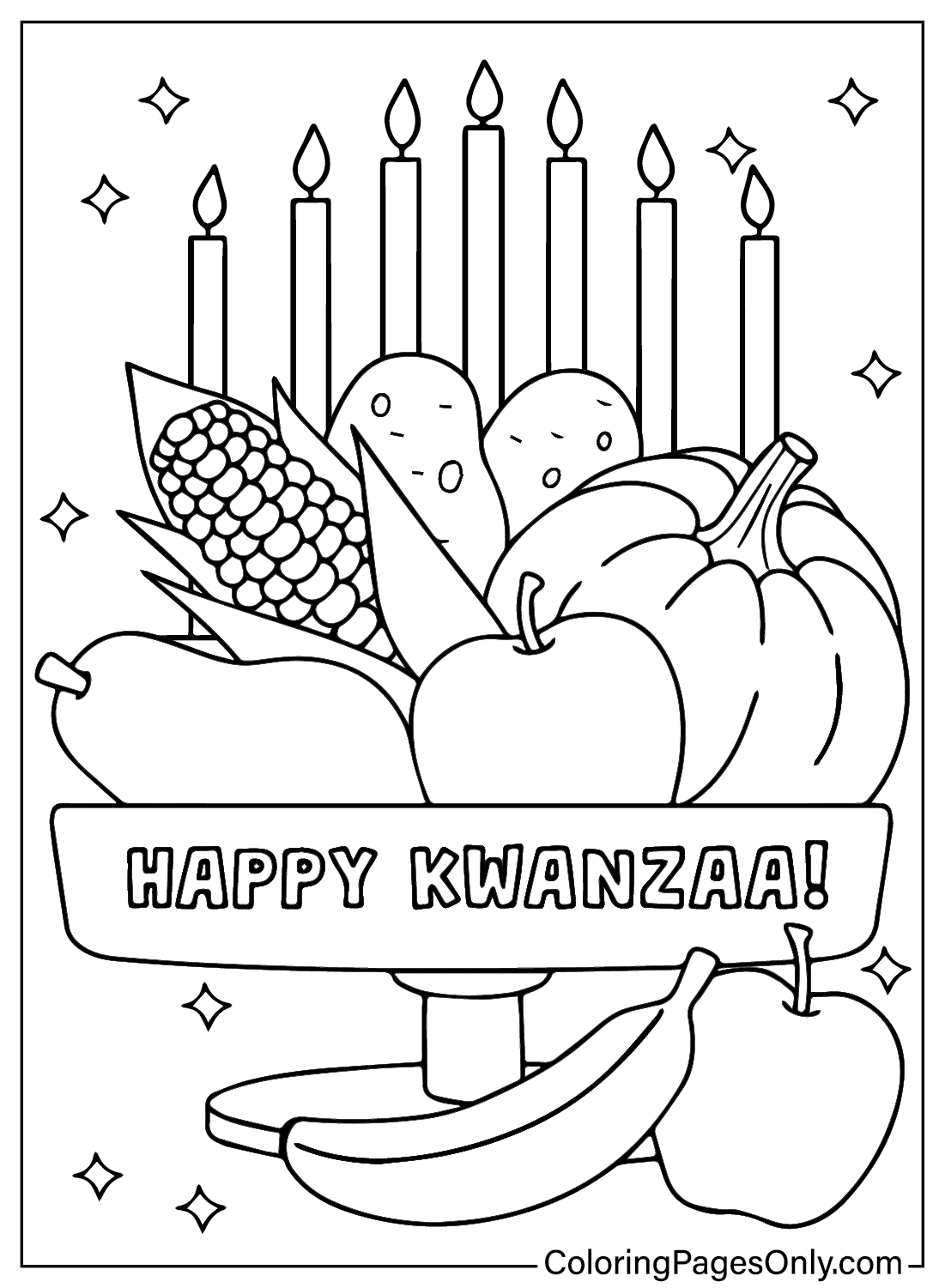
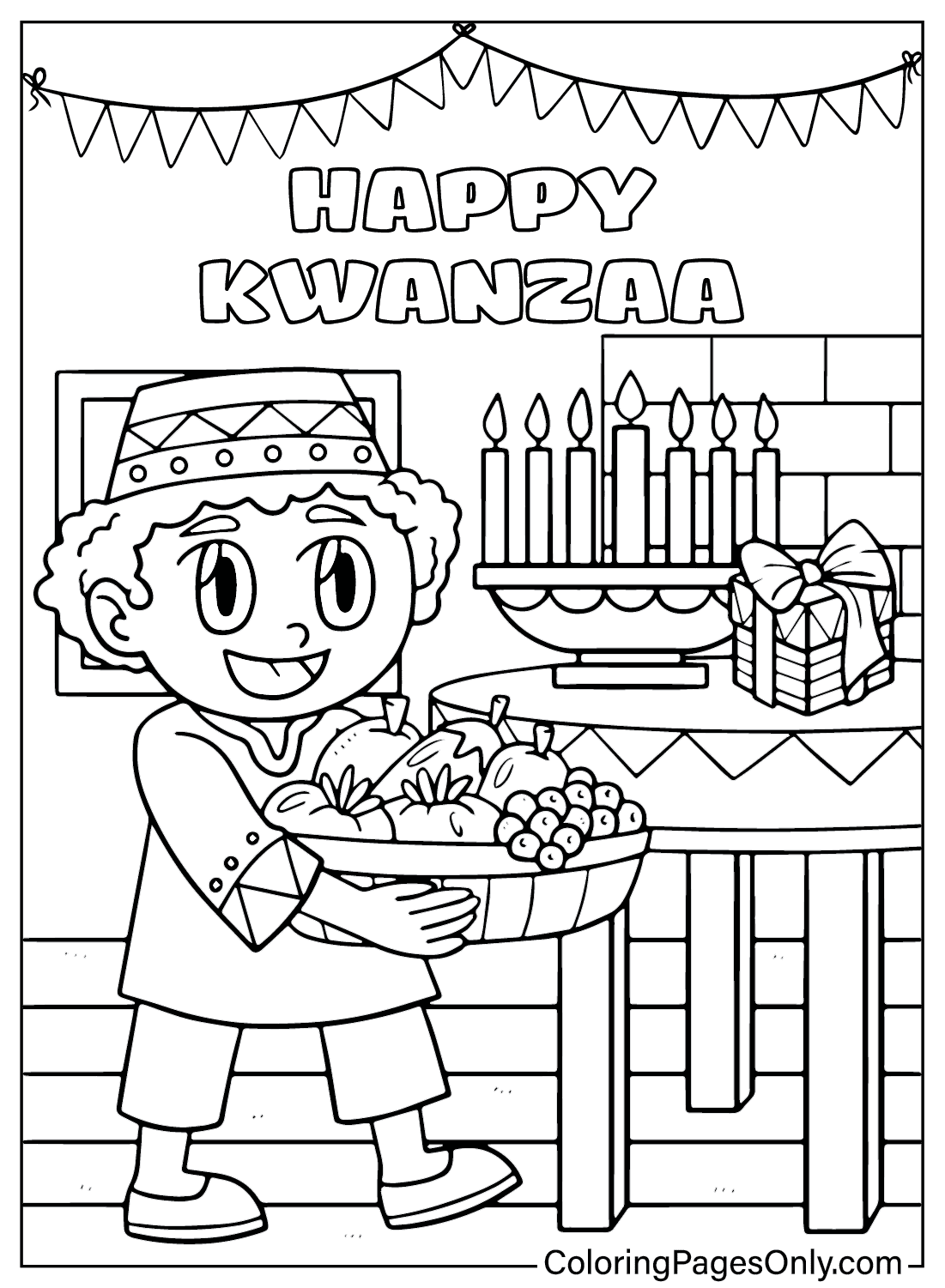
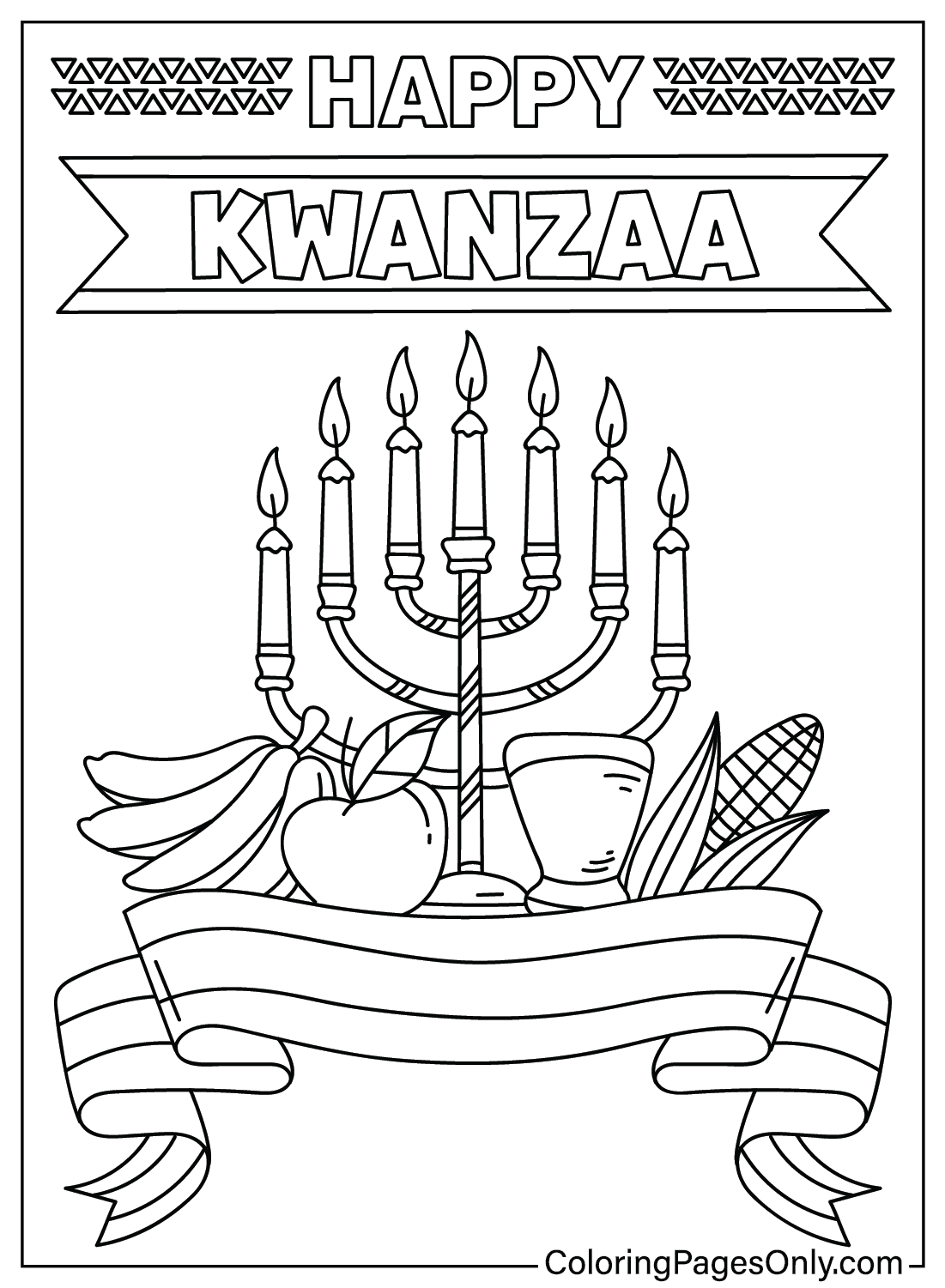
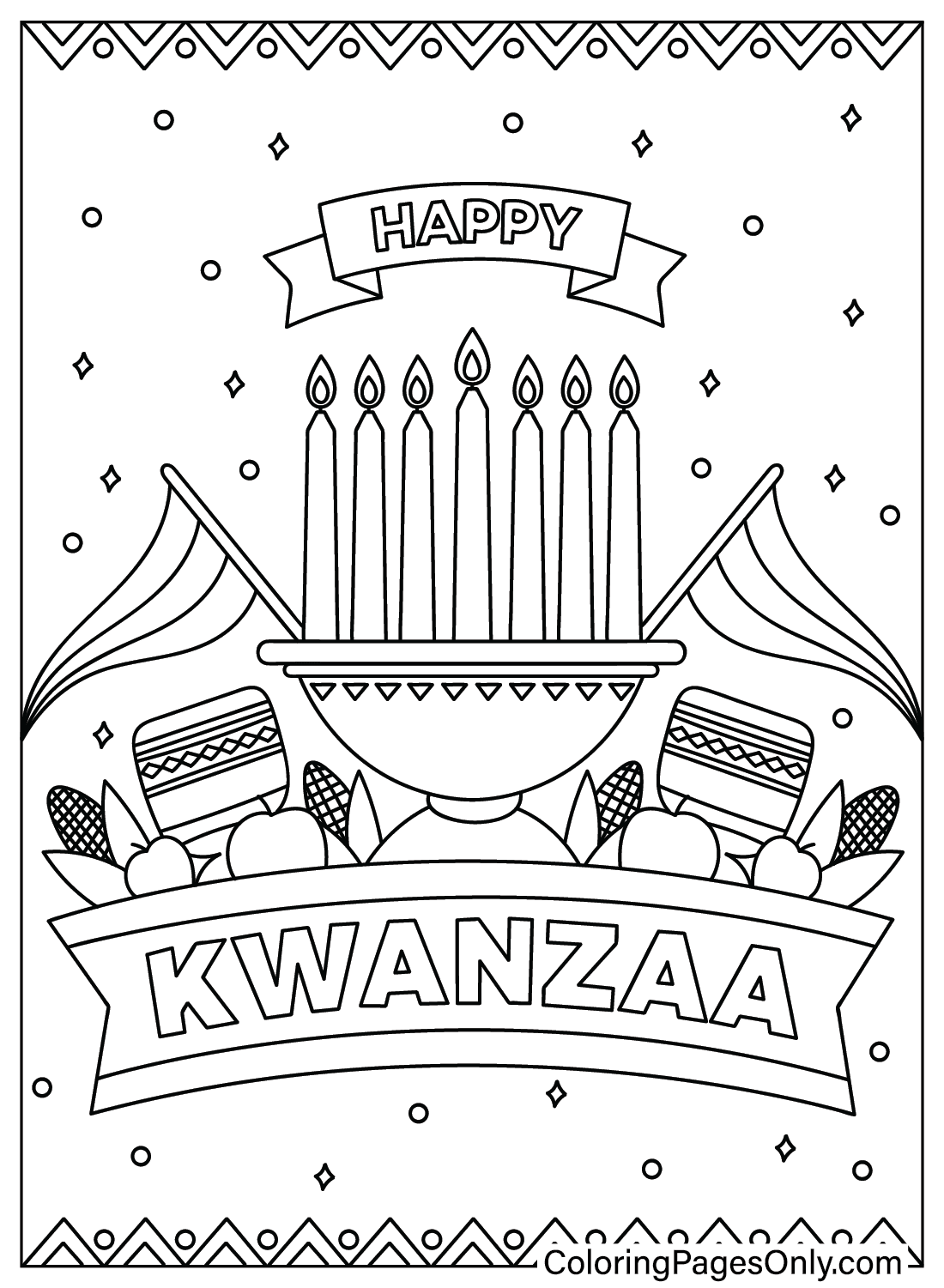
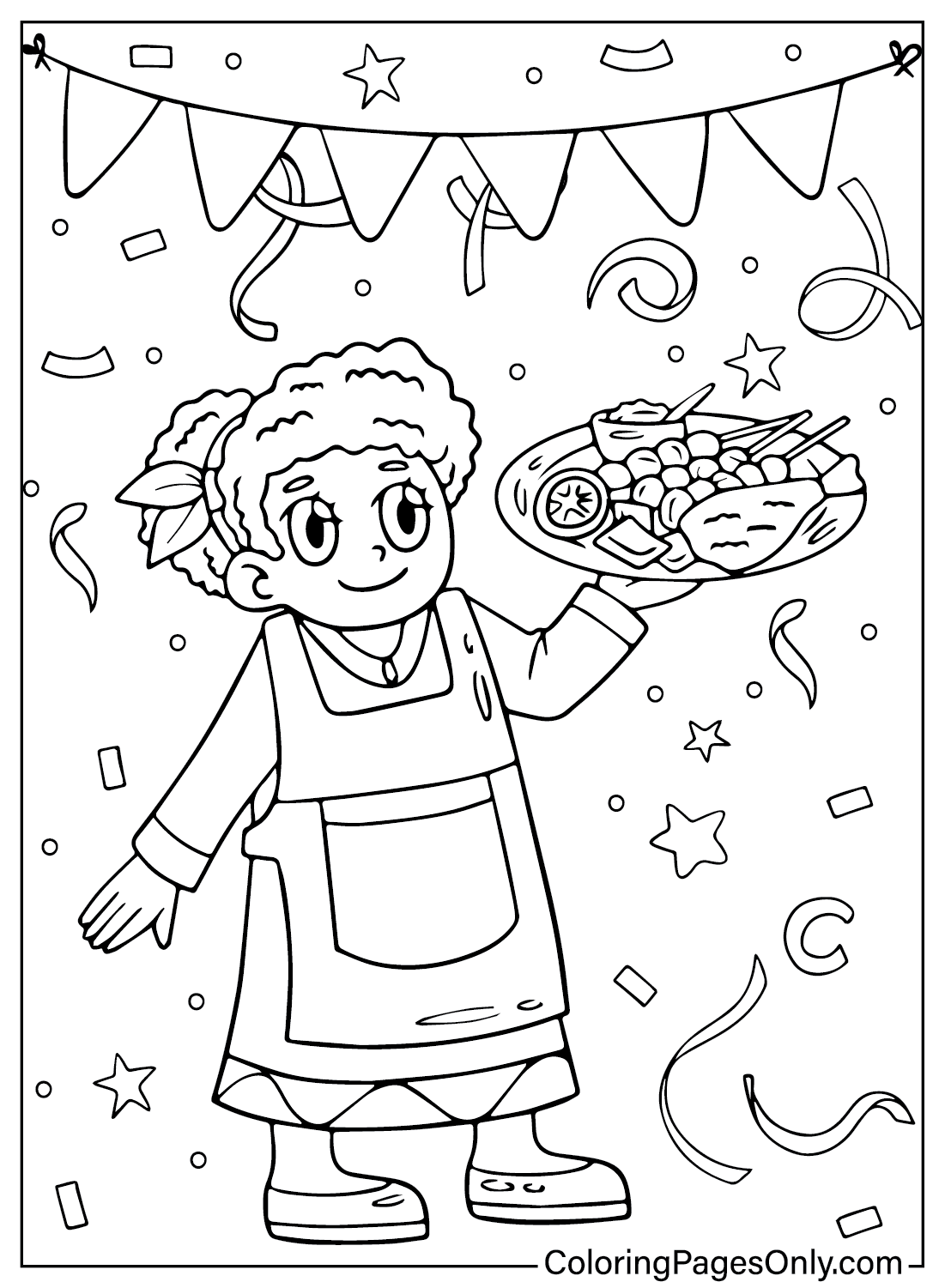
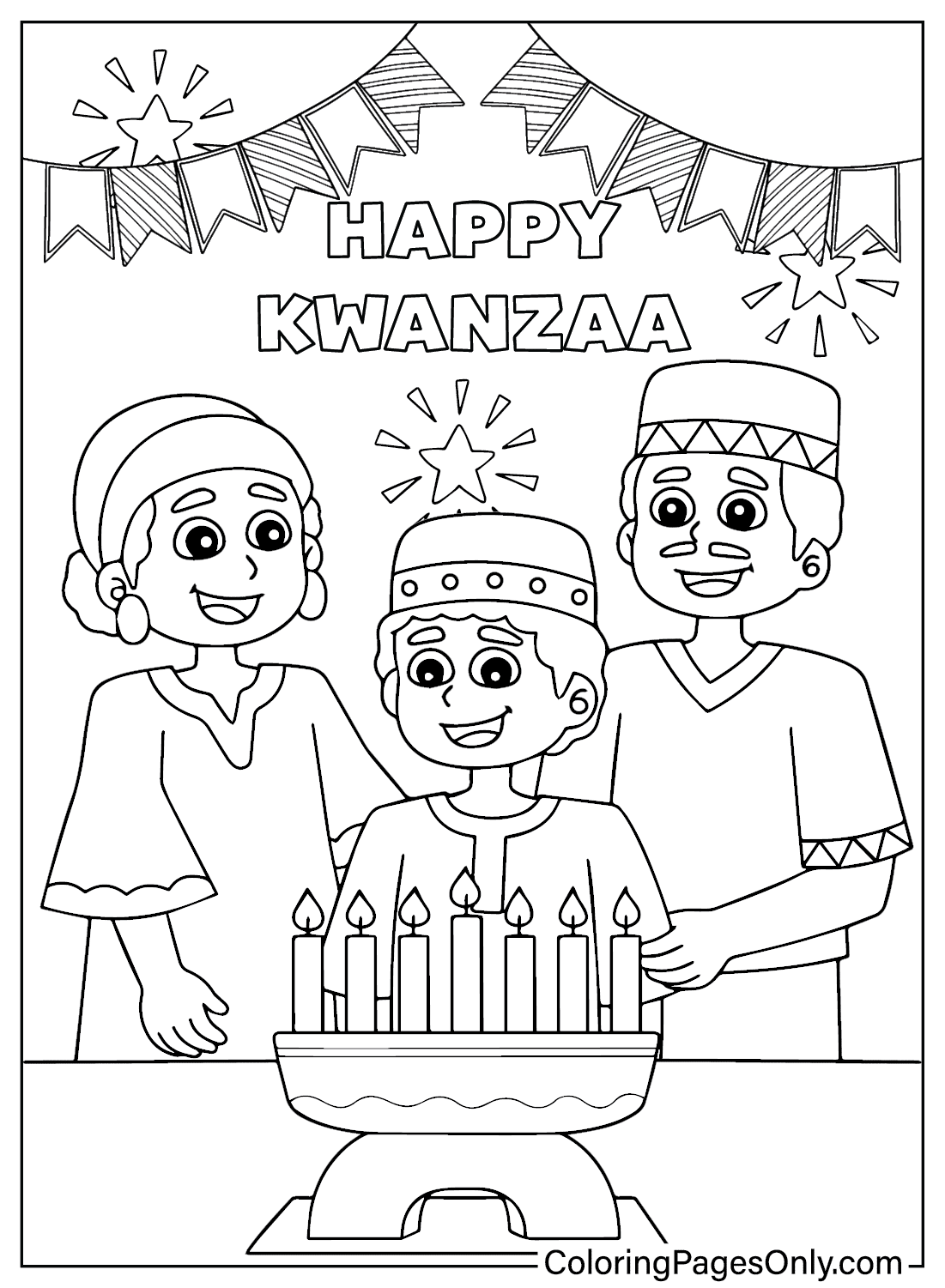
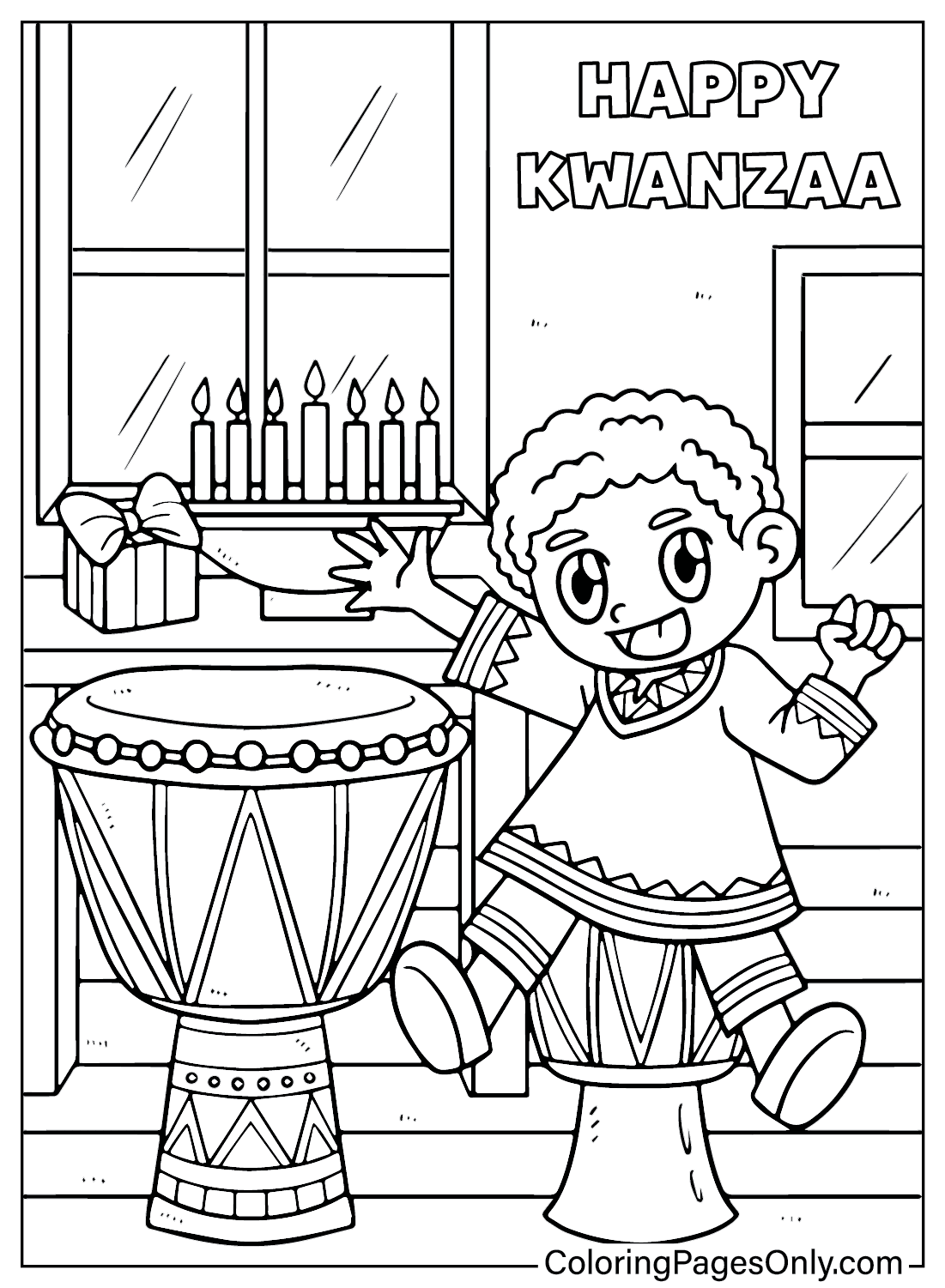
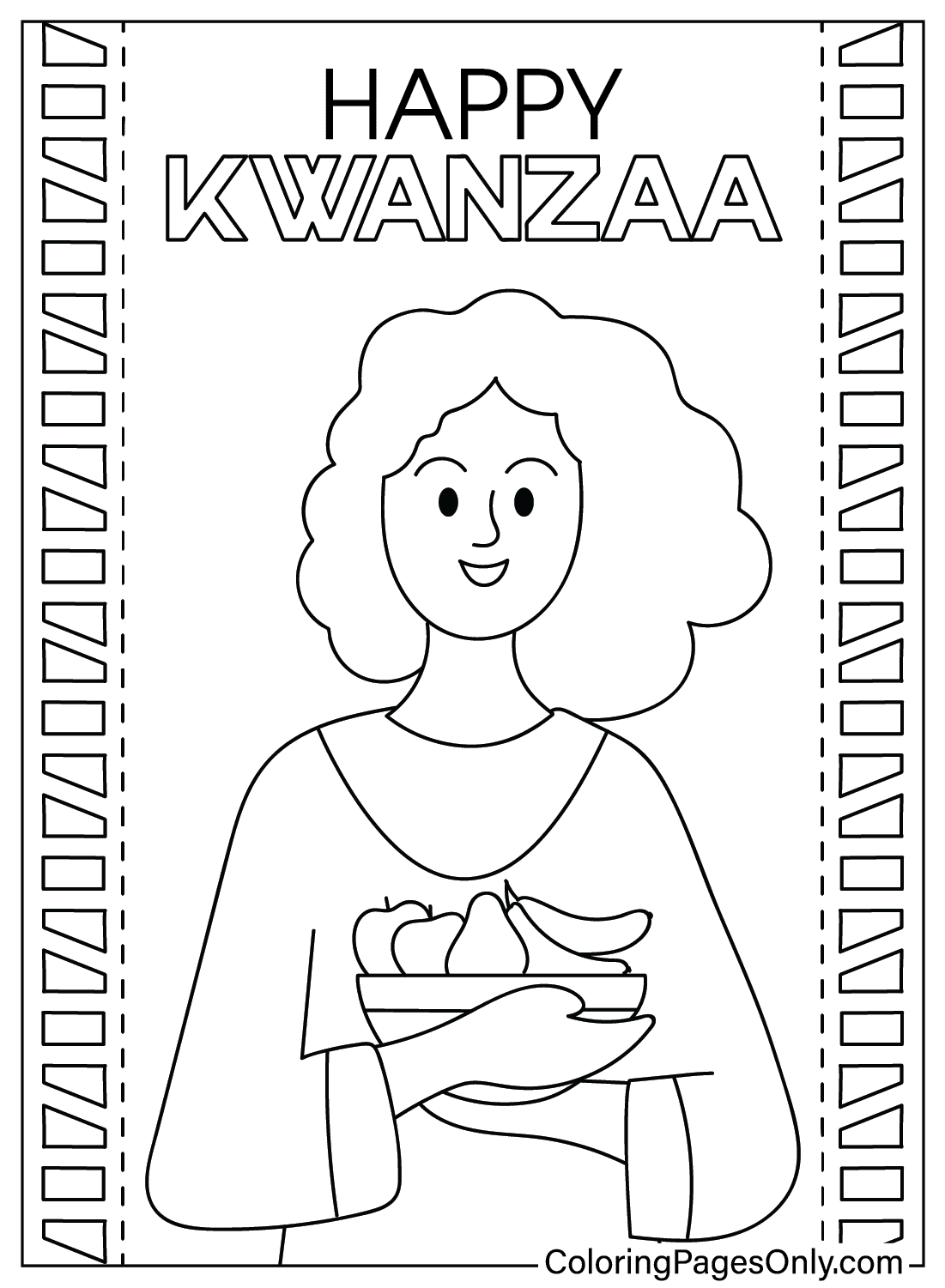
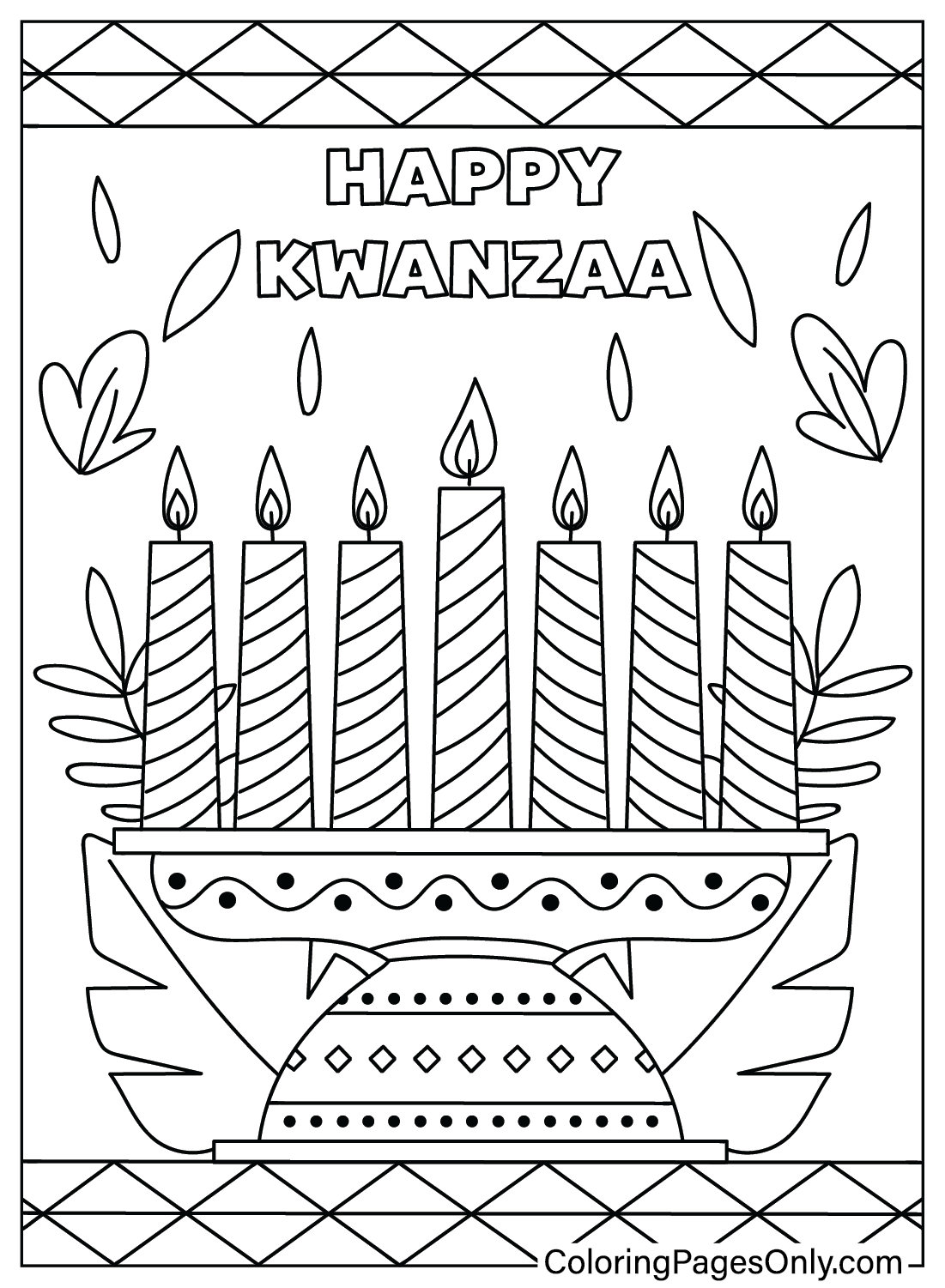
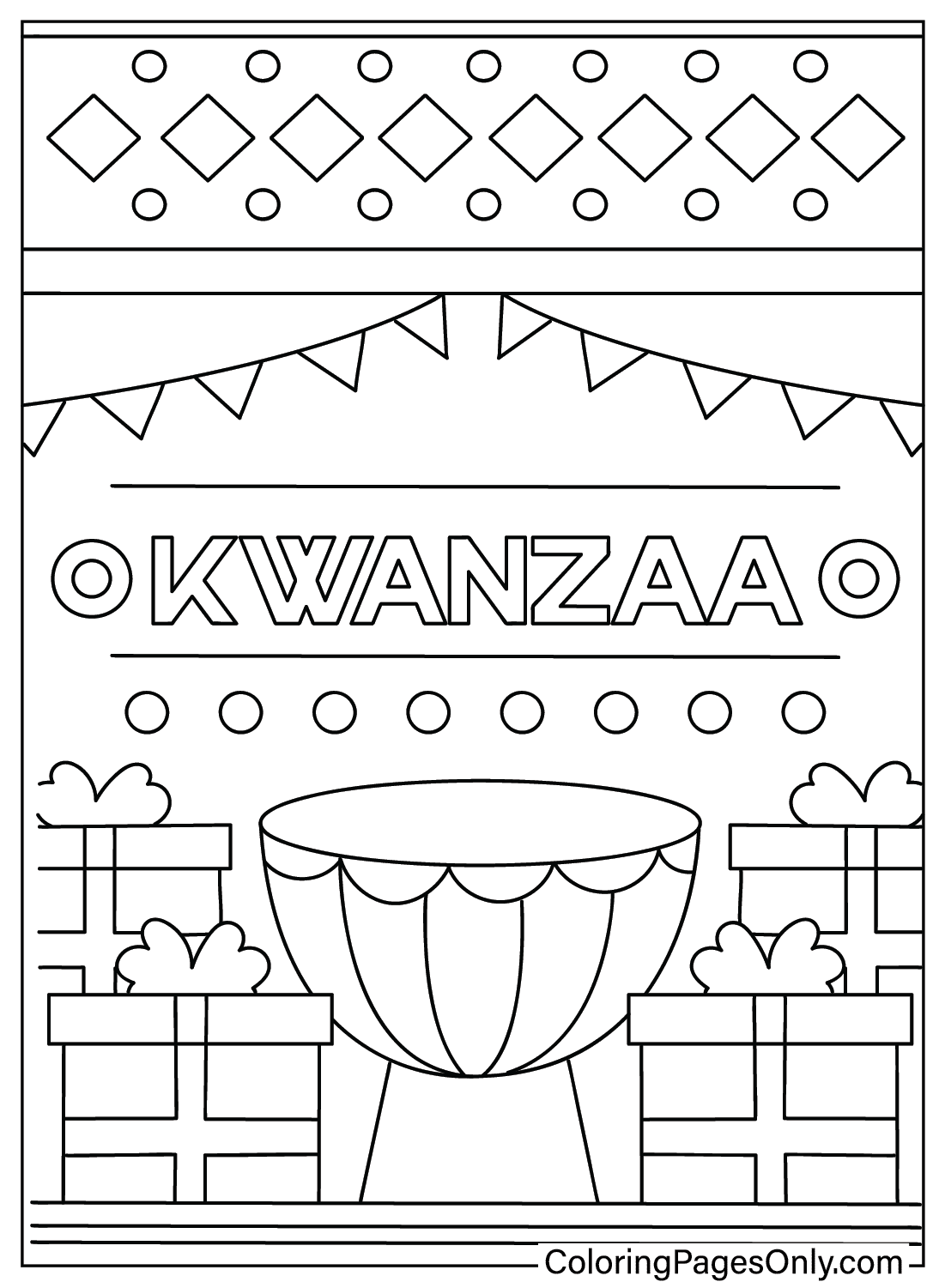
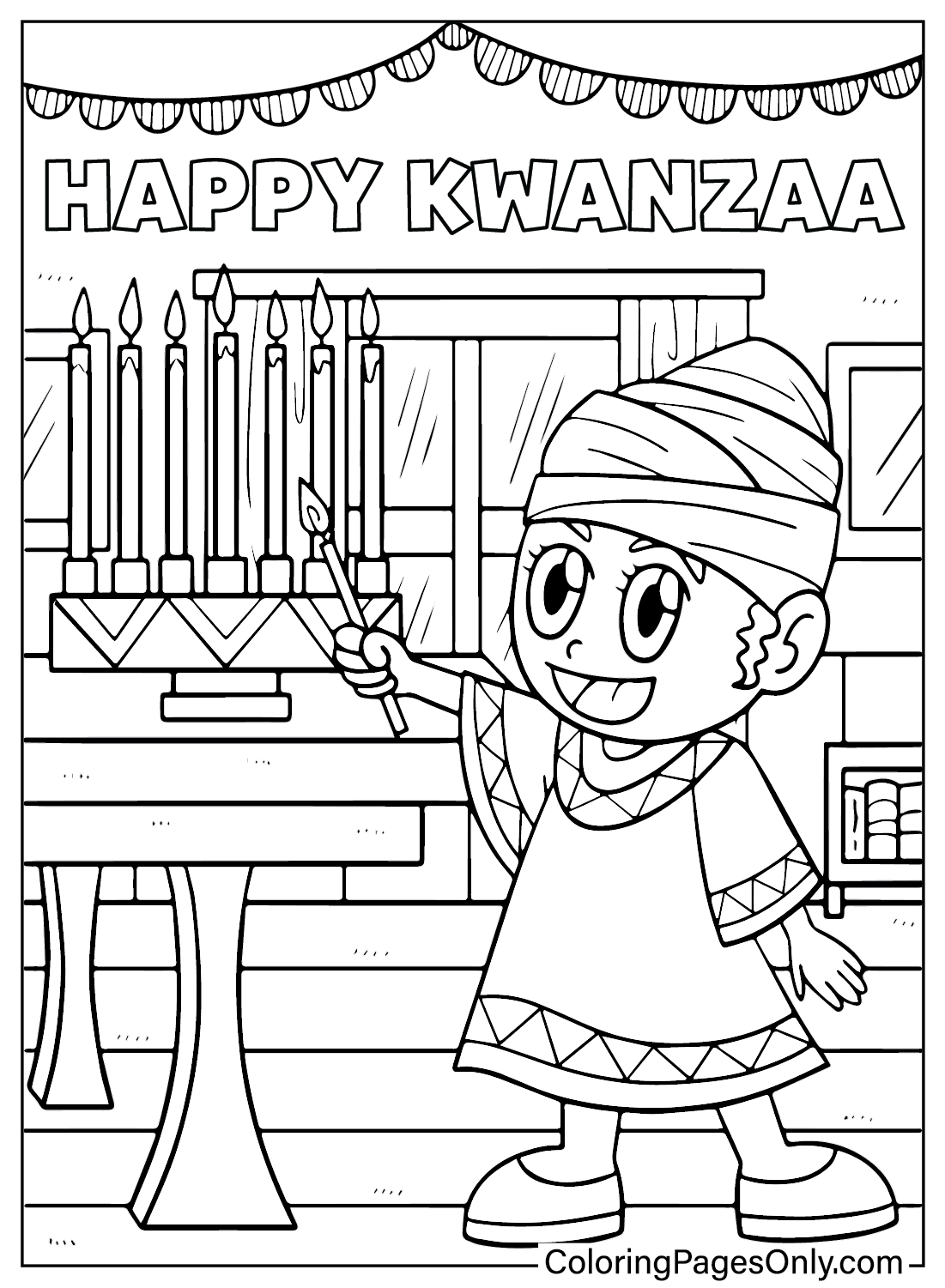
This collection spans 37 pages, split between symbols and principles, family and community celebration scenes, and general printable sheets. The coloring angle ranges from simple standalone symbols to fuller celebration scenes.
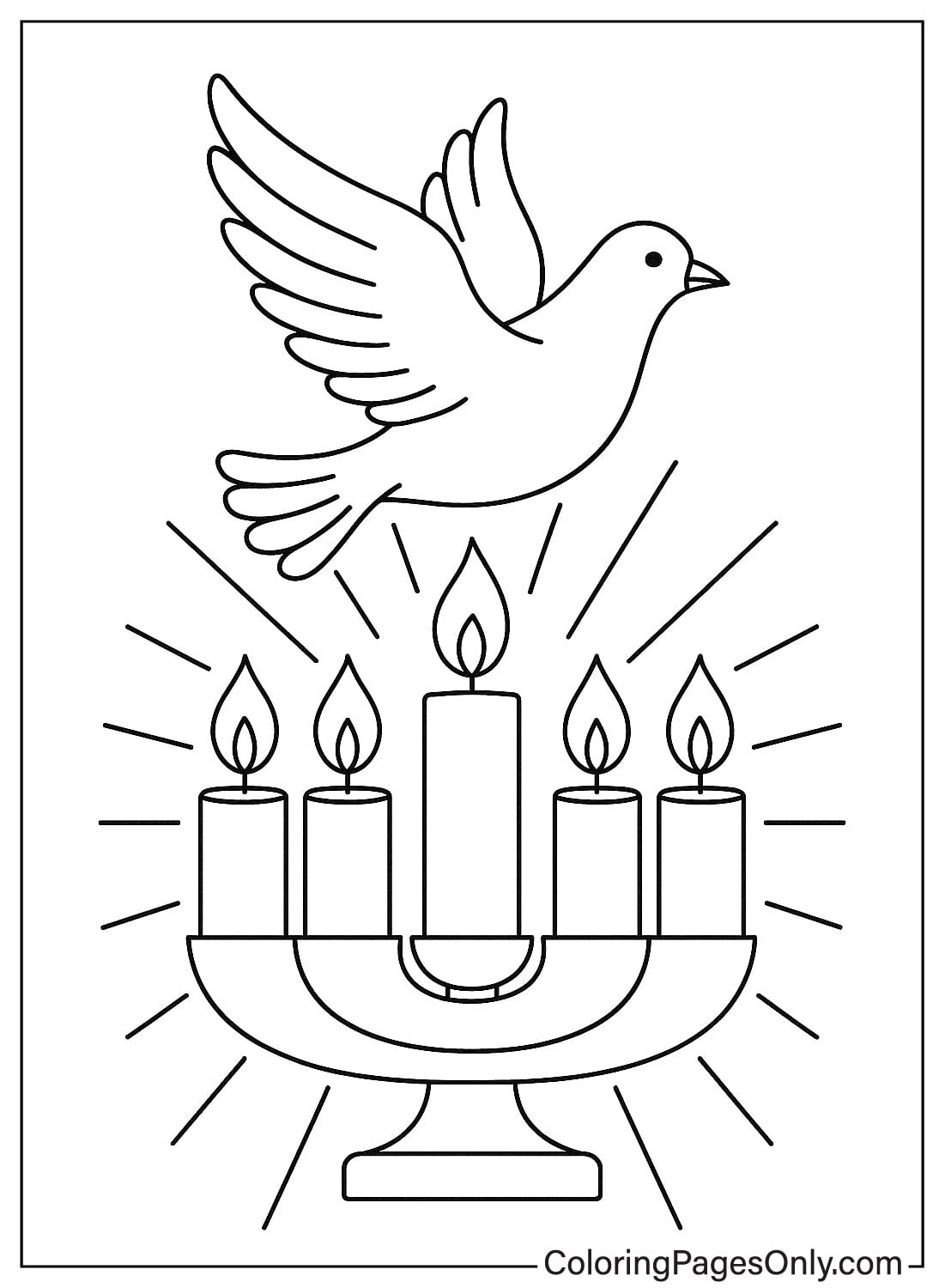
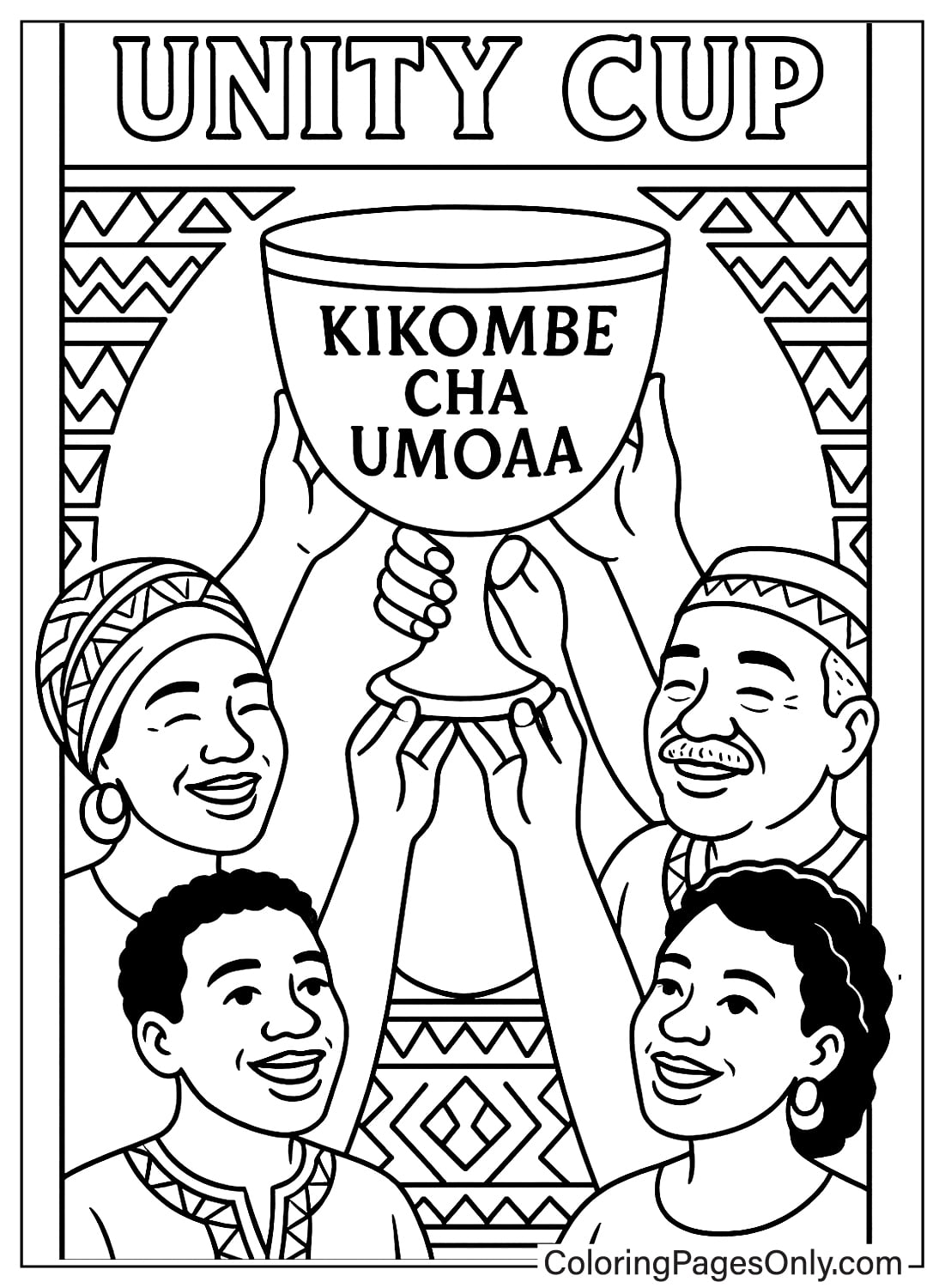
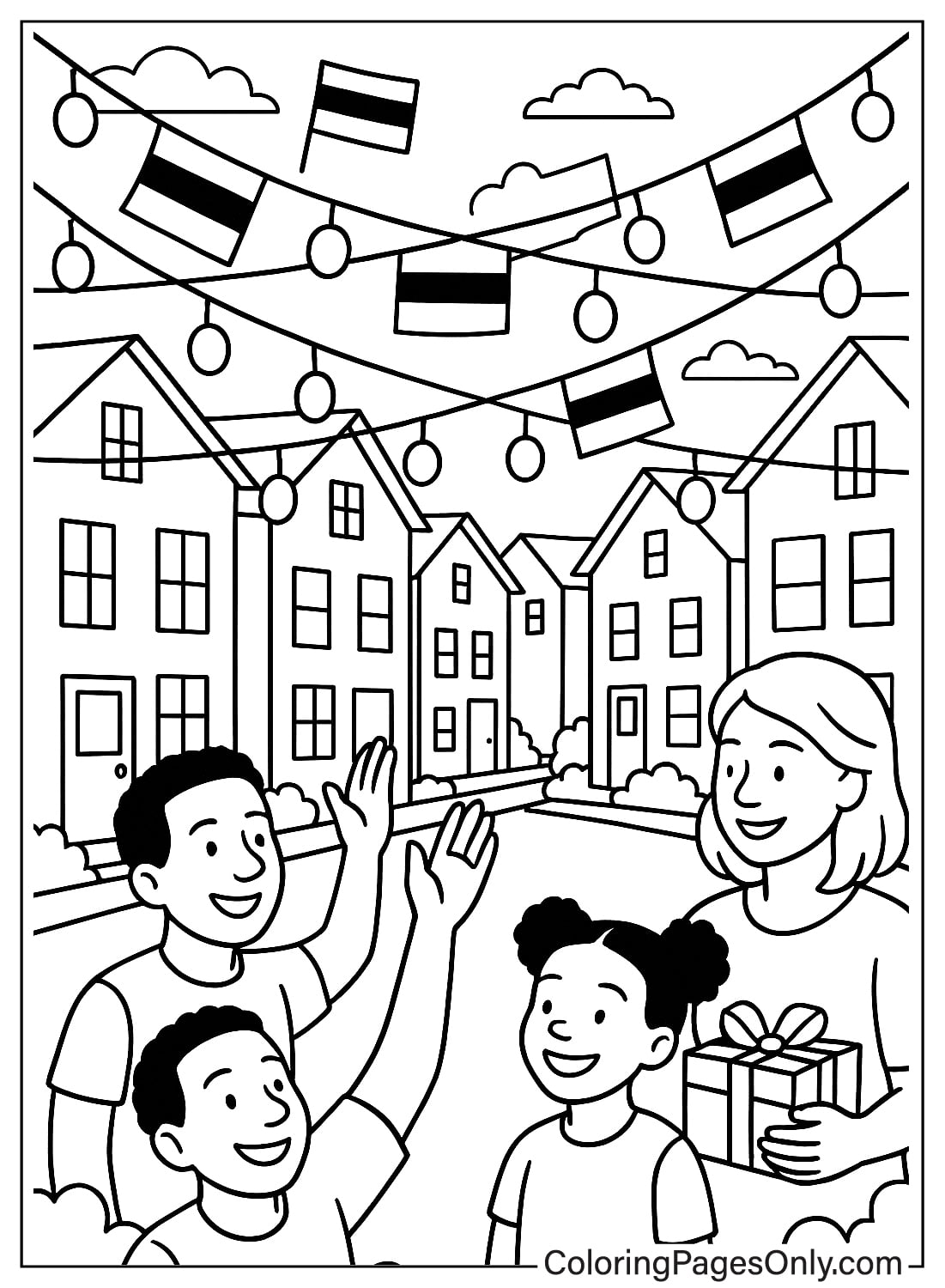
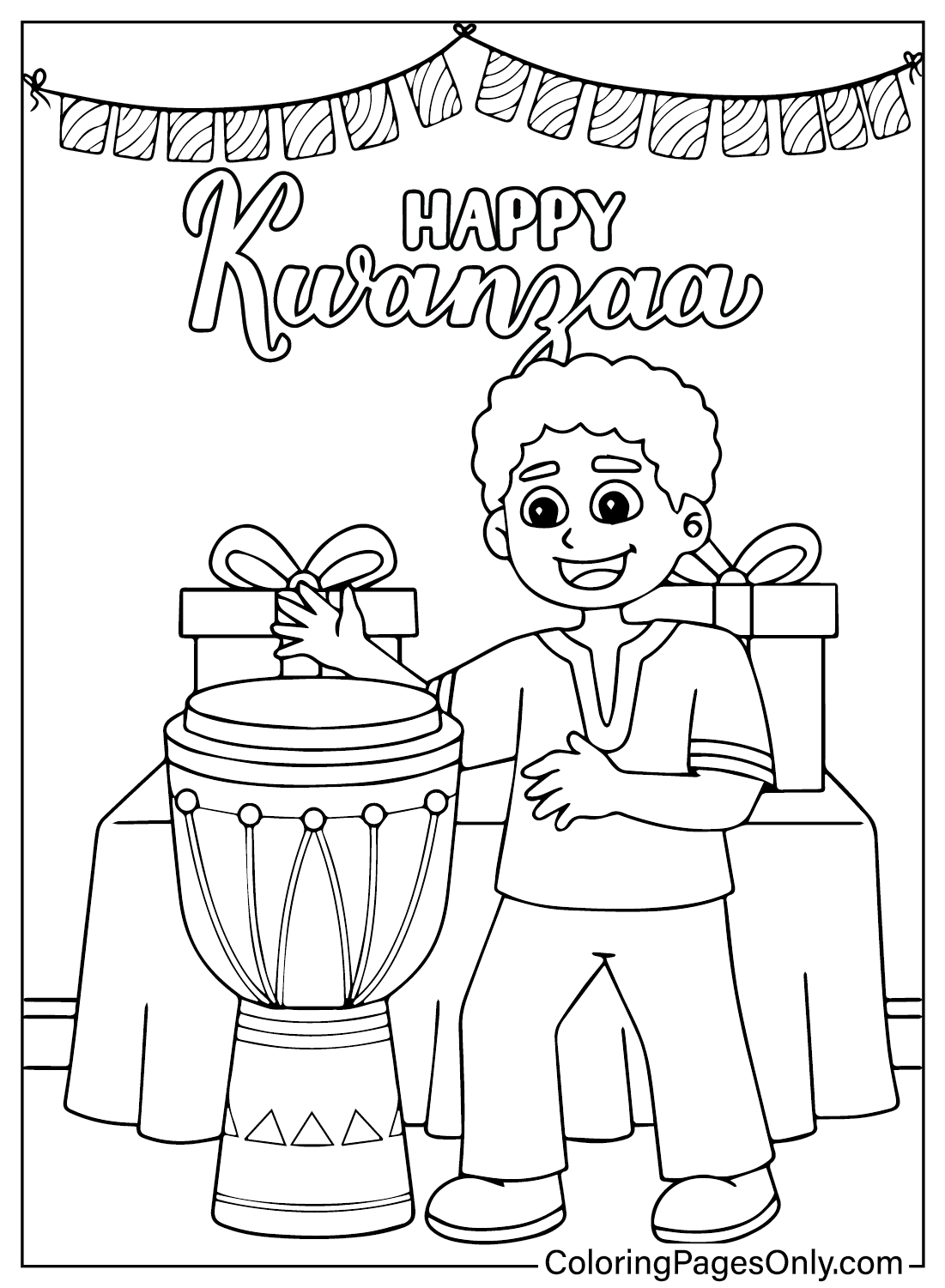
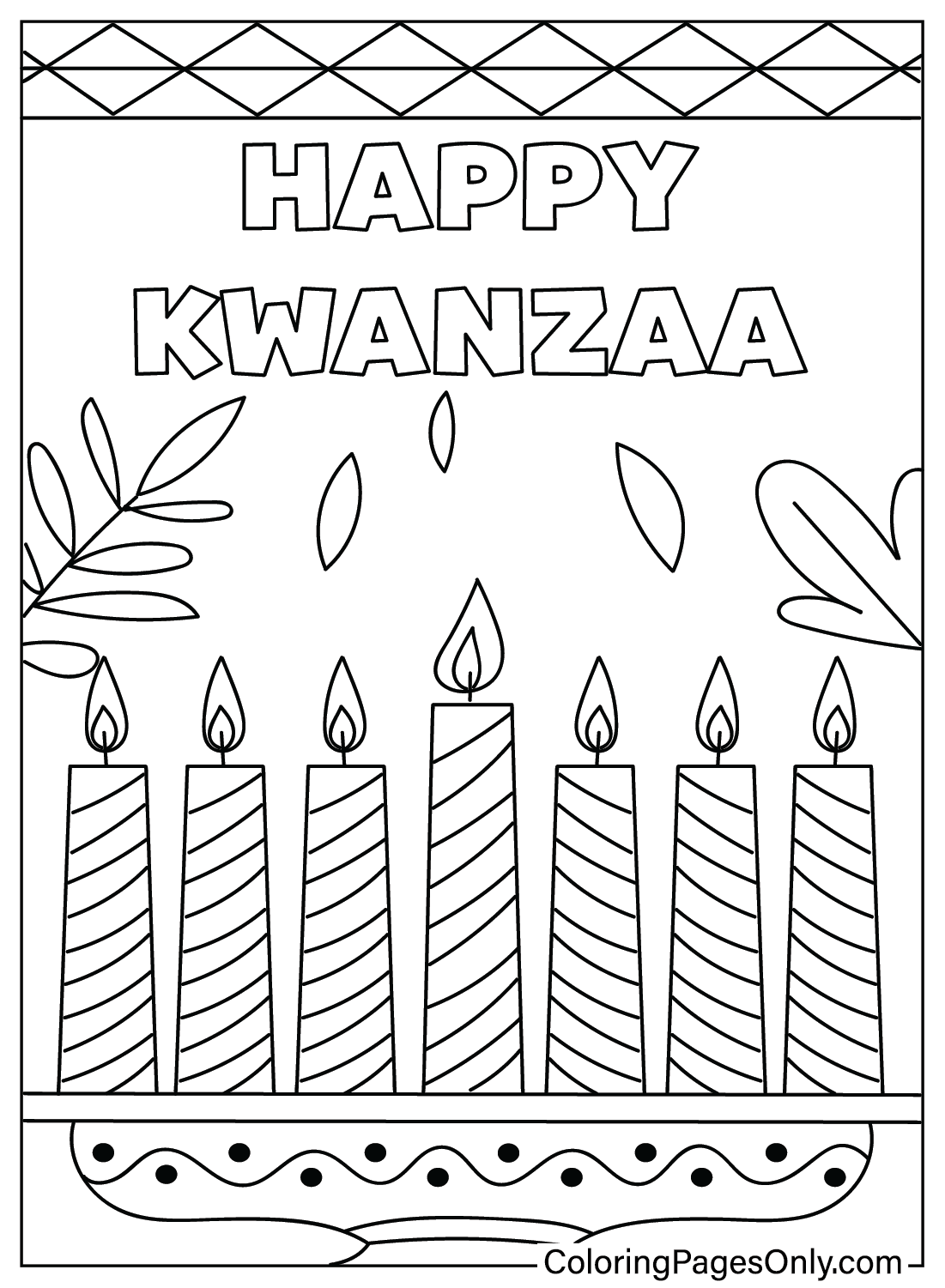
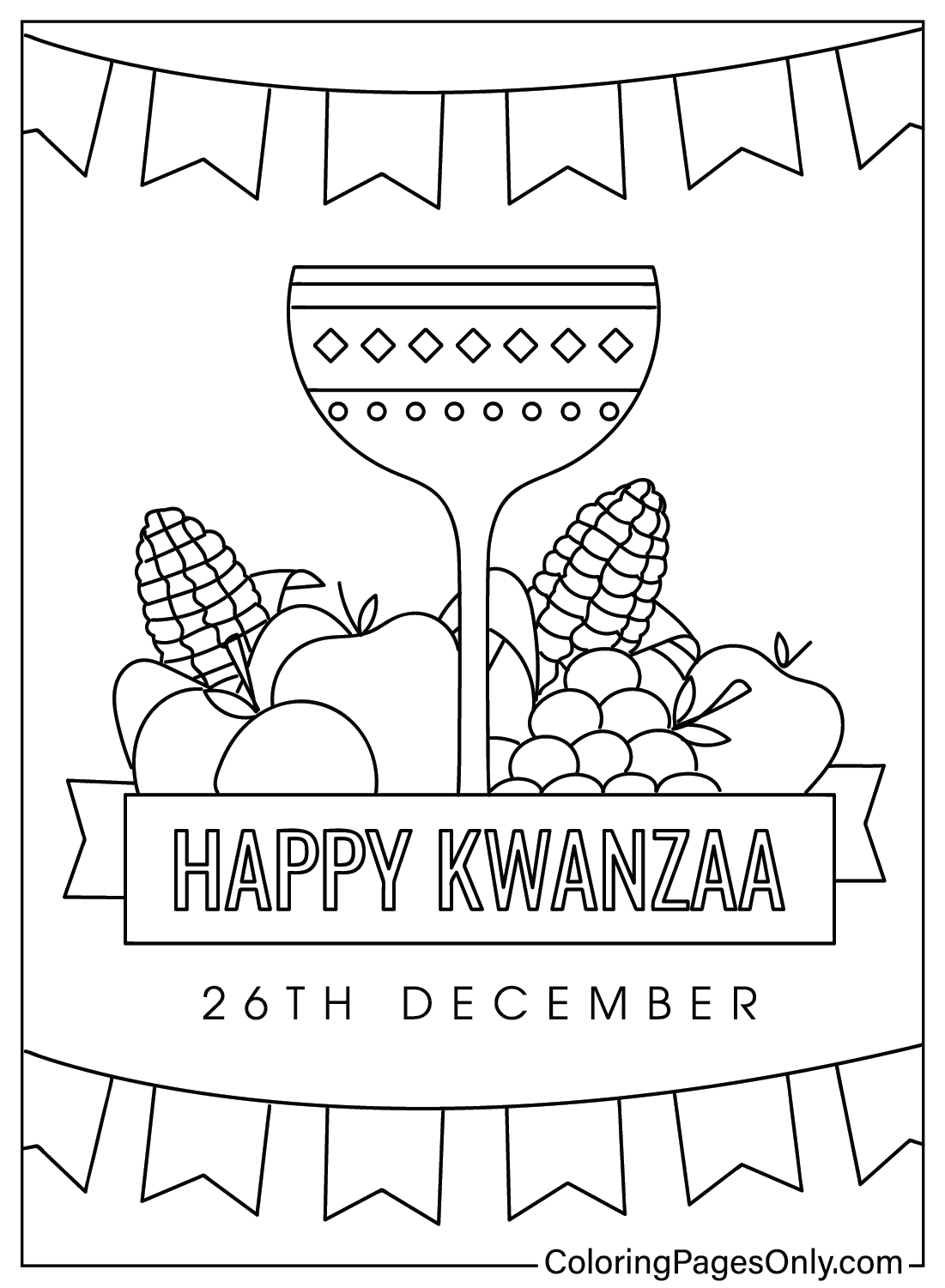
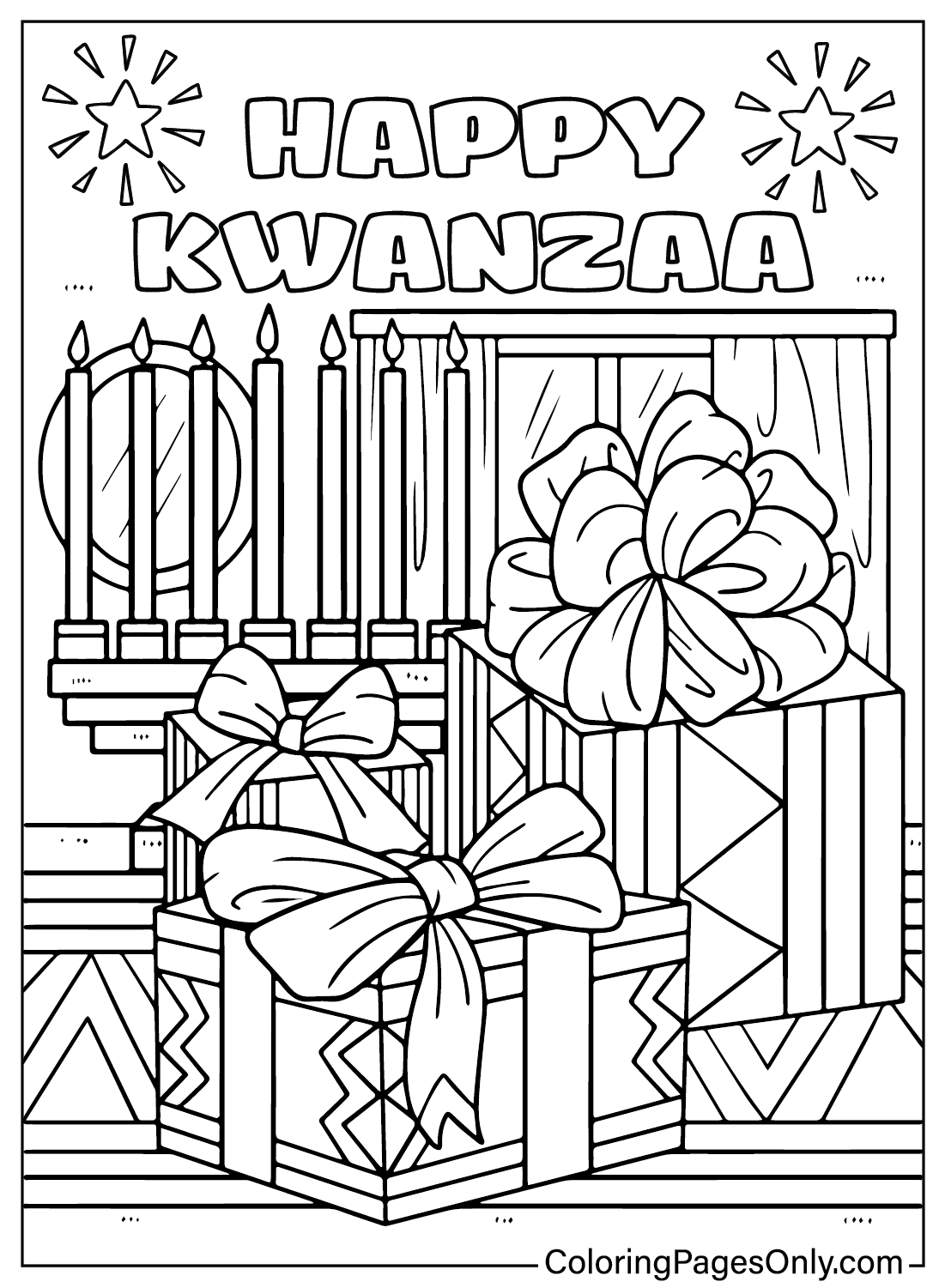
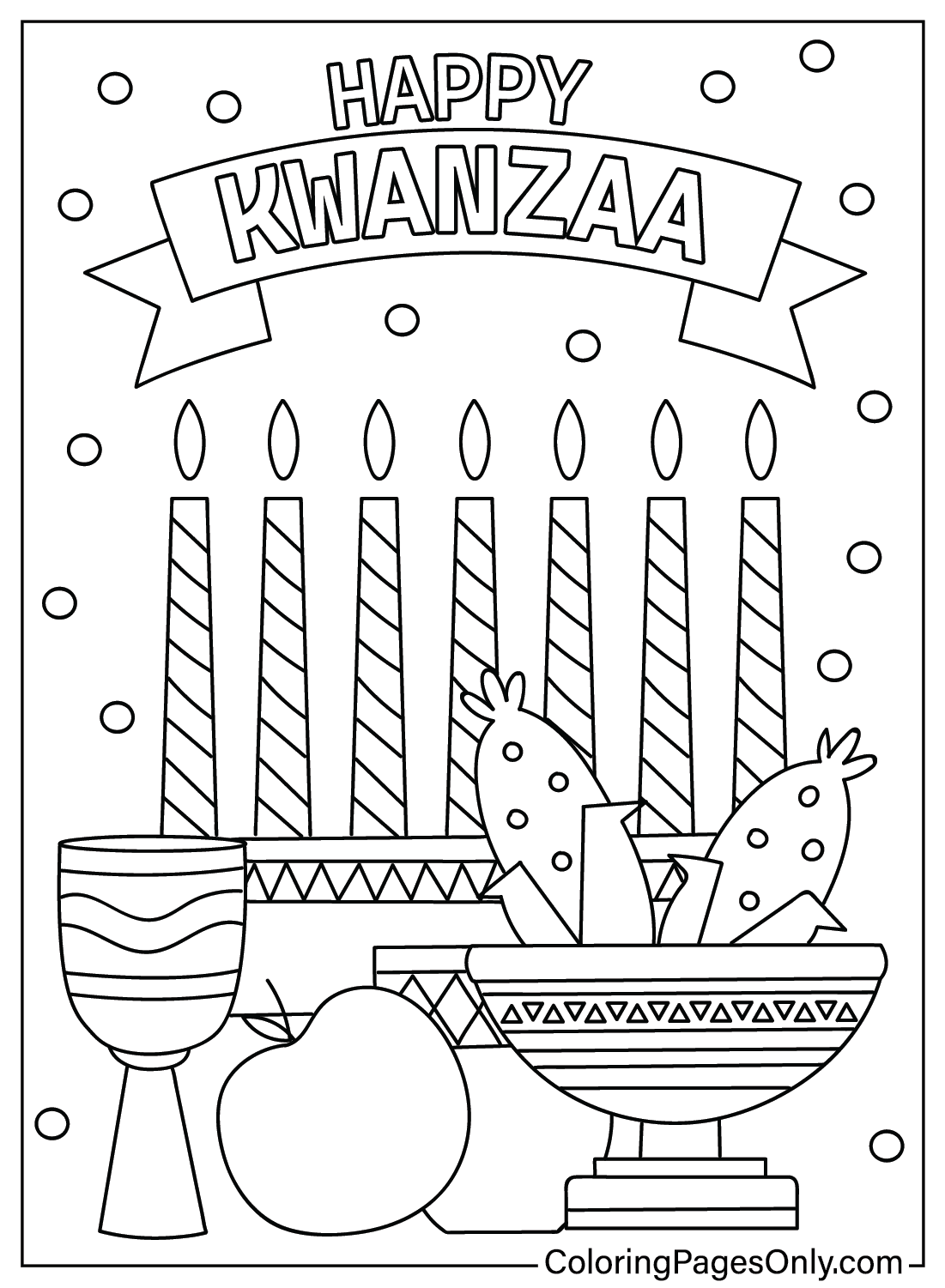
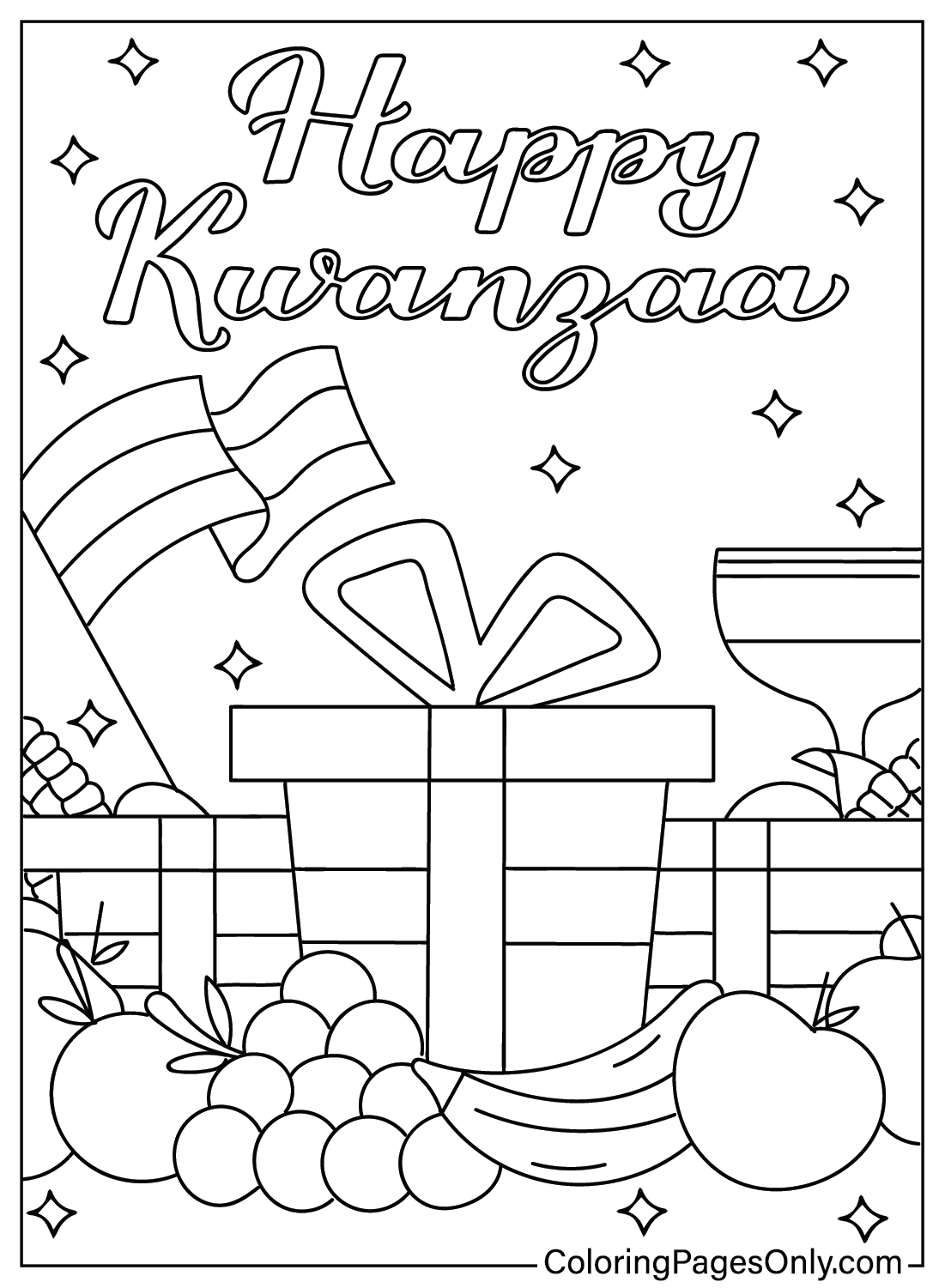
What’s Inside This Collection
The 37 designs group into three categories, from symbols and principles to general printable sheets.
Symbols and Principles
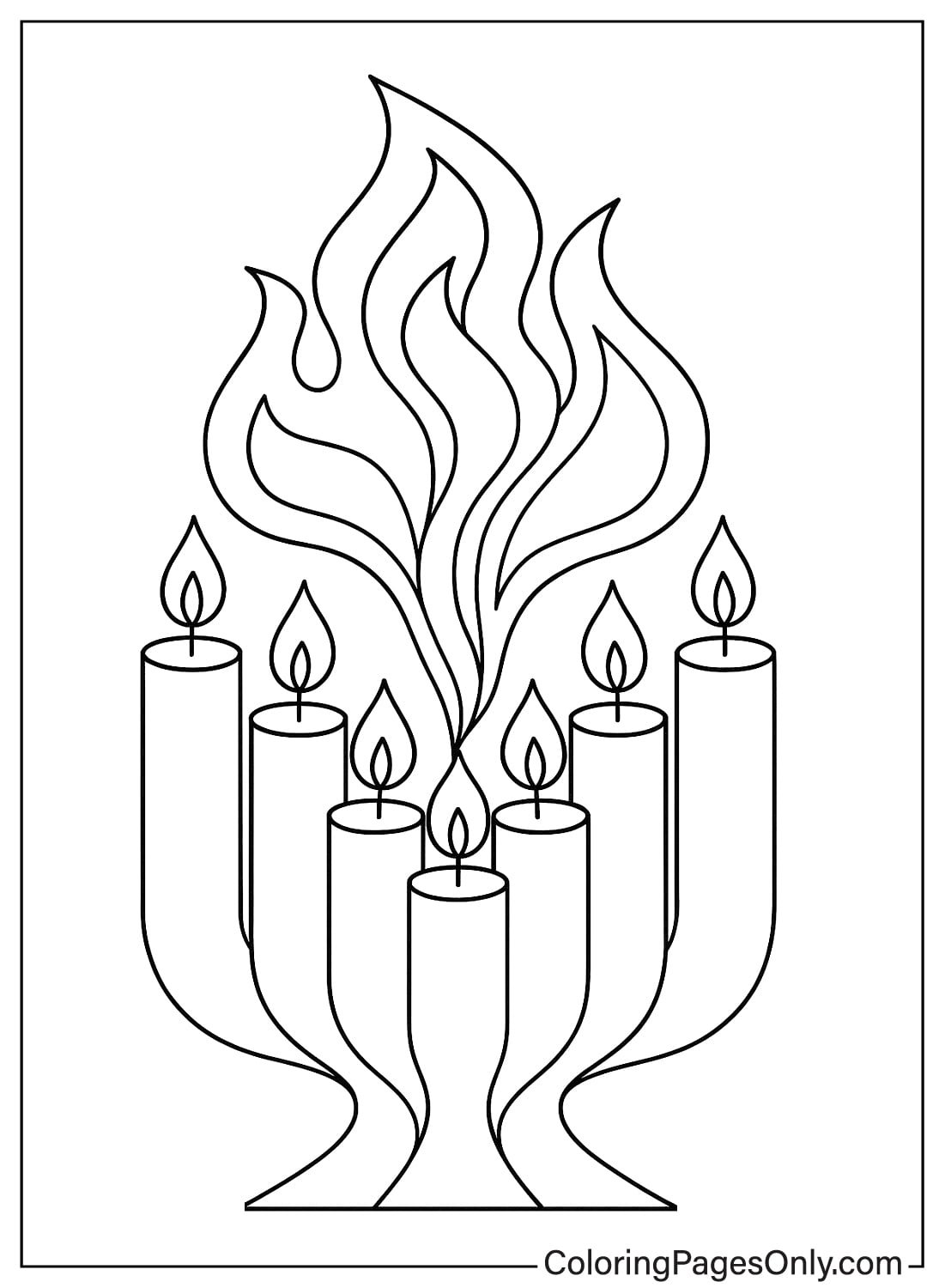
Seven pages focus on core Kwanzaa symbols, including the Kinara candle holder and the Kikombe cha Umoja unity cup. Keep the traditional red, black, and green color scheme at the center of these pages, since these are the colors most closely tied to Kwanzaa’s symbolism.
Family and Community Celebration Scenes
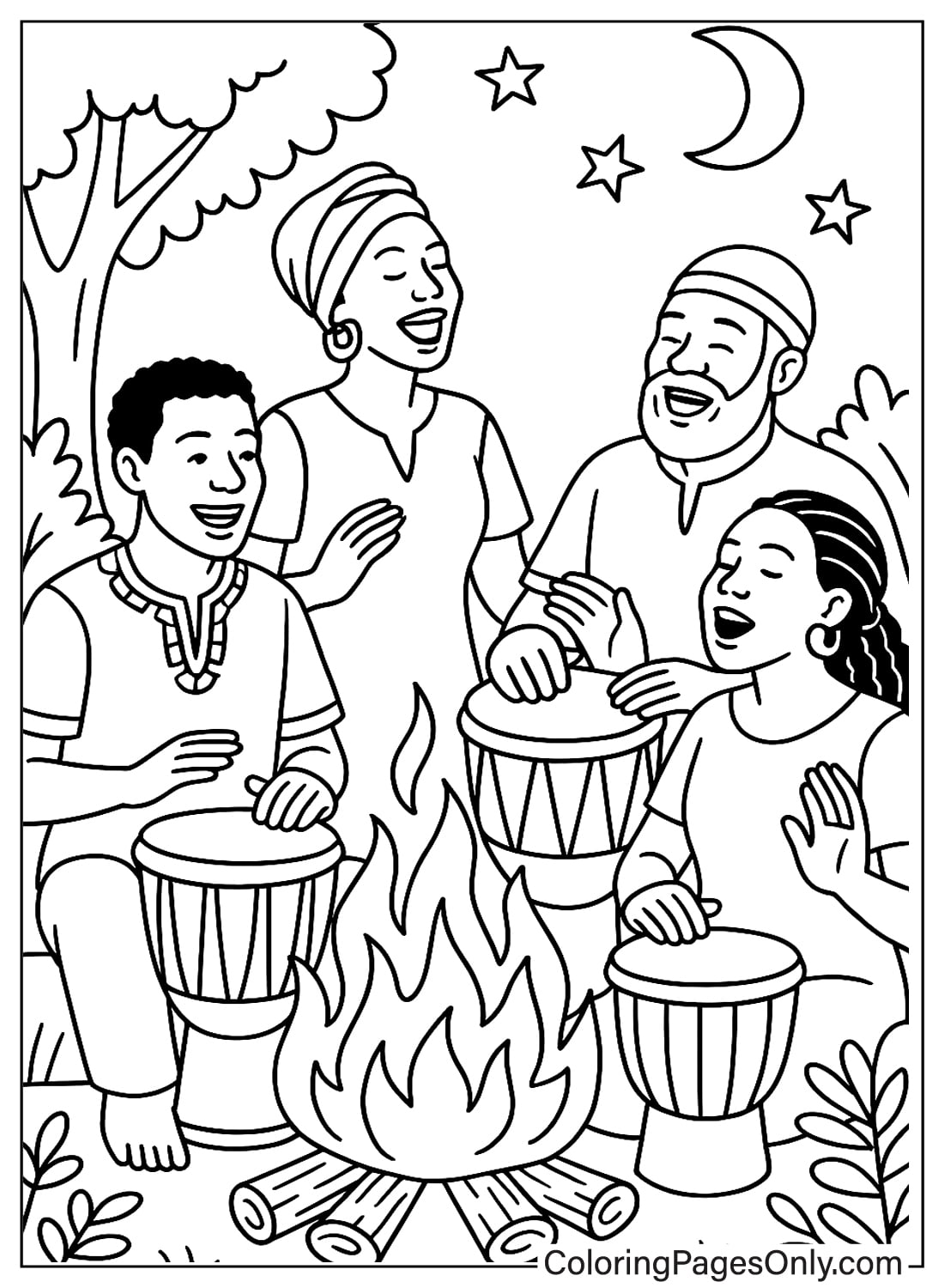
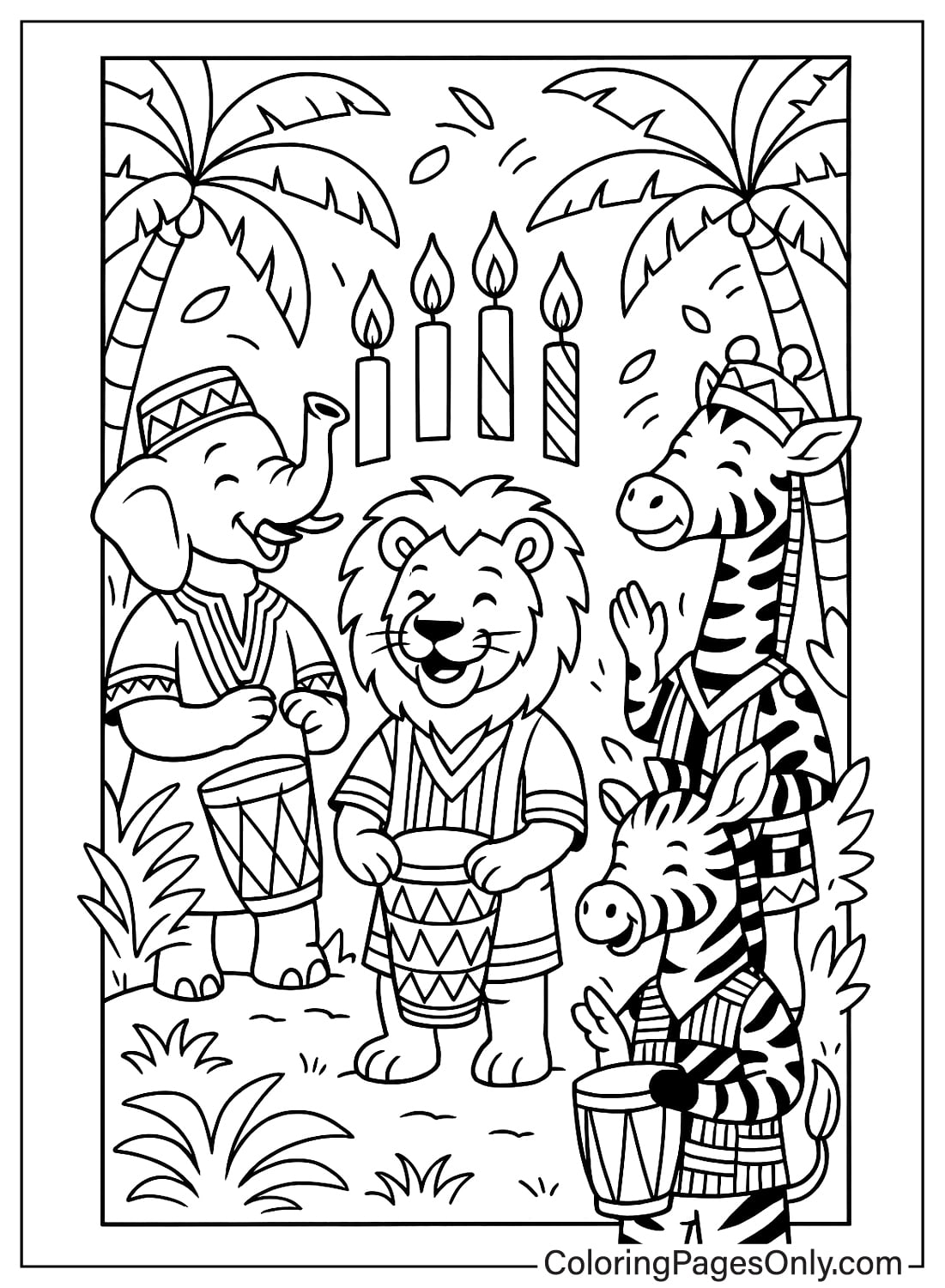
Ten pages show families and communities marking the holiday together, including candle-lighting, drumming, gift-giving, and classroom scenes. Warm, varied skin tones and clothing colors work well here, with the red, black, and green color scheme woven through decorative details.
Printable and General Sheets
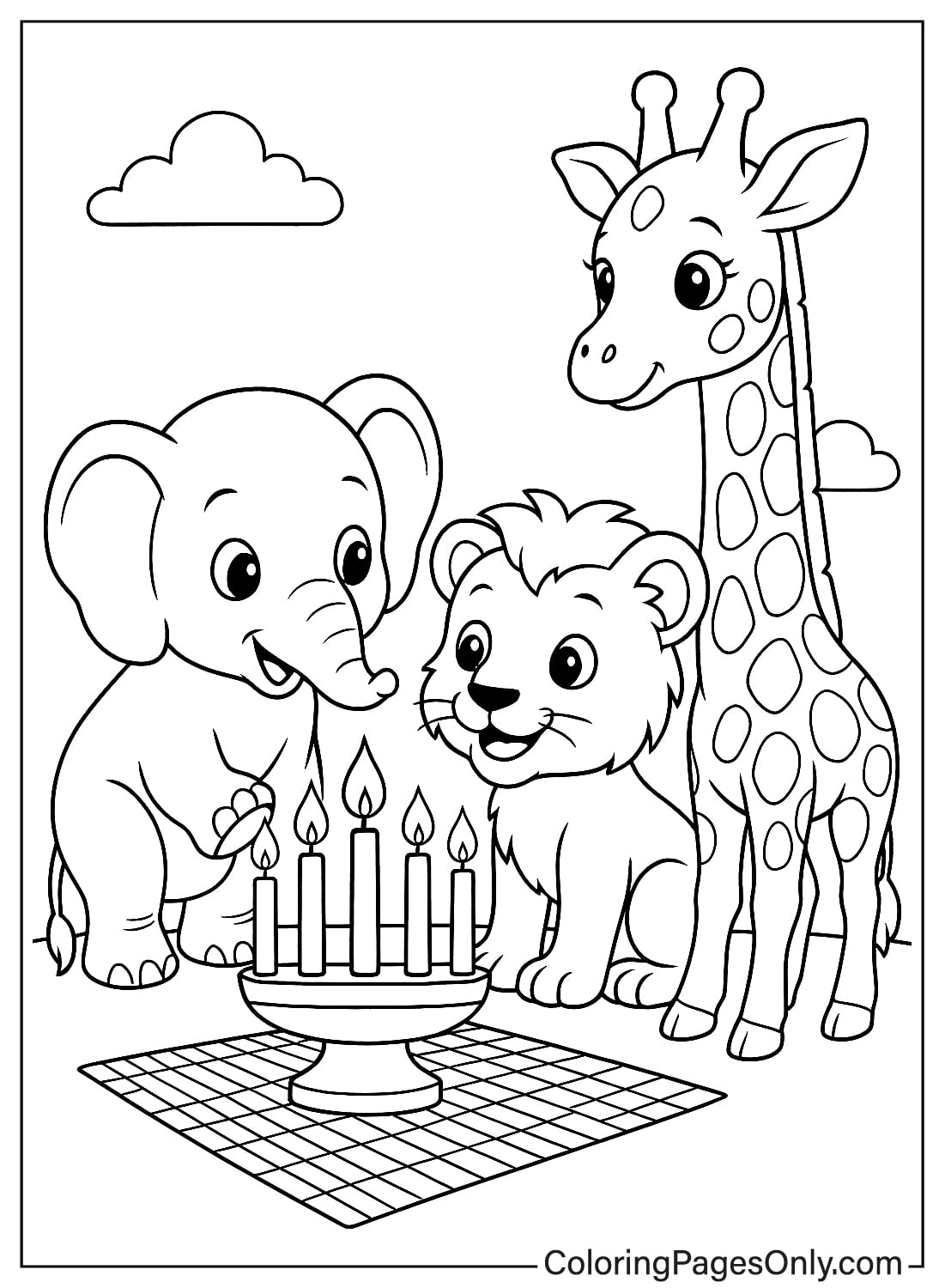
Twenty pages are sized for a quick, single-session print, most featuring a general holiday greeting or symbol. Two or three solid colors are enough here, drawing from the traditional Kwanzaa palette.
What Kwanzaa Coloring Pages Do
Careful strokes for candles and woven patterns. Filling in the Kinara’s seven candles or a Mkeka mat’s woven pattern without crossing the lines calls for controlled, contained pencil movement, and the American Academy of Pediatrics points to this kind of precise coloring as a way to build fine motor skills in children between ages 2 and 7.
A visual way to introduce a meaningful principle each day. Since Kwanzaa is structured around a different principle for each of its seven days, coloring a related page can give a family or classroom a simple, shared activity to pair with that day’s discussion.
A steady, repeatable rhythm. A 2005 study published in the Art Therapy Journal recorded measurable drops in anxiety among participants who completed structured coloring sessions, and returning to color a page each evening during the holiday week can offer that same steady, low-pressure rhythm.
Practice with a meaningful, limited color palette. Because Kwanzaa’s symbolism centers on red, black, and green, coloring these pages gives colorists a focused way to practice working within a specific, purposeful color scheme rather than choosing colors freely.
How to Color Kwanzaa Coloring Pages Well
- Kinara and candles: Use Black for the center candle, Red for the three candles on the left, and Green for the three candles on the right, matching the traditional Mishumaa Saba arrangement.
- Candle holder: A solid Brown or Black works well for the Kinara itself, keeping it visually distinct from the brighter candle flames above it.
- Unity cup and other symbols: Warm browns and golds suit the Kikombe cha Umoja and other woven or carved symbols, reflecting natural materials like wood and straw.
- Family and community scenes: Use varied, warm skin tones and clothing colors for people in group scenes, incorporating red, black, and green as accent colors in clothing or decorations.
- Mazao and harvest fruits: Use natural fruit and vegetable colors, reds, oranges, and greens, for any baskets of crops shown on the Mkeka mat.
- Backgrounds: Keep backgrounds simple and warm, using soft golds or browns so the red, black, and green symbolism remains the visual focus of each page.
5 Creative Craft Ideas With Kwanzaa Coloring Pages
1. Paper Kinara Display
Color a Kinara page, mount it on cardstock, and display it alongside a real or paper candle for each of the seven days to track the celebration.
2. Principle of the Day Card
Color a page tied to a specific principle, write that day’s Nguzo Saba word and its meaning on the back, and use it as a discussion starter each evening.
3. Greeting Card
Fold cardstock in half, mount a small colored design on the front, and write a message inside for a family member or friend celebrating the holiday.
4. Classroom Bulletin Board Display
Color several pages as a group, cut out the finished designs, and arrange them on a classroom bulletin board to introduce the holiday and its principles.
5. Family Keepsake Book
Color one page per day of the celebration, then bind the seven pages together at the end of the week as a simple keepsake book of the holiday.
Frequently Asked Questions
What are Kwanzaa coloring pages?
Kwanzaa coloring pages are printable line-art designs featuring the Kinara candle holder, family and community celebration scenes, and symbols tied to the holiday’s seven principles. This collection includes 37 free designs available as PDFs or online coloring.
What is Kwanzaa?
Kwanzaa is a week-long cultural celebration of African and African American heritage, observed each year from December 26 through January 1, created in 1966 by Dr. Maulana Karenga to strengthen family, community, and cultural identity.
What are the seven principles of Kwanzaa?
The seven principles, known as the Nguzo Saba, are Umoja (unity), Kujichagulia (self-determination), Ujima (collective work and responsibility), Ujamaa (cooperative economics), Nia (purpose), Kuumba (creativity), and Imani (faith), with one principle focused on each day of the celebration.
What is the Kinara?
The Kinara is the candle holder used during Kwanzaa, holding seven candles known as the Mishumaa Saba: three red on one side, three Green on the other, and one Black in the center, representing the seven principles.
Is Kwanzaa a religious holiday?
No. Kwanzaa is a cultural celebration, not a religious one, and is observed by people of many different faith backgrounds, often alongside other holidays that fall during the same season.
What colors are associated with Kwanzaa?
Red, black, and Green are the traditional colors of Kwanzaa, appearing throughout its symbols, decorations, and candle arrangement.
Are Kwanzaa coloring pages suitable for young children?
Yes. The simple, printable designs in this collection use bold, uncluttered outlines suited to preschool and early elementary colorists. At the same time, the detailed celebration scenes work well for older children and classroom use.
What is the Kikombe cha Umoja?
The Kikombe cha Umoja, or unity cup, is a Kwanzaa symbol used during a shared ritual at the closing feast, known as the Karamu, to honor unity among family and community.
Start Coloring
Download any page by clicking the design. No account, email, or payment is required. Pages print directly from the browser at full resolution or open in the online coloring tool for screen use. Share finished pages on Facebook or Pinterest with the share buttons at the top of each design page.