
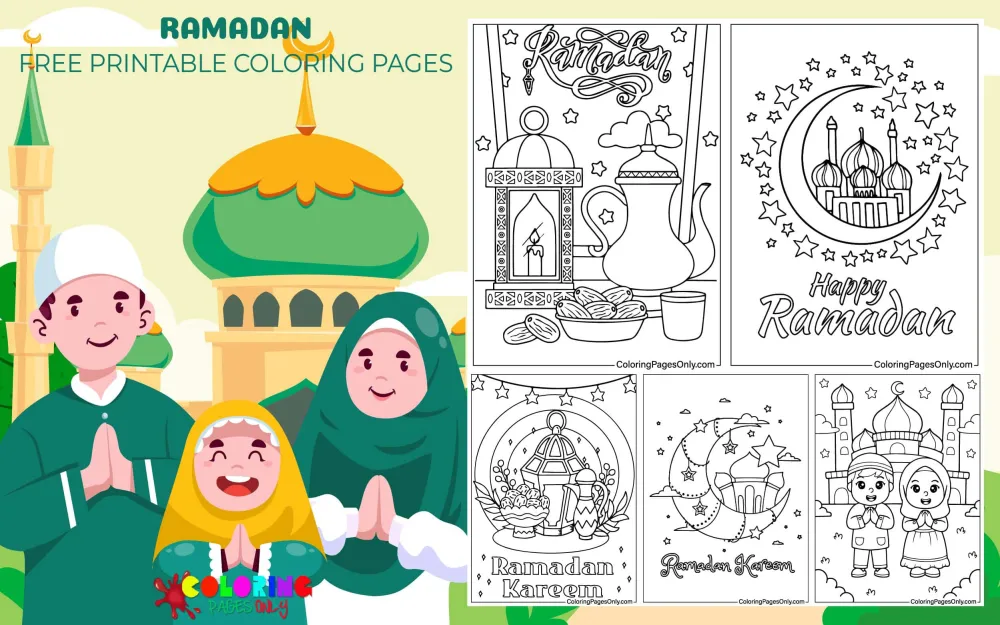
Free Ramadan coloring pages: 28 printable PDF designs featuring crescent moons, lanterns, mosques, and Iftar table scenes marking the Islamic holy month of fasting. Every page can be downloaded as a PDF to print or colored online in the browser.
Ramadan is the ninth month of the Islamic lunar calendar, observed by Muslims worldwide as a month of fasting from dawn to sunset, increased prayer, and charitable giving. Fasting during Ramadan, known as sawm, is one of the Five Pillars of Islam, the core obligatory acts of the faith. Because the Islamic calendar follows the moon rather than the sun, Ramadan falls roughly ten to eleven days earlier each Gregorian year and moves through every season over a cycle of about 33 years. The exact start date is confirmed locally by the sighting of the new crescent moon, so communities announce it closer to the time rather than fixing it years in advance. The month ends with Eid al-Fitr, a festival marking the return to daily eating.
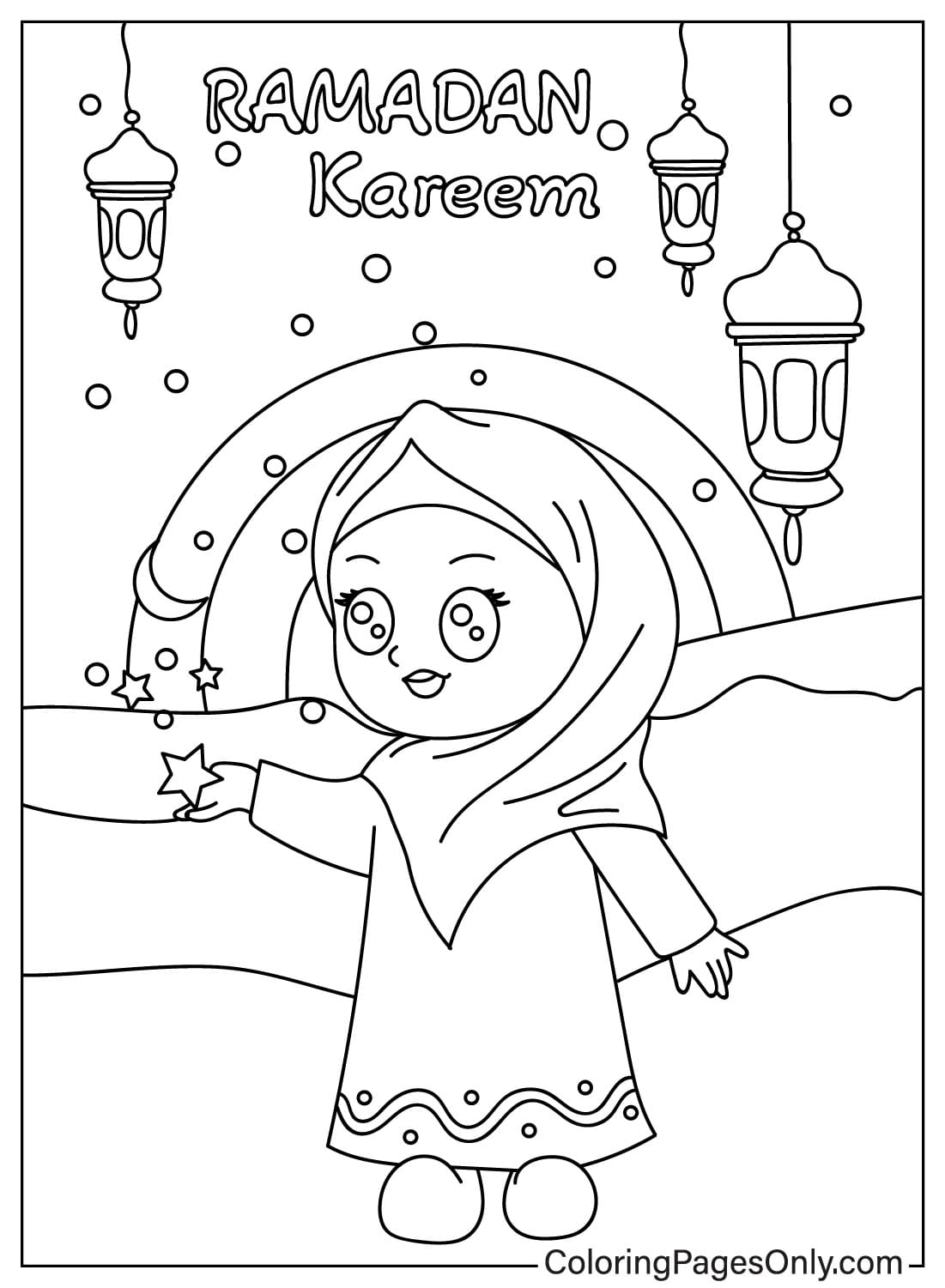
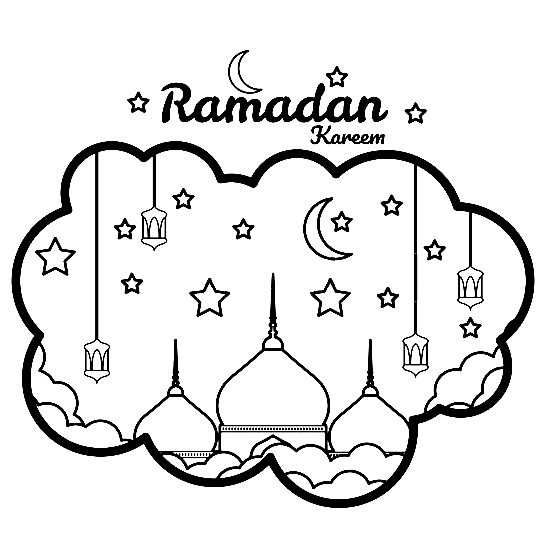
This collection focuses on symbols and daily rhythms shared across the Muslim world rather than customs specific to one country: crescent moons and stars, mosque domes and minarets, paper lanterns known as fanous, and greeting pages built around the phrases Ramadan Mubarak and Ramadan Kareem. The palette across the set runs from deep night-sky blues and purples for the moon and star pages to the warmer golds, reds, and greens associated with lantern and mosque decoration, giving colorers a reason to think about temperature and mood rather than filling every page with the same handful of colors.
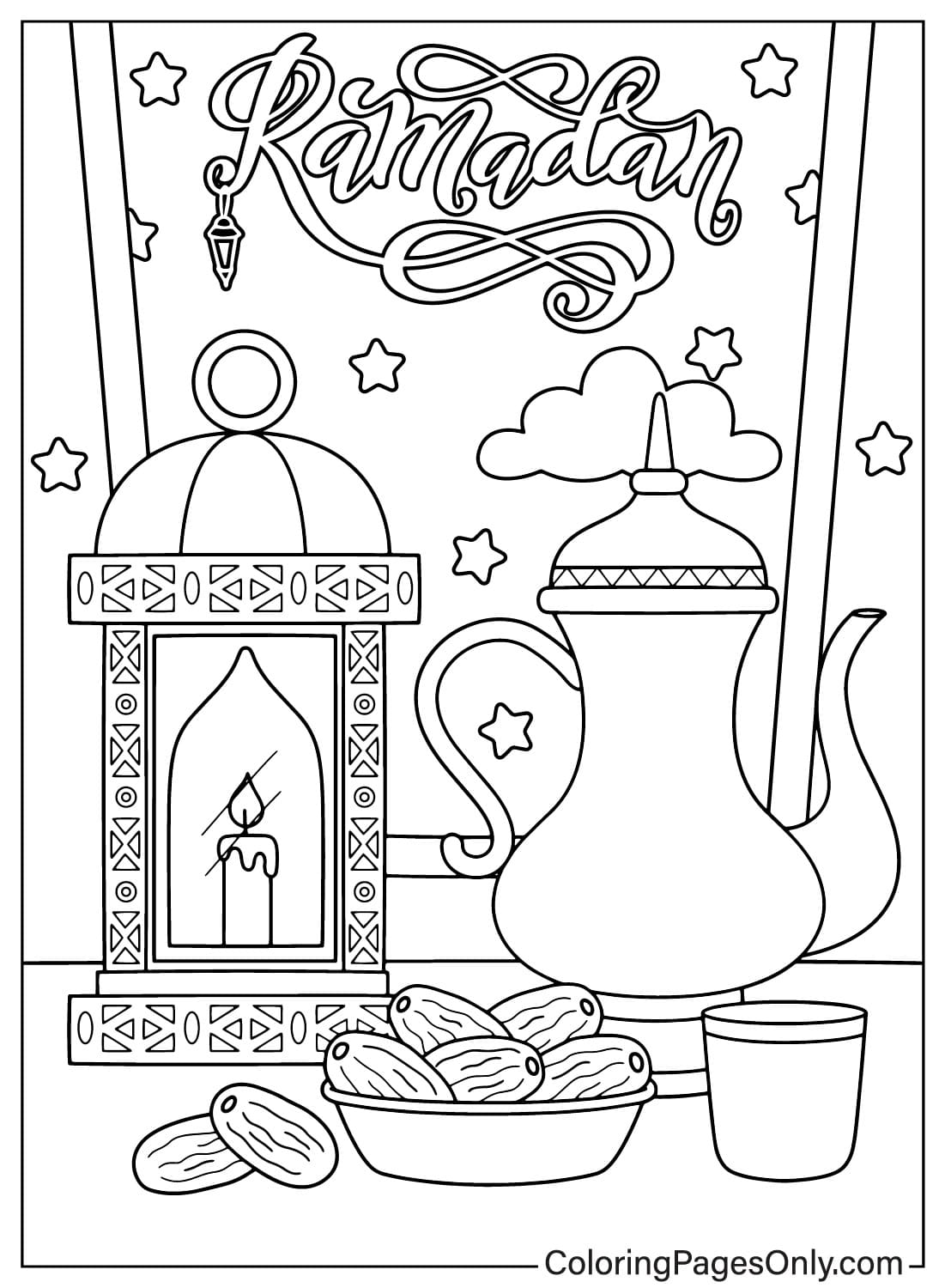
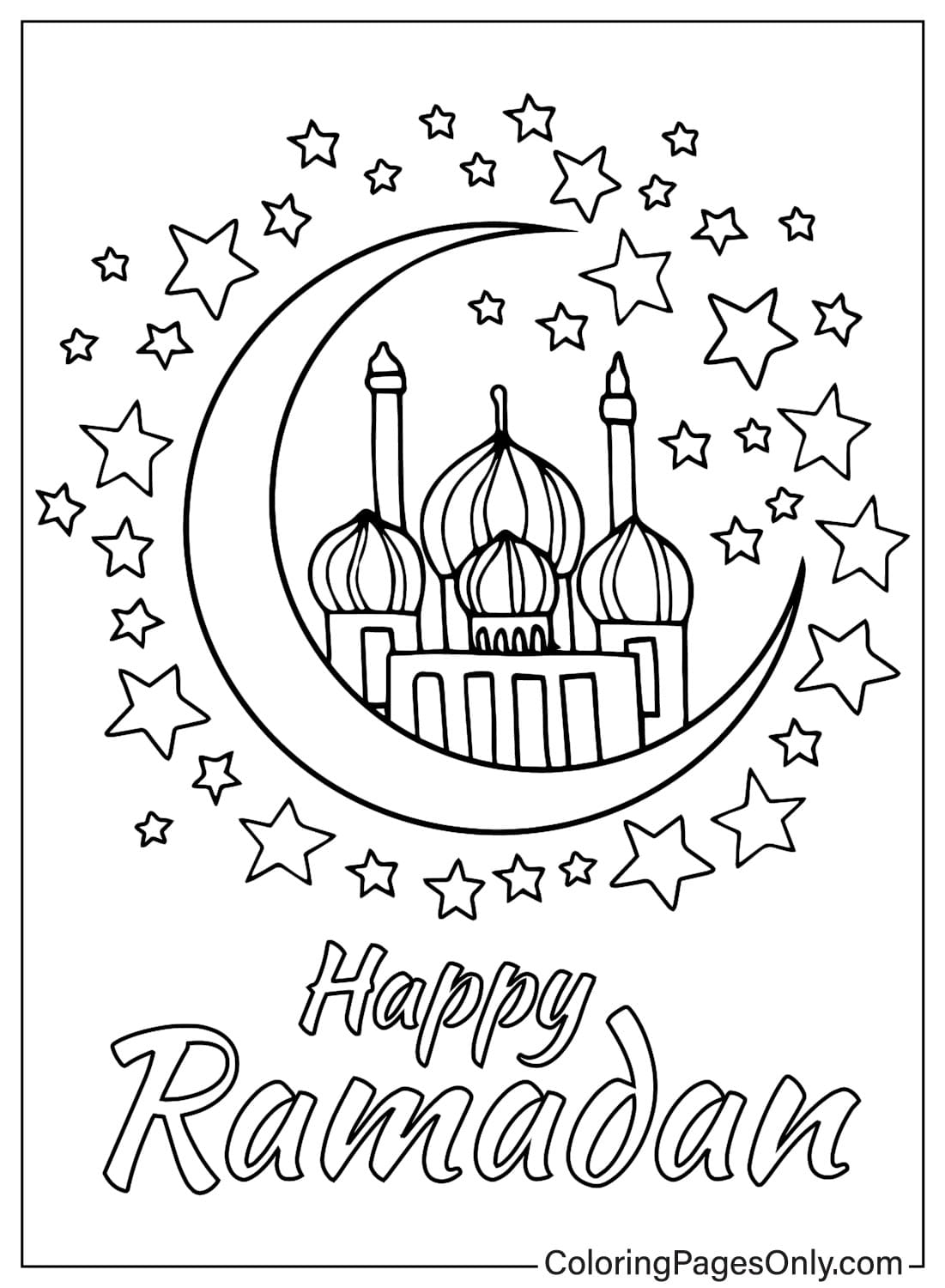
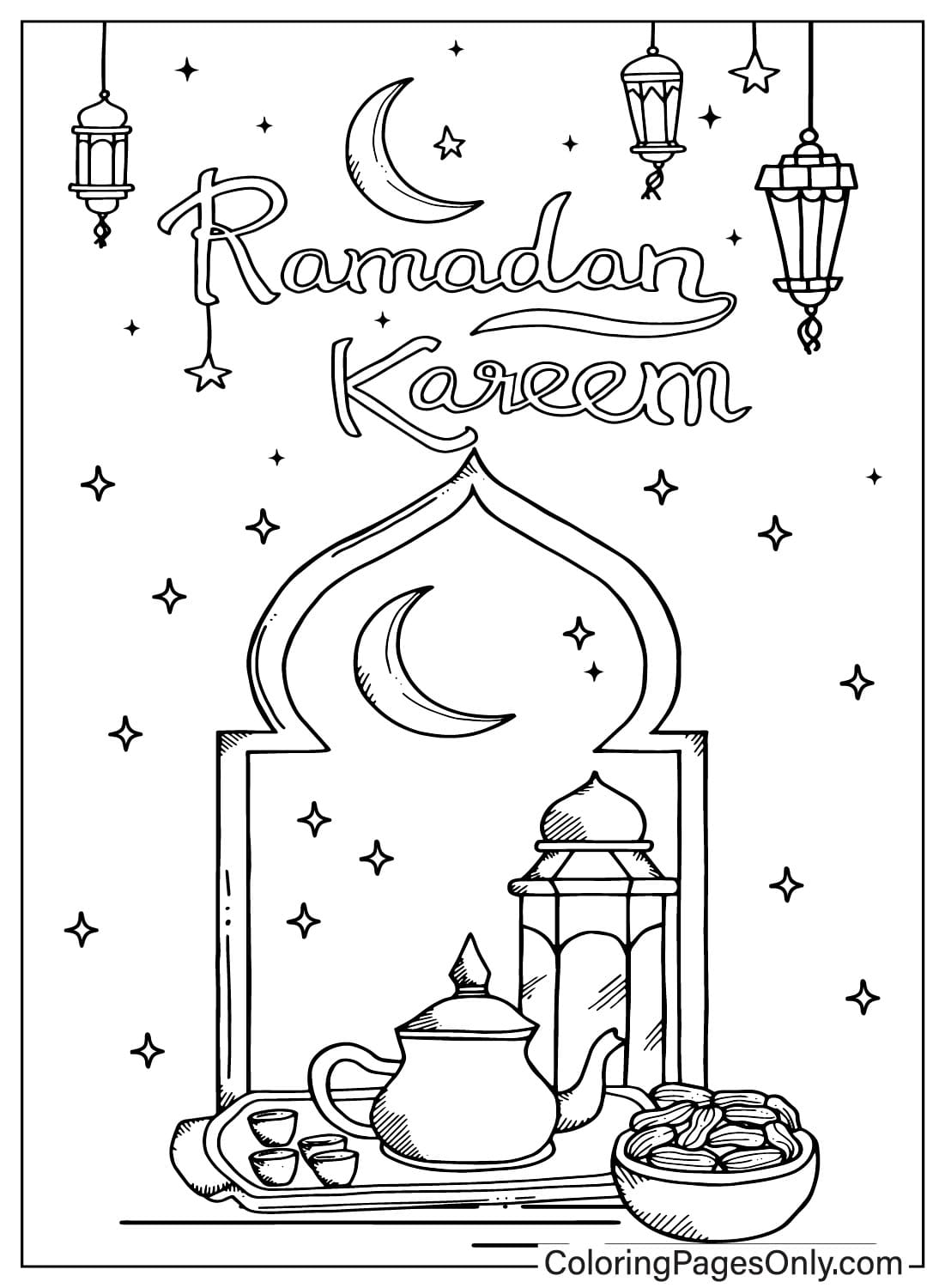
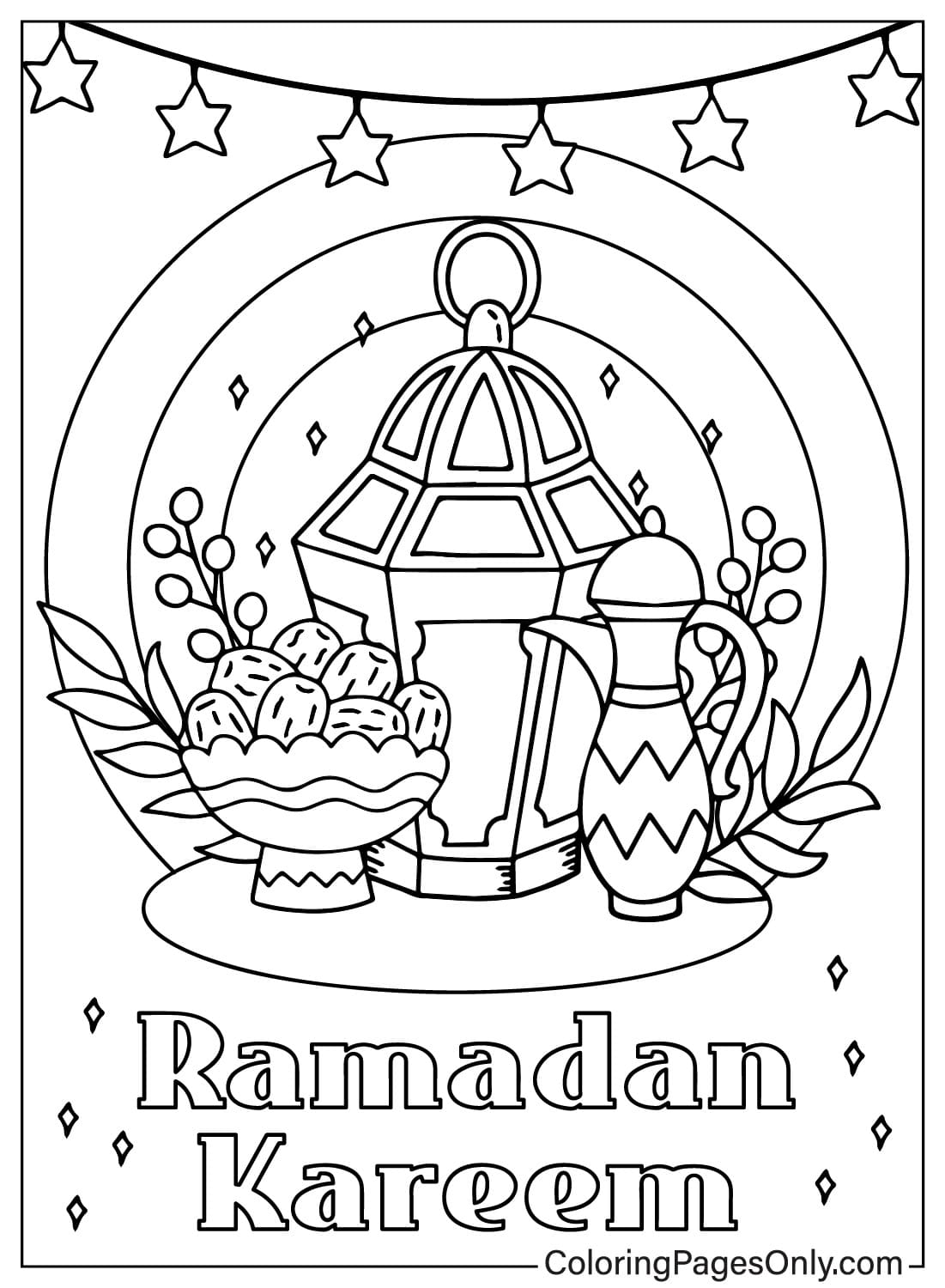
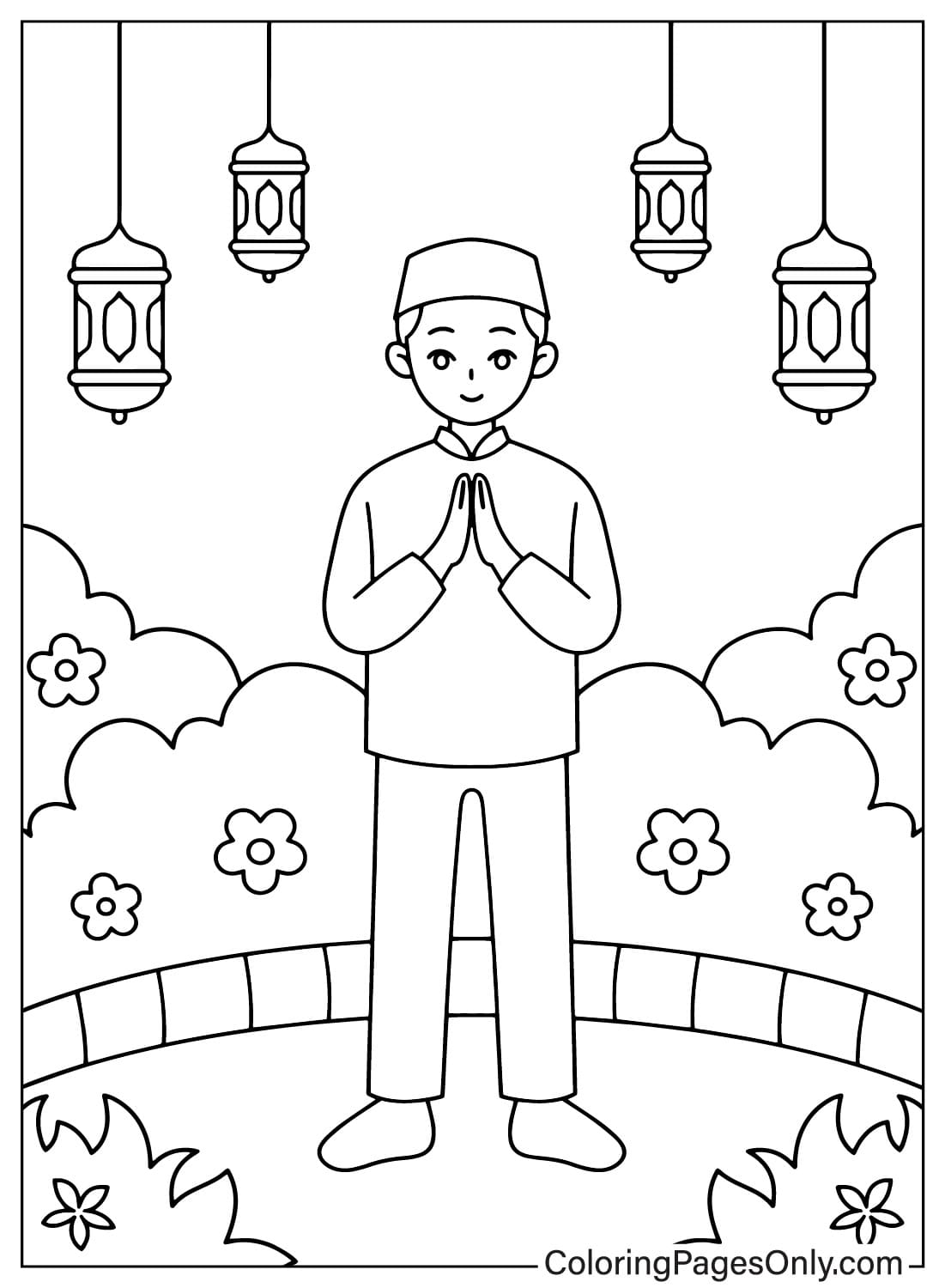
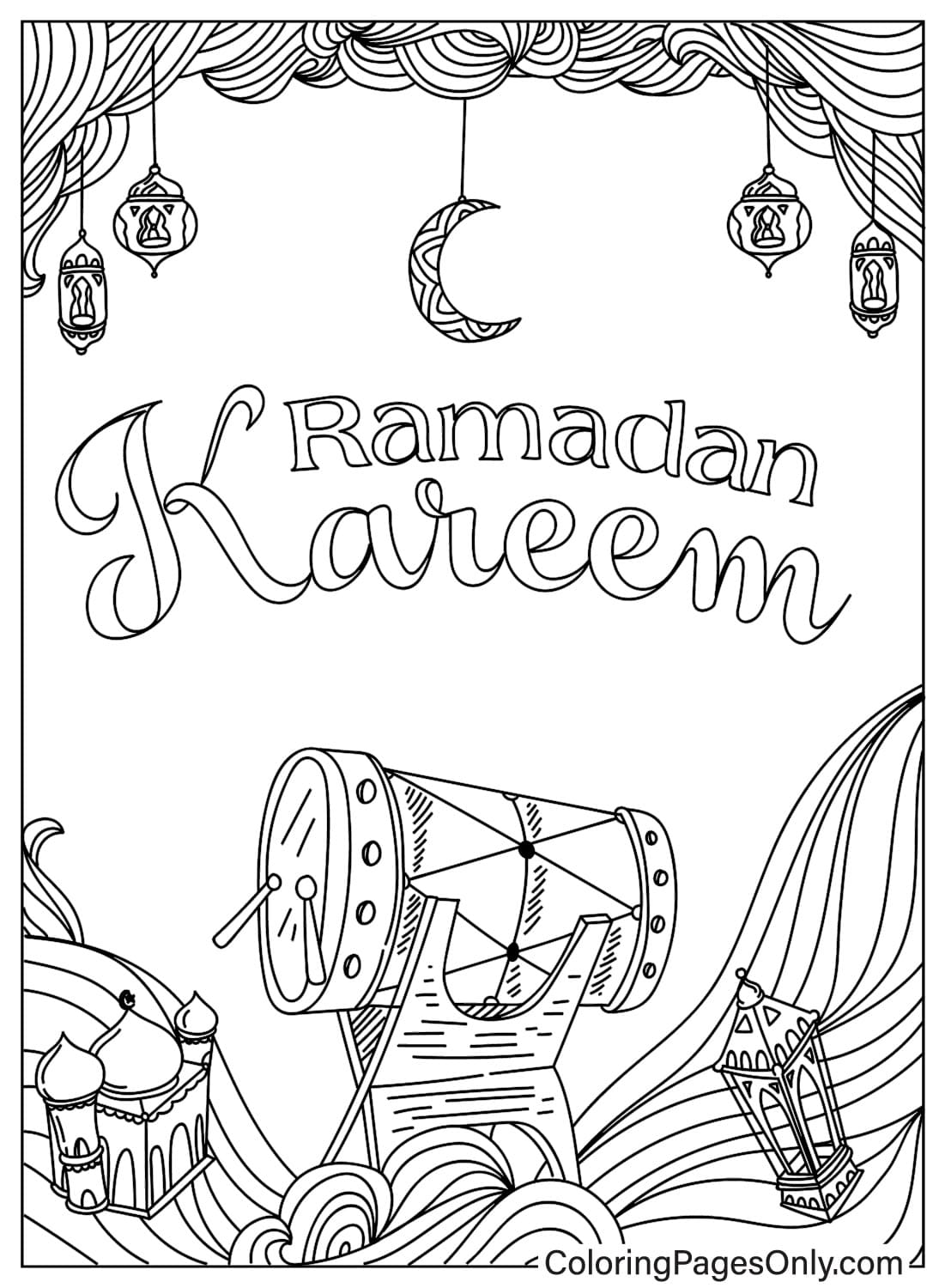
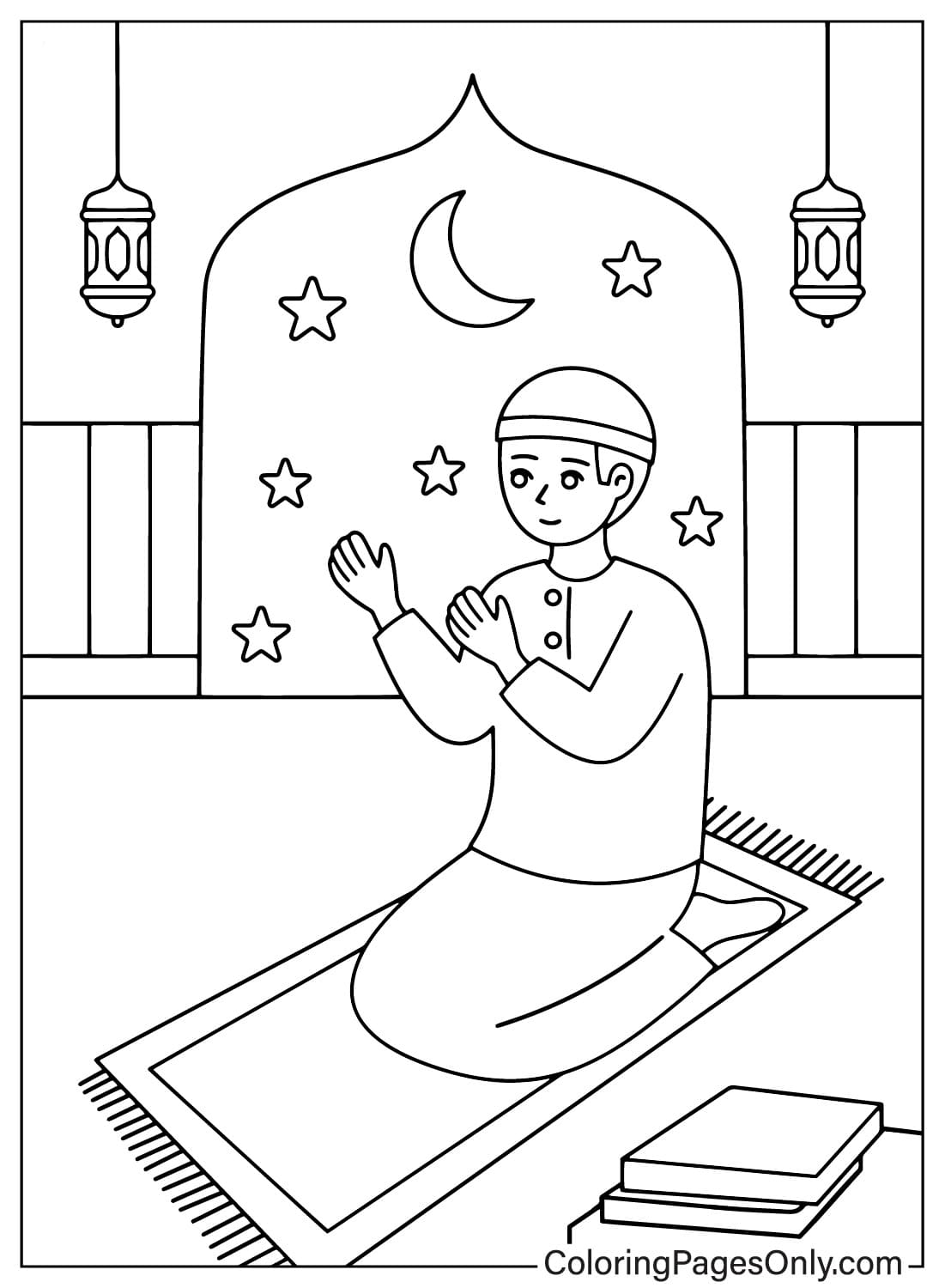
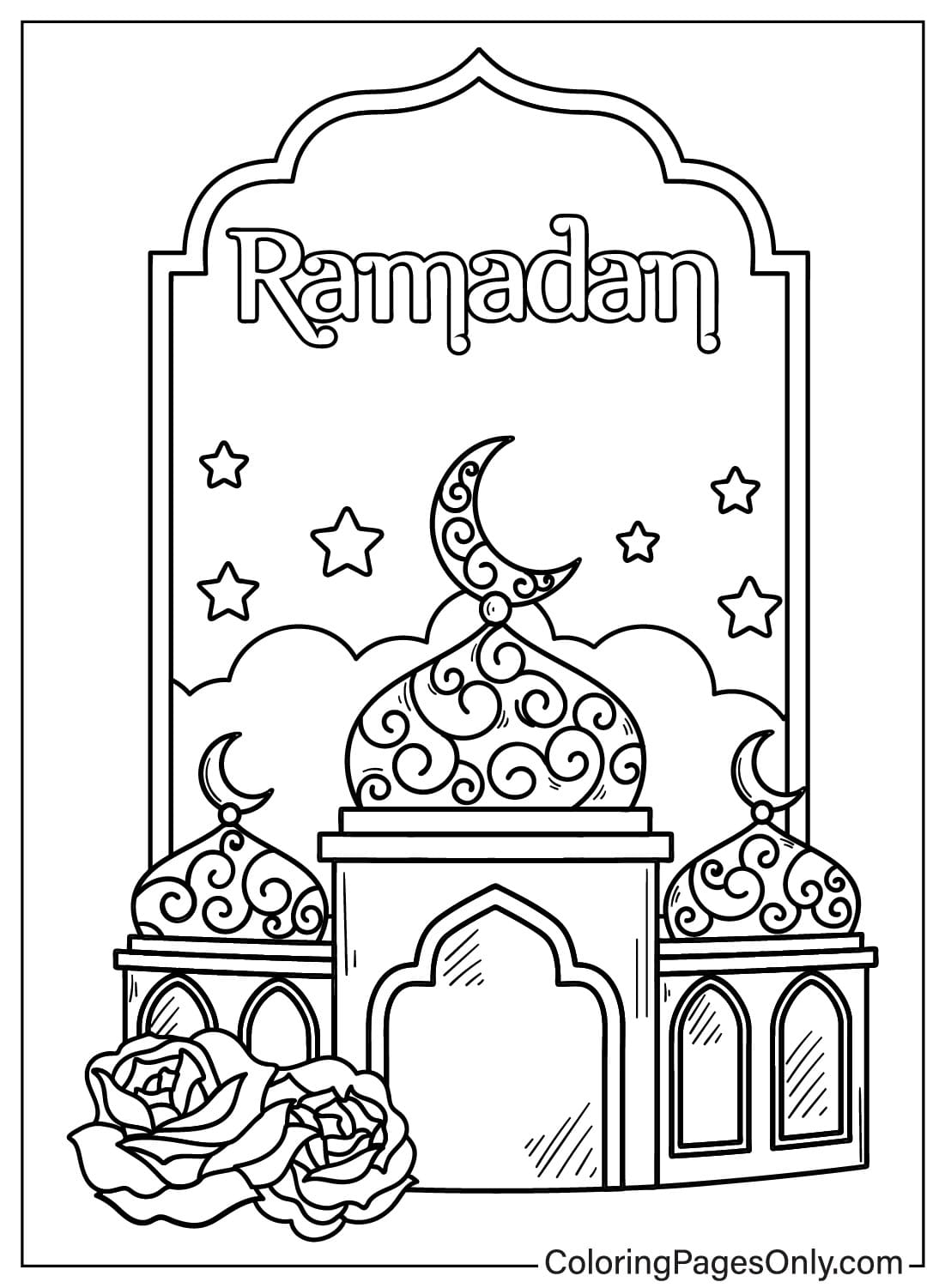
What Is Inside This Collection
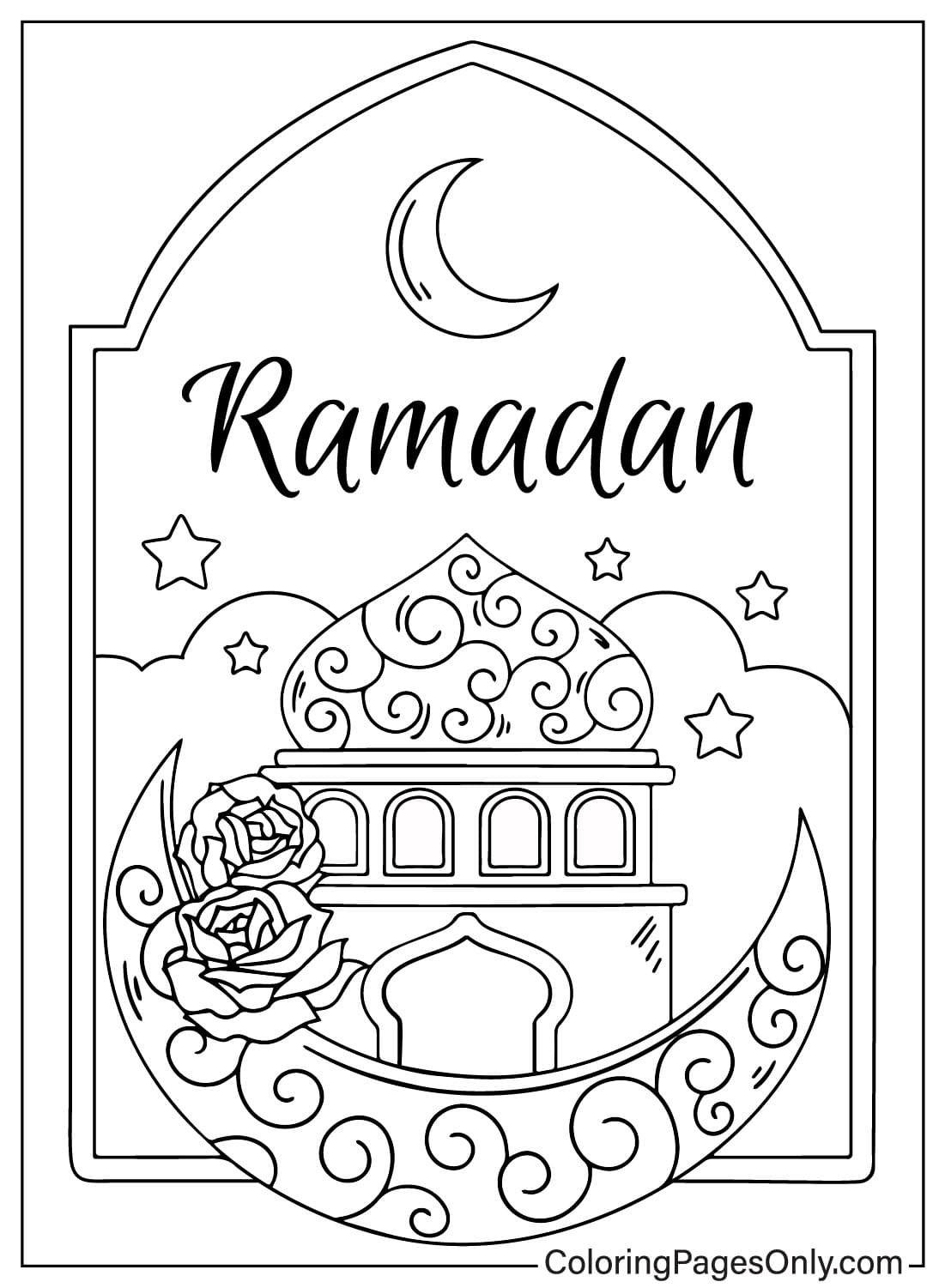
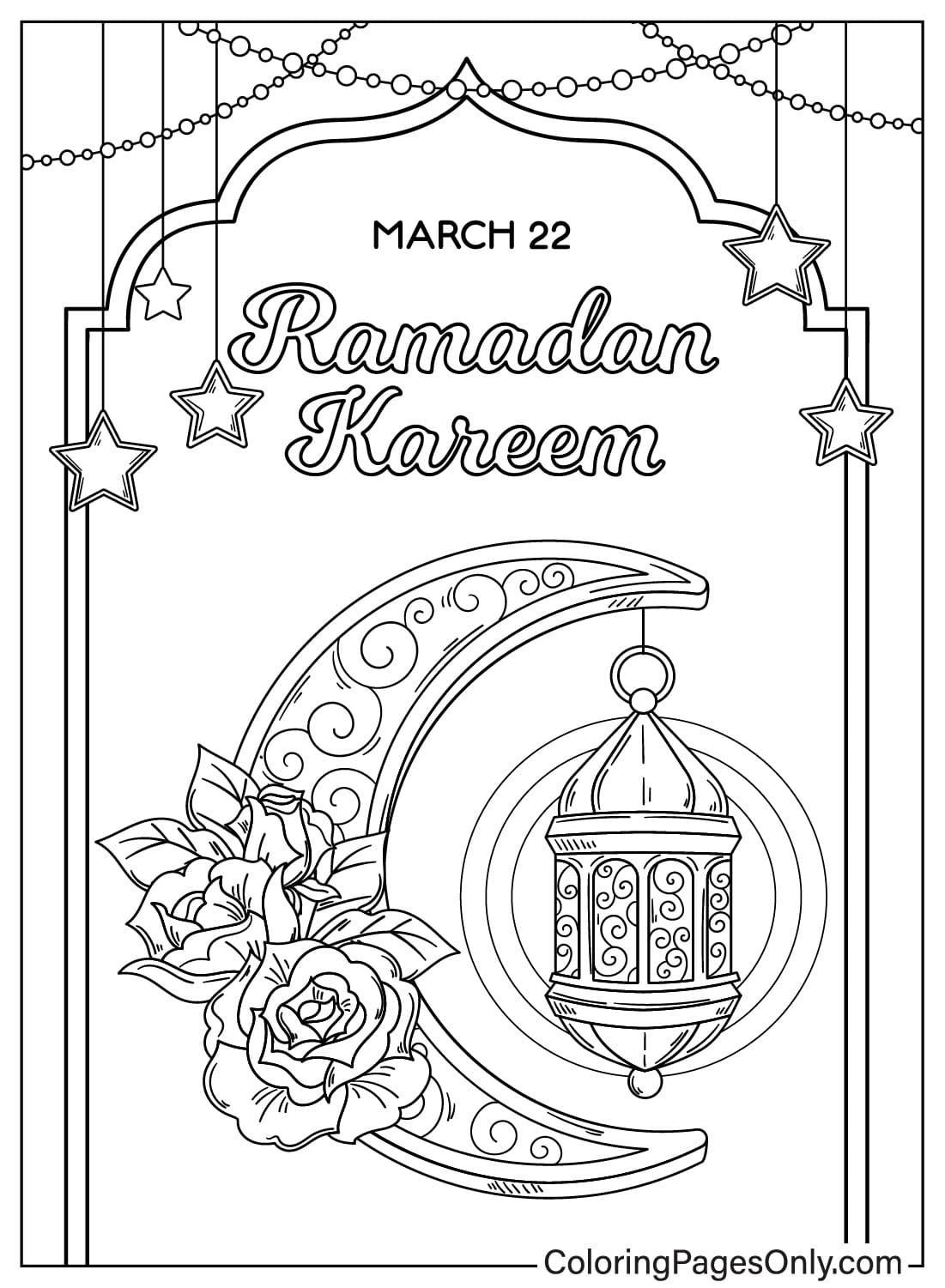
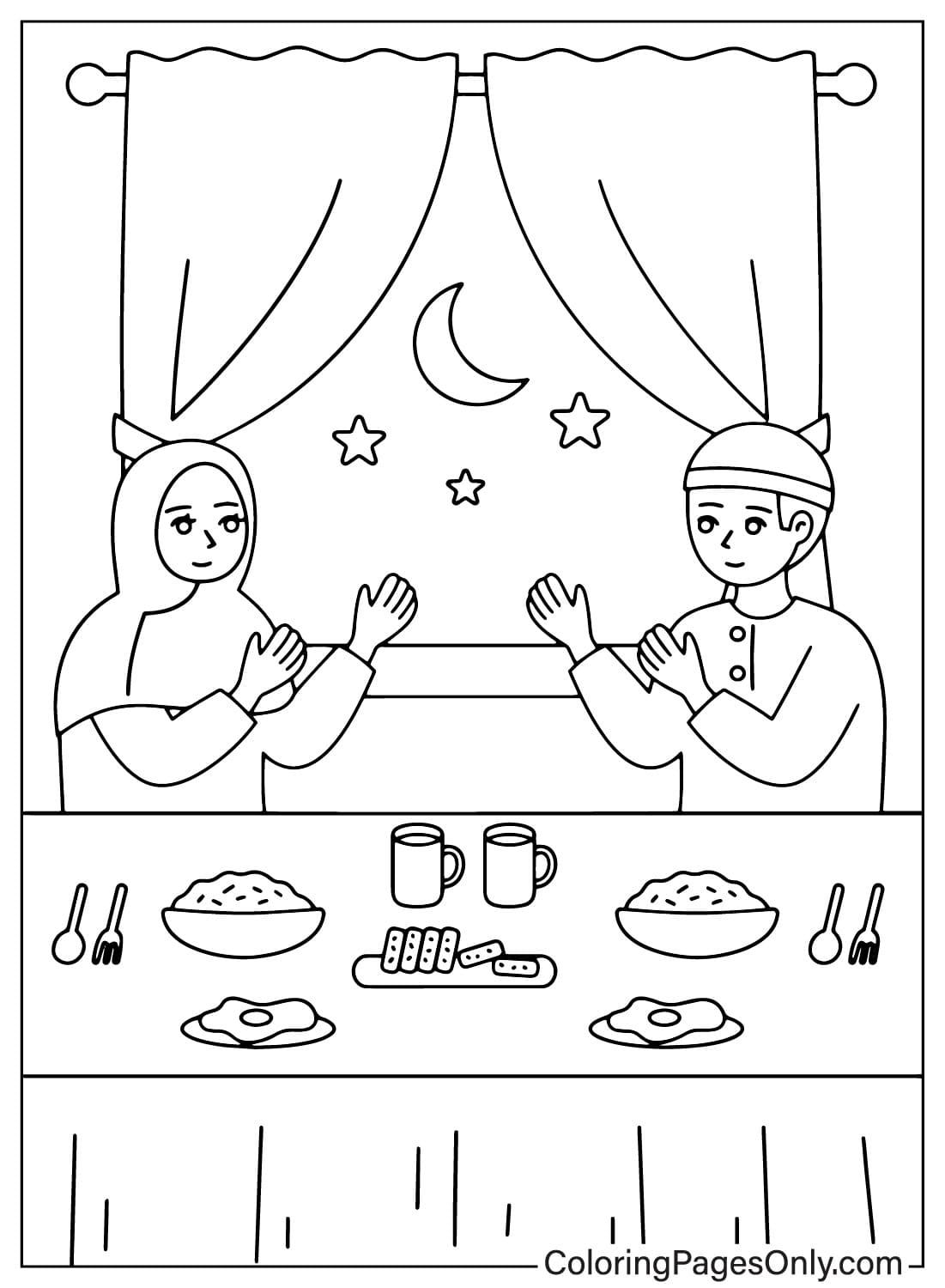
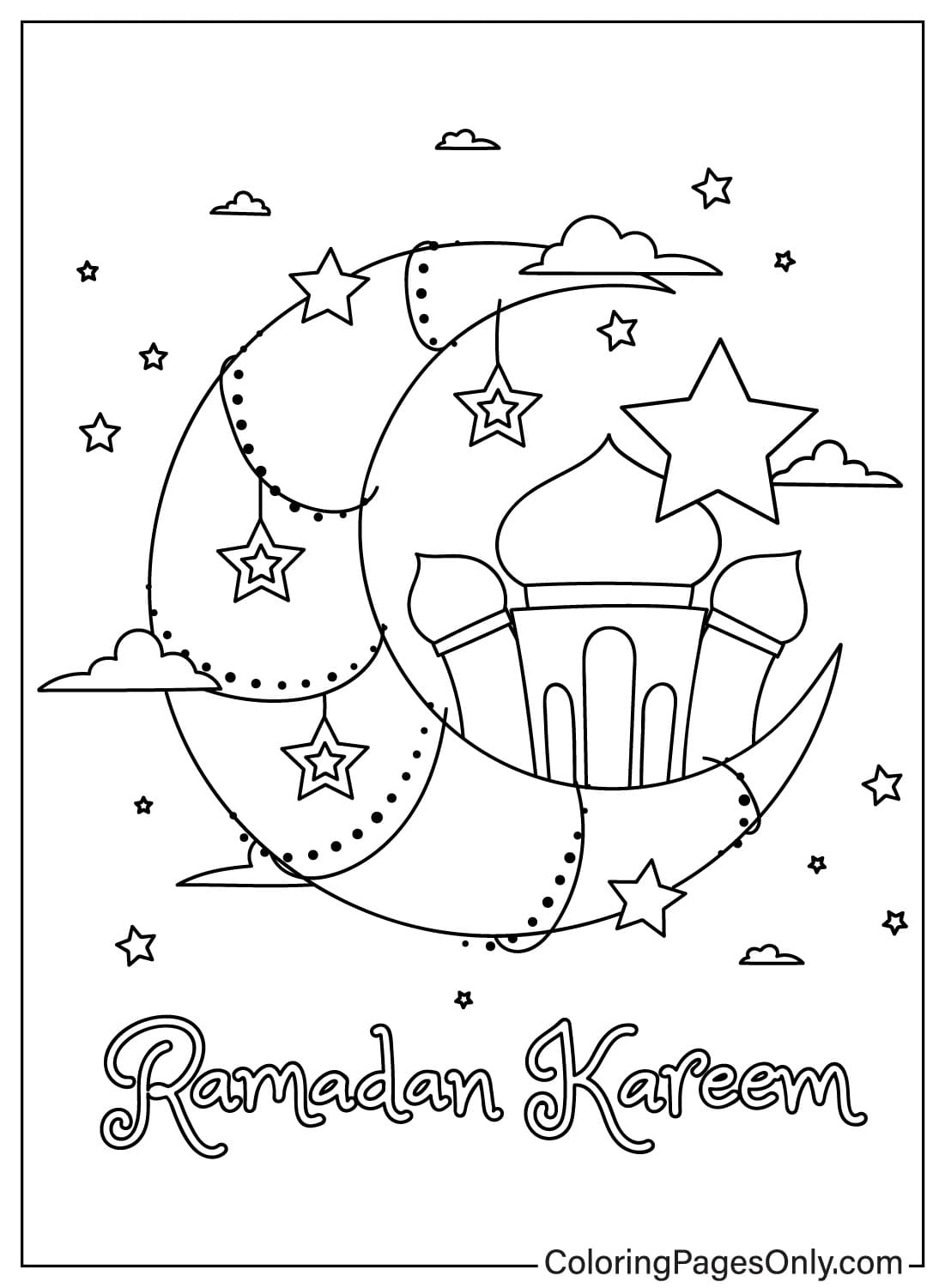
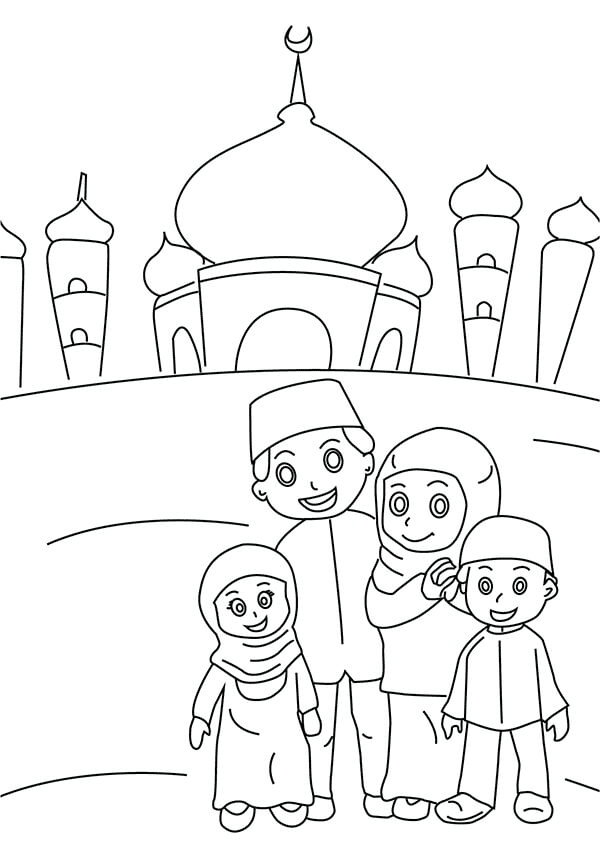
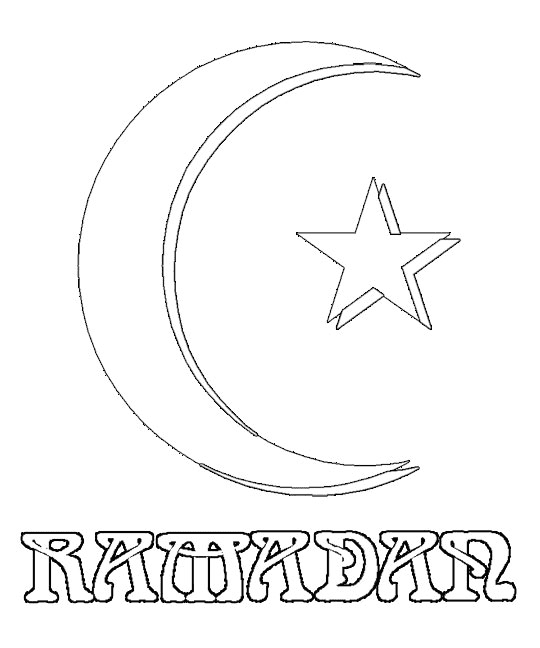
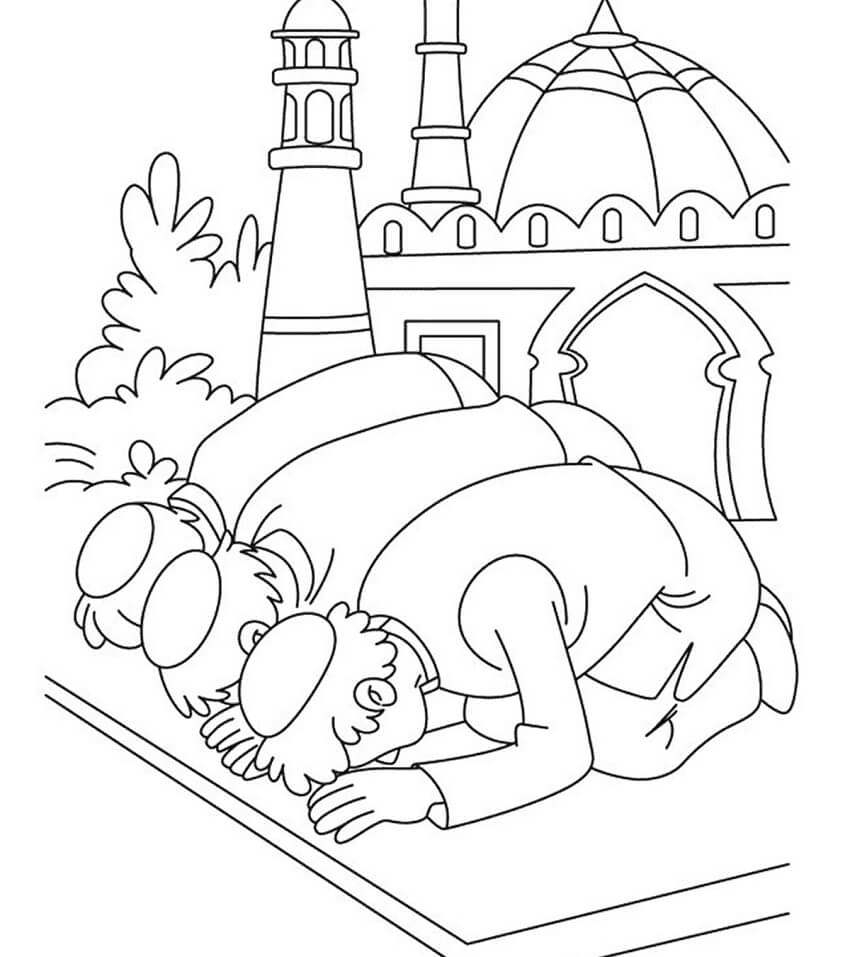
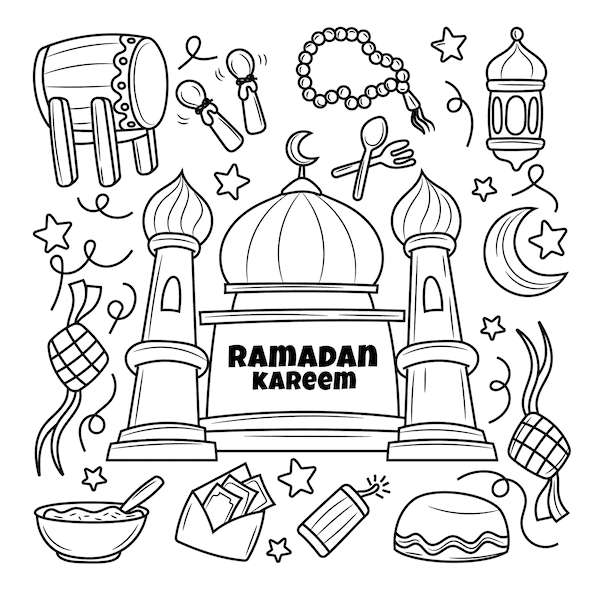
The 28 pages are divided into four groups: symbols of the month, mosque scenes, prayer and reflection pages, and greeting pages.
Crescent Moons, Stars, and Lanterns
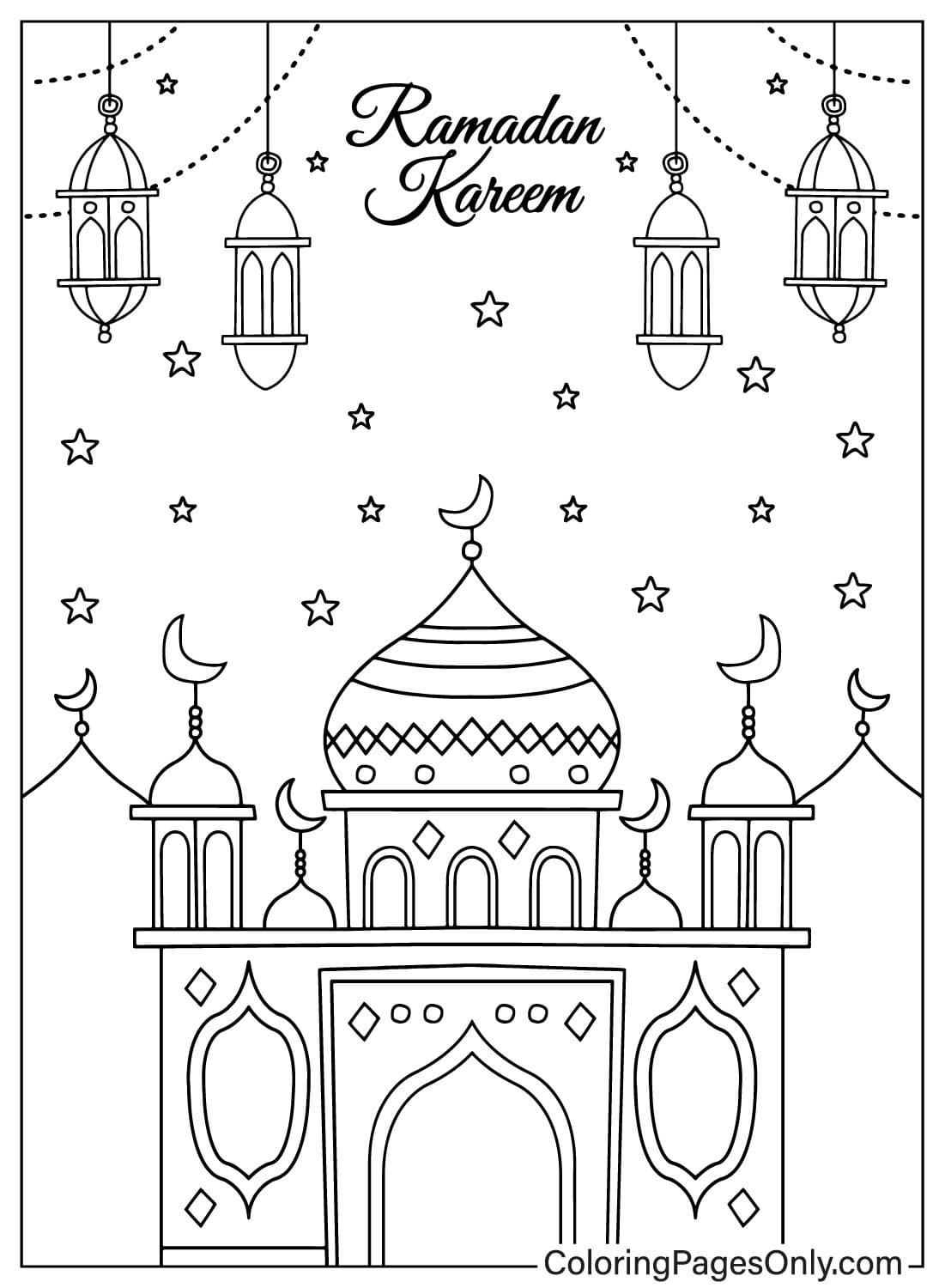
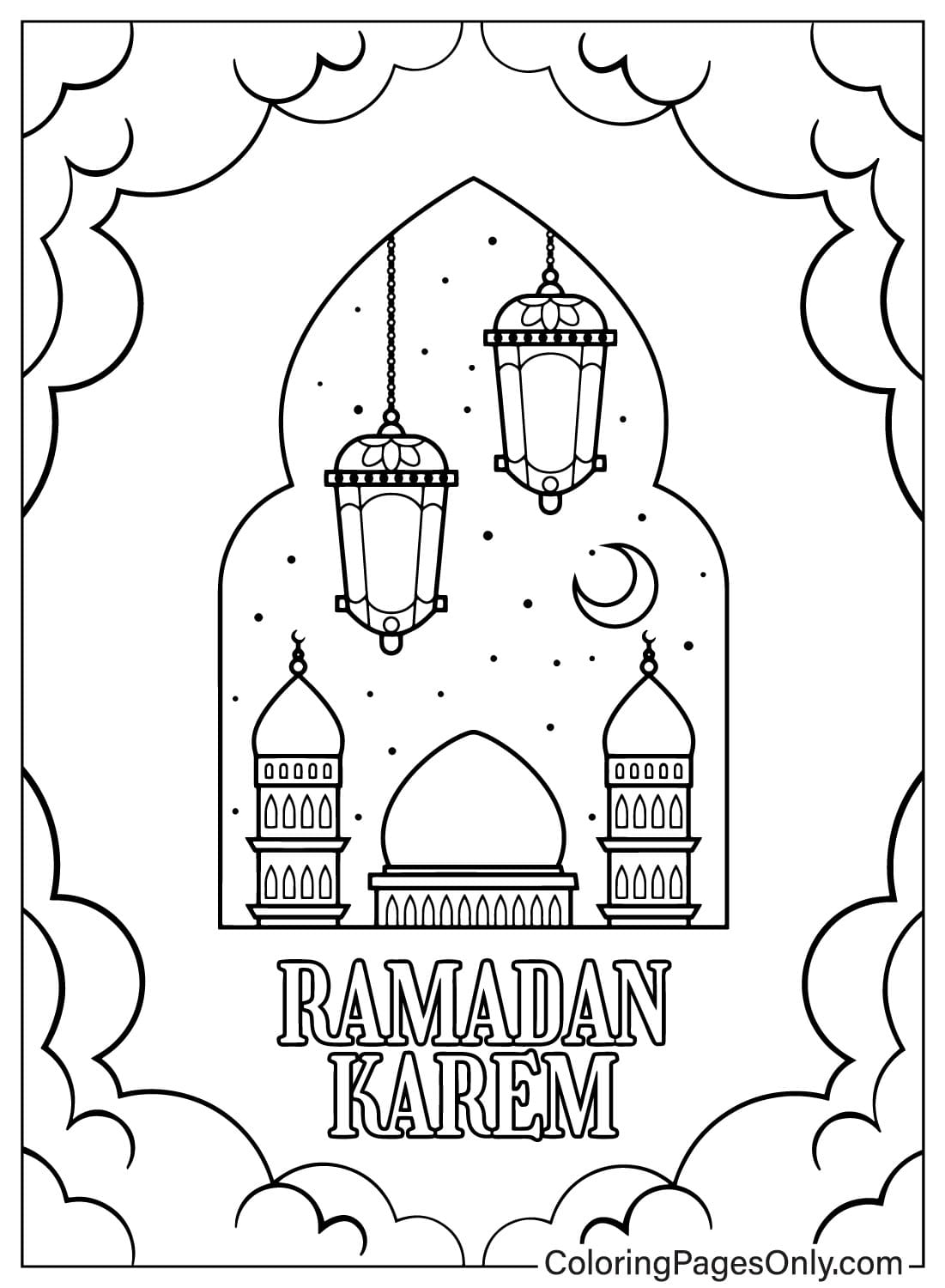
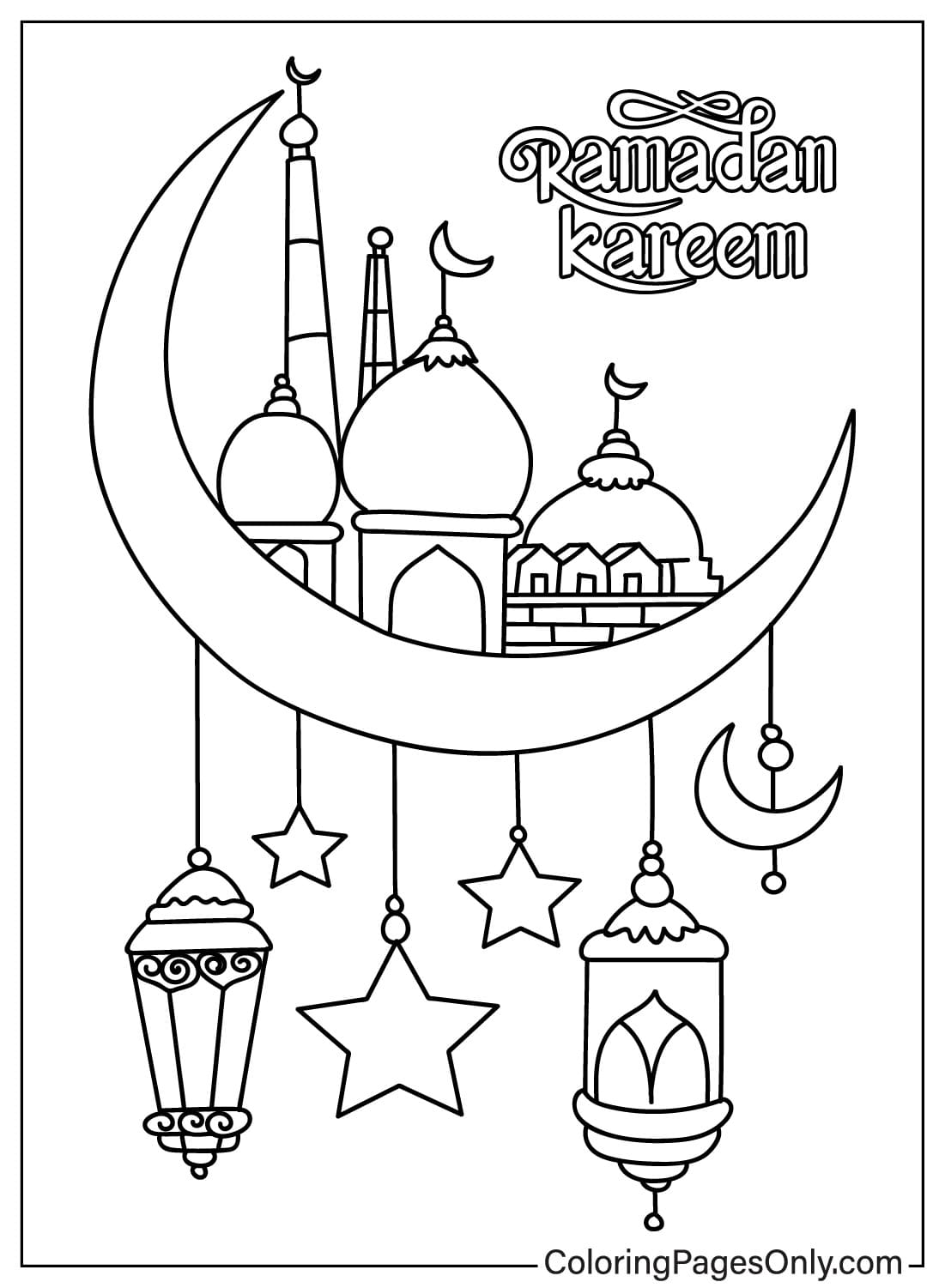
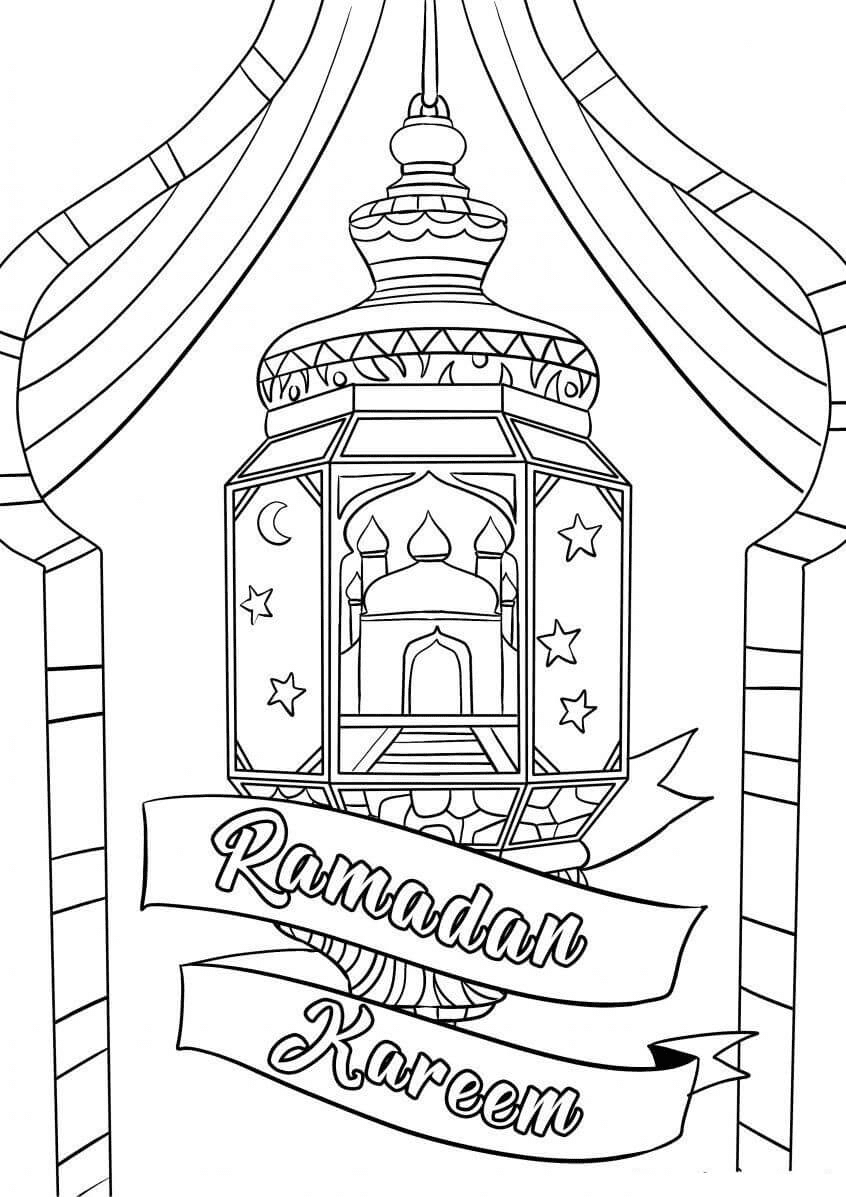
The crescent moon is the most repeated symbol in the set, since it marks both the start and the close of the month. Several pages pair the moon with stars or with a fanous, the patterned lantern lit during Ramadan evenings in many households and especially associated with Egyptian and wider Arab traditions. However, the decoration has spread well beyond that region. Color the moon and stars in warm gold against a deep night-sky background to match how the symbol is traditionally rendered in Islamic decorative art.
Mosque Scenes
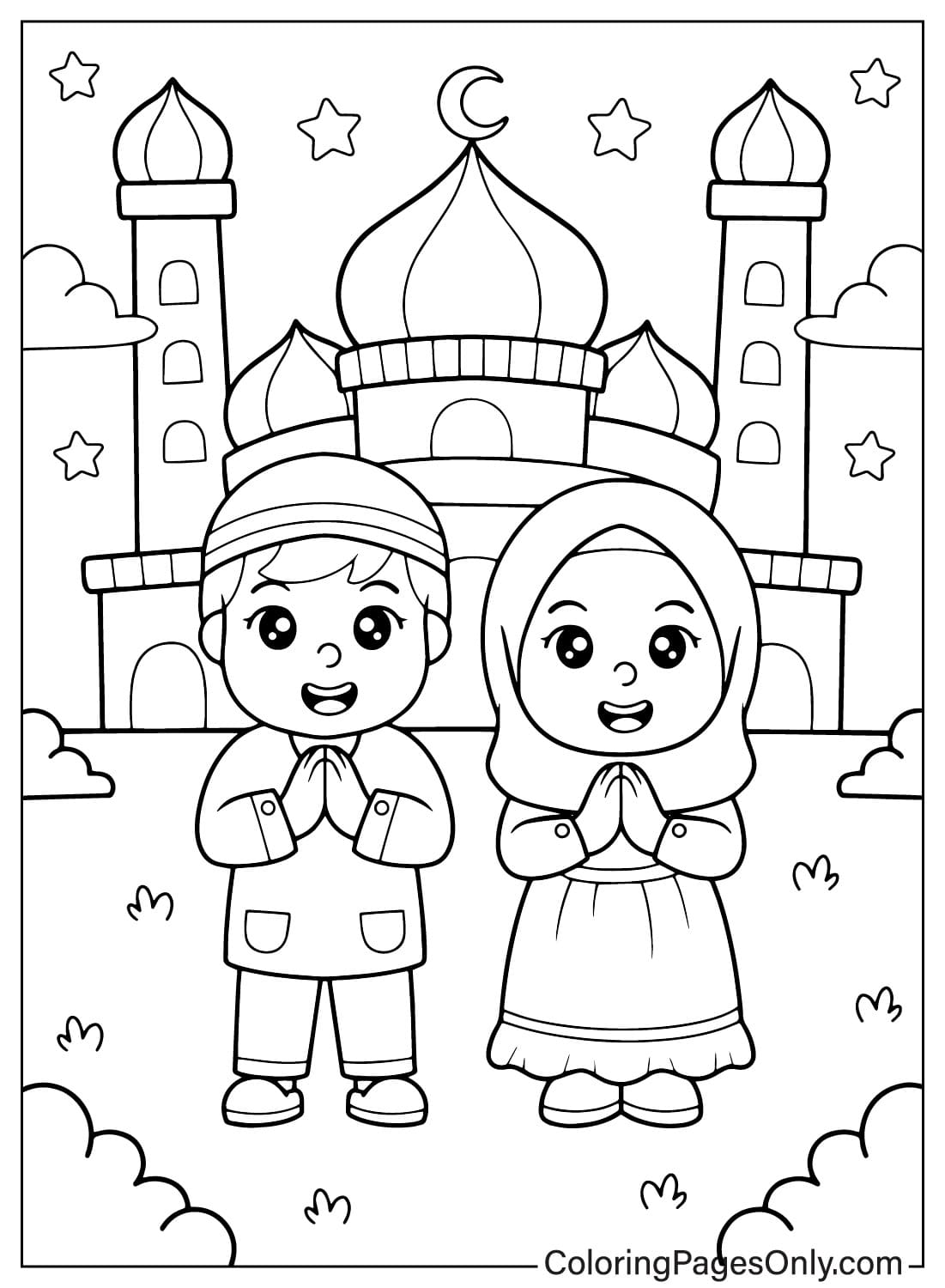
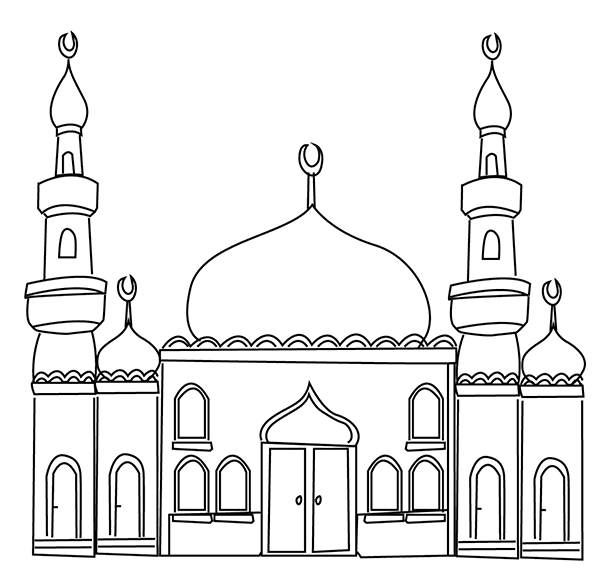
A smaller group of pages shows a mosque, sometimes paired with a crescent moon overhead. Mosque architecture varies widely by region and era, from the wide domes and tall minarets common in Ottoman and South Asian design to the flatter, courtyard-centered mosques found elsewhere. Hence, these pages work as a general architectural study rather than a portrait of one specific building. Mosque domes and minarets are usually rendered in cooler blues, greens, or teal, offset by gold trim on the dome finial and minaret tips.
Prayer and Reflection Pages
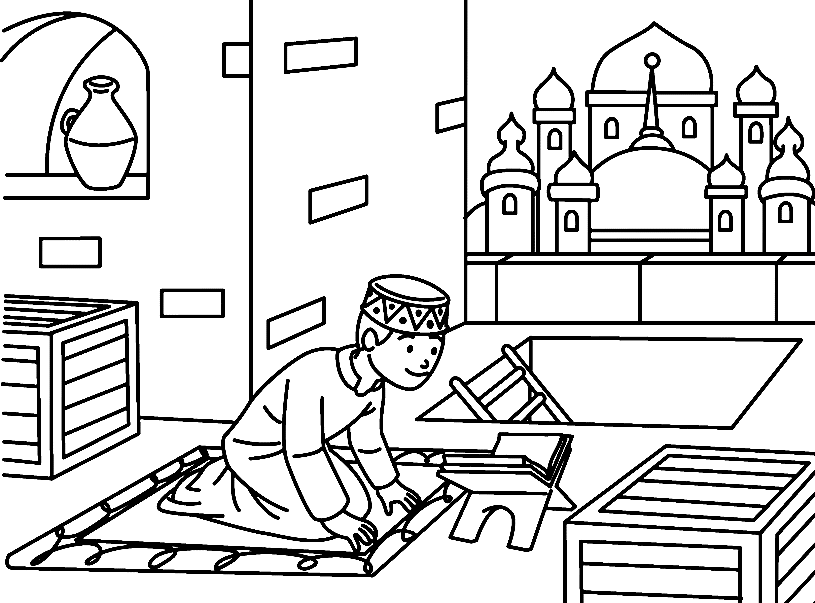
A few pages reference the prayer side of the month, tied to the additional nightly prayers and quiet moments of reflection that fill Ramadan evenings. These pages suit a softer, more muted palette than the bright lantern and greeting pages, since they lean toward reflection rather than celebration.
Ramadan and Eid Greeting Pages
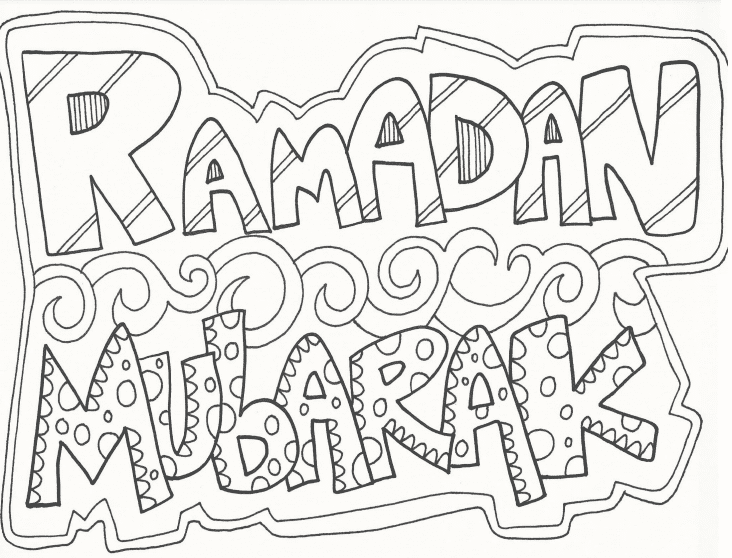
The remaining pages carry text greetings, Ramadan Mubarak and Ramadan Kareem, both common phrases used to wish someone a blessed month. These pages are the simplest in the set and work well as a first Ramadan coloring page for younger children who are not yet coloring detailed scenes.
What Ramadan Coloring Pages Do
Fine motor development. The American Academy of Pediatrics lists structured coloring among the activities that build fine motor control in children ages 2 through 7, since the controlled hand movements required to stay inside a mosque outline or a lantern’s pattern lines mirror the motions used in early handwriting.
Cultural and religious literacy. For classrooms and interfaith families, coloring a mosque or a fanous lantern gives children a concrete, hands-on entry point into a tradition they may otherwise only encounter as a name on a calendar, without requiring a full explanation of theology to start the conversation.
Anxiety reduction through focus. A 2005 study published in the Art Therapy Journal found that people who completed structured coloring exercises showed measurably lower anxiety afterward than those who did unstructured drawing, one of the few pieces of coloring-specific research backed by a controlled study.
Symbol and pattern recognition. The repeated crescent, star, and geometric lantern shapes across the set give children practice recognizing and reproducing a consistent shape vocabulary. This skill carries over into early geometry and pattern-based classroom activities.
How to Color Ramadan Coloring Pages Well
- Crescent moons and stars: use Crayola Goldenrod or Metallic Gold for the moon and stars, set against a deep Midnight Blue or Navy Blue night sky so the gold stands out the way it does in traditional Islamic night-sky illustrations.
- Lanterns (fanous): color the metal frame in Goldenrod or Copper, then fill the glass panels with jewel tones, such as Scarlet, Emerald, or a deep Blue Violet, so each panel reads as colored glass rather than flat color.
- Mosque domes and minarets: use Turquoise Blue or Sea Green for the dome, Goldenrod for the finial on top, and a warm Tan or Sand for the stone walls beneath.
- Geometric patterns: Islamic decorative art favors repeating stars and interlocking shapes, so alternate two or three colors, Royal Purple, Turquoise Blue, and Goldenrod work well together, across the repeated units instead of filling the whole pattern with one color.
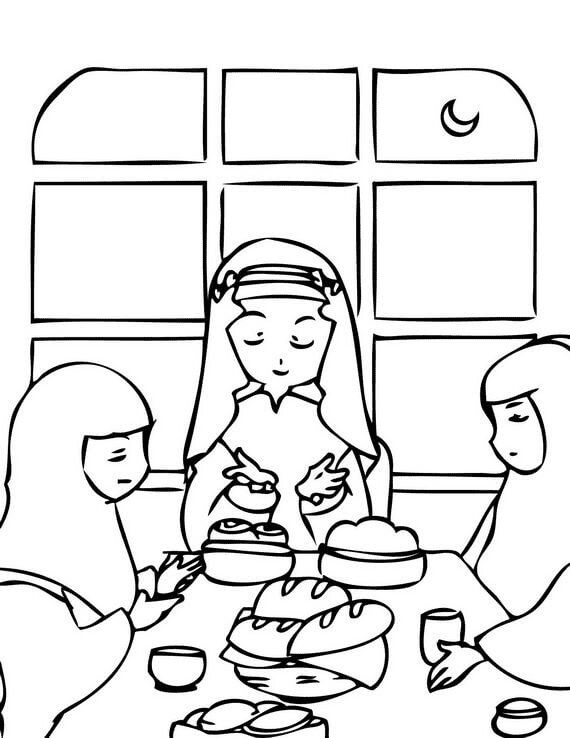
- Dates and food scenes: use Burnt Sienna or Brown for dates, since the fast is traditionally broken with dates and water, and a warm Tan or Beige for bread and other table foods.
- Greeting text pages: keep the lettering in a single strong color, Royal Purple or Scarlet works well, and use gold accents sparingly on the border rather than filling the whole background, so the words stay easy to read.
5 Creative Craft Ideas With Ramadan Coloring Pages
1. Ramadan Lantern Garland. Color three or four lantern pages, cut around each one, punch a hole at the top, and string them along ribbon to hang across a window or doorway for the month.
2. Iftar Table Placemat. Color a mosque or lantern page, then laminate it or cover it with clear contact paper to use as a placemat at the table for the sunset meal.
3. Ramadan Mubarak Greeting Card. Color one of the greeting pages, fold a piece of cardstock in half, and glue the design to the front to send to family or neighbors.
4. Crescent Moon Window Display. Color several moon and star pages, cut around the shapes, and tape them to a window so they catch the light in the evening.
5. Charity Jar Wrapper. Color a page with a simple pattern or greeting, trim it to size, and wrap it around a jar used to collect spare change for a charitable donation during the month.
Frequently Asked Questions
What are Ramadan coloring pages?
A free set of 28 printable PDFs and online coloring sheets featuring crescent moons, lanterns, mosques, and greeting pages tied to the Islamic month of Ramadan.
What is Ramadan?
The ninth month of the Islamic lunar calendar, observed with fasting from dawn to sunset, increased prayer, and charitable giving. Fasting during Ramadan is one of the Five Pillars of Islam.
When does Ramadan start each year?
The date shifts about ten to eleven days earlier on the Gregorian calendar every year and is confirmed by the sighting of the new crescent moon, so check with a local mosque or community for the exact date.
What do the lantern and crescent moon symbolize?
The fanous lantern is a traditional decoration lit during Ramadan evenings, and the crescent moon marks the lunar sighting that opens and closes the month.
What happens during Iftar and Suhoor?
Suhoor is the meal eaten before dawn, and iftar is the meal that breaks the fast at sunset, traditionally started with dates and water.
How does Ramadan end?
The month ends with Eid al-Fitr, a festival celebrating the return to daily eating, usually marked with prayers, family gatherings, and charitable giving.
Are Ramadan coloring pages suitable for classrooms and young children?
Yes. The symbol and greeting pages use simple outlines suited to young children, while the mosque and pattern pages work well for older kids and classroom activities introducing the holiday.
Do these pages represent one specific tradition within Islam?
No. Ramadan is observed across many countries and communities with local variation, and this collection sticks to symbols, such as the crescent moon, lanterns, and mosque, that are widely recognized rather than specific to one region.
Start Coloring
Download any page by clicking the design. No account, email, or payment is required. Pages print directly from the browser at full resolution or open in the online coloring tool for screen use. Share finished pages on Facebook or Pinterest with the share buttons at the top of each design page.