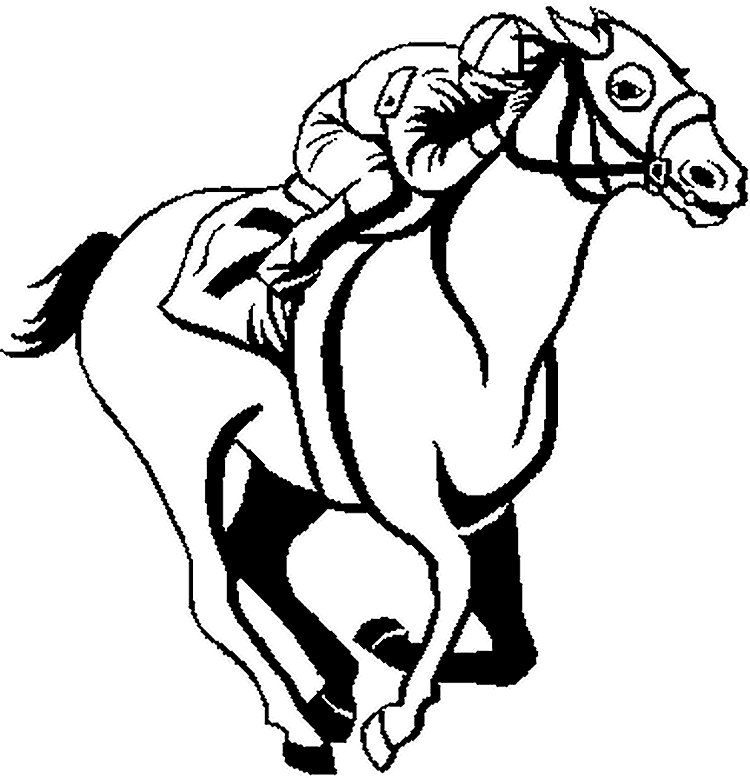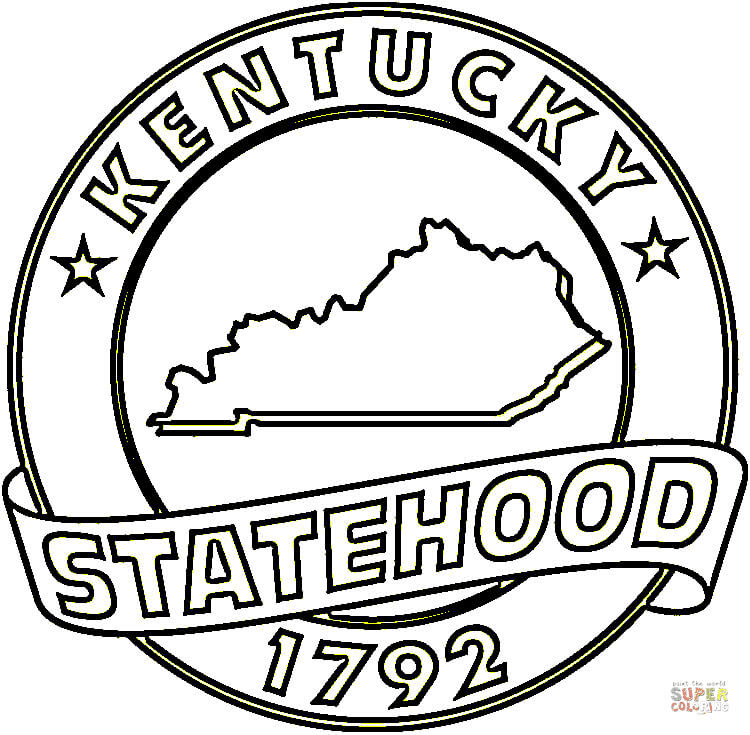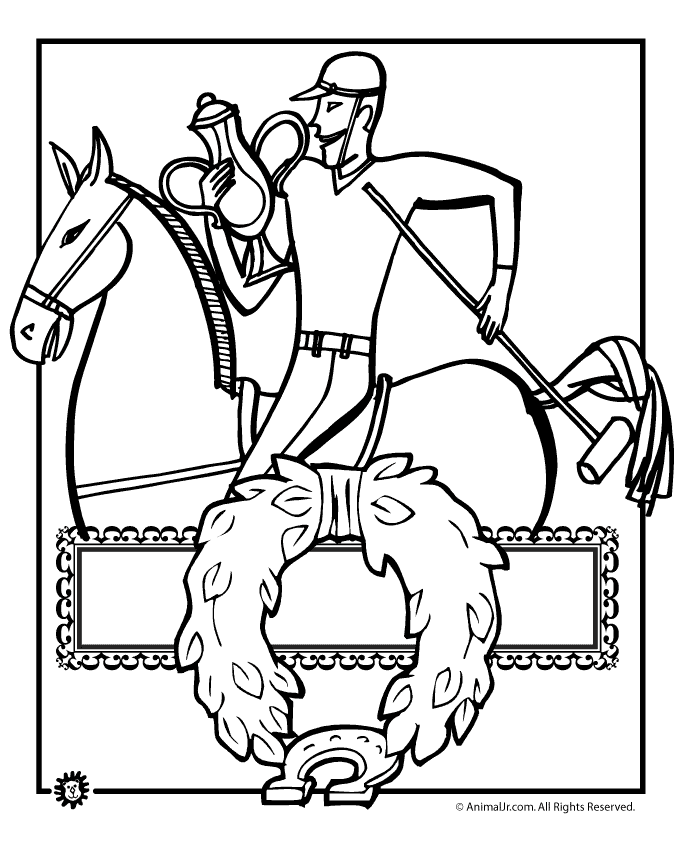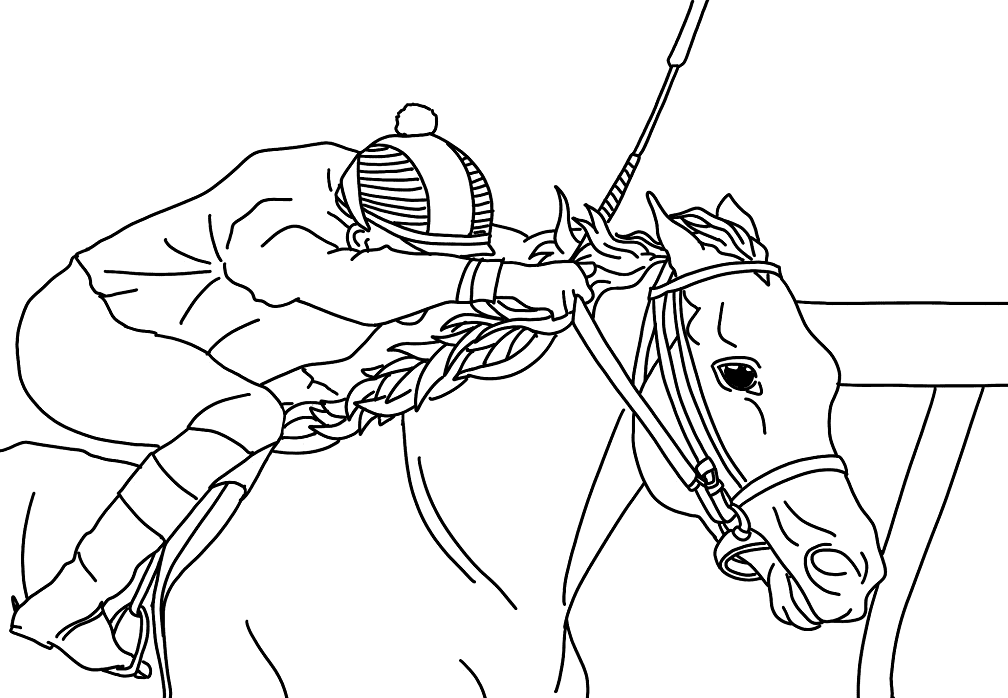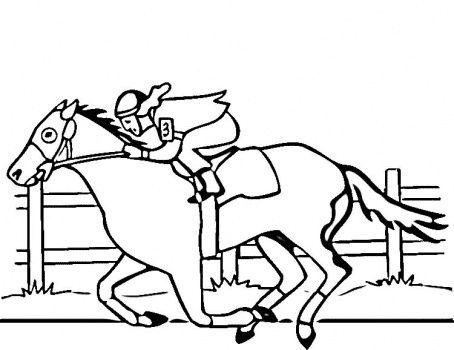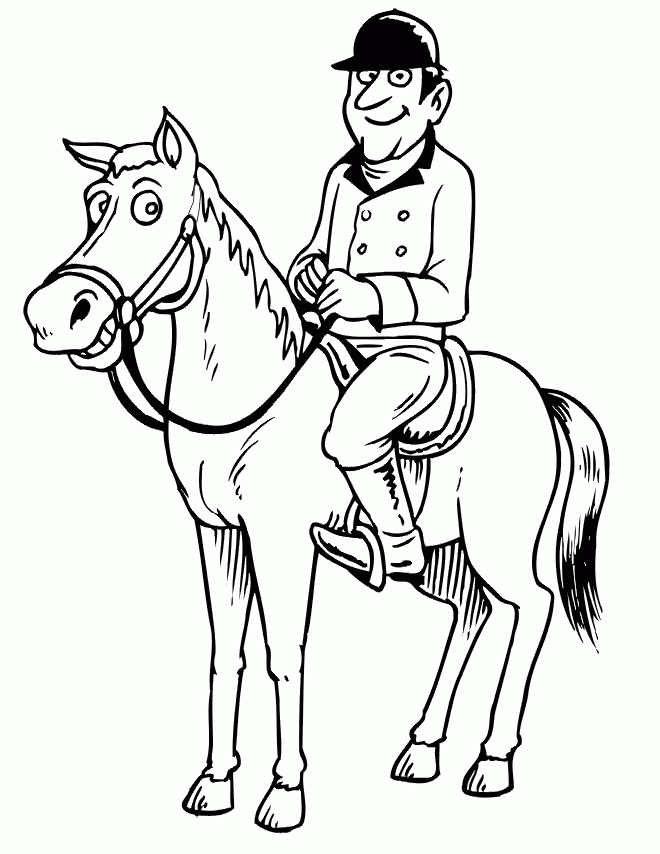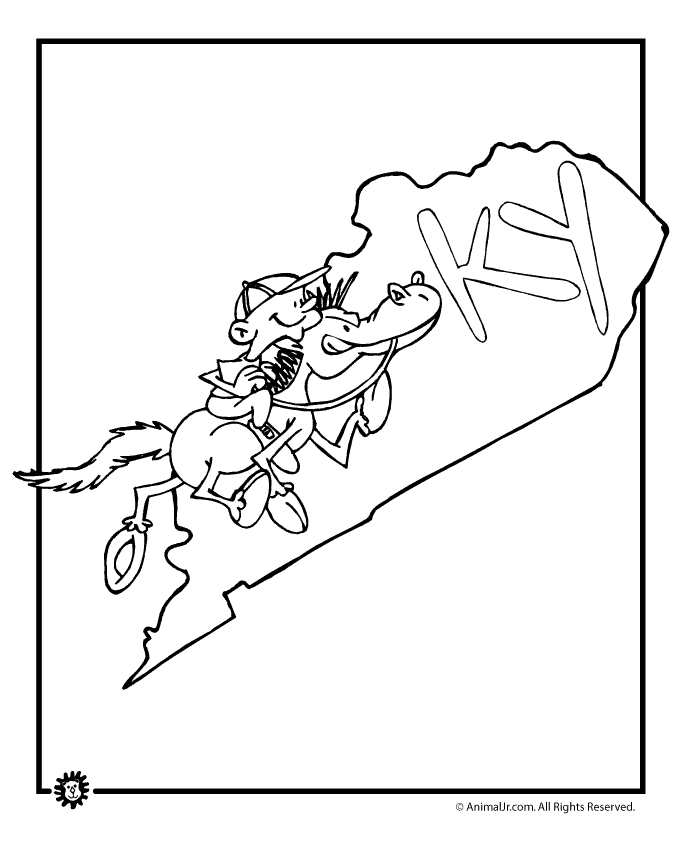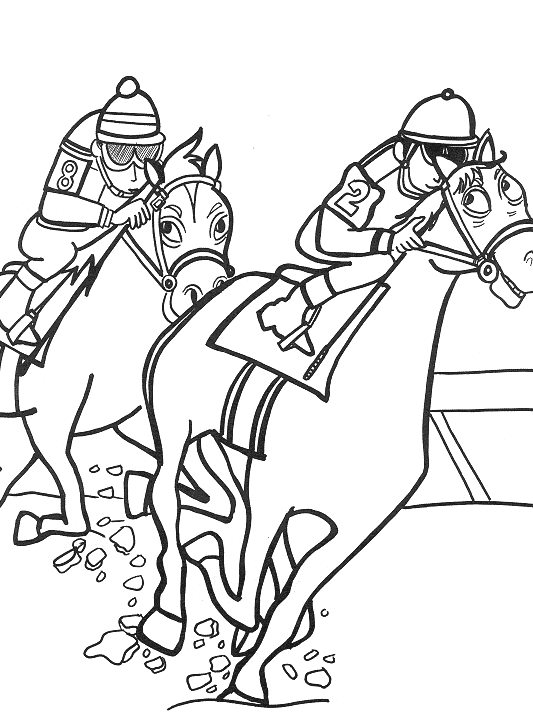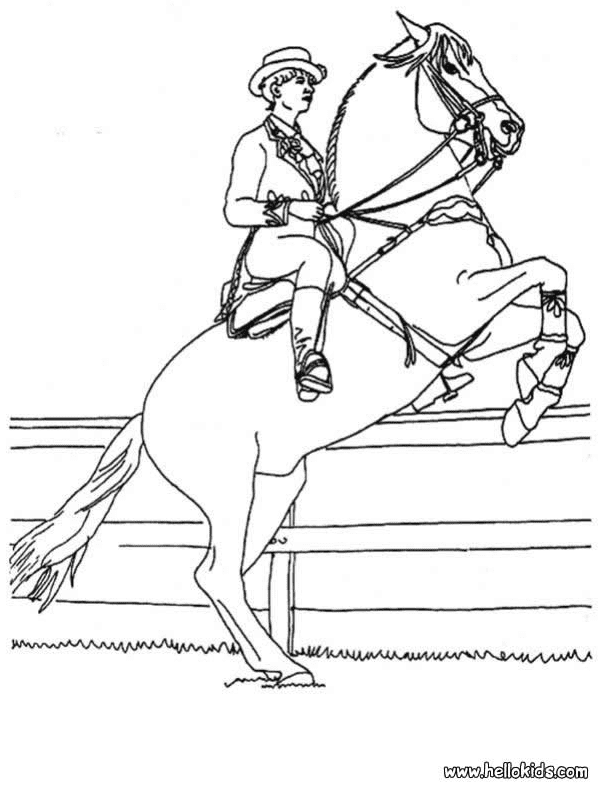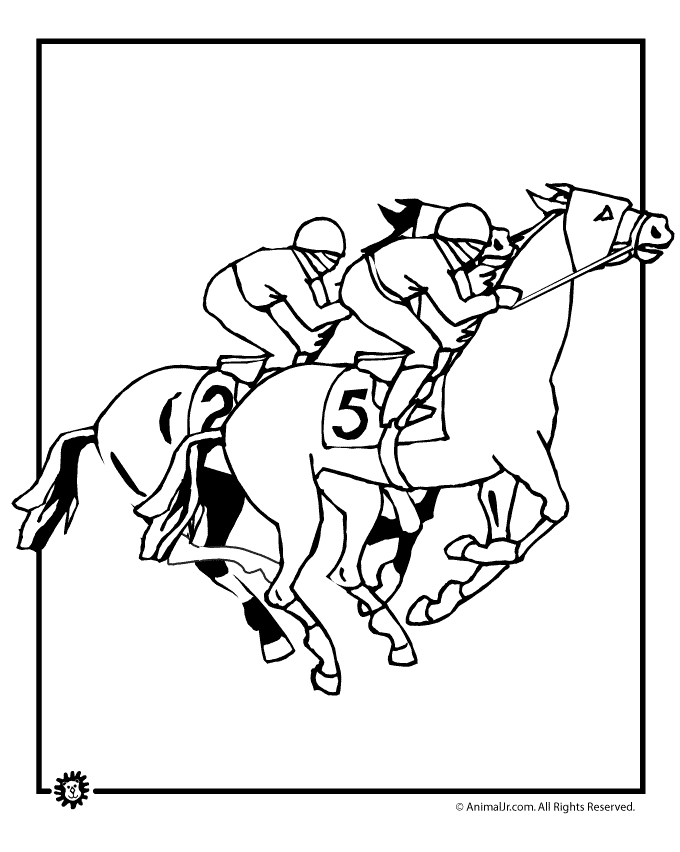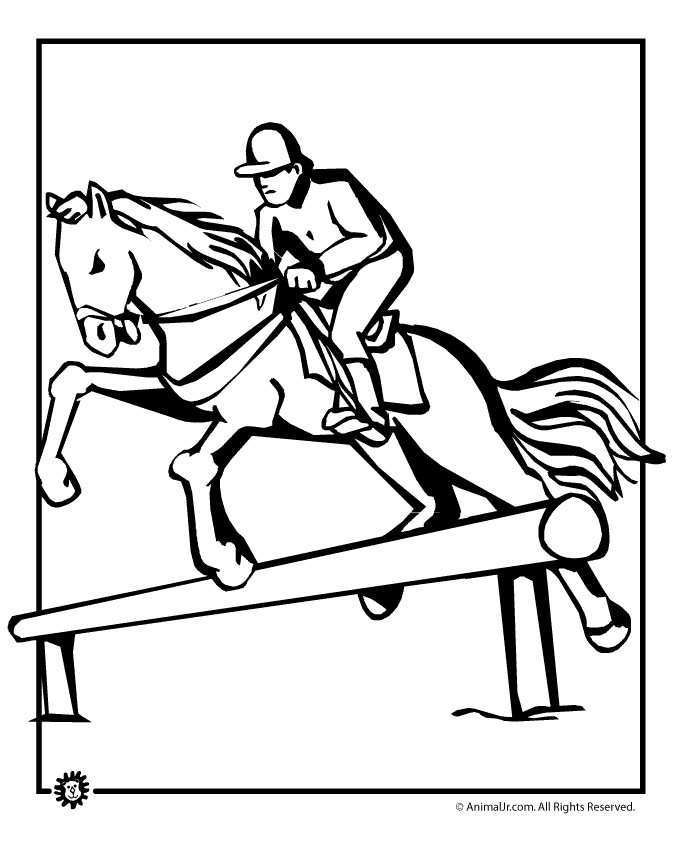
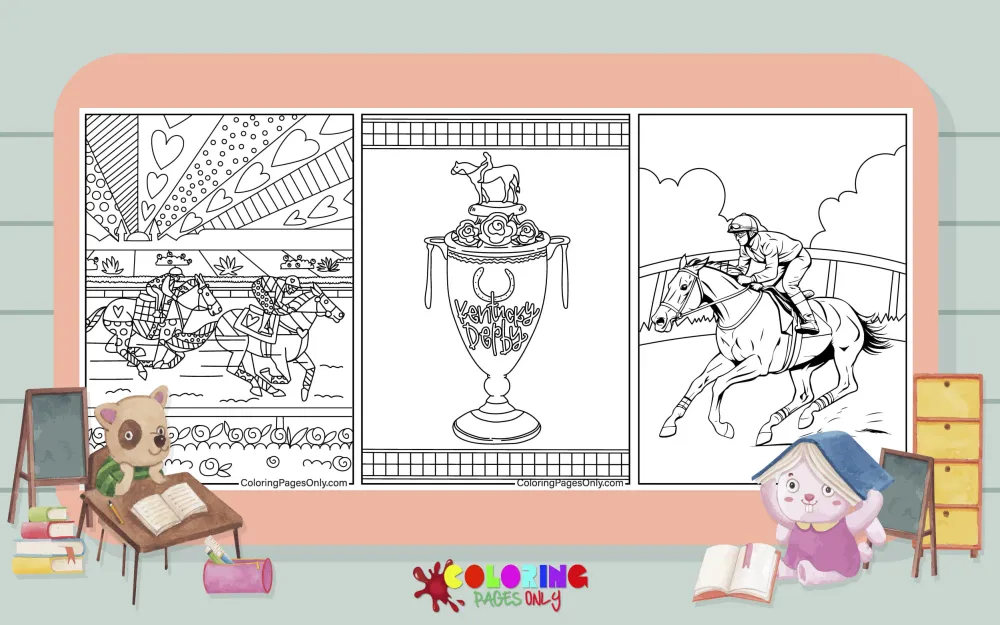
Kentucky Derby Coloring Pages at ColoringPagesOnly.com brings together 30+ free printable pages celebrating America’s most iconic horse race – the first Saturday of every May at Churchill Downs in Louisville, Kentucky. The collection covers the full visual world of the Derby: thoroughbred race horses at full gallop on the dirt track, jockeys in colorful racing silks, the famous Derby trophy and winner’s garland of red roses, Churchill Downs’ iconic twin-spire grandstand, the State of Kentucky, and a range of jockey-and-horse duo compositions across different race stages from the starting gate to the finish line. The full Holidays collection is available through our Holidays Coloring Pages hub.
Every page is completely free – download as PDF to print or color online in your browser. No sign-up, no cost.
About the Kentucky Derby
The Kentucky Derby is the oldest continuously held major horse race in the United States, first run on May 17, 1875, at Churchill Downs in Louisville, Kentucky. It is held annually on the first Saturday of May and has been run every year since its founding – including through both World Wars – making it one of the most unbroken sporting traditions in American history. The 2026 running is the 152nd Kentucky Derby.
The race was founded by Meriwether Lewis Clark Jr., the grandson of explorer William Clark of the Lewis and Clark Expedition. Clark had traveled to Europe to study racing culture at prestigious venues, including England’s Epsom Derby and France’s Prix de Paris, and returned to Louisville with the vision of establishing a world-class racing venue and stakes race in Kentucky. He built Churchill Downs on land leased from his uncles – John and Henry Churchill, for whom the venue is named – and modeled the Kentucky Derby directly after the Epsom Derby format.
The Kentucky Derby is officially an American Grade I Stakes Race – the highest classification in American thoroughbred racing, reserved for races of the greatest quality, history, and competitive field. Only 3-year-old thoroughbred horses are eligible to compete, a restriction that has remained constant since the race’s founding. This restriction is why the Derby is often called “the Run for the Three-Year-Olds” as well as by its more famous nickname.
“The Run for the Roses” is the Kentucky Derby’s most recognized nickname, derived from the tradition of draping the winning horse in a blanket of red roses – a garland of approximately 554 red roses assembled specifically for the ceremony. The rose tradition began informally in the 1880s and was formalized in 1896 when Churchill Downs adopted the red rose as the race’s official flower.
“The Most Exciting Two Minutes in Sports” is the race’s other famous nickname – the typical winning time runs between approximately 1 minute 59 seconds and 2 minutes 5 seconds for the 1¼ mile (approximately 2 km) dirt track distance, making the race itself extraordinarily brief despite the week of events, parties, and preparation surrounding it.
The Kentucky Derby is the first leg of the Triple Crown of Thoroughbred Racing – the most prestigious achievement in American horse racing – alongside the Preakness Stakes (run two weeks later in Baltimore, Maryland) and the Belmont Stakes (run three weeks after the Preakness in Elmont, New York). Winning all three races in a single season is called winning the Triple Crown, one of the rarest achievements in all of sports. Only 13 horses have won the Triple Crown across the entire history of American racing. Recent Triple Crown winners include American Pharaoh (2015), who ended a 37-year drought, and Justify (2018), who became the most recent Triple Crown winner.
Churchill Downs itself is one of America’s most architecturally distinctive sporting venues. The venue’s twin spires – the two Victorian-style cupolas atop the grandstand, constructed in 1895 – are among the most recognizable landmarks in American sports and serve as the immediate visual symbol of the Kentucky Derby in any photograph or illustration. Churchill Downs holds approximately 165,000 spectators on Derby day, making it one of the largest single-day sporting events in the United States by attendance.
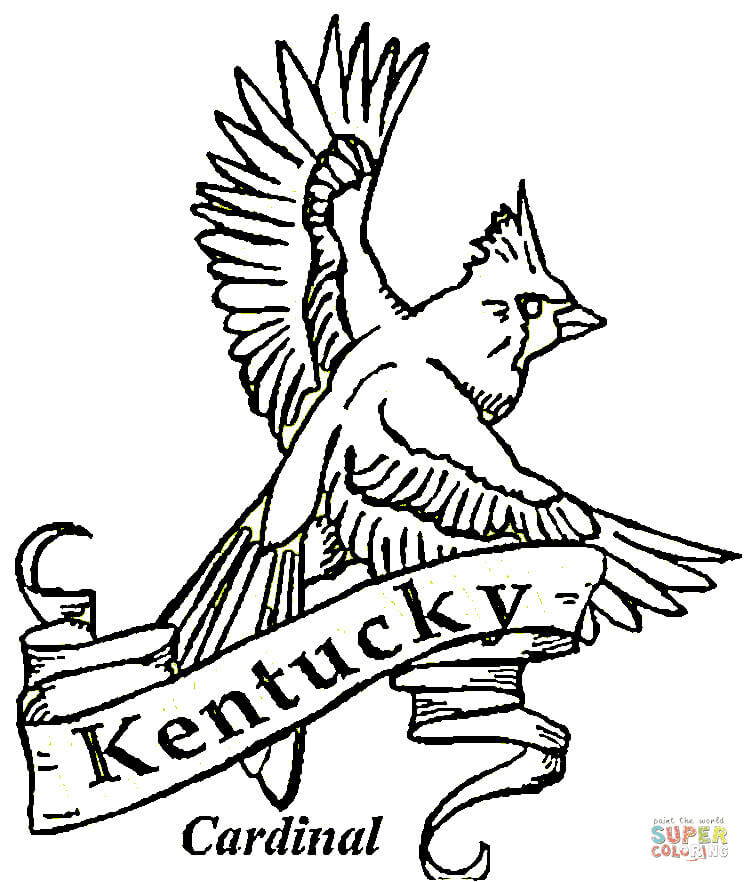
Kentucky – “The Bluegrass State” – has been the heart of American thoroughbred horse breeding for centuries. The state’s unique combination of limestone-filtered water and bluegrass pastures is credited with producing the strong bones and muscular development that characterize Kentucky-bred racing horses. The State of Kentucky tile in this collection depicts the state’s map or state emblem, reflecting the inseparability of Kentucky’s identity from its horse racing heritage.
What’s in This Collection
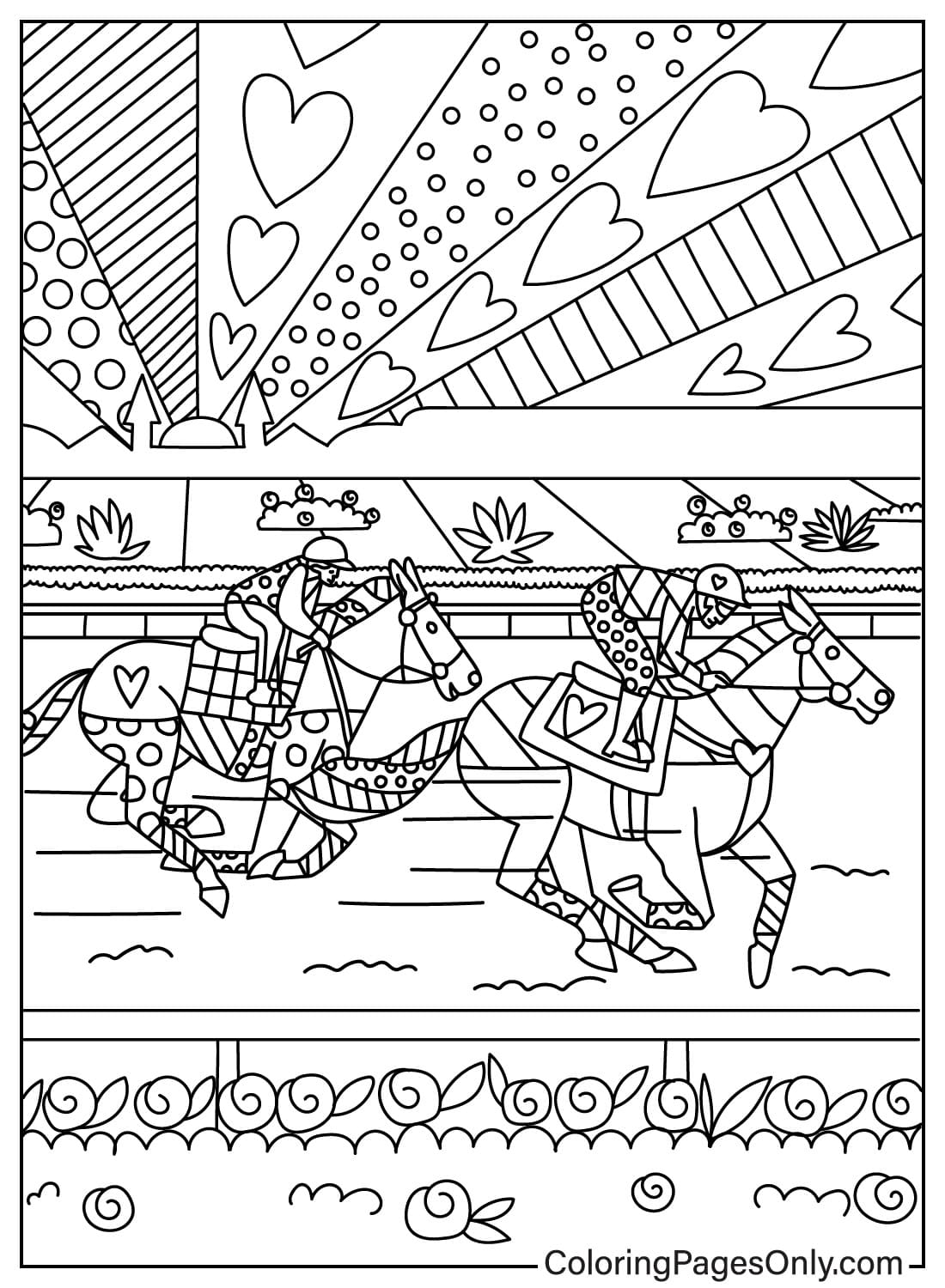
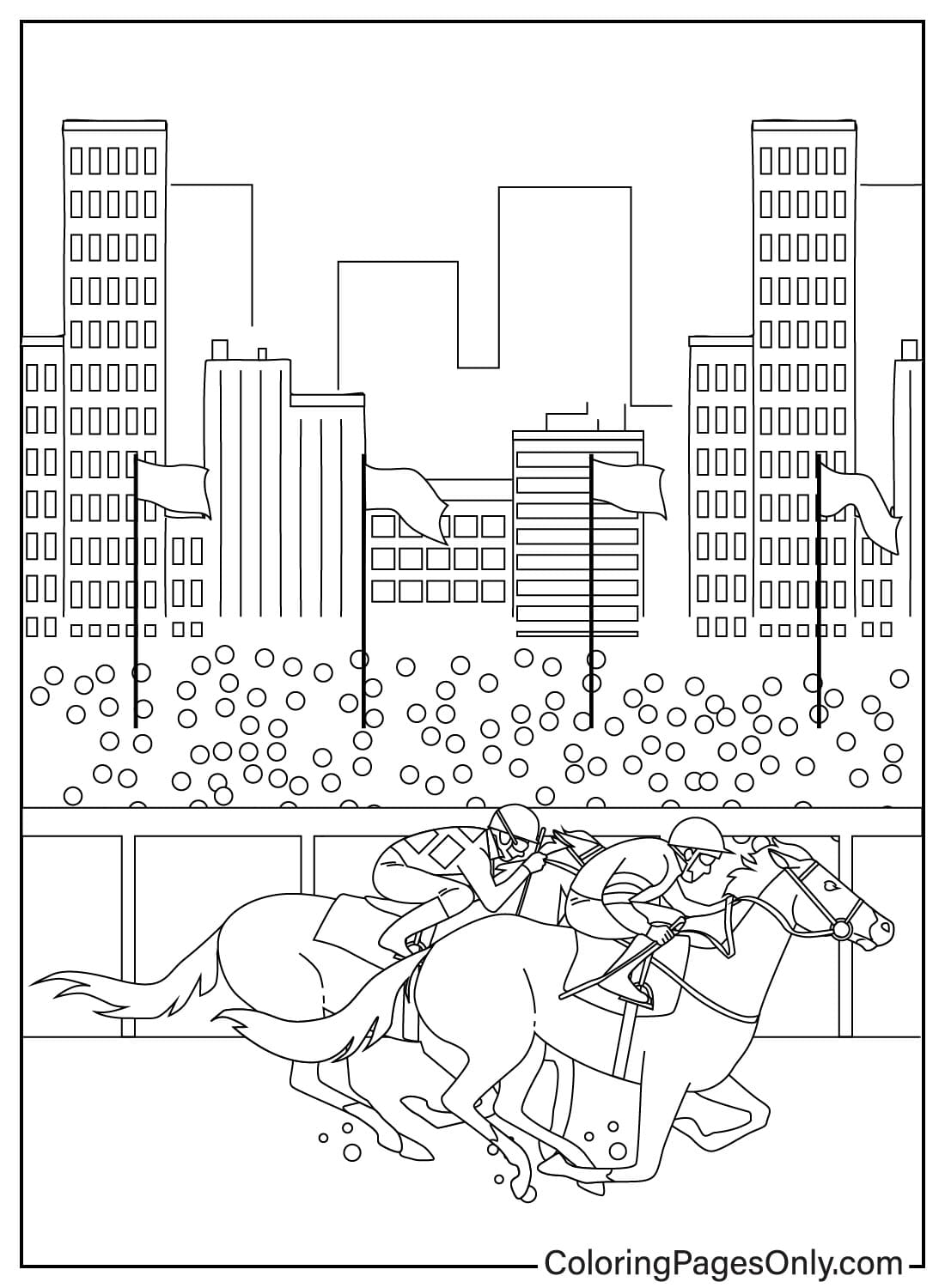
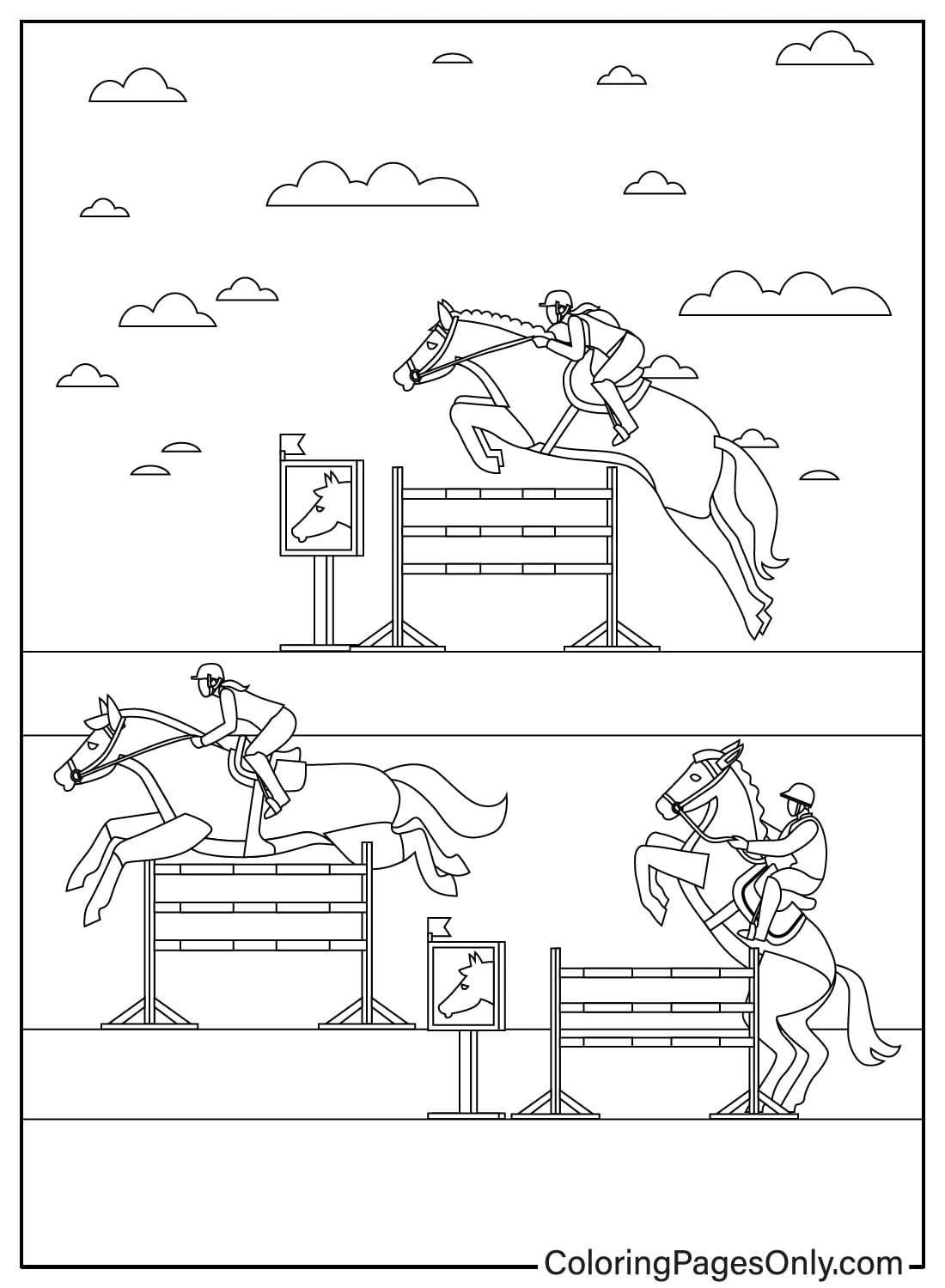
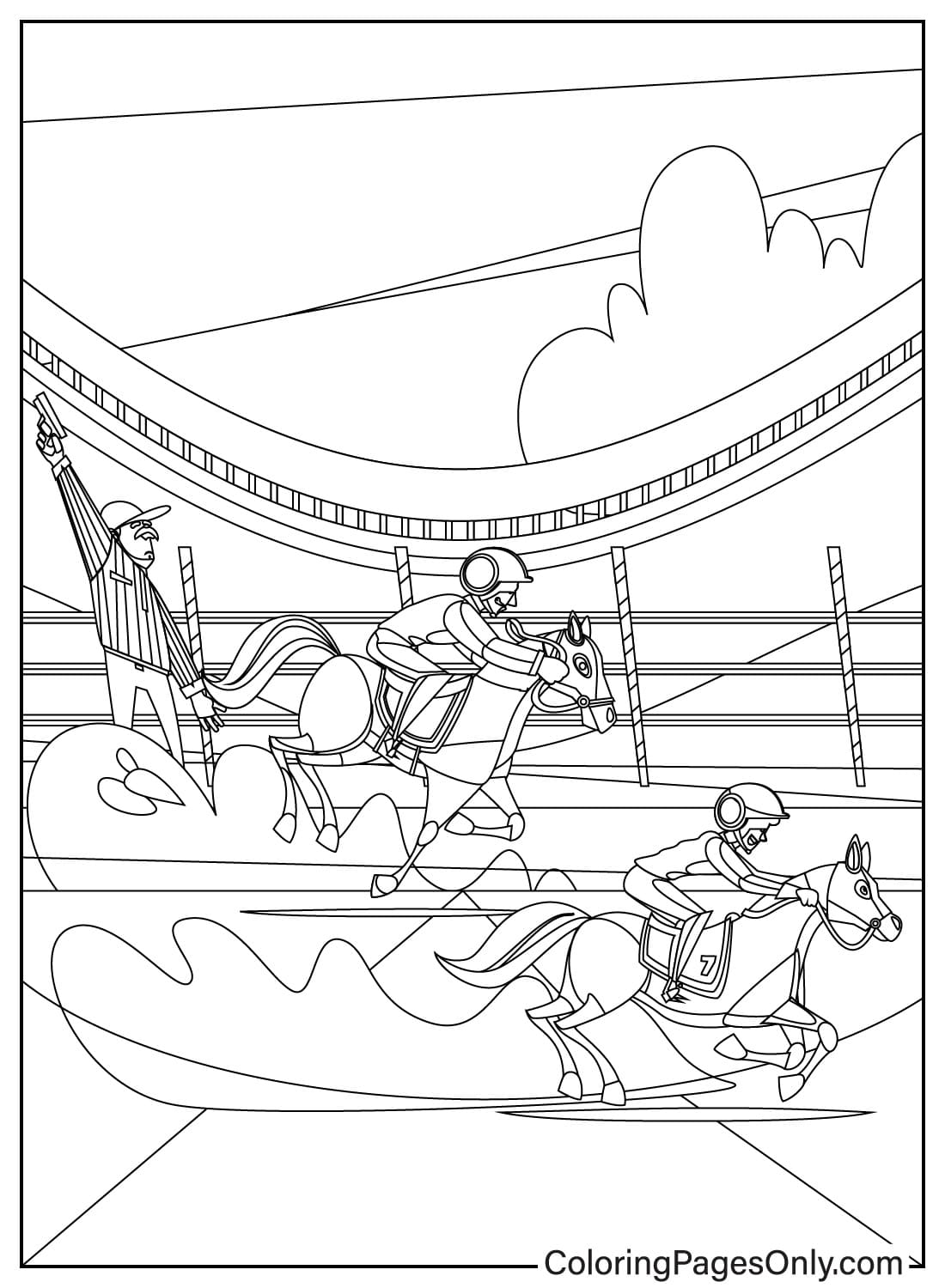
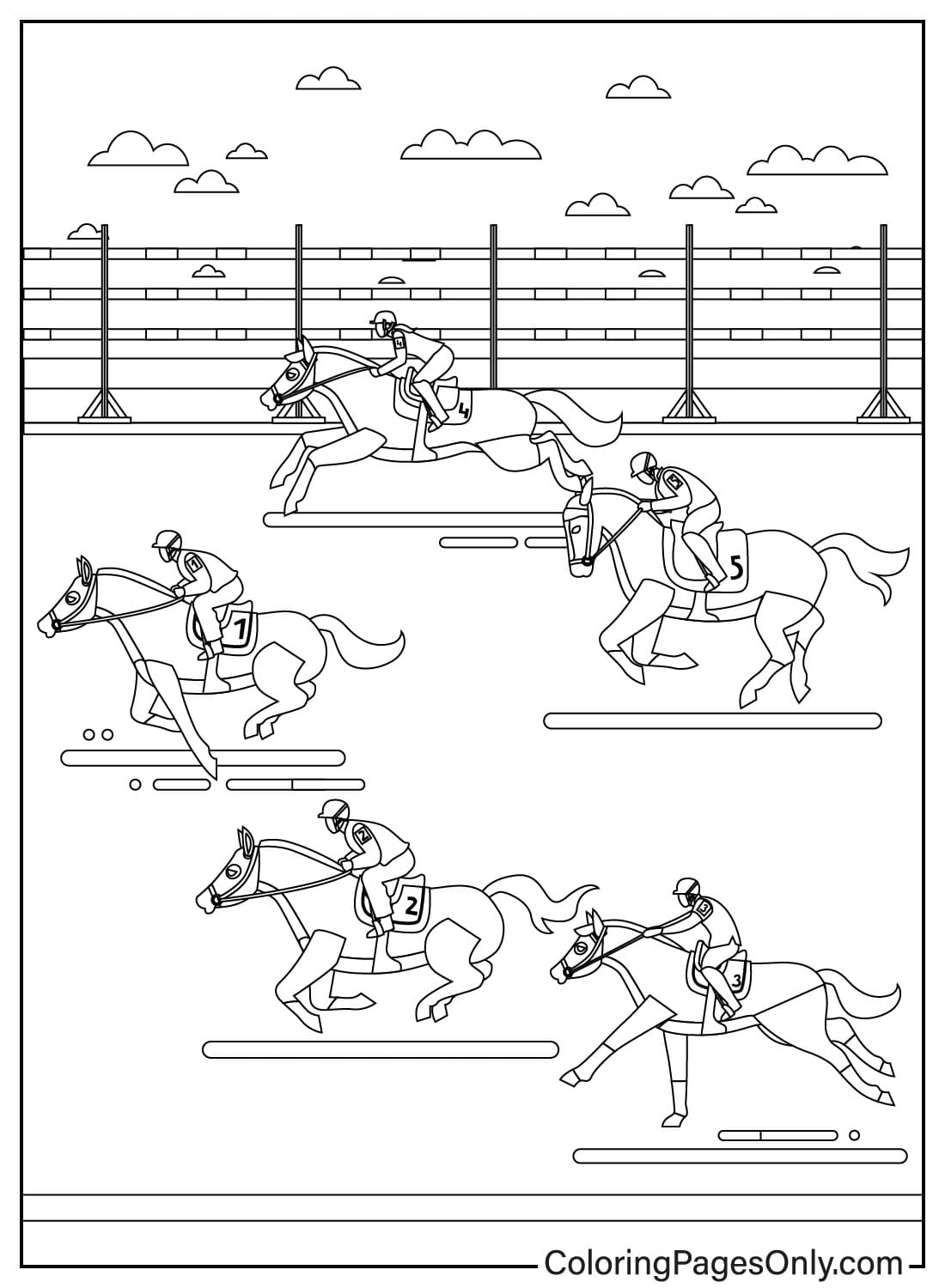
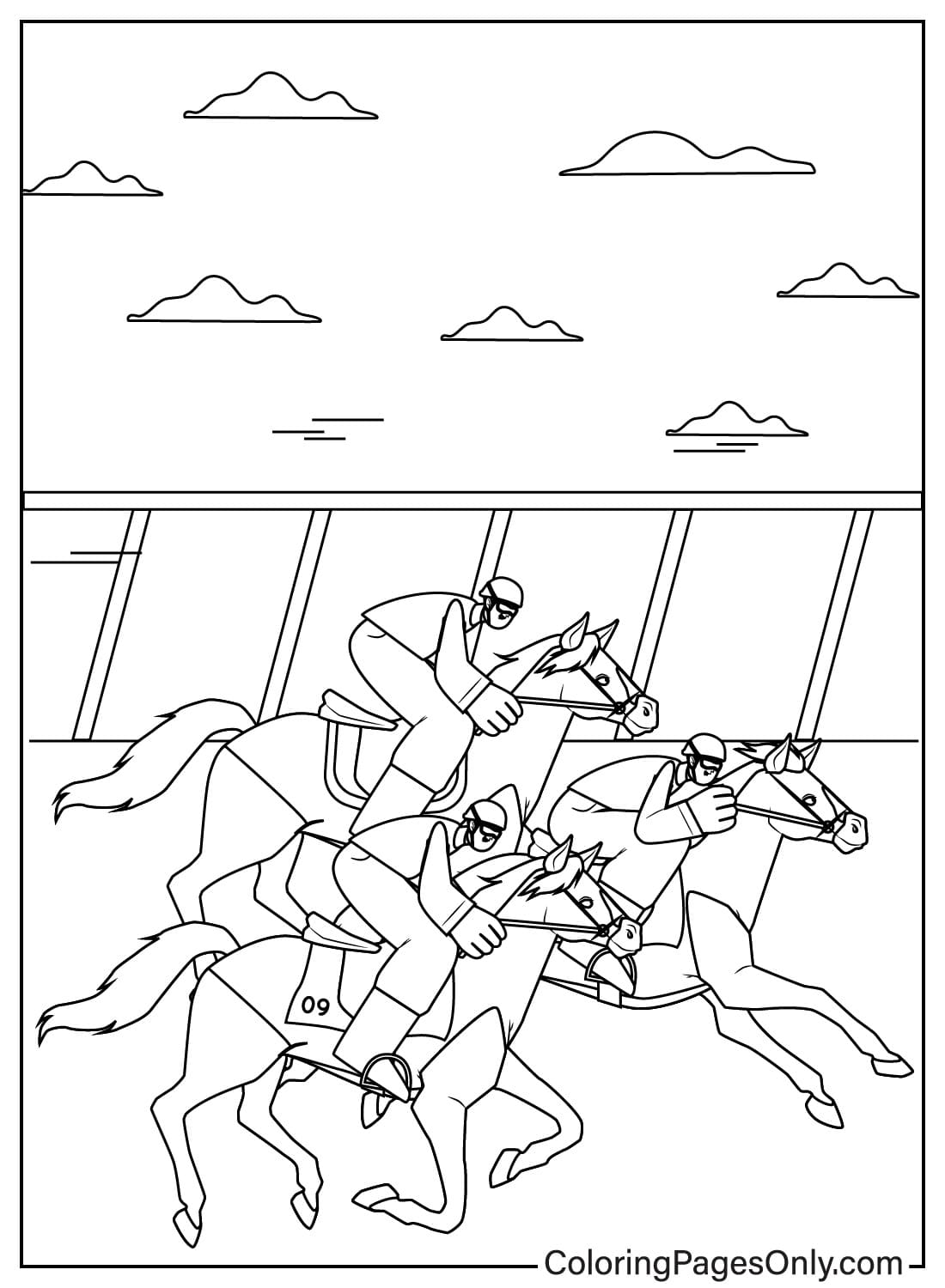
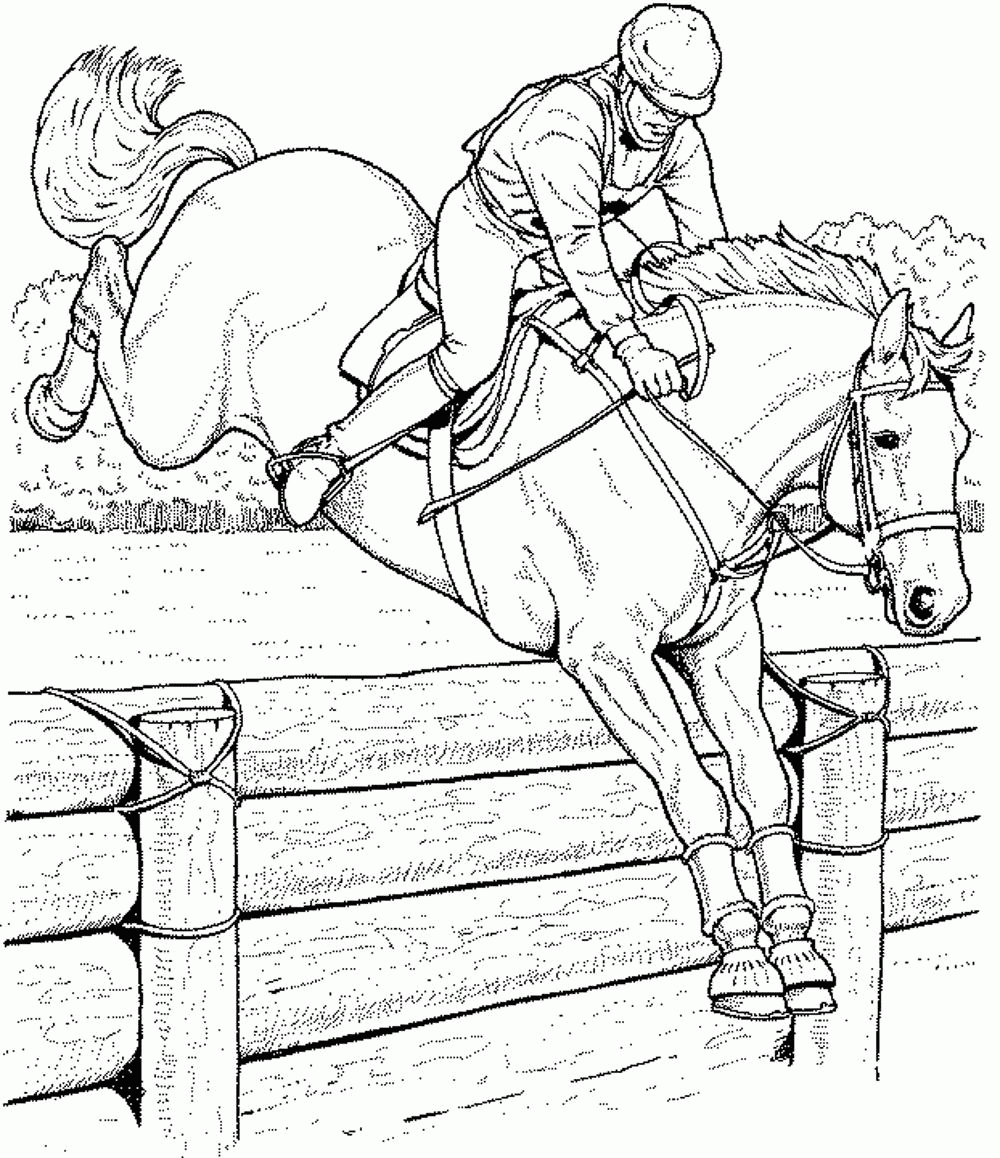
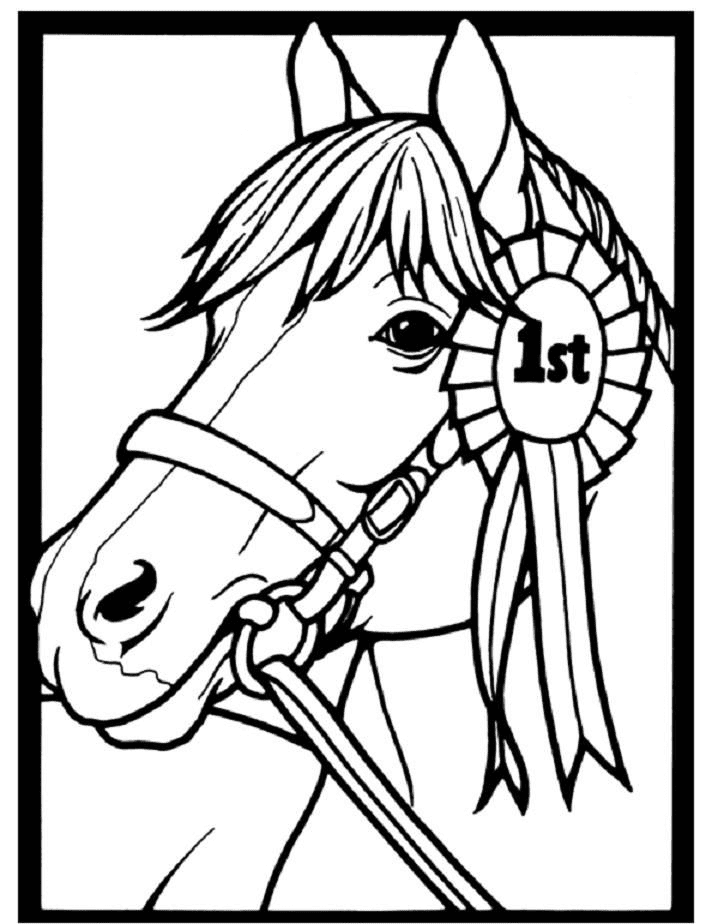
Racing action scenes form the largest category in the collection, covering the kinetic core of what the Derby looks like from the track level. The Players and Horses Start depicts the moment of gate release – when the starting gate opens, and the horses surge forward simultaneously, considered by many racing fans to be the single most exciting moment of the race. The Players and Their Horses are Accelerating, and The Players and Their Horses on The Race Track cover the mid-race progression. The Horses are Overcoming Obstacles depicts the jumping/barrier challenges of equestrian competition (more common in steeplechase than flat racing, but a visually dramatic subject). Race Horse, Race Horse 1st Place, Winning Horse, and Horse Racing cover the competition itself at various points.
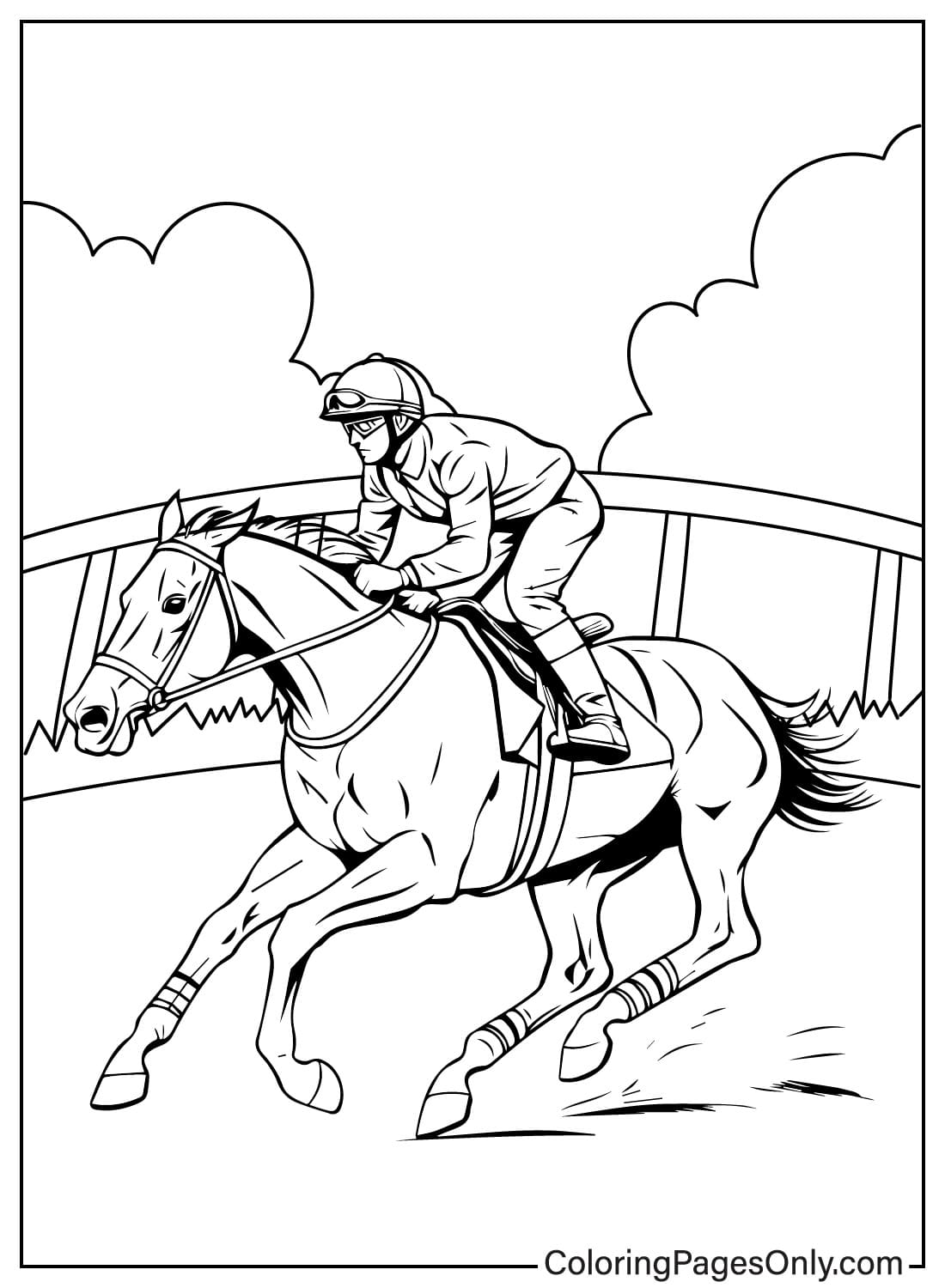
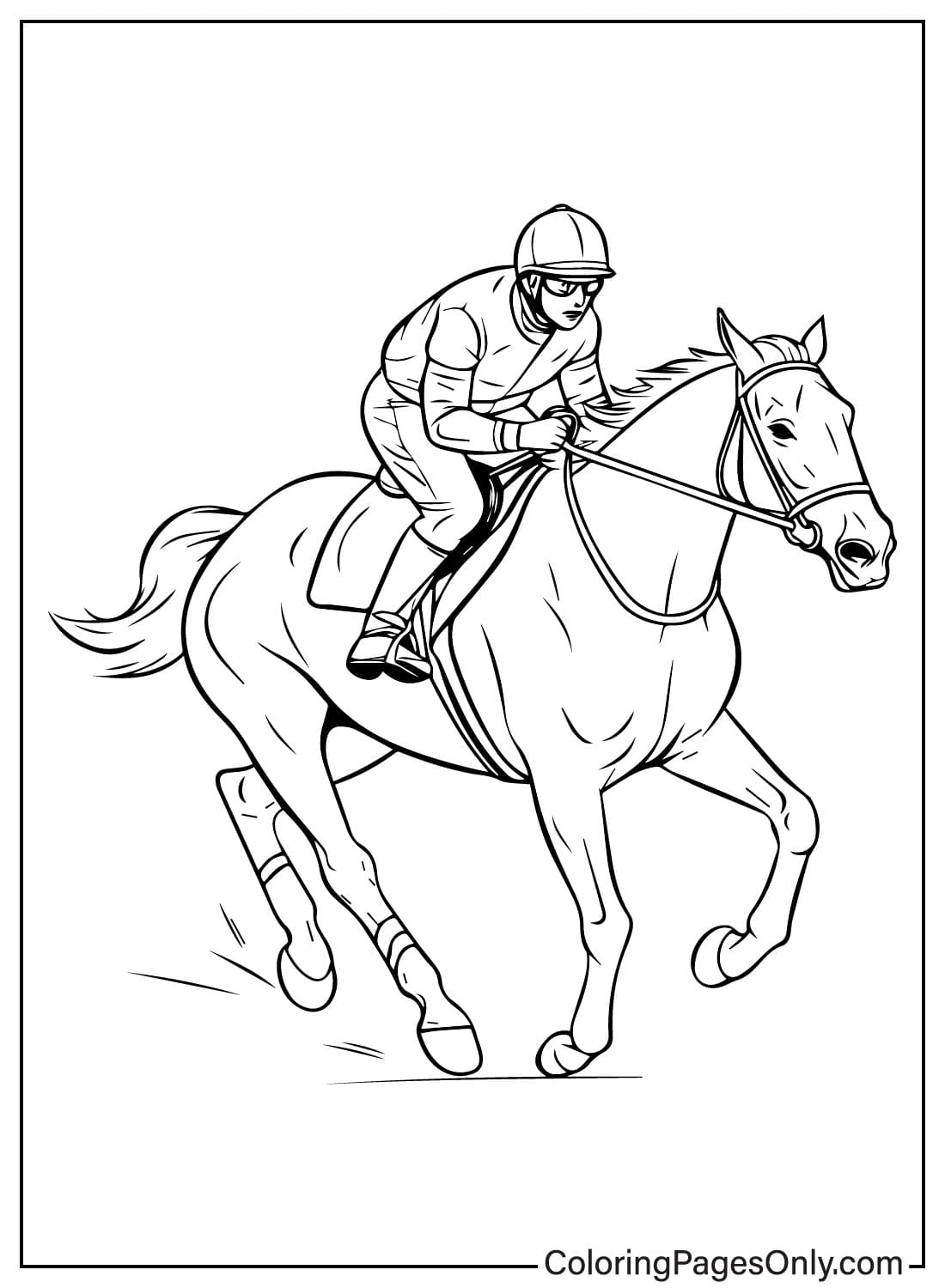
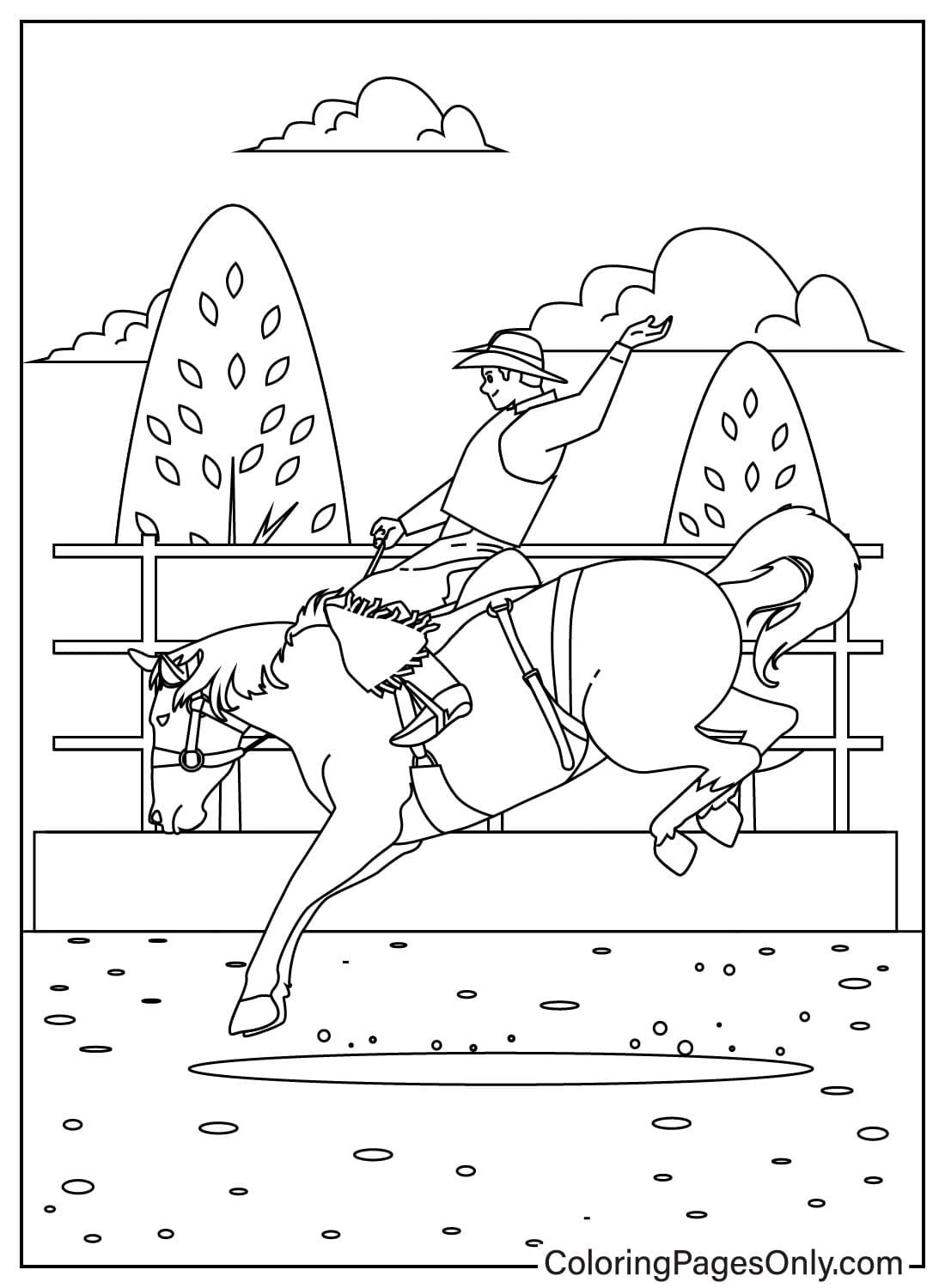
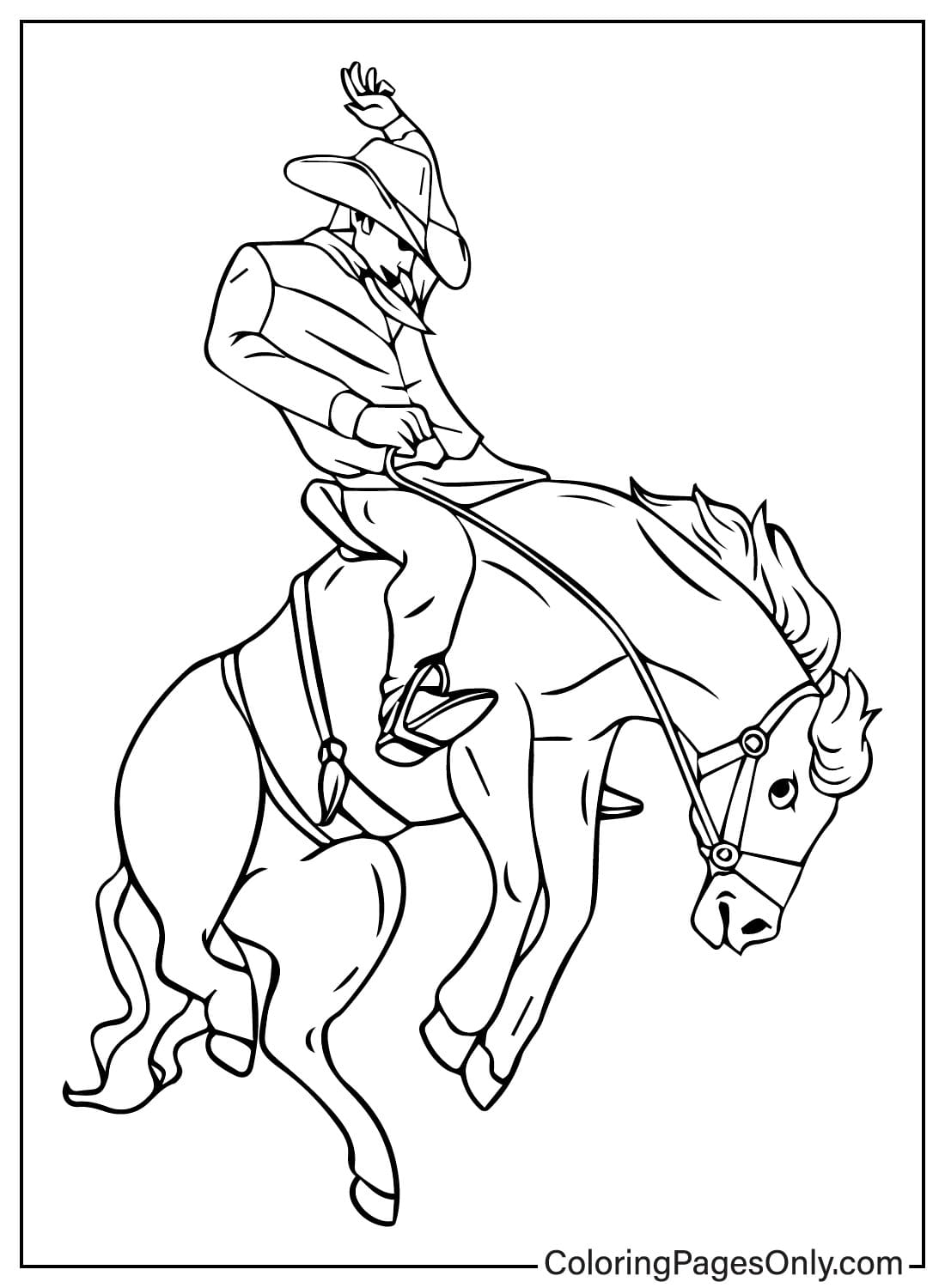
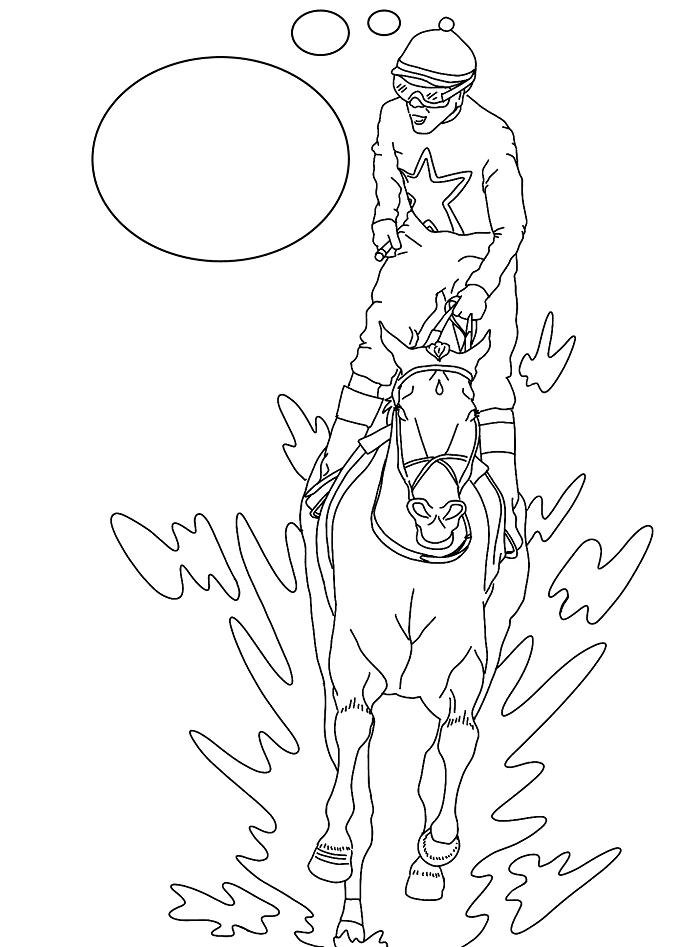
Jockey compositions cover the rider-and-horse partnership central to the Derby’s visual identity. The Jockey Race Horse, Kentucky Derby Jockey, Jockey In A Horse Racing, Man Riding a Horse, The Player and His Horse, and Horse Racing Jockey Riding Outline Vector tiles give the jockey’s distinctive crouched racing position – the forward-tucked posture, the short stirrups, the racing silks flaring in the wind – its own dedicated focus. The jockey’s racing silks (the colored jacket and cap worn by each jockey, with a unique color combination assigned to each horse’s owner) are the most coloristically interesting element of any jockey page.
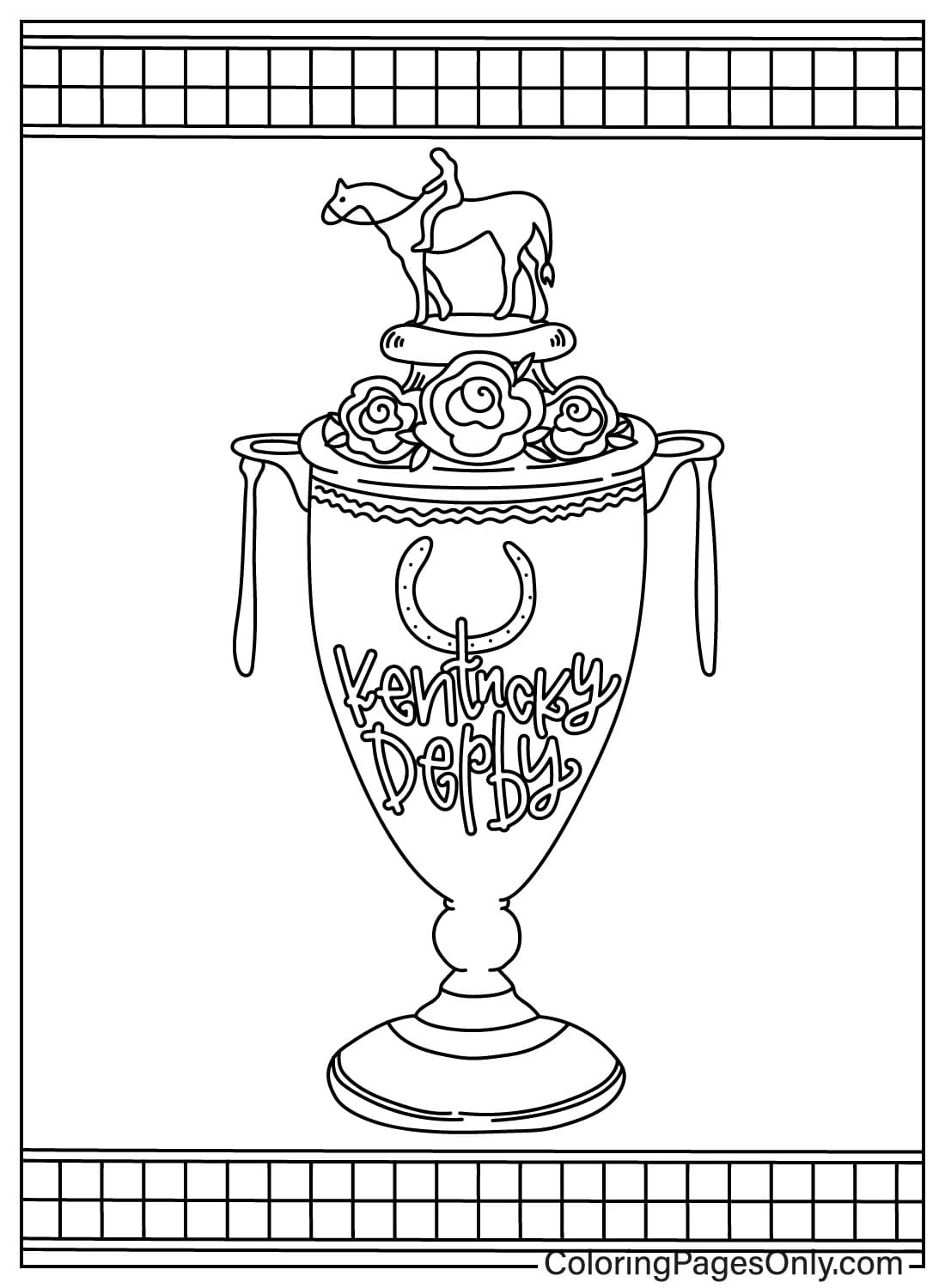
Trophy and awards – the Kentucky Derby Cup and Kentucky Derby Trophy tiles depict the race’s physical awards. The official Kentucky Derby winner’s trophy is a gold-finished trophy presented in the winner’s circle ceremony, while the race’s most famous award is the garland of red roses draped over the winning horse’s neck and withers.
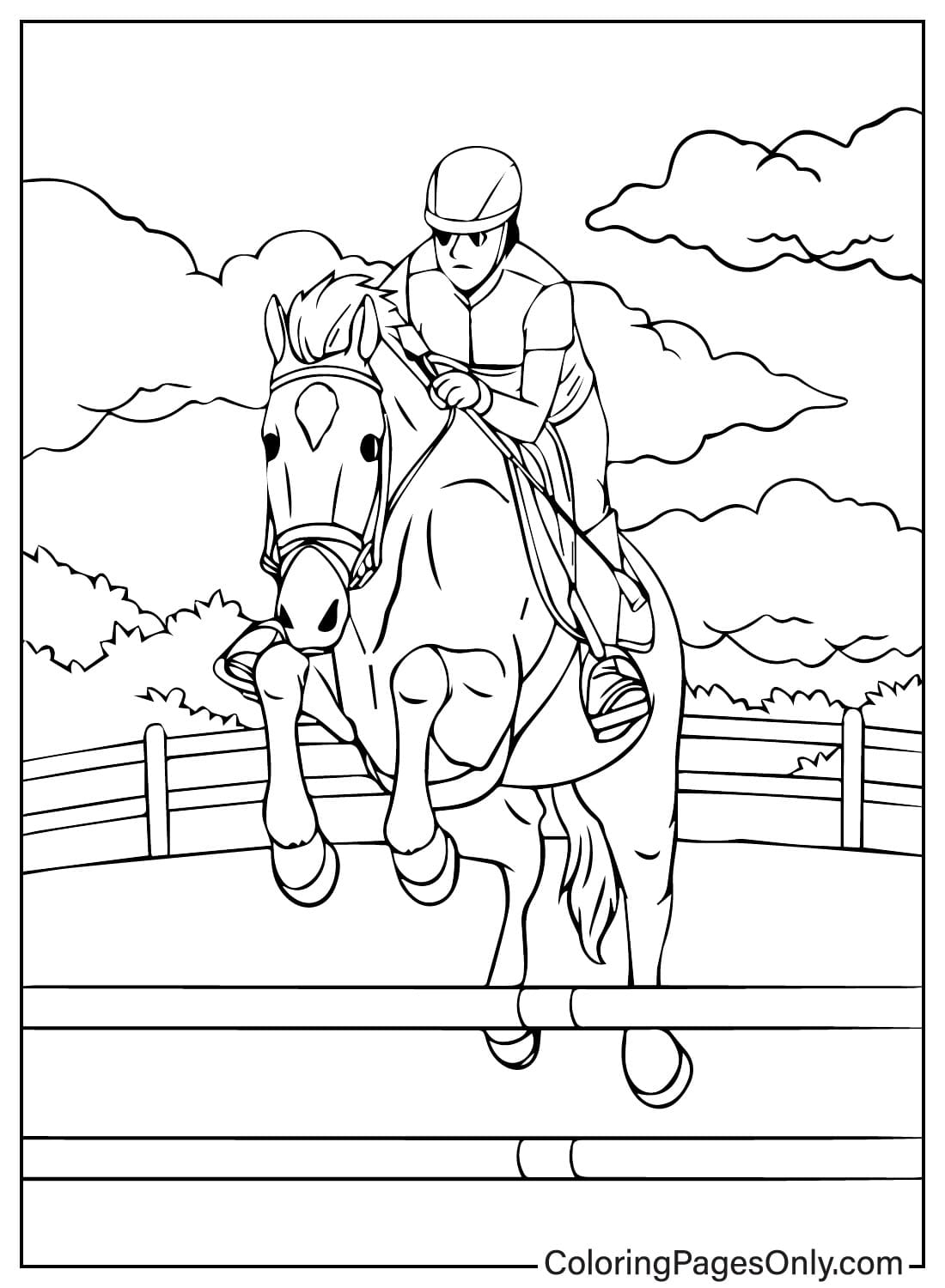
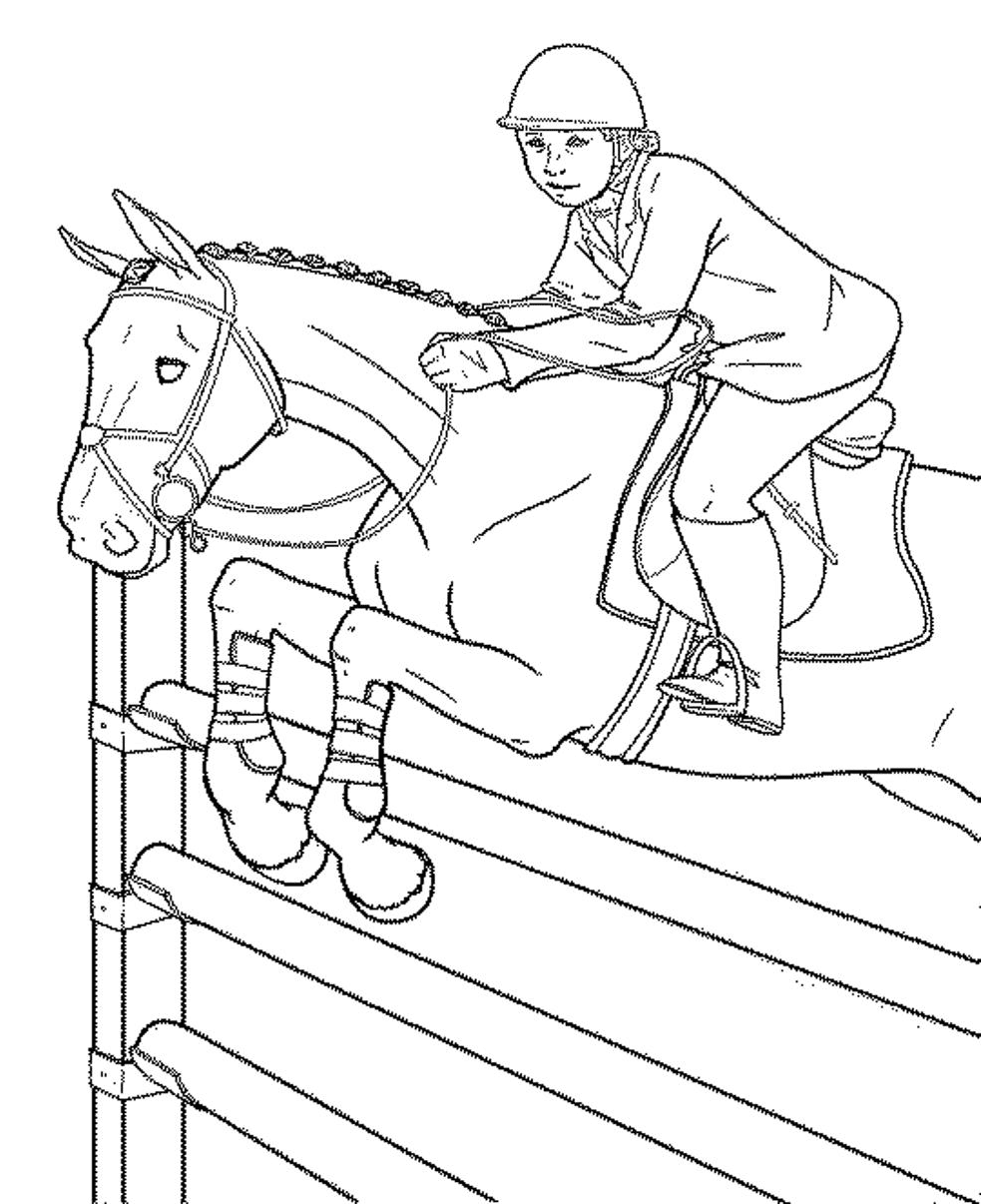
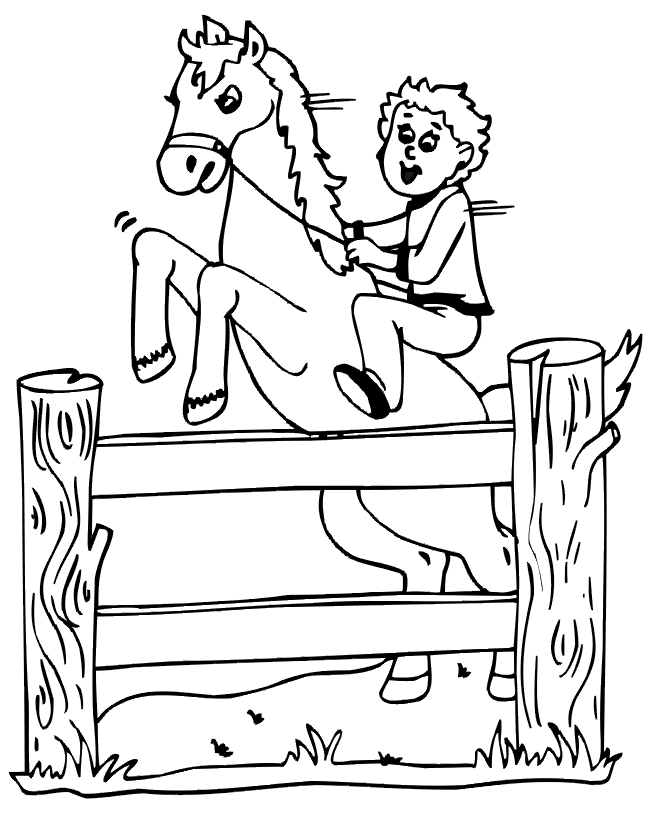
Jumping and equestrian scenes – Horse Jumping, Horses Jumping Free Printable, Boy On Horse Jumping Fence – depict equestrian jumping events rather than flat track racing, but belong to the broader world of equestrian sports that the Kentucky Derby represents as its most prominent cultural moment.
State of Kentucky – a map or state-related illustration placing the Derby in its geographic and cultural home.
Generic printable tiles – Kentucky Derby Free, Kentucky Derby Sheets, Kentucky Derby Printable, Kentucky Derby to print, Printable Kentucky Derby, Free Printable Kentucky Derby, Free Kentucky Derby, Drawing Kentucky Derby – provide additional compositional variations of Derby racing scenes.
Coloring Guide: The Kentucky Derby Visual Palette
The Kentucky Derby’s coloring world is built around five visual clusters, each with its own distinct palette logic.
The thoroughbred horse is the central subject of most pages and the most technically interesting element to color. Thoroughbred race horses at the Kentucky Derby are not a single color – the field includes horses of varying coat colors, each with specific names in horsemanship:
Bay is the most common thoroughbred coat color and the most frequently depicted in horse racing art – a warm brown body with a black mane, tail, and lower legs (called “black points”). The brown ranges from a light golden-tan to a rich chocolate-red brown, always with the black accent areas. Bay is considered the classic thoroughbred look, and many of history’s most famous Derby winners have been bay horses.
Chestnut is a uniform reddish-brown across the entire horse’s body, mane, and tail, all in the same warm red-brown family without the black points of a bay. Chestnut ranges from a pale golden-red (“sorrel”) to a deep, rich red-brown (“liver chestnut”). The 2015 Triple Crown winner American Pharaoh was a chestnut.
Dark bay/Brown is a very dark version of bay – the body appears nearly black with the characteristic bay brown showing only at the muzzle, flanks, and inner legs. This creates a dramatically dark horse with barely visible brown undertones.
Gray horses appear white or pale gray in photographs, but are technically “gray” in horsemanship – their coats contain a mixture of white and dark hairs. Gray horses lighten as they age; a young gray horse may appear nearly as dark as a bay, while an older gray appears almost pure white.
Black horses are the rarest coat color in thoroughbred racing – a true black horse has no brown anywhere in the coat, mane, or tail, making it entirely black even in summer sun.
For coloring purposes, the most effective approach on any race scene page is to make each horse a different coat color from its competitors – one bay, one chestnut, one gray – which immediately communicates the variety of a real race field and prevents the composition from reading as a single-colored mass.
Jockey racing silks are the most vibrant and varied coloring opportunity in the collection. Each horse owner registers a unique color combination with racing authorities, and jockeys wear these registered “silks” – a silk jacket and matching cap – to identify their horse’s owner during the race. The silks can be any color or combination: solid colors, stripes, polka dots, horizontal bands, stars, diamonds, or complex pattern combinations. There is no canonical color for any jockey in these pages – each should be colored in a different, vivid color combination that makes each rider immediately distinguishable from the others in multi-jockey compositions. The most common single-color silks seen in Kentucky Derby photos use vivid, high-saturation primary and secondary colors: red, blue, yellow, green, orange, and purple are all standard racing silk colors.
The race track dirt is the ground surface of the Churchill Downs track – a specific, slightly damp-looking medium brown with gray undertones, suggesting packed earth rather than dry dust or dark mud. The track surface should be a warm medium brown – not too dark and not sandy-pale – as the Churchill Downs surface is a carefully maintained dirt mixture with a distinctive appearance in race photography.
The winner’s garland of red roses is the collection’s most symbolically important color element – the drape of approximately 554 red roses placed over the winning horse. The red should be the fully saturated, vivid red of red roses in full bloom – not a dark burgundy and not a pink-leaning rose-red, but a clear, confident red. When the rose garland tile or any trophy/award tile depicts the garland, keeping the roses the most vivid element on the page – more saturated than the horse’s coat or the rider’s silks – correctly represents the garland’s visual importance in the winner’s circle ceremony.
The Kentucky Derby Trophy is gold – a warm, bright metallic gold with the slightly warm quality of actual gold rather than a flat yellow. The trophy’s surface typically has the reflective quality of polished metal, which, in coloring, can be approximated by leaving a thin highlight area uncolored or using white alongside the gold.
Churchill Downs’ twin spires – when depicted in background or venue tiles – are rendered in white or off-white against the sky. The distinctive Victorian-era twin cupola shapes are the race’s most recognizable architectural element and should remain light and elegant against whatever sky color is used for the background.
5 Creative Activities with Kentucky Derby Pages
Interactive Race Day Game
This activity works well in a classroom or at home with multiple players. Print two identical Kentucky Derby pages – the race scene or jockey tiles work best. Players take turns identifying specific elements in the image (a particular horse, the jockey’s helmet, the race number) and coloring them as directed. The player who correctly identifies and colors the most elements in the fastest time wins. This builds hand-eye coordination, color recognition, and visual analysis skills while keeping the competitive excitement of Derby Day at the center of the activity.

Create a Horse Racing Collection
Use multiple pages from the collection – race horses, jockeys, the trophy, the State of Kentucky – to build a themed display. Color each page using realistic thoroughbred coat colors: bay (brown body with black mane and tail), chestnut (uniform reddish-brown), or gray (pale silver-white). Vary the jockey silk colors across pages so each rider has a different vivid color combination. Arrange the finished pages together as a curated Kentucky Derby art collection, either displayed on a wall or assembled into a themed booklet.
Tabletop Horse Racing Game
Color individual jockey-and-horse tiles in different silk colors – one jockey in red, one in blue, one in green, one in yellow – giving each horse a distinct identity. Cut out each figure and mount it on cardboard for stability. Draw a straight track on a long strip of paper, divide it into segments, and move each horse forward by rolling a die. The first horse to the finish wins. The different silk colors serve as the game pieces’ identifiers, teaching children how the real jockey silk system works while turning the coloring pages into functional game components.

Decorate a T-Shirt
Choose a Kentucky Derby page with a strong silhouette – the winning horse, the jockey riding, or the trophy tile. Color it in a vivid race-day palette, cut out the finished artwork along its outline, and attach it to a plain white t-shirt using fabric glue or iron-on transfer paper. Add hand-drawn decorations around the image – roses, horseshoes, or a track finishing line – to make the shirt your own. This works equally well with any other coloring theme from the site that has a strong graphic shape.
Derby Day Puzzle
Color the Kentucky Derby Trophy or Winning Horse page in the full race palette – a bay or chestnut horse, the red rose garland, the gold trophy. Glue the finished page to cardboard, allow to dry completely, then cut into 12–20 irregular puzzle pieces. The Derby’s distinct color combinations – red roses against the horse’s warm brown coat, gold trophy against a neutral background – provide natural color-zone cues that make the puzzle easier to reassemble, turning the coloring activity into a second game.

FAQs
When is the Kentucky Derby held? The Kentucky Derby is held every year on the first Saturday of May at Churchill Downs in Louisville, Kentucky. The 2026 running is the 152nd Kentucky Derby.
What does “The Run for the Roses” mean? “The Run for the Roses” is the Kentucky Derby’s most famous nickname, referring to the blanket of approximately 554 red roses draped over the winning horse in the winner’s circle ceremony. The red rose has been the race’s official flower since 1896.
Why can only 3-year-old horses run in the Kentucky Derby? The Kentucky Derby has restricted its field to 3-year-old thoroughbred horses since its founding in 1875, following the tradition of the Epsom Derby in England. At age 3, thoroughbreds are considered to be at the ideal point of physical maturity for the 1¼ mile distance – fully developed but not yet past their peak racing form.
What is the Triple Crown? The Triple Crown is the achievement of winning all three major American thoroughbred races in a single season: the Kentucky Derby (first Saturday of May), the Preakness Stakes (two weeks later in Baltimore), and the Belmont Stakes (three weeks after the Preakness in Elmont, New York). Only 13 horses have won the Triple Crown in the history of American racing.
What are jockey racing silks? Racing silks are the brightly colored silk jackets and matching caps worn by jockeys, with each color combination registered by the horse’s owner. The silks allow spectators and officials to identify each horse’s ownership at a glance during a race. Each silk color combination is unique to a specific owner, making jockey silks one of horse racing’s most colorful and visually distinctive traditions.
How long does the Kentucky Derby race actually last? Despite the week of events surrounding it, the race itself typically lasts approximately 2 minutes – between 1 minute 59 seconds and 2 minutes 5 seconds for the 1¼ mile distance. This is why the race is nicknamed “The Most Exciting Two Minutes in Sports.”
What is Churchill Downs? Churchill Downs is the horse racing venue in Louisville, Kentucky, where the Kentucky Derby has been held since 1875. It is named after the Churchill family, who provided the land for its construction. Its twin spire architecture (built 1895) is one of America’s most iconic landmarks.
What is the official drink of the Kentucky Derby? The Mint Julep – a cocktail made with bourbon whiskey, simple syrup, fresh mint, and crushed ice, served in a silver or pewter cup – is the Kentucky Derby’s official drink. Approximately 120,000 Mint Juleps are served at Churchill Downs over the two days of the Kentucky Derby weekend.
All 32 Kentucky Derby Coloring Pages are free – download as PDF or color online. Share your finished pages on Facebook and Pinterest.