Games Coloring Pages at ColoringPagesOnly.com is one of the fastest-growing and most actively updated categories on the site – over 4,600 pages across more than 90 sub-categories covering video games, mobile games, Roblox experiences, browser games, and the gaming-adjacent content universes that have generated some of the most intense coloring page demand of any category in the 2020s. The collection spans from the foundational Nintendo characters who have been generating coloring page demand for four decades to viral horror game characters added within weeks of their initial release, and from the billion-player Minecraft and Roblox ecosystems to individual indie games that found their audience overnight. New sub-categories are added regularly as the gaming landscape evolves.
Every page in this collection is completely free to download as a PDF and print, or to color online directly in your browser.









Nintendo and Classic Console Gaming
The Nintendo sub-categories cover the characters and franchises that have defined what video games look like to the broadest possible audience across multiple generations.
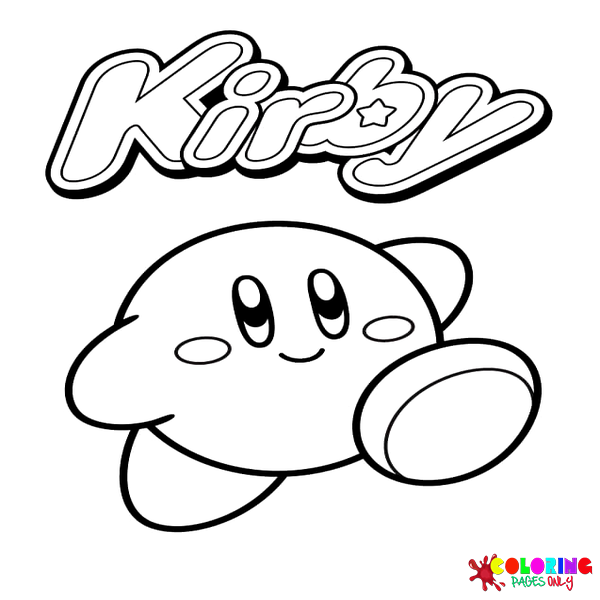
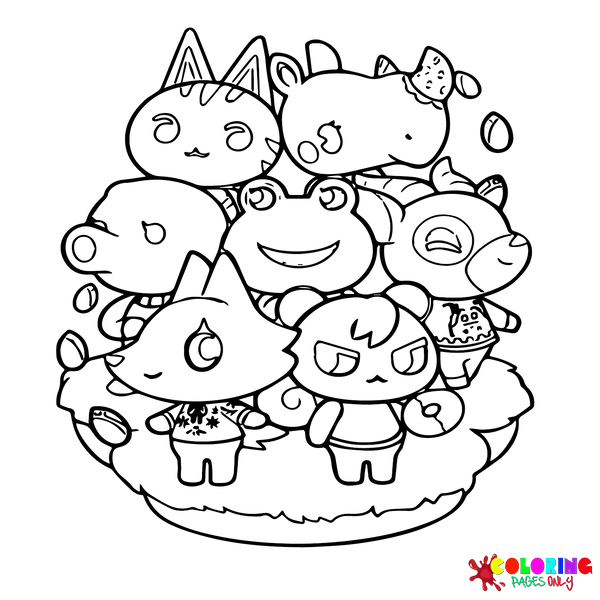
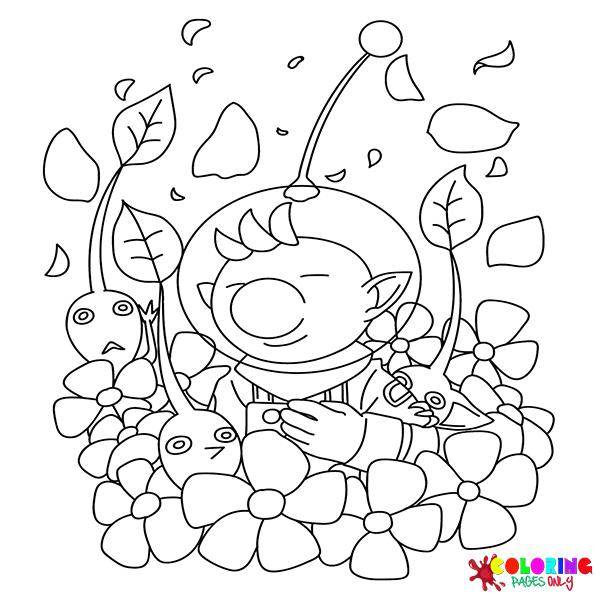
Super Mario Bros is the foundational video game franchise in coloring page history – Mario’s red cap, blue overalls, and distinctive silhouette are among the most recognized character designs in the world, and the collection covers the full Nintendo cast: Mario, Luigi, Princess Peach, Bowser, Yoshi, Toad, and the supporting roster of Mushroom Kingdom characters. Zelda covers the Legend of Zelda franchise and its central trio of Link, Princess Zelda, and Ganondorf across their many visual iterations, from the classic green-tunic 8-bit era through the painterly Breath of the Wild aesthetic. Kirby covers Masahiro Sakurai’s pink round protagonist – one of the most coloring-friendly character designs in gaming, given Kirby’s simple spherical form and the vivid pink palette that defines the character. Pikmin covers Shigeru Miyamoto’s plant-creature strategy series, with the color-coded Pikmin types (Red, Yellow, Blue, Purple, White, Rock, Winged, Ice, Glow) offering a naturally structured color guide for each page. Animal Crossing covers the community-building simulation series and its cast of villager characters. Raving Rabbids and Jak and Daxter extend the classic console era to Ubisoft and Naughty Dog’s PlayStation 2-era properties, respectively.
The Minecraft Ecosystem
Minecraft is both a specific sub-category and the center of a broader visual ecosystem that extends across multiple related sub-categories. The base Minecraft sub-category covers the game’s core cast – Steve, Alex, Creeper, Enderman, Skeleton, Zombie, Pig, Chicken, and the full bestiary of the original game – in the distinctive pixelated block aesthetic that makes Minecraft one of the most visually recognizable games in the world. Chicken Jockey covers the specific combination of zombie and chicken that has become one of the game’s most beloved absurd encounters. The R.E.P.O cooperative horror game and 99 Nights in the Forest sit adjacent to the Minecraft aesthetic world. Mini World covers the Minecraft-adjacent mobile building game popular in Southeast Asian markets. Unspeakable covers the Minecraft-focused YouTube creator Nathan Johnson (UnspeakableGaming), whose Minecraft content generates its own distinct coloring page demand alongside the game itself. Beeg SMG4 covers the YouTube Mario/gaming parody animation creator.
The Roblox Ecosystem
Roblox – the online gaming platform that allows users to create and share their own games – has generated an entire sub-ecosystem within the Games category, with the platform itself and many of its most popular individual games each having dedicated sub-categories.
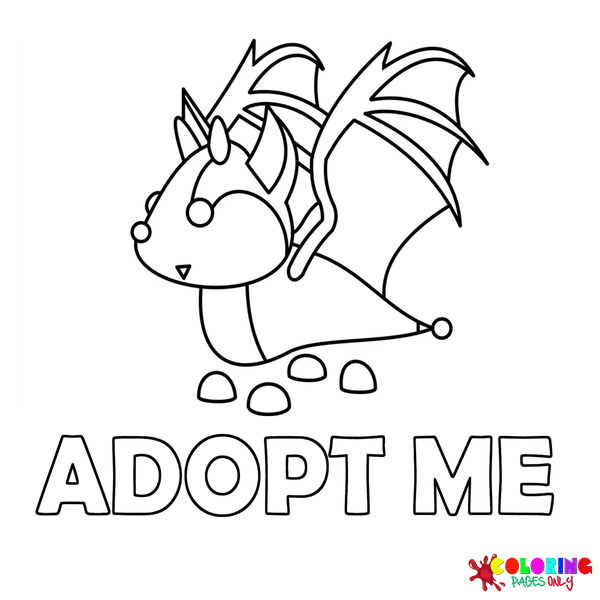
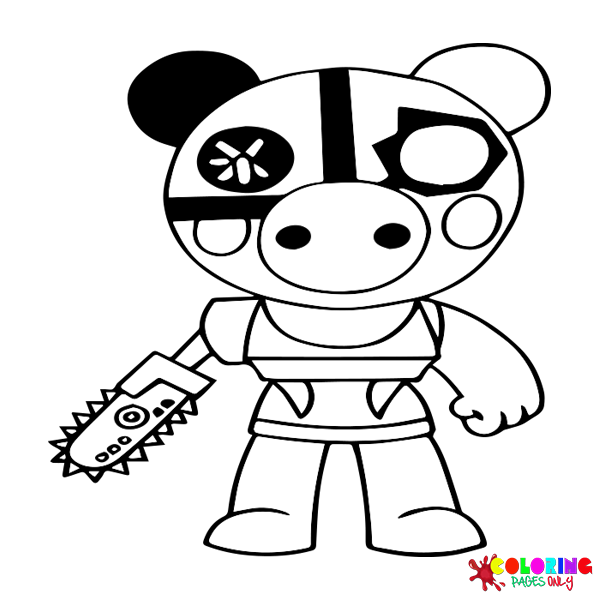
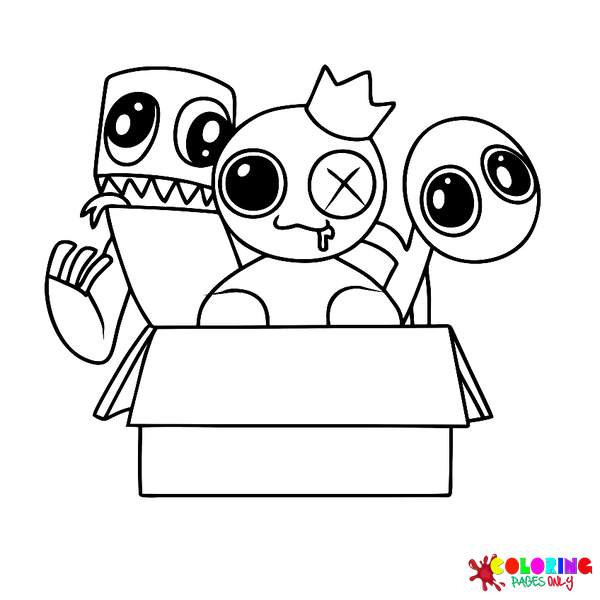
Roblox covers the platform’s core visual identity – the Roblox avatar system with its blocky humanoid figures and the platform’s distinctive primary-color aesthetic. Adopt Me covers the pet-adoption and trading game that has been one of Roblox’s most played experiences for several years running, with its range of collectible pets and fantasy mounts. Piggy covers the horror-survival Roblox game featuring pig-masked characters. Dandy’s World covers the 2024 Roblox horror game featuring Dandy, Tisha, and the game’s distinctive cast of characters. Blox Fruits covers the One Piece-inspired combat and exploration Roblox game. Rainbow Friends covers the 2022 Roblox horror game featuring color-coded monster characters. Garten of Banban – while technically an indie game rather than a Roblox game – sits in the same cultural space, covering the yellow bird principal Banban, Jumbo Josh, and the kindergarten-horror aesthetic that made the franchise a viral sensation.
The Poppy Playtime Universe
No game franchise has generated more individual character sub-categories in the Games collection than Poppy Playtime – Mob Entertainment’s survival horror franchise set in the abandoned Playtime Co. toy factory. The franchise has its own hub sub-category plus dedicated pages for the entire major cast, reflecting the extraordinary depth of fan engagement the series has developed among the gaming community.
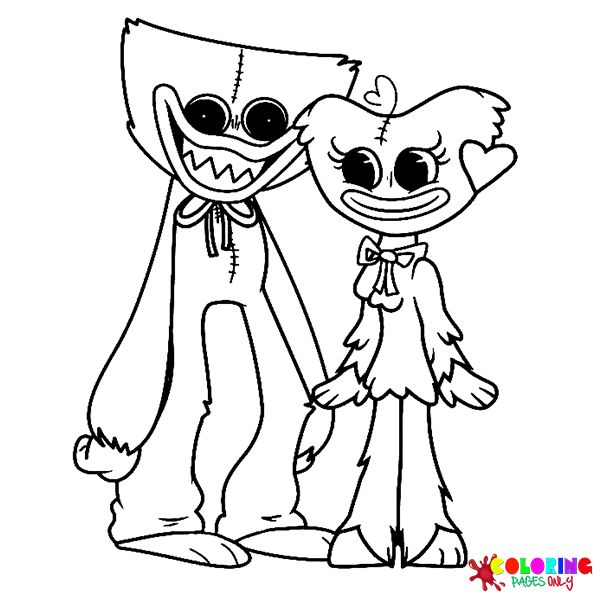
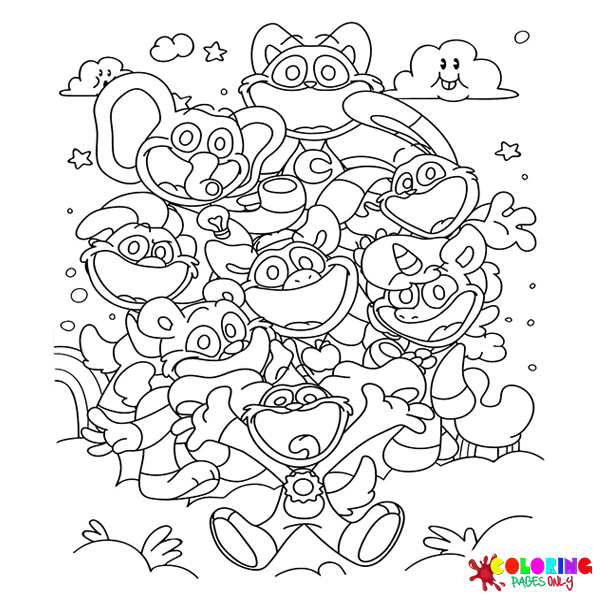
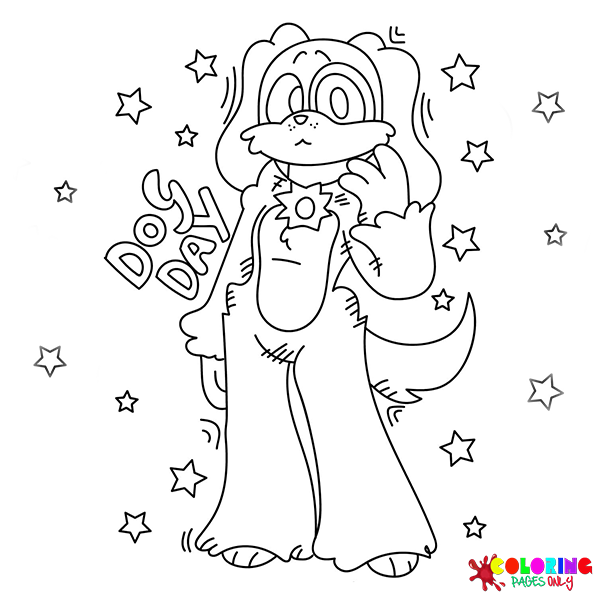
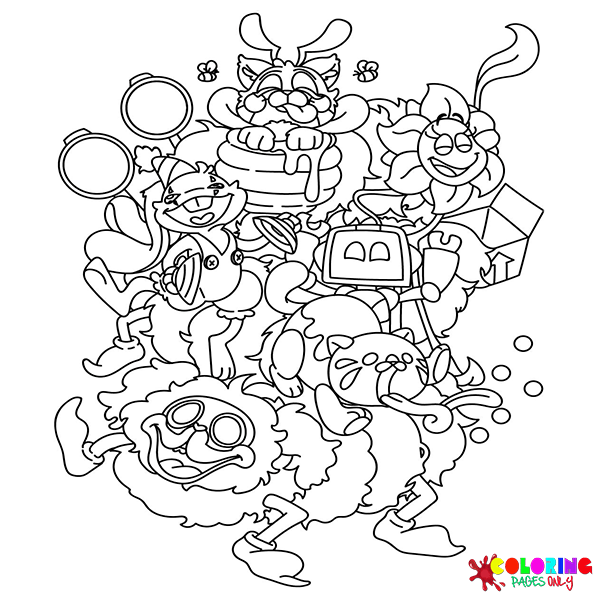
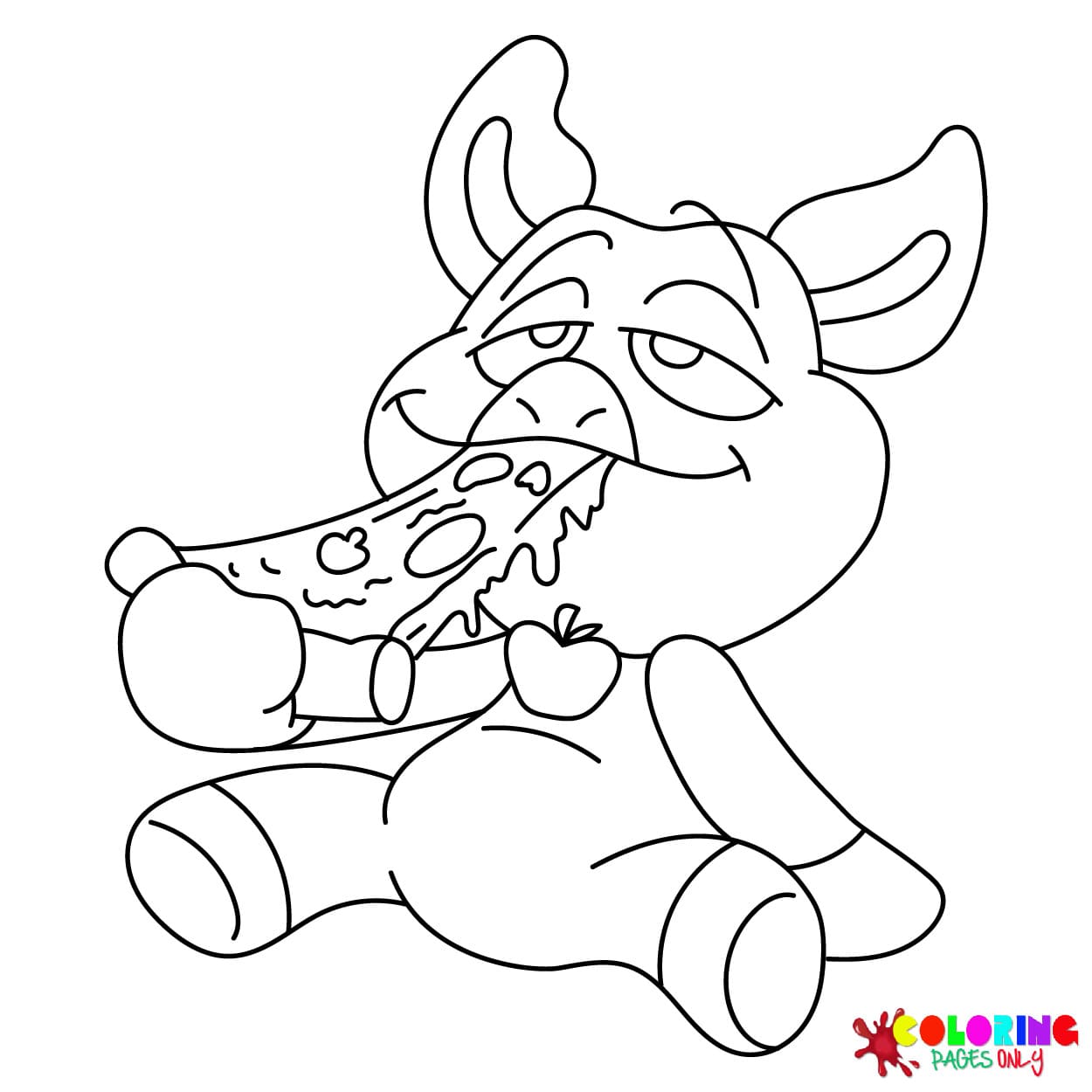
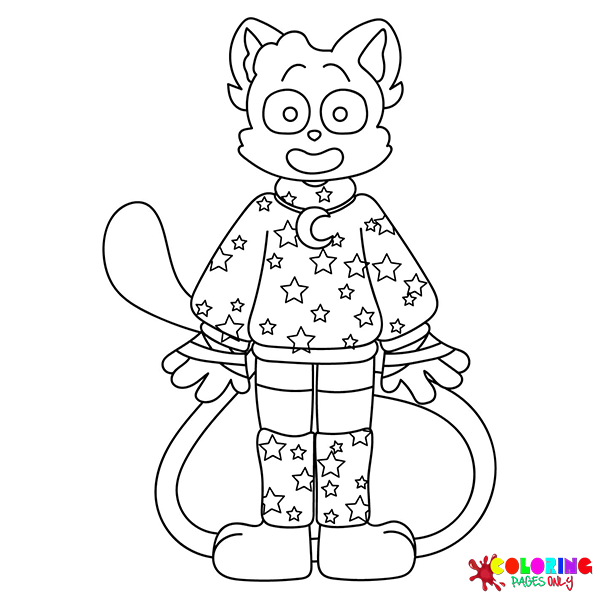
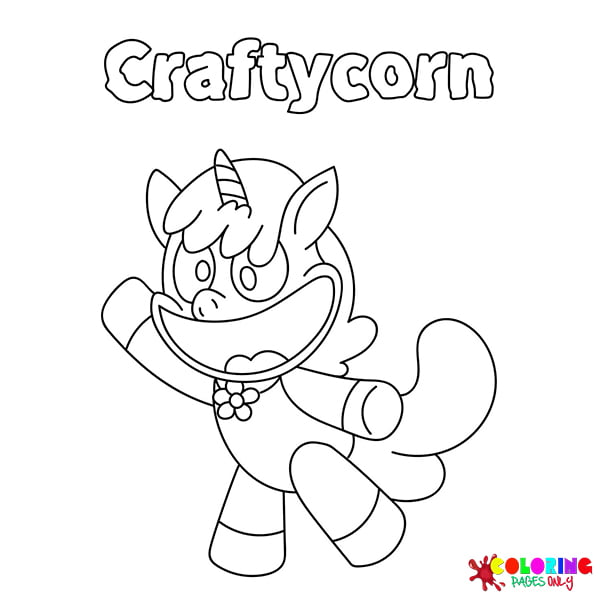
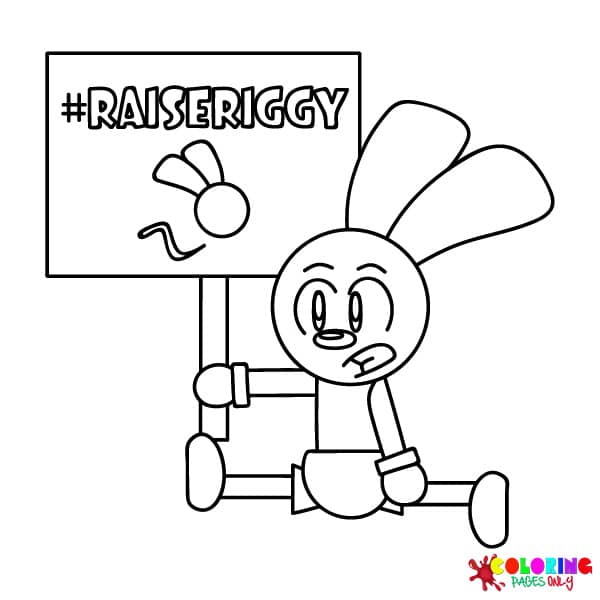
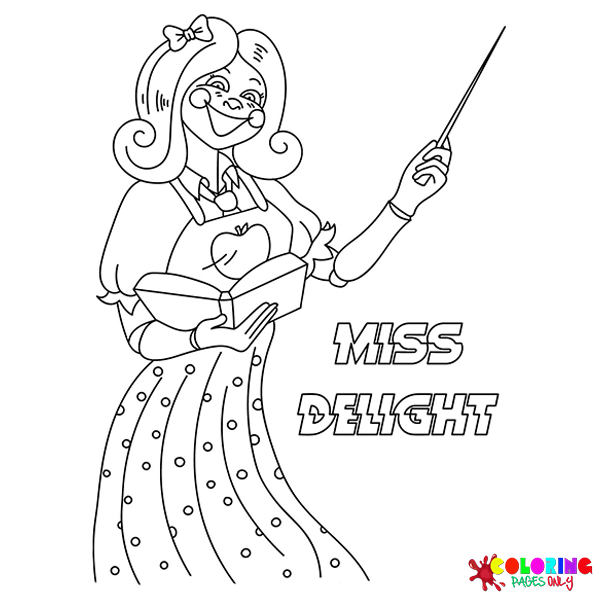
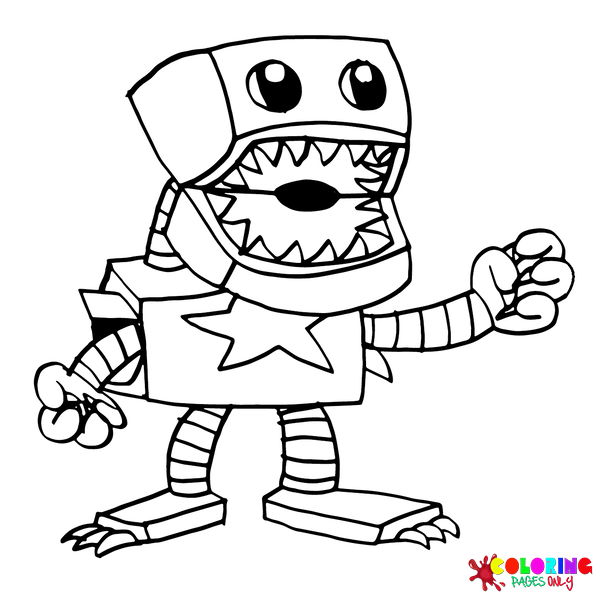
Poppy Playtime covers the franchise as a whole. The individual character sub-categories are: Huggy Wuggy (the tall blue plush creature who became the franchise’s mascot), Kissy Missy (the pink feminine counterpart to Huggy Wuggy), and the Smiling Critters ensemble from Chapter 3, which has generated the most individual character demand: CatNap (the purple cat whose red smoke effects are immediately recognizable), CraftyCorn (the unicorn character), Bobby BearHug (the bear), DogDay (the dog), Hoppy Hopscotch (the rabbit), Bubba Bubbaphant (the elephant), KickinChicken (the chicken), PickyPiggy (the pig), Yarnaby (the crocheted bunny), and Nightmare Critters (the dark alternate forms). Additional franchise characters with their own sub-categories include Boxy Boo (the spring-loaded jack-in-the-box from Chapter 2), Miss Delight (the centipede-like antagonist from Chapter 3), and Riggy the Rabbit Monkey.
The Five Nights at Freddy’s Universe
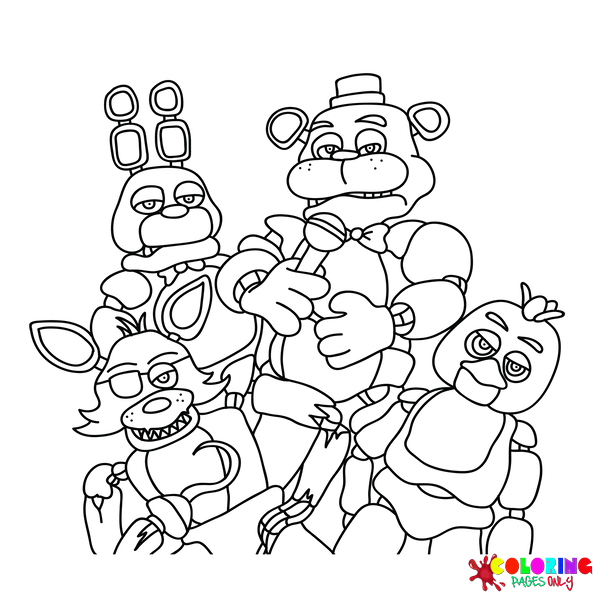
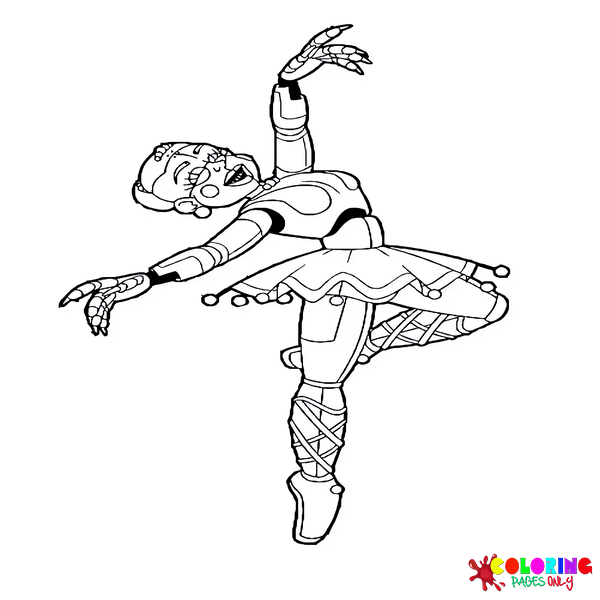
Five Nights at Freddy’s (FNAF) – Scott Cawthon’s horror franchise about animatronic restaurant characters that come alive at night – has its own hub sub-category and dedicated pages for individual characters. Freddy Fazbear covers the brown bear mascot, who is the franchise’s defining visual symbol. Ballora covers the ballerina animatronic from FNAF: Sister Location. Balloon Boy covers the small jester-styled character from FNAF 2. The franchise’s horror-toy aesthetic – brightly colored animatronics designed to be endearing that become threatening – produces a distinctive coloring challenge that sits between children’s illustration and horror design.
The Undertale Universe
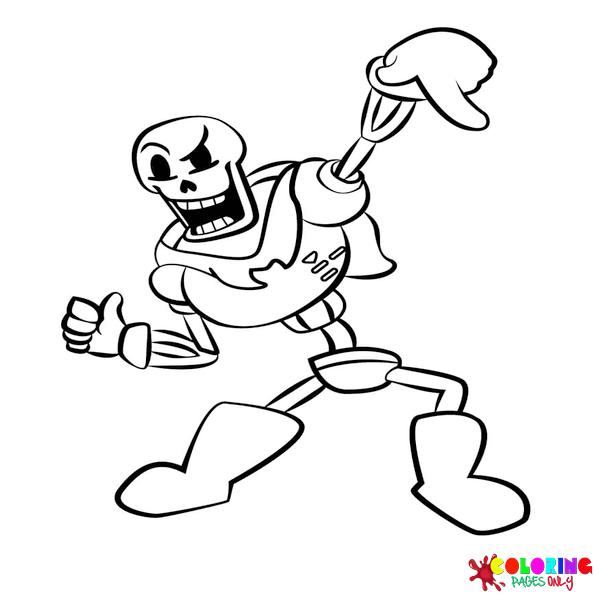
Undertale – Toby Fox’s independent RPG – has its own hub sub-category and dedicated pages for its two most fan-beloved characters. Sans covers the iconic skeleton character whose blue hoodie, wide grin, and pupil-less eye sockets make him one of the most recognizable indie game characters ever created. Papyrus covers his taller brother in the red scarf and battle armor. The Undertale visual style is deliberately pixel-art adjacent, and the characters’ simple designs make the coloring pages accessible while remaining highly recognizable to fans.
Battle Royale, Shooters, and Competitive Gaming
Several sub-categories cover the competitive gaming space – the multiplayer games that define how the largest audiences experience gaming today.
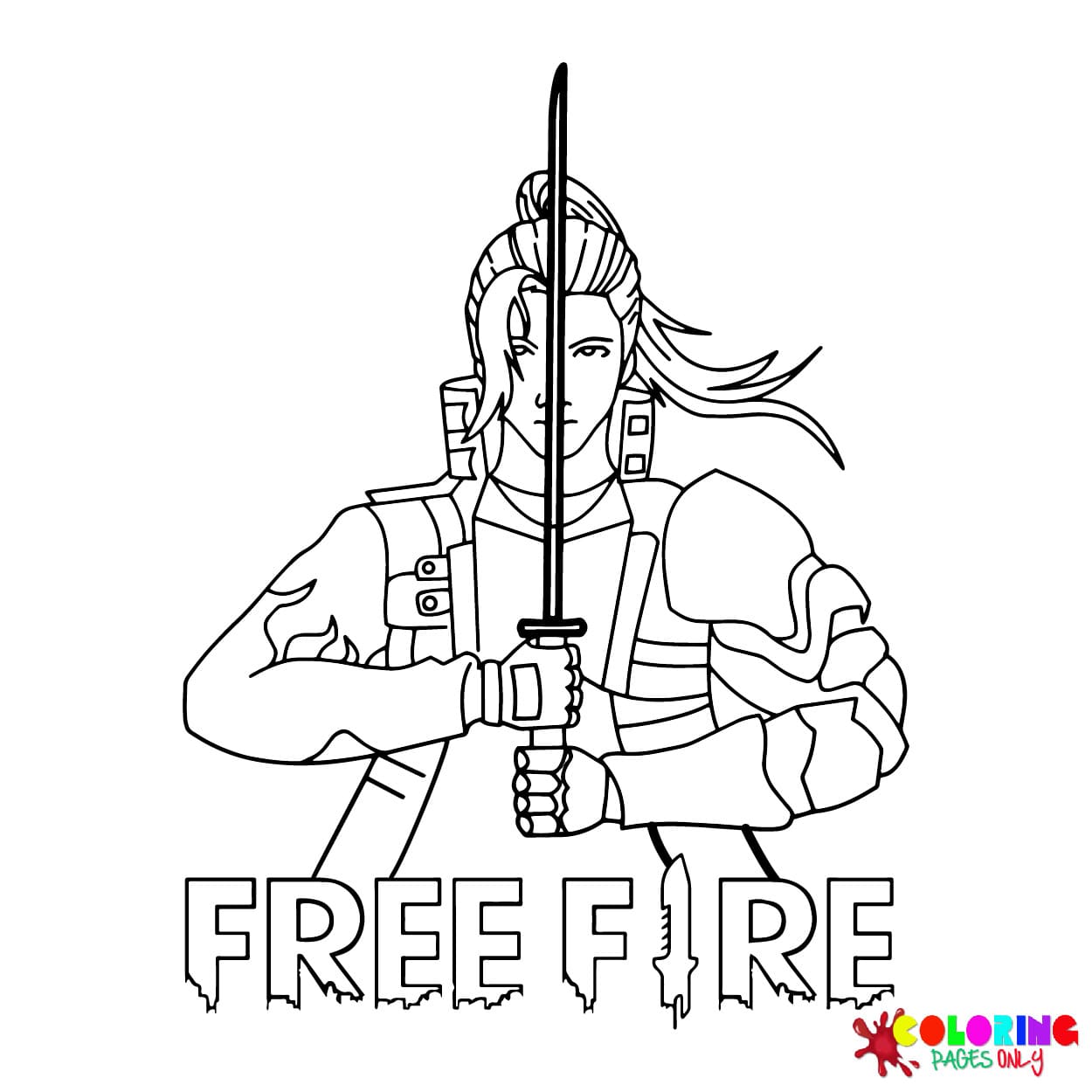
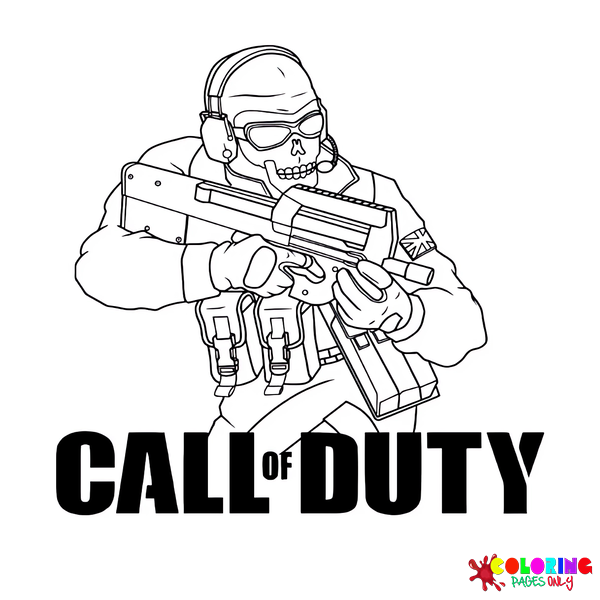
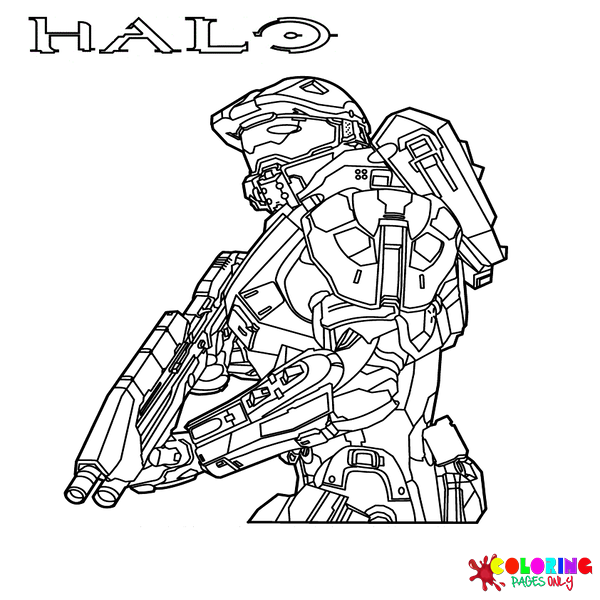
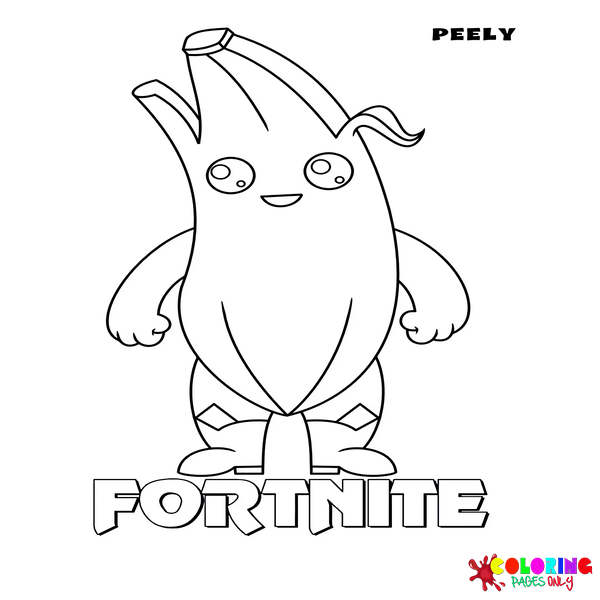
Fortnite is the collection’s largest battle royale sub-category, with the main hub plus individual character pages for Midas (the gold-transforming operative) and Peely (the beloved banana skin). Fortnite’s aesthetic is defined by its rotating cast of cosmetic skins rather than canonical characters, and the coloring pages reflect both the game’s core visual identity and its most popular seasonal and limited-edition character designs. Among Us covers the social deduction game’s crewmate characters in their hazmat suit design – round, limb-light figures whose color choice is literally built into the game’s mechanics, making Among Us pages particularly natural coloring subjects. Call of Duty covers the military shooter franchise. Halo covers the Master Chief and the Halo franchise’s science fiction military aesthetic. Apex Legends covers Respawn Entertainment’s hero-shooter cast. Valorant covers Riot Games’ tactical shooter agents. PUBG covers PlayerUnknown’s Battlegrounds. Free Fire covers Garena’s battle royale, particularly popular in Southeast Asian markets.
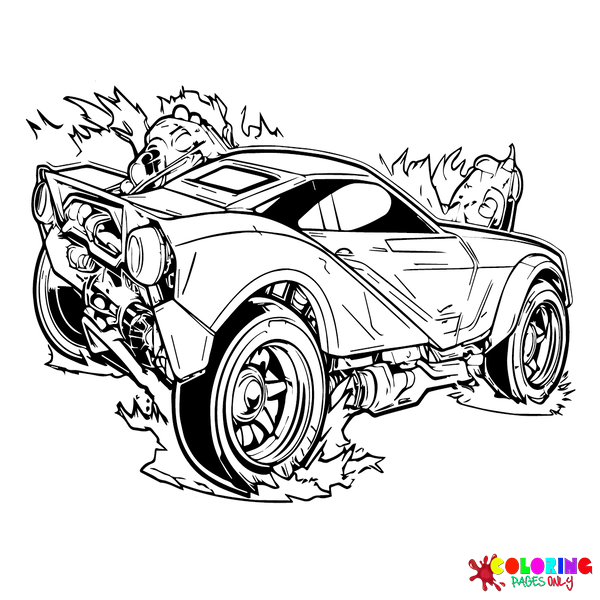
Grand Theft Auto V covers Rockstar’s open-world crime game and its three protagonists, Michael, Trevor, and Franklin. Rocket League covers Psyonix’s car-football hybrid game.
Mobile and Casual Gaming
A substantial cluster covers the mobile and casual game space – the games played on phones and tablets that generate enormous reach across audiences who may not consider themselves “gamers” in the traditional sense.
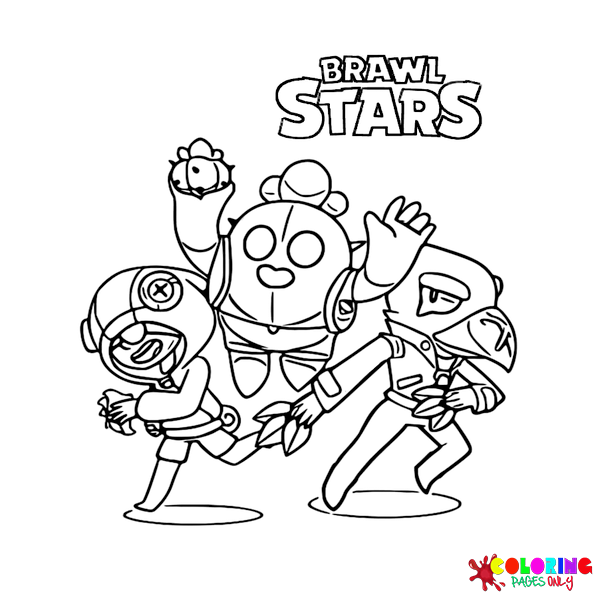
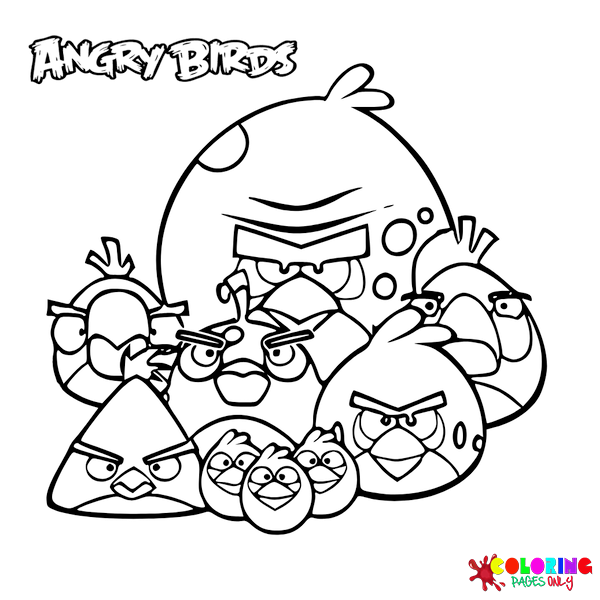
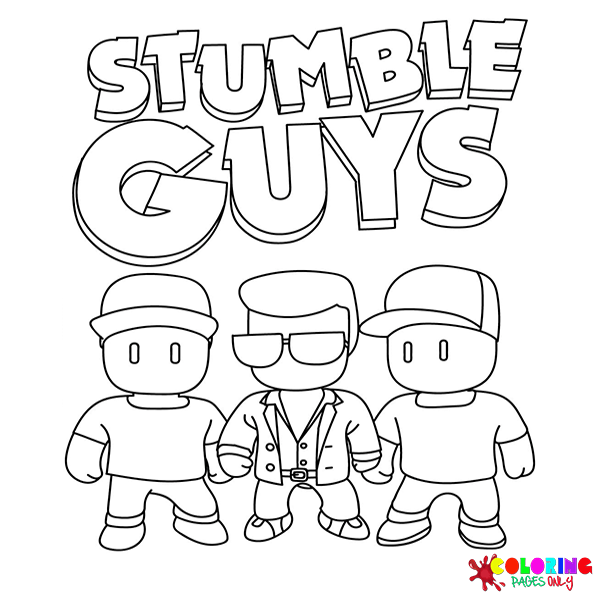
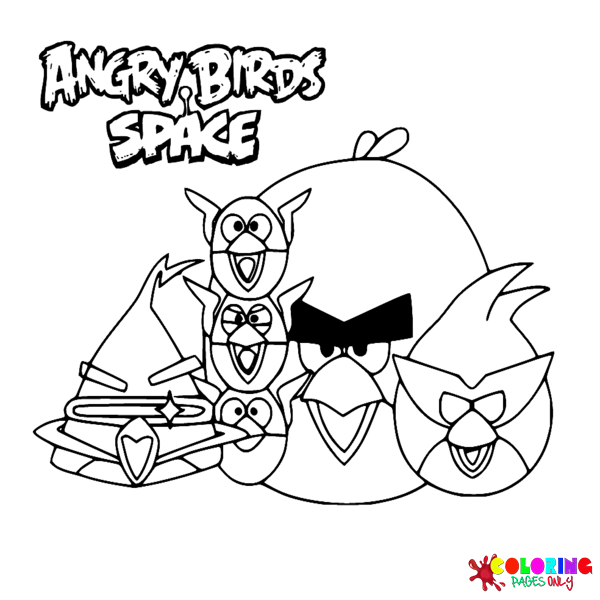
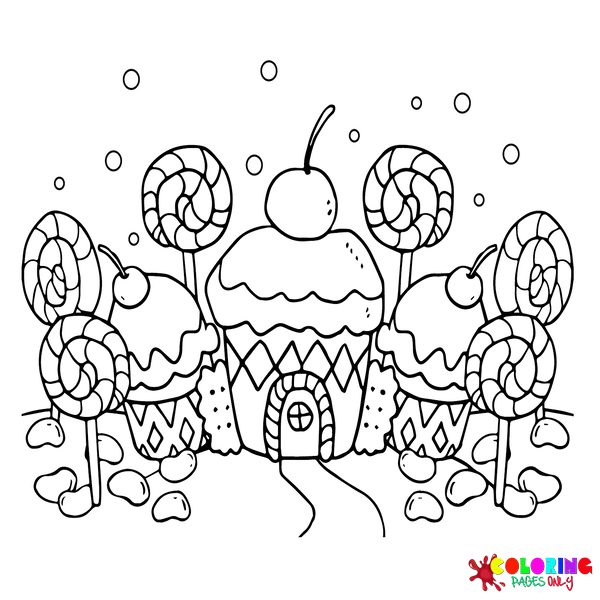
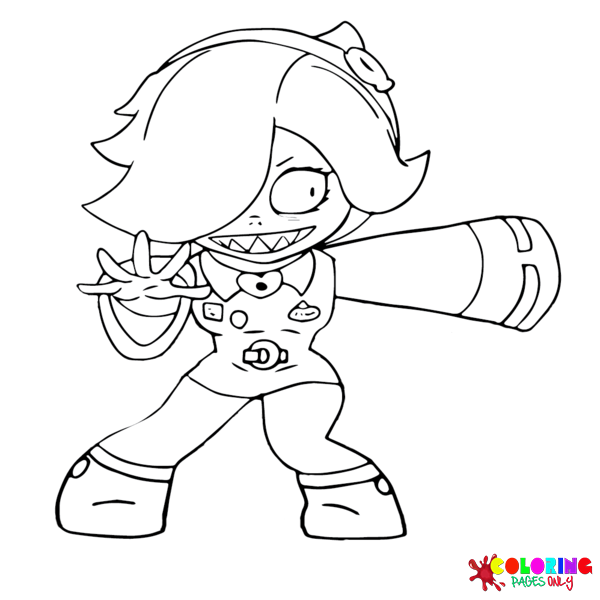
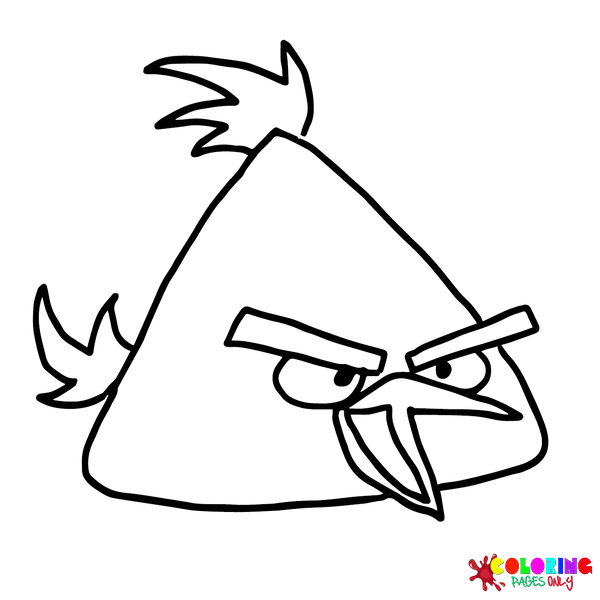
Brawl Stars, Colette Brawl Stars, and Gwendolin together cover the Supercell multiplayer mobile game, with Colette and Gwendolin having their own dedicated sub-categories as among the most fan-beloved individual Brawlers. Clash of Clans covers Supercell’s strategy game. Angry Birds, Angry Birds Space, Chuck (Angry Bird), and Red (Angry Bird) together cover the Rovio franchise across its main series and individual characters. Plants vs Zombies covers PopCap’s tower defense game. Subway Surfers covers SYBO’s endless runner. Flappy Bird covers the viral mobile game. Cookie Run Kingdom covers Devsisters’ cookie RPG. Toca Boca covers its toy-simulation app ecosystem for children. Gacha Life covers the character-creation and storytelling mobile app. Talking Tom and Friends covers the Outfit7 virtual pet franchise. Stumble Guys covers the Fall Guys-adjacent mobile battle royale. Fall Guys covers Mediatonic’s obstacle-course battle royale. Candyland covers the classic board game. Bingo covers the game/activity.
Indie Games and Internet Horror
One of the most rapidly growing sections of the Games category covers the small-studio and browser-based games that go viral through YouTube, TikTok, and streaming platforms – often reaching enormous audiences without the marketing budgets of major studio releases.
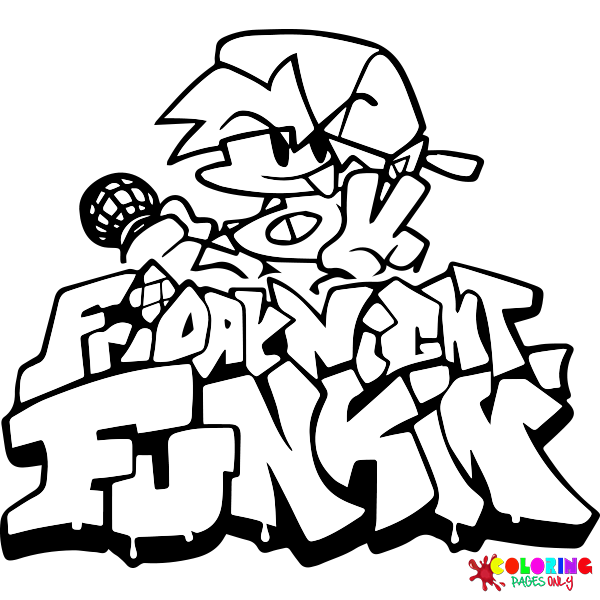
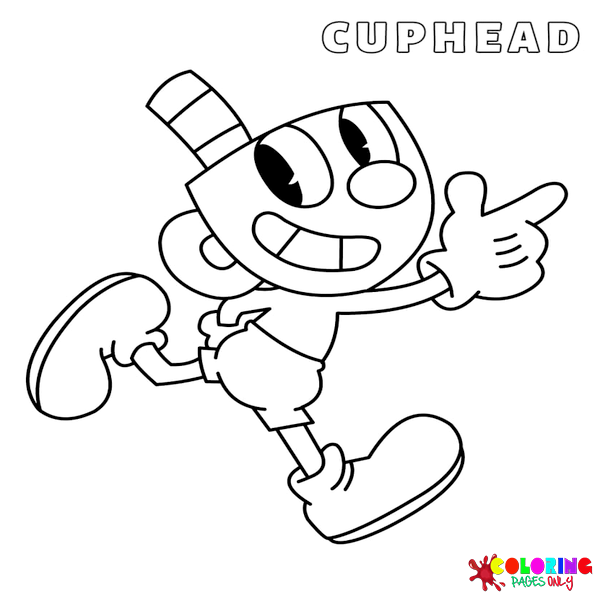
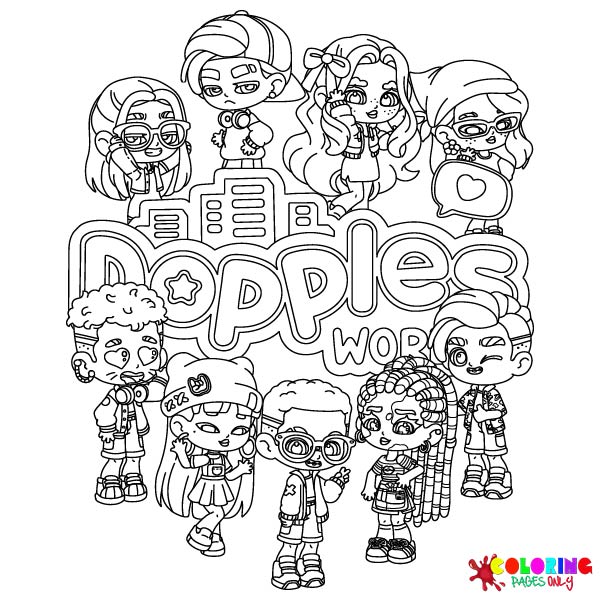
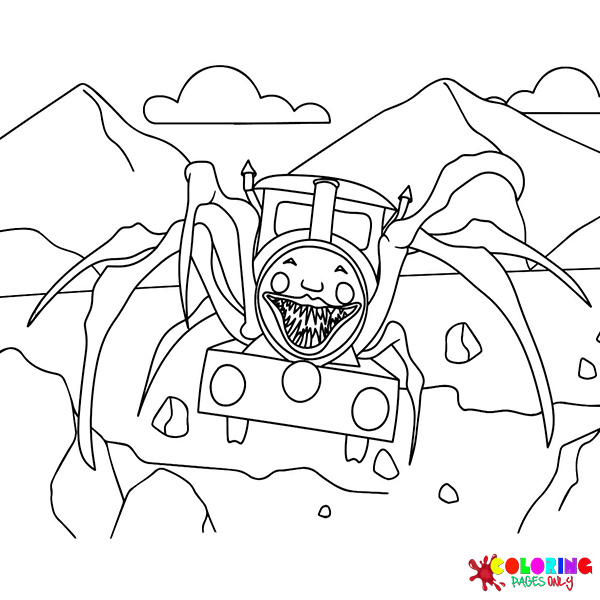
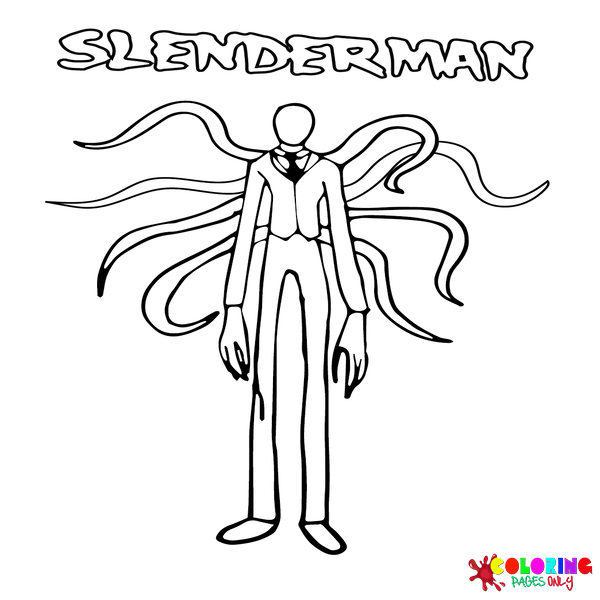
Cuphead covers StudioMDHR’s 1930s-rubber-hose-animation-inspired run-and-gun – one of the most visually distinctive game art styles of the 2010s, and one of the most rewarding coloring subjects in the collection, given the detail and expressiveness of the character designs. Friday Night Funkin covers the rhythm game and its extensive mod community. Undertale and its characters are covered above. The Plucky Squire covers Devolver Digital’s 2024 storybook-adventure. Mouthwashing Game covers Wrong Organ’s 2024 psychological horror. Shelter of Sursur covers the recent indie title. Zoonomaly covers the 2024 zoo-horror game. Choo-Choo Charles covers Two Star Games’ spider-train horror. Slender Man covers the creepypasta-origin internet horror character. 99 Nights in the Forest covers the survival horror indie. Palworld covers Pocketpair’s 2024 creature-collecting survival game. Chicken Gun covers the mobile shooter. Avatar World and Dopples World cover the character-creation app ecosystems.
Music and Rhythm Games
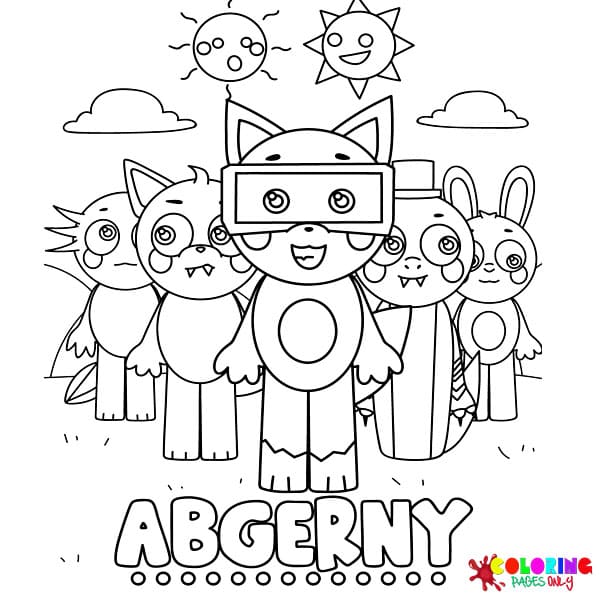
Sprunki Incredibox and Abgerny Incredibox cover the Incredibox music-mixing game and its fan-made Sprunki mod – the latter having gone viral in late 2024 and generating substantial coloring page demand for its distinctive character designs. Friday Night Funkin (covered above in indie games) also belongs in this cluster as a rhythm game at its core.
RPG, Strategy, and Story-Rich Games
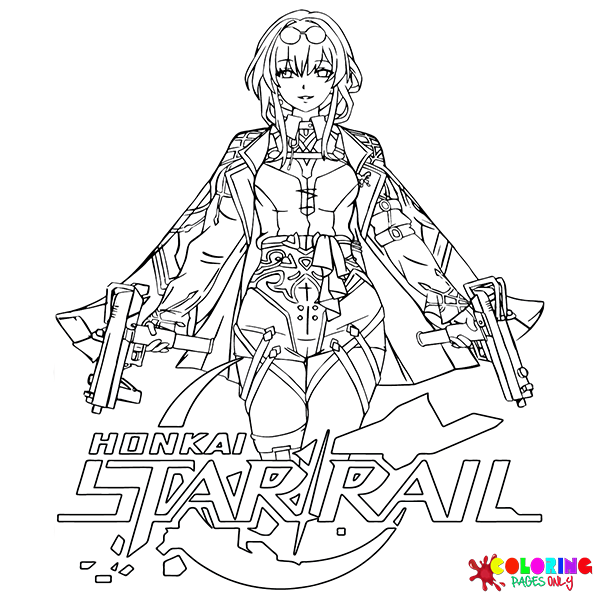
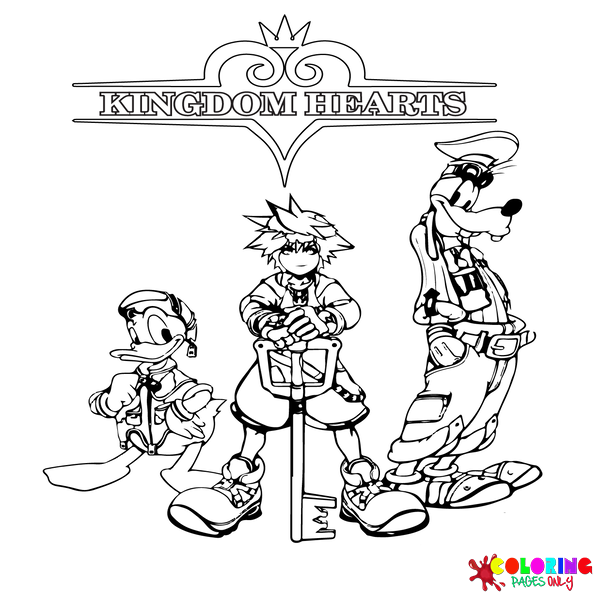
Kingdom Hearts covers the Square Enix/Disney crossover RPG franchise and its complex cast of original characters alongside the Disney figures. Persona covers Atlus’s social simulation RPG series. Ace Attorney covers Capcom’s courtroom drama visual novel series. Honkai: Star Rail covers miHoYo’s 2023 turn-based RPG, expanding the developer’s presence in the collection alongside the Genshin Impact sub-categories in the Anime category. League of Legends covers Riot Games’ MOBA and its extensive champion roster. Teamfight Tactics covers the auto-chess spin-off. Dota 2 covers Valve’s MOBA. Ghazt covers the flying ghost creature from My Singing Monsters. Shailushai covers the creature from the Russian internet folklore/game culture that became viral globally. Jak and Daxter covers the PlayStation 2-era Naughty Dog platformer series.