
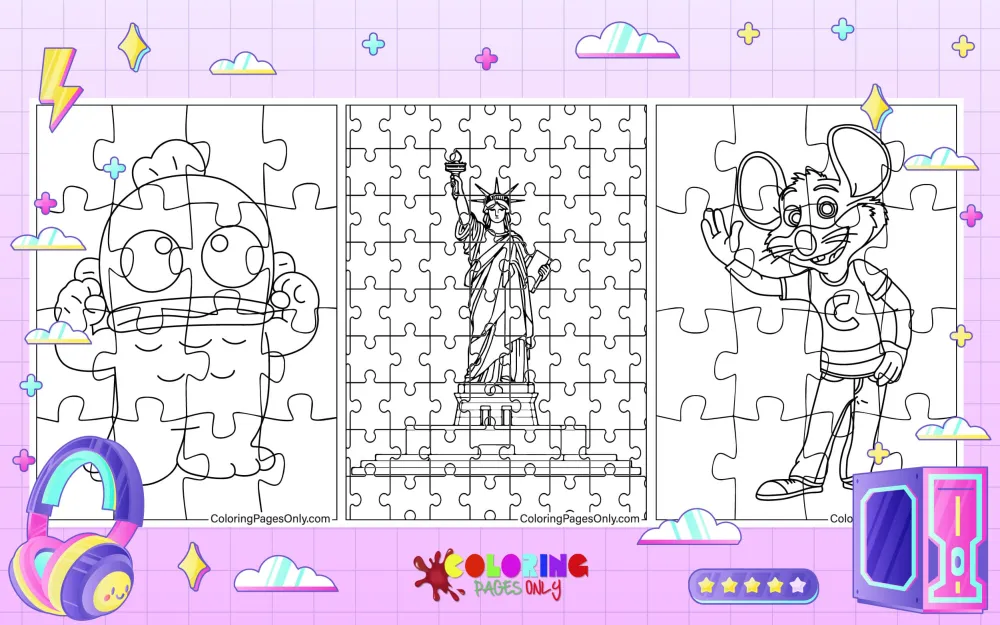
Free jigsaw puzzle coloring pages: 43 printable PDF designs styled as puzzle pieces, featuring animals, dinosaurs, and everyday scenes. Each page can be downloaded as a PDF to print or colored online in the browser.
The jigsaw puzzle traces back to John Spilsbury, a London cartographer and engraver who began commercially producing them in the 1760s. He mounted printed maps onto thin wood boards and cut along country borders, calling the result a “dissected map,” intended to help children learn geography. The word “jigsaw” itself was not applied to these puzzles until 1909, and puzzles have since grown into one of the most common shared activities for families and classrooms alike. This collection uses the classic interlocking puzzle-piece outline as a design element, wrapped around a range of subjects for colorers to fill in.
The set covers 43 pages in total, from simple single-piece outlines suited to early colorers to more detailed animal and dinosaur designs for older kids and adults.

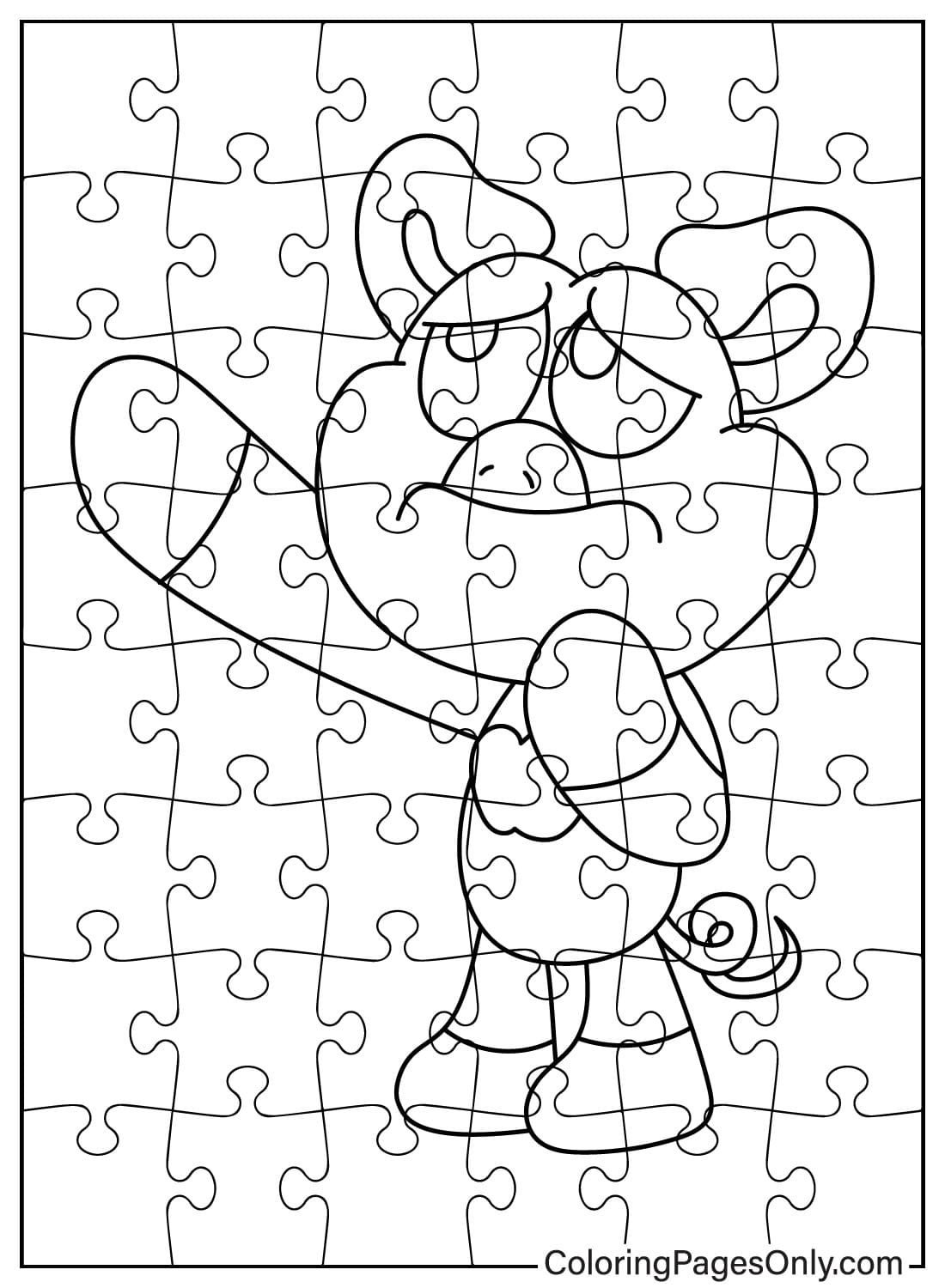
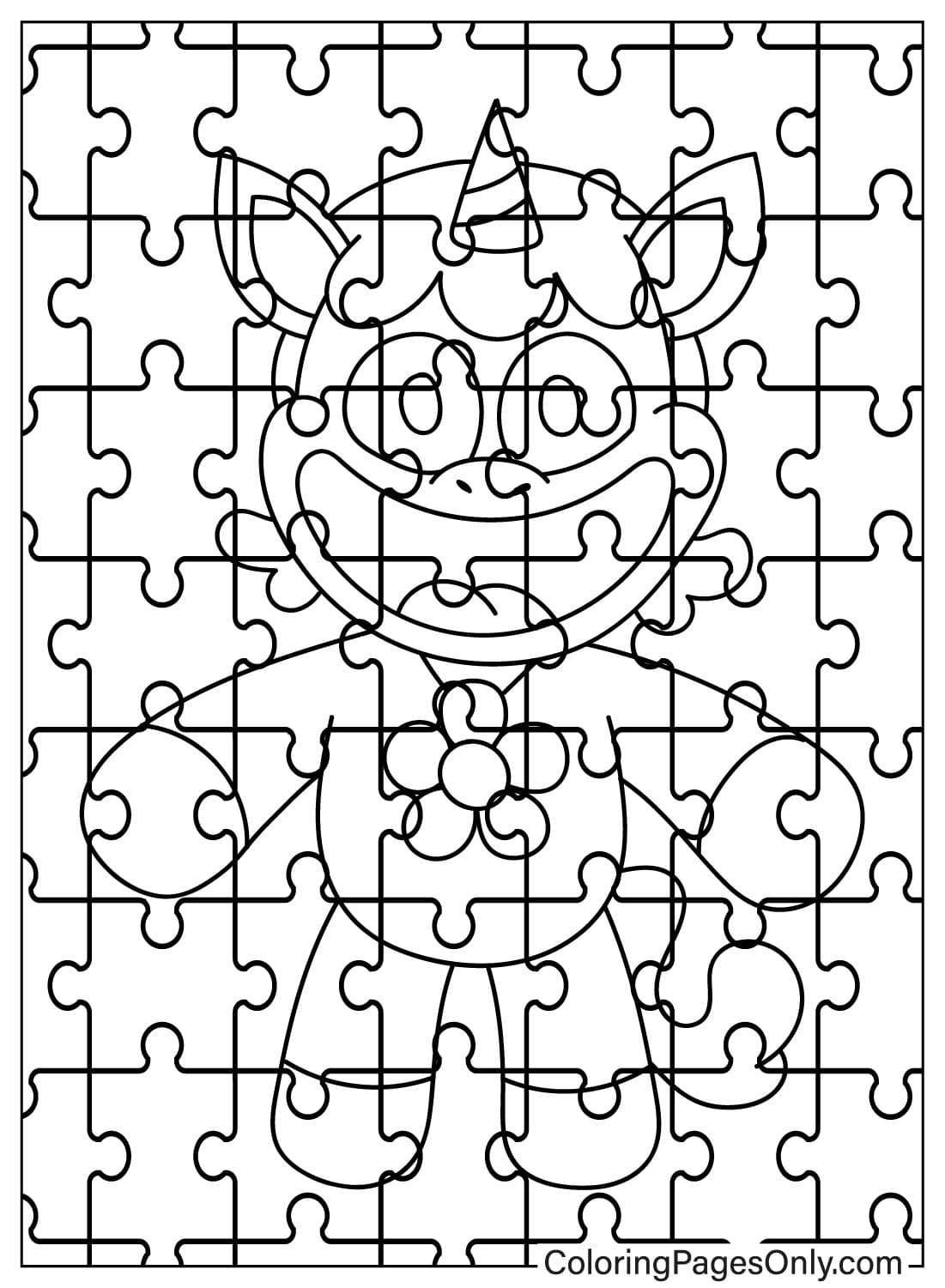
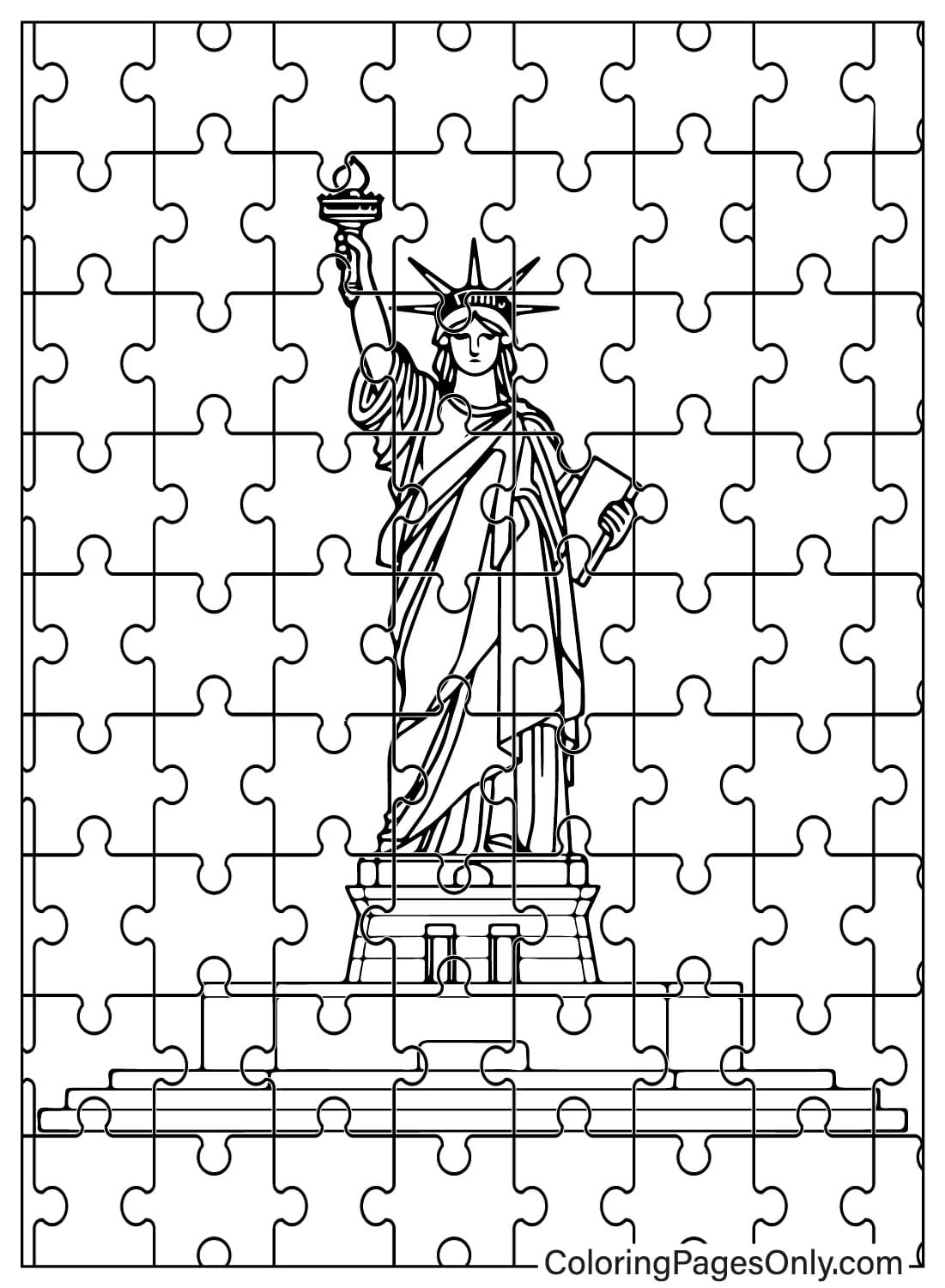
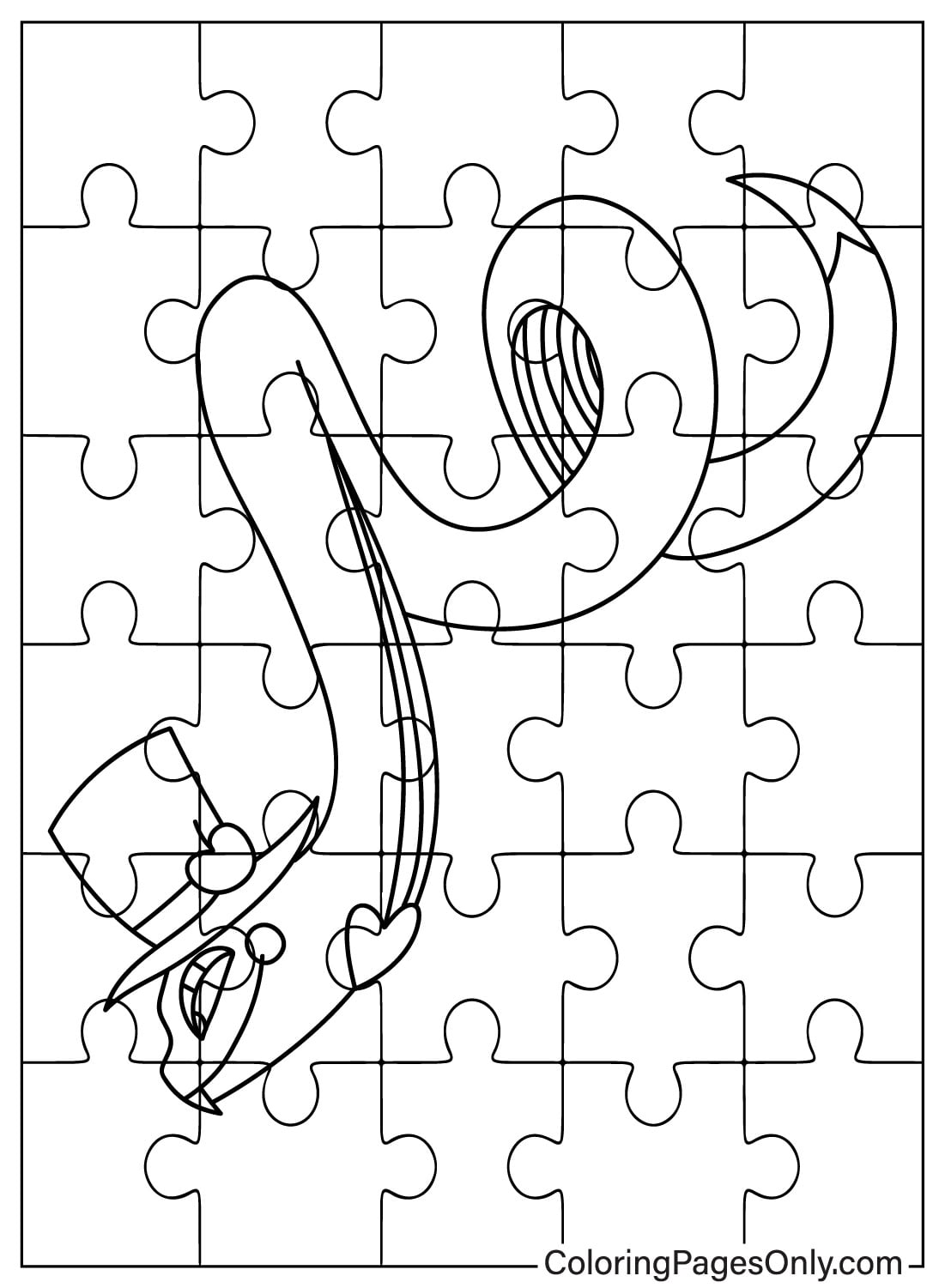
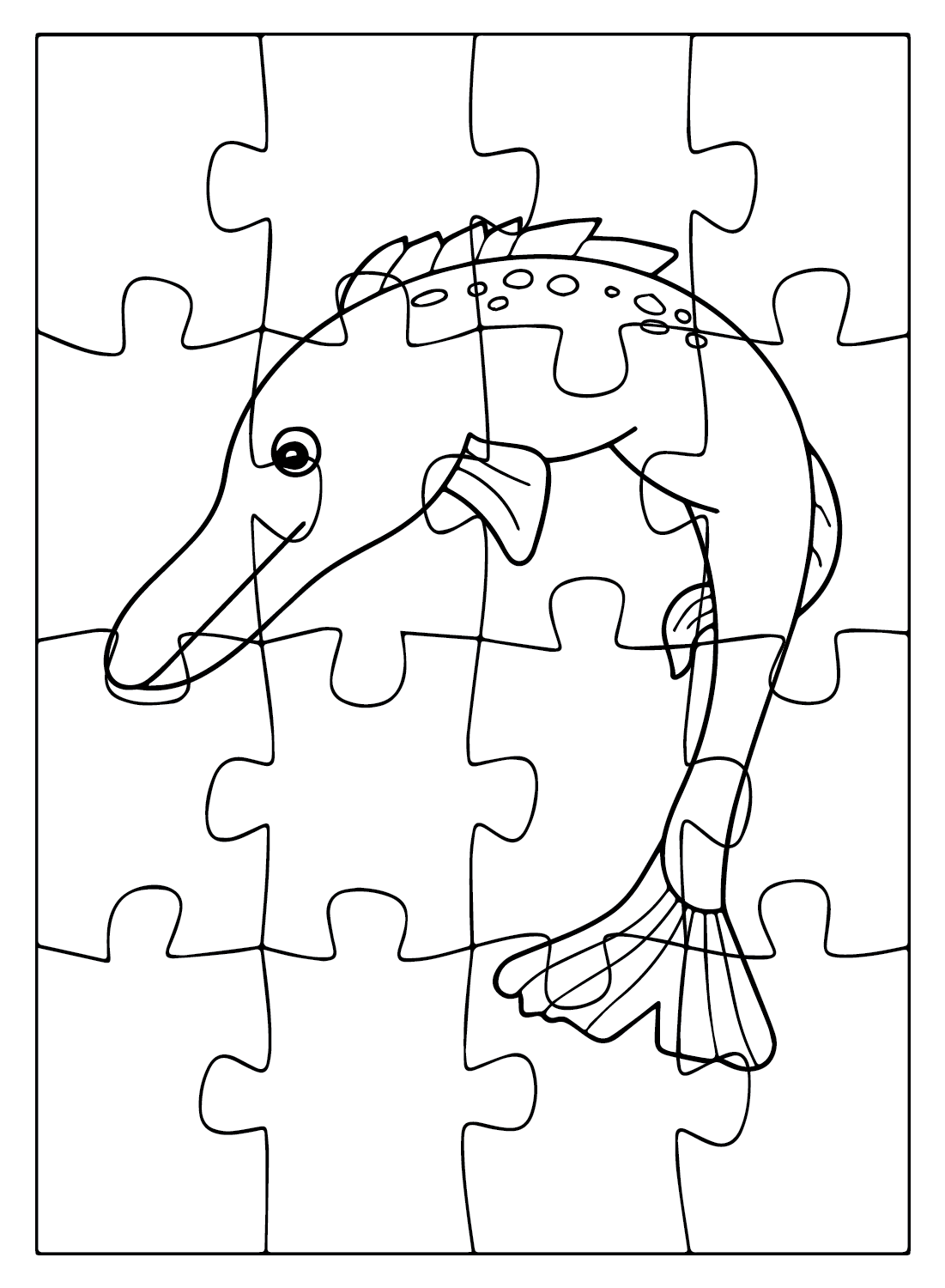
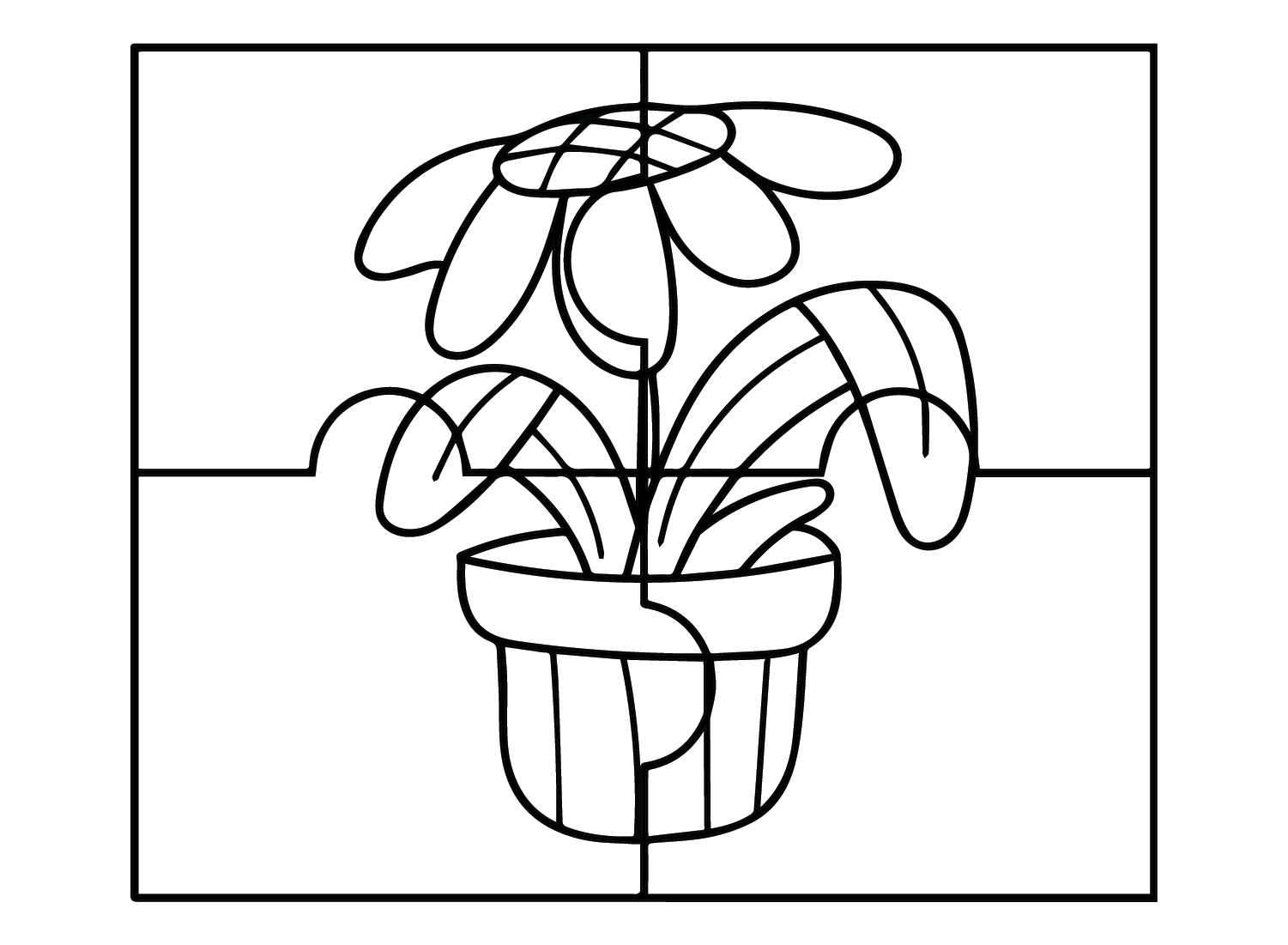

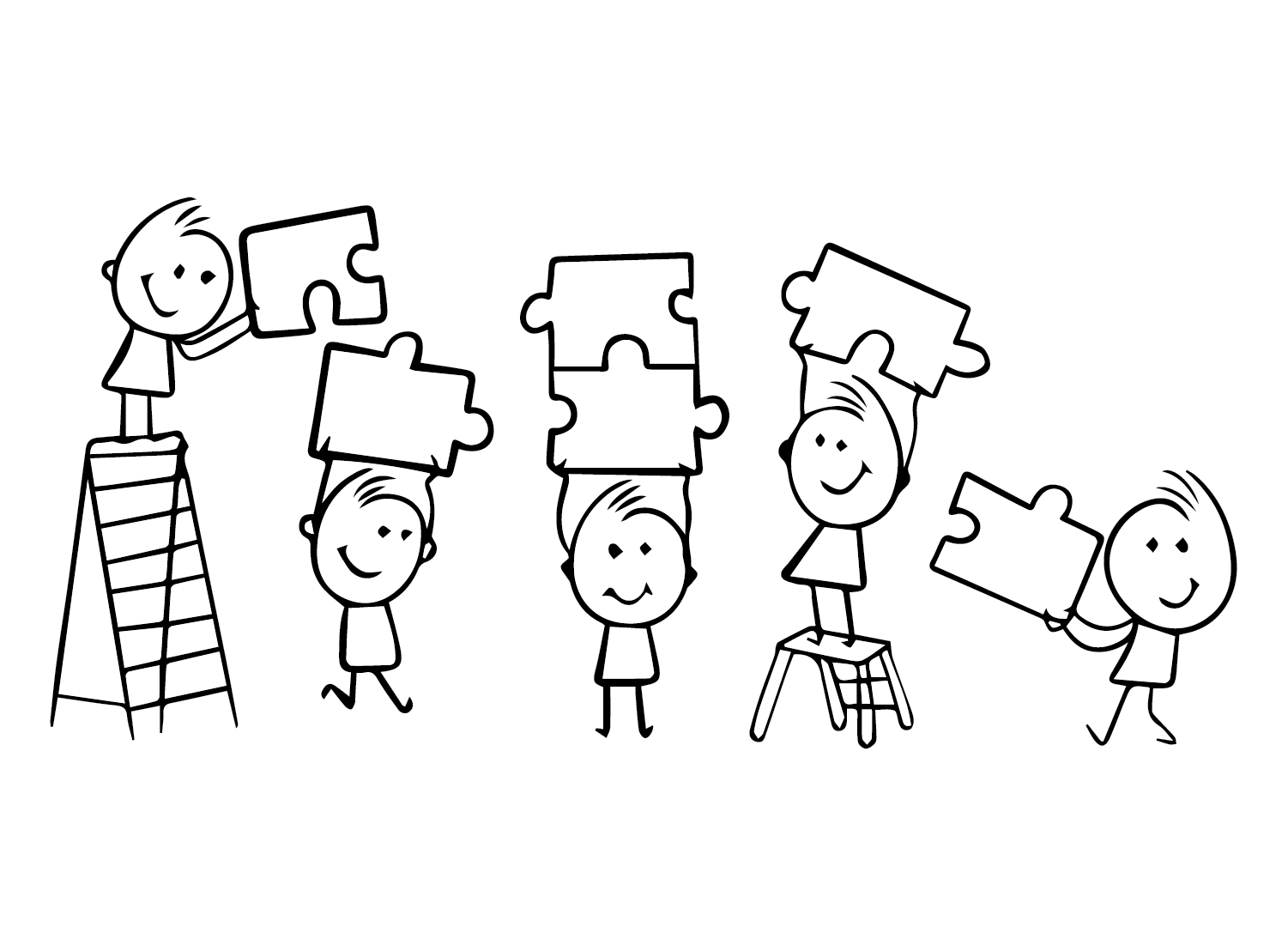
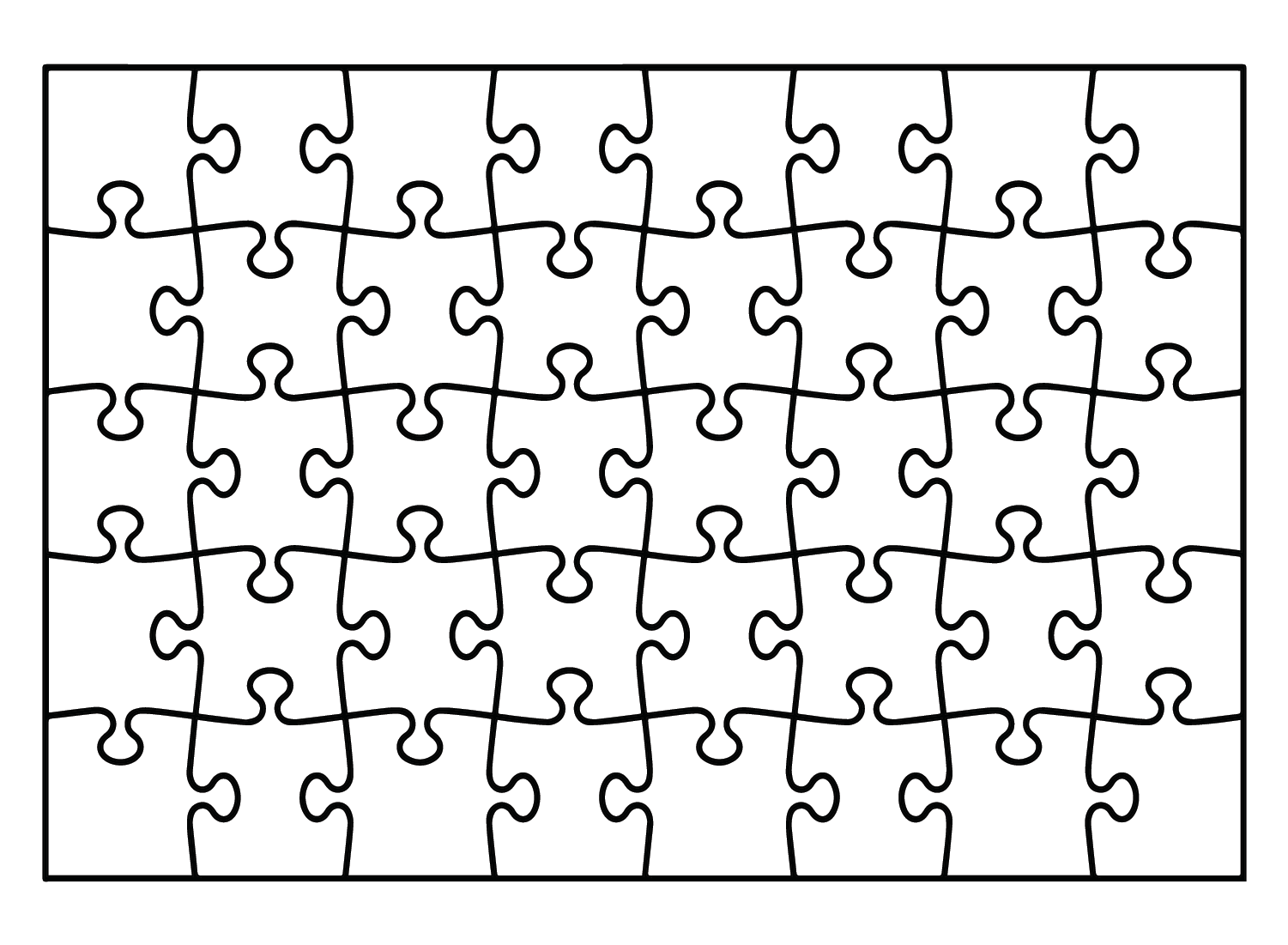
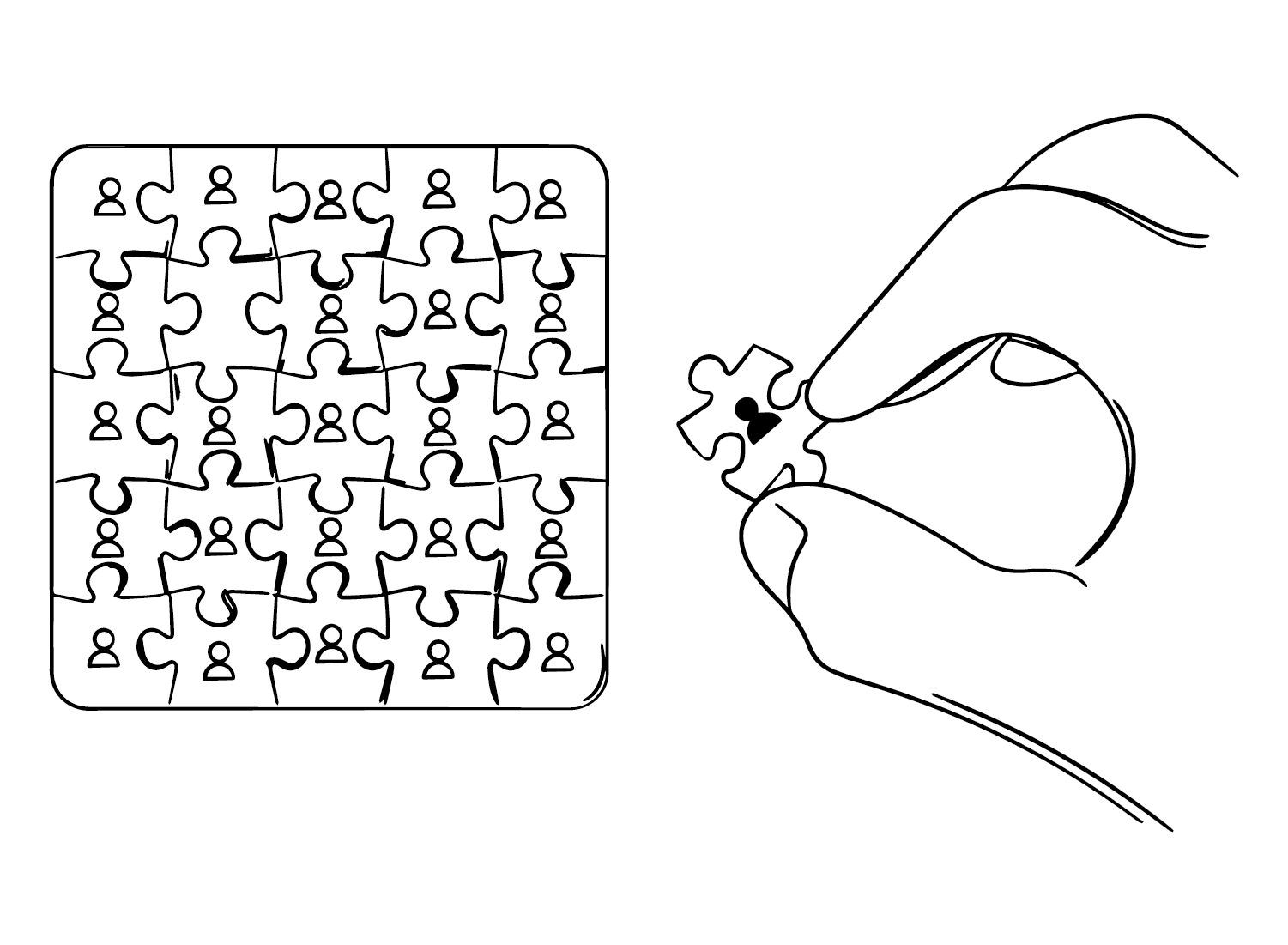
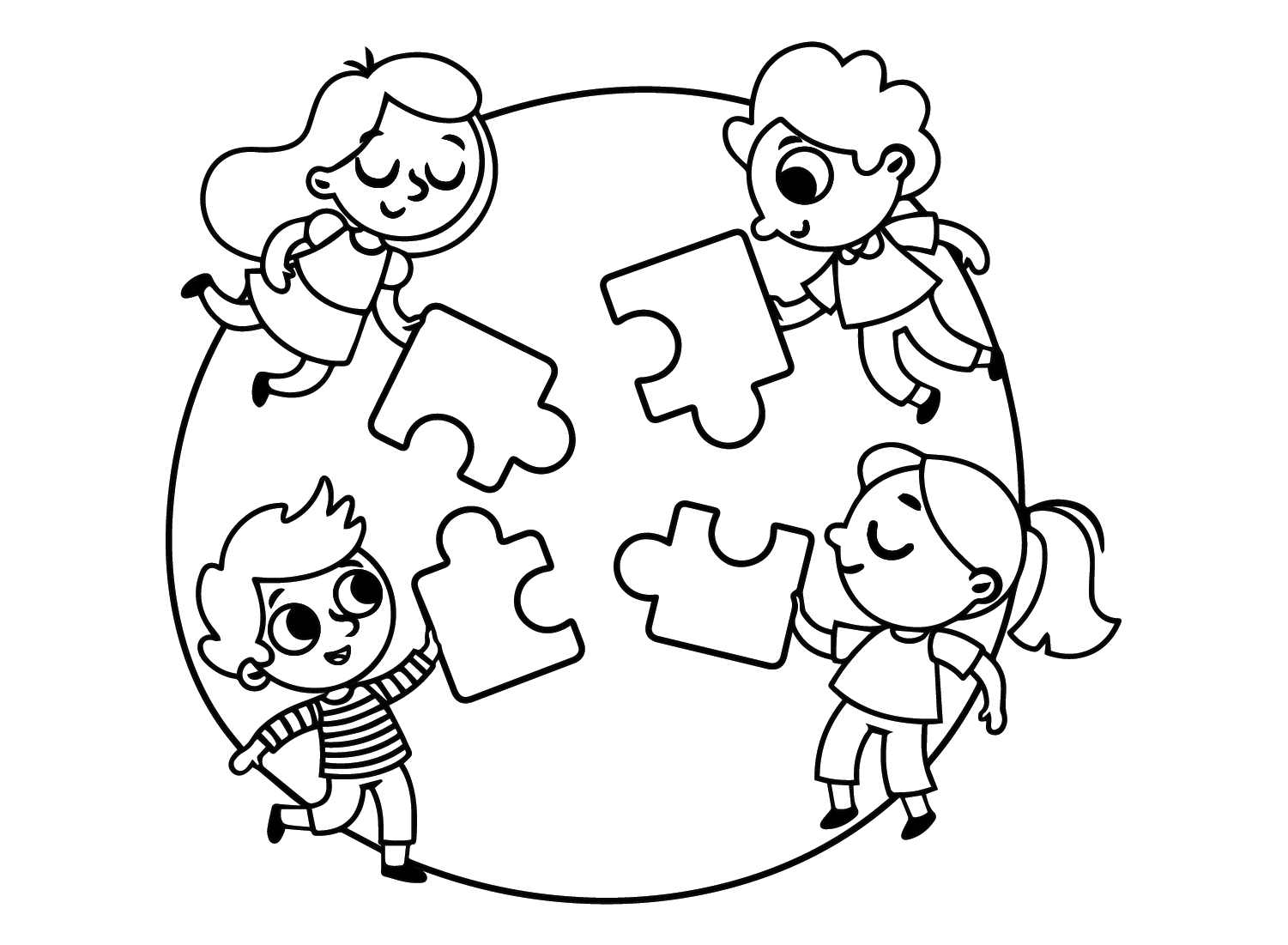

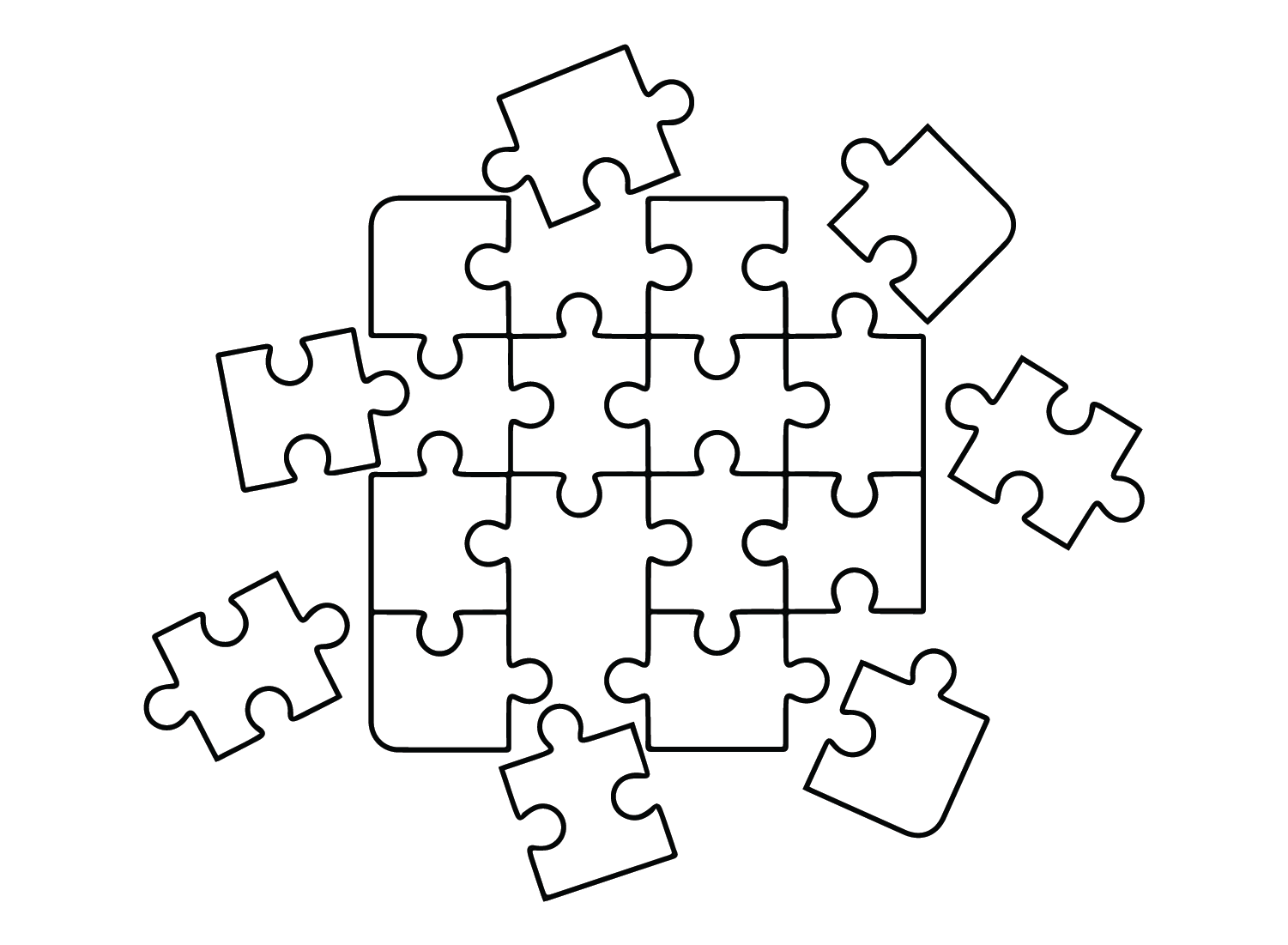
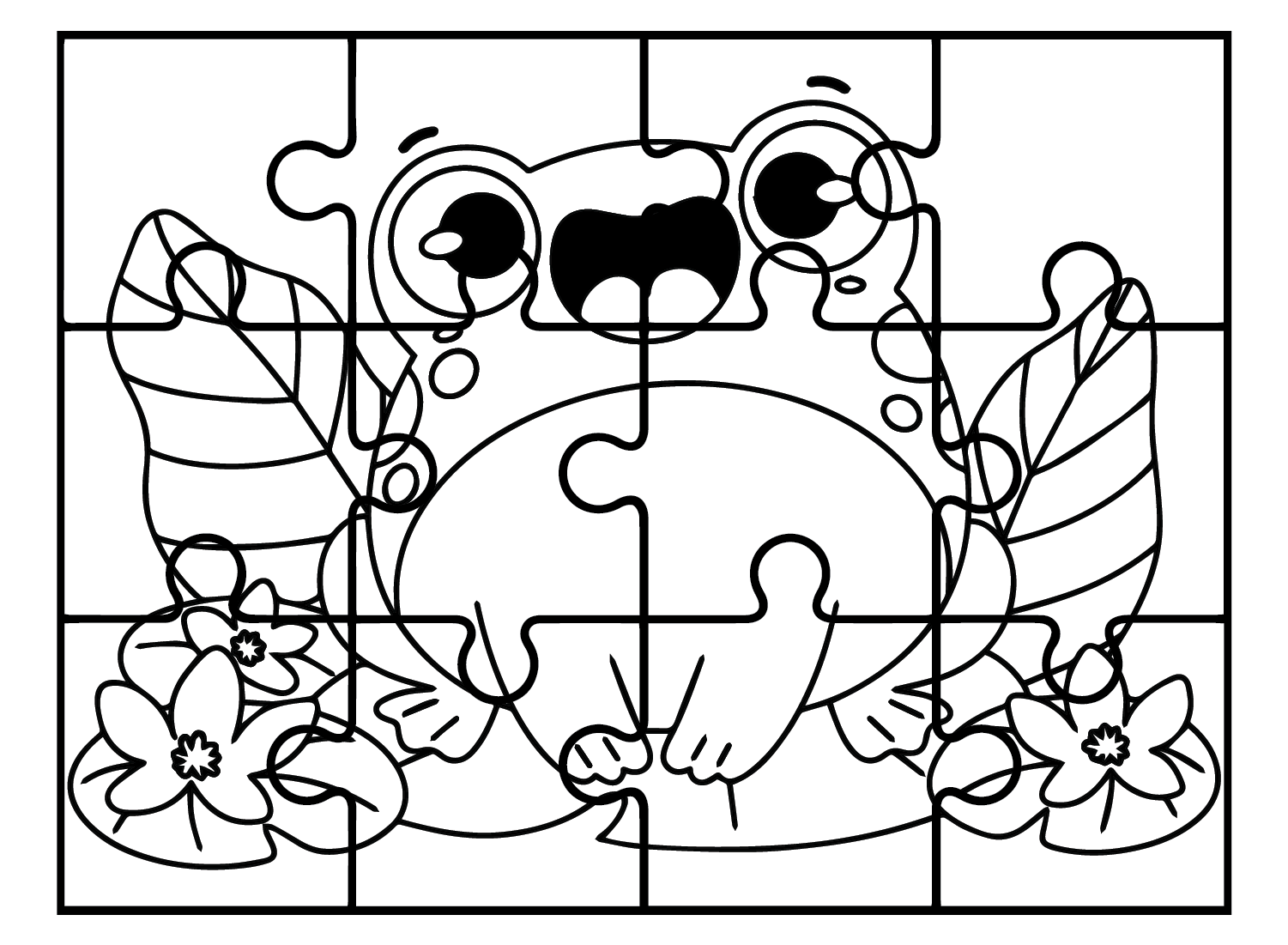
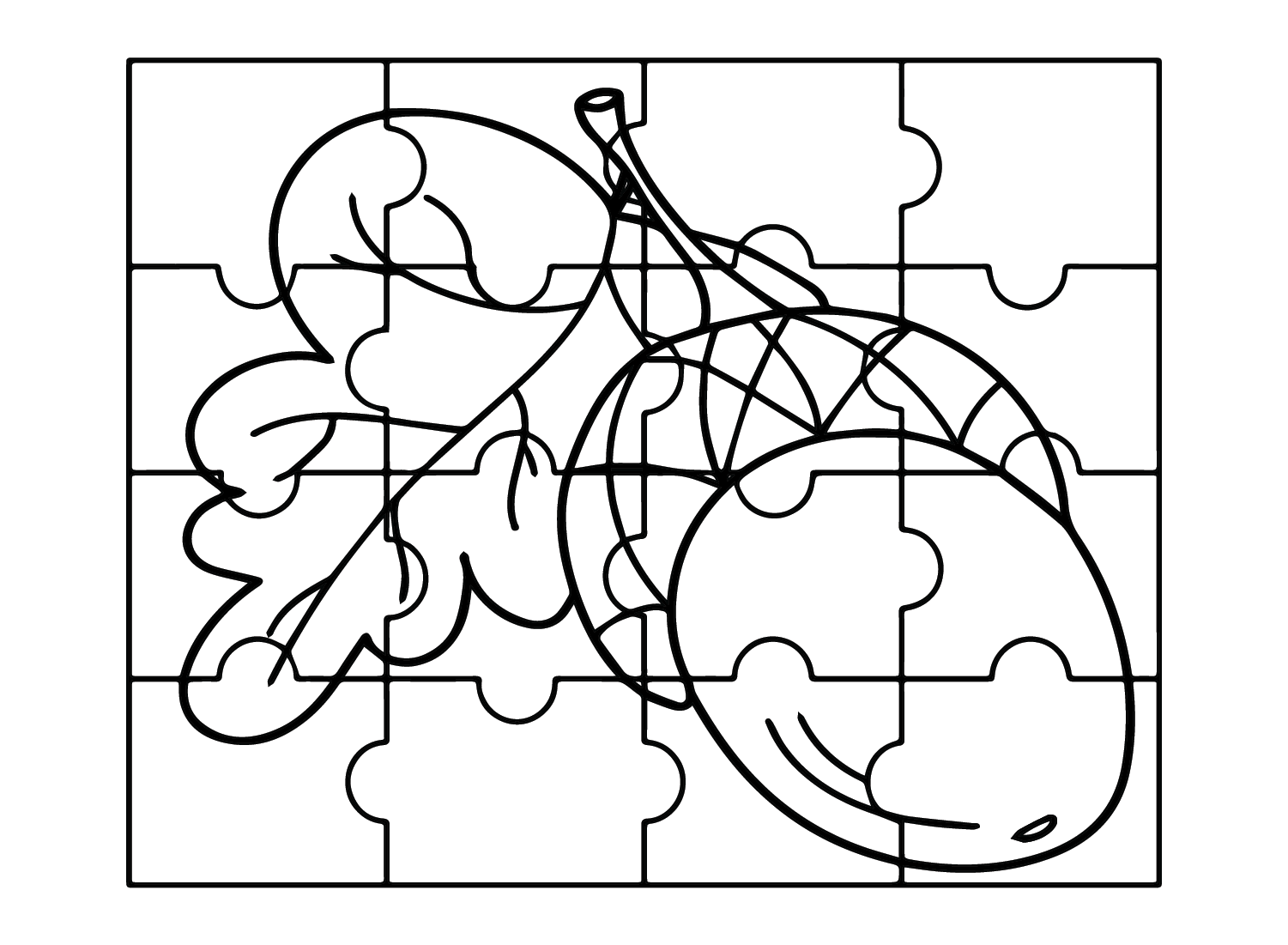
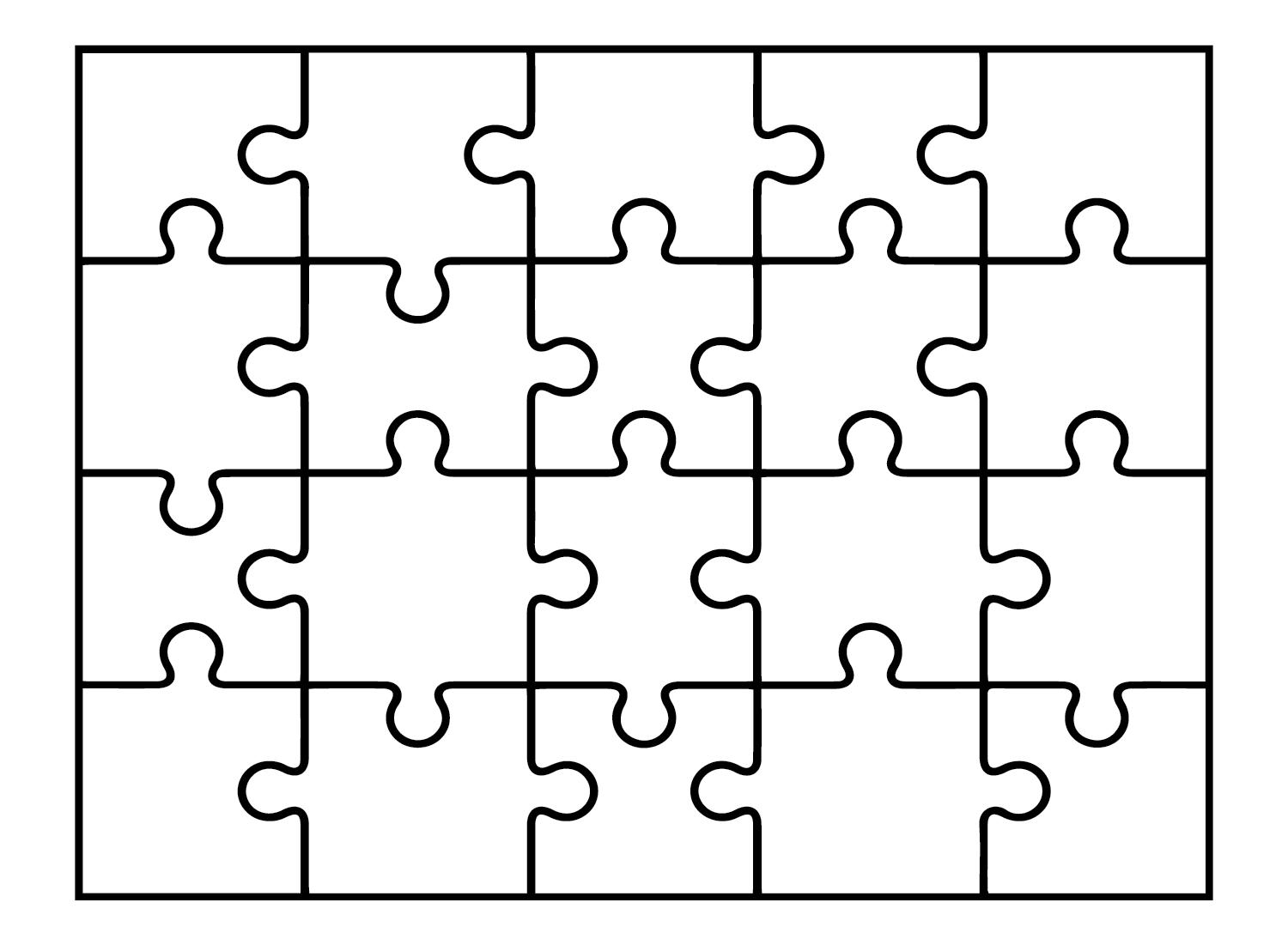
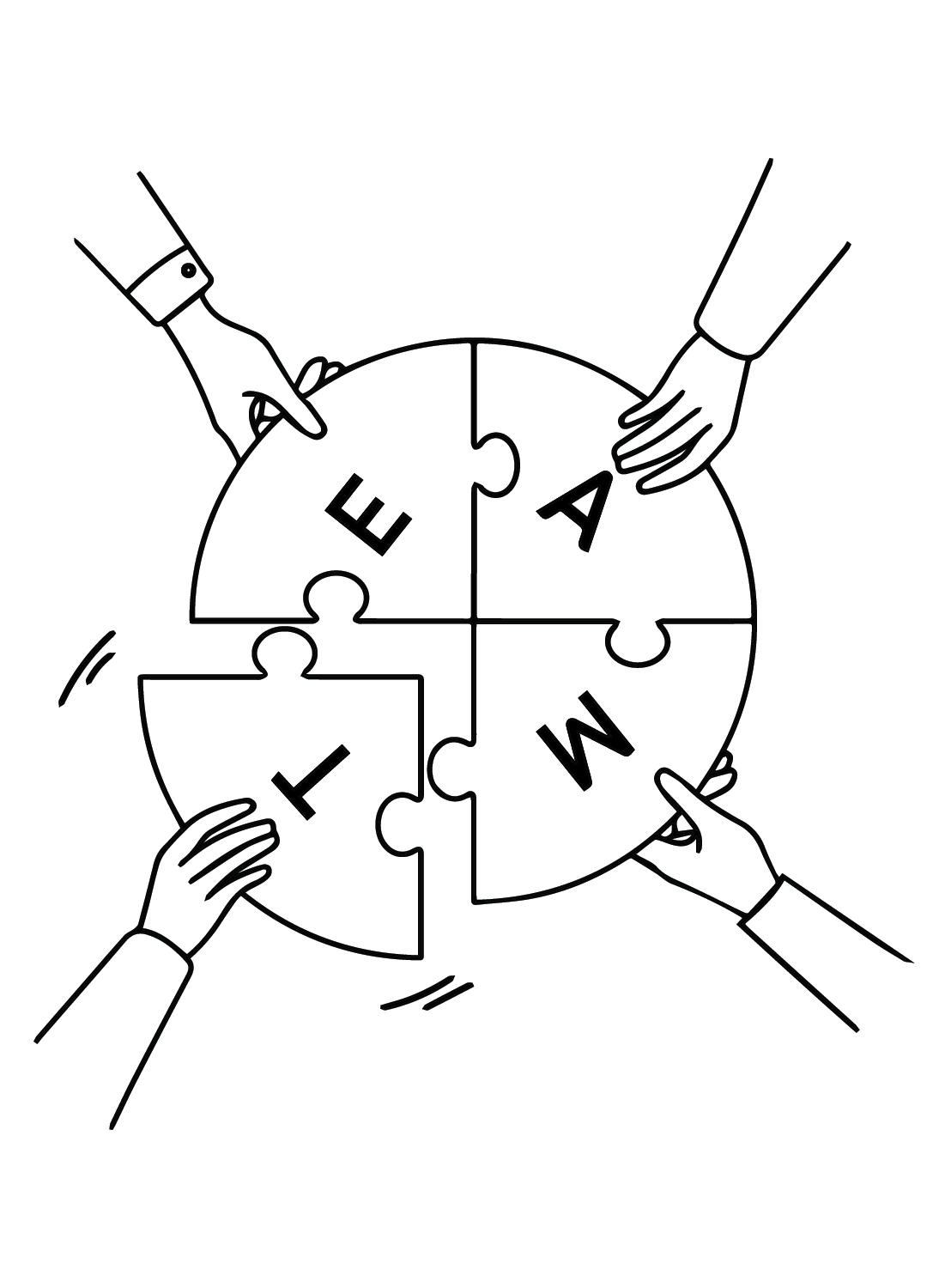
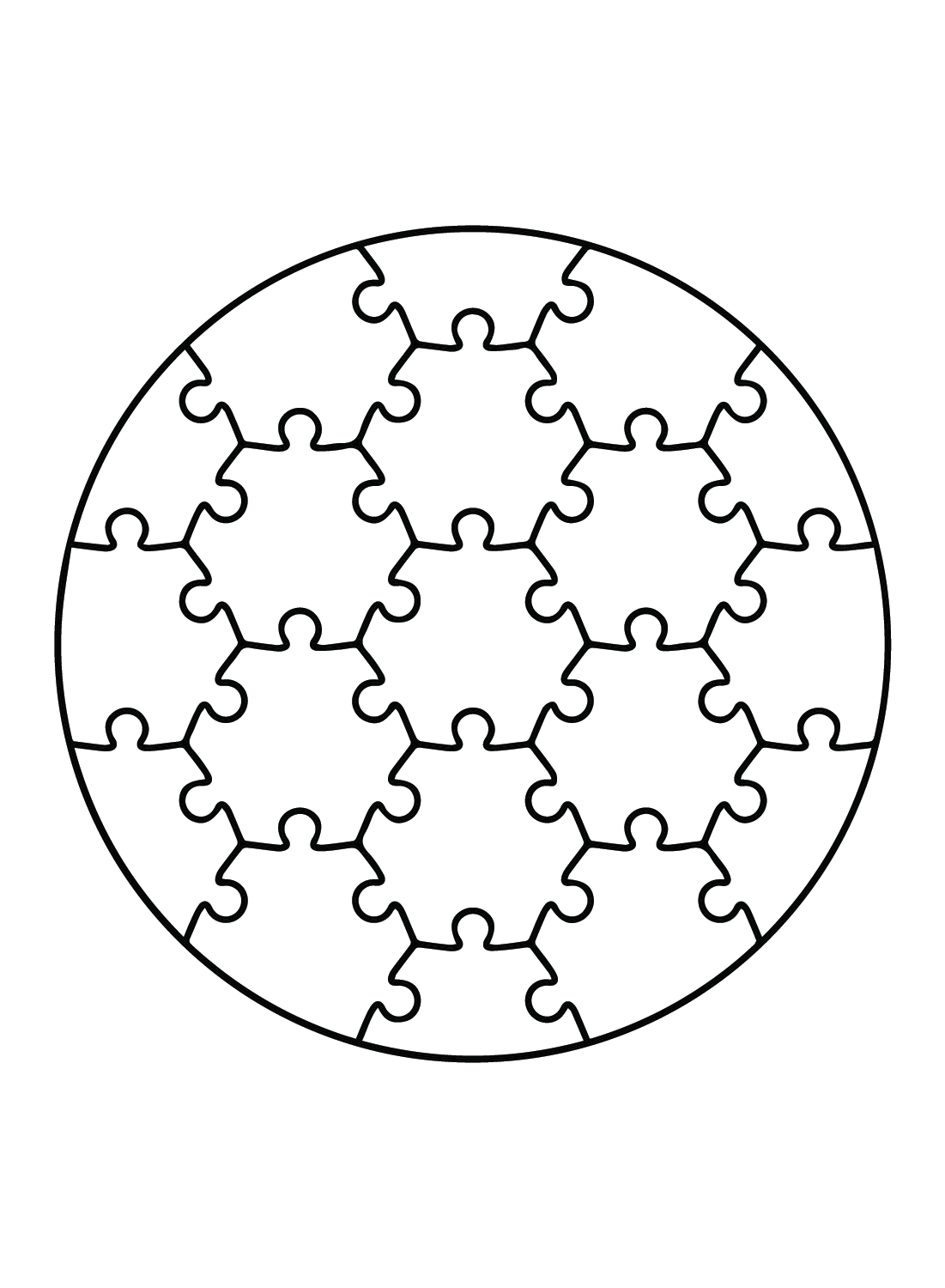
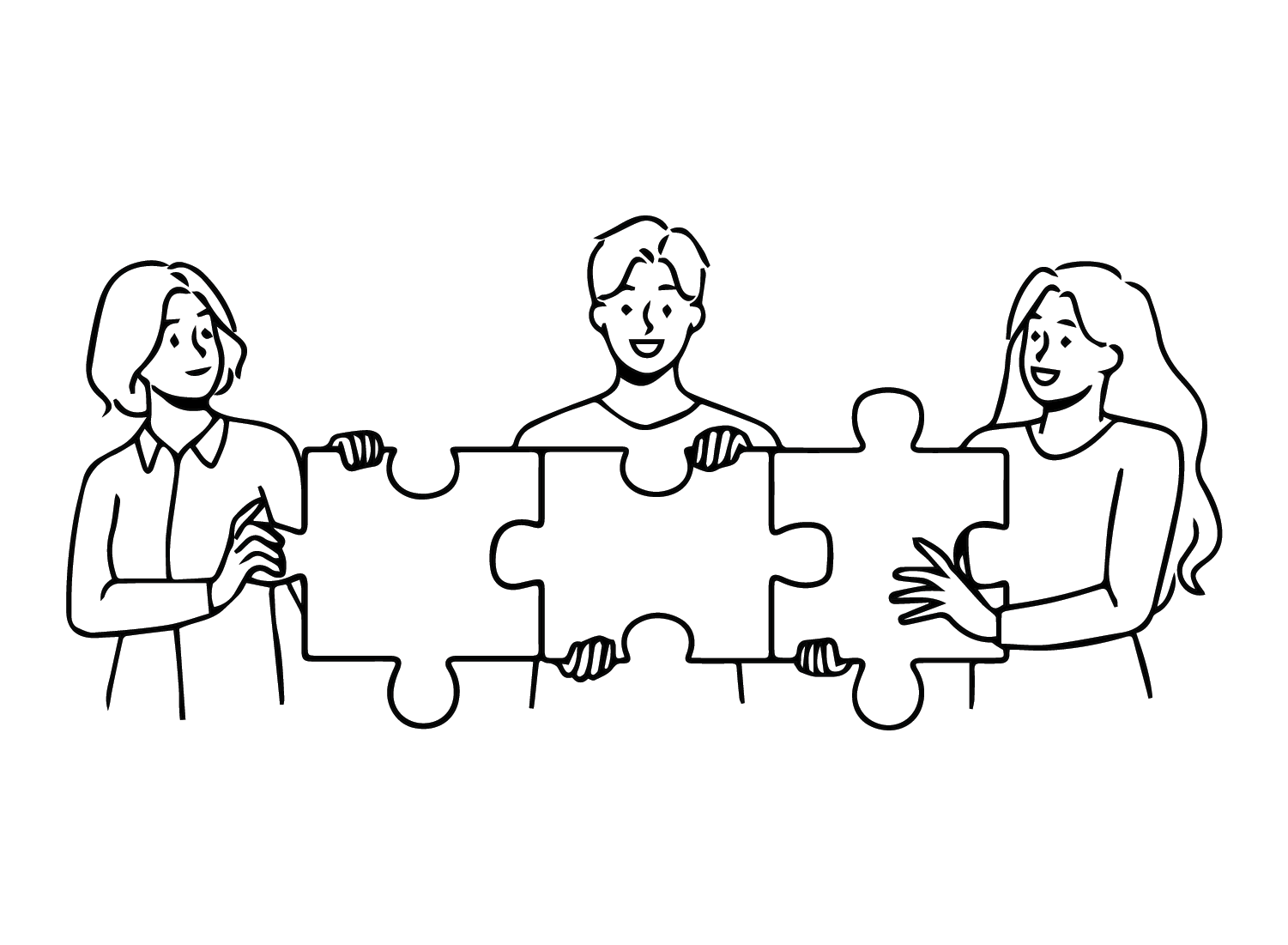
What Is Inside This Collection
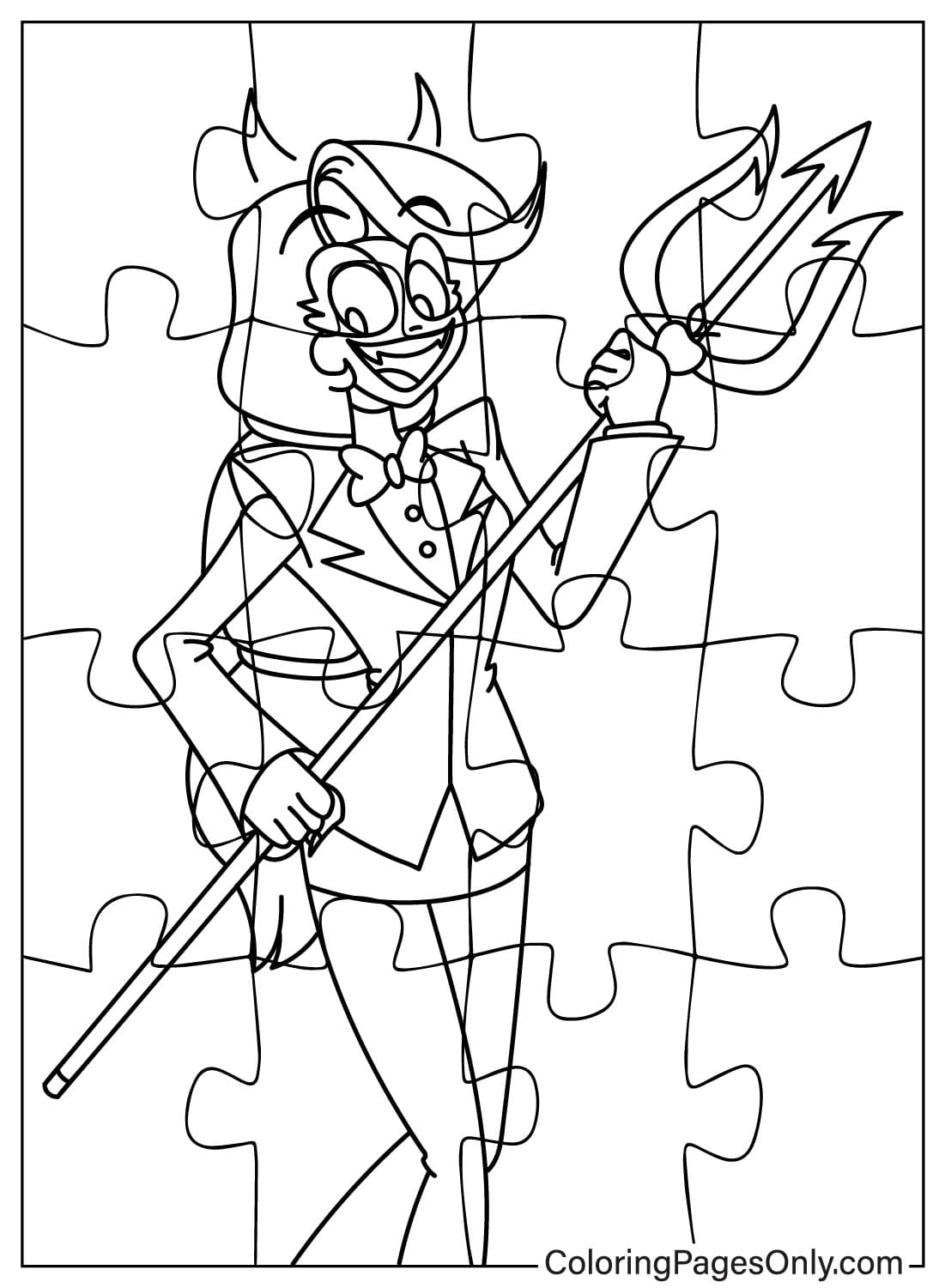
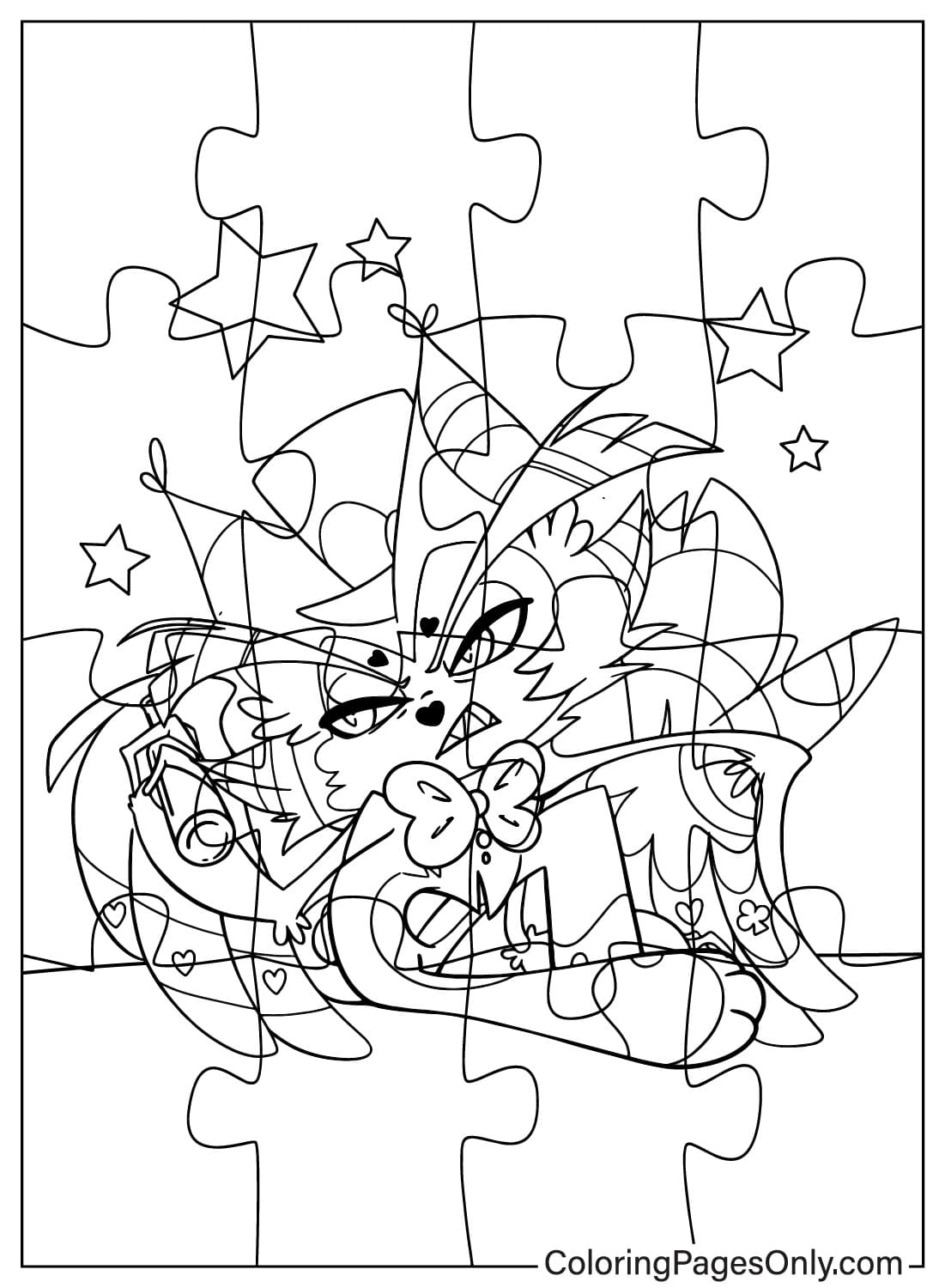
The 43 pages group into a few recurring subjects, all built around the classic interlocking puzzle-piece outline.
Animals and Nature
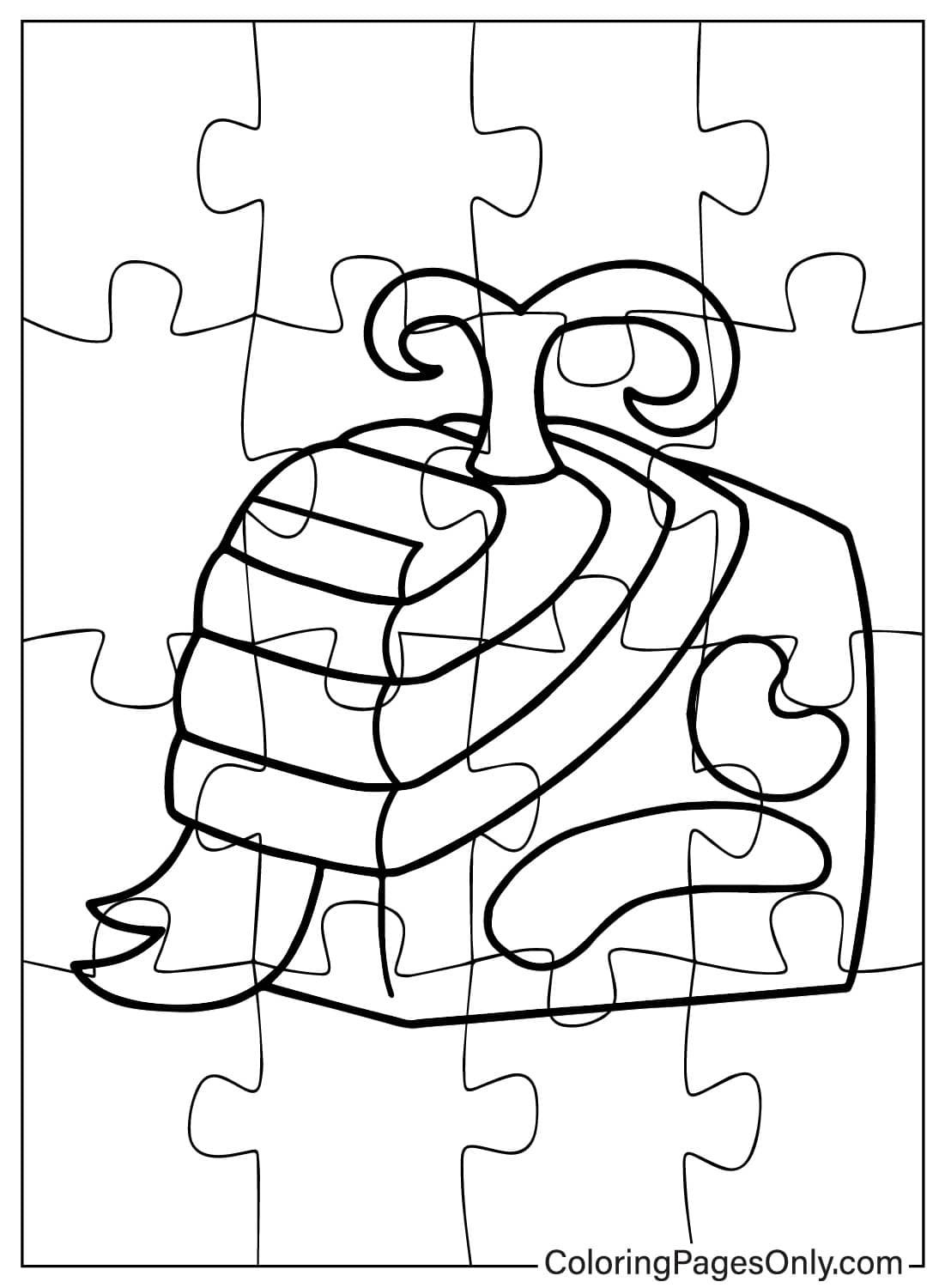
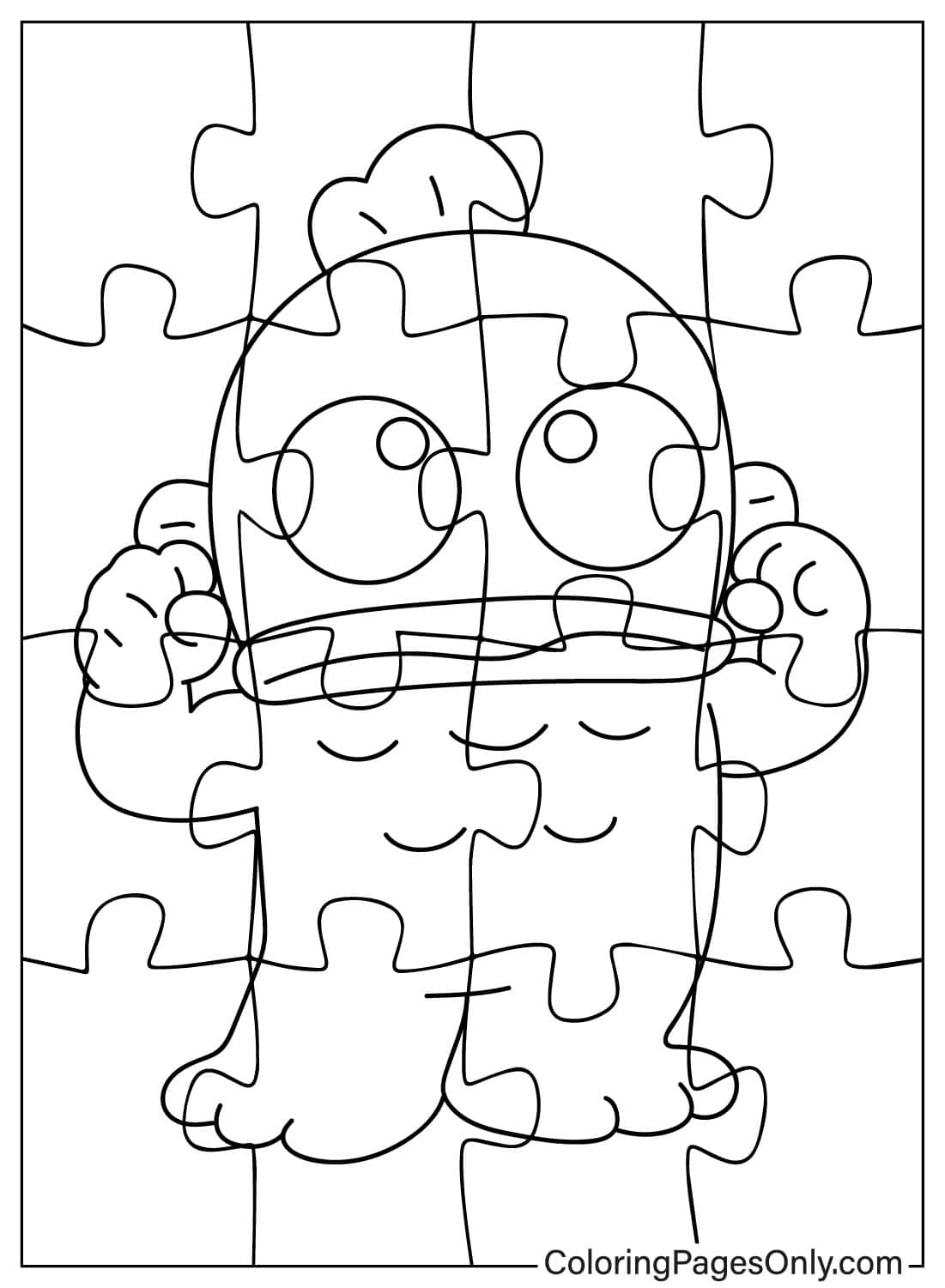
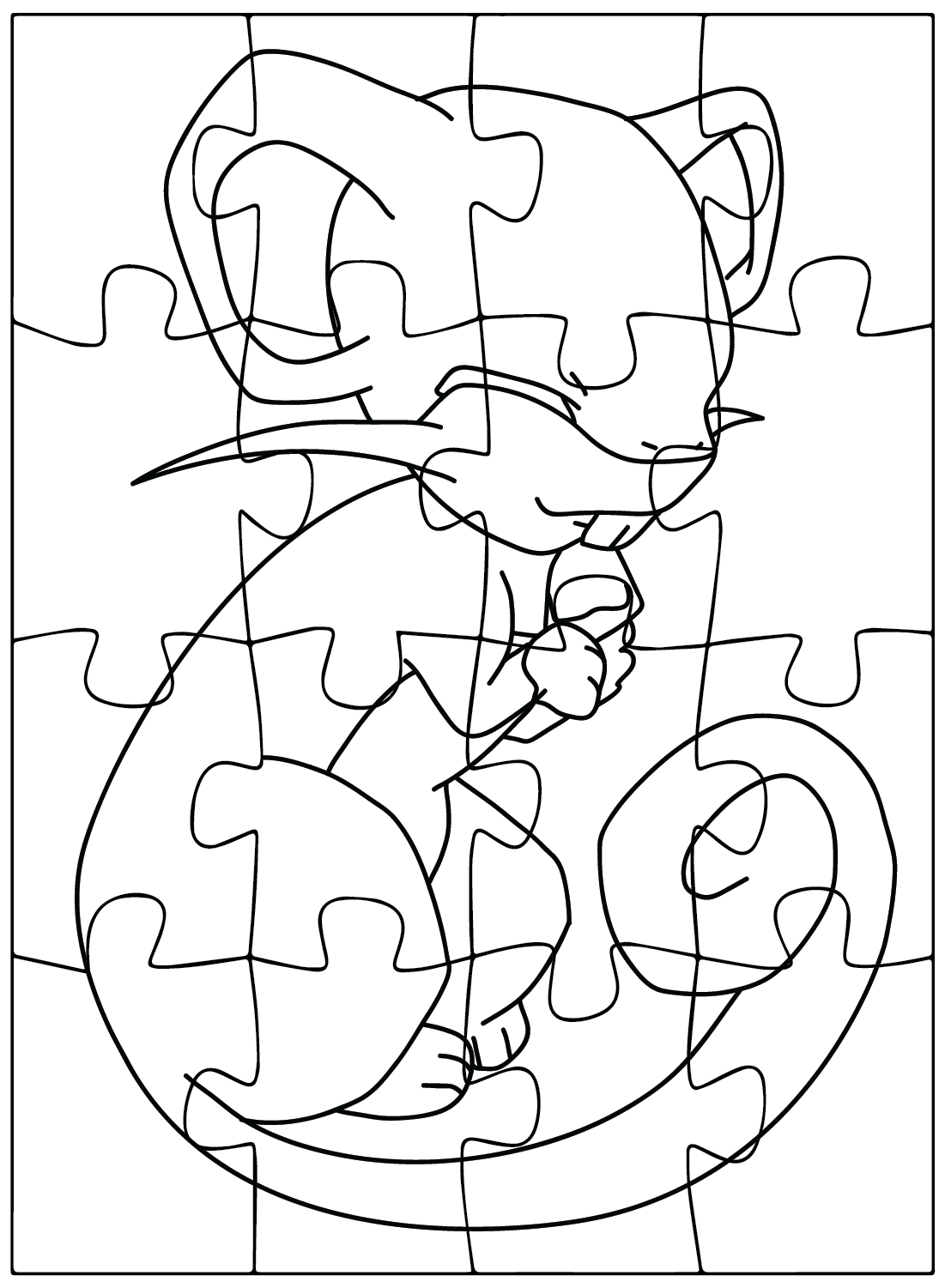
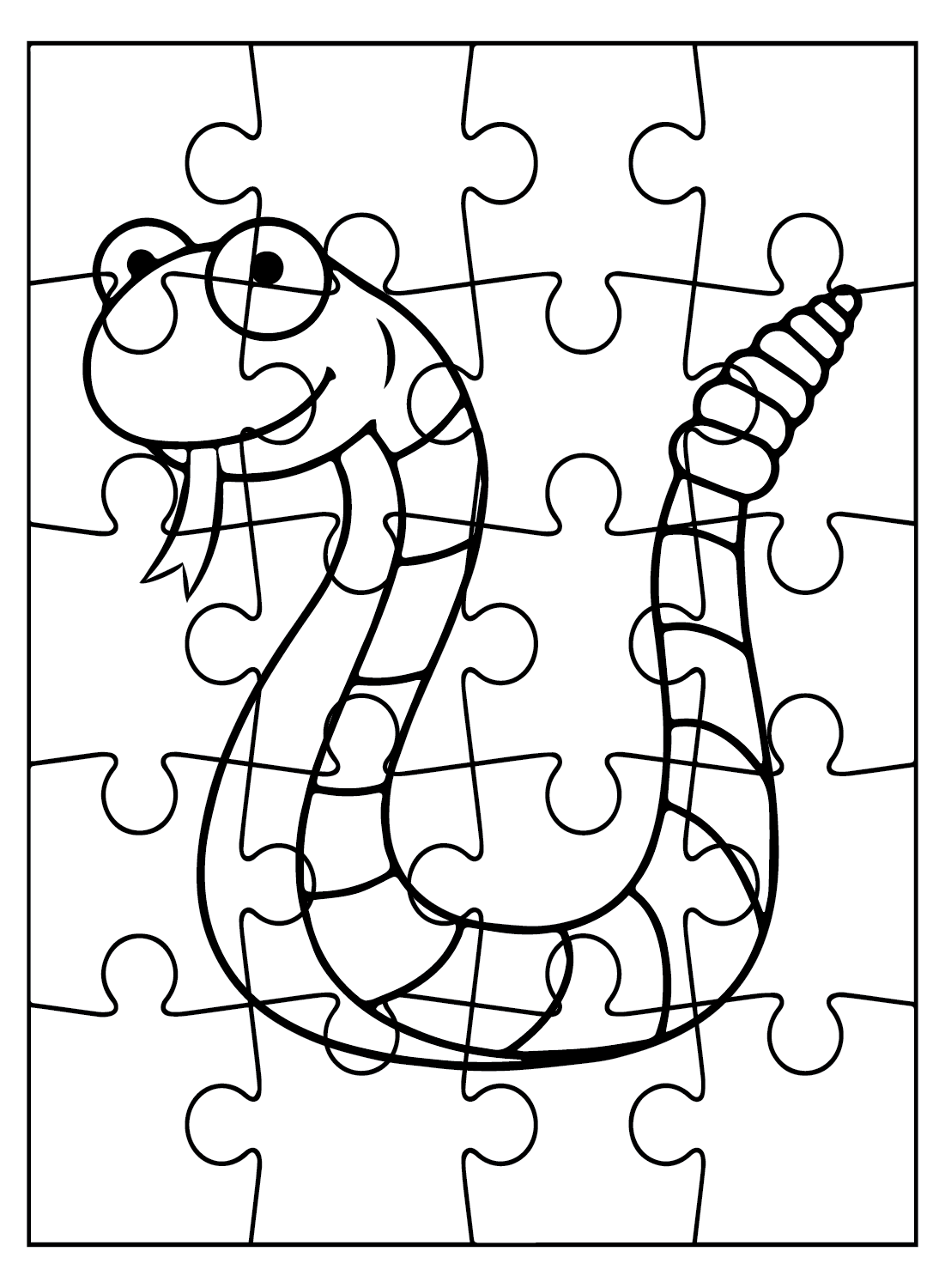
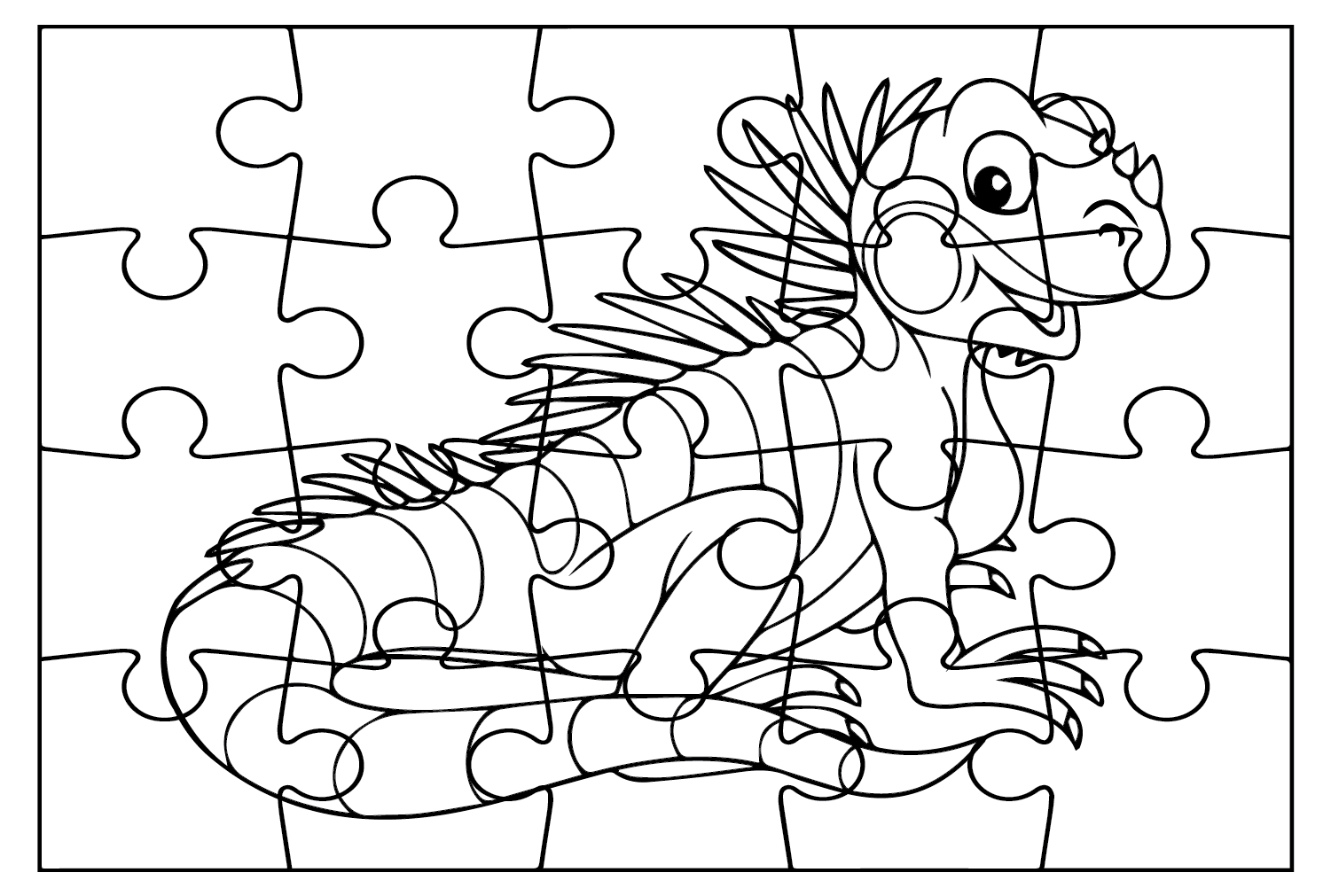
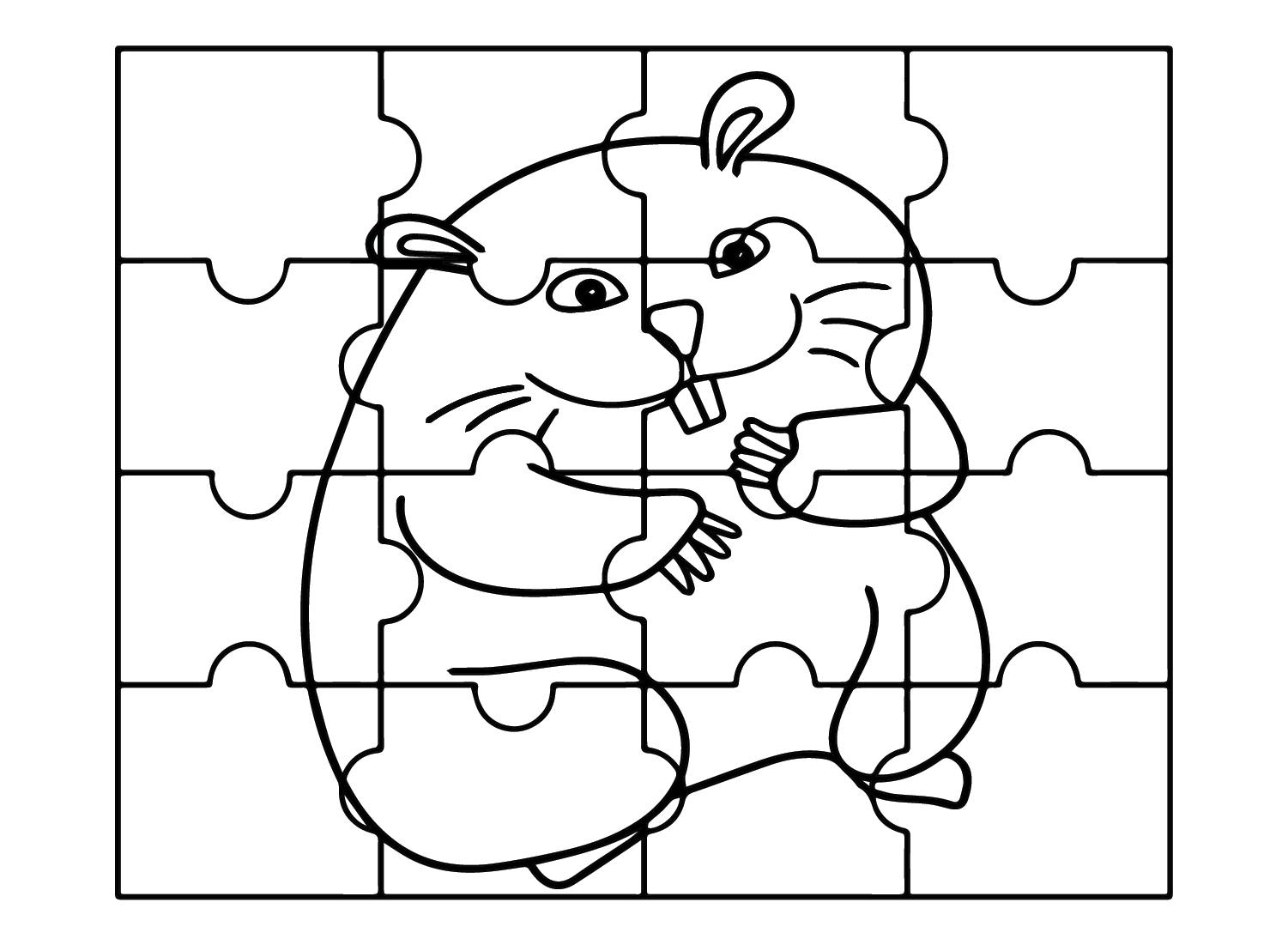
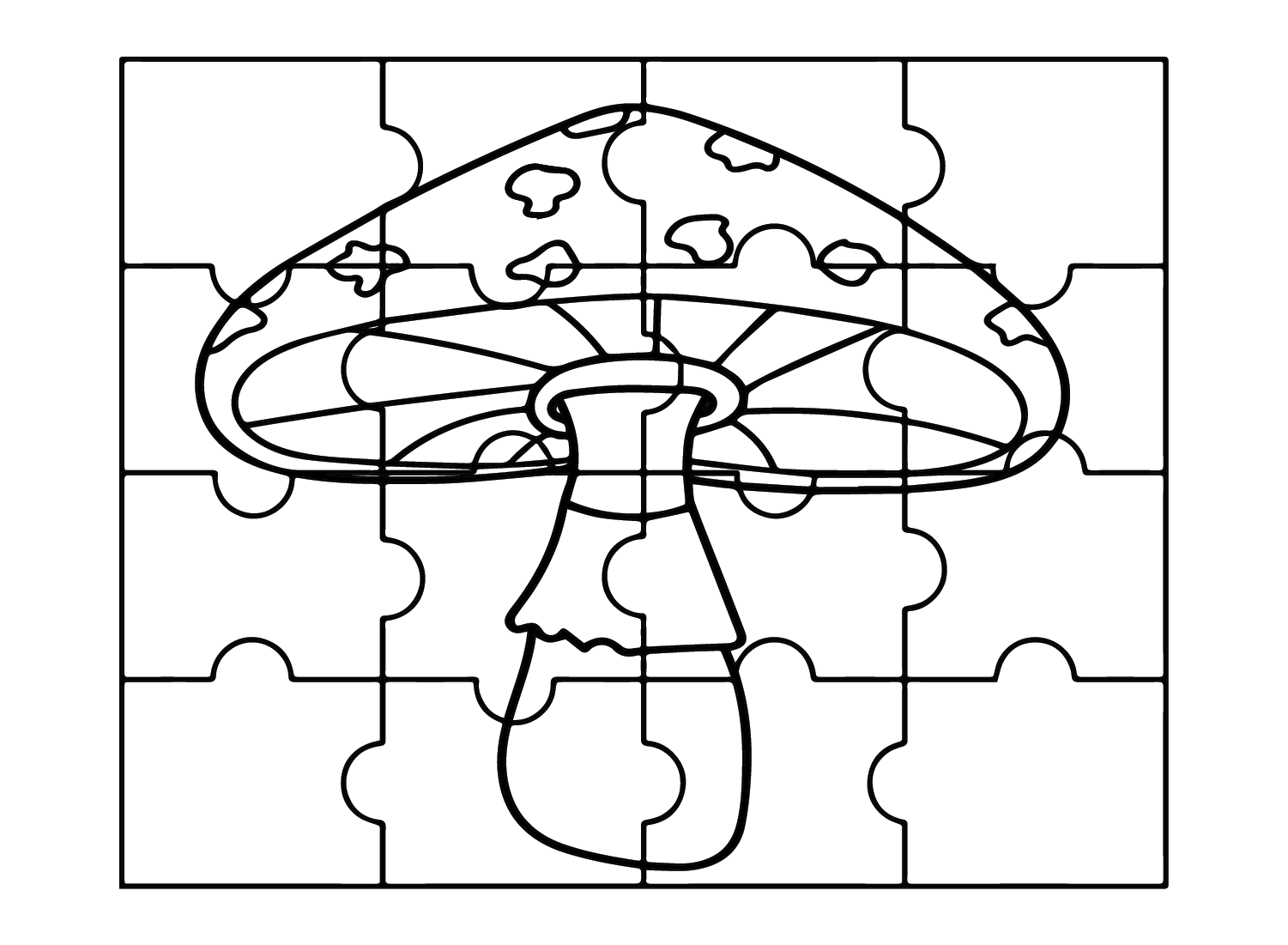
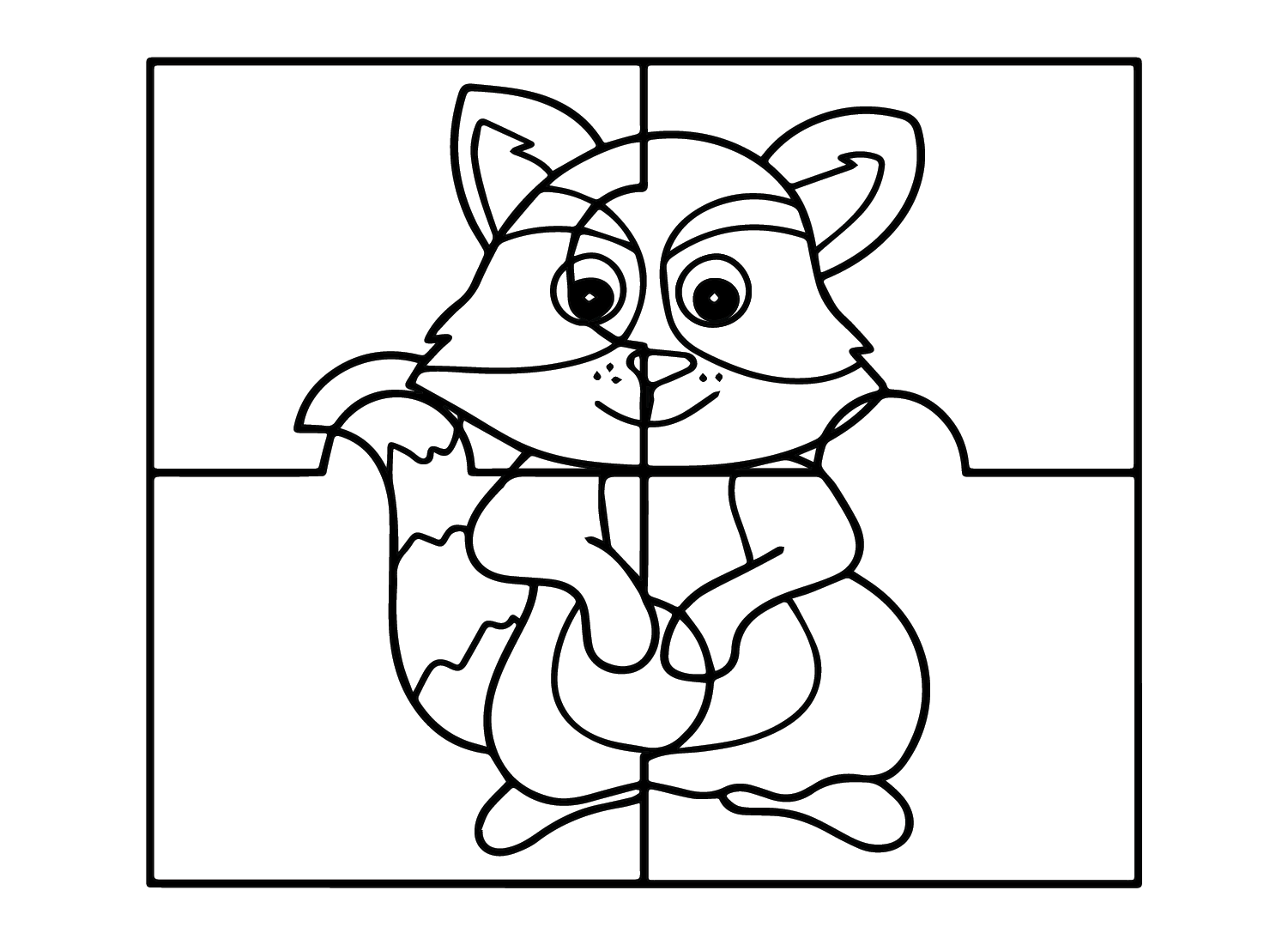
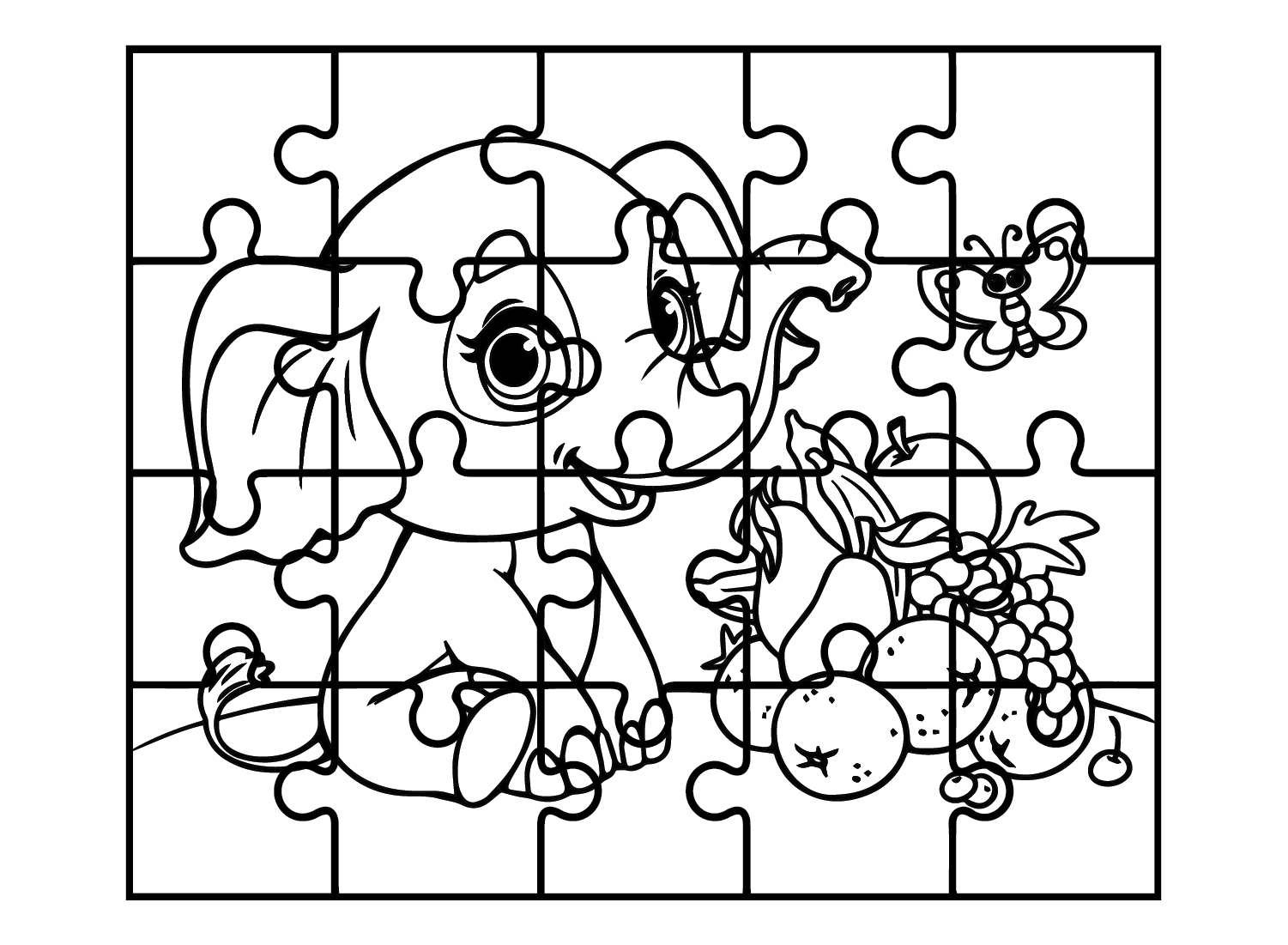
Jigsaw Puzzles Rattlesnake to Color, Jigsaw Puzzles Iguana to Color, Frog Jigsaw Puzzle, Elephants Jigsaw Puzzle, Mouse Jigsaw Puzzle, and Mushroom Jigsaw Puzzle use the puzzle-piece frame around common animals and nature subjects.
Dinosaurs
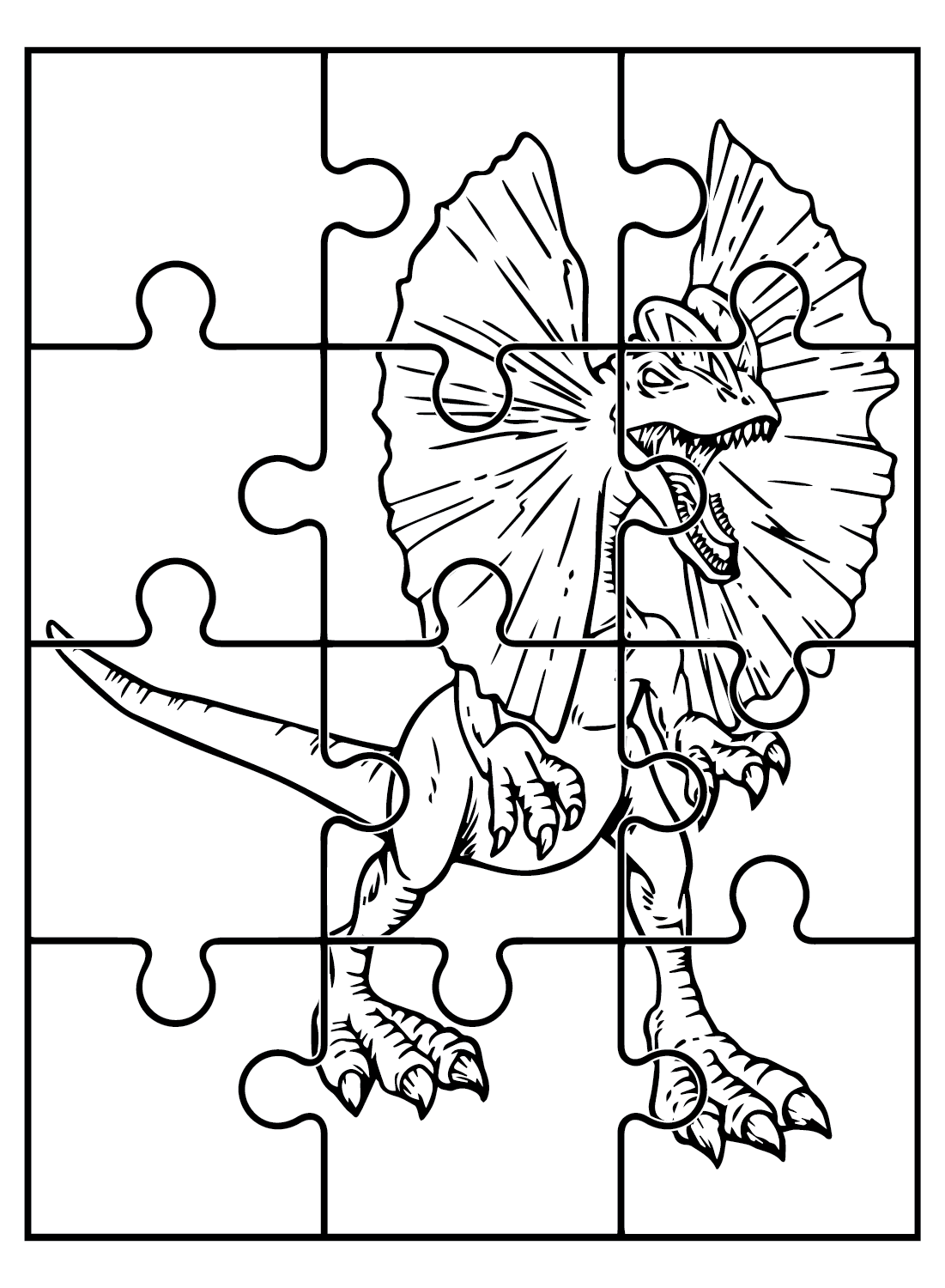
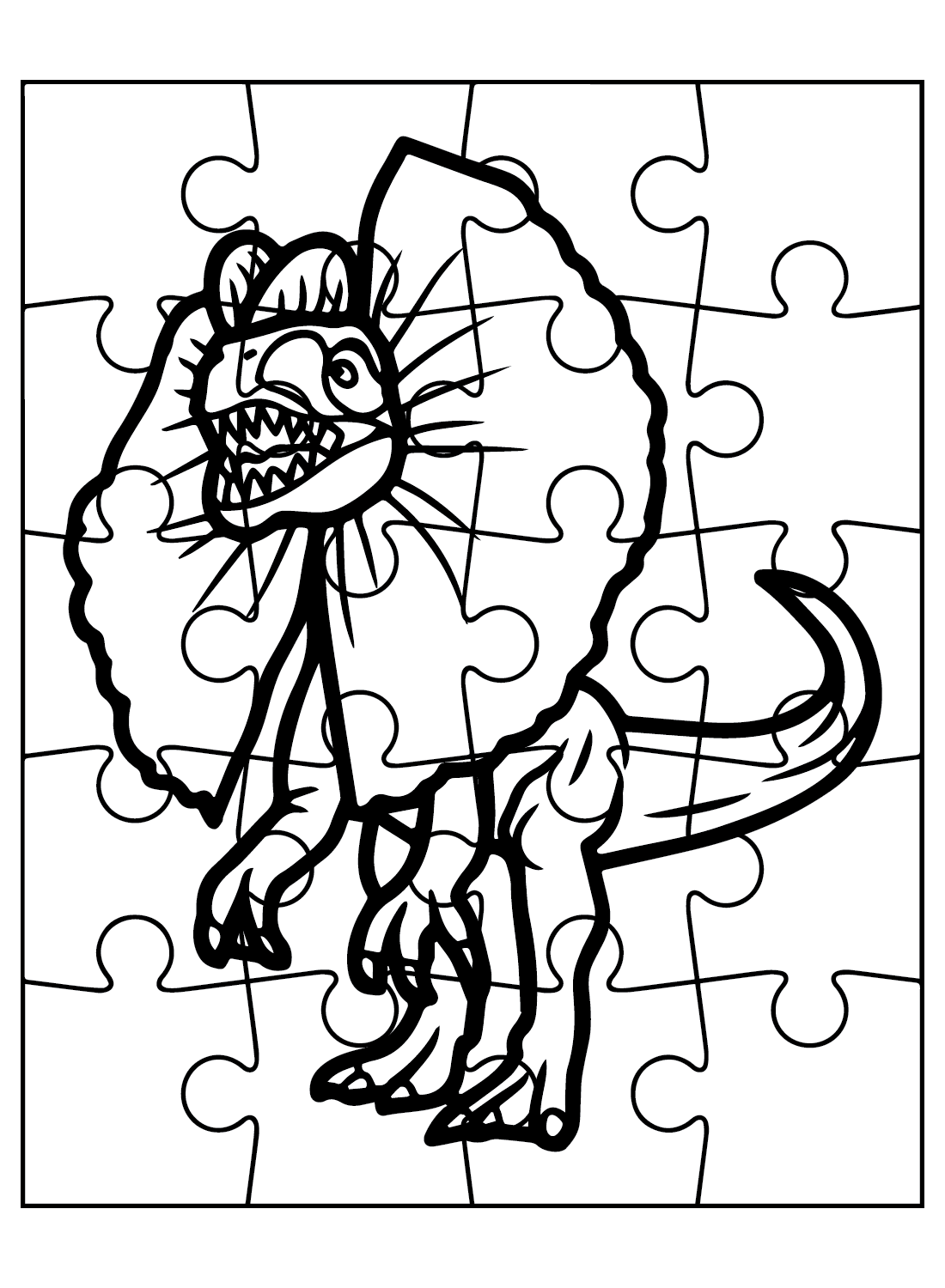
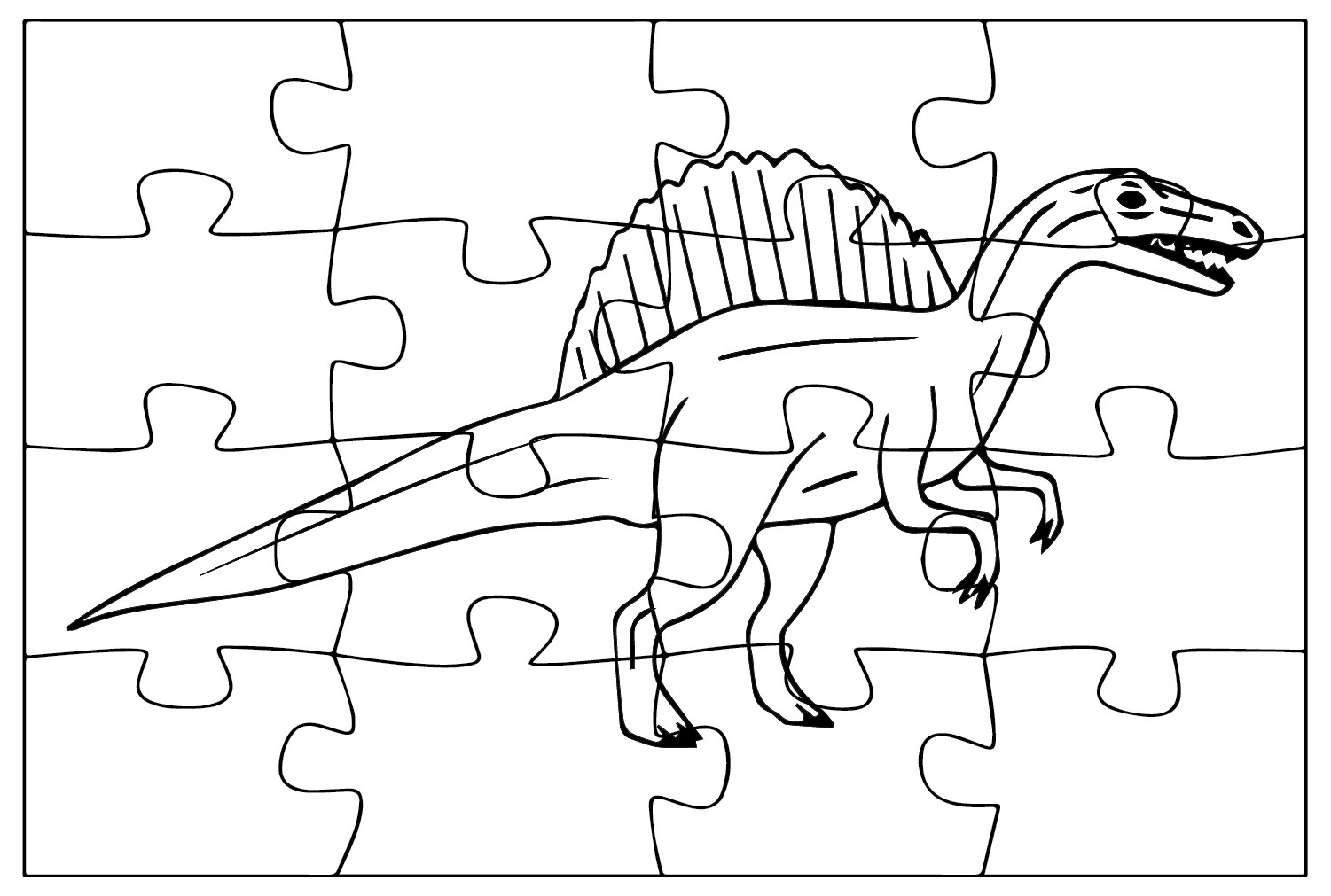
Dilophosaurus Jigsaw Puzzles Coloring Page and Spinosaurus Aegyptiacus Jigsaw Puzzles to Color bring two named dinosaur species into the puzzle-piece format for dinosaur fans.
Everyday Scenes and Objects
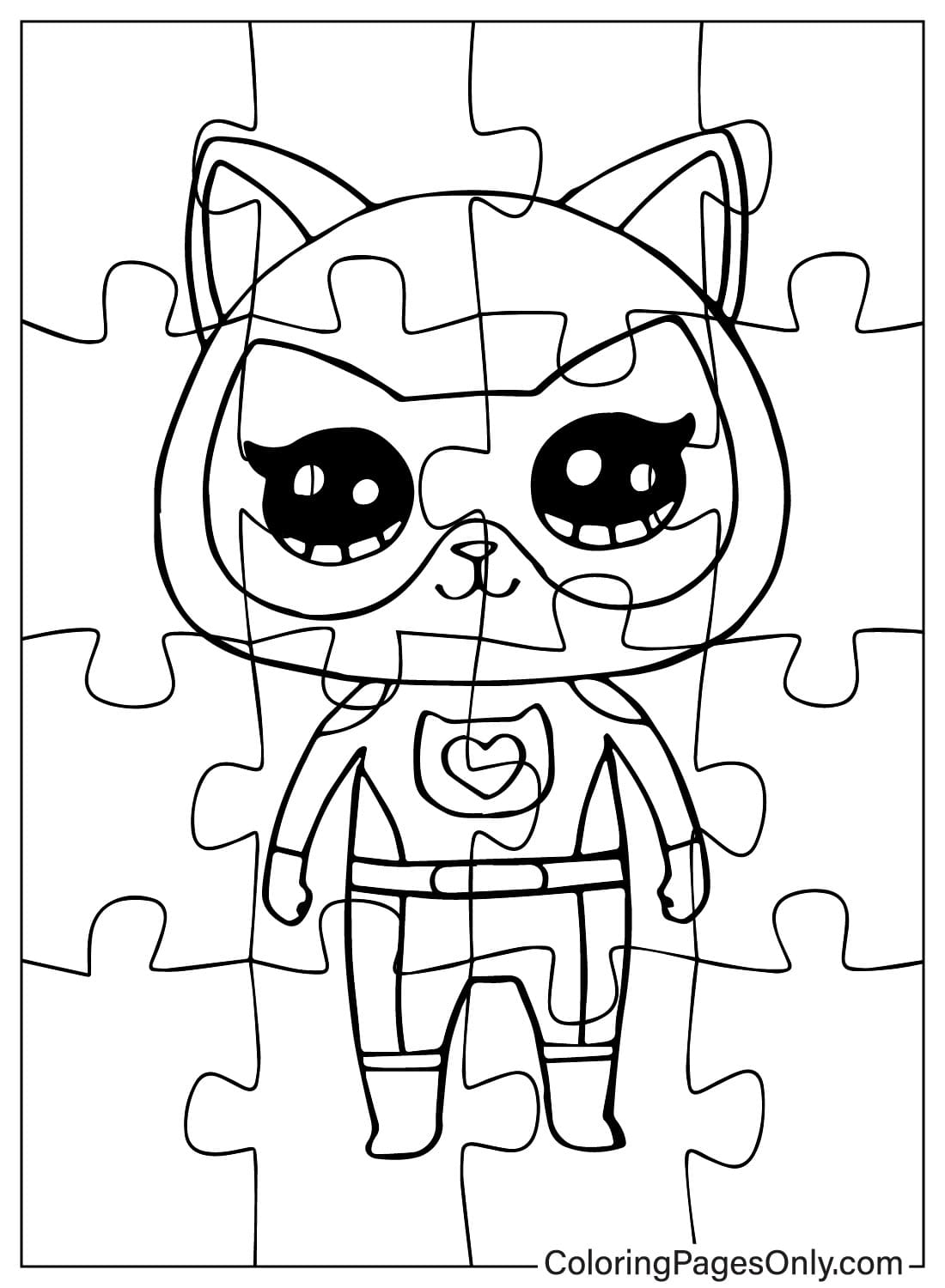
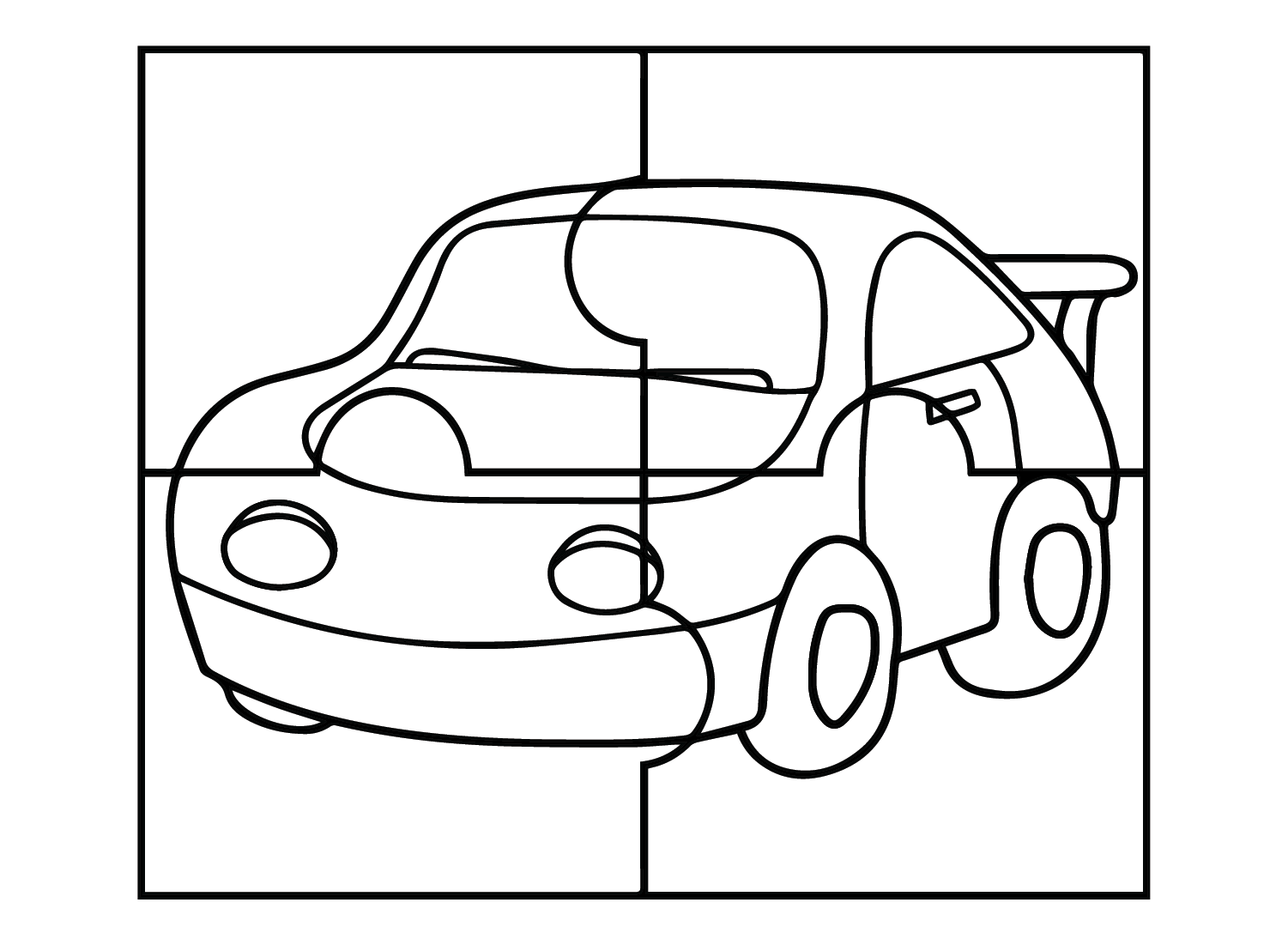
Car Jigsaw Puzzle, Jigsaw Puzzle Statue Of Liberty Coloring Page, Baby Jigsaw Puzzle, and The Girl Jigsaw Puzzle cover familiar objects and simple scenes within the puzzle-piece outline.
Simple Puzzle-Piece Designs
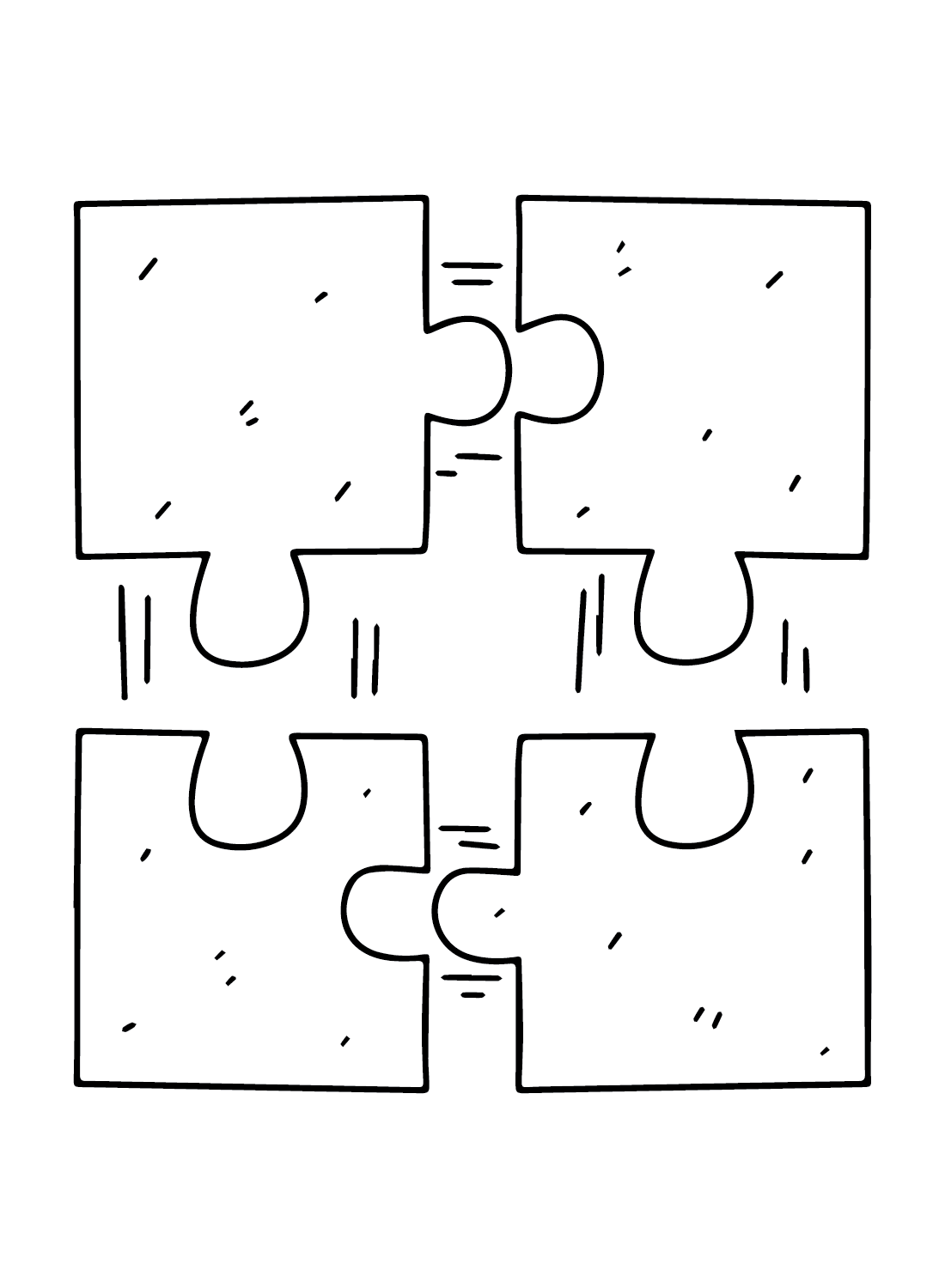
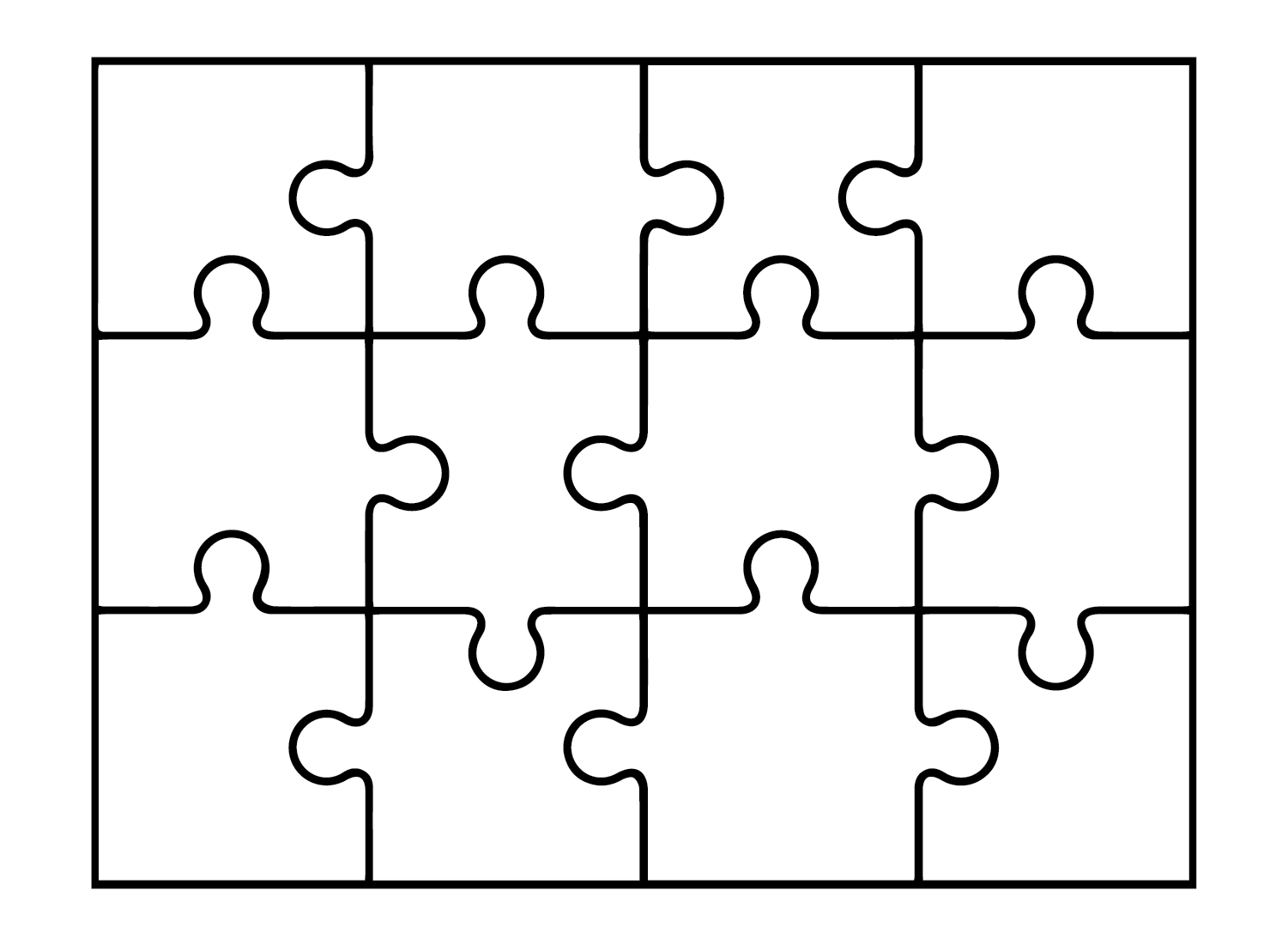
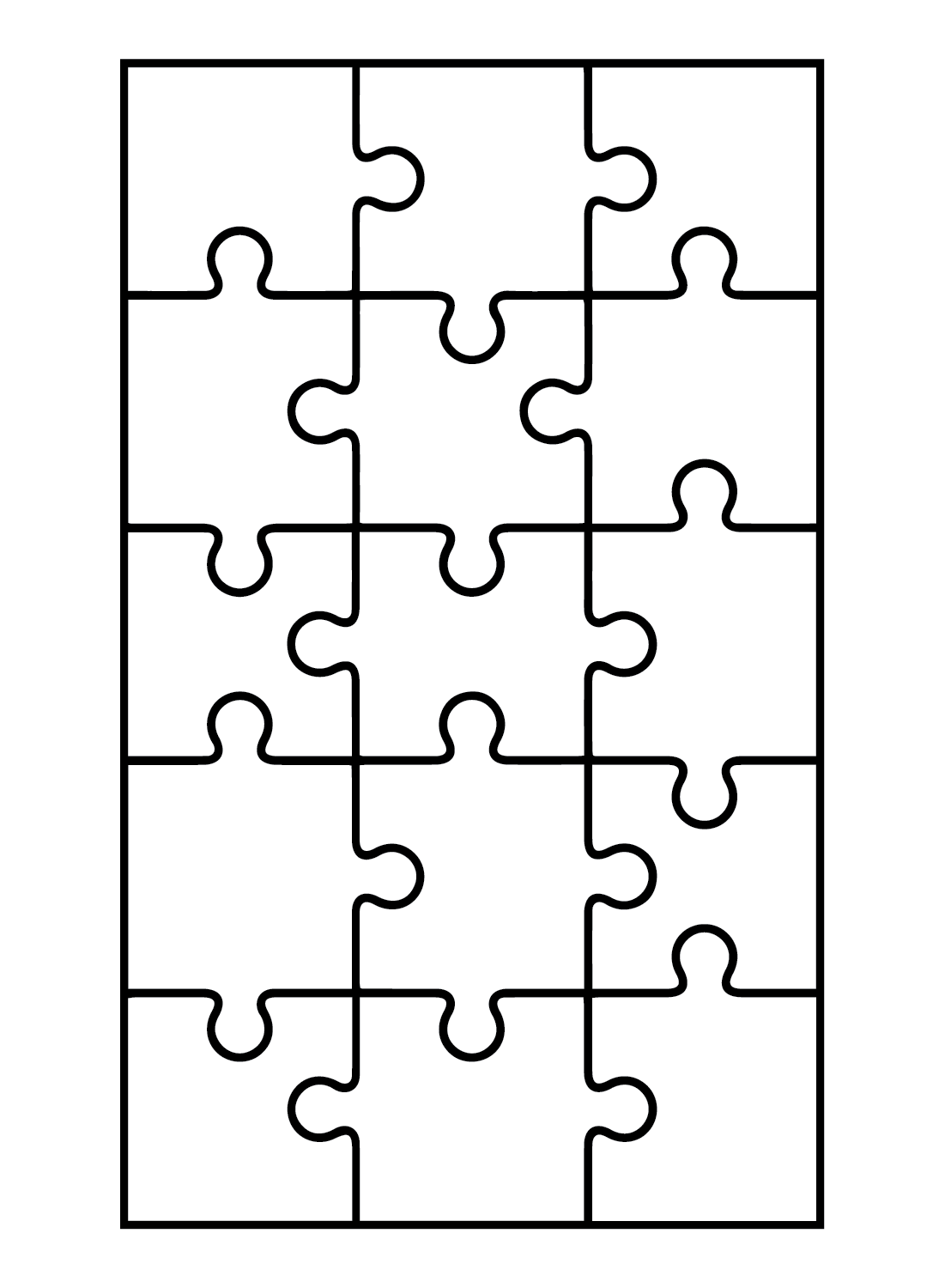
Puzzles Jigsaw, The Jigsaw Puzzle, Jigsaw Puzzle Printable, Drawing Jigsaw Puzzle, and Jigsaw Puzzle Games are plain pages that focus on the puzzle-piece shape itself, useful as a quick warm-up page or a base for further decoration.
What Jigsaw Puzzle Coloring Pages Do
Fine motor development. The American Academy of Pediatrics identifies fine motor skill development as a core benefit of structured coloring for children ages 2 through 7. The curved, interlocking edges of a puzzle-piece outline give kids practice staying inside a less predictable shape than a simple circle or square.
Introduces the idea of parts making a whole. Talking about how individual puzzle pieces combine into one picture gives kids a simple, visual way to understand that smaller parts can build something larger, a concept that carries over into early math and reading.
Anxiety reduction through focus. A 2005 study in the Art Therapy Journal documented measurable reductions in anxiety following structured coloring sessions. The simpler puzzle-piece outline pages in this set work well for a short, calming coloring session.
Builds pre-puzzle spatial skills. Coloring inside a puzzle-piece boundary gives kids practice recognizing an irregular shape’s edges, a skill closely related to the visual matching needed to solve an actual jigsaw puzzle.
How to Color Jigsaw Puzzle Pages Well
- Puzzle-piece outlines: Use a thin, consistent Black or dark Gray line to keep each piece’s edge crisp and easy to see once colored.
- Animal subjects: Match each animal’s natural coloring, such as Green for the rattlesnake and iguana or Gray for the mouse and elephant, so the subject reads clearly inside the puzzle-piece frame.
- Dinosaur subjects: Use muted Green, Brown, or Gray tones for the dinosaur’s skin, adding a slightly darker shade along the back and tail for depth.
- Everyday objects and scenes: Keep background details simple and in a limited palette so the main subject stays the visual focus inside the puzzle-piece shape.
- Simple puzzle-piece designs: Since these pages have less internal detail, try shading each piece a slightly different tone of the same color to make the individual pieces stand out from one another.
- Multi-piece pages: If a design shows several connected pieces, alternate two or three colors across neighboring pieces so the puzzle pattern itself becomes part of the finished art.
5 Creative Craft Ideas With Jigsaw Puzzle Coloring Pages
1. Make Your Own Puzzle. Color a page, glue it to cardboard for durability, and cut it into a handful of custom puzzle pieces to mix up and reassemble.
2. Puzzle Piece Magnets. Color a page, cut out individual puzzle pieces, and attach a small piece of adhesive magnetic sheet to the back of each one.
3. Framed Puzzle Art. Color a detailed page, trim it to fit a simple frame, and hang it on the wall as a finished piece of puzzle-themed art.
4. Puzzle Piece Bookmark. Color a single puzzle-piece shape, cut it out, and glue it to a strip of cardstock for a sturdy, puzzle-shaped bookmark.
5. Greeting Card. Color a small puzzle-piece page, cut it to size, and glue it to the front of a folded piece of cardstock for a simple handmade card.
Frequently Asked Questions
What are jigsaw puzzle coloring pages?
Jigsaw puzzle coloring pages are free printable or online designs styled as puzzle pieces, featuring animals, dinosaurs, and everyday scenes. This collection has 43 pages, available as PDF downloads or in the browser-based coloring tool.
Who invented the jigsaw puzzle?
John Spilsbury, a London cartographer and engraver, is credited with commercially producing the first jigsaw-style puzzle in the 1760s. He mounted maps onto wood and cut along country borders to make “dissected maps” for teaching geography.
What kinds of images appear in the collection?
The set includes animals, two named dinosaur species, everyday objects like a car, and plain pages that focus on the puzzle-piece outline itself rather than a specific subject.
What dinosaur species are featured?
The collection includes Dilophosaurus and Spinosaurus aegyptiacus, both shown within the puzzle-piece outline format used throughout the set.
What animals are featured?
Pages include a rattlesnake, an iguana, a frog, elephants, a mouse, and a mushroom, each drawn inside the collection’s signature puzzle-piece shape.
How can these pages be turned into an actual puzzle?
After coloring a page, glue it to a piece of cardboard for durability, then cut it into a few irregular pieces along drawn lines or freehand to make a simple homemade jigsaw puzzle.
Are jigsaw puzzle coloring pages suitable for young children?
Yes. The simpler puzzle-piece outline pages use bold, uncluttered shapes suited to preschool and early elementary colorers, while the animal and dinosaur pages offer more detail for older kids and adults. None of the general puzzle-piece and animal designs include content that would concern parents.
Why were the first jigsaw puzzles called dissected maps?
Early puzzles were literally maps cut apart along country or region borders, which is why John Spilsbury and other early makers called them dissected maps rather than jigsaw puzzles, a term that did not come into use until 1909.
Start Coloring
Download any page by clicking the design. No account, email, or payment is required. Pages print directly from the browser at full resolution or open in the online coloring tool for screen use. Share finished pages on Facebook or Pinterest with the share buttons at the top of each design page.